Before this trip, I knew very little about Albania. A direct flight from Stuttgart made it an easy destination to visit, but beyond that, I wasn’t quite sure what to expect.
My friends and I spent a few days based in Tirana, exploring the city on foot, visiting museums, learning about Albania’s communist past, and enjoying some memorable meals along the way. We also took a day trip to Berat, a UNESCO World Heritage Site often called the “City of a Thousand Windows.”
As we explored Tirana, I learned much more about Albania’s history while discovering a city that was far more interesting than I expected.
Getting to Know Tirana
Tirana (Tiranë) is the capital and largest city in Albania, a Balkan nation with a complex history shaped by Ottoman rule, communism, and rapid change over the past few decades. While many travelers head straight for Albania’s beaches or mountain villages, I found Tirana to be an interesting destination in its own right.
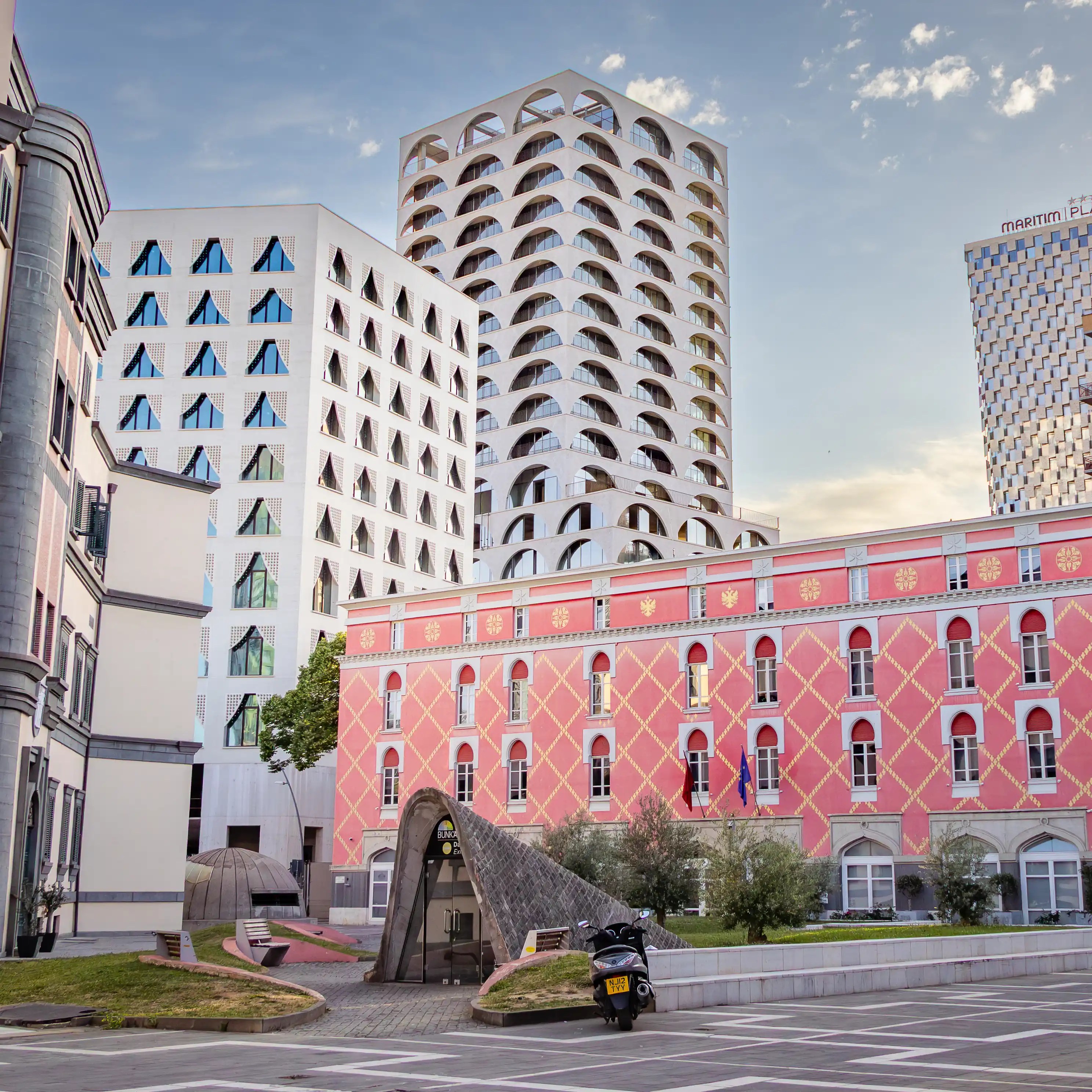
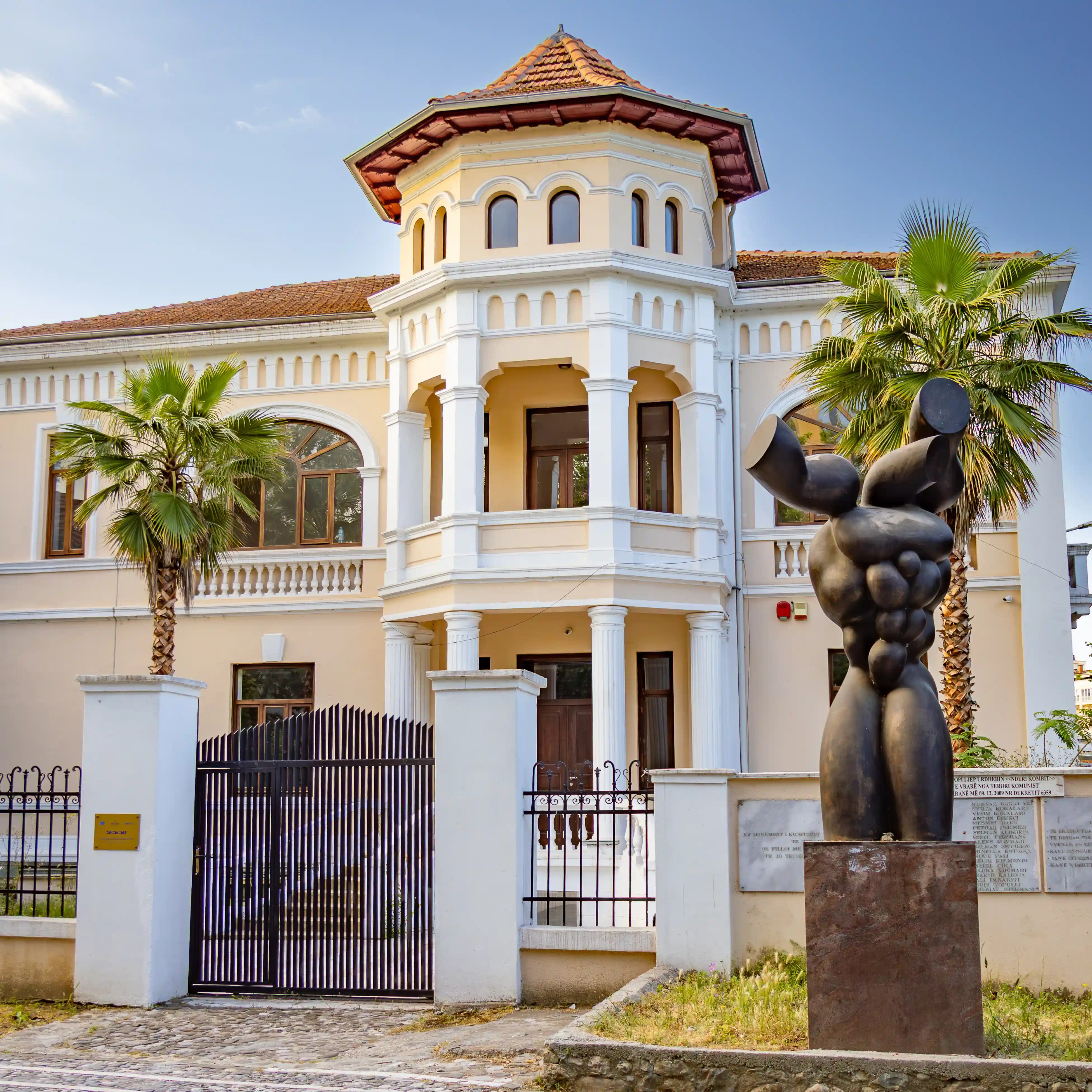
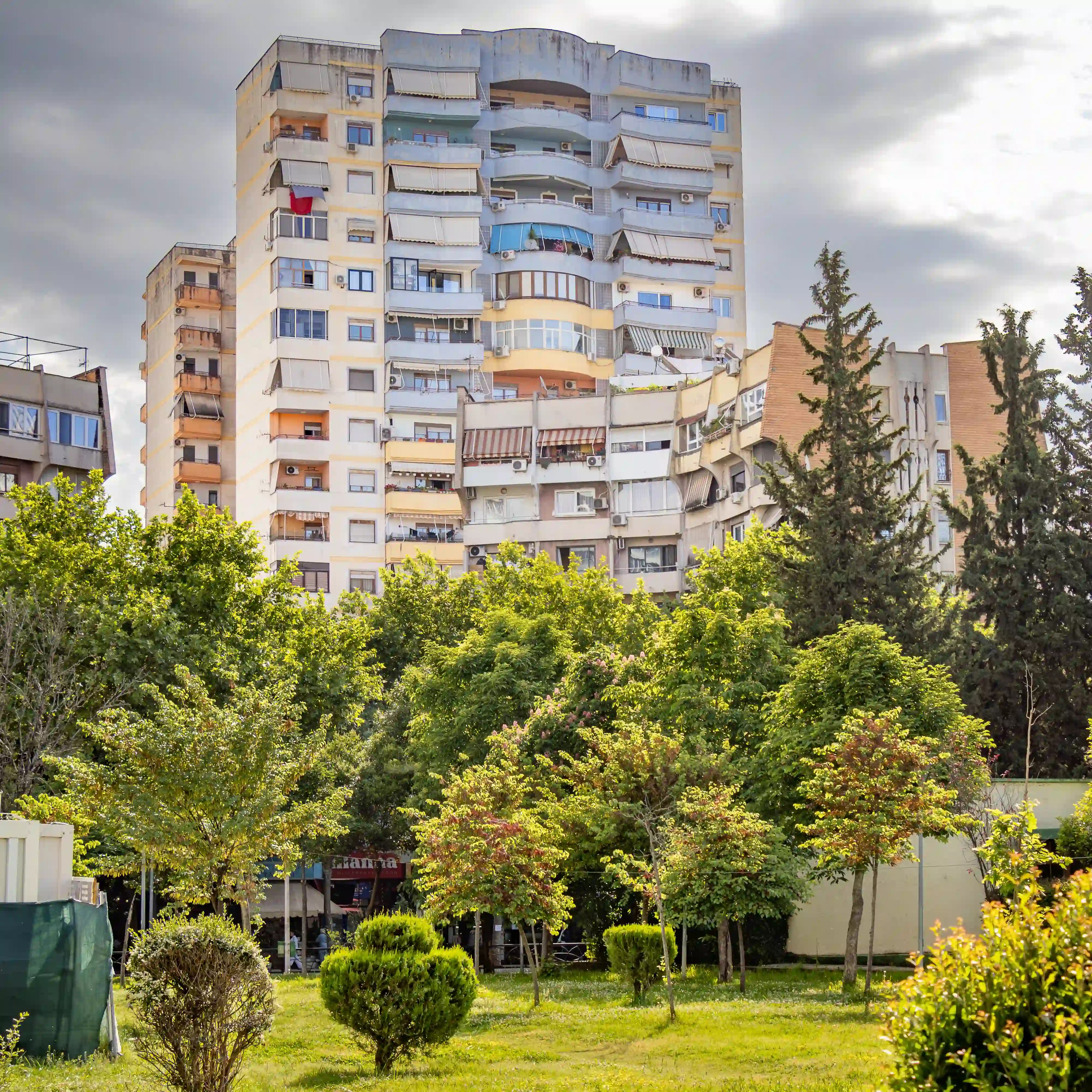
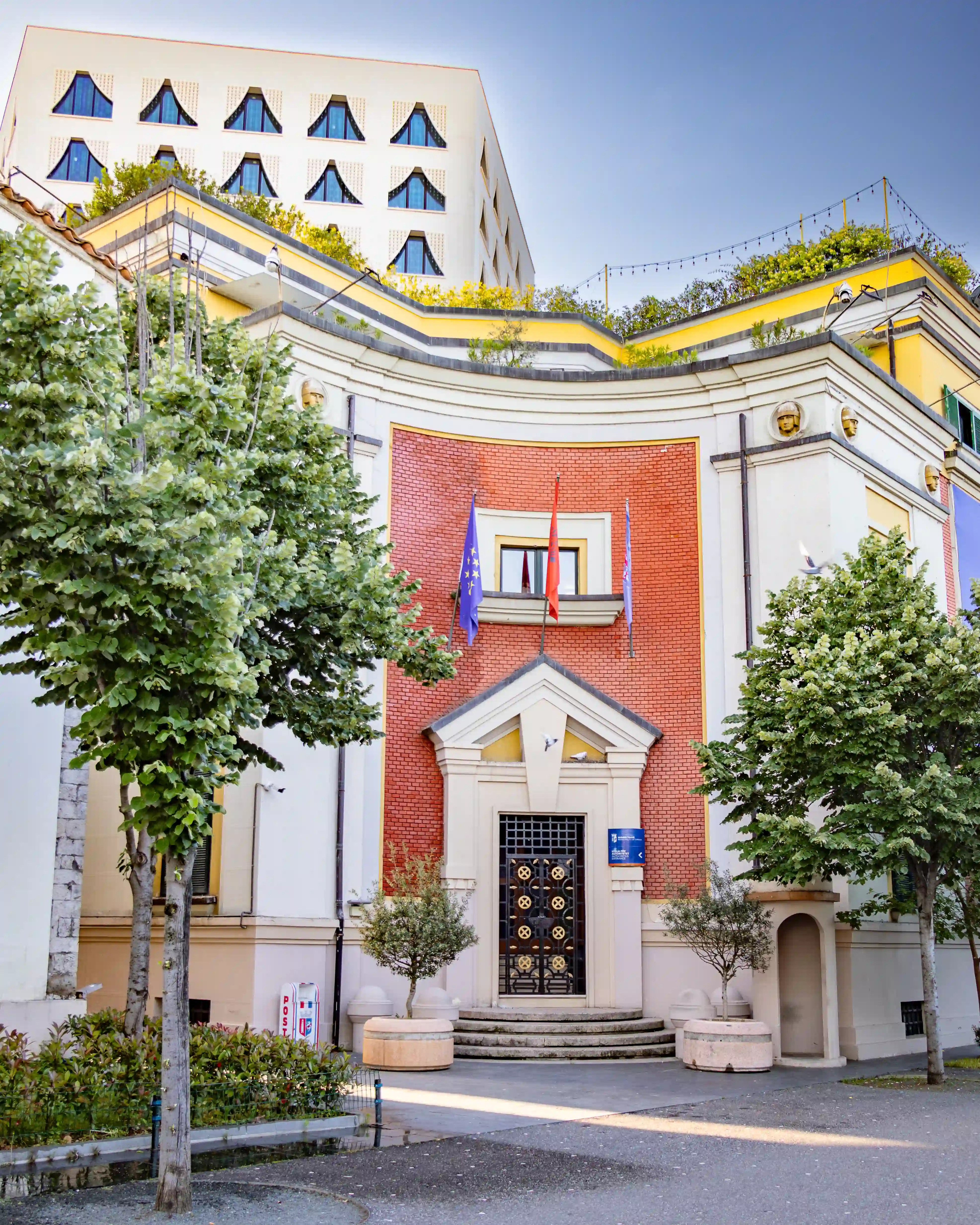
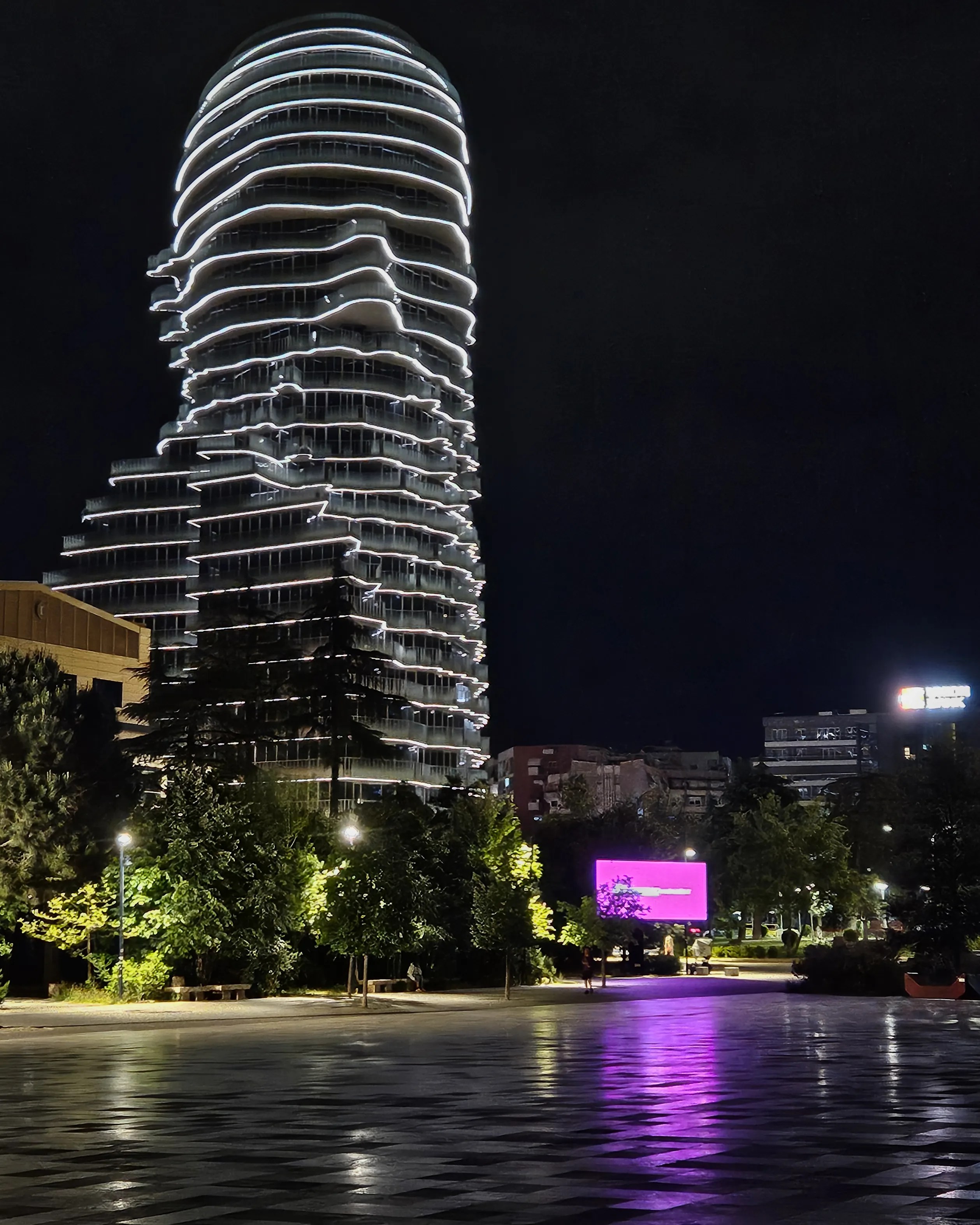
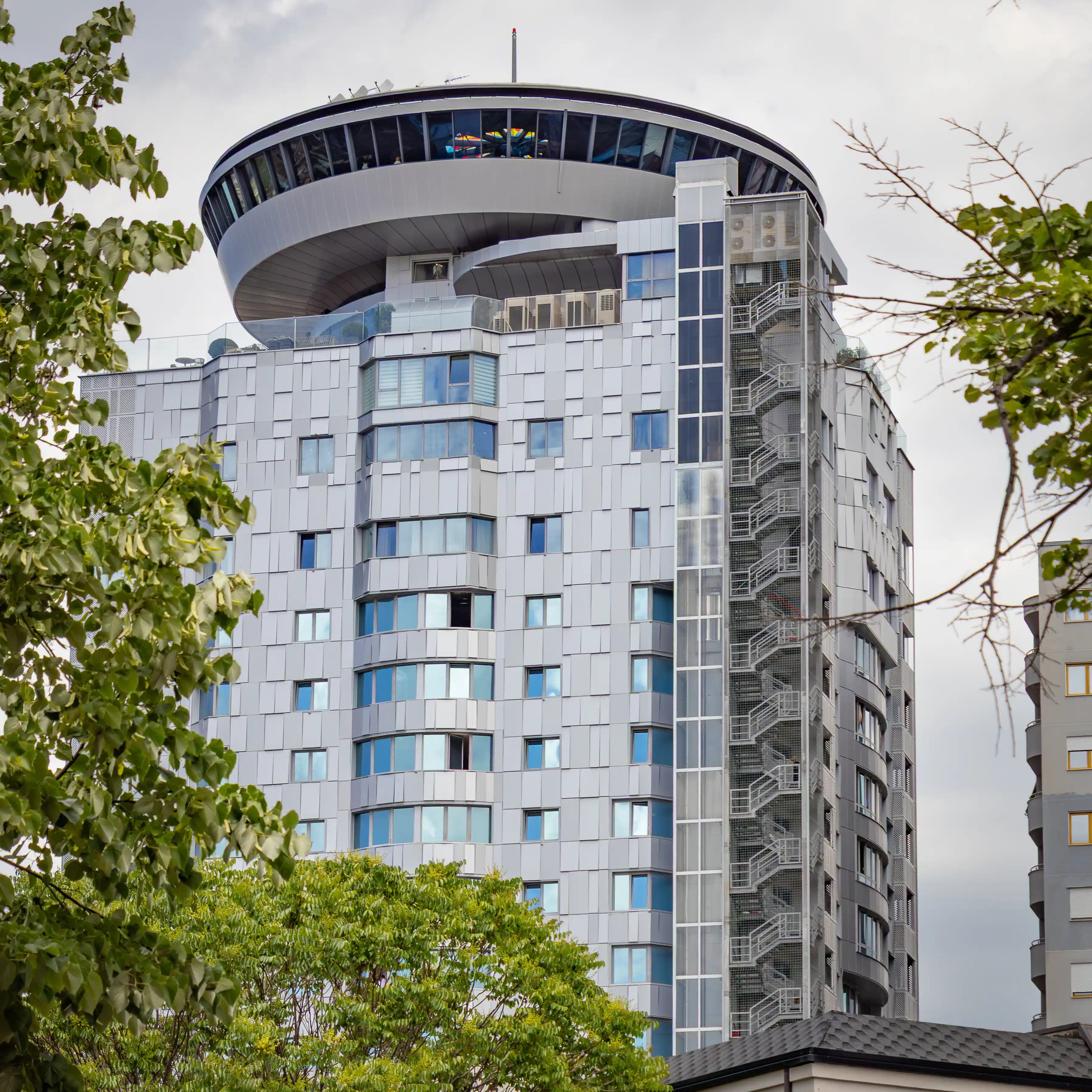
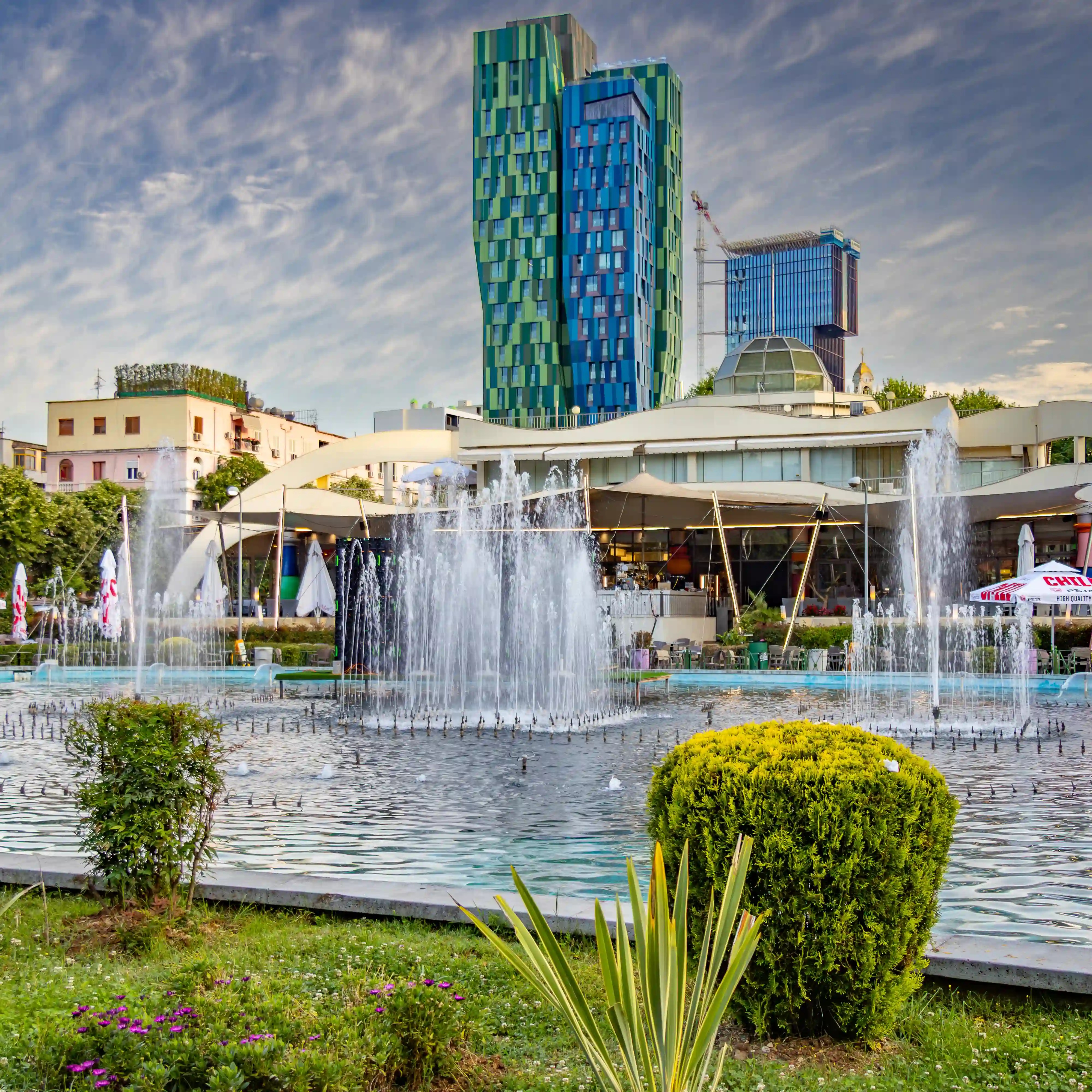
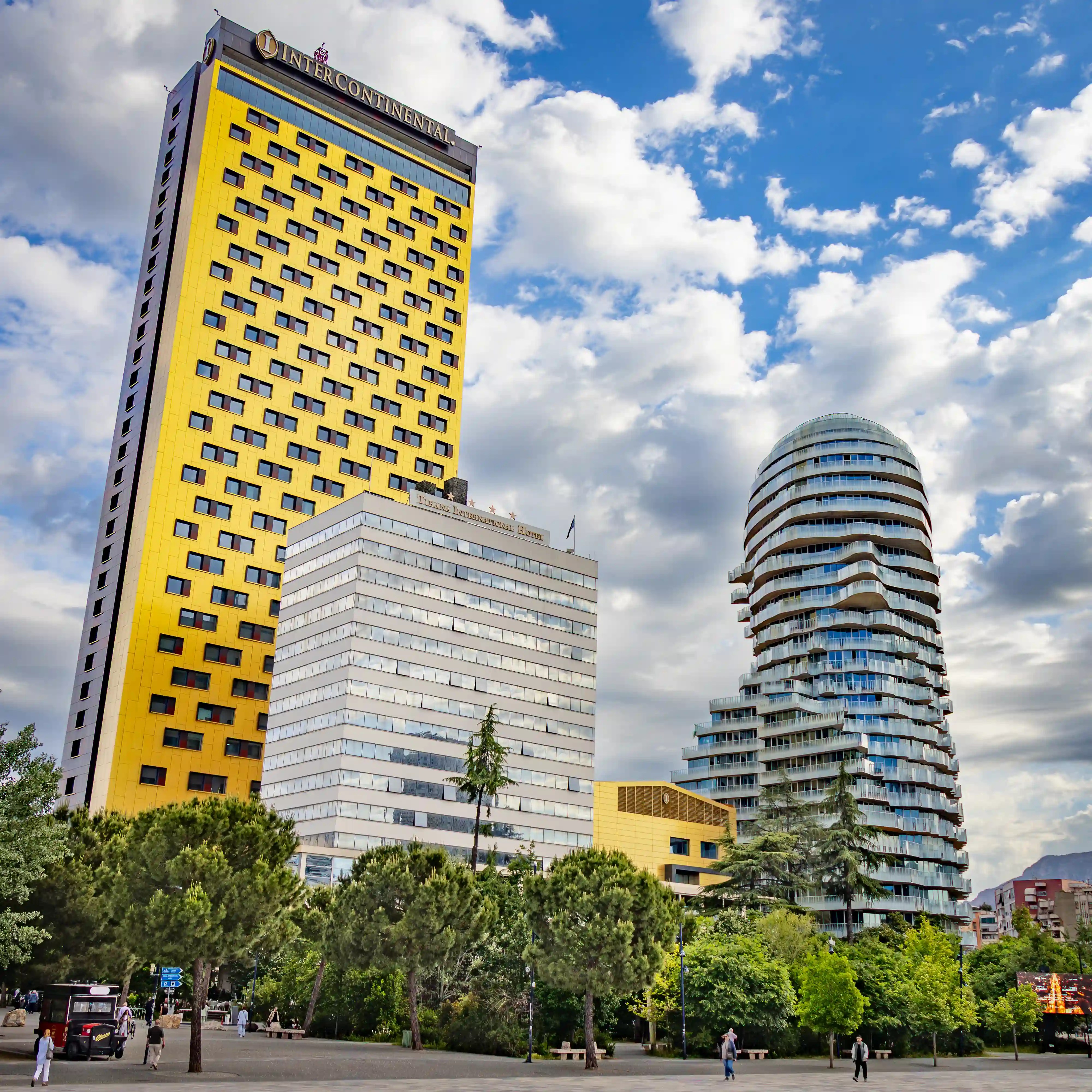
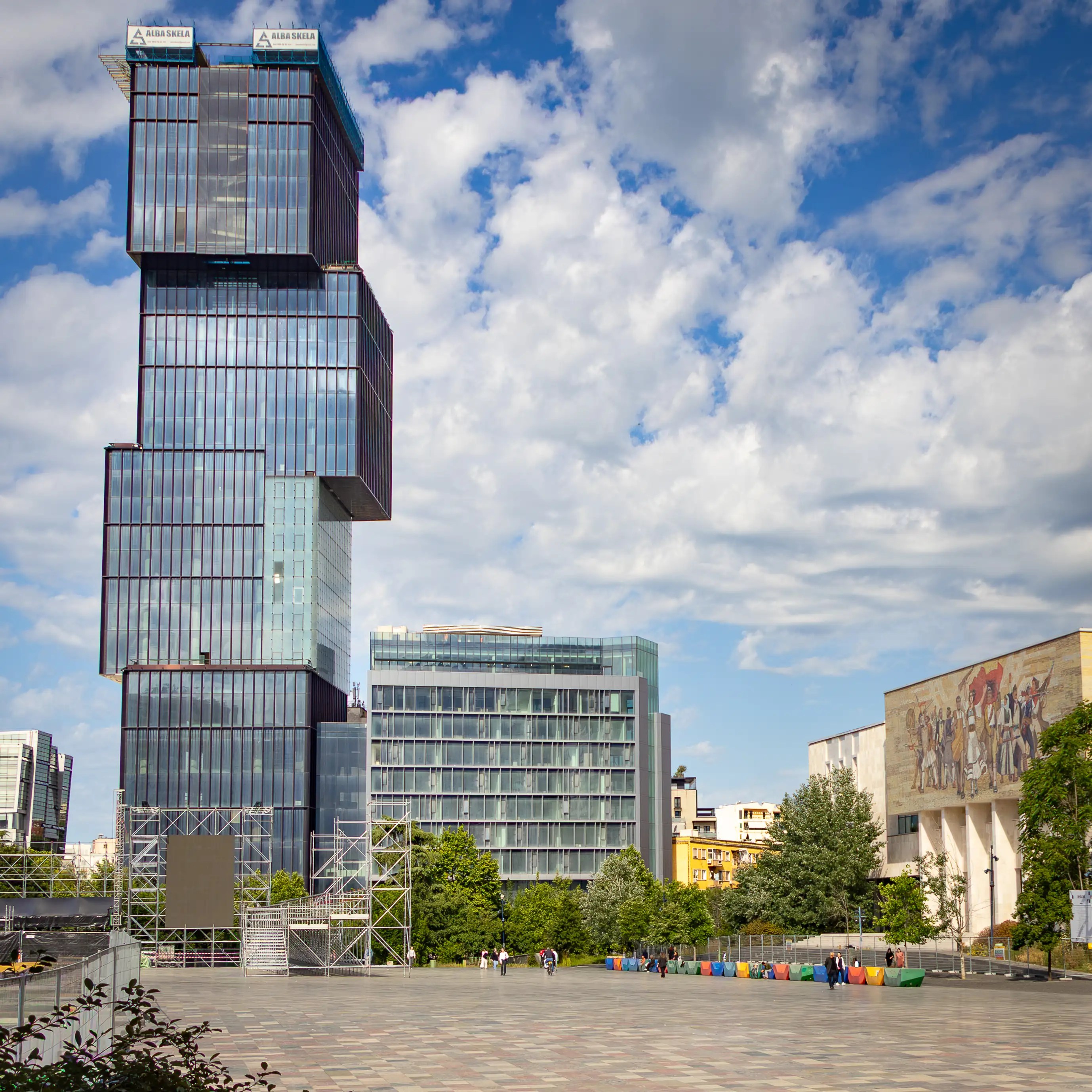
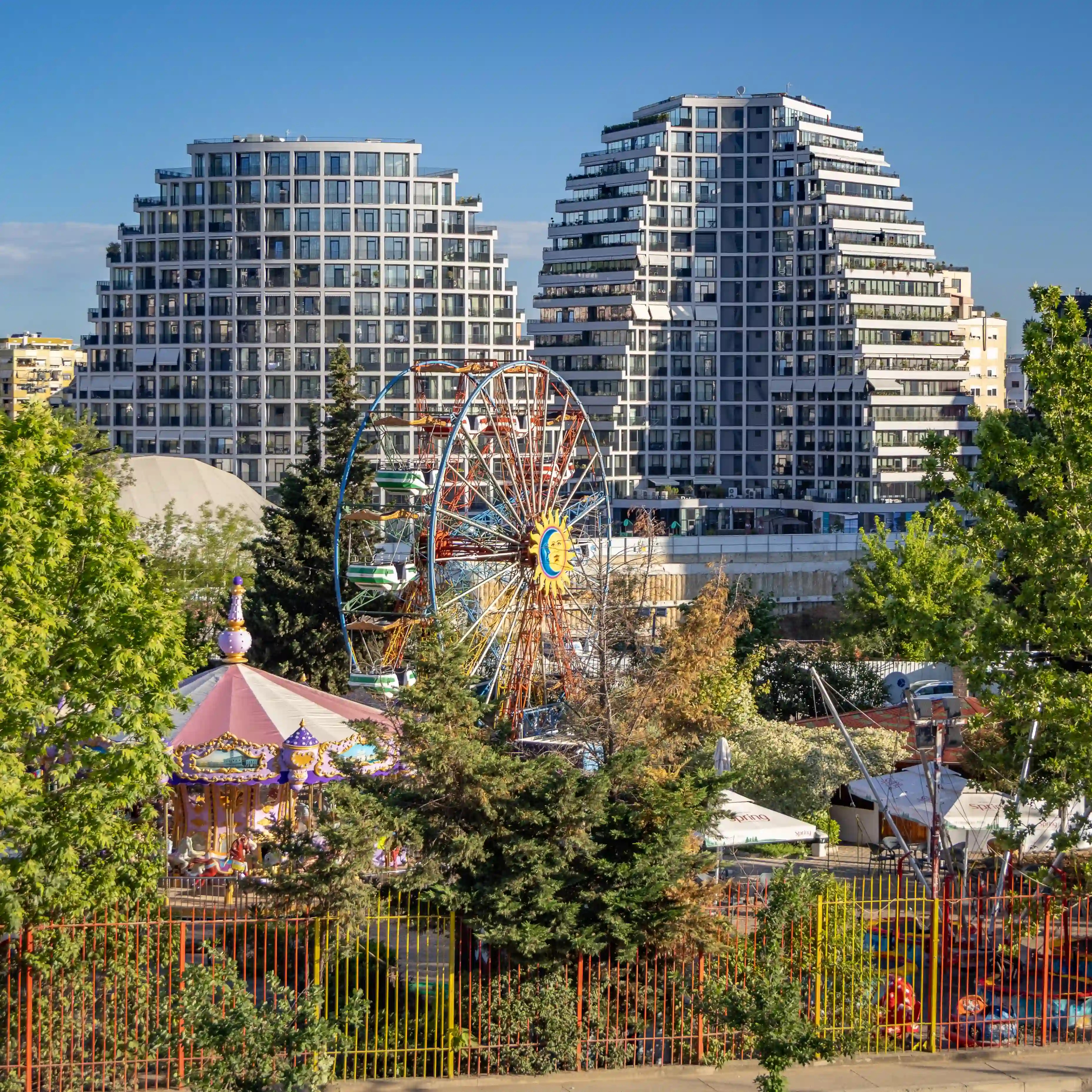
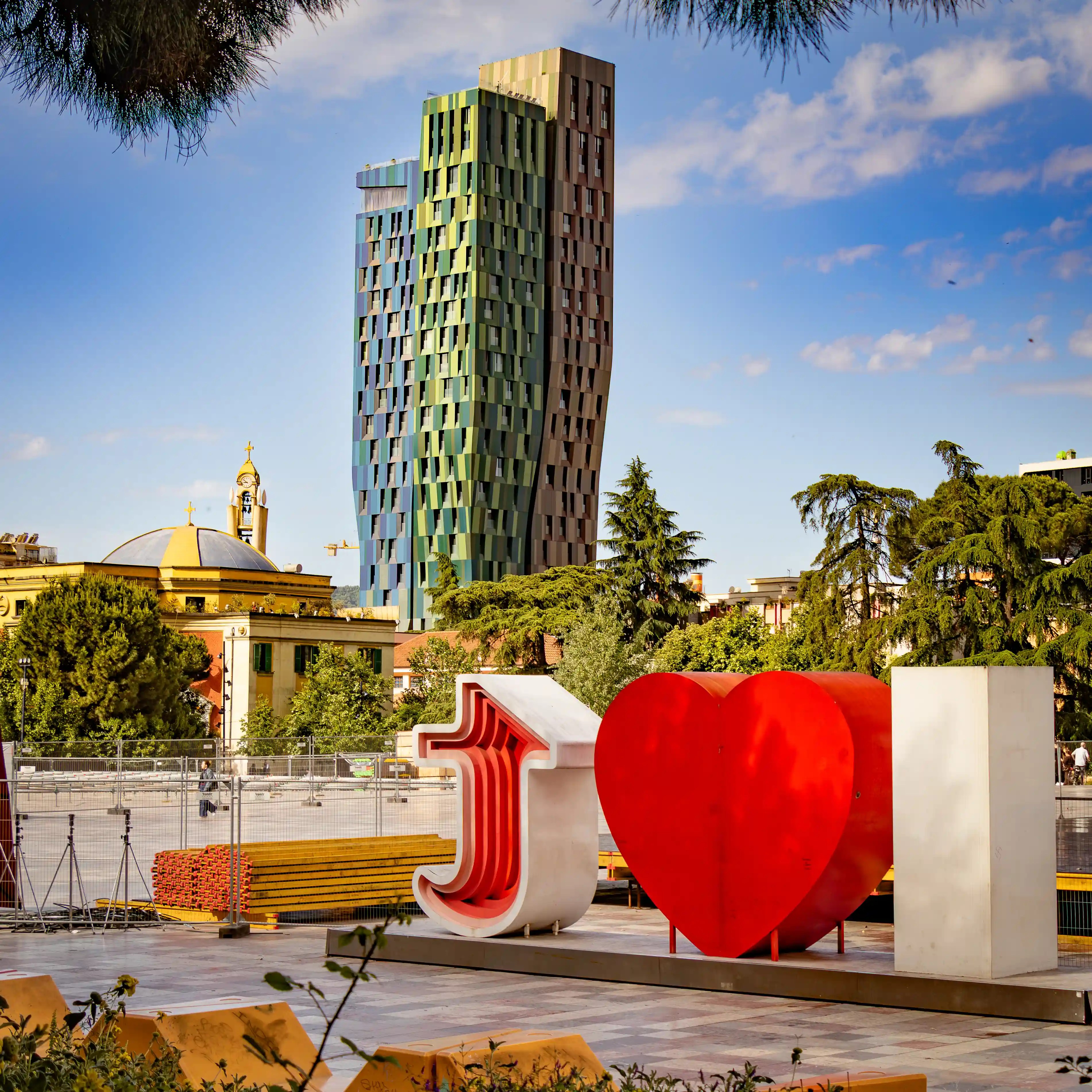
One of the first things I noticed about Tirana was the amount of construction taking place around the city. Cranes were visible across much of the skyline, and new buildings seemed to be rising in every direction. Some of the architecture is surprisingly bold, with colorful towers and creative designs that stand out among older apartment blocks and historic buildings.
Wanting to learn more about the city and its history, we joined a free walking tour shortly after arriving. It proved to be an excellent introduction to Tirana’s neighborhoods, major landmarks, and the stories behind them.
As we explored the city, our guide shared stories about Albania’s history and life under communism. One in particular stayed with me. After communism ended, his parents spent months working up the courage to buy their first banana and were still hesitant to eat it once they brought it home. It was a simple story, but it helped illustrate just how isolated Albania had been from the outside world for much of the twentieth century.
Skanderbeg Square and the Heart of the City
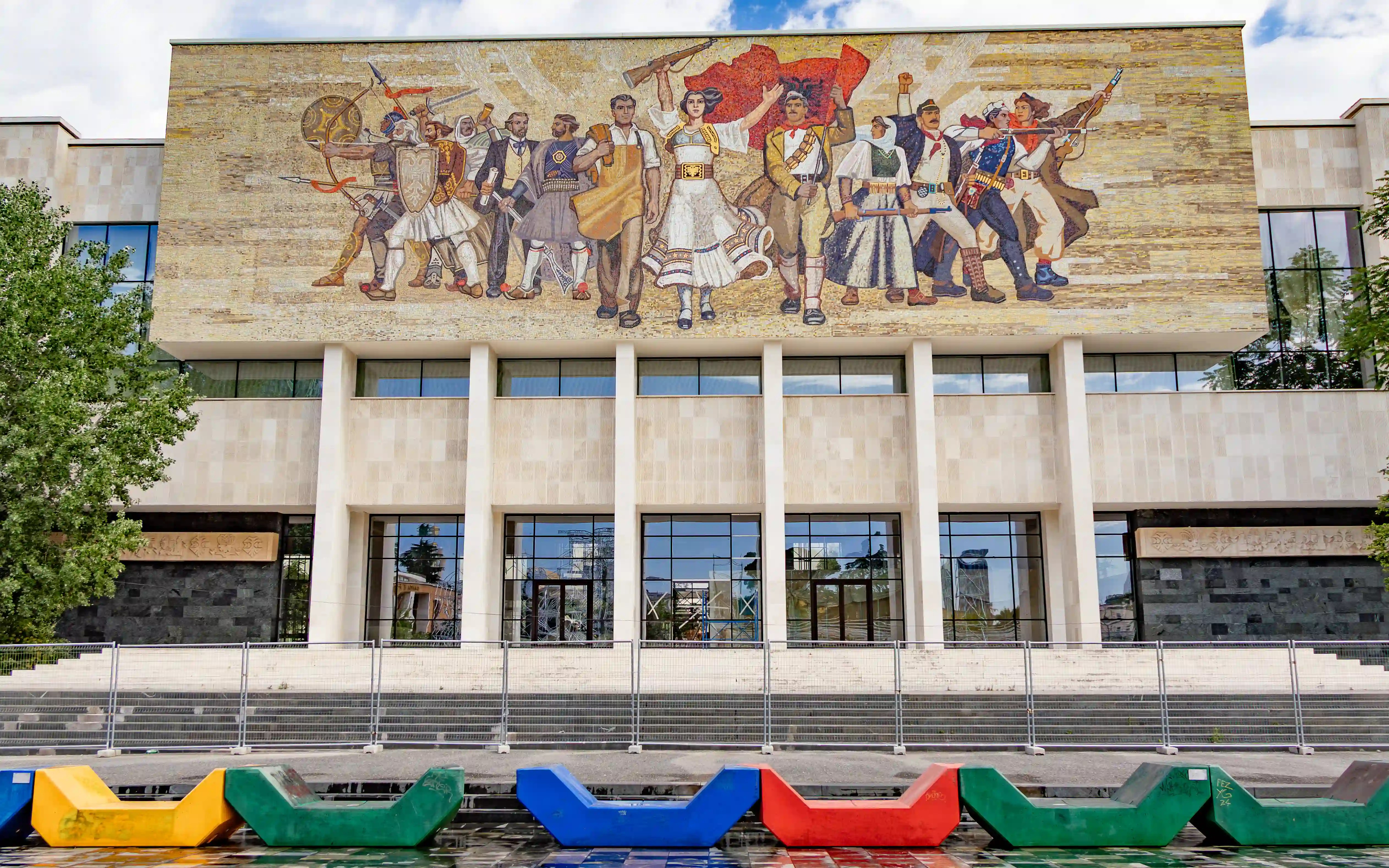
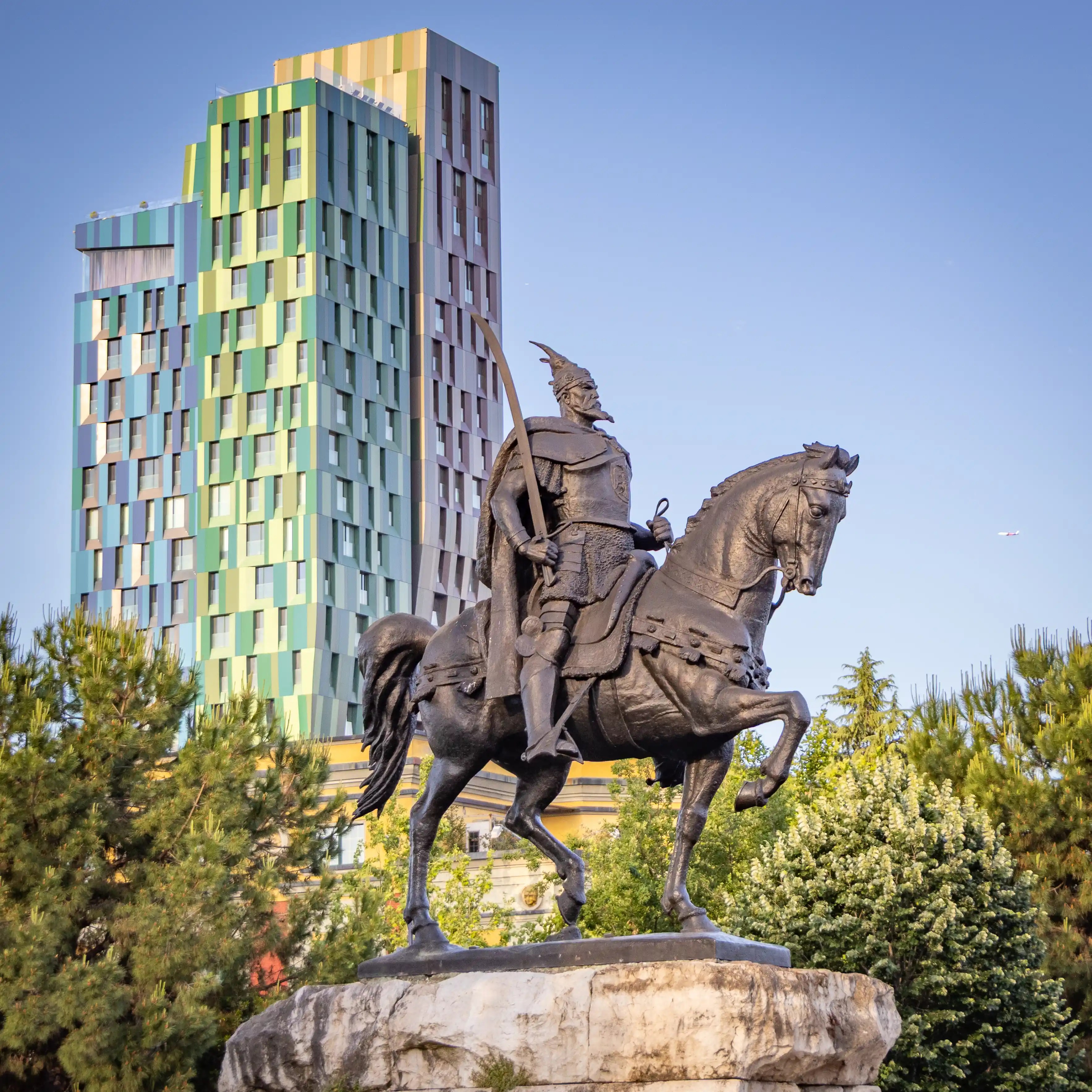
Much of Tirana revolves around Skanderbeg Square, a vast public square that serves as the heart of the city. Named after Gjergj Kastrioti Skanderbeg, the 15th-century military leader who successfully resisted Ottoman expansion for decades, it is surrounded by many of Tirana’s most important landmarks.
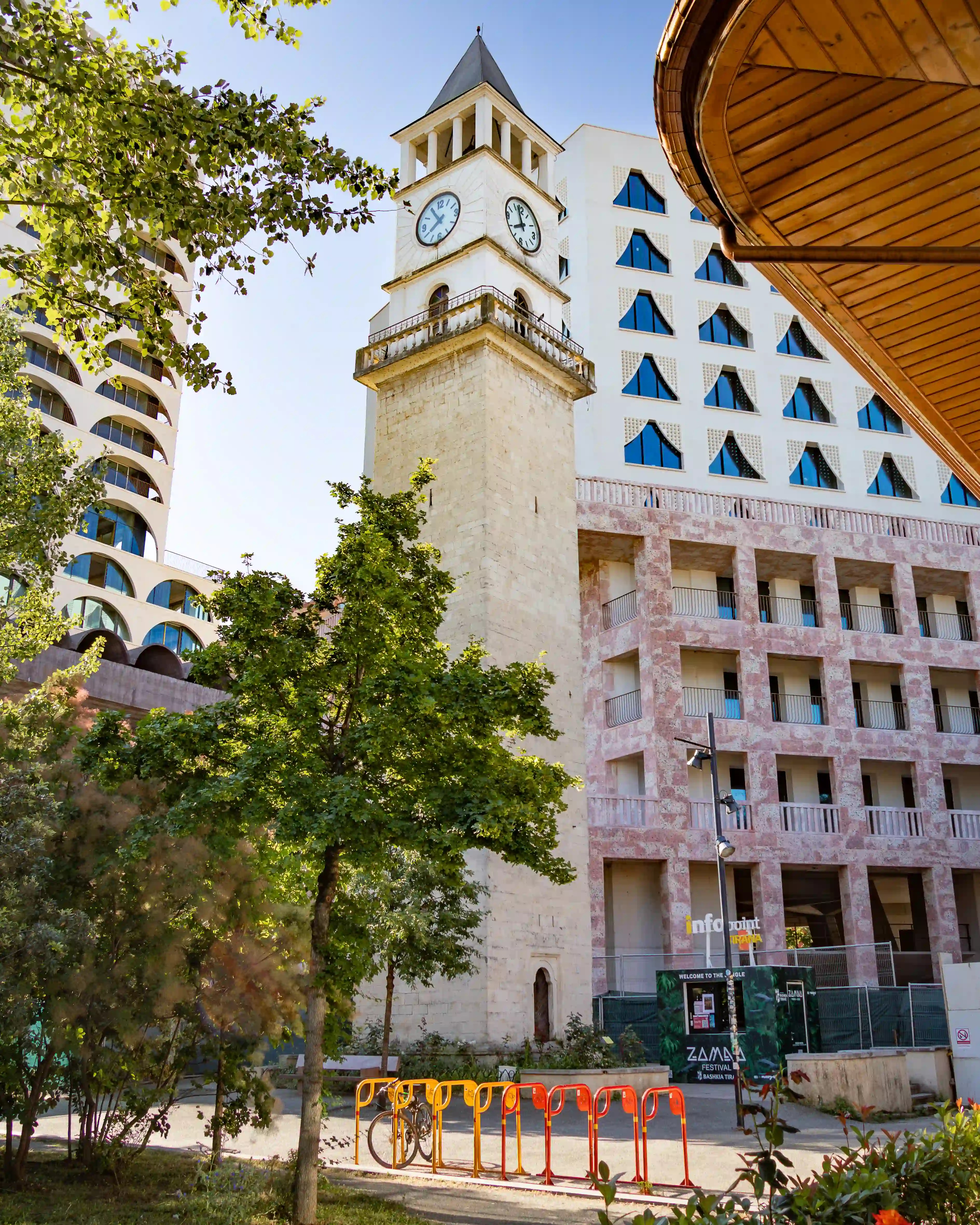
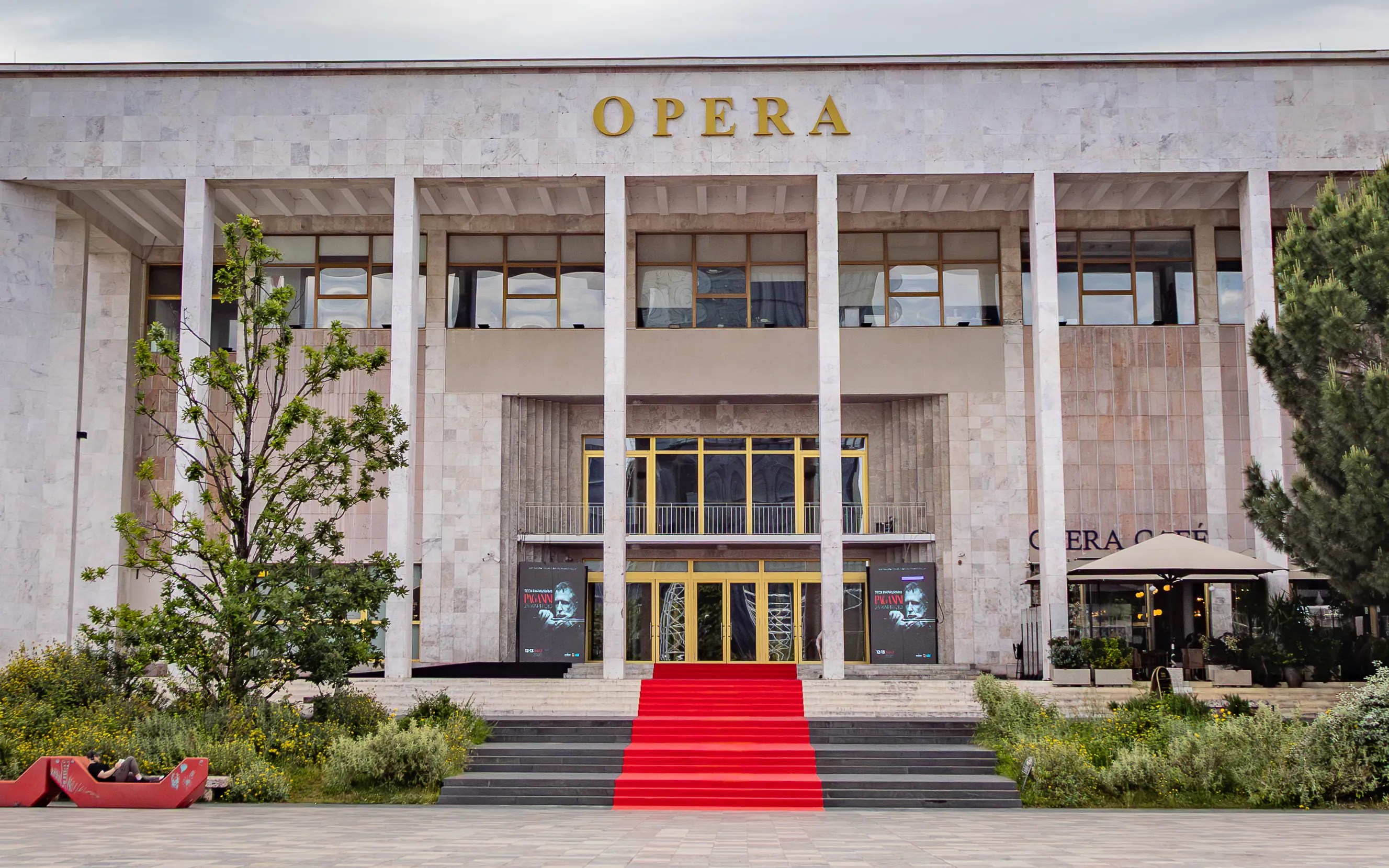
The equestrian statue of Skanderbeg stands prominently in the square, while the Clock Tower, Et’hem Bey Mosque, National Theatre of Opera and Ballet, National Historical Museum, and several government buildings can all be found nearby.
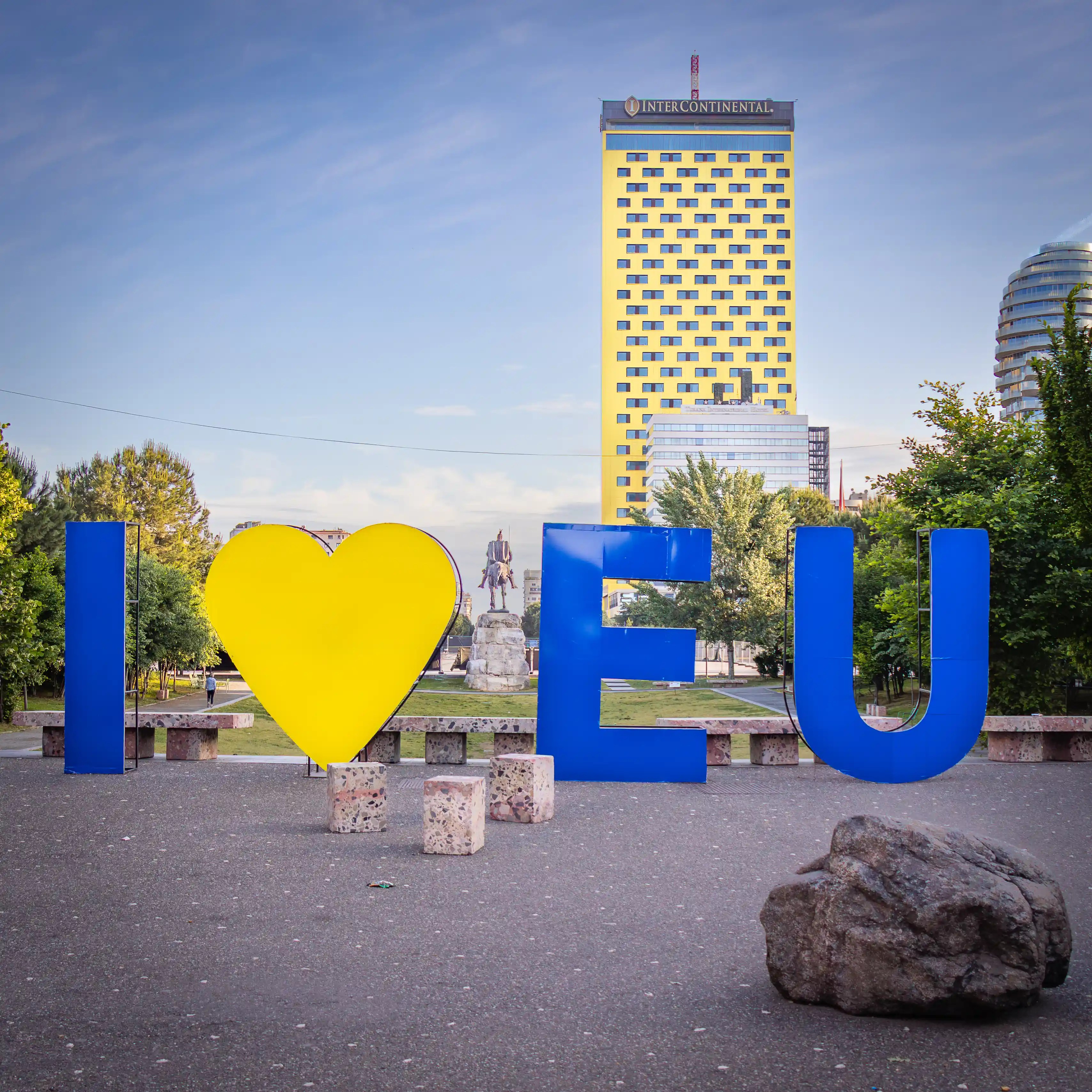
Beyond its historic landmarks, Tirana also gave the impression of a city focused on the future. European Union (EU) flags and messaging were visible throughout the city during our visit, reflecting Albania’s long-standing goal of joining the EU.
A short walk from the square leads to several reminders of Ottoman-era Tirana. For more than four centuries, Albania was part of the Ottoman Empire, a vast state centered in present-day Turkey that shaped much of the Balkans’ architecture, culture, and traditions.
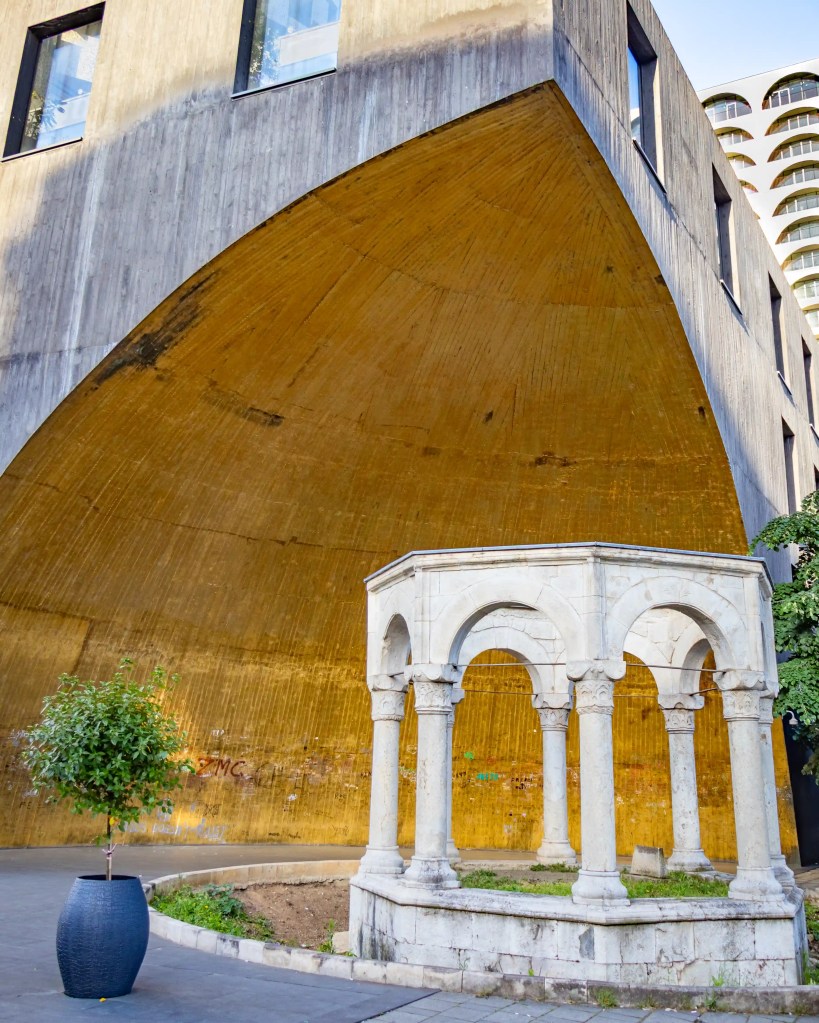
Kapllan Pasha’s Tomb
Kapllan Pasha’s Tomb is one of the few surviving monuments from that period. Built in the early nineteenth century, it serves as the burial place of an Ottoman ruler who helped shape the development of Tirana.
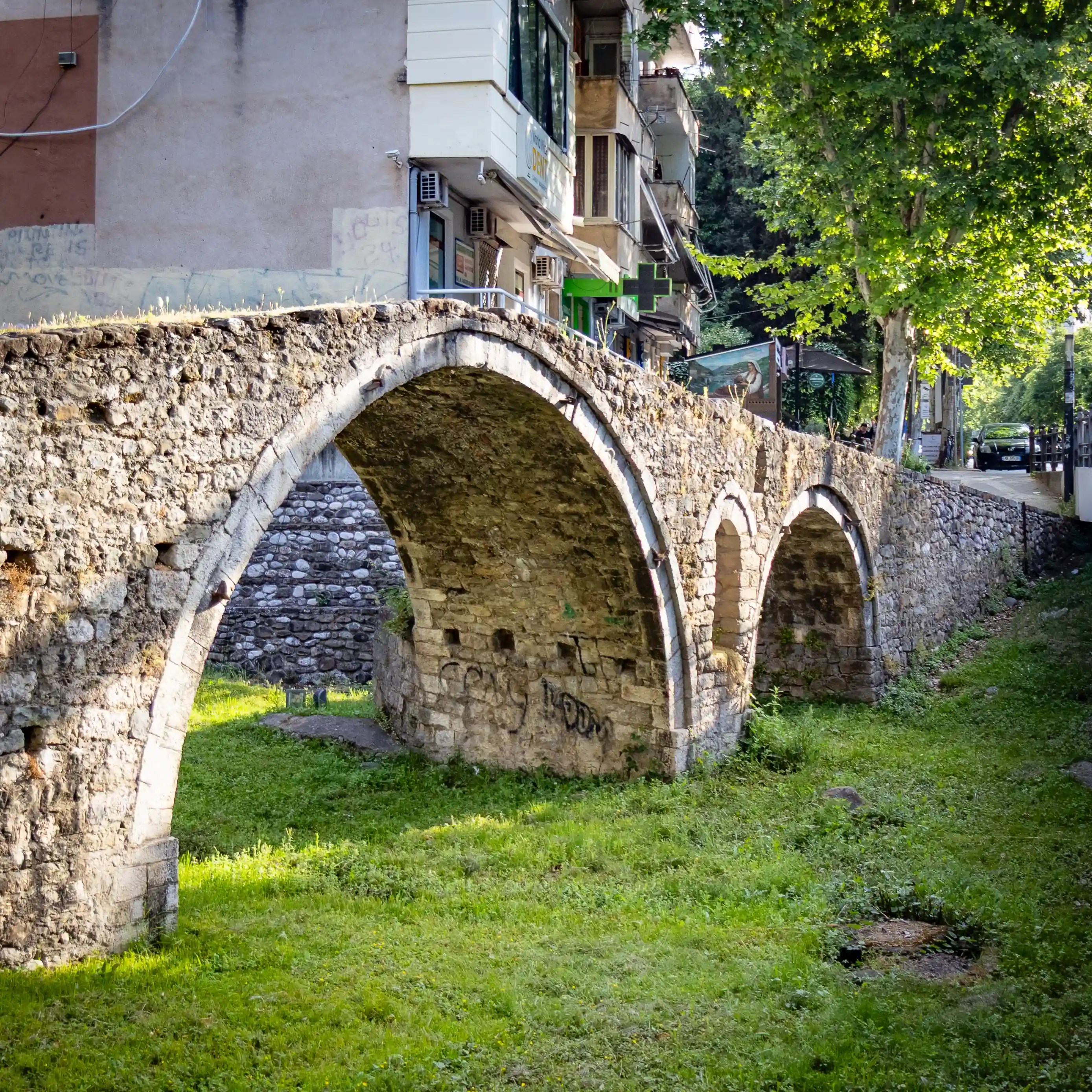
Tanner’s Bridge
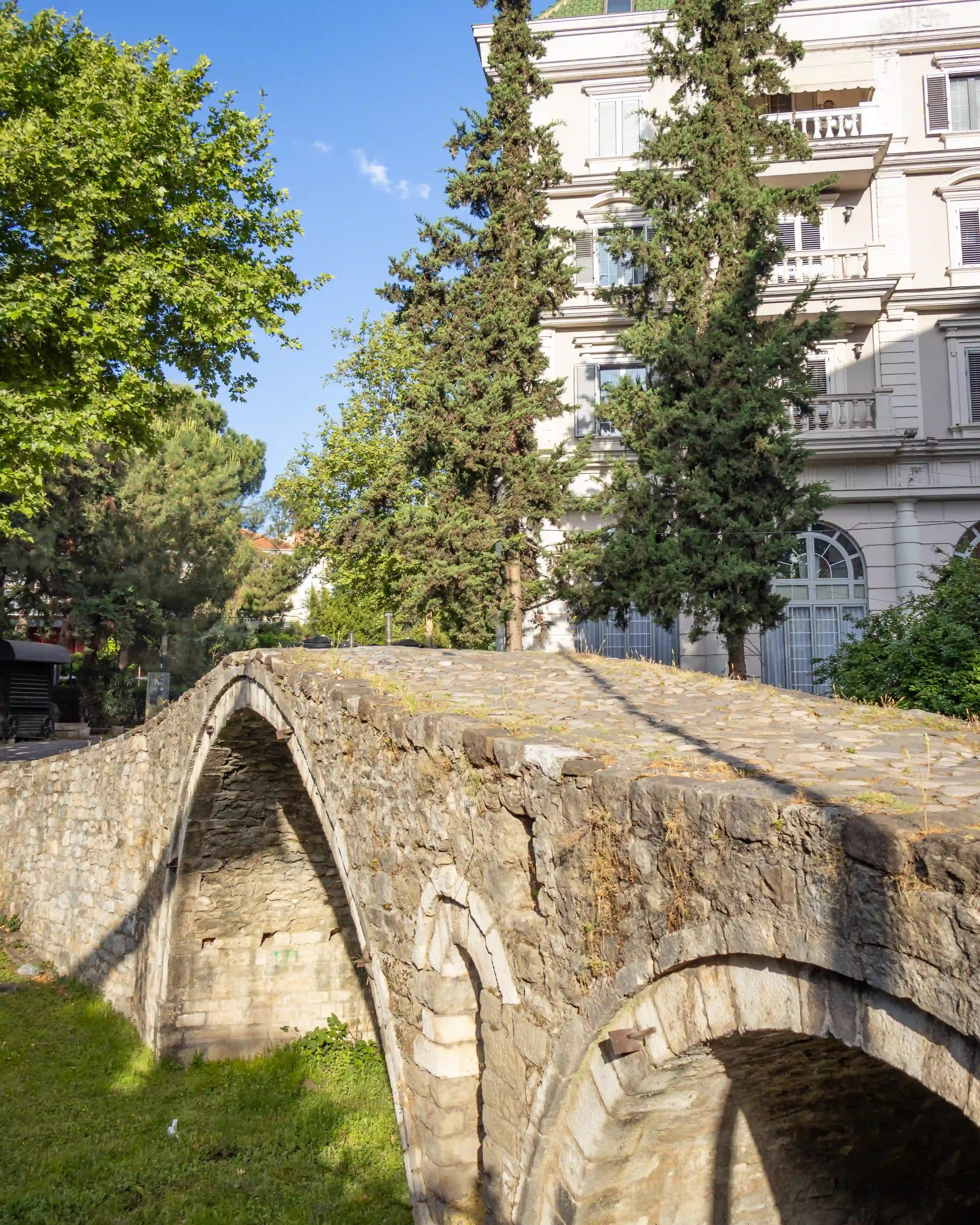
Nearby, Tanners’ Bridge once carried merchants, livestock, and travelers across the Lana River as they entered the city from the eastern highlands. Although the river no longer flows beneath it, the bridge remains one of the oldest surviving structures in Tirana. The smooth, worn stones beneath my feet hinted at centuries of use.
Tirana Castle
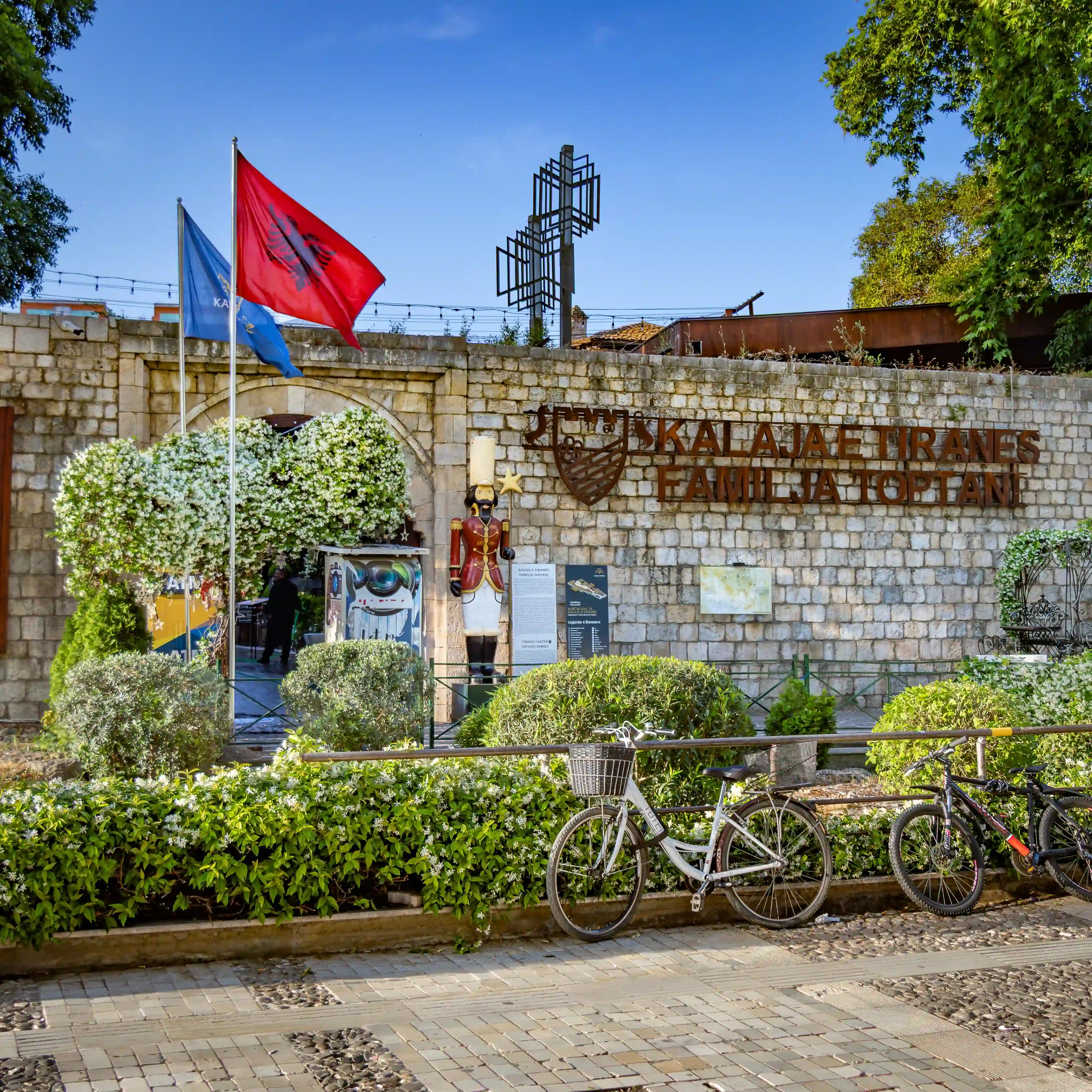
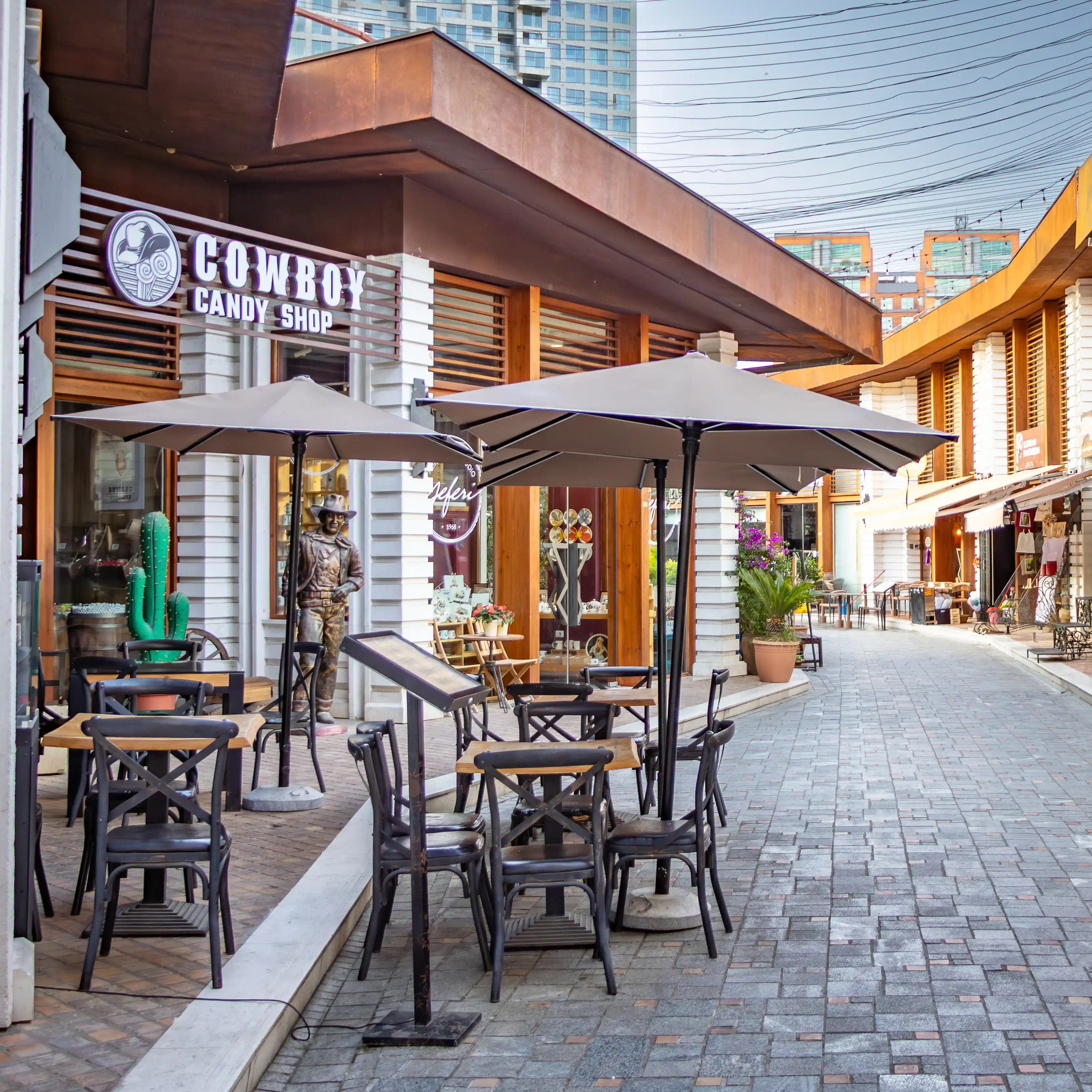
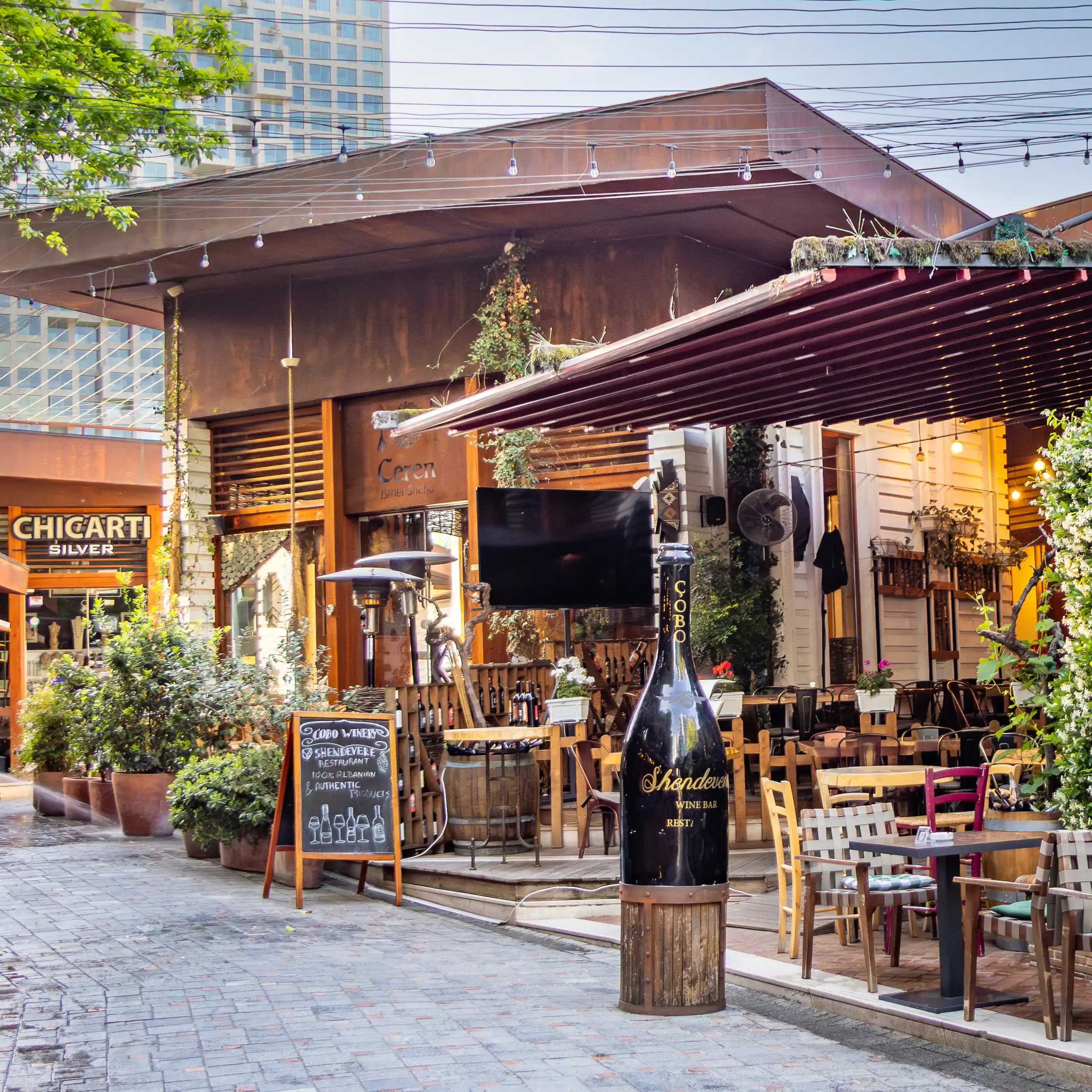
Tirana Castle preserves a small piece of the city’s past. Dating back to the Byzantine era and later expanded during Ottoman rule, sections of the historic walls still survive today. The former castle grounds have been transformed into a pedestrian area filled with restaurants, cafés, shops, and cultural spaces.
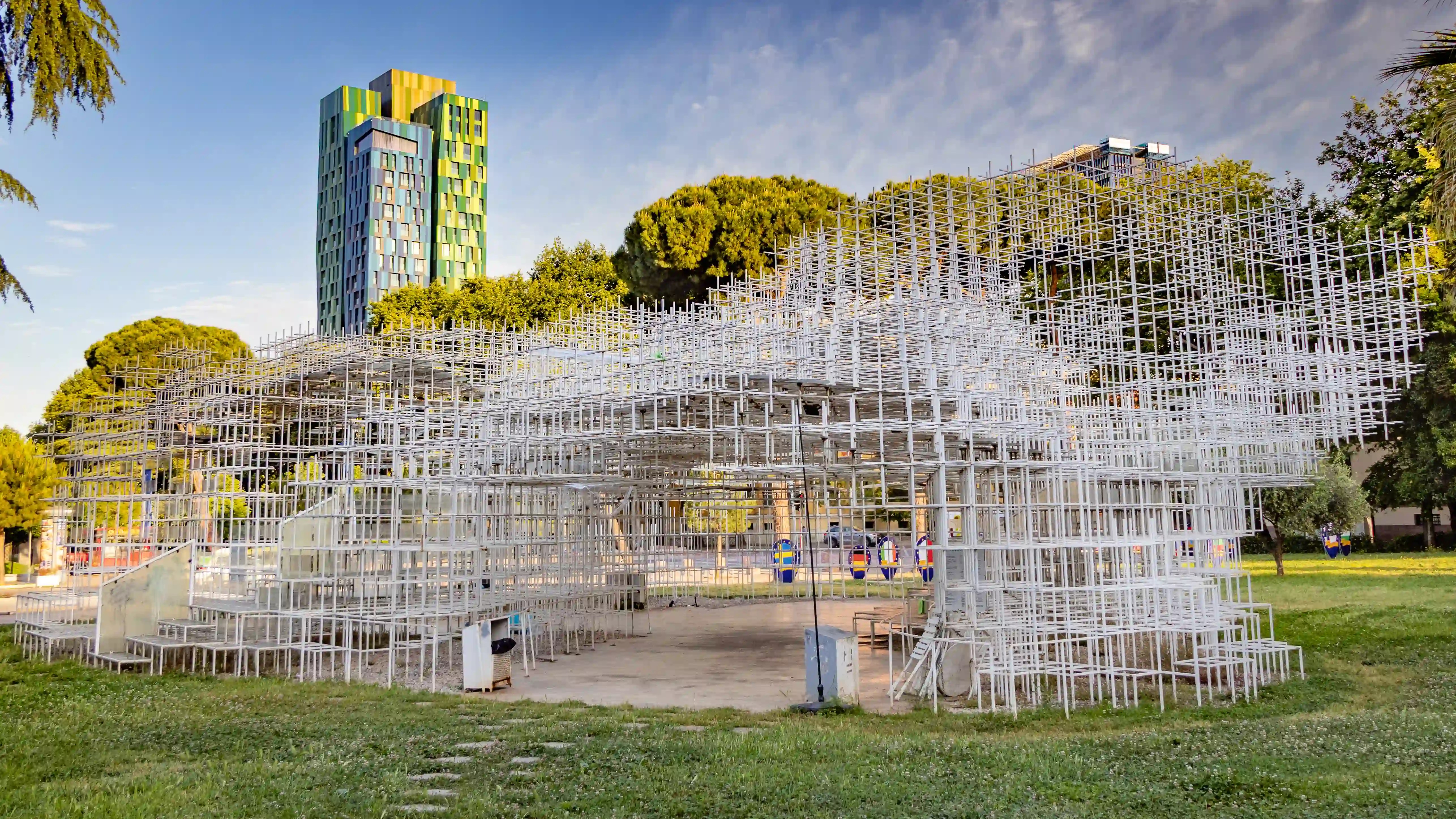
The Cloud
The Cloud, a public art installation designed by Japanese architect Sou Fujimoto, is constructed from a network of white steel rods that functions as both sculpture and gathering space. Along with the city’s colorful architecture and redeveloped public spaces, it reflects Tirana’s ongoing transformation.
Tirana’s Religious Landmarks
Several of Tirana’s most interesting landmarks are religious sites located within a relatively small area of the city center. Albania has a long history of religious coexistence, and today people of many faiths worship freely throughout the country.
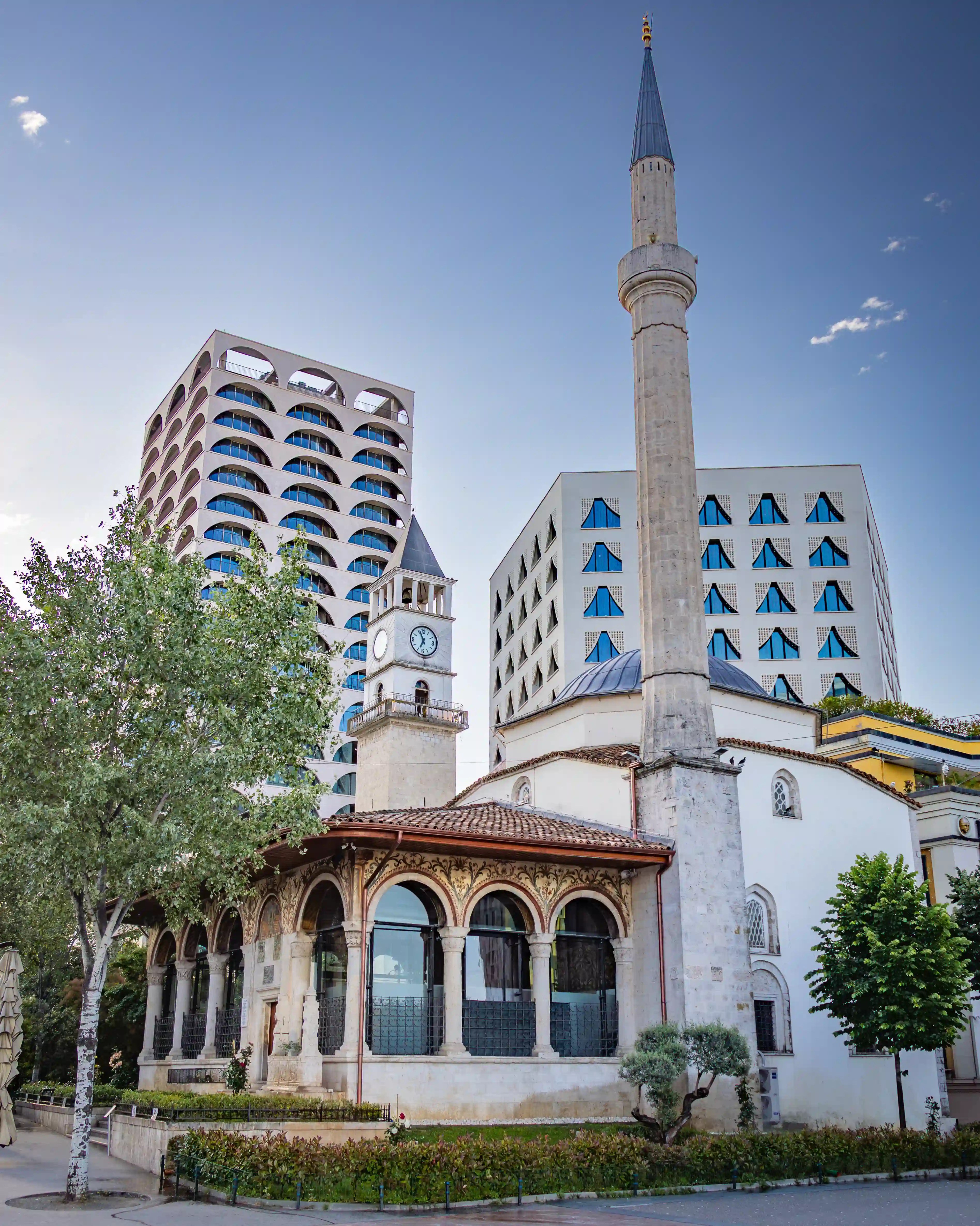
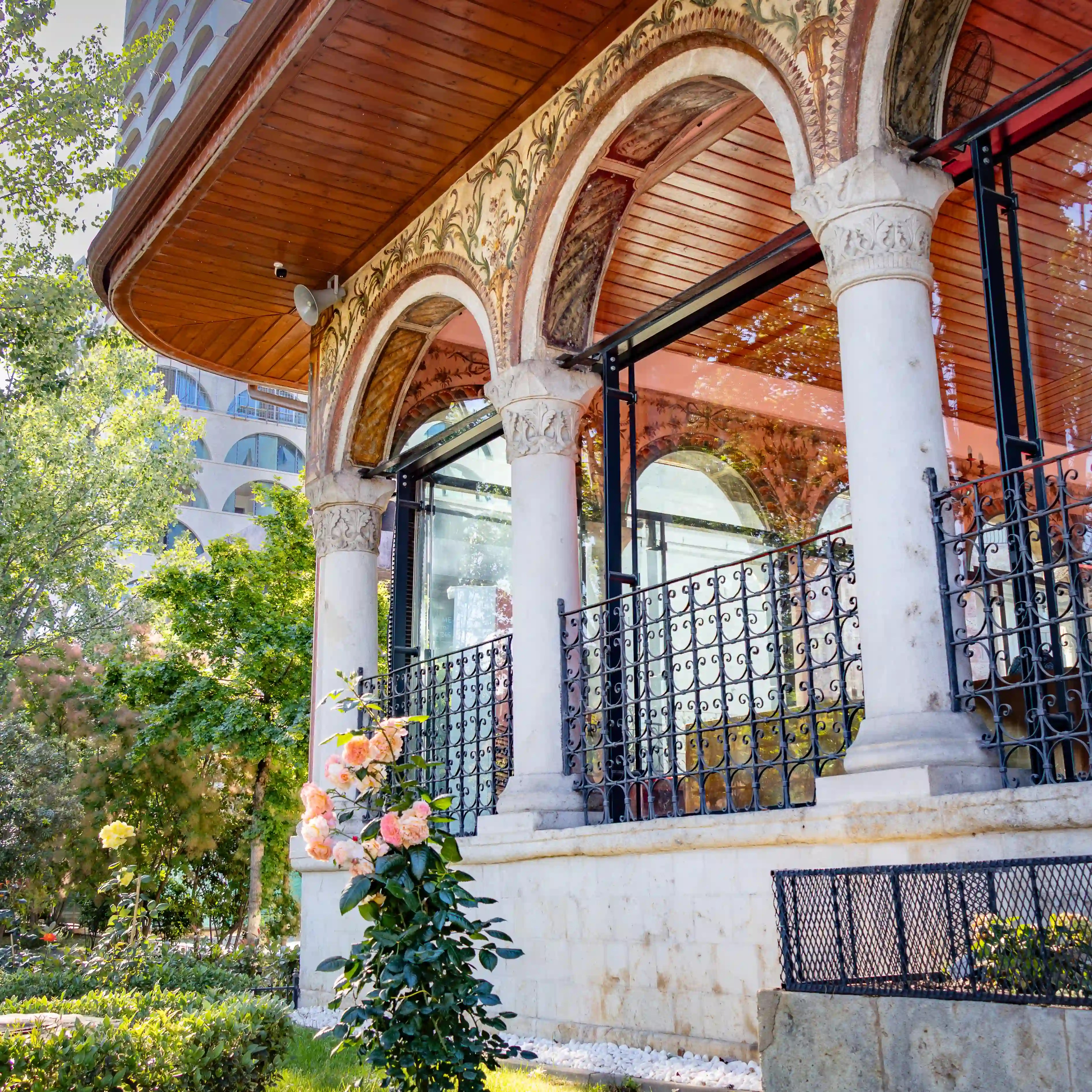
Et’hem Bey Mosque
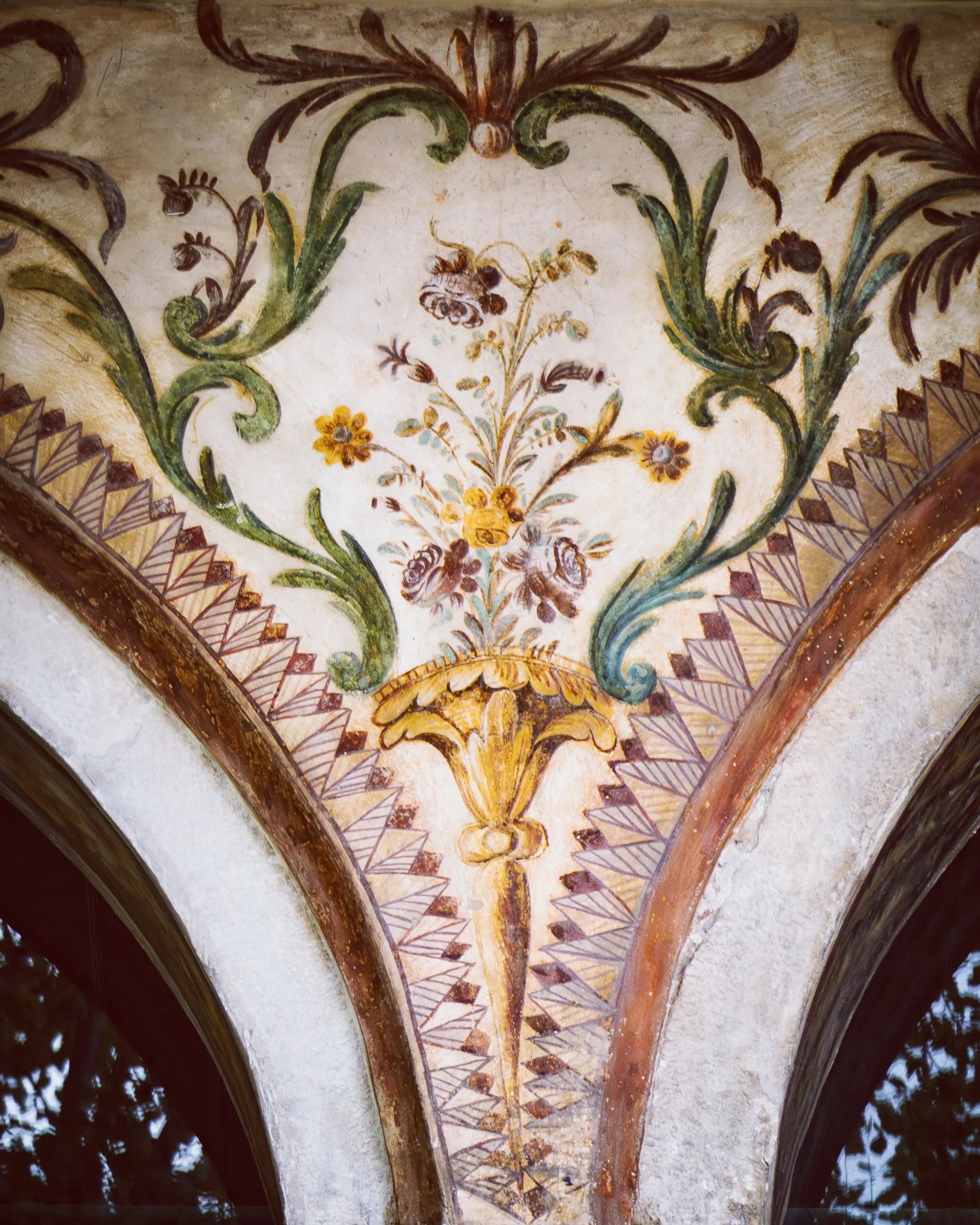
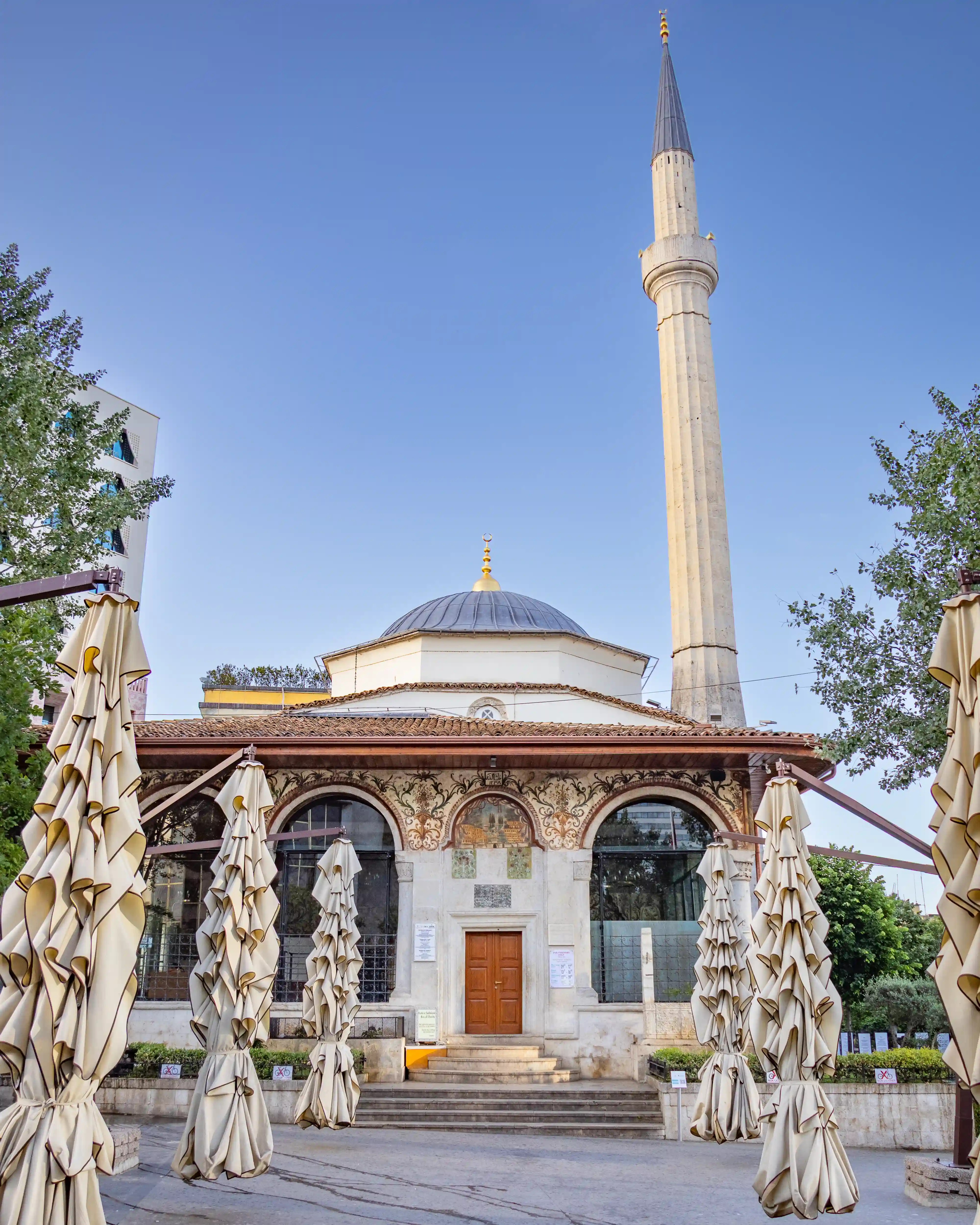
One of the most recognizable buildings in the city is the Et’hem Bey Mosque. Built between the late eighteenth and early nineteenth centuries, it is one of the few major religious buildings that survived Albania’s communist era. The mosque is known for its unusual frescoes depicting trees, waterfalls, bridges, and other natural scenes—artwork rarely found in Islamic religious buildings.
Grand Mosque of Tirana
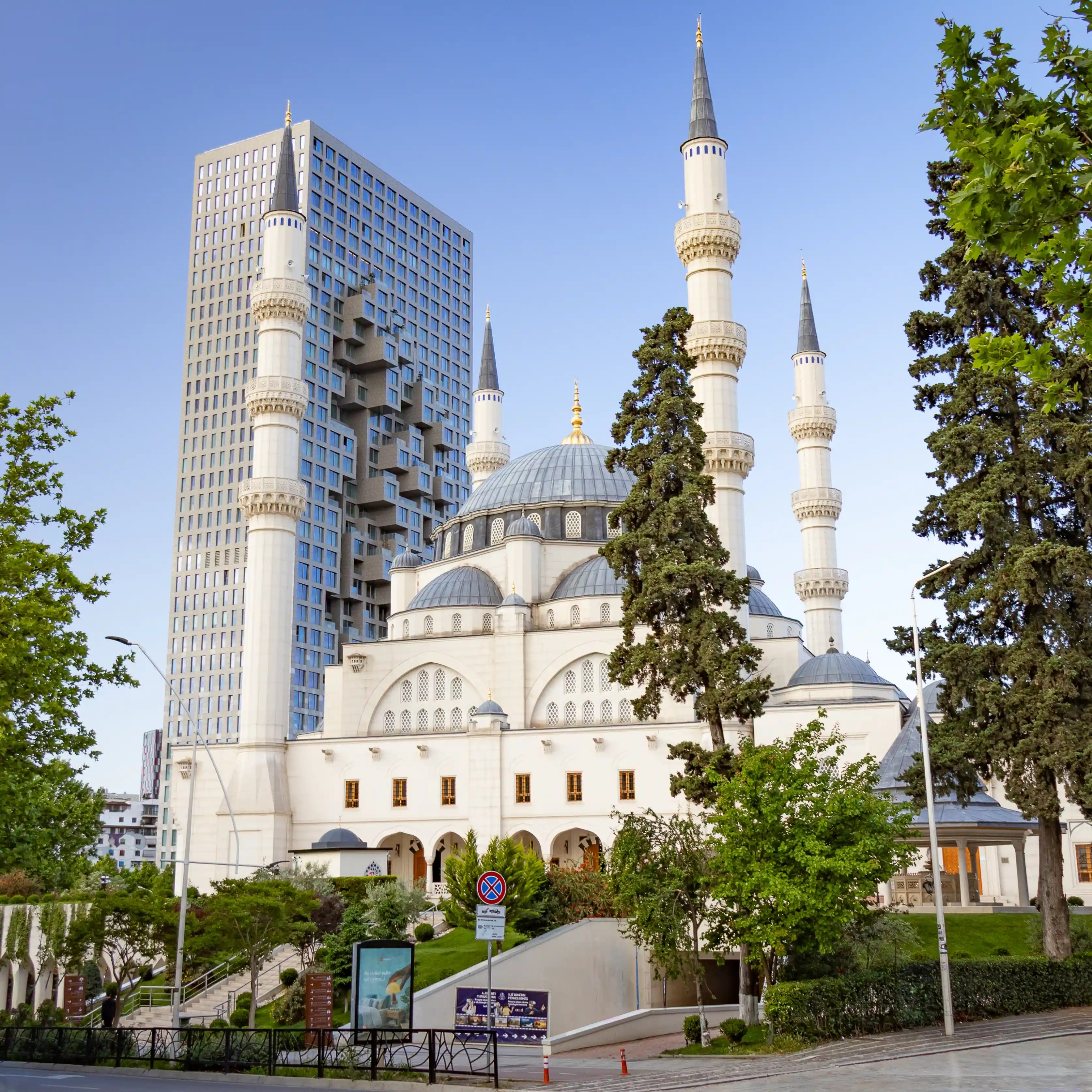
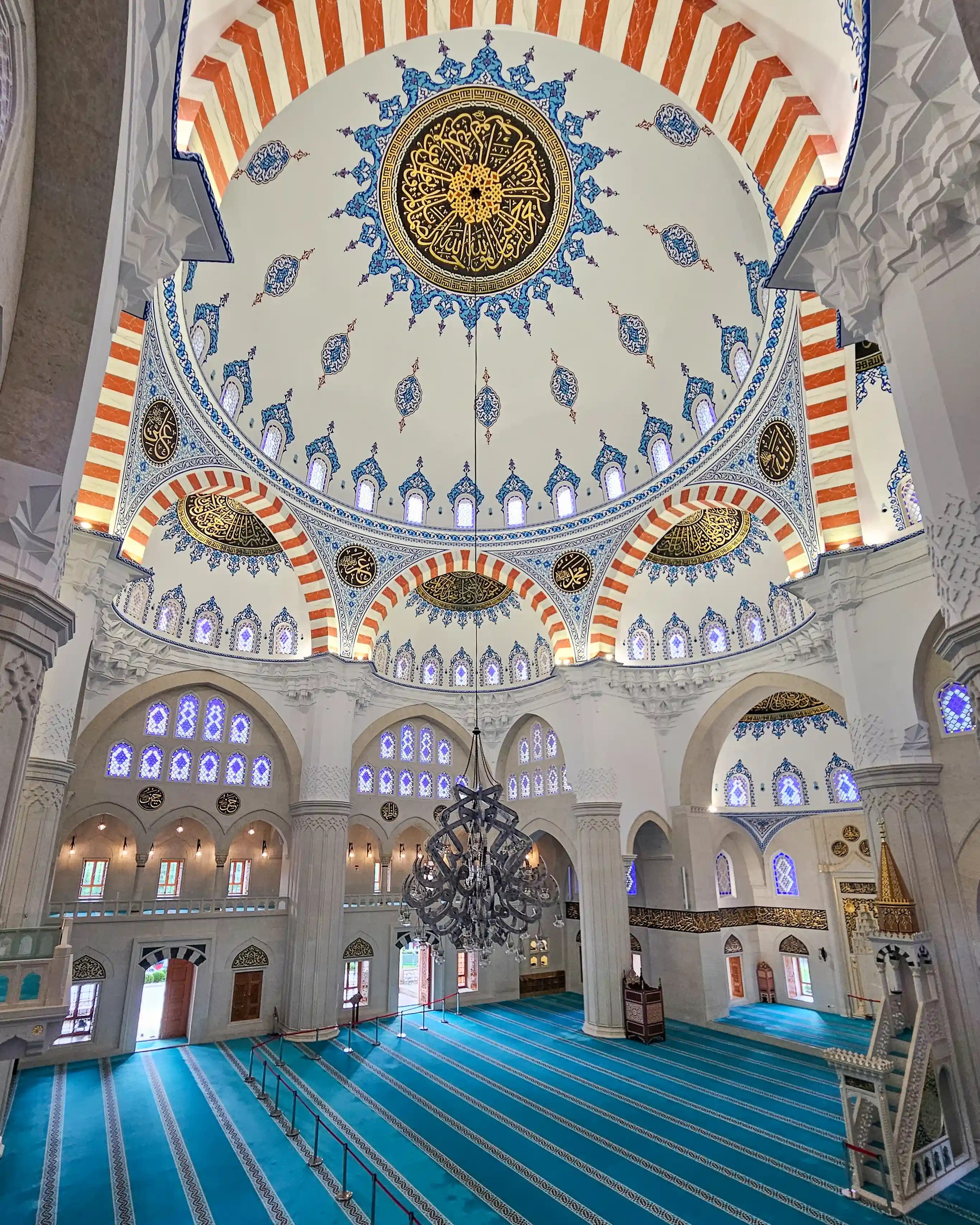
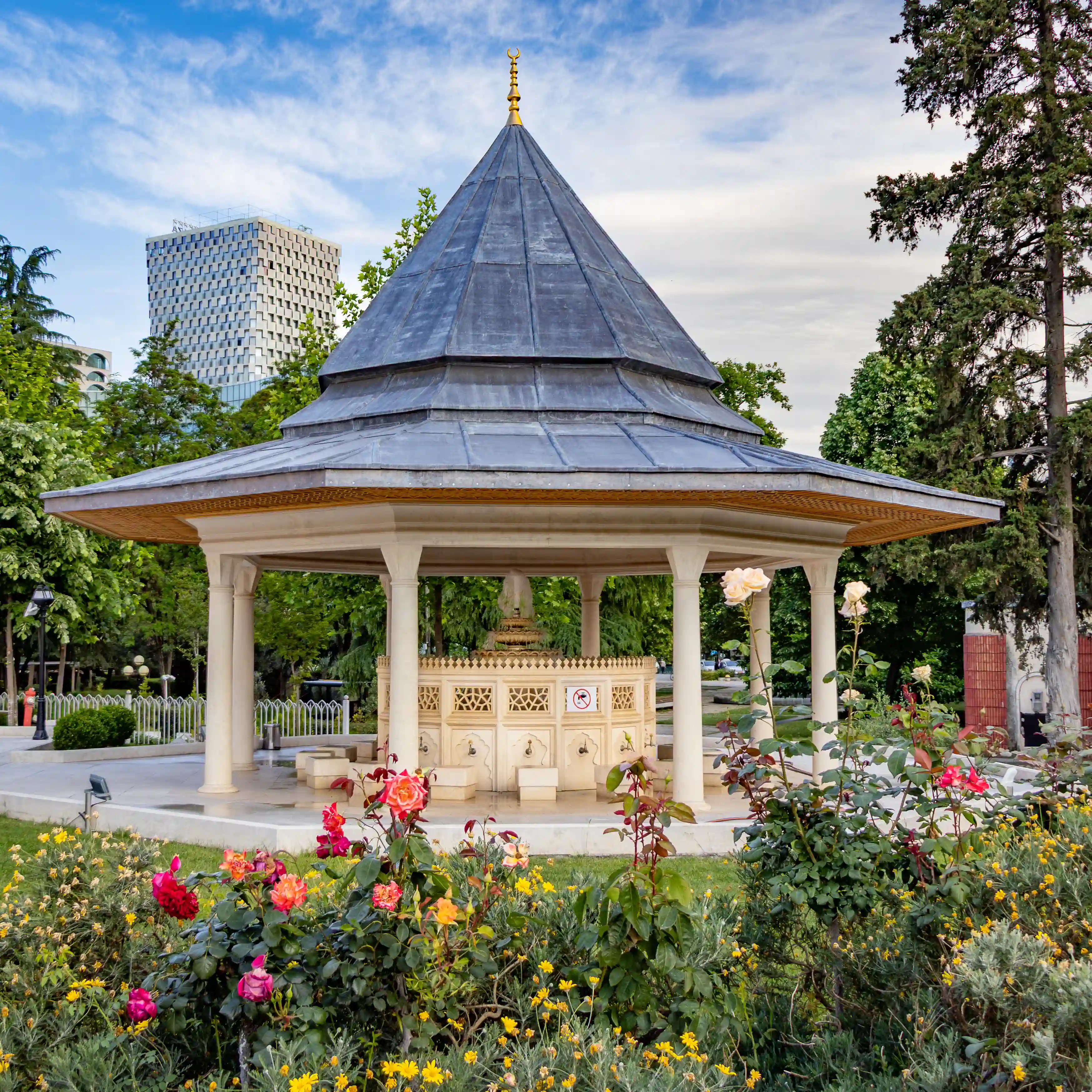
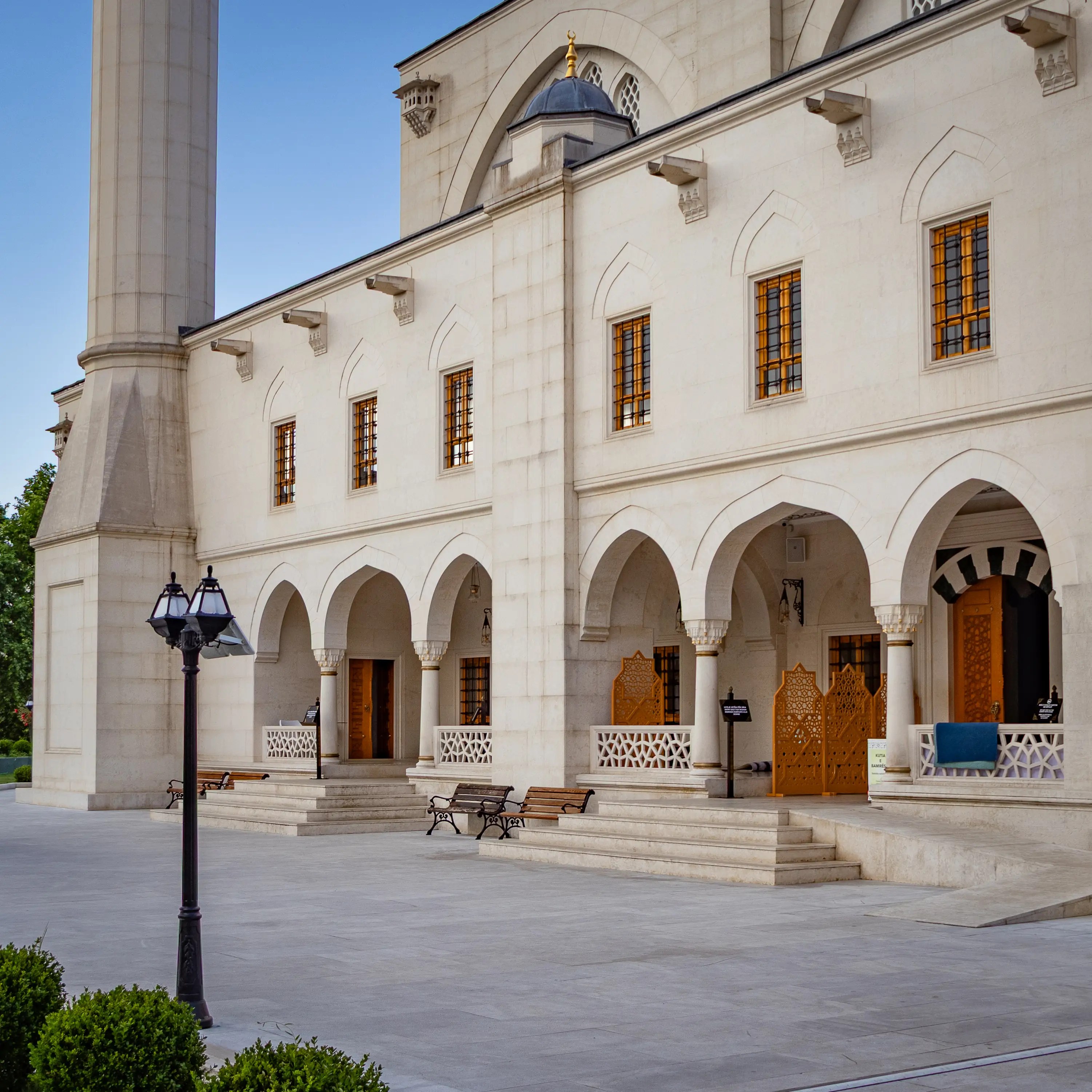
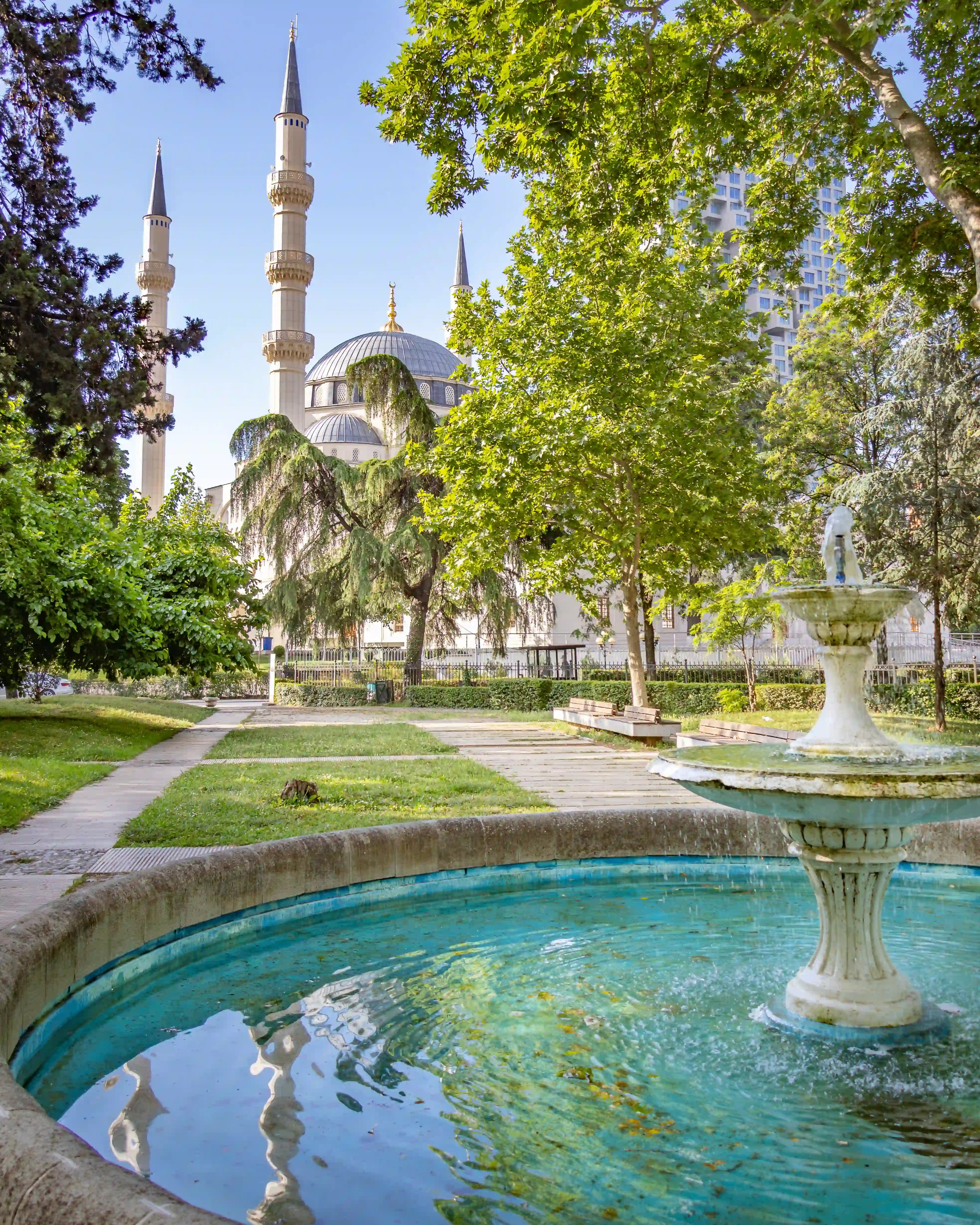
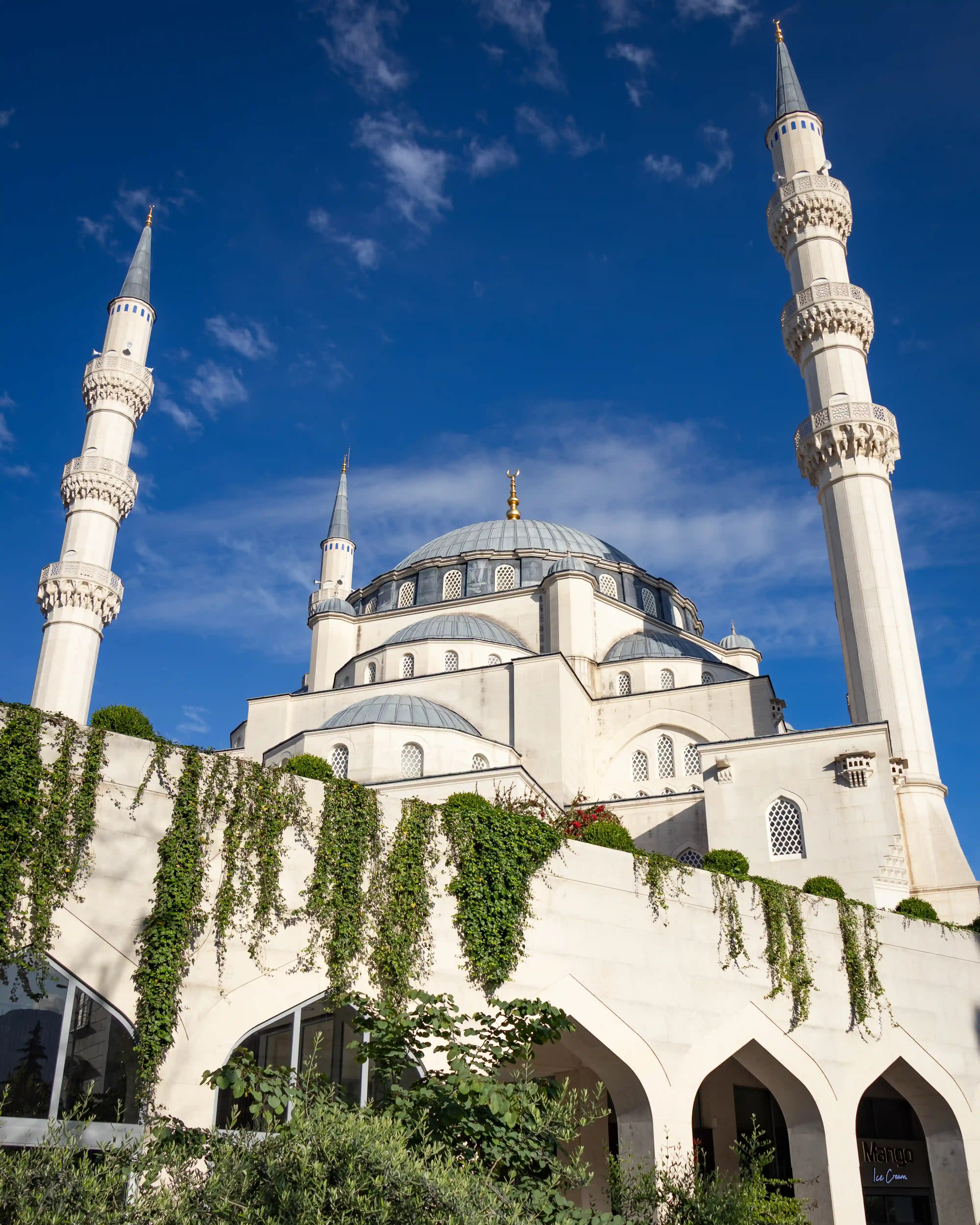
Another notable religious site is the Grand Mosque of Tirana, also known as the Namazgah Mosque. Completed in 2024, its white stone exterior, soaring dome, and elegant minarets are inspired by the great Ottoman mosques of Istanbul, making it one of the most impressive buildings in the city. I was able to step inside after covering my head and spent some time admiring the vast prayer hall decorated with blue, gold, and white details. It was one of the highlights of my time in Tirana.
Resurrection of Christ Orthodox Cathedral
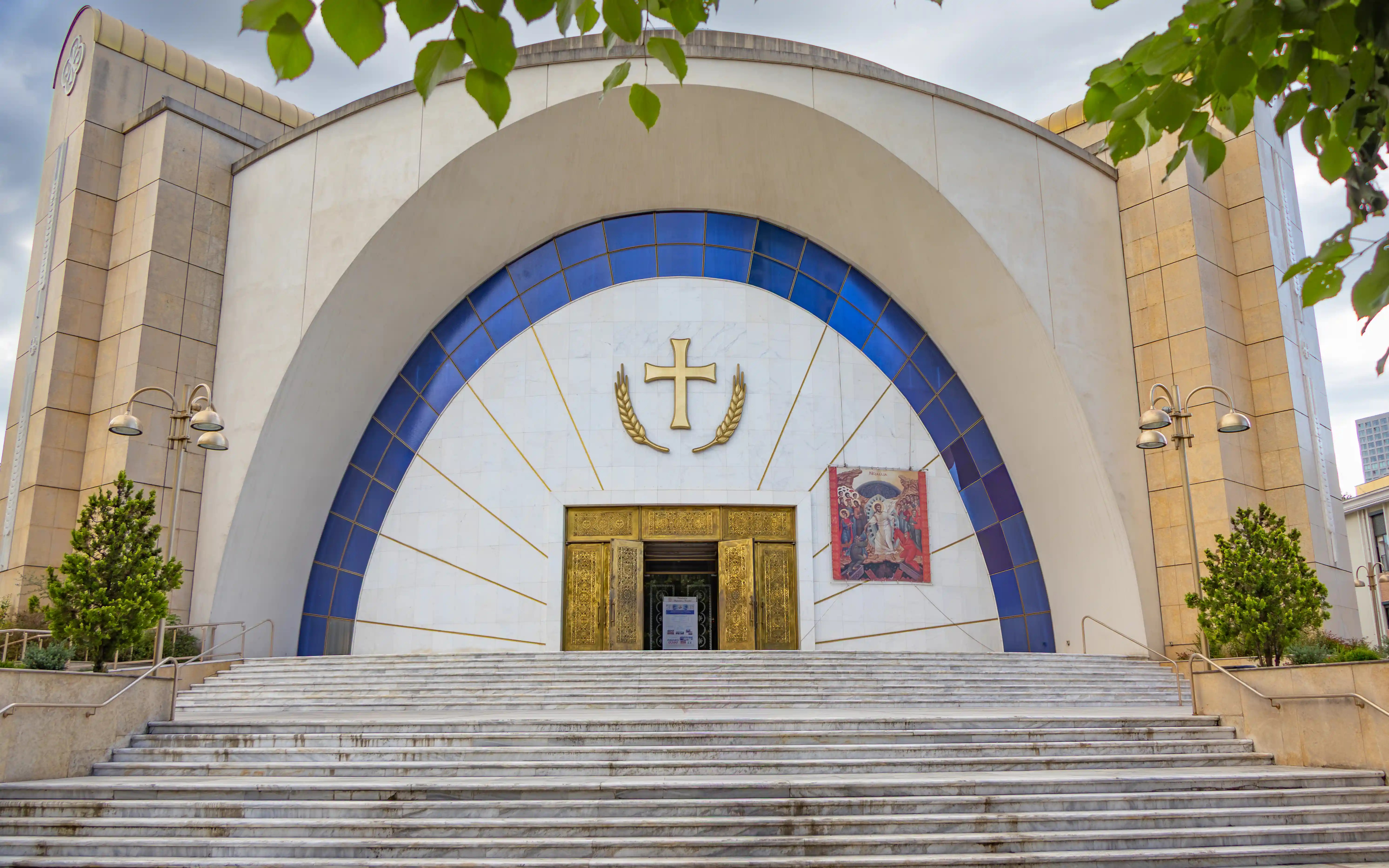
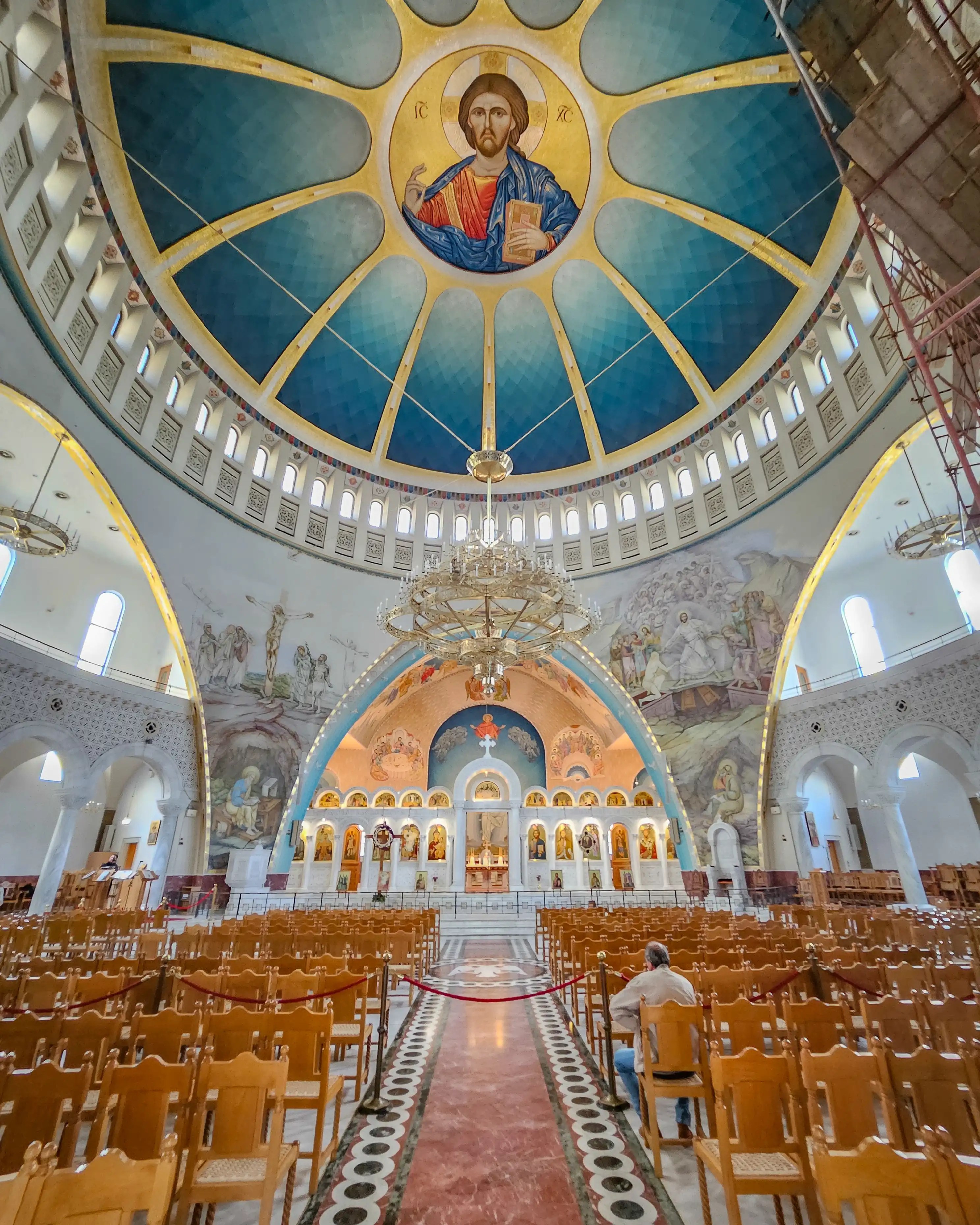
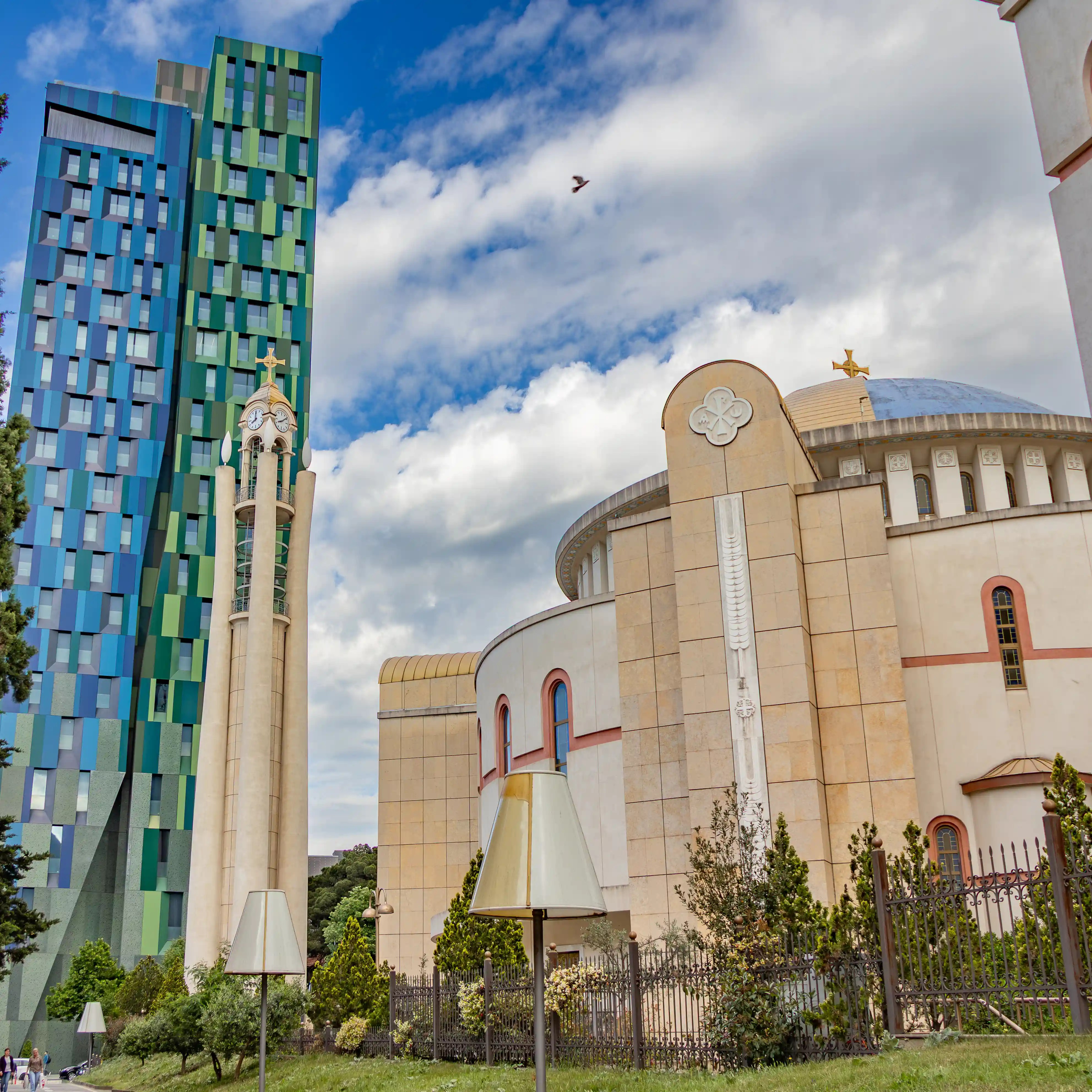
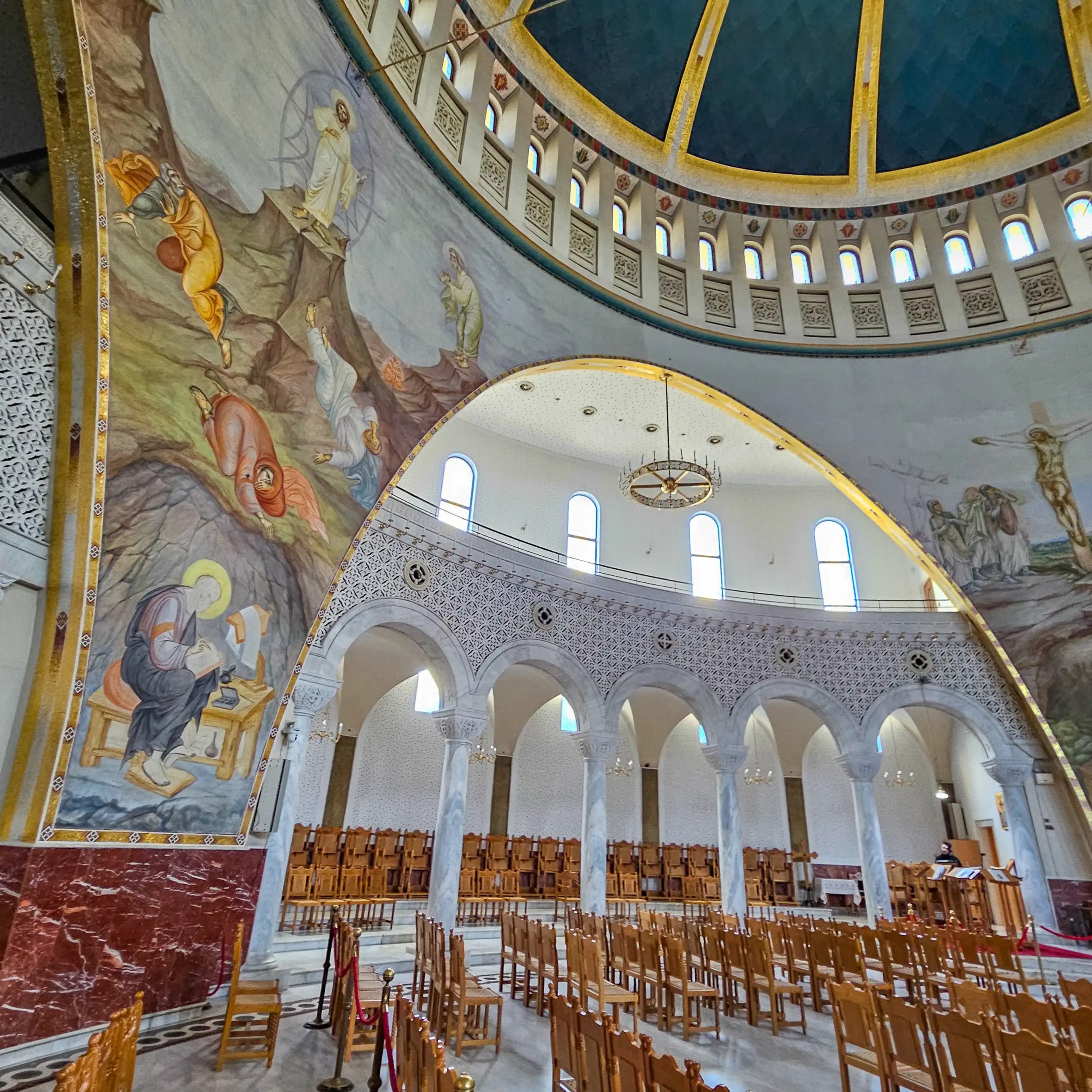
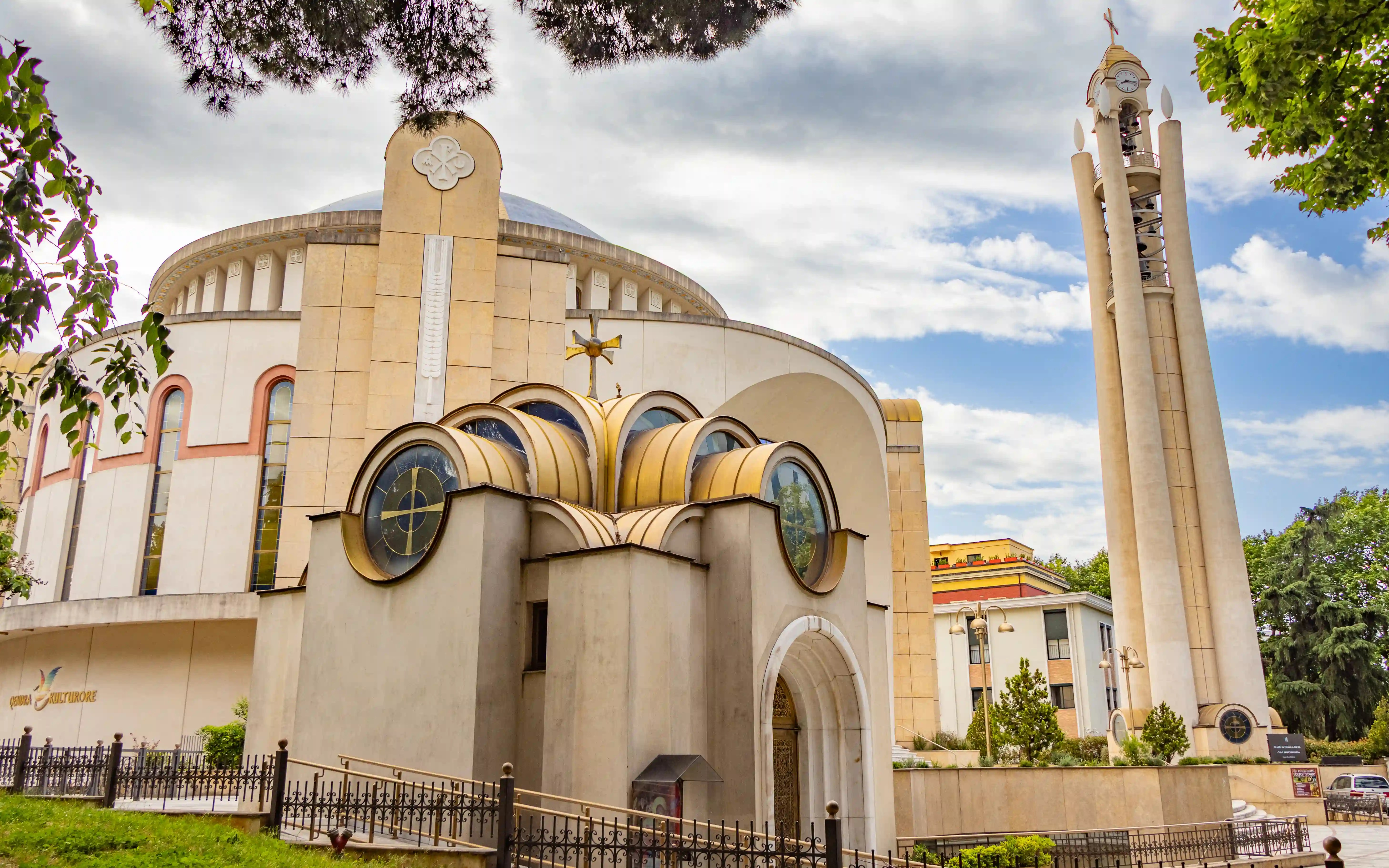
The Resurrection of Christ Orthodox Cathedral is another of Tirana’s major religious landmarks. Completed in 2012, it is one of the largest Orthodox cathedrals in the Balkans. The bright interior, massive dome, and towering bell tower make it one of the city’s most striking buildings.
St. Paul’s Cathedral
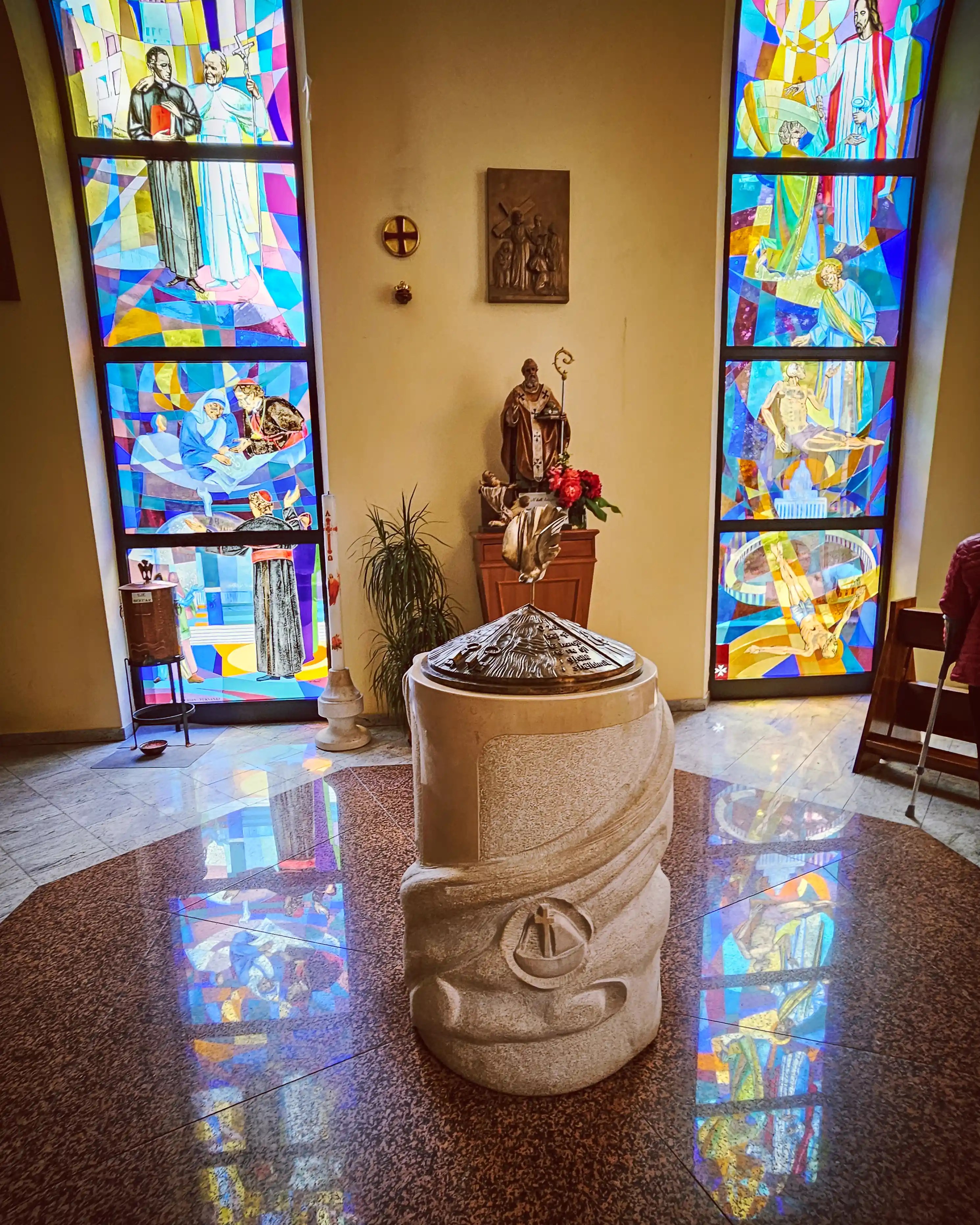
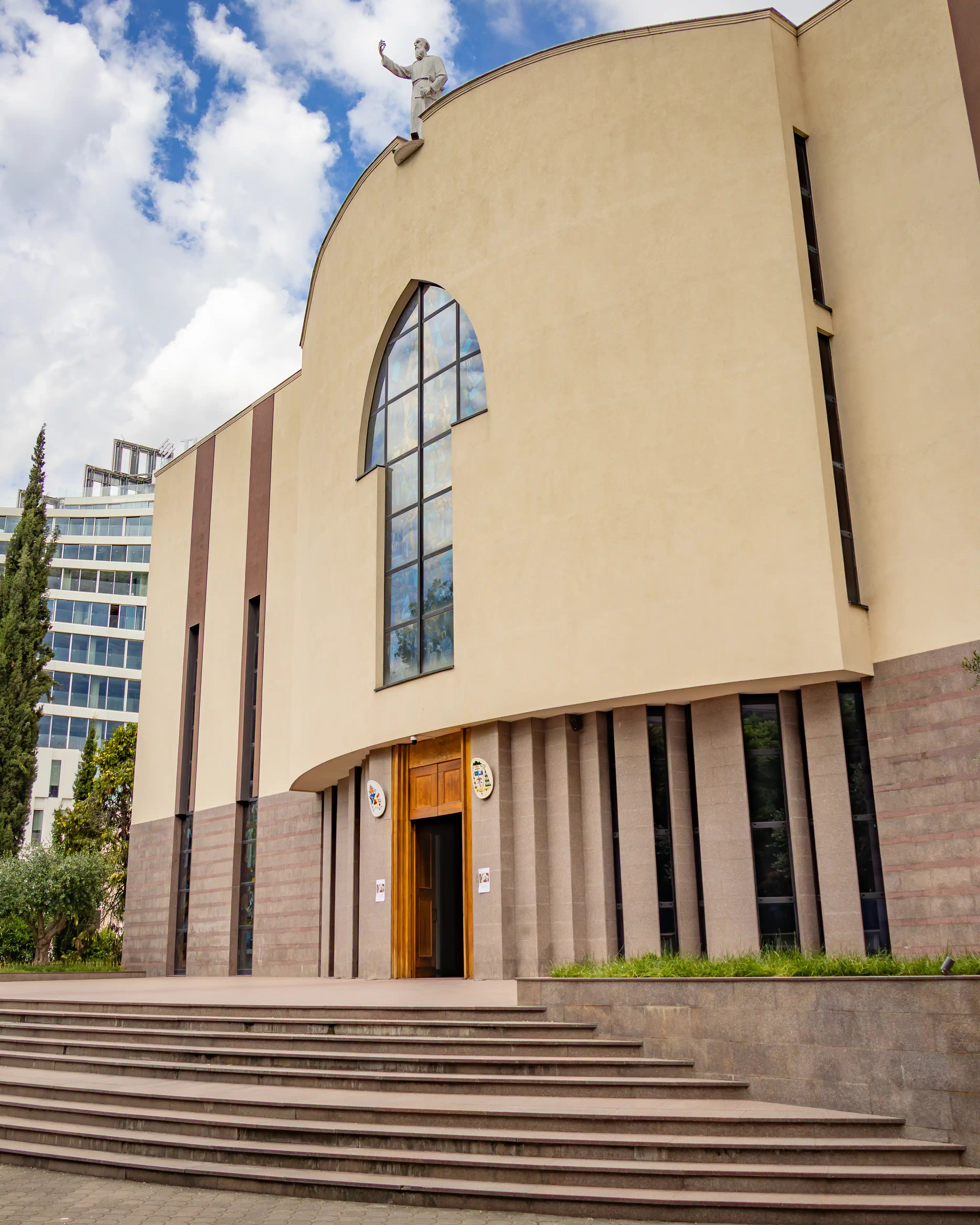
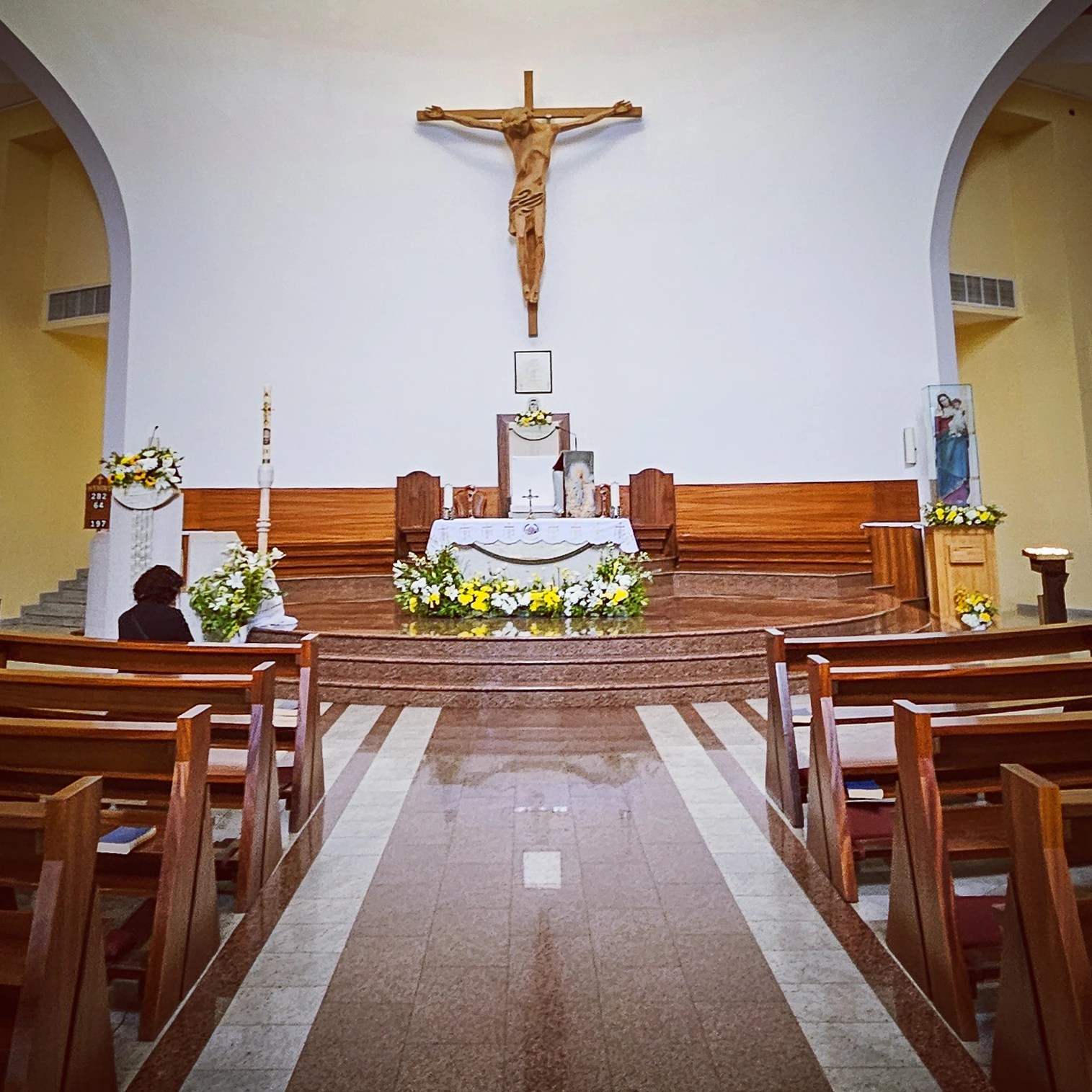
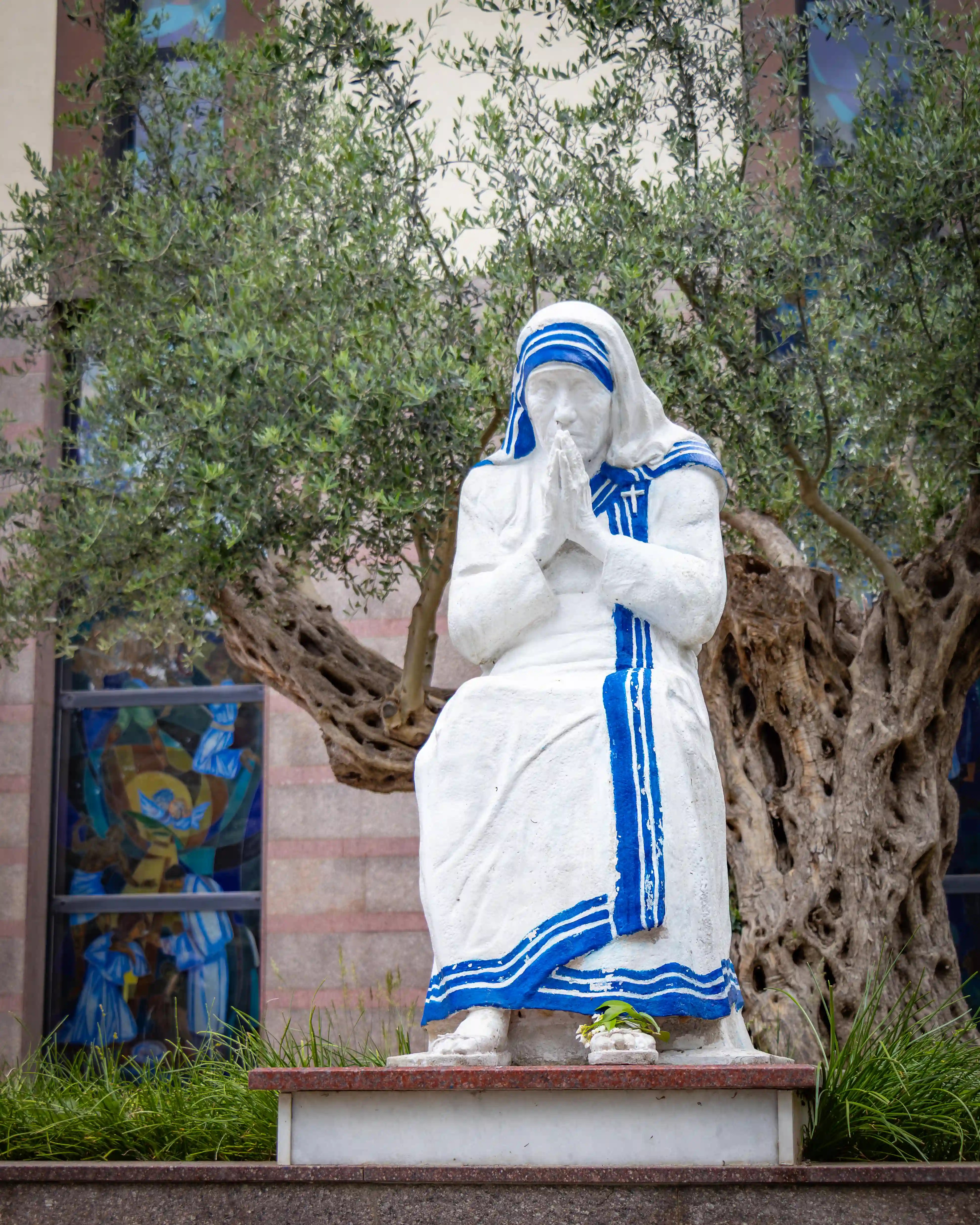
We also visited St. Paul’s Cathedral, the principal Catholic cathedral in Tirana. A statue of Mother Teresa stands outside, honoring her Albanian heritage and lasting influence around the world.
Understanding Albania’s Communist Past
If there was one theme that tied much of our visit together, it was learning about Albania’s communist history.
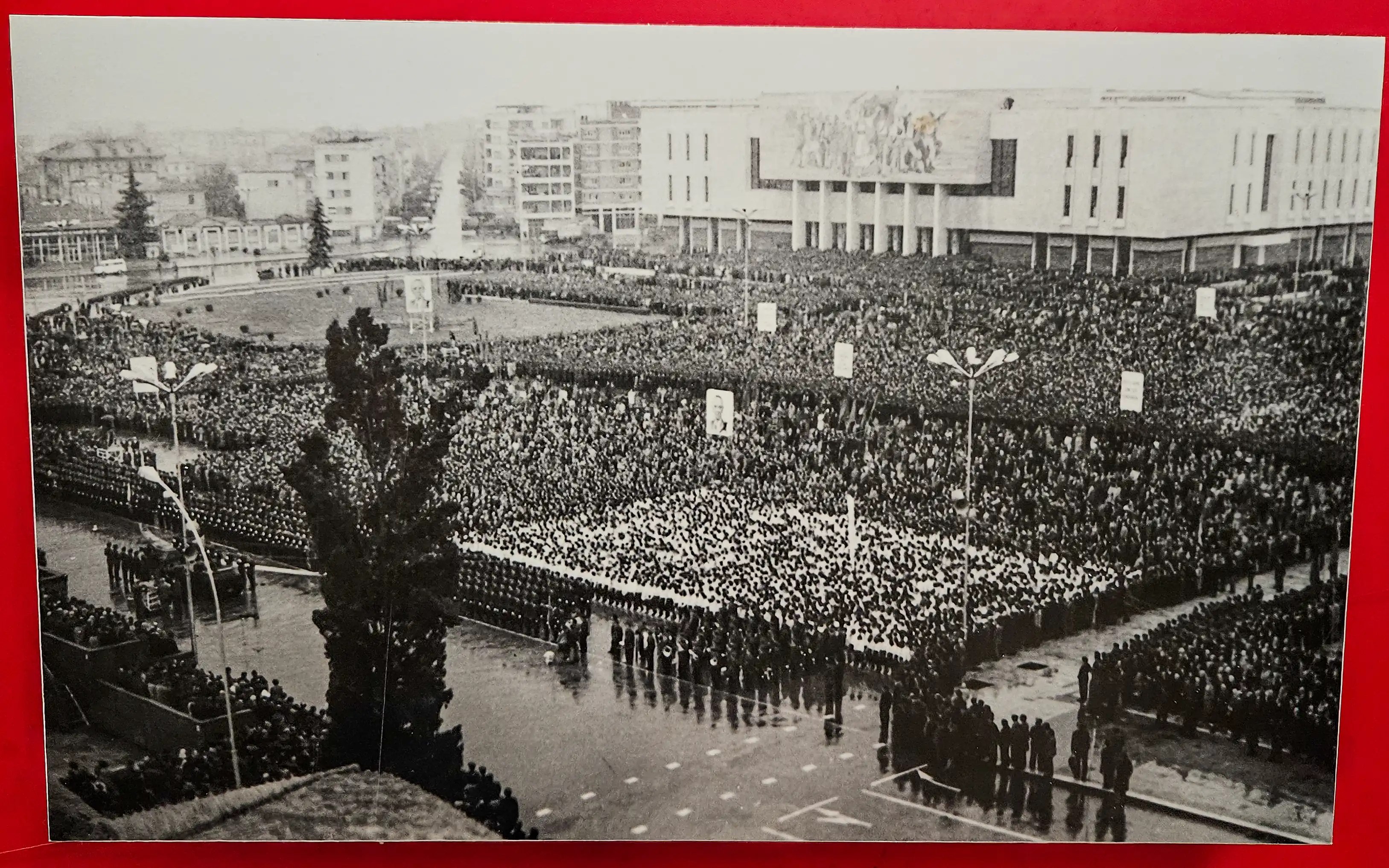
From 1944 until the early 1990s, Albania was governed by a communist regime led first by Enver Hoxha and later by Ramiz Alia. Over time, the country became increasingly isolated from much of the world. Foreign travel was heavily restricted, religion was banned, and surveillance became a part of everyday life.
Several sites in Tirana help visitors understand that history.
Bunk’Art 1
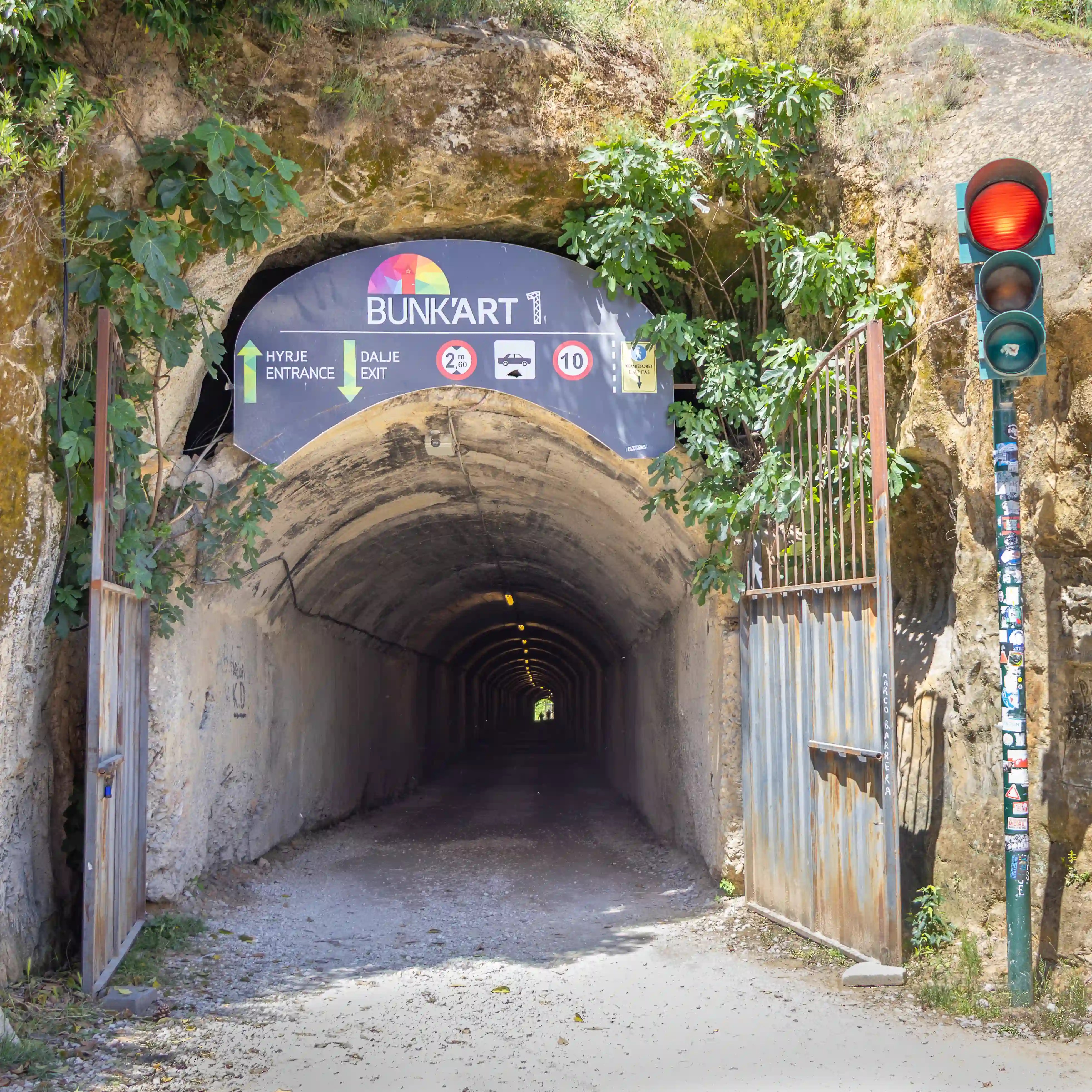
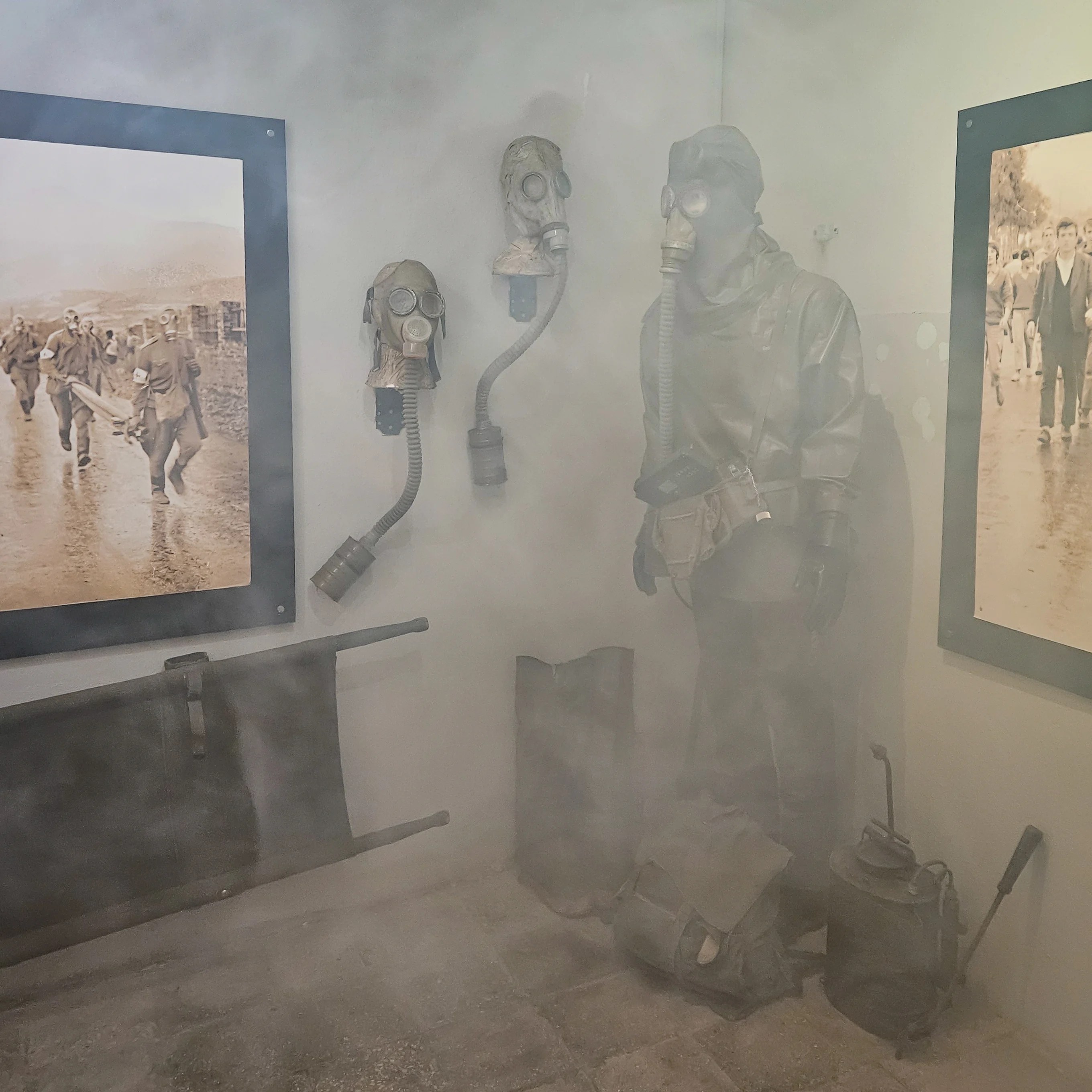
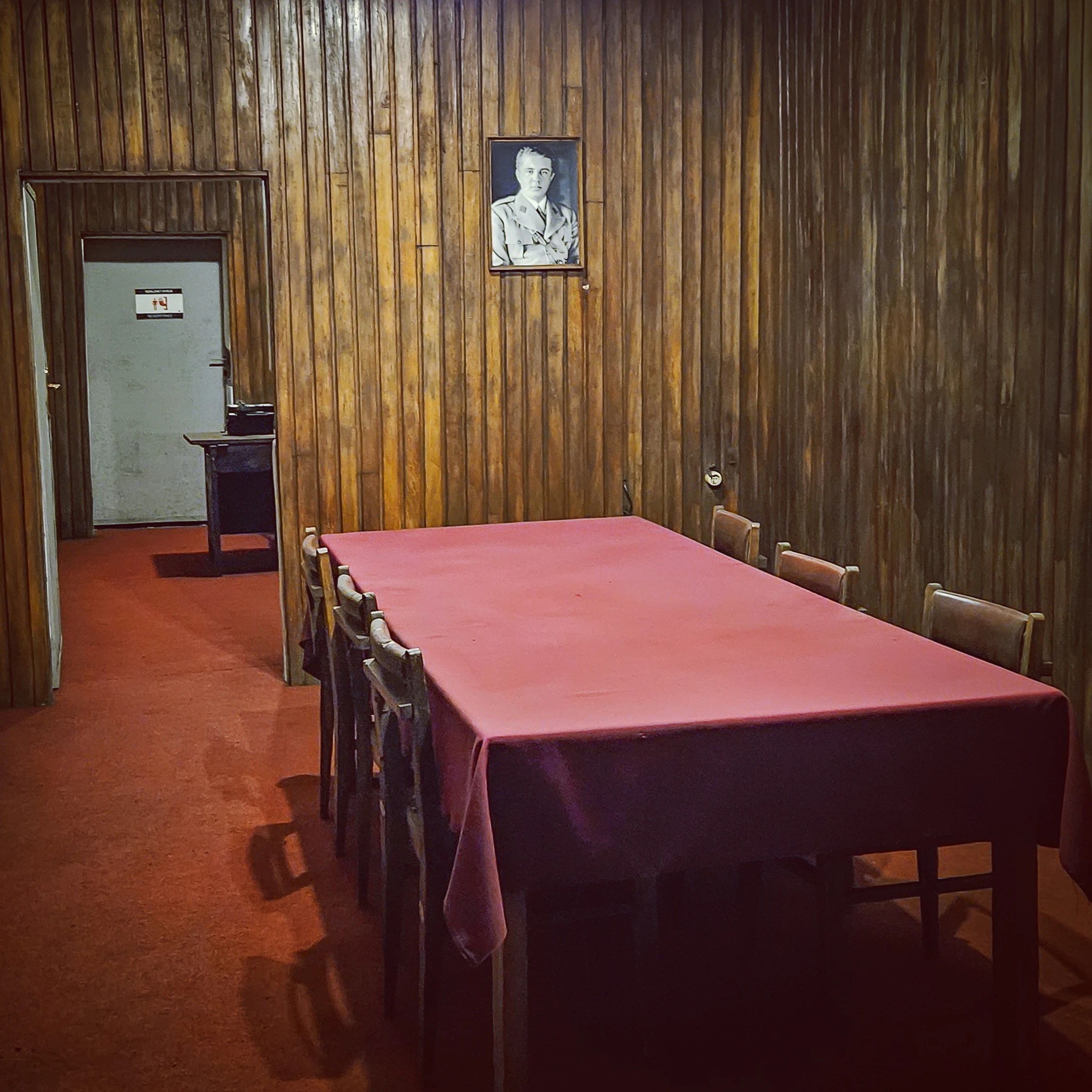
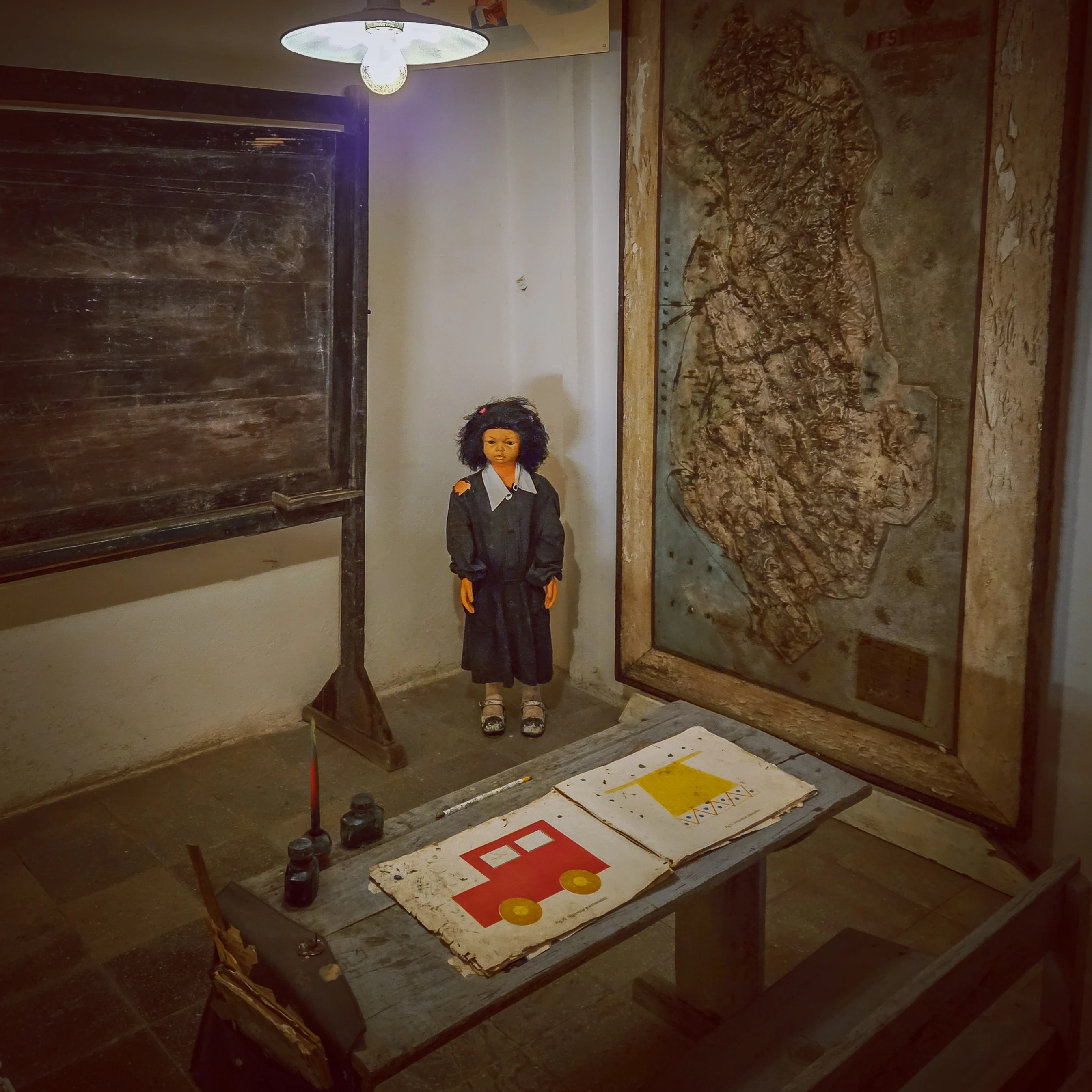
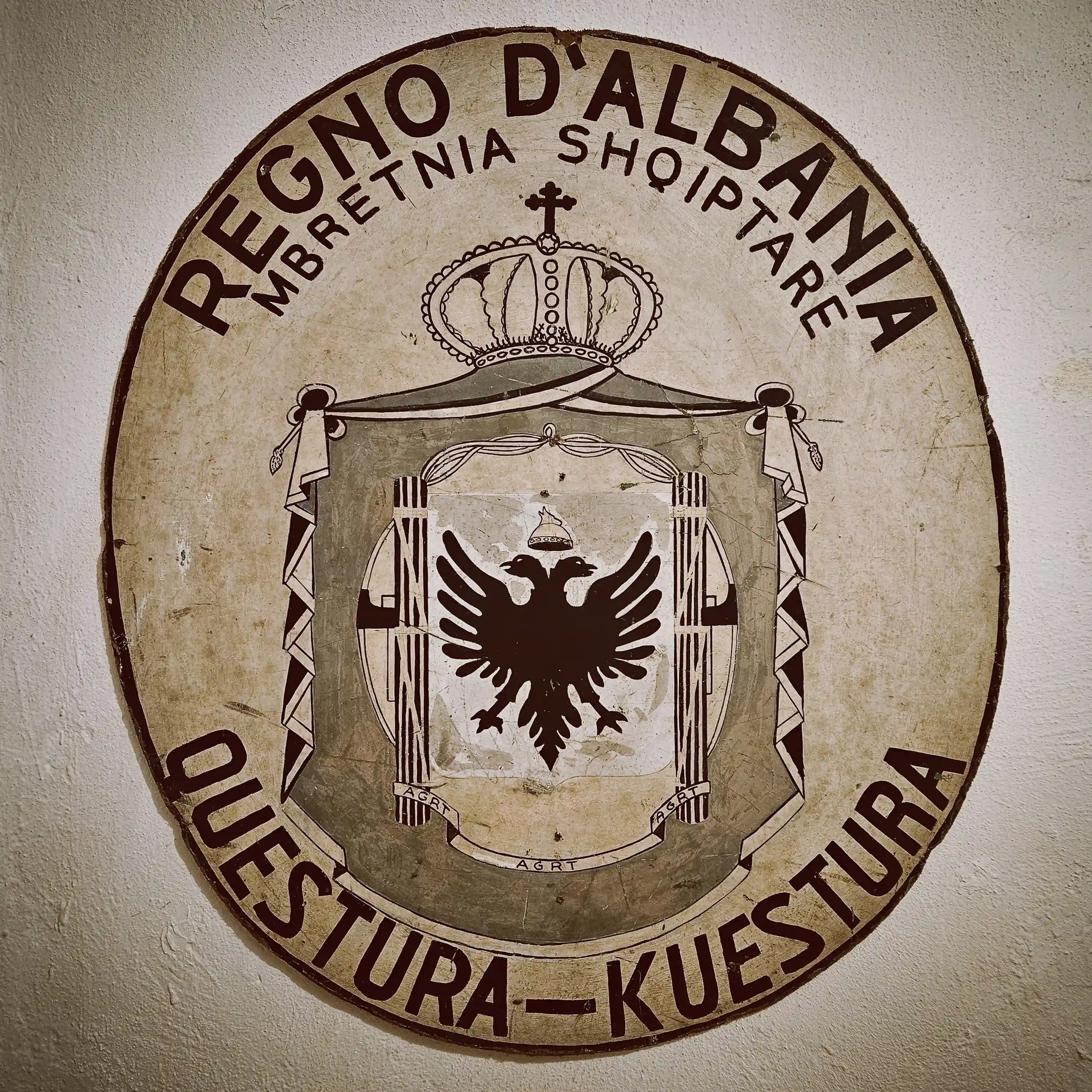
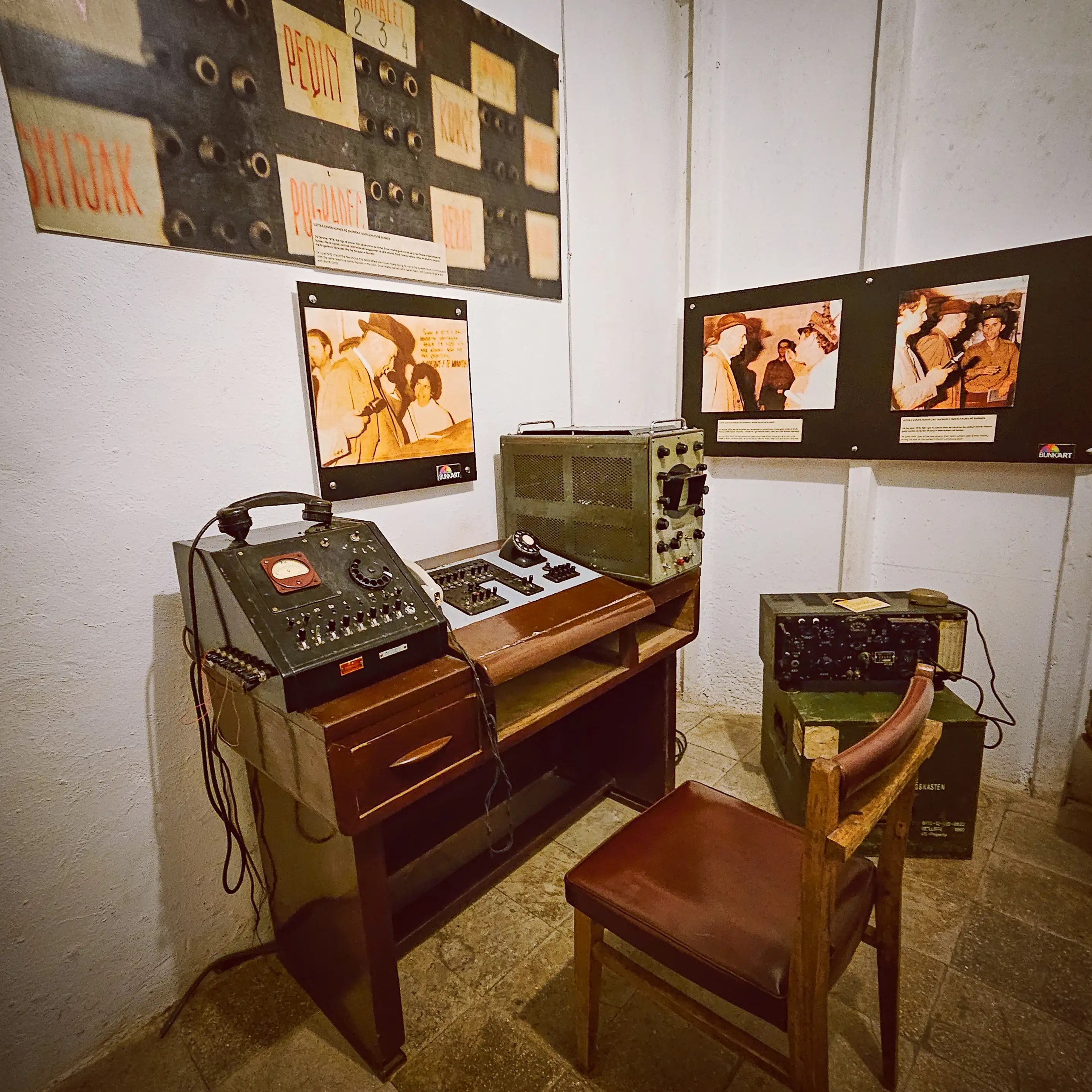
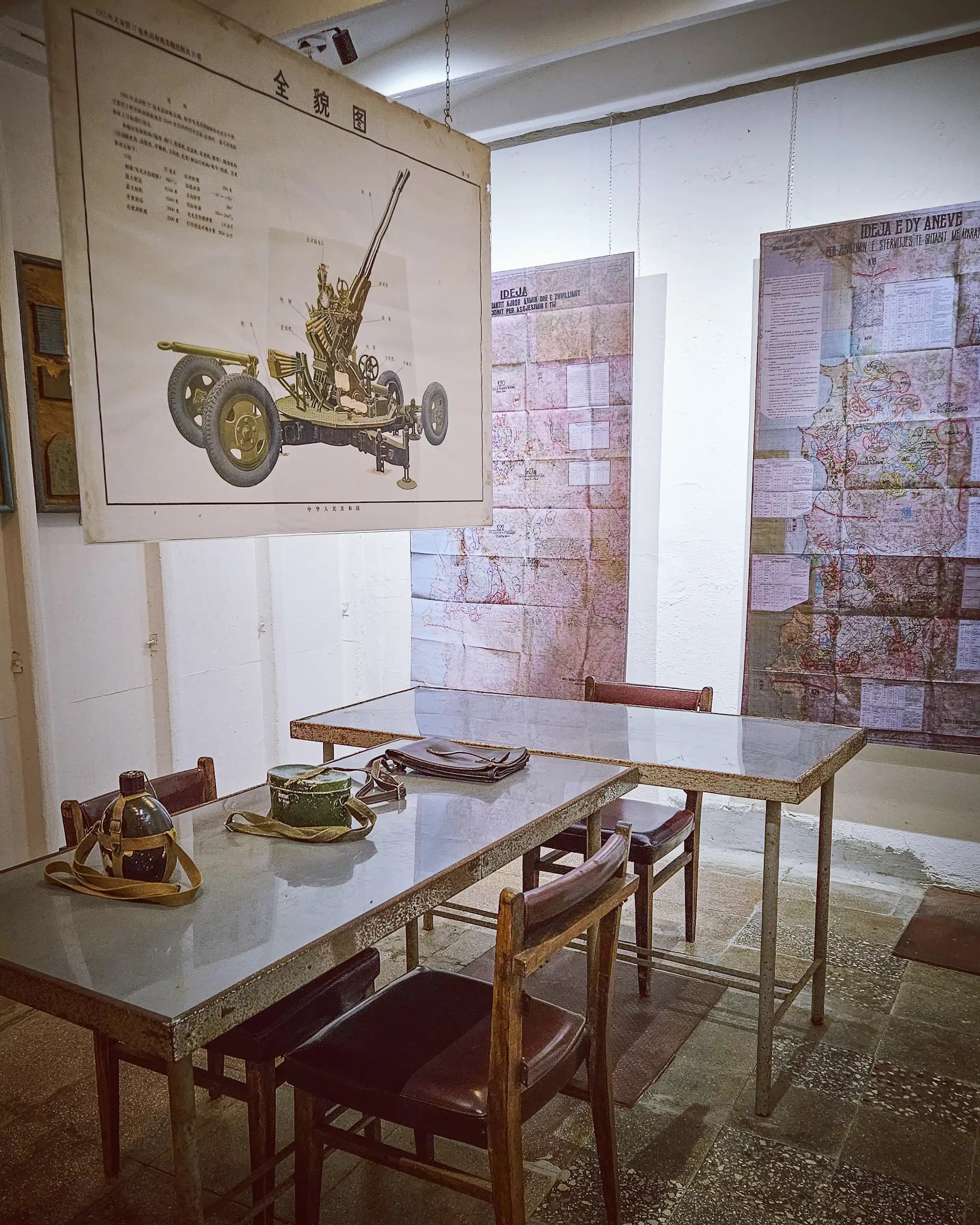
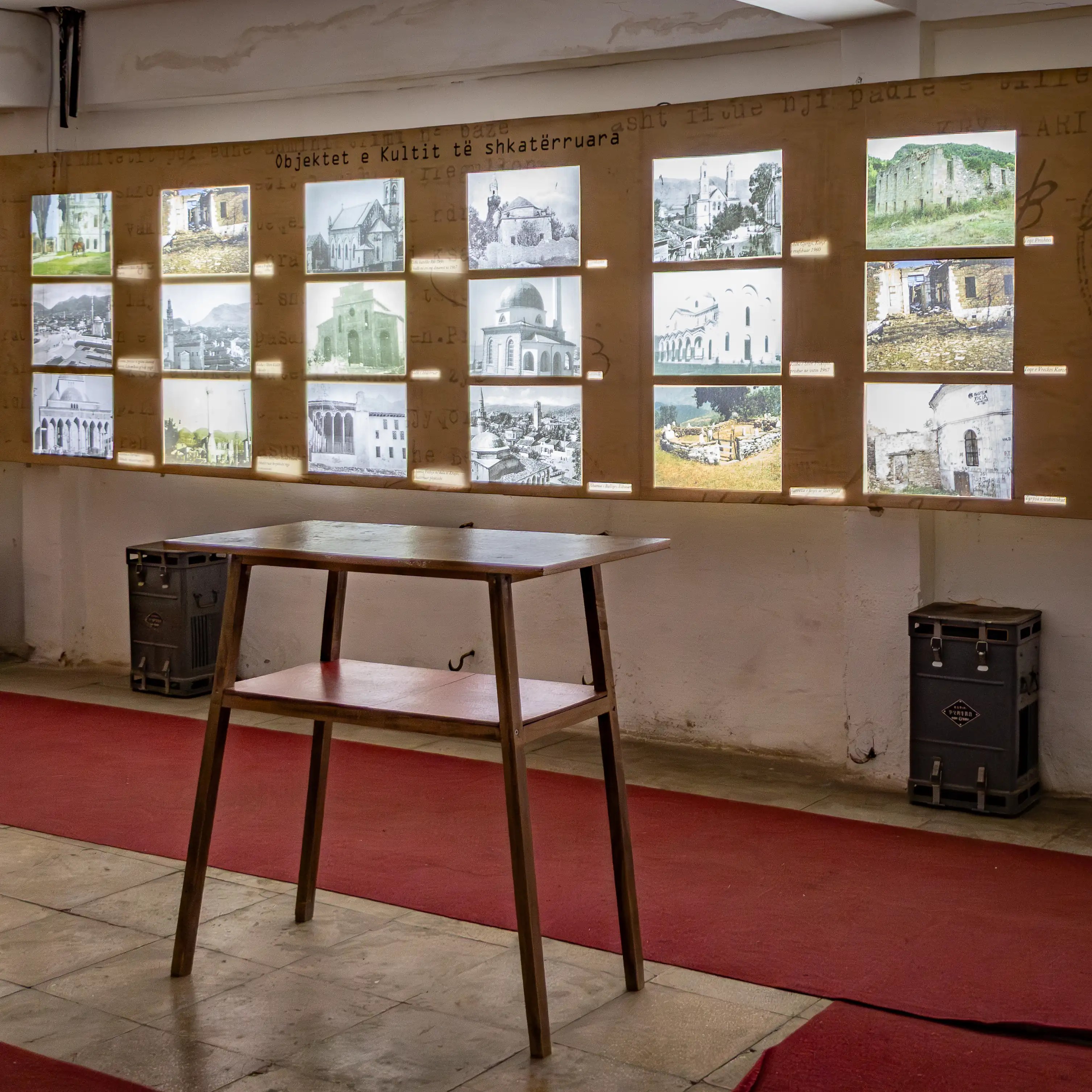
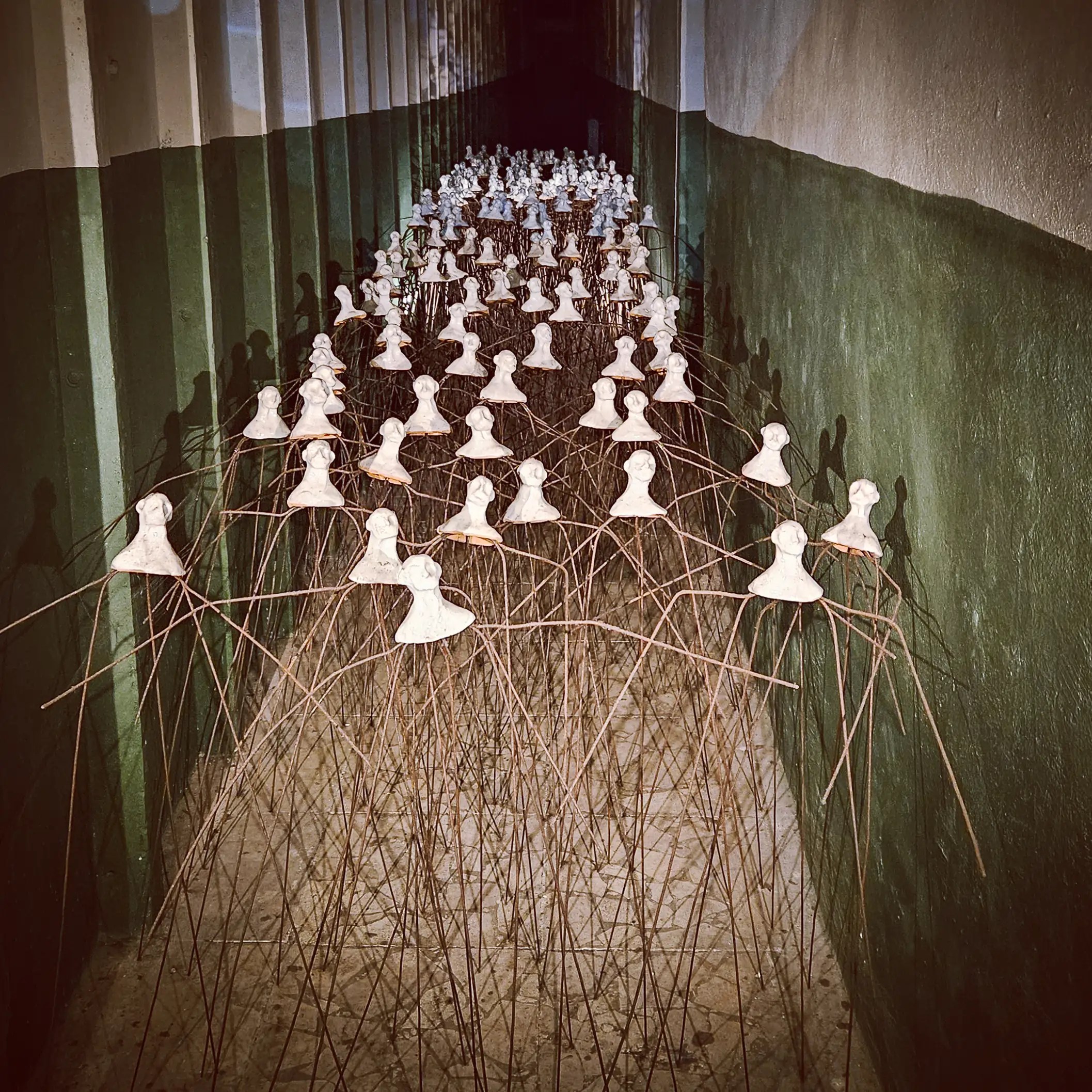
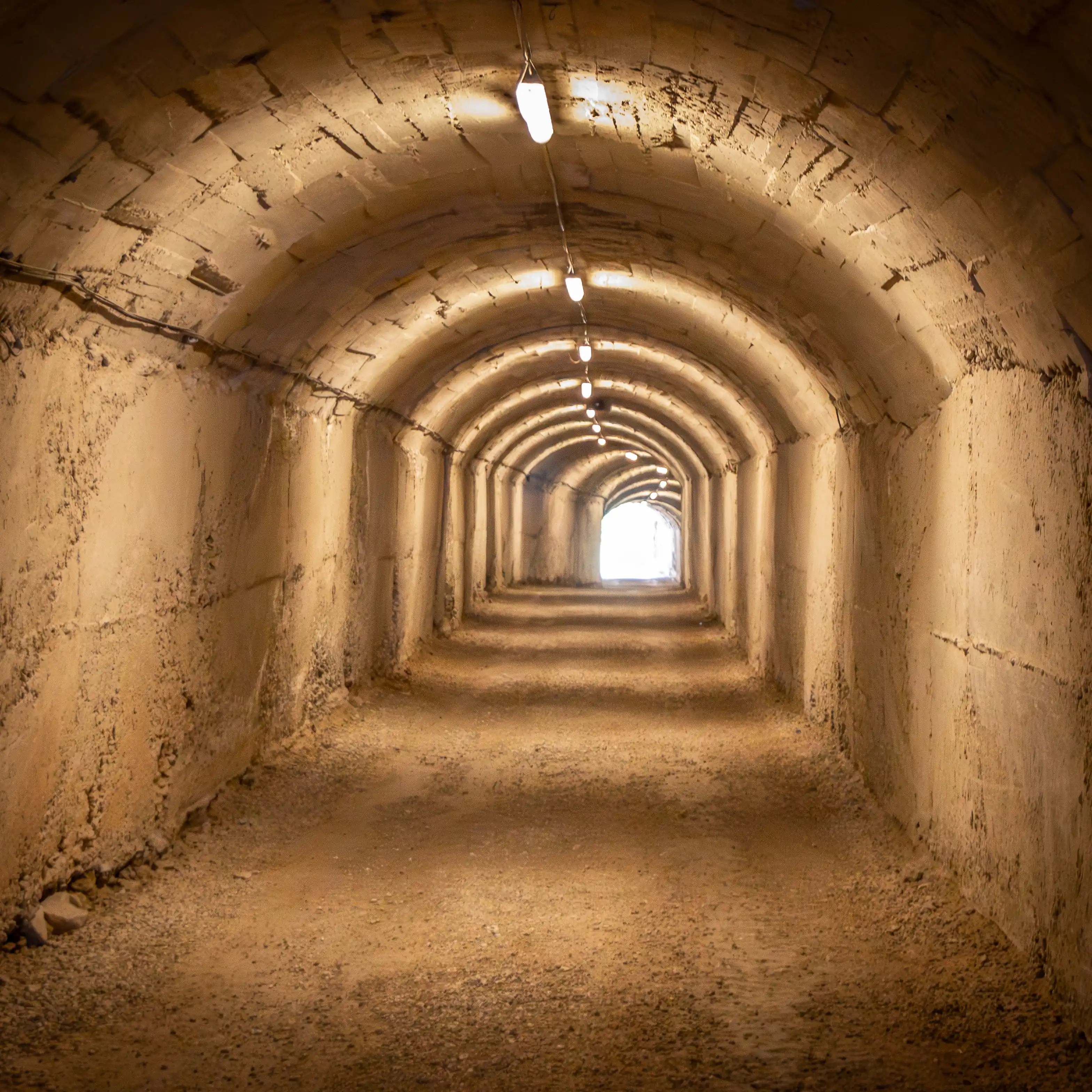
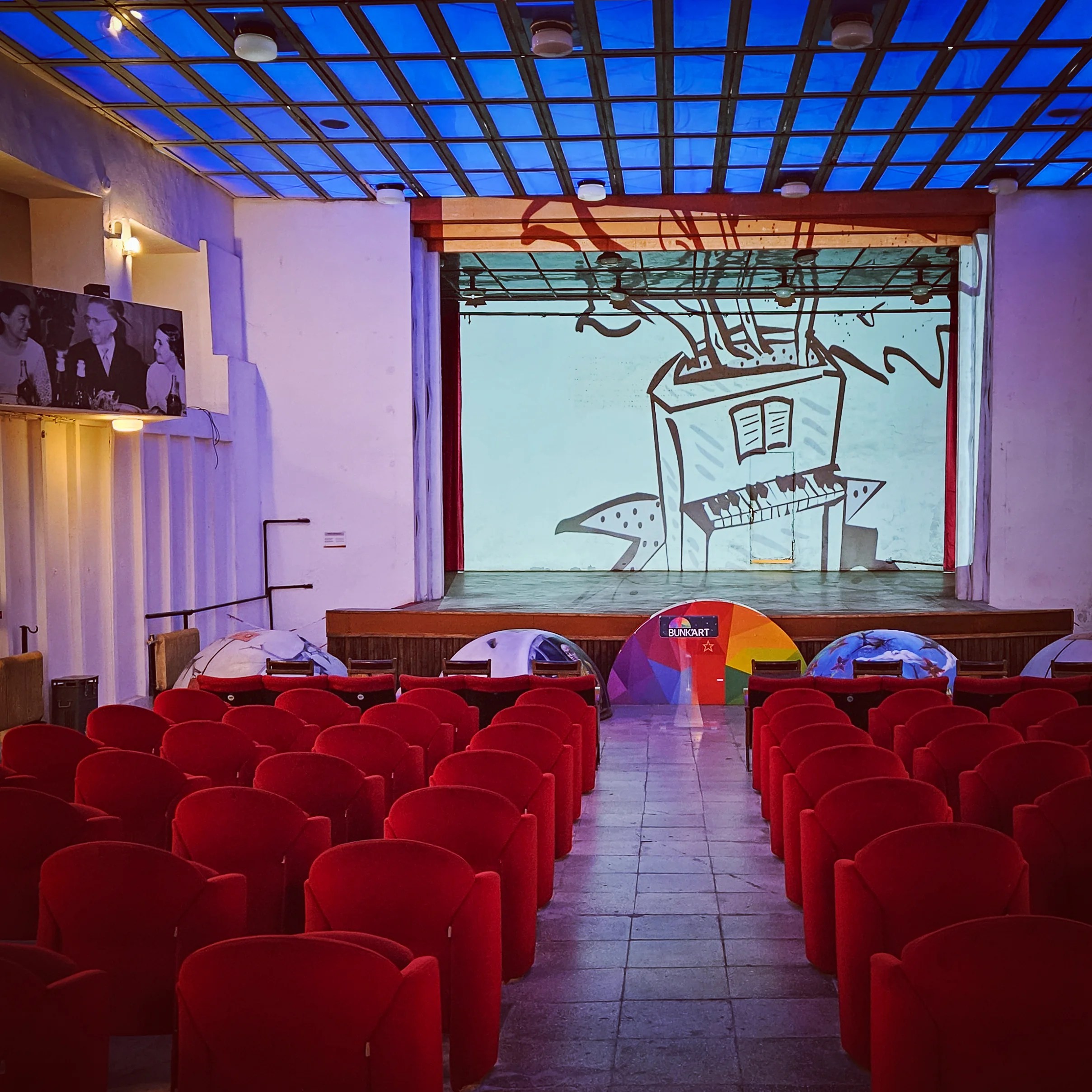
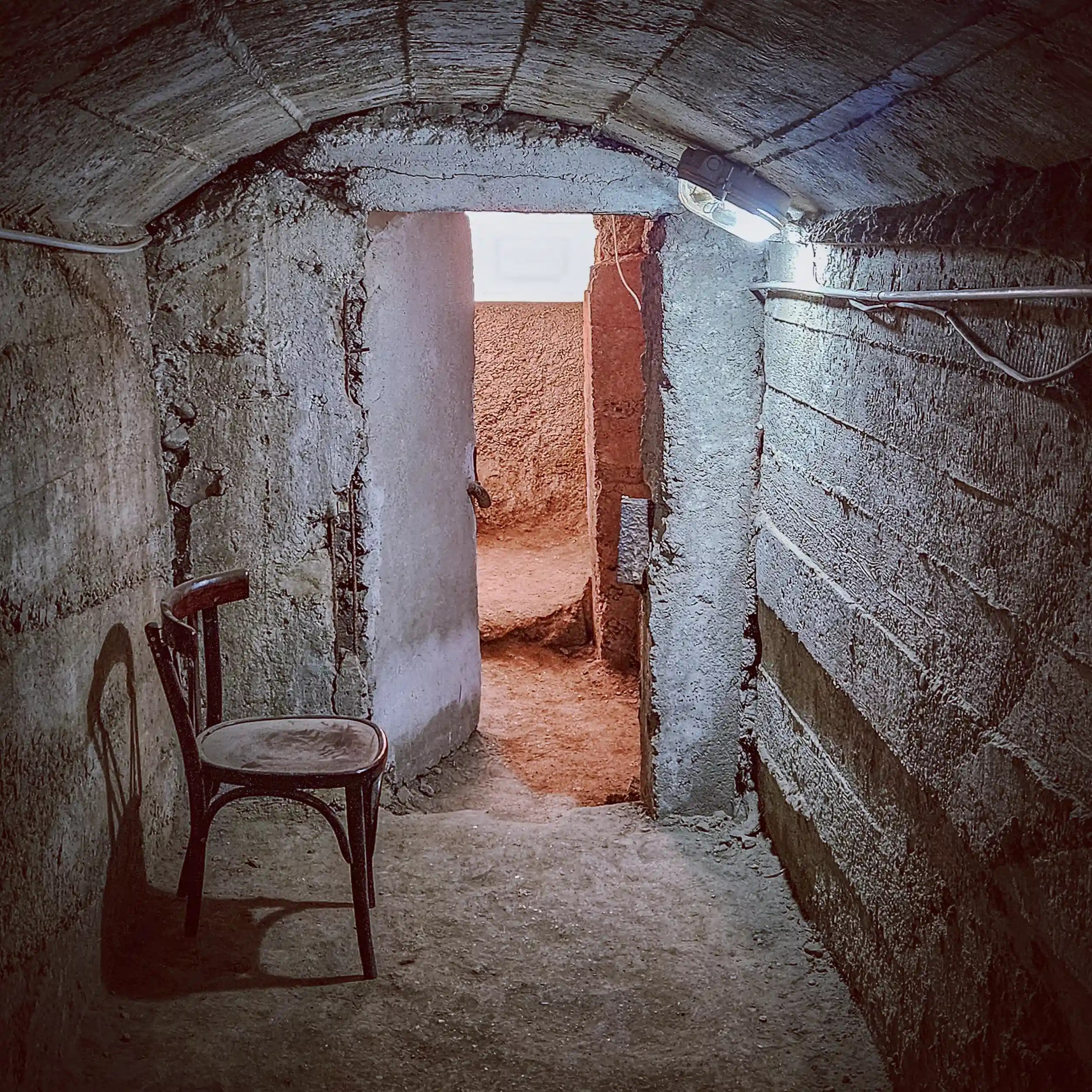
One of the most impactful sites we visited was Bunk’Art 1, located on the outskirts of the city near the lower station of the Dajti Ekspres Cable Car. Originally constructed as a massive underground bunker for Albania’s political and military leadership, it has been transformed into a museum exploring Albania’s history from World War I through the communist era.
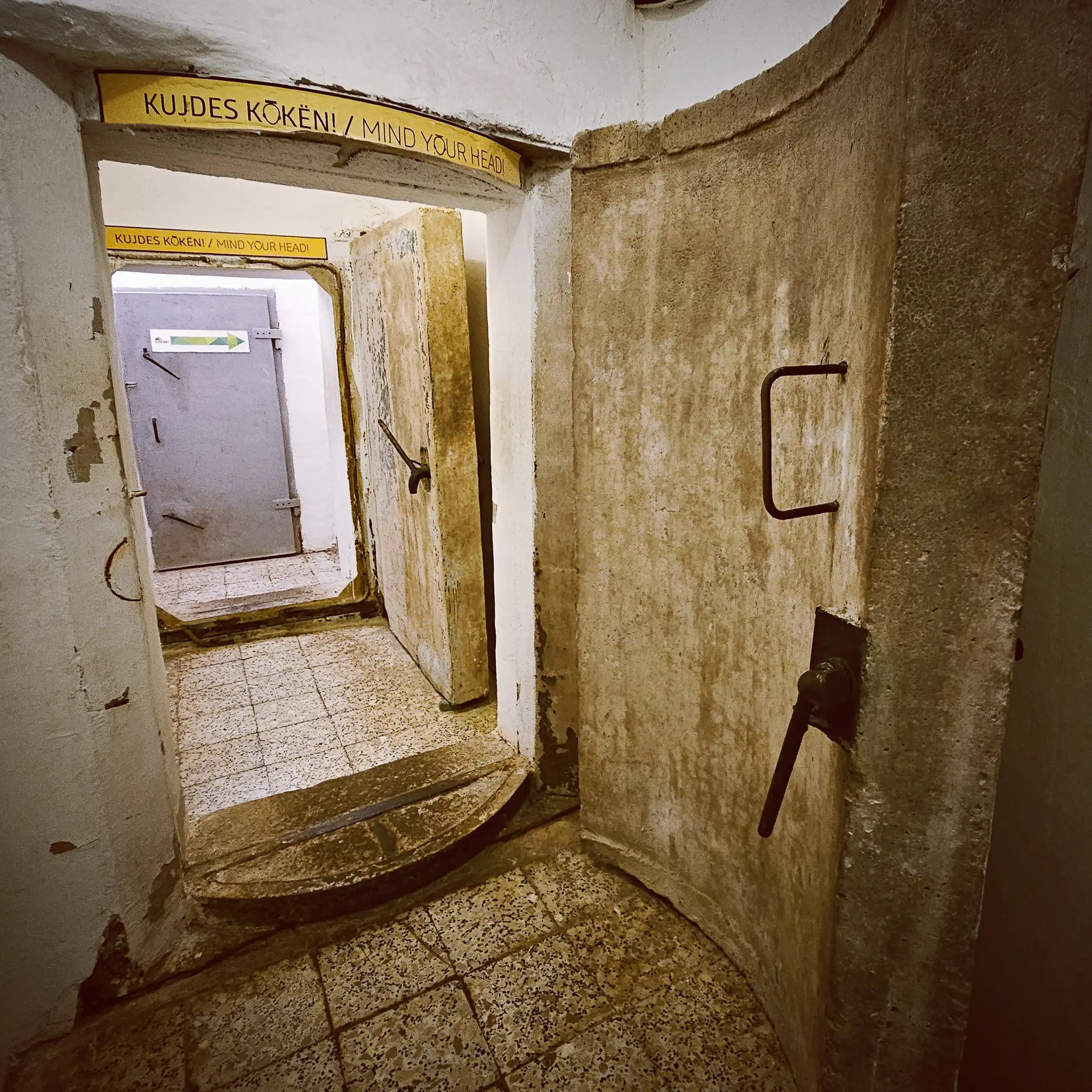
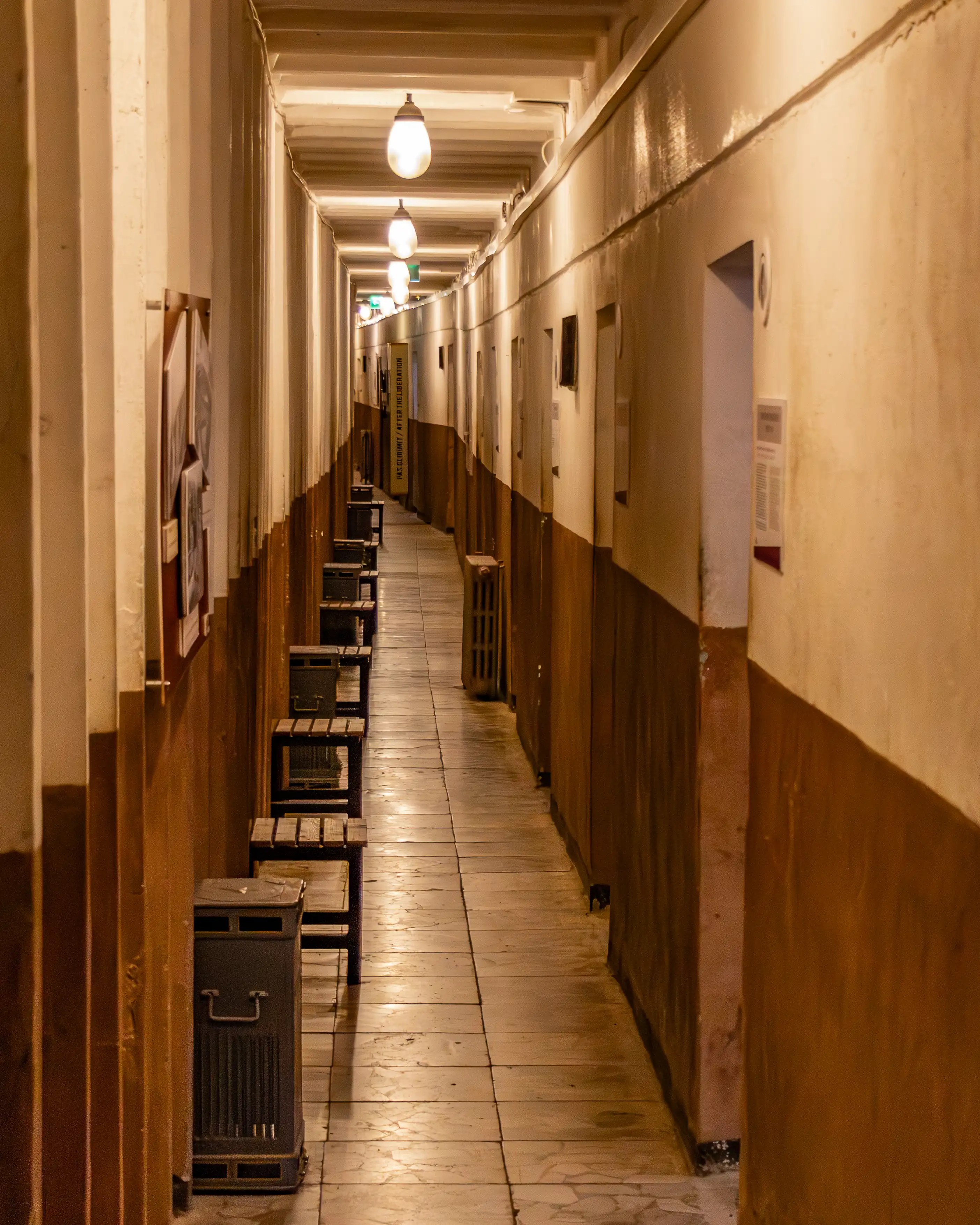
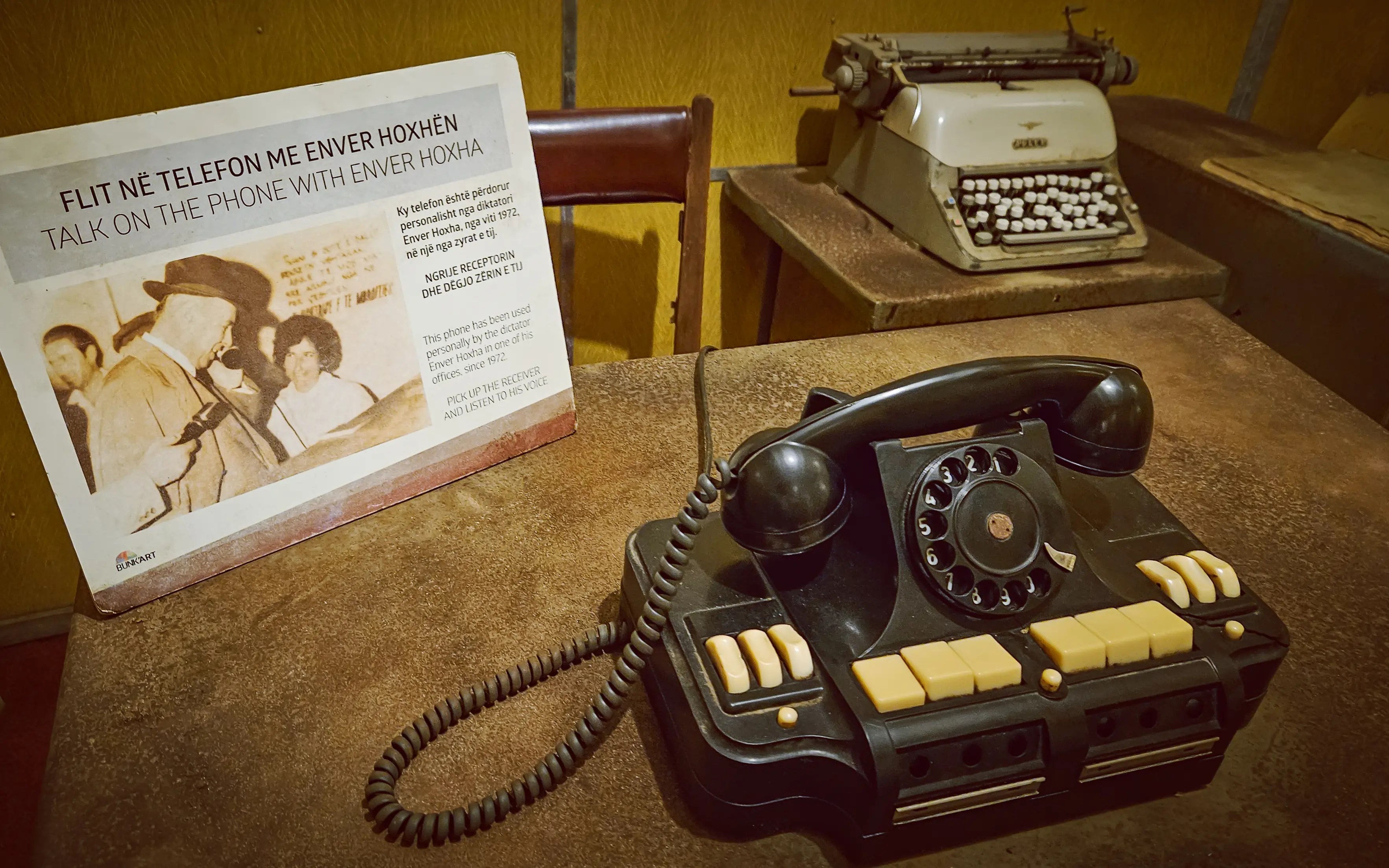
Long tunnels connect dozens of rooms that once served as offices, meeting spaces, sleeping quarters, and communication centers. Built to protect government leaders in the event of a conventional or nuclear attack, the bunker reflects the paranoia that defined much of Hoxha’s rule.
More than 170,000 bunkers were built across Albania in preparation for an invasion that never came.
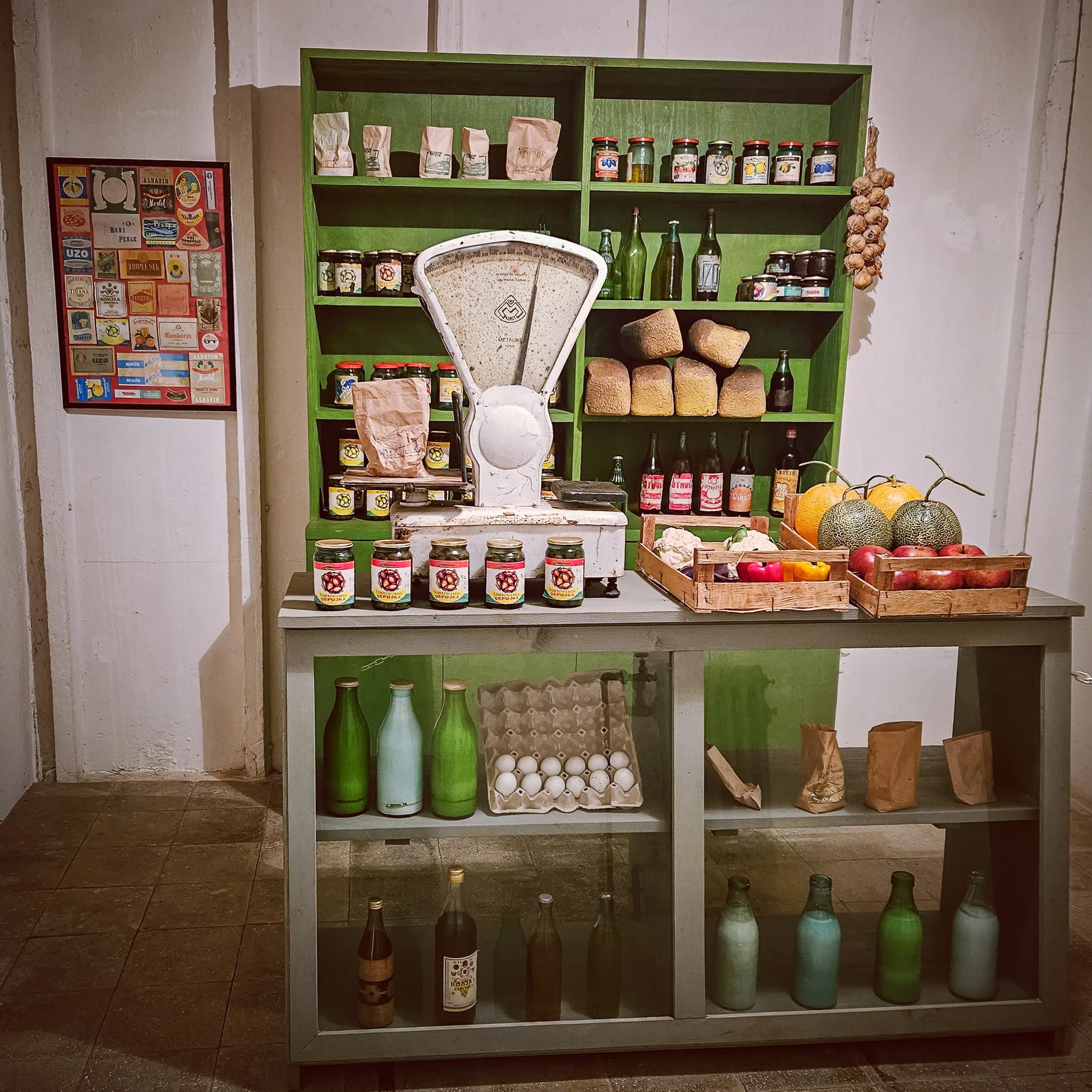
Today, photographs, documents, recreated rooms, and personal accounts help tell the story of life under the dictatorship while providing context for many of the communist-era sites found throughout Tirana.
House of Leaves
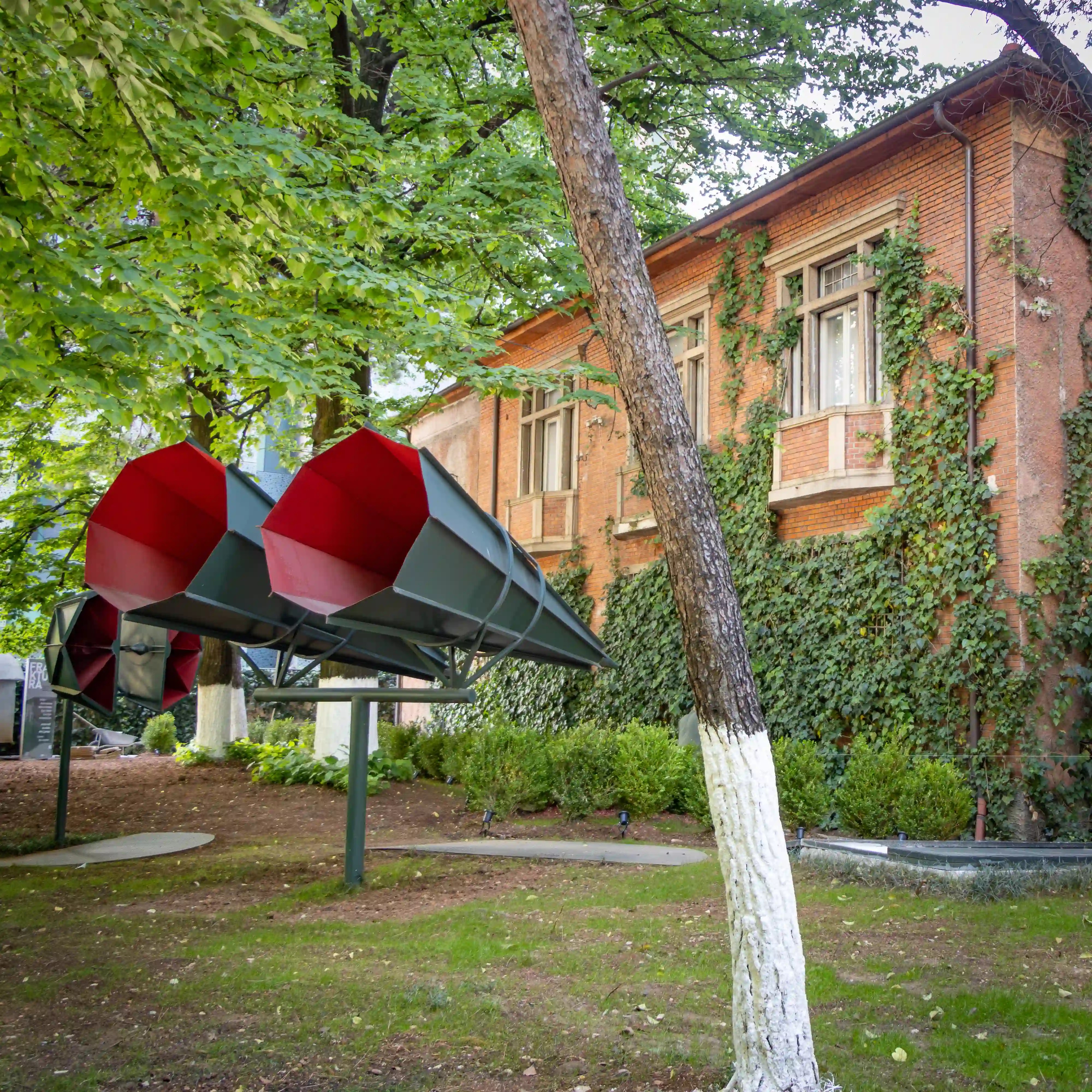
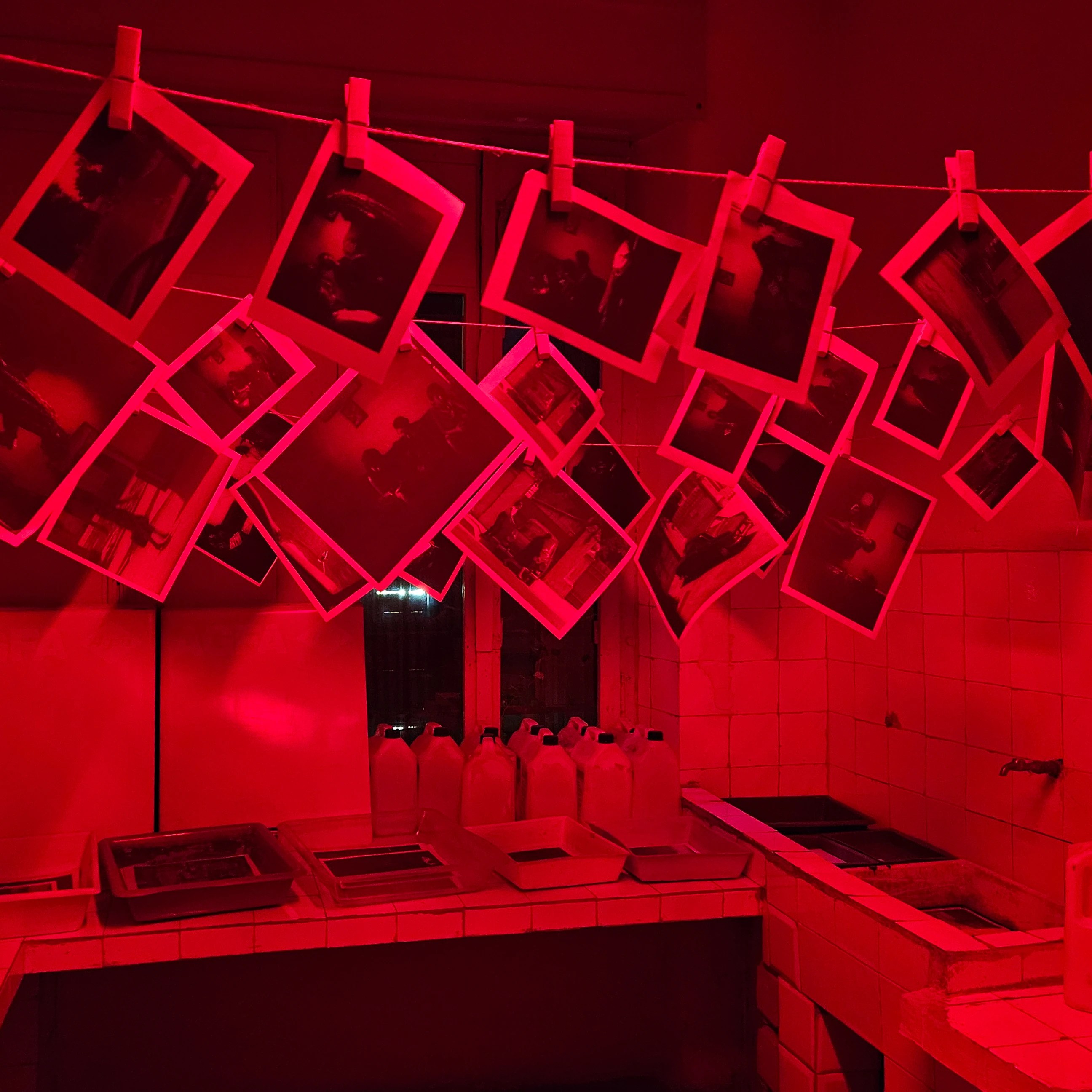
Another important site is the House of Leaves, a museum dedicated to surveillance and the Sigurimi, Albania’s communist-era secret police. The building once housed the headquarters of Albania’s intelligence services and now explores the methods used to monitor citizens during the communist era.
Outside, the building appears fairly ordinary. Inside, visitors learn how deeply surveillance affected daily life. Together, House of Leaves and Bunk’Art 1 create a much fuller picture of Albania’s recent past than either site could provide alone.
Enver Hoxha Villa & Blloku
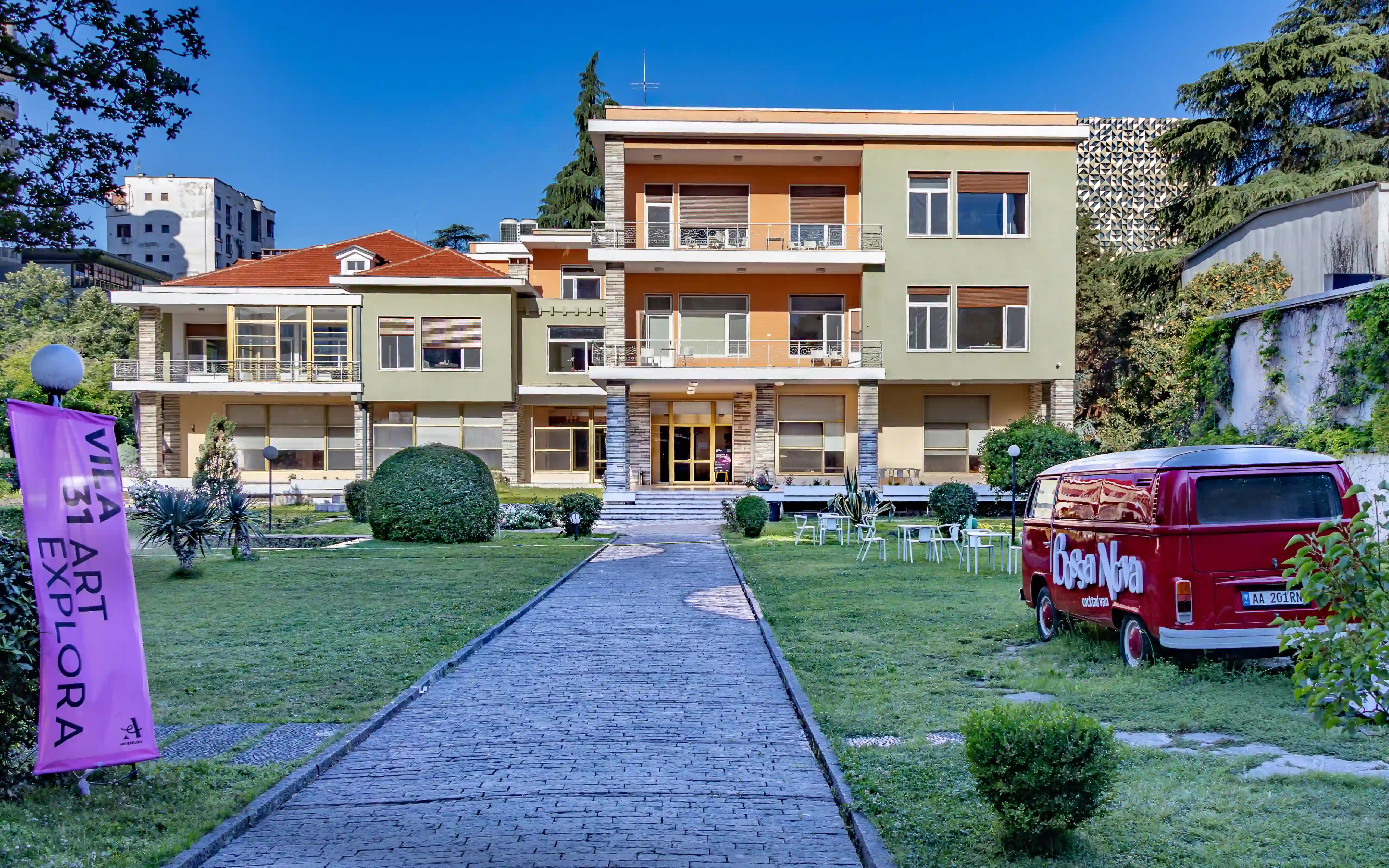
Other reminders of this period can still be found throughout the city. We passed the former villa of Enver Hoxha in the Blloku neighborhood, an area that was once reserved for party officials and government elites. Today, Blloku is one of Tirana’s liveliest districts, filled with cafés, restaurants, and shops. It is hard to imagine that this area was once closed to ordinary citizens.
Pyramid of Tirana
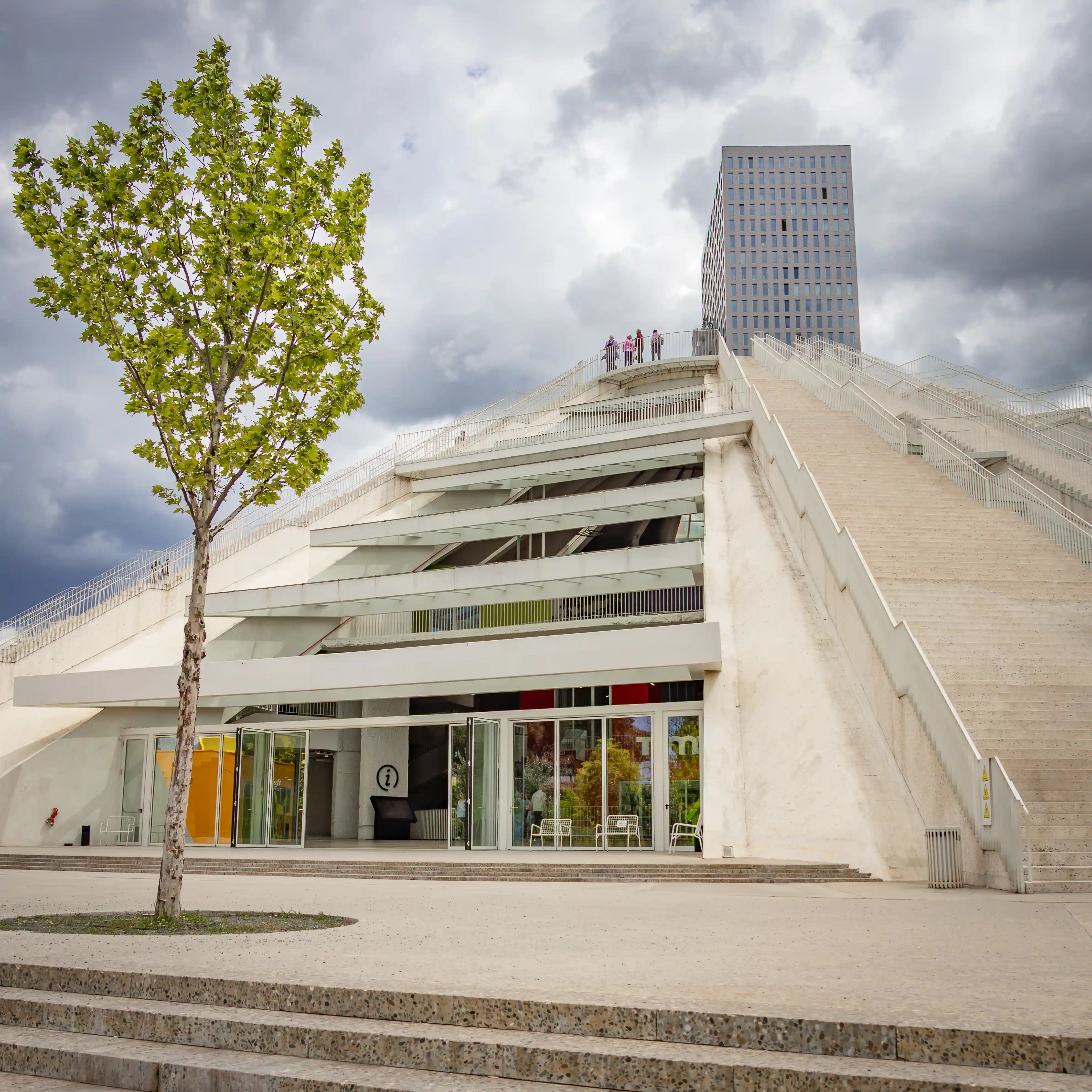
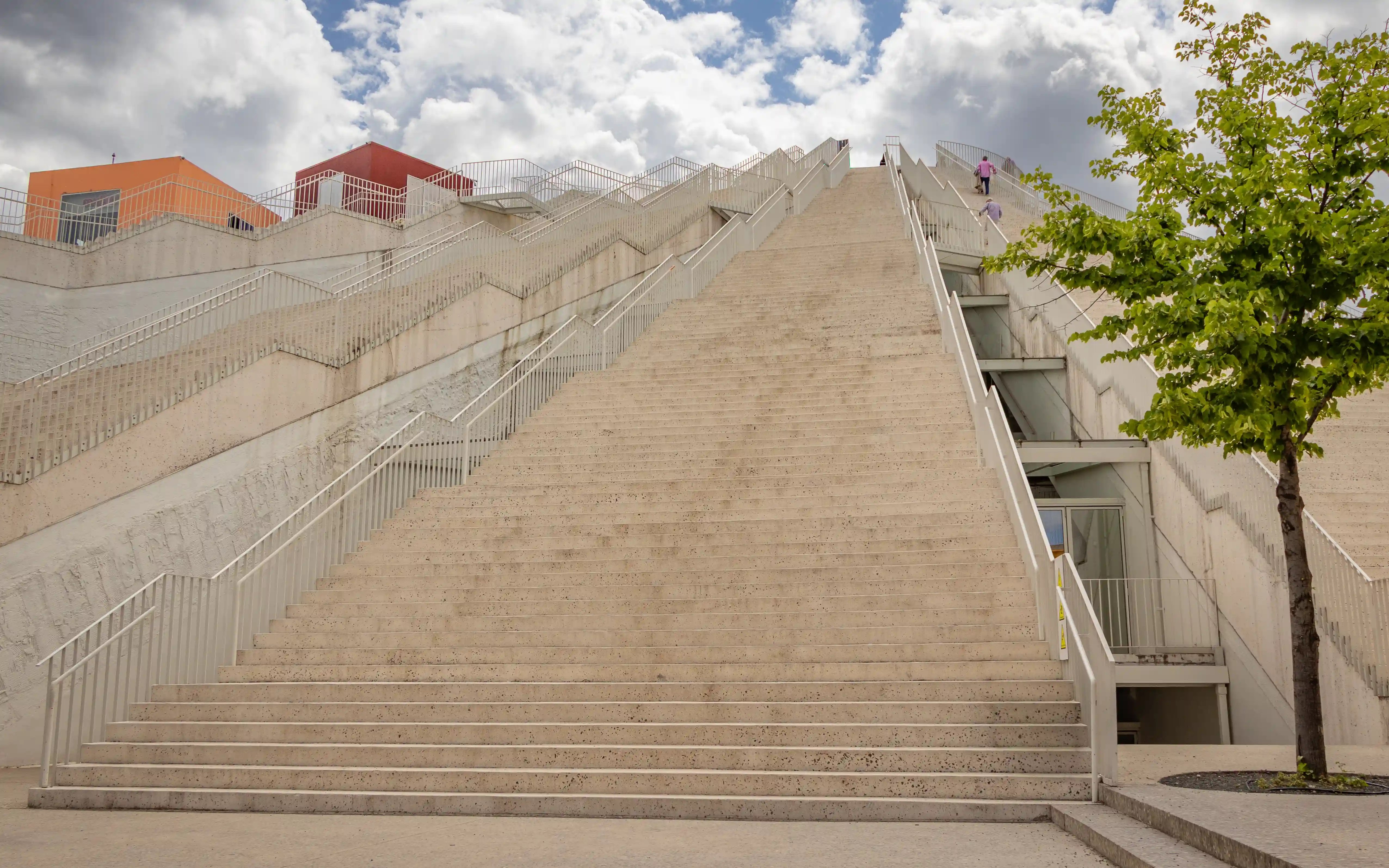
The Pyramid of Tirana offers another example of Albania’s transformation. Originally built in 1988 as a museum dedicated to Hoxha, the controversial structure spent years abandoned and deteriorating. Today, it serves as a public space and technology center, giving one of the city’s most recognizable communist-era landmarks an entirely new purpose.
Postbllok (Checkpoint)
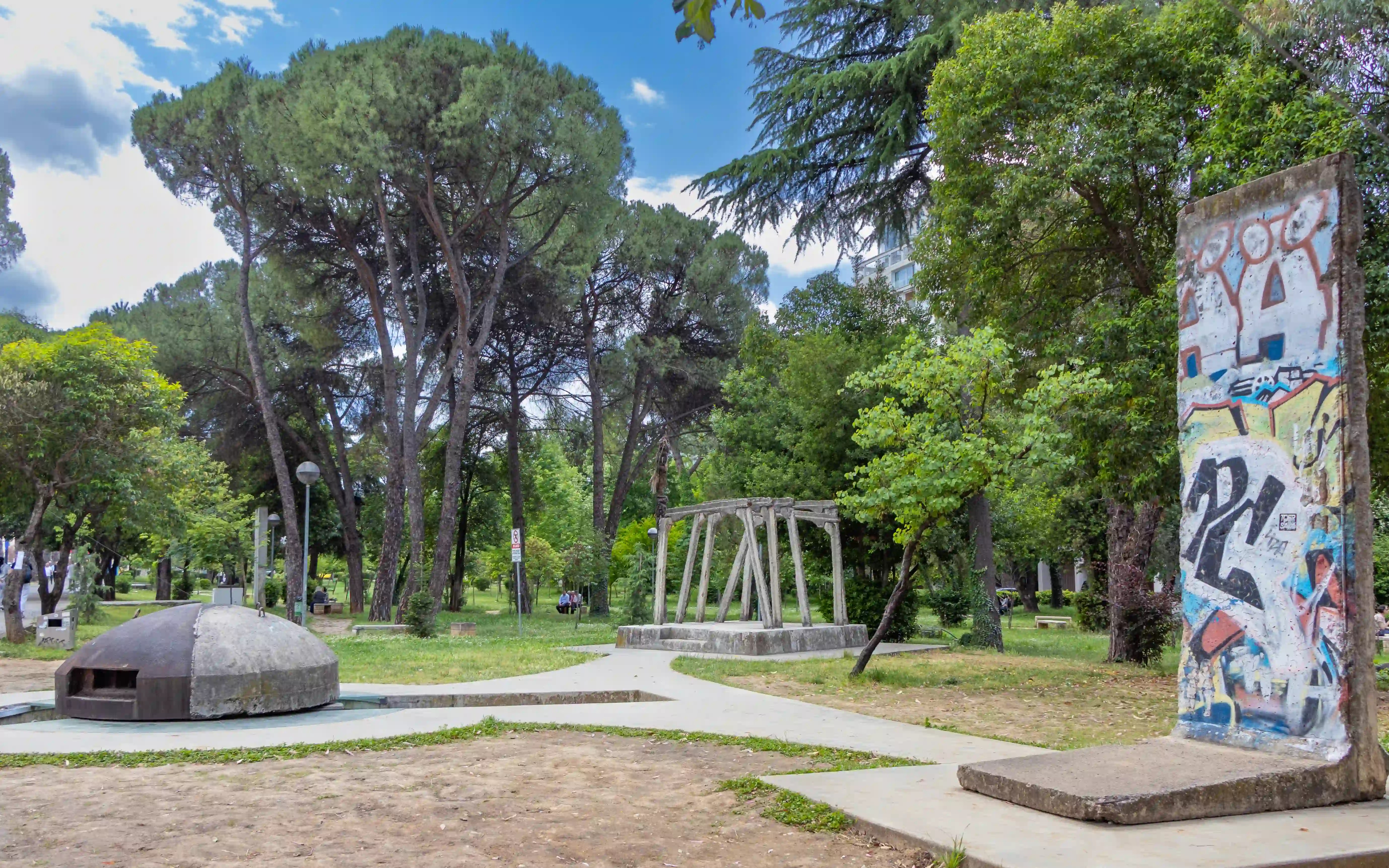
Nearby, Postbllok (Checkpoint) is a memorial dedicated to the victims of Albania’s communist regime. The installation incorporates a concrete bunker, supports from the notorious Spaç labor camp, and a section of the Berlin Wall from Potsdamer Platz.
Grand Park and the Artificial Lake
Tirana isn’t all museums and historic landmarks.
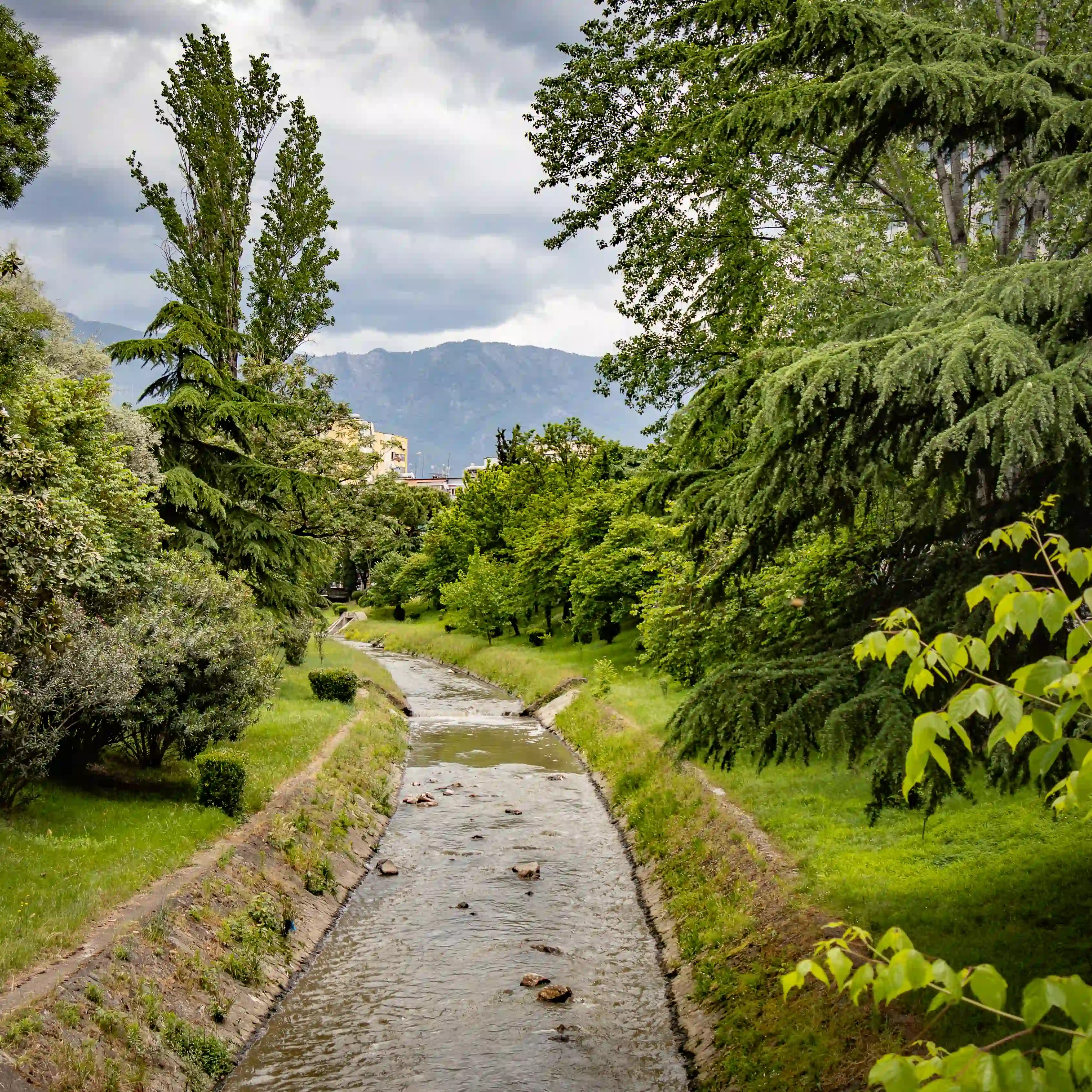
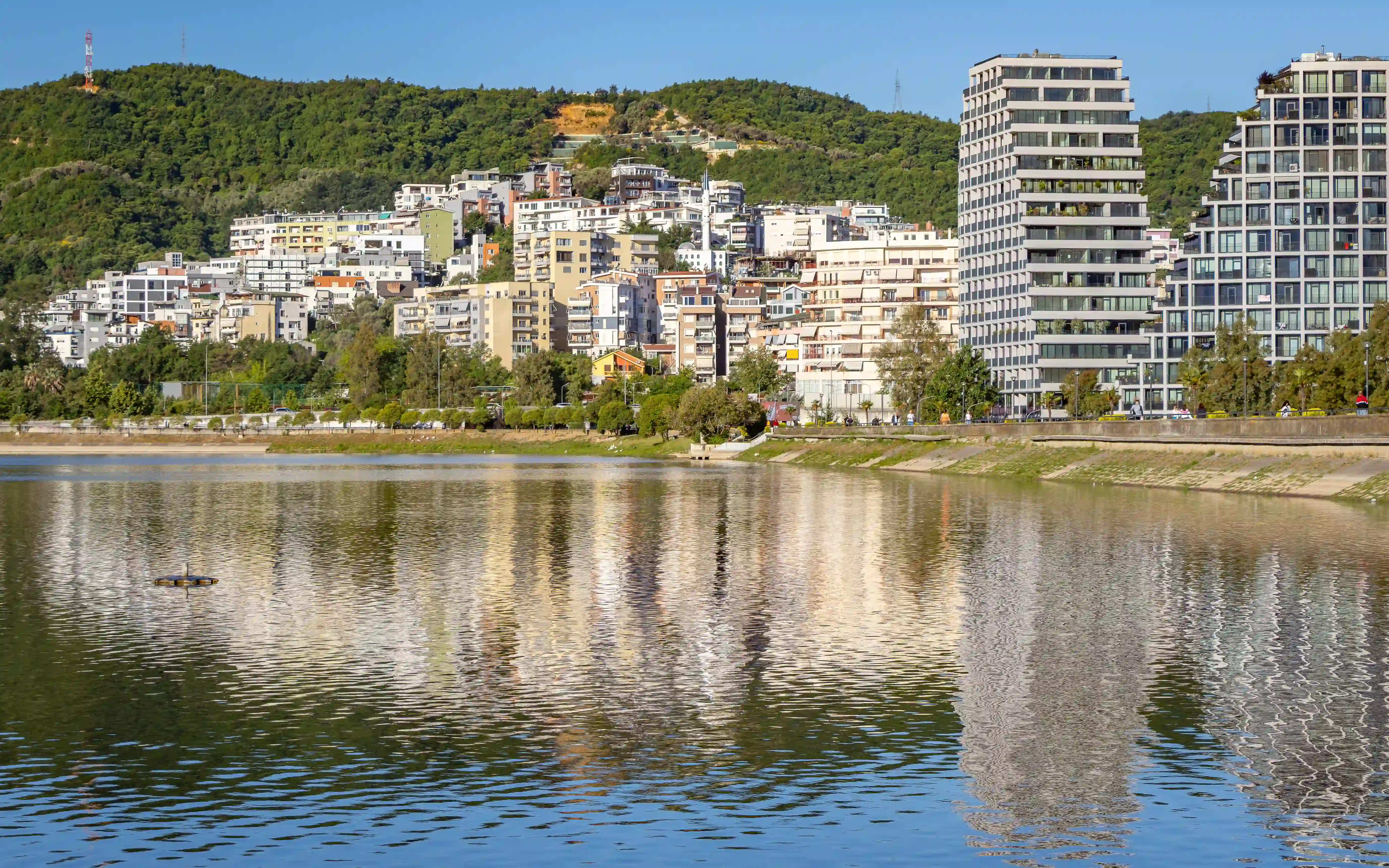
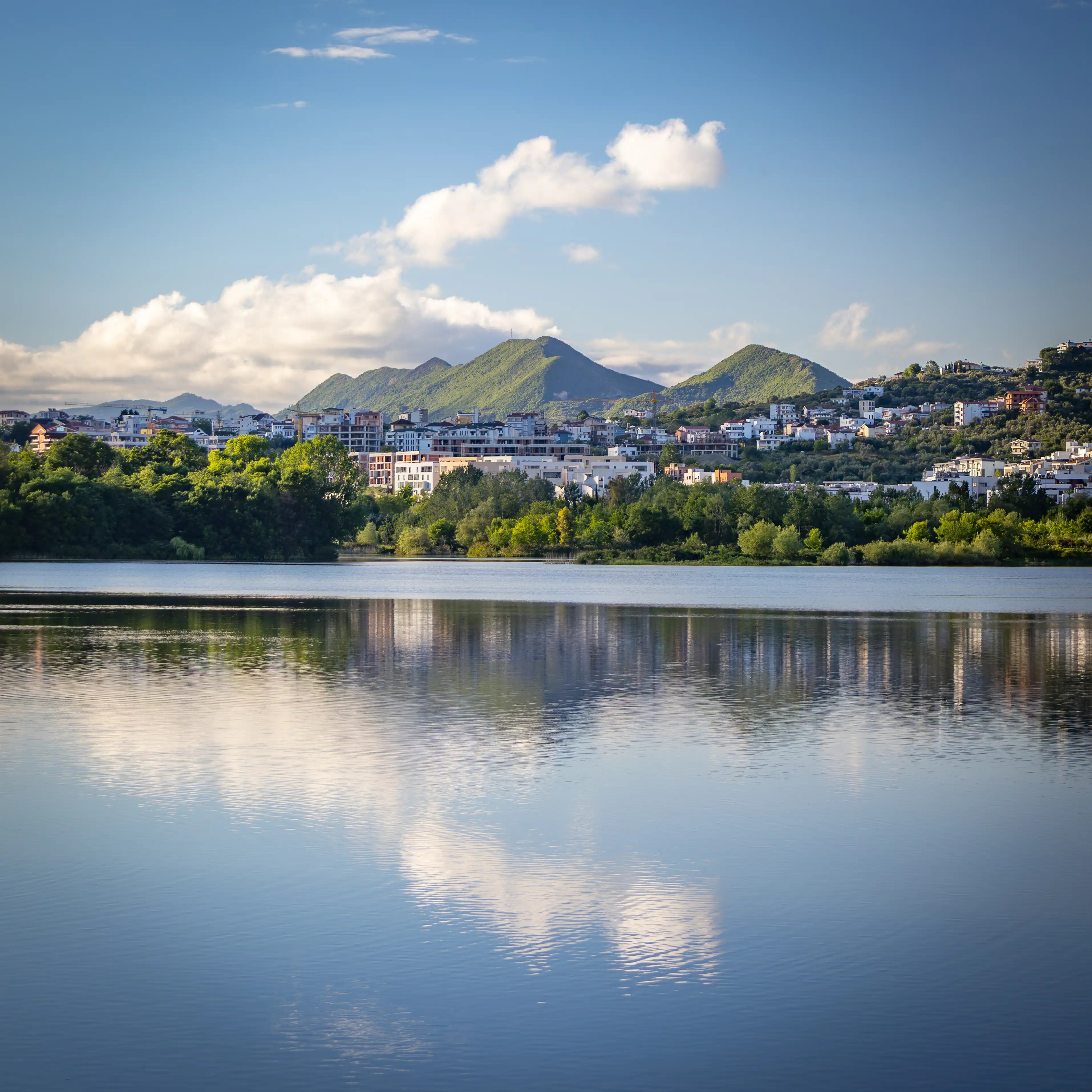
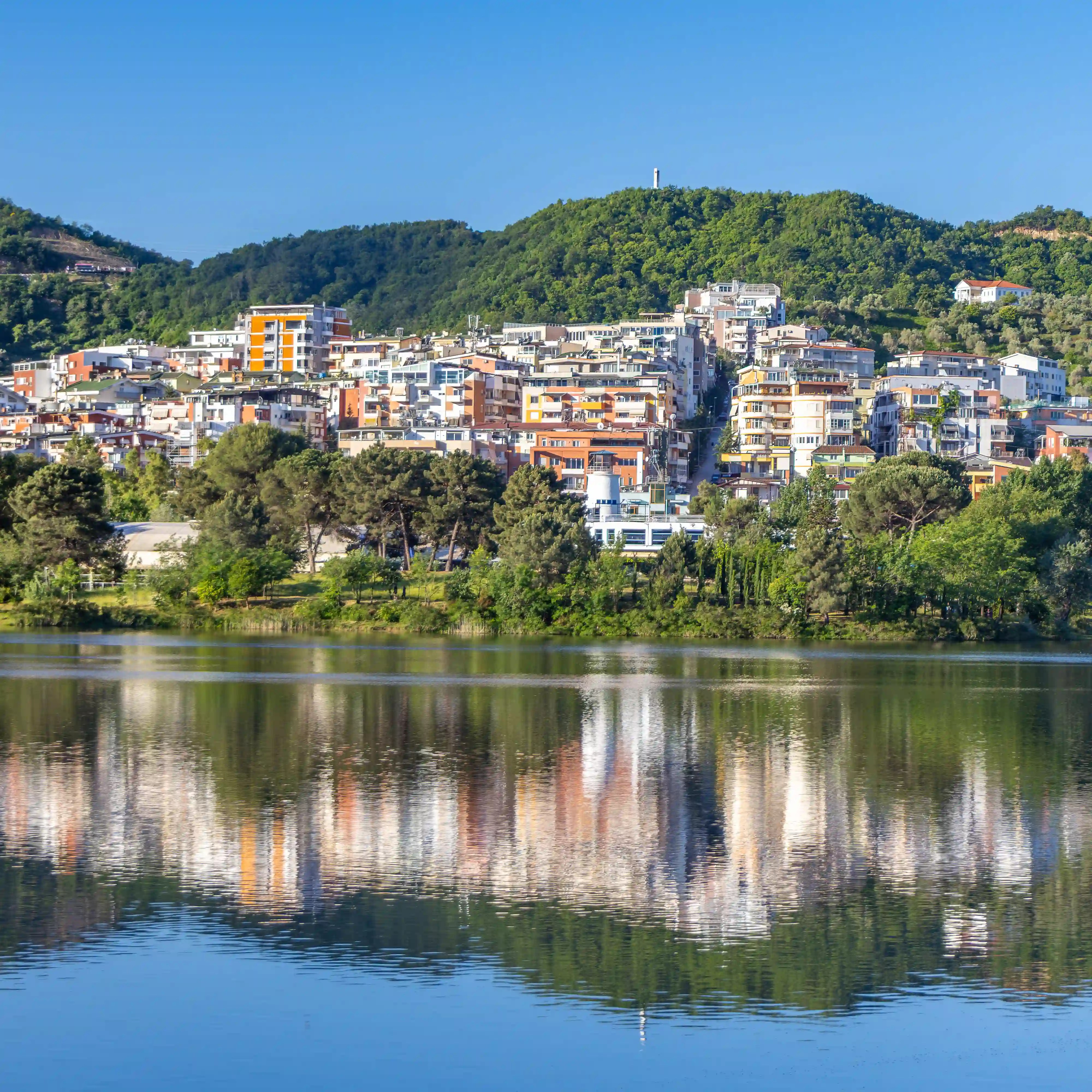
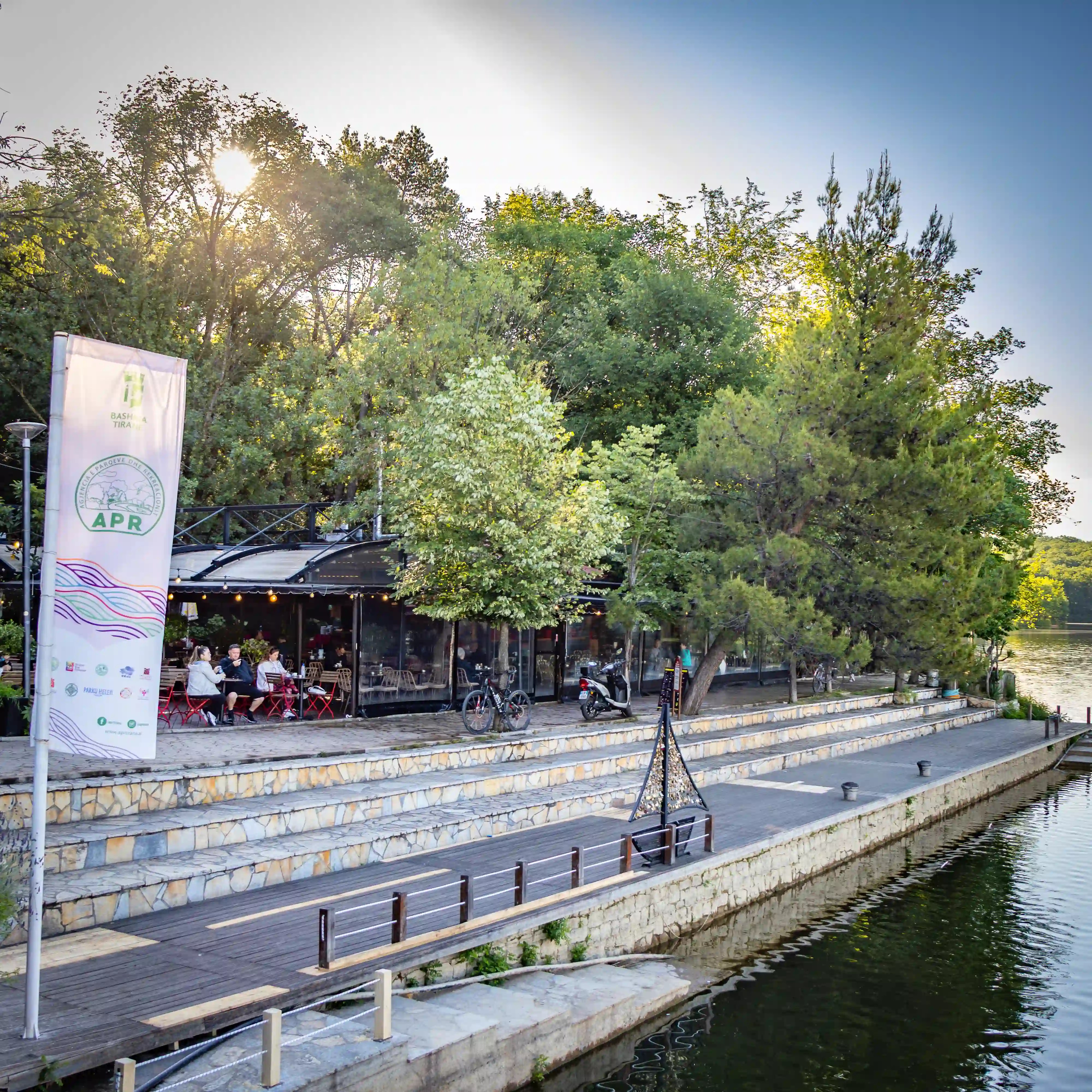
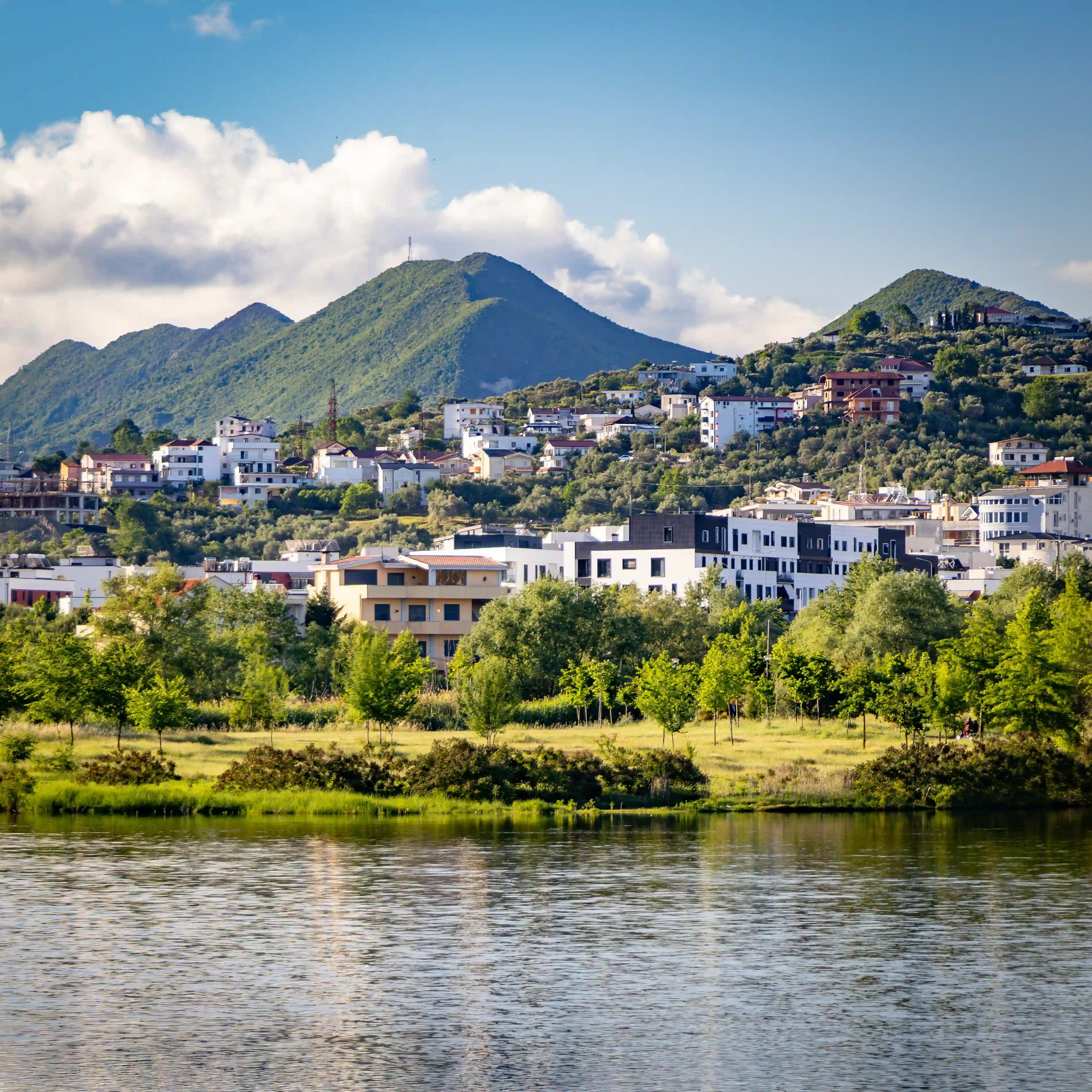
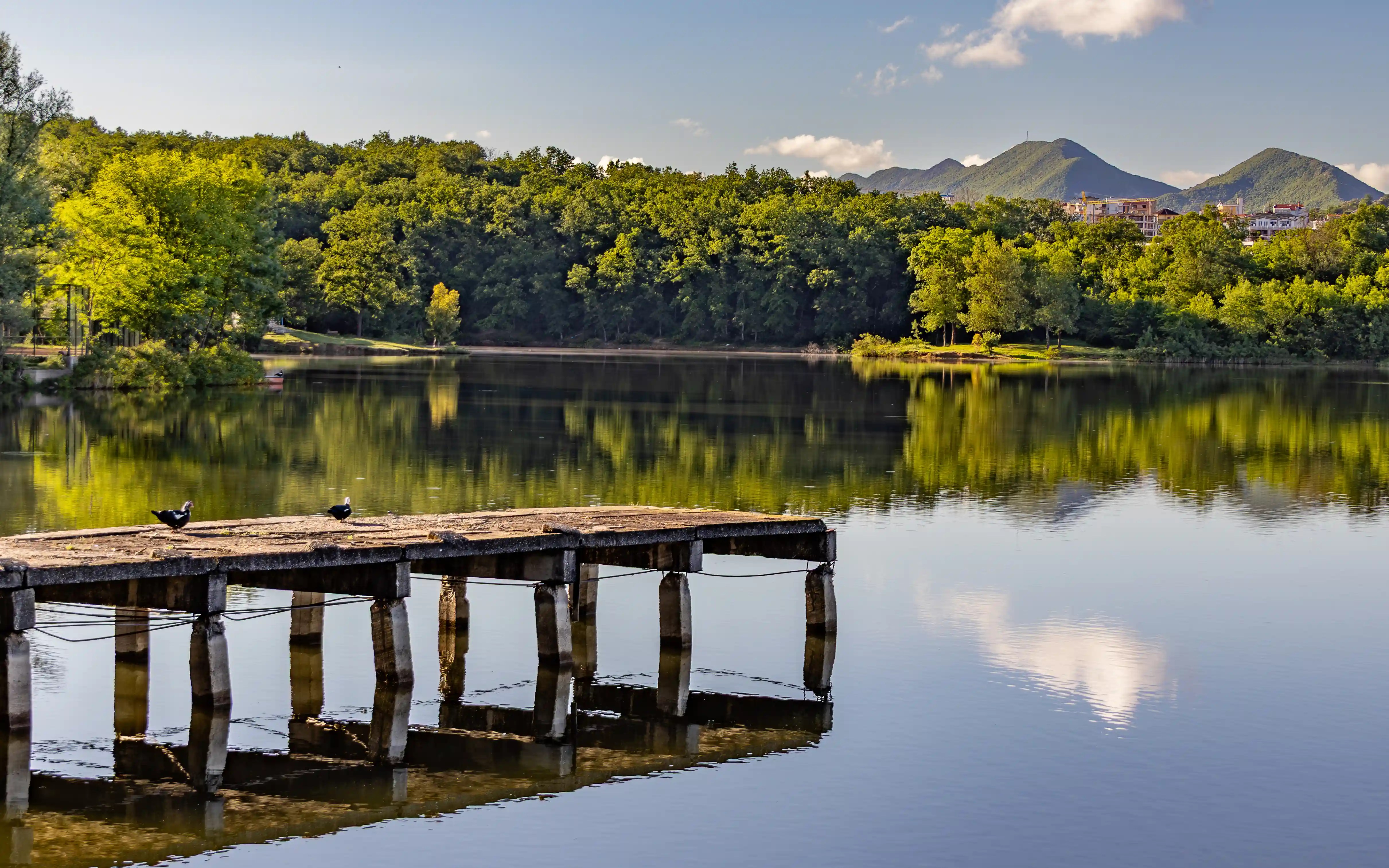
One morning I headed to the Grand Park and Artificial Lake, one of the city’s most popular recreational areas. Walking paths circle the lake while cafés and restaurants provide plenty of places to relax and enjoy the scenery. It was a welcome break from sightseeing and one of my favorite places to spend a quiet morning in the city.
Food and Local Experiences
Some of my favorite experiences in Albania centered around food.
Restorant Tymi
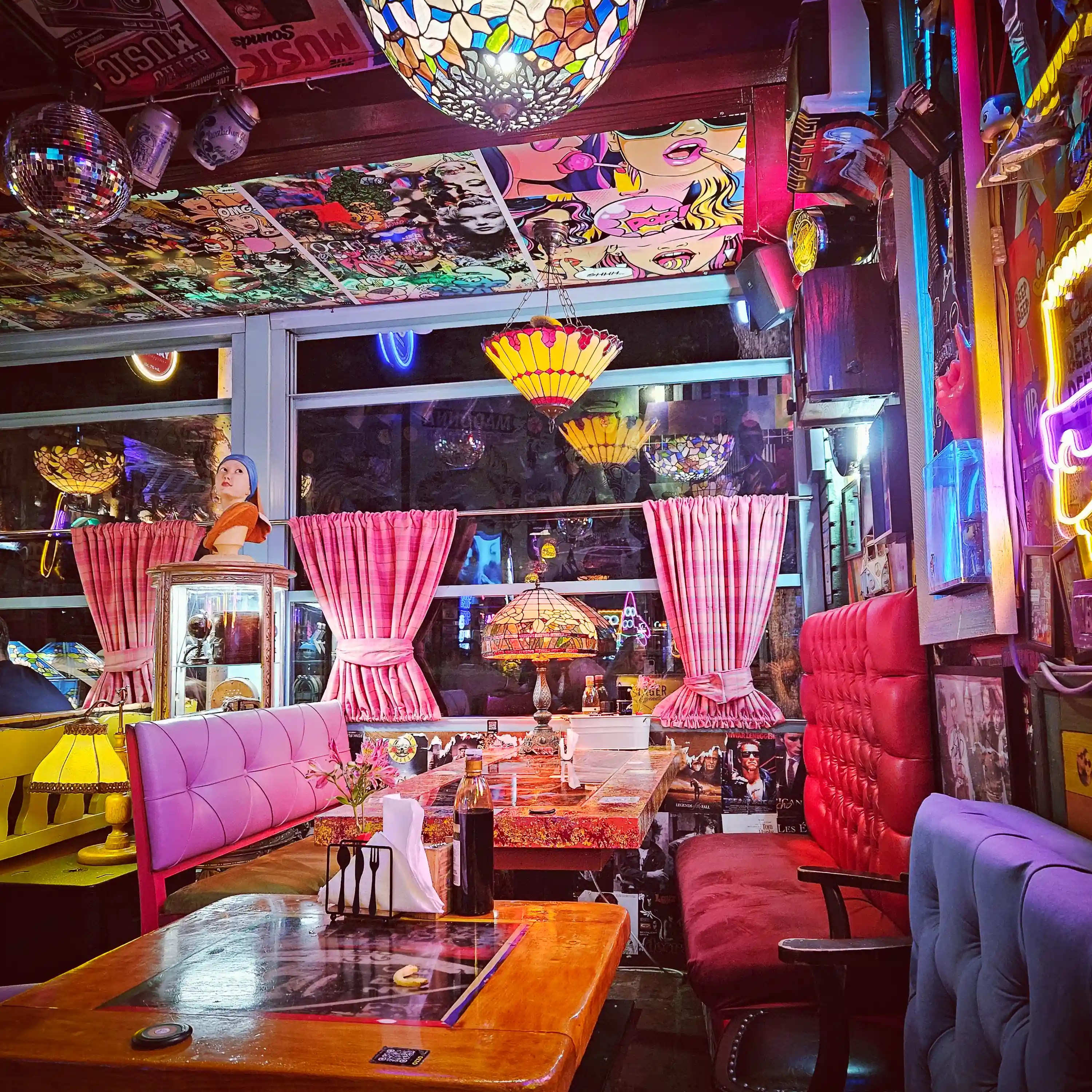
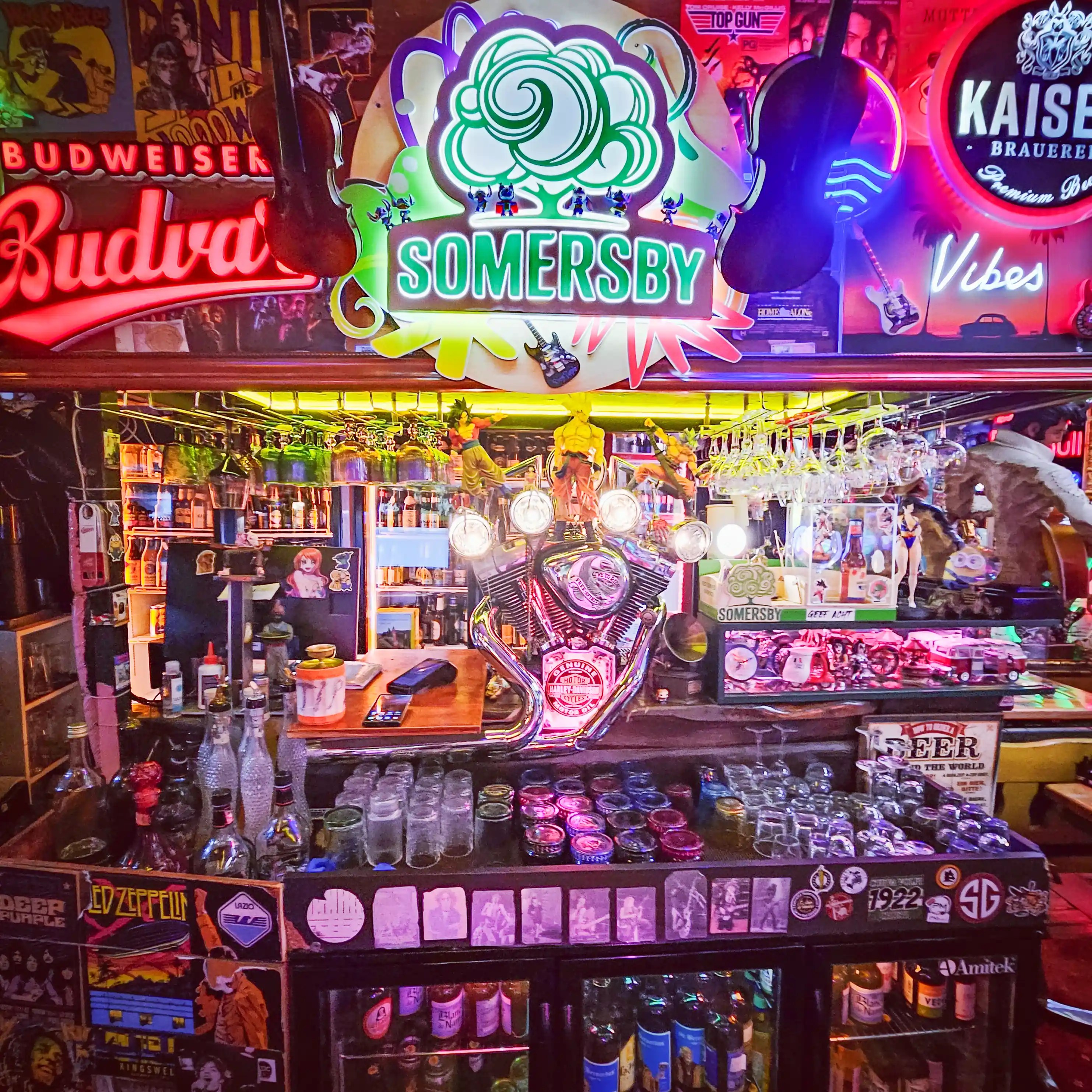
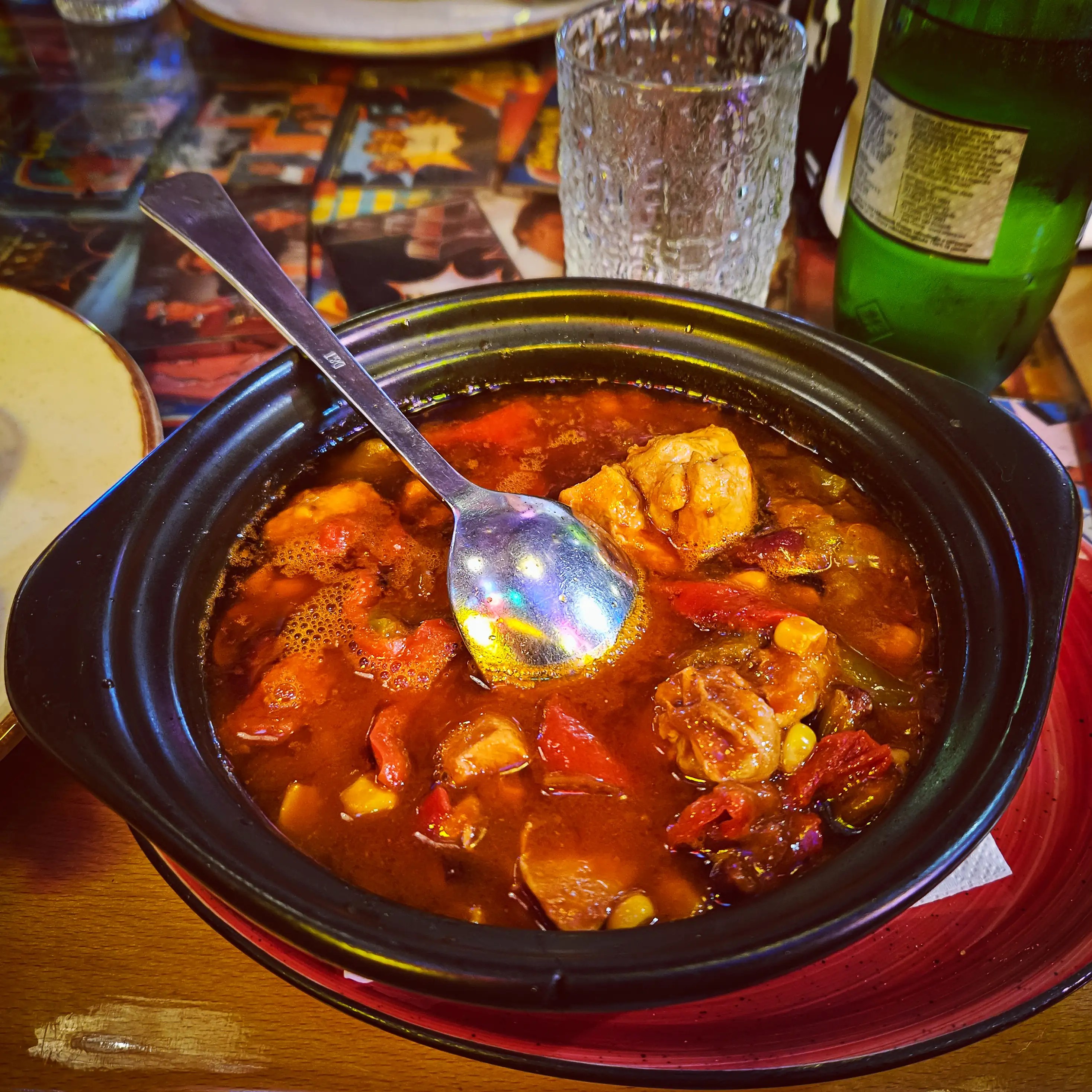
Our first evening started with a late dinner at Restorant Tymi after our flight arrived. The restaurant is filled with quirky memorabilia, vintage signs, and nostalgic decorations covering nearly every wall and ceiling. We ordered several traditional dishes to share and immediately felt welcomed by the friendly staff.
Café Botánica
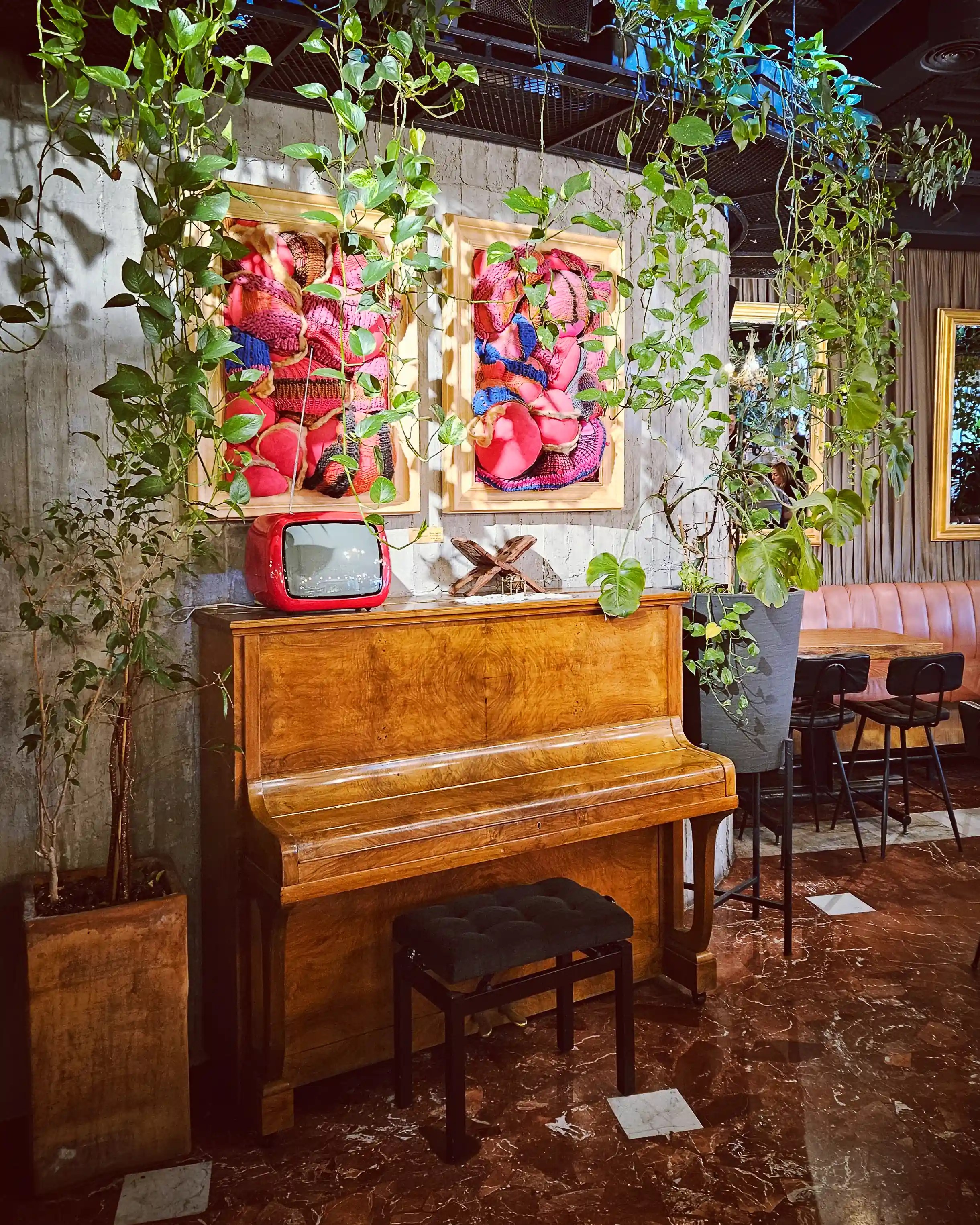
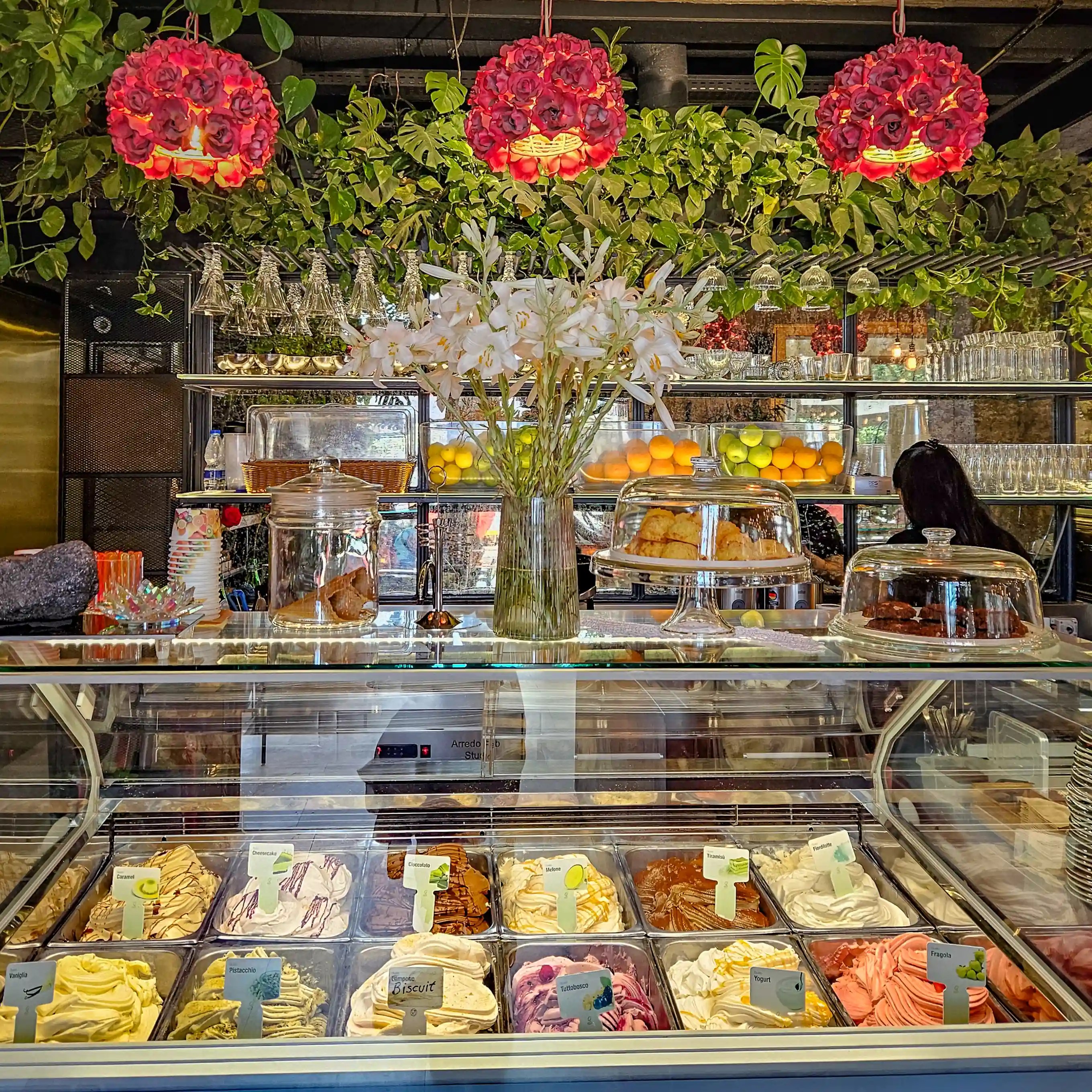
The next morning we had breakfast at Café Botánica near Skanderbeg Square before joining our walking tour. We chose a table outside overlooking the square and enjoyed a leisurely breakfast while watching the city come to life around us. Preparations for upcoming events were already underway, adding to the energy of one of Tirana’s busiest public spaces.
Komiteti – Kafe Muzeum
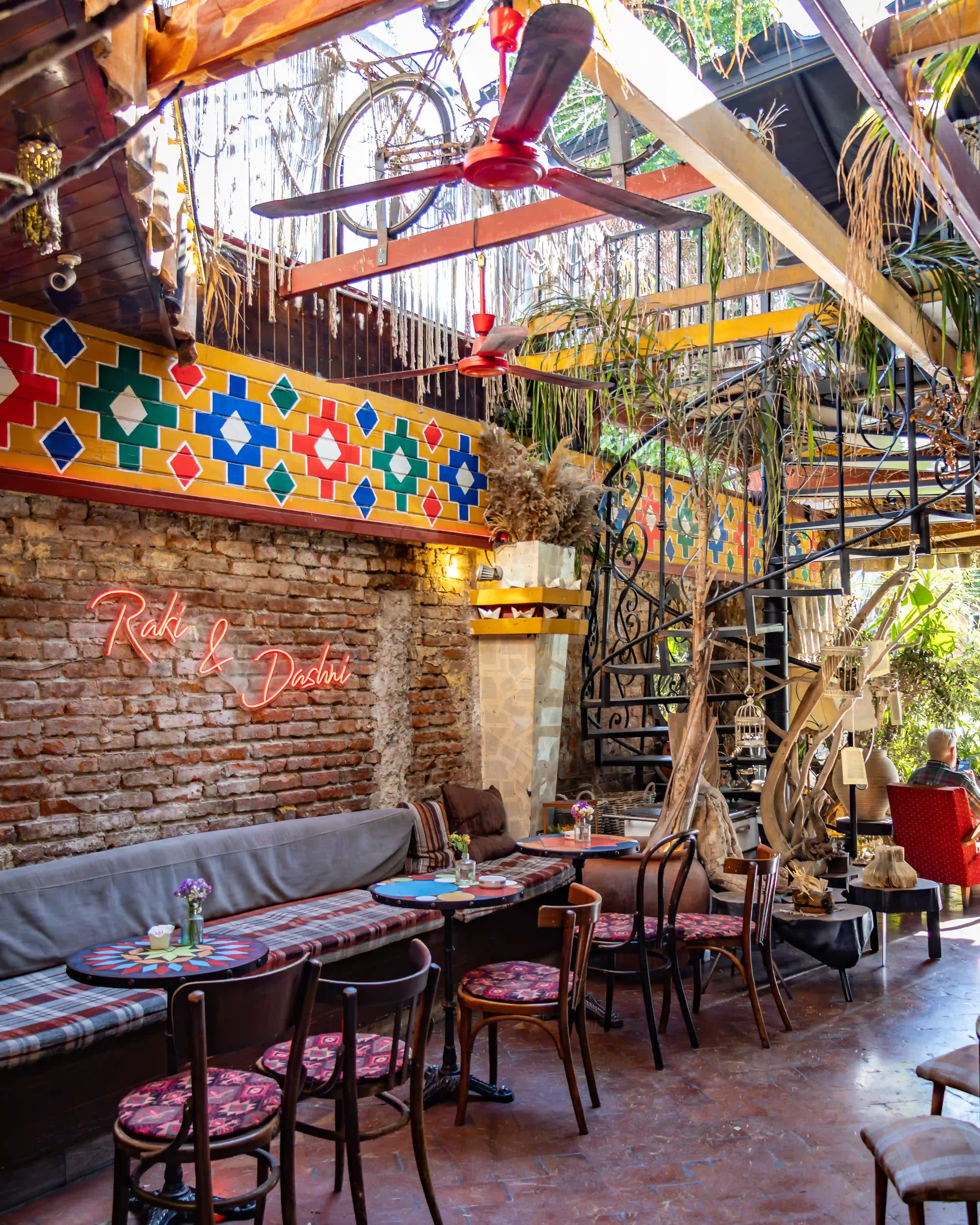
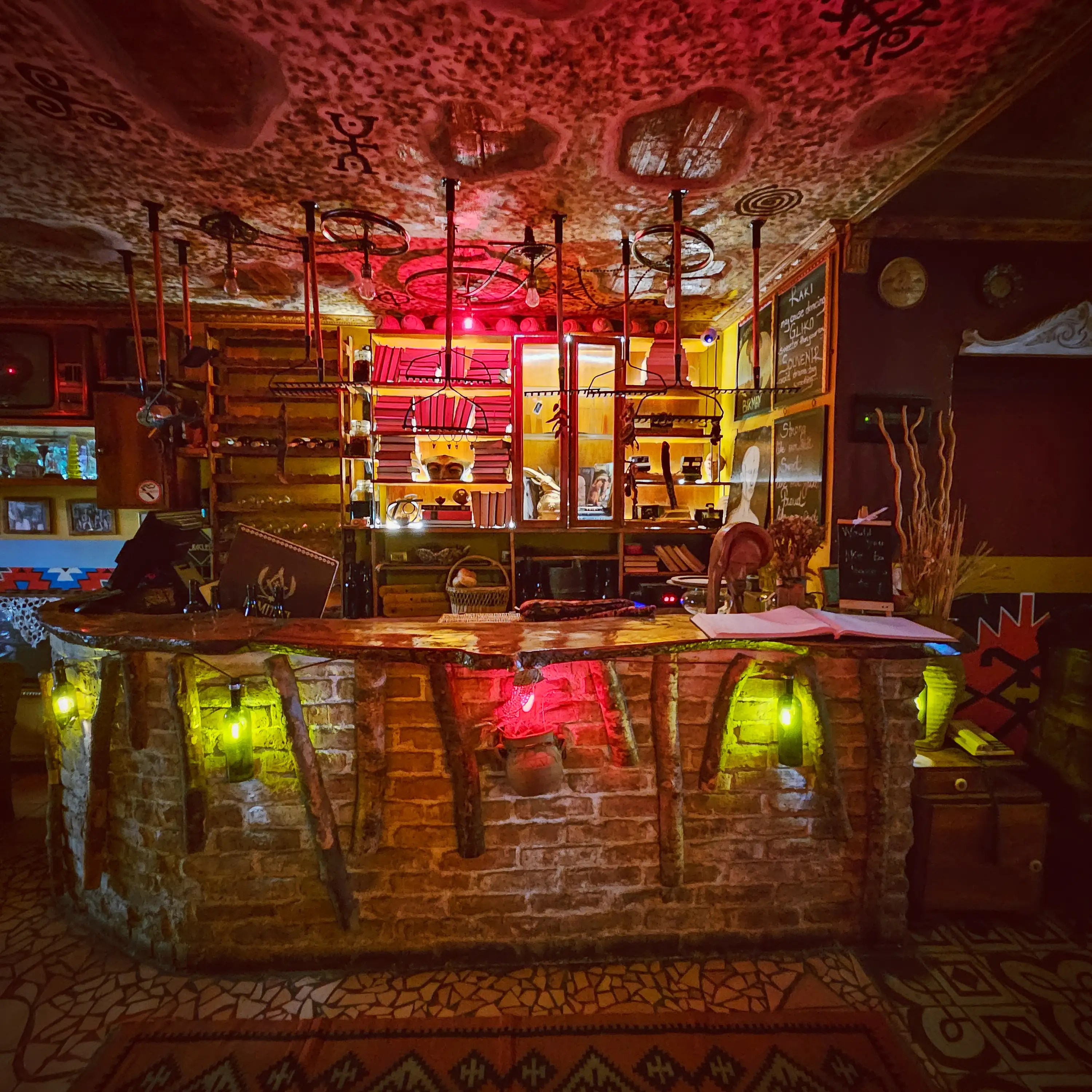
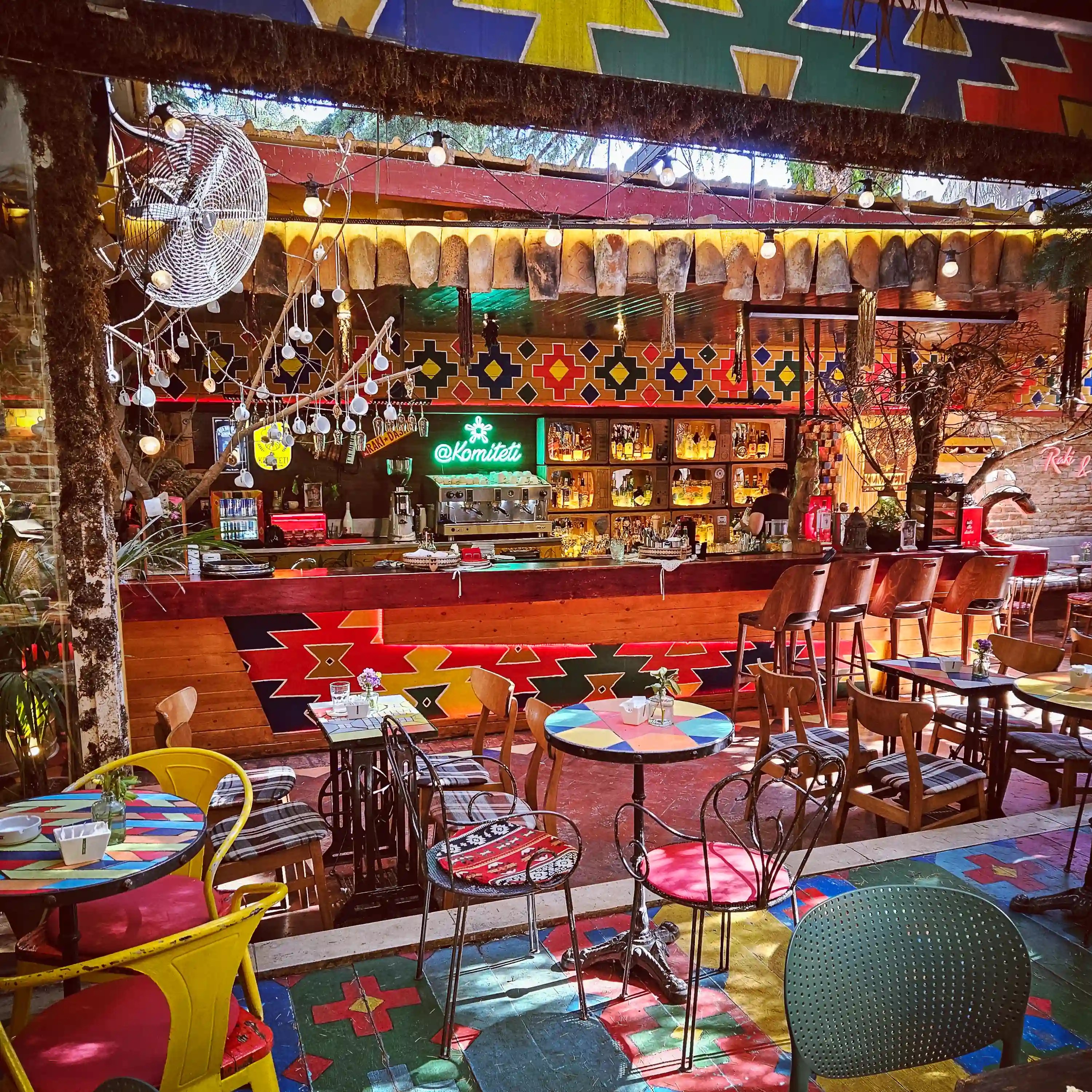
One afternoon we stopped at Komiteti – Kafe Muzeum, a café and bar filled with vintage objects and memorabilia from Albania’s communist era. Although the food wasn’t our favorite meal of the trip, it struck me as the kind of place best enjoyed over a drink while taking in all the details around you.
Traditional Albanian Cooking Class
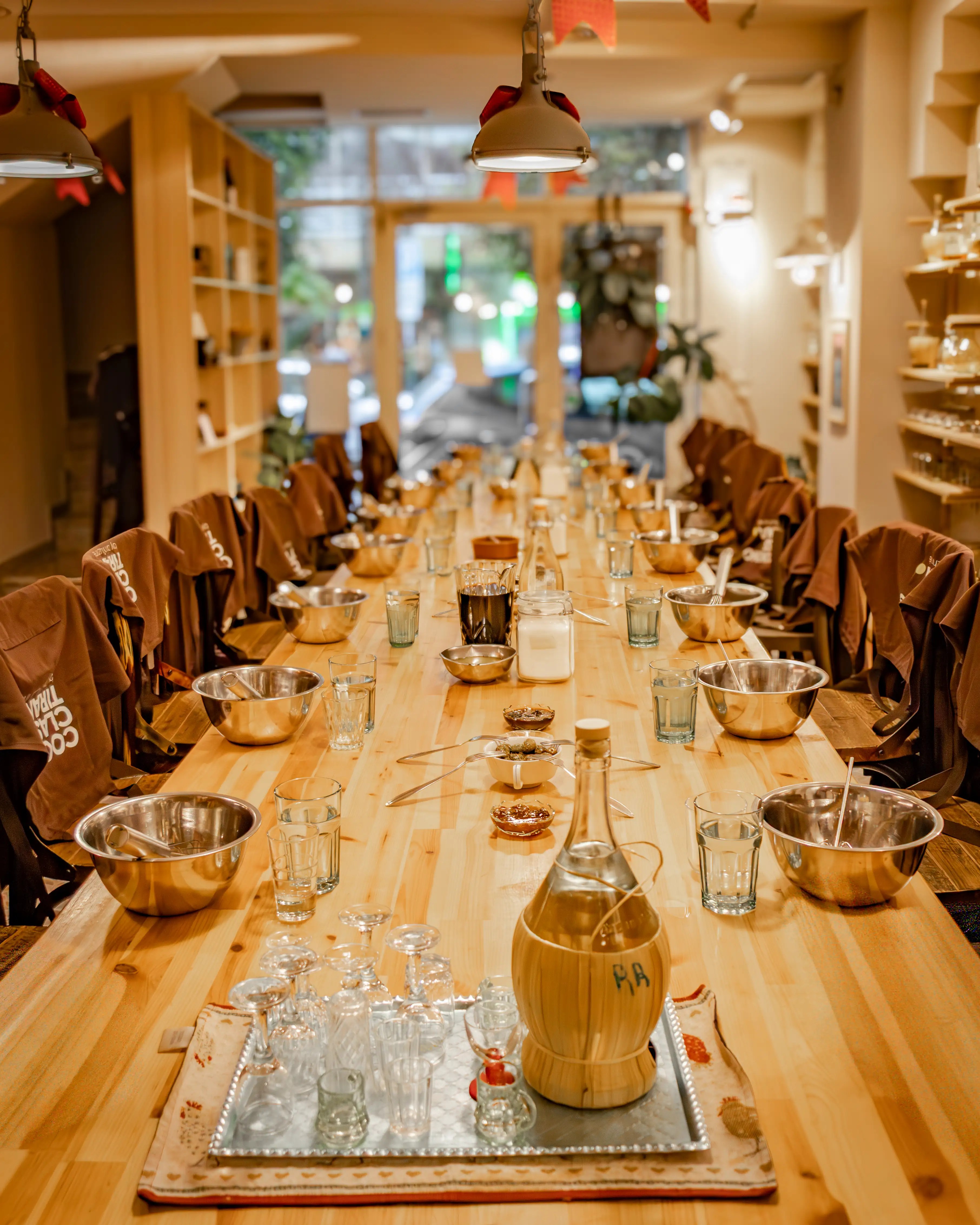
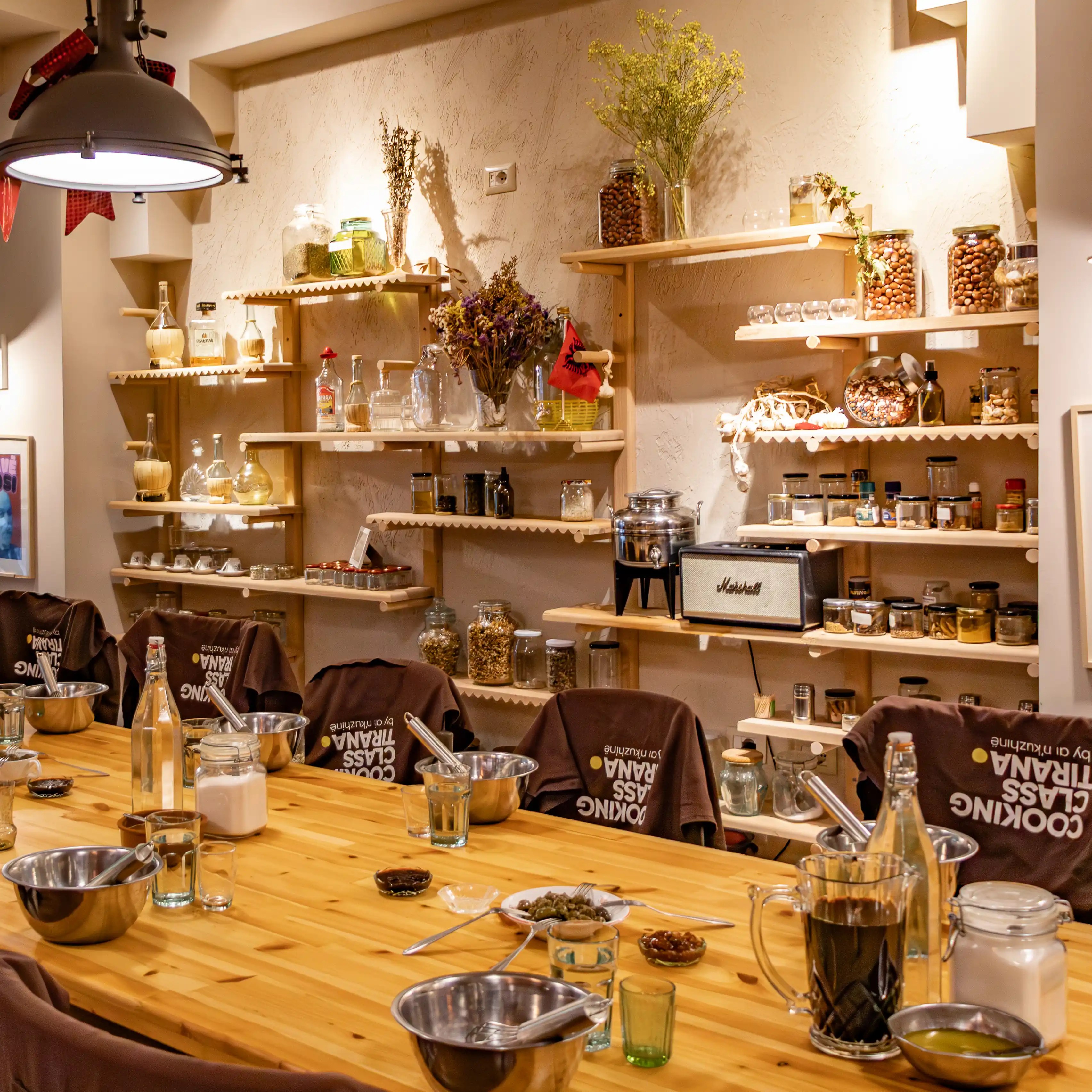
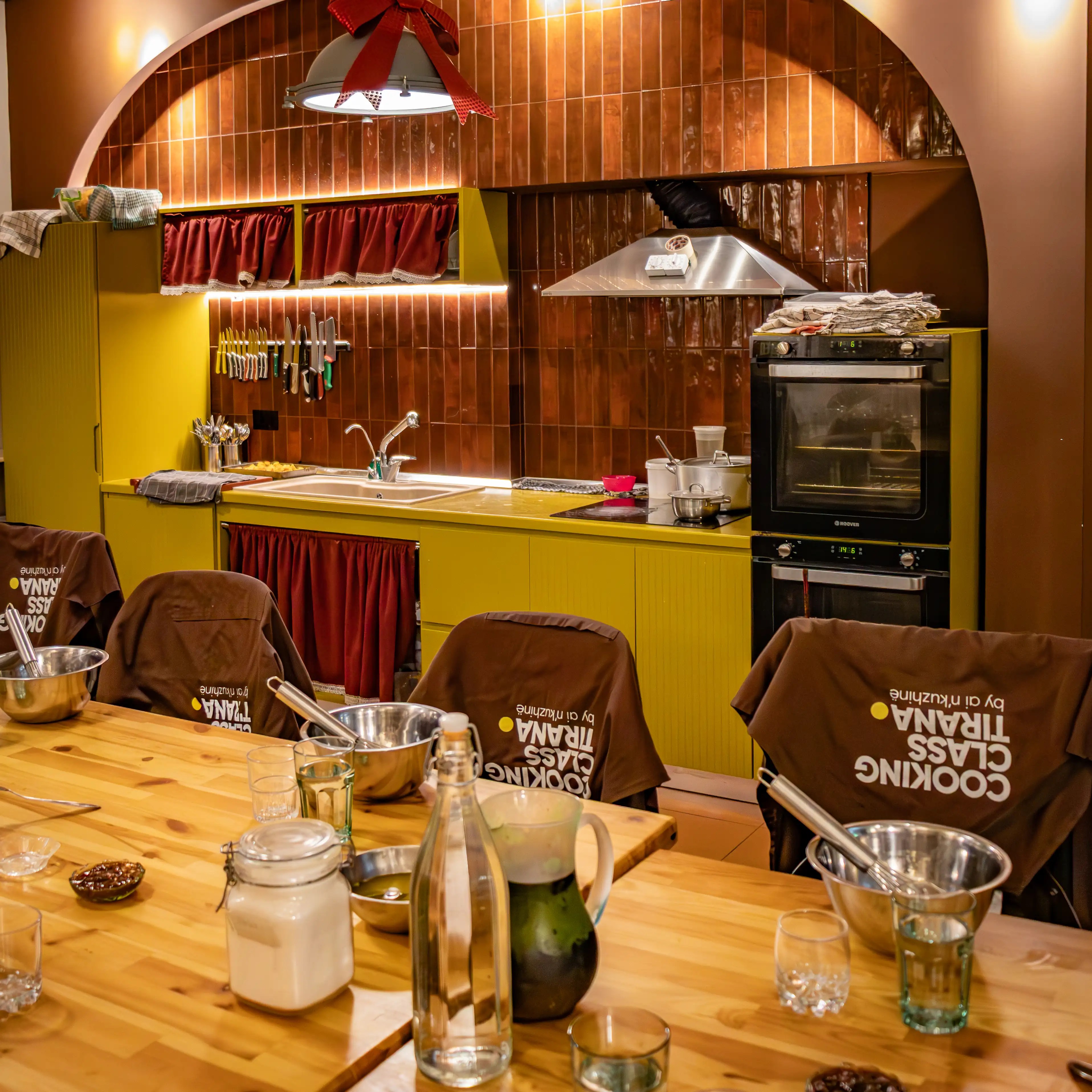
The most memorable food experience, however, turned out to be a cooking class. To be honest, I wasn’t especially excited about spending part of my vacation cooking. Fortunately, the experience turned out to be much more enjoyable than I expected.
Our first attempt didn’t go according to plan. When we arrived, the electricity was out. We waited with the other participants, enjoying conversation and drinks while hoping the power would return. It eventually did, but only briefly before failing again. We decided to reschedule and try the following evening.
I’m so glad we did.
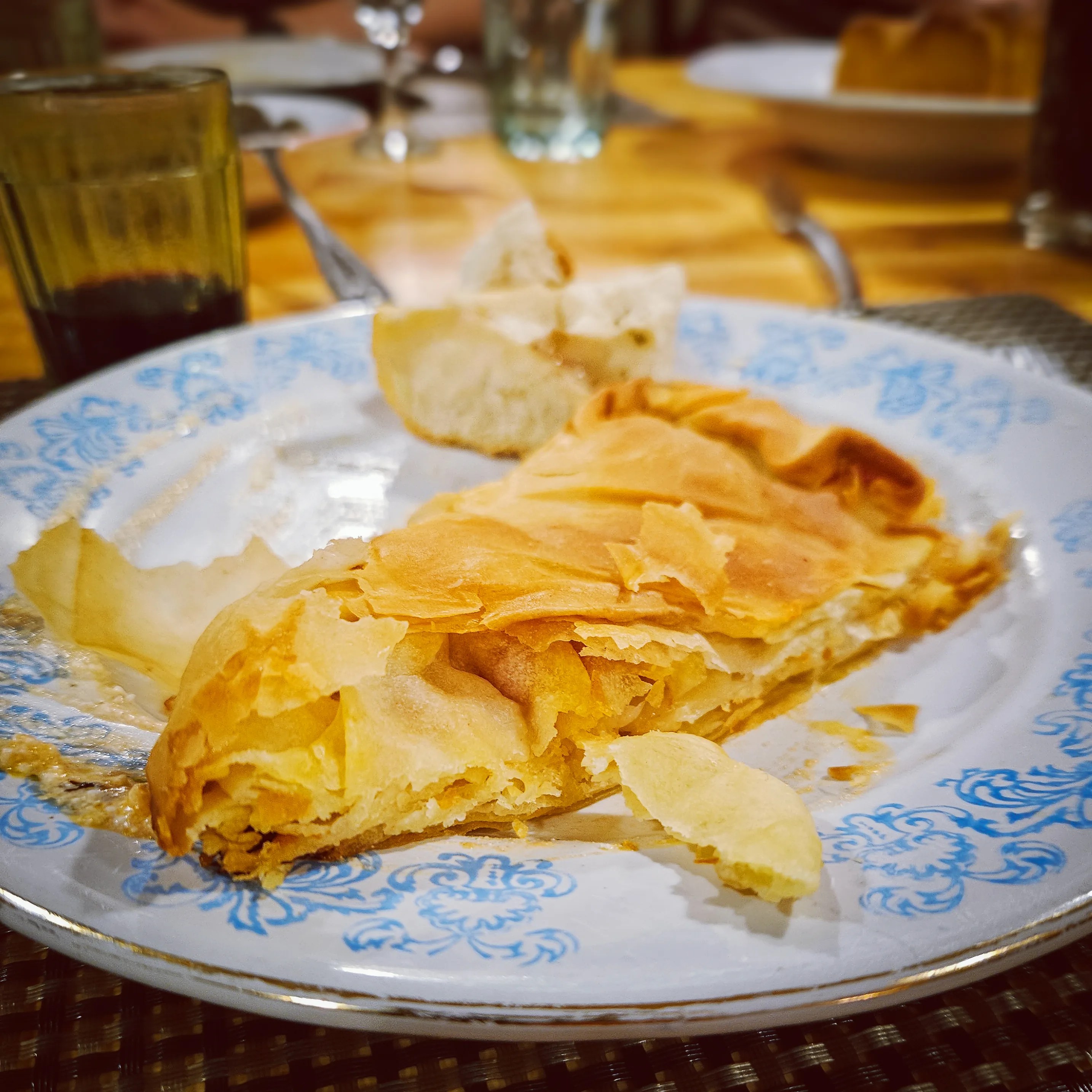
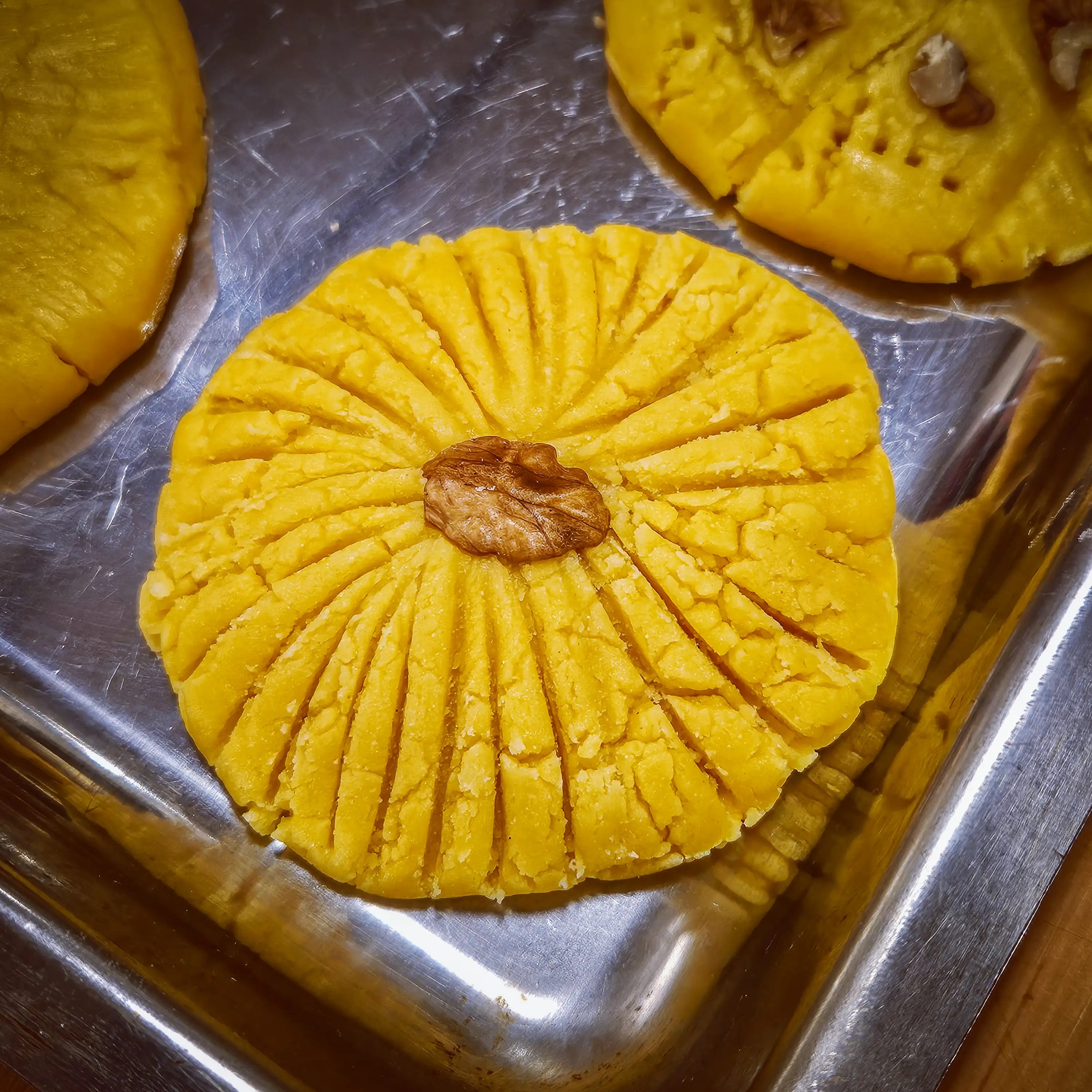
The class included unlimited wine and raki, a strong fruit brandy popular throughout Albania, along with several traditional Albanian dishes and hors d’oeuvres. We learned how to make byrek, the flaky savory pie found throughout Albania, along with sheqerpare, buttery cookies soaked in sweet syrup. We also enjoyed përshesh, a traditional chicken and bread dish often served on New Year’s Eve, one of Albania’s biggest celebrations.
The balance was perfect. There was enough hands-on cooking to learn something new, but not so much work that it felt like a chore. By the end of the evening we had shared a meal, learned about Albanian food traditions, and enjoyed one of the most unexpectedly fun experiences of the trip.
A Day Trip to Berat
While Tirana was the focus of our trip, we also spent a day visiting Berat, a UNESCO World Heritage Site located about two hours south of the capital. Our guided tour included a stop at Belshi Lake along the way.
Our guide was excellent throughout the day, sharing information about Albania’s history, culture, and daily life while patiently waiting as we stopped for what was probably far too many photographs.
Belshi Lake
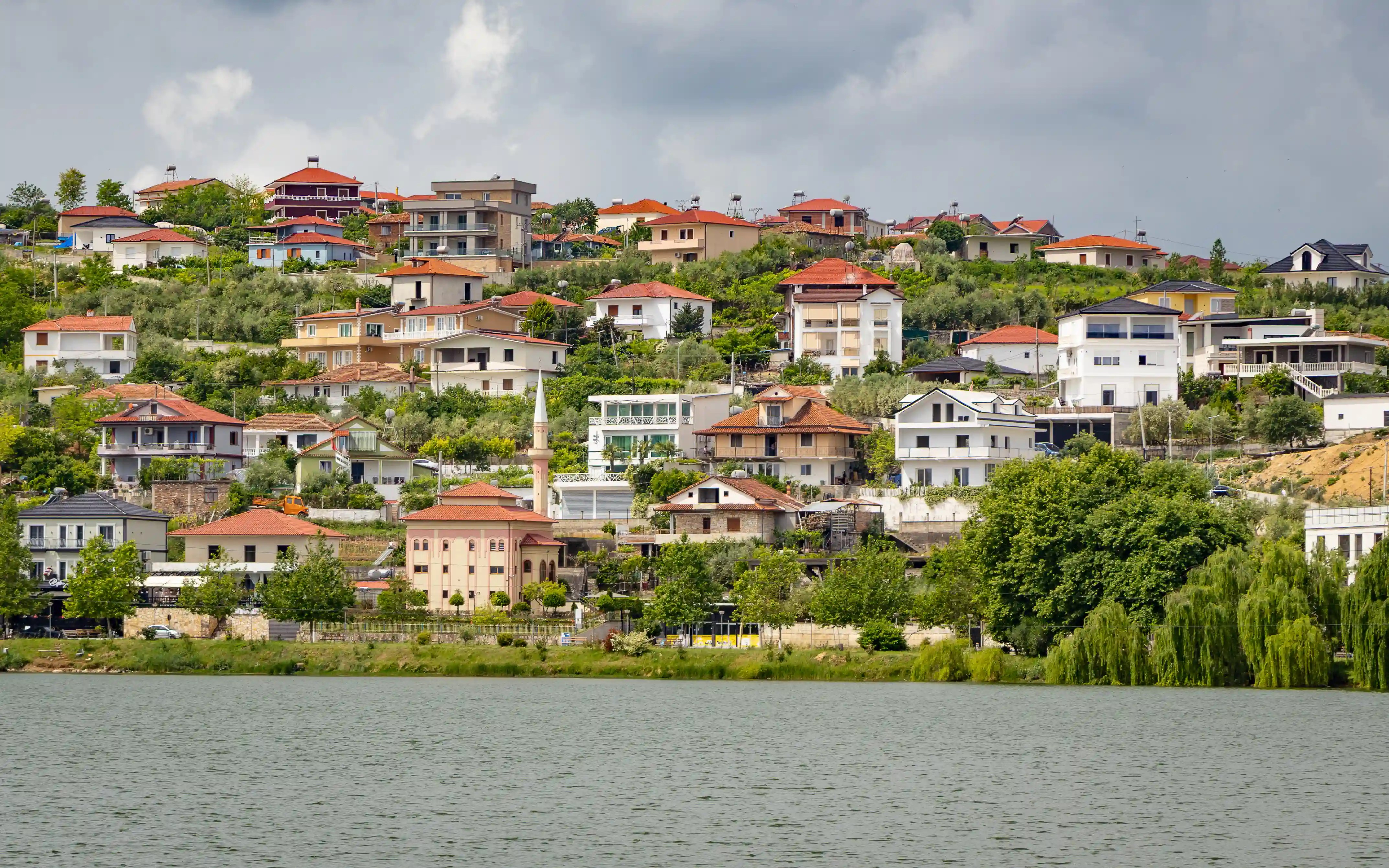
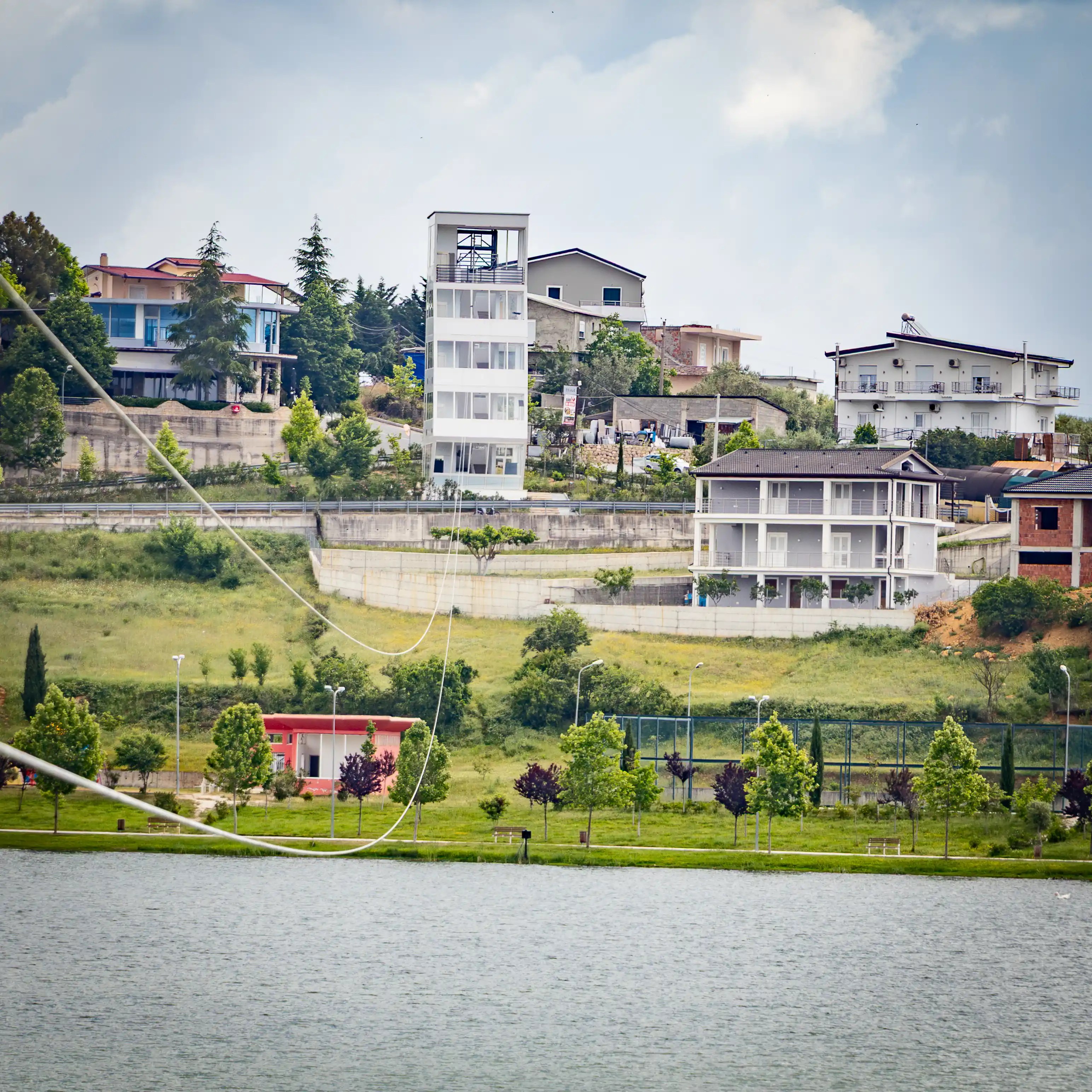
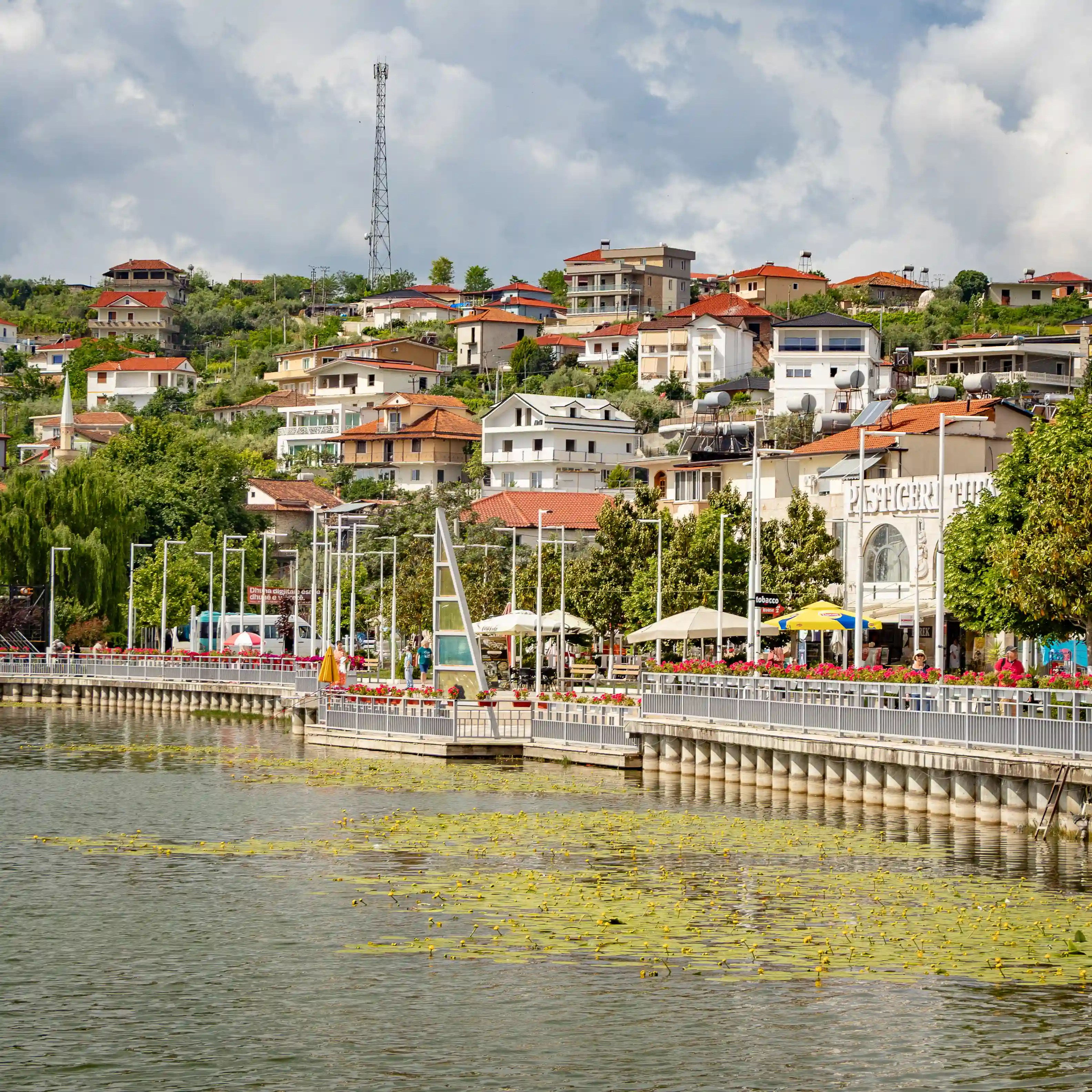
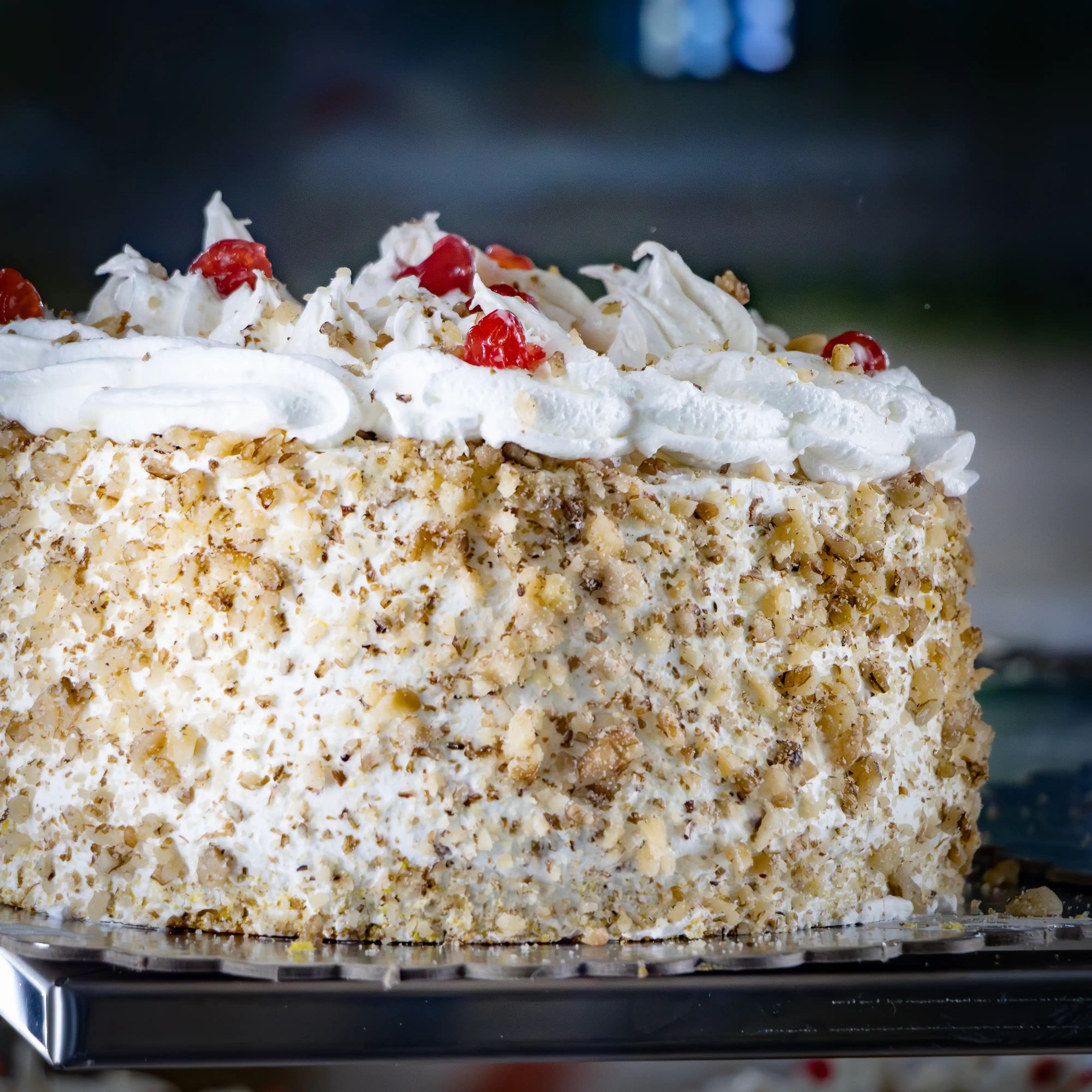
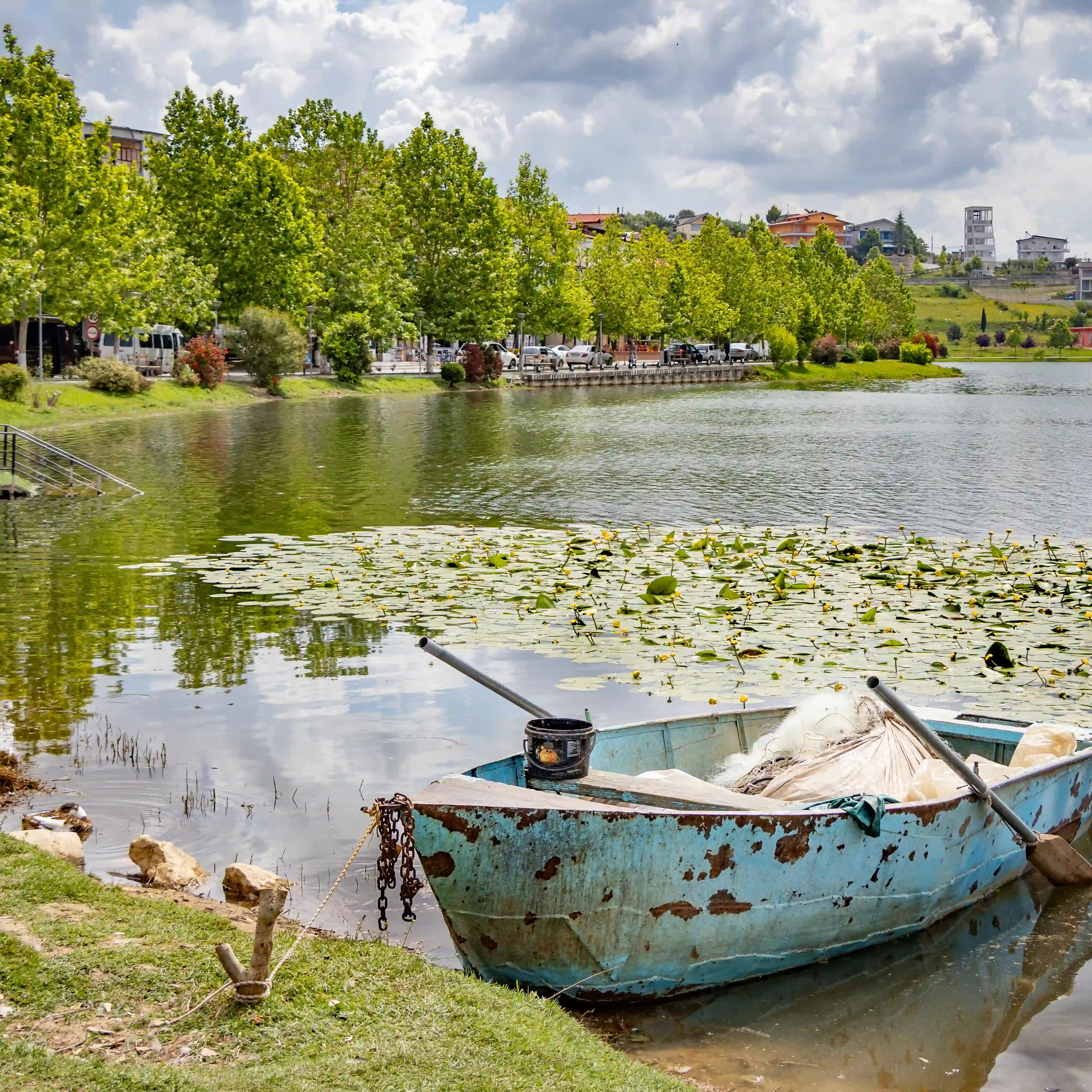
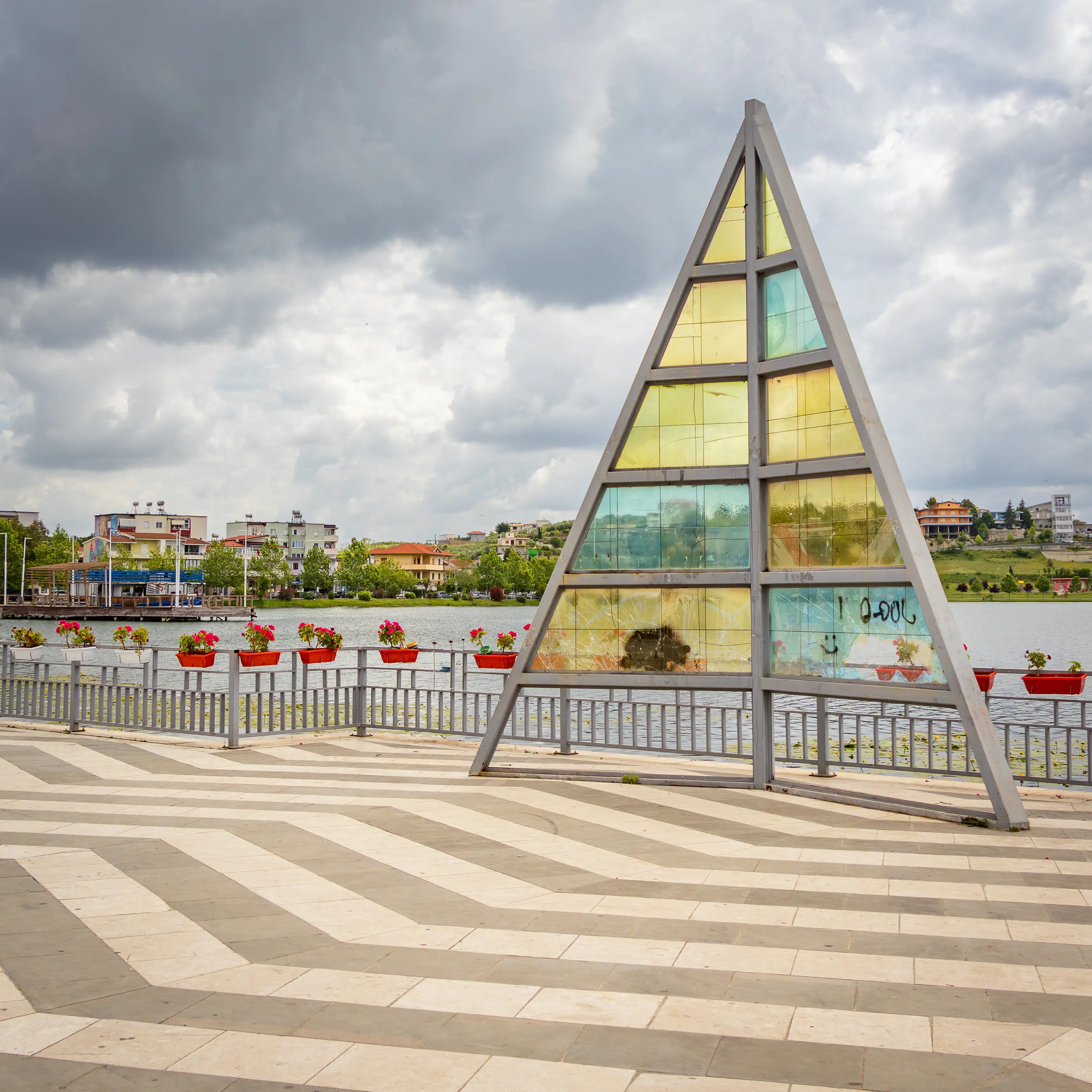
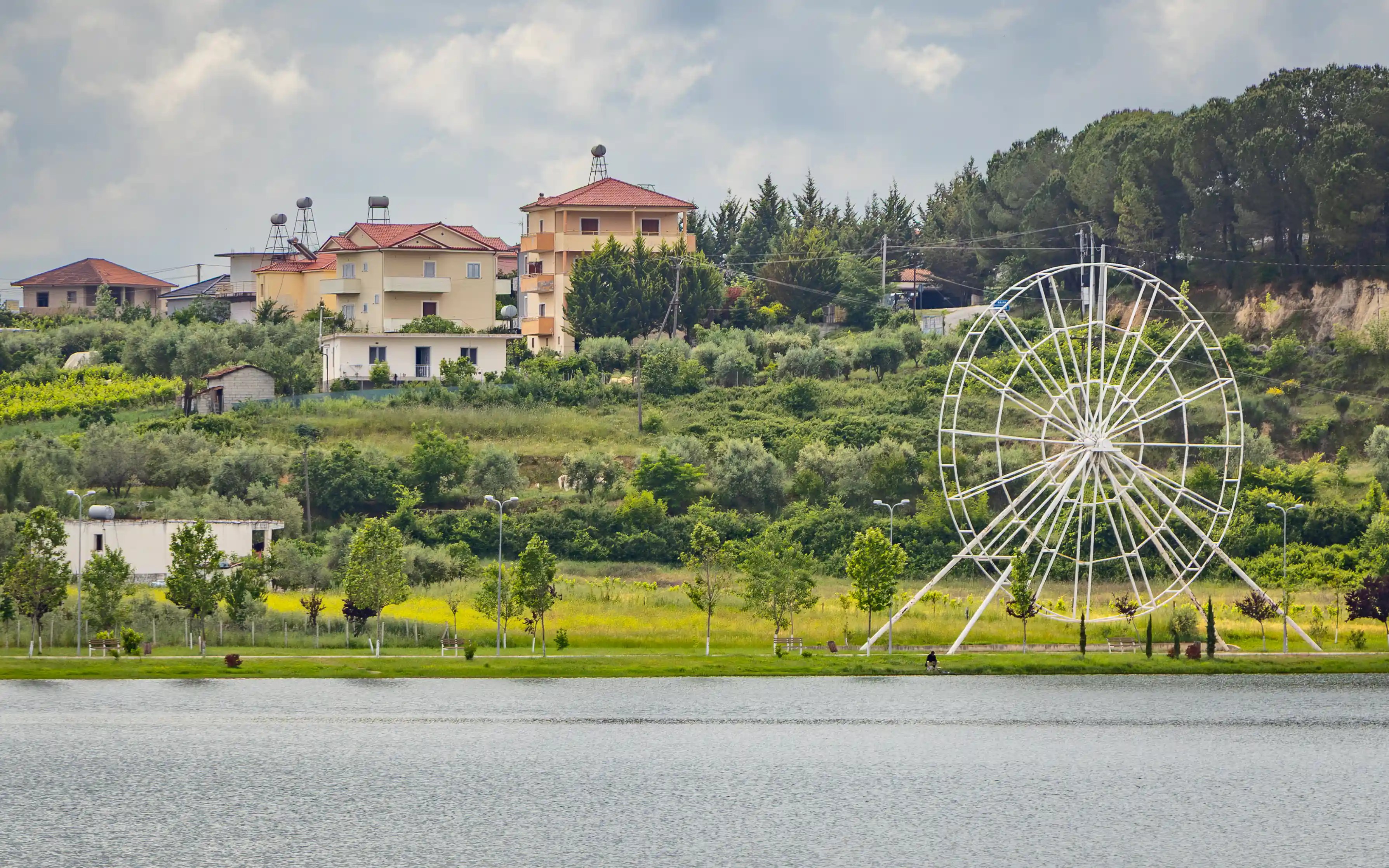
Our first stop was Belshi Lake, a scenic lake surrounded by walking paths, cafés, and small parks. We grabbed a coffee and spent some time enjoying the views before continuing toward Berat.
Belsh has become a popular getaway destination for Albanians, particularly during warmer months. While we only spent a short time there, it was a pleasant introduction to a quieter side of the country. A newly installed zipline stretched across the lake during our visit, and our guide was already talking about trying it once it opened.
Exploring Berat
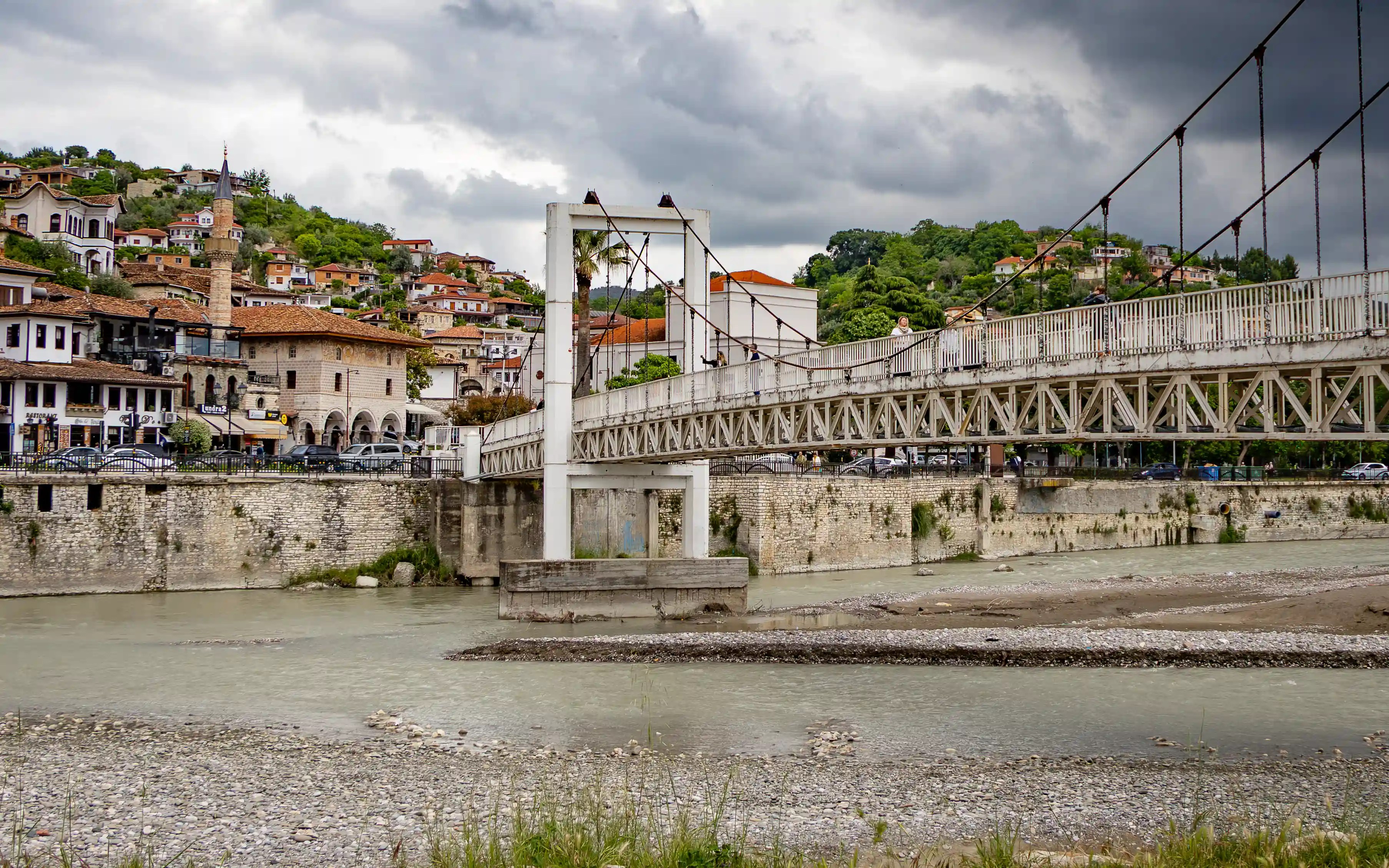
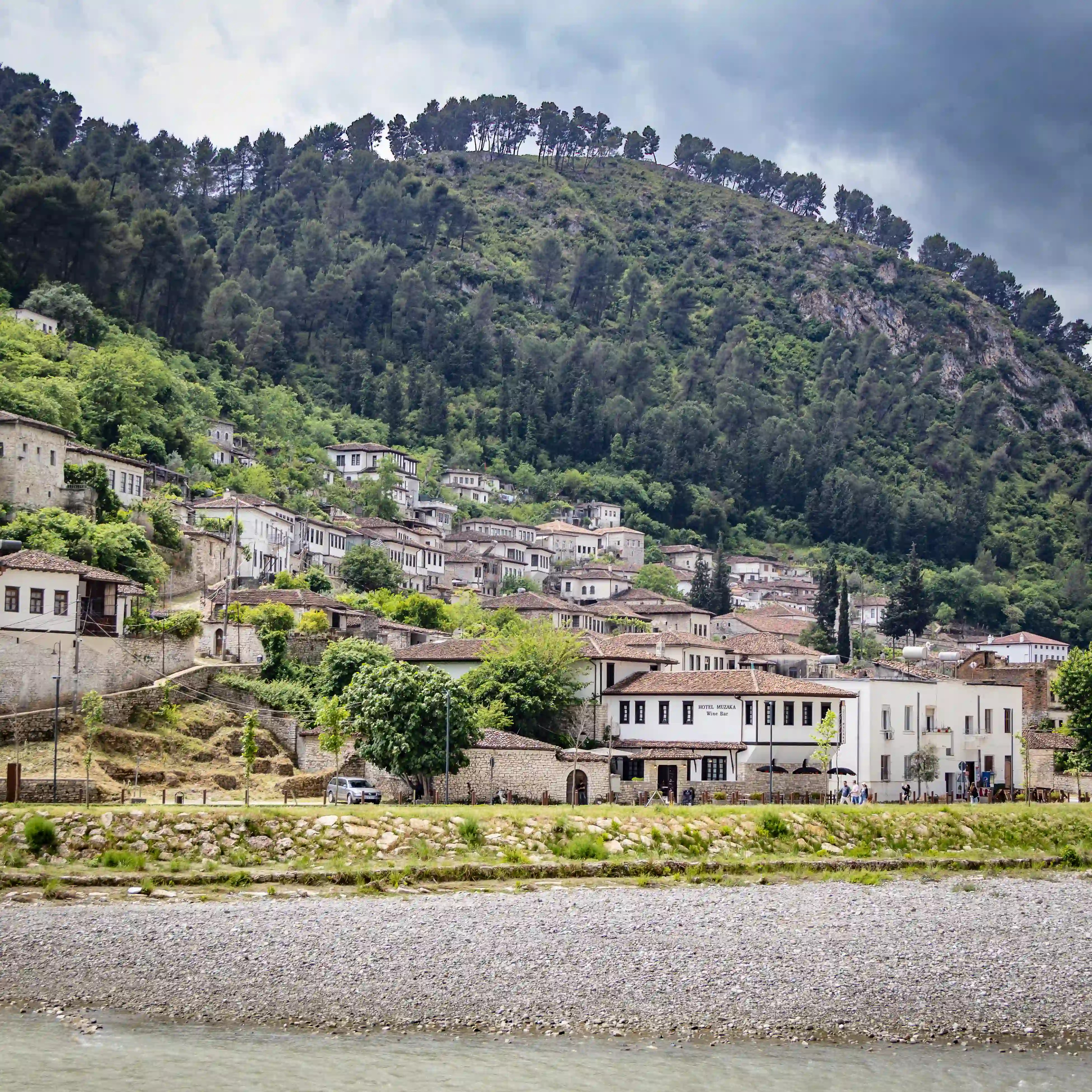
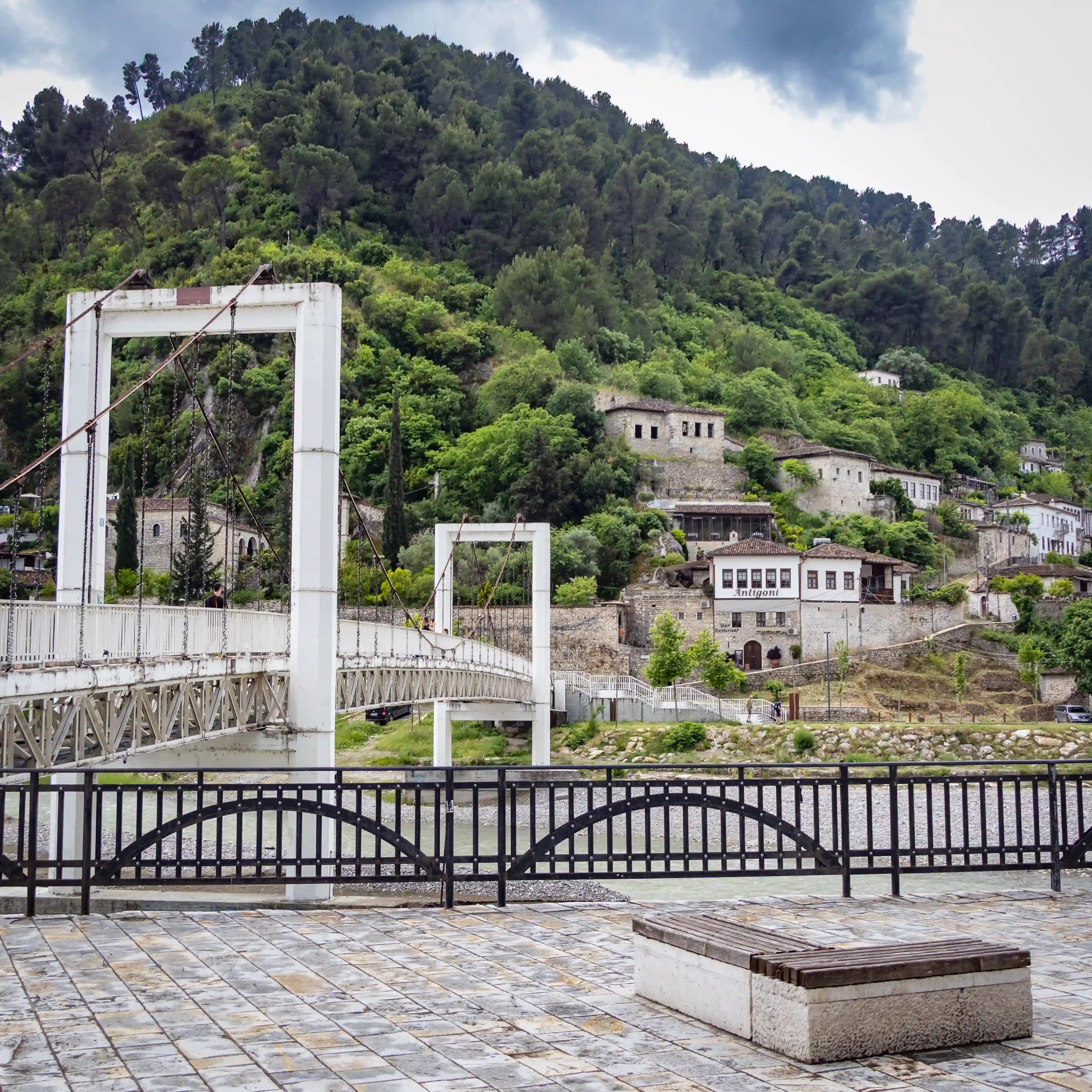
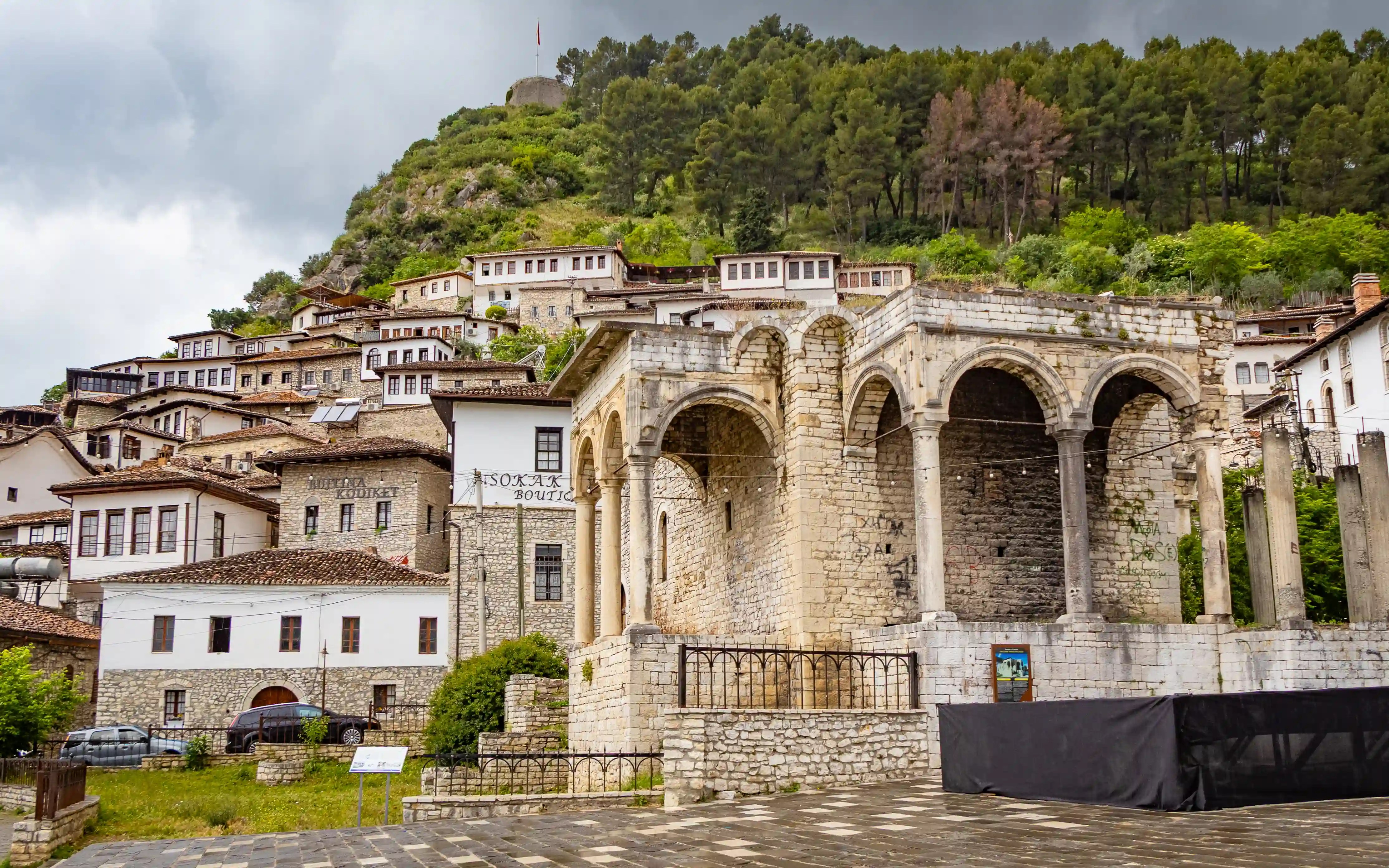
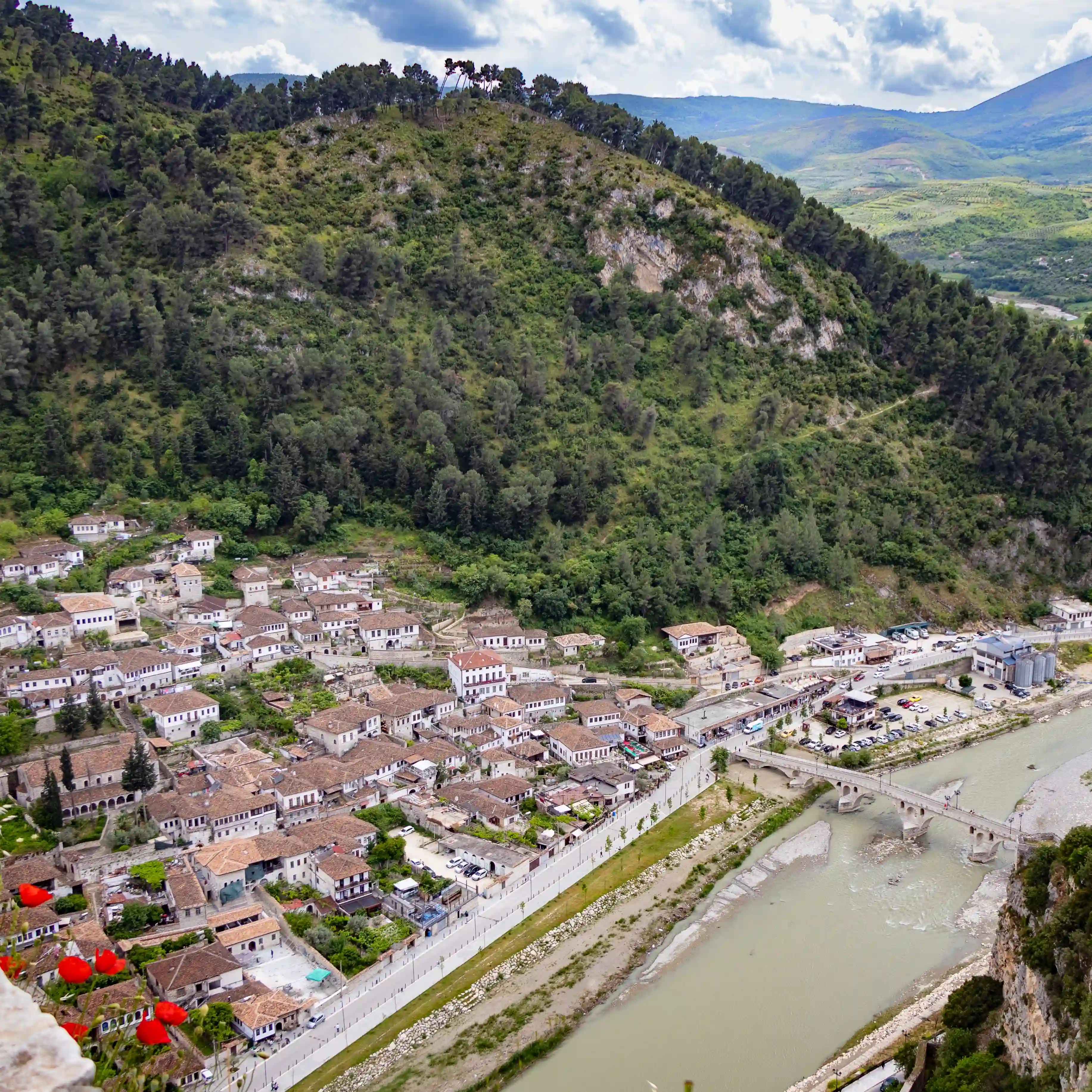
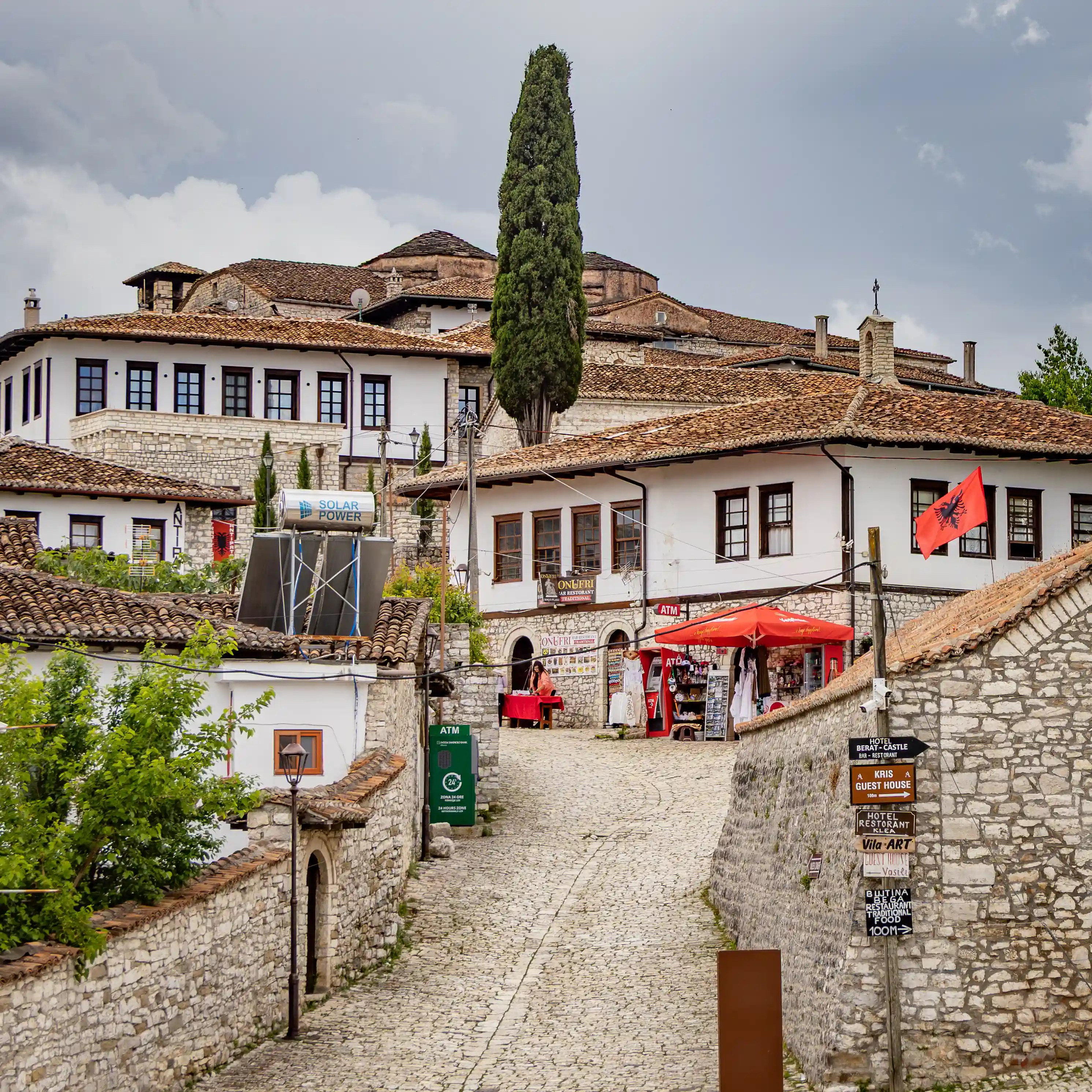
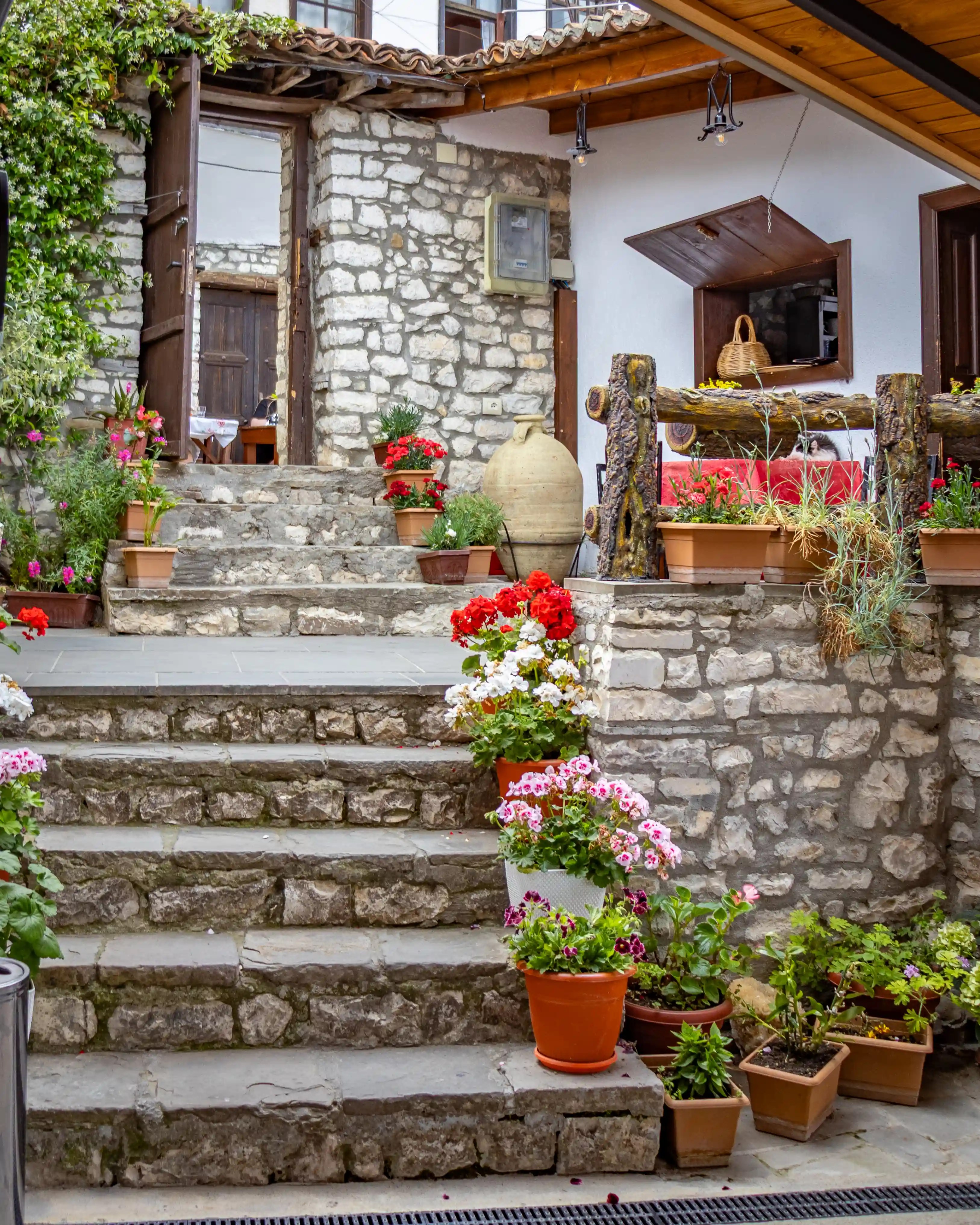
Often called the “City of a Thousand Windows,” Berat is one of Albania’s most recognizable destinations. The nickname comes from the rows of traditional Ottoman-era houses climbing the hillsides above the Osum River, with their large windows seemingly stacked one above another. Below them stands Gorica Bridge, a symbol of Berat that has connected the city’s neighborhoods for centuries.
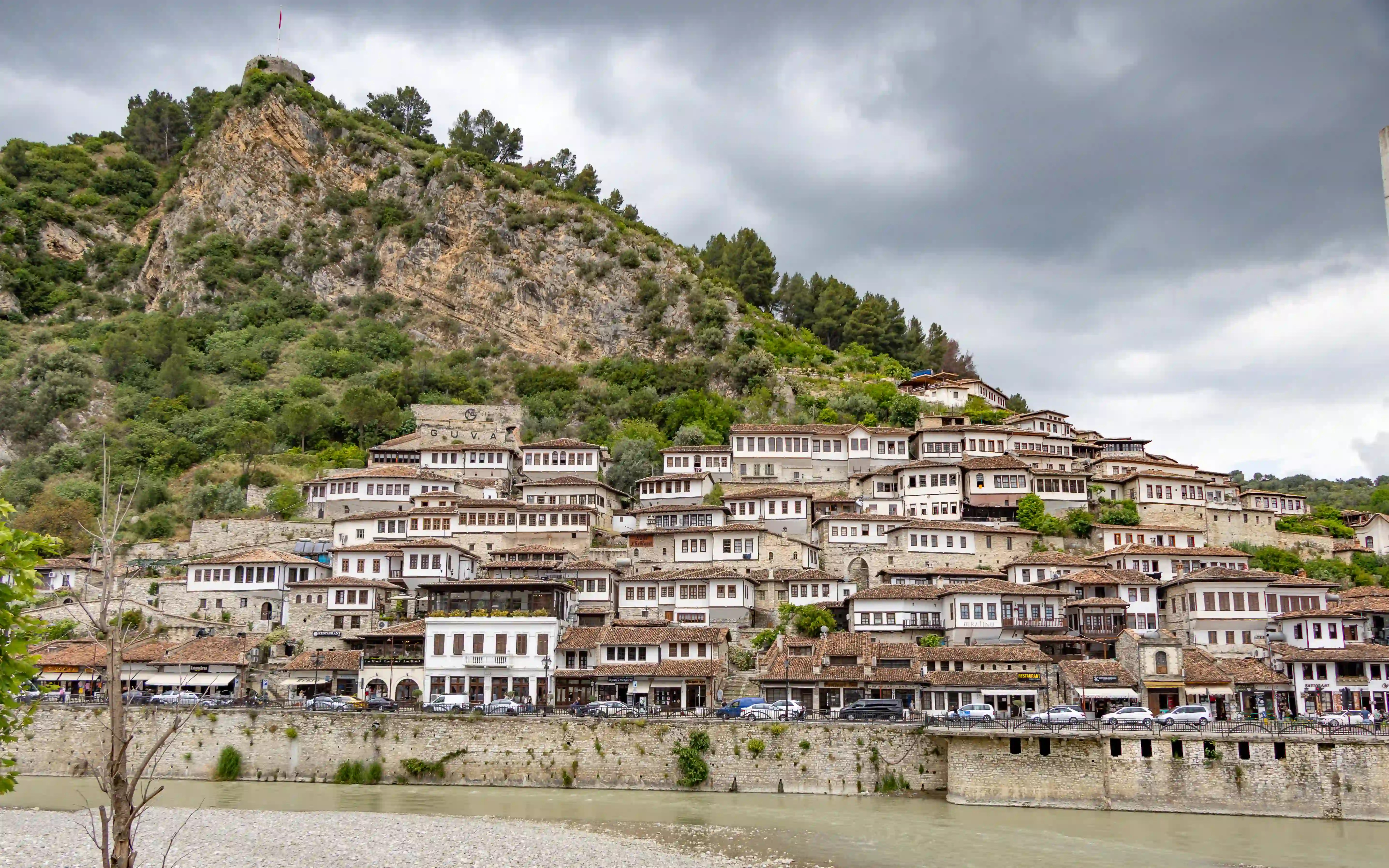
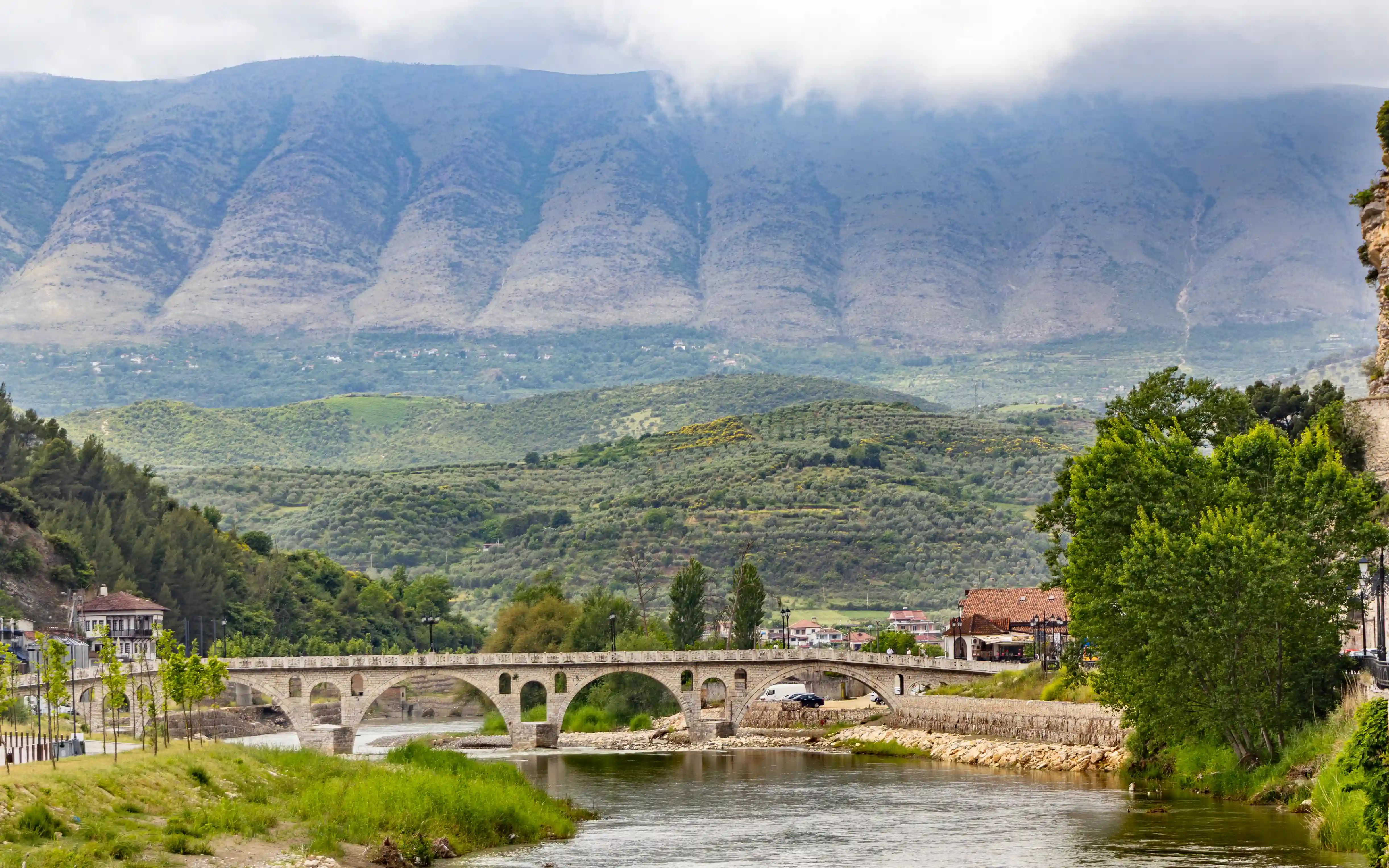
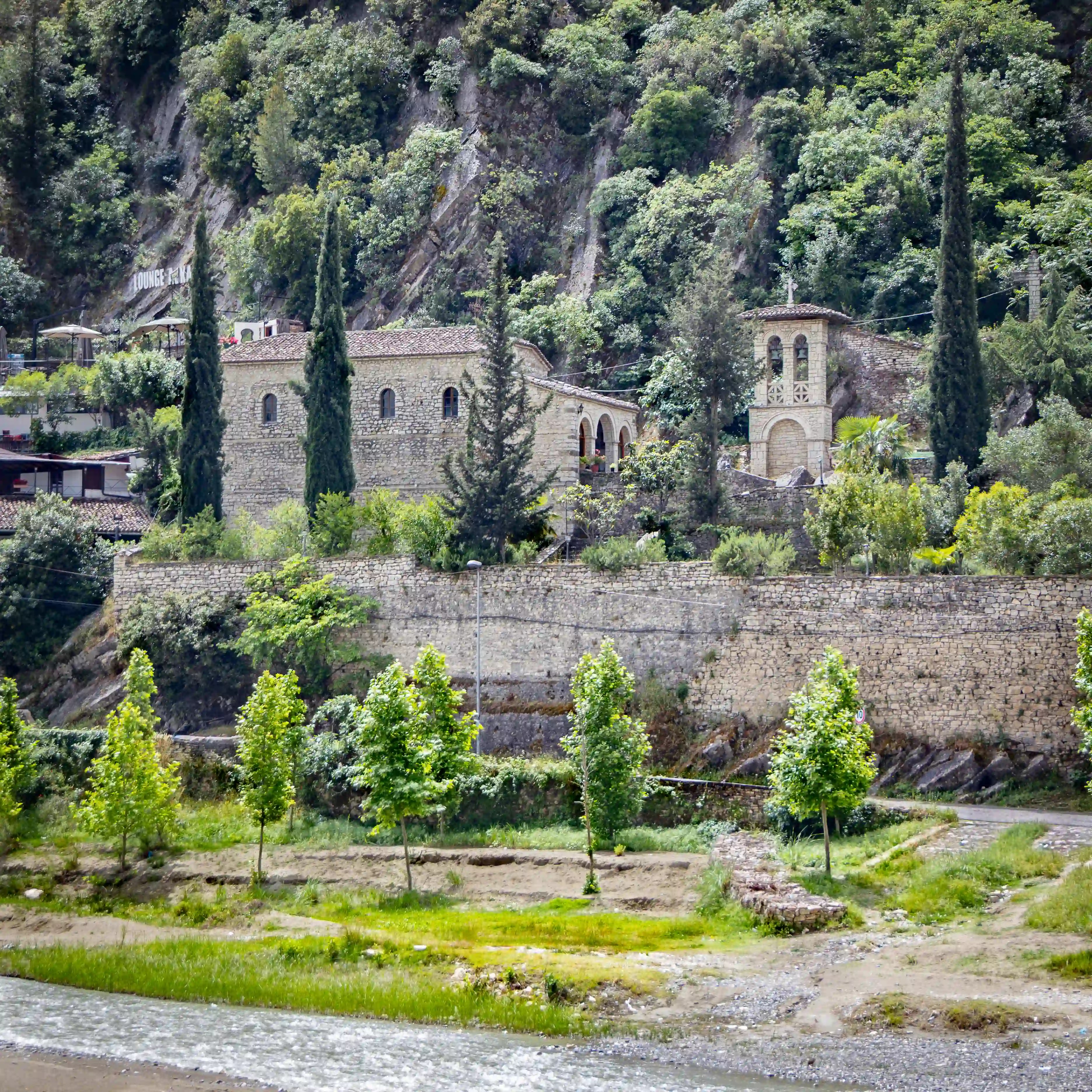
As we explored a small part of the city, our guide explained how Albania’s history has been shaped by a variety of cultures and religions over the centuries. Christianity, Islam, and the Bektashi tradition—a Sufi branch of Islam with deep roots in Albania—have all left their mark on Berat, helping create the cultural heritage recognized by UNESCO today.
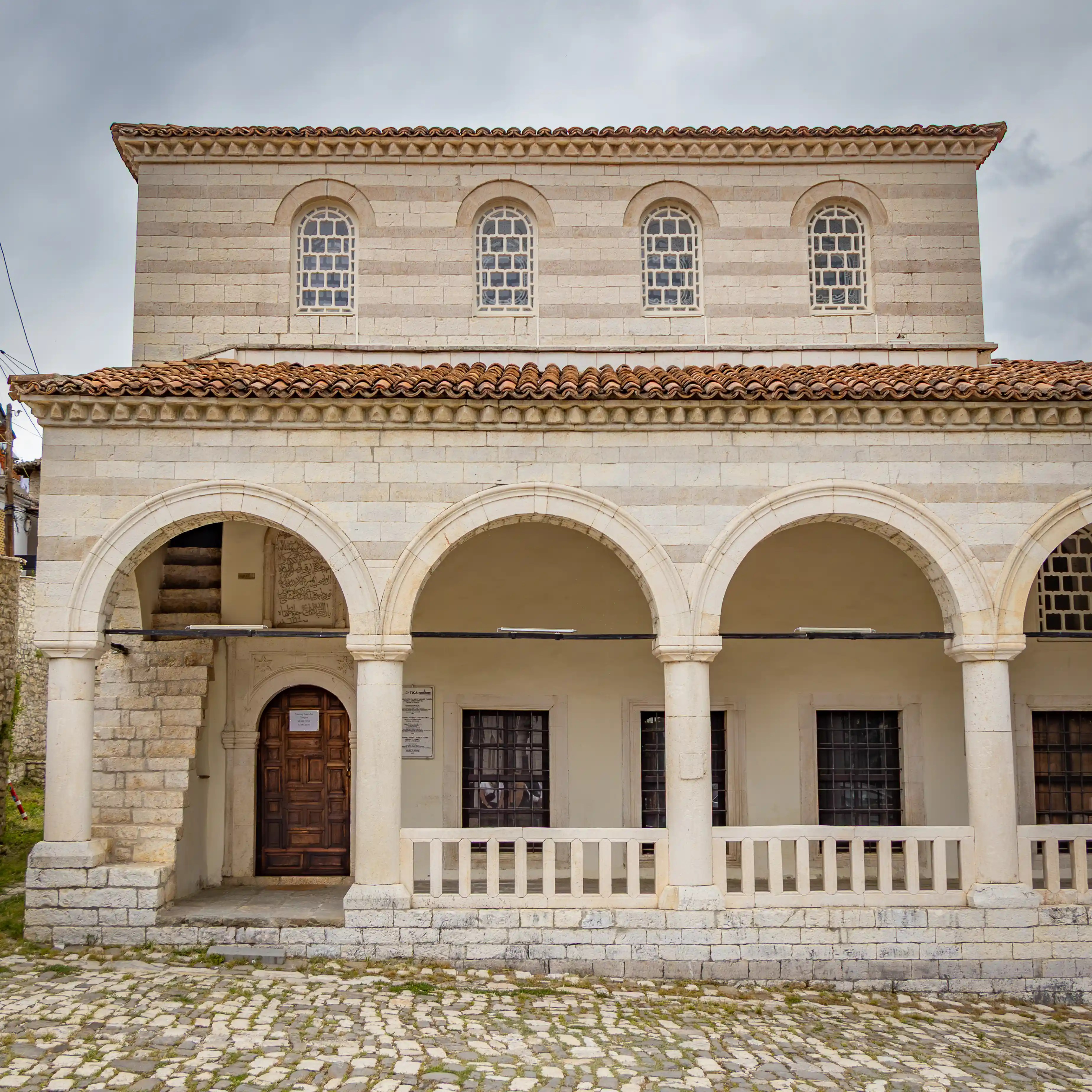
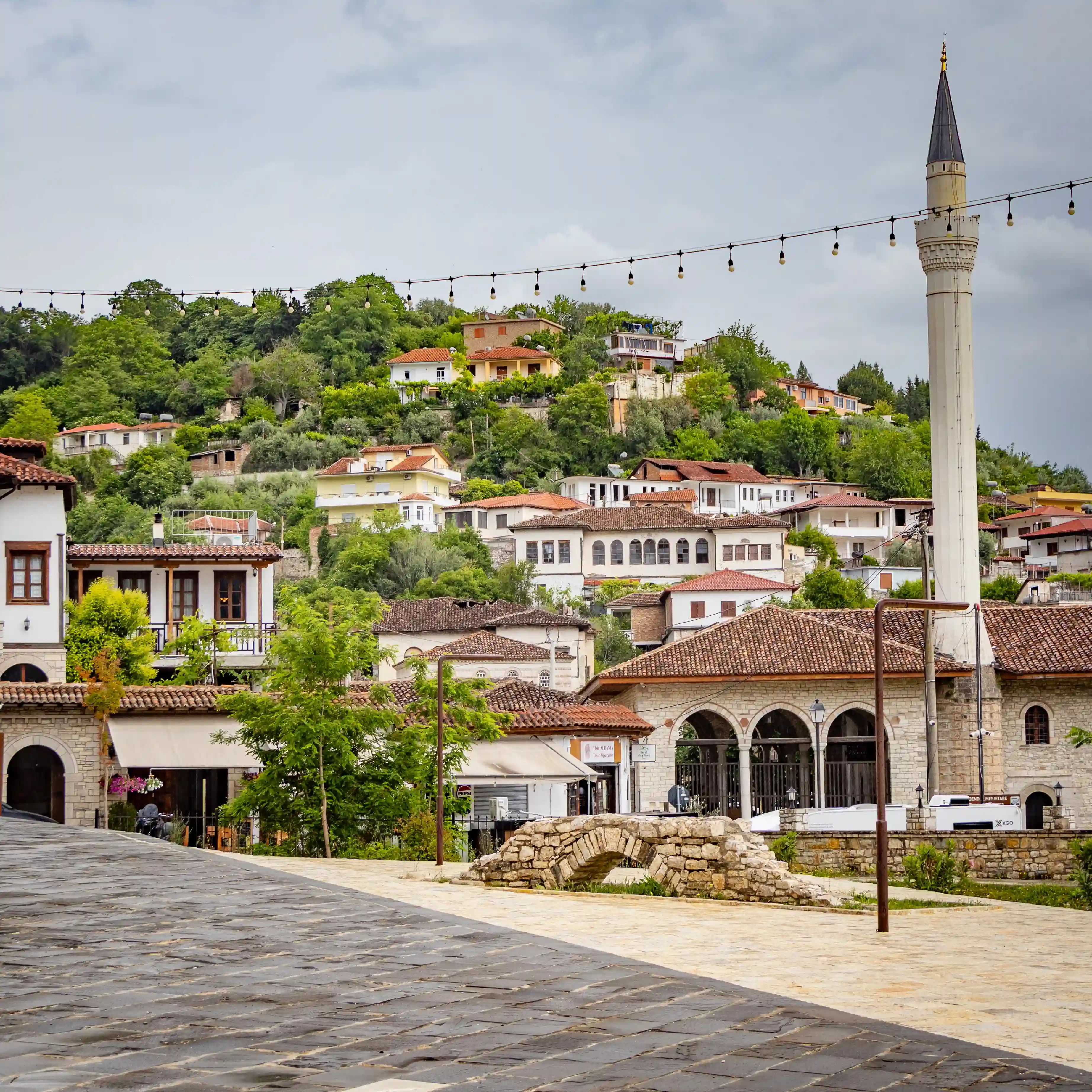
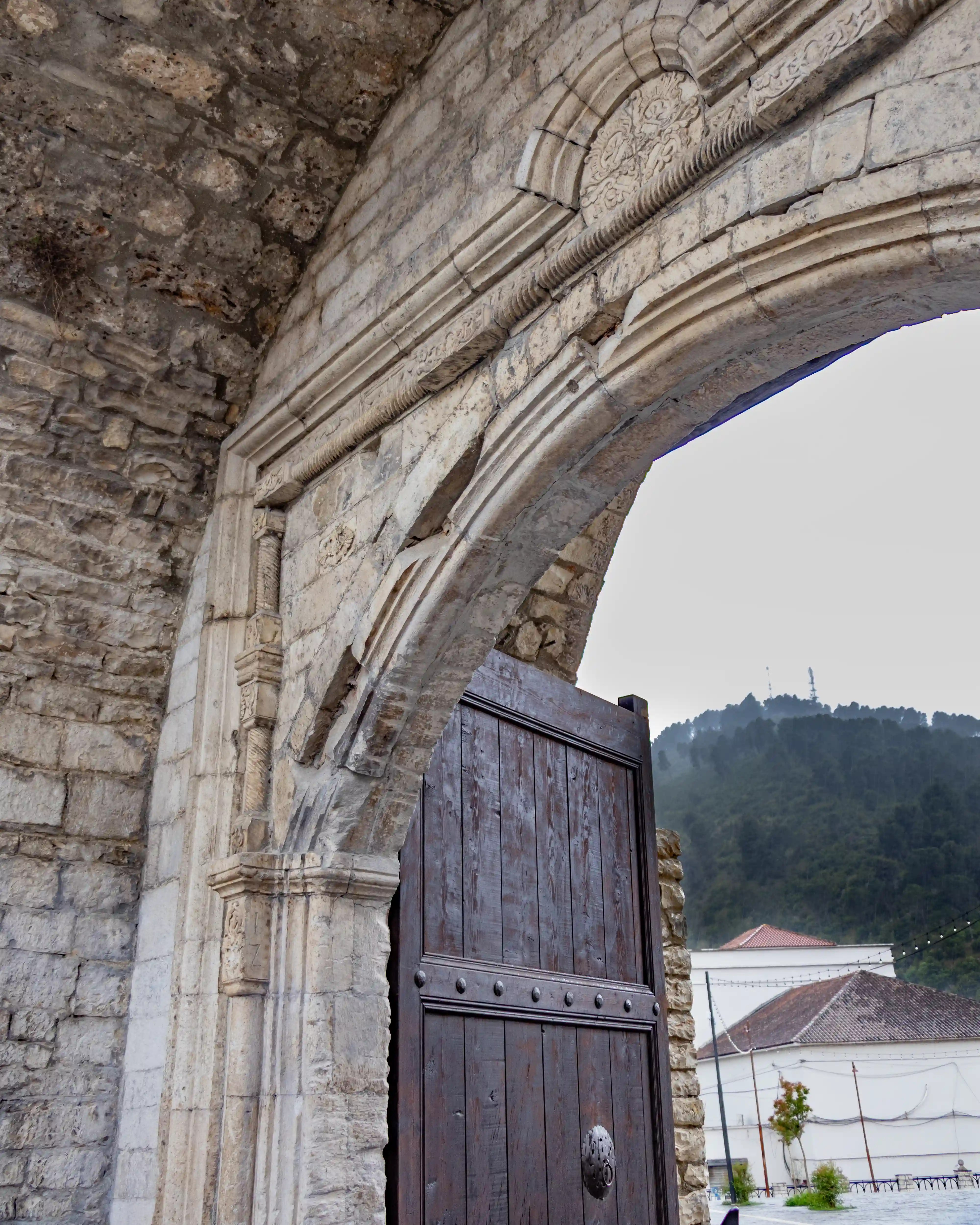
We passed several landmarks from the city’s Ottoman period, including the Helveti Tekke, an eighteenth-century Sufi religious complex, and the King Mosque, which dates to 1492. When a passing rain shower moved through the city, we briefly took shelter beneath the Gate of the Pasha before continuing past the Vrioni Palace ruins, associated with the influential Vrioni family, and crossing the suspension bridge for views along the Osum River.
Berat Castle
The highlight of the day was Berat Castle.
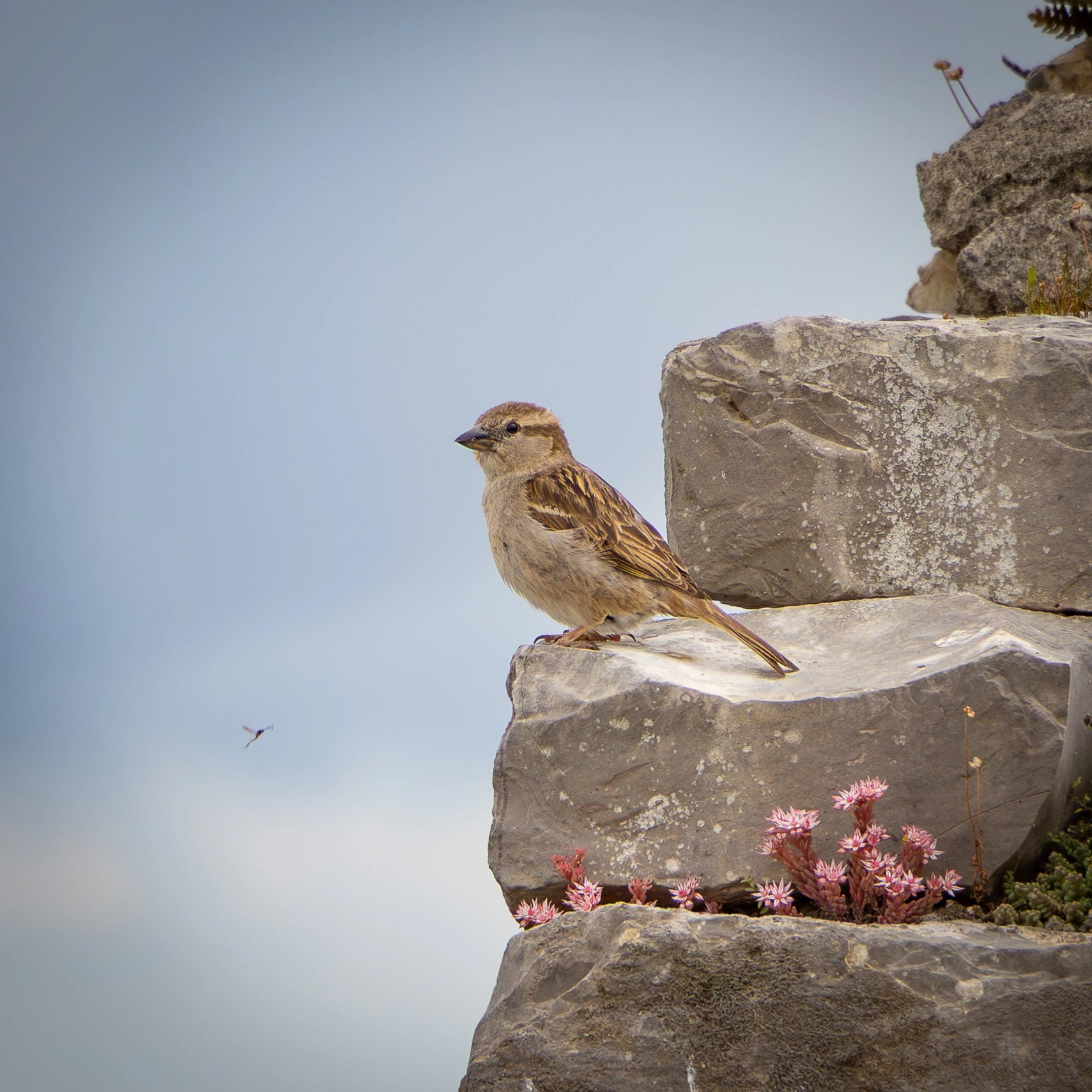
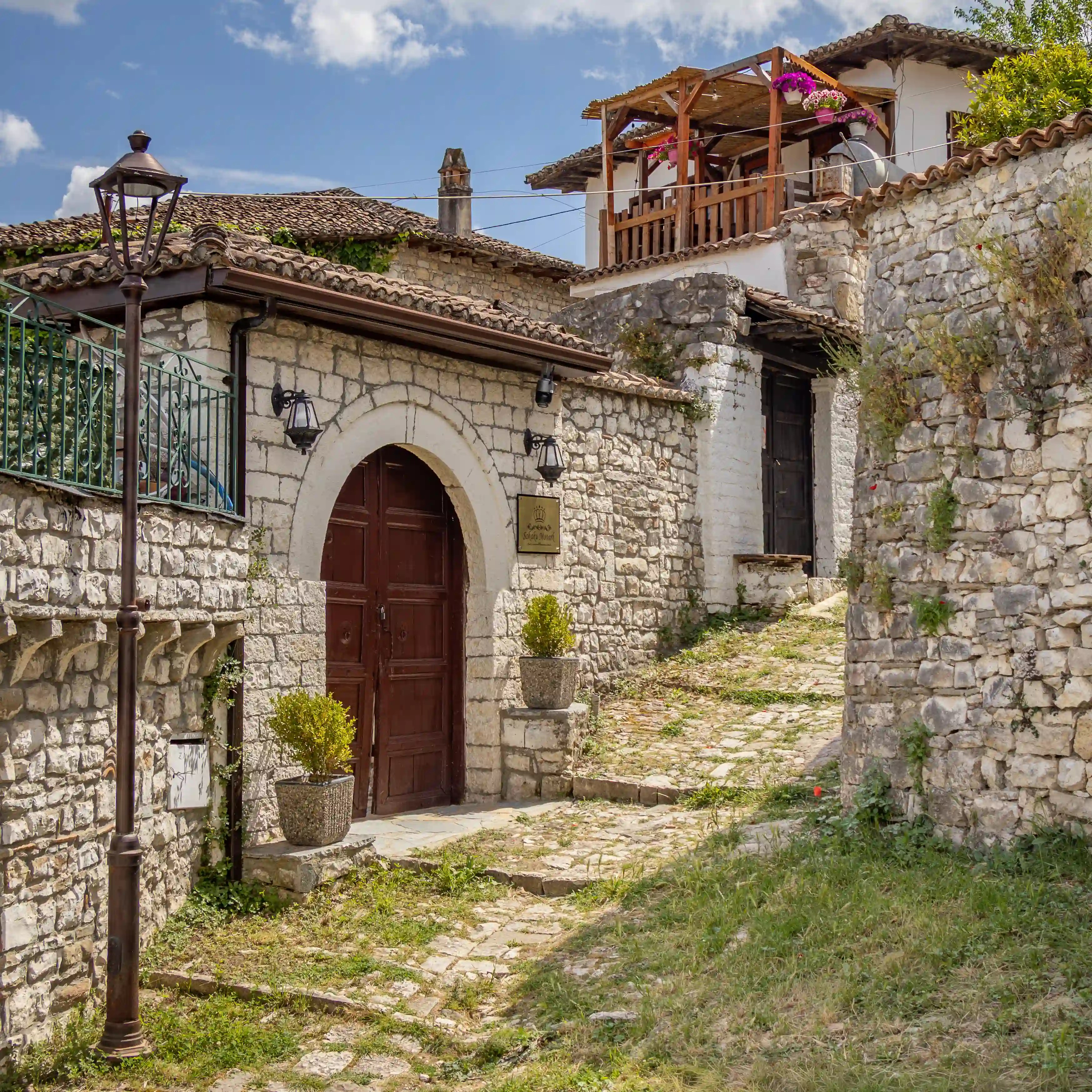
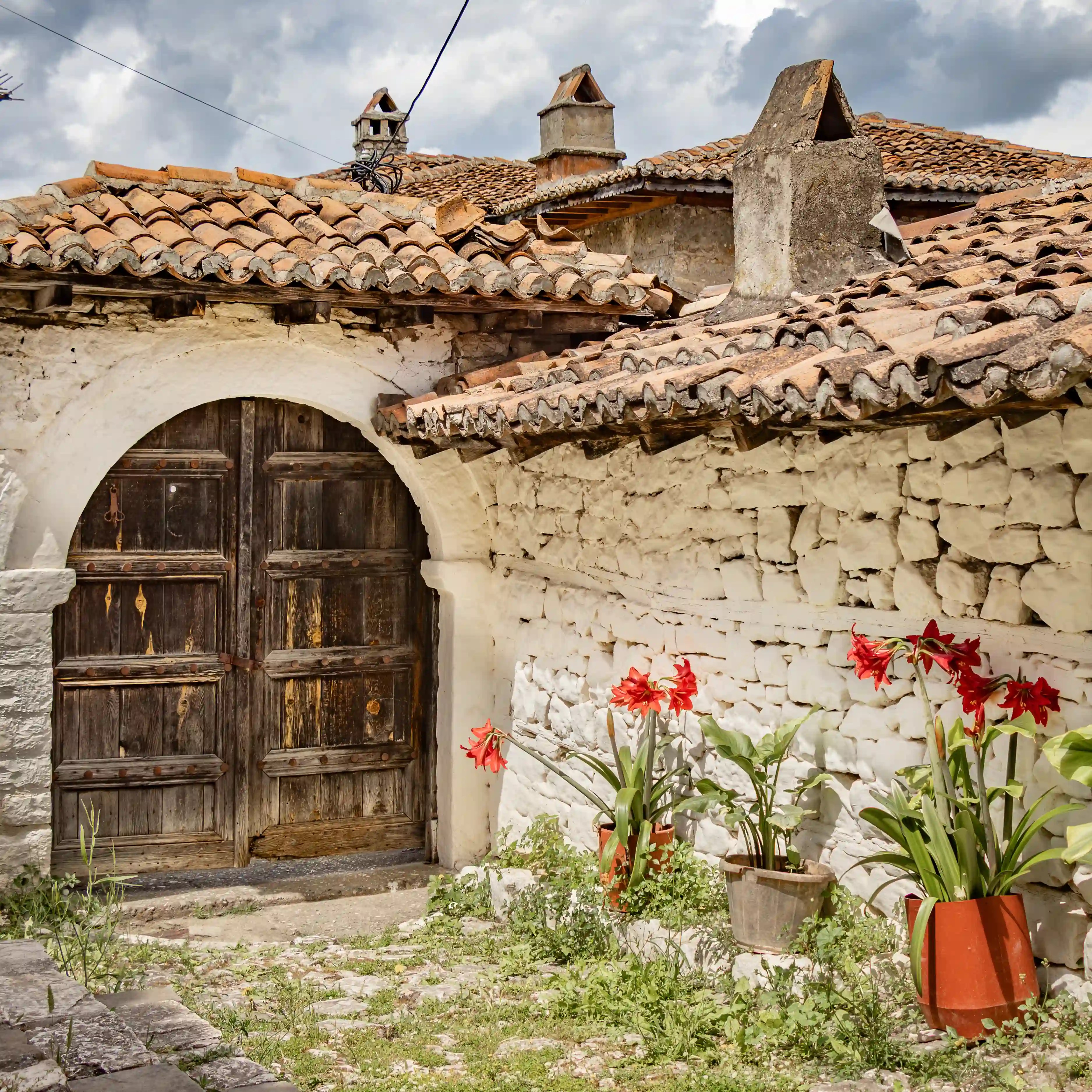
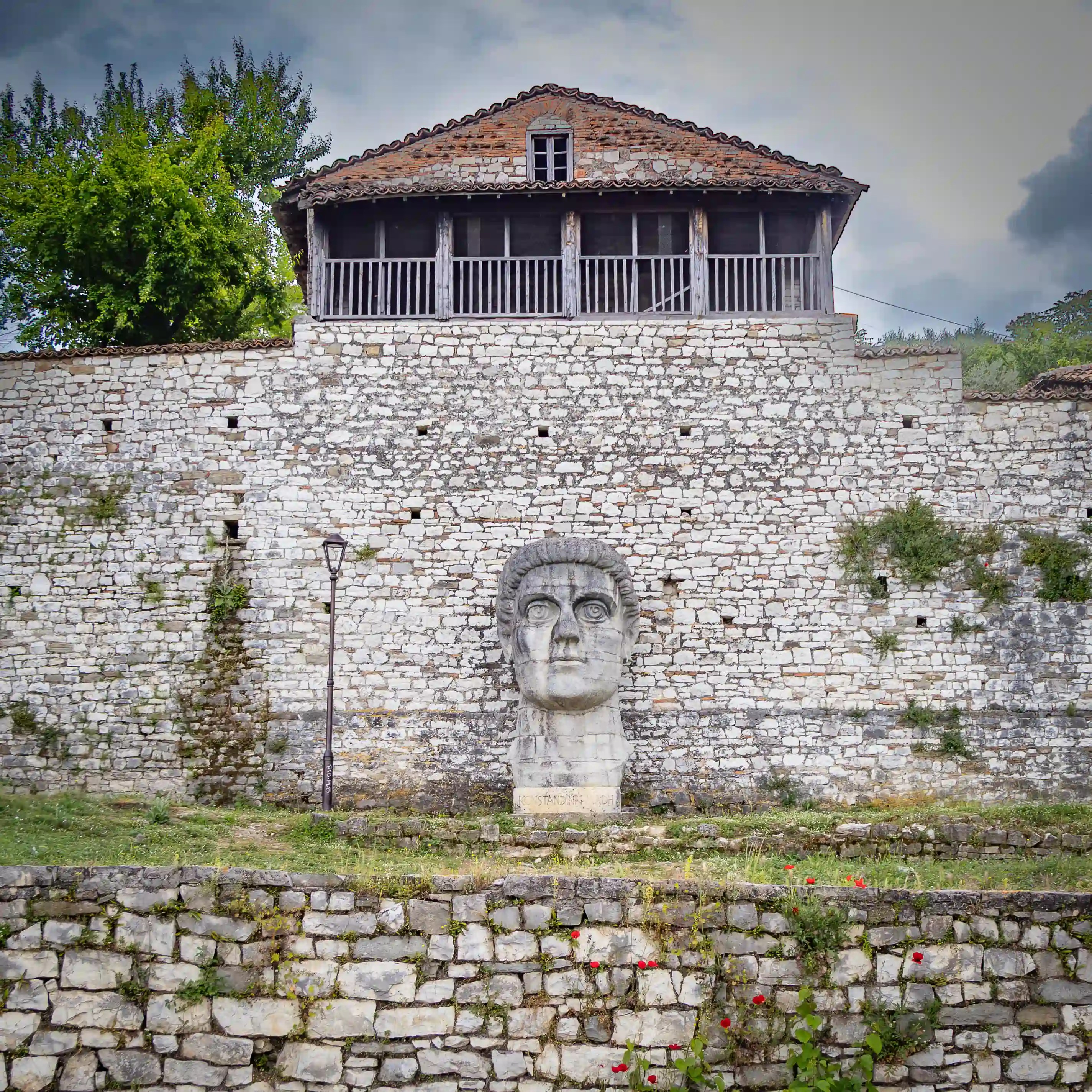
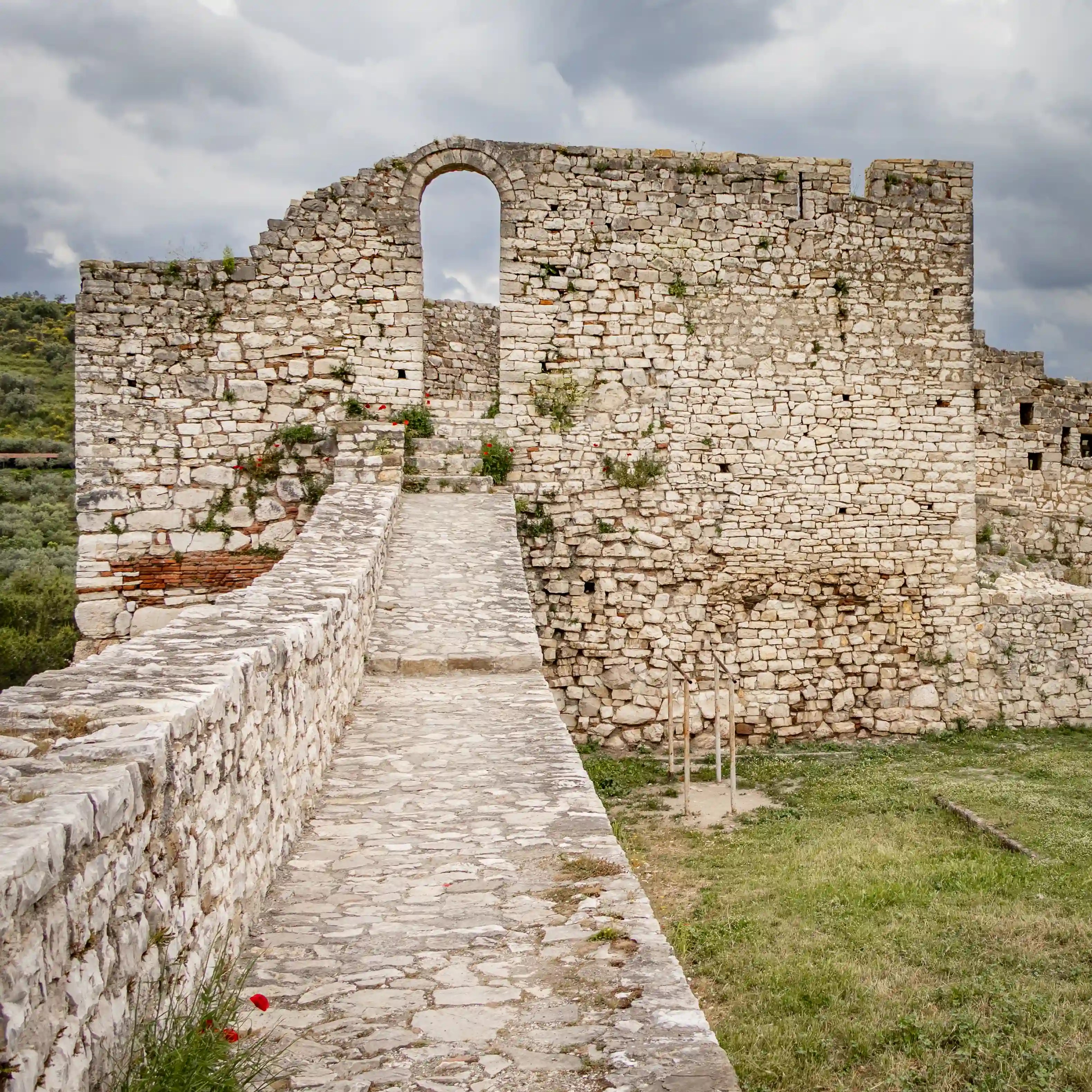
Built on a rocky hill in the 13th century, Berat Castle is one of the largest and best-preserved fortresses in Albania. Unlike many castles that function solely as historic monuments, it remains a living neighborhood where residents still live within the fortress walls. Visitors can wander past homes, churches, guesthouses, restaurants, and small businesses while exploring the site.
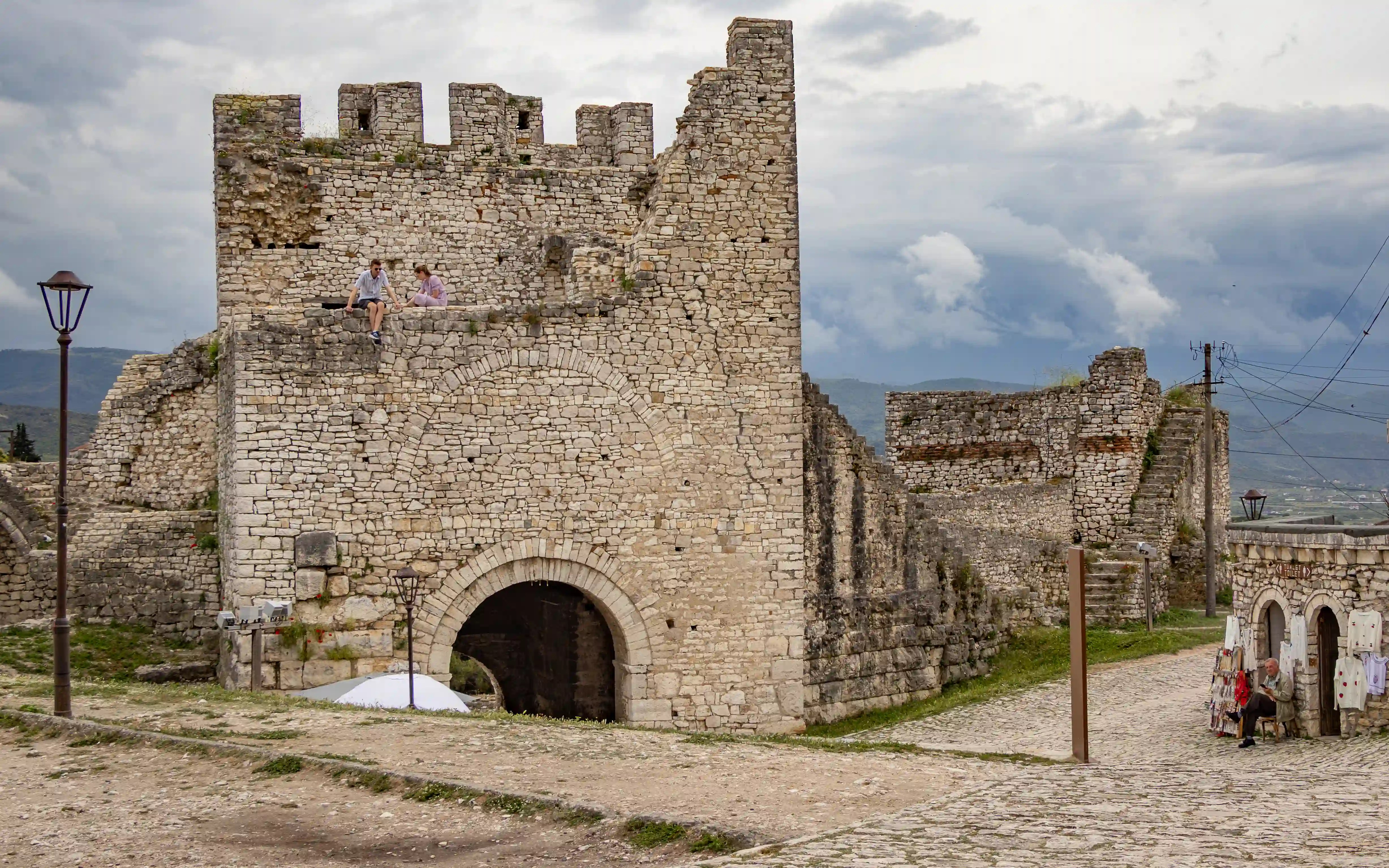
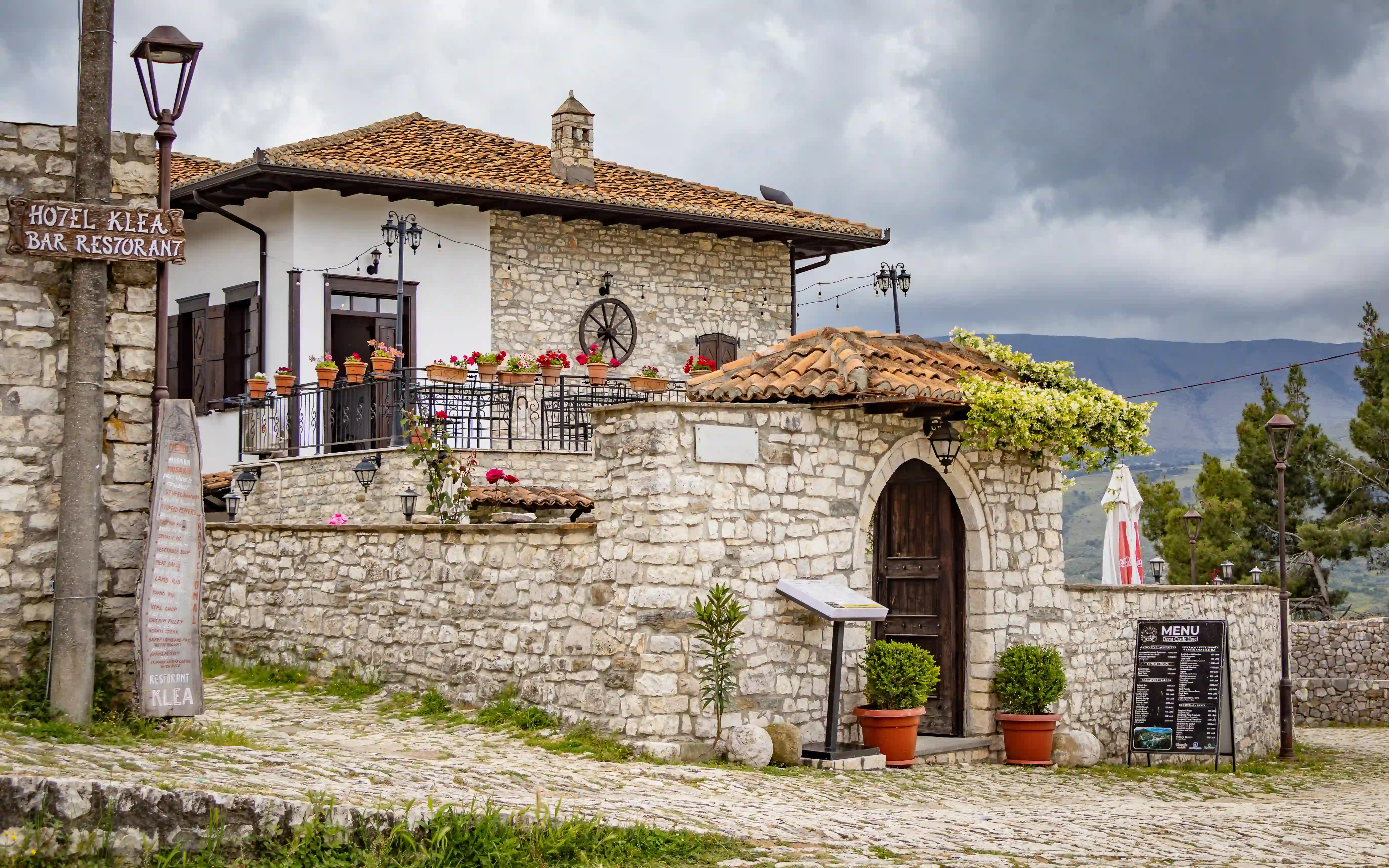
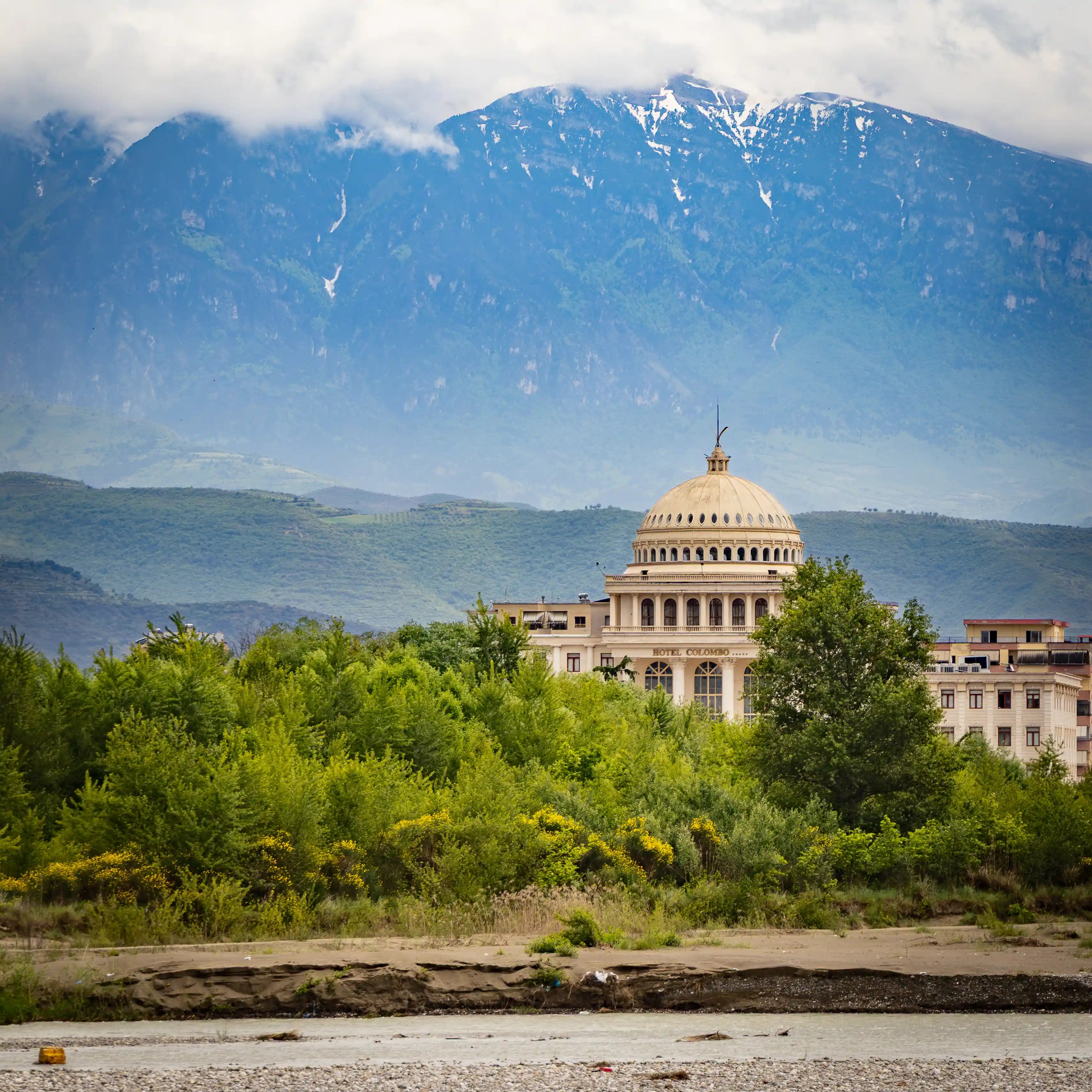
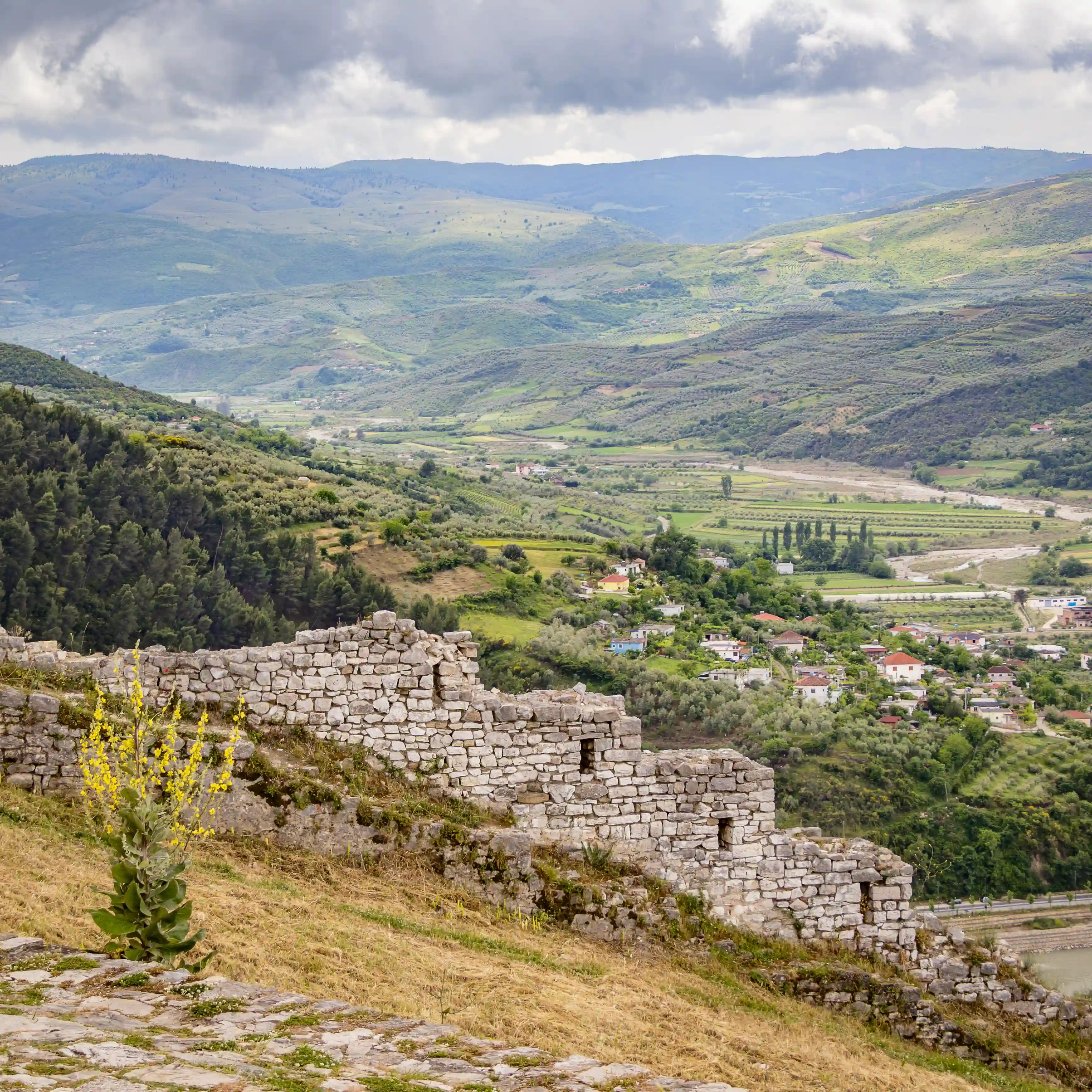
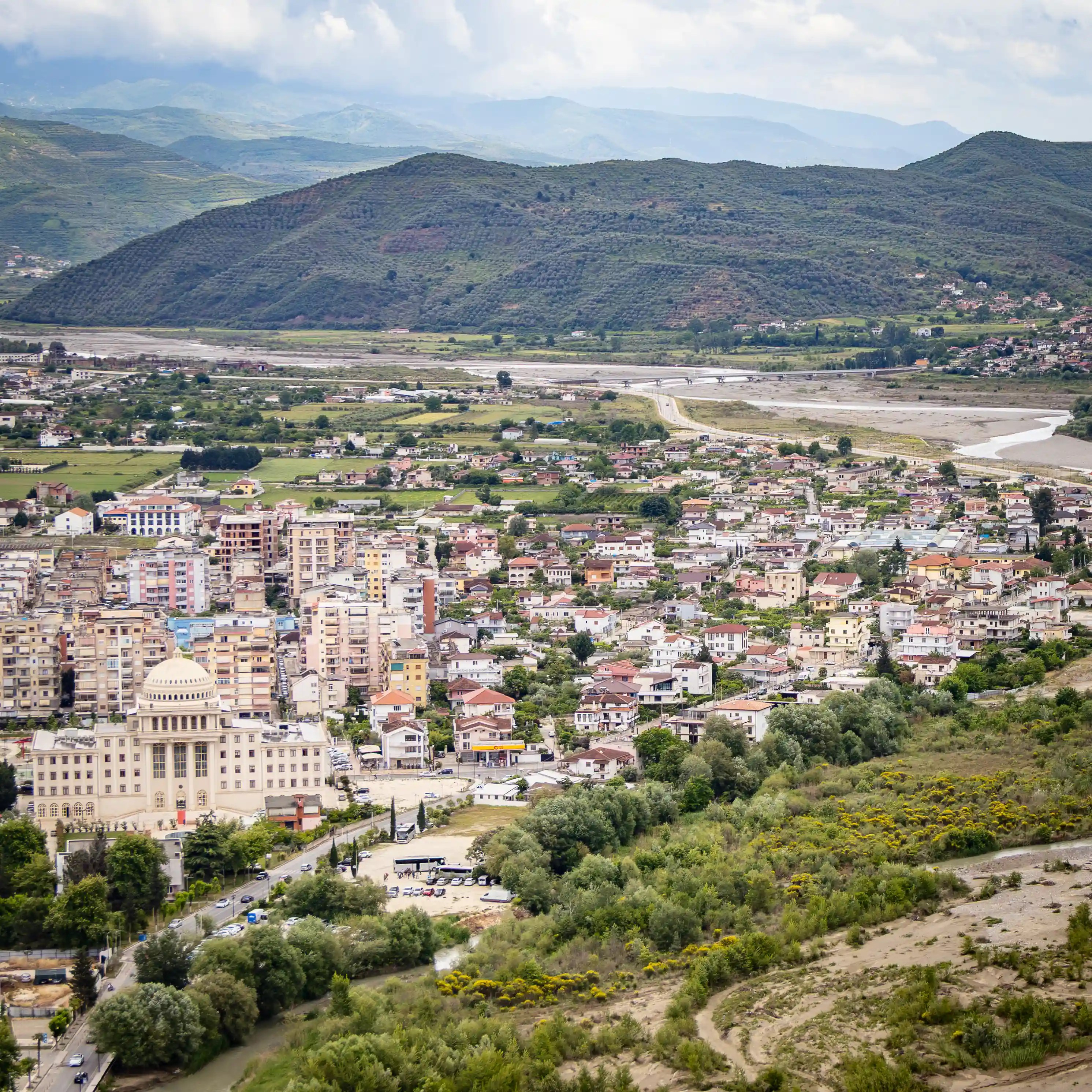
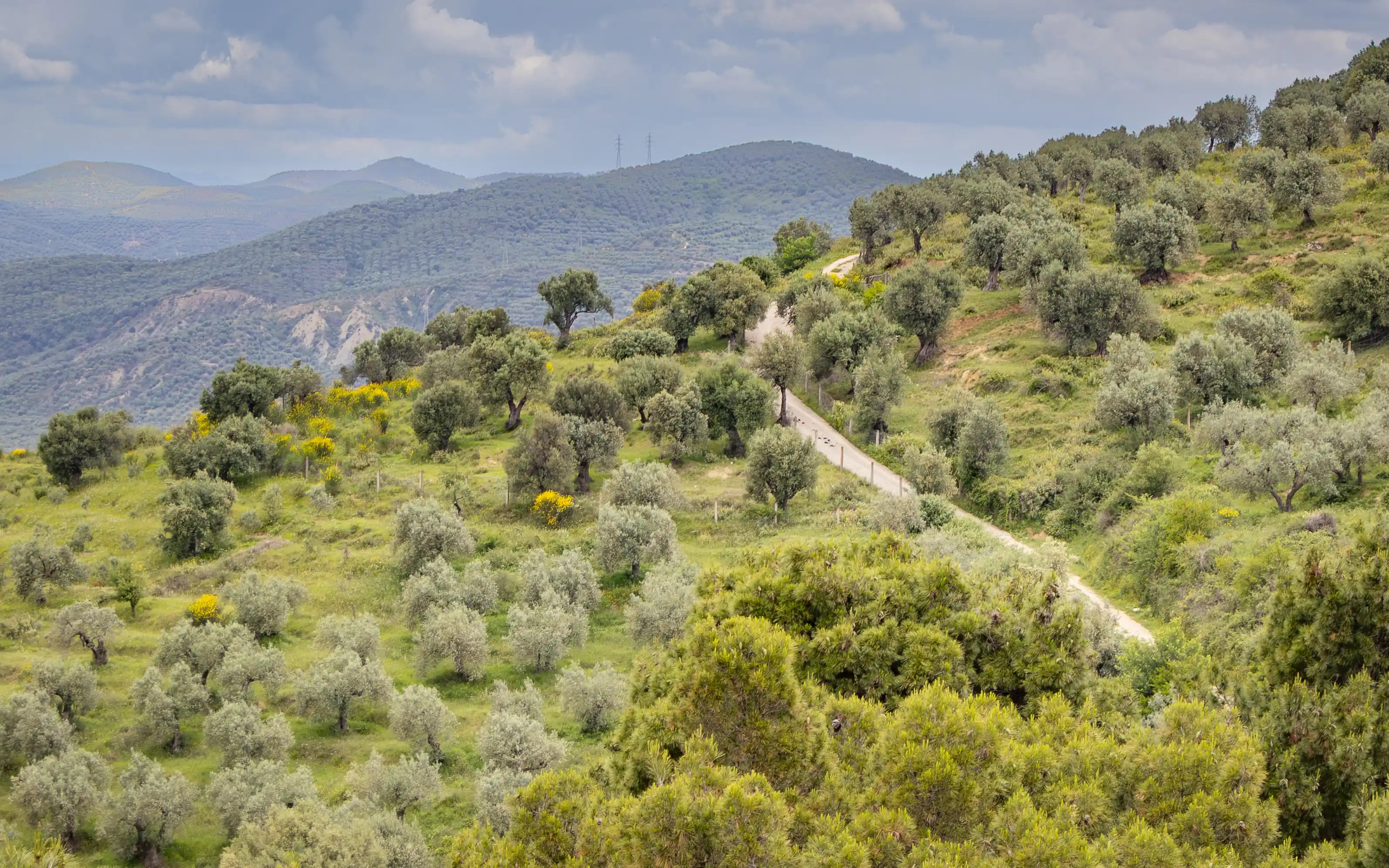
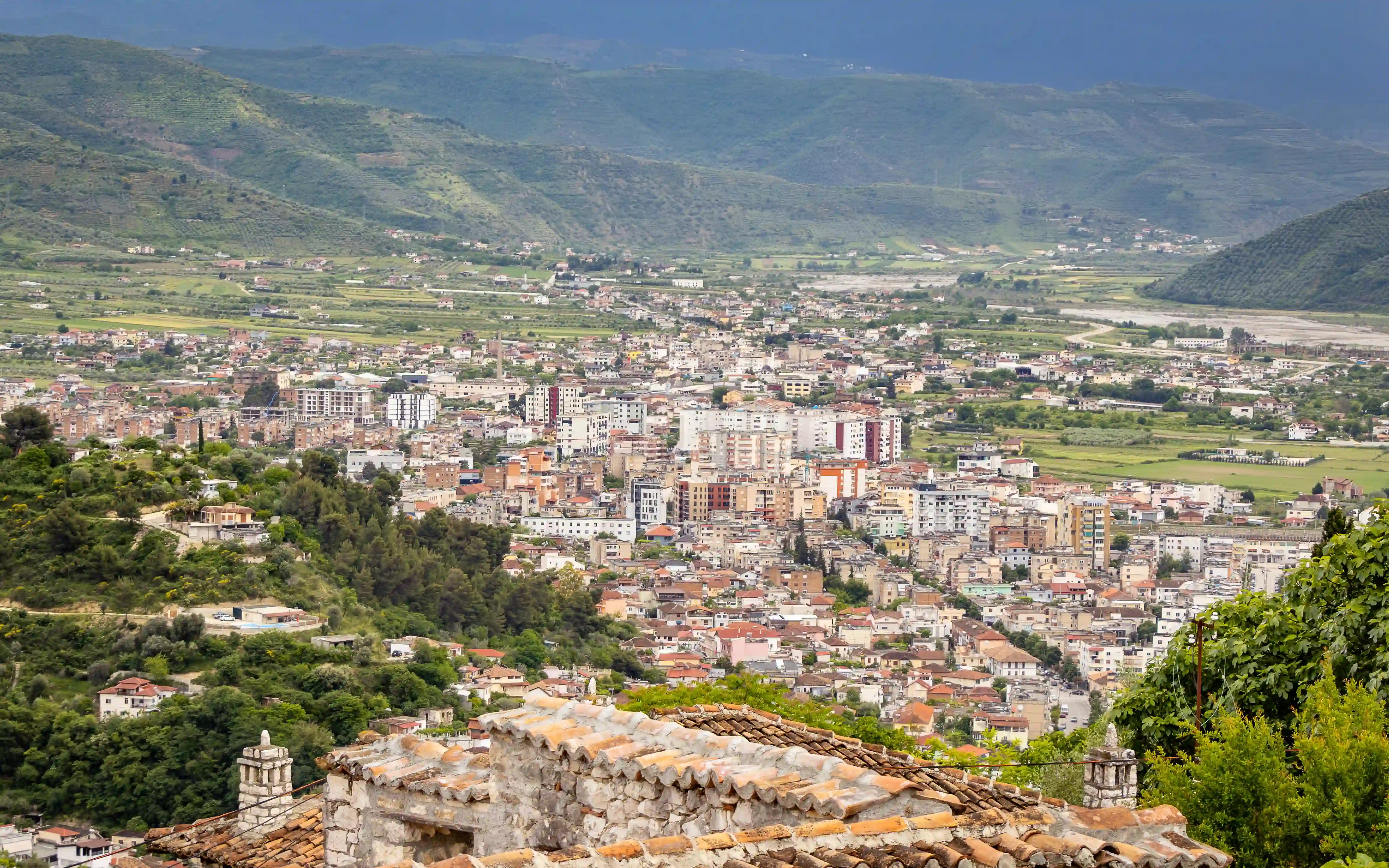
The views alone are worth the climb. From the castle walls we looked out across the Osum River valley, the city below, and the surrounding mountains. One of the most prominent is Mount Tomorr, which is featured in a local legend. According to the story, Mount Tomorr and neighboring Mount Shpirag were once two brothers who fell in love with the same woman. Their battle ended in the deaths of both brothers, and the woman’s tears are said to have formed the Osum River that flows through Berat today.
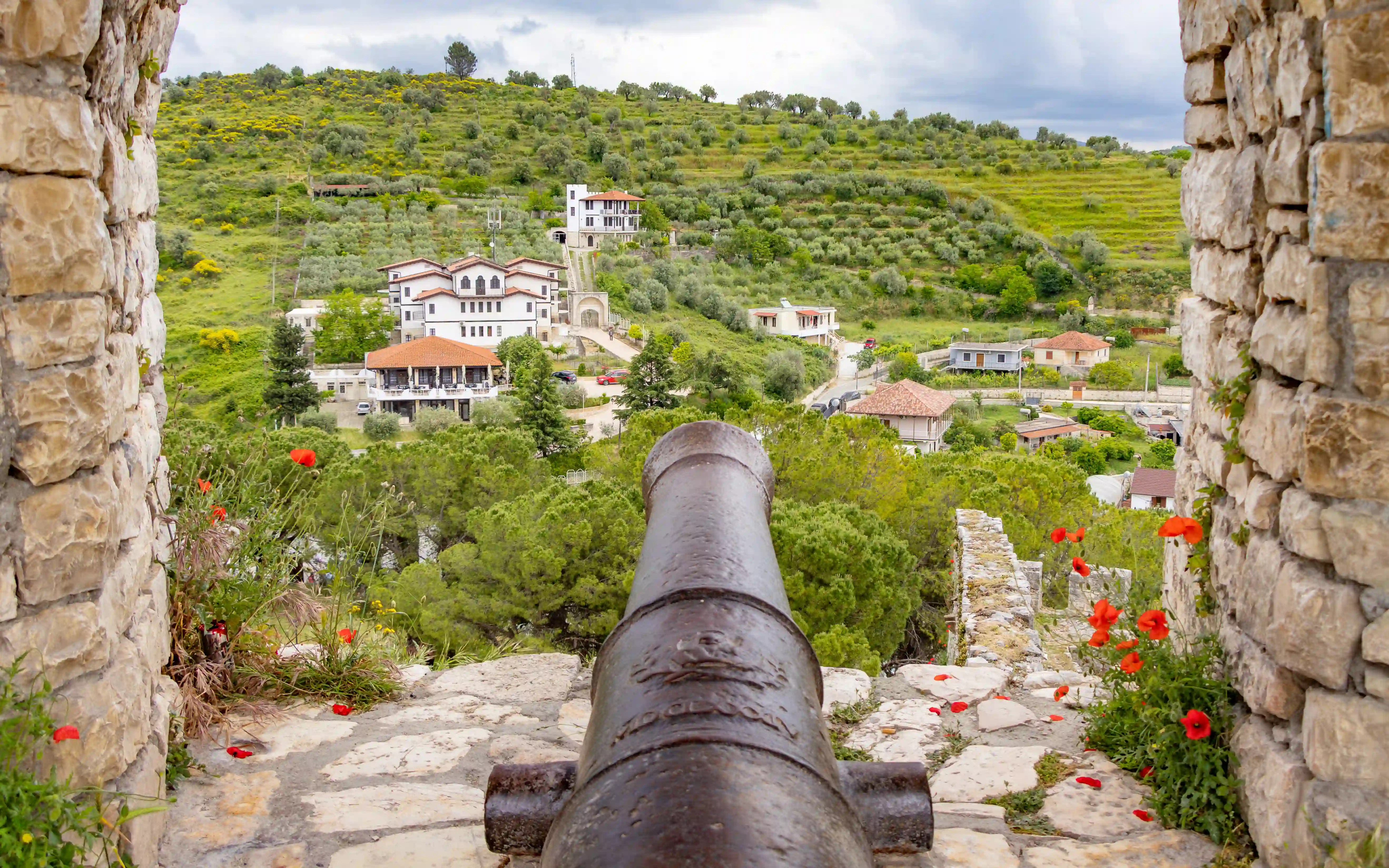
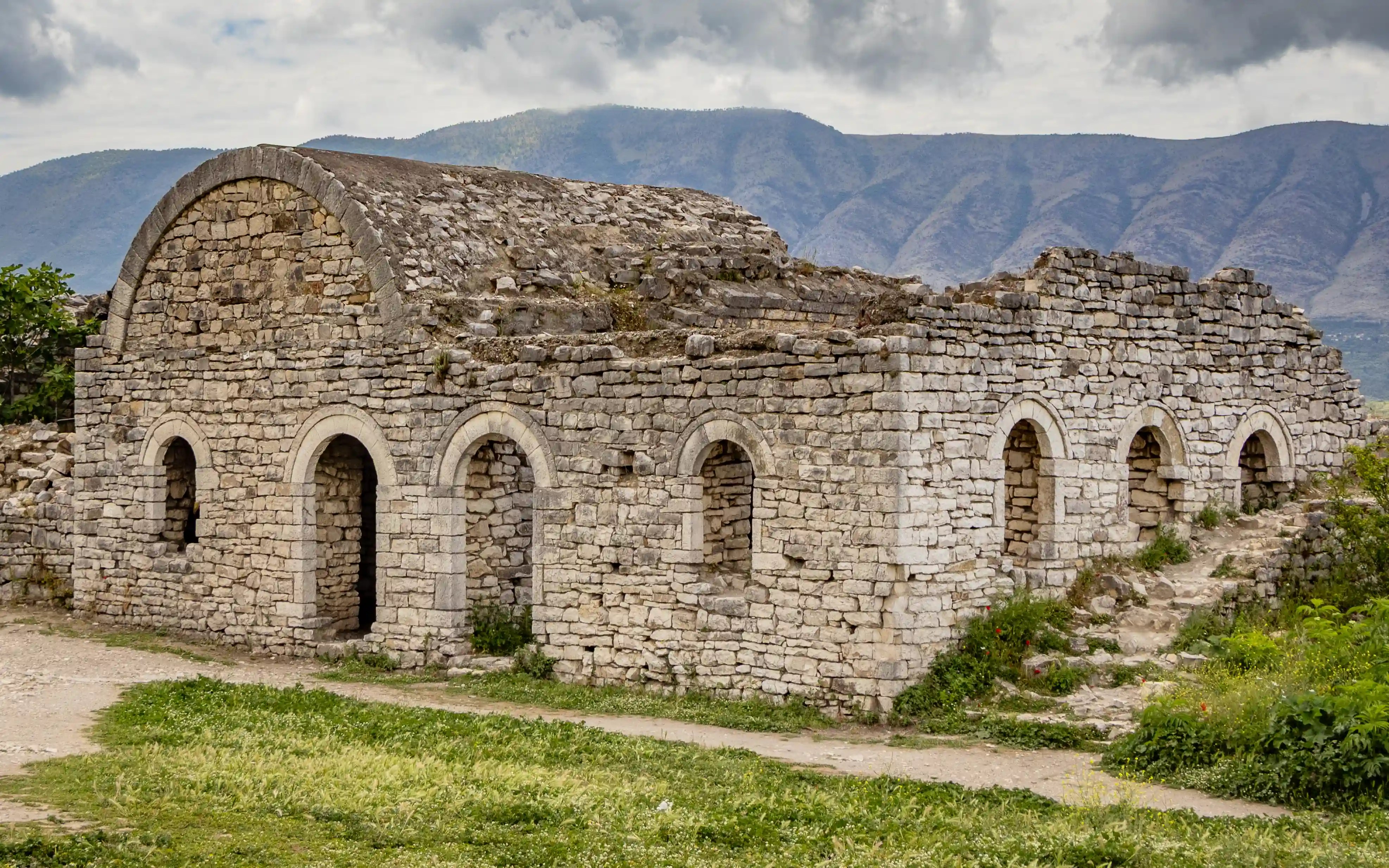
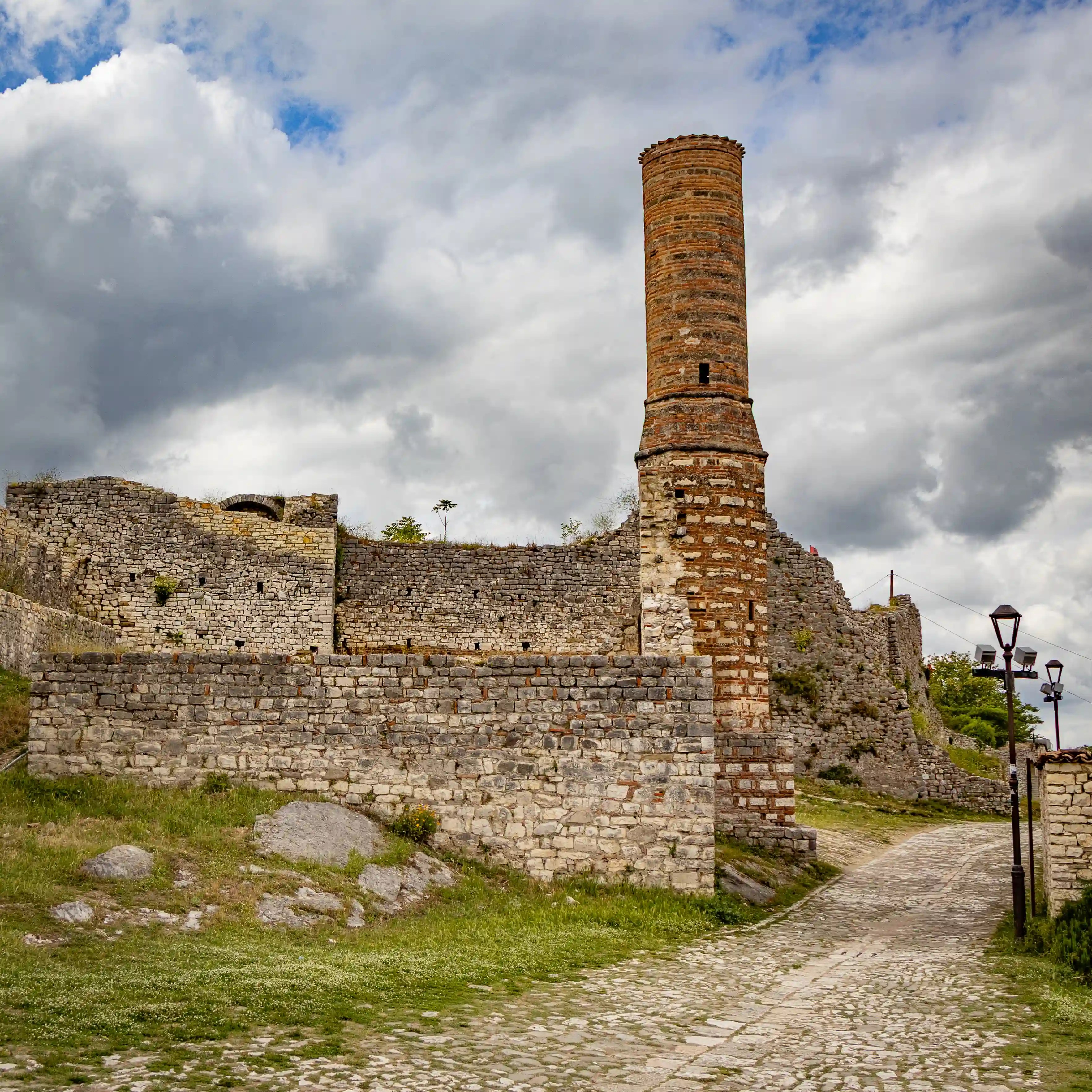
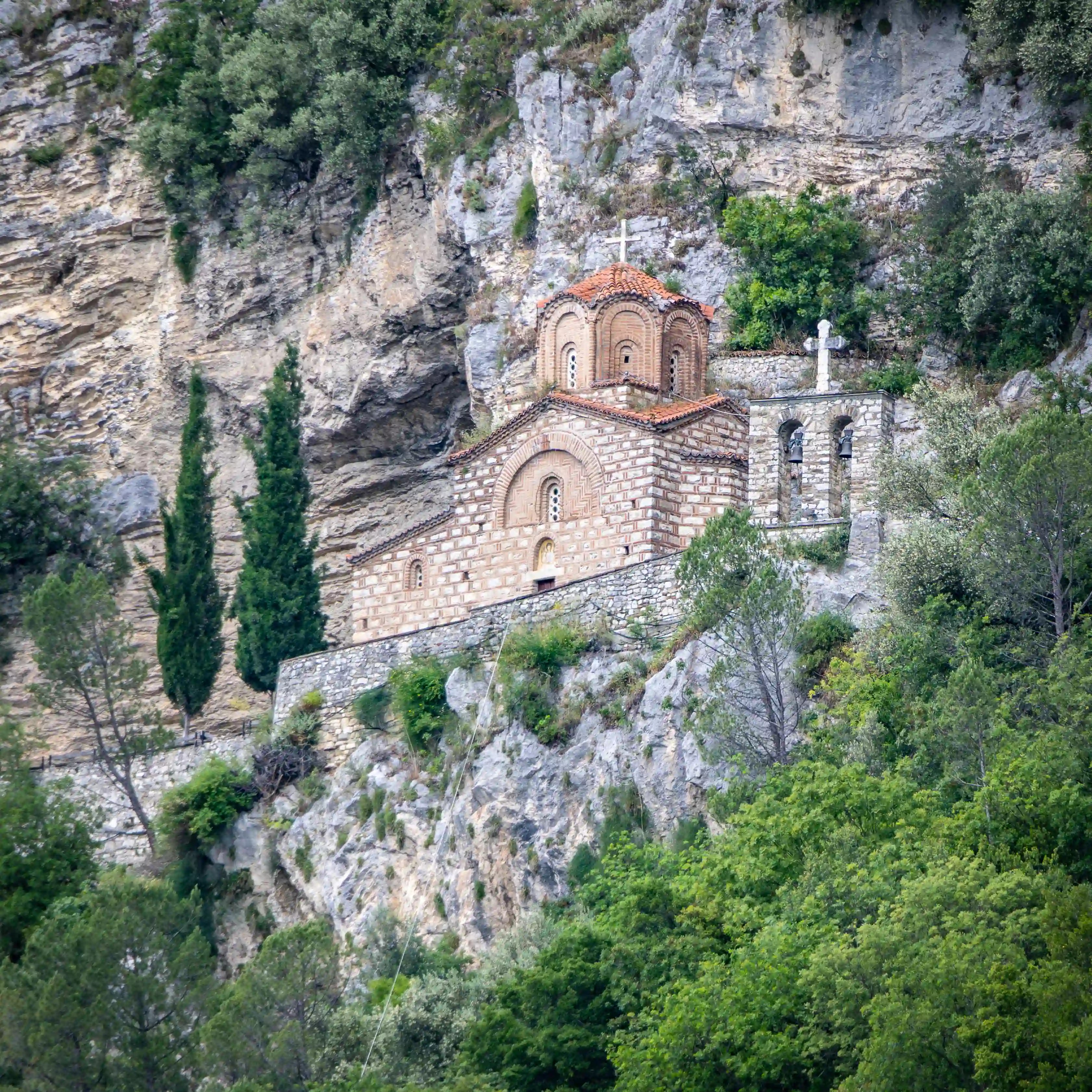
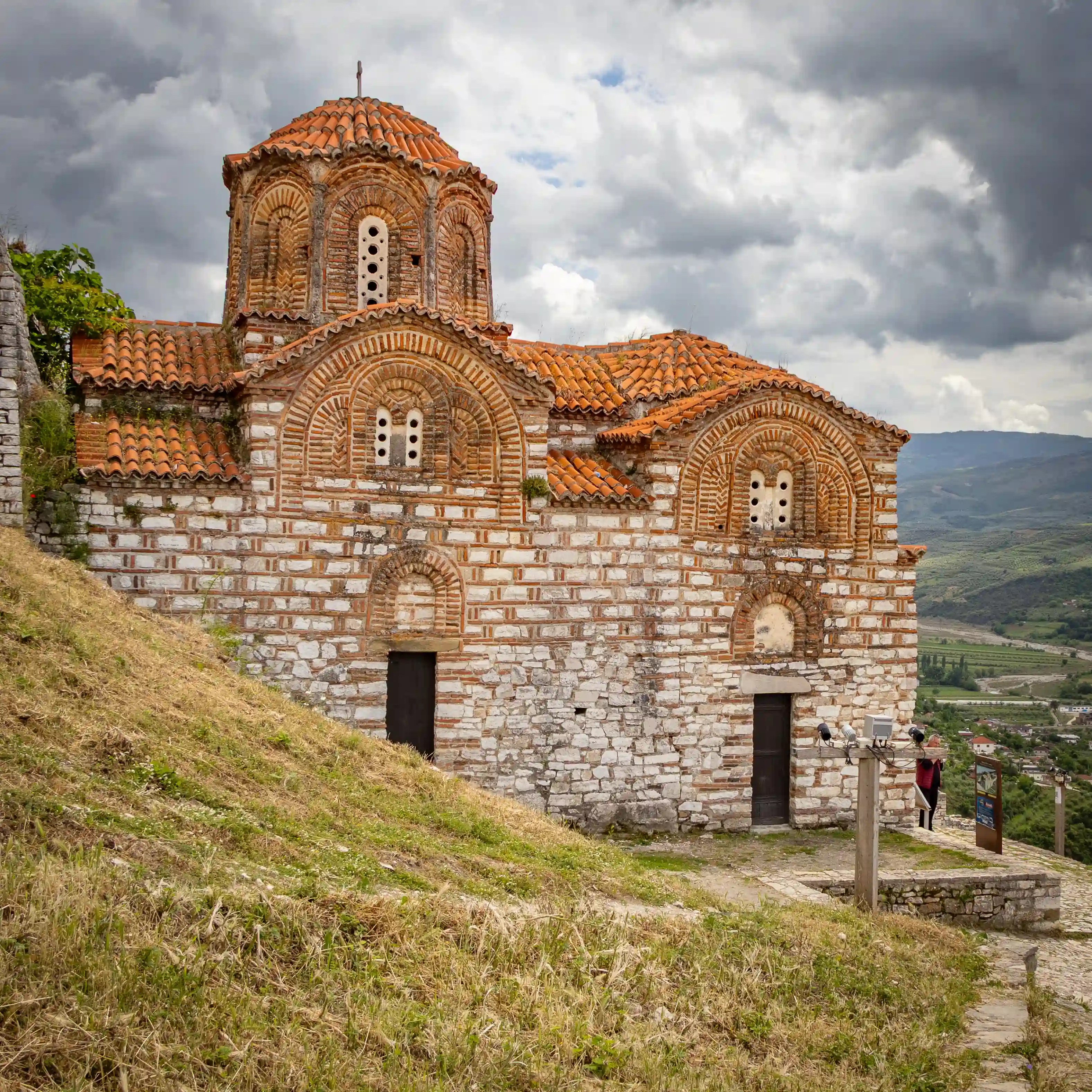
Among the castle’s most important religious sites is the Holy Trinity Church, a Byzantine church dating to the 13th or 14th century. Its stone-and-brick construction and surviving frescoes make it one of the most recognizable landmarks within the fortress.
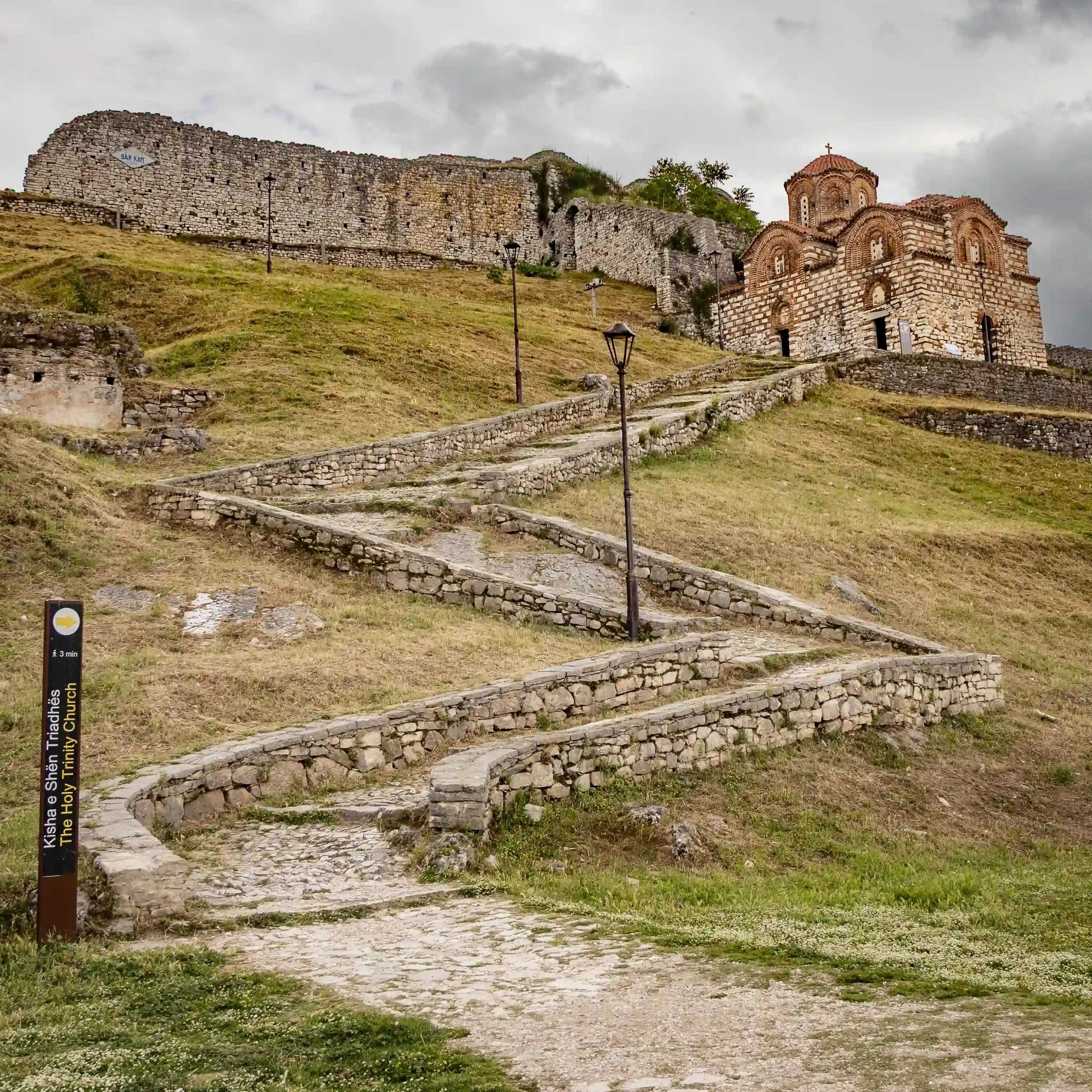
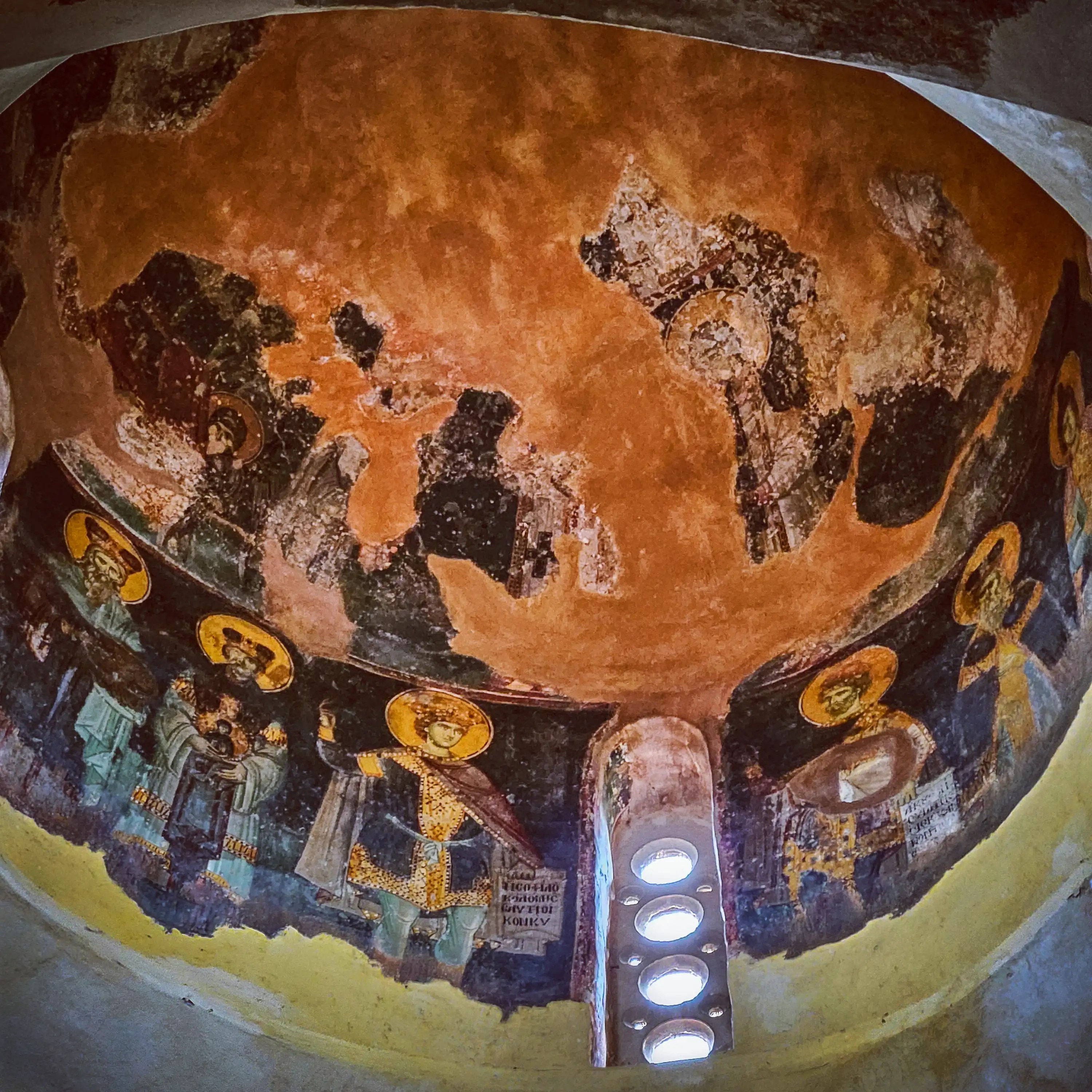
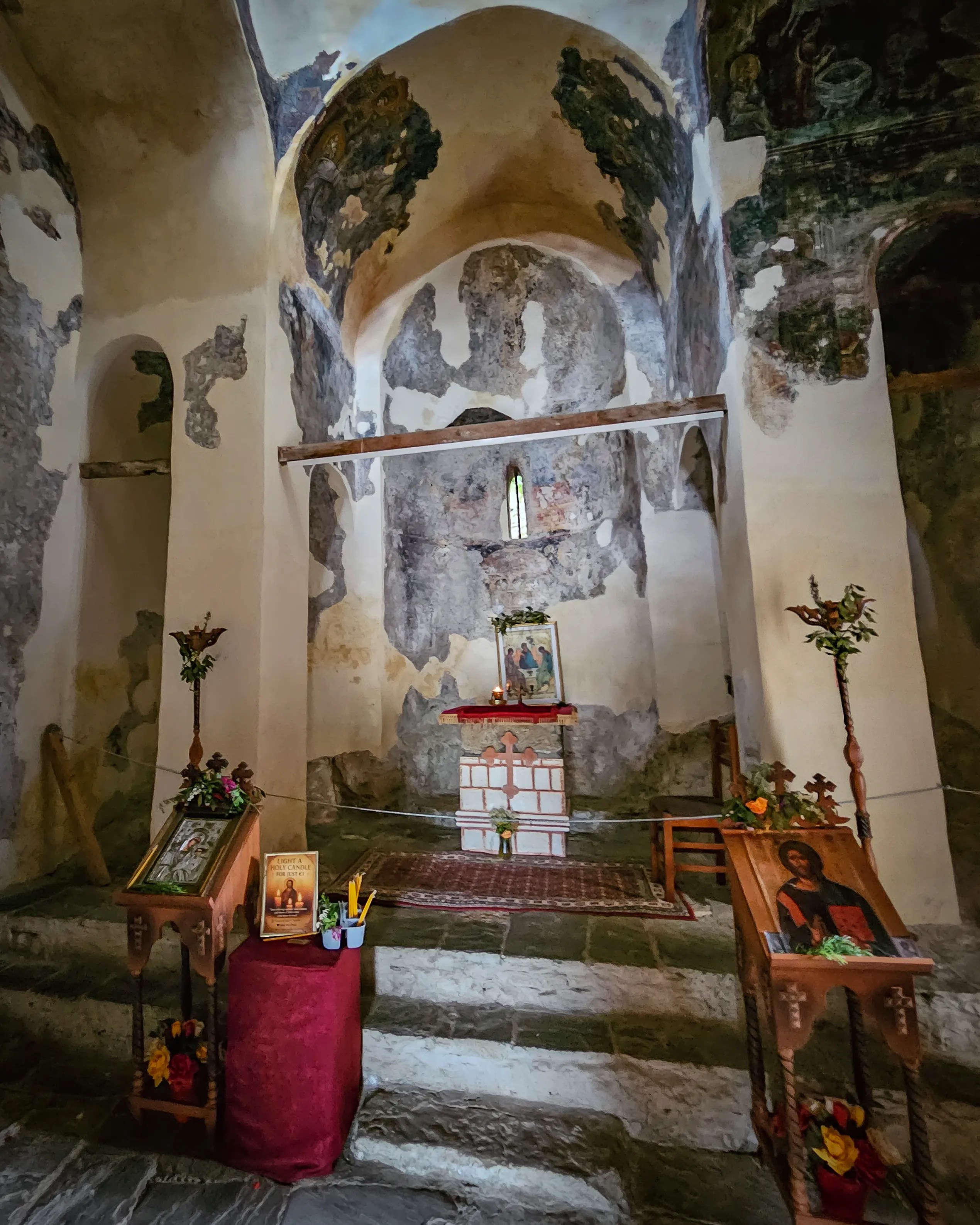
Throughout the castle grounds, ruins, churches, defensive walls, and historic buildings reflect the many civilizations that have shaped Berat over the centuries.
Lunch at Mbrica
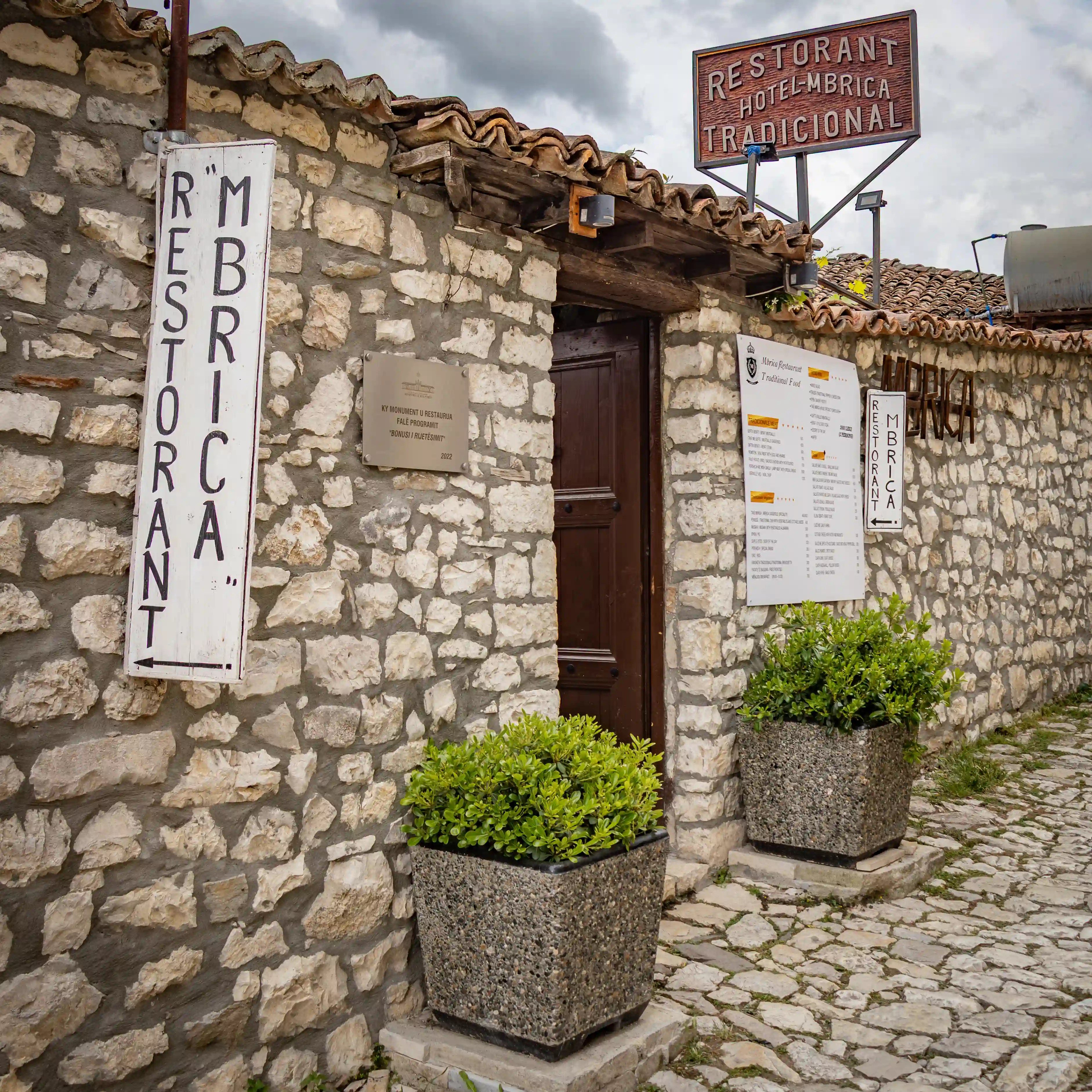
Before leaving Berat, we stopped for lunch at Restorant Mbrica inside the castle.
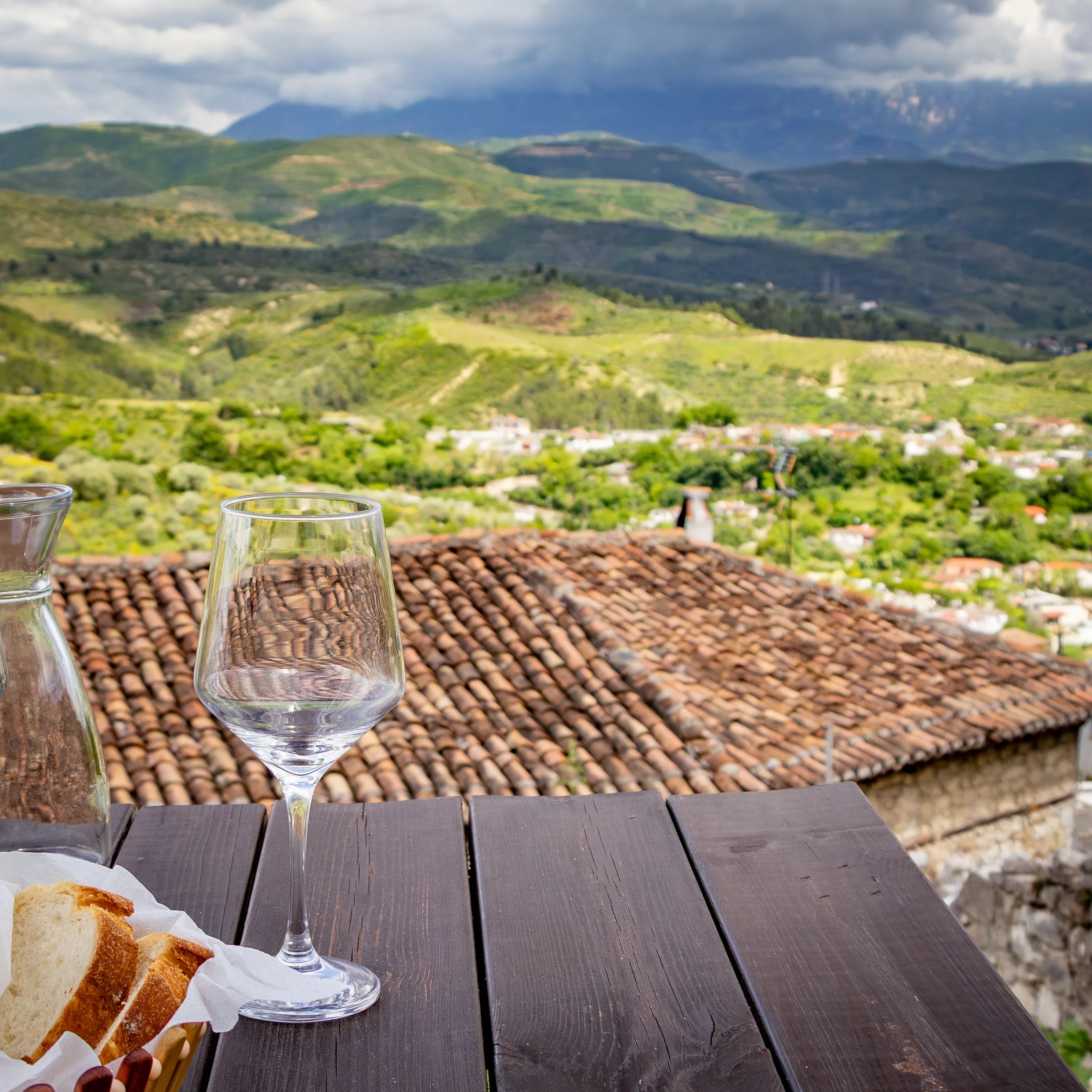
The traditional Albanian food was excellent, but the views may have been even better. From the terrace we could look across the valley and surrounding hills while enjoying a lovely lunch before heading back to Tirana.
Where We Stayed
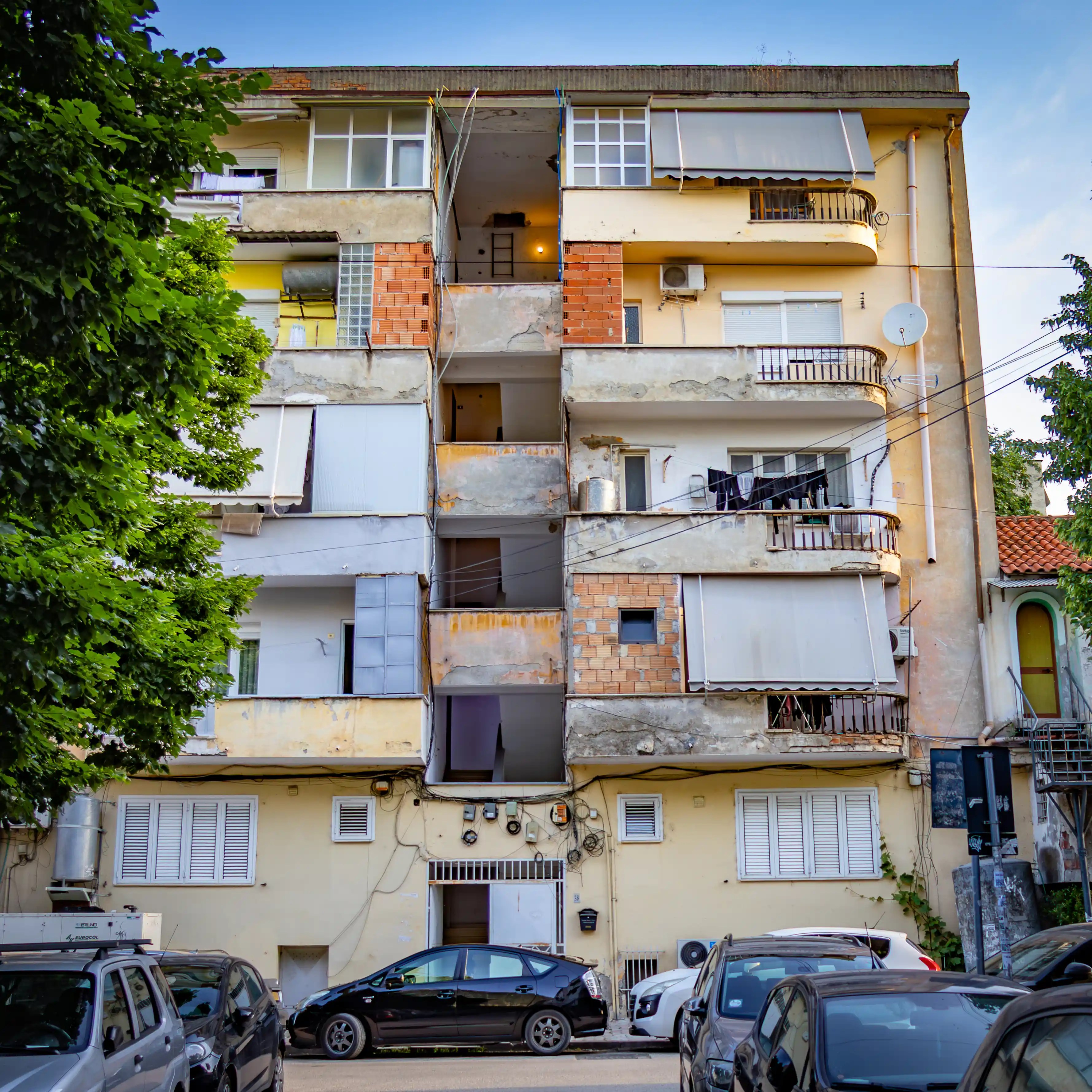
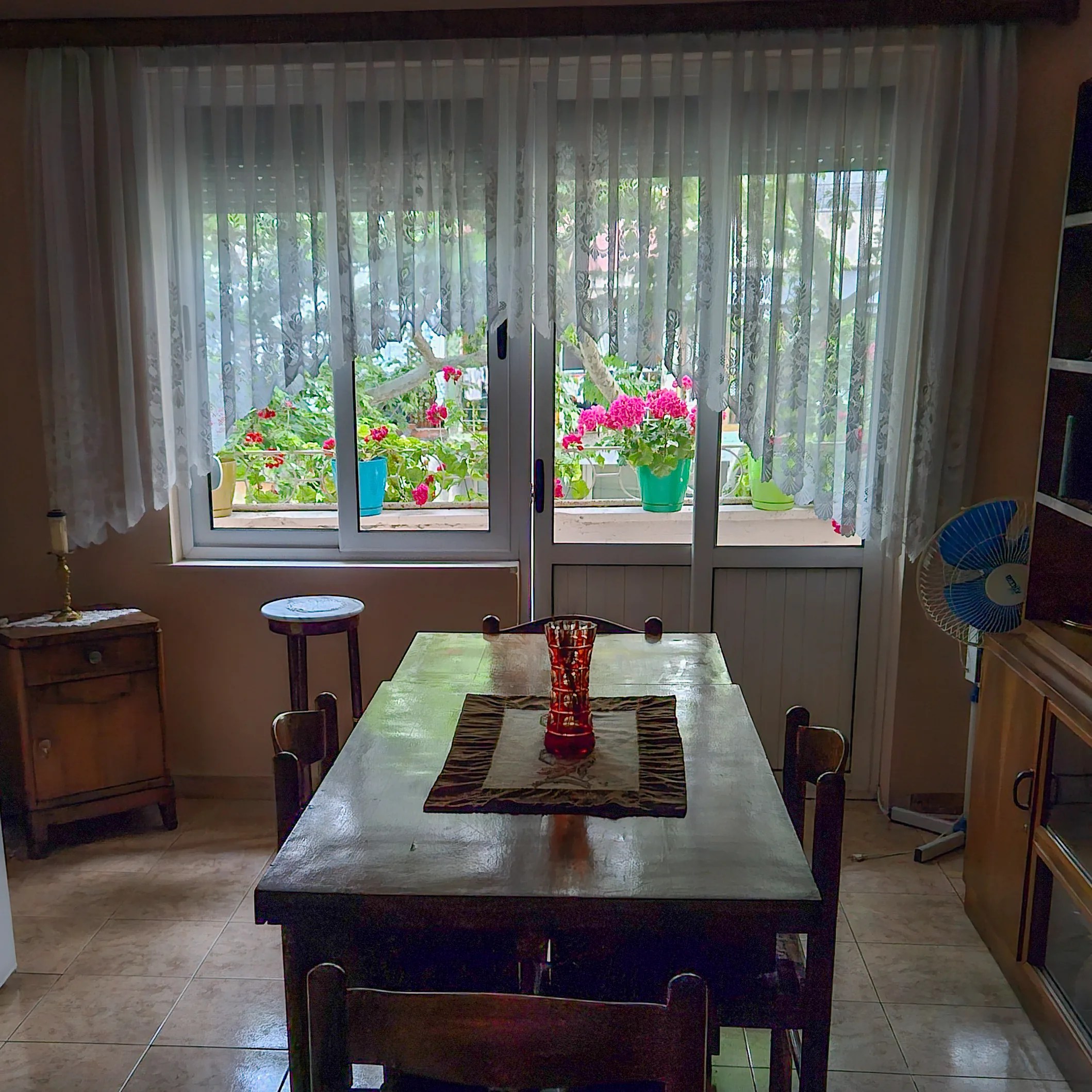
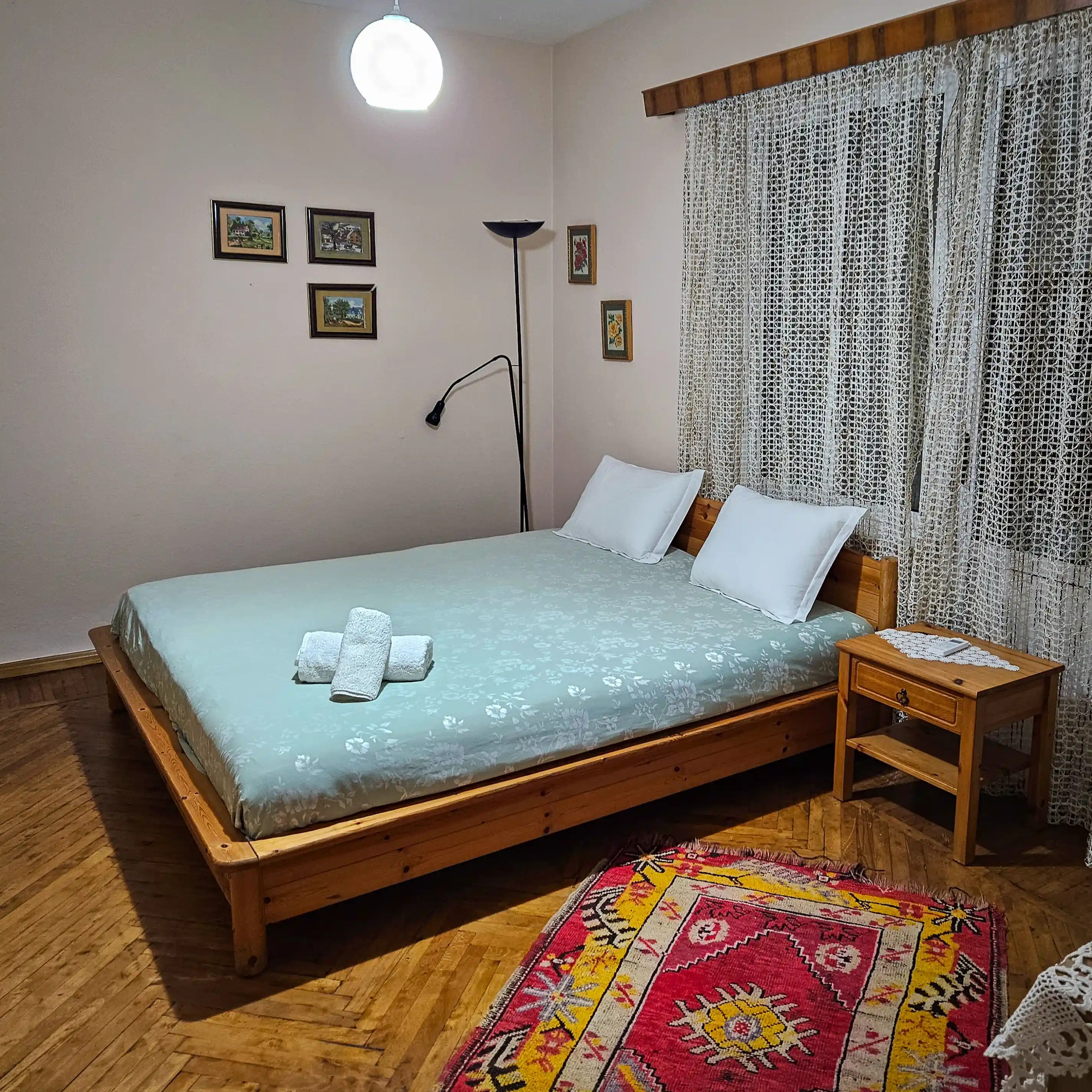
For our stay in Tirana, three of us rented a spacious three-bedroom Airbnb within walking distance of the city center.
The apartment reportedly once belonged to an important Albanian figure, although we never learned exactly who. It retained some of its older character while offering modern amenities, three balconies, and plenty of space for our group.
The building itself appeared to date from the communist era, providing a glimpse into the type of housing that still makes up much of Tirana’s residential landscape. More importantly, the location made it easy to explore much of the city on foot, with many of Tirana’s major attractions within easy walking distance.
Other Things to See and Do
If you’re planning a trip to Tirana, here are a few other places worth considering.
More Places to See in Tirana
- Pazari i Ri (New Bazaar) – A renovated market area with restaurants, cafés, shops, and local products.
- Sky Club Panoramic Bar & Restaurant (Sky Tower) – A rotating rooftop restaurant and bar offering panoramic views across Tirana.
- National Historical Museum – Albania’s largest museum covering the country’s history from antiquity to the modern era. The museum is currently closed for renovation and is expected to reopen in 2028.
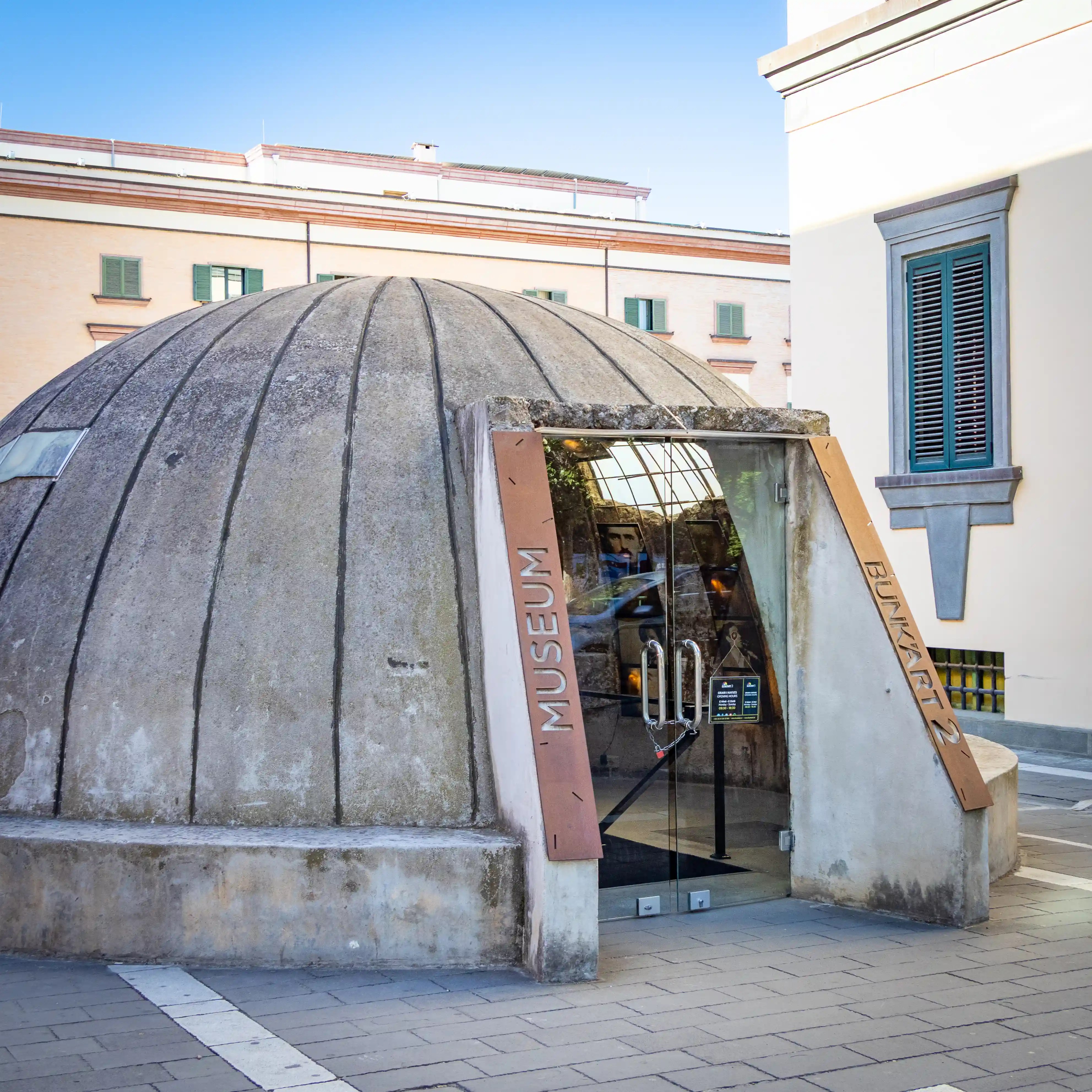
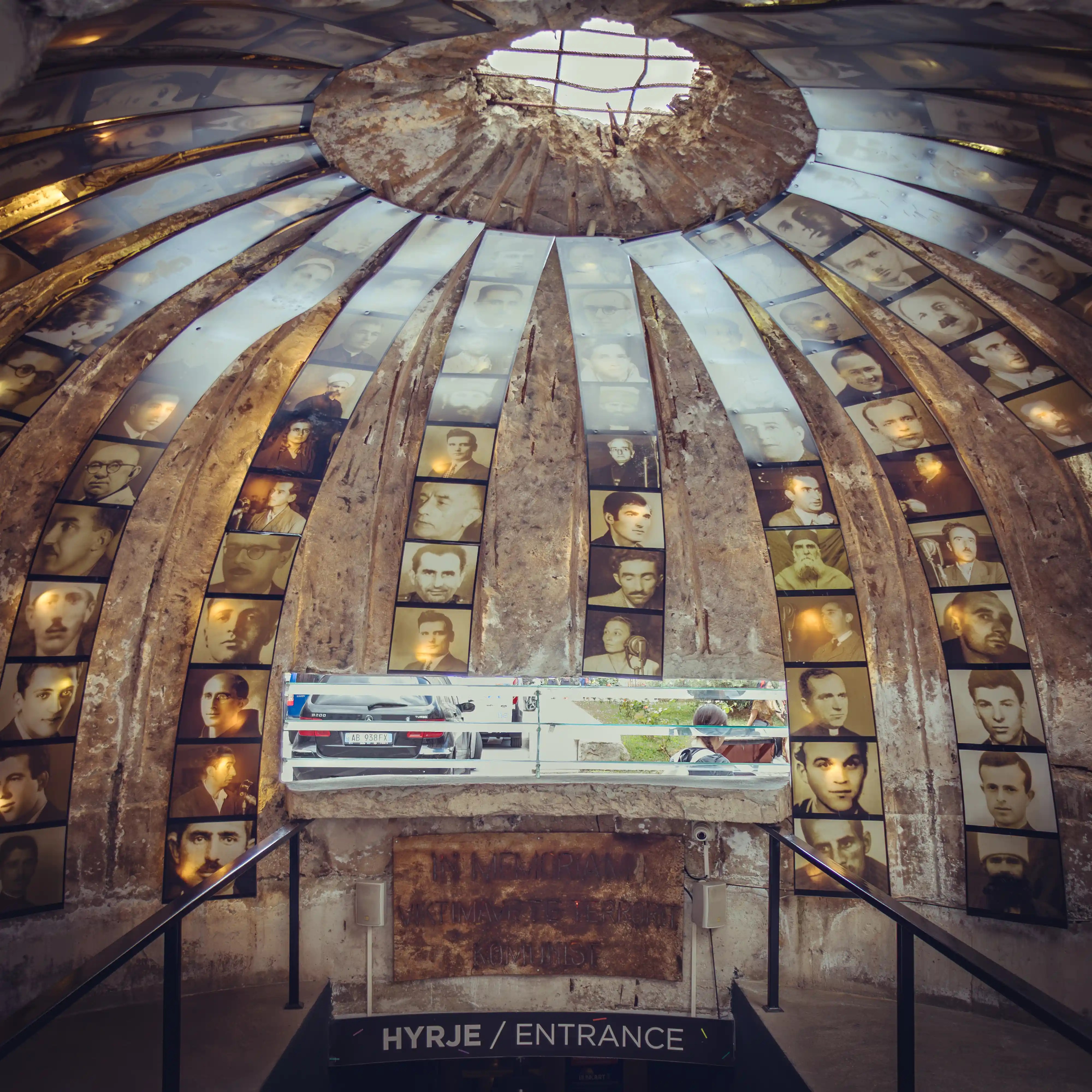
- Bunk’Art 2 – Located near Skanderbeg Square, this museum focuses on the Sigurimi and Albania’s communist-era surveillance system. It is a convenient alternative to Bunk’Art 1 for visitors staying in the city center.
Day Trips from Tirana
- Mount Dajti and the Dajti Ekspres Cable Car – Located just east of Tirana, the lower station is about 15–20 minutes from the city center. The 15-minute cable car ride offers views over Tirana and access to restaurants, walking trails, mini golf, and an adventure park on the mountain. It pairs well with a visit to nearby Bunk’Art 1. The cable car is typically closed on Tuesdays.
- Kruja (Krujë) – Located about 45 minutes north of Tirana, is one of Albania’s most historic towns and is closely associated with national hero Skanderbeg.
- Lake Bovilla and Gamti Mountain – About an hour northeast of Tirana, offering some of the most dramatic scenery near the capital. The viewpoint above the lake rewards visitors with sweeping views of the turquoise water and surrounding mountains.
- Durrës – Located about 40 minutes west of Tirana, combines beaches, Roman ruins, and a lively waterfront promenade. Highlights include the Roman Amphitheater, the Archaeological Museum, and the city’s long stretch of coastline along the Adriatic Sea. It makes an easy half-day or full-day trip from the capital.
- Shkodra (Shkodër) – Located about 1.5–2 hours north of Tirana, is one of Albania’s oldest cities and a popular day-trip destination. Highlights include Rozafa Castle, which overlooks the surrounding countryside, and the historic Mesi Bridge, an Ottoman-era stone bridge located a short drive from the city.
Location and Getting There
Albania is located in southeastern Europe on the Balkan Peninsula, across the Adriatic Sea from southern Italy. It shares borders with Montenegro, Kosovo, North Macedonia, and Greece and is known for its beautiful coastline, rugged mountains, and fascinating history. Tirana serves as the country’s capital and largest city and is the primary gateway for many international visitors.
We flew directly from Stuttgart to Tirana with Wizz Air, making it an easy destination to reach from southern Germany. The flight takes about two hours, and Tirana International Airport (Nënë Tereza) is located approximately 20–30 minutes from the city center by car.
Depending on when you travel, Entry/Exit System (EES) procedures may increase processing times at some European airports. During our trip, longer-than-expected lines caused some travelers to come very close to missing their flight, so allowing extra time before departure is a good idea.
Taxis, airport transfers, and ride-hailing services are readily available. Many visitors use apps such as Speed Taxi and Patoko, while official airport taxis are also available outside the terminal.
Things to Know Before Visiting Albania
- Currency & Payments: Albania uses the Albanian Lek (ALL). Credit cards were widely accepted in Tirana, but we found it useful to carry some cash for smaller purchases. Some businesses also accepted euros during our visit.
- Language: Albanian is the official language. We found that many people working in hotels, restaurants, and tourism spoke English, making communication easy throughout our trip.
- Mobile Data: If your phone supports eSIMs, a travel eSIM can be an easy way to stay connected. We used Vodafone’s travel eSIM and had reliable service throughout our trip.
- Electrical Outlets: Albania uses the same Type C and Type F plugs found throughout much of continental Europe.
- Getting Around: Tirana is a very walkable city, and many of the main attractions can be reached on foot. We also used taxis a few times, booking them through an app without any issues. As with any destination, it’s a good idea to use official taxis or a reputable ride-hailing app.
- Safety: We felt safe throughout our visit and found people to be friendly and welcoming.
Final Thoughts
Before visiting Albania, I knew very little about the country. A few days later, I found myself wishing I had learned more about it sooner.
Tirana offered a fascinating introduction to Albania’s history and culture. The city’s museums, religious landmarks, public spaces, and stories helped bring that history to life. Learning about the communist period provided important context for many of the places we visited, while the ongoing development around the city reflected a country continuing to evolve.
The food was excellent, the people were welcoming, and there was always something interesting around the next corner.
Berat provided a perfect complement to our time in Tirana, offering a glimpse into another side of Albania’s history and heritage.
While there are still countless places I hope to visit throughout Europe, Albania earned a place among the destinations that exceeded my expectations. If it isn’t already on your radar, it may be worth a closer look.
Have you visited Albania, or is it a destination you’d like to explore? I’d love to hear about your experiences or answer any questions in the comments below.

Leave a Reply