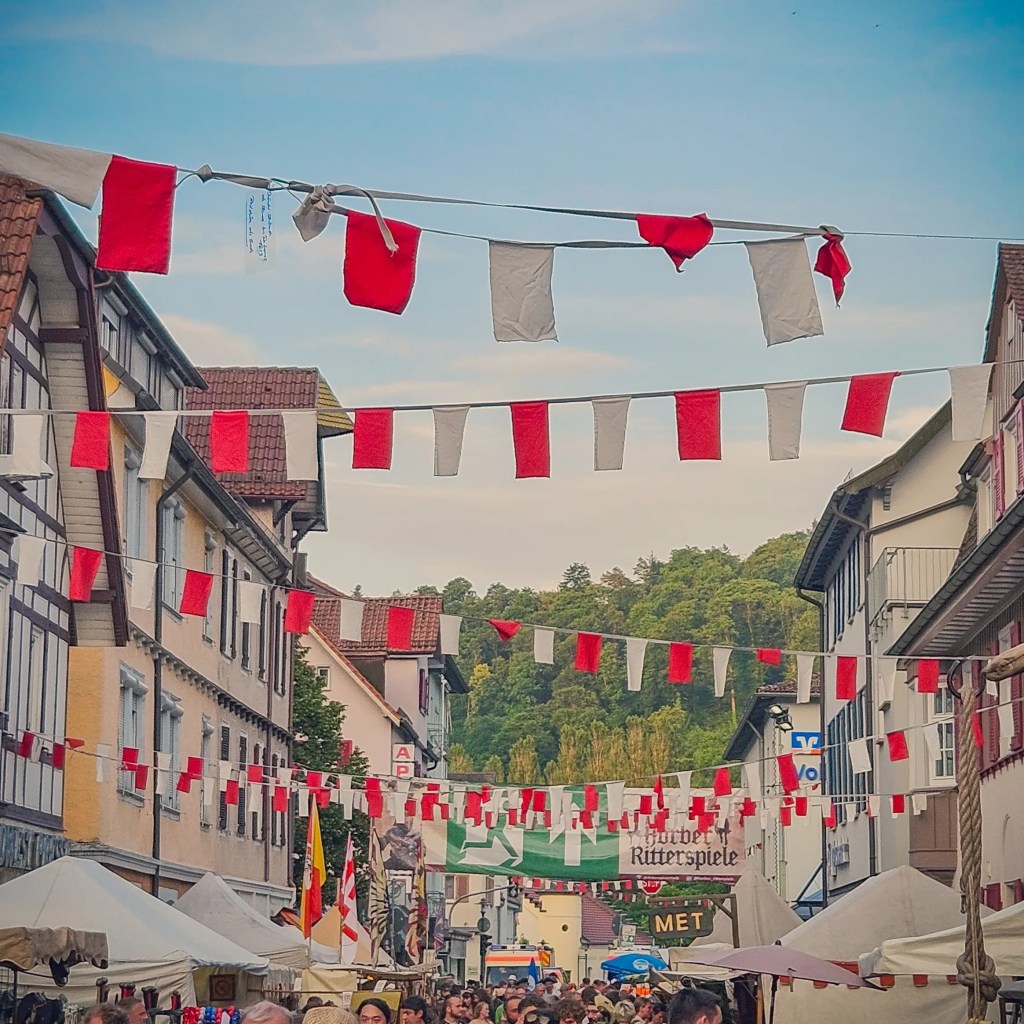
Each June, the charming Neckar River town of Horb am Neckar transforms into a living medieval scene for the Horber Ritterspiele (Horb Knight Games)—the largest medieval festival in Baden-Württemberg. On the third weekend in June, roughly 30,000 visitors step back 500 years to a time of jousts, minstrels, feasts, and kings.
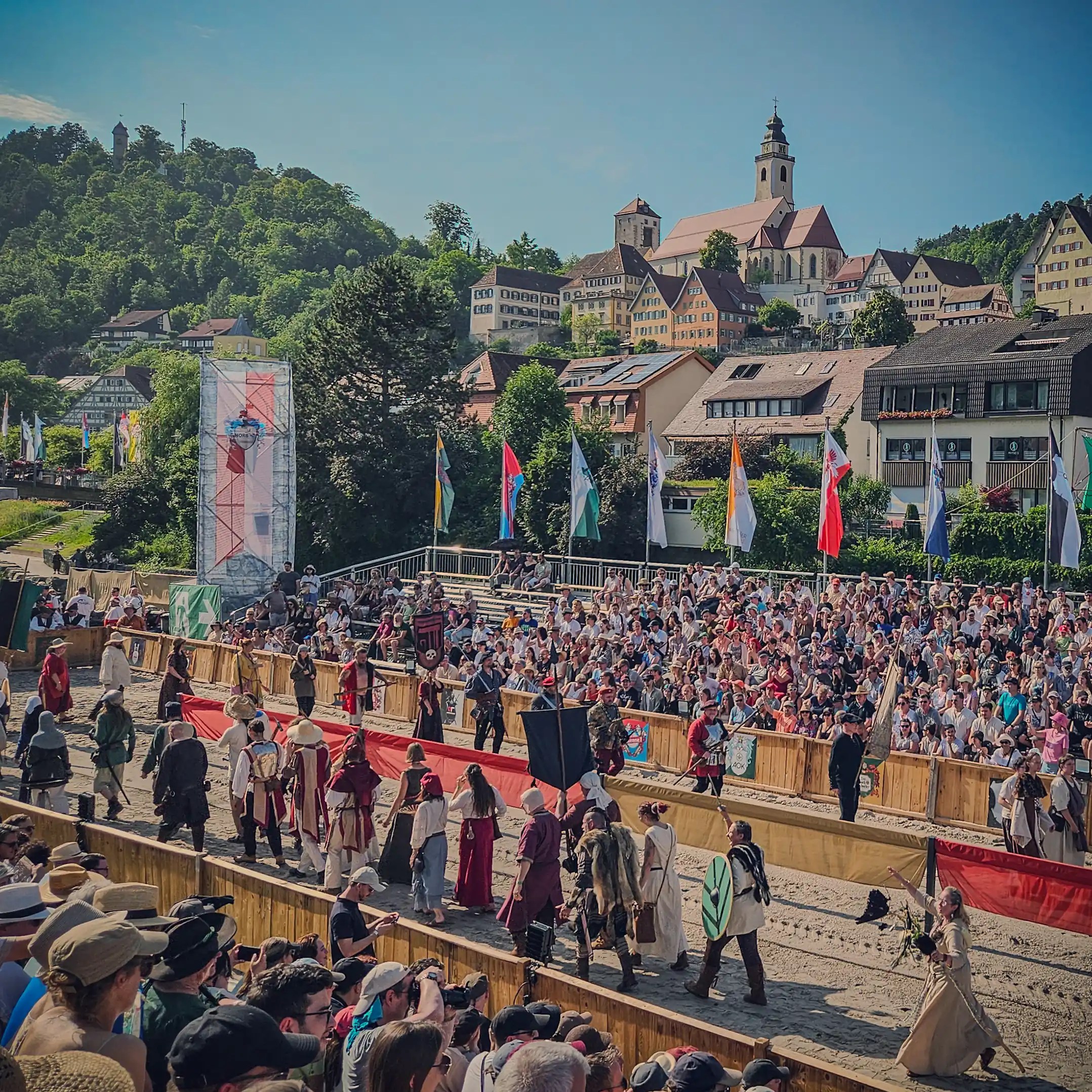
The festival’s roots stretch back to 1498, when the Horber Treaty was signed in Horb am Neckar, bringing an end to a long-standing succession dispute within the Habsburg territories. At the time, Maximilian I—later crowned Holy Roman Emperor—ruled these lands and was a known supporter of knightly tournaments. That historical link inspires the festival’s annual reenactment, where “King Maximilian” and his entourage parade through town before the jousting begins.
We visited for the 2025 celebration and spent the day immersed in the sights, sounds, and flavors of a bygone age—from the clash of lances in the tournament arena to a peaceful mead tasting on the Neckar River.
Exploring Horb Before the Games
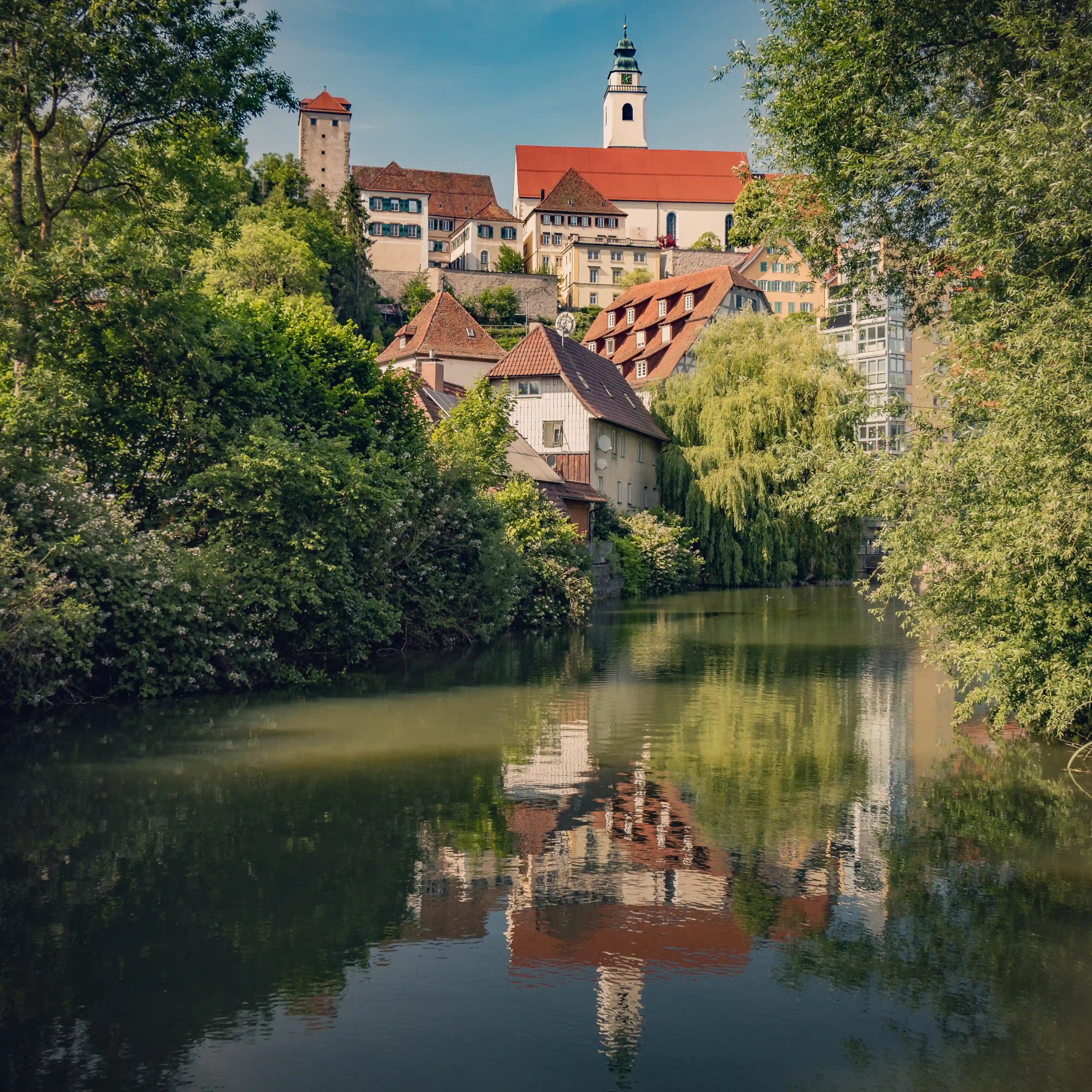
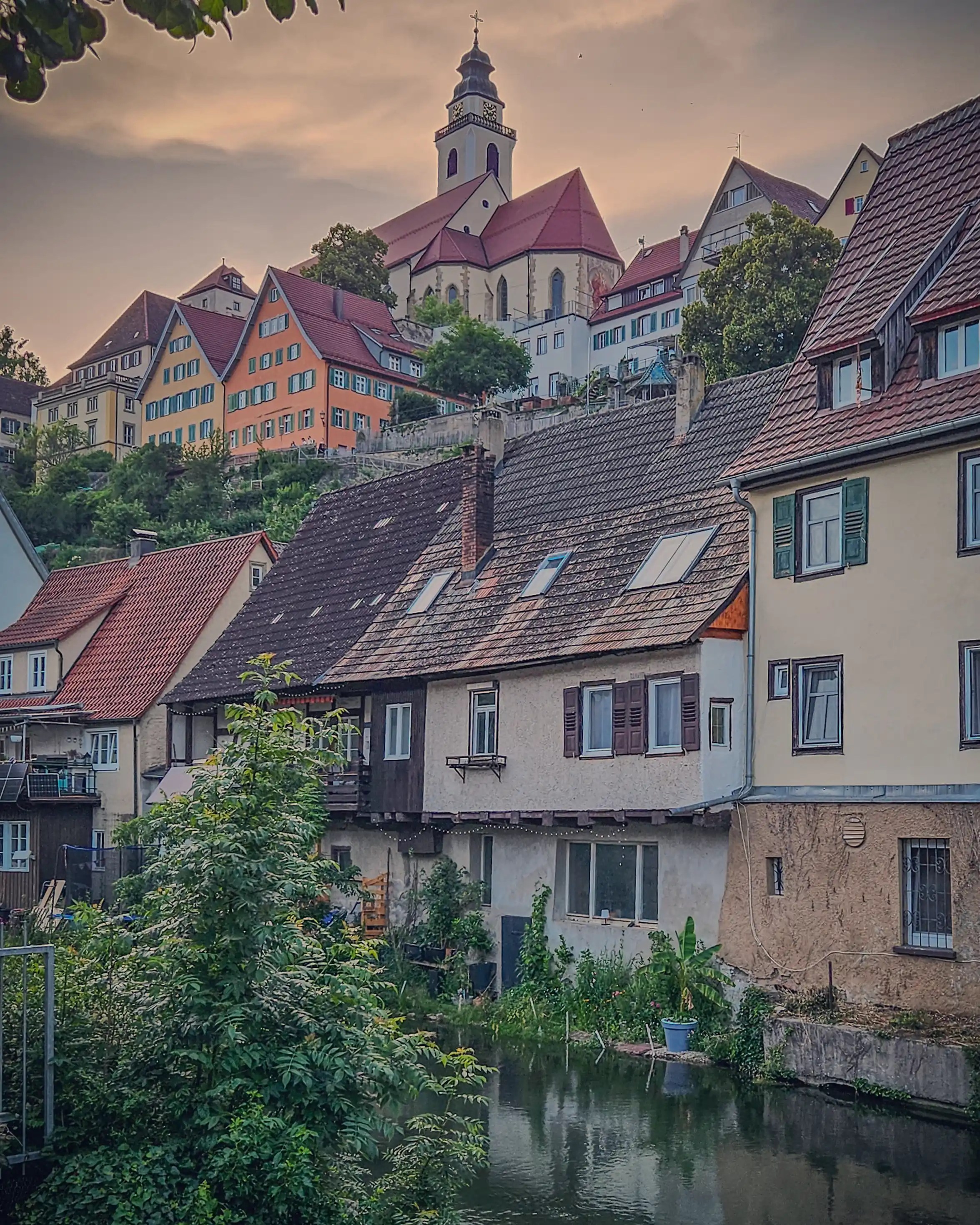
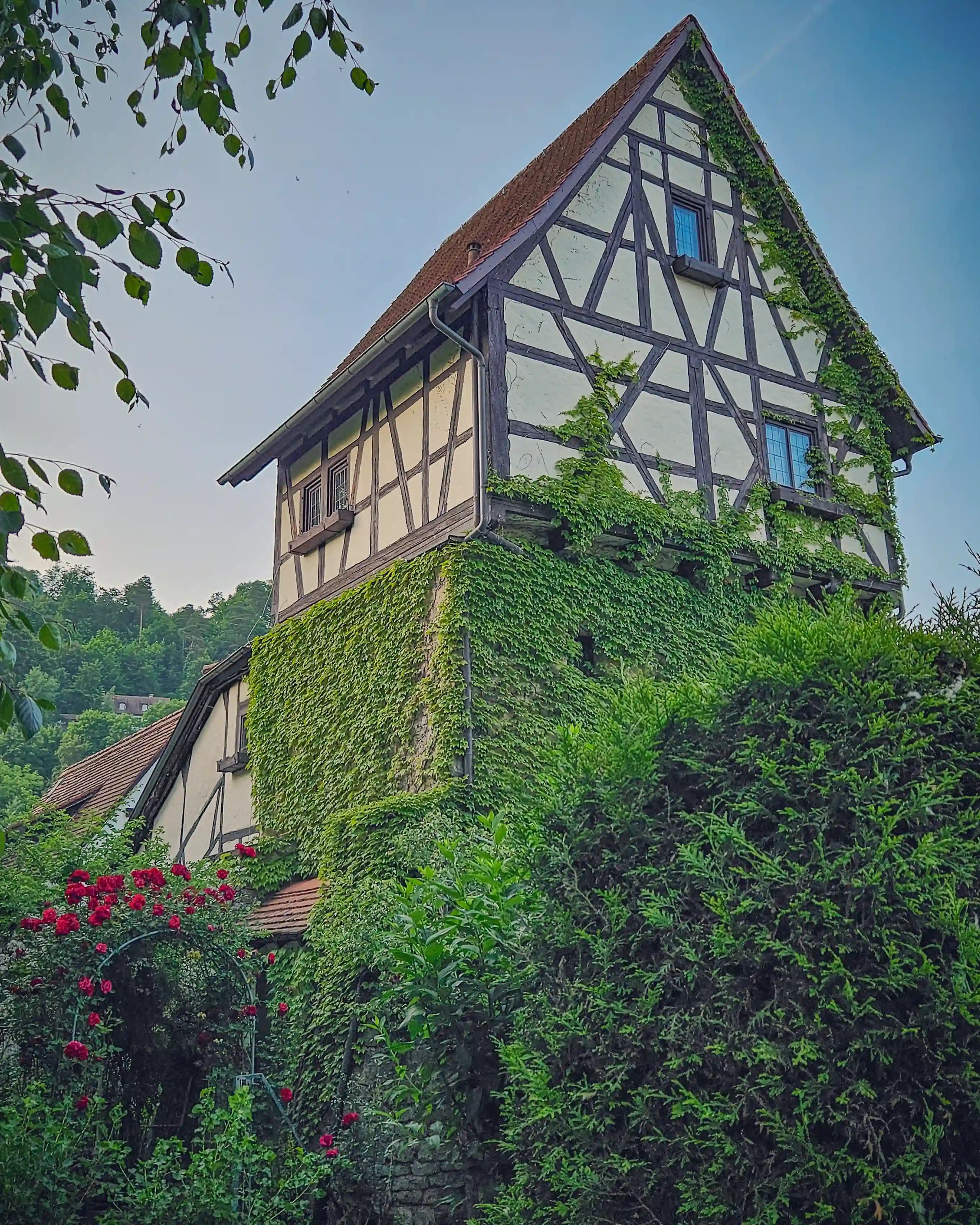
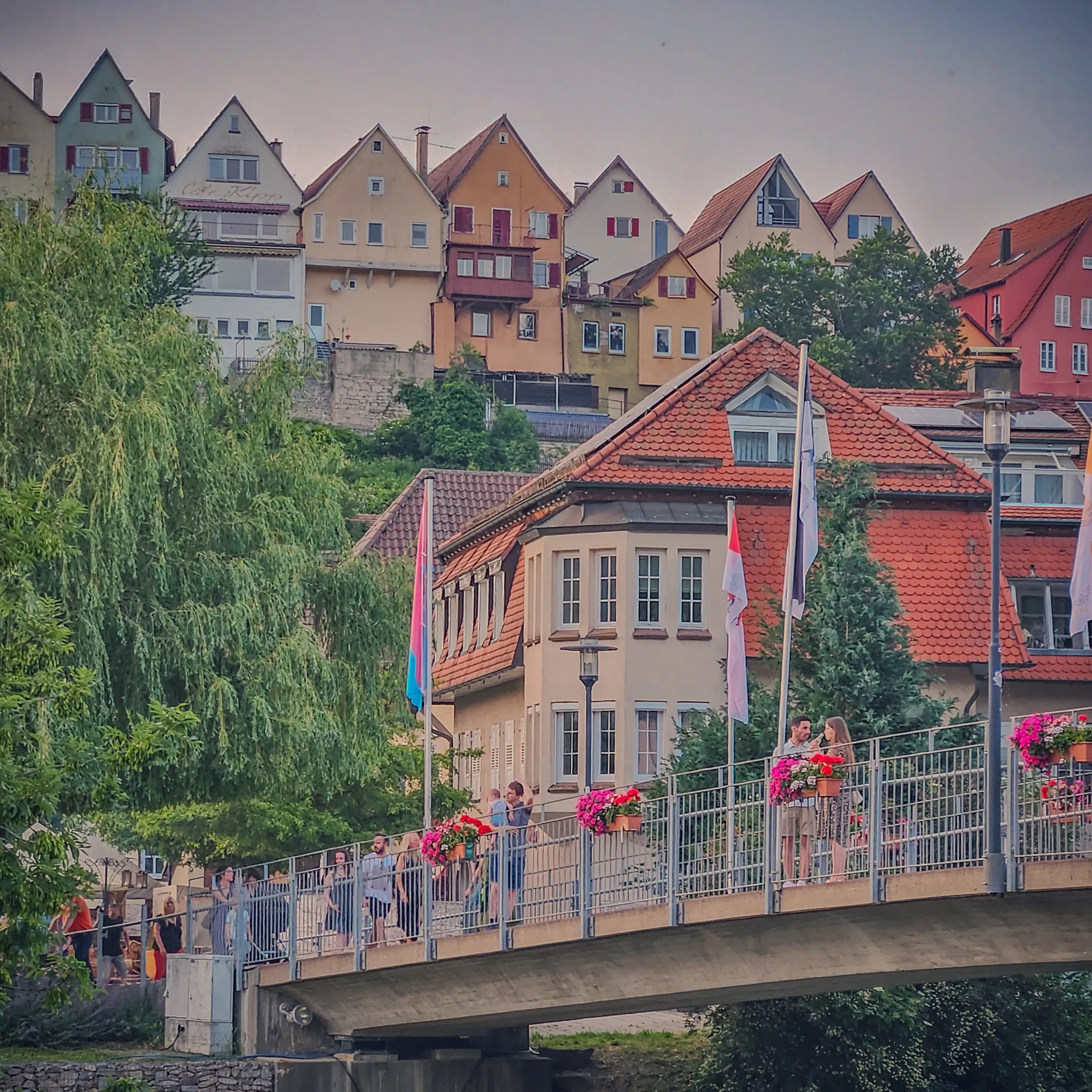
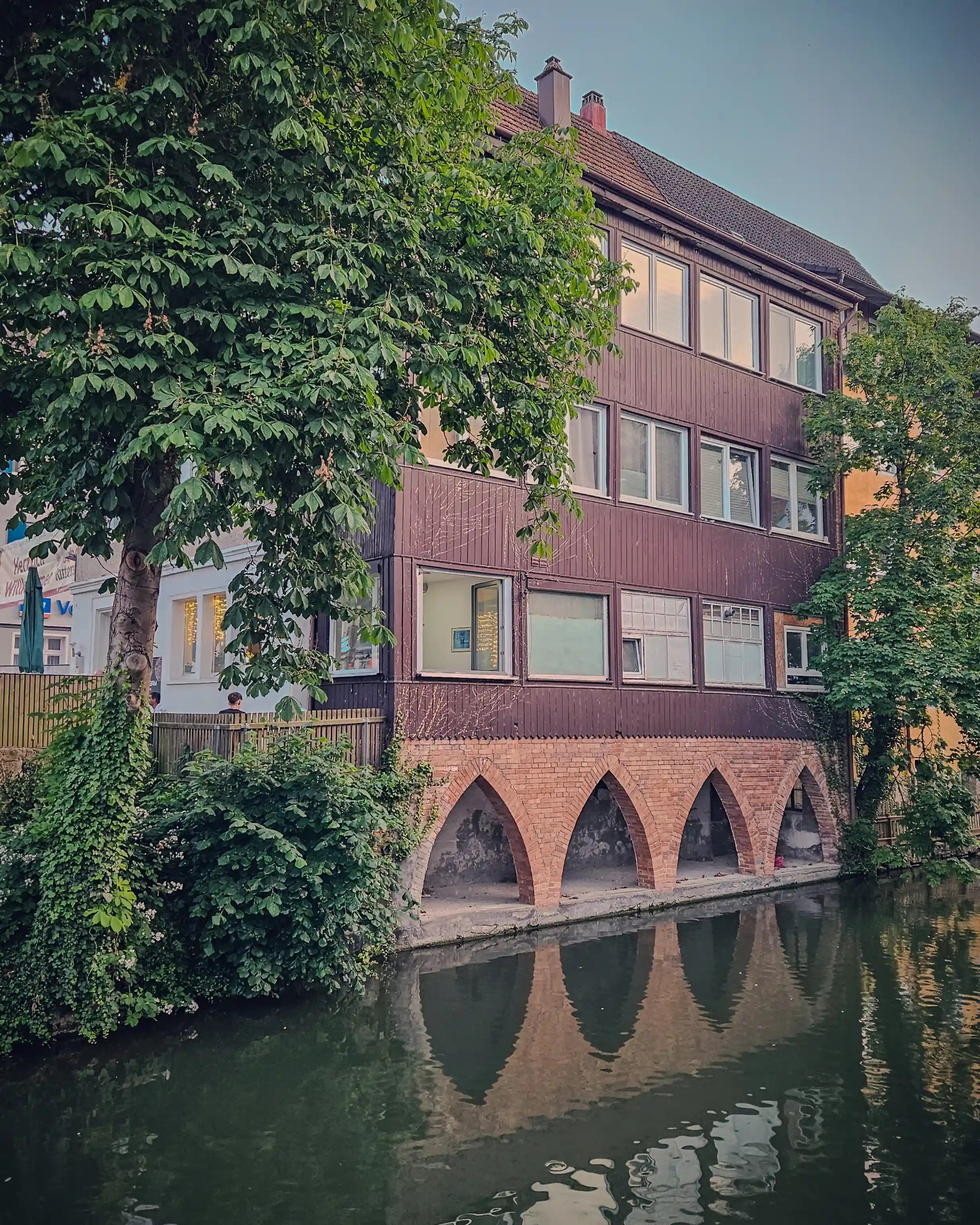
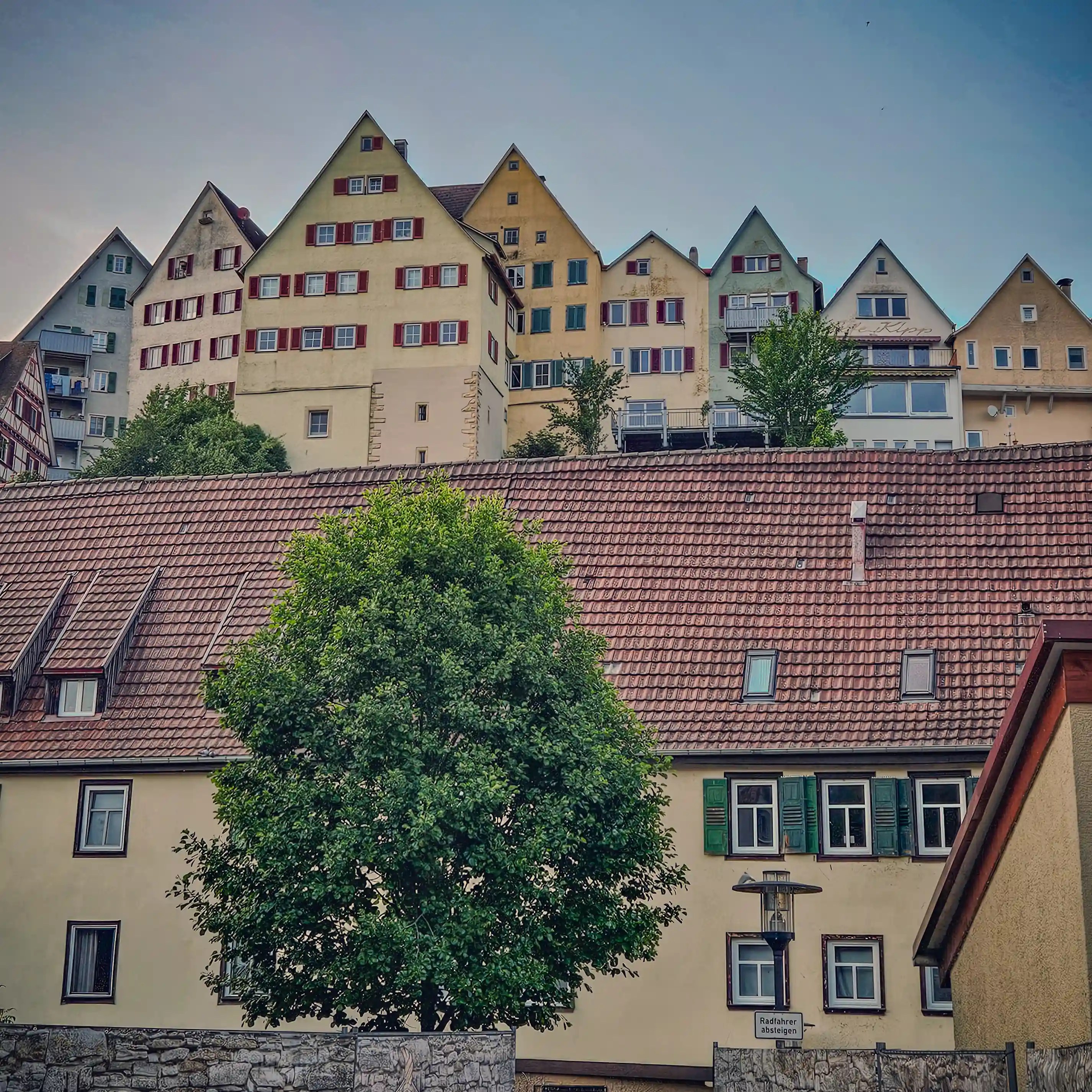
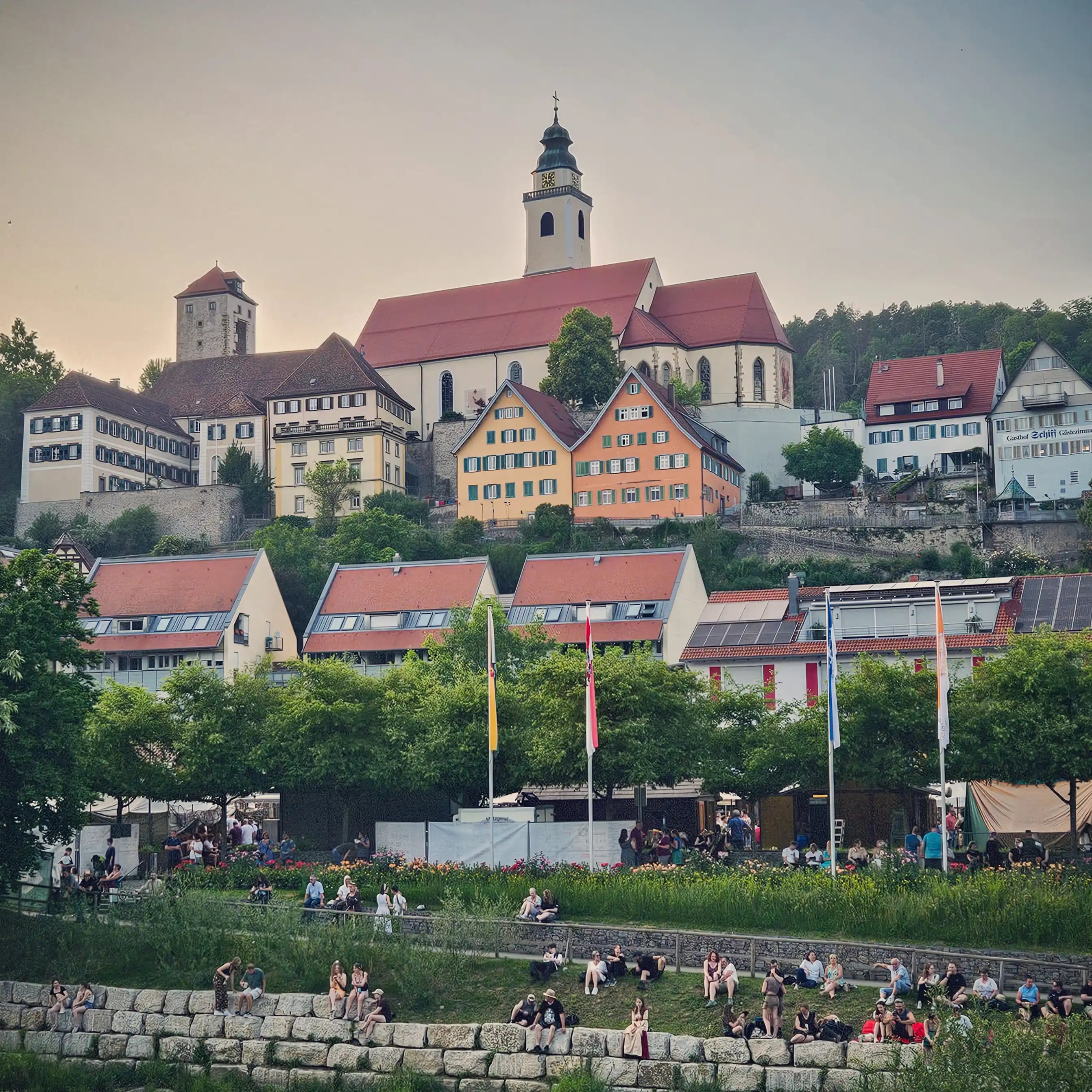
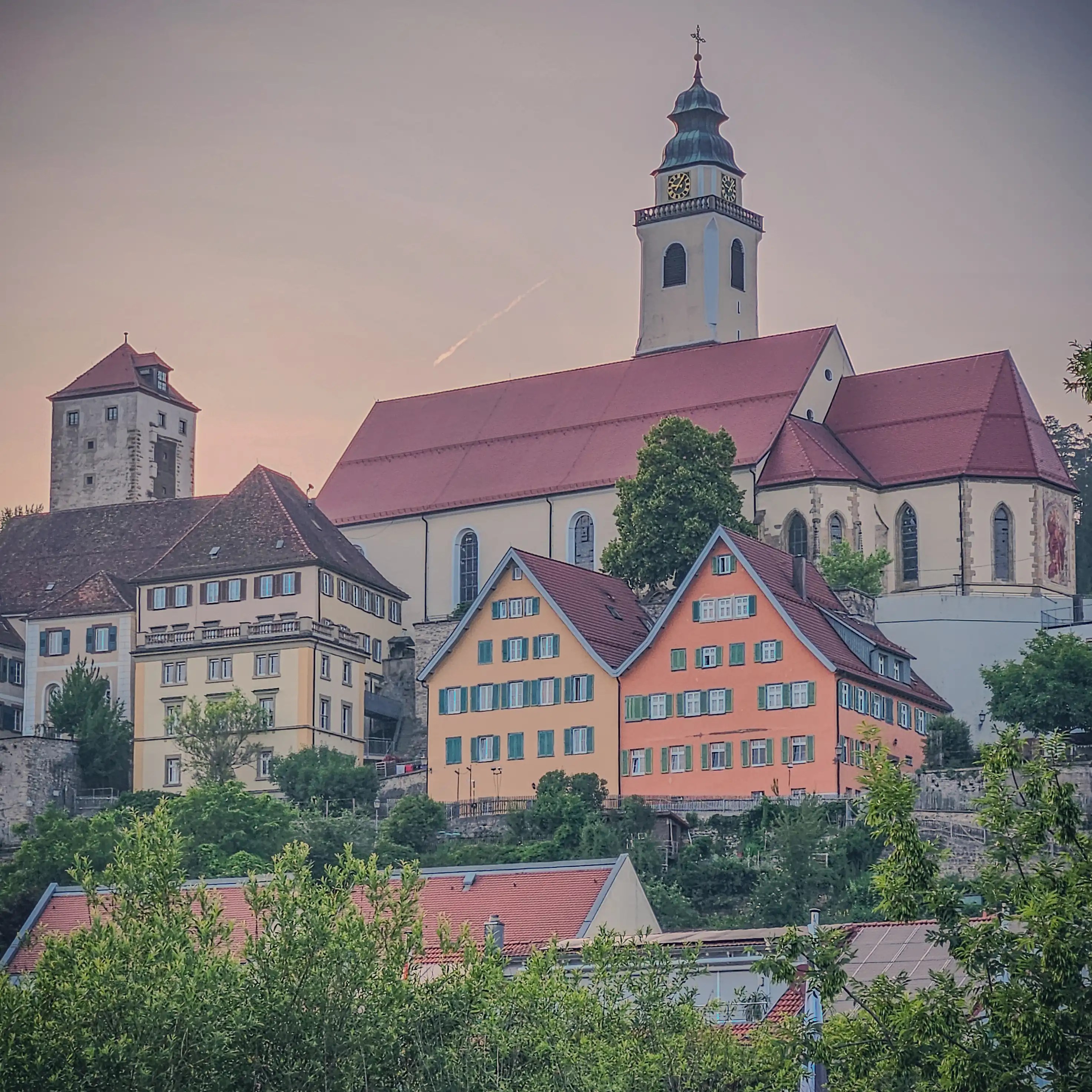
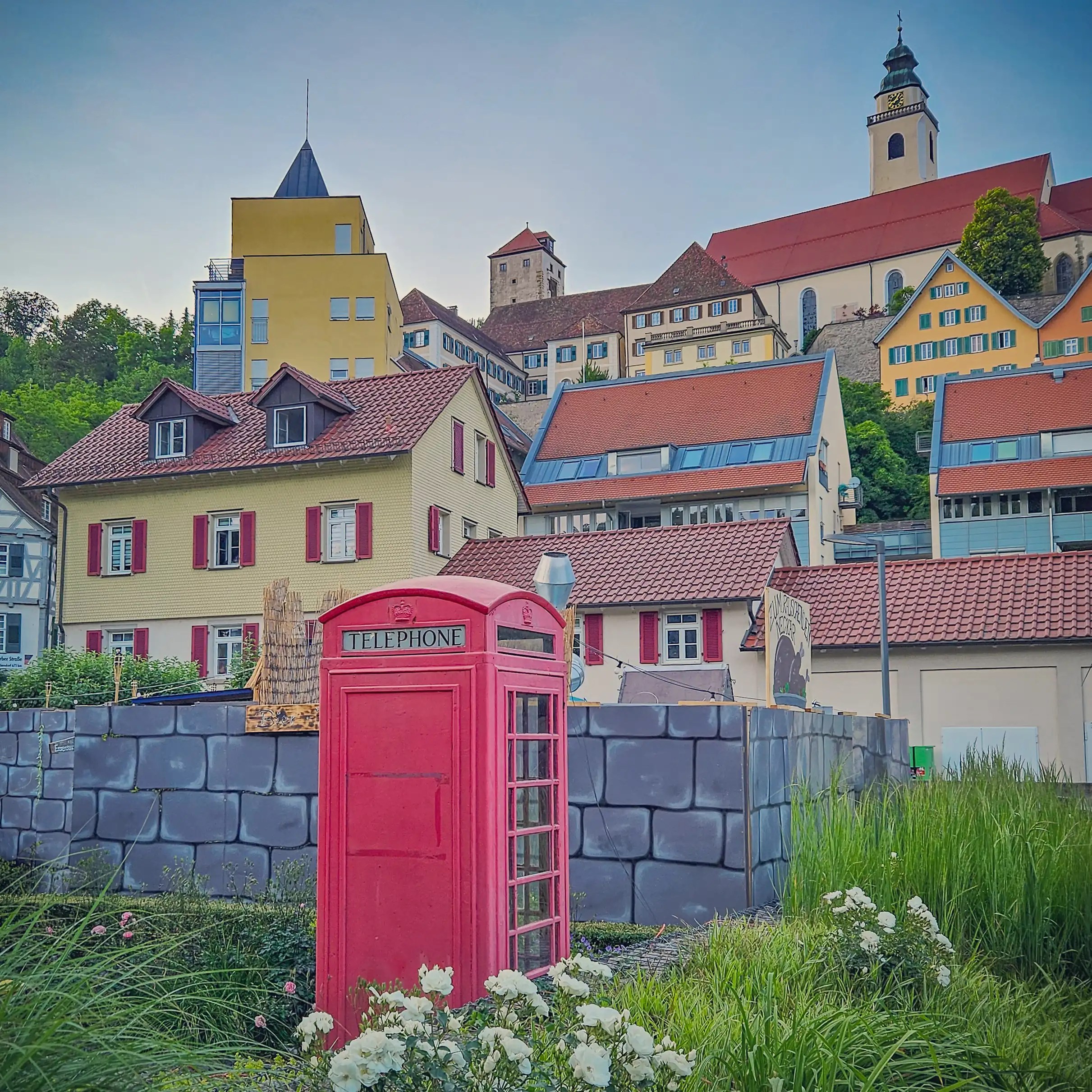
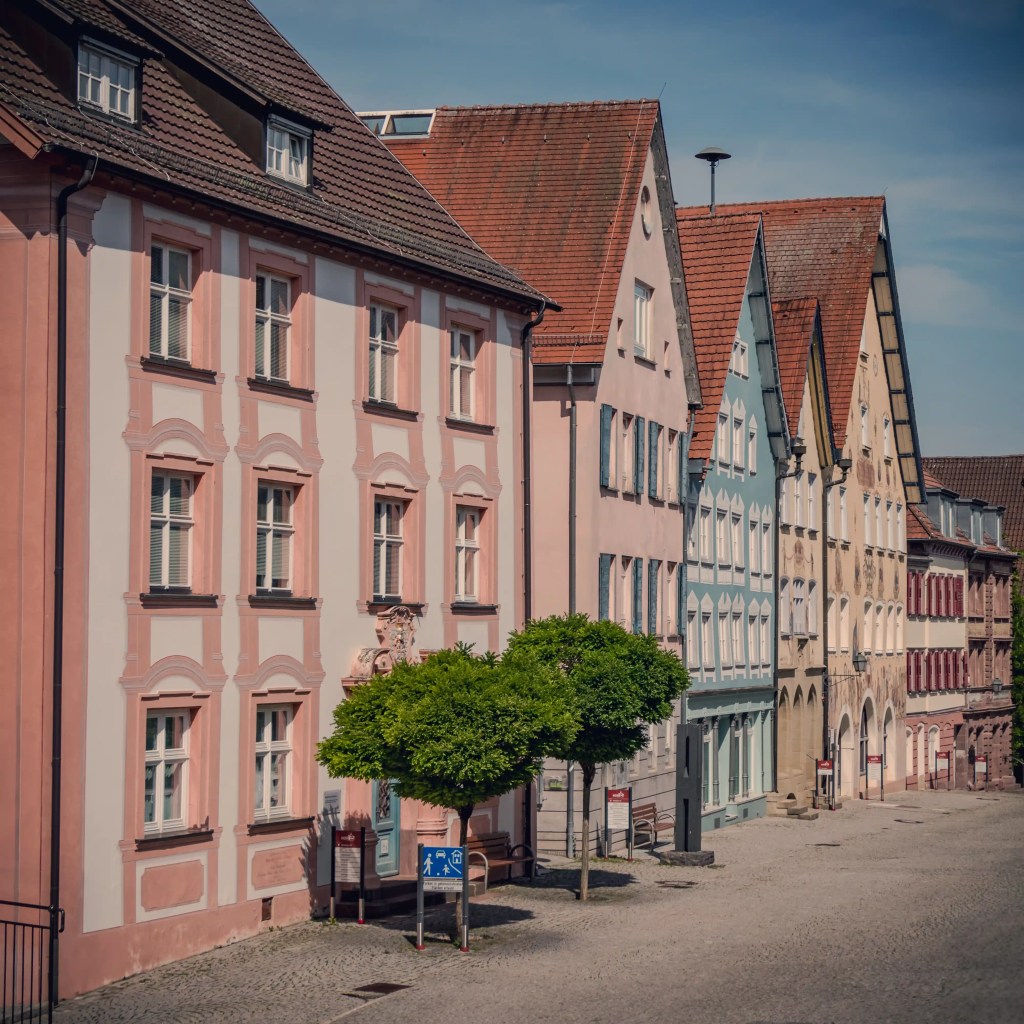
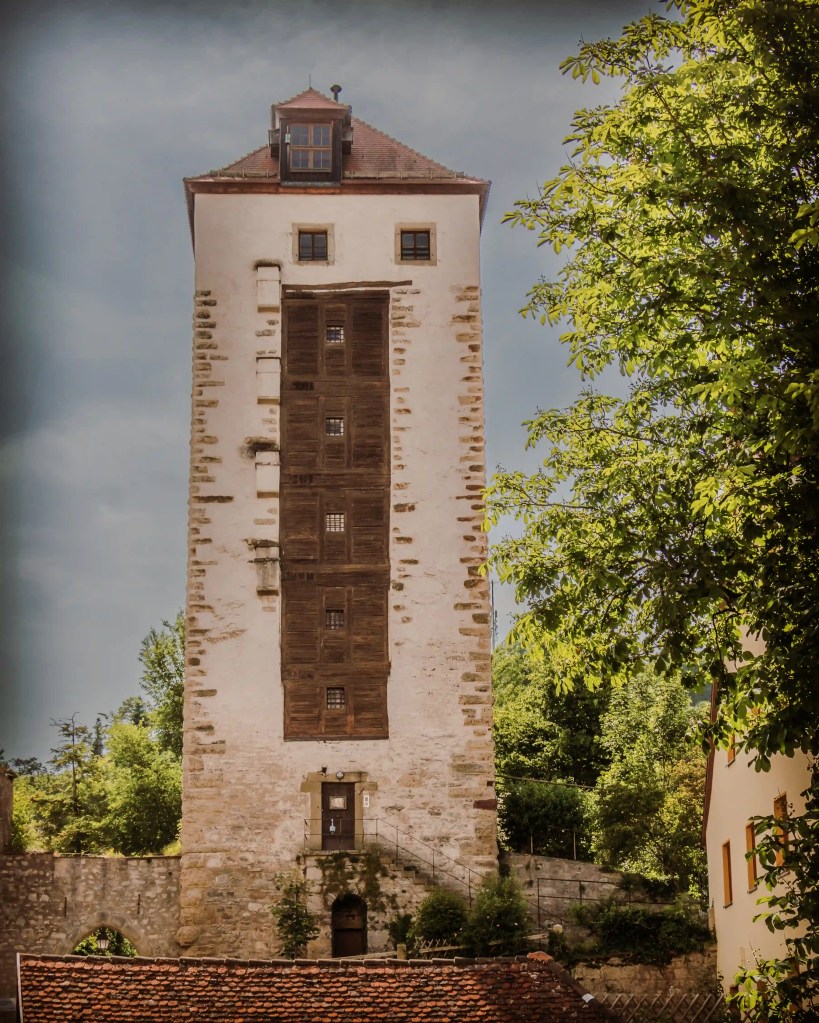
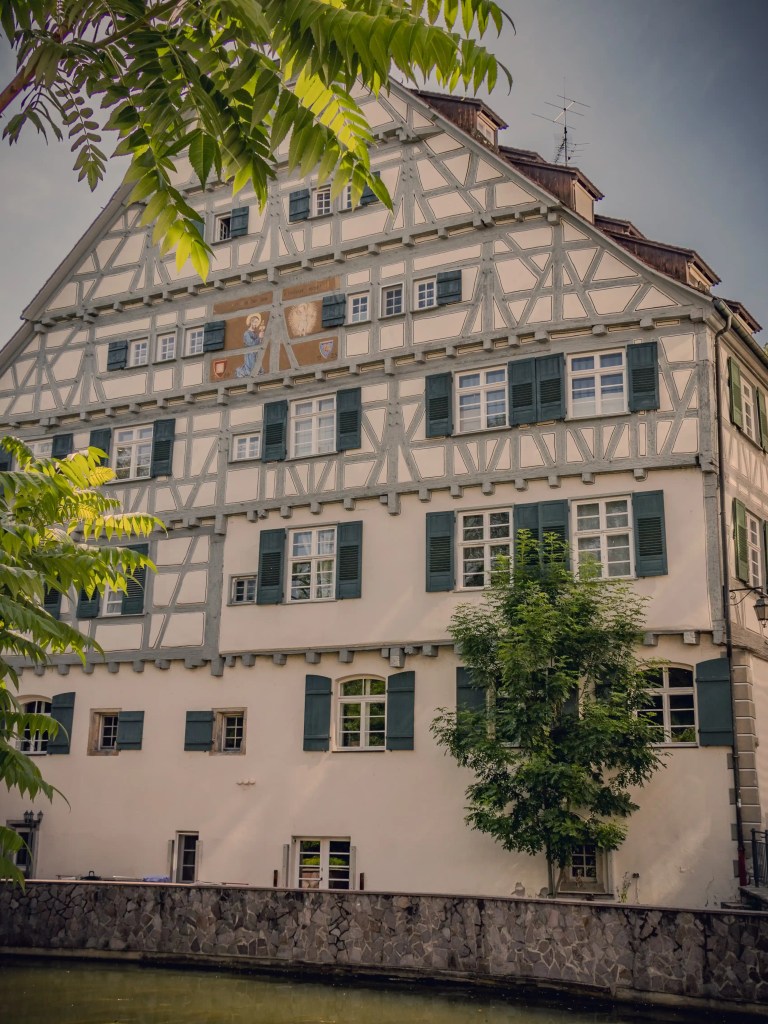
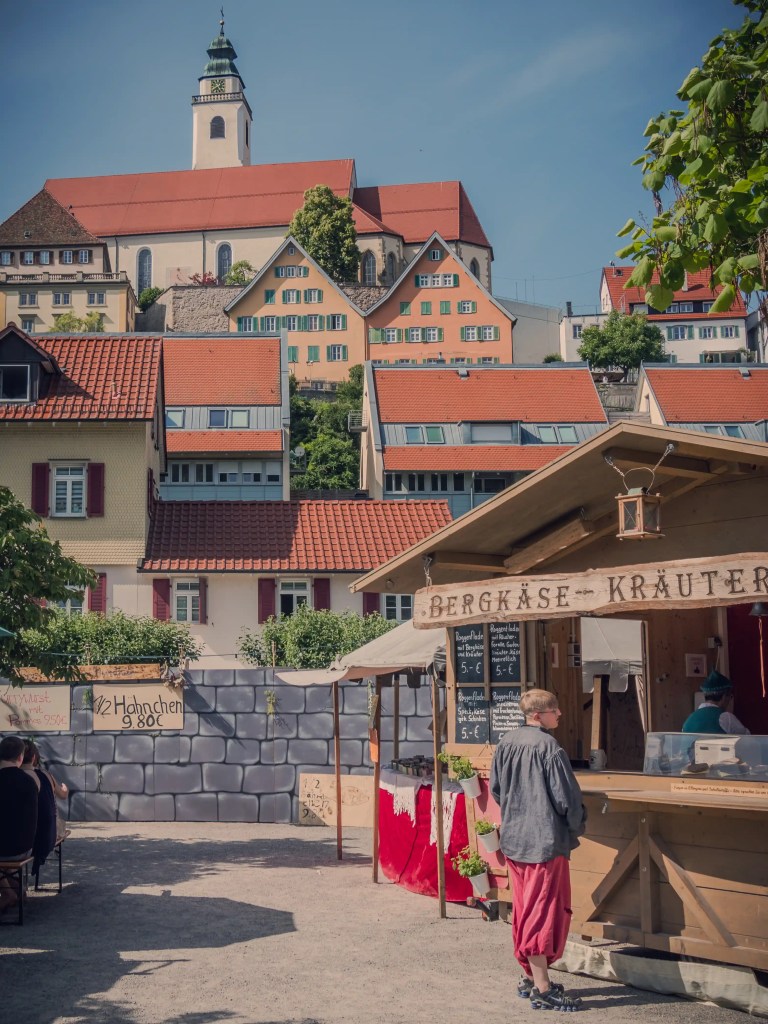
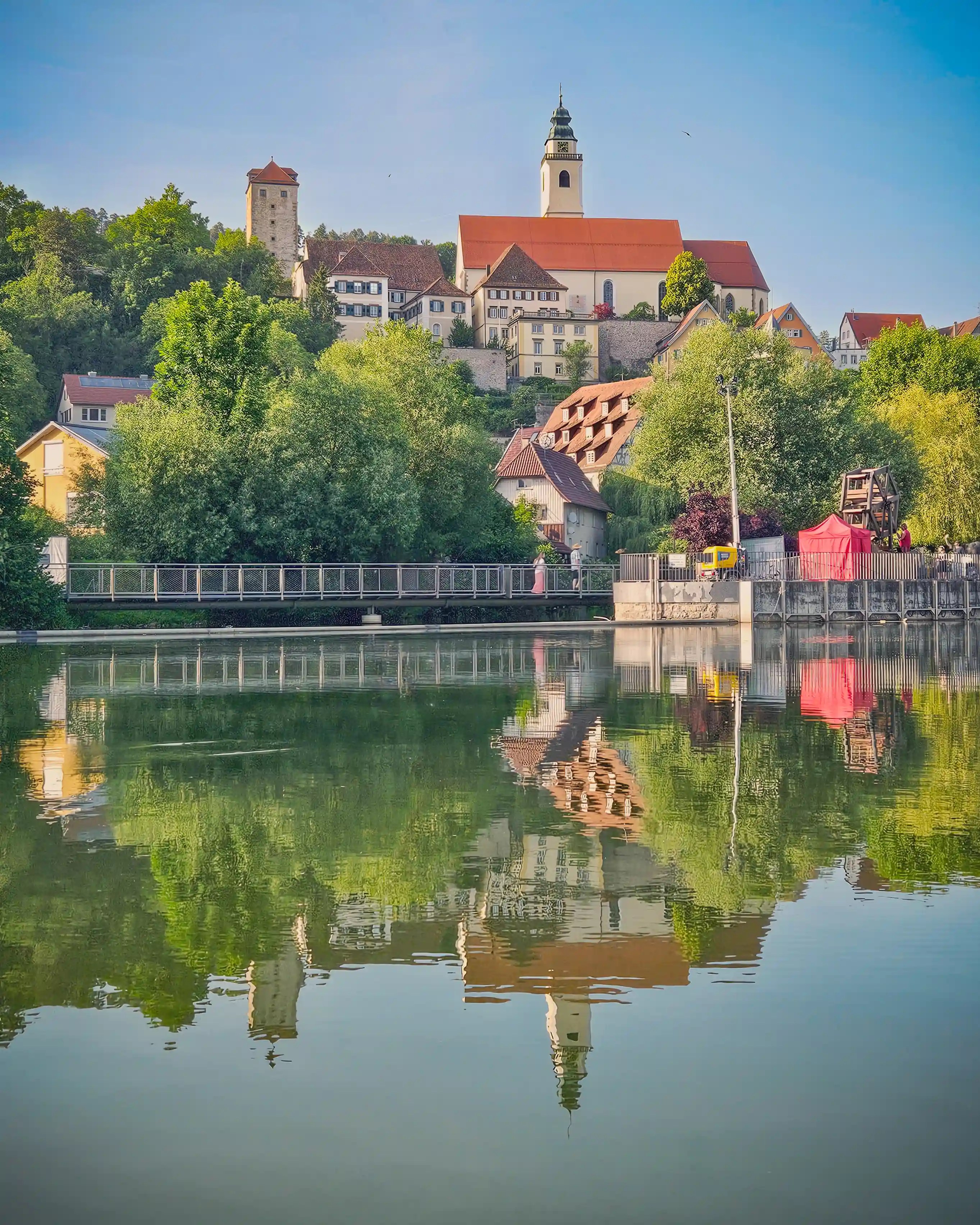
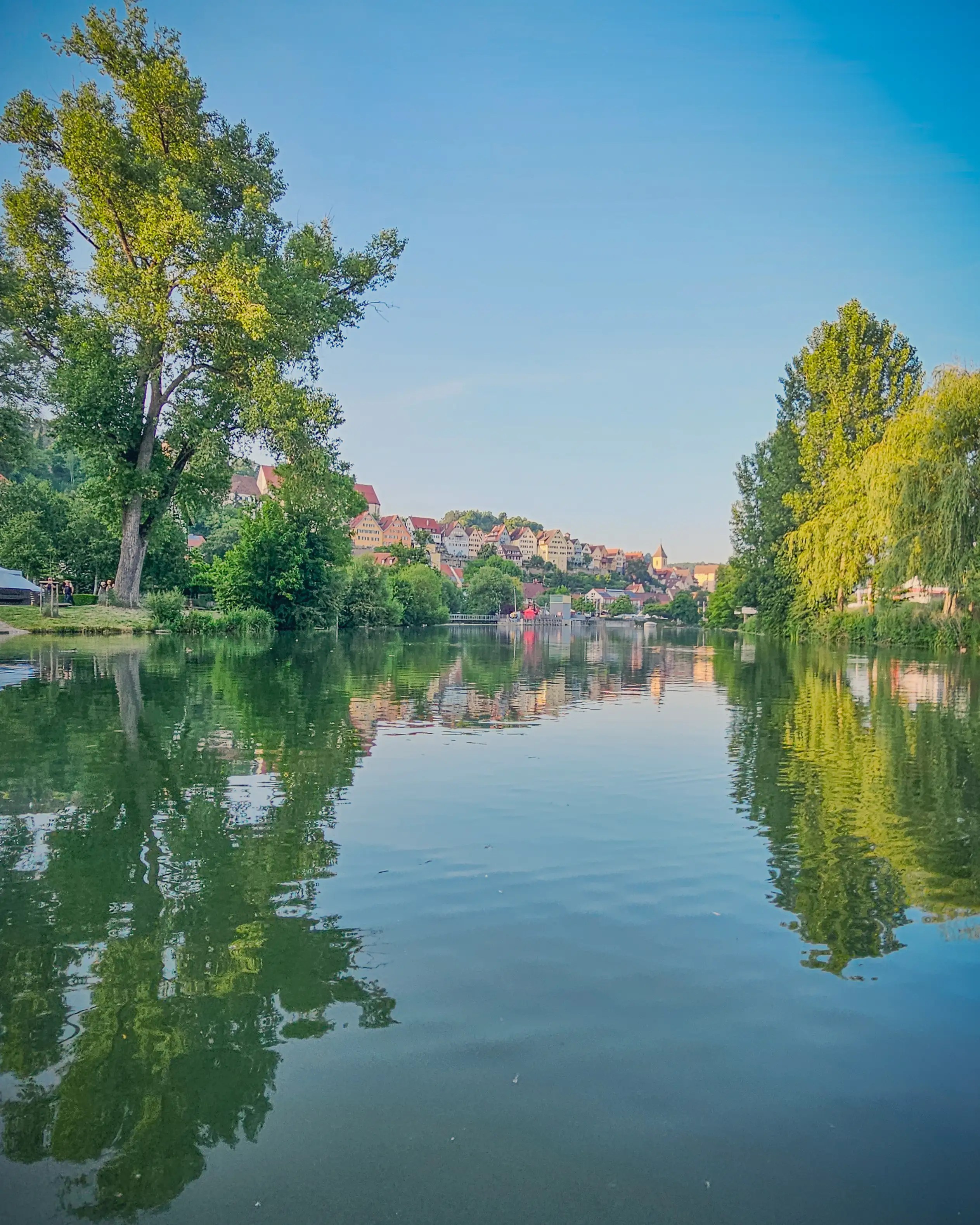
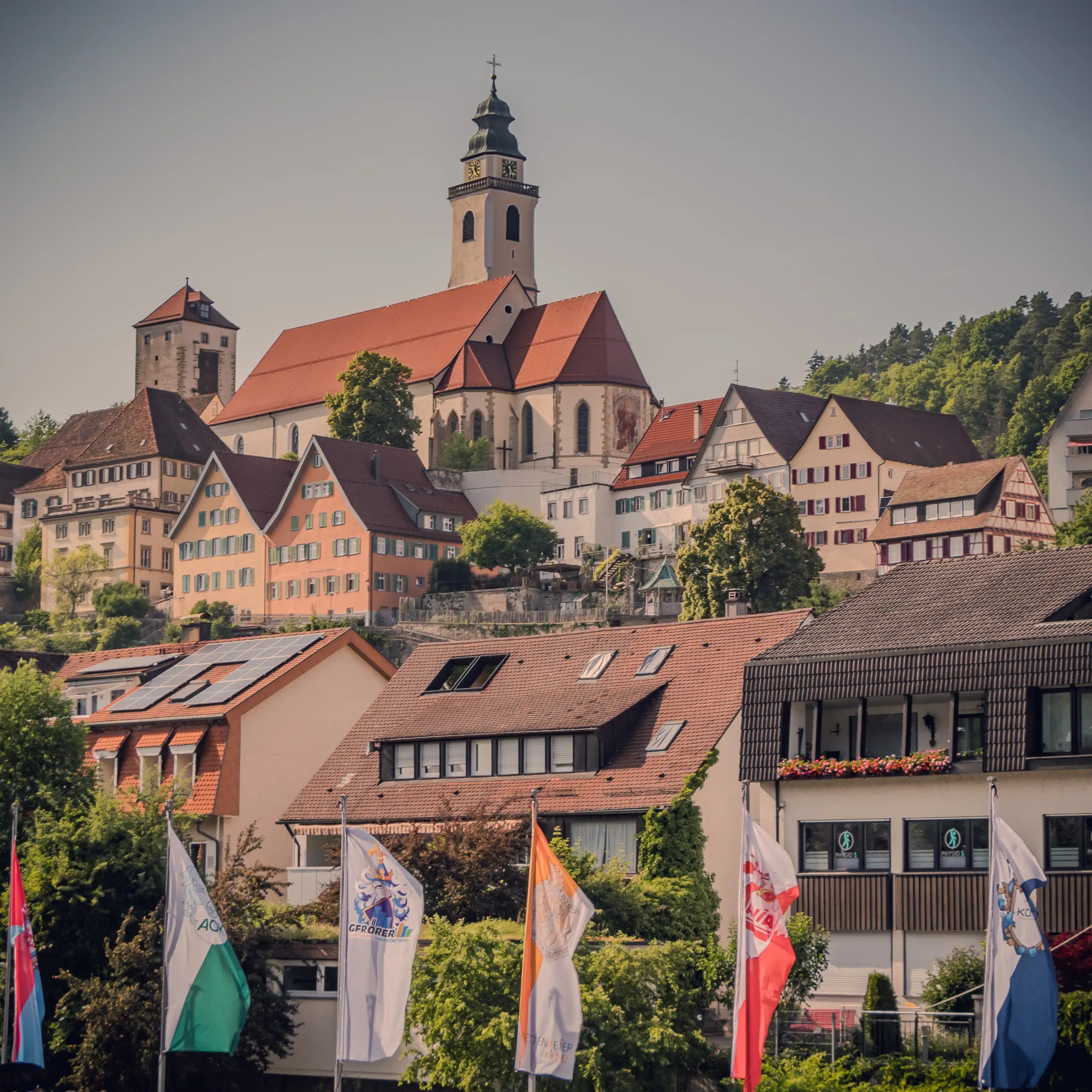
Arriving a bit early gave us the chance to wander Horb’s old town before the festival crowds filled the streets. Tucked along the Neckar River between the Black Forest and the Swabian Alb, the town’s pastel houses, timber-framed buildings, and terracotta rooftops climb steeply from the water up to Stiftskirche Heilig Kreuz (Collegiate Church of the Holy Cross), which has watched over Horb for centuries.
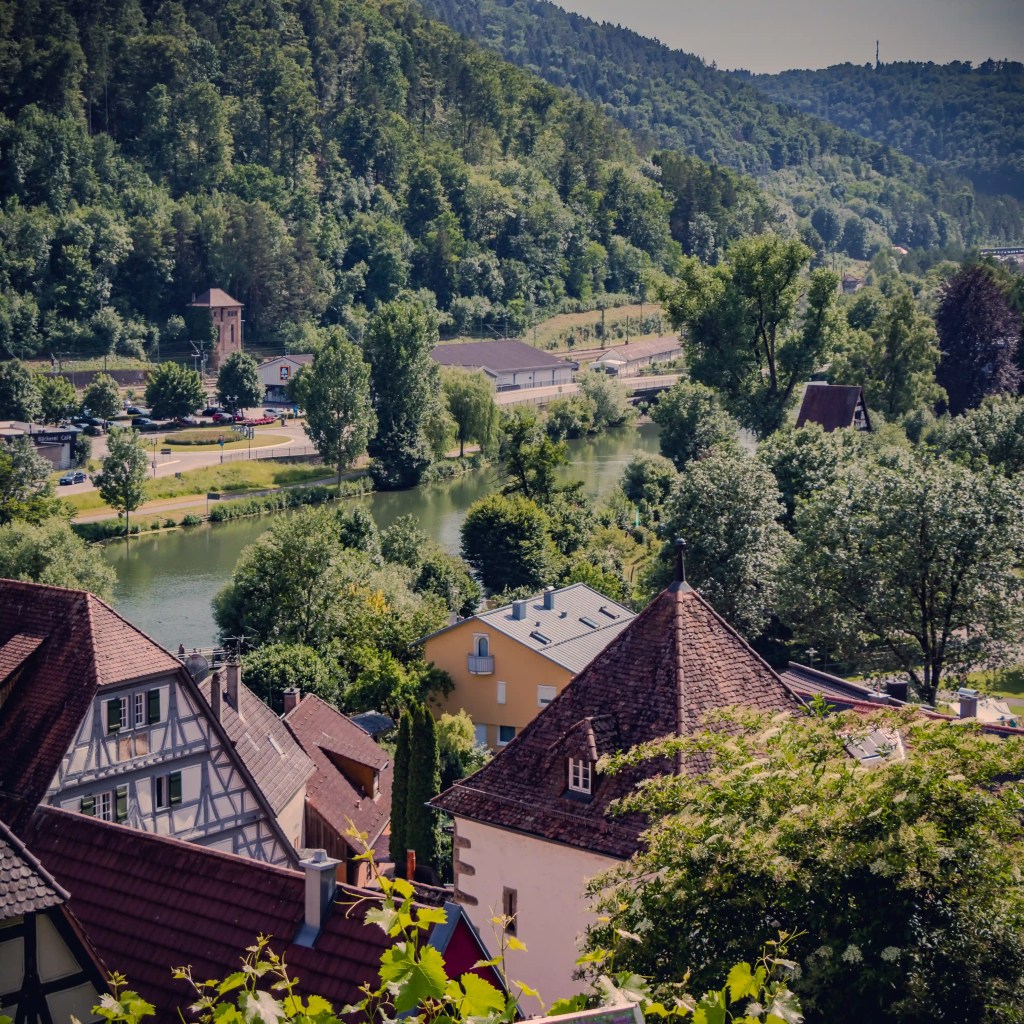
The climb up the hill is short but steep, and the reward is worth it—panoramic views over the Neckar Valley and the surrounding Black Forest foothills. From up here, it’s easy to imagine how this town looked 500 years ago, when horsemen rode into its market square for real tournaments.
The Medieval Market
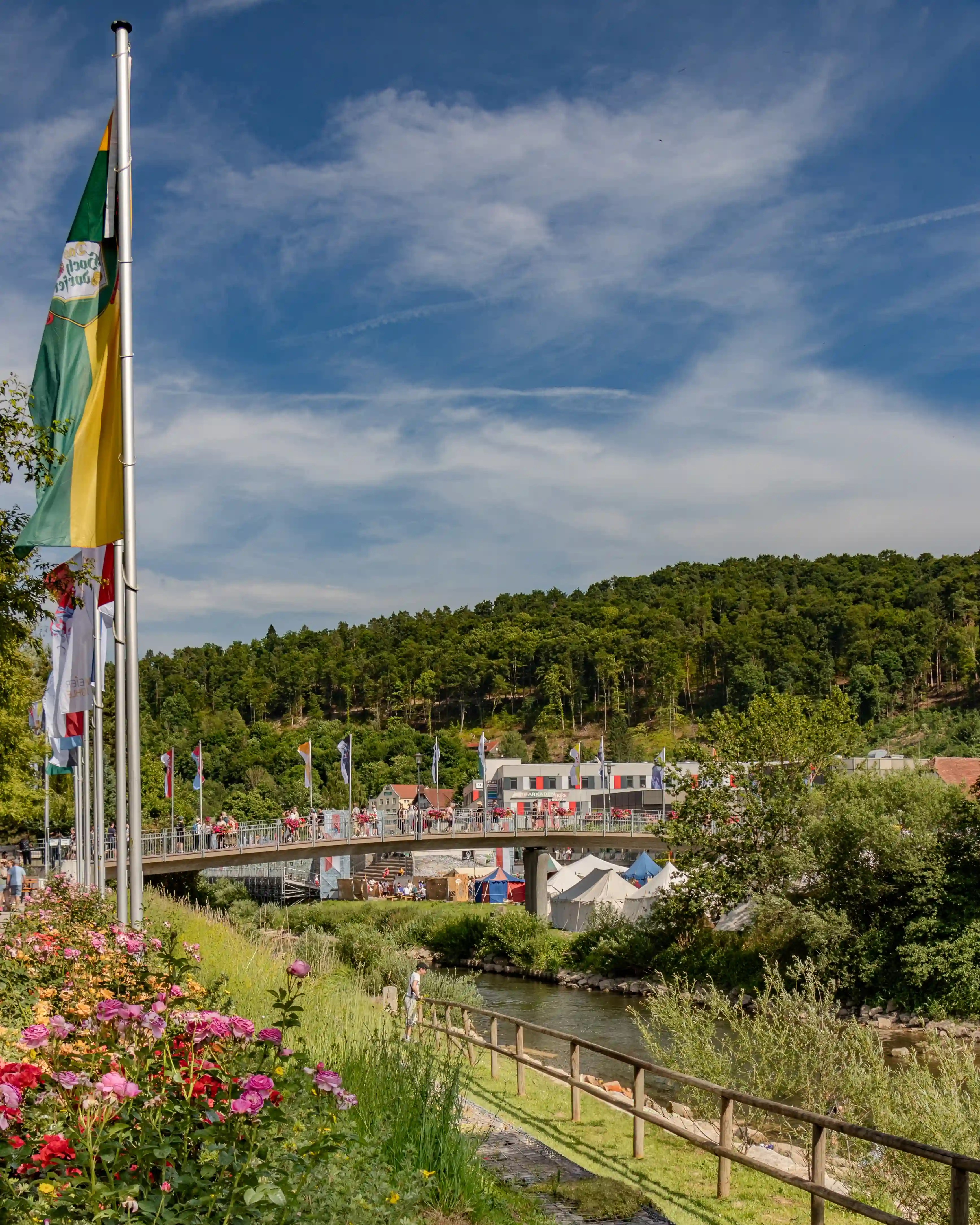
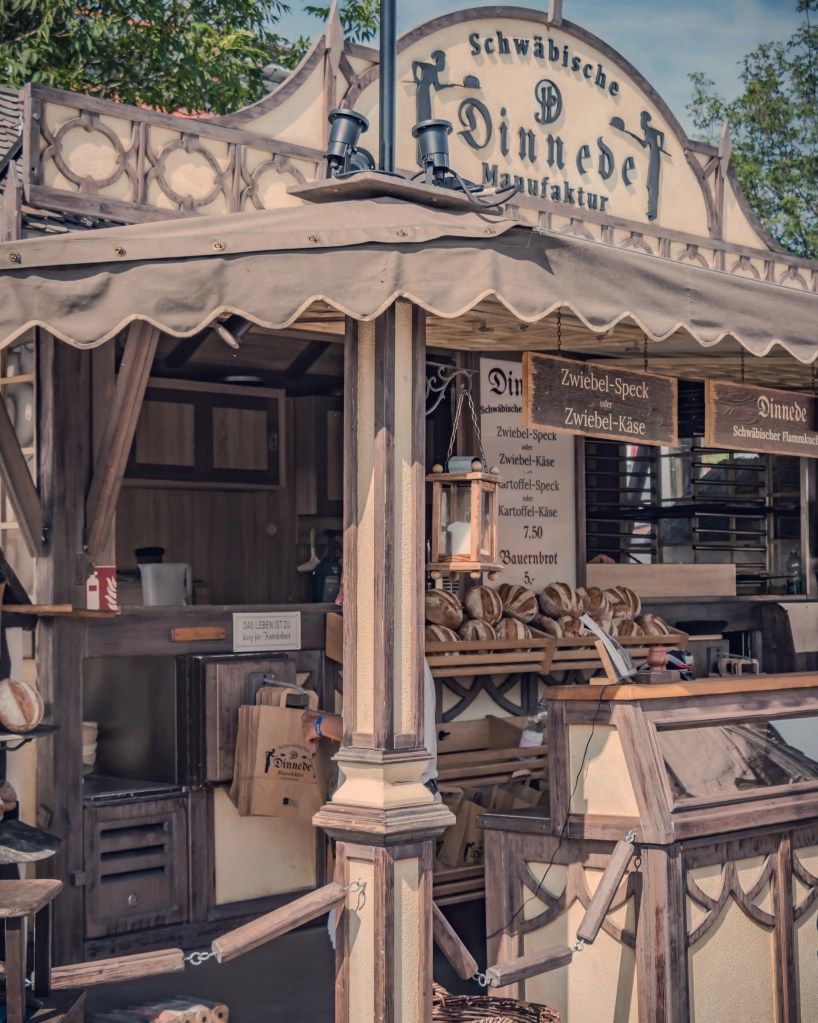
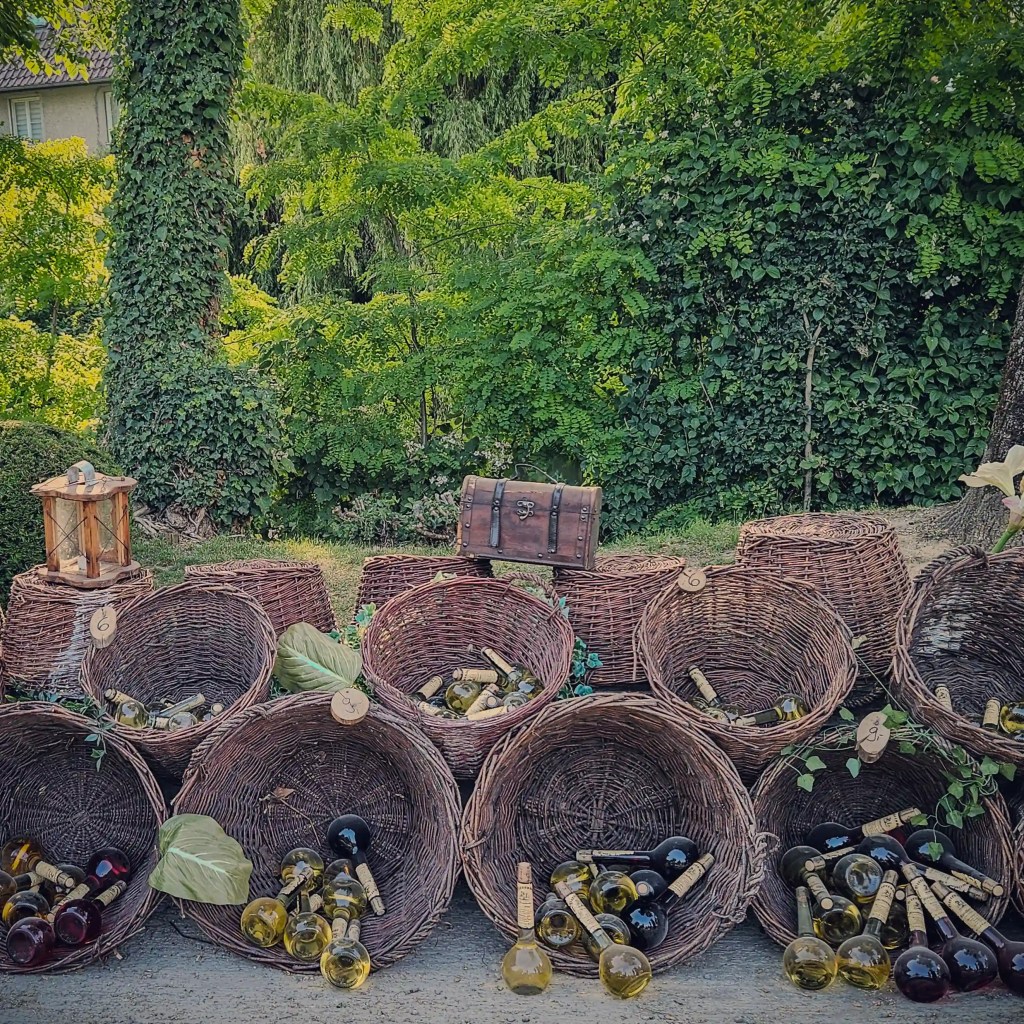
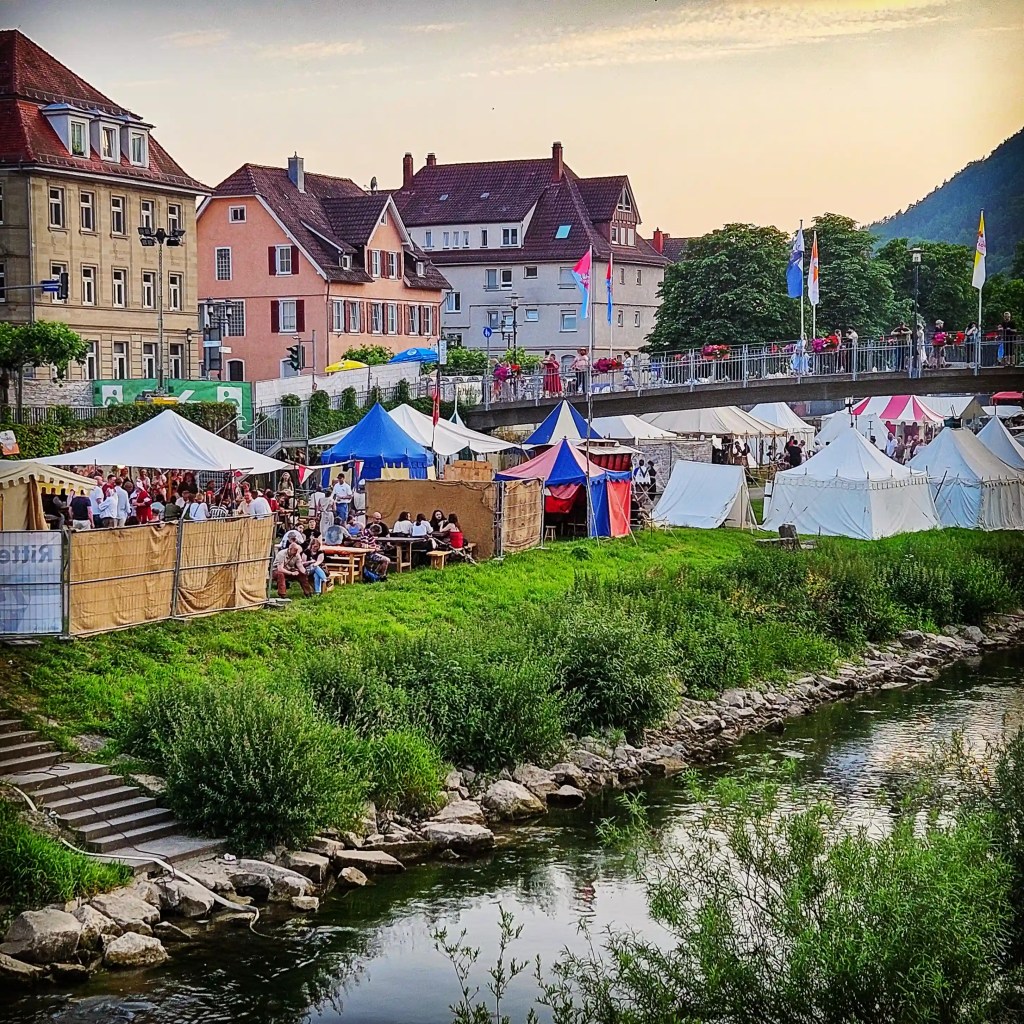
Back at river level, the festival’s medieval market was in full swing. The stalls here aren’t just for show—they’re run by craftspeople in period dress, offering hand-thrown pottery, woven baskets, leather goods, glass painting, candles, and handmade soaps. Street performers, jugglers, and stilt walkers roamed between the booths, while the smells of roasting meat and fresh bread drifted through the air.
Food options ranged from sizzling skewers and wood-fired Dinnede (flatbreads) to half rotisserie chickens with potato salad, along with sweet and savory festival treats like Stockbrot (bread dough on a stick roasted over an open fire) and Nussschnecken (nut-filled pastry swirls)—all washed down with plenty of beer or mead.
The Knight Tournament
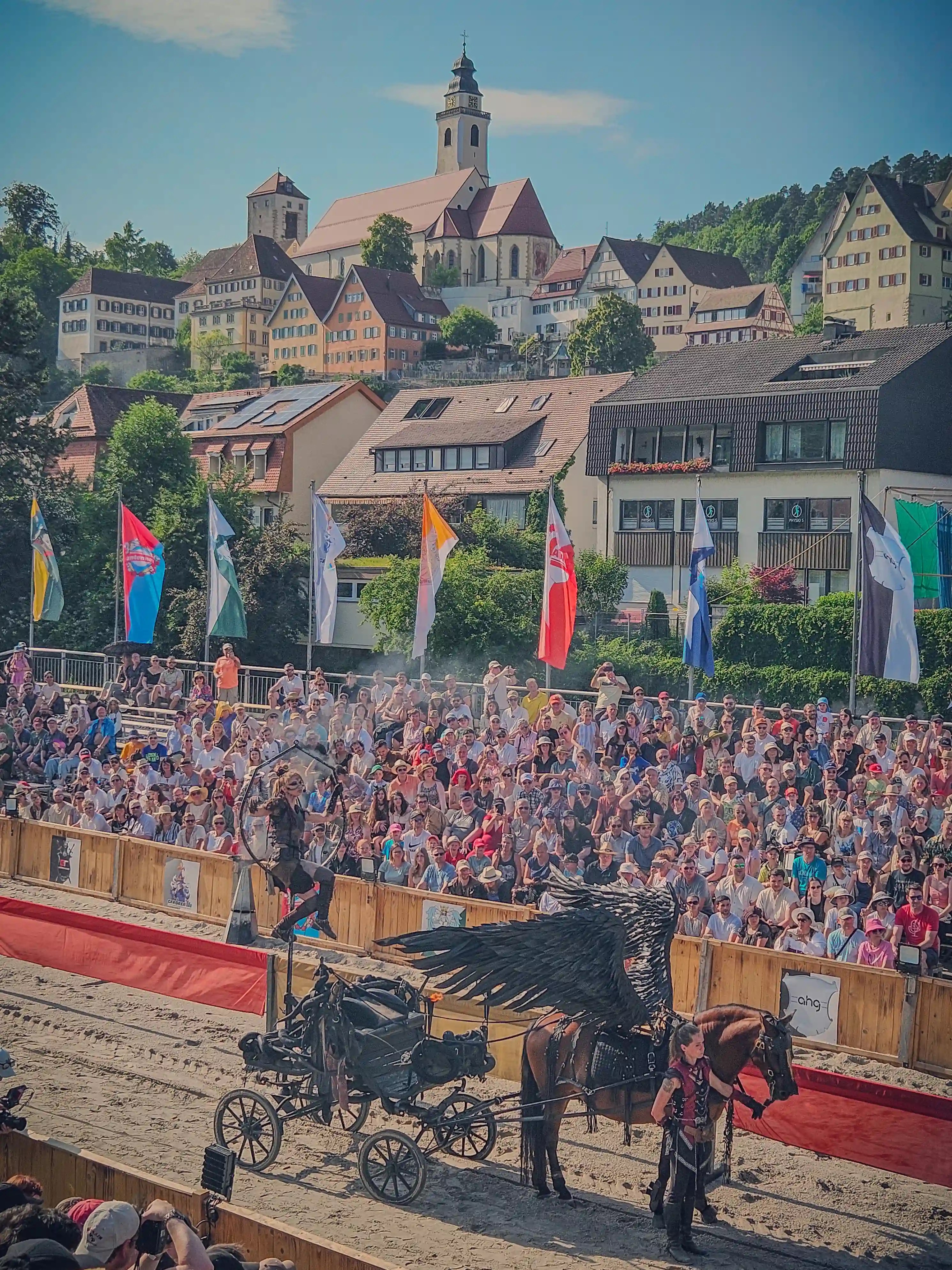
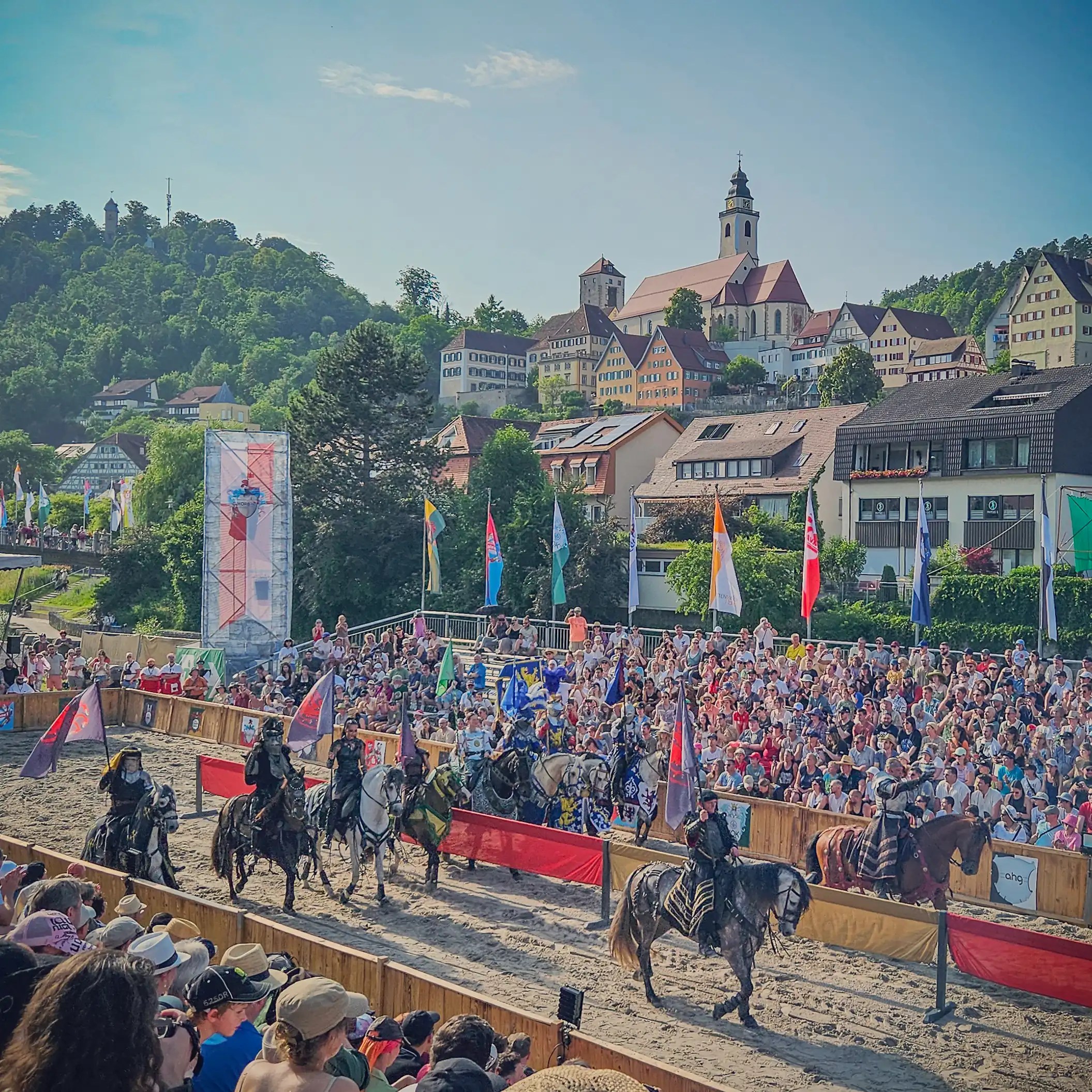
The heart of the Horber Ritterspiele is the tournament arena, where jousts, games, and stunt riding unfold before a cheering crowd. Even without understanding the German commentary, the spectacle spoke for itself—knights in gleaming armor charged down the field on powerful horses, aiming lances with precision.
We saw sword fights, obstacle challenges, and even a “winged” horse trot into the arena. If you are there on a very hot day like we were, you may want to consider where you sit. Each section of the grandstand offers a different experience: our seats on the south side of the arena had no built-in shade, but being in the last row meant we could retreat under the nearby trees when needed. If you prefer to avoid the sun entirely, aim for seats in the small west section of the arena.
A Mead Tasting on the Neckar
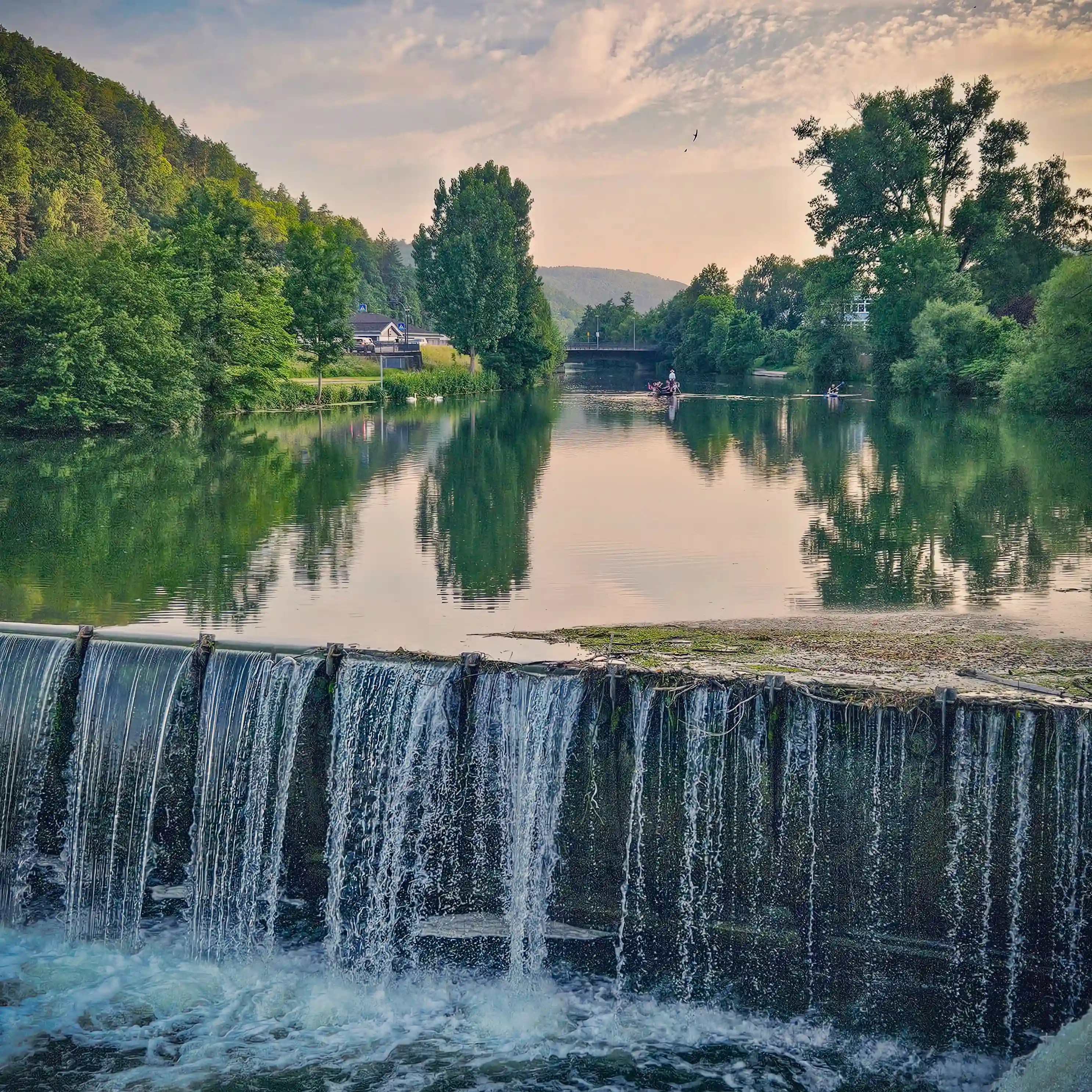
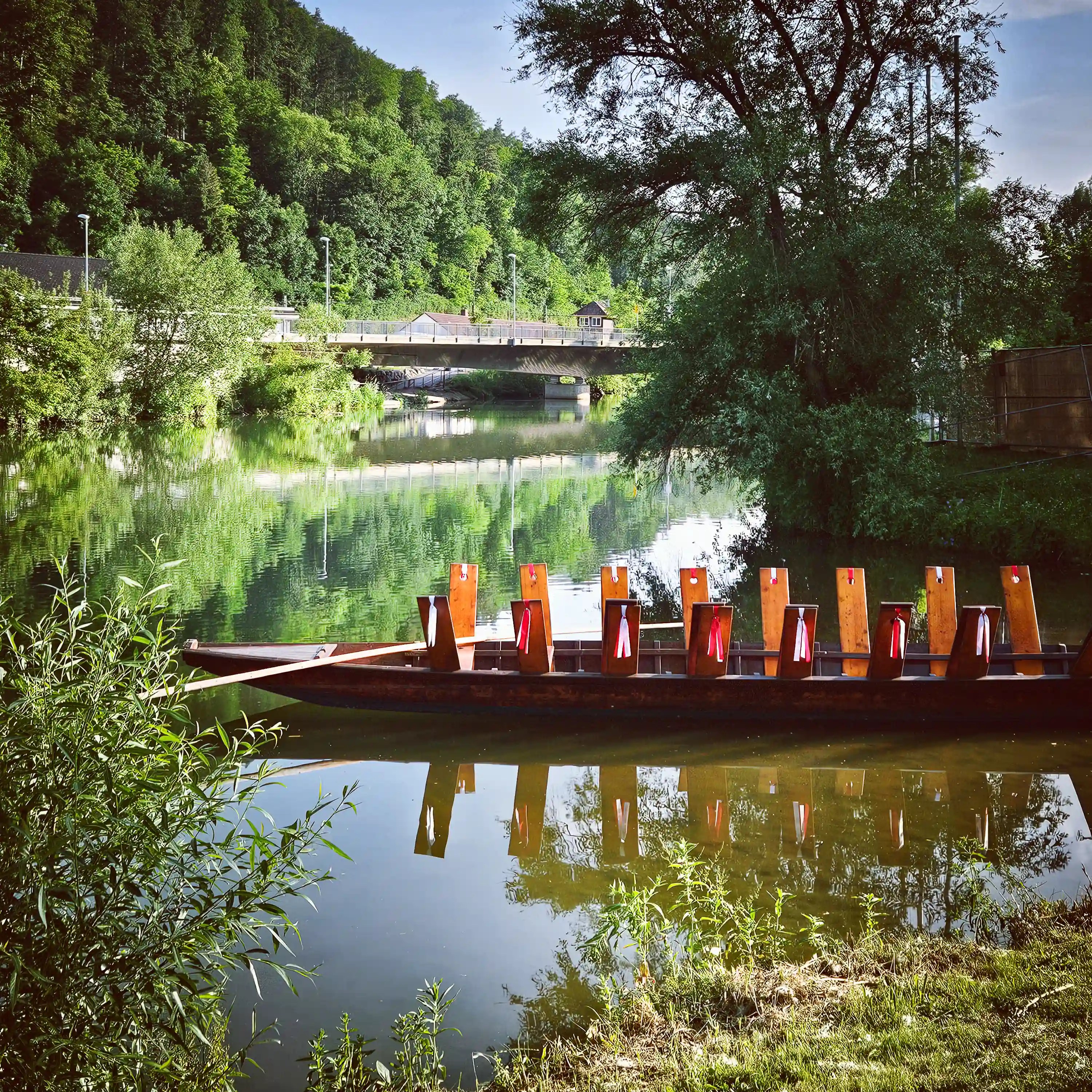
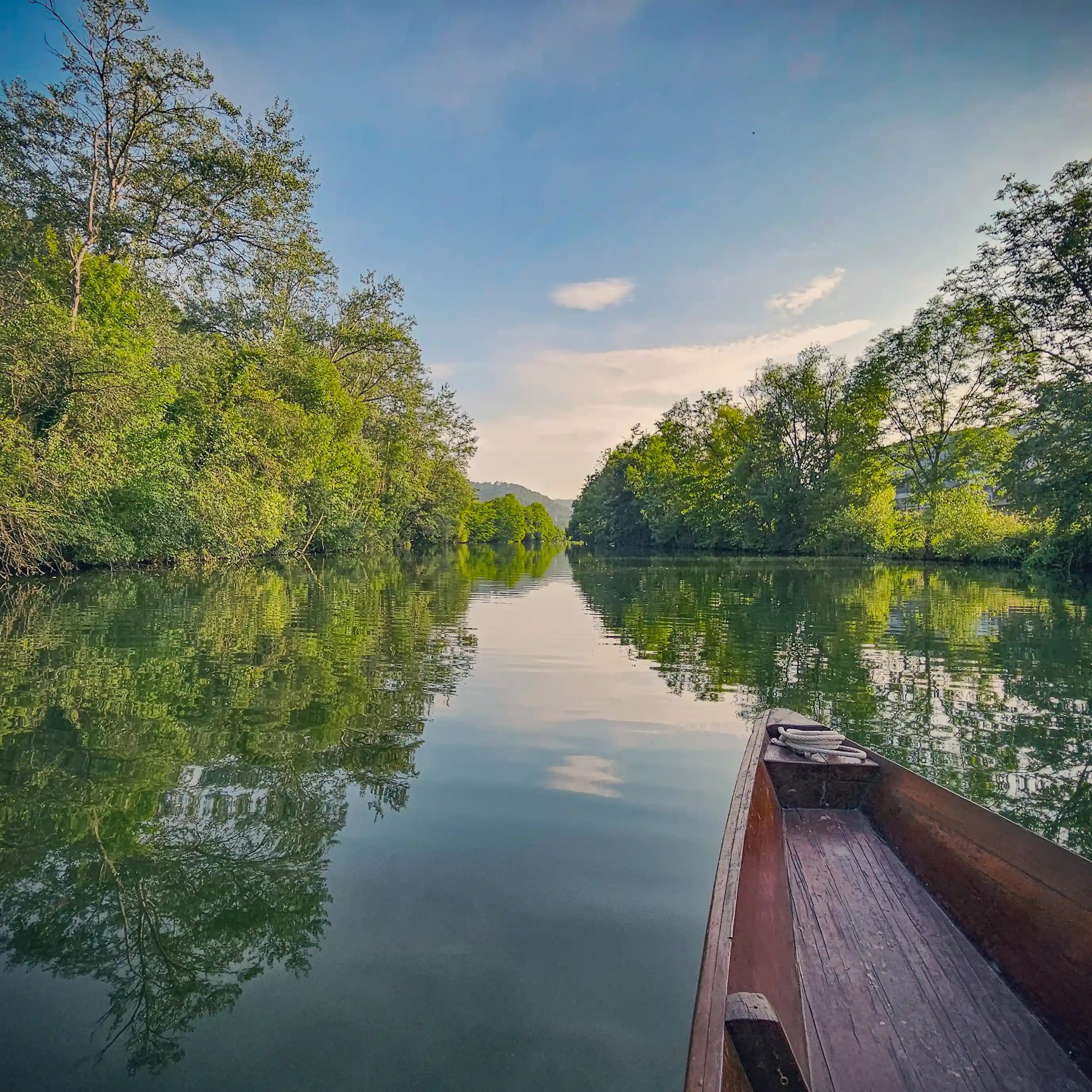
After the dust and excitement of the tournament, we slowed the pace with our favorite part of the day—a serene Stocherkahn cruise paired with a mead tasting. We boarded the flat wooden boat, its upright seats marked with red-and-white ribbons, and glided quietly along the Neckar as the boatman expertly guided us with a stocher—a long pole used to push against the riverbed.
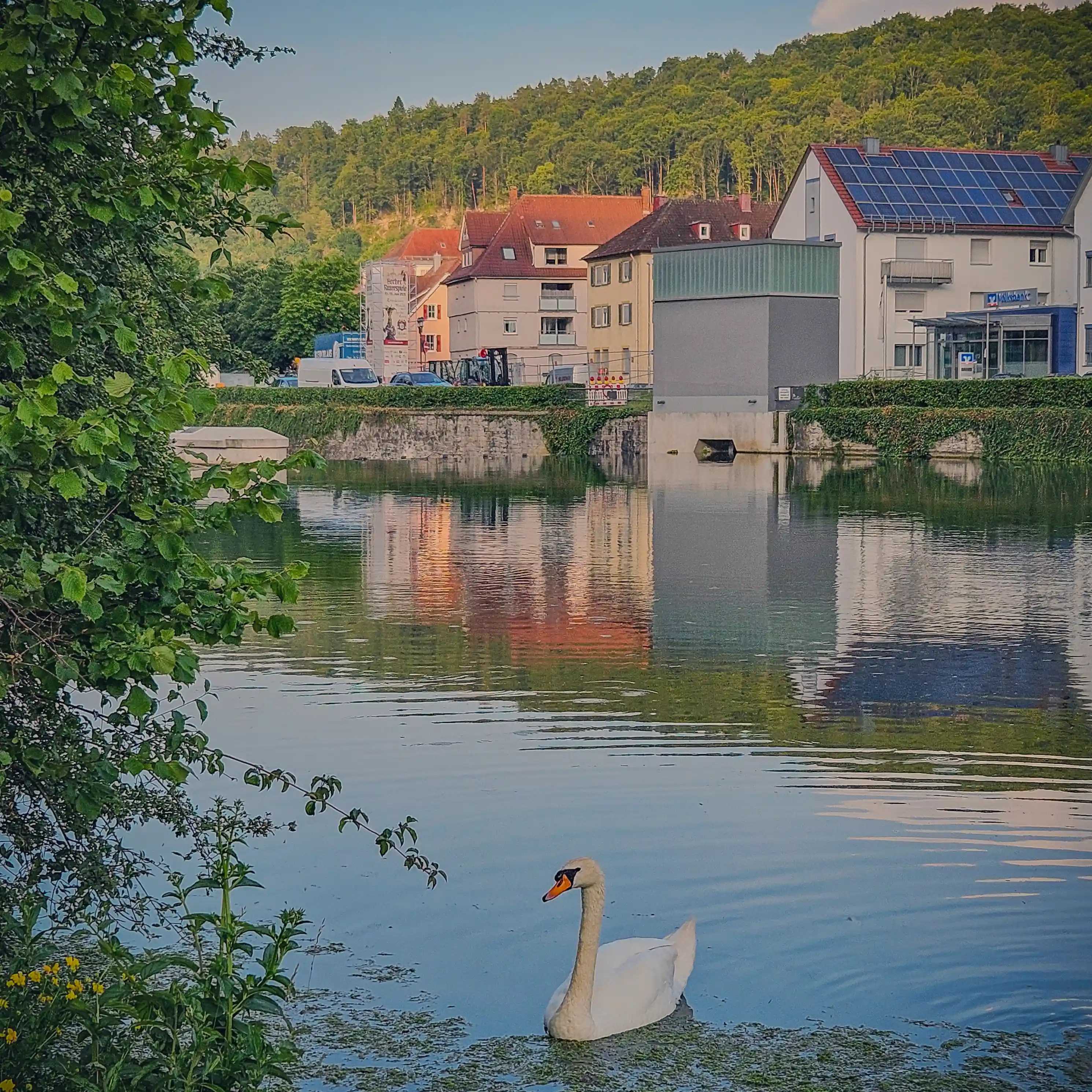
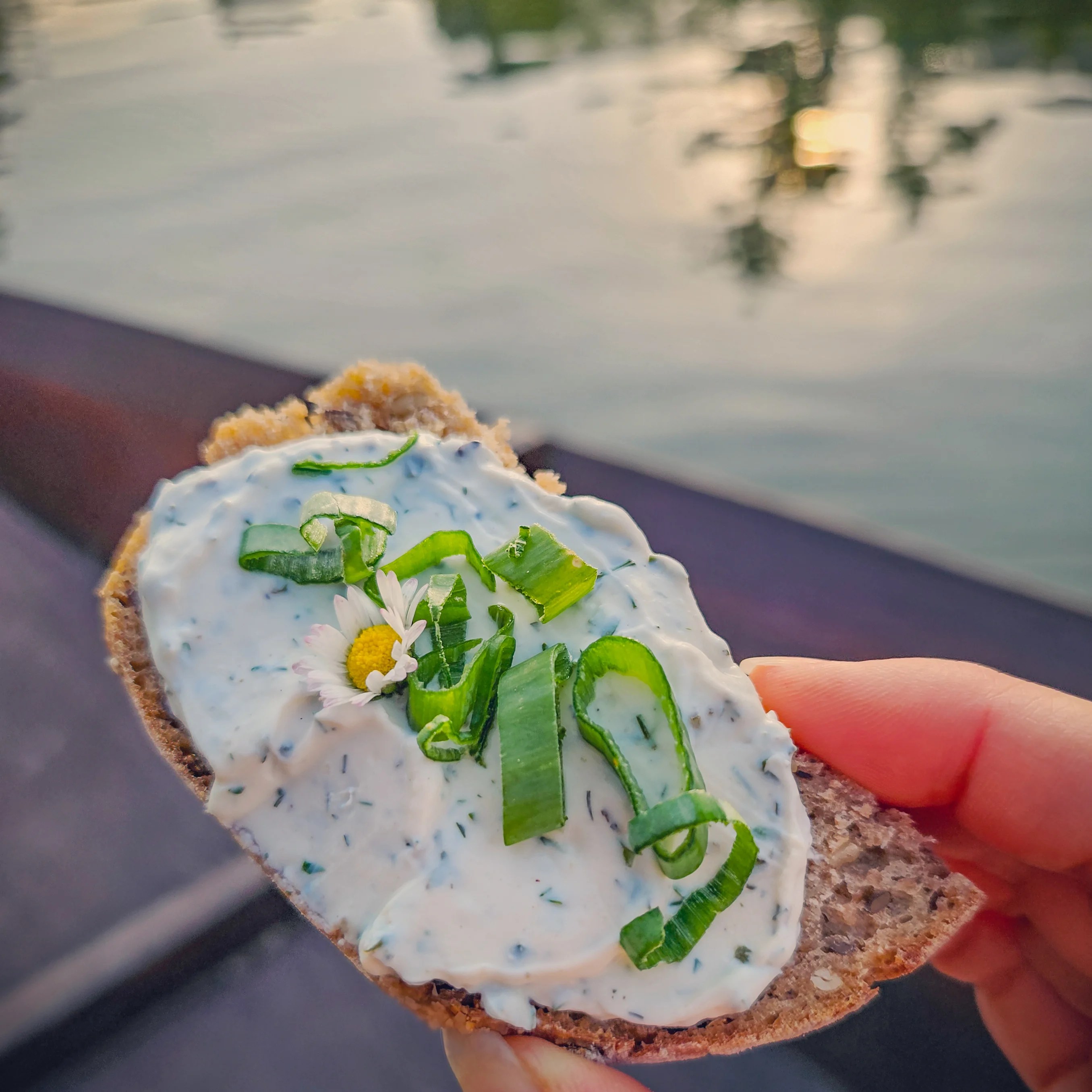
As we drifted past wildflowers and willows, we sampled three varieties of mead alongside slices of toast topped with herb-and-cheese spread and honey. The combination of golden sunlight, river reflections, and medieval flavors was pure magic—a peaceful counterpoint to the festival’s spirited games.
Life in the Knights’ Camp
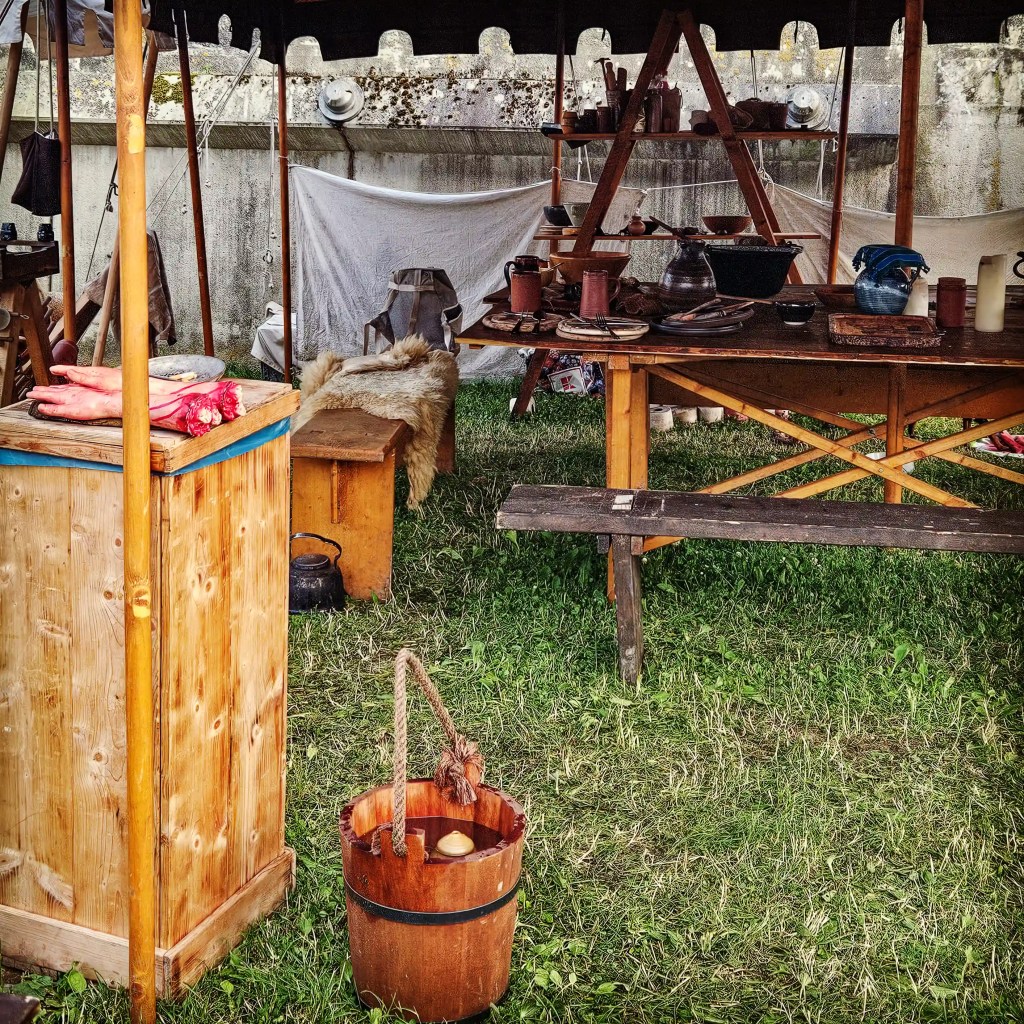
On the far bank of the Neckar, the Knights’ Camp recreated daily life from 500 years ago. Historical reenactors lived, cooked, and worked here for the festival’s three days, offering a fascinating look into medieval routines. Armor lay propped beside tents, fires crackled under iron pots, and the scent of wood smoke mingled with the breeze.
It was a reminder that tournaments were only one part of a knight’s life—the rest was about survival, community, and craft.
For Families: Children’s Knights’ Games
Younger visitors weren’t left out of the fun. The Children’s Knights’ Games offered a meadow filled with hands-on activities: bow and catapult shooting, candle making, storytelling sessions, and medieval crafts. Costumed volunteers helped kids try their hand at simple games that have been played for centuries.
Planning Your Visit
Dates & Schedule
Held annually on the third weekend in June.
- Friday: Opening of the Knights’ Games and ceremonial keg tapping at the Flößerwasen.
- Saturday & Sunday: Medieval market and concerts, five tournaments in total across the weekend, historical reenactments, Children’s Knights’ Games and a Saturday night fire show.
Tickets
- Combo tickets available for both tournament and fire show
- Mead tasting boat rides require a separate ticket
Parking
- Several paid parking options (€5/day):
- P4 Dual University Horb
- P6 Fairground
- P19 Park & Ride car park at Horb Railway Station
Tip: Dates, events, and ticket options can change from year to year, so check the official Horber Ritterspiele website for the latest details before planning your trip.
Location & Getting There
Horb am Neckar lies about 45 minutes southwest of Stuttgart by car, but it’s also an easy train trip.
From Stuttgart Hauptbahnhof, take an RE (Regional Express) to the Horb train station—fully covered by the Deutschland-Ticket. The journey takes about an hour. From Horb station, it’s a 5-minute walk to the festival grounds. Just follow the crowd—or the sound of drums and bagpipes.
Other Things to Do in the Area
If you have extra time in Horb or want to make a weekend of it:
- Bike or walk the Neckar Valley Cycle Path: Enjoy peaceful riverside views away from the festival bustle.
- Visit the Horb Castle Ruins (Burgruine Hohendießen): Explore the remnants of the medieval fortifications that still overlook the town.
- Explore the Black Forest: Horb makes a great starting point for scenic drives or hikes into the northern Black Forest.
- Day Trip to Freudenstadt: A scenic 30-minute drive brings you to the largest market square in Germany.
Final Thoughts
The Horber Ritterspiele is more than just a medieval fair—it’s an immersive experience that blends history, culture, and pure fun. Whether you come for the tournaments, the market, the fire show or simply to soak up the atmosphere, you’ll leave with memories (and maybe a bottle of mead) worth savoring.
Have you been to the Horber Ritterspiele or another medieval festival? I’d love to hear your questions, favorite moments, or what you’d be most excited to see—share them in the comments below!


Leave a Reply