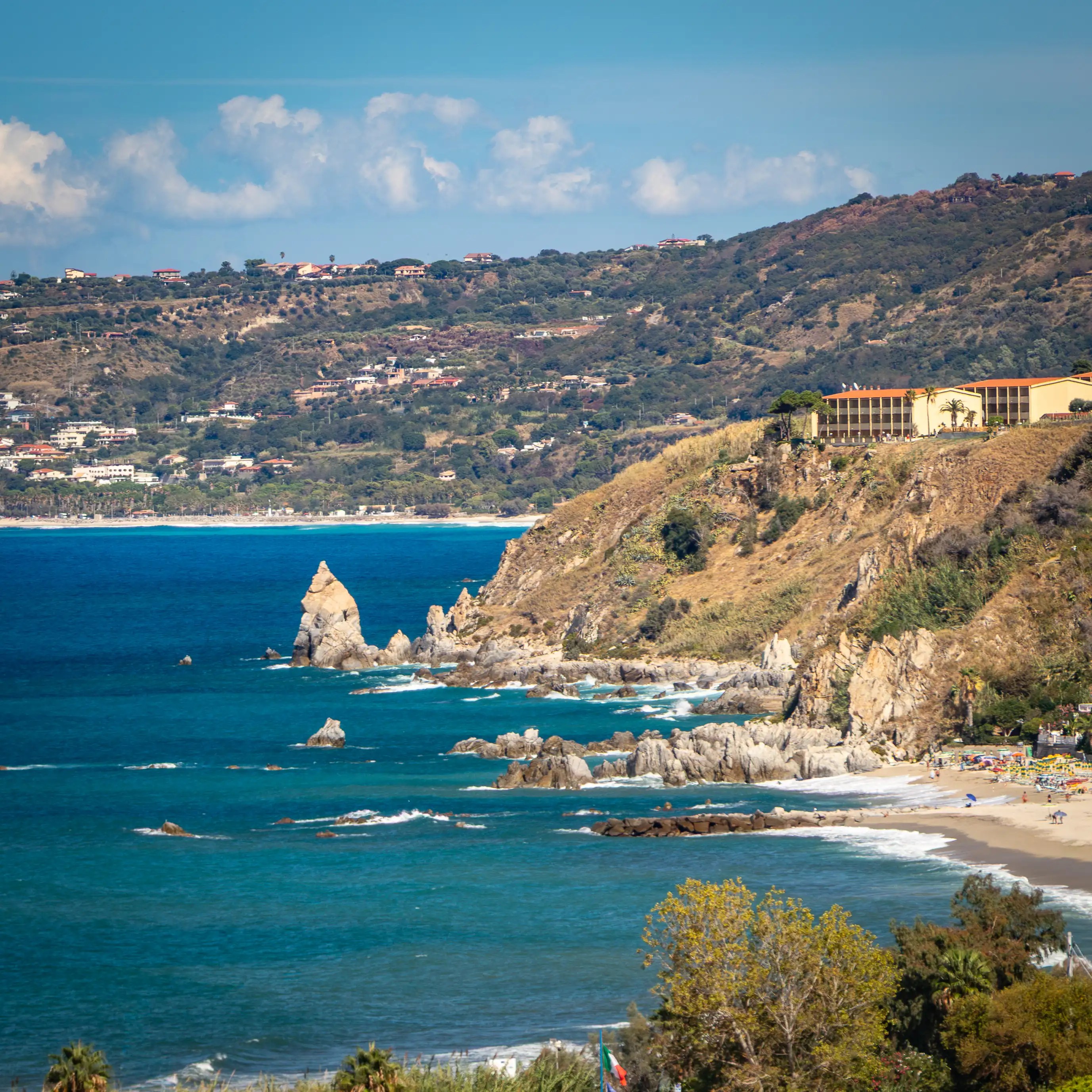
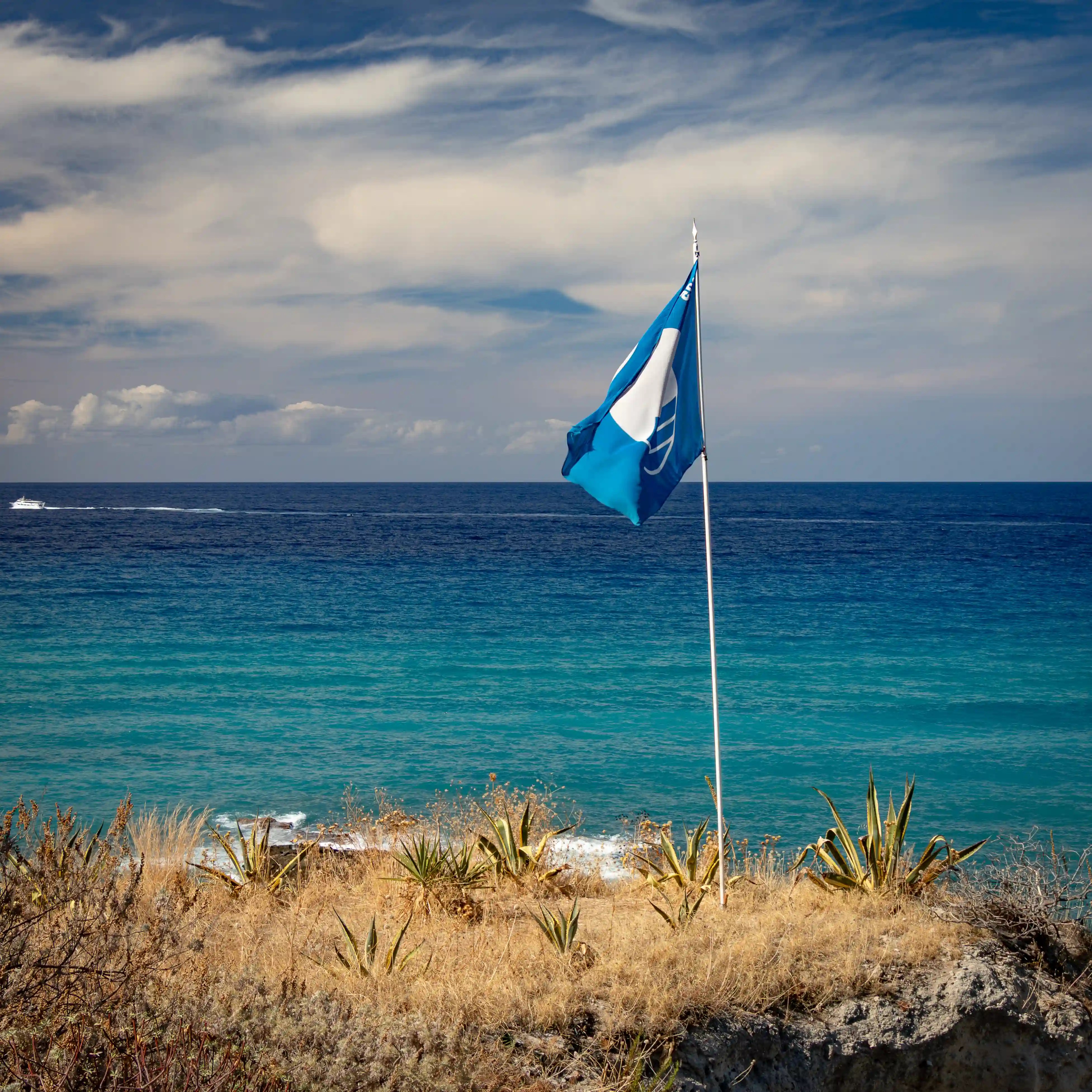
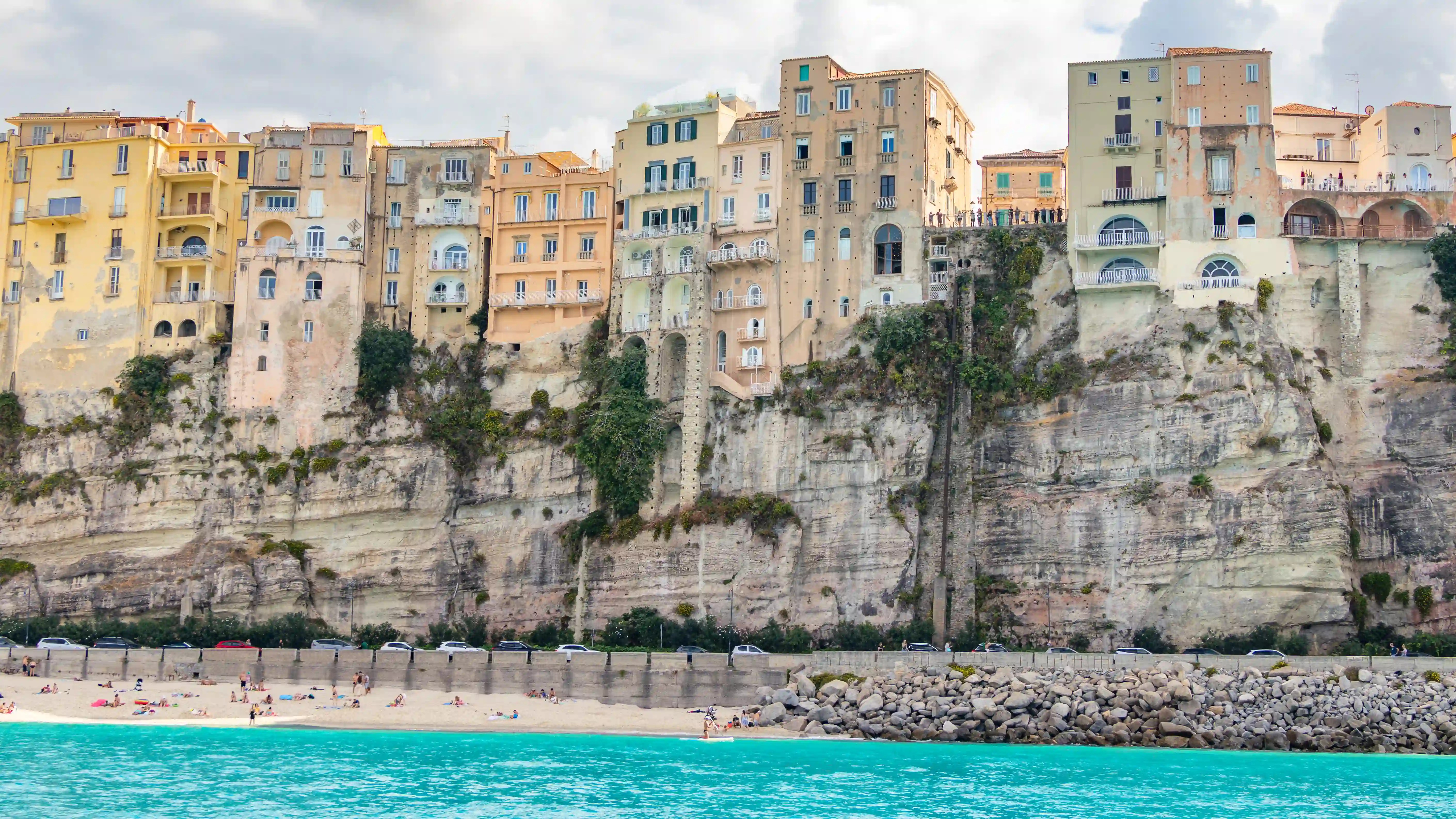
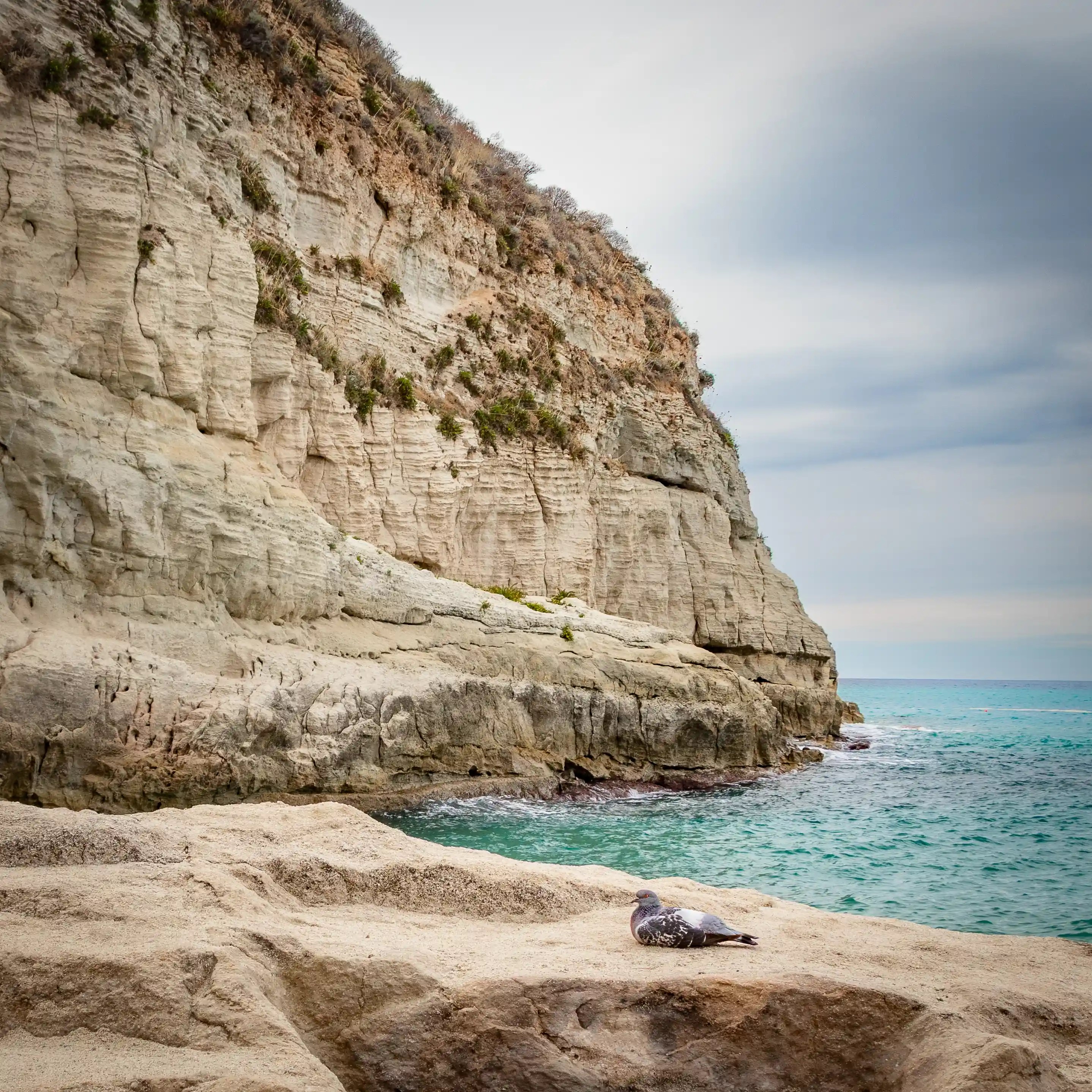
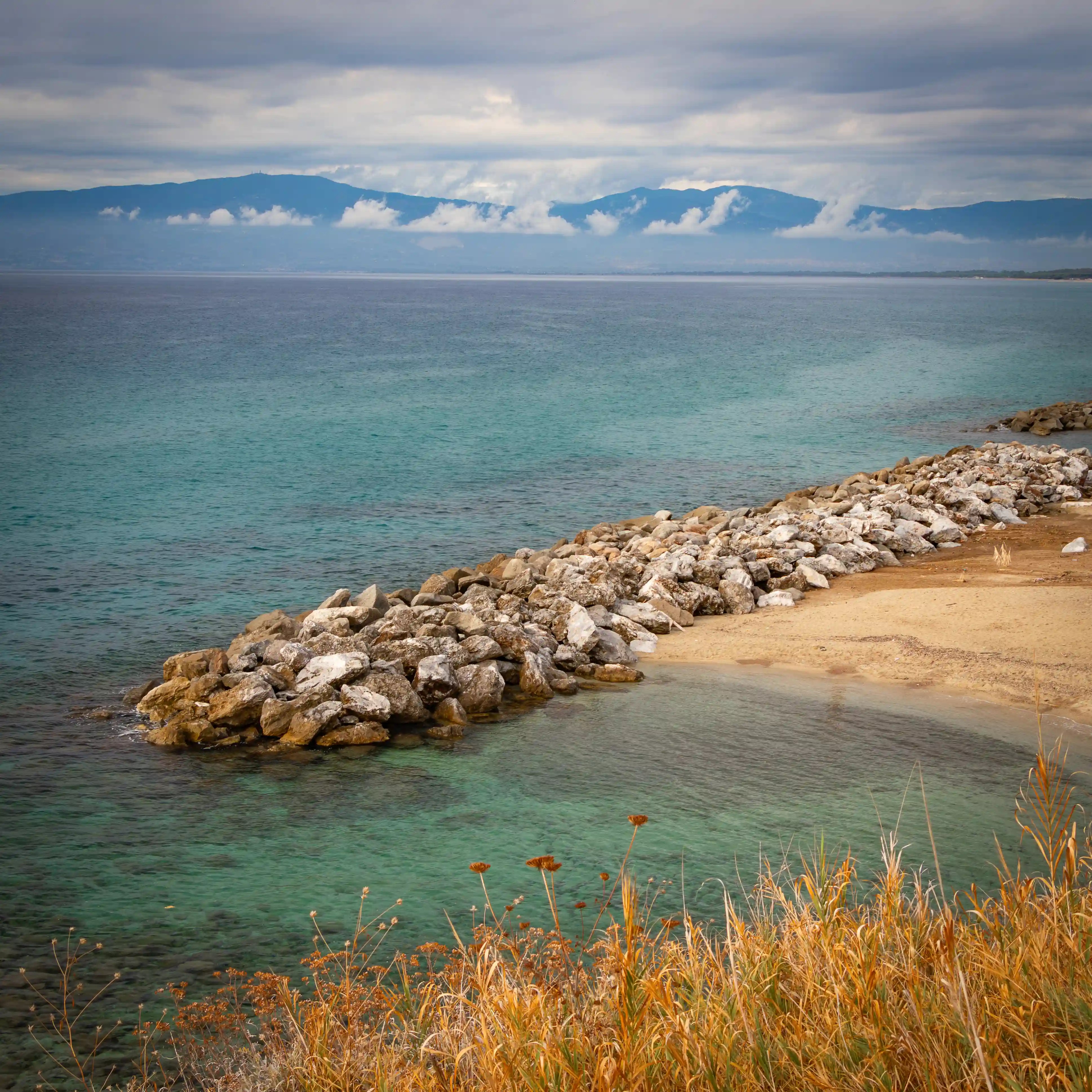
We didn’t know much about Tropea before booking the trip, but it didn’t take long to understand what makes it special—the cliffside setting, the beaches below, and especially the clear, bright blue water that’s almost impossible to look away from.
Tropea is located in Calabria, a region in southern Italy known for its rugged coastline, small towns, and a slower, less touristy feel than many other parts of the country. Set along the Costa degli Dei (Coast of the Gods) on the Tyrrhenian Sea, near the “toe” of Italy’s boot, it looks out toward the Aeolian Islands.
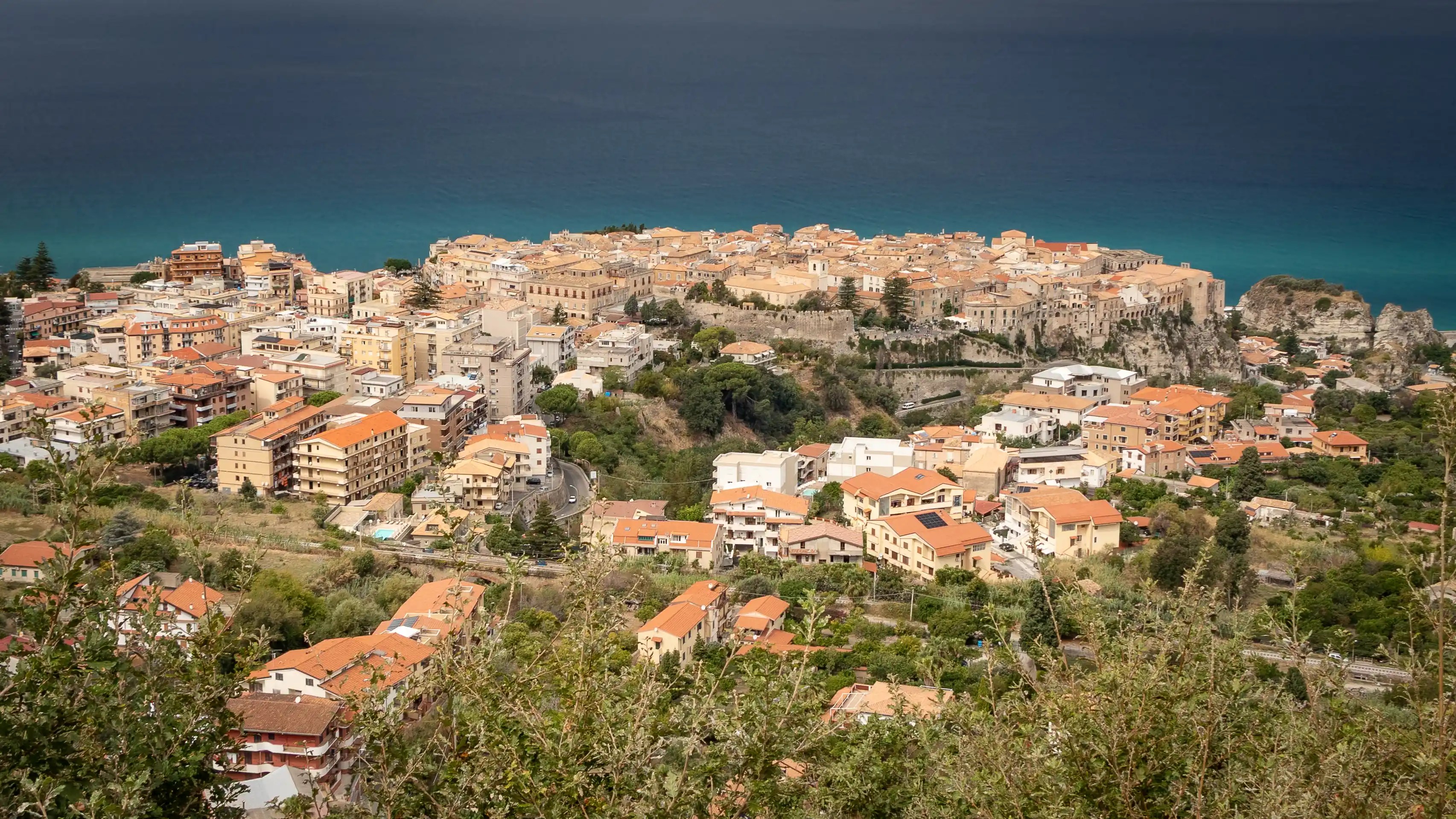
We spent just over a week here at the end of September, staying both in the historic center and a little higher up overlooking the coast. Most days were spent moving between town and the water, with time set aside for a few day trips, including a snorkeling excursion along the Coast of the Gods, a visit to Pizzo, and a full day out to the Aeolian Islands.
Exploring Tropea
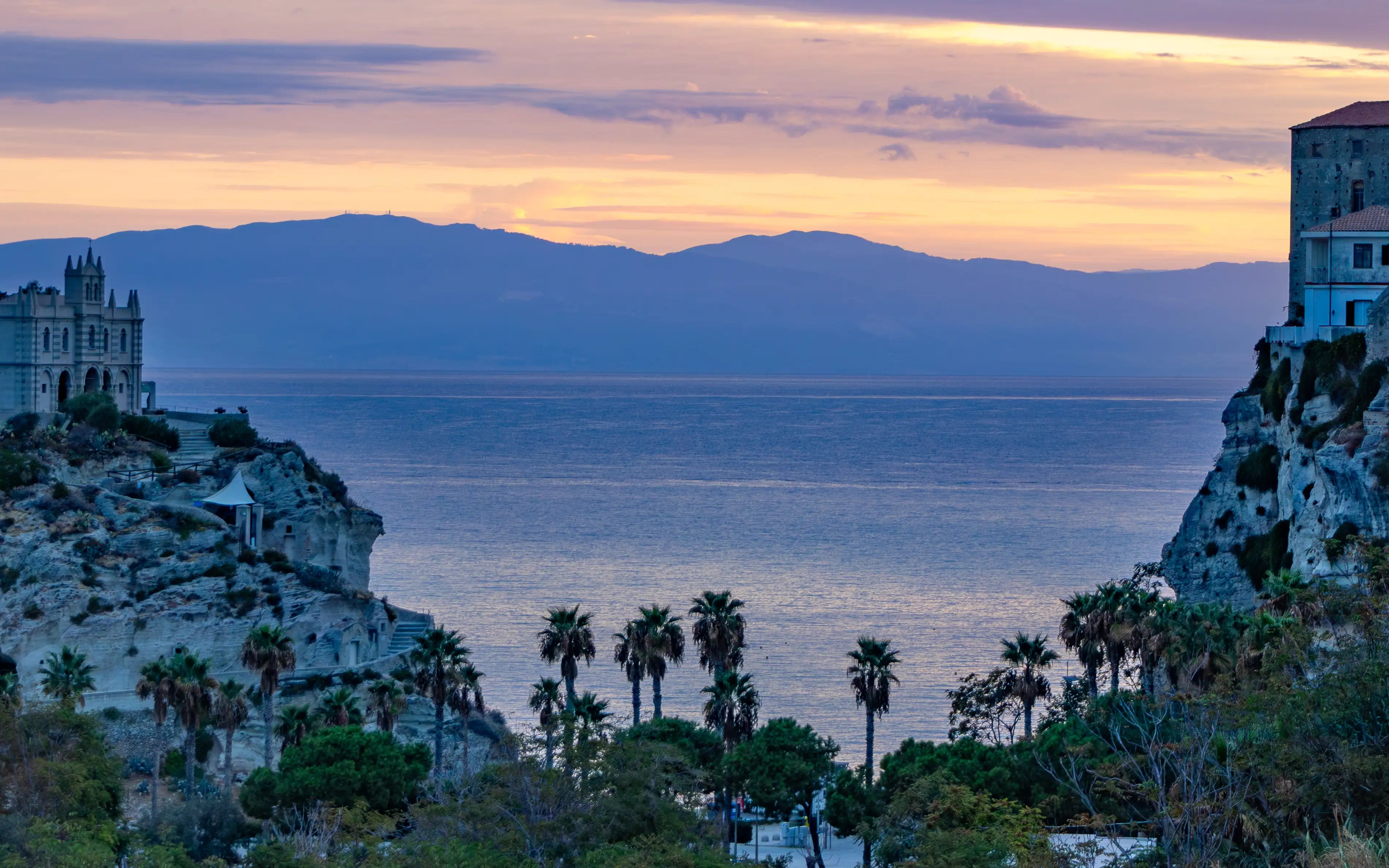
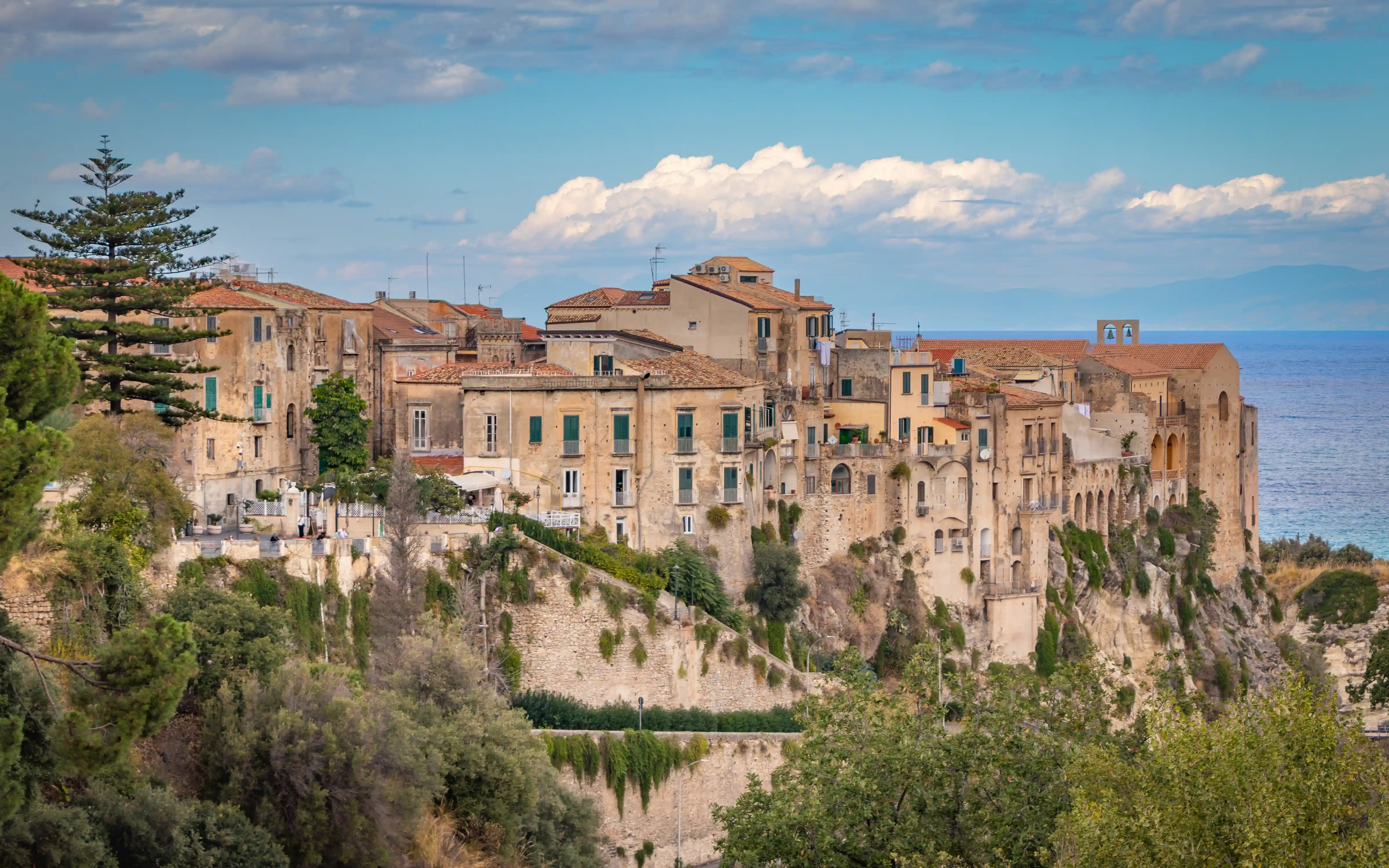
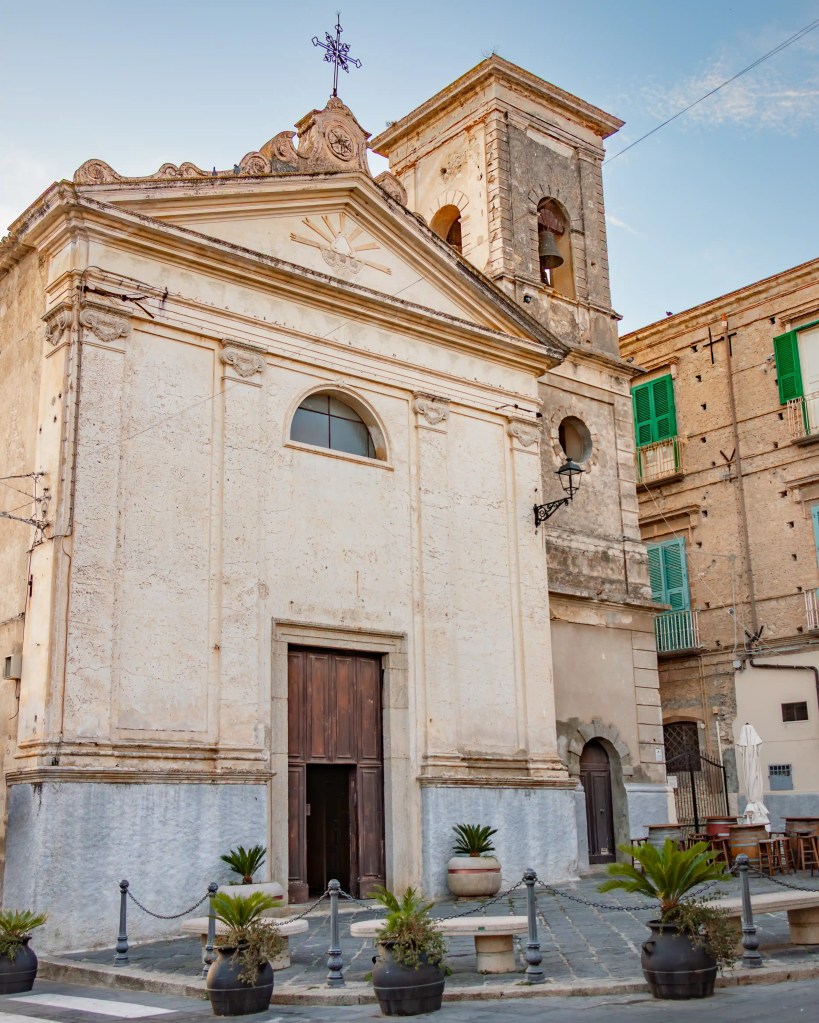
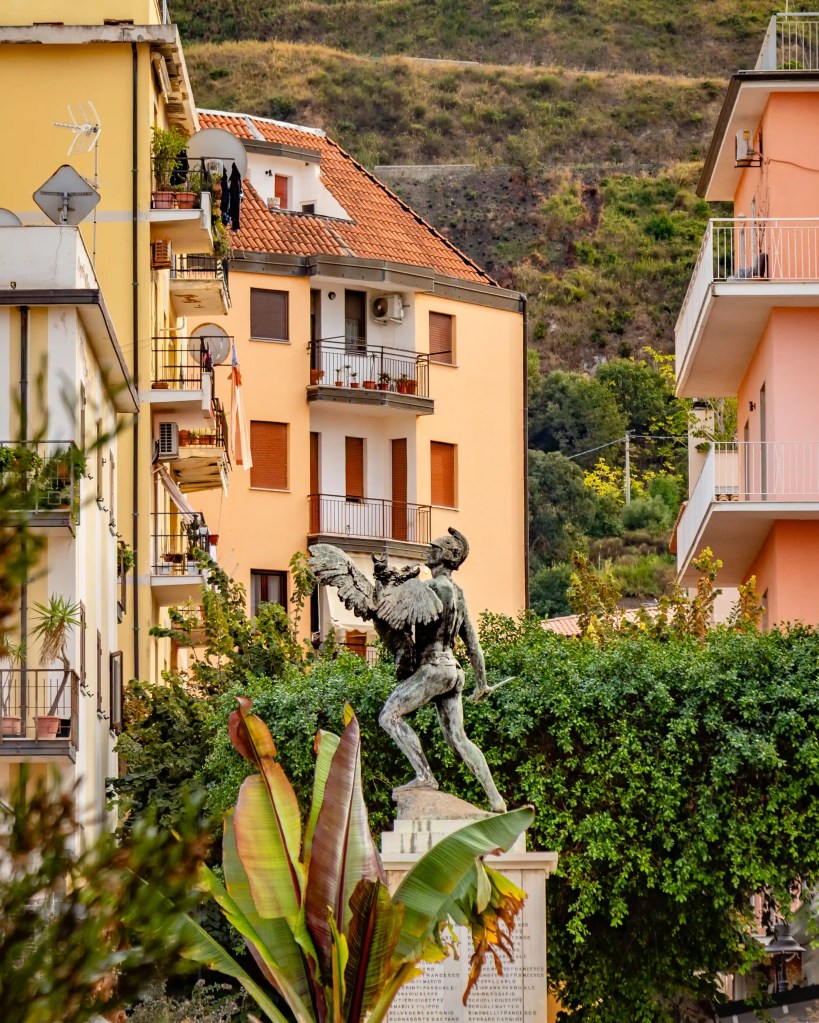
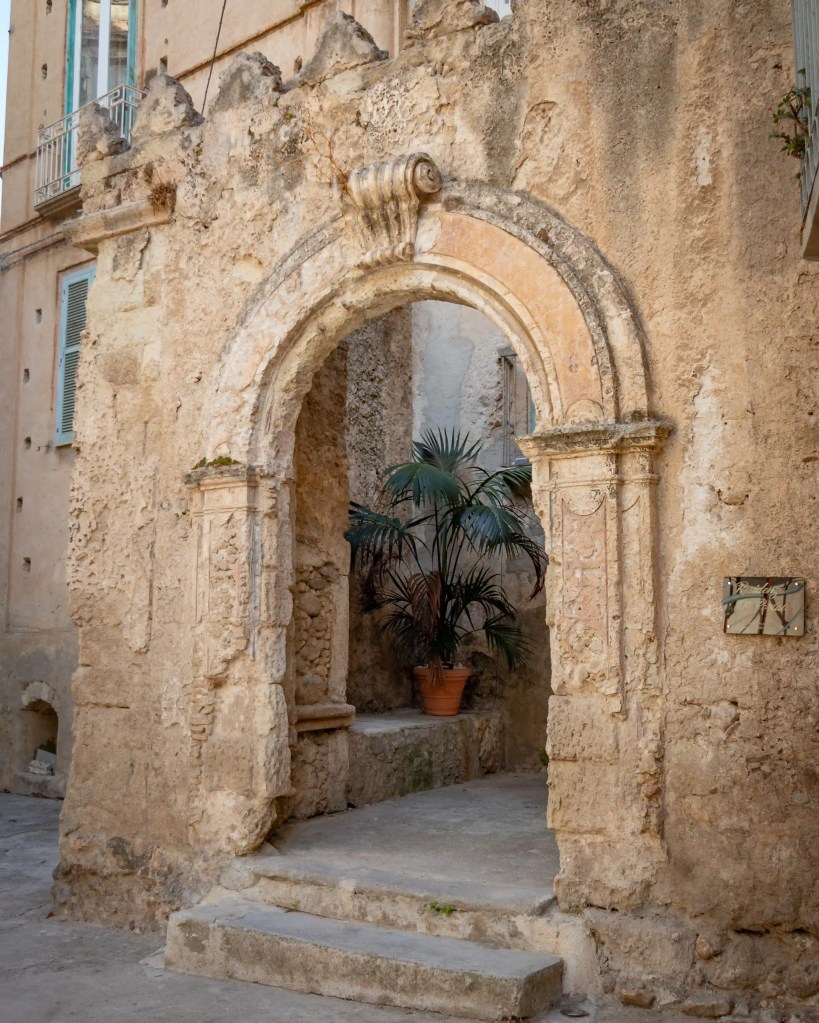
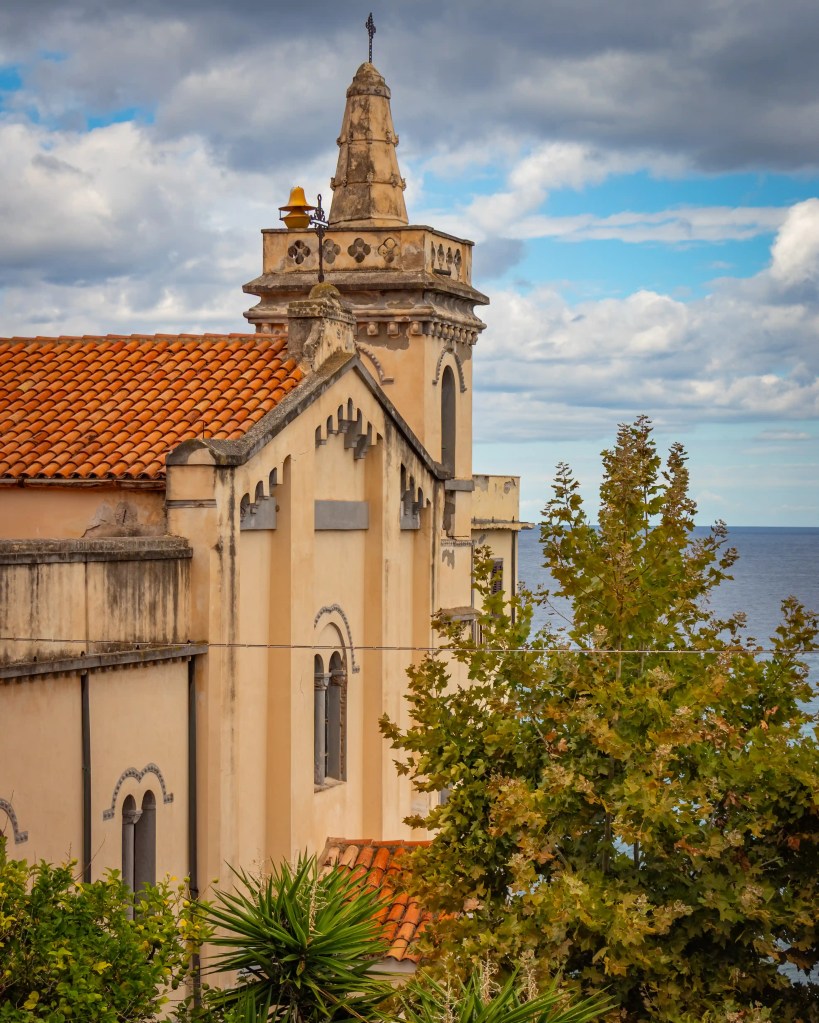
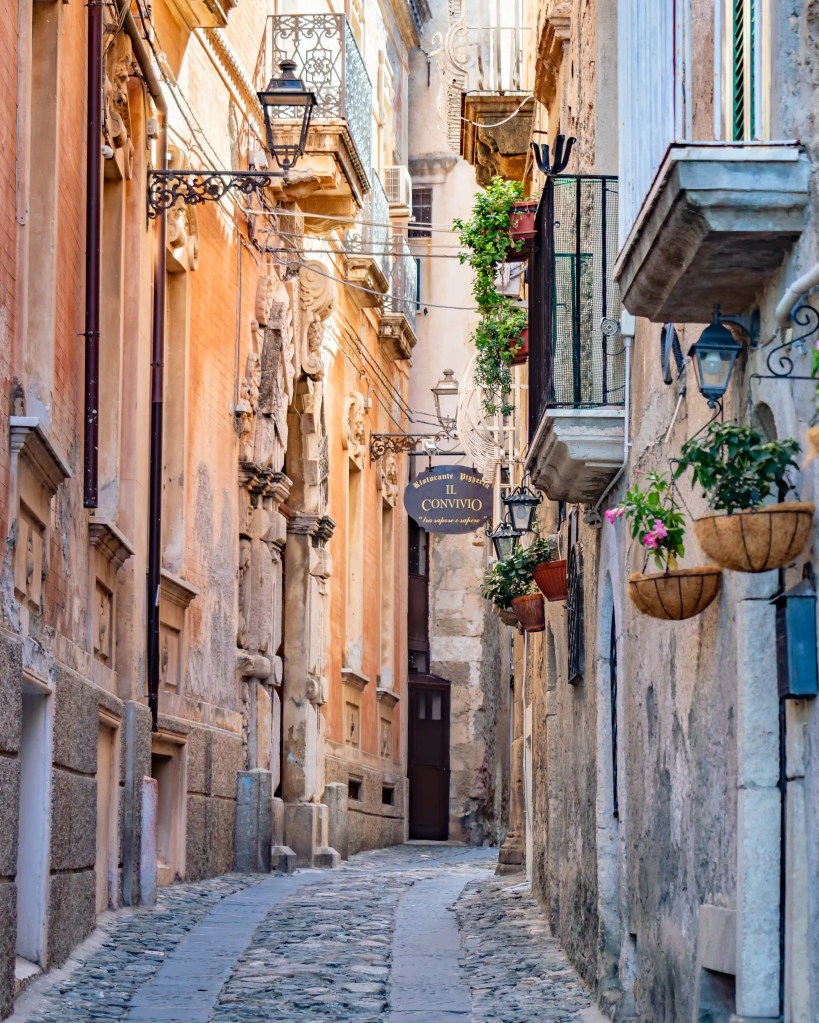
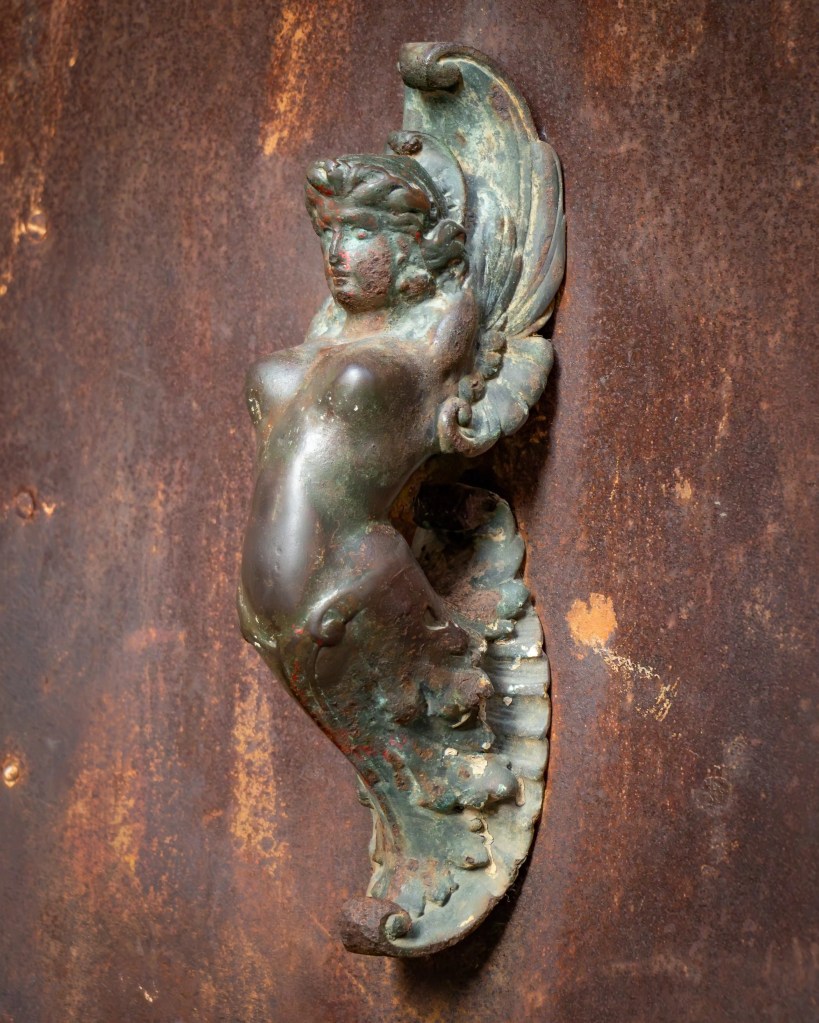
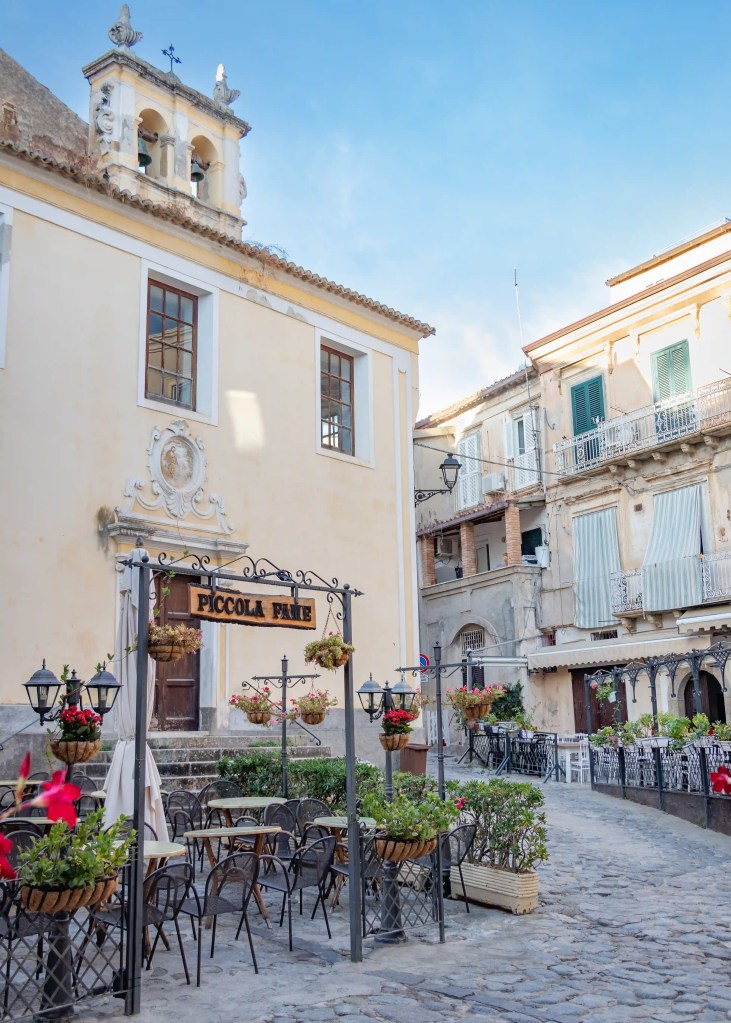
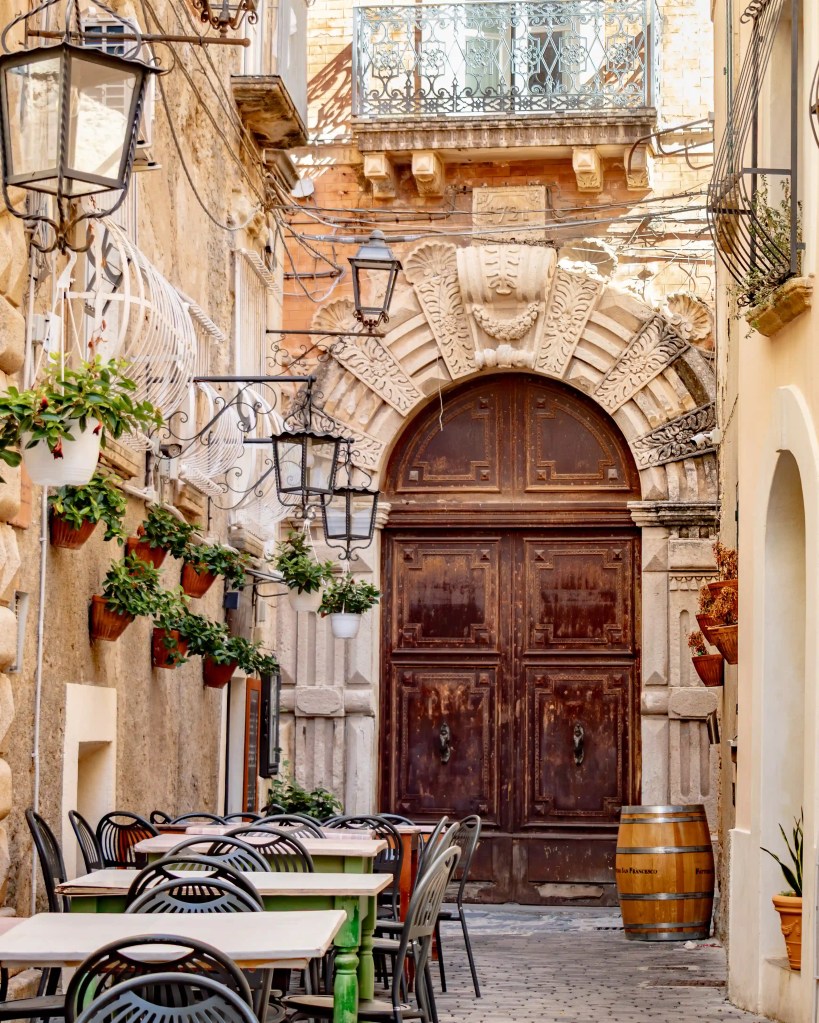
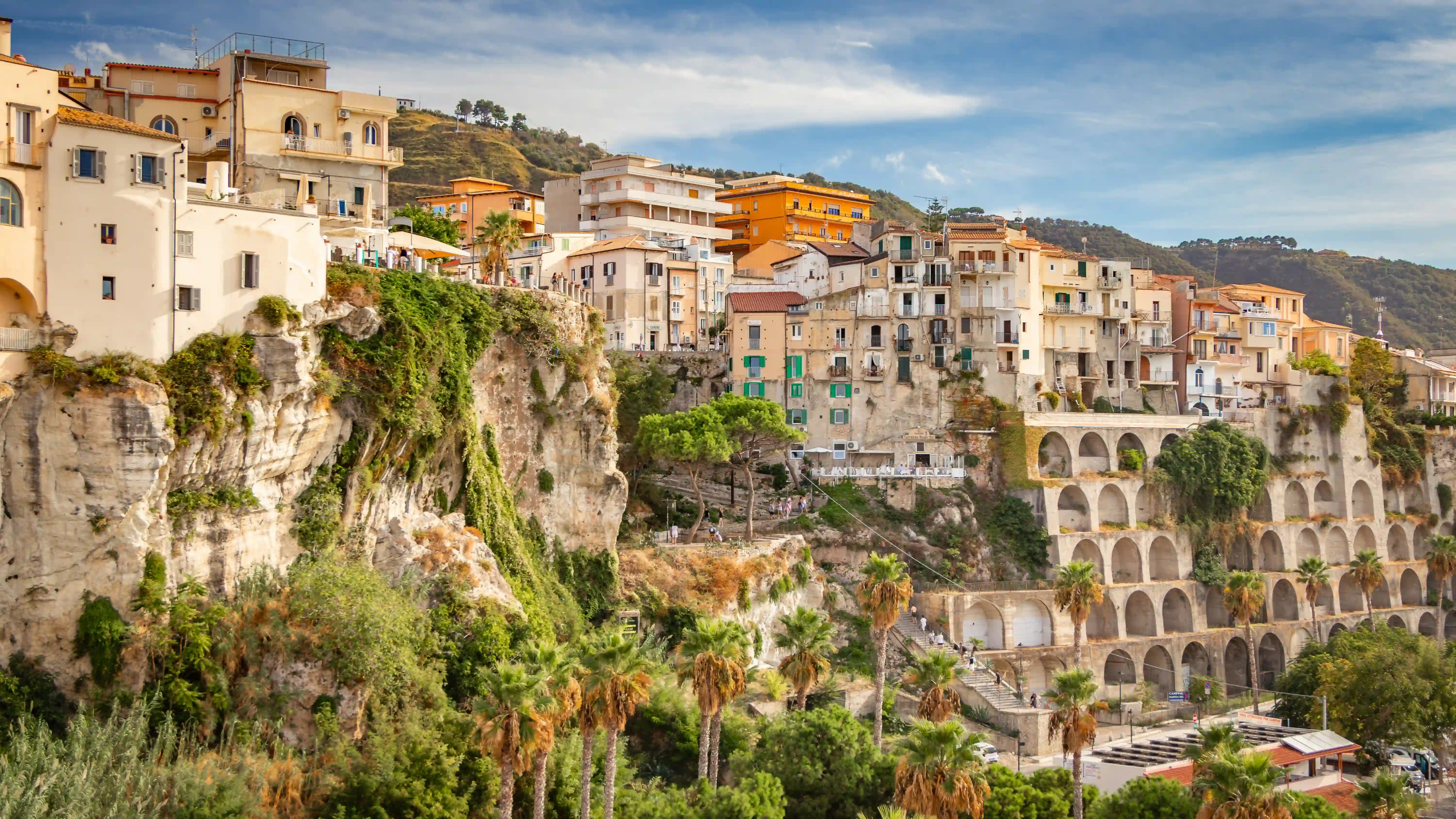
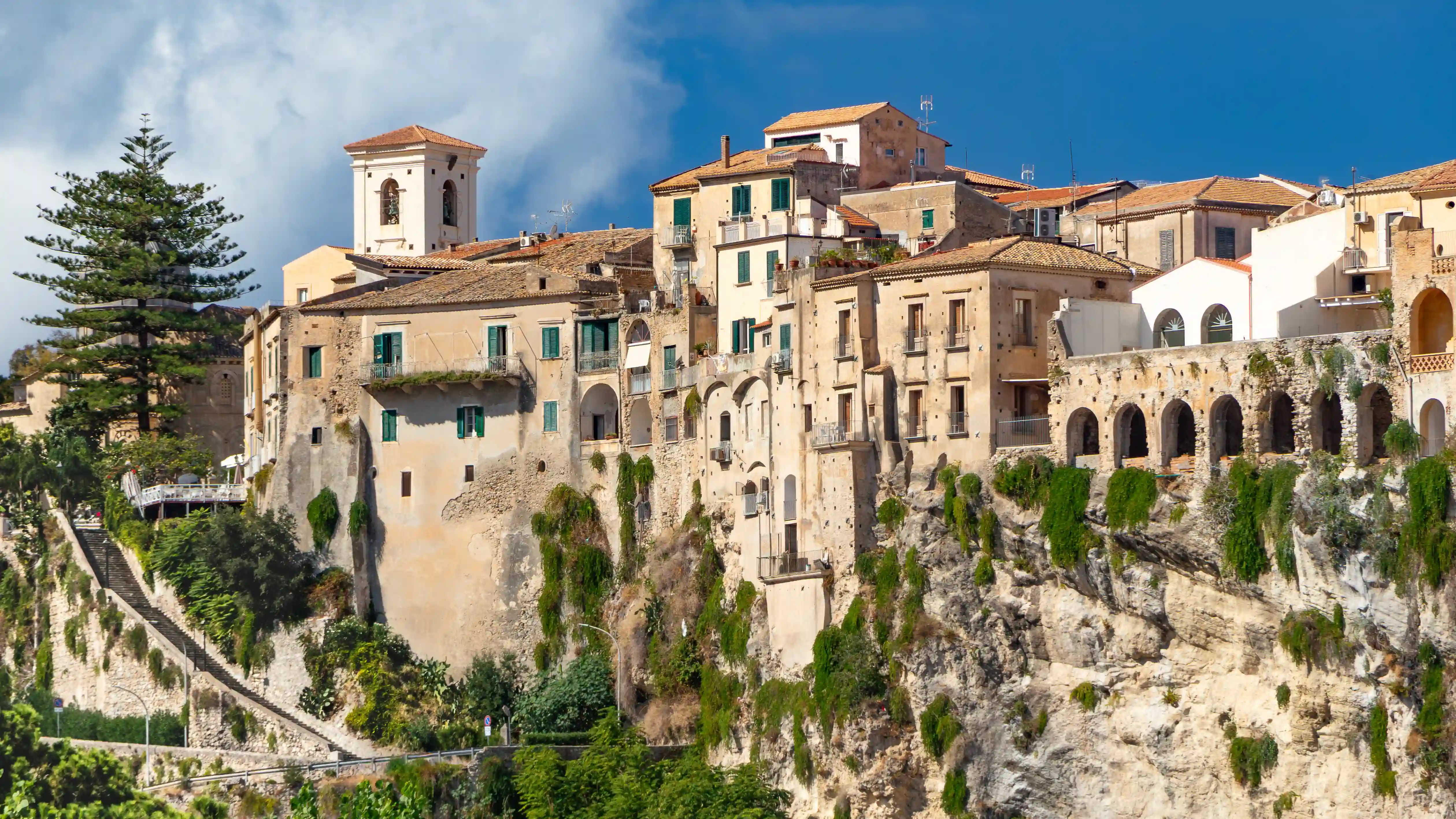
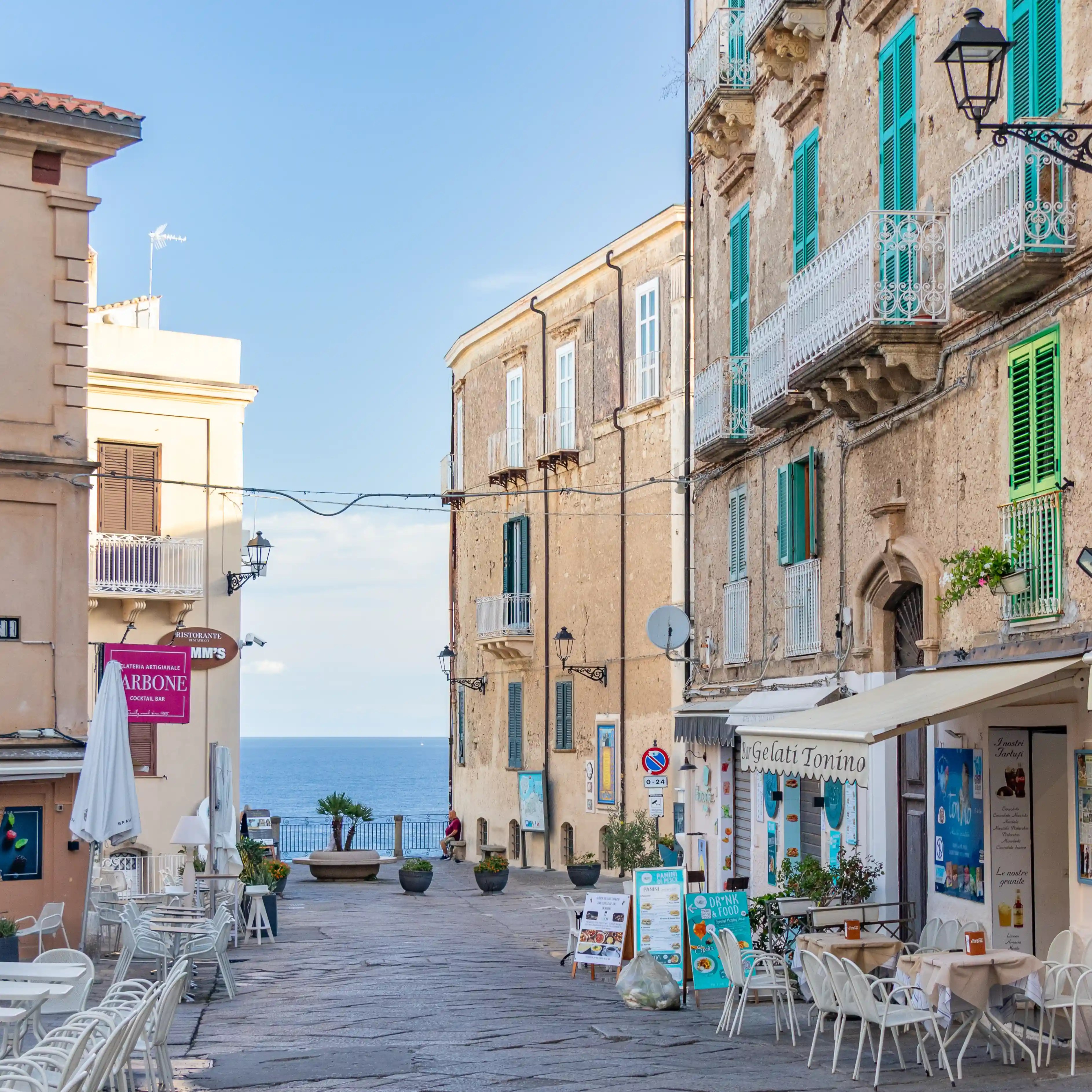
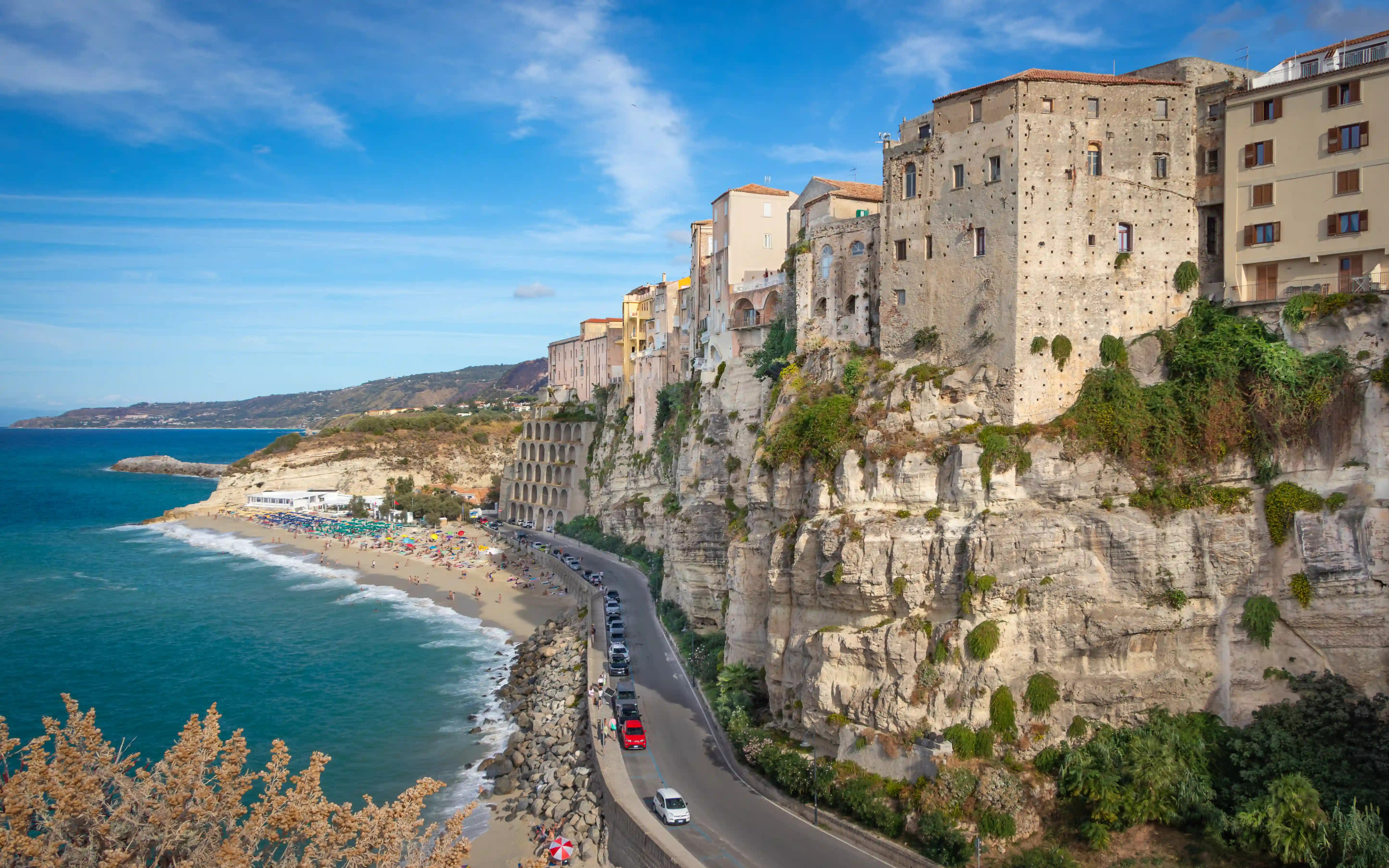
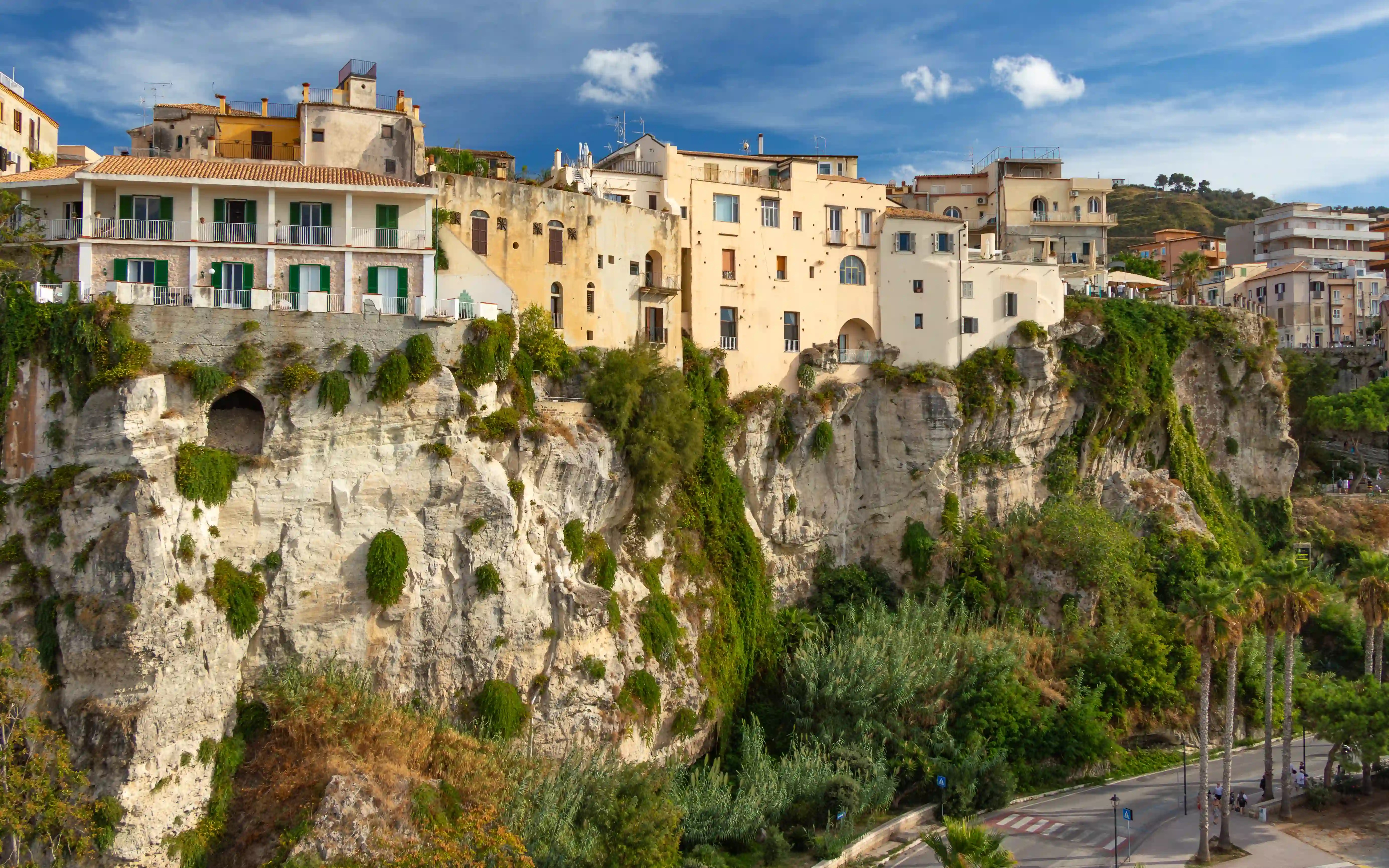
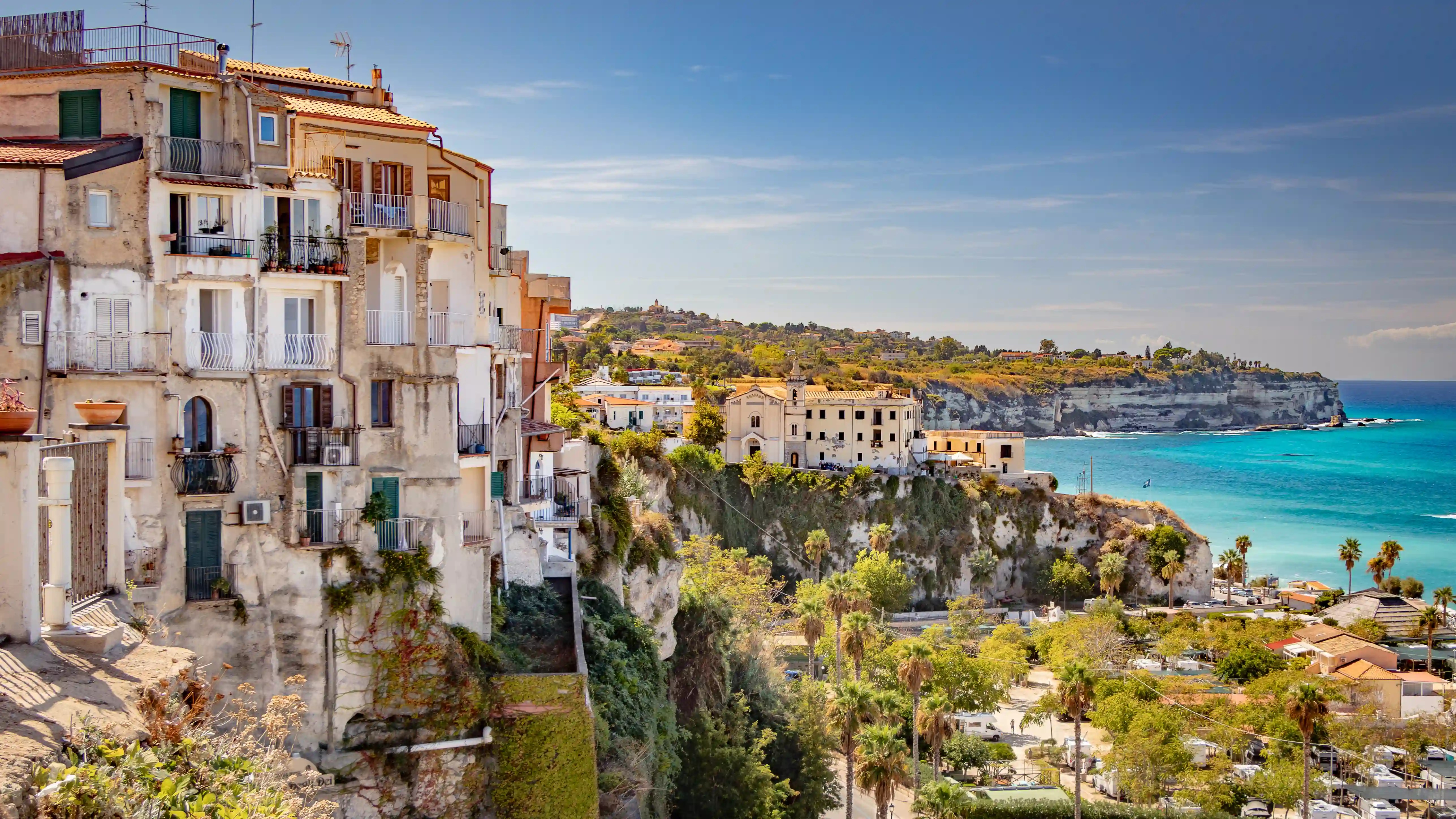
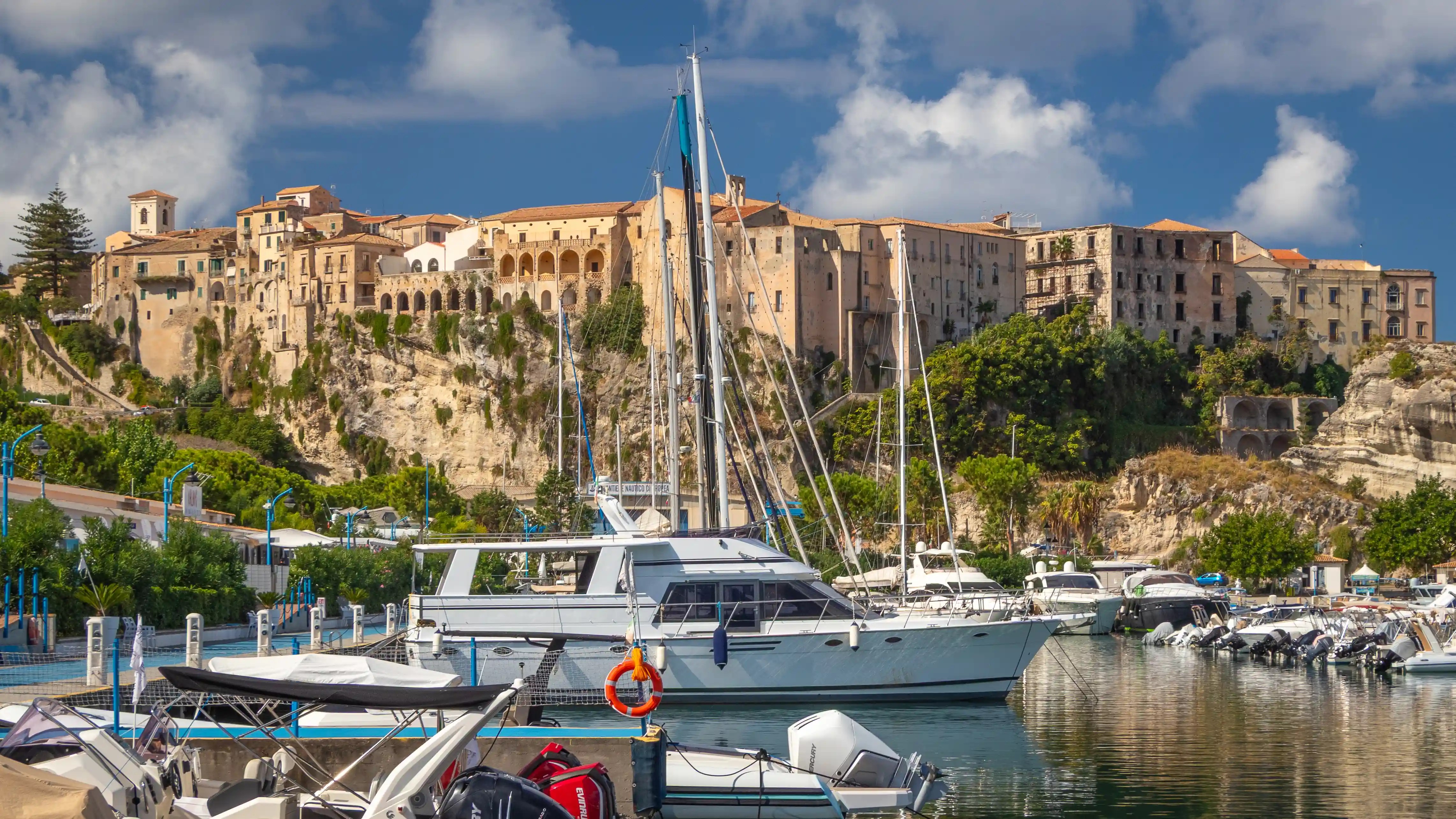
Tropea’s historic center sits directly above the sea, with buildings lining the edge of the cliffs and narrow streets winding through the town. We spent most of our time turning down side streets, passing small churches and tucked-away cafés, and occasionally coming across openings that looked out over the clear blue water below.
Corso Vittorio Emanuele & the Affaccio del Corso Viewpoint
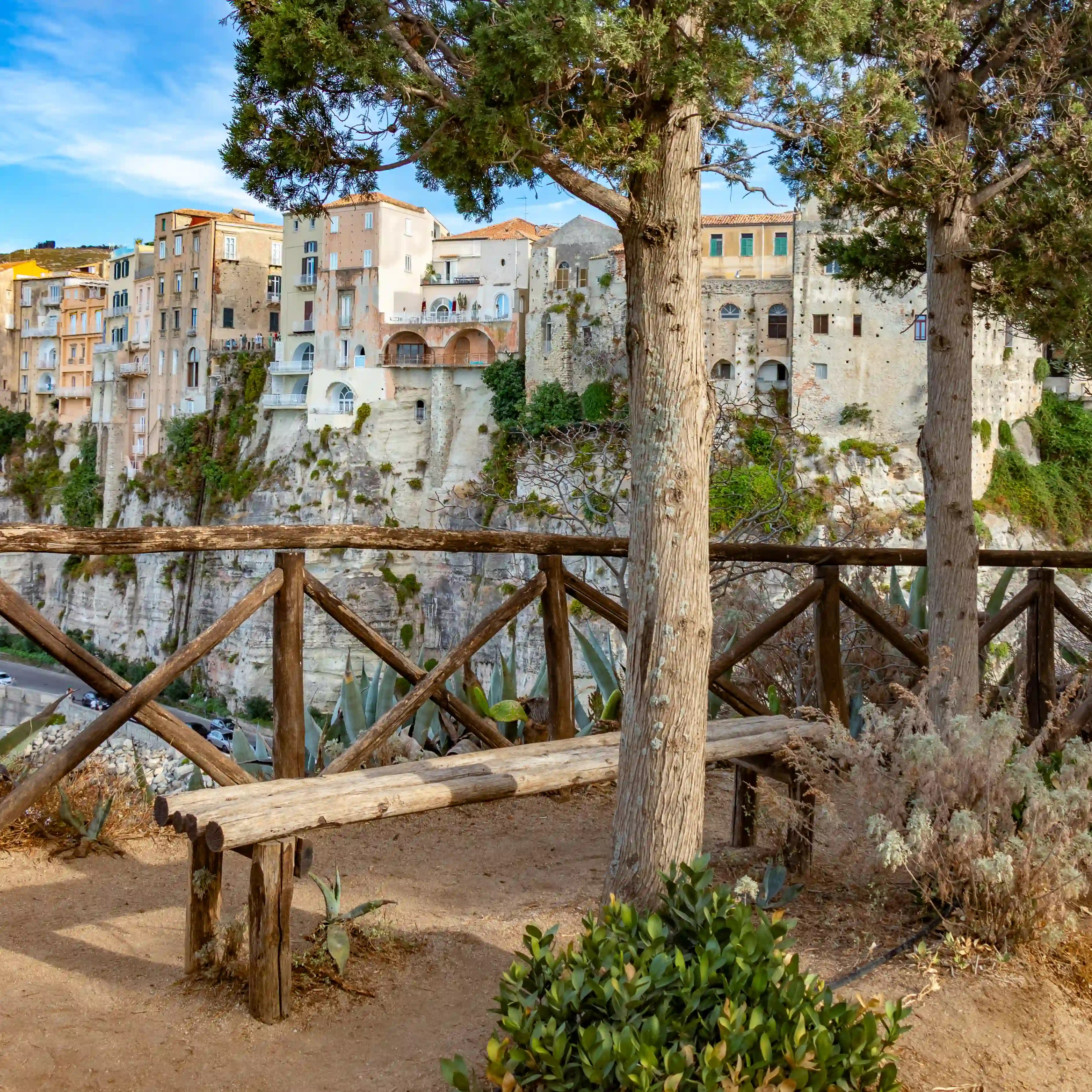
One of the main routes through town is Corso Vittorio Emanuele, which leads to the Affaccio del Corso, a viewpoint overlooking the coastline and the Santuario di Santa Maria dell’Isola, set on a rocky outcrop below.
Santuario di Santa Maria dell’Isola
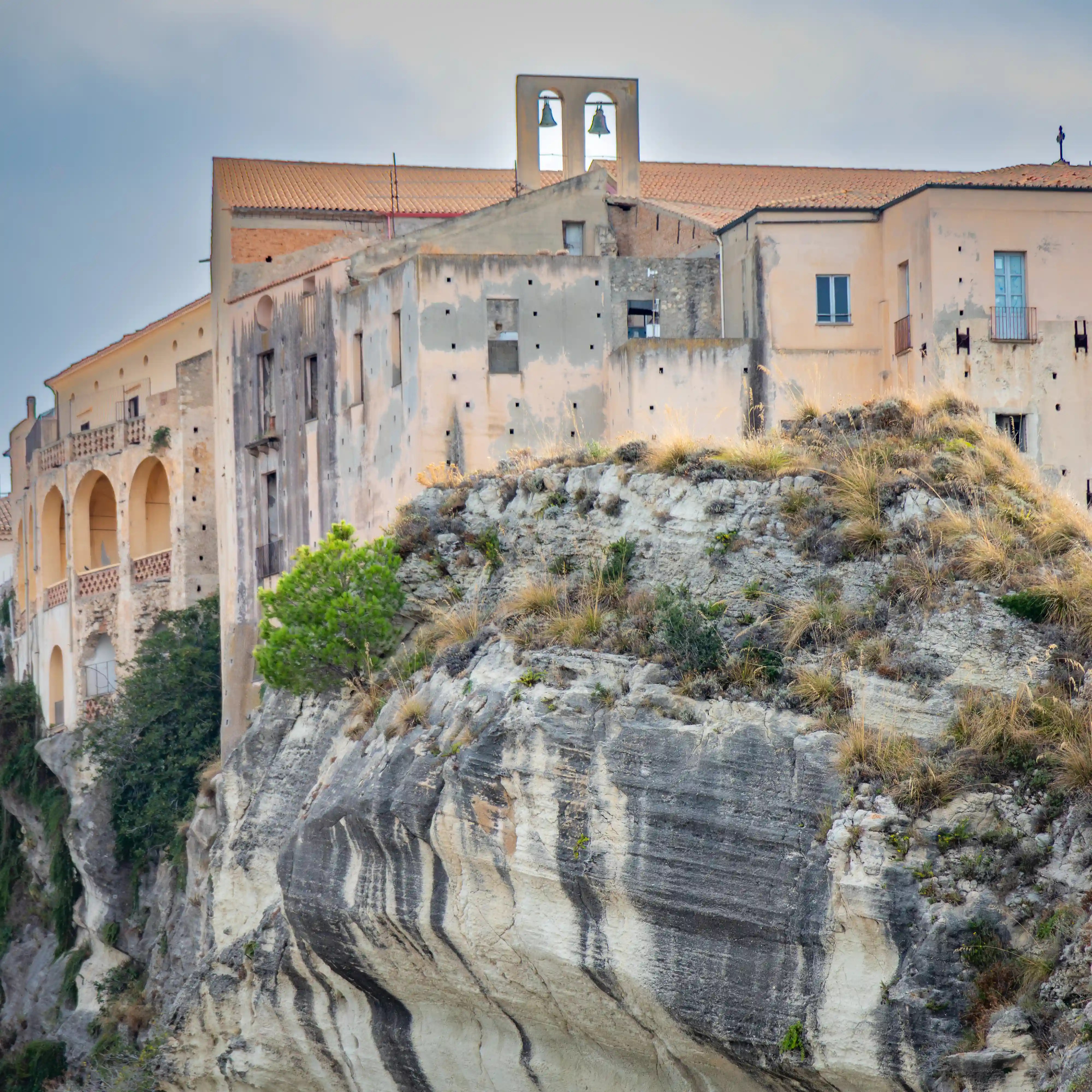
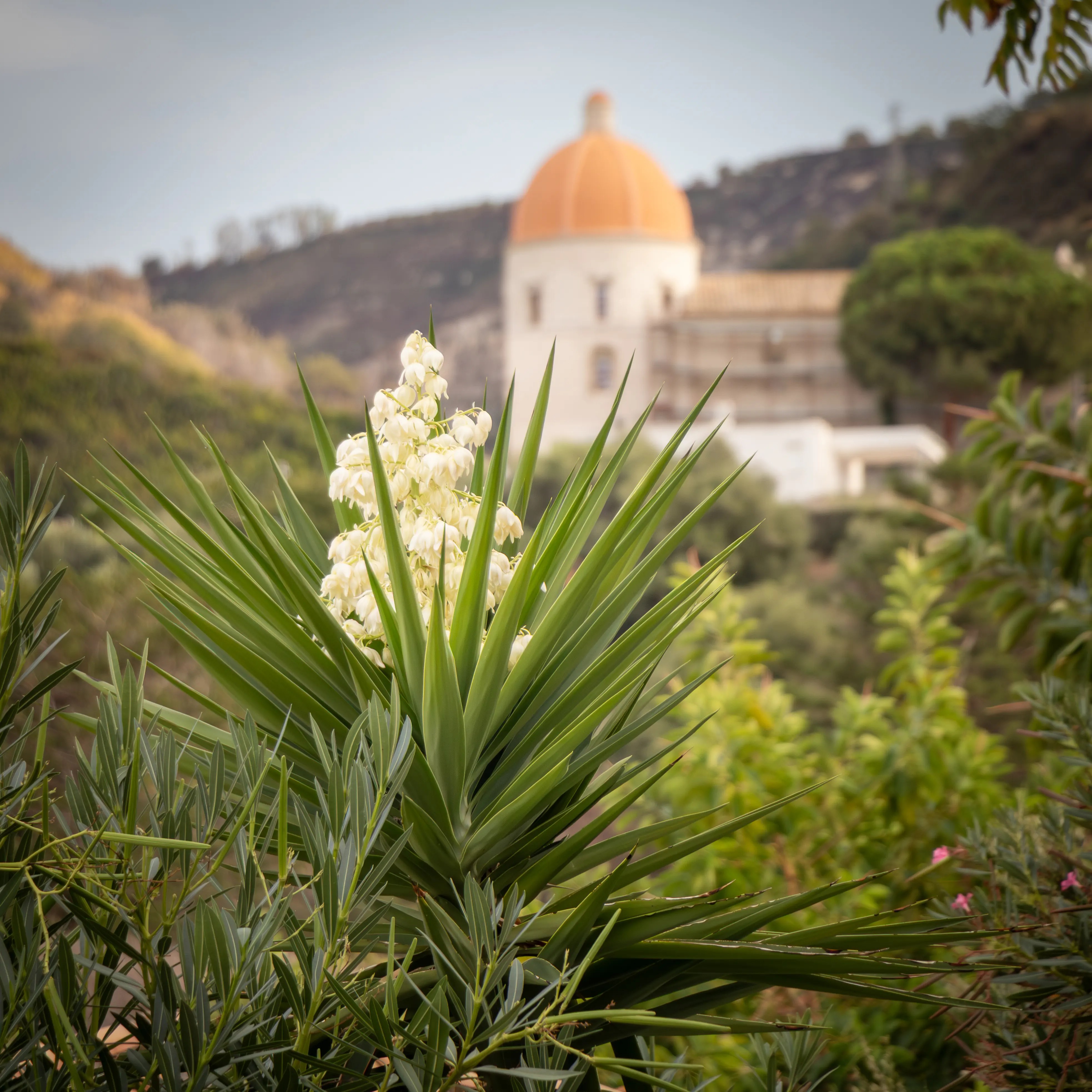
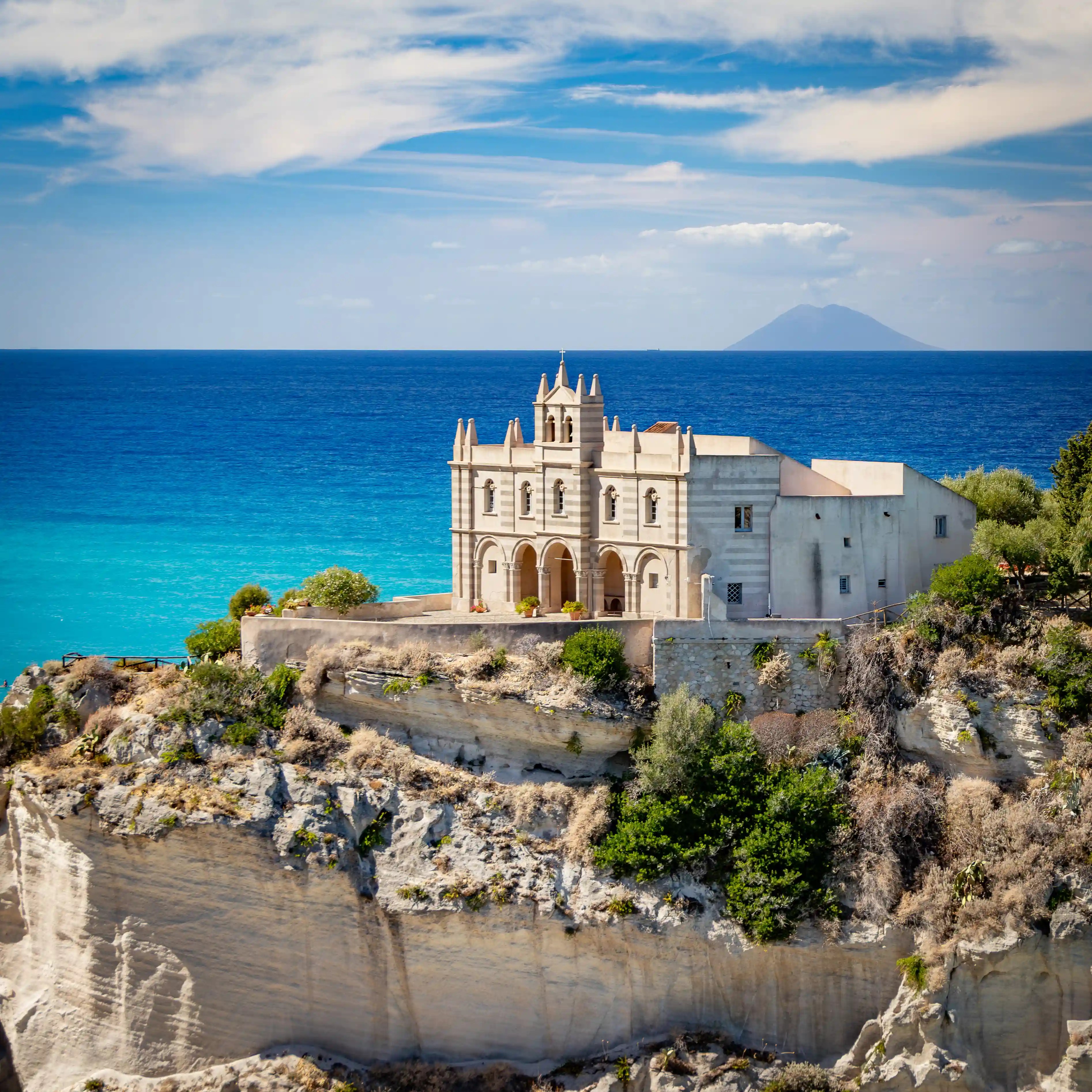
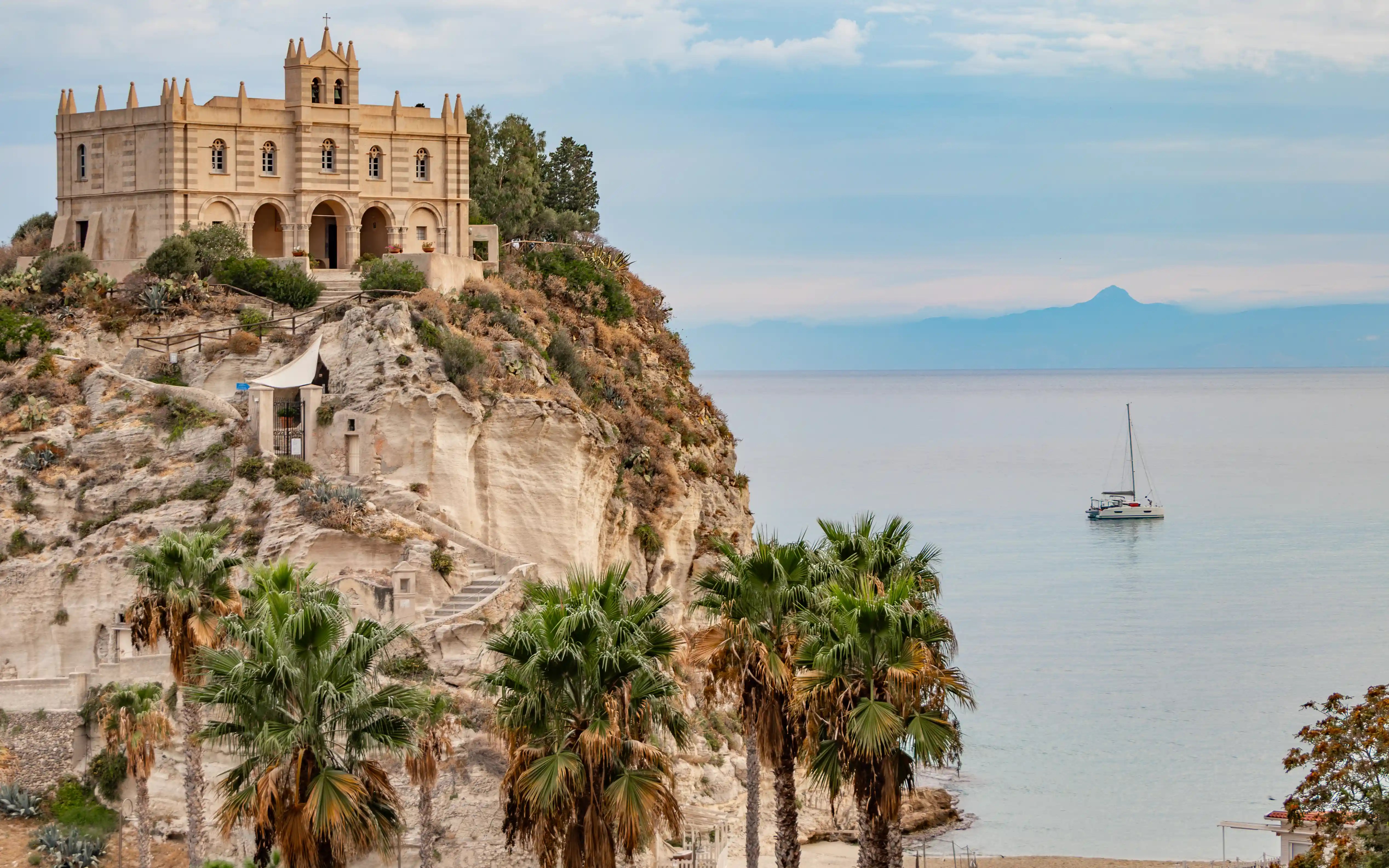
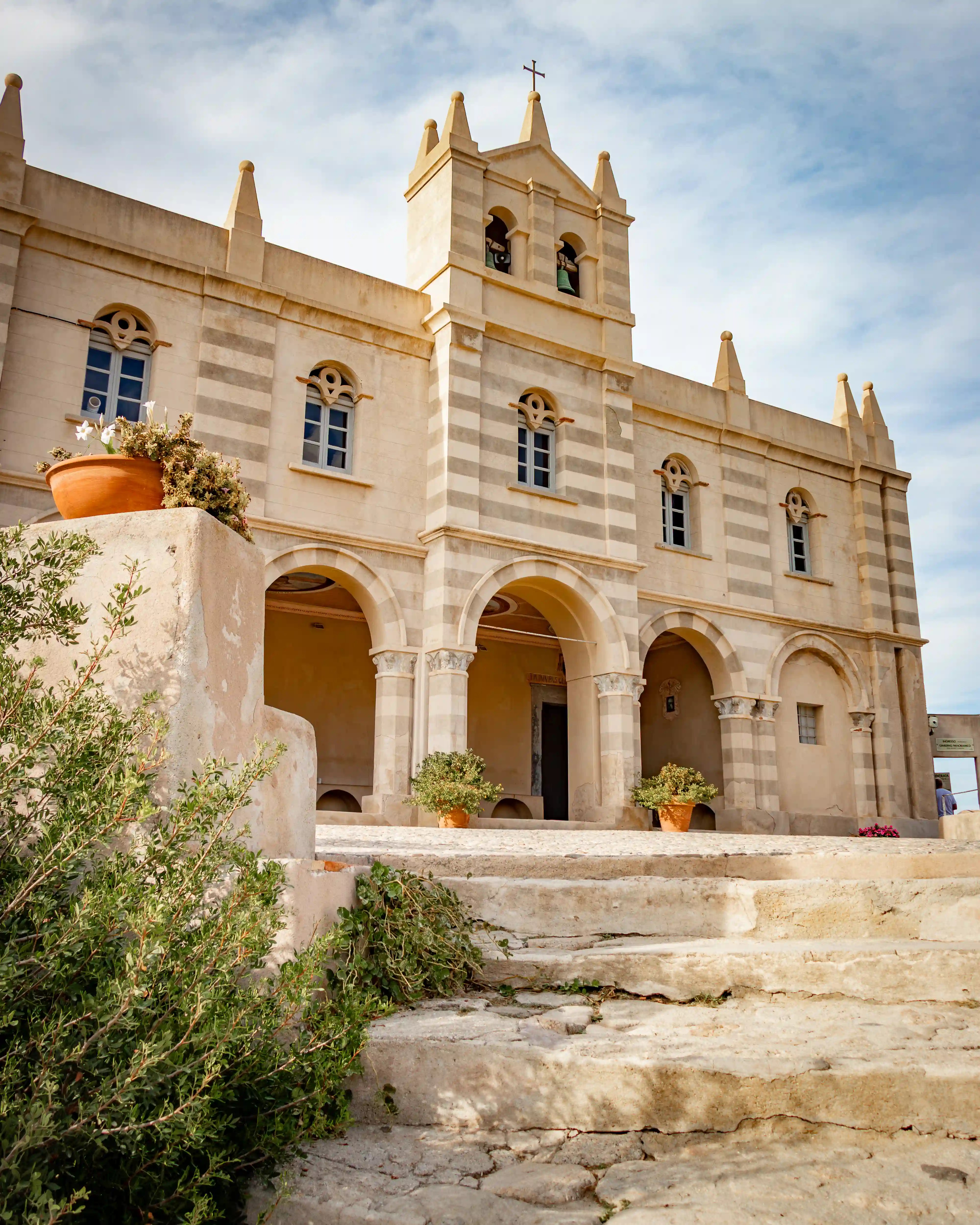
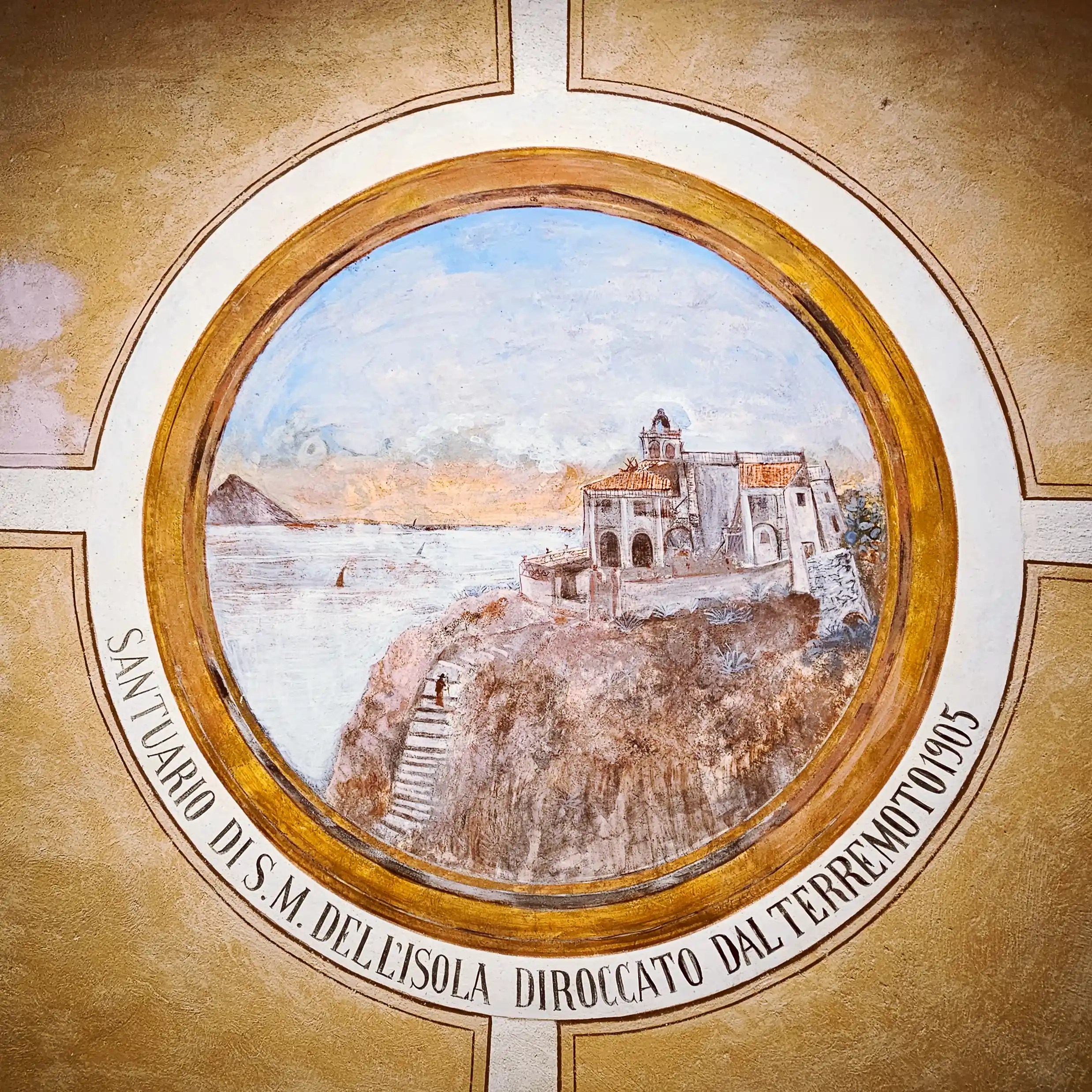
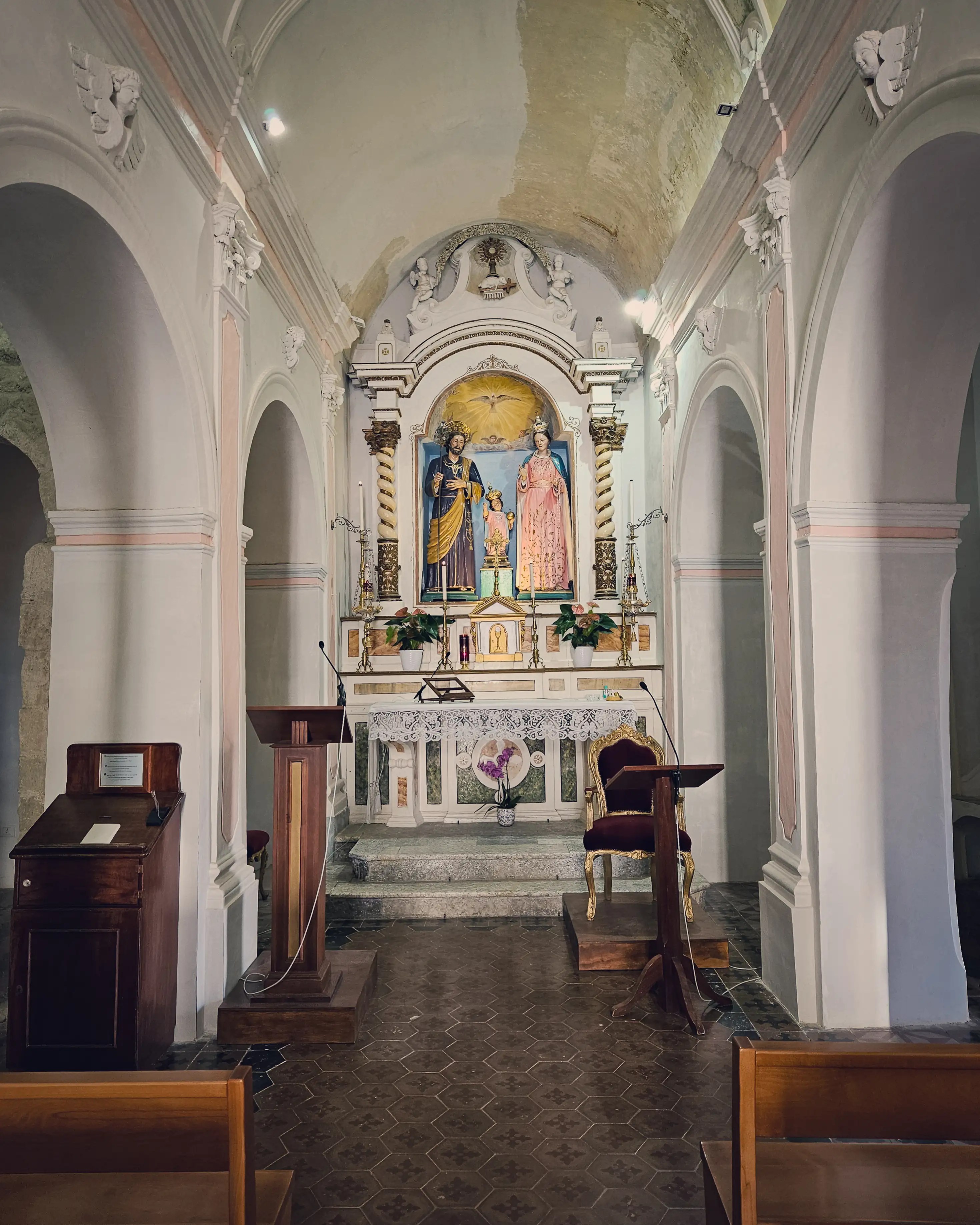
The Santuario di Santa Maria dell’Isola (Sanctuary of Santa Maria dell’Isola) is the defining landmark of Tropea. Set on a rocky outcrop beneath the town, it is believed to date back to the 6th century, when it was founded by Eastern monks as a hermit community. It later came under Benedictine control and was rebuilt after being severely damaged in the 1905 earthquake, giving it much of its current appearance. A staircase leads to the top, where a small garden and wide views back toward the town and coastline make it worth the climb, especially later in the day.
Cattedrale di Maria Santissima di Romania
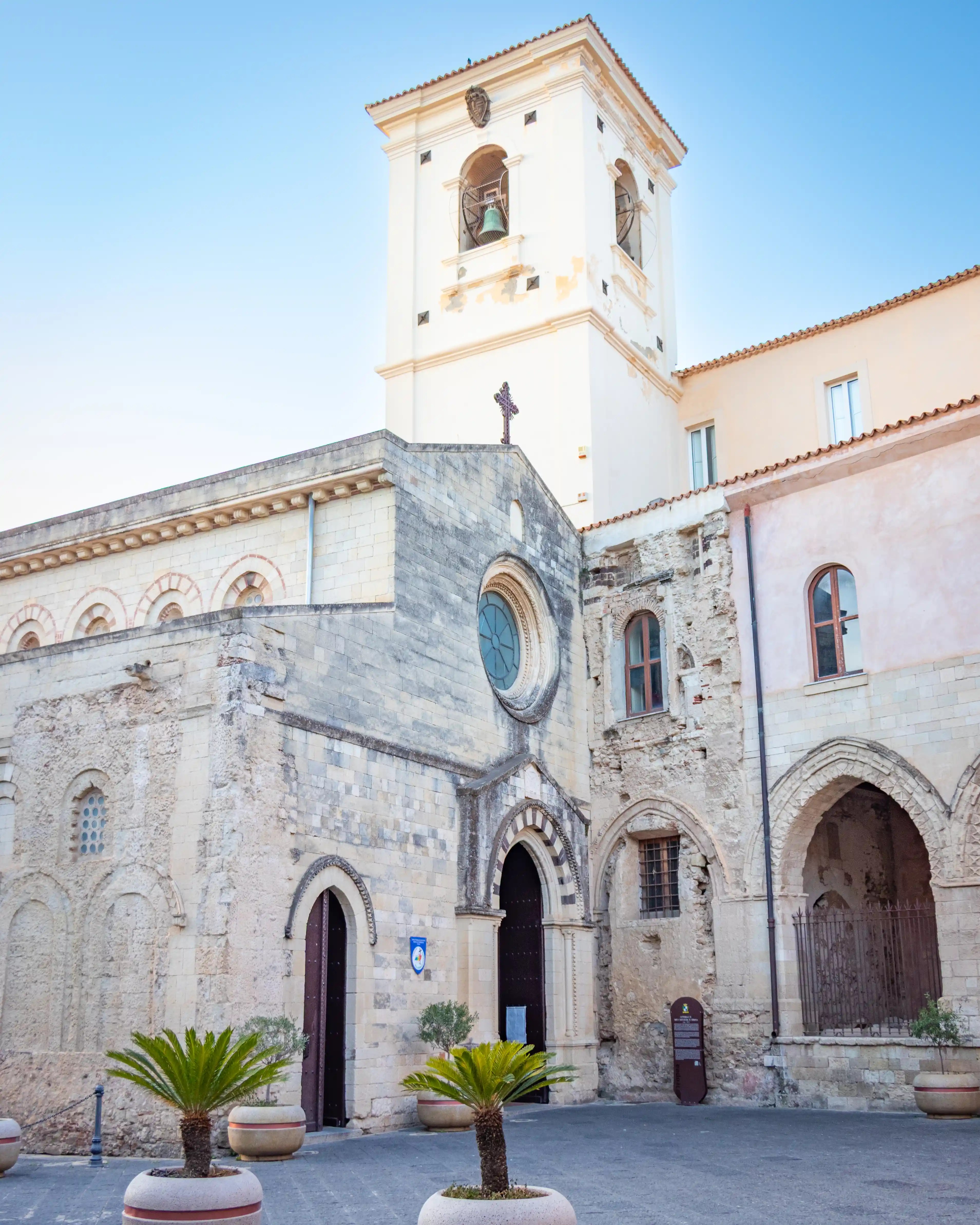
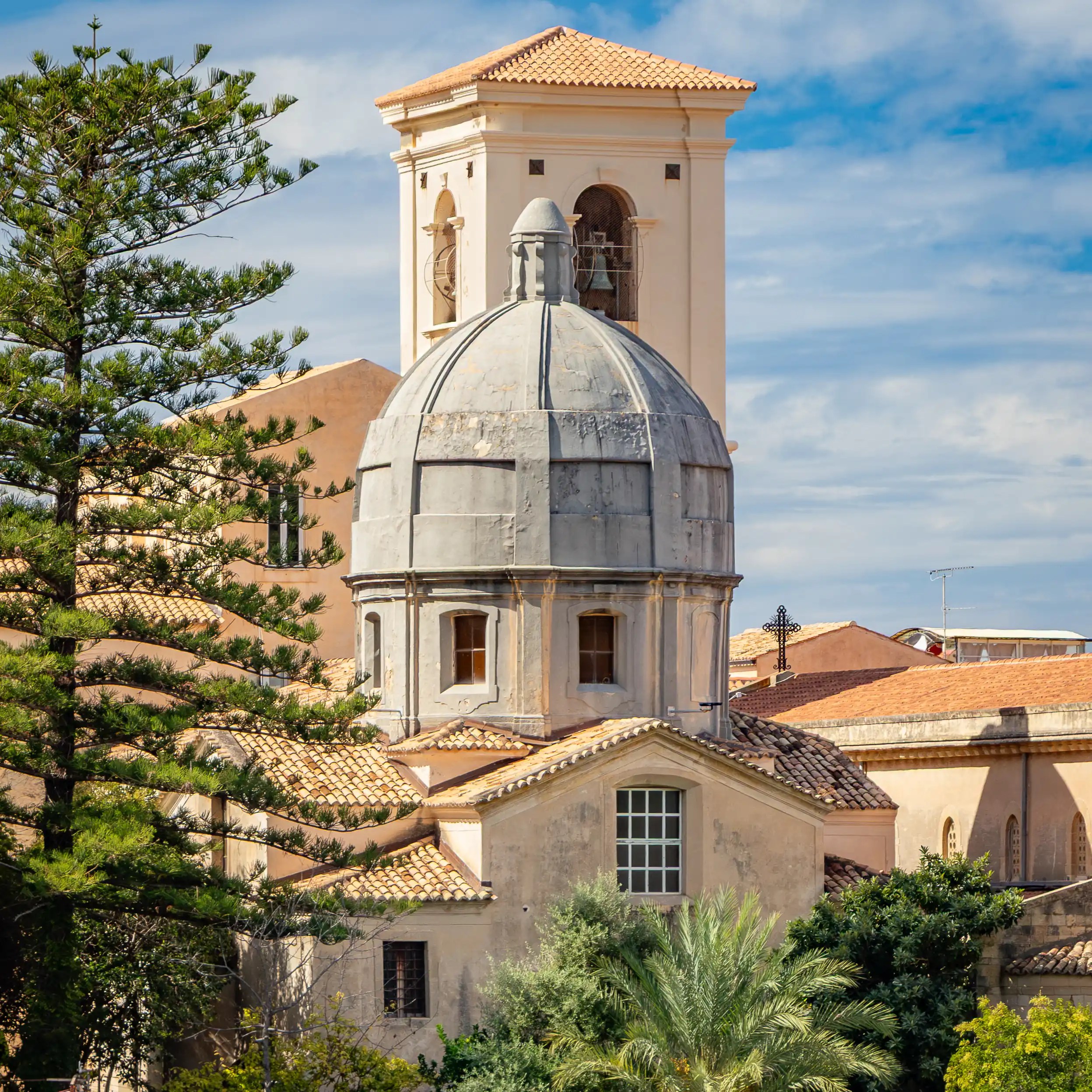
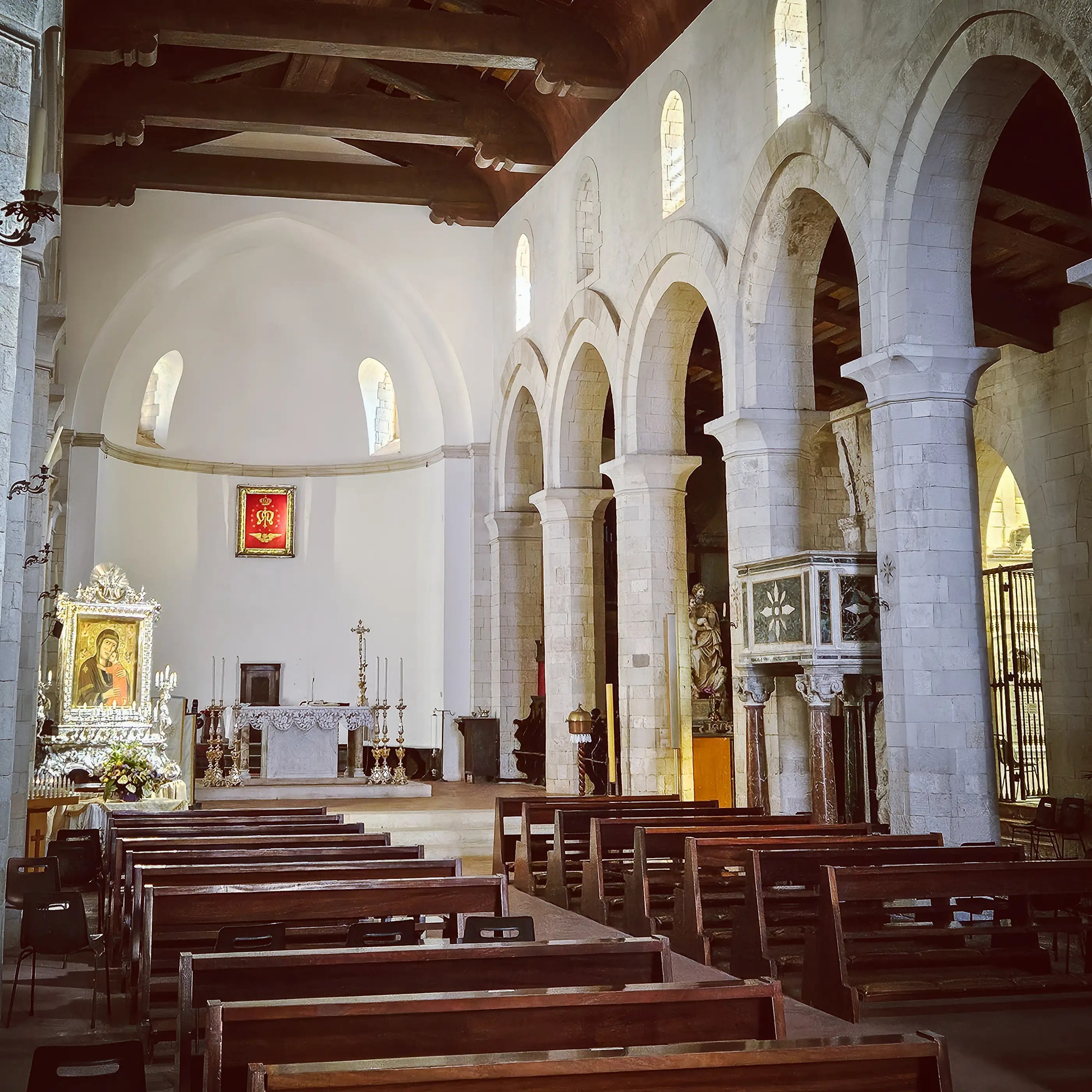
We also stopped by the Cattedrale di Maria Santissima di Romania (Tropea Cathedral), Tropea’s main cathedral, located right in the historic center. It dates back to the Norman period, likely built in the 12th century, and is dedicated to the town’s patron saint, the Madonna of Romania. The surrounding buildings are part of a larger religious complex that has developed over time.
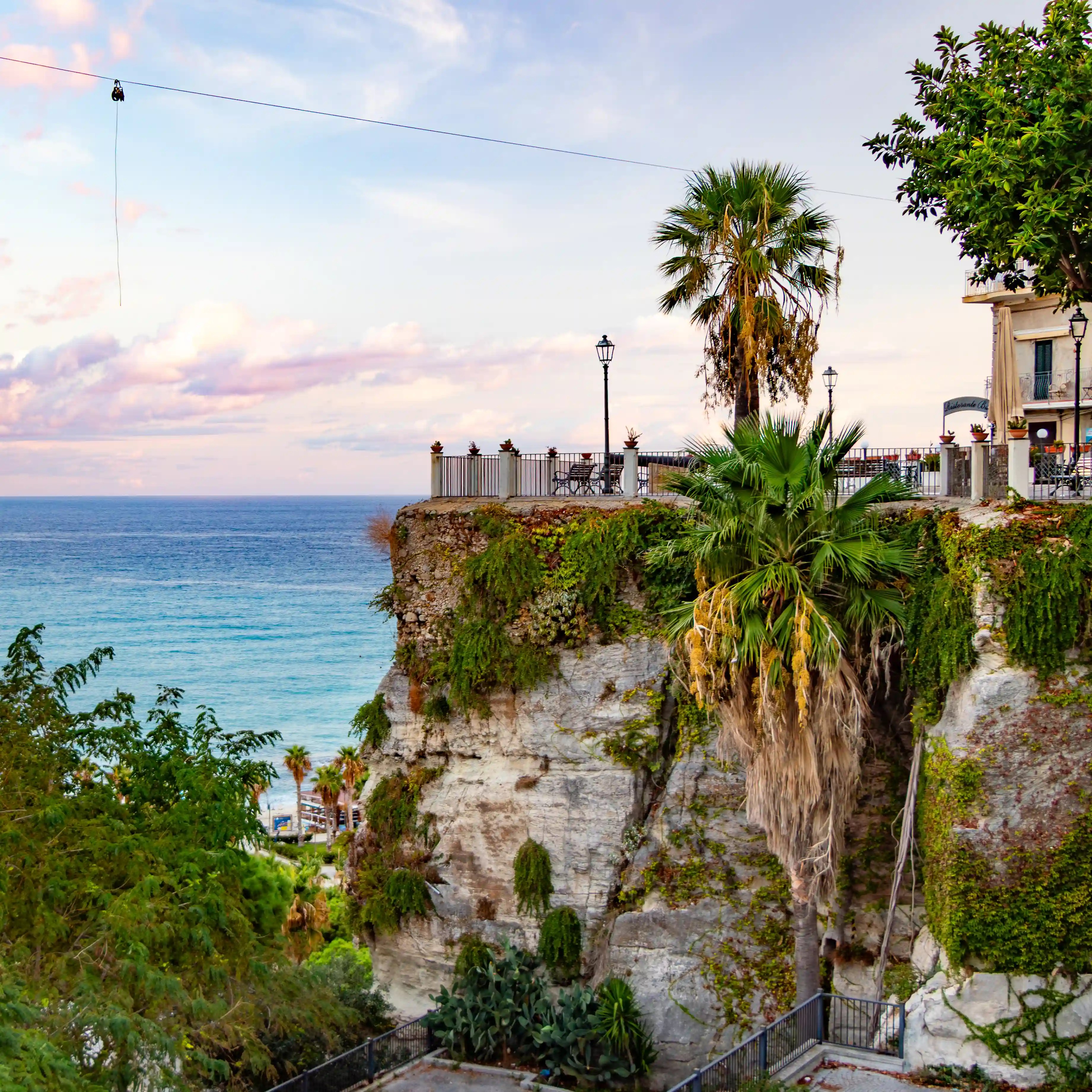
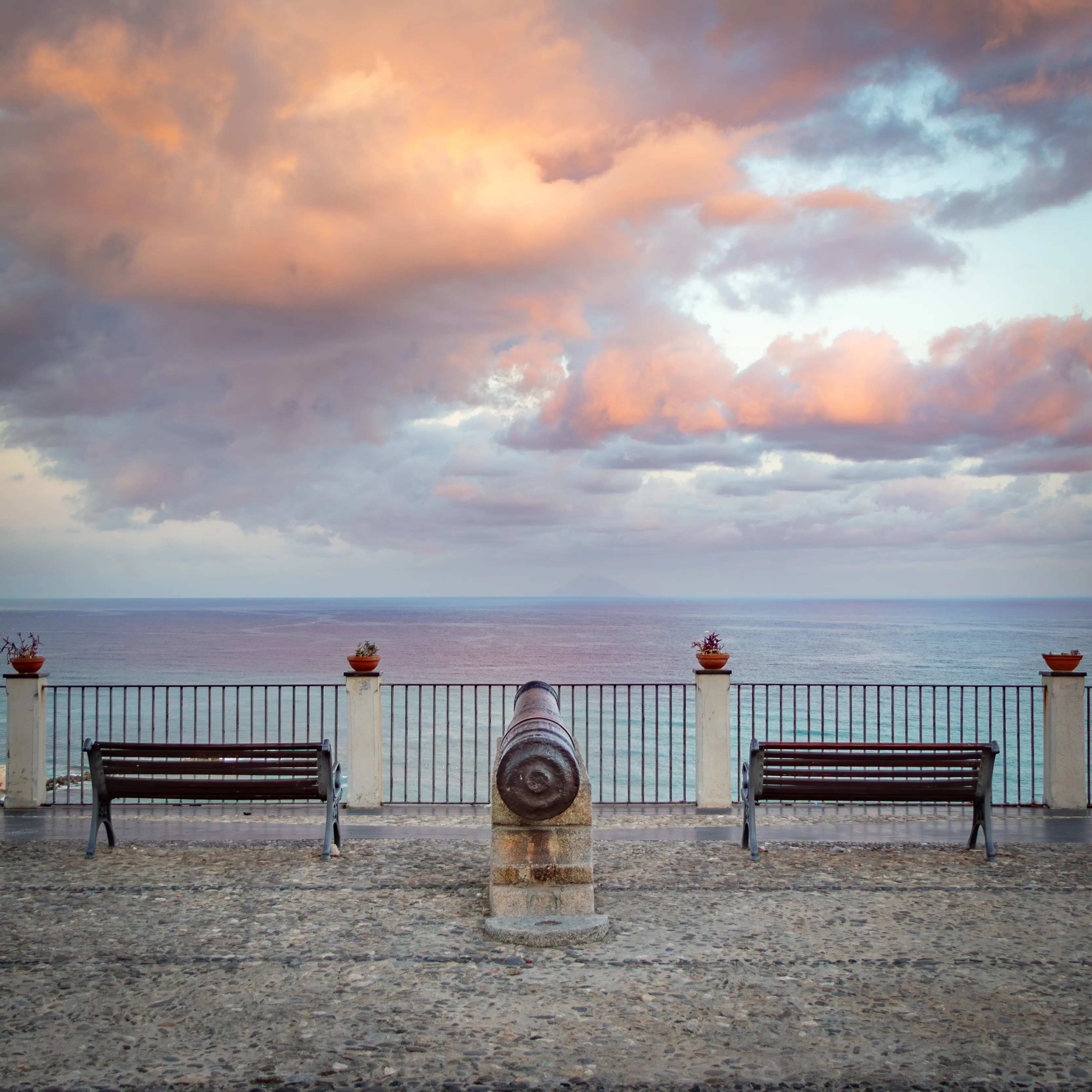
Belvedere Piazza del Cannone
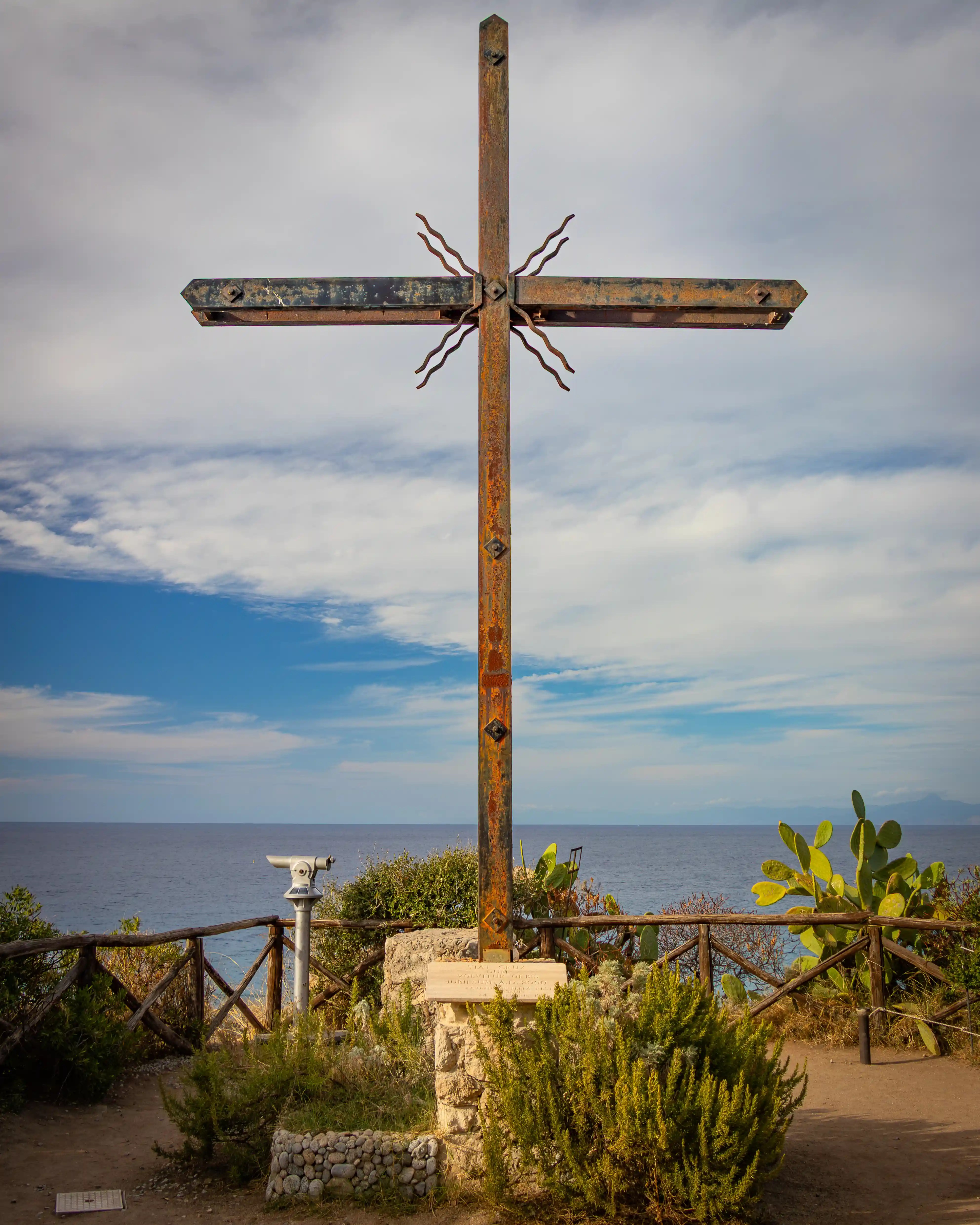
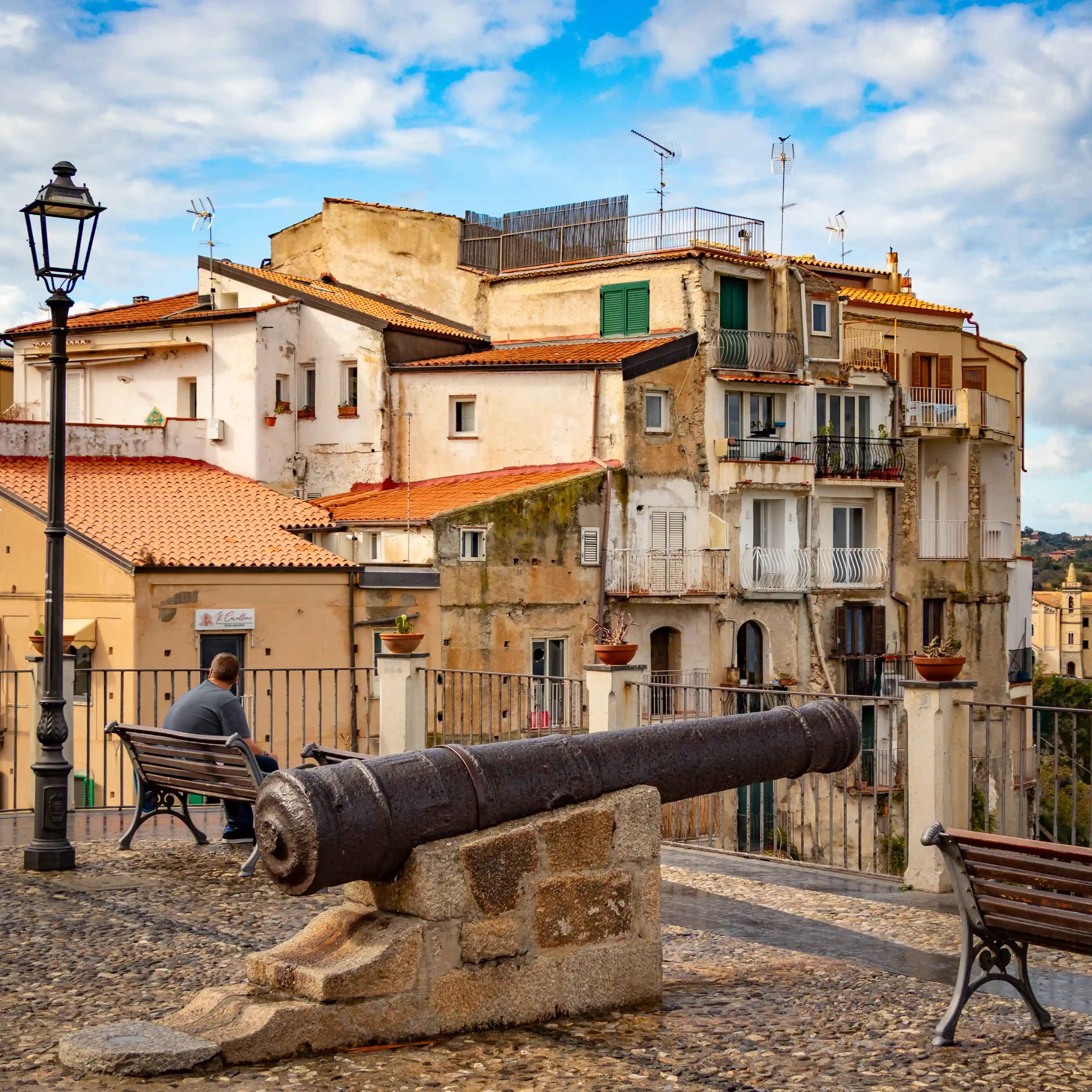
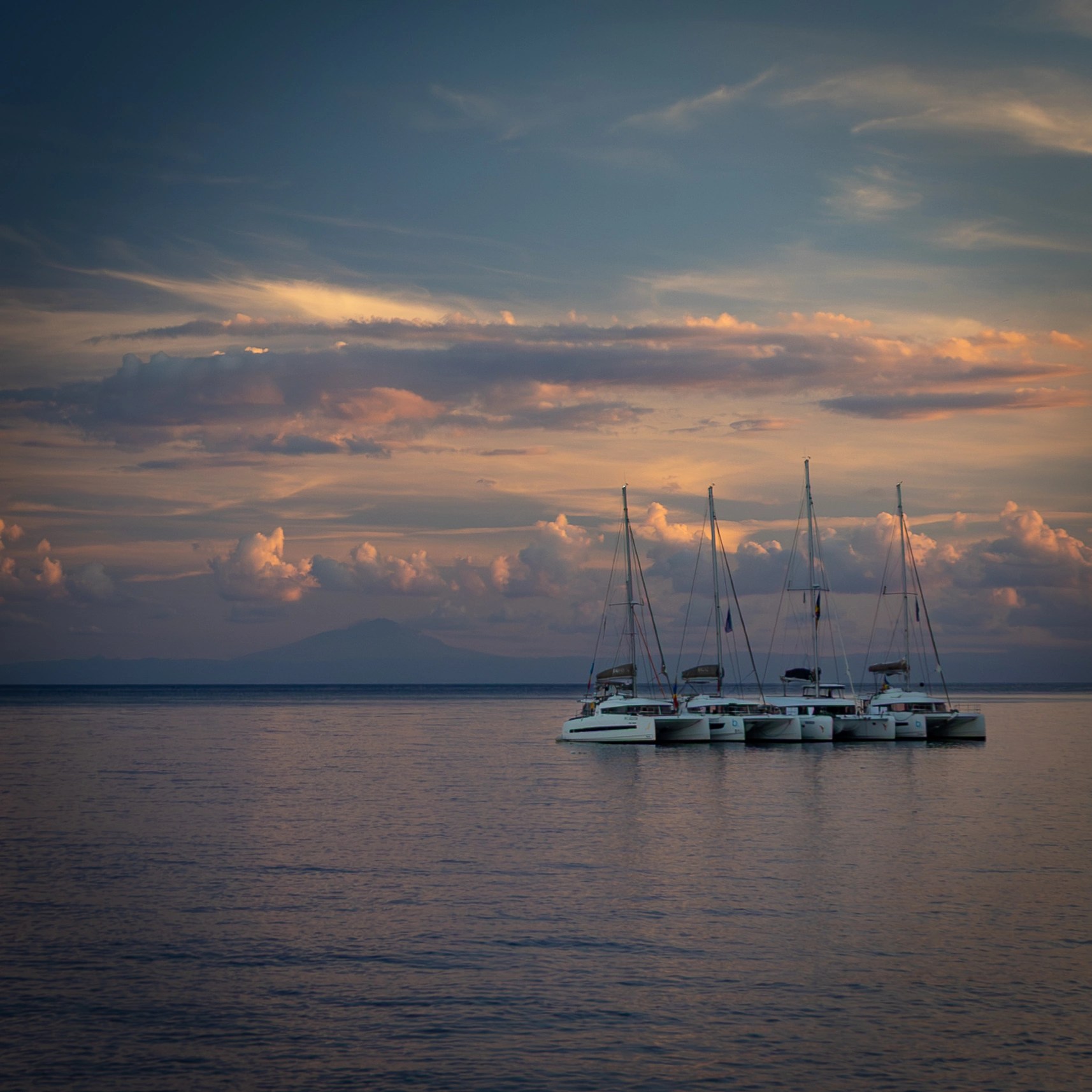
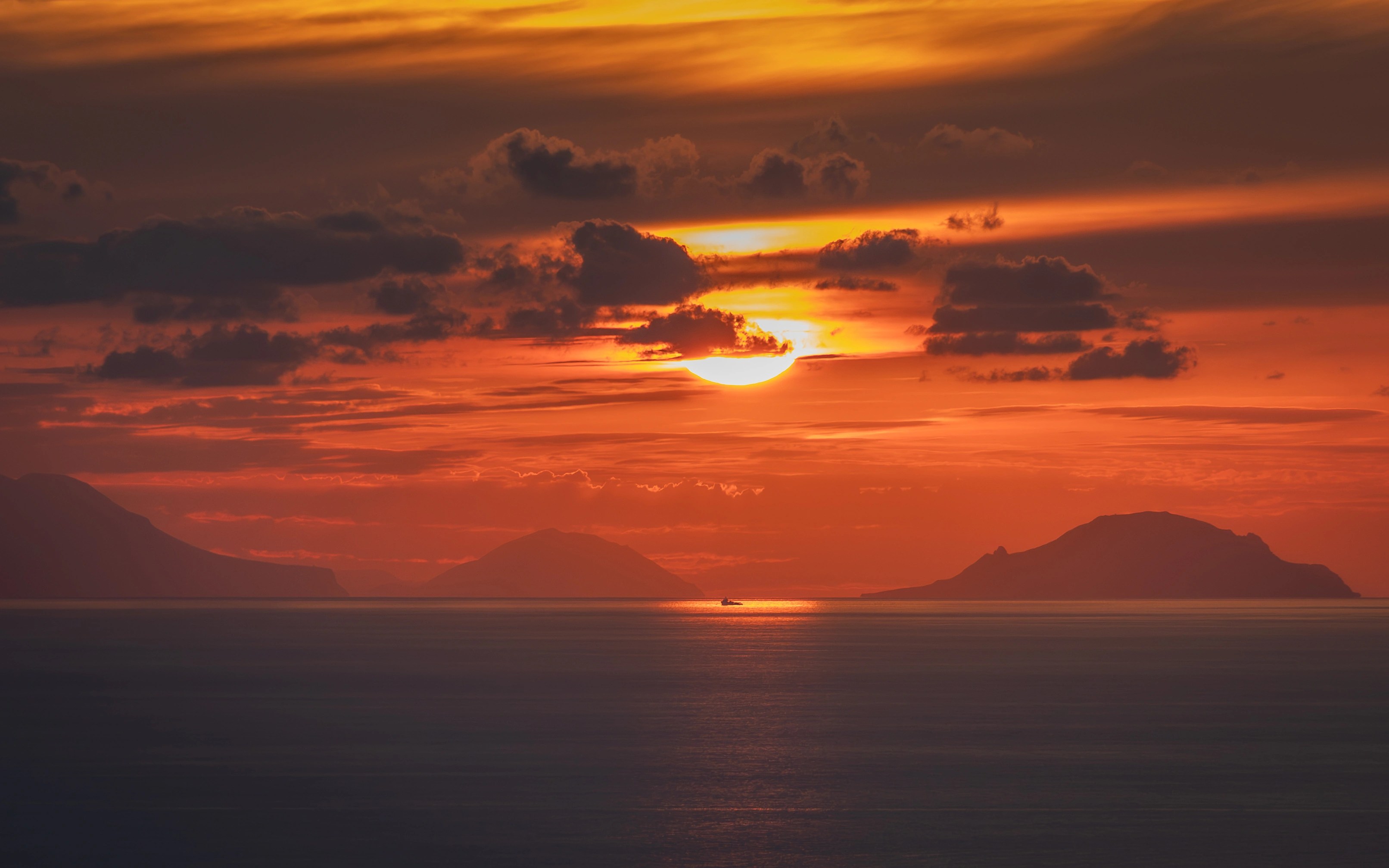
Another nearby viewpoint, Belvedere Piazza del Cannone, is especially nice around sunset, with views along the coastline and, on clear days, the Aeolian Islands in the distance.
Piazza Ercole
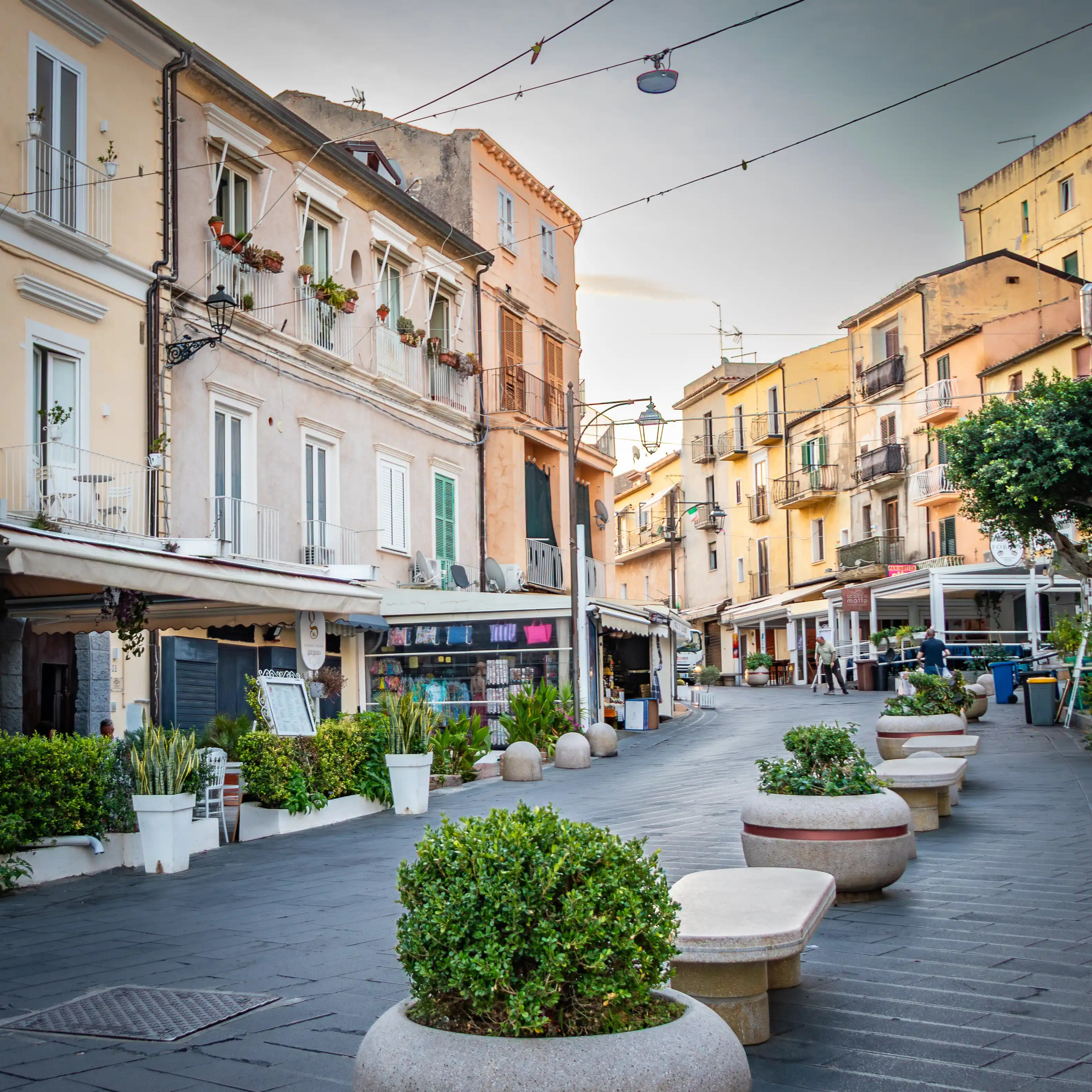
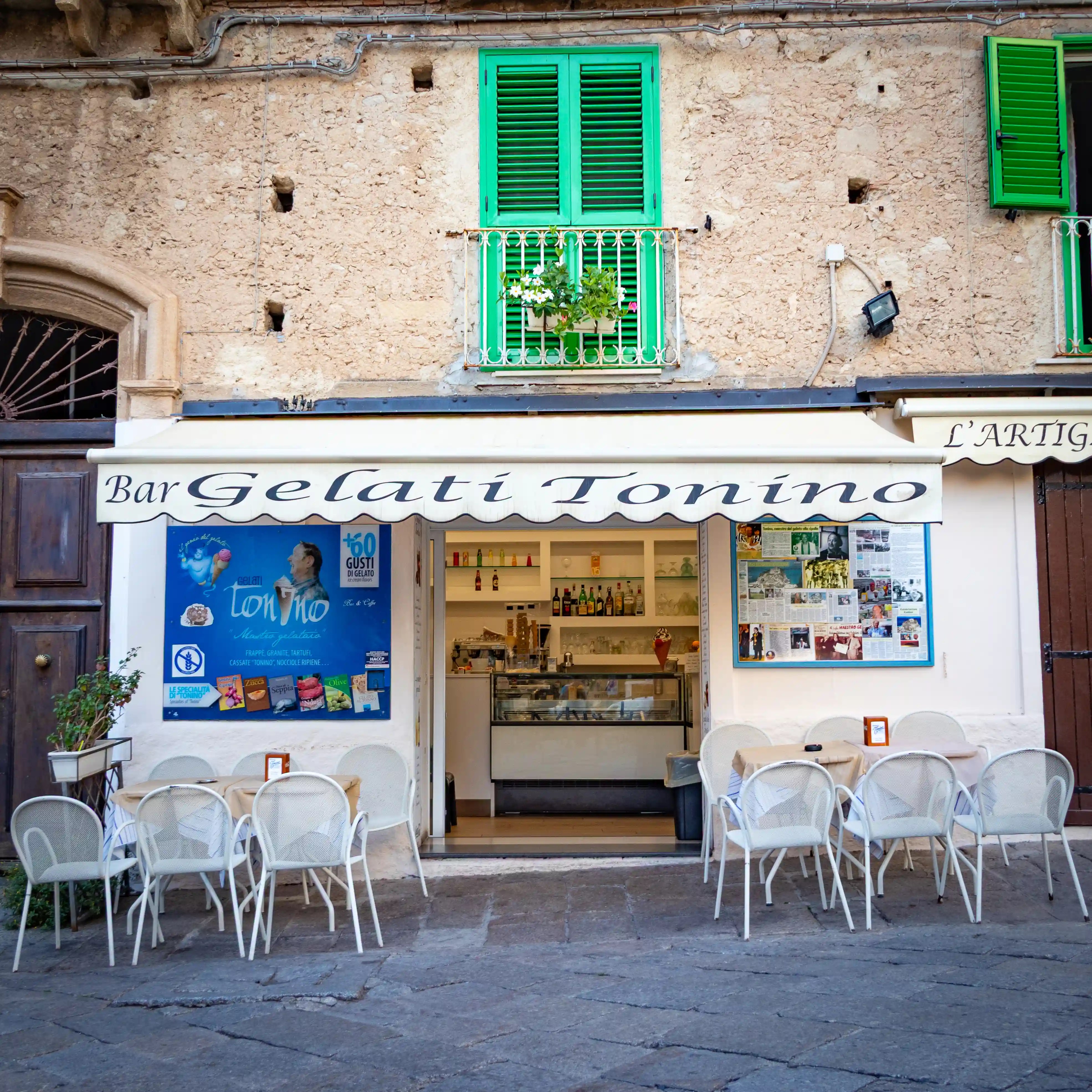
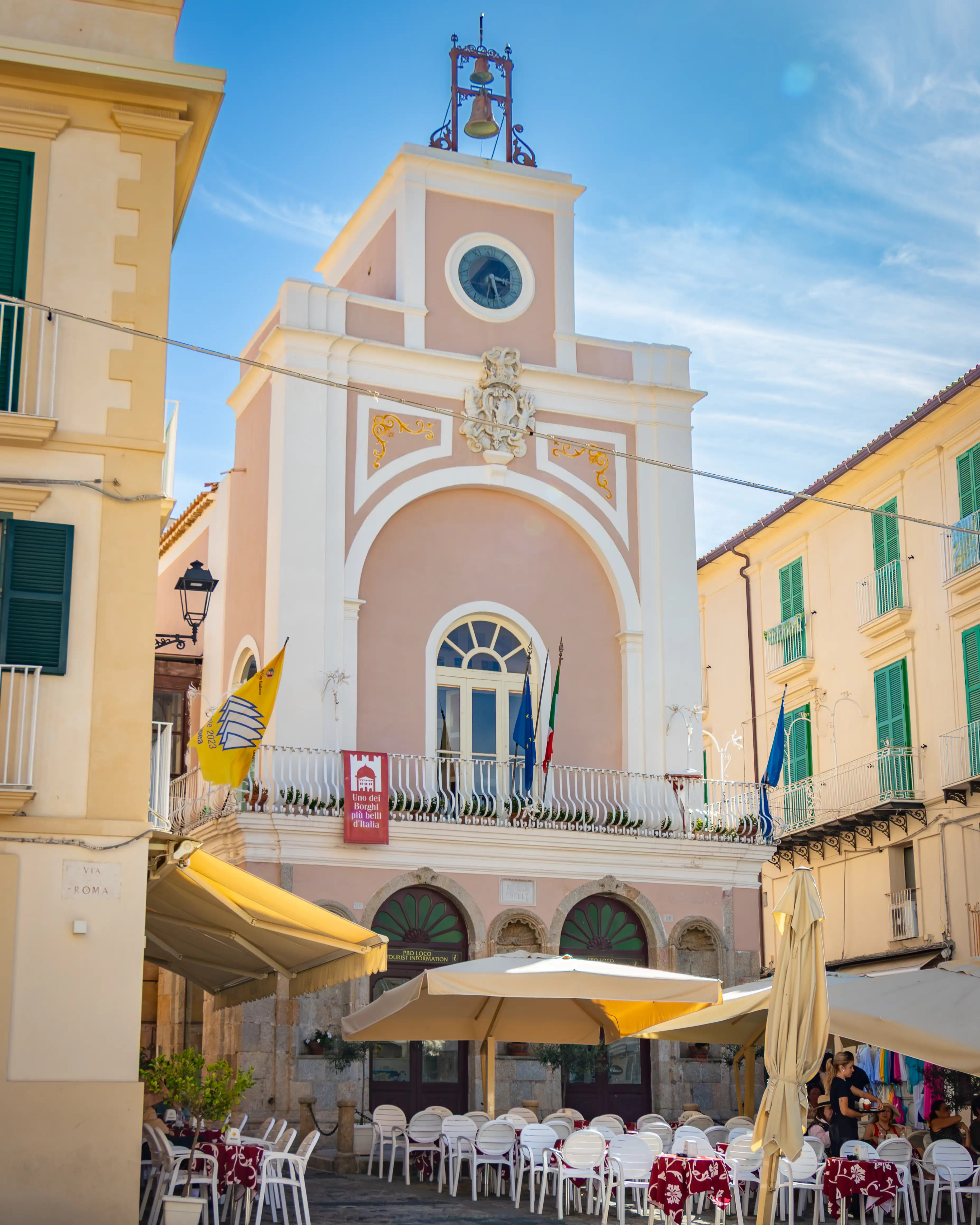
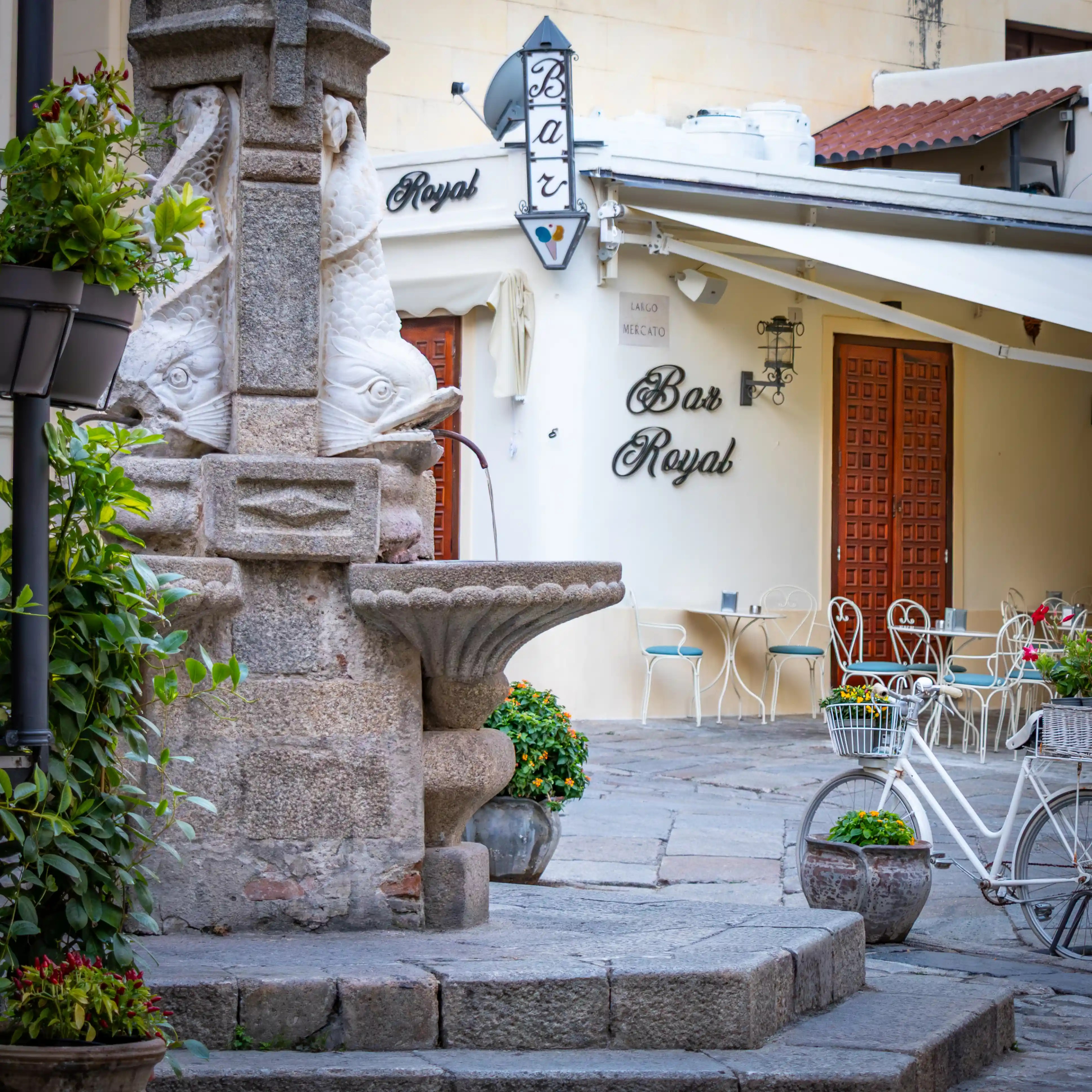
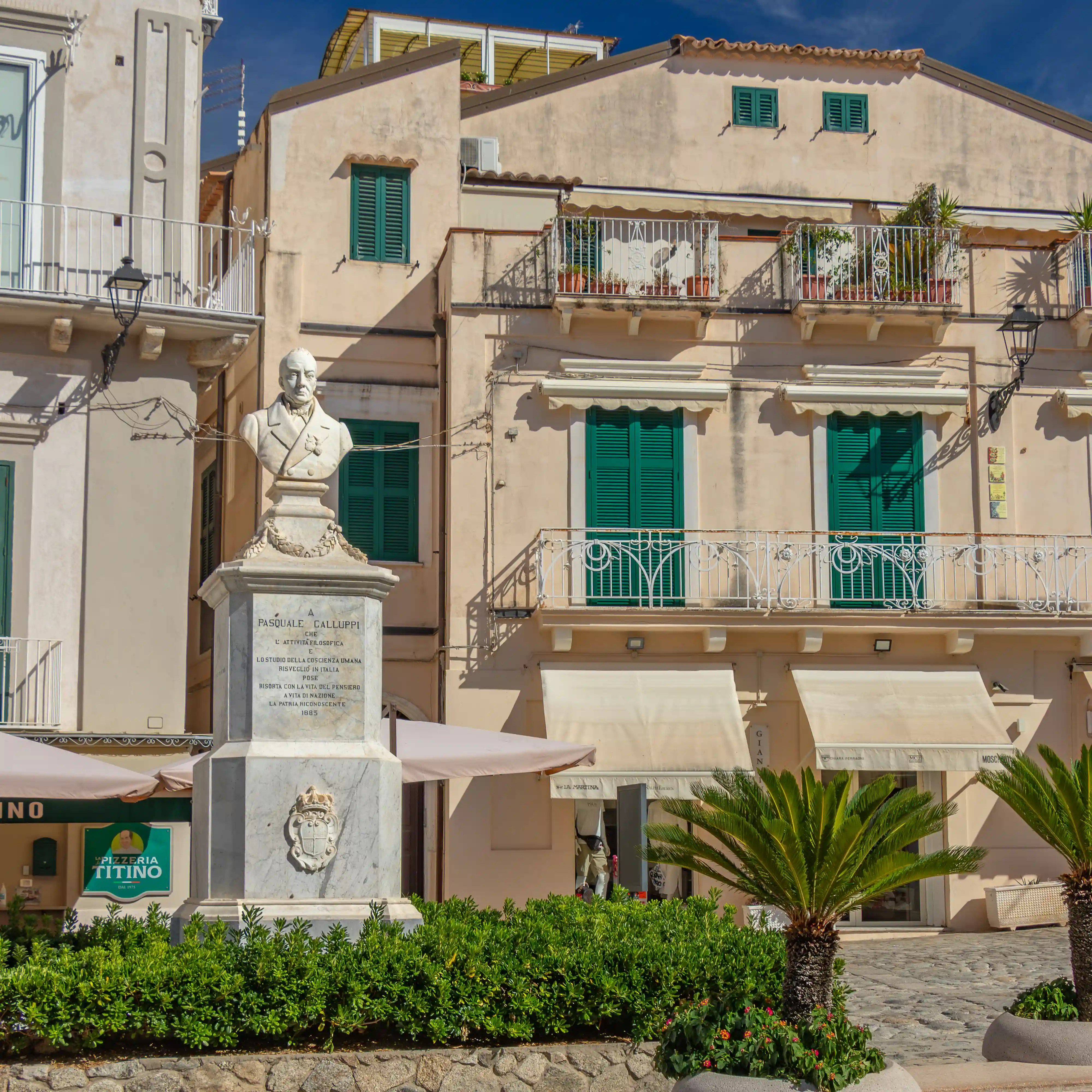
We found ourselves passing through Piazza Ercole, a central square lined with cafés and restaurants, and an easy place to pause while exploring.
Tropea Beaches
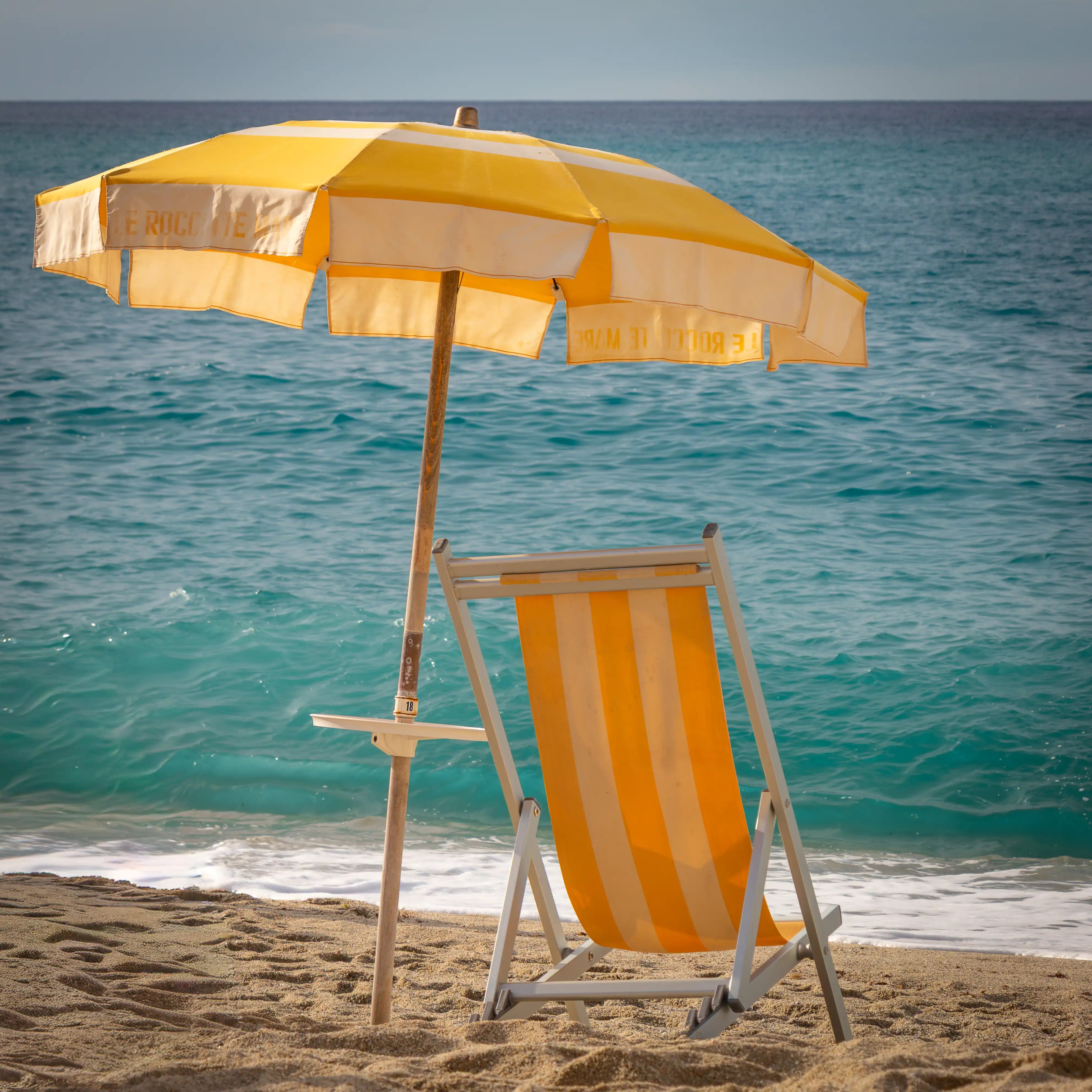
We spent time at Spiaggia Mare Grande (Mare Grande Beach), where beach clubs offer chairs, umbrellas, and access to food, restrooms, and showers. We tried both Lido Isola Bella and Lido Azzurro, and ended up preferring Lido Azzurro (with the blue umbrellas).
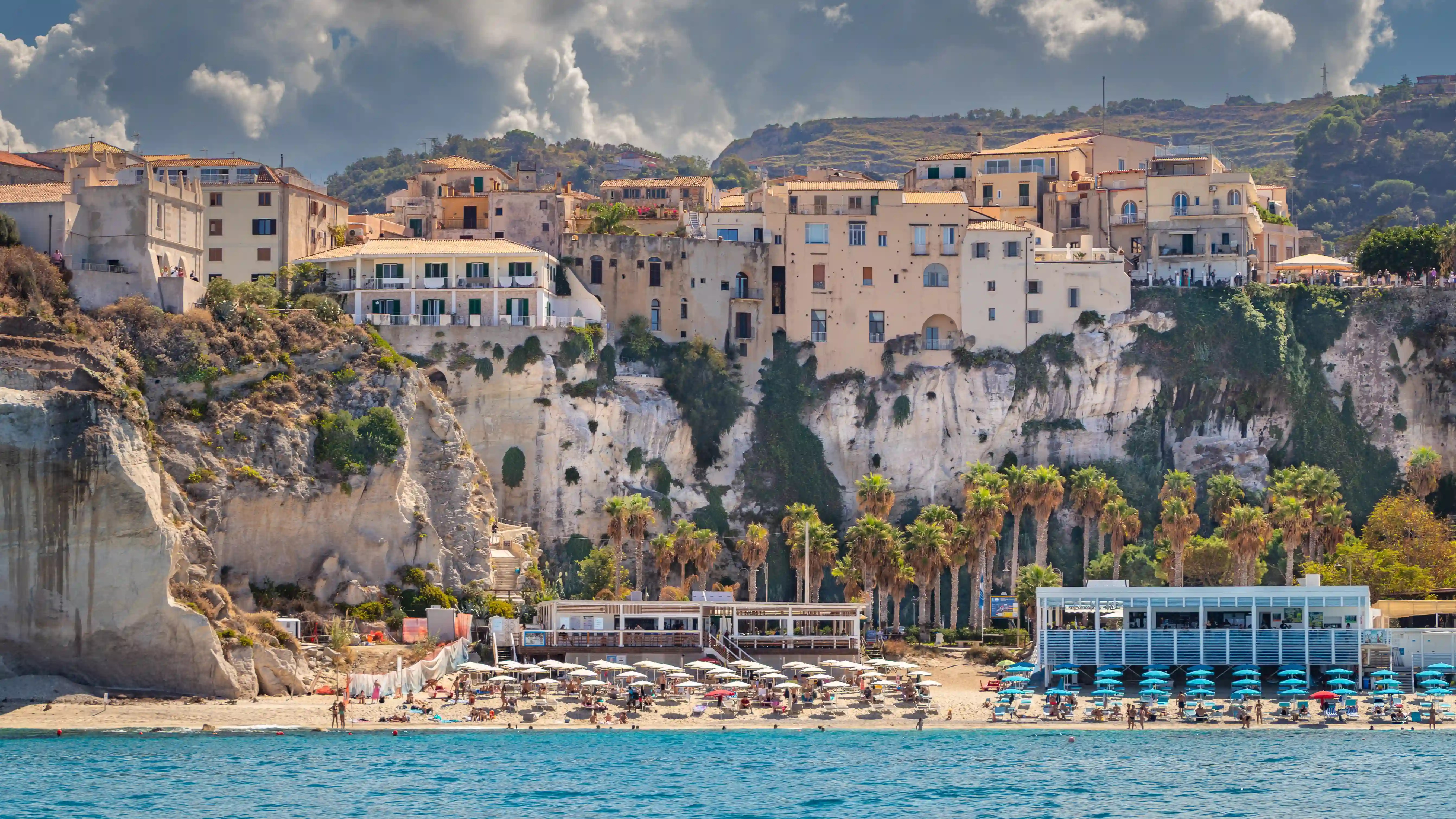
From the beach, you can swim out to nearby caves, including the Grotta del Palombaro (Palombaro Cave) and Grotta dei Tre Archi (Three Arches Cave), which made for a fun way to spend time in the water.
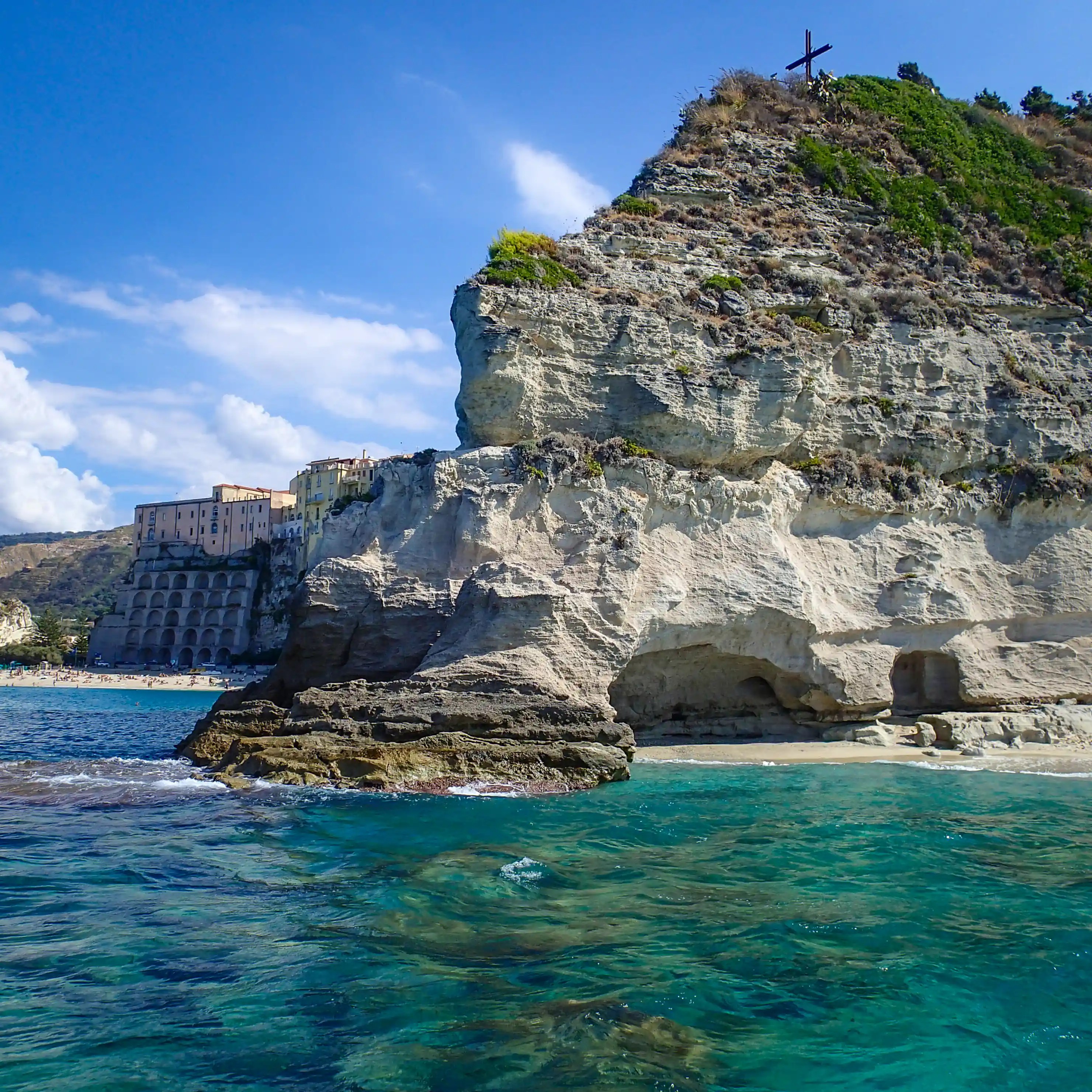
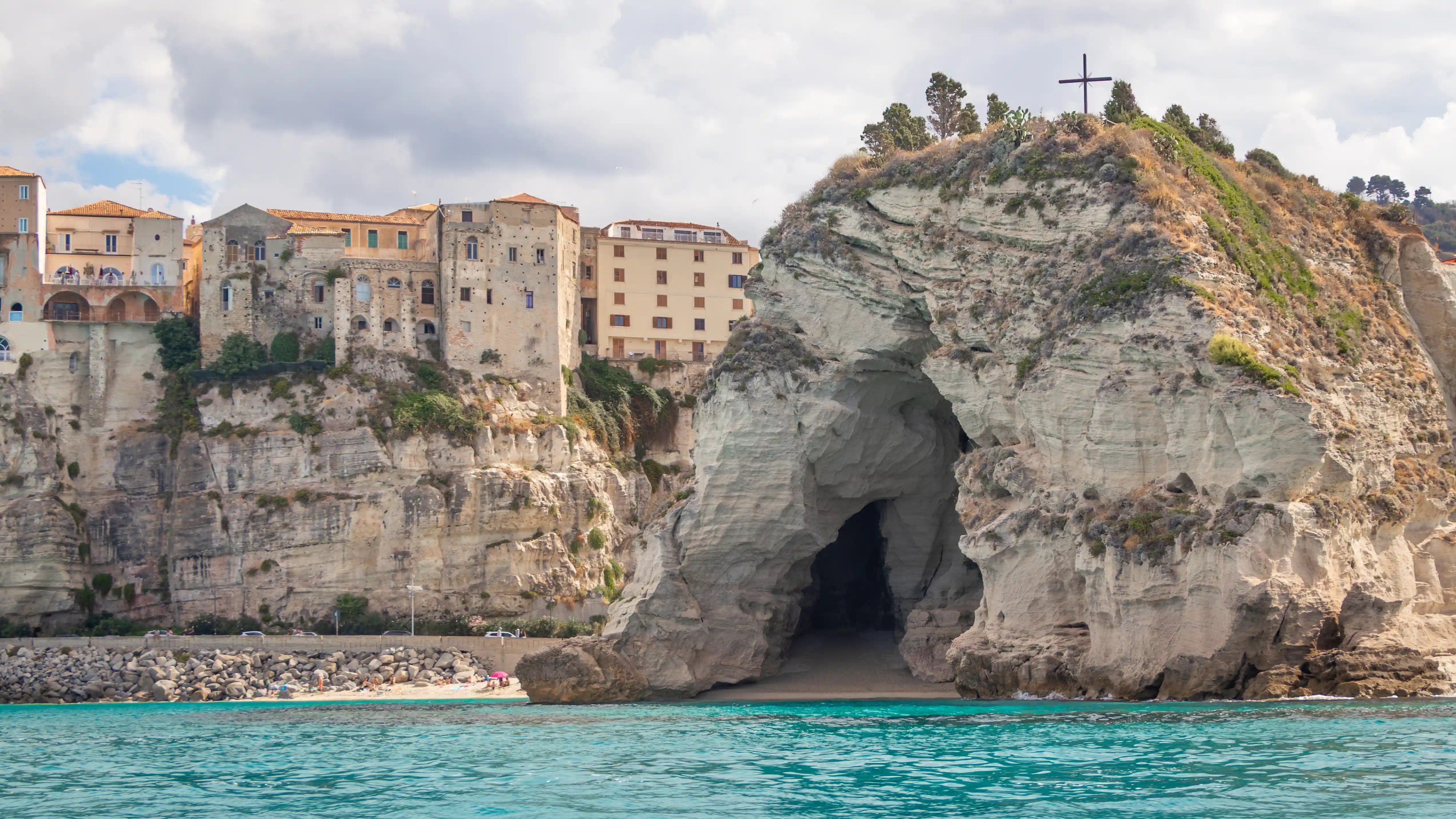
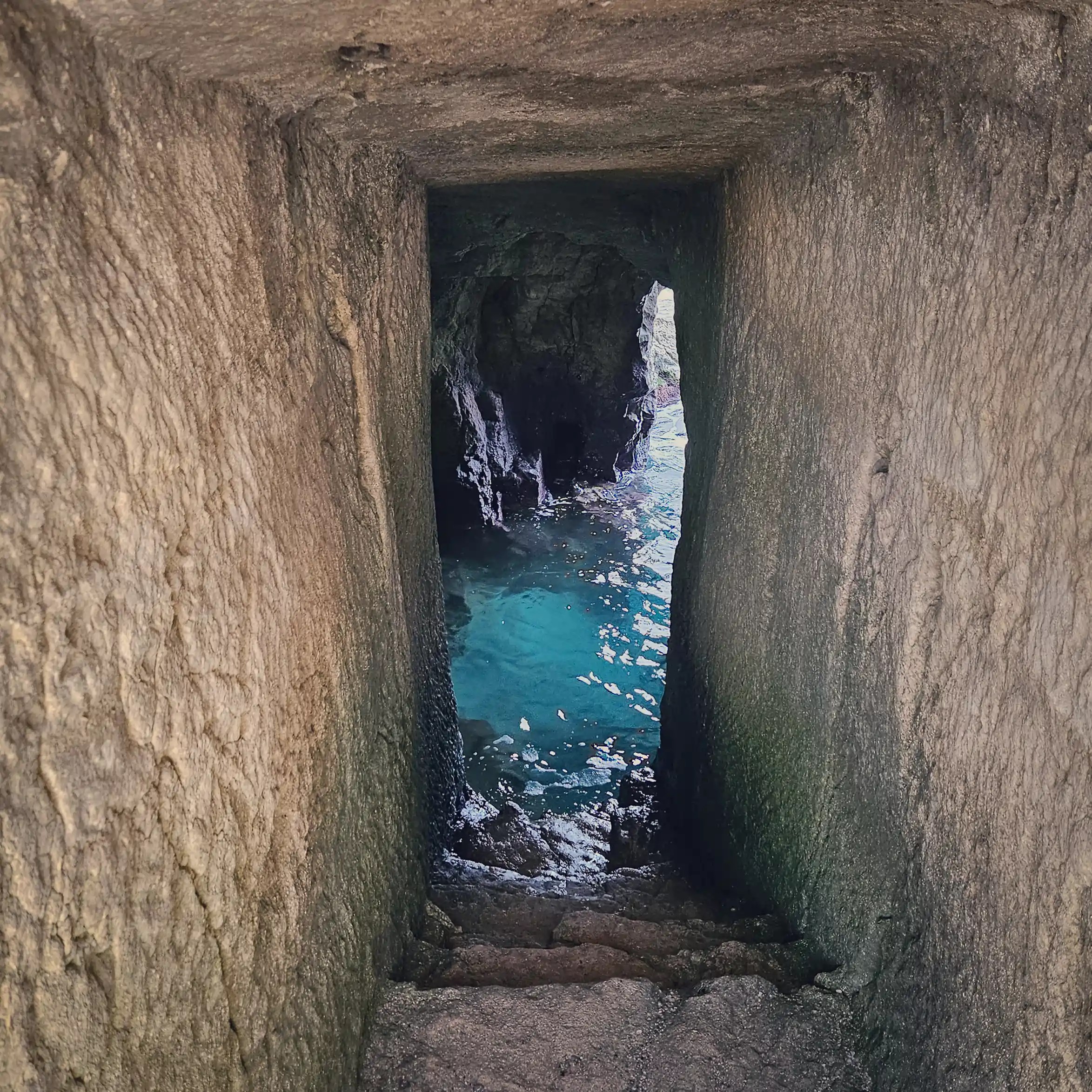
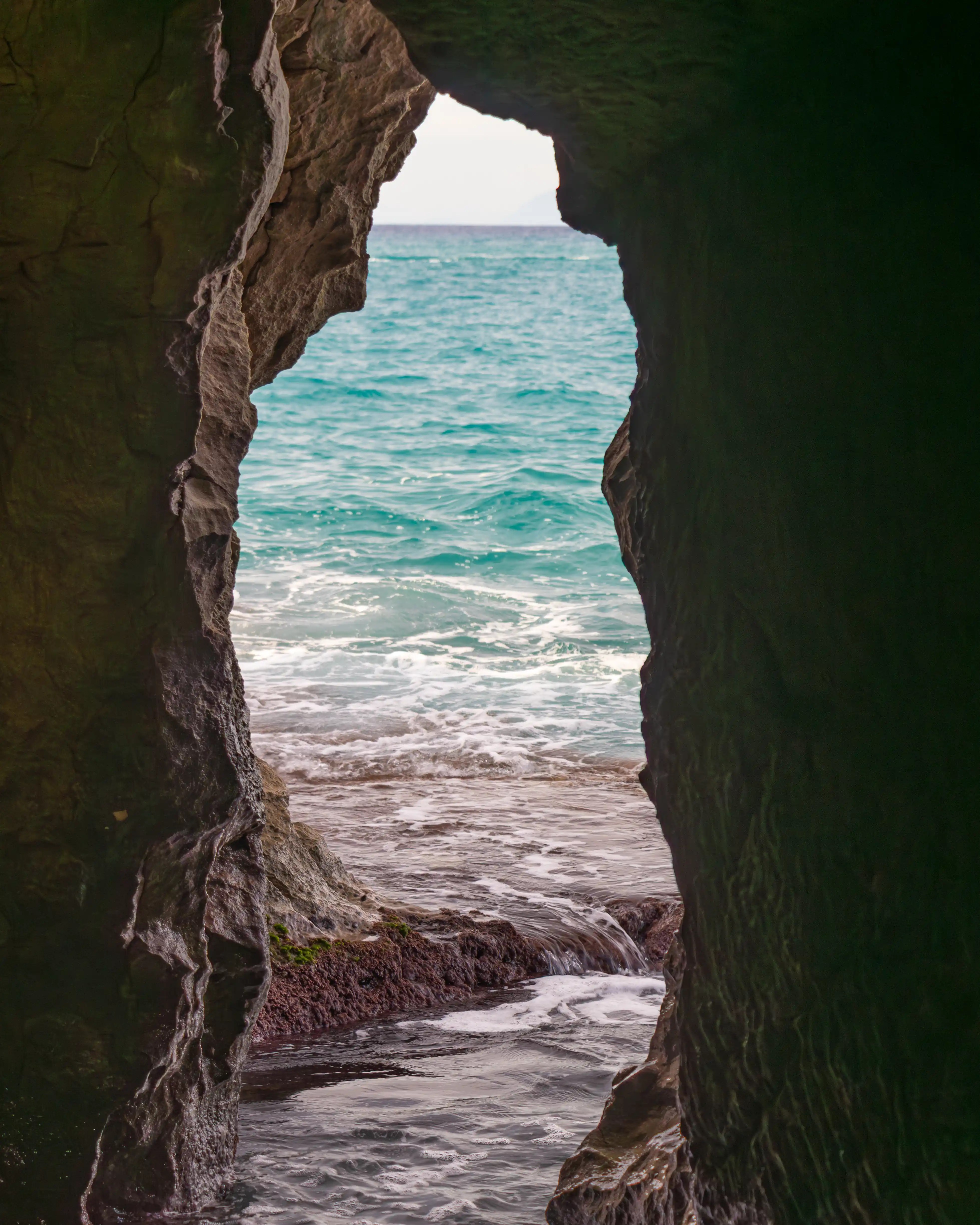
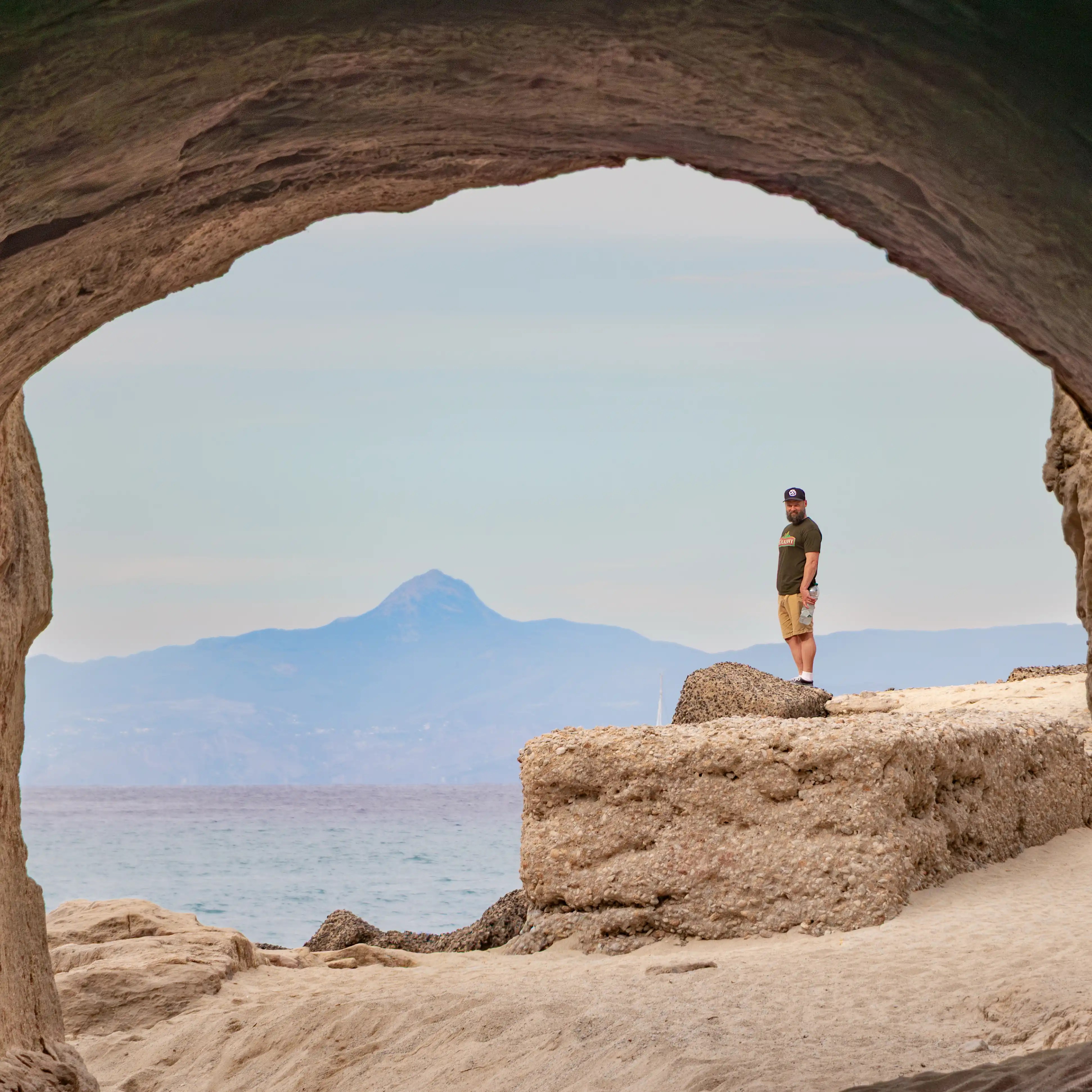
On the opposite side of town, near Spiaggia della Rotonda (Rotonda Beach), we made a quick stop at the Grotta delle Sirene (Cave of the Sirens), a small cave within the Scoglio di San Leonardo, a prominent rock formation just off the beach named after the patron saint of prisoners. The cave can be reached from the water or on foot at low tide, and over time it has become tied to local legend, where sirens were said to inhabit these waters and lure passing sailors.
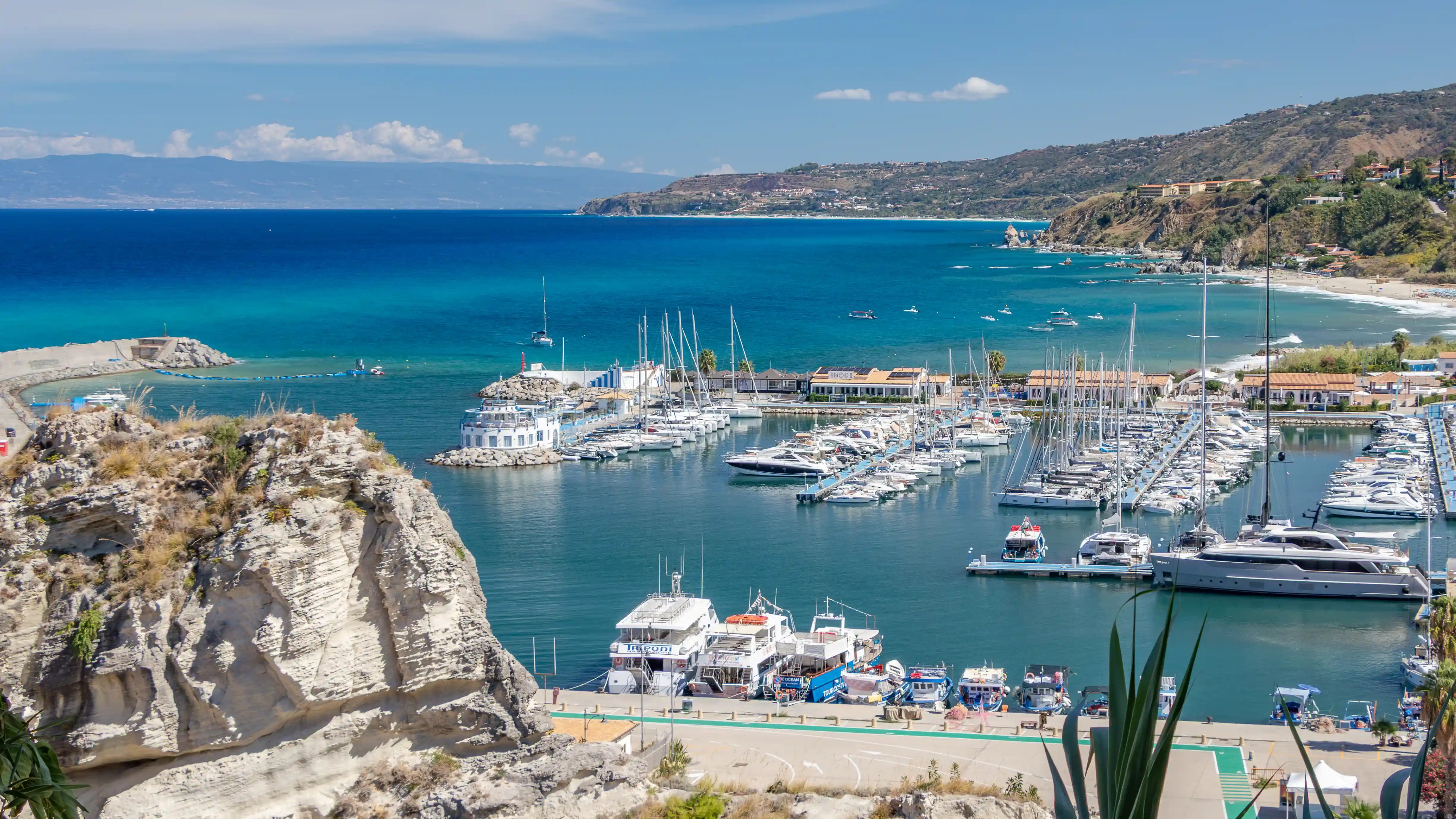
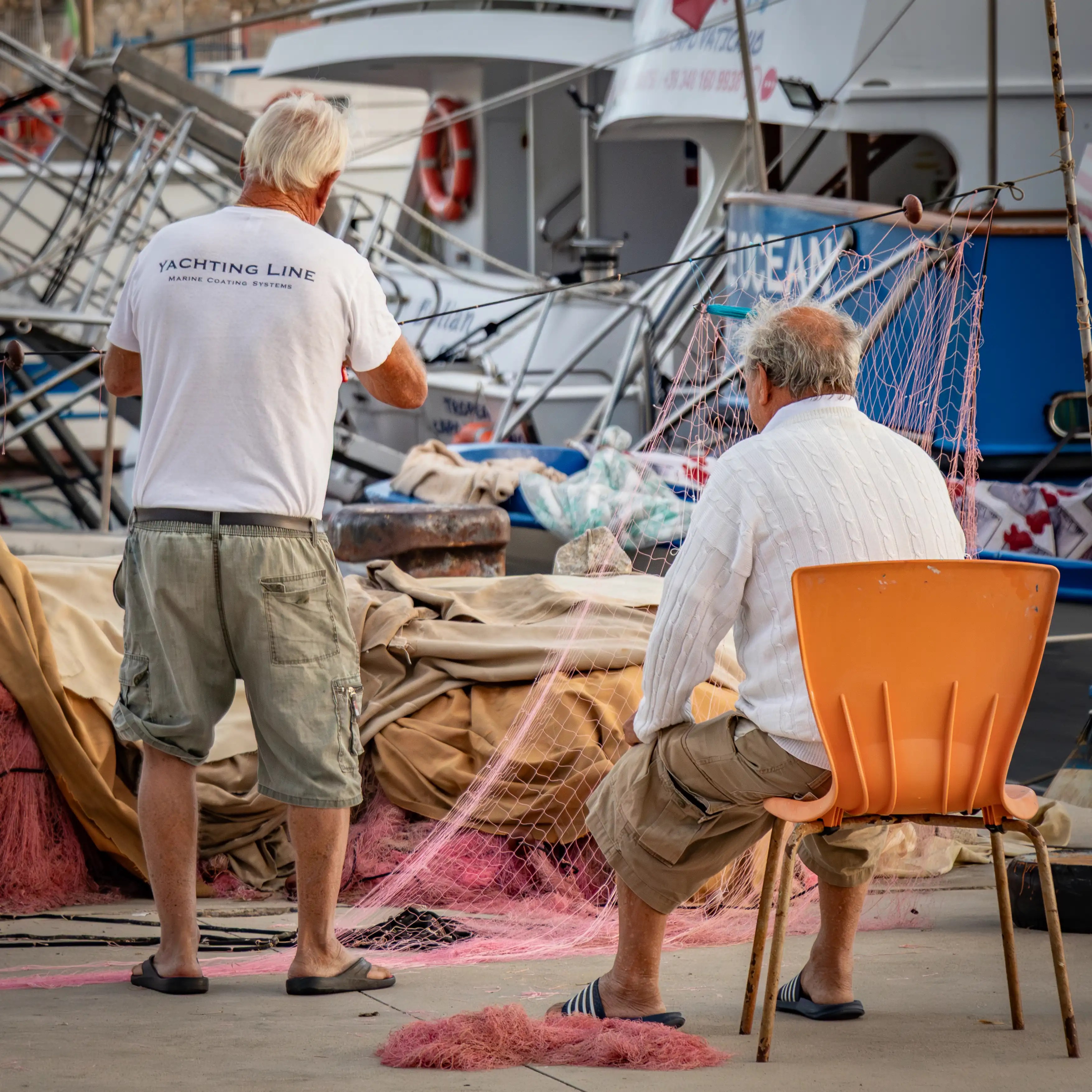
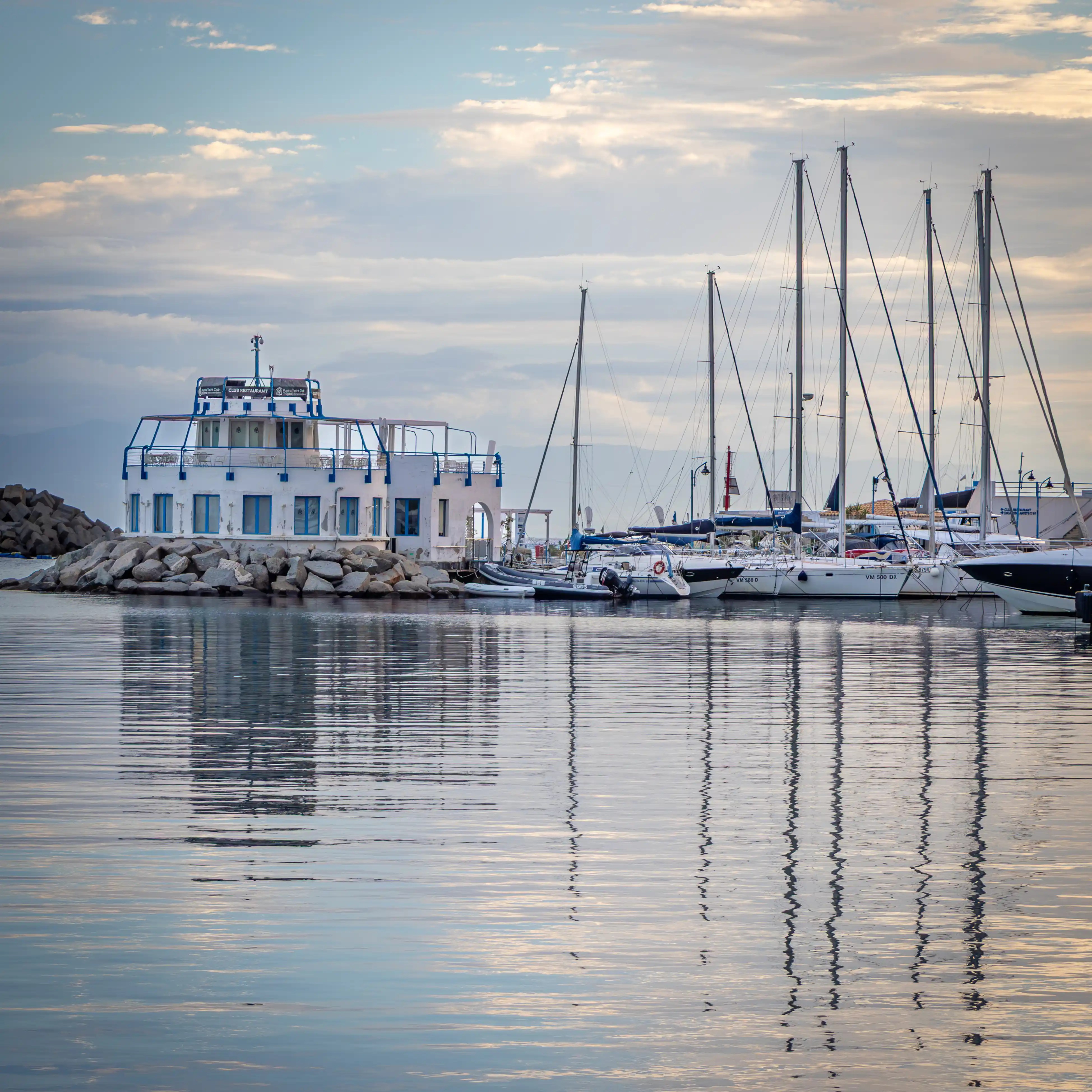
We also found ourselves down at the Porto di Tropea (Port of Tropea) several times, both to explore the harbor area and to head out on excursions, with great views back toward the cliffs and historic center above. Just nearby, we came across a small, tucked-away beach—Spiaggia del Cannone—hidden just off the harbor.
Where We Stayed
We spent a couple of nights in Tropea’s historic center, then moved to Villaggio L’Olivara on the hillside above. It was a nice balance—starting right in the center of everything, then shifting to a quieter setting with beautiful grounds and wide views over the coastline. The rooms were a bit dated, but the setting and views more than made up for it.
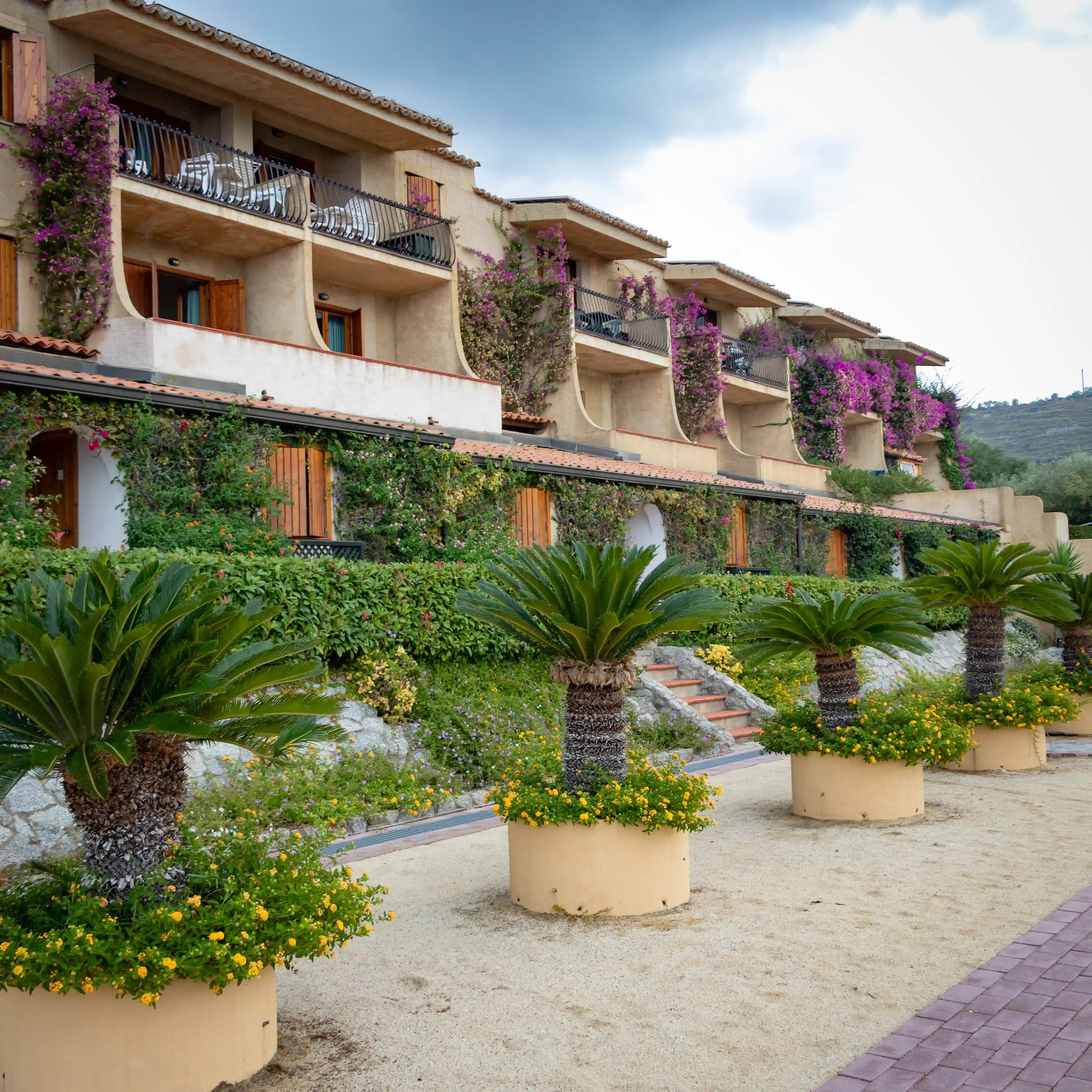
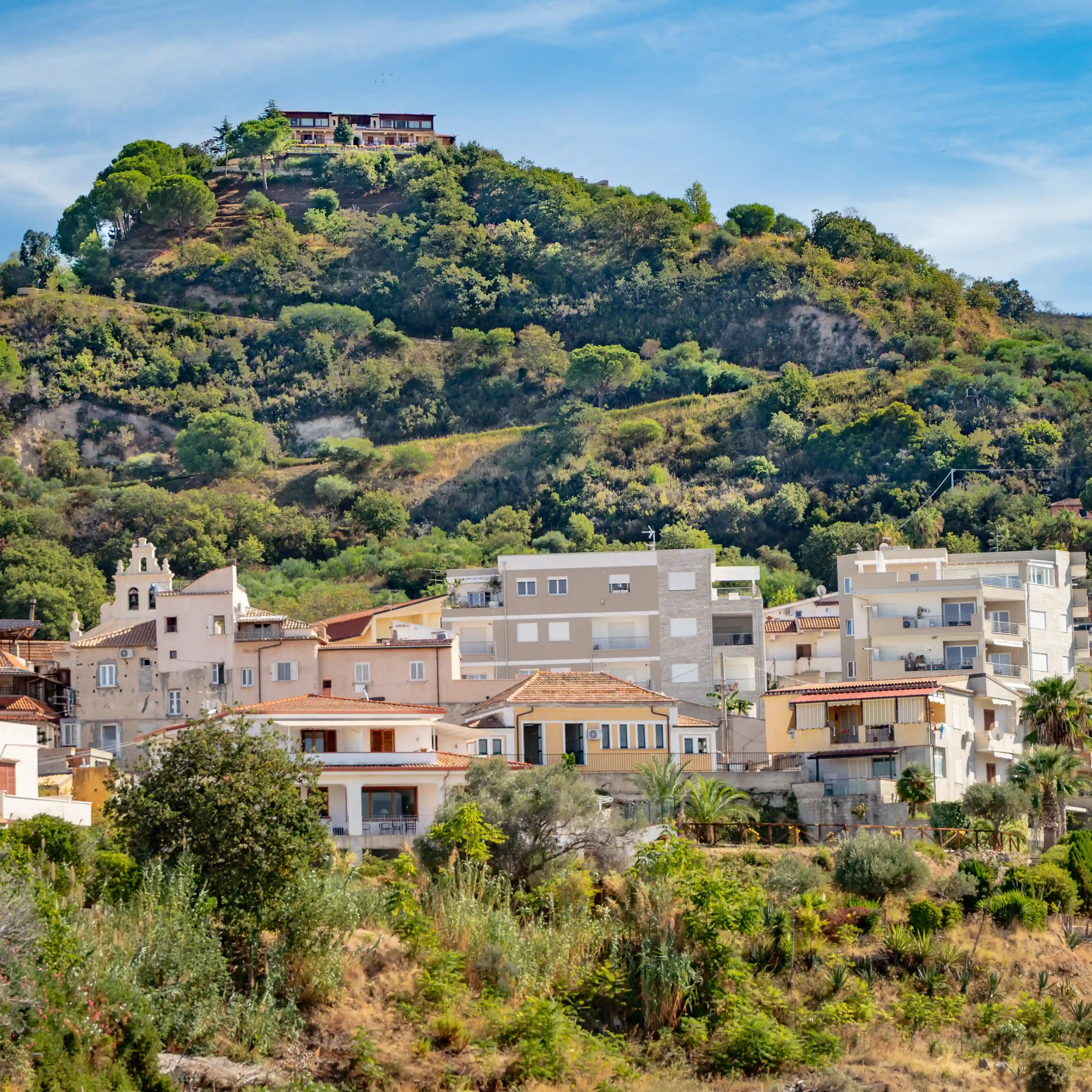
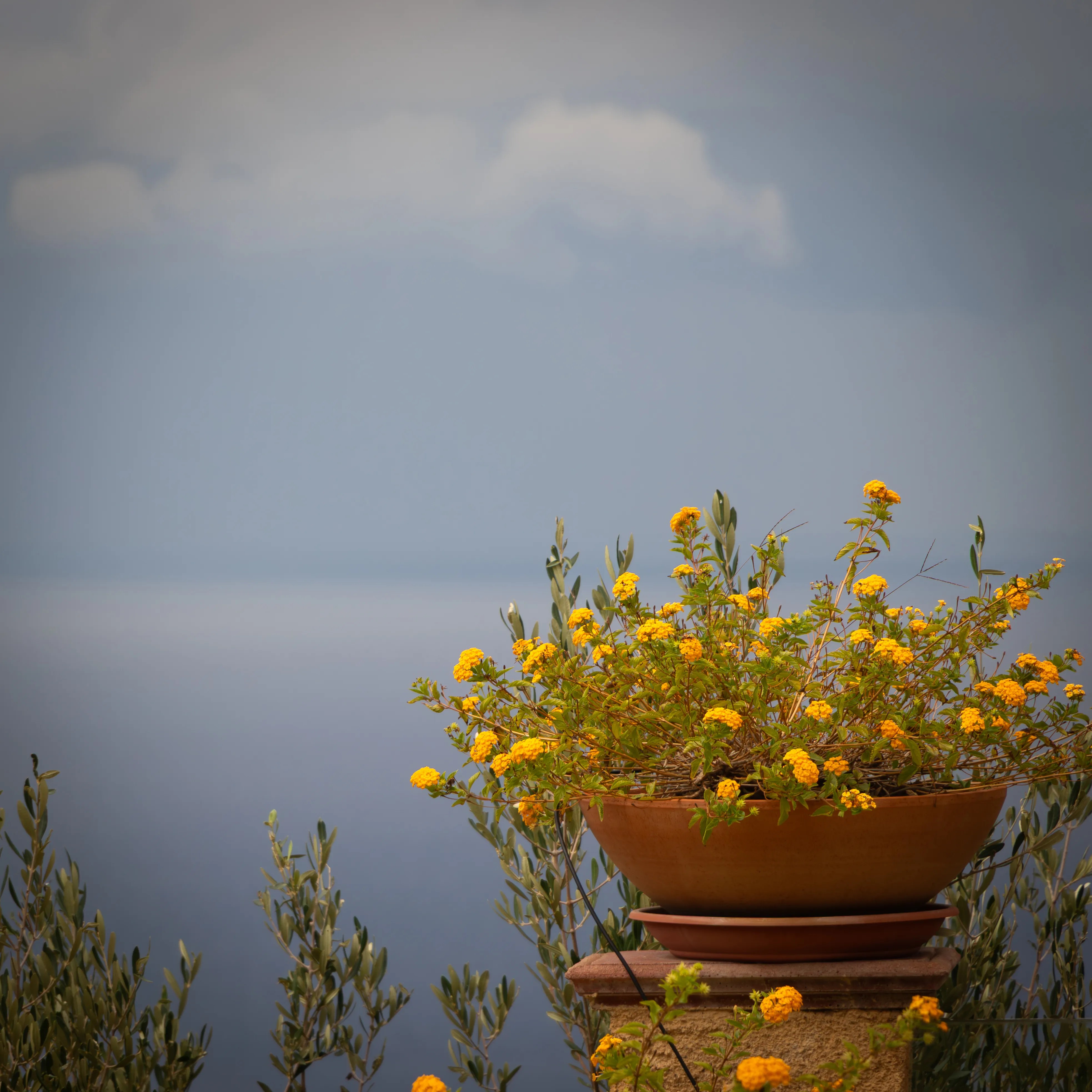
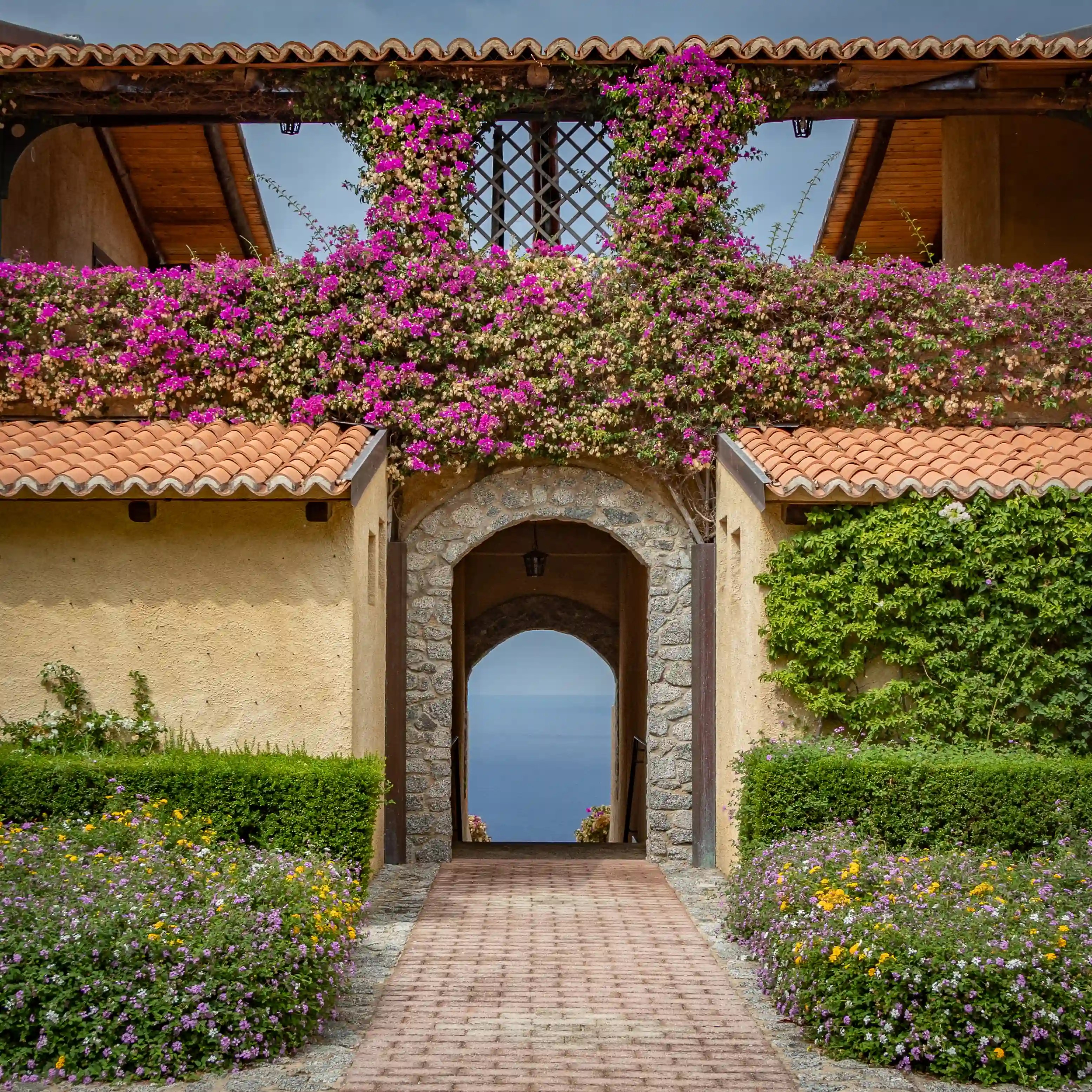
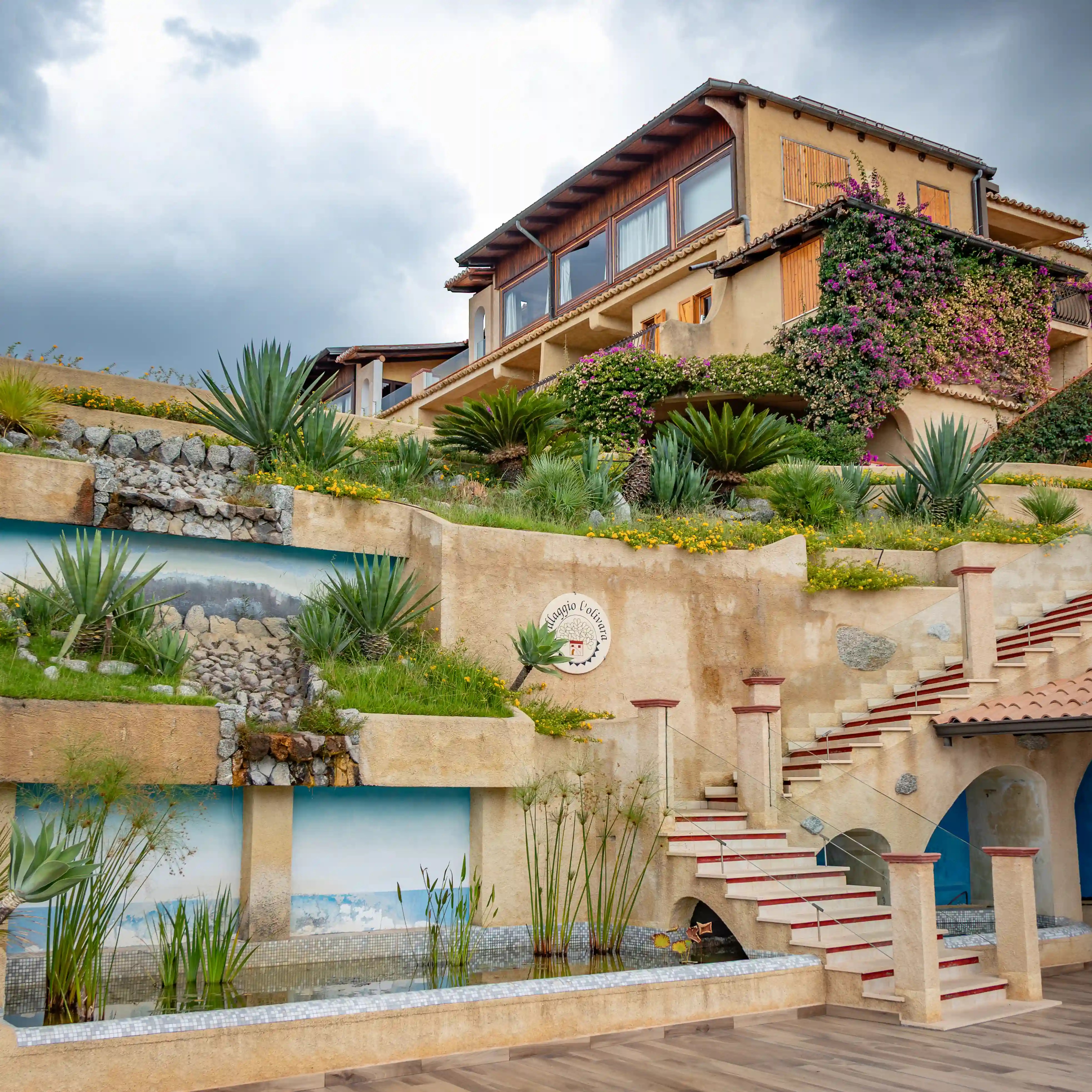
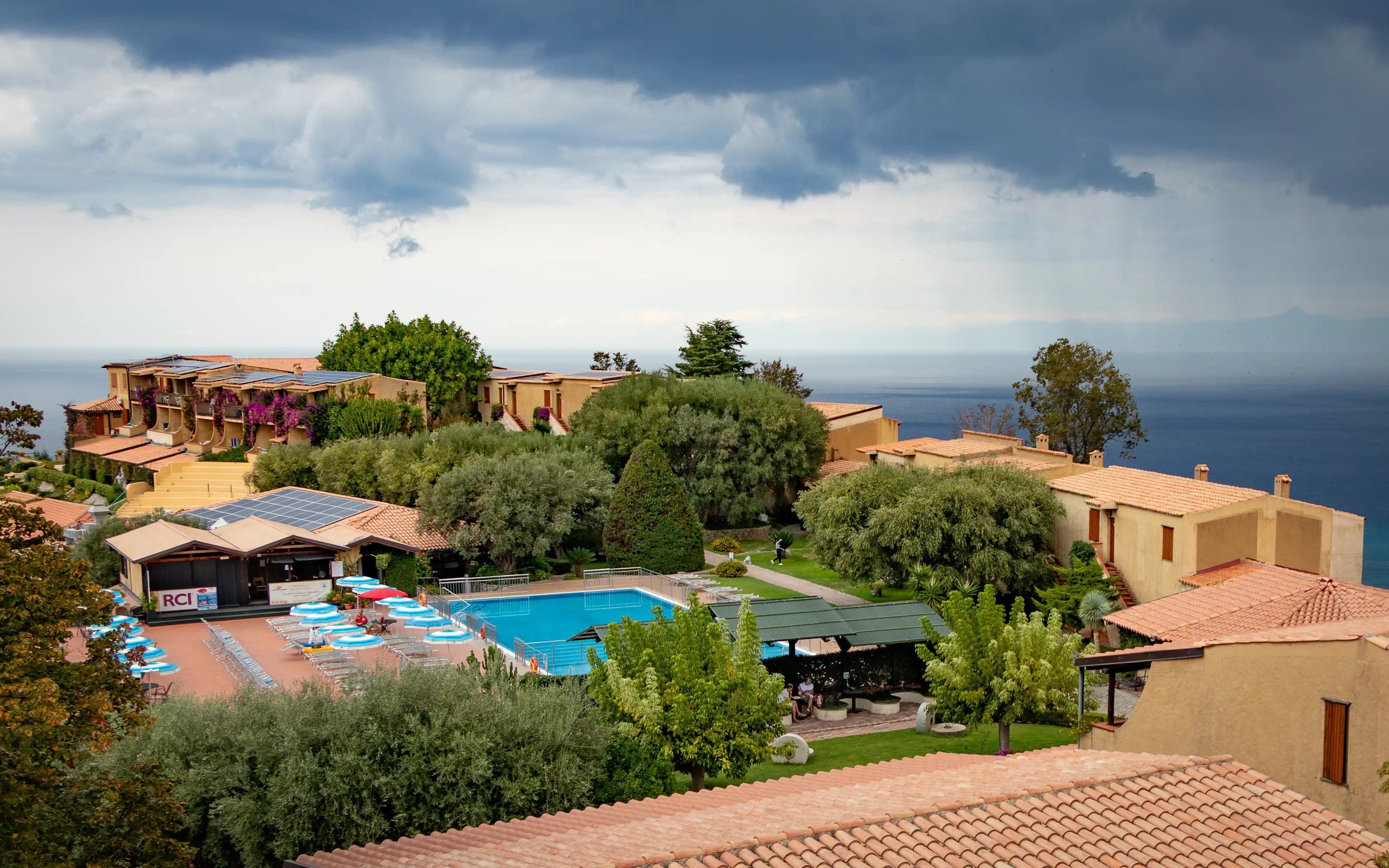
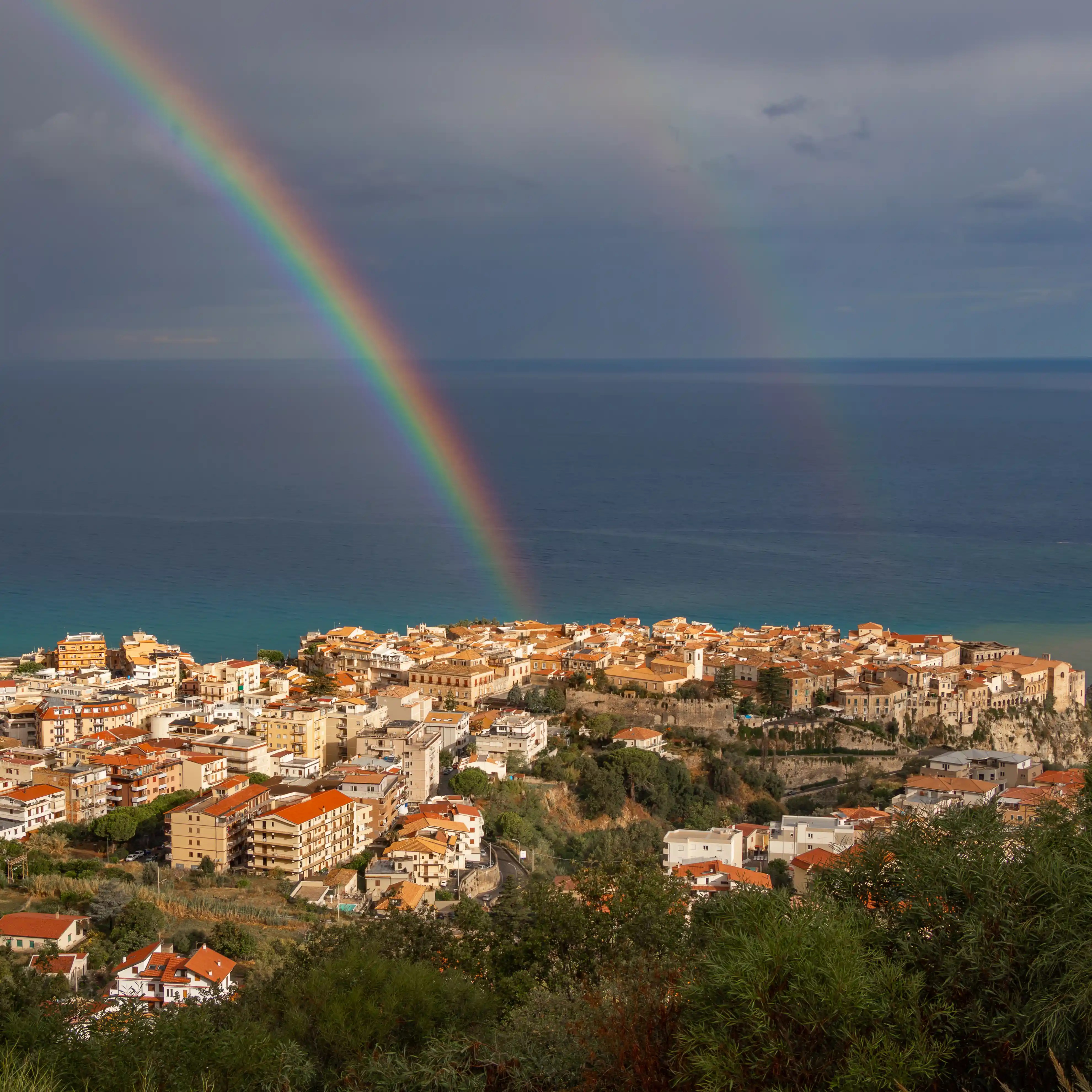
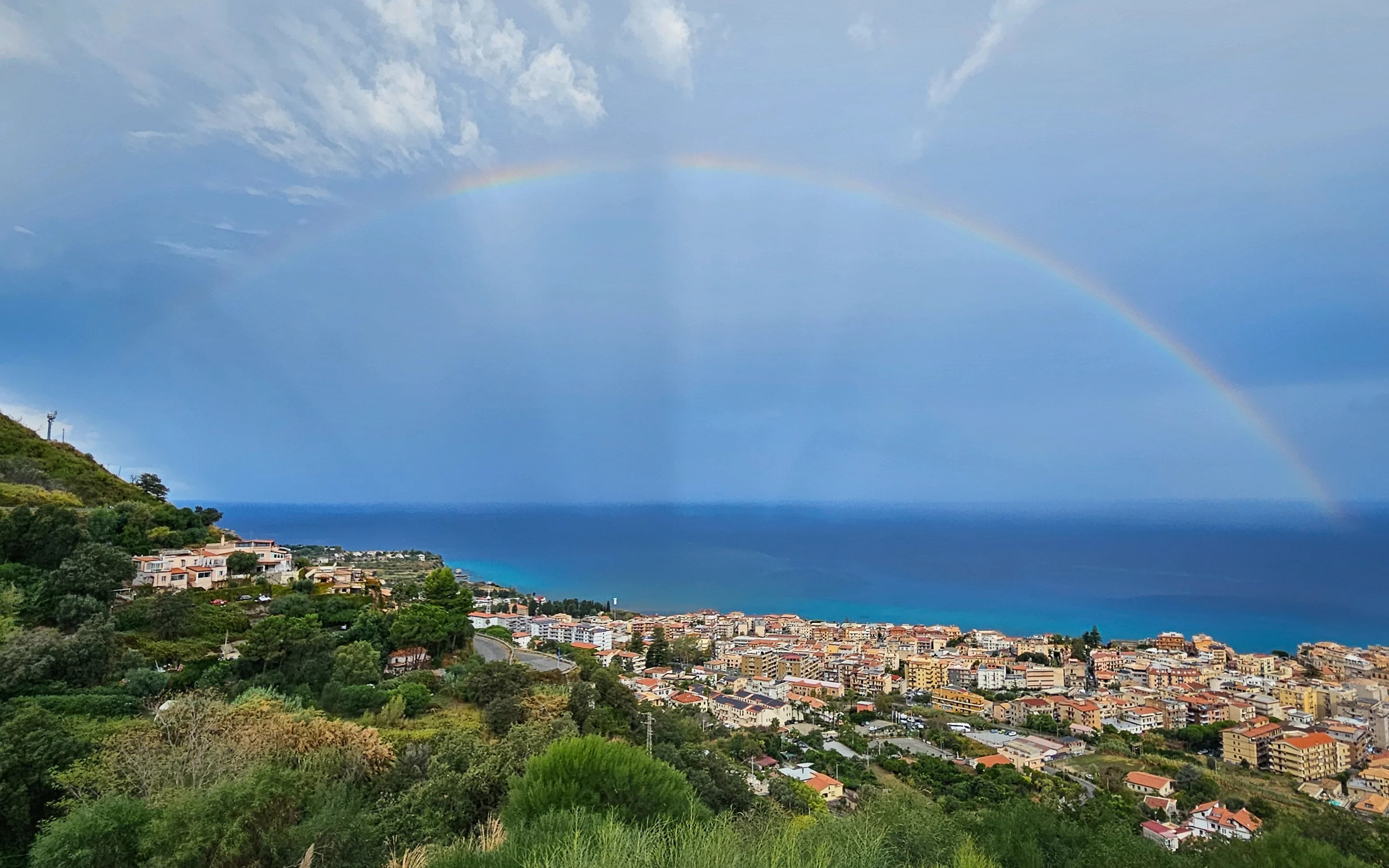
The regular shuttle made it easy to go back and forth between town and the shoreline, and the property also has its own beach area with chairs and umbrellas. As an RCI resort, it offers more amenities than a typical hotel, which worked well for a longer stay. Visiting in the off-season meant it was very peaceful, and we even ended our stay with a beautiful rainbow over the sea.
Food in Tropea
A few meals stood out during our time in Tropea, from traditional dishes to simpler spots around town.
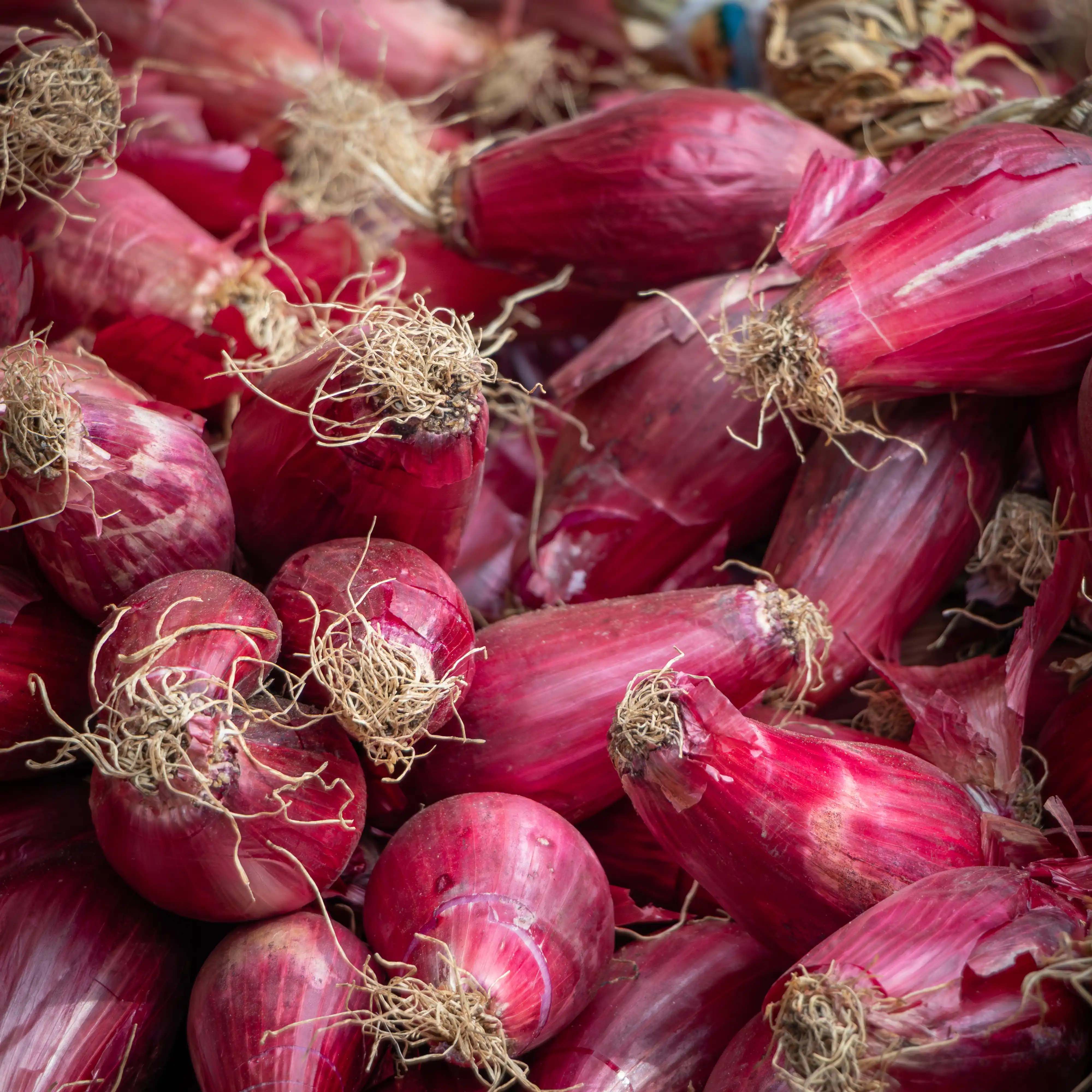
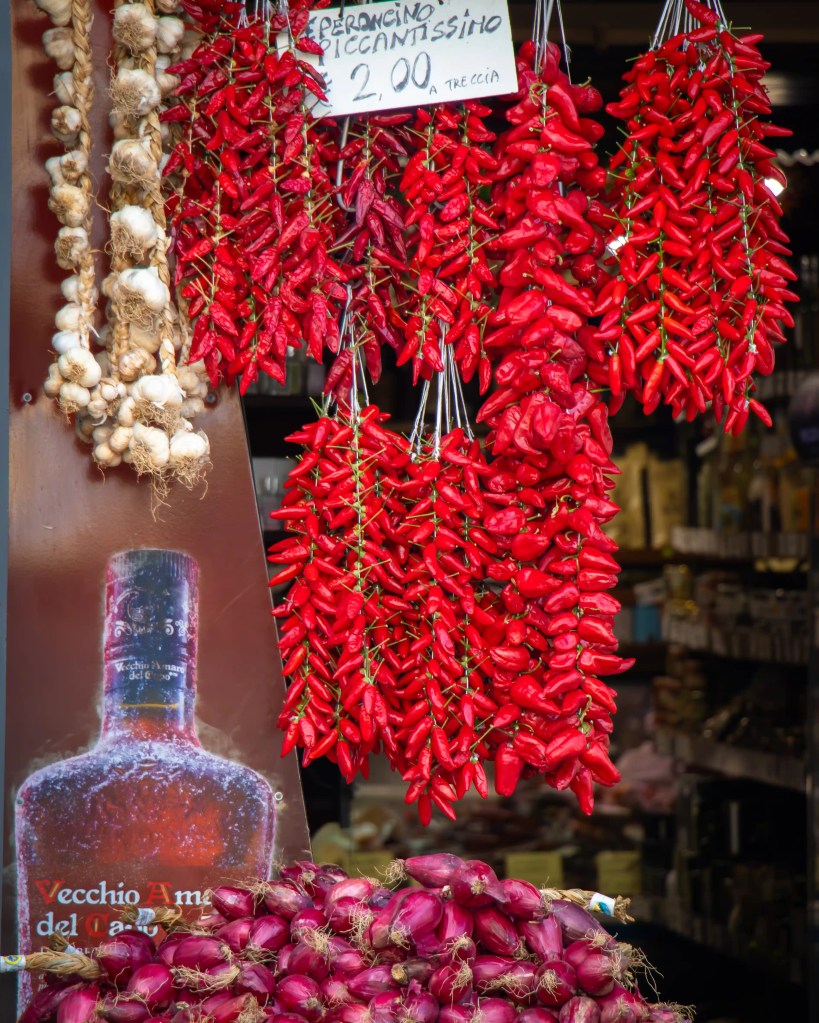
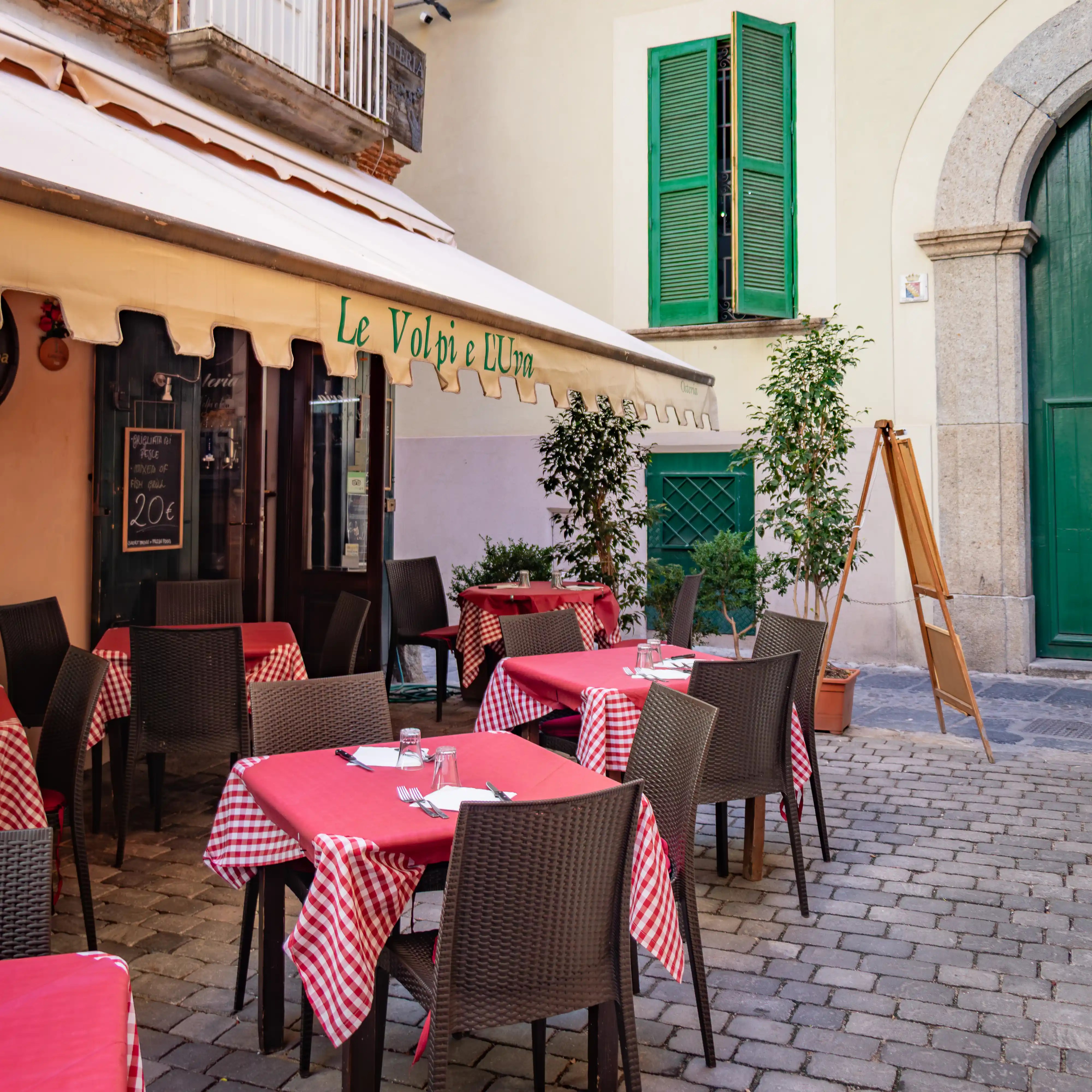
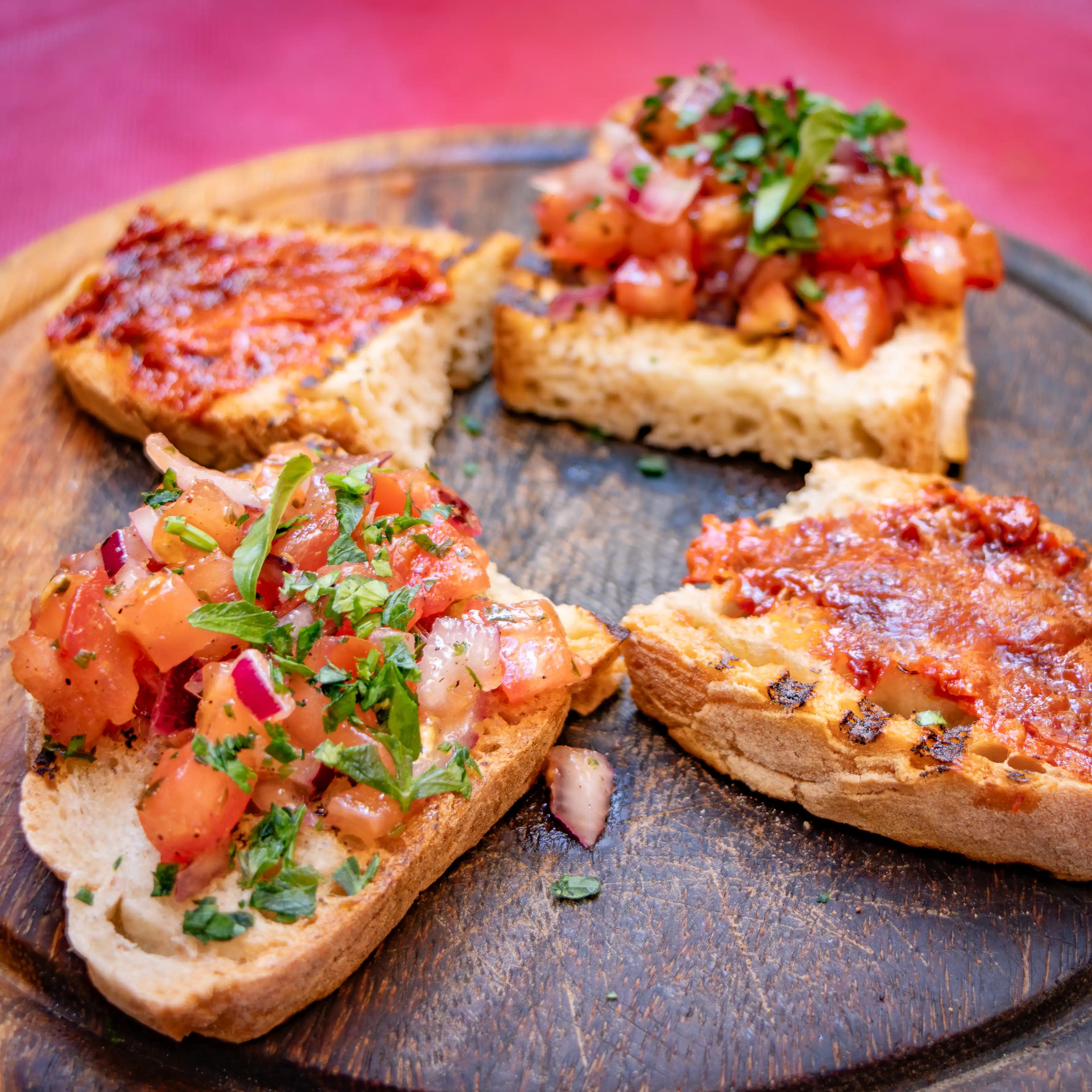
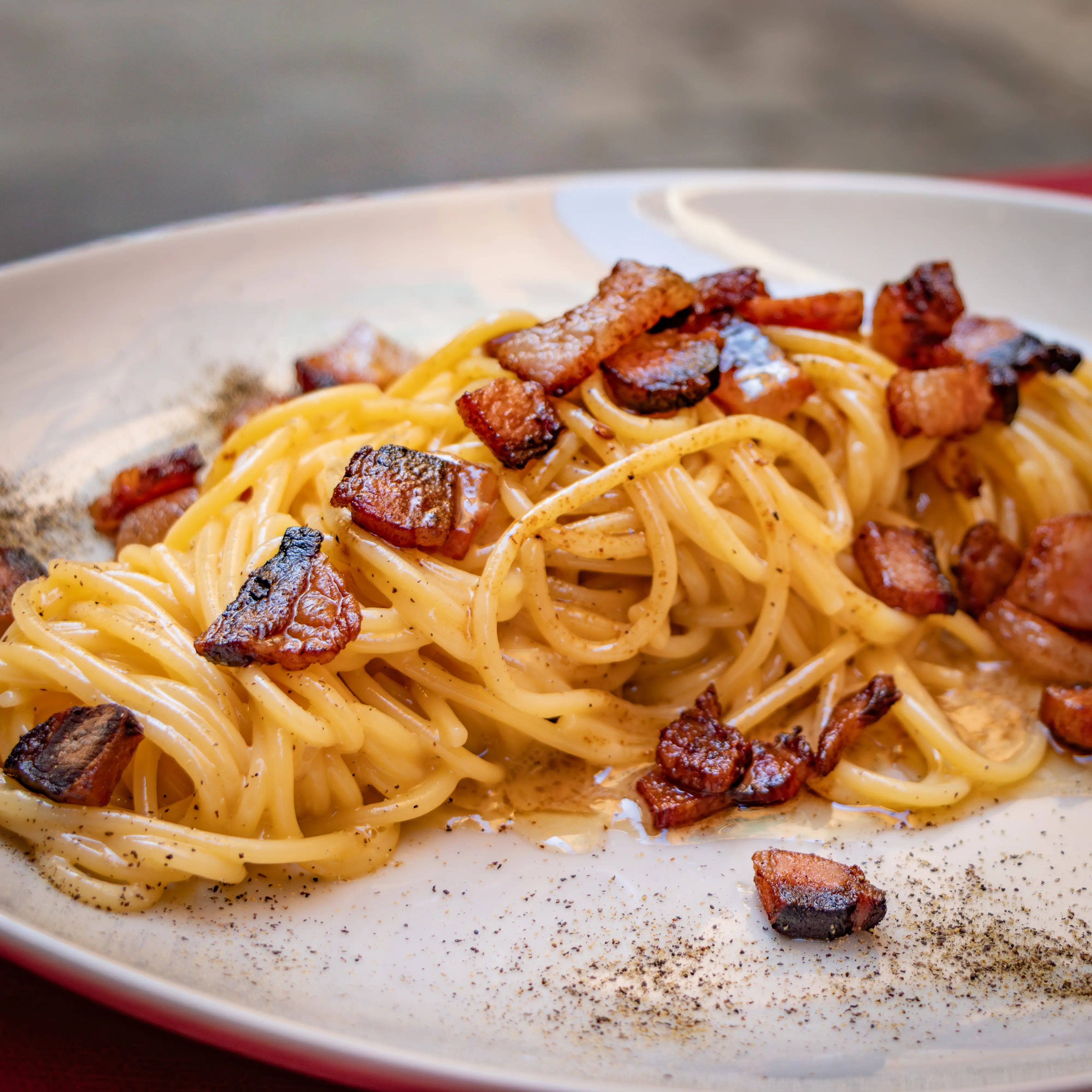
We arrived and had lunch at Le Volpi e L’Uva, where the bruschetta and ’nduja—a soft, spreadable spicy pork sausage typical of Calabria—were a great introduction to the region. I ordered fileja, a hand-rolled pasta, with Tropea red onions, a local specialty known for their natural sweetness, while my husband had spaghetti carbonara. It was a simple meal, but one of the most memorable of the trip.
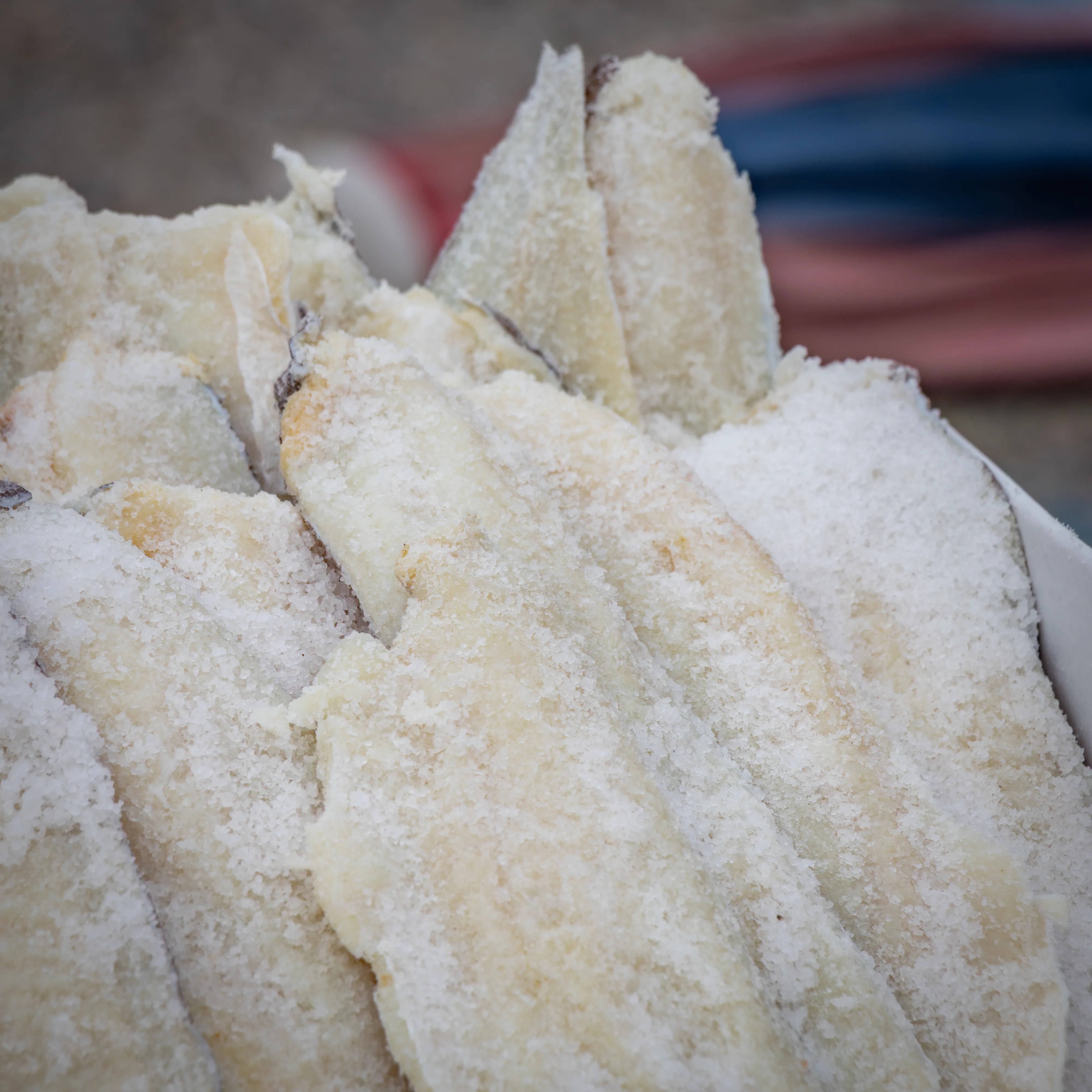
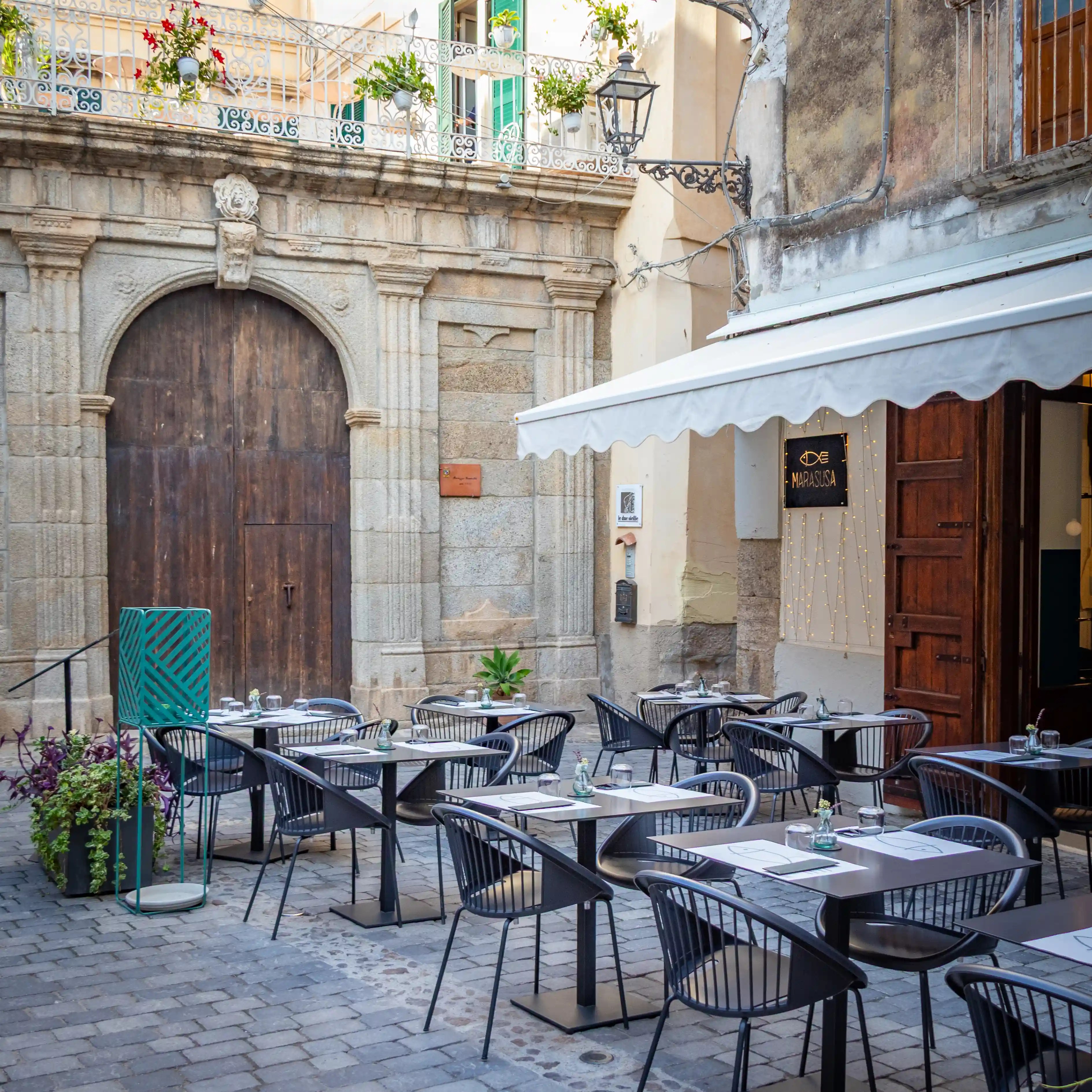
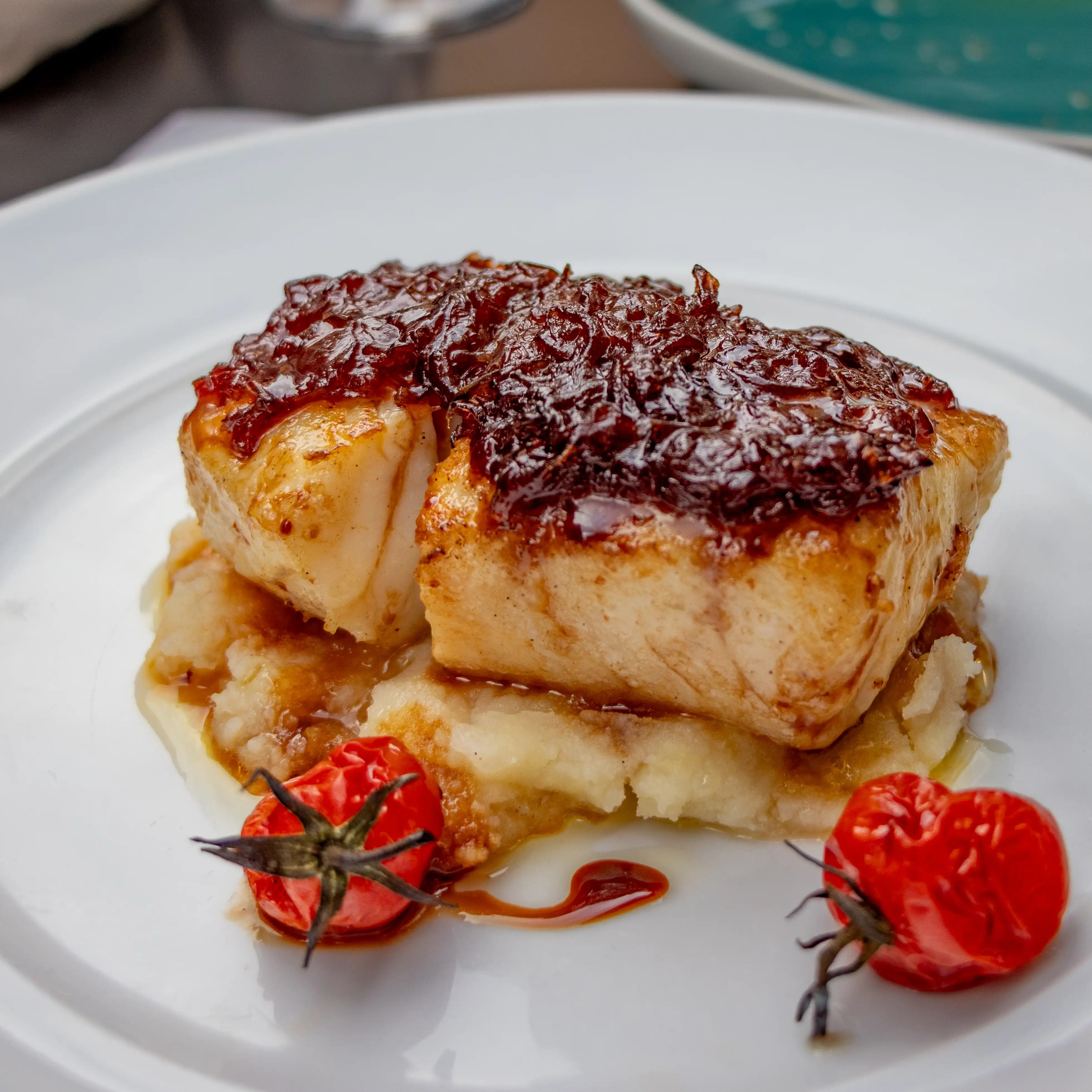
Another standout was dinner at Marasusa Bistrot di Mare, where I had grilled salt cod with caramelized Tropea red onions, cooked grape must, and mashed potatoes. The combination of flavors felt very tied to the region, especially with the use of local ingredients like the onions.
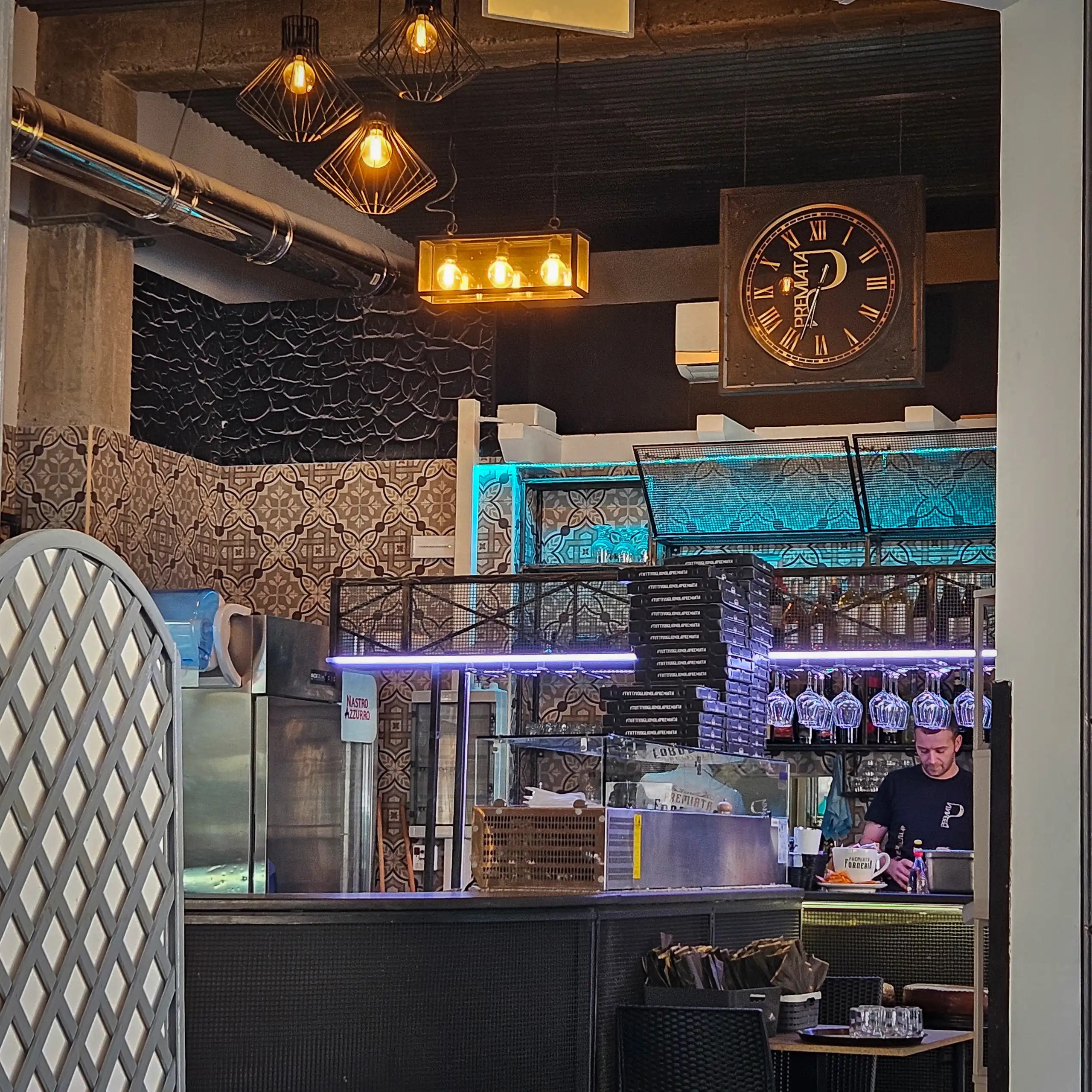
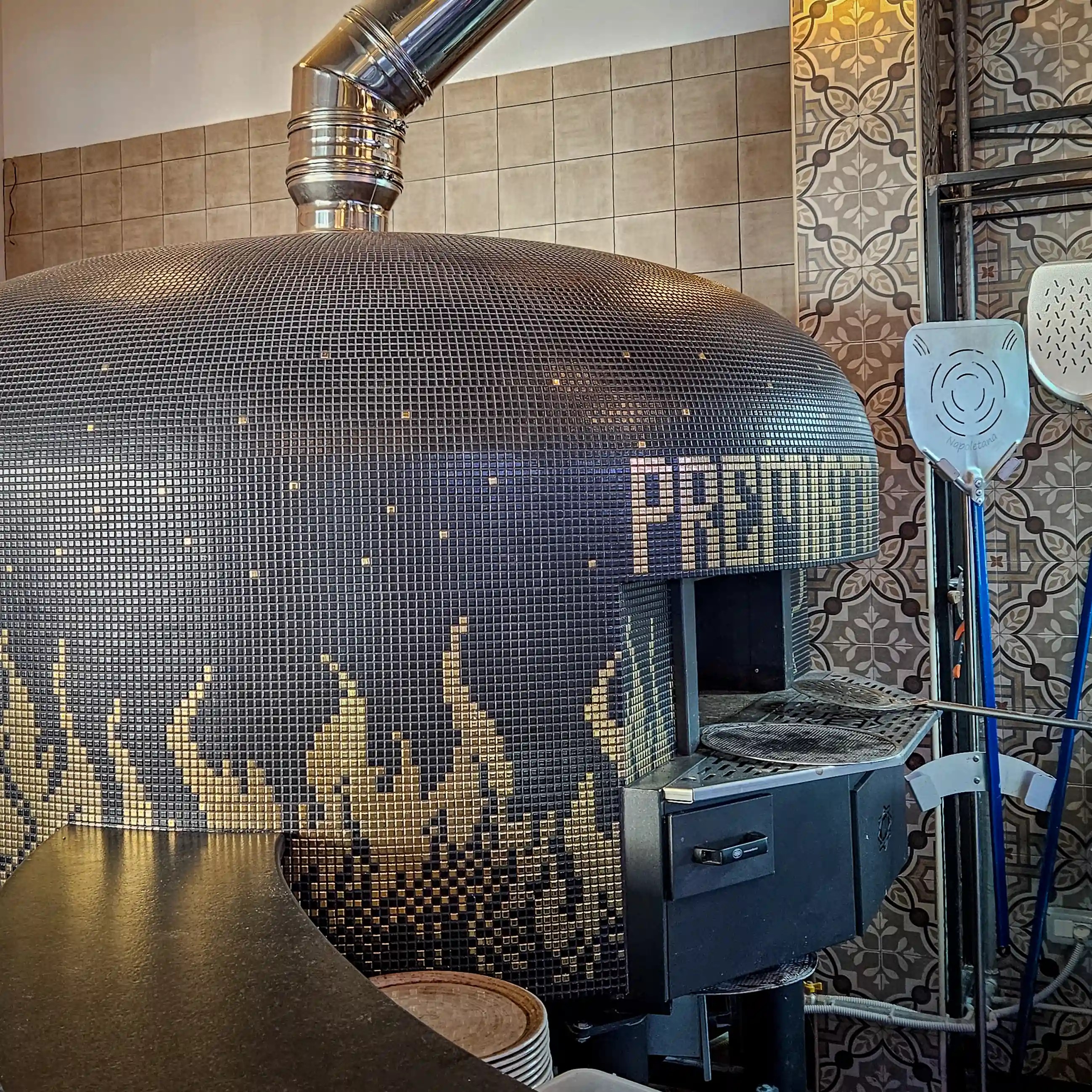
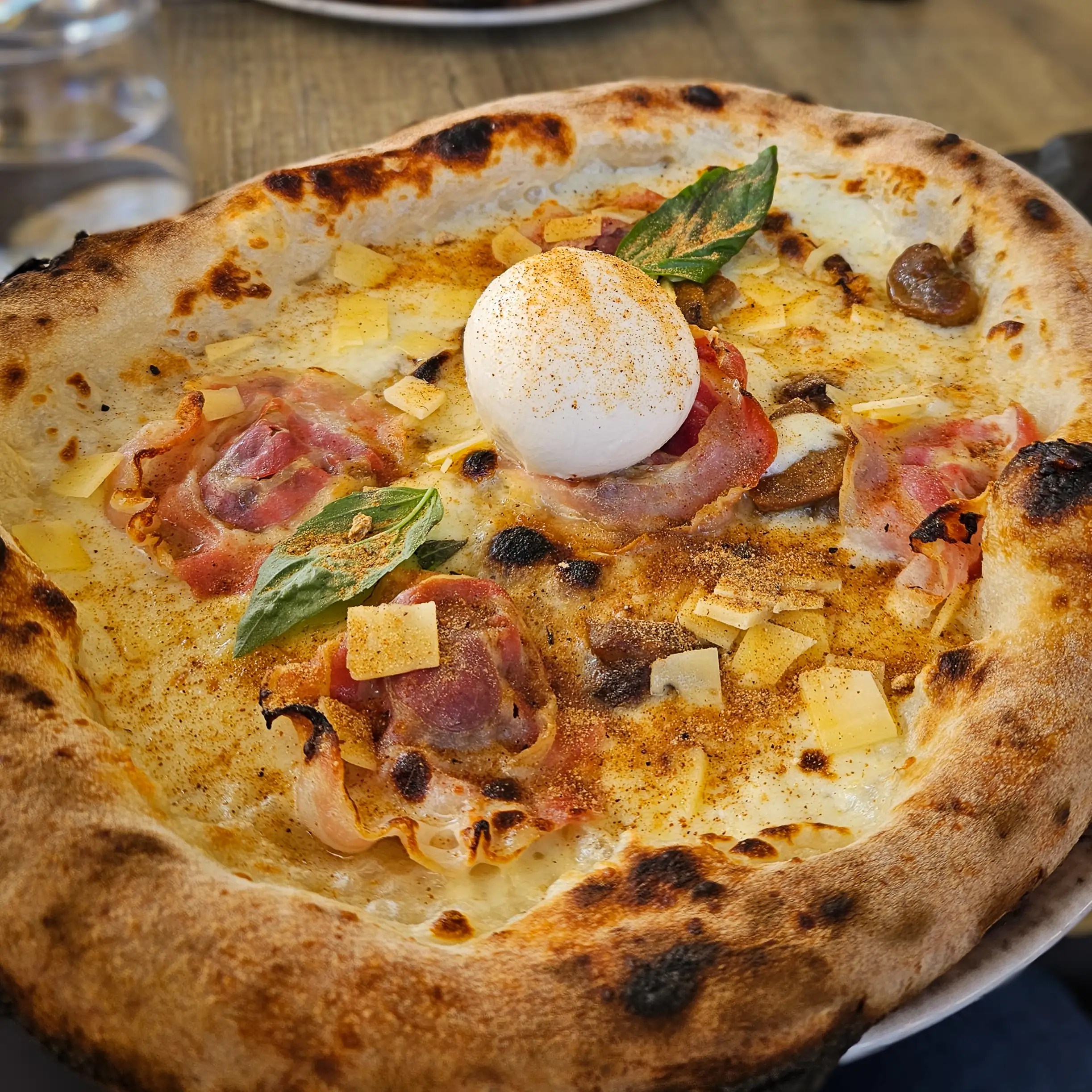
We also stopped at Premiata Forneria for pizza, which made for an easy and casual meal while exploring town. The pizza had a soft, airy crust with that classic wood-fired char, similar to the Neapolitan style, and it was a nice change of pace from some of the more traditional dishes we had earlier in the trip.
Snorkeling Along the Coast of the Gods
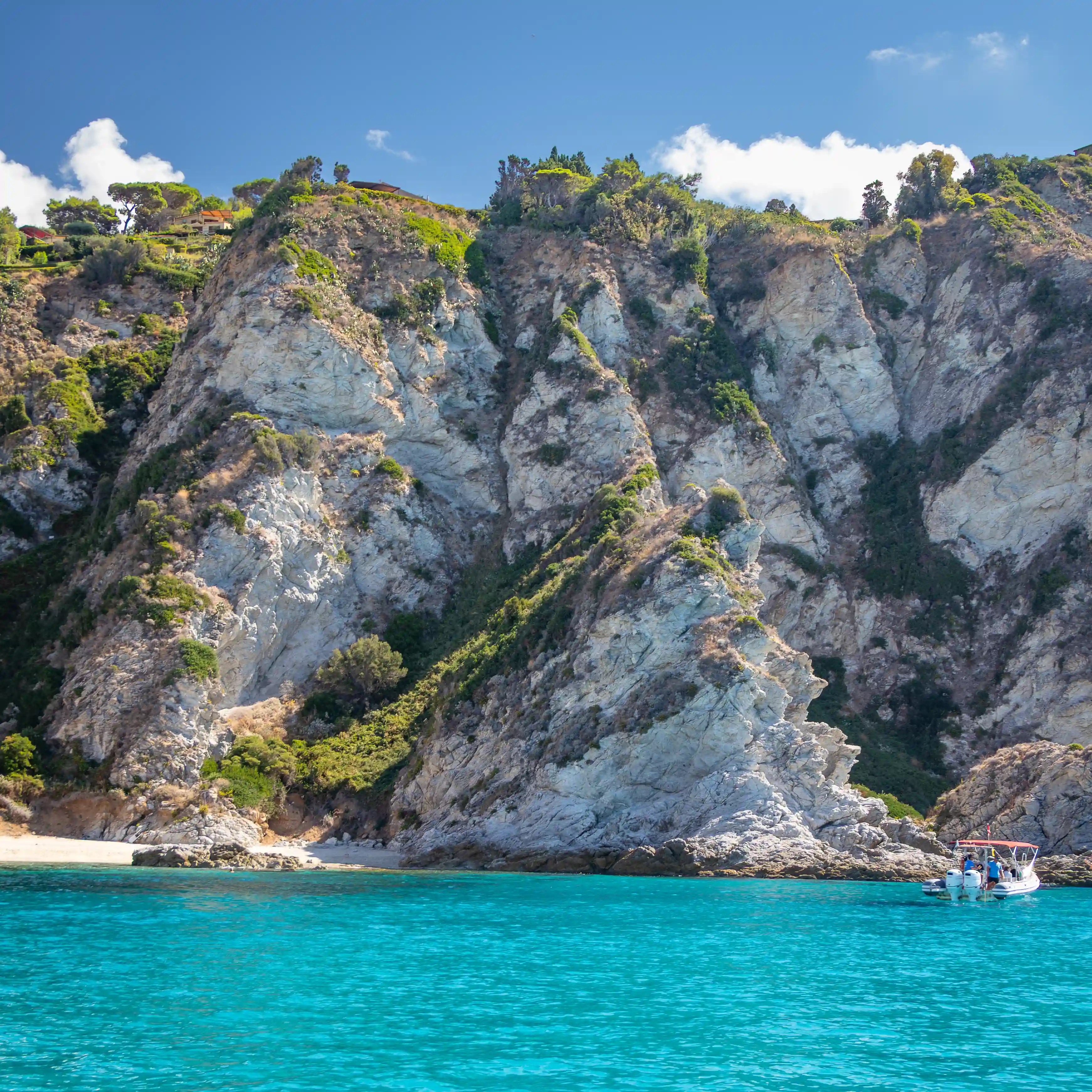
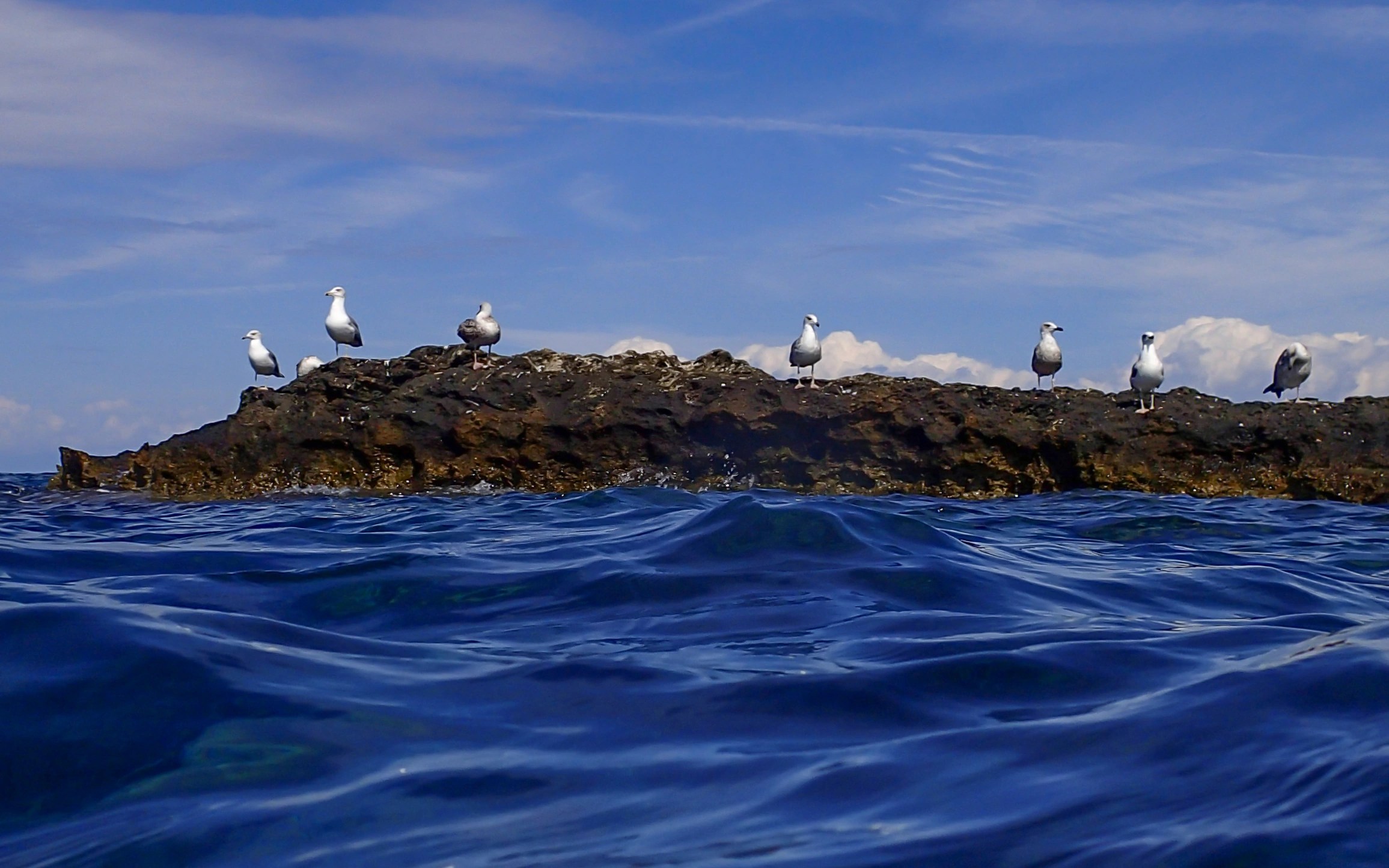
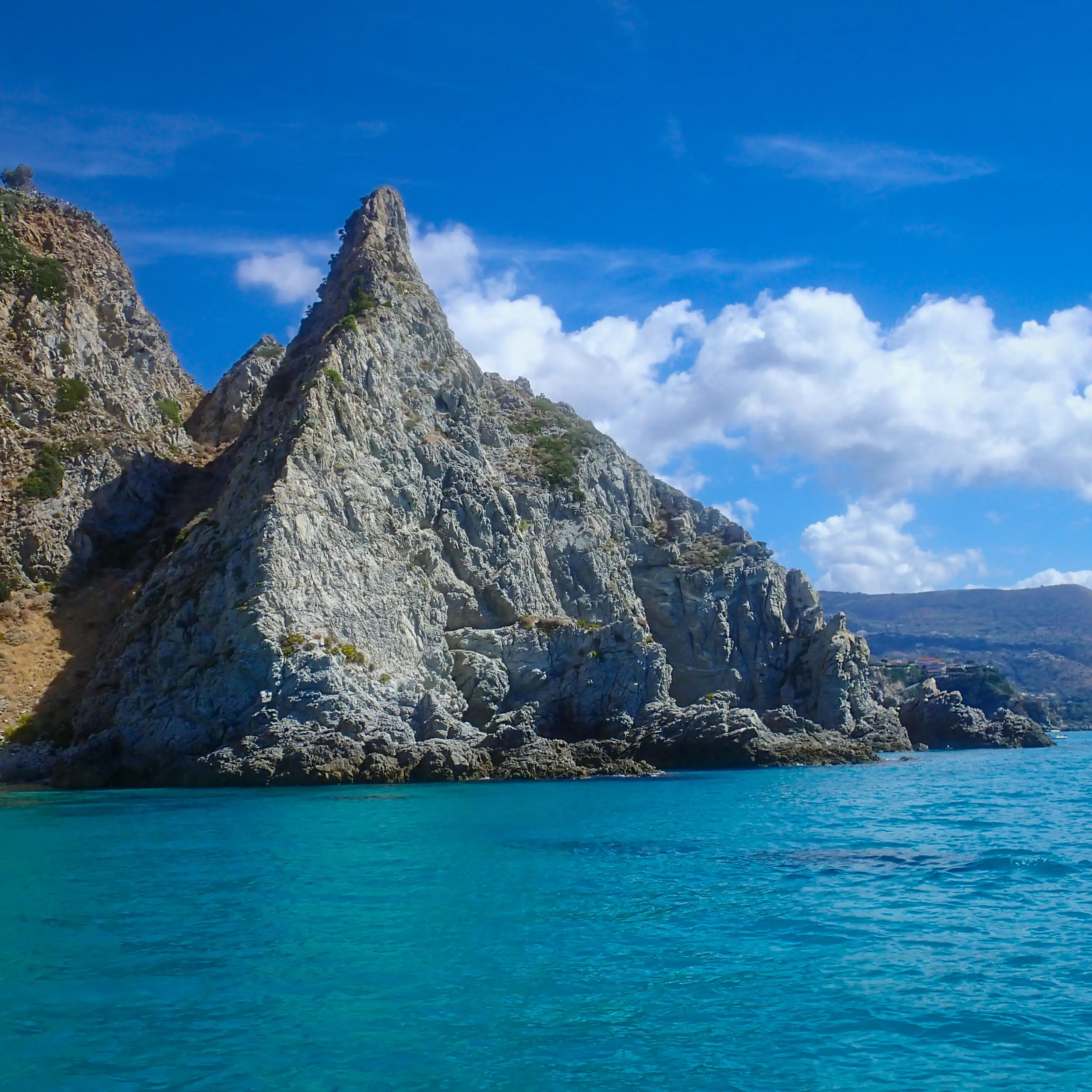
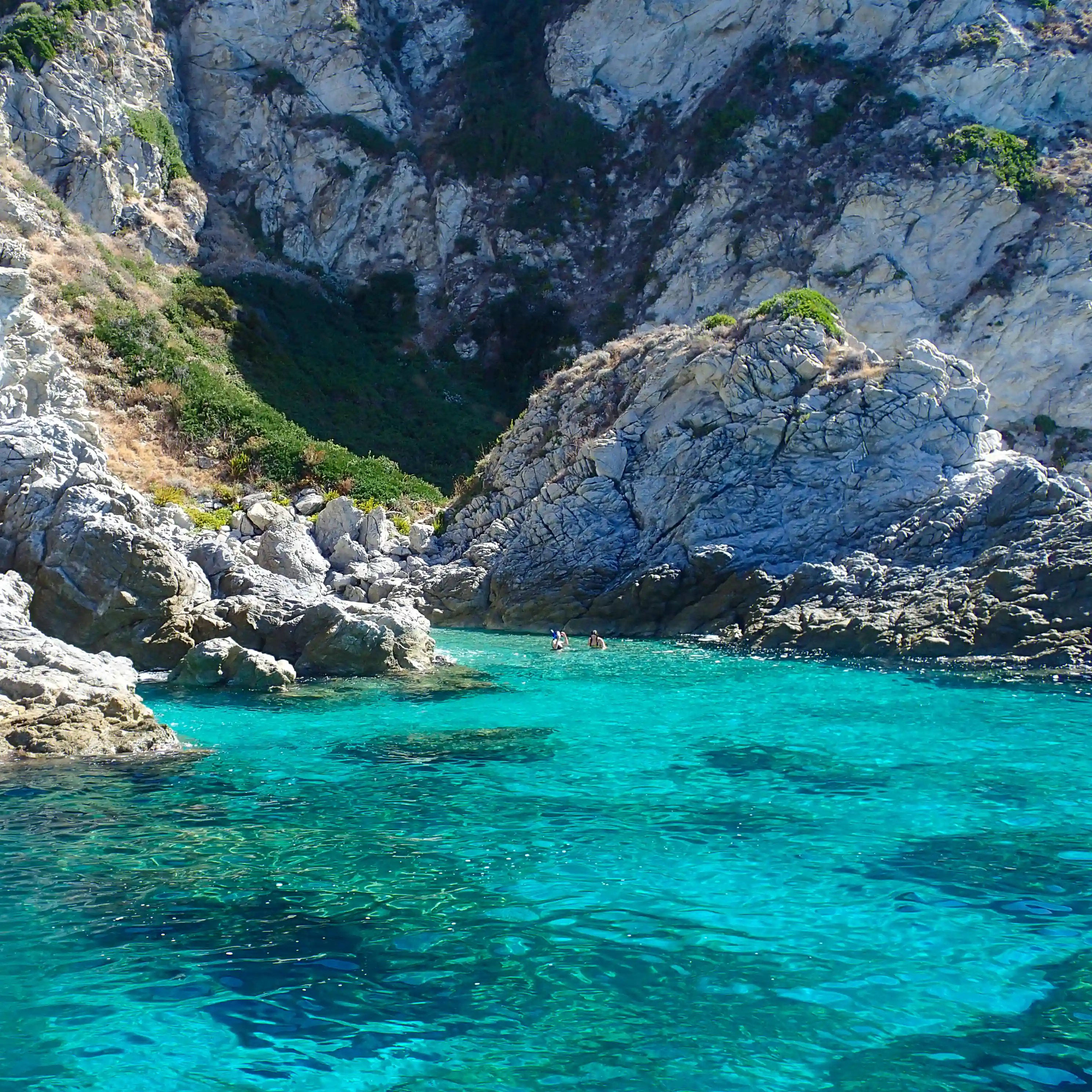
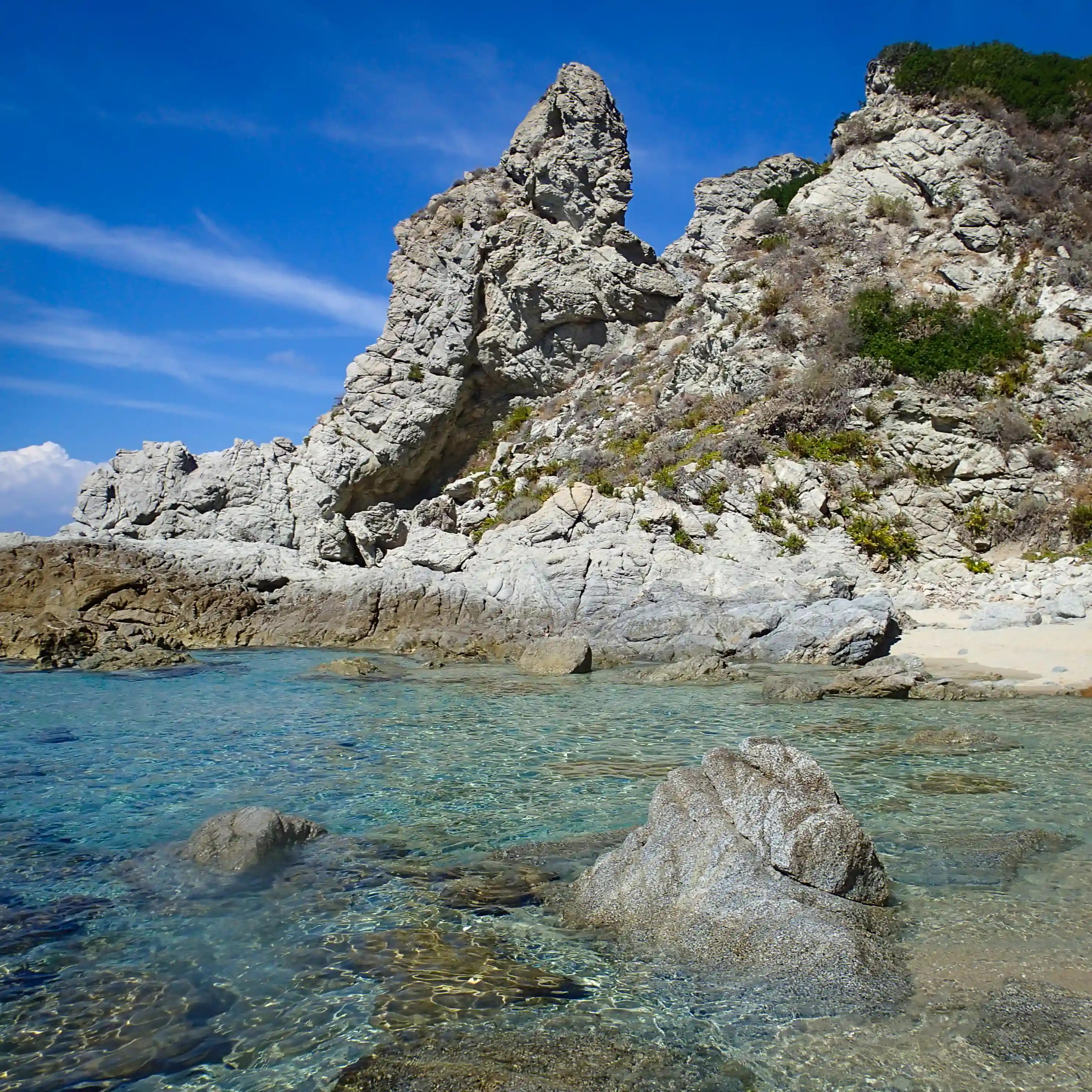
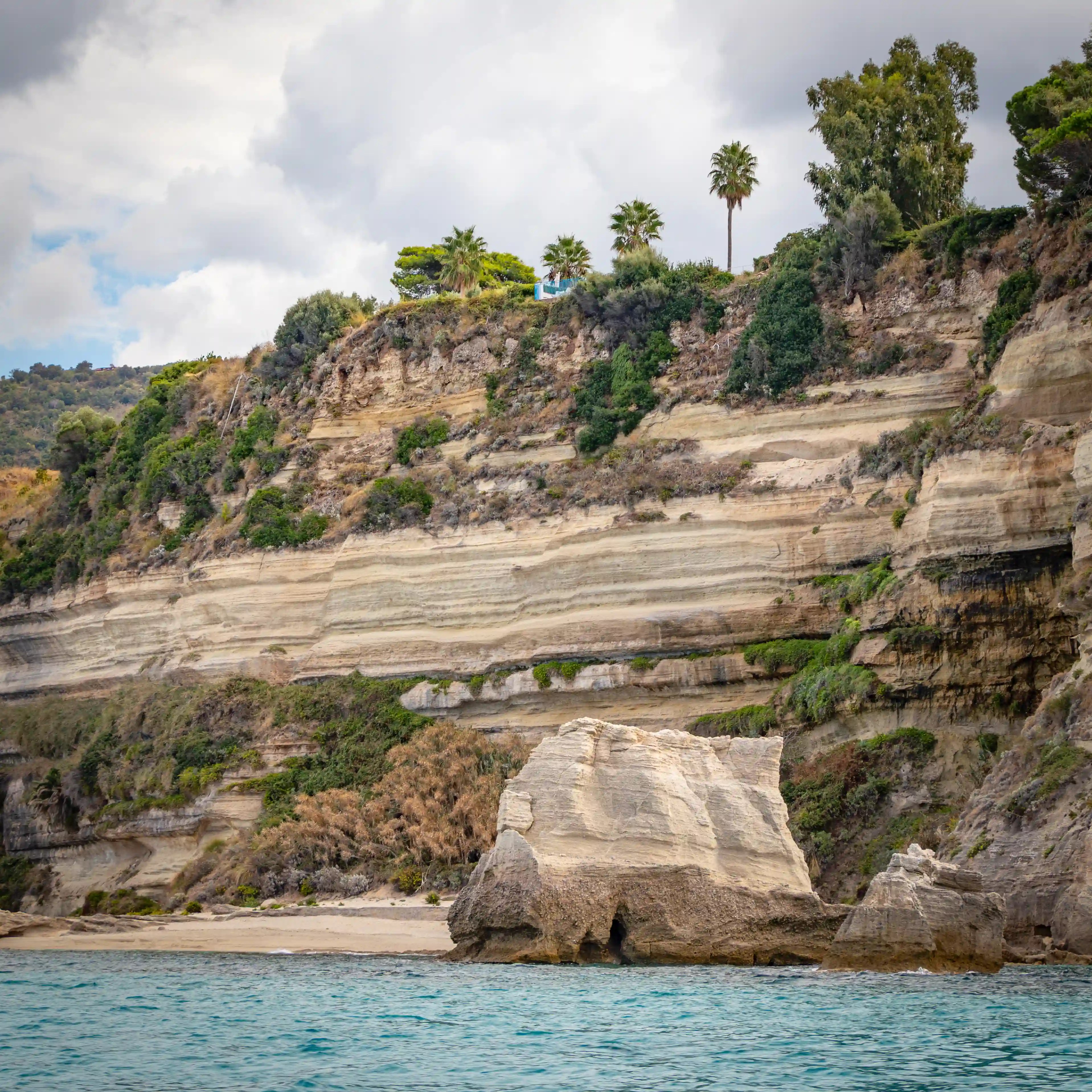
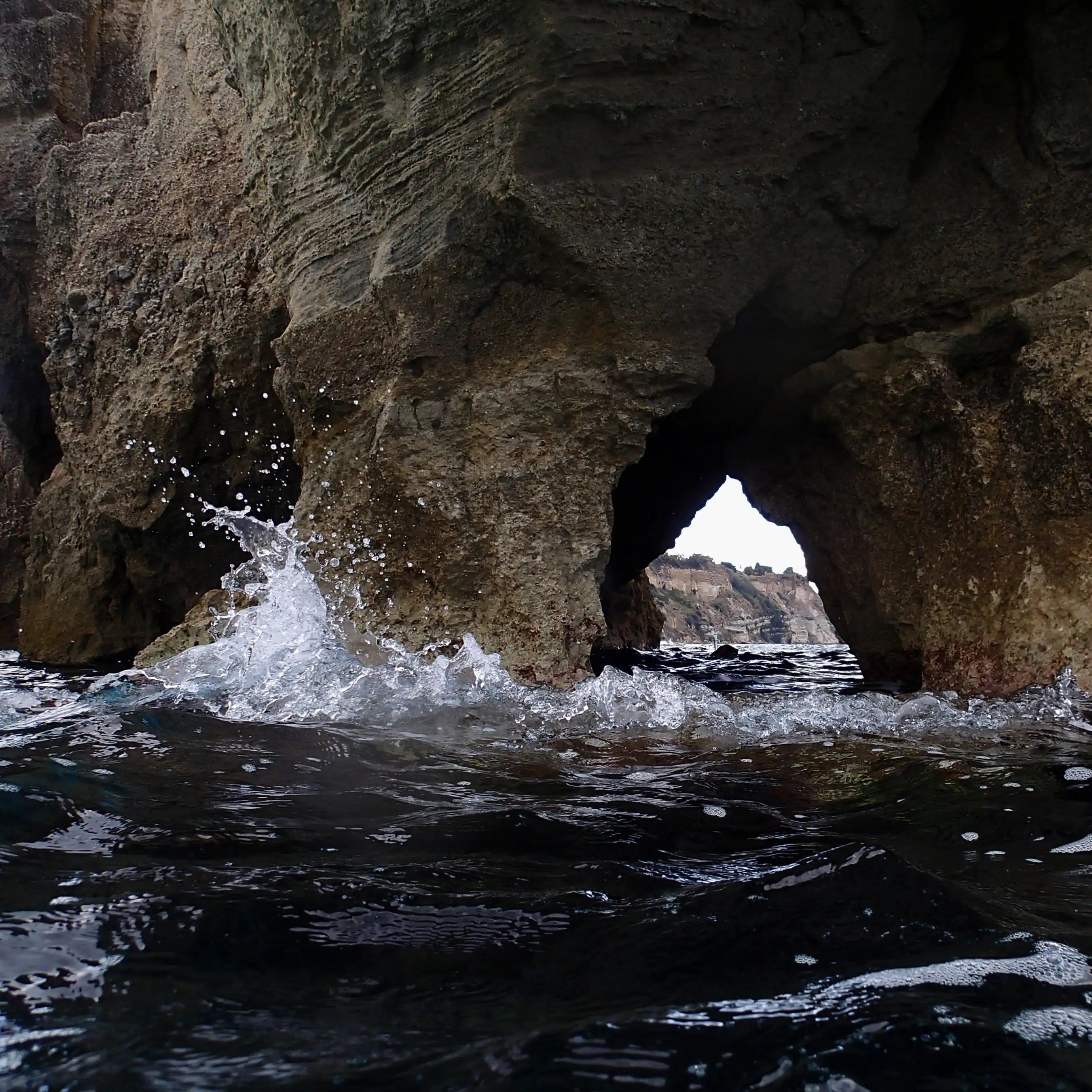
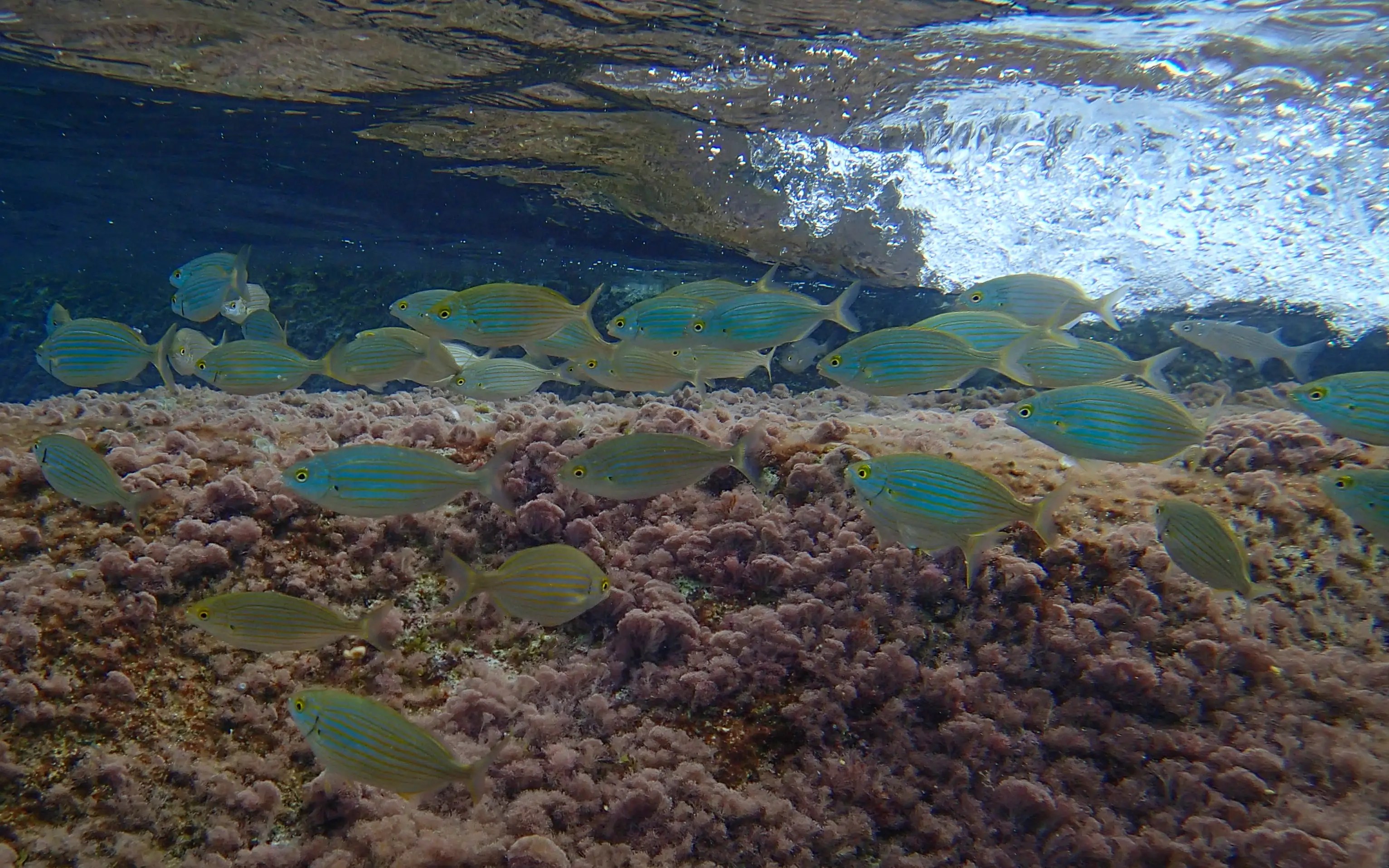
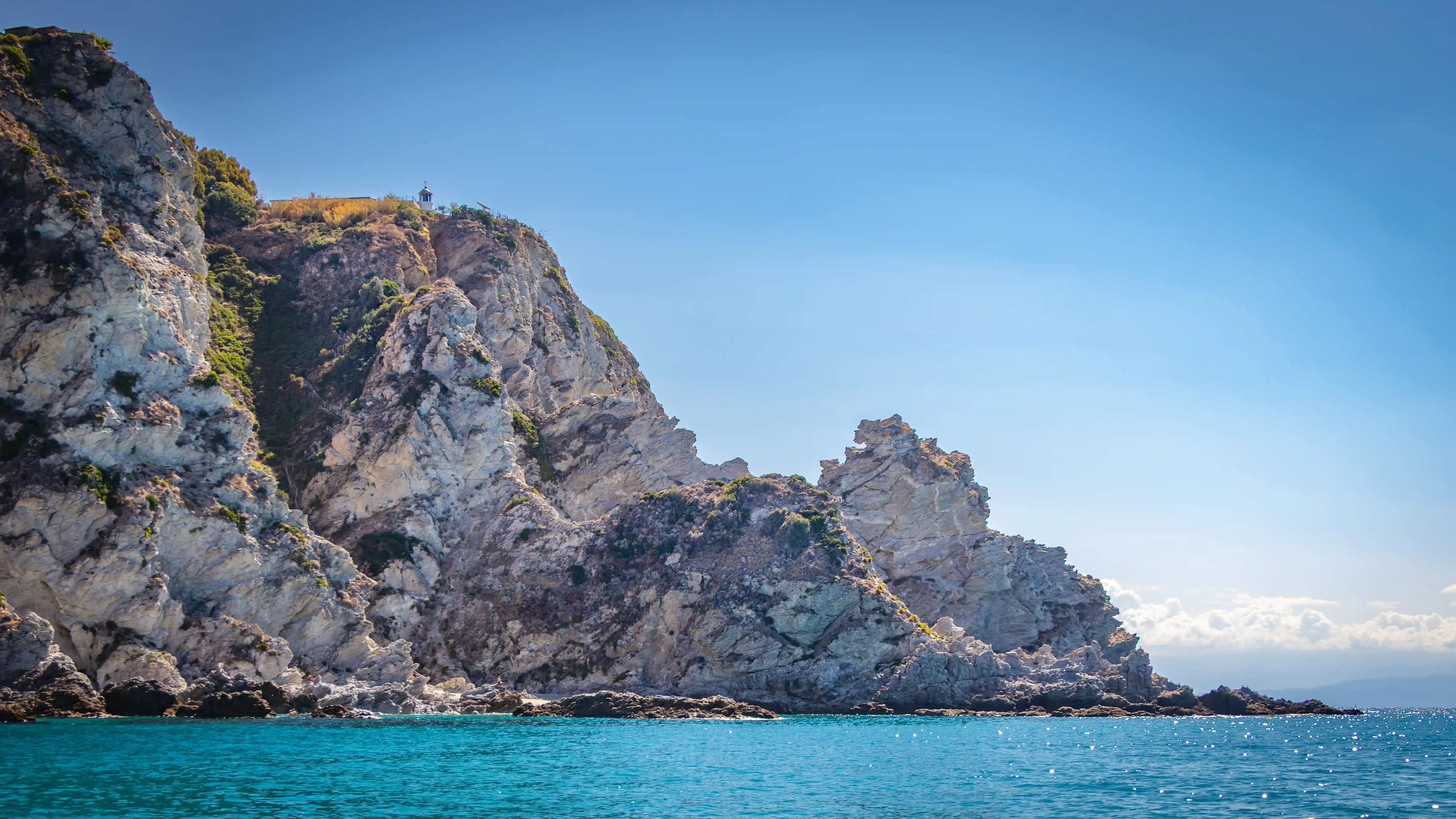
One of the highlights of the trip was a small group snorkeling excursion with Sea Sports along the Coast of the Gods, following what they call the “Ulysses’ Route,” a name inspired by Greek mythology, from Tropea to Capo Vaticano, a well-known stretch of coastline with dramatic cliffs, clear water, and several small coves.
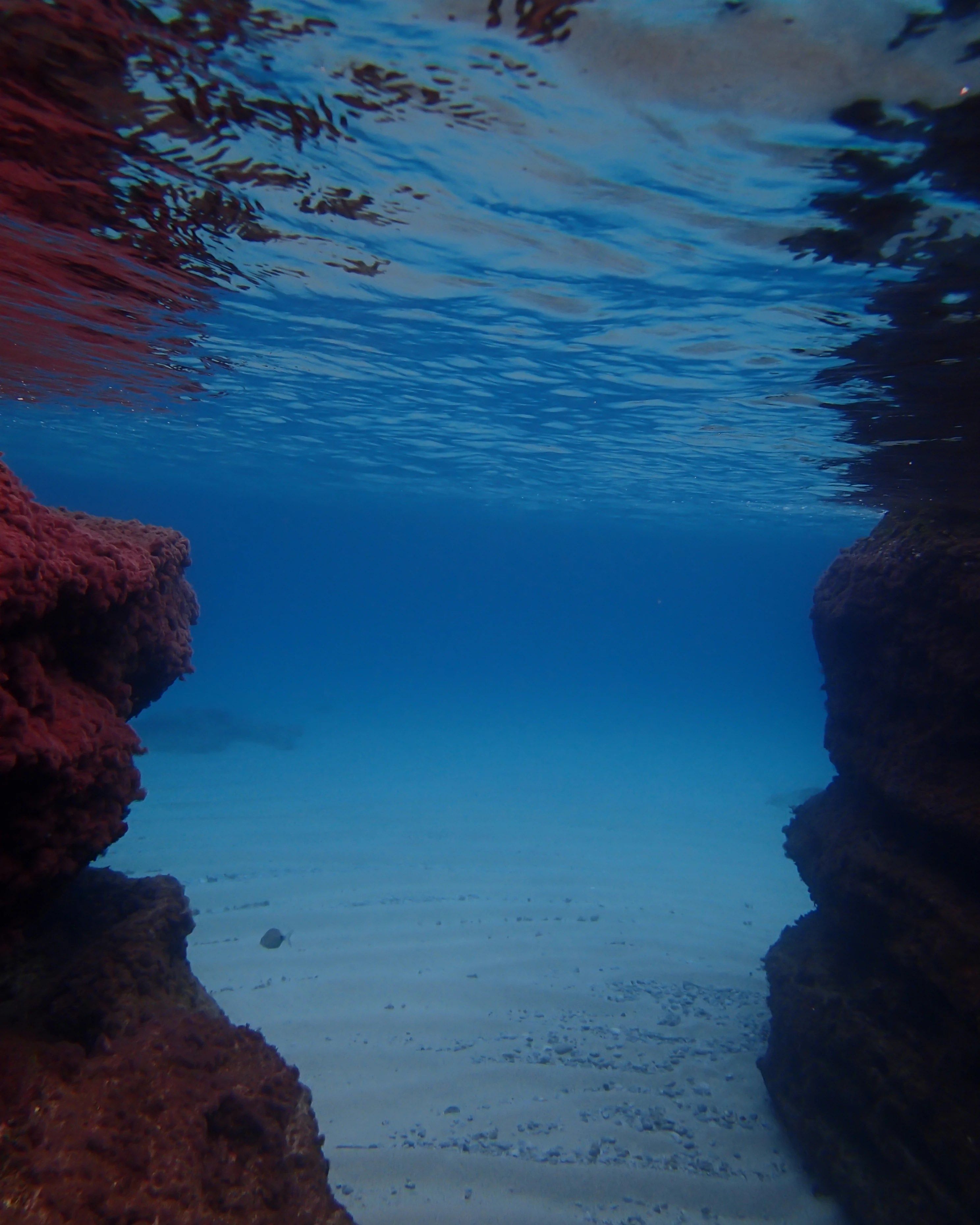
We cruised along the coastline, passing steep cliffs, beaches, and caves that are much easier to see from the water. We stopped to swim in coves and caves, and later snorkeled above the remains of the ancient Roman port of Forum Erculs. While snorkeling, we could see sections of stone structures below us, identified as part of the former harbor.
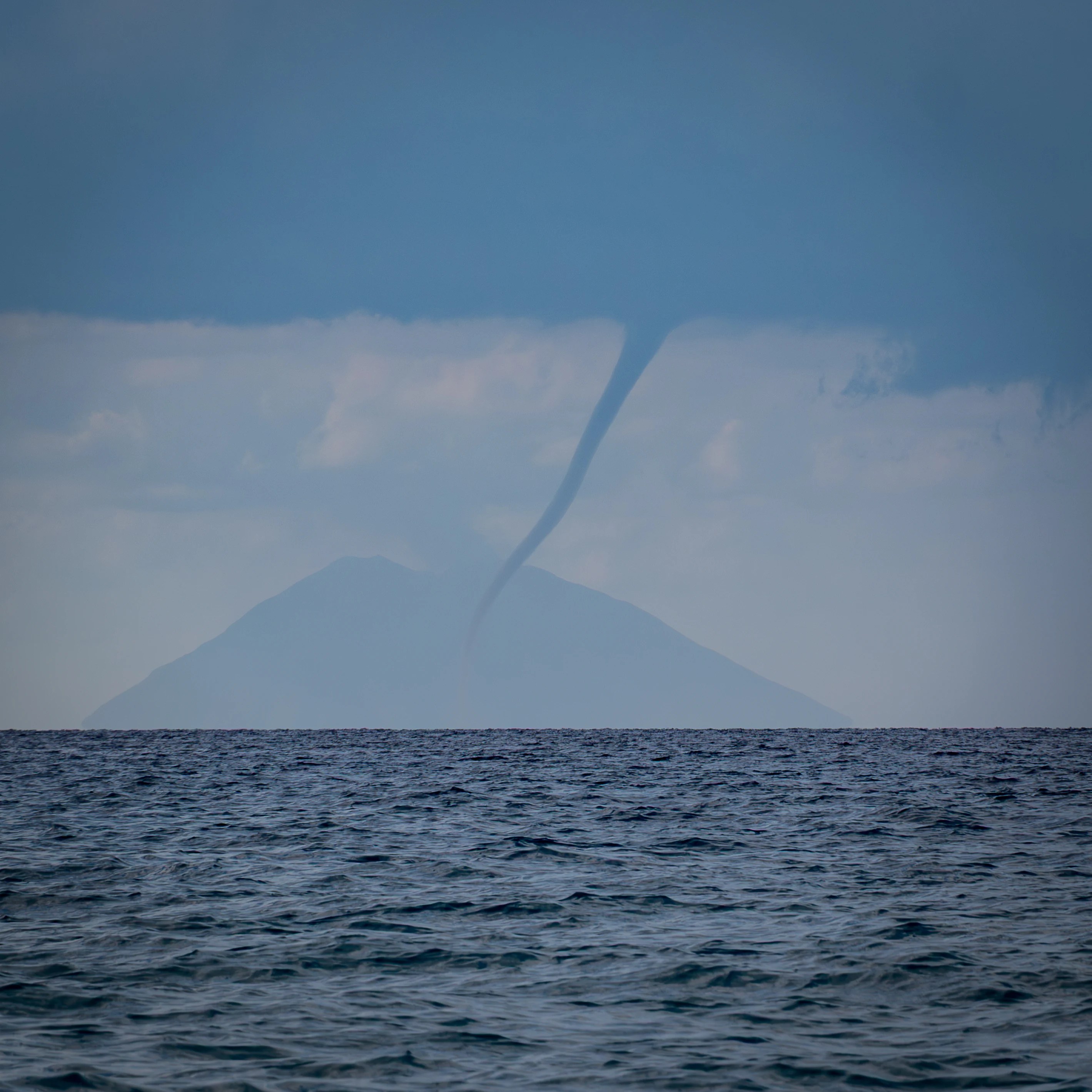
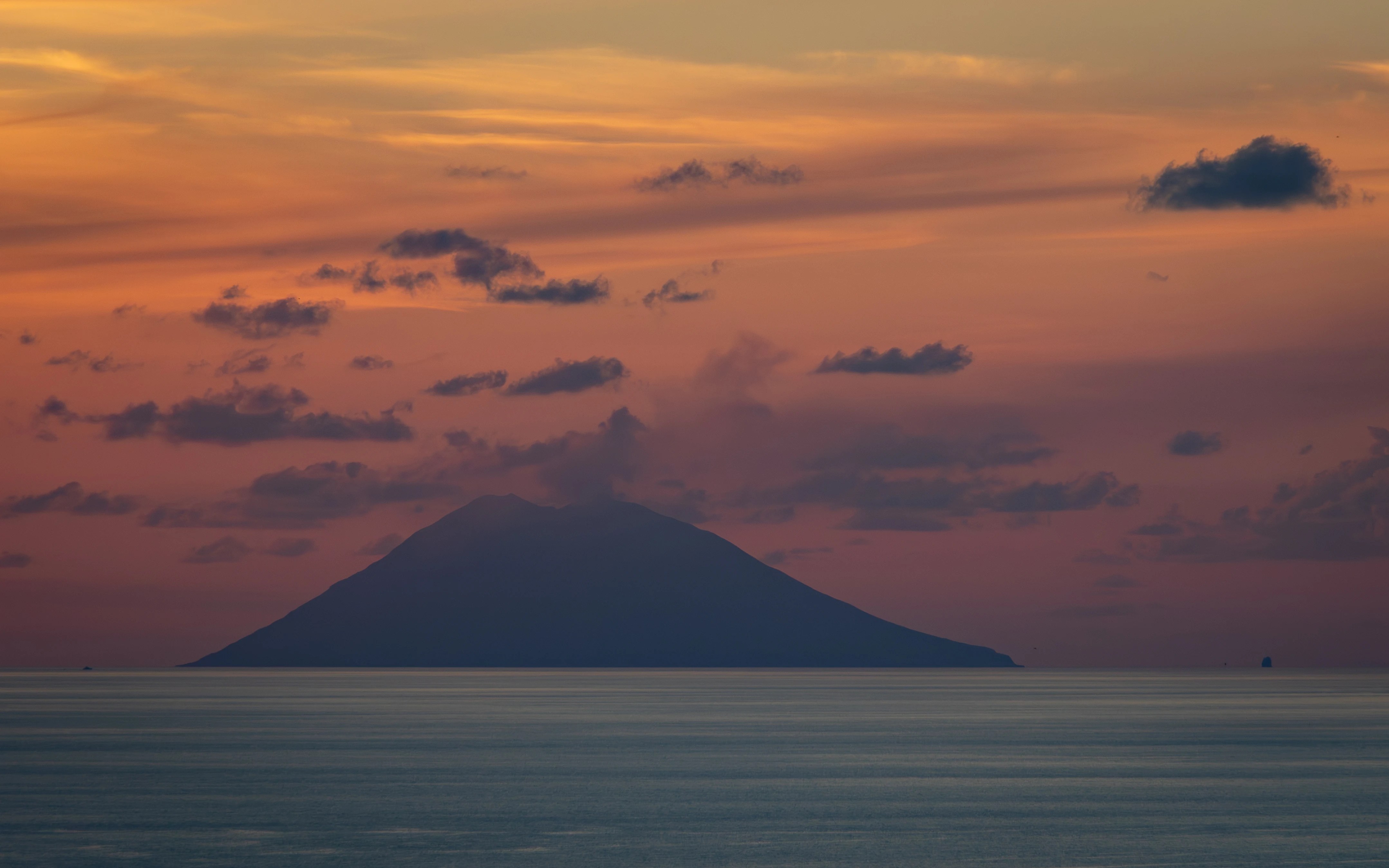
On the way back, we spotted a waterspout out over the sea near Stromboli, which made us especially glad we hadn’t planned our island day trip for that day.
We finished with drinks and light snacks on the boat, and it turned into a surprisingly social afternoon—we celebrated a birthday on board and even got to know a few people we later ran into during our trip out to the Aeolian Islands.
Day Trip to Pizzo
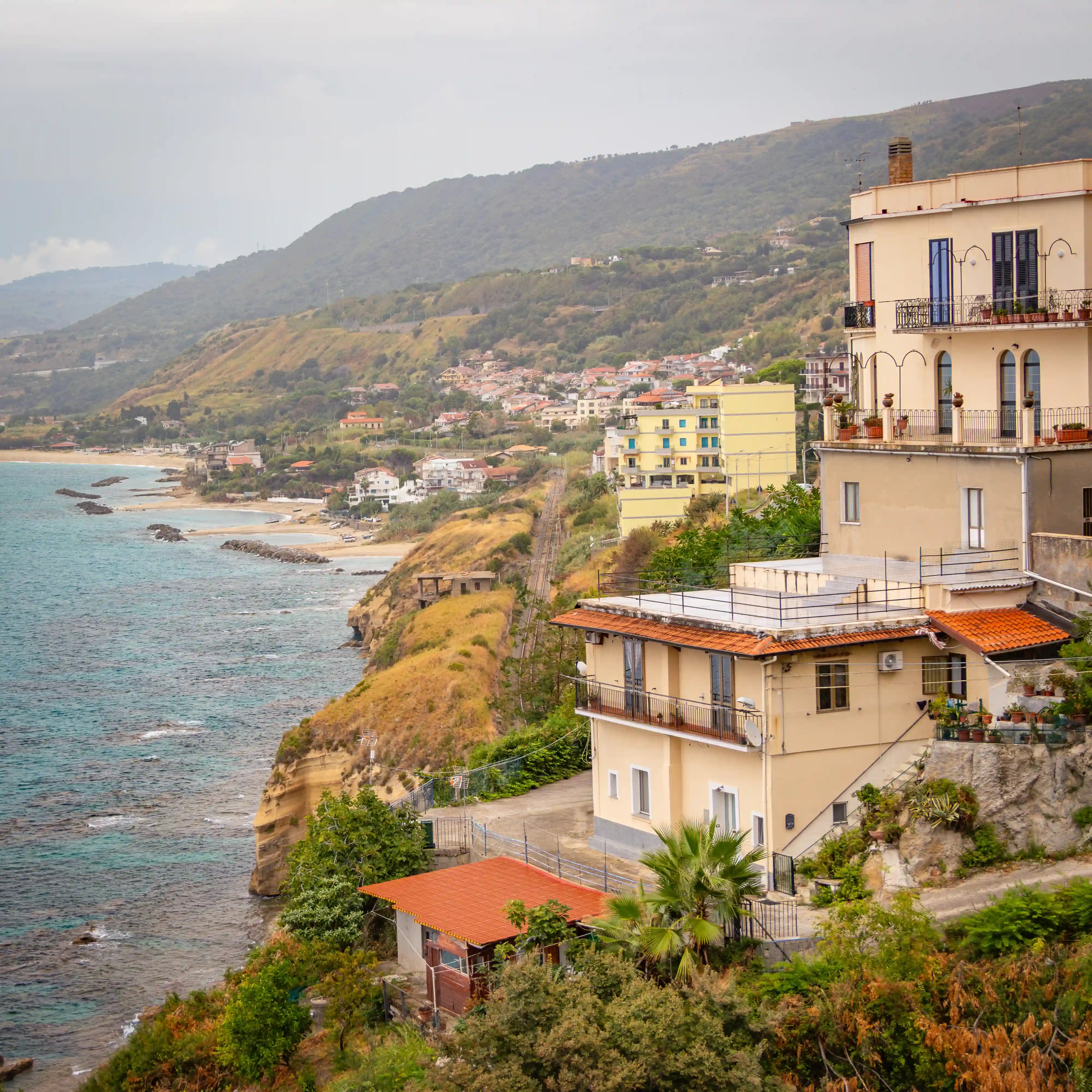
We took the train from Tropea to Pizzo Calabro, which turned out to be a really easy day trip along the coast.
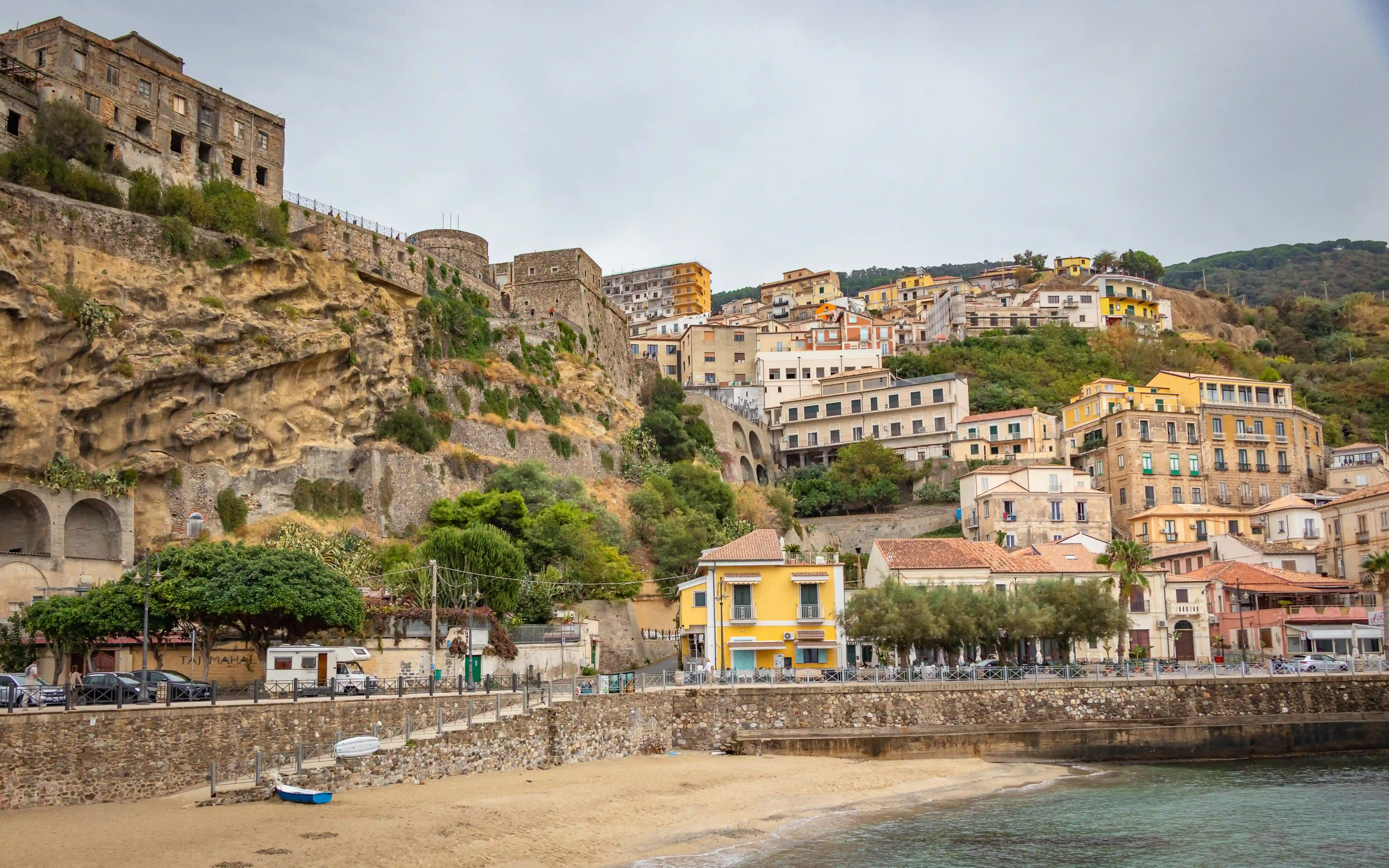
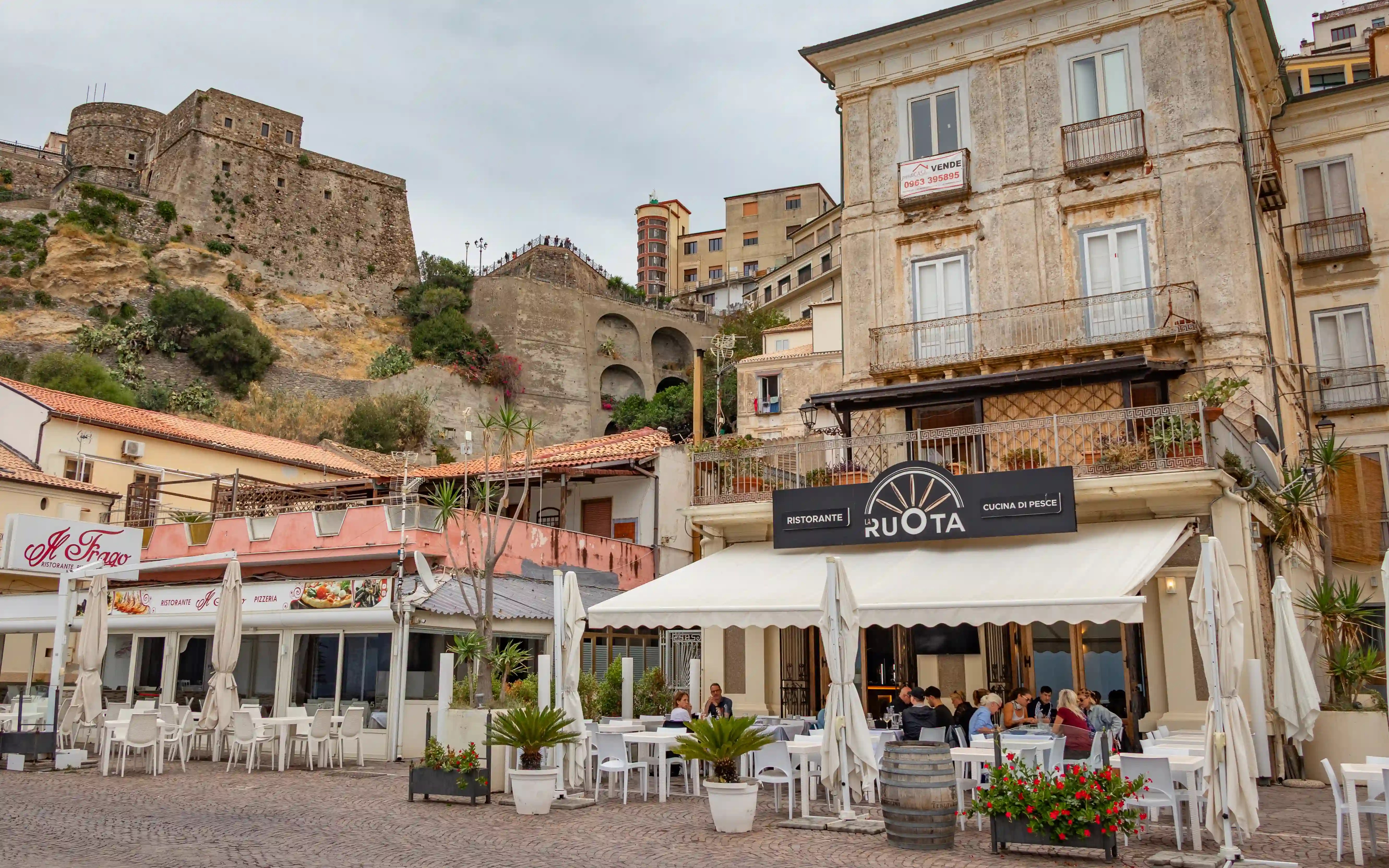
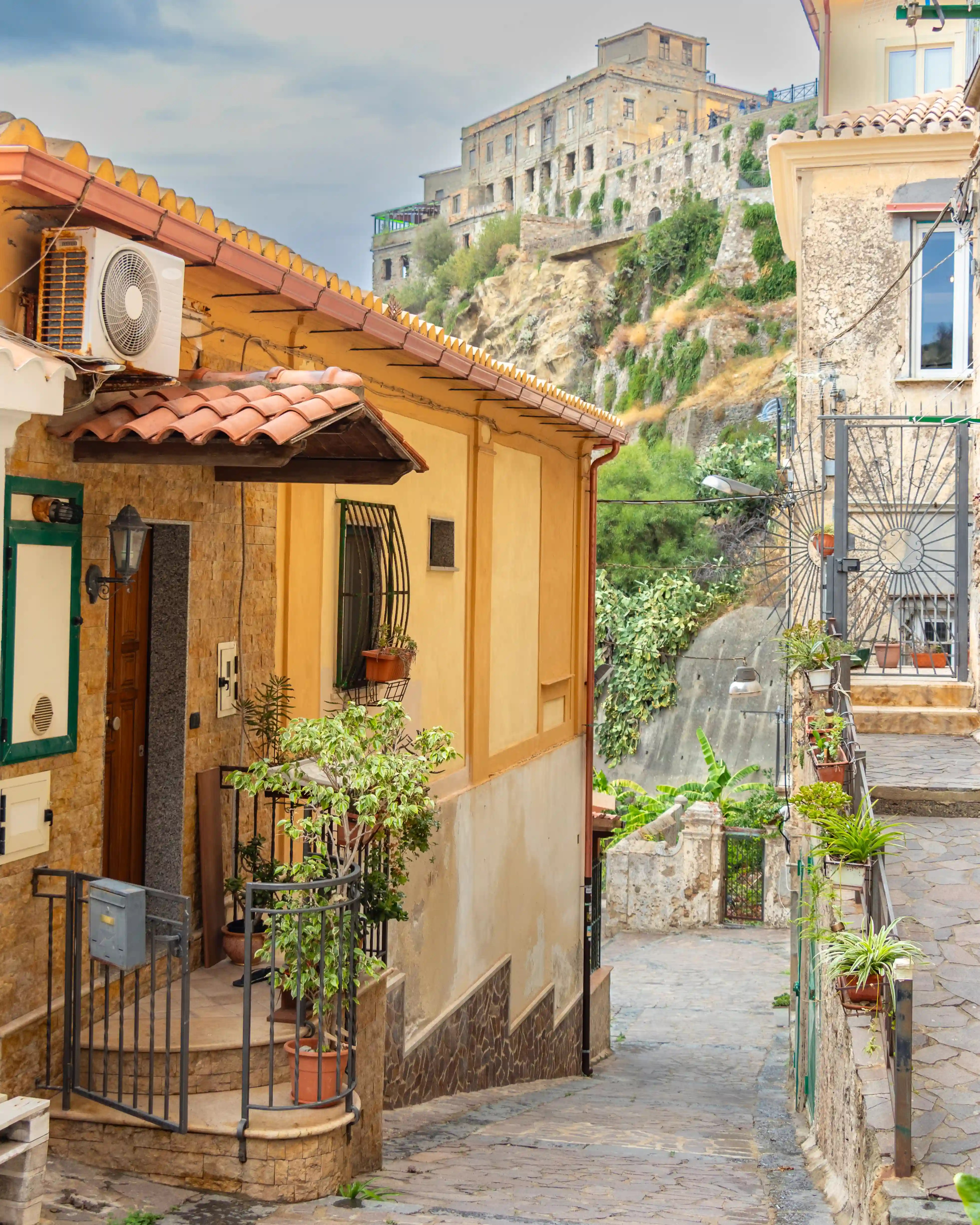
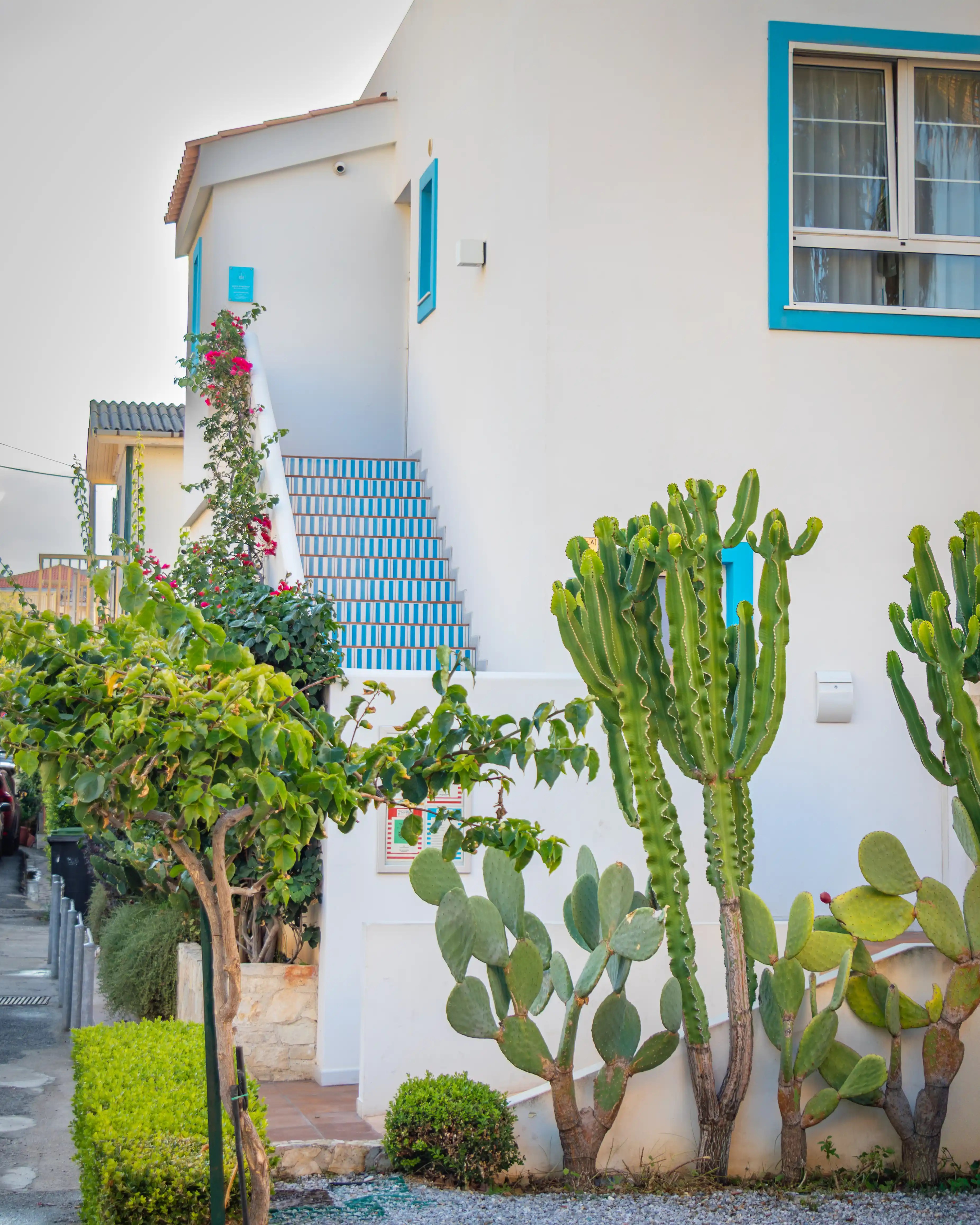
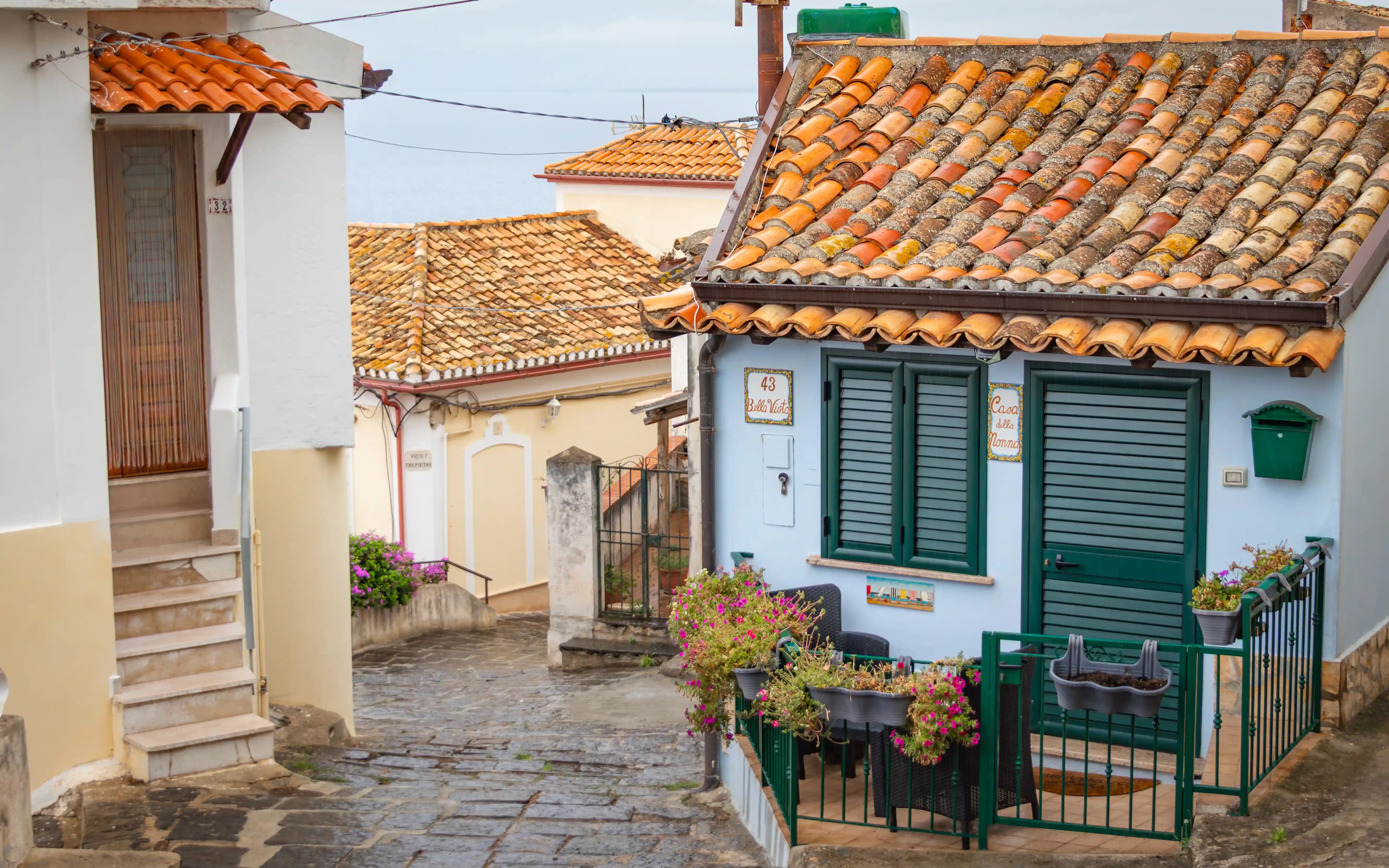
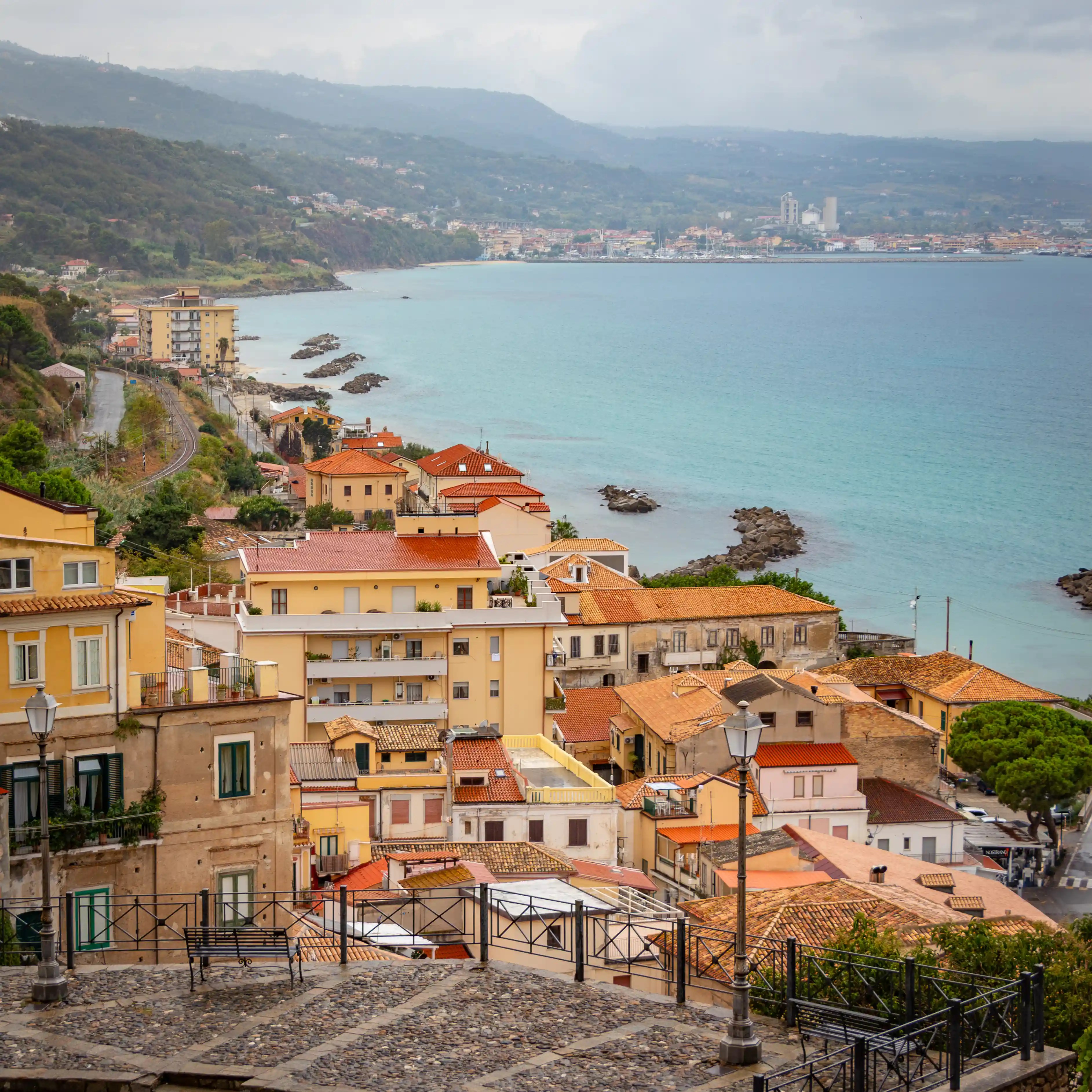
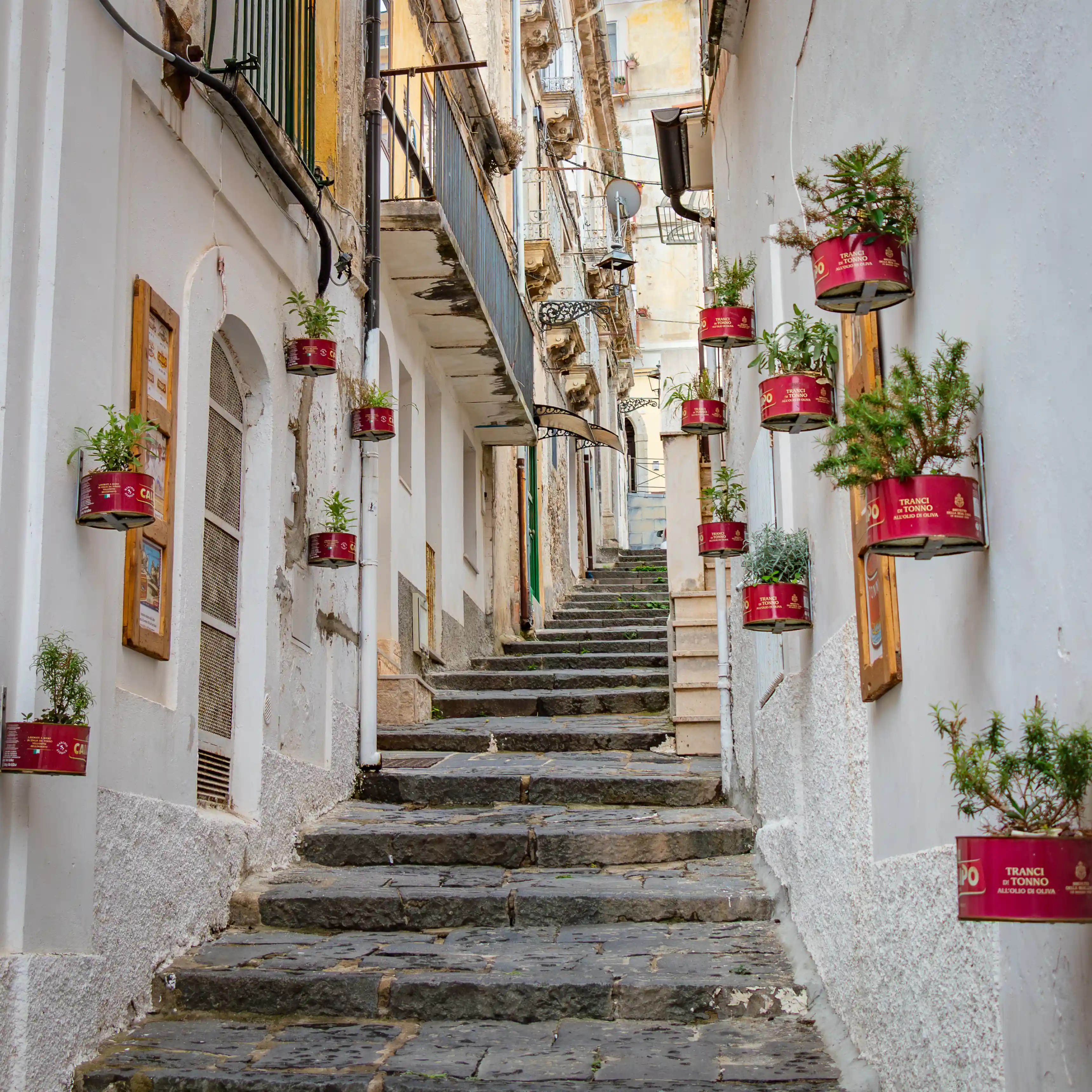
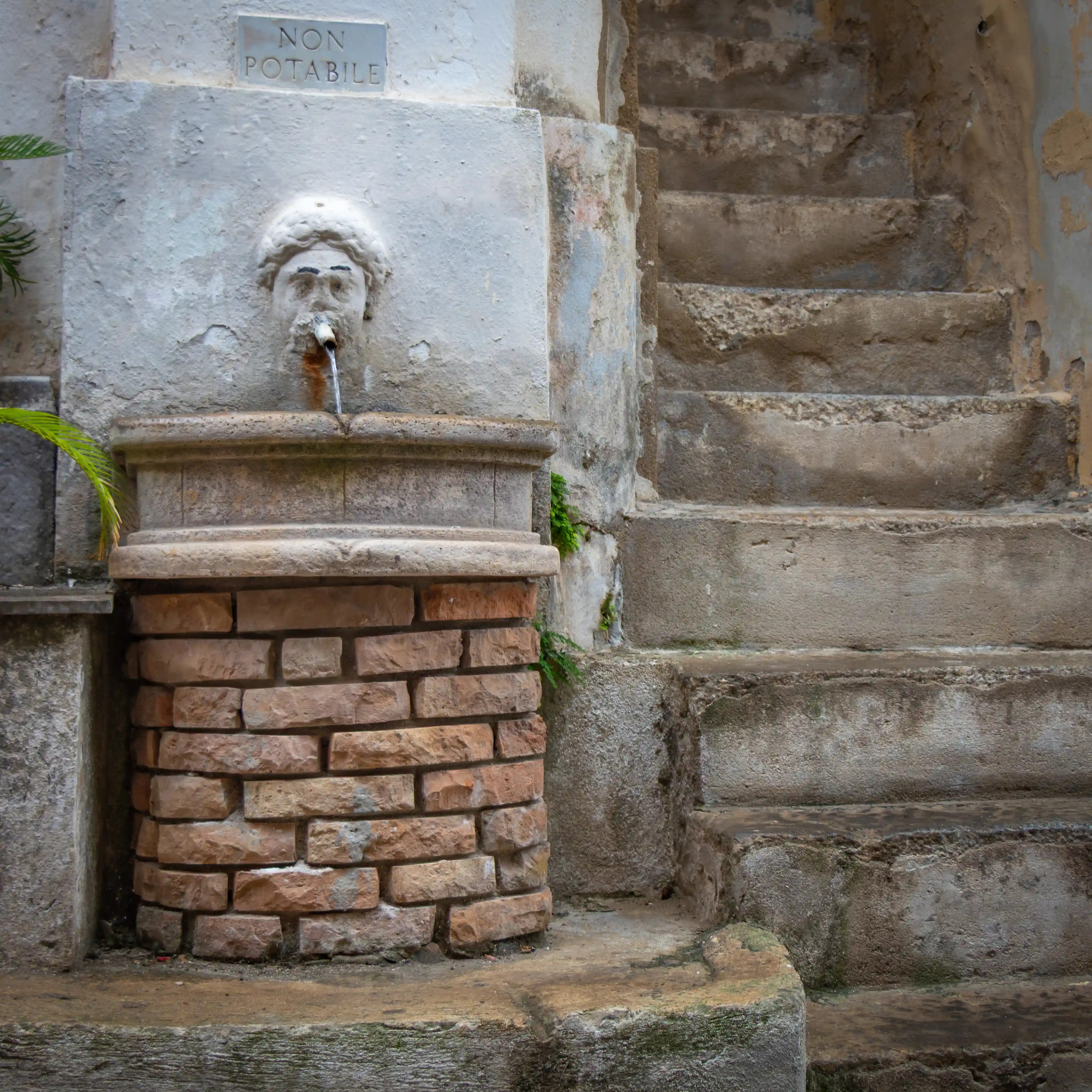
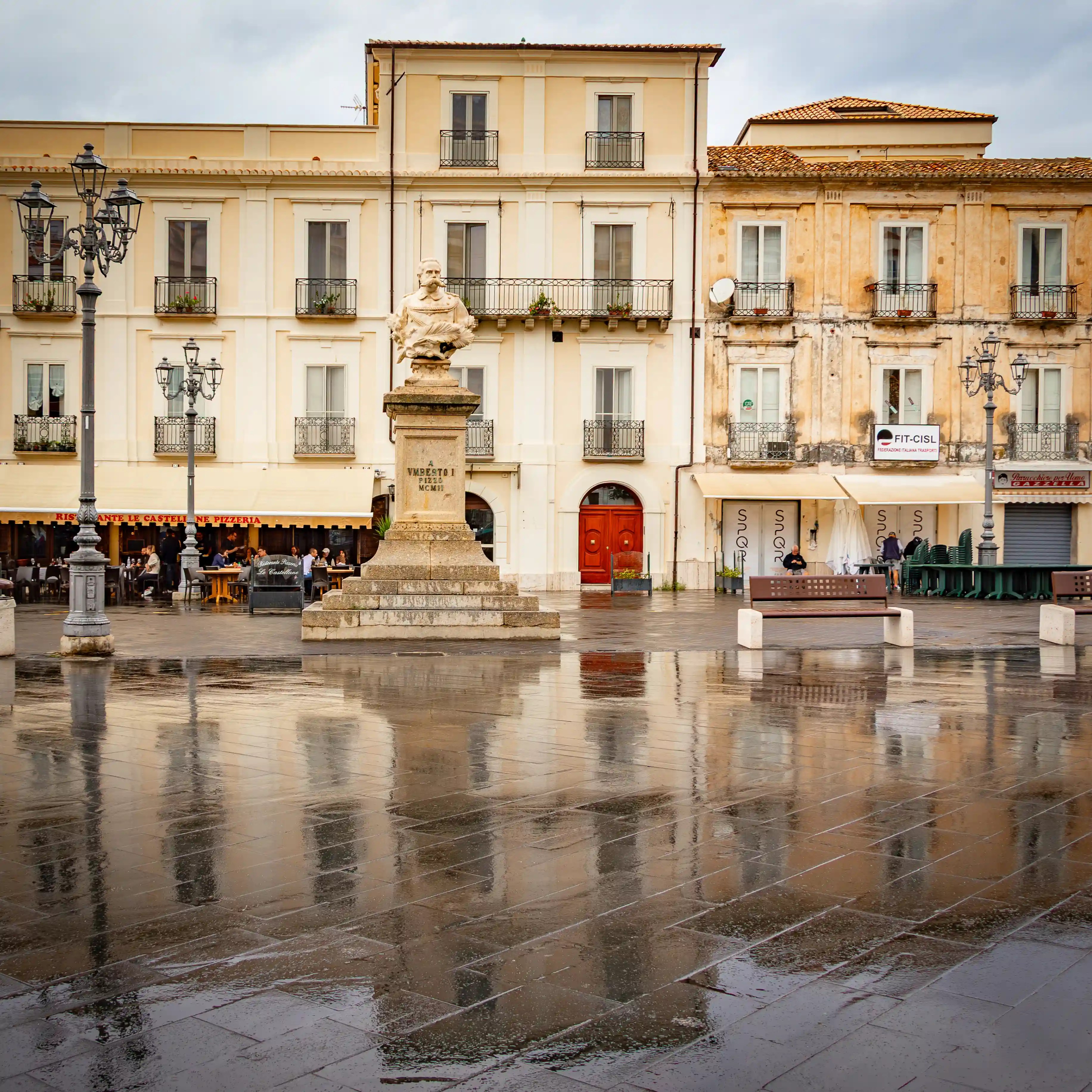
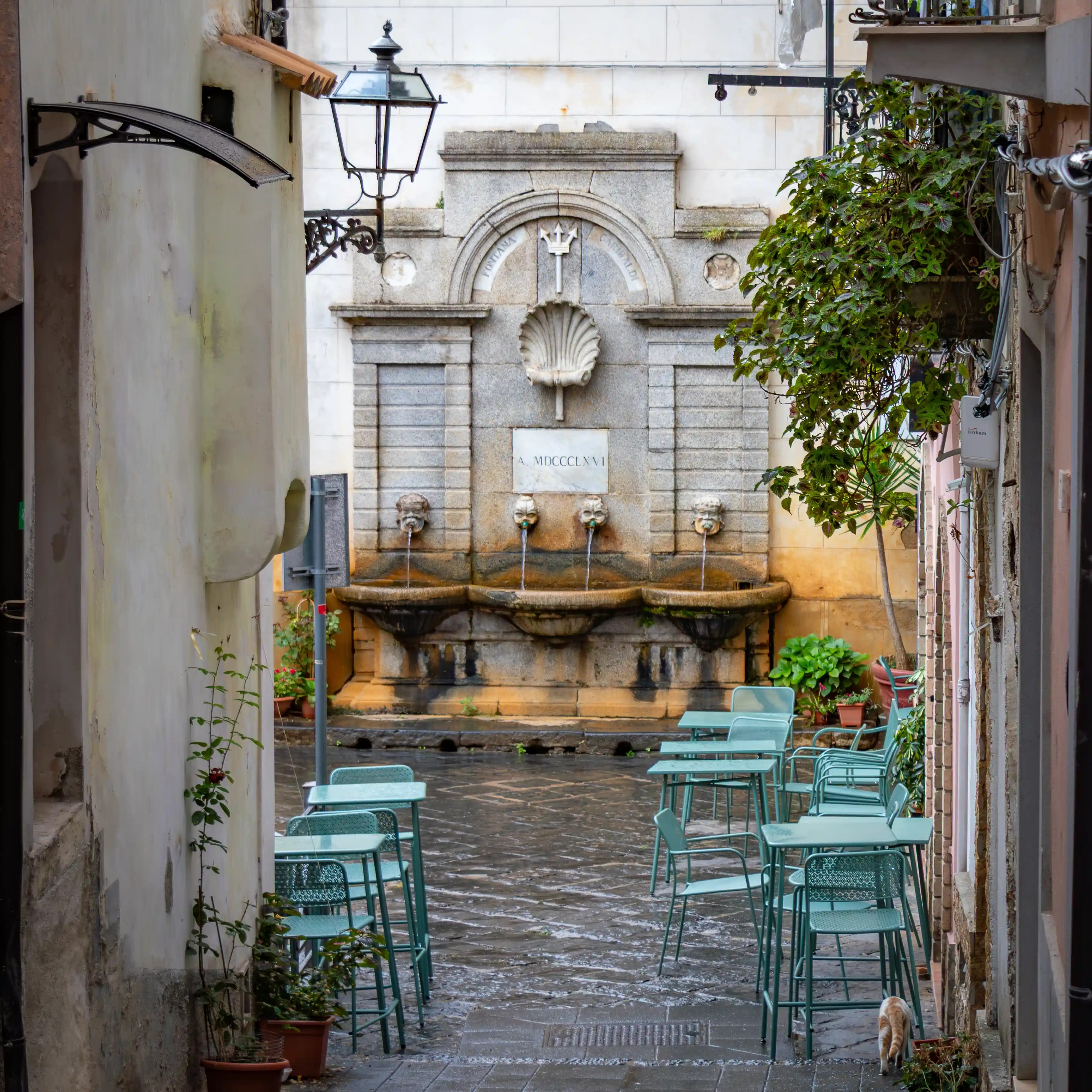
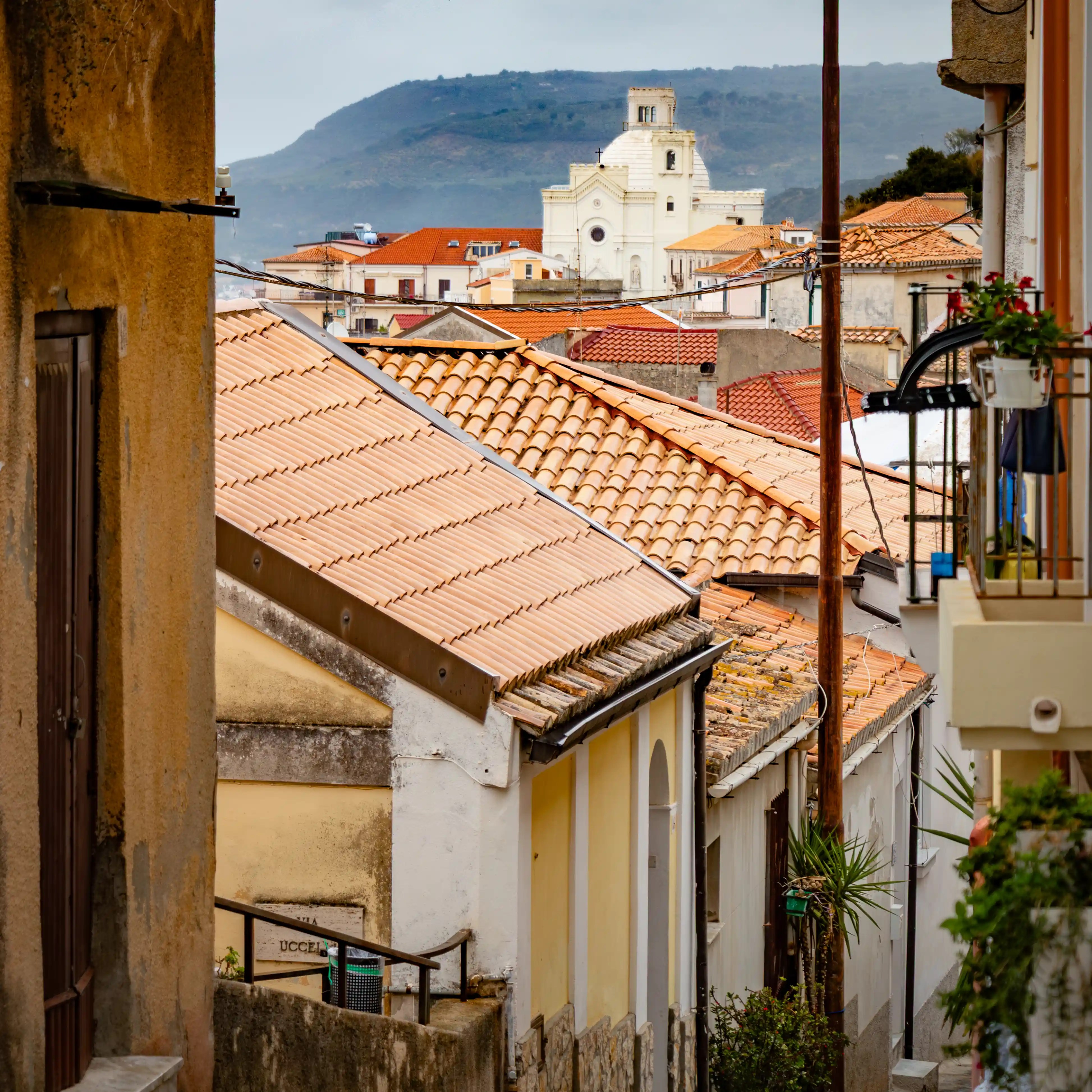
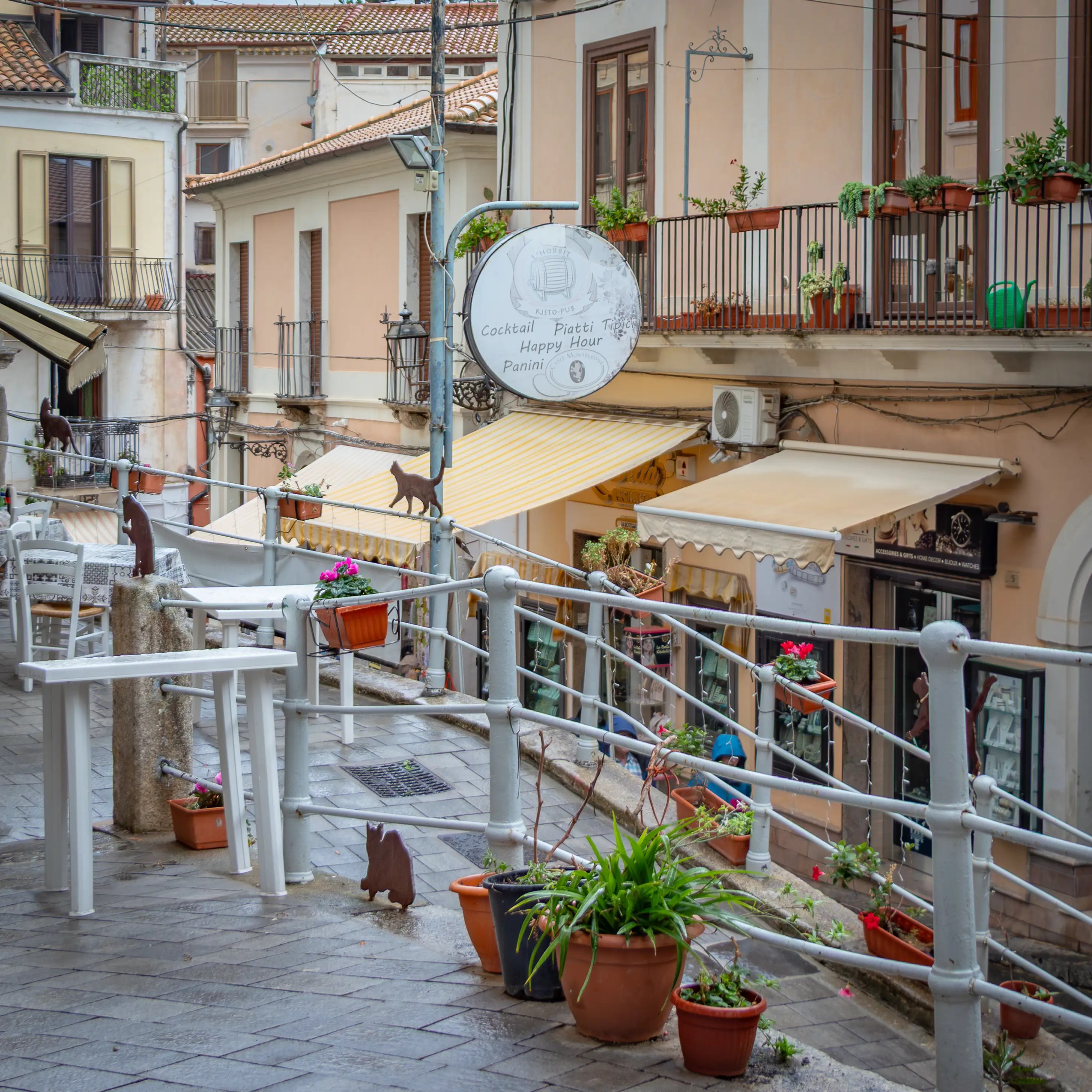
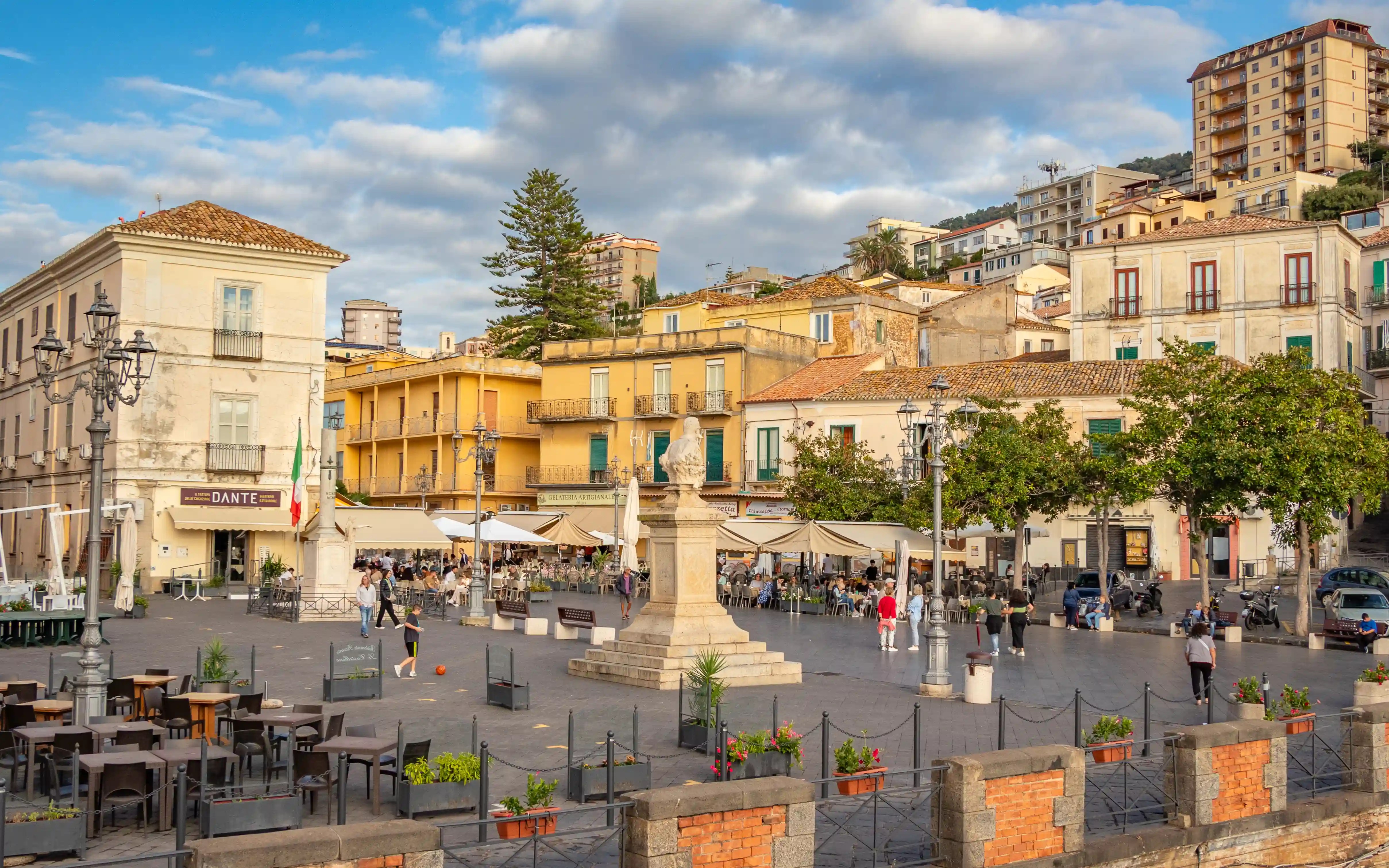
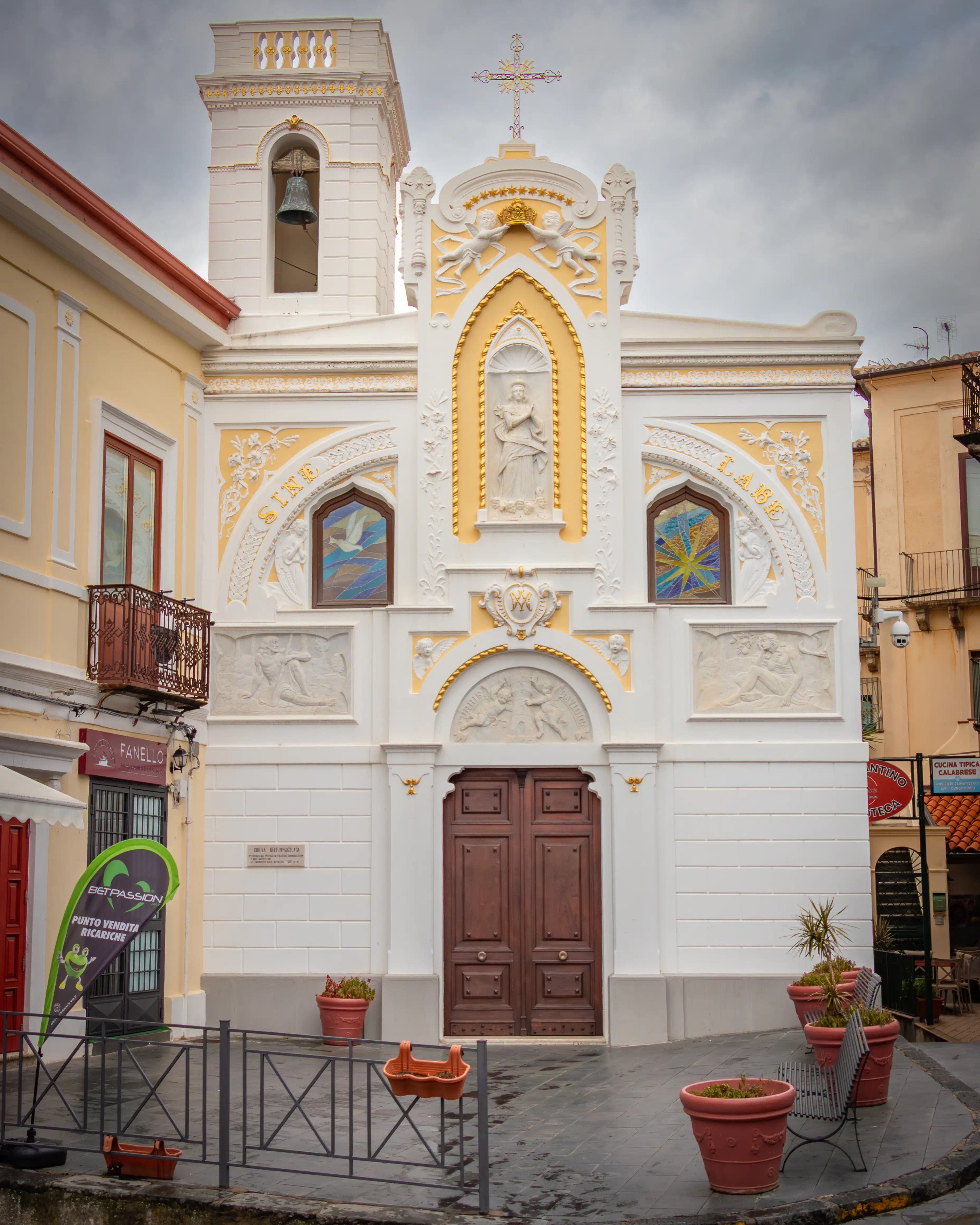
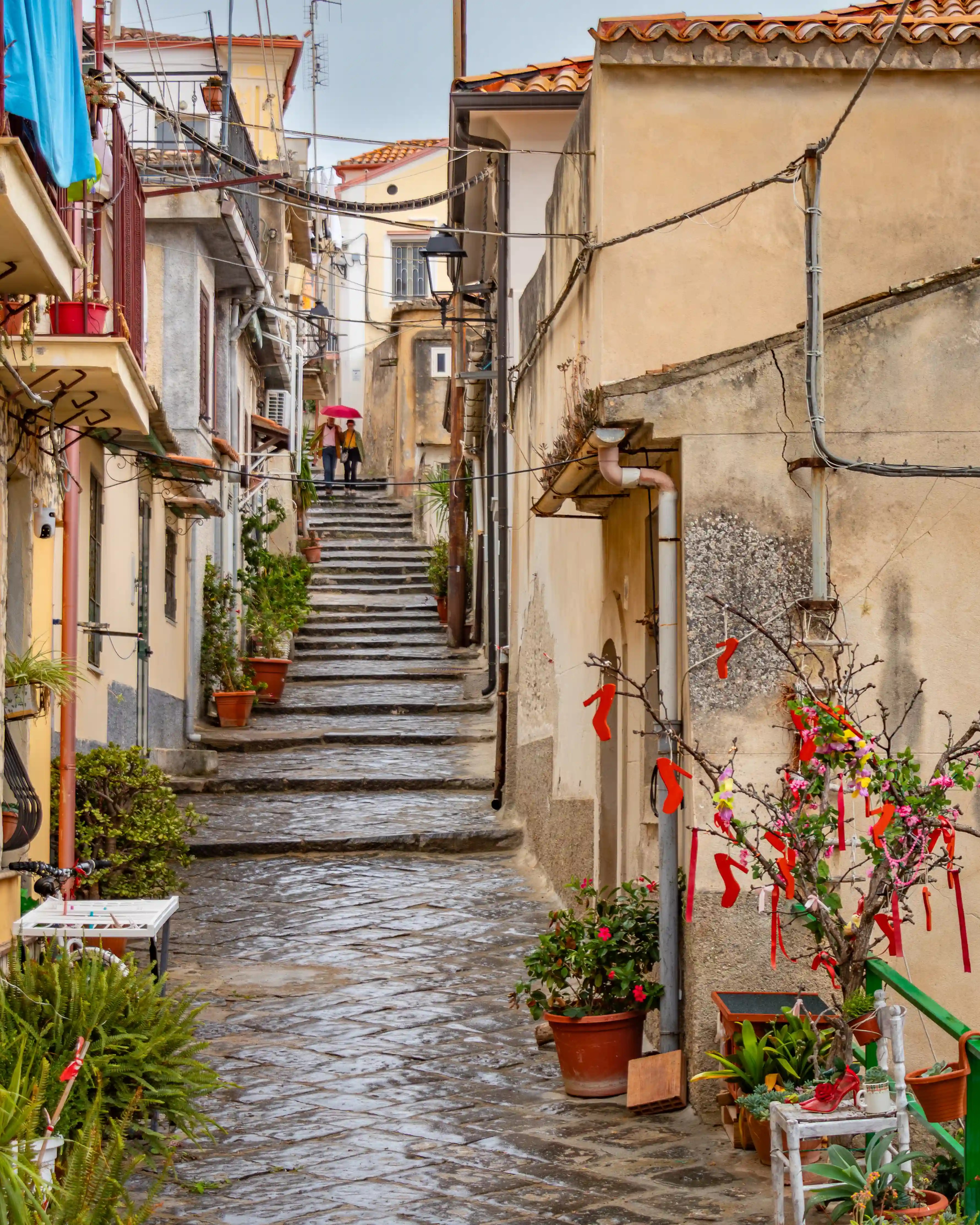
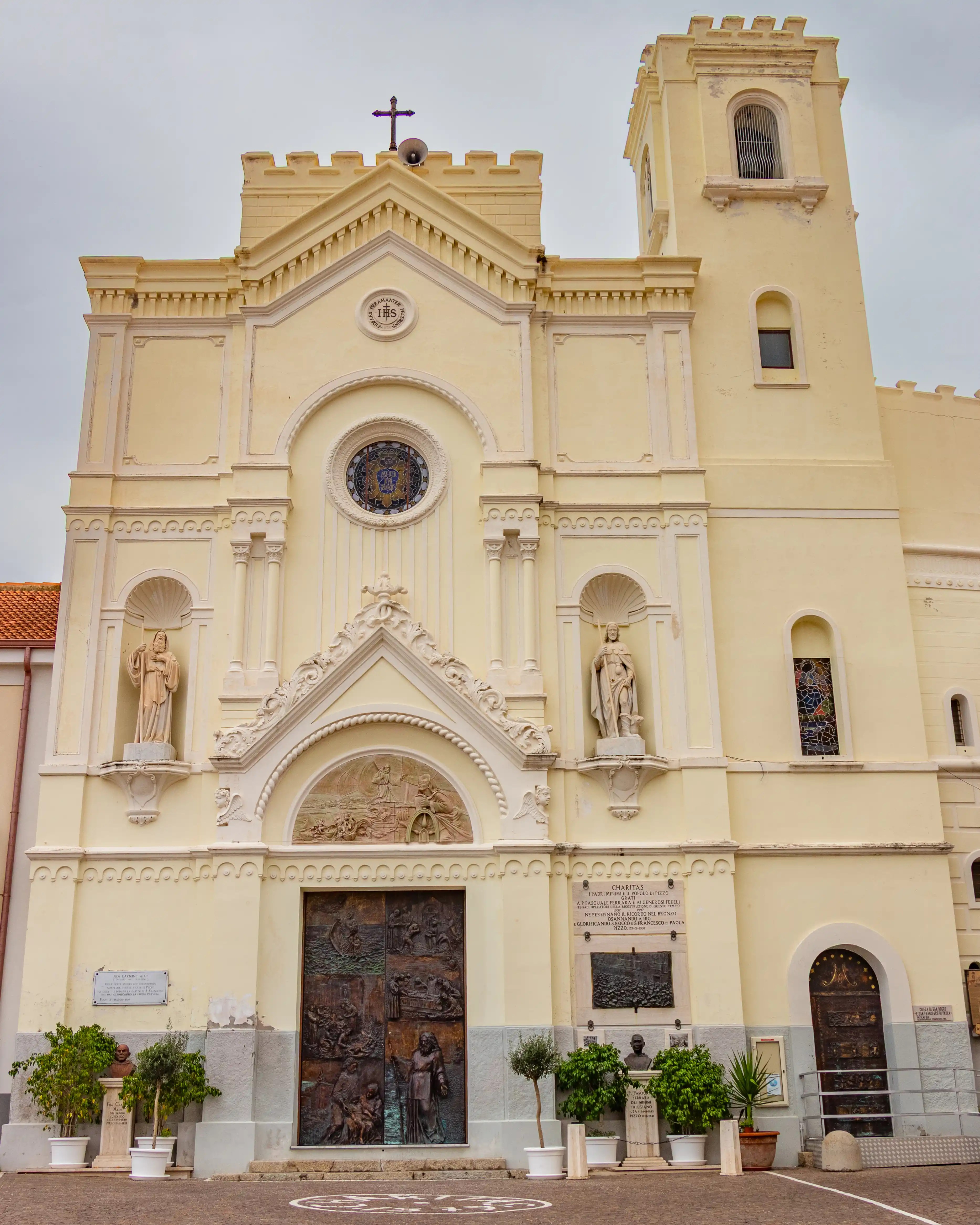
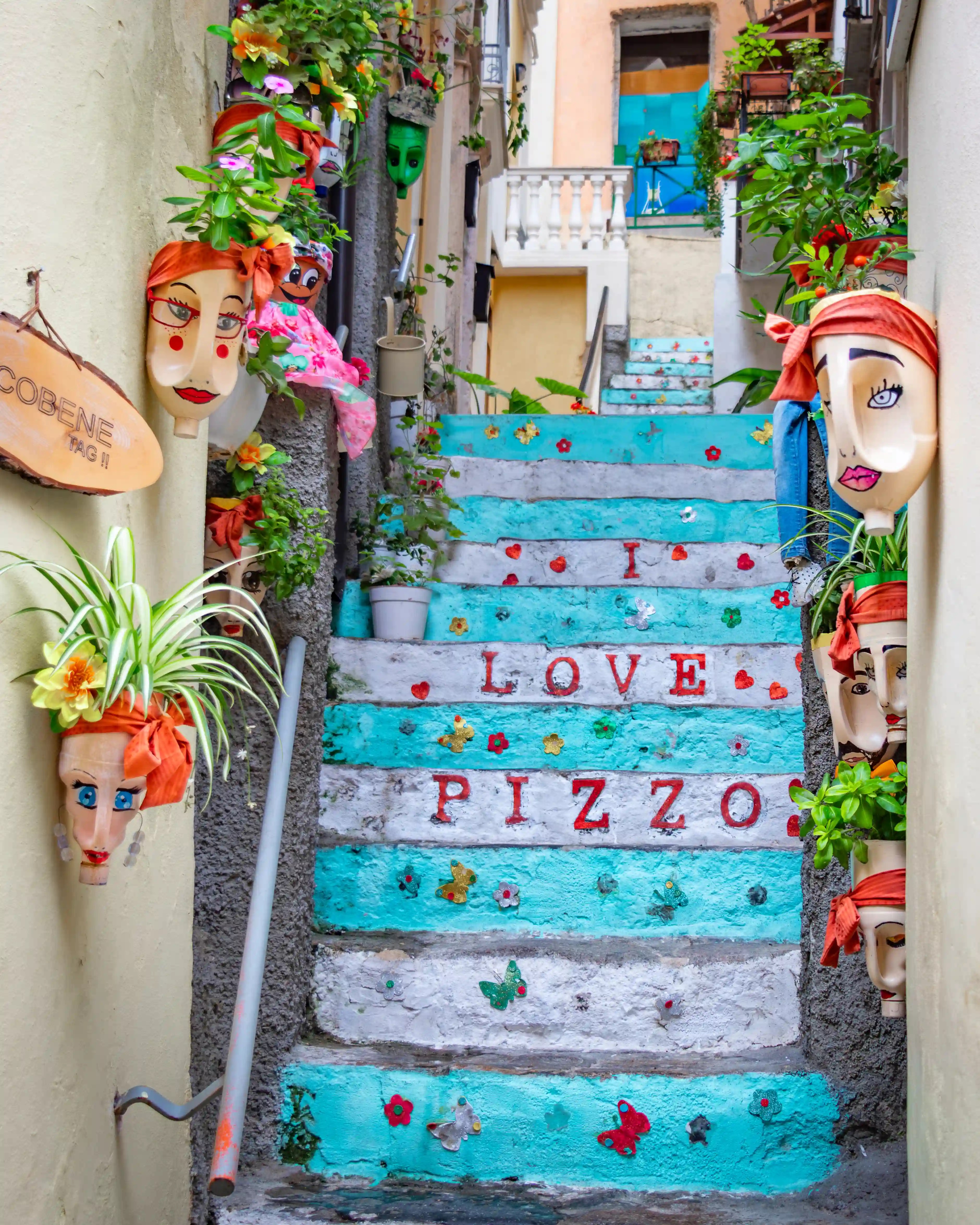
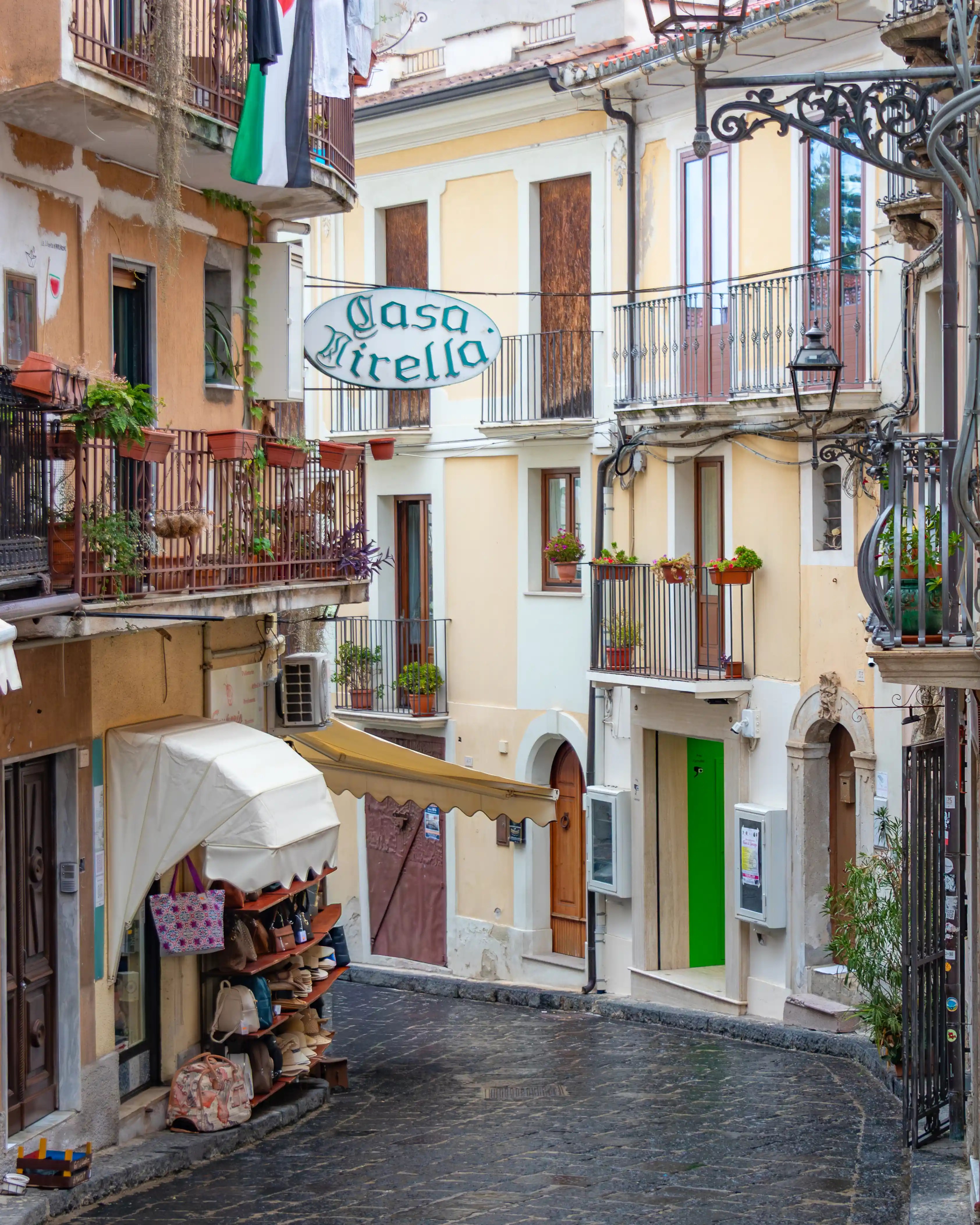
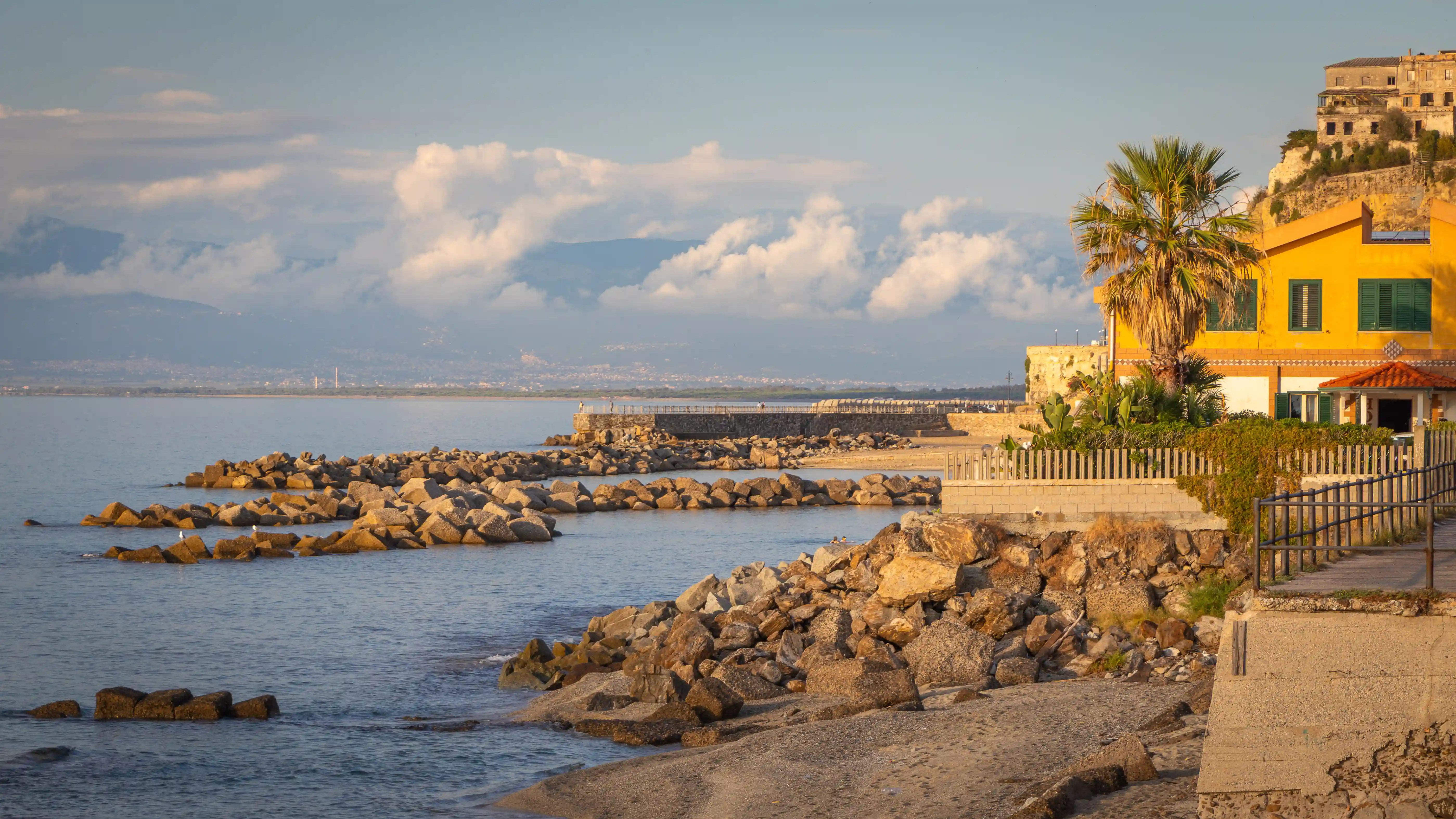
From the station just outside of town, we made our way toward the historic center, gradually heading uphill as we got closer. Winding streets and stairways connect the lower part of town with the historic center above, and once there, those same narrow streets and steps continue throughout, making it a fun place to explore on foot.
Tartufo di Pizzo
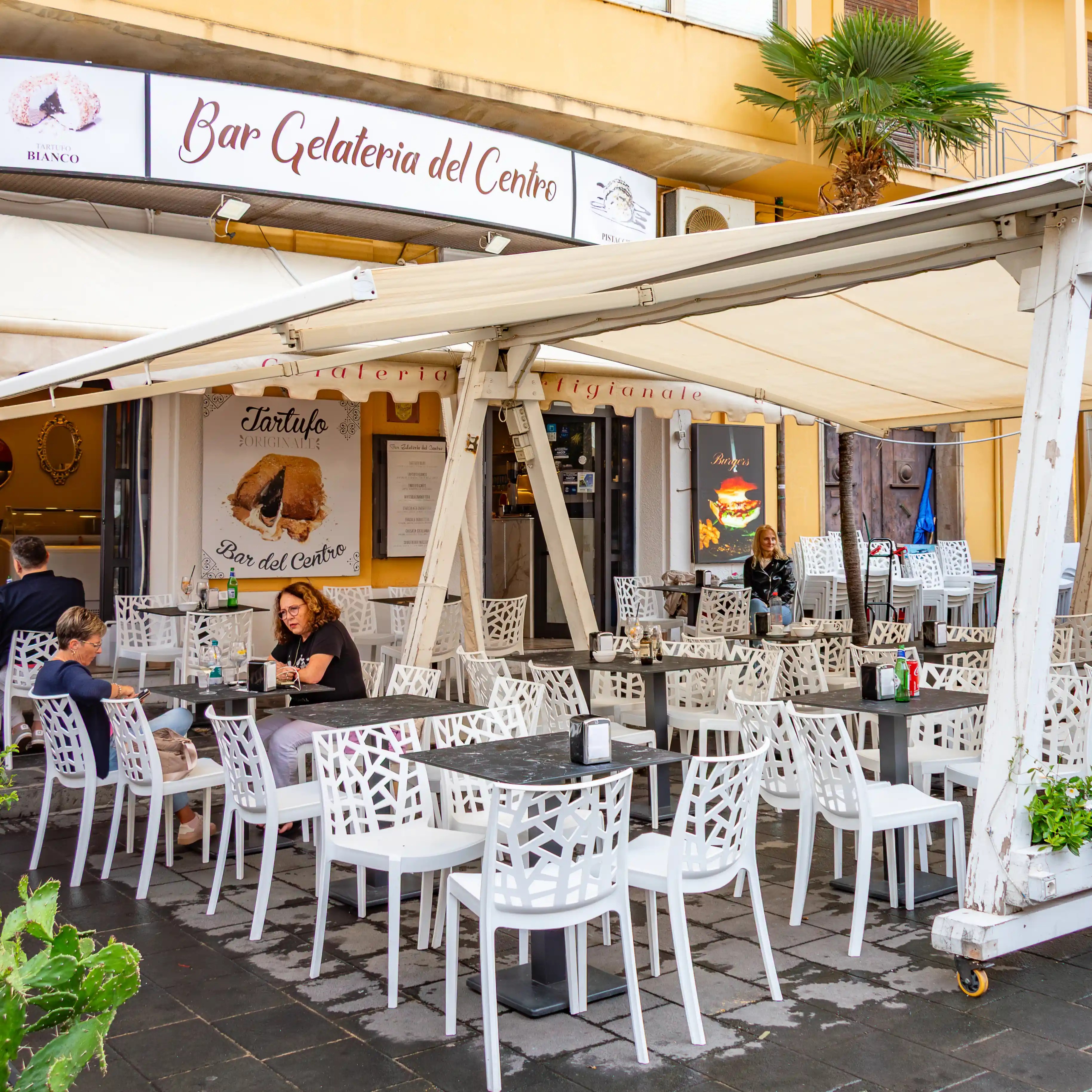
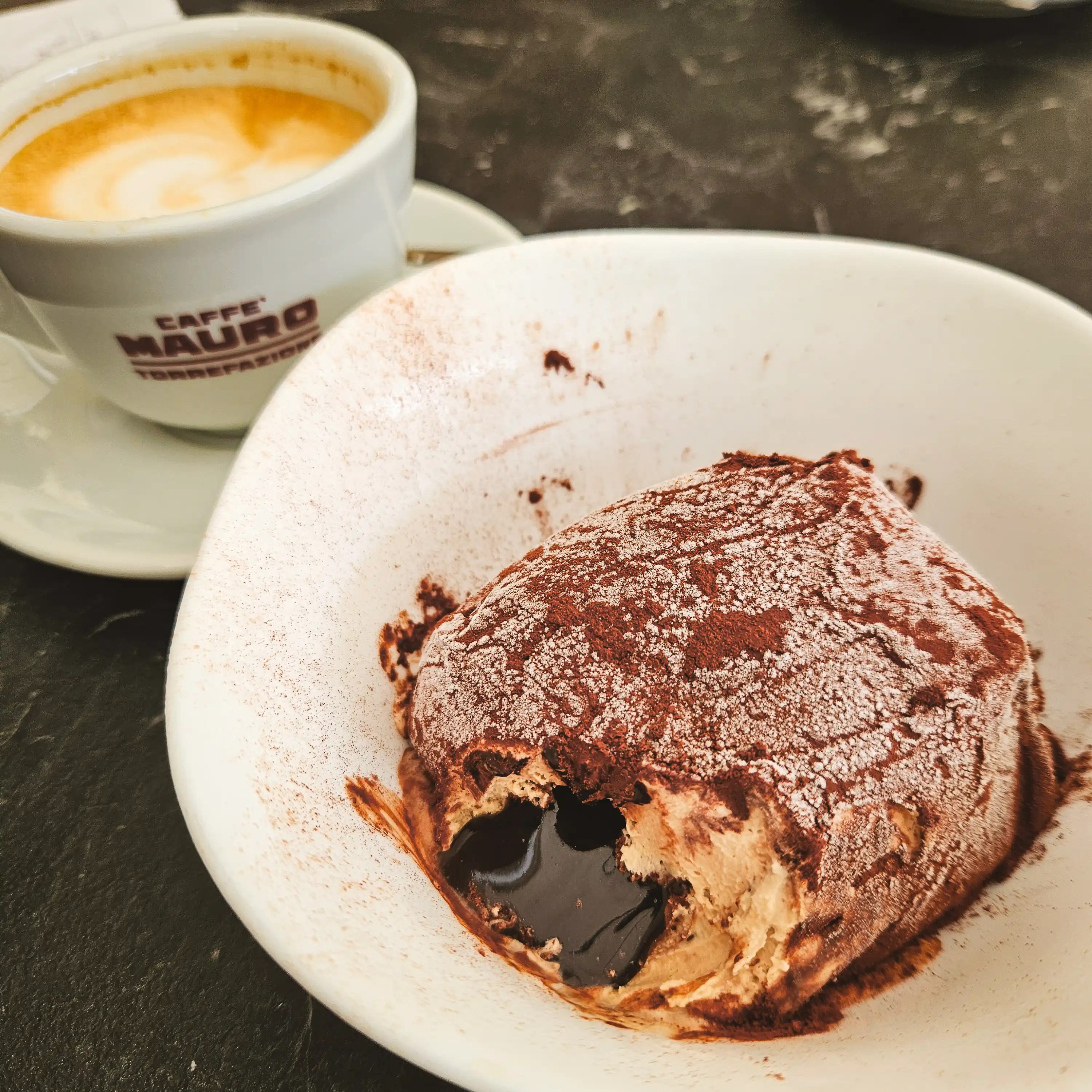
Pizzo is best known as the birthplace of tartufo, a gelato dessert said to have been created here in the 1950s. We stopped at Gelateria Ercole in Piazza della Repubblica to try it, and it ended up being one of those things you find yourself craving later—rich chocolate gelato shaped like a truffle, with a molten center and a cocoa-dusted shell, served right in the town where it was first made. The waiter was incredibly friendly, which made the stop even better.
Castello Murat of Pizzo
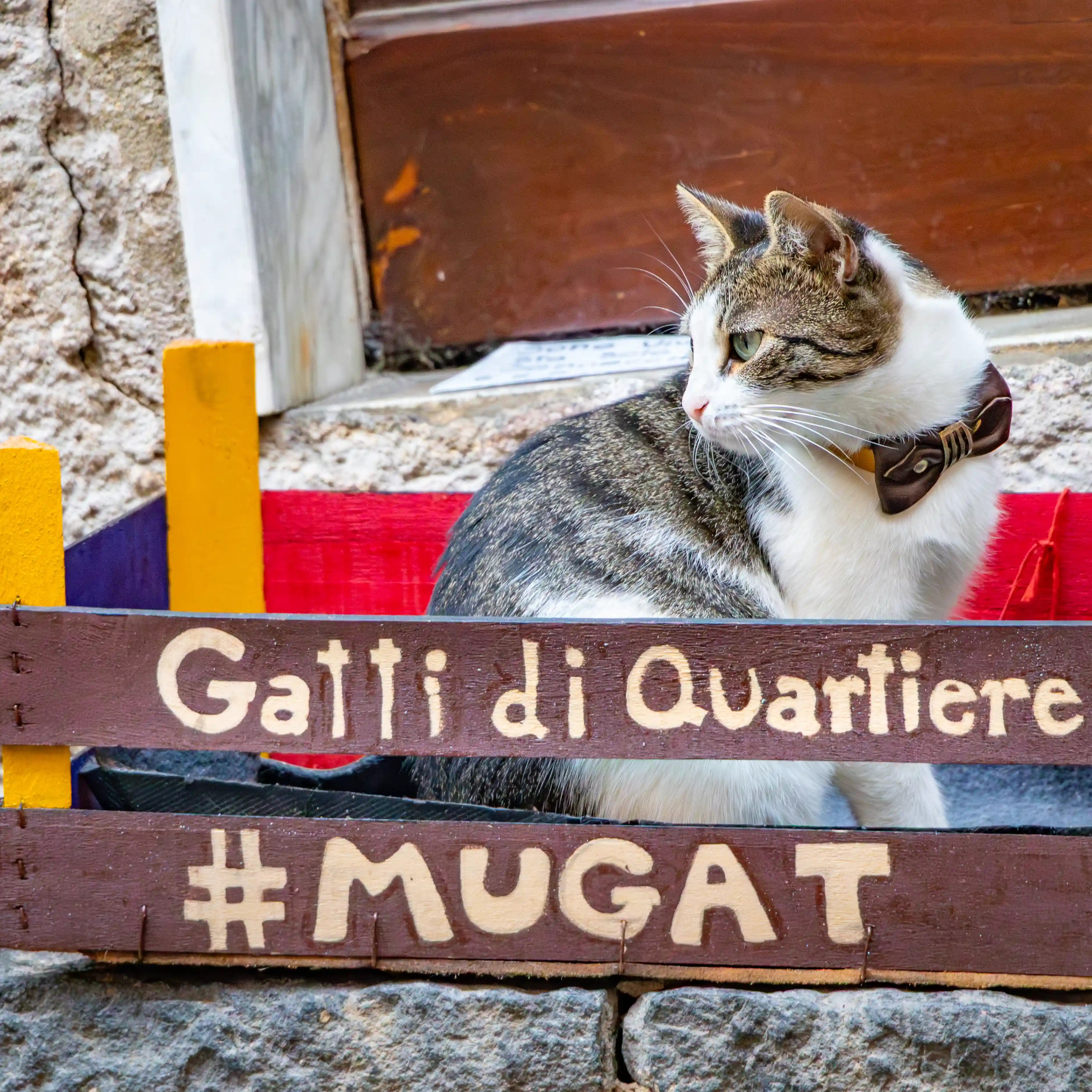
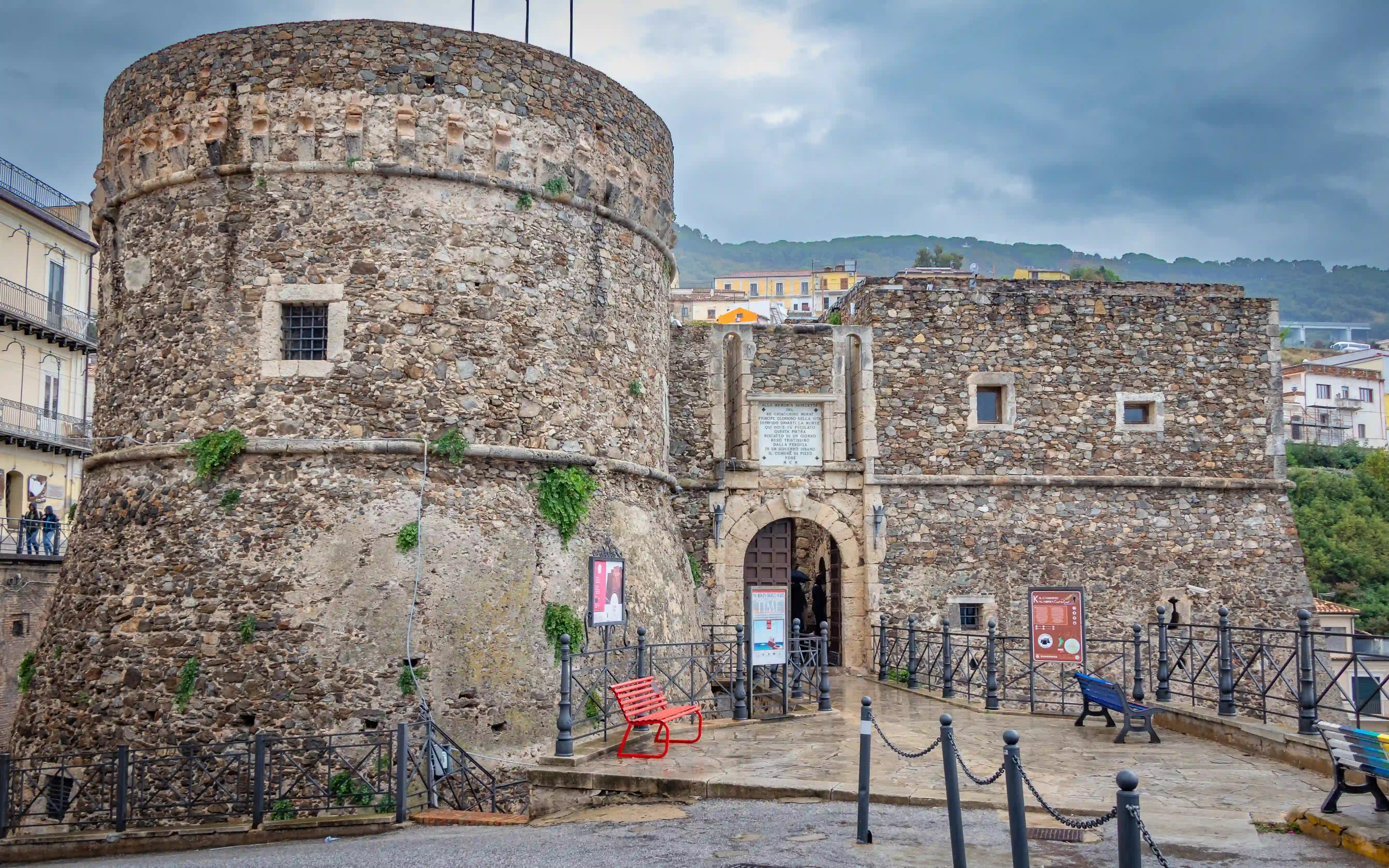
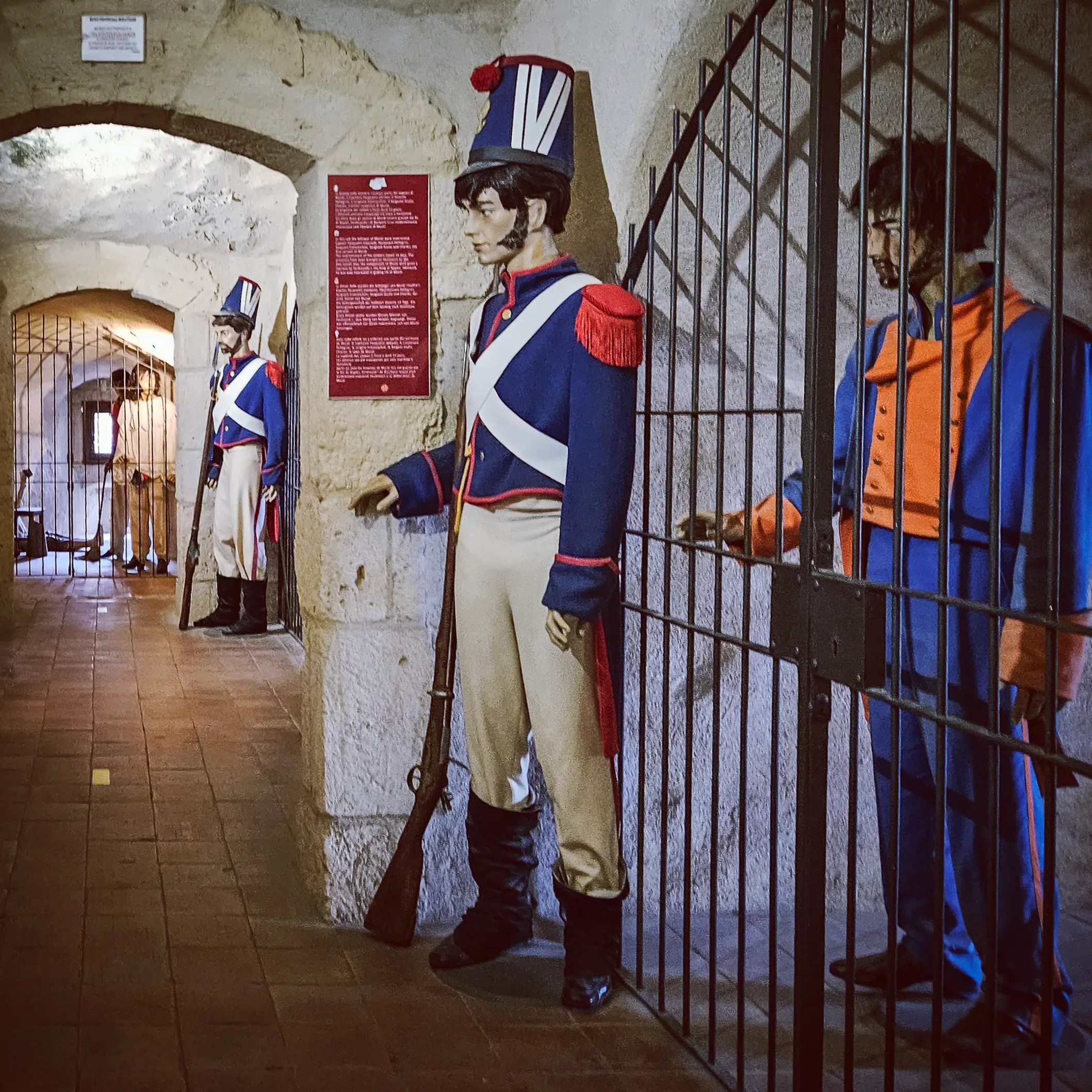
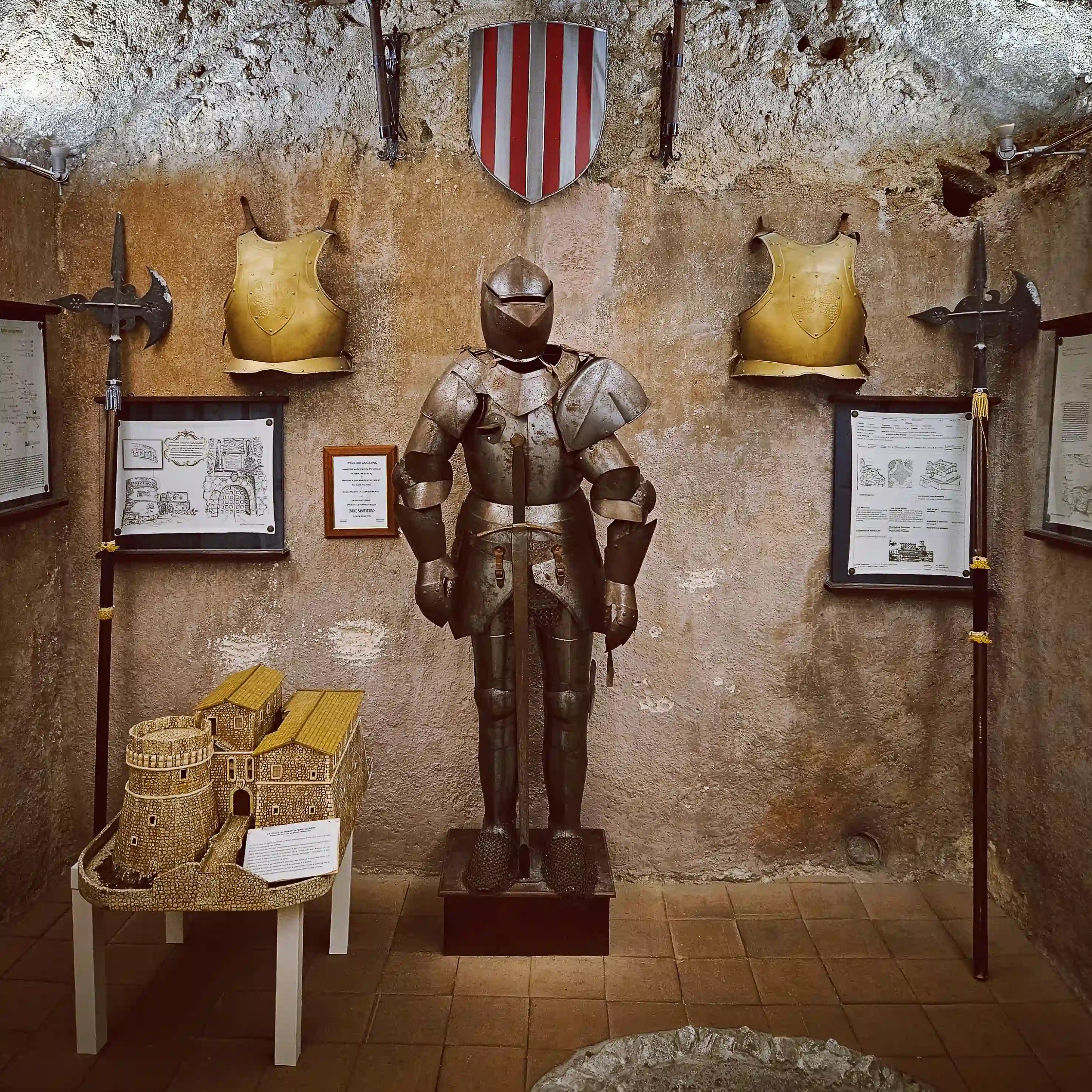
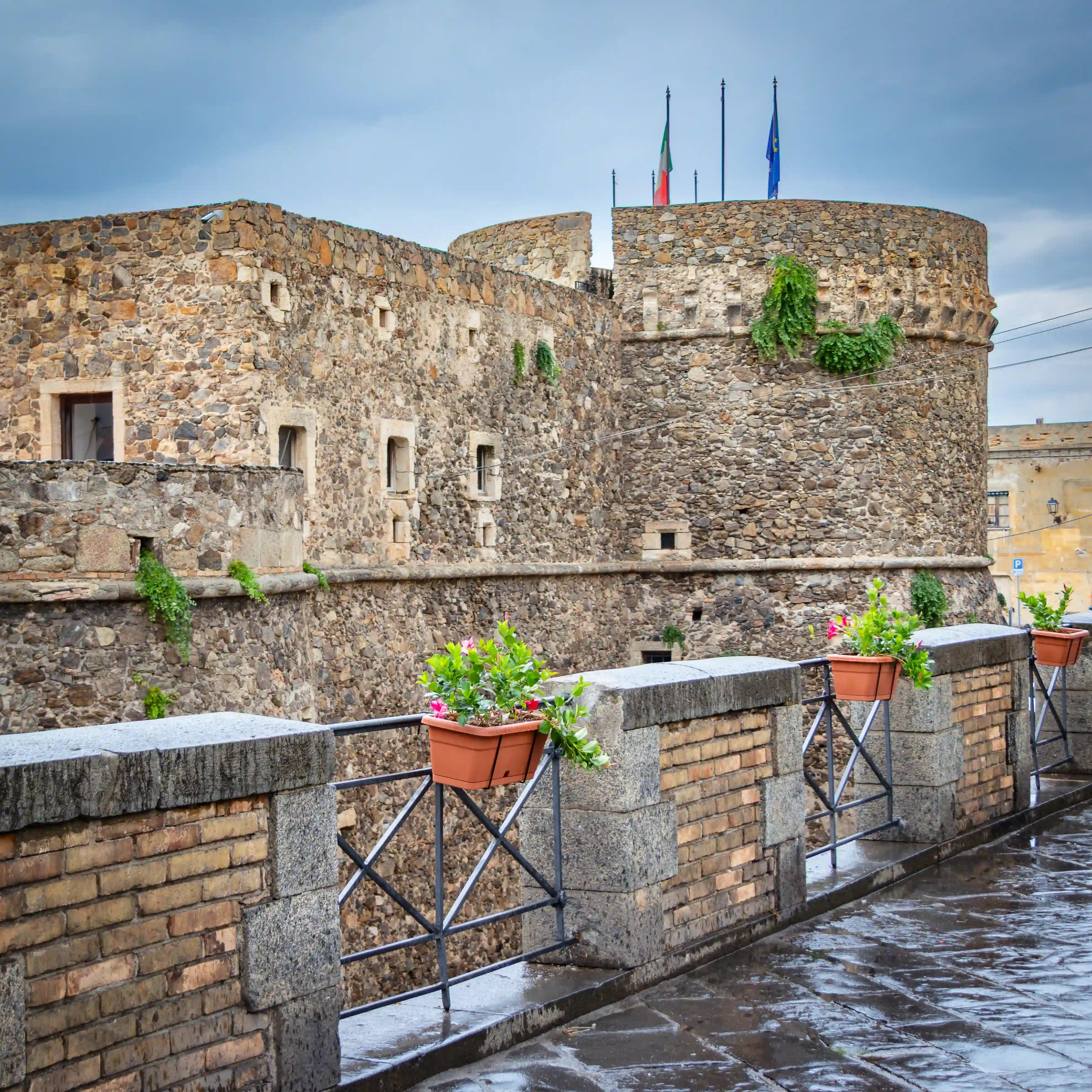
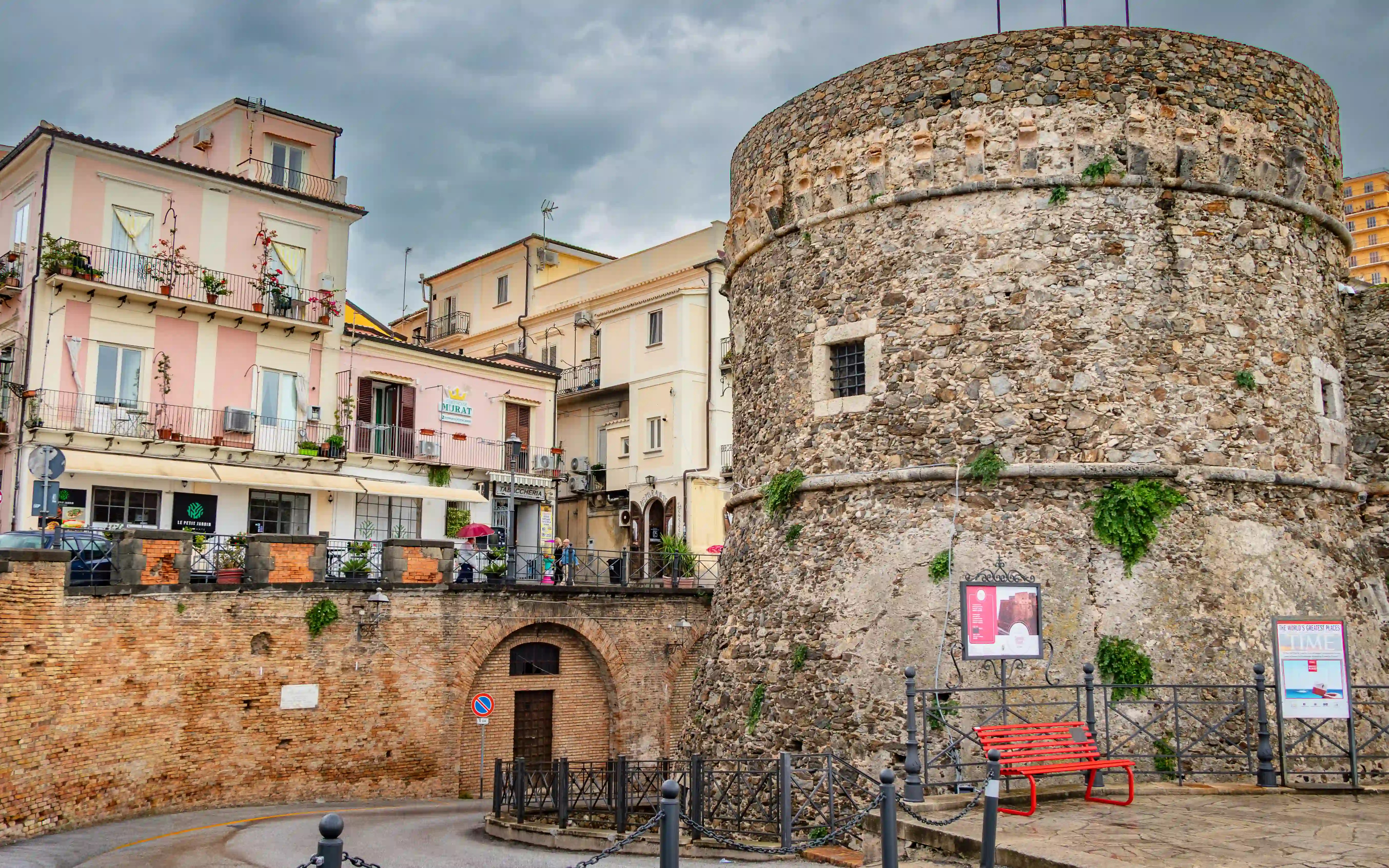
Just off the piazza, we visited Castello Murat (Castello Aragonese), a small fortress overlooking the sea. Originally built during the Aragonese period in the 15th century, it’s best known as the place where Joachim Murat, Napoleon’s brother-in-law and former King of Naples, was imprisoned in 1815 after attempting to regain control of the kingdom following Napoleon’s fall. He was held there briefly before being executed by firing squad. Today, you can walk through the rooms and out onto viewpoints over the town and coastline.
Chiesetta di Piedigrotta
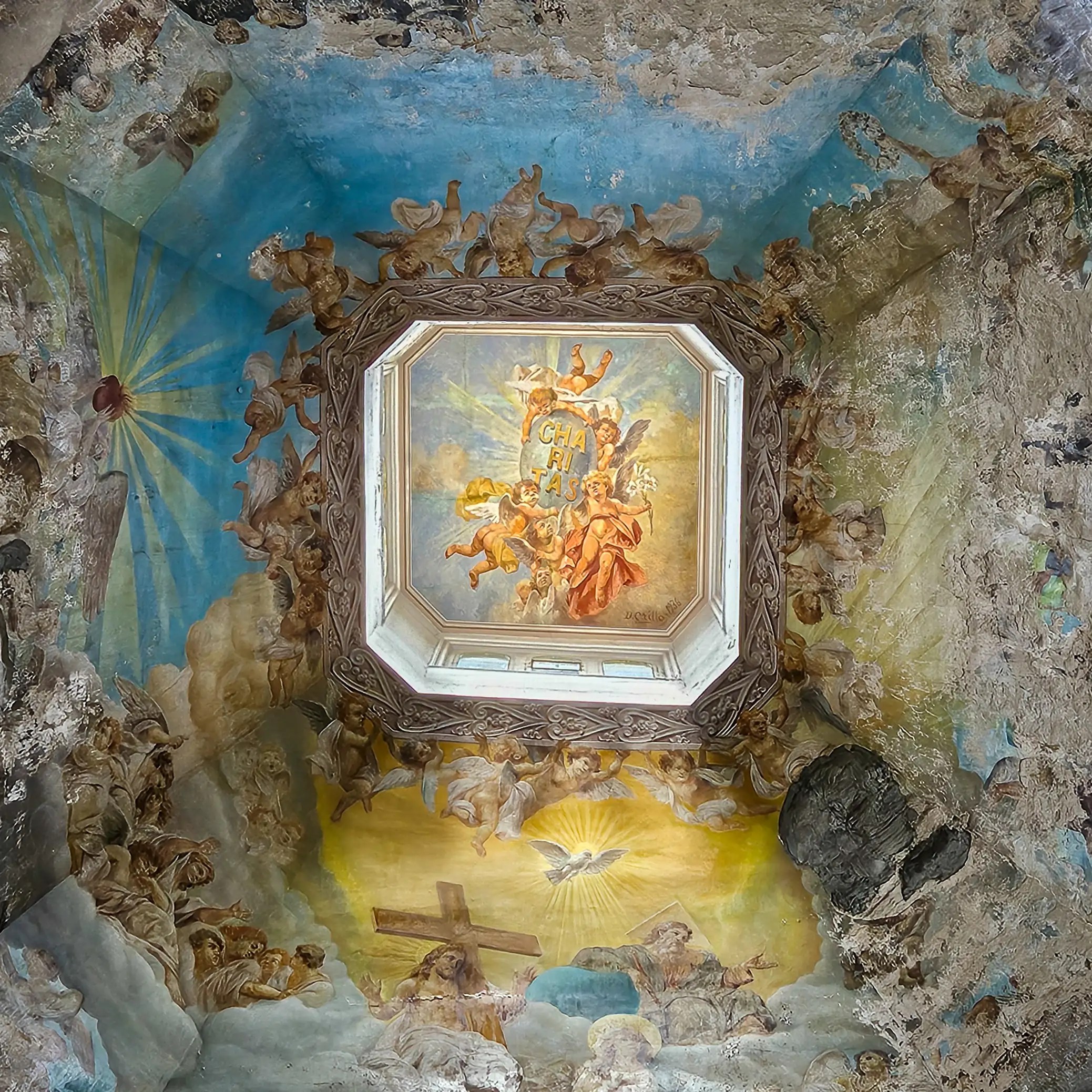
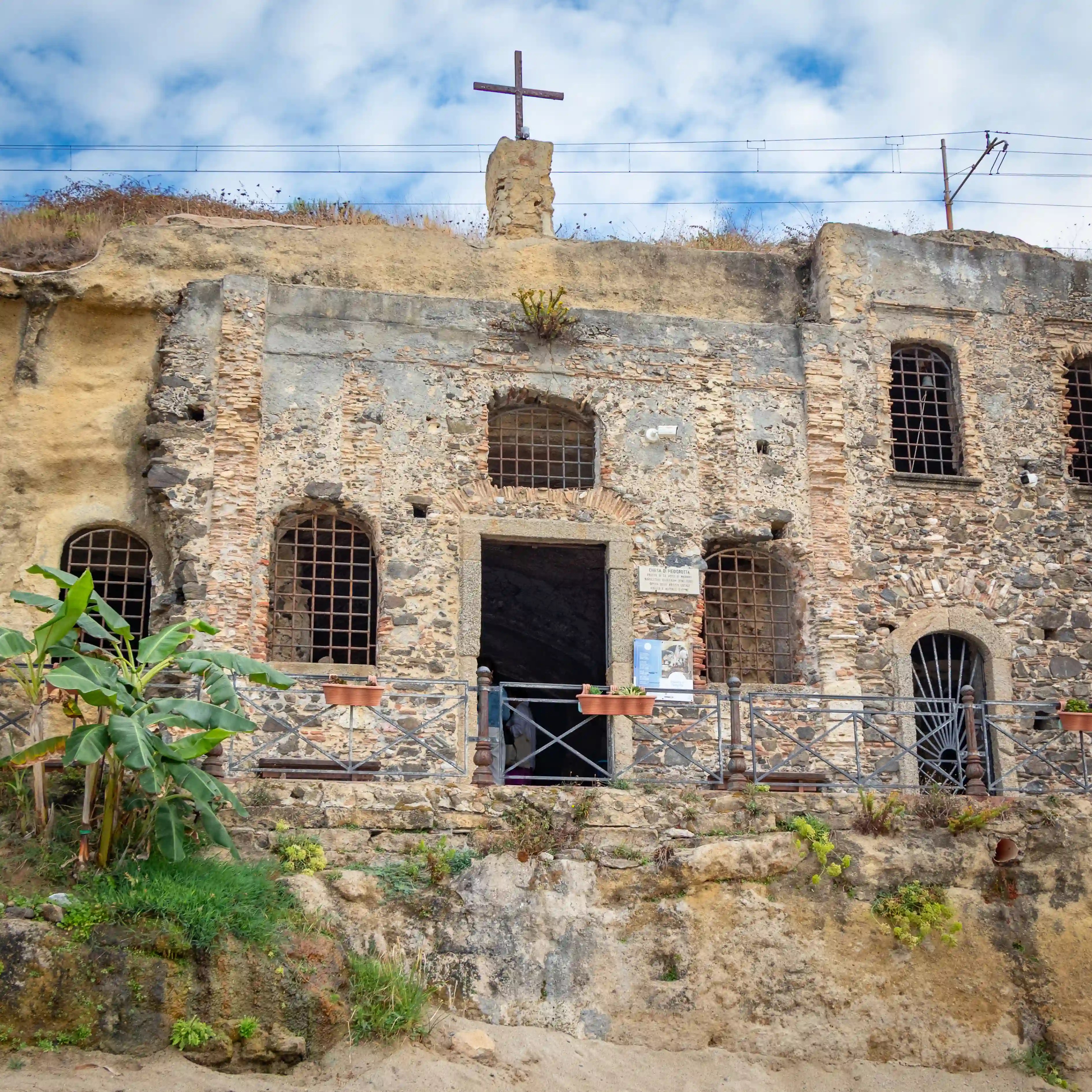
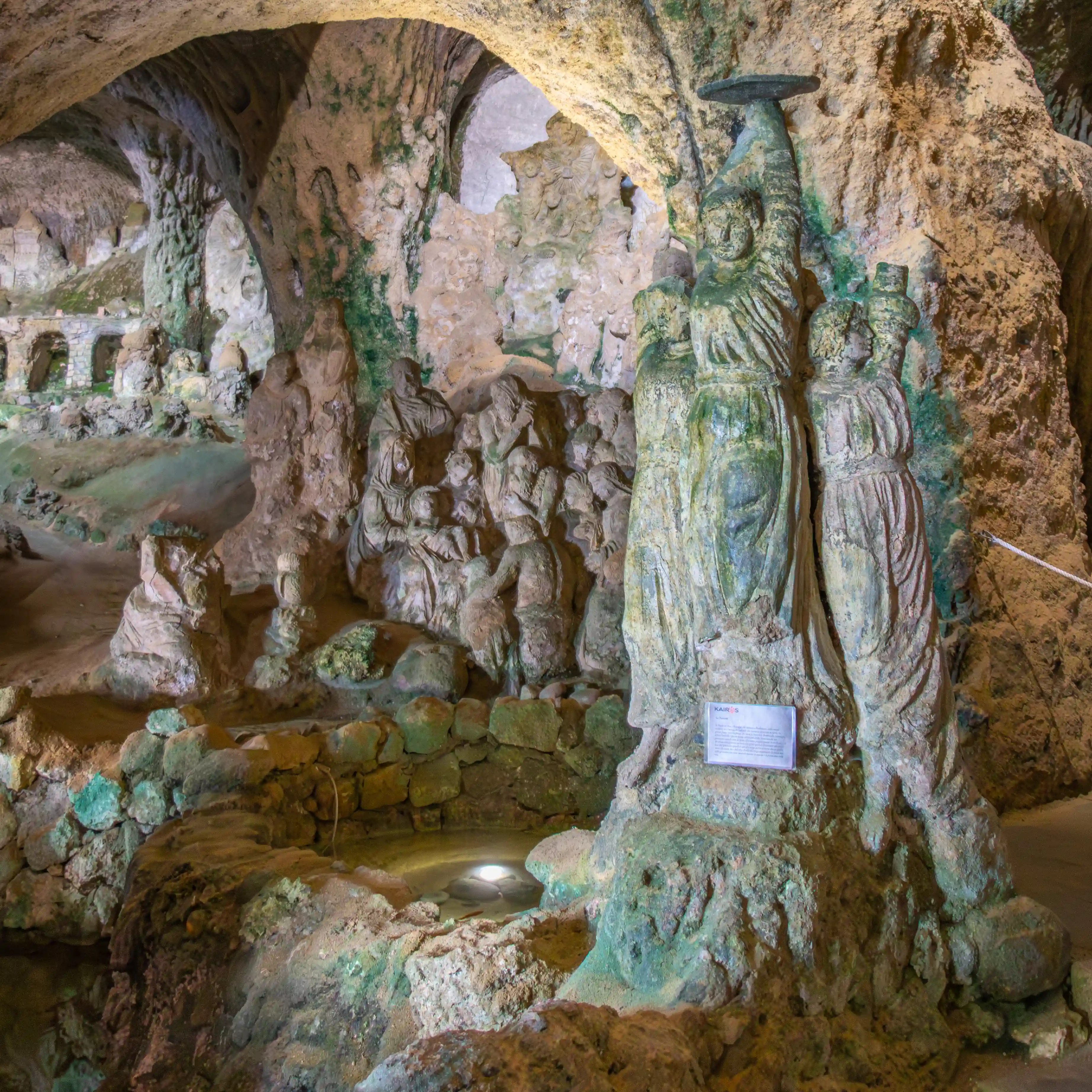
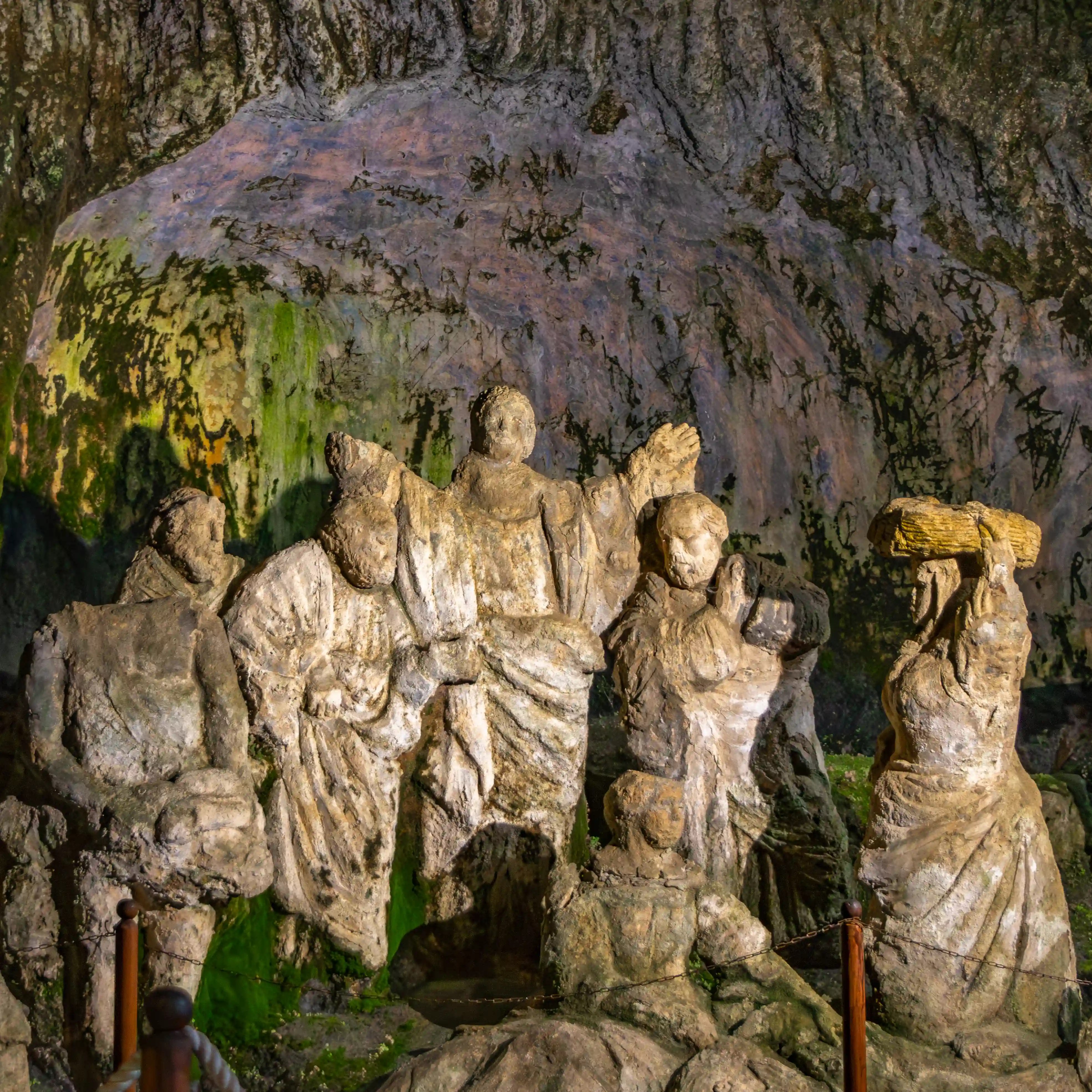
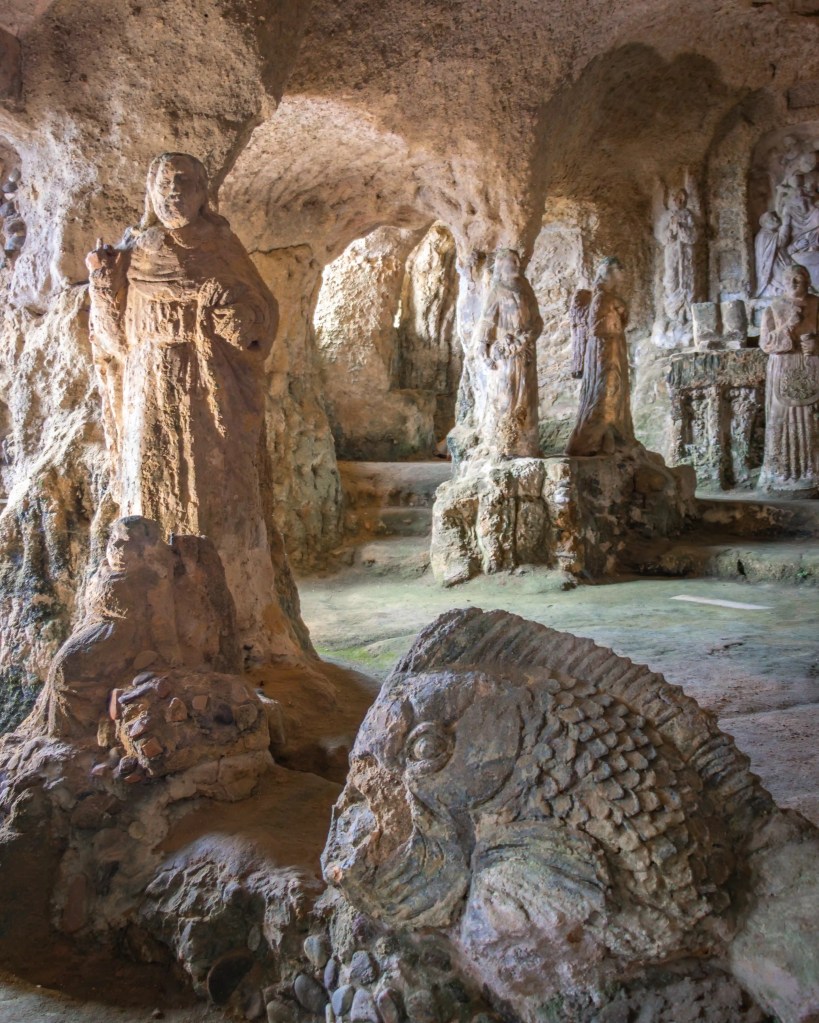
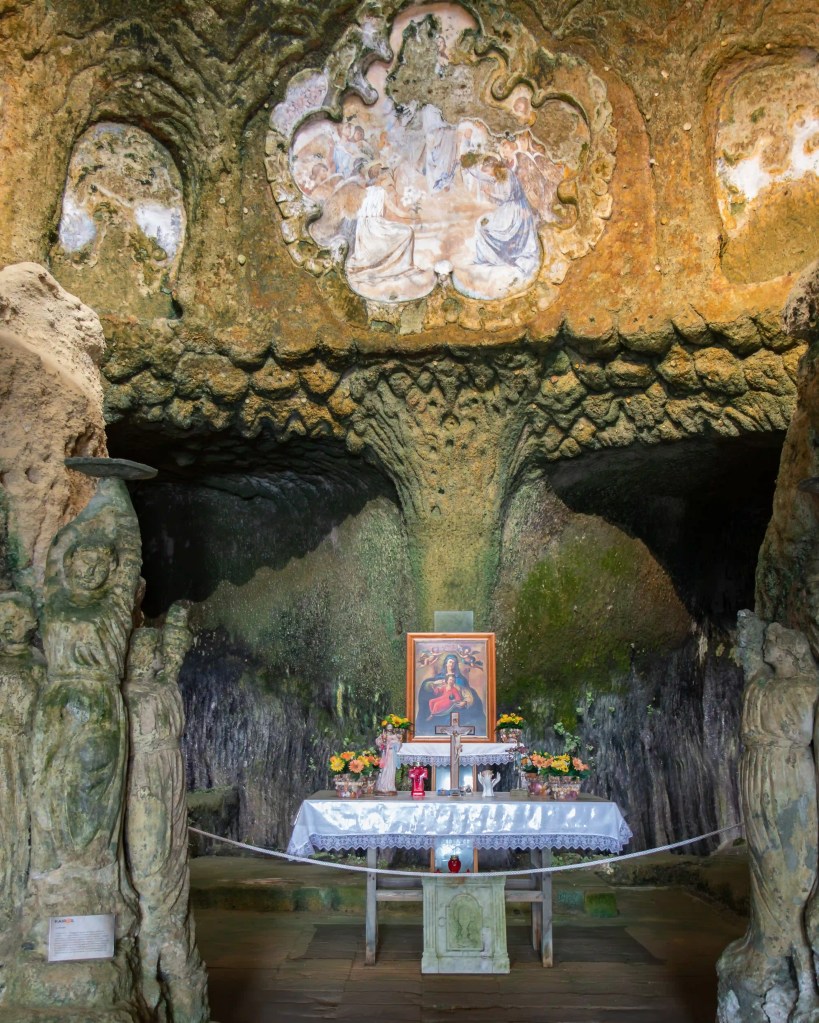
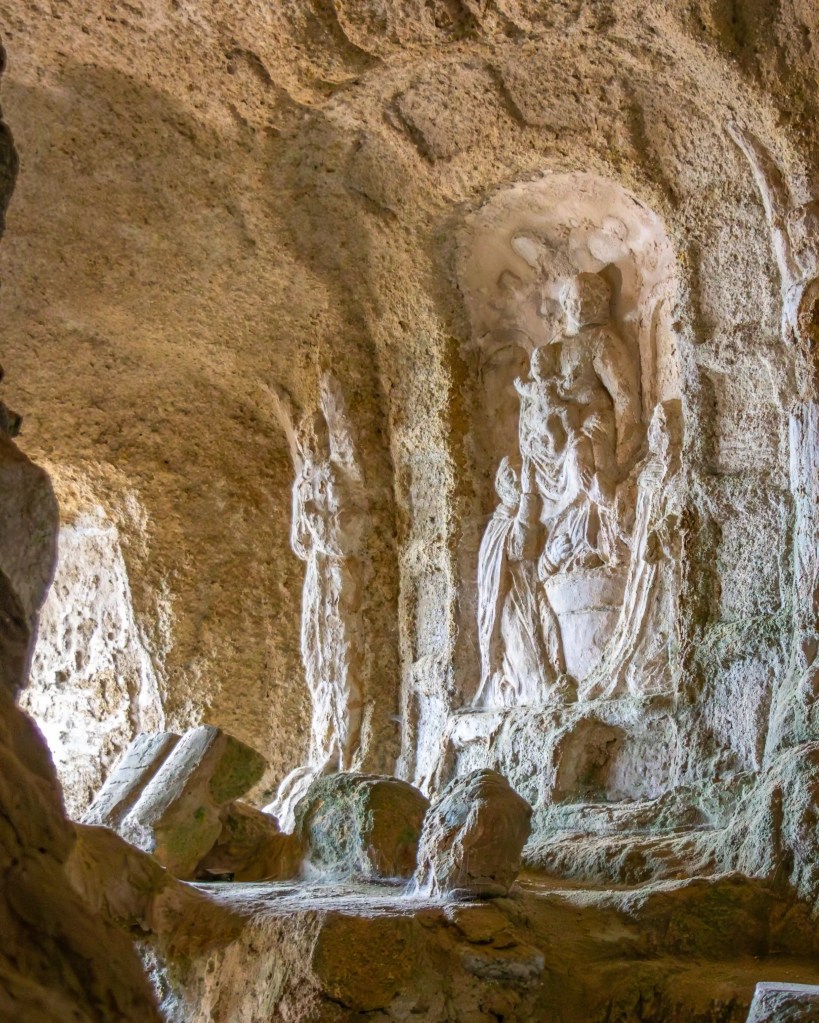
Later, we made our way just north of town to the Chiesetta di Piedigrotta, a cave church along the shoreline. According to local tradition, it was first created by shipwrecked sailors in the 17th century as a way of giving thanks for surviving the storm, with additional work added over time.
Inside, the space is filled with religious figures and scenes carved from the sandstone itself, making it very different from a typical church interior and worth the short trip from town.
Day Trip to the Aeolian Islands
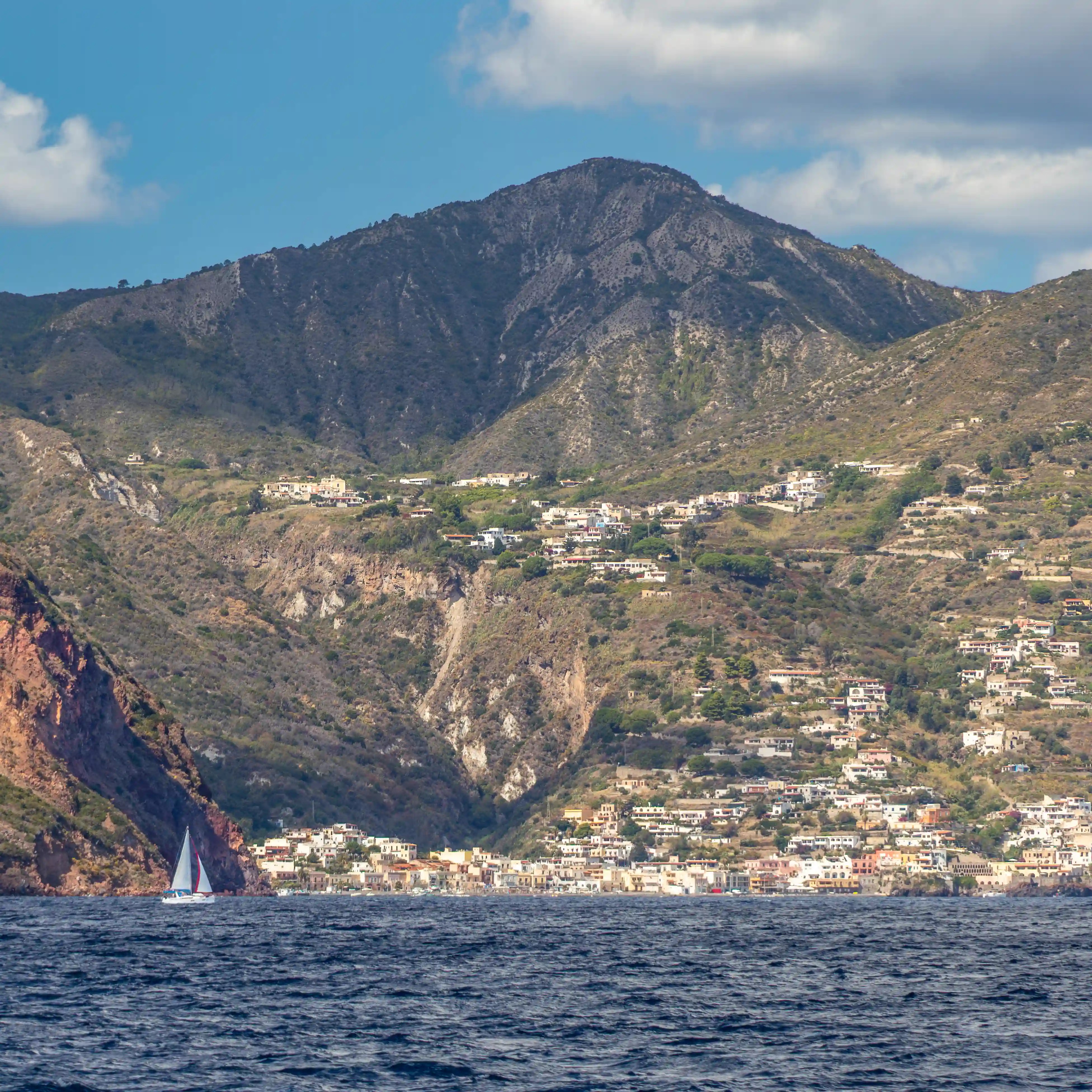
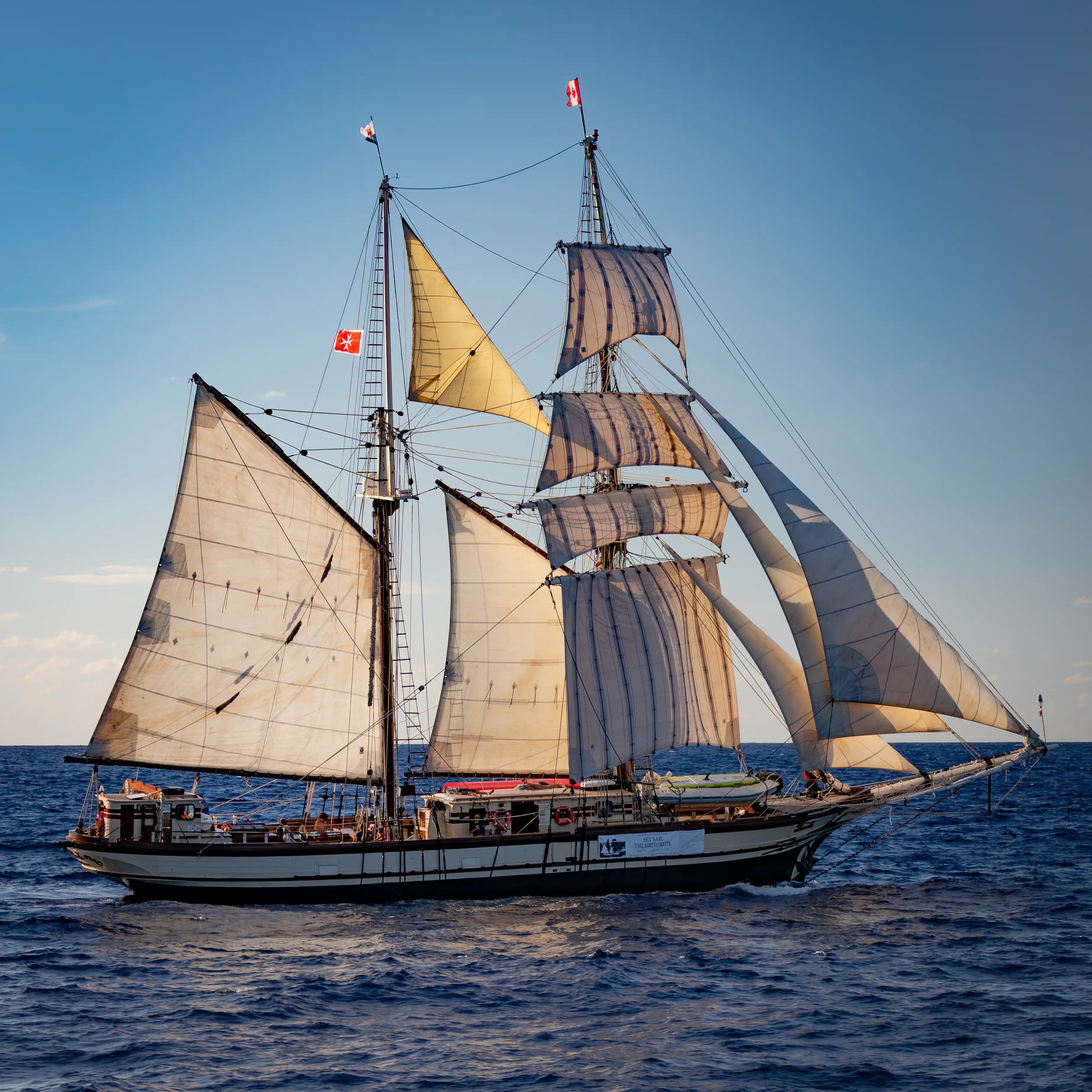
We also spent a full day visiting the Aeolian Islands, a volcanic island group north of Sicily and a UNESCO World Heritage Site. Our tour took us to Lipari, Panarea, and Stromboli, ending with a nighttime view of Stromboli’s volcanic activity.
We had originally planned to do a smaller two-island tour with more time at each stop, but as the weather started to look less predictable later in the week, we switched to this option—and were very glad we did. It ended up being a great way to experience all three islands, even if just for a few hours each. If there’s one takeaway, it’s to stay flexible with plans along this coast—the weather can change quickly.
Lipari
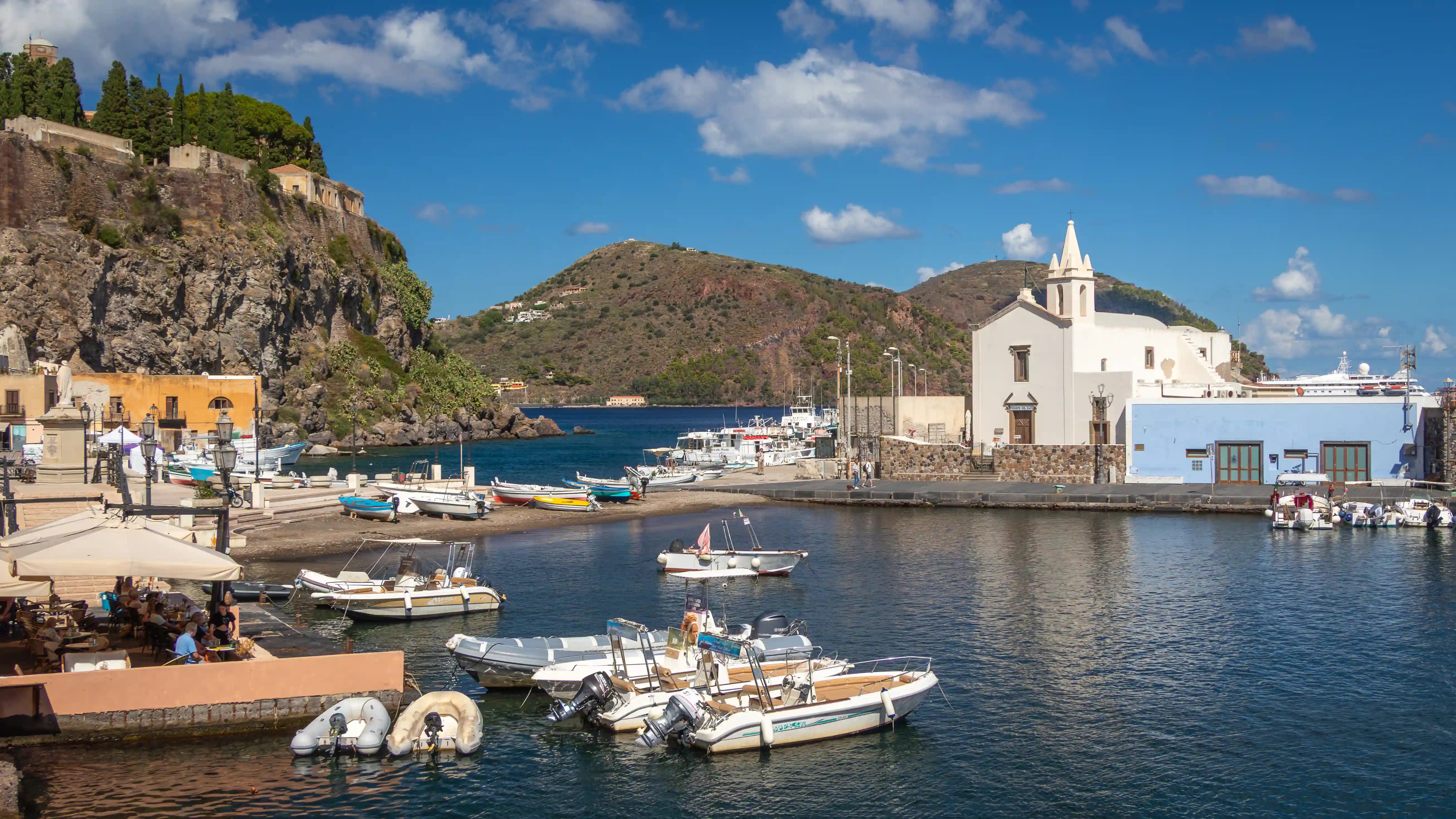
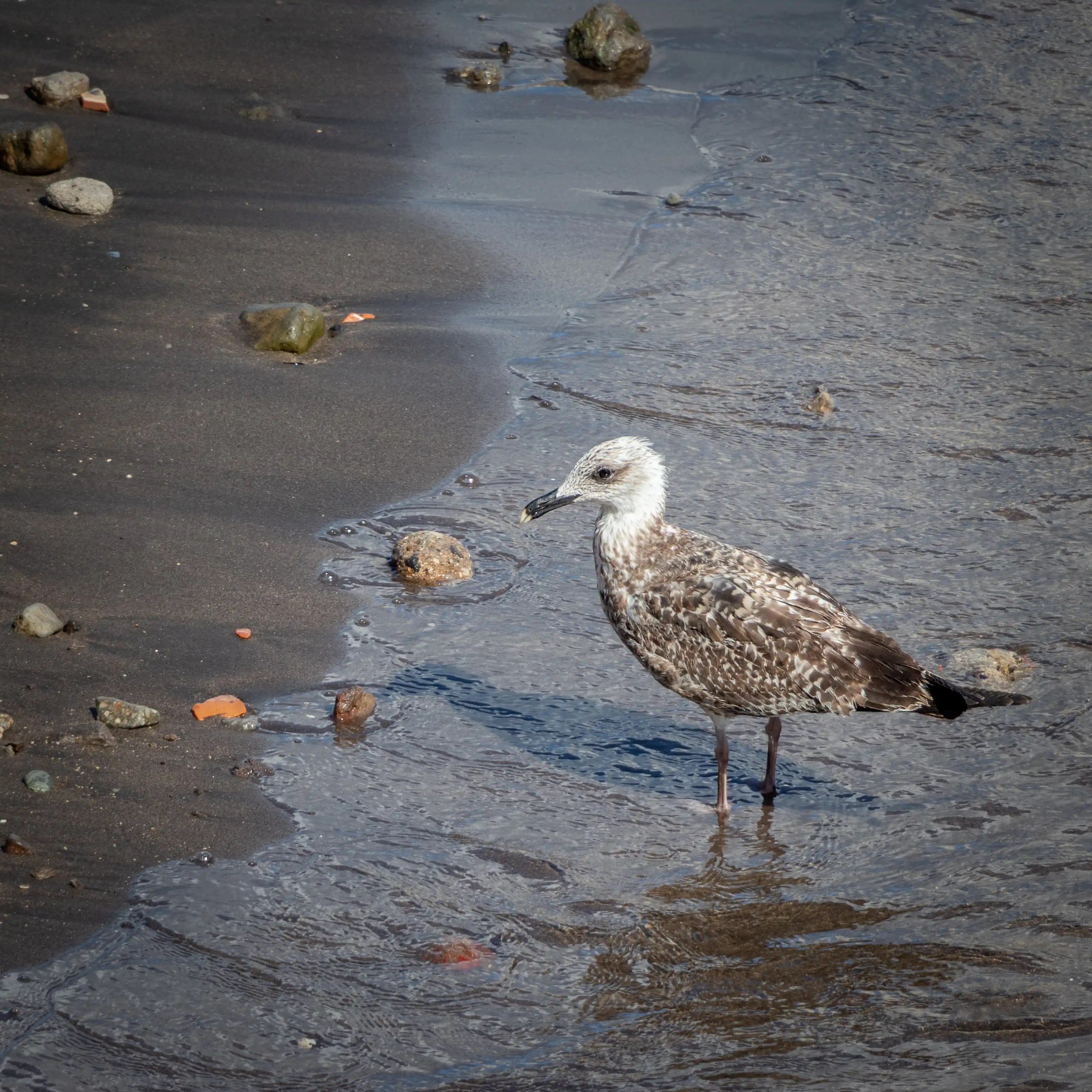
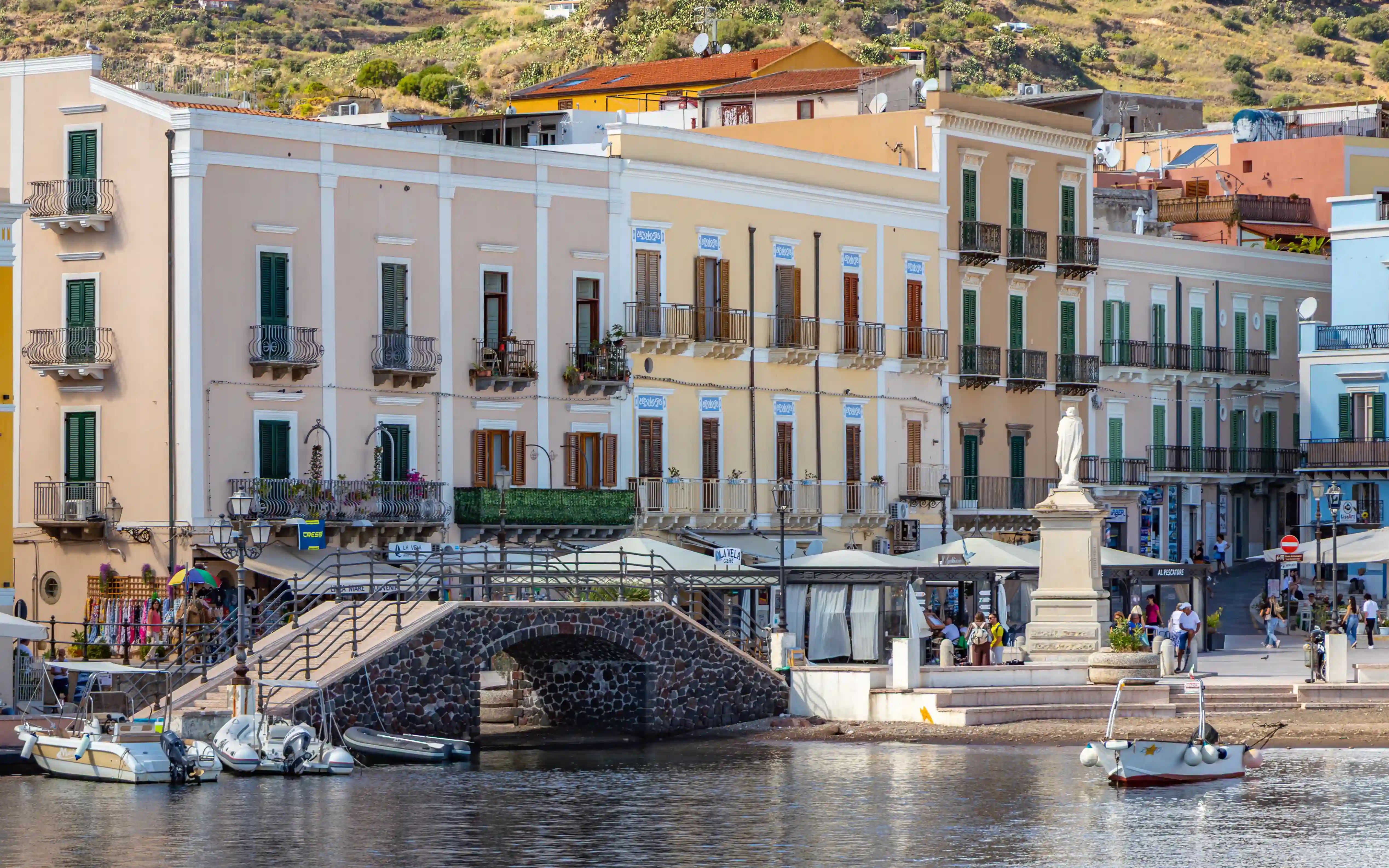
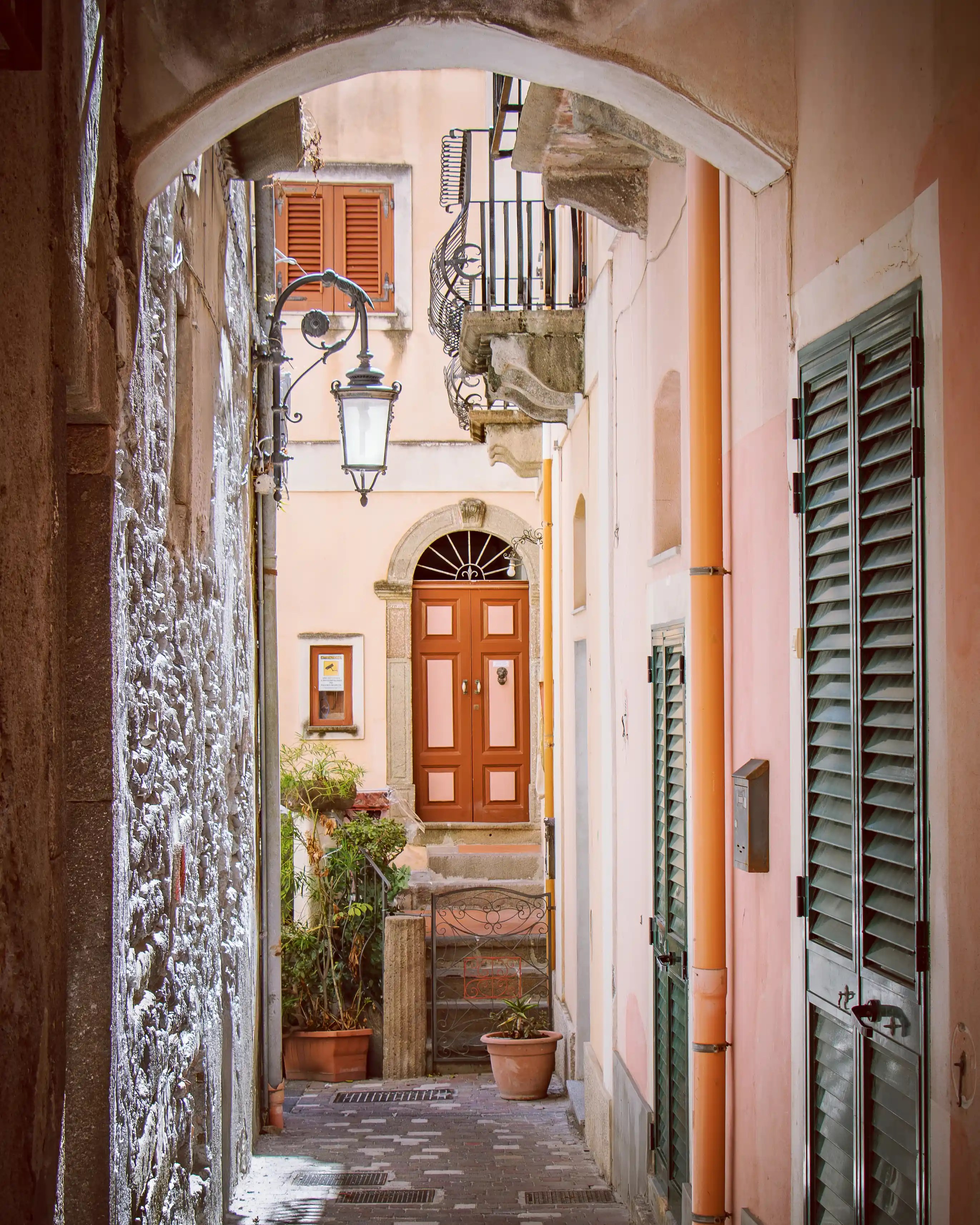
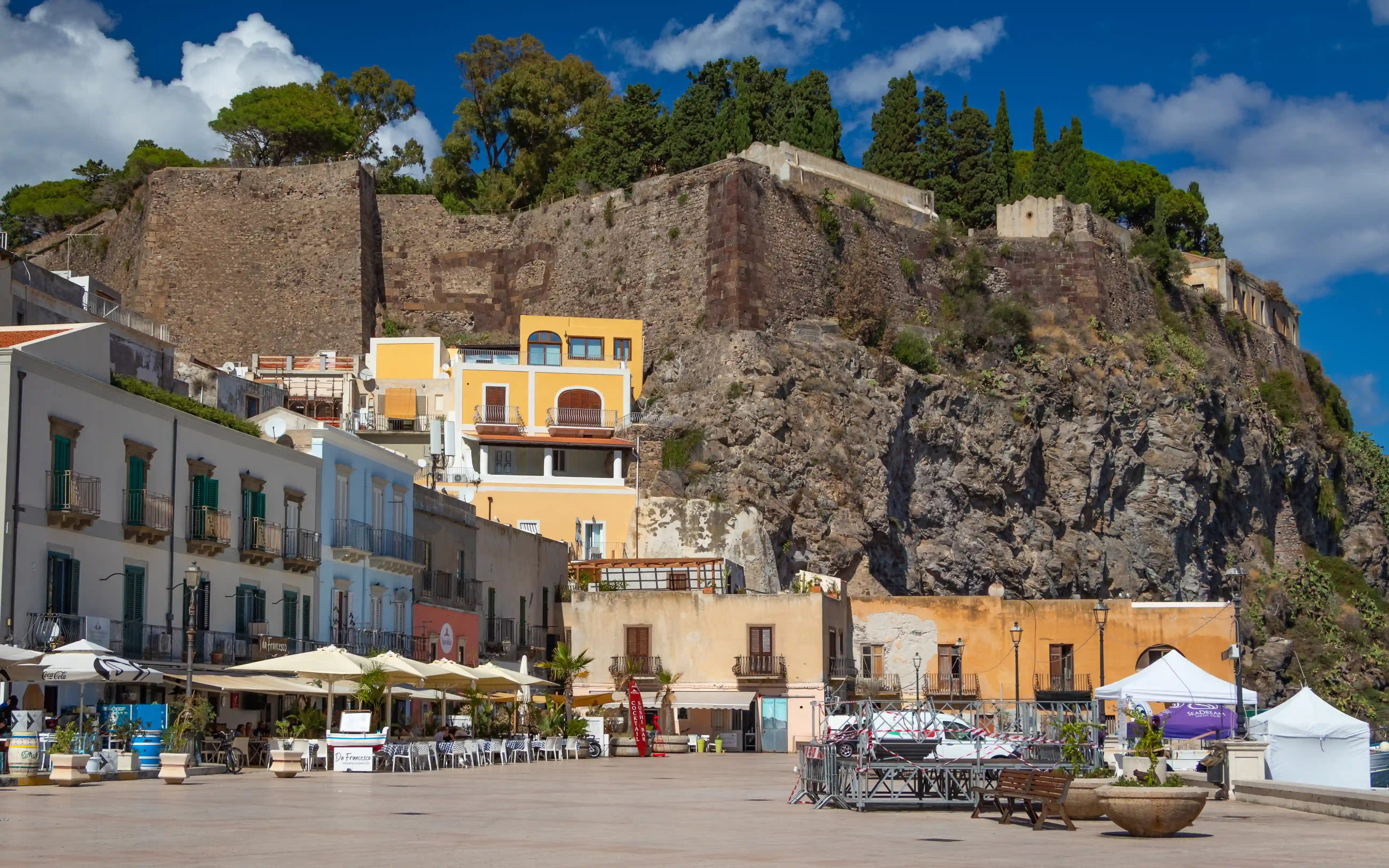
Our first stop was Lipari, the largest of the Aeolian Islands and one with a long history dating back to ancient Greek times. The harbor itself stood out right away, with pastel buildings, boats lining the marina, and the fortified citadel rising above town.
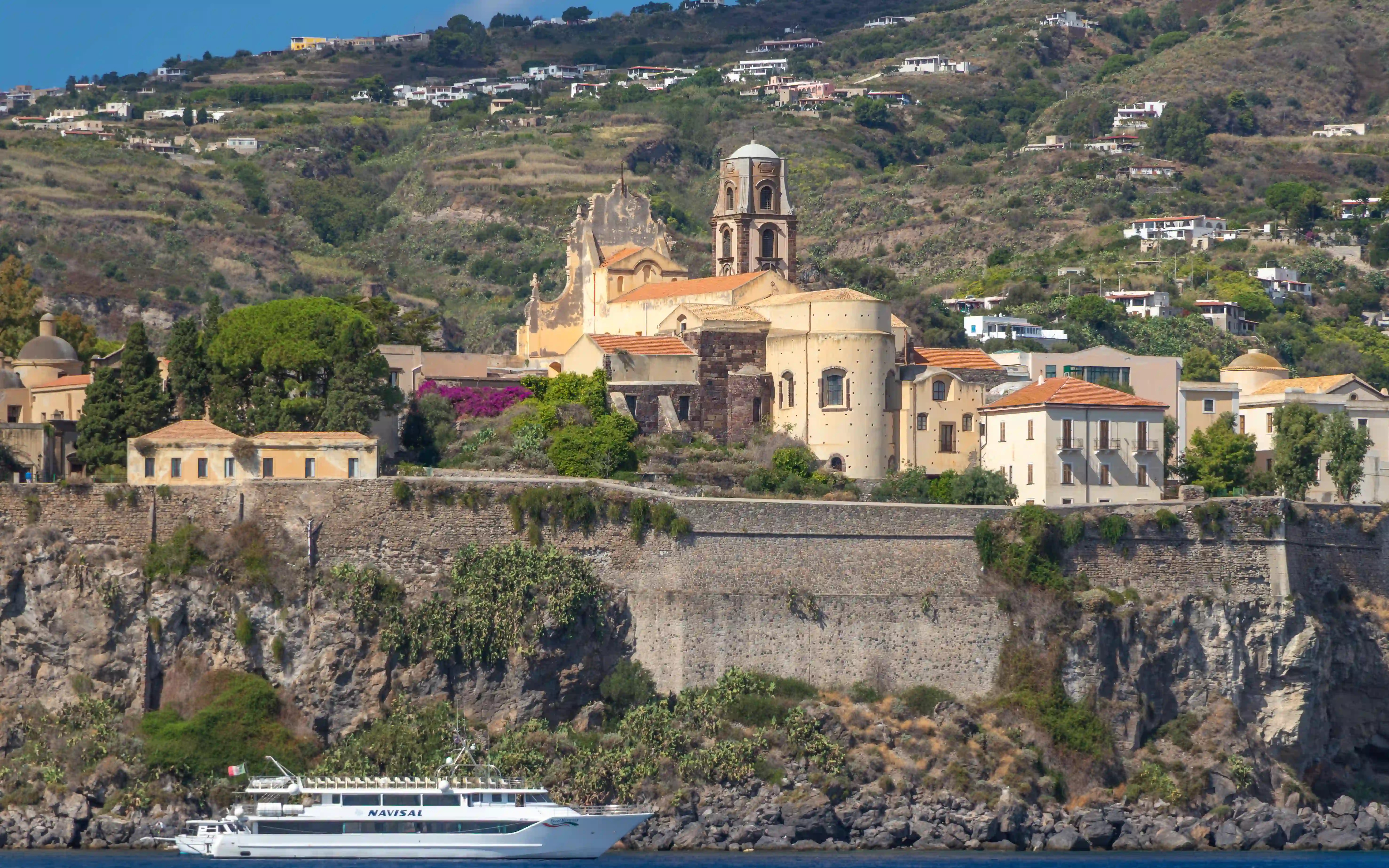
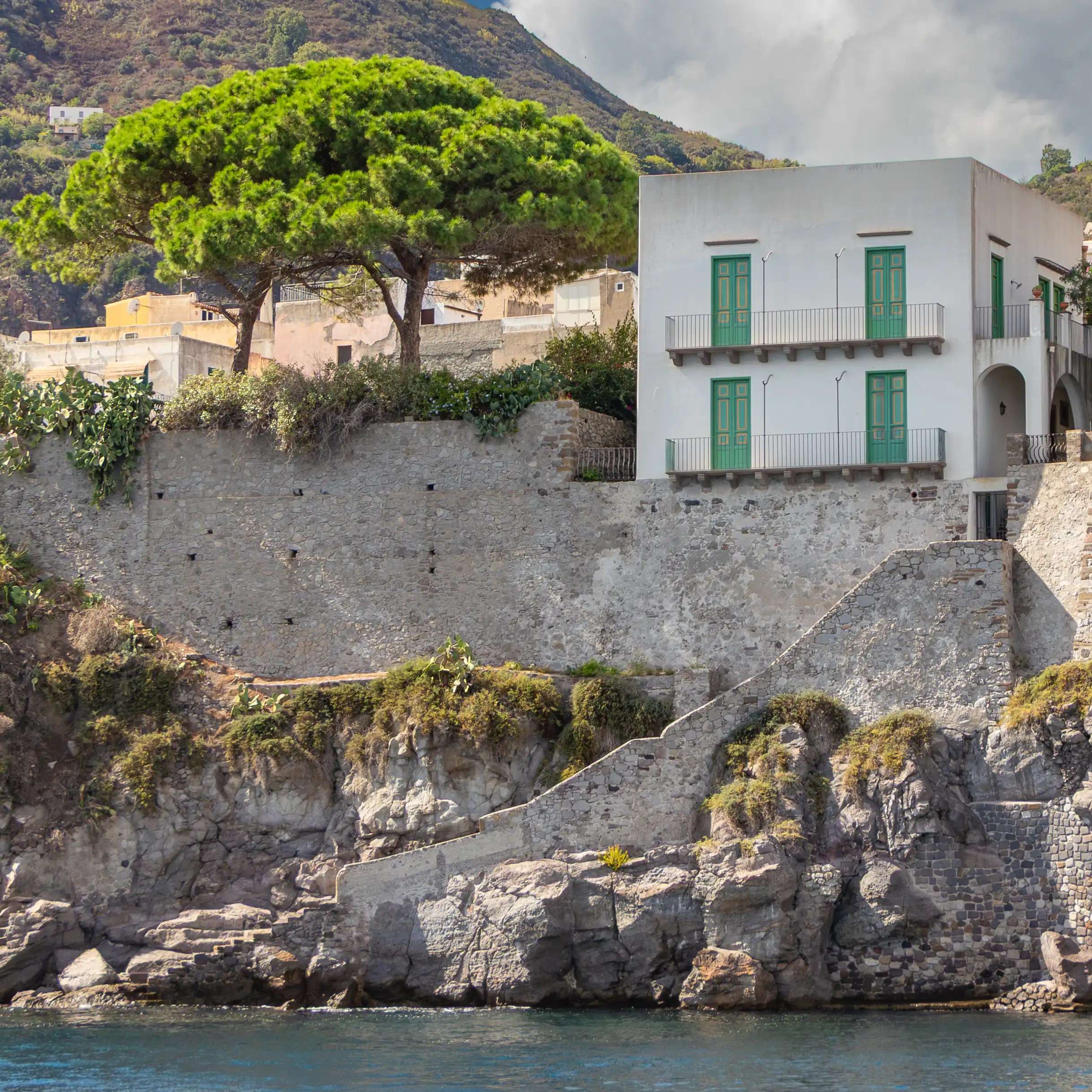
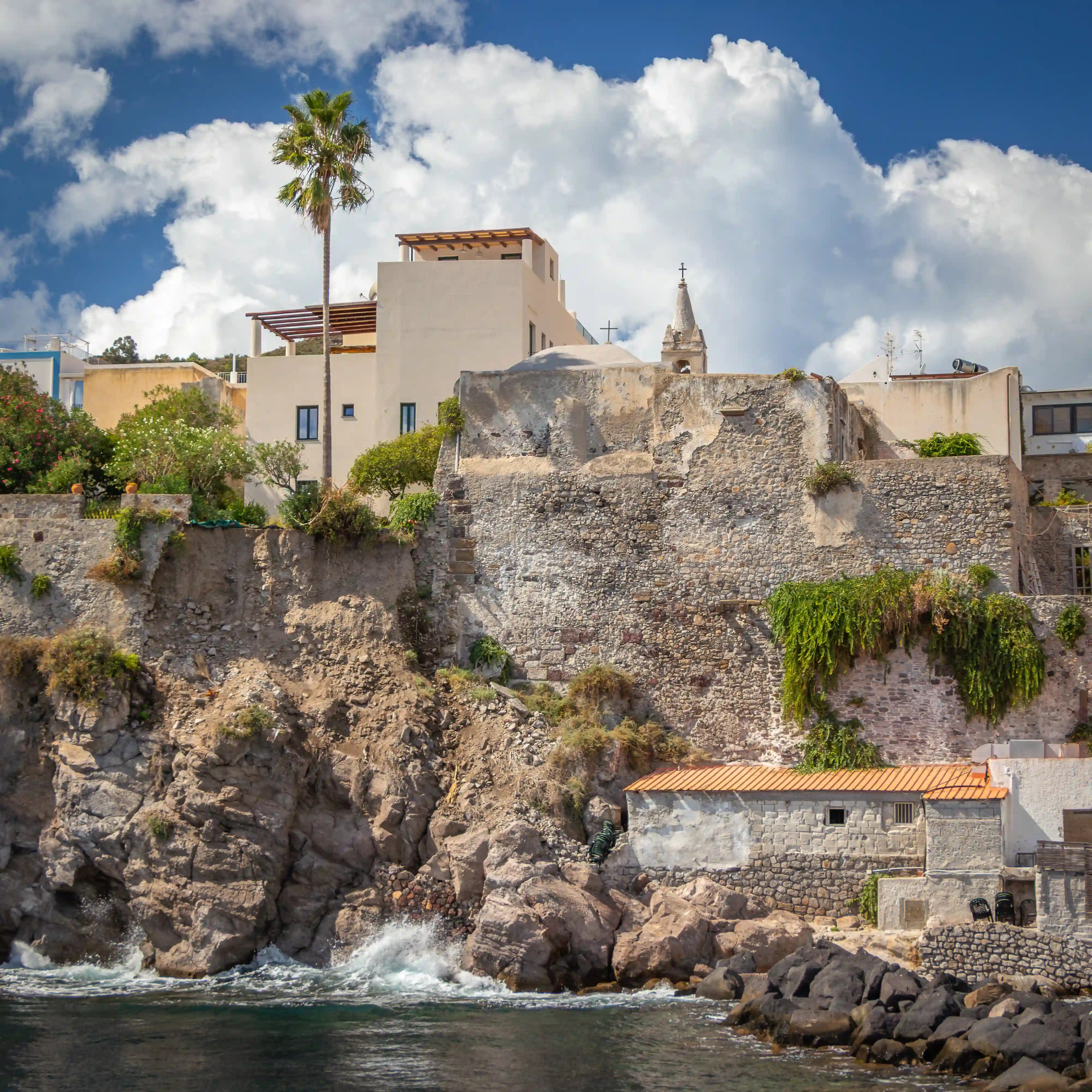
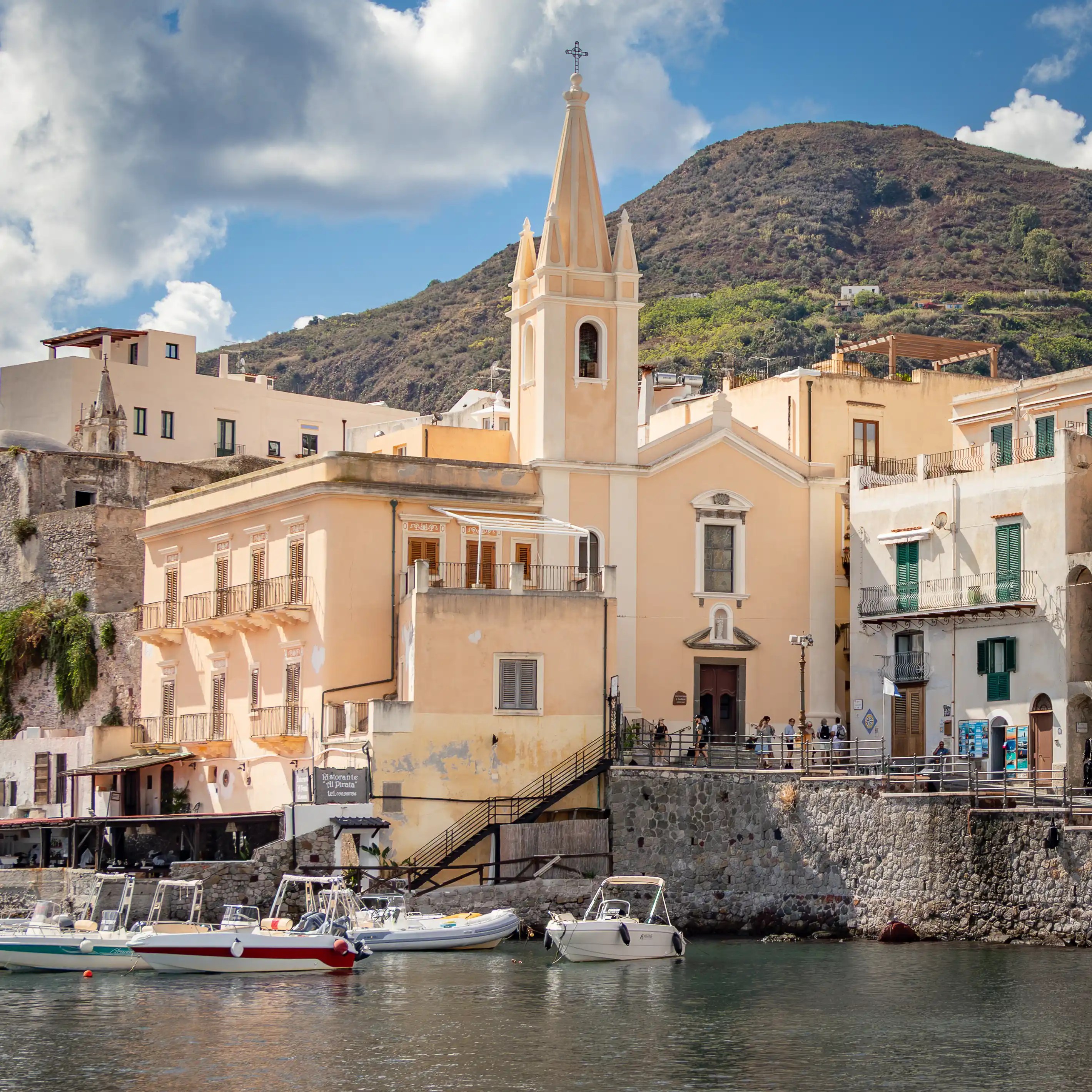
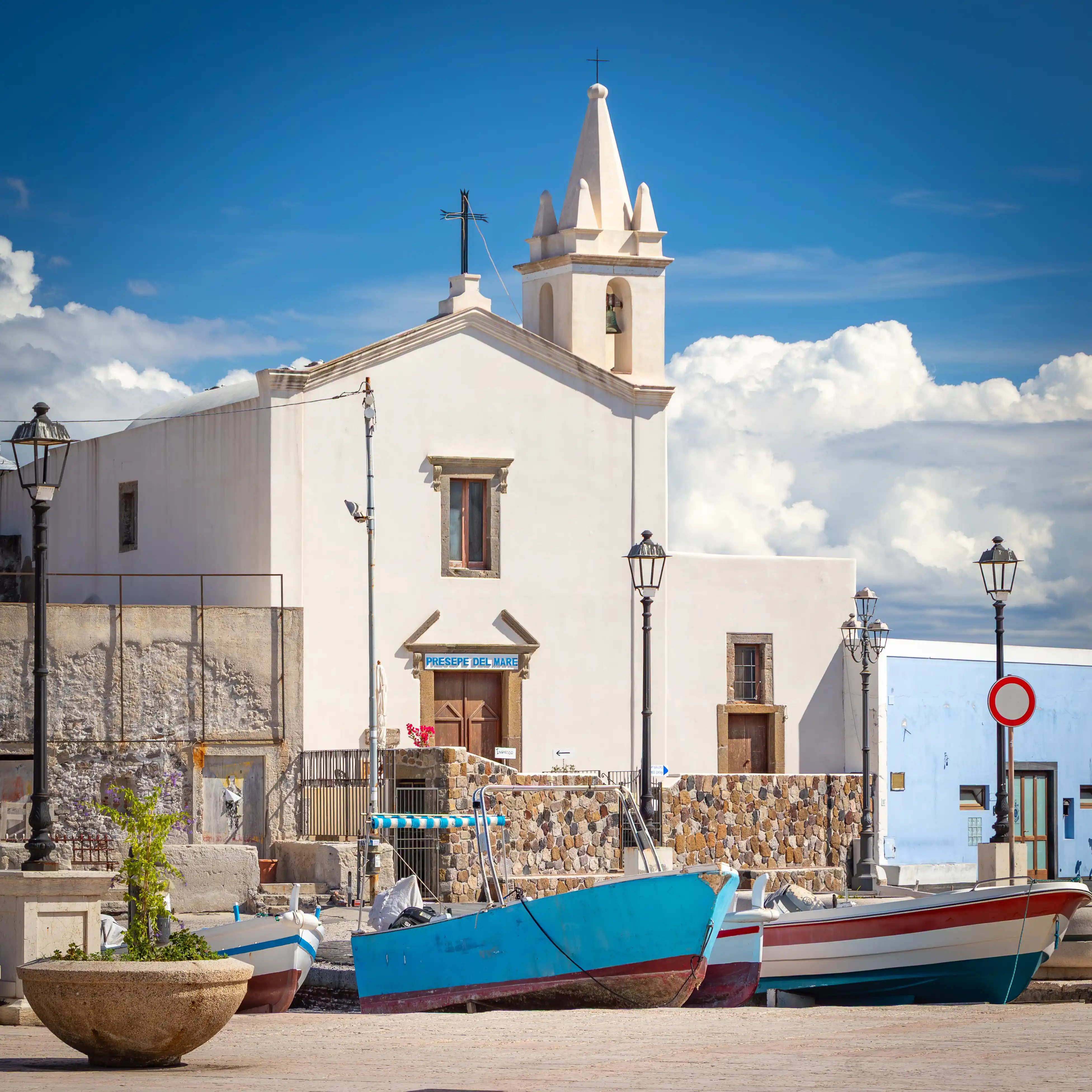
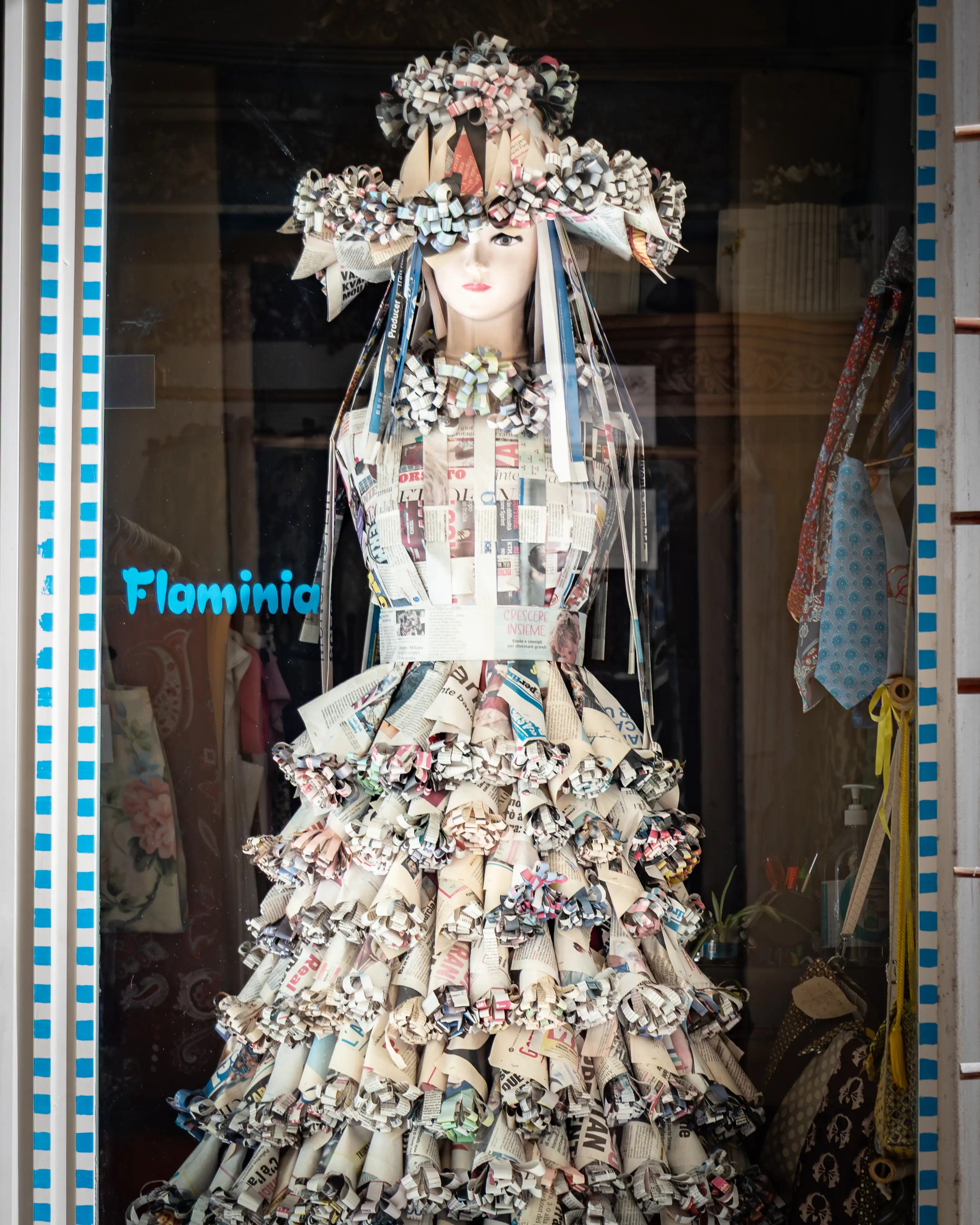
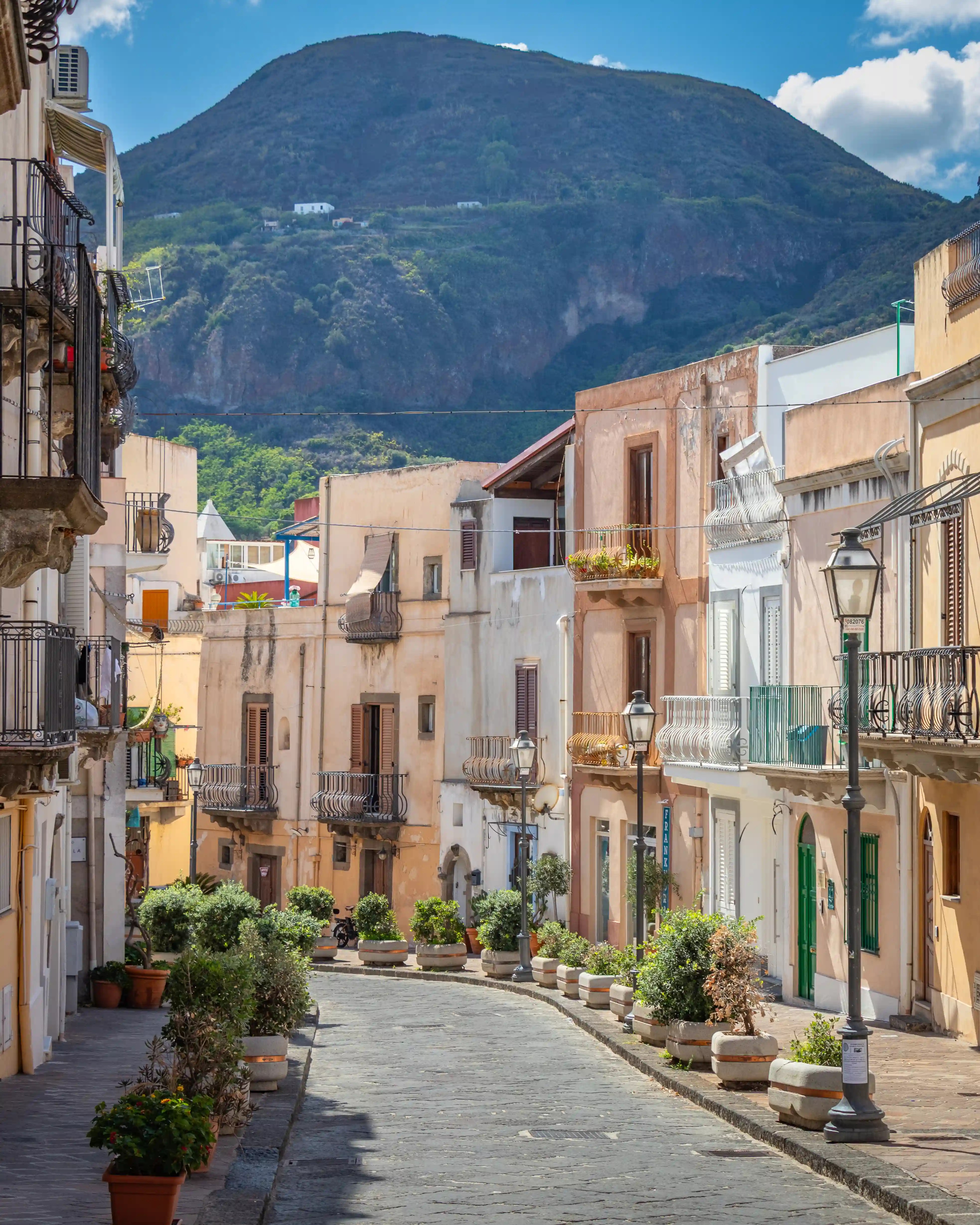
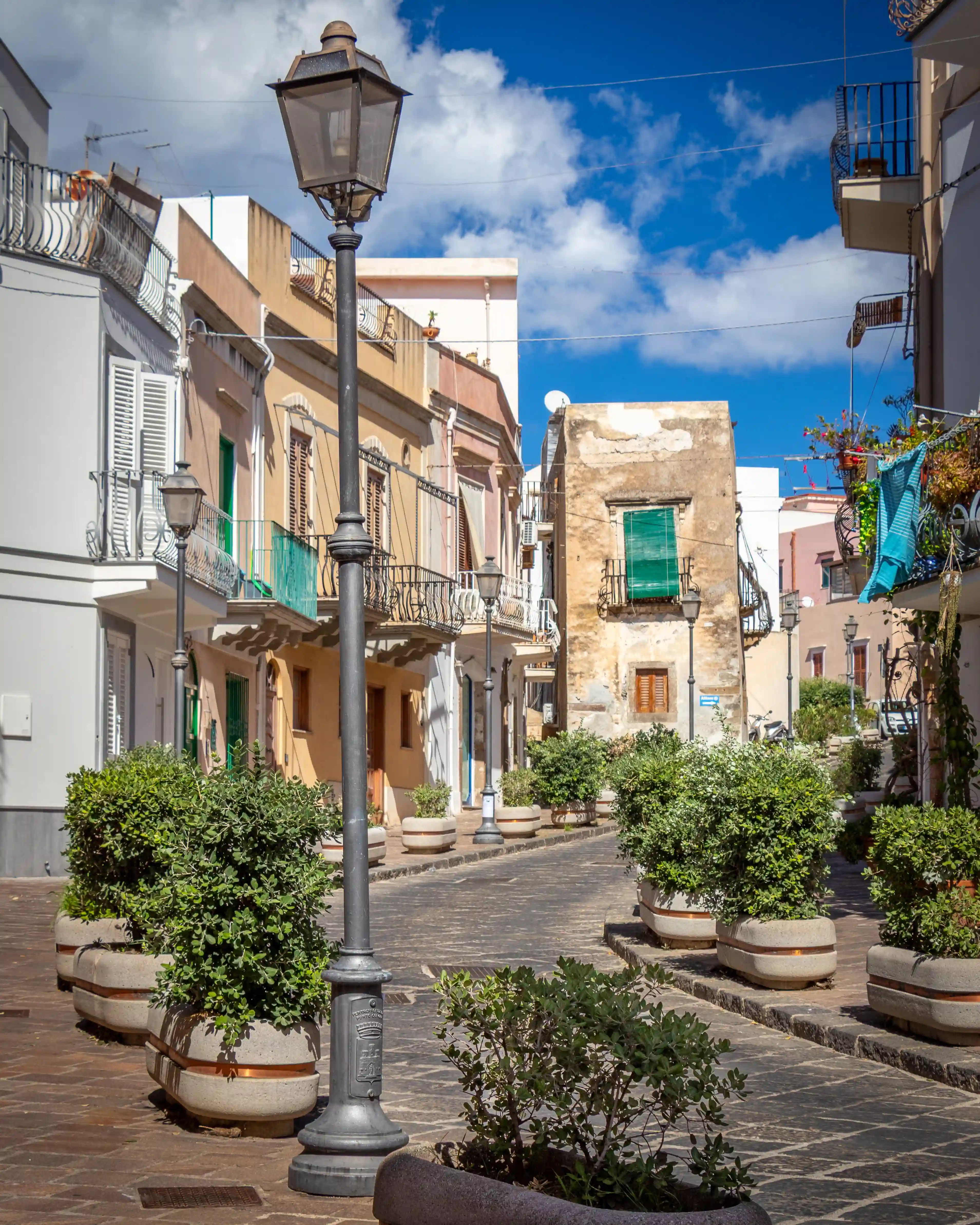
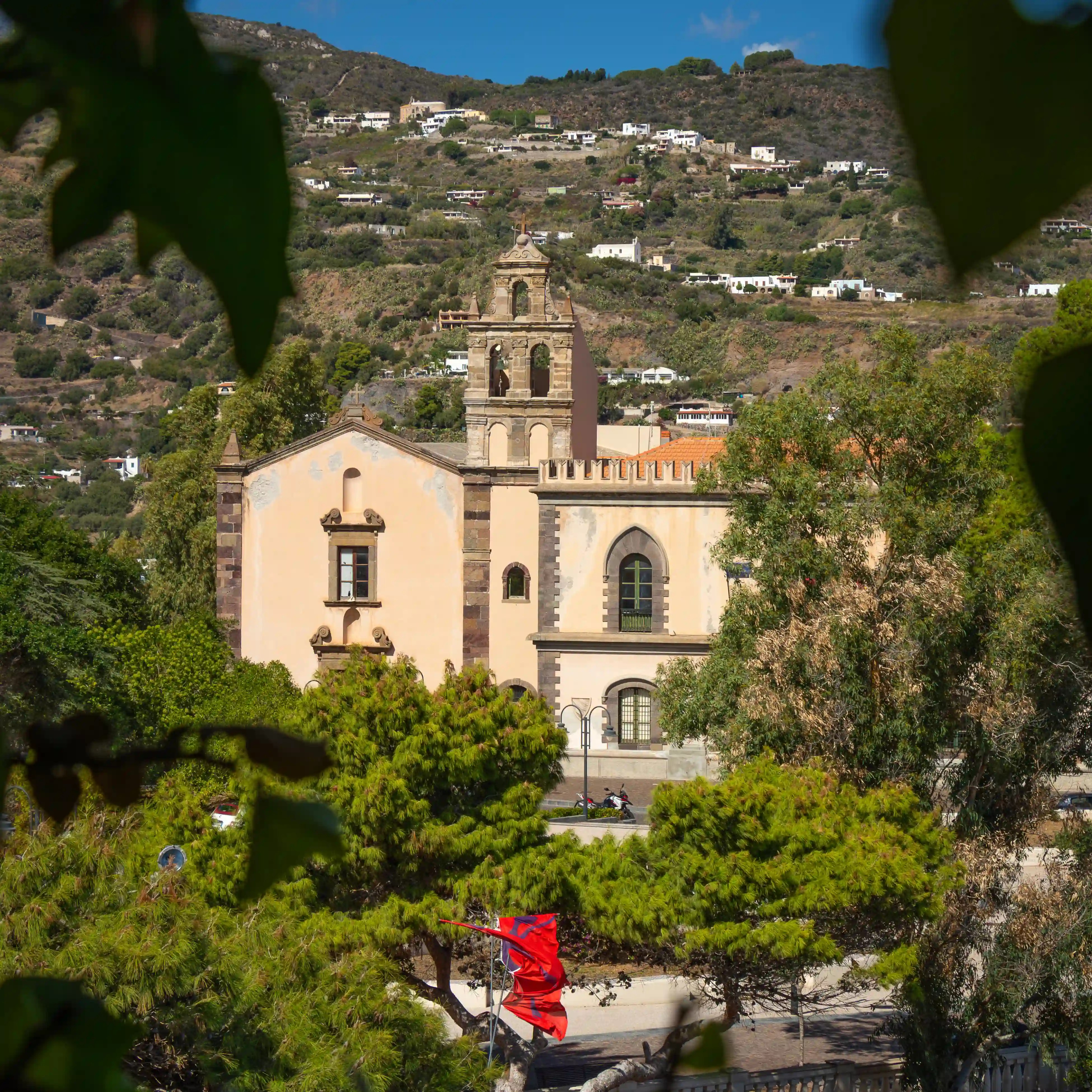
We made our way up to the Acropolis, where the Aeolian Regional Archaeological Museum and surrounding archaeological park sit within the old fortified walls of Lipari’s citadel. The site has been occupied since ancient times, with layers of Greek and Roman history still visible across the site today.
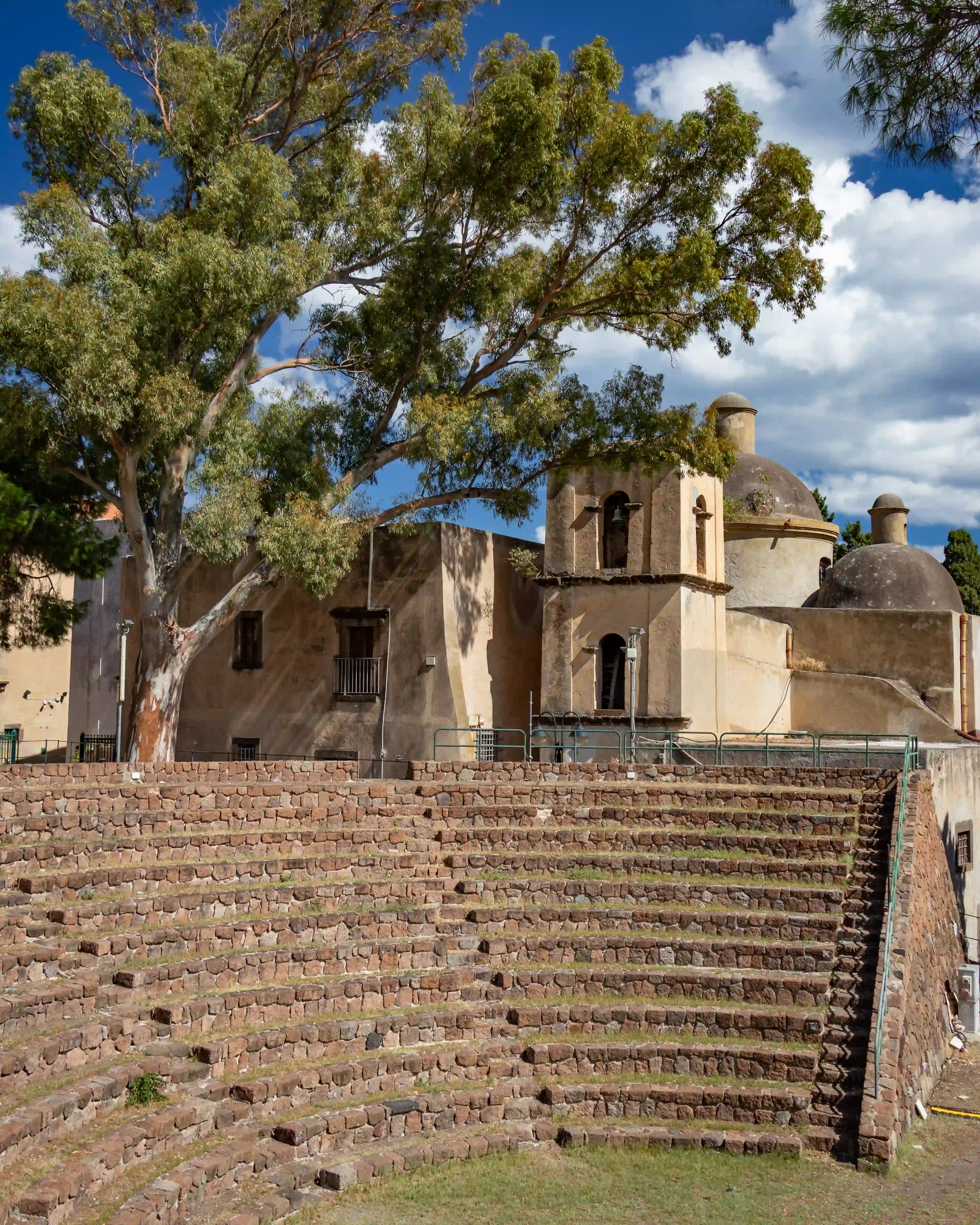
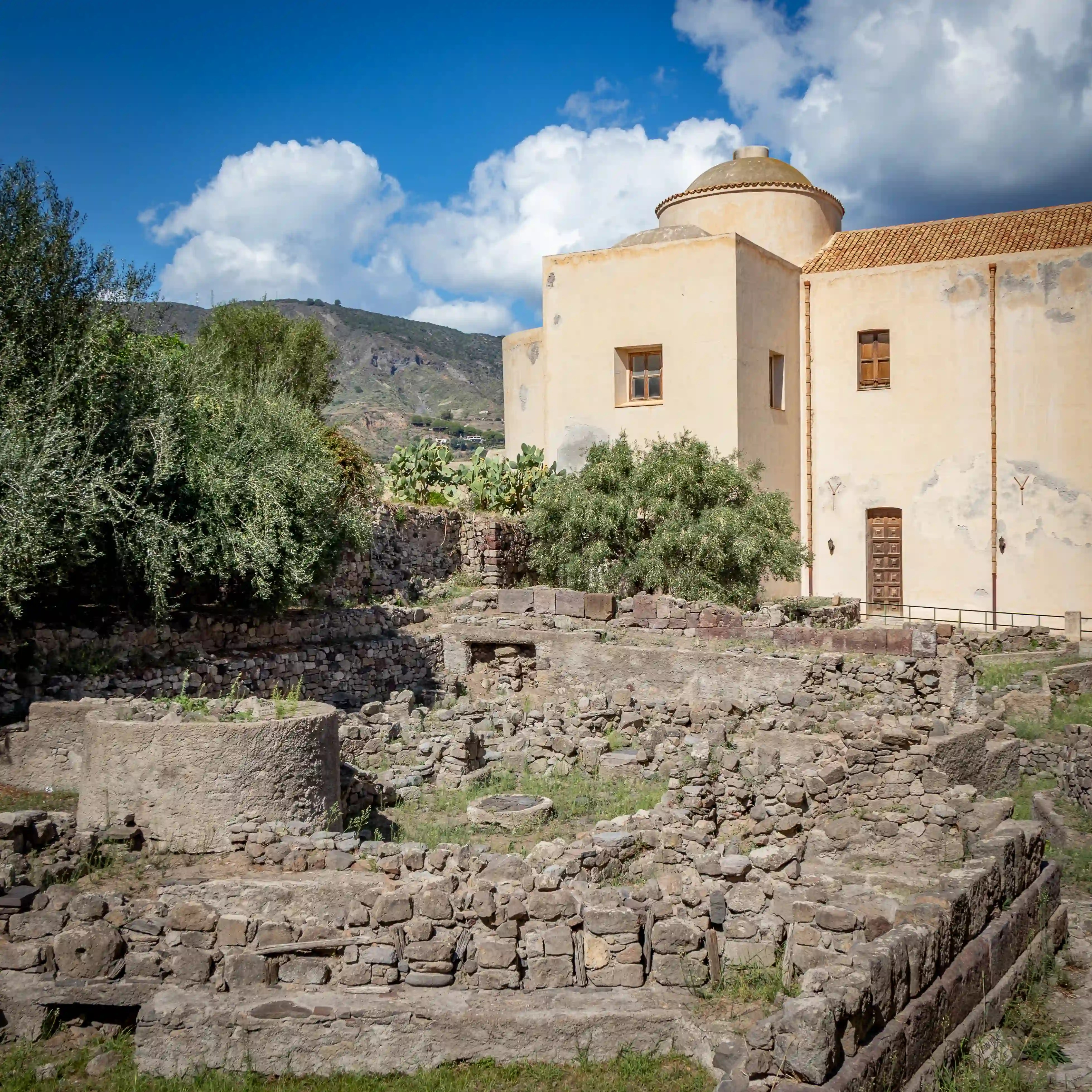
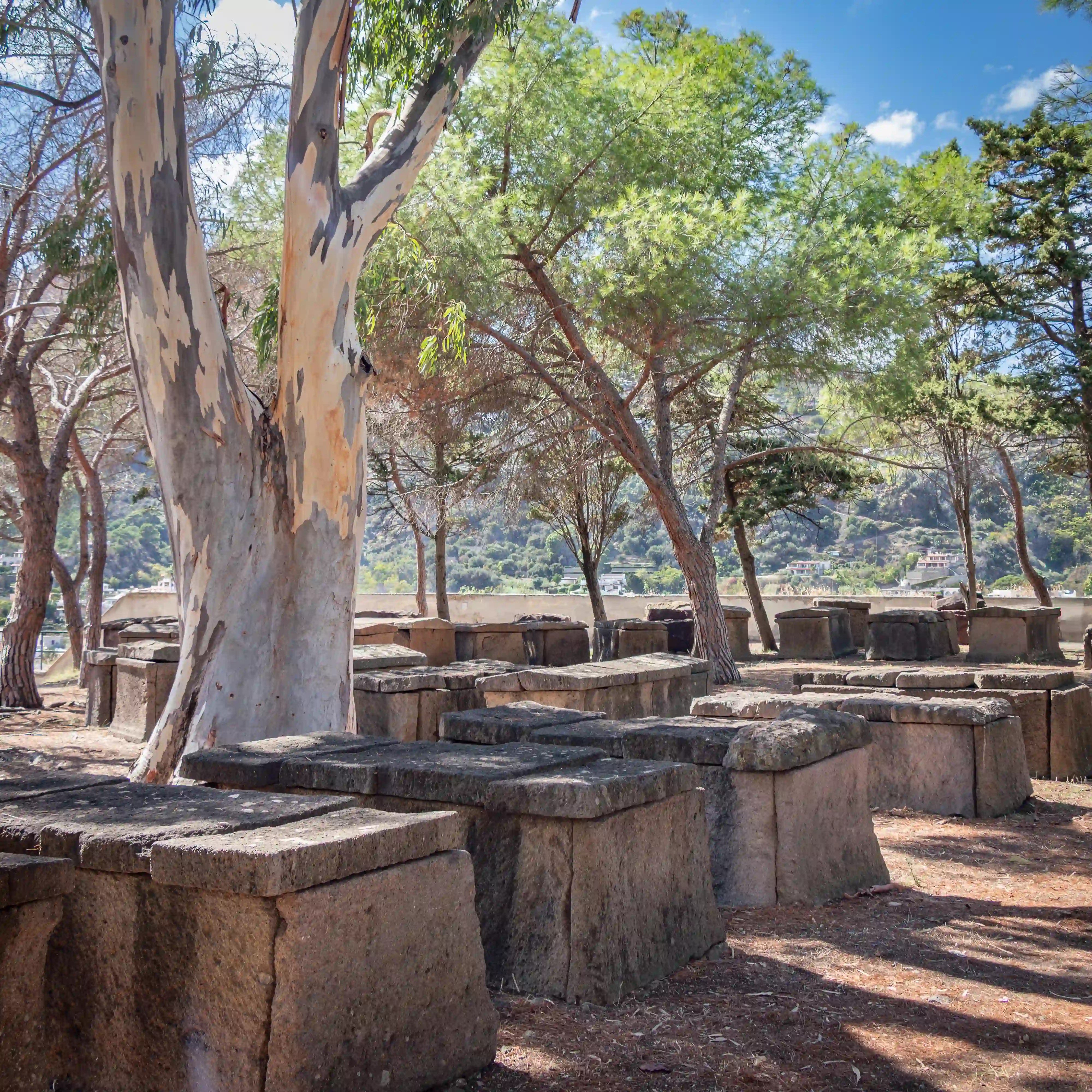
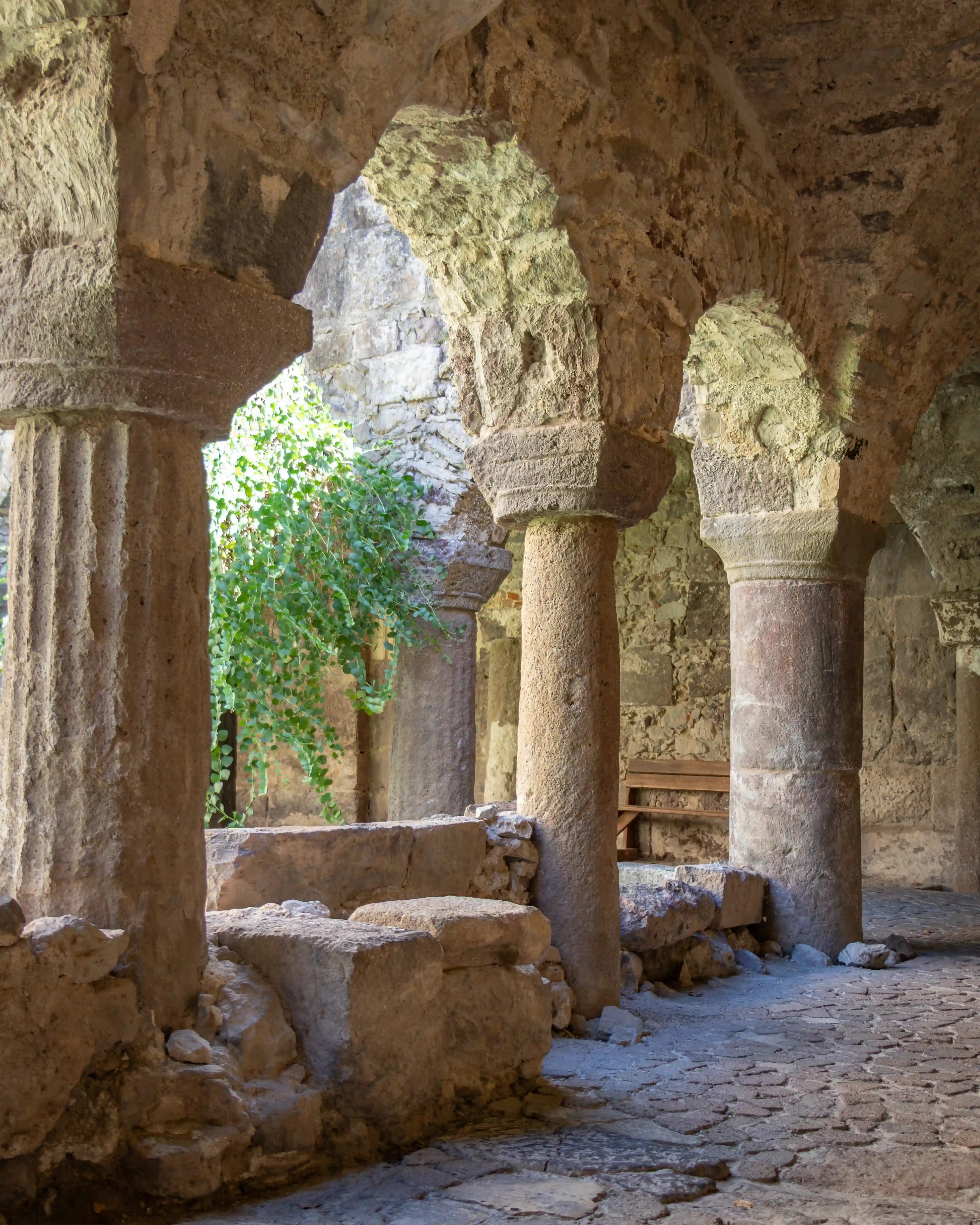
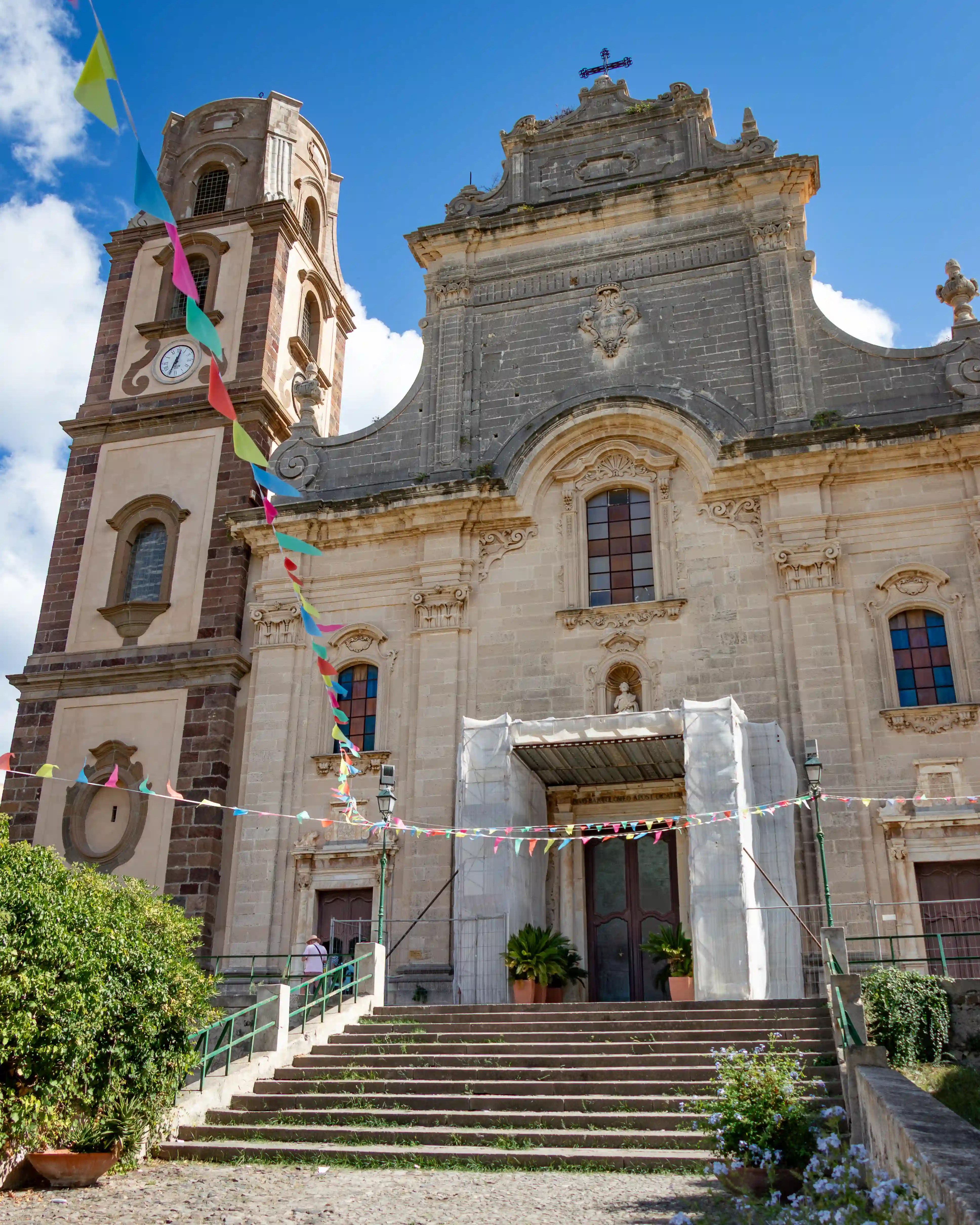
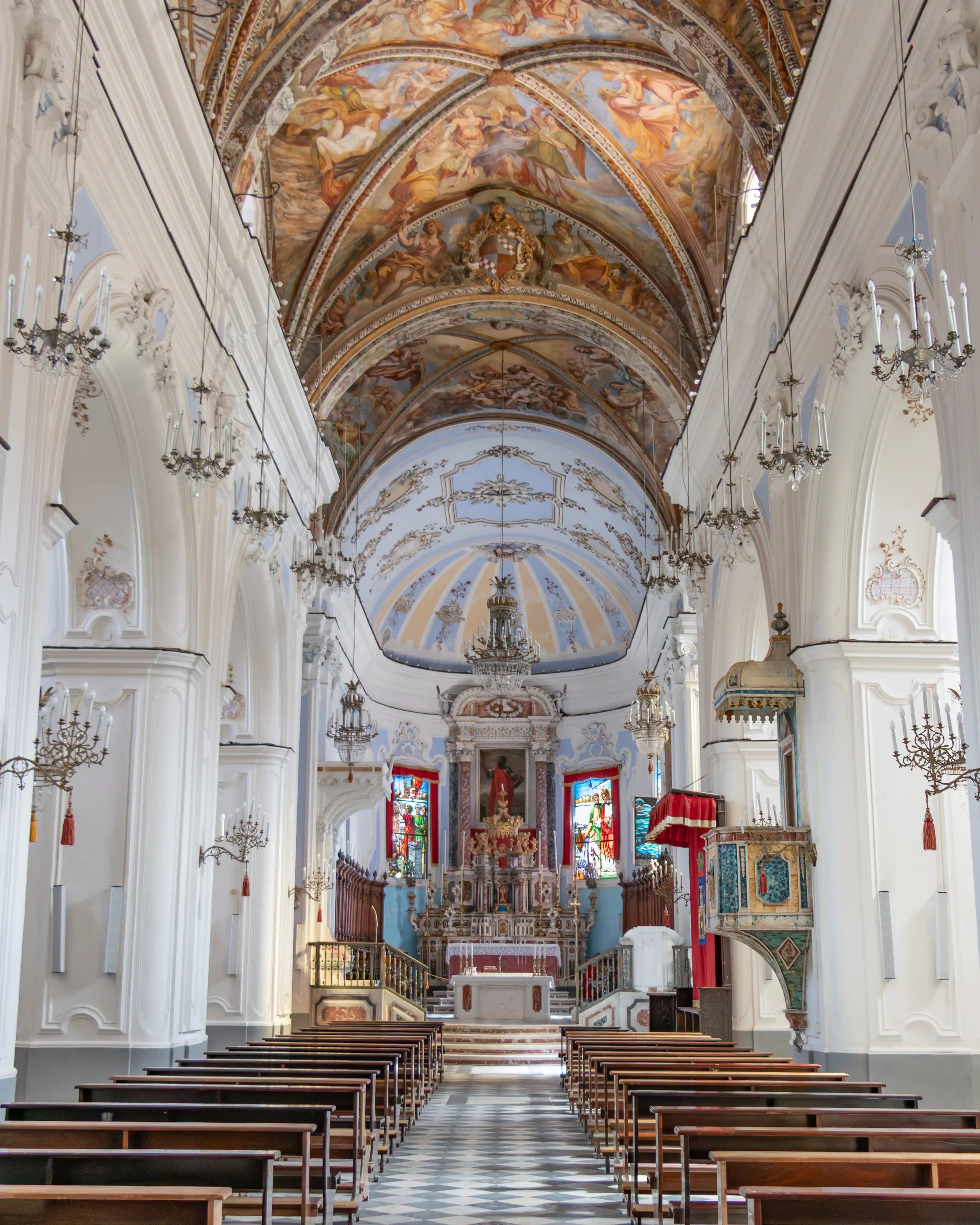
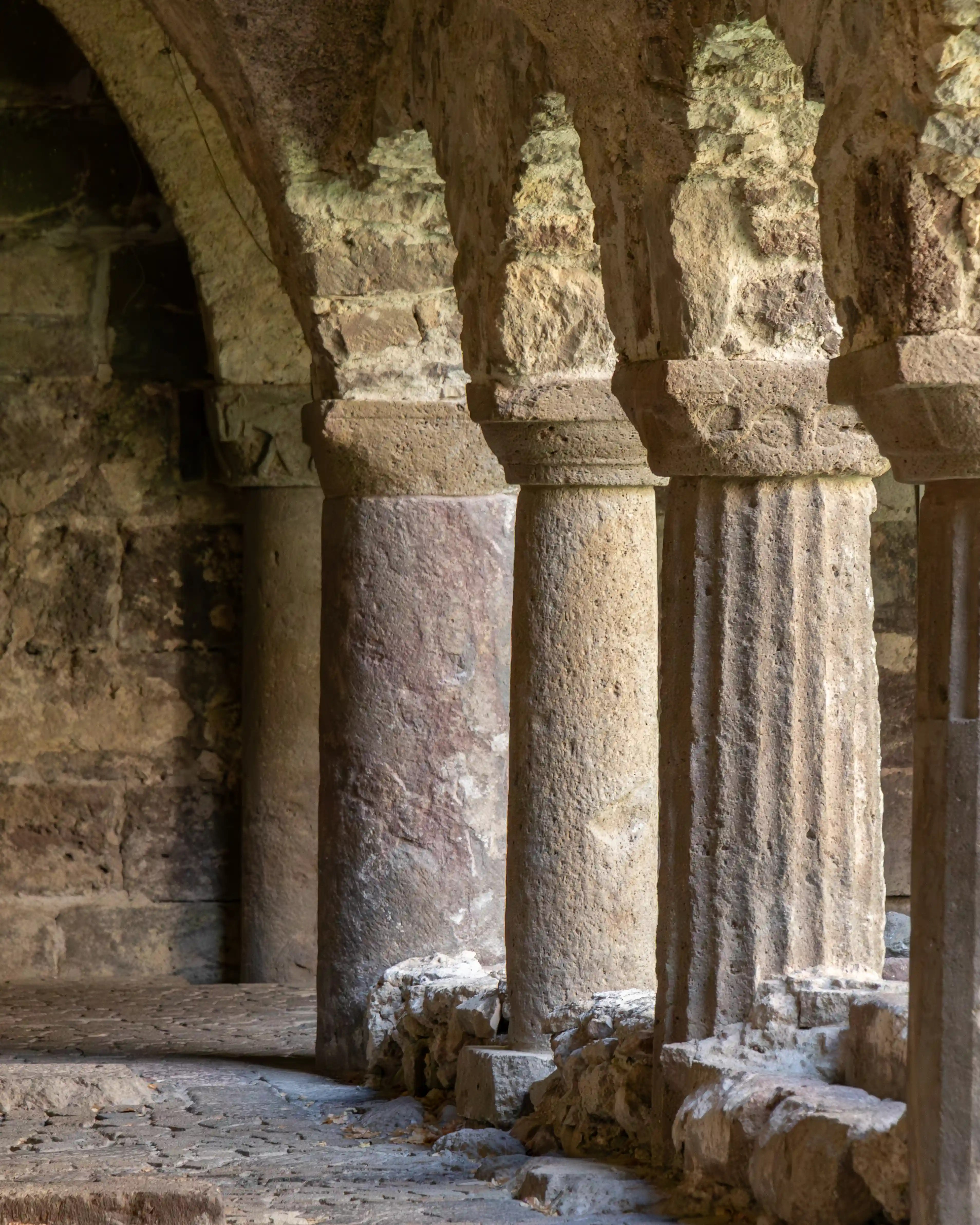
Within the citadel, the Cattedrale di San Bartolomeo (Lipari Cathedral) and adjoining Chiostro Normanno (Norman cloister) were especially memorable. The cathedral, dedicated to Saint Bartholomew, the island’s patron saint, reflects rebuilding during the Norman period in the 11th and 12th centuries, while the cloister is part of that same medieval reconstruction.
With the time we had, it felt like we had only scratched the surface of what the archaeological park and the island have to offer. If we had to choose one island to return to, Lipari would be it.
Panarea
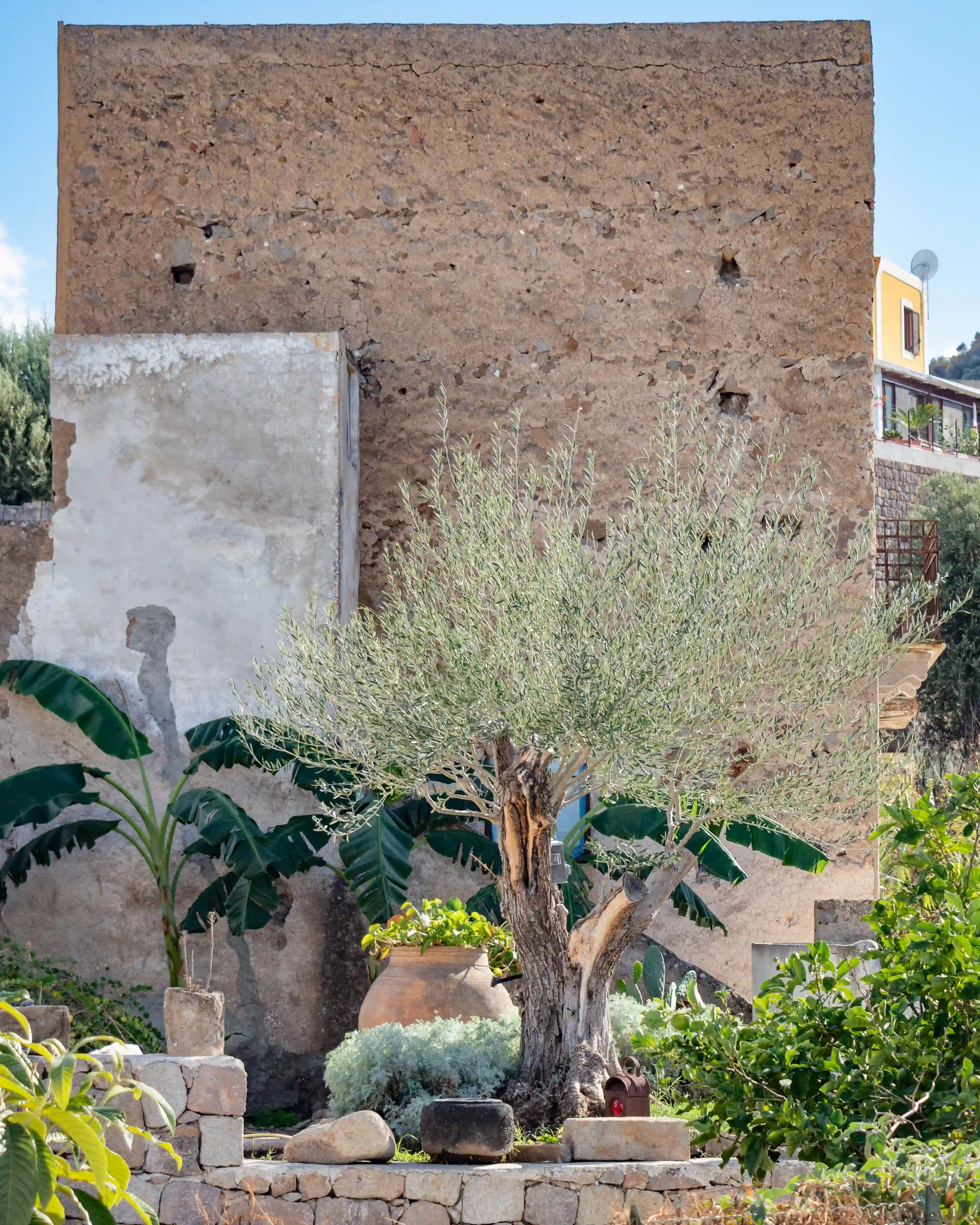
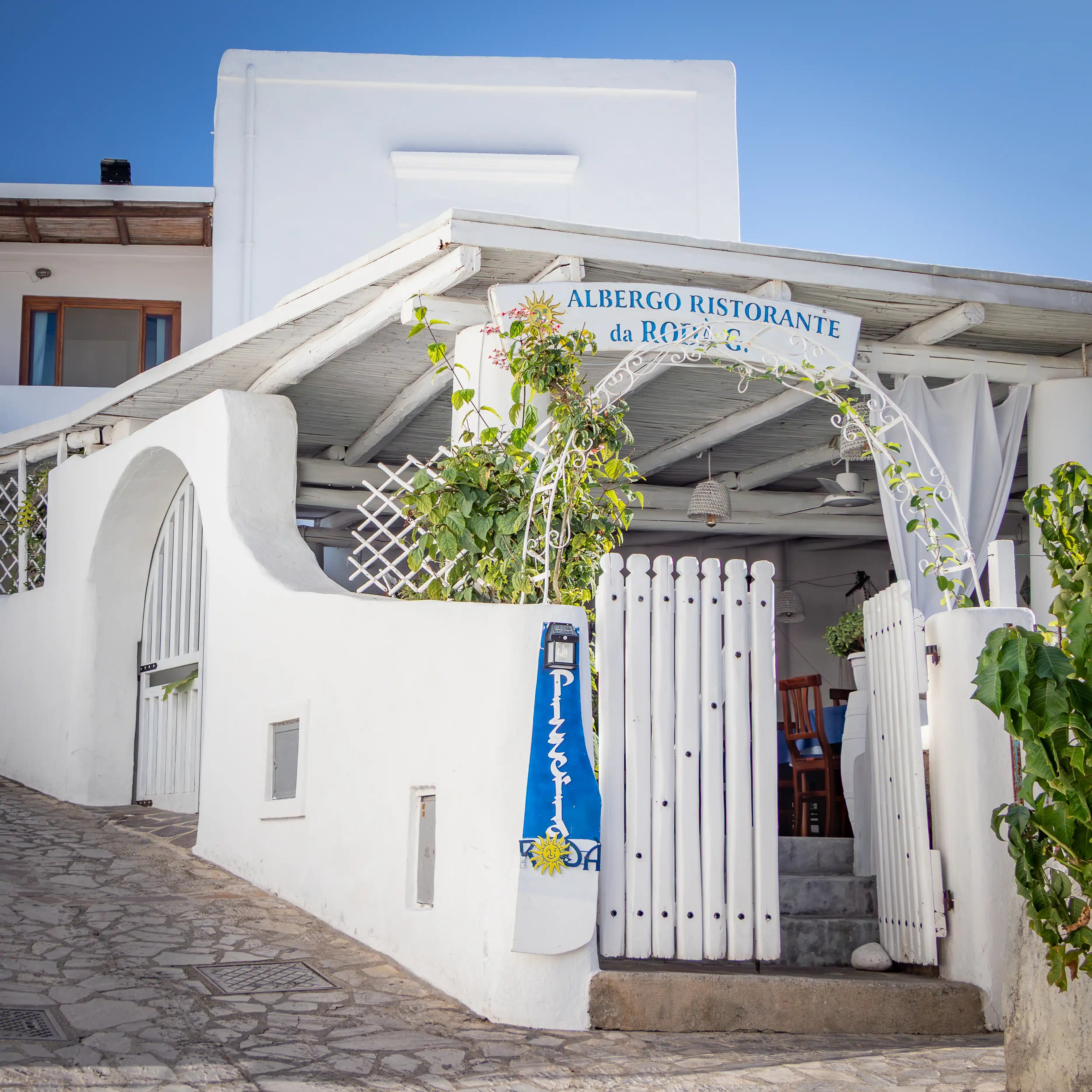
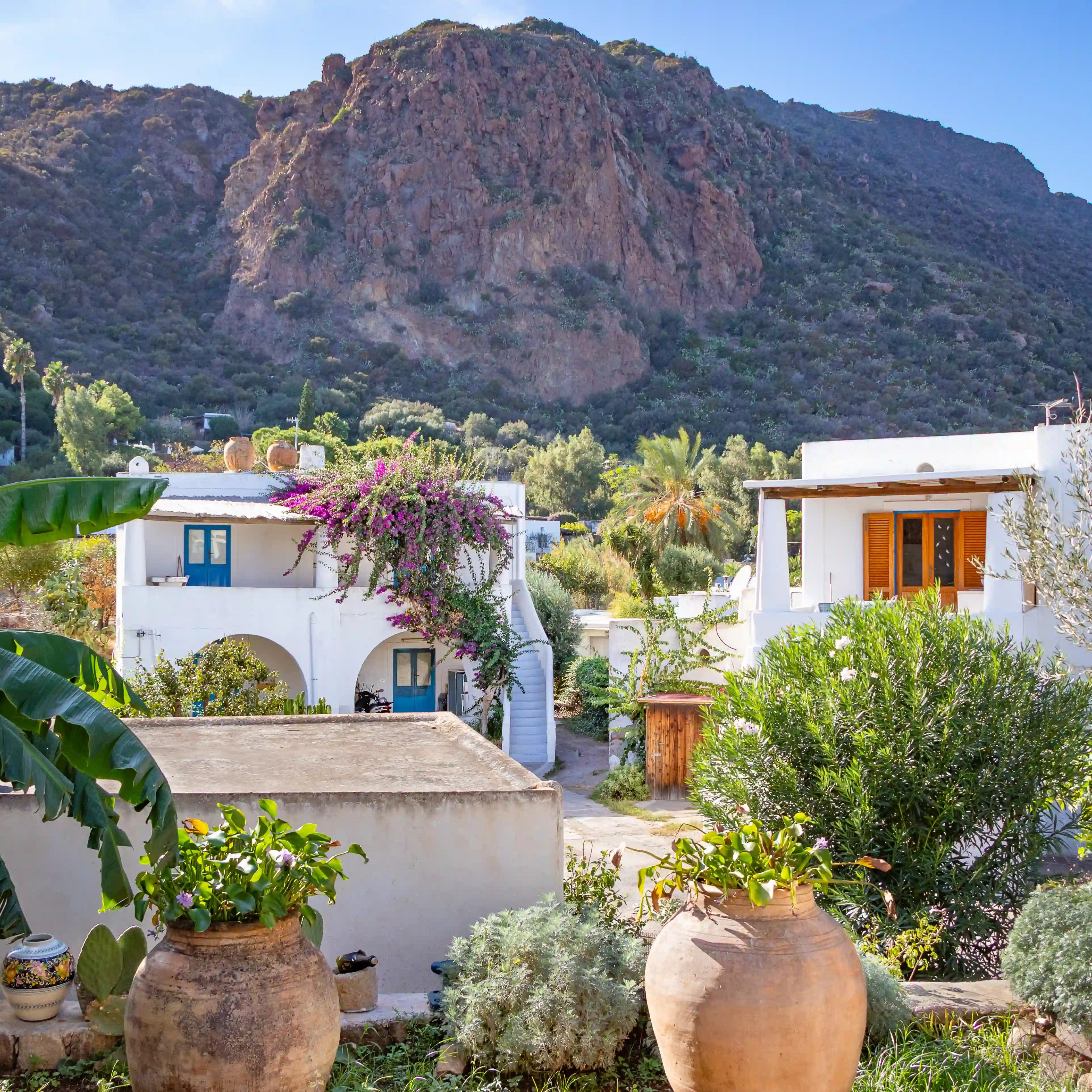
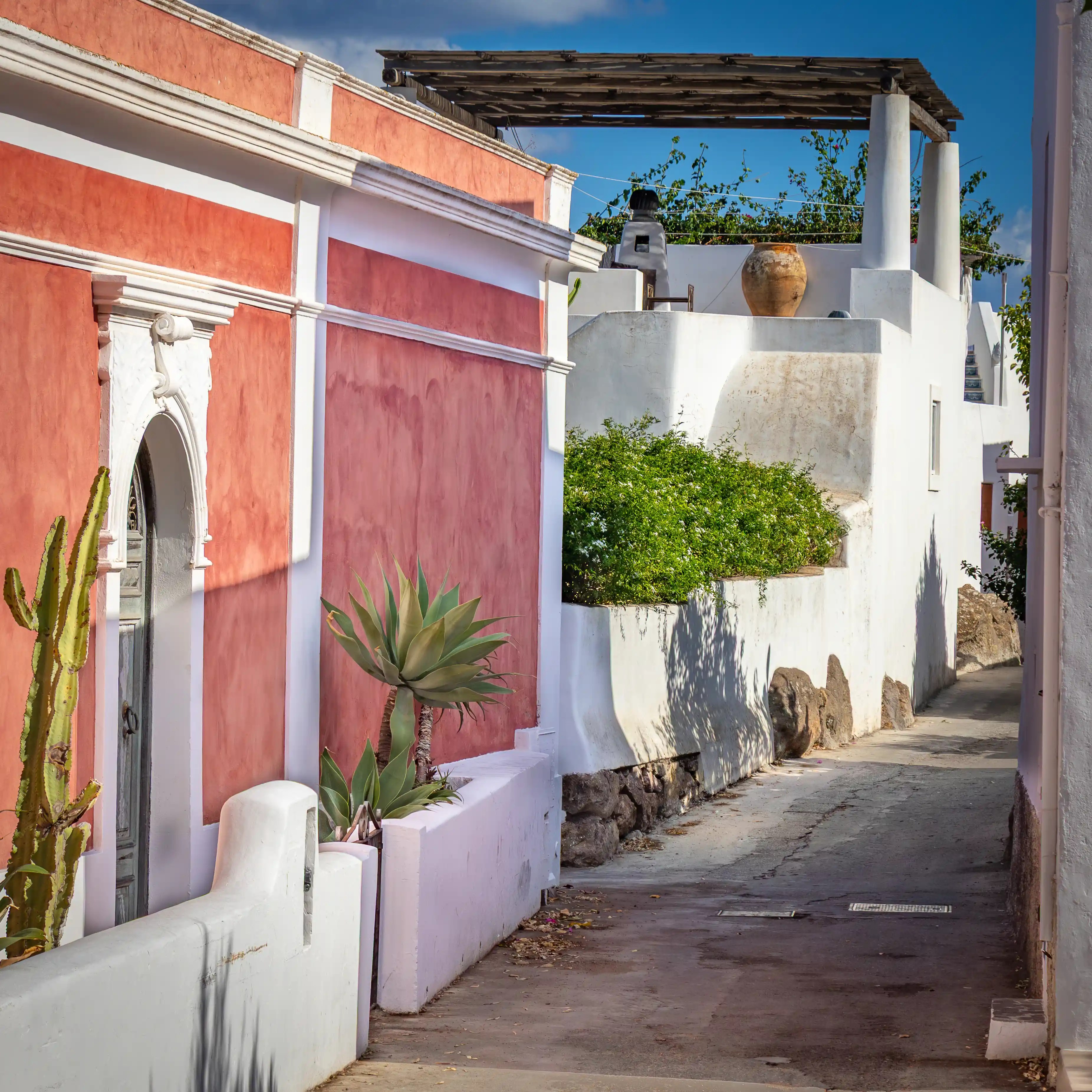
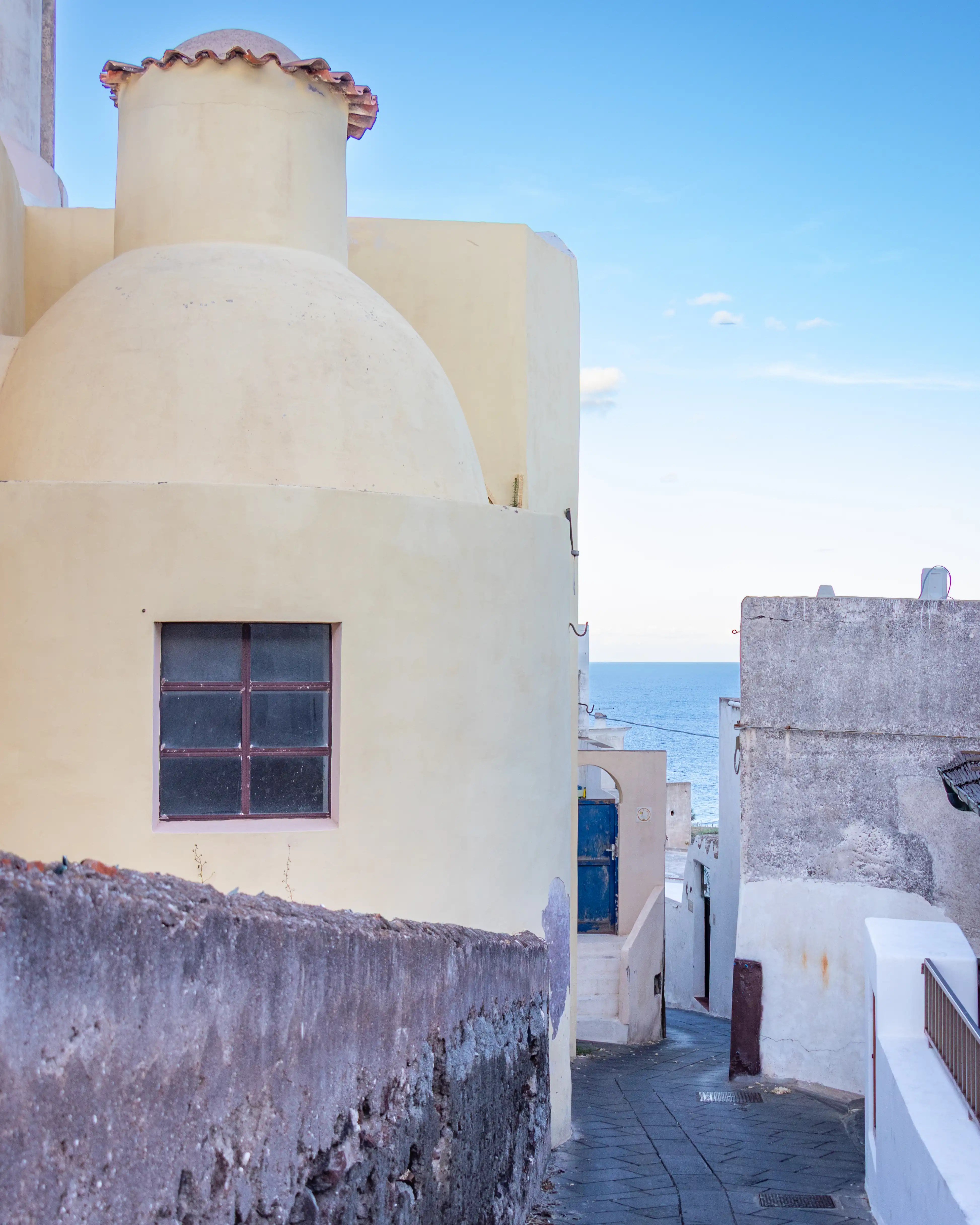
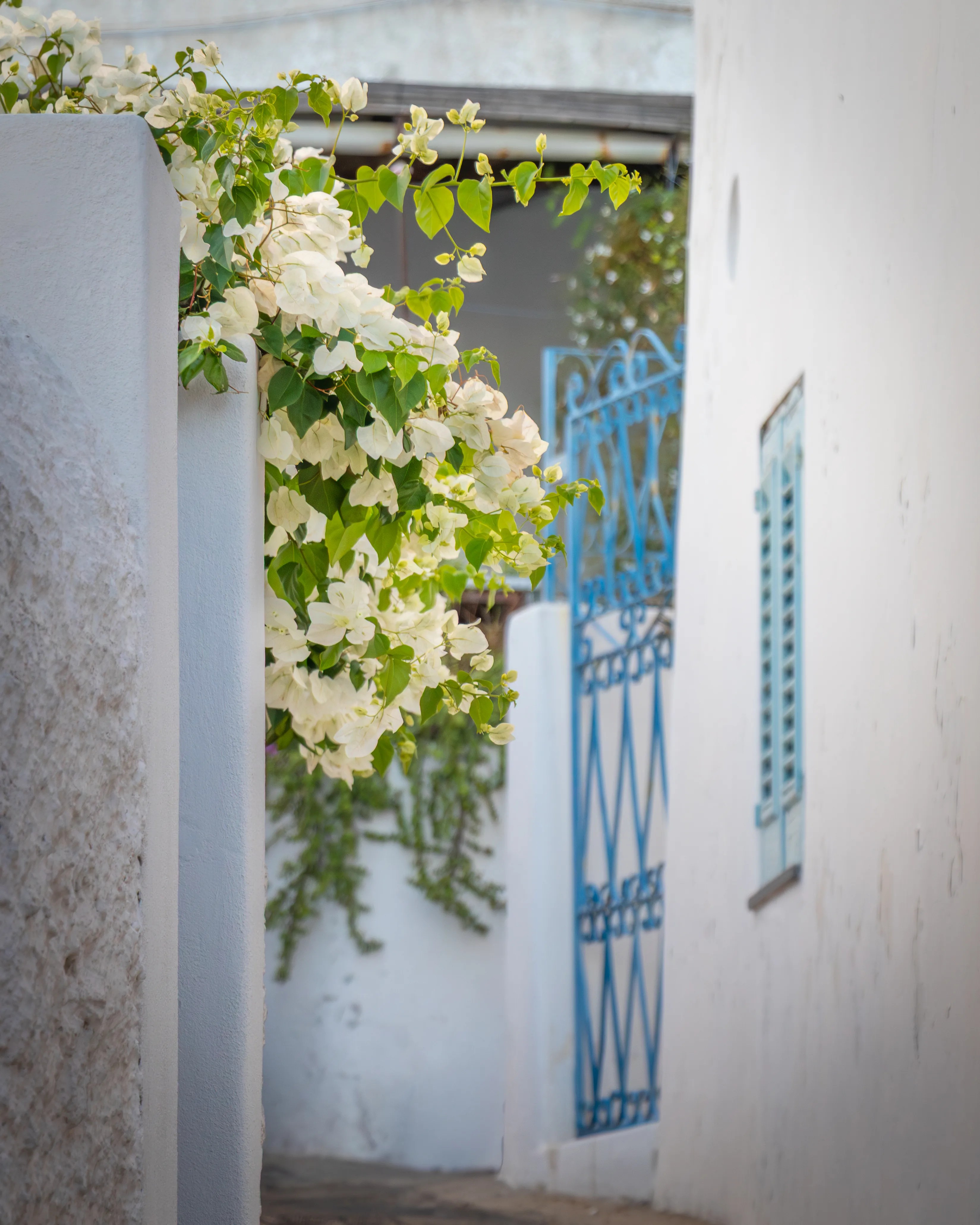
From there, we continued to Panarea, known for its quieter, more exclusive atmosphere. The main village of San Pietro is made up of narrow streets, whitewashed houses, and carefully maintained gardens.
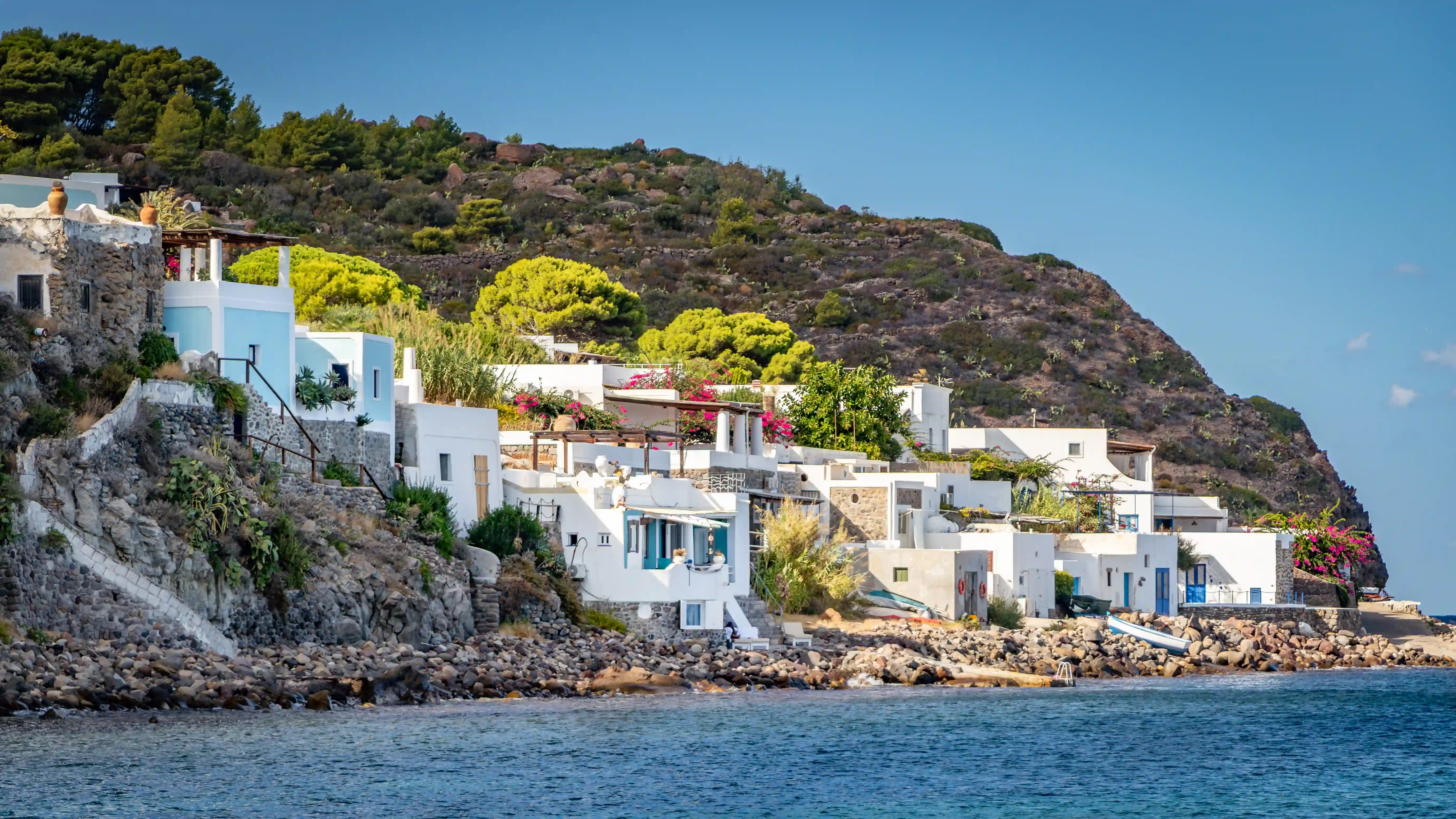
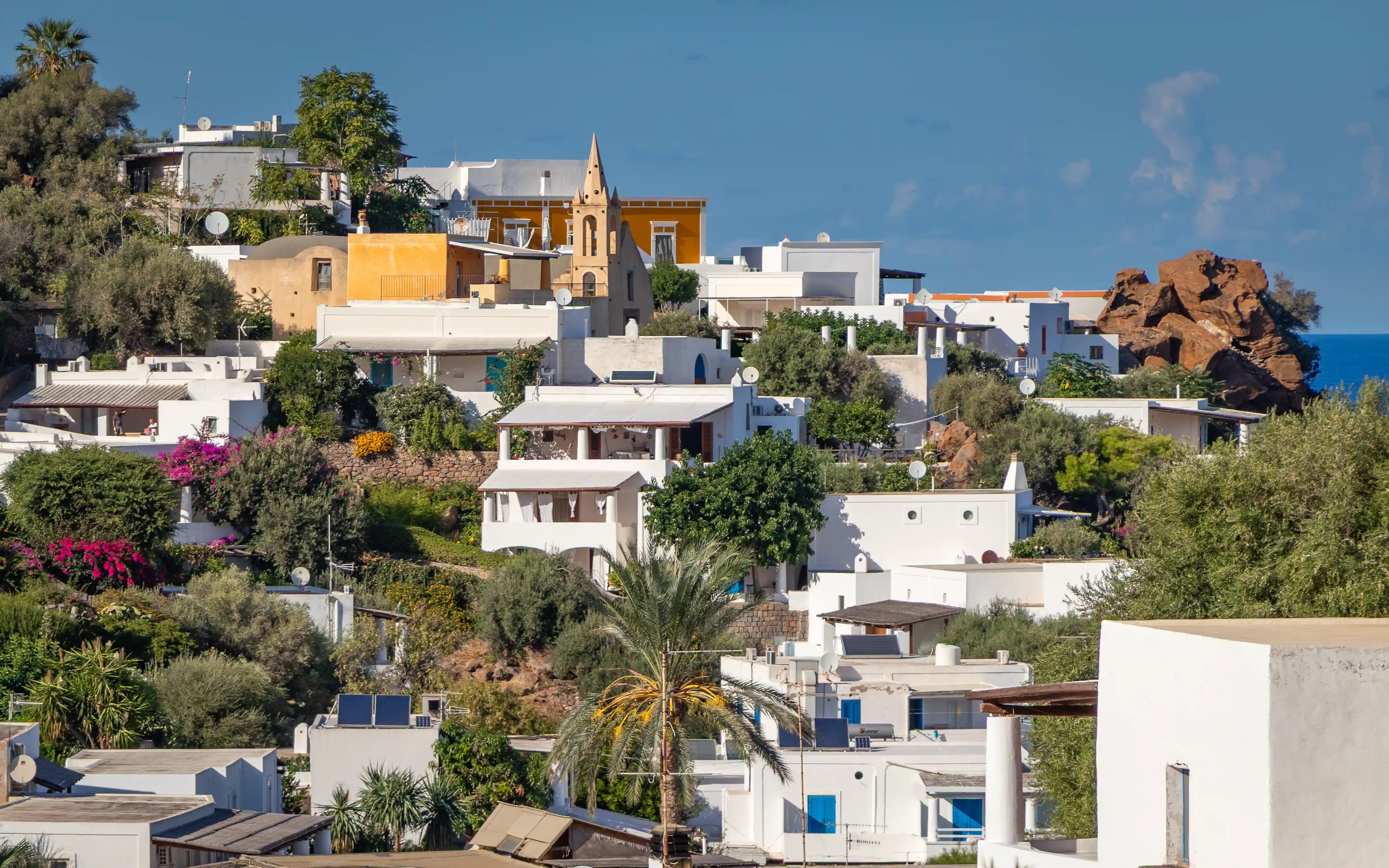
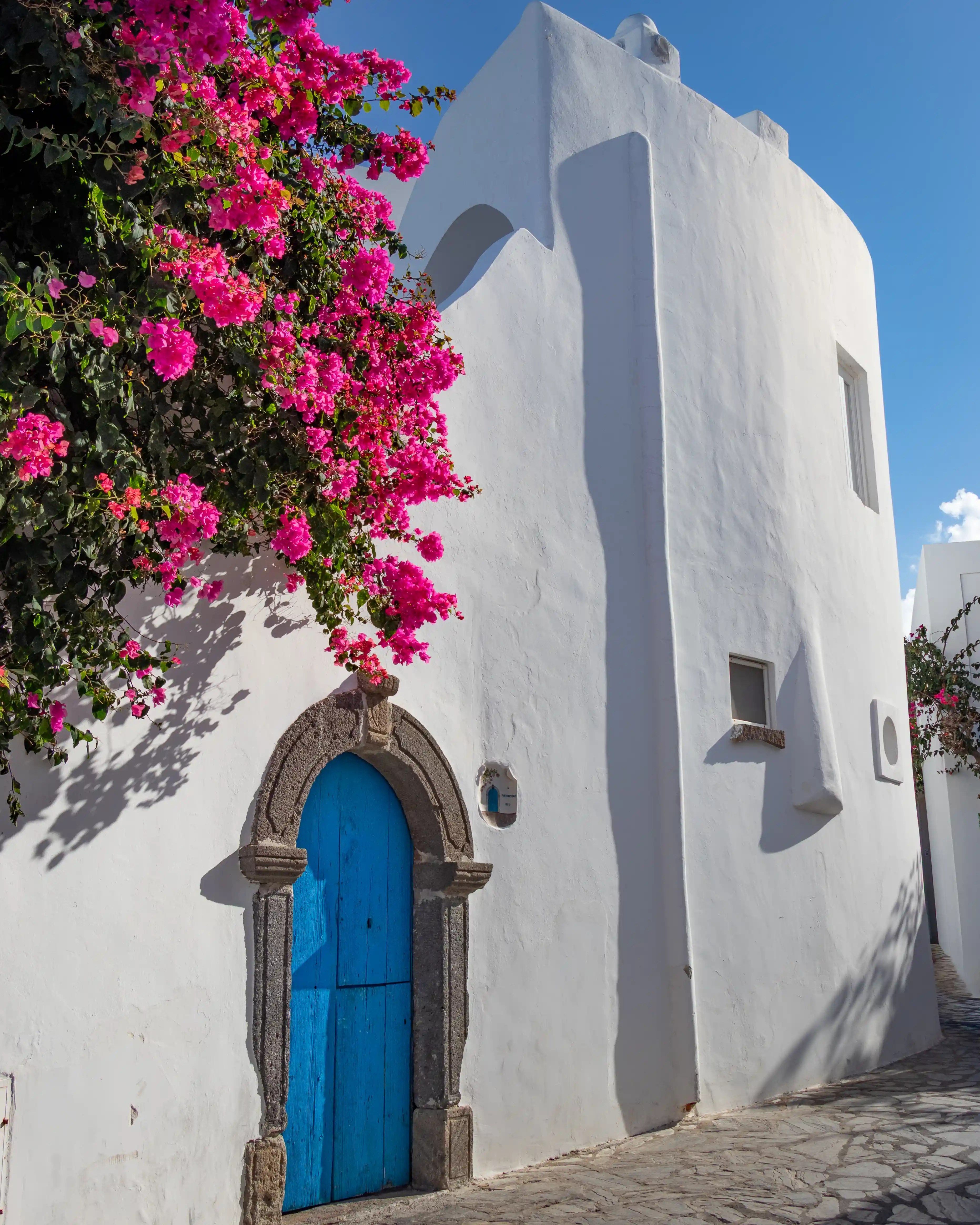
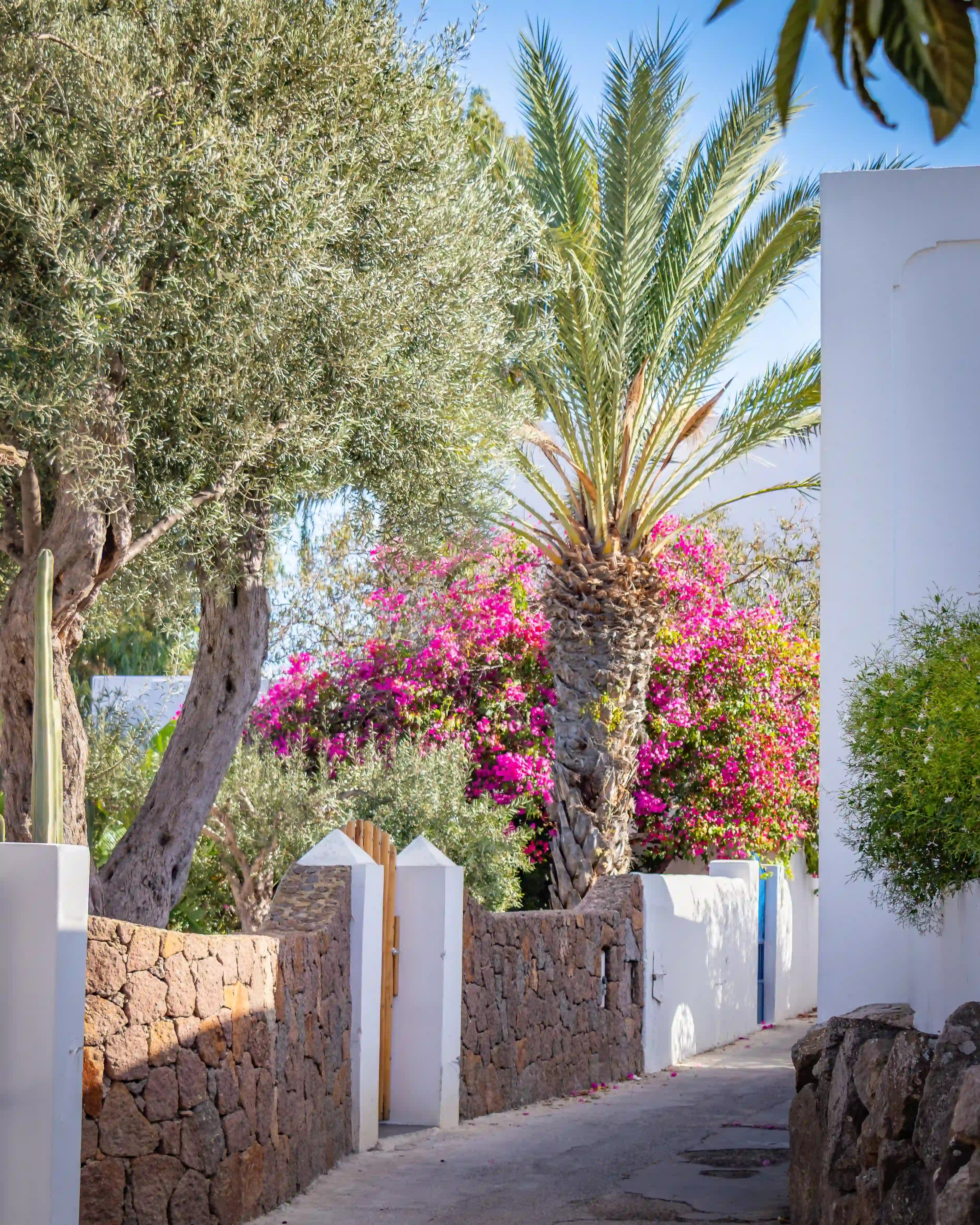
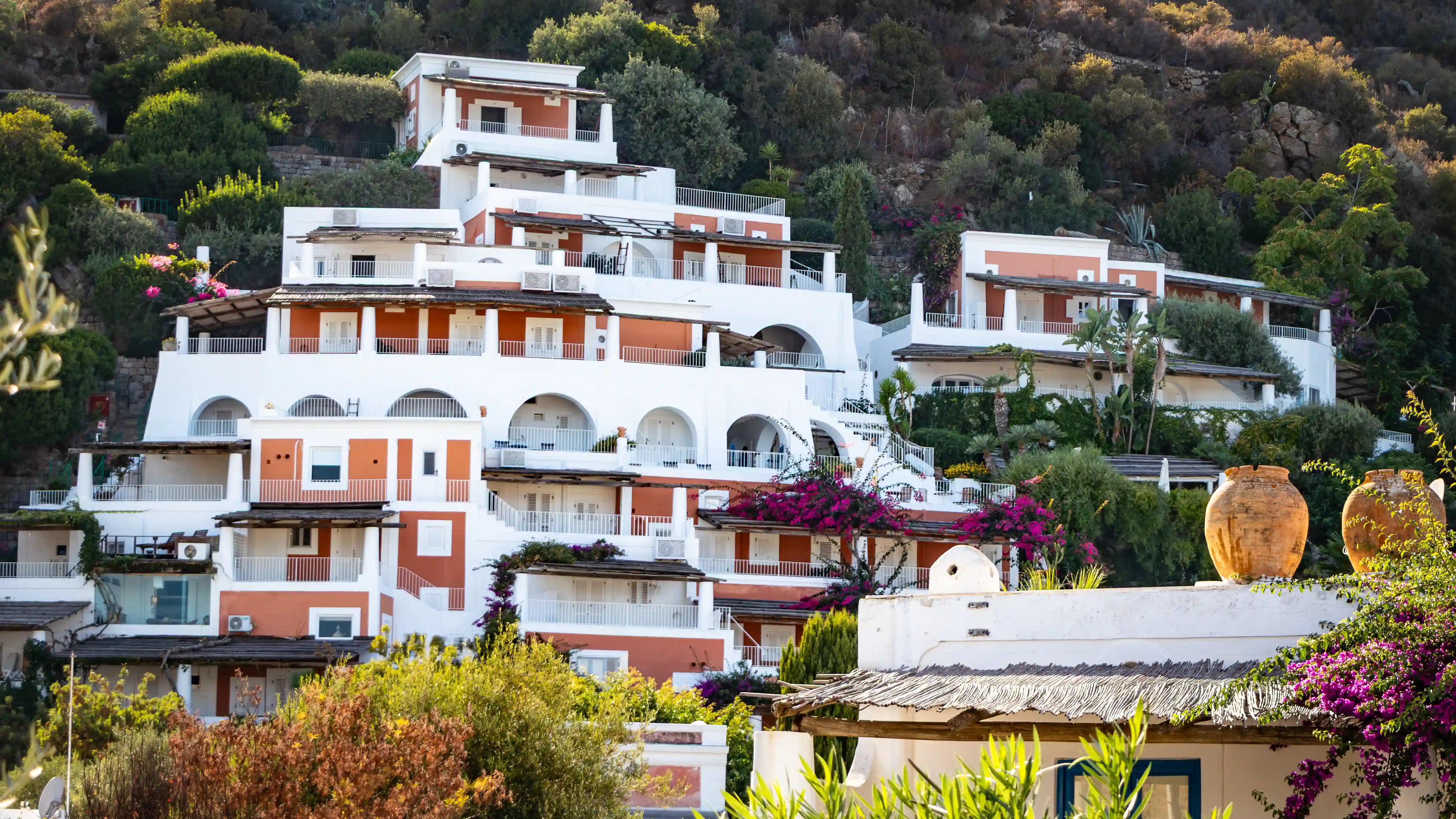
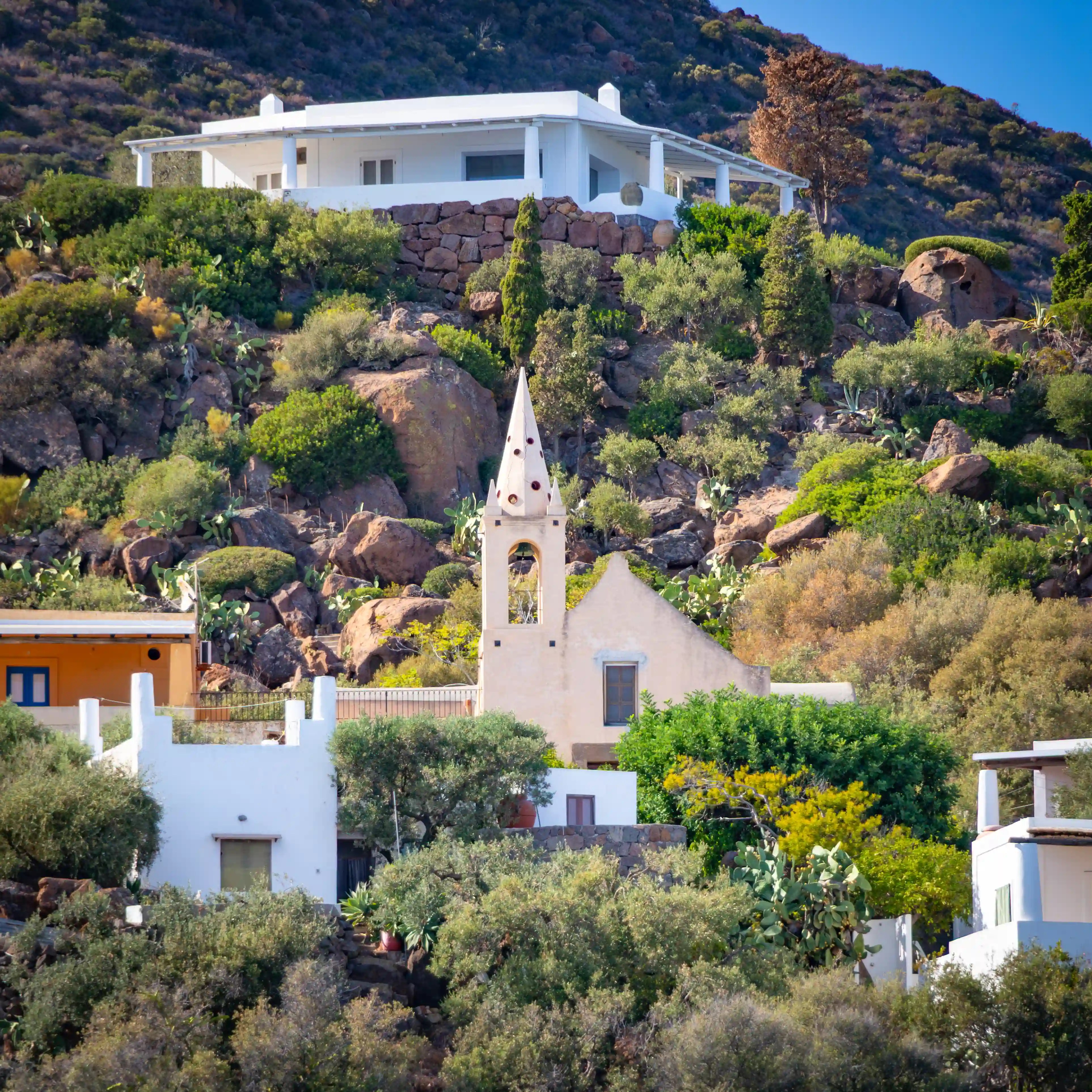
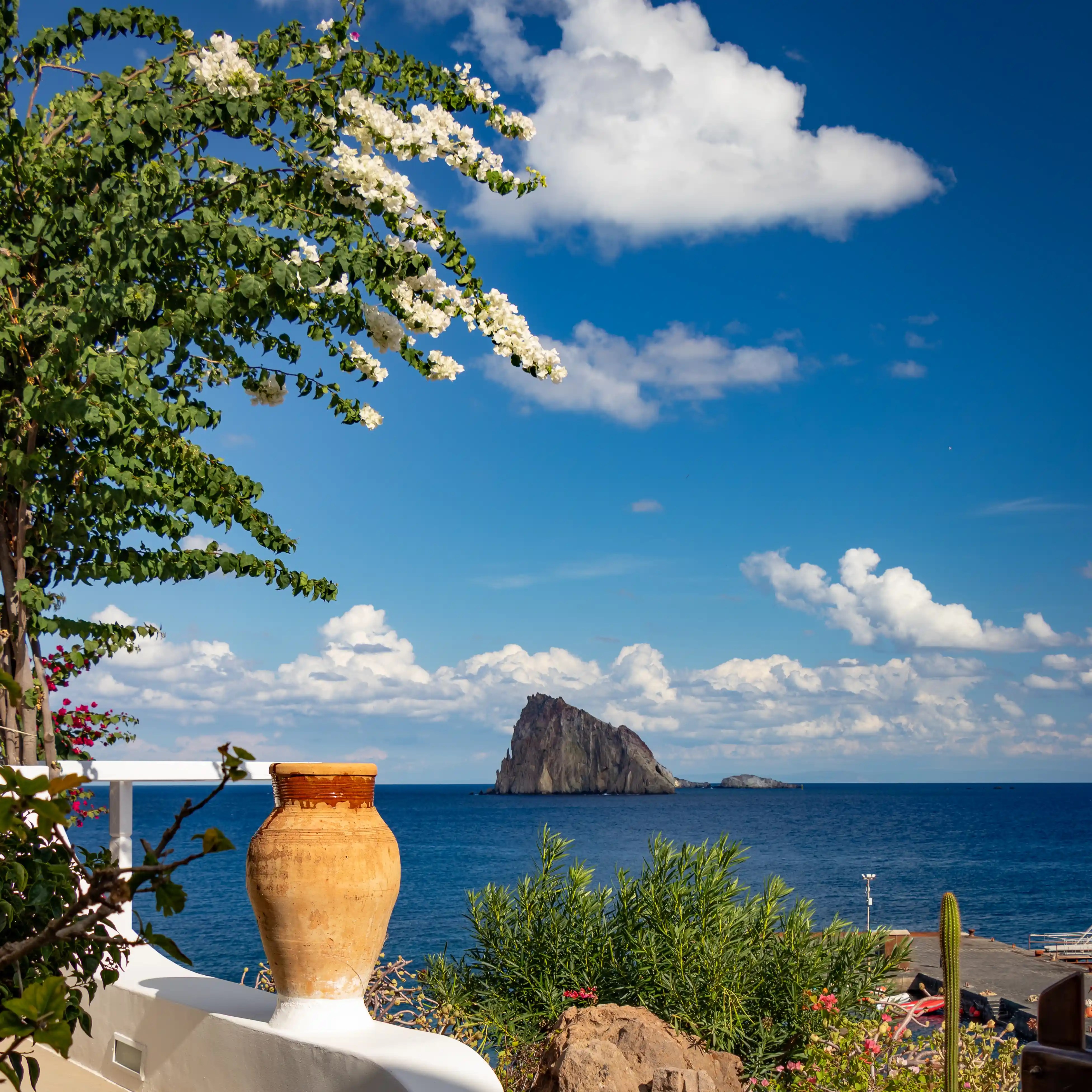
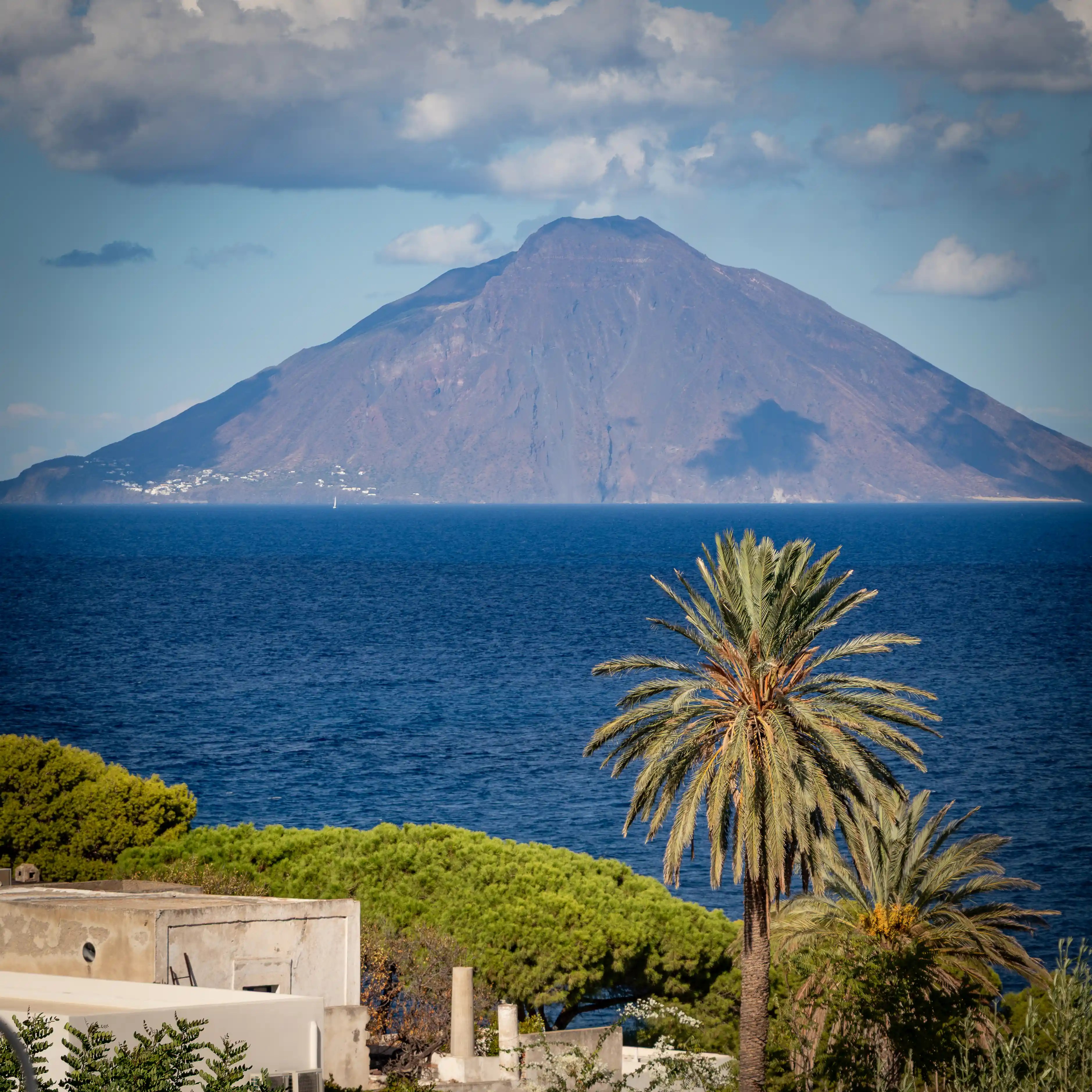
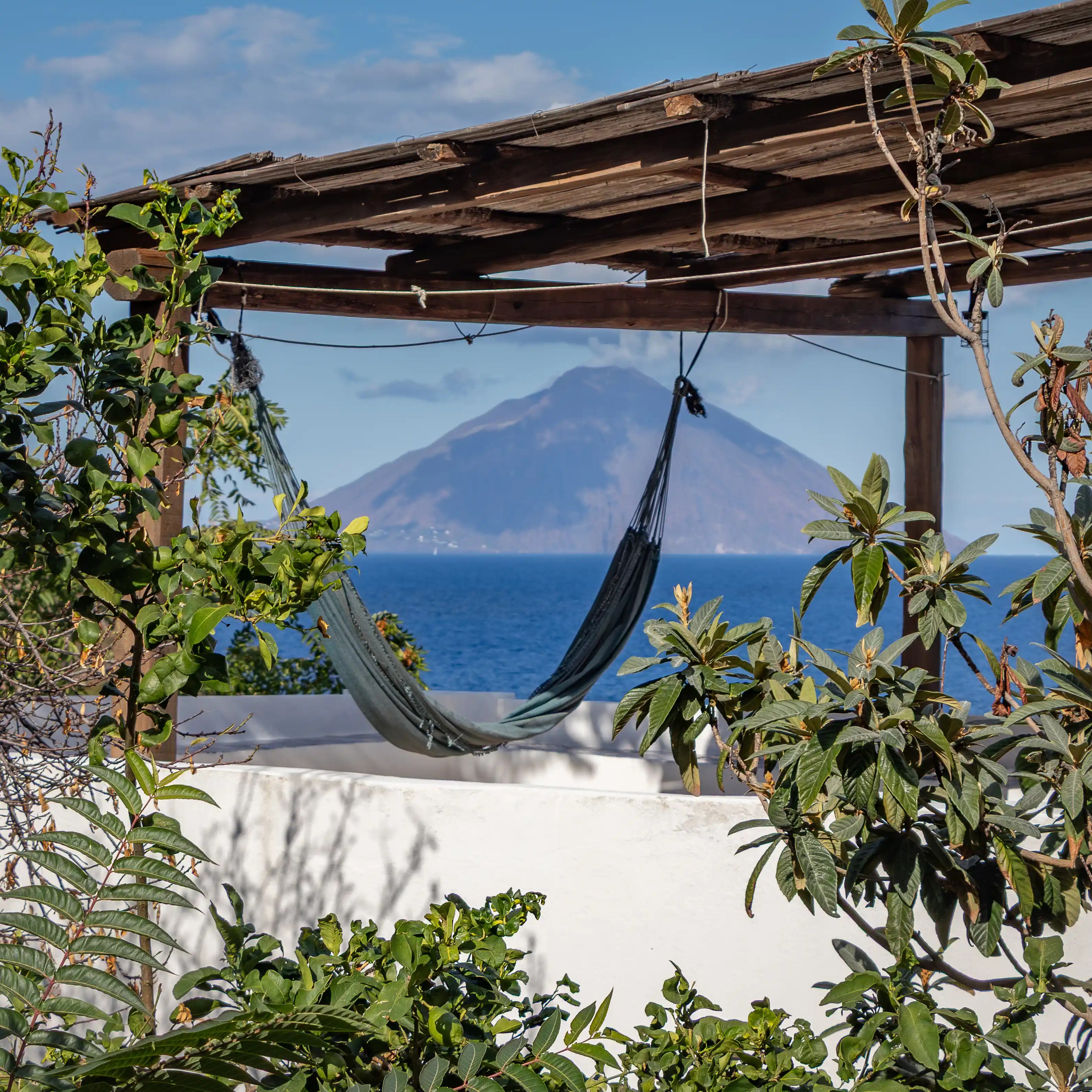
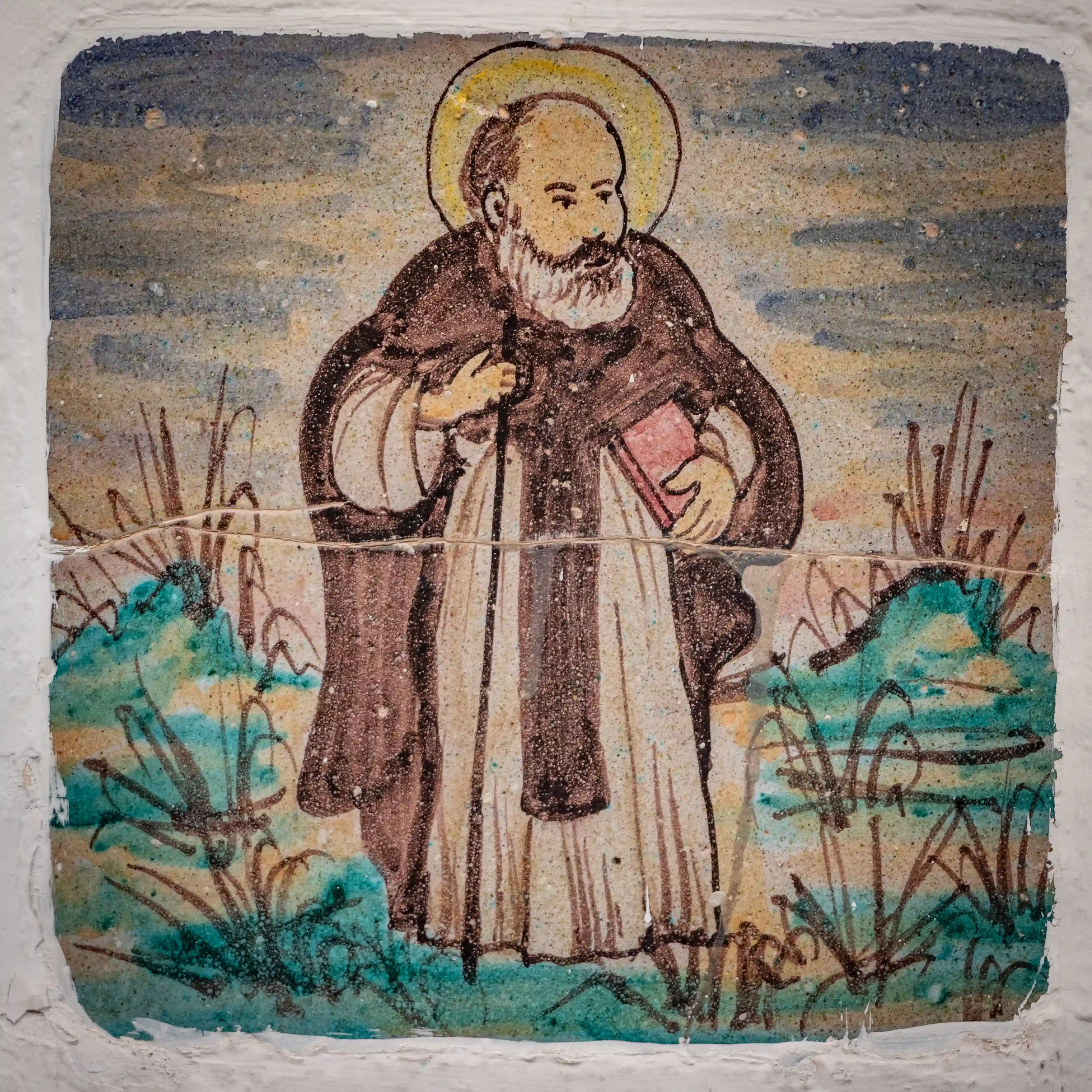
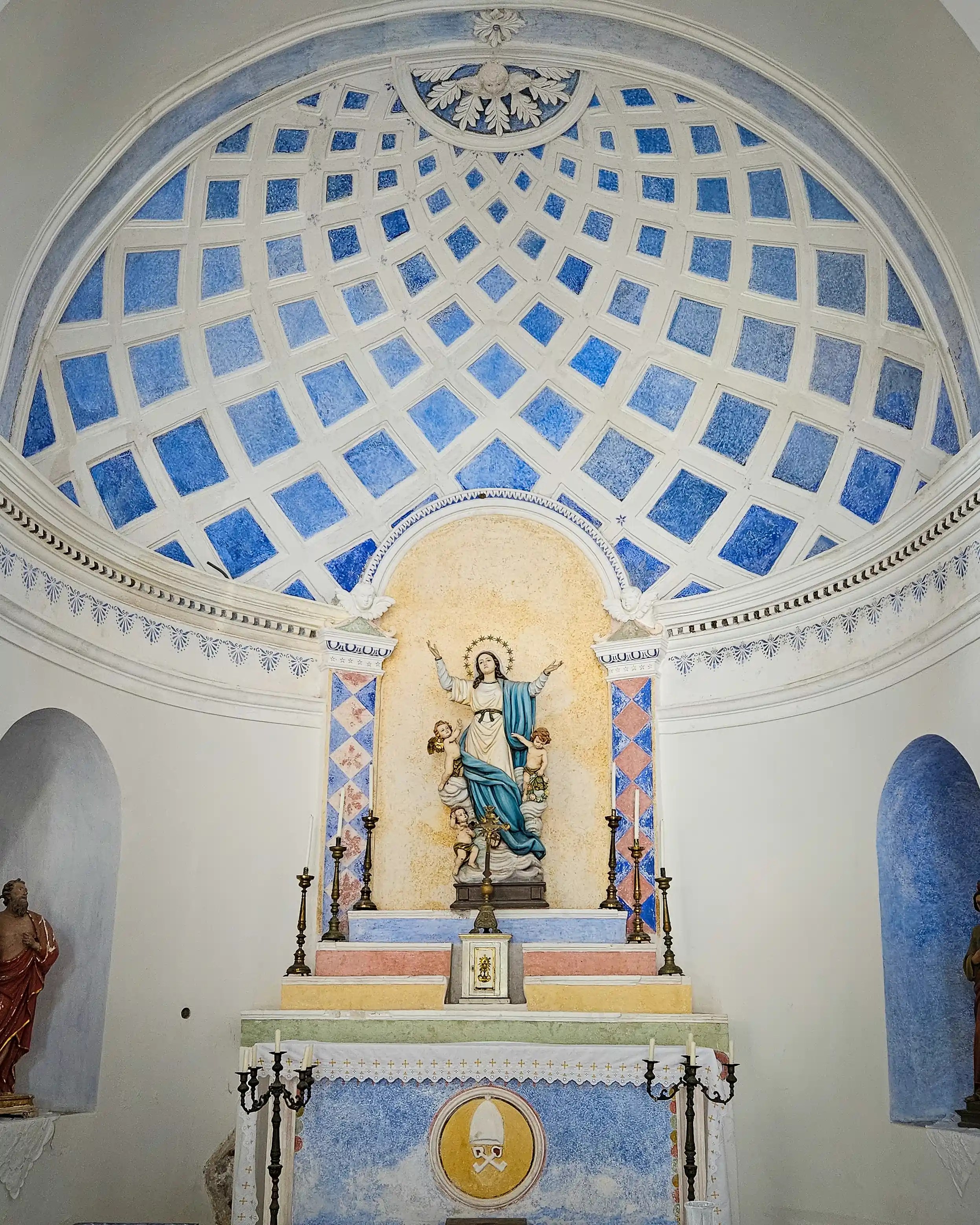
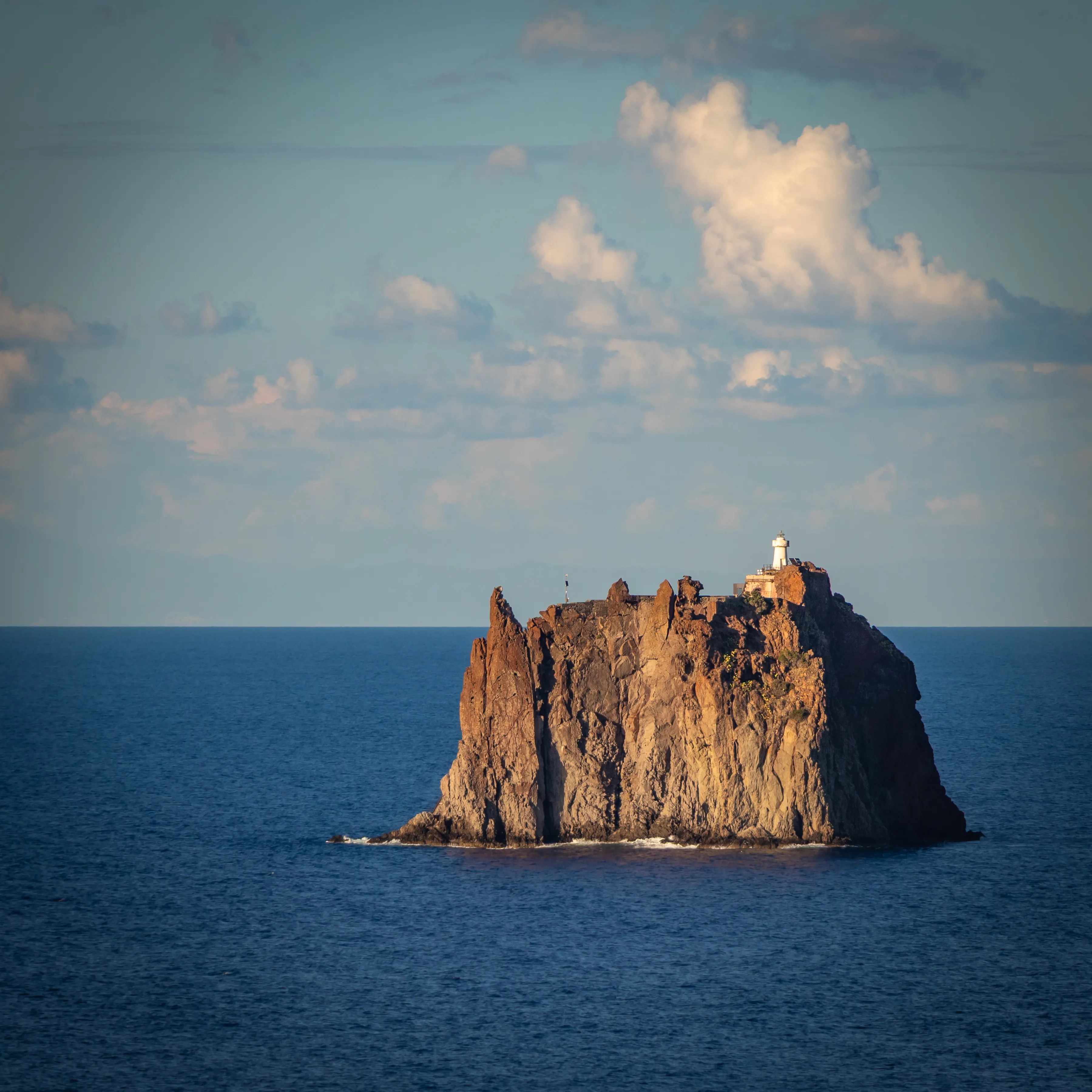
We walked up through town toward the Chiesa di Maria SS. Assunta (Church of Santa Maria Assunta), passing viewpoints along the way that look out toward Stromboli and the small volcanic islet of Strombolicchio. Panarea is the smallest of the Aeolian Islands and has no large-scale roads, with most of the island explored on foot or by small electric carts. We quickly learned to keep an eye out for them on the narrow, winding streets.
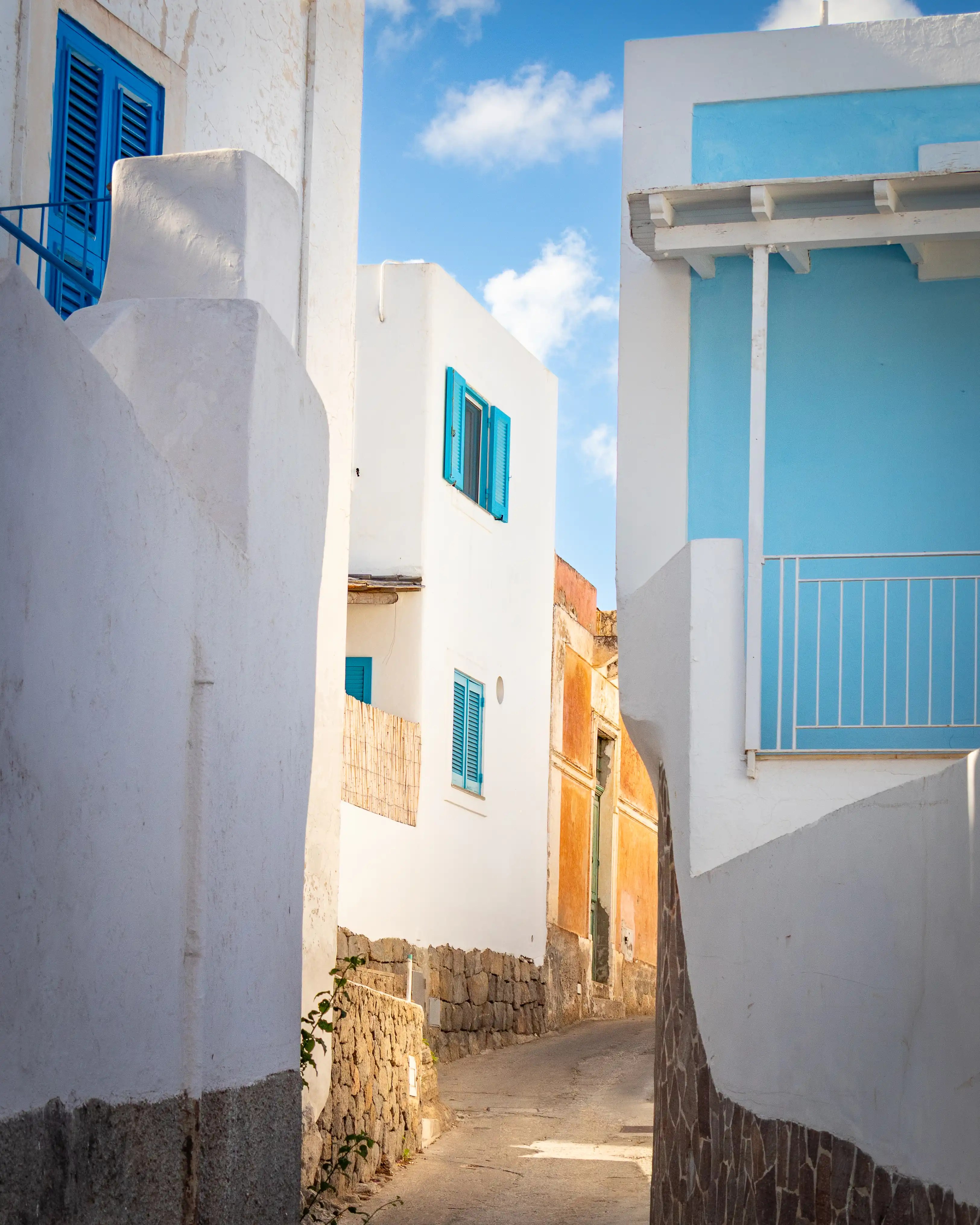
One place we didn’t have time to visit was the ancient settlement at Capo Milazzese, an archaeological site dating back to around the 14th–13th century BC. The remains of circular huts sit on a promontory overlooking the sea, making it one of the island’s most significant and scenic historical sites.
Stromboli
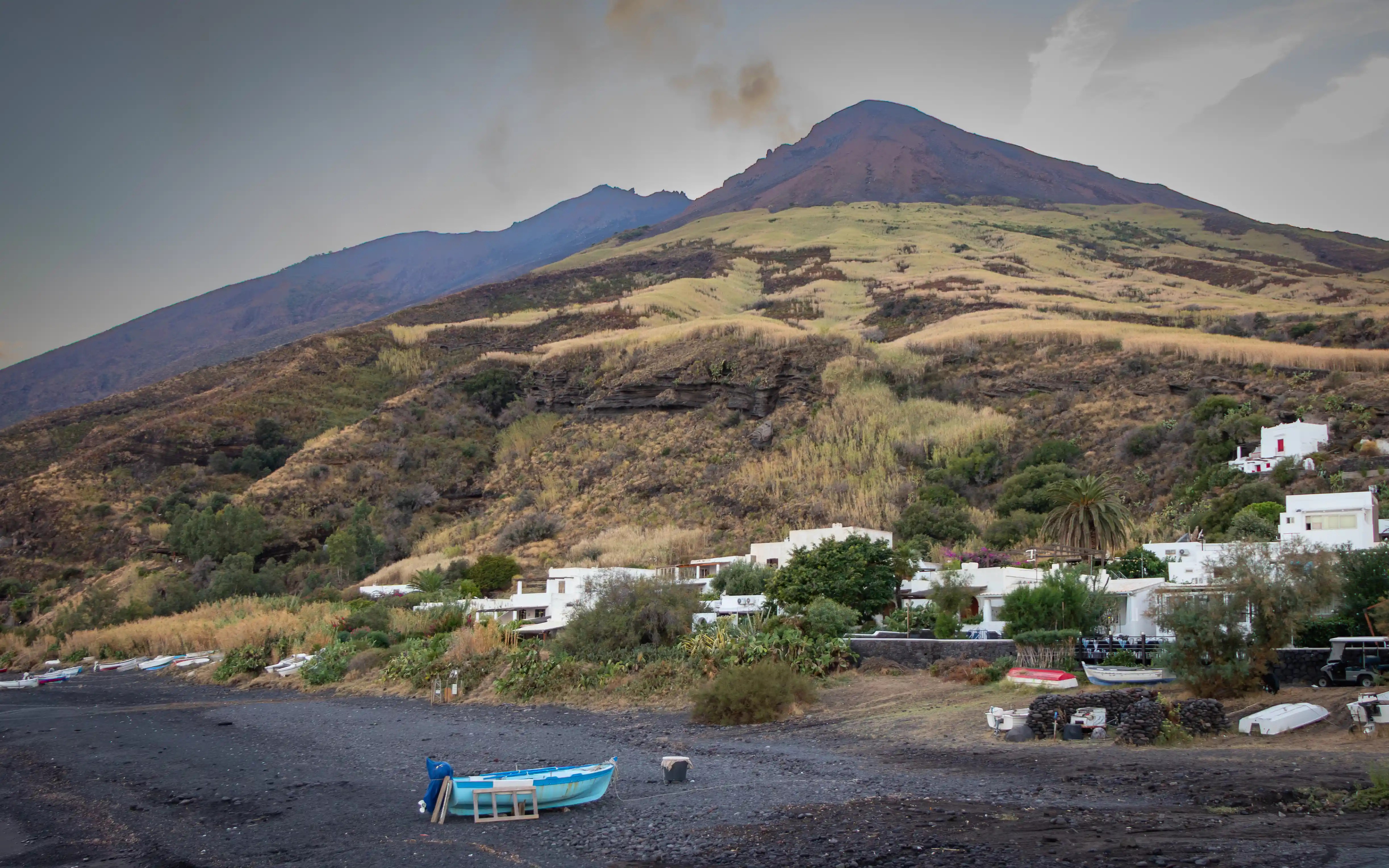
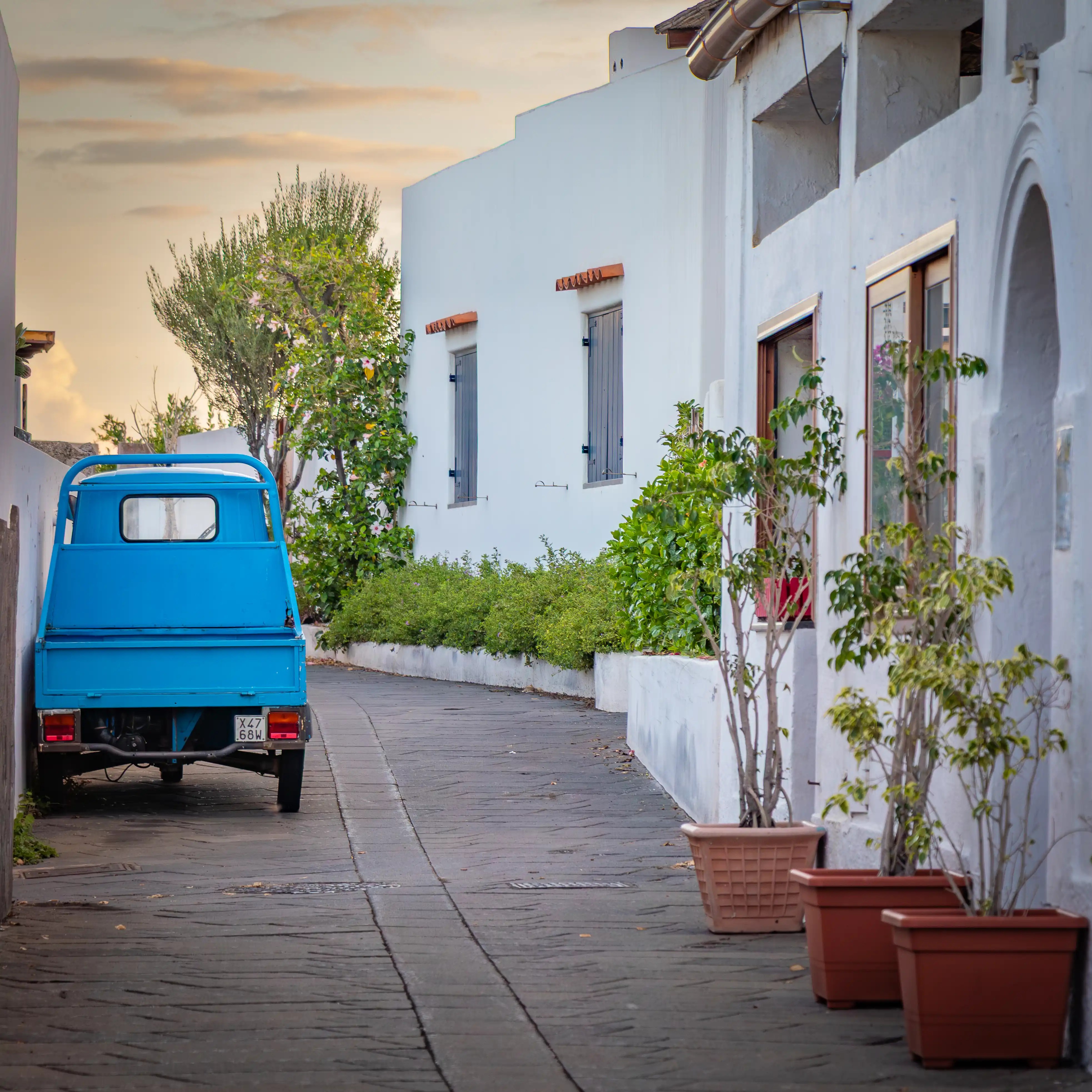
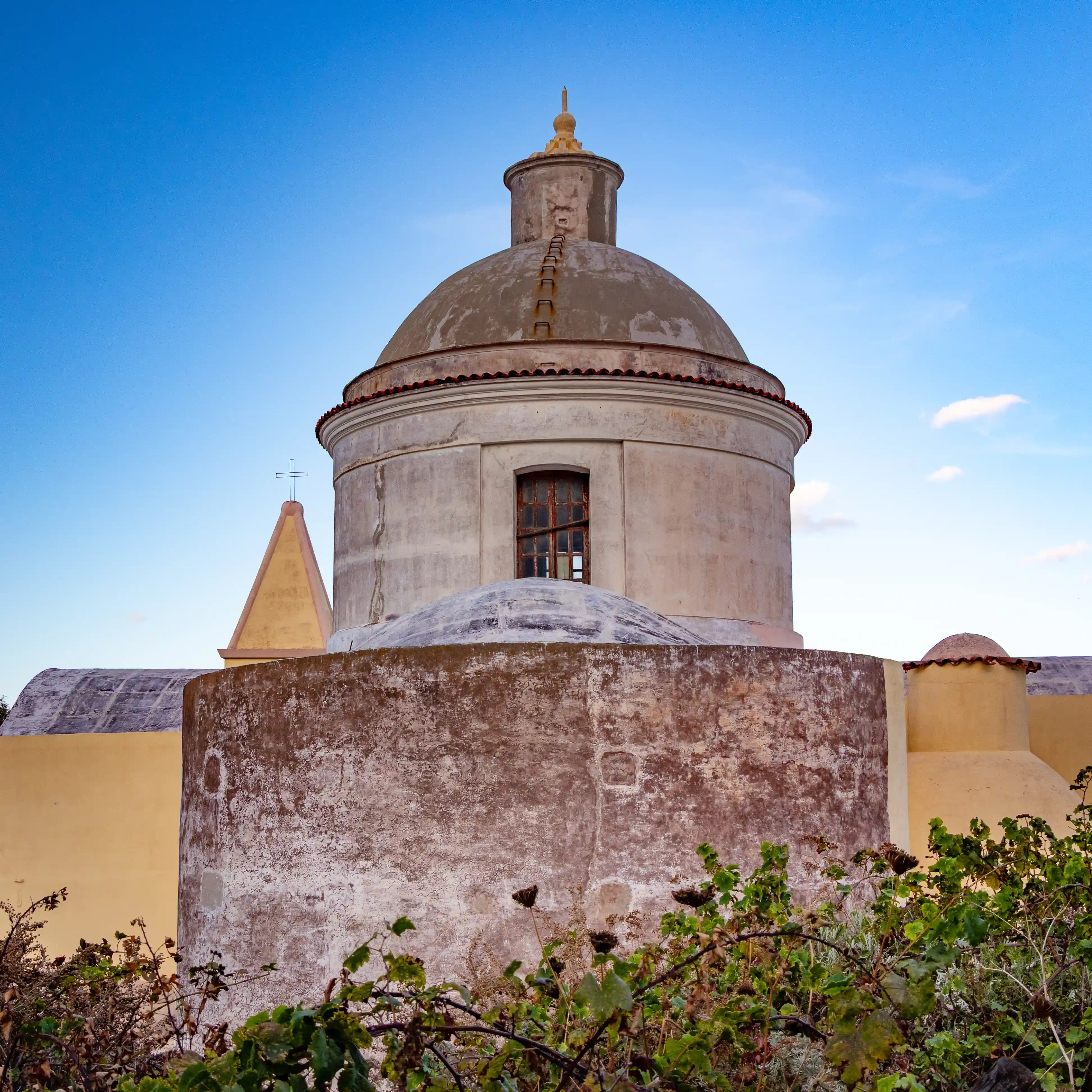
Our final stop was Stromboli, an island defined by its active volcano, Mount Stromboli, one of the few continuously active volcanoes in Italy. We spent time walking through the village of San Vincenzo, with its black sand beaches, whitewashed buildings, and views up toward the slopes of the volcano.
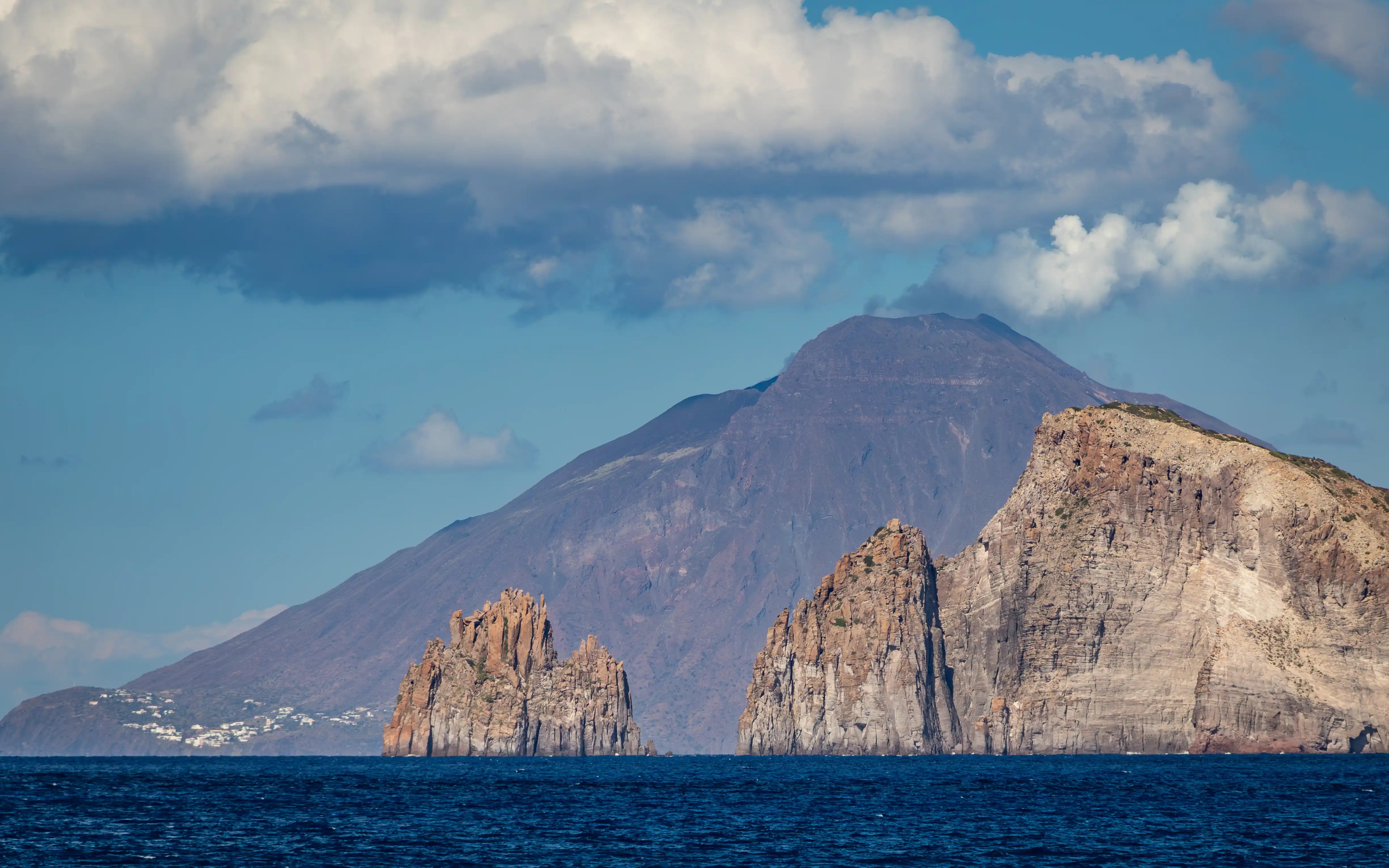
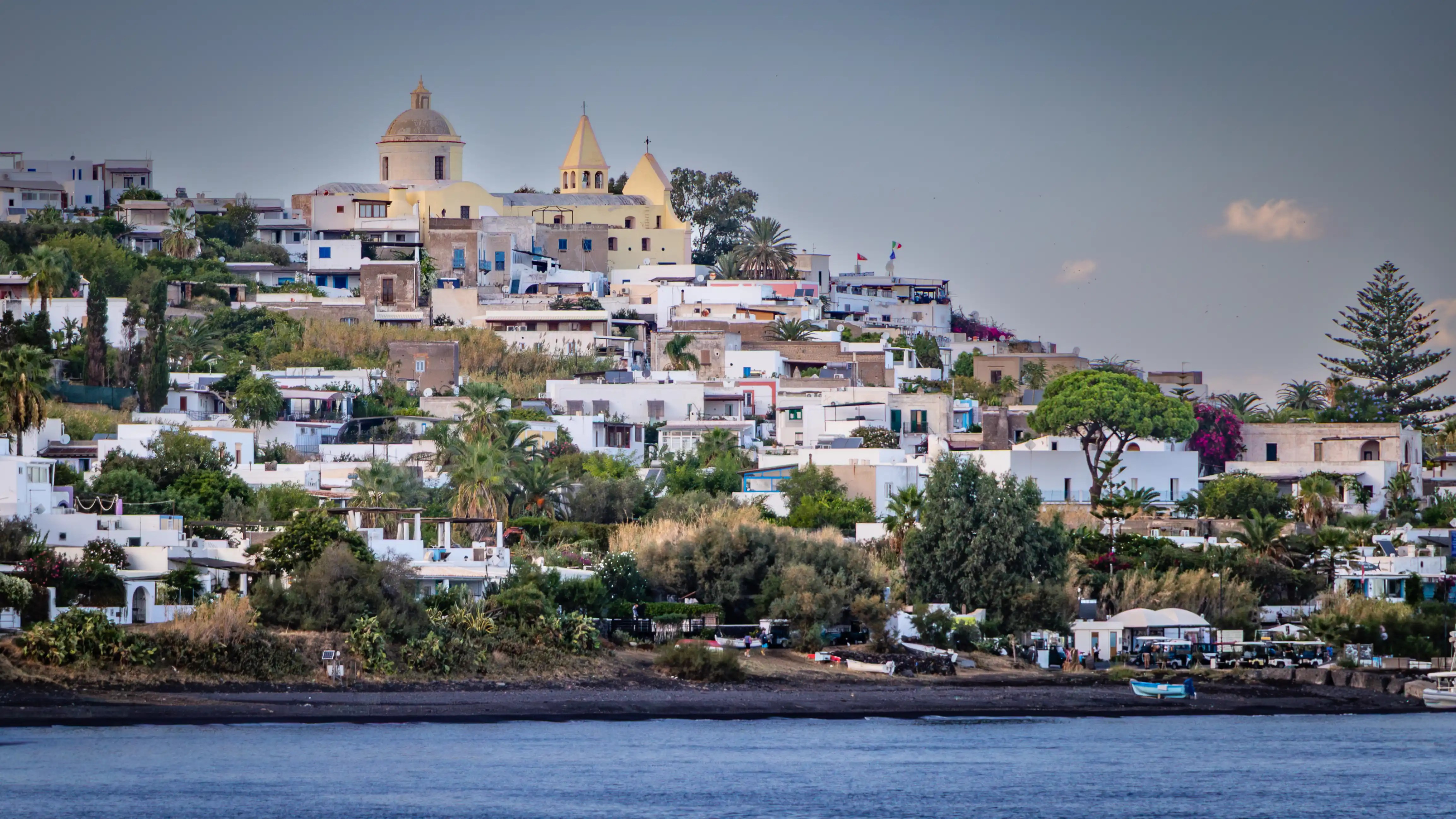
The contrast on the island stood out—lush green hills set against darker volcanic rock, with smoke often visible rising from the summit. Like Panarea, vehicle access is limited here, and most people get around on foot, by scooter, or by small electric carts.
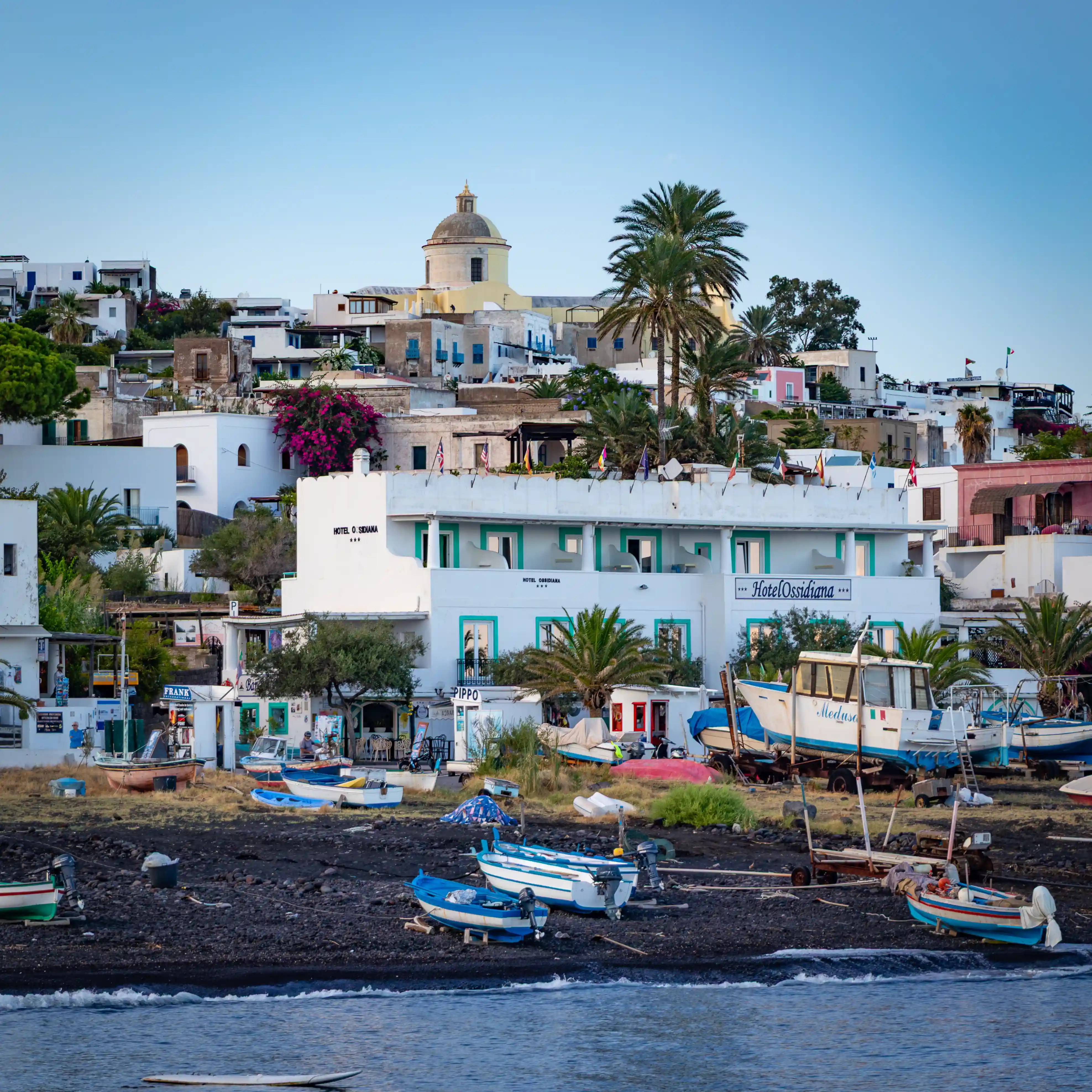
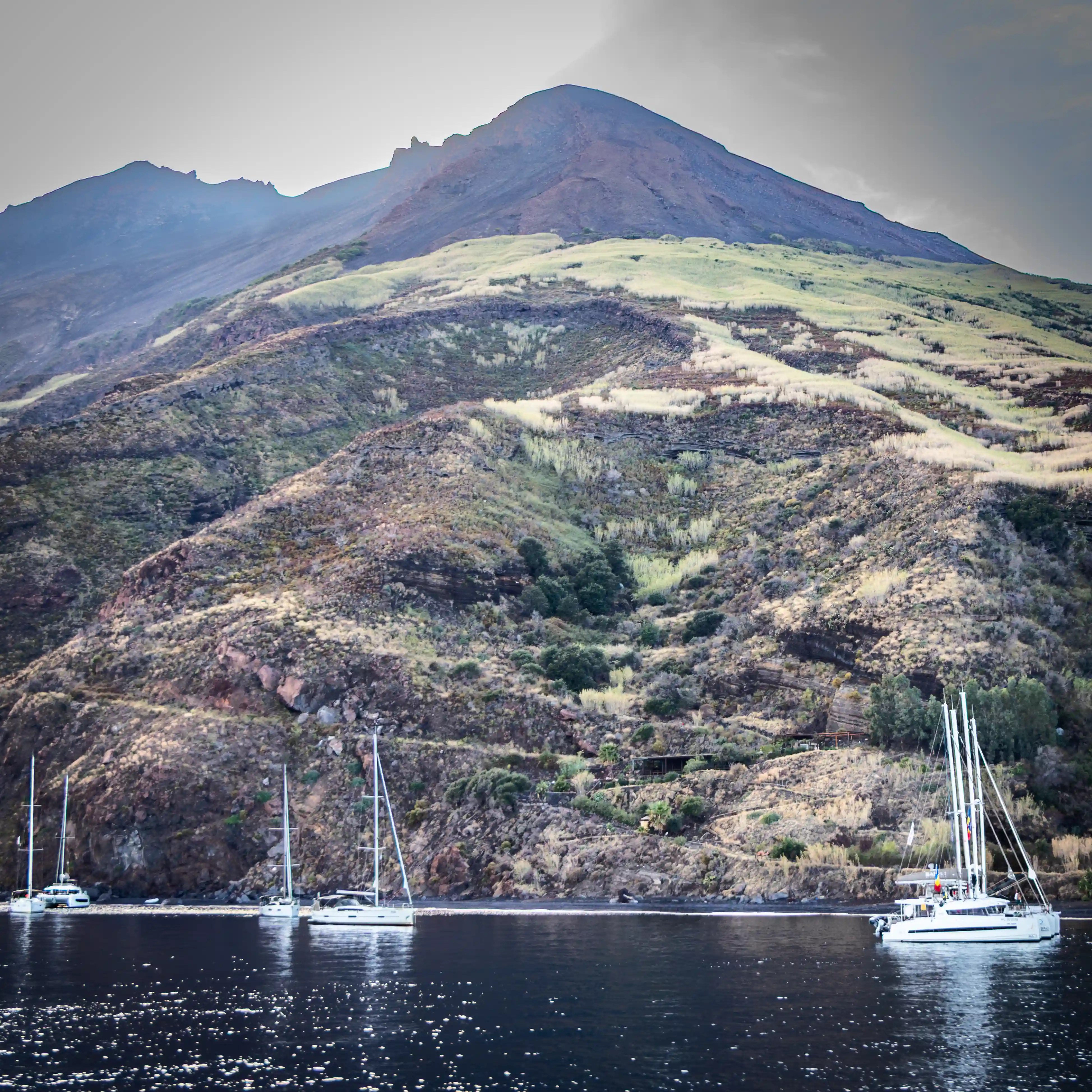
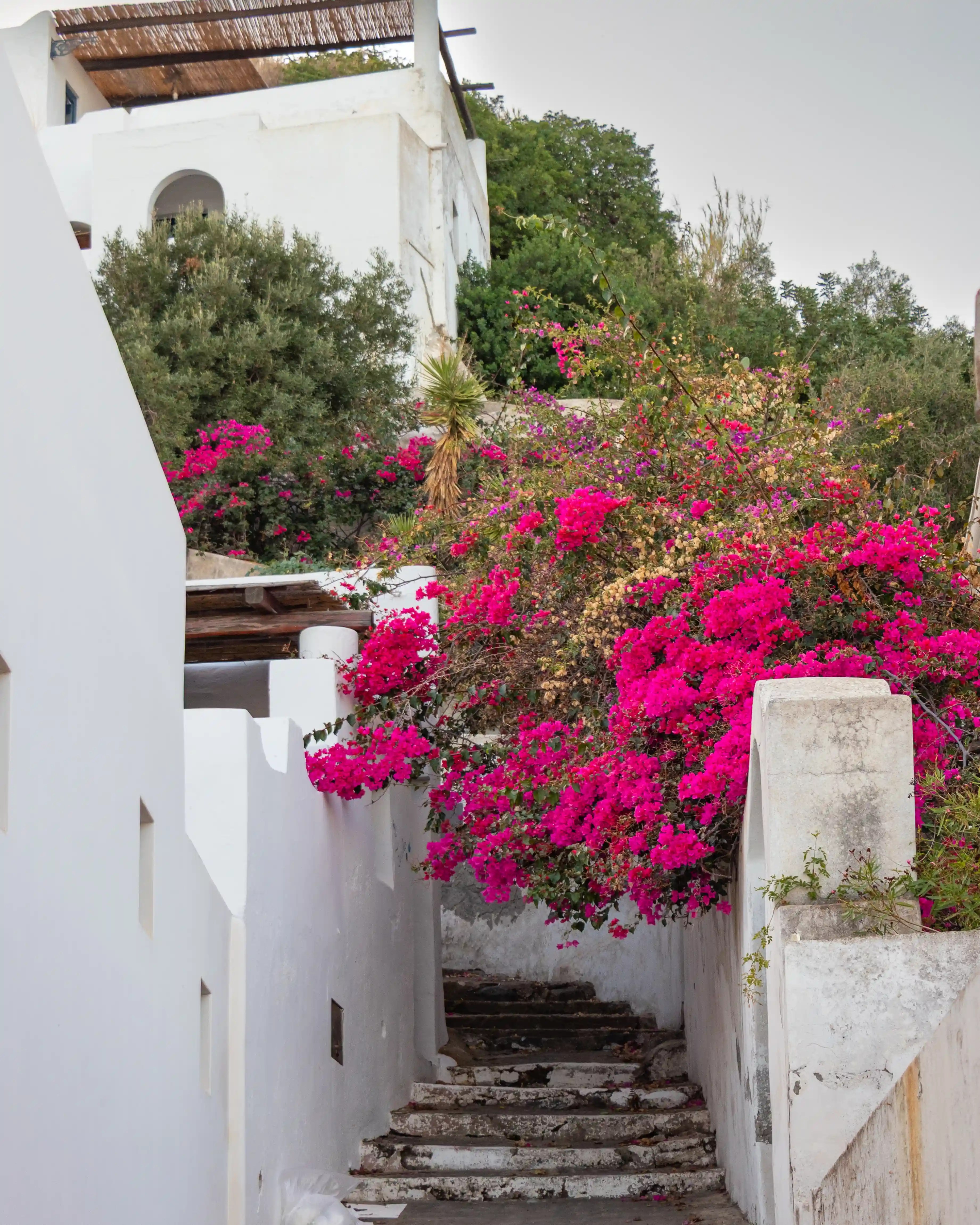
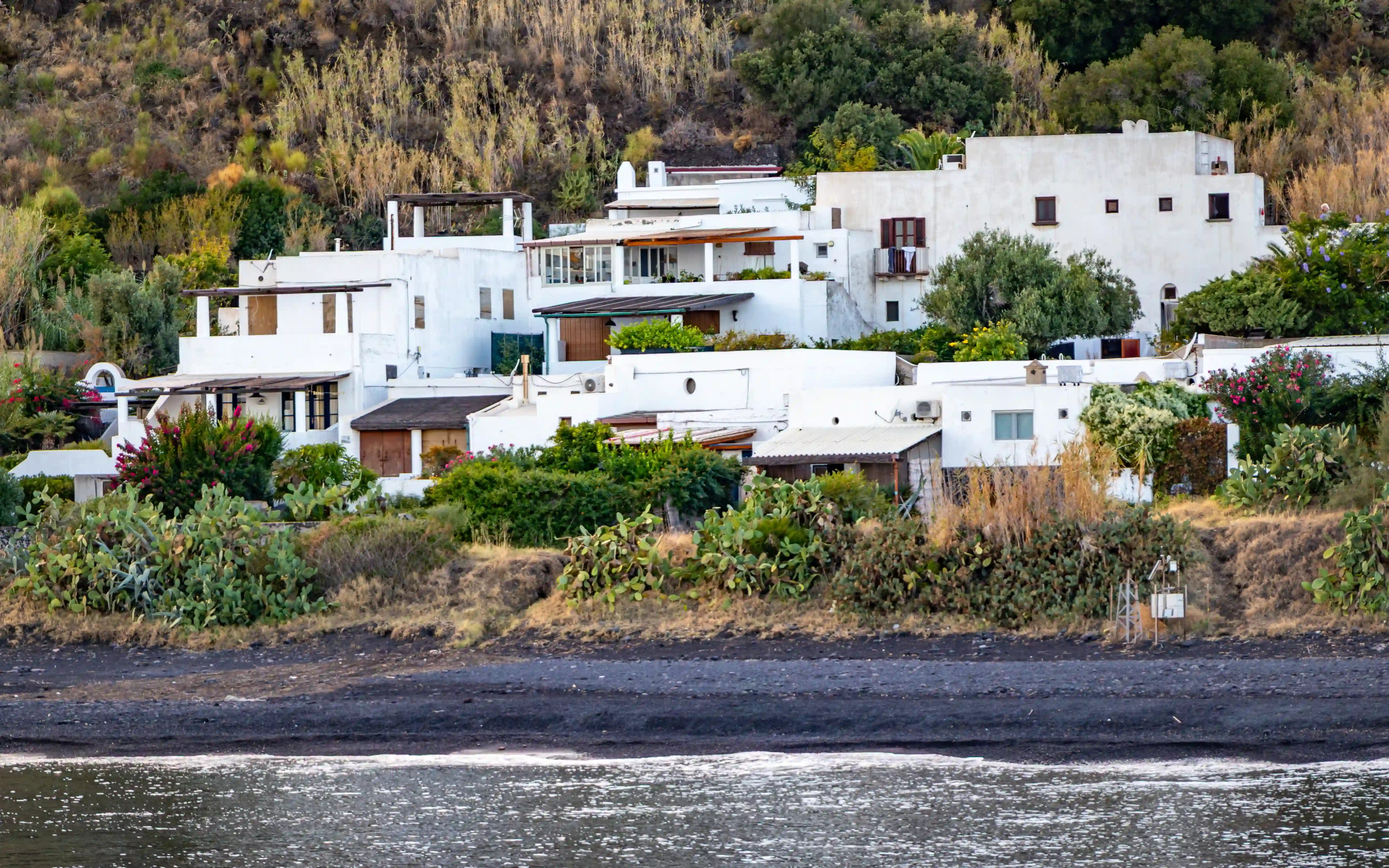
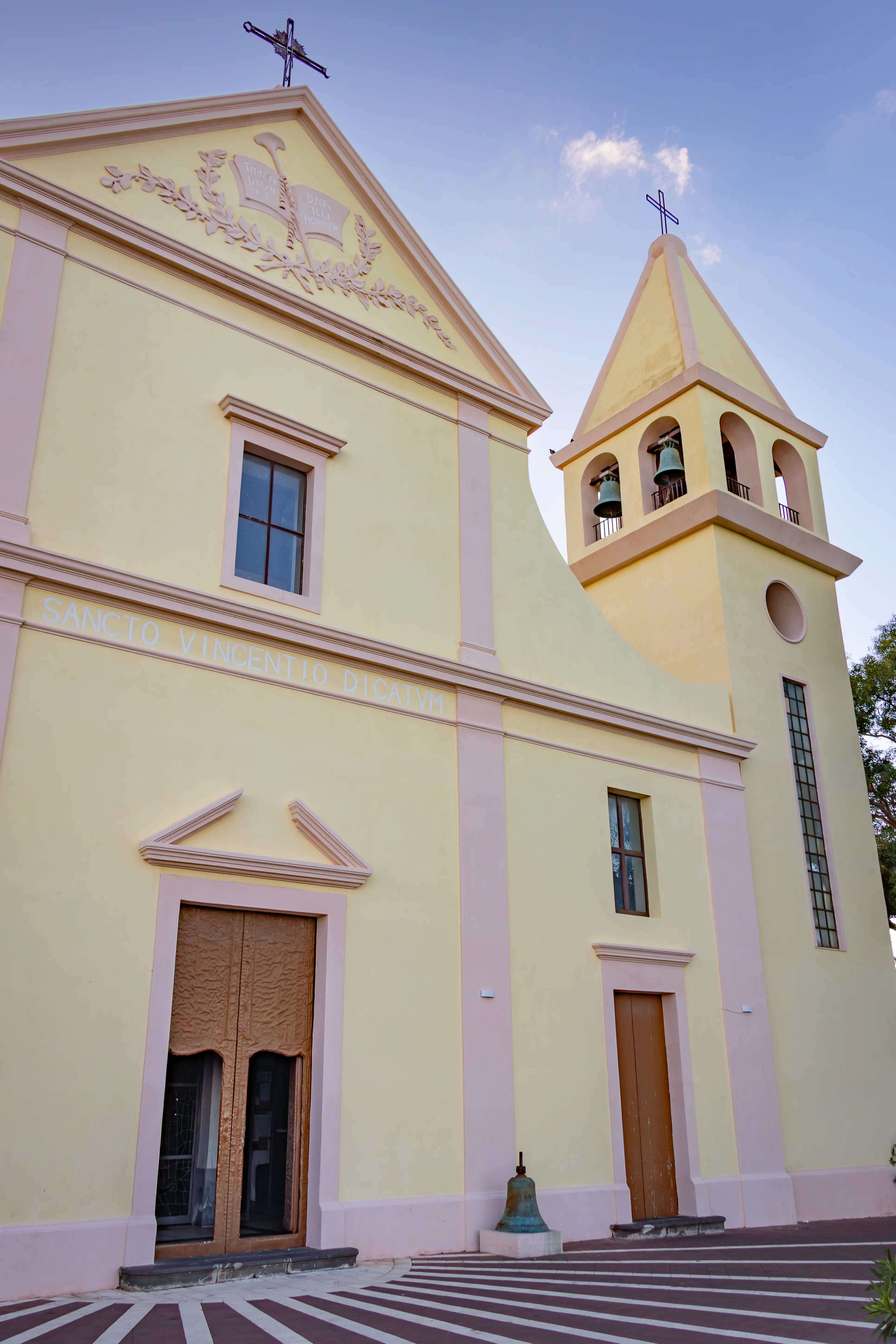
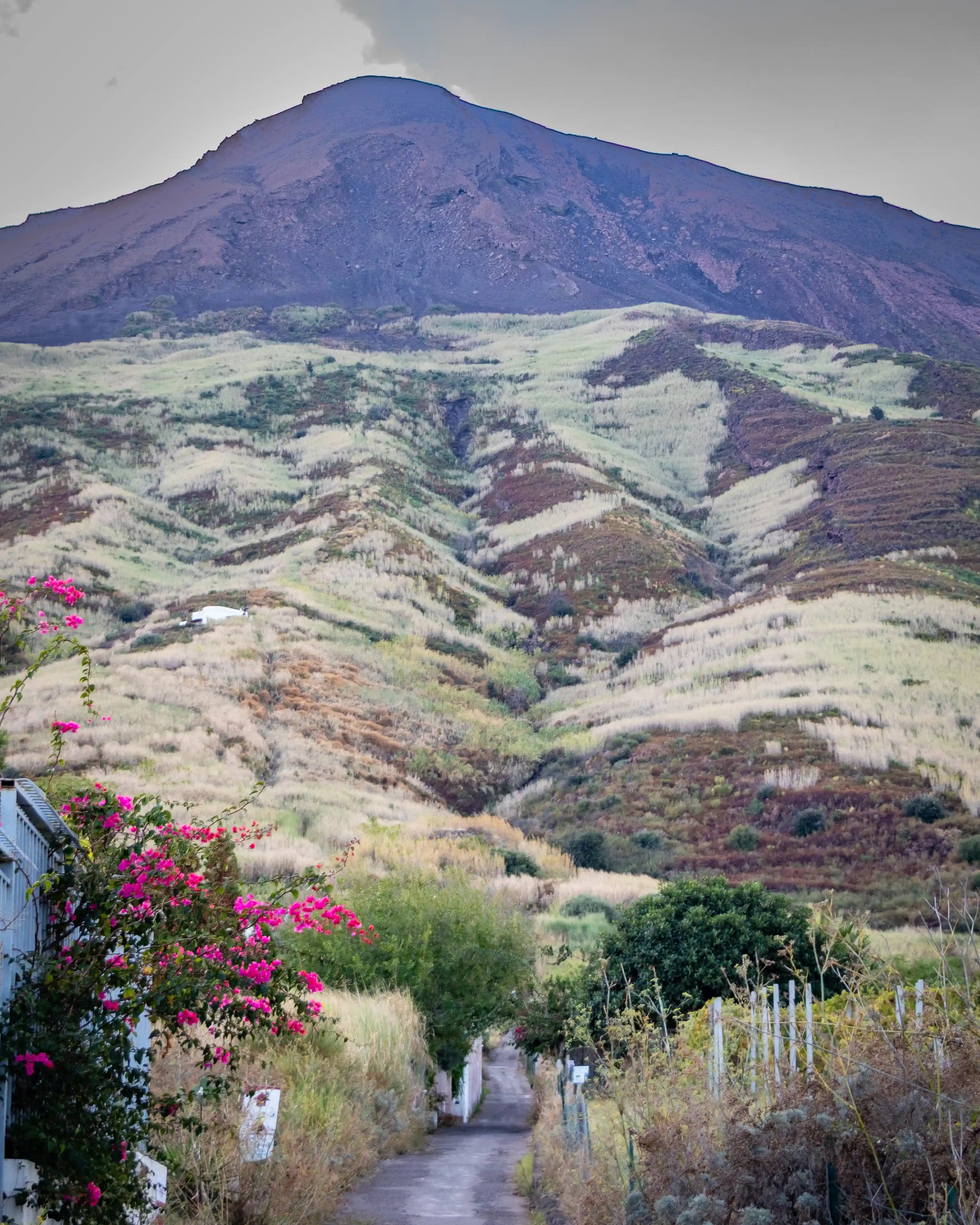
After sunset, we returned to the boat and waited offshore as darkness set in, positioned near the Sciara del Fuoco, the steep slope of volcanic debris where lava flows down toward the sea. Stromboli is known for its regular volcanic activity—often every 15–20 minutes—and as the eruptions began, we watched bursts of lava rise into the air before falling back down the slope. Because of this, it’s often referred to as the “Lighthouse of the Mediterranean,” a reference to the glow visible at night.
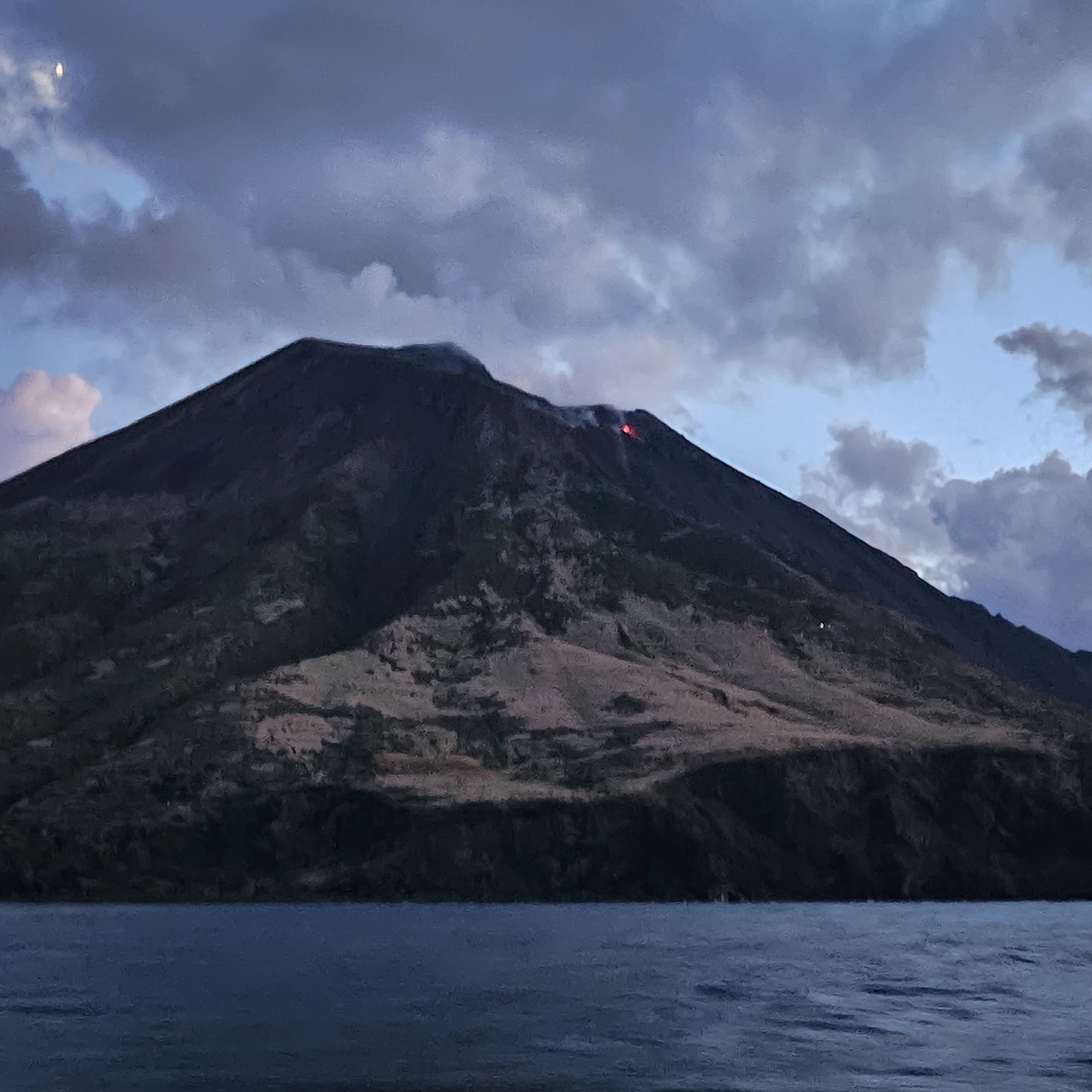
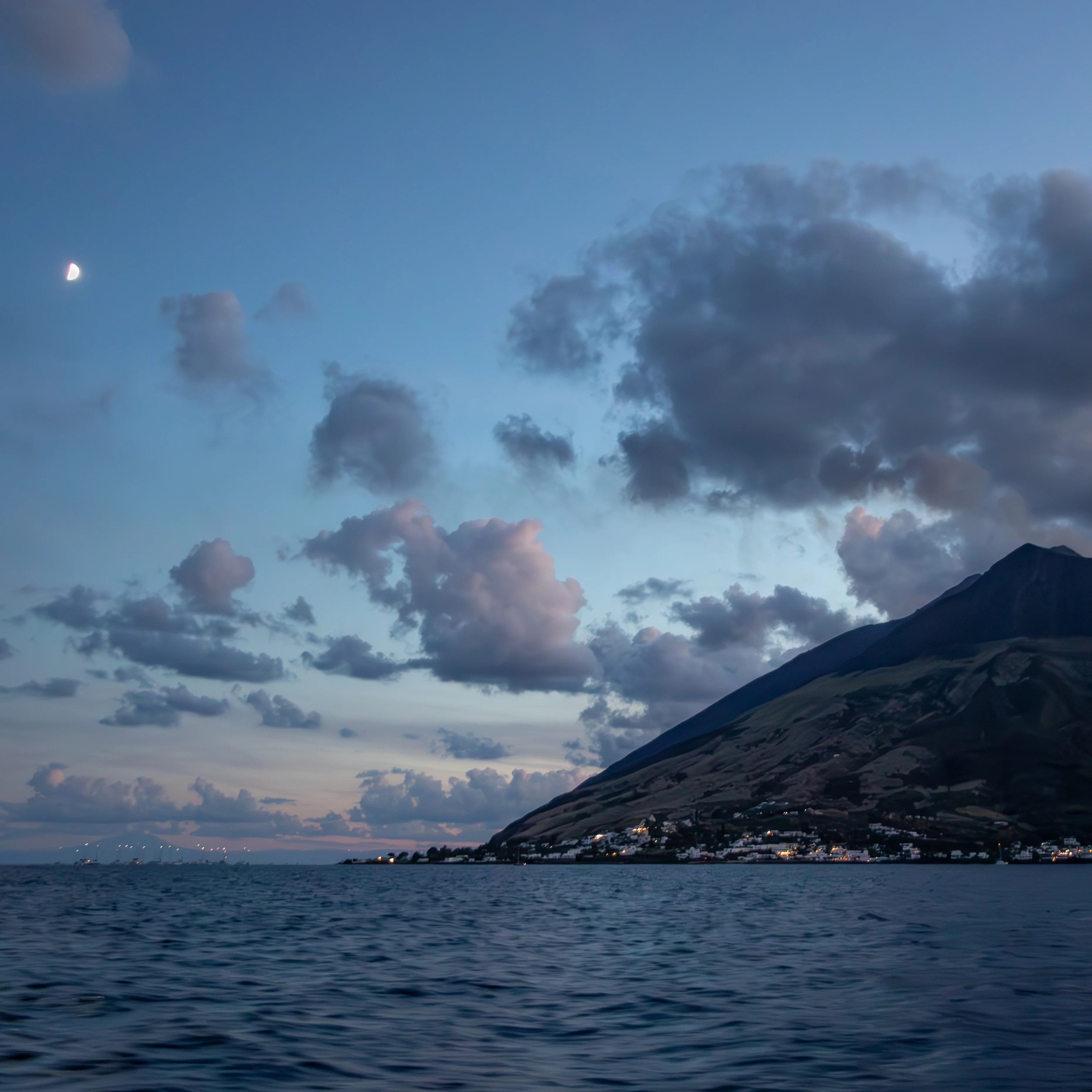
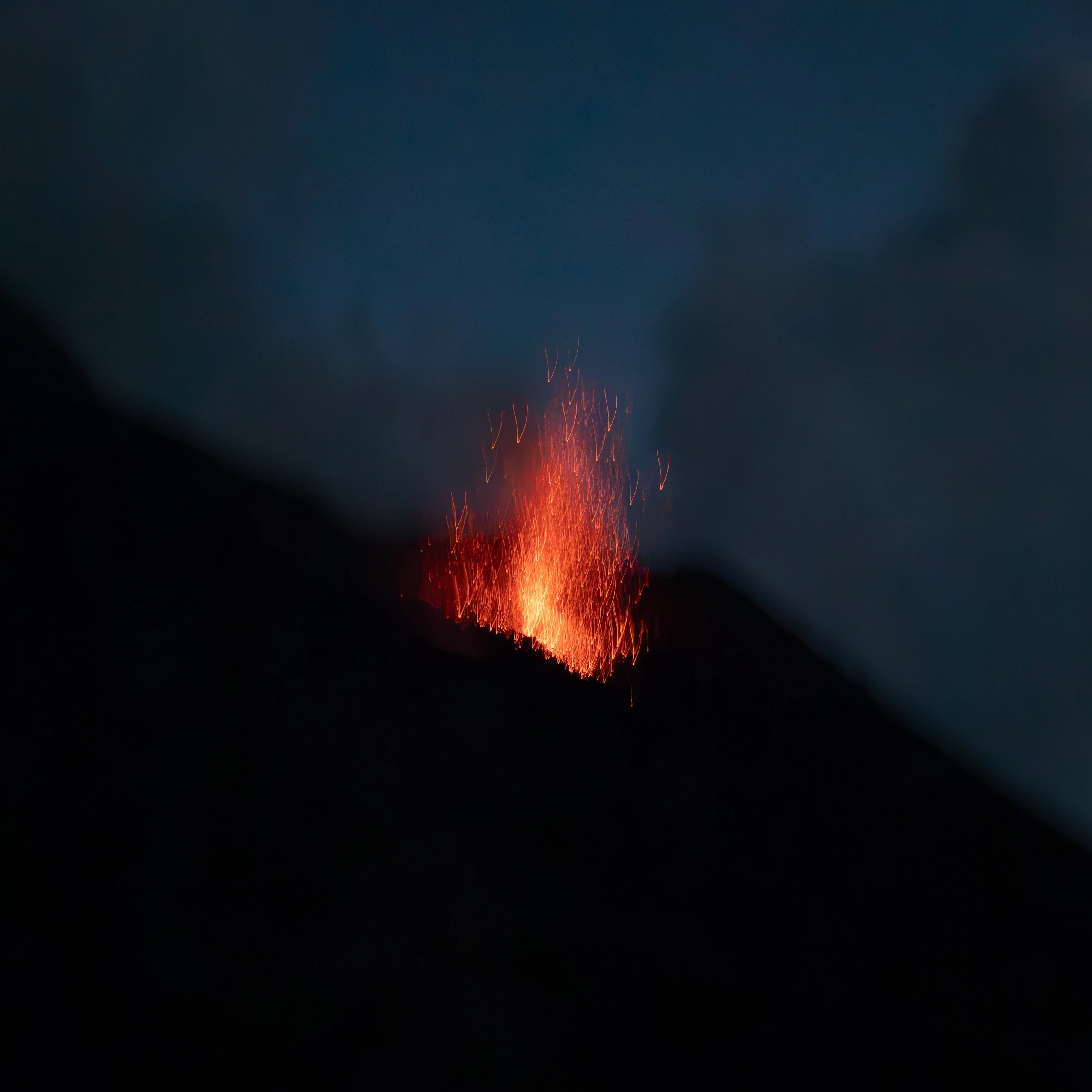
Seeing it from the water in the dark was one of the most memorable parts of the trip, even if capturing it on camera from a moving boat proved difficult.
Final Thoughts
Tropea ended up being the perfect base for this part of Calabria, combining the historic center, the beaches, and easy day trips along the coast and out to the islands. It’s simply beautiful—especially with the clear blue water, unforgettable sunsets and sunrises, and sweeping coastal views—it’s somewhere we’d love to return to someday.
Location & Getting There
Getting to Tropea is fairly straightforward, especially if you’re arriving through Lamezia Terme, the closest airport. We flew in from Stuttgart, and from there it takes about 1 hour and 15 minutes to reach Tropea, whether by car or train.
From there, we had planned to take a pre-booked bus to the nearby train station, but the pickup location wasn’t very clear and signage at the airport was limited.
Rather than risk missing our train, we took a local airport bus just outside the terminal, which runs regularly and took us directly to the train station. From there, we continued on to Tropea by train. The train was straightforward and easy—we used the Trenitalia app to check schedules and tickets—and overall, this ended up being a simple and reliable way to get there. Based on our experience, we would recommend the train over private shuttles, which were significantly more expensive when we looked into them.
Once in Tropea, getting around is very easy on foot, especially within the historic center. We also used the train for a day trip to Pizzo, which made exploring the area without a car very manageable. Since we stayed a bit outside of town for most of the trip, the hotel shuttle made it easy to get back and forth between our hotel, the historic center, and the beaches.
More to See and Do
If you have extra time, here are a few additional places to consider:
- Cantina Masicei – A chance to experience local Calabrian wines just outside of Tropea, with tastings that highlight regional grapes and production methods.
- Reggio Calabria – Visit the National Archaeological Museum of Reggio Calabria to see the famous Riace Bronzes, then walk the seafront promenade overlooking Sicily.
- Scilla – A picturesque coastal town known for its connection to the myth of Scylla and for the fishing district of Chianalea di Scilla, where houses sit directly along the water. It pairs well with a visit to Reggio Calabria.
- Sicily – Just across the Strait of Messina, Sicily is an easy addition to the itinerary, with Messina as a starting point and destinations like Taormina offering a historic setting with views of Mount Etna and the coastline.
Have you visited Tropea or explored this part of southern Italy? I’d love to hear what stood out to you or answer any questions—feel free to share in the comments below.


Leave a reply to mayakory Cancel reply