Some trips begin with a destination in mind. This one started with a concert.
When NOFX announced their final tour stop in Augsburg, it felt like the perfect excuse to plan something bigger. From there, one idea led to another: continuing south into the Alps, spending time around Berchtesgaden and Hallstatt, and eventually slowing down in Salzburg before moving on to places like Eisriesenwelt, Burg Hohenwerfen, and the lakes near Königssee.
This first part of our journey follows that opening stretch—from Augsburg into Austria—combining a punk rock concert with time in the Alps, a historic salt mine, and several days exploring Salzburg before continuing deeper into the mountains.
Augsburg: One of Germany’s Oldest Cities
We began in Augsburg, one of Germany’s oldest cities, founded as a Roman settlement at the meeting point of important trade routes between Italy and northern Europe. Located in Bavaria, just north of the Alps, Augsburg’s long history is still easy to see today in its churches, historic waterways, and compact old town.
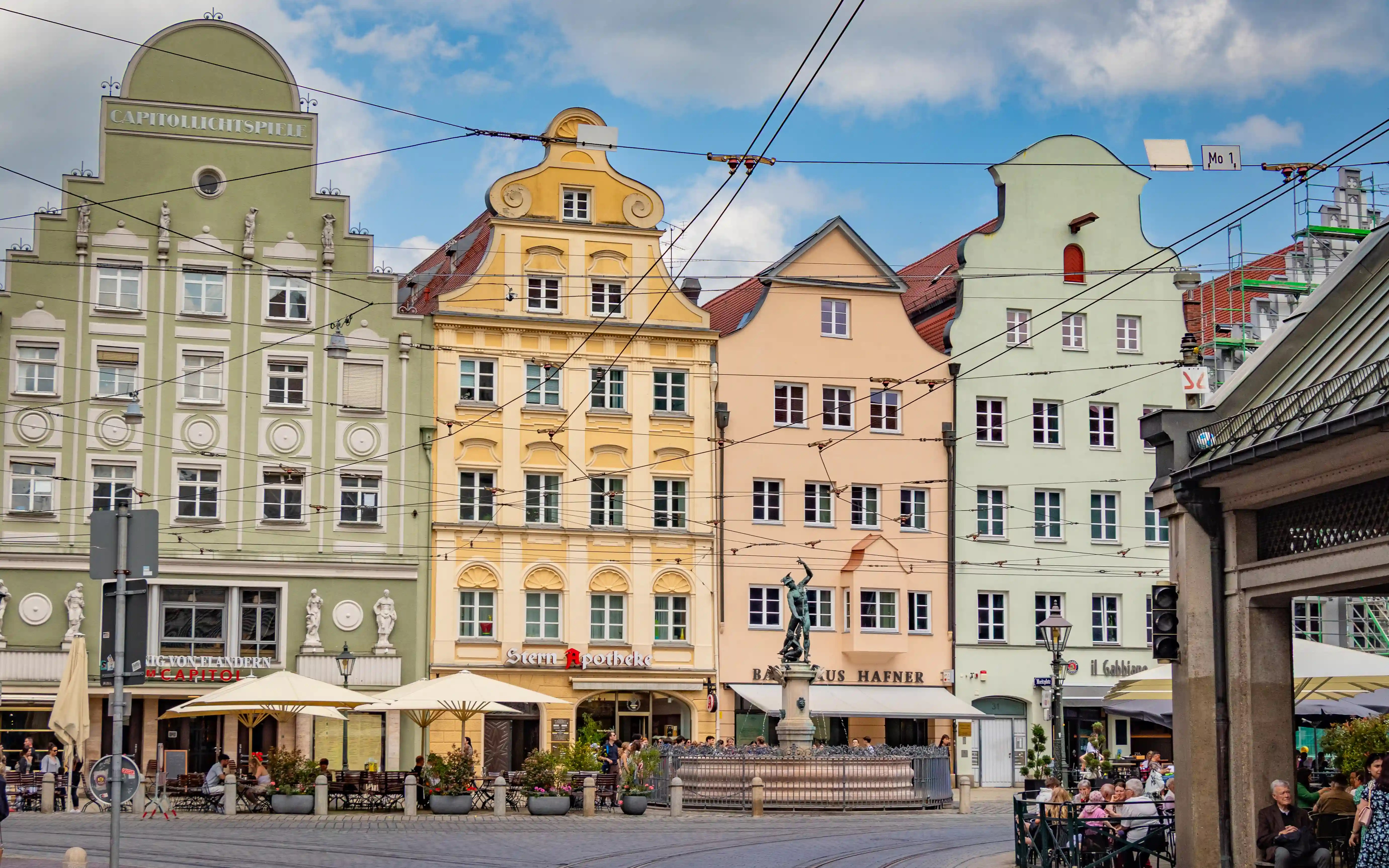
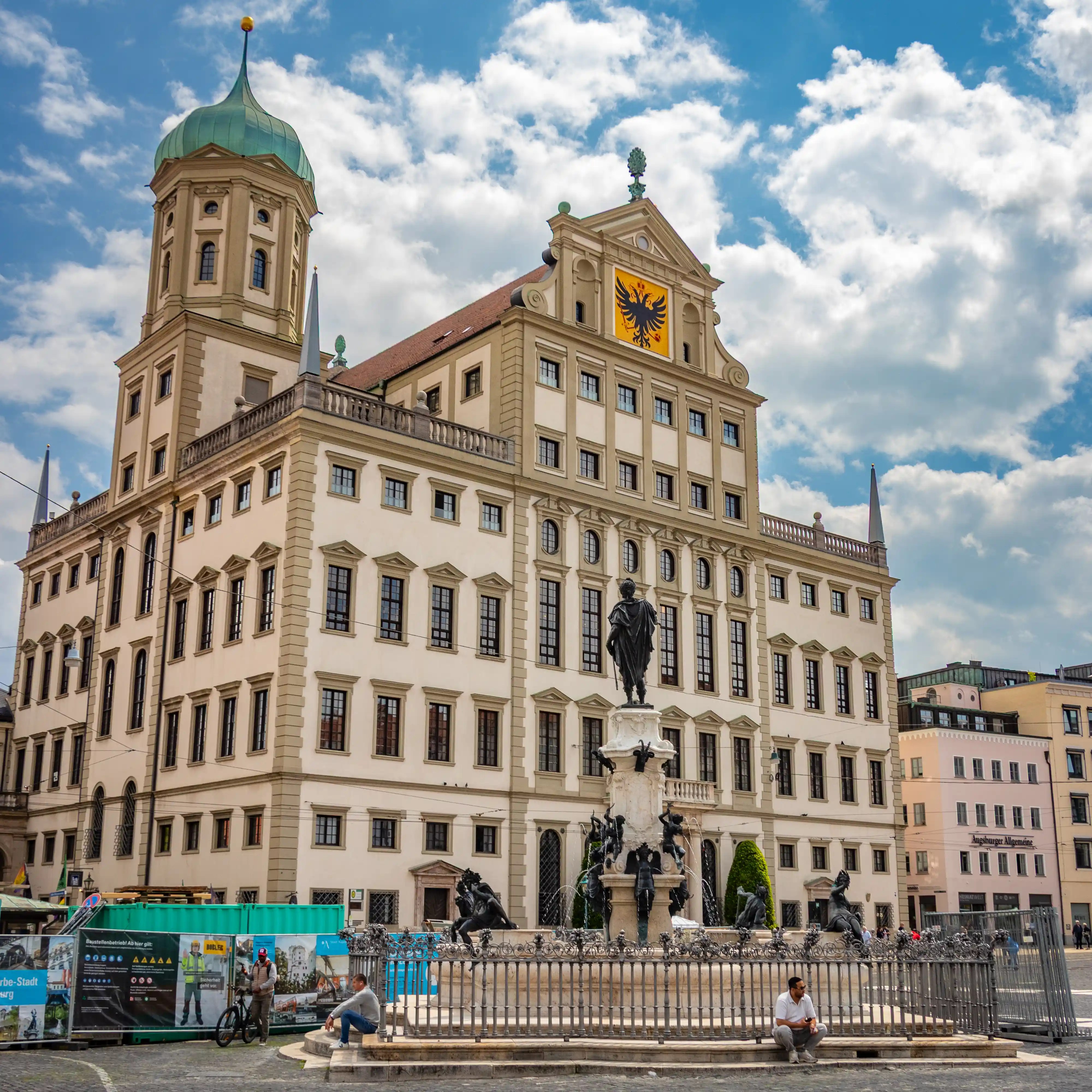
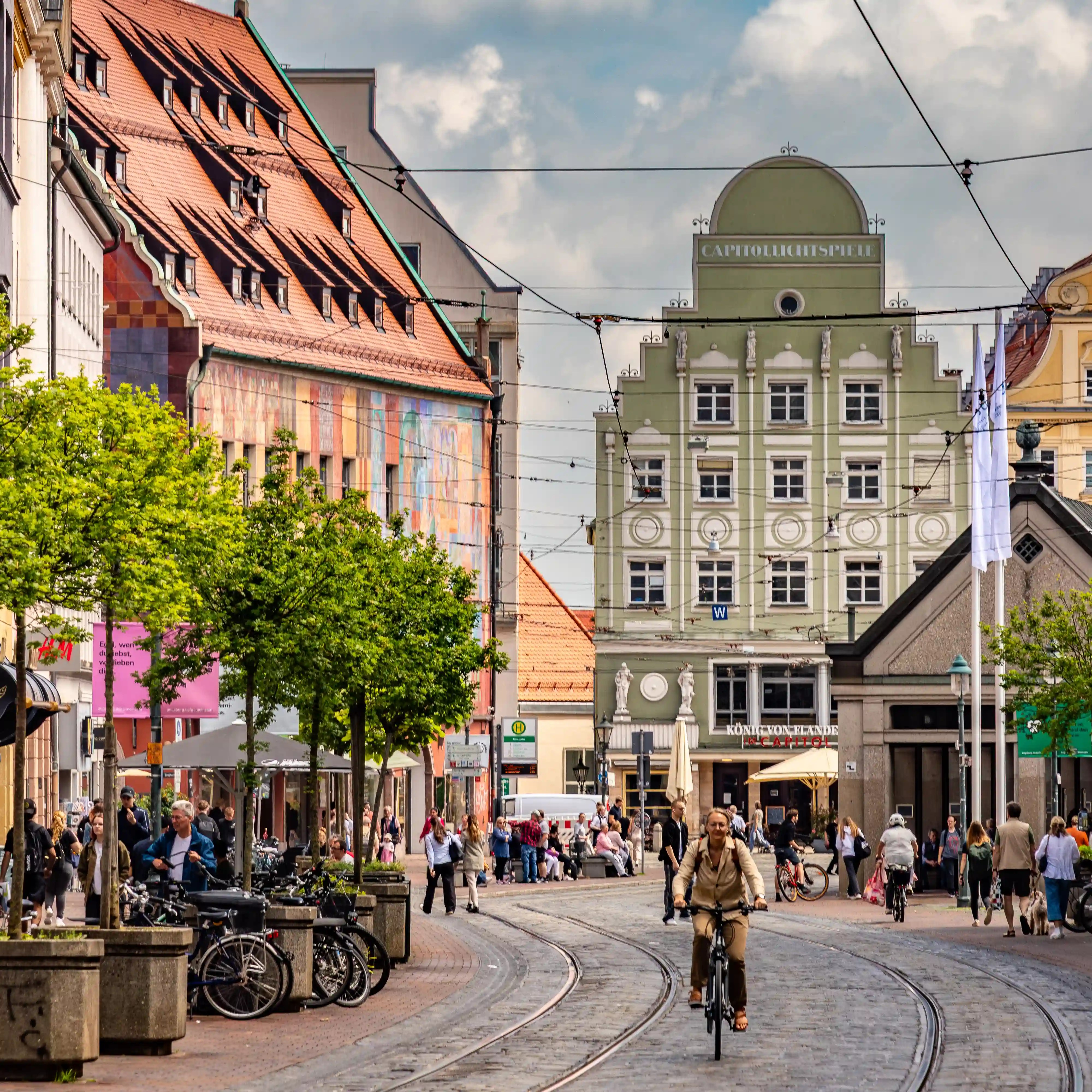
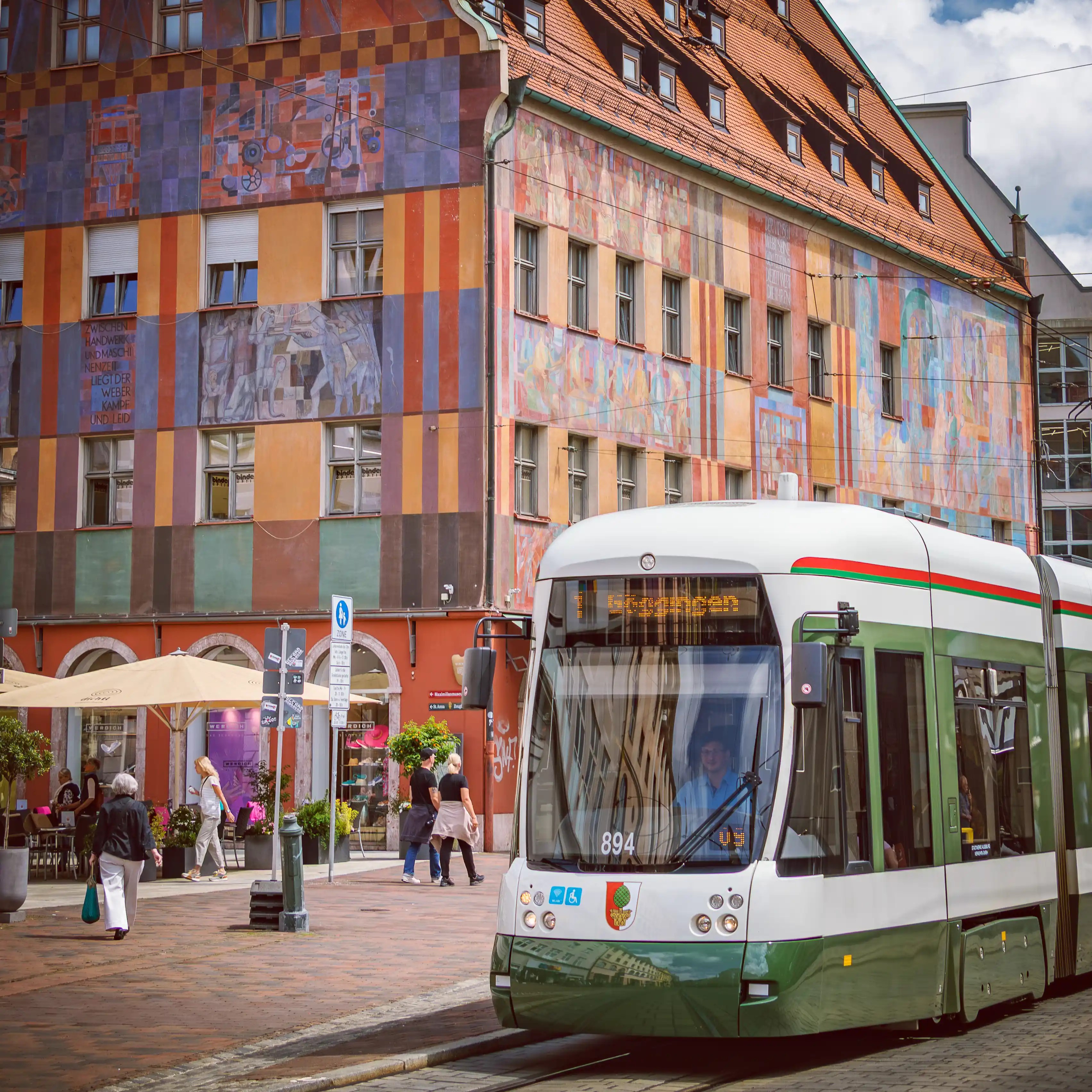
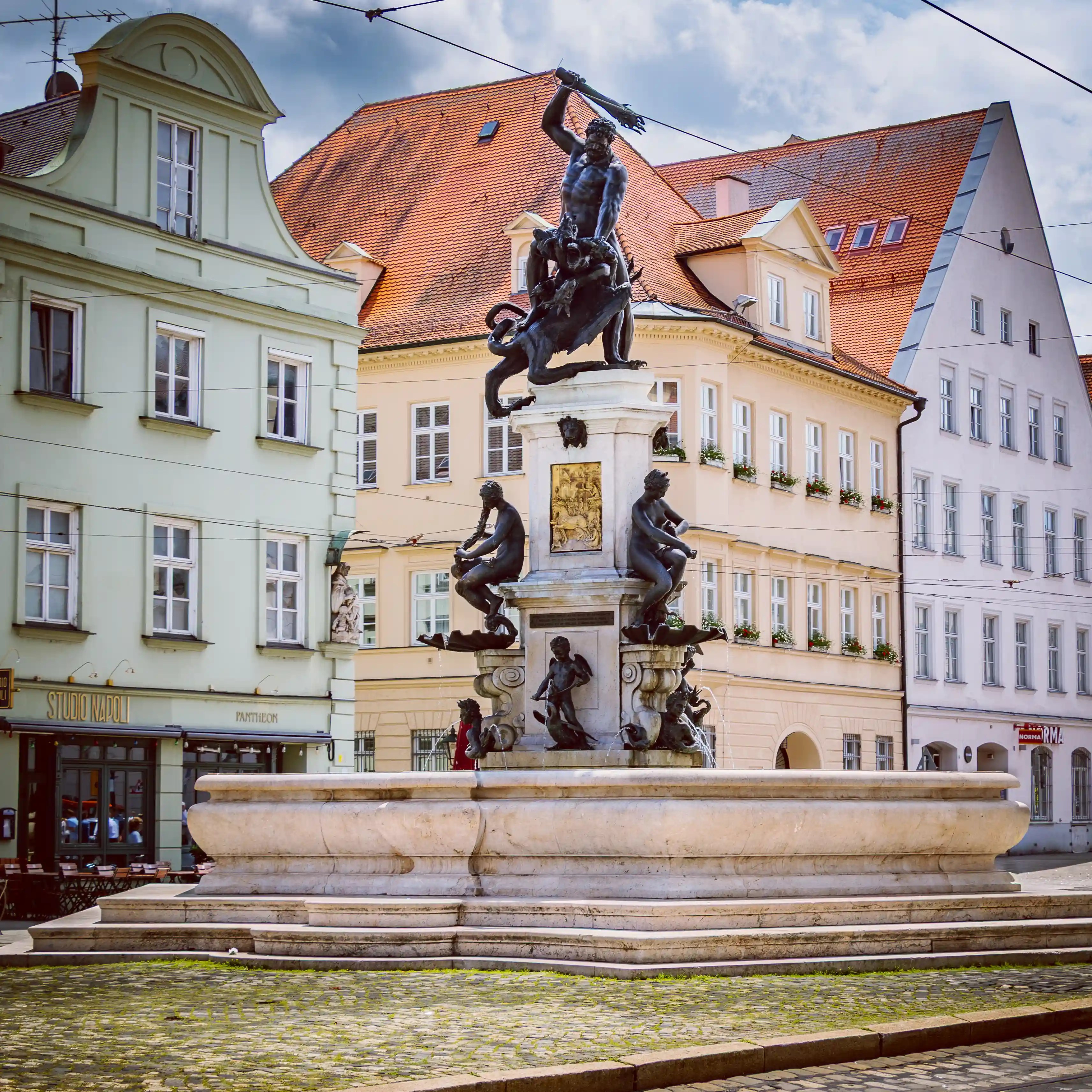
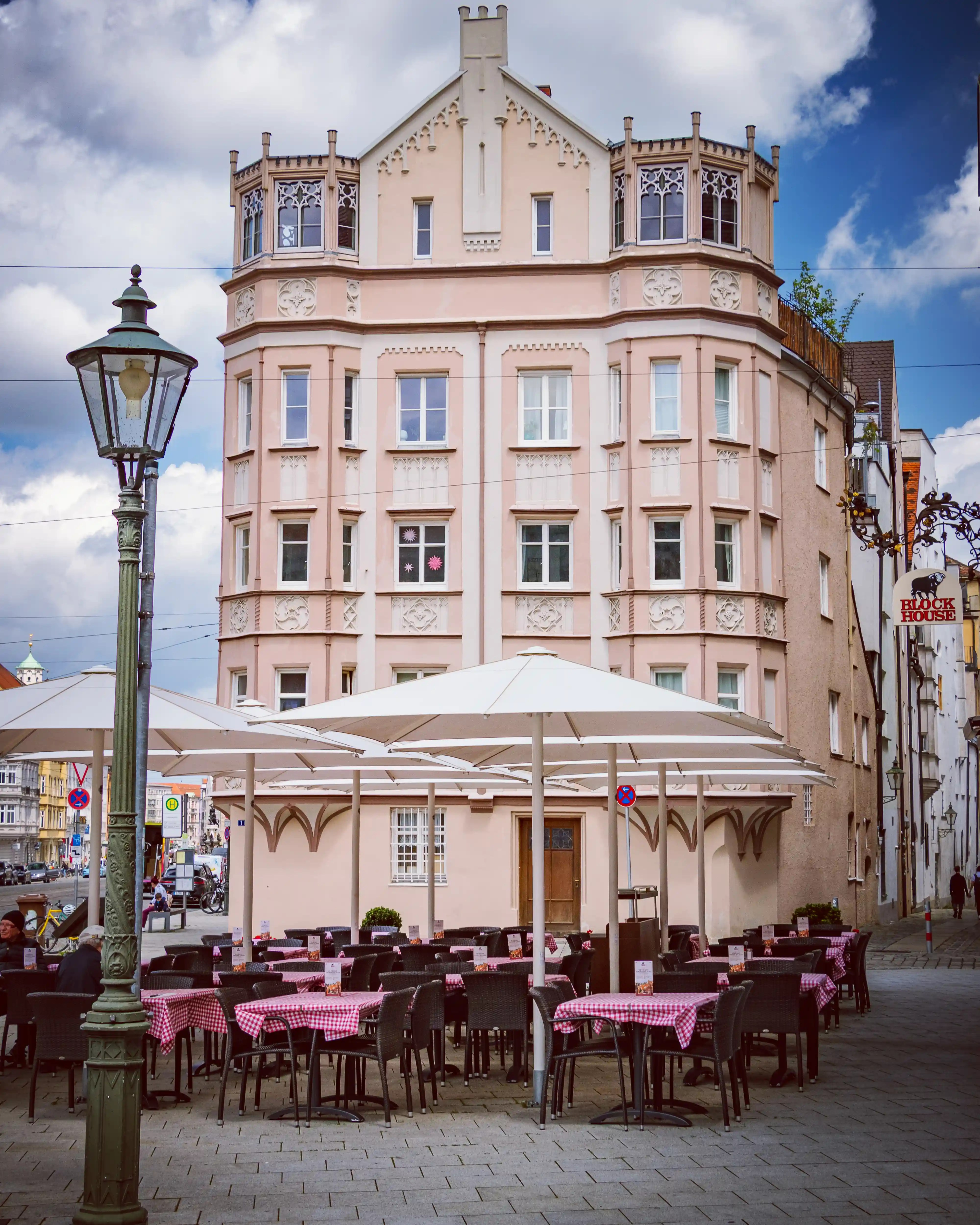
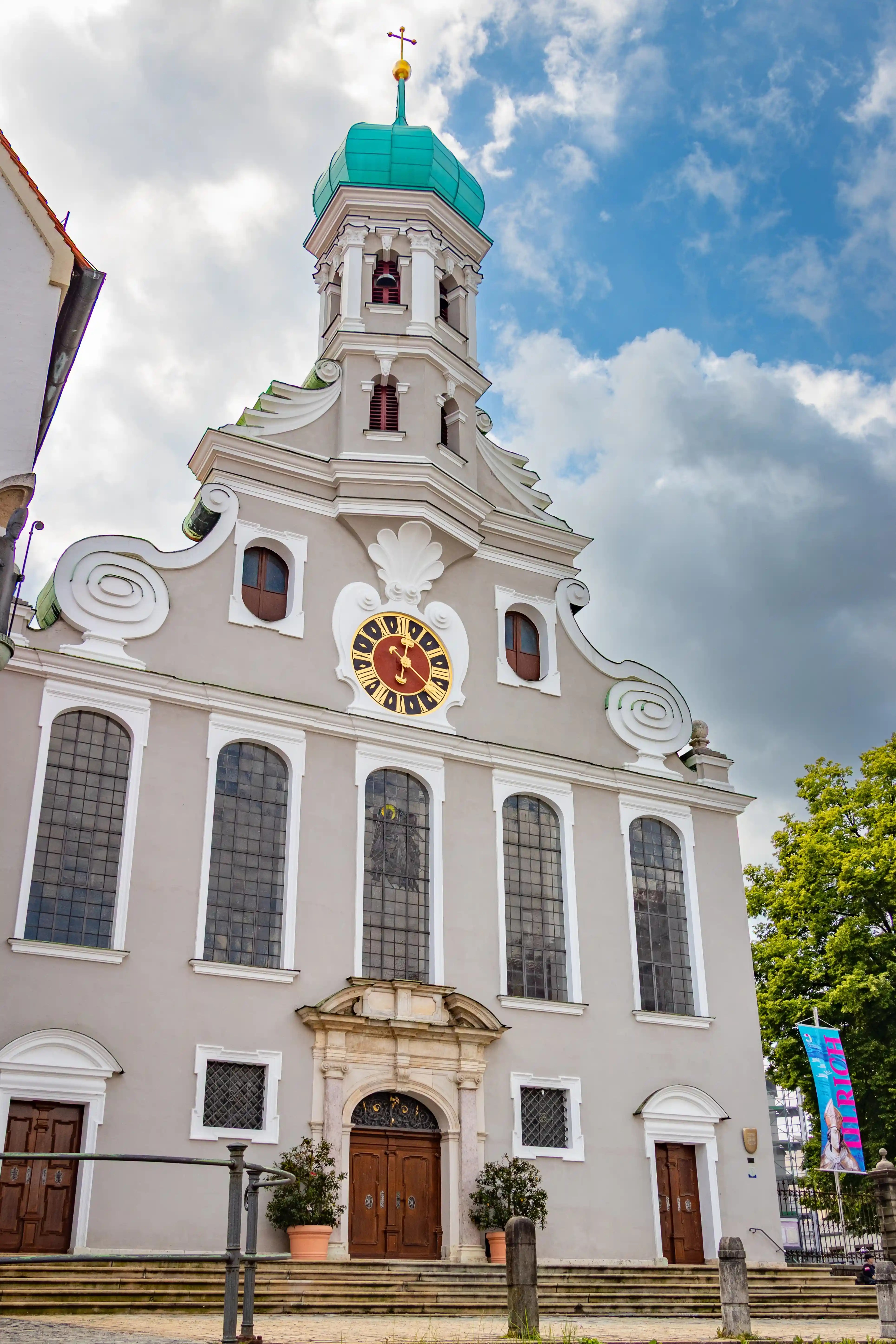
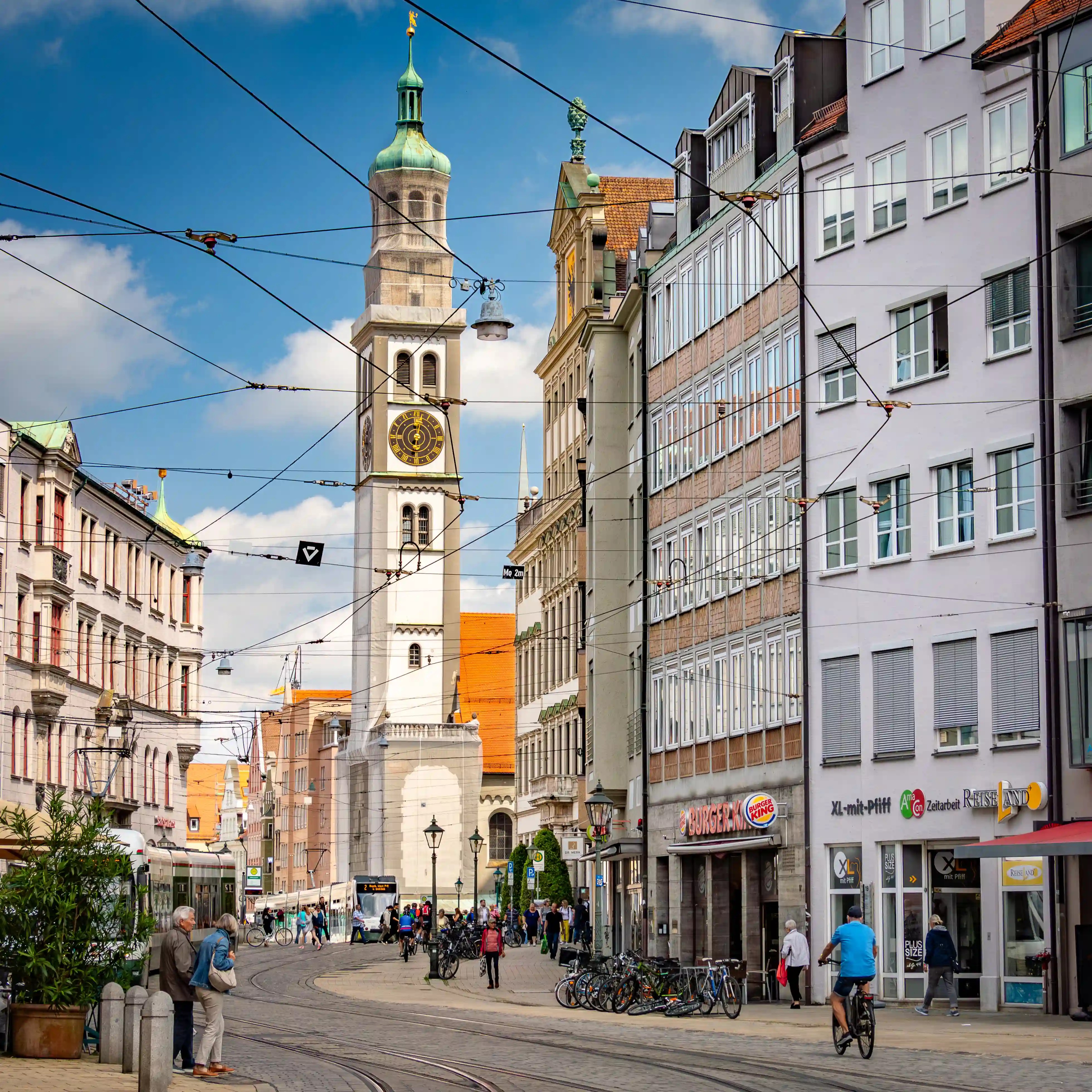
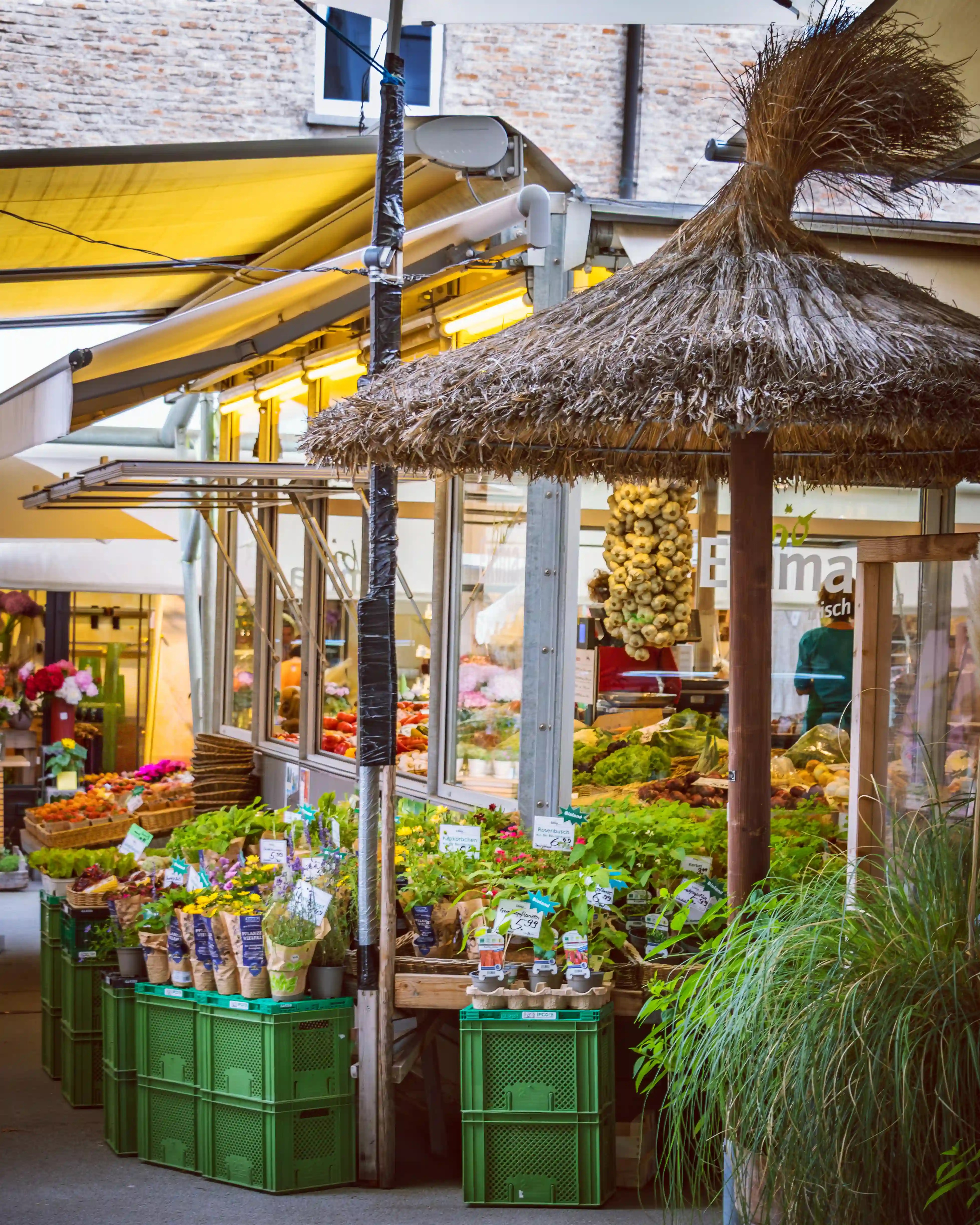
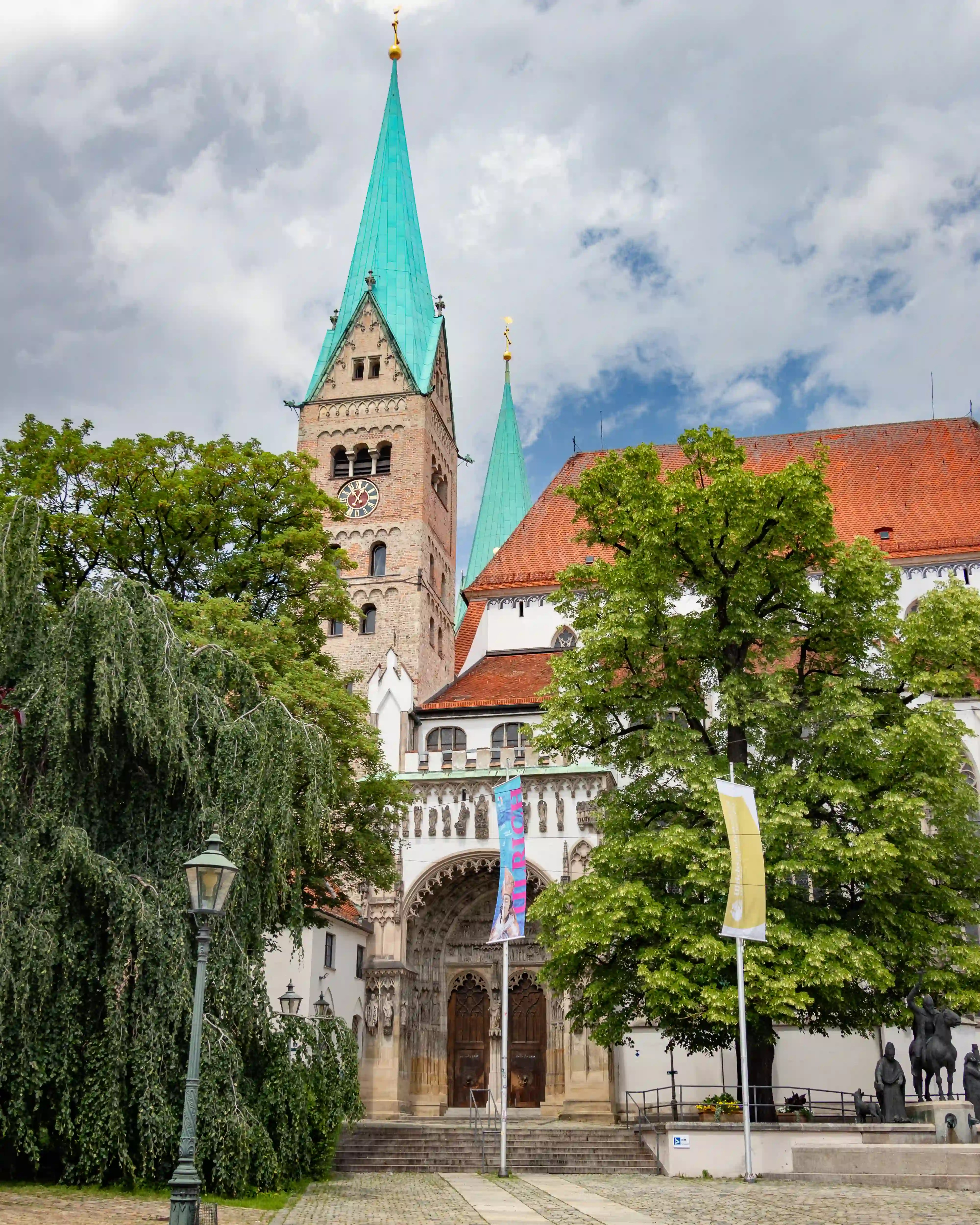
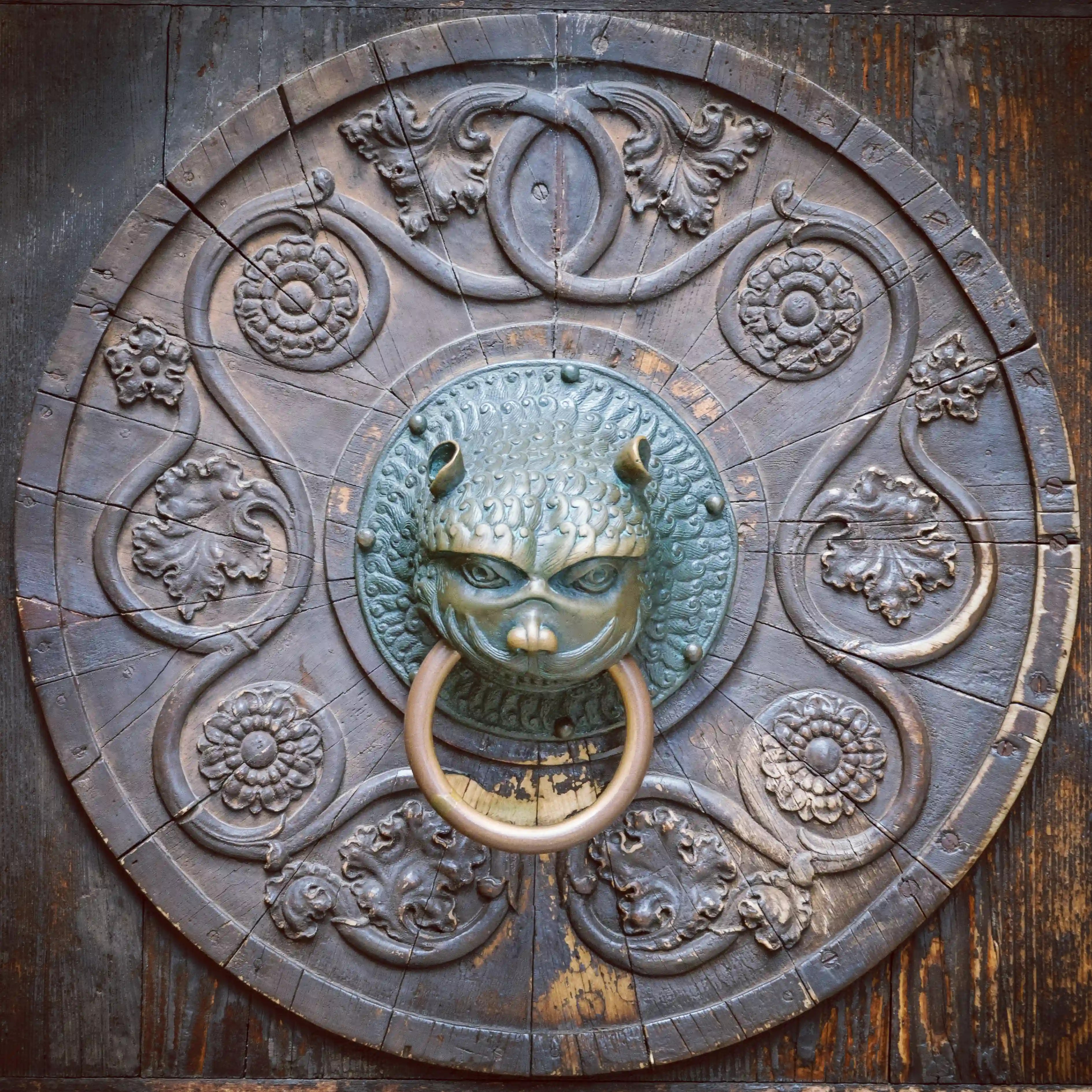
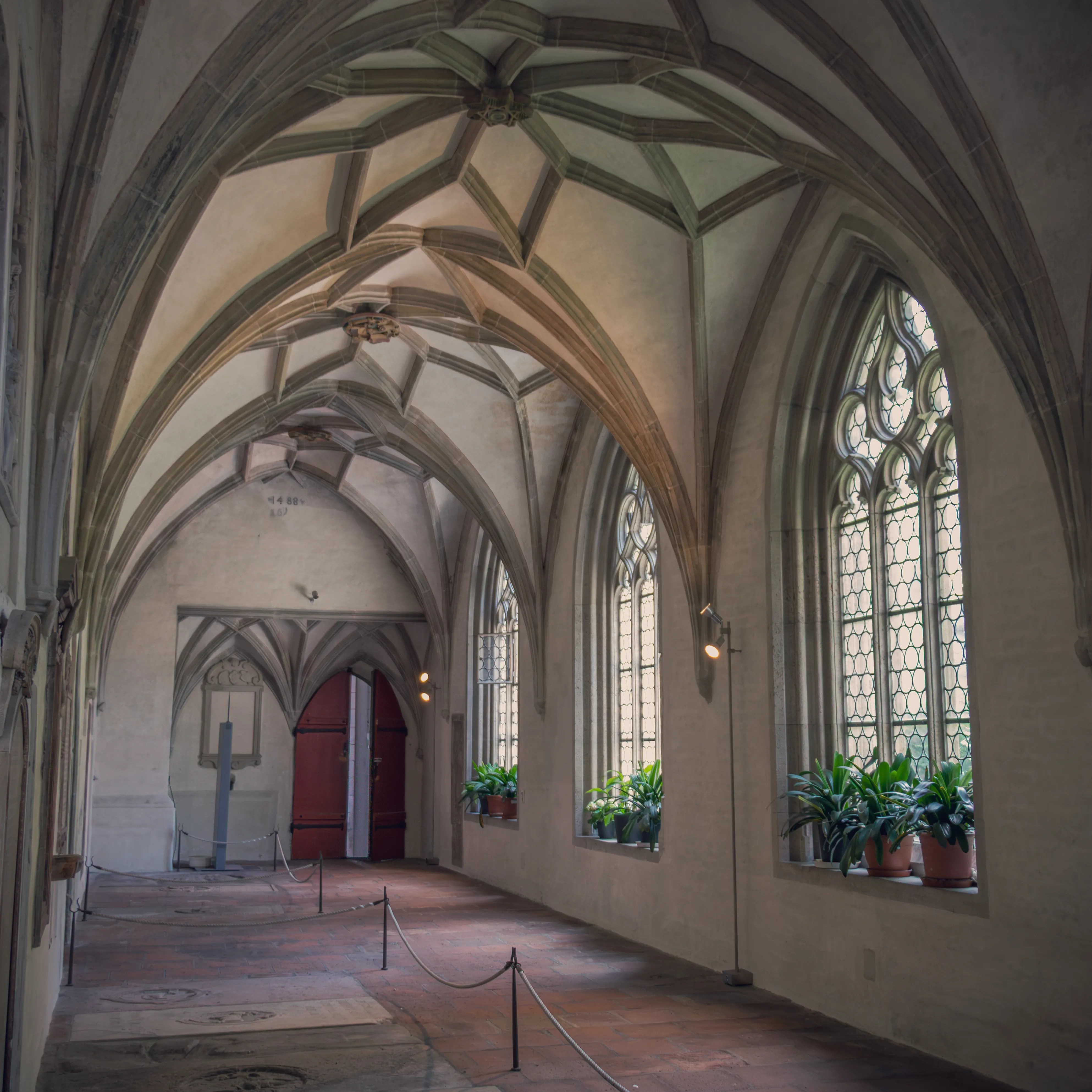
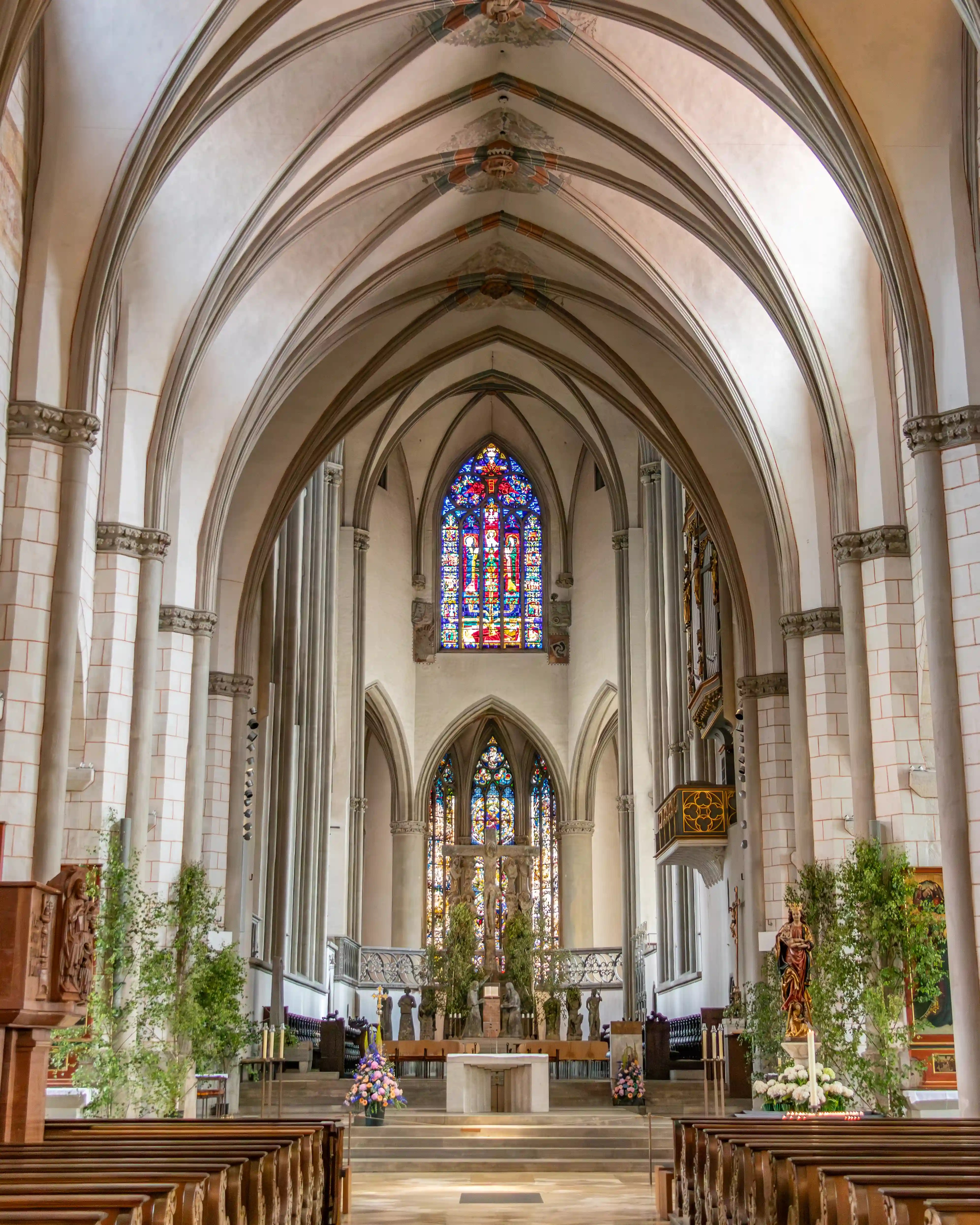
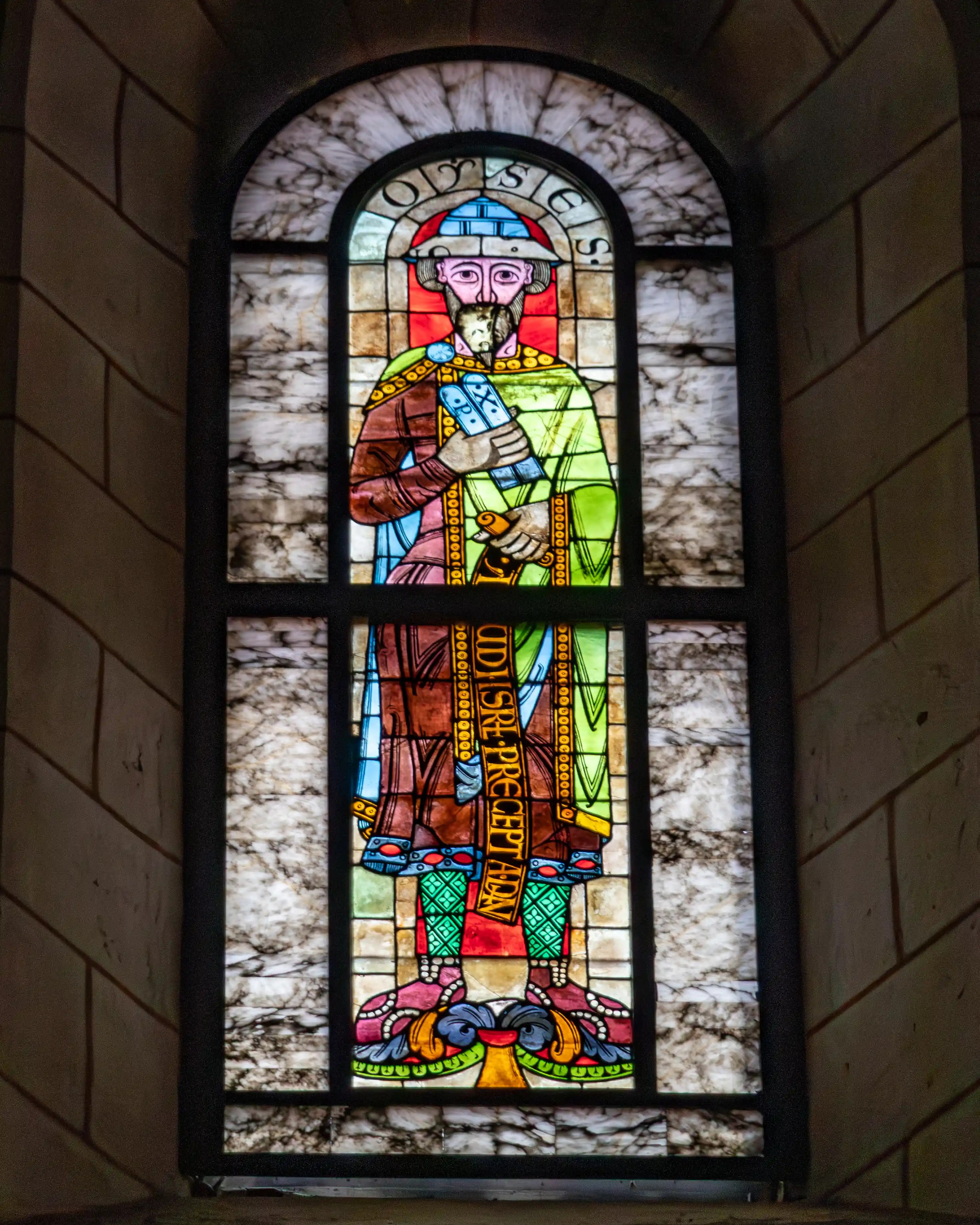
One of our first stops was the Cathedral of Augsburg (Augsburger Dom). The cathedral is especially known for its stained glass windows depicting Old Testament prophets, which date to the late 11th and early 12th centuries and are the oldest surviving stained glass windows in Germany. Standing beneath them, it’s hard not to notice how vibrant and colorful they still are after nearly a thousand years.
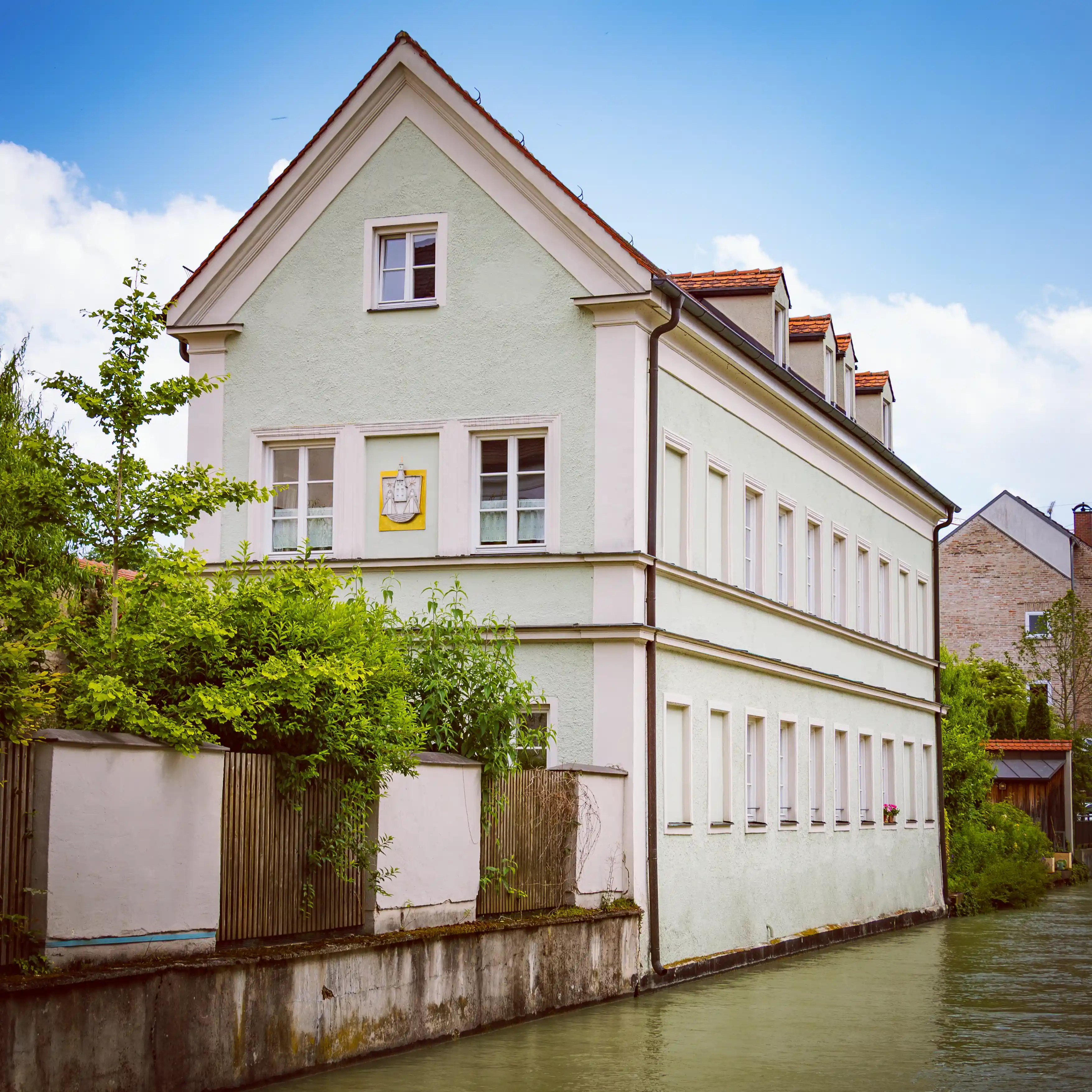
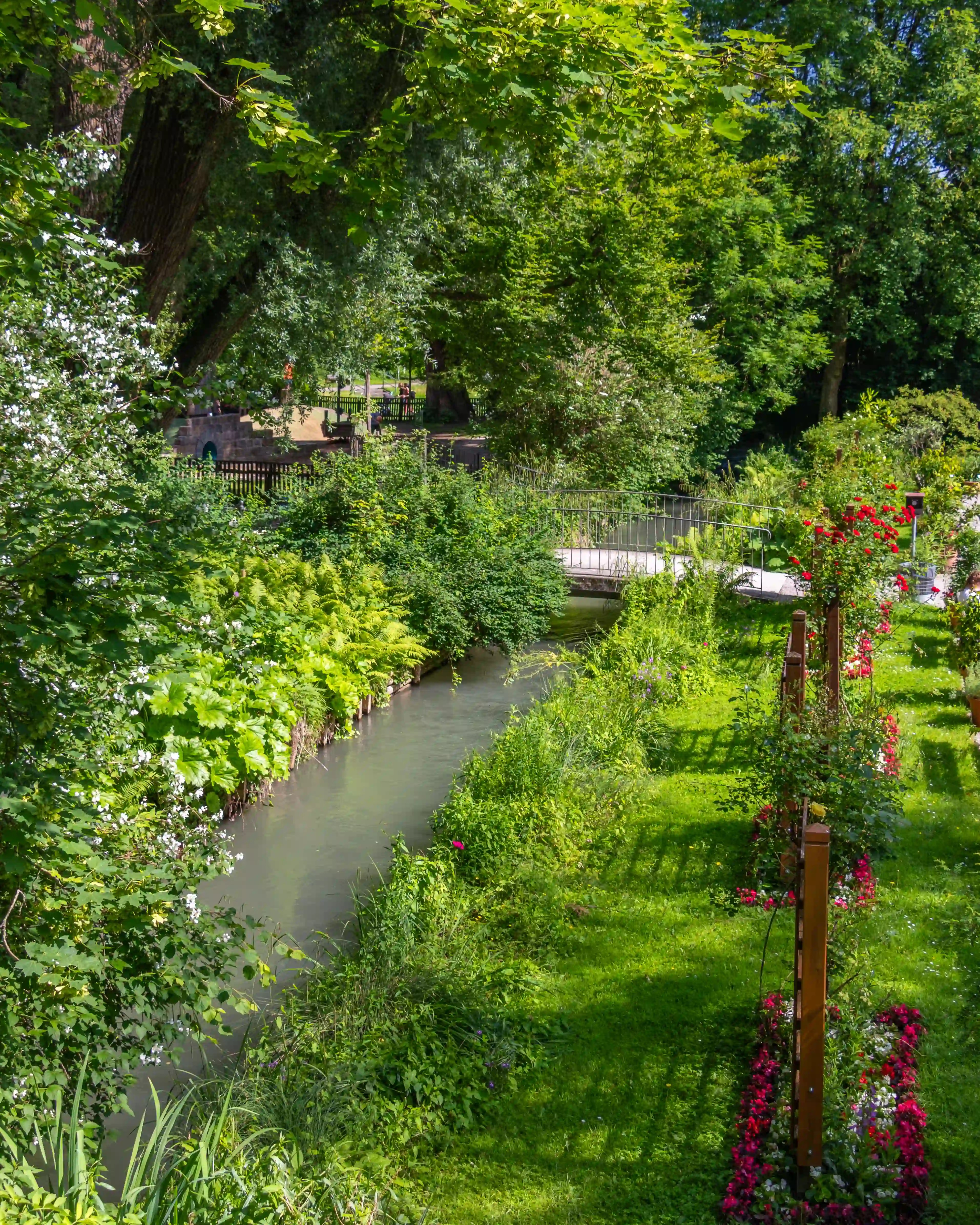
Wandering along the Lech canals (Lechkanäle) offered a quieter contrast. Part of Augsburg’s historic water management system and now a UNESCO World Heritage Site, the canals continue to run through the city, often right beside narrow streets and old houses.
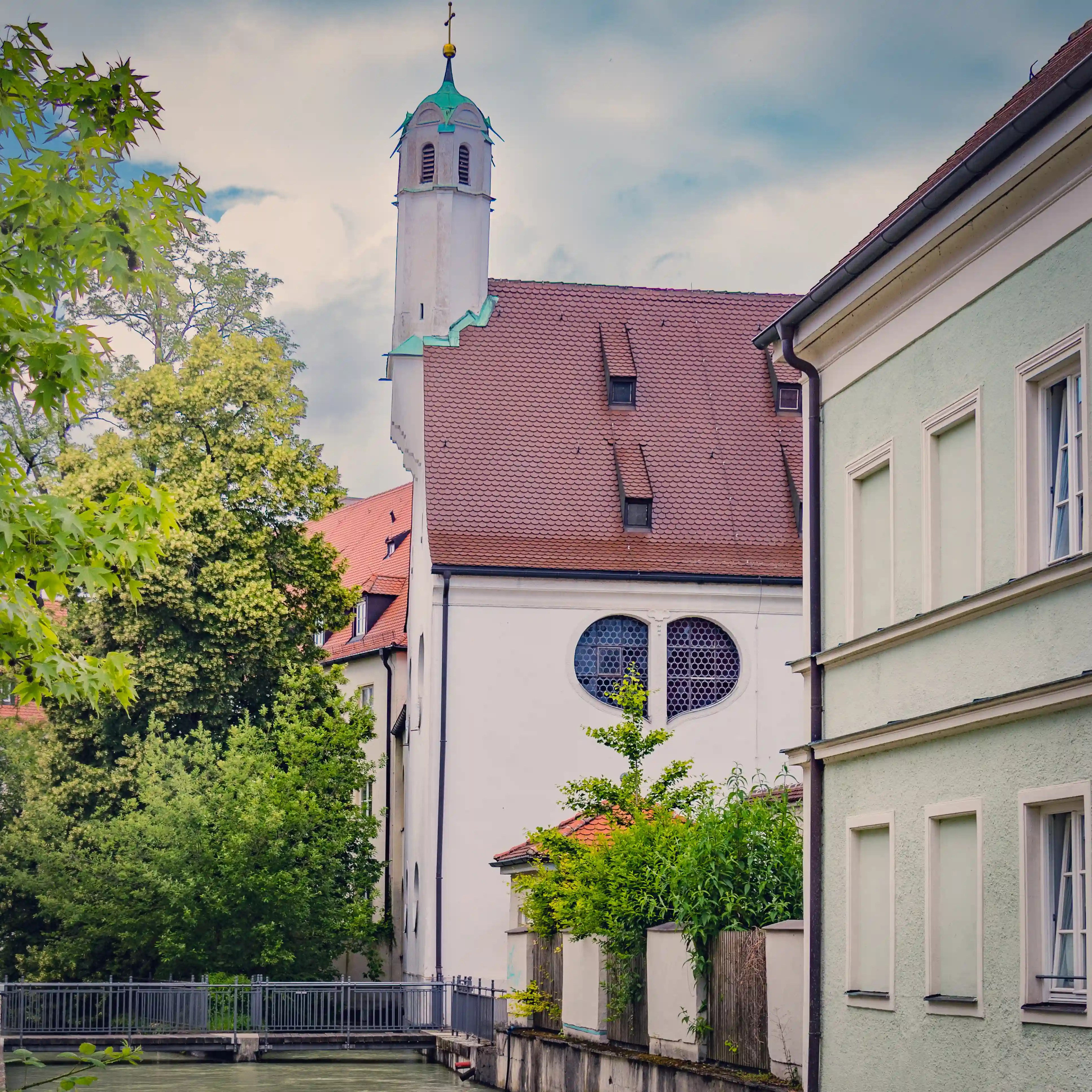
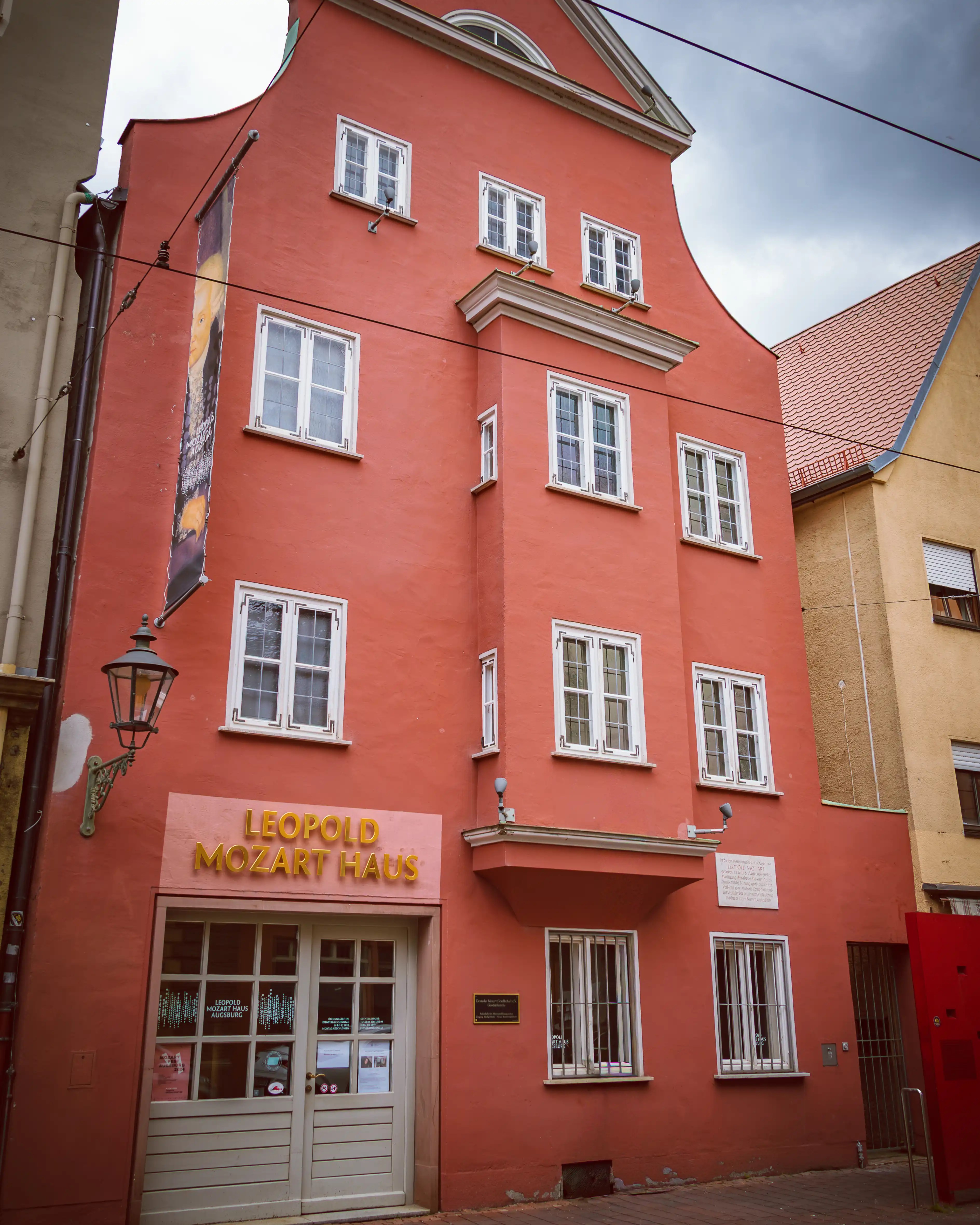
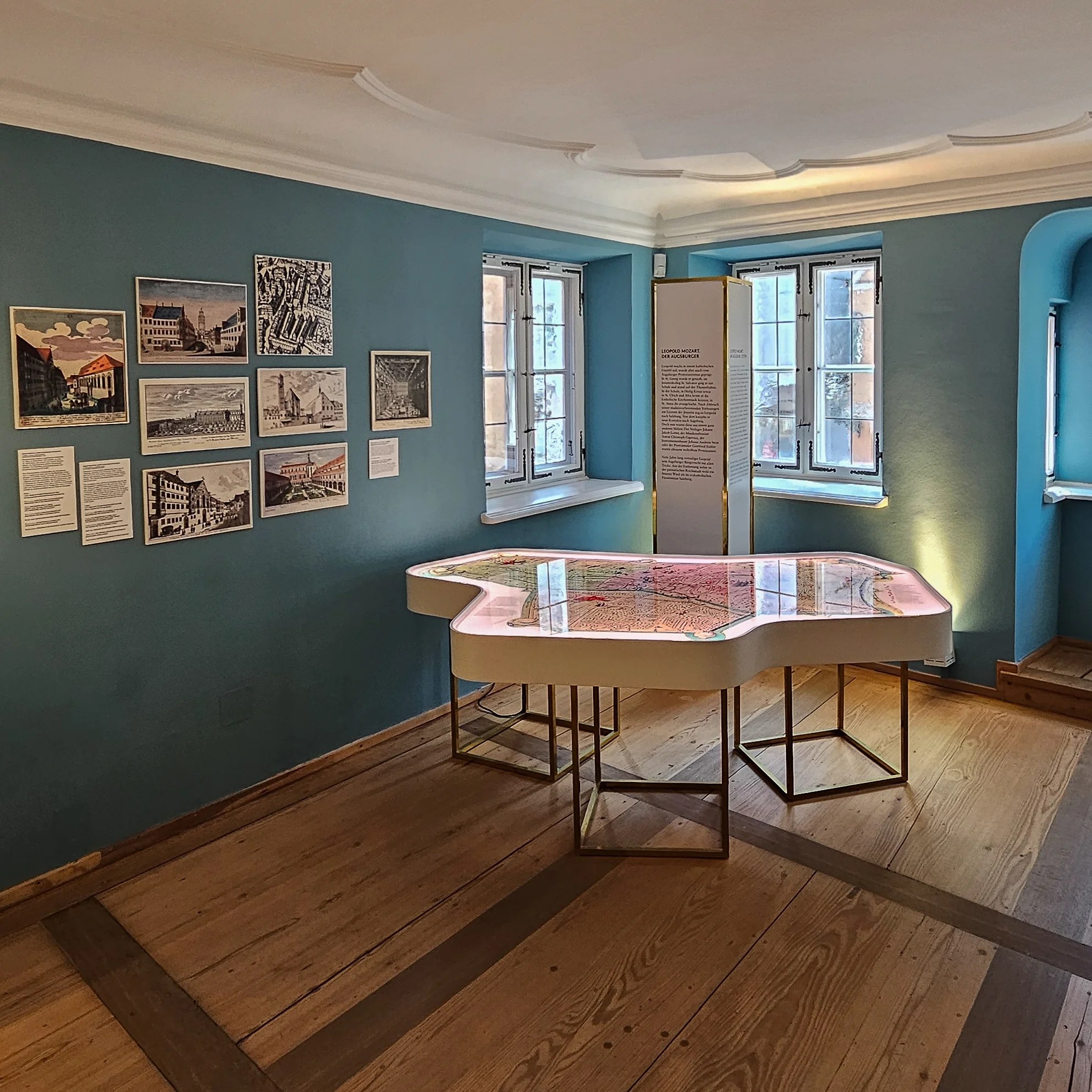
We also visited the Leopold Mozart House, where Leopold Mozart—father of Wolfgang Amadeus Mozart—was born. While Wolfgang himself was born in Salzburg, Augsburg’s connection to the Mozart family adds an interesting layer to the story before heading west.
Our time in Augsburg was brief, but it was enough to leave us wanting to return. There’s far more to see here than can fit into a single day.
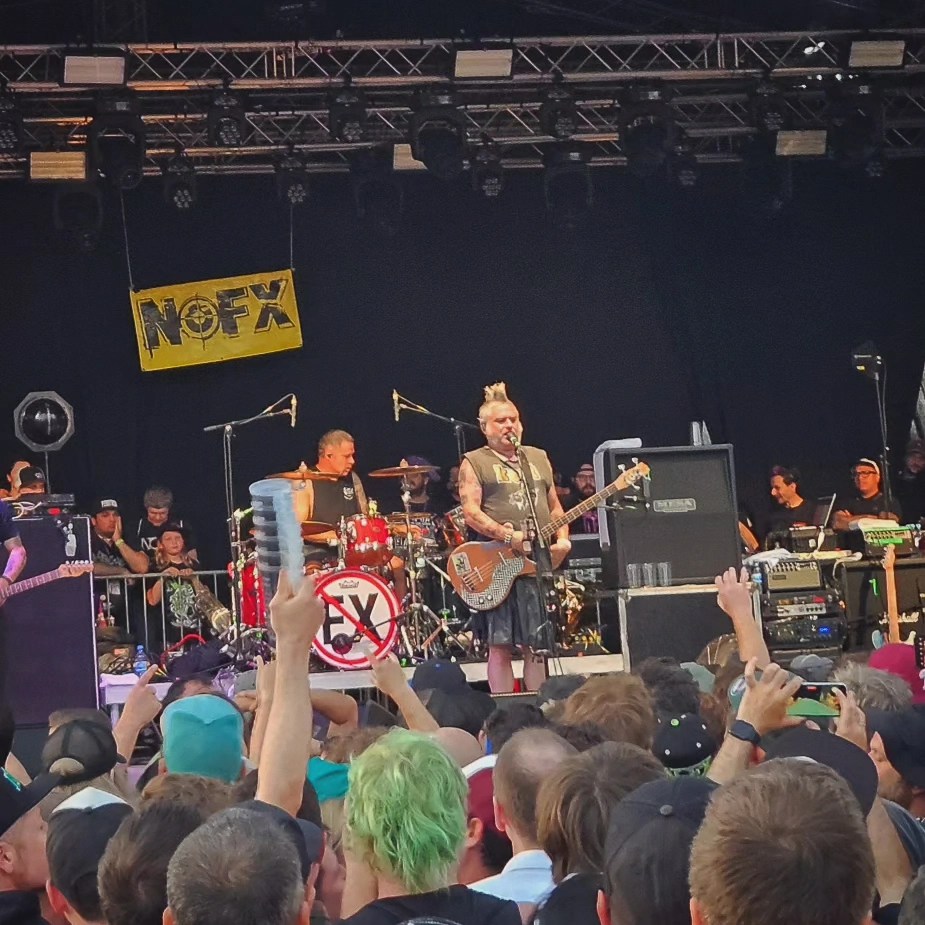
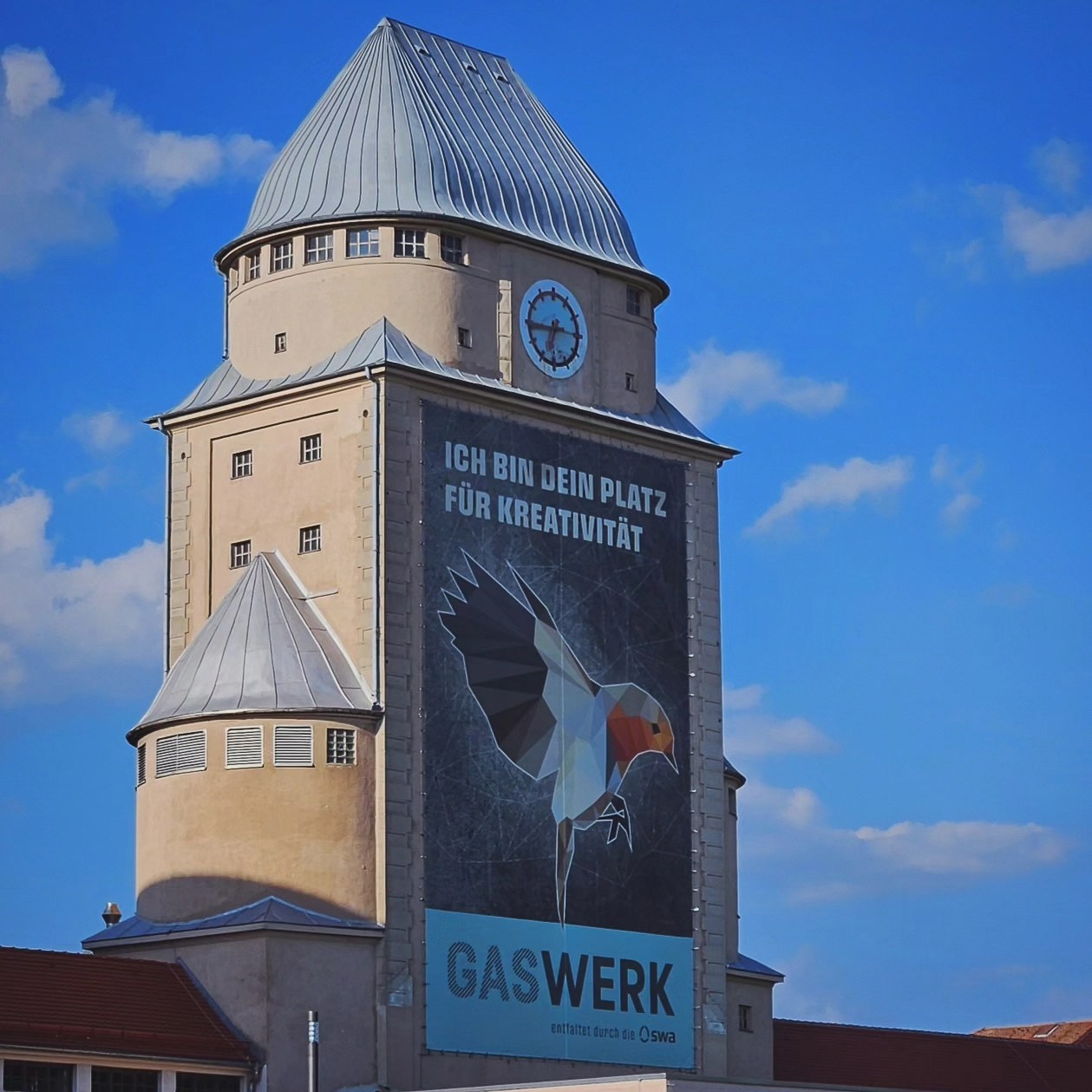
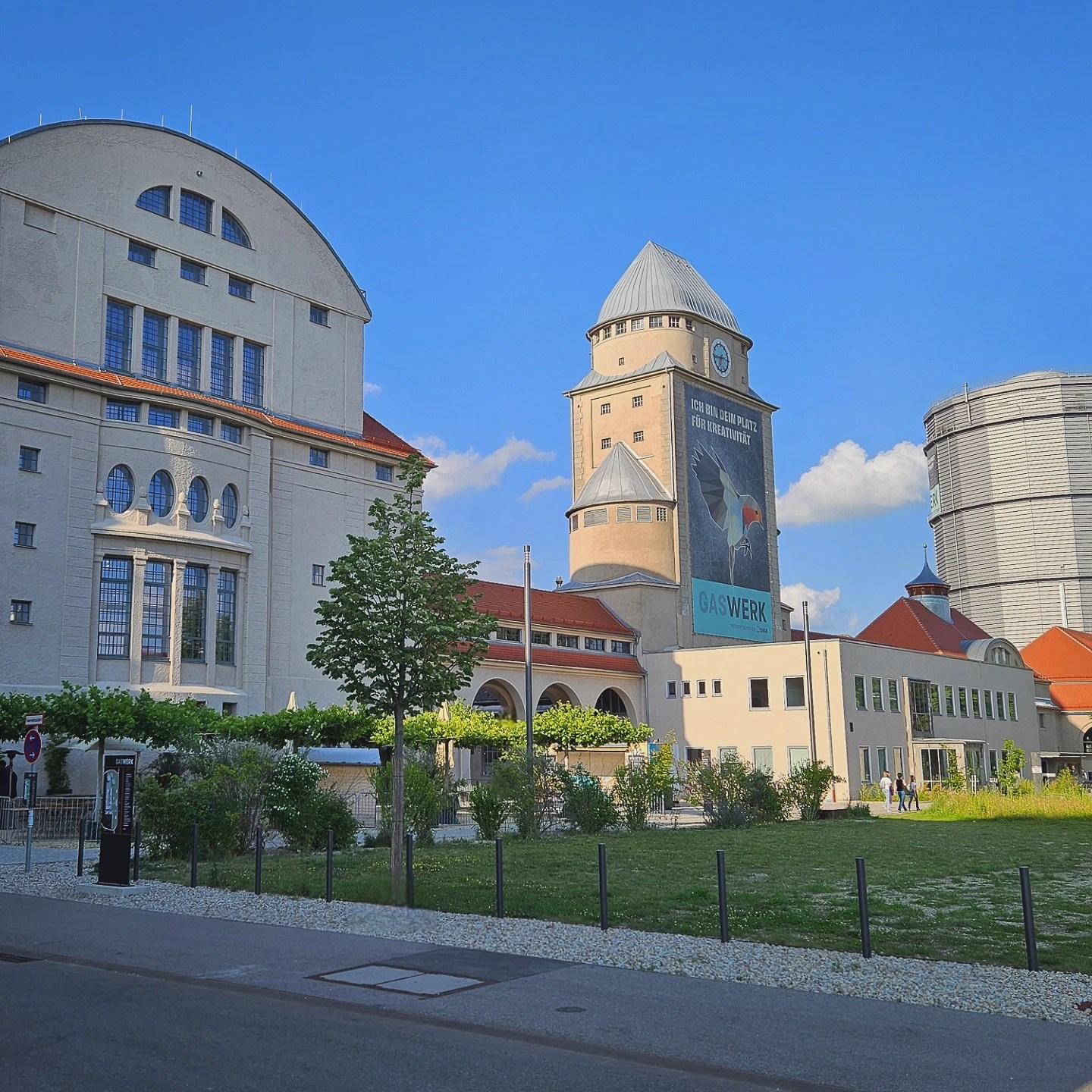
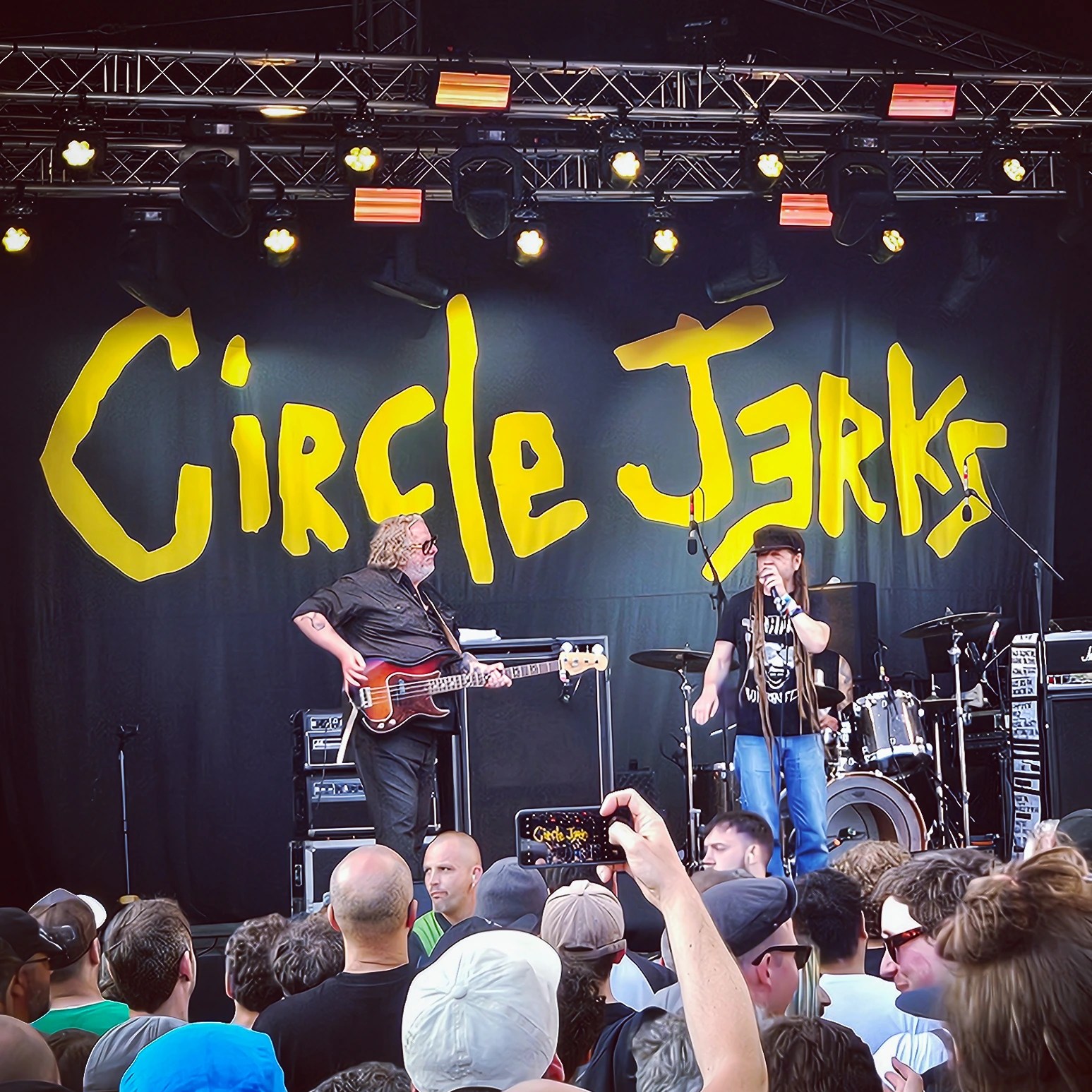
That evening, we shifted gears completely and headed to the Gaswerk Open Air for the NOFX concert. It was loud, energetic, and a reminder that this trip was built on contrasts—ancient cathedrals and Mozart one day, punk rock the next.

Into the Alps: Eagle’s Nest and Our First Alpine Views
The next day, we drove toward the Alps with plans that intentionally stayed flexible. With rain and flooding forecast later in the week, we decided to adjust our route and visit the Eagle’s Nest (Kehlsteinhaus) earlier than planned. It meant a bit of backtracking on the map, but the timing worked out perfectly.
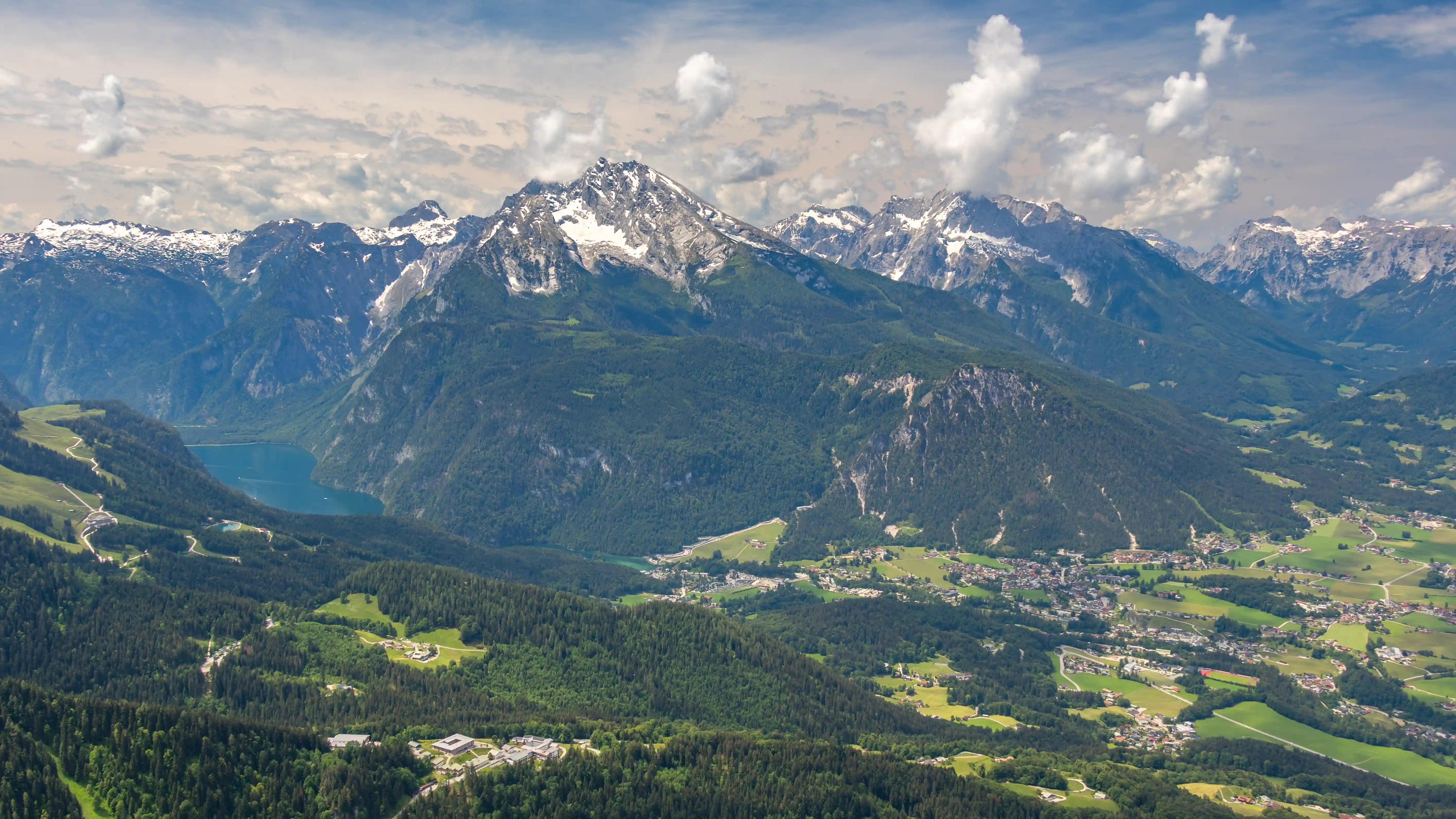
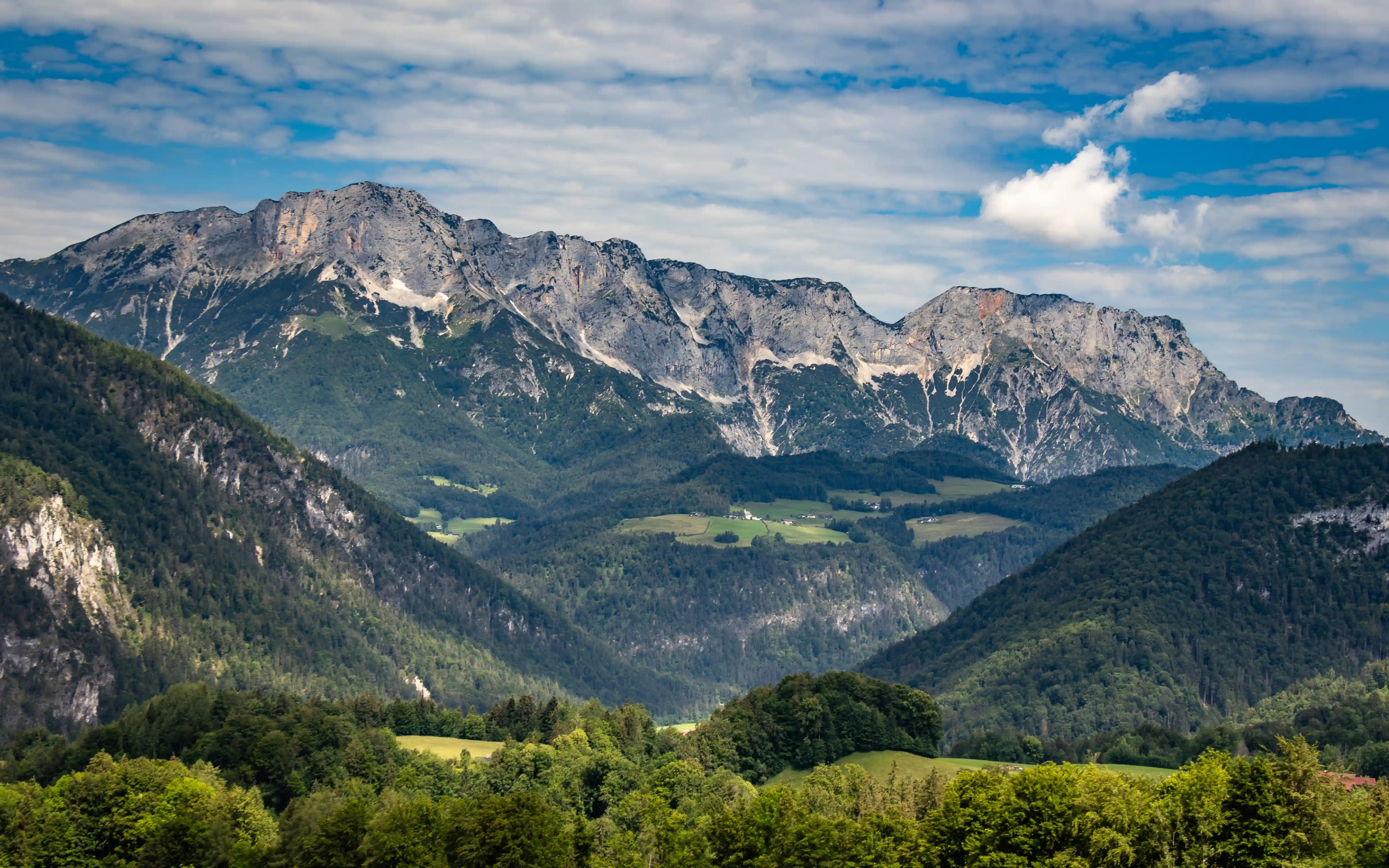
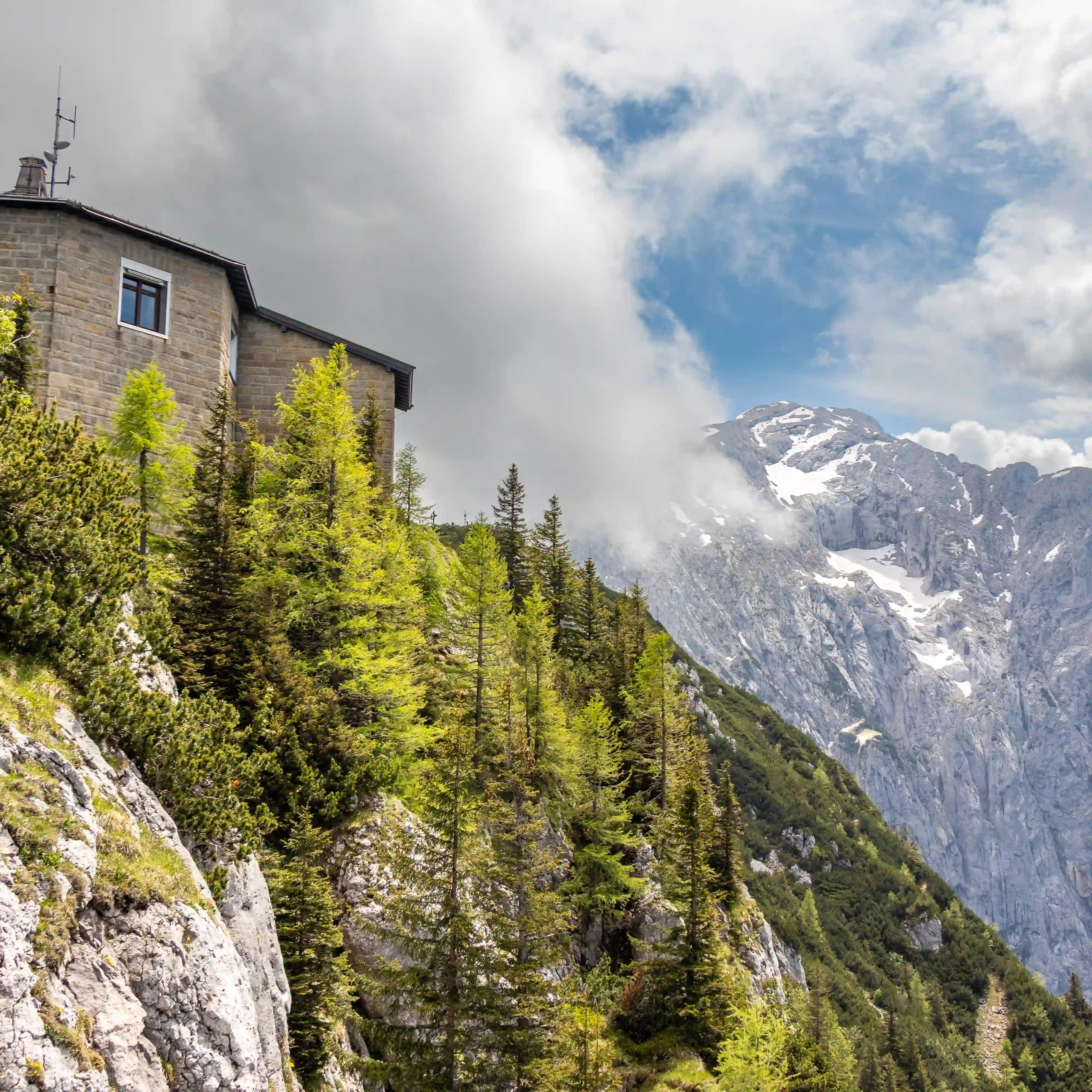
Located in the Obersalzberg area—a mountainside region above the town of Berchtesgaden in the Bavarian Alps—the Eagle’s Nest is reached by a bus ride up the mountain, followed by a tunnel carved into the rock and an elevator that ascends directly into the summit building at 1,834 meters (1.1 miles).
The history of the site is impossible to ignore. Built during the Nazi era, the Eagle’s Nest was intended as a place to host visiting dignitaries, and Adolf Hitler is known to have visited only rarely. Today, it serves as a place for historical reflection, with signs and exhibits acknowledging its past alongside its role as a popular viewpoint. We timed our visit well and were rewarded with clear vistas and a memorable lunch at the mountaintop café.

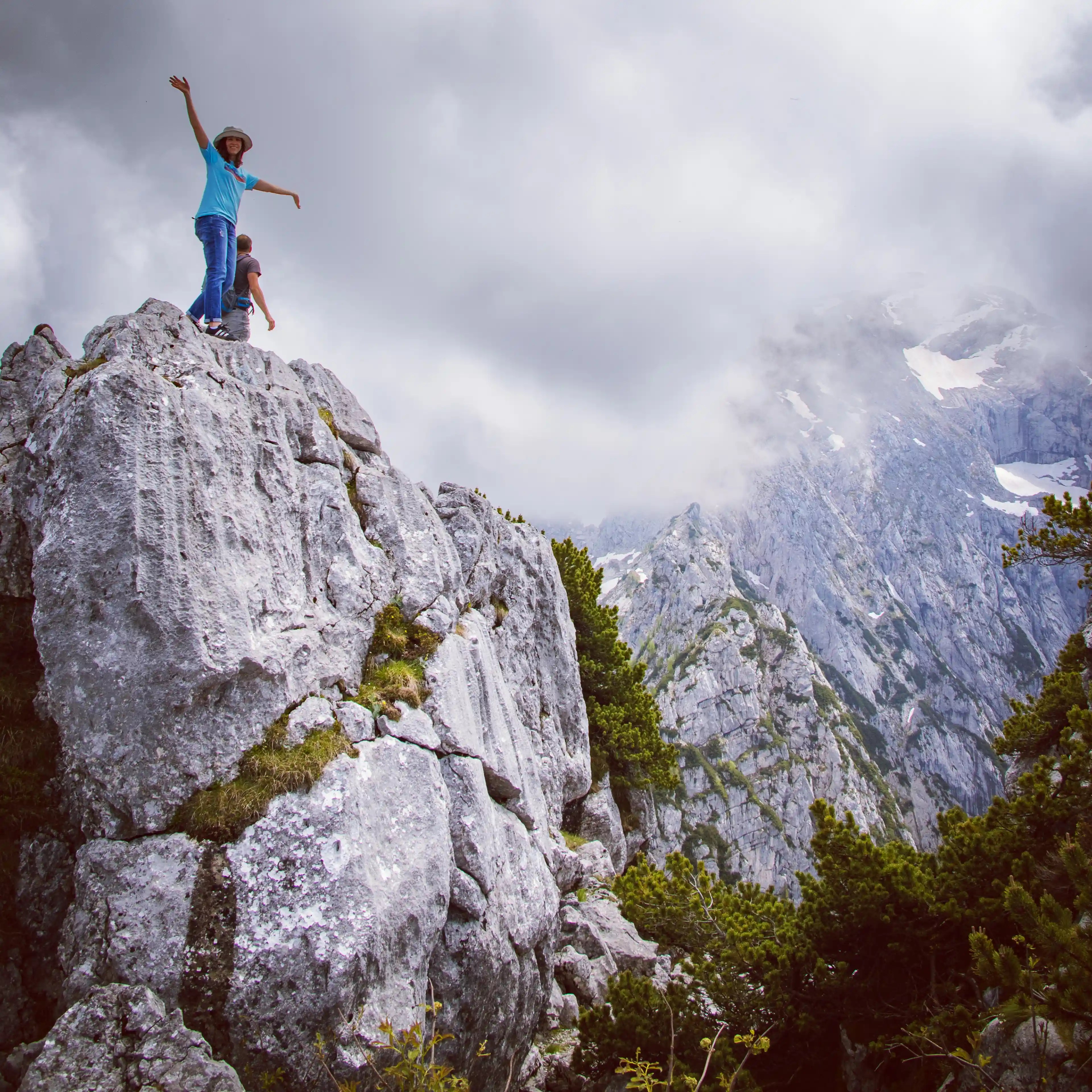
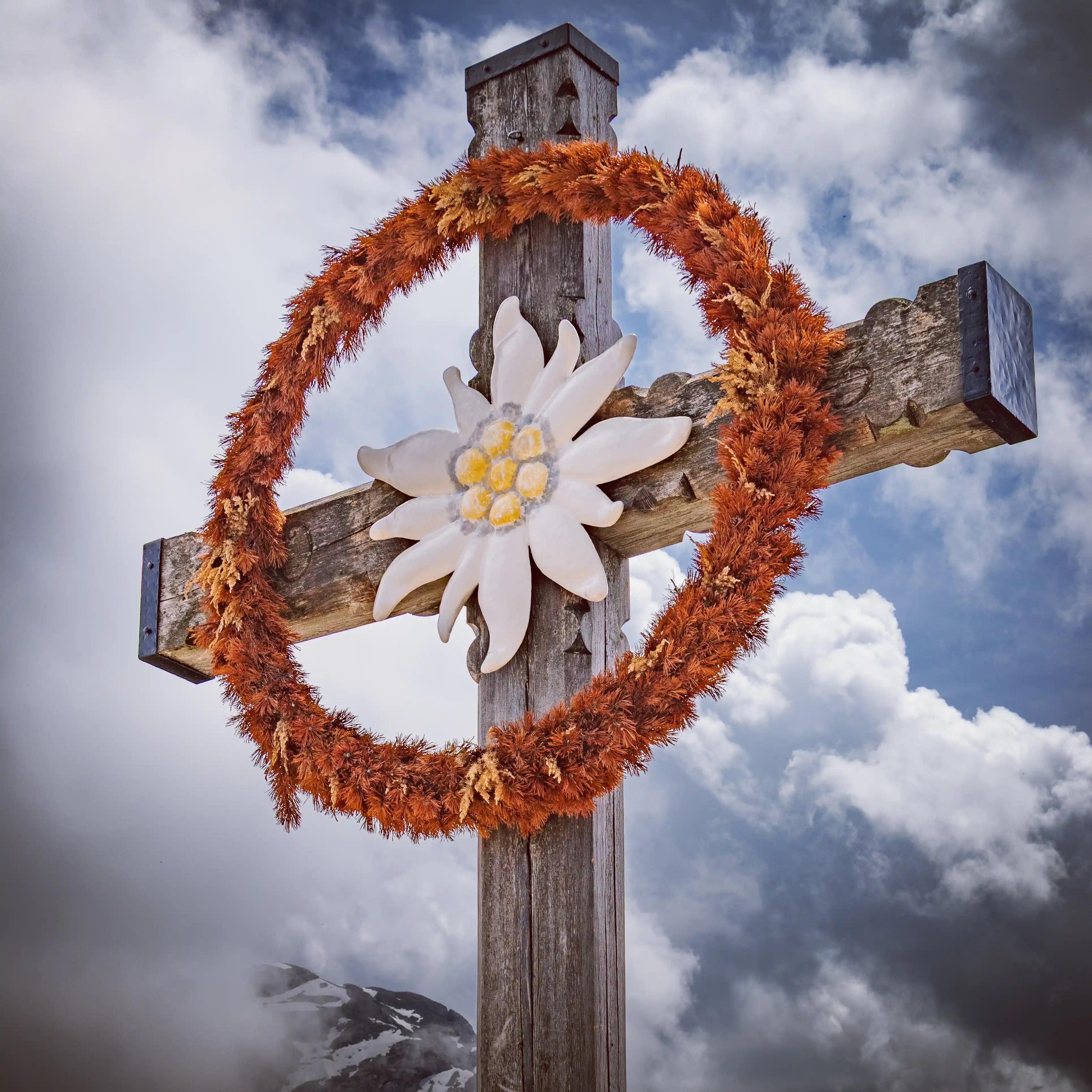
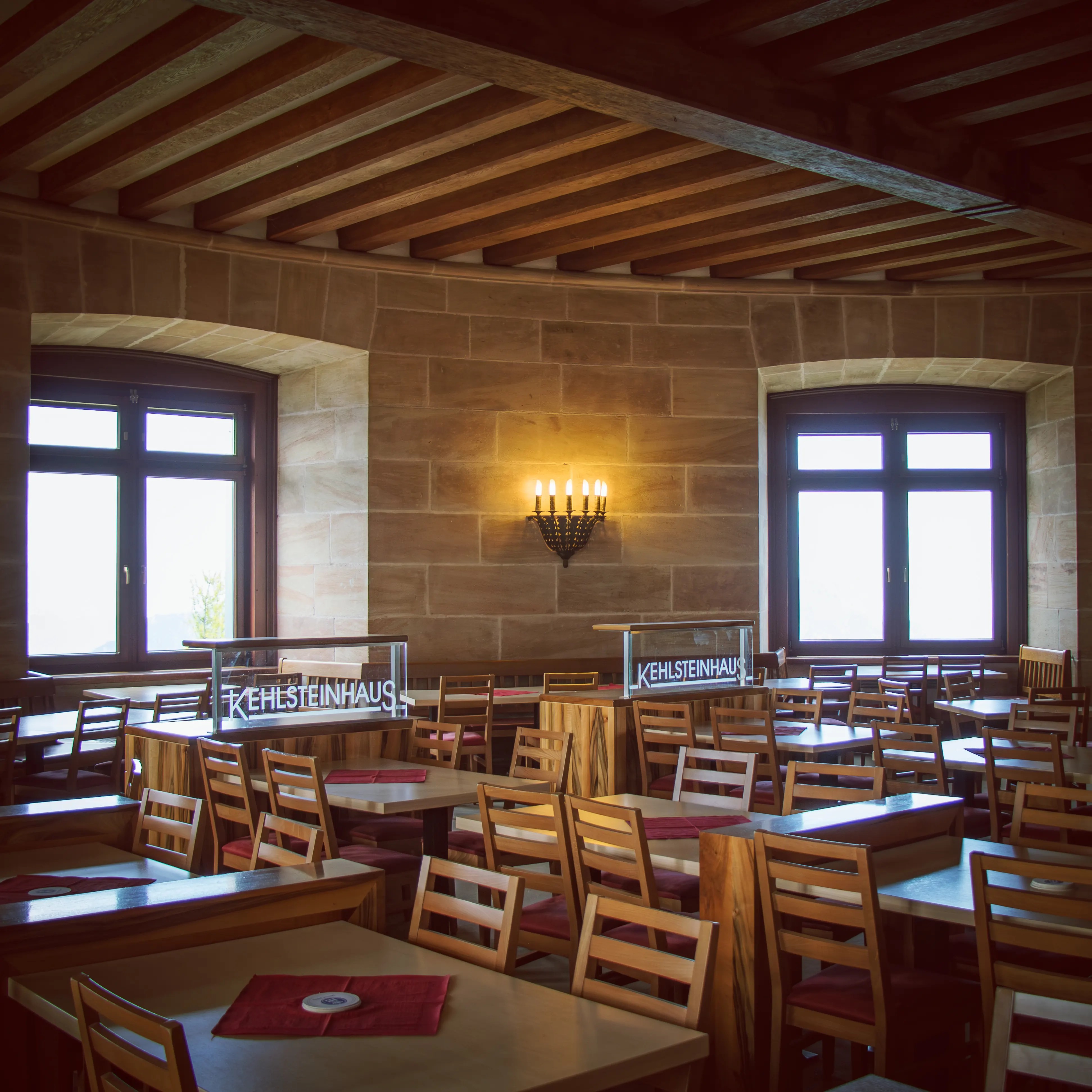
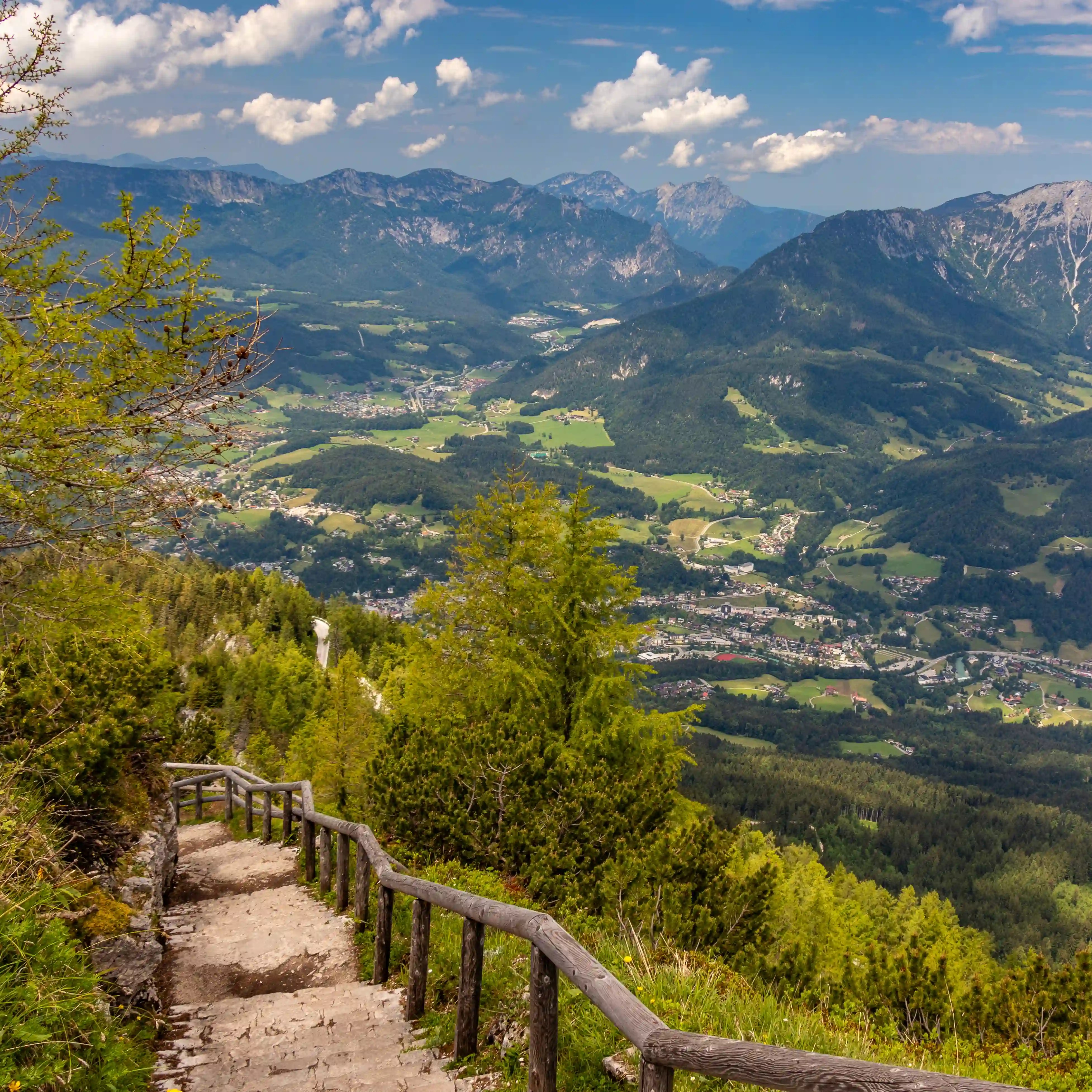
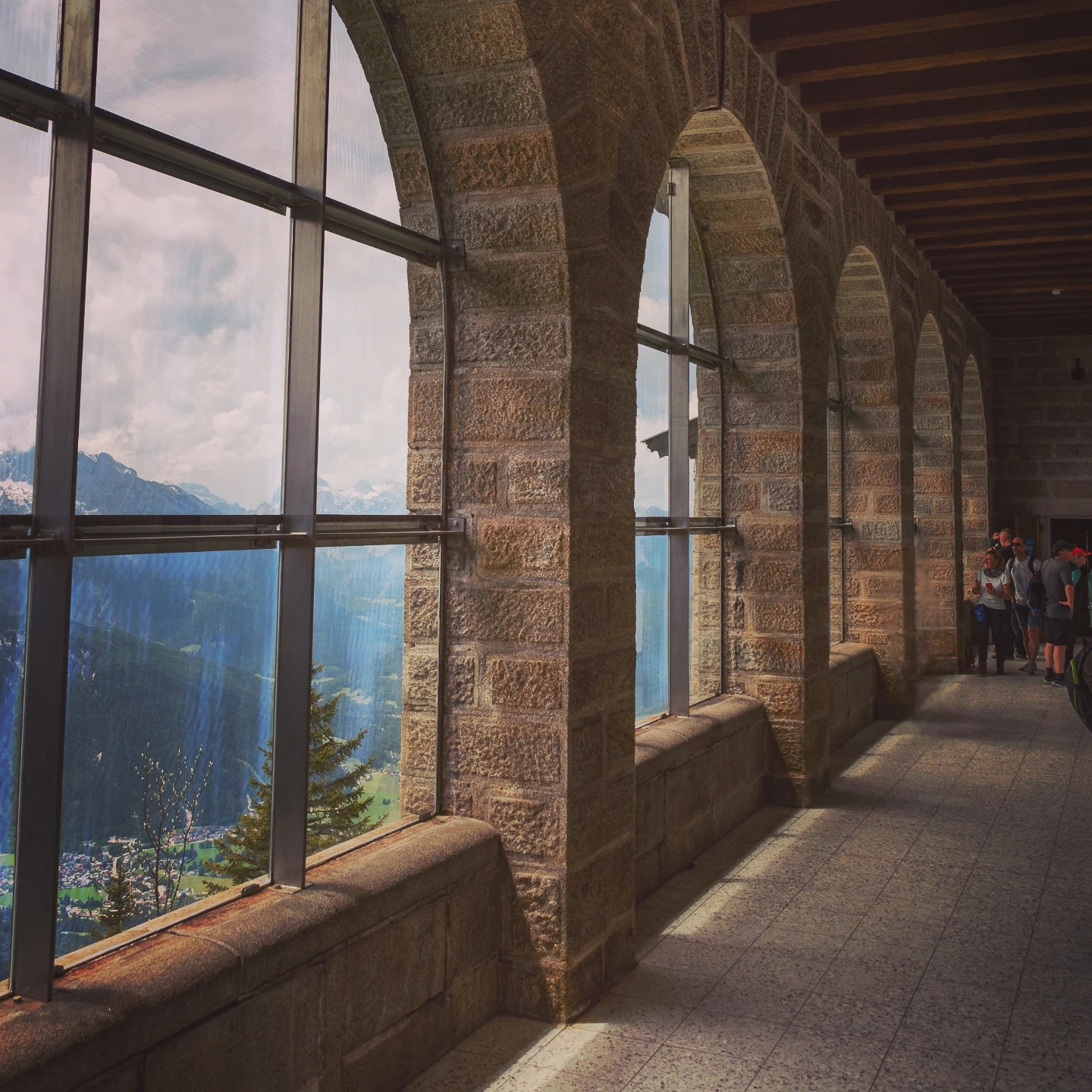
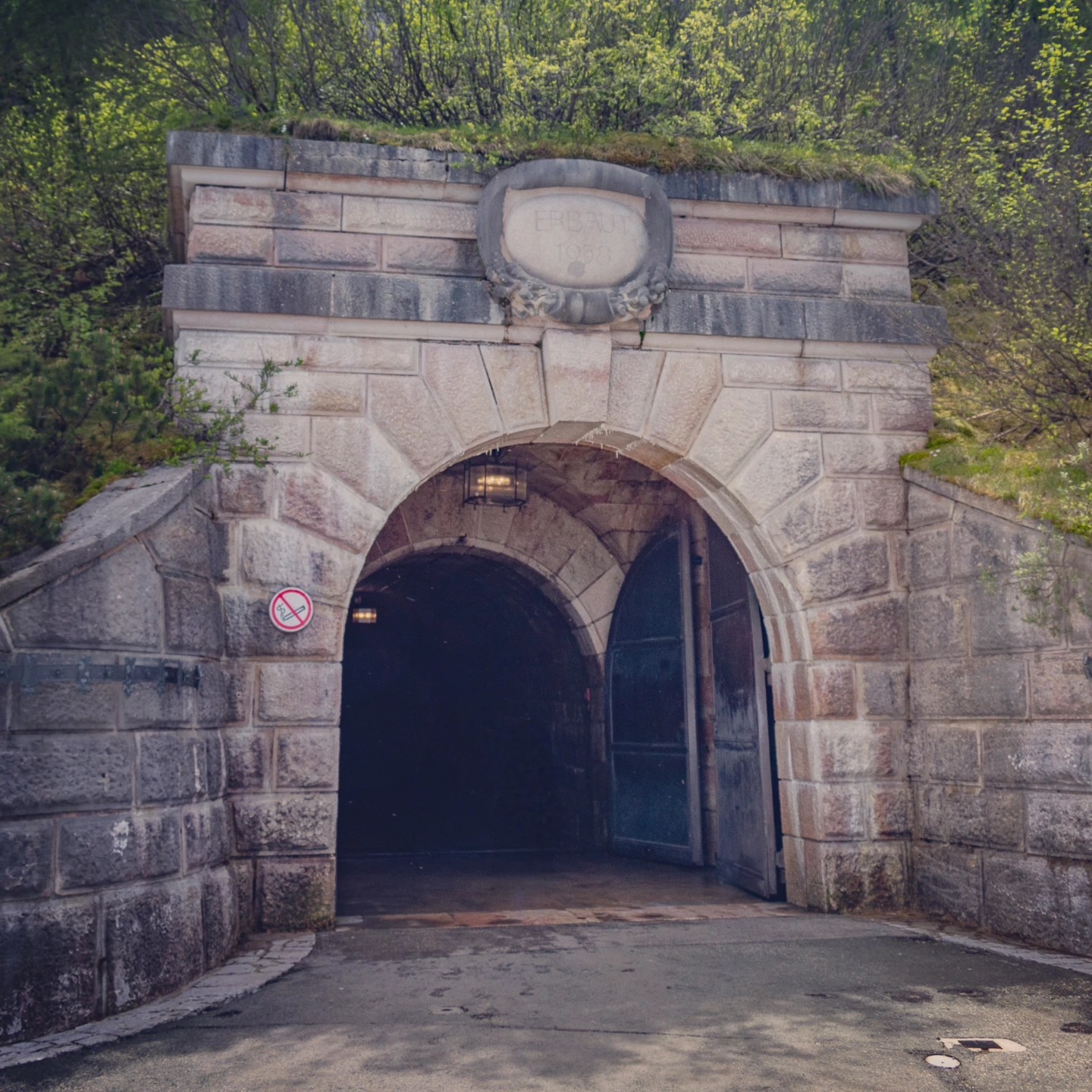
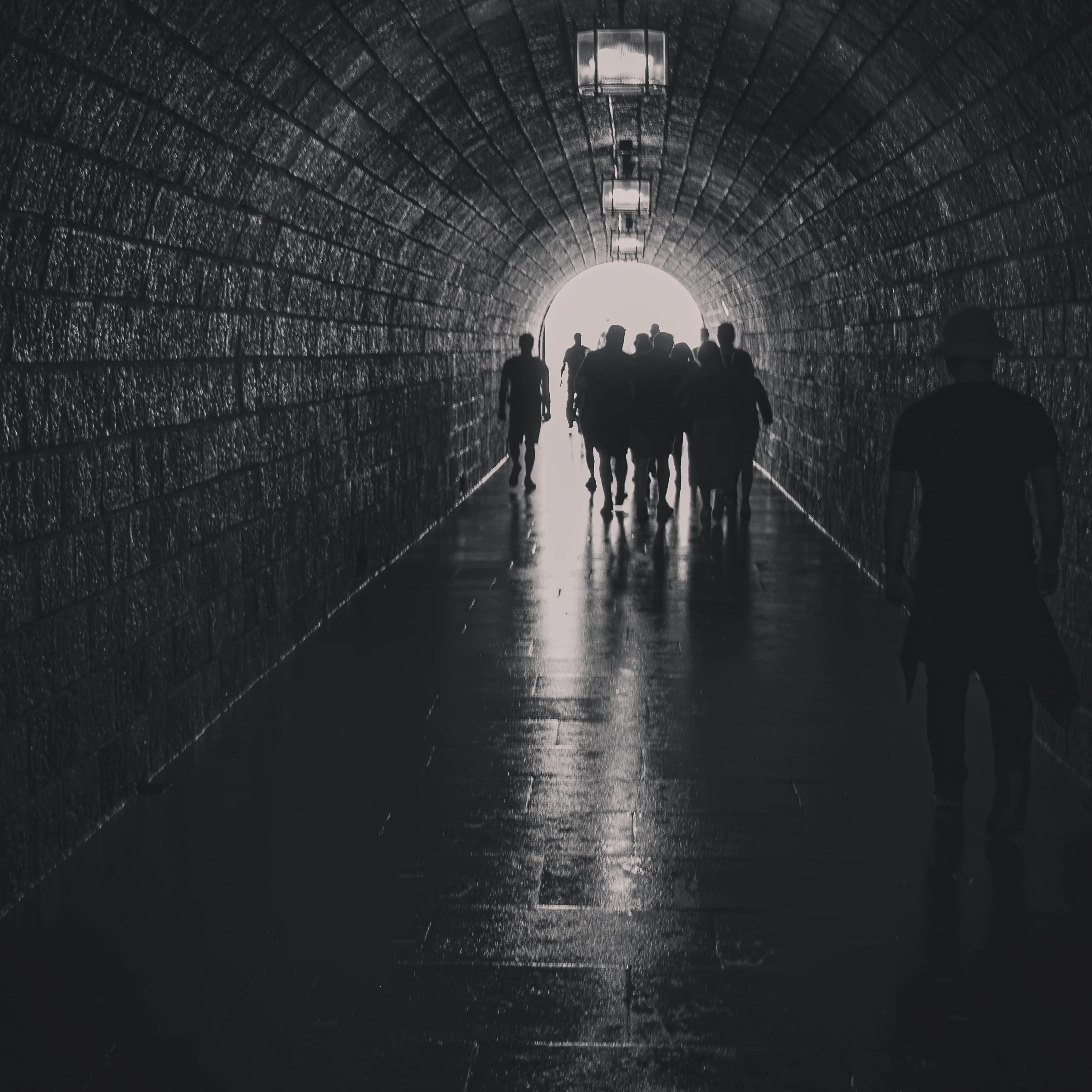
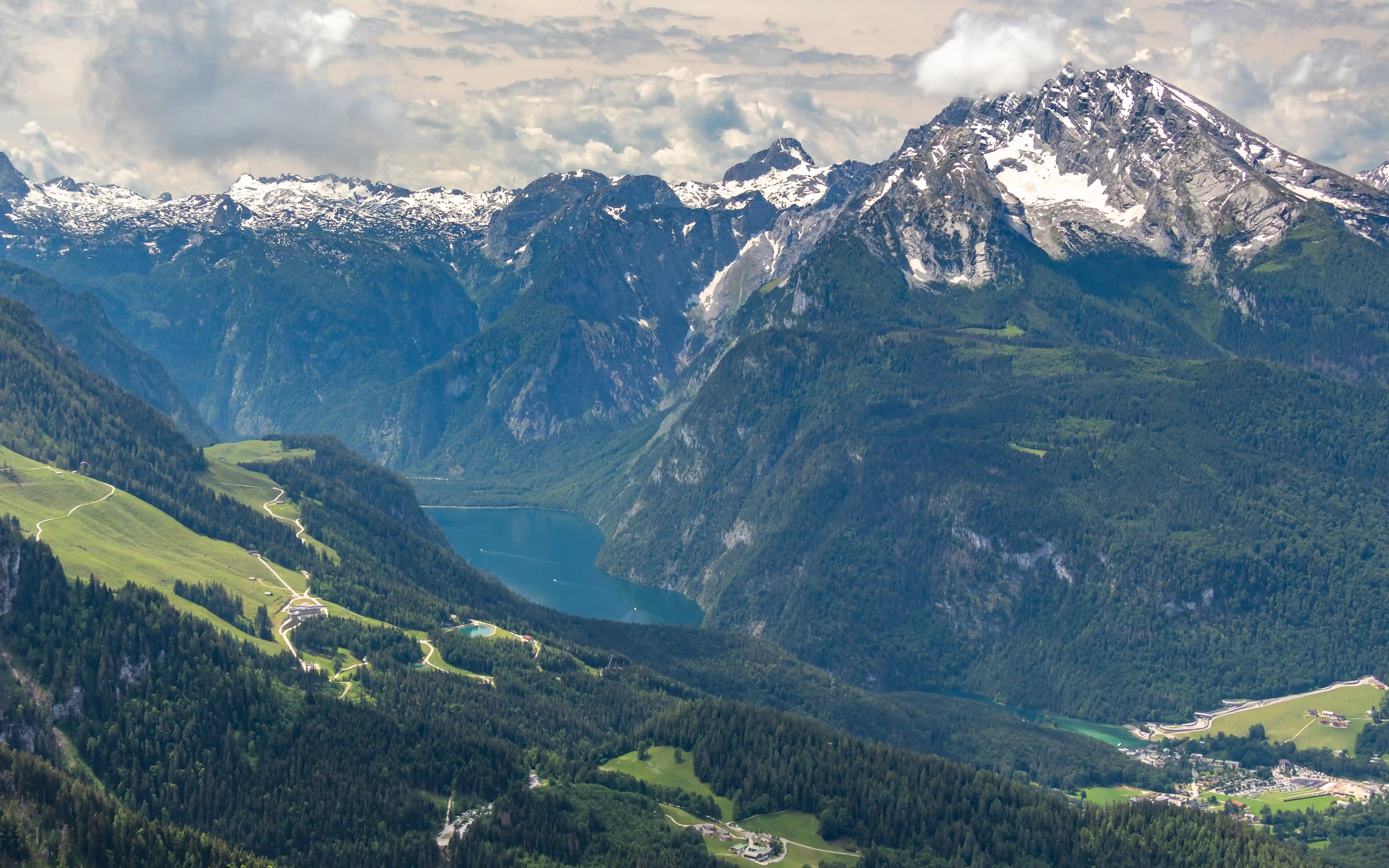
Nearby, the Documentation Center Obersalzberg and its bunker system provide deeper historical context. While we didn’t visit this time, it’s an important stop for those wanting a fuller understanding of the area’s past.
Hallstatt: A Fairytale Town and a Night by the Lake
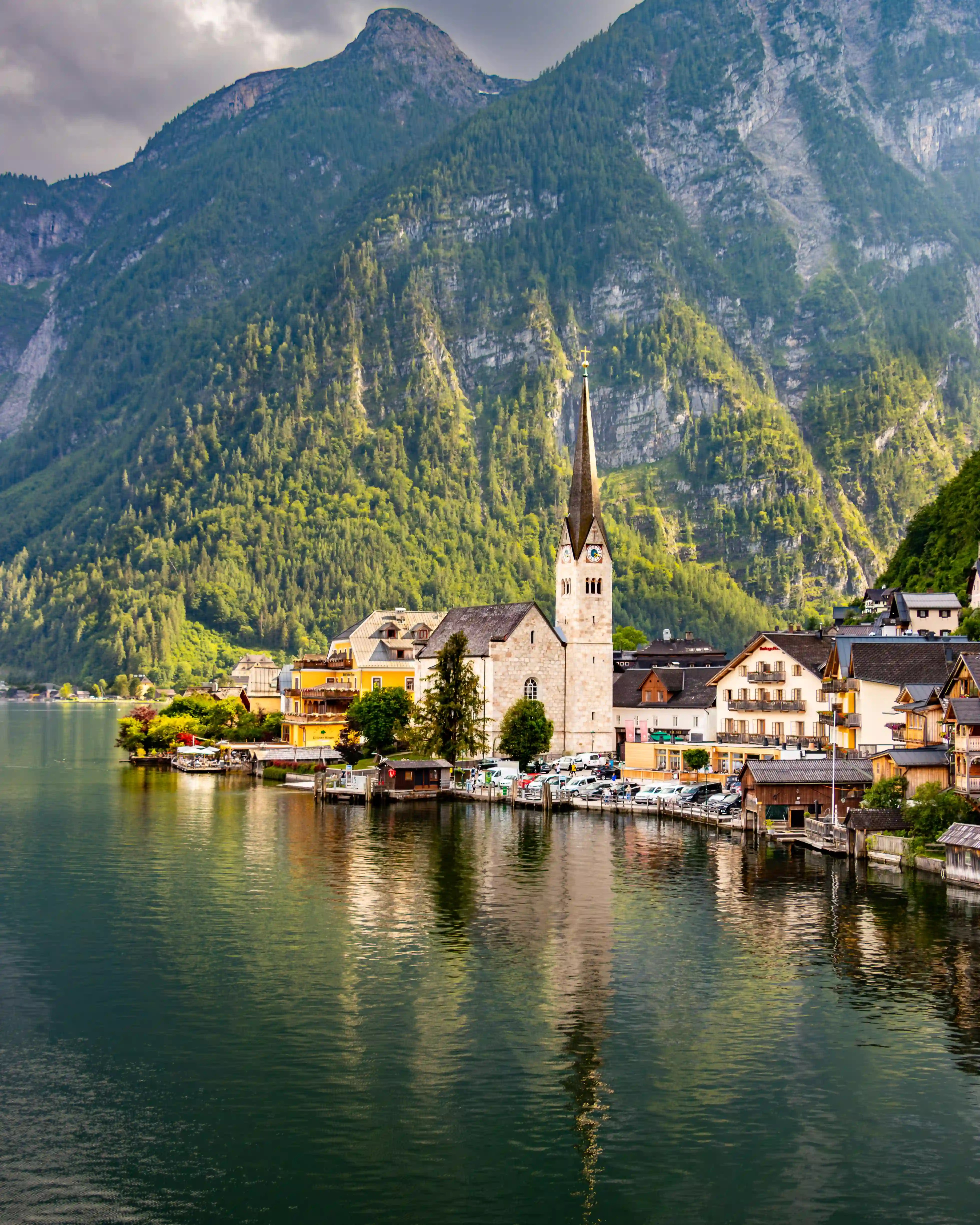
From Berchtesgaden, we continued into Austria toward Hallstatt, a small lakeside village in the Salzkammergut region, set between steep alpine slopes and the shores of Hallstätter See. The area has a long history tied to salt mining, with archaeological evidence of settlement stretching back thousands of years. It’s a place that often looks unreal in photos—and somehow even more striking in person.
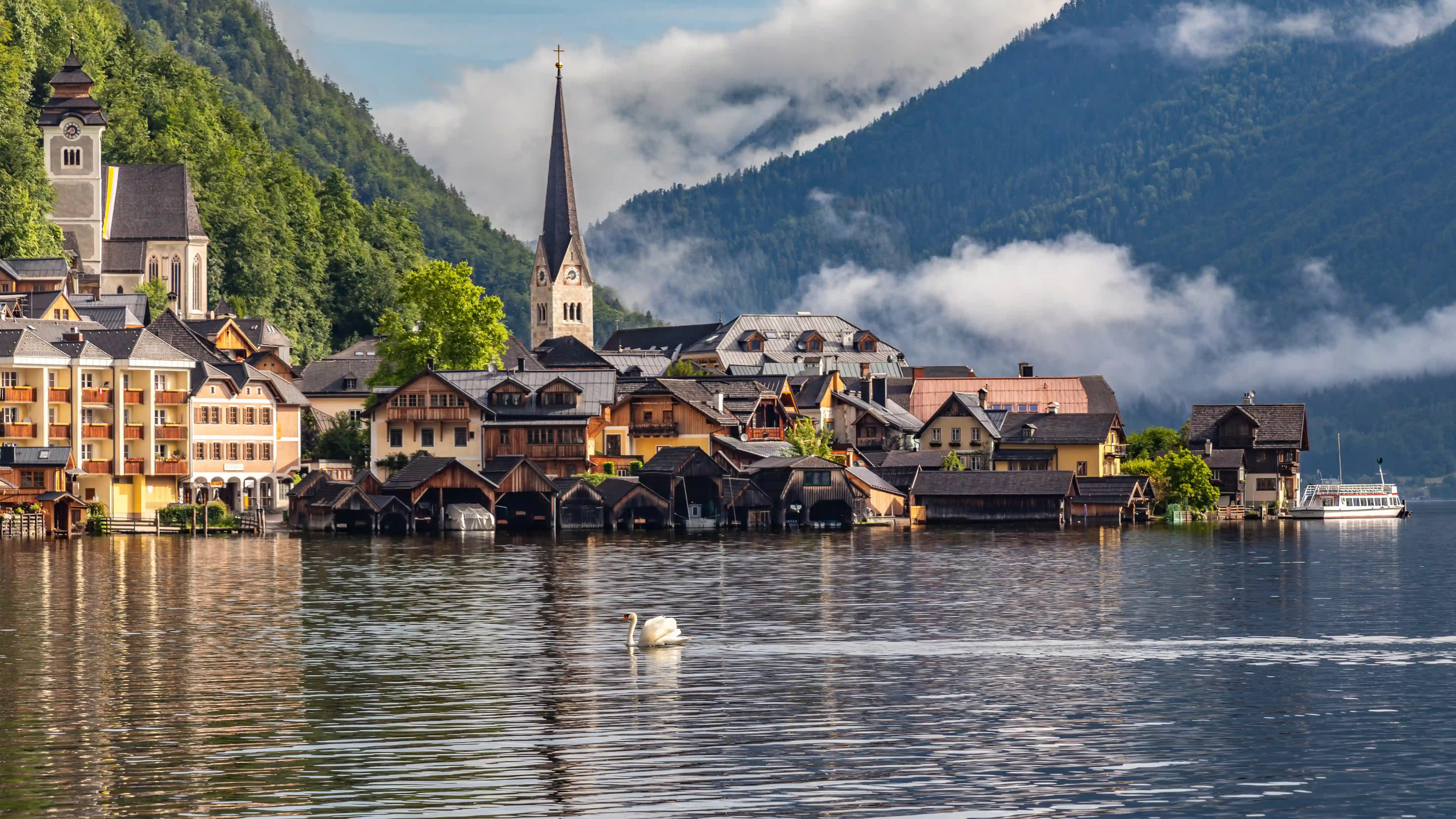
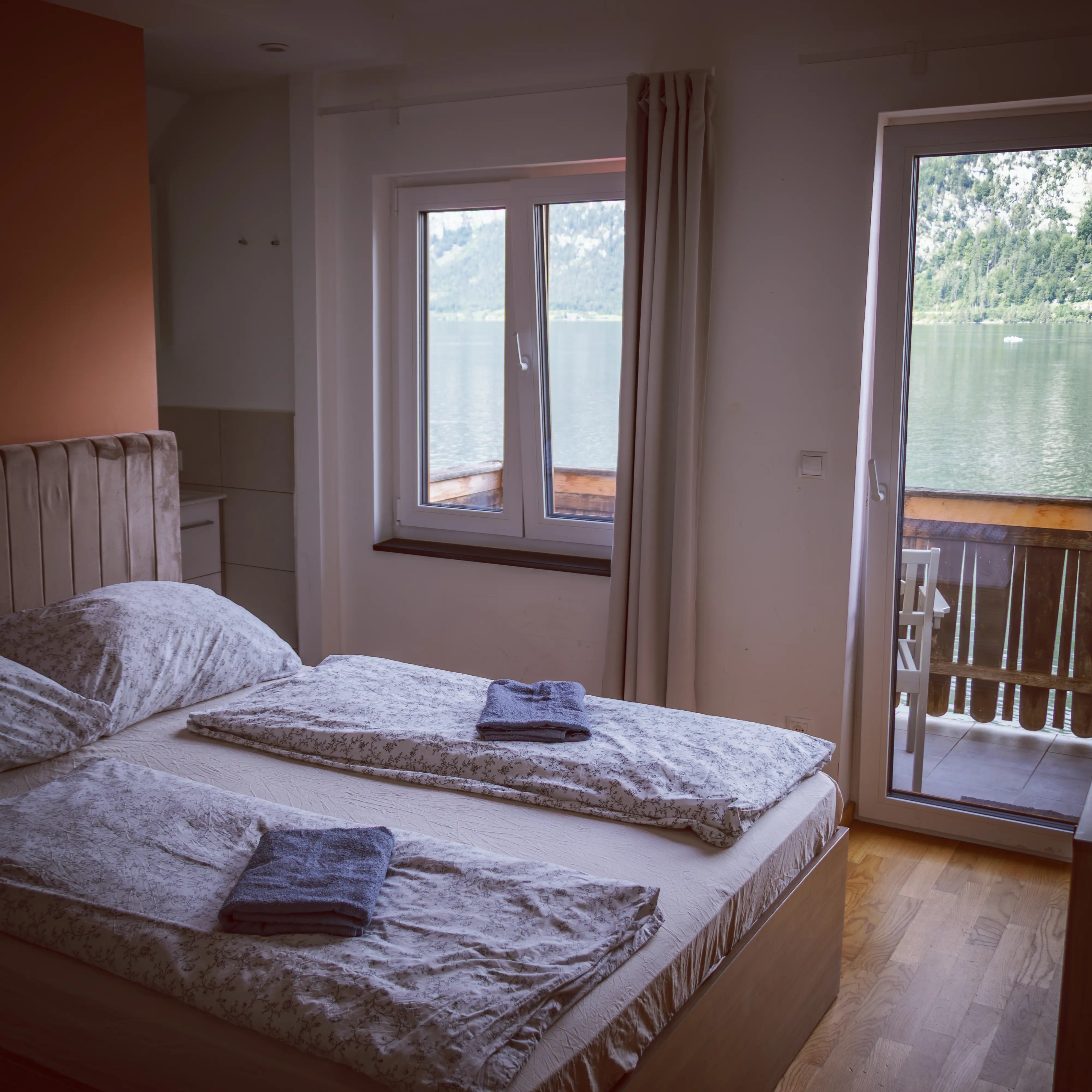
We stayed one night at a lakeside room with a balcony, right on the water. The room was comfortable, the location couldn’t have been better, and the views across the lake and mountains were incredible. As evening settled in, swans even drifted past the balcony, a special moment that felt like Hallstatt saying goodnight.
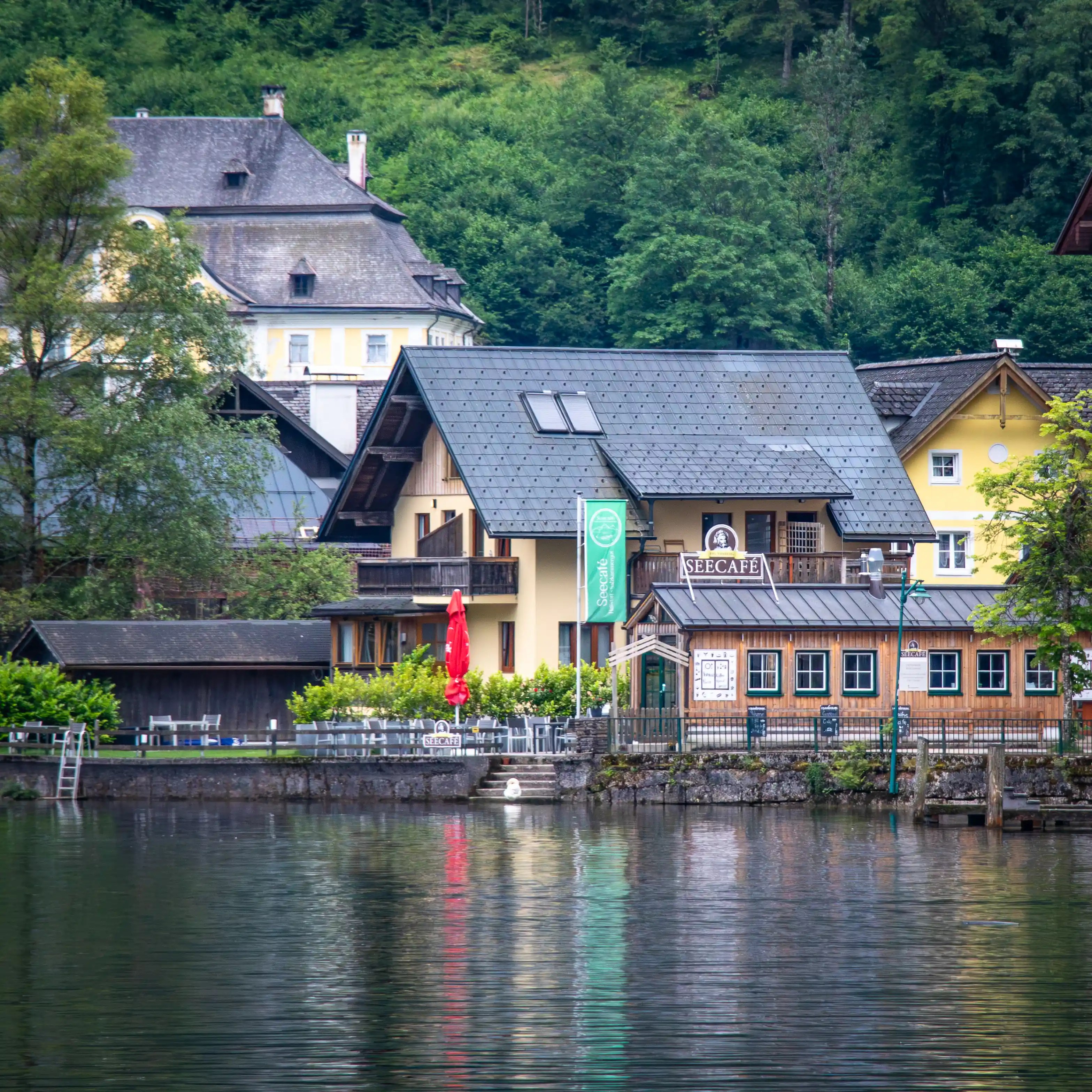
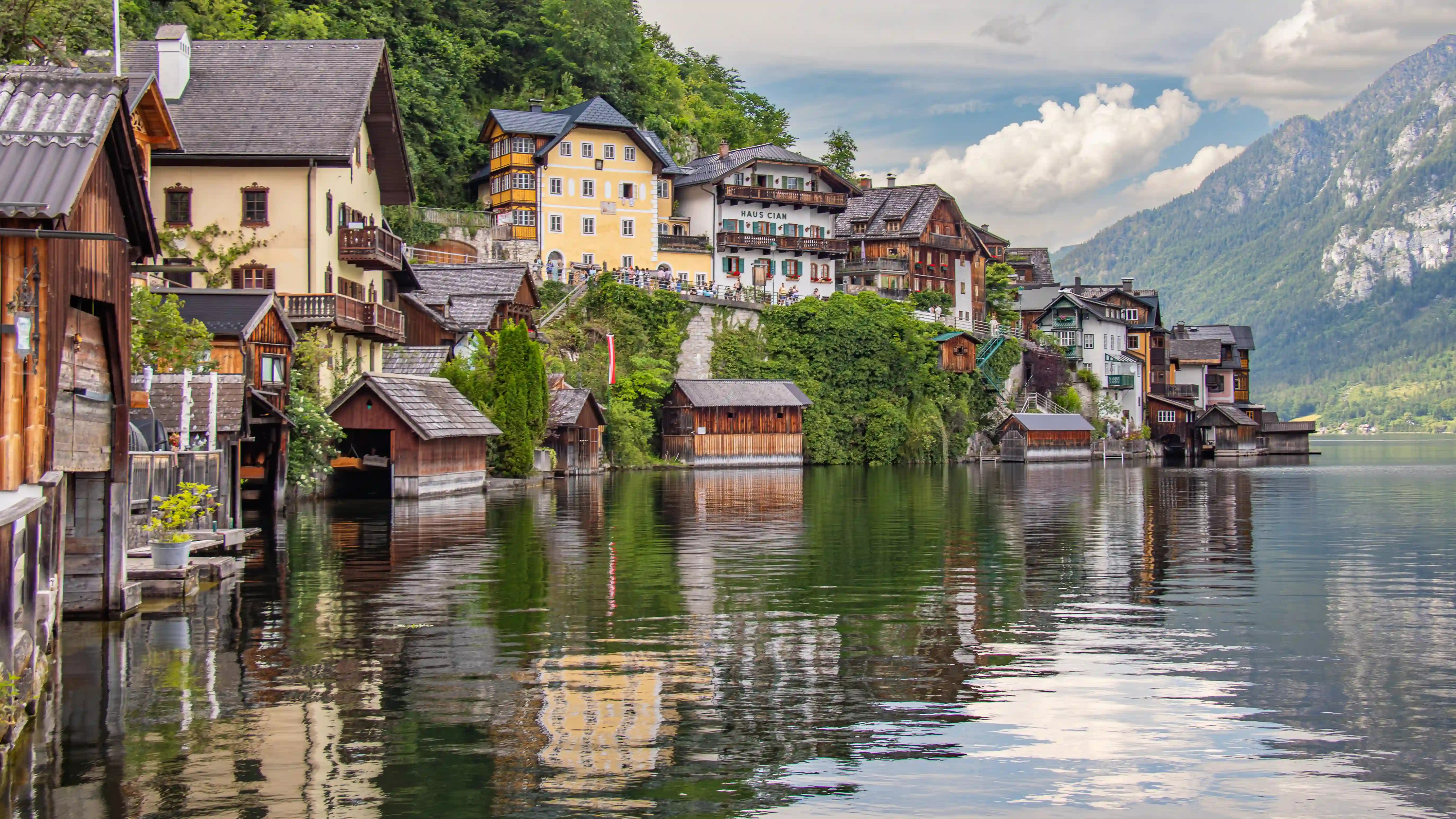
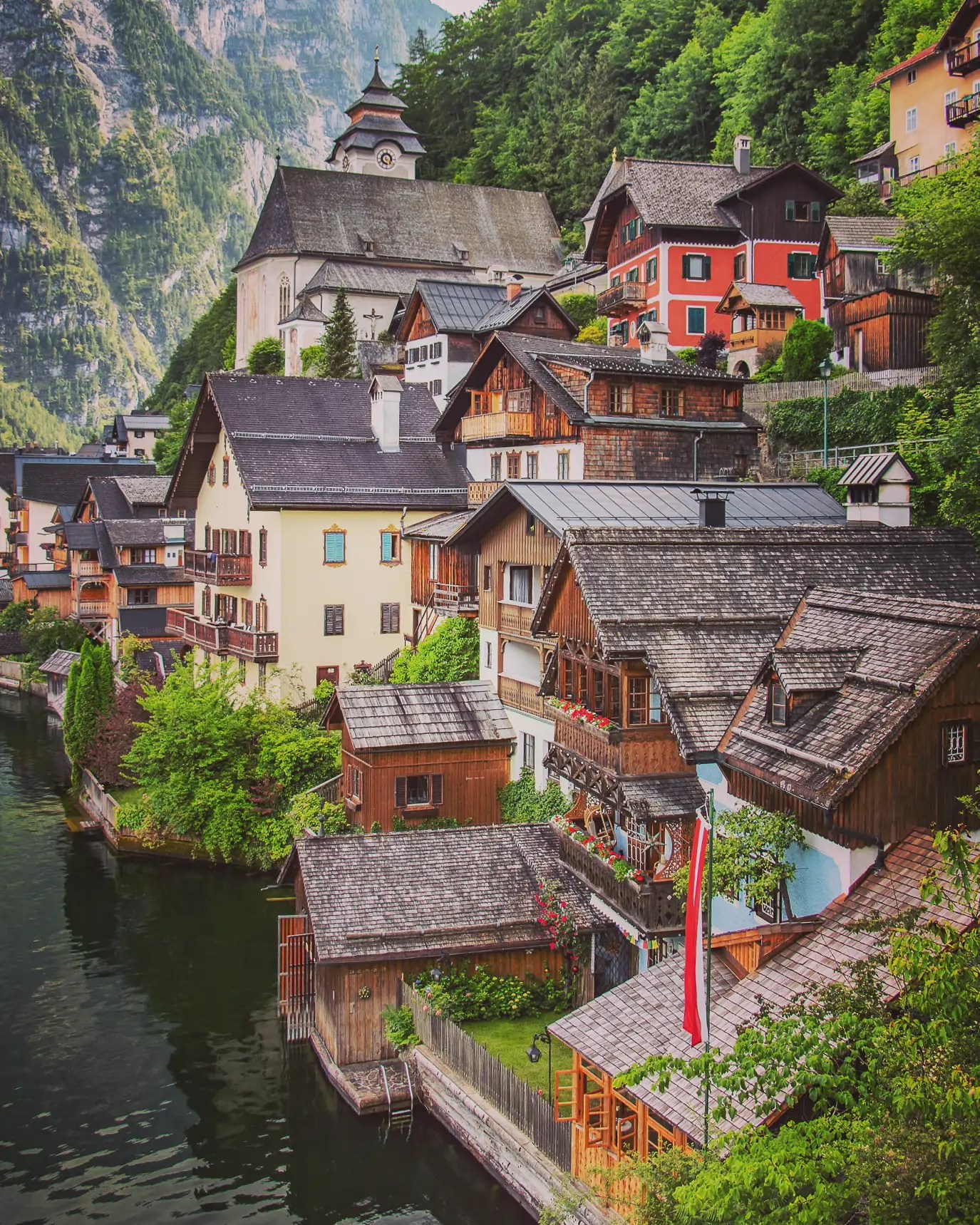
Wandering Hallstatt means following narrow streets, climbing steep paths and stairways, and occasionally turning a corner to find a quiet viewpoint or unexpected detail. The village reveals itself gradually as you move up and down through it, with hidden spots and elevated paths offering new perspectives along the way.

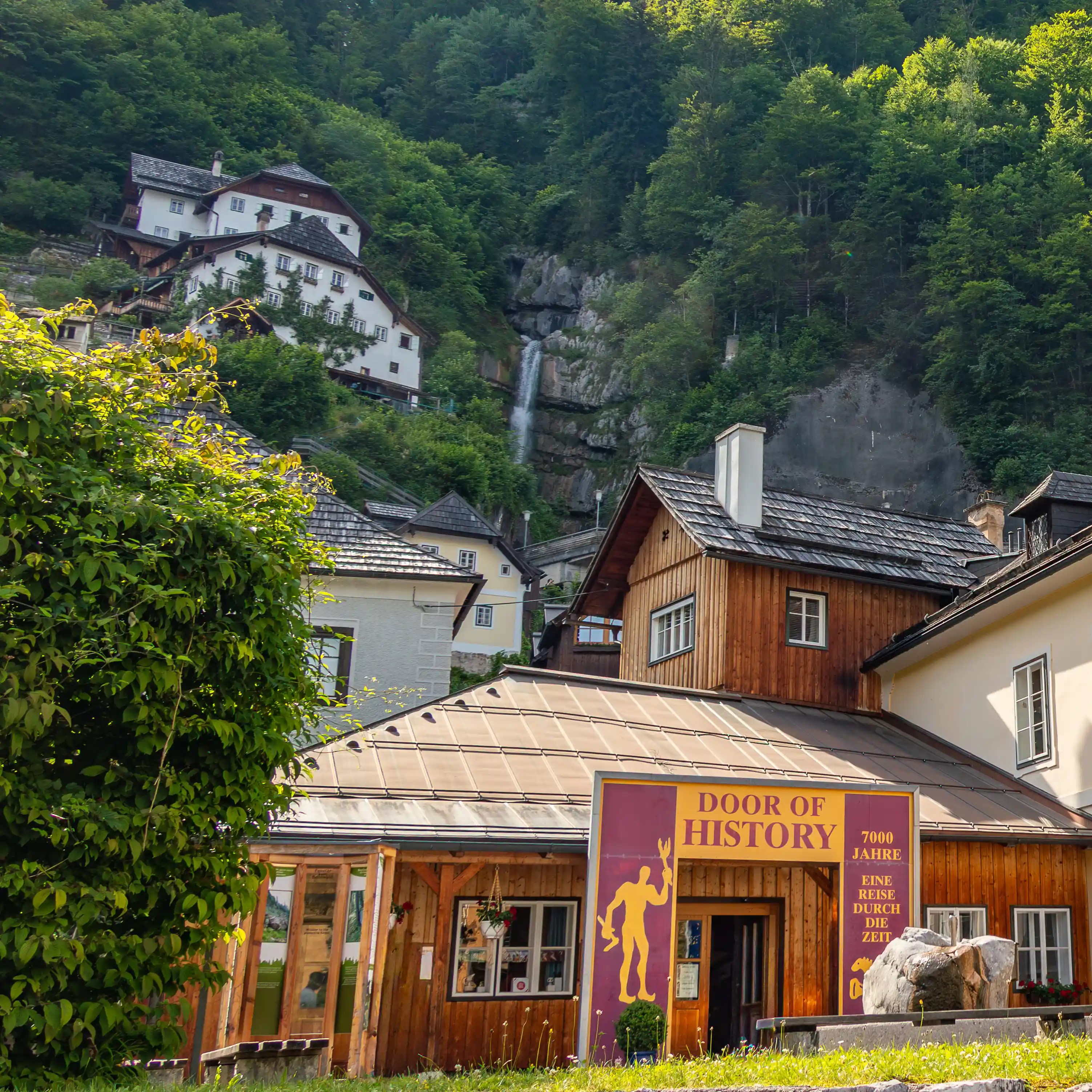
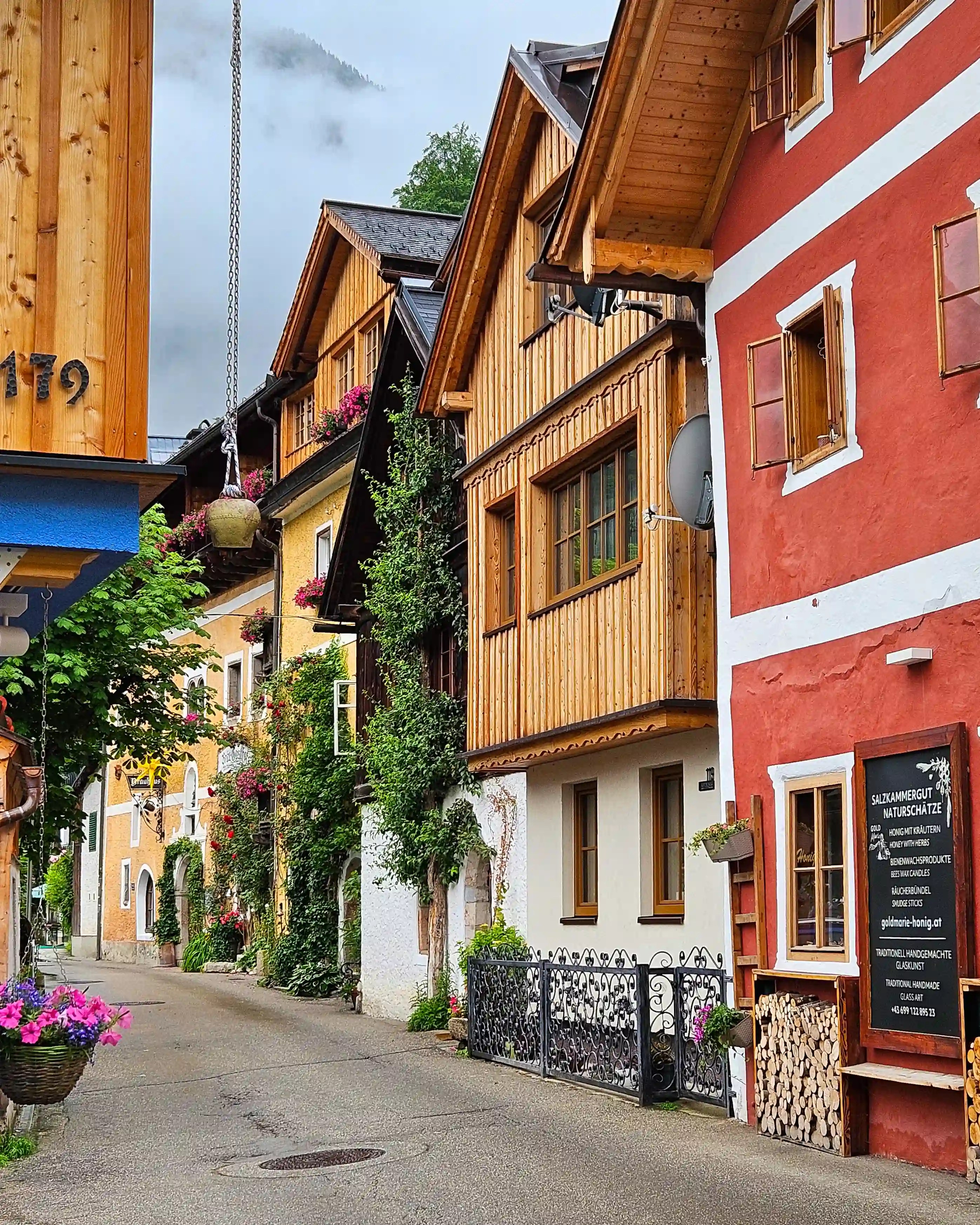
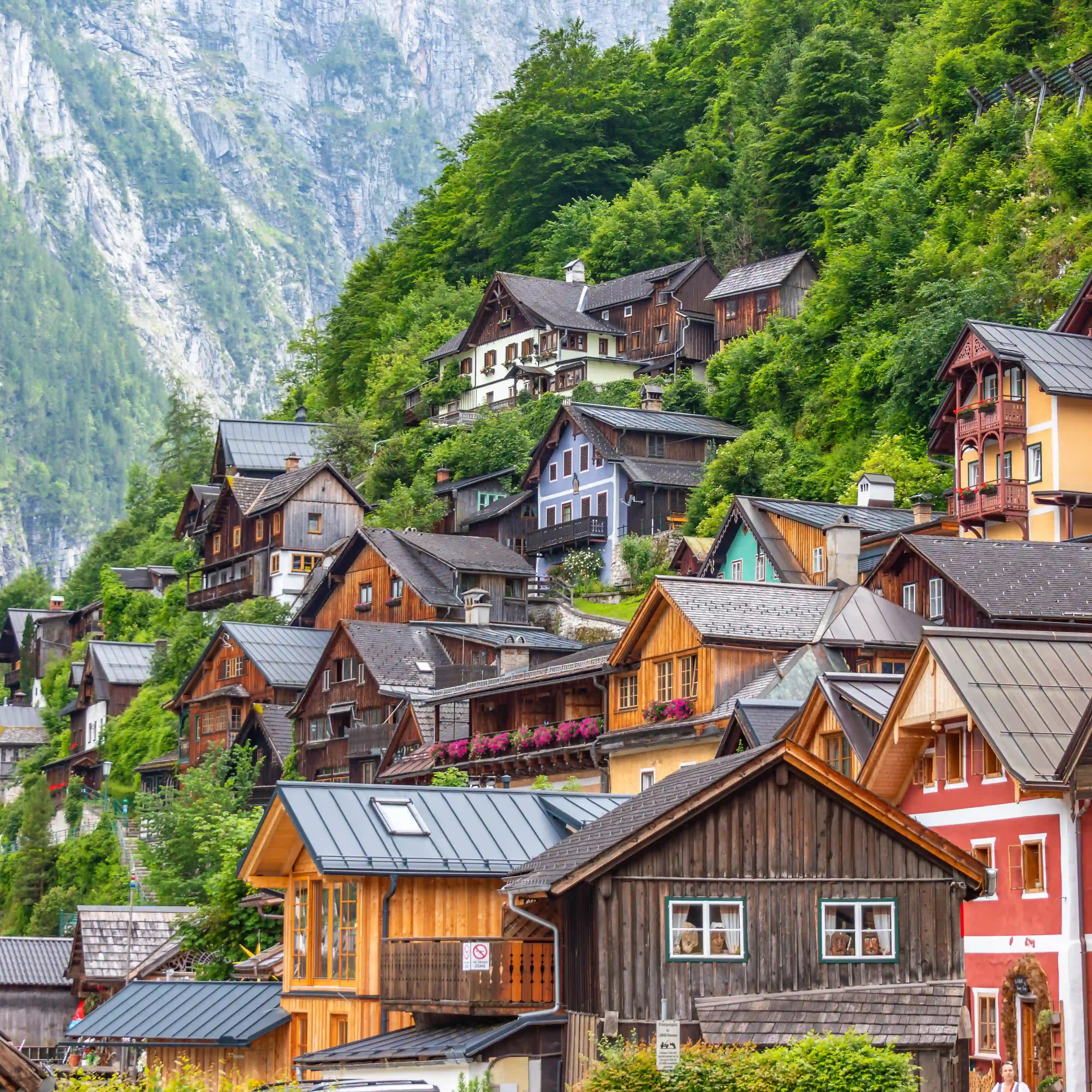
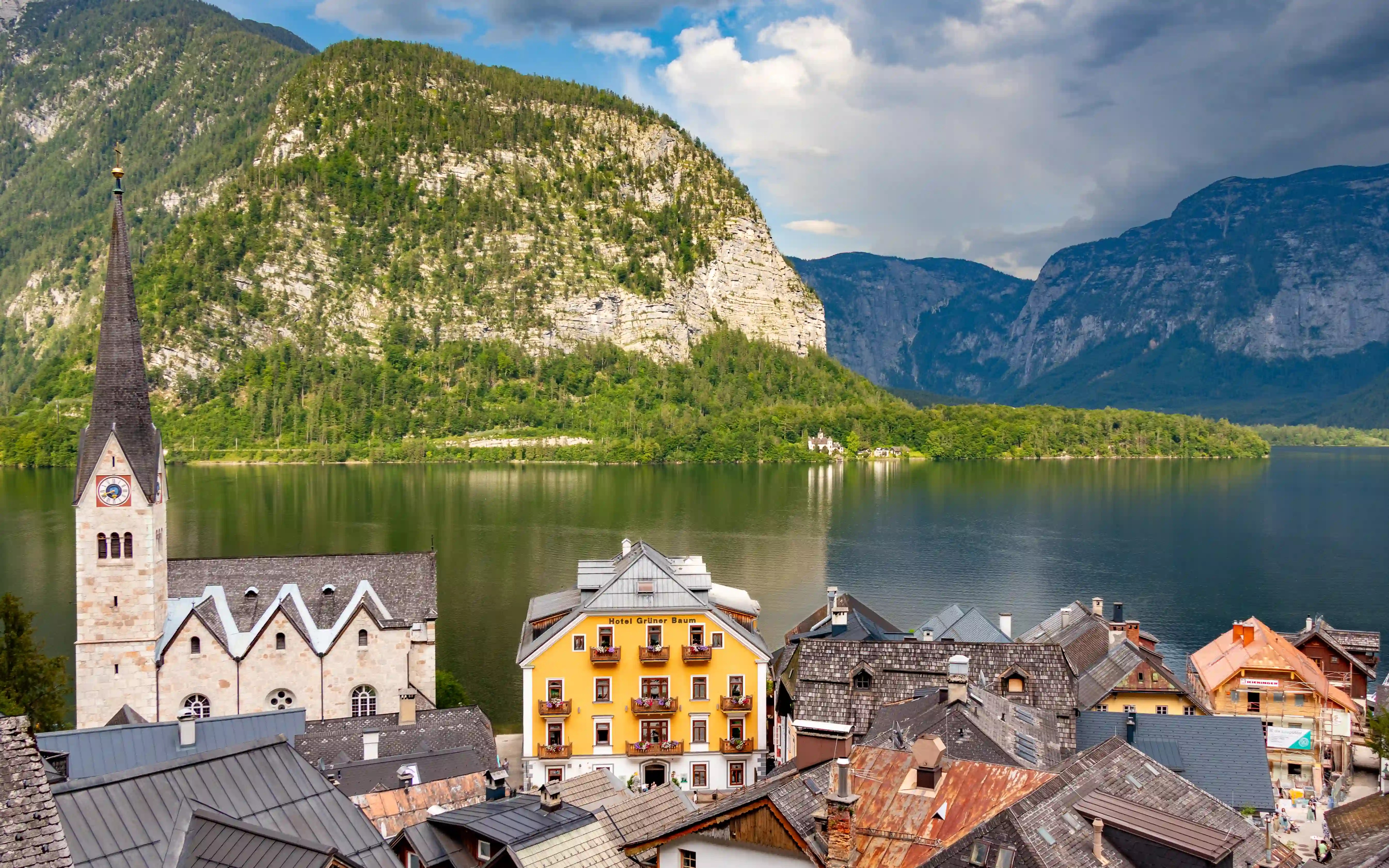
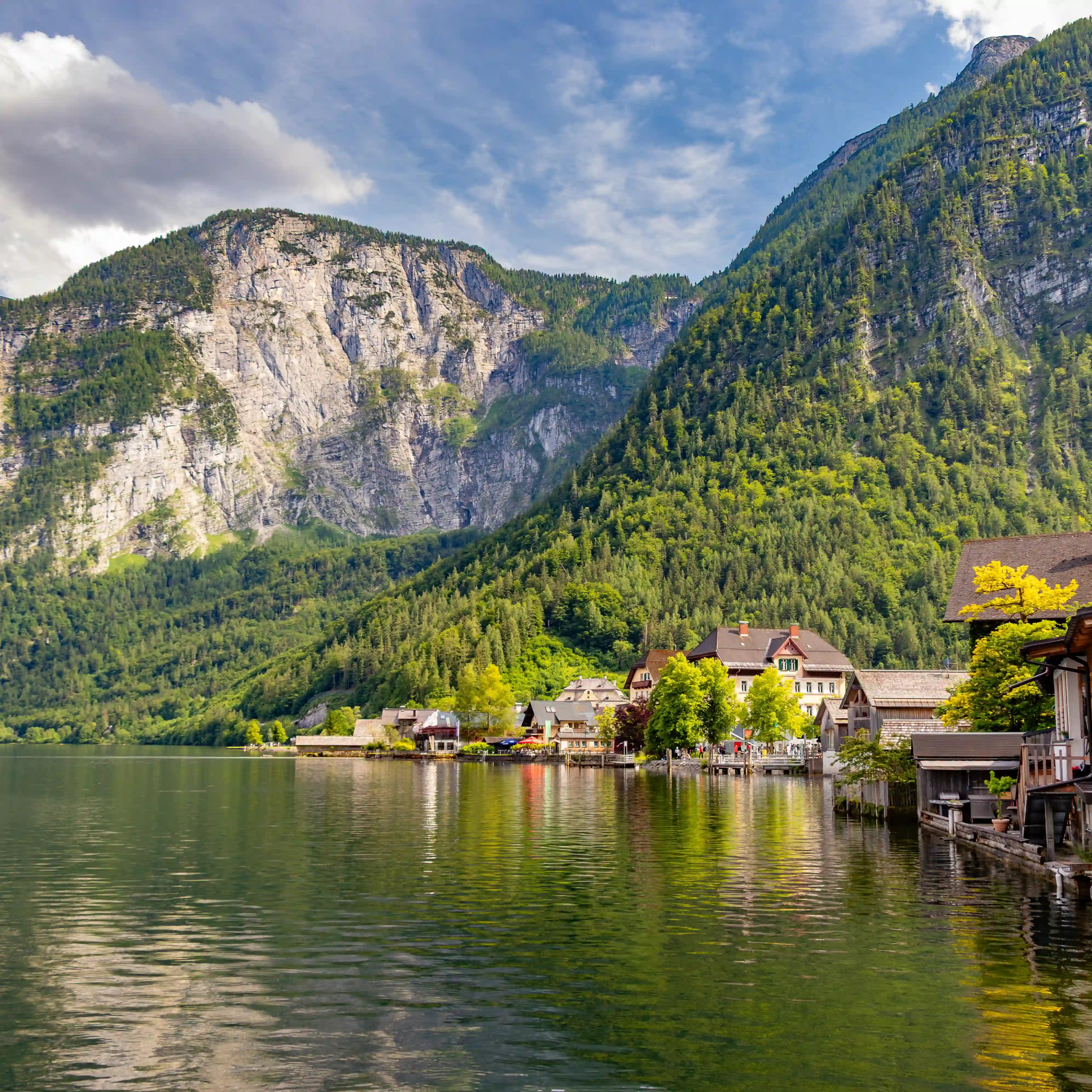
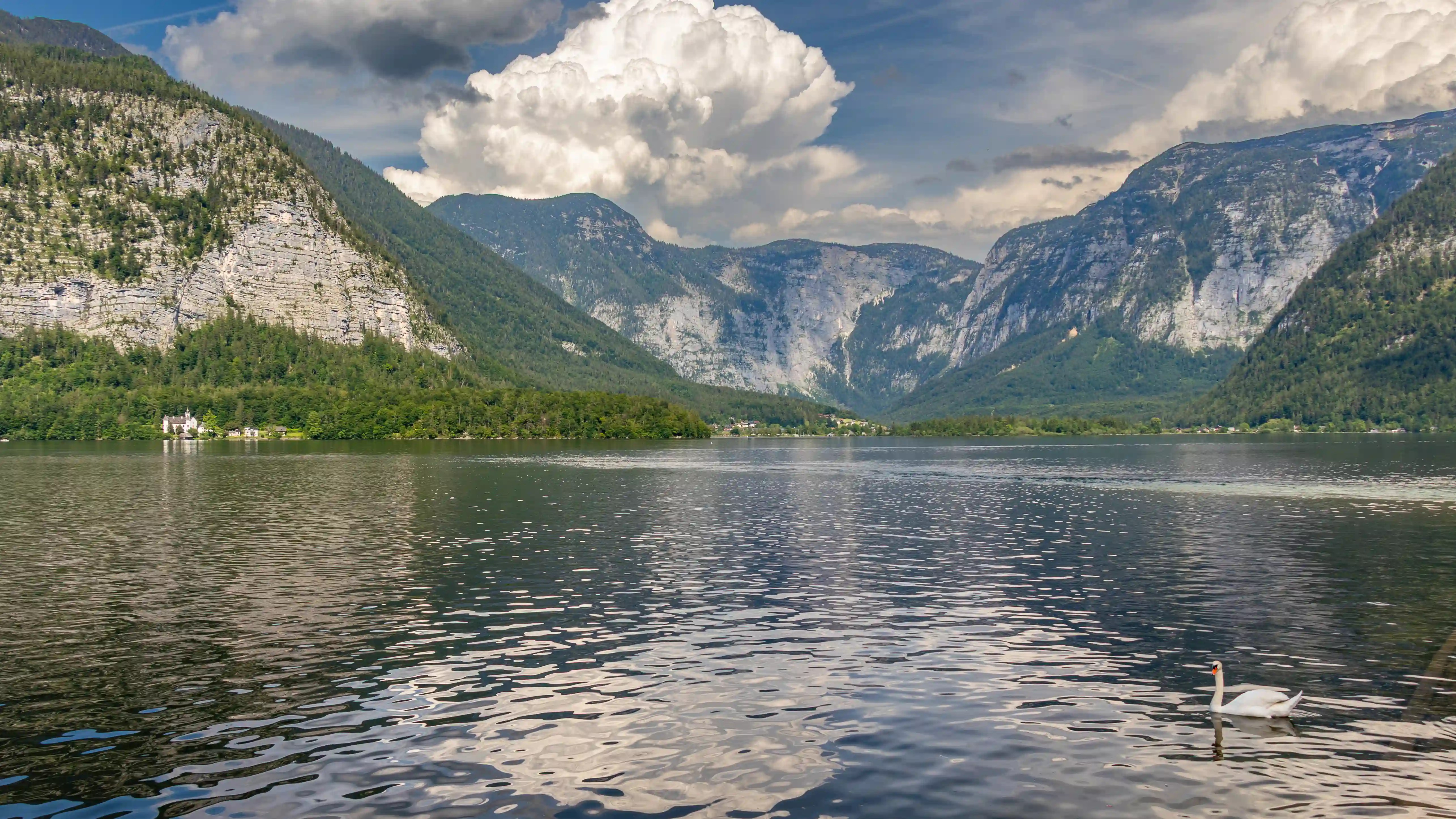
Down closer to the water, the lakeside promenade opens up to wide views across Hallstätter See toward the surrounding mountains.
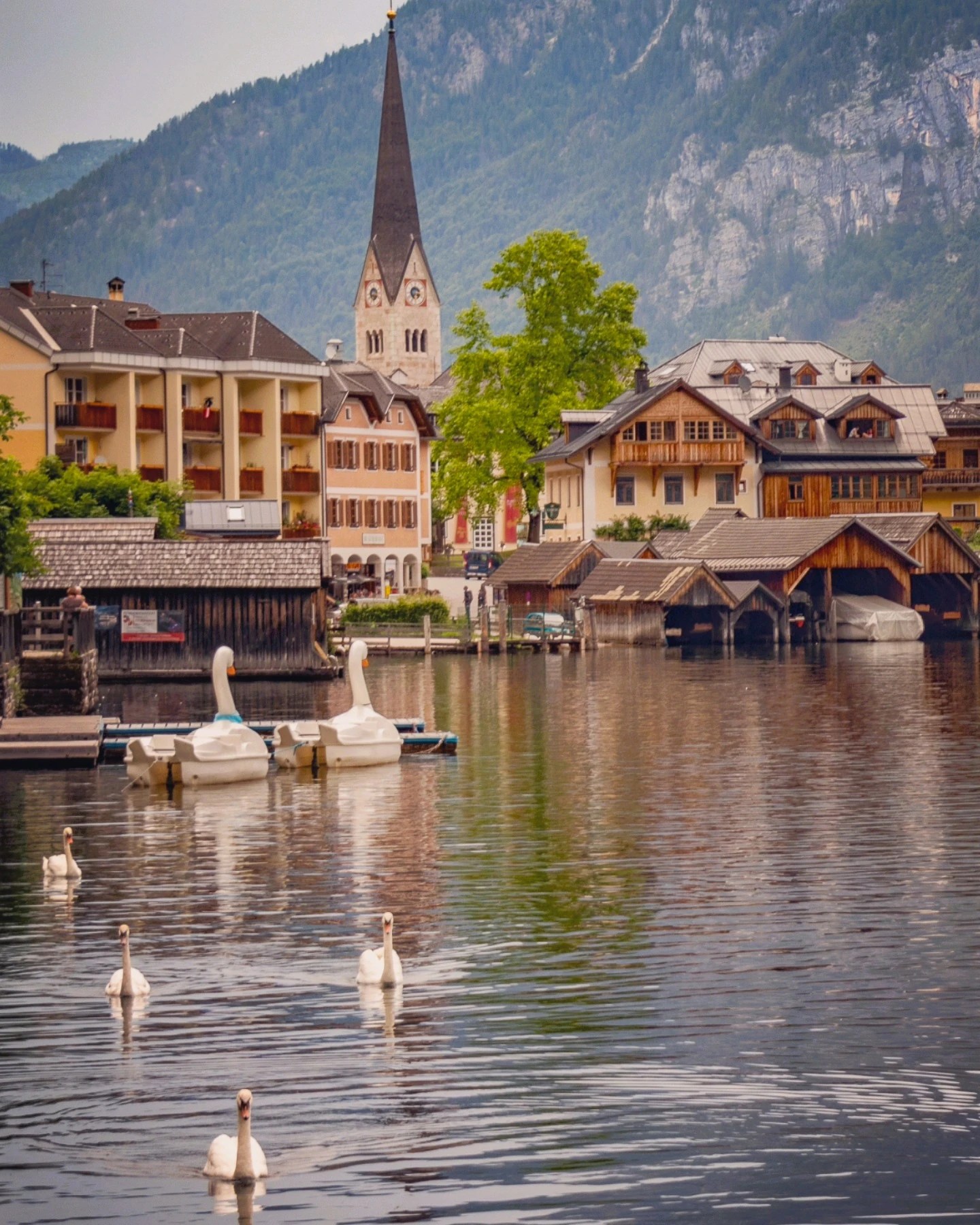
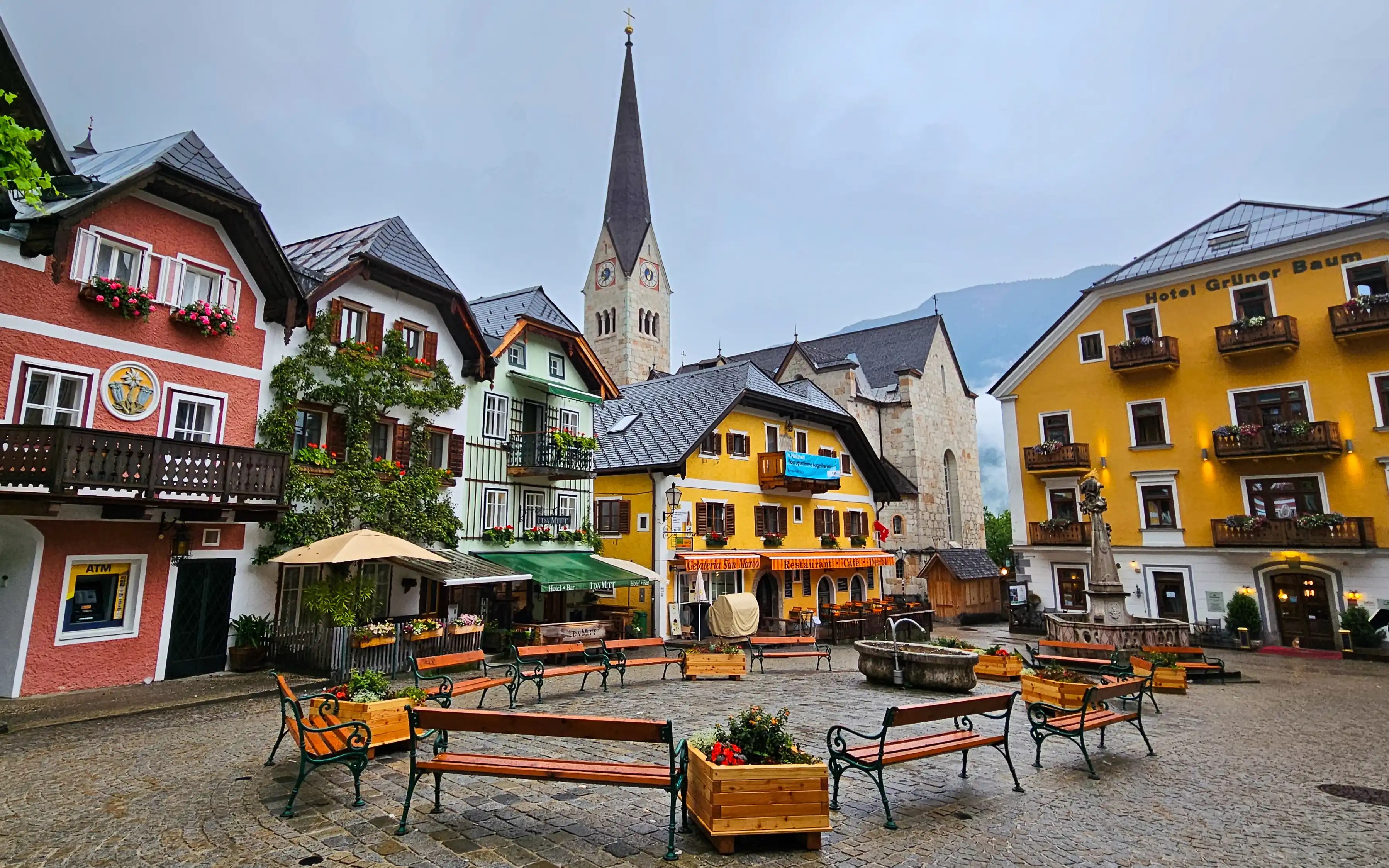
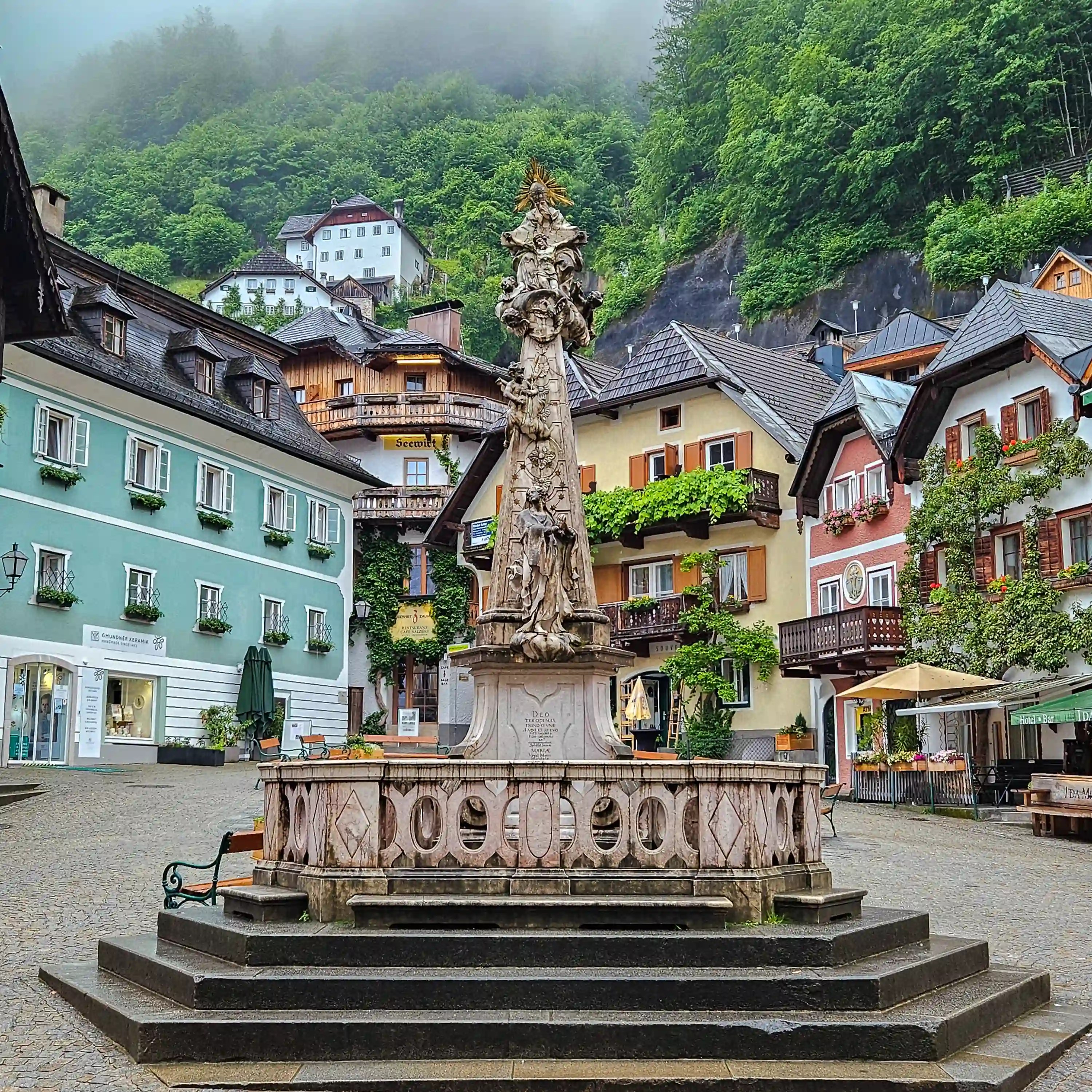
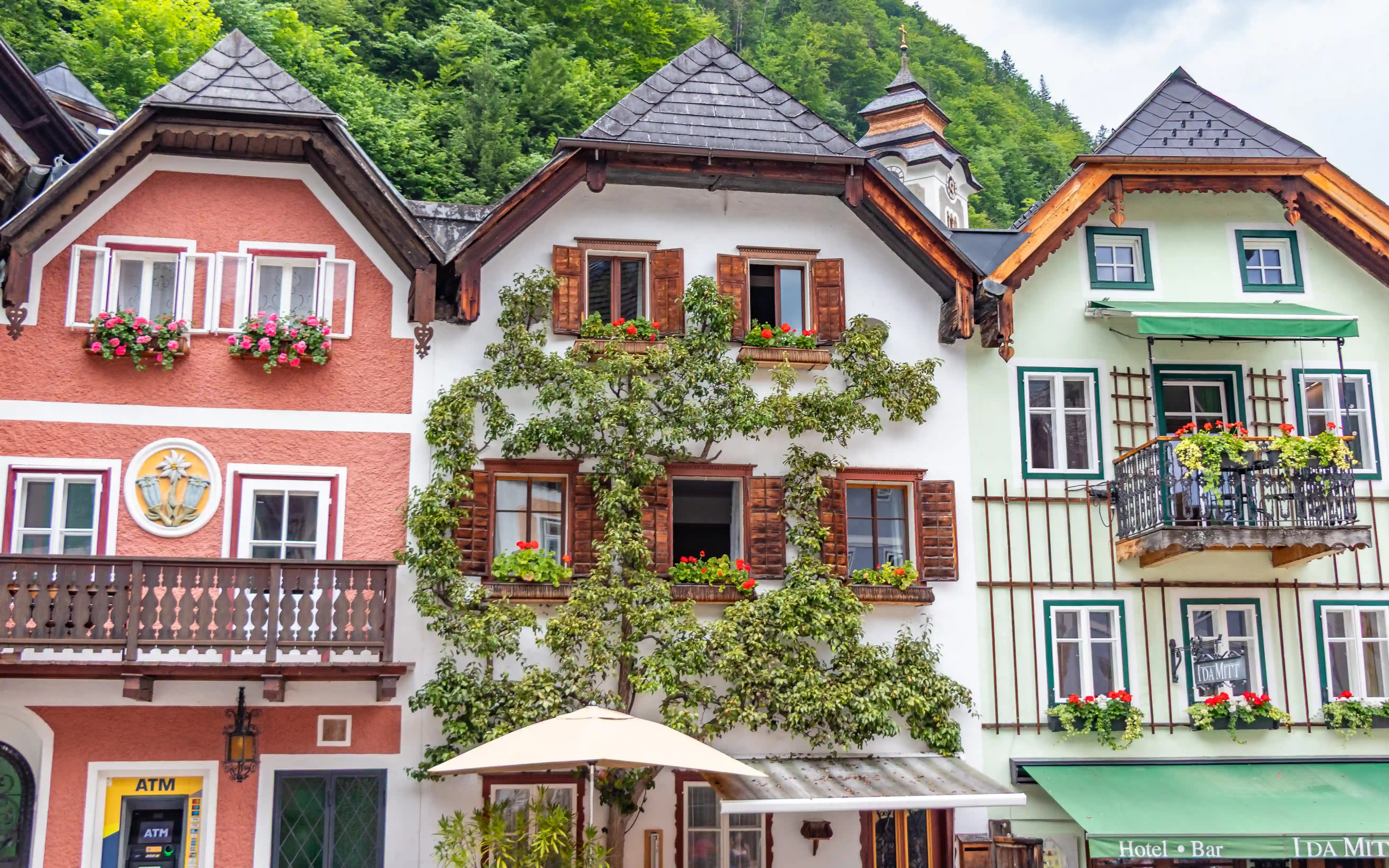
Nearby, the Market Square (Marketplatz) feels like something out of a fairytale, framed by historic buildings and the church rising above it.
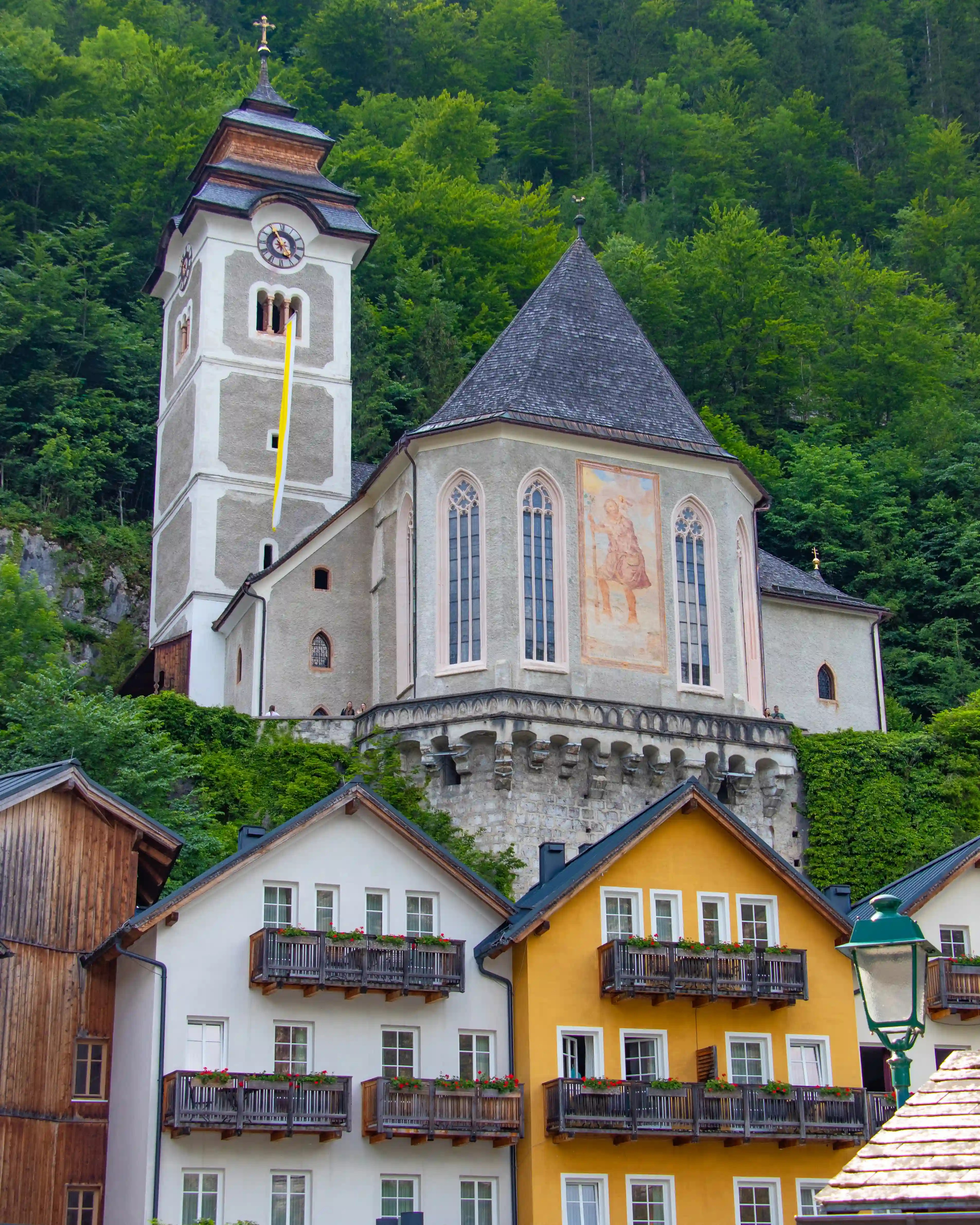
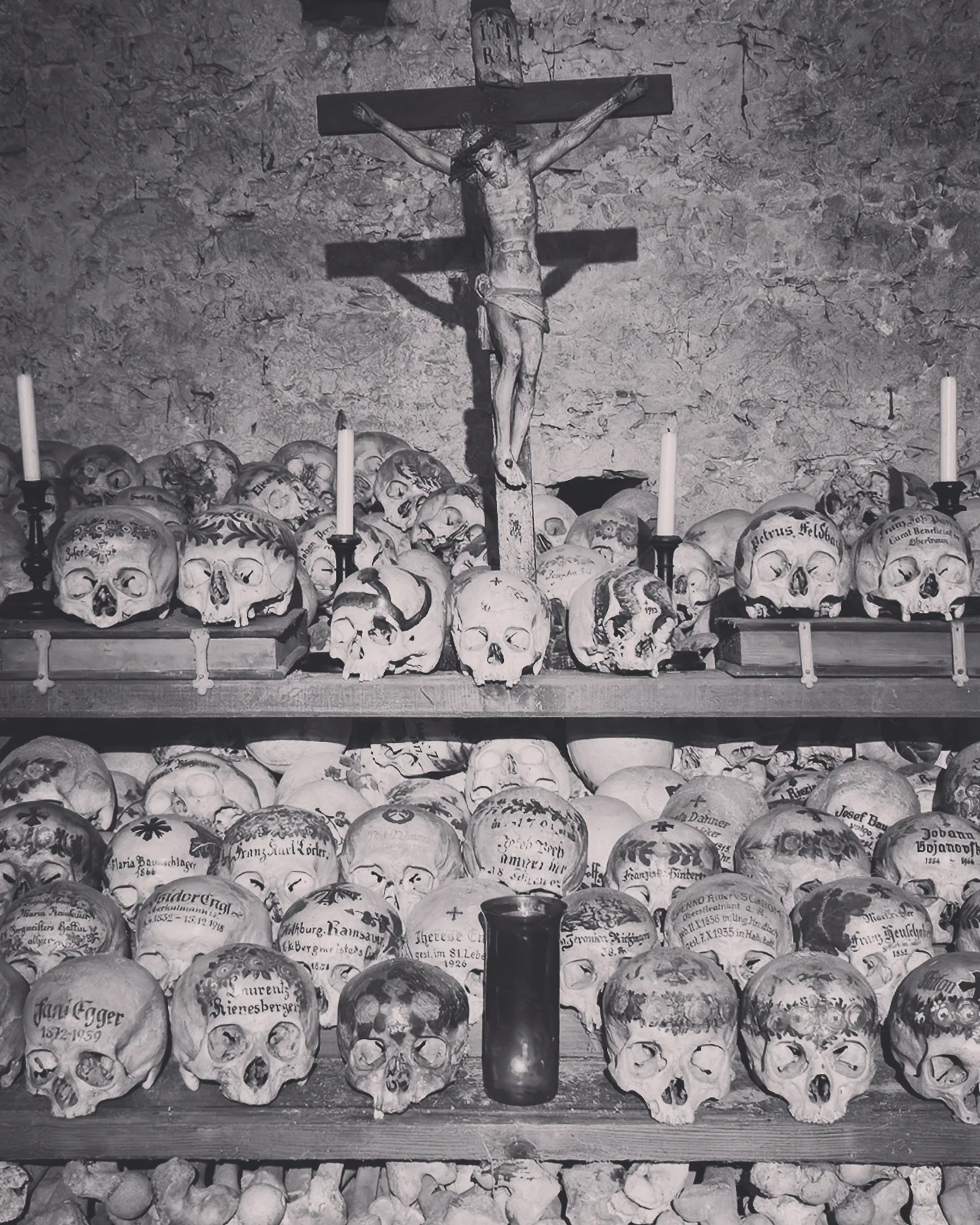
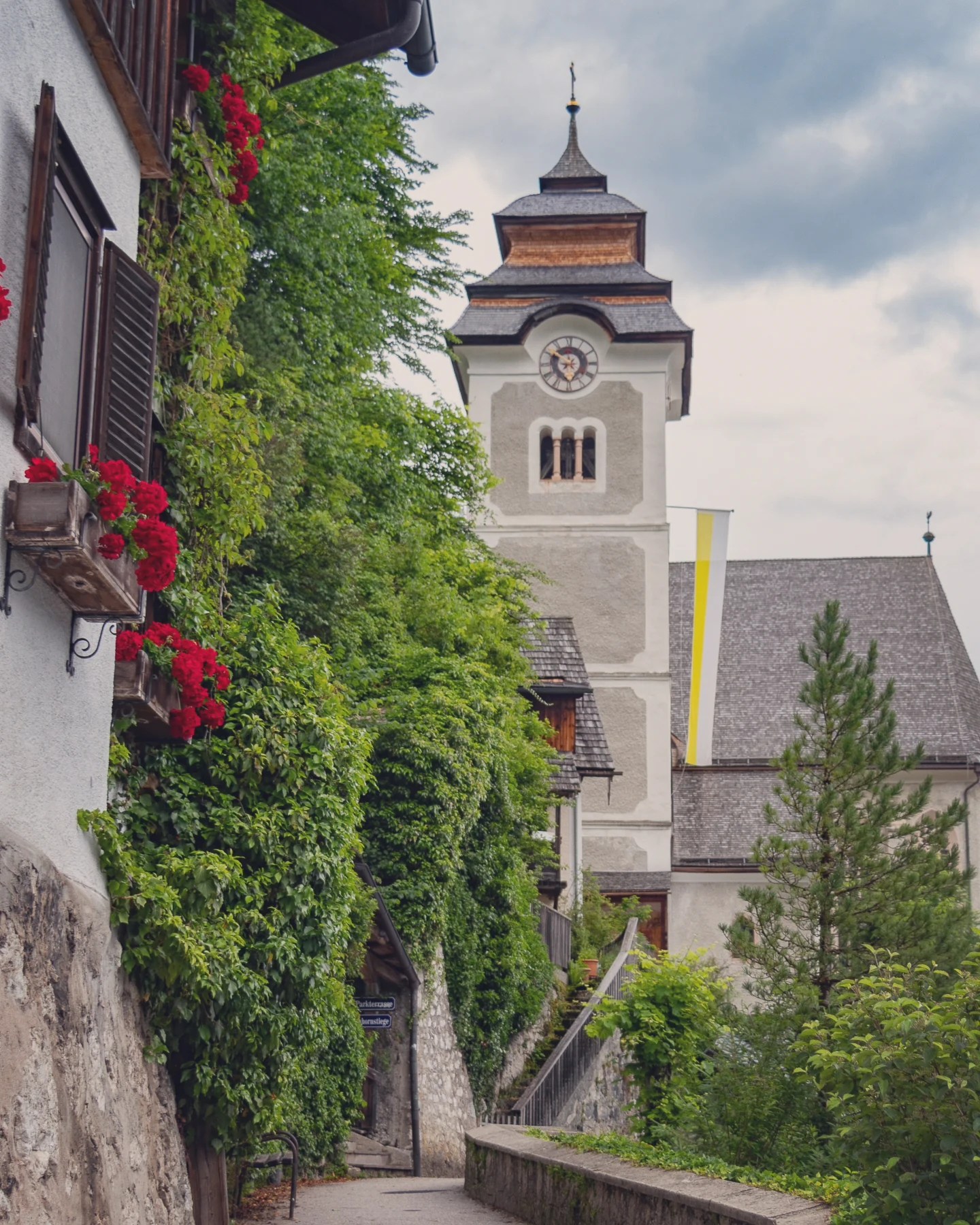
A visit to the Catholic Parish Church of Hallstatt, along with its cemetery and Charnel House (Bone House), offers insight into local burial traditions shaped by limited space and a long history.
One spot not to miss is the Panoramic Viewpoint (Aussichtspunkt Hallstatt) on the north side of town. It’s worth walking a bit farther than you think—the iconic view of the church and lake reveals itself only after rounding the bend.
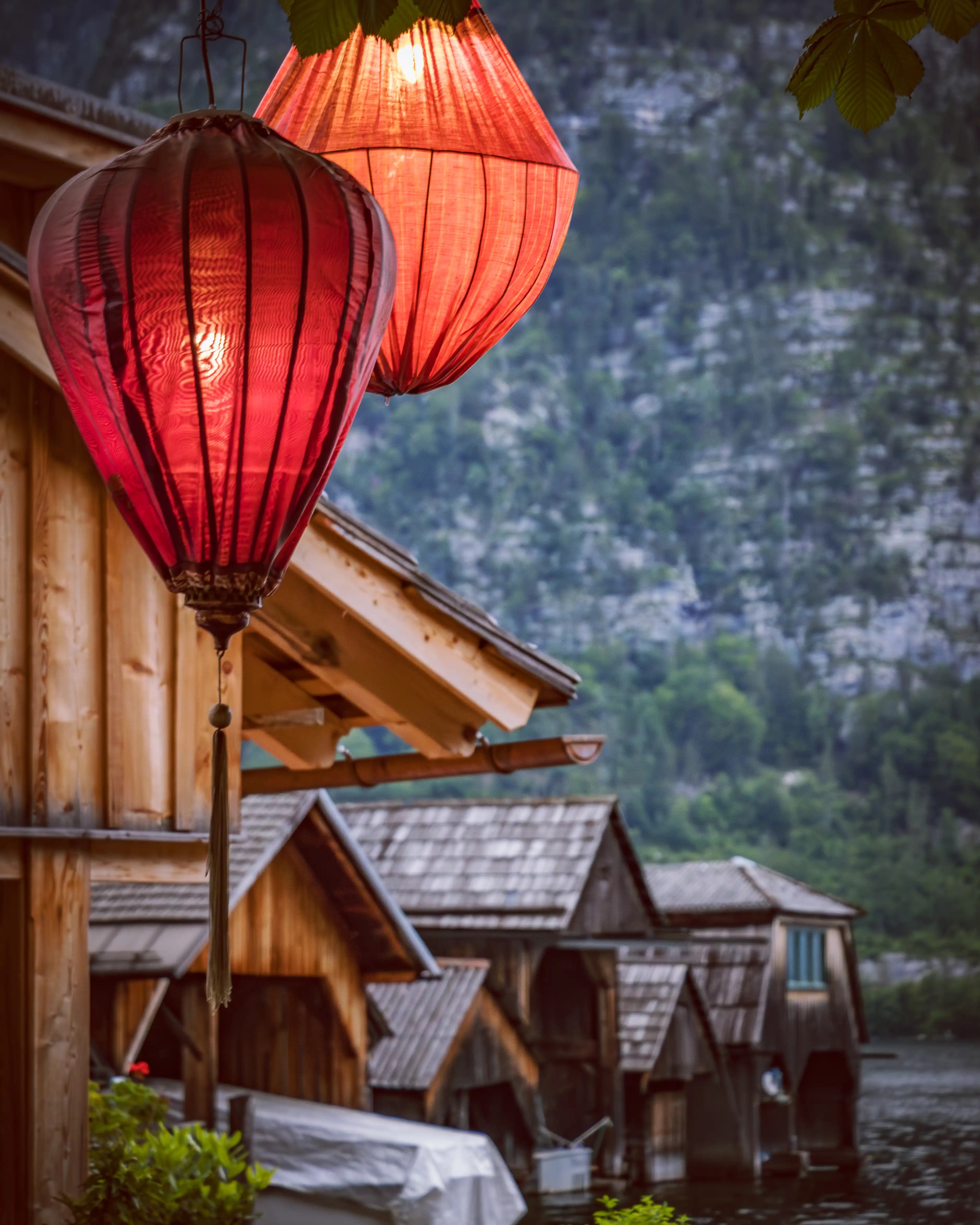
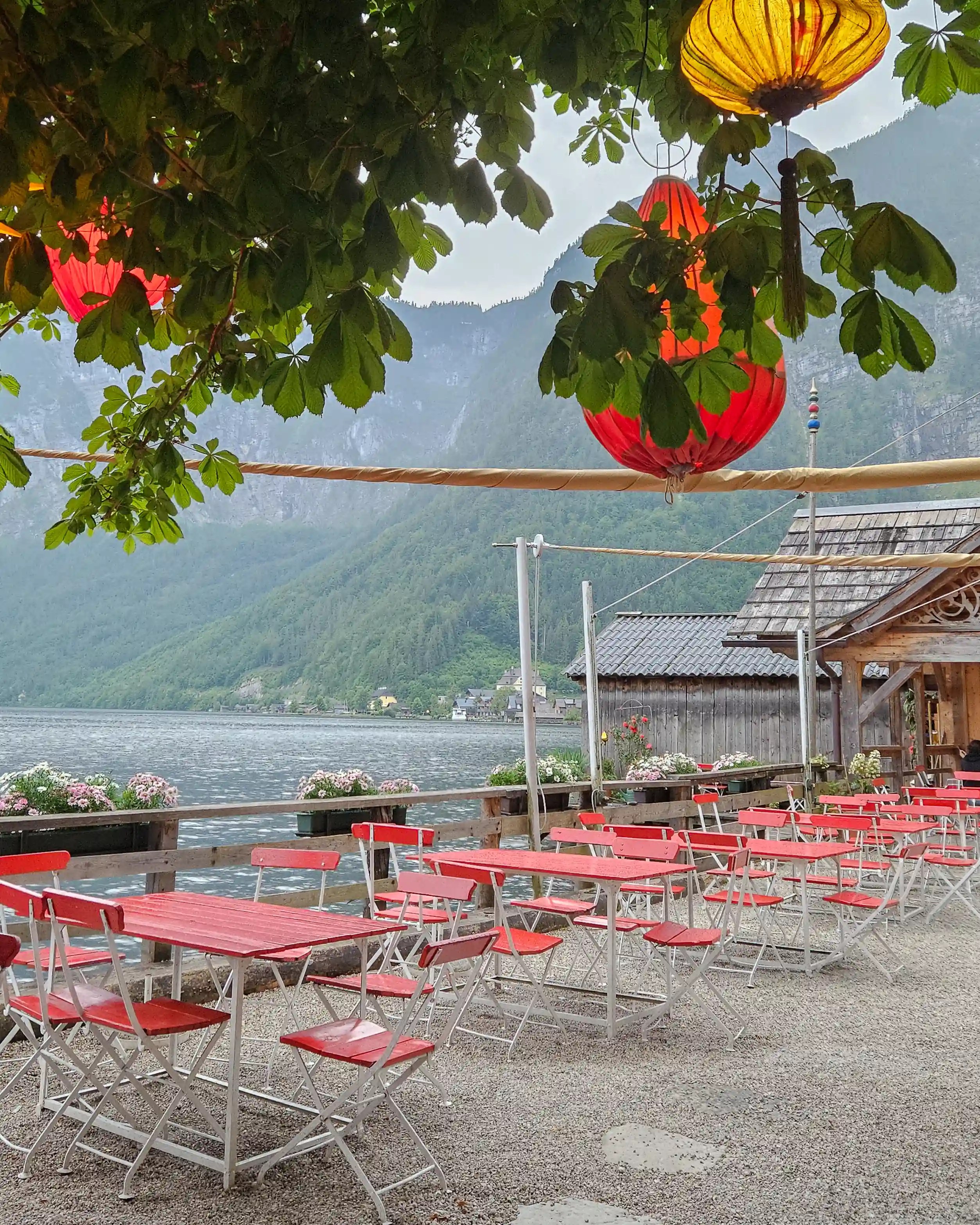
That evening, we had dinner at Braugasthof Lobisser, a historic lakeside restaurant that has been mentioned in records as far back as 1472 and was granted the right to brew beer in 1504. We ate outside along the water beneath a roughly 150-year-old chestnut tree, and as rain moved in, we watched a storm roll across the lake while staying dry beneath its branches. It was a memorable end to our day in Hallstatt.
Salzwelten Hallstatt: Inside the World’s Oldest Salt Mine
The next morning began foggy and quiet, perfect for visiting Salzwelten Hallstatt, the historic salt mine above town that brings Hallstatt’s 7,000-year mining story to life before continuing on to Salzburg.
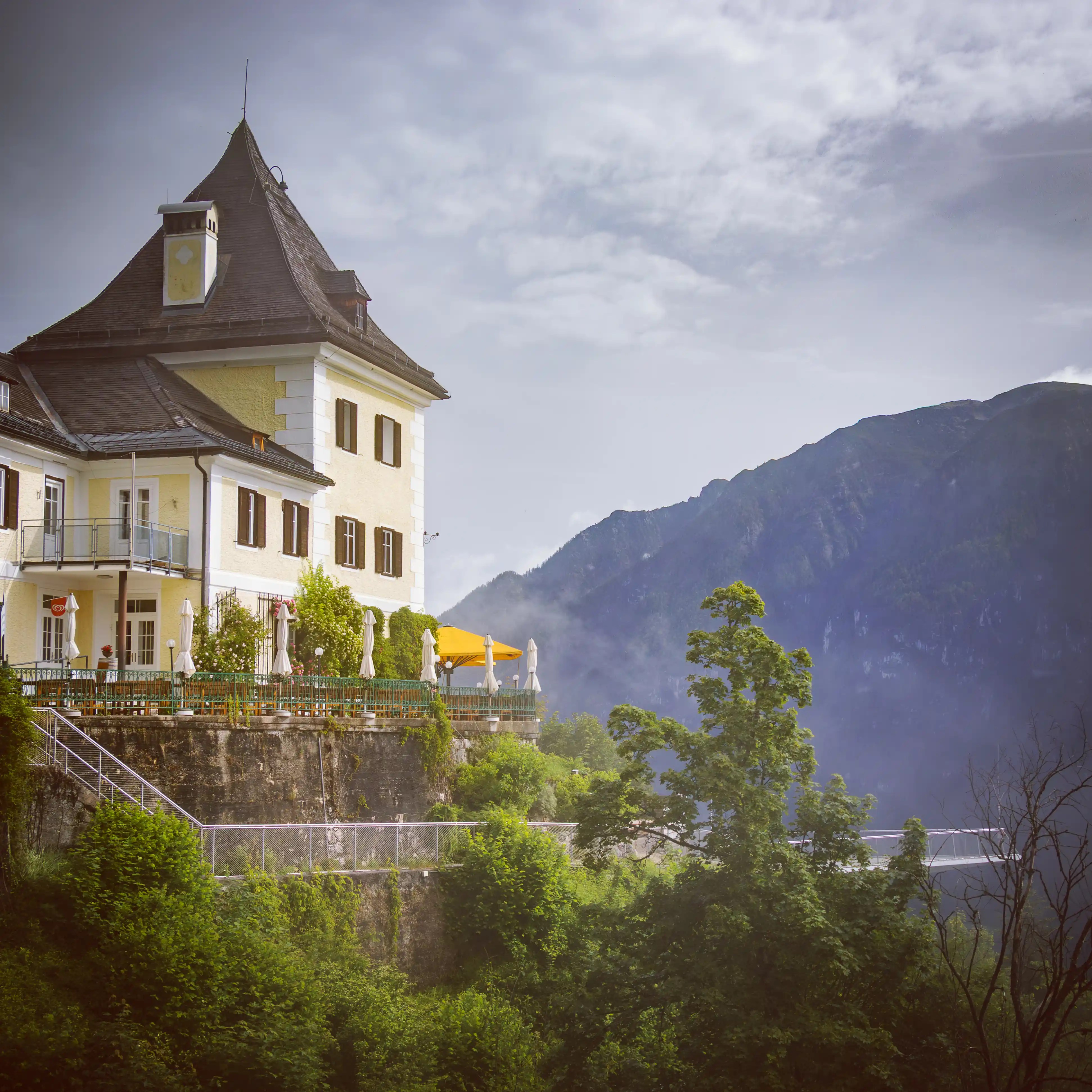
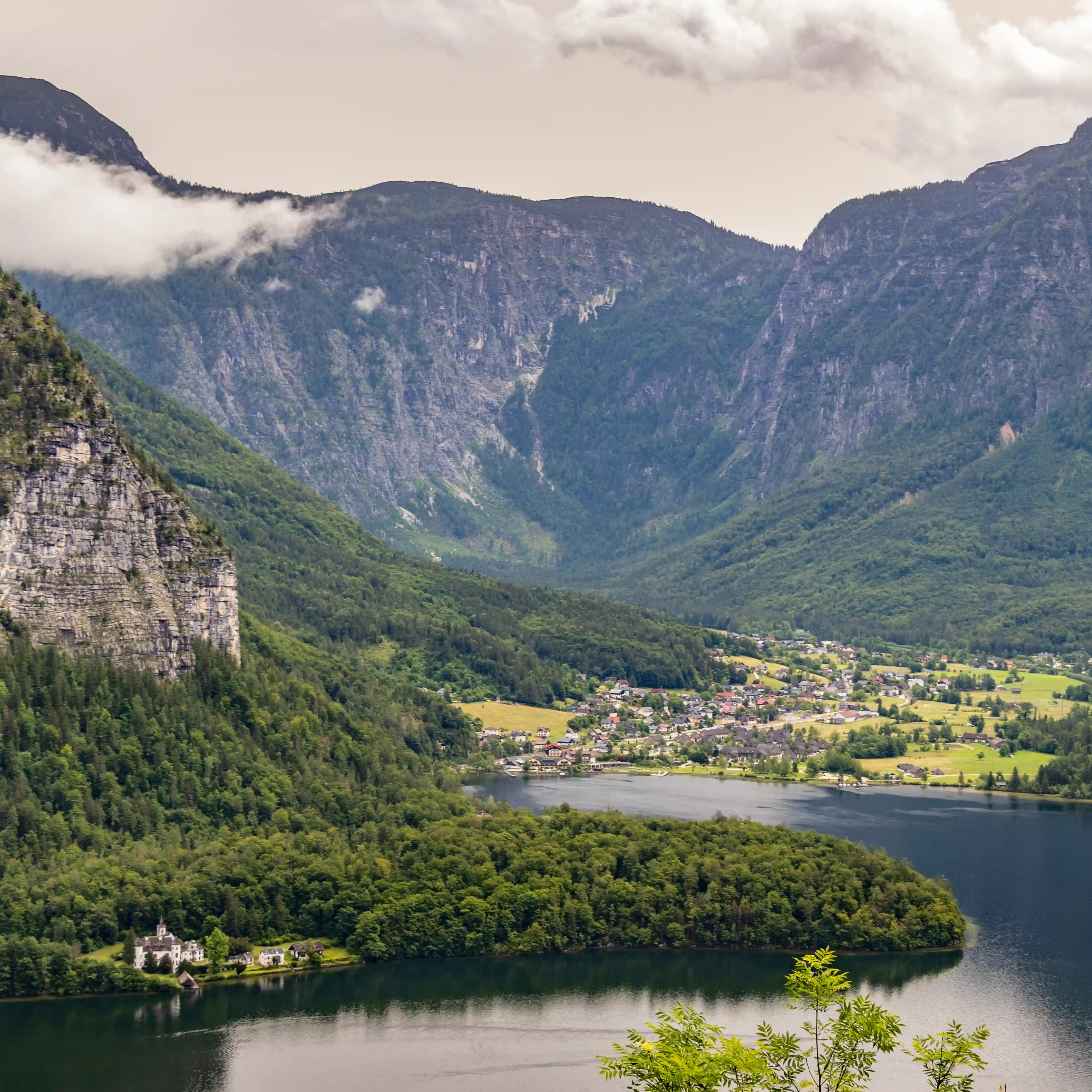
A funicular ride (Salzbergbahn) carries you up the mountainside to the Hallstatt Skywalk, known as the “World Heritage View” observation platform. Located just in front of the historic Restaurant Rudolfsturm, the Skywalk extends out over the valley and offers sweeping views of Hallstatt, Lake Hallstatt, and the surrounding mountains. Standing here makes it easy to understand why this area earned UNESCO World Heritage status—the dramatic setting, the tightly clustered villages below, and the landscape shaped by salt mining over thousands of years all come together in one unforgettable view.
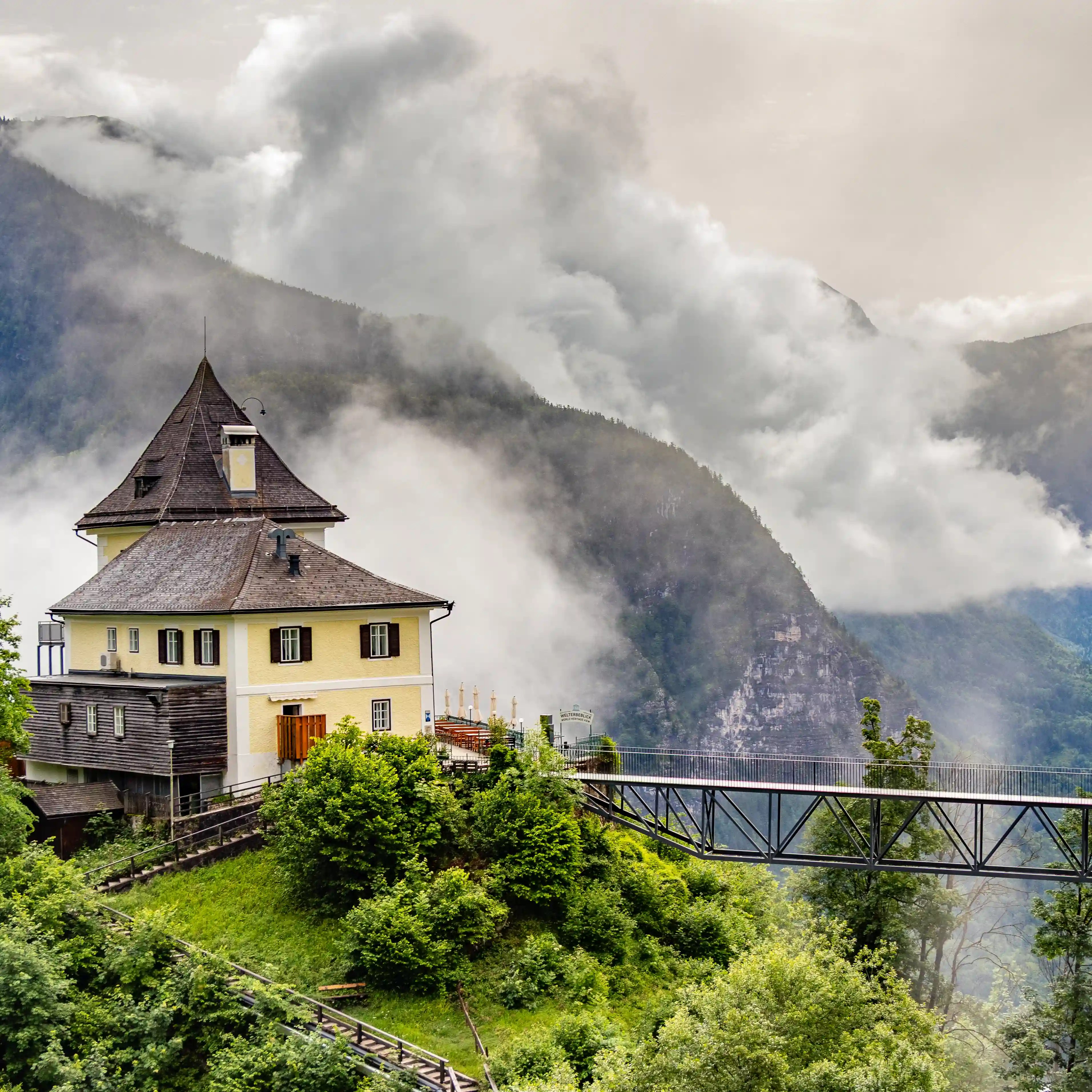
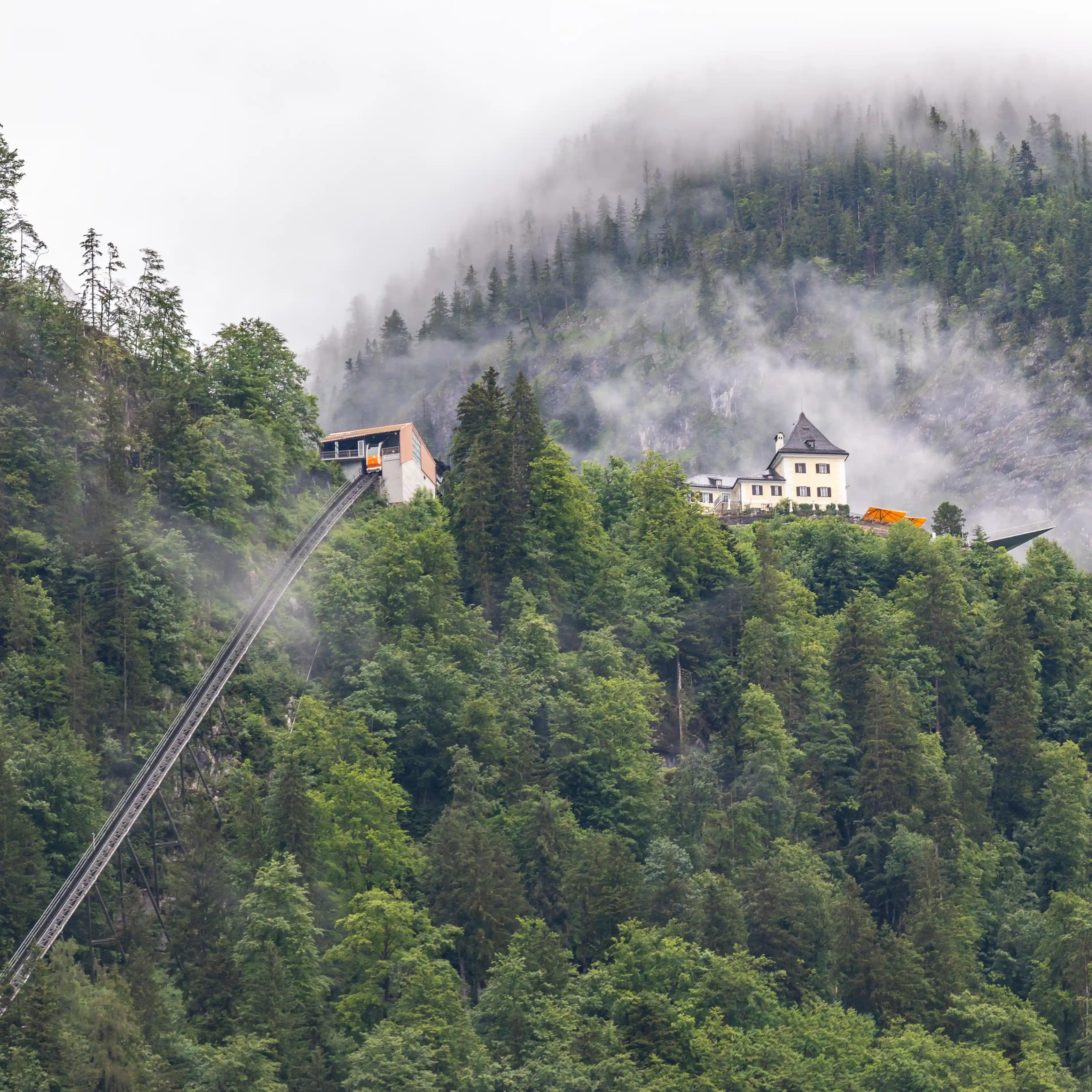
Inside the mine, we put on coveralls and followed tunnels carved deep into the mountain. Highlights included riding the historic wooden slides once used by miners, traveling out of the mine on the small miners’ train, and seeing the underground salt lake illuminated with colorful lighting. We also learned about archaeological discoveries, including a prehistoric wooden staircase uncovered within the mine, preserved for thousands of years by salt and dated to around 1344 BCE—the oldest known staircase in Europe.
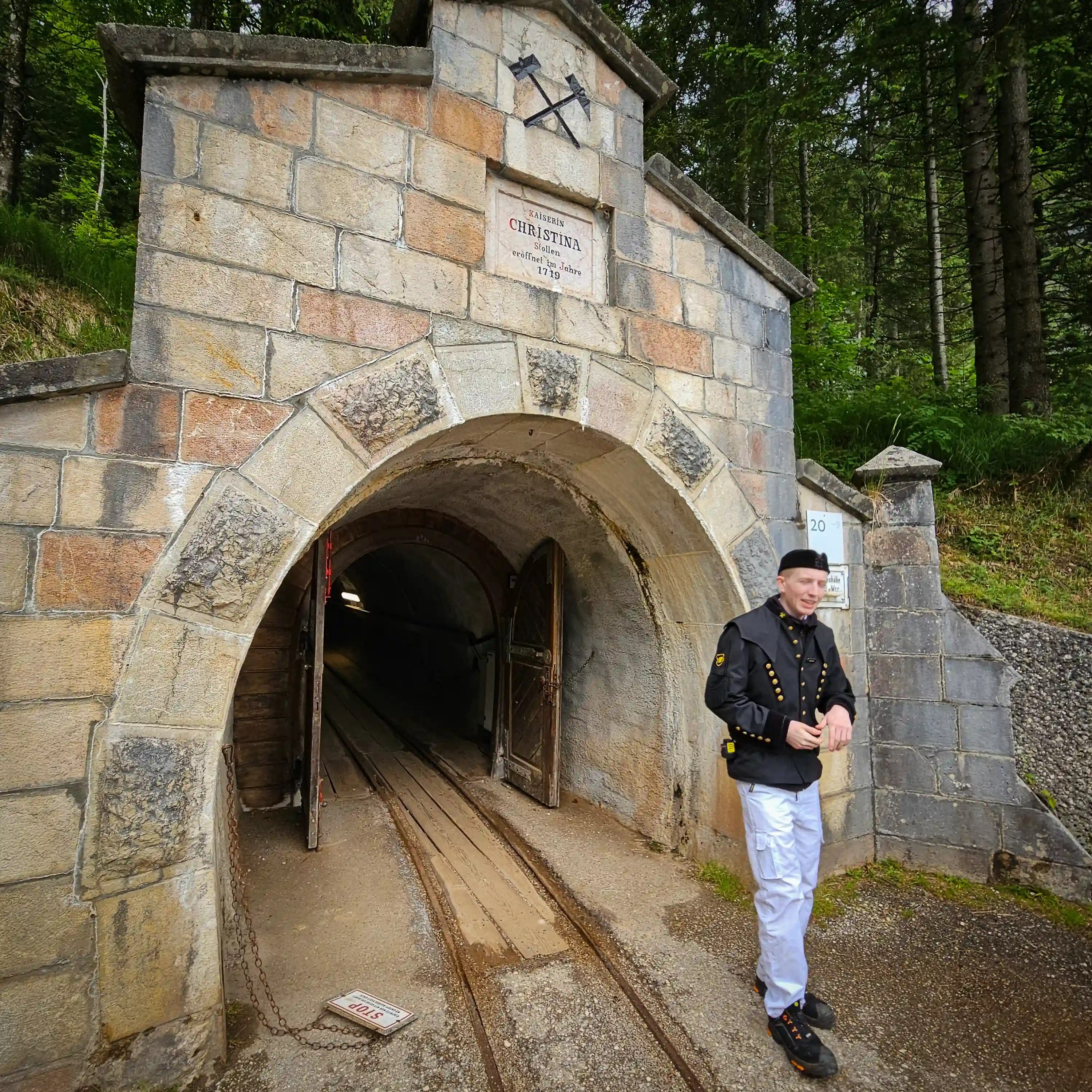
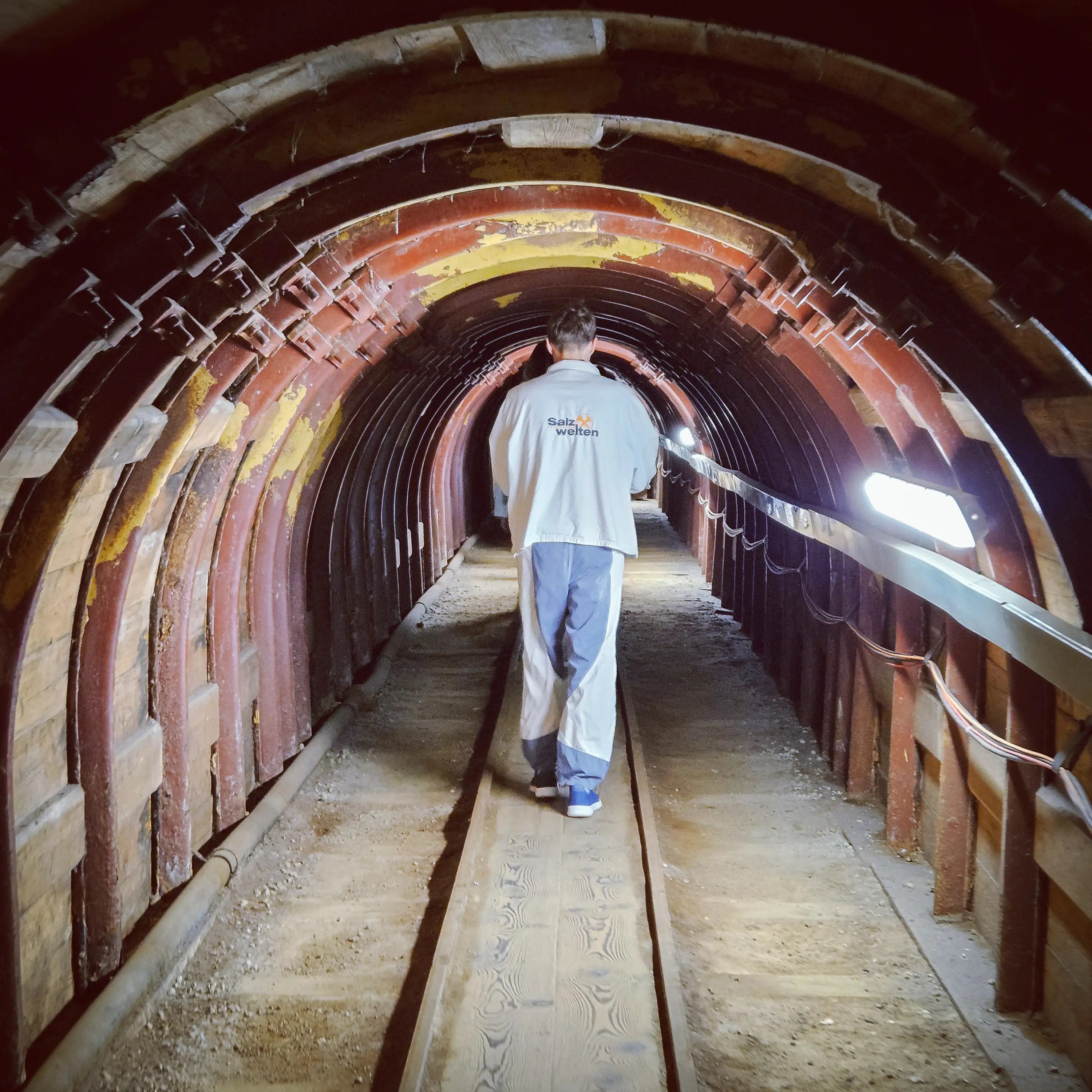

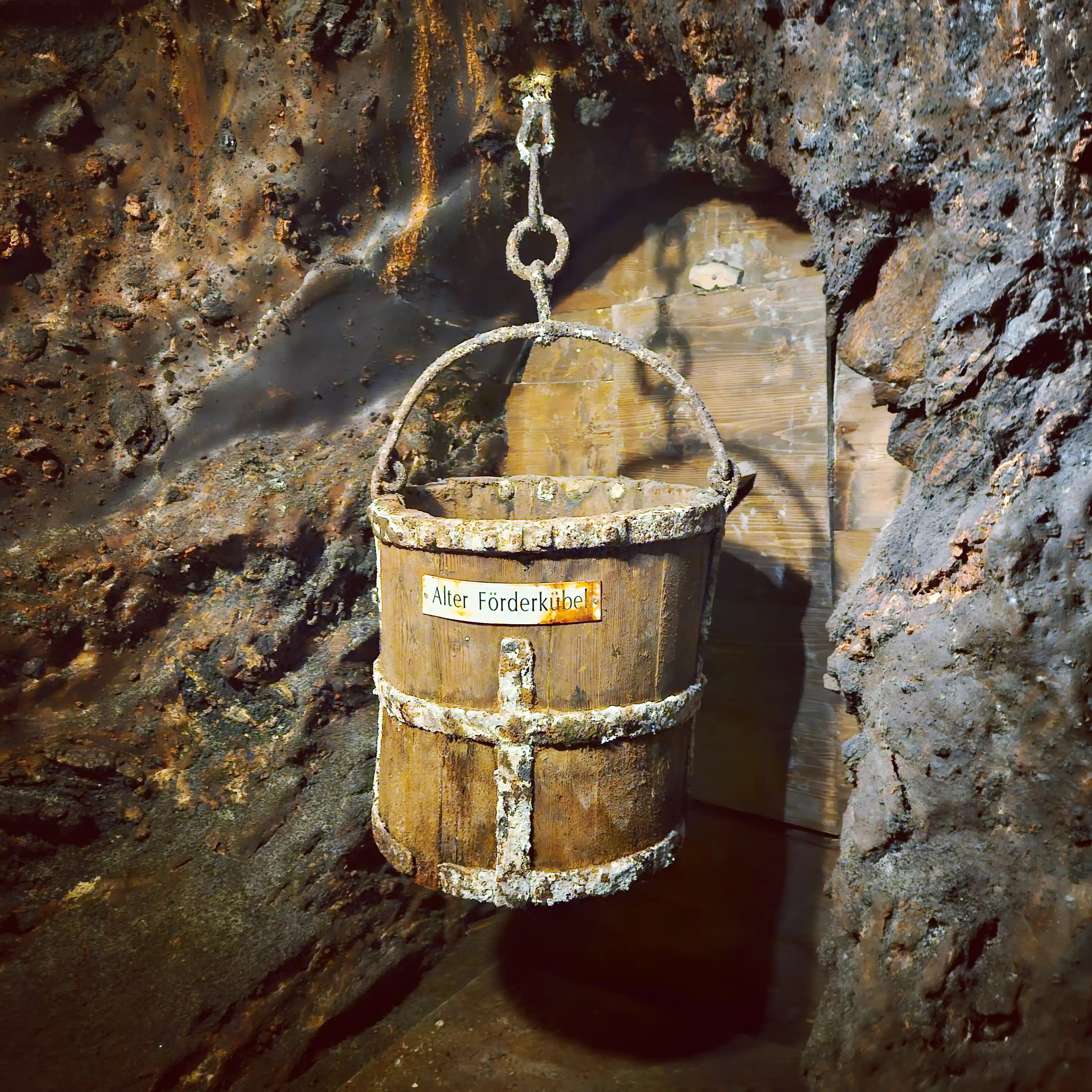
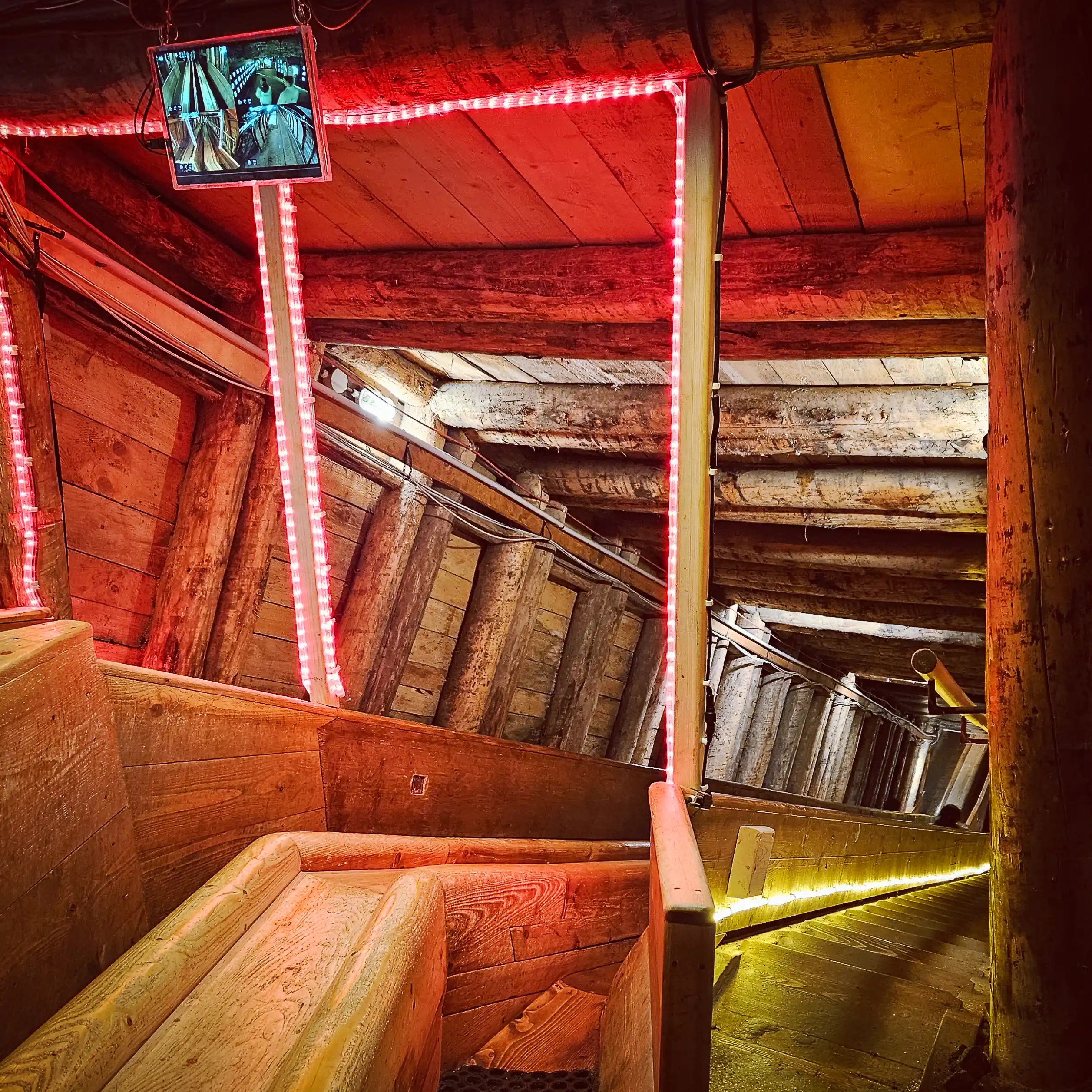
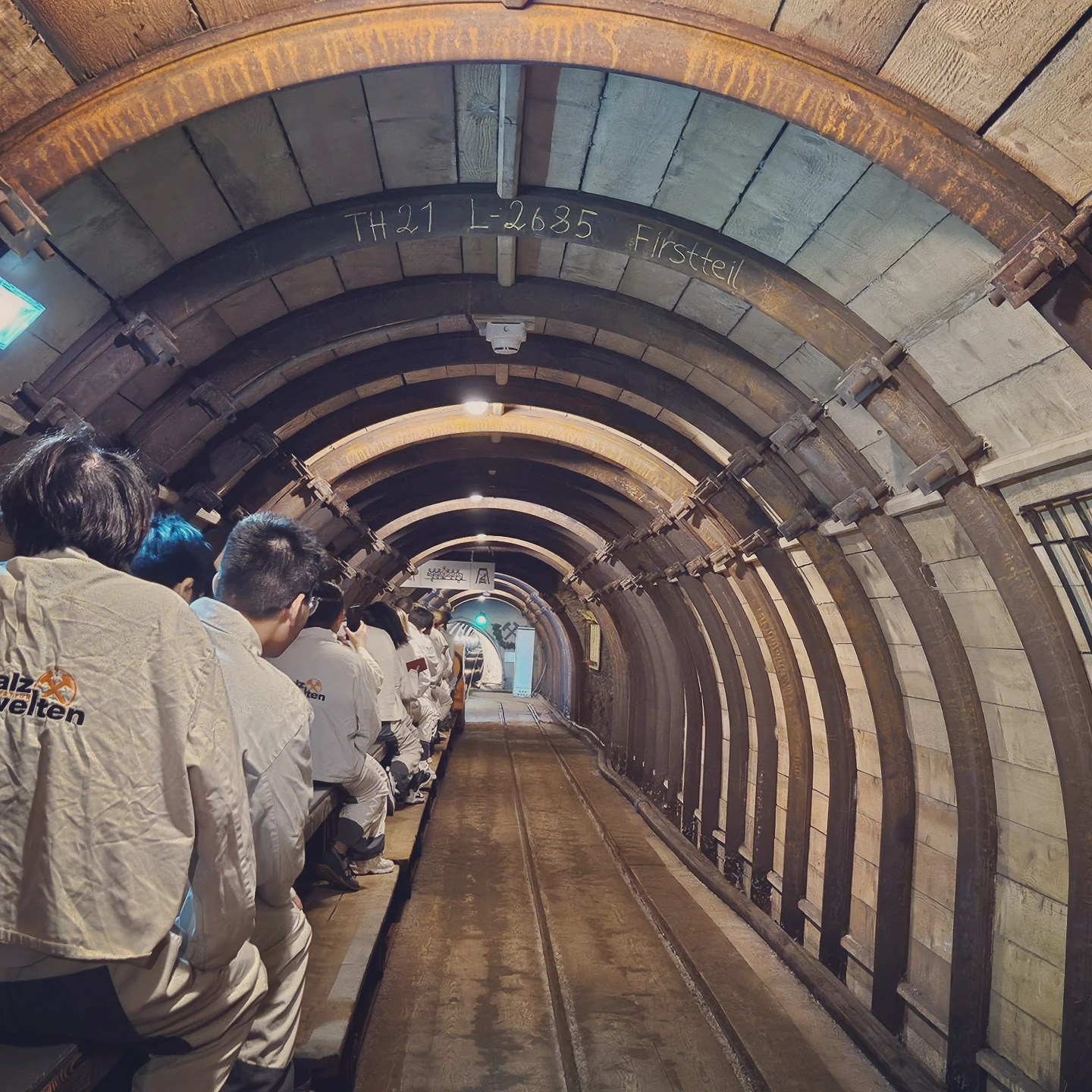
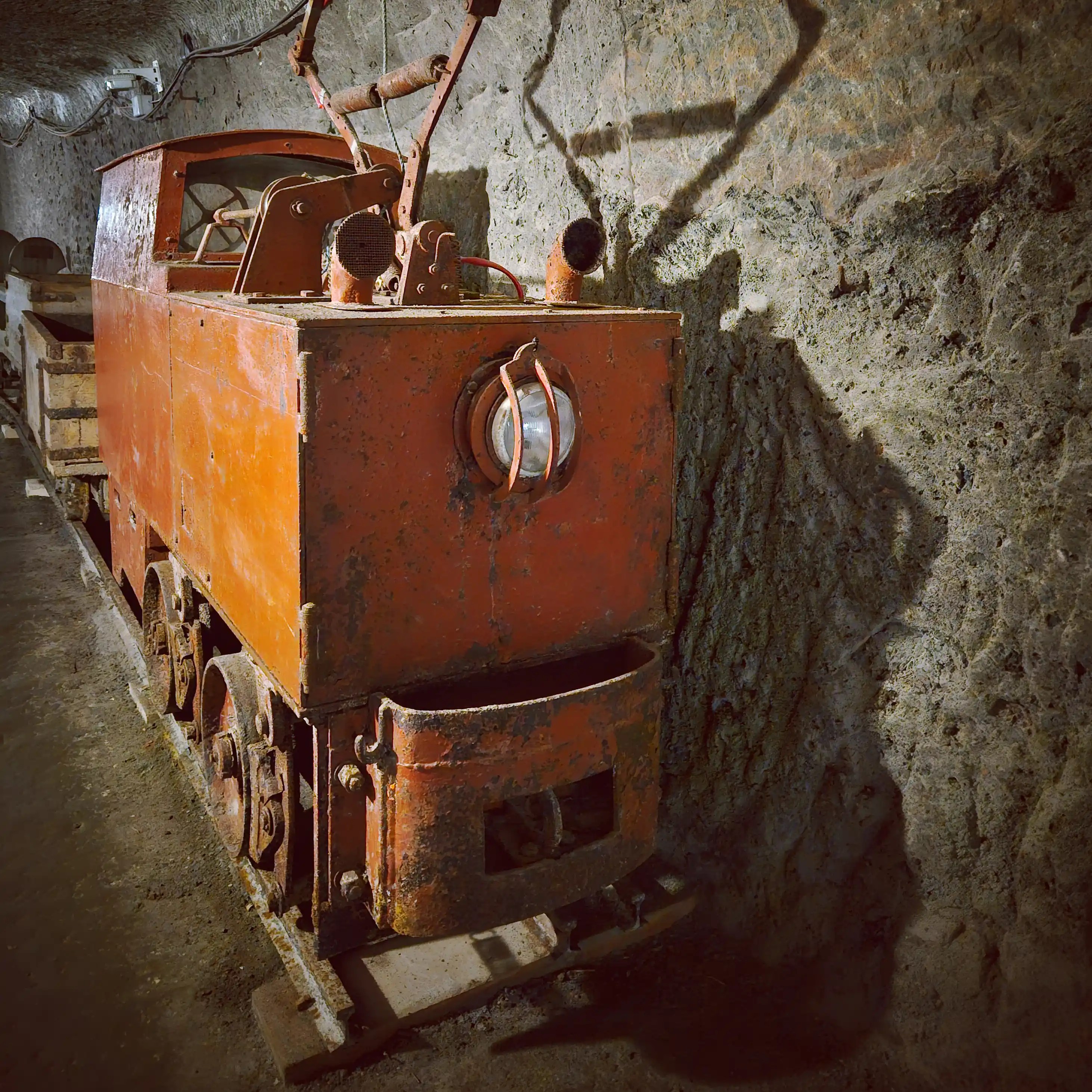
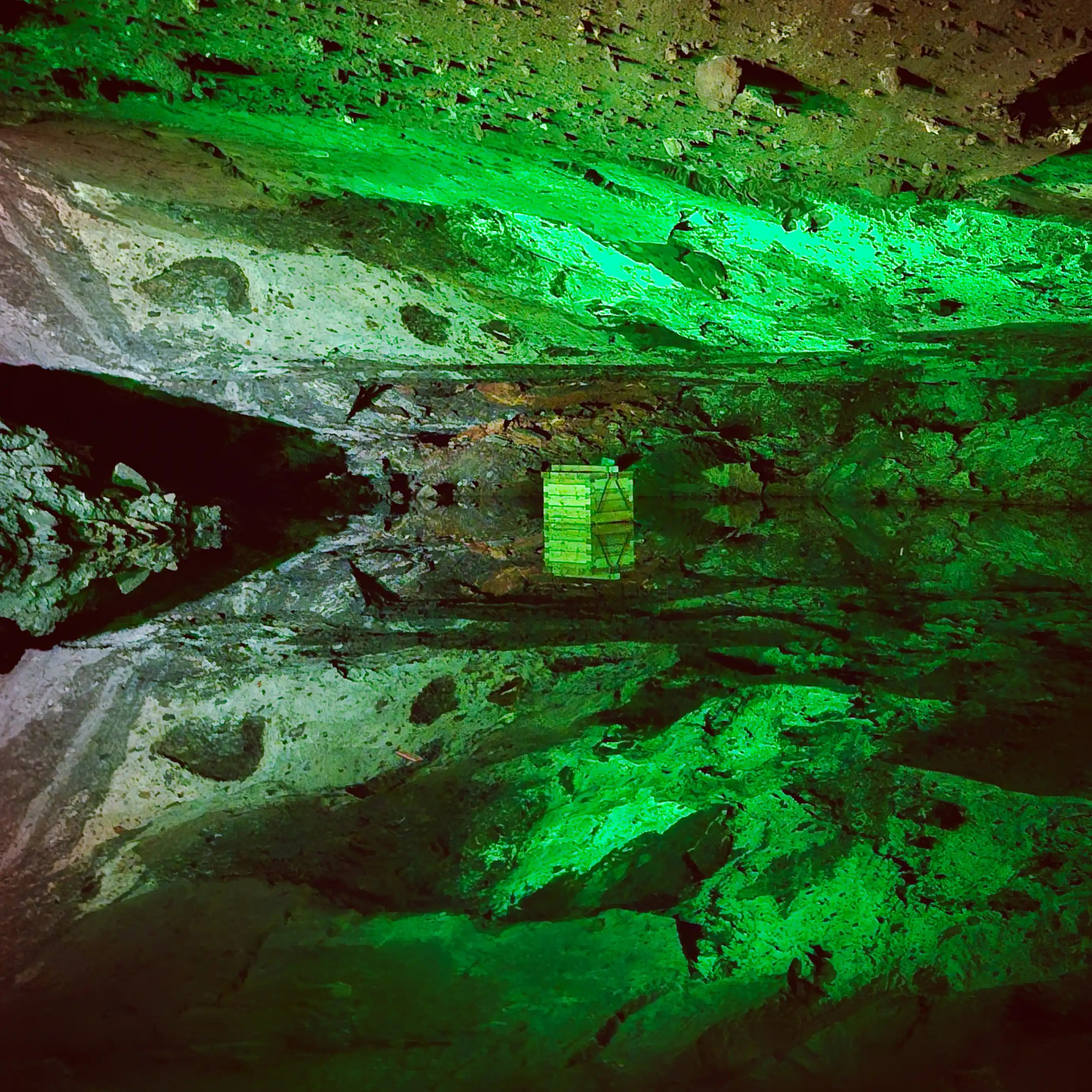
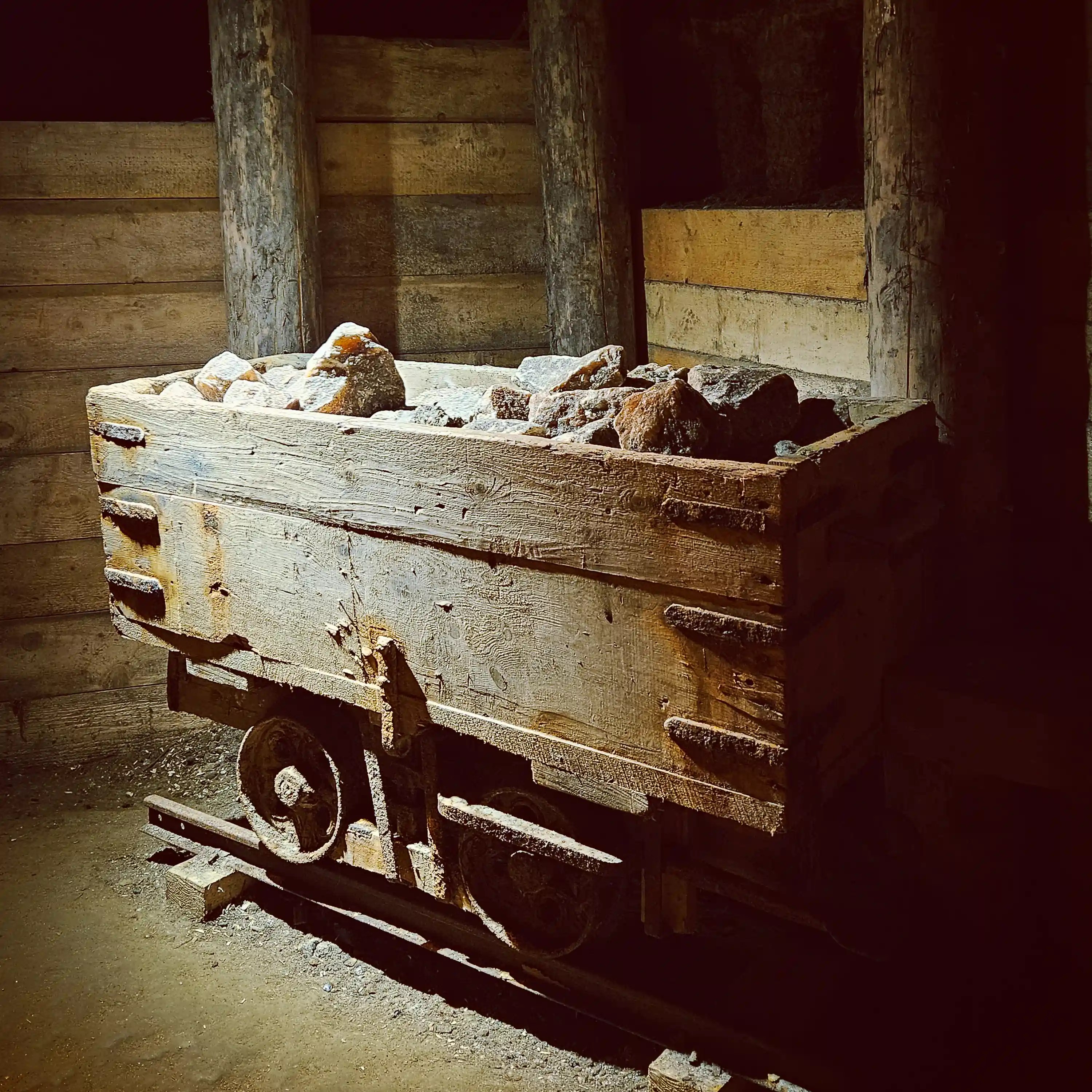
After the tour, we walked the trail back down to town, enjoying shifting clouds and changing views of the lake below, even passing a large waterfall just above Hallstatt.
(Note: The Hallstatt salt mine and funicular are currently closed for renovation and are expected to reopen in summer 2026. In the meantime, visitors can reach Salzwelten Altaussee via shuttle from Hallstatt.)
Salzburg: History, Music, and Exploring the Old Town
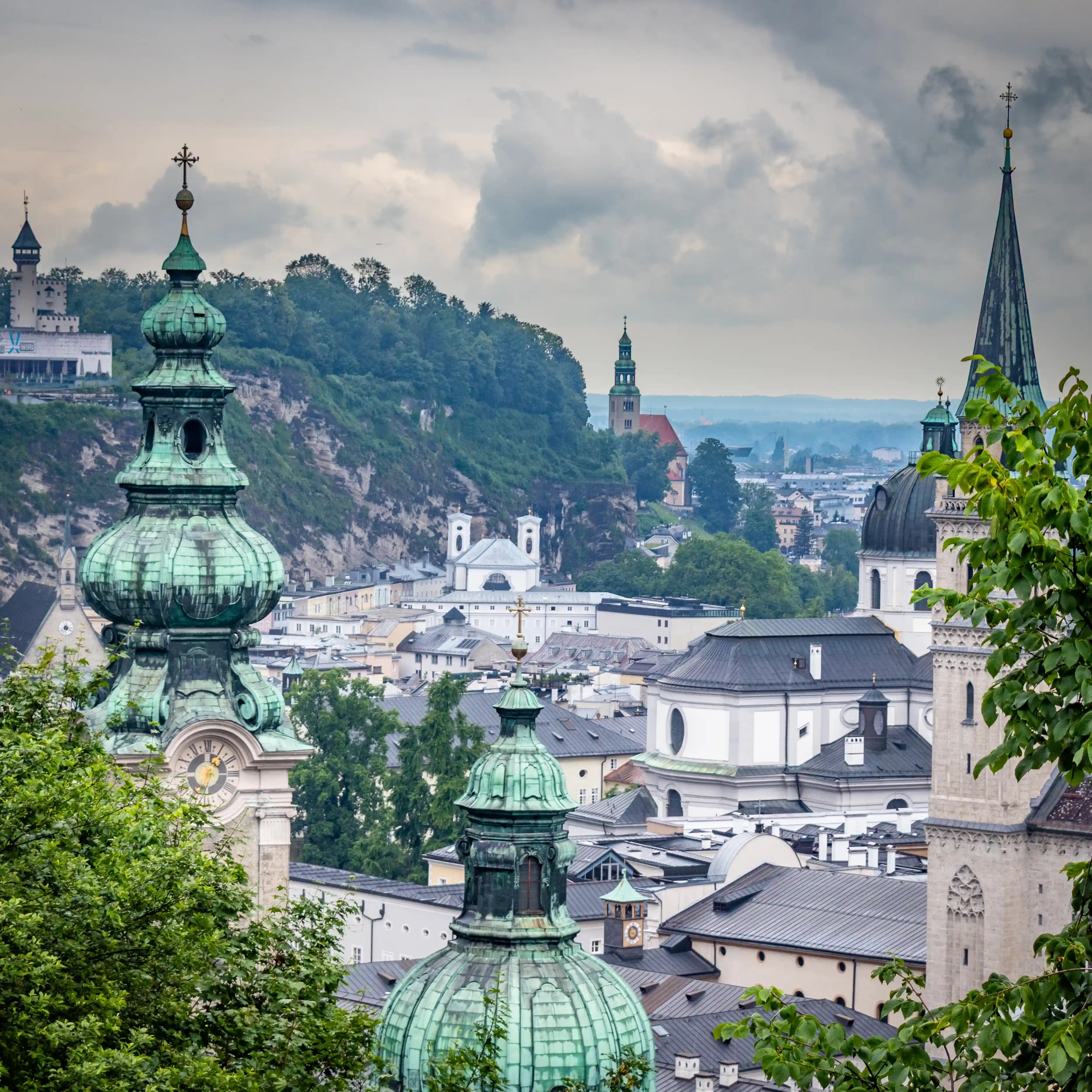
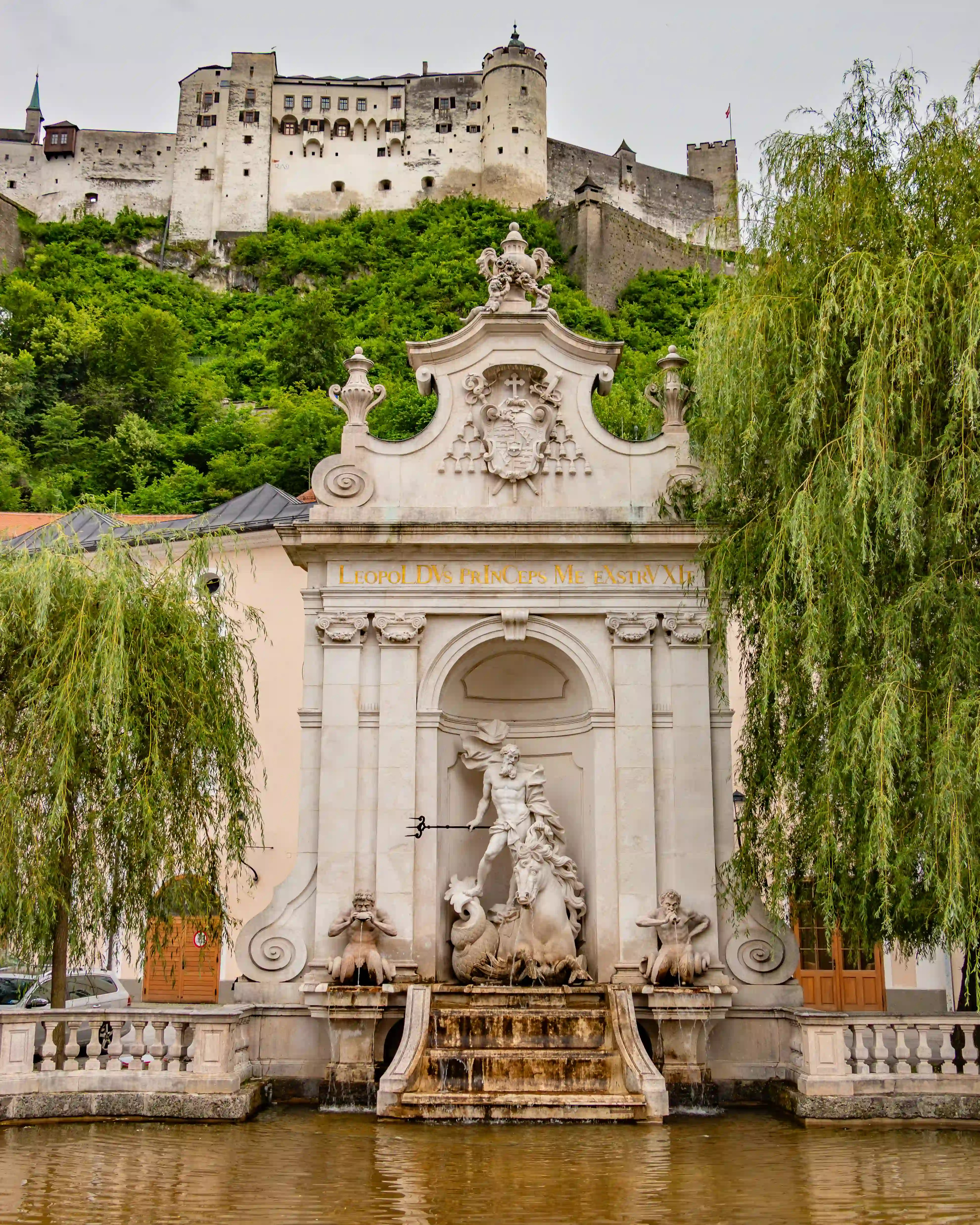
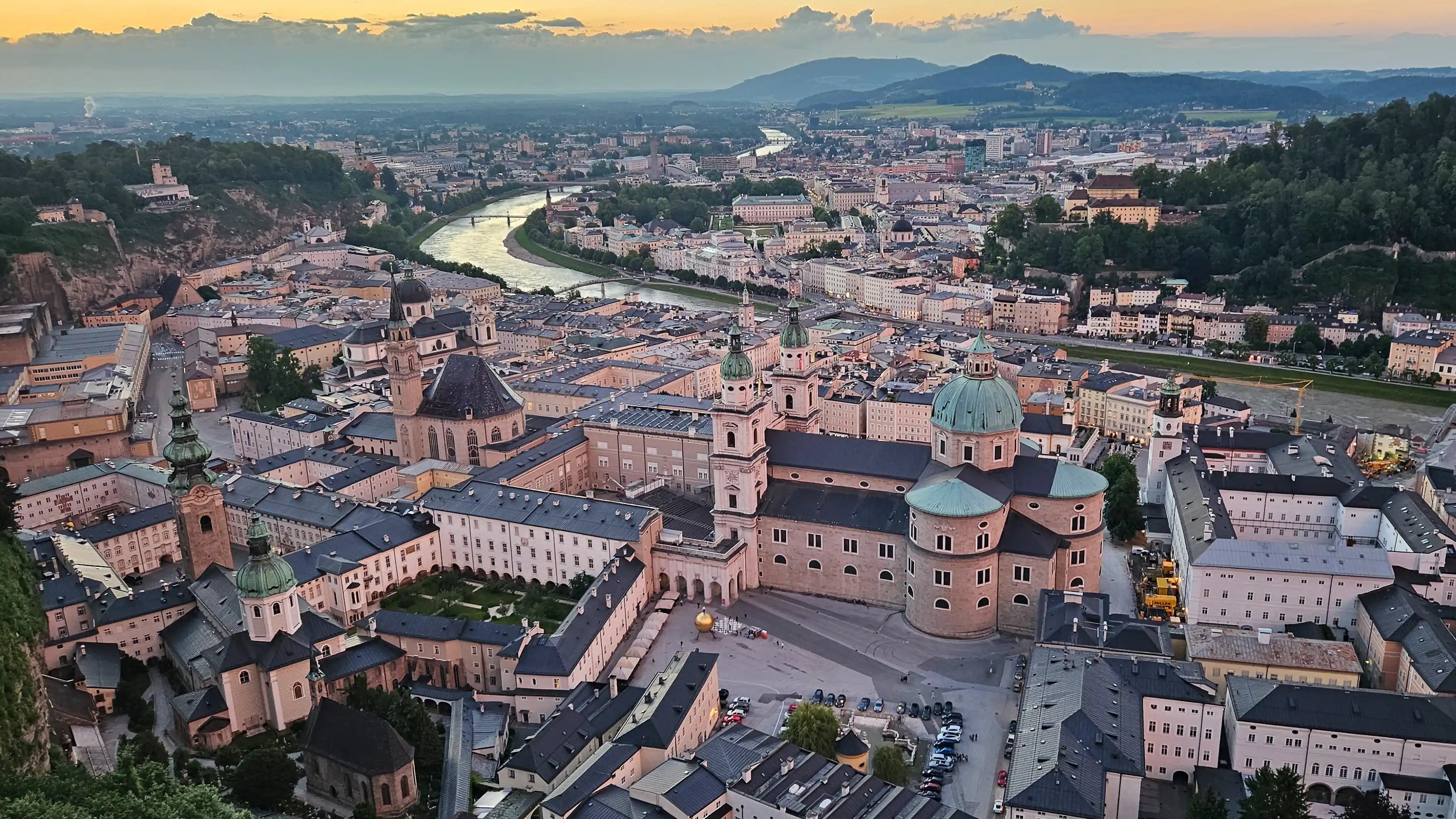
Salzburg, the fourth-largest city in Austria, sits along the Salzach River near the German border, and its location shaped the city from the very beginning. The river provided a natural trade route, while nearby salt deposits brought long-term wealth and influence. Founded as the Roman settlement of Juvavum, Salzburg later developed as a church-ruled city rather than a royal capital. That history is still visible today in the compact old town, where churches, monasteries, and civic buildings are closely woven together beneath the fortress above.
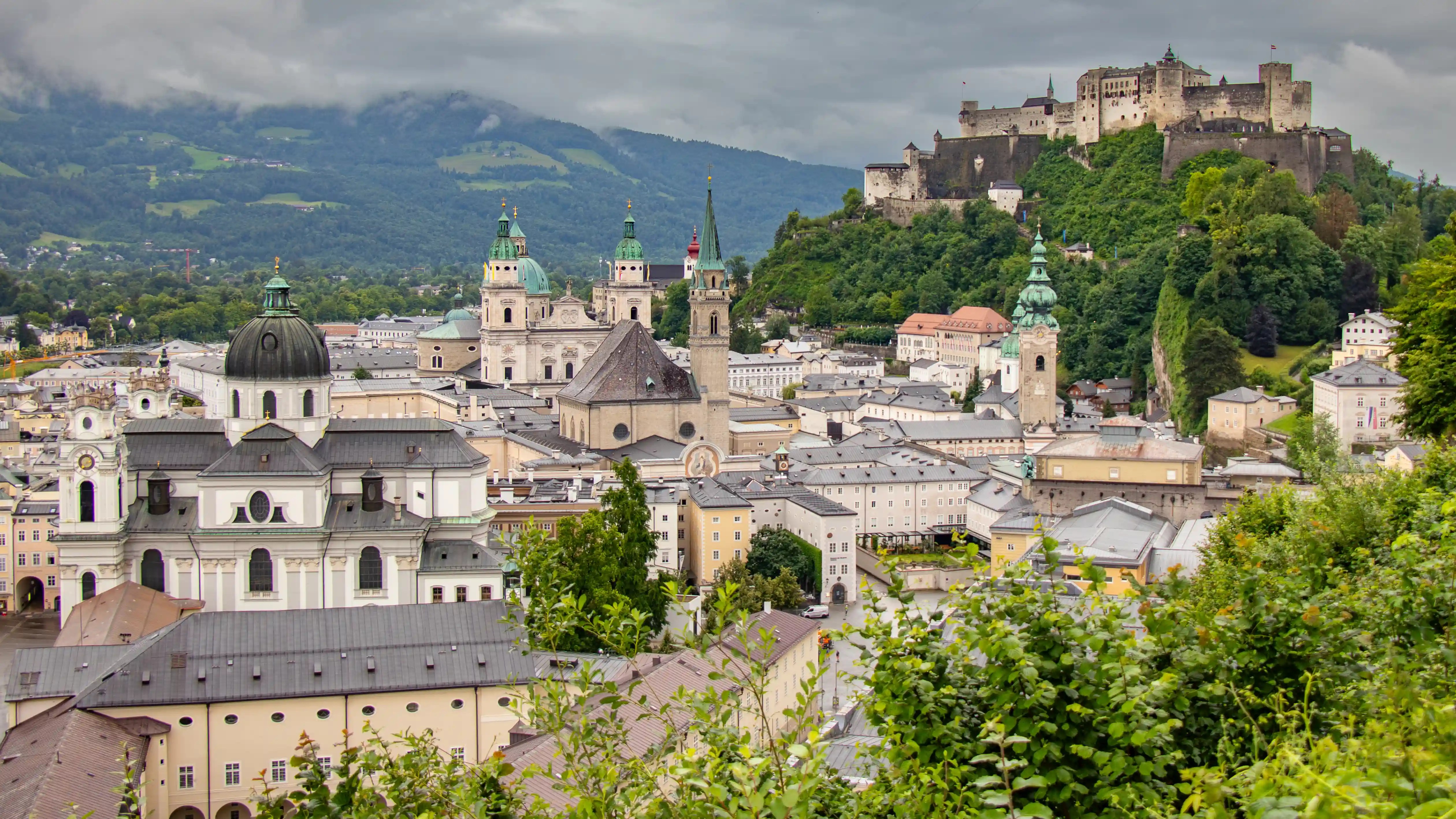
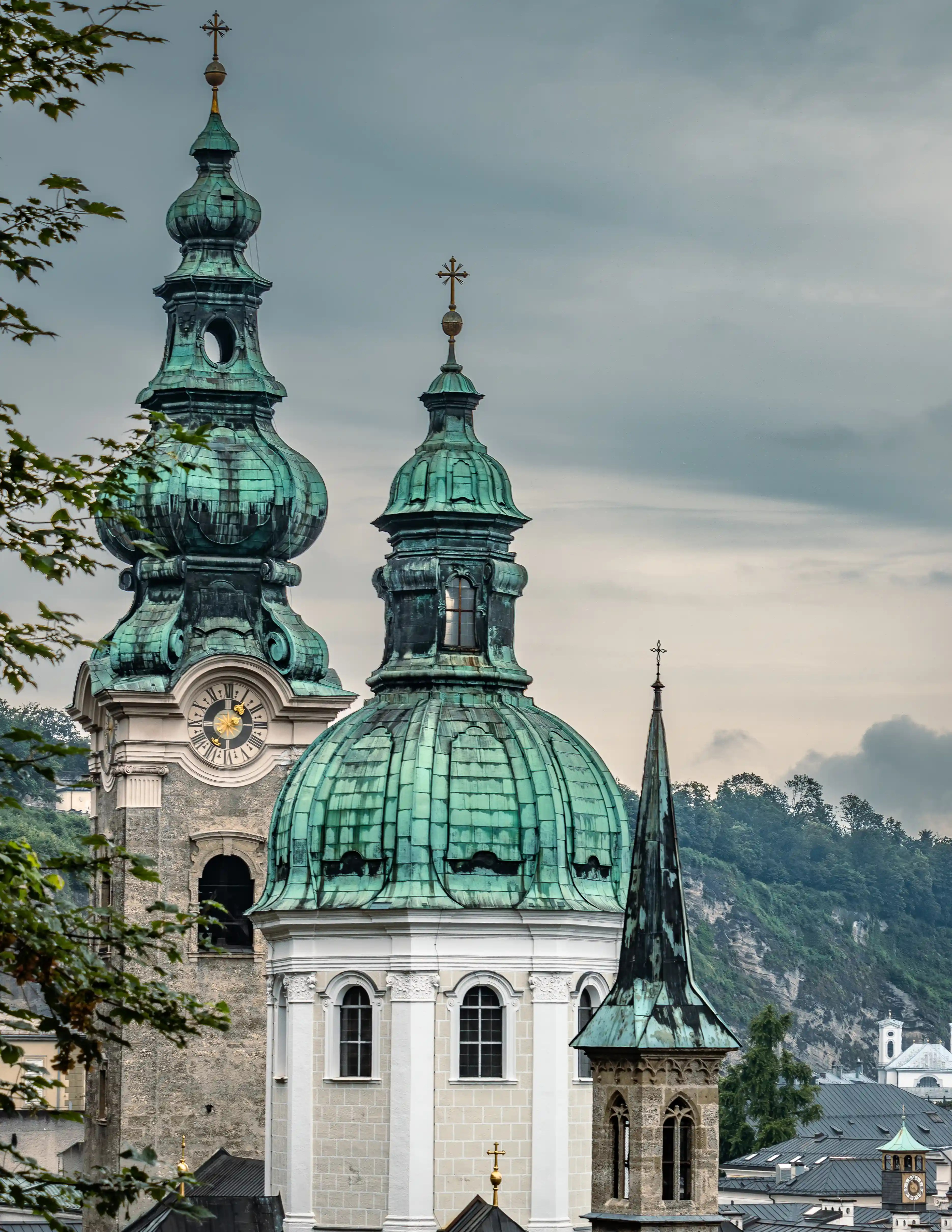
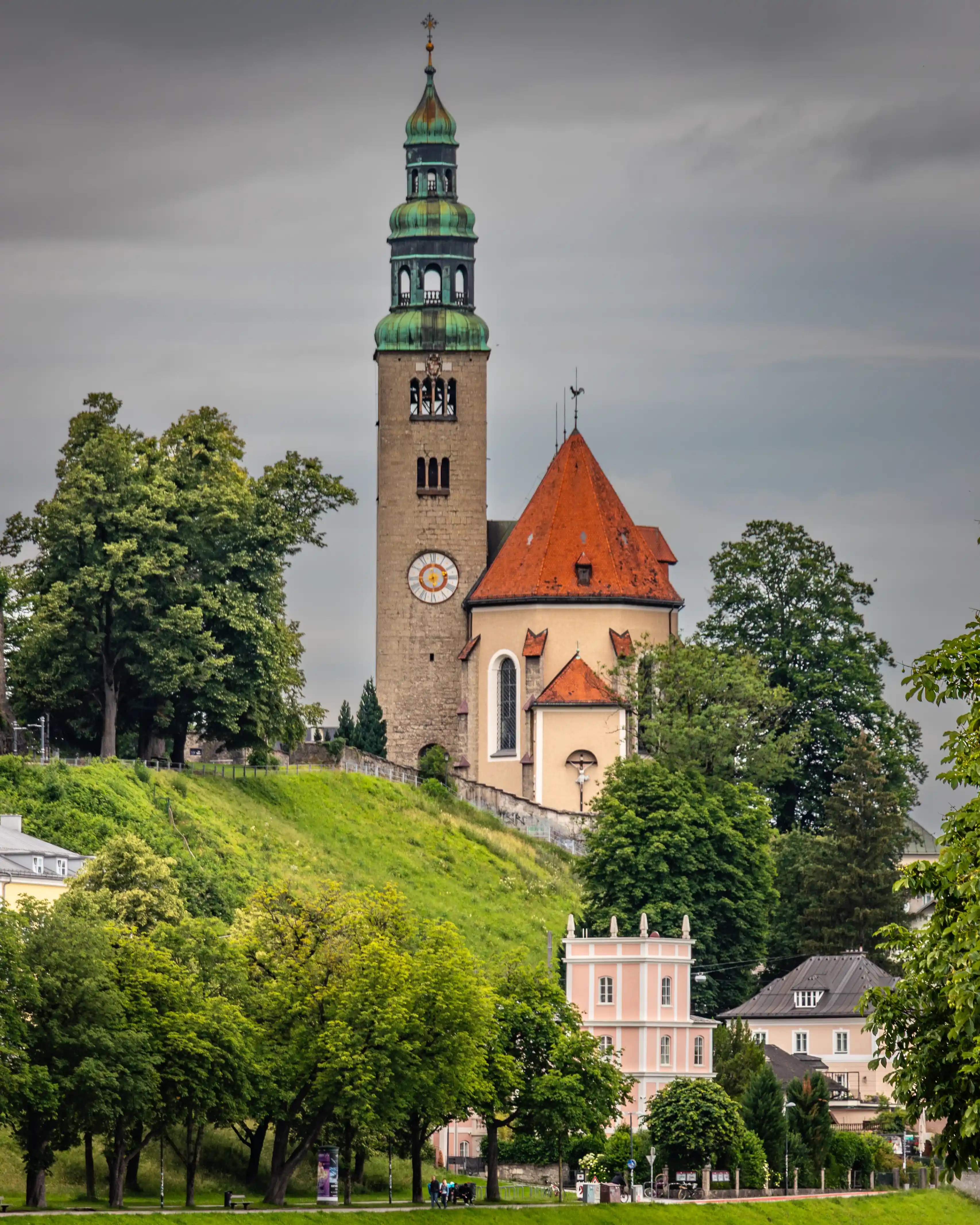
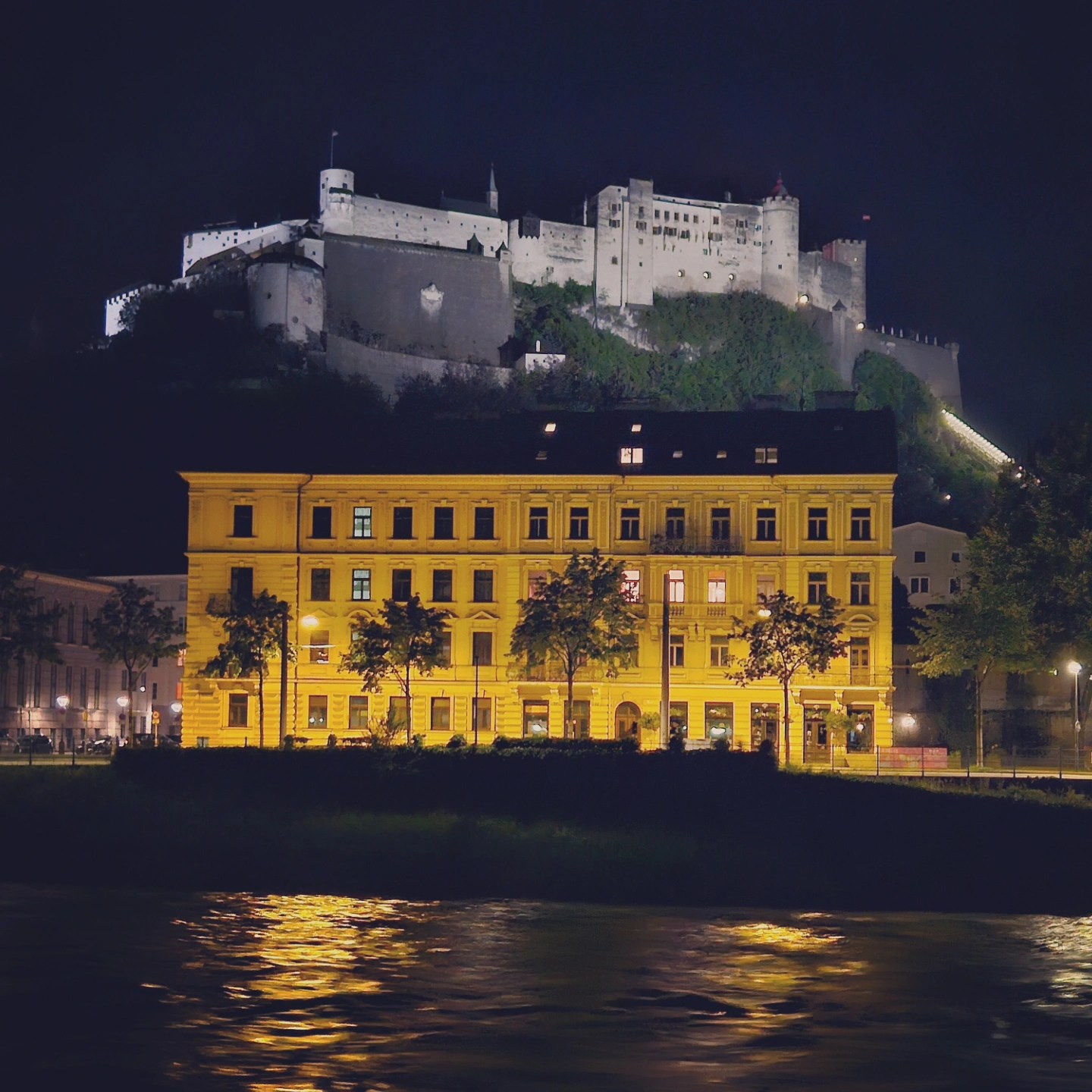
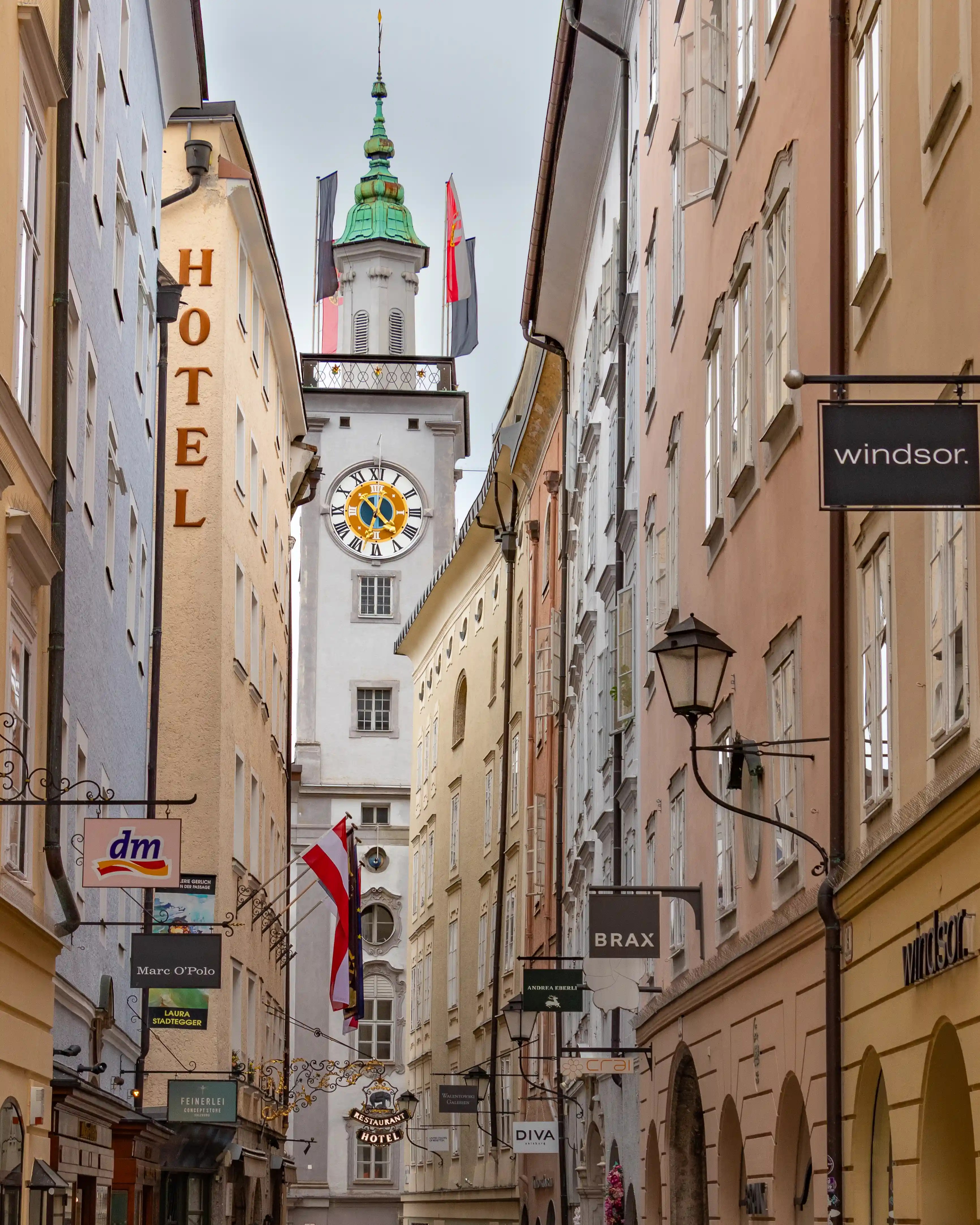
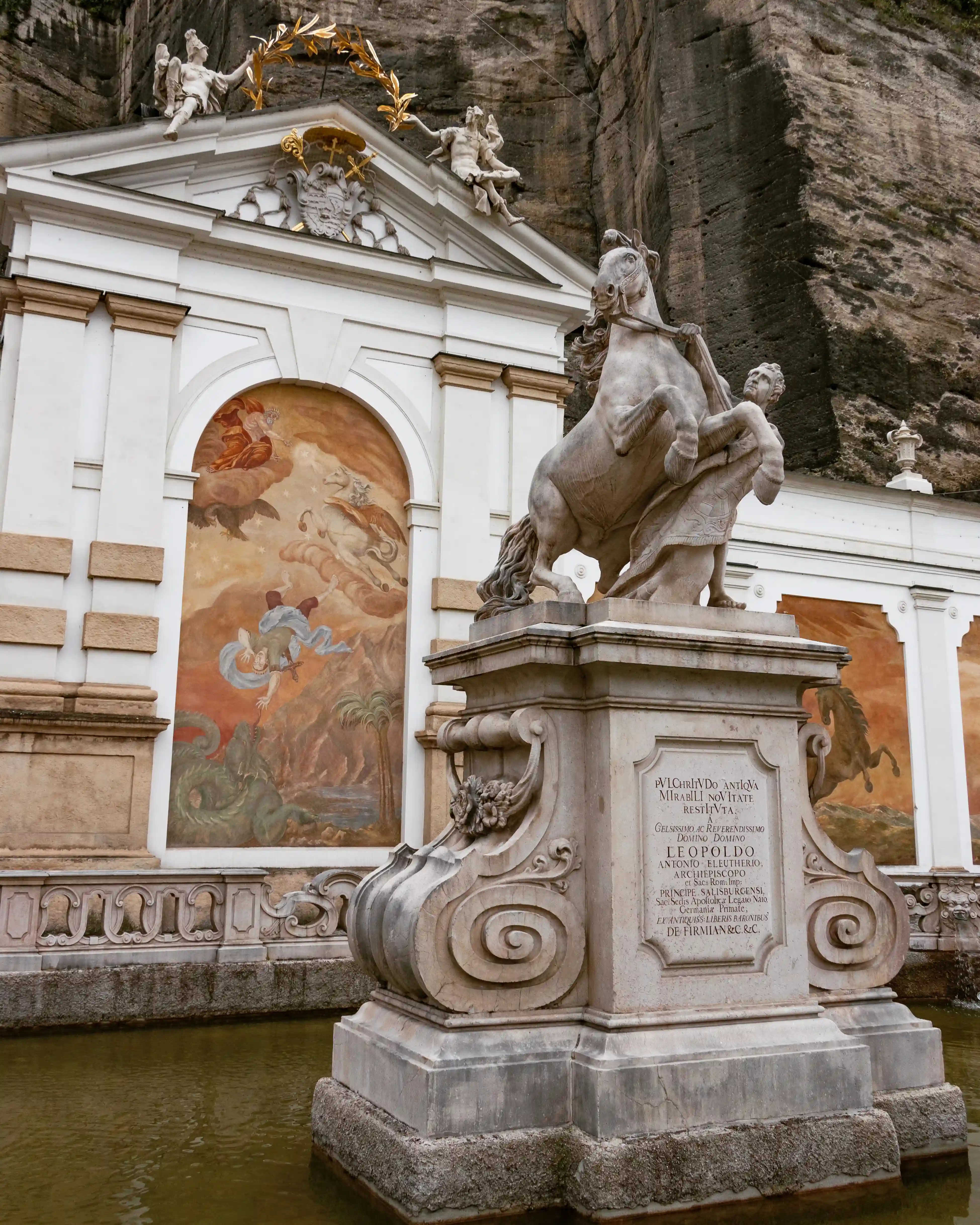
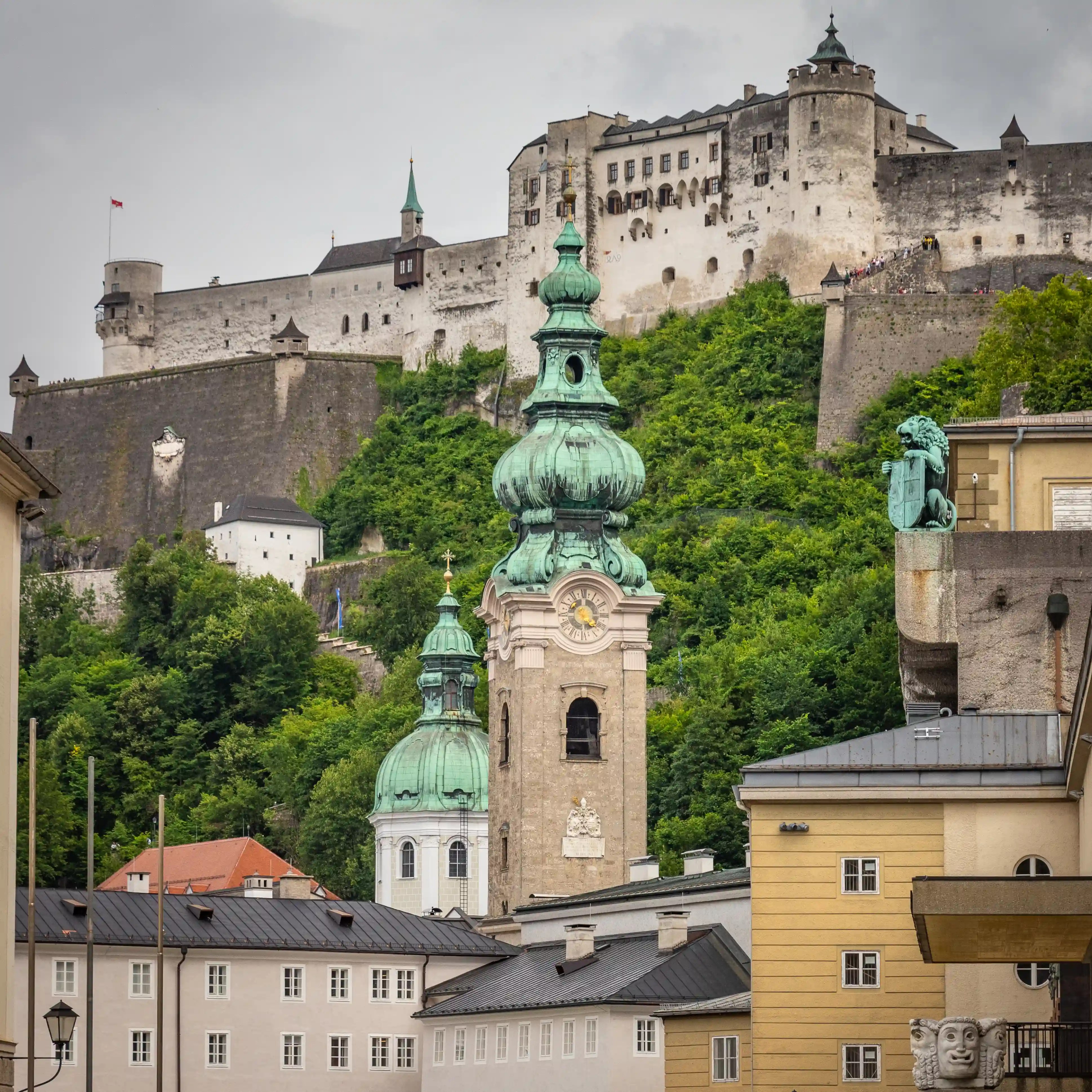
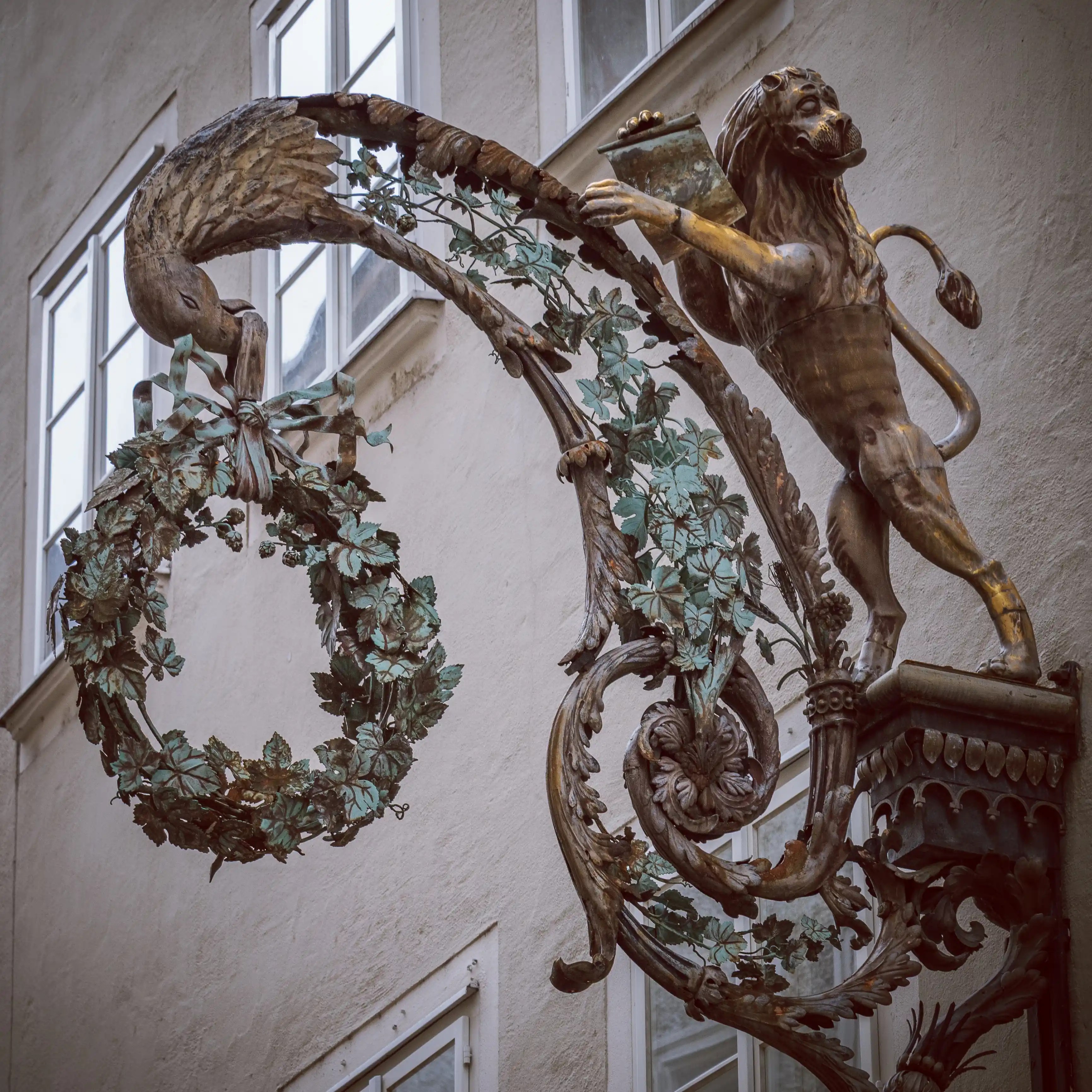
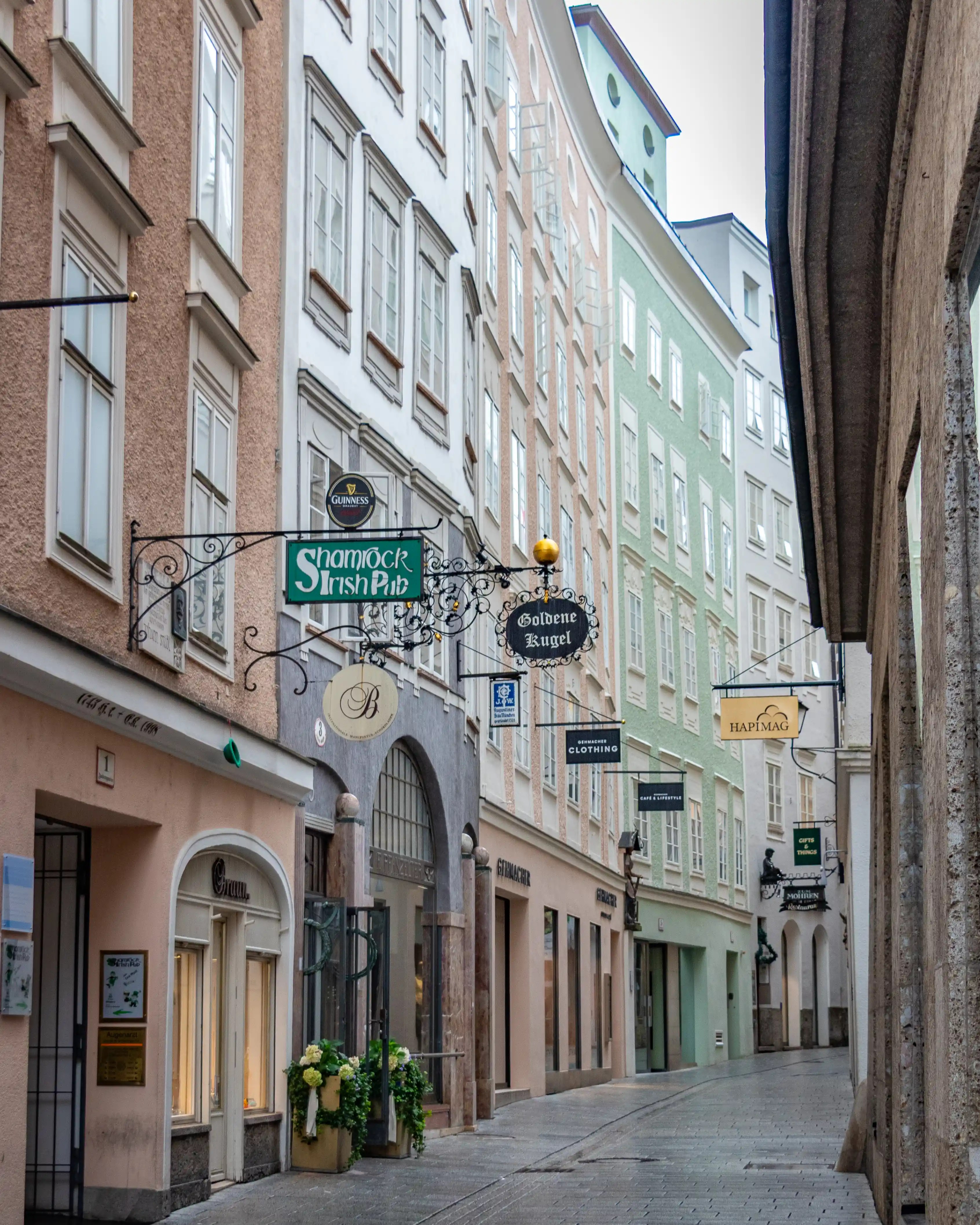
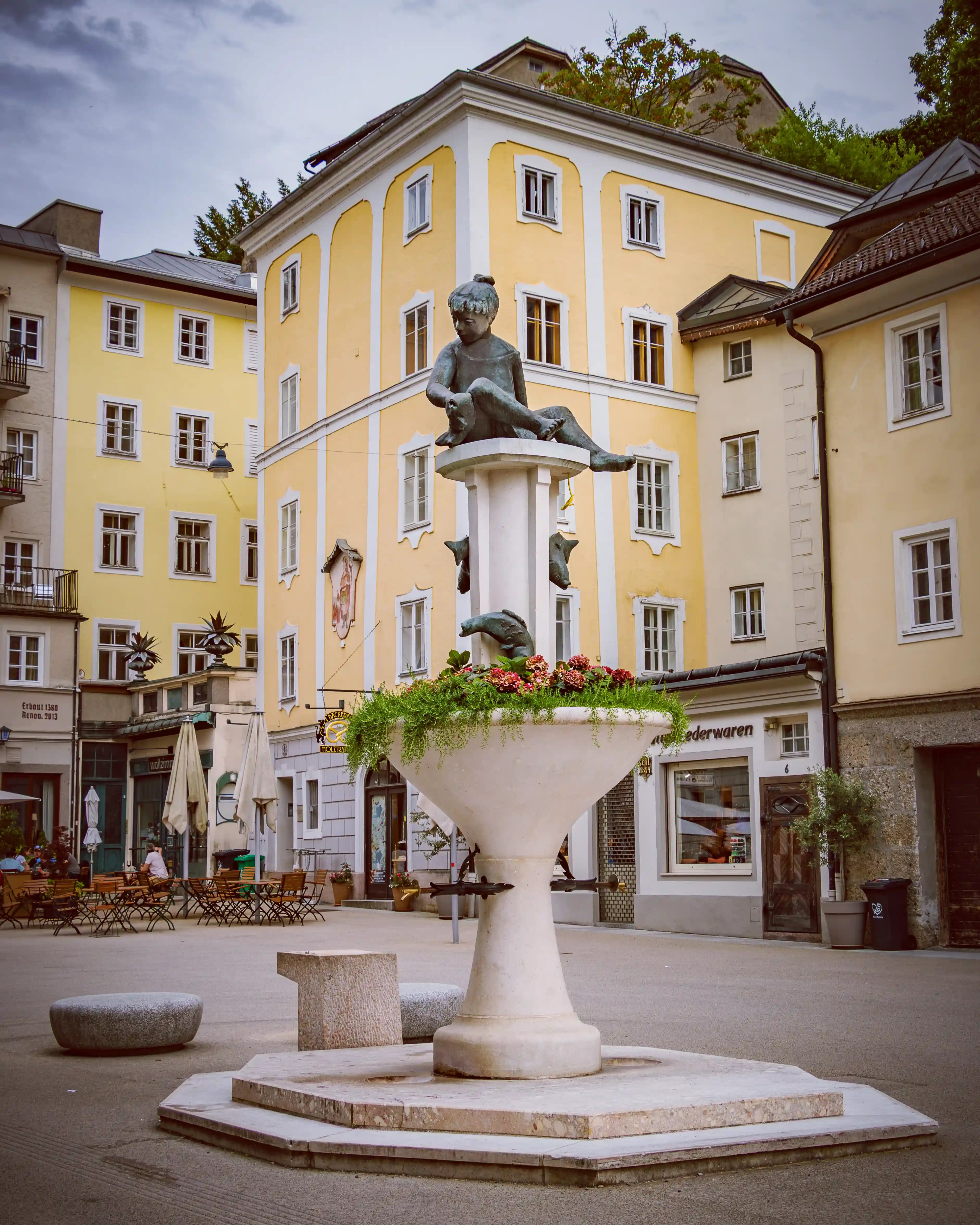
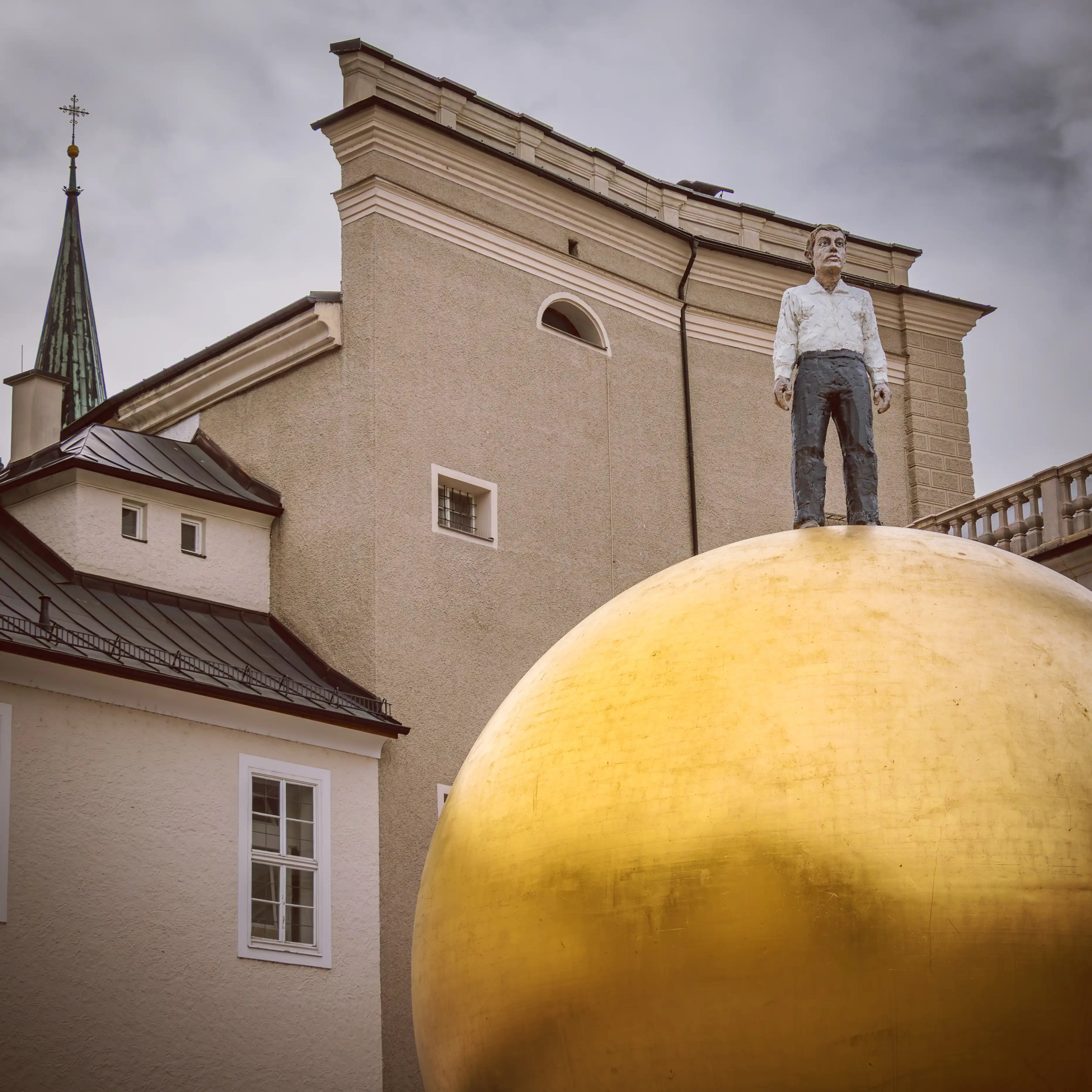
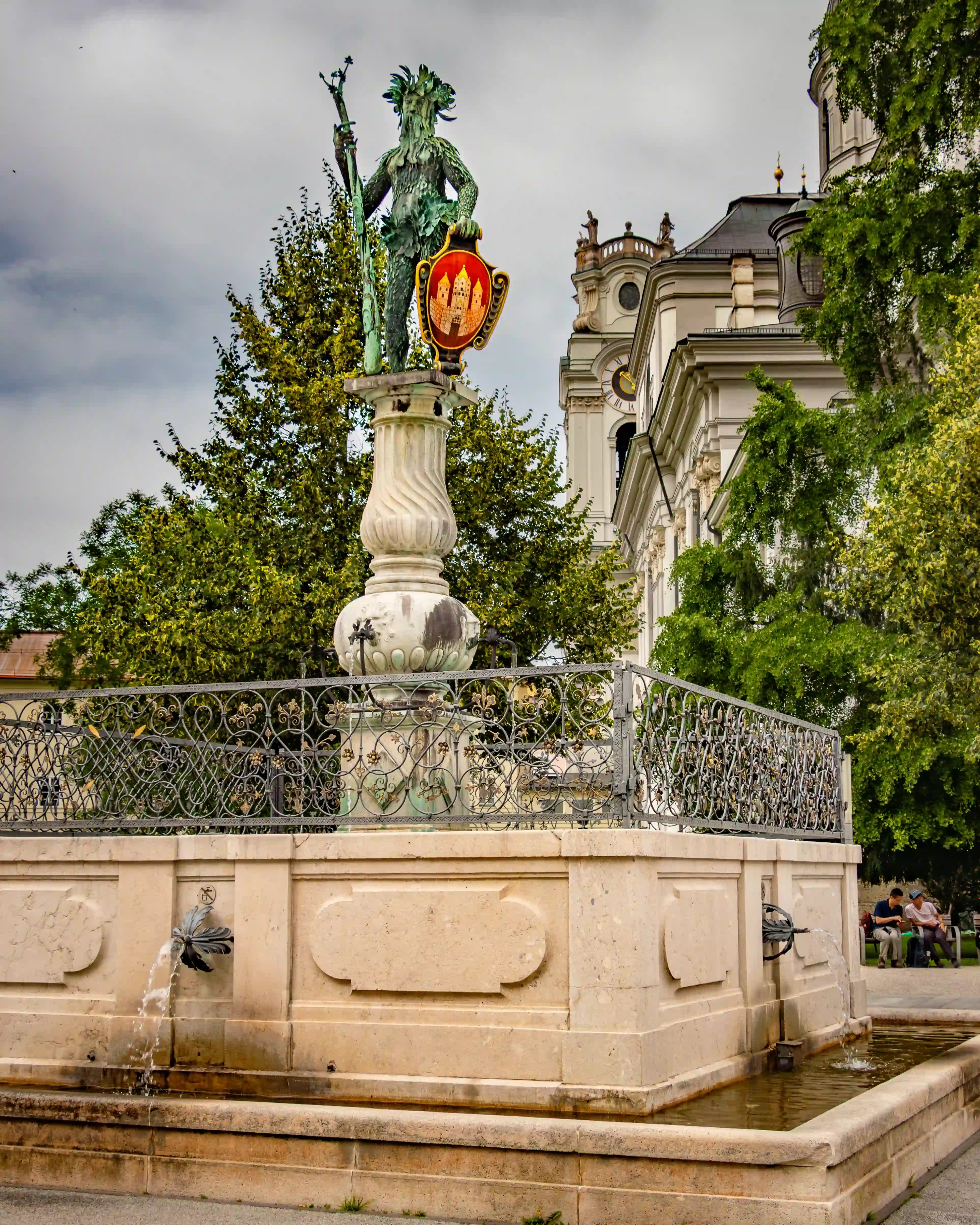
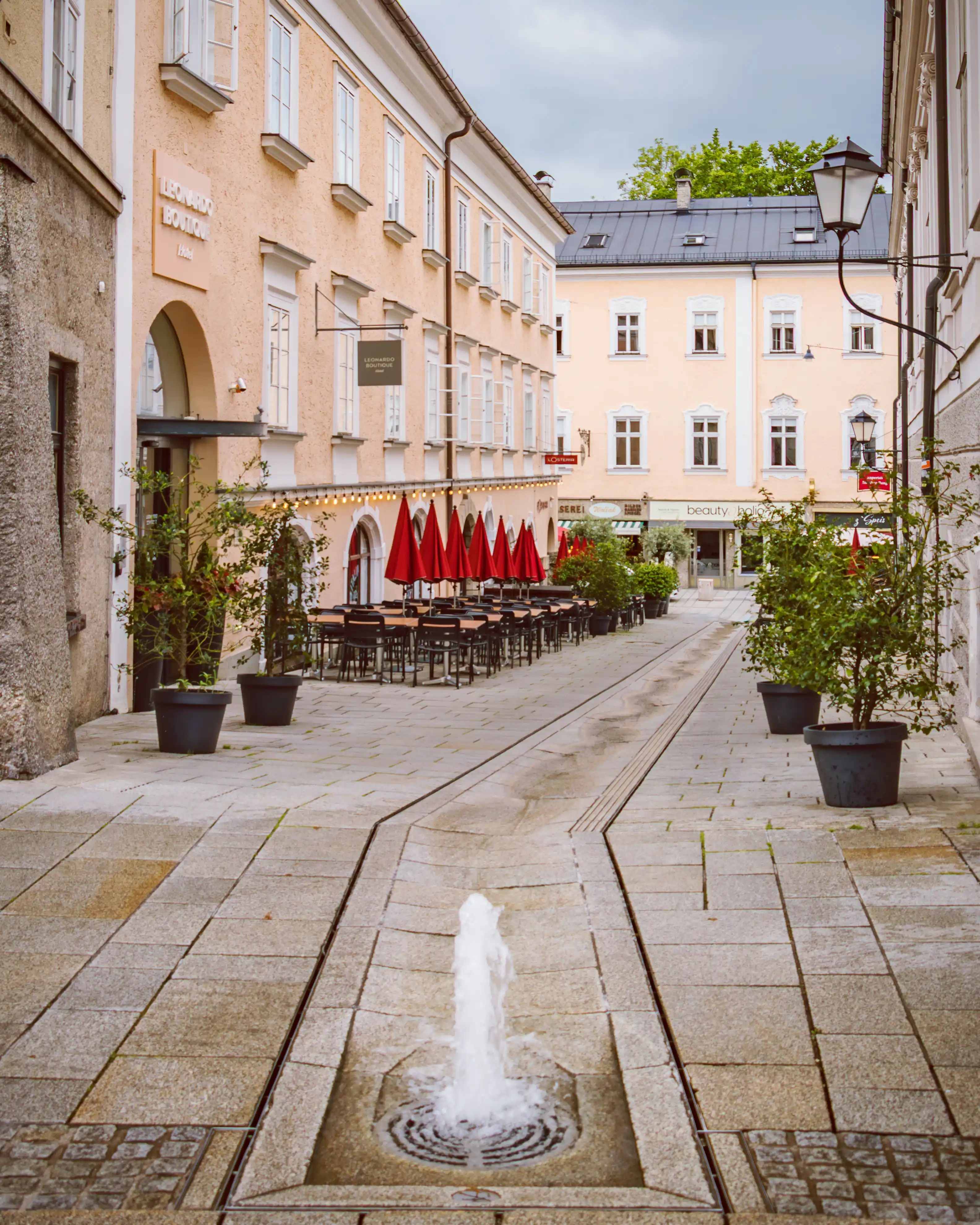
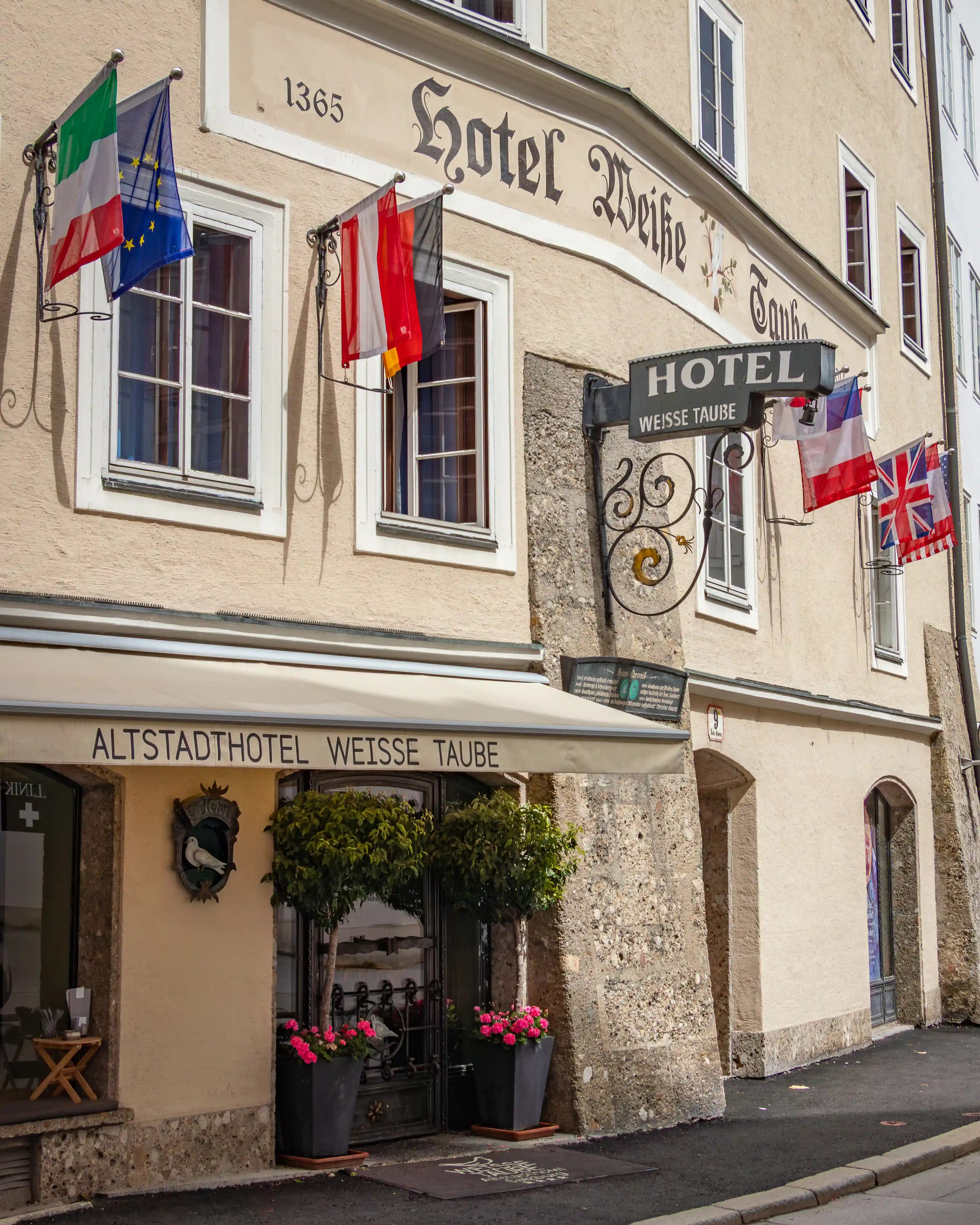
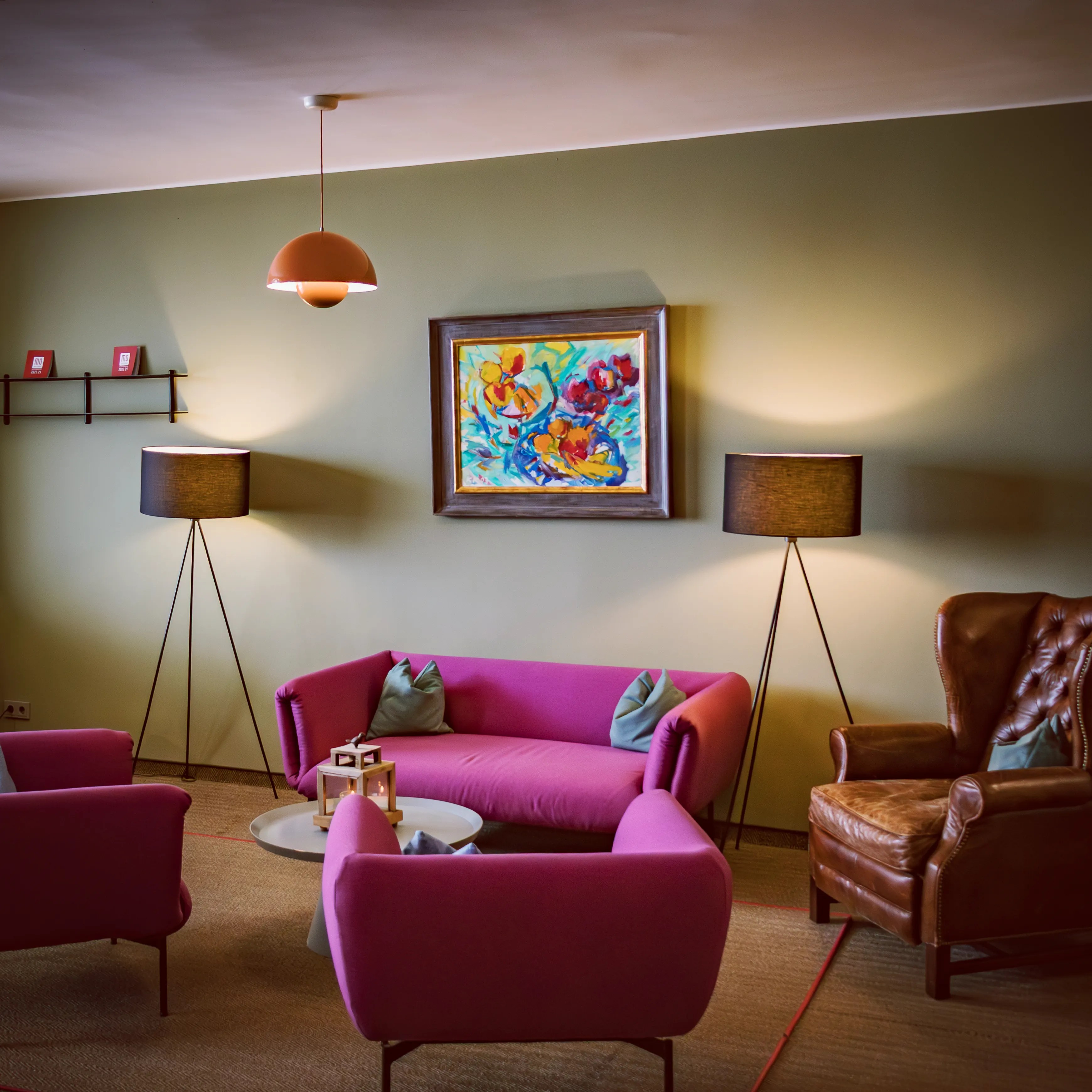
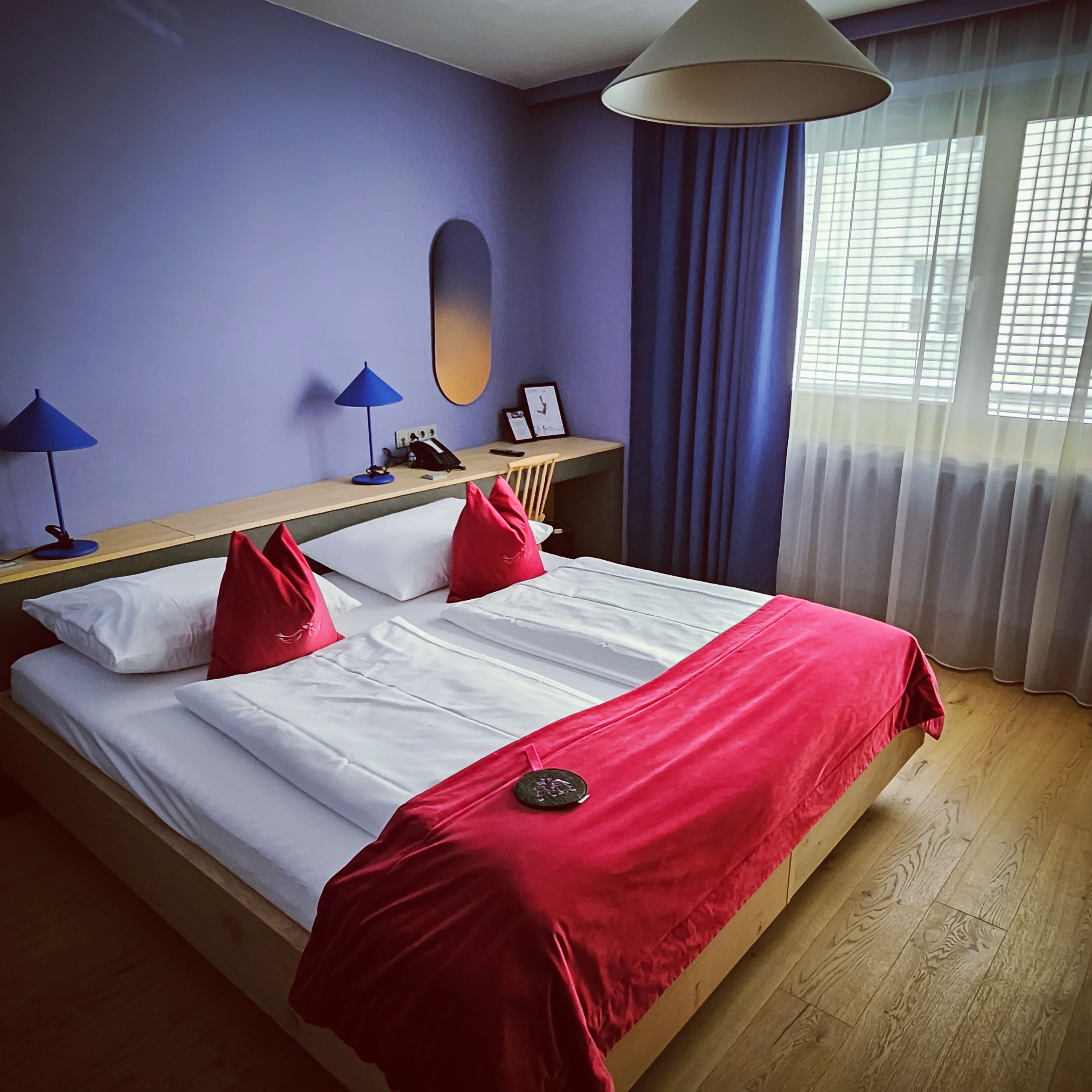
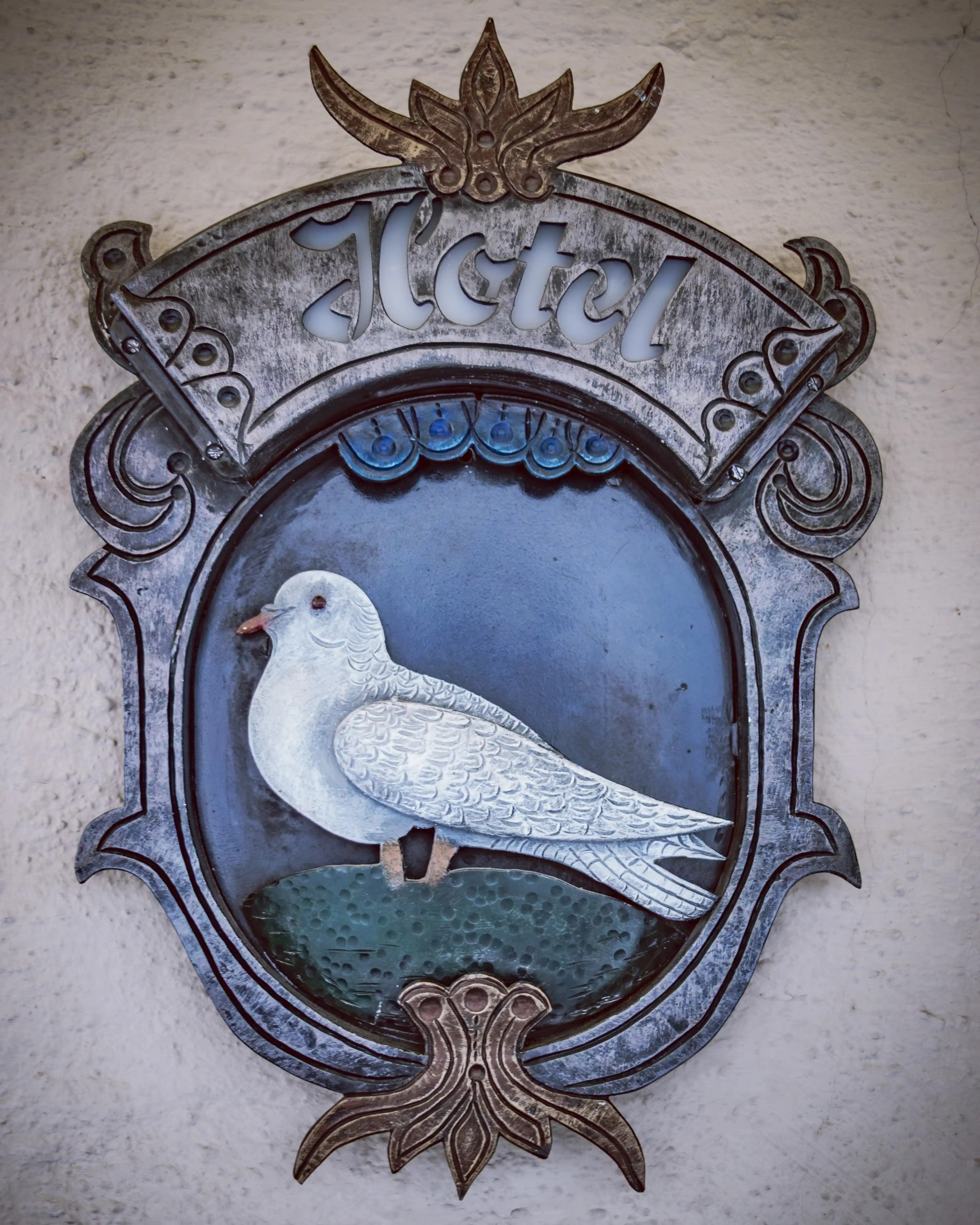
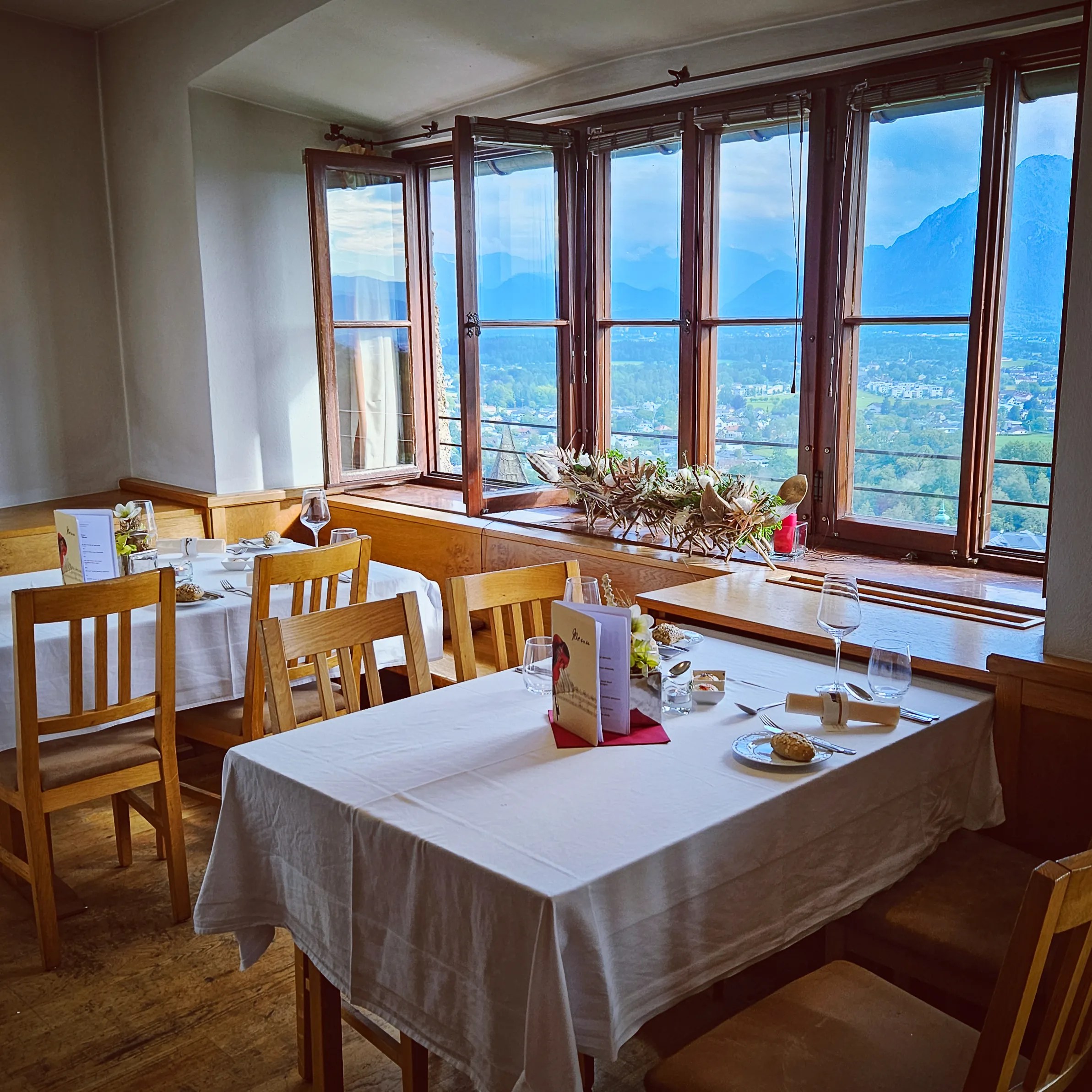
For us, staying inside the Old Town brought Salzburg’s history right to our doorstep. We stayed three nights at Altstadthotel Weisse Taube, whose name translates to White Dove, a protected medieval town house documented as early as 1365 that has welcomed travelers for centuries. Comfortable and perfectly located, it made it easy to explore the Old Town on foot.
Mozart in Salzburg
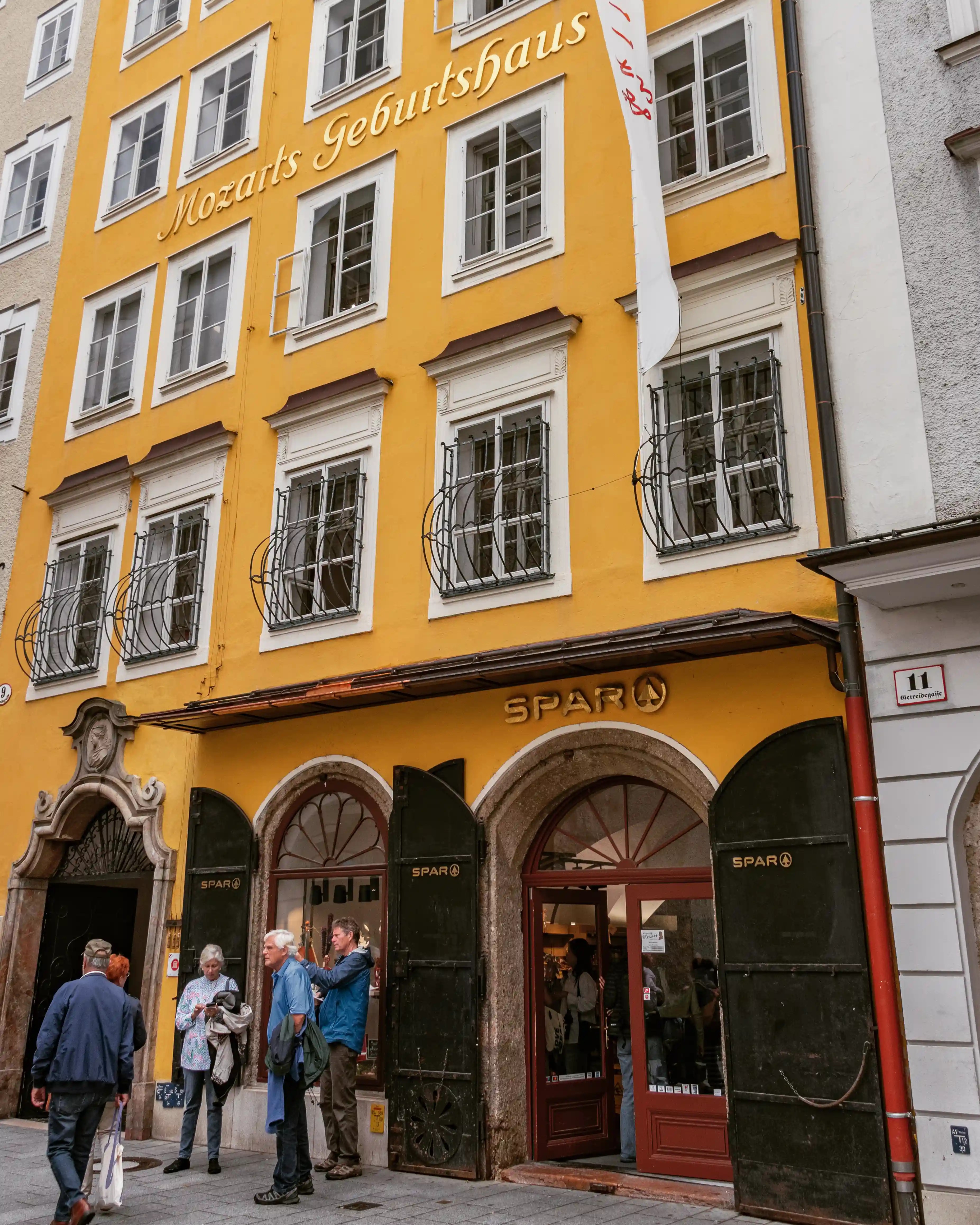
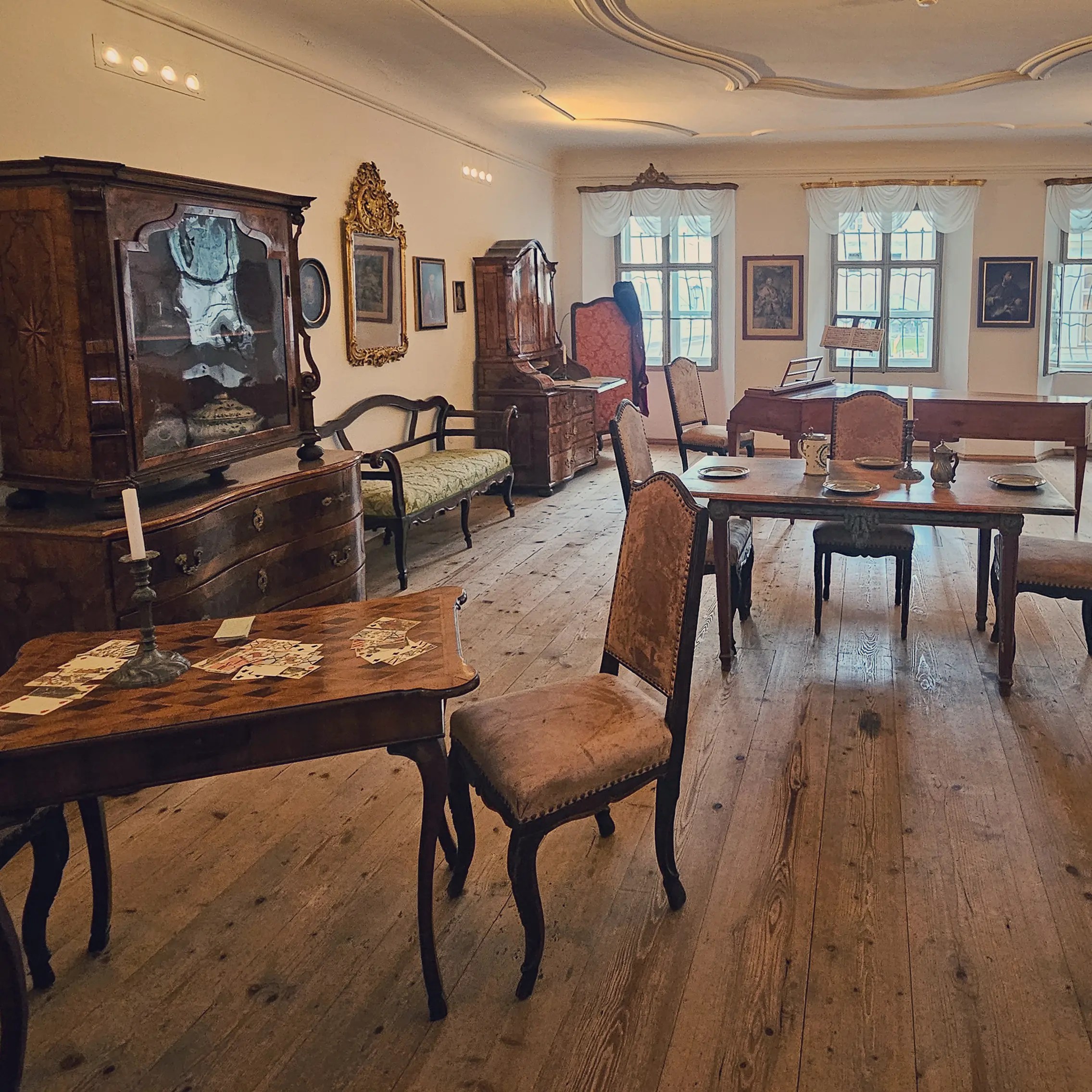
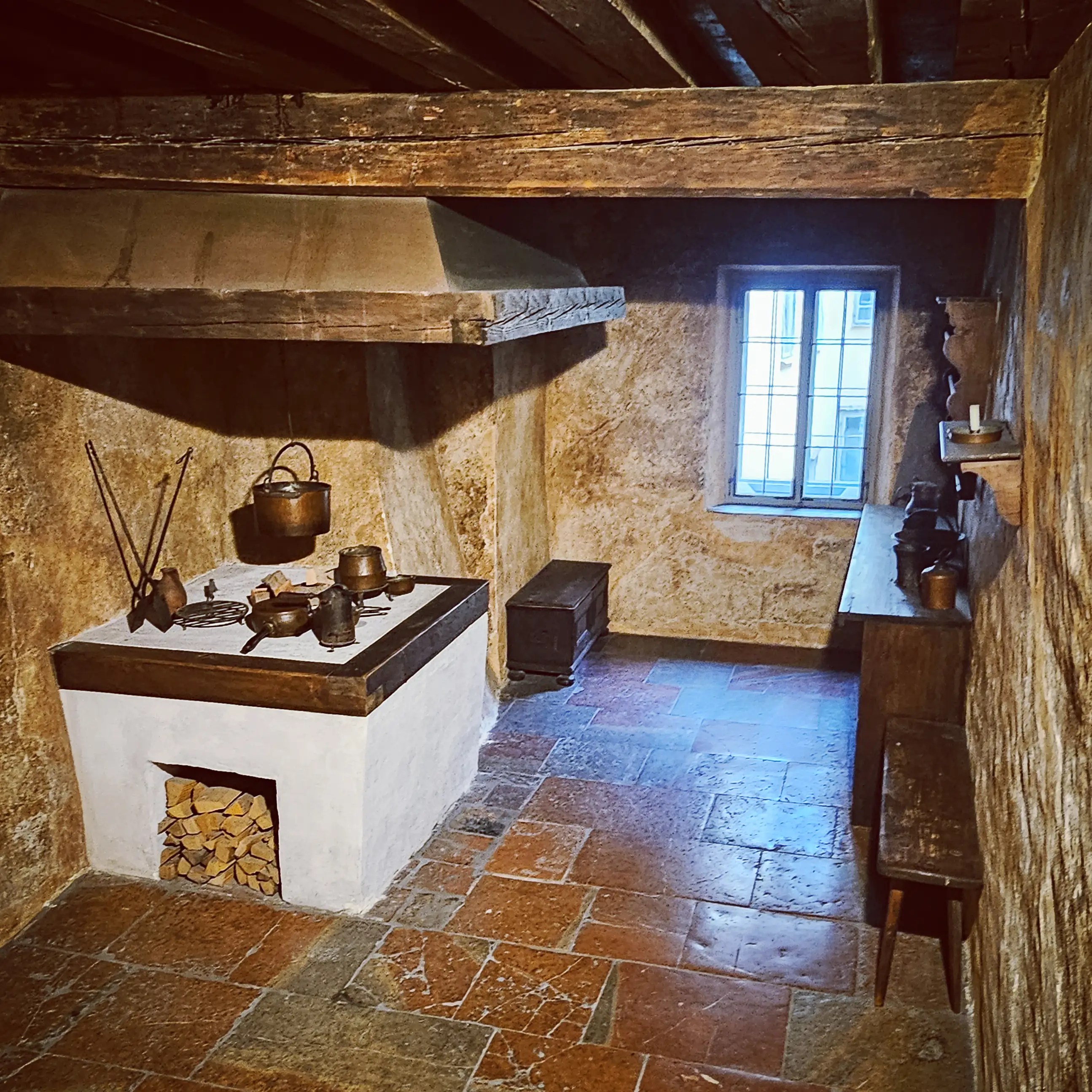
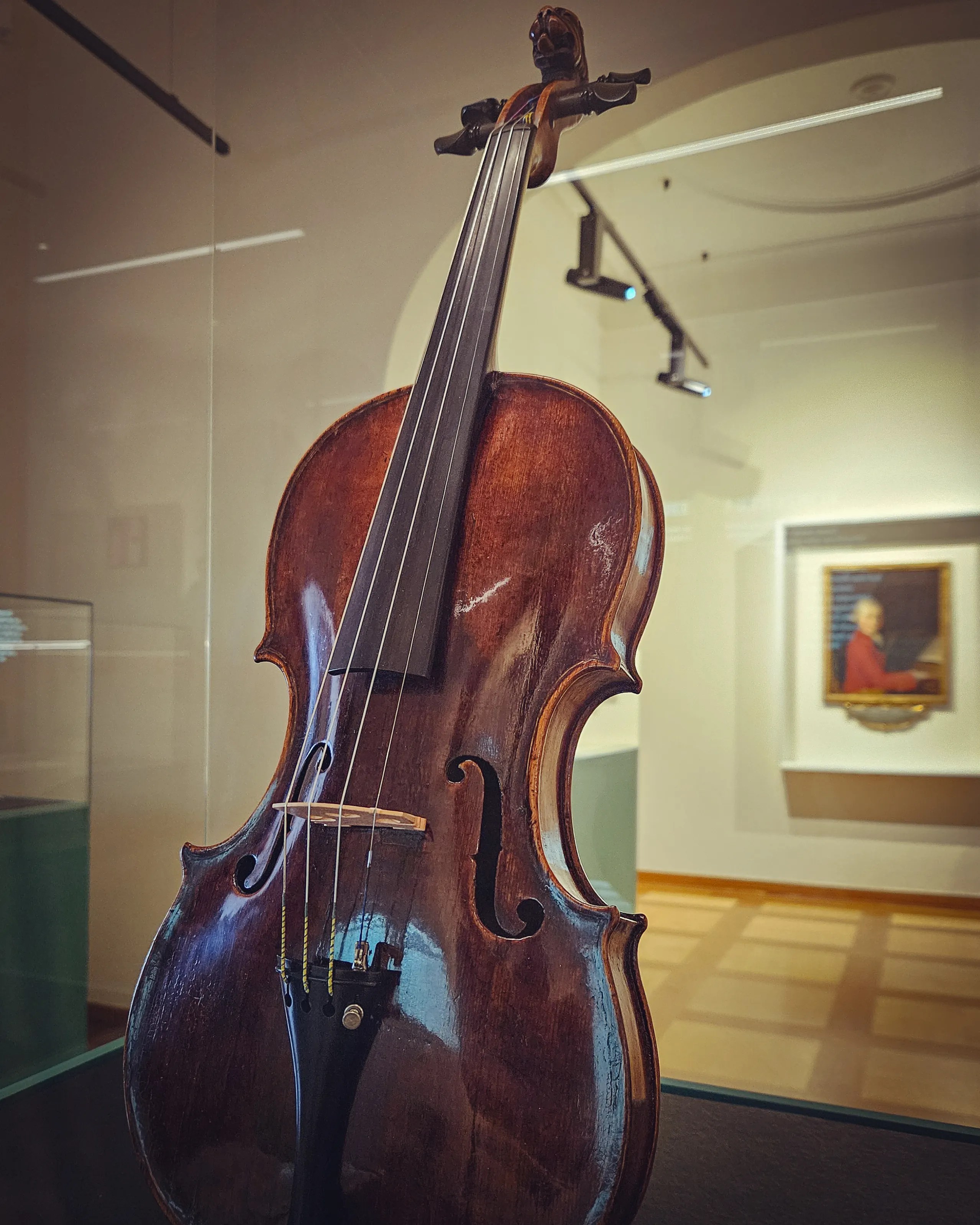
While exploring Salzburg, we visited Mozart’s Birthplace (Mozarts Geburtshaus) on Getreidegasse, a lively Old Town street lined with historic buildings and shops. Wolfgang Amadeus Mozart, one of the most influential composers in Western classical music—known for works such as The Magic Flute and Requiem—was born here in 1756. The museum occupies the apartment where the Mozart family lived for 26 years and offers a tangible connection to his early life in the city.
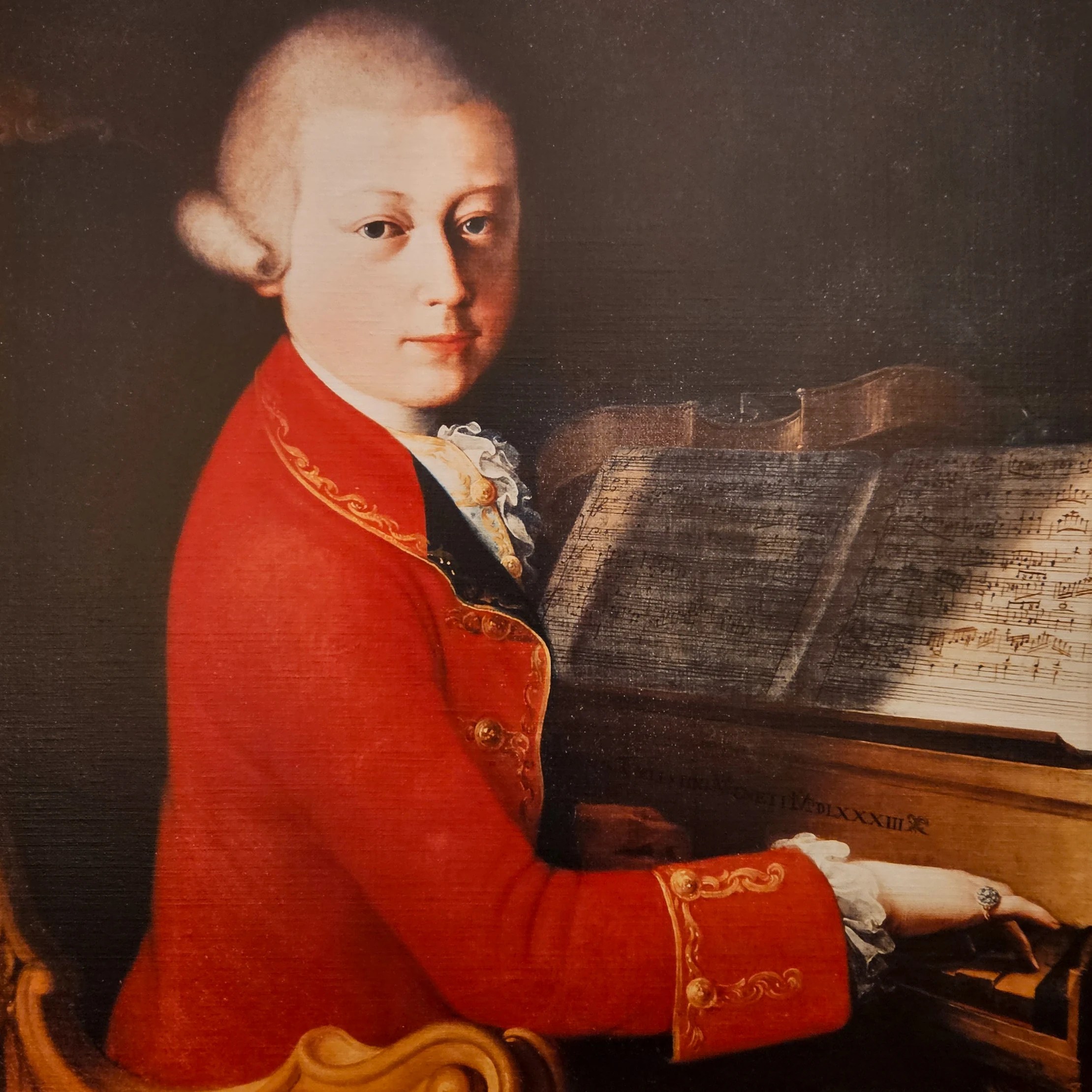
One particularly fascinating detail we encountered was a copy of the painting Mozart in Verona, which depicts the teenage composer seated at a keyboard in a richly detailed red coat. The sheet music shown in the painting is so precisely rendered that scholars were able to identify it as a short piano work—now known as the “Veronese Allegro”—a composition attributed to the young Mozart and preserved only through this image. It’s a rare case where visual art helps safeguard a piece of musical history.
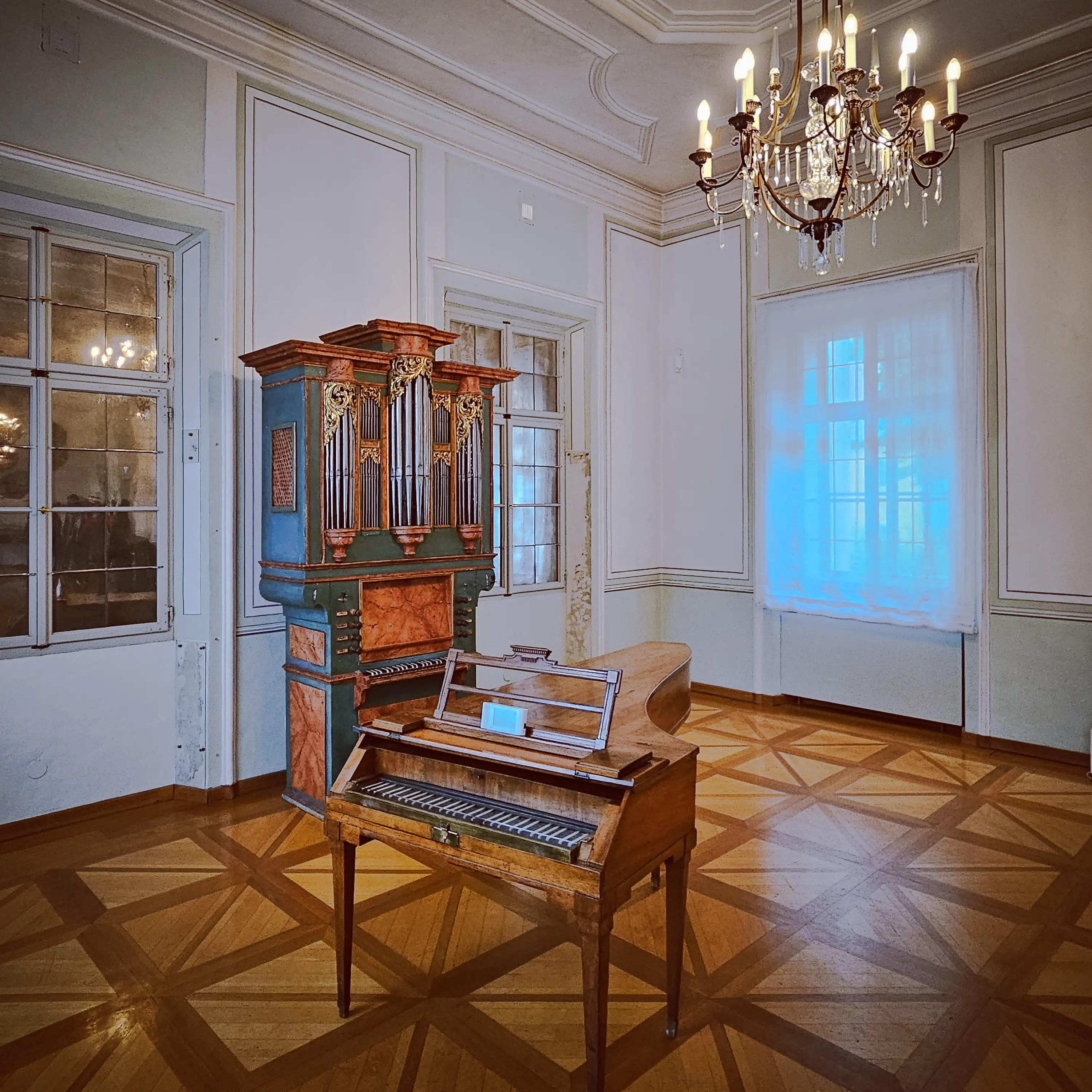
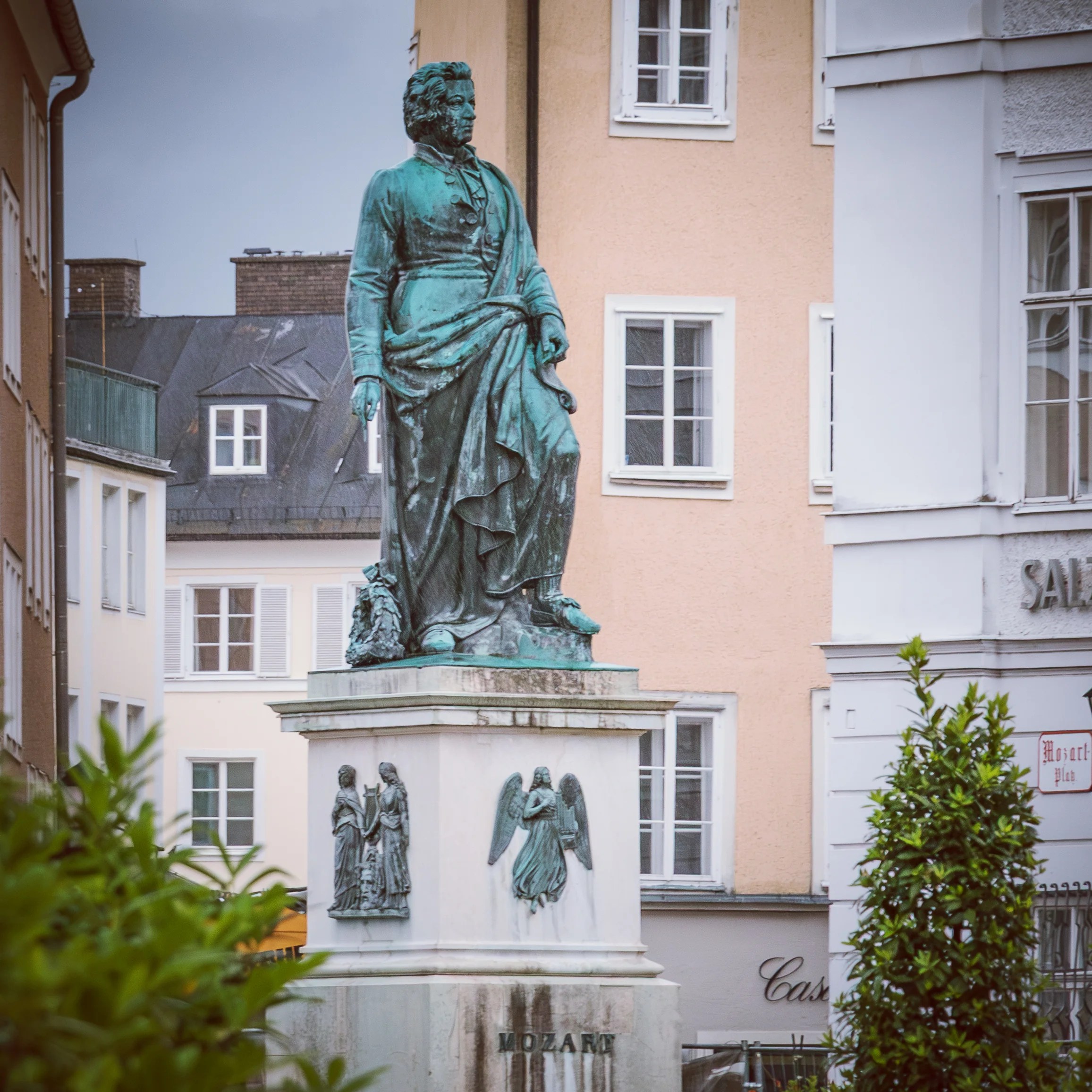
Although Mozart eventually left Salzburg in search of artistic freedom, his legacy is deeply woven into the city. Churches, residences, and concert halls still echo with his music, and it’s impossible to walk through the Old Town without encountering reminders of his life and work. That presence carries into everyday places as well, from historic buildings to the cafés that celebrate his name.
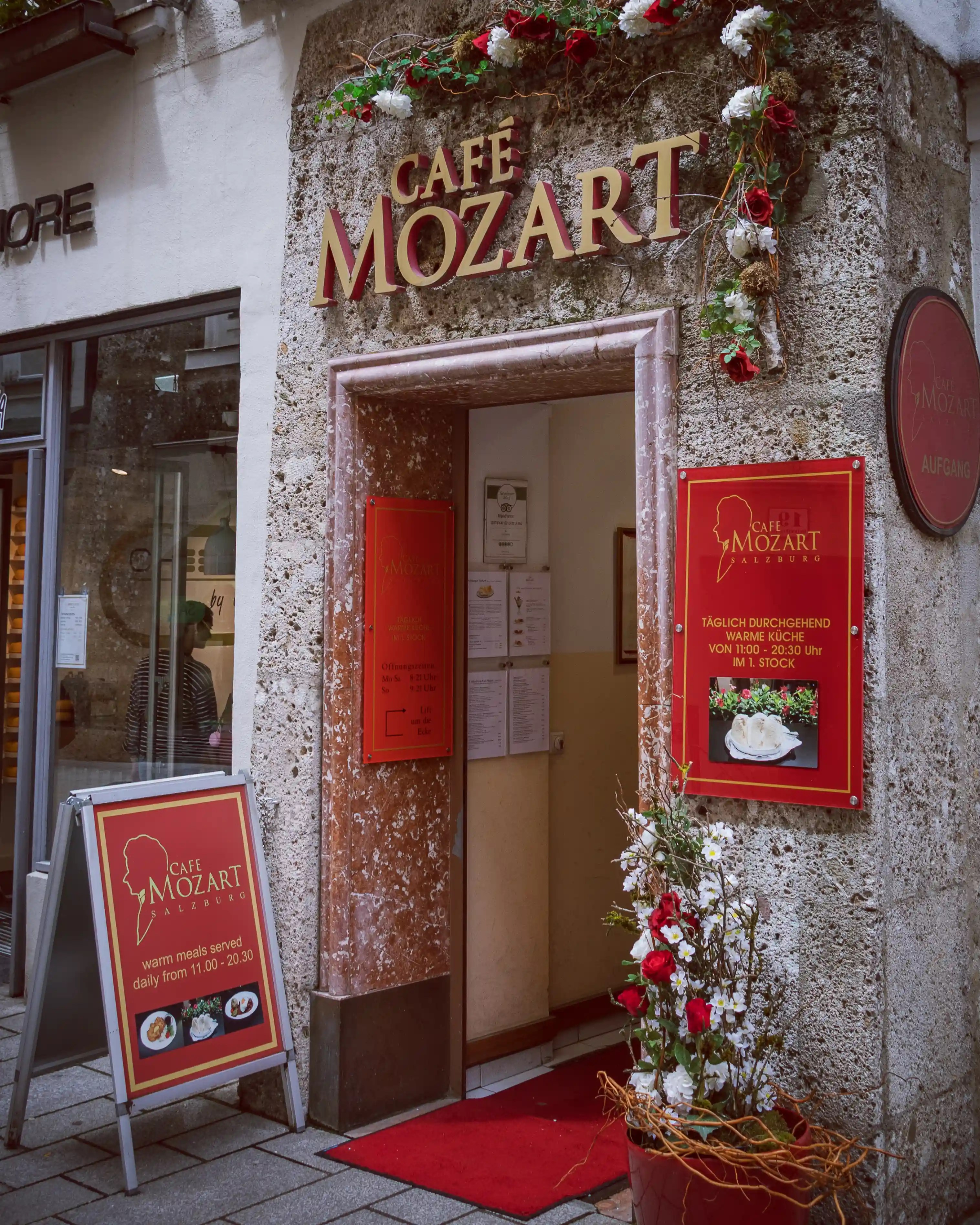
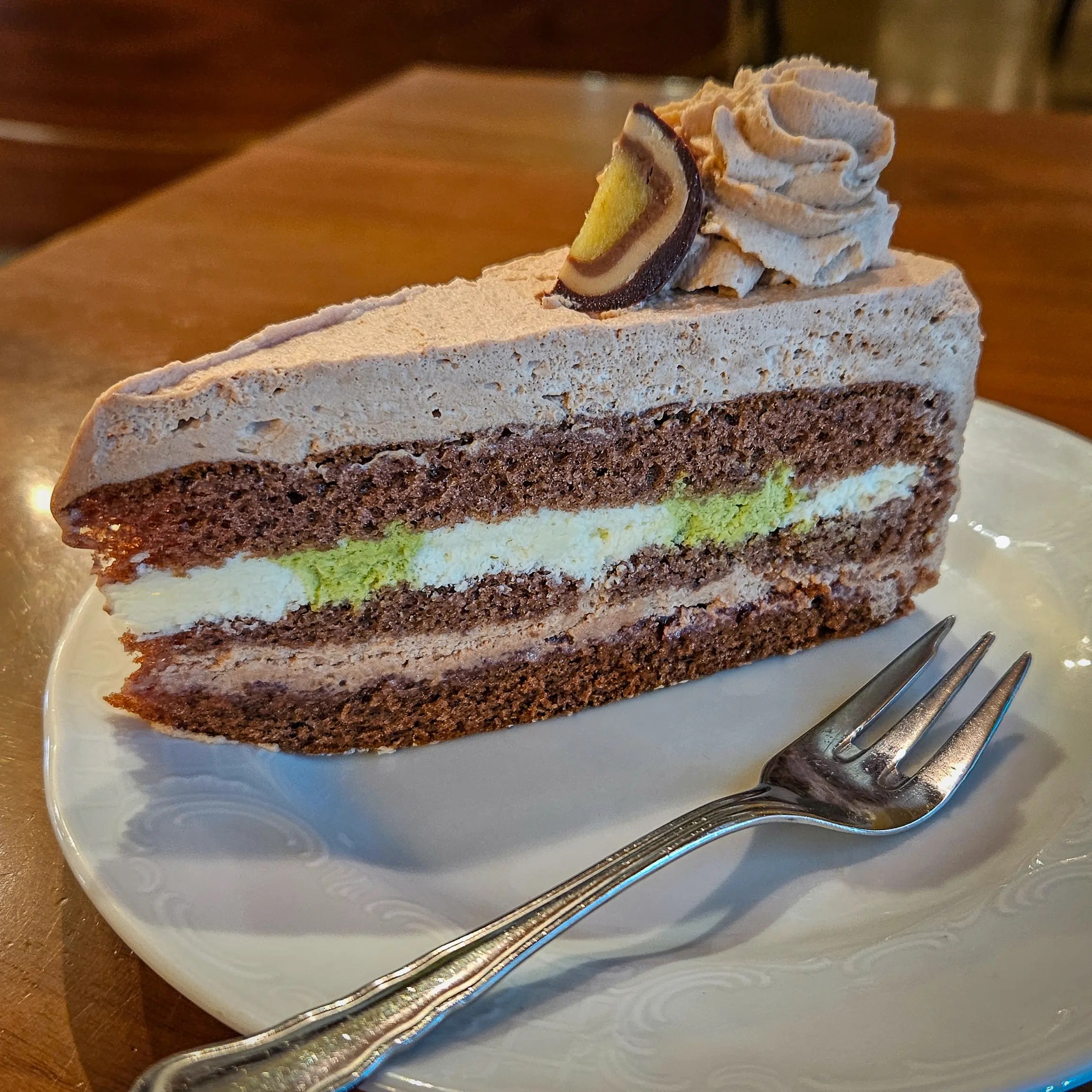
One such spot is Café Mozart, located just steps from Mozart’s Birthplace. Founded in 1824 and named in honor of the composer, it’s long been part of Salzburg’s traditional café culture. We stopped in after visiting the museum for a short break—coffee and cake in a place that still celebrates the city’s musical history.
Fortress Hohensalzburg
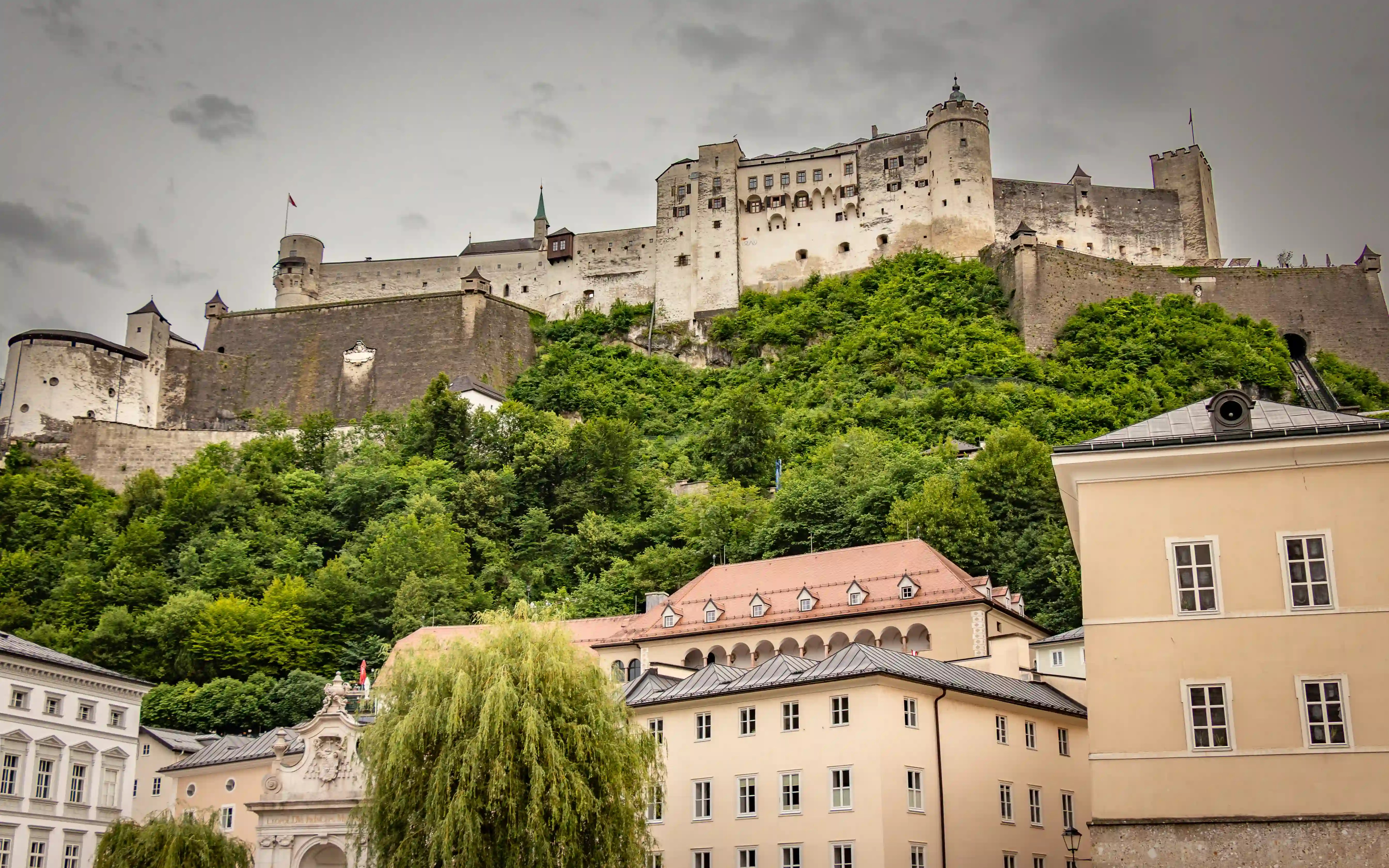
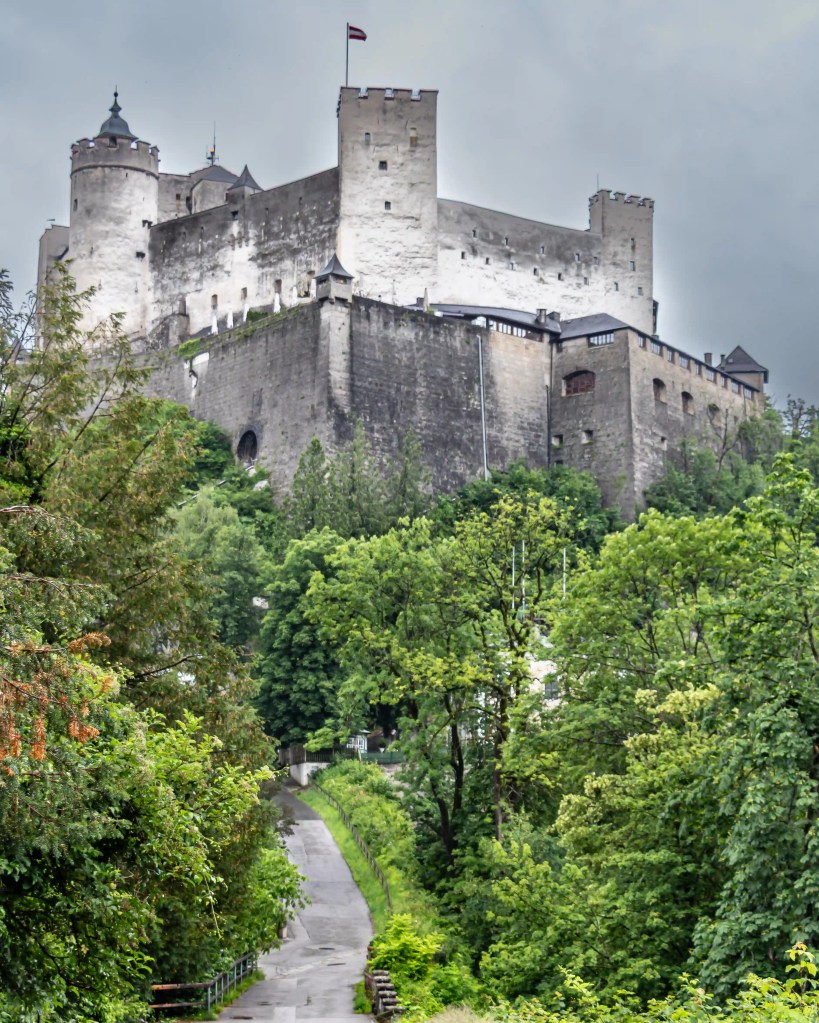
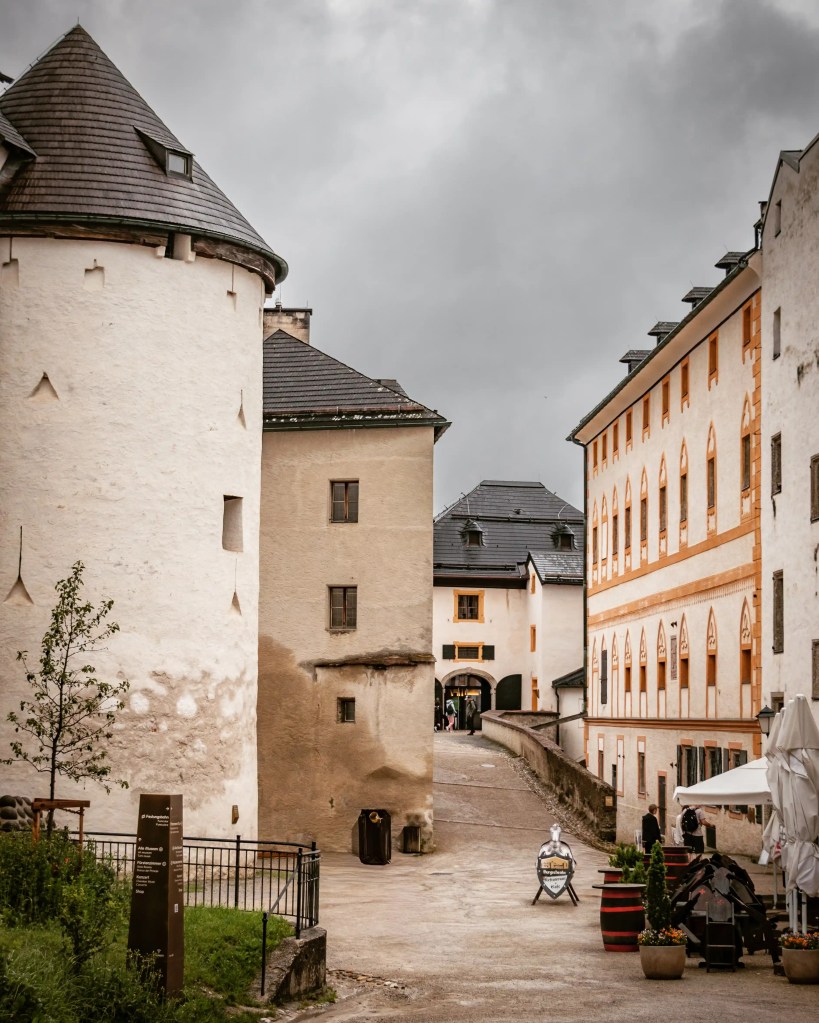
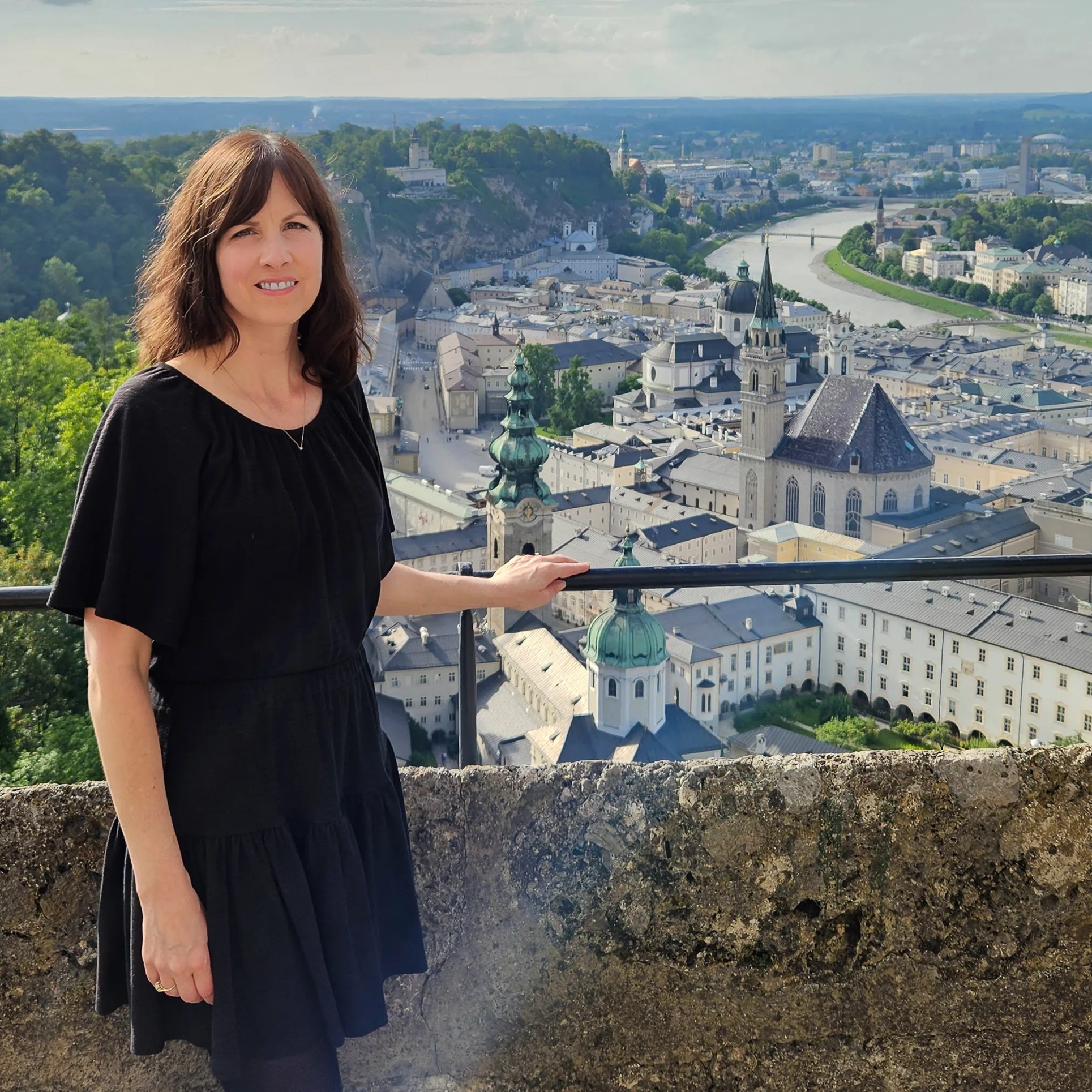
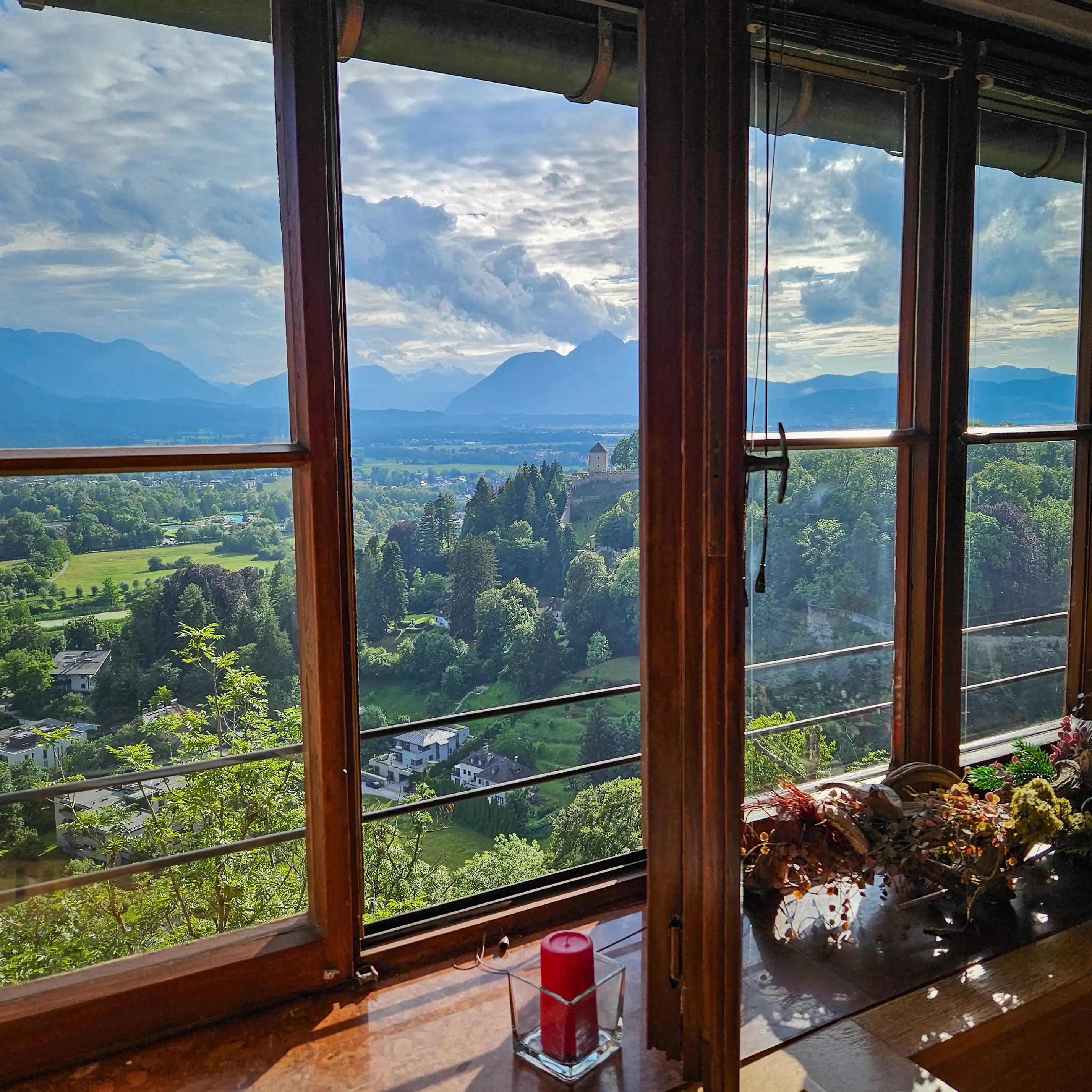
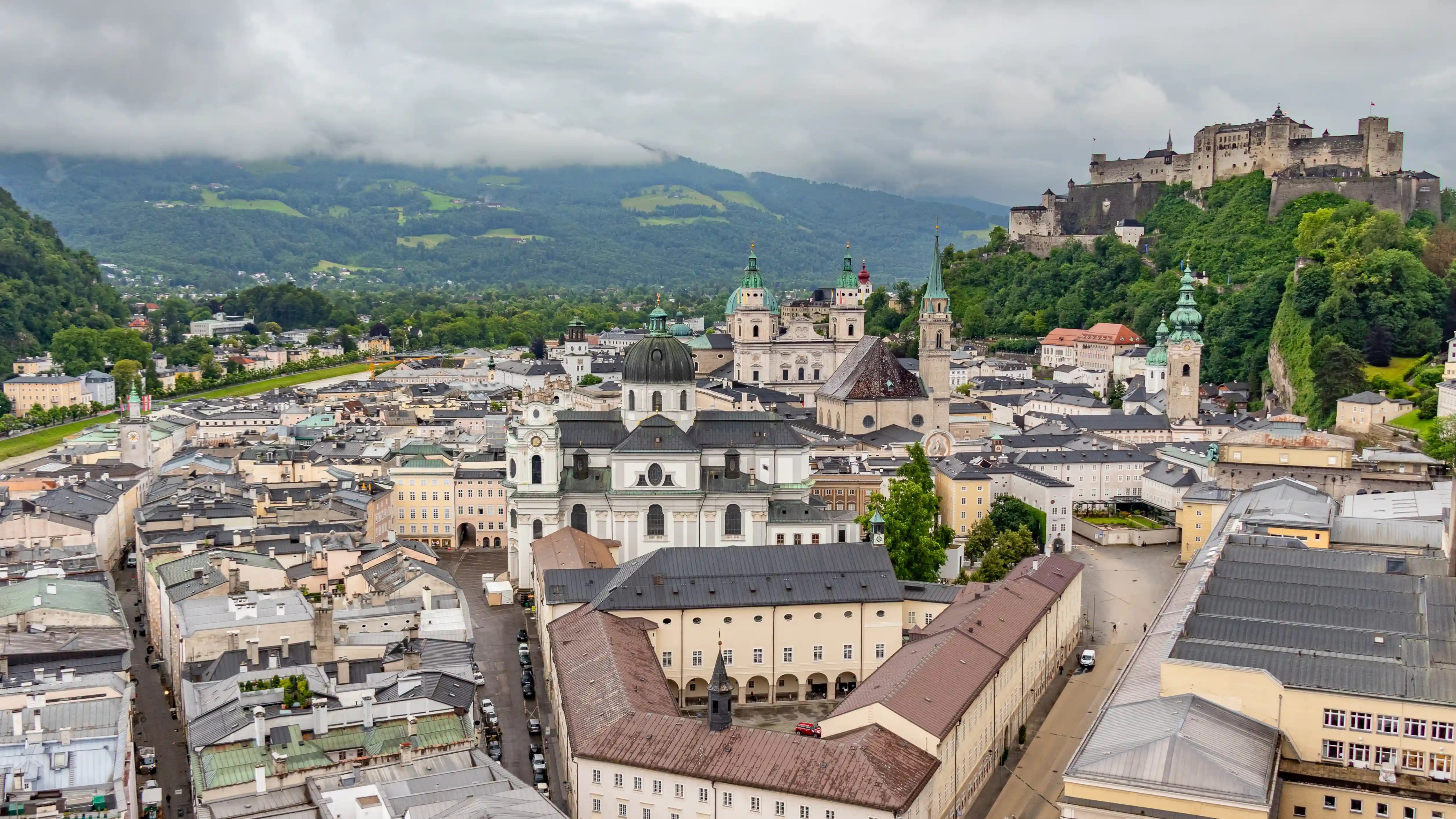
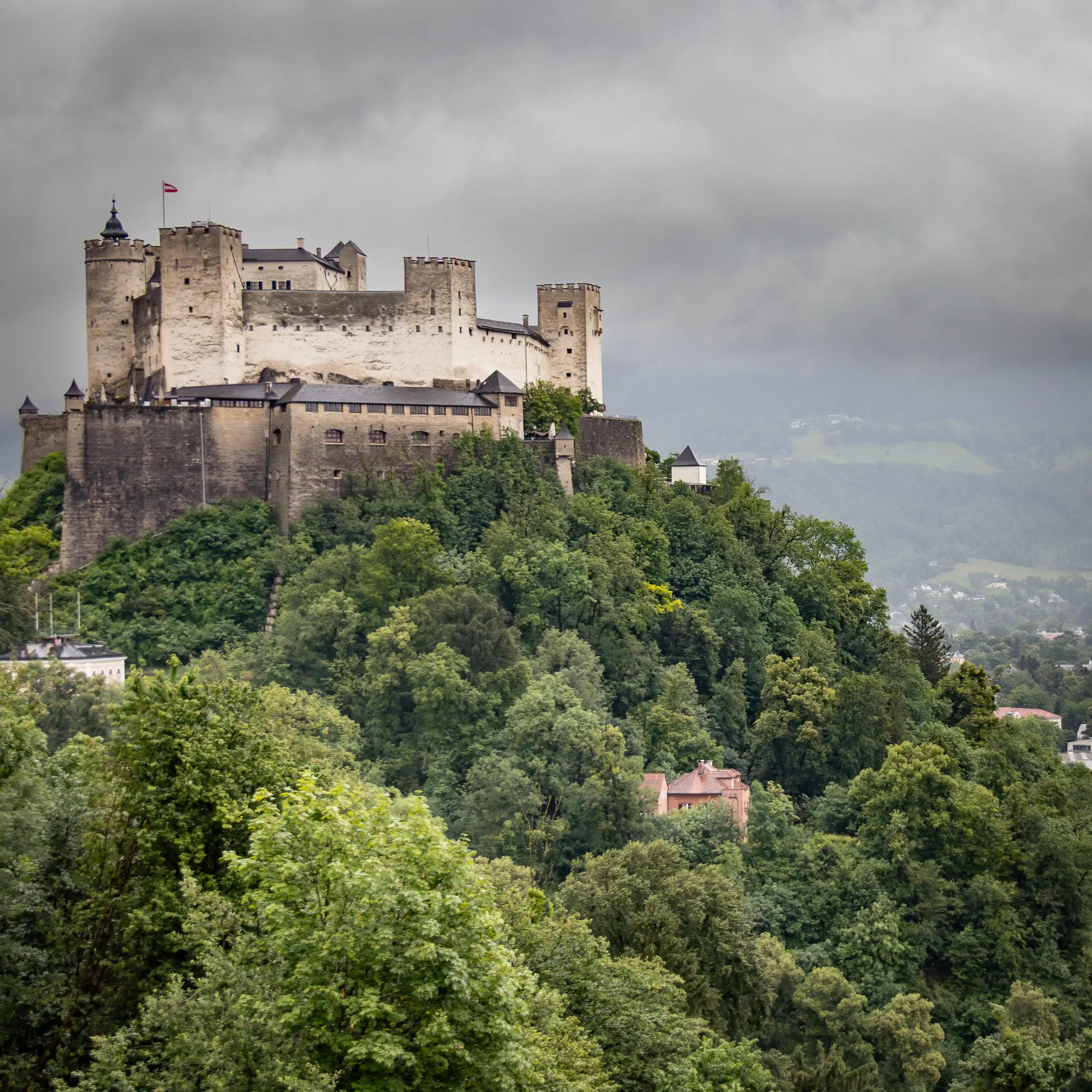
Towering above the city, Fortress Hohensalzburg (Festung Hohensalzburg) is one of Europe’s largest and best-preserved medieval fortresses. Construction began in 1077, commissioned by the archbishops of Salzburg during a period of political conflict, and the complex was expanded over centuries as their power grew. Taking the FestungsBahn funicular up made the ascent easy, while walking back down offered changing views across the old town and surrounding mountains.
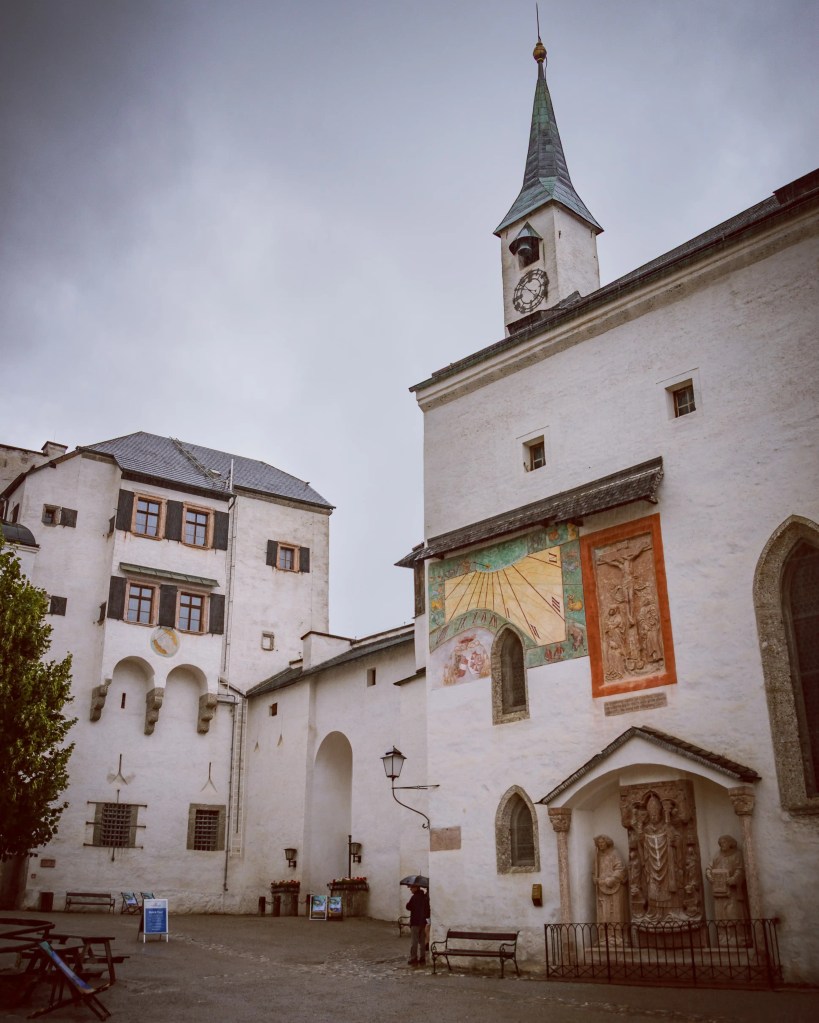
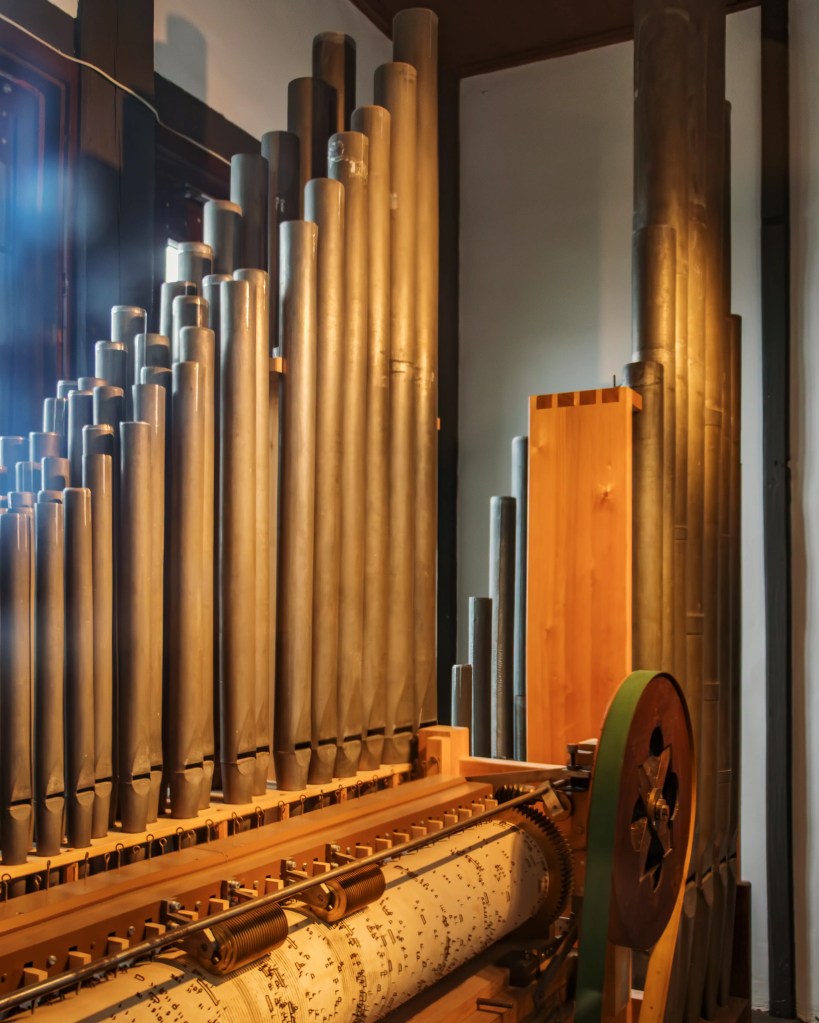
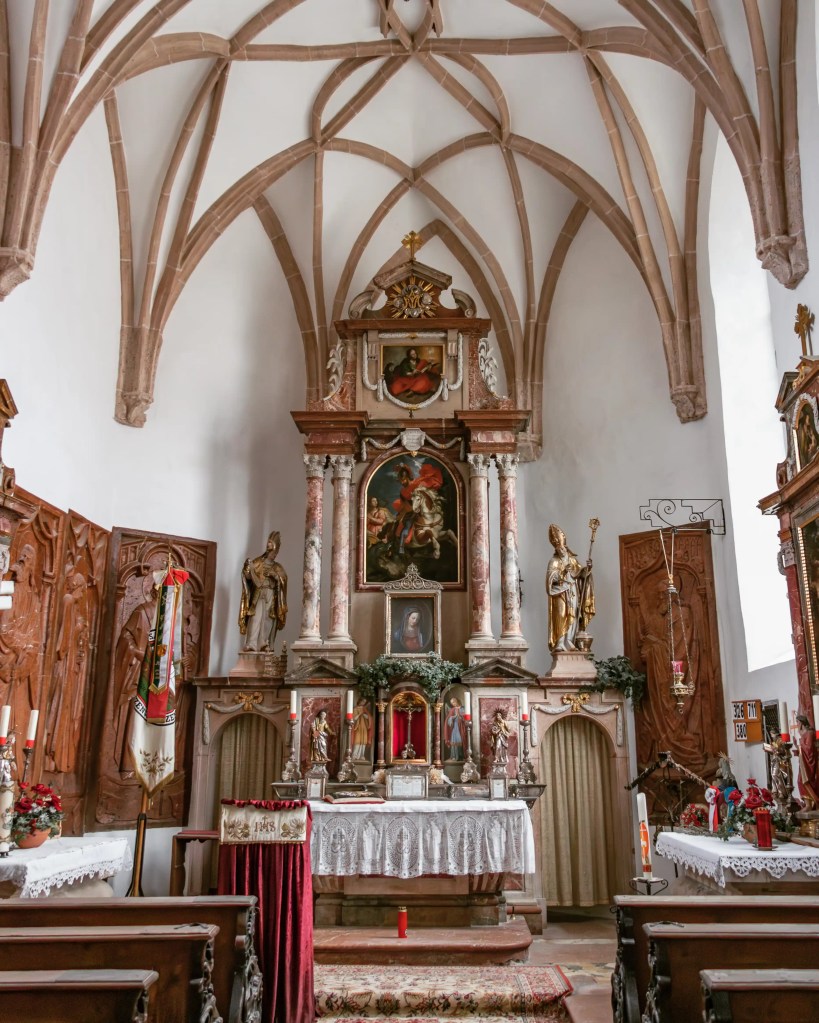
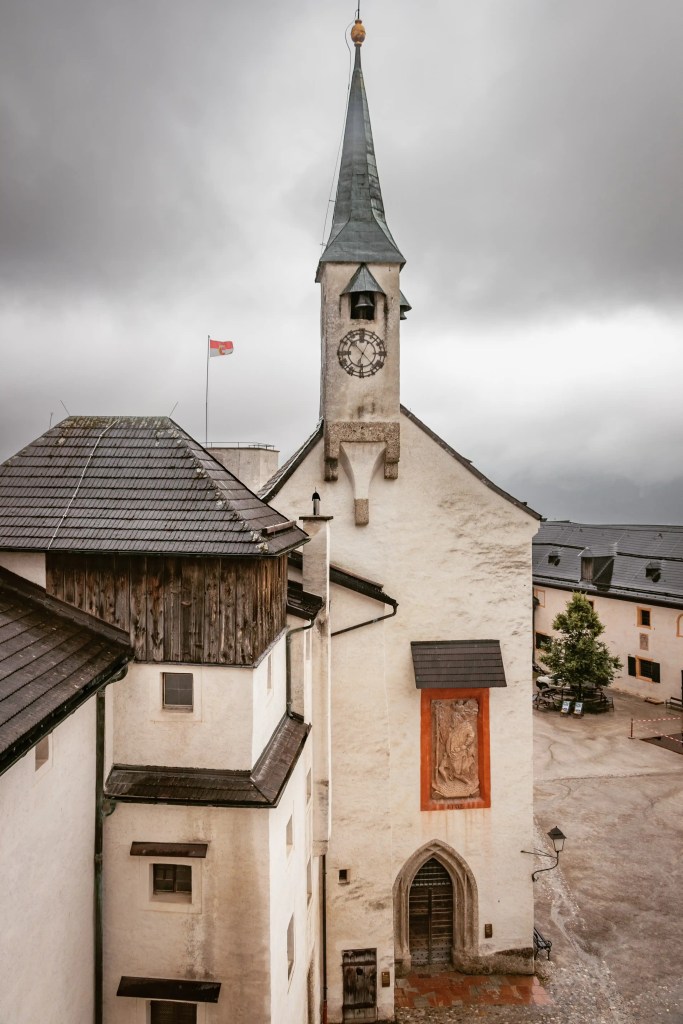
Inside the fortress, we explored several highlights, including St. George’s Church (Georgskirche), the Chamber of Friesinger, the Golden Chamber, the Chapel of Archbishop Leonhard von Keutschach, exhibits connected to the Salzburger Bull (Salzburger Stier)—an early mechanical organ installed in the early 16th century to signal time and events to the city below—along with museums tracing the site’s military, civic, and religious history.
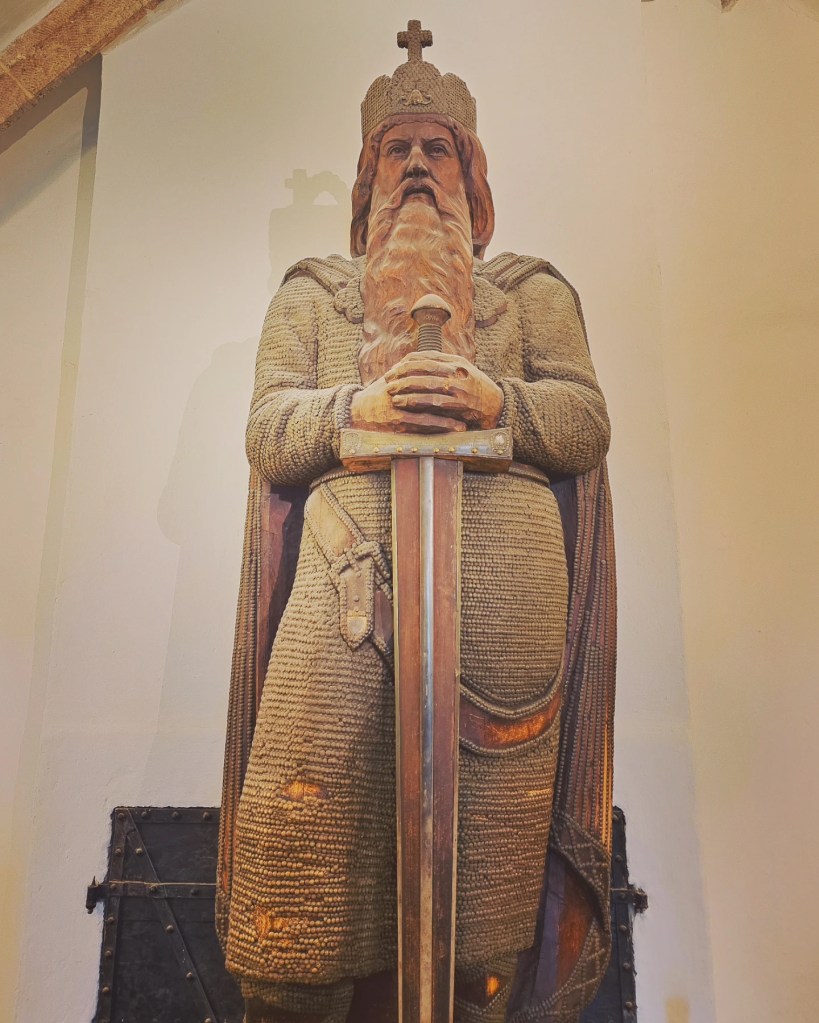
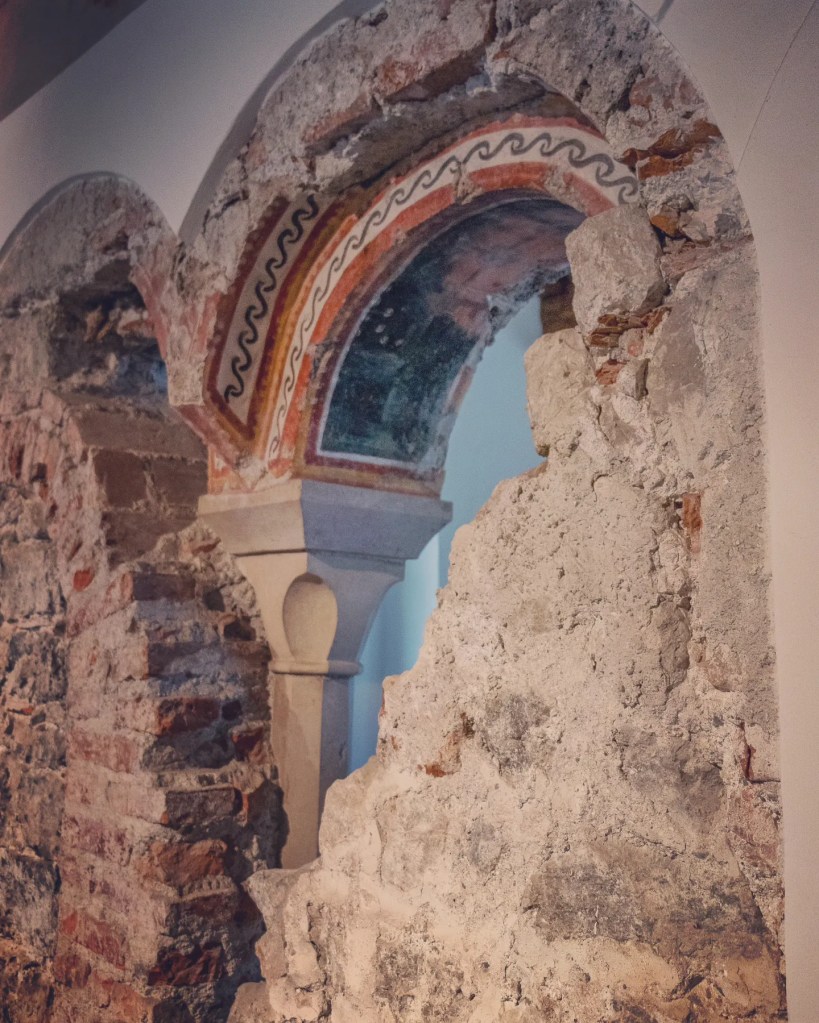
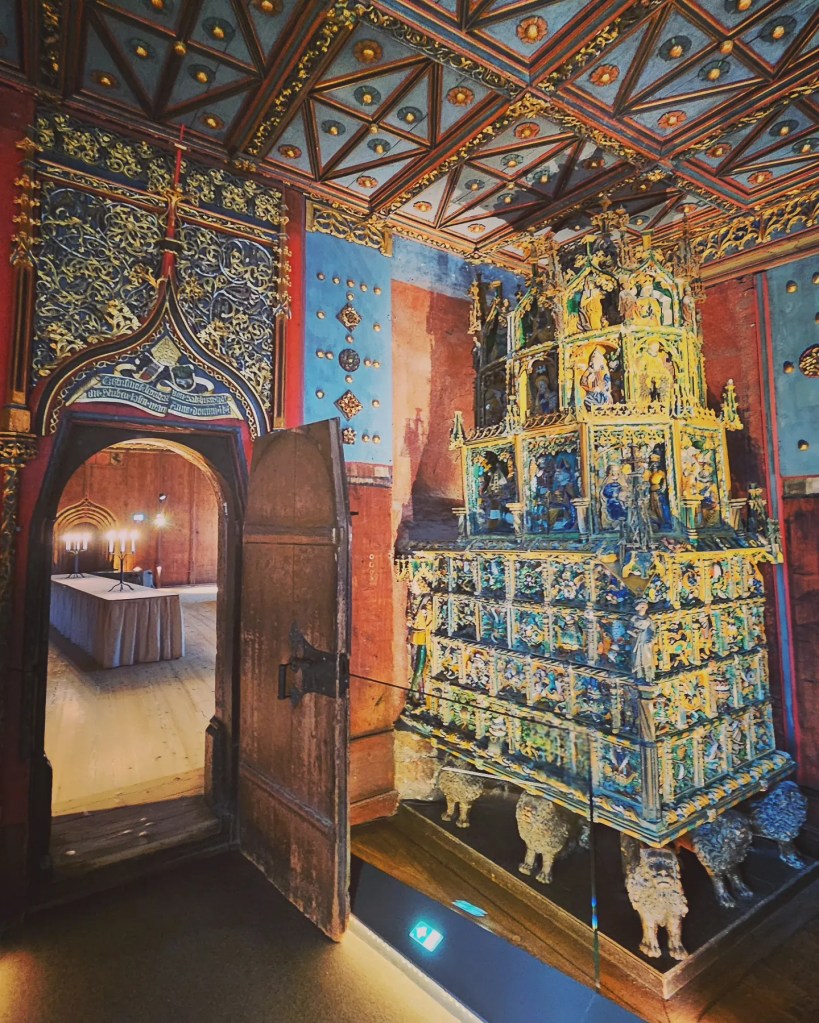
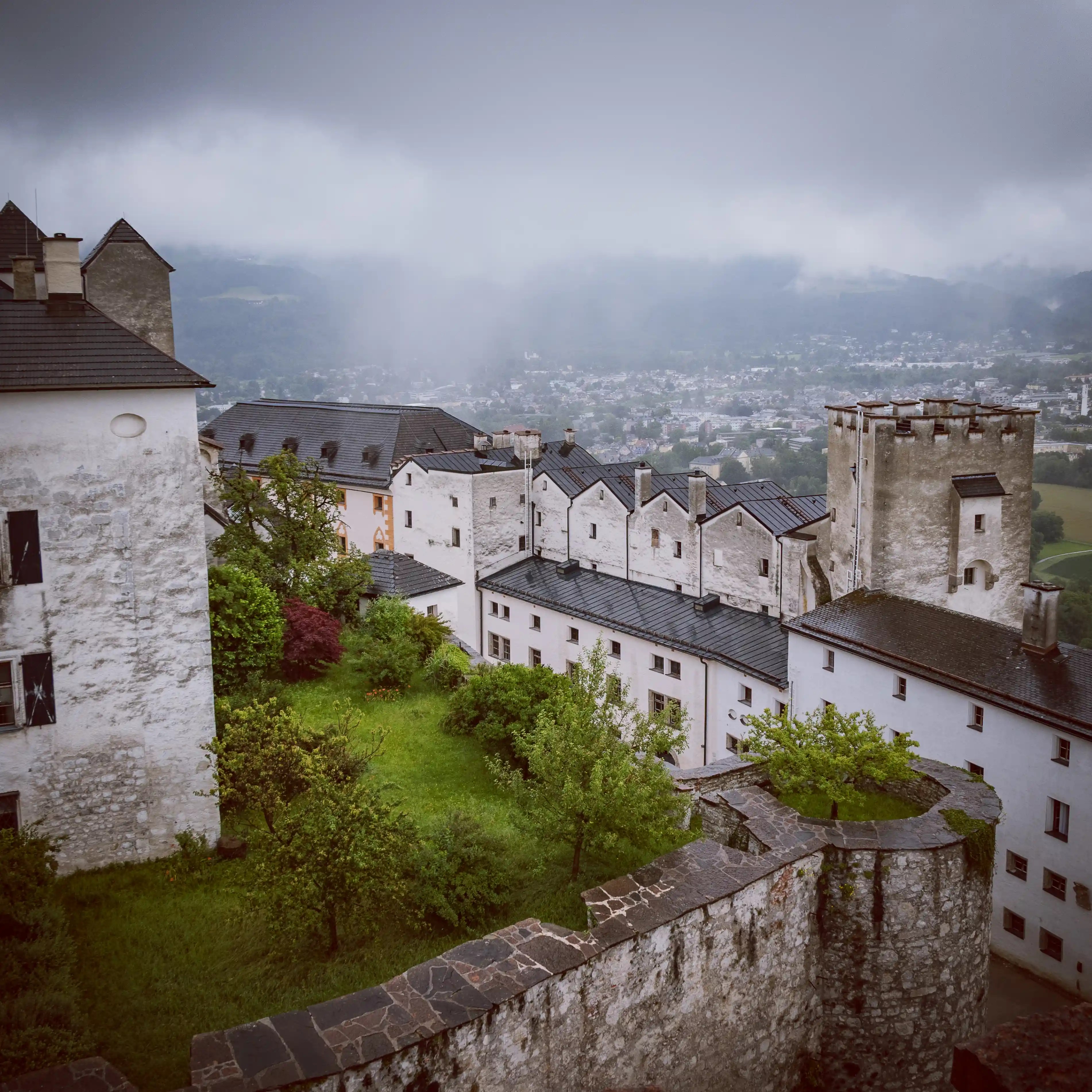
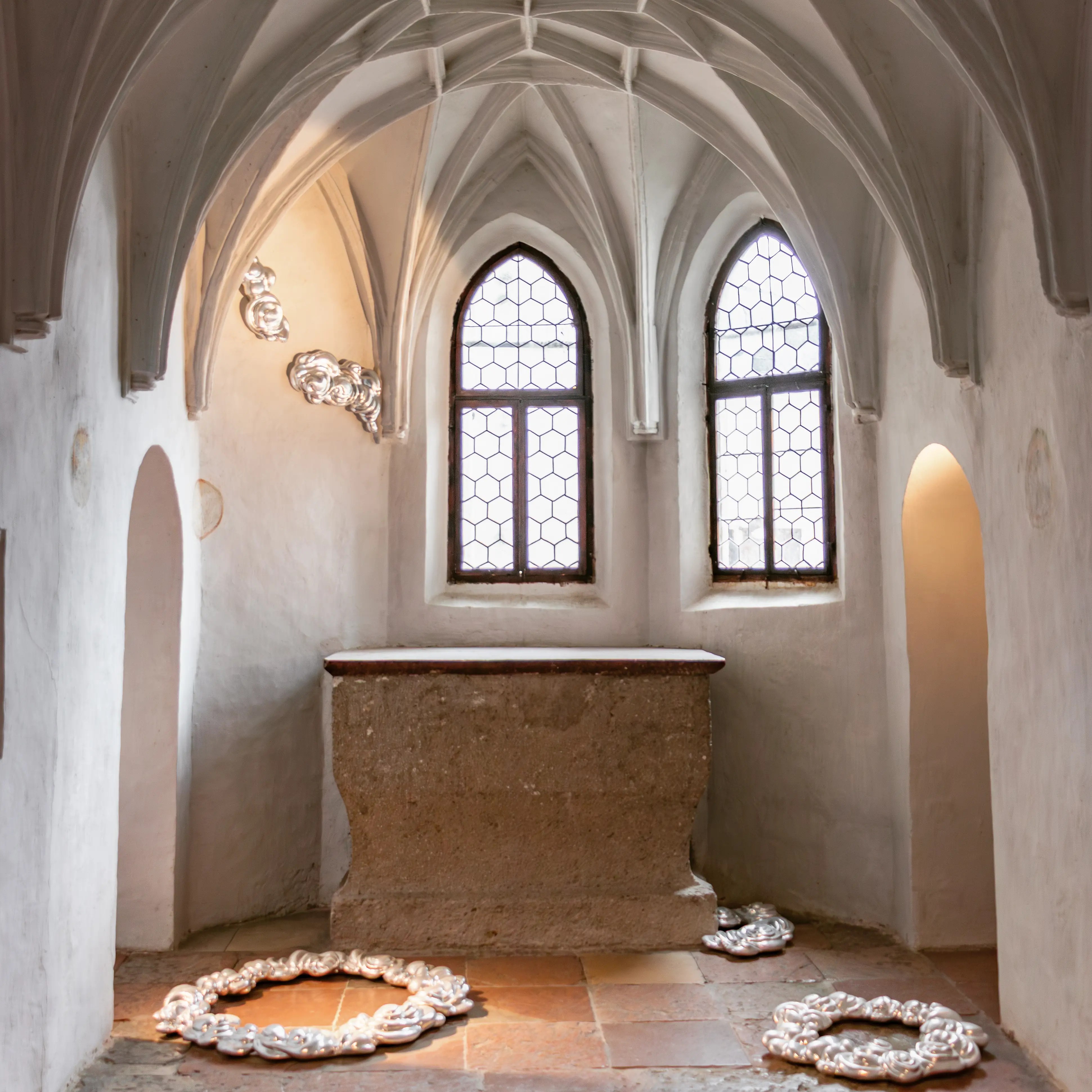
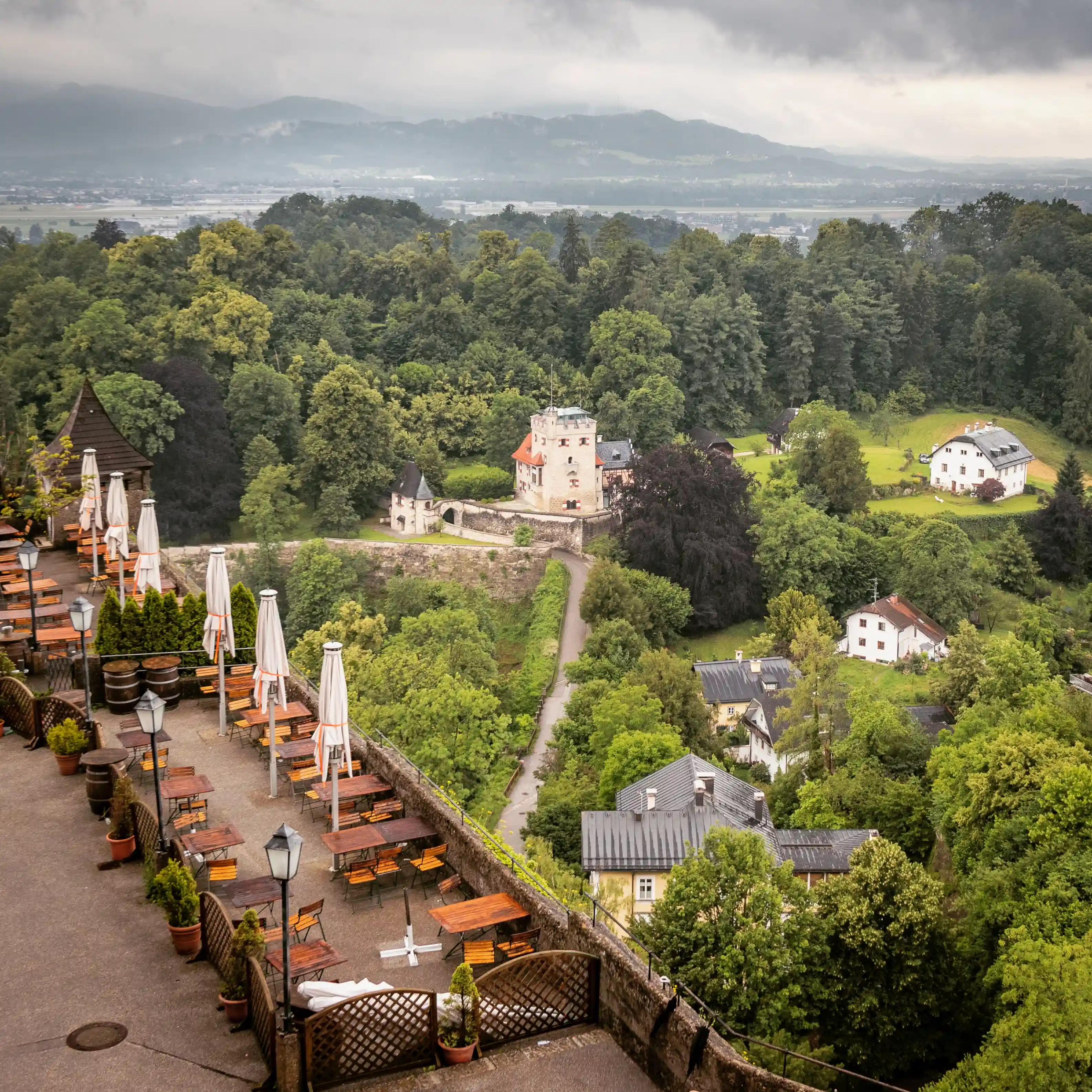
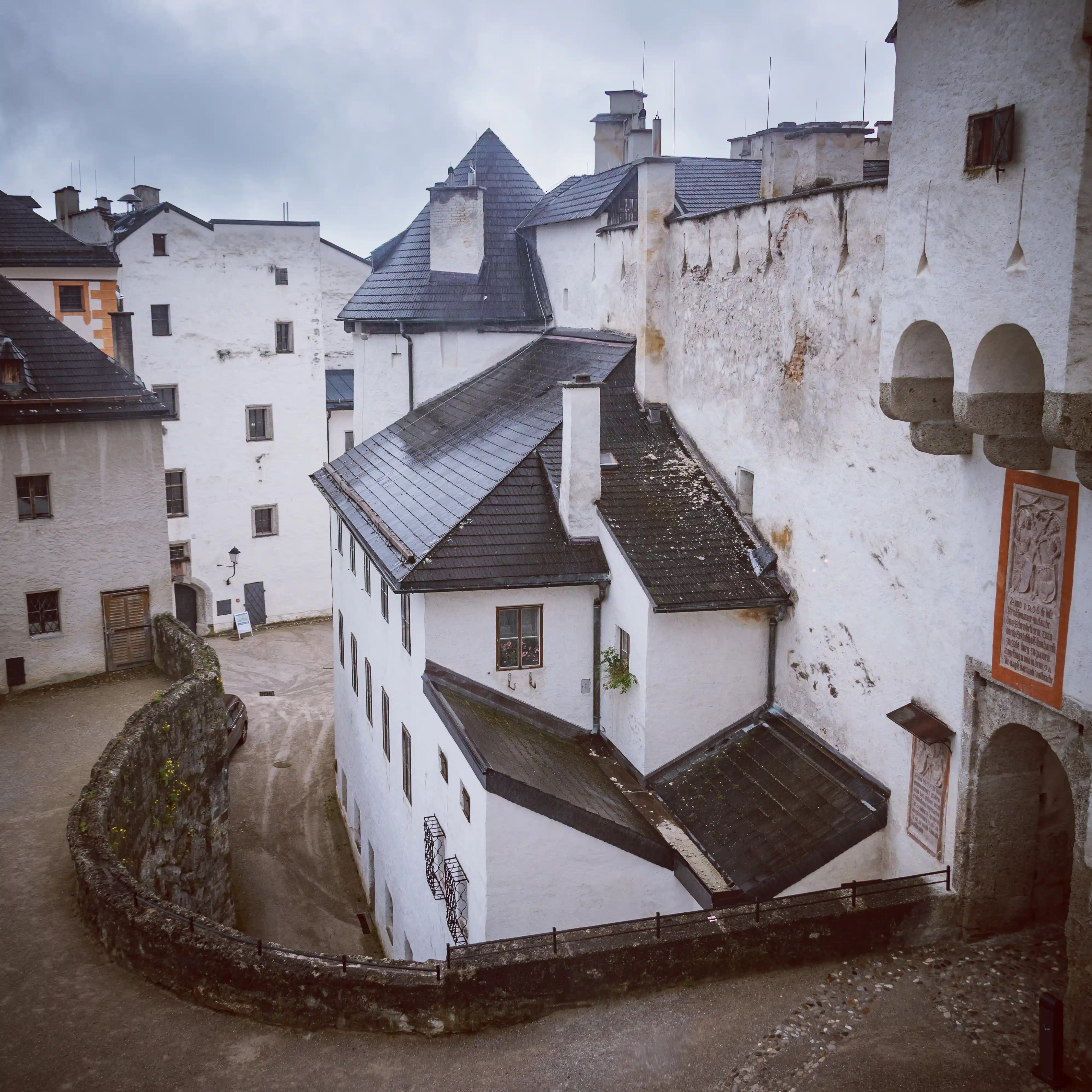
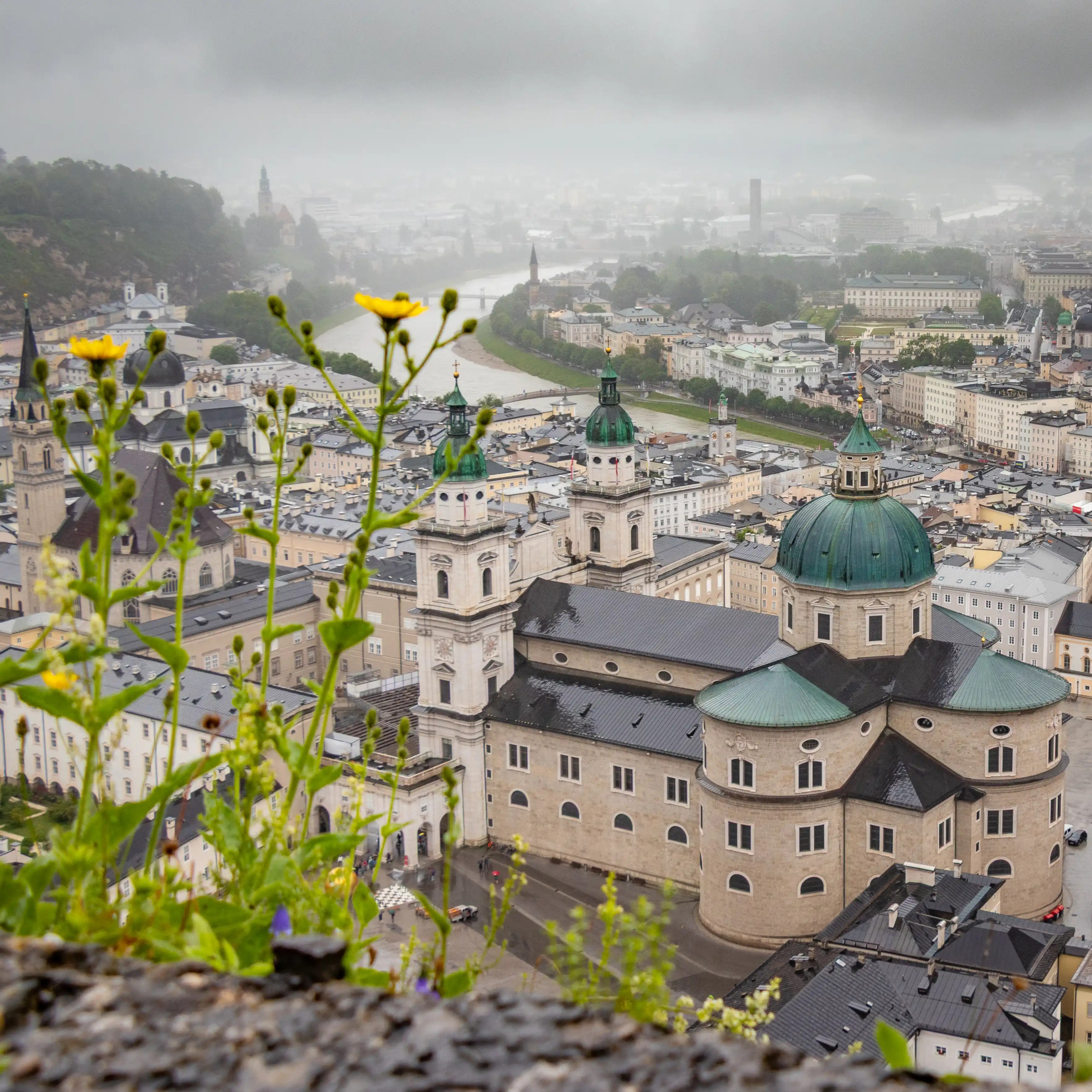
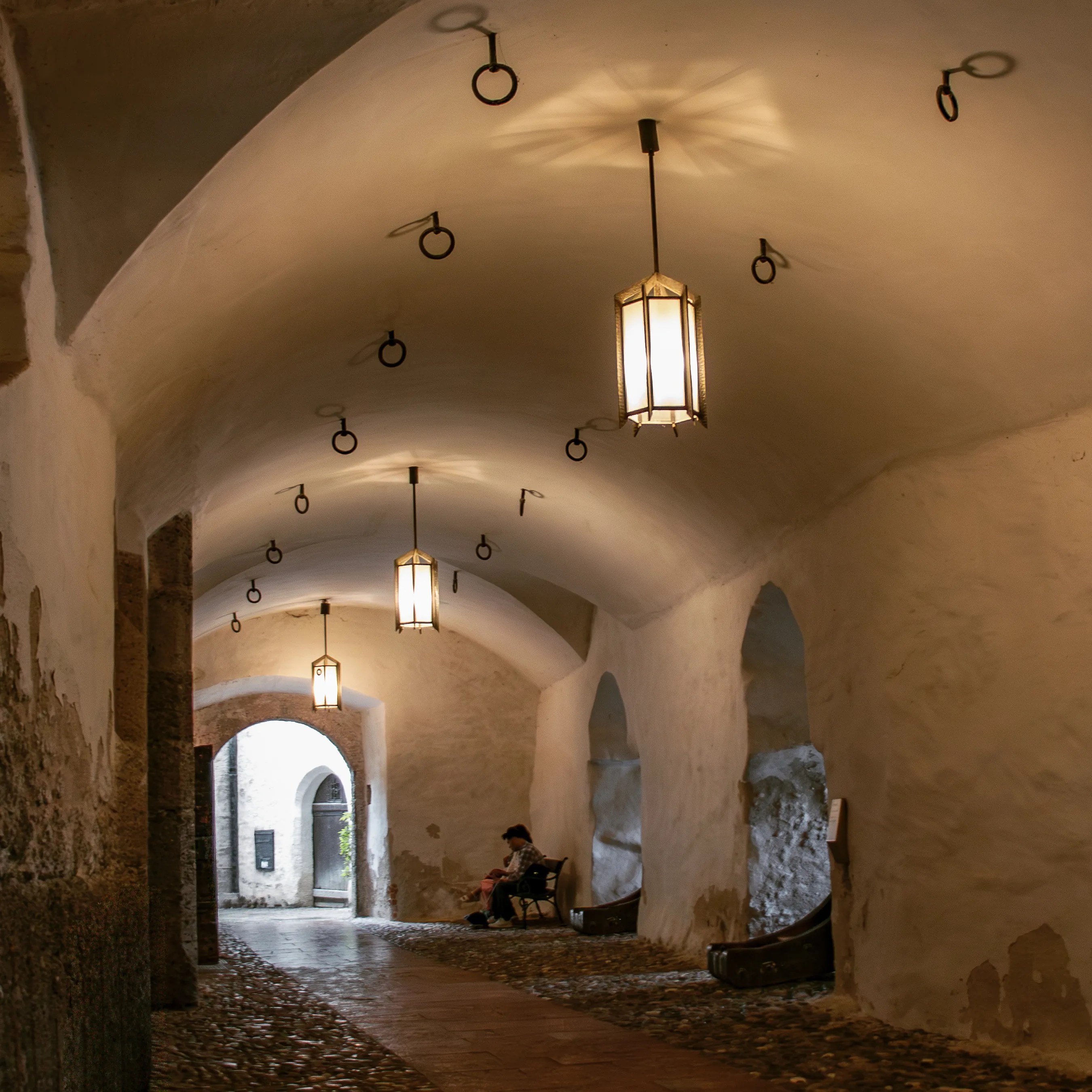
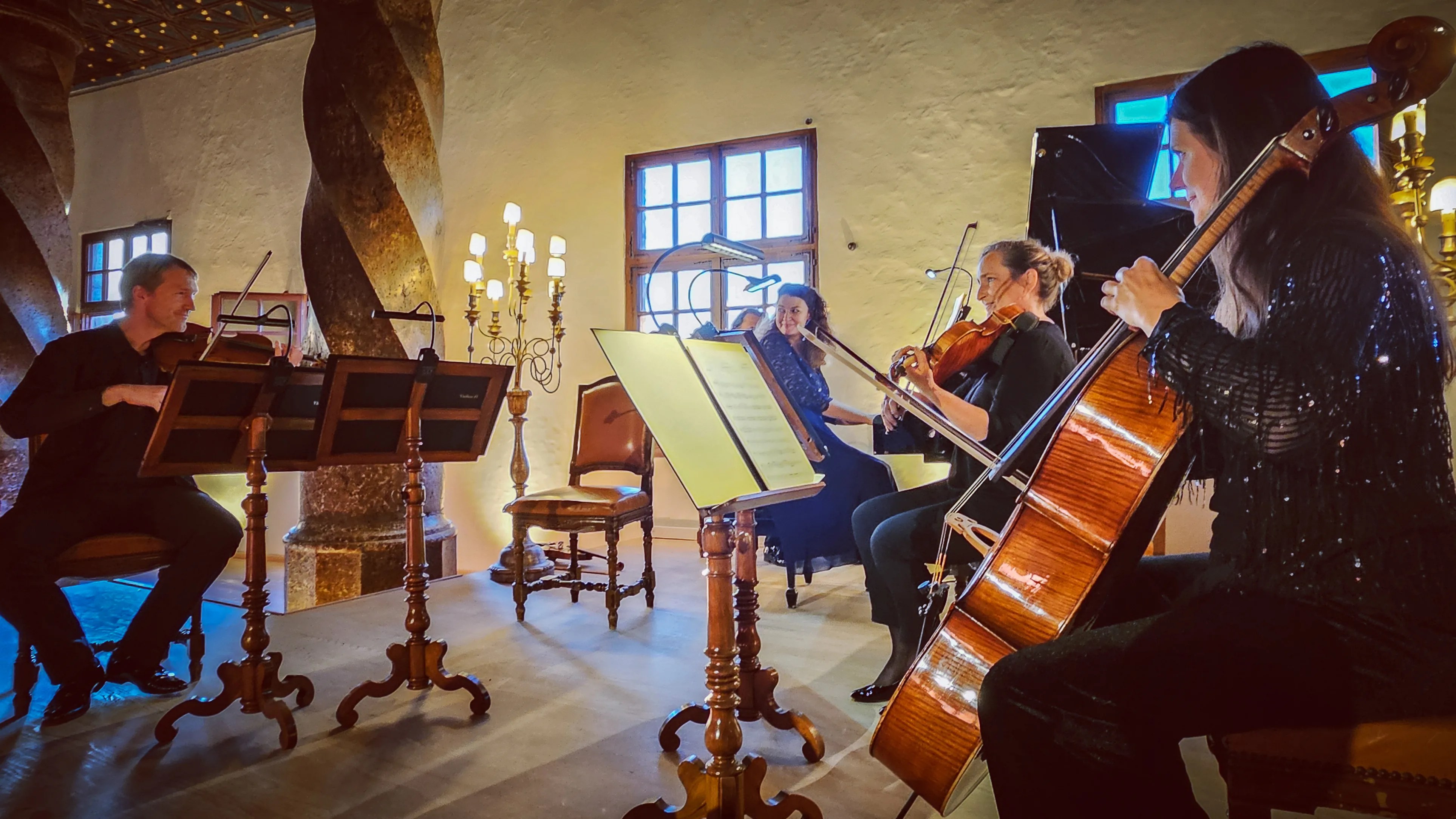
That evening, we attended a Dinner & Salzburg Fortress Concert, pairing a three-course meal with a Mozart performance in the Golden Hall. Hearing his music performed in Salzburg—where he was born and trained as a child—added extra meaning to the evening, and the combination of music, atmosphere, and setting made it truly memorable. Watching the sun set over the city from the fortress was the perfect finish.

The Sound of Music Tour
We also joined The Original Sound of Music Tour, a half-day bus tour that connects Salzburg’s surrounding landscapes with filming locations from the 1964 movie. Even without being a devoted fan, it turned out to be an enjoyable way to see parts of the region that would be harder to reach on your own.
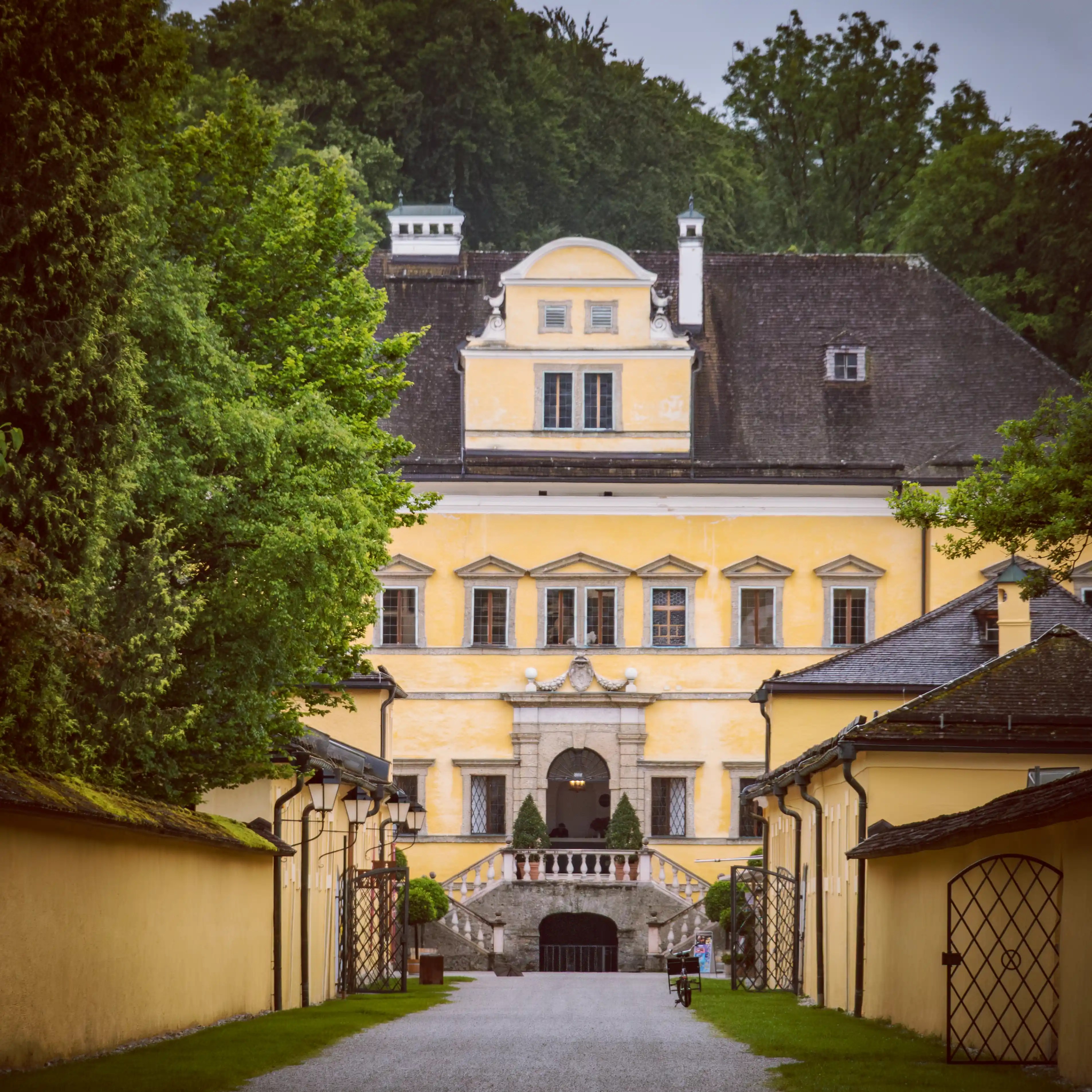
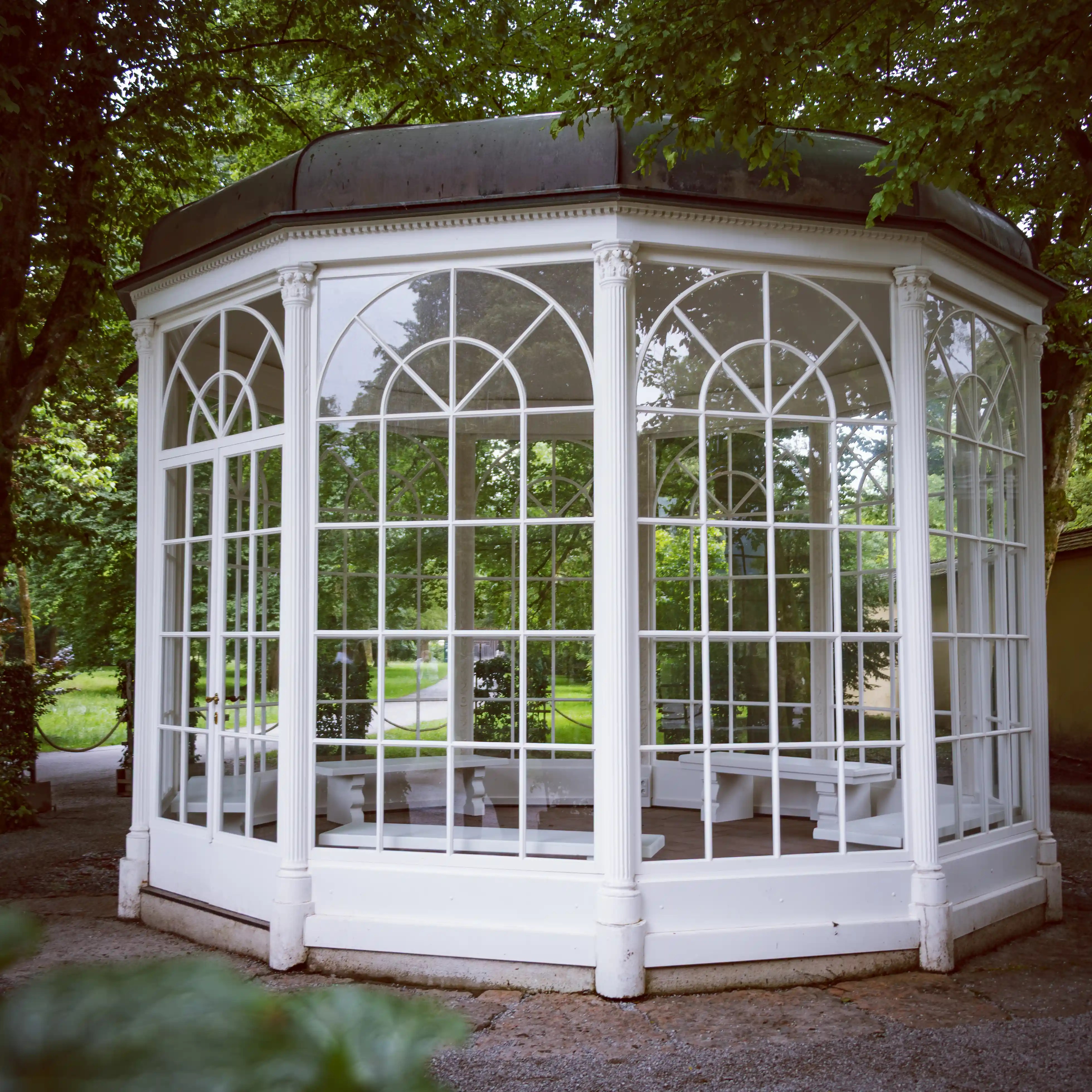
Hellbrunn Palace (Schloss Hellbrunn) was our first major stop. While the famous gazebo scenes from The Sound of Music were filmed at Leopoldskron Palace, the gazebo was later moved to Hellbrunn Palace Park, where it stands today. Seeing it here makes for an easy and enjoyable stop, even though the setting is different from what appears on screen.
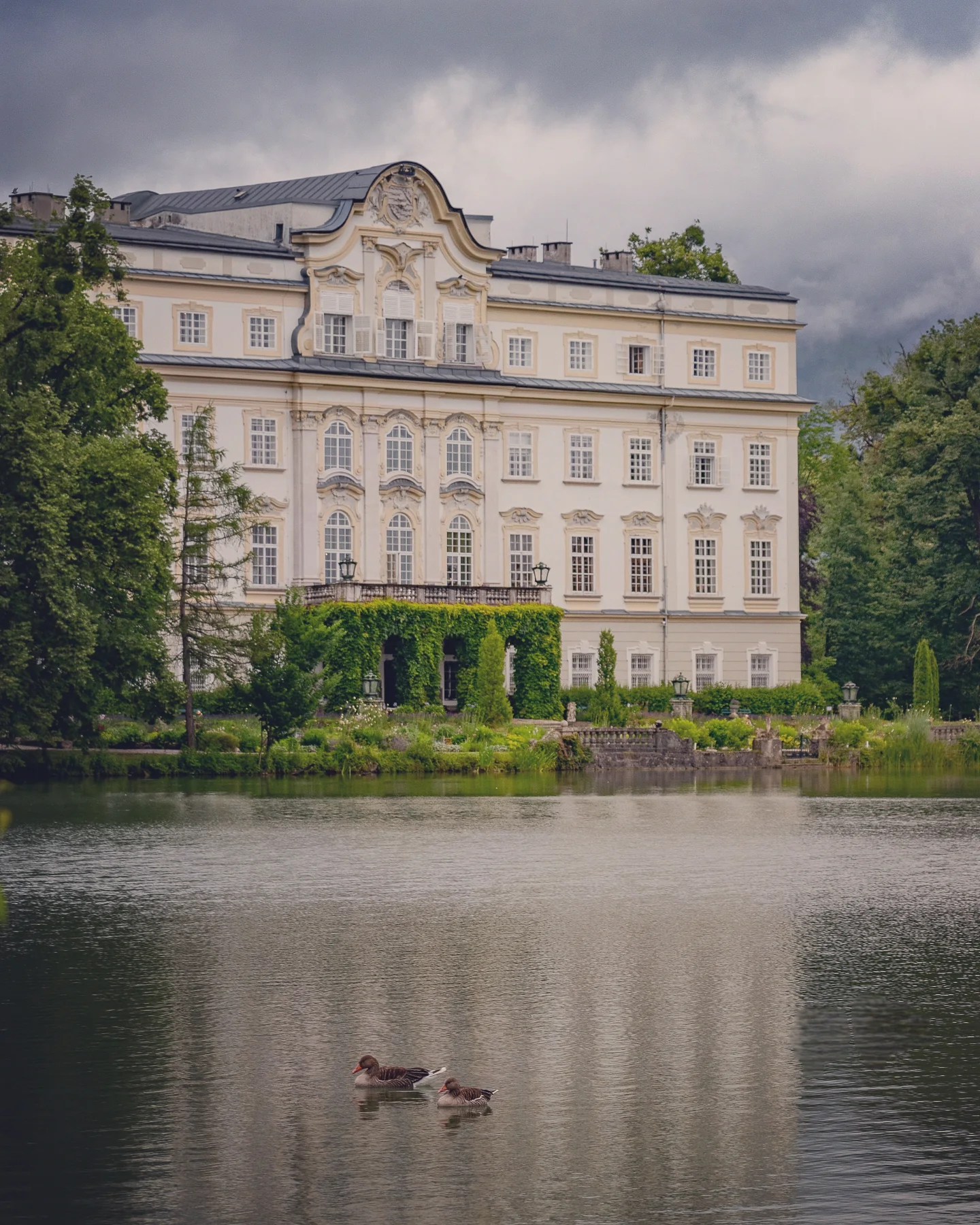
Next, we stopped at Leopoldskron Palace (Schloss Leopoldskron), which served as the exterior of the von Trapp family home in the film. The palace is now a hotel and conference center, and while access is limited, the lakeside setting and reflections across the water make it one of the most striking stops on the tour.
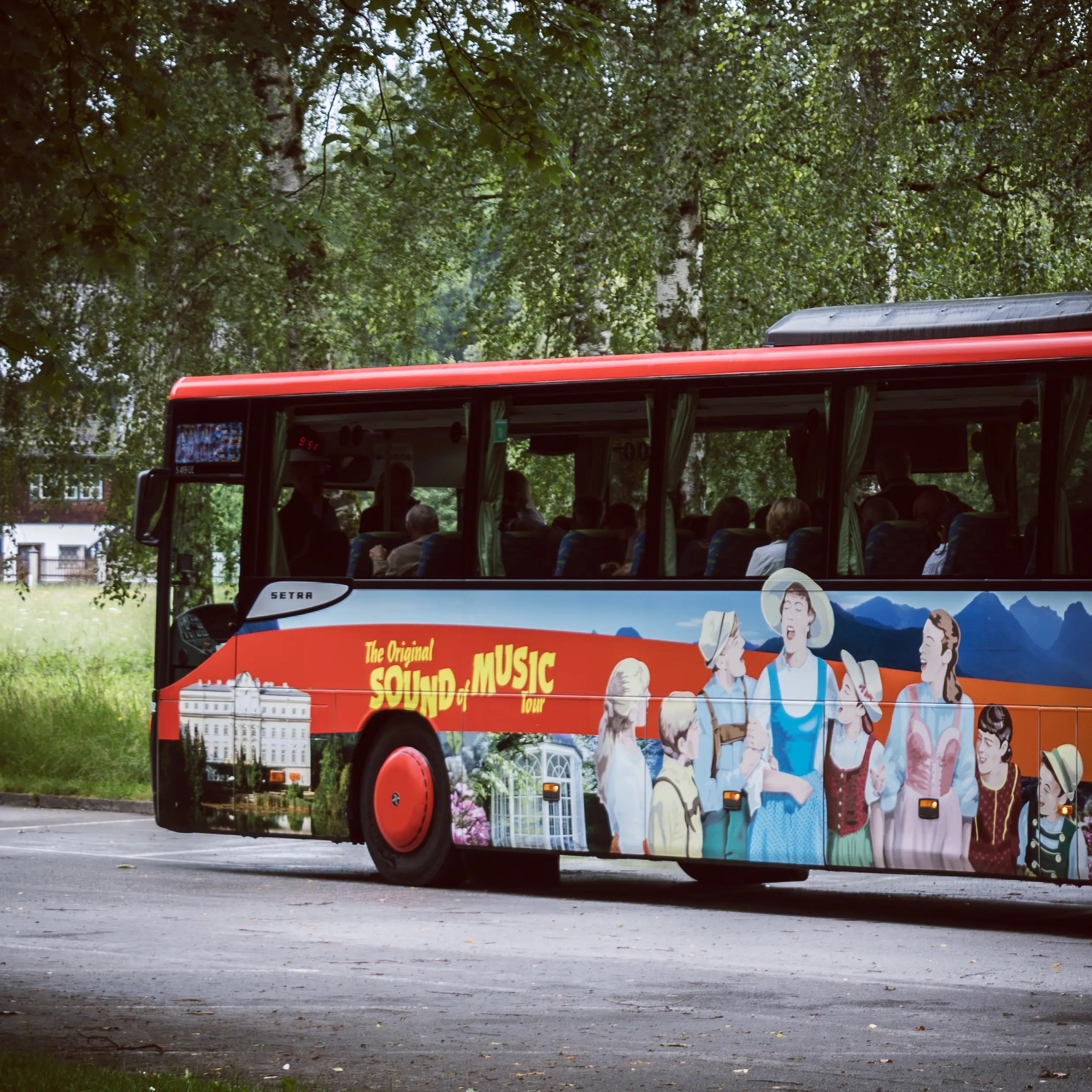
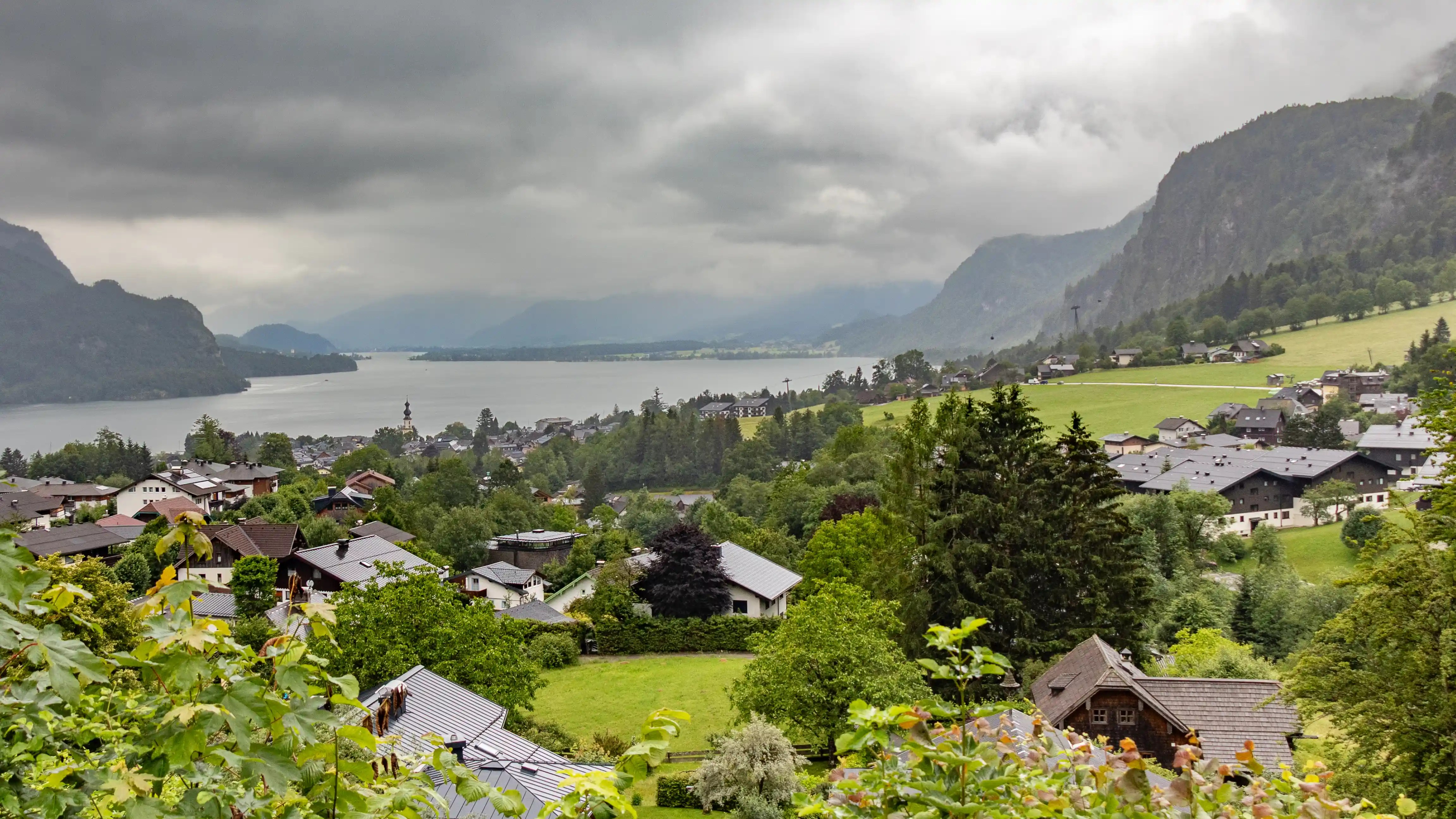
The drive itself is part of the experience, winding through countryside and past lakes in the Salzkammergut region. One scenic pause was at Wolfgangseeblick, a viewpoint overlooking Lake Wolfgangsee. While not connected to a specific scene from the film, it offers a classic alpine lake view that makes it easy to see why this landscape translates so beautifully to the screen. I can only imagine how spectacular it must be on a sunny day.
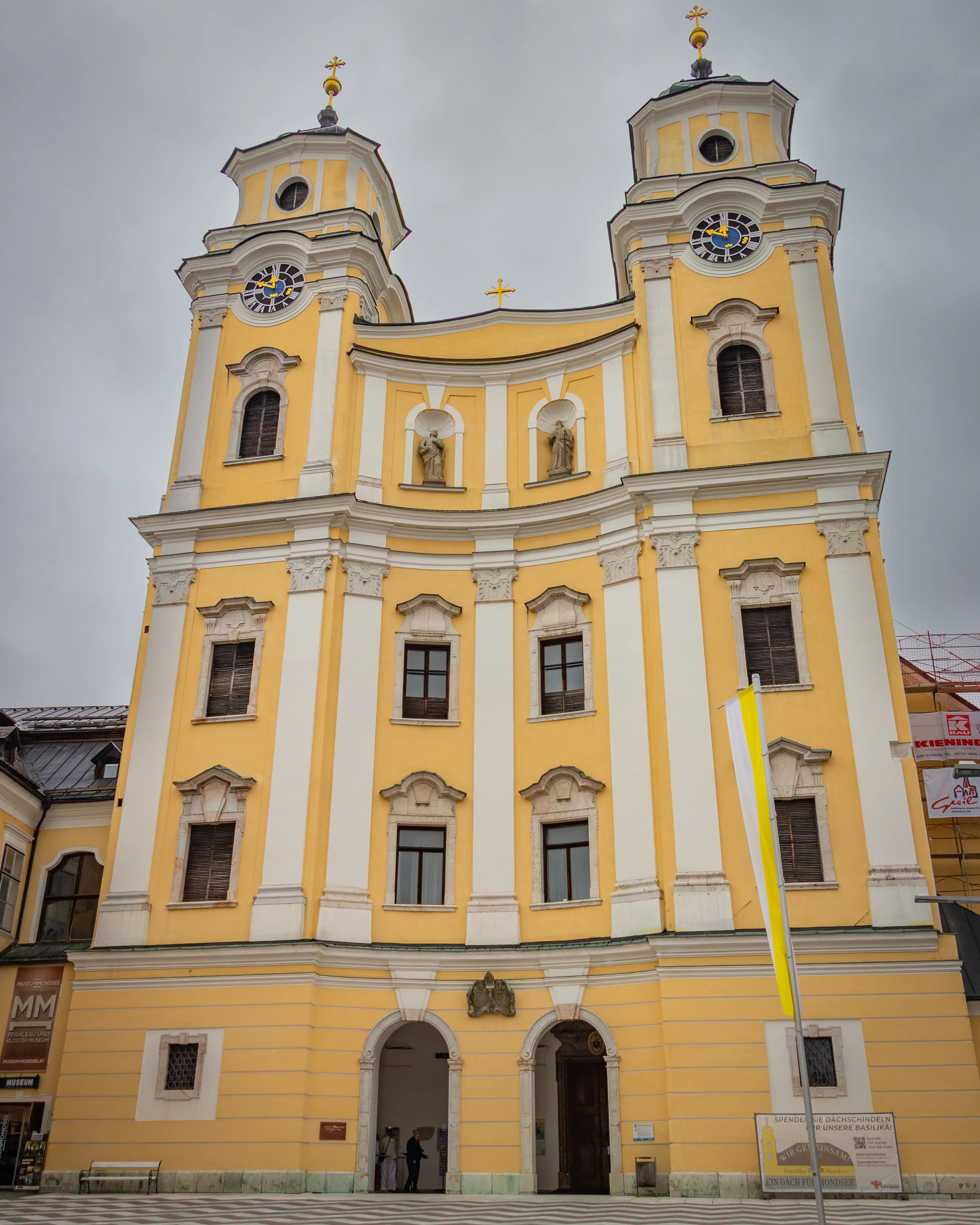
One of the highlights was Mondsee, home to the Basilica of St. Michael, where the wedding scene between Maria and Baron von Trapp was filmed. The church’s twin towers anchor the town square, and stepping inside makes the connection to the film immediately recognizable.
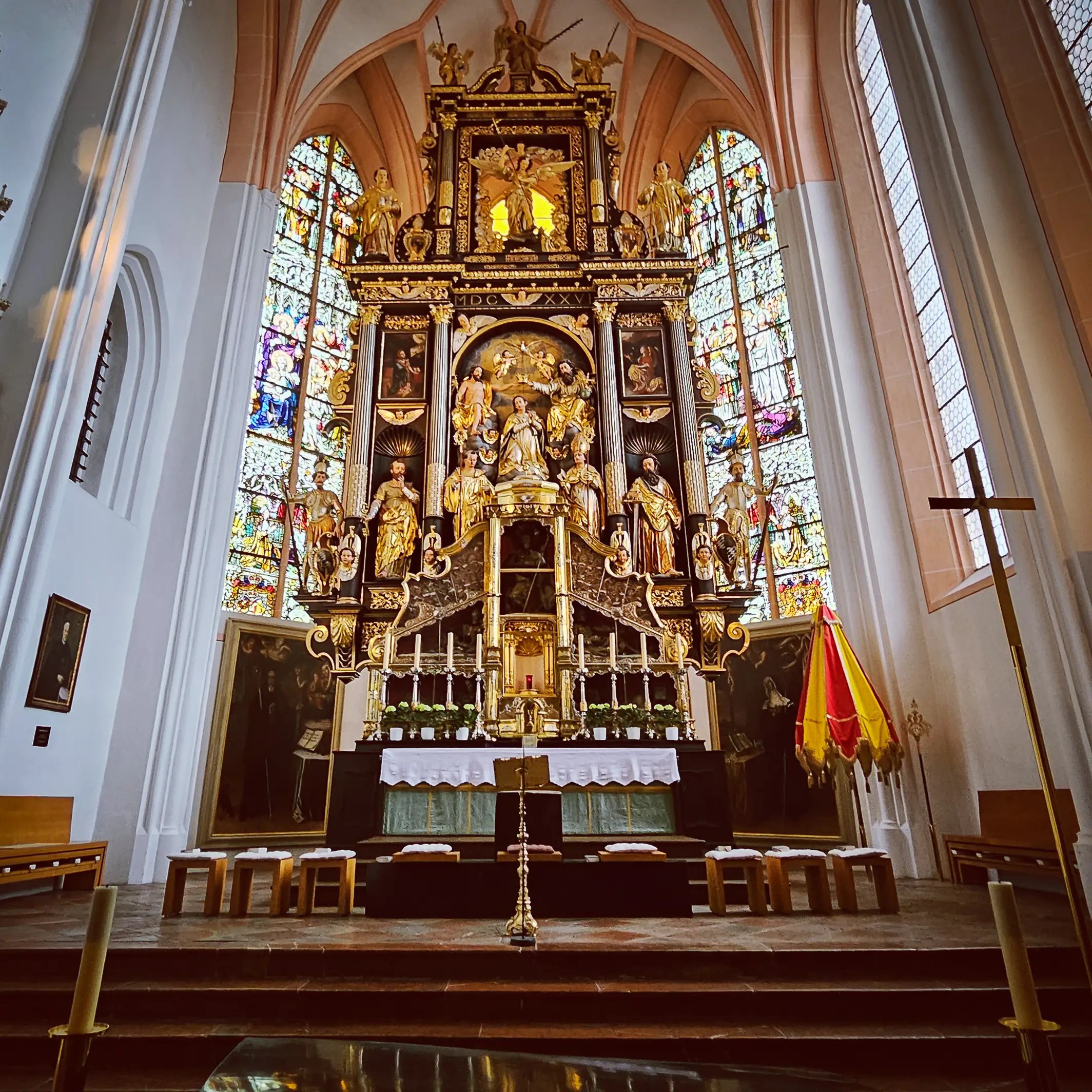
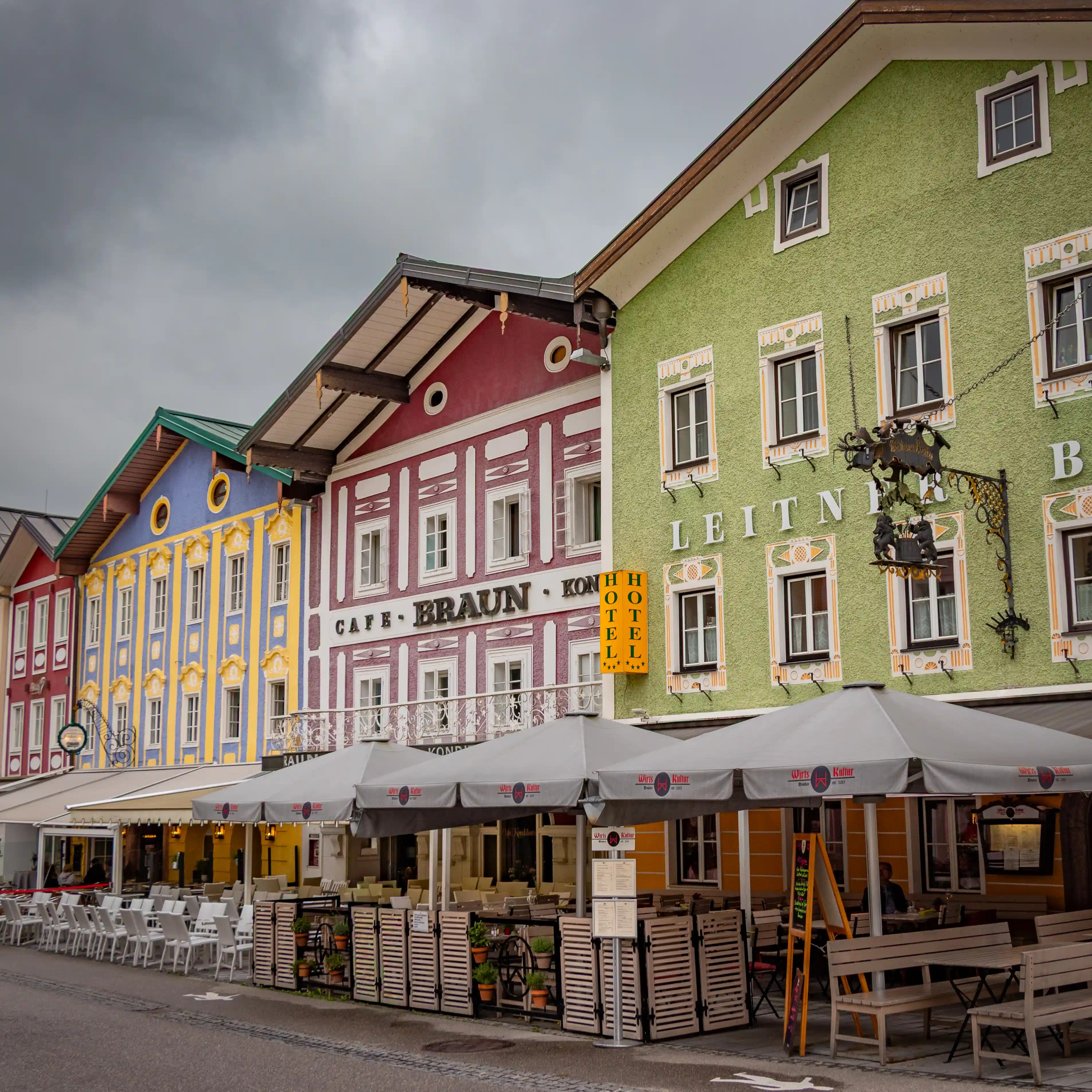
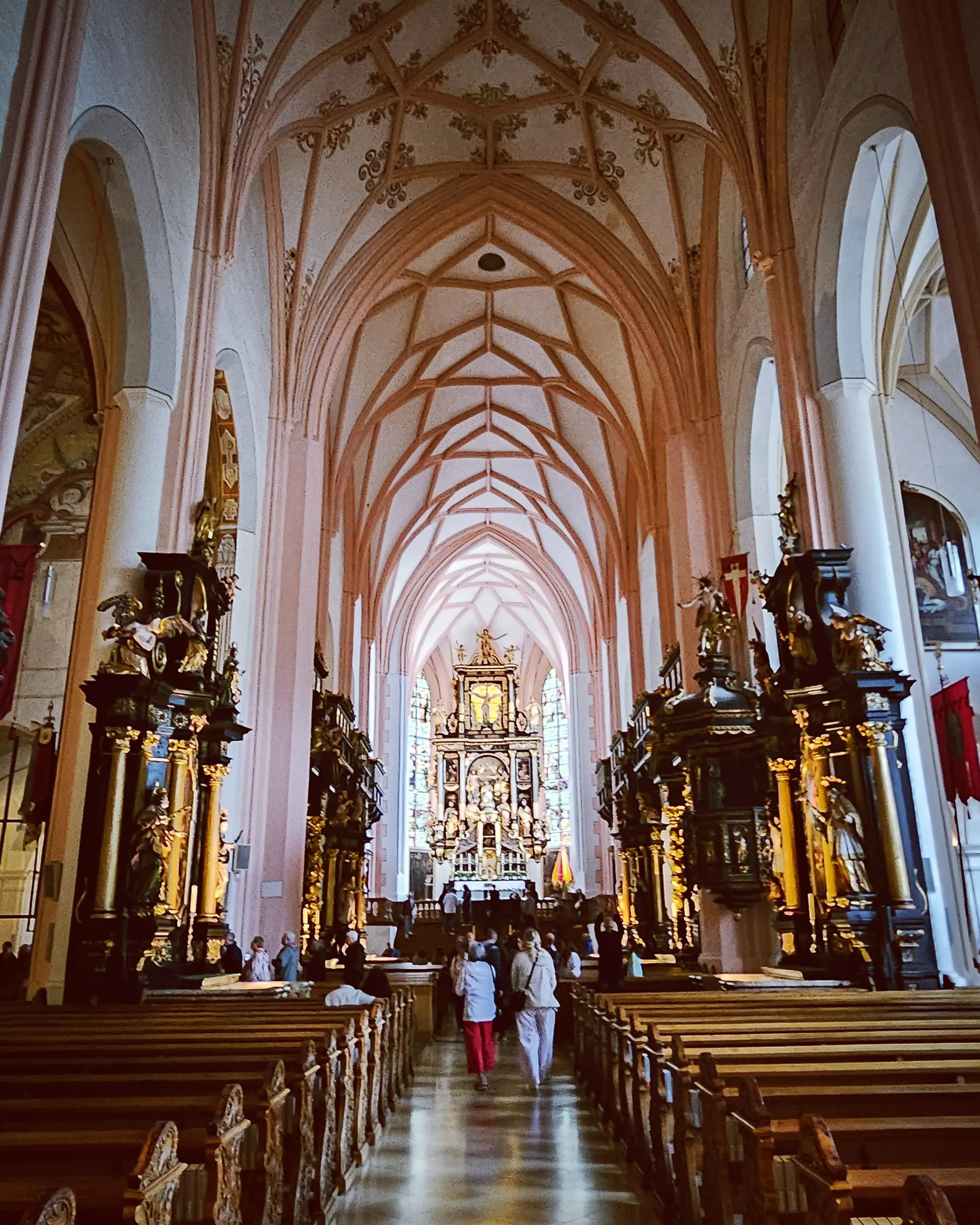
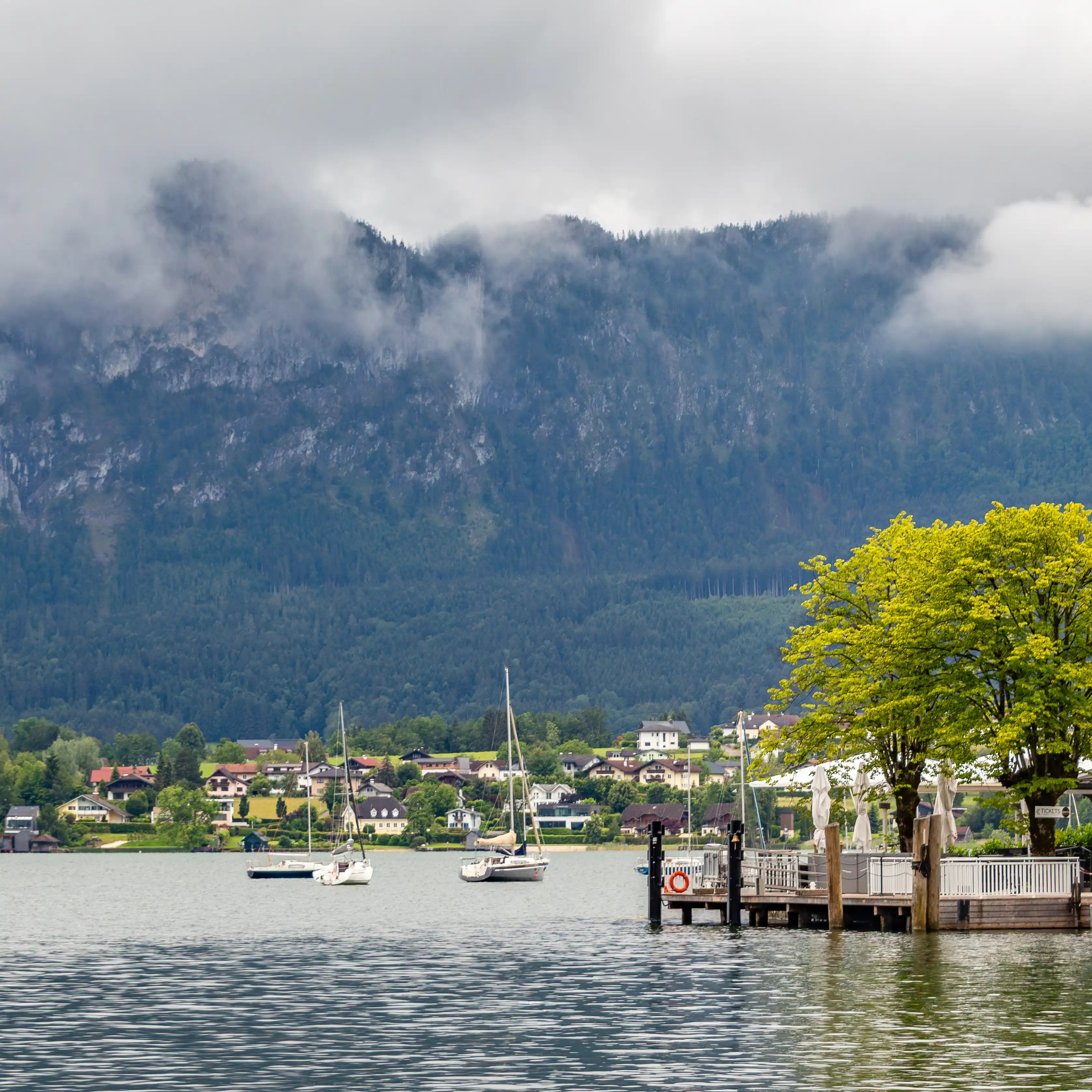
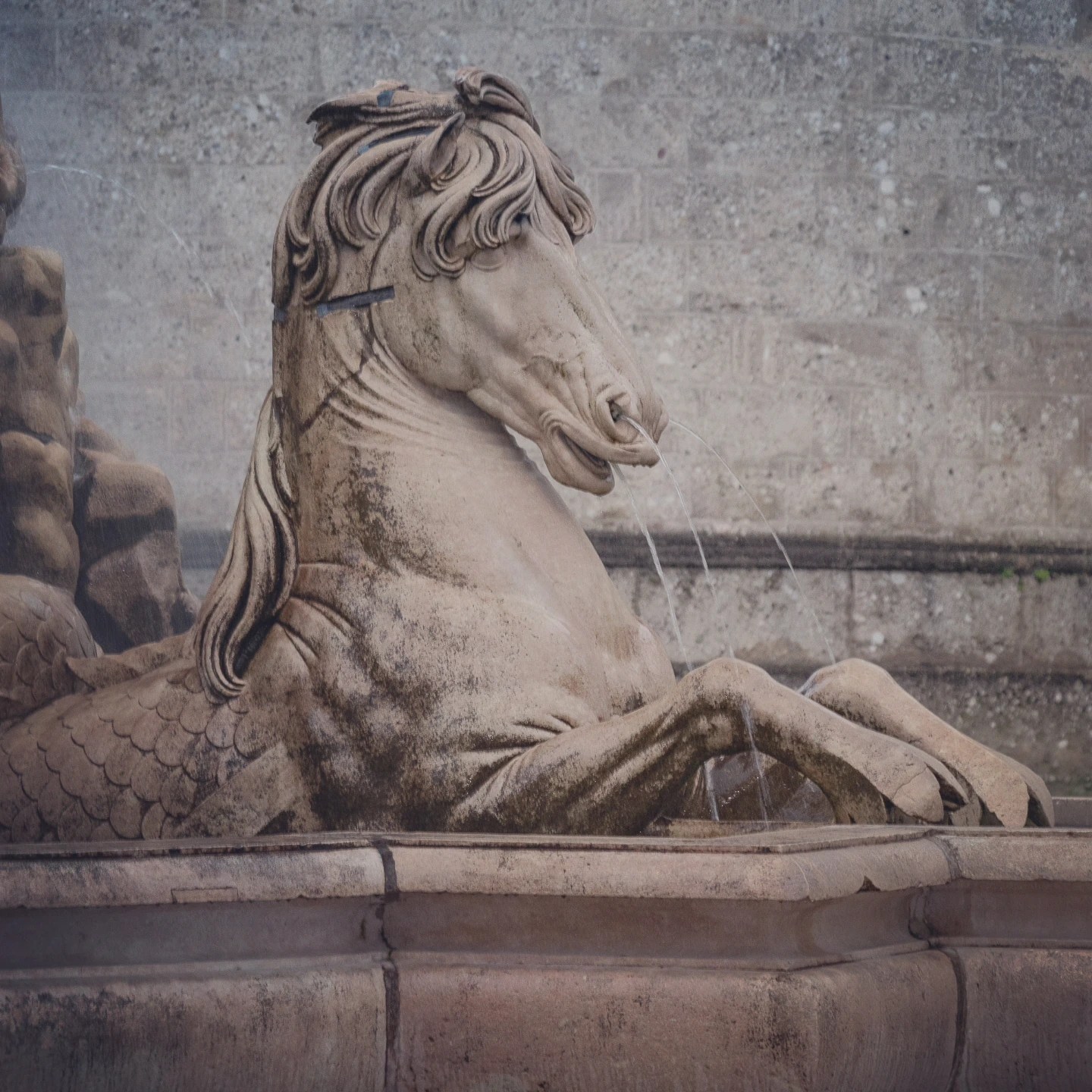
The tour concludes back in Salzburg at Mirabell Palace and Gardens, one of the city’s most significant Baroque sites. Originally built in the early 17th century for Prince-Archbishop Wolf Dietrich von Raitenau, the palace and its formal gardens have long played a role in Salzburg’s cultural life. Wolfgang Amadeus Mozart performed concerts in the Marble Hall, which is still considered one of the city’s most important historic concert spaces. Many visitors recognize the gardens from The Sound of Music, including the Pegasus Fountain and the steps leading toward the rose gardens, but even without the film connection, Mirabell is well worth visiting for its setting and history alone.
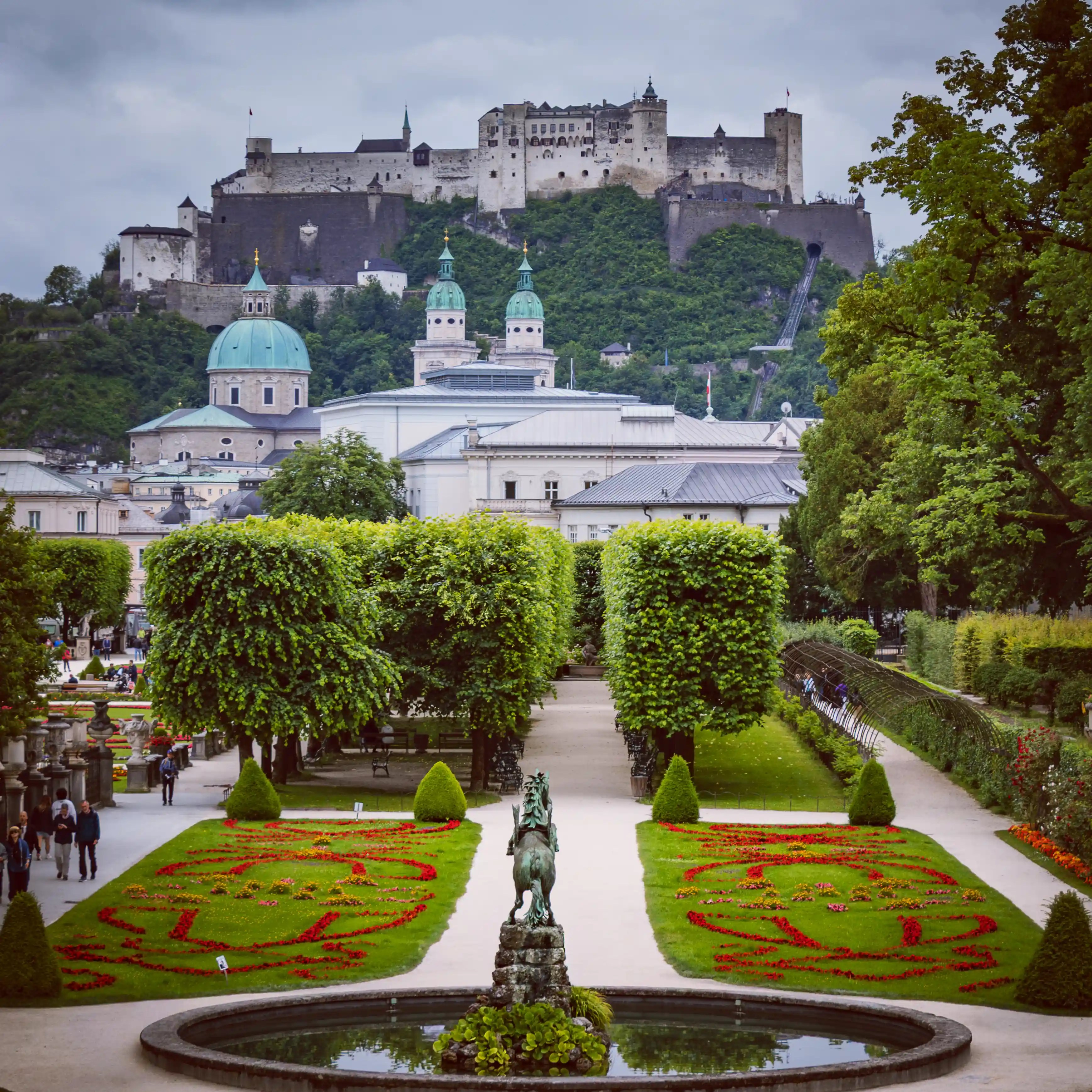
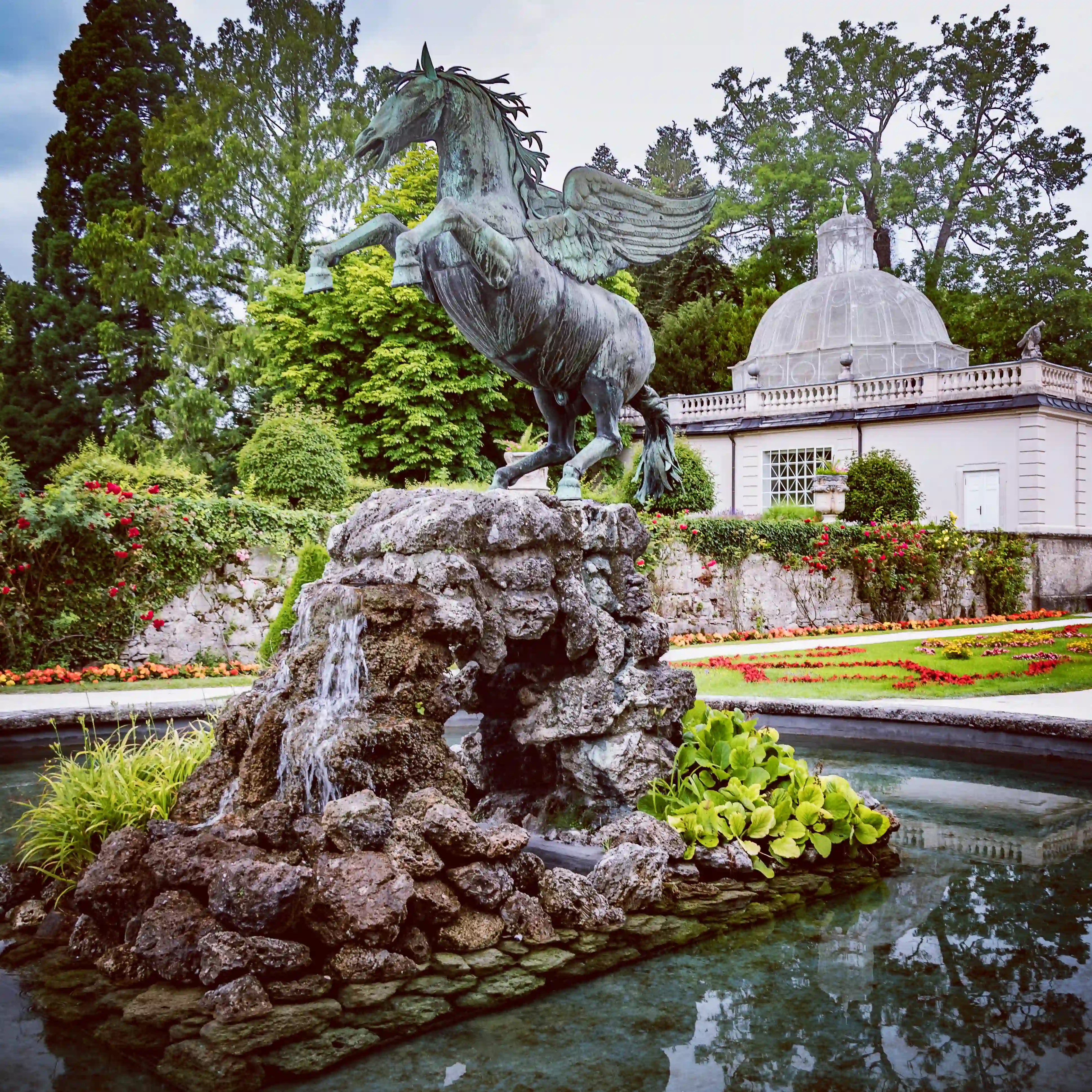
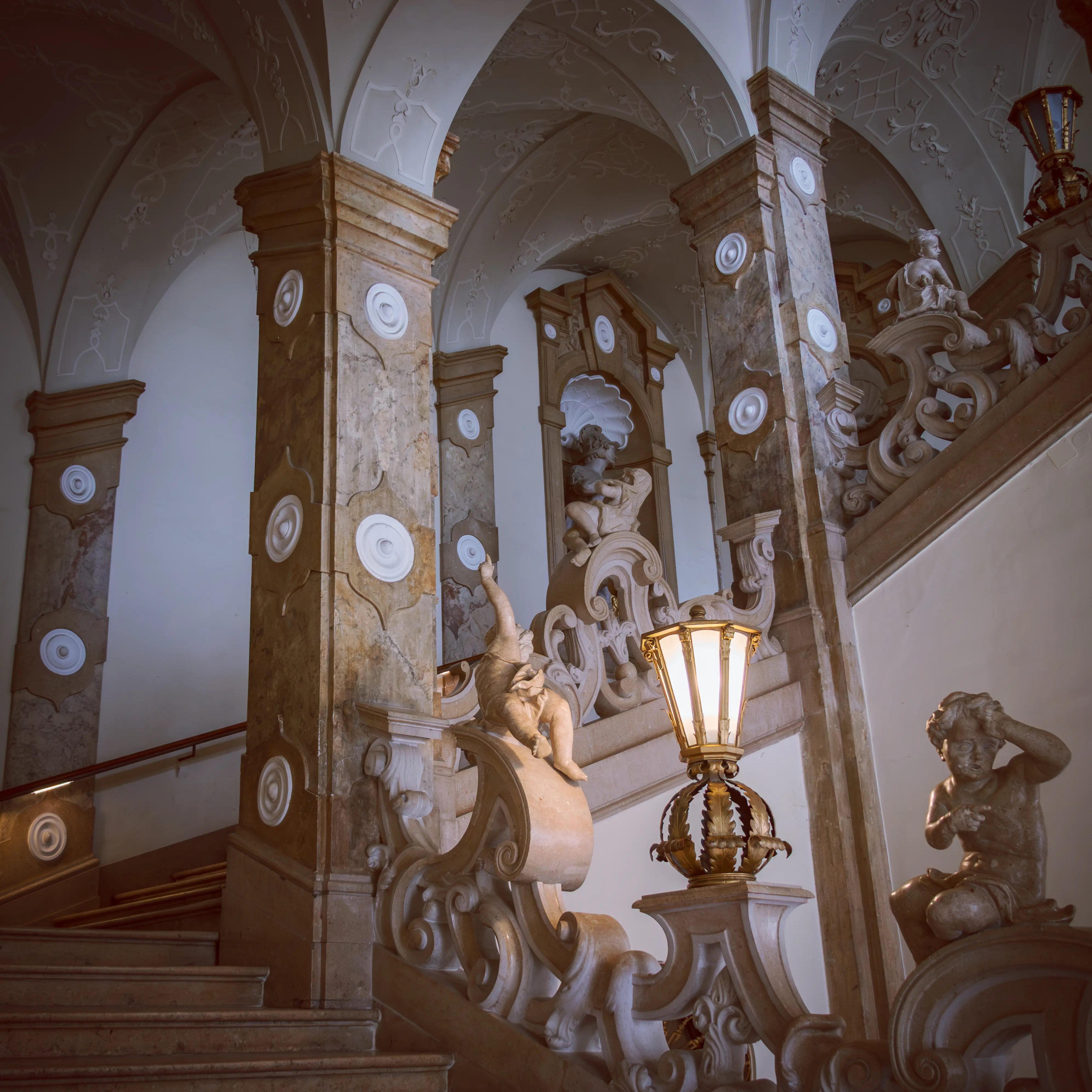
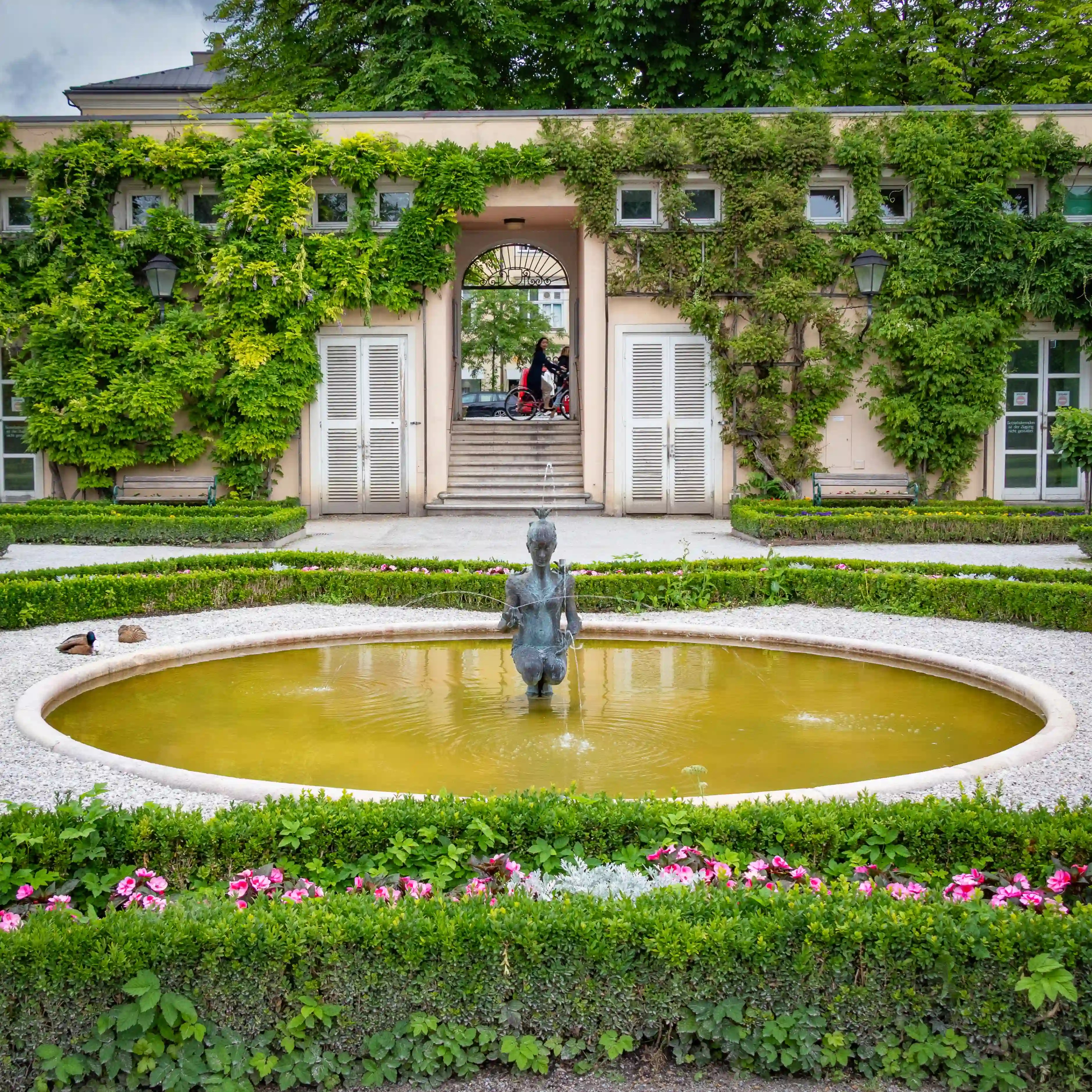
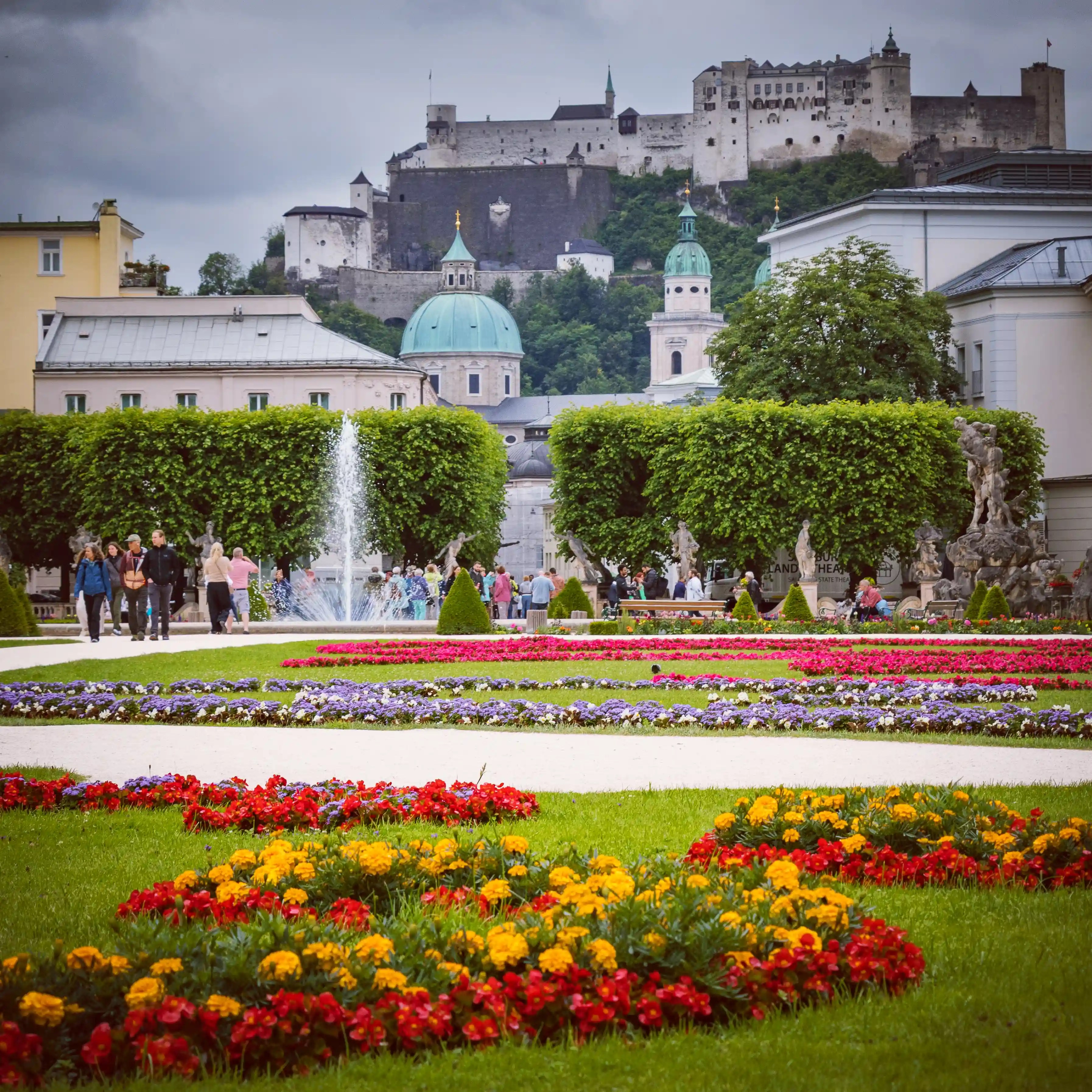
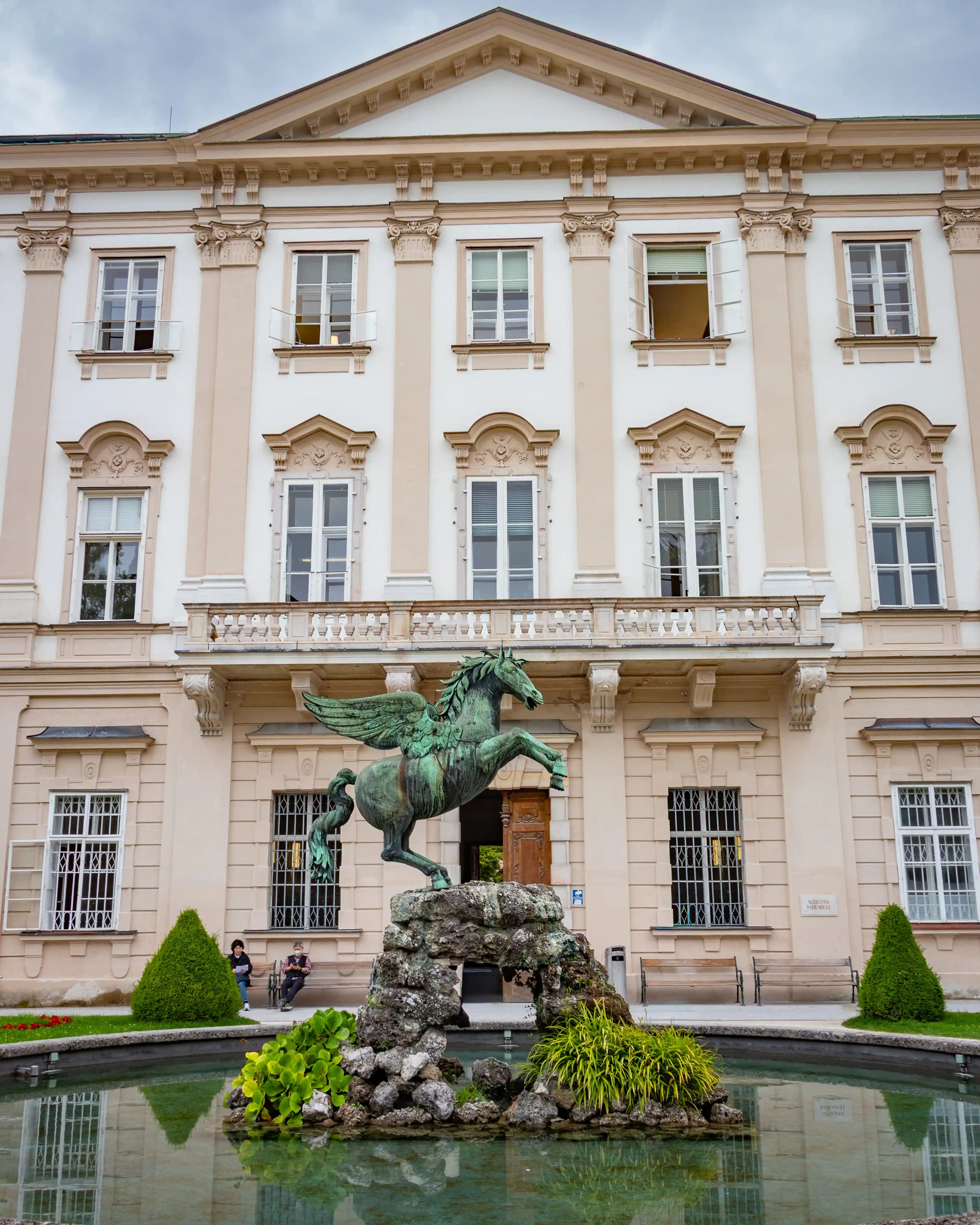
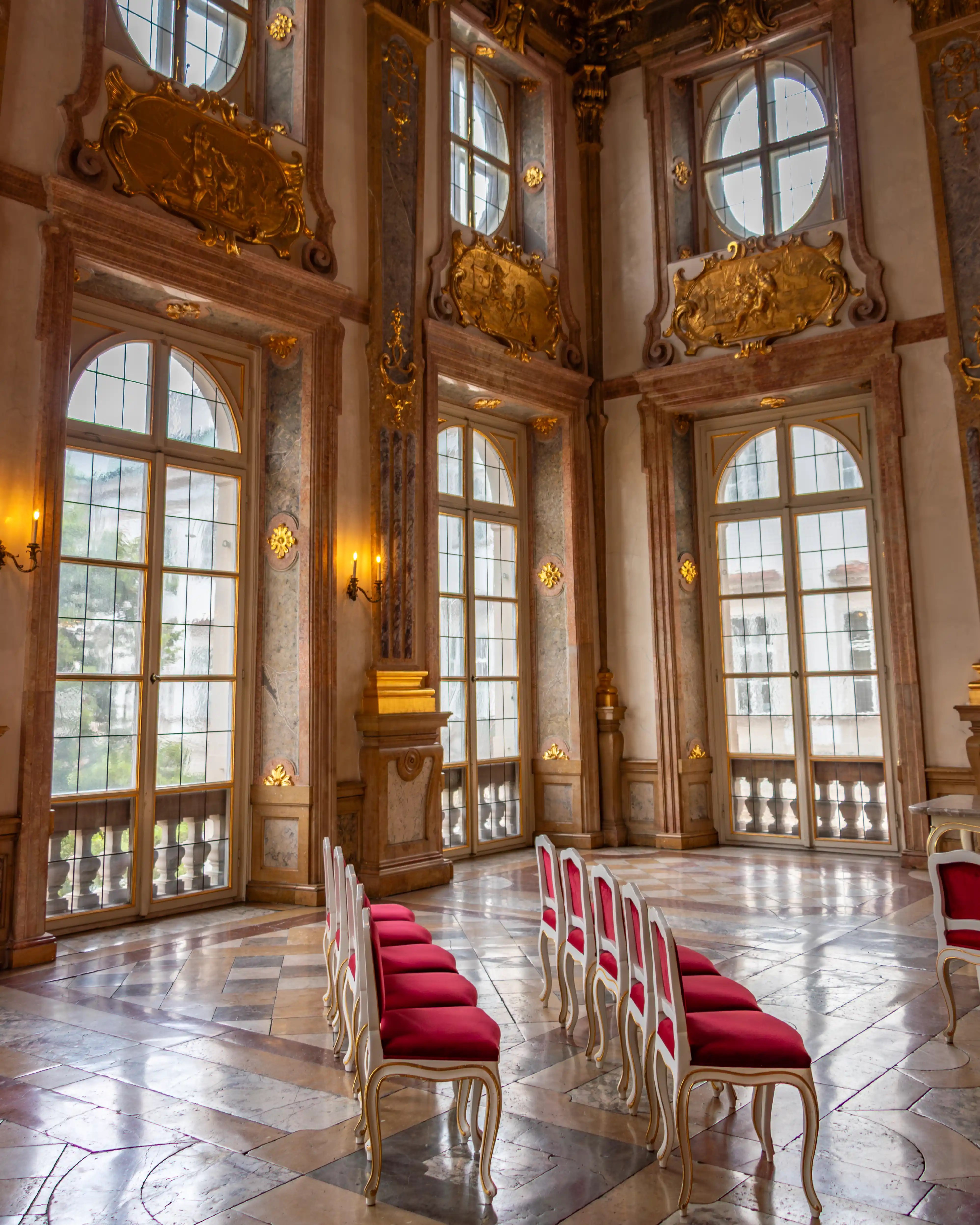
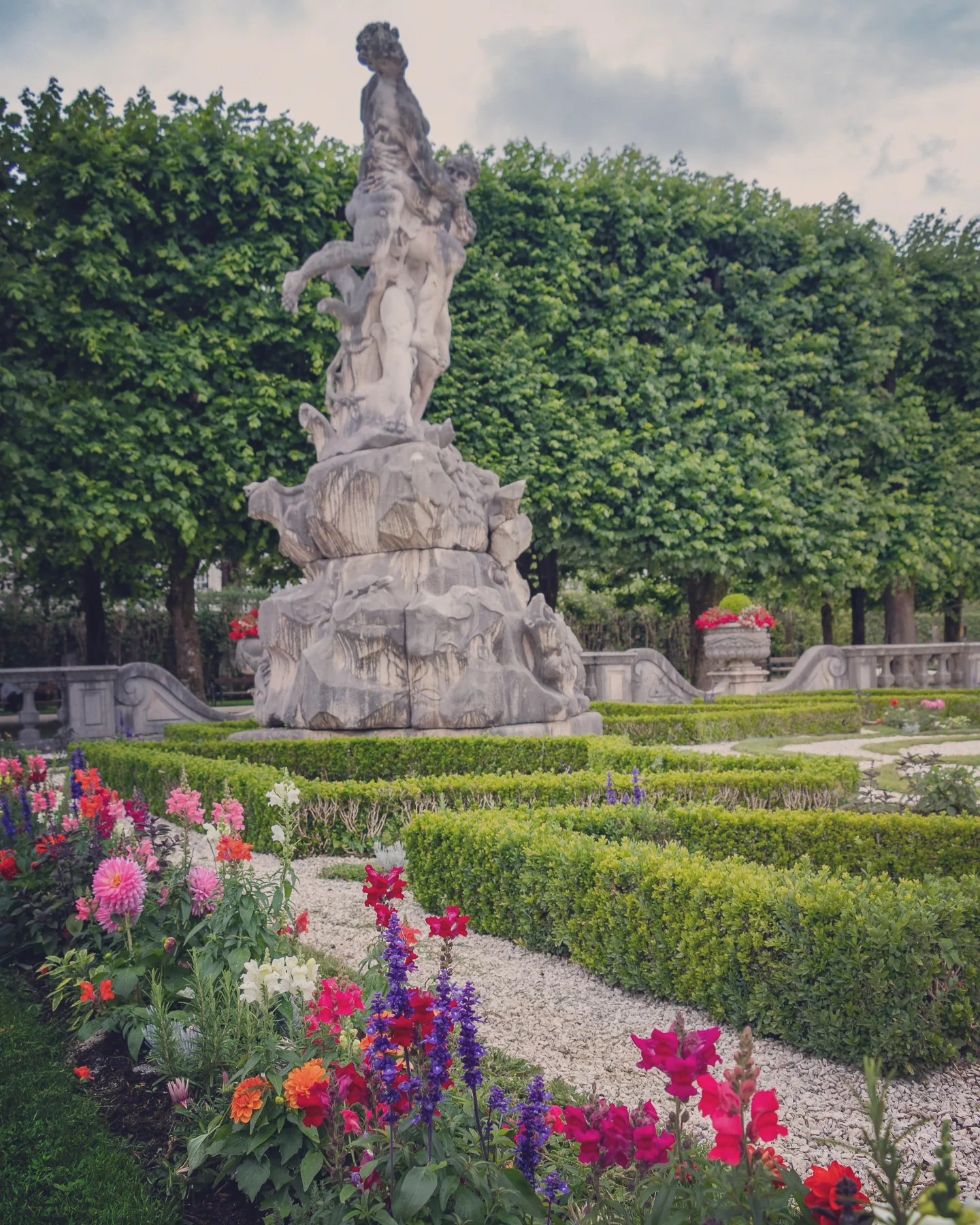
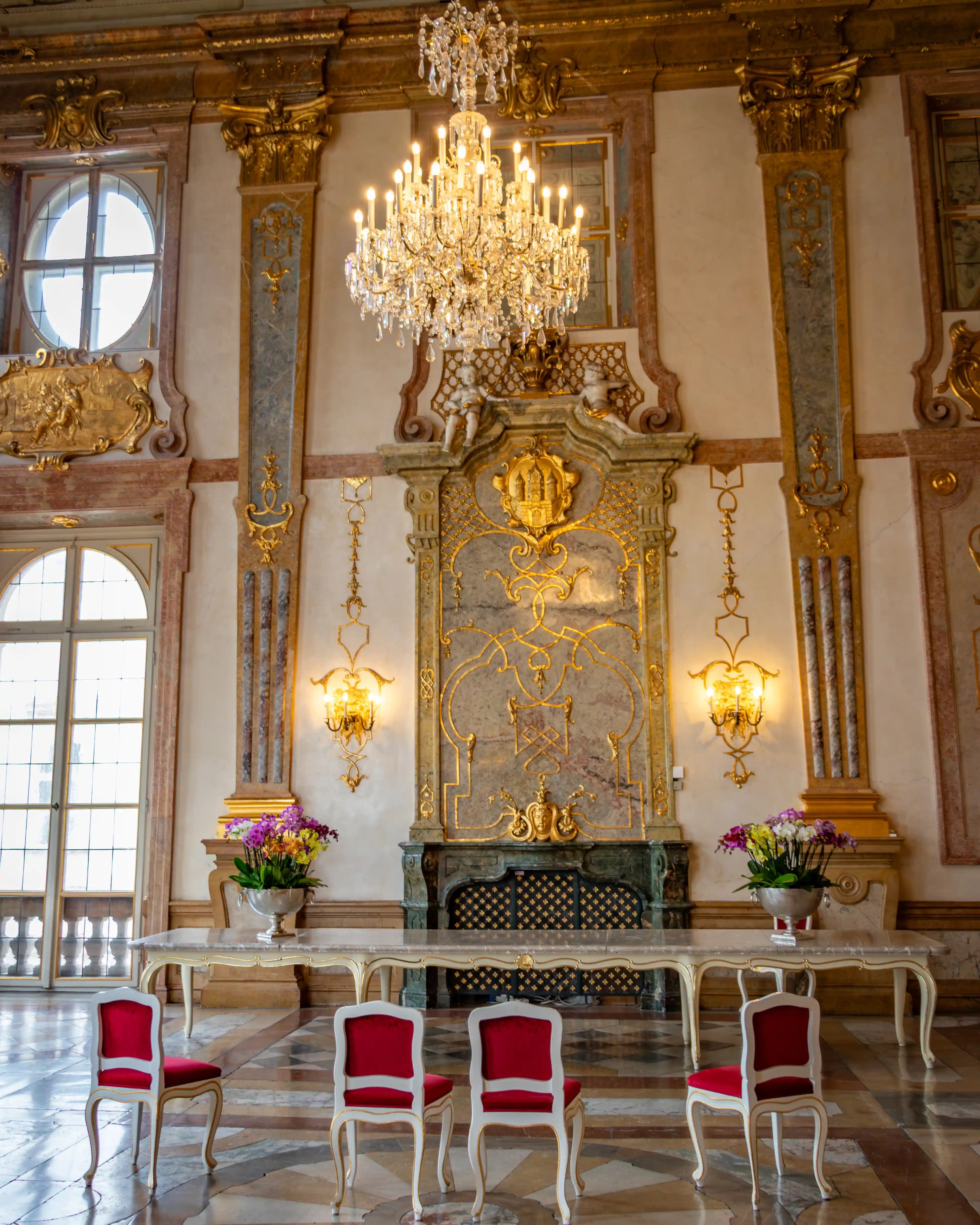
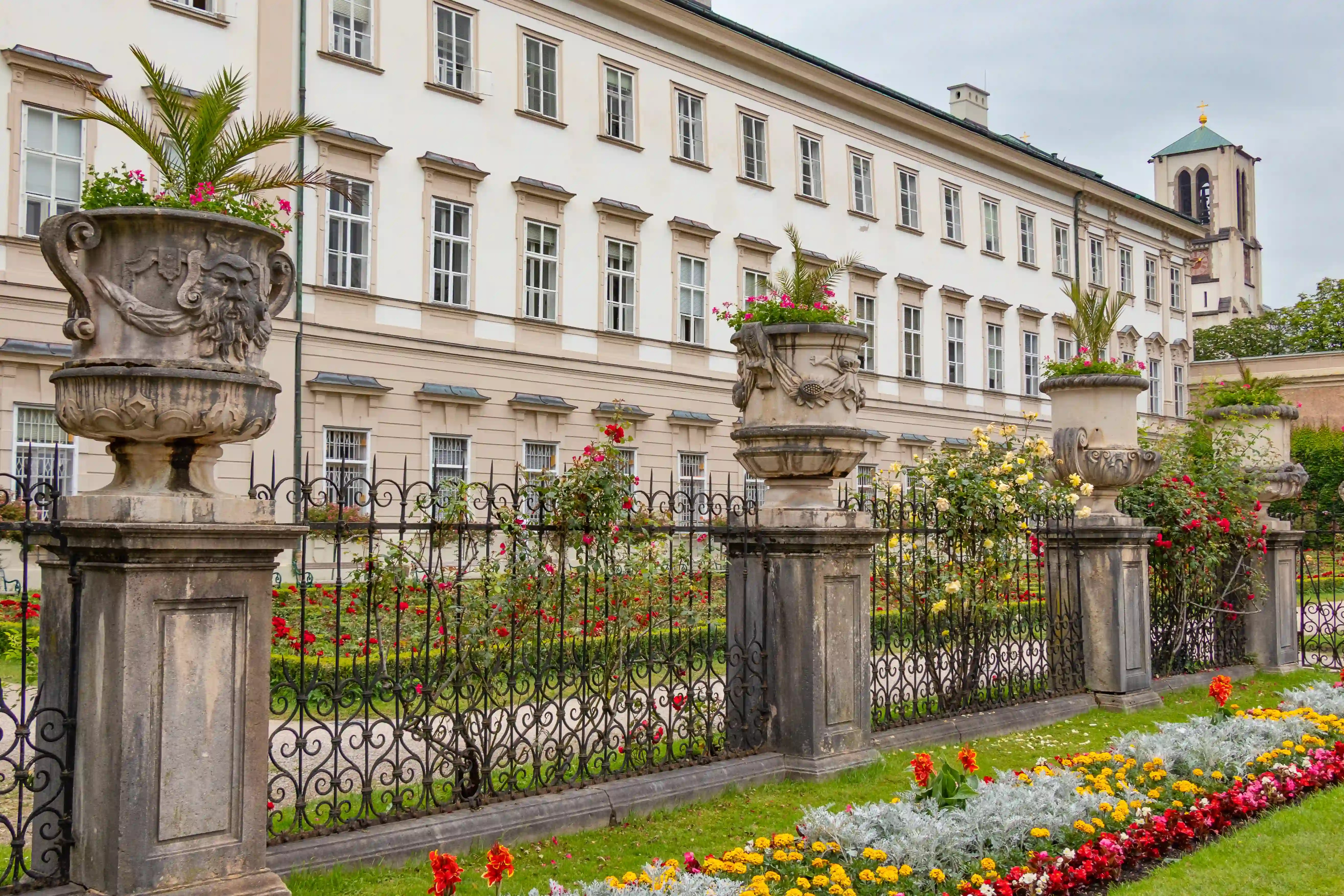
Overall, the tour offered a relaxed mix of scenery, film history, and easy logistics—a nice contrast to exploring Salzburg entirely on foot and a good way to see more of the surrounding region in a single morning.
Sacred Sites of Salzburg
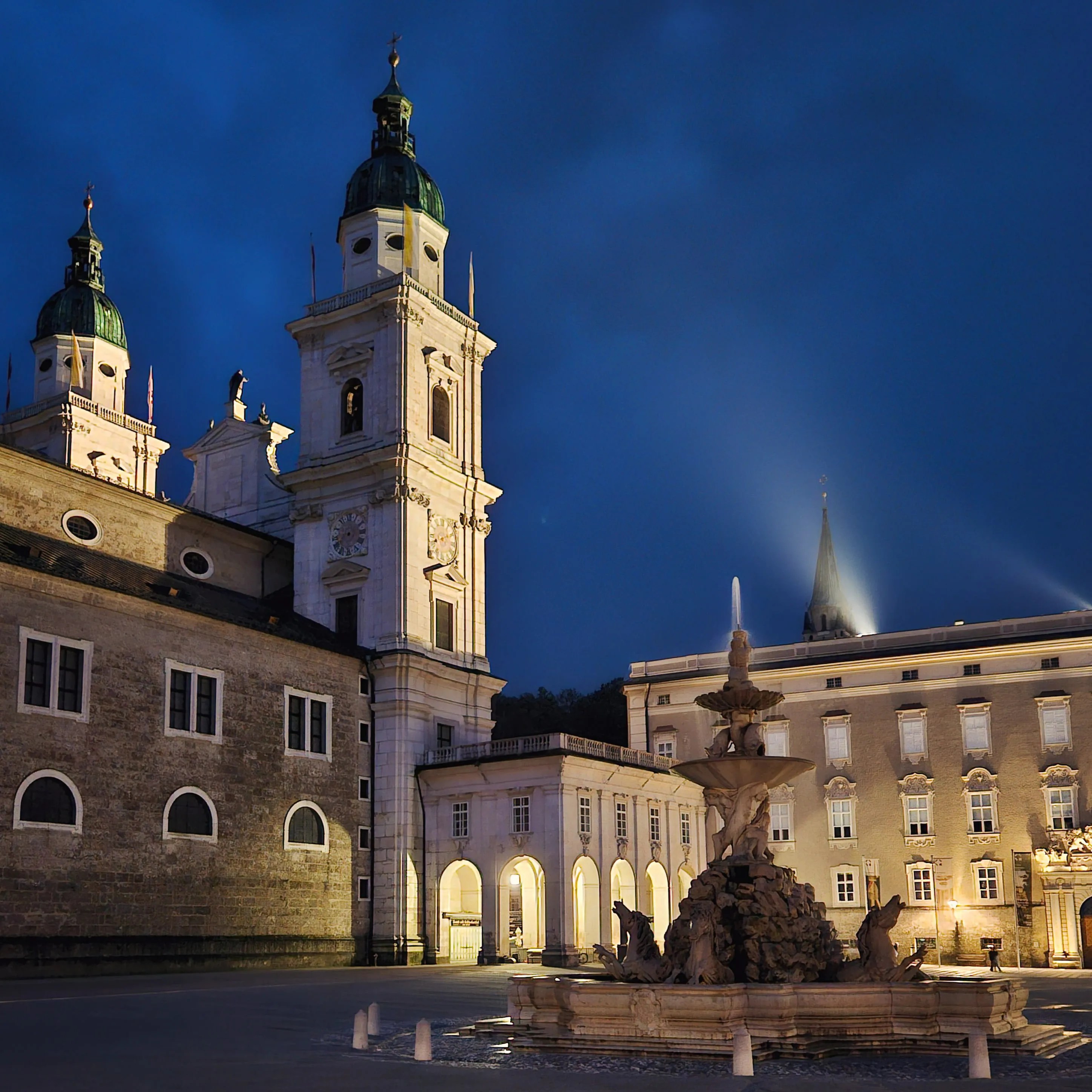
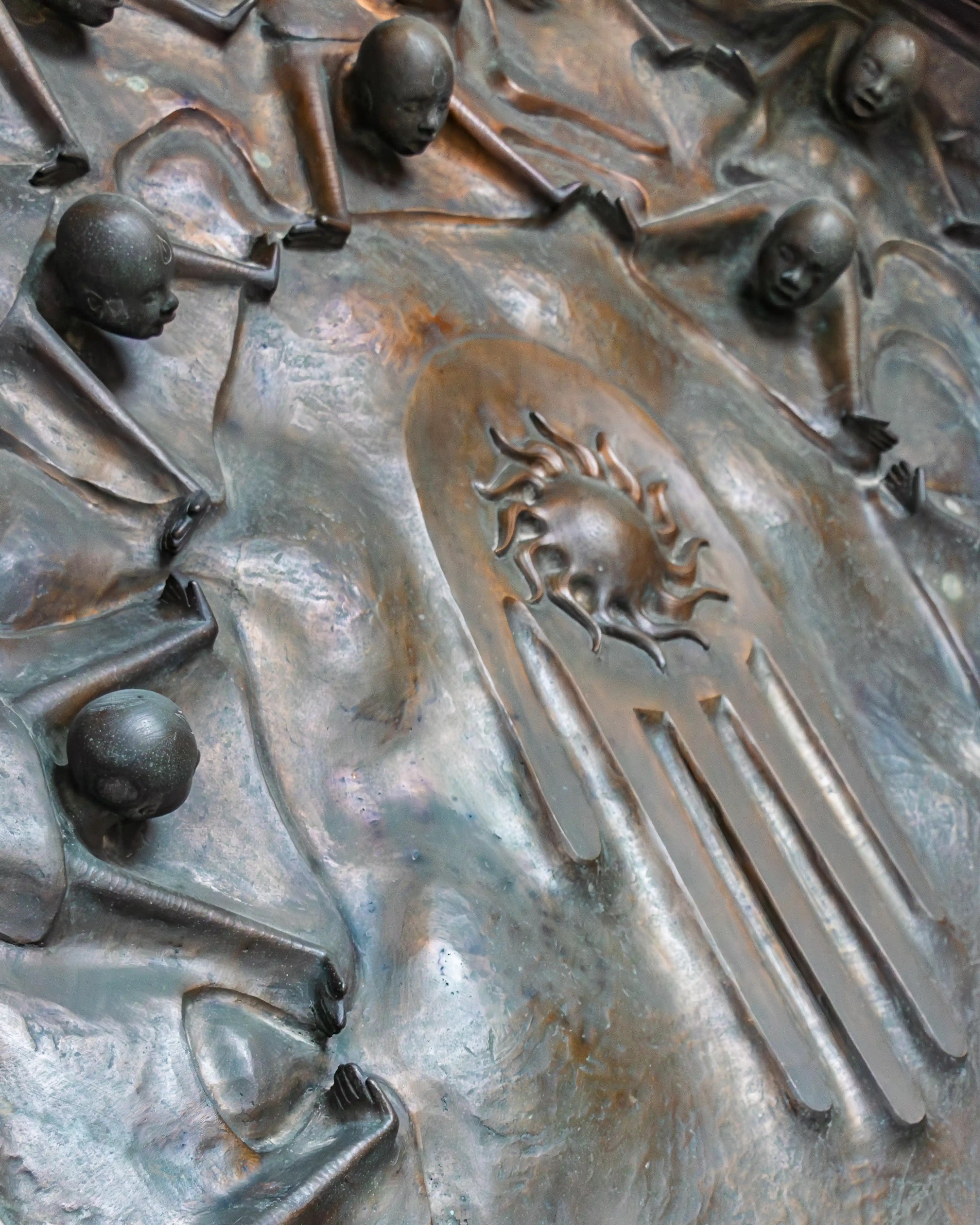
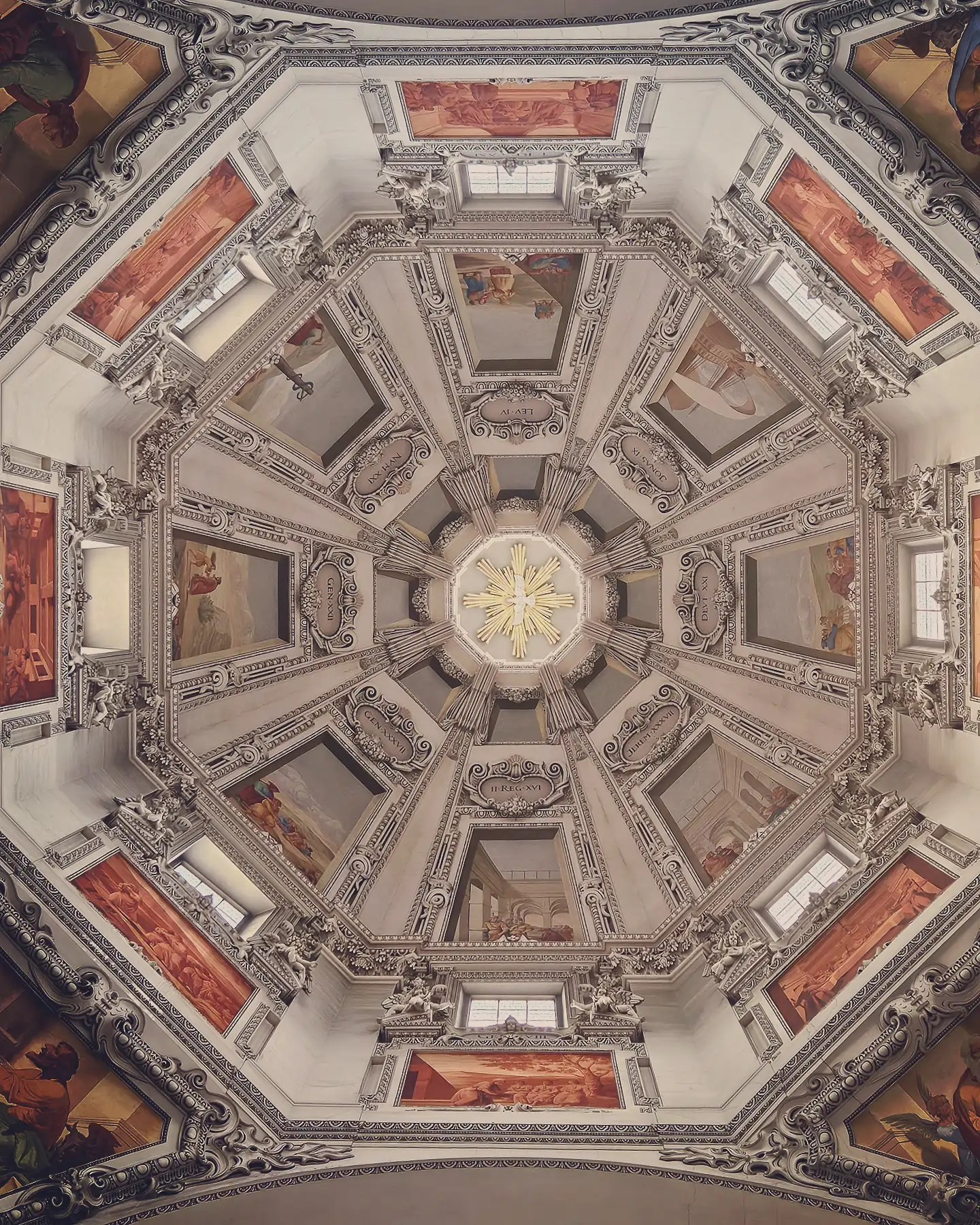
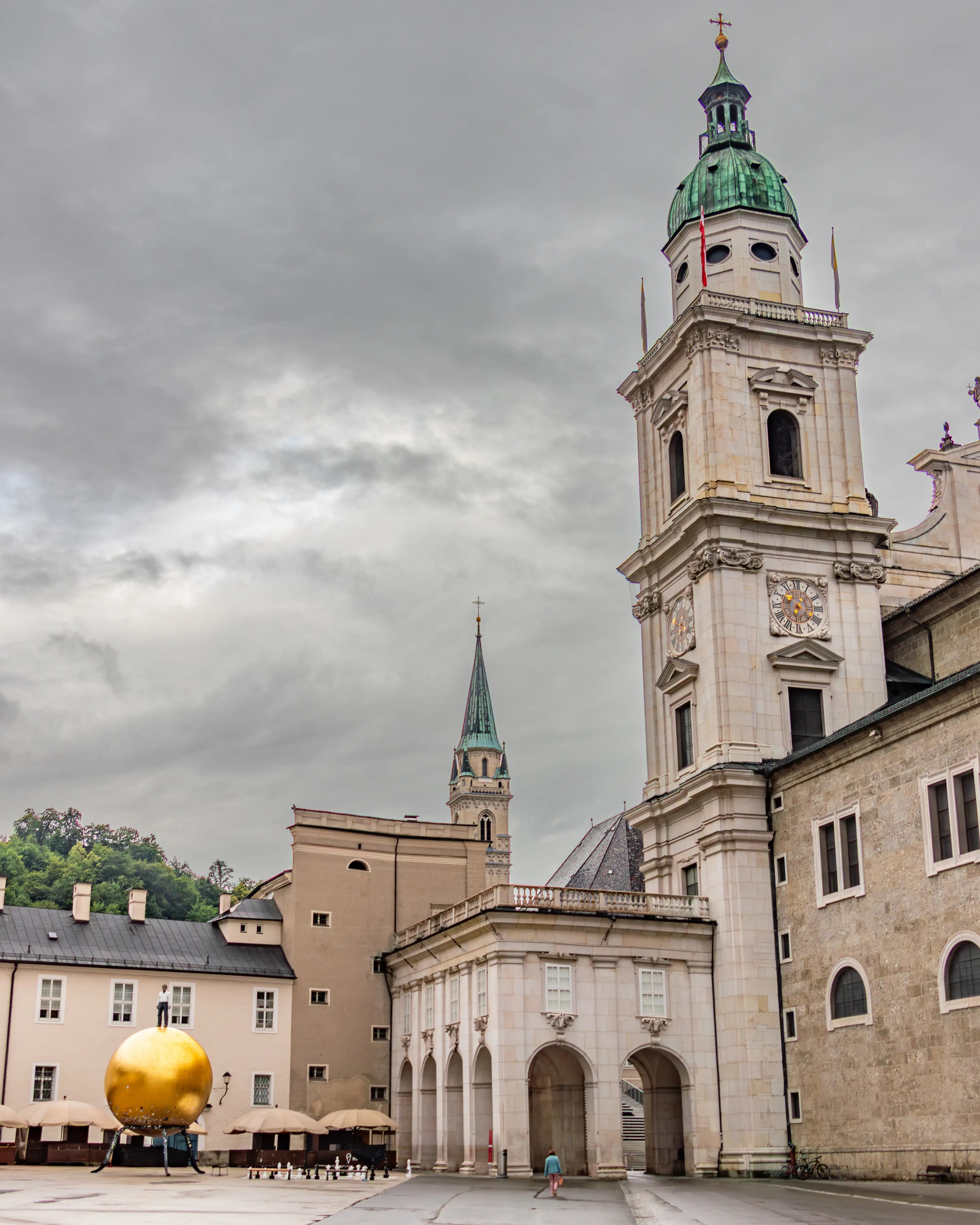
The Salzburg Cathedral (Dom zu Salzburg) stands at the heart of the Old Town and has long been the city’s most important church. After the earlier cathedral on this site was severely damaged in 1598 and could not be restored, the current Baroque cathedral was completed in the early 17th century. Inside, it is bright, colorful, and truly magnificent, and it still contains the baptismal font where Wolfgang Amadeus Mozart was baptized—an especially meaningful detail in a city so closely tied to his life.
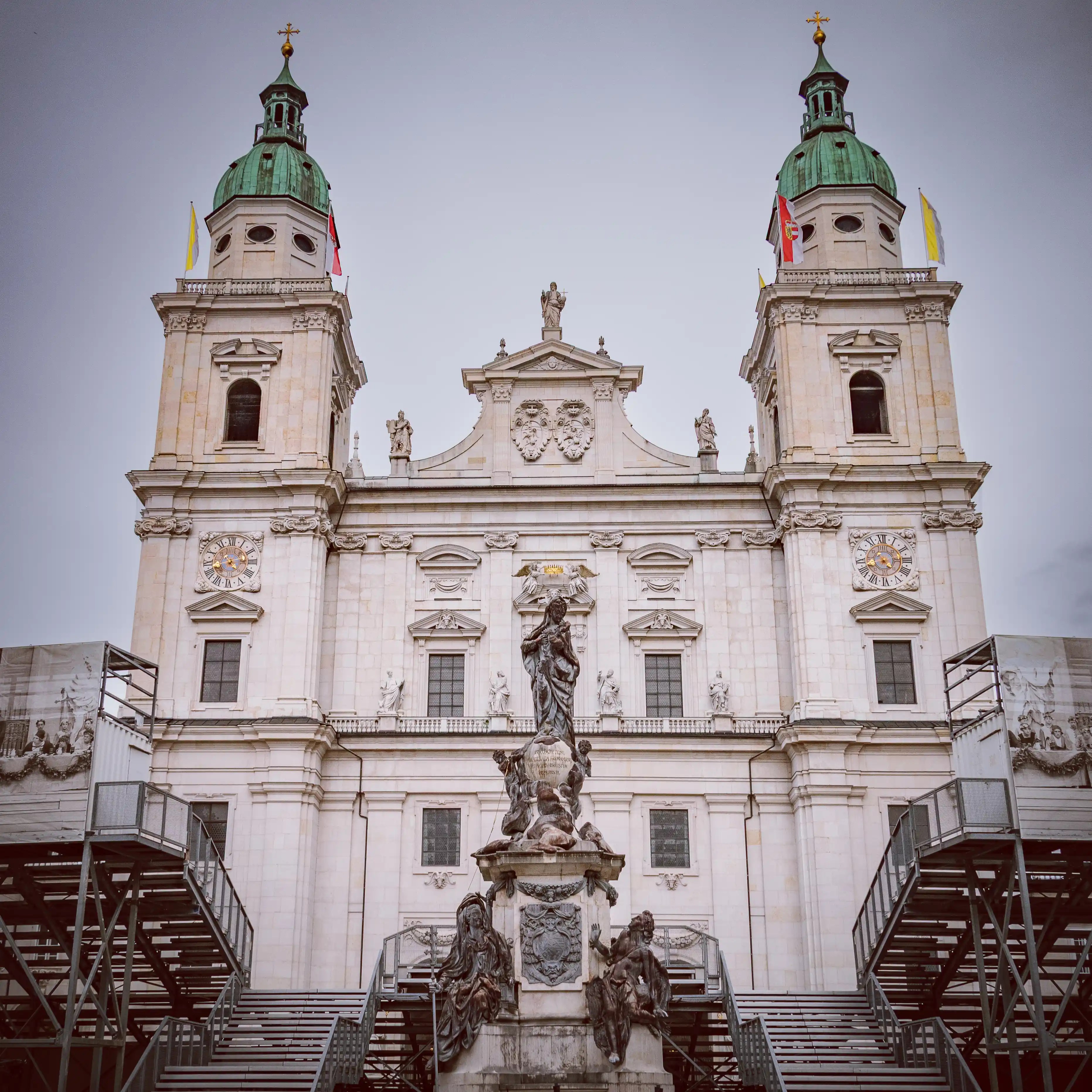

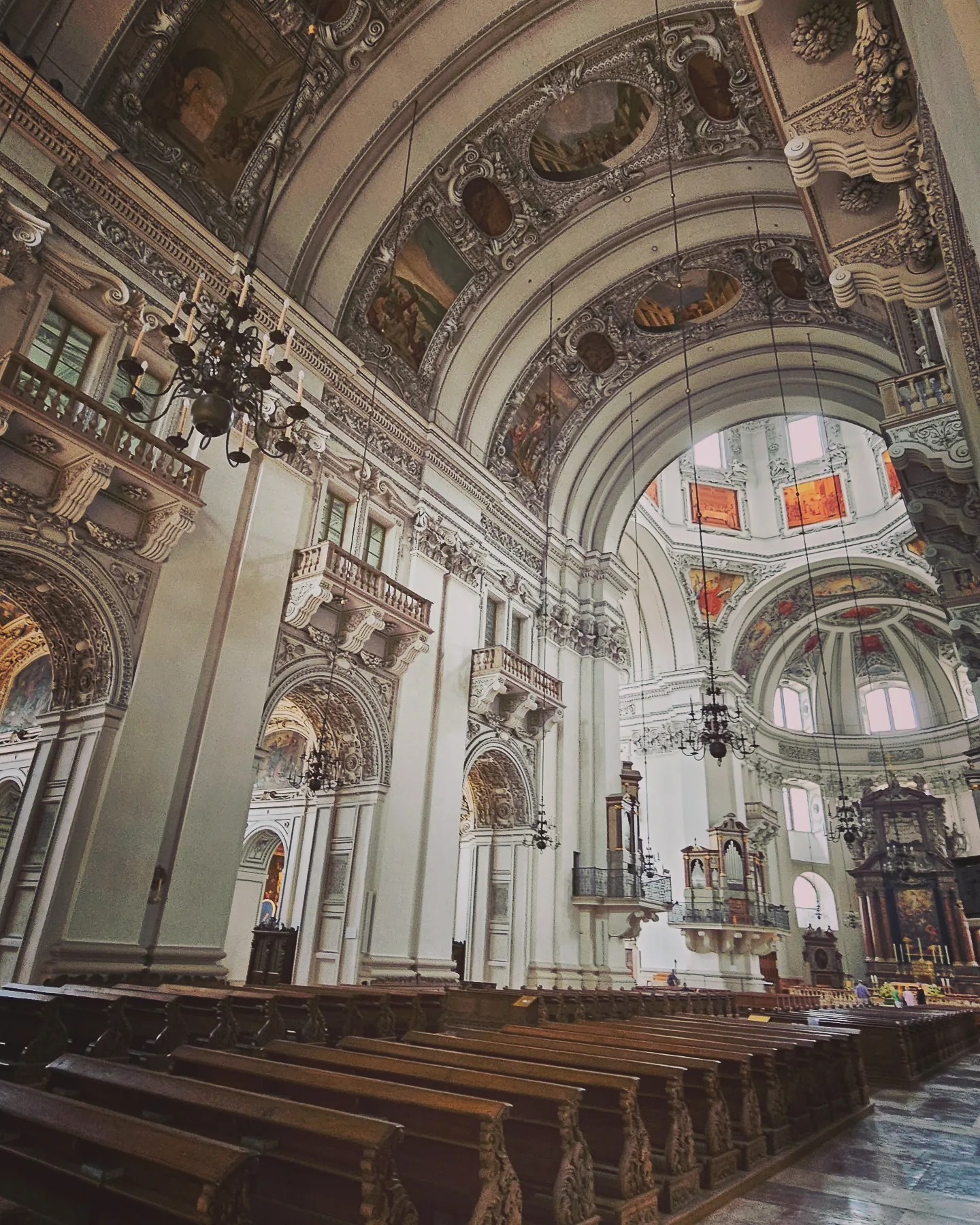
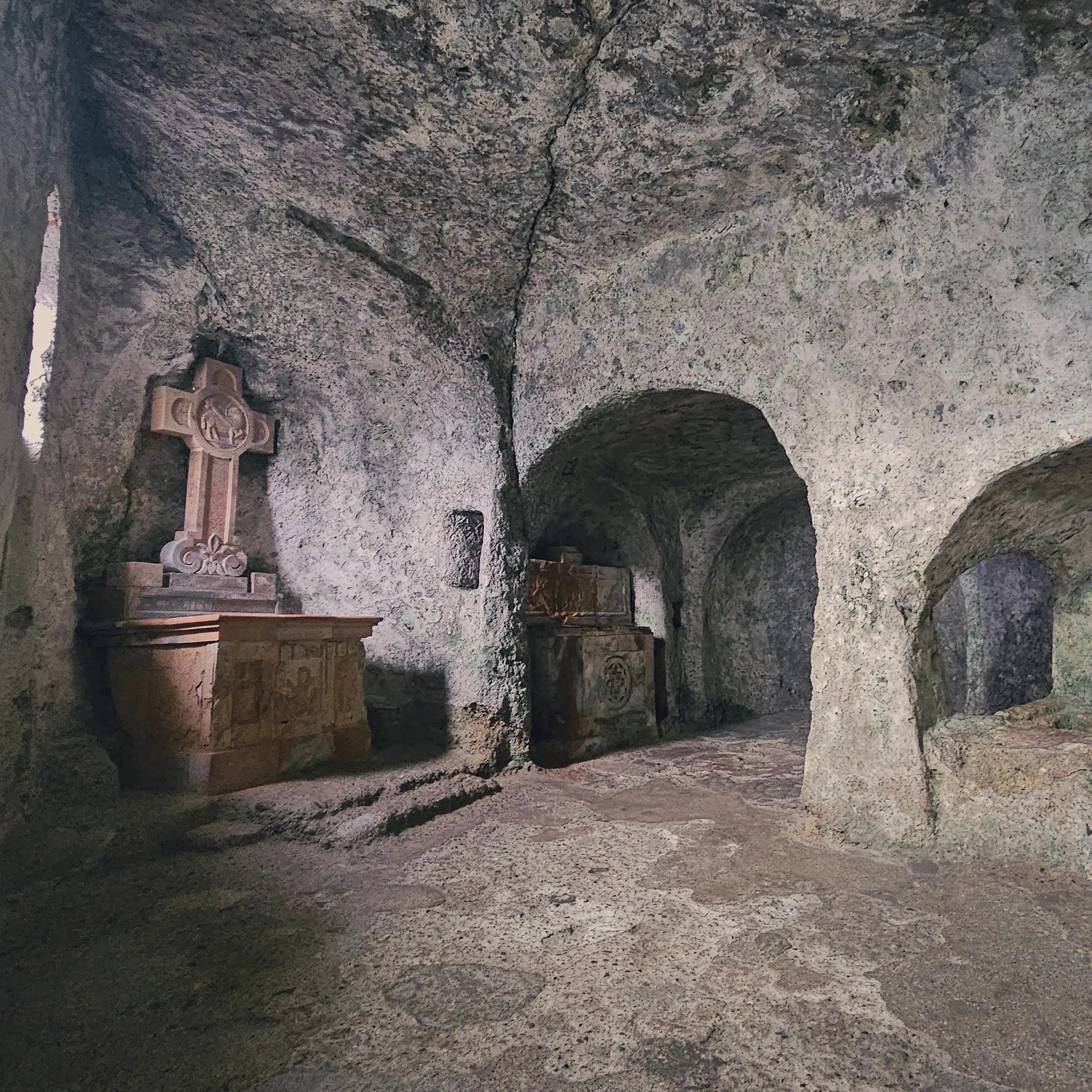
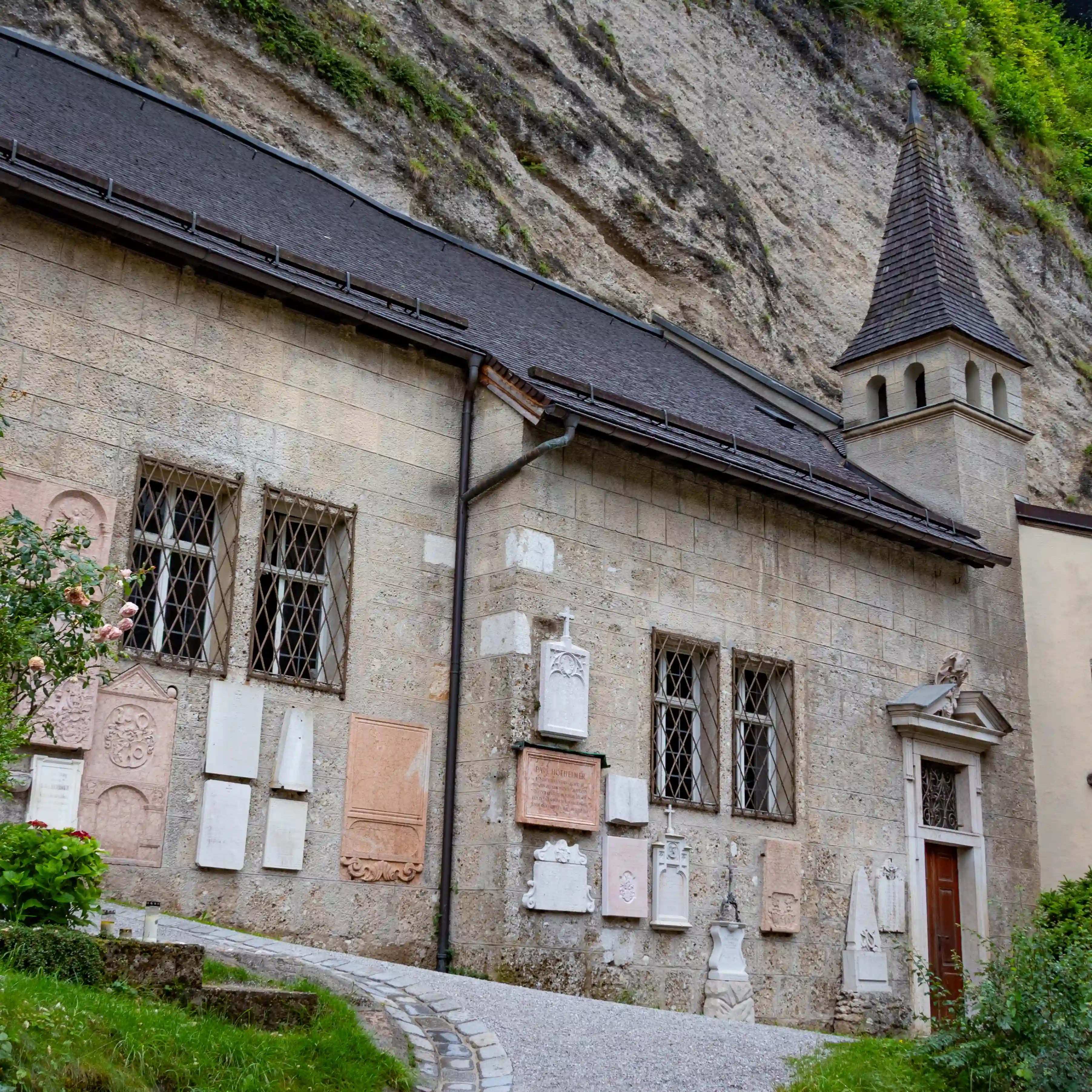
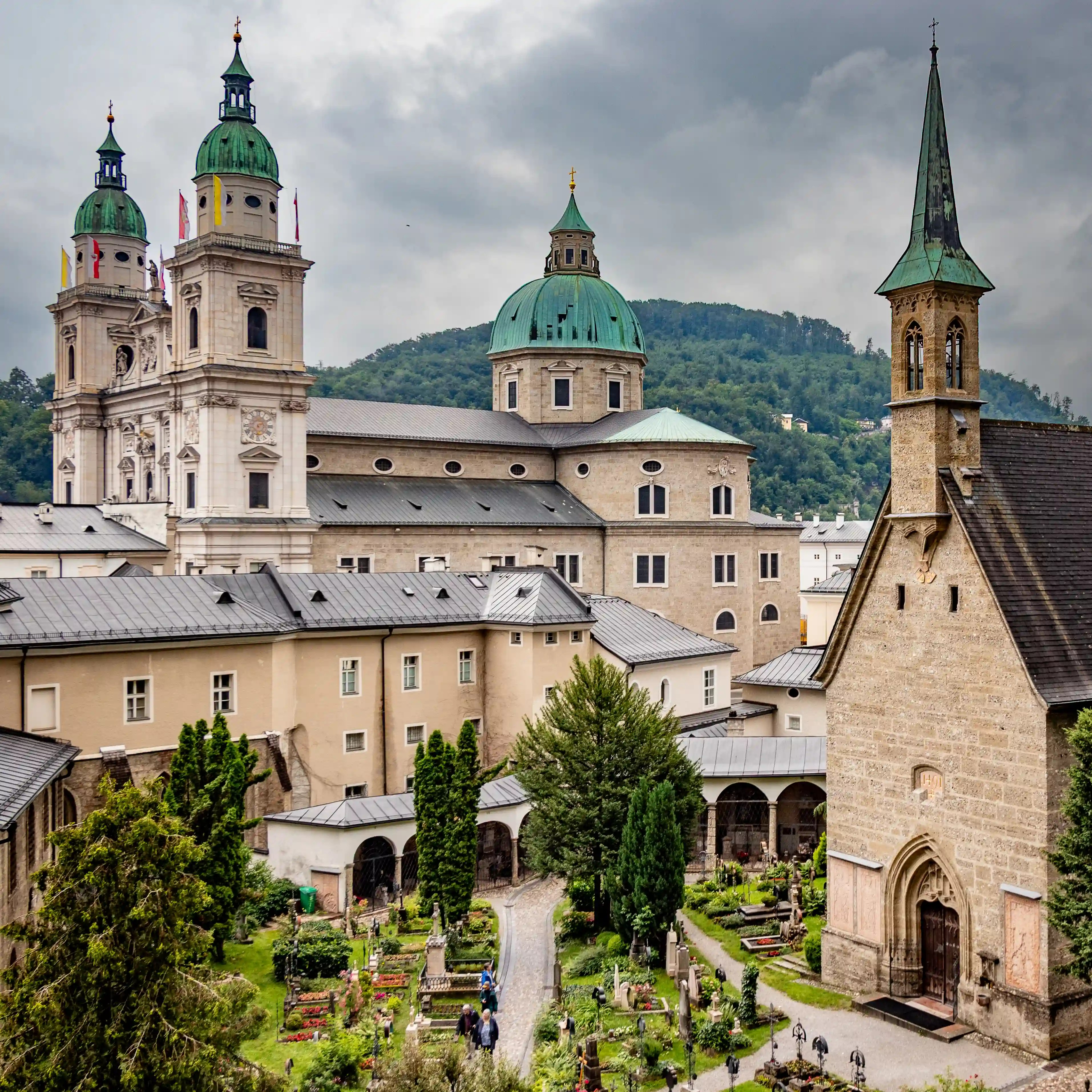
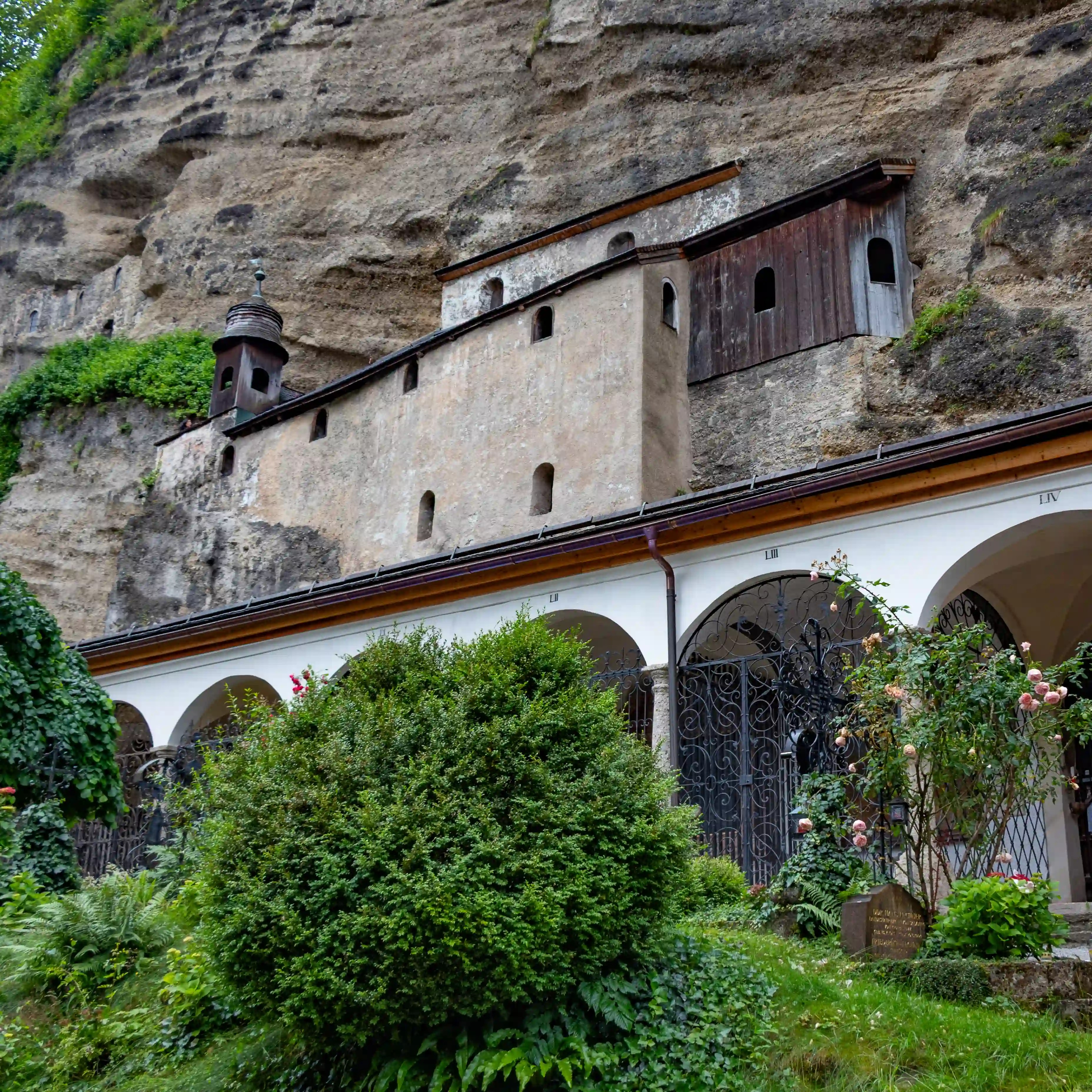
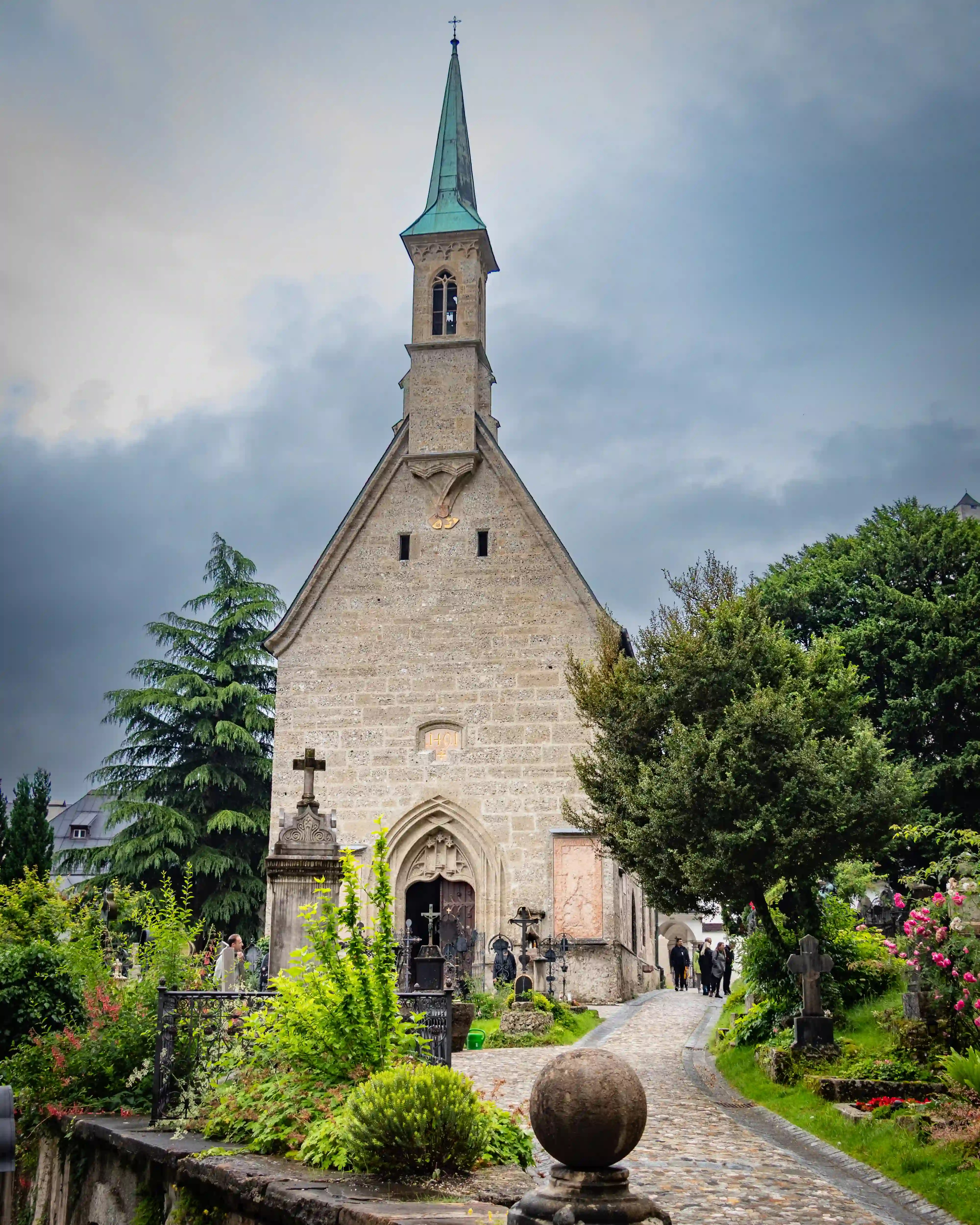
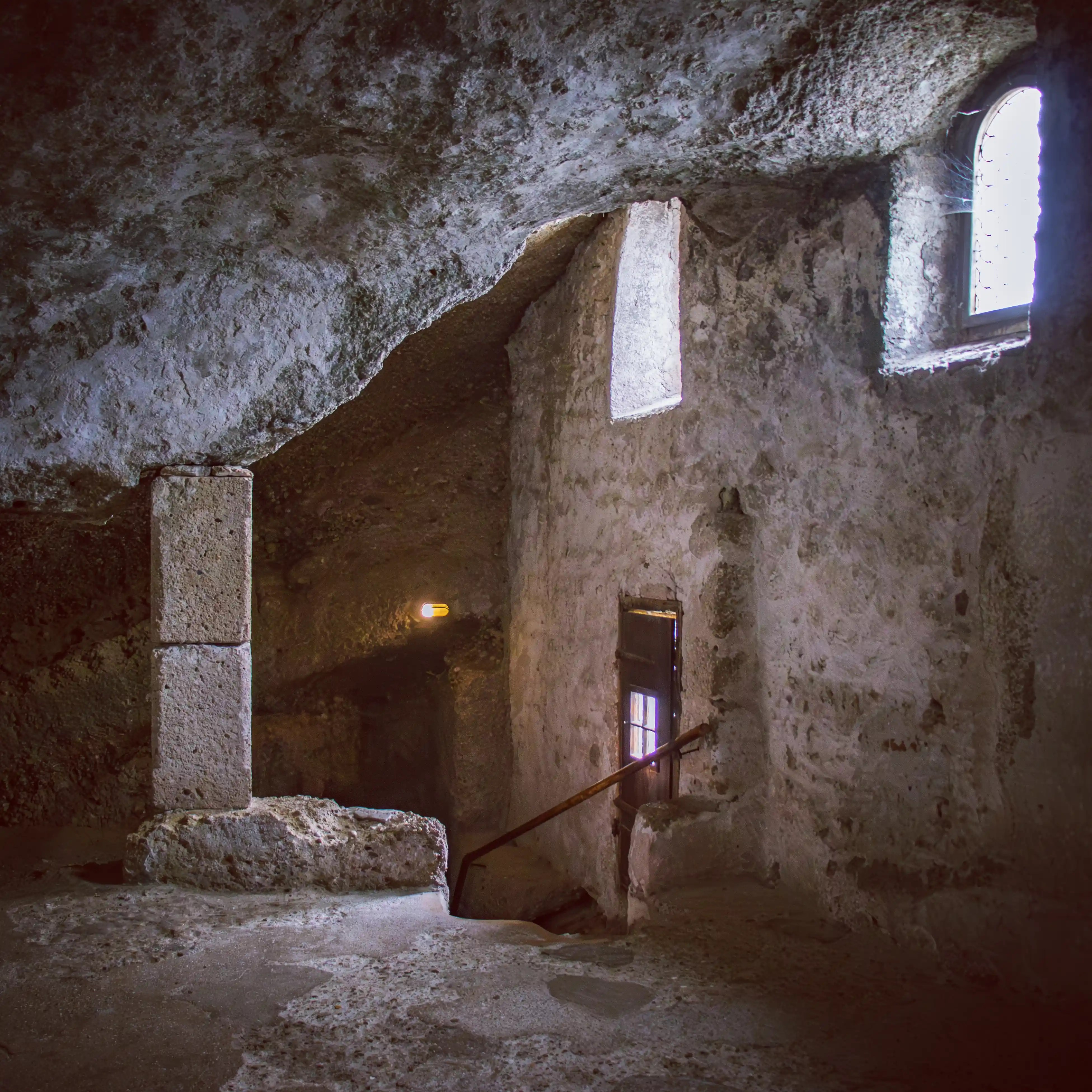
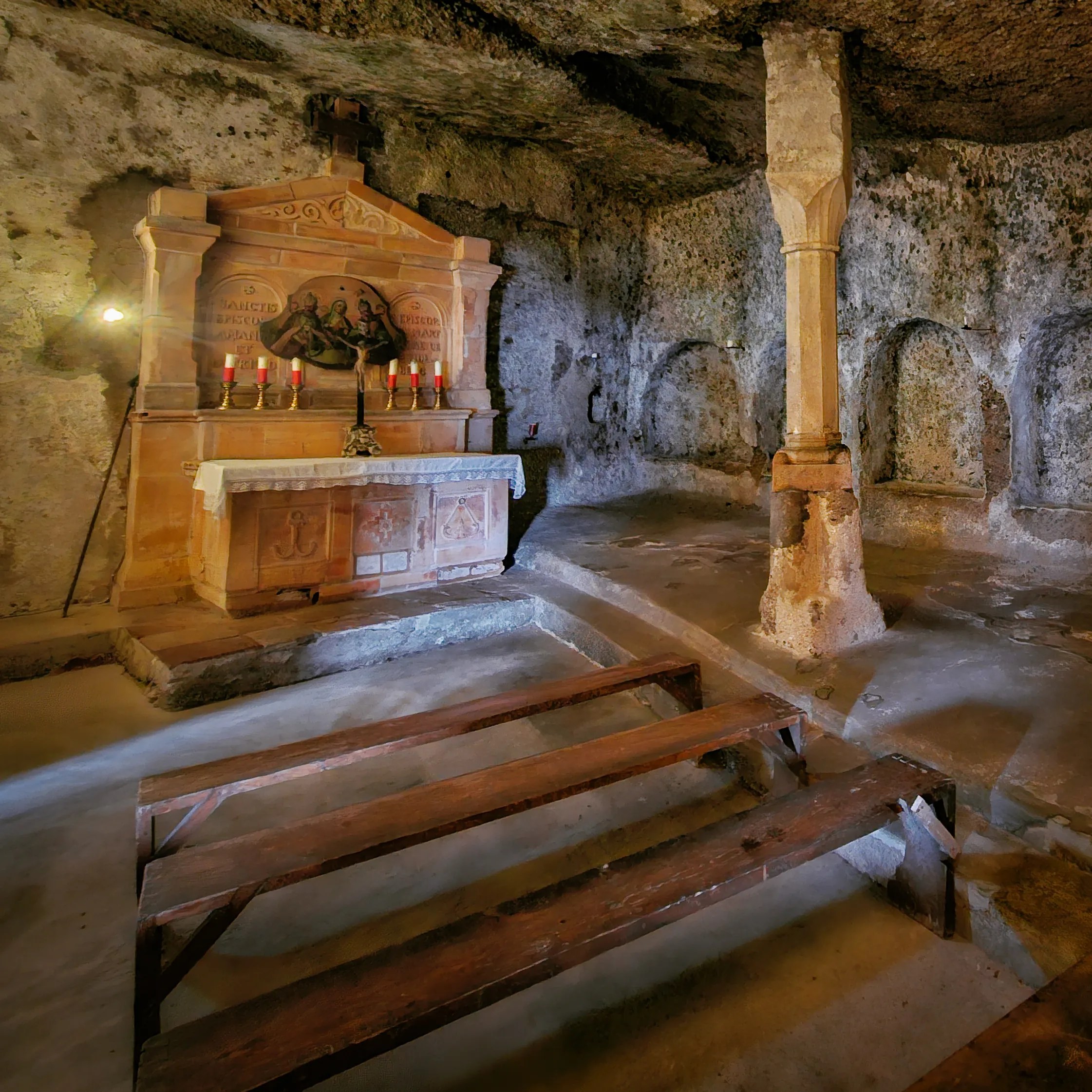
We spent time exploring the cemetery and catacombs of St. Peter’s Abbey, which date back to the early Middle Ages and are carved directly into the rock of the Mönchsberg. Climbing stone steps into the cliffside leads through a series of small chapels and chambers, with openings that look back over Salzburg. It’s an unusual and striking place, and while parts of The Sound of Music were filmed here, the site’s significance goes far beyond the movie.

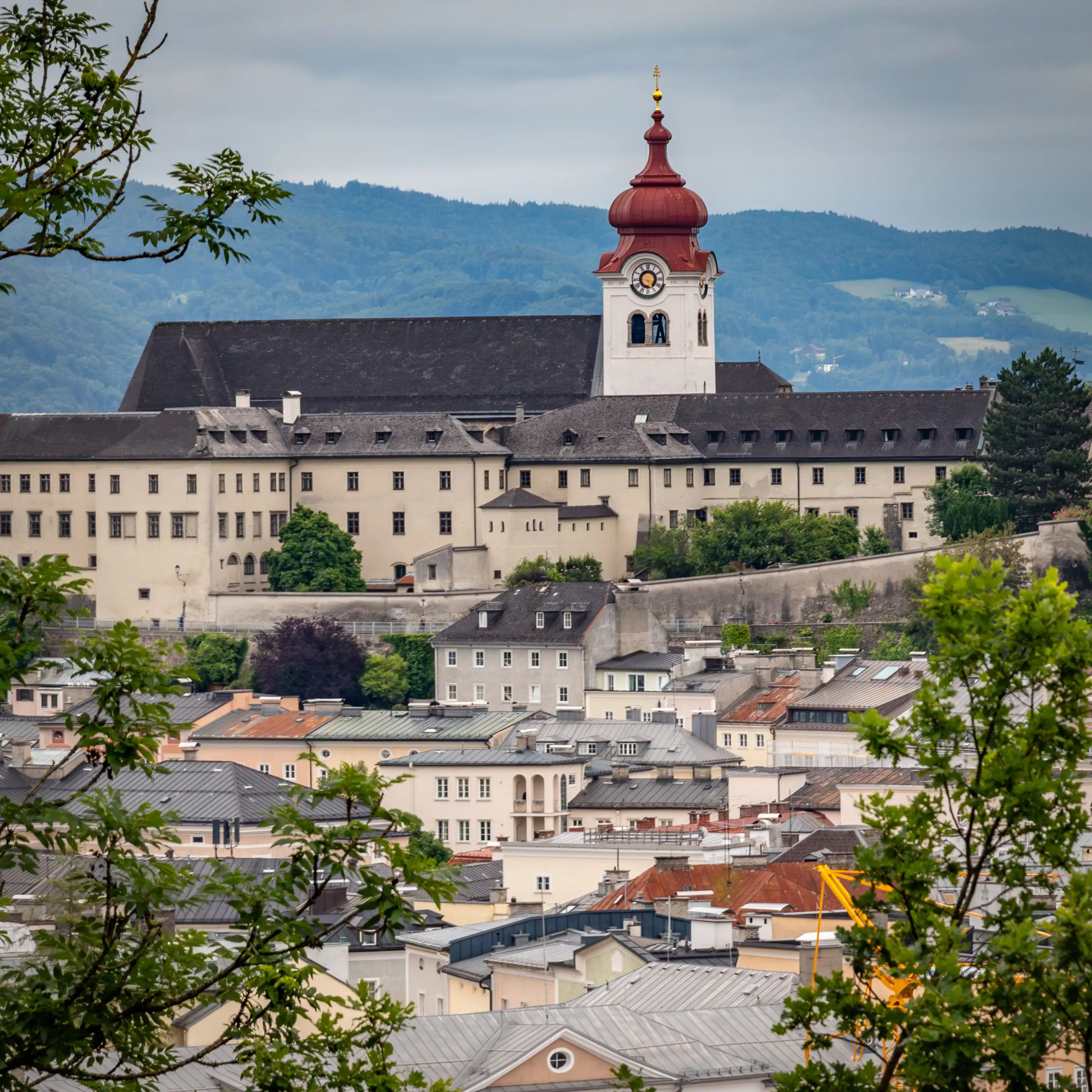
We climbed the Nonnbergstiege, the historic stairway leading up to Nonnberg Abbey, founded between 711 and 715 and considered one of Europe’s oldest continuously operating convents. Visiting early allowed us to hear the nuns chanting Gregorian chorales—unseen, but deeply moving. The abbey also offers a beautiful perspective over the city below and is where The Sound of Music story begins.
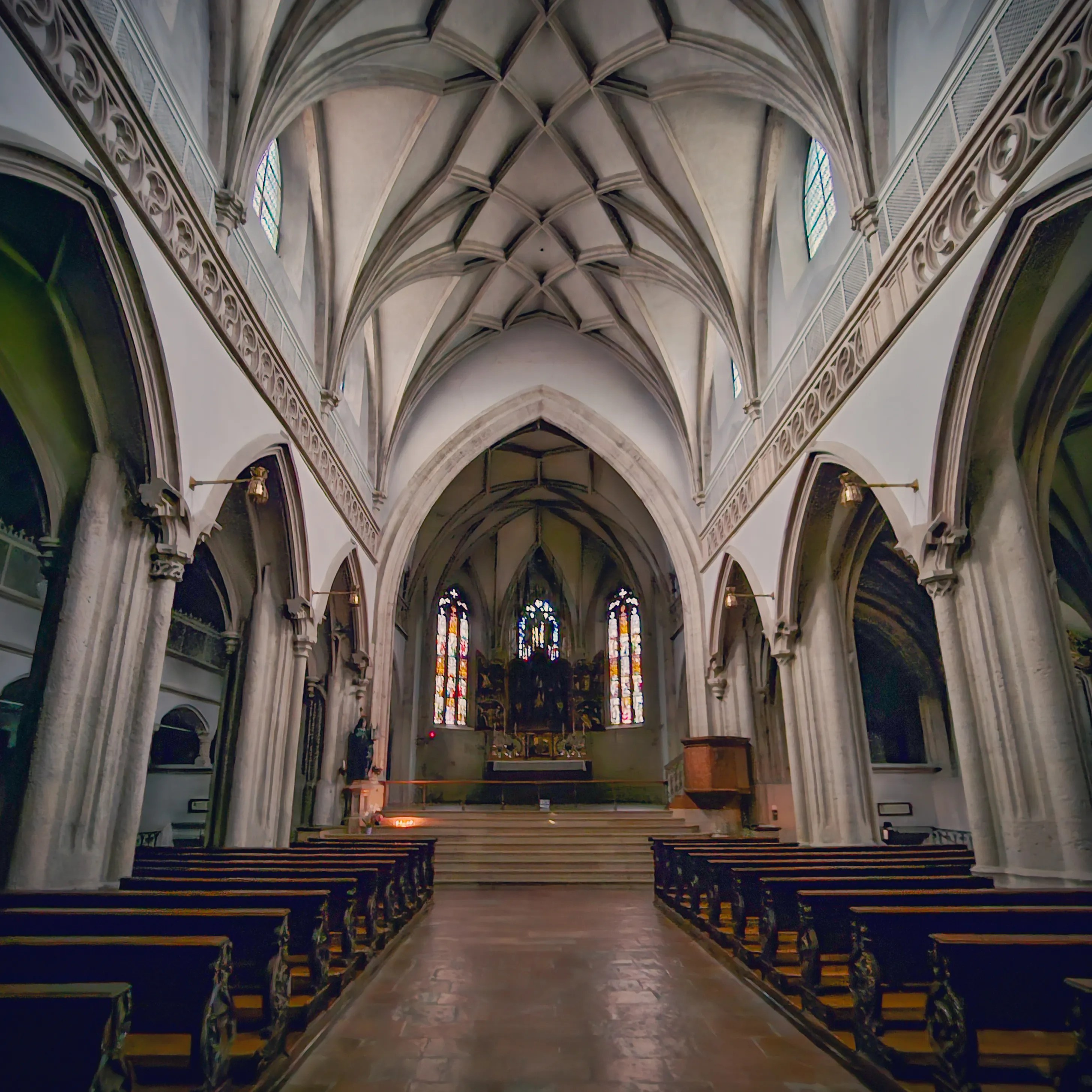
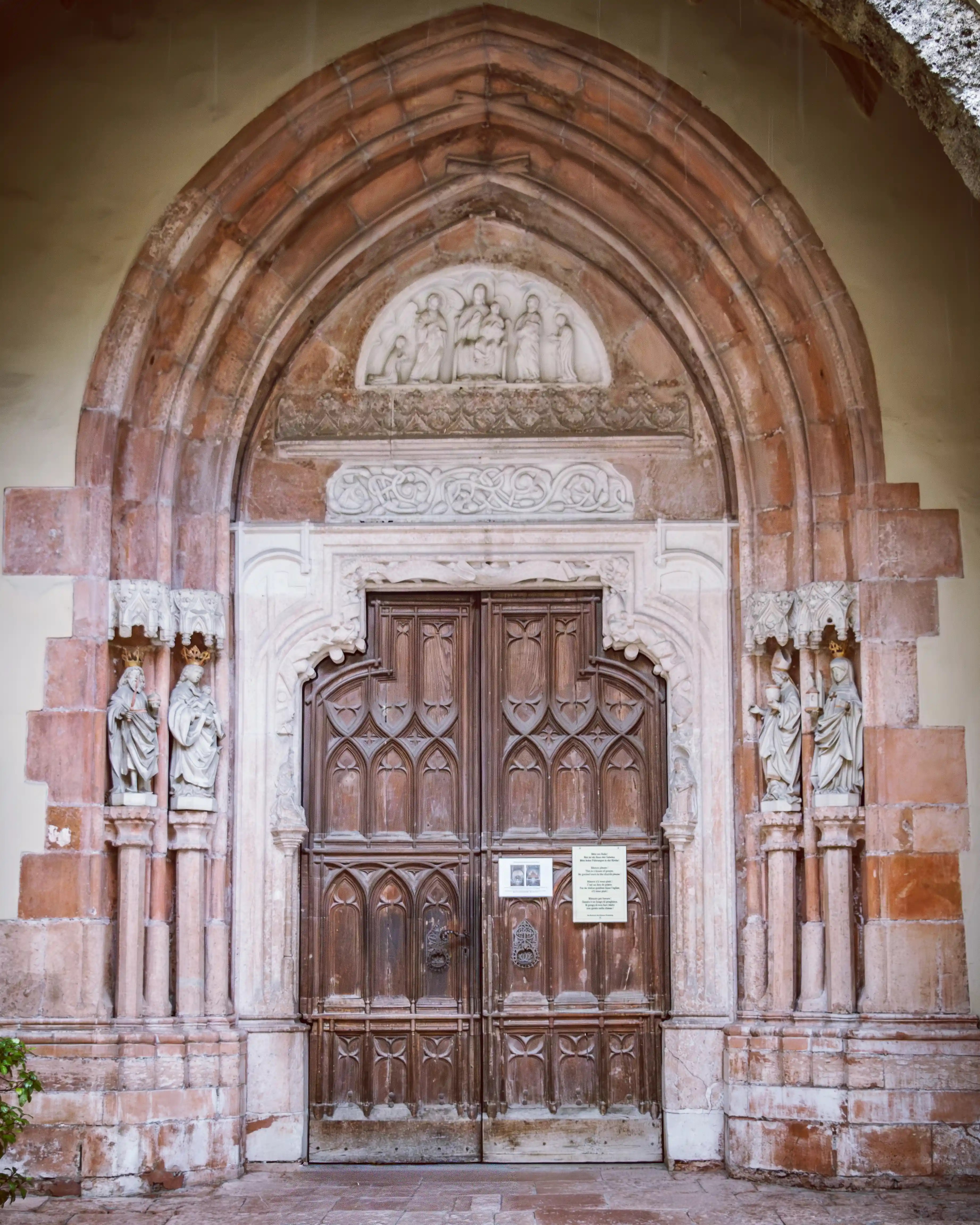
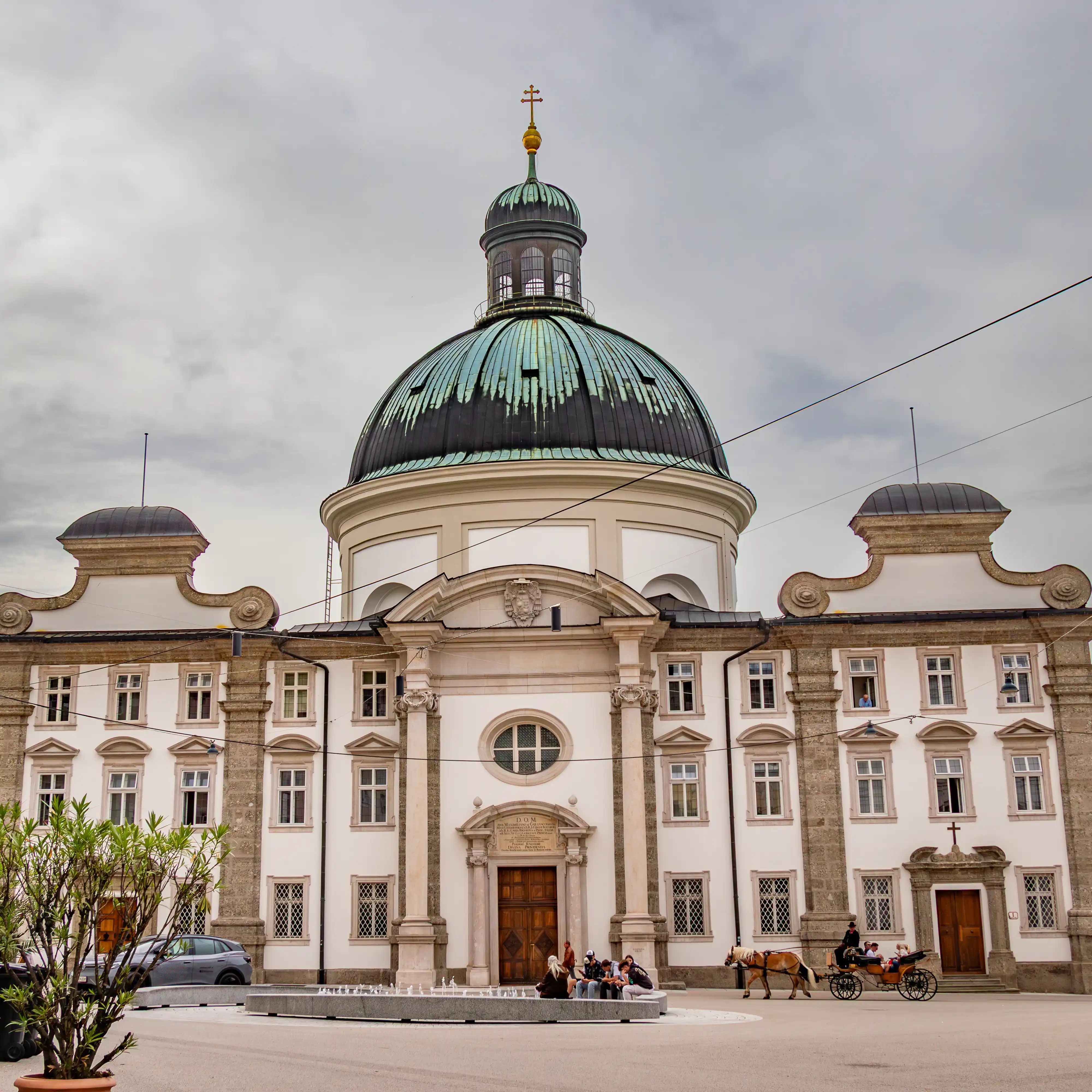
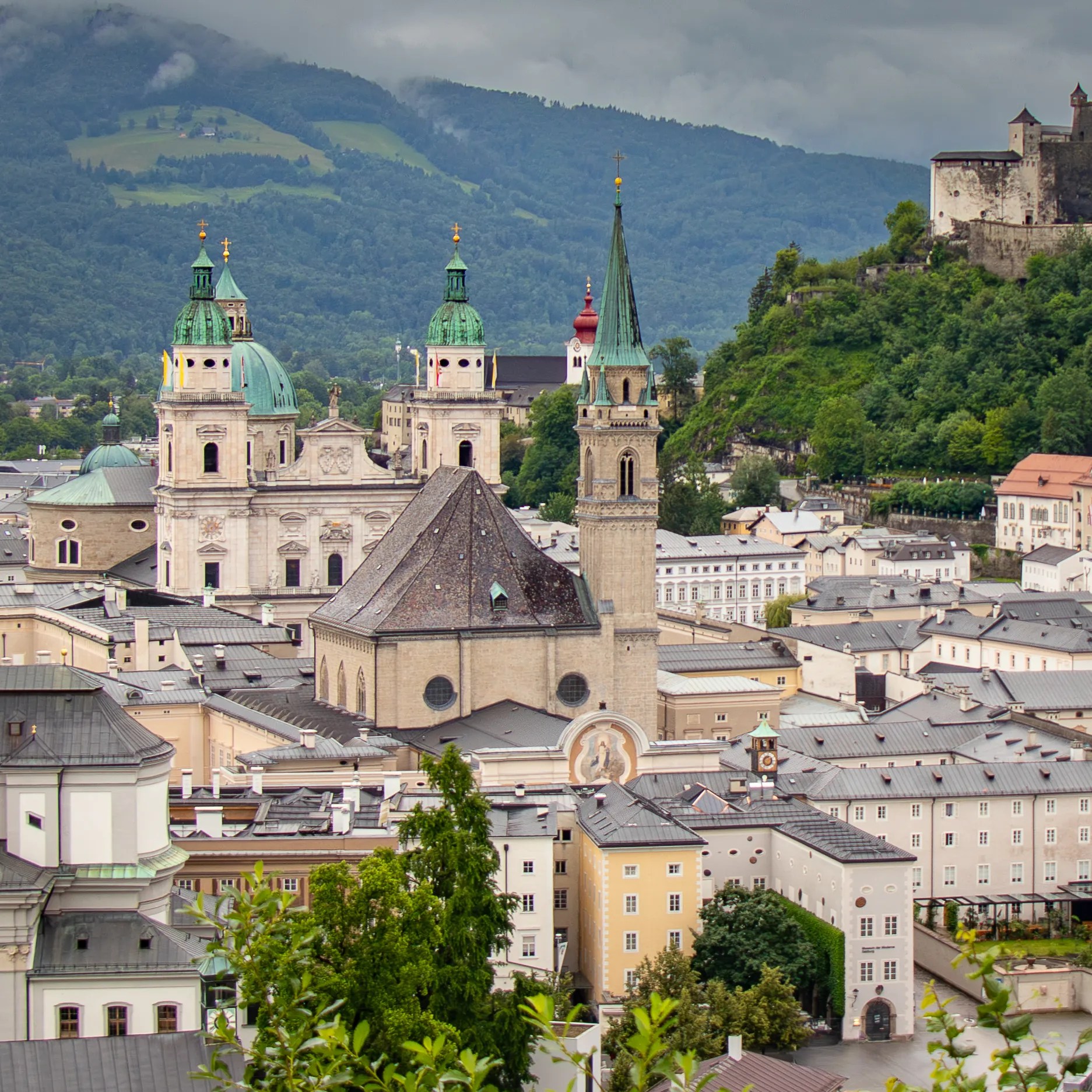
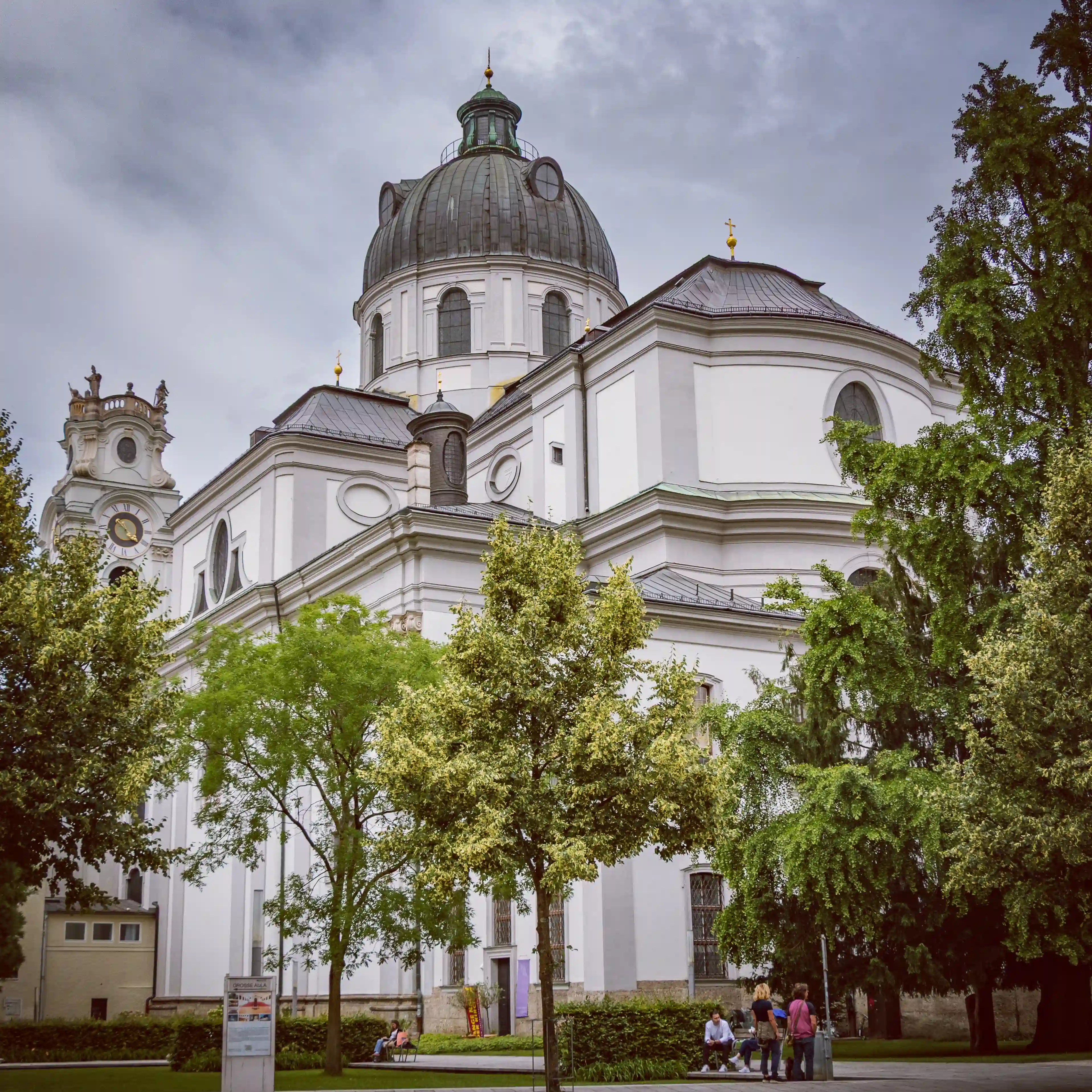
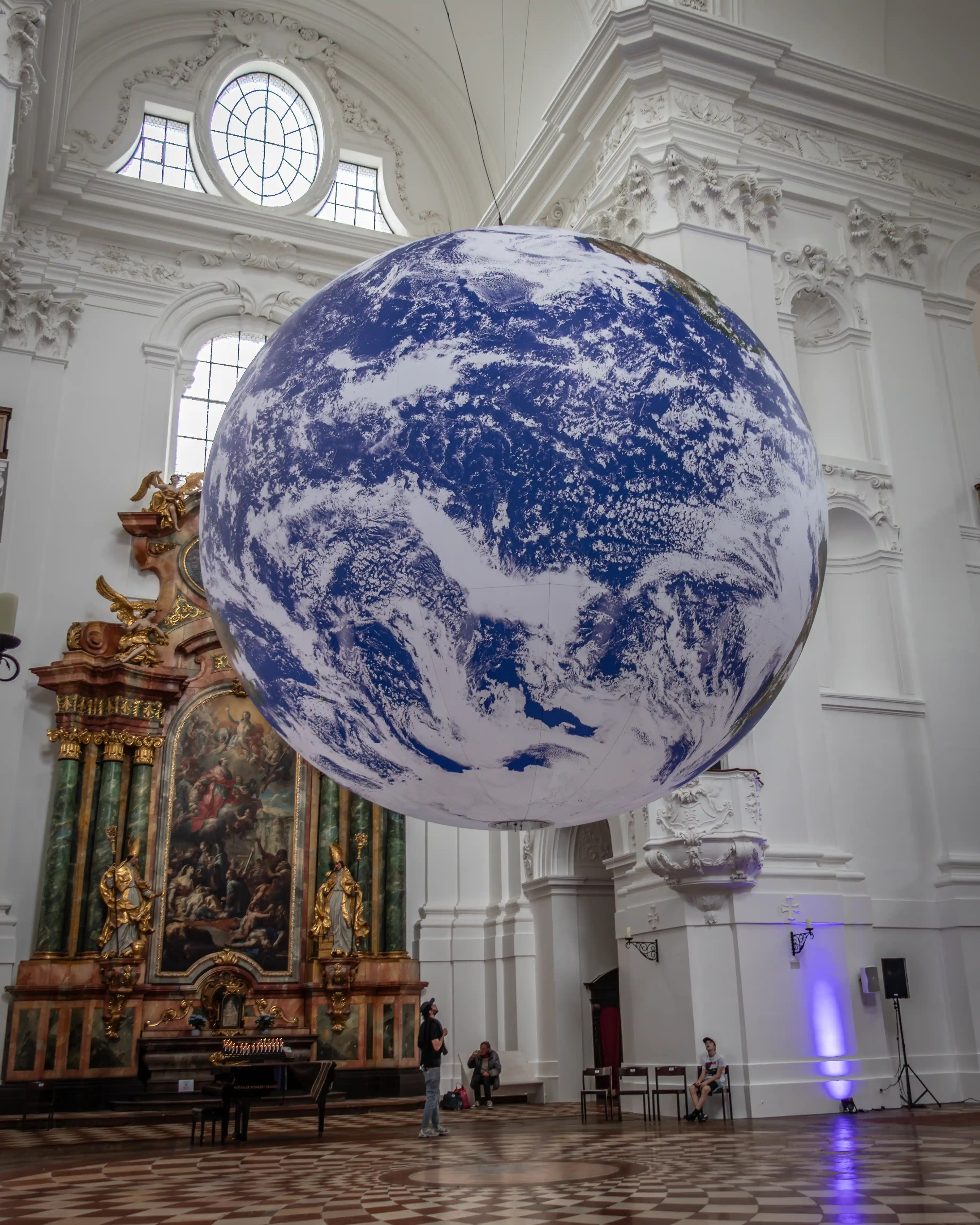
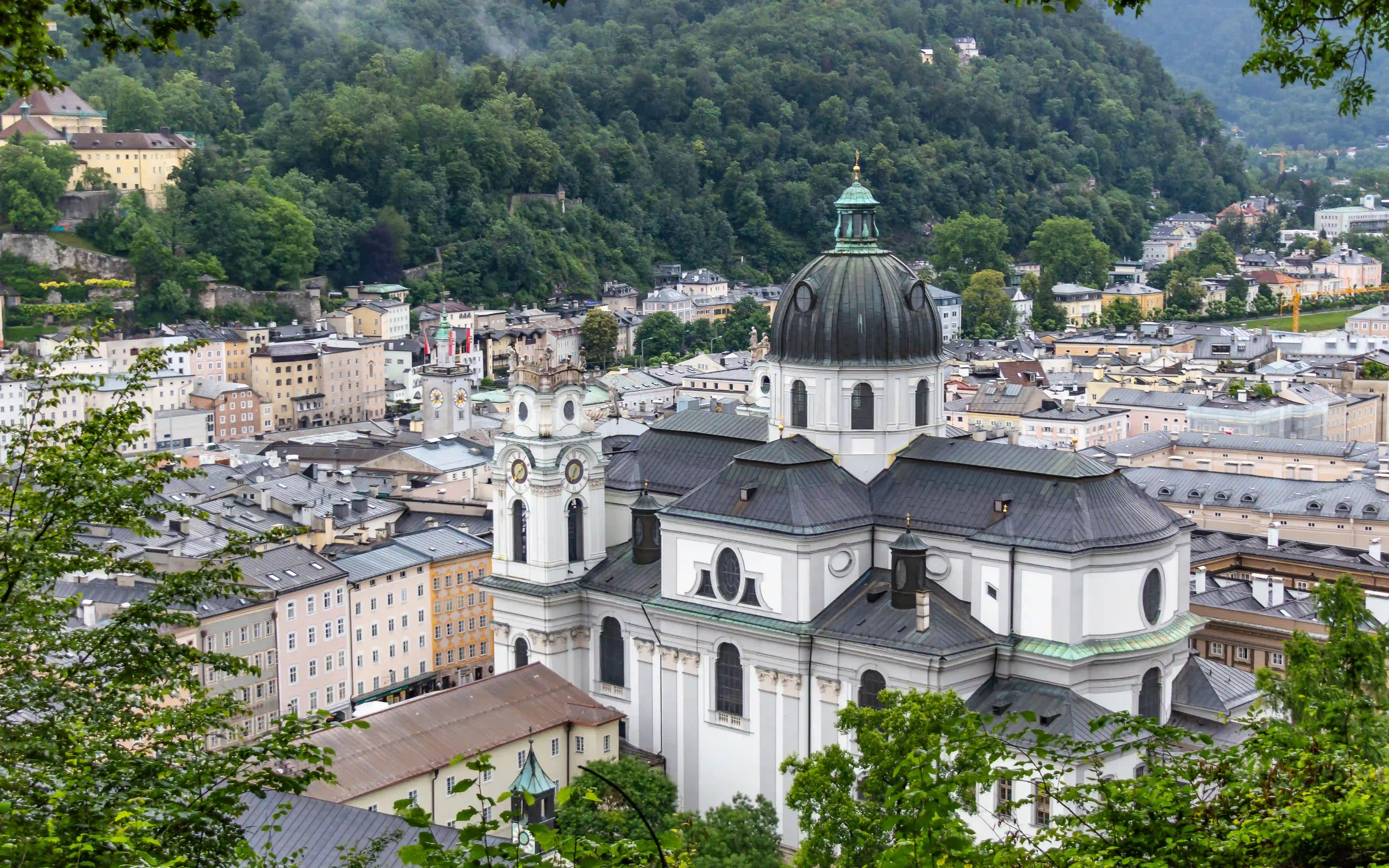
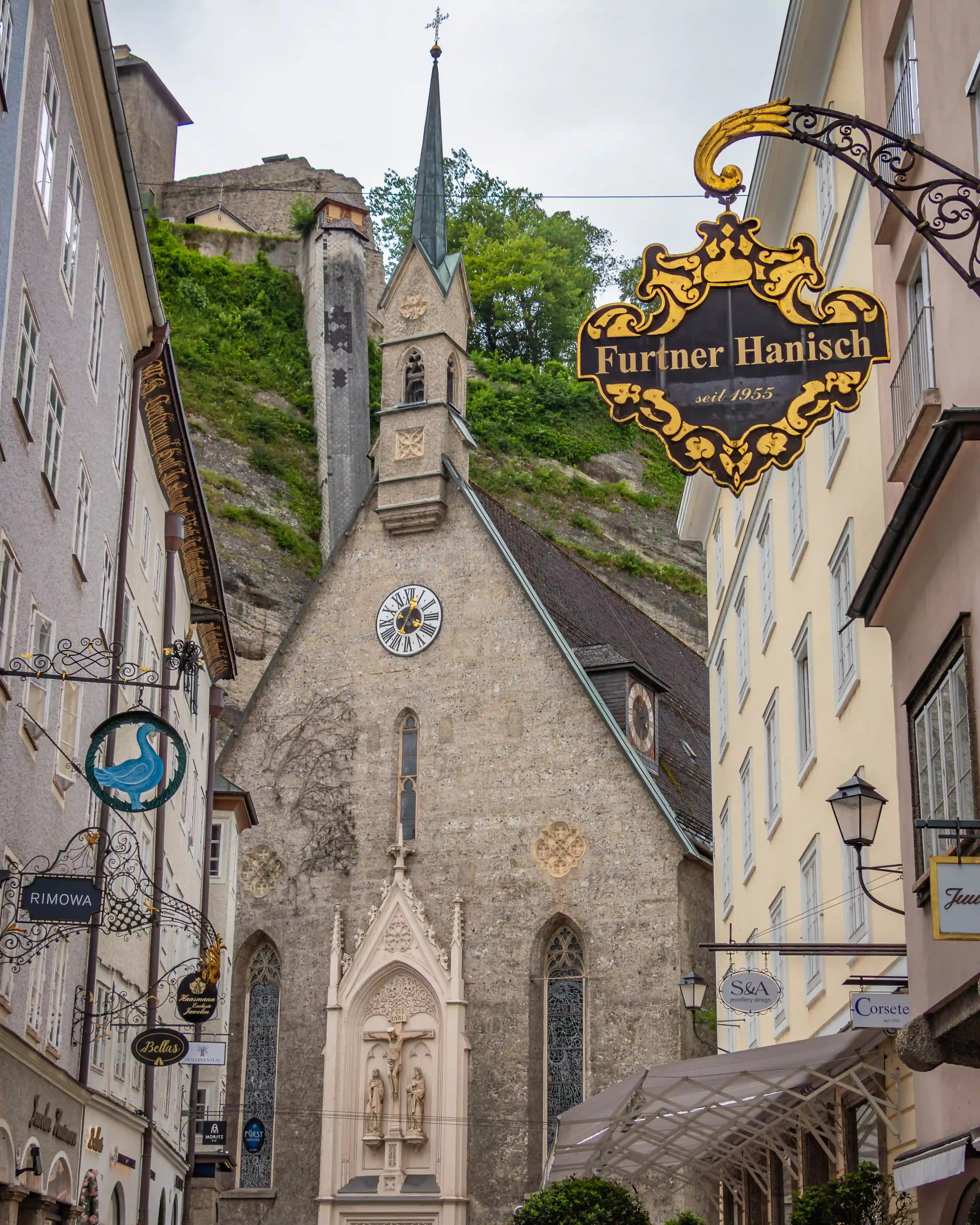
Other church visits included the Franciscan Church, Collegiate Church, and the small but distinctive St. Blasius Church, each offering a very different atmosphere and style. Together with many other churches across the city, they reflect why Salzburg is often called the “Rome of the North,” known for its dense skyline of church towers and domes.
Franciscan Church (Franziskanerkirche)
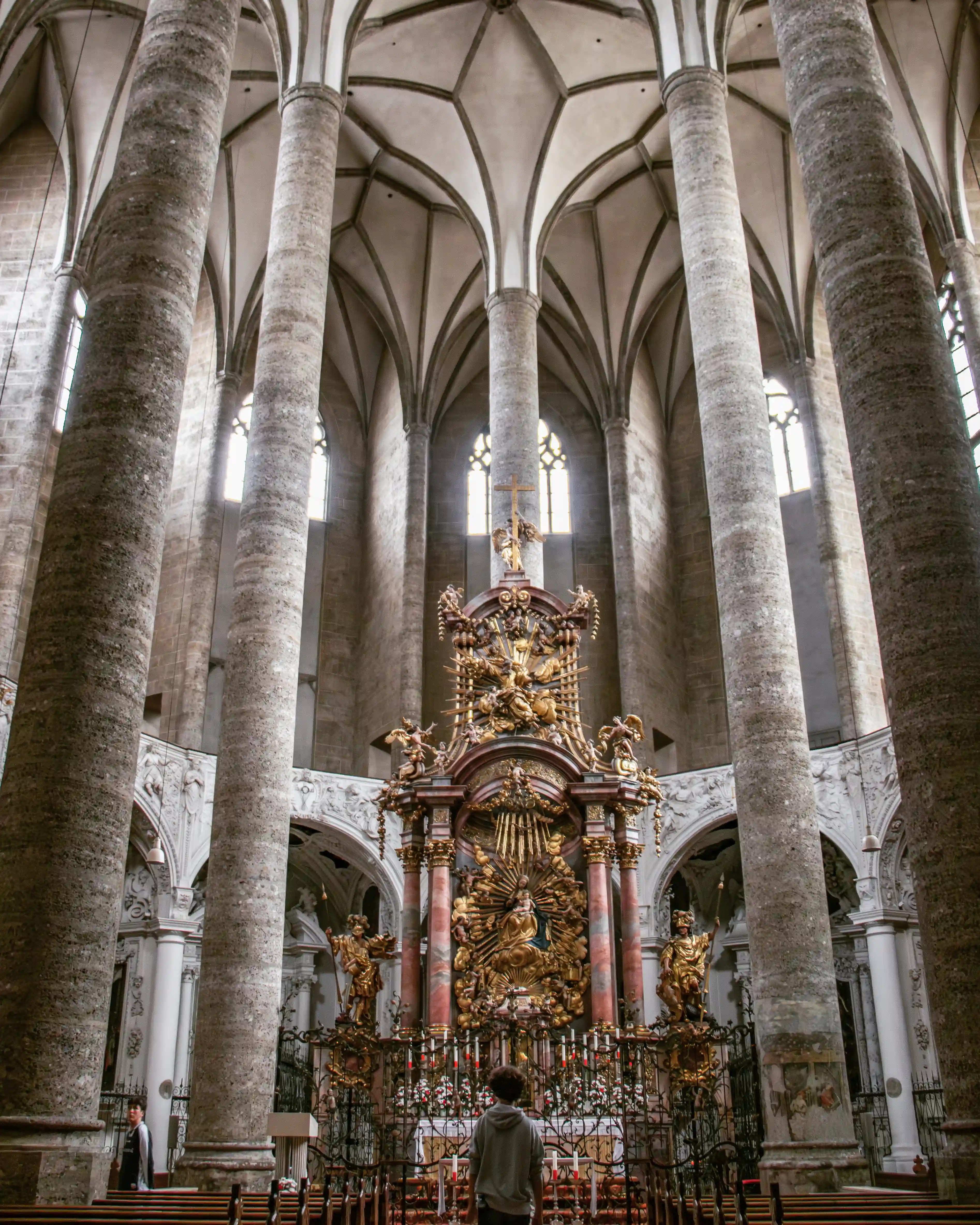
Collegiate Church (Kollegienkirche)
St. Blaise’s Church (Kirche St. Blasius)
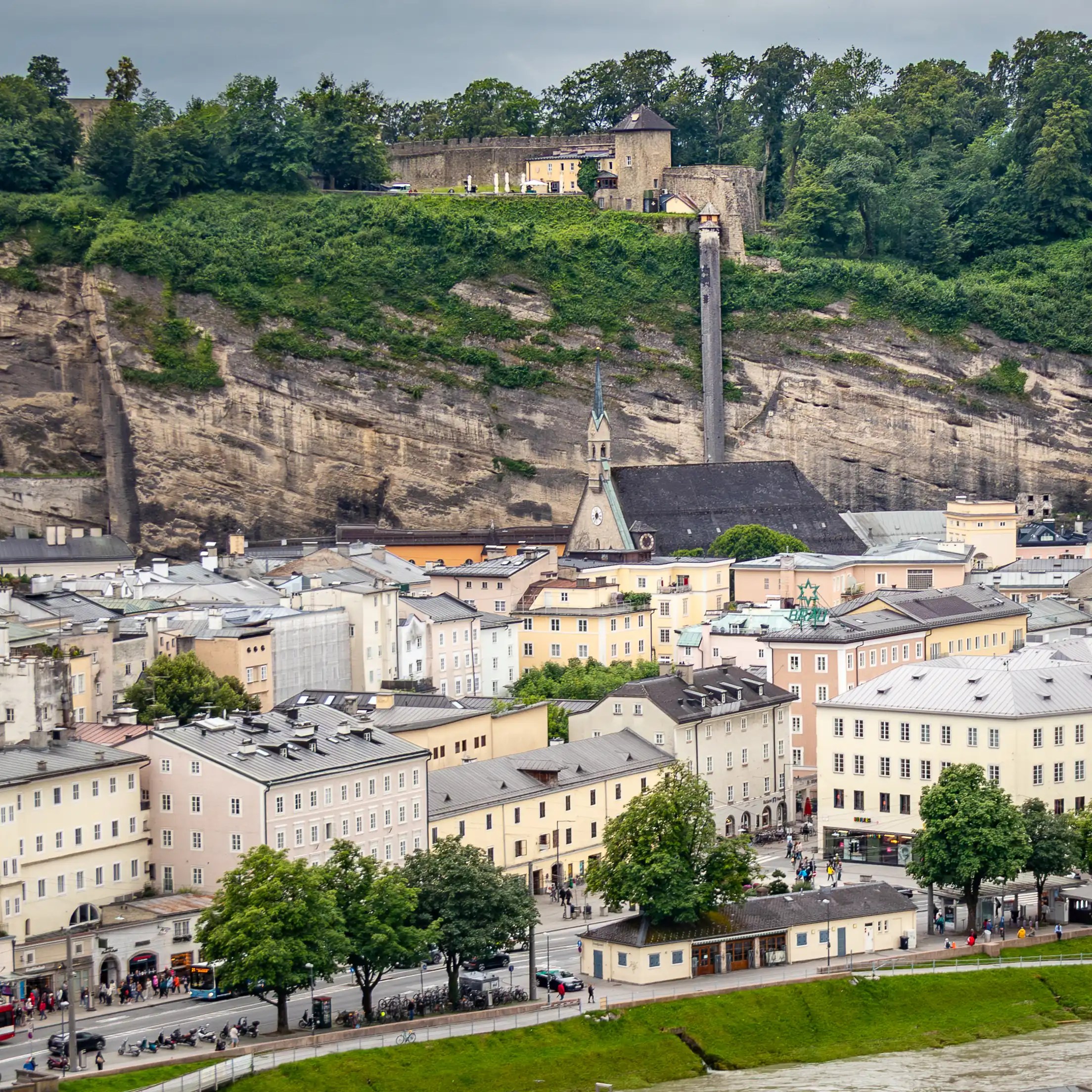
Salzburg from Above and Into the Evening
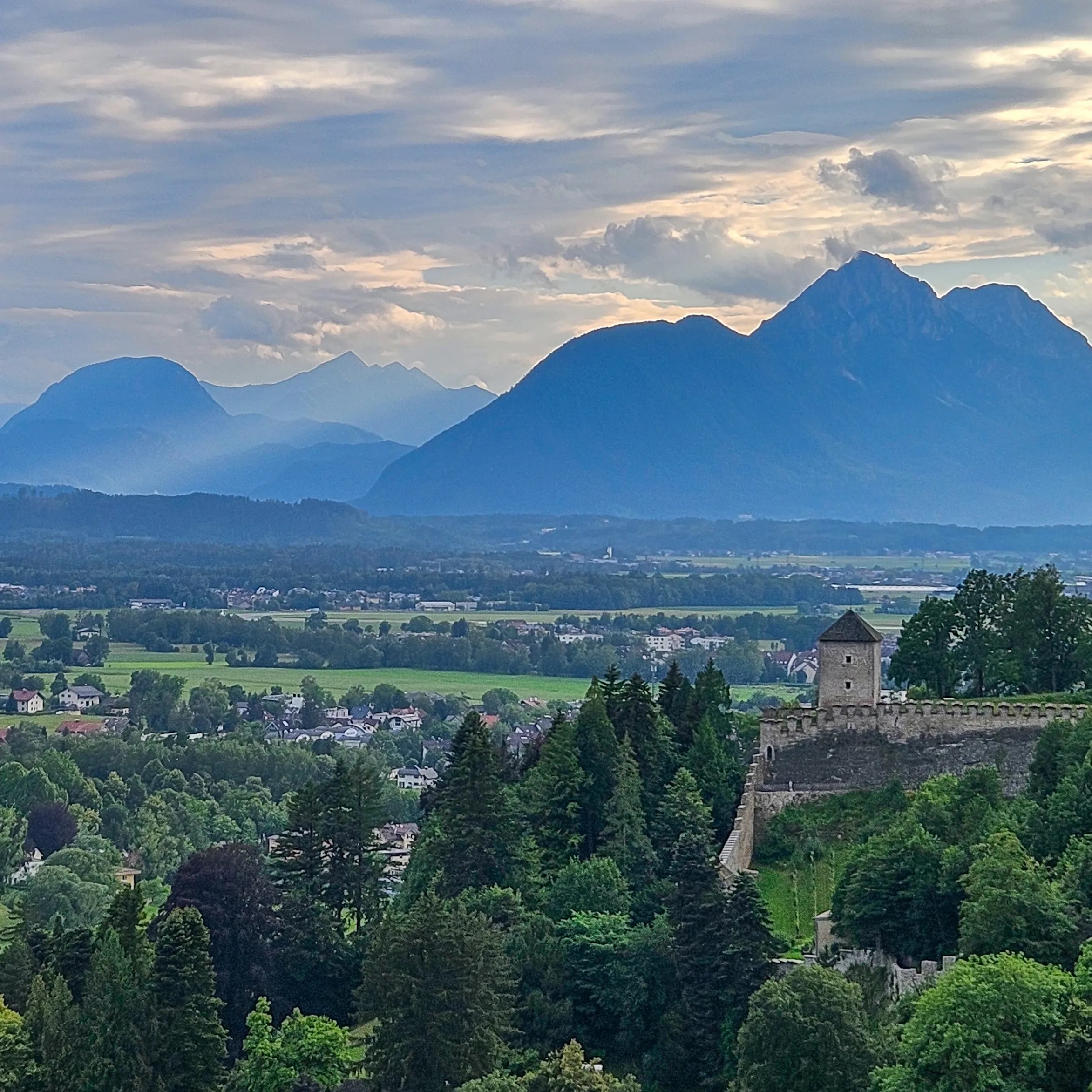
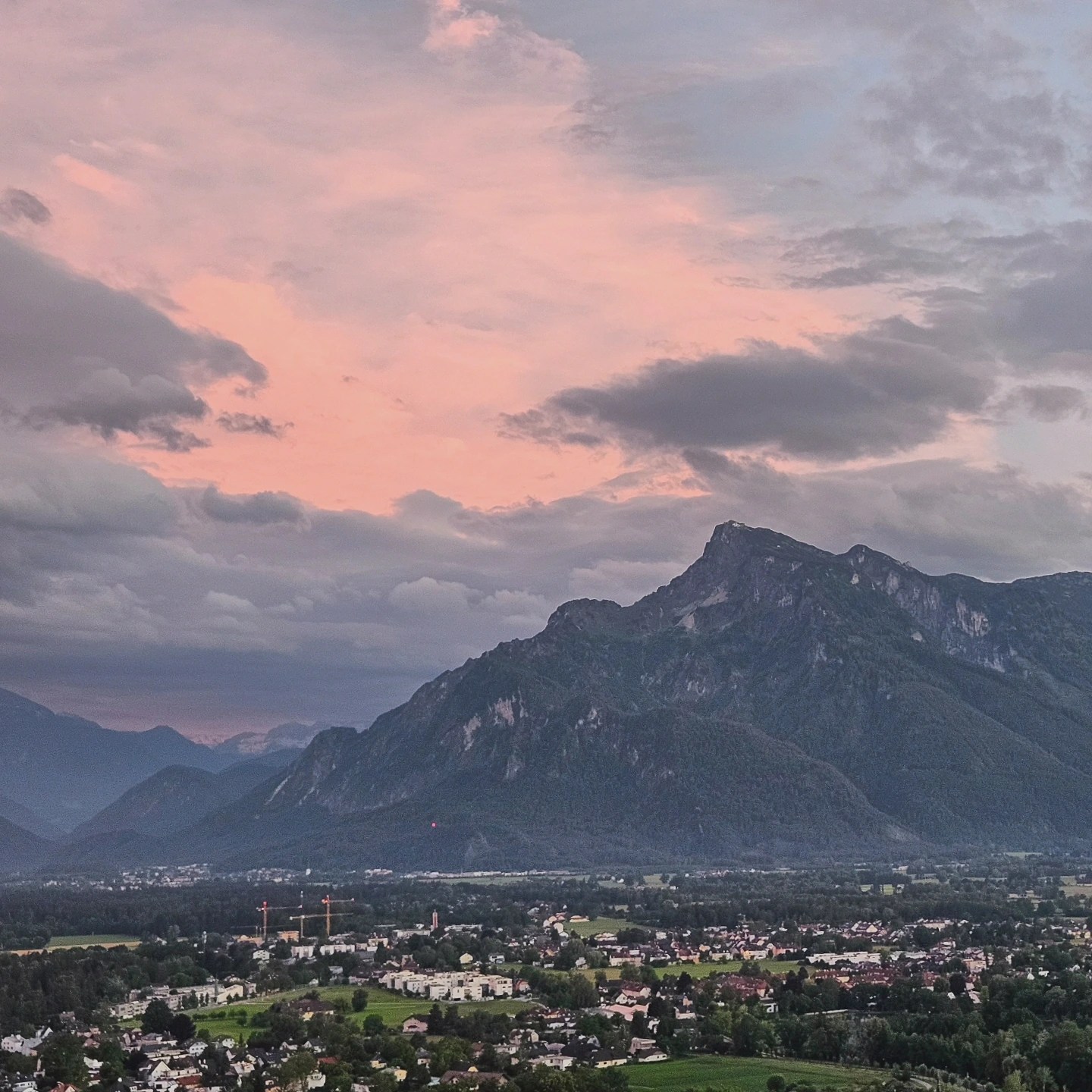
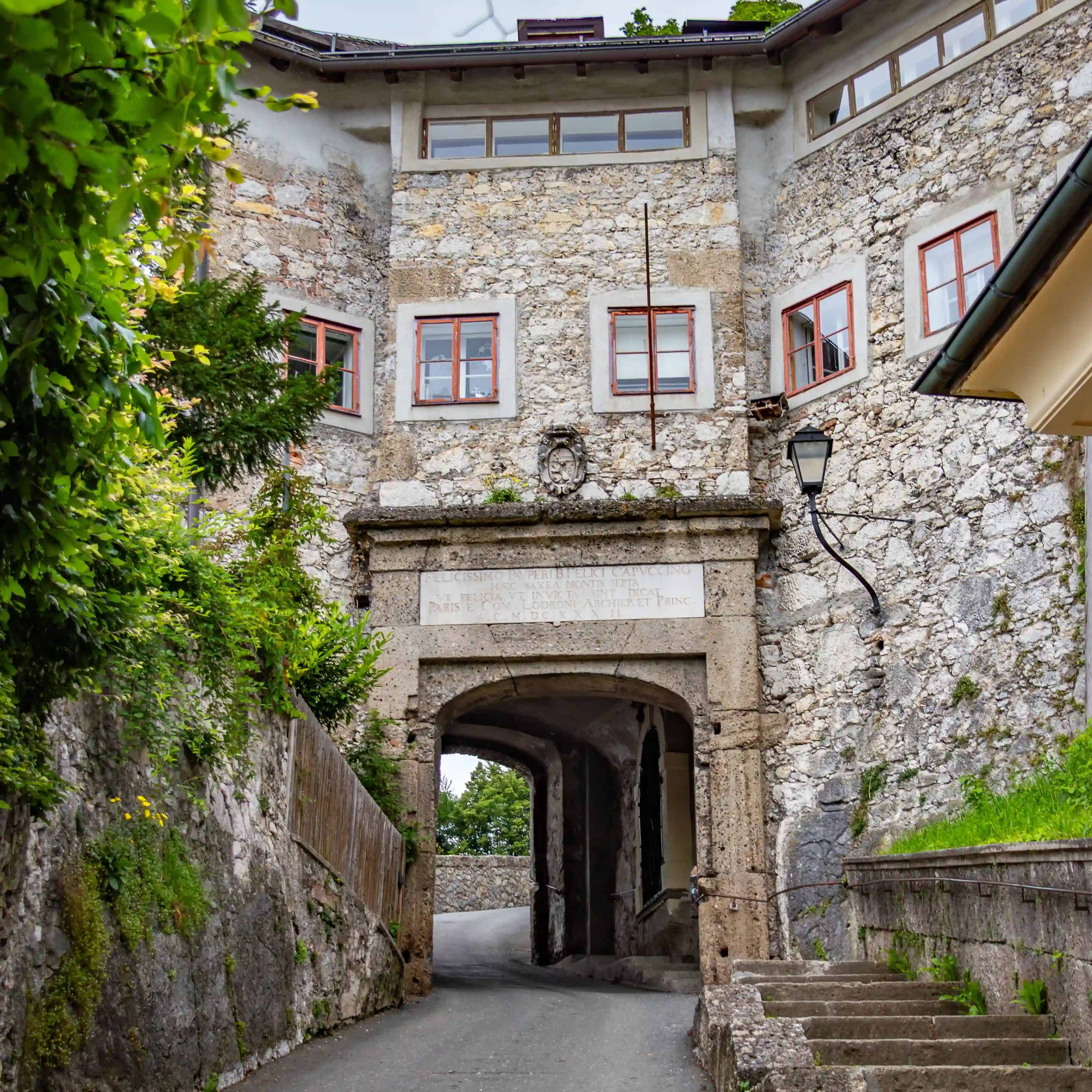
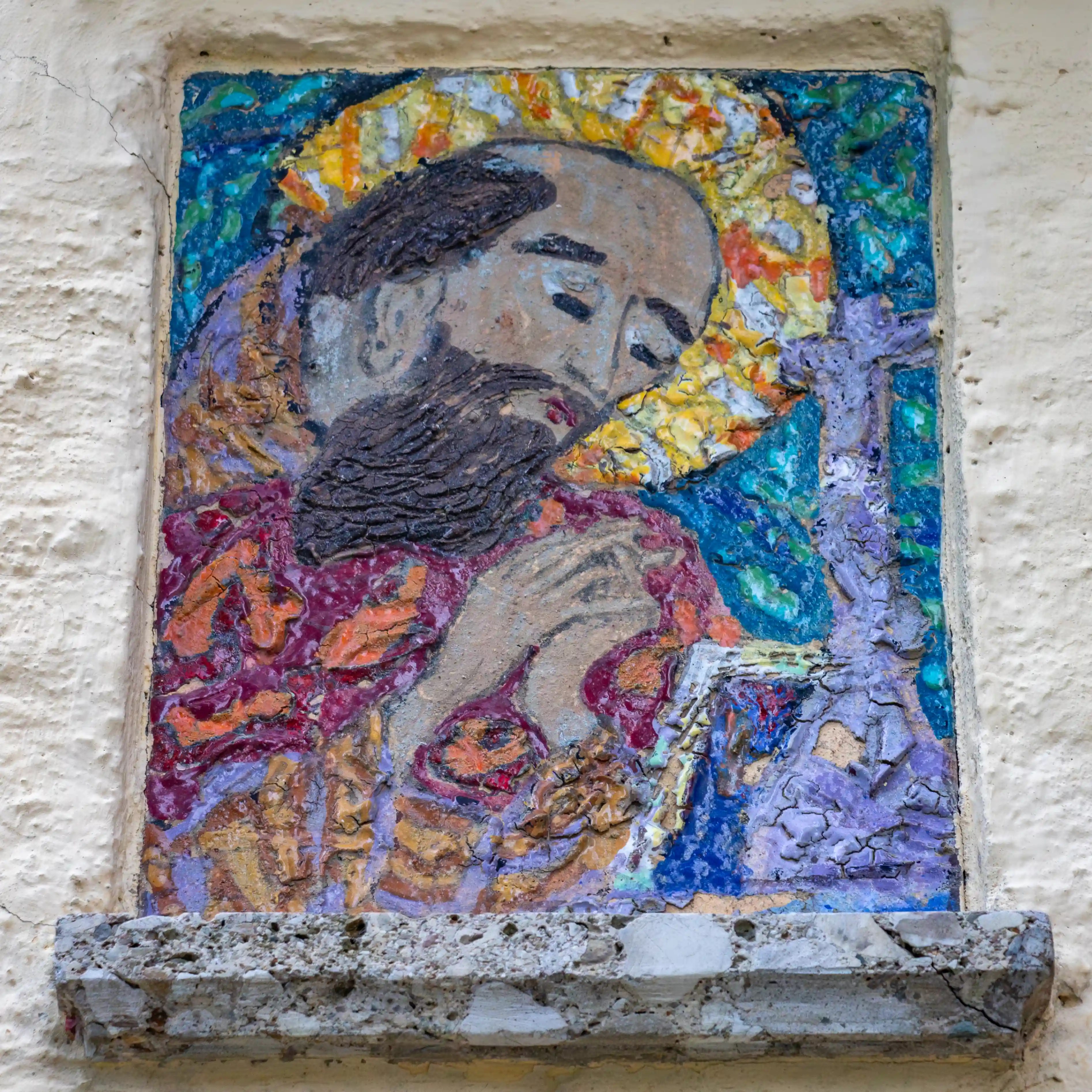
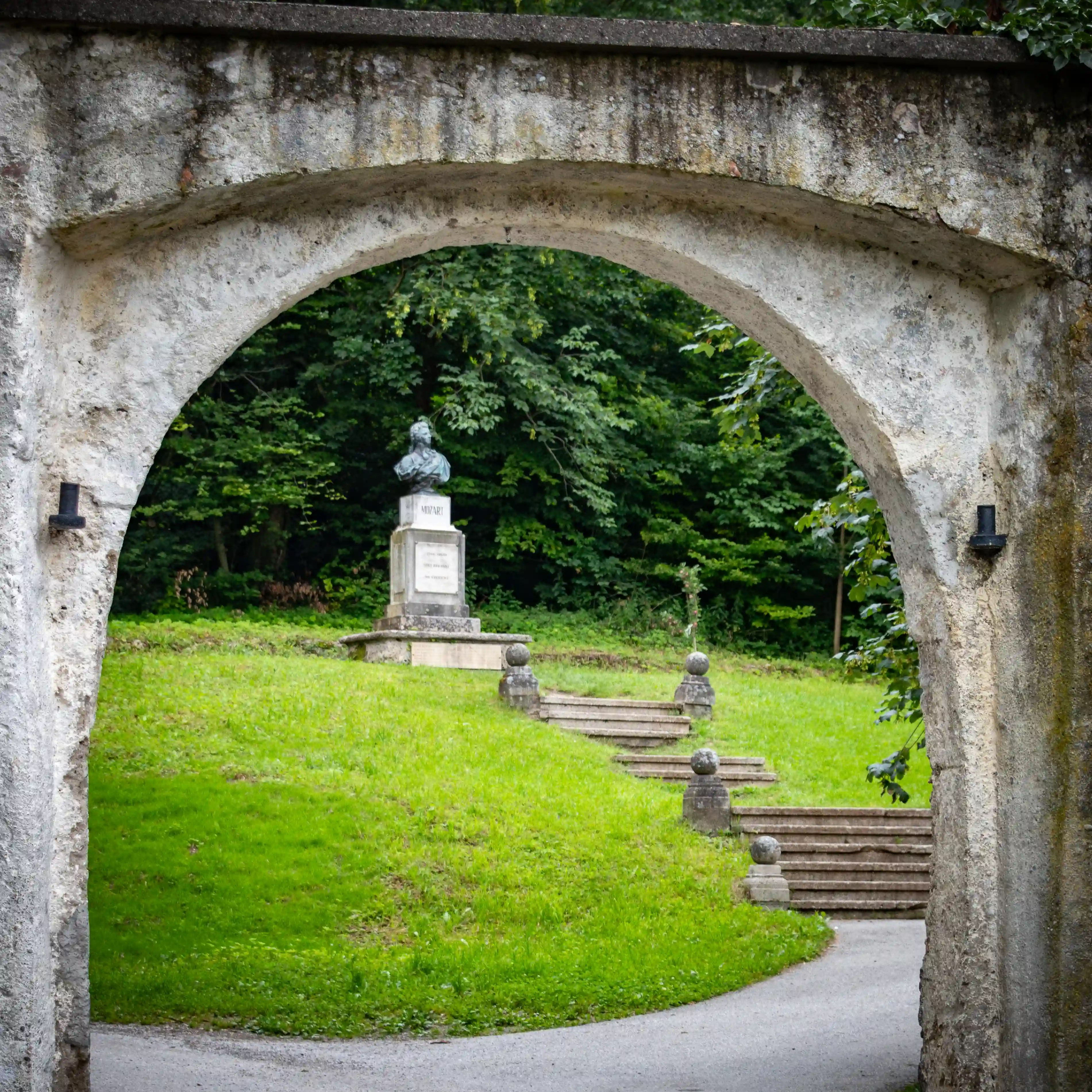
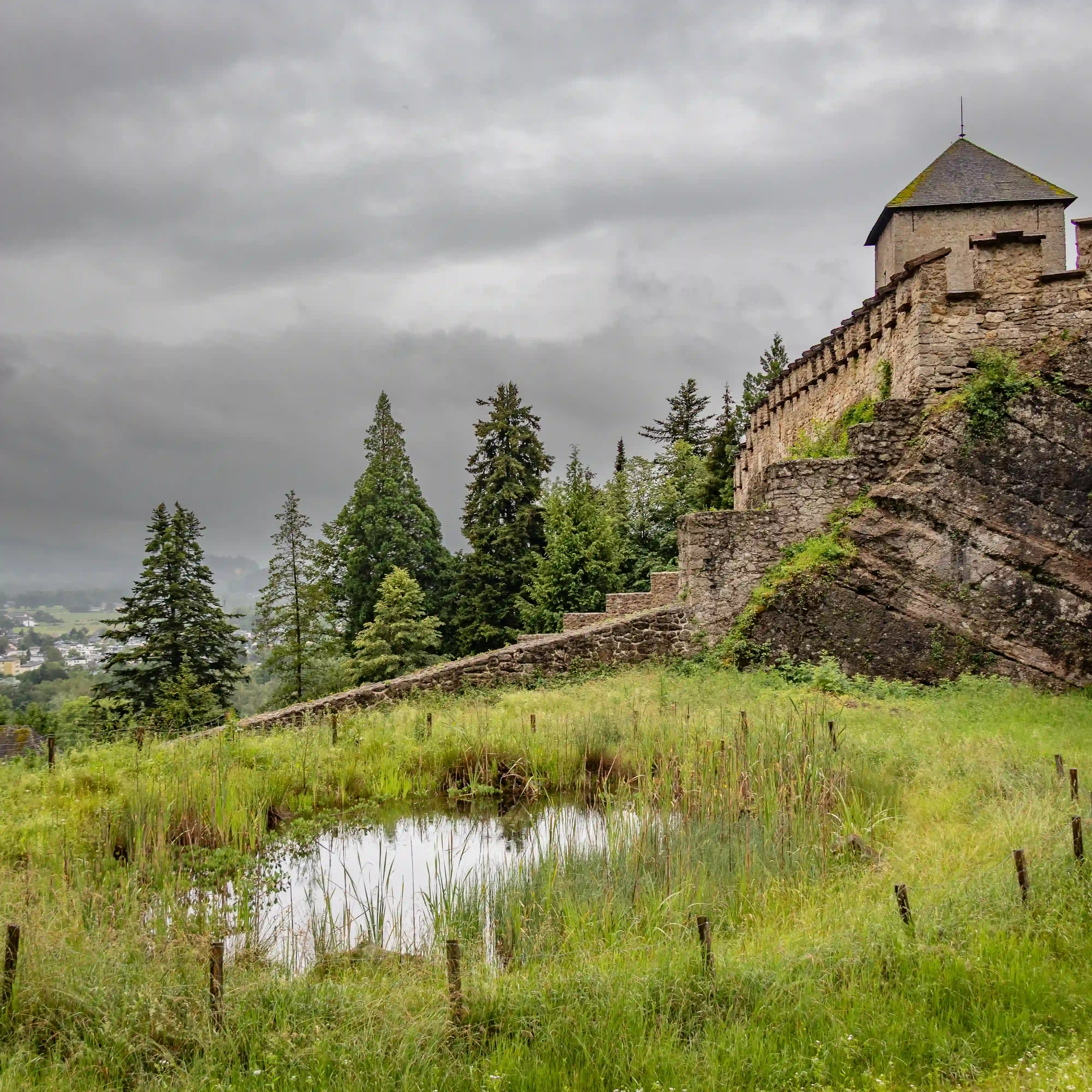
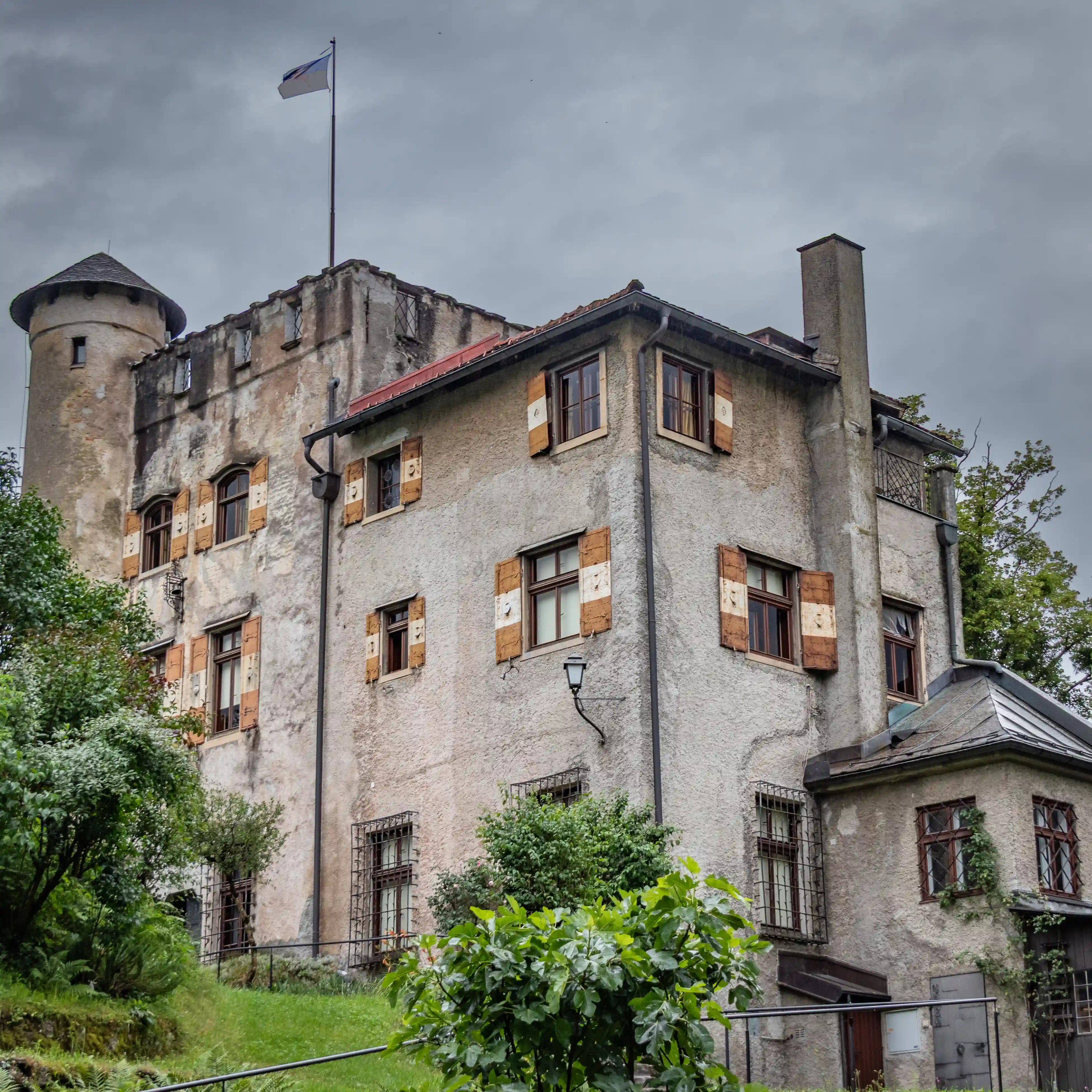
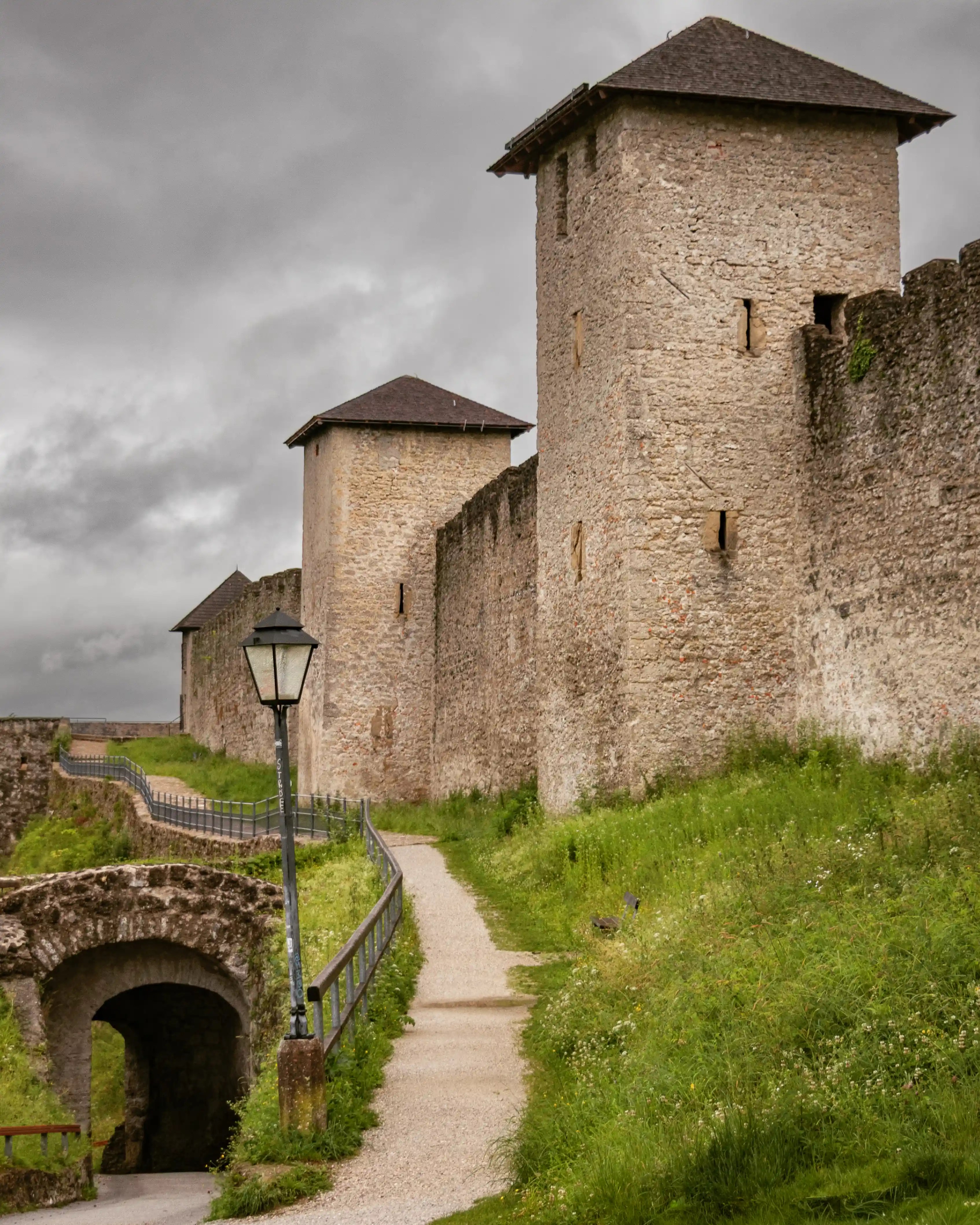
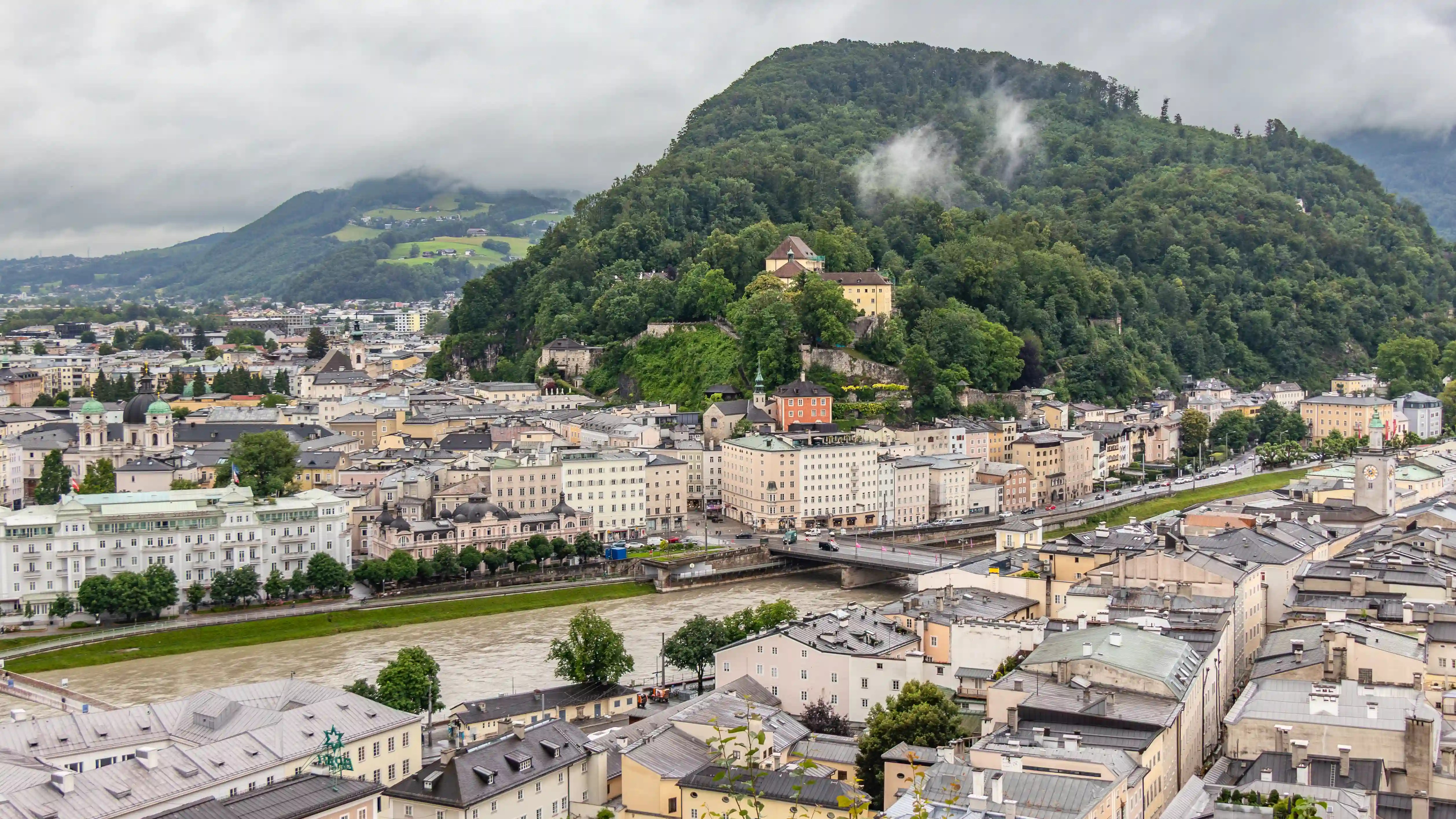
Beyond the main landmarks, Salzburg really opens up once you start wandering. We spent time on Kapuzinerberg, climbing paths that quickly lift you above the Old Town. From up here, the city feels quieter, with layered views over rooftops, church domes, and the fortress across the river. Along the way, we passed the Capuchin Monastery (Kapuzinerkloster) and a small Mozart bust tucked into the hillside. It’s an easy walk to overlook, but it offered some of the most beautiful views of the city.
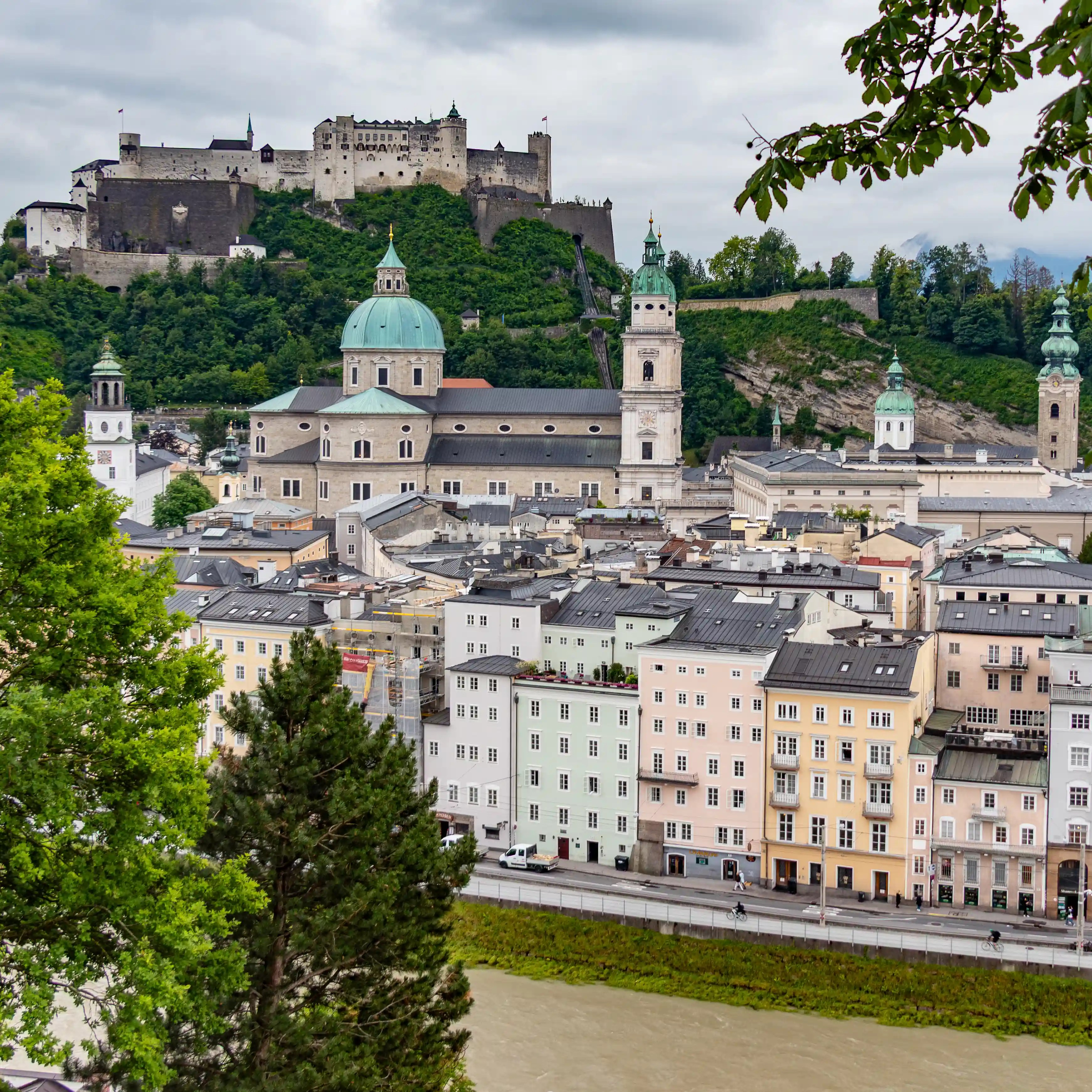
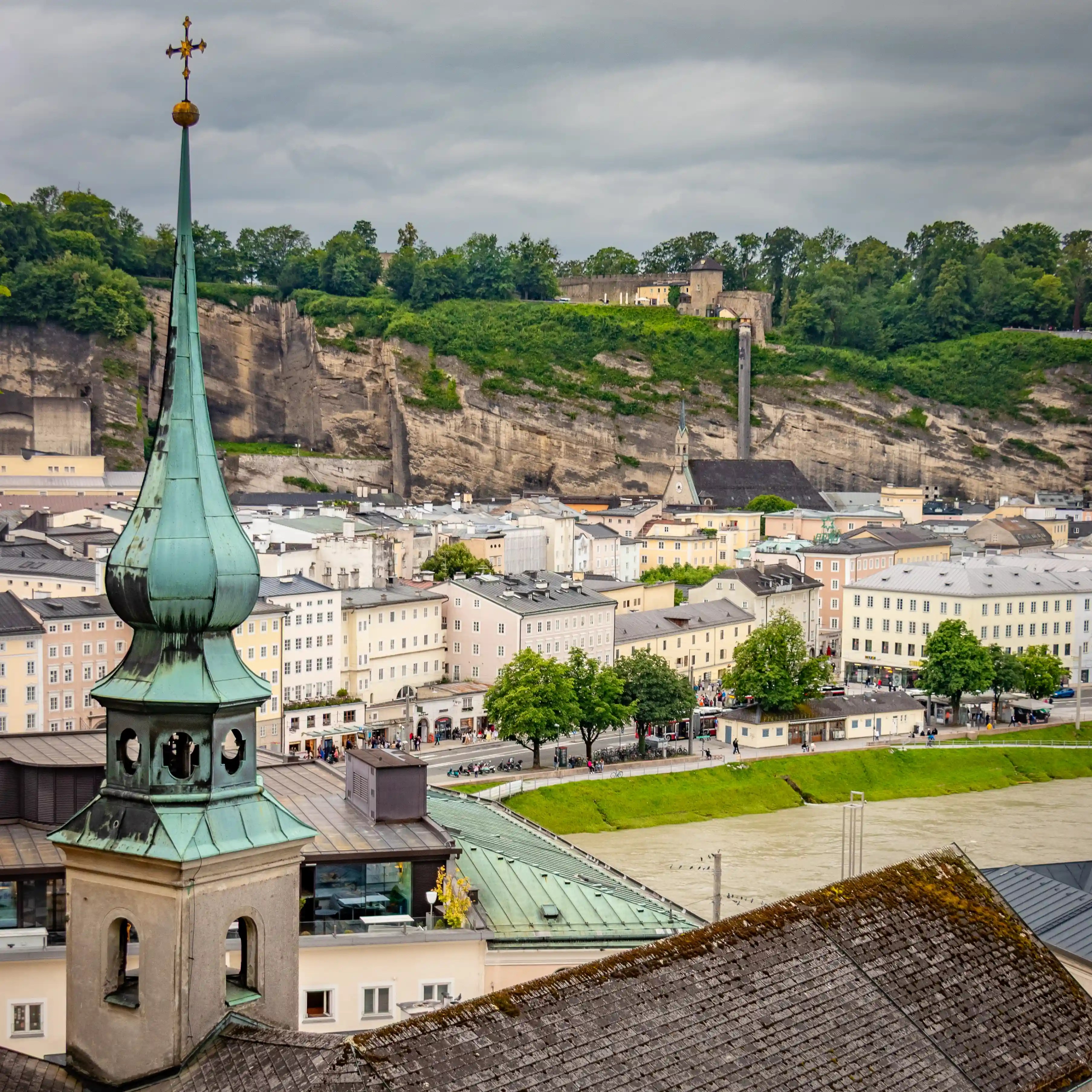
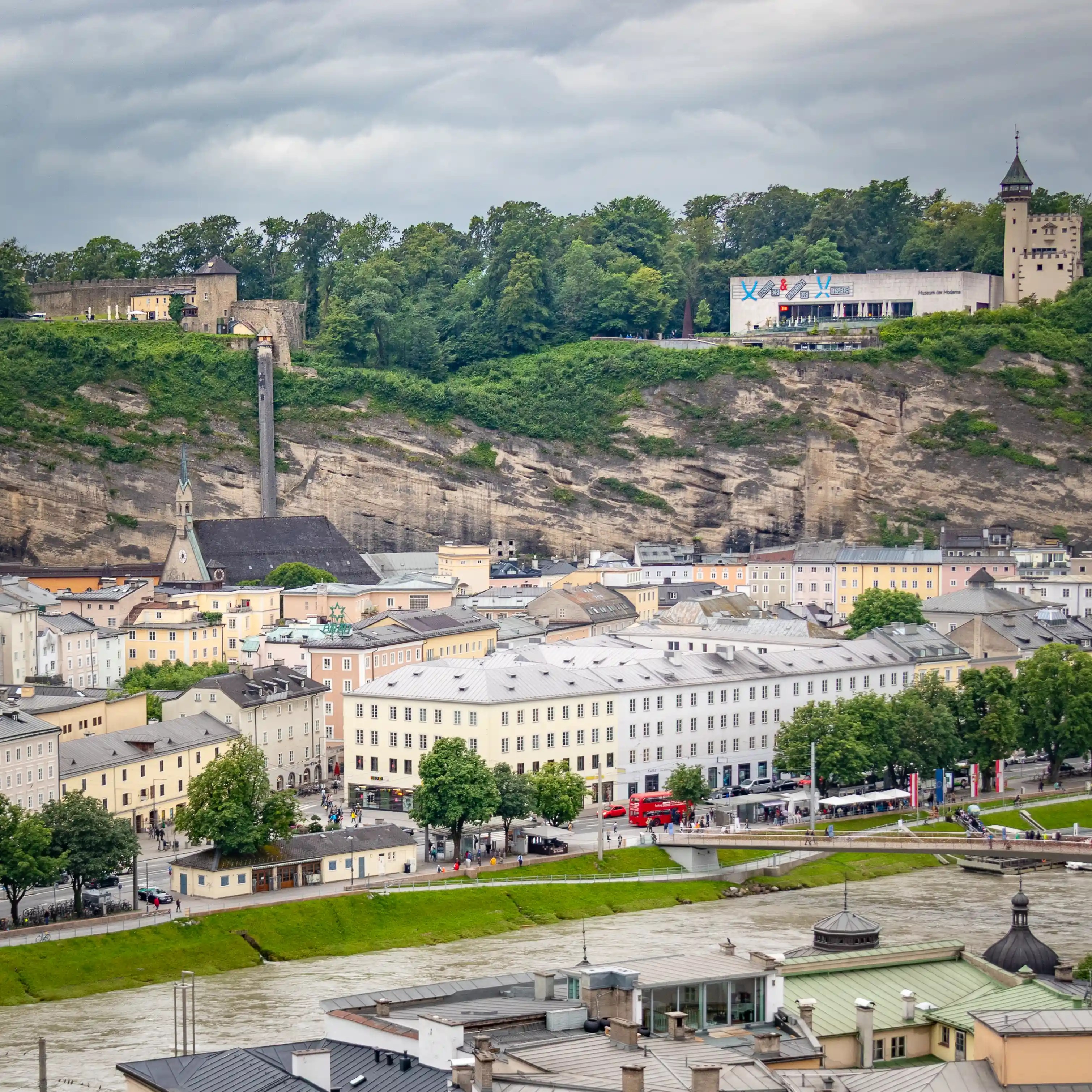
We also made our way up onto the Mönchsberg to the Bürgerwehr and Richterhöhe, part of the historic Salzburger Bürgergarde fortifications and one of the highest points along the ridge. Walking here, the views shift constantly—sometimes looking directly toward Fortress Hohensalzburg, other times out over the rooftops of the Old Town or across to the opposite side of the hill. From Richterhöhe in particular, the perspective of the fortress rising above Salzburg is wide, open, and especially striking.
For an easier way up, there’s also the Mönchsberg Lift, which connects the Old Town with the top of the hill near the Museum of Modern Art Salzburg (Museum der Moderne Salzburg)—a helpful option if you want the views without the climb.
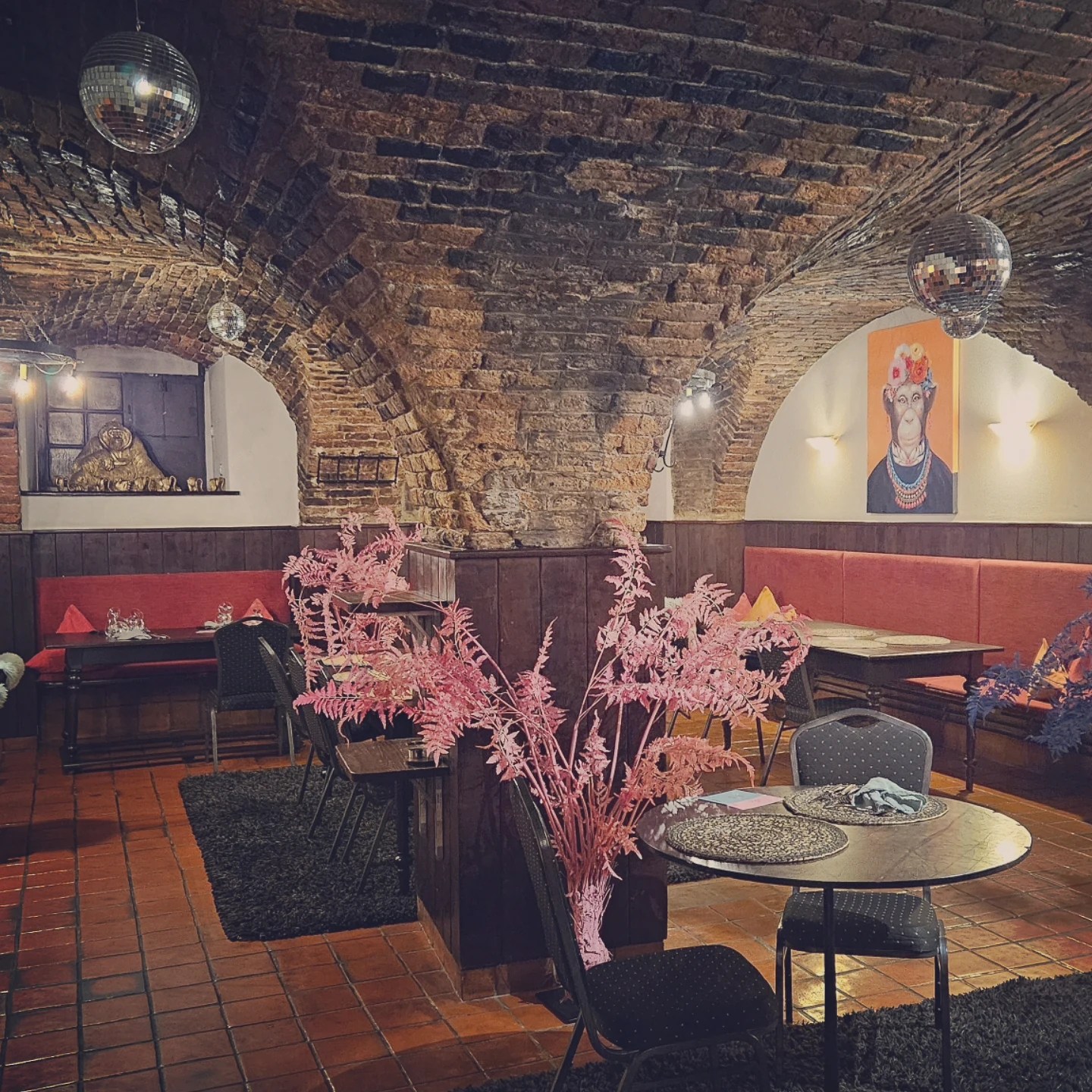
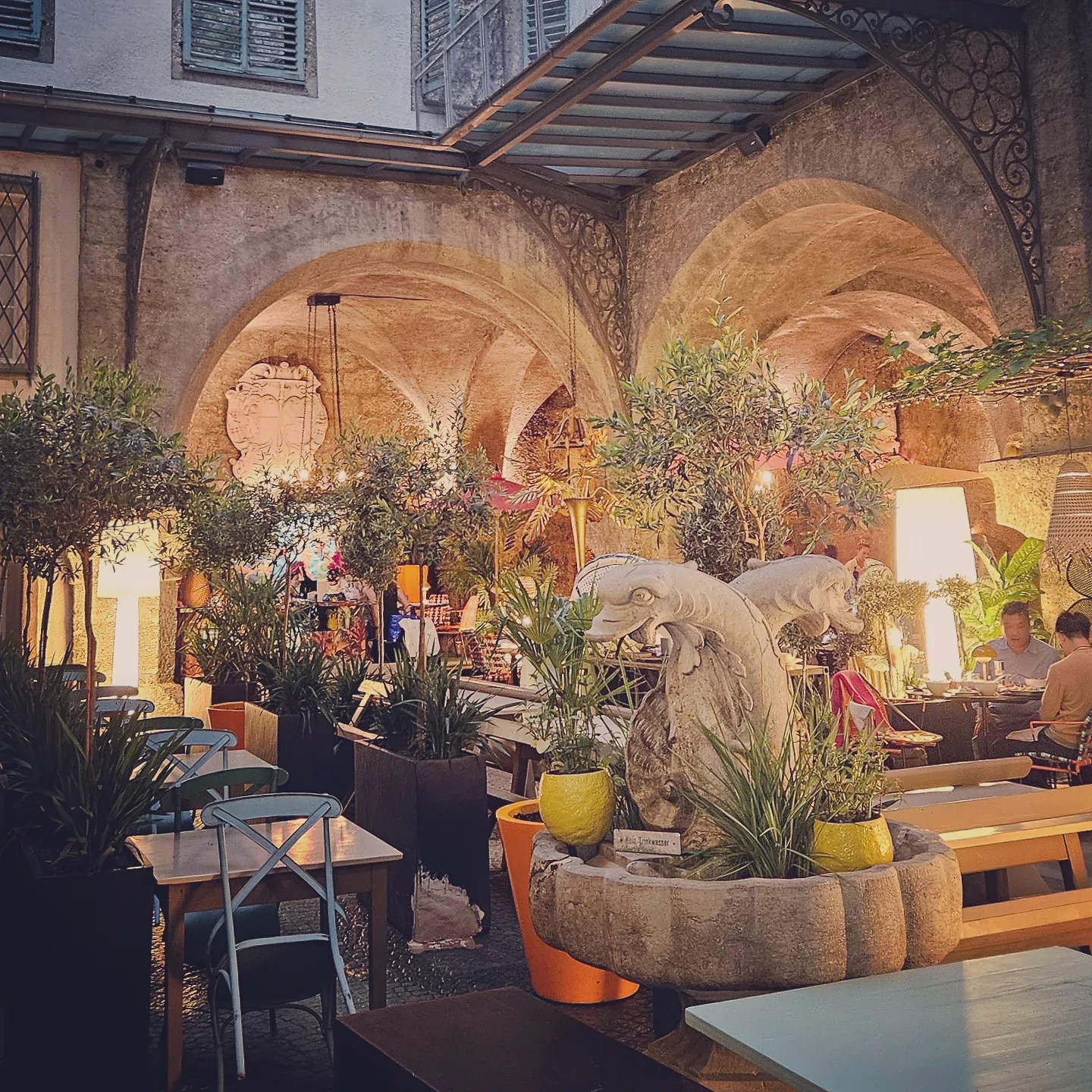
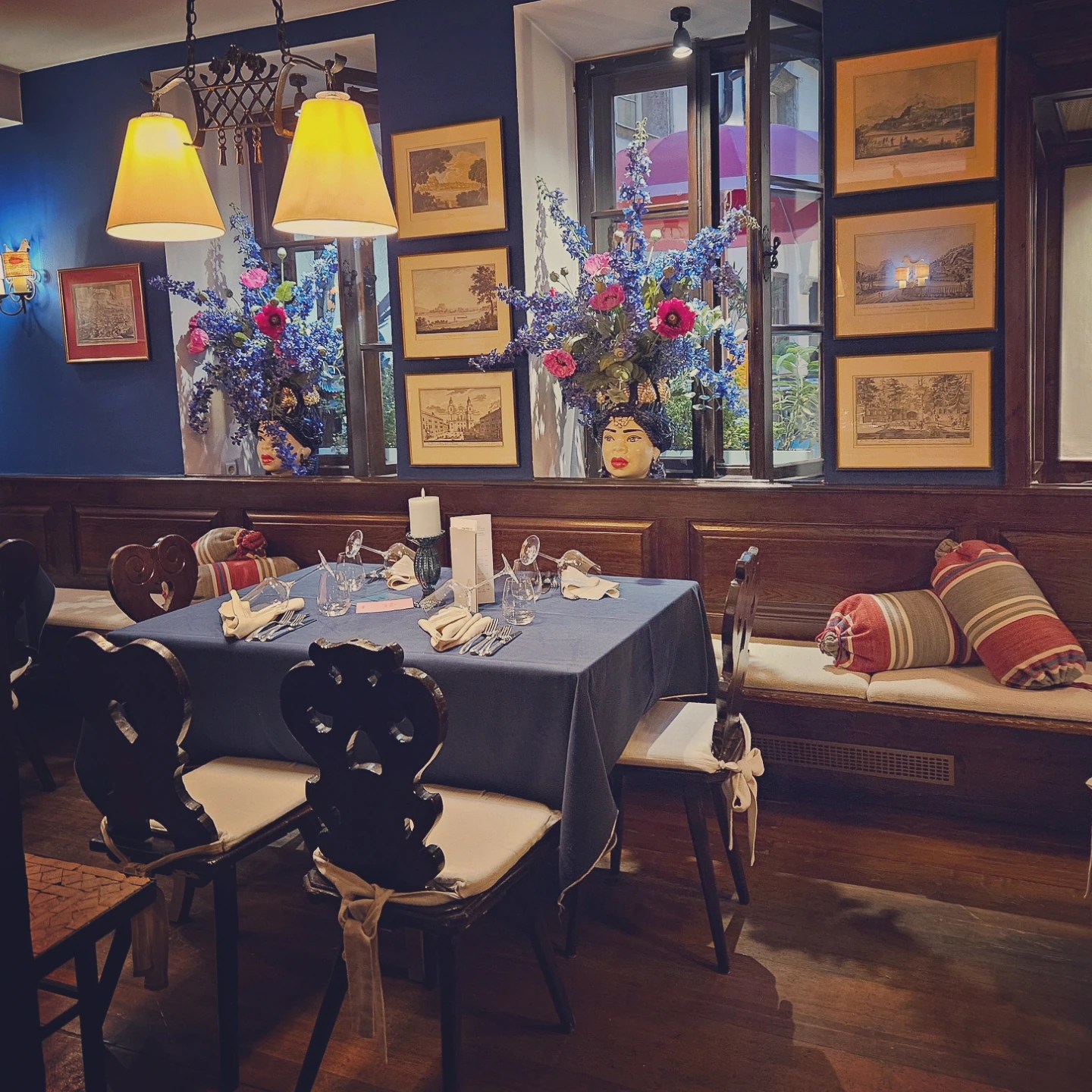
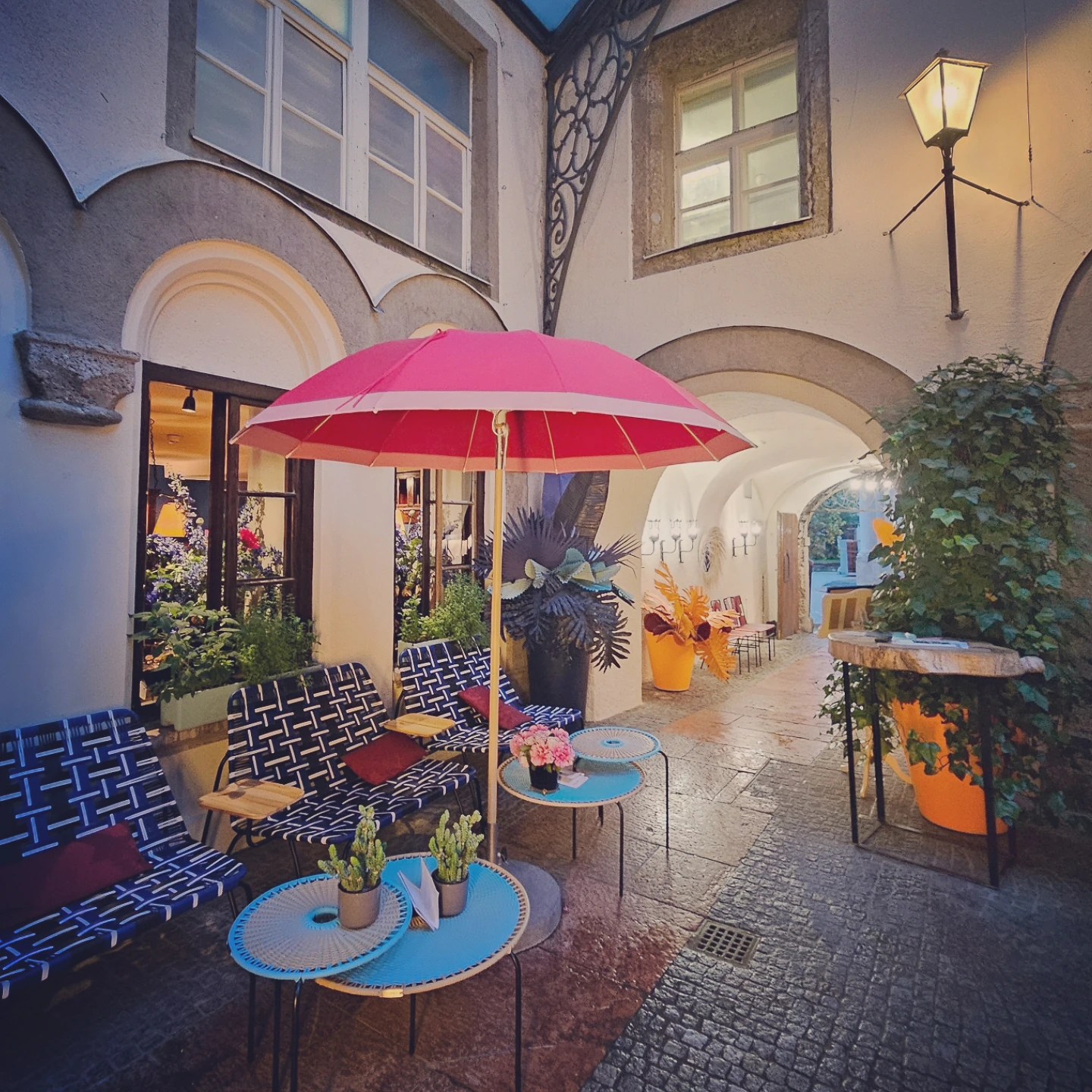
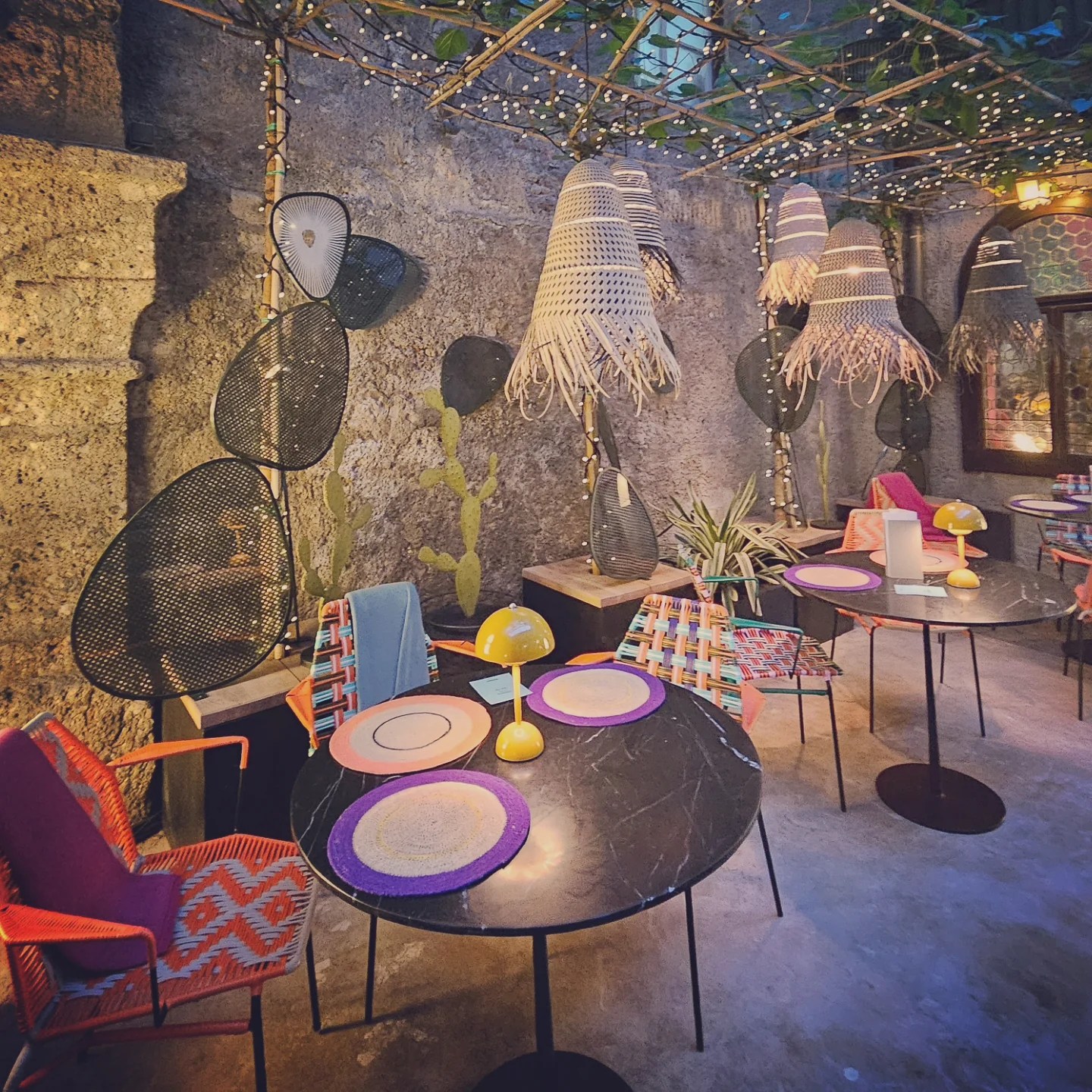
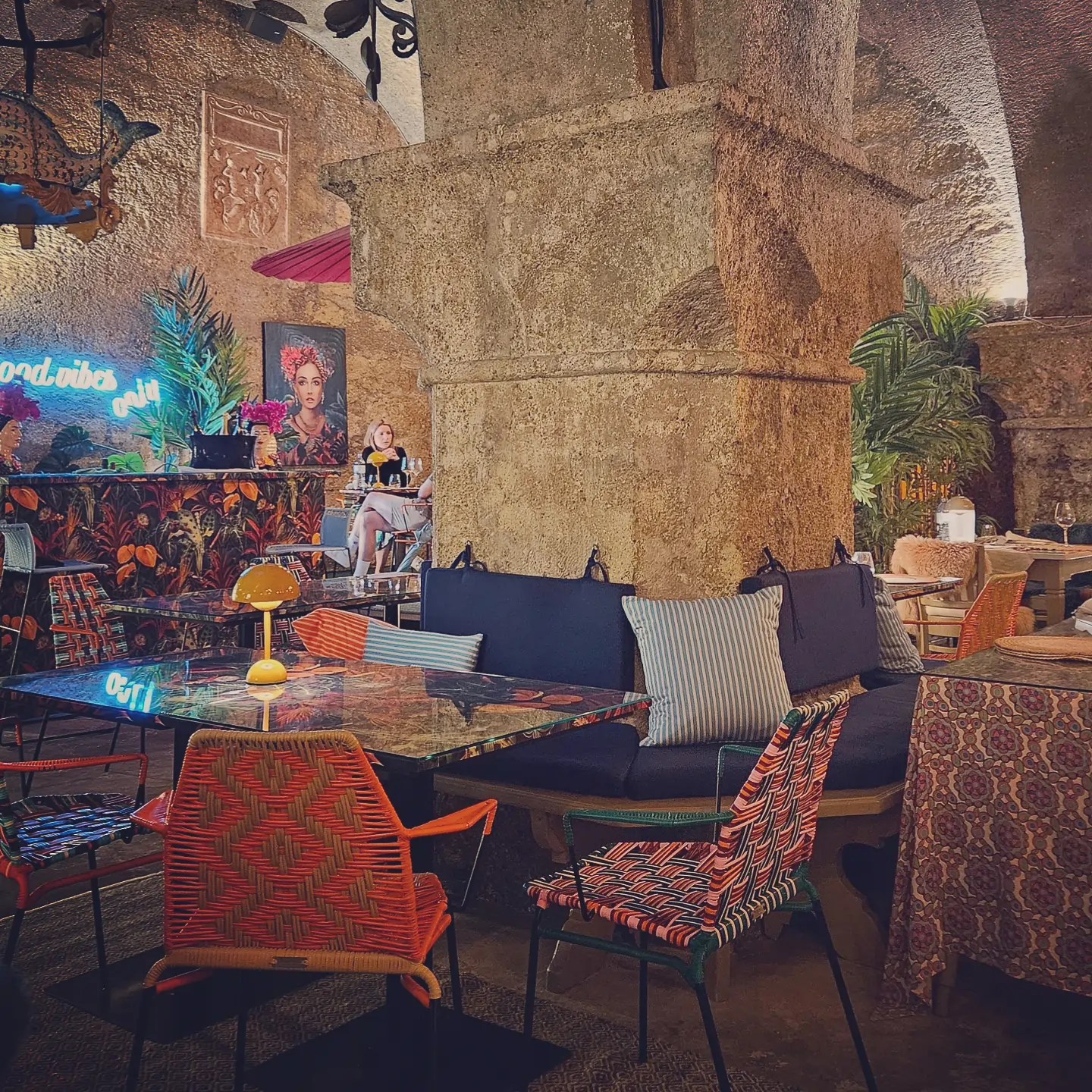
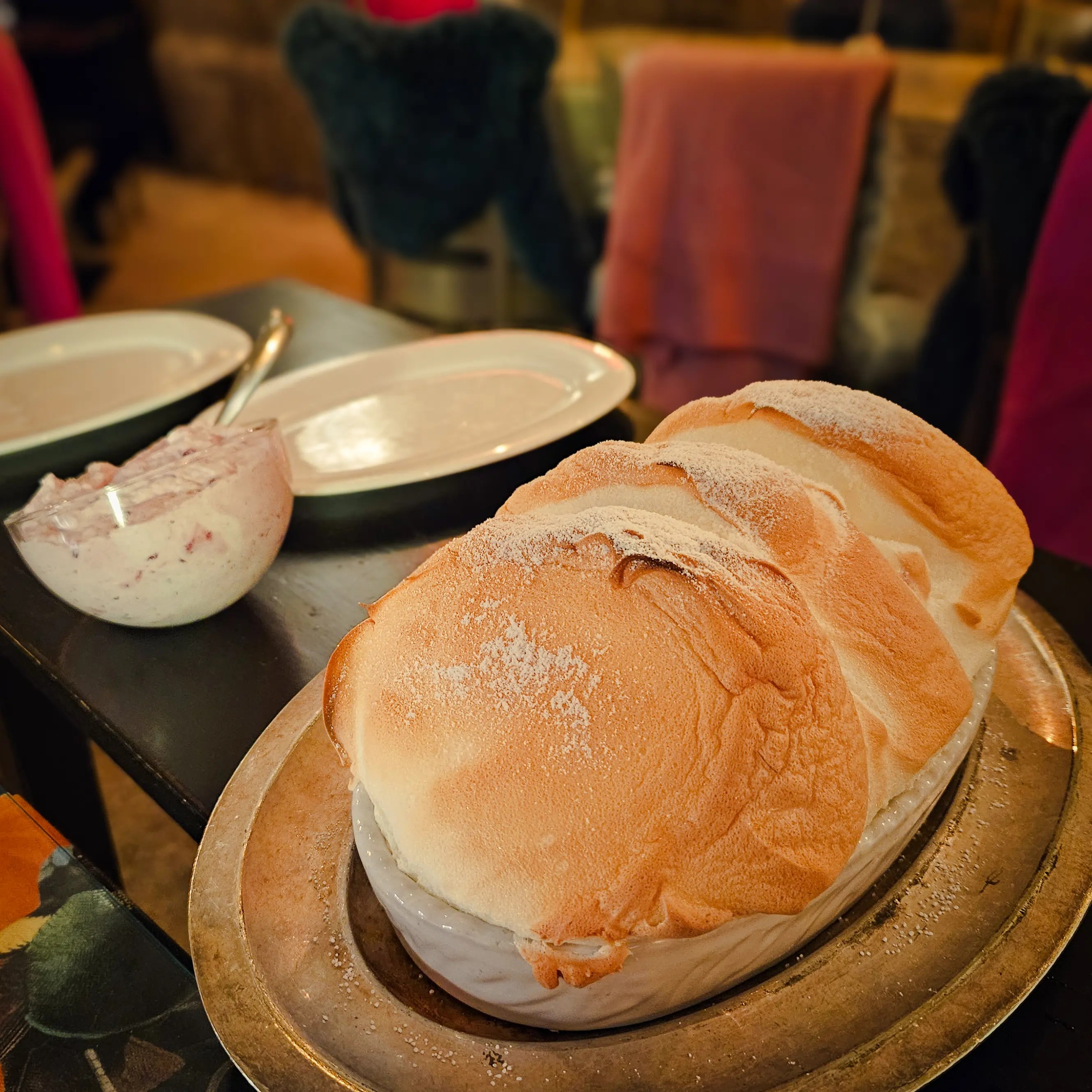
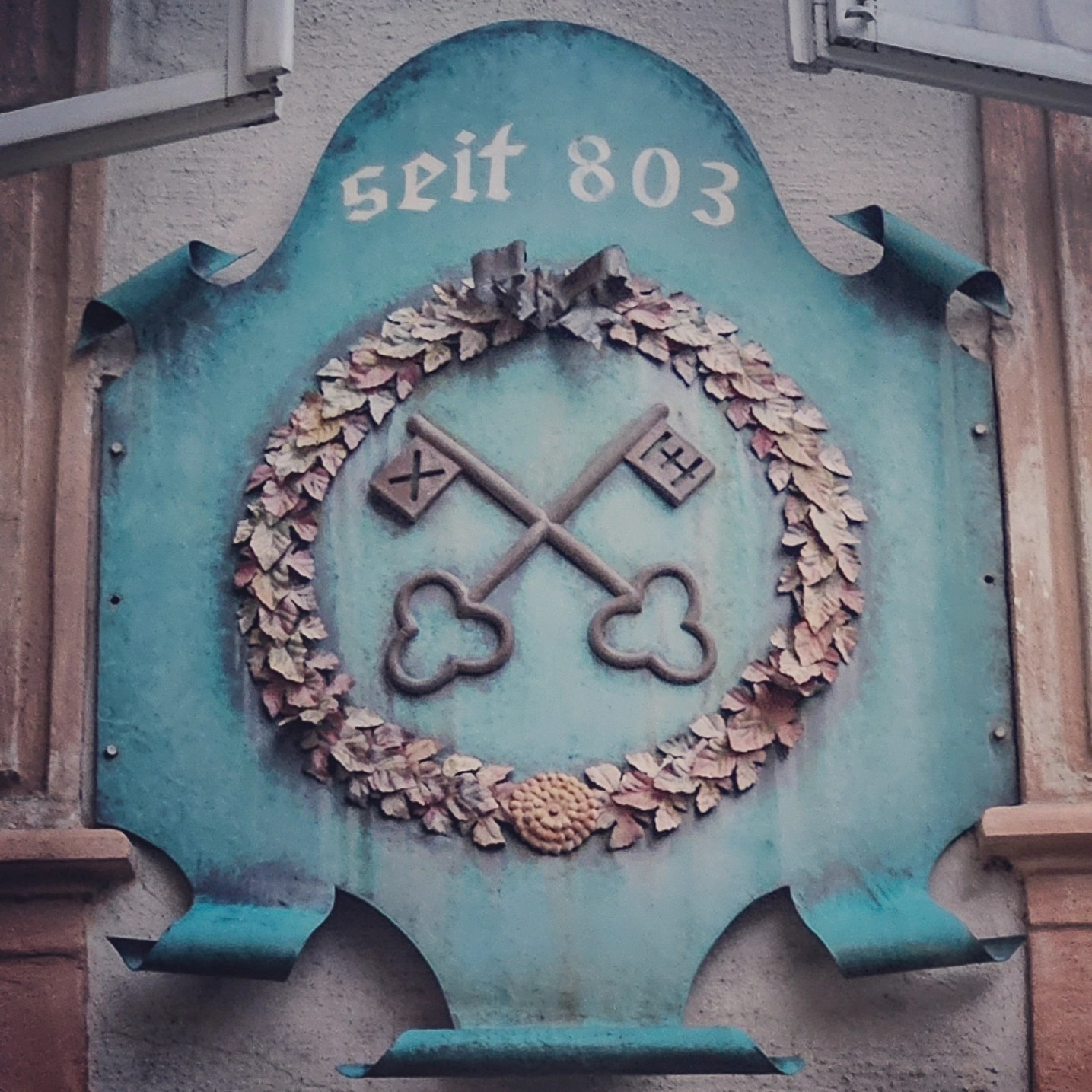
After full days of exploring Salzburg, we enjoyed slowing down in the evenings. One night, we had dinner at St. Peter Stiftskulinarium, a restaurant documented as early as 803 and often described as the oldest restaurant in Europe. The historic setting beside St. Peter’s Abbey, paired with excellent food and an amazing Salzburger Nockerl—a light, soufflé-like dessert dusted with powdered sugar—made it an easy highlight of our time in the city.
Location & Getting There
For this trip, driving gave us the flexibility we needed—especially with changing weather in the Alps and stops that don’t always line up easily with public transportation. Distances are reasonable, roads are well maintained, and having a car made it easy to adjust plans as we went.
Approximate driving distances and times:
- Stuttgart → Augsburg: ~170 km (106 miles), about 2 hours
- Augsburg → Berchtesgaden / Eagle’s Nest: ~240 km (149 miles), about 2 hours 45 minutes
- Eagle’s Nest → Hallstatt: ~75 km (47 miles), about 1 hour 20 minutes
- Hallstatt → Salzburg: ~75 km (47 miles), about 1 hour 20 minutes
If you’re driving into Austria, don’t forget that an Austrian motorway vignette is required for most highways. These can be purchased online or at fuel stations near the border, and short-term options work well for trips like this.
Helpful Tips for Planning a Similar Trip
- Check mountain conditions close to your visit. Places like Eagle’s Nest and lake viewpoints are highly weather-dependent, so flexibility can make a big difference.
- Look into the Salzburg Card if you plan to visit several attractions—it can save both time and money and simplifies entry at popular sites.
- Expect seasonal closures. Mountain attractions, funiculars, and salt mines may close or operate on limited schedules outside summer months.
- Dress for changing weather. Even on warm days, higher elevations can be cool or windy, so layers are essential.
- Plan to explore Salzburg’s Old Town on foot. Much of the historic center is pedestrian-only, and walking is the easiest and most enjoyable way to get around.
- For souvenirs, popular local options include Mozart chocolate balls, pine or gentian schnapps, Austrian crystal, and salt products from the Salzkammergut. These are easy to find throughout the region.
- For deeper planning, official tourism sites are your best resource. Regional tourism boards for Salzburg, Hallstatt, Augsburg, and Berchtesgaden offer up-to-date information on hours, closures, and lesser-known options if you want to dig further.
- Bring a Type C or Type F plug adapter. Germany and Austria use the same plug types, but travelers from countries like the U.S. or UK will need an adapter.
- Carry some cash in euros. Smaller towns, mountain restaurants, and cafés—especially around Hallstatt and alpine areas—may not always accept cards or prefer cash for smaller purchases.
- Book accommodations and popular attractions early in summer. June through September is a busy travel season in Austria and Bavaria, and places like Hallstatt and Salzburg can fill up quickly.
Final Thoughts & Looking Ahead
This first part of our road trip took us from historic cities to alpine landscapes—from punk rock in Augsburg to a quiet morning by the lake in Hallstatt, and finally into the layered history of Salzburg. Each stop offered something different to explore, and together they made for a memorable start to our journey.
In the next post, we’ll continue deeper into the mountains with stops at Eisriesenwelt, Burg Hohenwerfen, the Sound of Music Trail, and the Königssee and Obersee area—shifting the focus even more toward hiking, alpine scenery, and time in nature.
Have you visited any of these places Germany or Austria? Share your thoughts, questions, or favorite memories in the comments below—I’d love to hear from you!


Leave a Reply