Crete had been on our travel wish list for years—not just because it’s Greece’s largest island, but because of how much variety is packed into it. Rugged mountains, pink-sand beaches, ancient palaces, villages tucked into hillsides, and monasteries hidden in quiet valleys… all shaped by thousands of years of history.
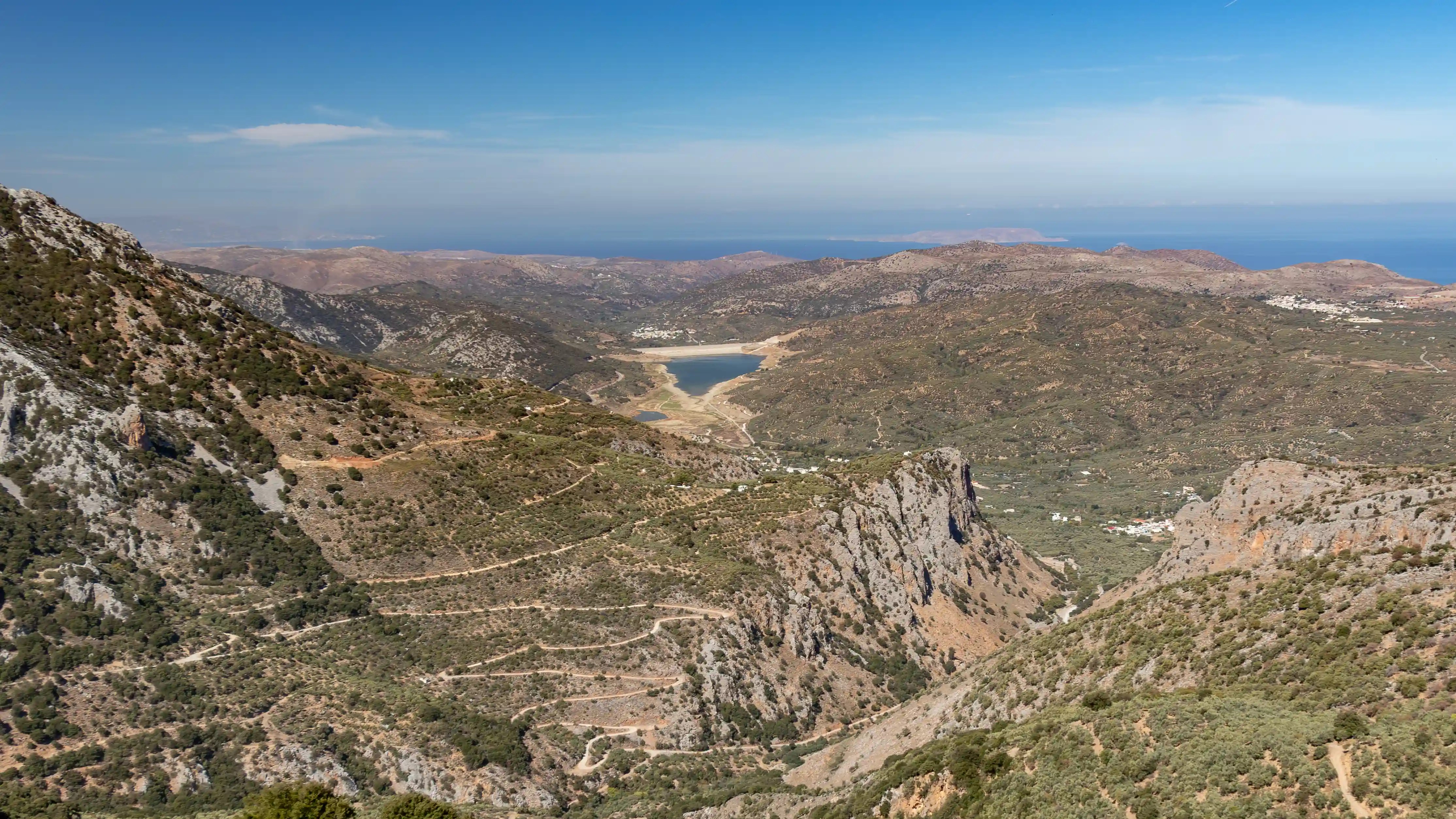
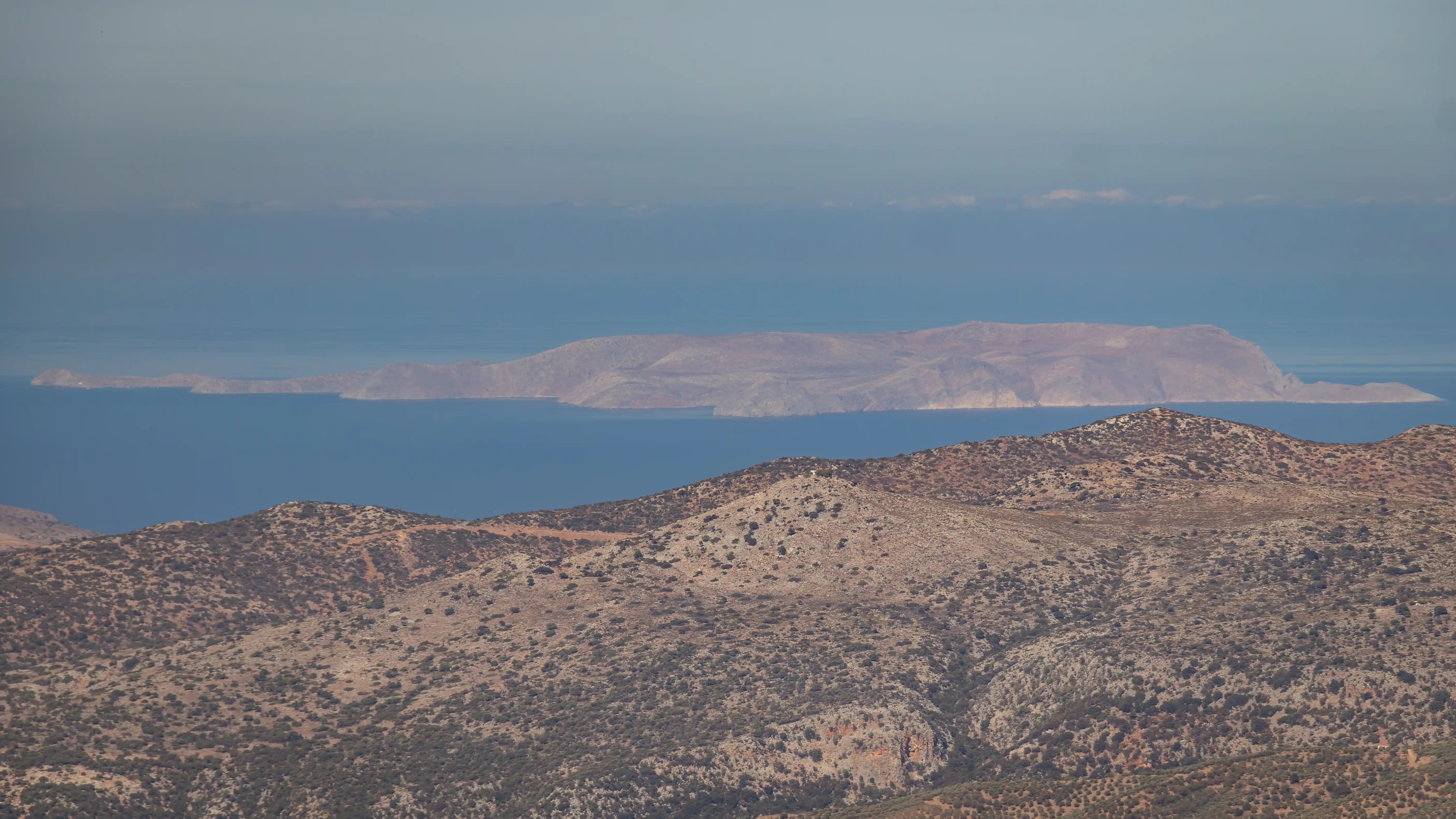
Greece has more than 200 inhabited islands, each with its own character, but Crete stands apart. Positioned between mainland Greece and North Africa, it became a crossroads of civilizations: Minoan, Greek, Roman, Byzantine, Venetian, and Ottoman. That blend is still visible today in everything from archaeological sites to local traditions.
Because the island is so large—stretching roughly 260 km (162 miles) from end to end—each region of Crete has its own distinct feel. For this October trip, we stayed mainly on the north-central coast near Hersonissos—an area known for its coastal towns, mountain villages, and easy access to both Heraklion and the Lasithi Plateau. It didn’t take long to realize that one week only scratches the surface. Crete is vast, beautiful, and full of places worth exploring—far more than one post could hold. So welcome to Part I of our Crete adventure.
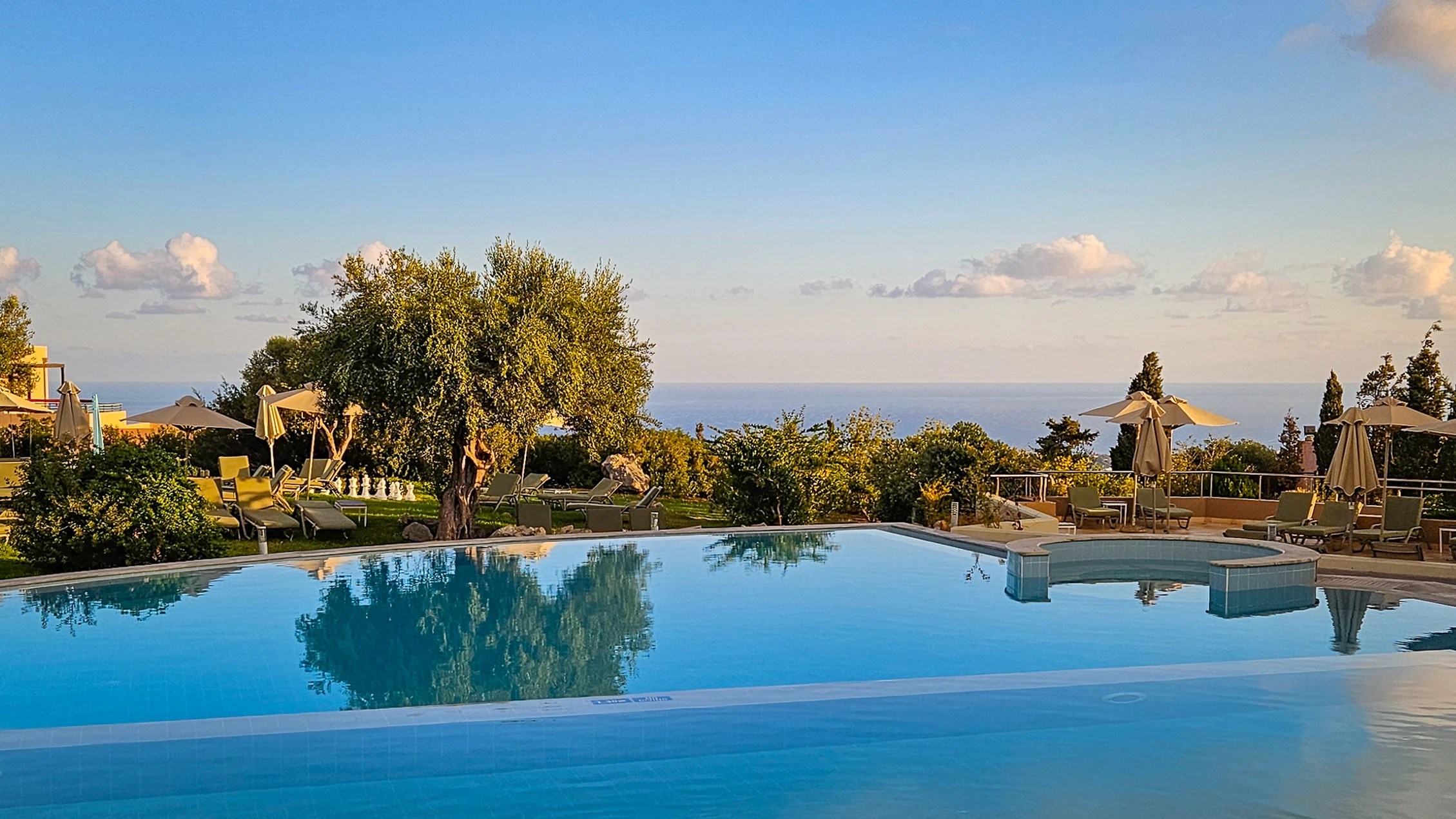
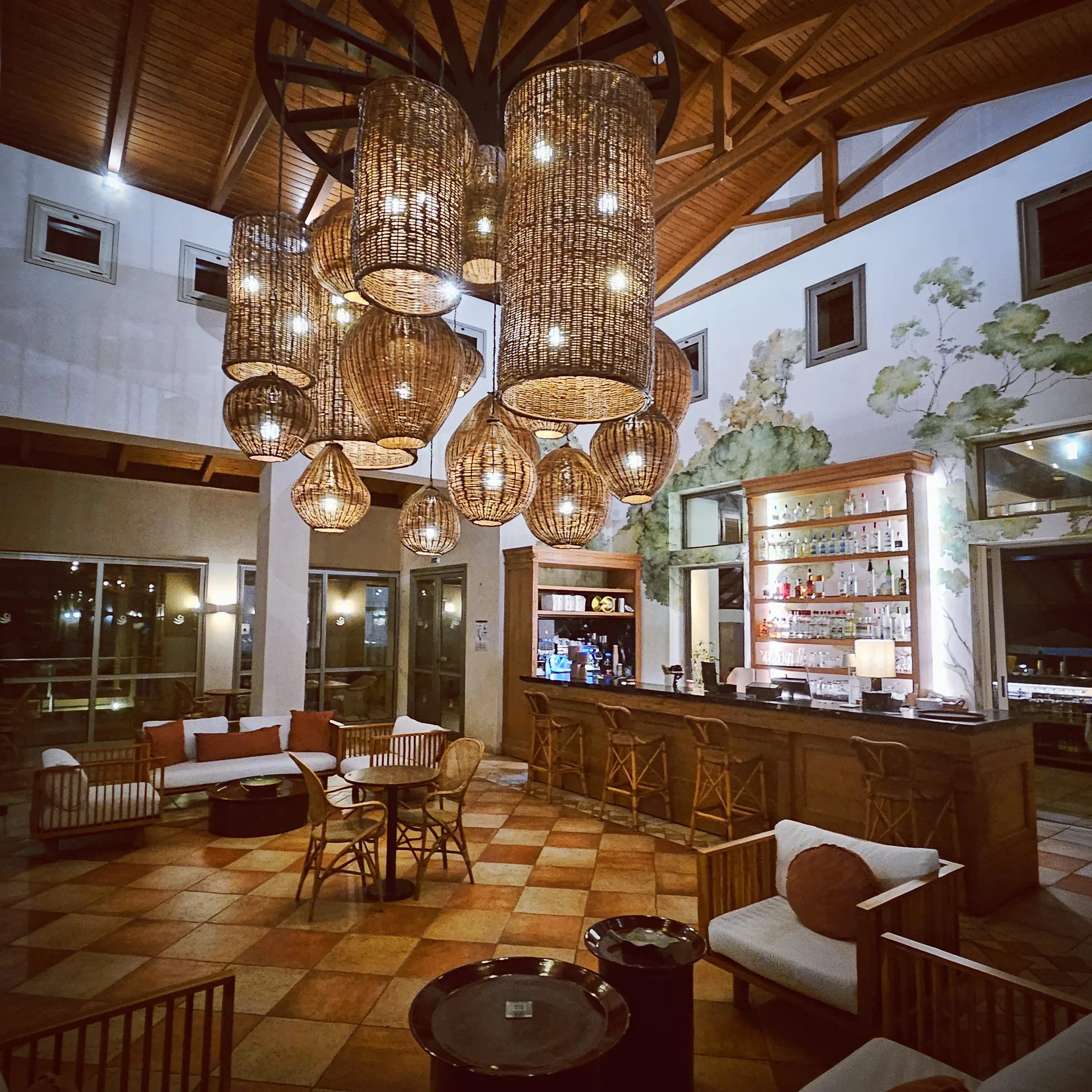
Village Heights Resort
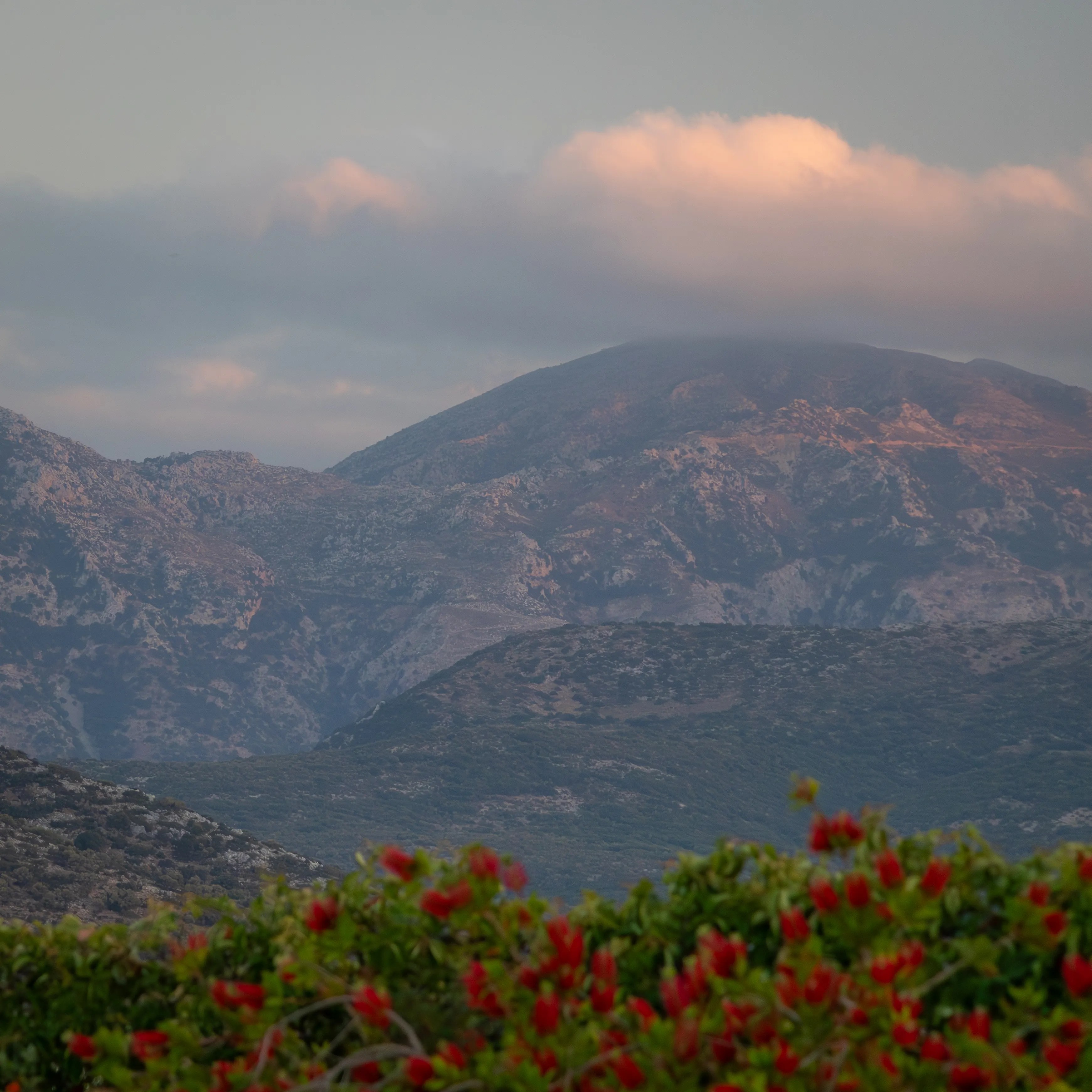
Our home base was Village Heights Resort, set on the hillside just above the traditional village of Ano Hersonissos—also known as Old Hersonissos—and a short drive from the coastal town of Hersonissos (often spelled Chersonissos; both refer to the seaside town). Ano Hersonissos, meaning “Upper Hersonissos,” is a separate inland village with a quieter, more traditional feel. It turned out to be the perfect place to unwind—peaceful, comfortable, and just far enough away to feel like a retreat after long days of exploring.
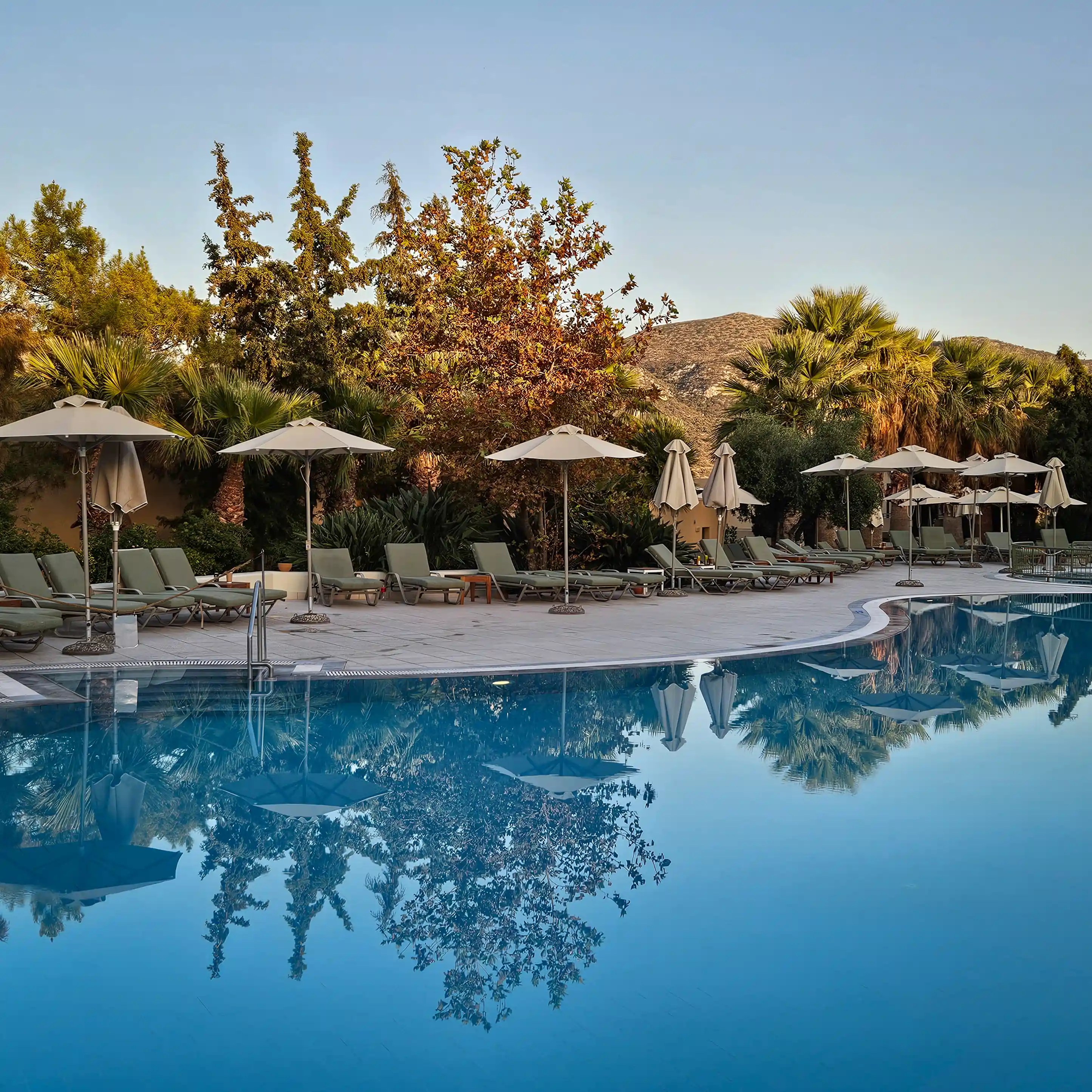
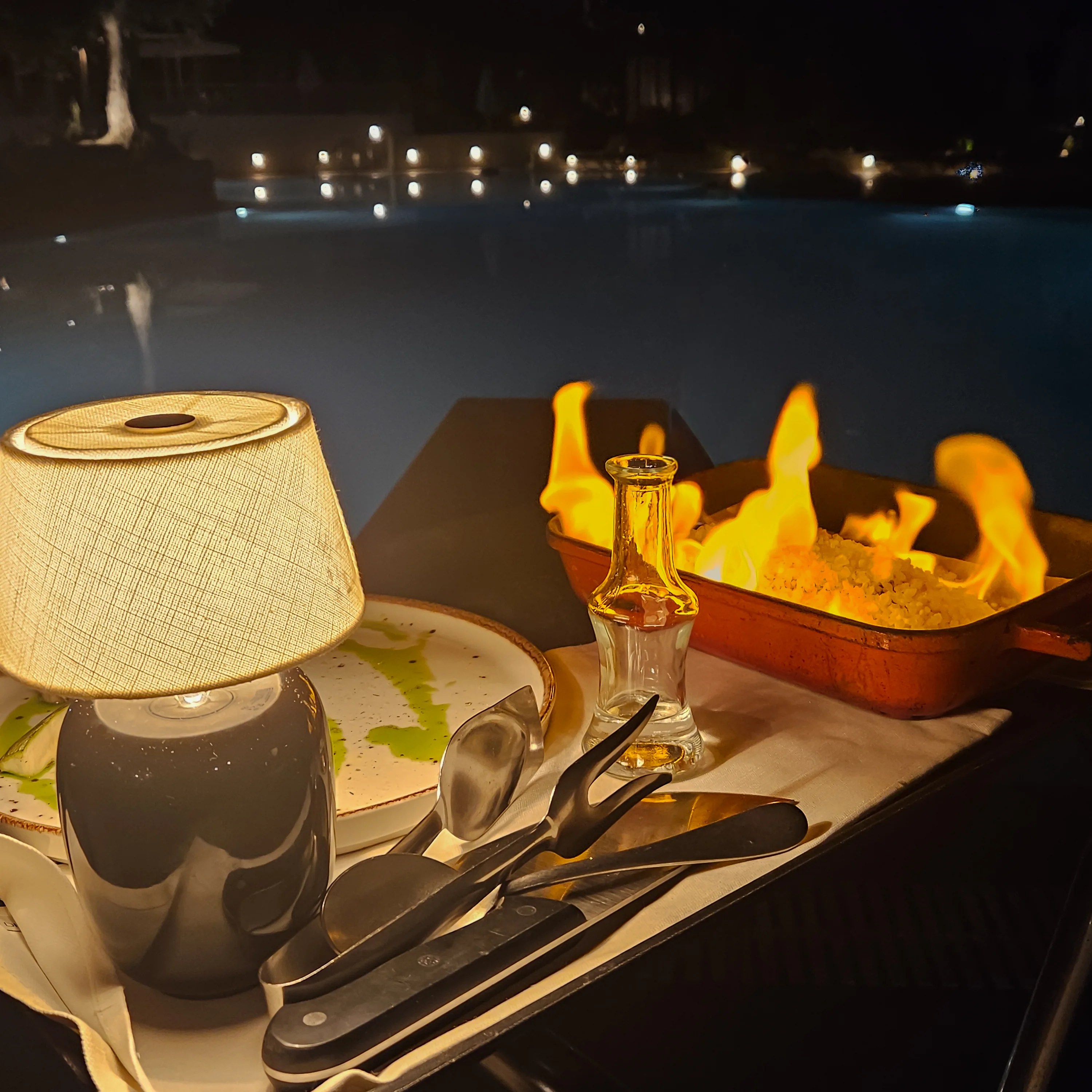
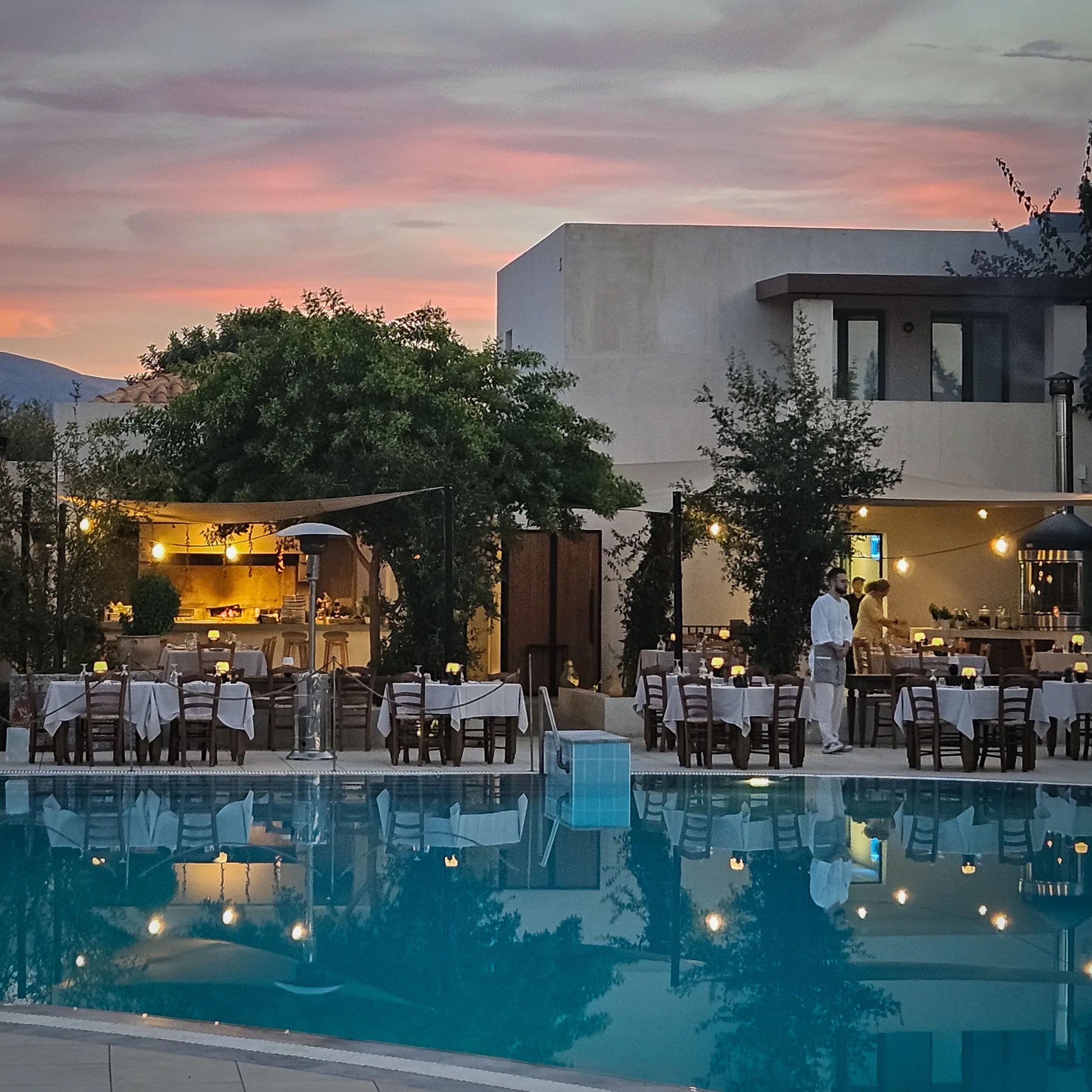
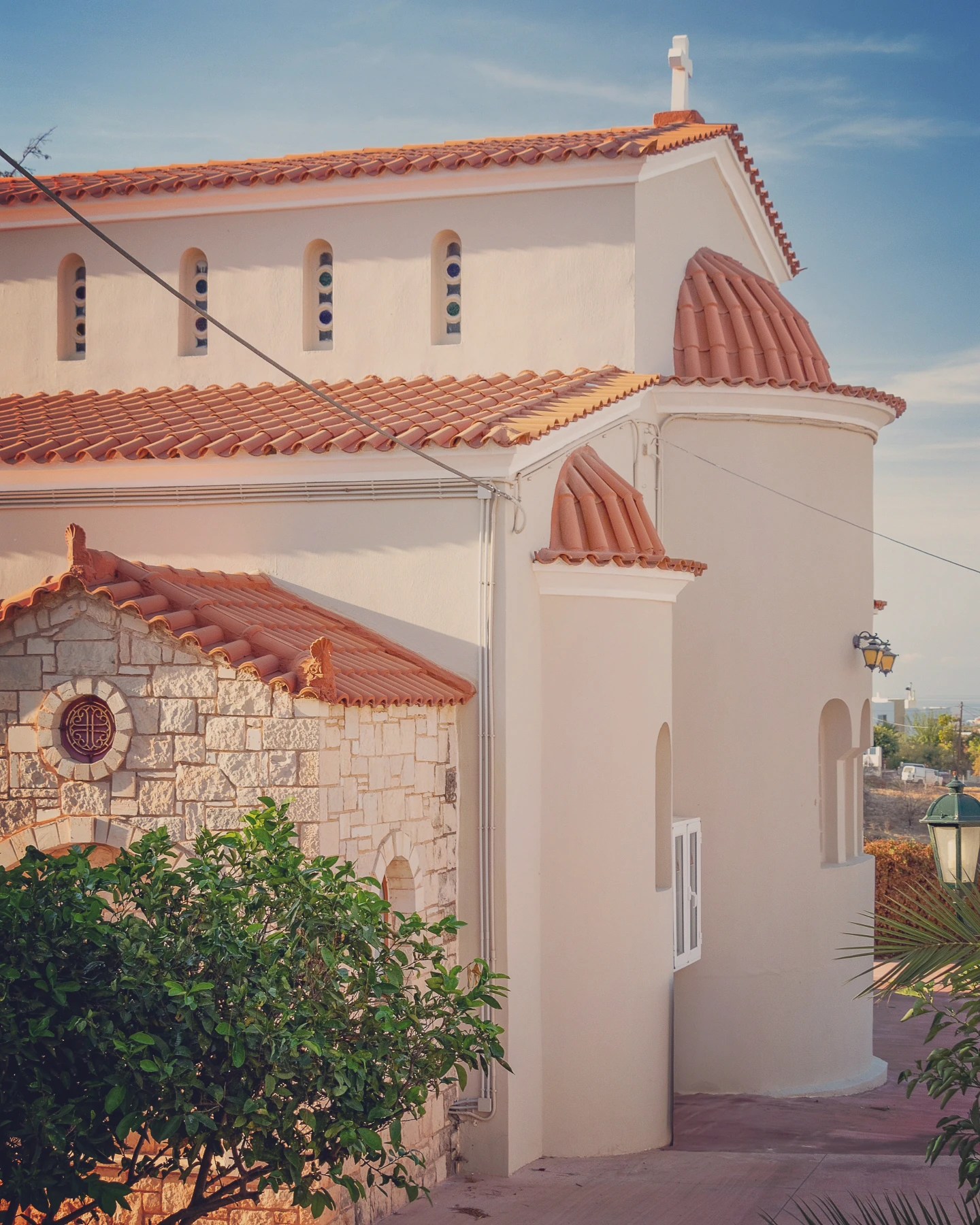
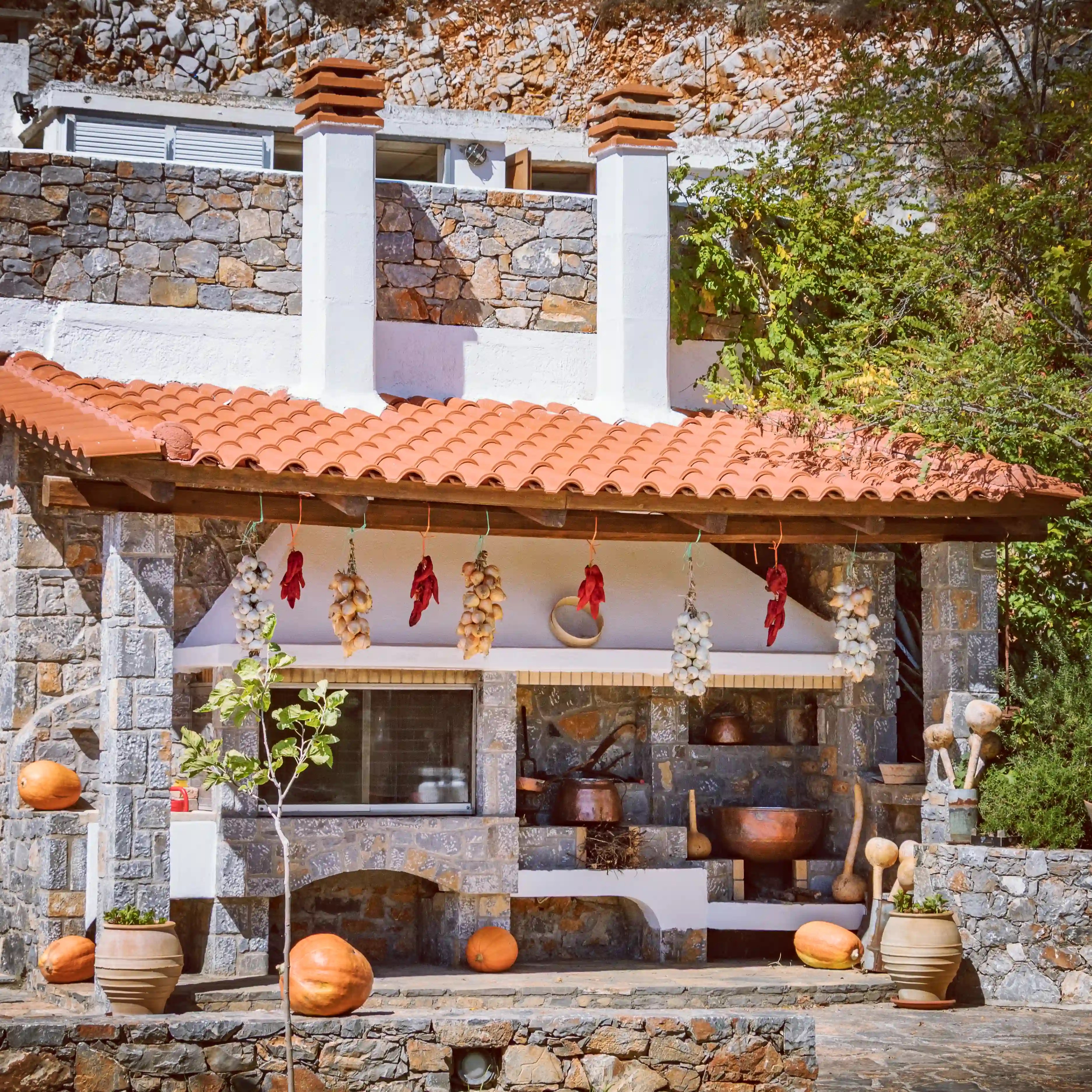
Our apartment was a one-bedroom with a small kitchenette, and the pools and gardens were beautiful. Rodies Restaurant became a favorite for both breakfast and dinner—their outdoor oven alone deserved its own photo session.



Hersonissos, Ano Hersonissos & Star Beach Village
Hersonissos is one of Crete’s most popular coastal towns—known for its long waterfront, sandy coves, energetic beach clubs, and endless cafés and restaurants lining the sea. It was an easy place for us to visit thanks to the resort’s free shuttle, which ran several times per day and dropped guests close to the beach.
We spent a warm, sunny day at Star Beach Village, where we rented an umbrella and loungers and settled in for a relaxing stretch by the water. The beach has a fun, upbeat atmosphere but is genuinely beautiful, with clear blue water and sandy coves, plus a small resort water park nearby. After swimming, we walked the waterfront toward Hersonissos Harbor—a pleasant stroll past beach bars, shops, and lovely sea views. That evening, we stayed for dinner at Don Julio’s, a Mexican restaurant right on the water.
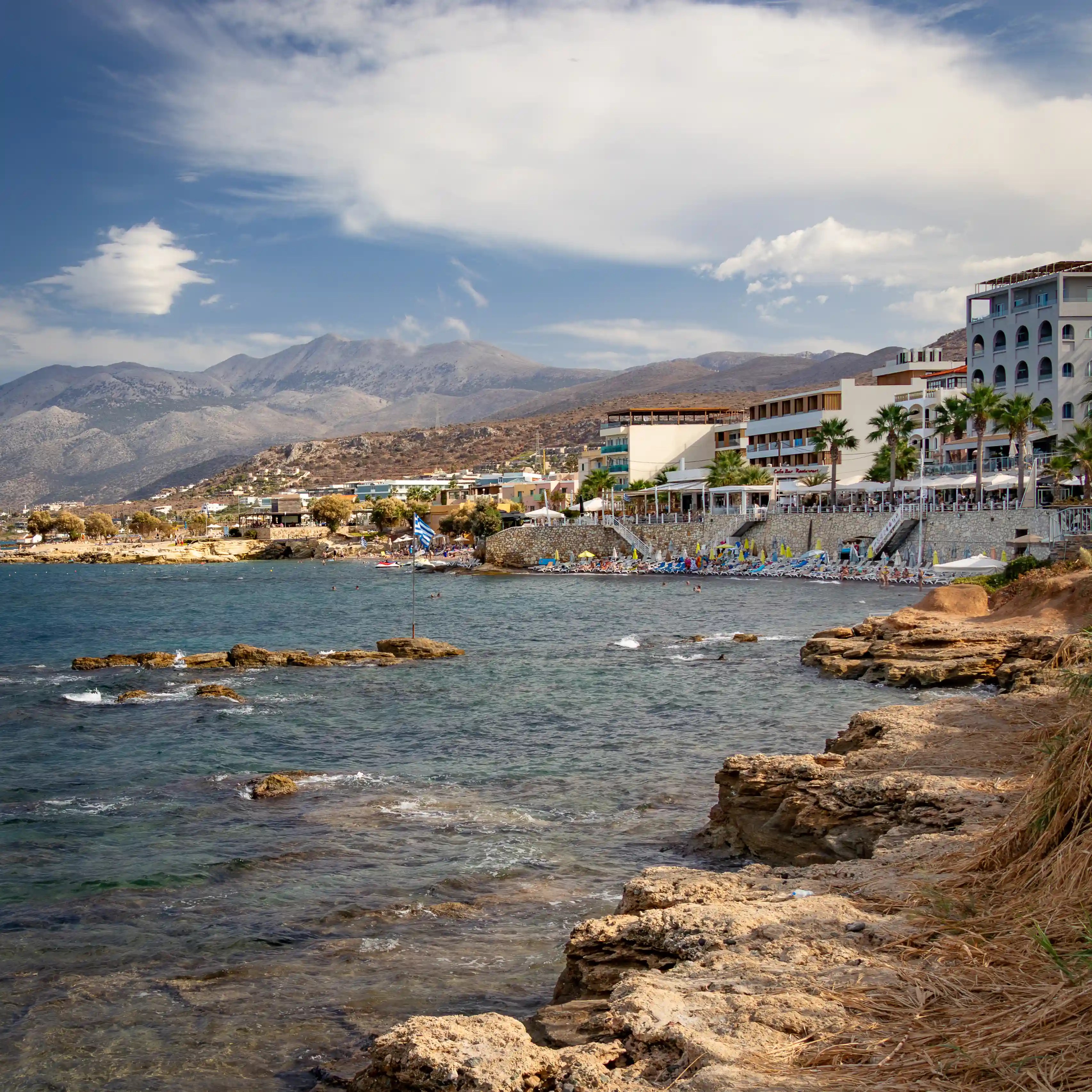
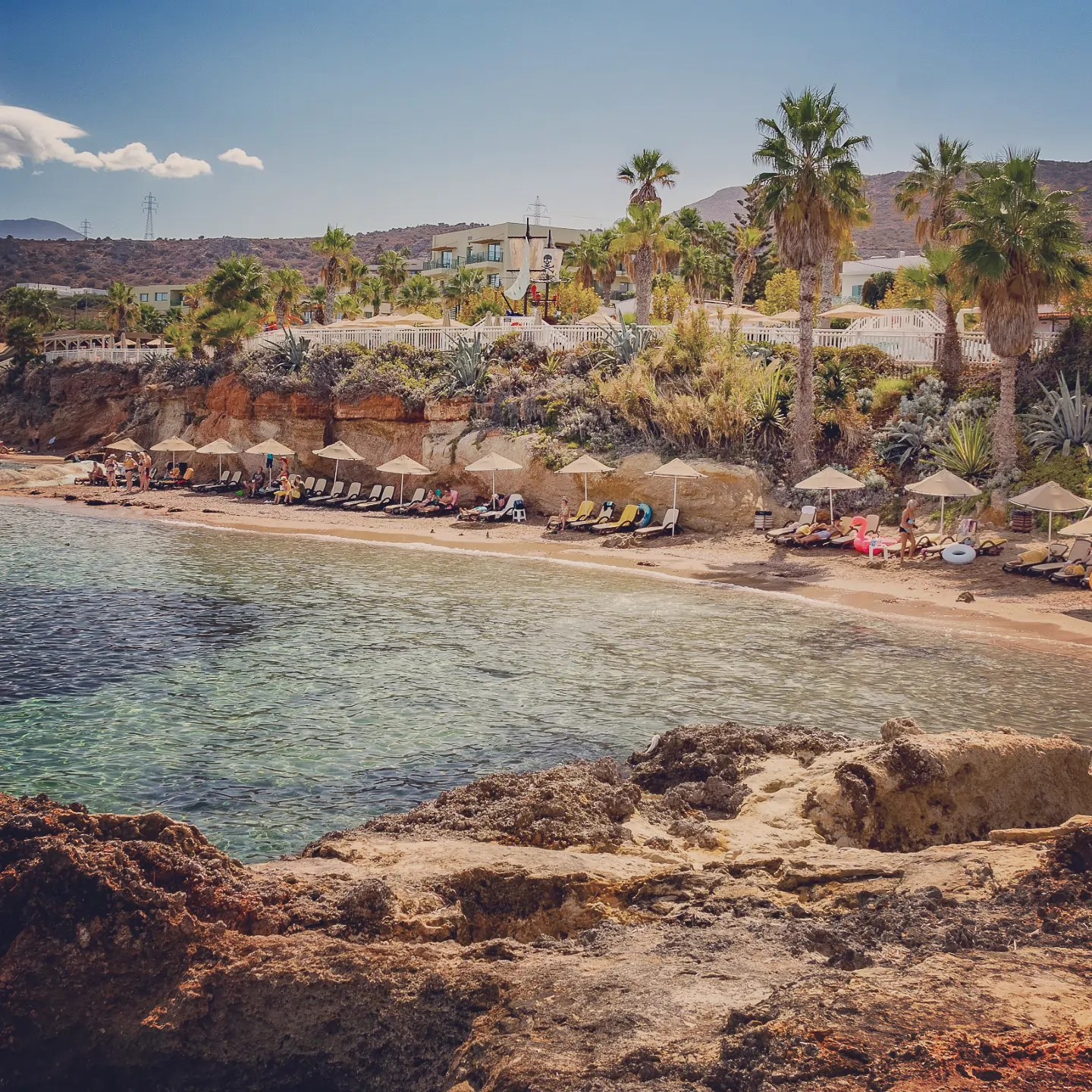
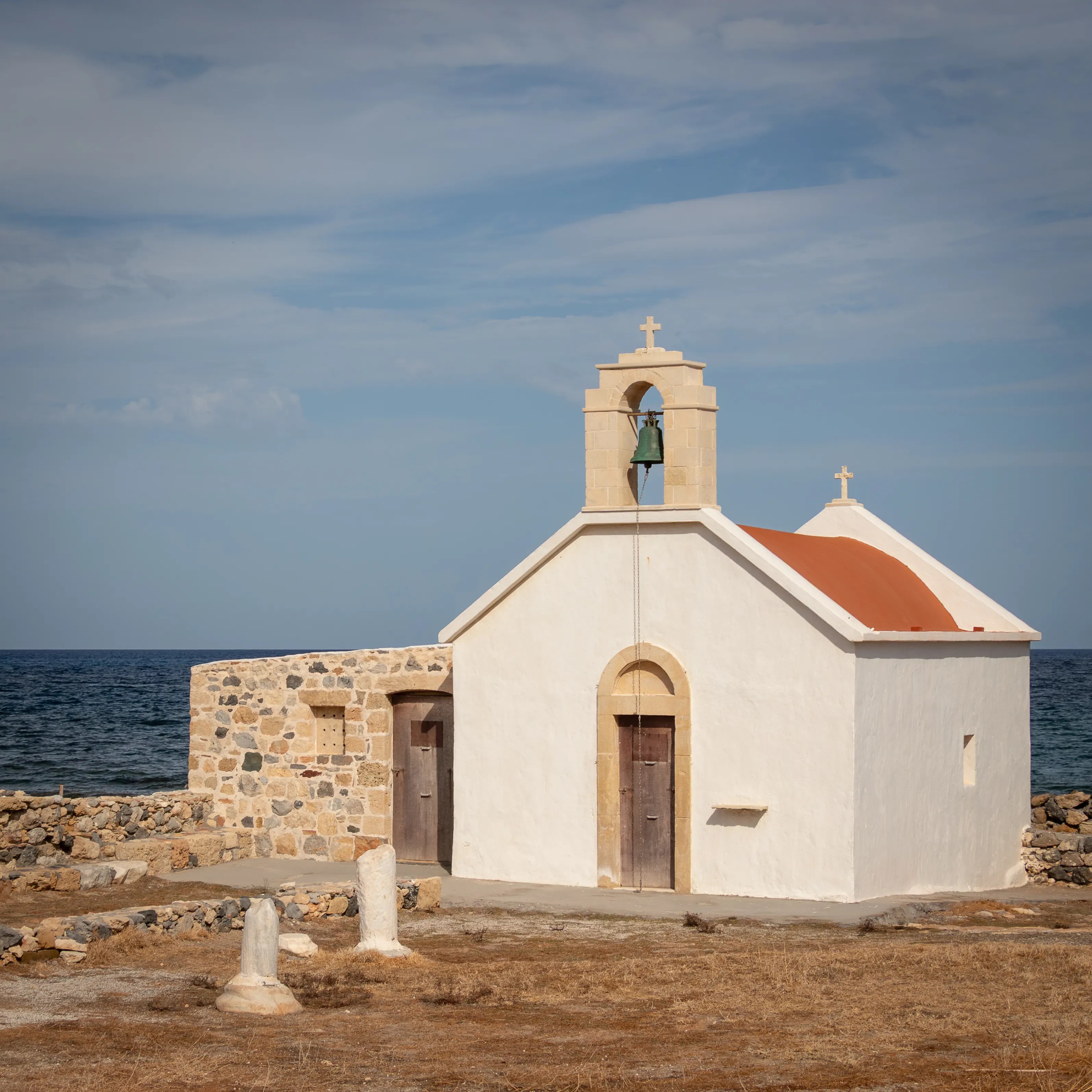

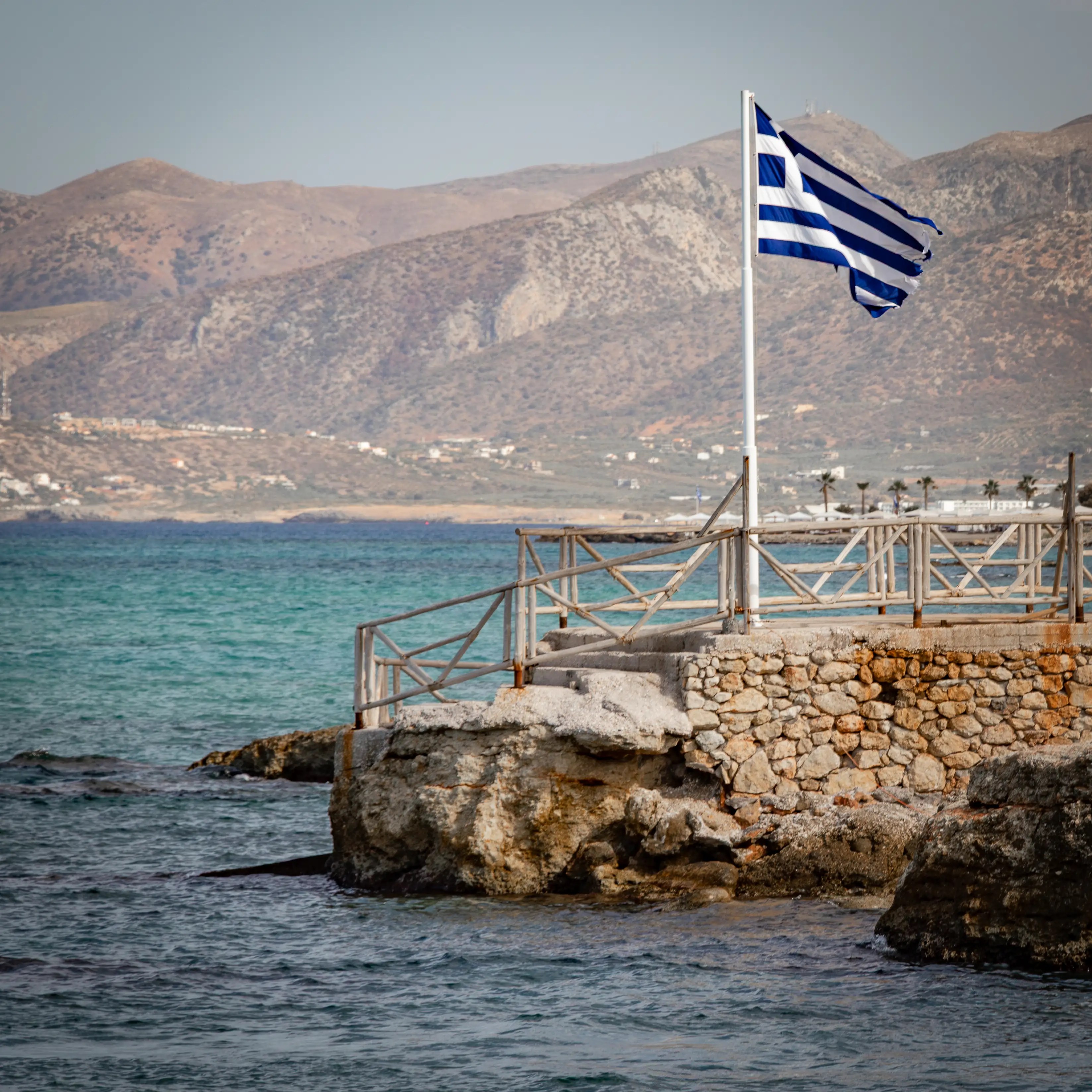


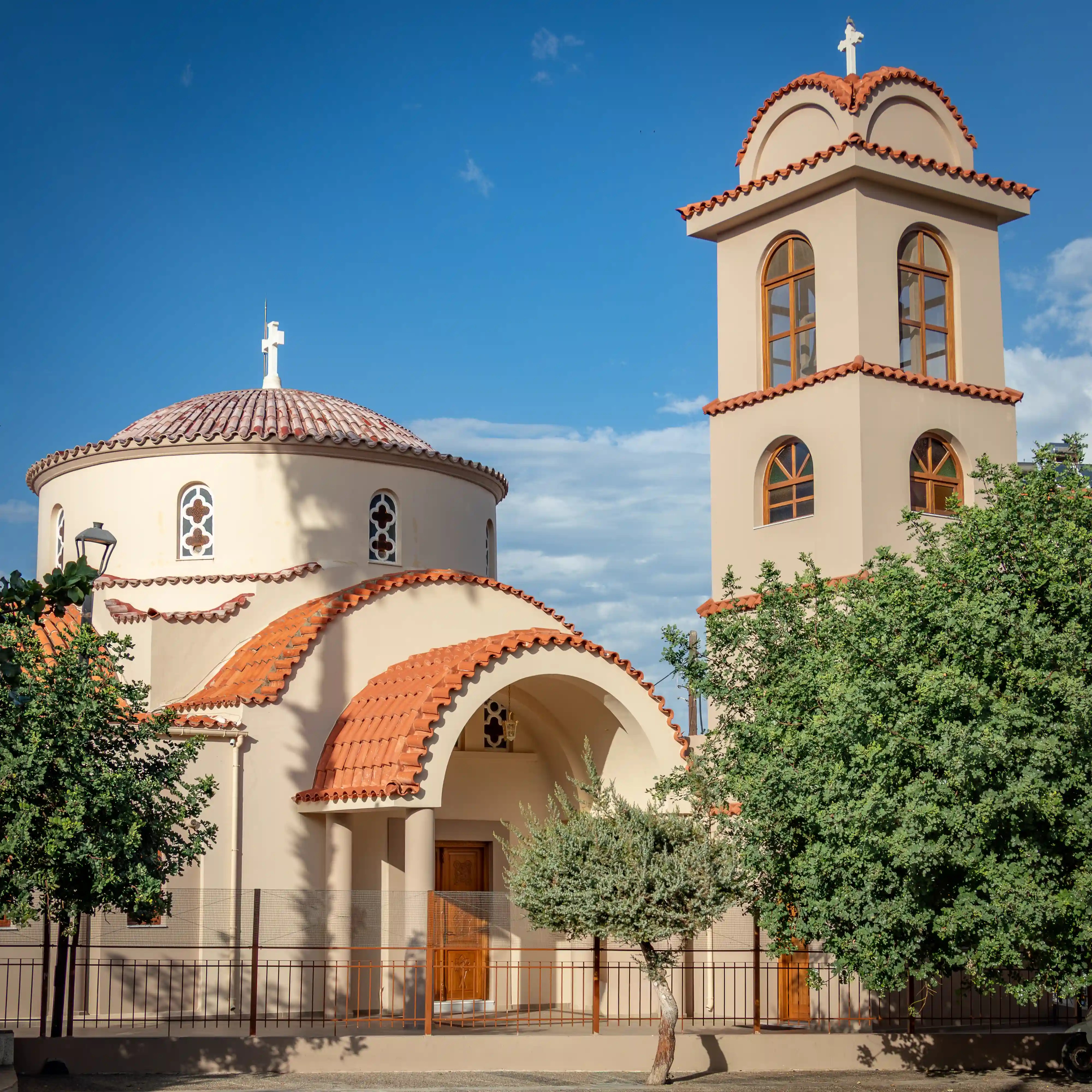
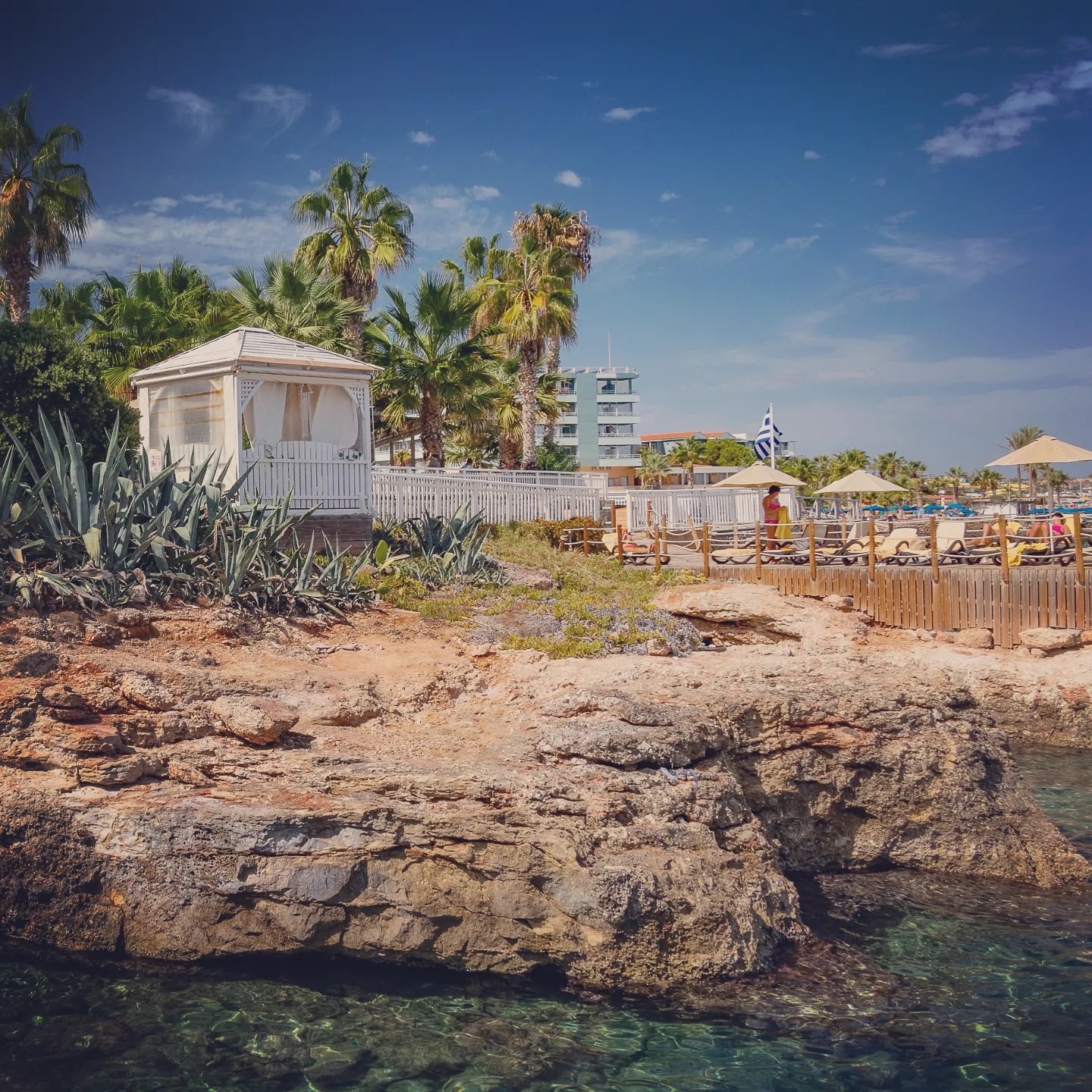
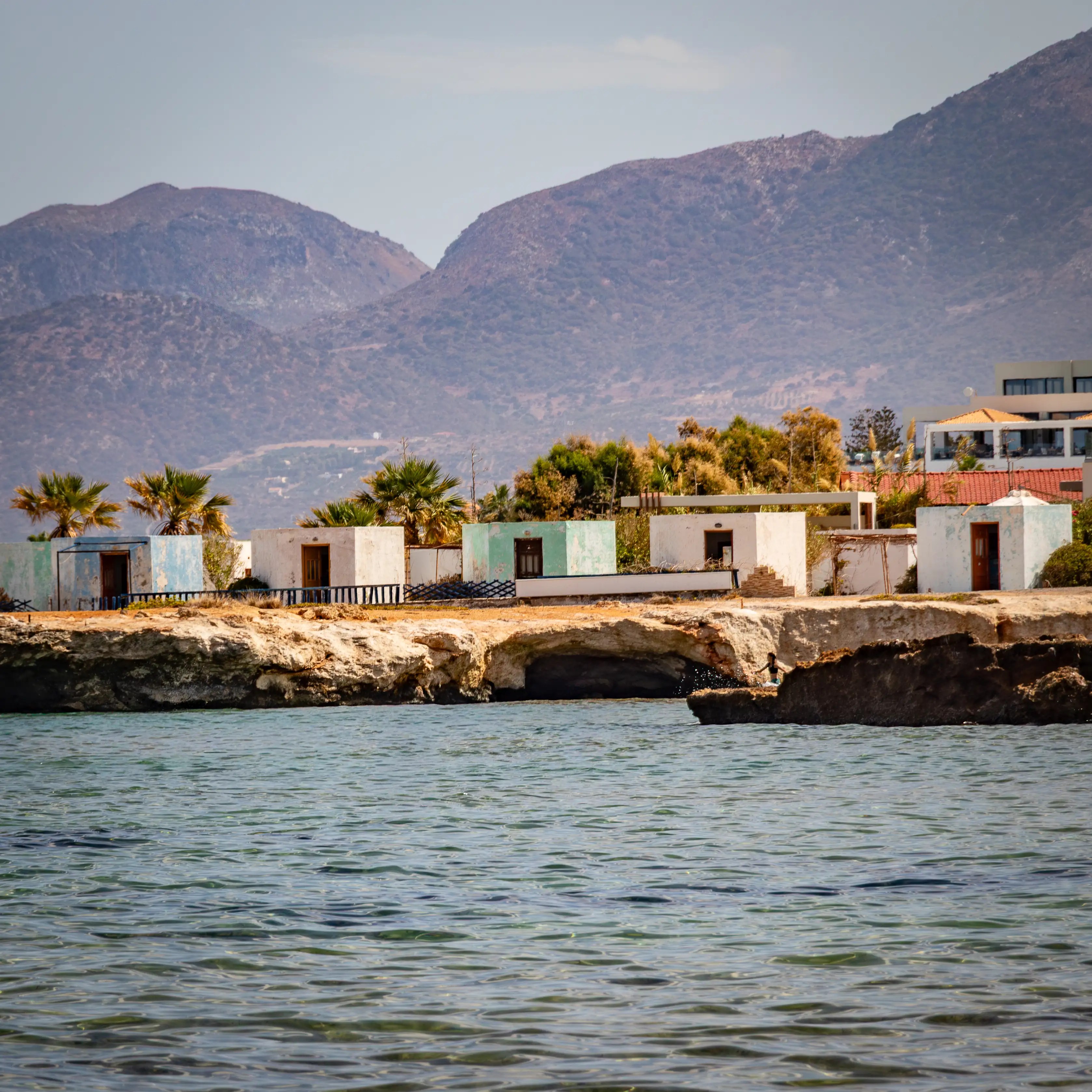


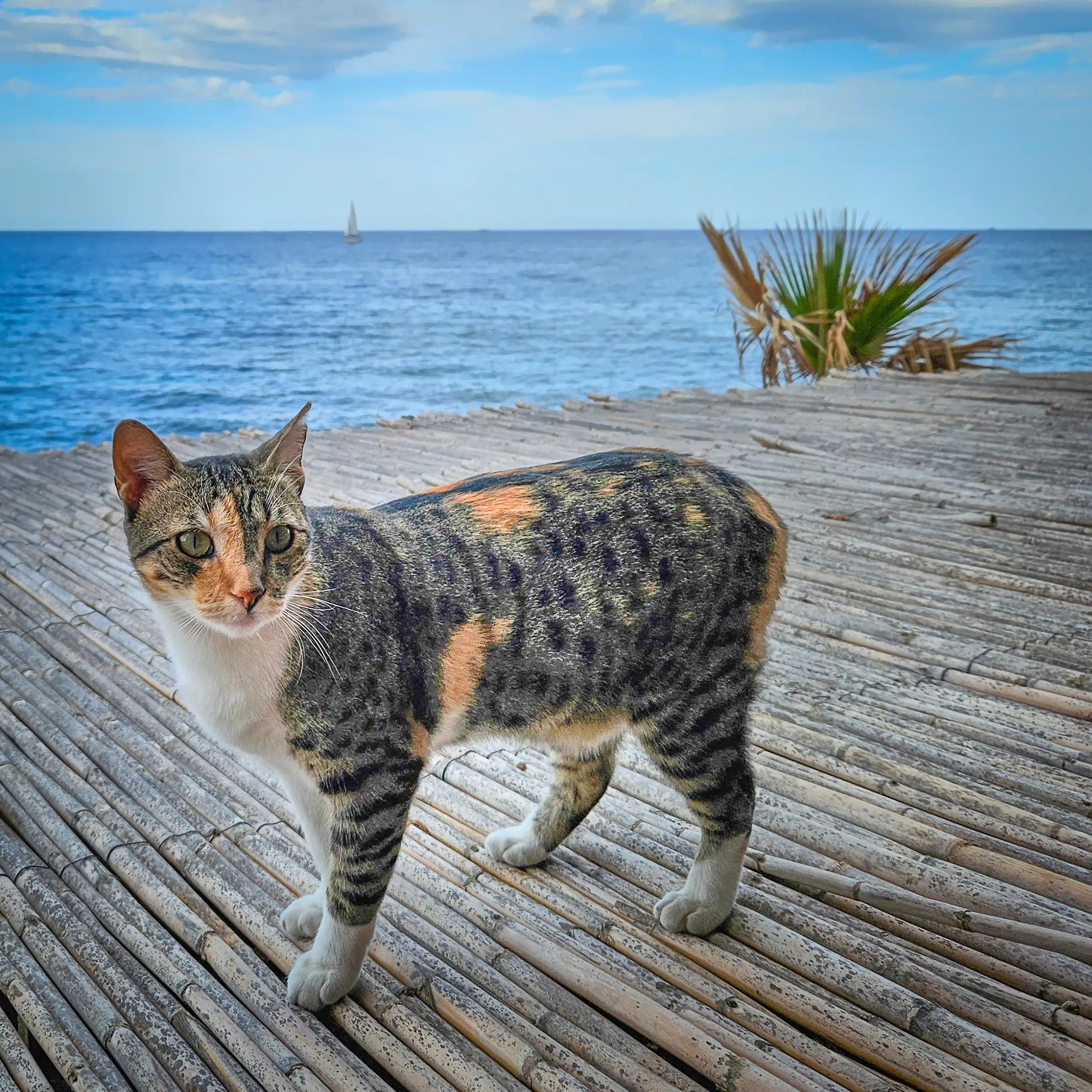

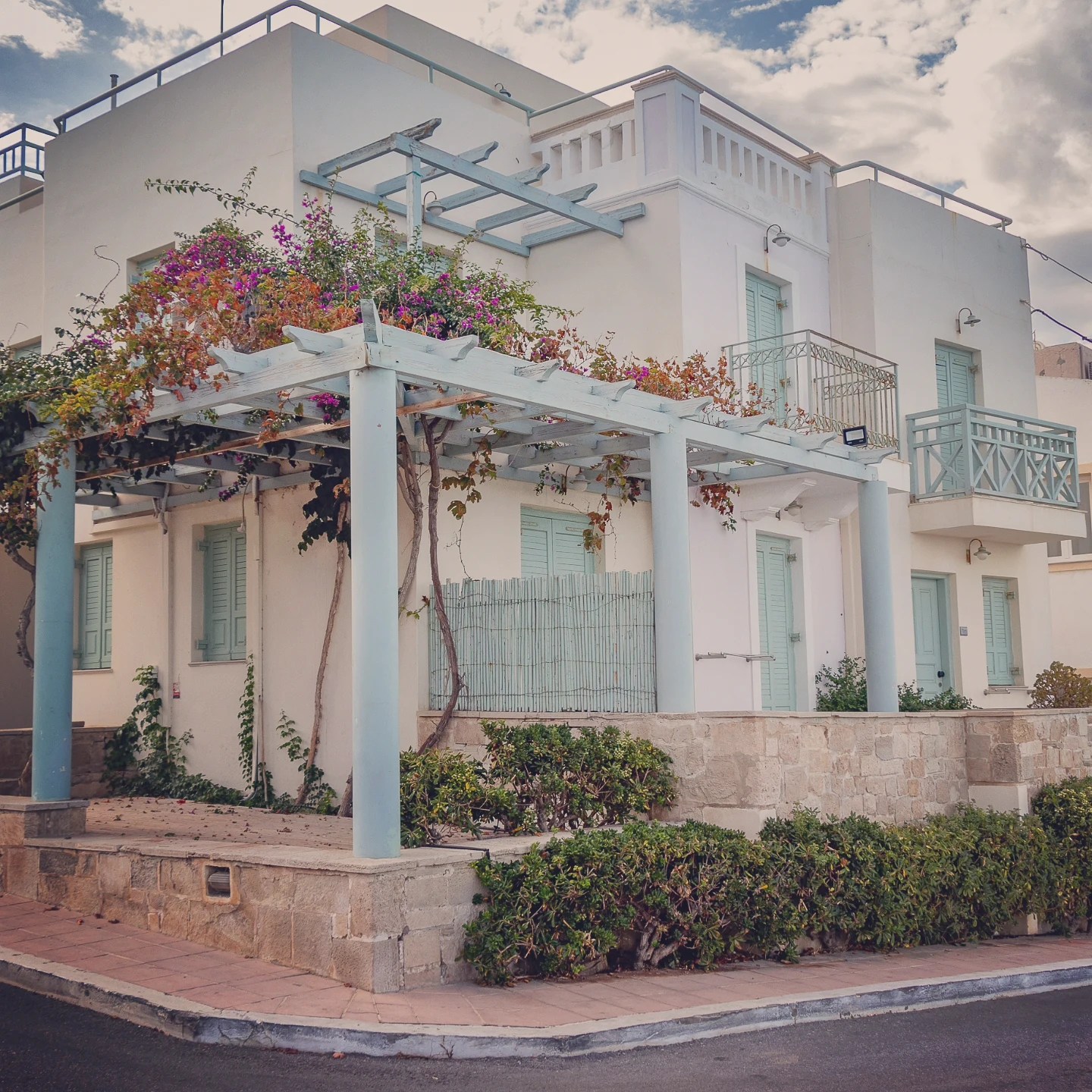
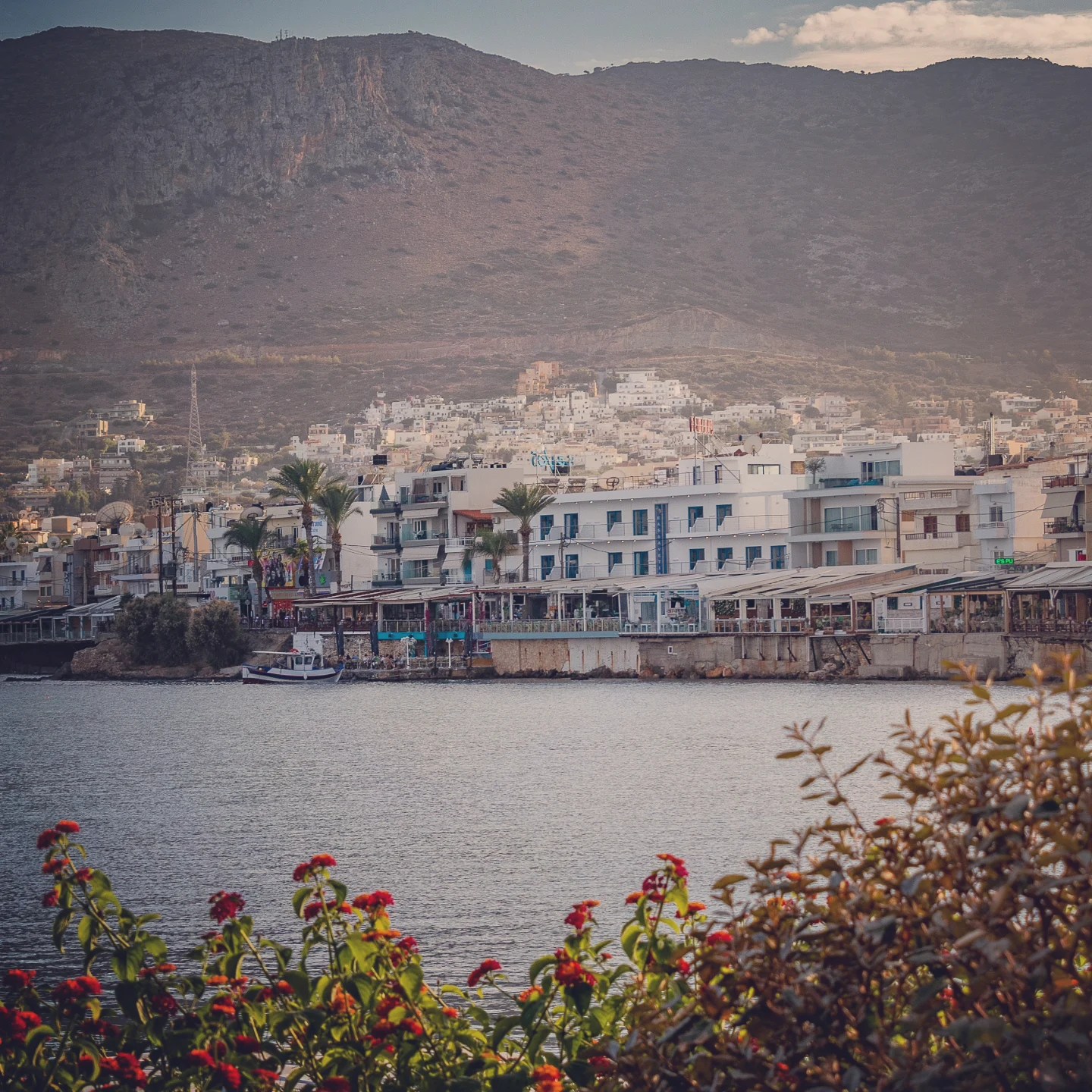
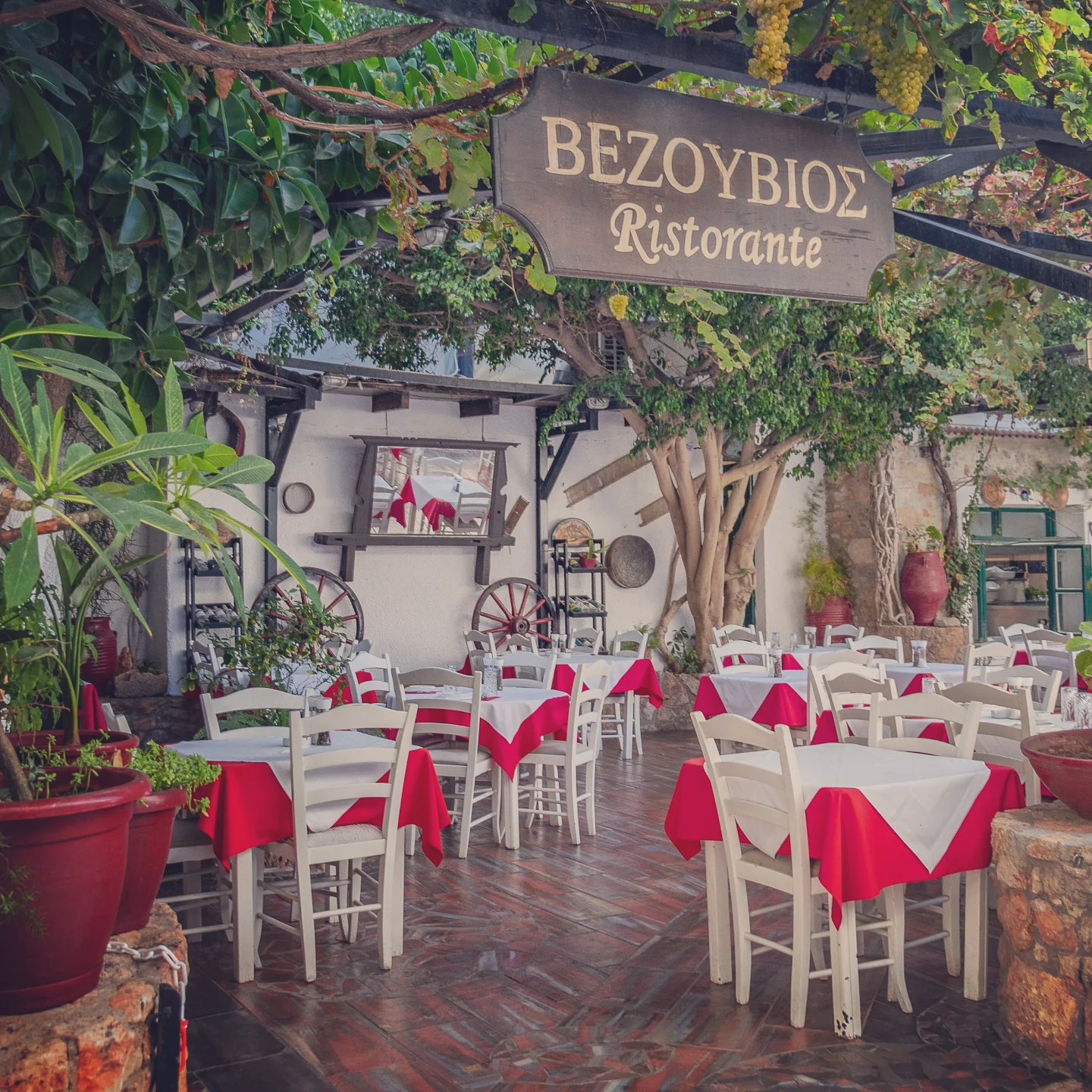


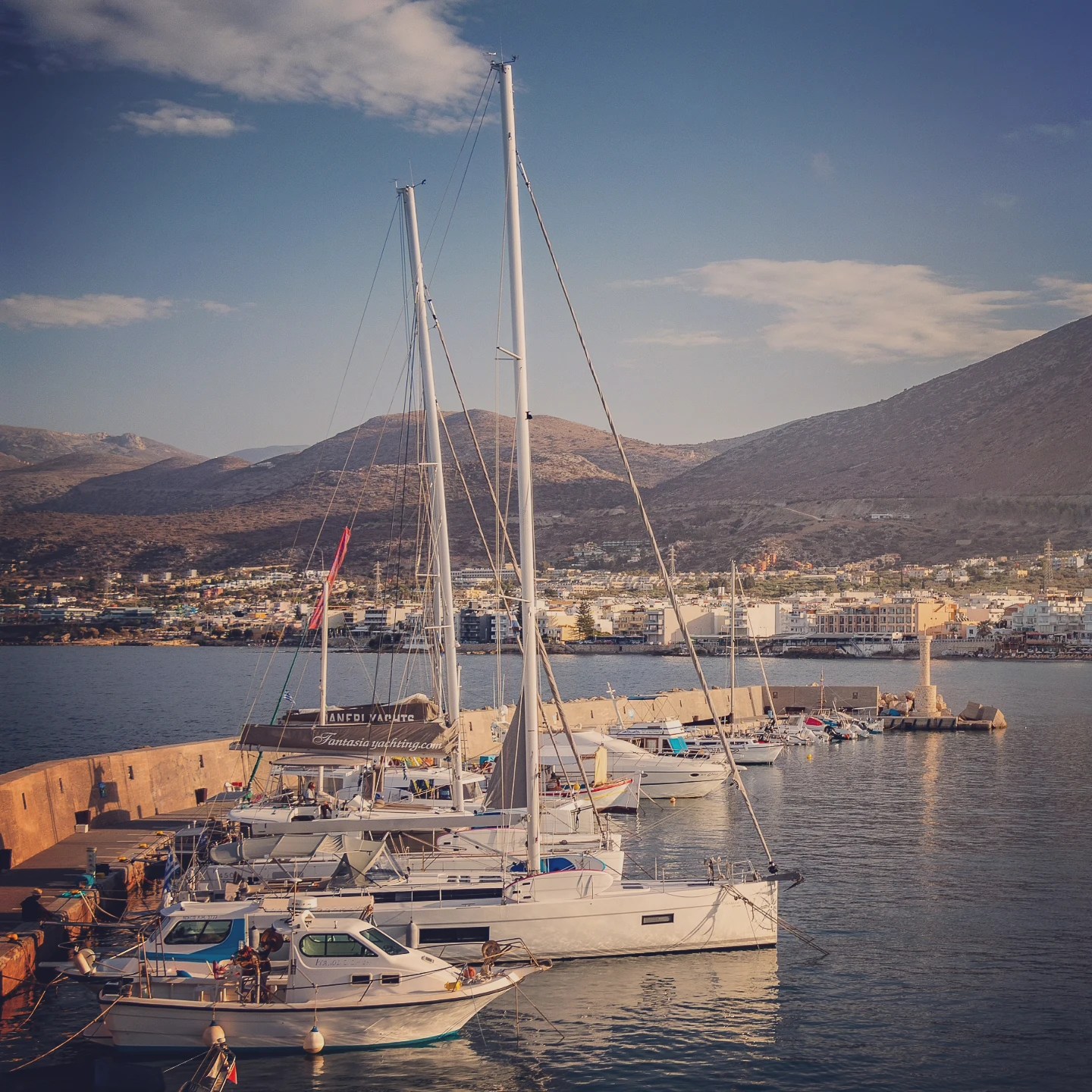
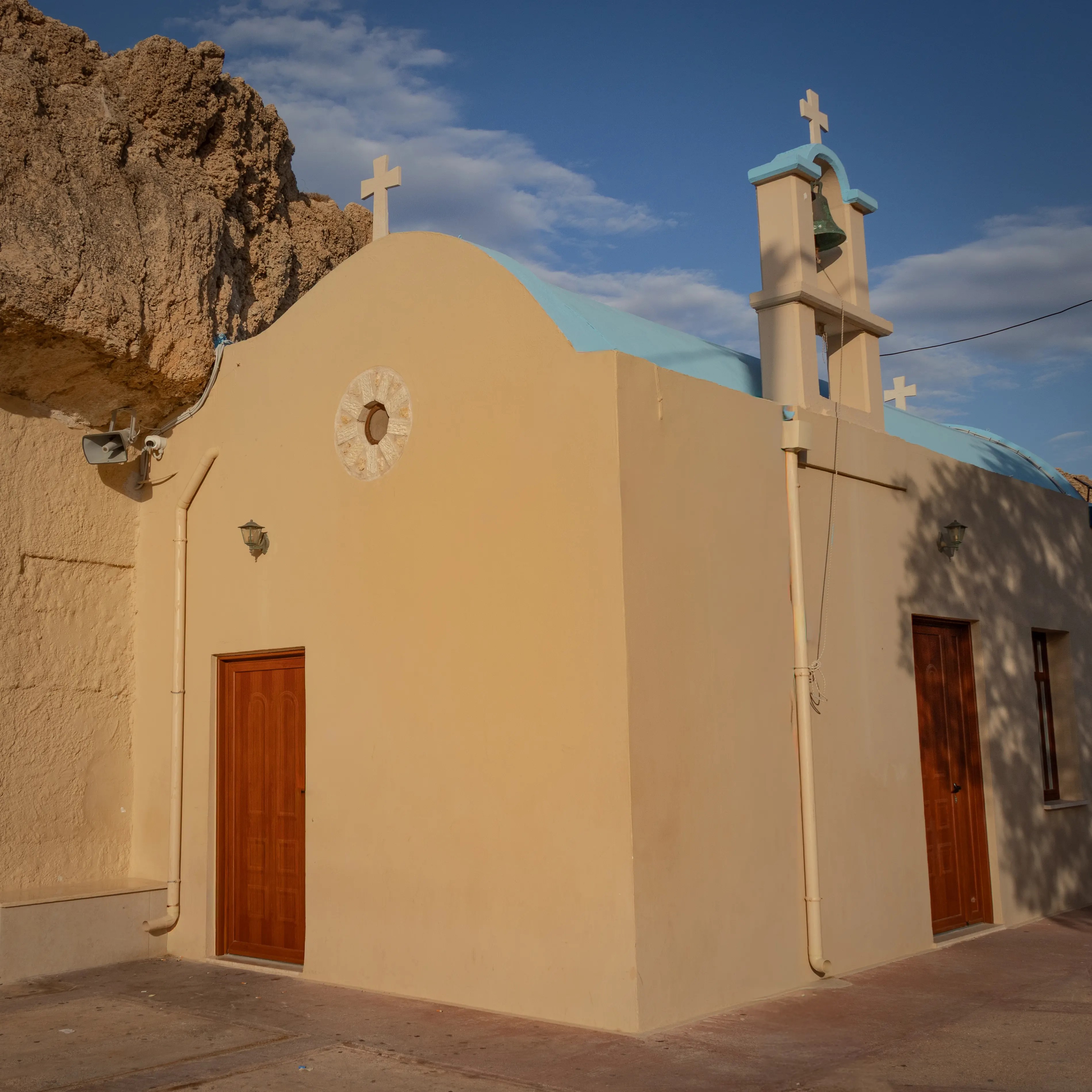
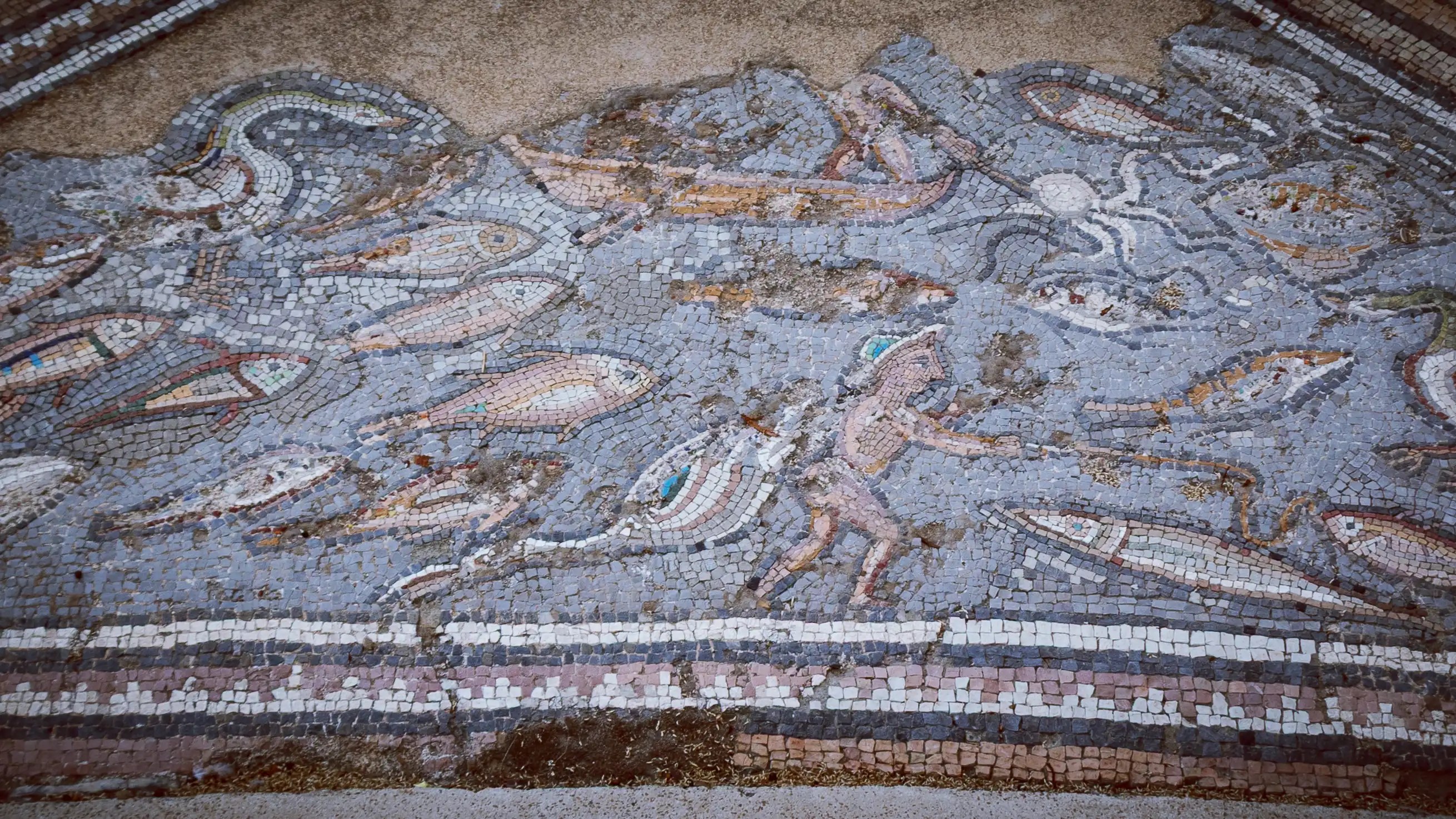
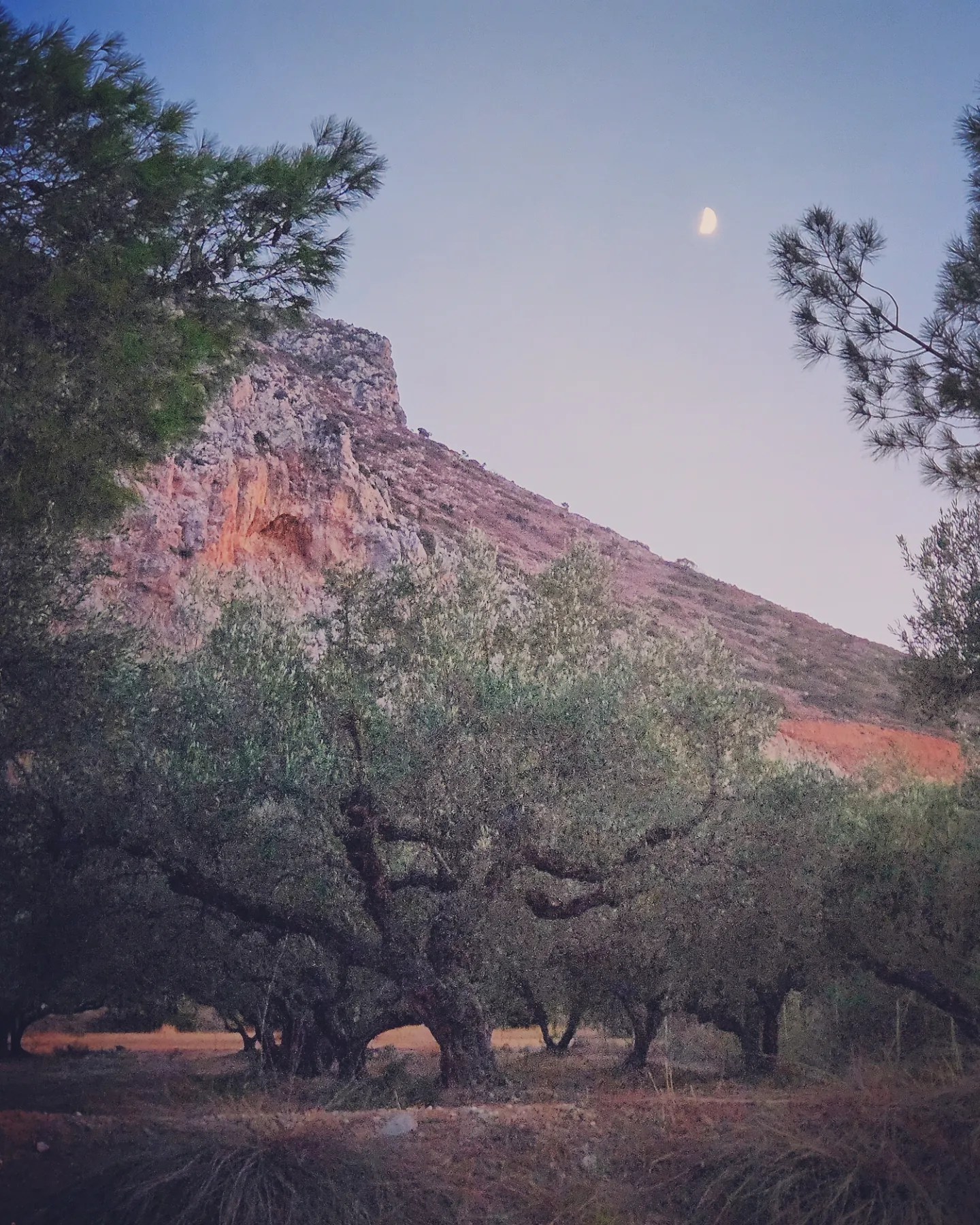
A few nights later, we explored Ano Hersonissos, the traditional inland village above the coast. It feels completely different from the beach town below: narrow lanes, stone houses, quiet squares, and several local tavernas serving classic Cretan dishes.
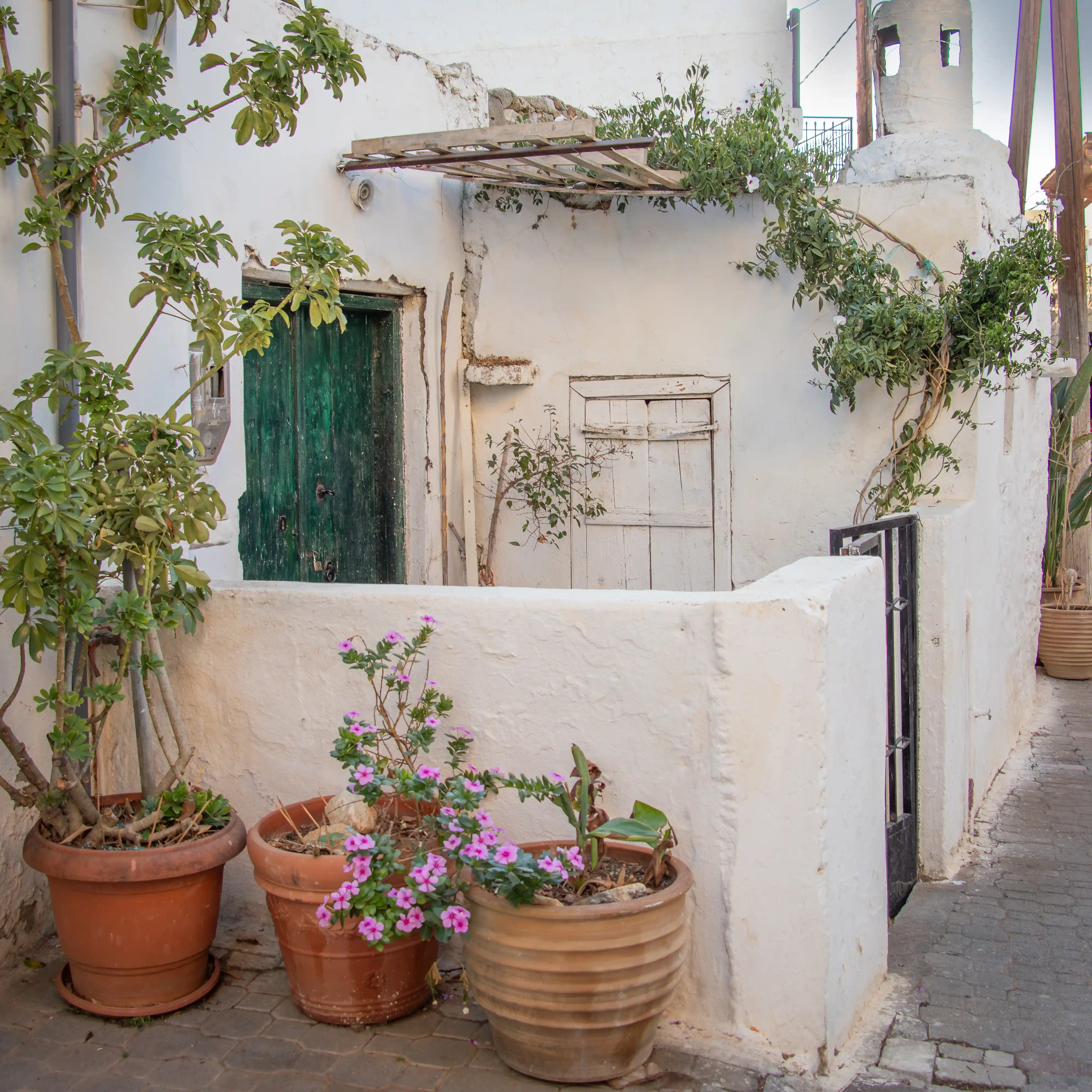
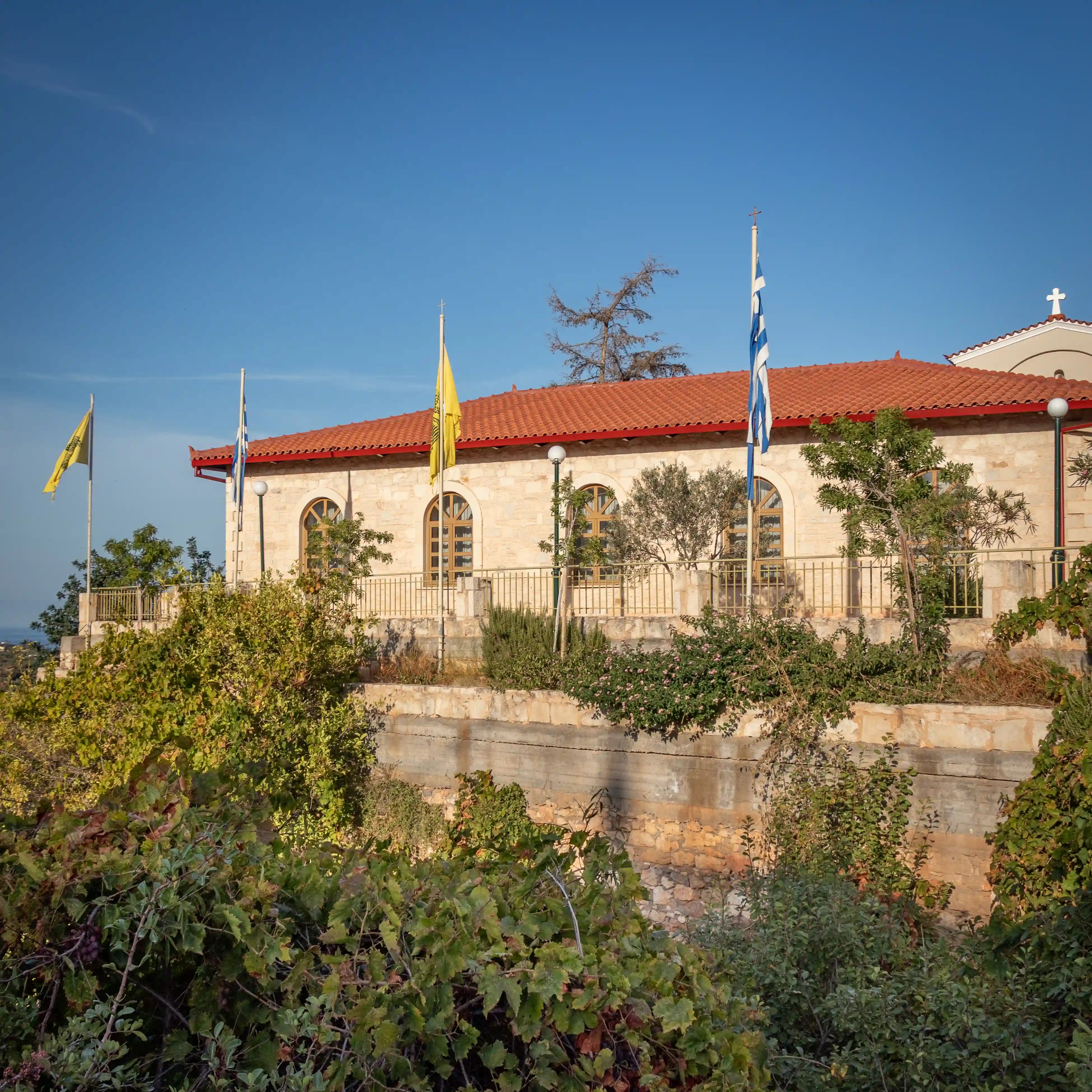


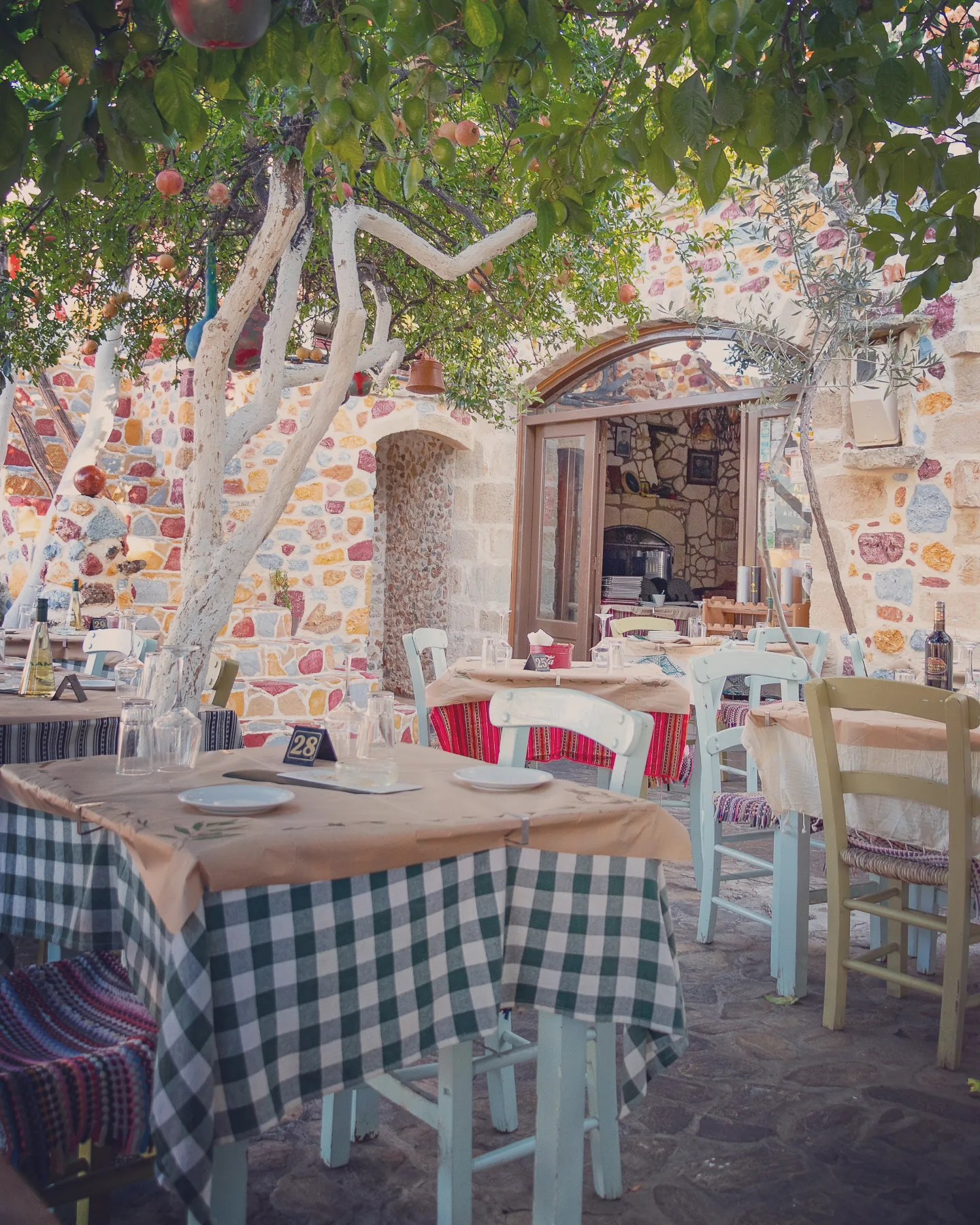
We had a wonderful traditional dinner at Petrina Taverna (Ta Petrina) and really enjoyed the slower pace and village atmosphere.

A Day in Heraklion & The Palace of Knossos
The Palace of Knossos
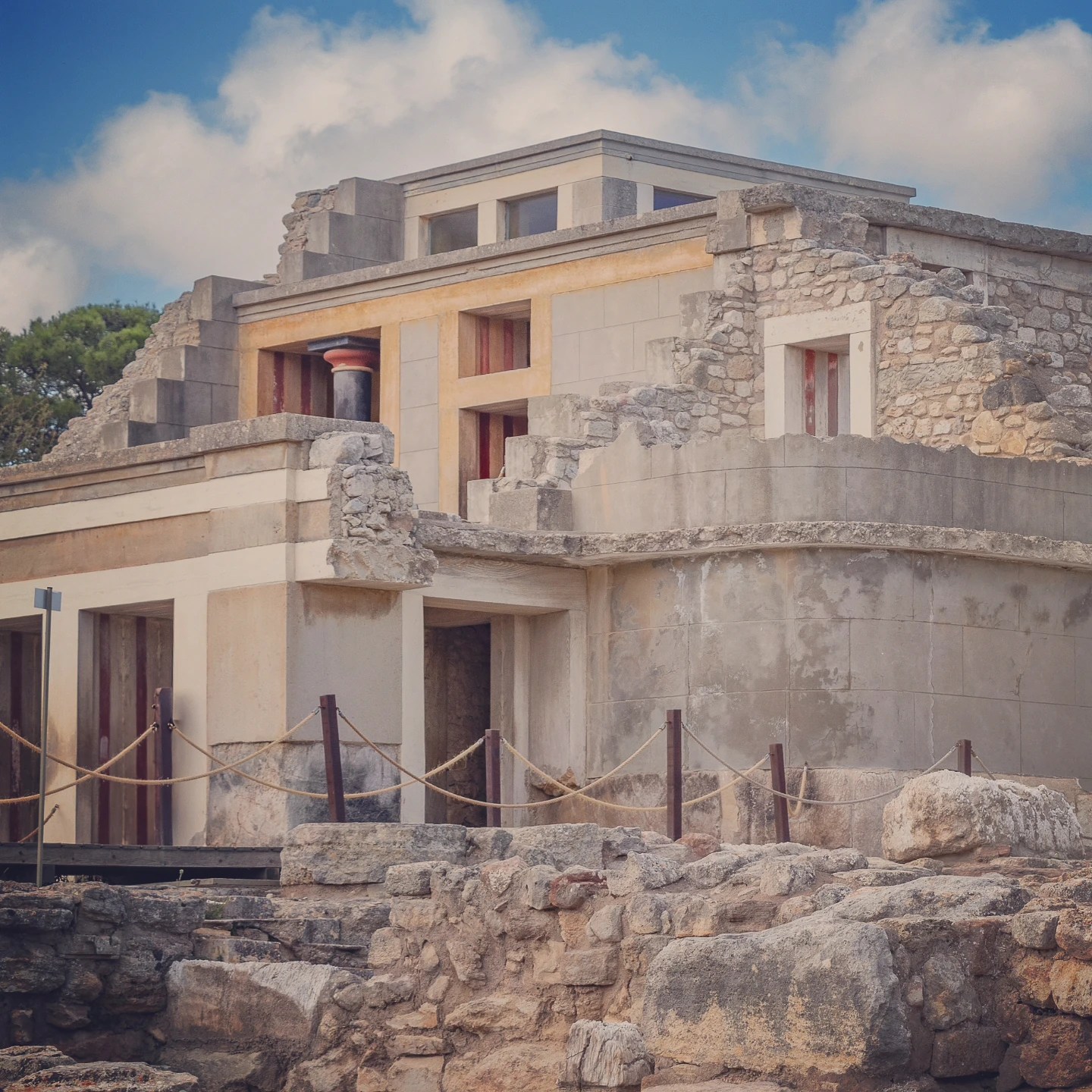
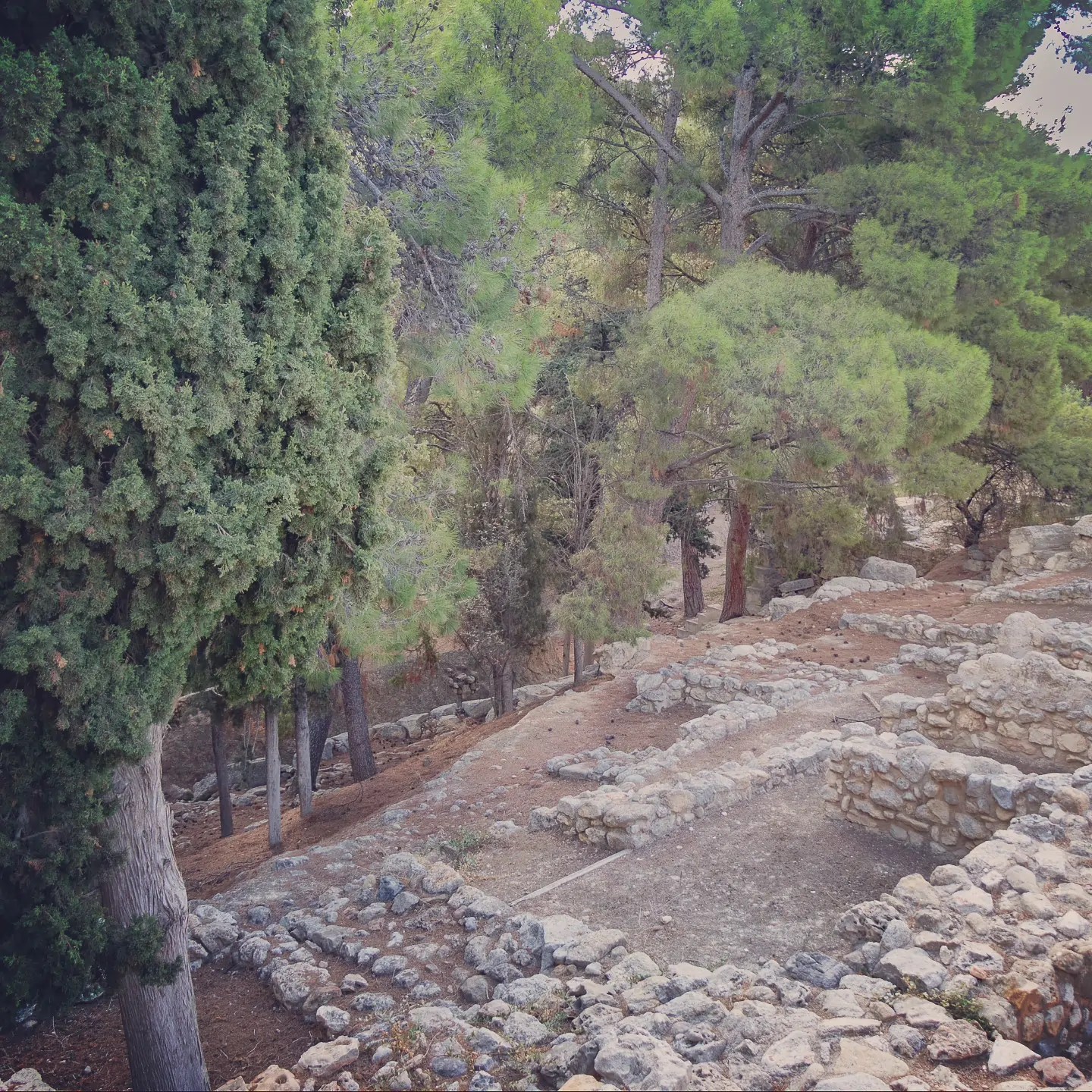
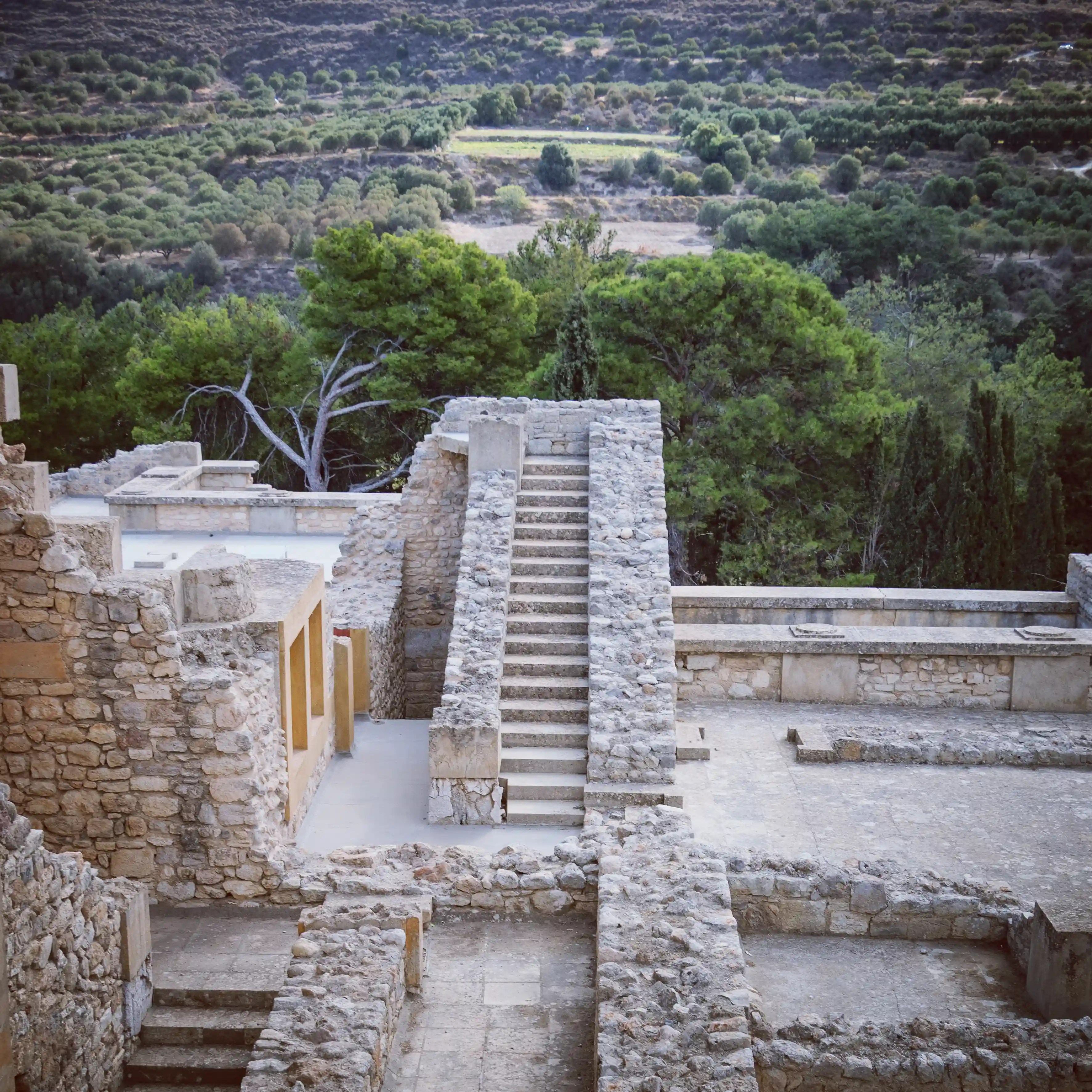
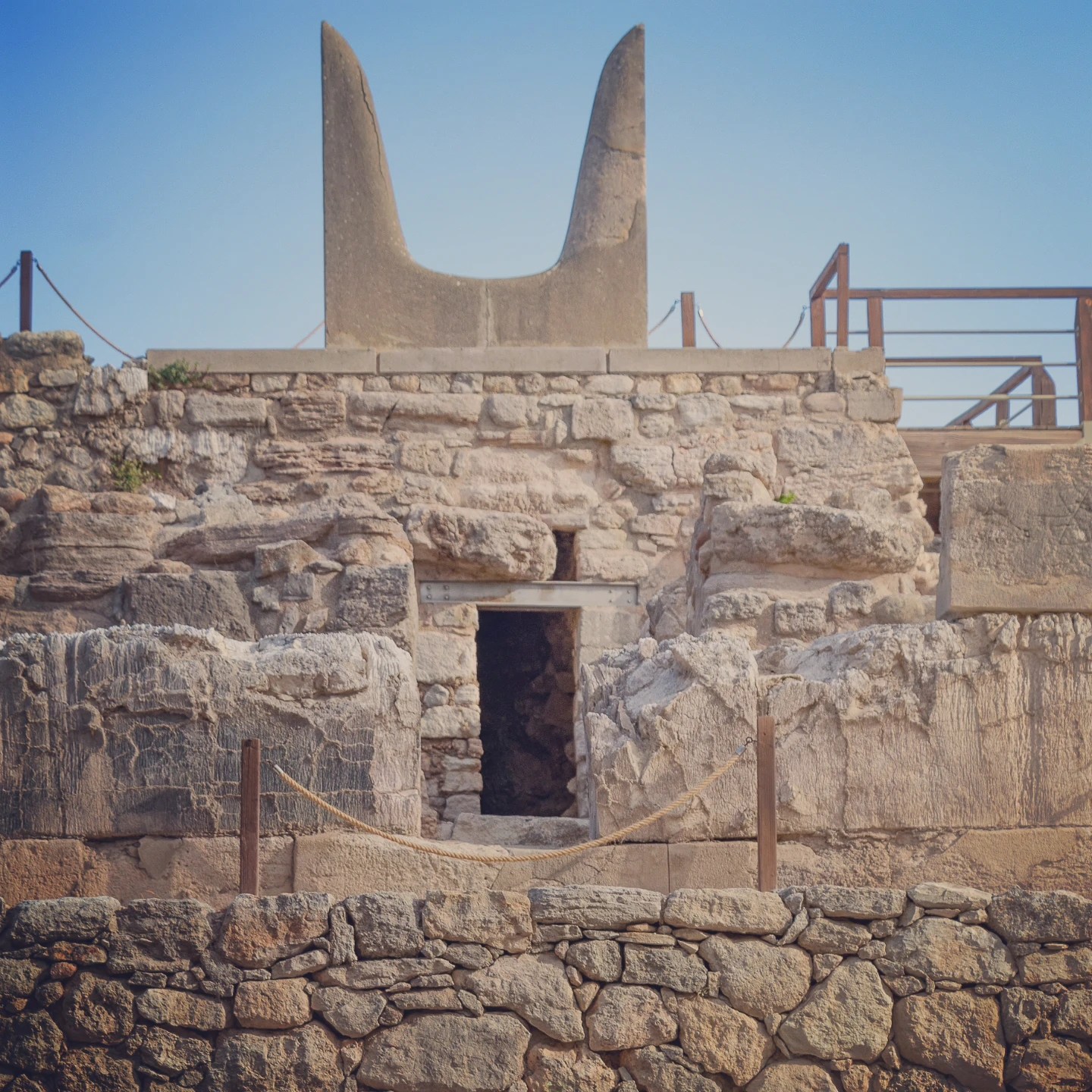
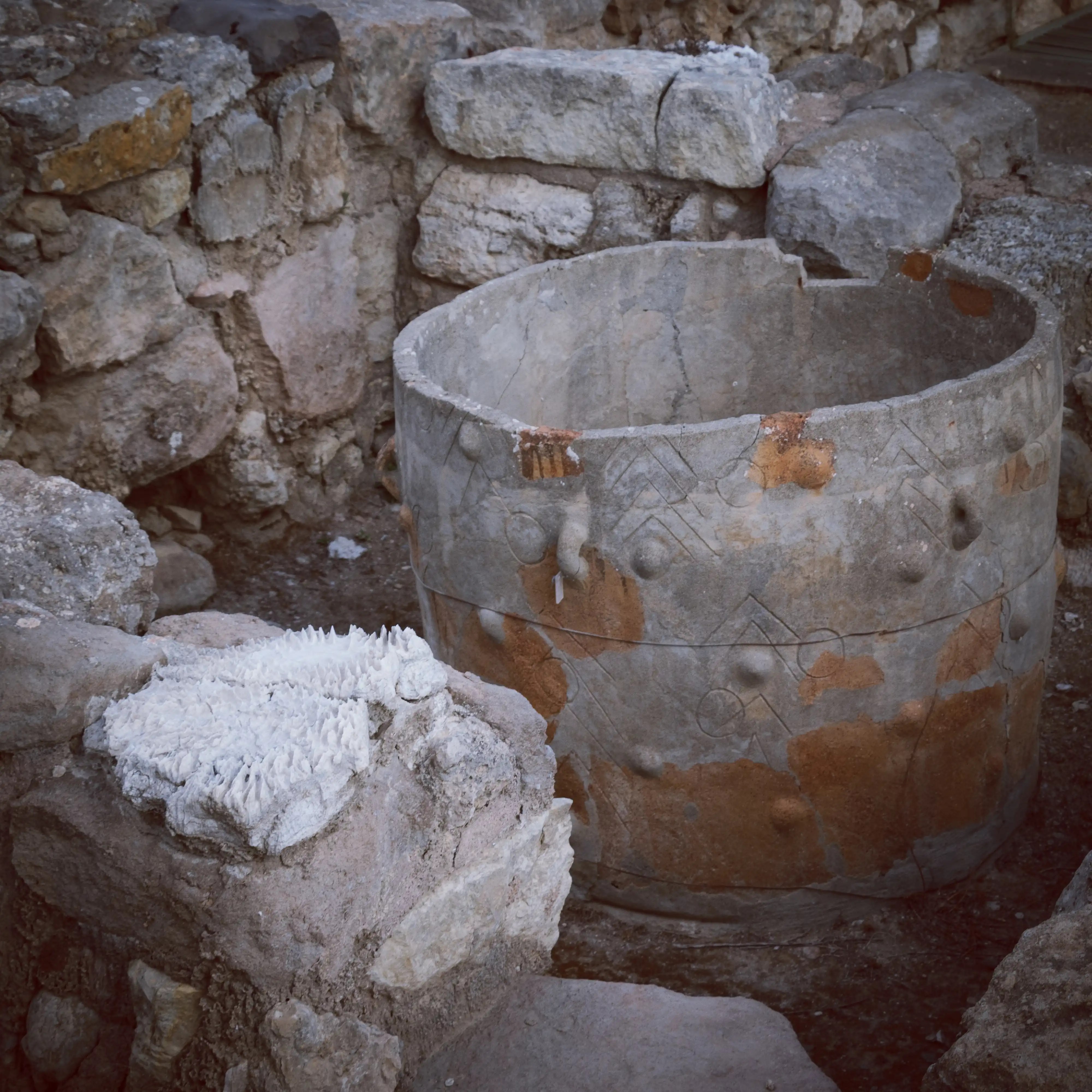
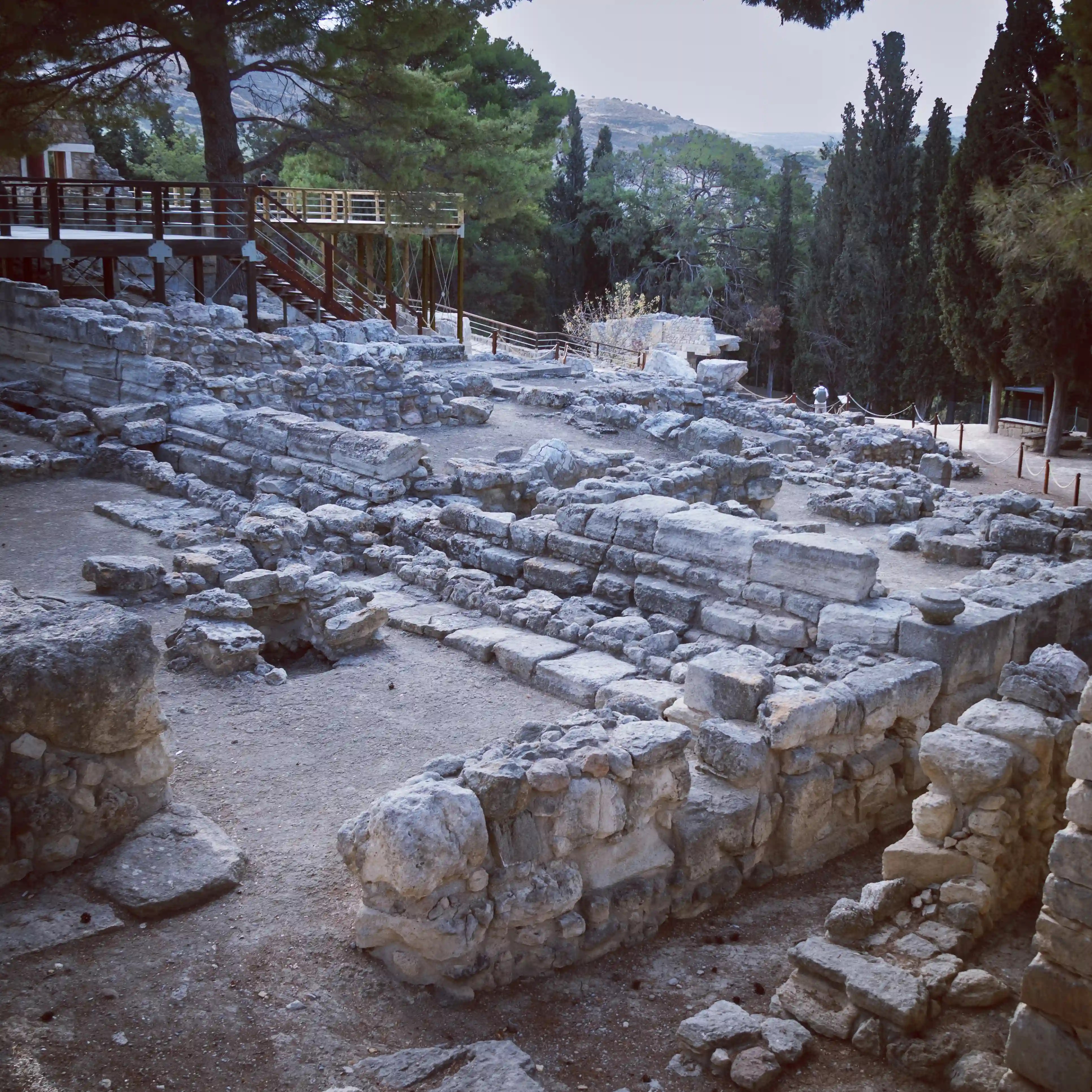
On our way into Heraklion, we stopped at one of Crete’s most famous sites: the Palace of Knossos, the ceremonial and political center of Minoan civilization. The ancient city of Knossos itself is often considered Europe’s oldest city, inhabited since the Neolithic era, while the palace complex dates primarily to around 1900–1400 BC. Excavations revealed an enormous labyrinth-like complex of halls, courtyards, staircases, workshops, storerooms, and drainage systems—an astonishing architectural achievement for the Bronze Age.
Knossos is also the site most closely linked to Greek mythology. According to legend, King Minos ruled here, and the Labyrinth designed by Daedalus—home of the Minotaur, the half-man, half-bull creature—was said to be located at Knossos. These stories are woven deeply into the identity of Knossos and often shape the way visitors imagine the site.
Parts of the palace were reconstructed in the early 20th century by Sir Arthur Evans, whose restorations still spark debate today, but they do help modern visitors visualize how the complex might have looked.






Exploring Heraklion
After Knossos, we drove the short distance into Heraklion, Crete’s bustling capital. It’s a city where Venetian, Ottoman, and modern Greek influences sit side by side—sometimes literally on the same block.
Heraklion Archaeological Museum
No visit to Heraklion is complete without a stop at the Heraklion Archaeological Museum, one of the most important museums in Europe. Many of the artifacts from Knossos, Phaistos, Malia, and other Minoan sites are displayed here.

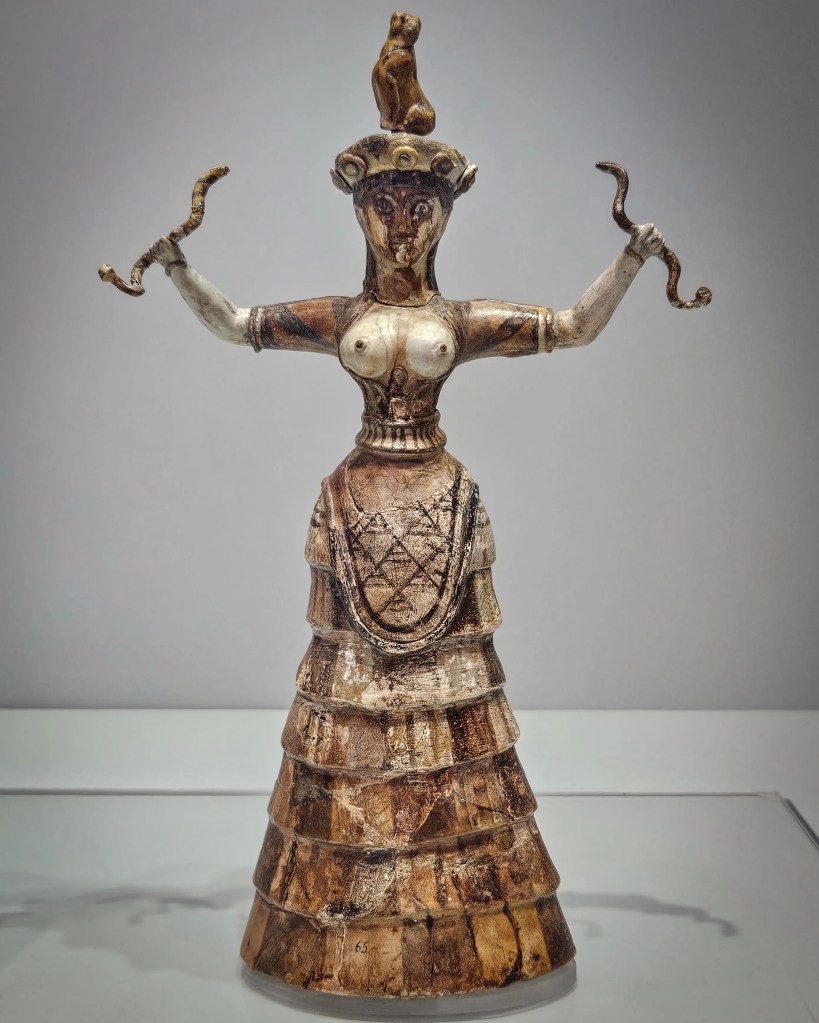
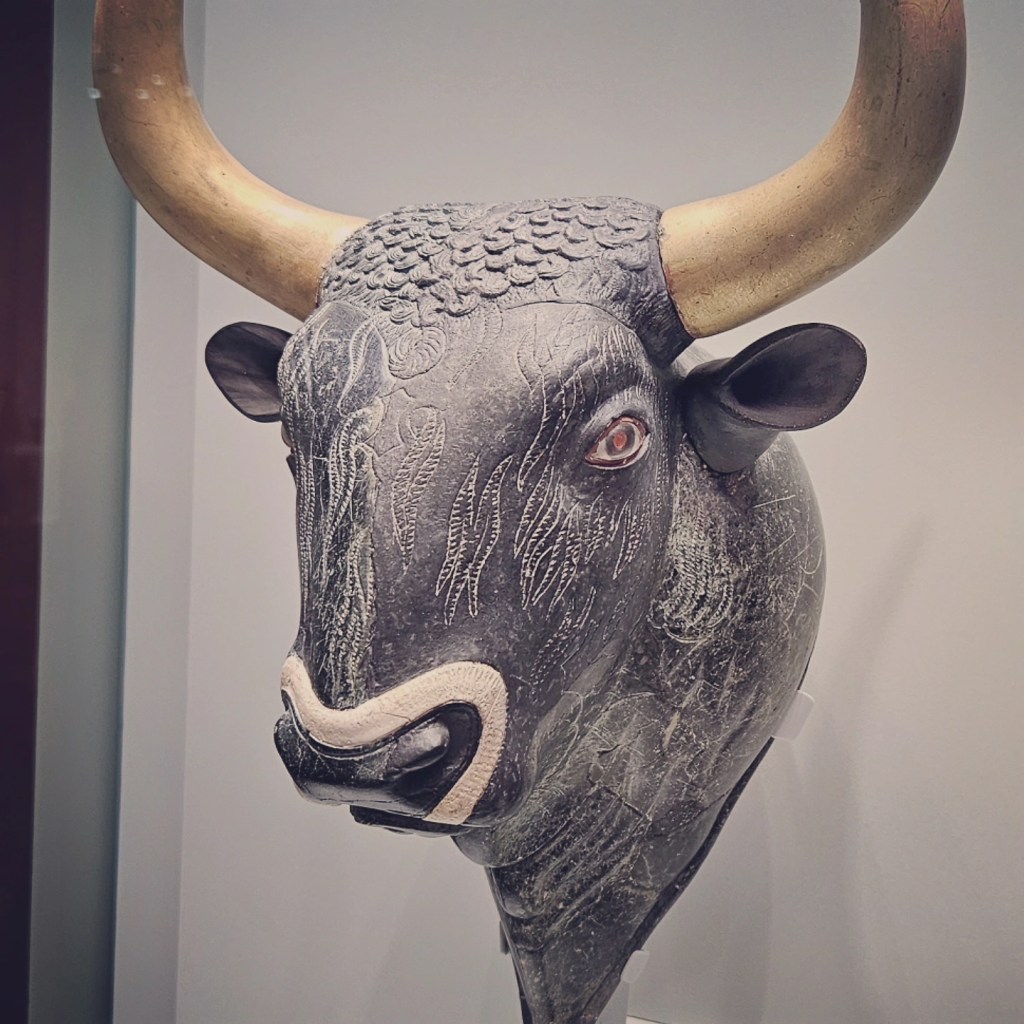

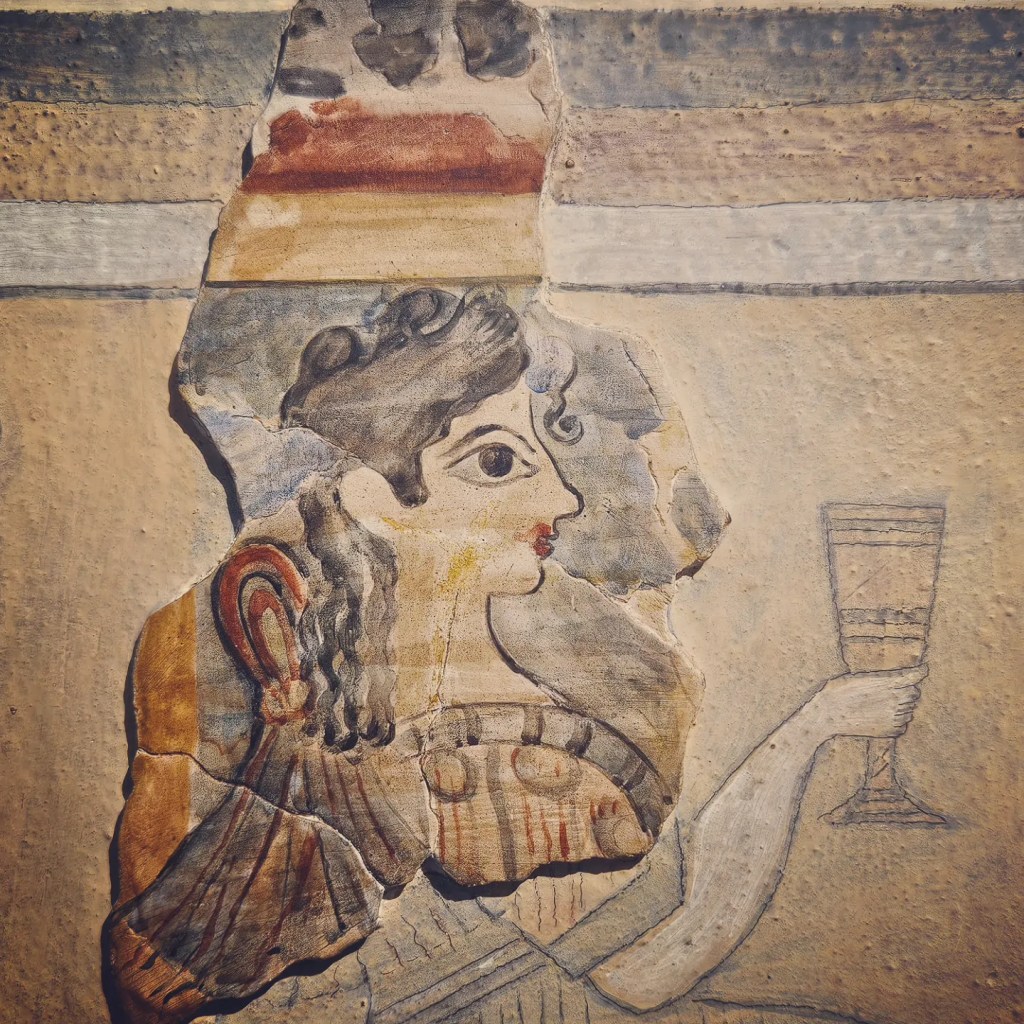
These pieces are only a small glimpse of what’s inside. The museum also showcases beautifully preserved pottery, jewelry, household items, and ceremonial vessels—including some of the most iconic artifacts of the Minoan world, such as the Phaistos Disc and intricately decorated libation jugs. Seeing these objects up close brings the Minoan world to life in a way the ruins alone cannot, and viewing them after walking through Knossos helps complete the picture of the civilization that once flourished across Crete.
Bembo Fountain & Ottoman Pumphouse
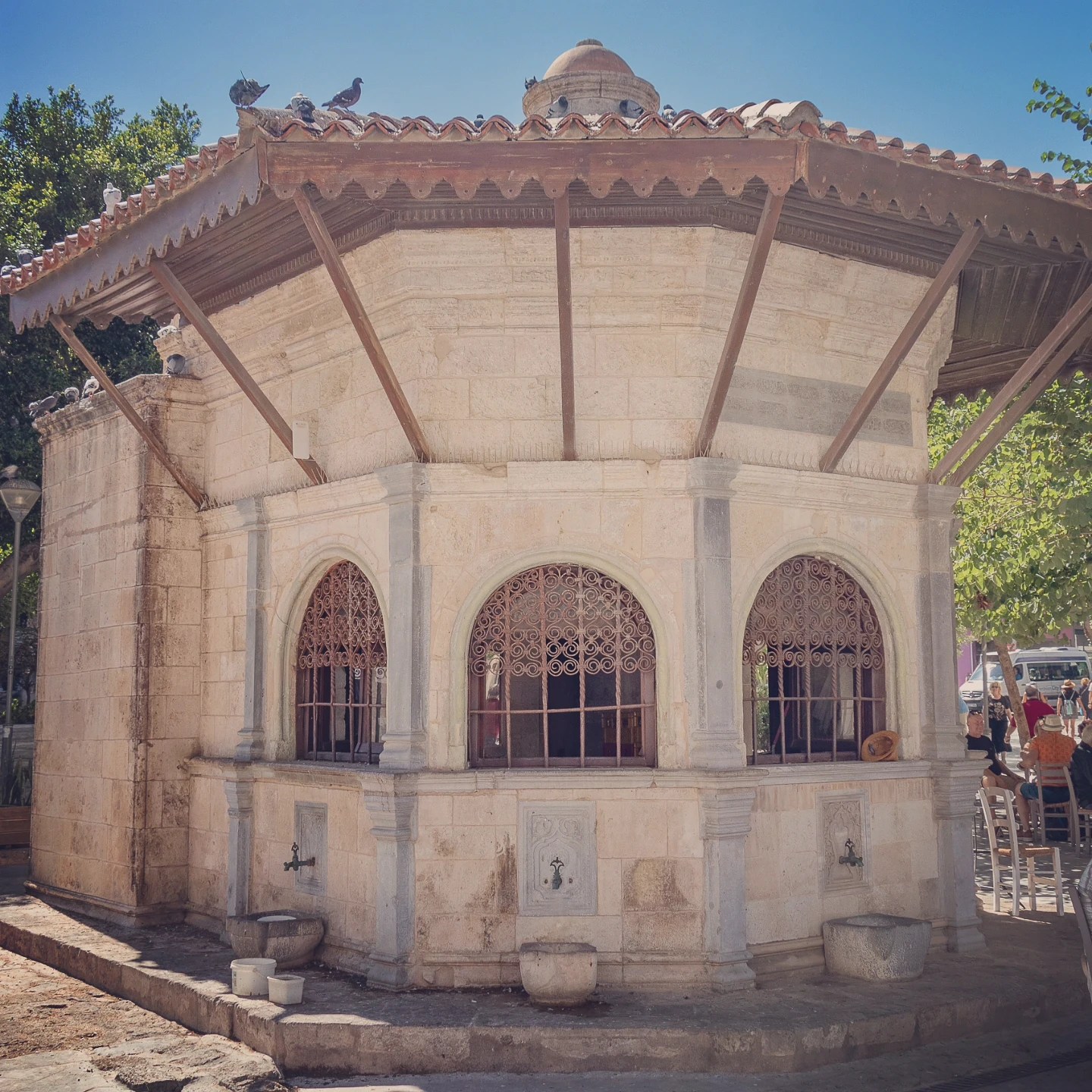
From the museum, we walked to the Bembo Fountain in Kornarou Square, built in the mid-16th century and considered the first monumental fountain in Heraklion. Right beside it stands the old philanthropic fountain (sebil), a circular Ottoman structure from the late 18th century that once provided free drinking water to the public and now houses a small coffee shop. The square around them may feel modern today, but the carved lions and stone crests on the Venetian fountain still hint at Crete’s long history. From here, Rue 1866 leads toward the center of town and the sea.

Morosini Lions Fountain, Basilica of St. Mark & Venetian Loggia
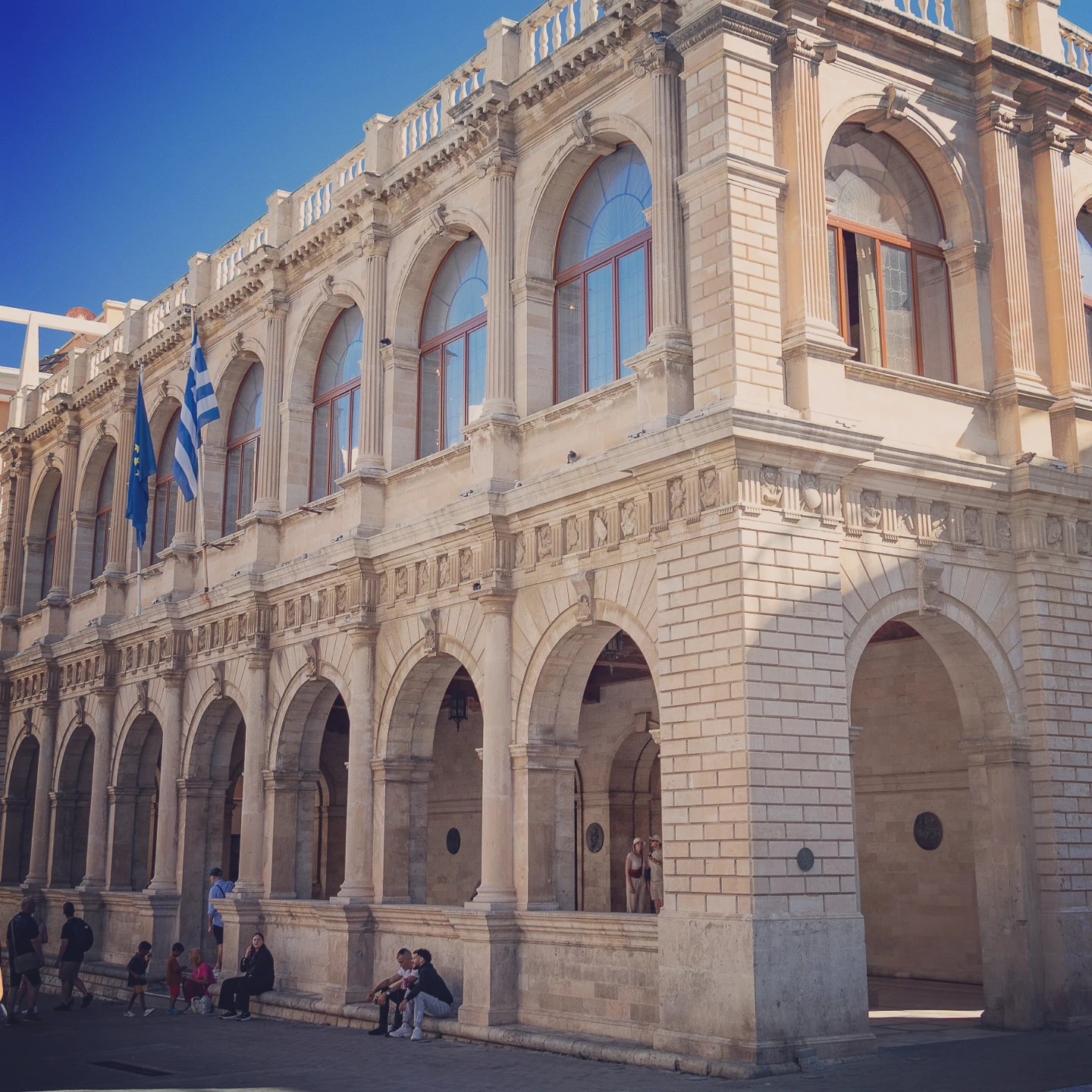
At the heart of the city is the Morosini Lions Fountain, commissioned in 1628 and surrounded today by cafés, shops, and a constant flow of people. Across from it stands the Basilica of St. Mark, now operating as an art gallery. Nearby is the elegant Venetian Loggia, a 17th-century civic building with beautifully preserved arches.


Agiou Titou Square & 25 Avgoustou Street
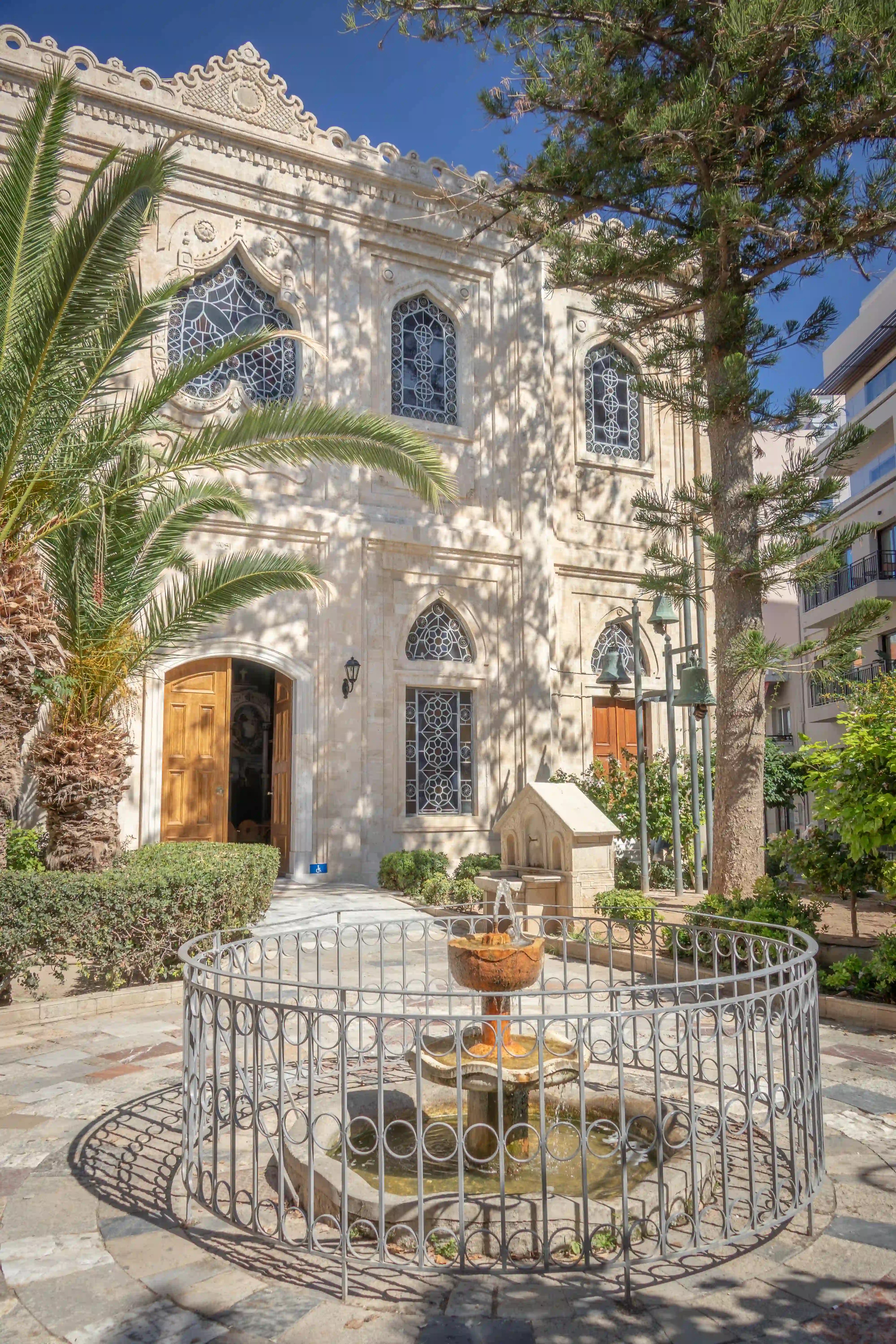
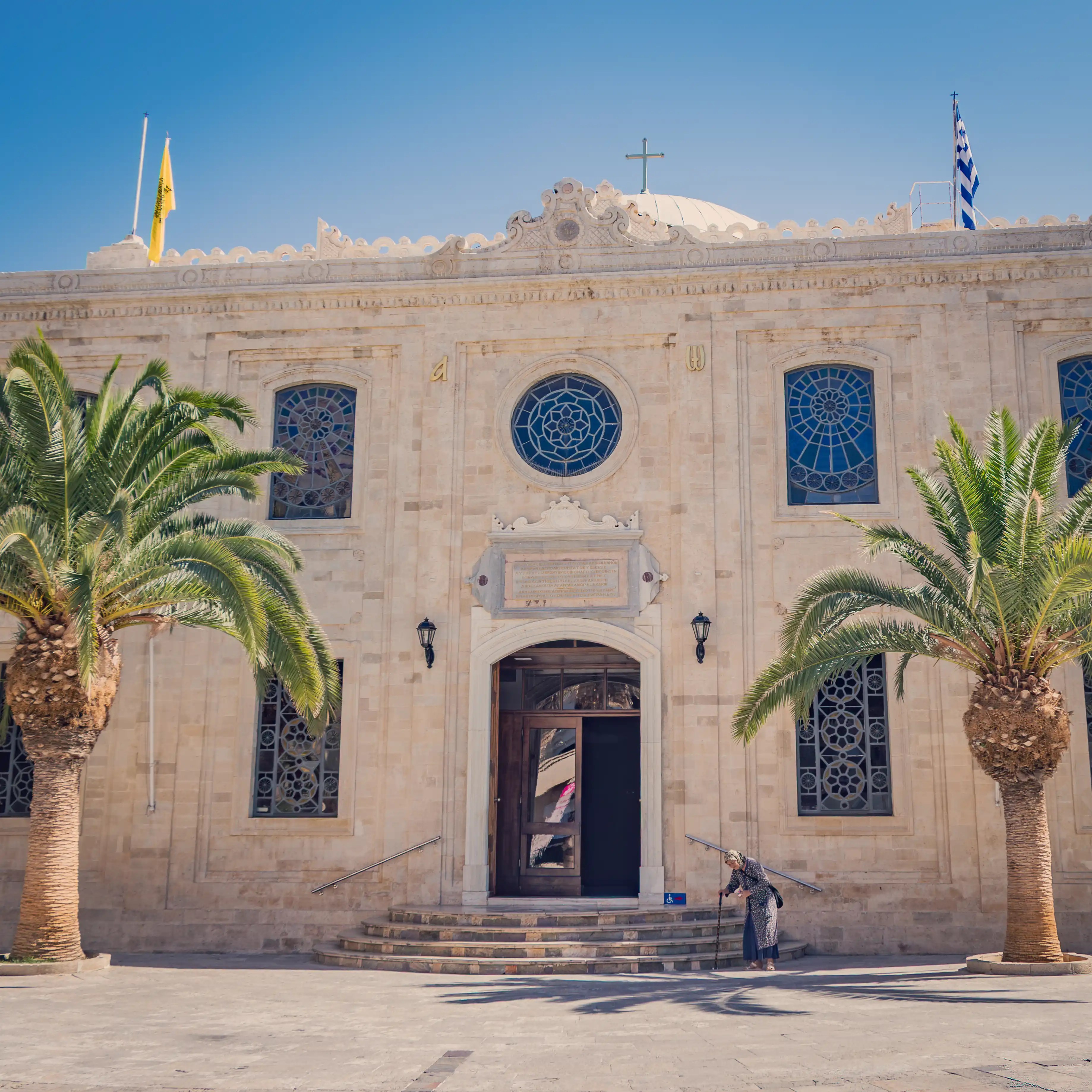
One of the most charming corners of the old town is Agiou Titou Square, home to Agios Titos Church. The church’s warm stone exterior and palm-lined setting make it a perfect place to pause before continuing along 25is Avgoustou Street—named for August 25, 1898, the date of a tragic massacre that marked a turning point in Crete’s struggle for independence. Today the street is a lively pedestrian route lined with boutiques, restaurants, and cafés. Narrow lanes branch off the main street, each one leading to small surprises—archways, street art, old stone façades, and tiny bakeries.


Venetian Port & Koules Fortress
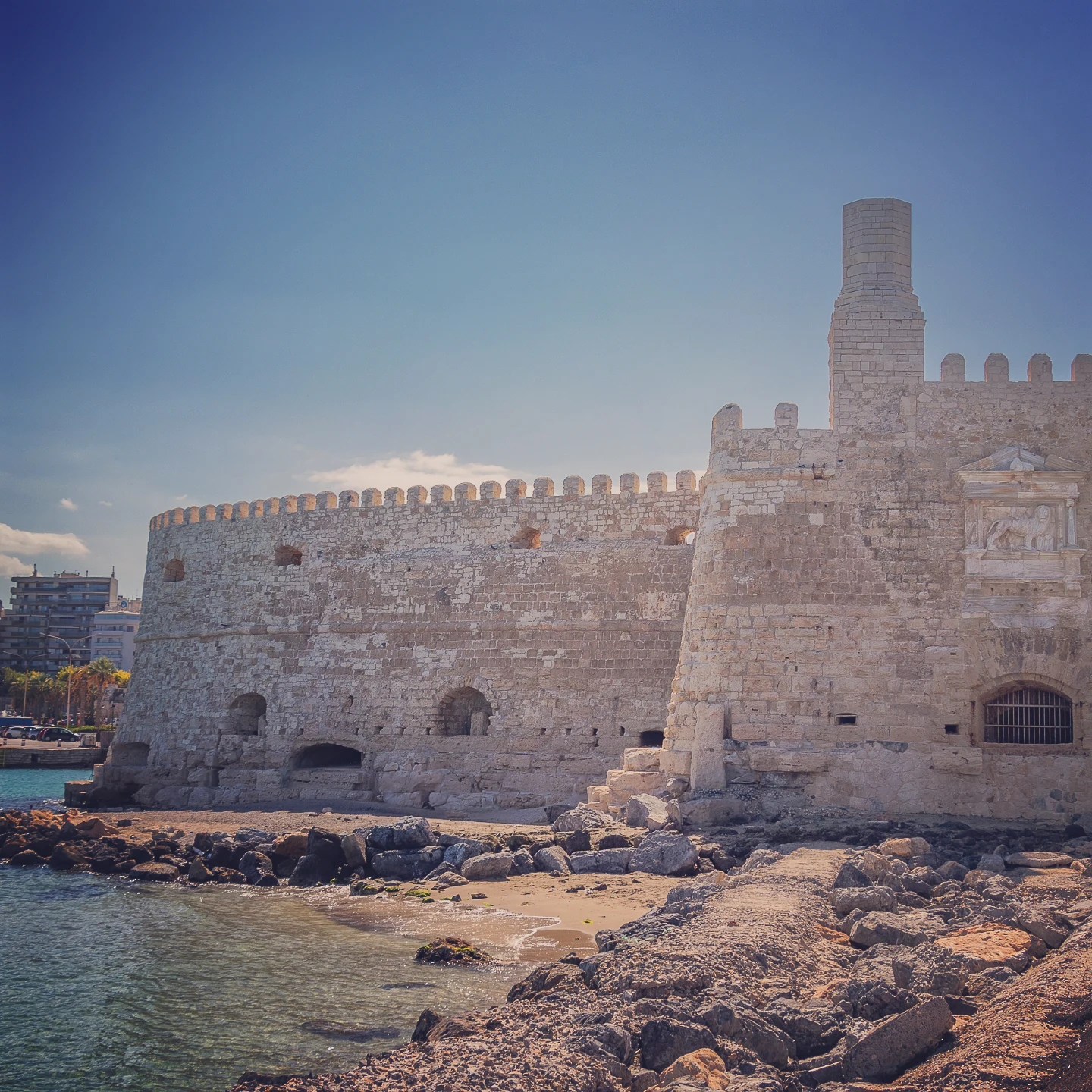
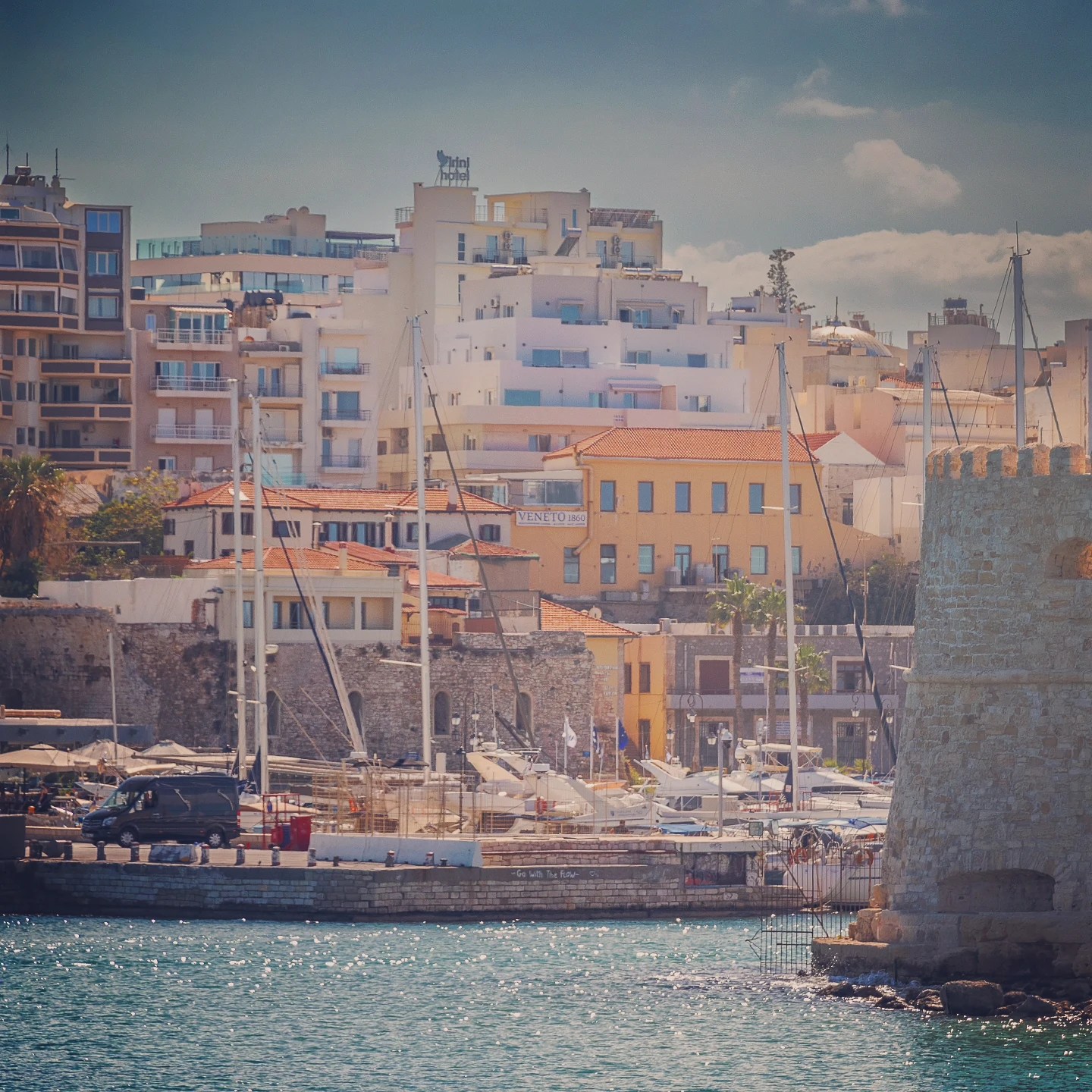
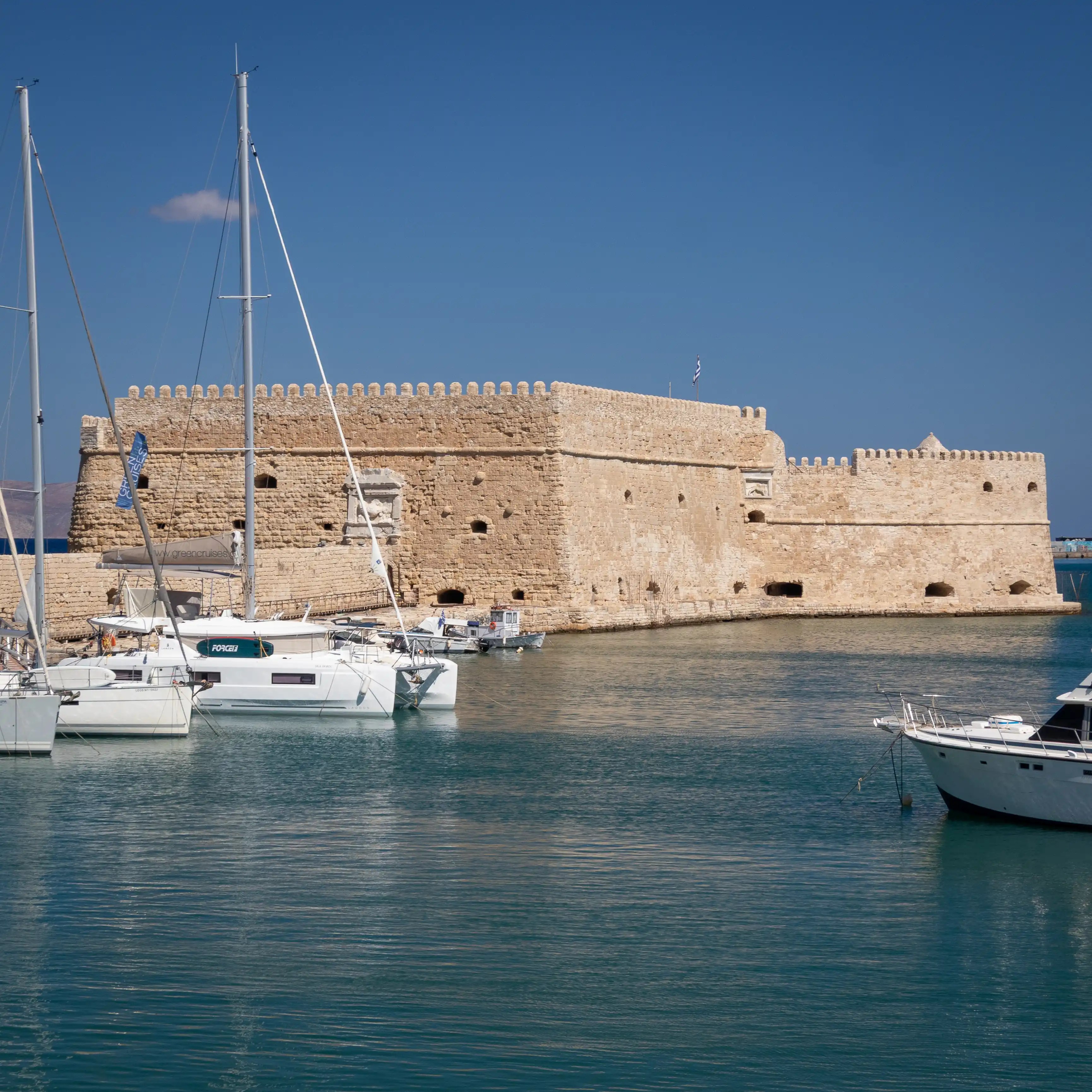
Our walk eventually led us to the waterfront, where we explored the Venetian Port and Koules Fortress (Rocca a Mare), a massive 16th-century stronghold guarding the entrance to the harbor. Visitors can explore the interior, climb up to the ramparts, and see exhibitions inside—though even walking around the outside gives a sense of how imposing it once was.





Monastery of Saint Peter and Saint Paul
A short walk farther along the seafront brought us to the Monastery of Saint Peter and Saint Paul, built in the early years of Venetian rule and originally belonging to the Dominican Order. It was later converted into a mosque during the Ottoman period, and recent excavations around it revealed layers of earlier Byzantine and Arabic occupation. Although the interior is not usually open to the public, it’s still an interesting stop along the seafront, especially with the nearby archaeological remains and the Koules Fortress visible just beyond.


Troy Dinner Show
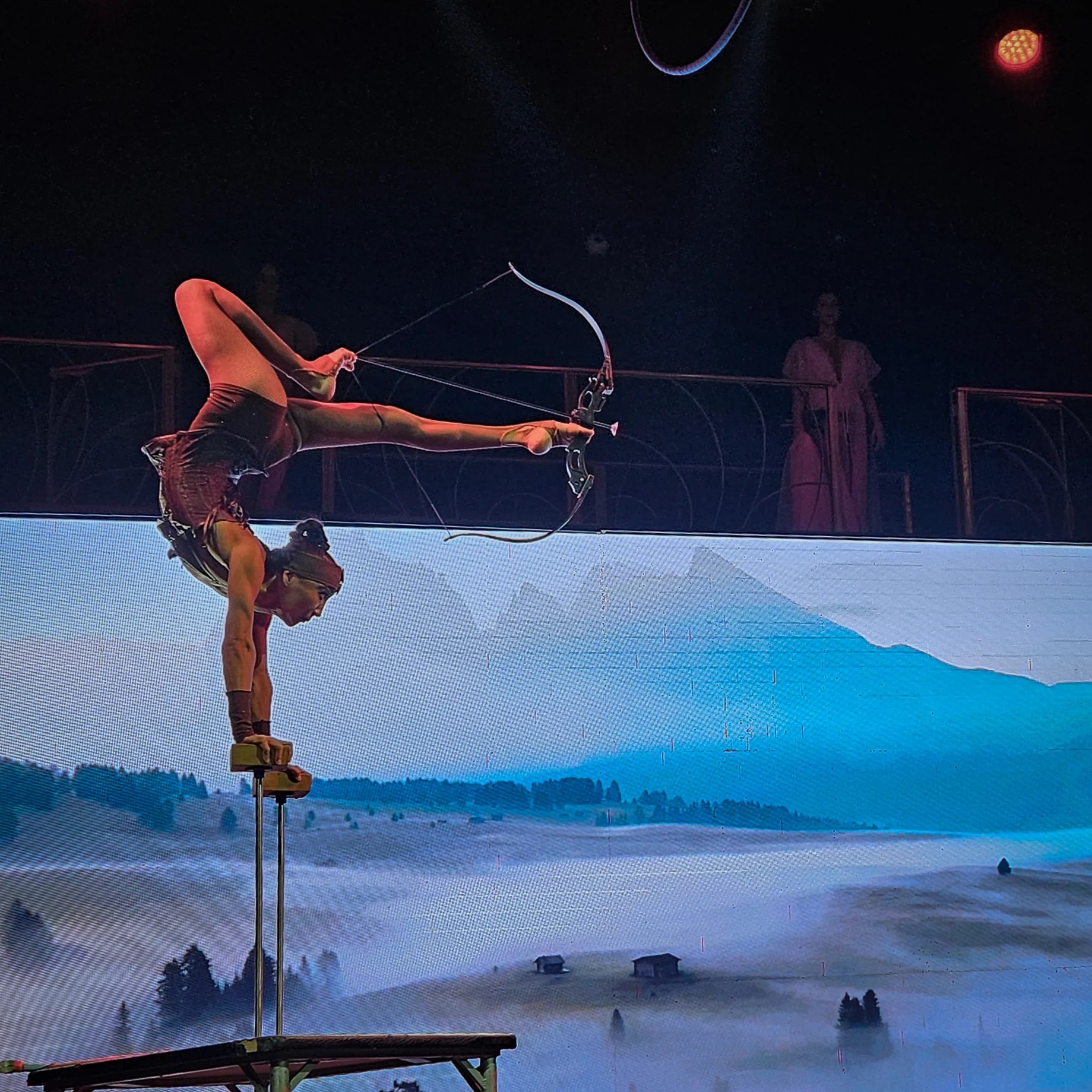
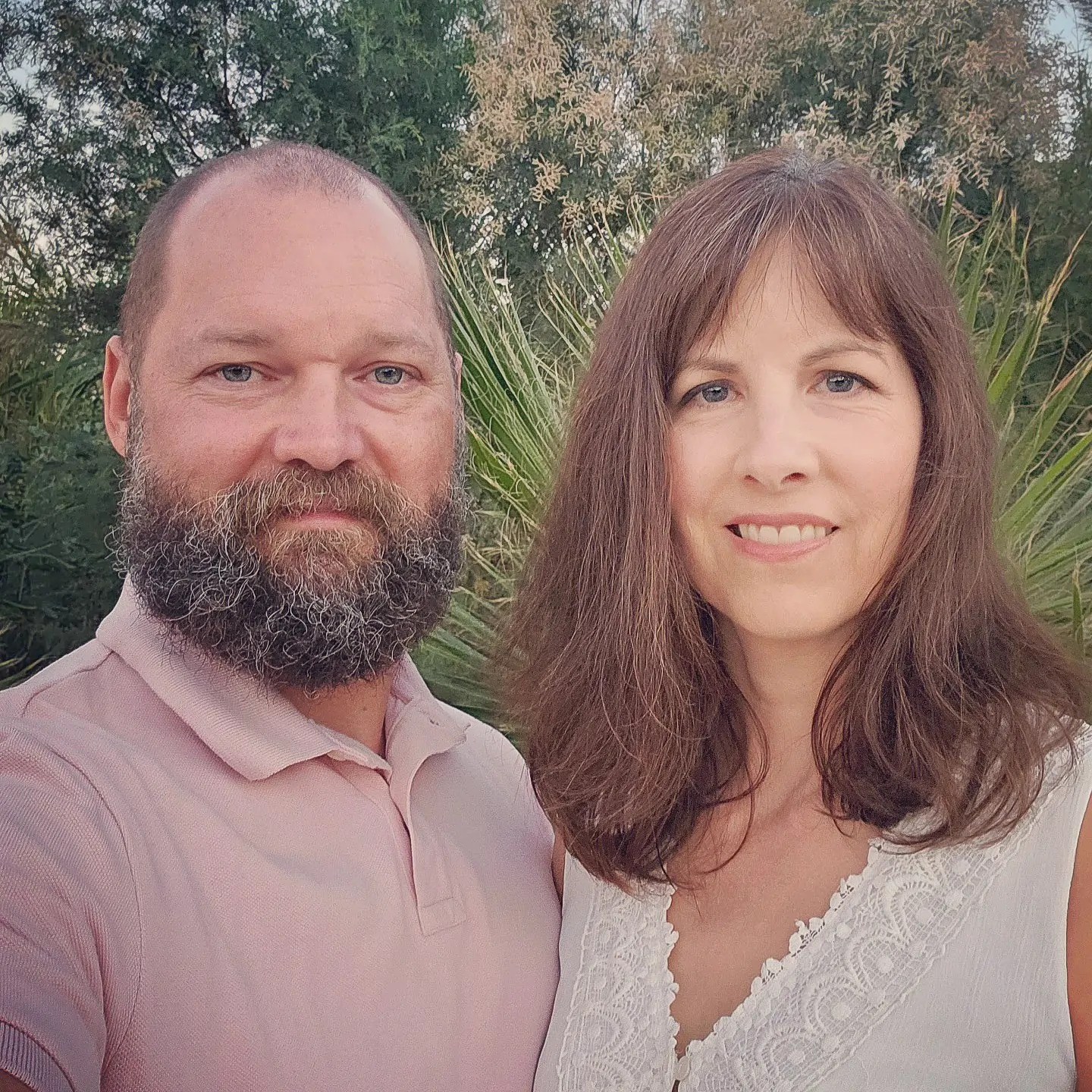
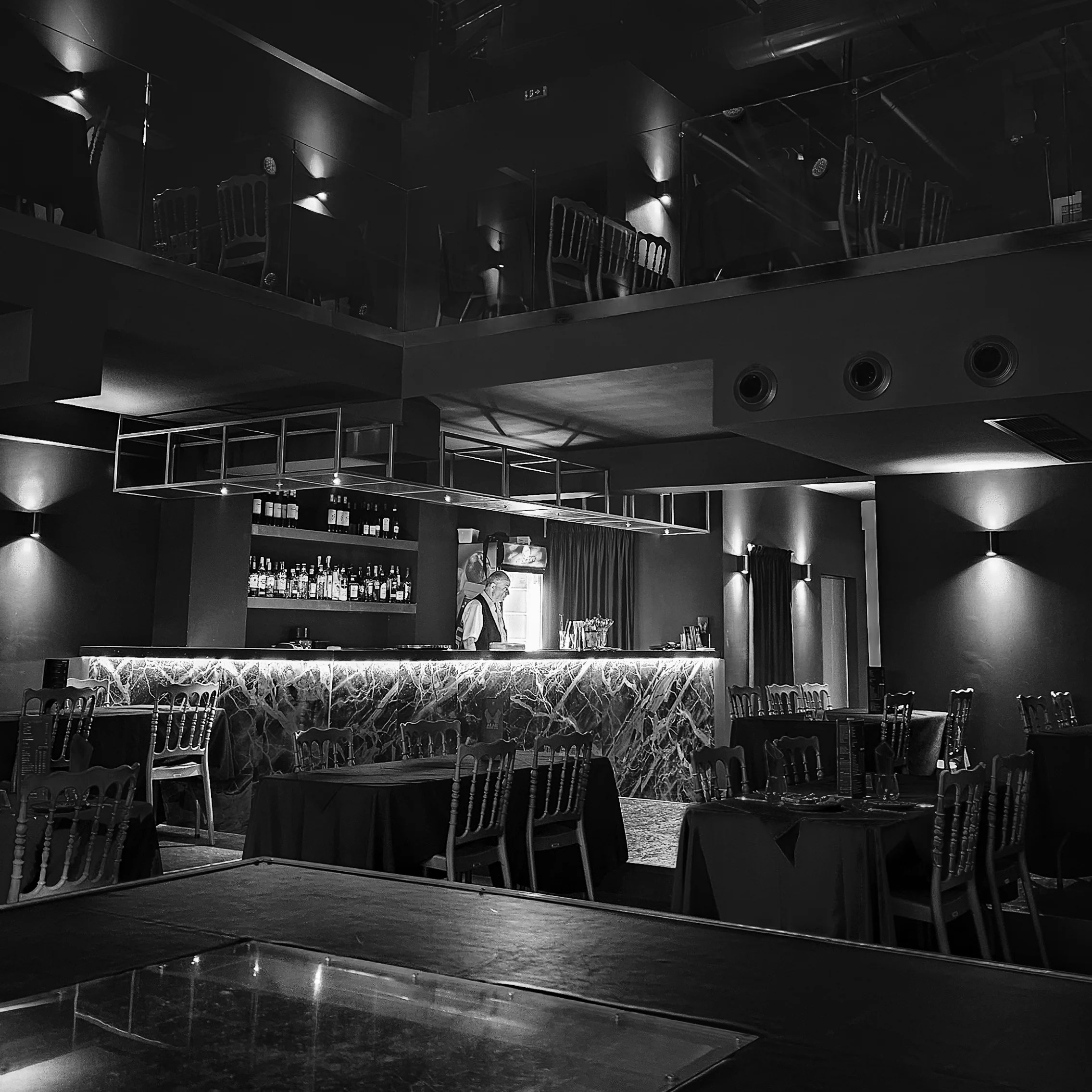
The Troy Dinner Show, which we booked through Viator, wasn’t quite what I expected. I had imagined a theatrical retelling of the Trojan War, but it turned out to be a modern mix of acrobatics, dancing, singing, and staged spectacle. It was entertaining, just different from what I pictured—so it helps to know the format before you go.
Lasithi Plateau Day Trip
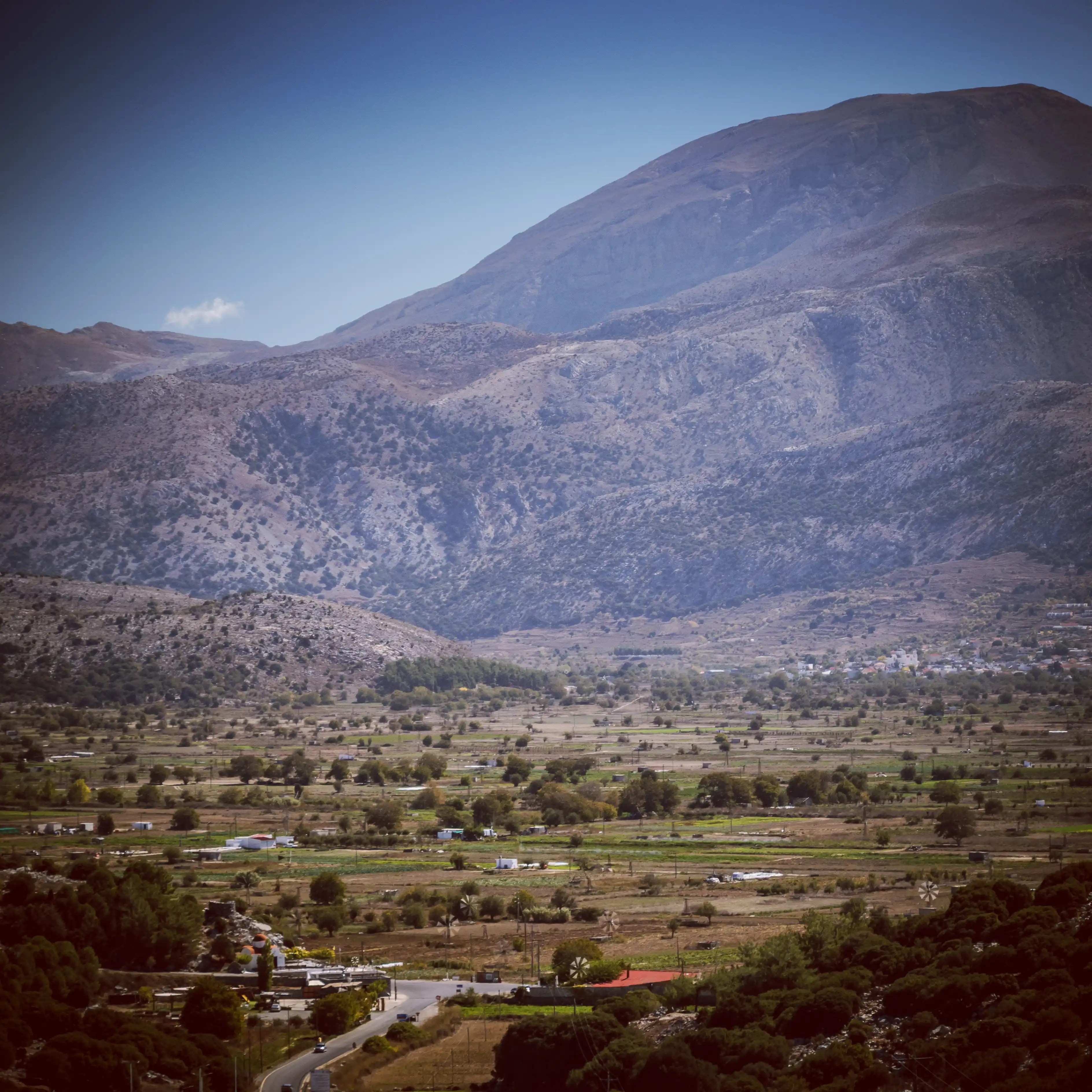
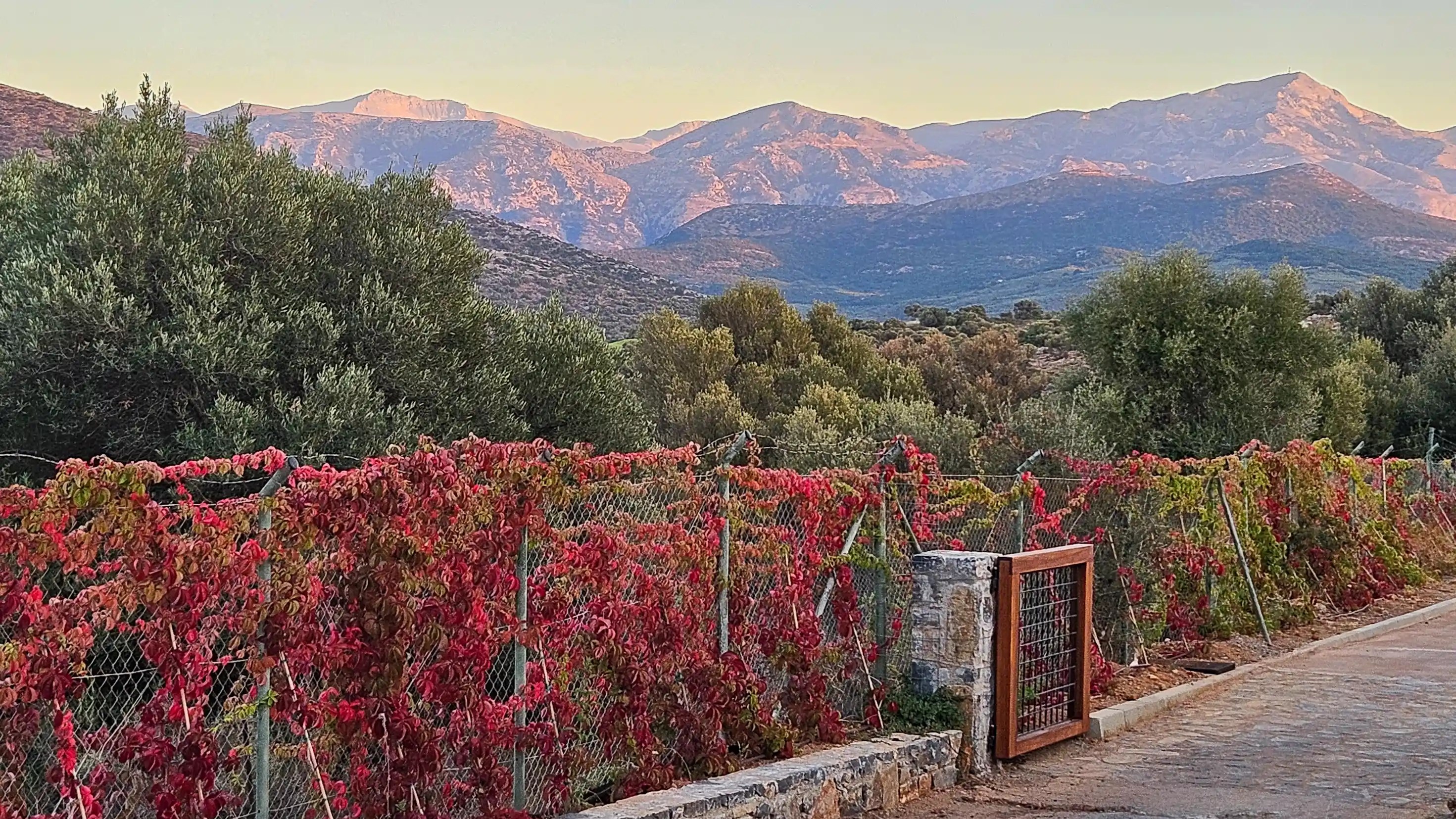
One of our favorite days on Crete was a trip to the Lasithi Plateau, a fertile high plain surrounded by the Dikti Mountains. The plateau has been farmed for thousands of years, and its scattered villages, old windmills, monasteries, and open landscapes feel completely different from the coastal parts of the island. It’s also cooler and quieter up there, making it a beautiful escape from the busier towns below.
We visited three monasteries, stopped for breakfast in the hills, explored the famous windmills, wandered through the village of Krasi, and even picked up olive oil from a local family mill. It was a full day, but so worth it.



Panagia Gouverniotissa Monastery
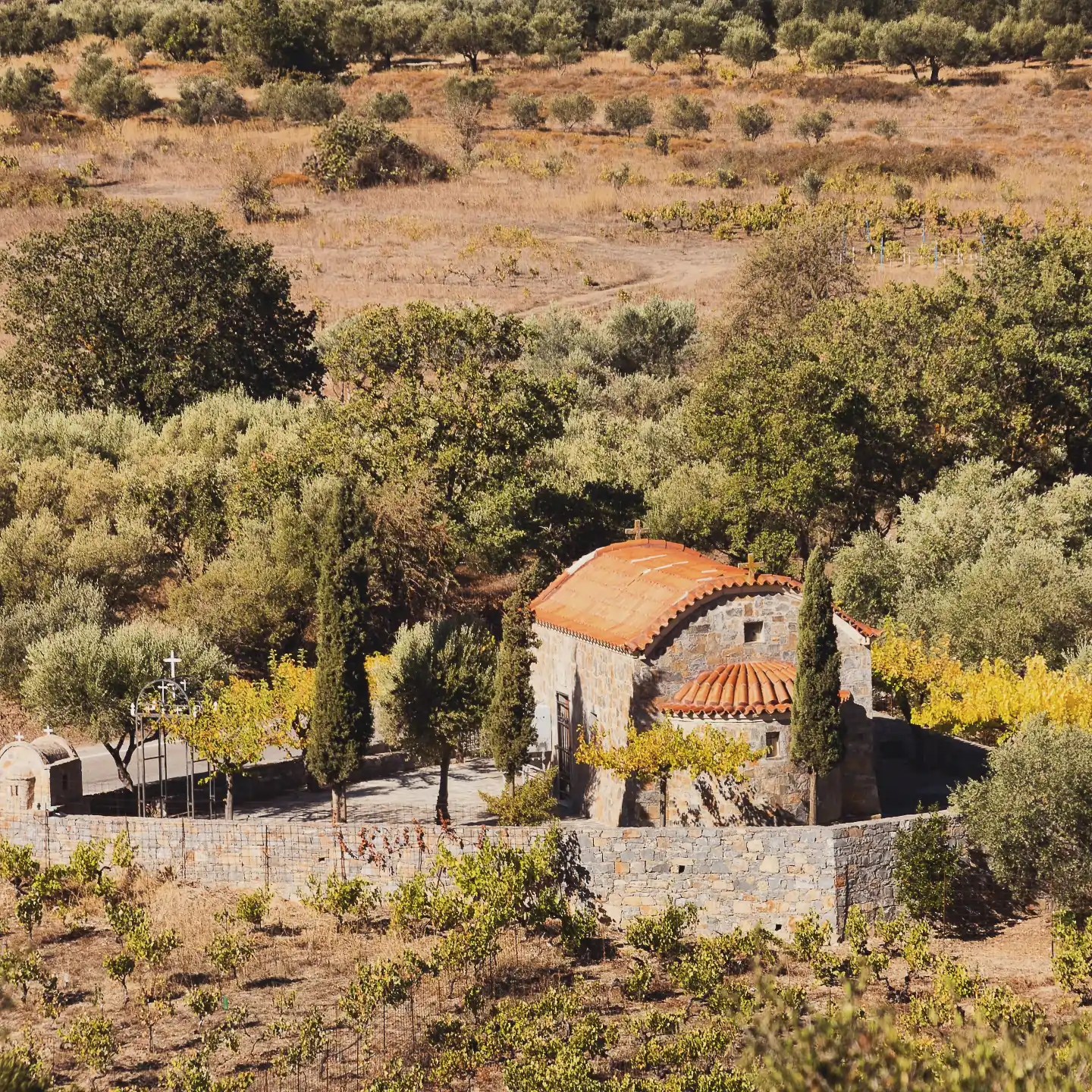
Our first stop on the drive toward the Lasithi Plateau was Panagia Gouverniotissa Monastery, about 10 km (6.2 mi) from Hersonissos near the village of Potamies. The church dates to at least the 13th–14th century and is decorated with remarkable Byzantine frescoes painted in the 1300s, depicting Christ, prophets, the Crucifixion, and scenes from the life of the Virgin Mary—considered unusual and significant examples of early Cretan iconography. It’s a small, peaceful place with a botanical garden, a museum, and even a canteen. The complex is currently closed for renovation, so visitors should check ahead if they plan to stop.
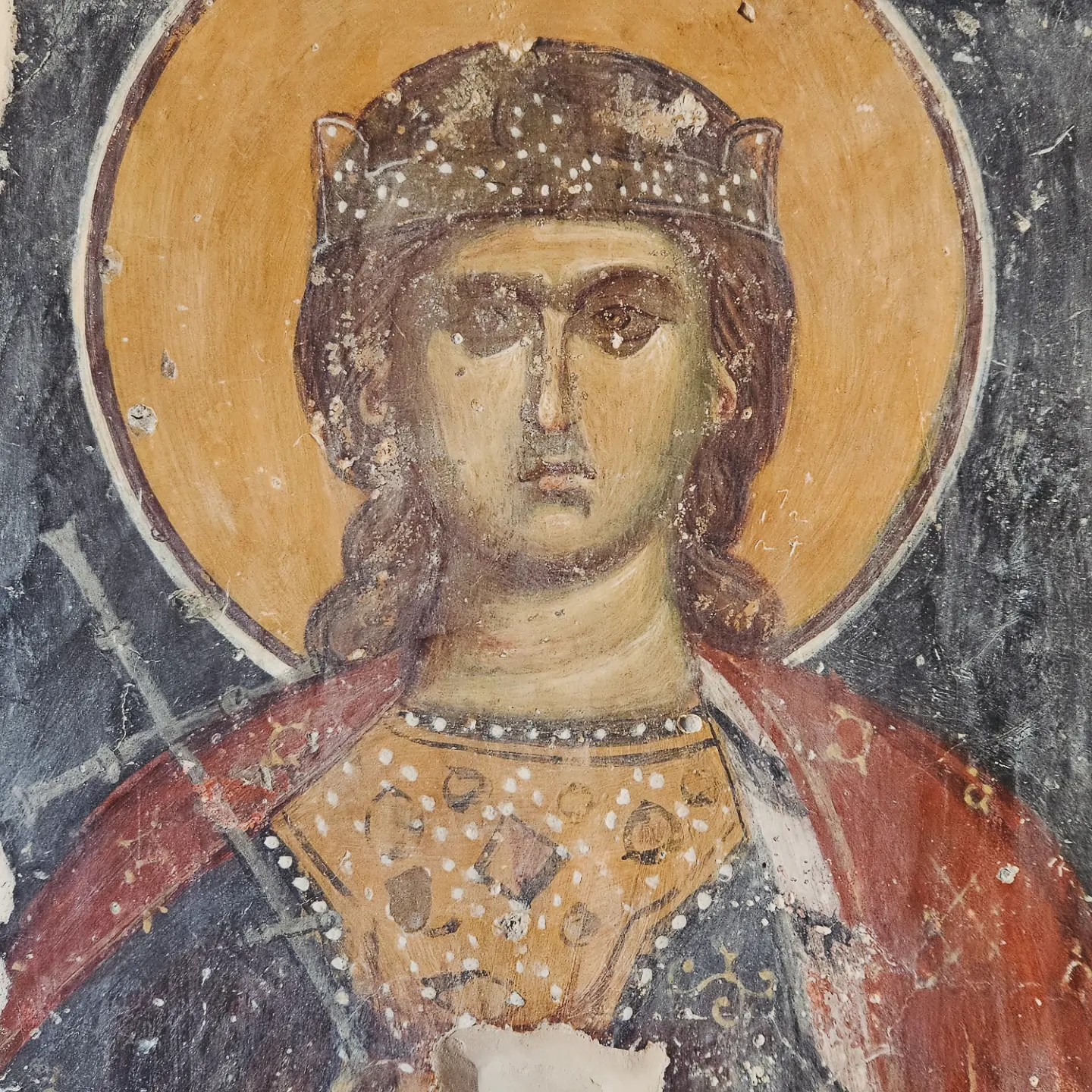
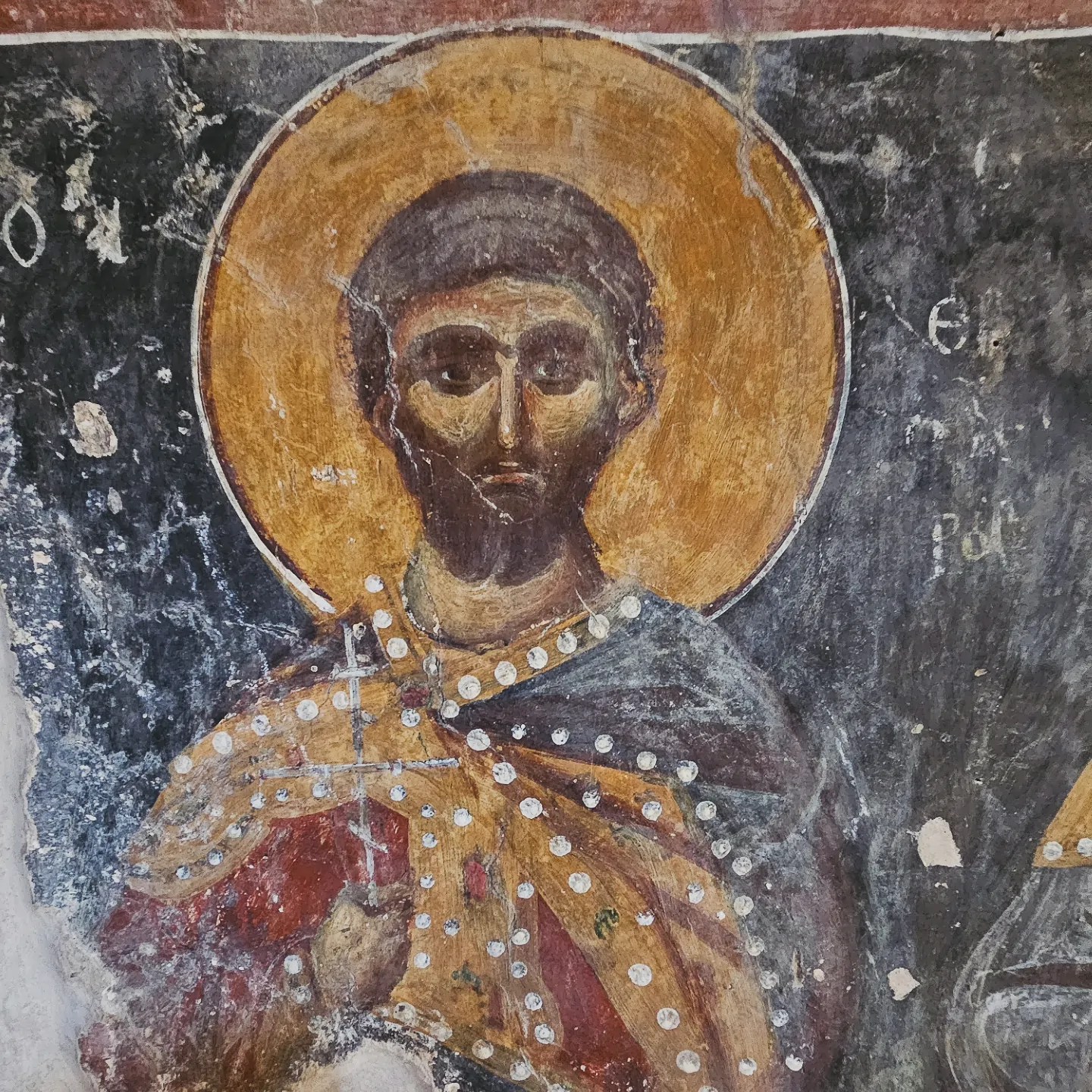


Monastery of Panagia Kardiotissa
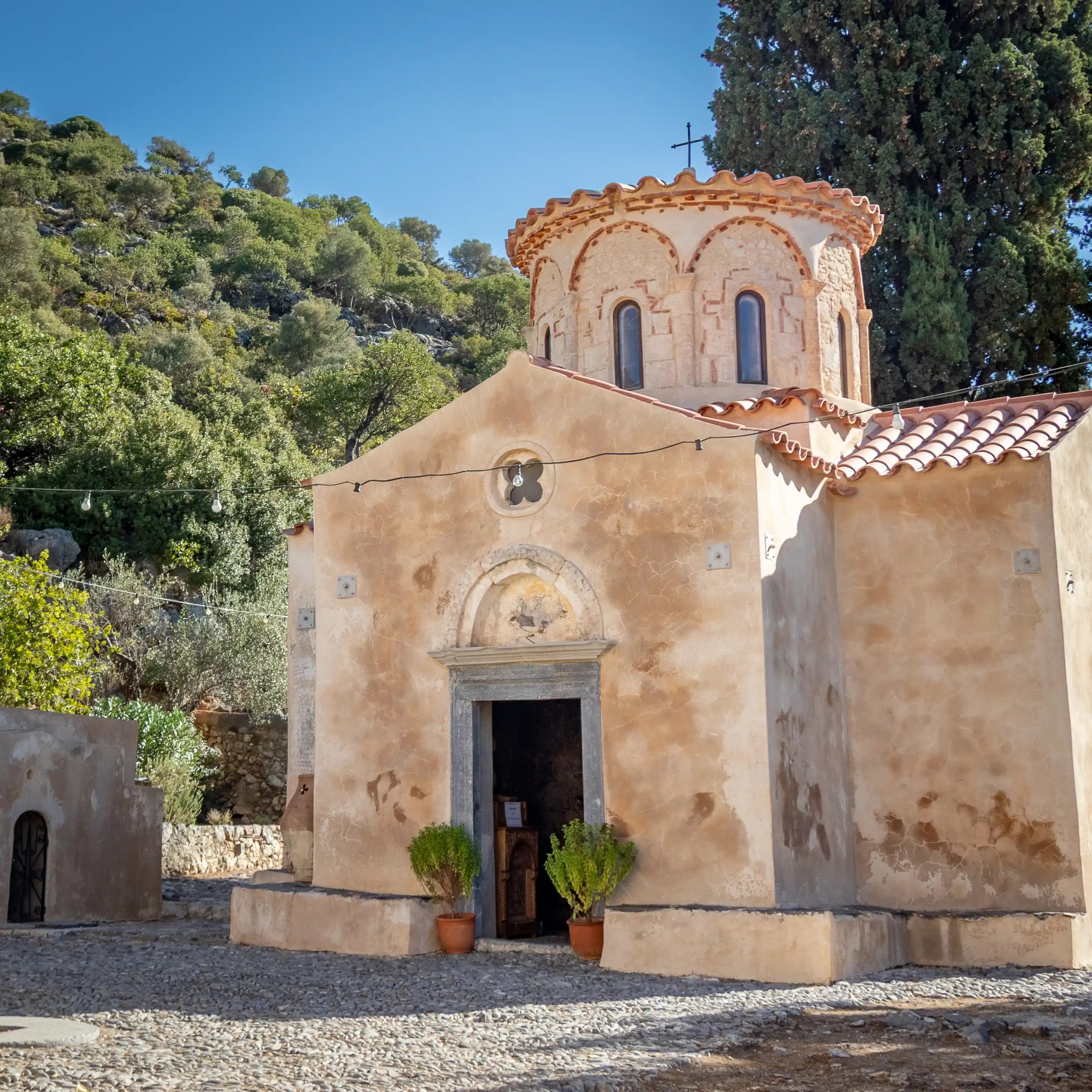
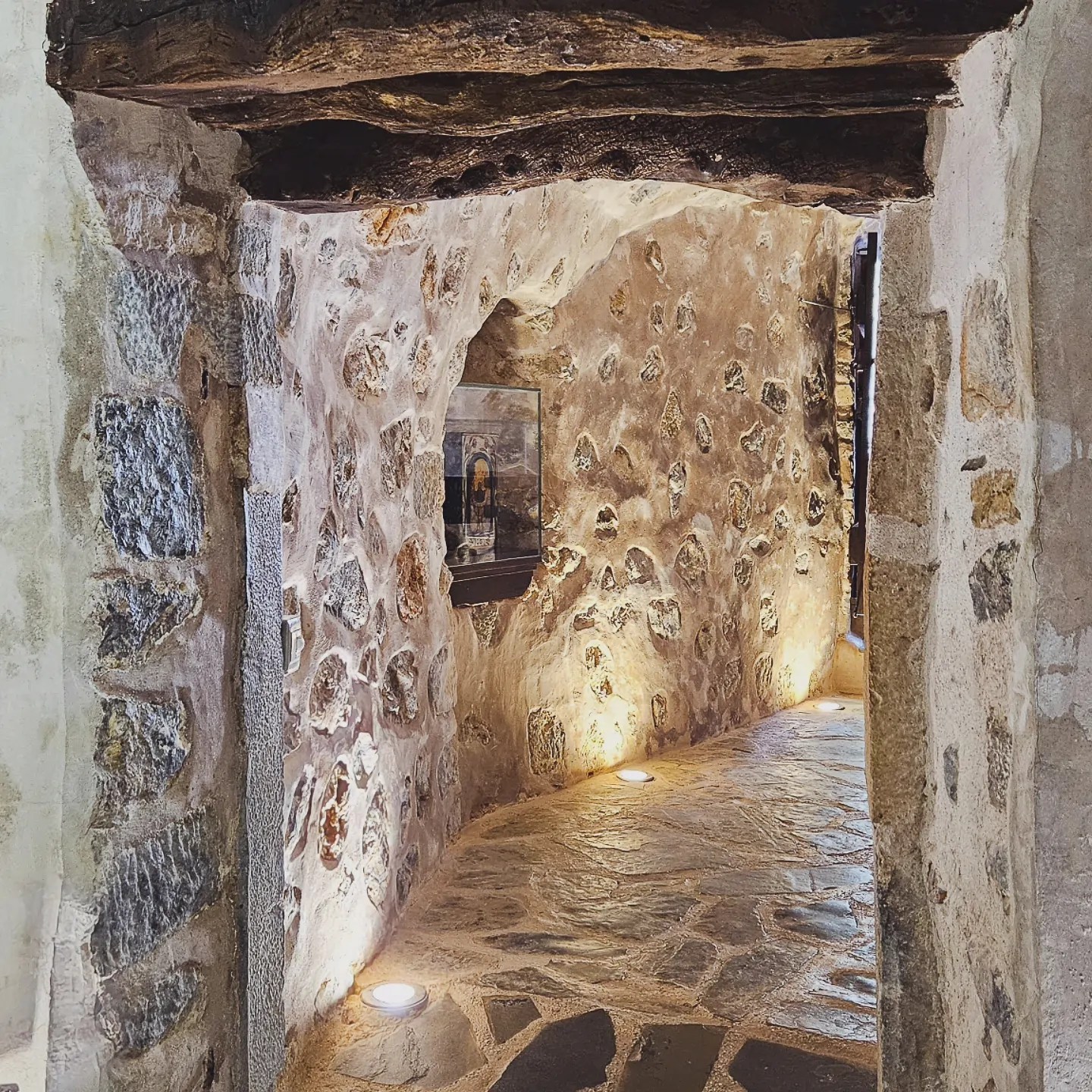
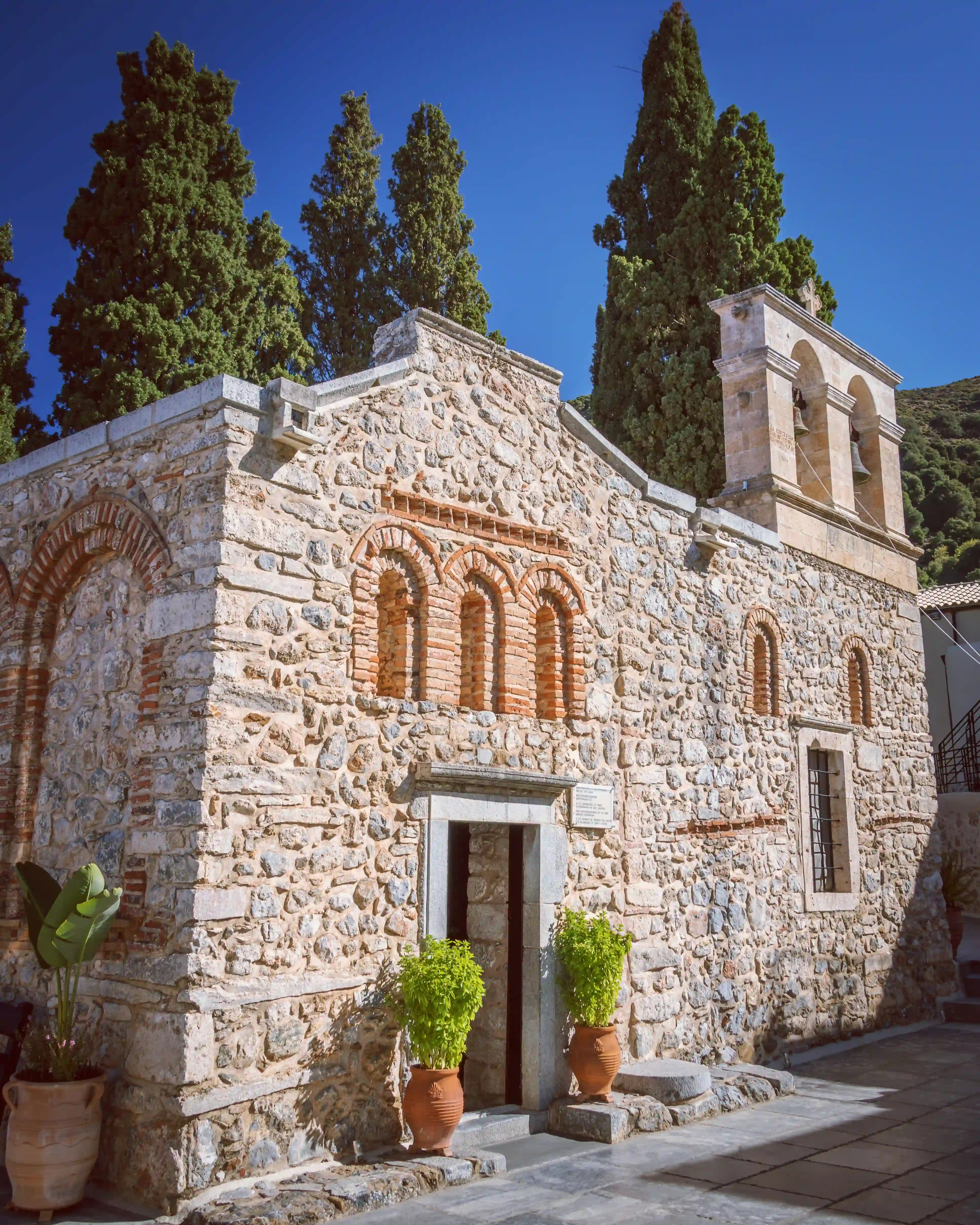
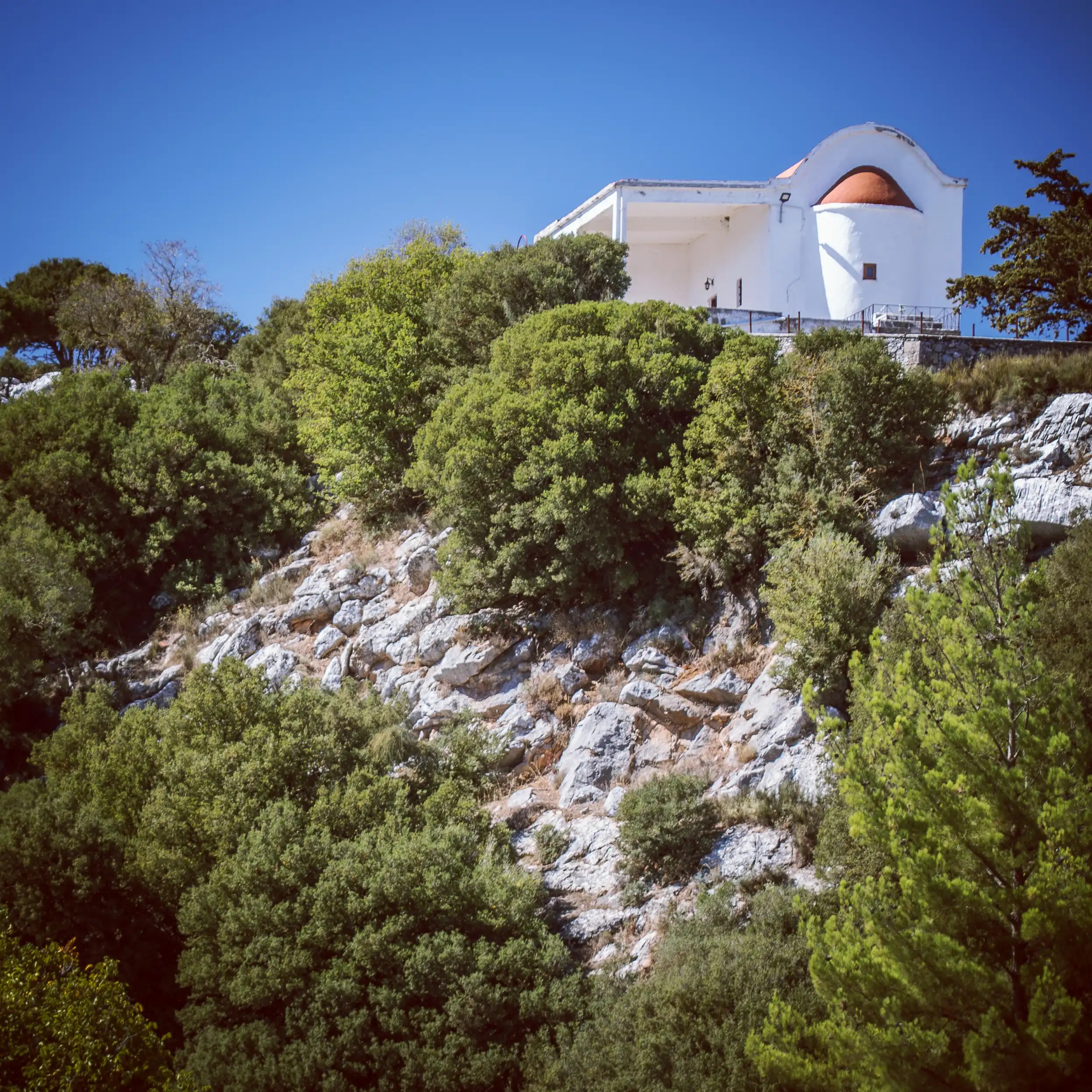
Farther along the route, we visited the Monastery of Panagia Kardiotissa, first recorded in documents from 1333 and today an active nunnery. The monastery is closely associated with a miraculous icon of the Virgin Mary—Our Lady Kardiotissa—which tradition says was stolen or removed multiple times but always returned to the monastery on its own. During the Venetian period the icon was taken to Rome, where it remains today, and a new icon was installed in 1735. The courtyard and small museum are peaceful to explore, and modest dress is required inside the church—wraps are available at the entrance.
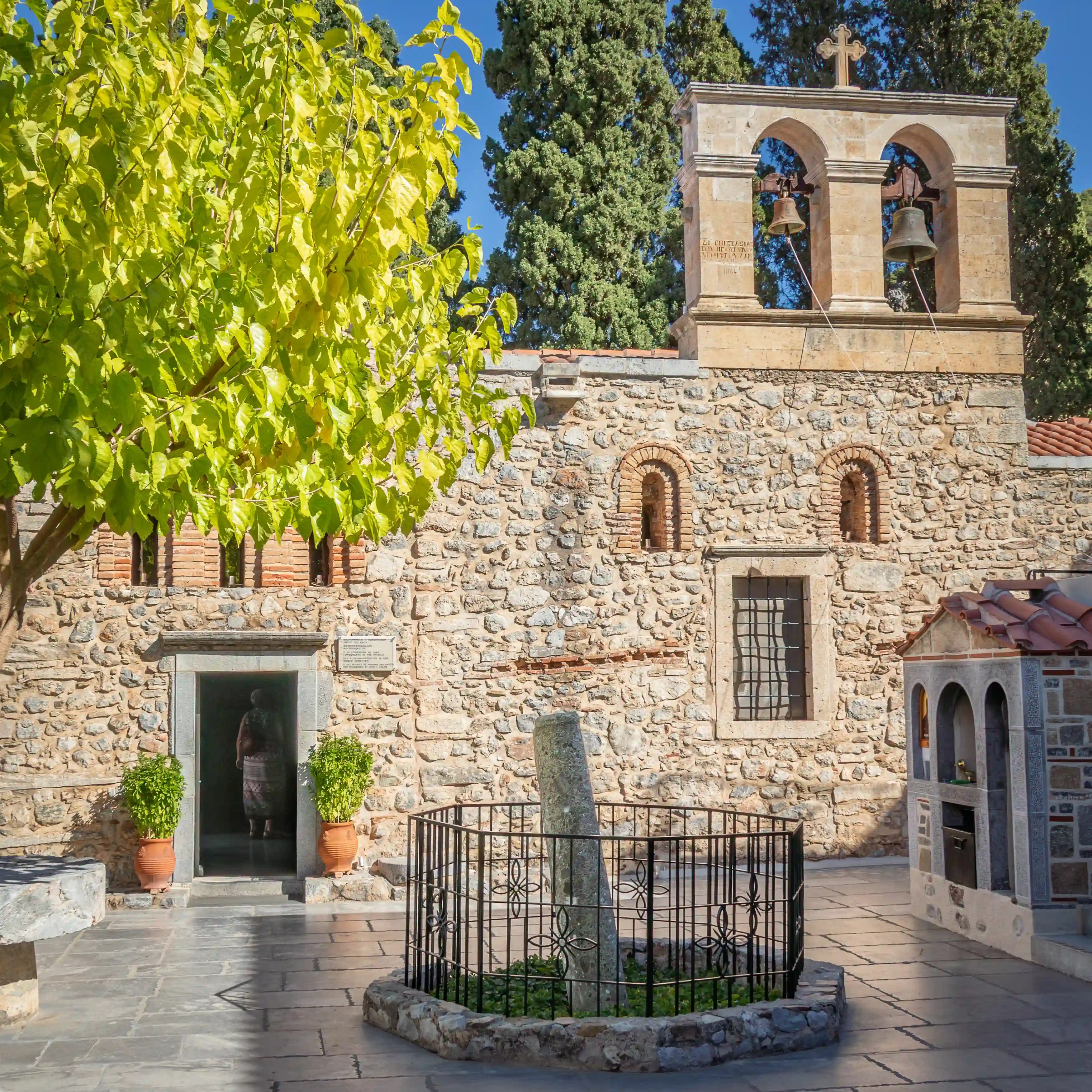
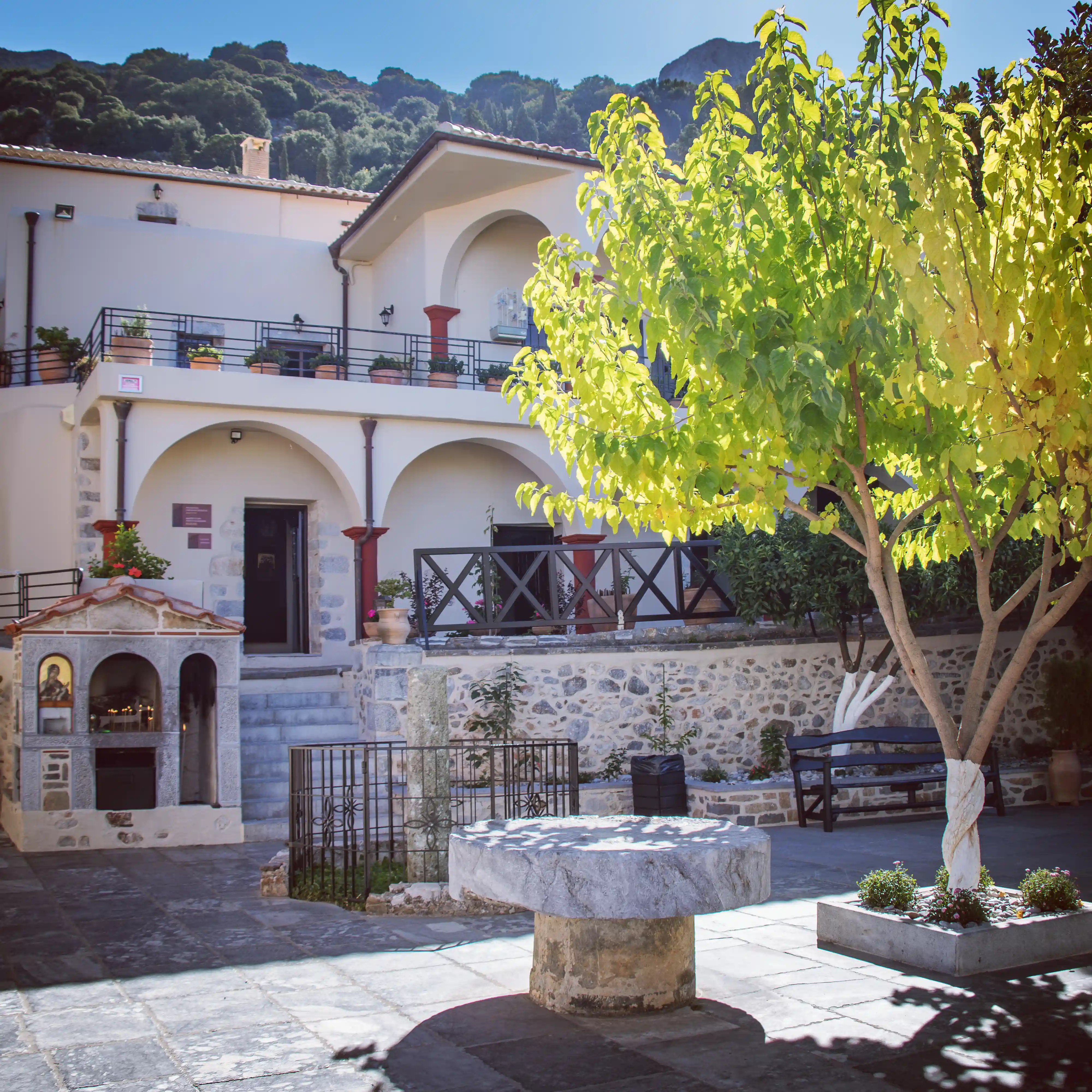

Breakfast at Taverna Niki
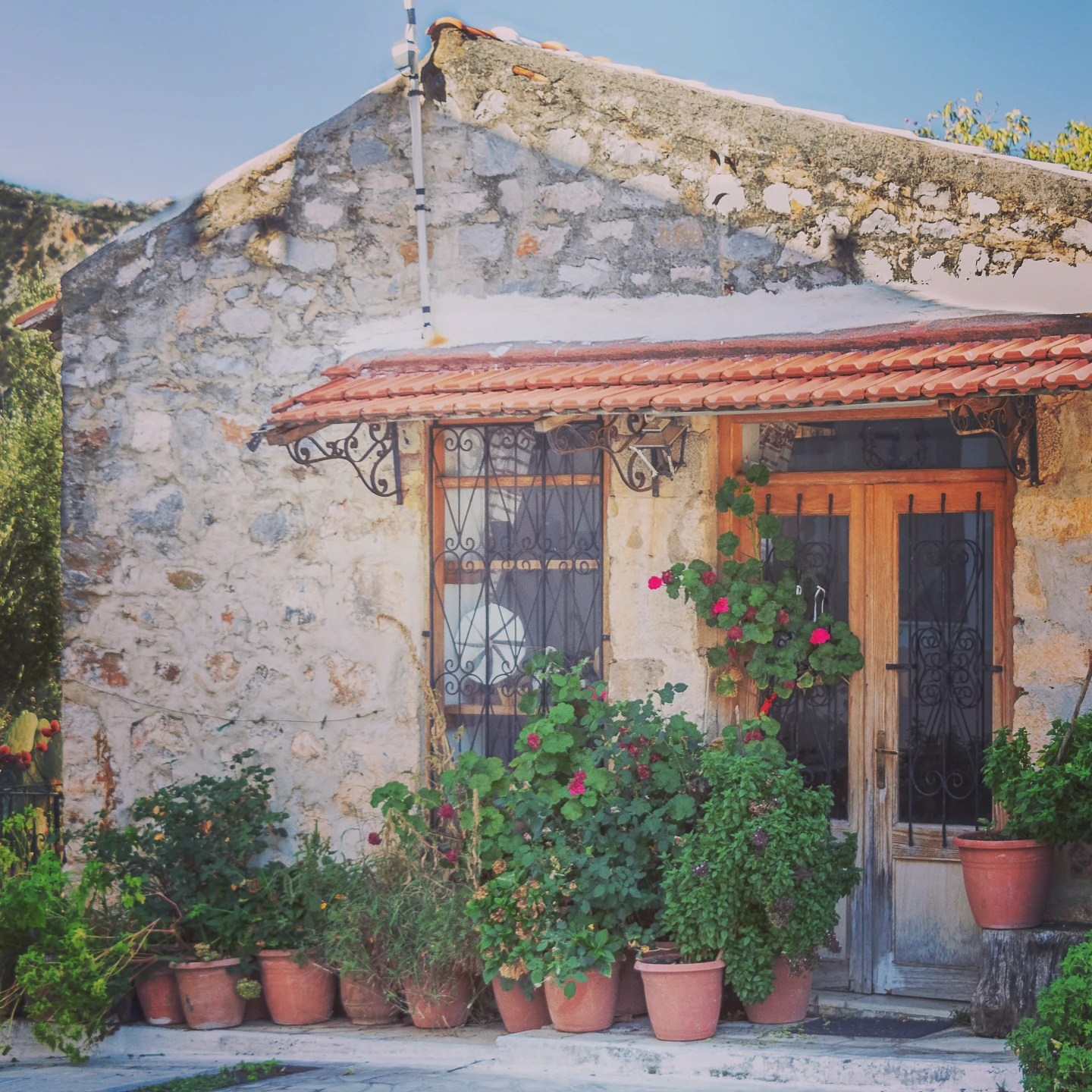
Before driving up toward the highest ridge, we stopped for breakfast at Taverna Niki, a charming mountain taverna with friendly service and omelets that tasted especially good after an early start on the road. The terrace overlooks the surrounding hills, and if you visit, it’s worth popping across the street to the family-owned Creta Gift Shop, which sells paintings and handmade souvenirs. Note that there is free parking just up the hill past the taverna.


Windmills of Seli Ampelou
From there, we climbed up to the Windmills of Seli Ampelou, perched high above the plateau at its northern entrance. Twenty-four windmills survive from the original twenty-six, built during the Venetian period and later relocated here at the end of the 19th century. They once harnessed the strong mountain winds to grind grain; today, many are ruins, but some have been restored with their white sails back in place. You can even walk inside a few of them to see the construction up close.


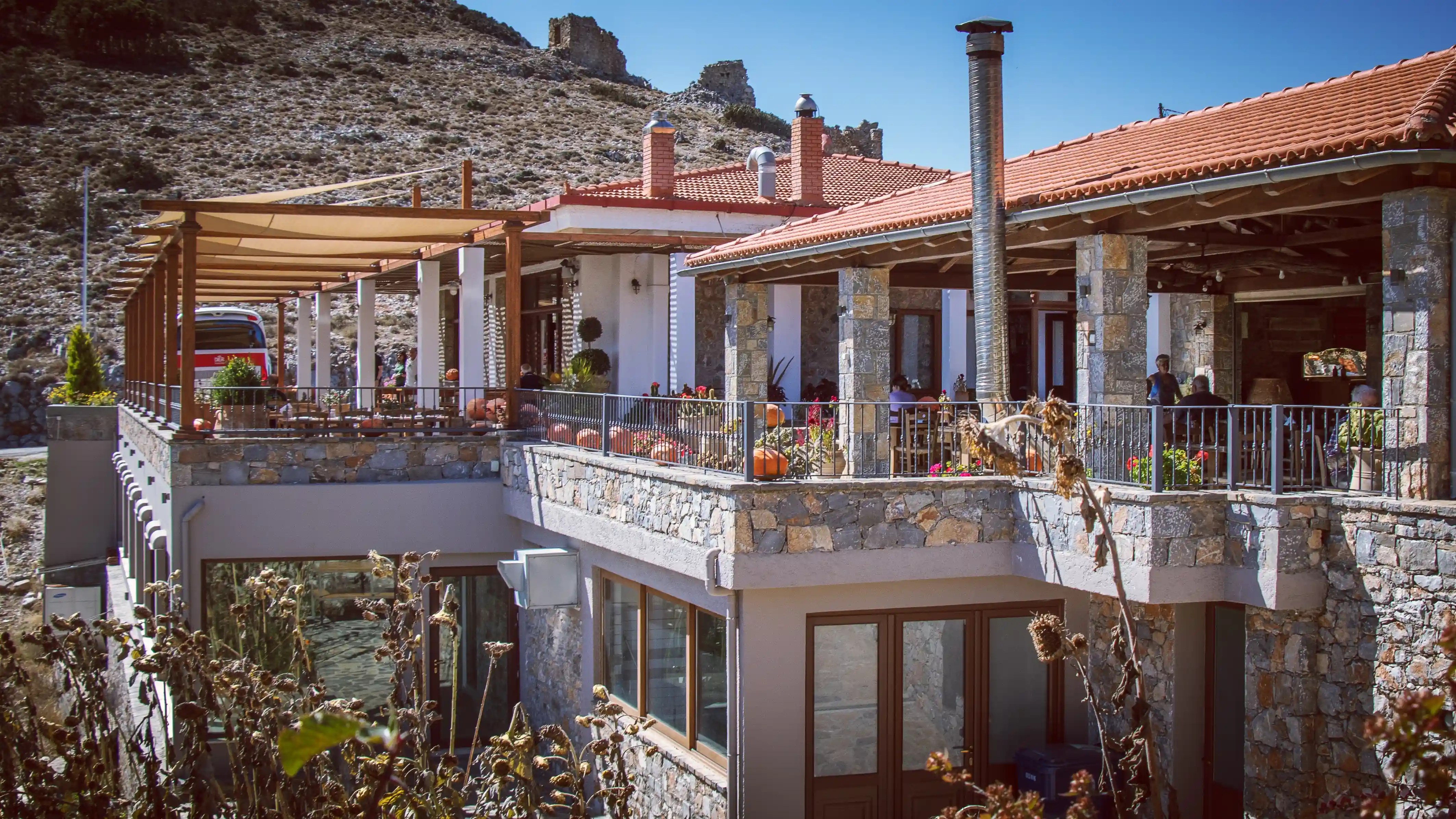
There’s also a restaurant at the top—Seli Ambelou—with a panoramic view over the Lasithi Plateau. It’s one of those places where you can sit for ten minutes or an hour depending on how long you want to soak in the view.

The Metal Windmills of the Lasithi Plateau
Lower on the plateau, you’ll see the metal windmills—once several thousand of them—used historically for irrigation. These mills replaced the older wooden tower structures in the 20th century and became an iconic feature of the Lasithi landscape. Today only a fraction remain, some restored and others slowly aging in the fields, but they’re still a striking reminder of how the plateau relied on wind power long before electricity reached the area.

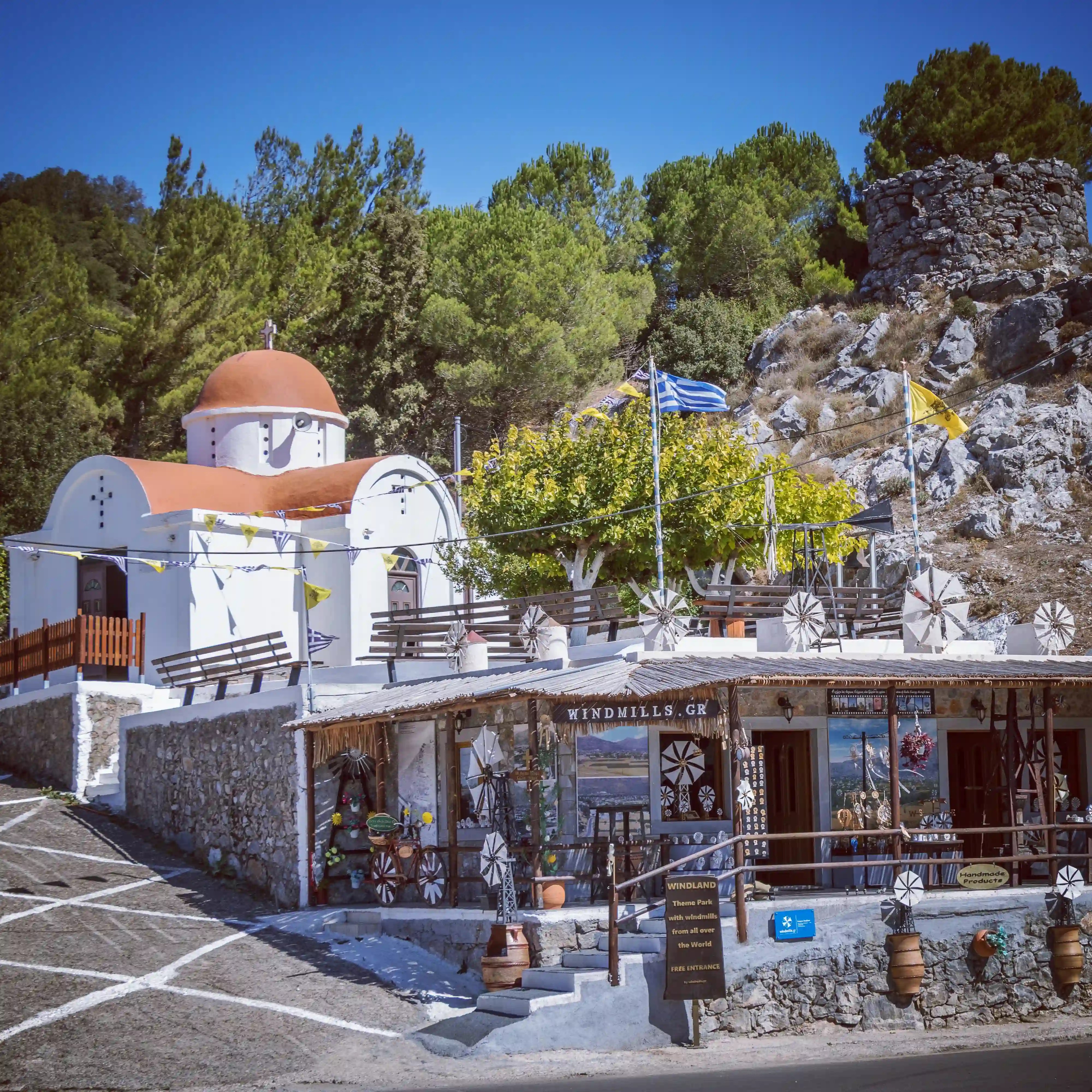


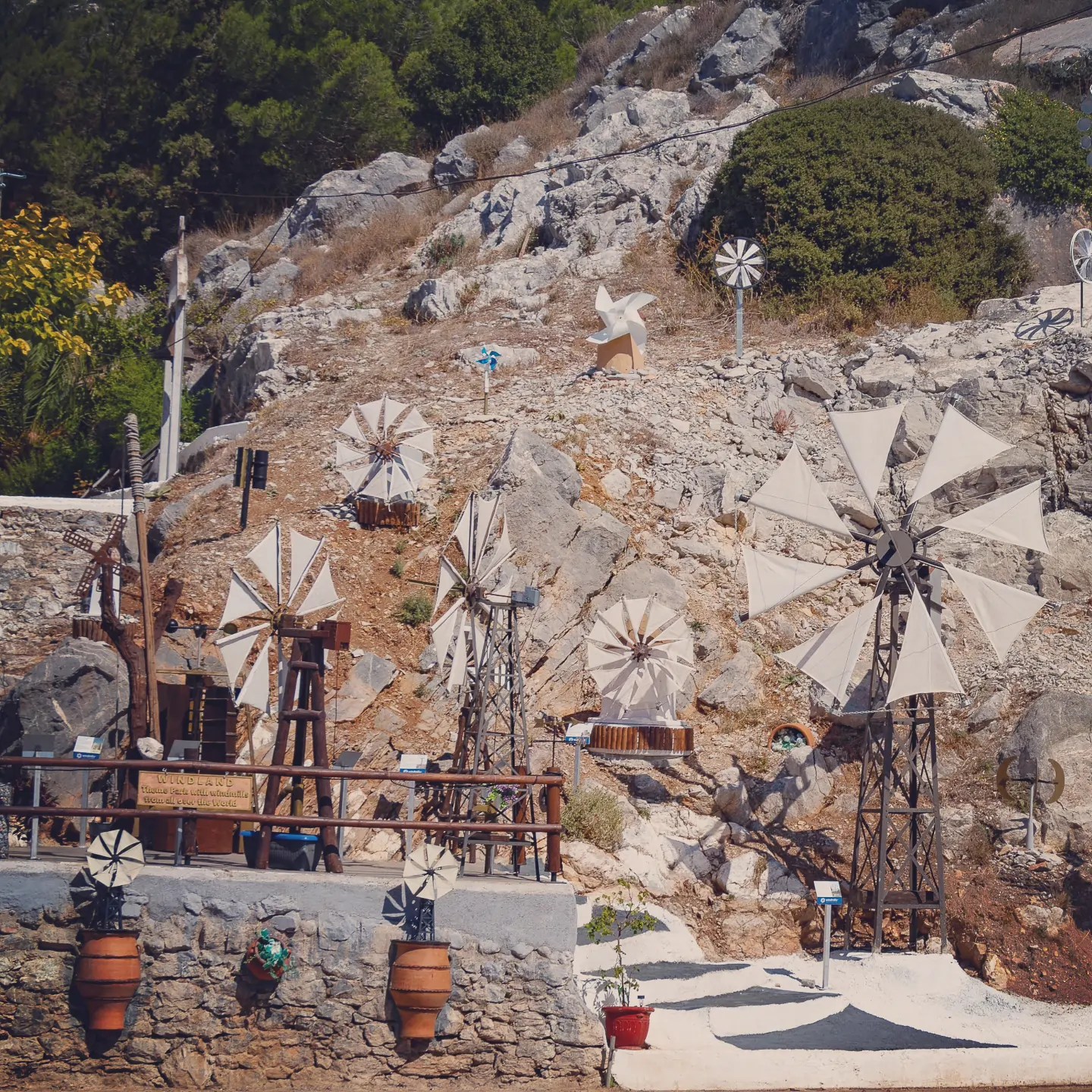
A popular way to explore the area is to drive the main road around the plateau, stopping at villages, viewpoints, monasteries, and scenic pull-offs along the way. It’s an easy, flexible route where you can stop as often as you like, and you could easily spend a whole day just wandering from one to the next.
One of the most famous sites is the Dikteon Cave in the village of Psychro, long regarded as the birthplace of Zeus, king of the Greek gods. According to myth, his mother Rhea hid him here to protect him from his father Cronus, who feared being overthrown and swallowed his children at birth. We were disappointed to find the cave closed early for the season (and temporarily closed for 2025), especially since it’s known for dramatic stalactites and stalagmites. Psychro is also a center for handmade ceramics, and nearby tavernas make it an easy place to pause before or after the climb to the cave.
Holy Monastery of Vidiani
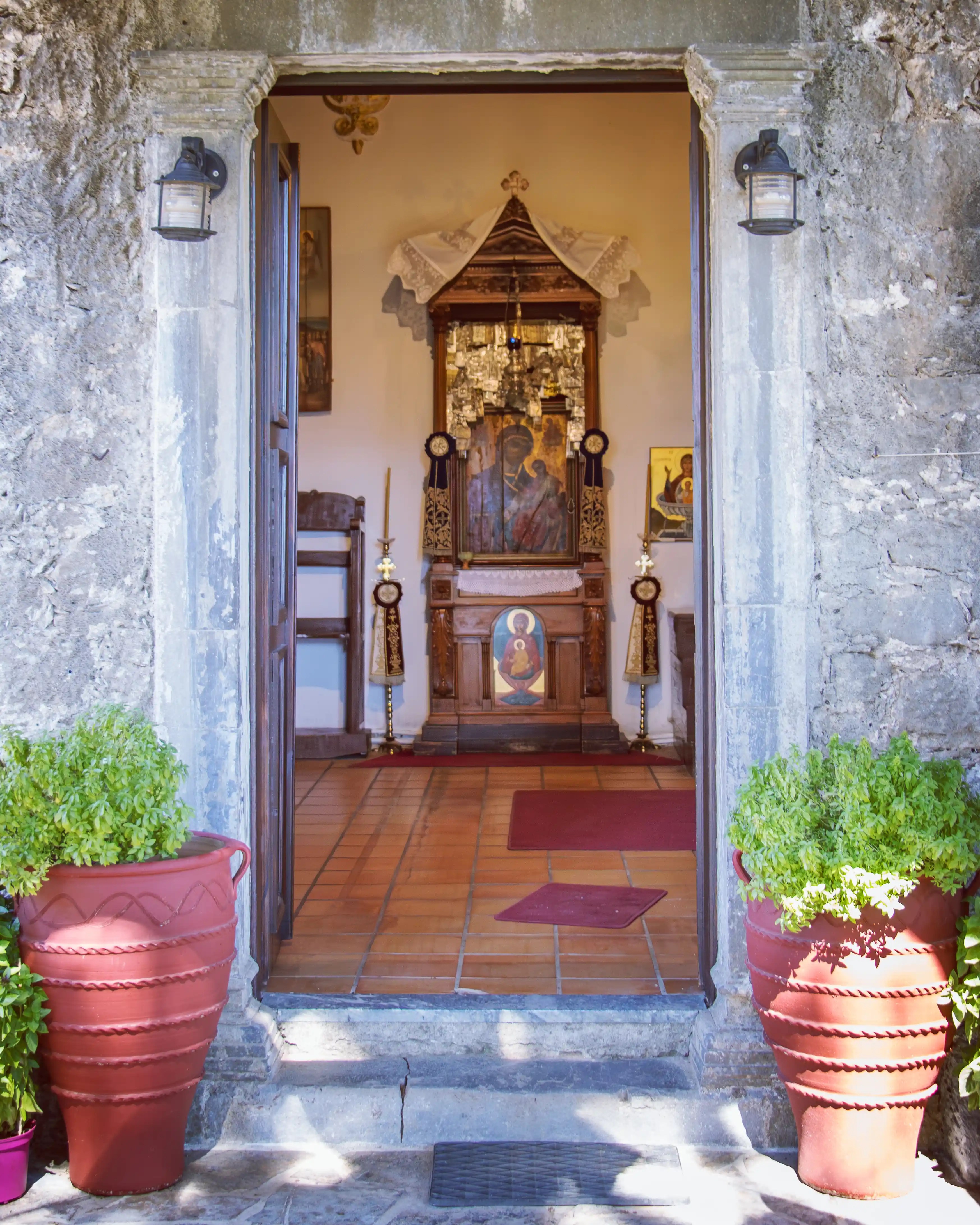
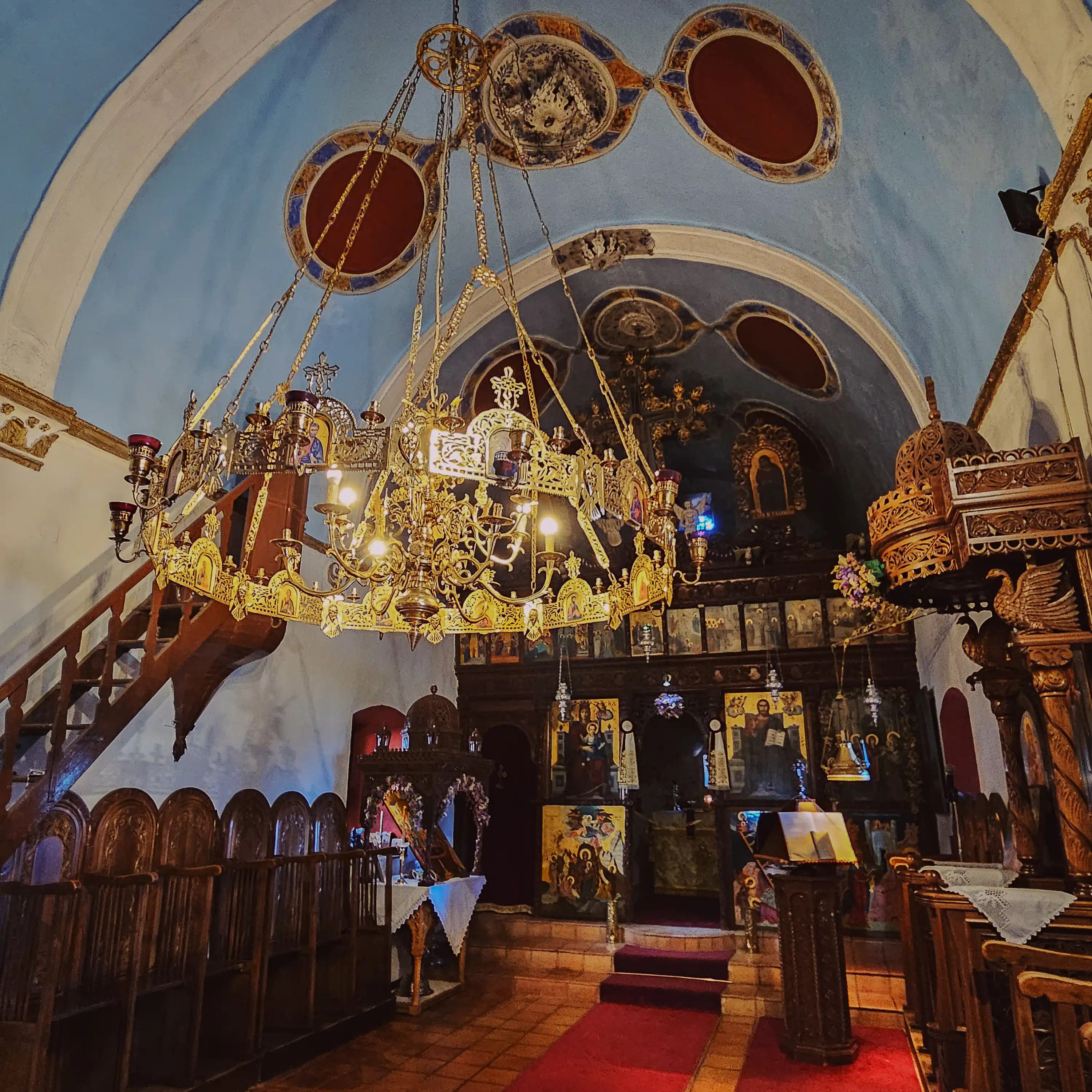
Our third monastery stop was the Holy Monastery of Vidiani, set on the northwestern side of the Lasithi Plateau in a quiet, wooded spot. The monastery is known for its serene grounds, a small Natural History Museum, and its renowned icon of the Virgin Mary of Vidiani, which dates to the Middle Byzantine period. The peaceful courtyard and gardens make it a pleasant stop along the drive.
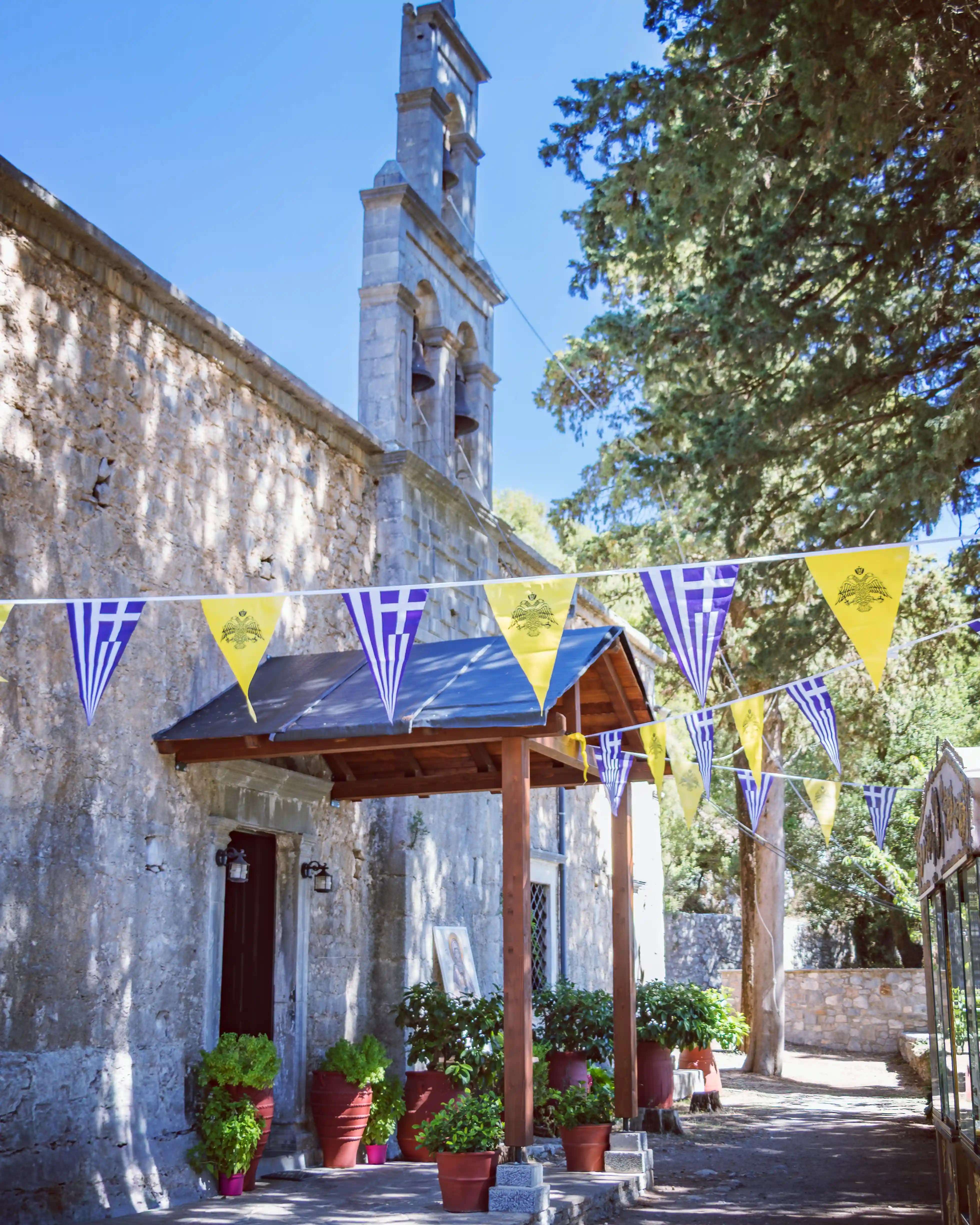

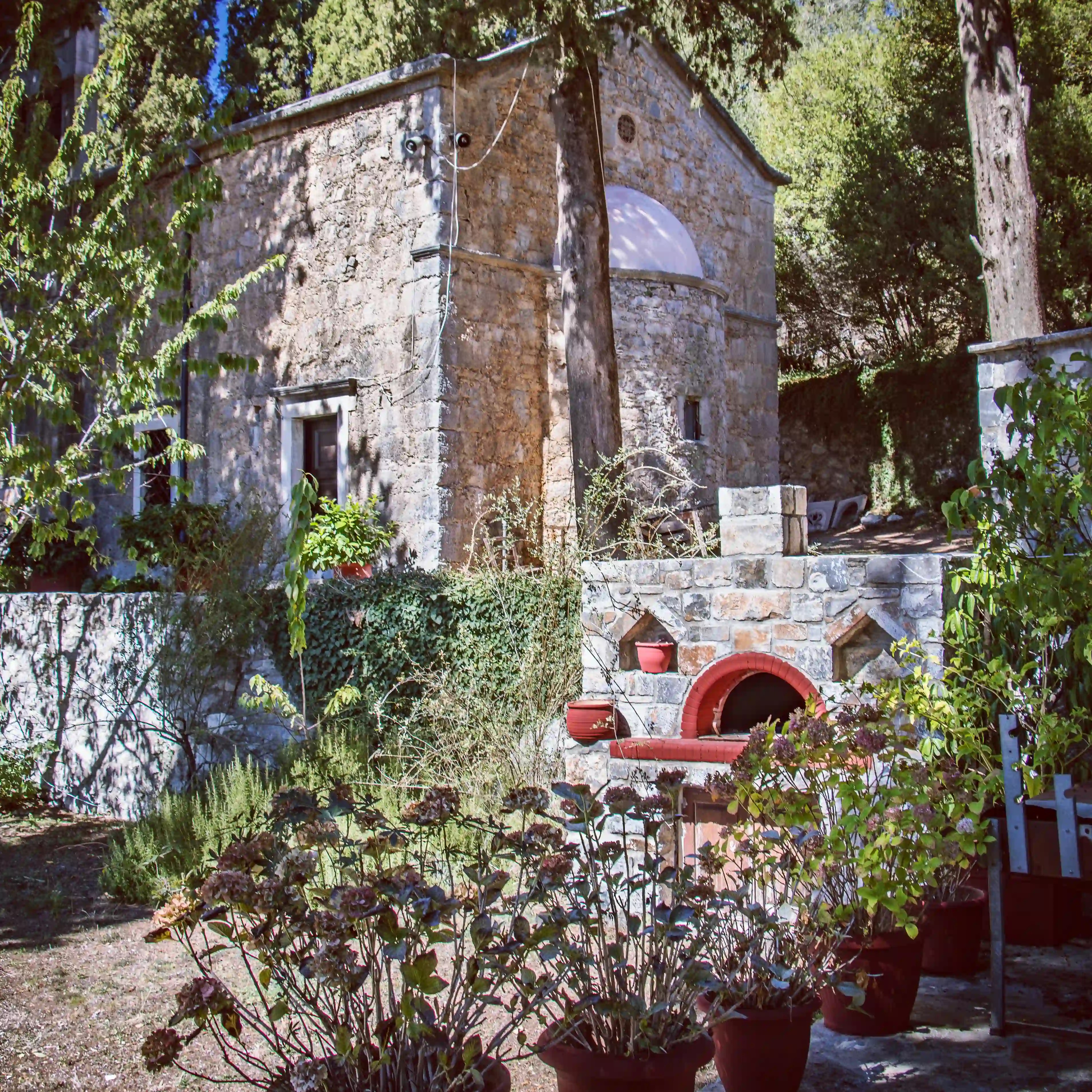
The Village of Krasi
On our way back to Ano Hersonissos, we descended toward Krasi, a charming village famous for its enormous centuries-old plane tree, considered one of the oldest in Crete. Its trunk measures over 14 meters (45.9 feet) around, and the cool shade beneath its branches has long been a favorite gathering place for notable Greek writers, including Nikos Kazantzakis, author of Zorba the Greek.

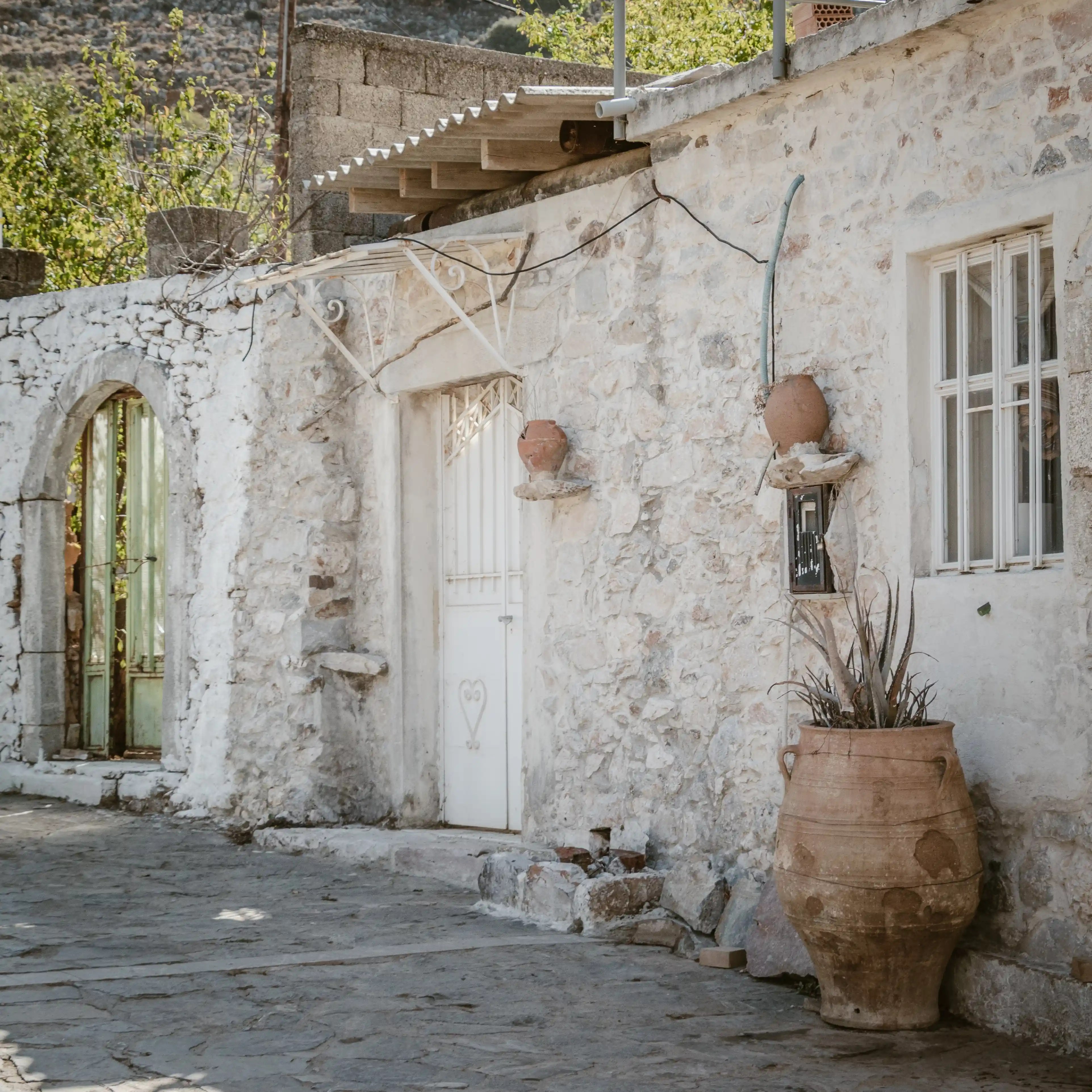


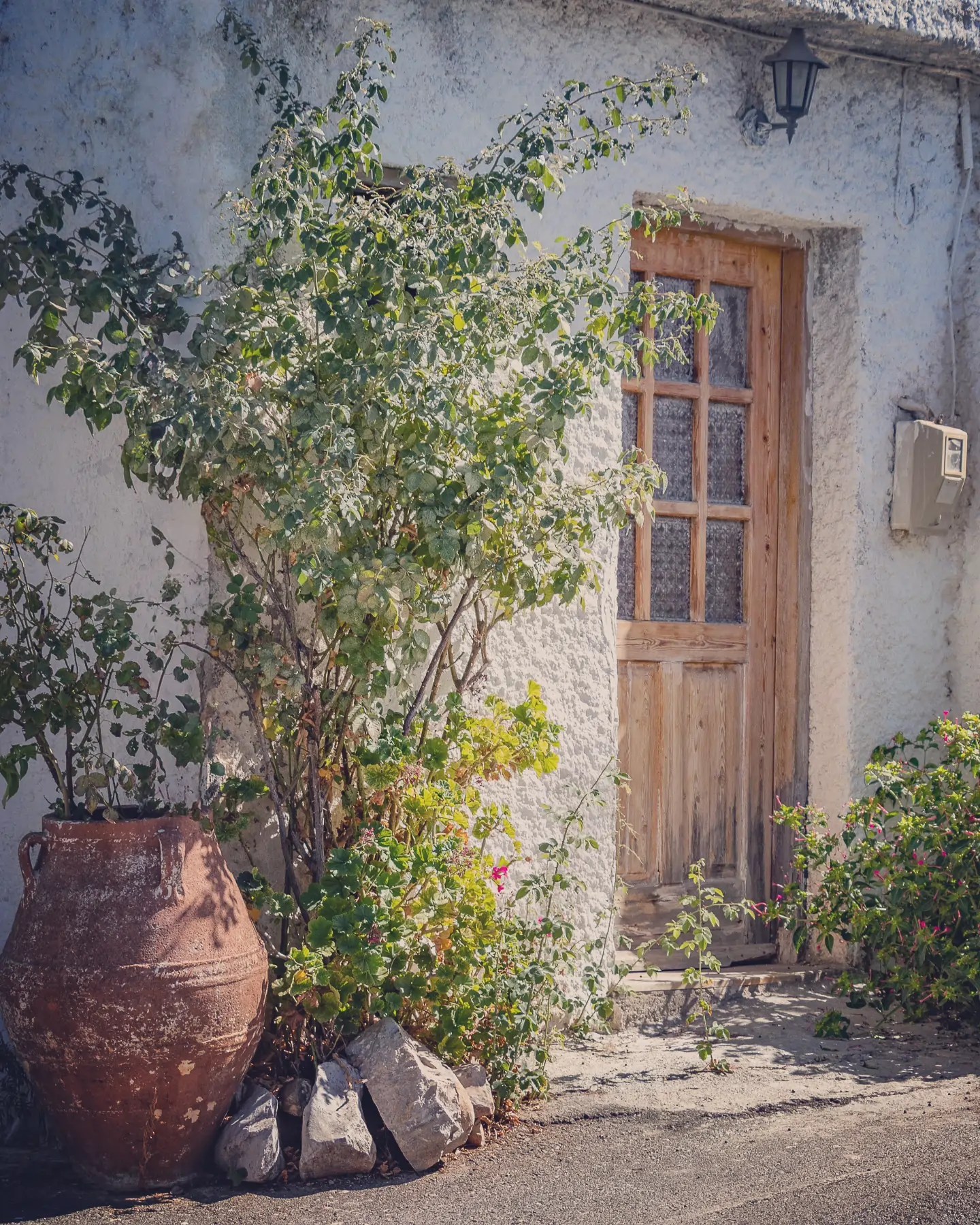


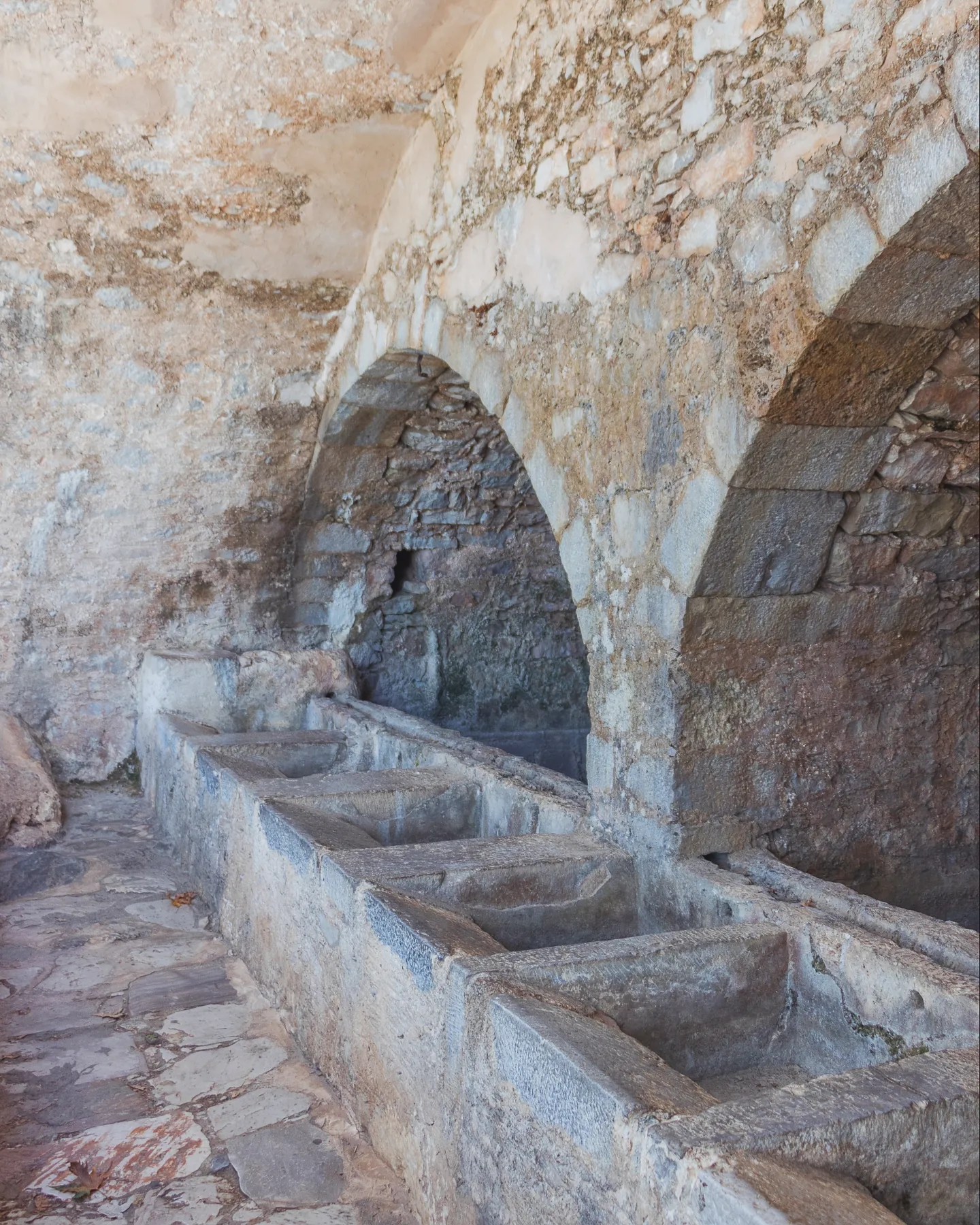
In front of the tree sits Megali Vrisi, the village’s historic stone reservoir and basins fed by natural spring water. It usually flows year-round, though it was dry when we visited. Krasi feels like a place where time moves slowly—stone houses, shady terraces, and quiet lanes to wander.

Lyrakis Family Olive Green Mill
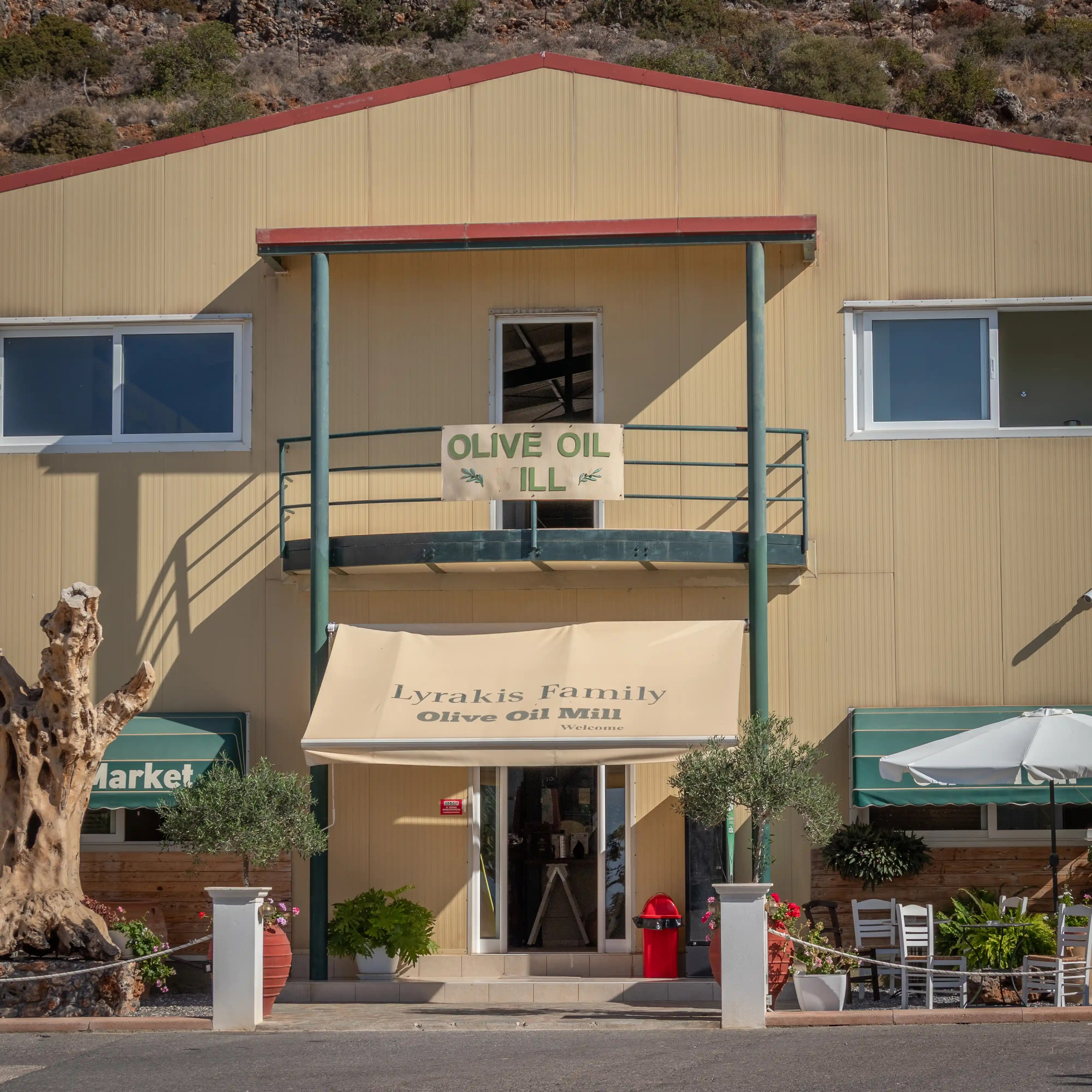
Our final stop was the Lyrakis Family Olive Green Mill, a small family-run business offering tastings and local products. They were incredibly welcoming, and their olive oil—especially the “Double Extra Olive Oil”—was delicious. The mill also offers tours and an evening Olive Mill Festival during the warmer months, with olive oil demonstrations, dinner, and traditional music.

Final Thoughts
What stood out most during our week on Crete was how varied each day felt. We knew the island was full of history and beautiful landscapes, but seeing it in person—walking through Knossos, exploring Heraklion, driving into the Lasithi Plateau, and ending our days in quiet village tavernas—made the region especially rewarding to explore. Even after a full week, we still had more on our list than when we arrived.
Location & Getting There
Greece sits in southeastern Europe, surrounded by the Aegean, Ionian, and Mediterranean Seas. Crete—its largest island—lies south of mainland Greece and north of Africa. We spent this trip on the island’s north-central coast, near Hersonissos, which offers easy access to both Heraklion and the Lasithi Plateau.
We flew from Stuttgart to Heraklion International Airport (Nikos Kazantzakis Airport) and picked up a rental car for the week. While it’s possible to reach a few places by shuttle or taxi, having a car made exploring much easier—especially for visiting Knossos, the Lasithi Plateau, and the smaller mountain villages inland.
Crete is a large island, and it quickly becomes clear that you can’t see every region from a single base. For this trip, staying in the hills above Hersonissos gave us easy access to both Heraklion and the Lasithi Plateau. Village Heights Resort sits just outside Ano Hersonissos—also known as Old Hersonissos—and a short drive from the main beachfront area below. From the resort, driving times were generally:
- Knossos: 30–40 minutes
- Heraklion: 25–30 minutes
- Lasithi Plateau: about one hour (depending on the route)
- Coastal Hersonissos: reachable by a free resort shuttle or a quick drive
Tips for Visiting Crete
- Allow extra time for driving. Roads through the mountains can be narrow and winding, and distances that look short on a map often take longer in real life.
- Check seasonal hours and closures. Some sites—especially caves, monasteries, and small museums—close early for the season or temporarily for renovations, so it’s worth confirming opening times before you go.
- Pack smart. Bring comfortable walking shoes, plenty of sun protection (sunscreen, hat, swimwear, towel), and a reusable water bottle. A light jacket or extra layer is also useful—mountain temperatures can drop quickly.
- Dress respectfully when visiting monasteries. Shoulders and knees typically need to be covered, and many monasteries provide wraps at the entrance if you need one.
- Sample local Cretan specialties. Olive oil, graviera and myzithra cheeses, thyme honey, Cretan wine, and traditional pastries are all worth trying—and often taste even better when purchased from small producers.
- Time your visit to Knossos. The archaeological site is far more enjoyable early in the morning or later in the afternoon, when the crowds and heat ease up.
- Consider spring or autumn for ideal weather. These shoulder seasons offer warm days, cooler evenings, and far fewer visitors compared to midsummer. October turned out to be an especially great month to visit.
- Bring a plug adapter. Greece uses the standard European plug types (C and F), so make sure your devices are compatible.
- Expect later mealtimes. Tavernas often fill up closer to 9 PM (21:00). Ordering several small dishes (mezedes) is a delicious way to try more of the local cuisine.
- Keep a bit of cash on hand. While most towns accept cards, smaller villages and family-run shops may prefer euros, especially for small purchases.
Other Things to Do in the Heraklion Area
If you have extra time nearby, here are a few easy additions to a Heraklion itinerary:
- Take a boat trip to Dia Island, known for clear water, snorkeling, and quiet coves.
- Visit Ammoudara Beach, the main long sandy beach west of Heraklion (often breezy but easy to access).
- Explore nearby villages such as Archanes or Karteros, both known for traditional tavernas and local wine.
- Stop at the Natural History Museum of Crete if you’re spending time in the city (great for families and weather-dependent days).
Crete has endless corners to explore—these are just a few spots close to Heraklion if you’re based in this region. You can find more inspiration on the official Visit Heraklion website.
Stay Tuned for Part II
Part II of this series will cover another side of Crete completely: the dramatic hike through Samaria Gorge, the coastal towns of Agios Nikolaos, Elounda, and Plaka, our visit to Spinalonga Island, and a journey west to Rethymno. There’s so much more to share.
Have you visited Crete or explored any of these places? Share your thoughts, questions, or favorite memories in the comments below—I’d love to hear from you!


Leave a reply to Our Crete Adventure Part II: Samaria Gorge, Rethymno, Spinalonga Island & the Villages of Mirabello Bay – FRAMED WITH WONDER Cancel reply