After exploring the markets of Baden-Baden, Ludwigsburg, Stuttgart, and Burg Hohenzollern in German Christmas Markets Volume I, we continued our Christmas market adventures a little farther afield—to three of Germany’s most magical destinations. Each offered its own blend of history, atmosphere, and seasonal cheer: a medieval market alive with firelight and jesters, a world-famous celebration presided over by the Christkind, and a fairytale town transformed into a glowing winter village.
Esslingen Medieval Market & Christmas Market (Esslinger Mittelaltermarkt & Weihnachtsmarkt)
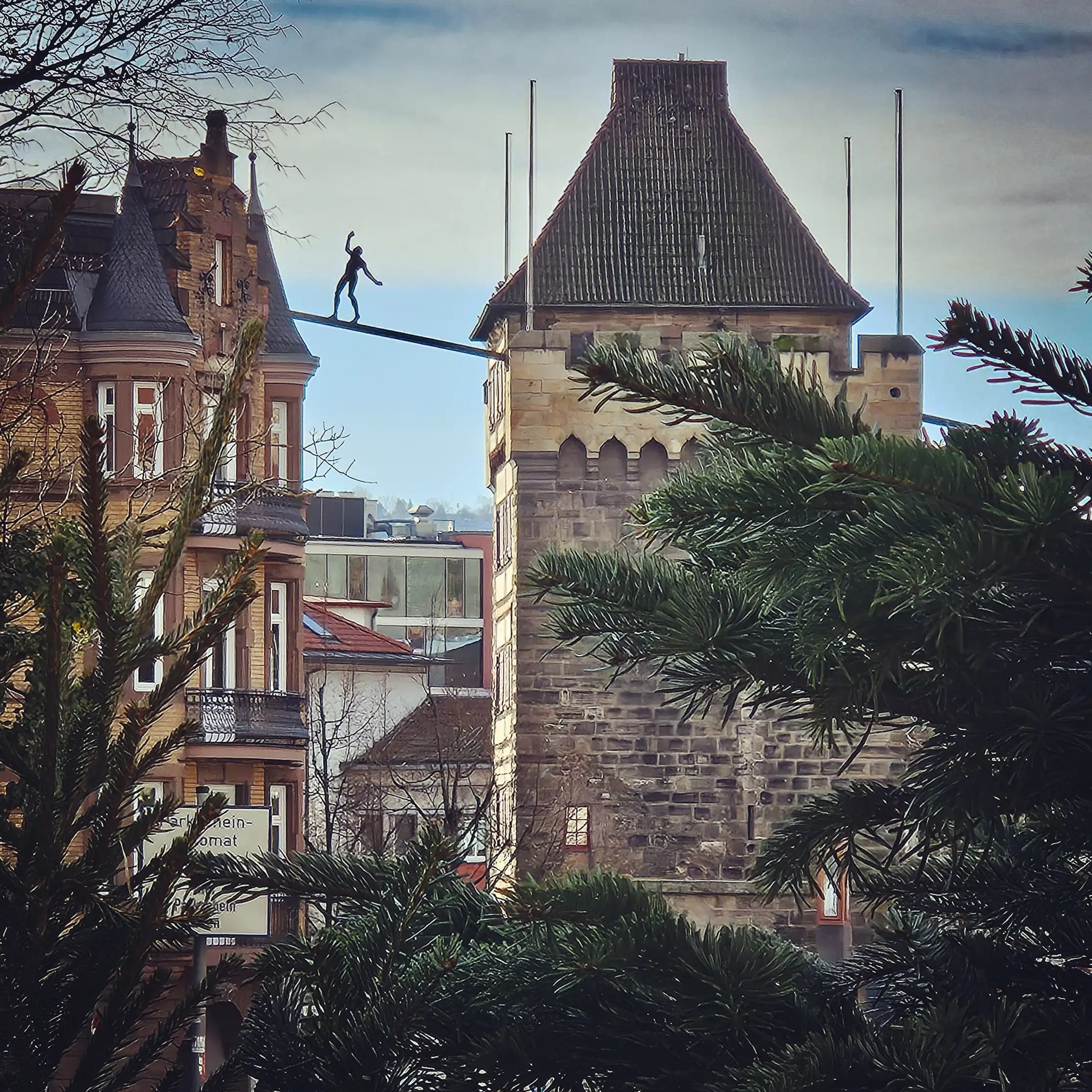
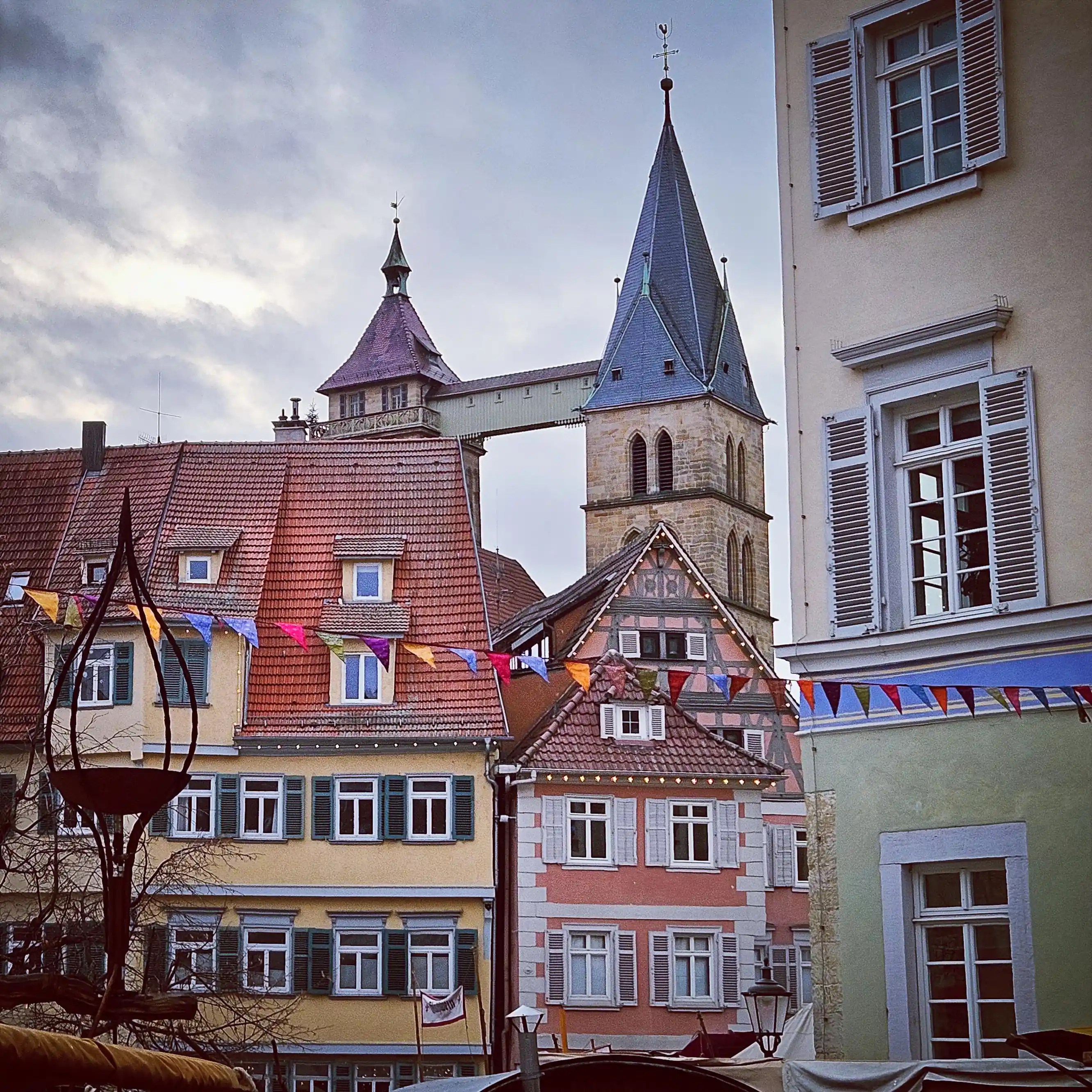
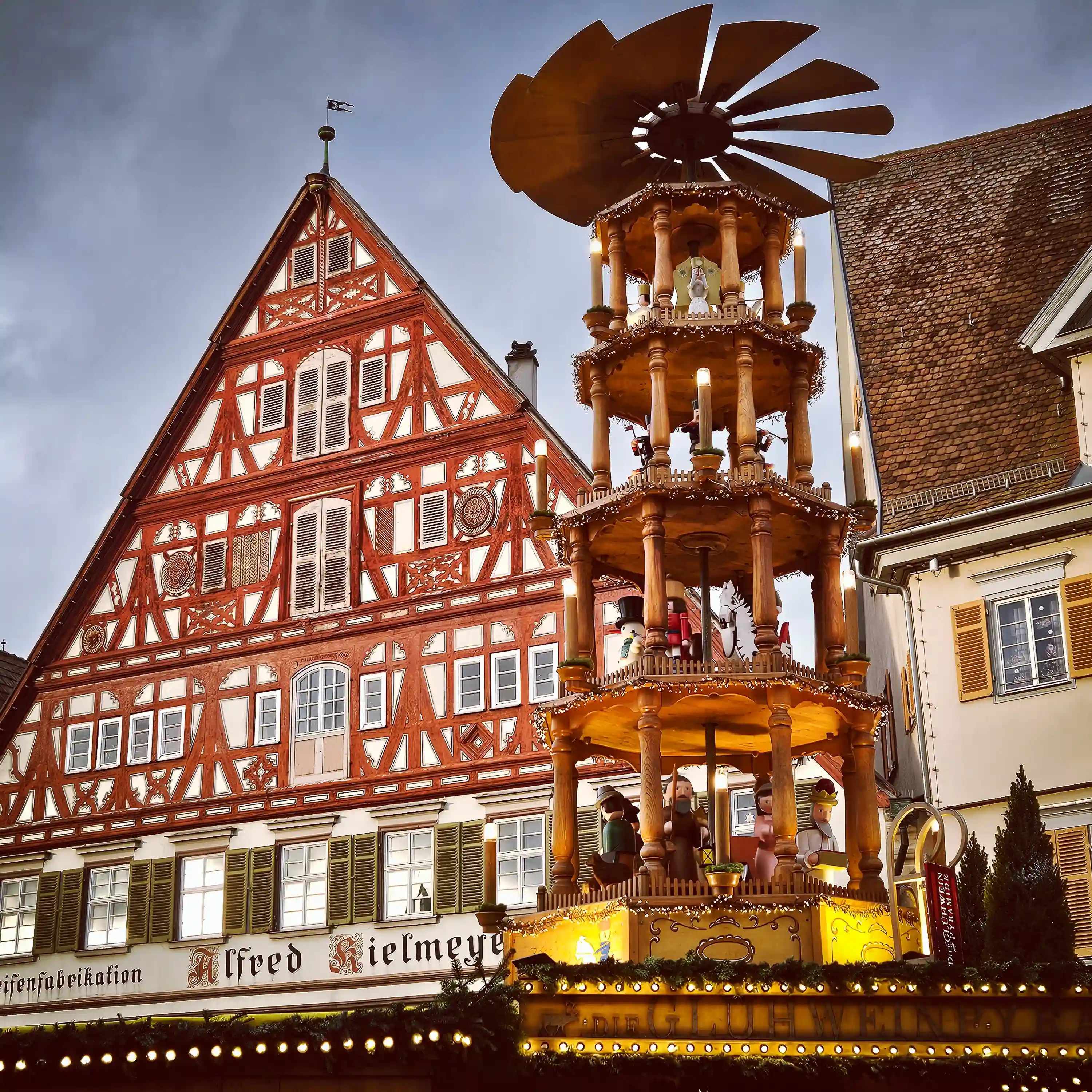
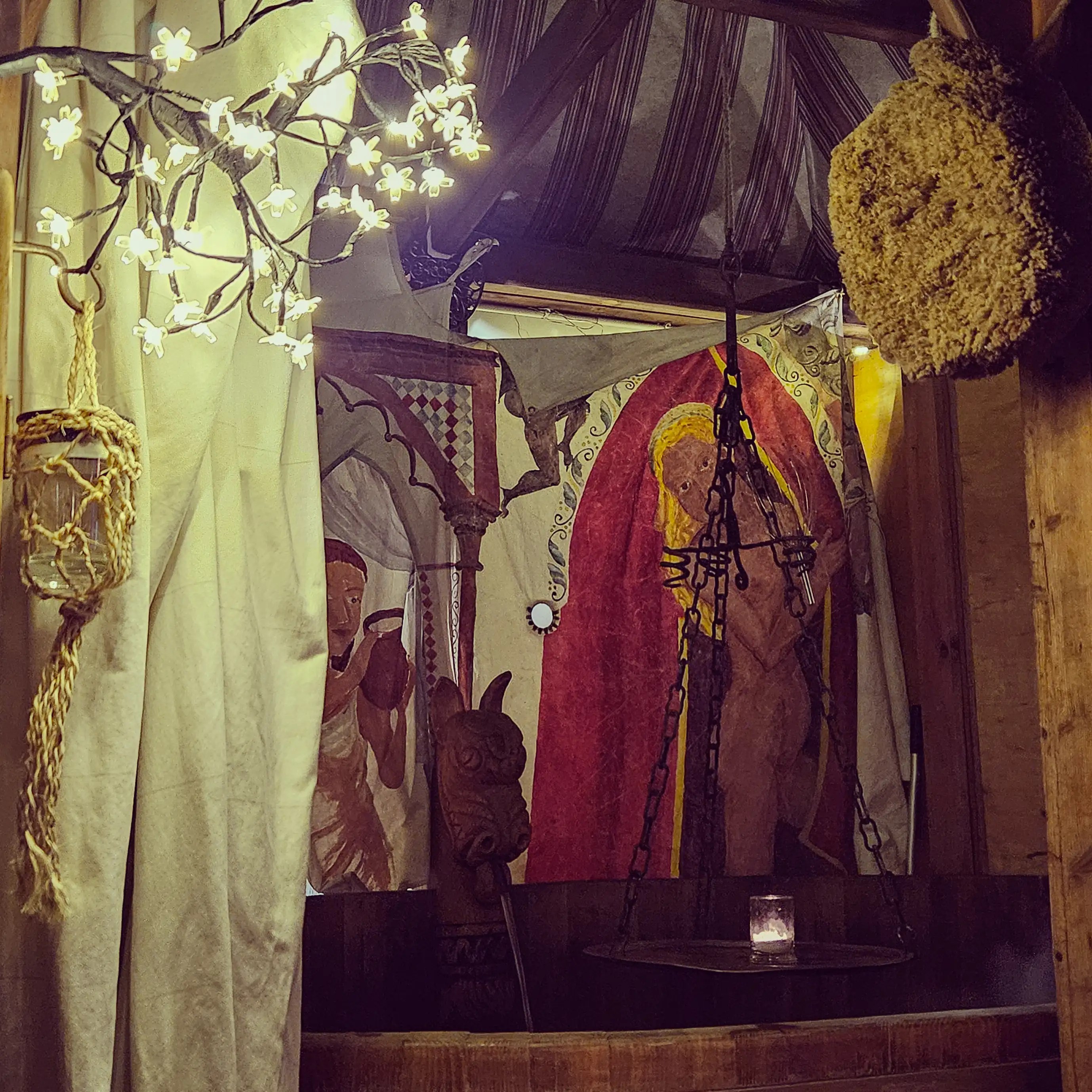
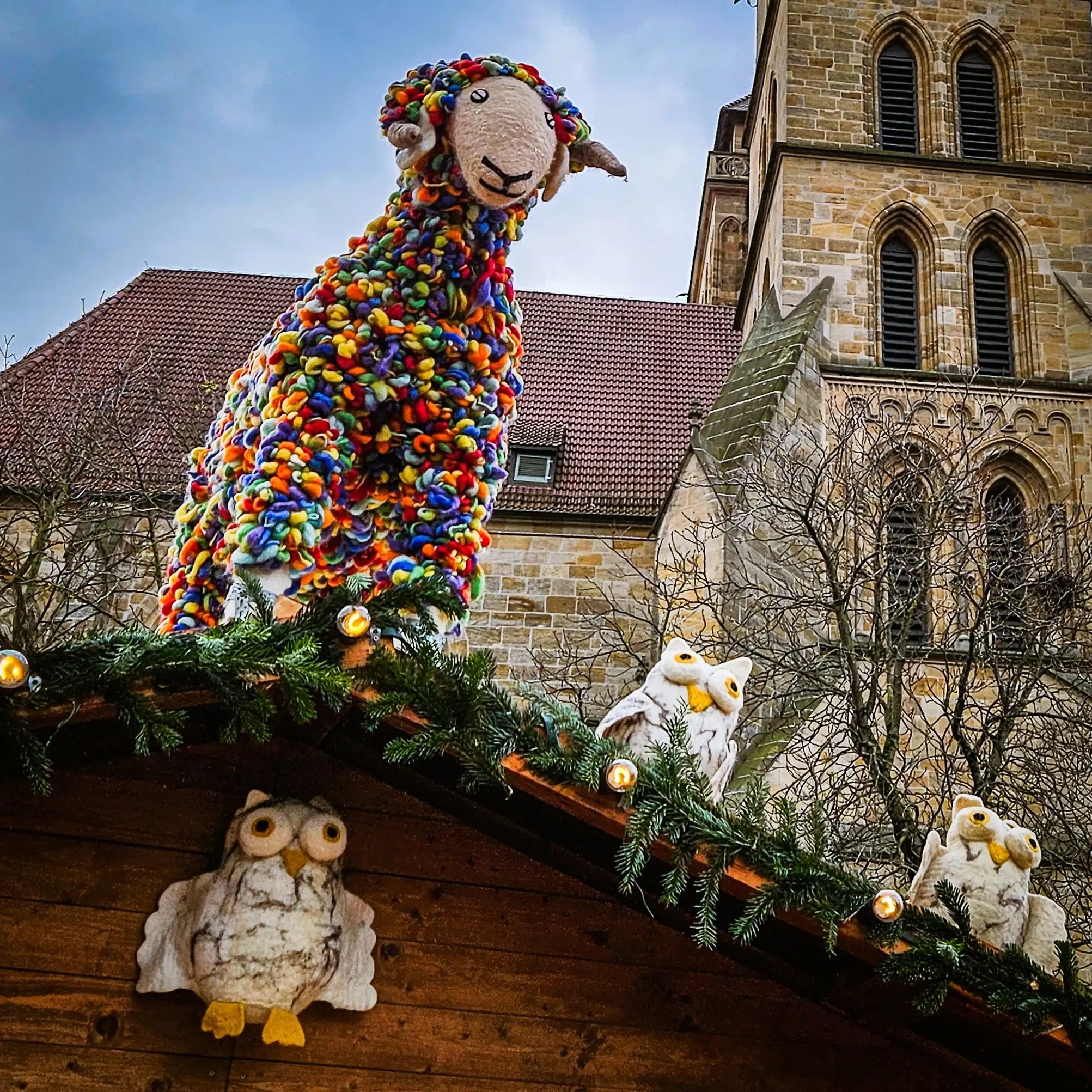
Just south of Stuttgart, the medieval town of Esslingen transforms each winter into a place where history and holiday spirit meet beneath twinkling lights. Its half-timbered houses, narrow lanes, and market squares become the perfect stage for the city’s Mittelaltermarkt & Weihnachtsmarkt—a celebration that blends centuries-old traditions with festive cheer.
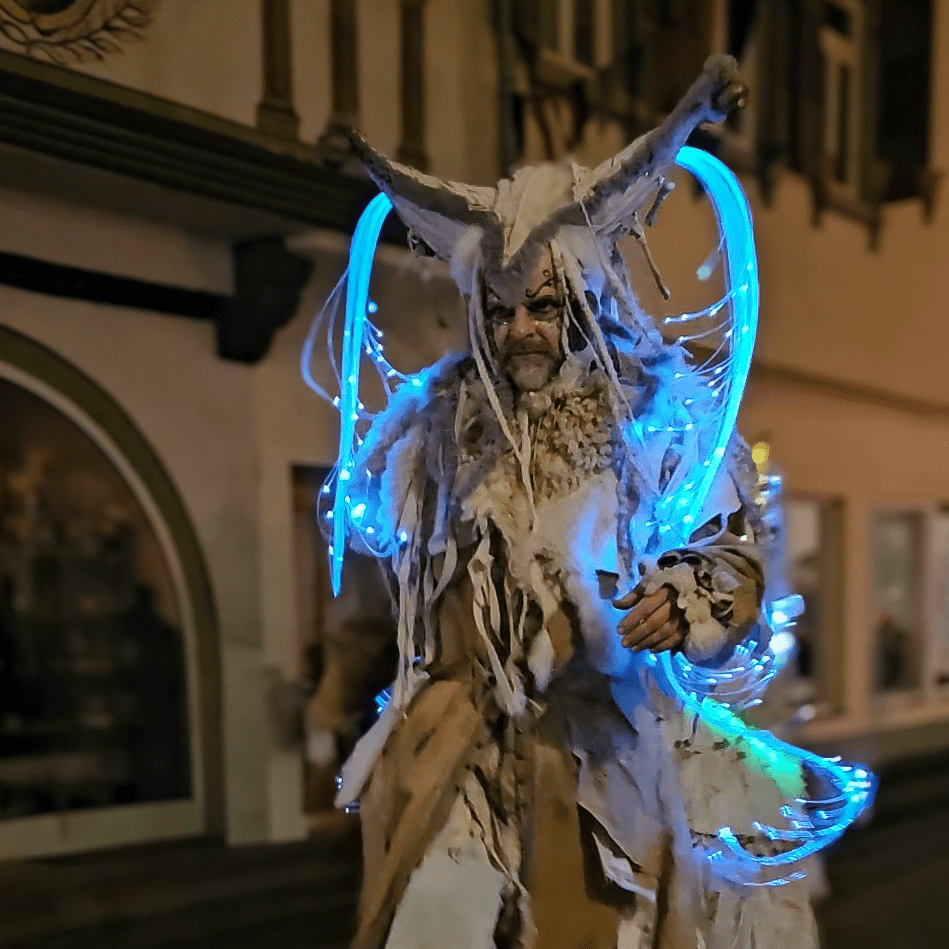
I first visited on a guided Christmas Market Tour (in English) with Tom Hale of Esslingen City Tours, a daytime walk filled with insider stories and history that gave the market a whole new layer of appreciation. I loved it so much that I came back again after dark, when torches flickered, musicians played rustic tunes, and the air was thick with the scent of roasted chestnuts and mead.
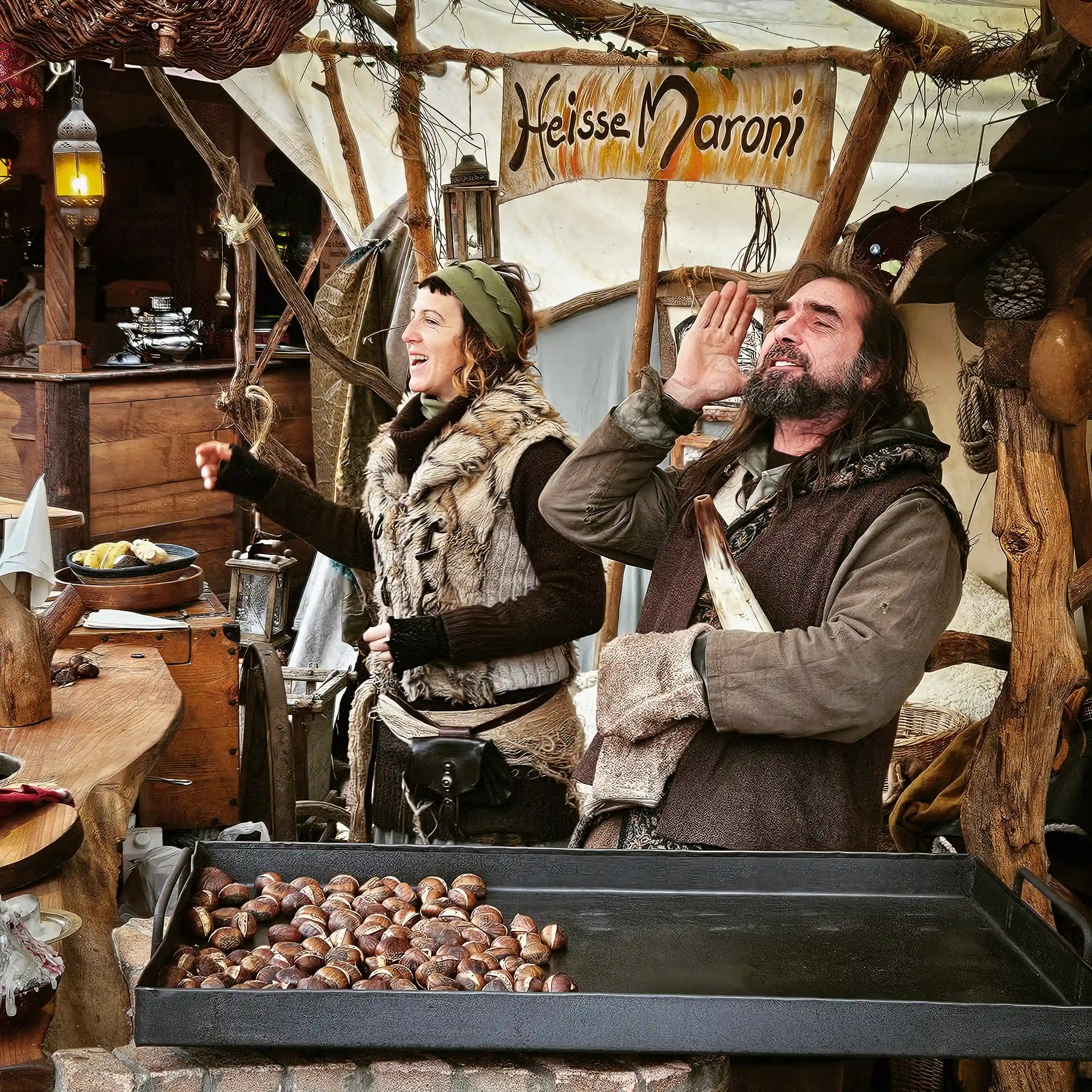
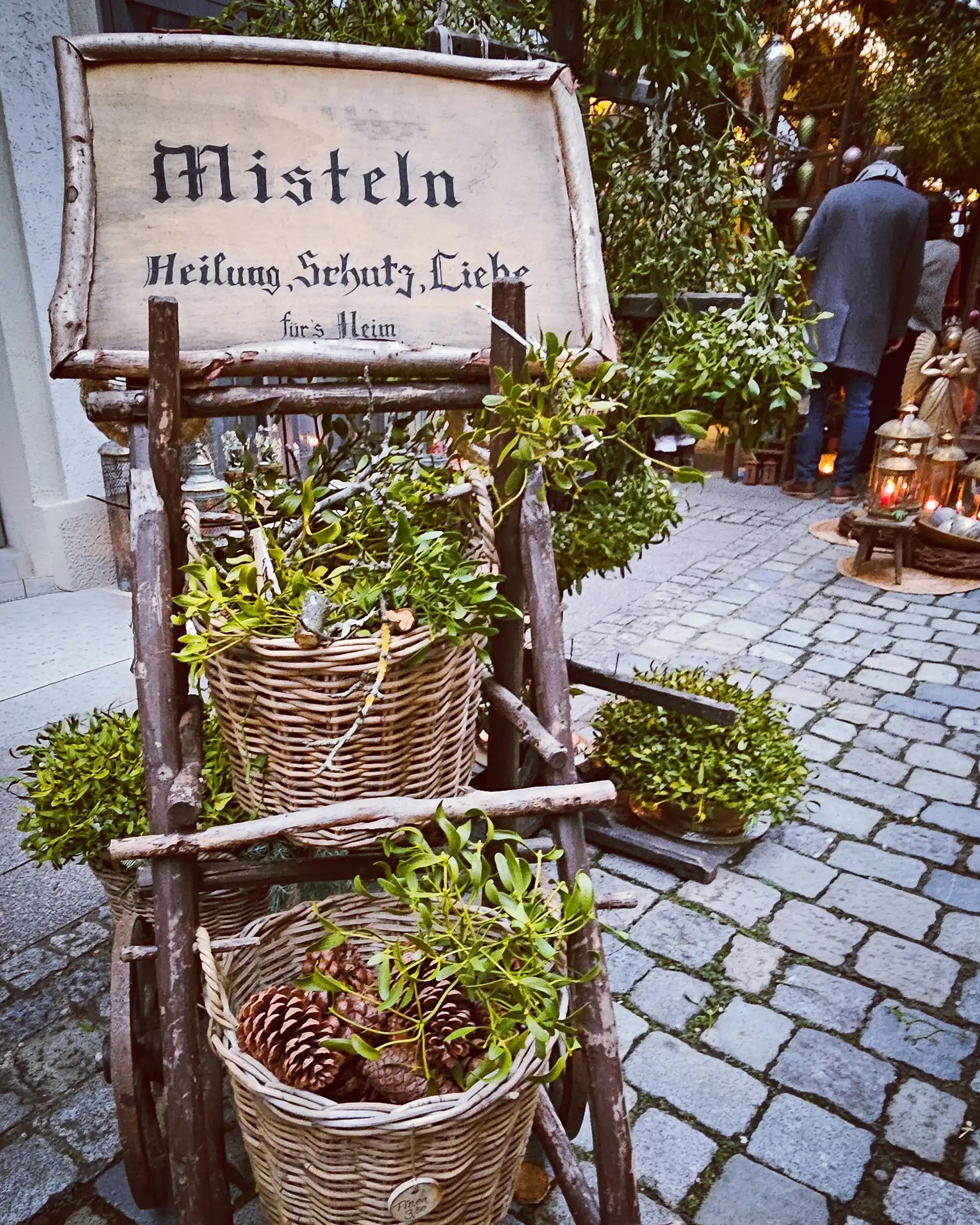
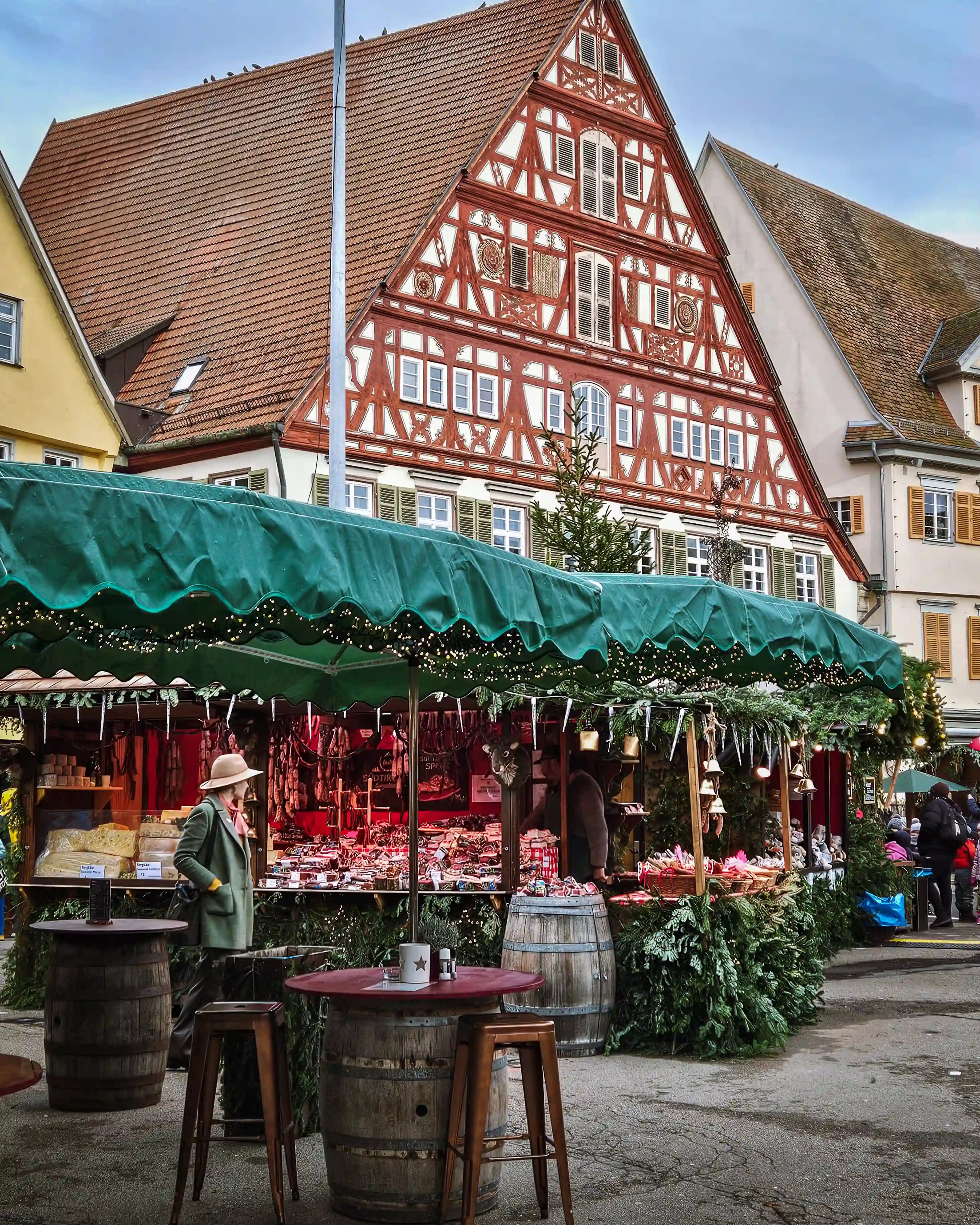
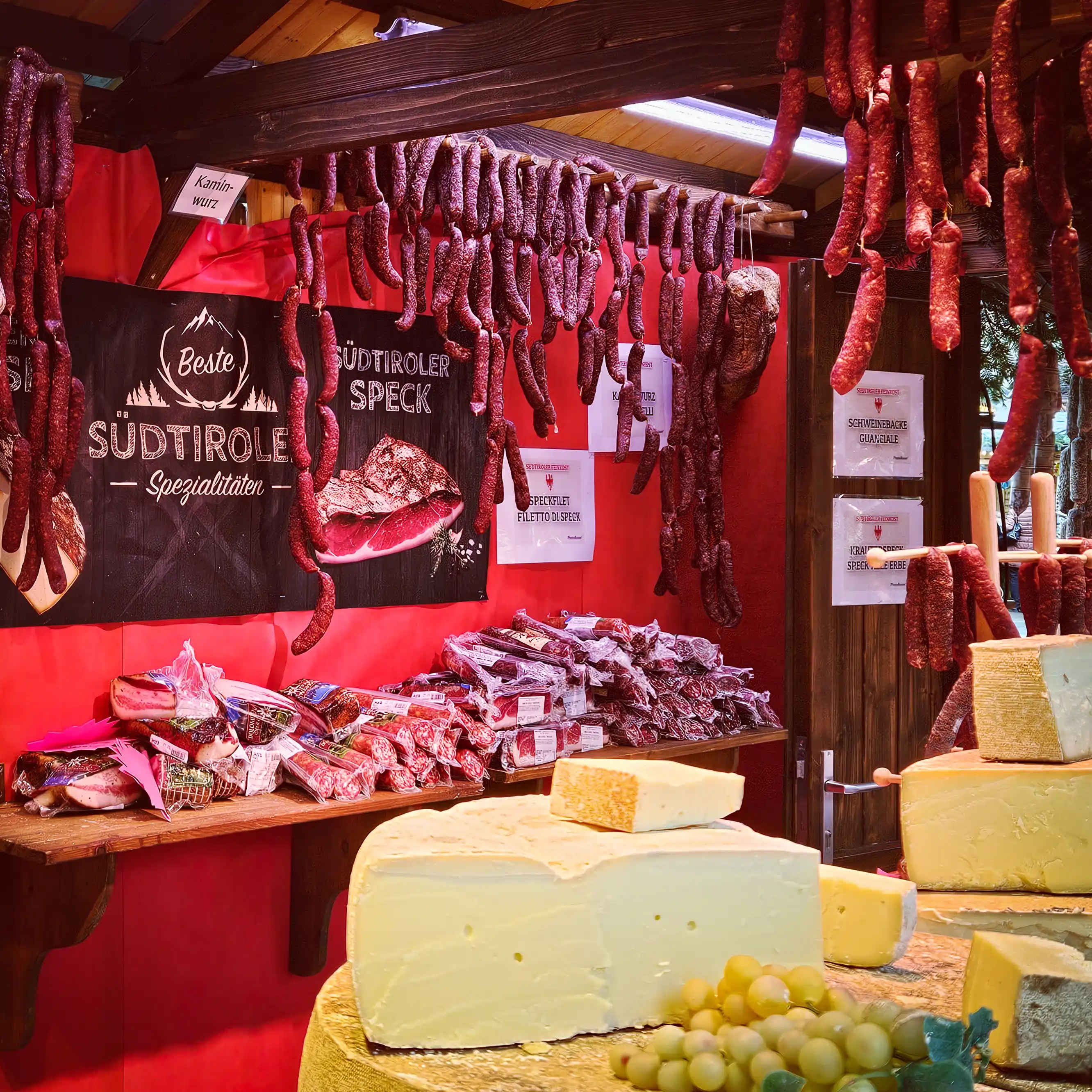


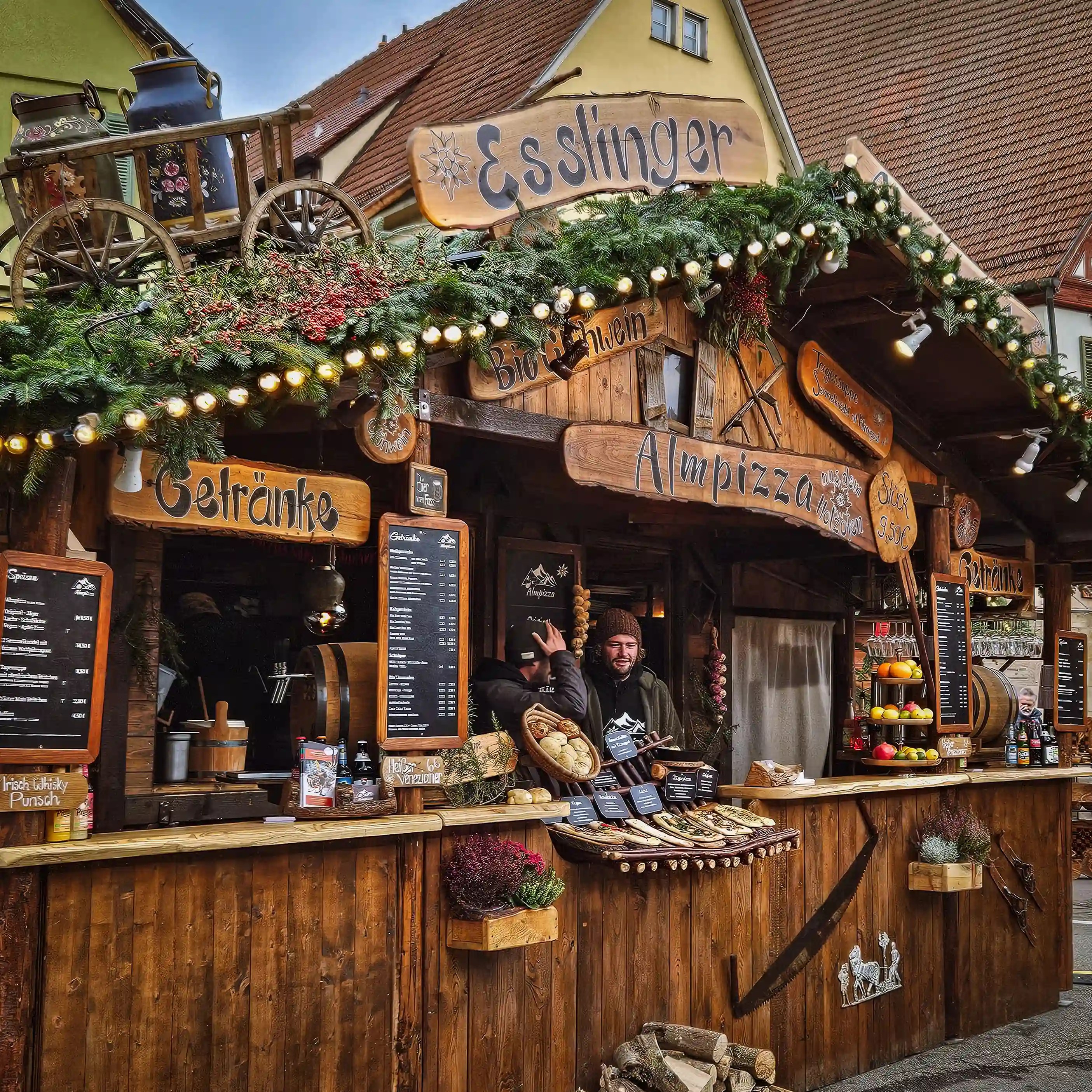
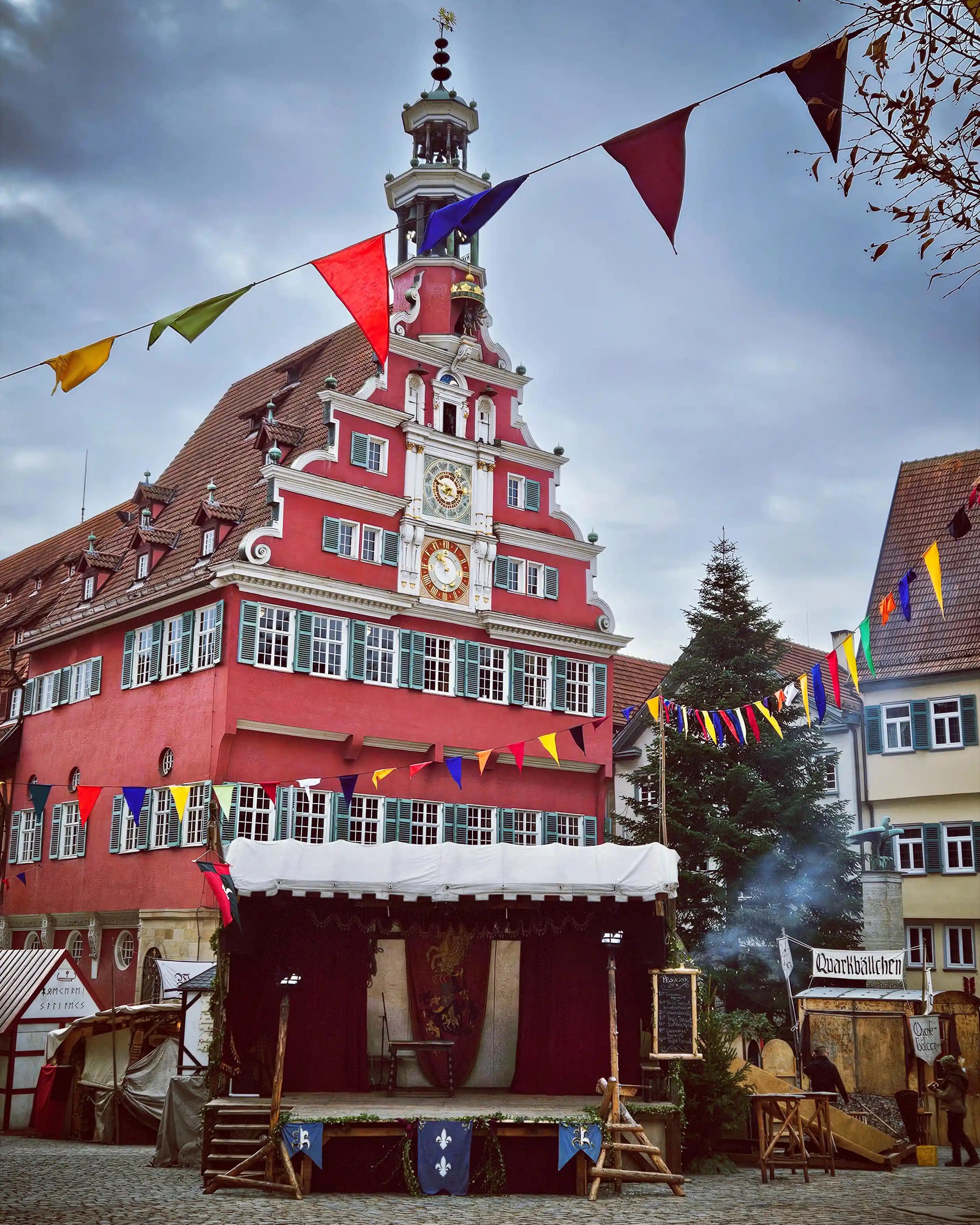
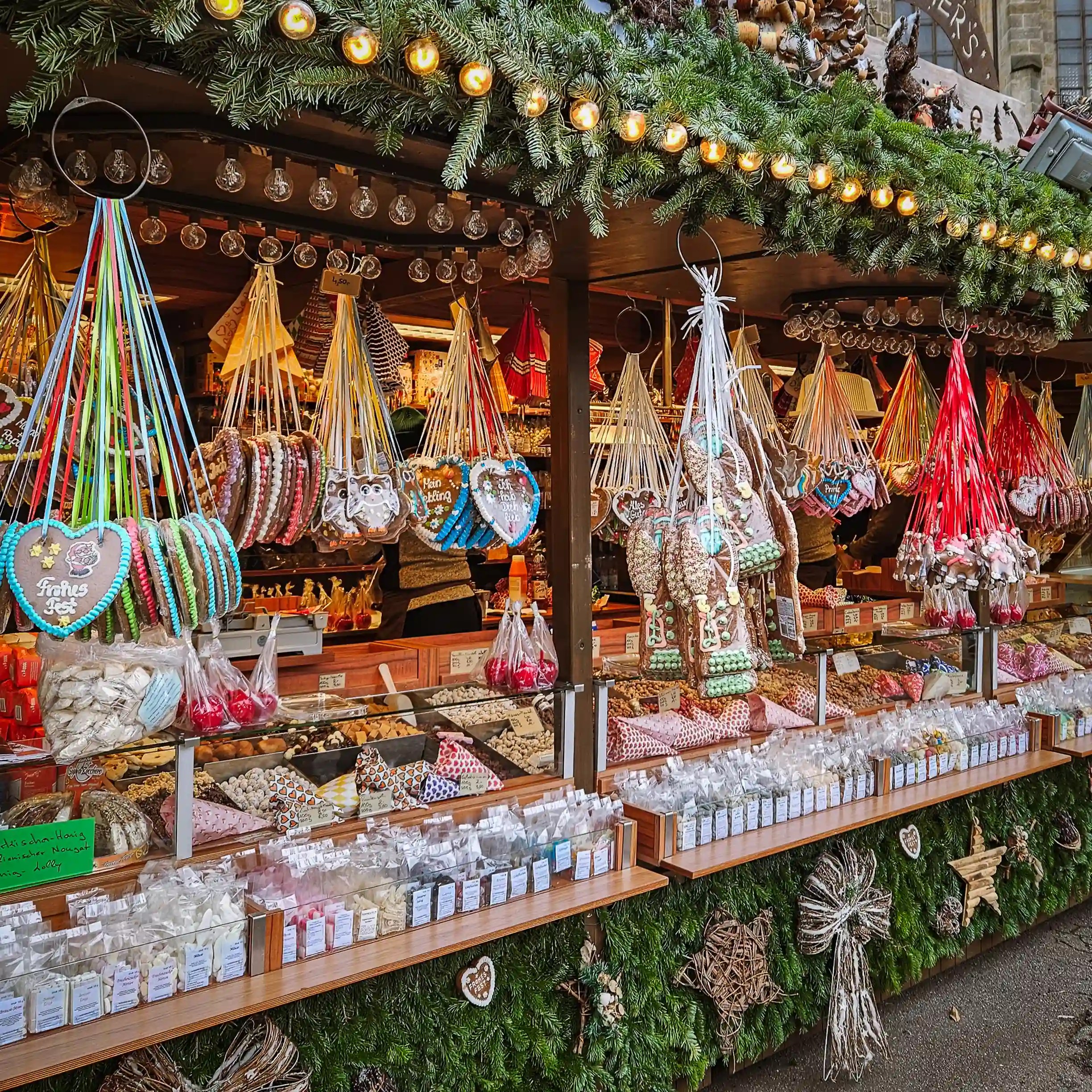
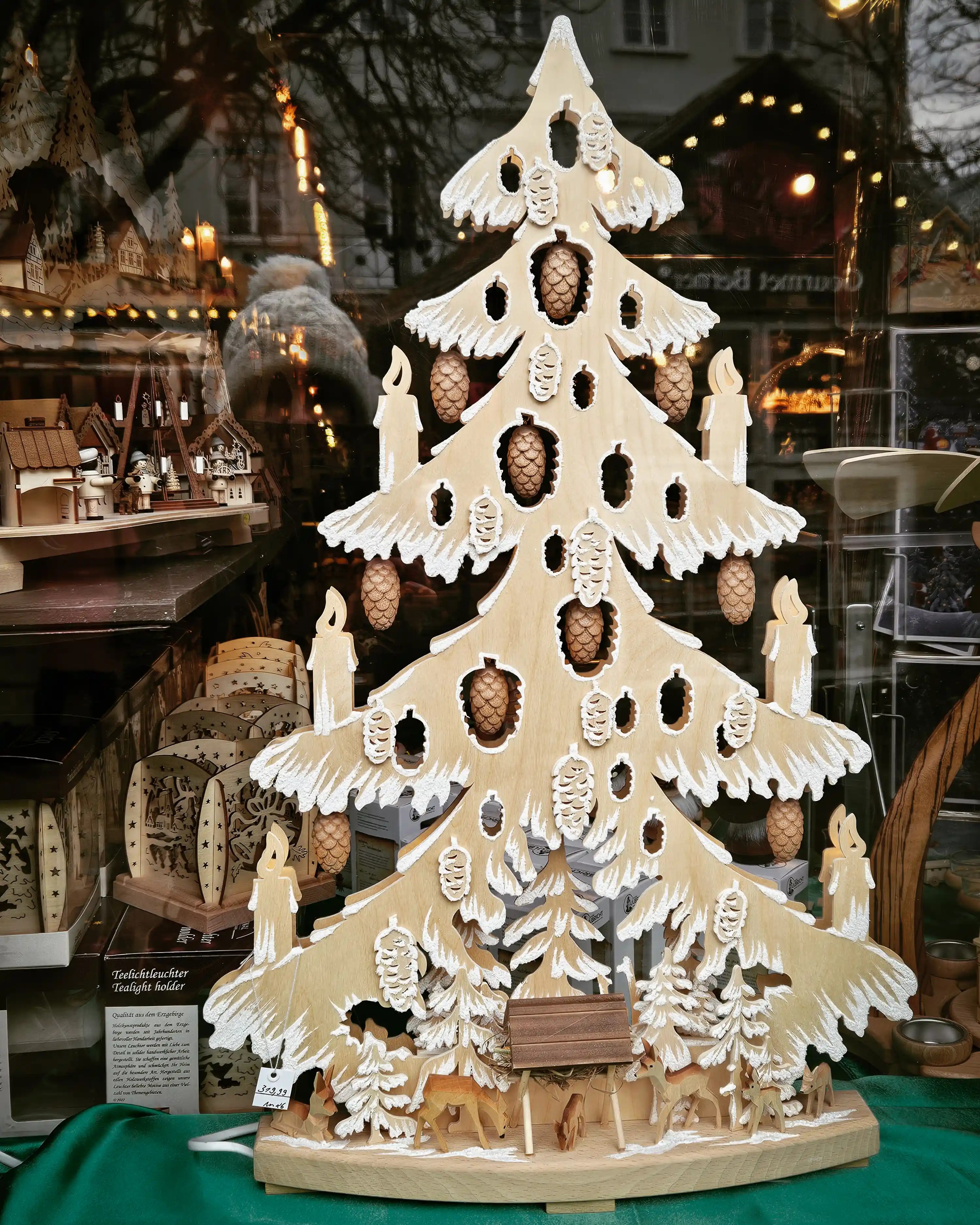


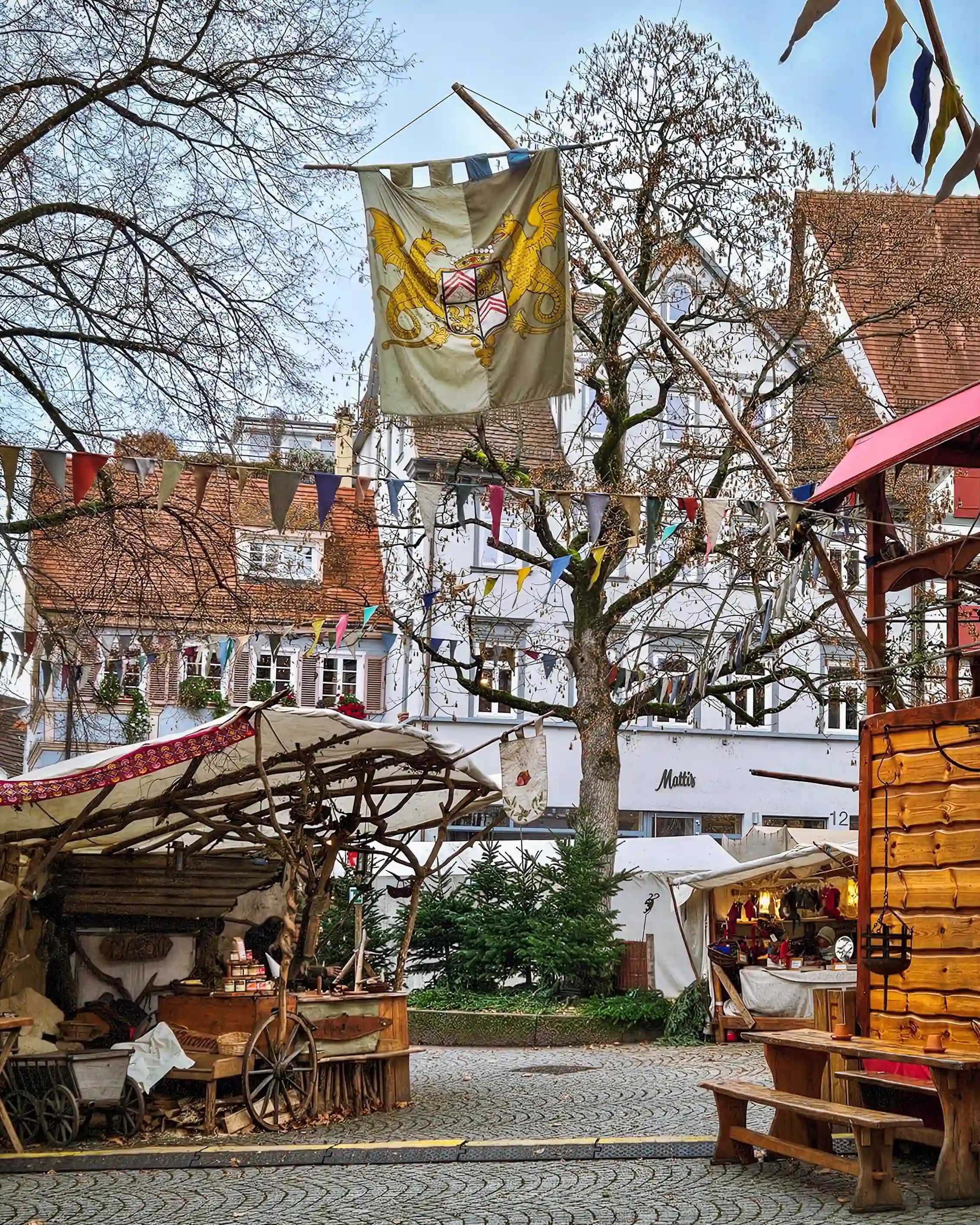


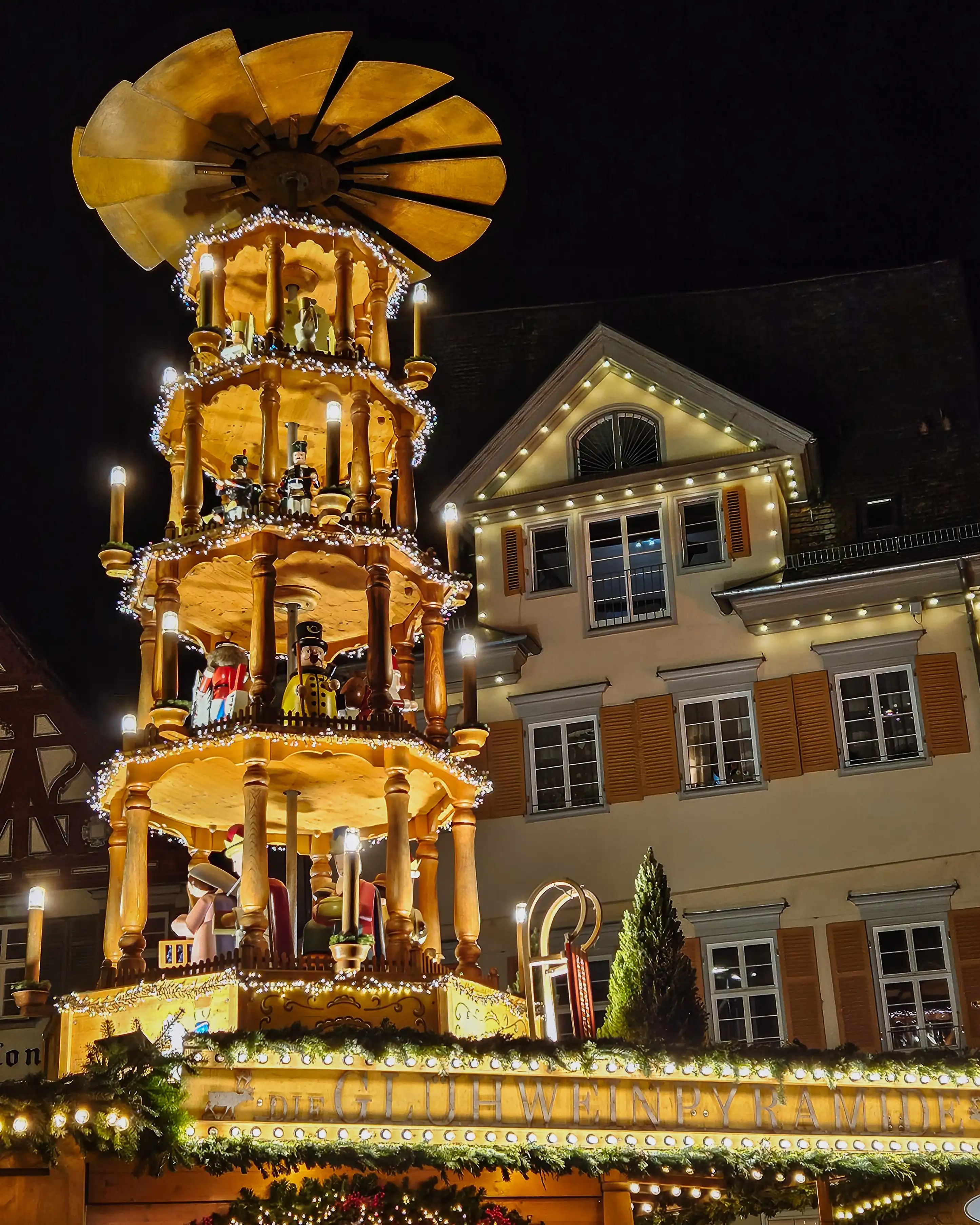
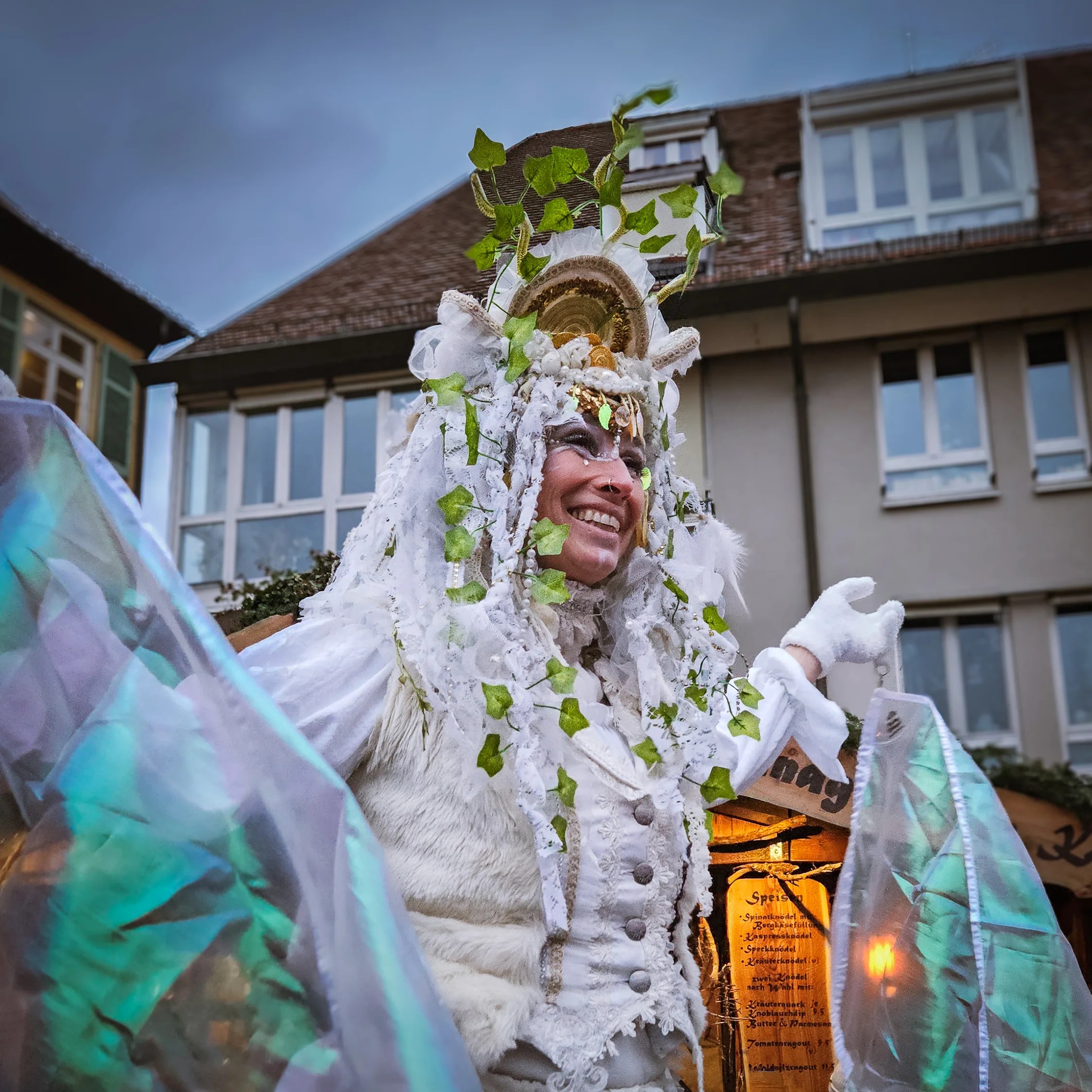
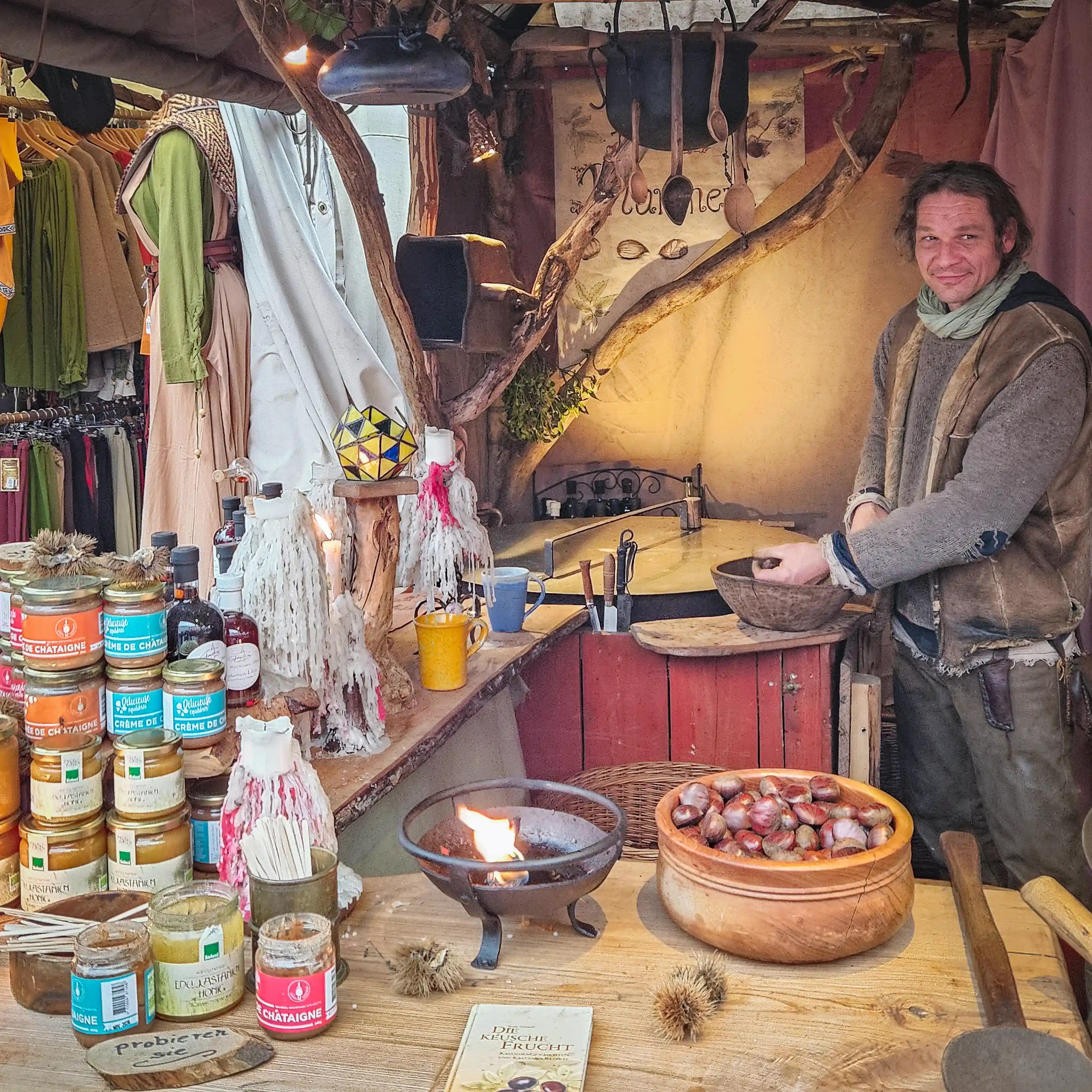
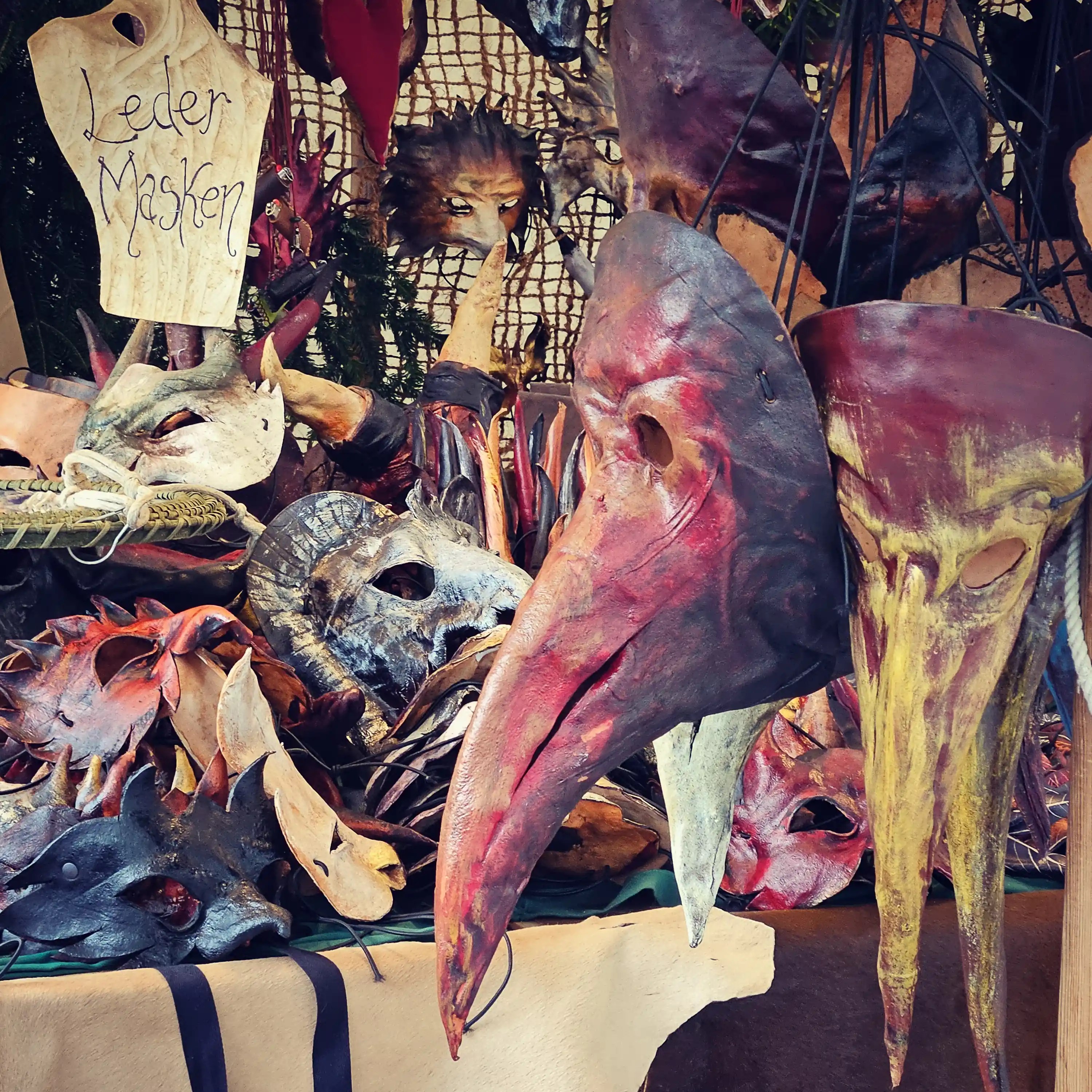
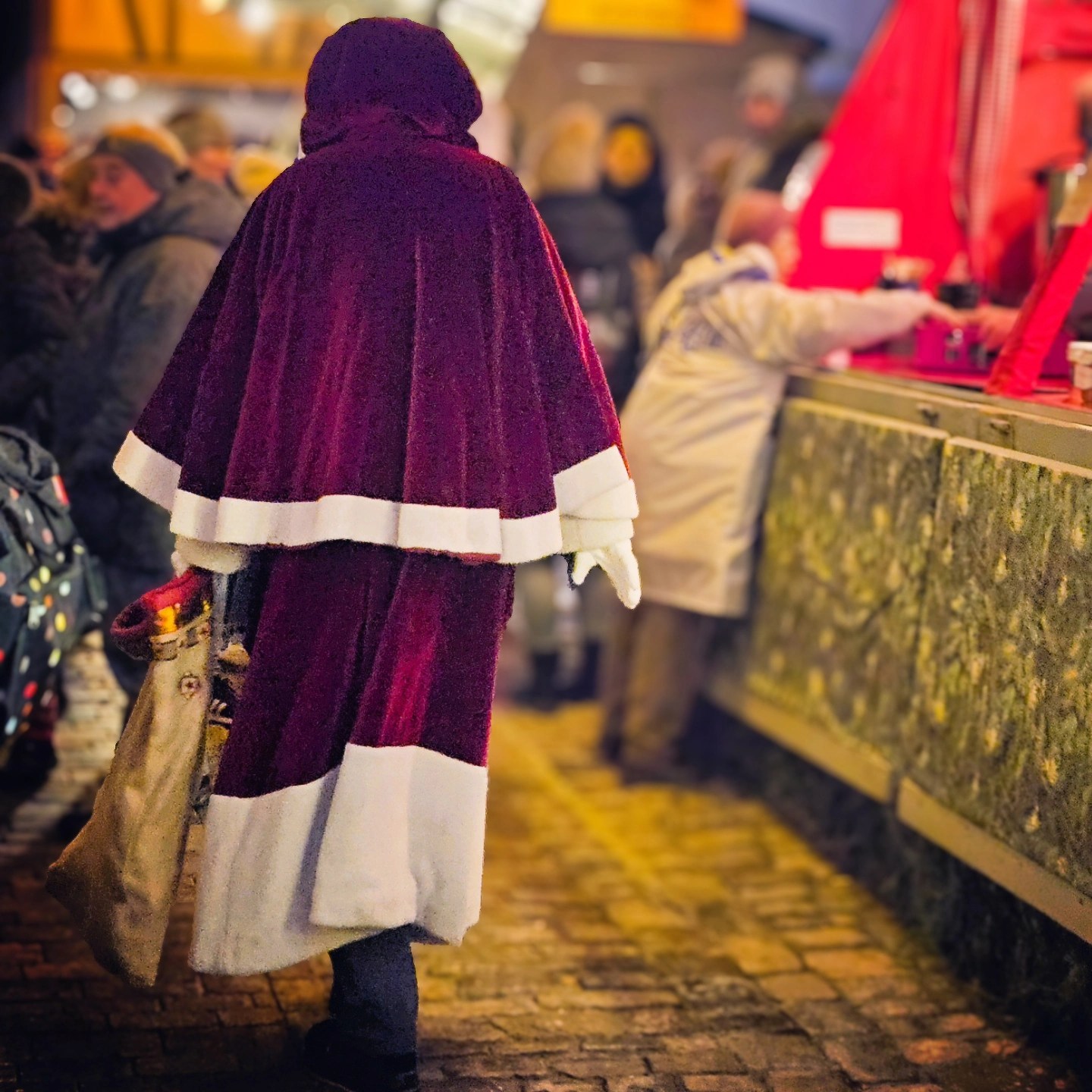
The market feels like stepping into a living museum—filled with costumed merchants, blacksmiths, glassblowers, and pewterers at work. Traders line the streets with colorful fabrics, leather goods, silver jewelry, and handmade candles, their cheerful calls and laughter bringing the medieval scene to life.
The food stalls are just as imaginative: stuffed hemp flatbreads, freshly baked yeast dumplings, and “knight’s pancakes” are served beside venison goulash, Hungarian langos, and sweet treats from the Orient.
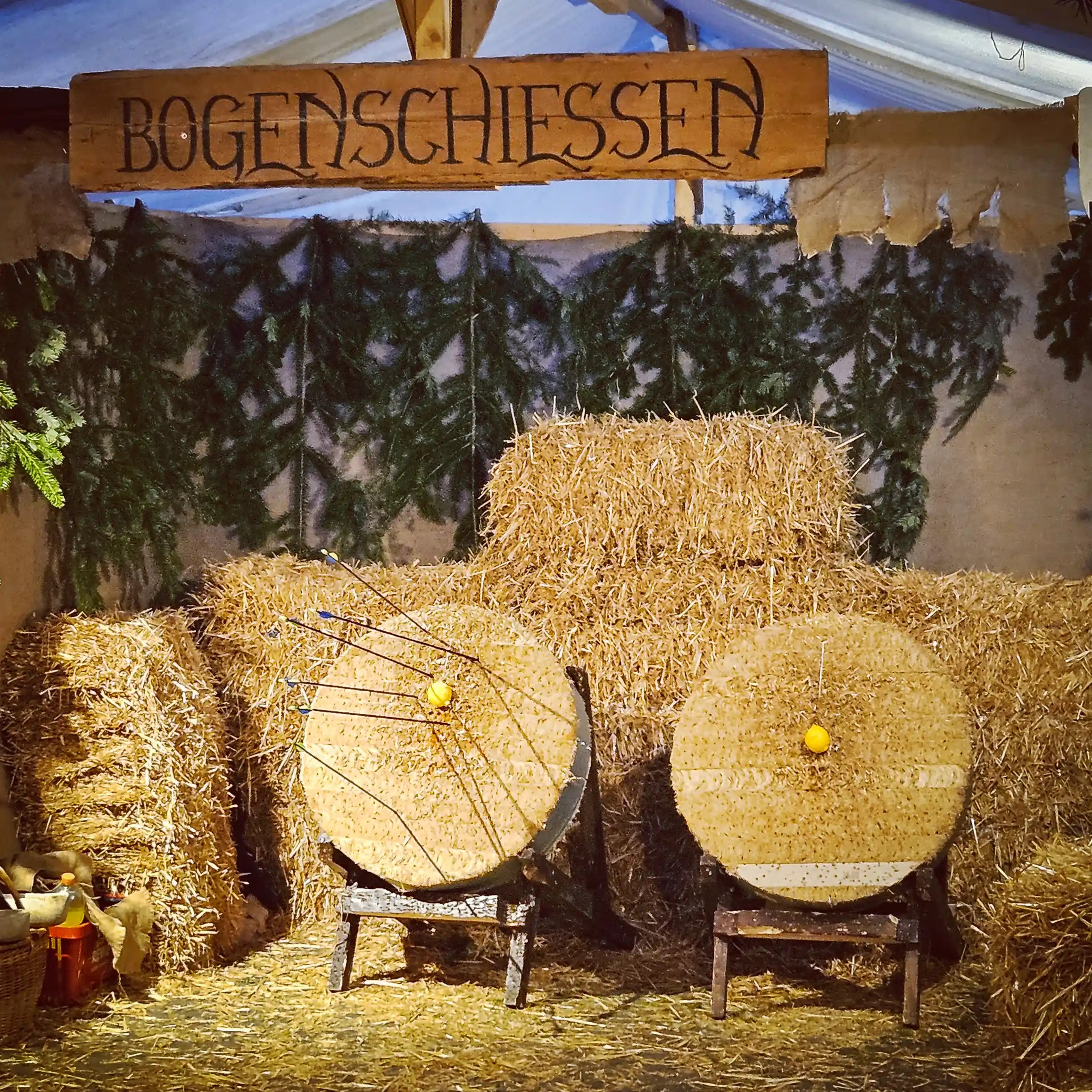
For families, the market offers an entire Dwarfland of medieval fun—archery, axe and knife throwing, dragon hunting, even the smallest Ferris wheel in the world. A candle workshop, catapult games, and a living nativity scene round out the festive magic for all ages.
Whether in daylight or by torchlight, the market shimmers—alive with craft, music, and the spirit of the season.



Nuremberg Christmas Market (Nürnberger Christkindlesmarkt)
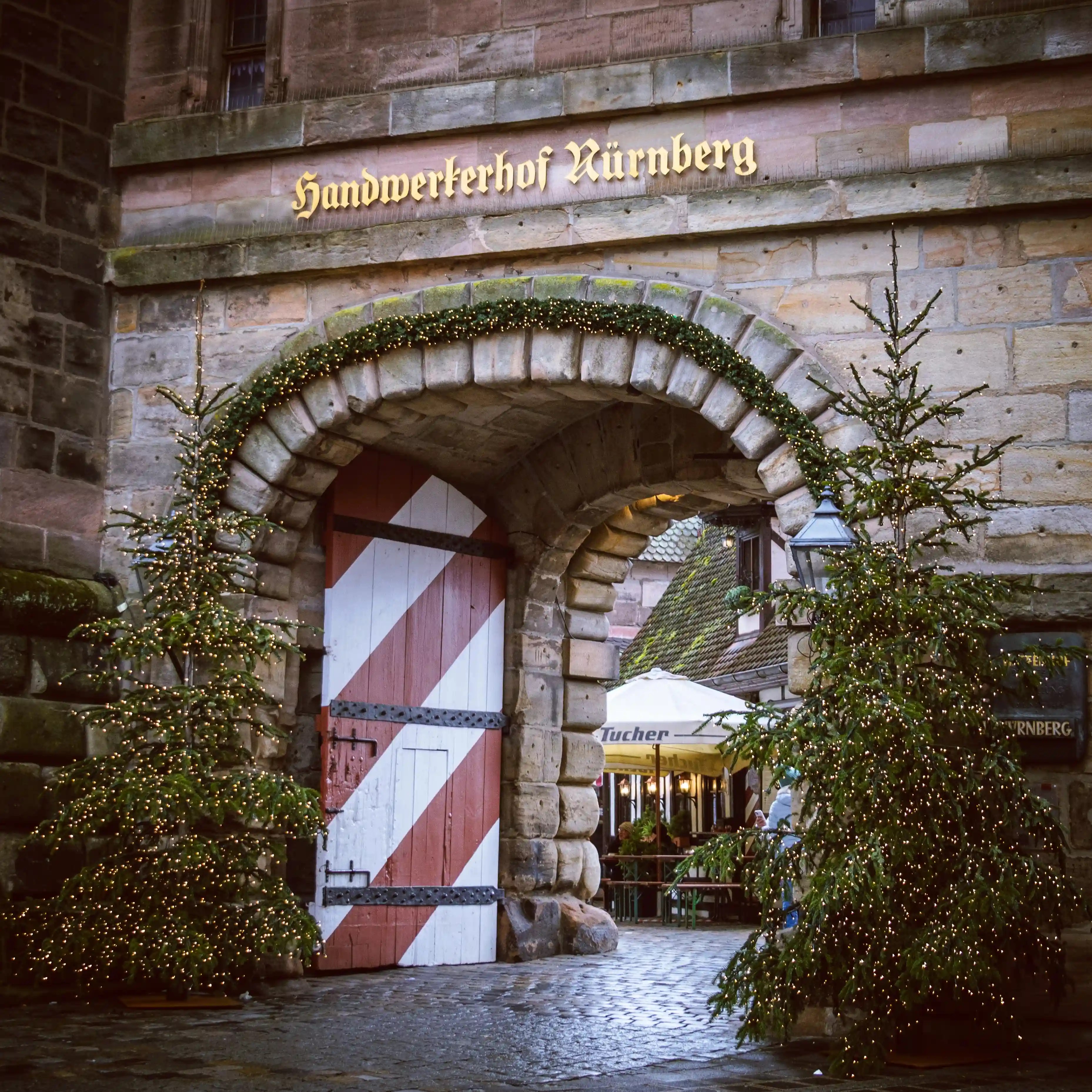
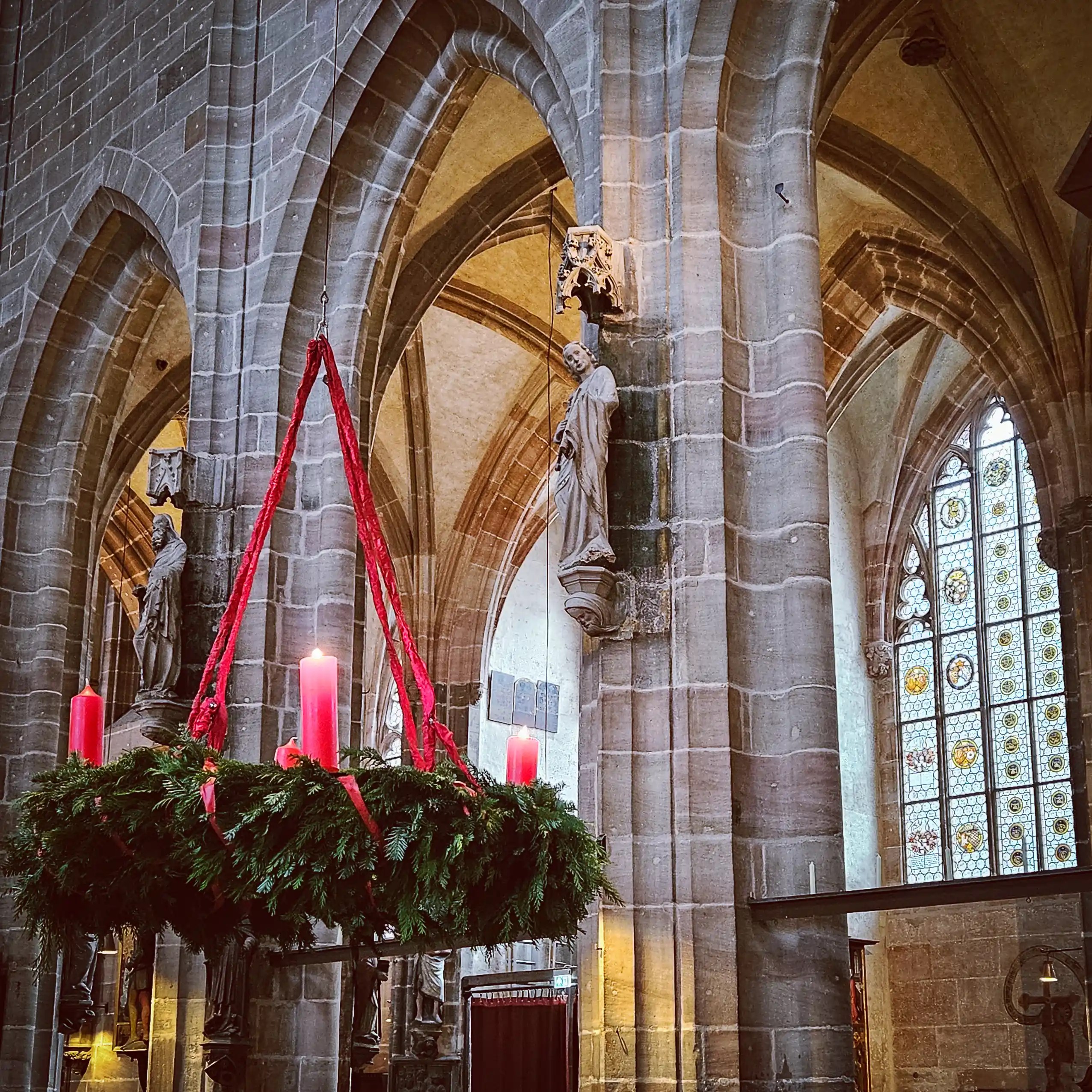
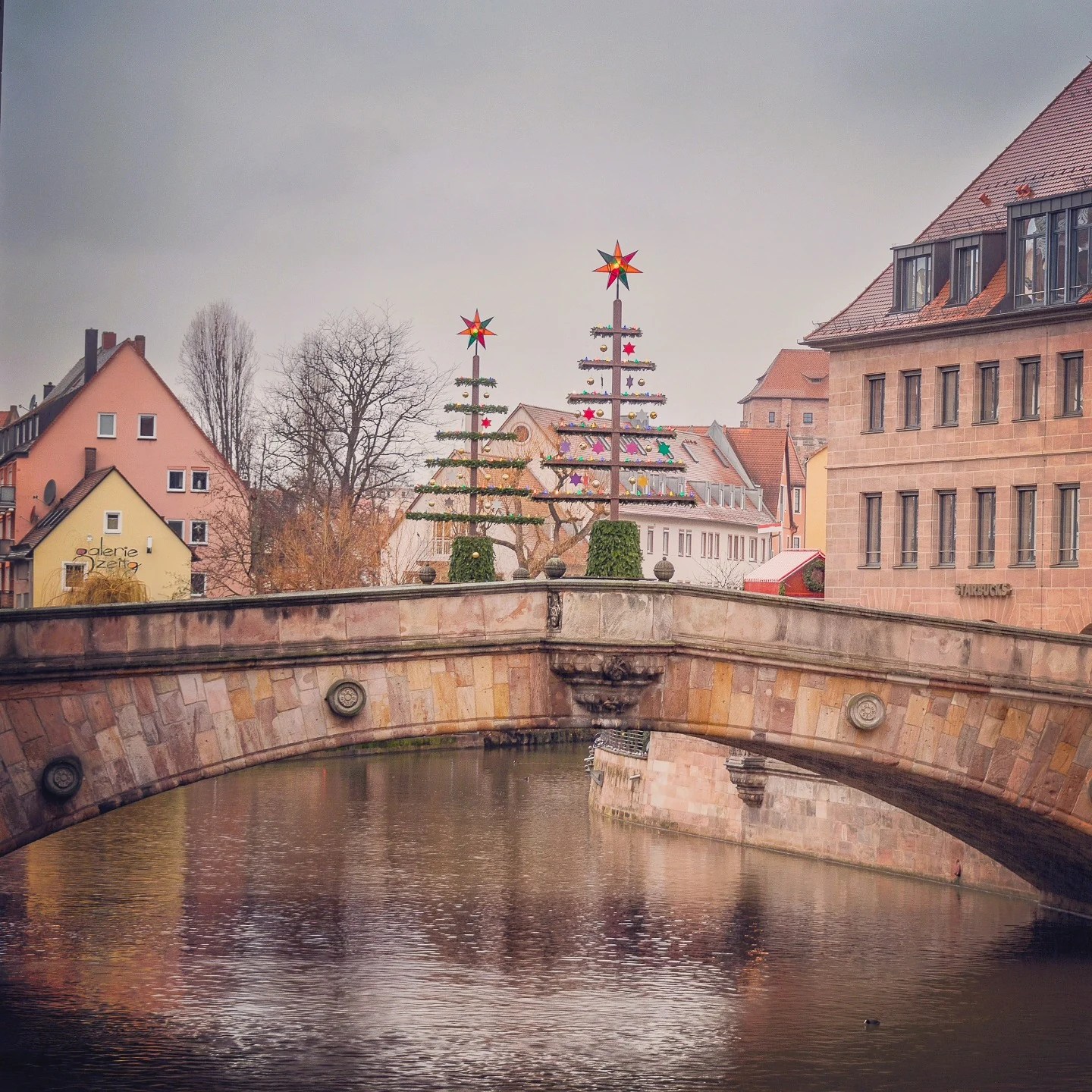
I visited both the Nuremberg (Nürnberg) and Rothenburg ob der Tauber Christmas markets on the same day with a tour organized by the Stuttgart Community Spouses’ Club (SCSC)—a festive day trip that combined Nuremberg’s grand traditions with Rothenburg’s storybook charm.
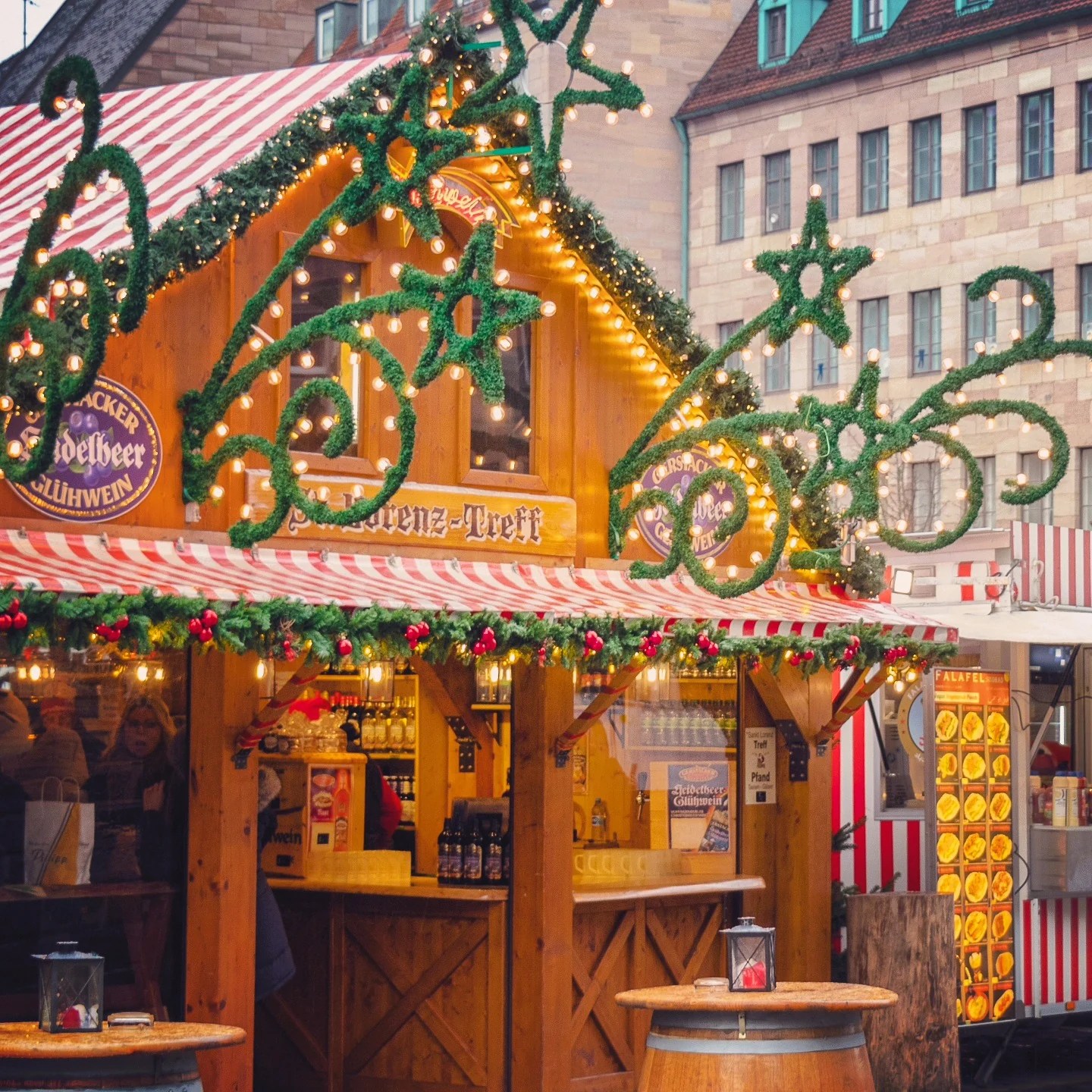
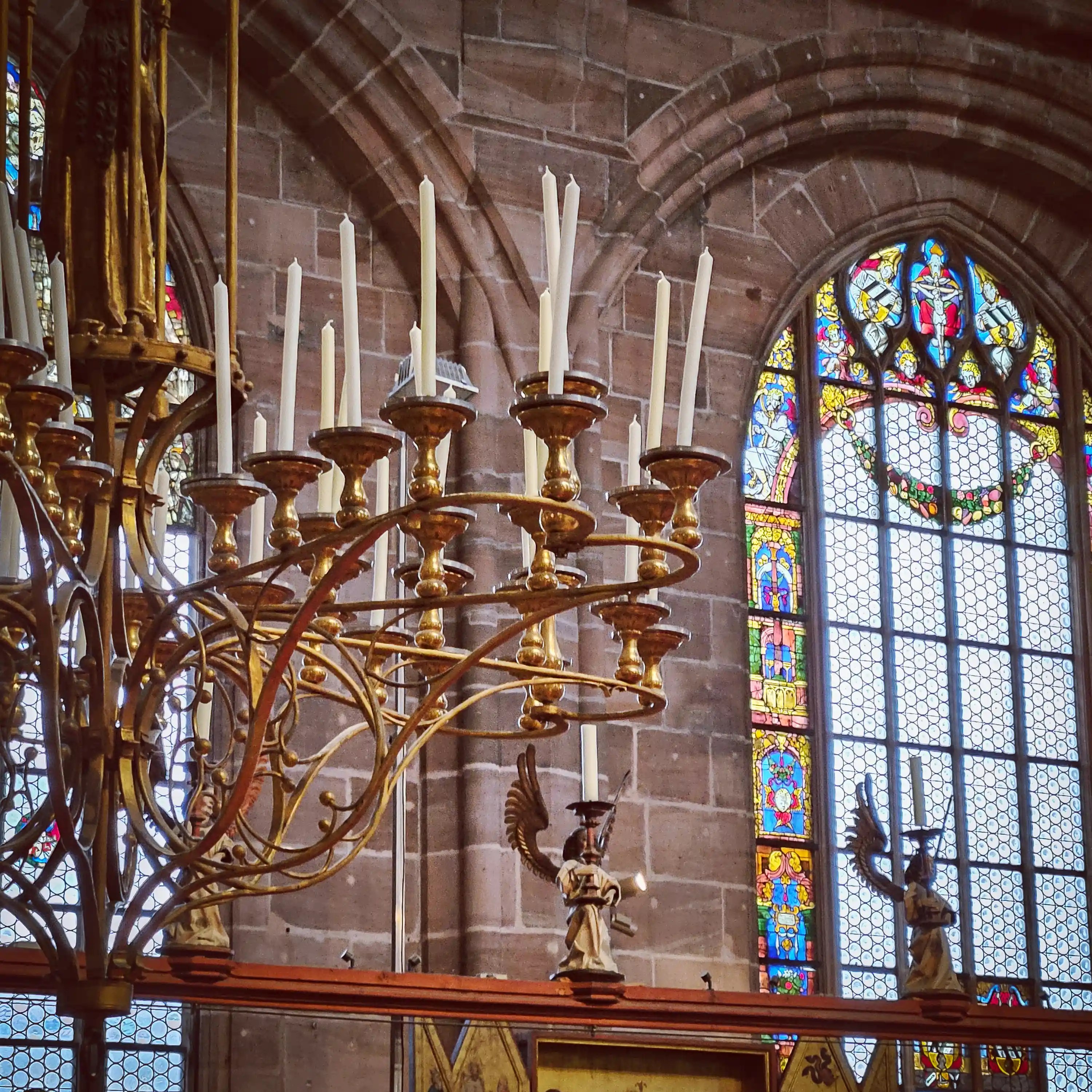
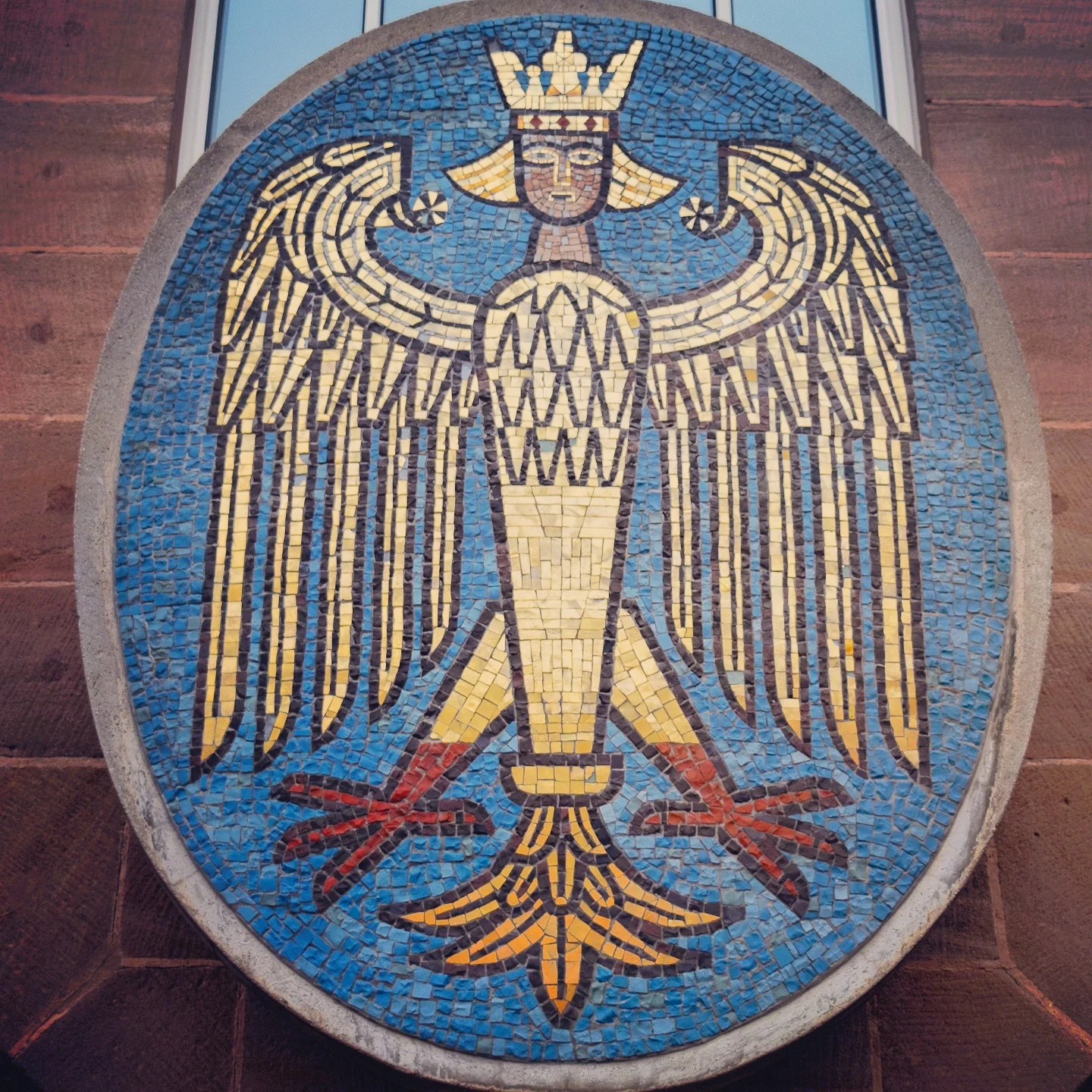
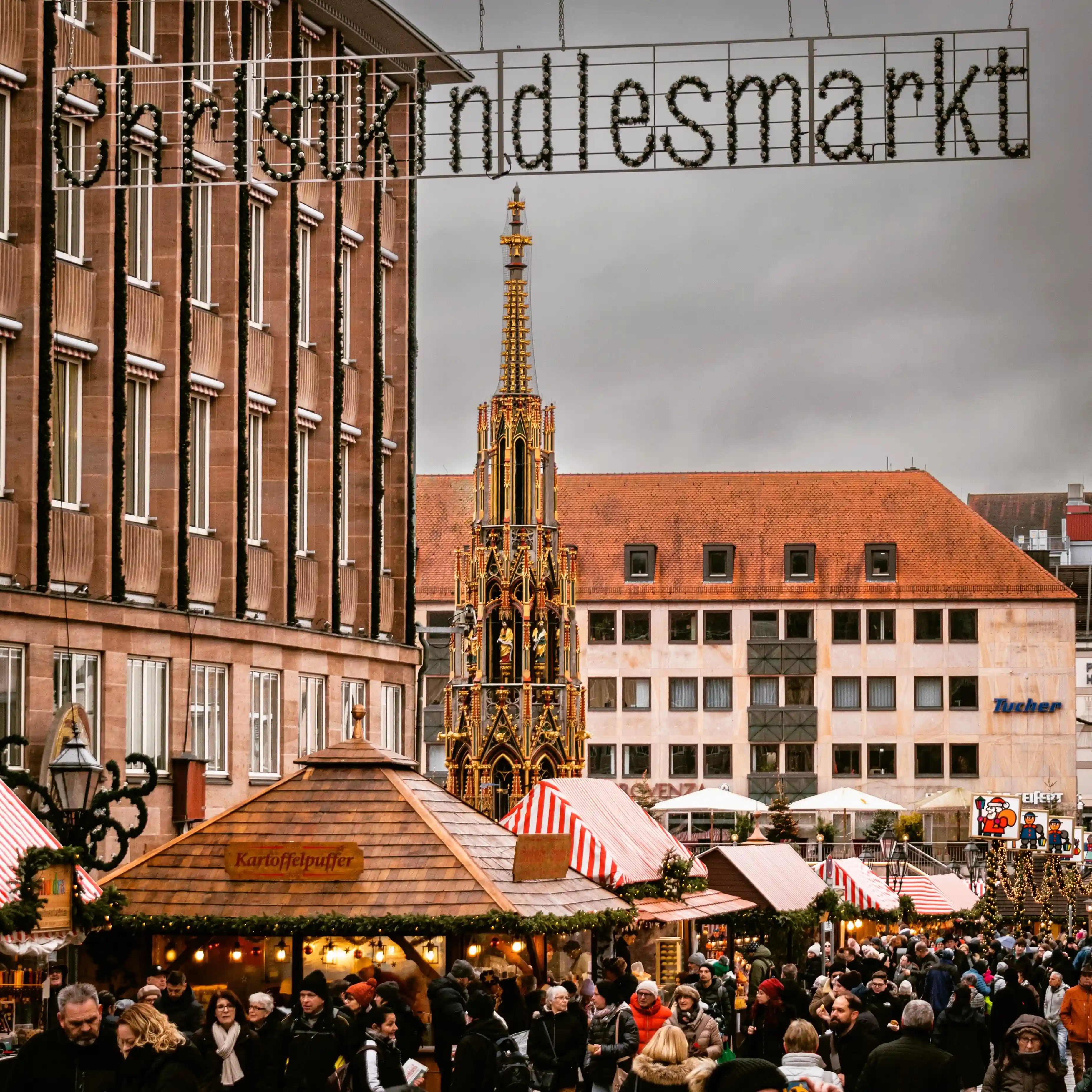
The Nürnberger Christkindlesmarkt is one of the oldest and most renowned Christmas markets in the world, tracing its roots back several centuries. It fills the Main Market Square (Hauptmarkt) in Nuremberg’s old town, with rows of traditional red-and-white striped stalls that fill the square beneath the towering Church of Our Lady (Frauenkirche).
The market officially opens when the Christkind—Nuremberg’s beloved Christmas angel—delivers her prologue from the church balcony. Dressed in gold and white, she embodies the spirit of the season and sets the festive tone that carries through the city for weeks to come.
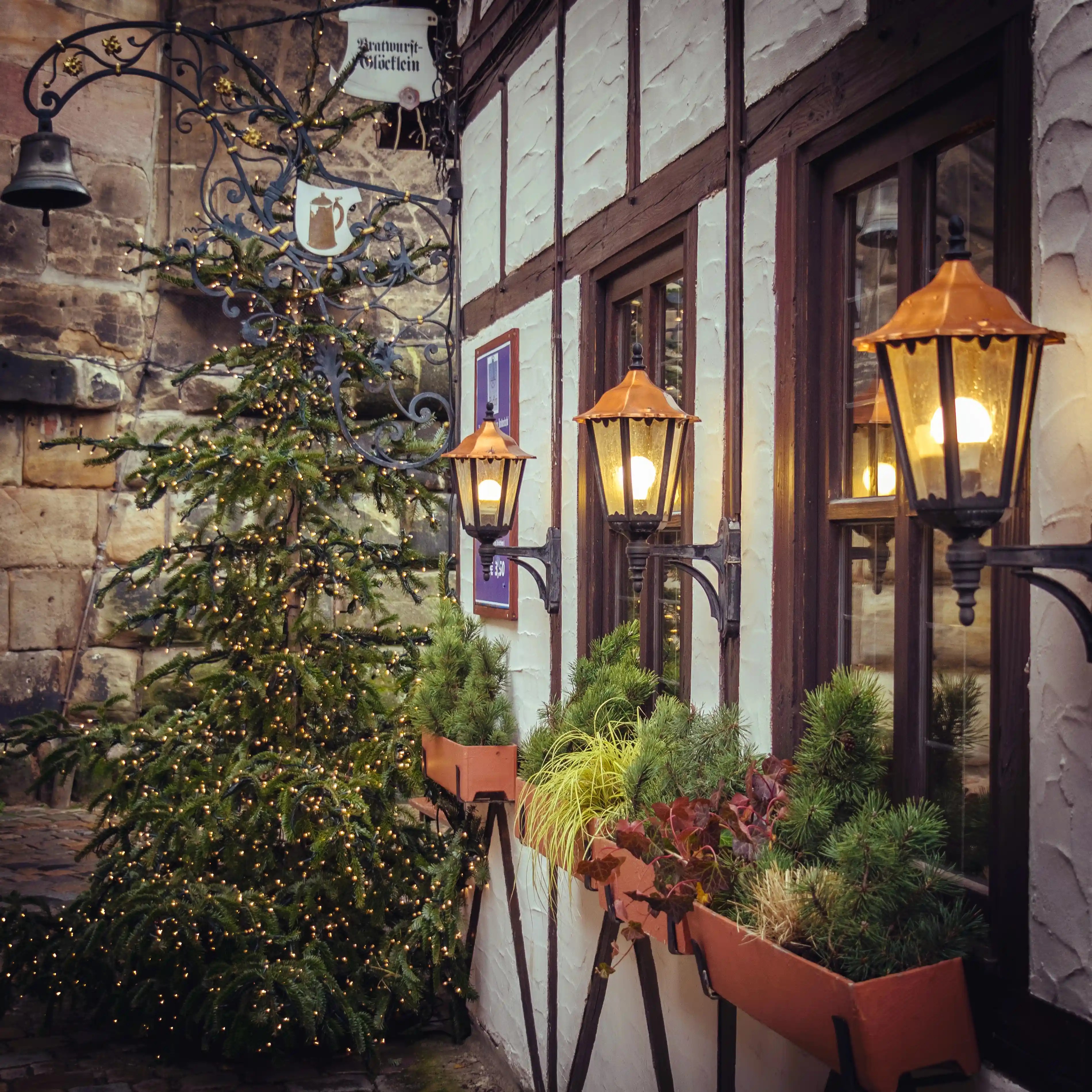
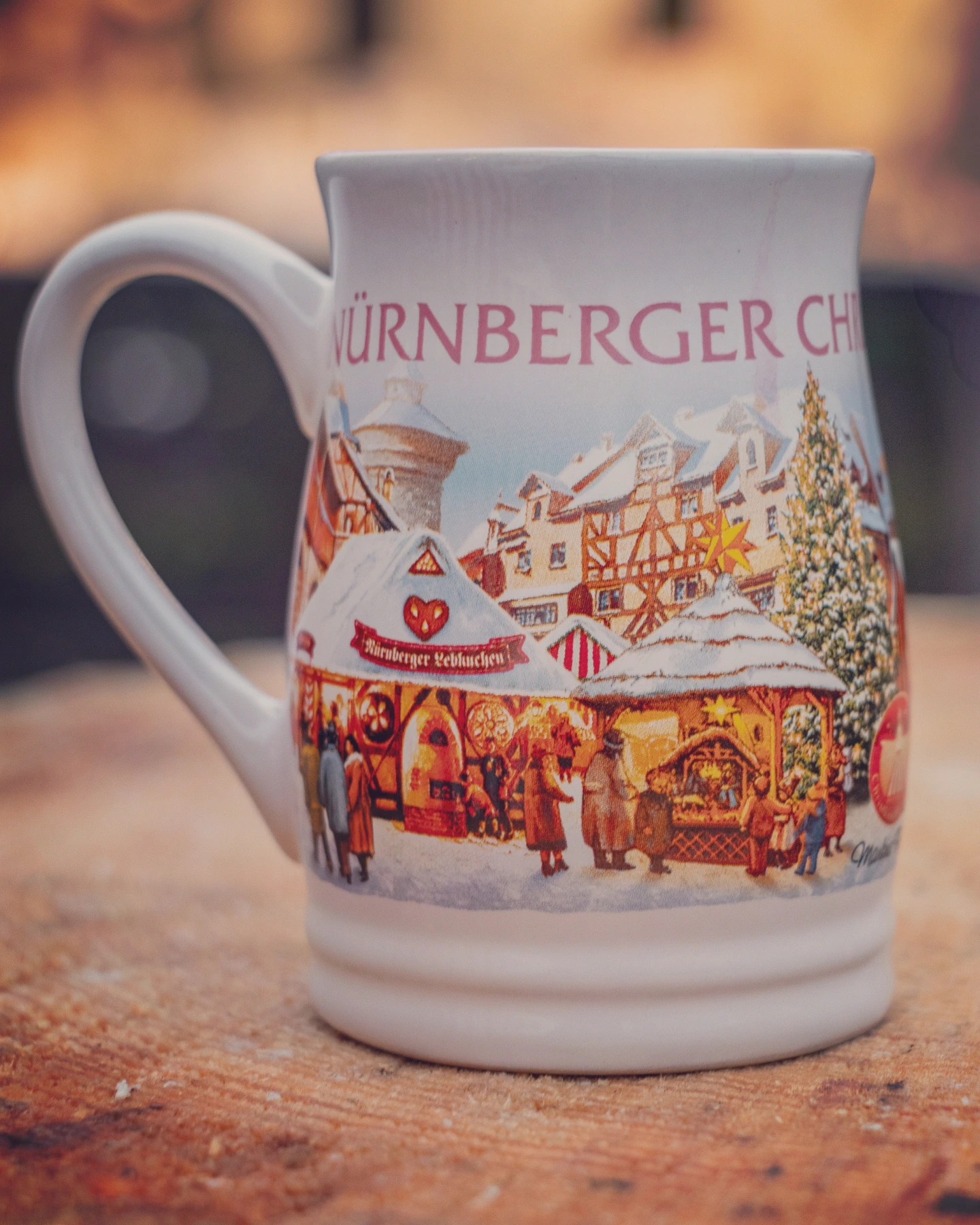
Everywhere you turn, the aromas of Nuremberg’s famous gingerbread (Lebkuchen), spiced almonds, and sizzling Nürnberger Bratwurst fill the air. More than 700 years of sausage-making tradition, those little links a must-try. Music drifts through the stalls—brass bands, choirs, and carolers—and nearby churches host concerts and Advent events that add to the festive atmosphere.
It’s easy to see why this market has become a symbol of the season—historic yet timeless, it captures the very essence of Christmas in Germany.









Old Rothenburg Christmas Market (Rothenburger Reiterlesmarkt)
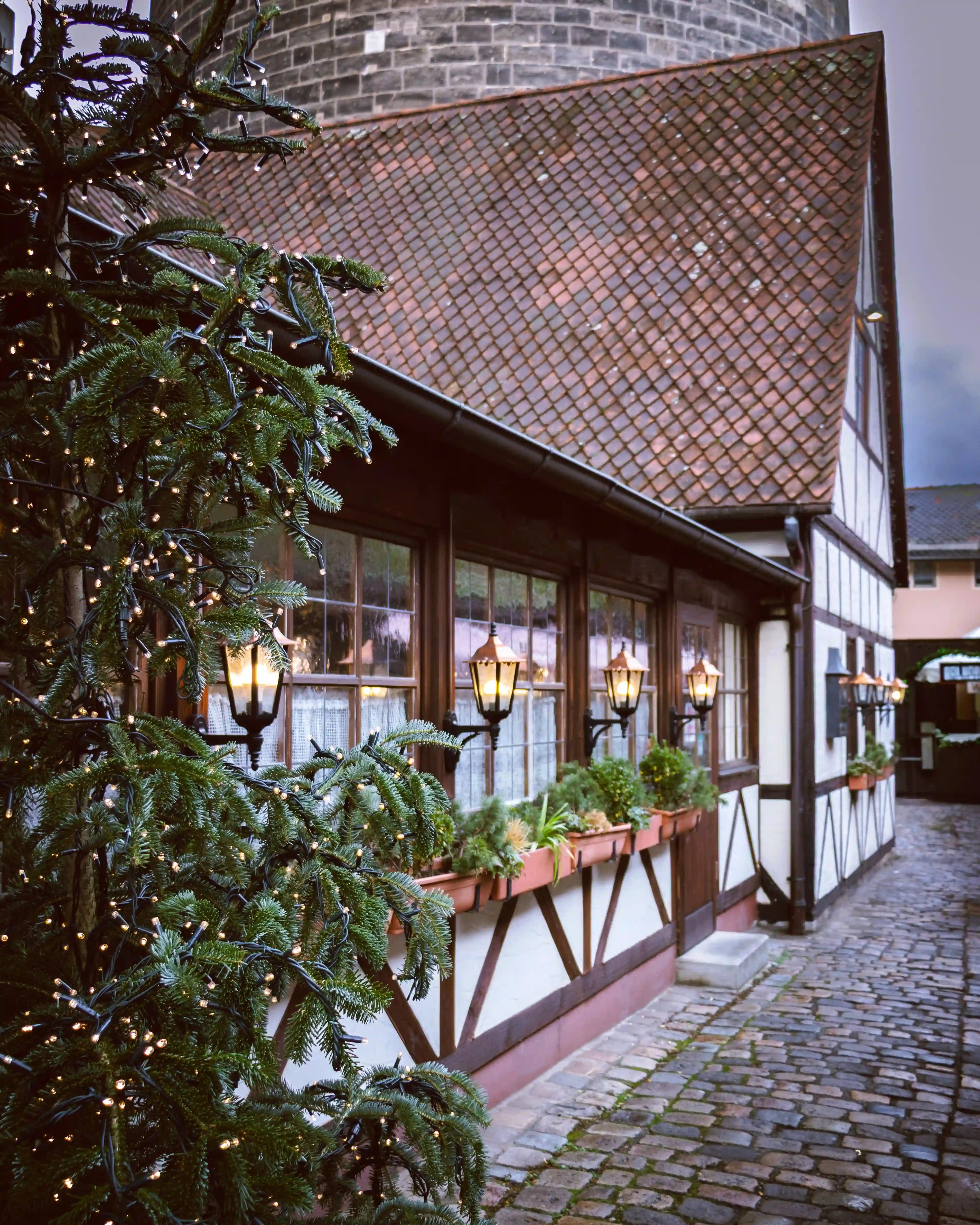
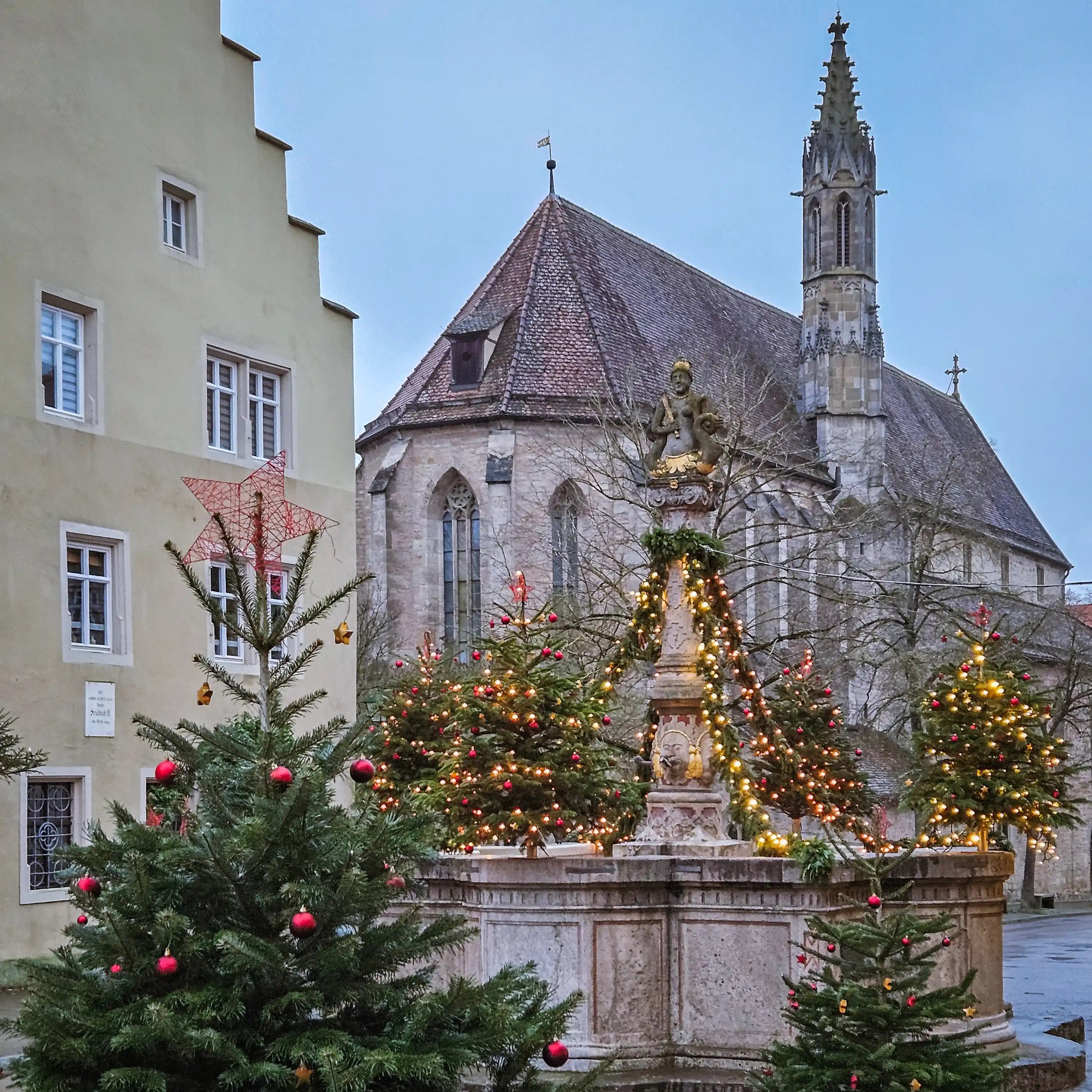
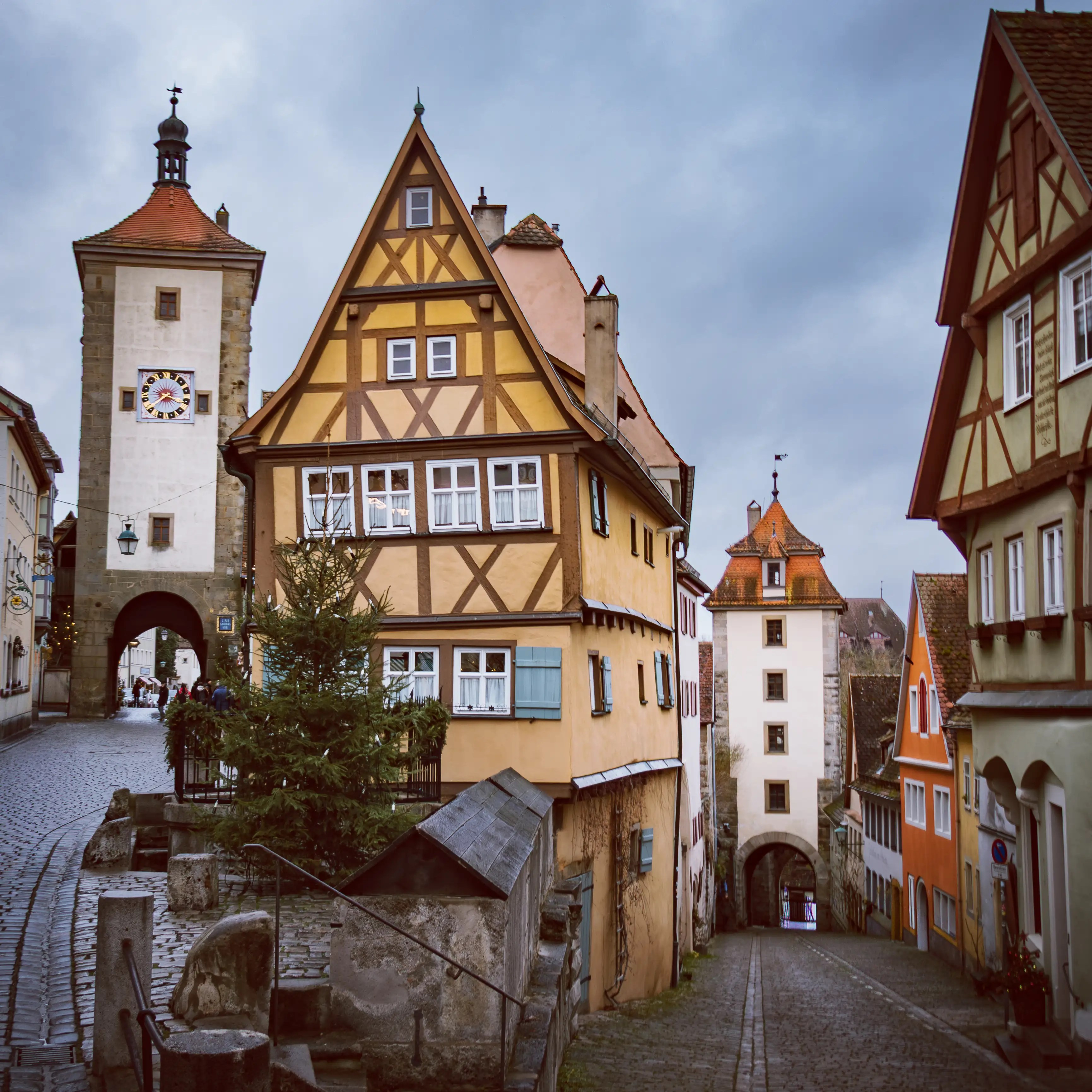
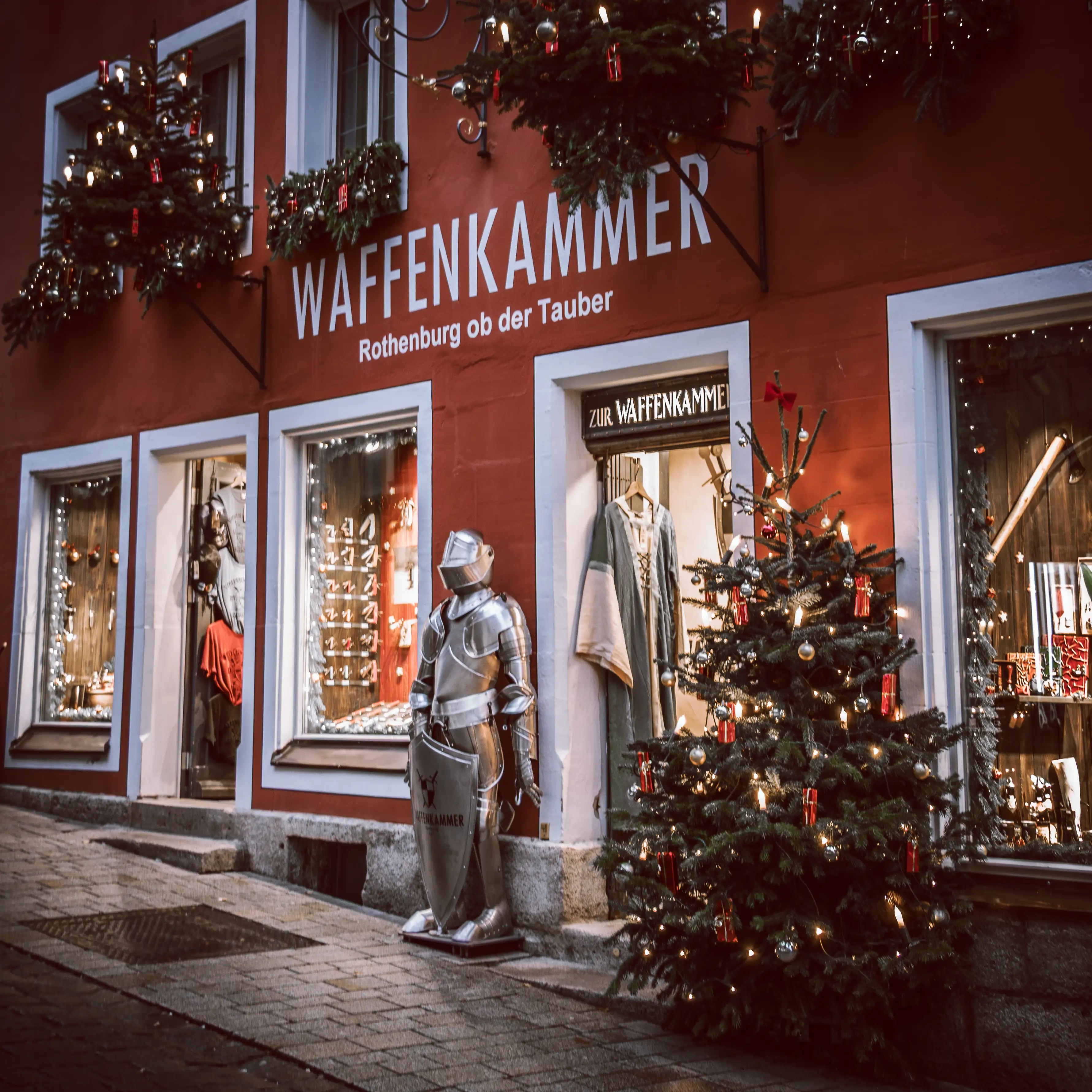
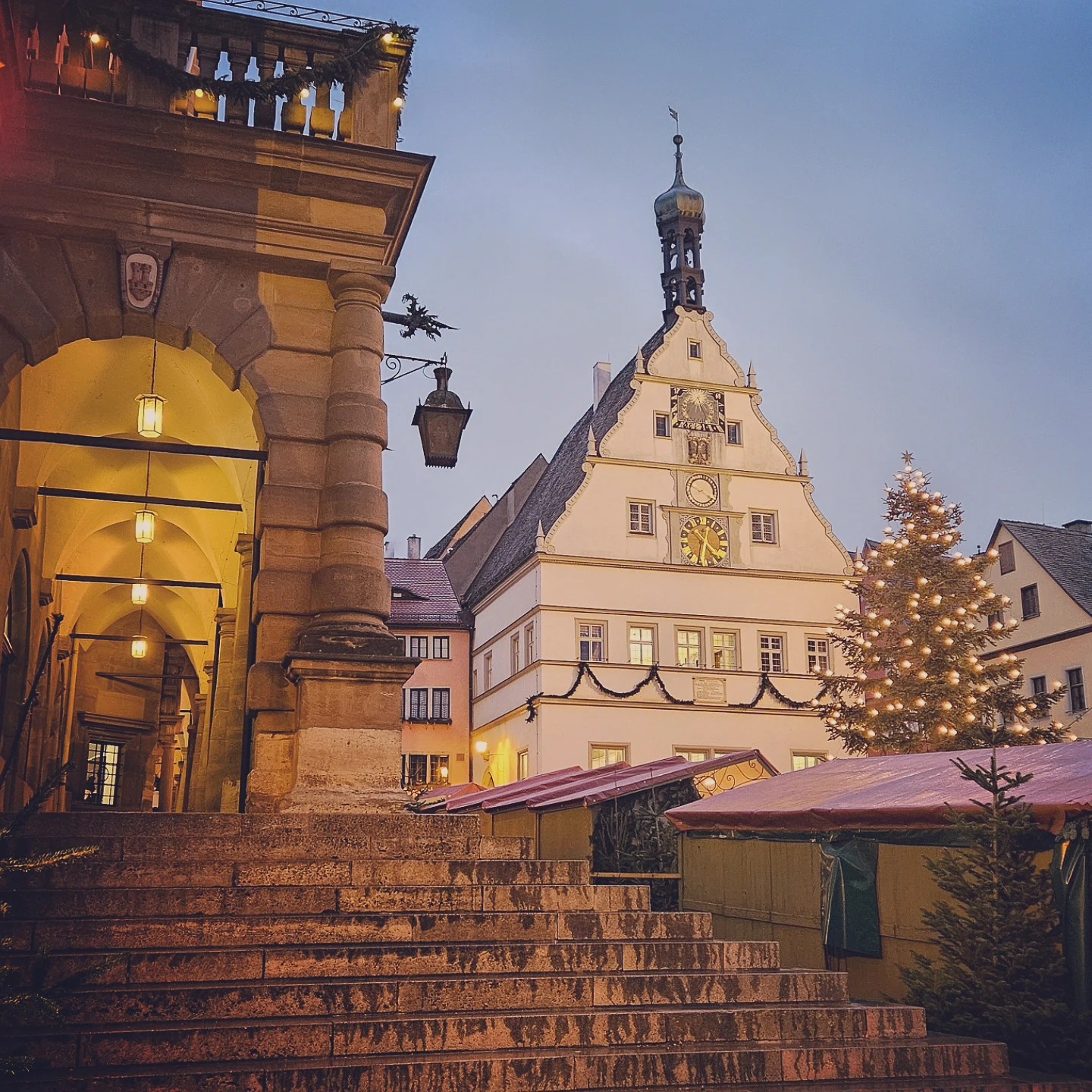
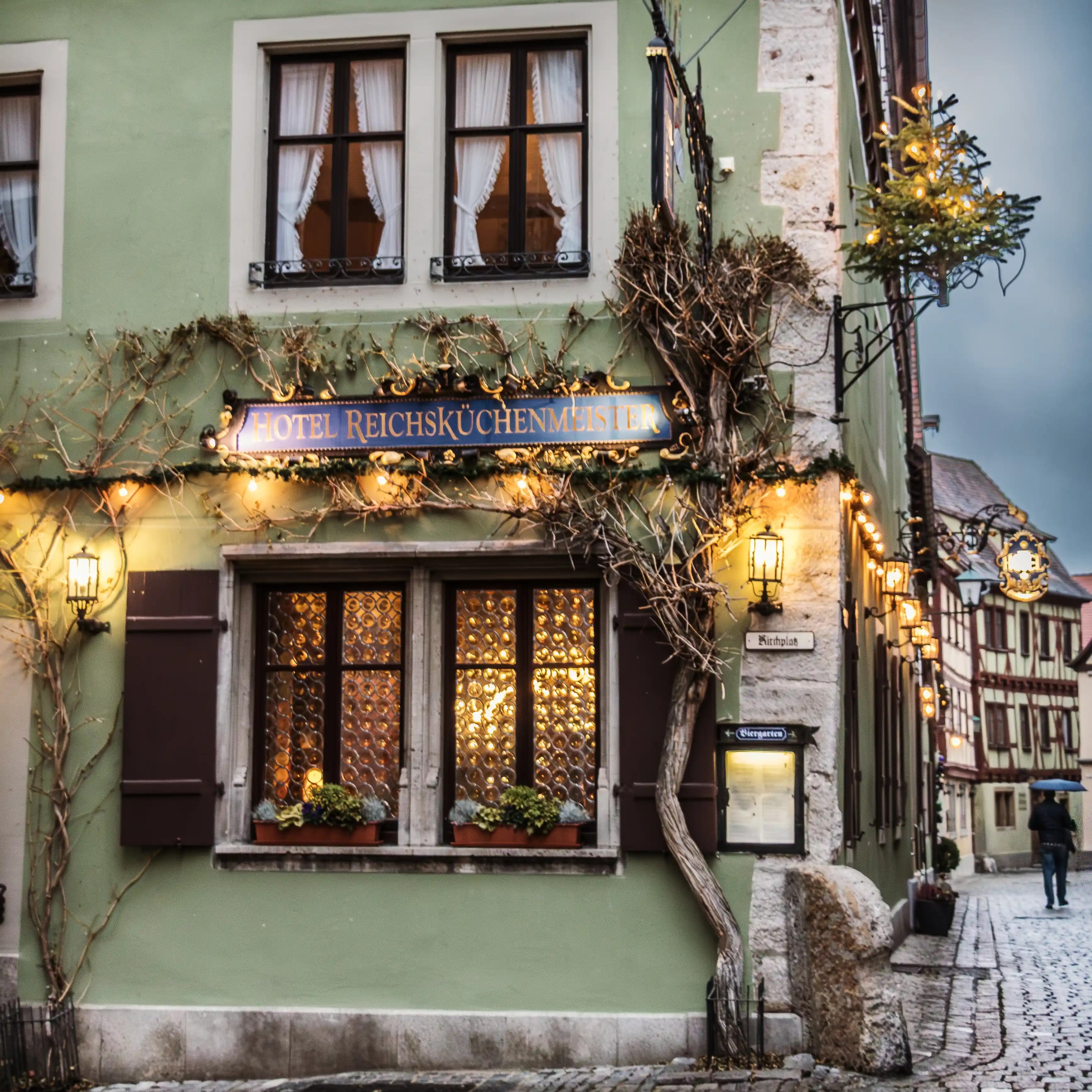
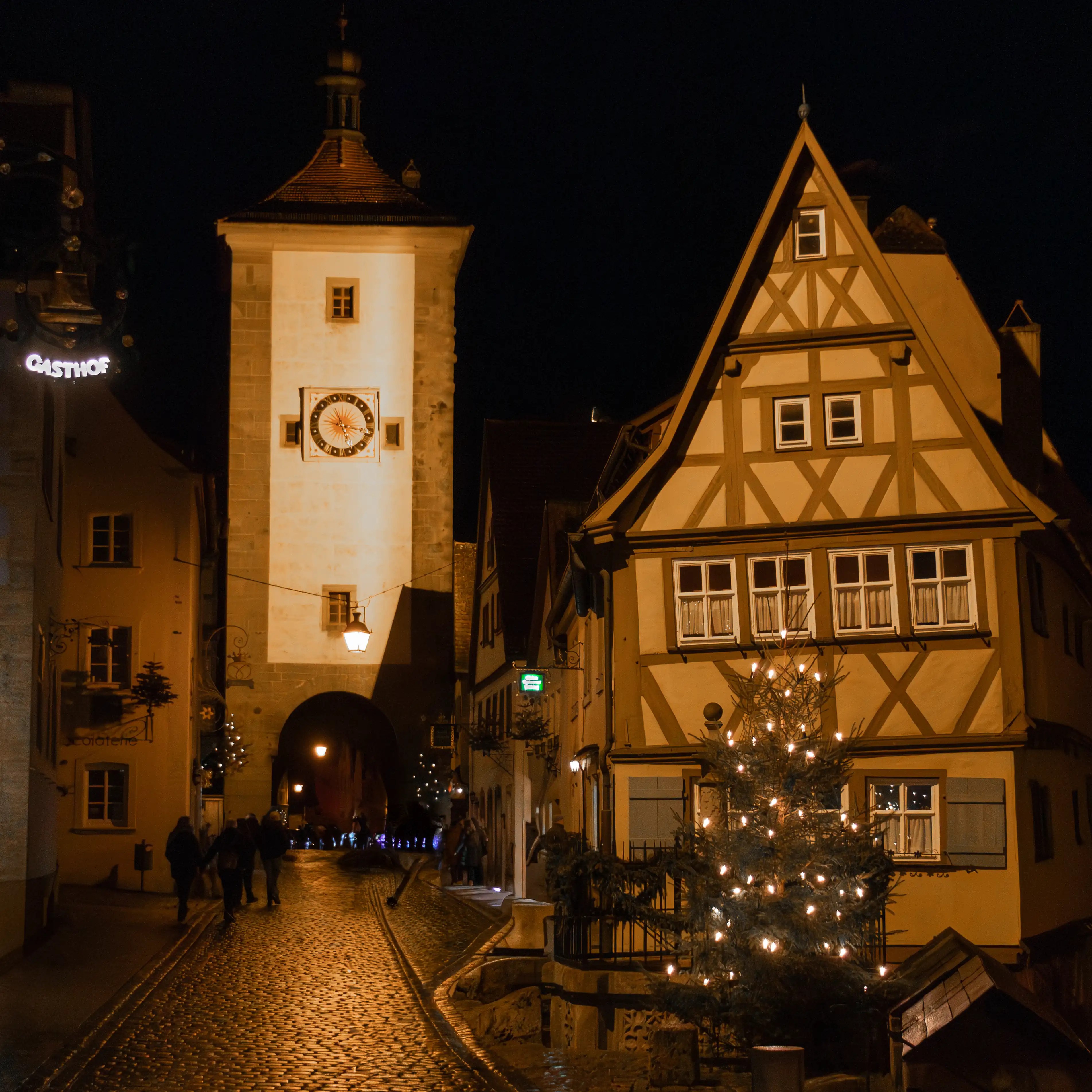
If any place feels made for Christmas, it’s Rothenburg ob der Tauber. The town’s medieval walls, half-timbered houses, and winding cobblestone streets create a setting that needs little transformation to feel festive. By late November, wreaths, trees, and lights fill every square and alley, and the scent of roasted almonds drifts through the old town.
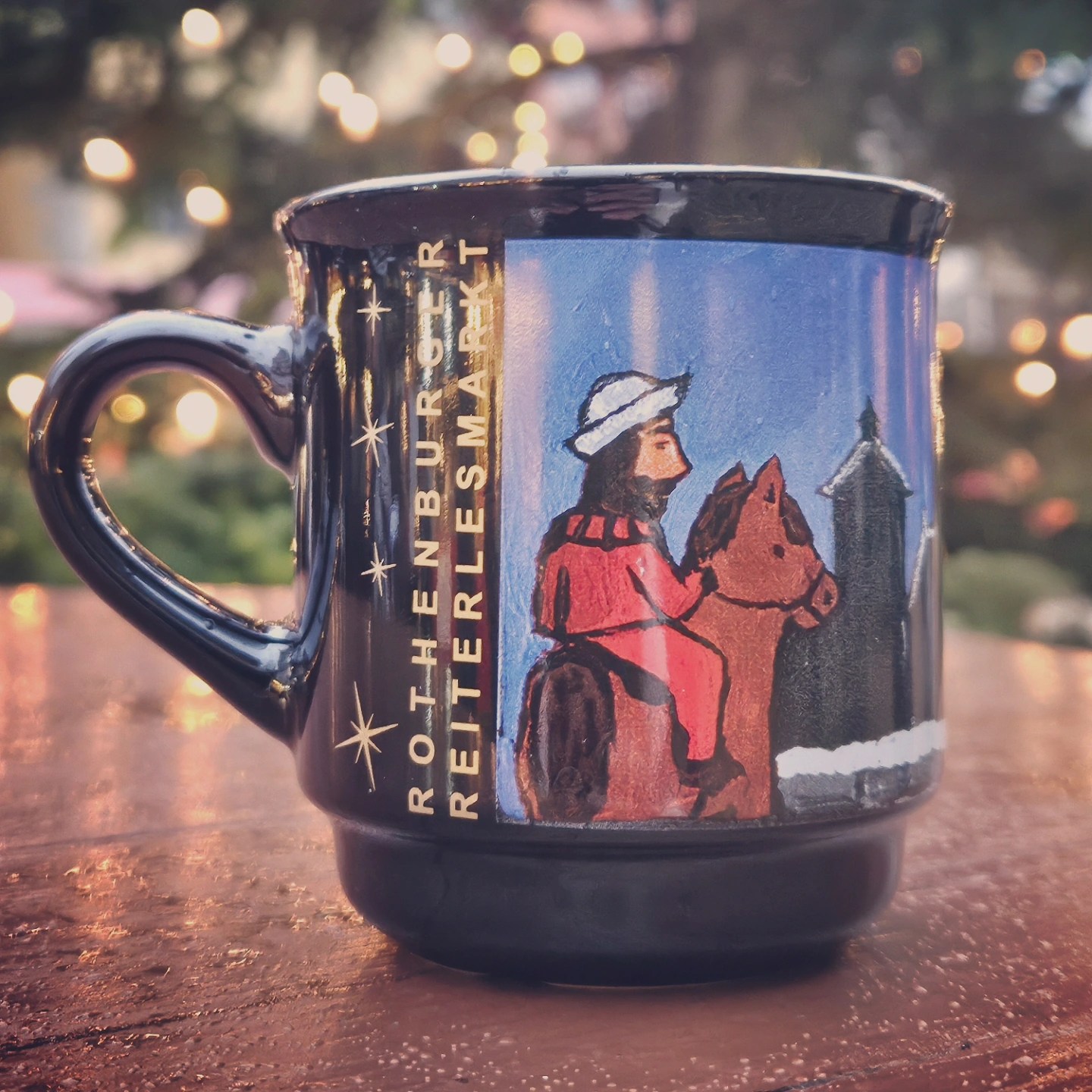
The Rothenburger Reiterlesmarkt dates back to the 15th century and opens on the Friday before the first Advent, when the Reiterle—a horseman figure from medieval Franconian folklore—rides into the market square to greet the crowd. After the mayor’s welcome, the large Christmas tree at the center of the square is lit, marking the official start of the season. Once believed to be a messenger from another world, the Reiterle has transformed over the centuries into a symbol of joy and goodwill—still the market’s most enduring emblem and namesake.
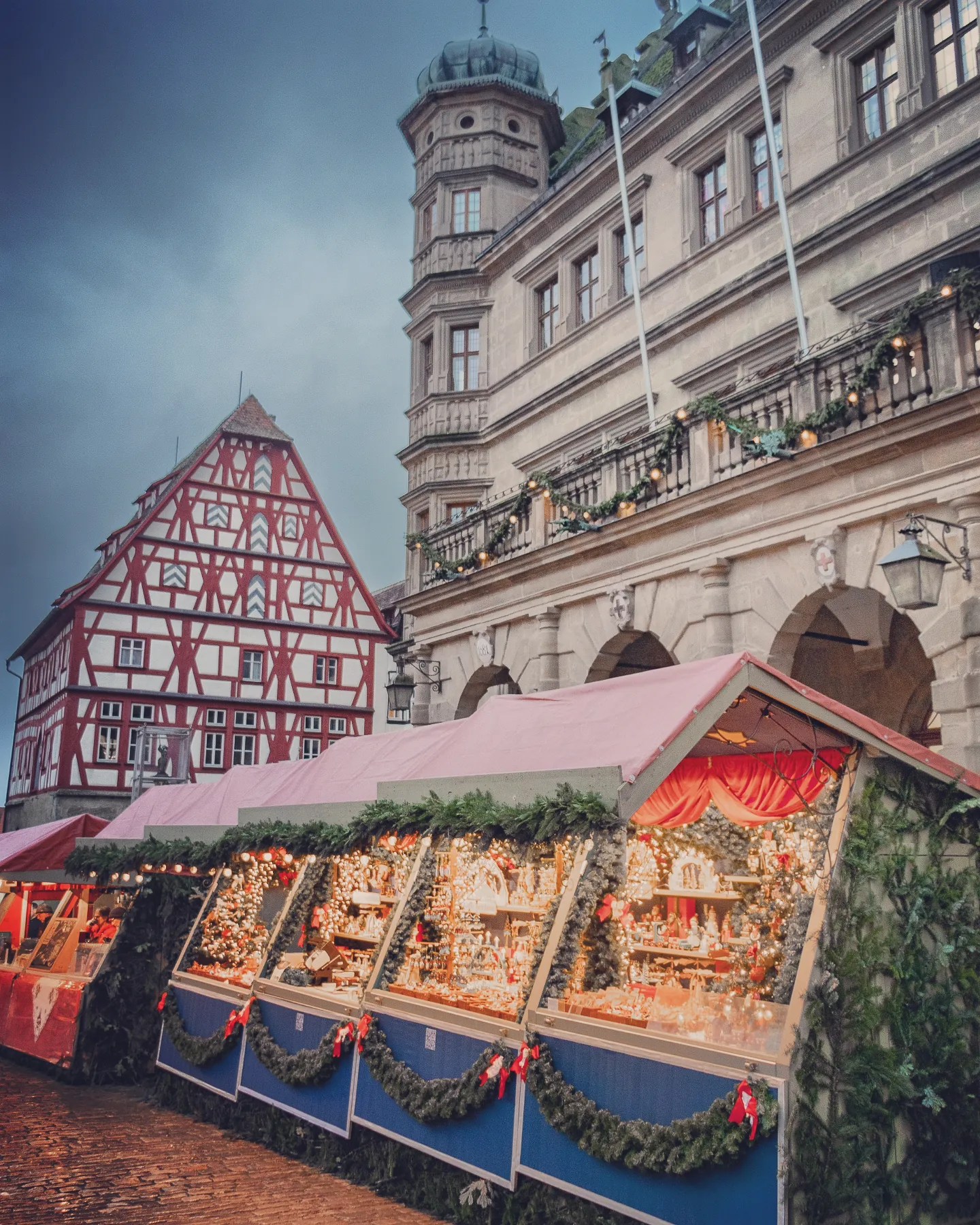
The market fills the main square and spreads into nearby streets, surrounded by festive shop windows and small courtyards where choirs sing and brass bands play. The entire town becomes part of the celebration, with garlands strung between rooftops and lighted trees glowing at every turn.
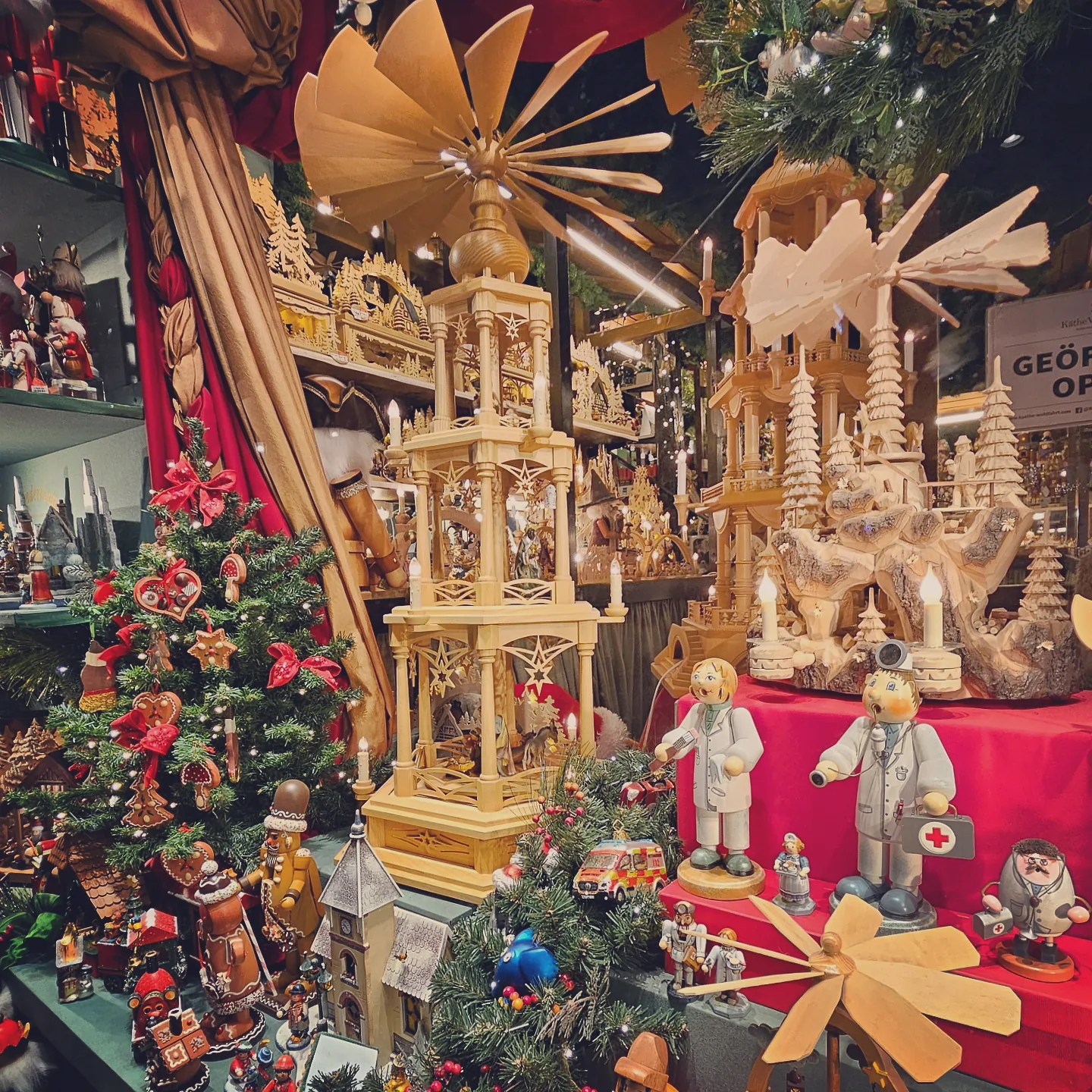
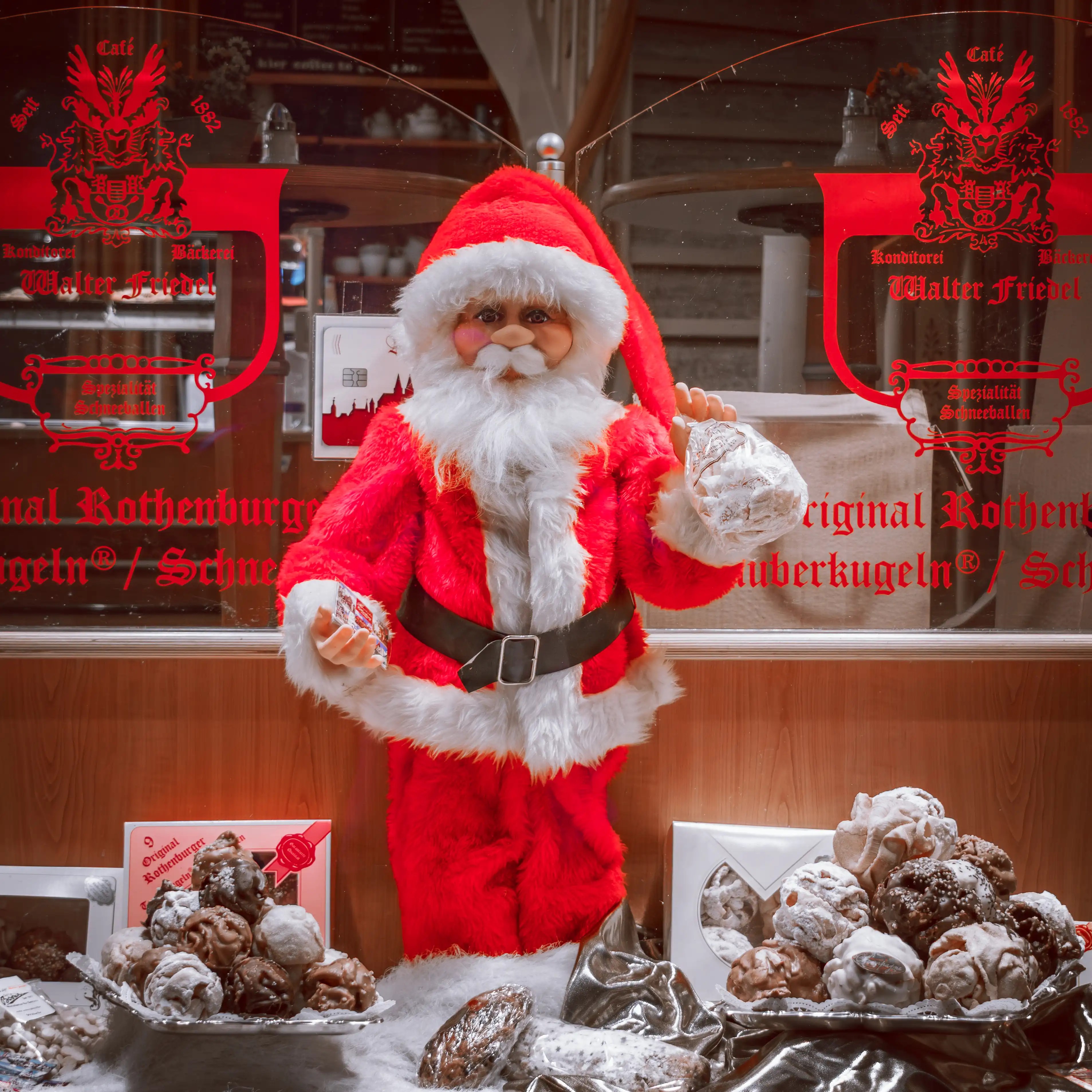
Rothenburg’s stalls overflow with handcrafted ornaments, wooden toys, and regional treats. The local specialty—Schneeballen, or “snowballs”—are crispy fried pastries dusted with sugar or dipped in chocolate, found in bakeries all over town. It’s also easy to warm up with a cup of mulled wine or browse the famous Käthe Wohlfahrt Christmas Village, a shop that stays open year-round.
Visitors looking to explore after dark can join the Night Watchman’s Tour, where lanterns flicker against the city walls and centuries of history unfold along the quiet lanes.
Historic yet timeless, Rothenburg’s Christmas market captures the essence of the season—where the glow of the Christmas tree, the sound of brass music, and the sight of the Reiterle riding through the square create a holiday atmosphere unlike any other.









Location & Getting There
All three of these market locations are easily reachable from Stuttgart, whether you’re planning a festive day trip or a cozy overnight stay.
- Esslingen – Just 20 minutes southeast by S-Bahn from central Stuttgart, Esslingen’s market stretches through the historic old town, filling the squares around the half-timbered houses. It runs November 25 to December 22, 2025, making it easiest to reach without a car.
- Nuremberg – About 2½ hours northeast by train or car, Nuremberg’s famous market takes over the Hauptmarkt beneath the Gothic Church of Our Lady. The market is open November 28 to December 24, 2025, and the main square is an easy walk from the central station.
- Rothenburg ob der Tauber – Roughly 2 hours northeast by car (or about 3 hours by train), Rothenburg’s Christmas market fills the Marktplatz and the surrounding cobblestone lanes inside the medieval city walls. The market runs November 21 to December 23, 2025 (closed November 23).
Dates and details can sometimes change, so it’s always a good idea to confirm current opening times before visiting—especially around holidays or severe weather.
Tips for Visiting German Christmas Markets
- Avoid peak crowds: Evenings and weekends are busiest. Arriving earlier in the day lets you explore and photograph in peace, then stay to enjoy the lights after dark.
- Bring cash: Many stalls still prefer cash, especially smaller ones selling food, crafts, or ornaments. ATMs near the market squares can have long lines and charge excessive fees, so it’s worth planning ahead.
- Dress for the weather: German winter markets are almost entirely outdoors. Warm layers, gloves, and waterproof shoes will make wandering (and waiting for Glühwein) much more comfortable.
- Mug deposits: When you order a hot drink, you’ll pay a small Pfand (deposit) for the mug—usually €3–5. You can return it to get your deposit back, or keep it as a souvenir. Some visitors love collecting one from every market, while I’m usually content to take a photo and return mine—unless it’s a really special design.
Final Thoughts
Each of these markets brought something completely different to the season—Esslingen’s medieval flair, Nuremberg’s centuries-old traditions, and Rothenburg’s storybook streets. Together with the markets from German Christmas Markets Volume I, they form a festive journey through southern Germany that captures both the joy and the history of Advent.
We left each one with rosy cheeks, full bellies, and completely enchanted by the magic of German Christmas markets.
Which Christmas markets have you enjoyed the most—or which ones are still on your list? Share your favorites or questions in the comments—I always enjoy hearing from you!

Leave a Reply