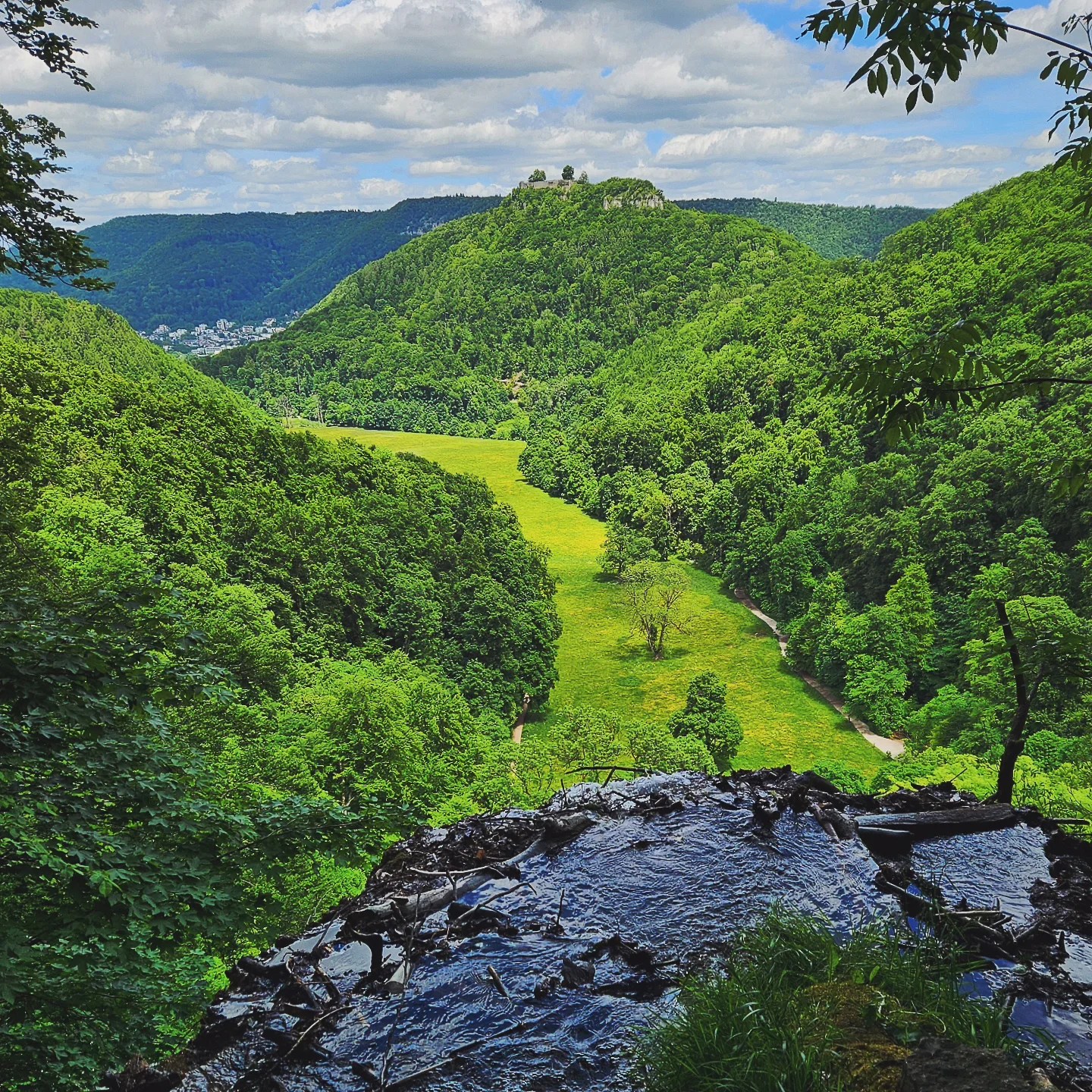
Tucked into the lush Maisental valley of the Swabian Alb, the Urach Waterfall (Uracher Wasserfall) is one of southern Germany’s most enchanting natural wonders. It’s fed by a karst spring just a few hundred meters above the falls—a spring that emerges from underground limestone, where rainwater and melting snow slowly carve out hidden channels over time.
From there, the water plunges a dramatic 37 meters (about 121 feet) into the valley below, continuing its journey along the peaceful Brühlbach stream. The volume of the waterfall shifts with the seasons—most impressive after heavy rain or spring snowmelt—making each visit a little different.
Our Spring Adventure to Urach Waterfall
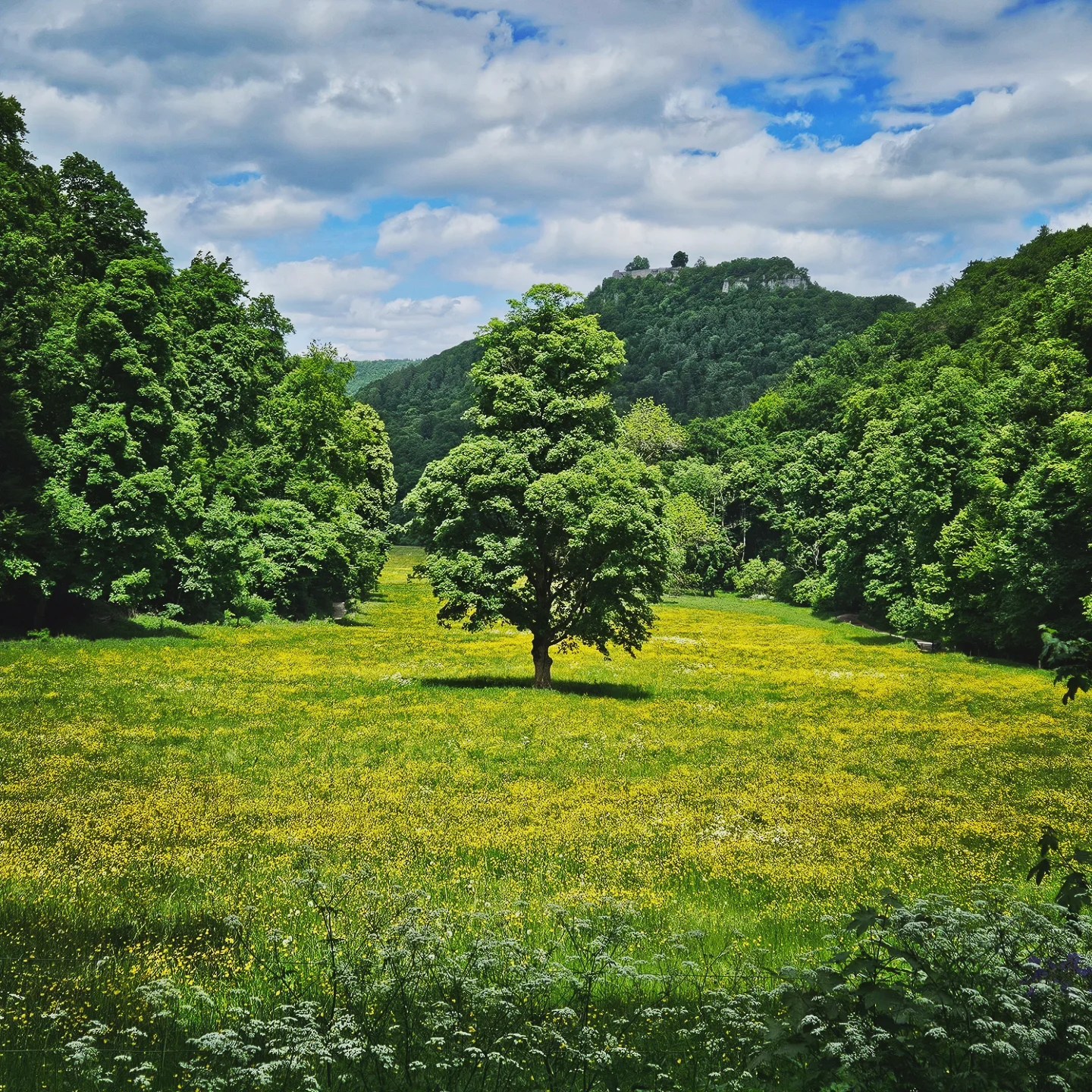
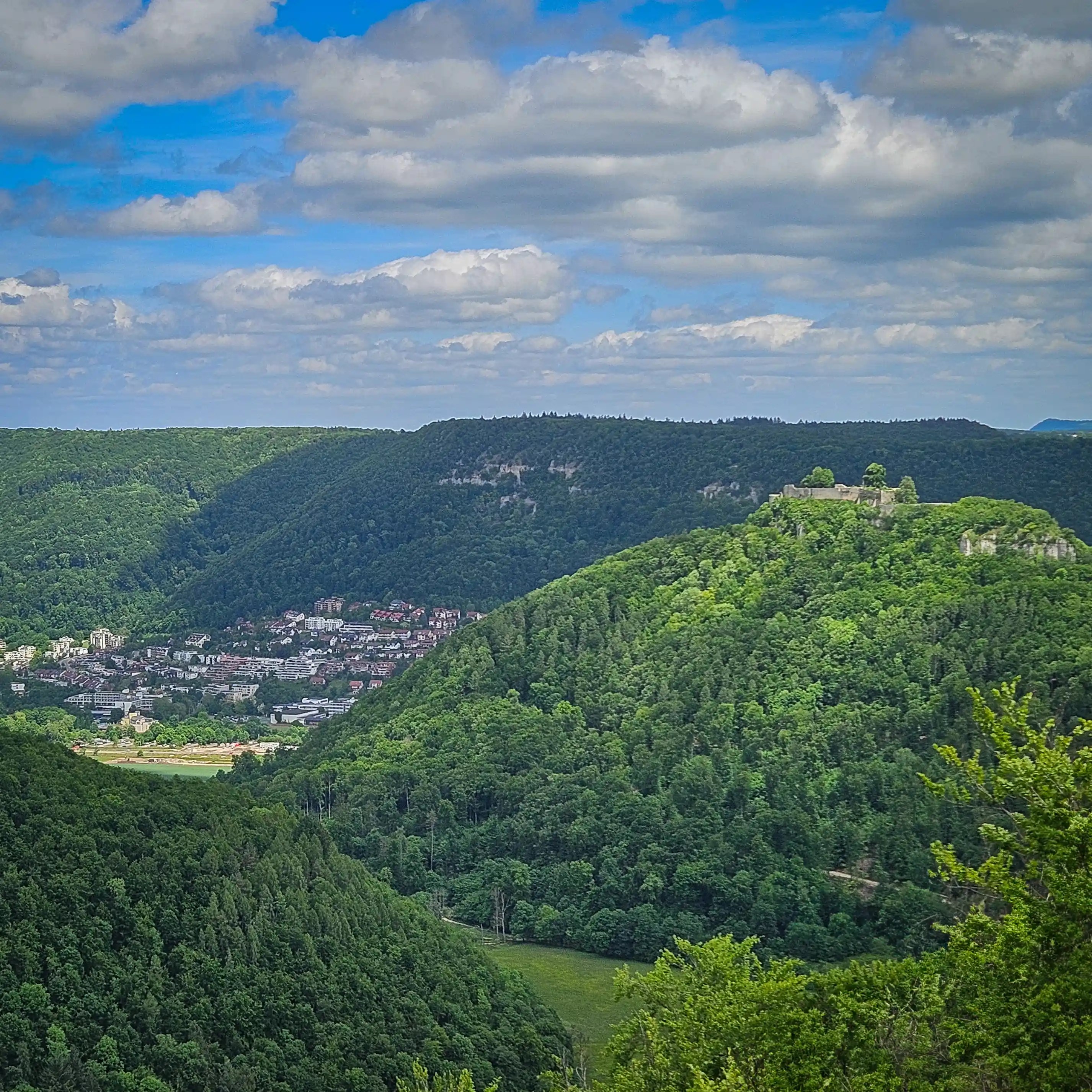
We set off on a gorgeous May morning, ready to explore one of southern Germany’s most scenic hikes. The trail began gently through the peaceful Maisental valley, and right away we were surrounded by everything we love about this region—meadows bursting with wildflowers, lazy cows grazing in open fields, and the craggy silhouette of Hohenurach Castle (Burgruine Hohenurach) high above the treetops.


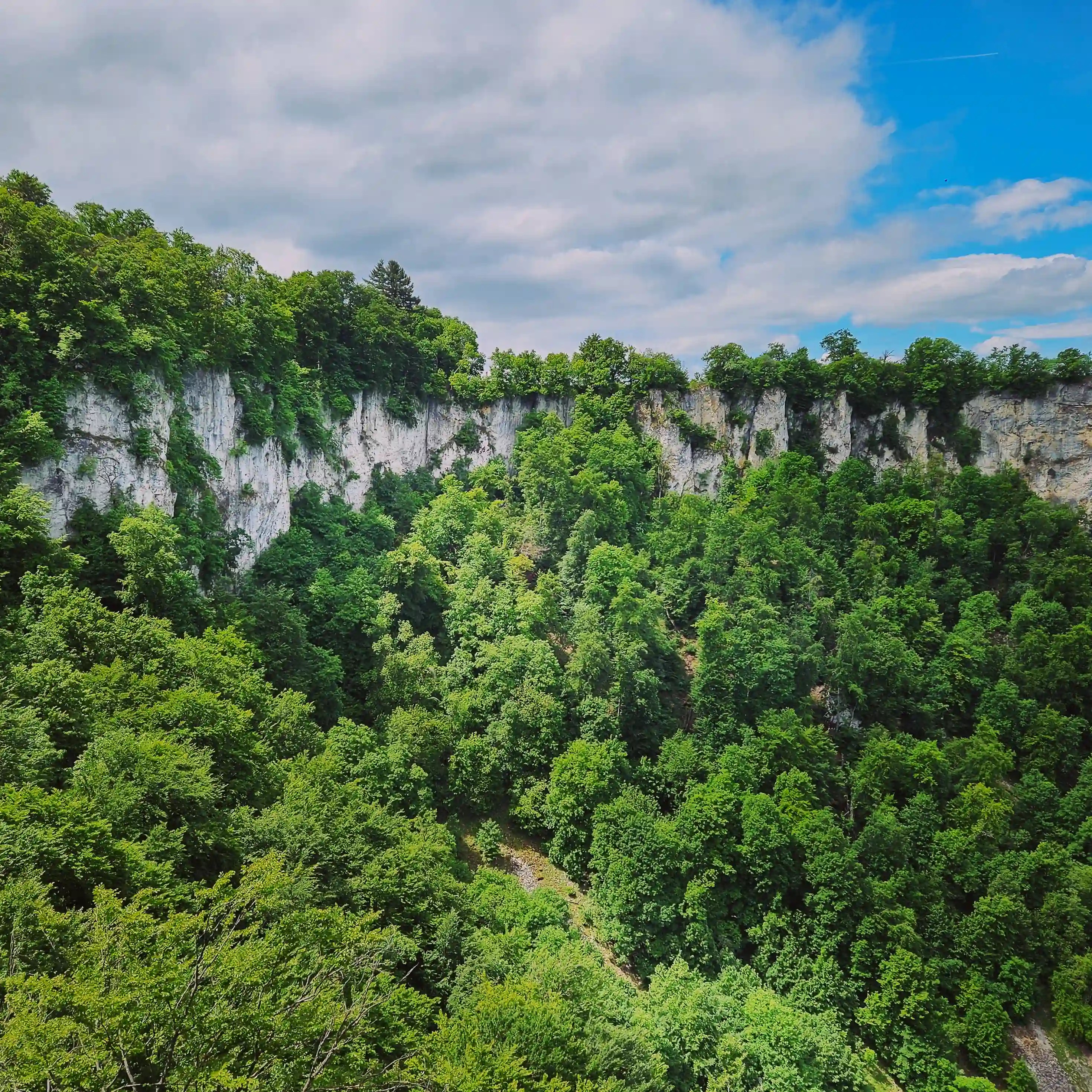
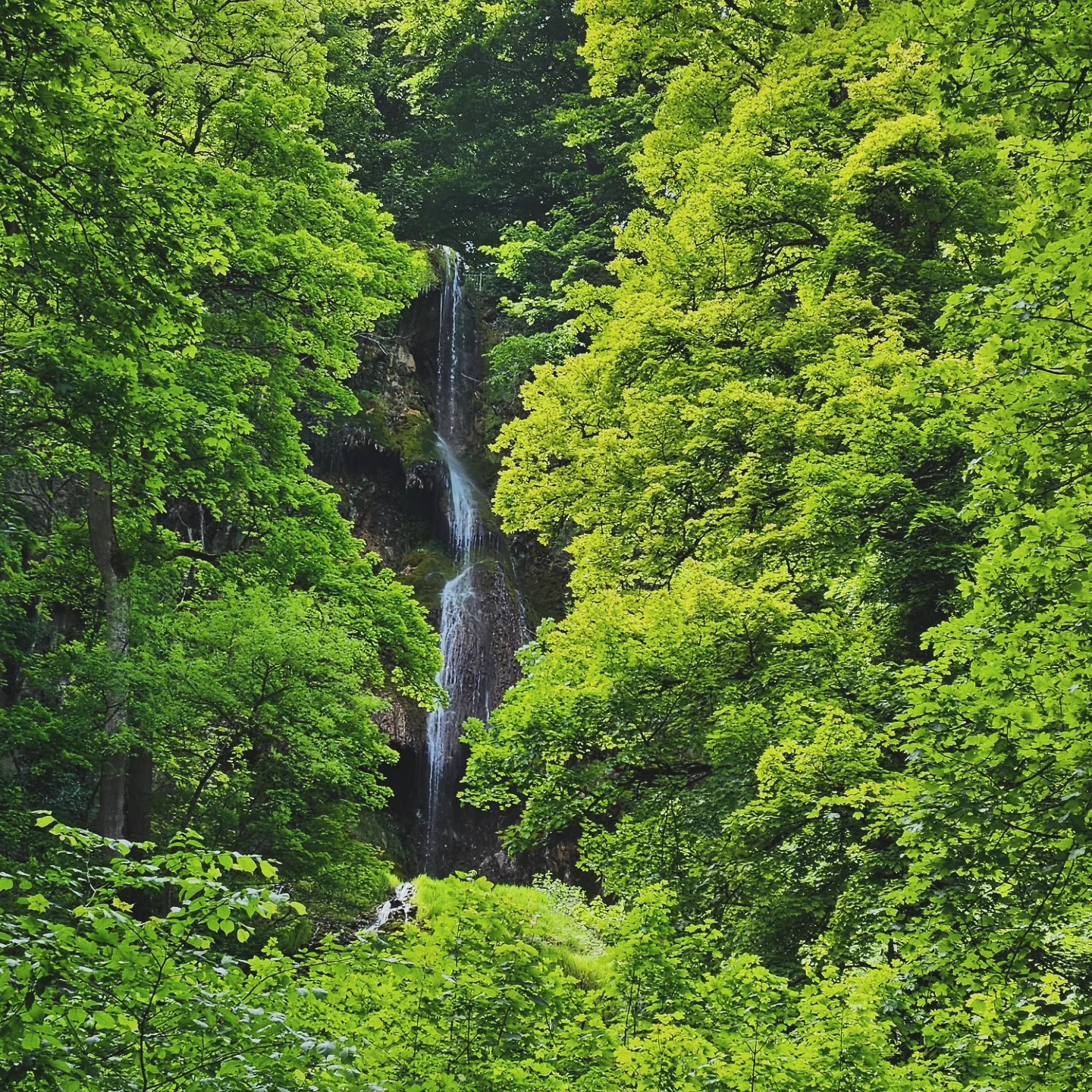
As the path climbed gradually between forested slopes and white limestone cliffs, the scenery became more beautiful with every step. Before long, we caught our first glimpse of Urach Waterfall—a silver cascade slicing through the greenery, framed by fresh spring leaves.
The climb grew steeper as we neared the waterfall, alternating between a dirt path through the forest and stone steps slick with water from the stream itself, which flows directly over parts of the route. We paused often—partly to catch our breath, partly to soak in the shifting views of the waterfall as the valley opened up behind us and the stream rushed alongside.


After a longer stretch through the woods, the trail eventually opened onto a high meadow, where a small bridge offers a view of the valley and the falls from above. But don’t stop there—continue upward, and you’ll find short side trails that lead to expansive views across the Swabian Alb hills. Along the way, we spotted a fire salamander tucked beside the path and a Roman snail inching across the moss.
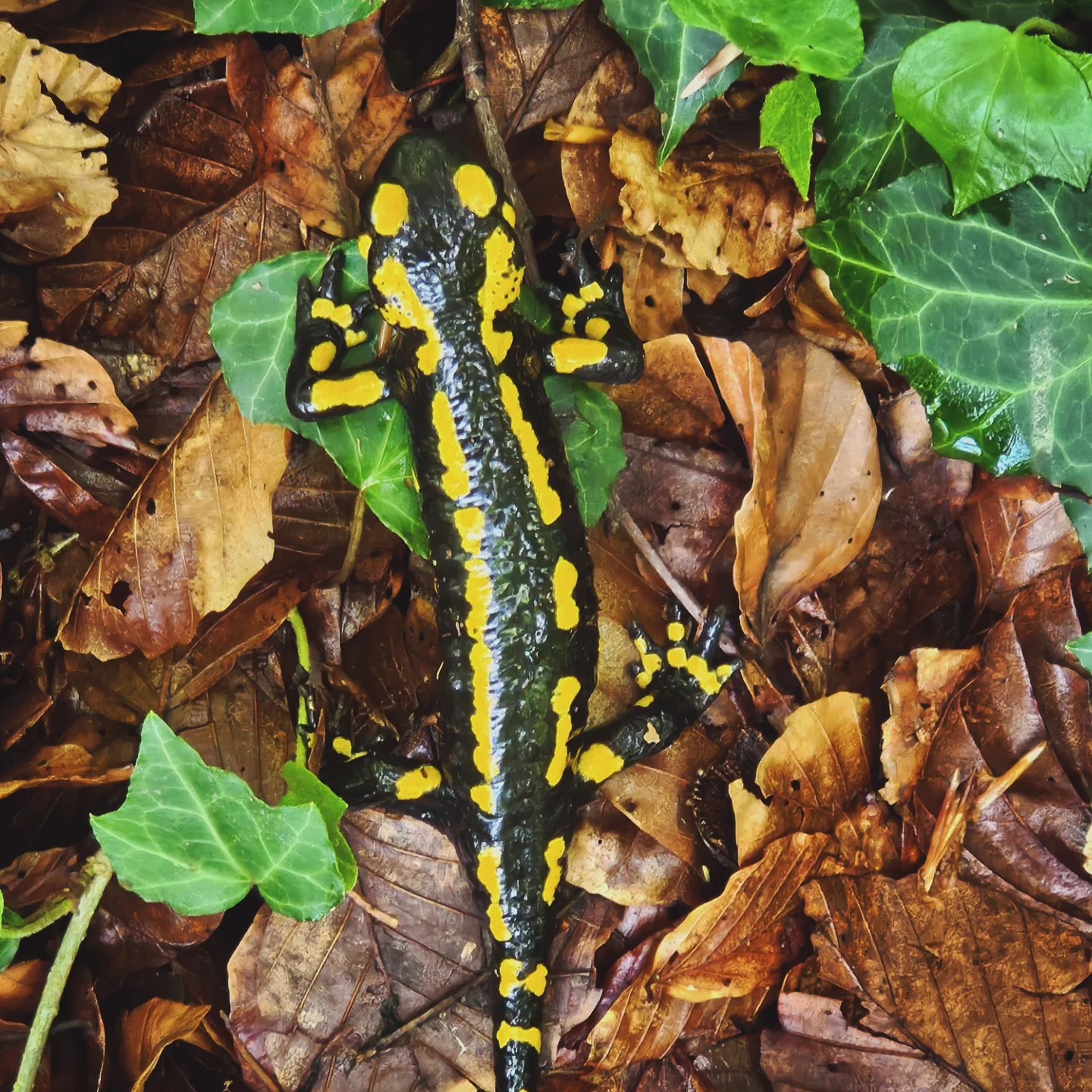
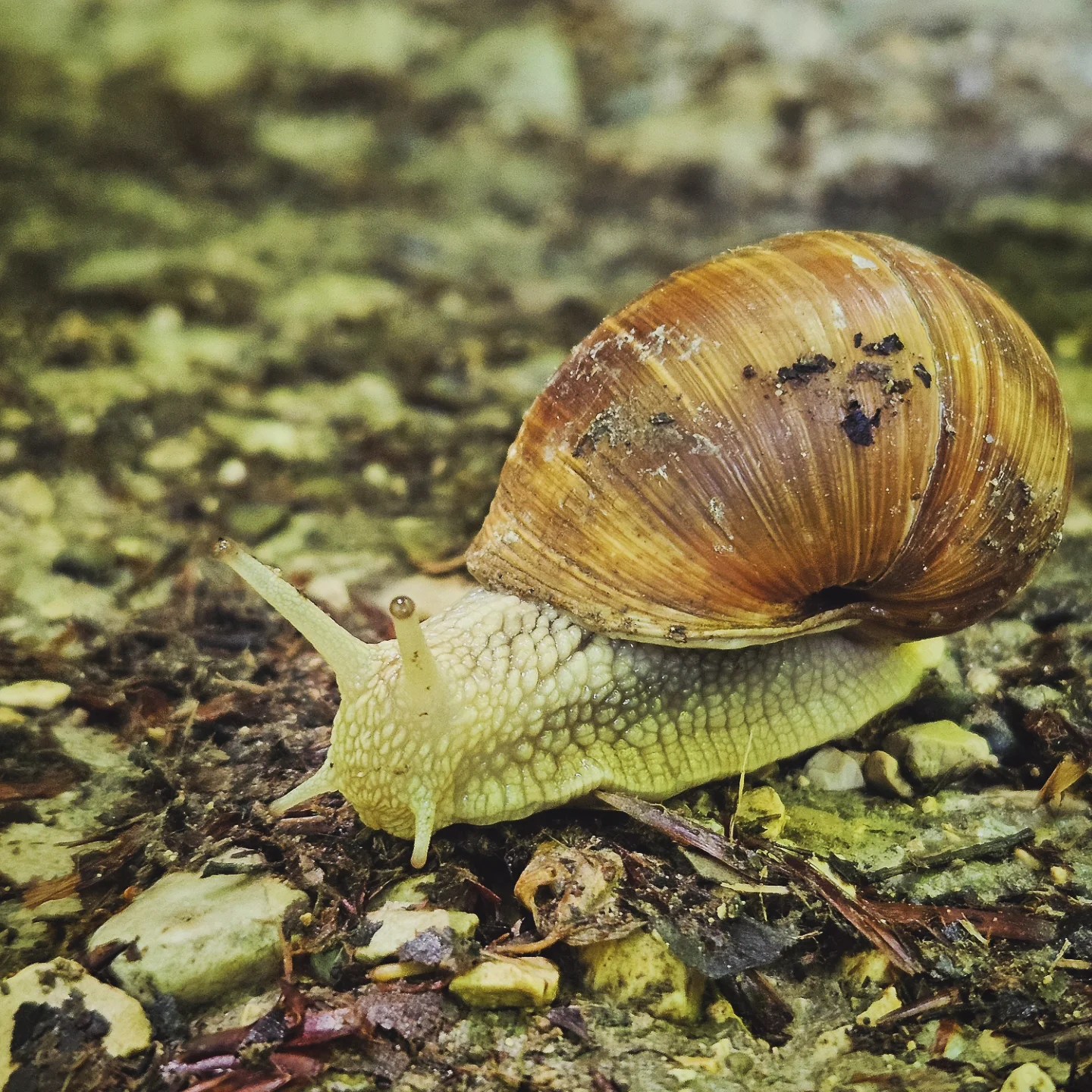
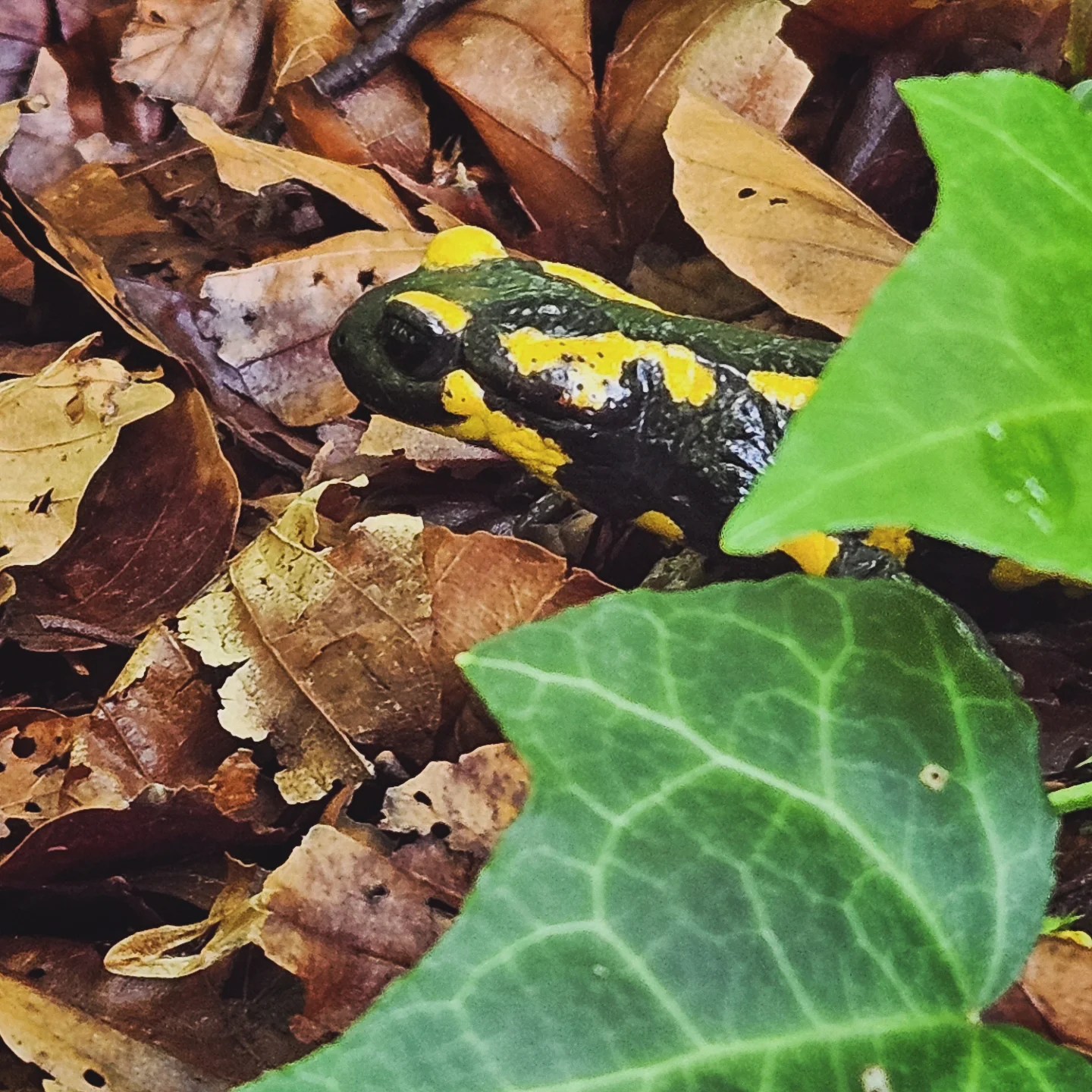
After soaking in the panoramic views from above, we descended again to the high meadow where we stumbled upon the Wasserfallhütte, a refreshment kiosk near the top of the falls offering hikers cool drinks and hearty Swabian dishes. There, with a snack in hand and the sound of rushing water and birdsong in the trees, we watched the waterfall tumble into the valley below—pure, peaceful bliss.
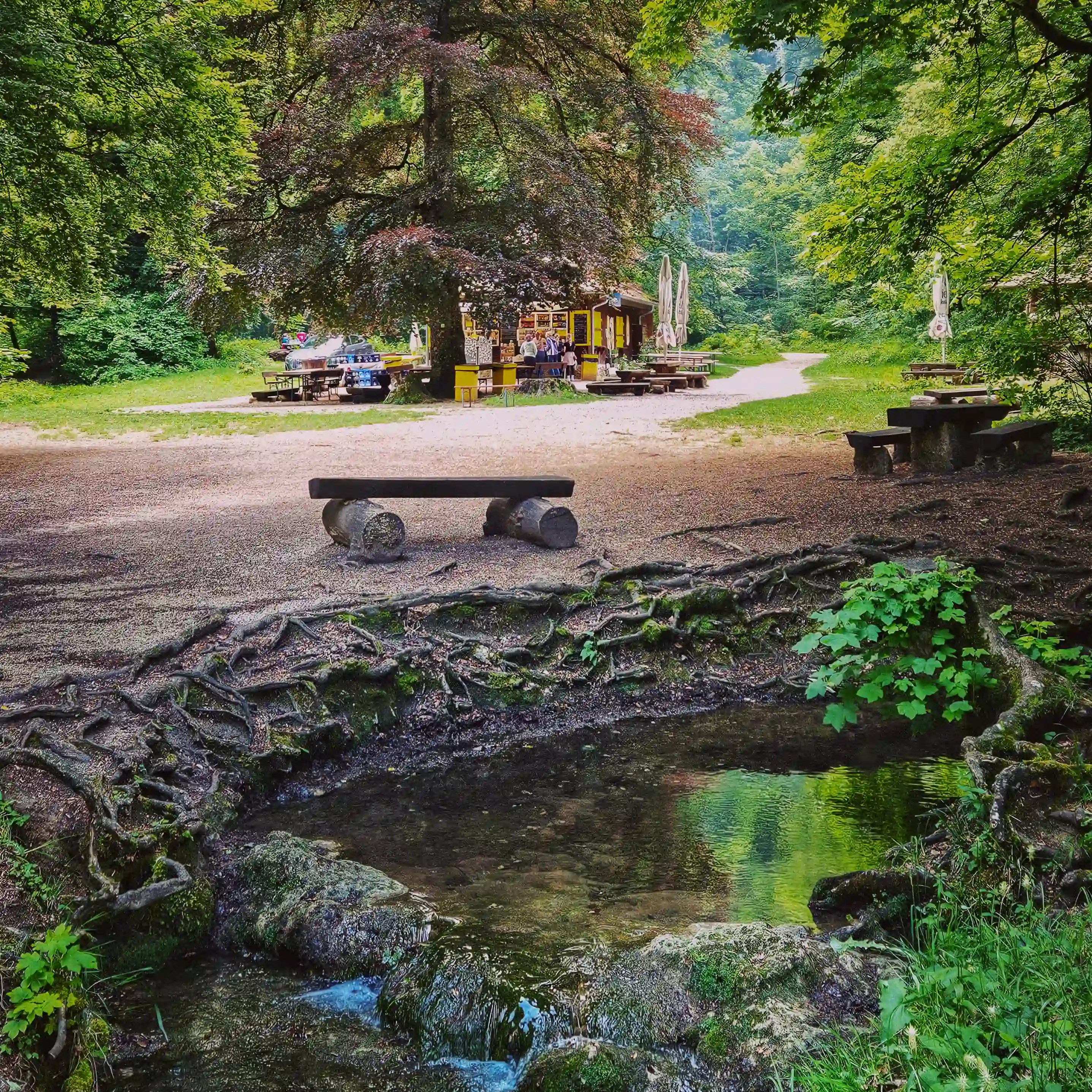
The trail back followed the gentle flow of the Brühlbach stream, winding beneath shady trees. Just before reaching the end, we stumbled upon a small roadside farm stand offering fresh-picked strawberries. We couldn’t resist picking up a basket—a sweet and unexpected treat to end a memorable hike. Just don’t forget to bring a few Euros—these local stands are usually cash only.
If you have a bit more time, consider heading into nearby Bad Urach—a charming town known for its half-timbered architecture and cozy cafés. It’s the perfect place to enjoy a relaxed stroll and treat yourself to lunch or dinner. And if you’re in the mood to unwind even more, stop by the AlbThermen Bad Urach, a thermal spa offering mineral-rich pools, saunas, and wellness treatments—an ideal way to soothe tired legs after a day on the trail.
Thinking about visiting in autumn? While our hike took place in spring, the surrounding forest transforms into a sea of golds and reds in the fall, making Urach Waterfall a stunning seasonal destination. The views from the upper trail are even more breathtaking beneath a canopy of color.
Location & Getting There
The Urach Waterfall is located just outside the historic town of Bad Urach, in the heart of the Swabian Alb region of Baden-Württemberg. Just 45 minutes to an hour by car from Stuttgart (about 60 kilometers / 37 miles), it’s an easy and rewarding day trip filled with natural beauty, scenic views, and plenty of photo opportunities.
Paid parking is available at the nearby Wanderparkplatz Uracher Wasserfälle, which also offers a well-maintained free public restroom.
There are several trail variations in the area, ranging from short, direct routes to longer scenic loops. We followed a Komoot hiking route (similar to this one). For a bit more adventure, some trails include a detour to the ruins of Hohenurach Castle perched high above the valley. It’s worth exploring these other Bad Urach hiking trails to find a route that suits your pace, interests, and the season.
Have you been to Urach Waterfall or Bad Urach and have tips for others visiting? I’d love to hear your questions, experiences and suggestions in the comments below!

Leave a Reply