Trier, Luxembourg and Metz: A Four-Day Road Trip Across Borders
Four days, three countries, and centuries of history to explore. In late May, we set out from Stuttgart on a road trip that would take us from Germany’s oldest city, Trier, through the Grand Duchy of Luxembourg, and finally into Metz, France, before looping back home.
First Stop: Trier, Germany – A City of Ancient Stones
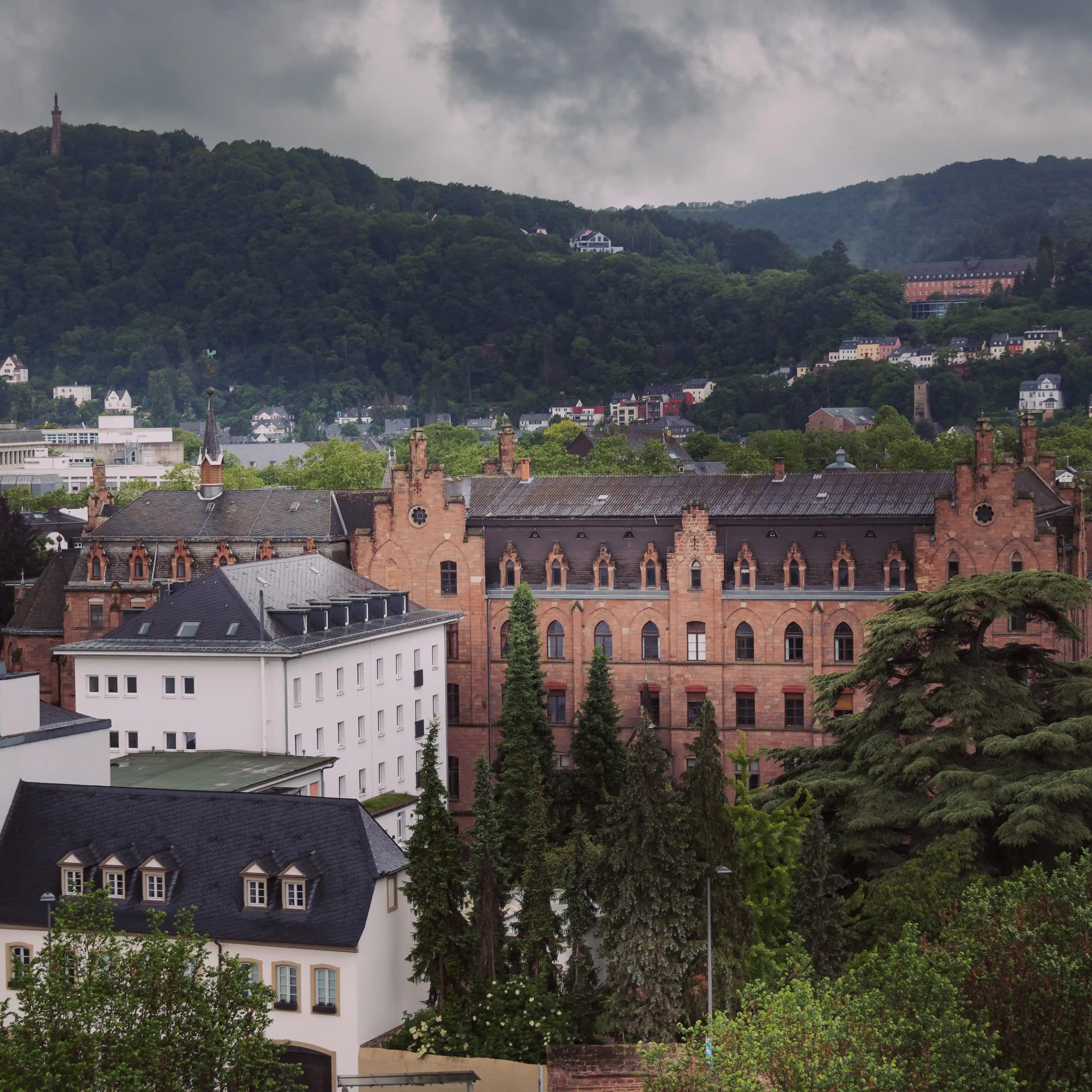
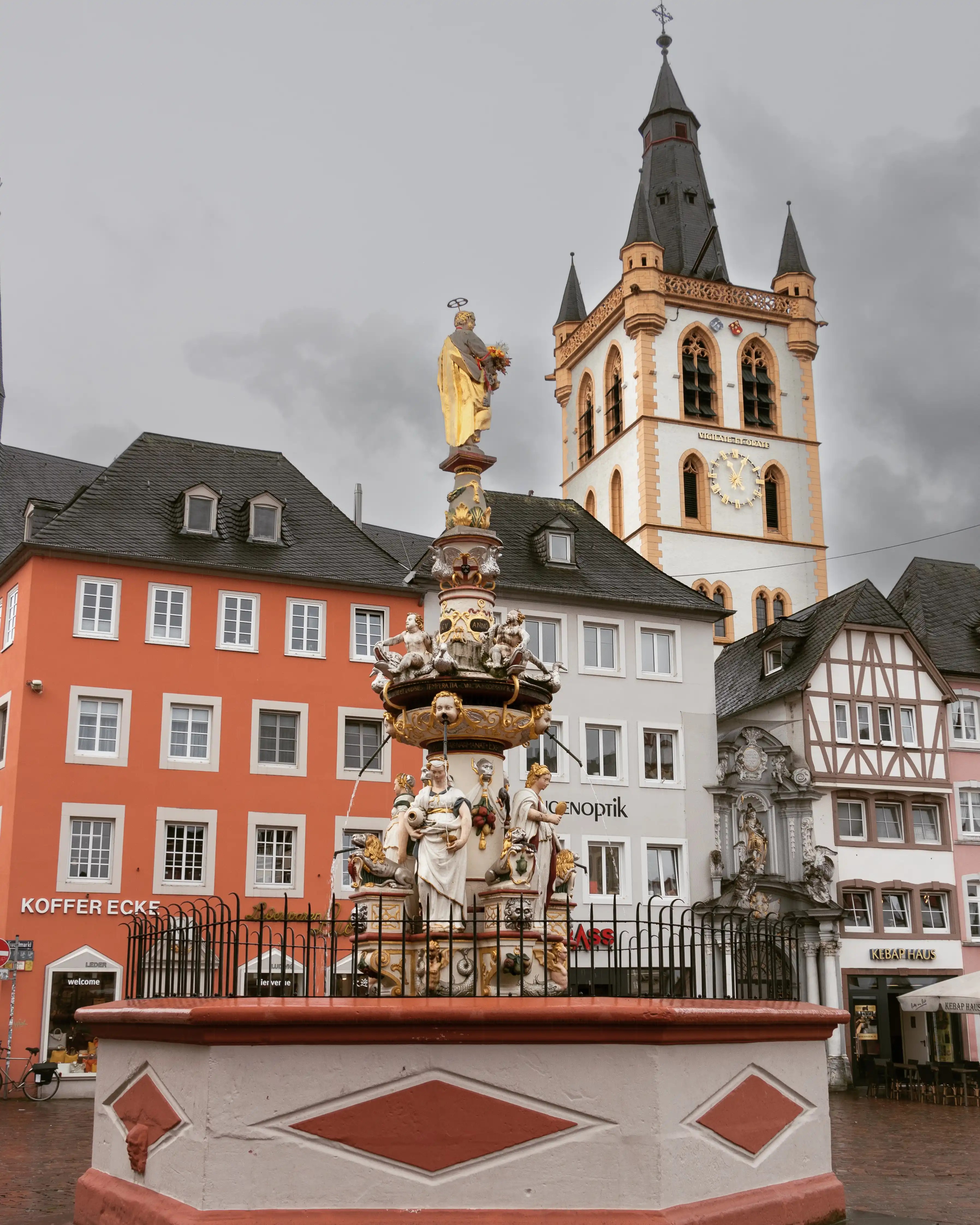
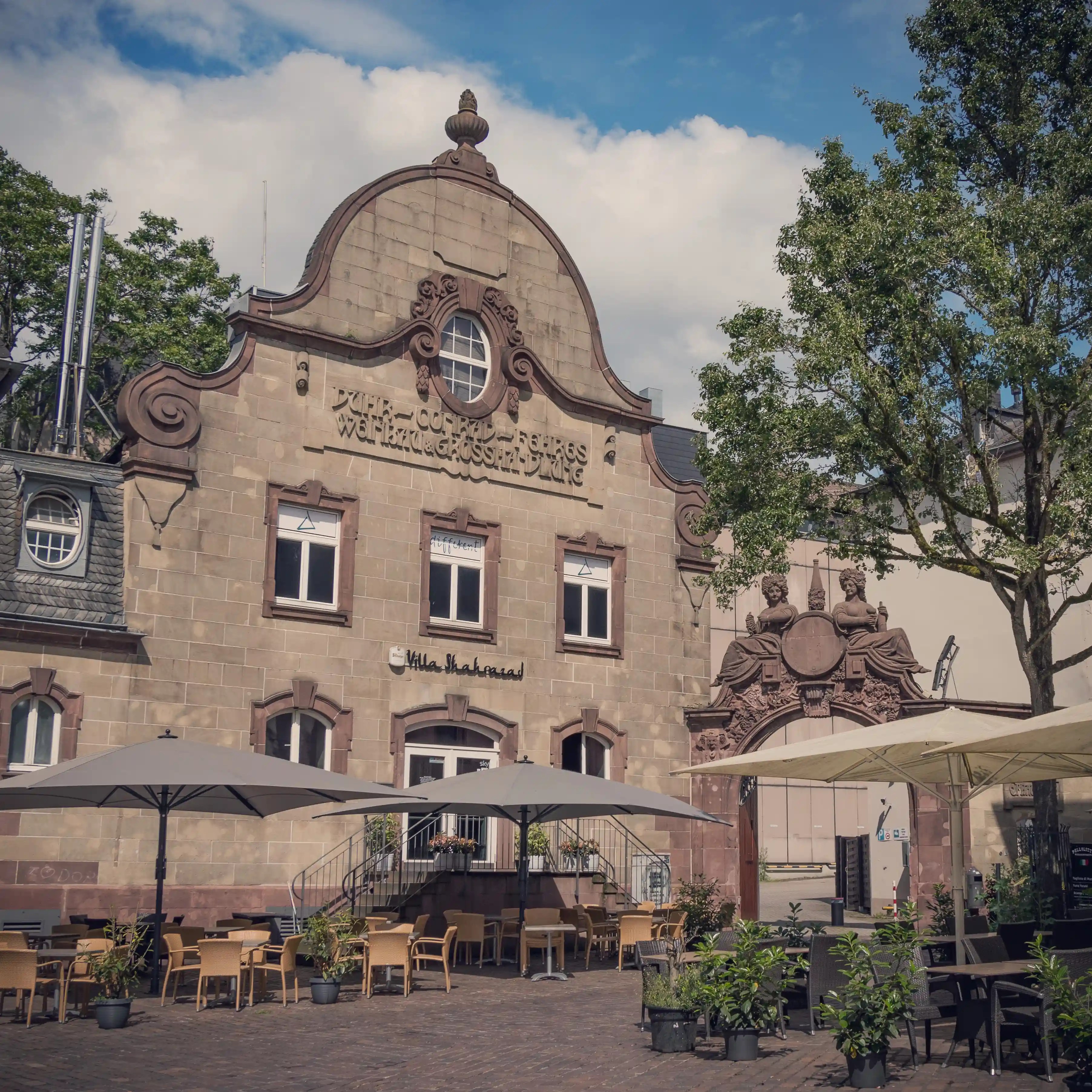
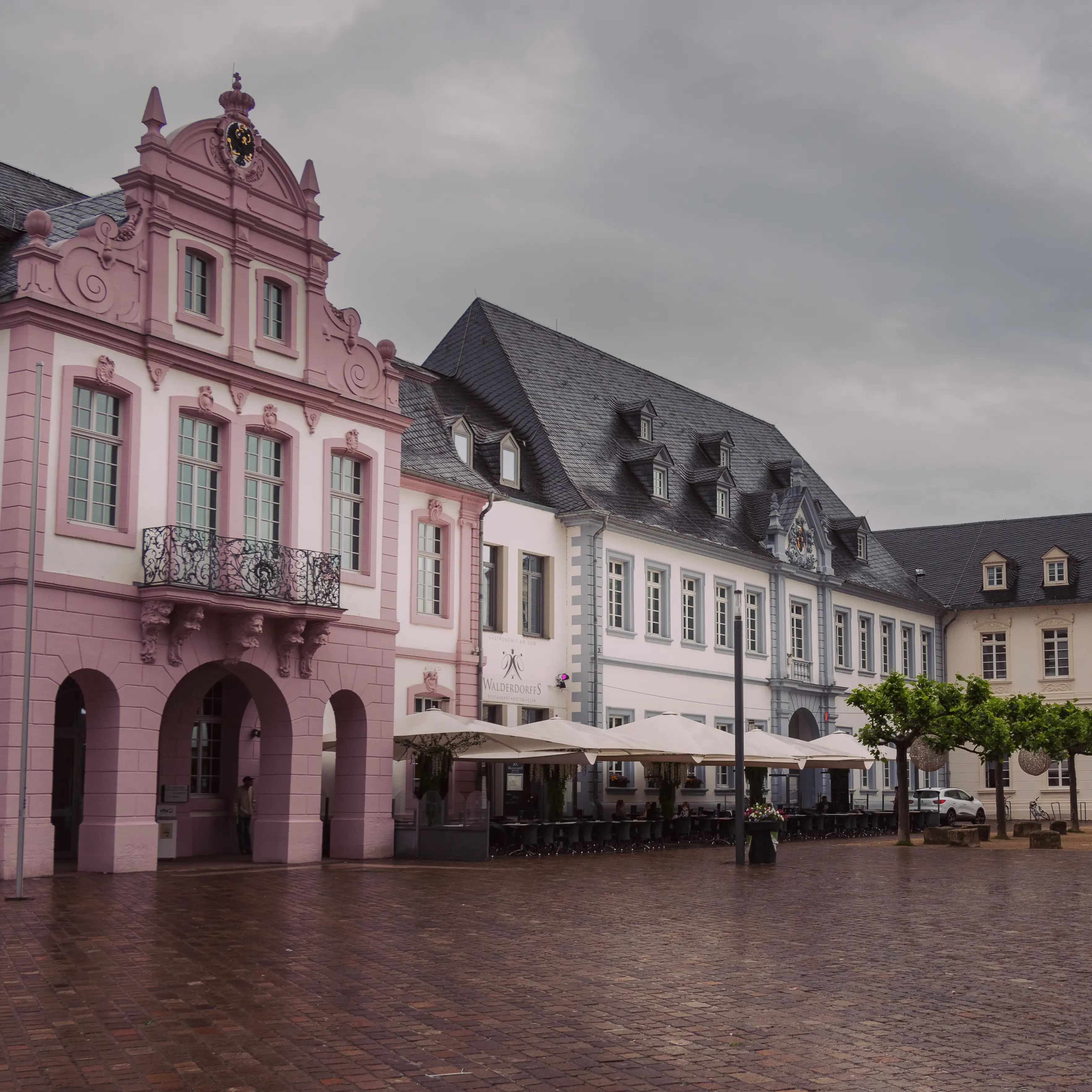
Trier, considered Germany’s oldest city, was founded by the Romans around 16 BC and sits along the Moselle River in the heart of the Moselle wine region, known for its steep vineyards and Riesling wines. Walking its streets feels like stepping into a living museum. where Roman monuments stand beside colorful market squares and medieval churches, offering a glimpse into two millennia of European history.




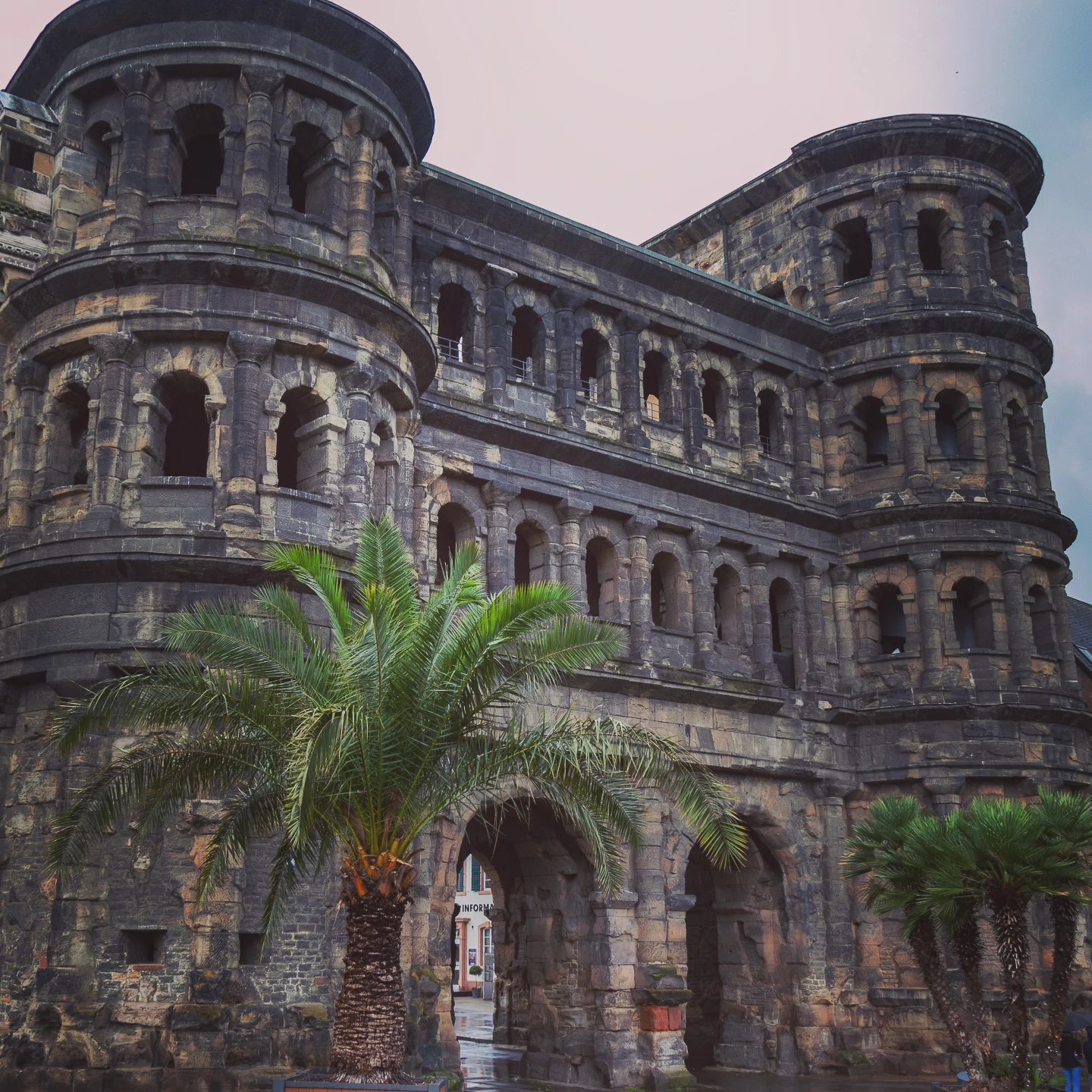
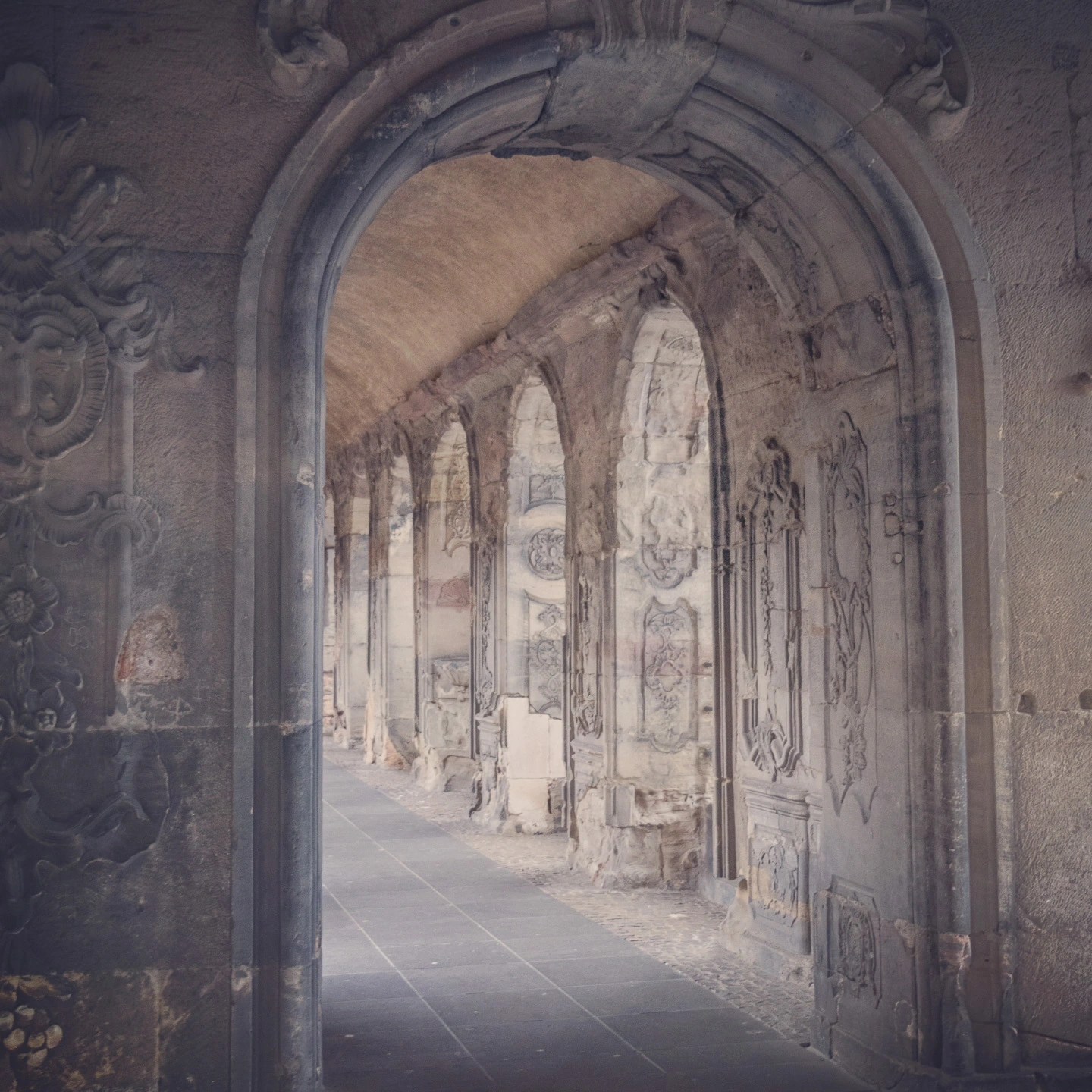
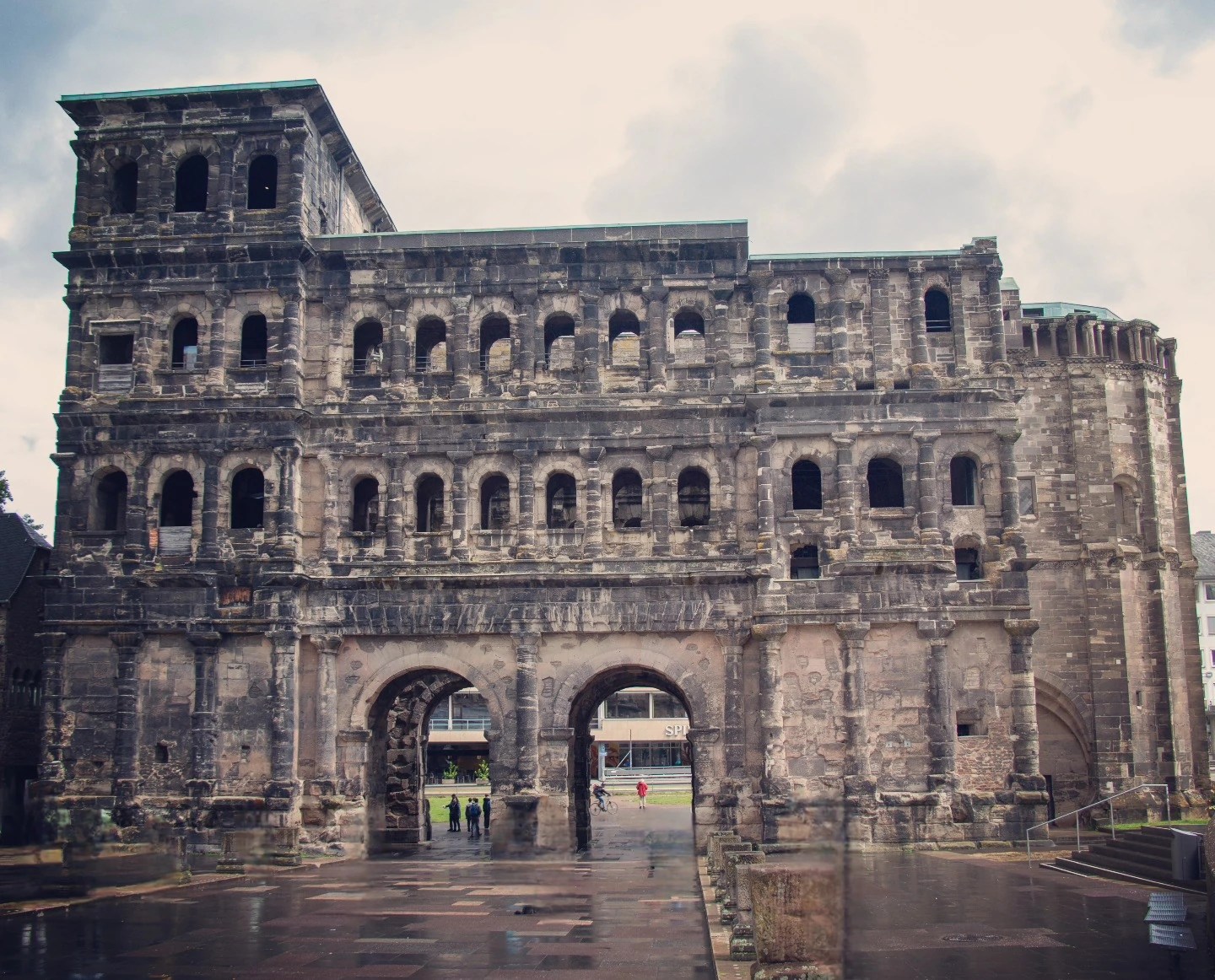
Porta Nigra – The Black Gate
Standing at the edge of Trier’s old town is the Porta Nigra, or “Black Gate,” the imposing Roman city gate built around 170 CE. Its survival is almost miraculous—while most Roman gates disappeared, this one endured because in the 1030s the Greek hermit Simeon enclosed himself in a small cell inside the tower; after his death in 1035, he was buried there and later canonized as a saint.
Centuries later, Napoleon considered tearing it down, but local legend says townspeople persuaded him to spare it by reminding him of its ancient Roman origins. Thanks to their intervention, the gate was restored nearly to its Roman form and today stands as a UNESCO World Heritage Site and one of Trier’s most iconic landmarks.


Trier Cathedral – 1,700 Years of History
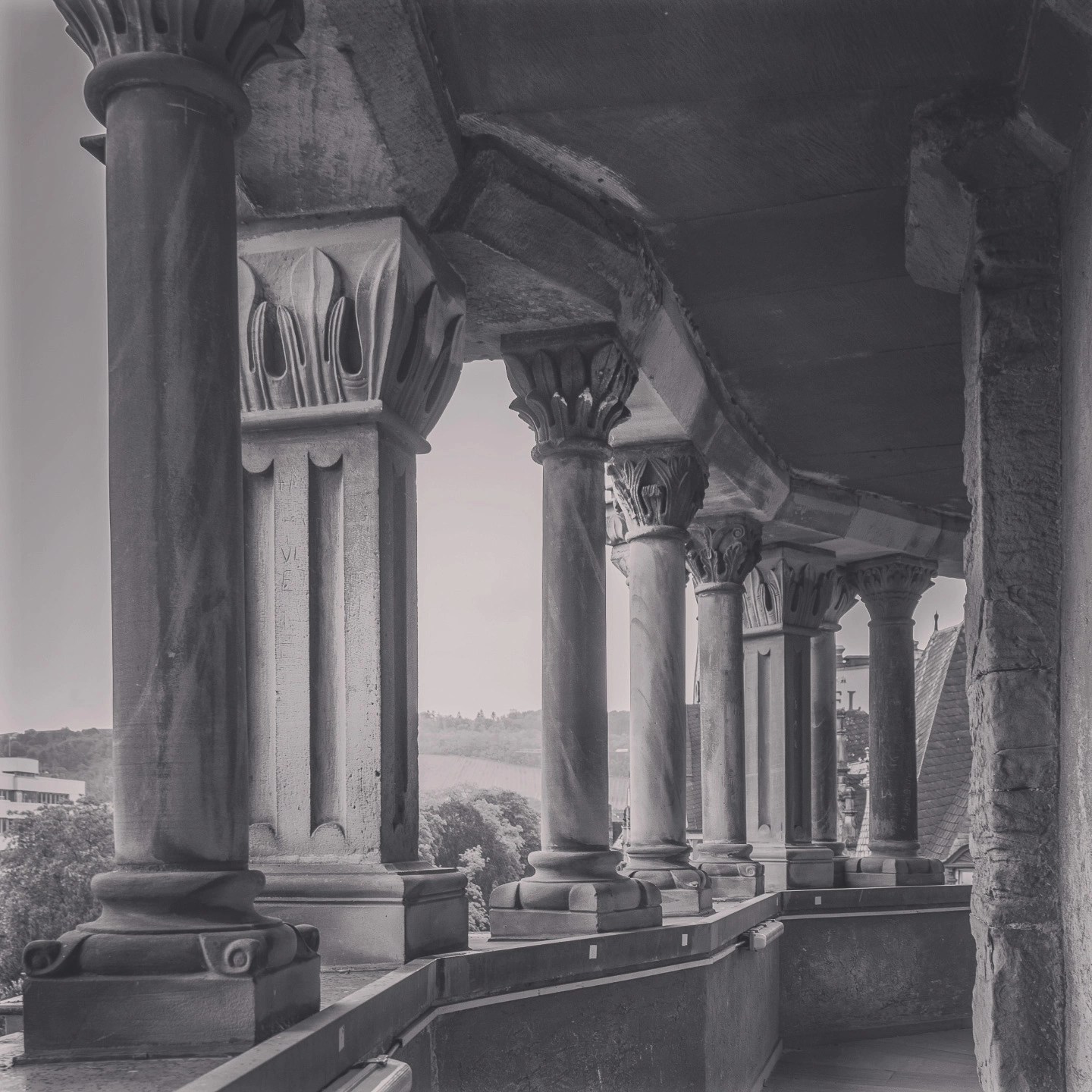
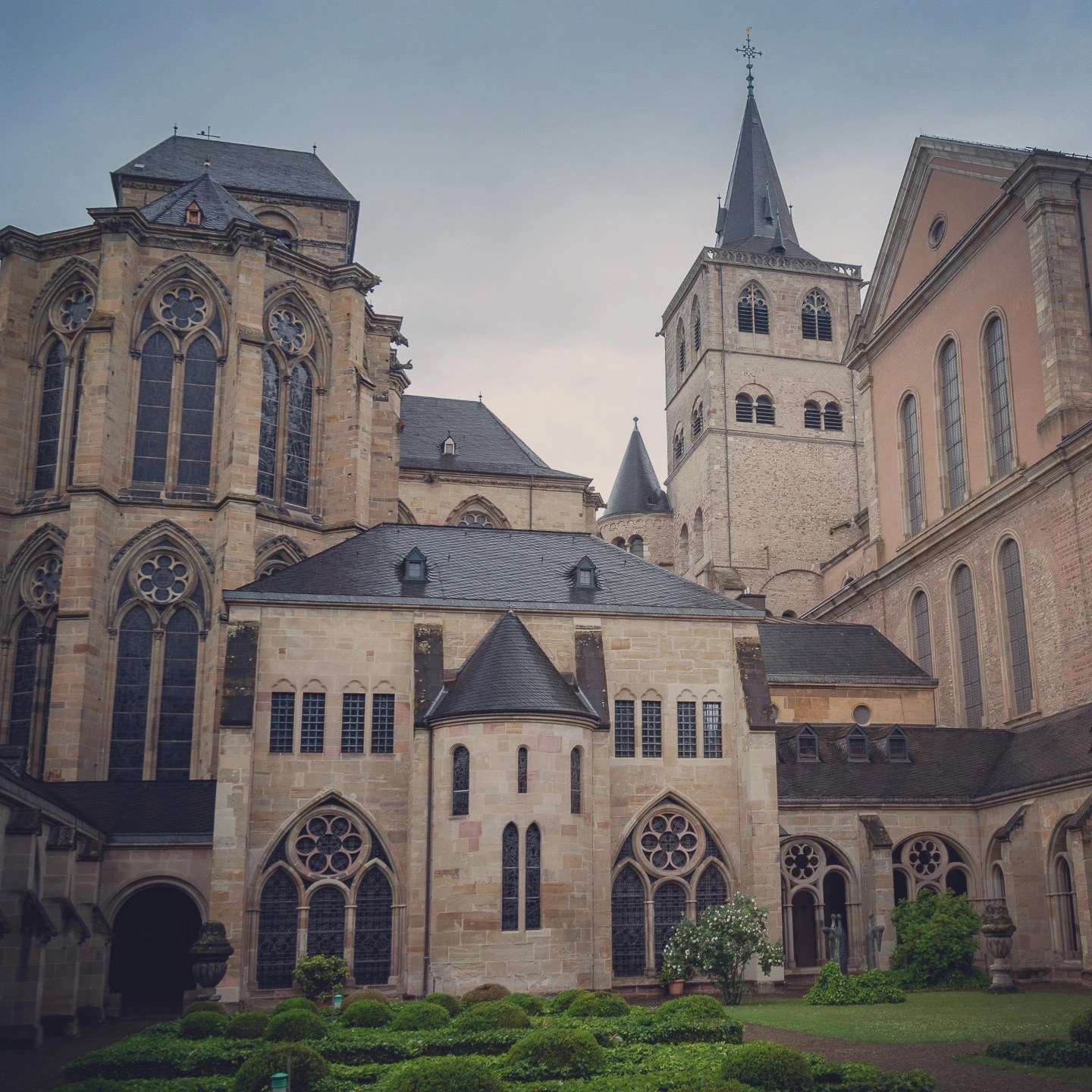
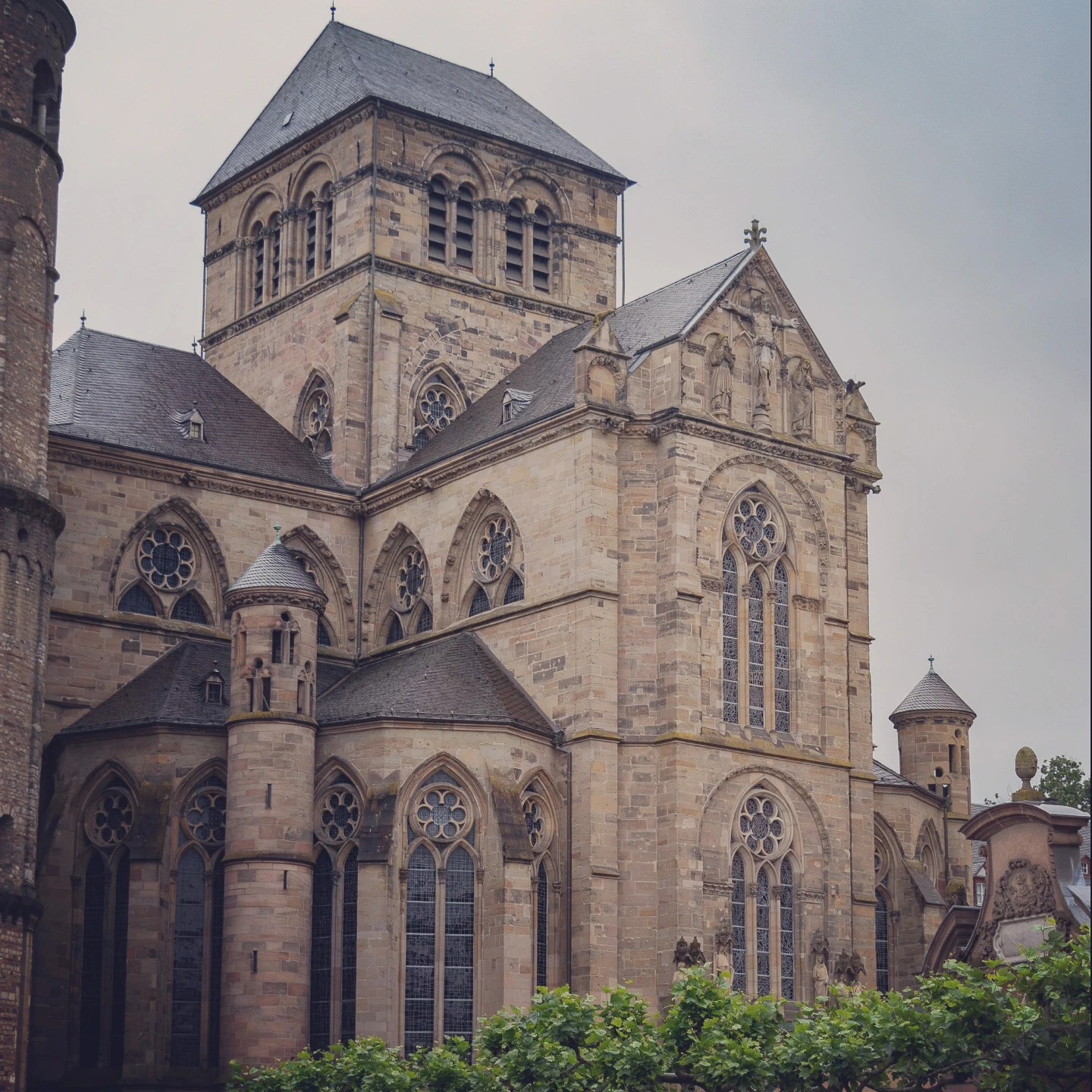
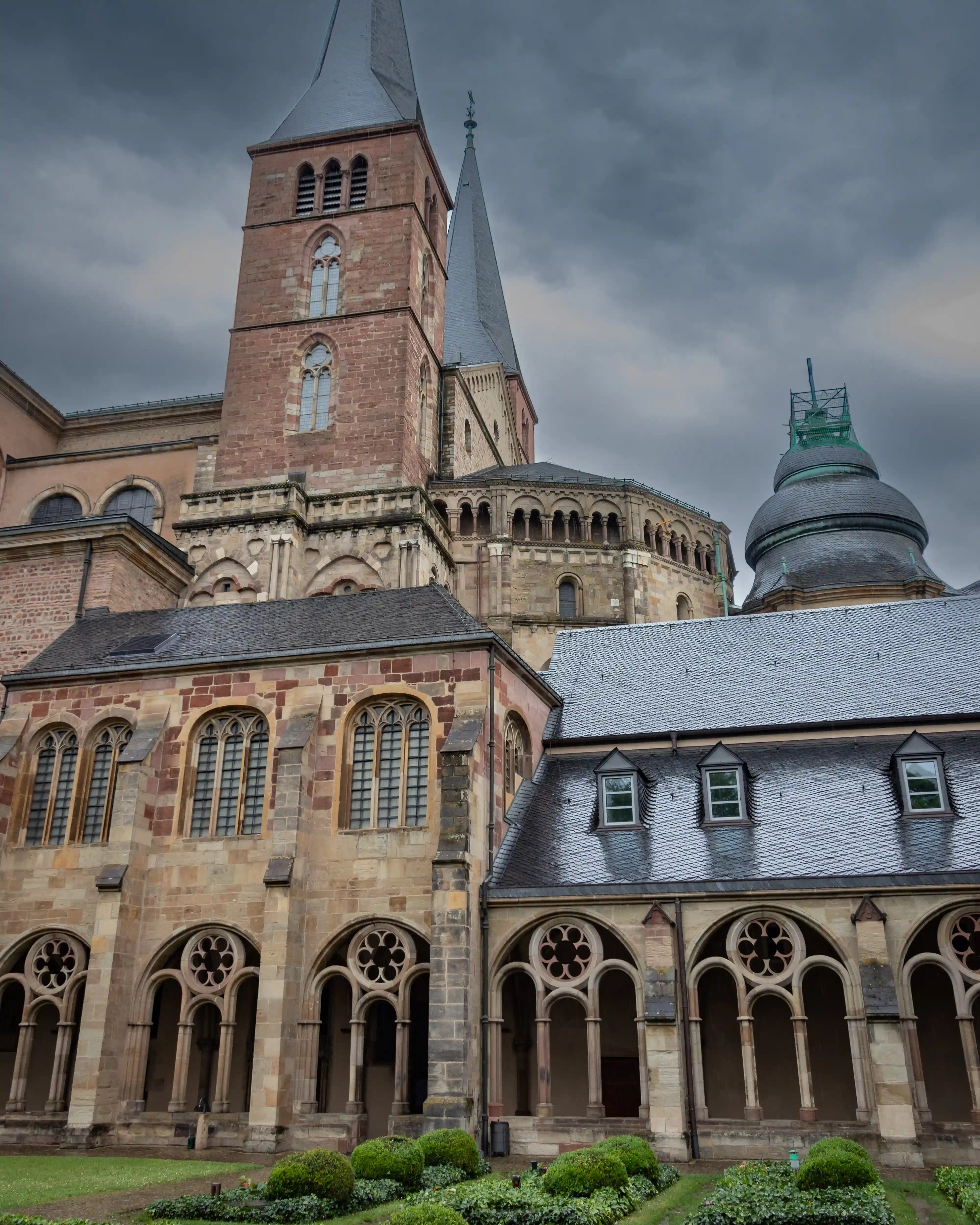
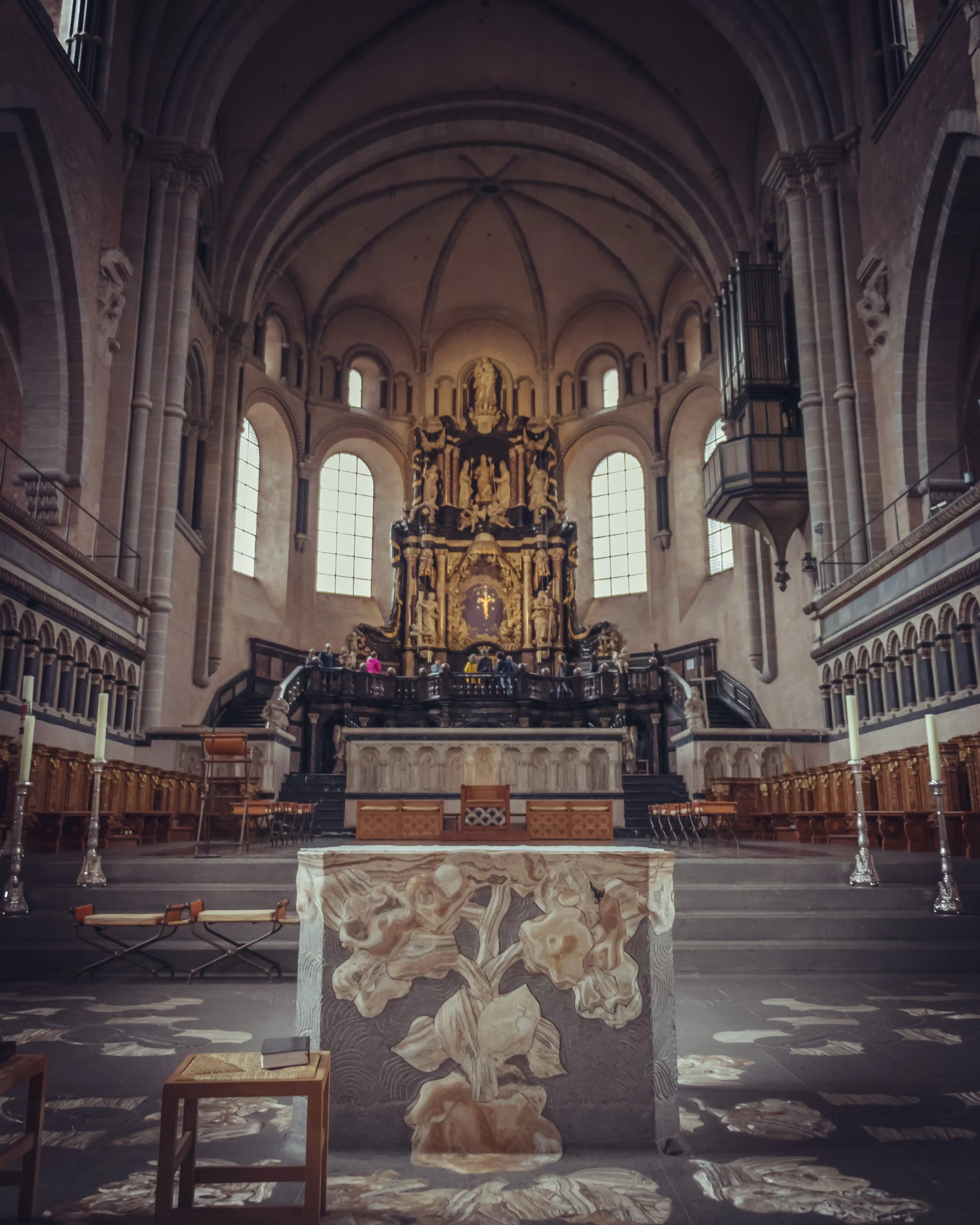
Nearby rises Trier Cathedral (Trierer Dom), considered the oldest church in Germany, with foundations dating back to the 4th century under Emperor Constantine. Inside, the vast Romanesque and Gothic structure houses the Seamless Robe—a tunic said to have been worn by Jesus before his crucifixion, though it is only displayed on very rare occasions. Visitors can also descend to the crypt and archaeological excavations below, where layers of the cathedral’s long history are revealed.




Trier’s Other Roman Wonders
Trier also boasts the Aula Palatina, better known as the Basilica of Constantine, built around 310 CE as the throne hall of Emperor Constantine. Its design is remarkably simple—towering brick walls and high windows—but stepping inside its immense hall is unforgettable. The largest surviving hall from antiquity, it’s a rare chance to stand within a space built for a Roman emperor.


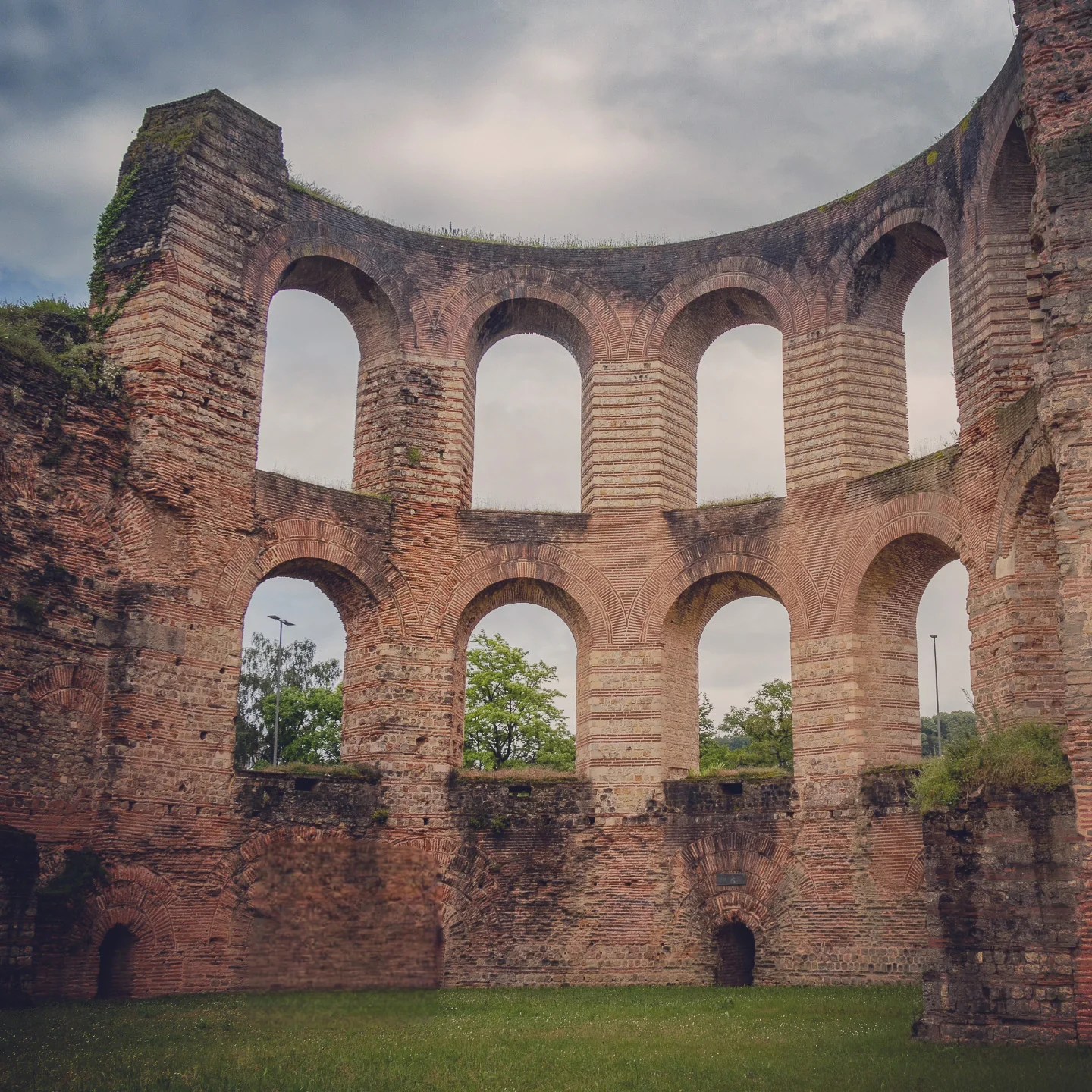
Nearby stand the Imperial Baths (Kaiserthermen), where visitors can explore both the above-ground ruins and the labyrinth of tunnels below. Begun in the 4th century but never fully completed, they were later adapted for other uses, including as part of the city’s fortifications.
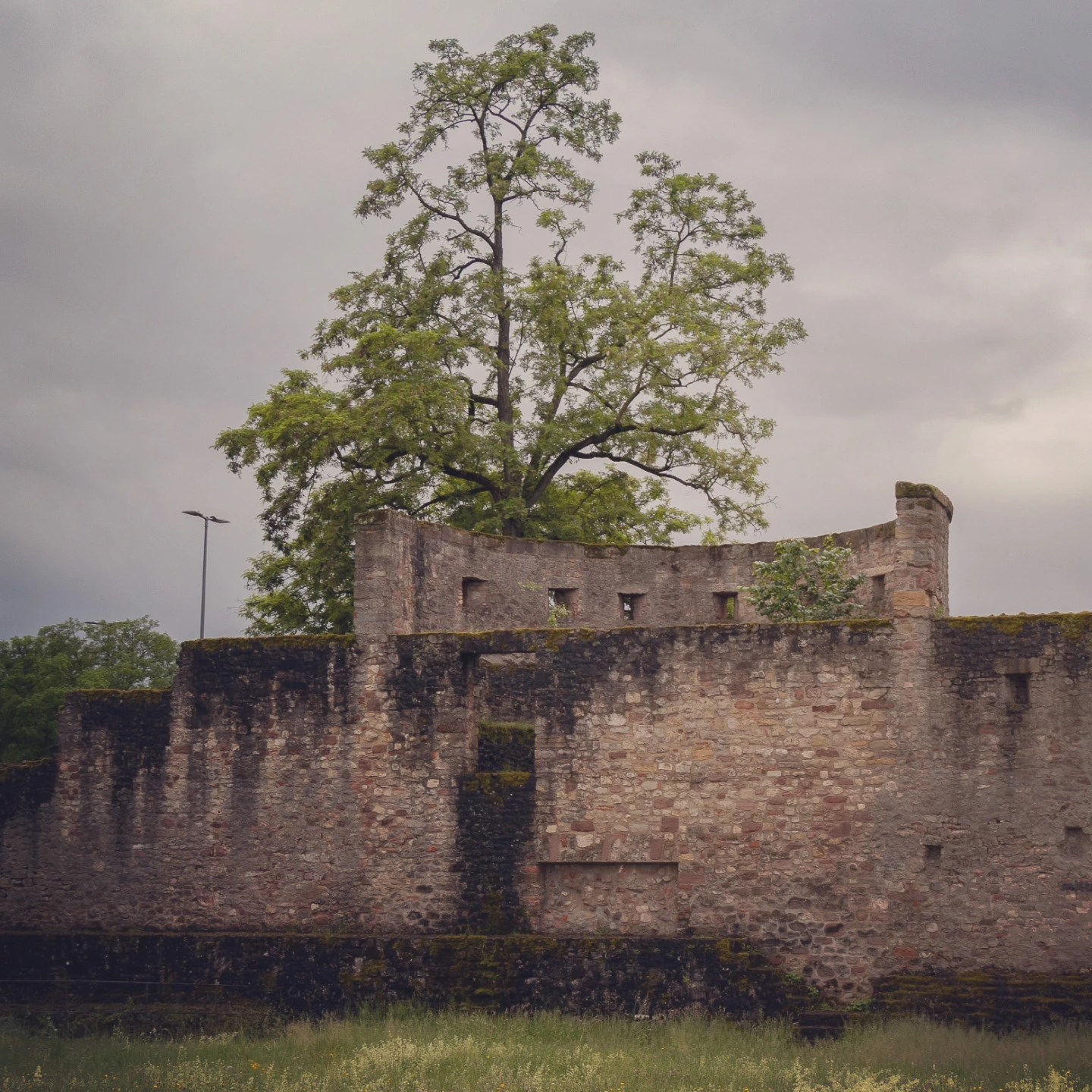


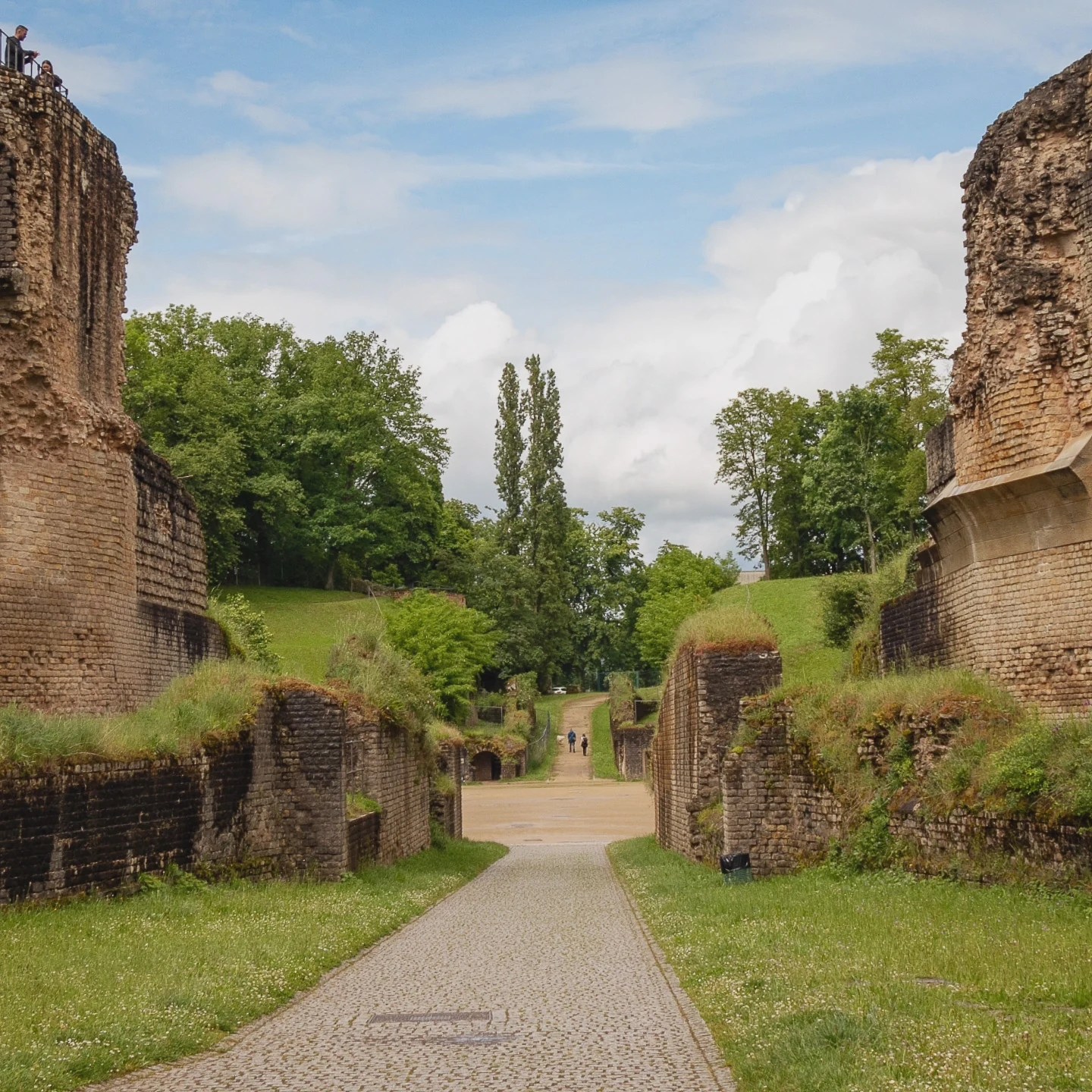
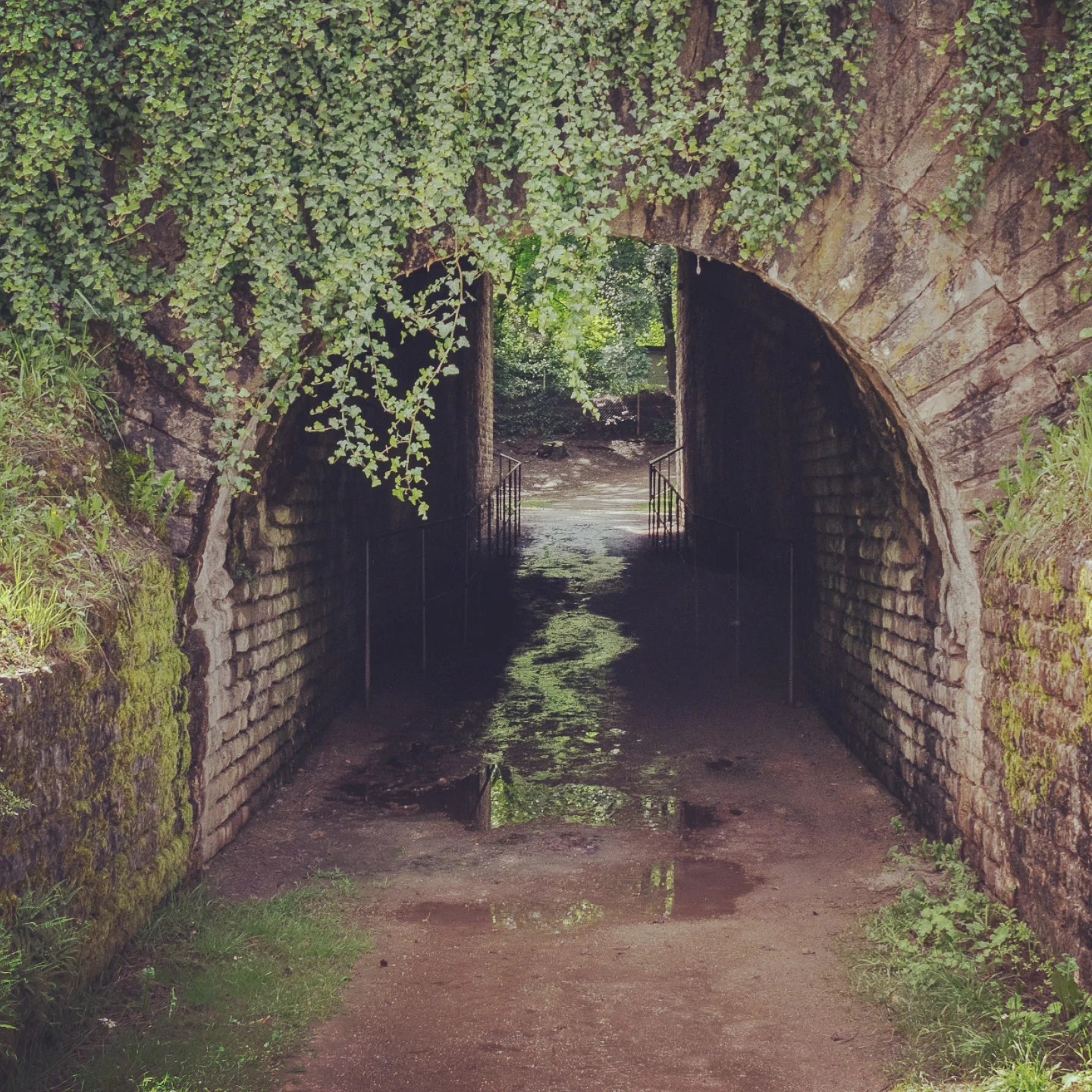
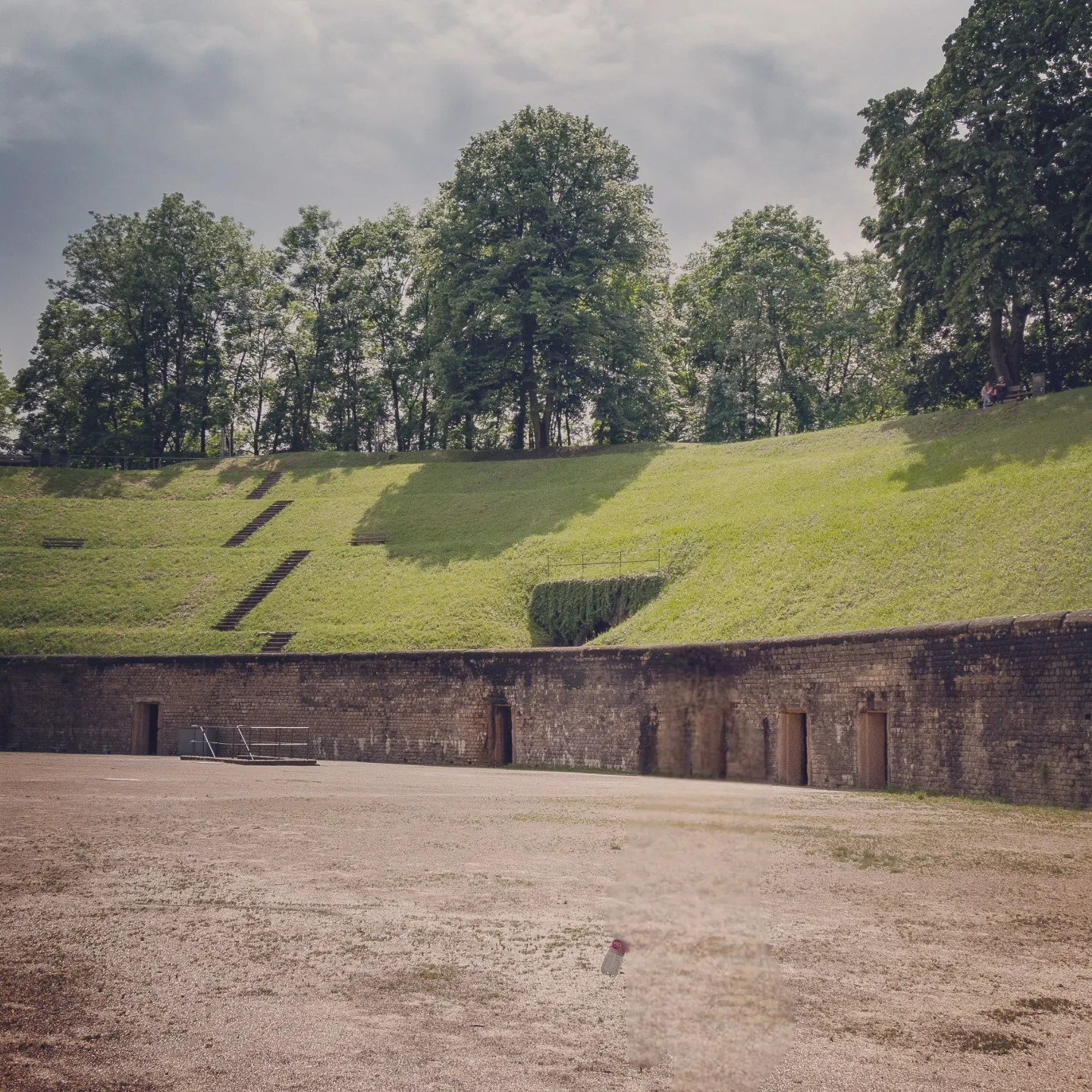
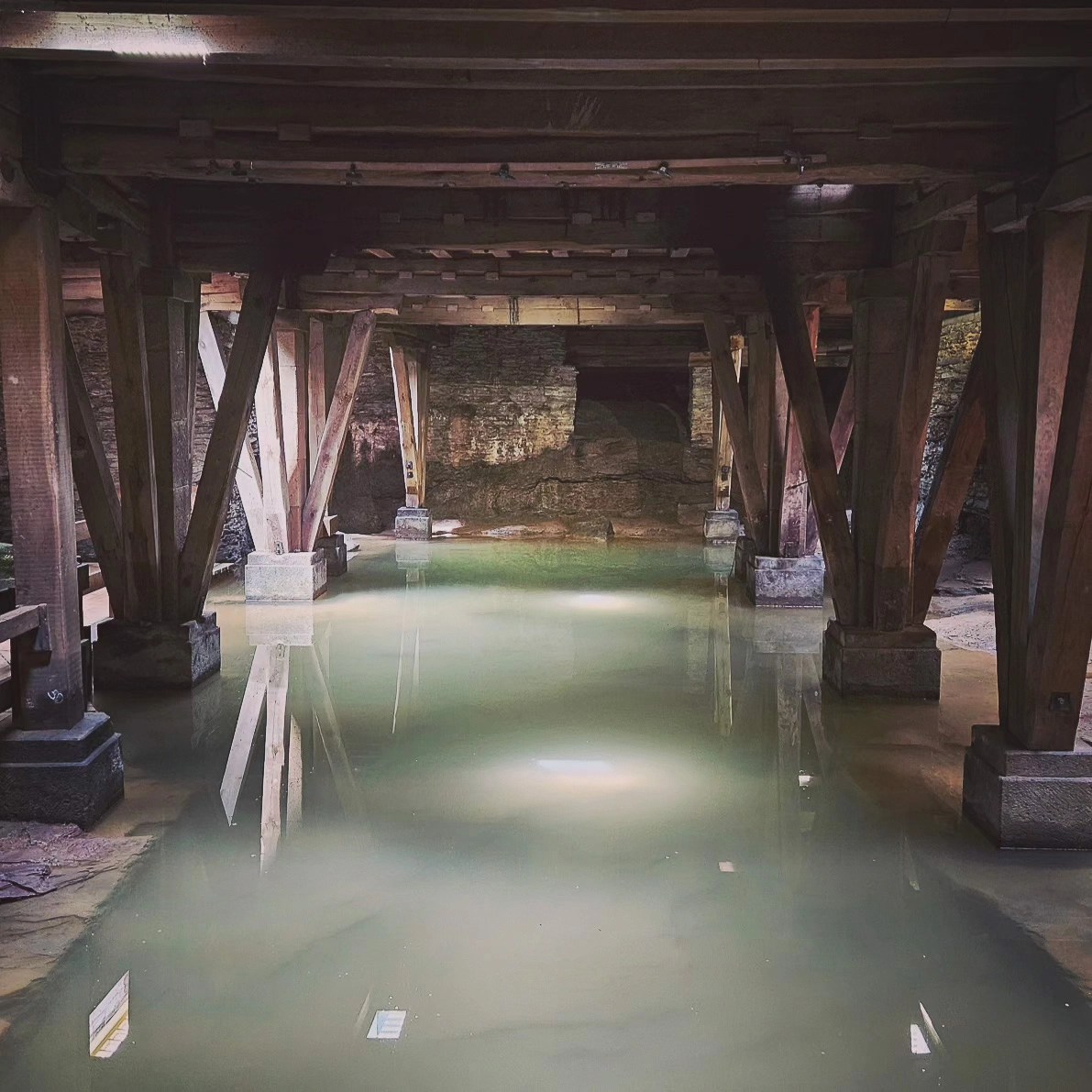
The Roman Amphitheater, carved into the slope of Petrisberg hill in the 2nd century, seated up to 18,000 spectators for gladiatorial battles, festivals, and public spectacles—its underground passages still spark vivid images of life in the ancient arena.



Spanning the Moselle since the 2nd century, the Roman Bridge is Germany’s oldest bridge still in use, carrying modern traffic across foundation stones laid nearly 2,000 years ago.

Luxembourg City – The Gibraltar of the North
From Trier, it takes only a few minutes to cross into Luxembourg, but about 45 minutes by car to reach its capital, Luxembourg City. This small yet mighty country is one of the world’s only remaining grand duchies—a state ruled by a Grand Duke.
Luxembourg became an independent state in 1839, and today it is so compact that you can drive across it in just over an hour. Its culture blends French elegance, German heartiness, and local traditions: you’ll find specialties like Judd mat Gaardebounen (smoked pork with broad beans), Gromperekichelcher (crispy potato fritters sold at markets), and wines from the Moselle Valley, especially Riesling and Crémant, Luxembourg’s own sparkling wine.
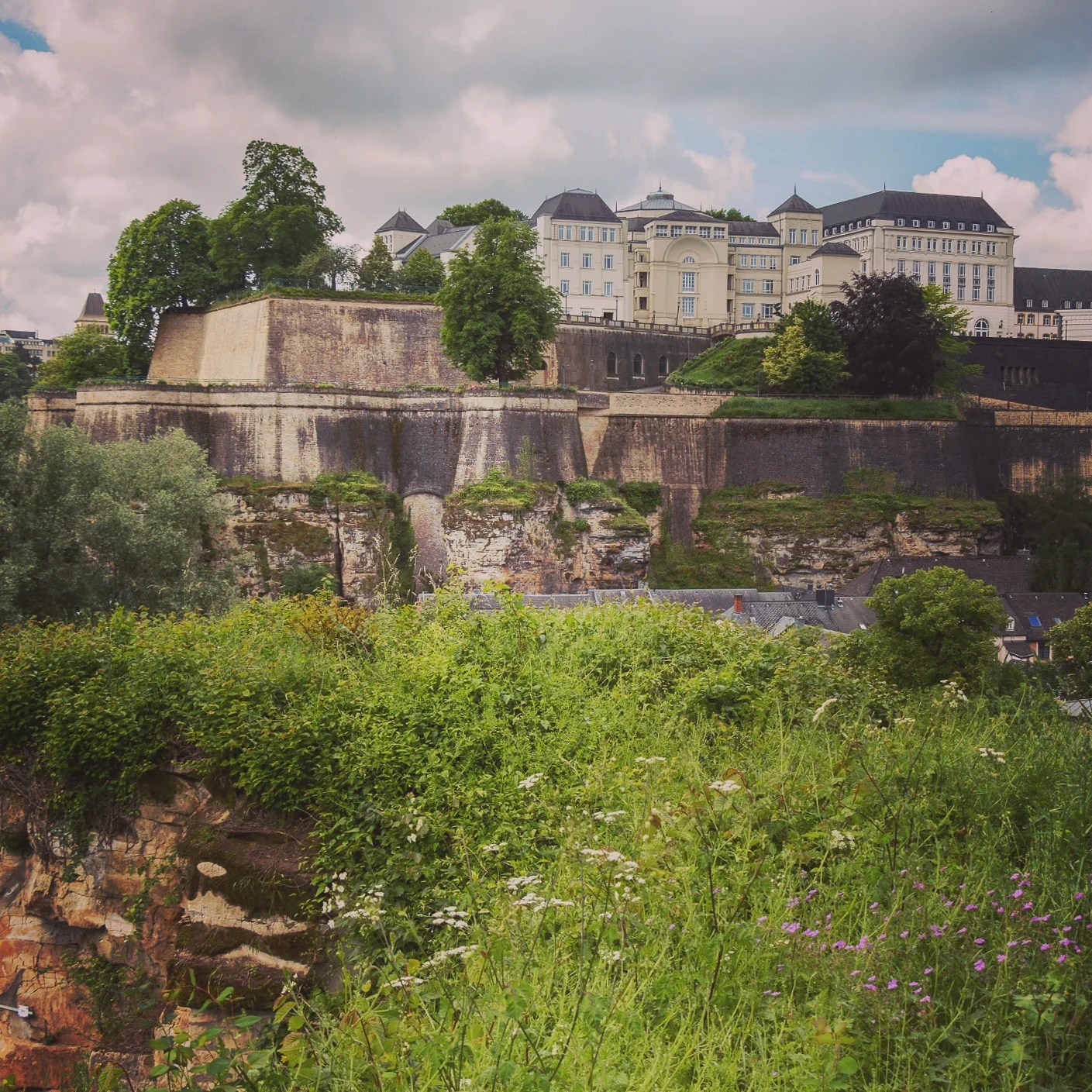
Despite its small size, Luxembourg has one of the highest GDPs per capita in the world. The nation also takes pride in its fortress heritage and its role as a founding member of both the EU and NATO. Its capital, a UNESCO World Heritage Site, is famed for its dramatic cliffs and fortifications, earning it the historic nickname “The Gibraltar of the North.”
Exploring the Old City
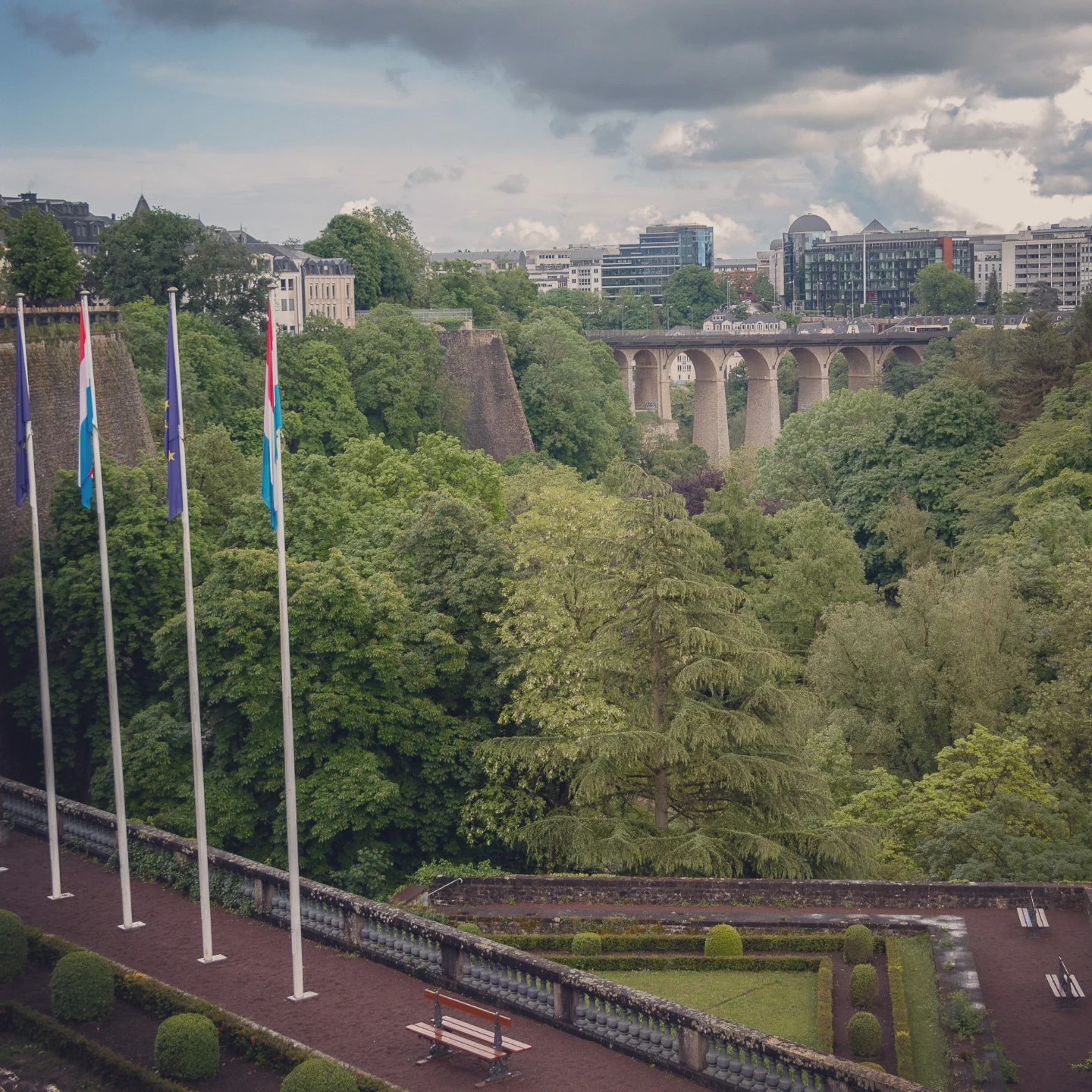
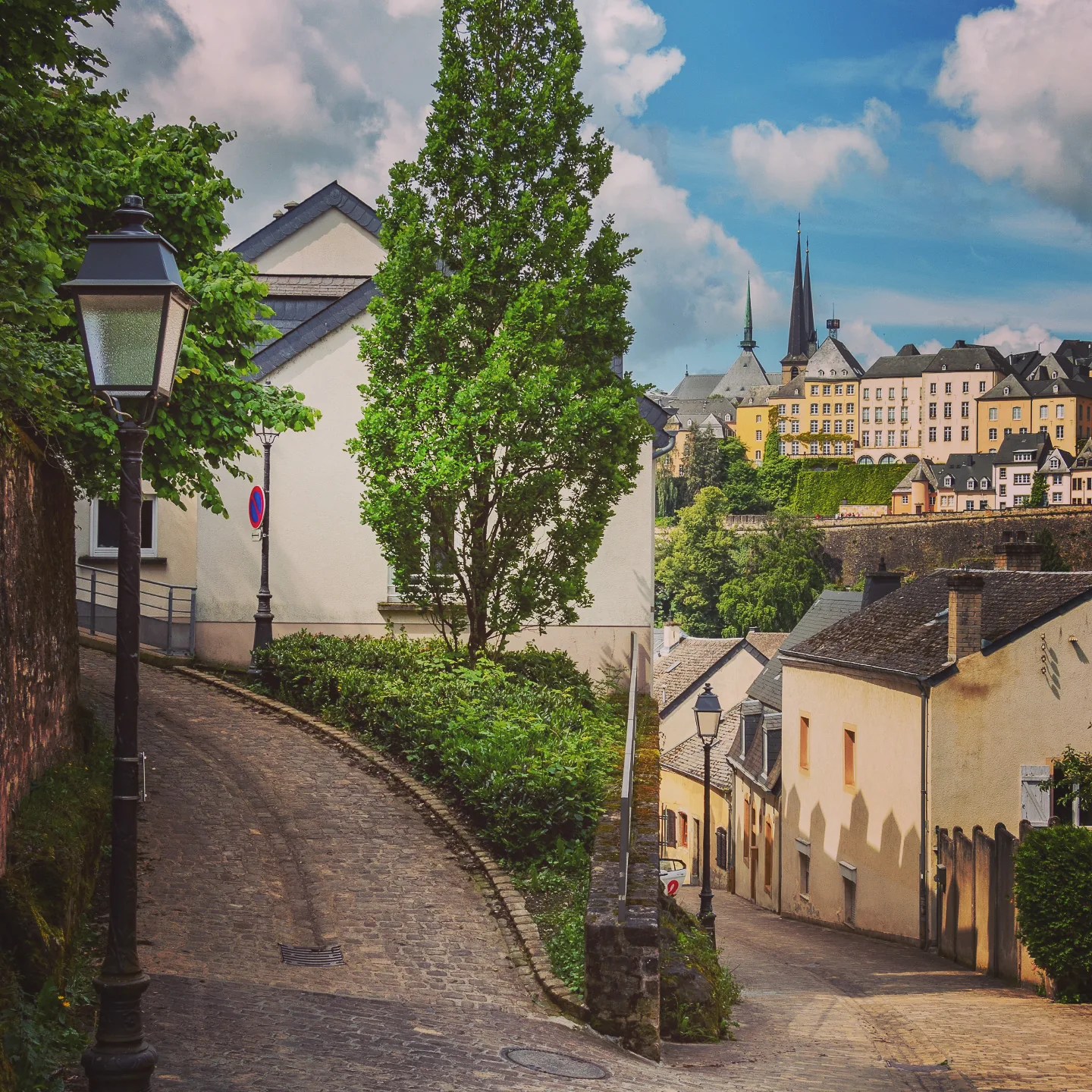
We spent our time in Luxembourg City climbing stone stairways, wandering cobbled streets, and pausing at overlooks with sweeping valley views. The city feels both intimate and grand—with medieval fortifications perched high above, riverside quarters tucked into the valleys below, and winding paths (and elevators) leading from one level of the city to the next.
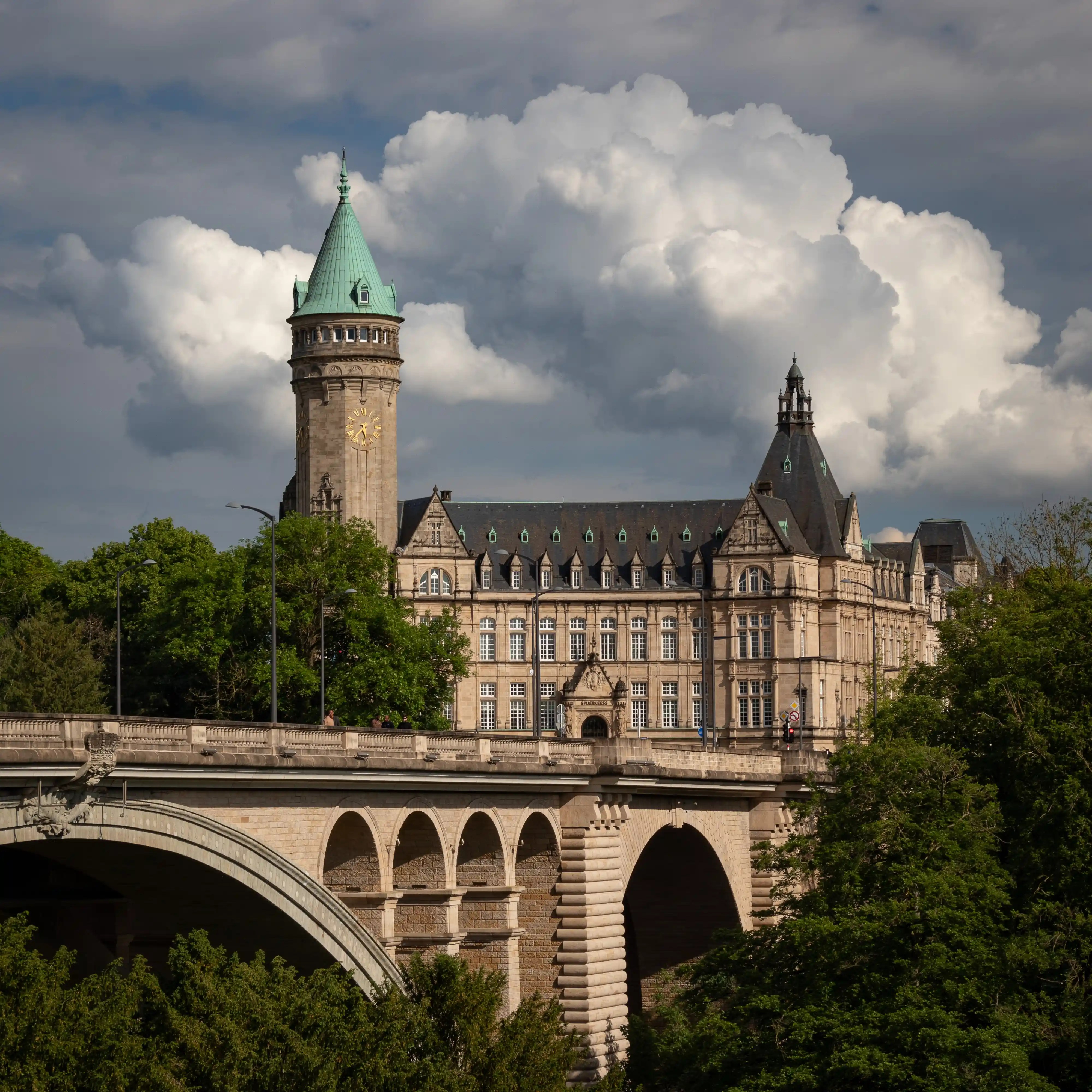
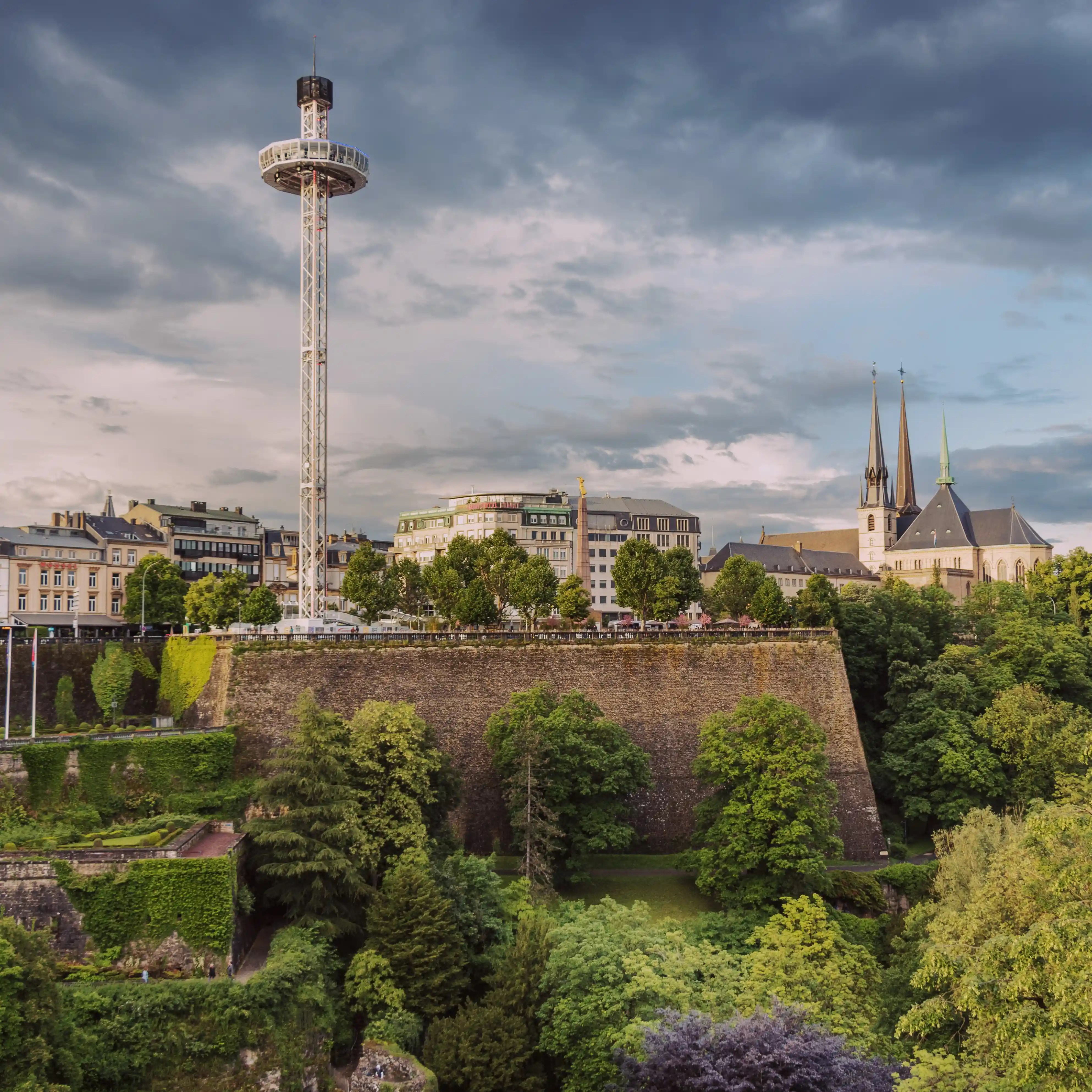
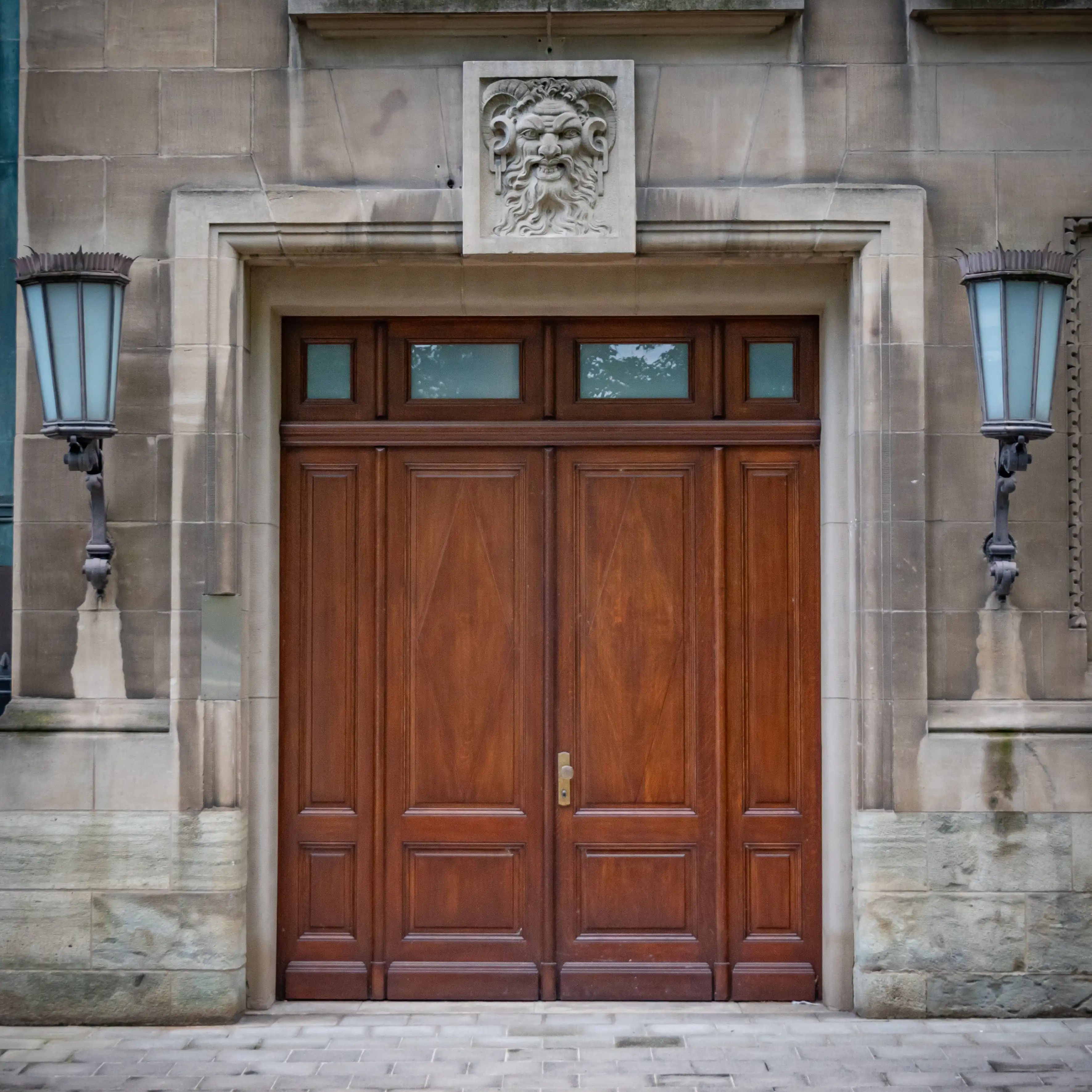
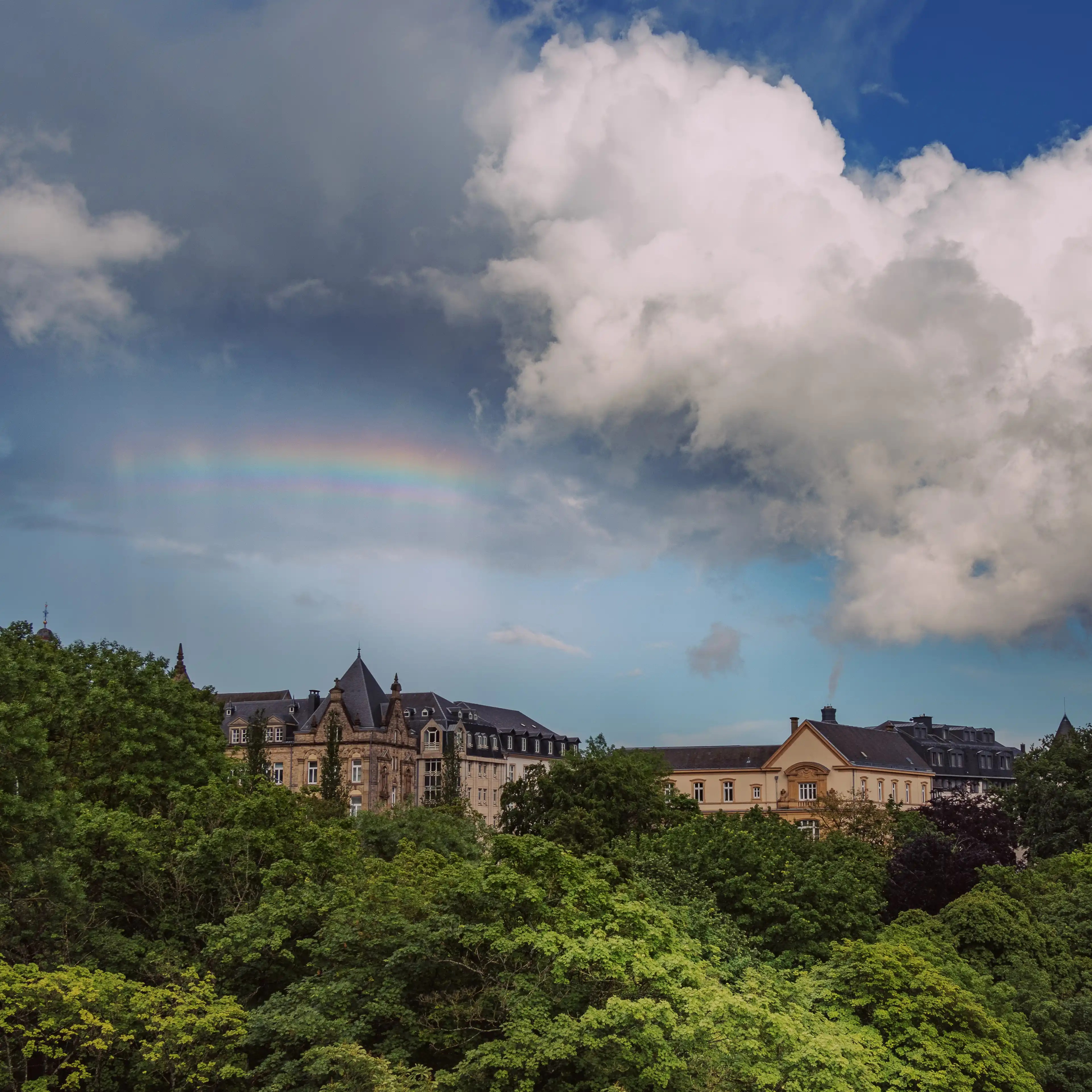
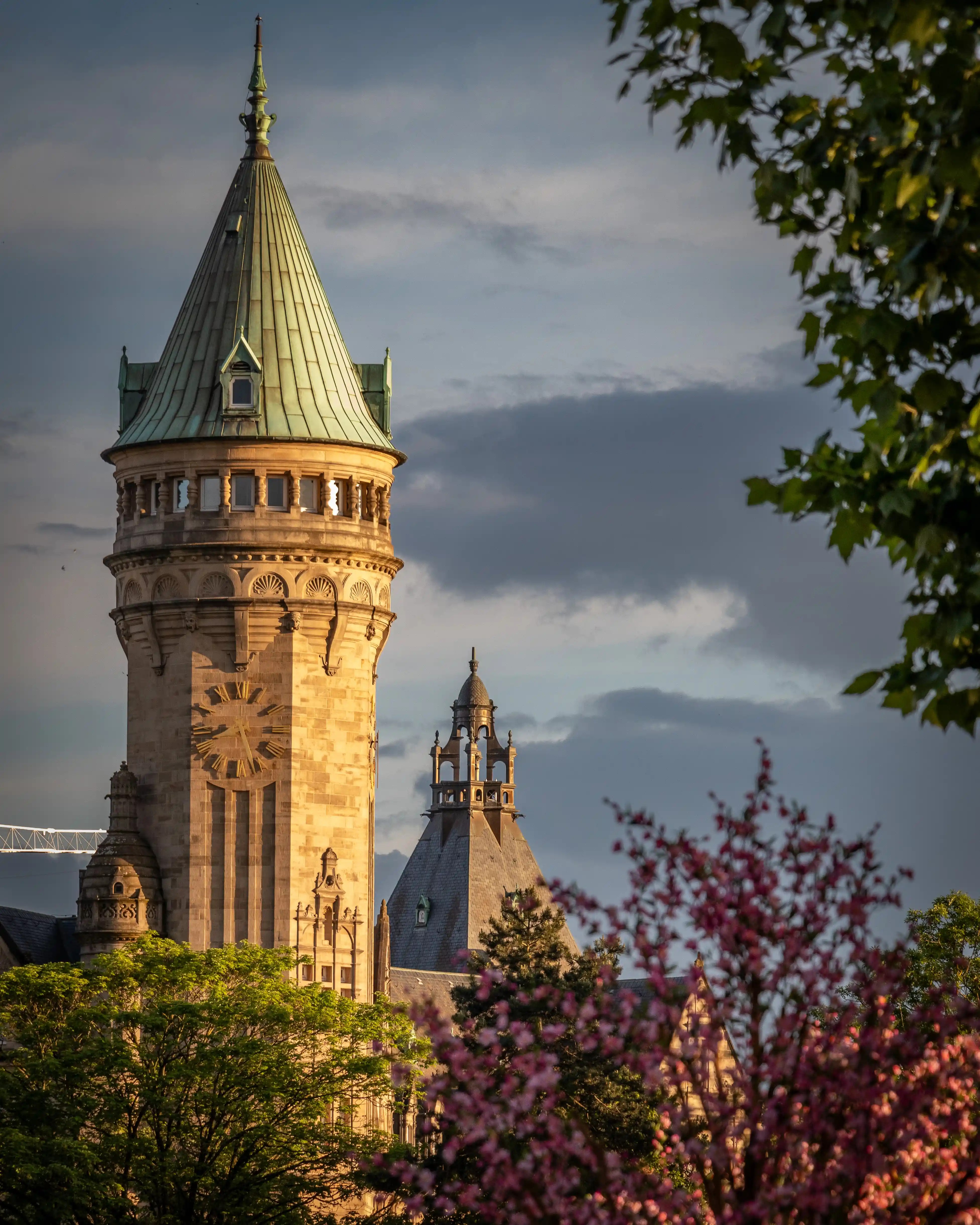


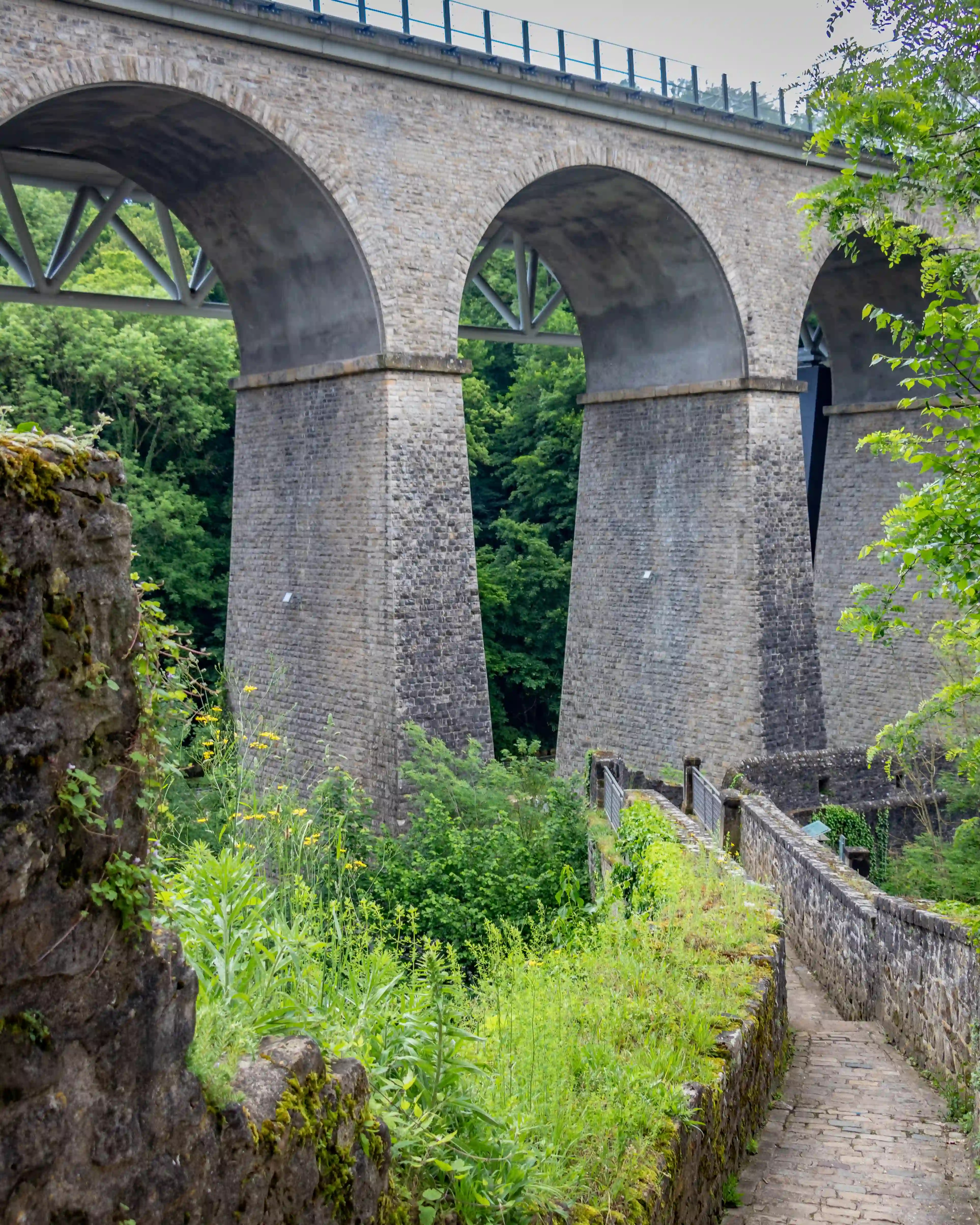
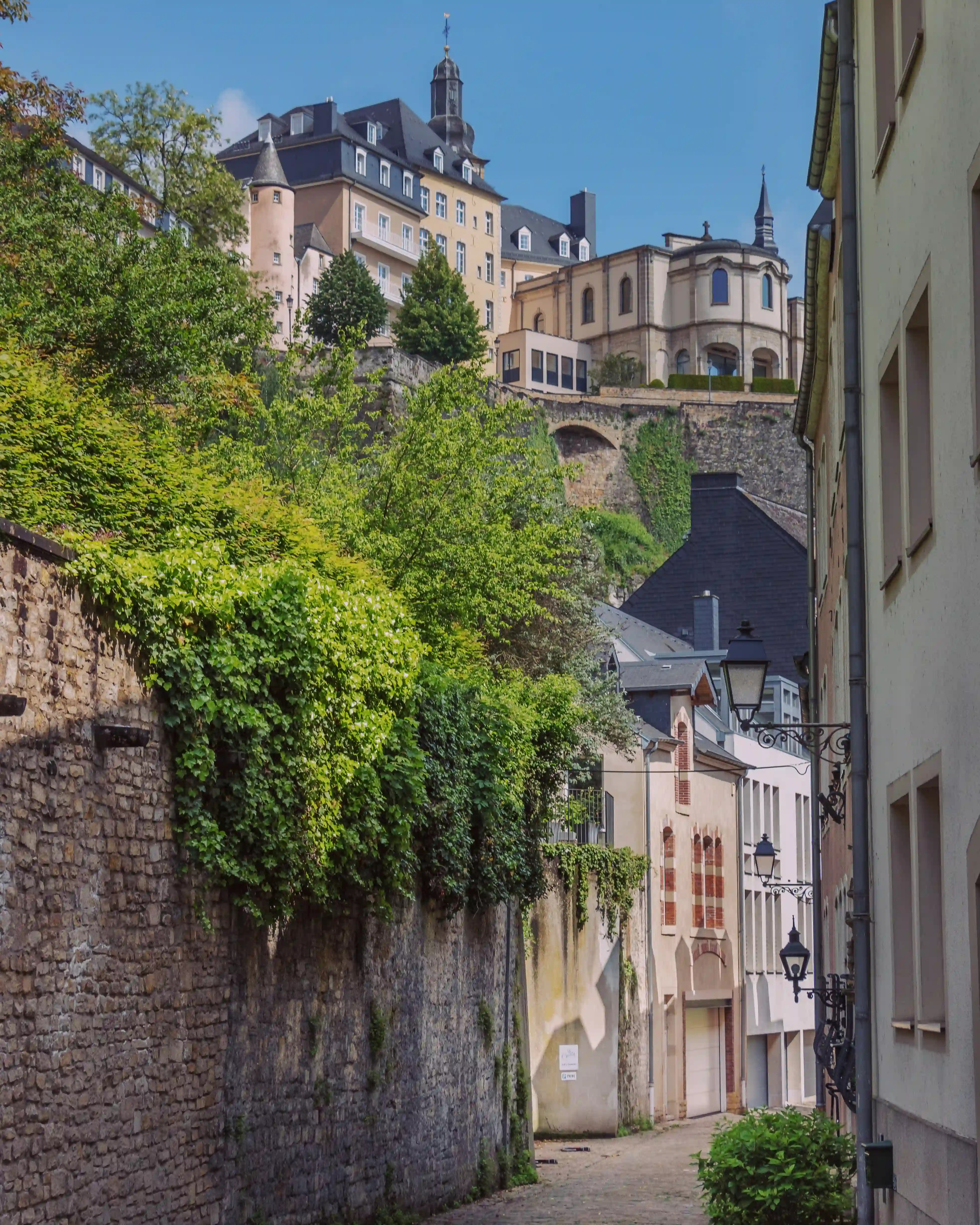


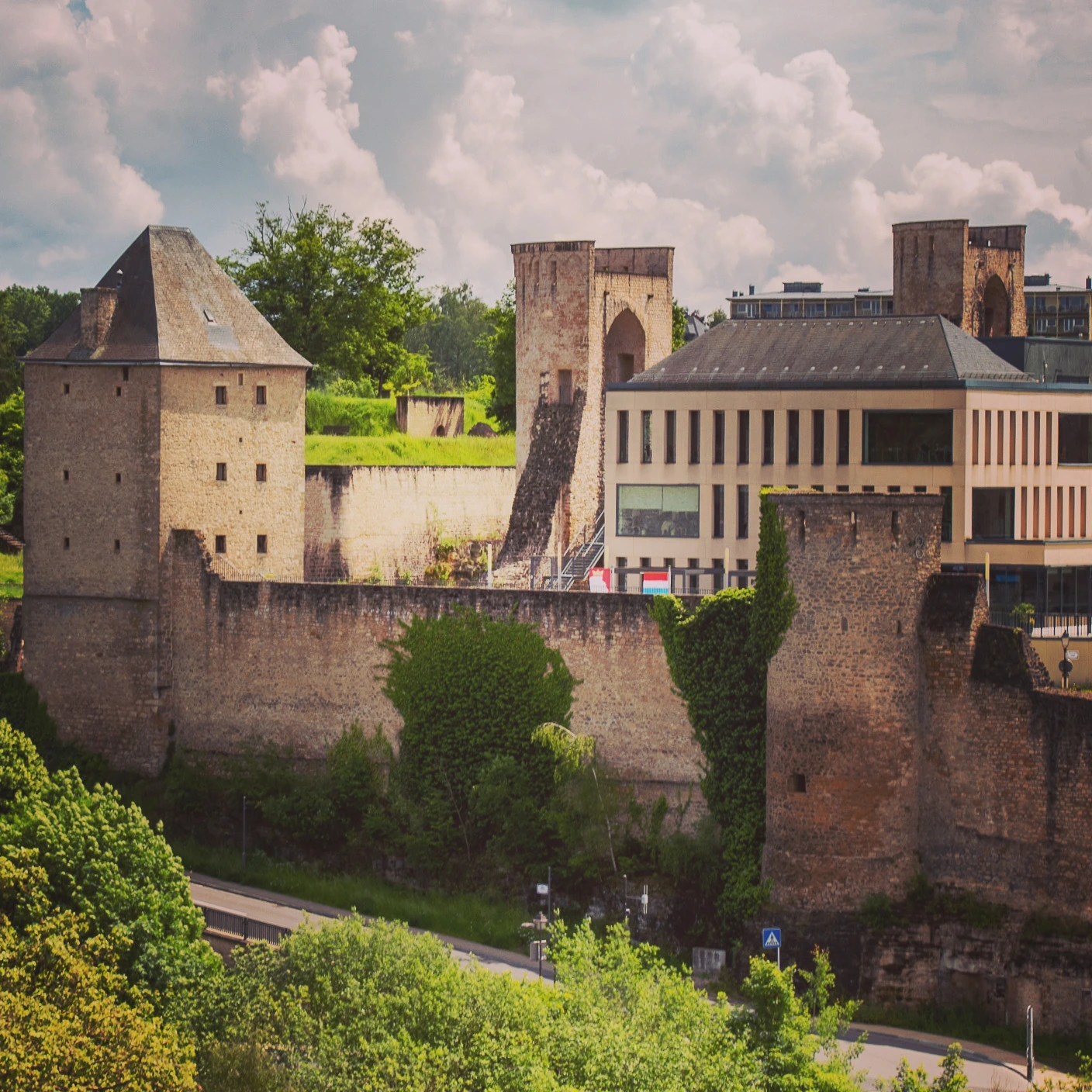

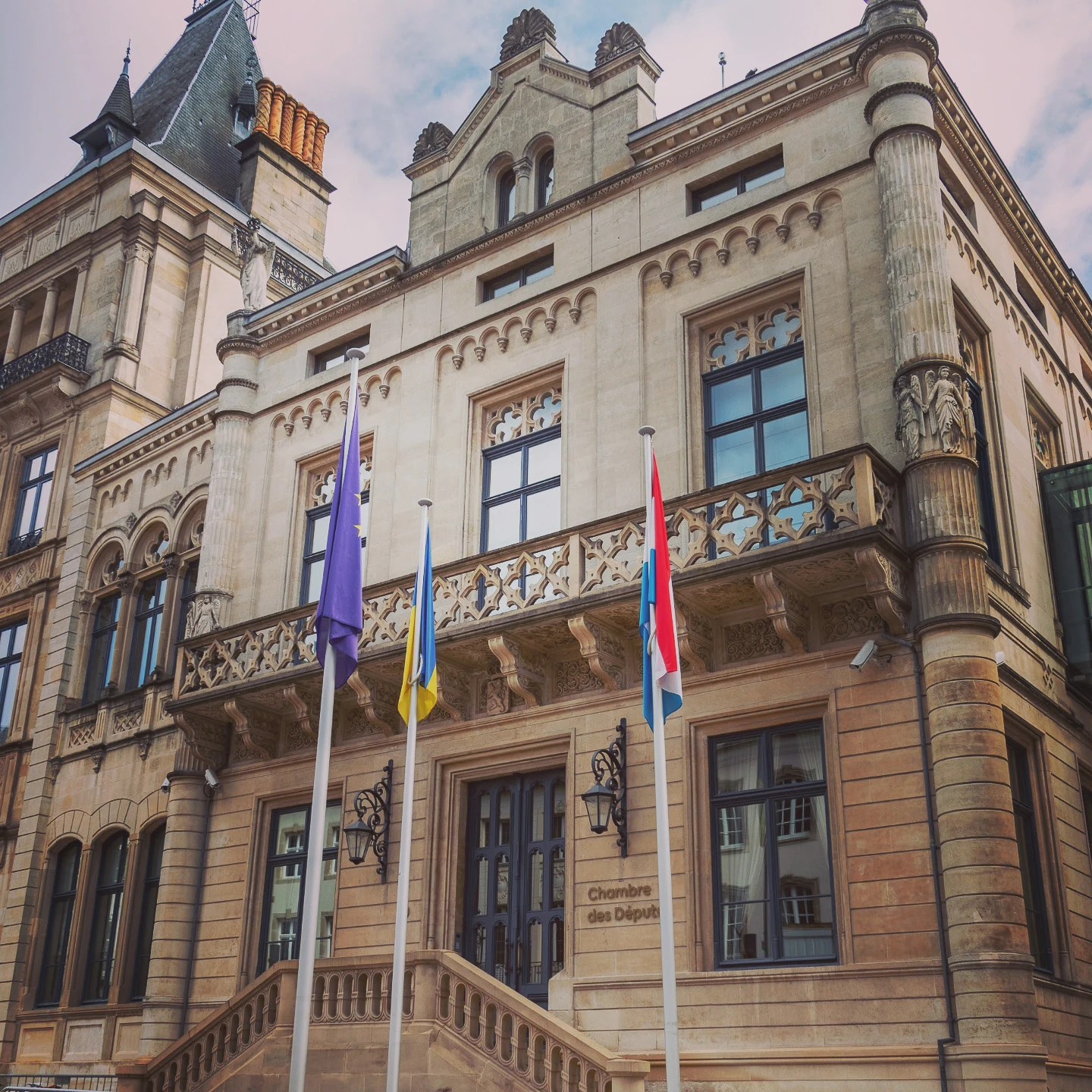
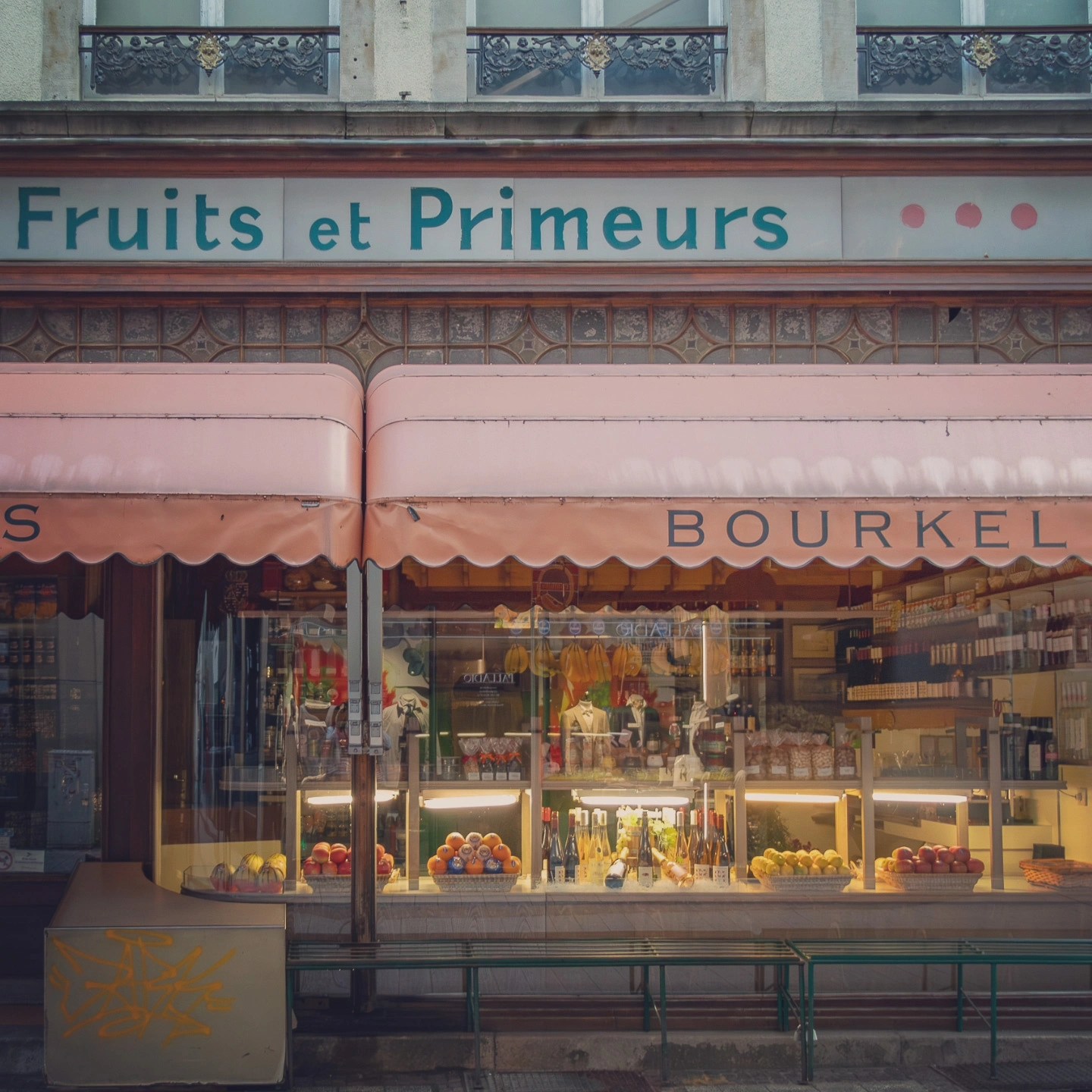

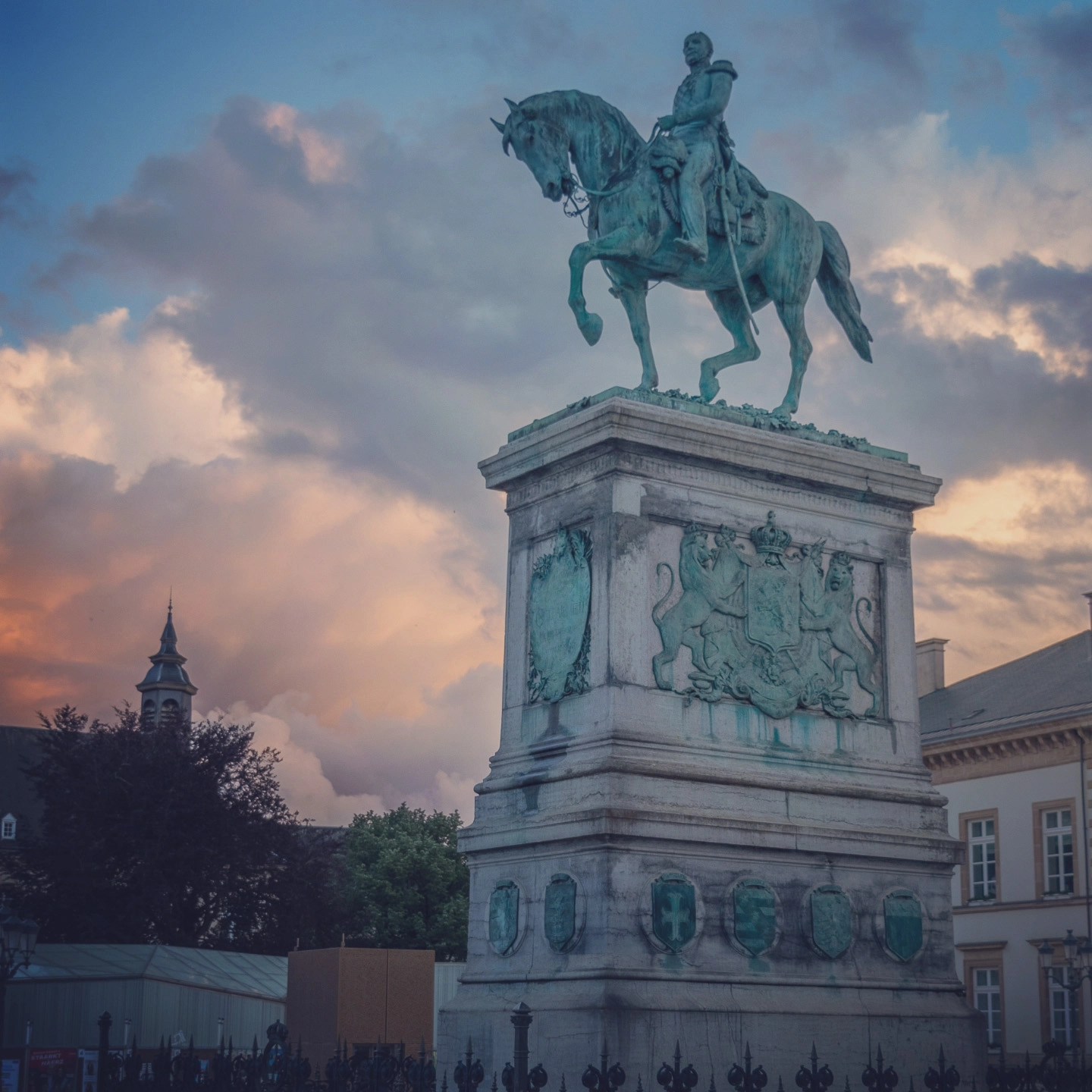
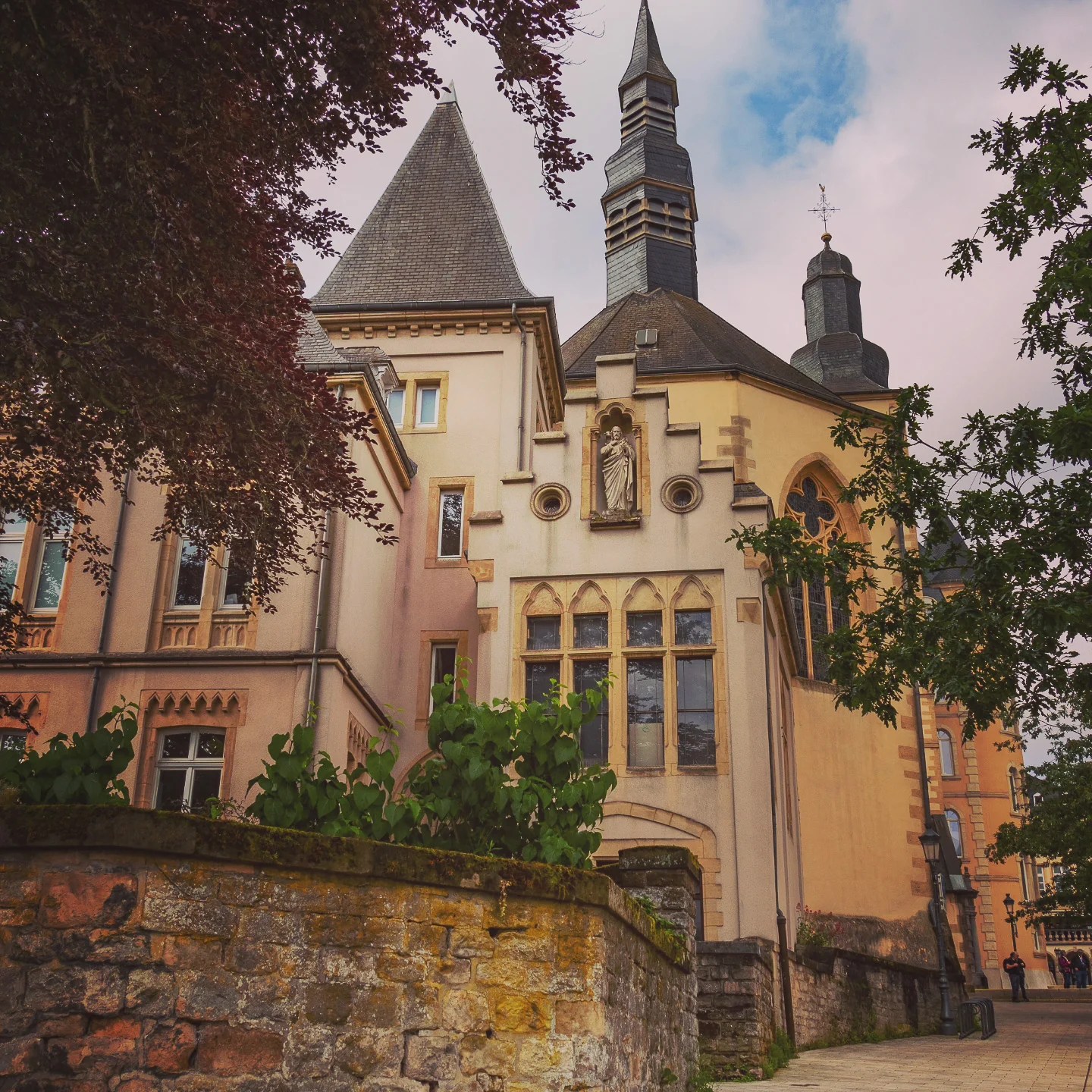


Getting around is remarkably simple: since 2020, all public transportation in Luxembourg—buses, trains, and trams—has been free, the first system of its kind in the world. Even if you only hop on for short rides across the city, it’s a stress-free and budget-friendly way to explore.
Here are some of the highlights we visited during our time in Luxembourg City:
Cathédrale Notre-Dame
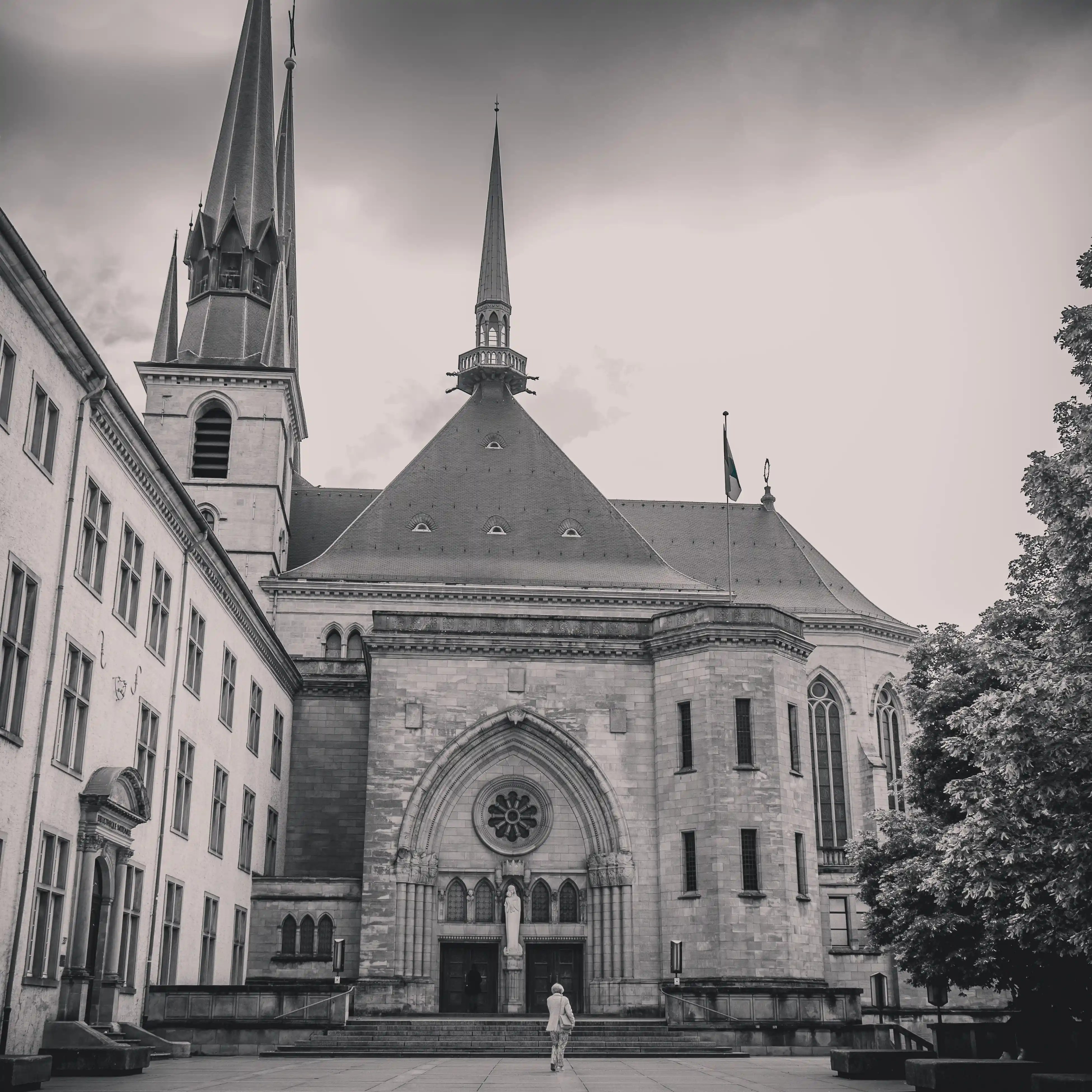
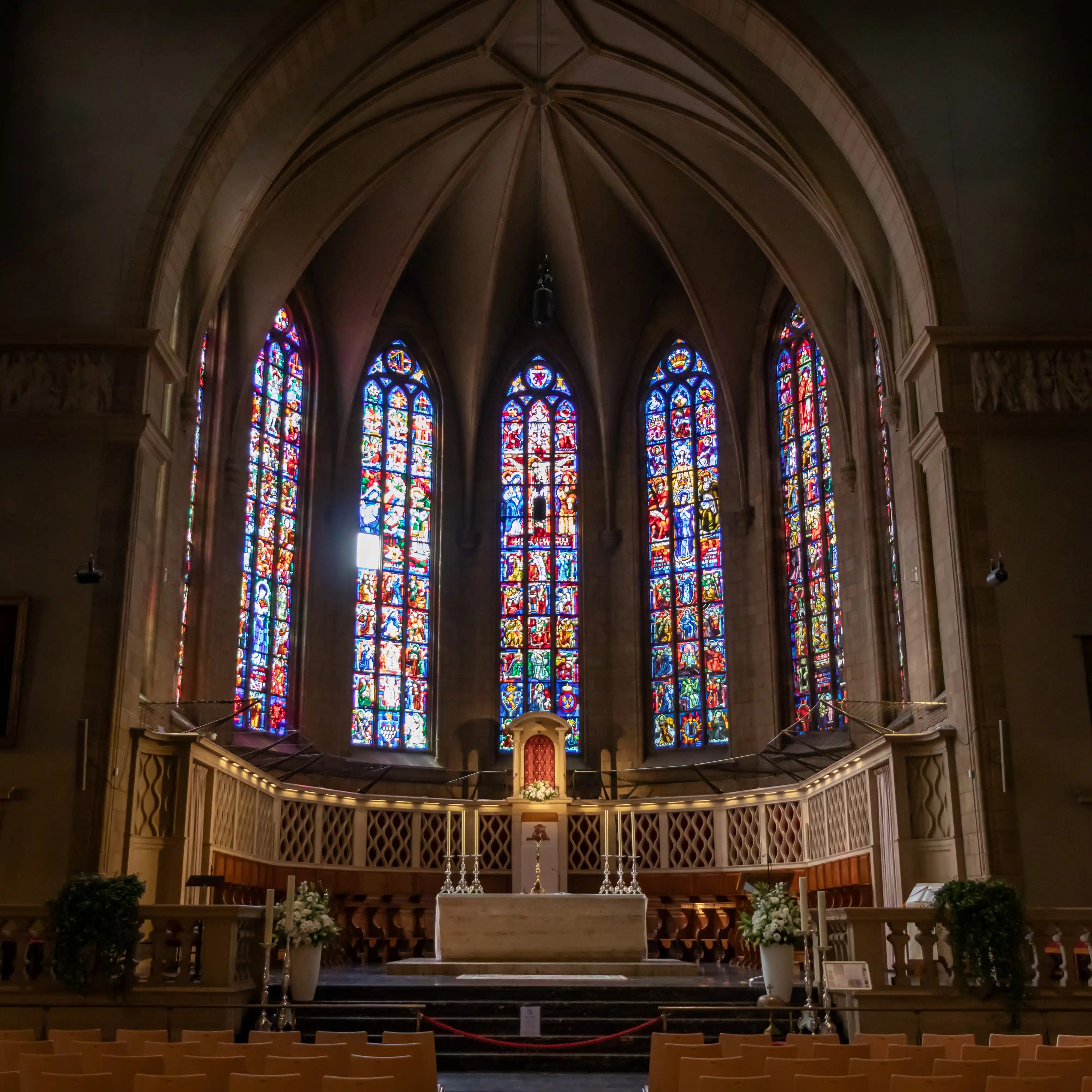
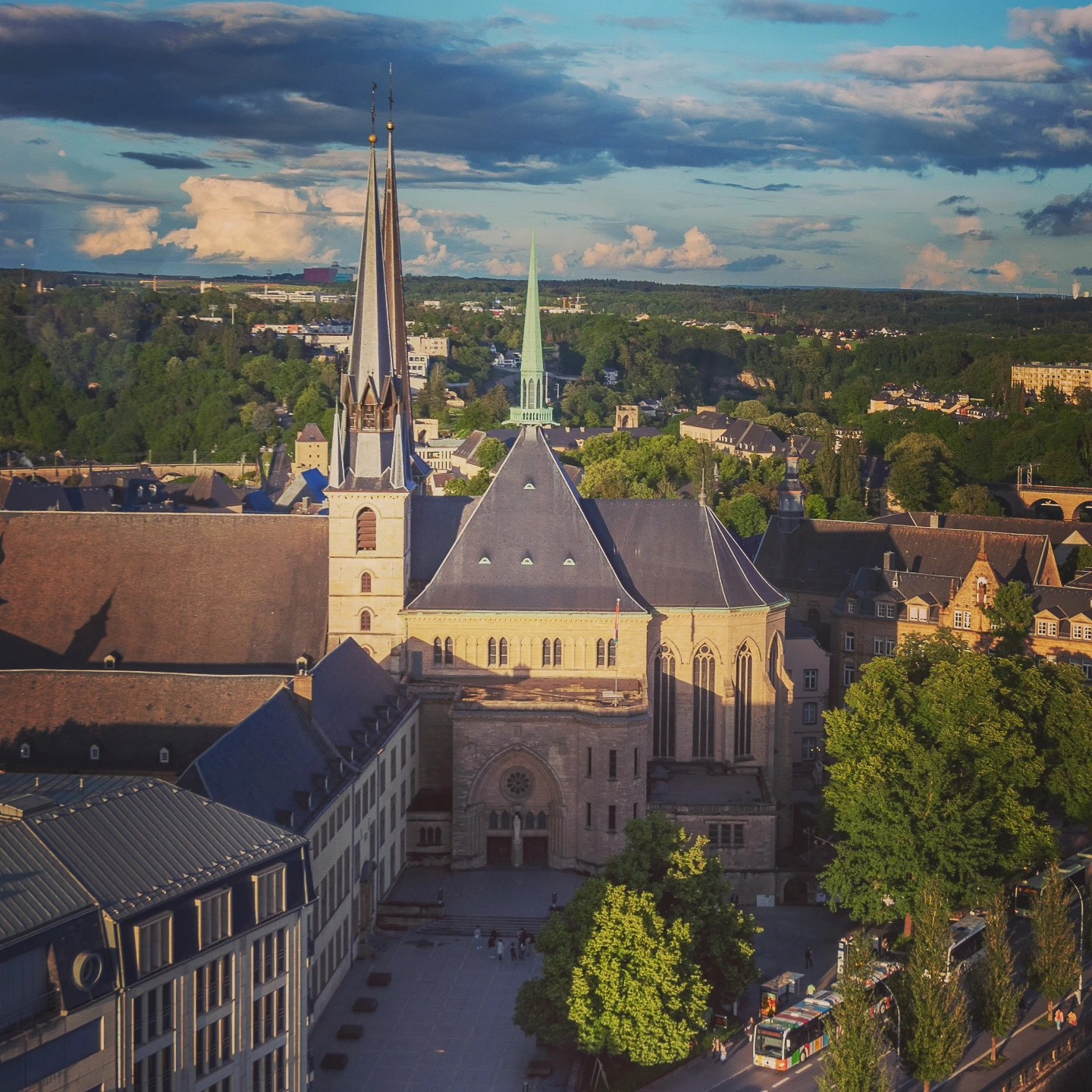
Built in the 17th century by Jesuits and later expanded in Gothic style, the Cathédrale Notre-Dame rises gracefully above the city. Inside, colorful stained glass fills the quiet interior with soft light, and the crypt holds the tombs of Luxembourg’s Grand Dukes.
Grand Ducal Palace
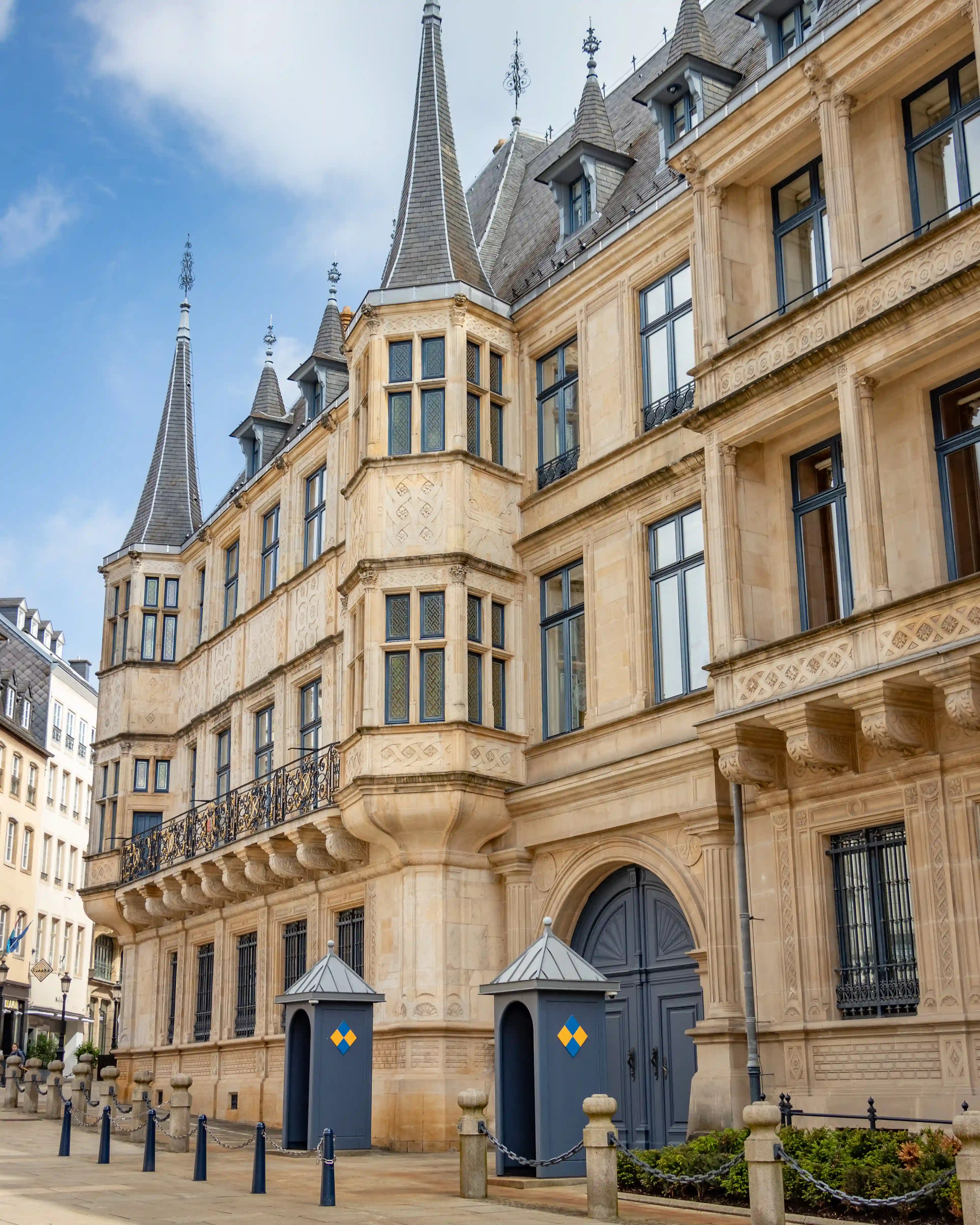
The official residence of Luxembourg’s Grand Duke, the Renaissance-style Grand Ducal Palace stands in the heart of the old city. Its ornate façade and ceremonial guards make it a striking stop, even when it’s closed to the public. Guided tours are offered only in summer, so if your visit falls between mid-July and late August, it’s worth planning ahead to step inside the halls of Luxembourg’s monarchy.

Chocolate House Nathalie Bonn
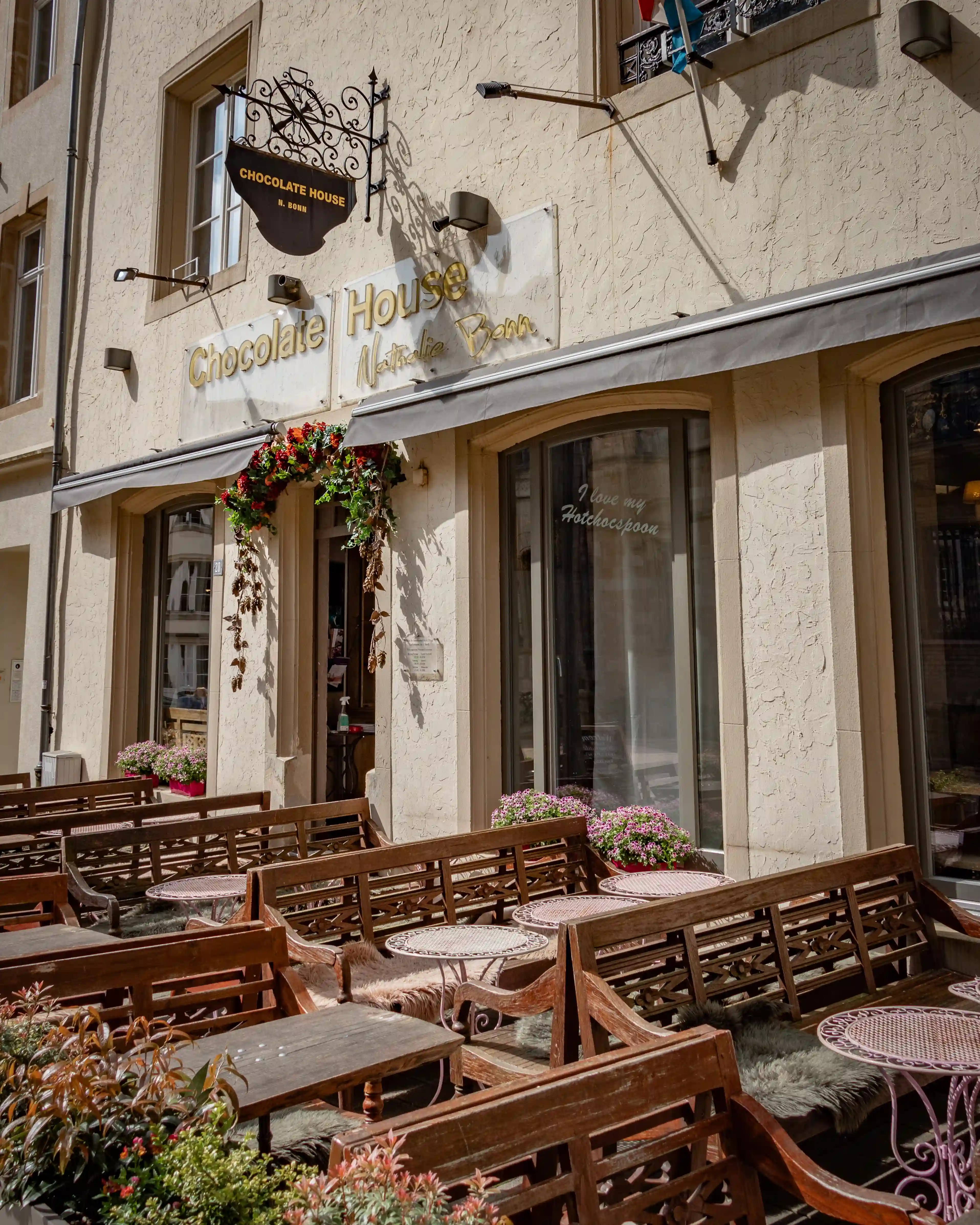
Across from the Grand Ducal Palace, the Chocolate House Nathalie Bonn is best known for its indulgent hot chocolate, where chocolate spoons melt into steaming cups of milk. On our warm spring visit, we opted instead for ice cream sundaes on the terrace while watching guards pace outside the palace—a sweet pause in the city’s political heart.


Chemin de la Corniche
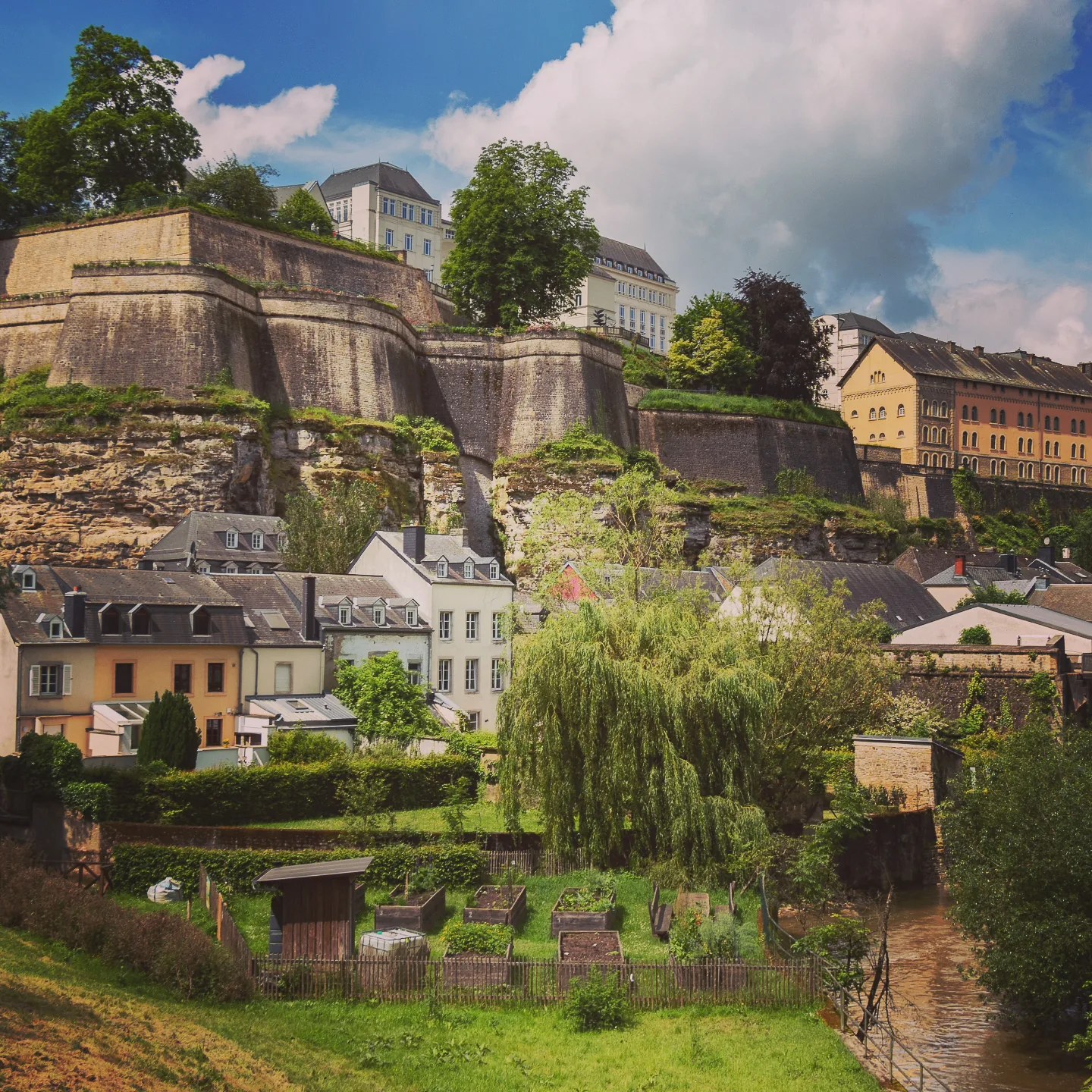
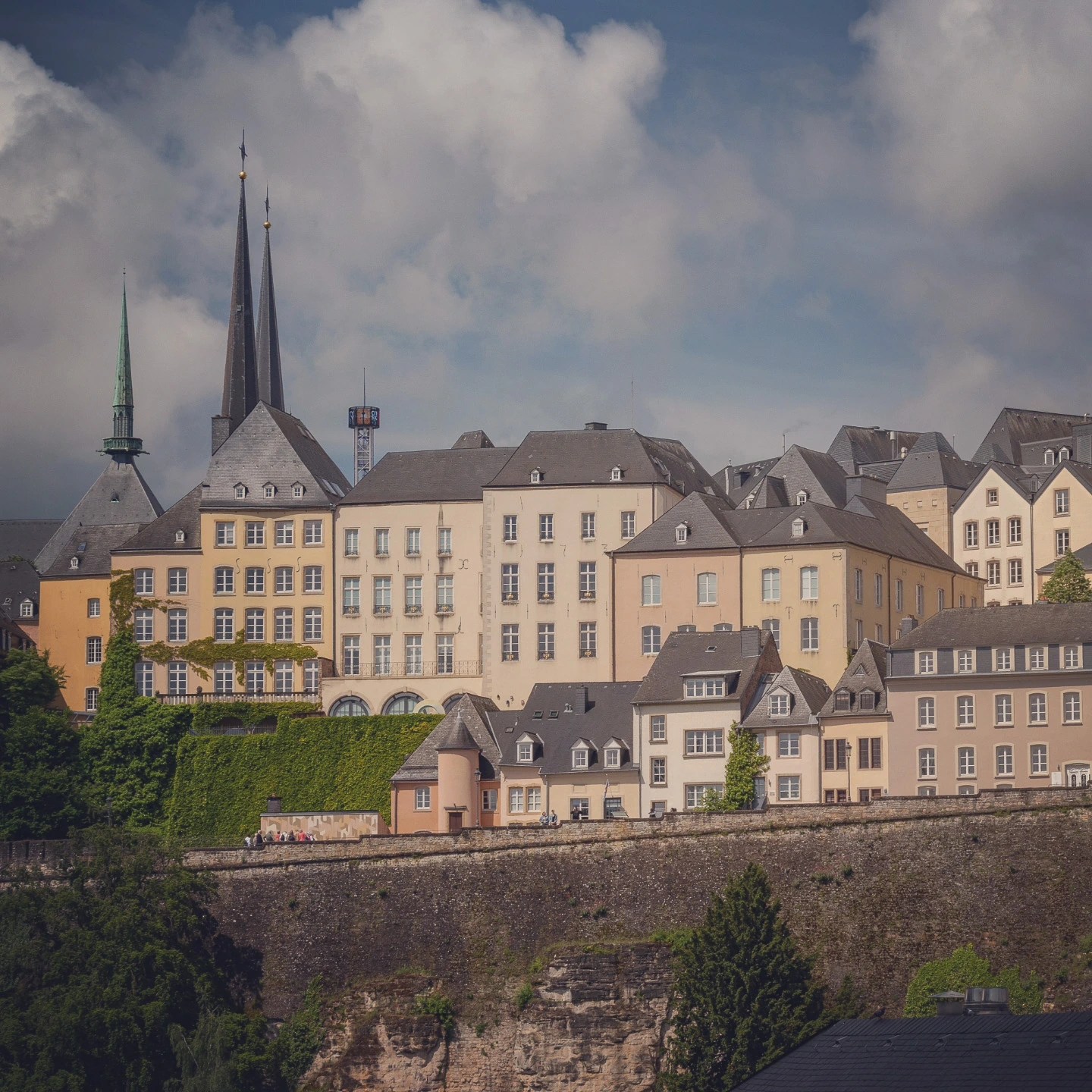
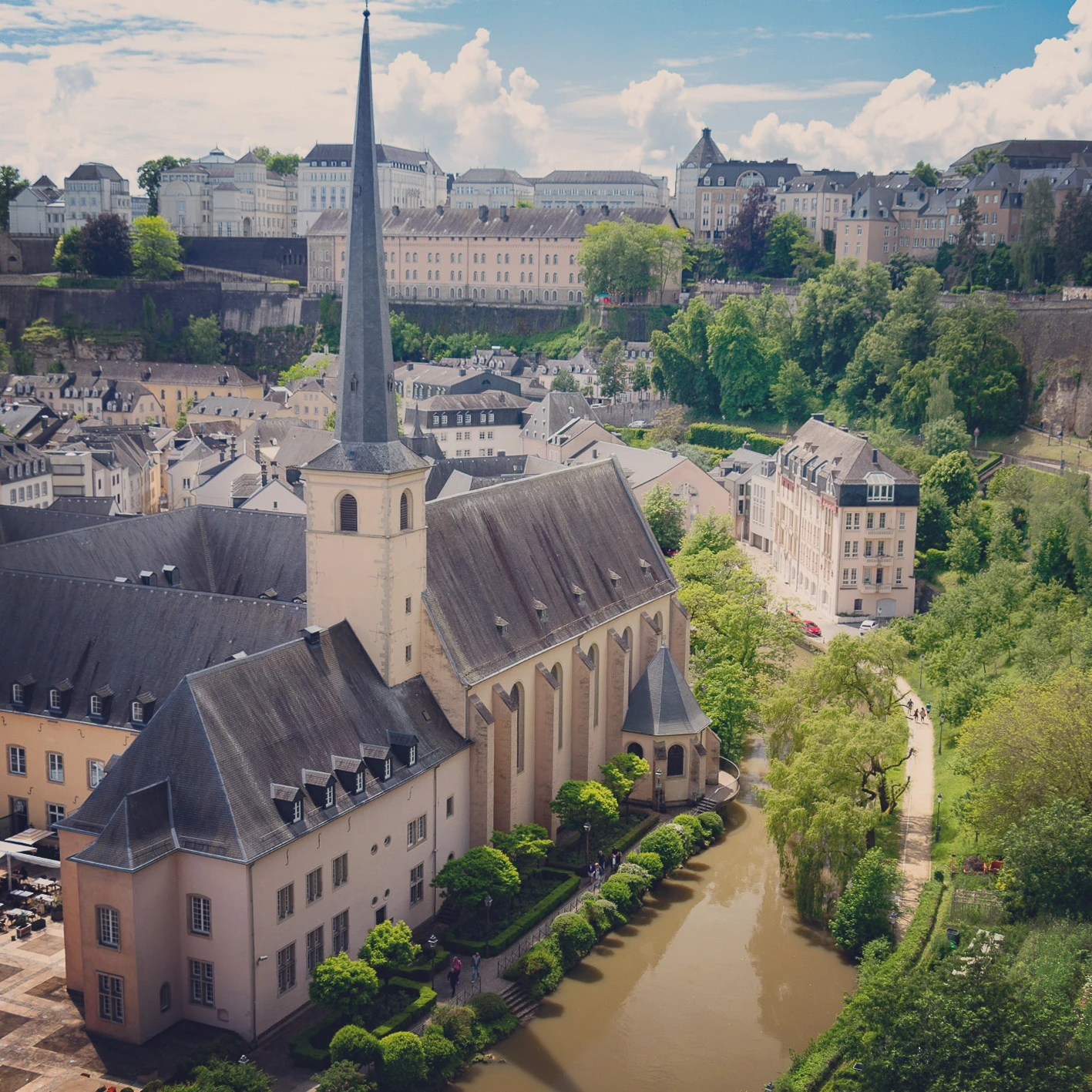
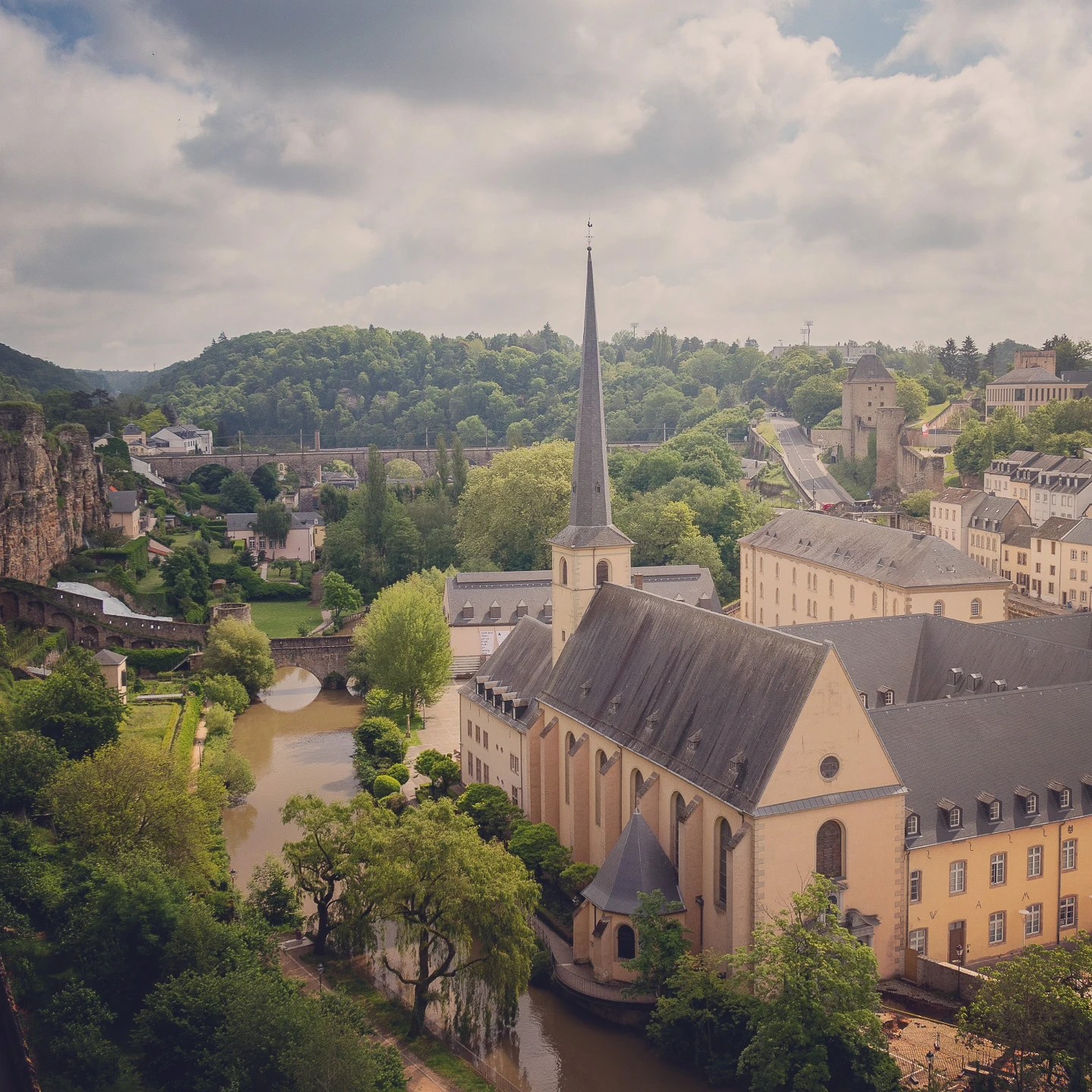
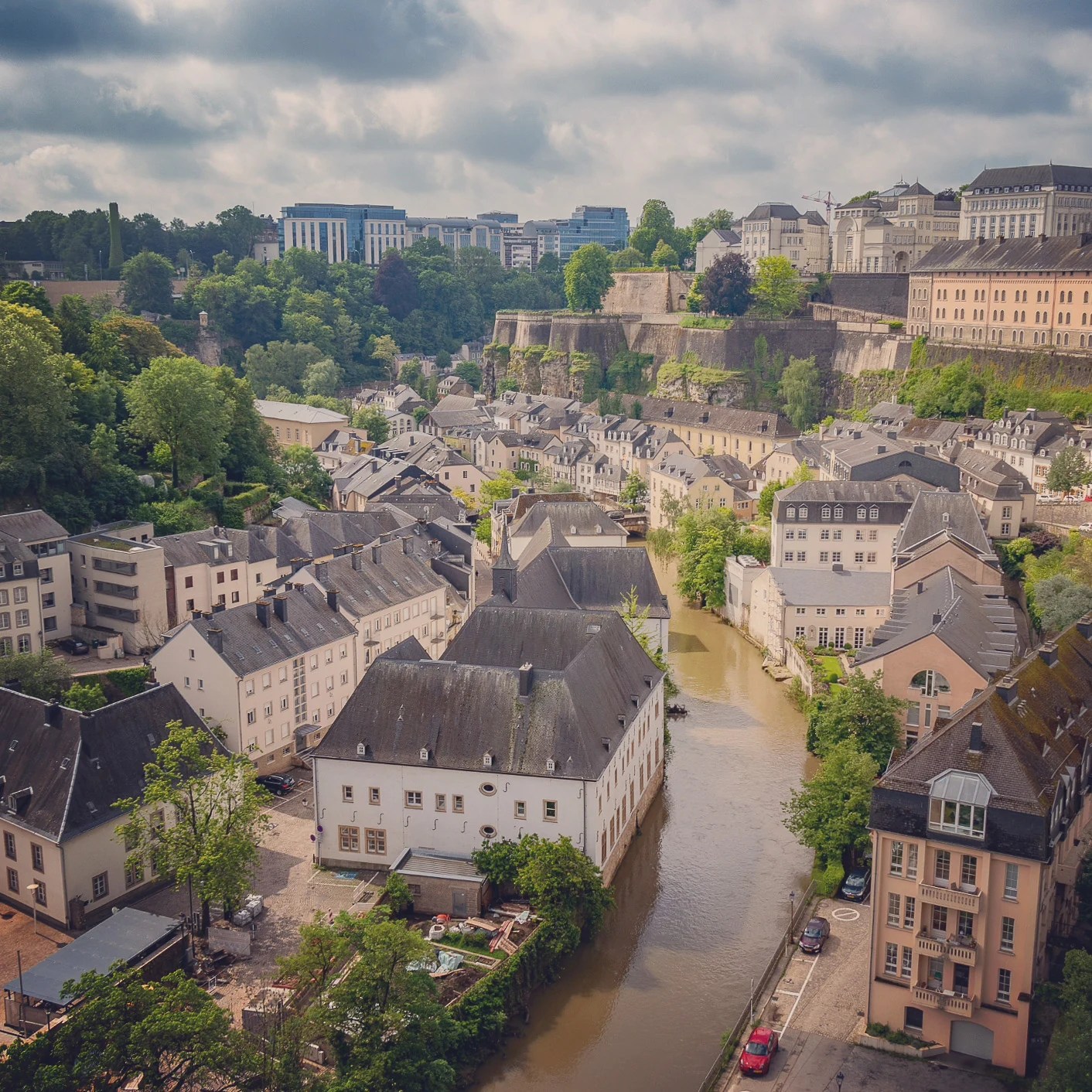
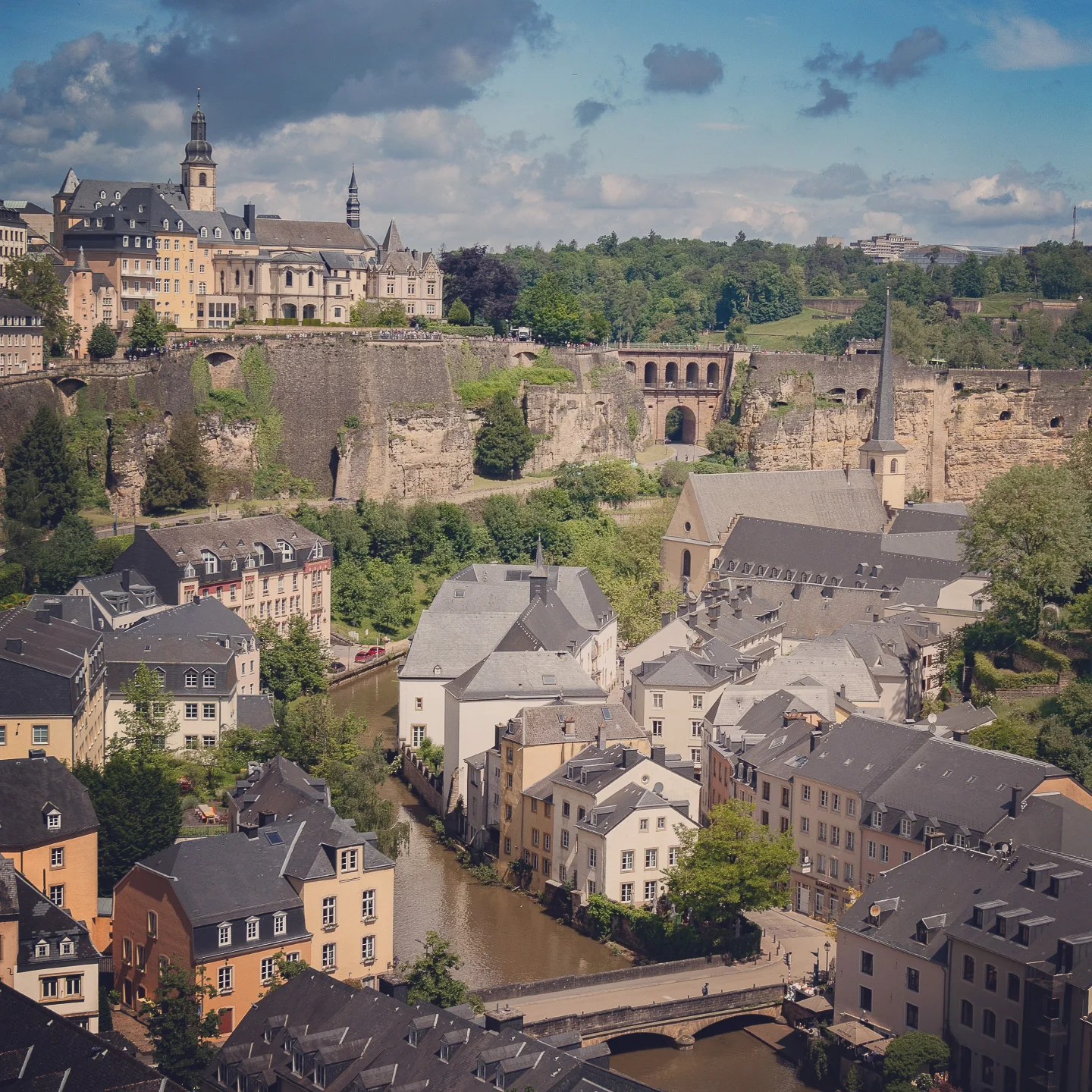
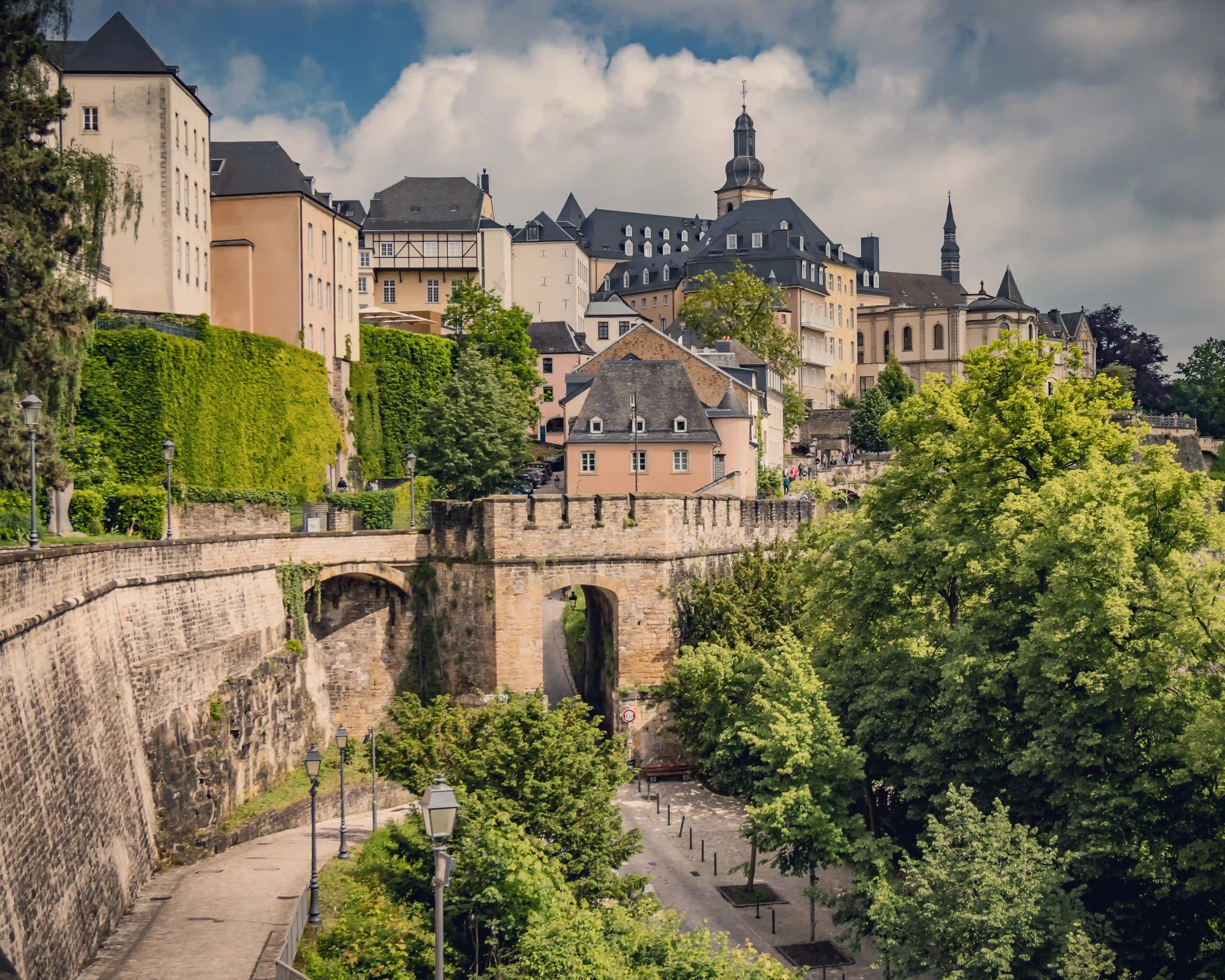
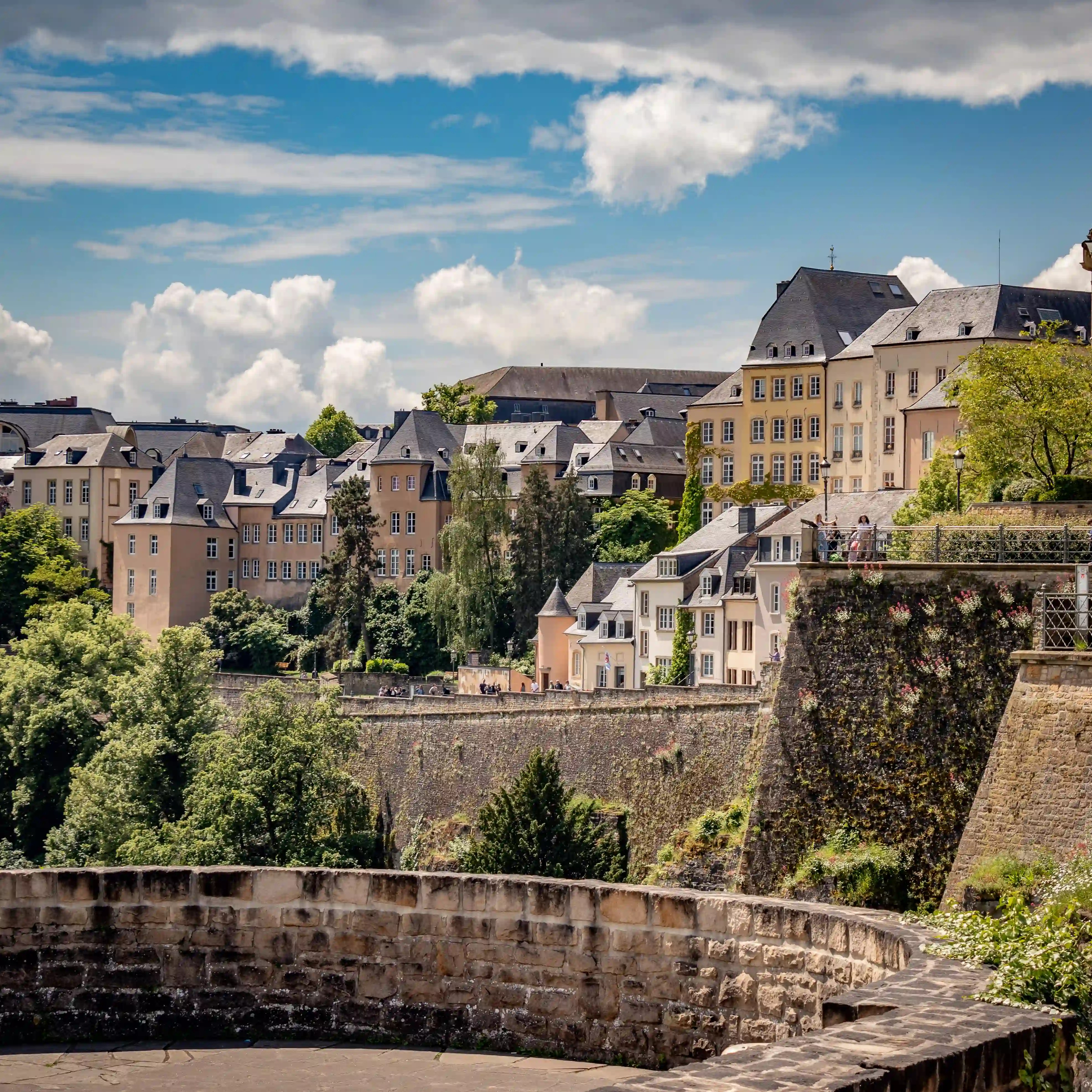
Nicknamed “the most beautiful balcony in Europe,” this walkway follows the 17th-century ramparts with sweeping views over the Alzette River and the Grund. From Chemin de la Corniche, you can see church spires rising above the old town, pastel houses tucked into the valley, and the dramatic layers of Luxembourg’s skyline.
Luxembourg’s Grund District
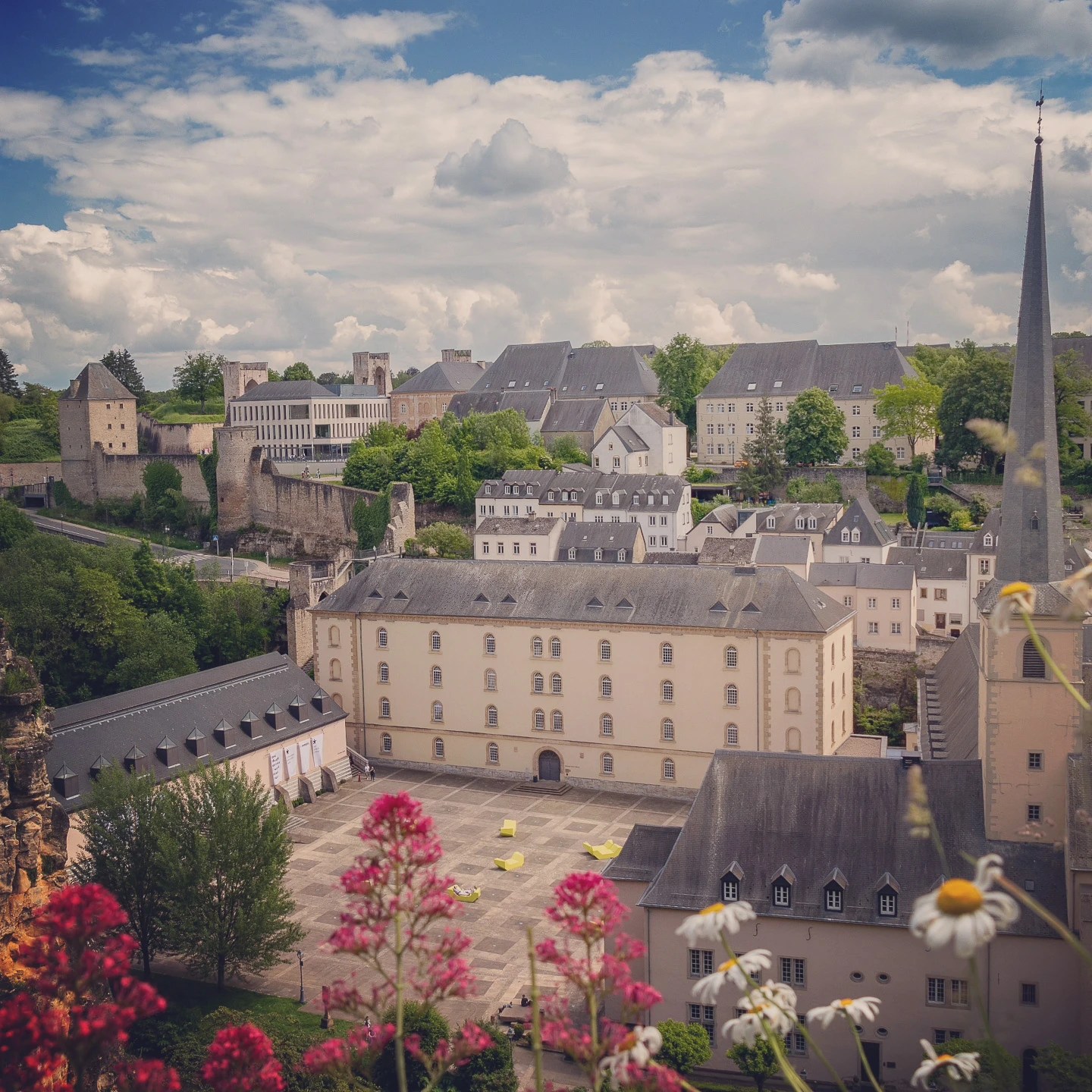
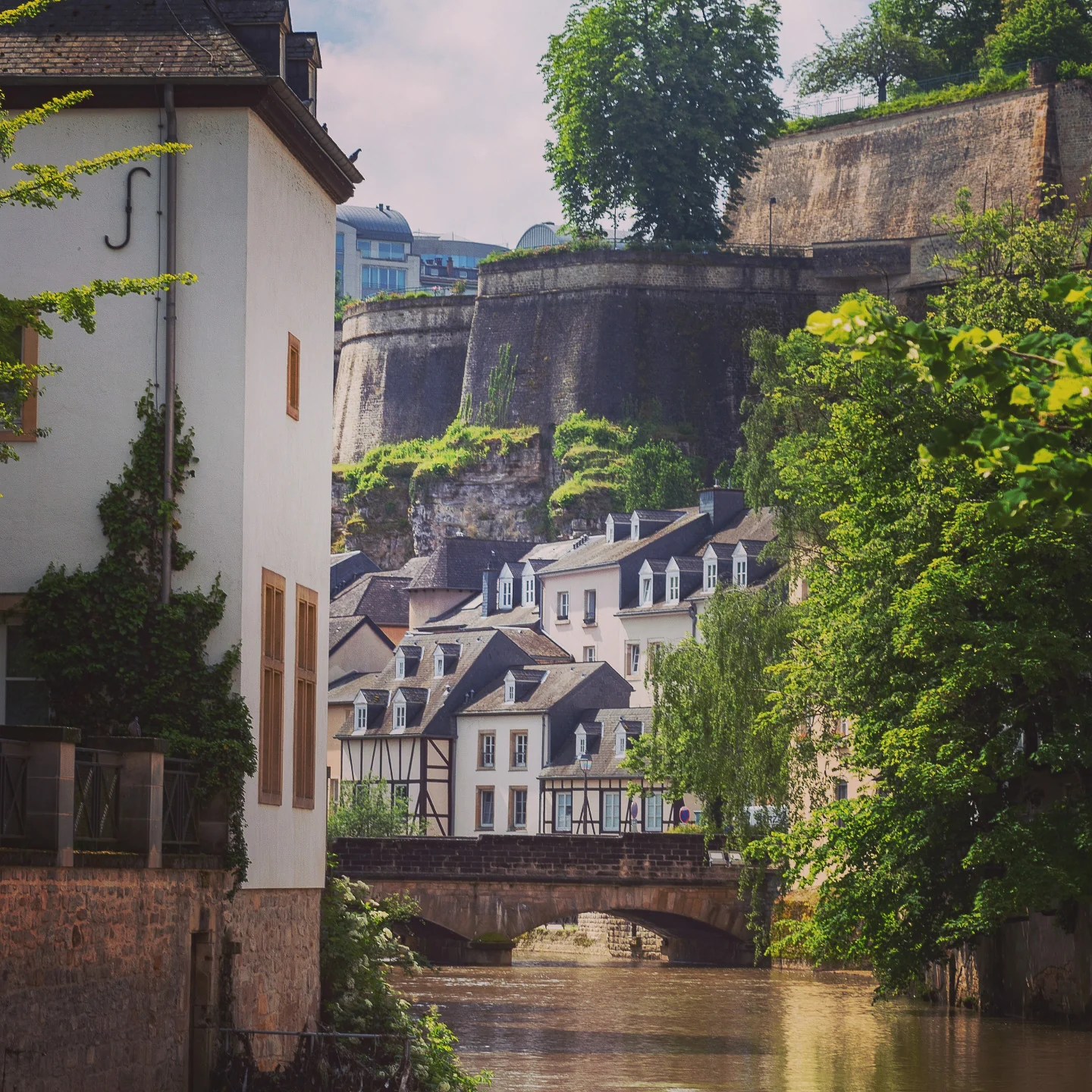
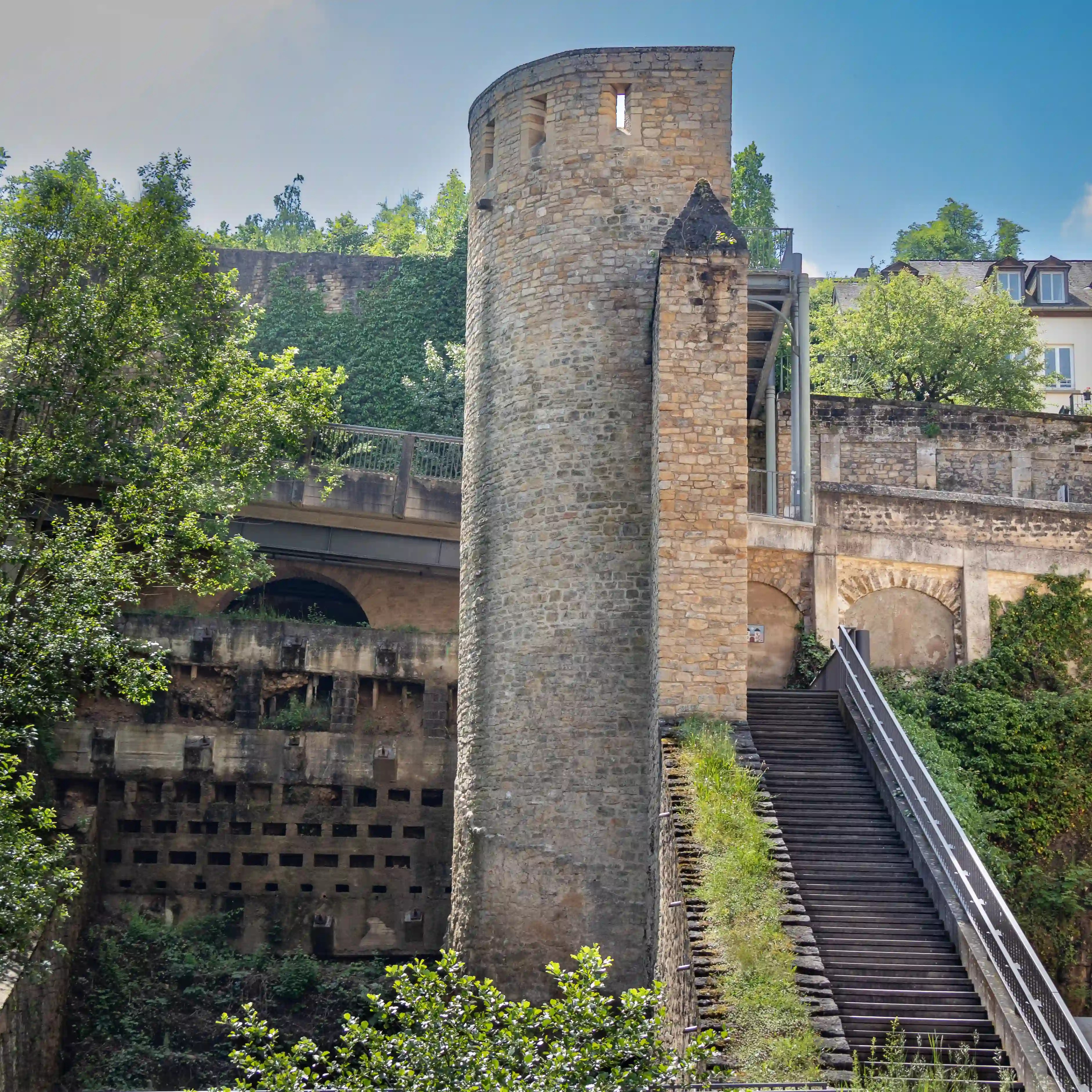
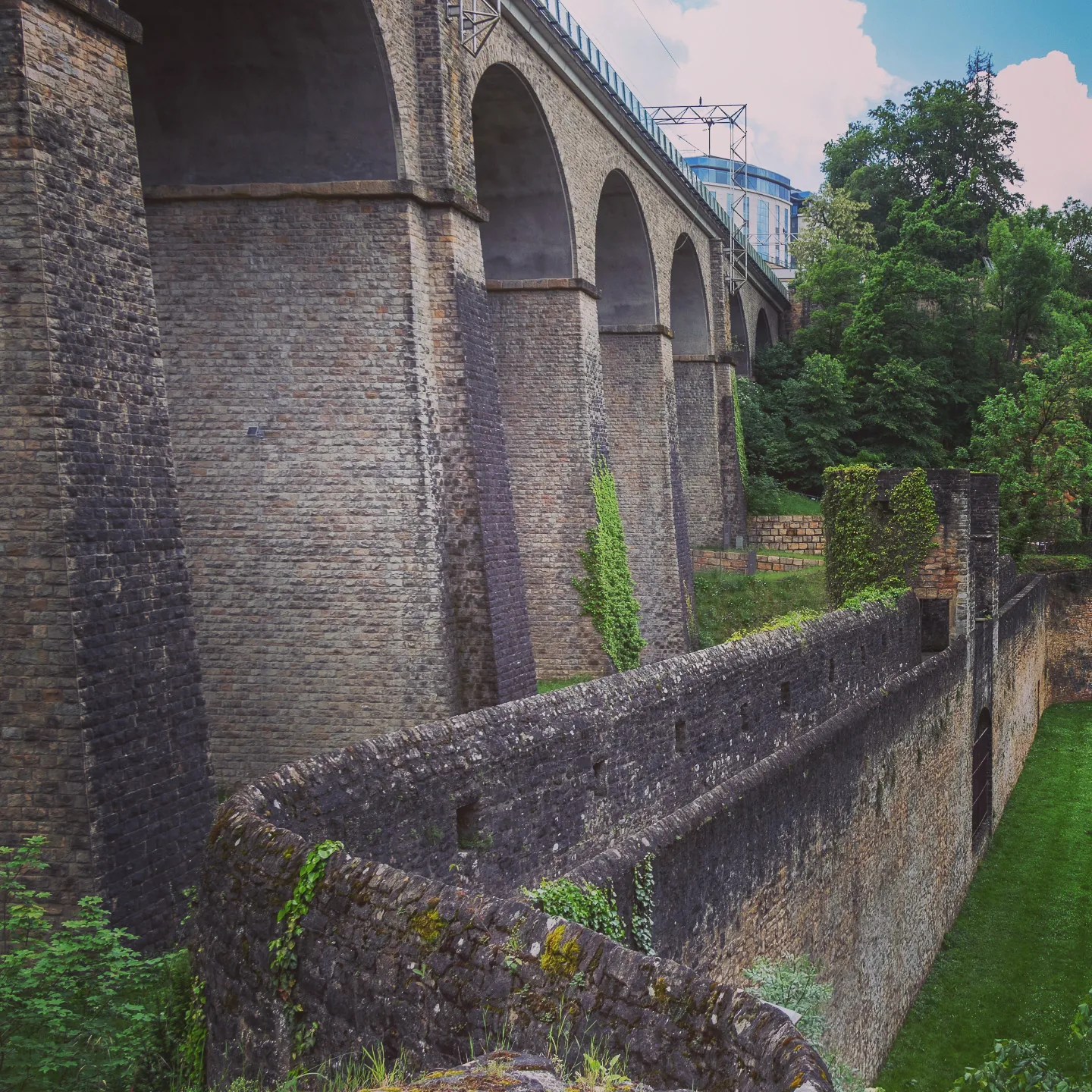
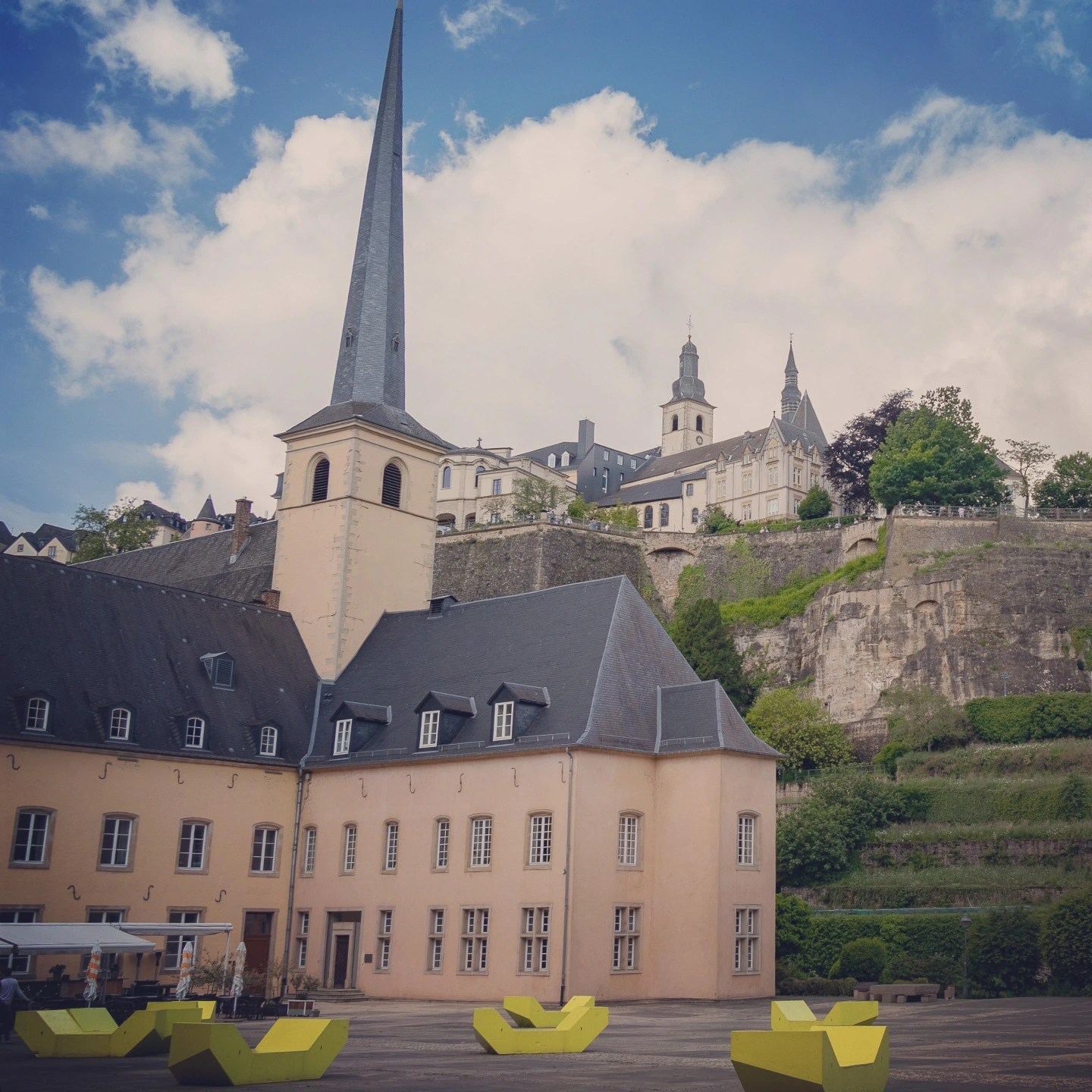
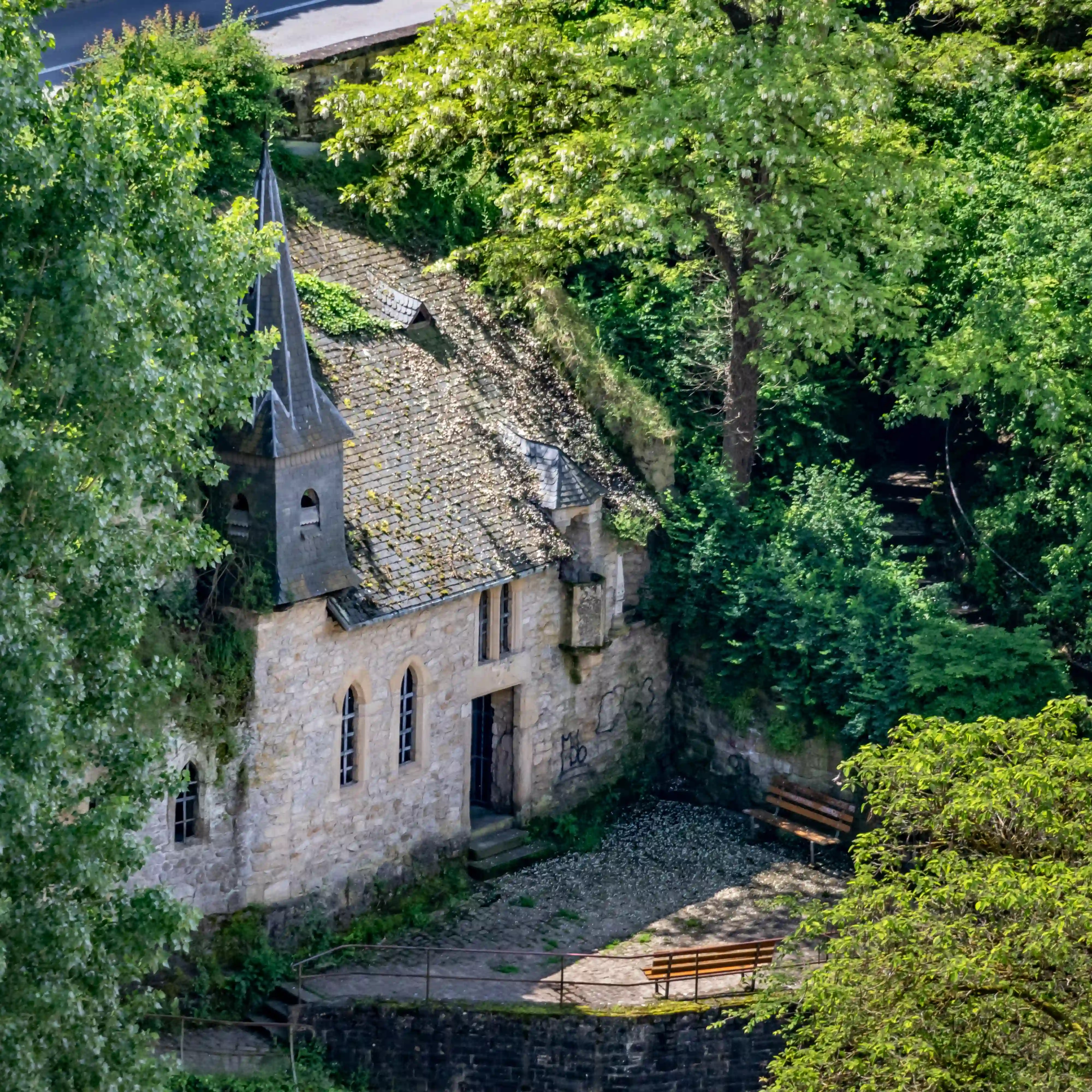
Descending into the Grund district feels like stepping back in time. Nestled along the Alzette River, this picturesque quarter is filled with cobbled lanes, medieval houses, and arched stone bridges. The Neumünster Abbey and its church dominate the riverfront, their pale stone walls now home to cultural events and exhibitions.
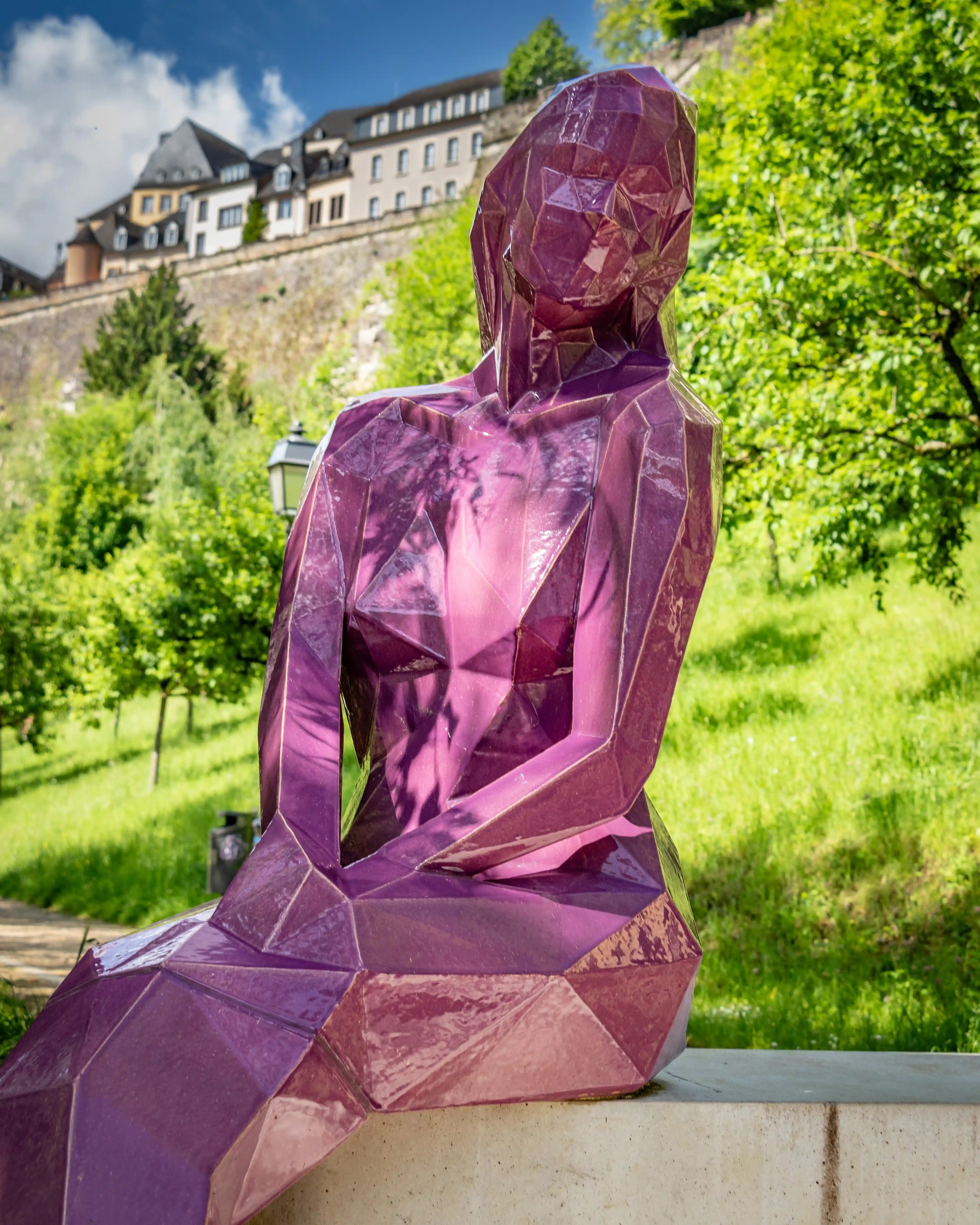
Legend weaves its way into the Grund, too. Melusina, the wife of Count Sigfried, Luxembourg’s founder, was said to vanish every Saturday to bathe in secret. When Sigfried’s curiosity got the better of him, he spied on her and discovered her mermaid’s tail. Realizing she had been betrayed, Melusina disappeared forever into the waters of the Alzette. Today, a riverside statue commemorates her story—a reminder of how myth and history entwine in Luxembourg’s oldest quarter.


Bock Casemates
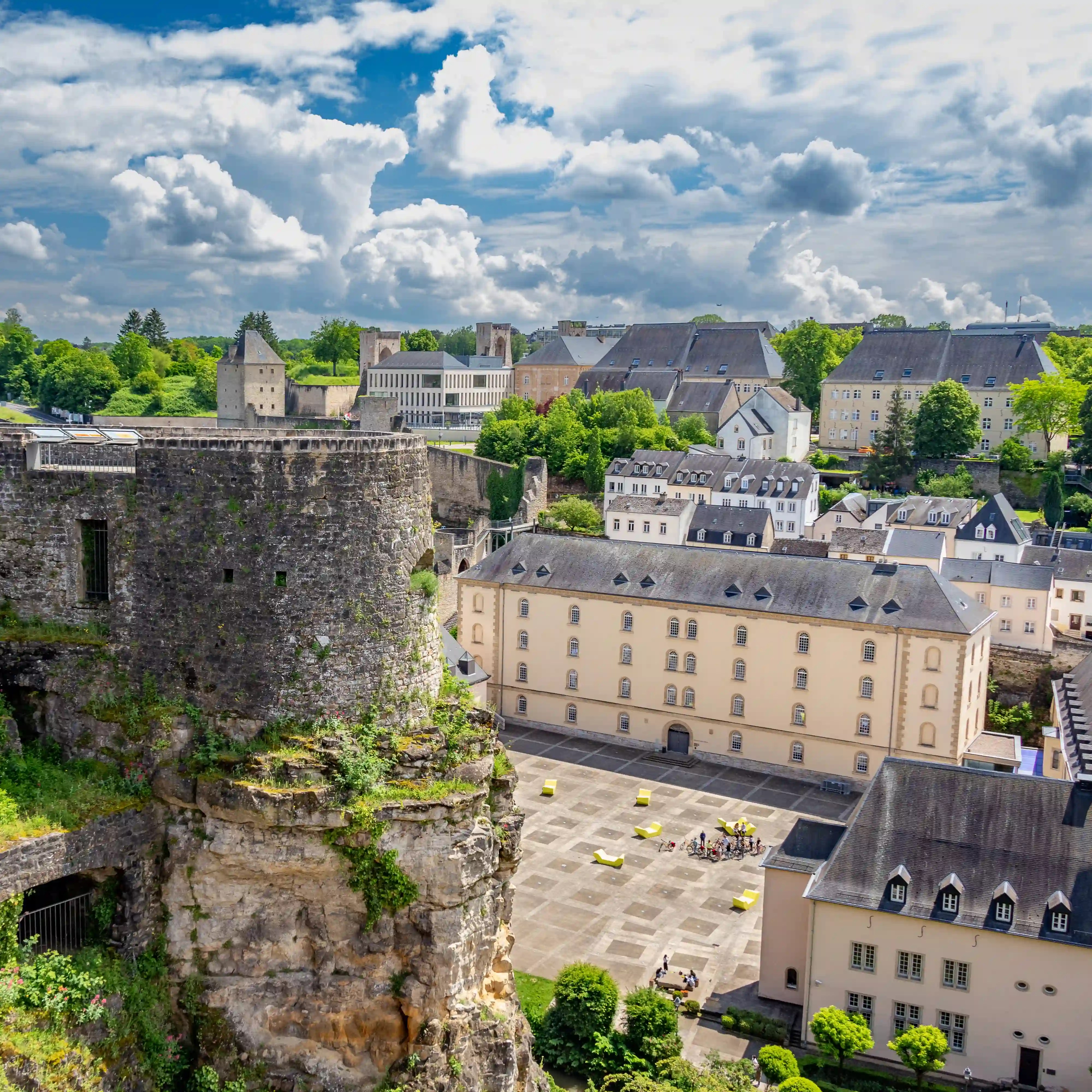
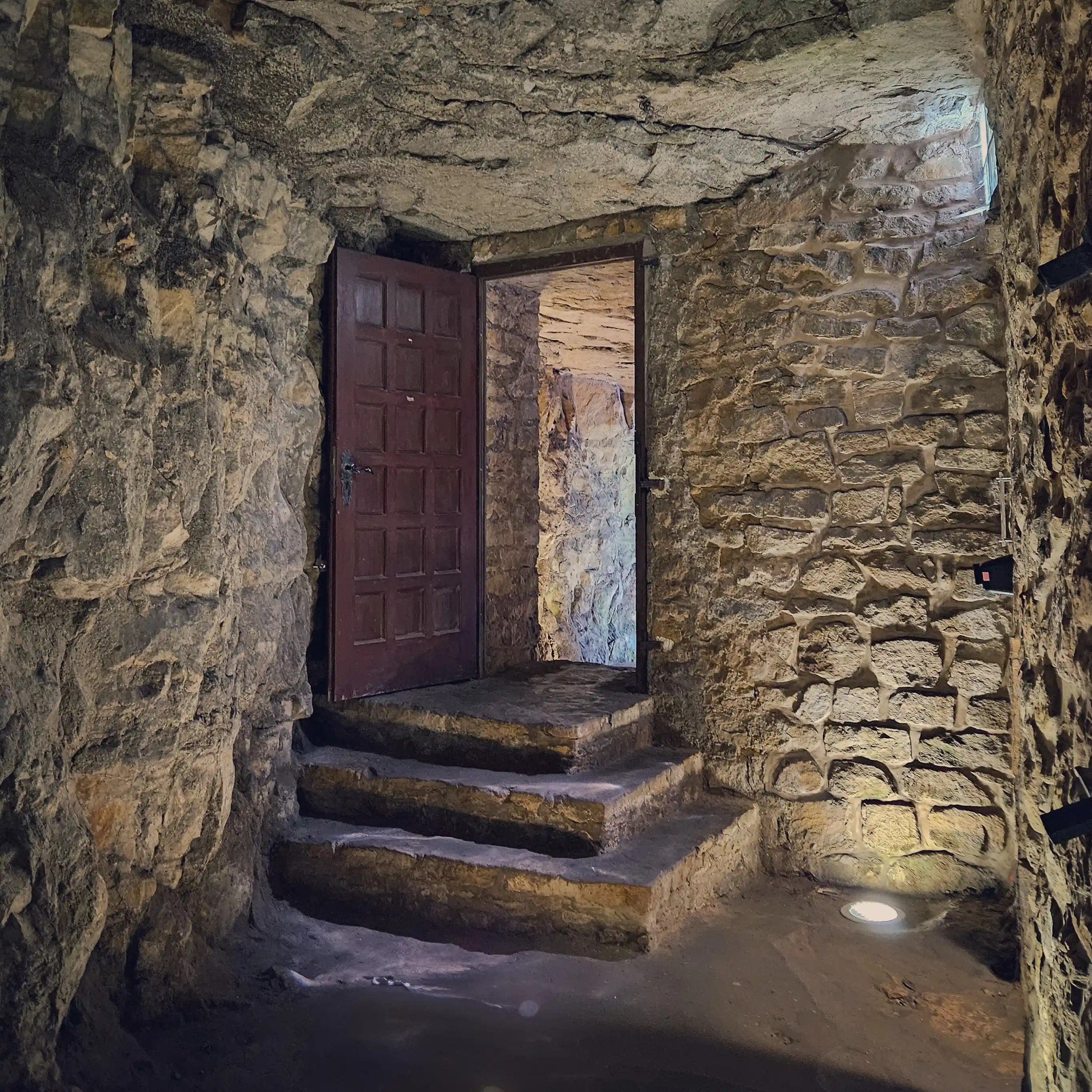
Cut into the cliffs beneath the old town, the Bock Casemates were built in 1745 by Austrian engineers as part of Luxembourg’s fortress defenses. Once sheltering soldiers, artillery, and even civilians during wartime, the surviving galleries are now part of the city’s UNESCO World Heritage listing and a highlight to explore. Another set of tunnels, the Pétrusse Casemates, lie beneath the Pétrusse Park area and are also open to visitors.


Luxembourg’s Pfaffenthal District
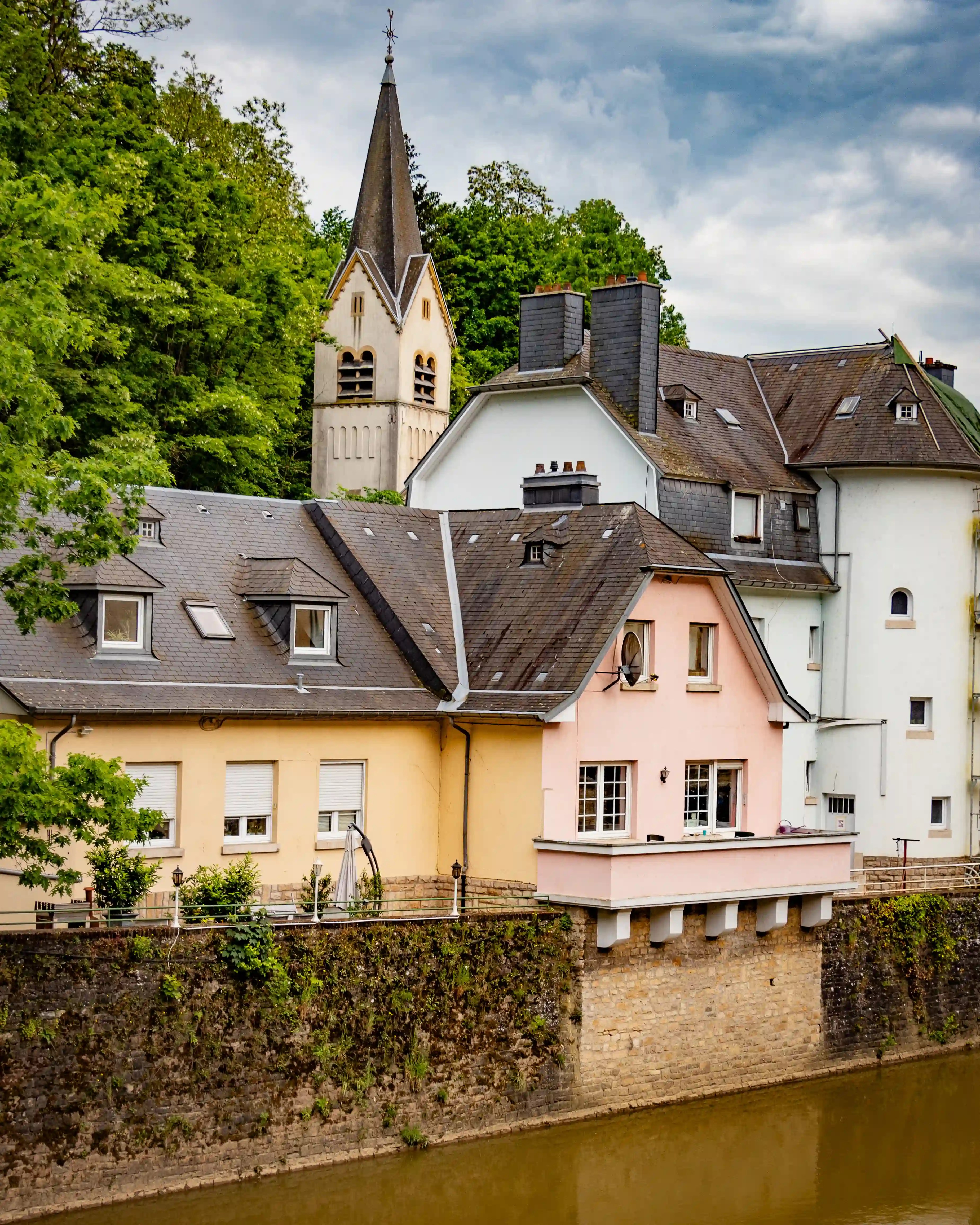
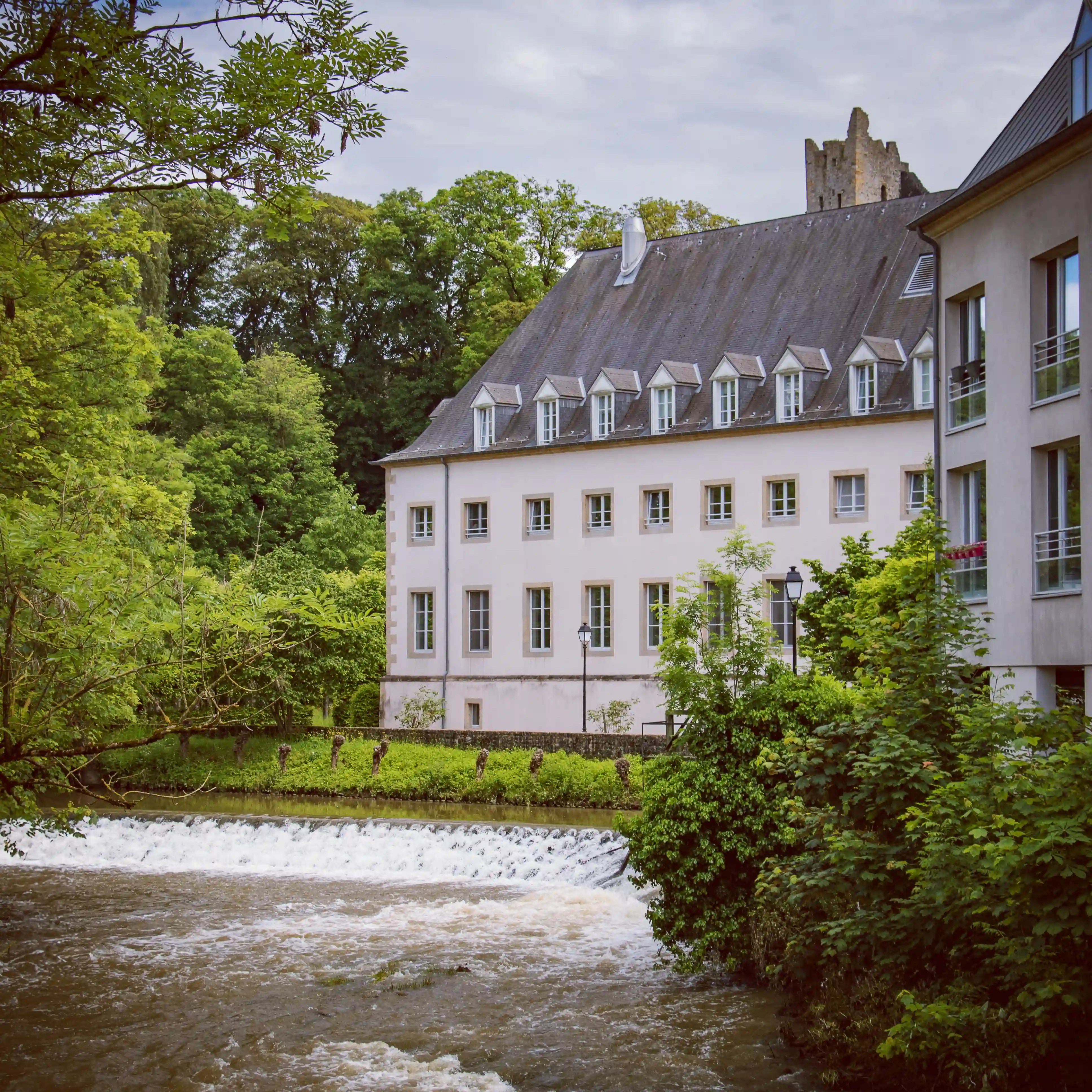
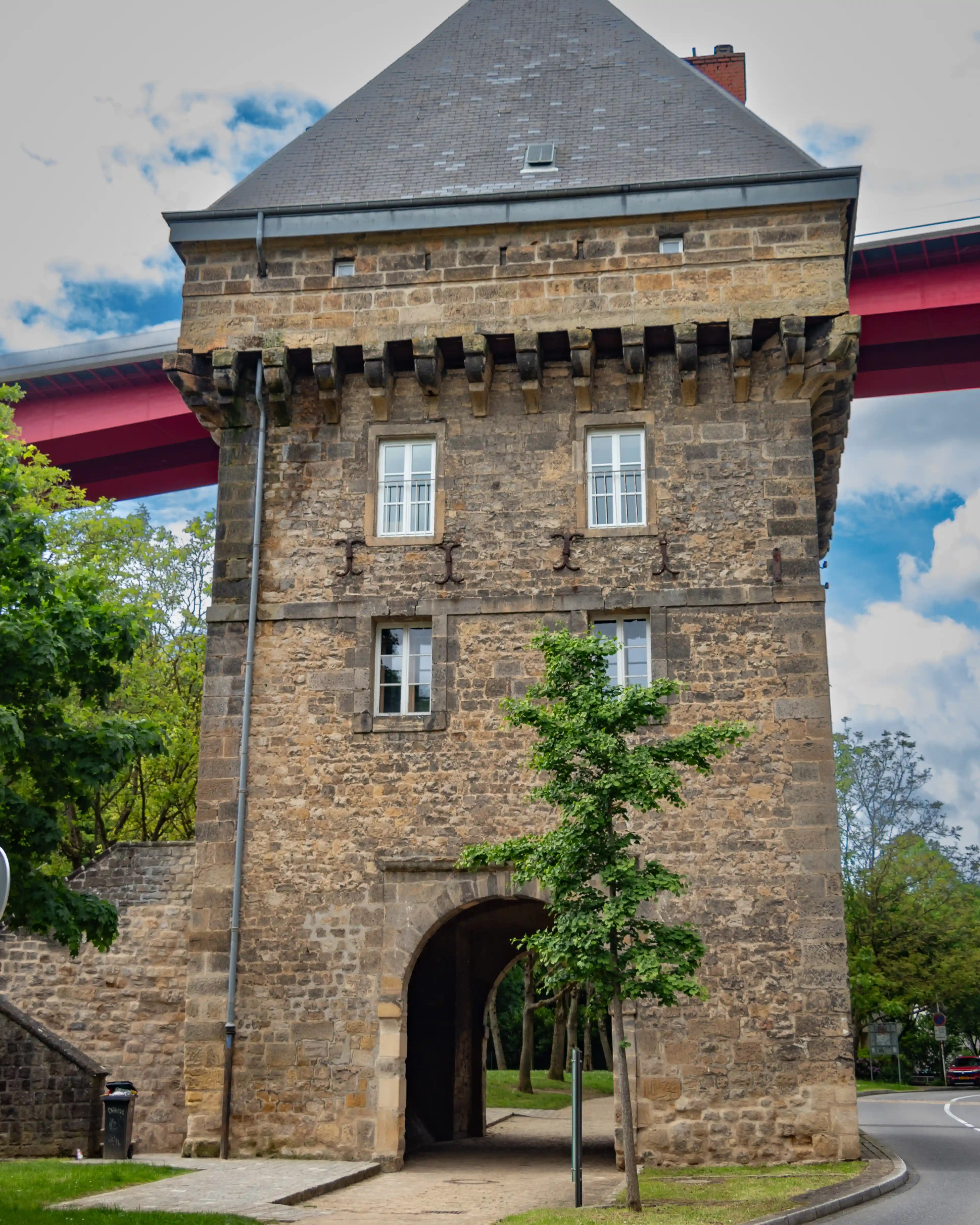
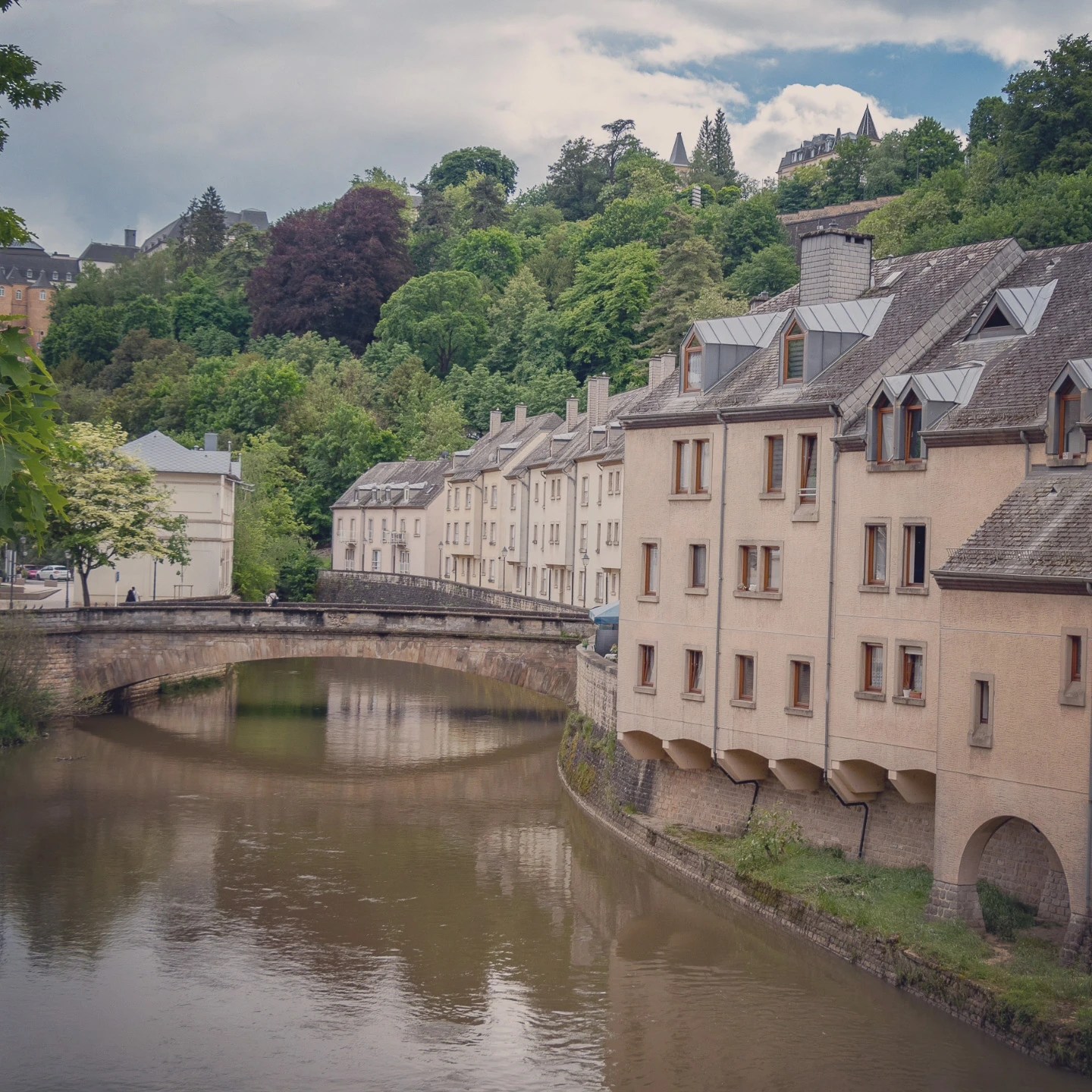
On the opposite side of the valley from the Grund lies the Pfaffenthal district, historically home to mills and tanneries along the Alzette River. Today, it’s a quiet neighborhood of old stone houses and narrow streets, with the river still winding through its heart. The Pfaffenthal Panoramic Elevator rises 71 meters (233 ft) from the valley floor to the upper city, carrying visitors above the rooftops with sweeping views of the Alzette.


Day Trip Adventures from Luxembourg
Luxembourg may be small, but its countryside is filled with castles, rivers, and medieval villages—all within easy reach of the capital. During our stay, we set out on a day trip from Luxembourg City to explore some of the country’s most scenic towns and historic sites.
Vianden – Music in the Valley
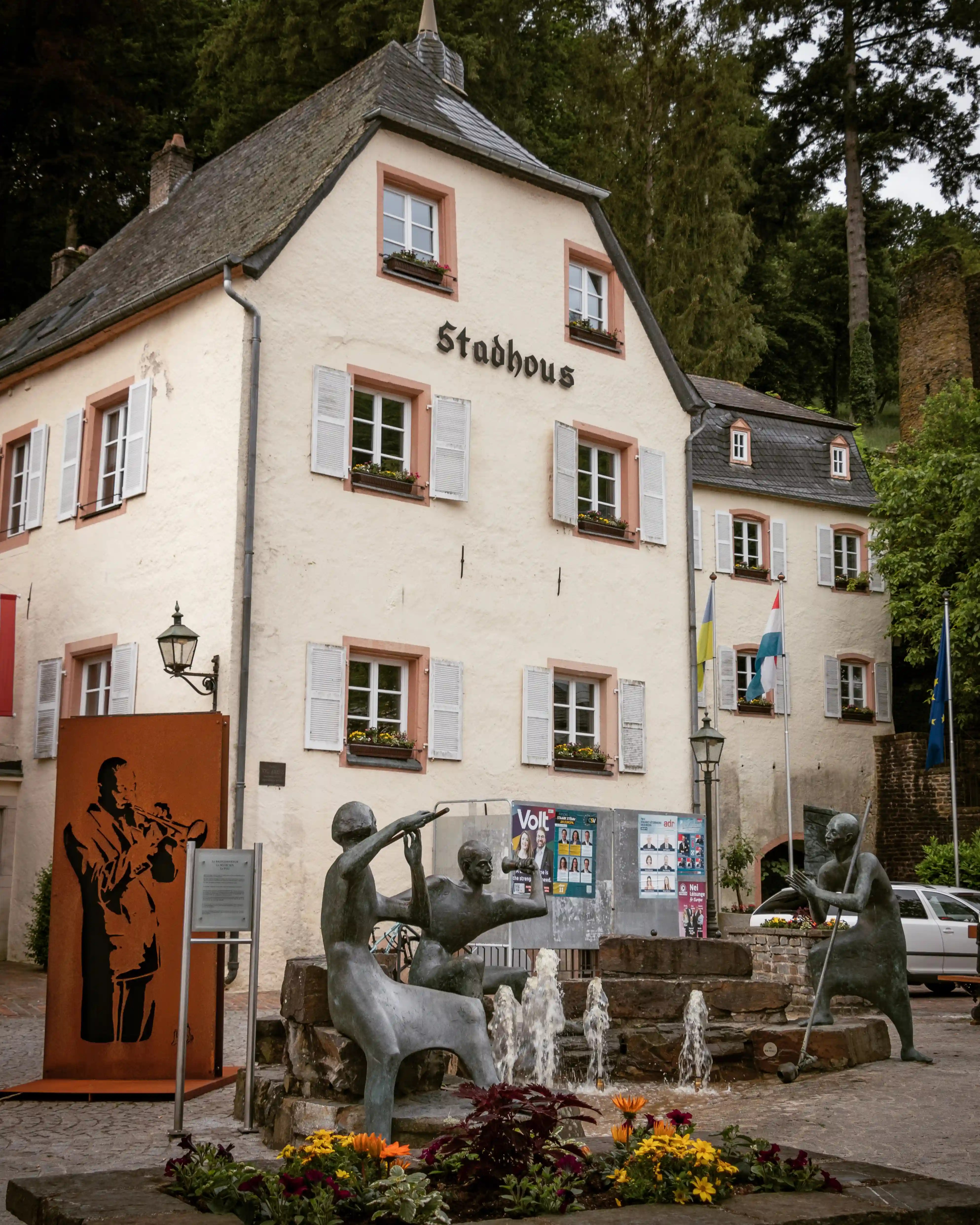
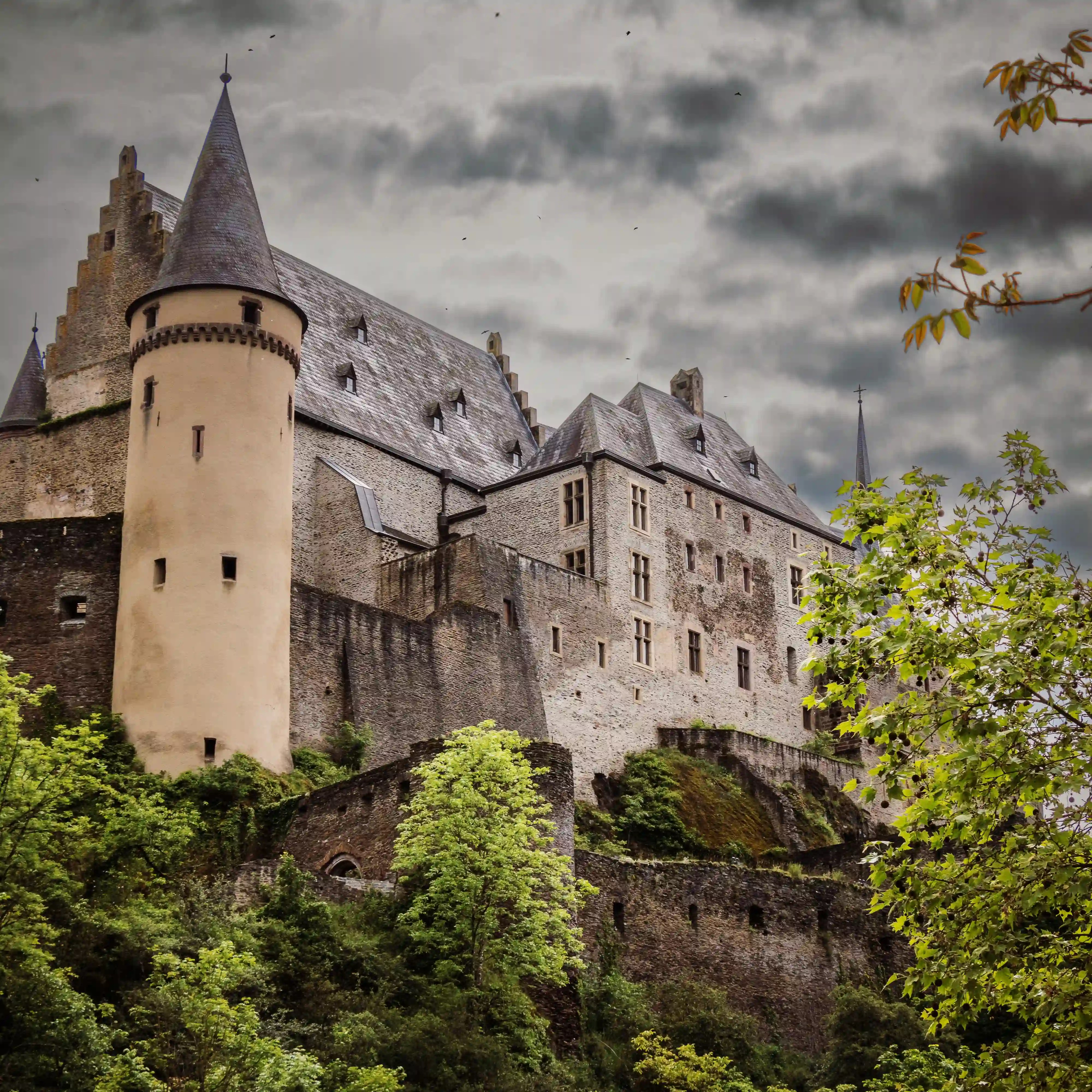
Our first stop was Vianden, where music greeted us as we arrived—a marching band parading through the streets, filling the valley with brass and drumbeats. Set along the Our River and framed by steep hills, the town’s medieval lanes are dotted with stone houses, inviting cafés, and remnants of its fortified walls. Once the seat of the Counts of Vianden, it grew into a prosperous settlement in the Middle Ages and remains a pleasure to explore today.


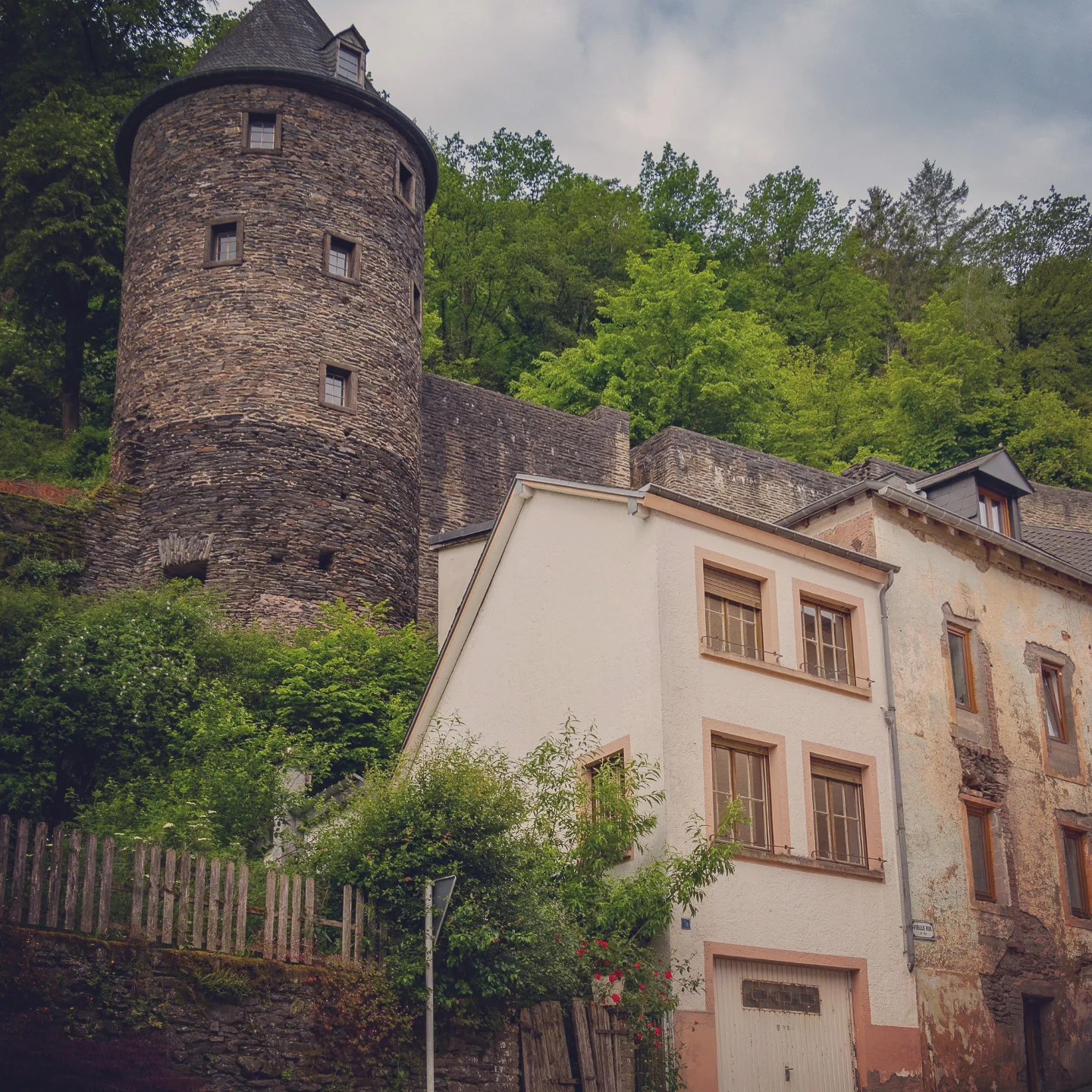
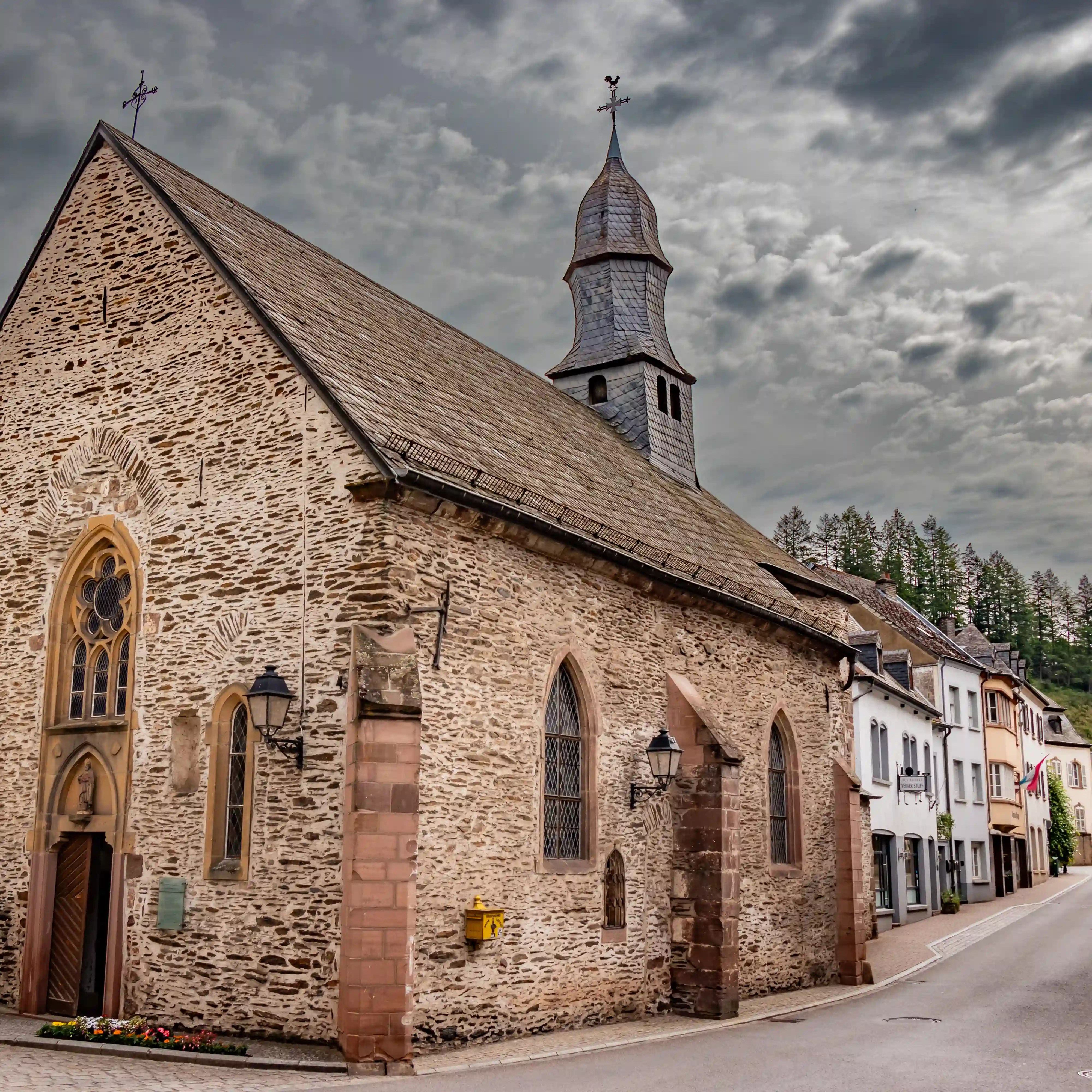
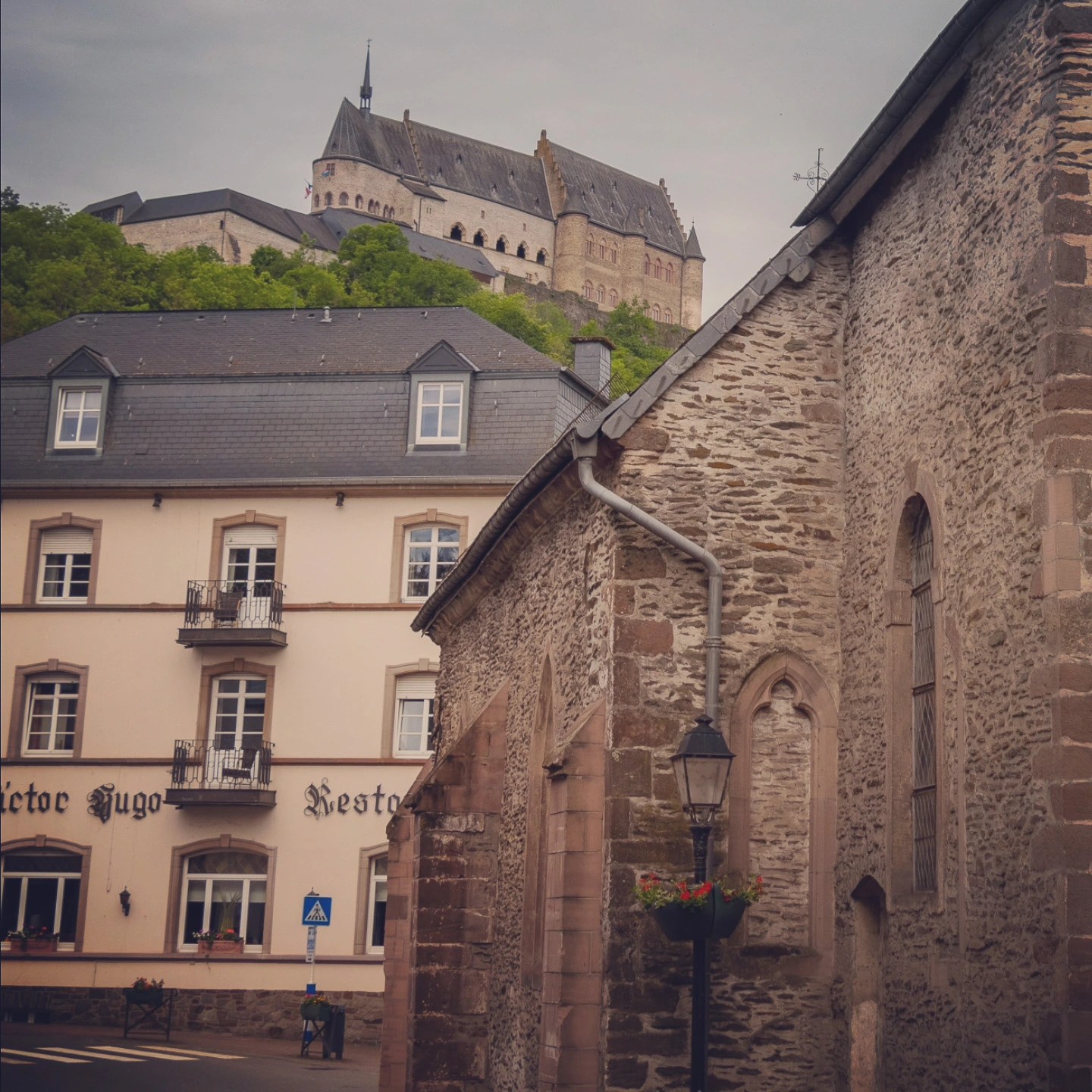
After wandering the town, we wound our way up the steep streets to the gates of Vianden Castle, perched dramatically on the hill above the river. Another option is the Chairlift Vianden—the only one in Luxembourg—which carries visitors up over the valley to a height of 440 meters (1,444 ft). From the terrace at the top, you can enjoy sweeping views of the castle, the river, and the town before following a woodland path down to the castle entrance.
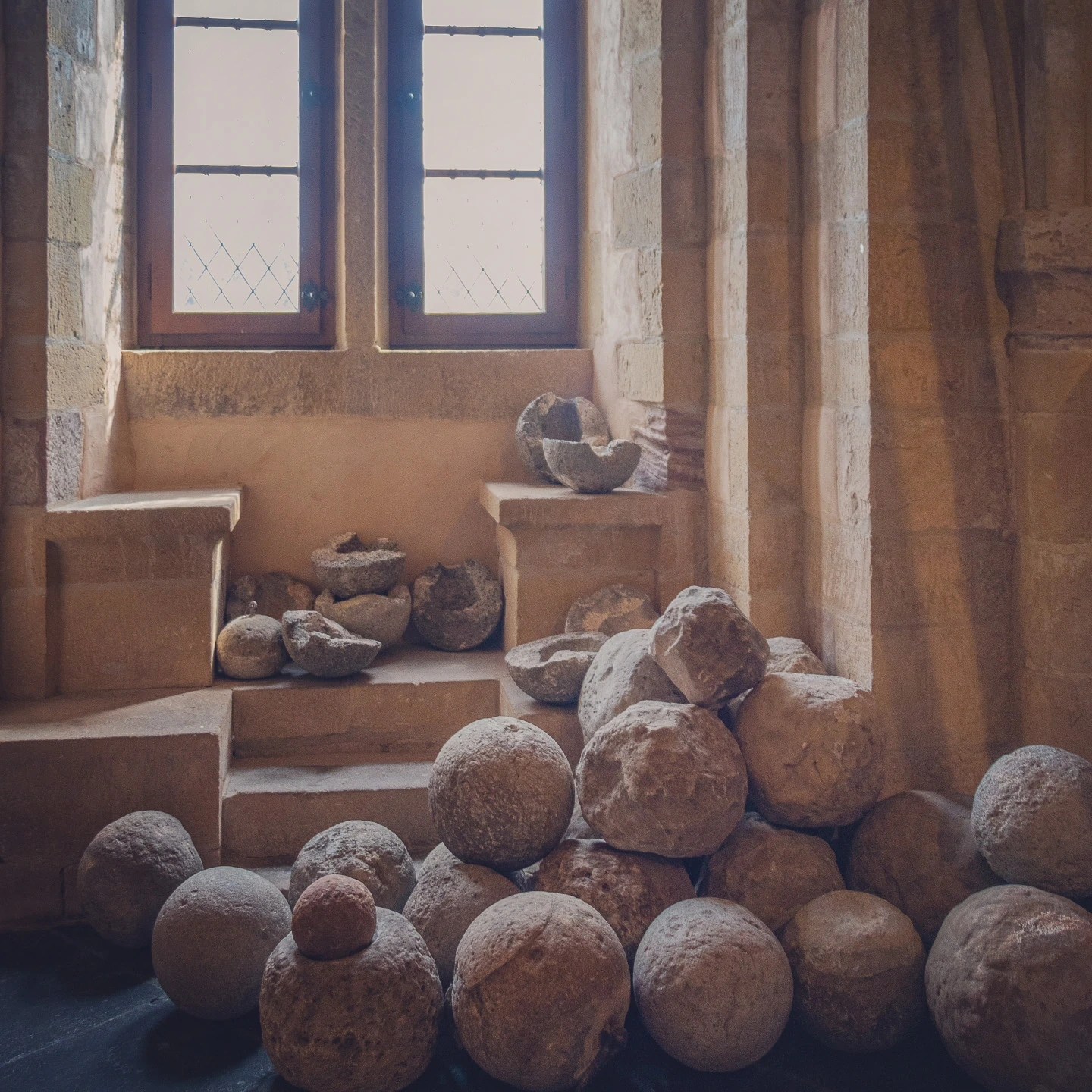
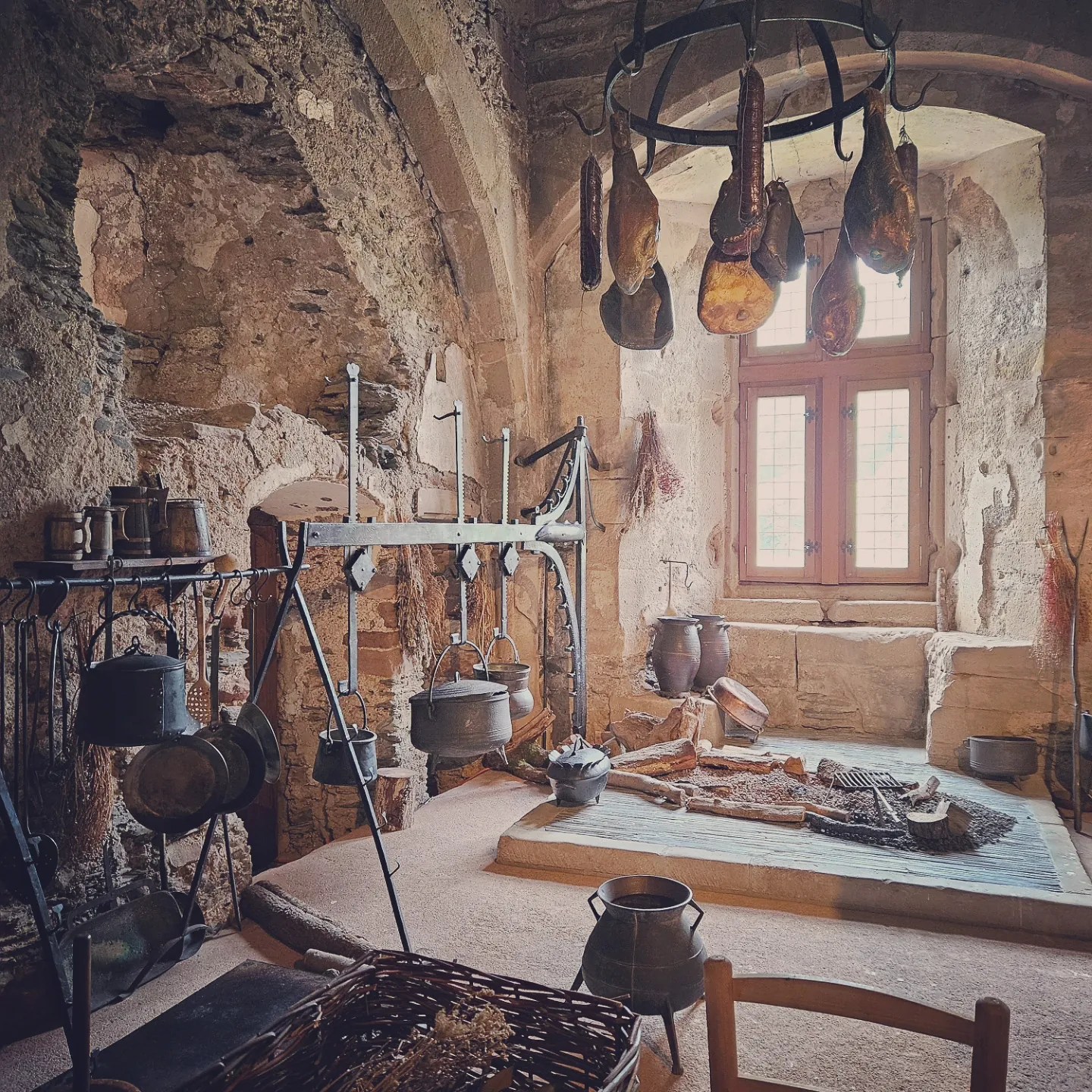
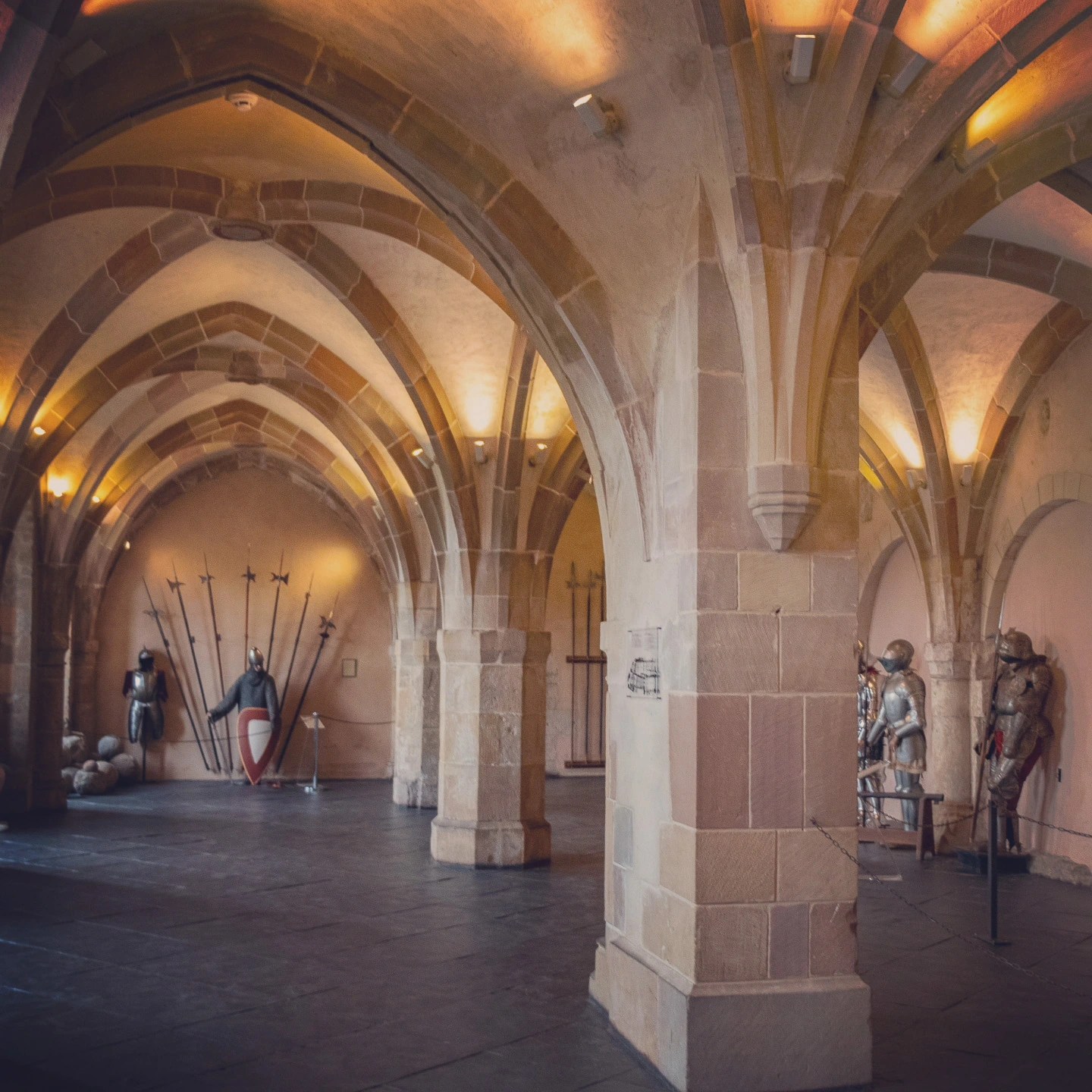
Originally built between the 11th and 14th centuries on Roman and Carolingian foundations, Vianden Castle was one of the largest fortified castles west of the Rhine. It fell into ruin before being restored in the 20th century and is now one of Luxembourg’s top attractions. Inside, visitors can explore furnished rooms, a Gothic chapel, and exhibitions that trace the castle’s long history.




Esch-Sur-Sûre – River Embrace
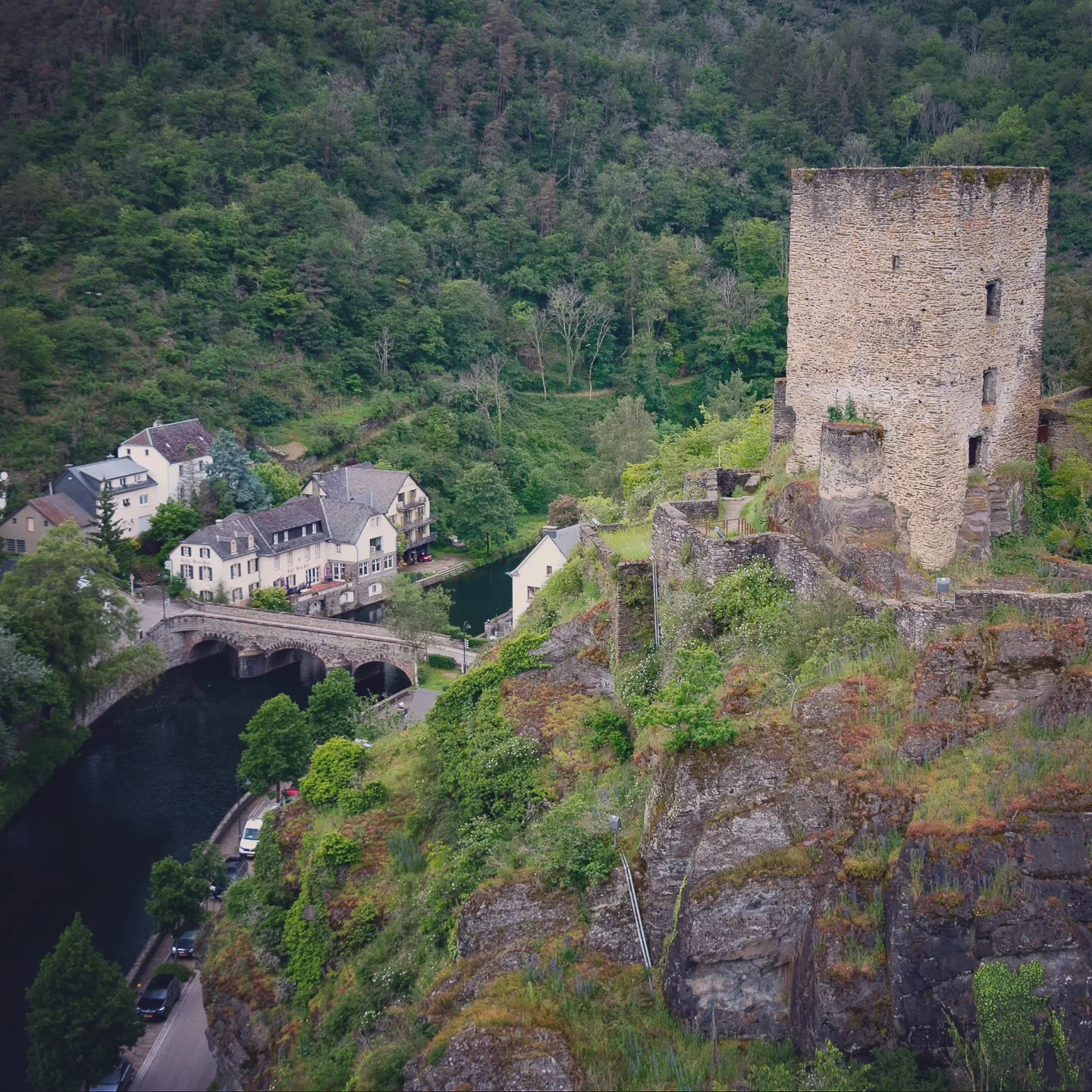
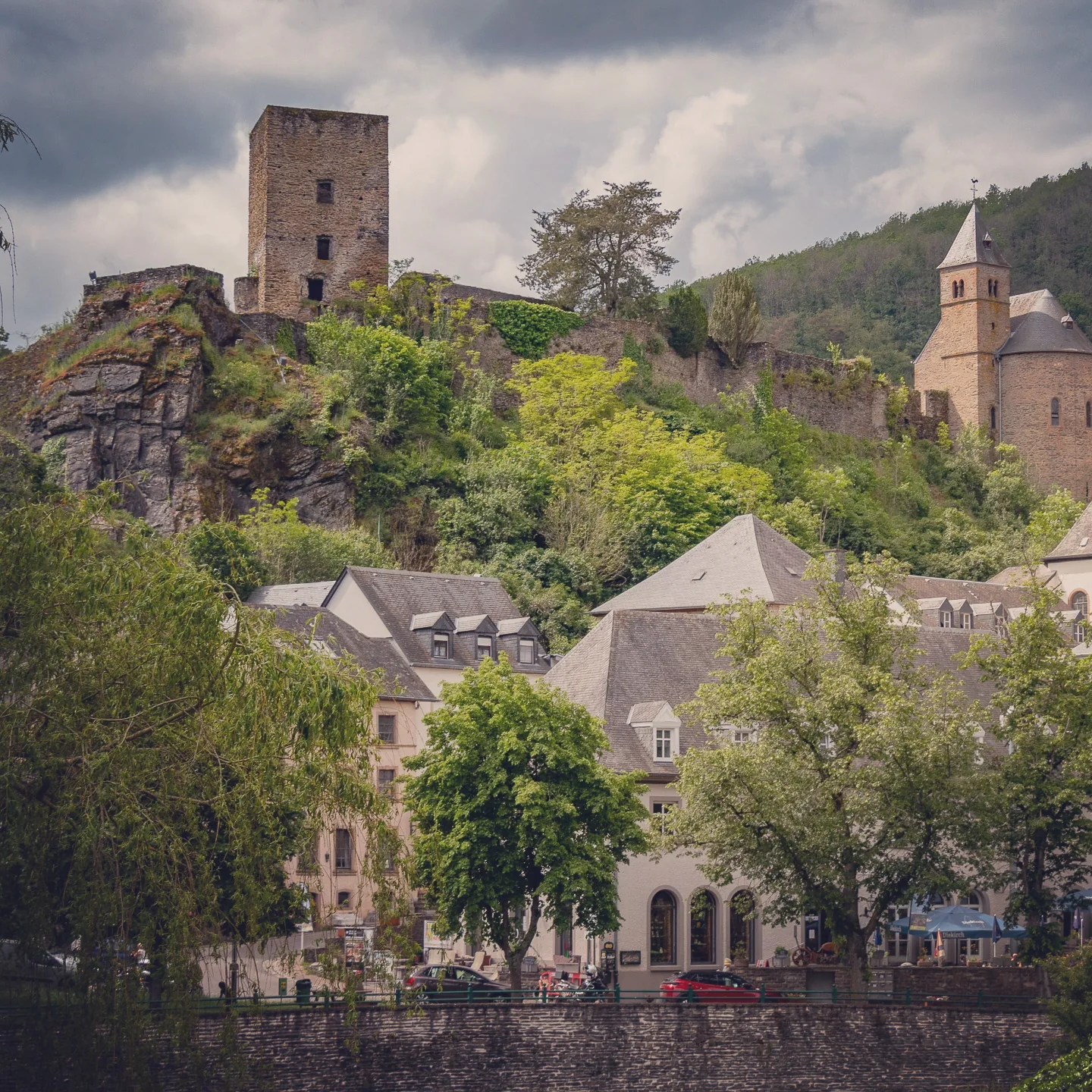
Nestled in the Ardennes hills, Esch-Sur-Sûre feels like a storybook village. The River Sûre (Sauer) curls protectively around the town, and above it all rise the ruins of Esch-Sur-Sûre Castle, first built around 927 with a stone tower that still stands today. Expanded by the Counts of Esch in the Middle Ages, the fortress gave the town both protection and importance. The ruins remain a symbol of Esch-Sur-Sûre, illuminated at night and offering sweeping views by day—though next time, we’ll head across the river to catch the famous panorama of the river wrapping around the town.





Larochette Castle – Centuries of History in Luxembourg’s Mullerthal
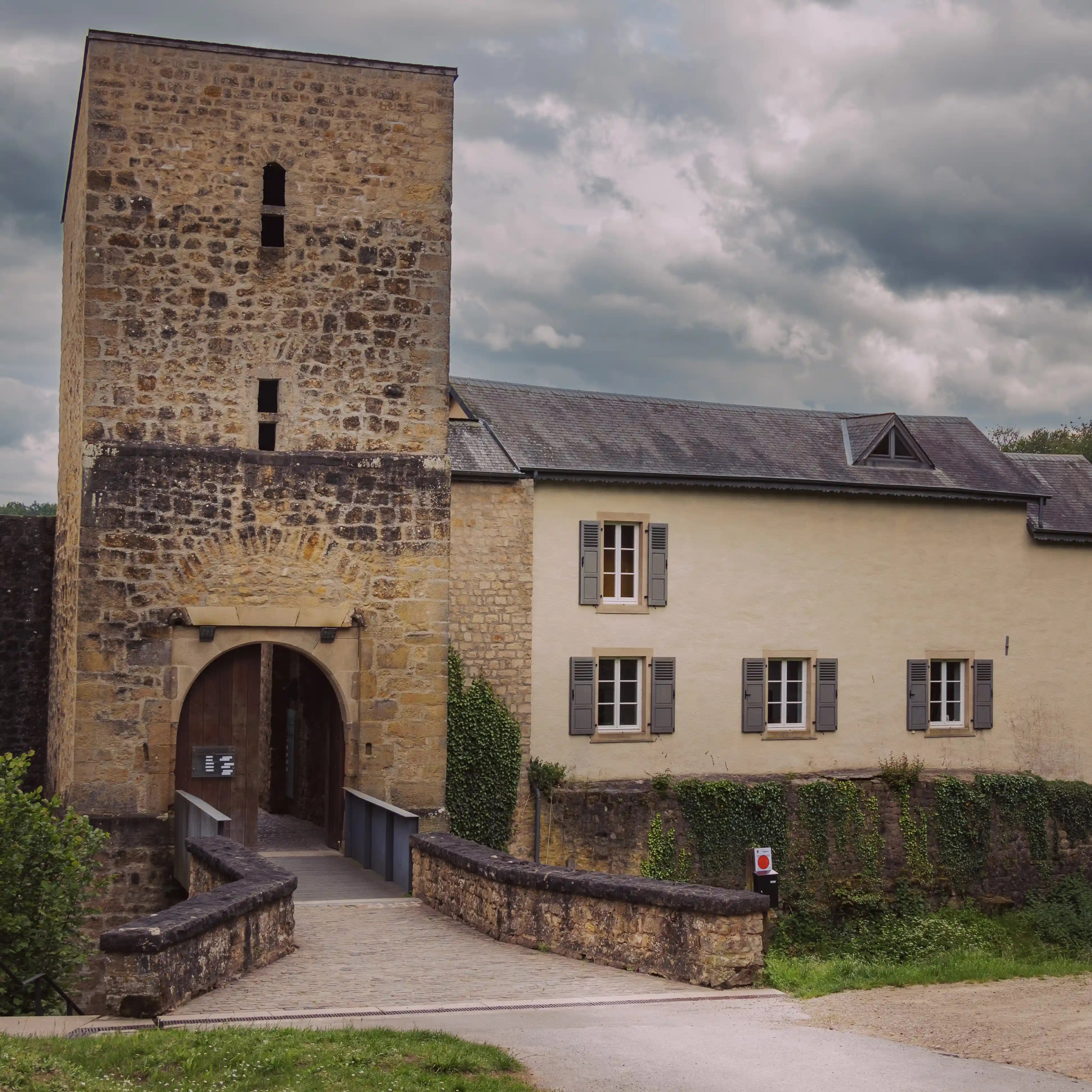
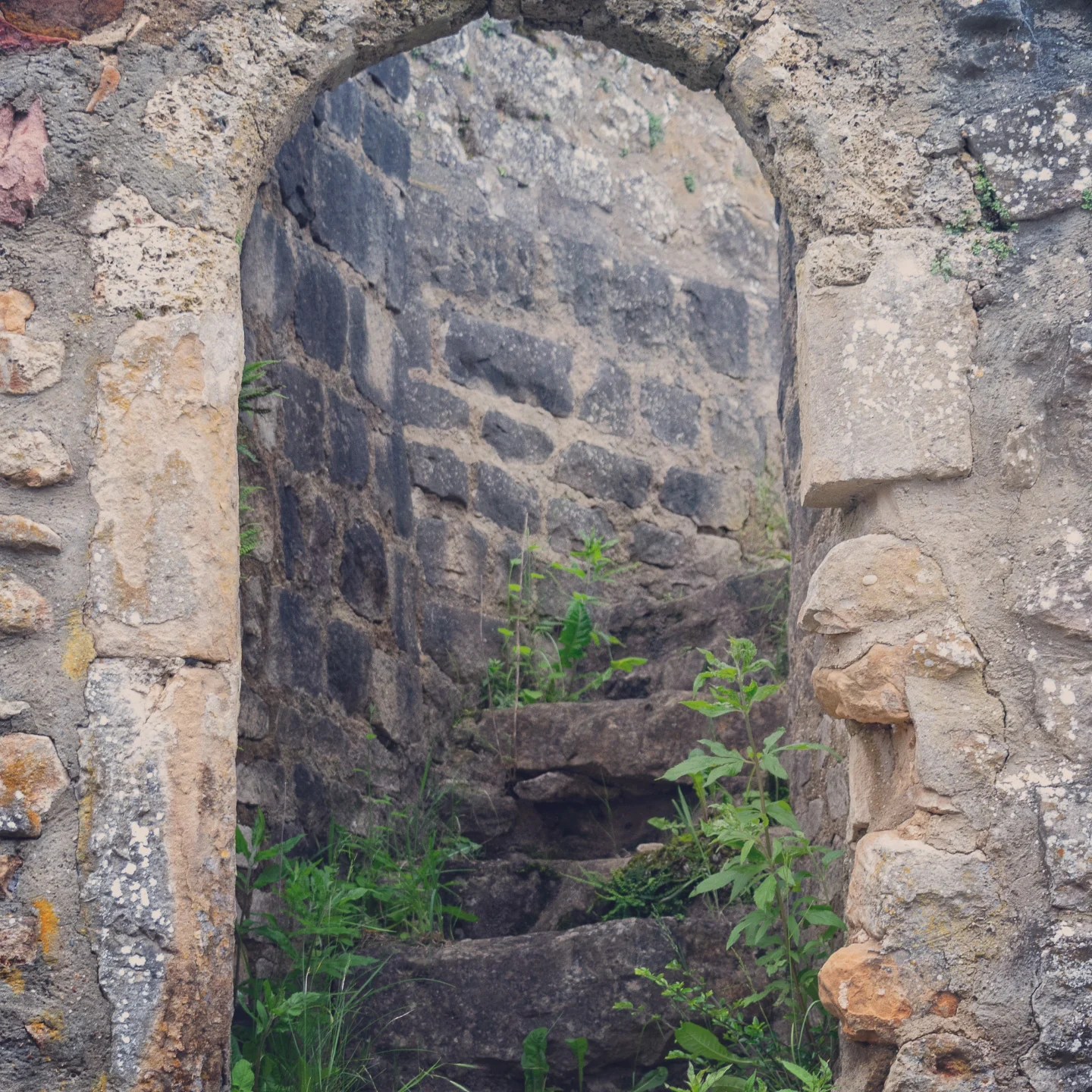
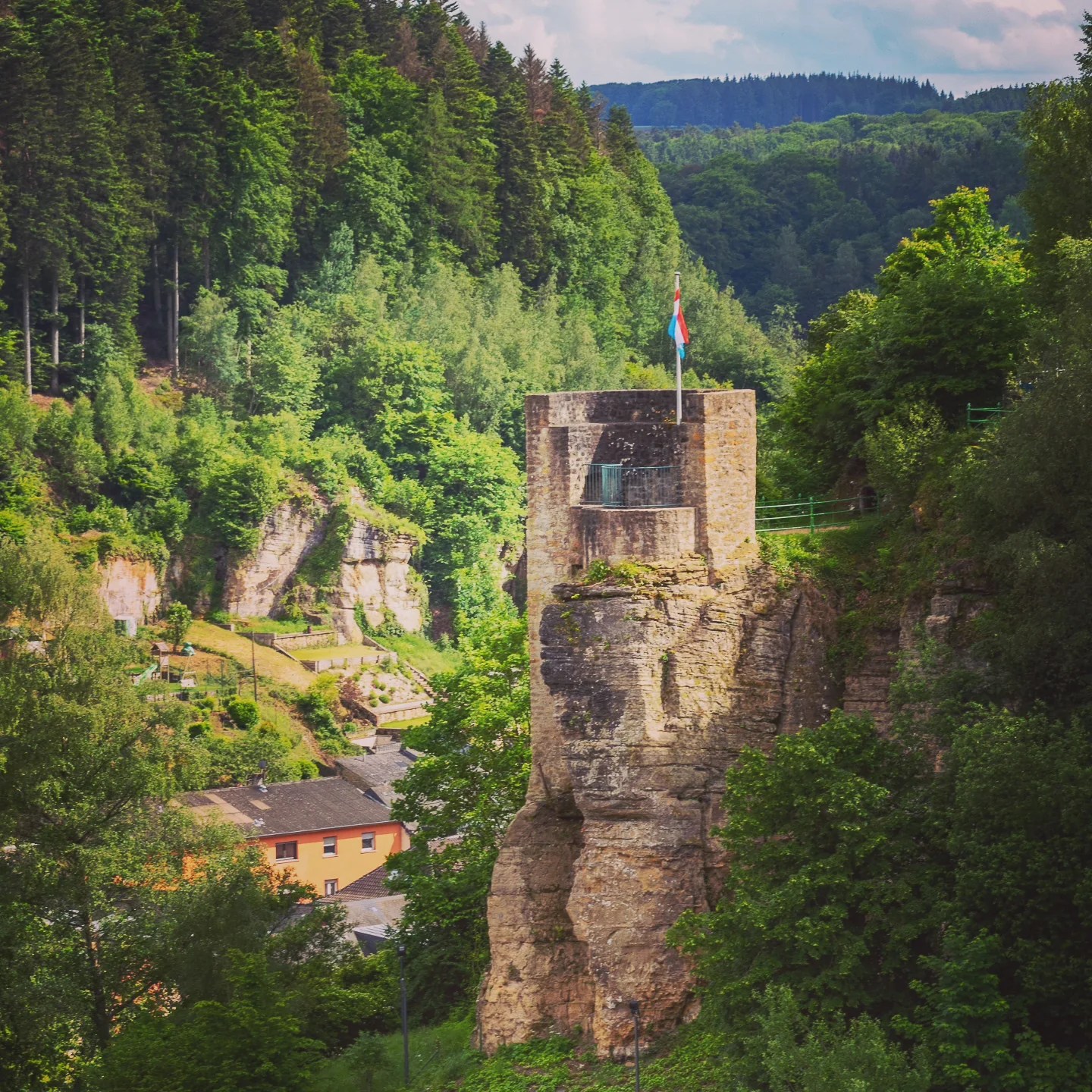
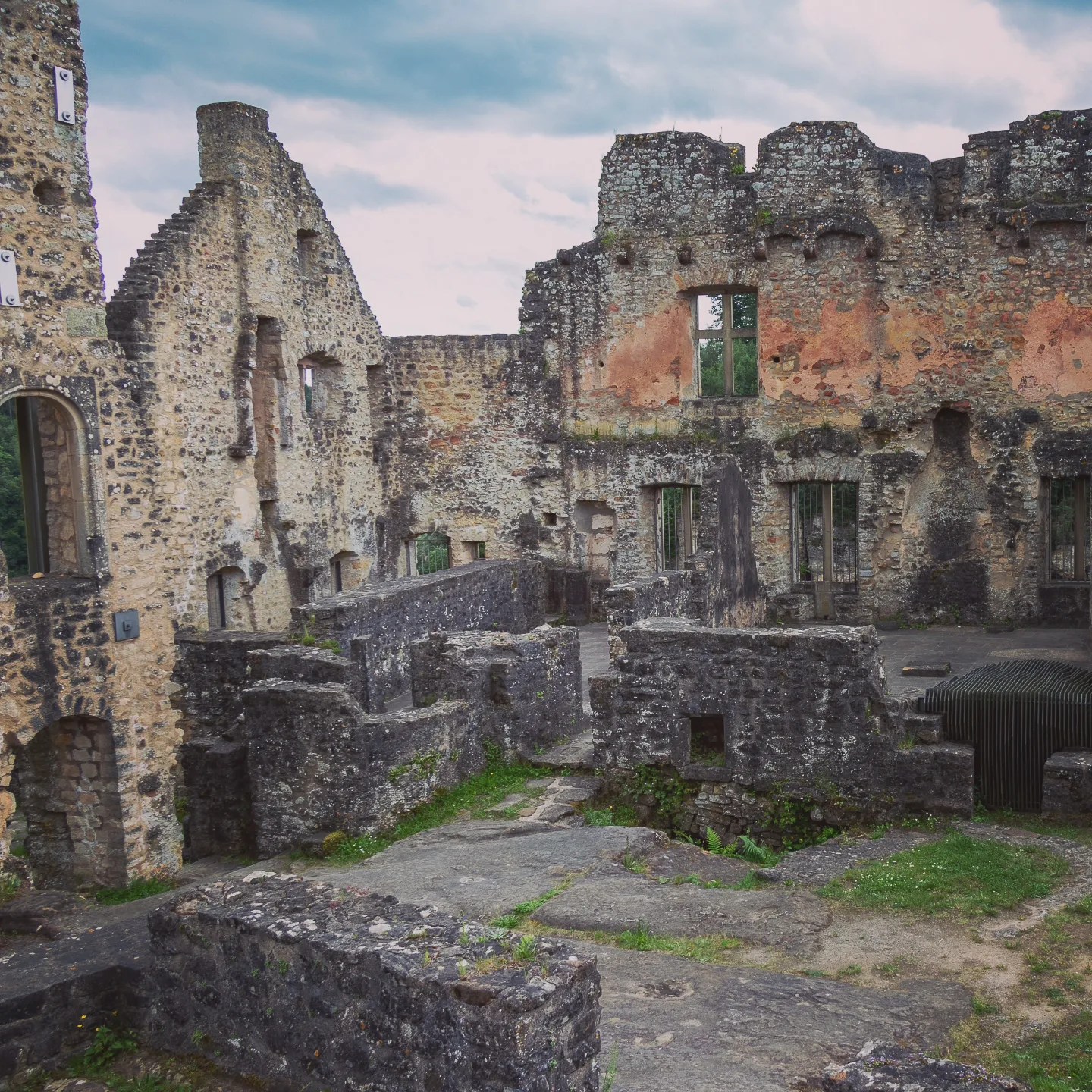
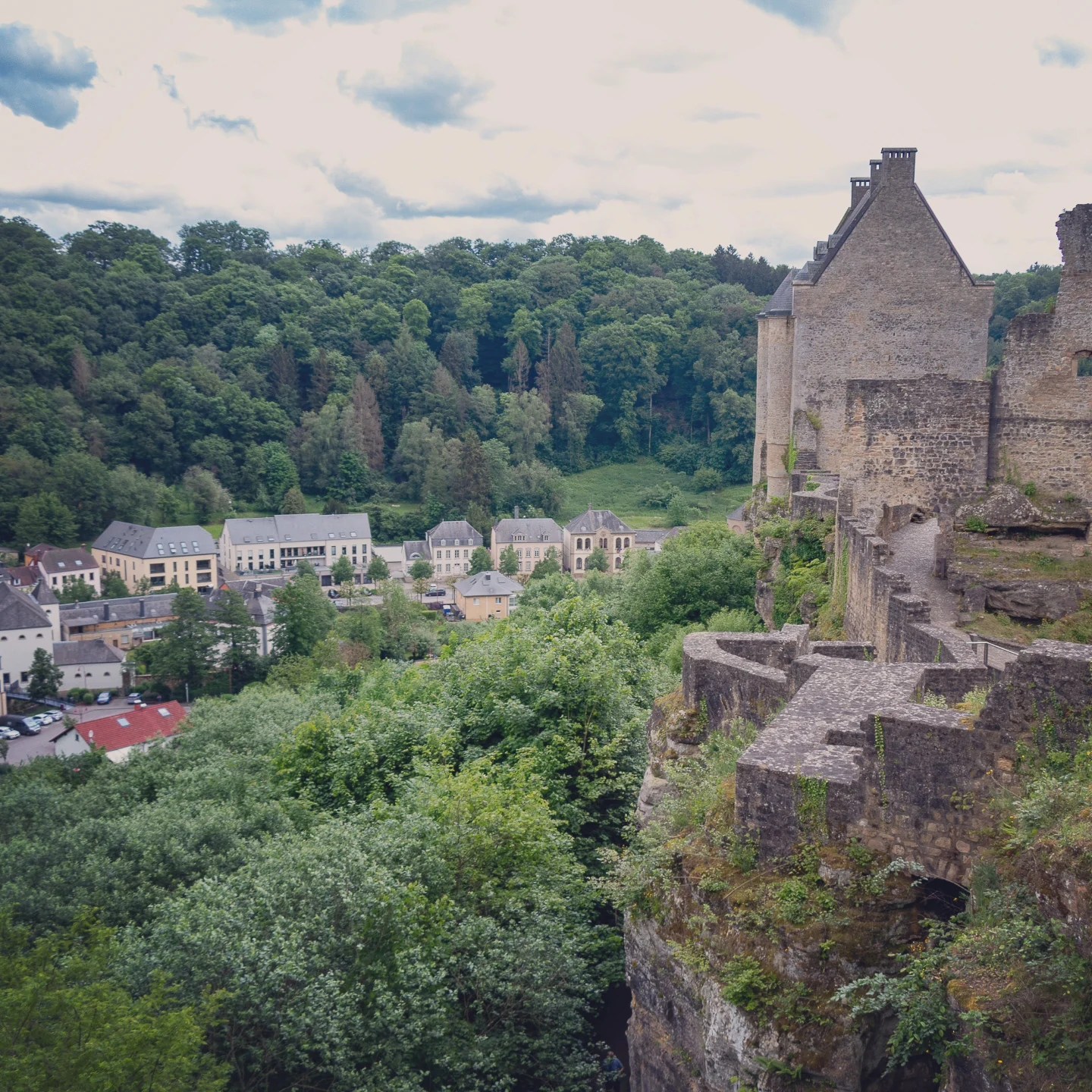
In the Mullerthal region, also known as Luxembourg’s Little Switzerland, stands Larochette Castle, overlooking the town of the same name. Built in the 11th century, it was home to several noble families during the Middle Ages.
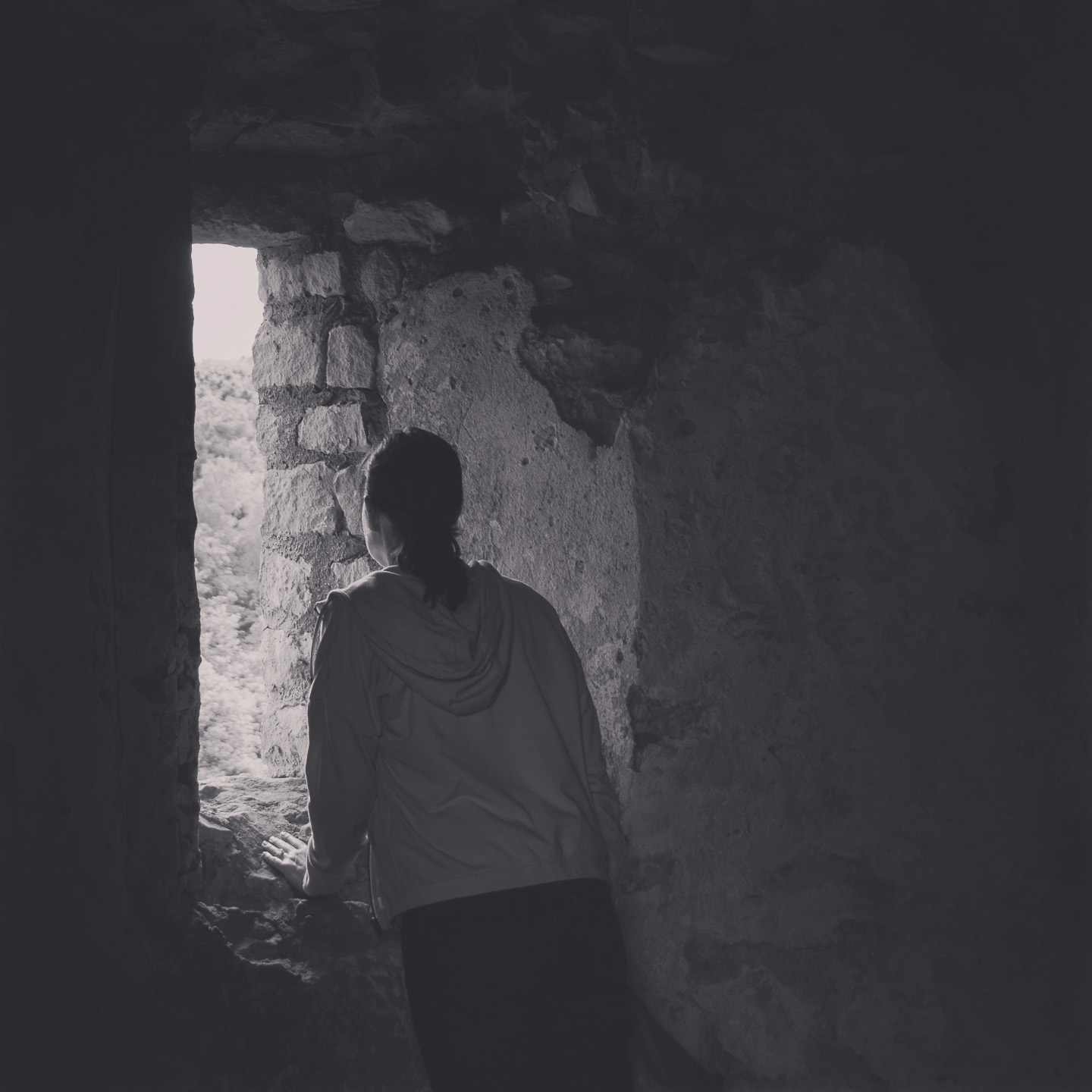
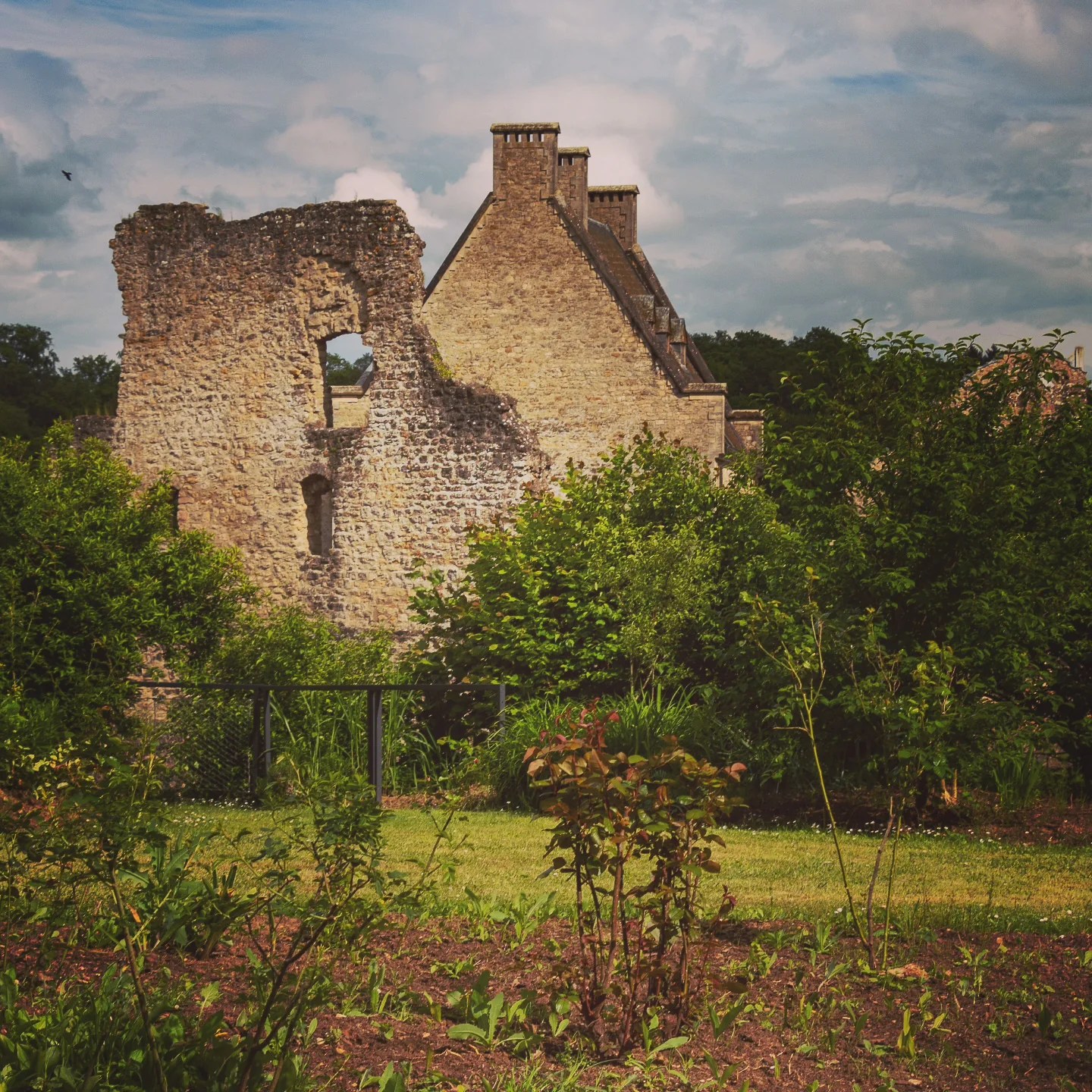
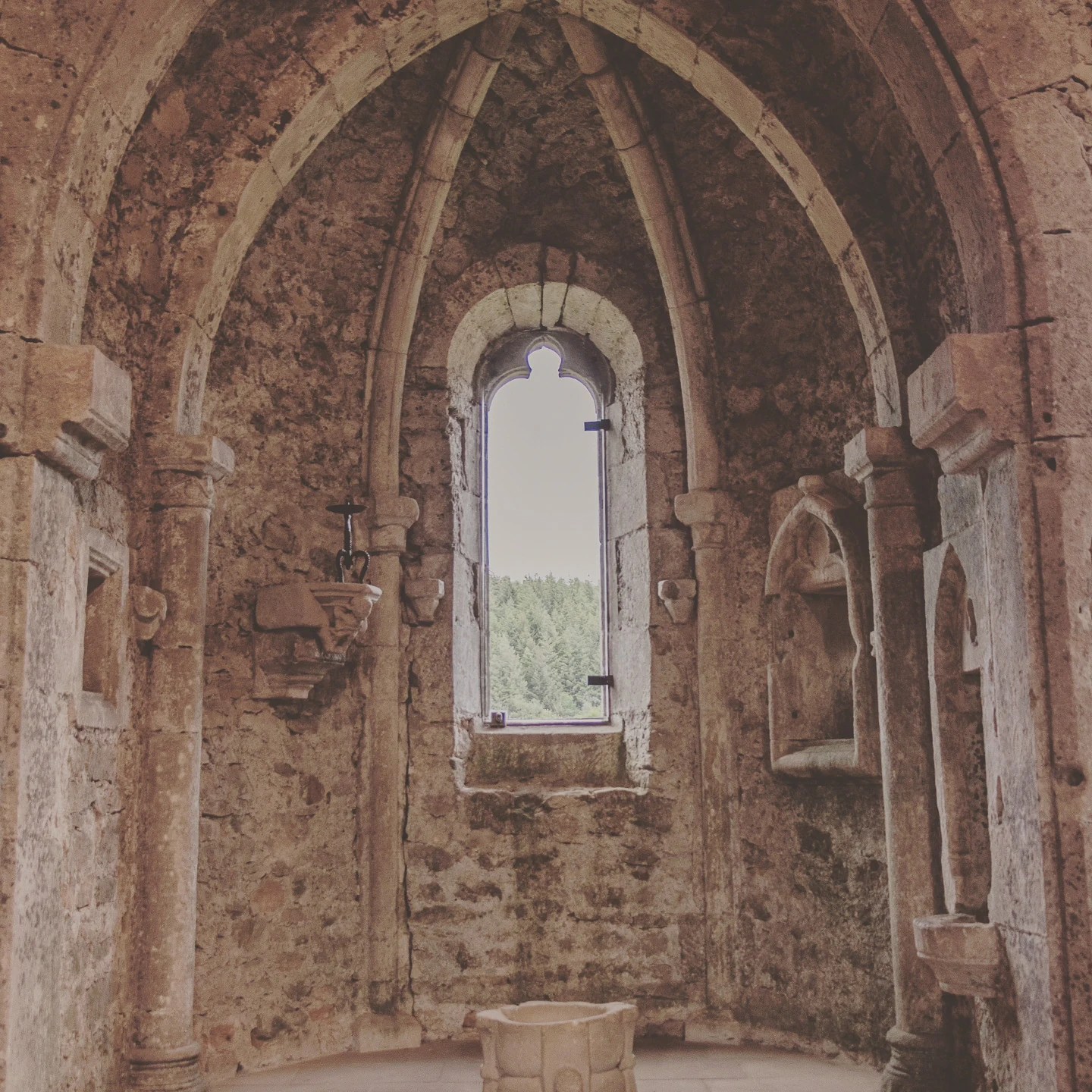
Today, the restored walls of Larochette Castle’s Créhange manor hold exhibits that recreate how the rooms might have looked centuries ago—a detail that makes the ruins come alive. One corner of the manor also contains a well tied to a darker legend: during an attack, the lady of the castle is said to have leapt into it with her child to escape. Though she survived, the steward accused of treason was thrown into the same well—and, as legend tells it, returns in the form of a dragon every Good Friday.


Echternach – Oldest Town in Luxembourg
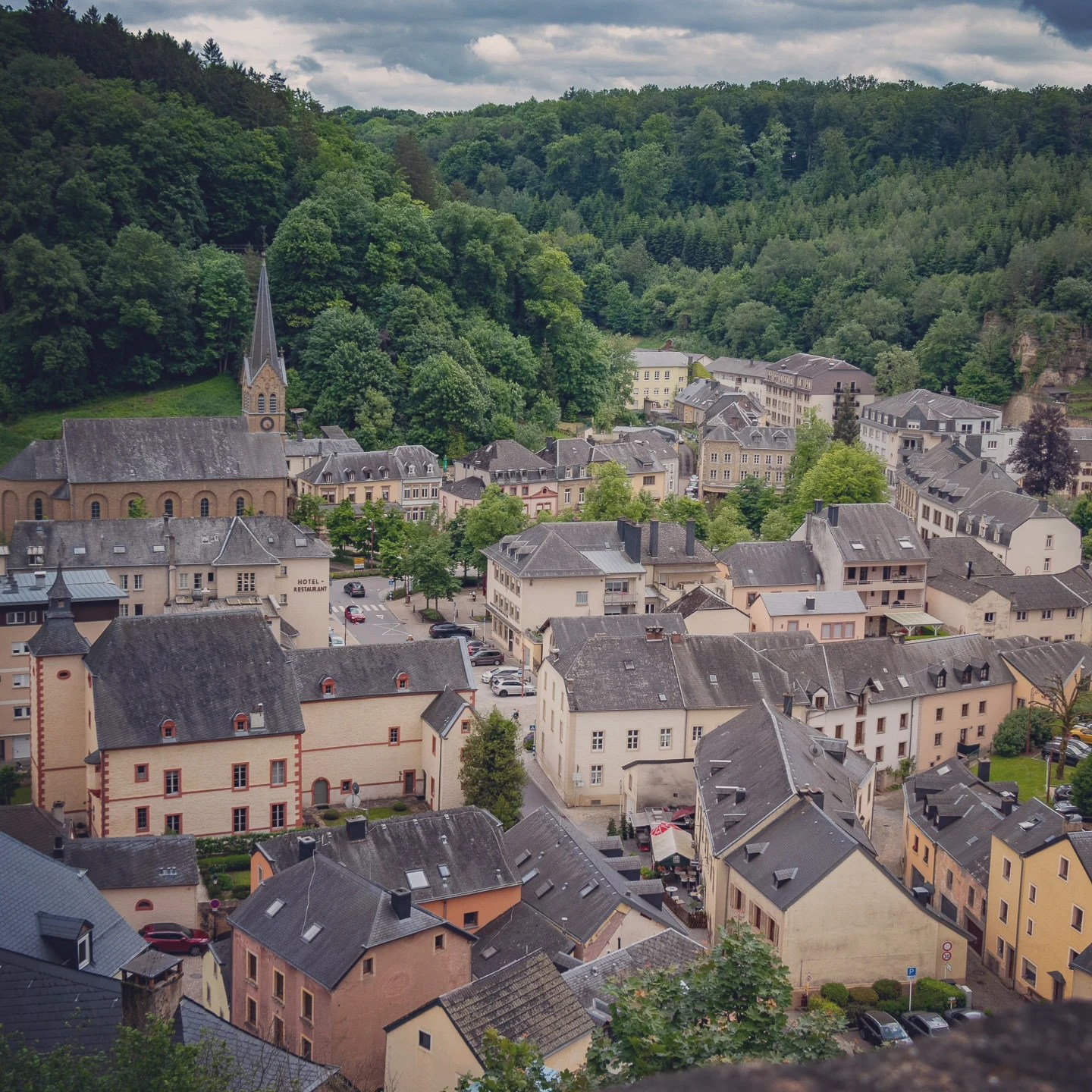
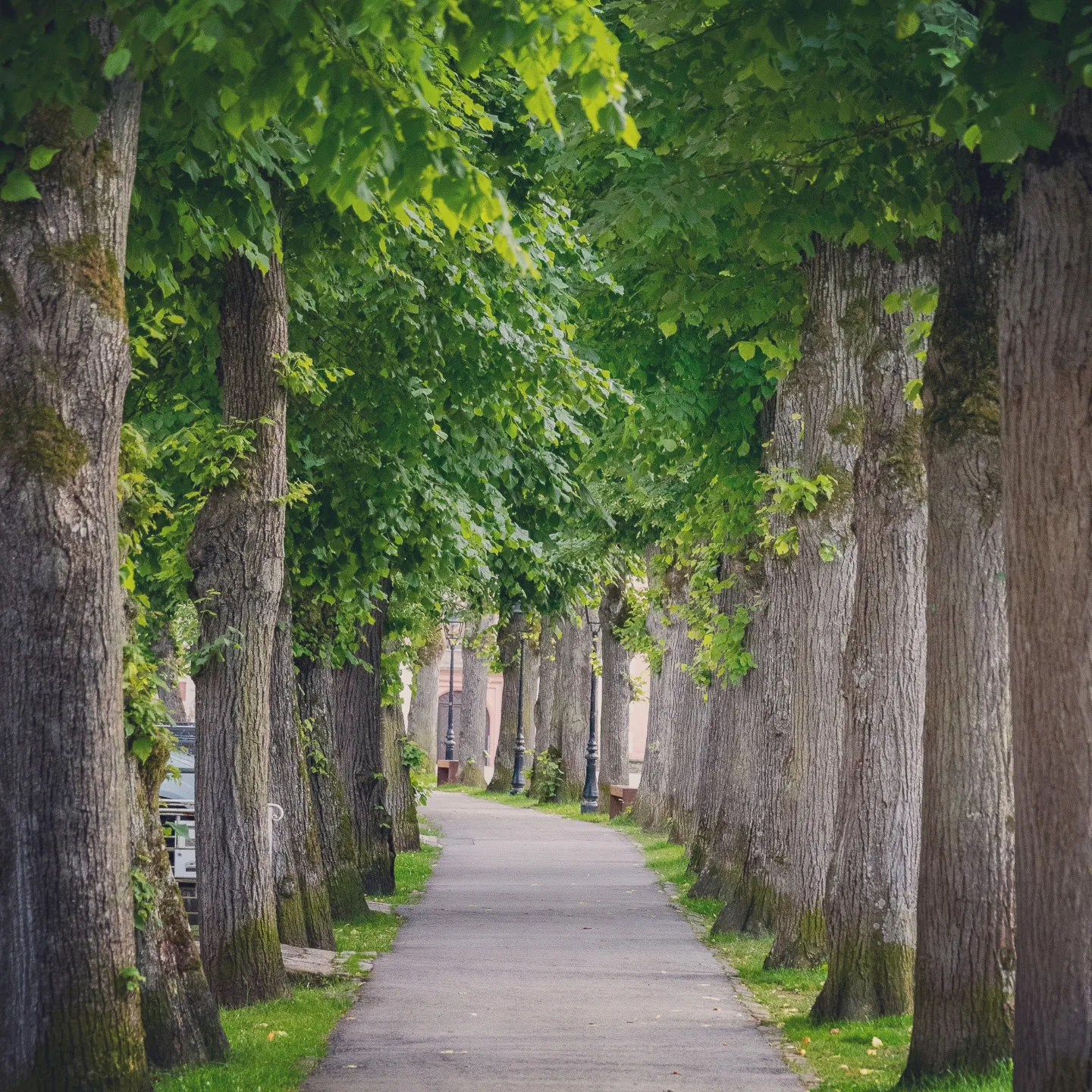
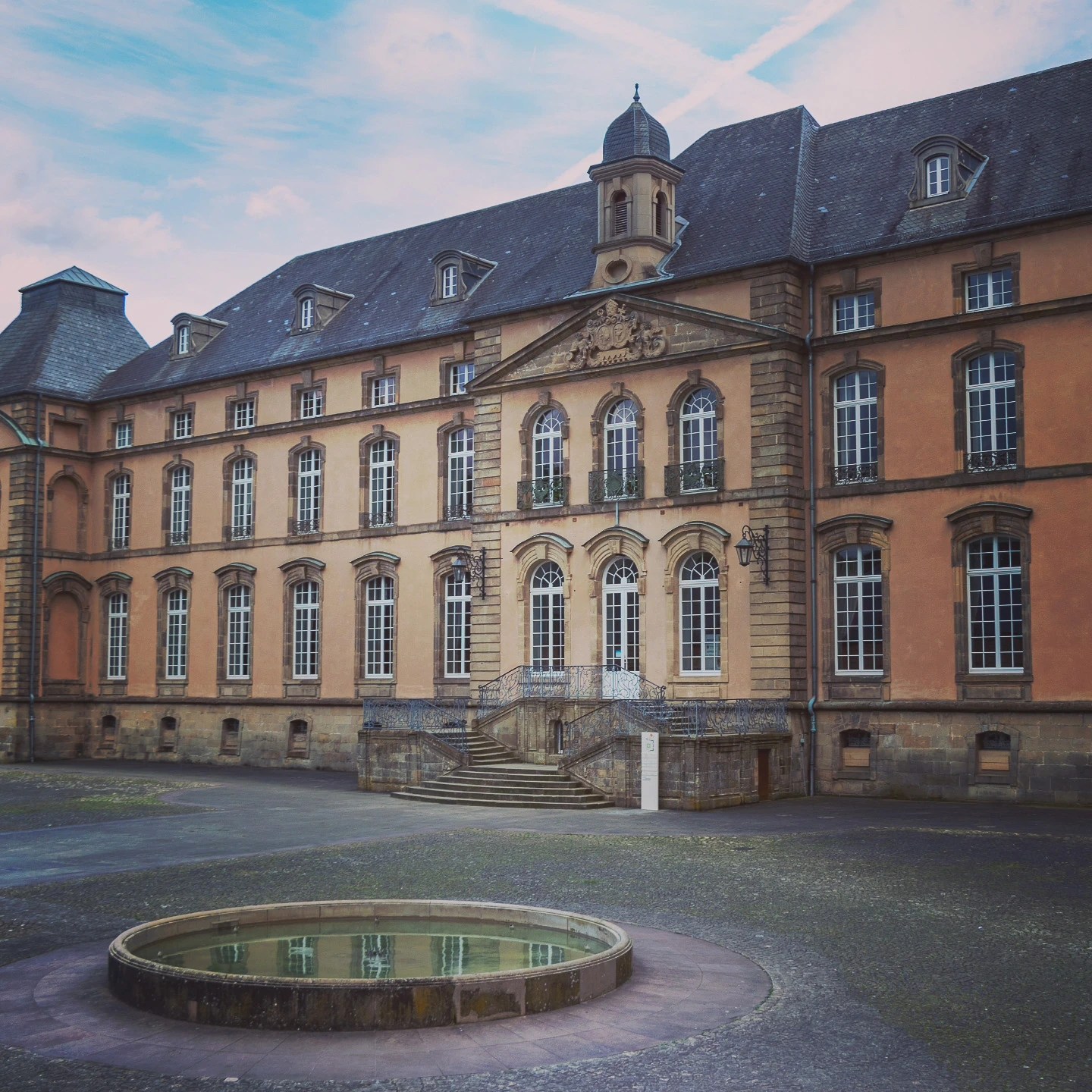
Our final stop of the day was Echternach, Luxembourg’s oldest town, sitting right on the German border along the Sûre River. Founded around a Benedictine abbey in the 7th century, the town became a spiritual and cultural center for the region, attracting pilgrims and scholars alike. Its medieval core, with cobbled lanes, lively squares, and traces of ancient fortifications, still reflects that long history.
Today, Echternach is best known for its UNESCO-listed Dancing Procession, documented since 1100 and held each Whit Tuesday. Rooted in the cult of Saint Willibrord, the town’s patron and the founder of its abbey, the procession brings thousands of pilgrims who move through the streets in a distinctive hopping step of prayer and song—a tradition that has endured for more than nine centuries.
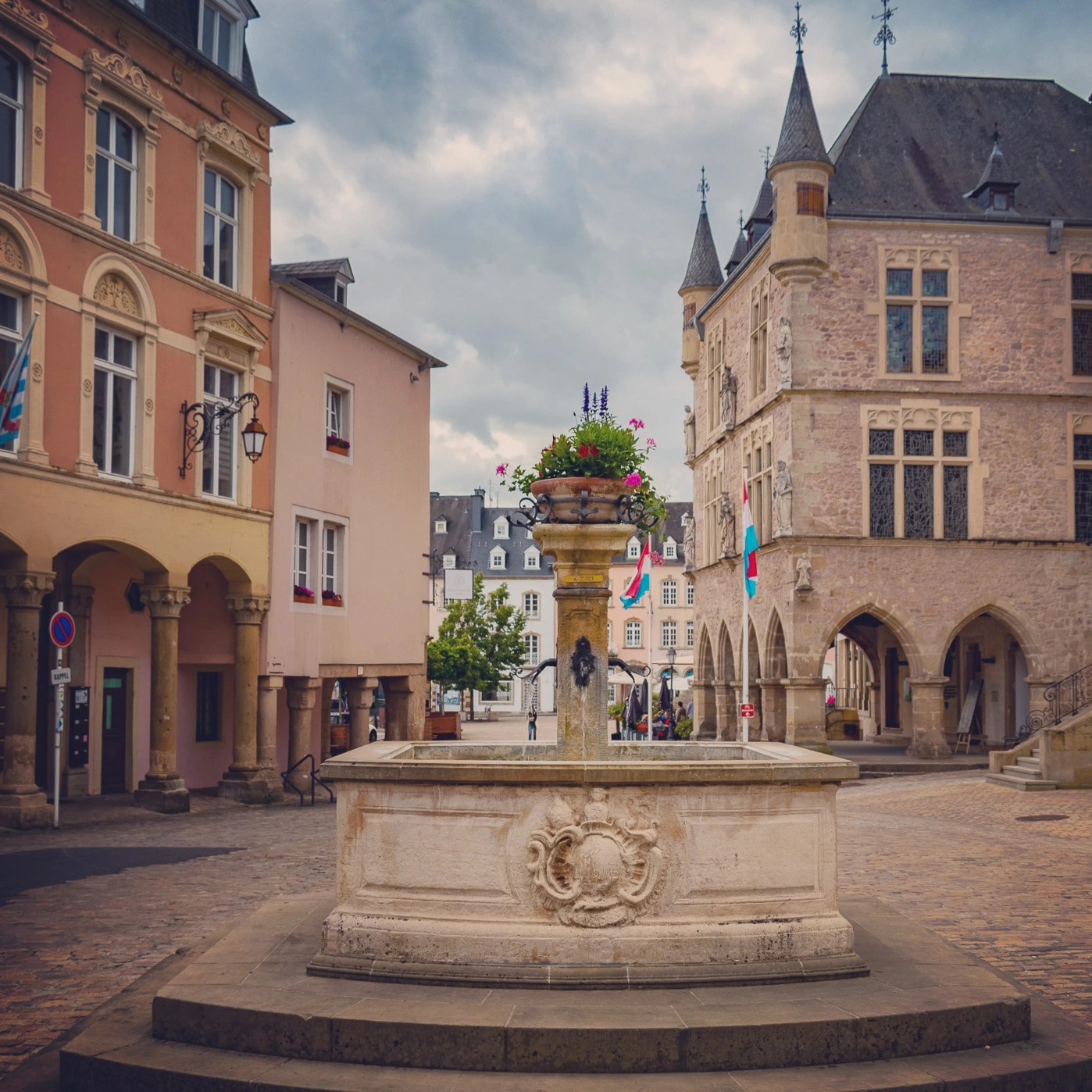
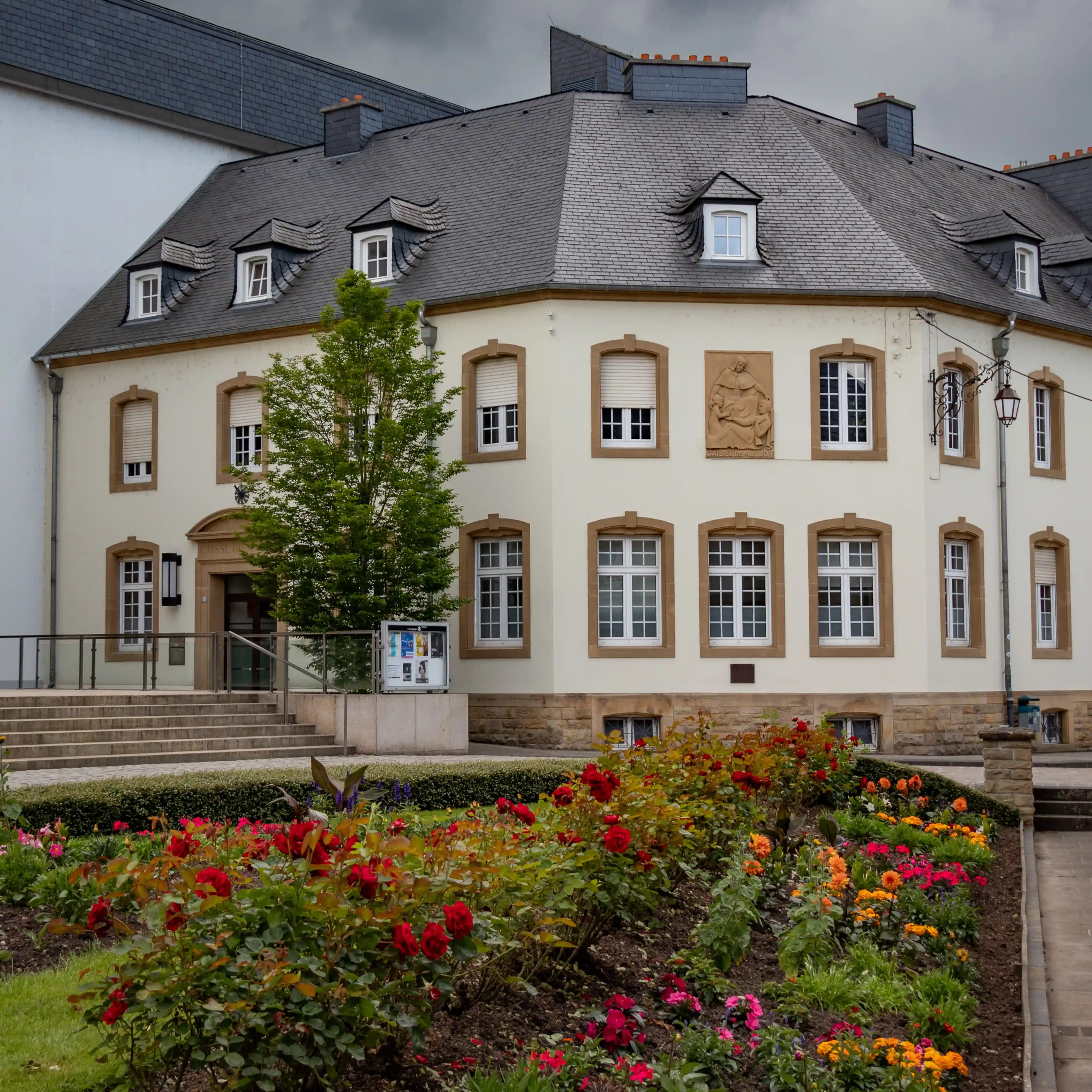


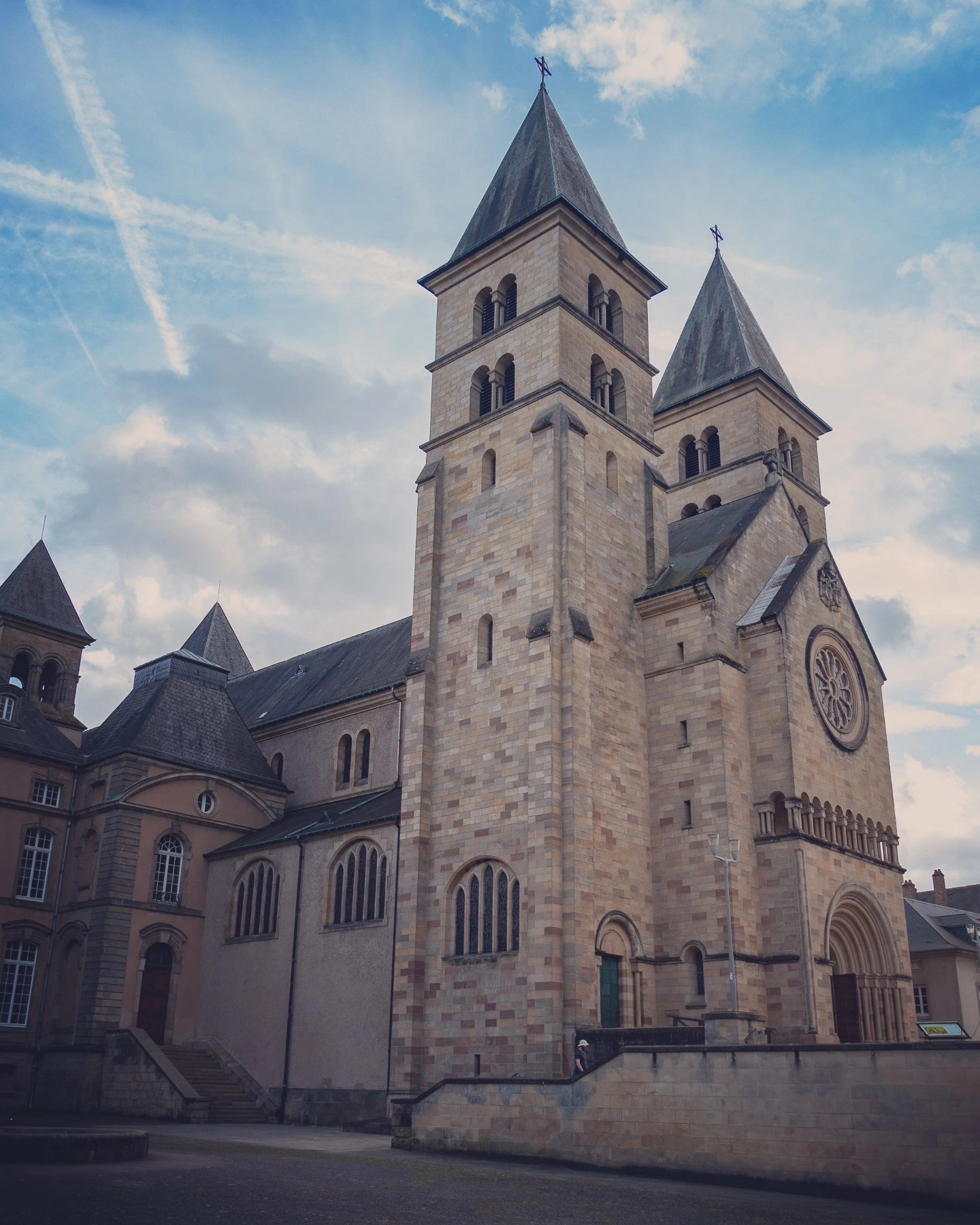
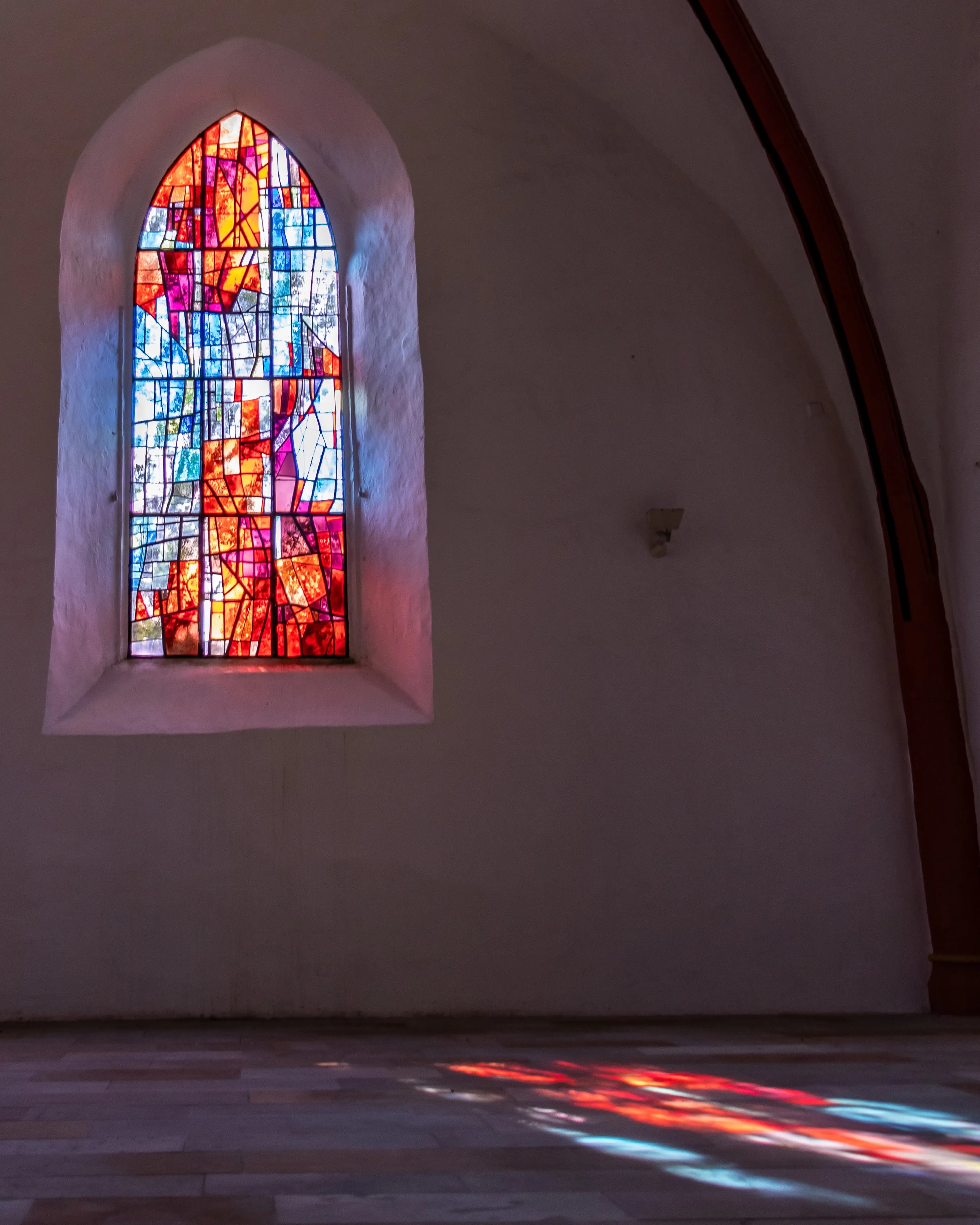
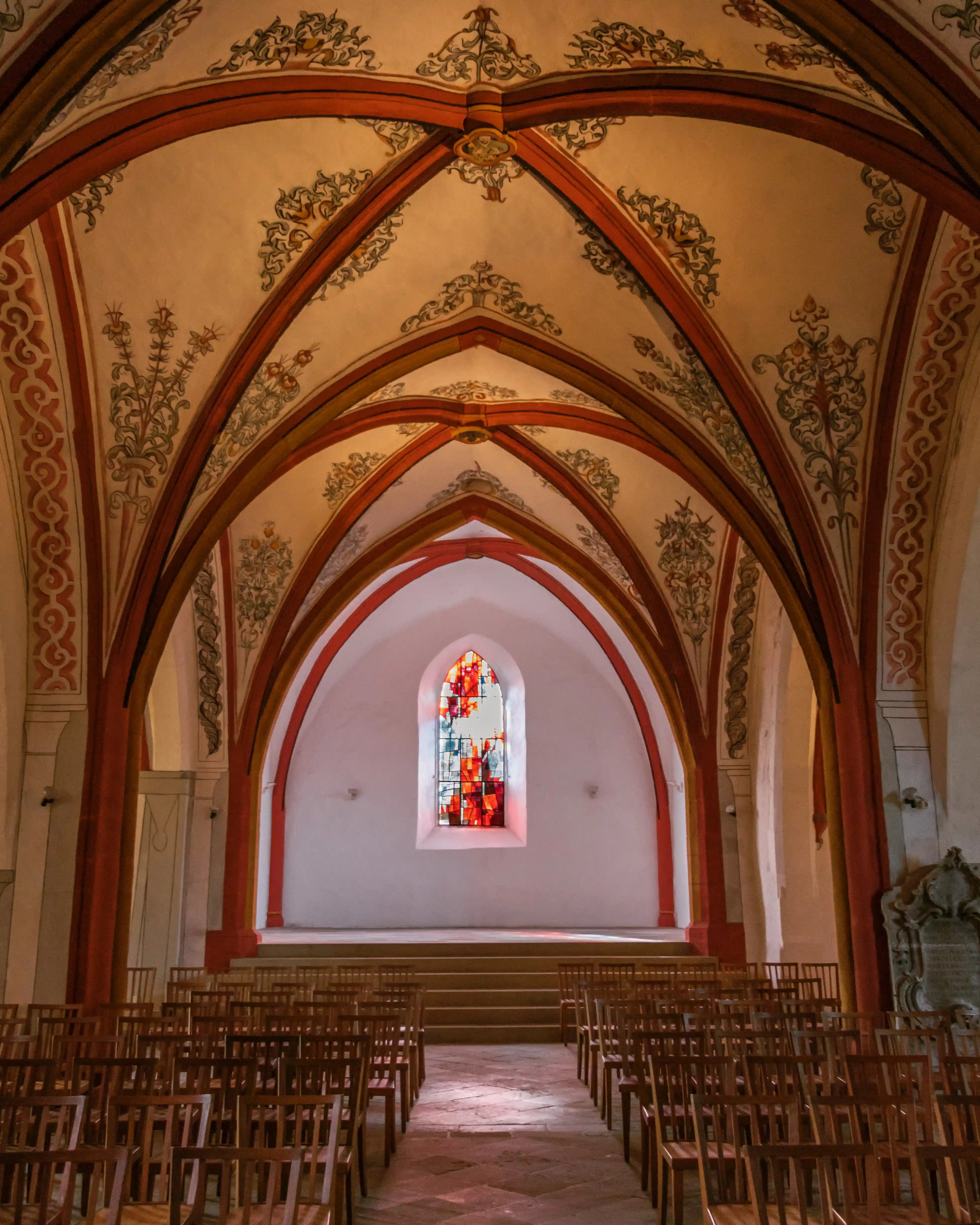
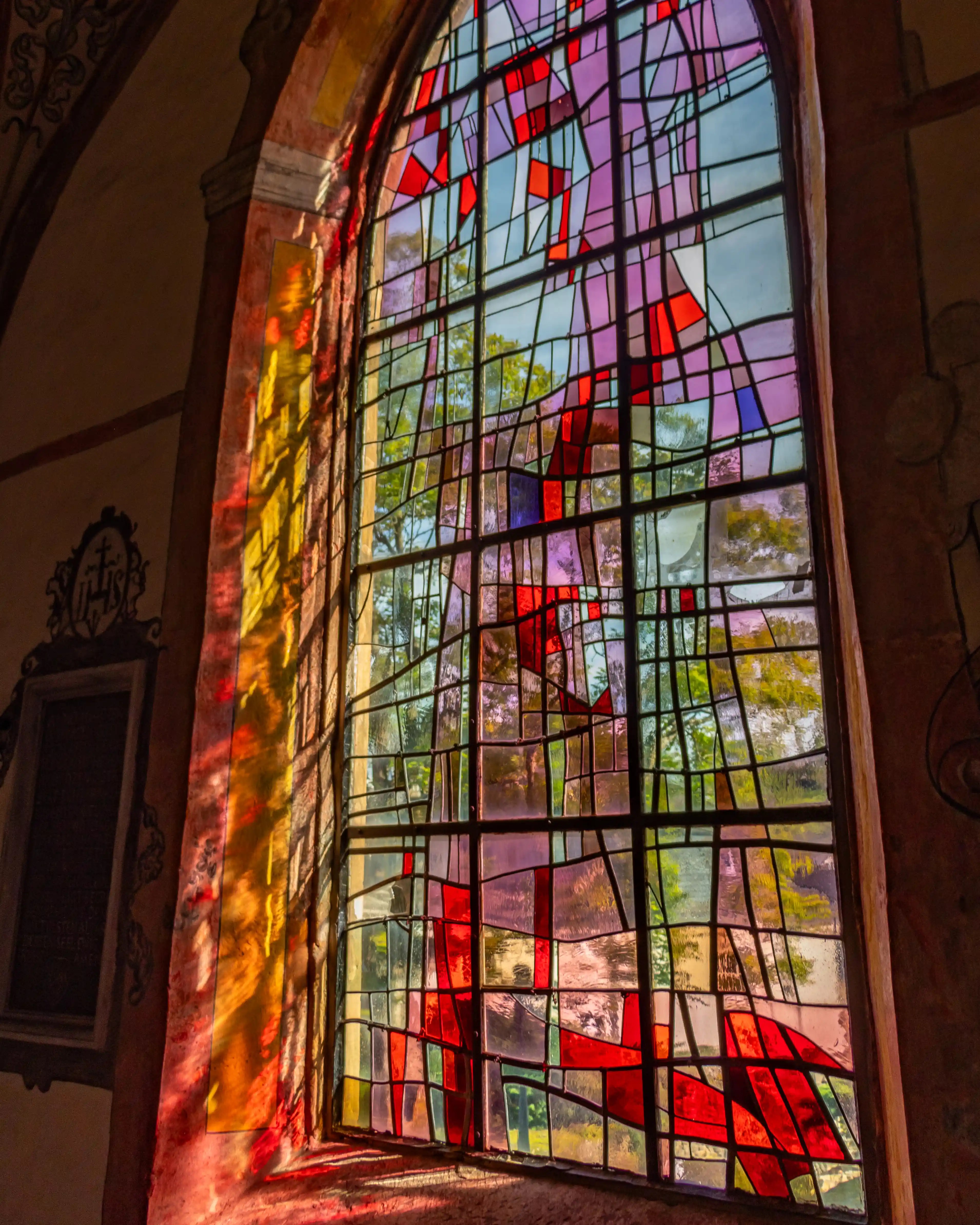
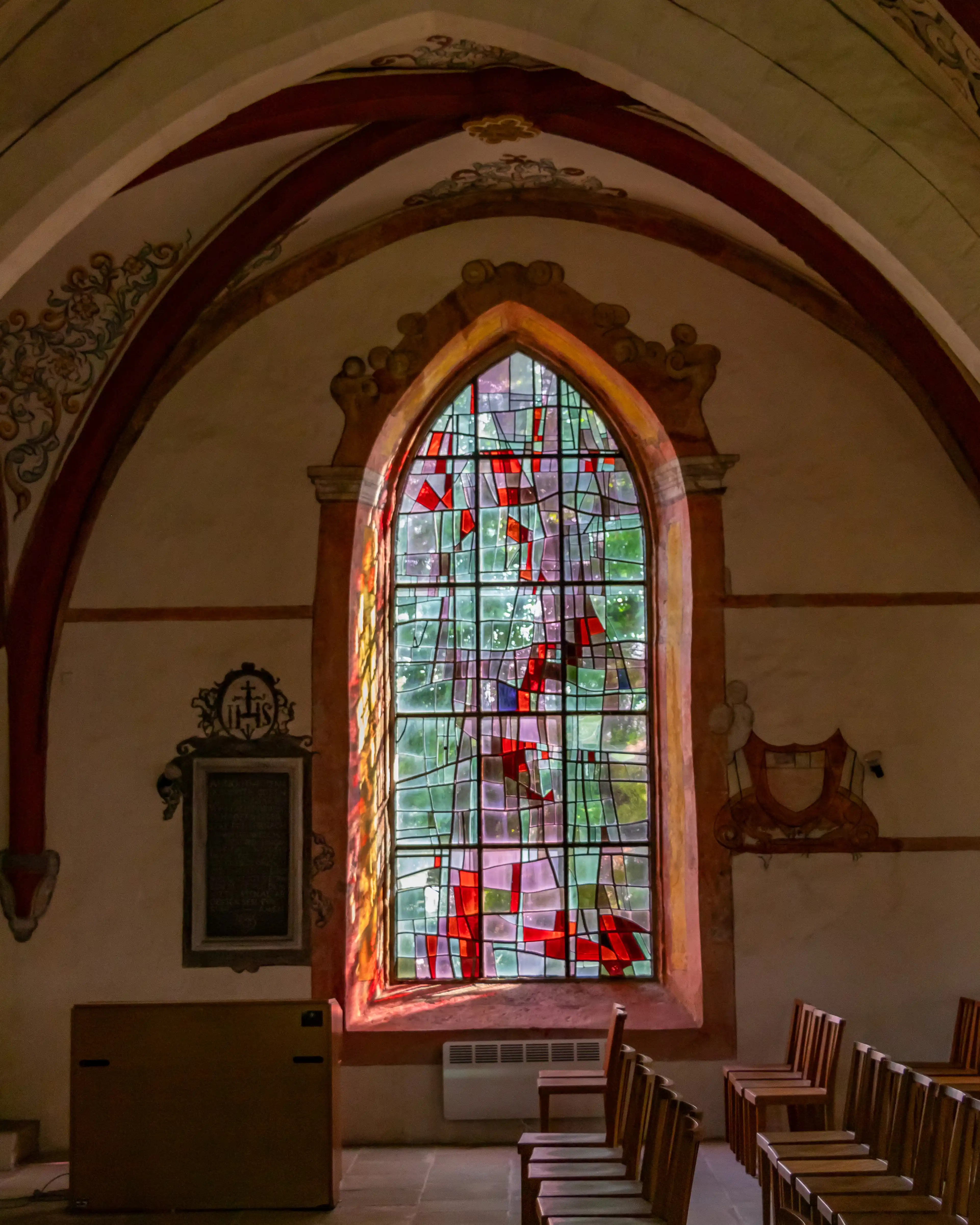
We stepped inside the Église Saints Pierre et Paul (Saint Peter & Paul Church), the ancient parish church built on the site of a former Roman fort. Its modern stained glass glowed in the late afternoon light, painting the surfaces in beautiful jewel tones.

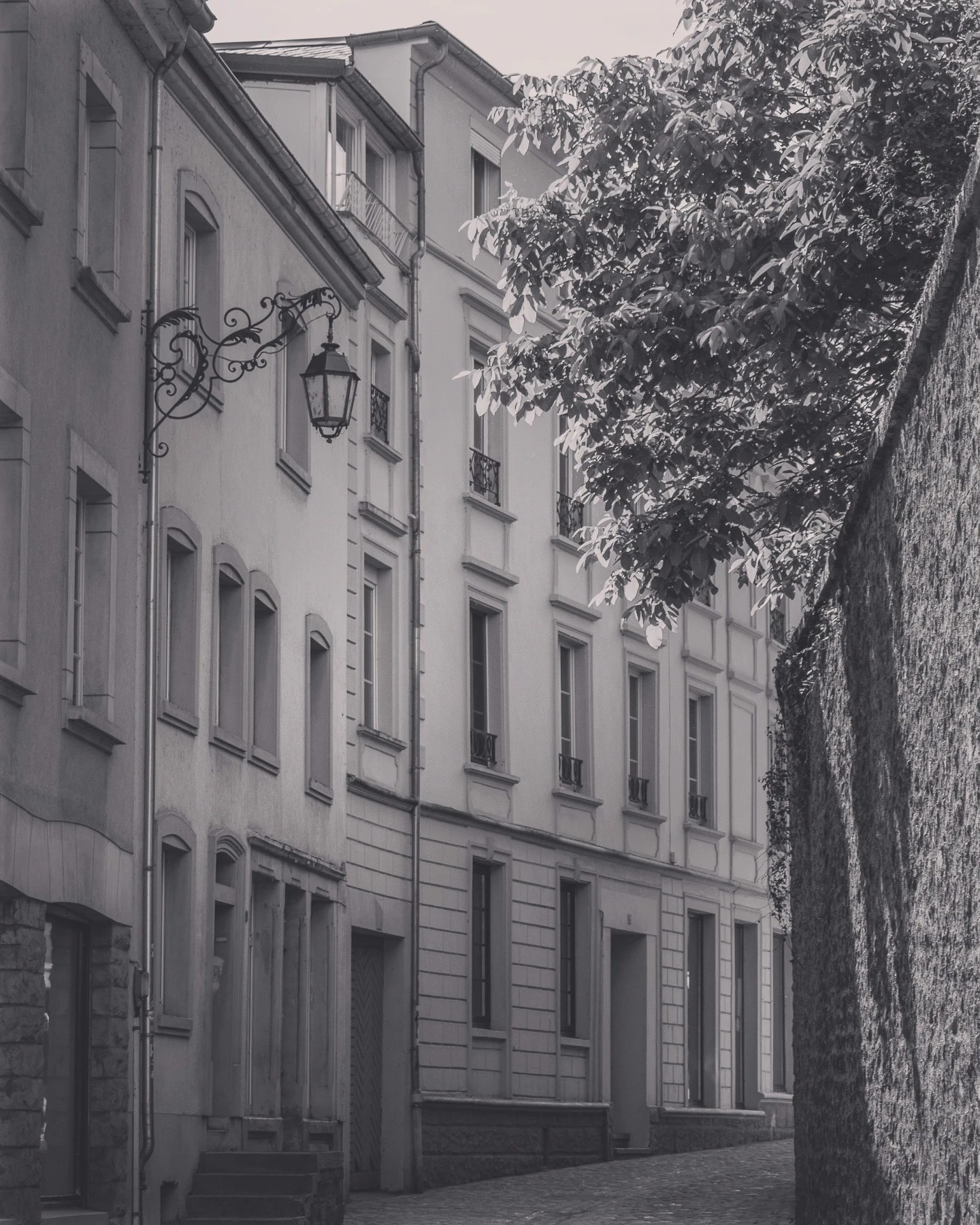
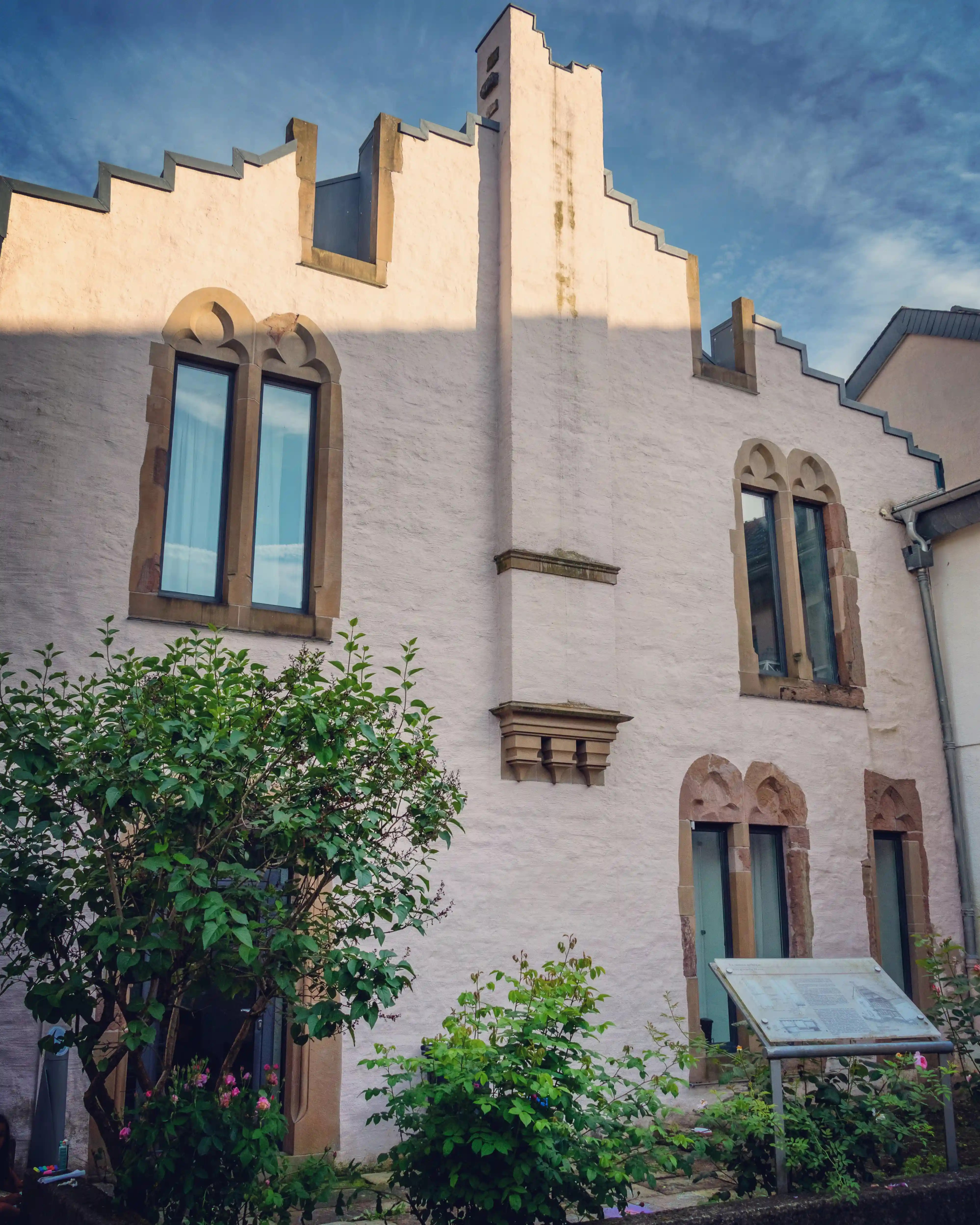
Wandering the cobbled streets, we also found the Maison Gothique, one of the oldest gabled houses in the region, built after 1300 and now operating as a guesthouse for those who want to experience a stay inside medieval walls. And there is so much more to see here—from the famous abbey itself to lively festivals and walking trails through the Mullerthal—making Echternach a rewarding stop for any visit to Luxembourg.
Getting Around
If you’d like to retrace our route from Luxembourg City, here’s the loop we followed with approximate drive times and distances:
- Luxembourg City → Vianden: ~50 minutes (53 km / 33 mi)
- Vianden → Esch-Sur-Sûre: ~40 minutes (35 km / 22 mi)
- Esch-Sur-Sûre → Larochette Castle: ~40 minutes (32 km / 20 mi)
- Larochette Castle → Echternach: ~30 minutes (21 km / 13 mi)
- Echternach → Luxembourg City: ~30 minutes (33 km / 21 mi)
The roads between towns wind through Luxembourg’s scenic hills and valleys, so even the drives are part of the experience.
Final Stop: Metz, France – Crossroads on the Moselle
On our return to Stuttgart, we stopped in Metz in Northeast France, just 50 minutes from Luxembourg City, before the longer drive back (about 3.5–4 hours to Stuttgart).
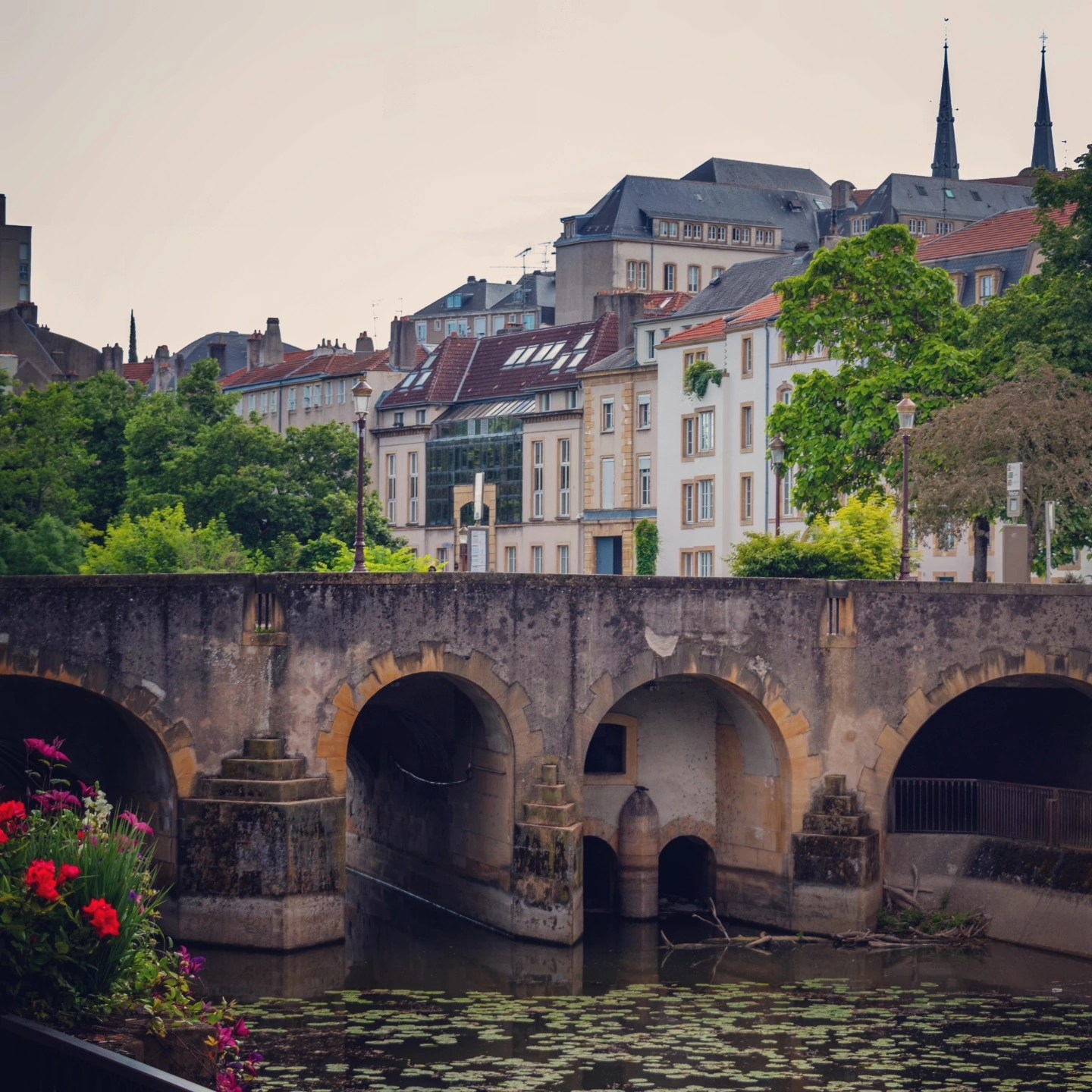
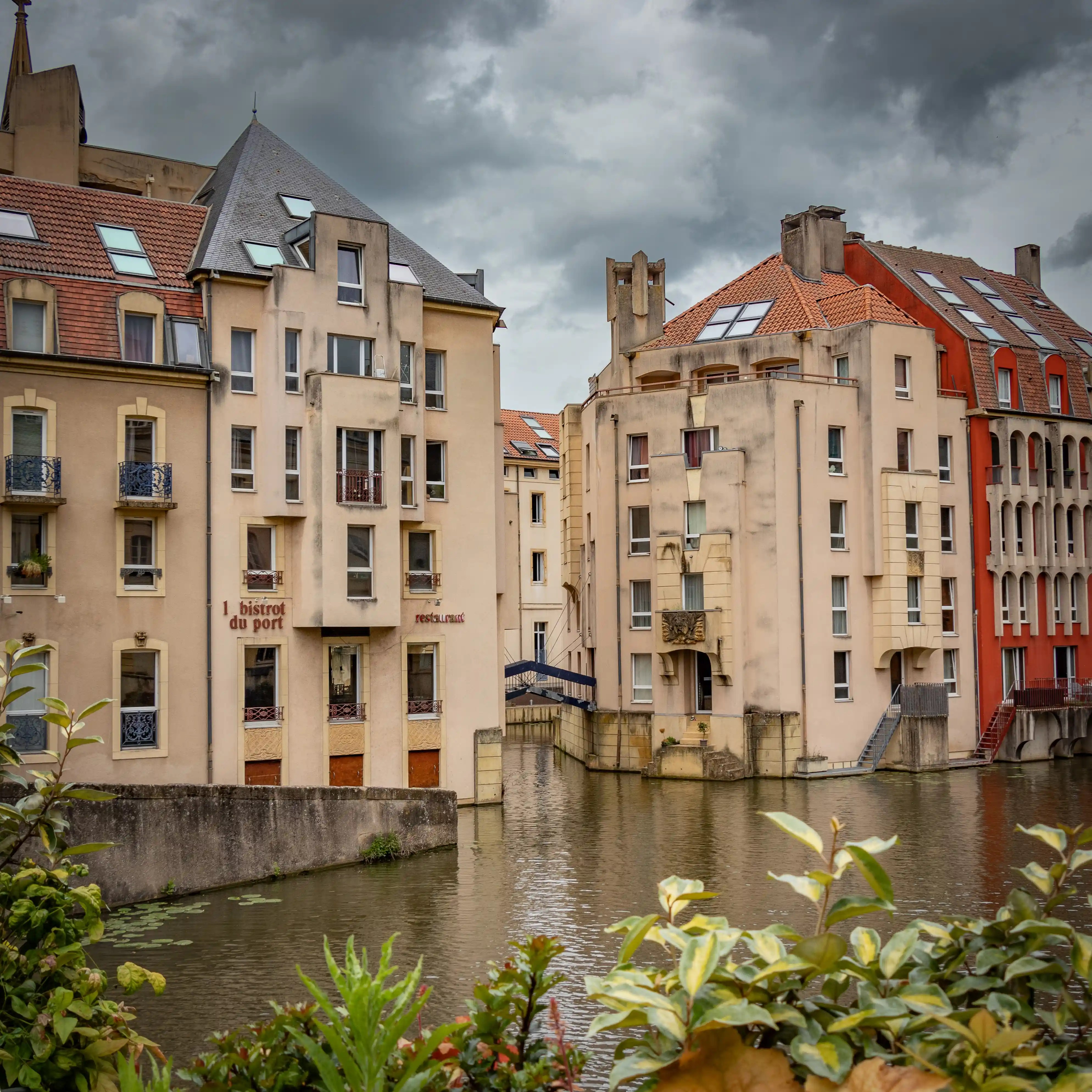
Set at the confluence of the Moselle and Seille rivers, Metz has been a meeting point for cultures since its days as a Celtic settlement over 2,000 years ago. Over the centuries, the Romans, Frankish kings, and later French and German rulers all left their mark, shaping Metz into the distinctive city it is today. Its leafy promenades, lively squares, and blend of eras make it a rewarding stop for history lovers and casual wanderers alike.
We had only a short time to explore, but even a walk through the center gives a sense of Metz’s long past. The cathedral dominates the skyline, while hidden corners reveal legends, fortified bridges, and river views. There’s much more to see than we managed in an afternoon, but these highlights gave us a taste of the city’s character.




Metz Cathedral – A Gothic Masterpiece
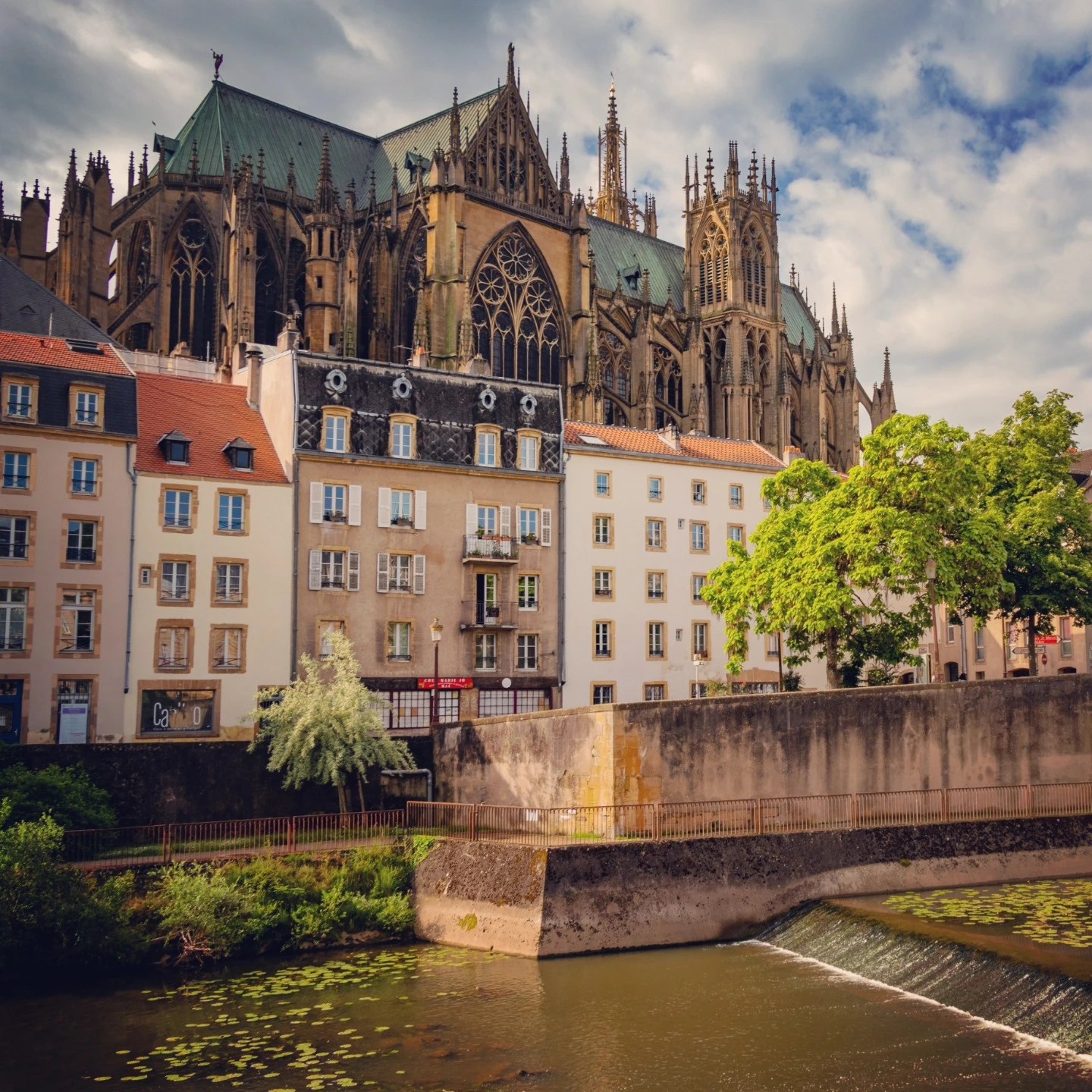
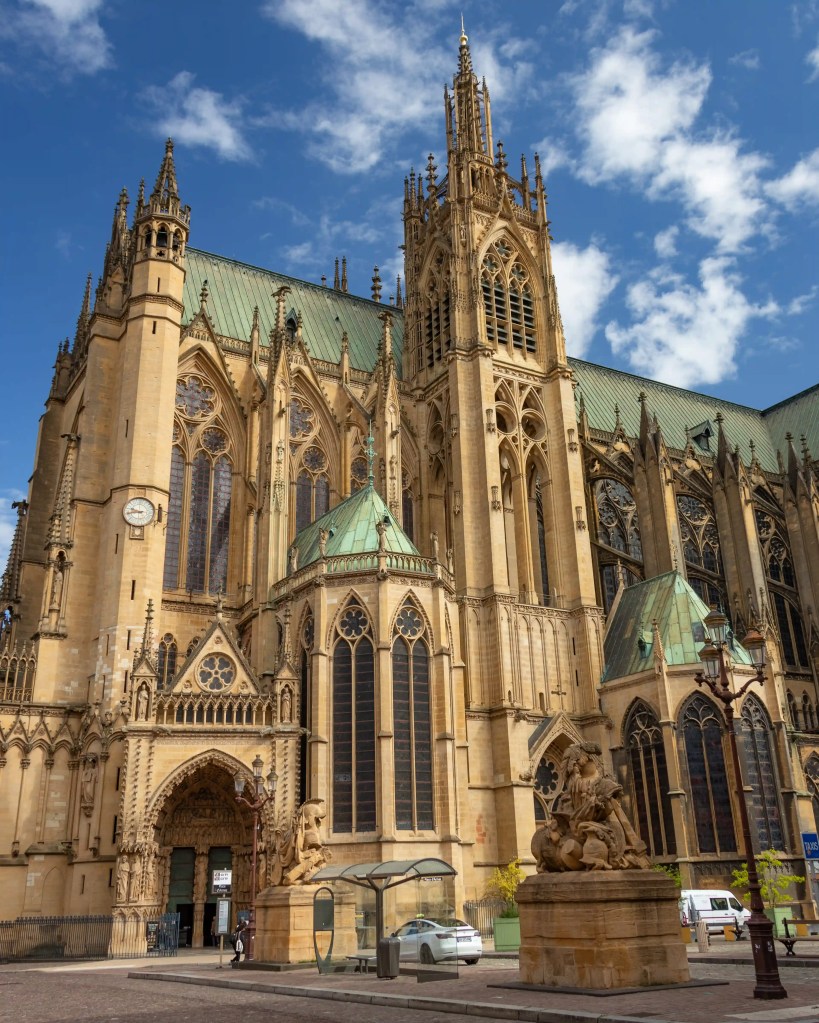
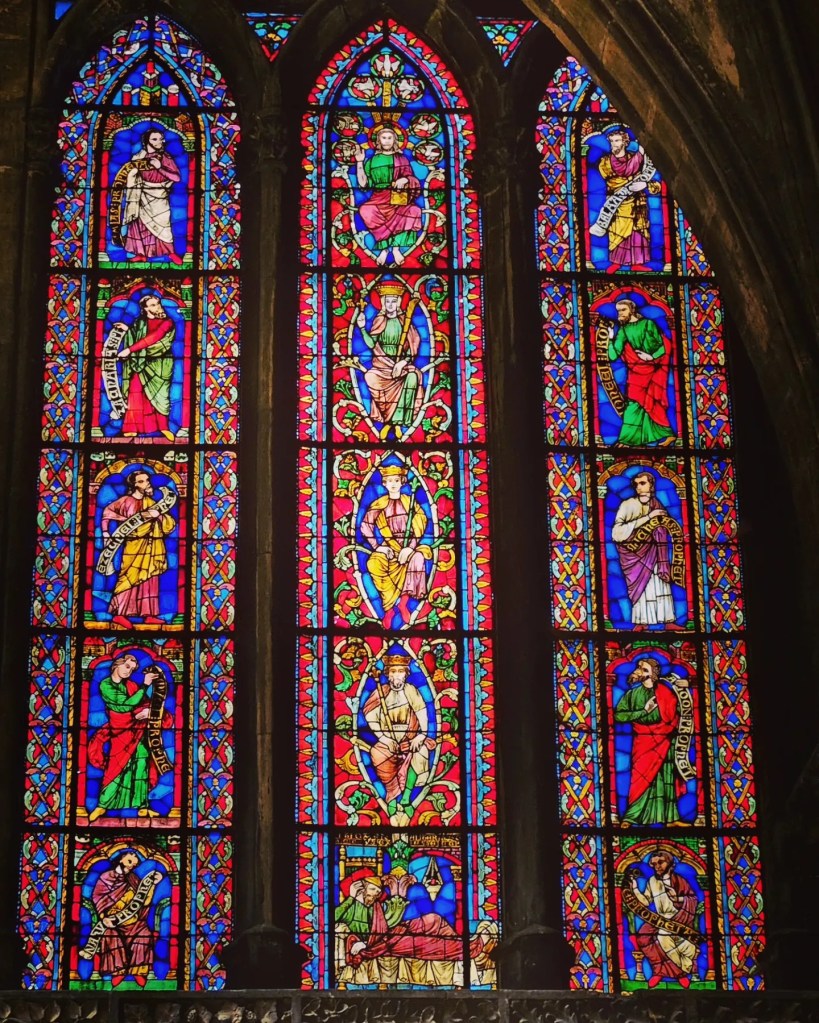
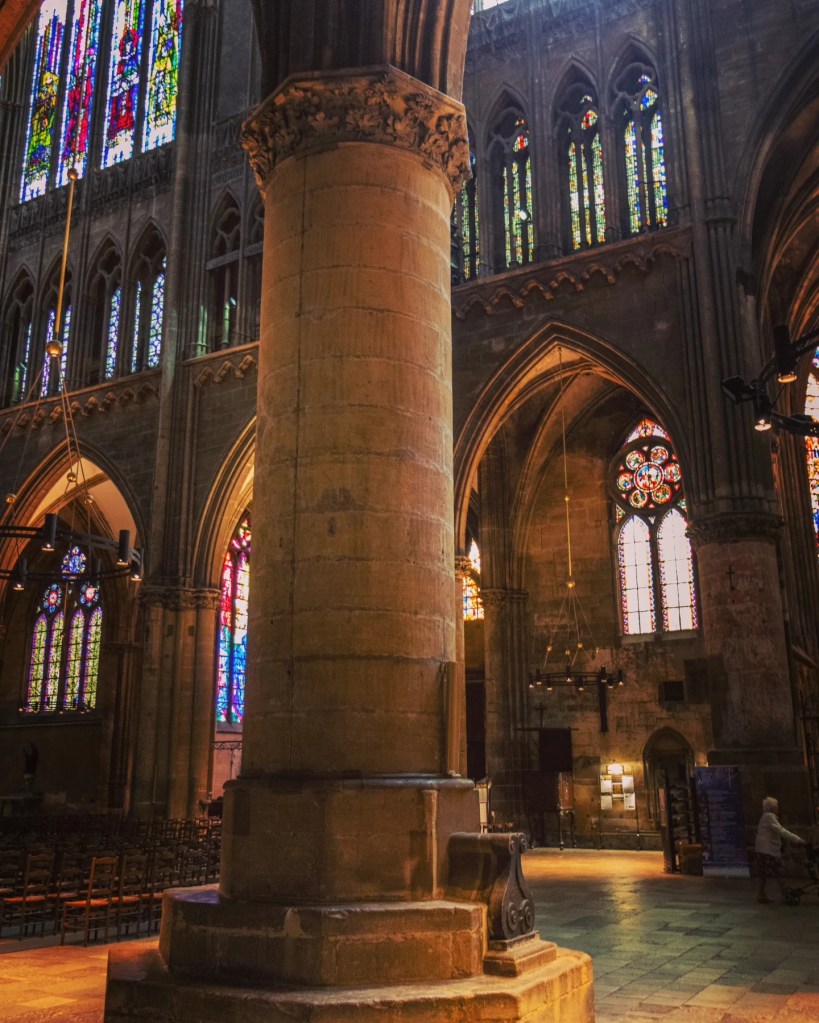
Begun in the 13th century and completed over 300 years later, the Cathedral of Saint-Étienne—often referred to simply as Metz Cathedral—is one of France’s great Gothic churches. Known as the Lantern of God for its extraordinary stained glass, it holds one of the largest expanses of medieval glass in the world, later joined by modern works, including windows by Marc Chagall. Its immense nave, among the tallest in France, leaves a lasting impression.


Jeanne des Armoises – The Woman Who Claimed to Be Joan of Arc
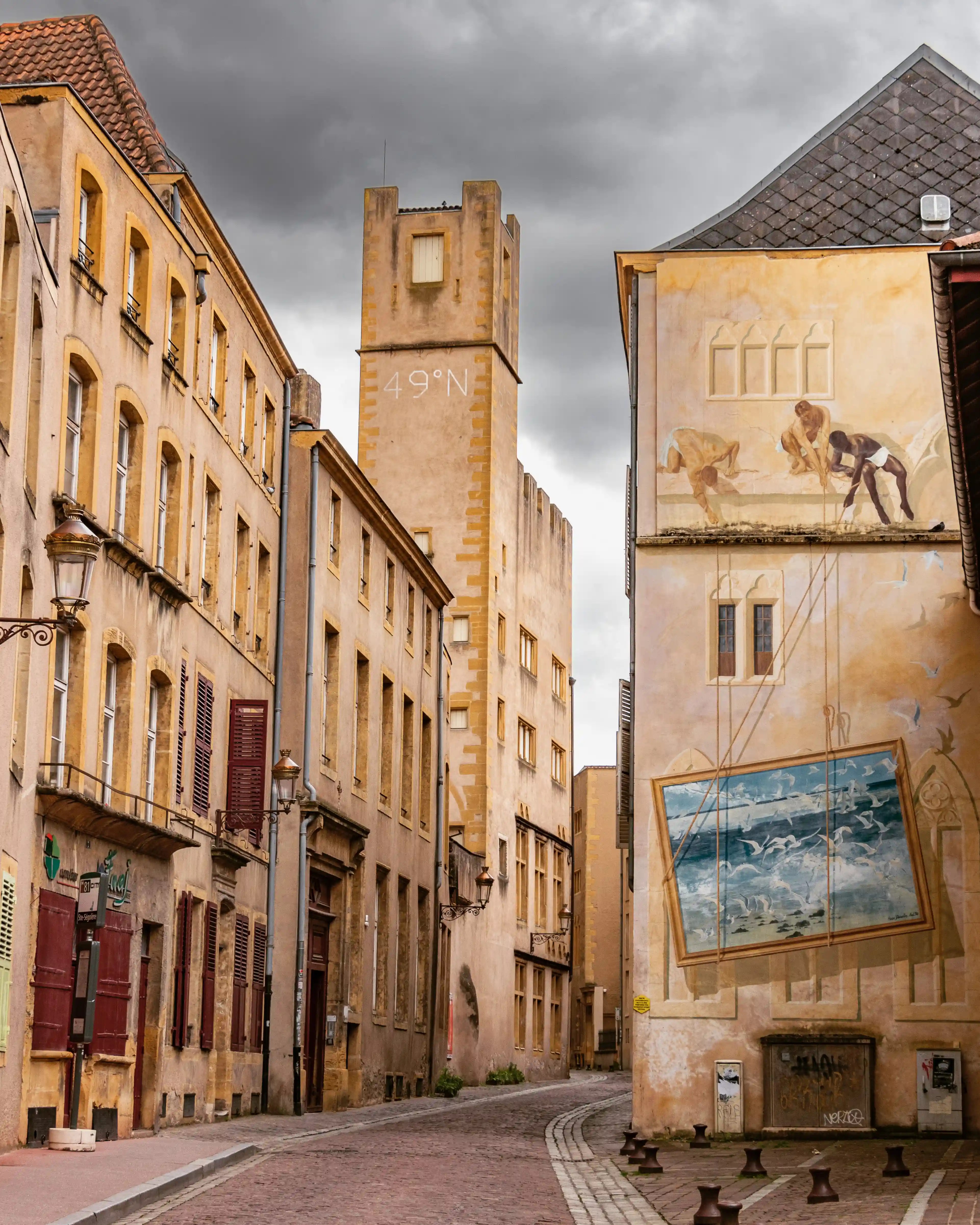
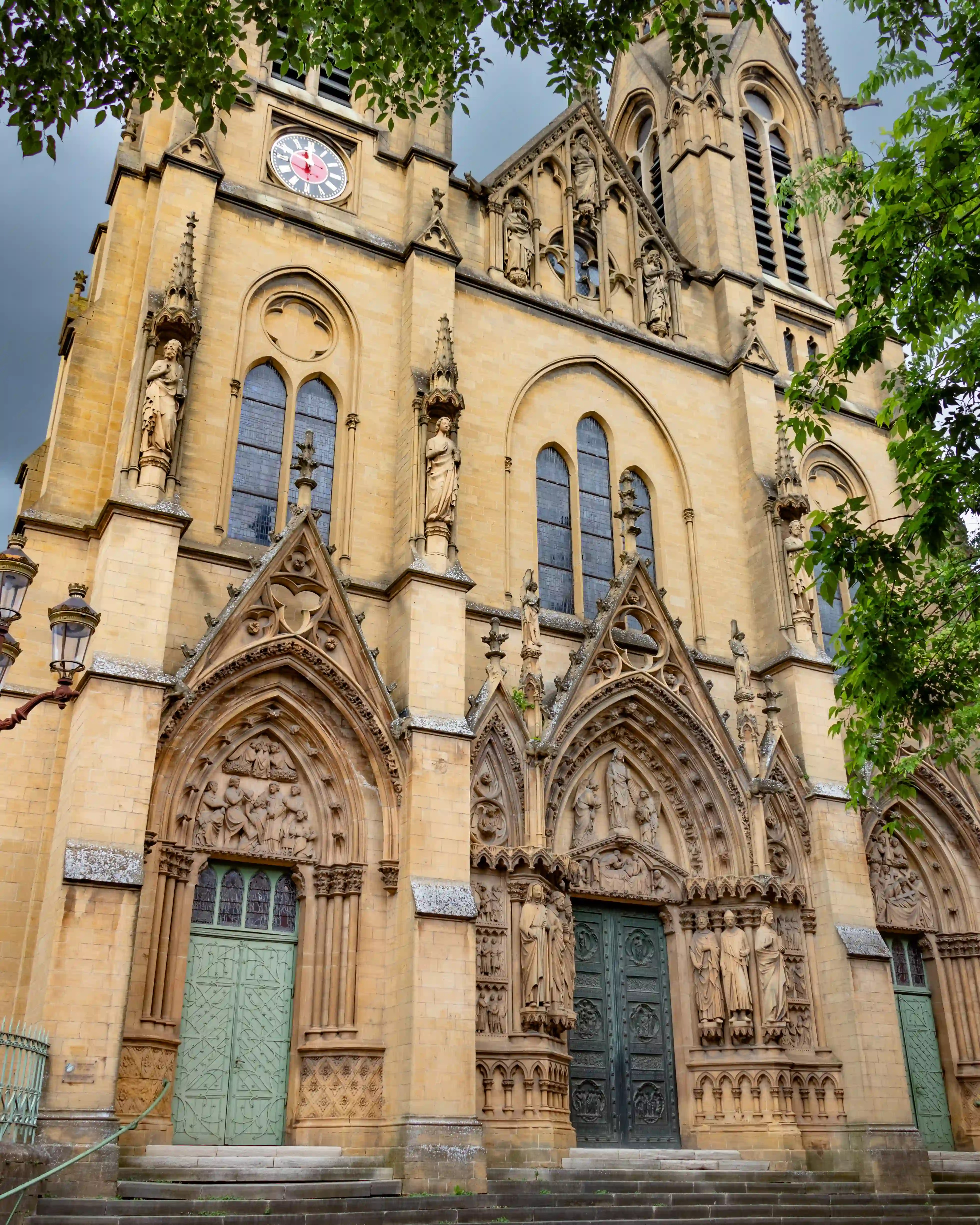
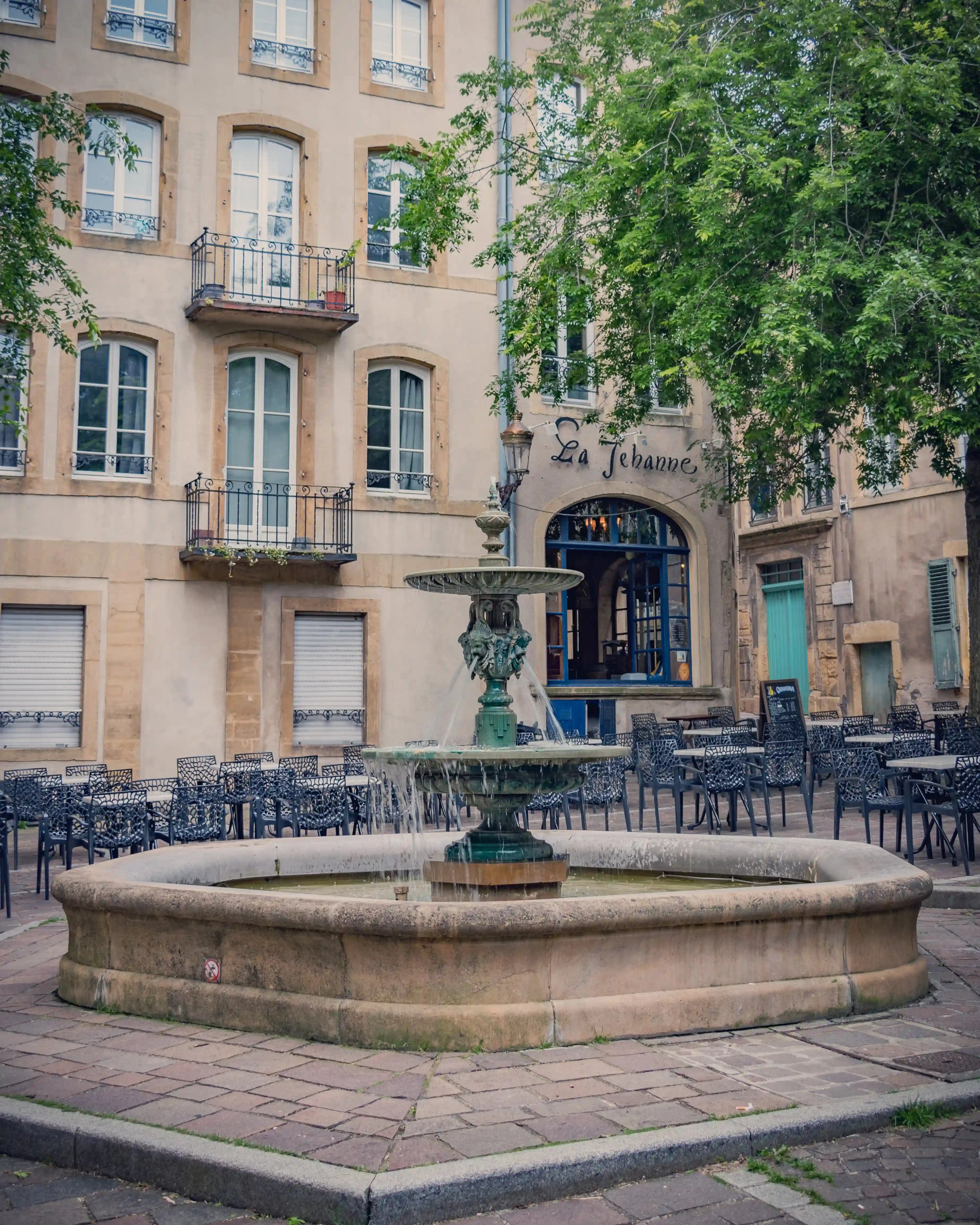
In Place Jeanne d’Arc, near the Église Sainte-Ségolène, local legend recalls Jeanne des Armoises, a woman who claimed to be Joan of Arc in 1436, just a few years after the real heroine’s execution in Rouen. She arrived in Metz and convinced many—including local nobles—that she was the Maid of Orléans. Even King Charles VII received her, but when he tricked her with a private test, her deception was exposed. Jeanne later married the knight Robert des Armoises and lived with him at his castle, where they raised two children.
Porte des Allemands – Metz’s Medieval Gate
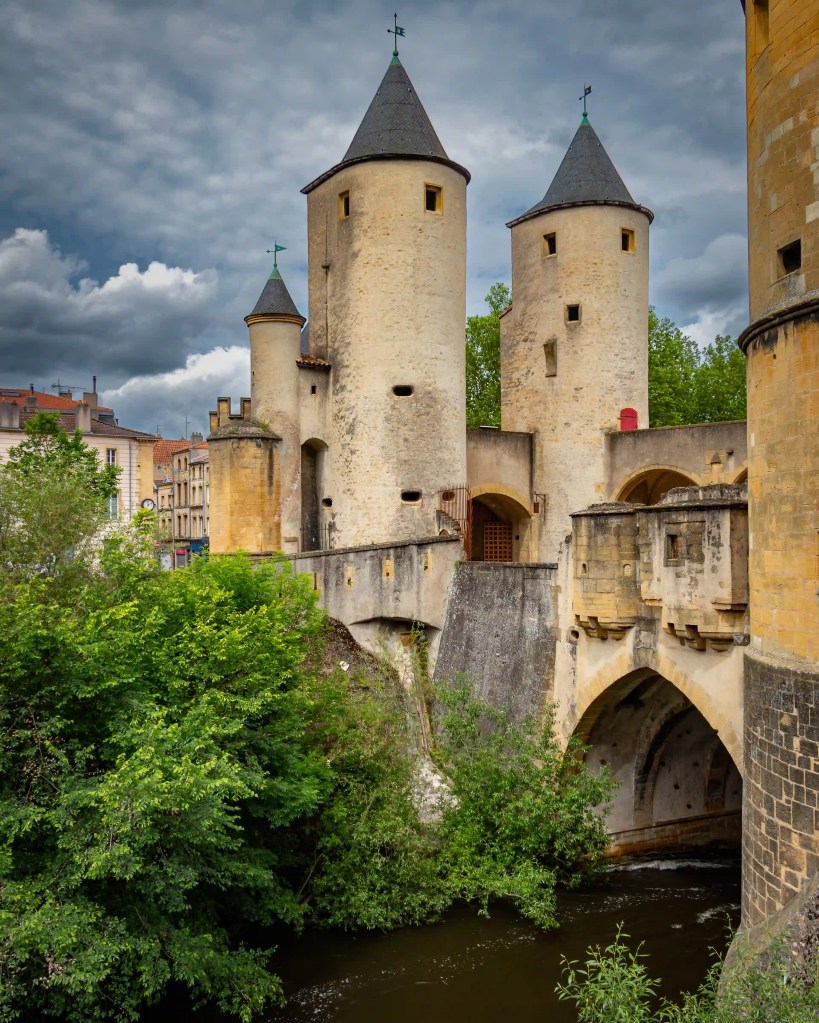
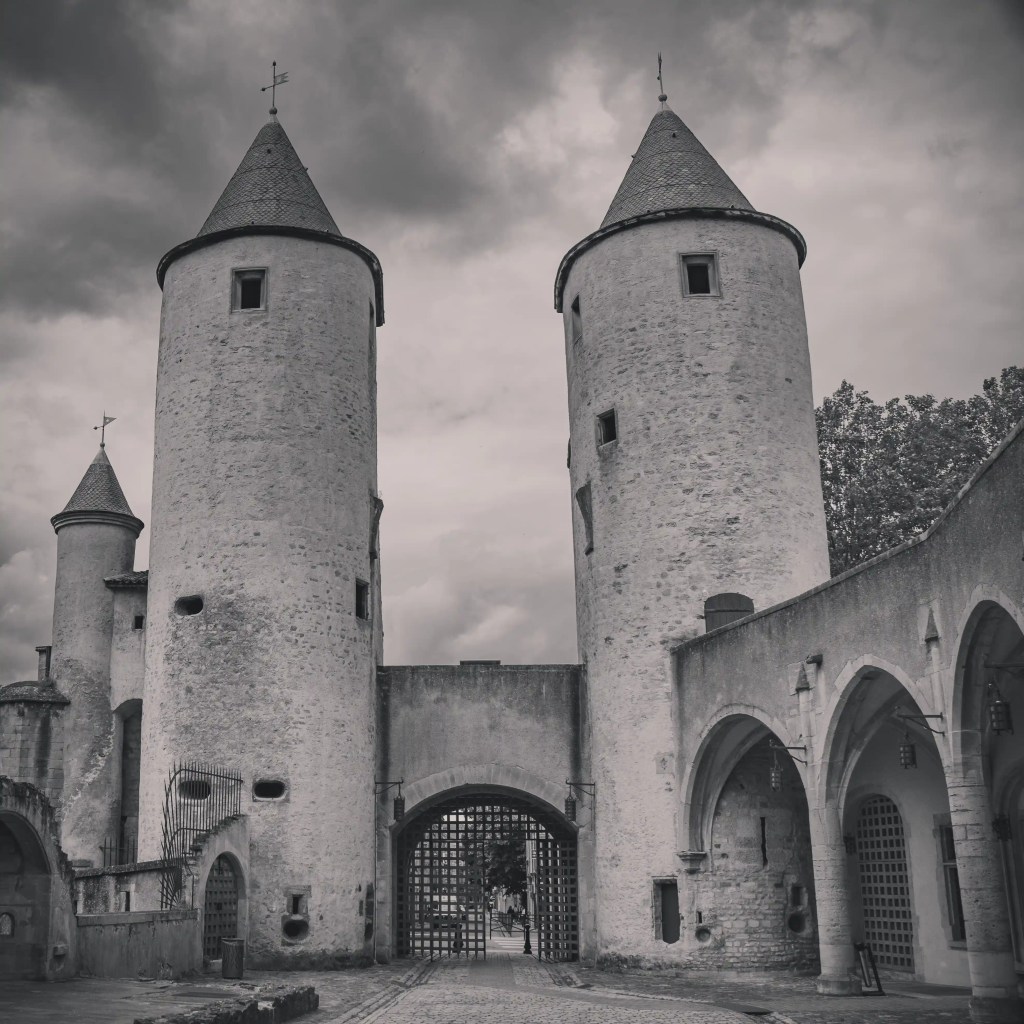
We also walked across the Porte des Allemands (Germans’ Gate), a fortified bridge and gate that once formed part of the city’s medieval walls. With its twin towers and views over the Seille River, it’s both a piece of history and a scenic spot for photos.
Temple Neuf – Metz’s Island Church
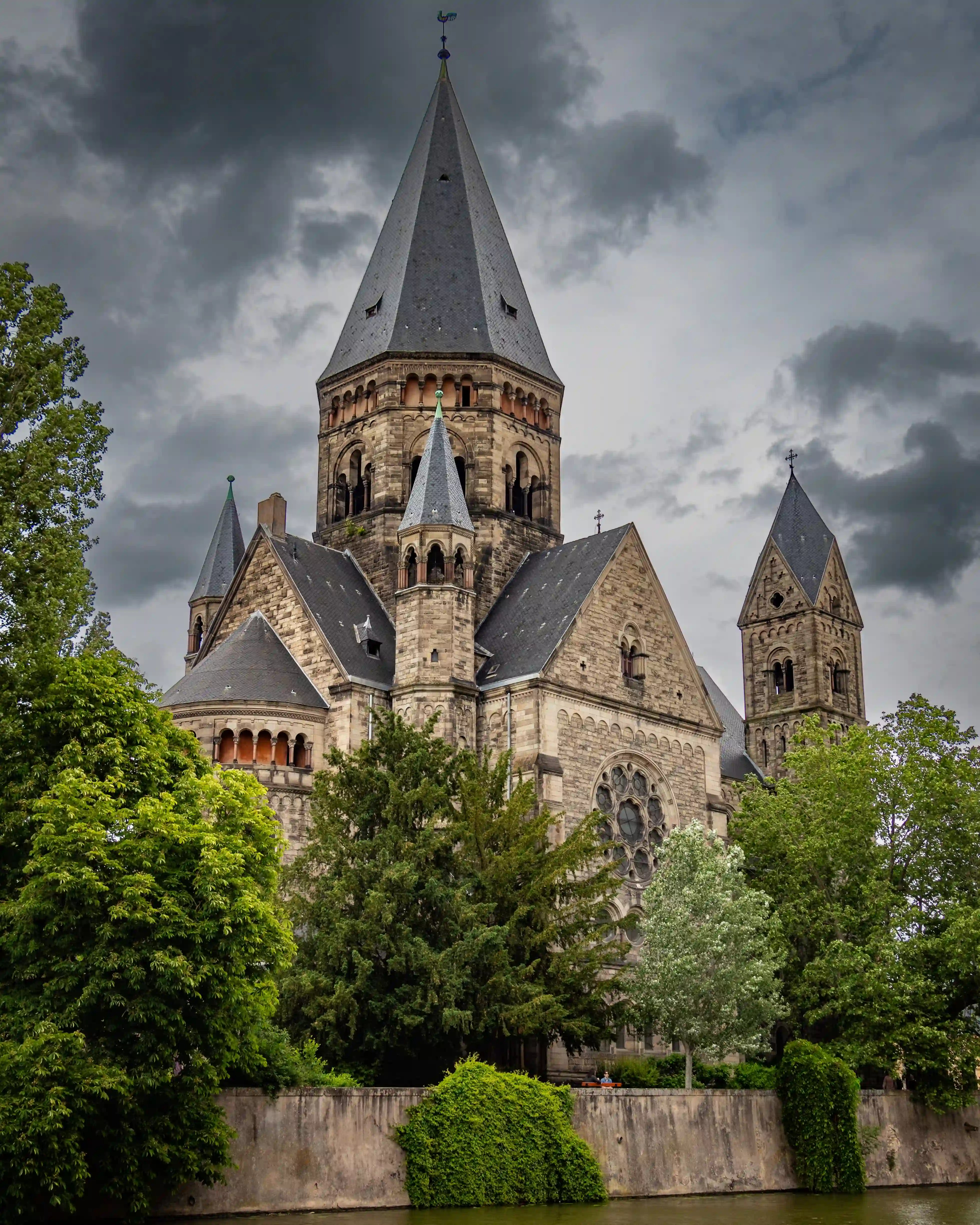
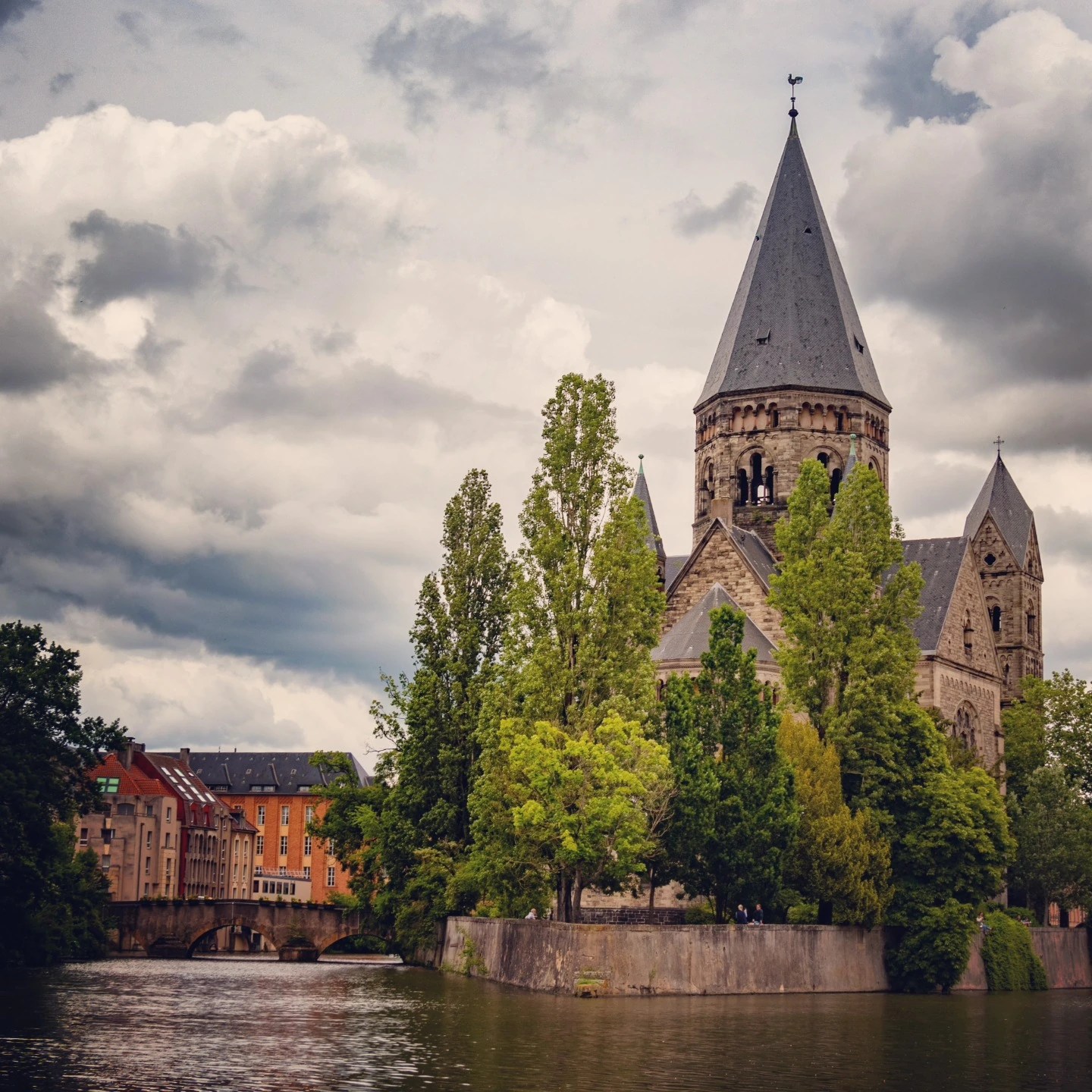
Temple Neuf rises on Île du Petit-Saulcy, an island in the Moselle River that’s also home to gardens and walking paths. Built in the early 20th century in a neo-Romanesque style, the church contrasts with Metz’s Gothic cathedral yet blends beautifully into the park-like setting around it. The island itself is a favorite spot for locals to stroll, relax, and enjoy views back toward the old town.
Getting There
Our 4-day trip looped through three countries—Germany, Luxembourg, and France—with drives that were scenic yet manageable. Here’s how the route looked in terms of time and distance, if you’d like to retrace our steps:
- Stuttgart → Trier: ~3.5 hours by car (289 km / 180 mi)
- Trier → Luxembourg City: ~45 minutes (47 km / 29 mi)
- Luxembourg City → Metz: ~50 minutes (63 km / 39 mi)
- Metz → Stuttgart: ~3.5–4 hours (295 km / 183 mi)
A note for drivers: France is introducing a new free flow toll system (péage en flux libre), which uses cameras to register your license plate instead of traditional toll booths. If you’re driving into France, be sure to check how it works and arrange payment in advance or within 72 hours of your travels—details are available on Sanef’s official website.
Final Thoughts
This trip was the perfect blend of Roman ruins, medieval castles, charming river towns, and Gothic cathedrals. Each stop had its own story to tell—whether through ancient stones, stained glass, or legends passed down through centuries. We only scratched the surface of these remarkable places, and you could easily spend a weekend—or longer—exploring each one in depth. For us, it was an unforgettable journey through history, culture, and some truly beautiful landscapes.
Have you visited Trier, Luxembourg, or Metz—or are they on your list? Share your questions, favorite memories, or what you’d most love to see in the comments below!

Leave a Reply