








Budapest wasn’t even on our list at first. It wasn’t until we moved to Europe that it caught our eye—but now we can’t believe we almost overlooked it. The Thanksgiving holiday gave us the perfect excuse to spend a long weekend exploring this captivating capital city.
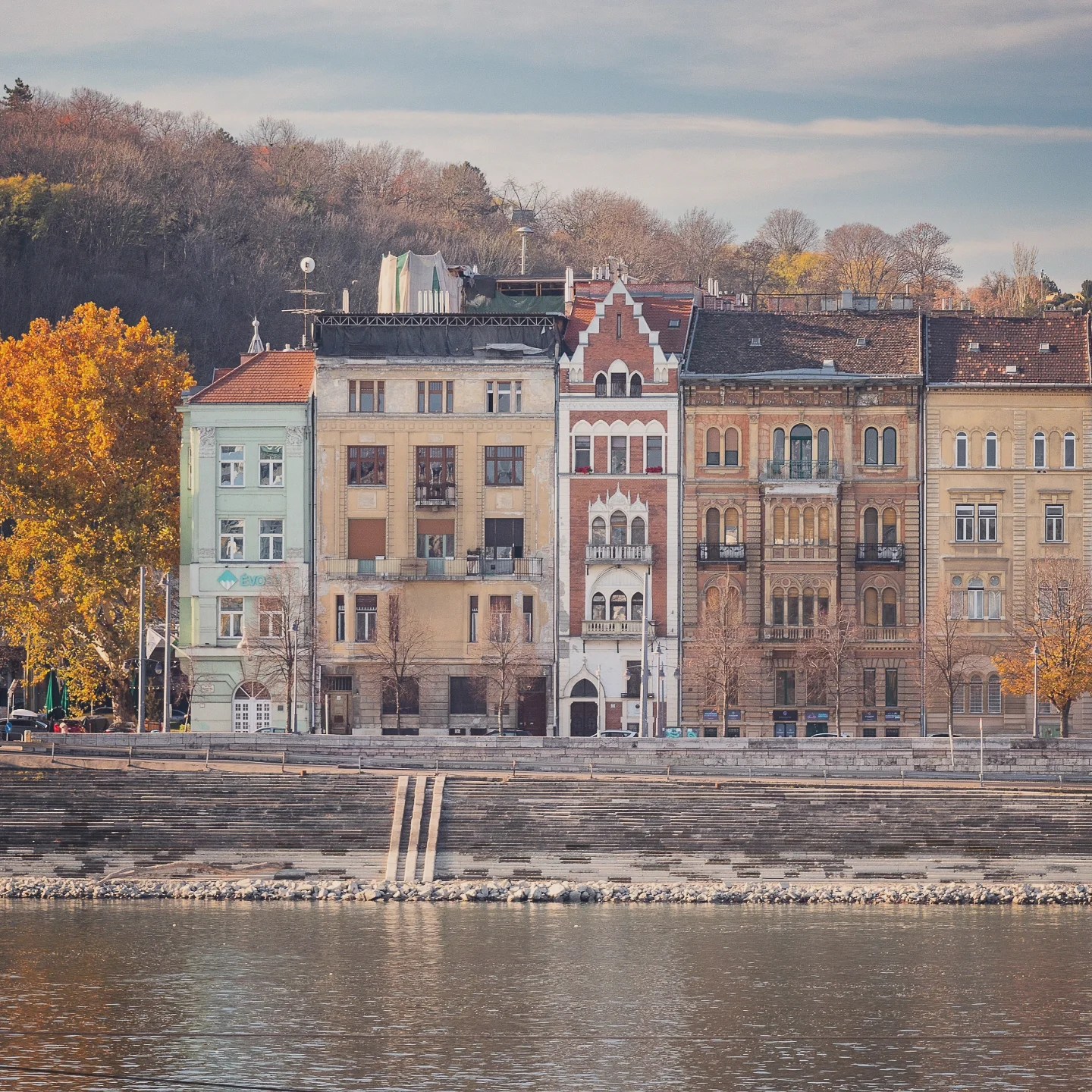
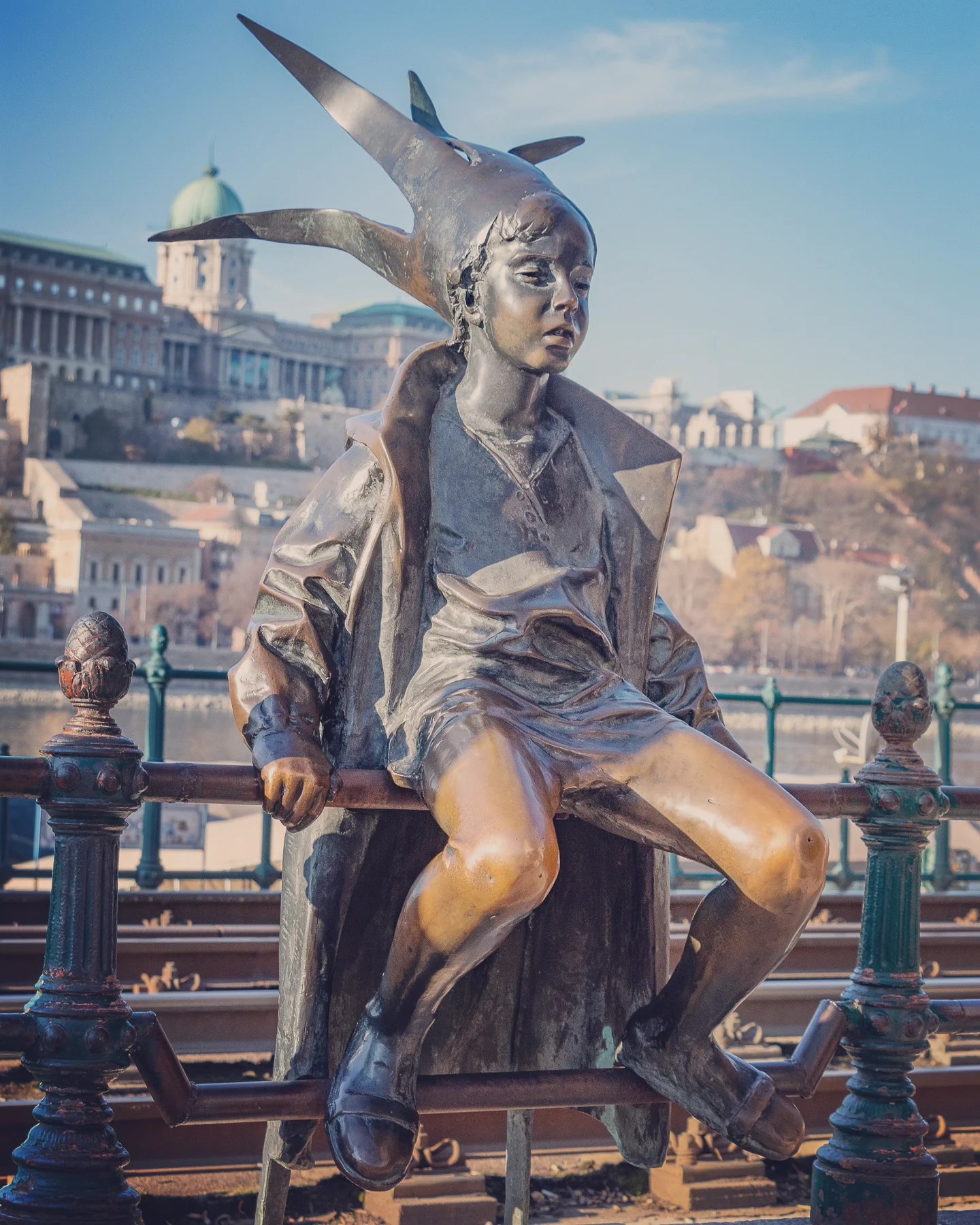
Split by the Danube River, Budapest is actually two cities—Buda and Pest—that were officially unified in 1873. According to local legend, a prince from Buda and a princess from Pest fell in love, but the wide river and their feuding families kept them apart. Their tragic story is immortalized in a sculpture on Gellért Hill, where the two figures reach longingly for one another, but never quite touch. Though forever separated in legend, Buda and Pest are now bound together—Buda with its quiet hills and historic castle, Pest with its bustling cafés and vibrant boulevards—united as one unforgettable city full of beauty and history.
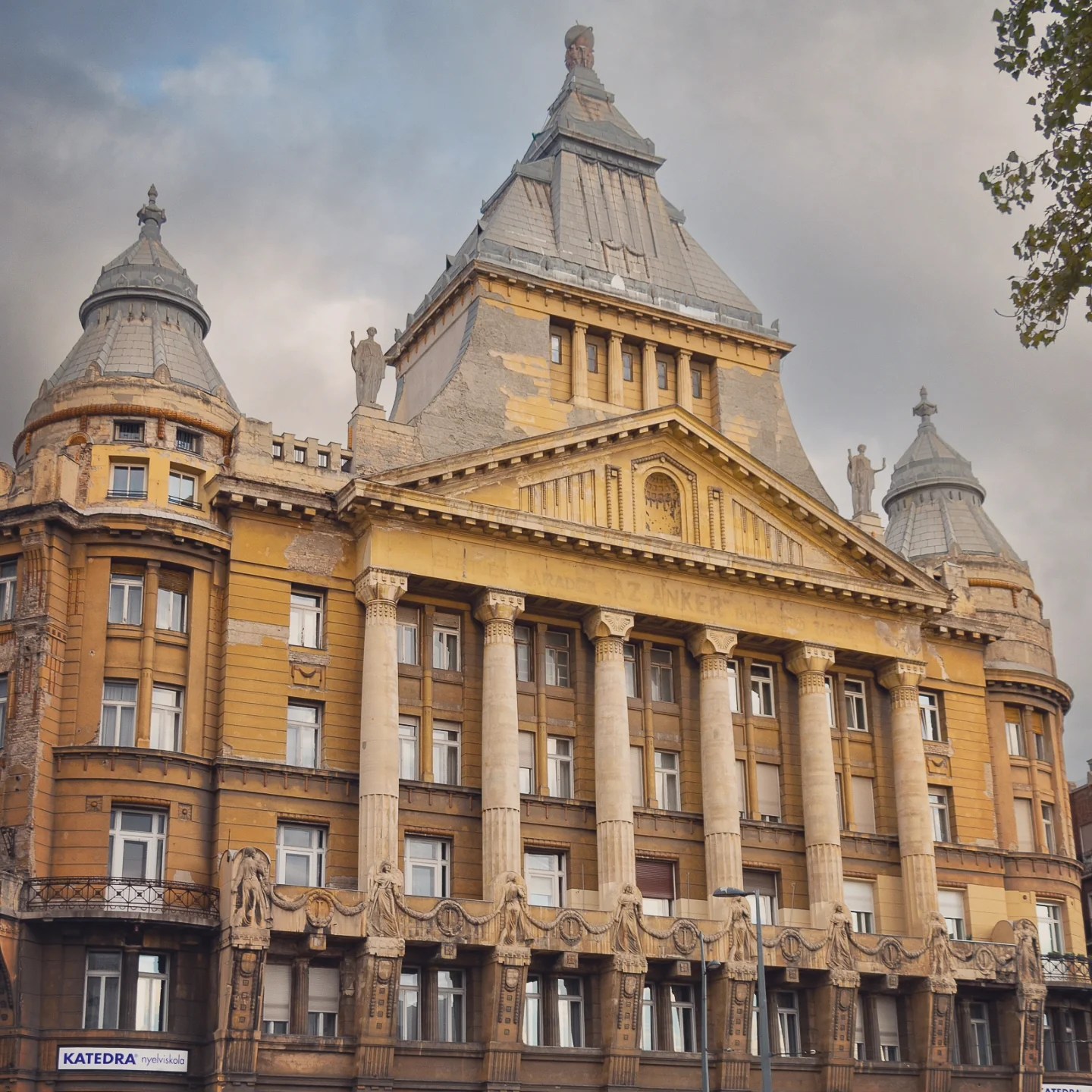
As the capital of Hungary—one of Europe’s oldest countries, with roots stretching back over a thousand years—Budapest has long stood at the crossroads of empires. From Roman settlements and Ottoman baths to Habsburg grandeur and 20th-century revolutions, its layered history is everywhere you look.
And somehow, it’s also wonderfully modern. Steaming thermal baths, a culinary tour full of bold flavors, glowing Christmas markets, and a moonlit river cruise—Budapest delivered one unforgettable moment after another.
Where We Stayed in Budapest: Bohem Art Hotel
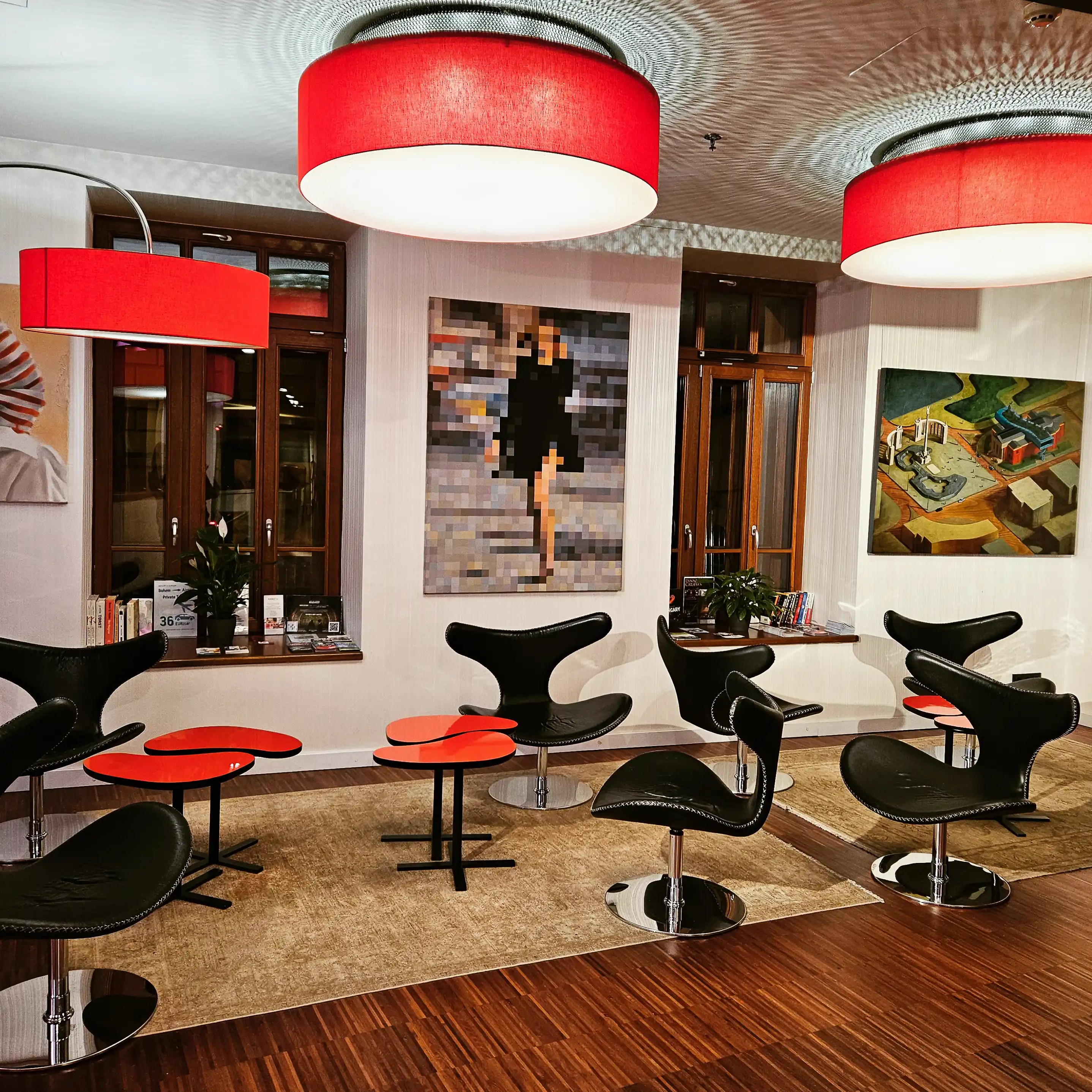
Located just steps from the Danube and Liberty Bridge in the 5th district of Pest, the Bohem Art Hotel felt like the perfect blend of location and creativity. It had easy access to major sights and was just a short walk from several Christmas markets, cafés, and public transport stops. The modern art-themed rooms added a fun, stylish touch to our stay.

Soaking, Strolling & Christmas Cheer in Budapest
Széchenyi Thermal Bath
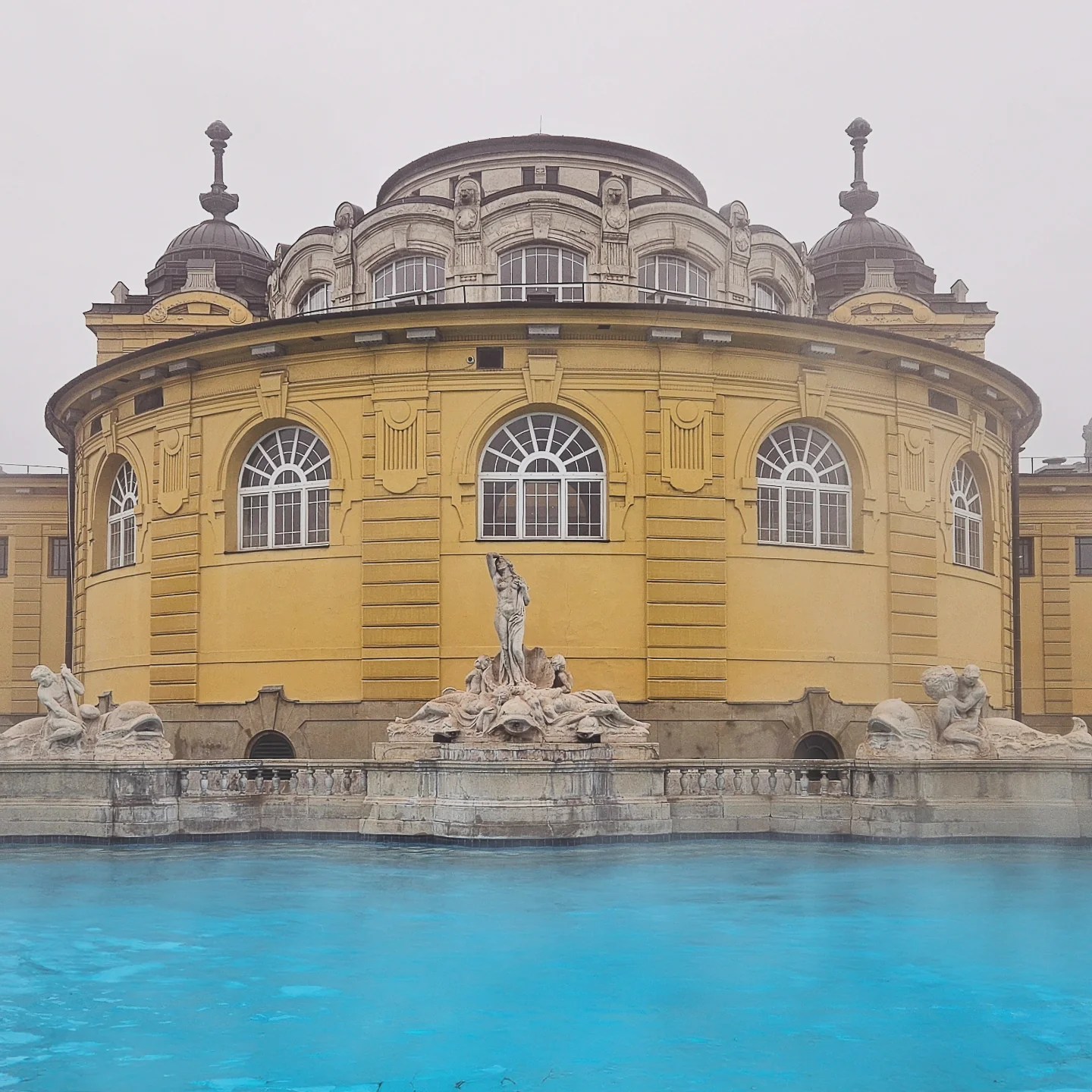
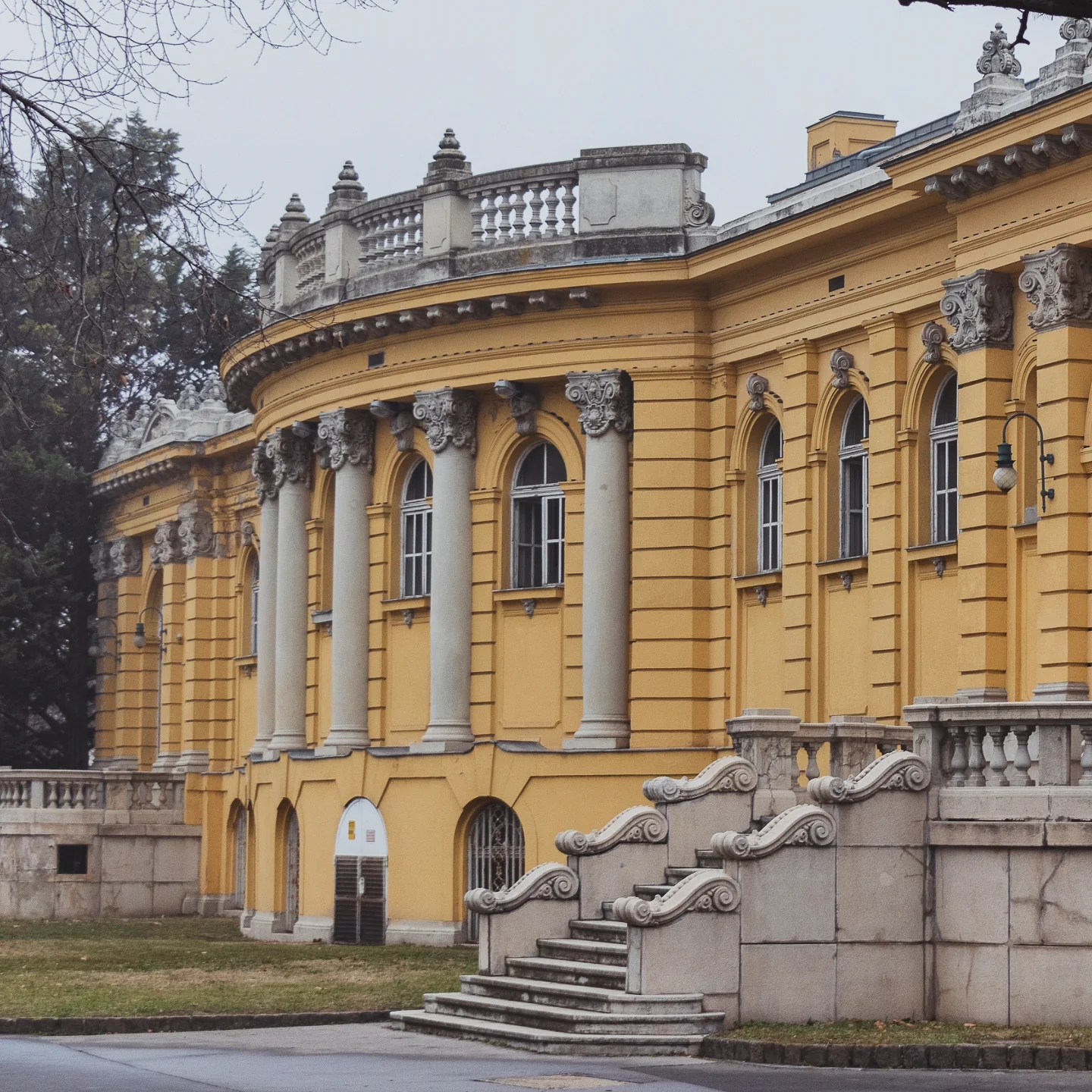
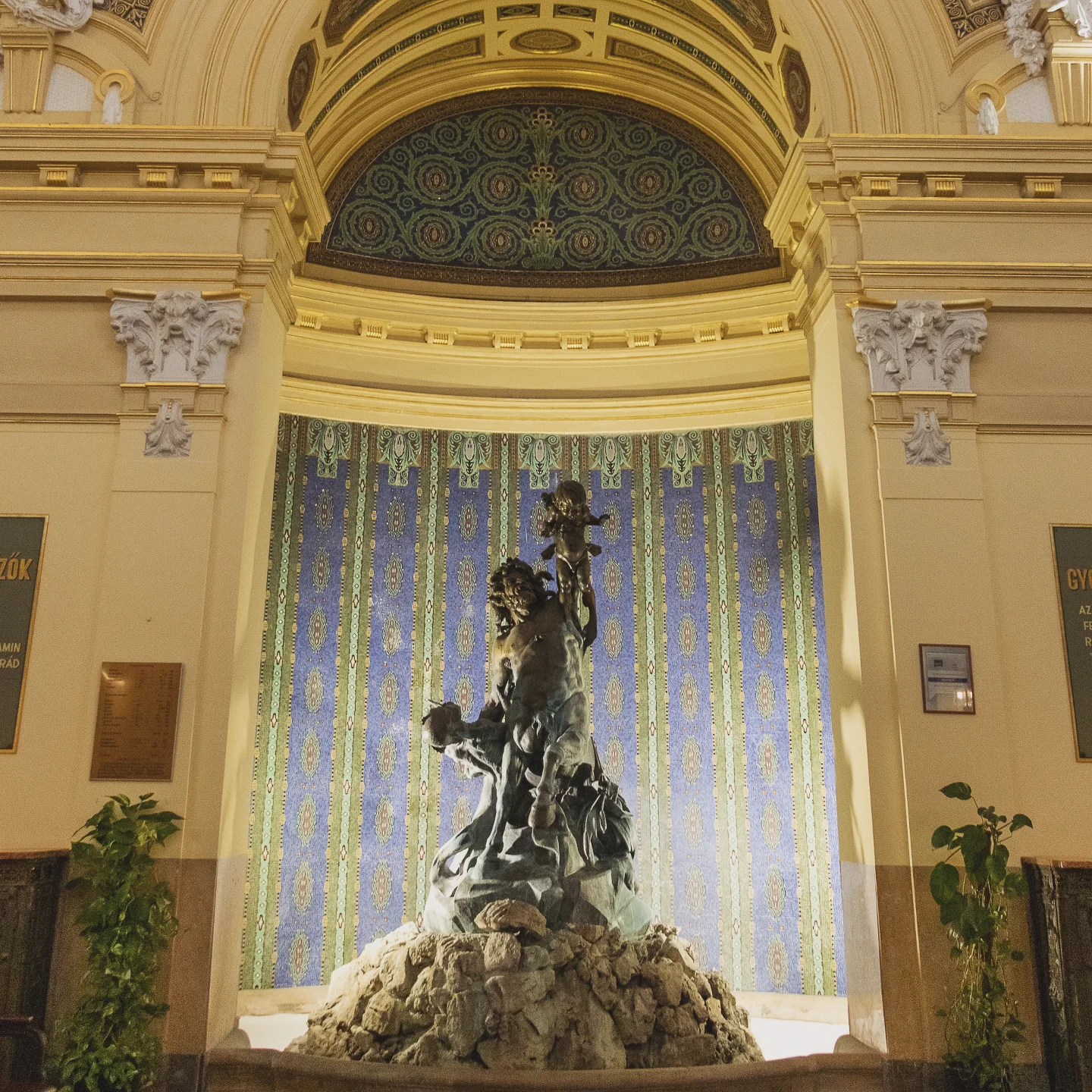
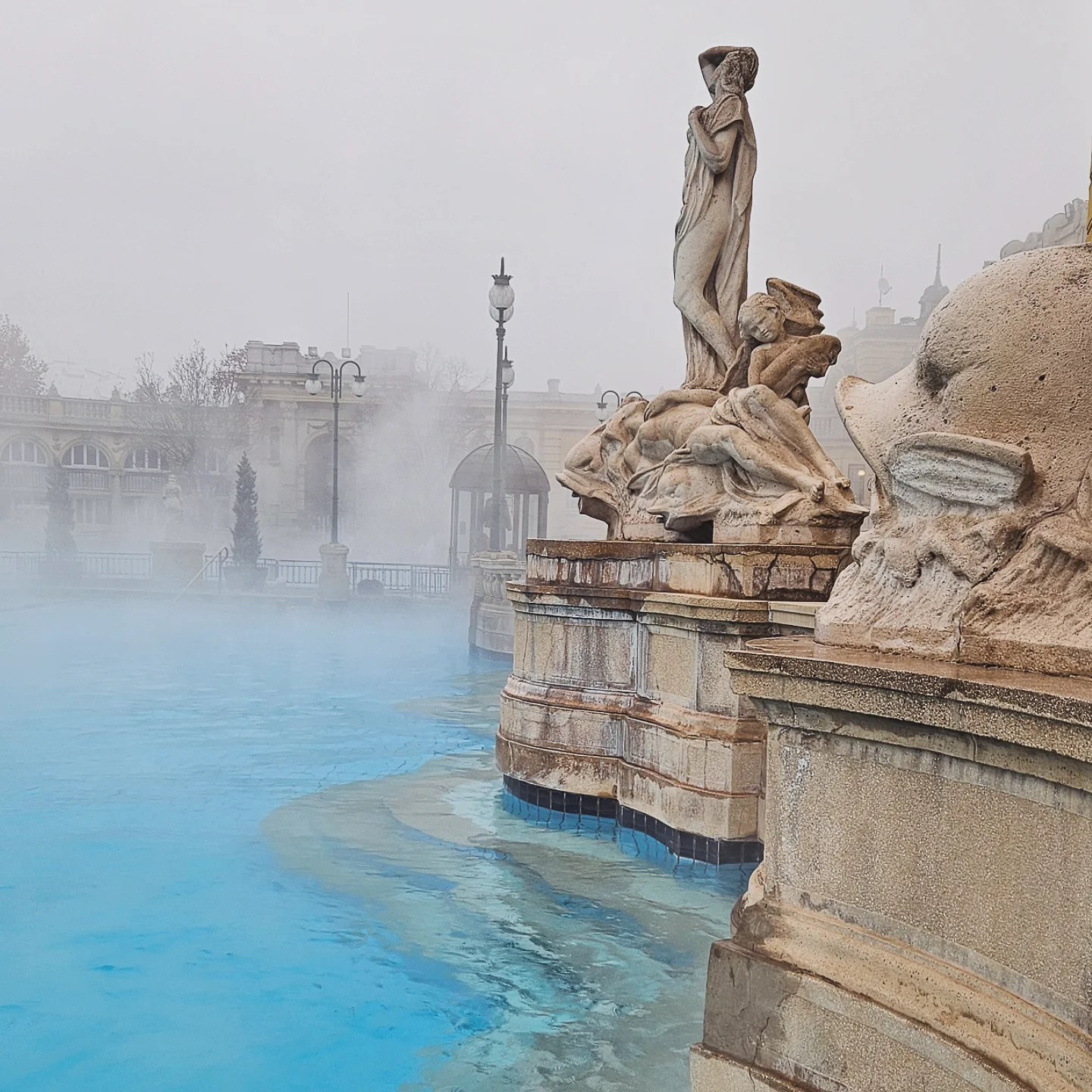
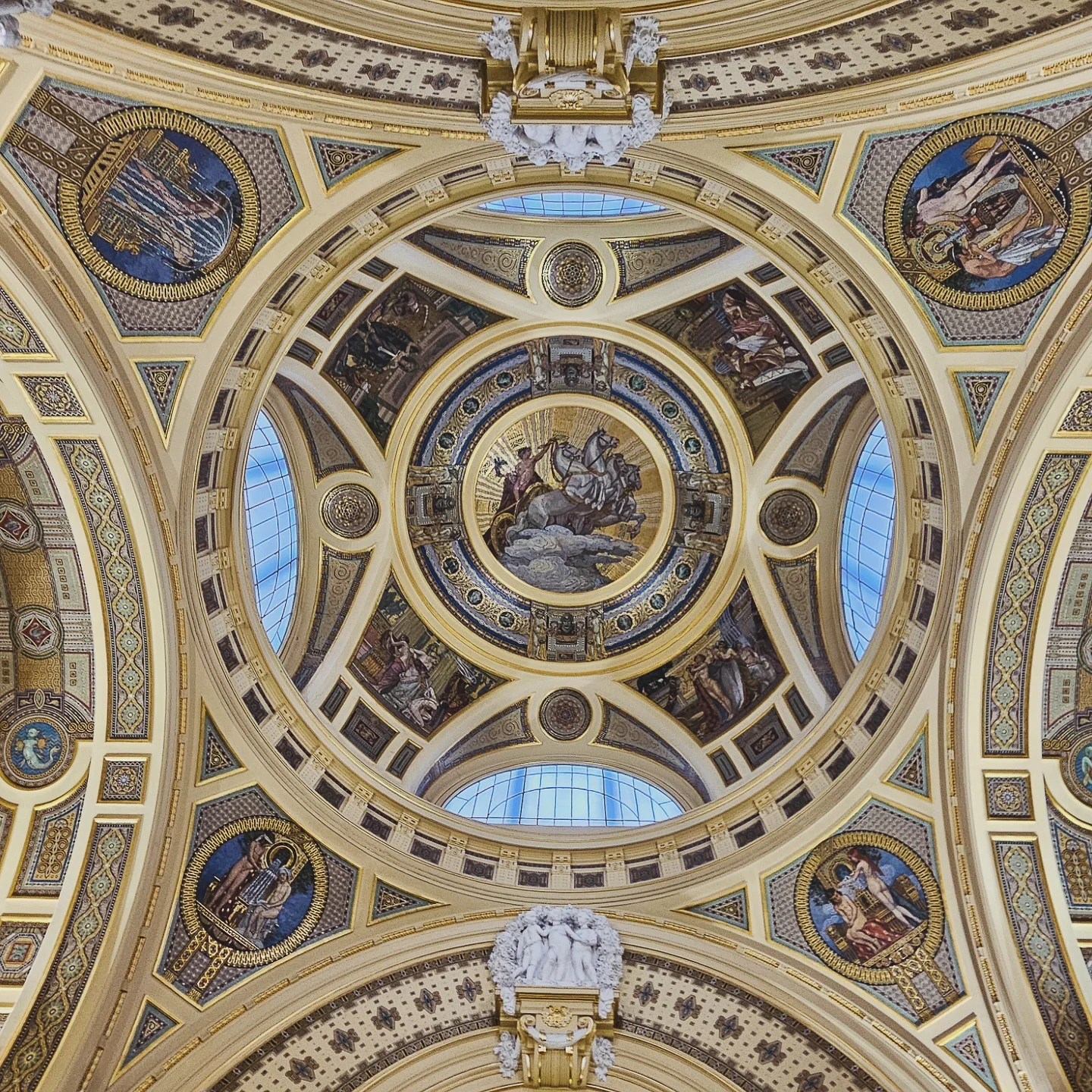
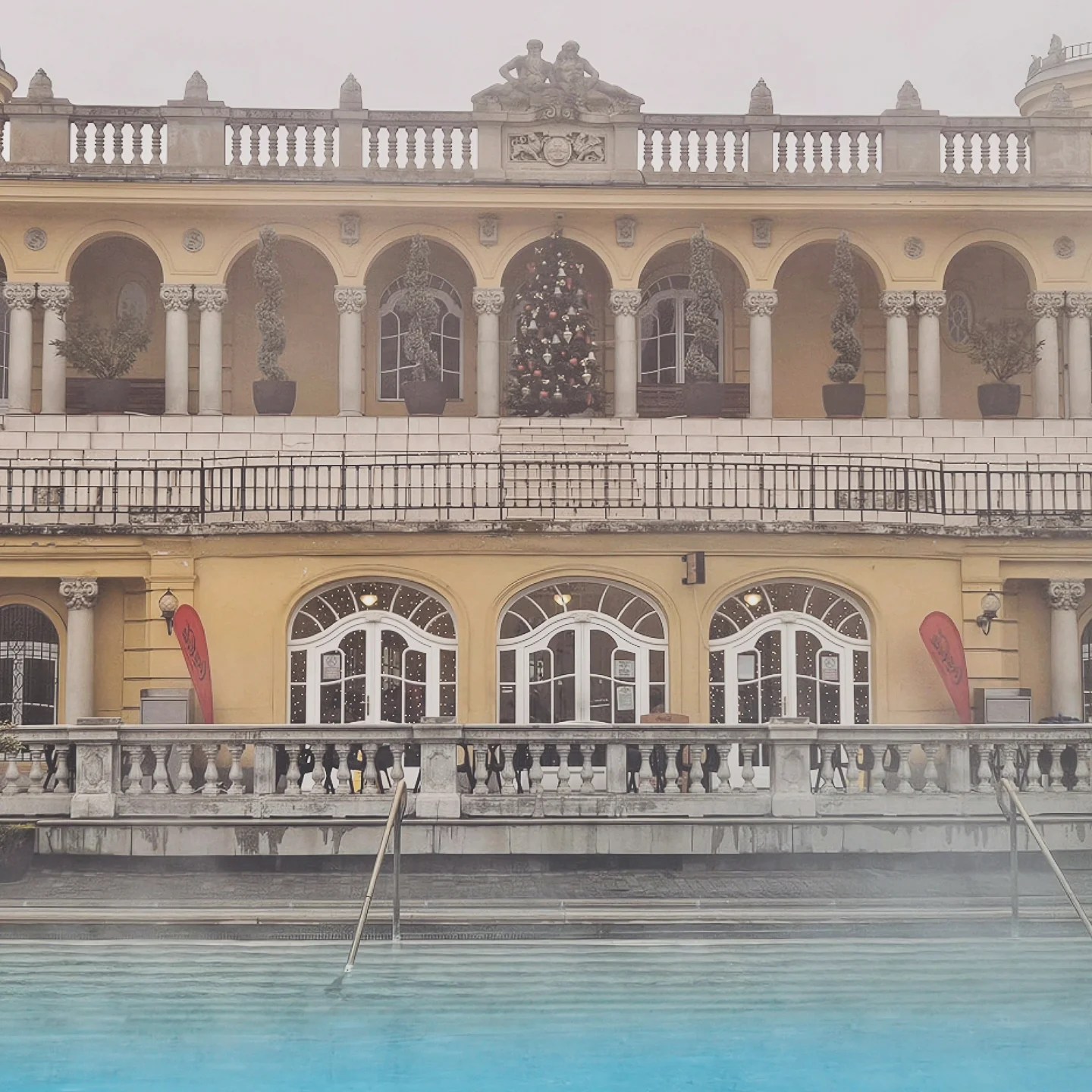
We began our Budapest adventure with a relaxing soak at Széchenyi Thermal Bath, one of the largest and most iconic thermal baths in Europe. We booked the “Dayspalm Lazy Days Chill & Cocktail” package, which included towel service, locker access, a welcome cocktail, and a few extra perks—perfect for kicking off the holiday weekend.
For something a bit more unusual, Széchenyi also offers a beer spa experience where you can soak in warm, hop-infused water while enjoying unlimited beer on tap (a special ticket is required). Getting there was easy by train, and it’s worth arriving early if you want to beat the crowds.



Christmas Markets and Fashion Street
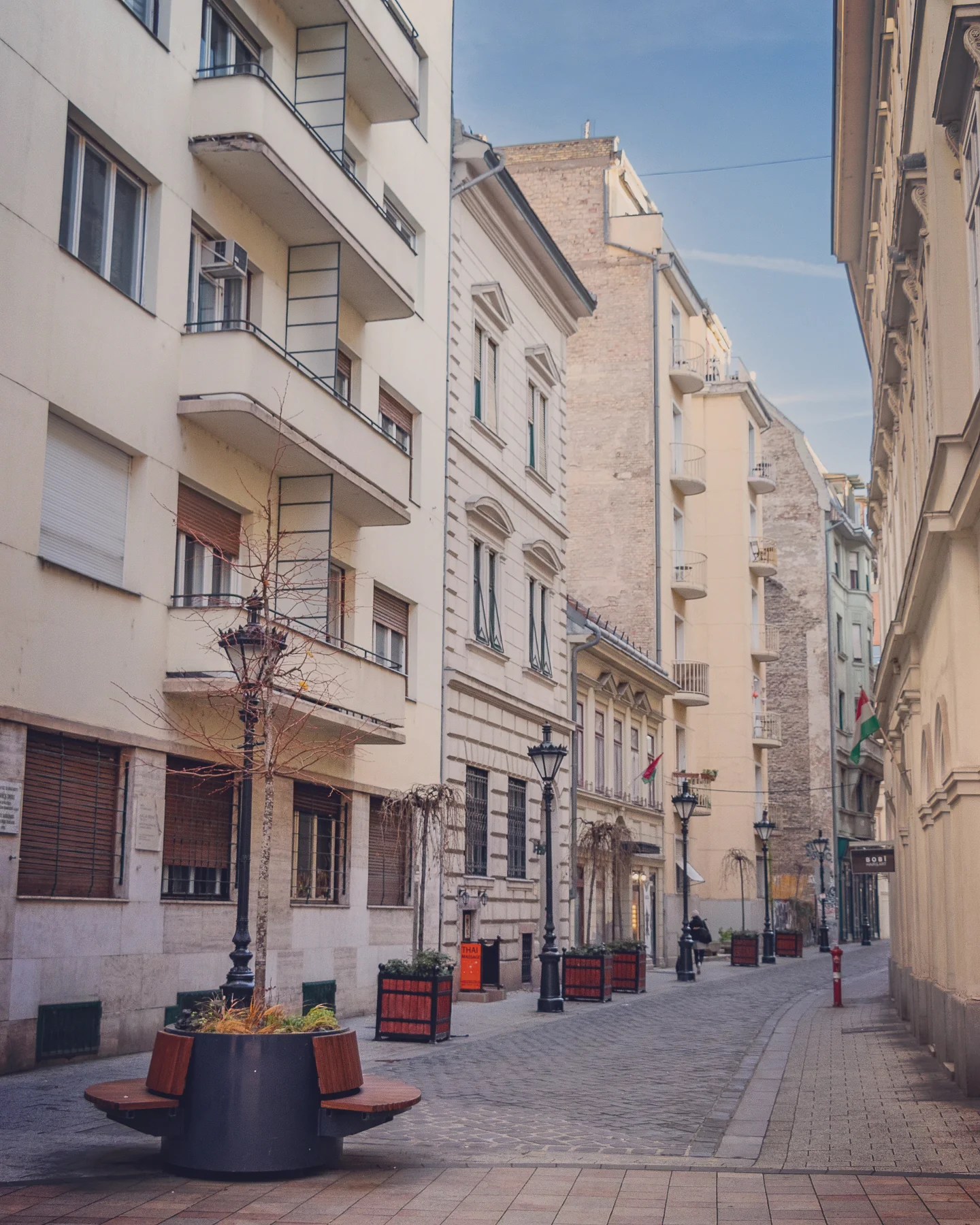
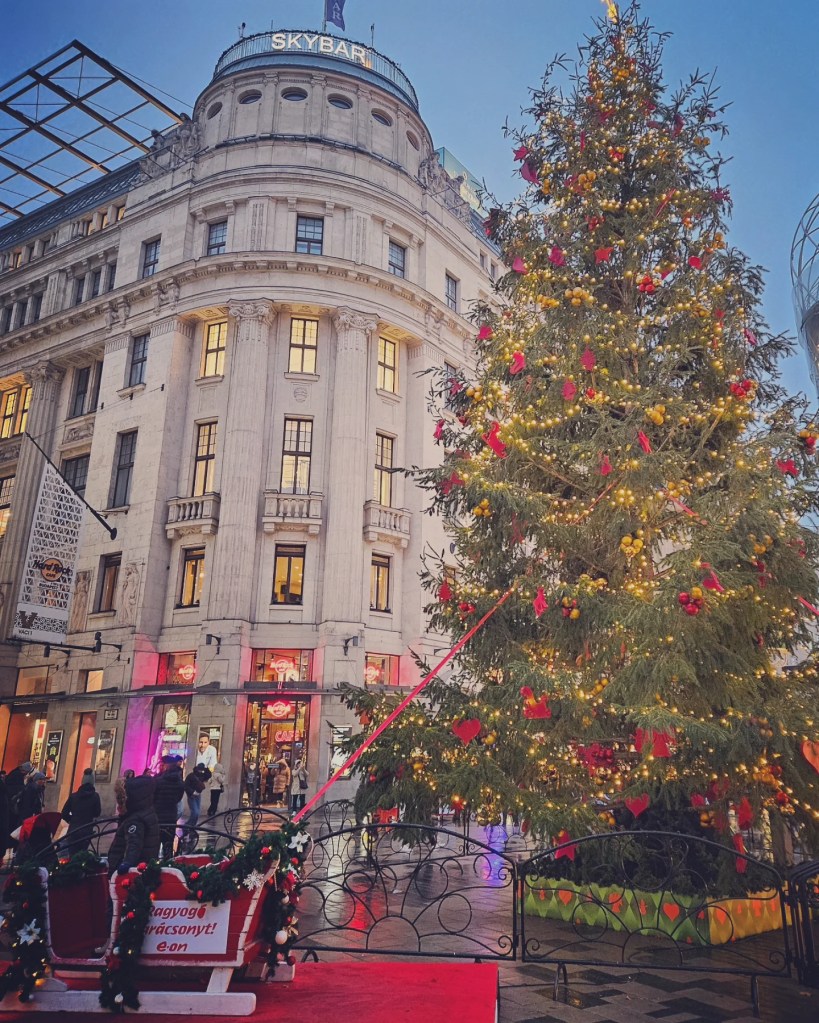
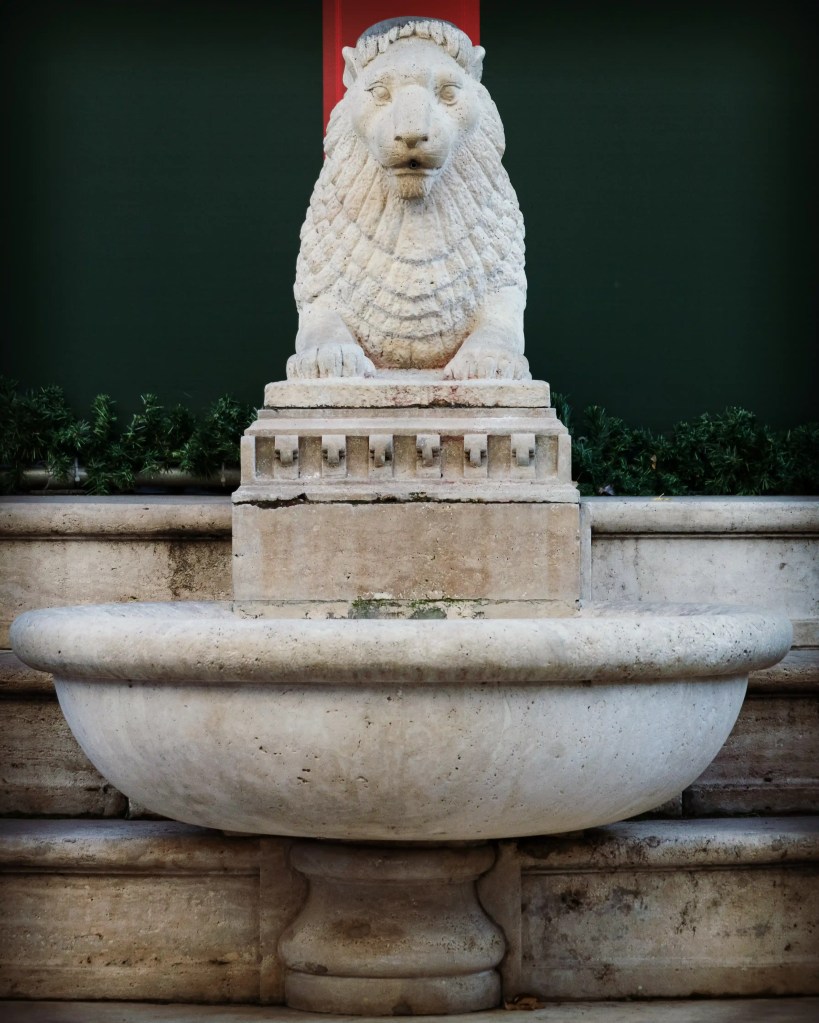
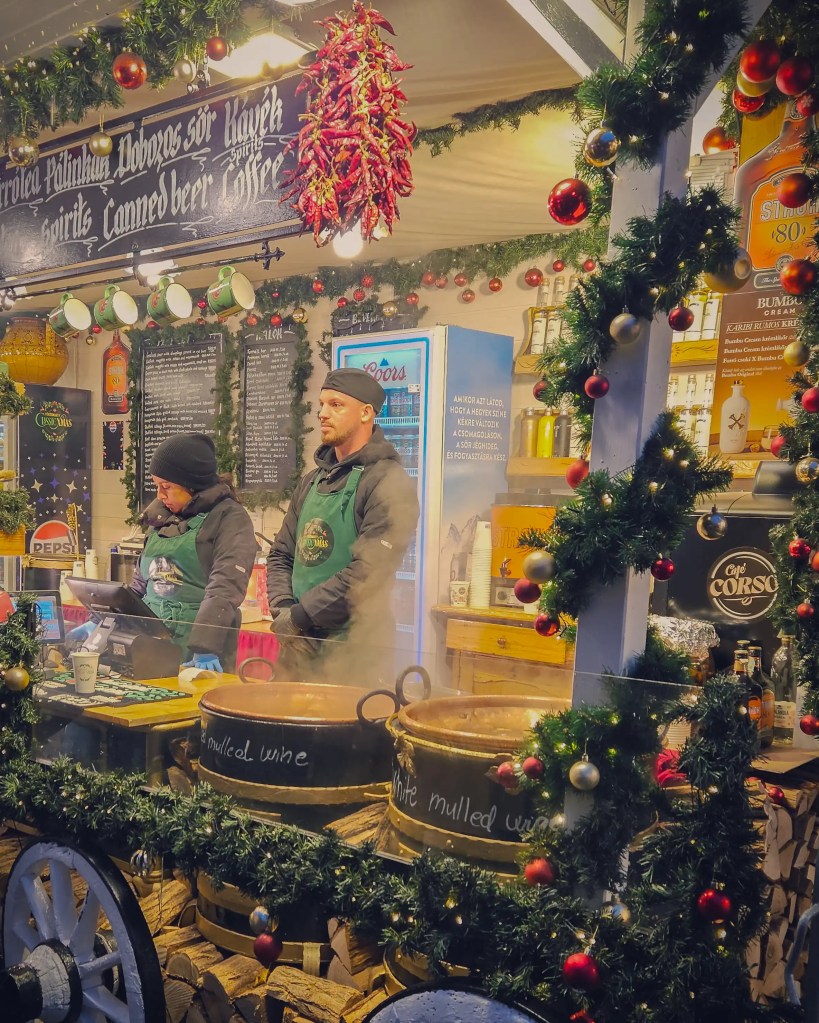
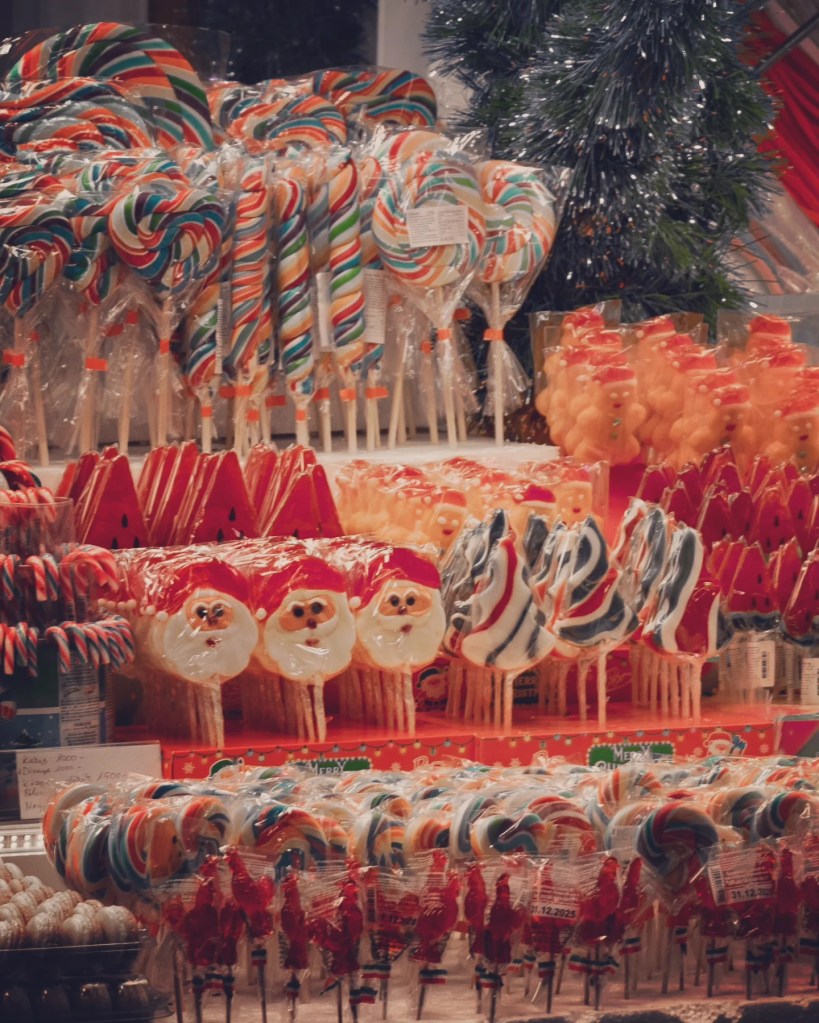
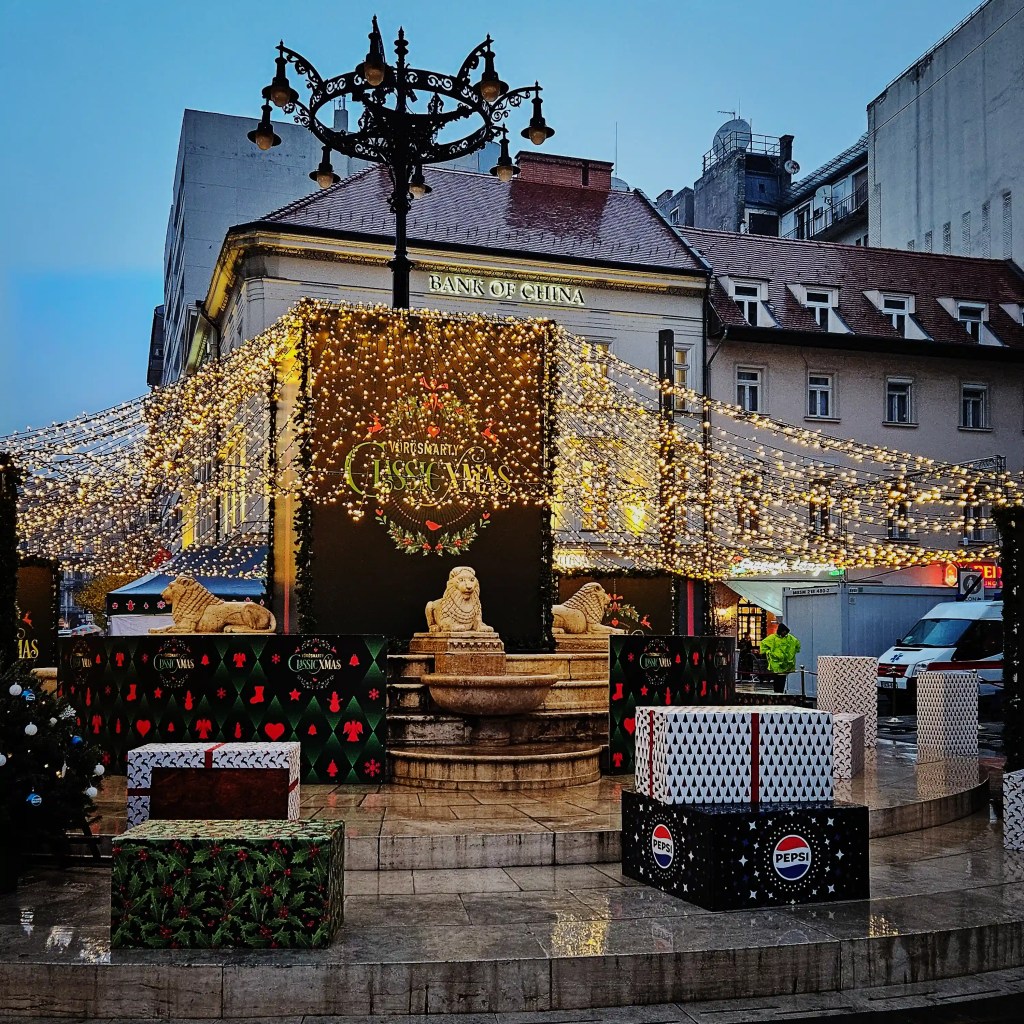
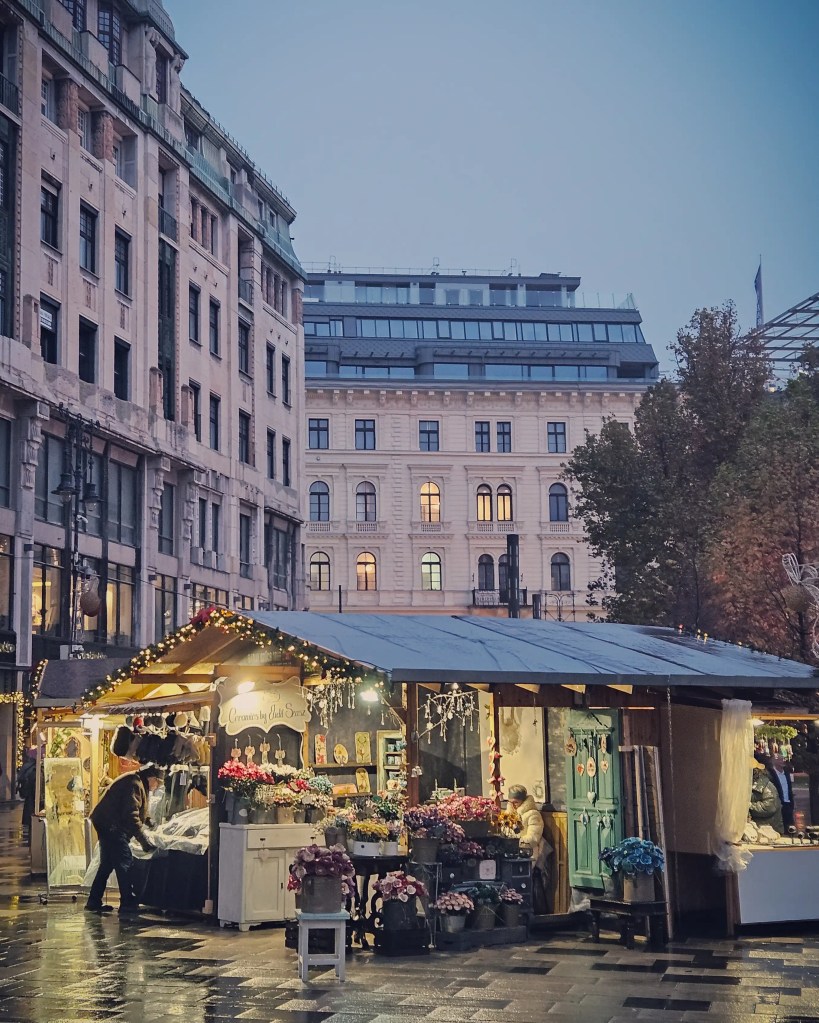
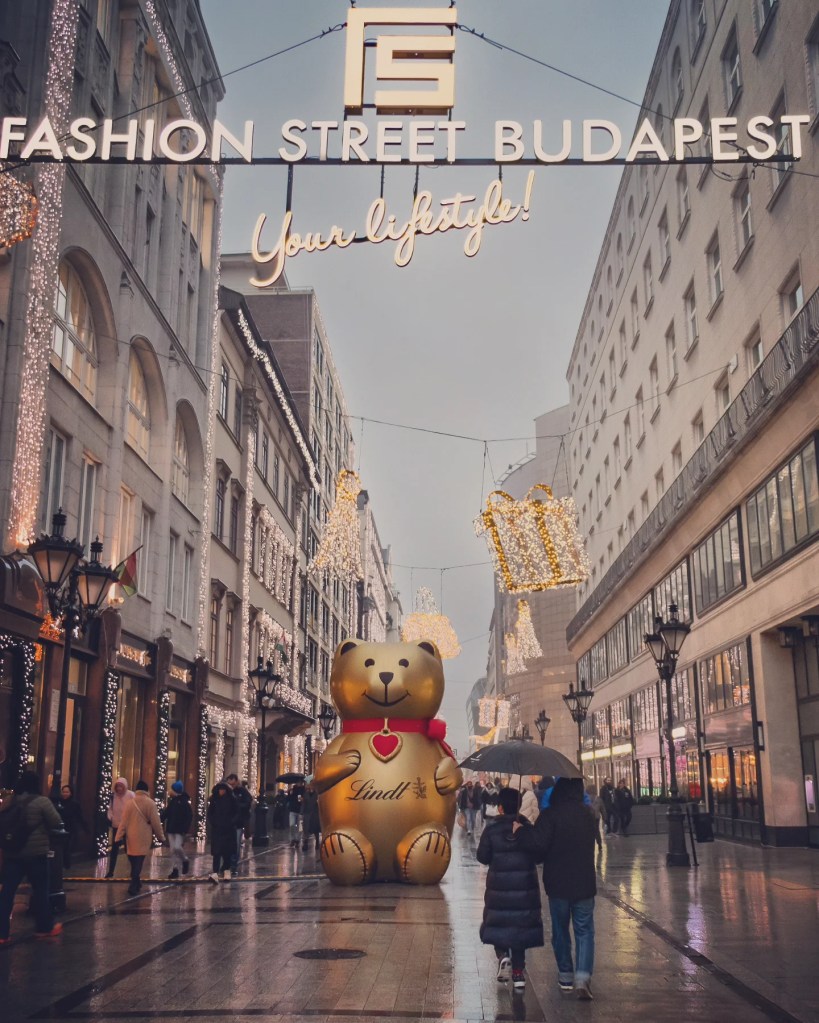
After our soak, we strolled back through the city, catching our first glimpse of Budapest’s famous Christmas markets. We stopped by the bustling market on Vörösmarty Square before continuing along Fashion Street, which was beautifully lit for the holidays with twinkling lights and festive displays lining the upscale pedestrian zone. We browsed local crafts, sampled a few bites, and enjoyed the seasonal festivities.

Dinner at Hugo’s Mexican Bar & Kitchen
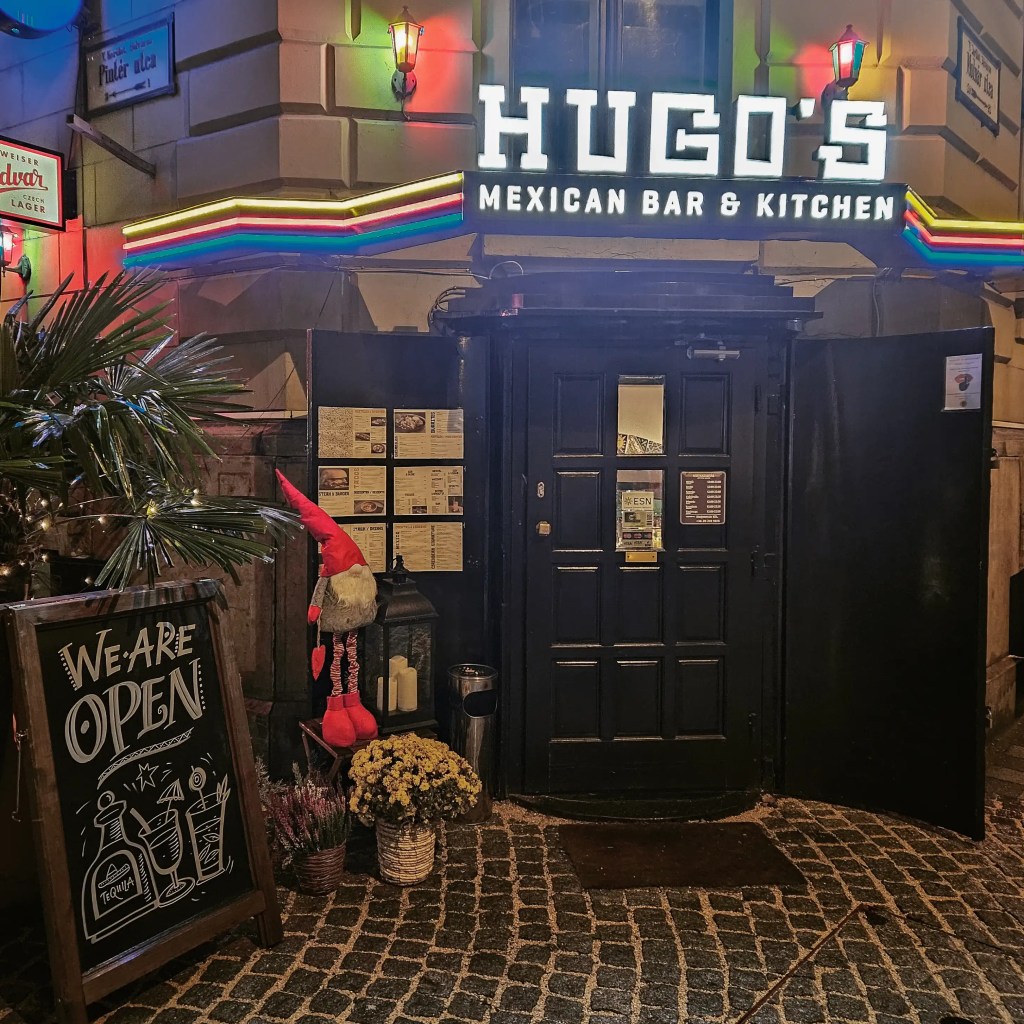
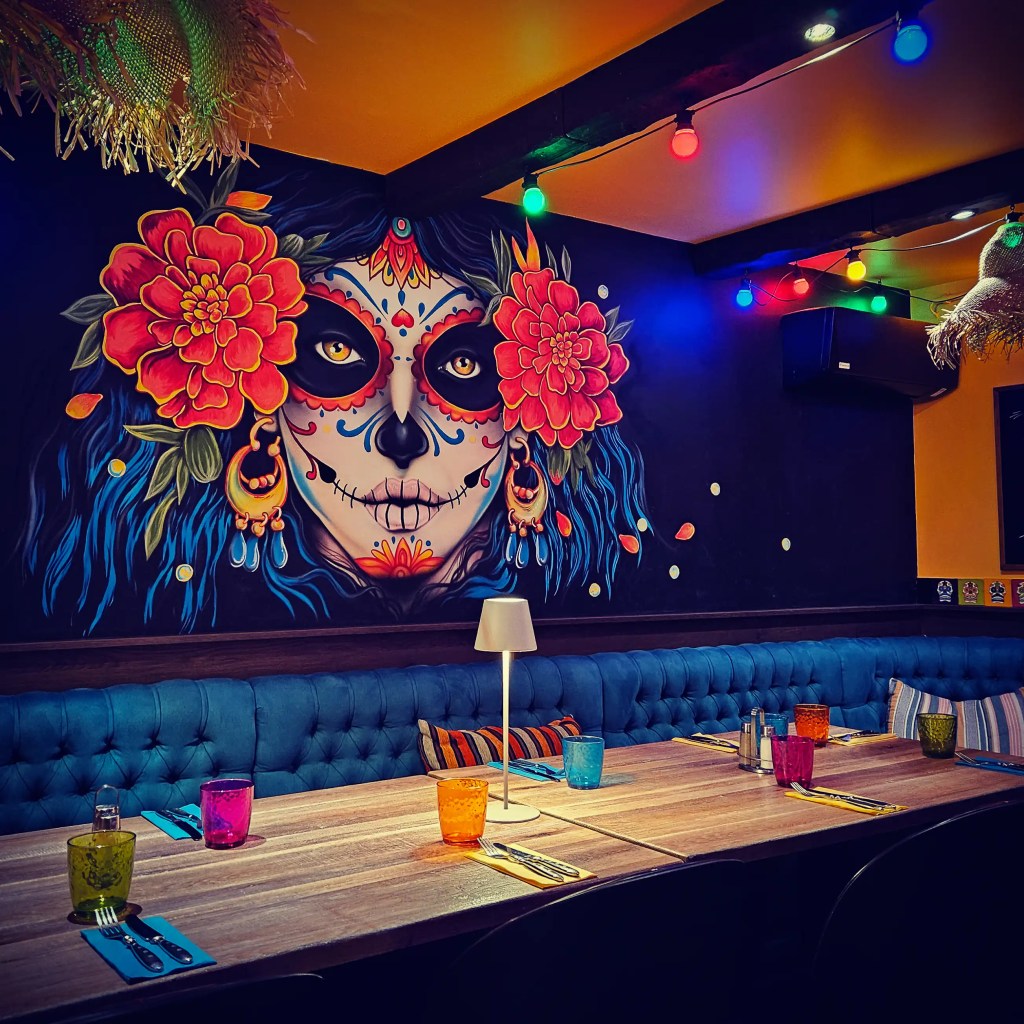
Living in Stuttgart, good Mexican food is hard to come by, so we couldn’t resist the cozy charm of Hugo’s. The setting was cheerful and relaxed, the flavors familiar, and it was just the fuel we needed for one last adventure that evening.
Liberty Bridge, Cave Church & Gellért Hill Views
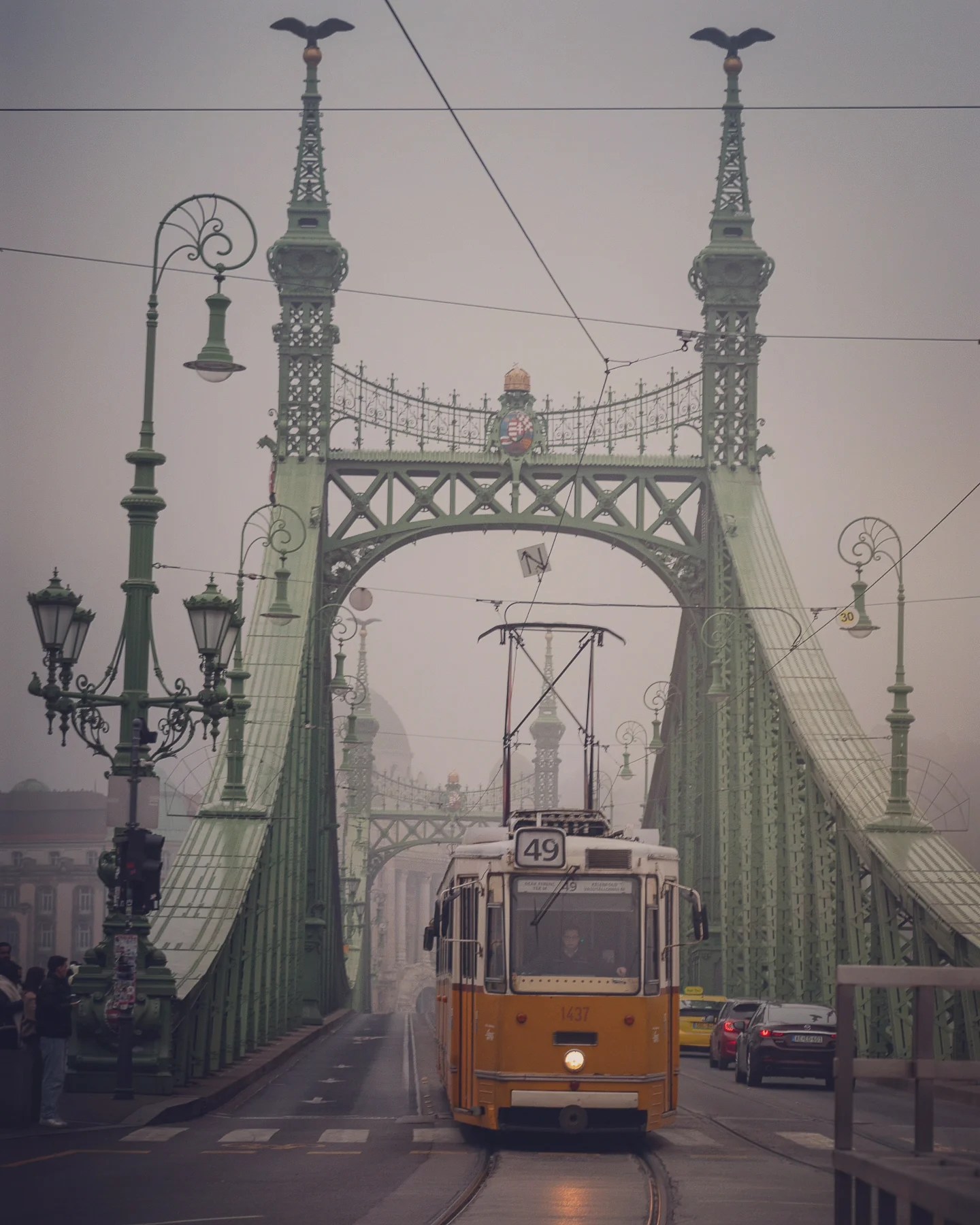
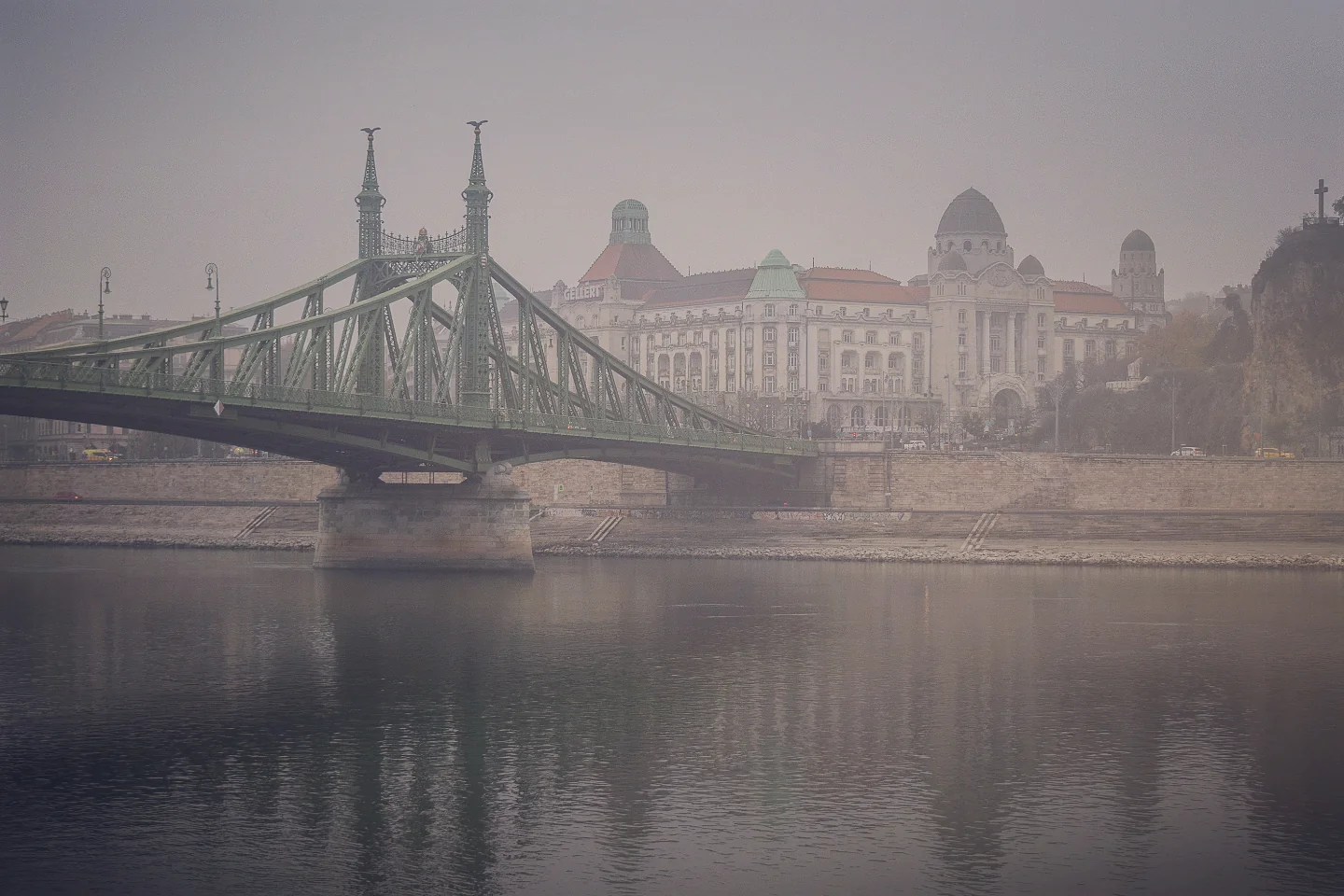
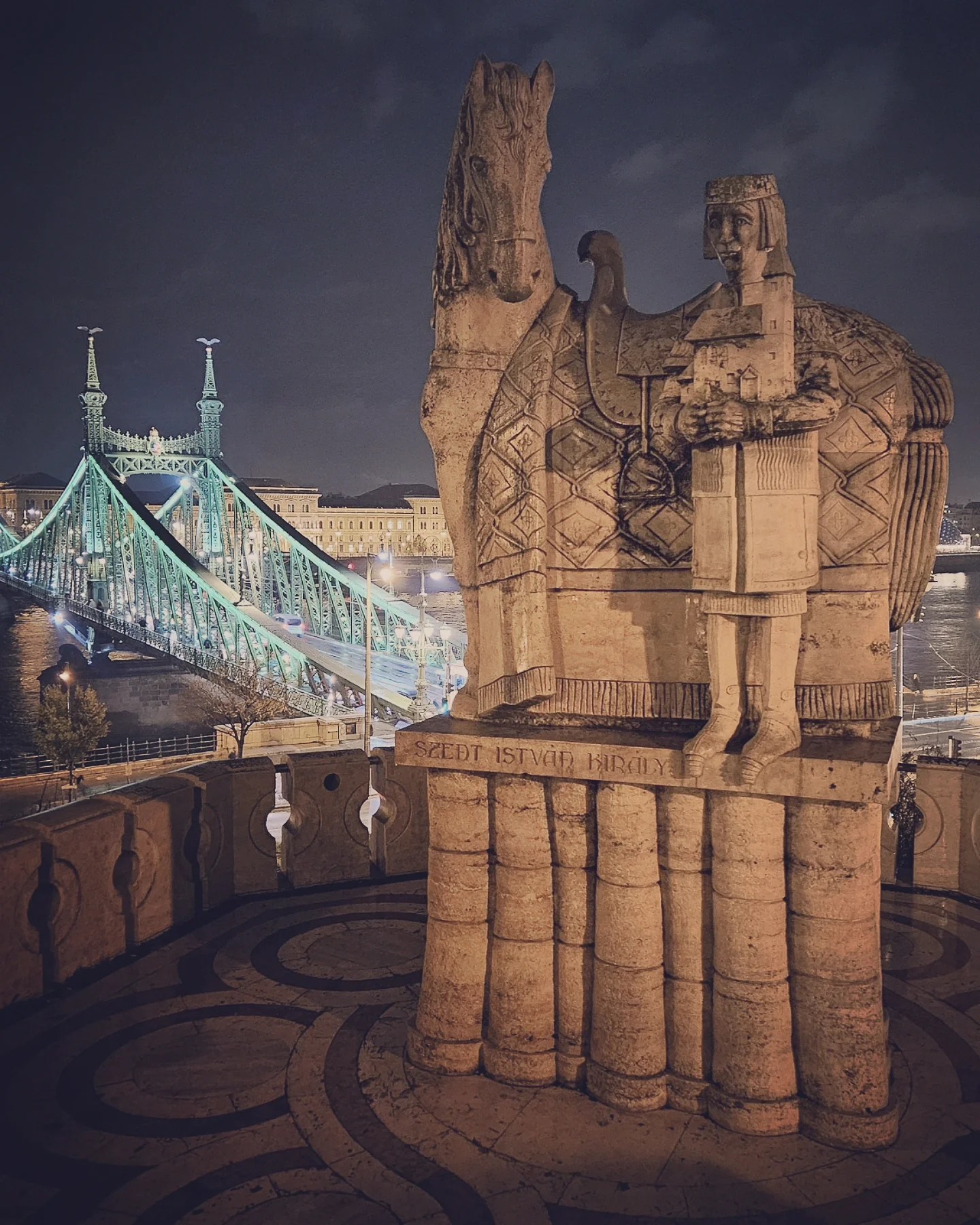
After dinner, we crossed the Liberty Bridge—one of Budapest’s most picturesque green bridges, built in the late 1800s and known for its Art Nouveau design. On the Buda side, we found ourselves at the foot of Gellért Hill, named after Saint Gellért, who was martyred on its slopes. The hill is home to the Citadel fortress and the Liberty Statue, which commemorates those who fought for Hungary’s freedom.
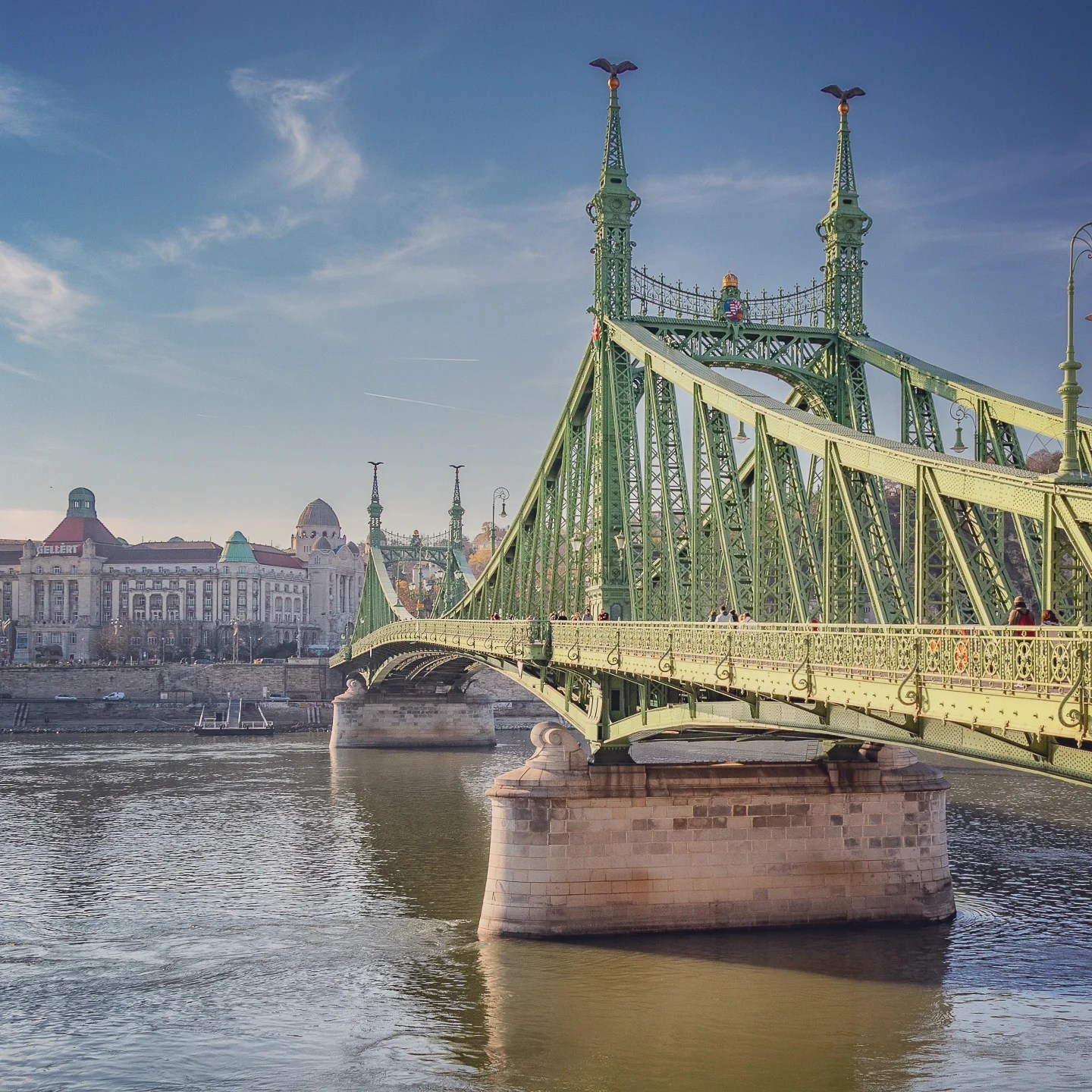

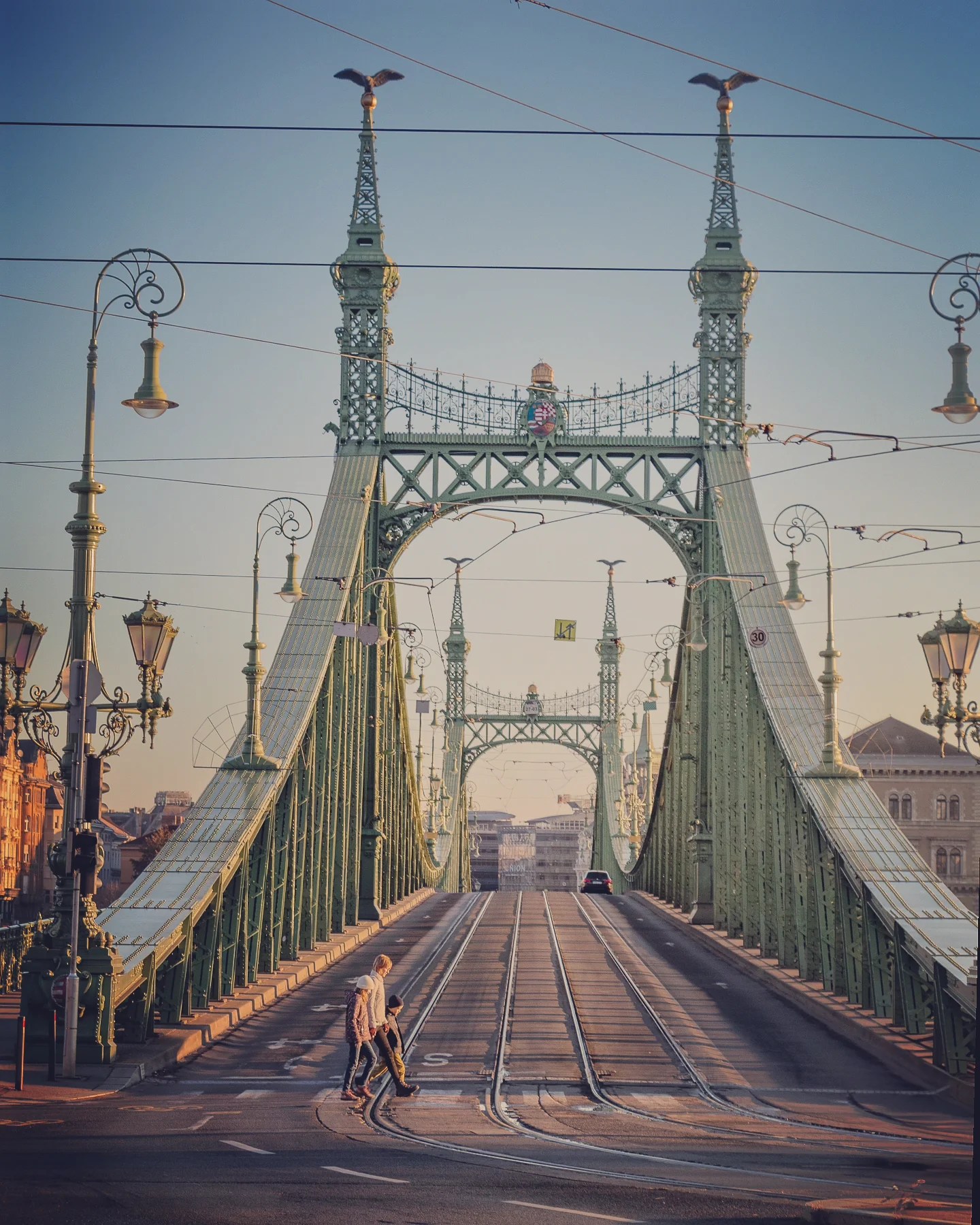
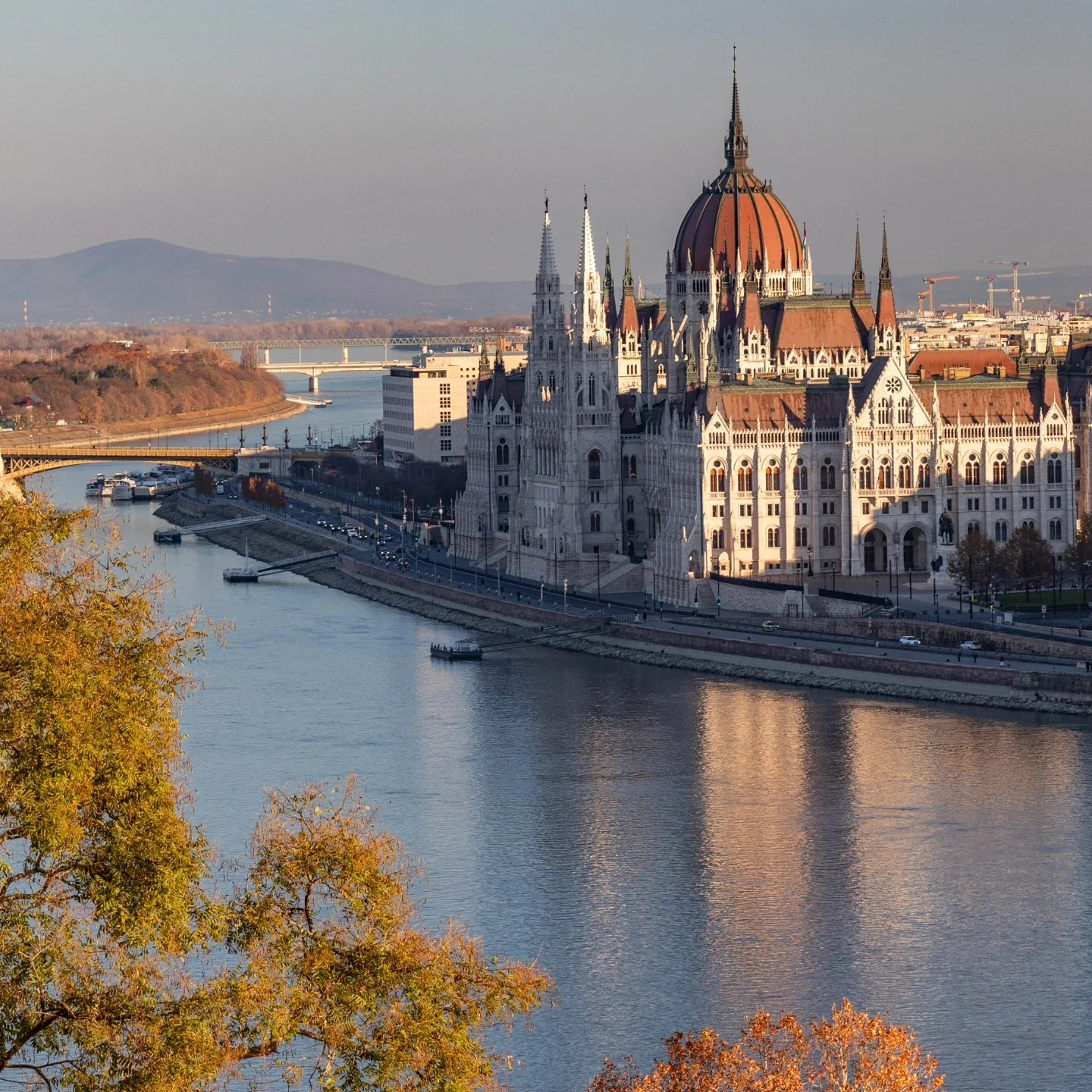
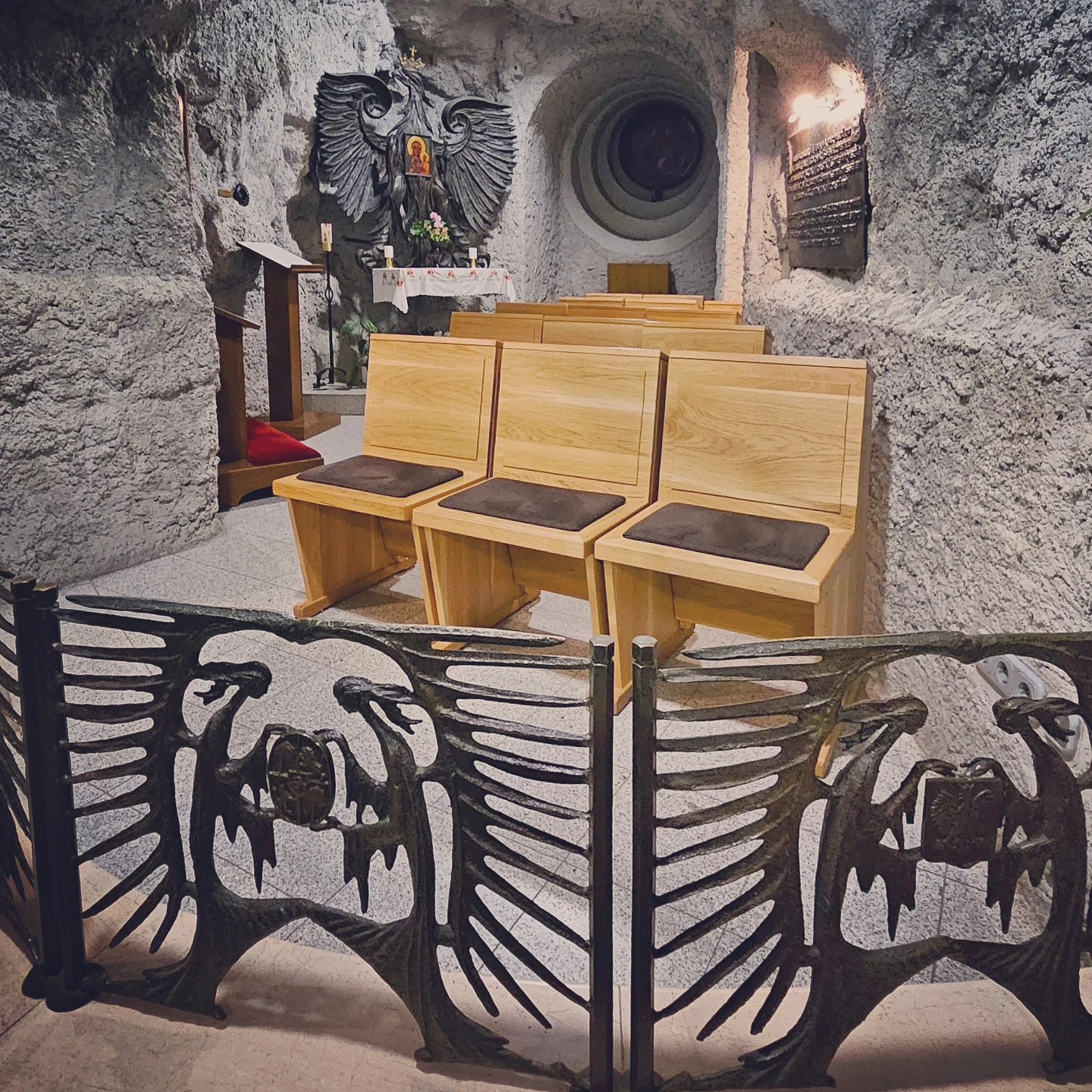
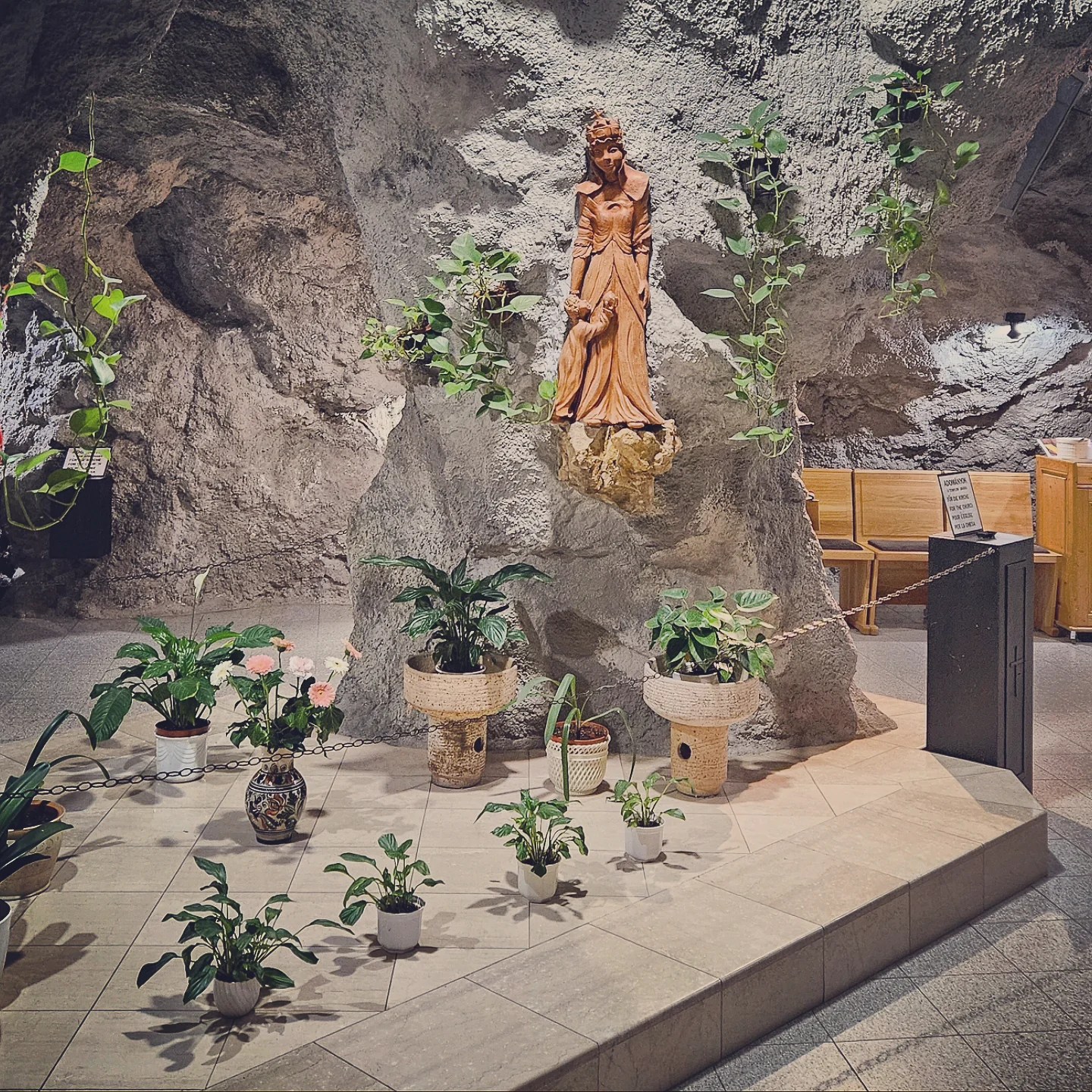
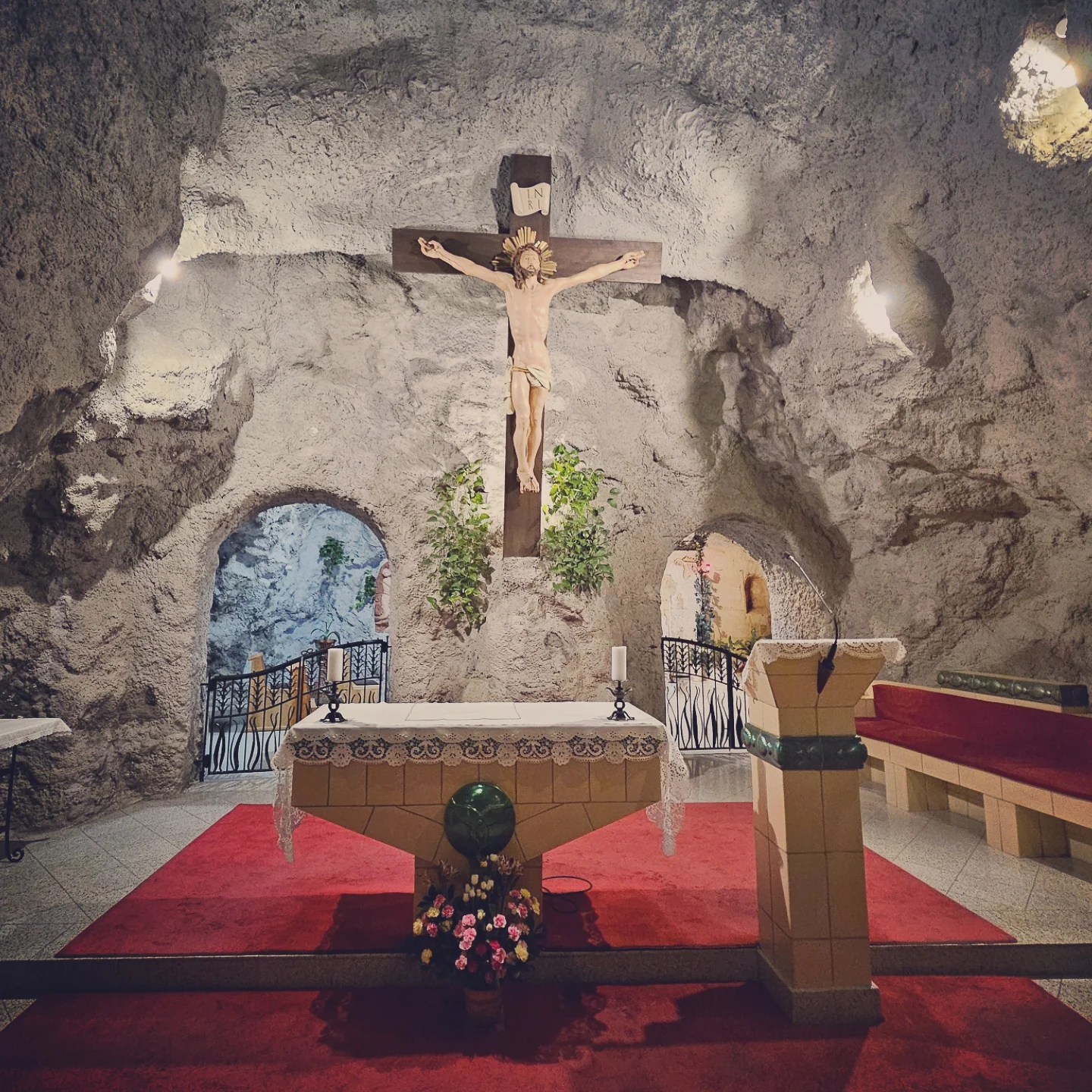
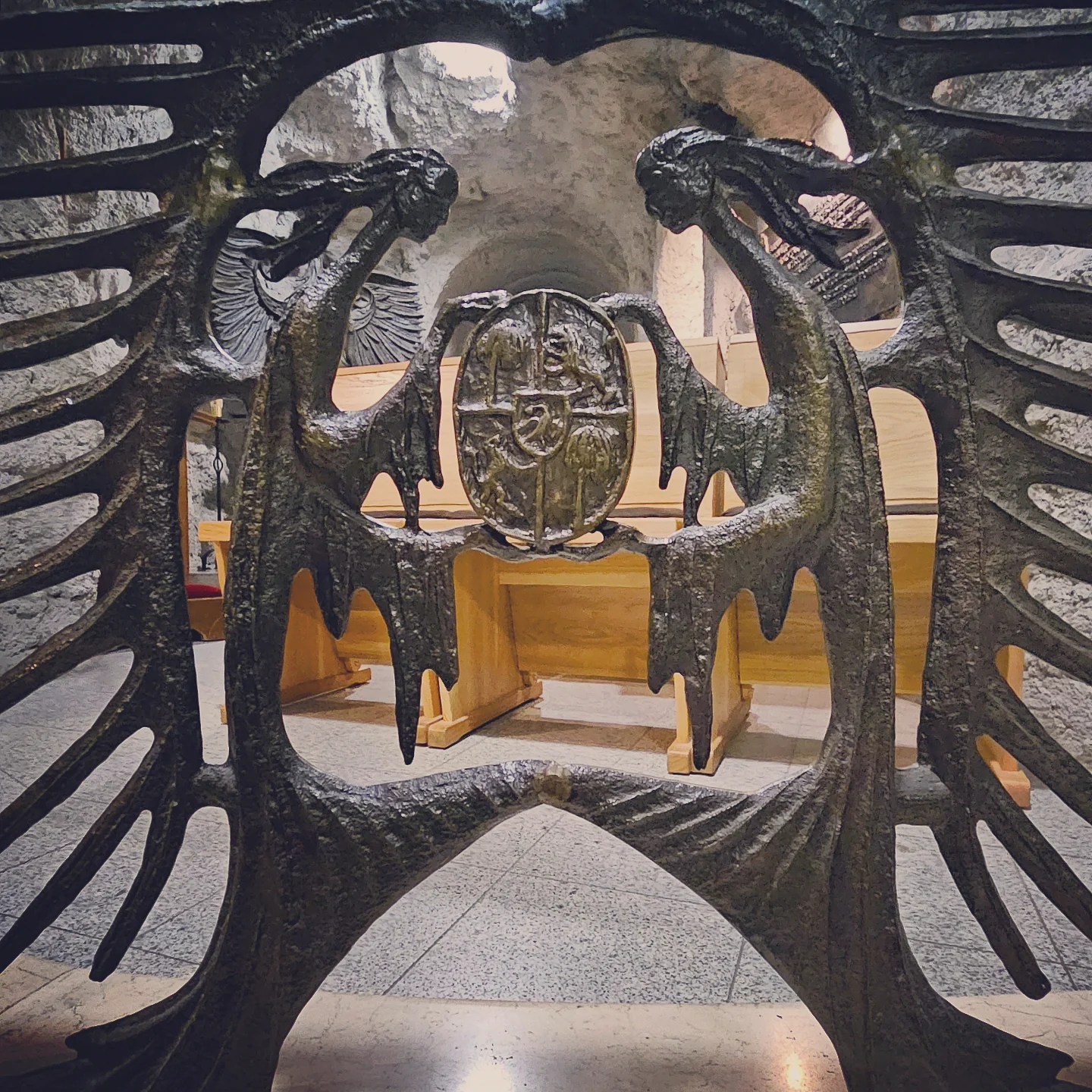
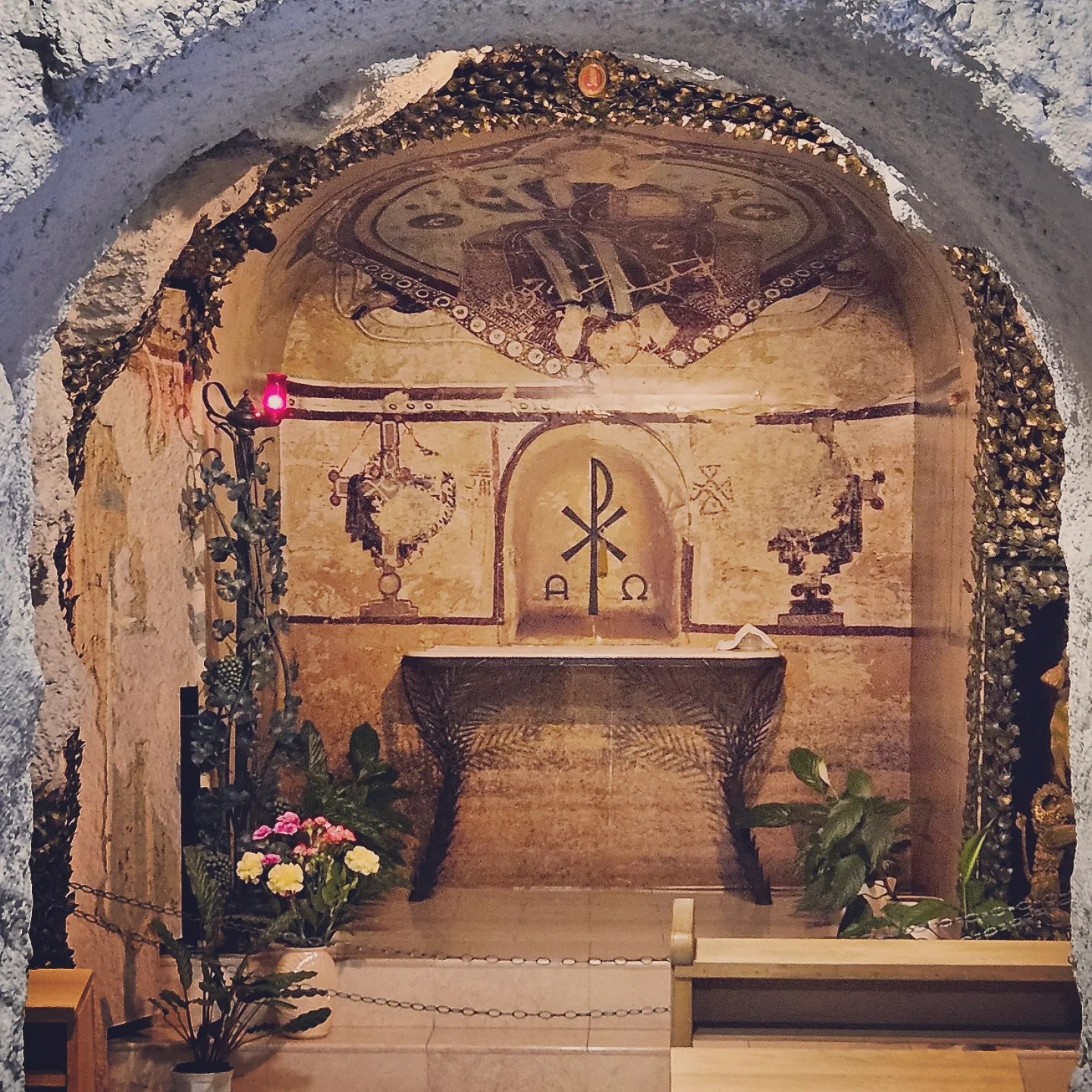
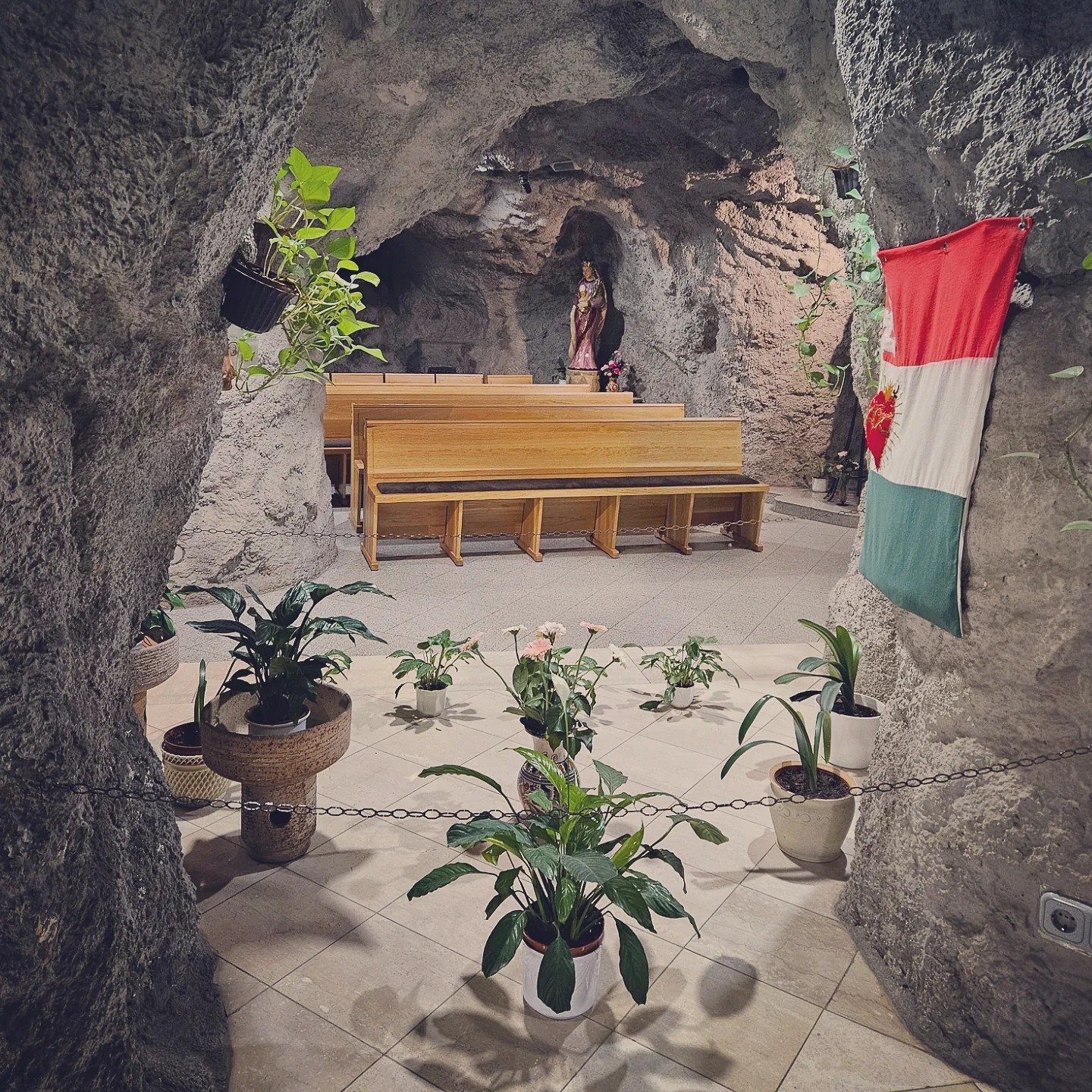
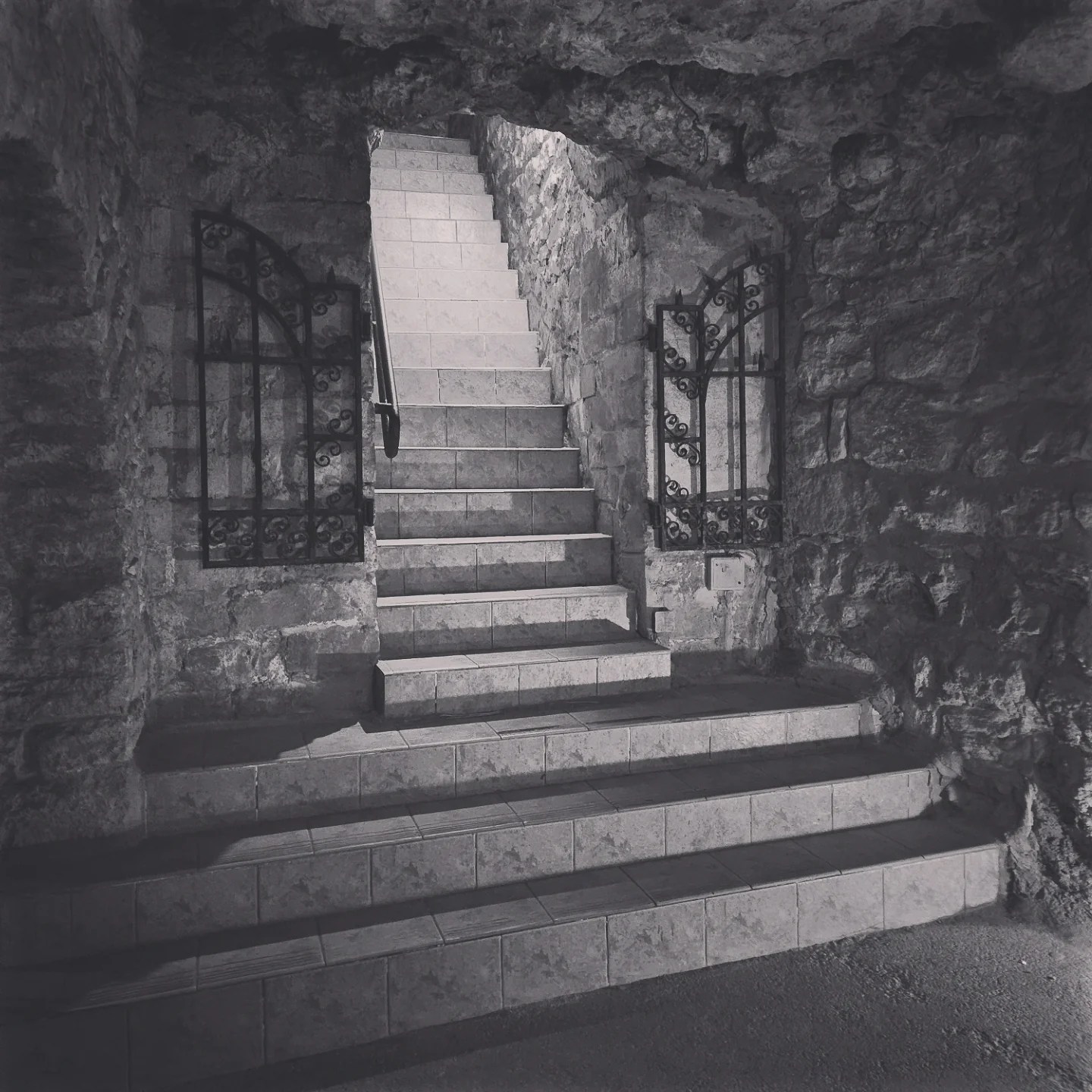
At its base lies the Cave Church (Sziklatemplom), a fascinating chapel carved into the rock face. Once used by monks, the church was sealed off during Hungary’s Communist era but is now open to visitors once again. After stepping inside its quiet, peaceful interior, we continued our climb up Gellért Hill to take in sweeping night views over Budapest—a glowing panorama of bridges, rooftops, and the illuminated Parliament shining across the Danube.

A Culinary Walk, St. Stephen’s Basilica & a Night at the Opera
Budapest Culinary & Wine Walk
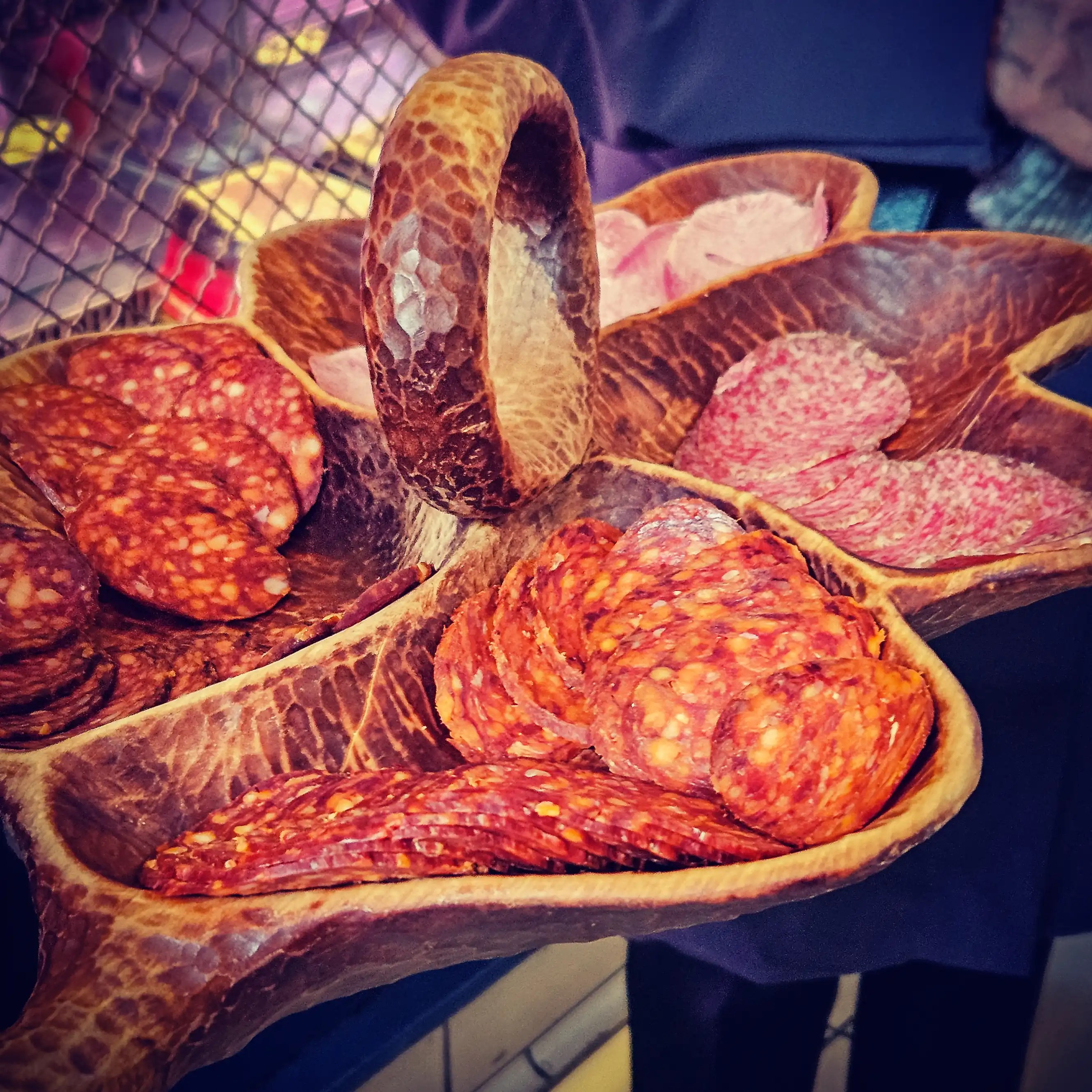
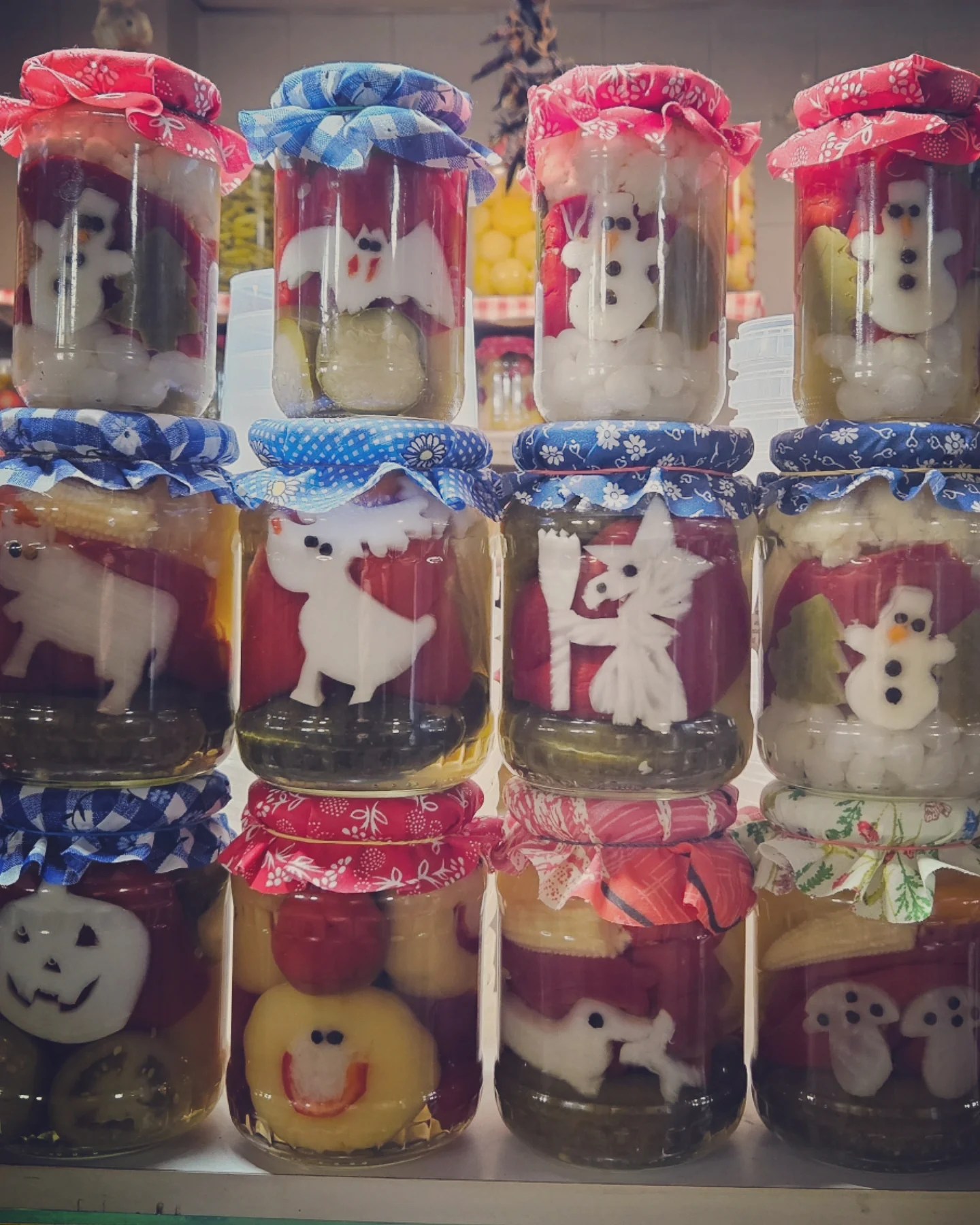
We kicked off the day with a food and wine walking tour booked via Trip Advisor, starting at the iconic Central Market Hall. We sampled savory Lángos (which looked like cheesy pizza), cured meats, pickled vegetables, and enjoyed our first taste of Unicum—Hungary’s signature herbal liqueur. Stops included:
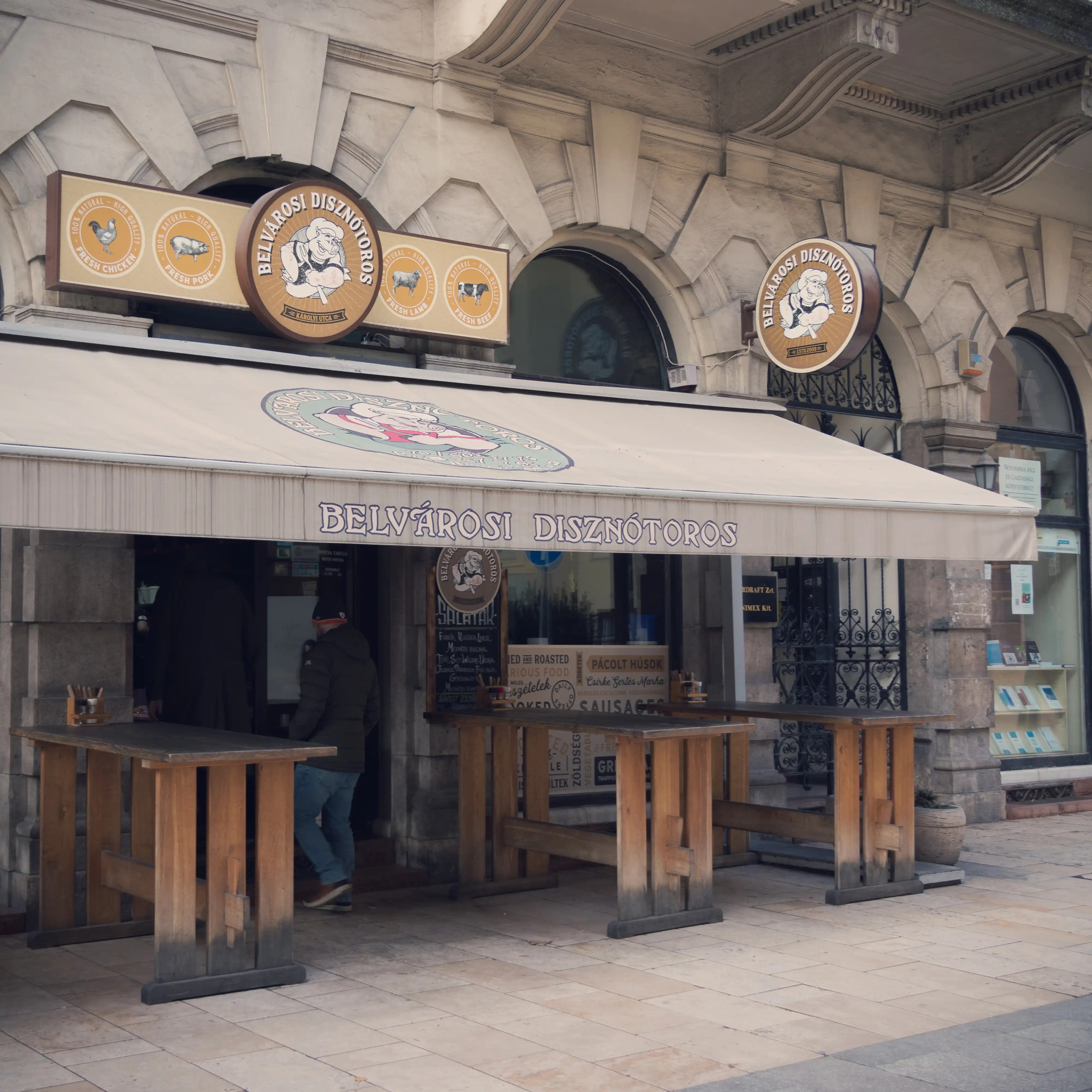
- Belvárosi Disznótörös: a delicious sausage tasting (surprisingly, the blood sausage won me over!)
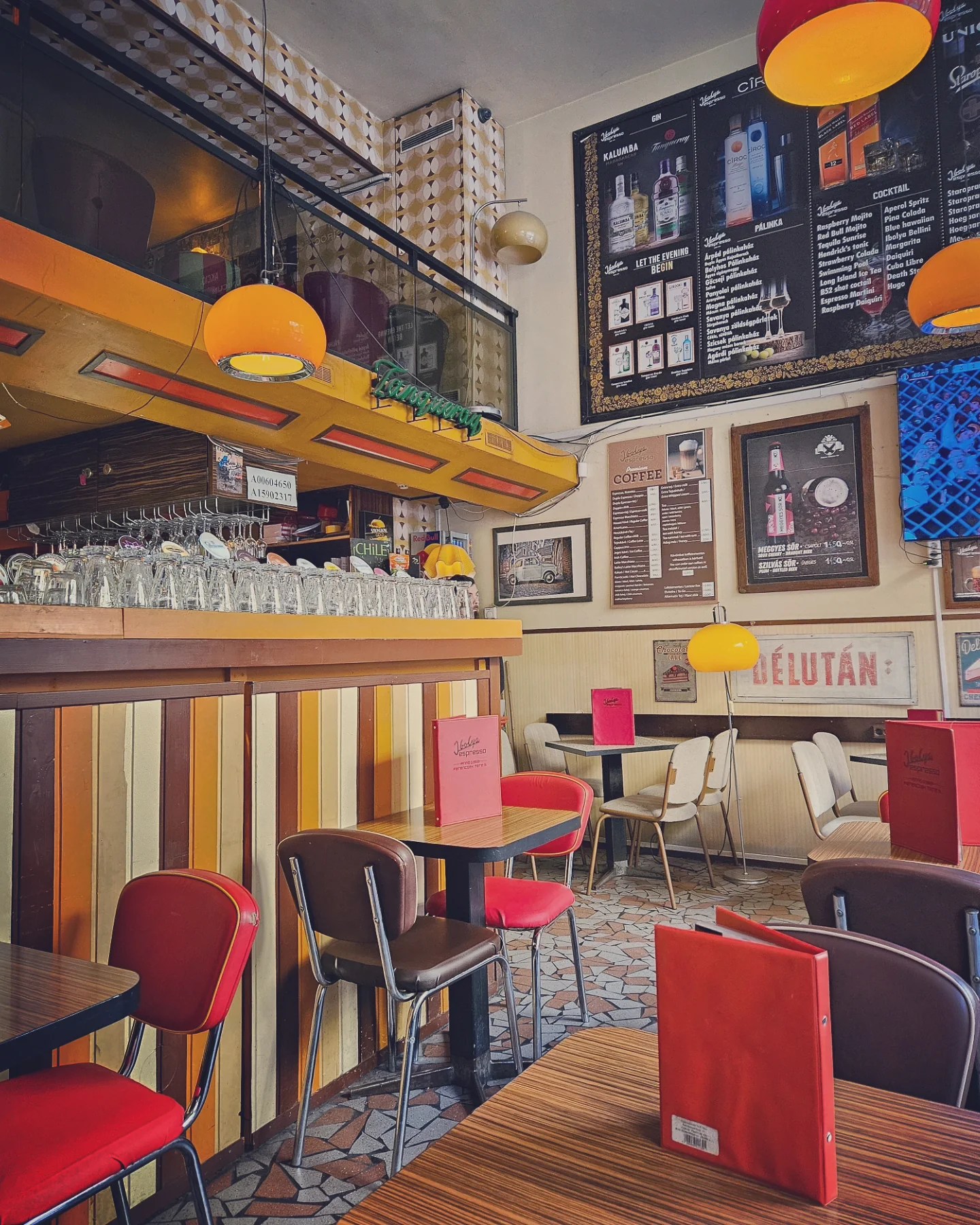
- Ibolya Espresso: where we braved the bitter bite of Unicum
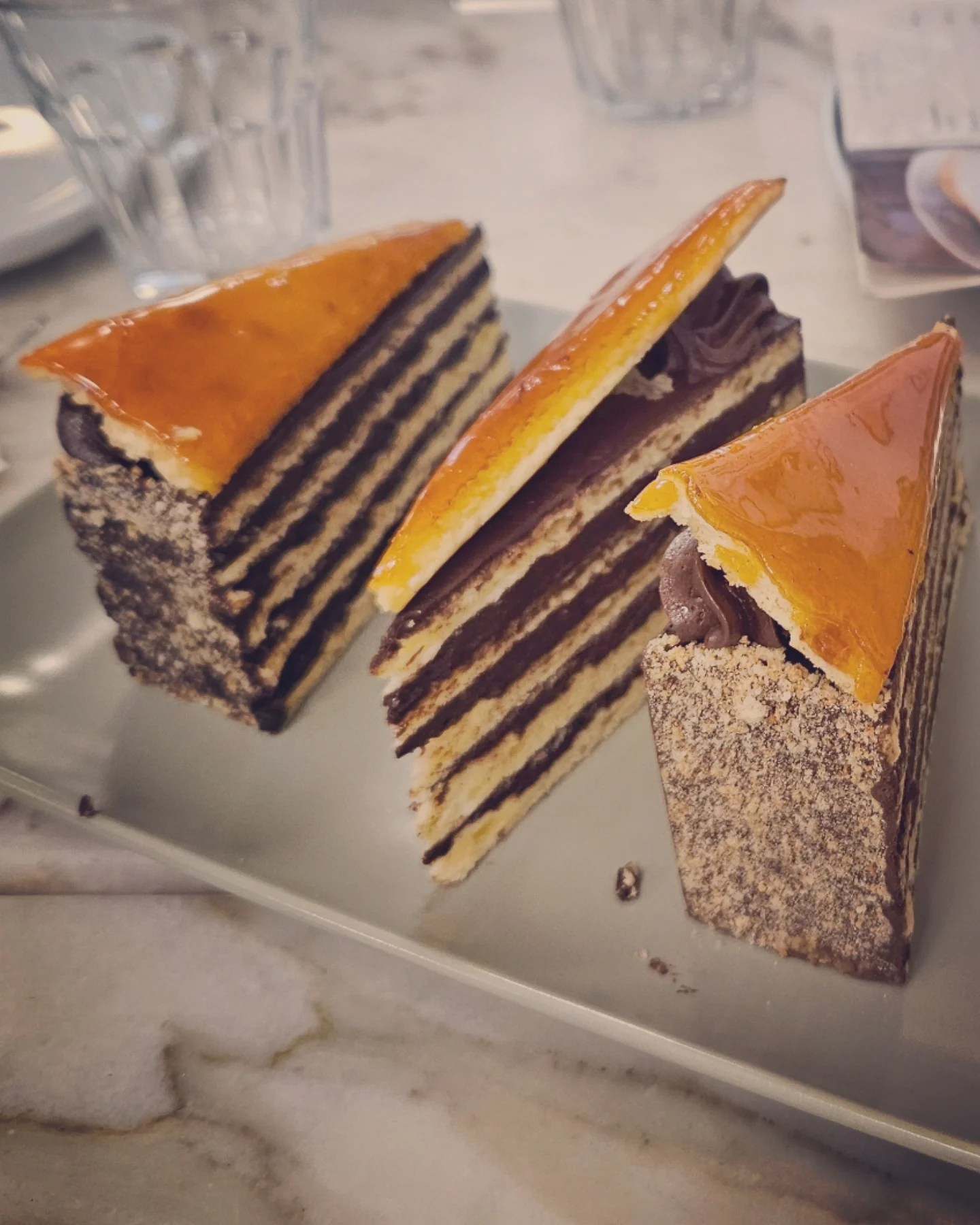
- Geraldine – Auguszt a Múzeumkertben: with decadent tortes in a charming historic pastry shop
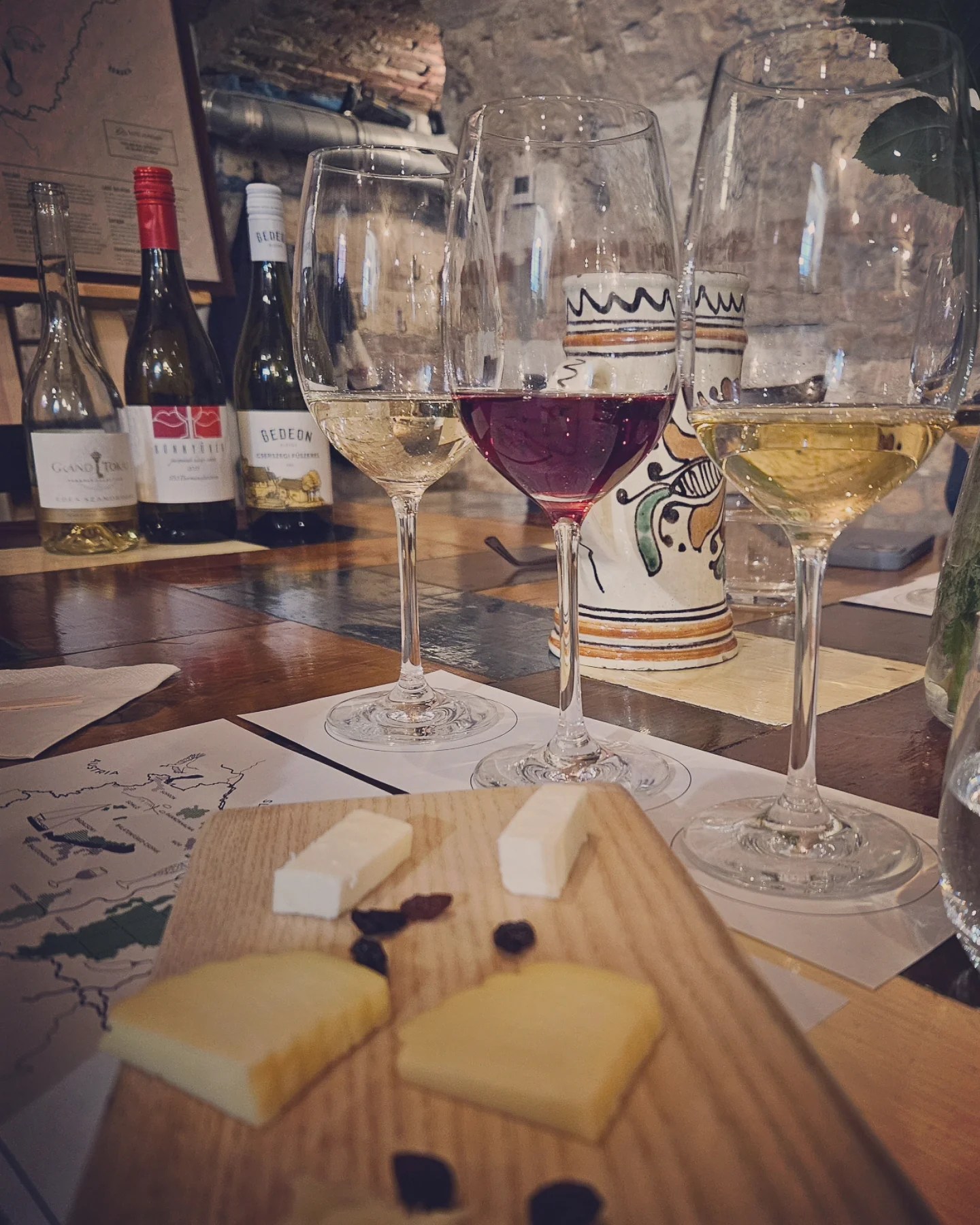
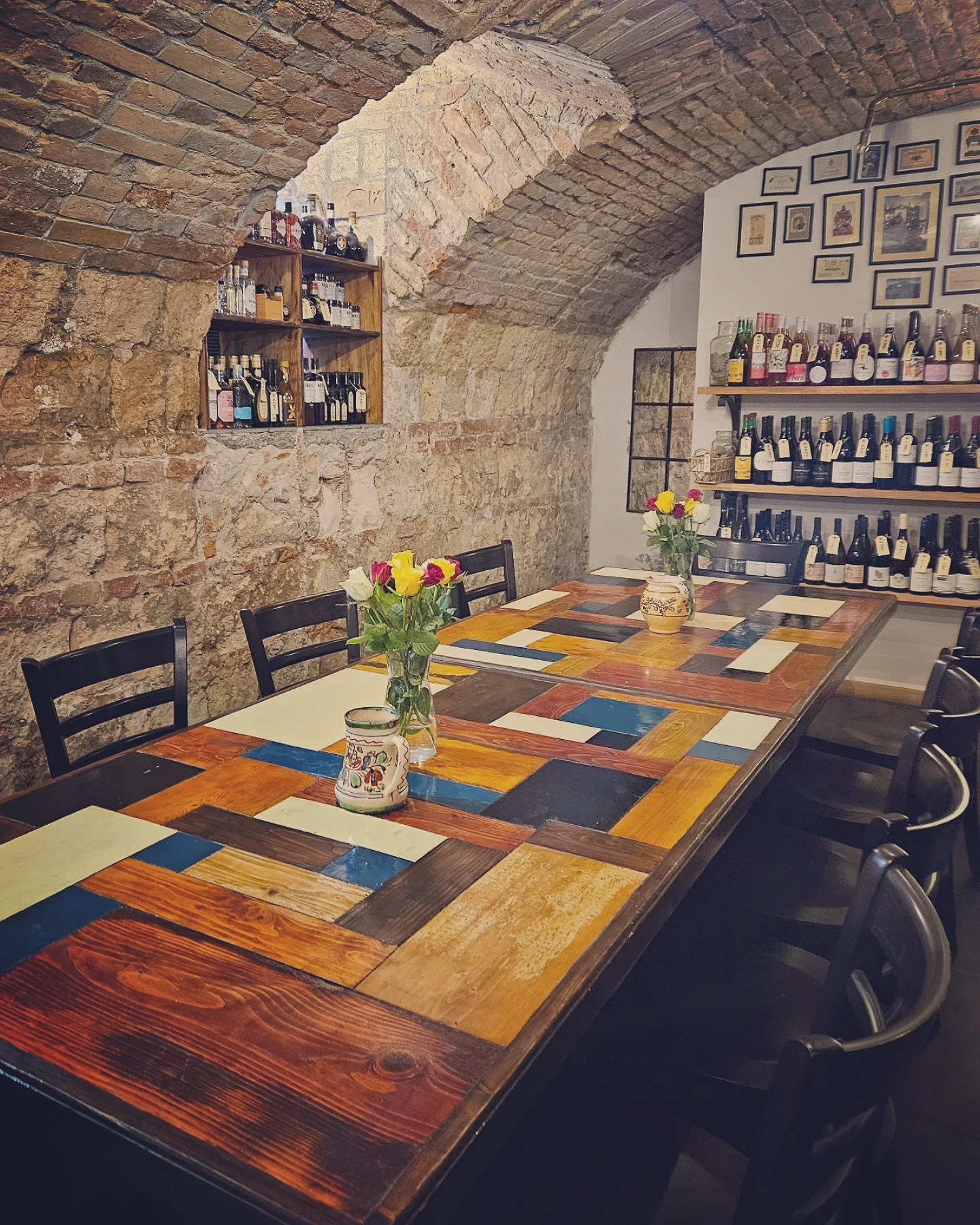
- Tasting Table Budapest: a highlight, with expertly paired Hungarian wines and cheeses



St. Stephen’s Basilica & Christmas Market
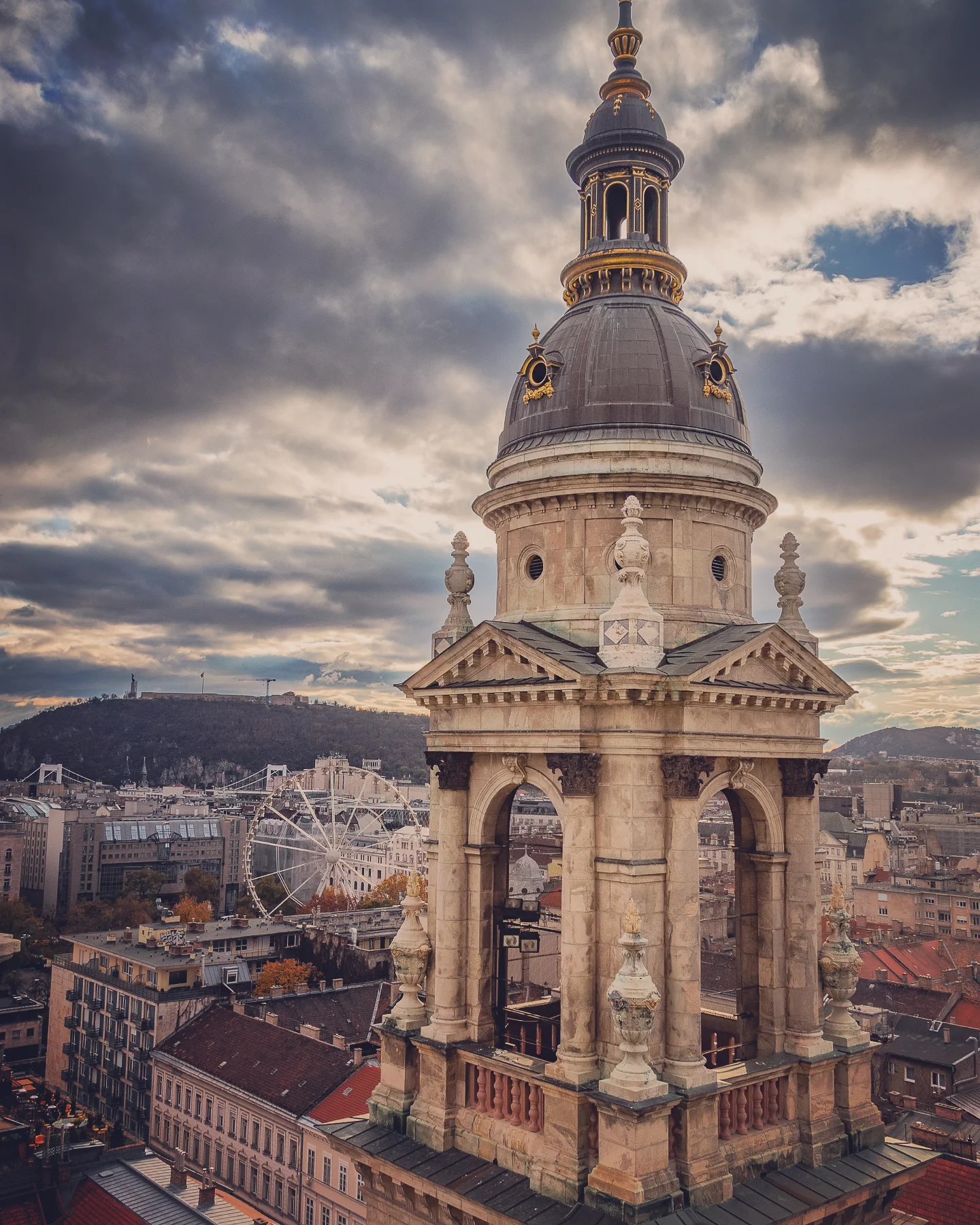
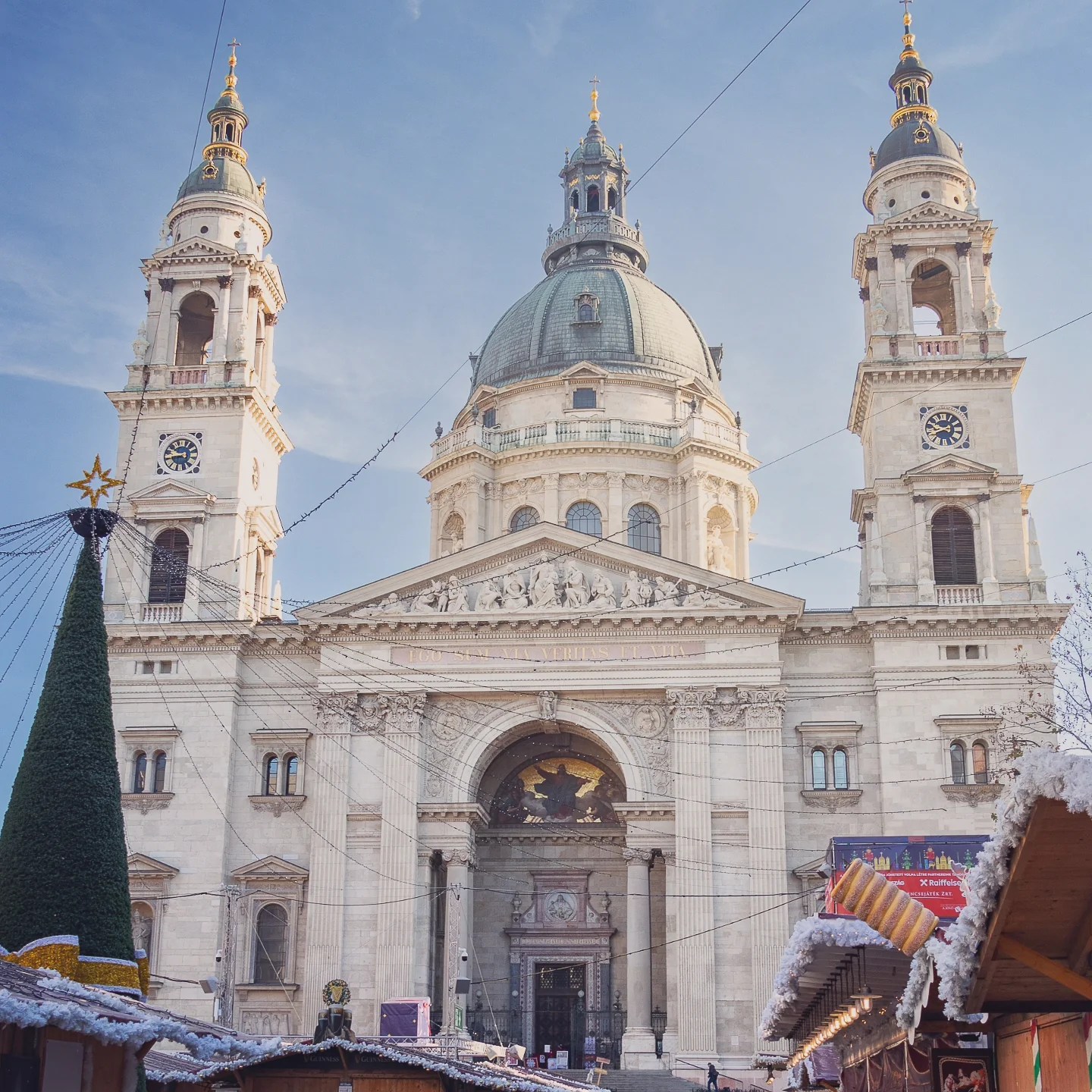
After lunch, we wandered toward St. Stephen’s Basilica, one of the most important religious buildings in Hungary and named after the country’s first king. Inside, we marveled at its ornate interior and the preserved mummified hand of Saint Stephen himself—a national relic. We also climbed to the top of the dome for panoramic views over the city. Outside, the nearby Christmas market filled the square with music, lights, and holiday spirit.

A Special Night at the Hungarian State Opera
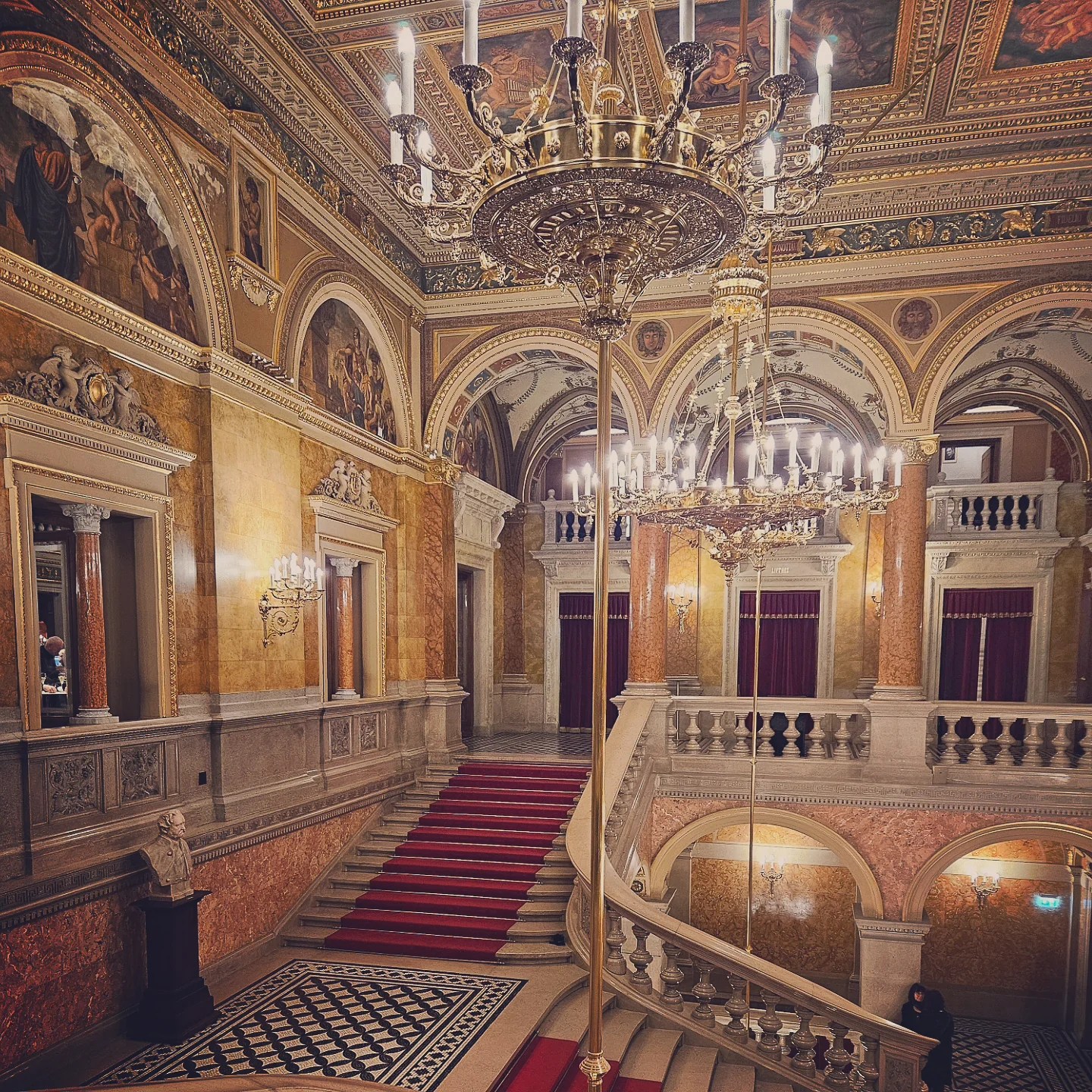
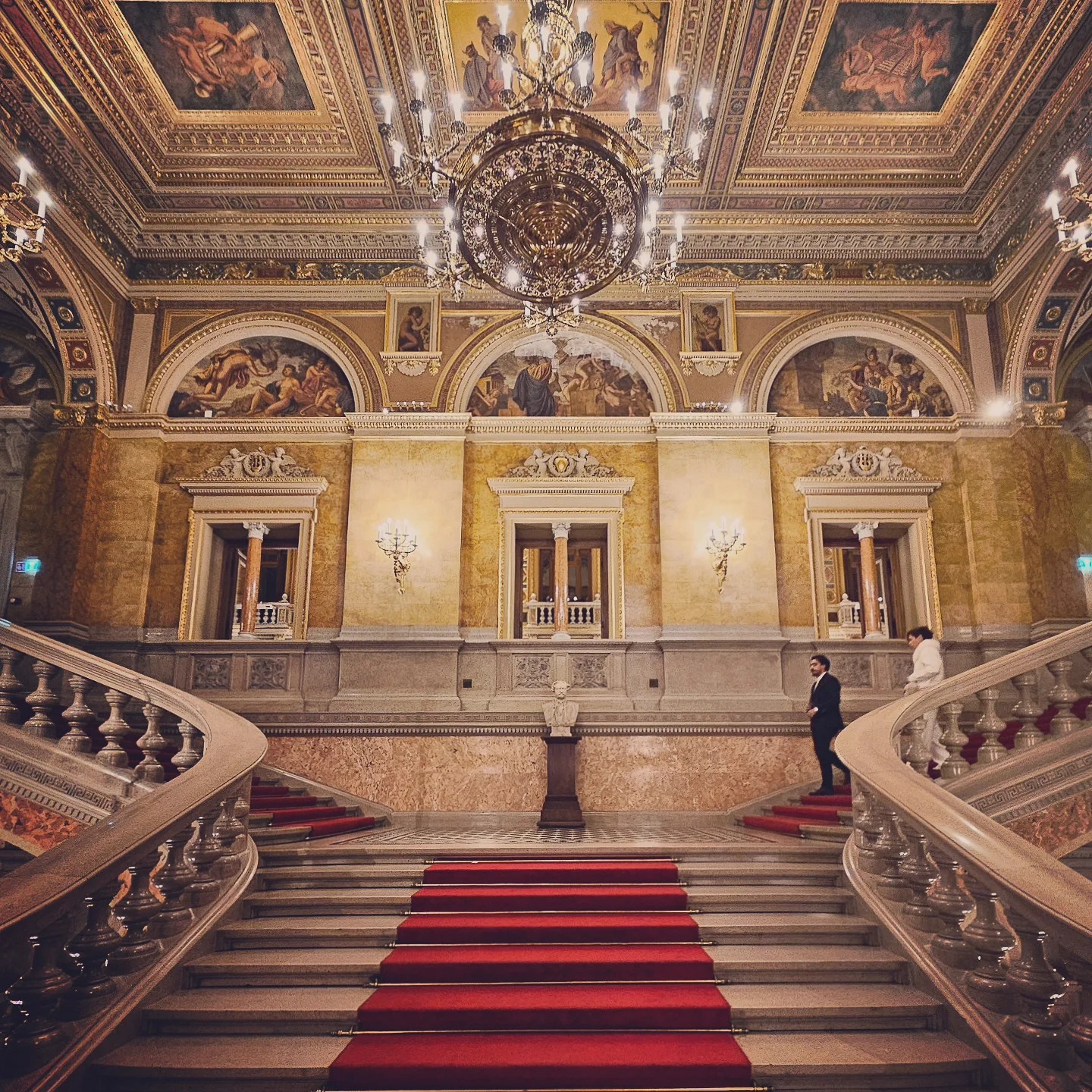
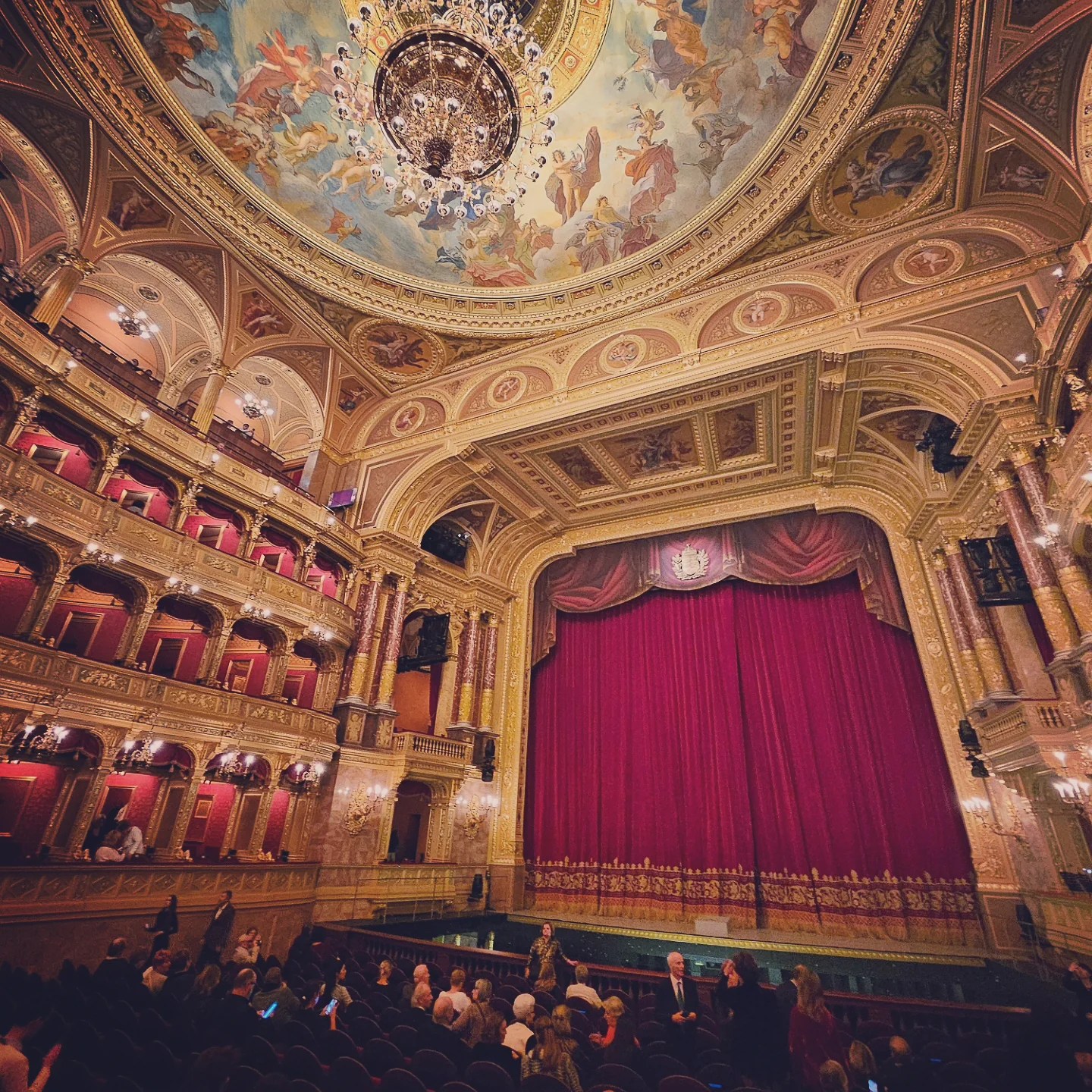
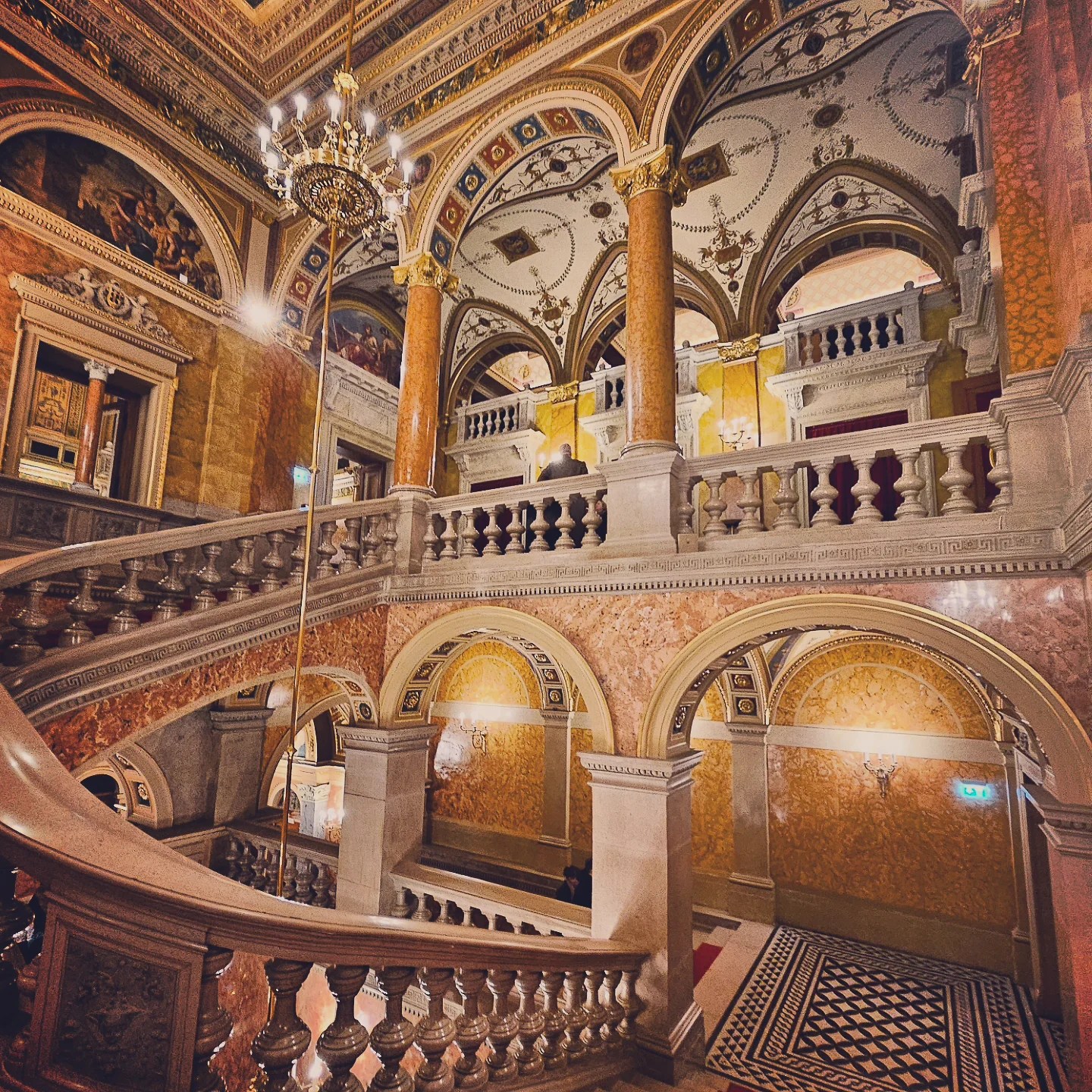
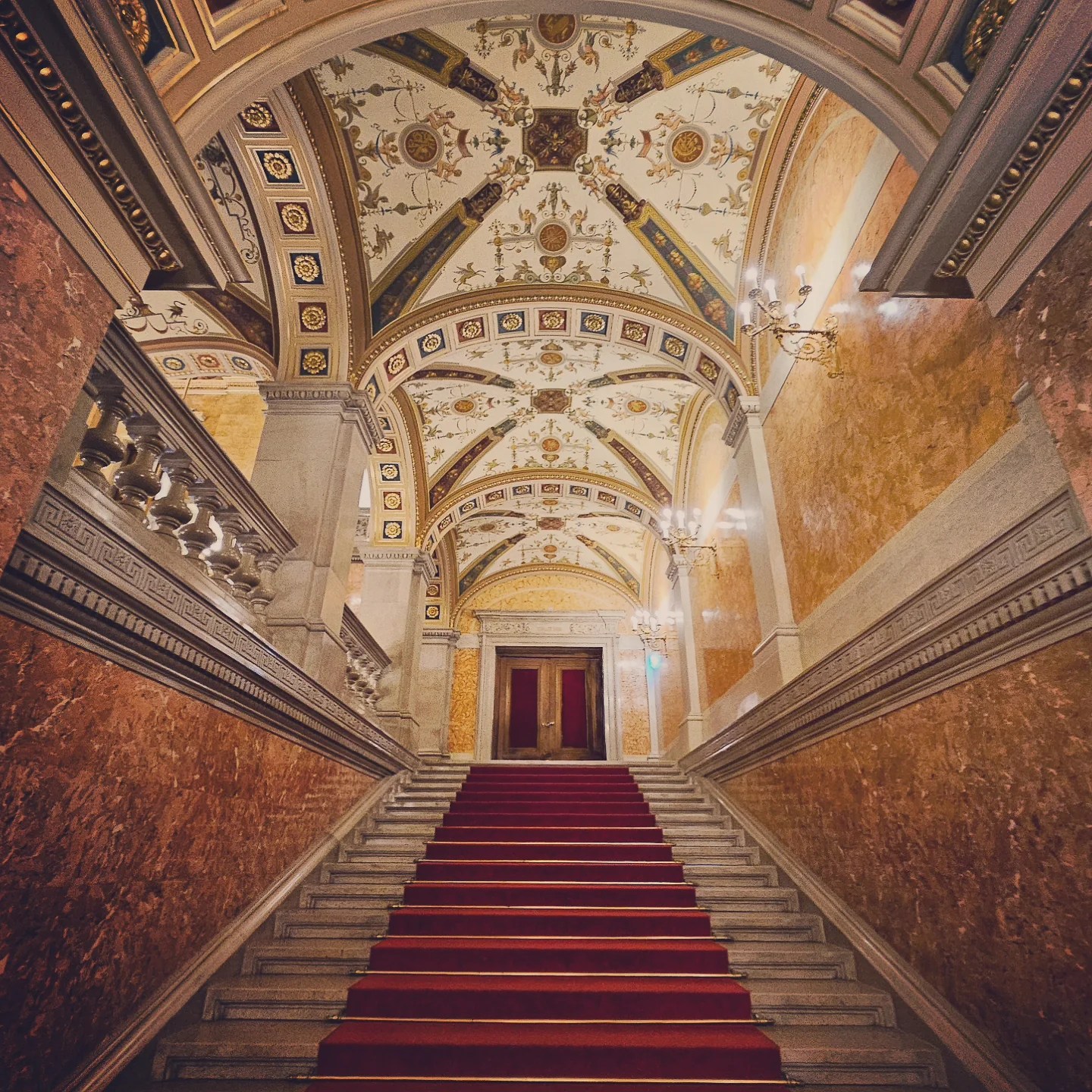
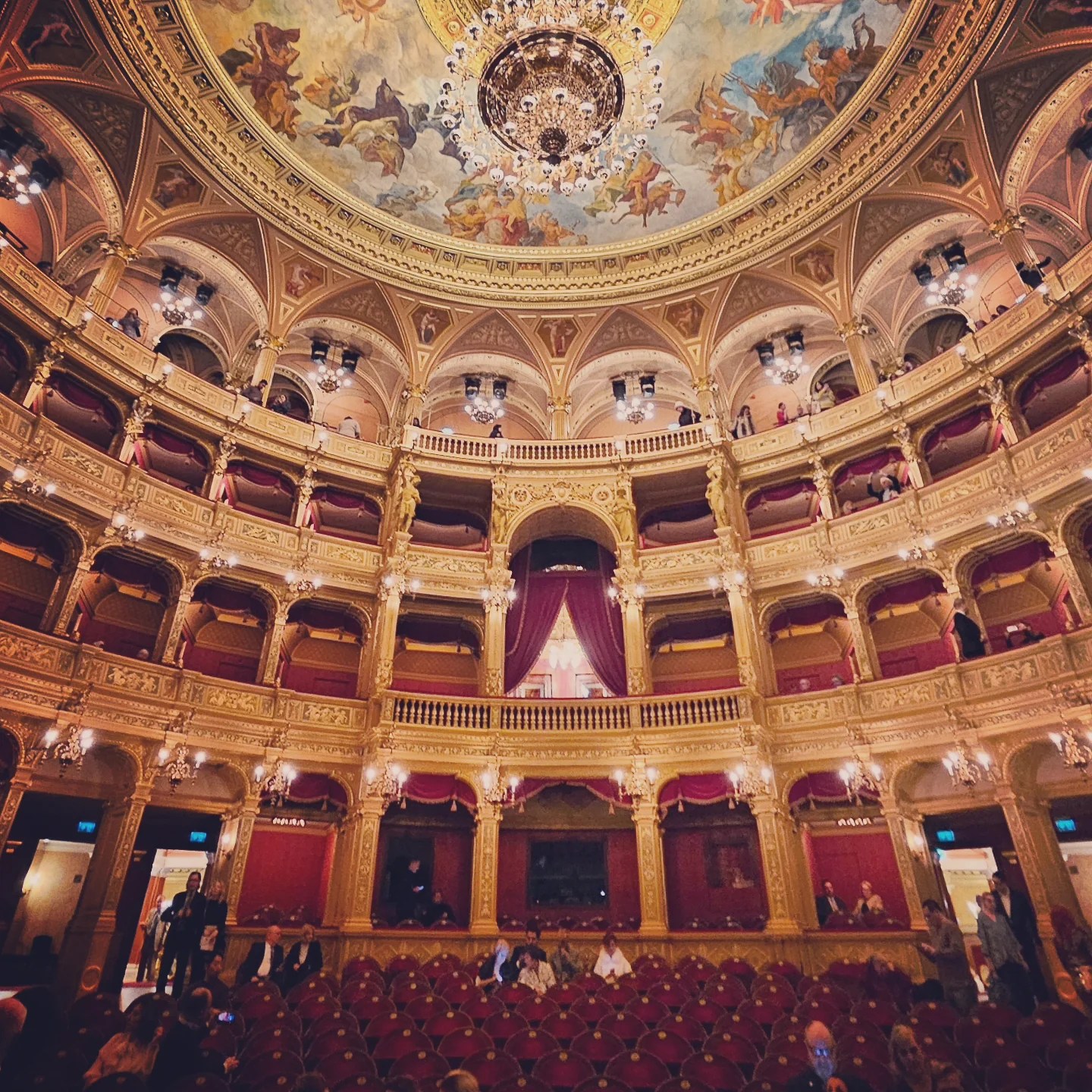
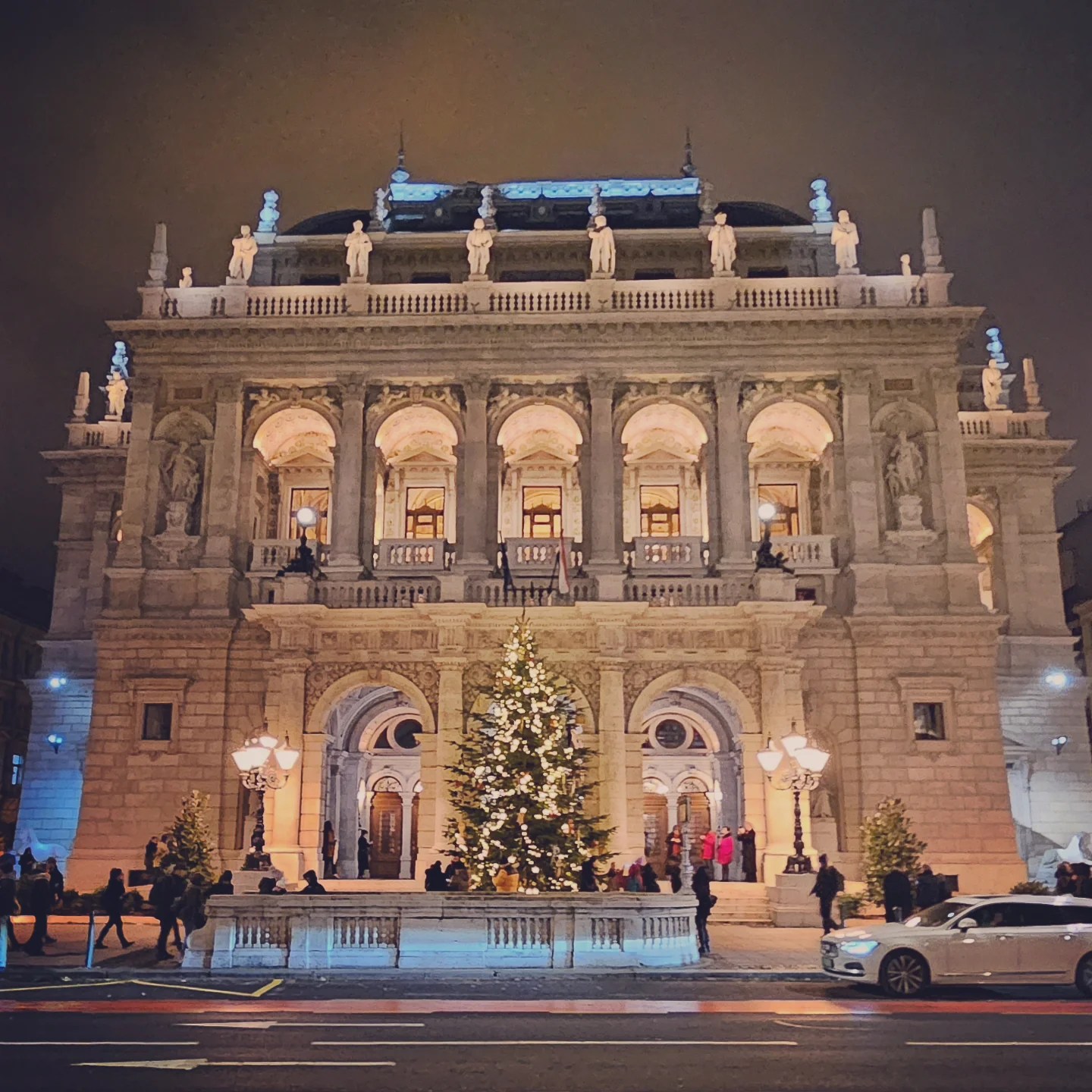
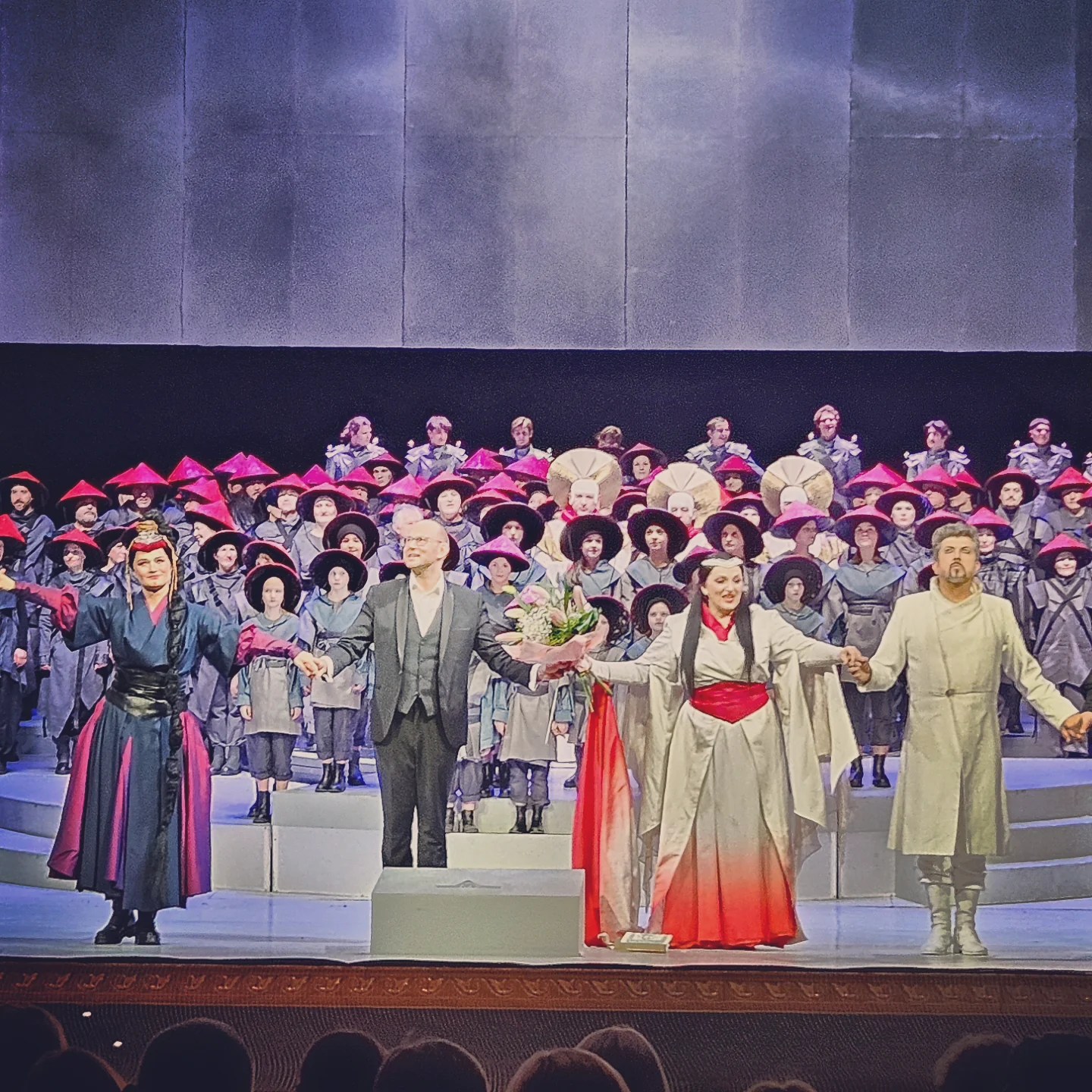
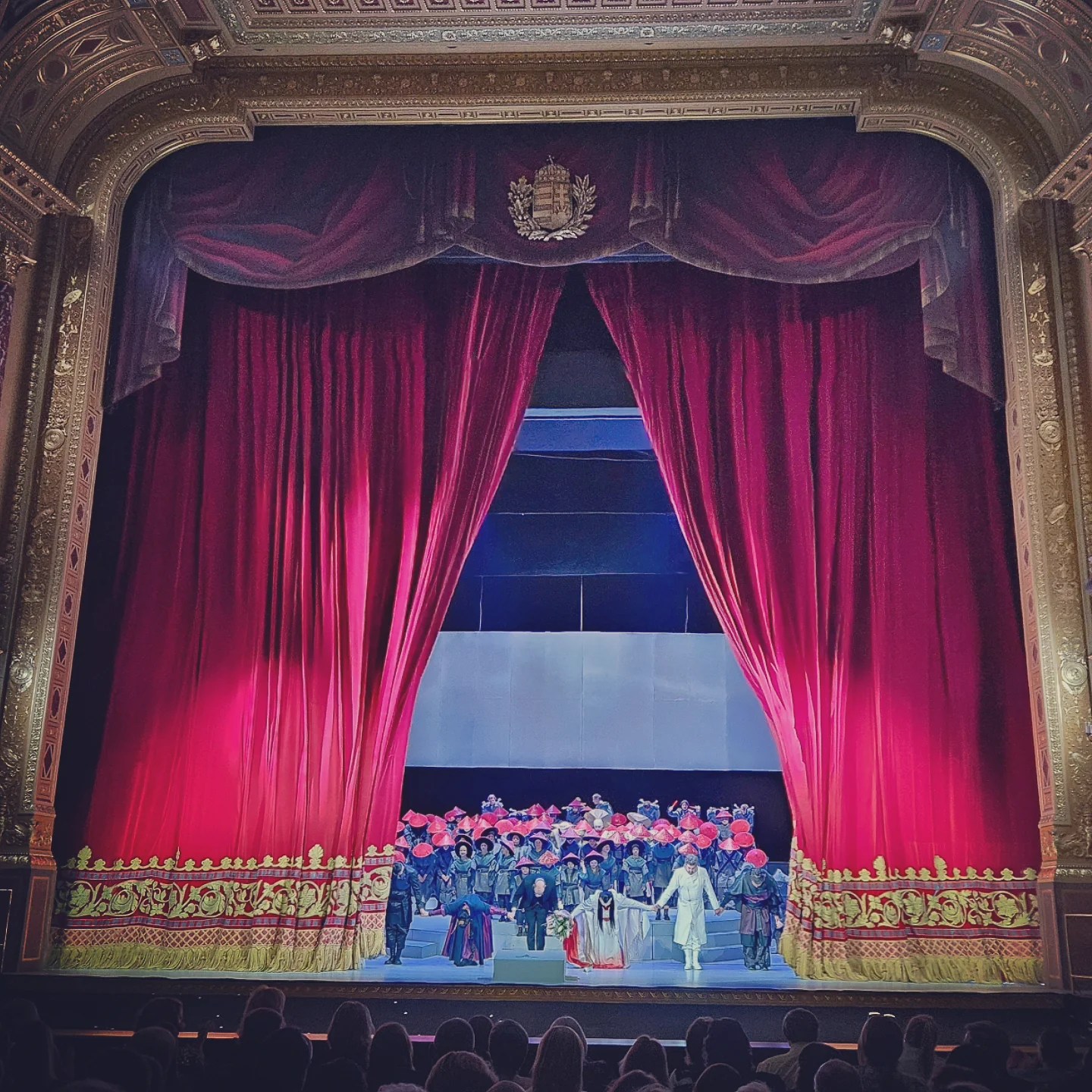
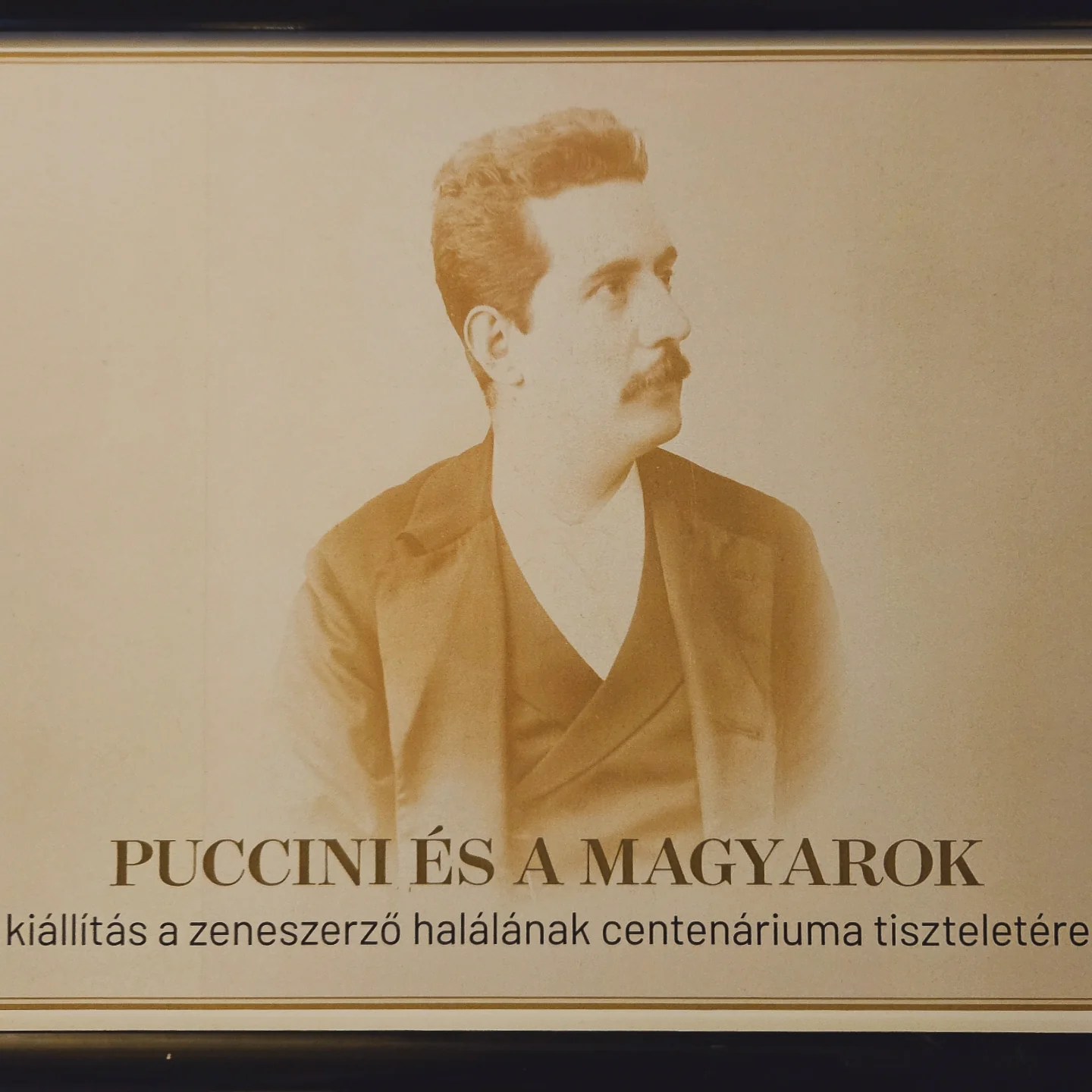
That evening—November 29, 2024—we attended Turandot at the Hungarian State Opera House, a magnificent Neo-Renaissance building known for its gilded interiors and world-class acoustics. We hadn’t realized when we booked it, but the performance marked the 100th anniversary of the death of Giacomo Puccini, the celebrated Italian composer behind La Bohème, Madama Butterfly, and Tosca.
Turandot was Puccini’s final—and unfinished—opera, completed after his death by composer Franco Alfano. During the intermission, a ceremony was held to open a special exhibit in Puccini’s honor, and the audience observed a moment of silence in remembrance. It was a powerful and moving night—both artistically and historically—that we’ll never forget.


Buda Castle District & A Grand Night Out in Budapest
Castle Hill: Funicular Ride & Buda Castle
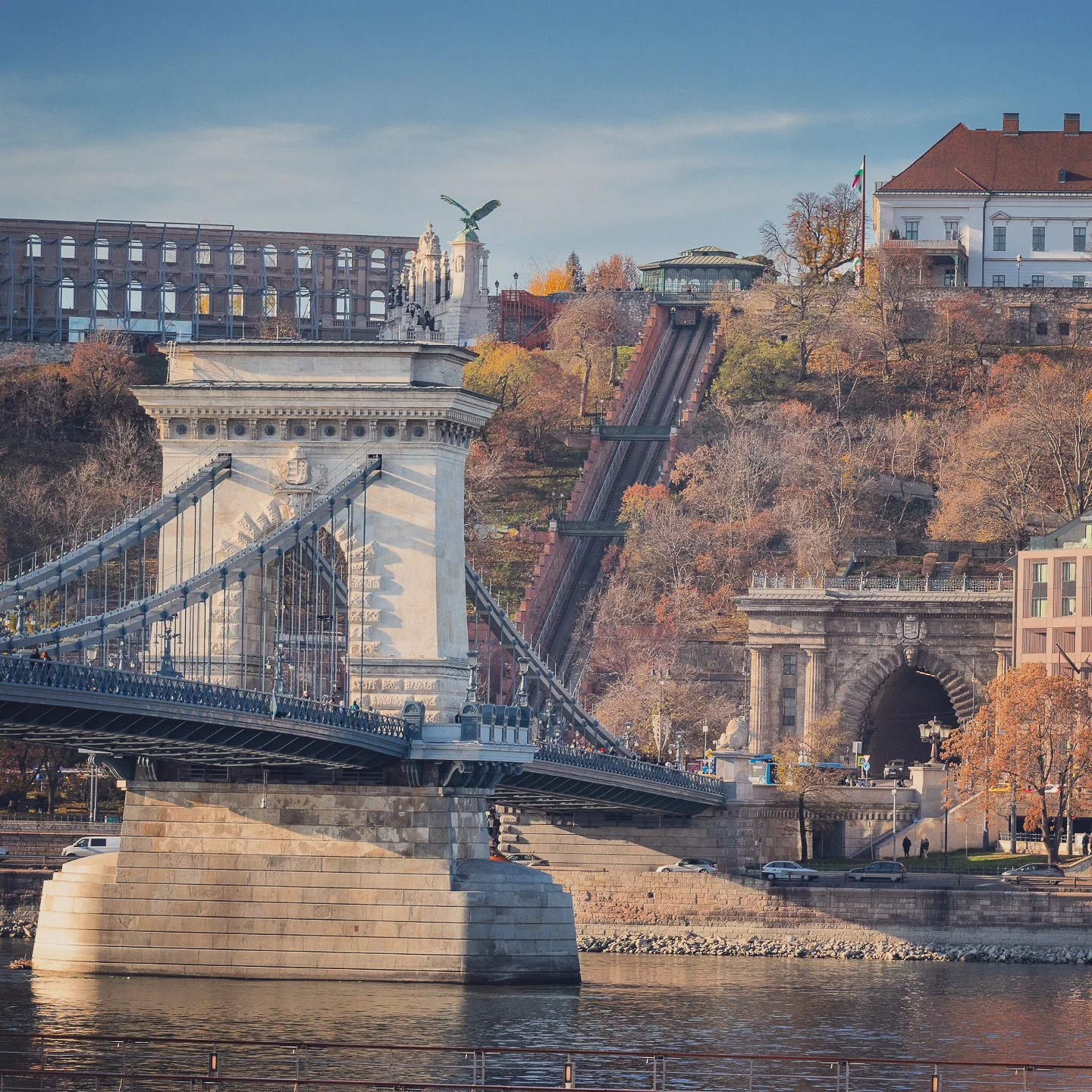
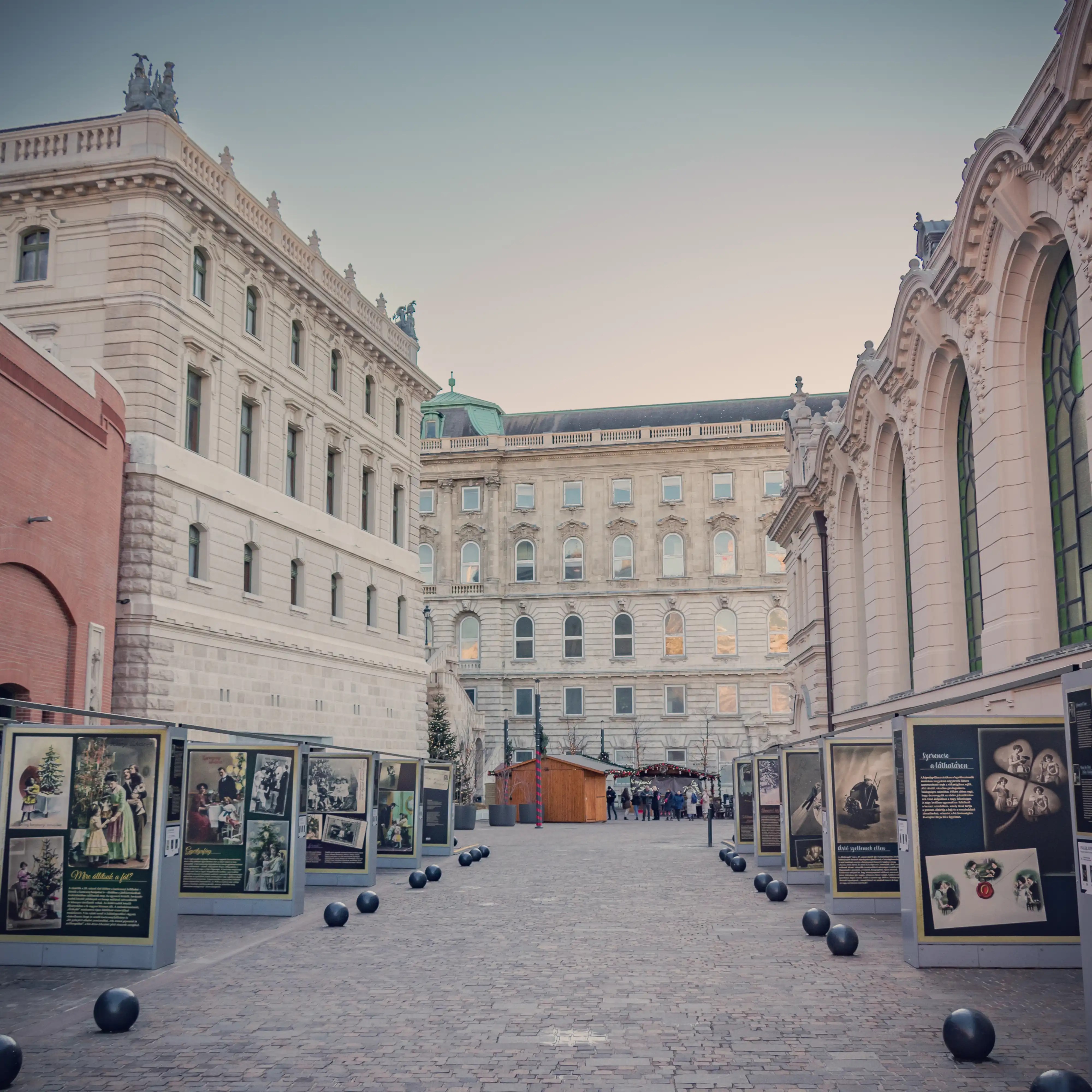
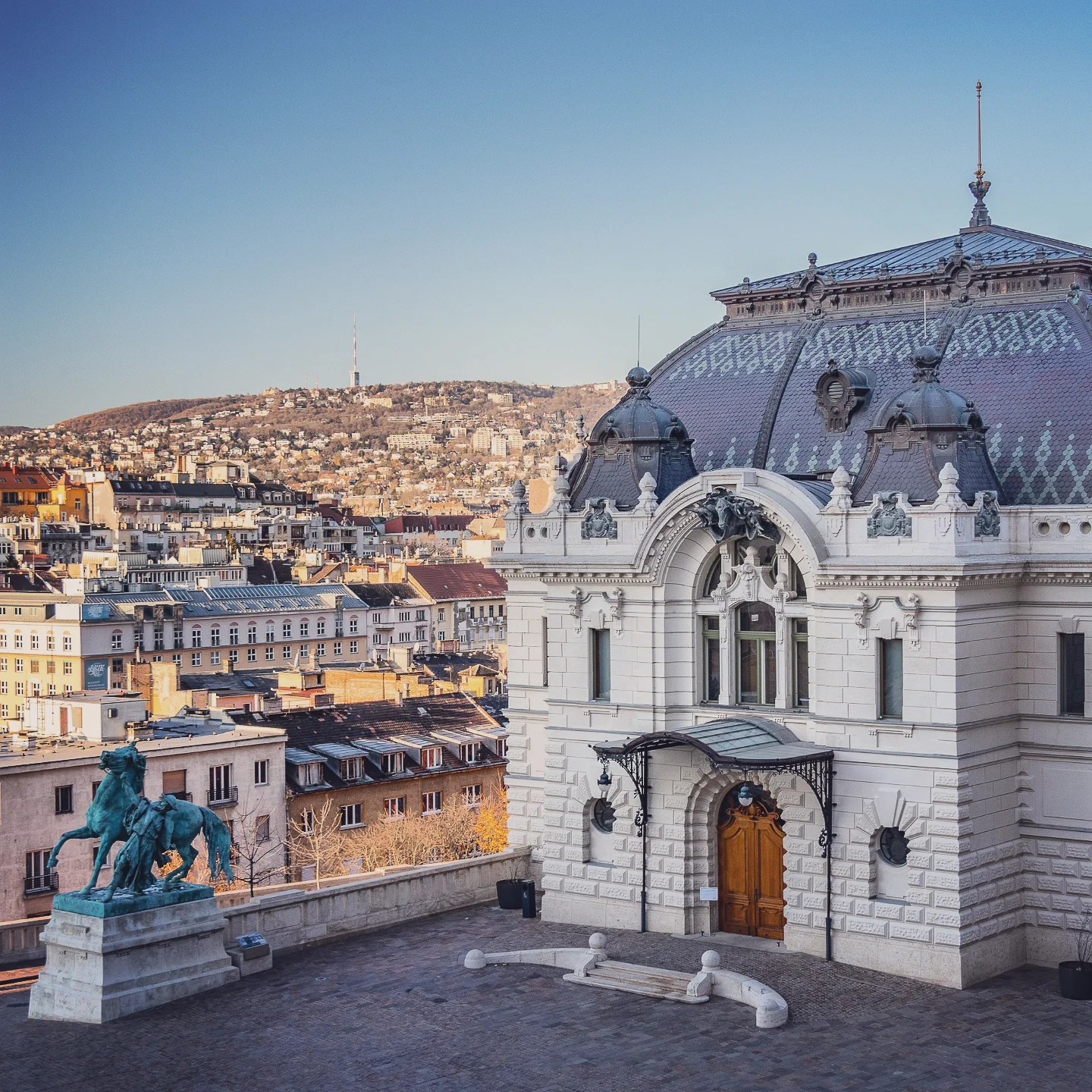
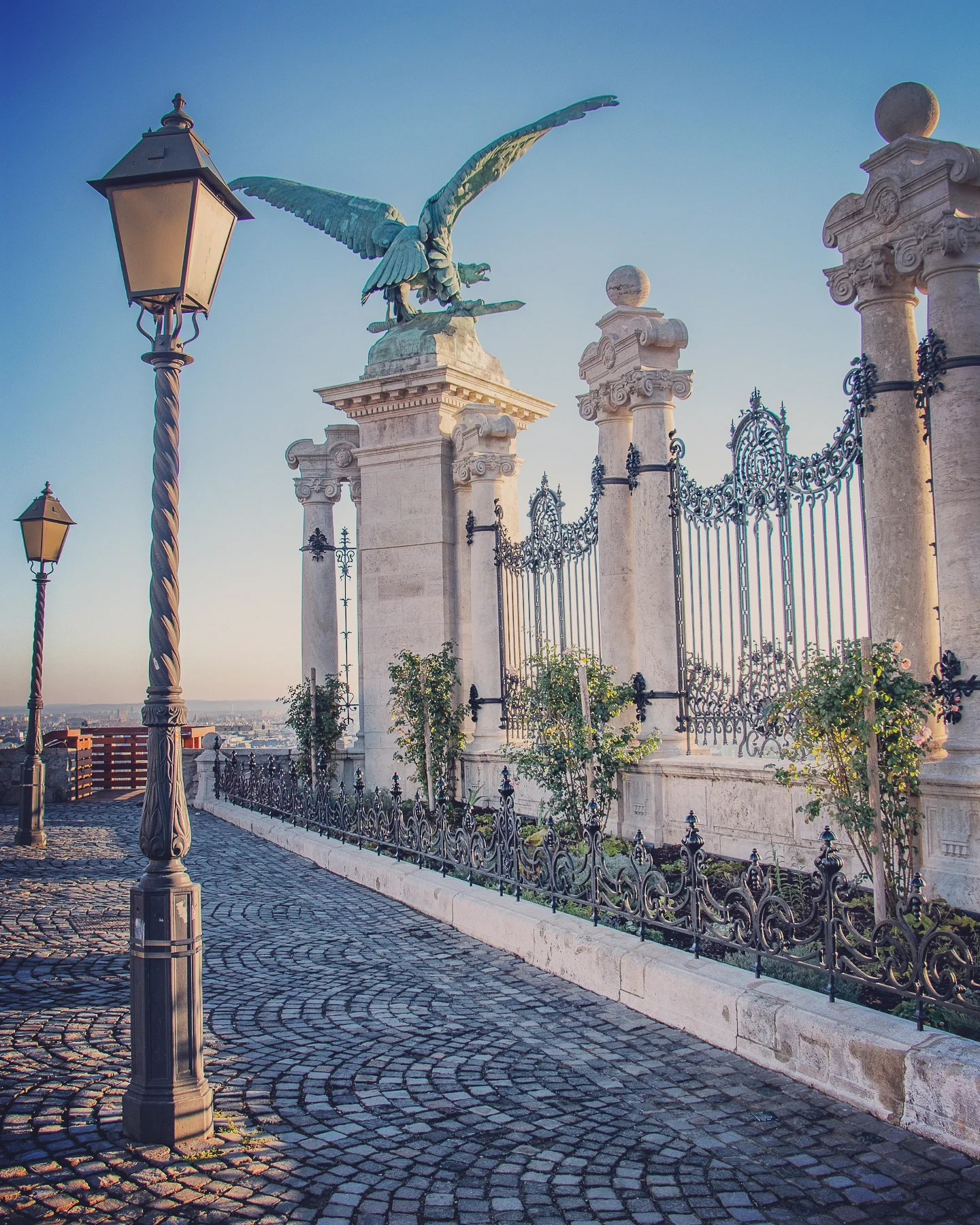
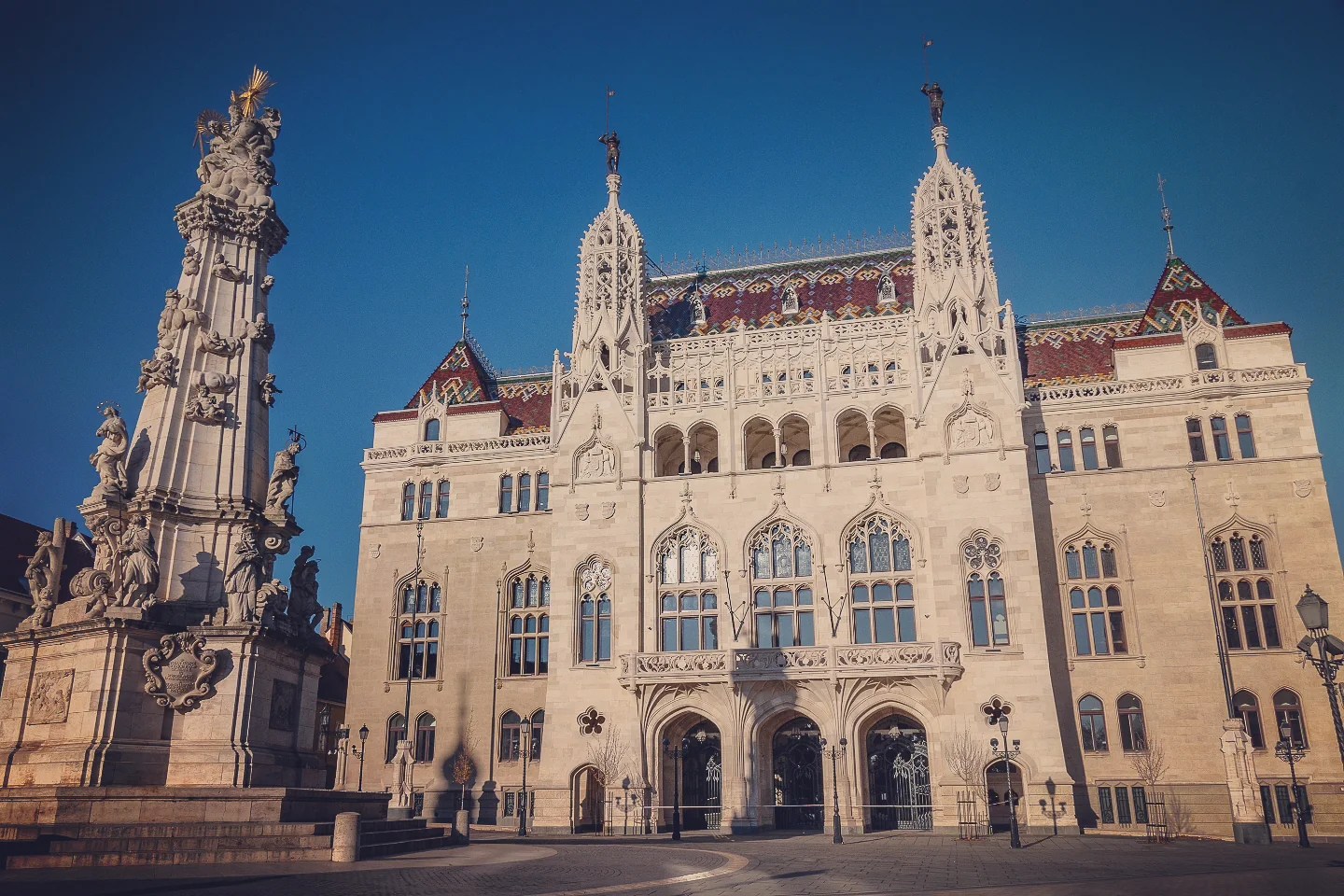
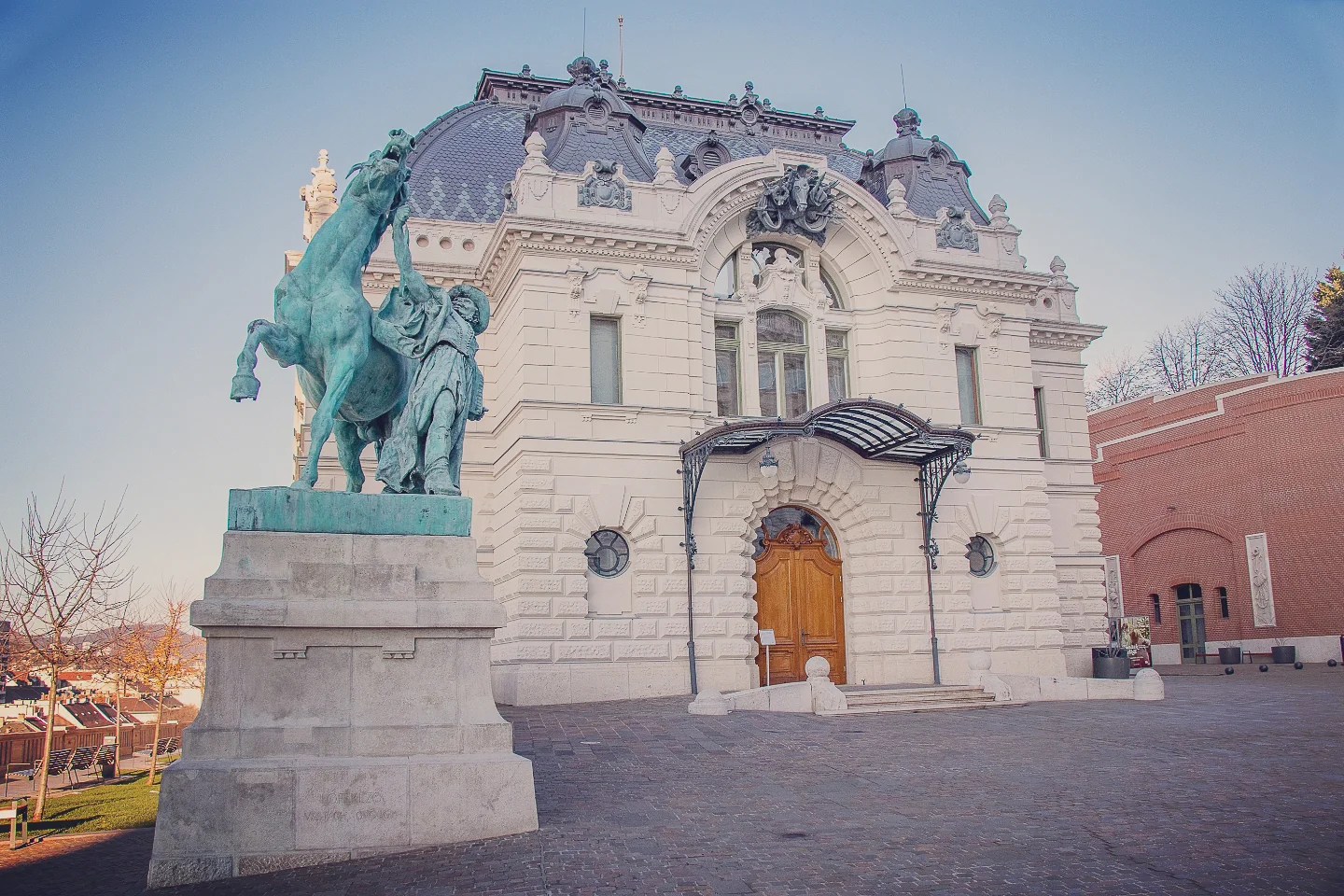
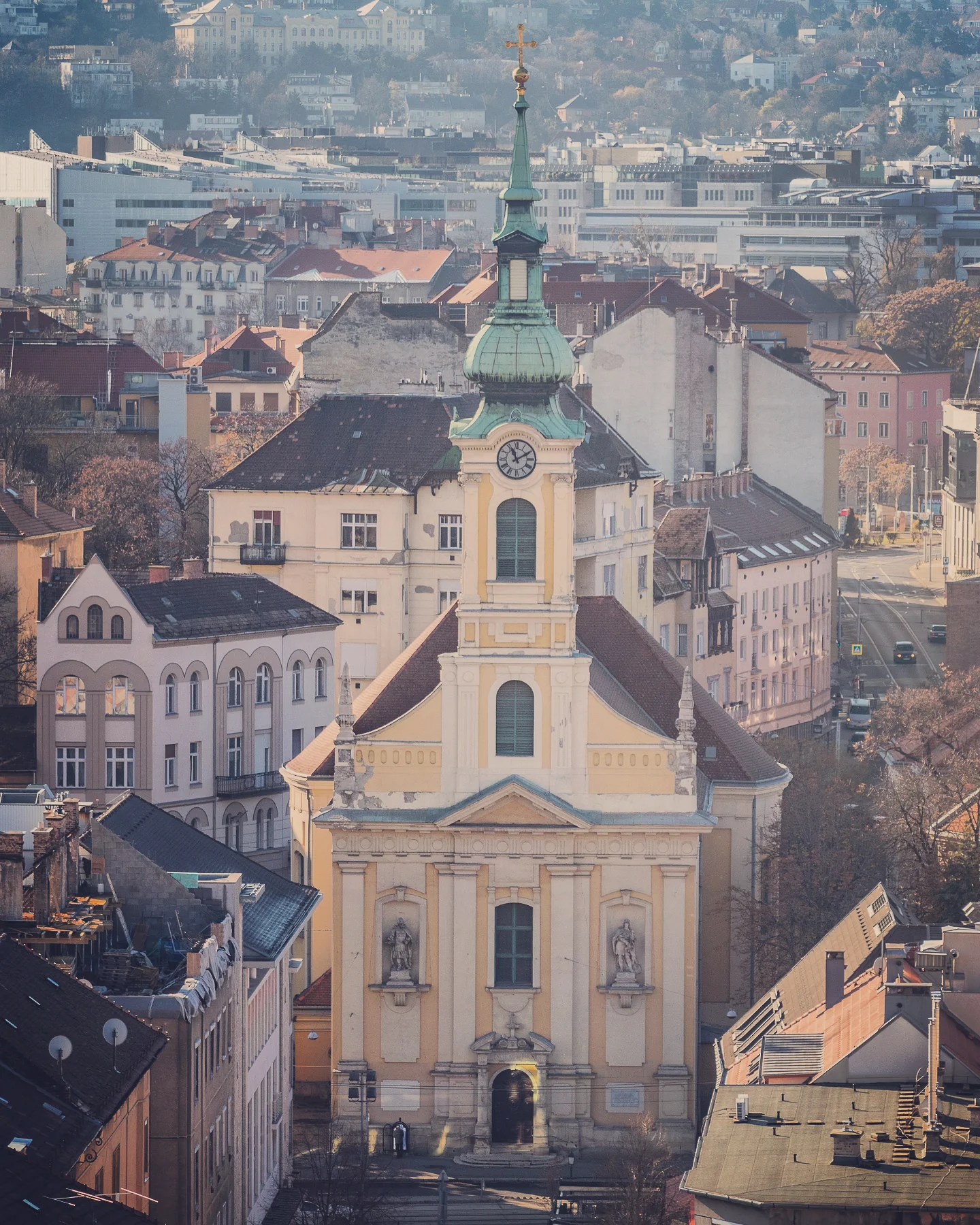
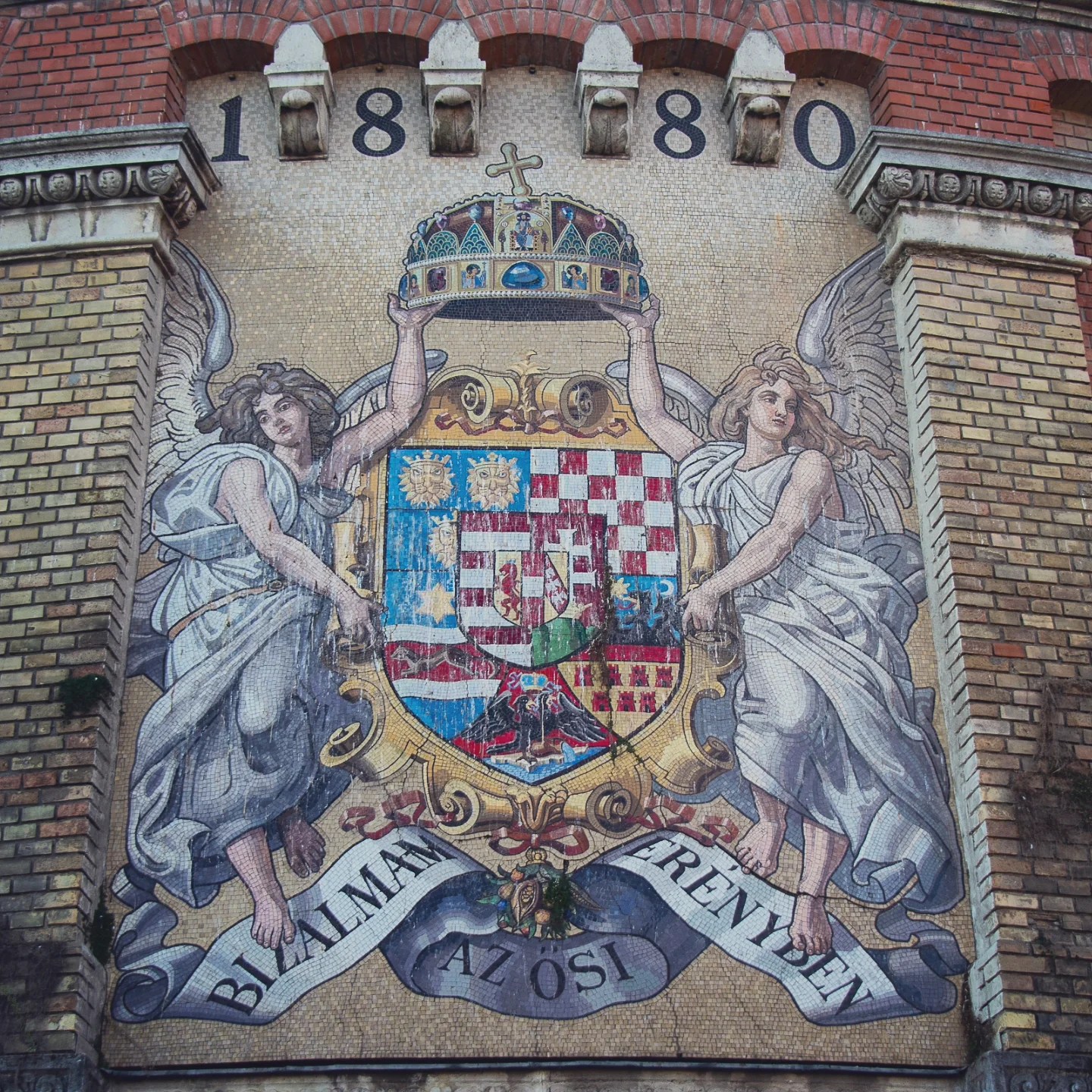
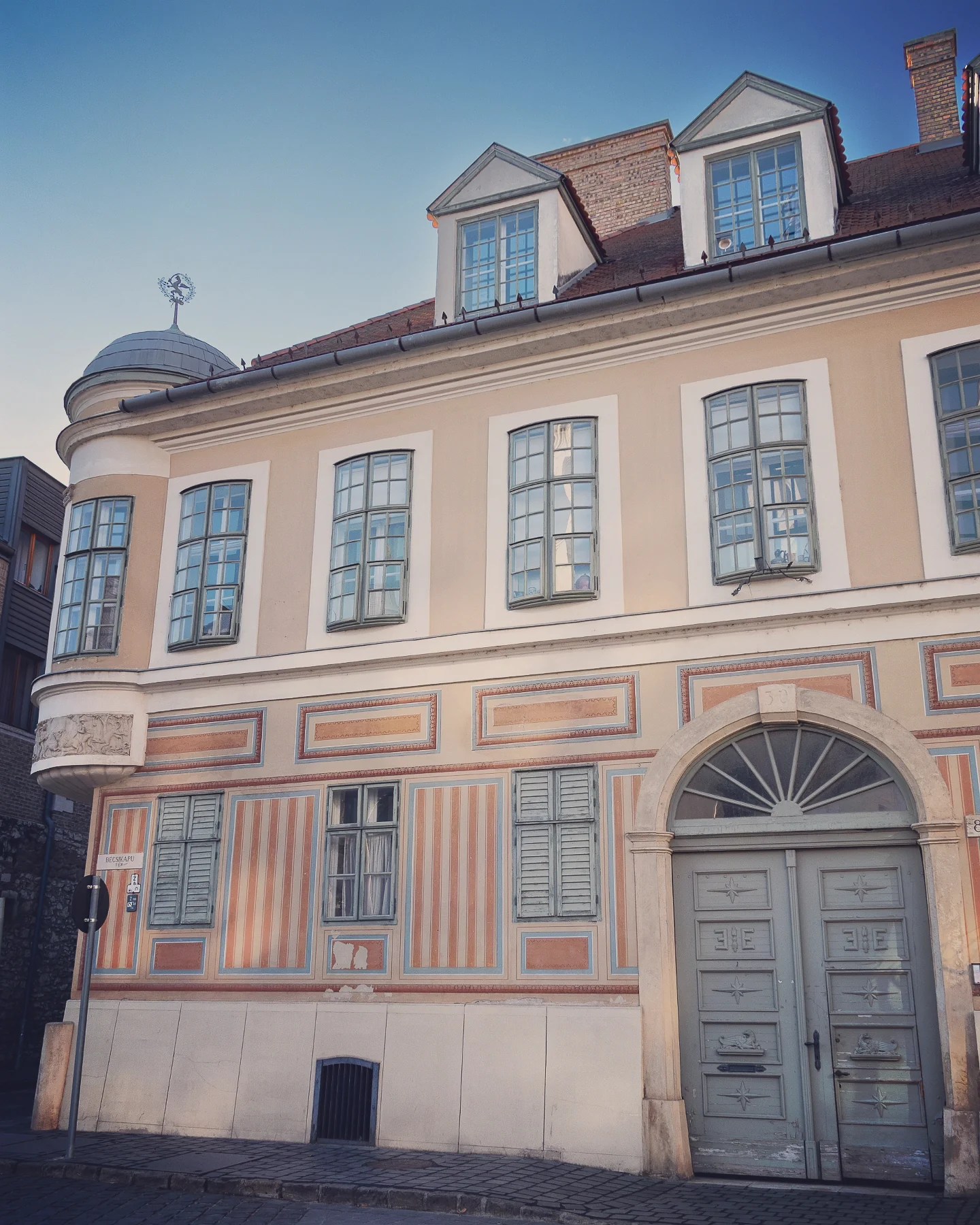
The next morning, we rode the charming Budapest Castle Hill Funicular—a historic cable railway that first opened in 1870—up to the Buda Castle District perched high above the Danube. At the top, we arrived at Buda Castle (also known as the Royal Palace), a sprawling Baroque complex that once housed Hungarian kings and now contains the Hungarian National Gallery and the Budapest History Museum.
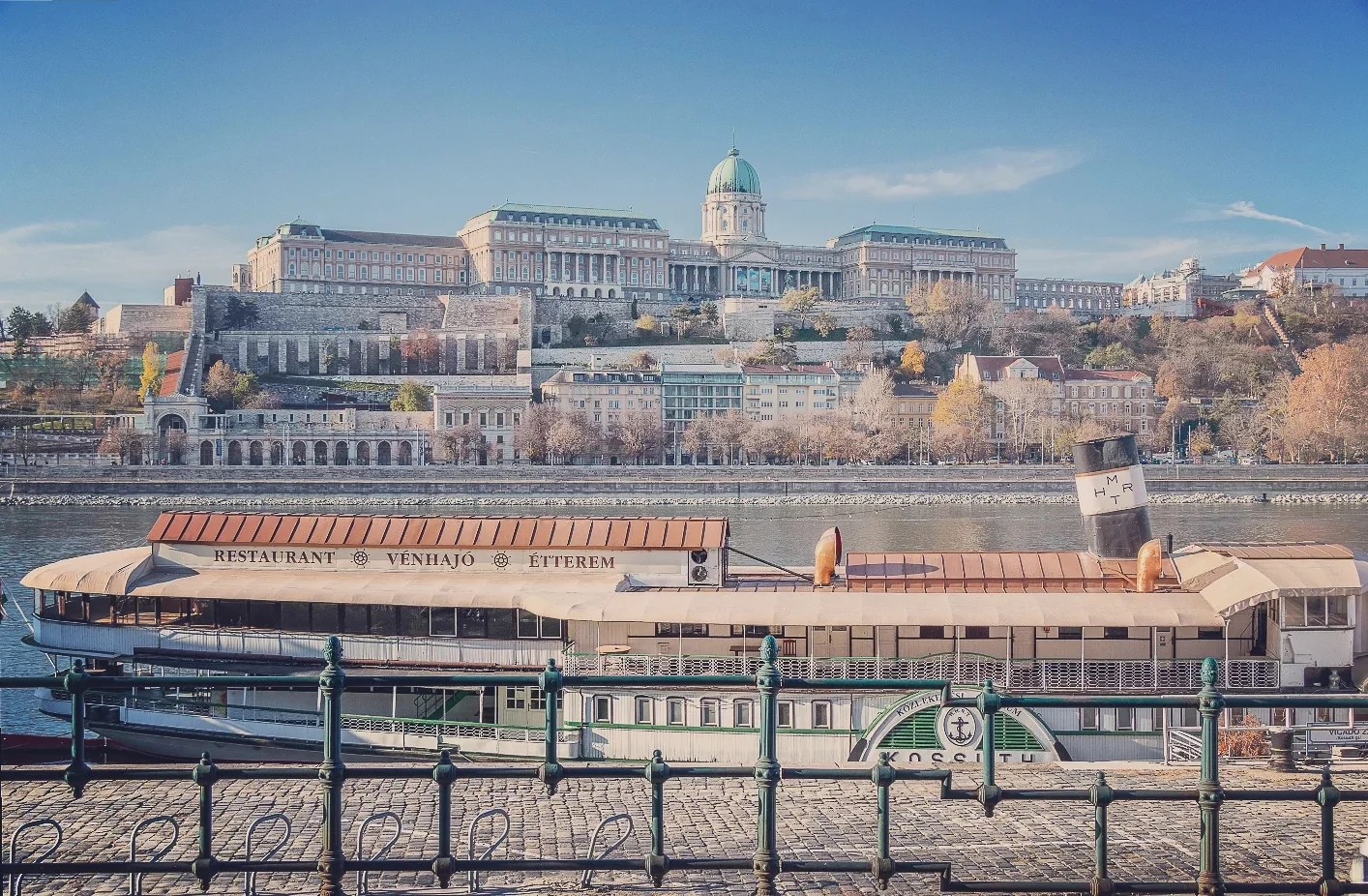
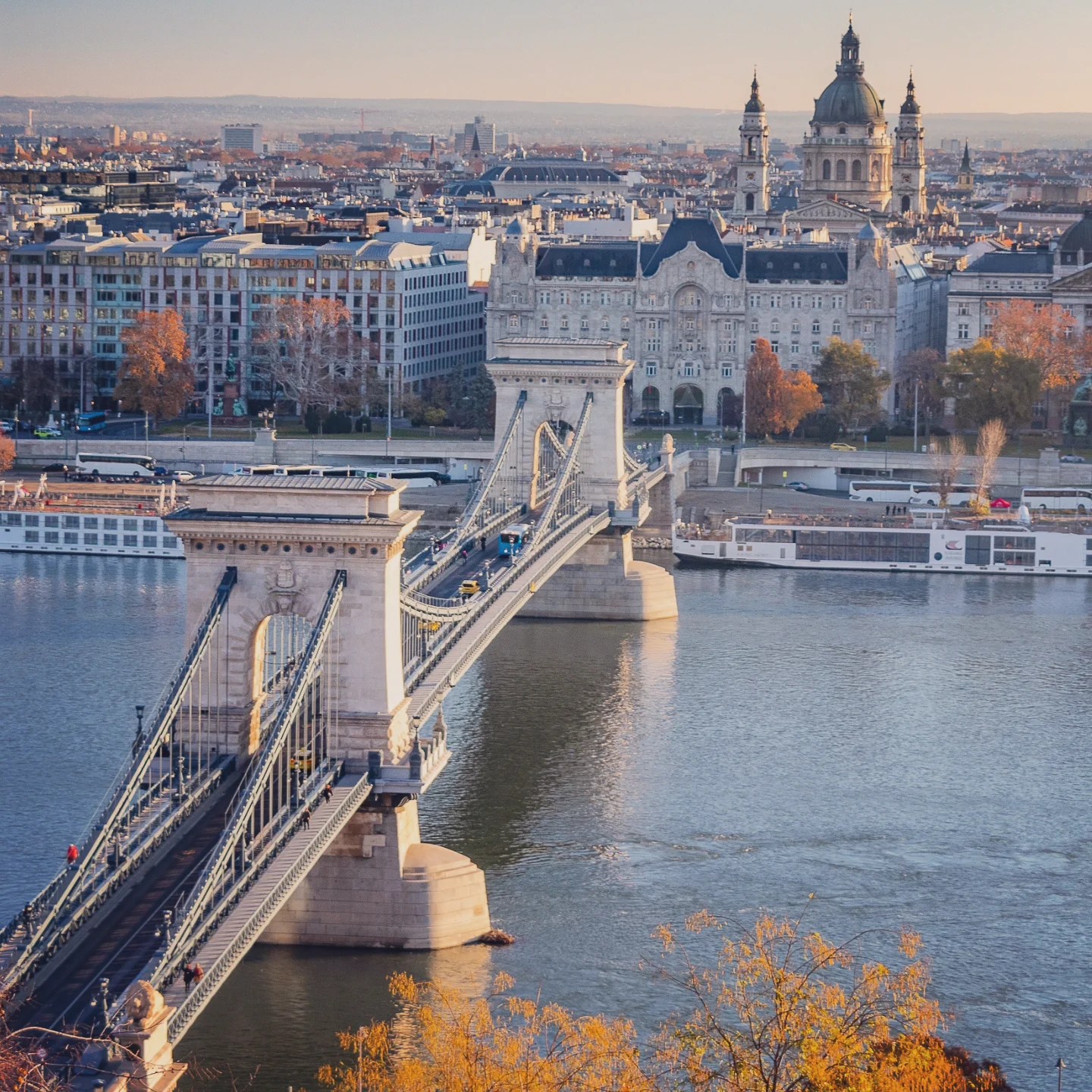
Even without going inside, the castle grounds offered spectacular views—not just over the Pest skyline and the Danube below, but also of the grand architecture of the castle itself. It was a stunning start to a day packed with history and unforgettable sites.

Fisherman’s Bastion & Matthias Church
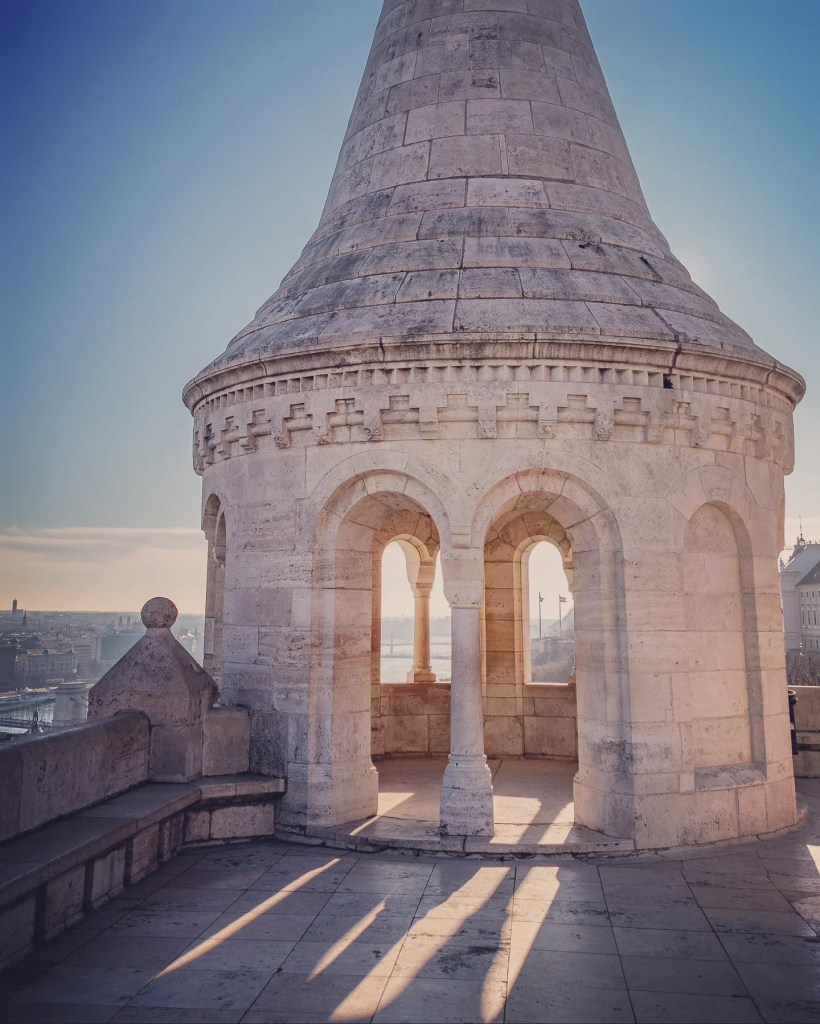
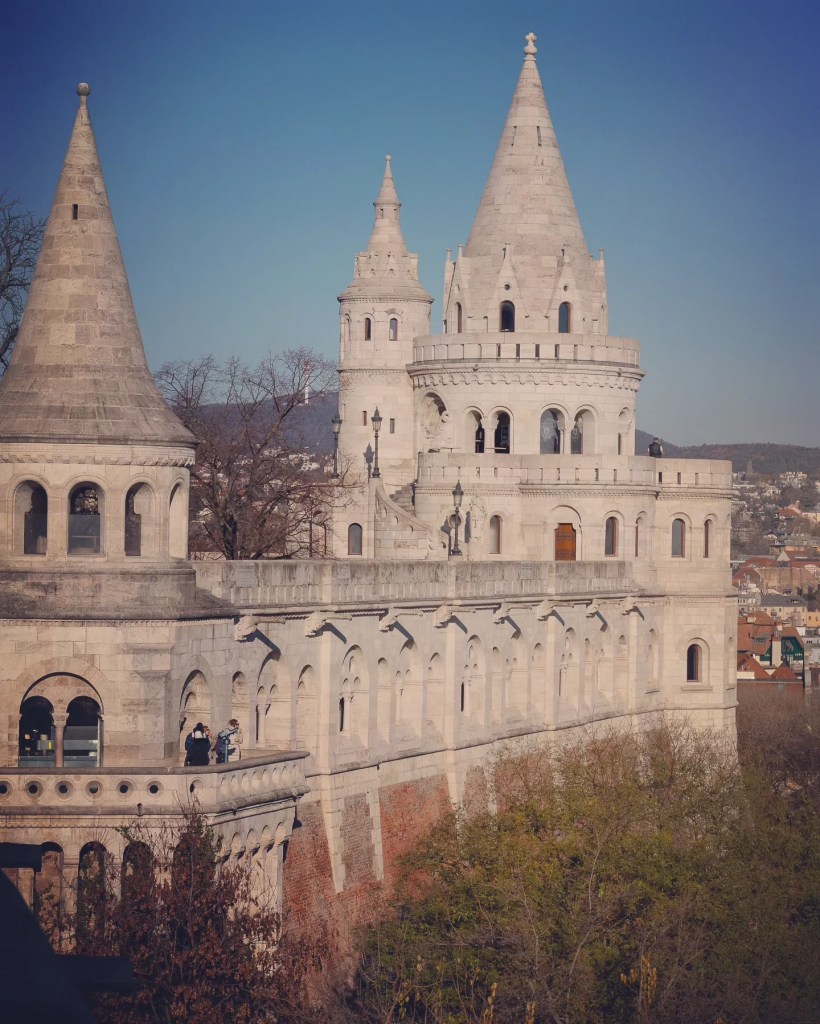
After exploring Buda Castle, we made our way to Fisherman’s Bastion, a fairytale-like terrace with white stone turrets and panoramic views of the Danube and Parliament. A small Christmas market near the arches added to the charm of the setting.




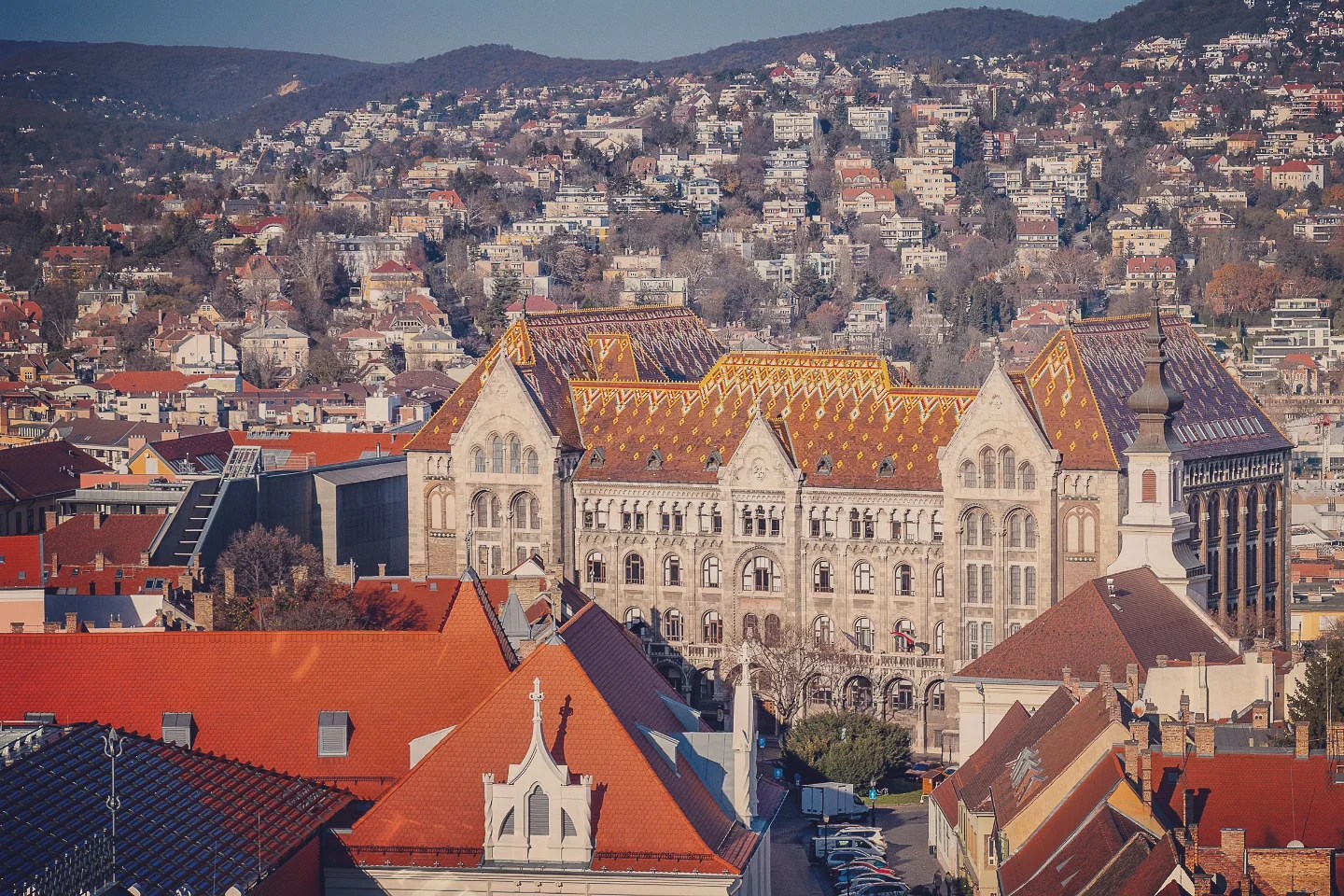
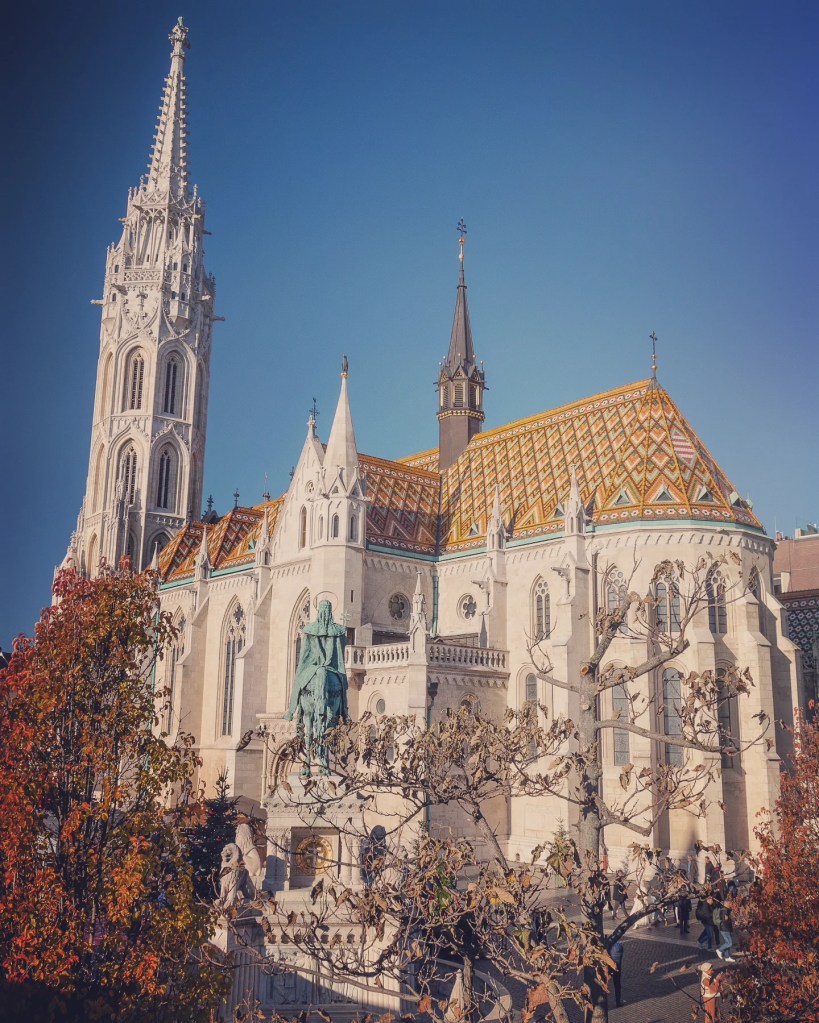
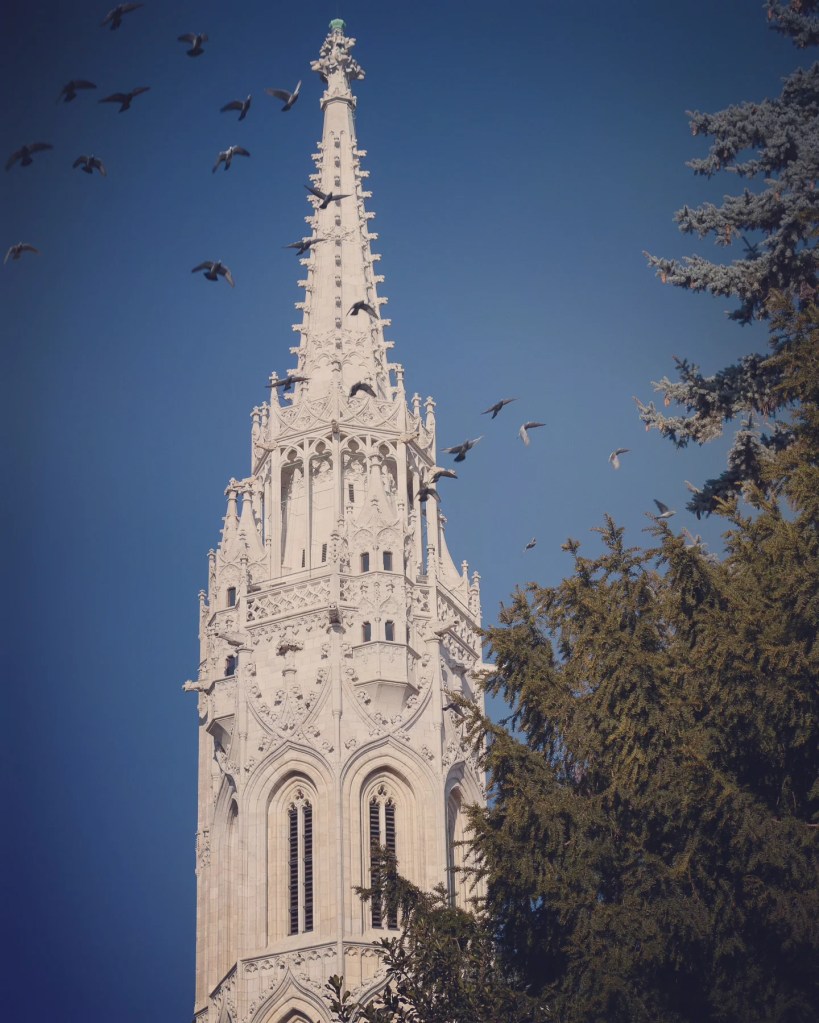
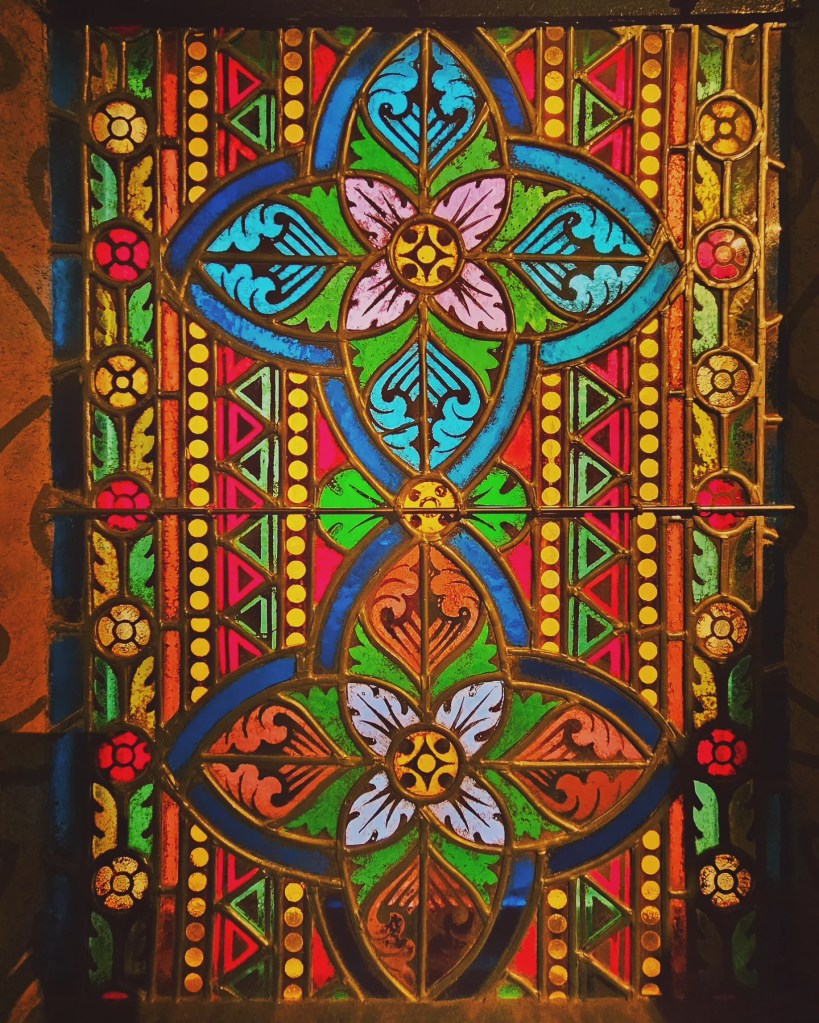
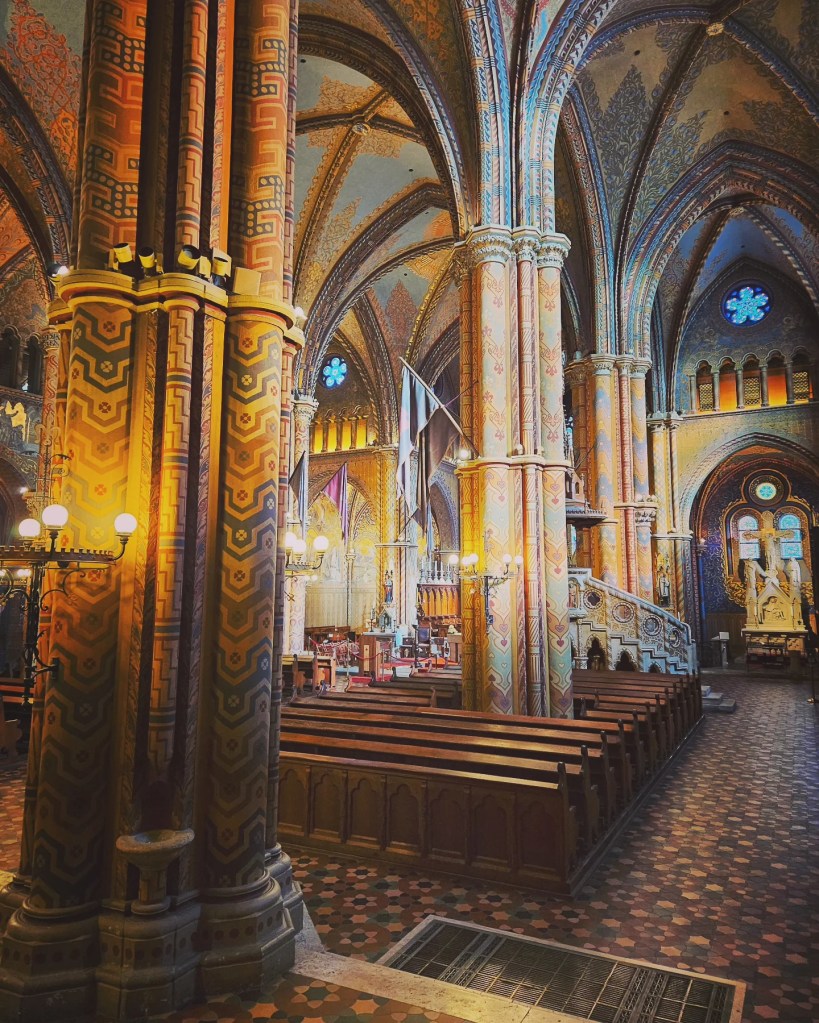
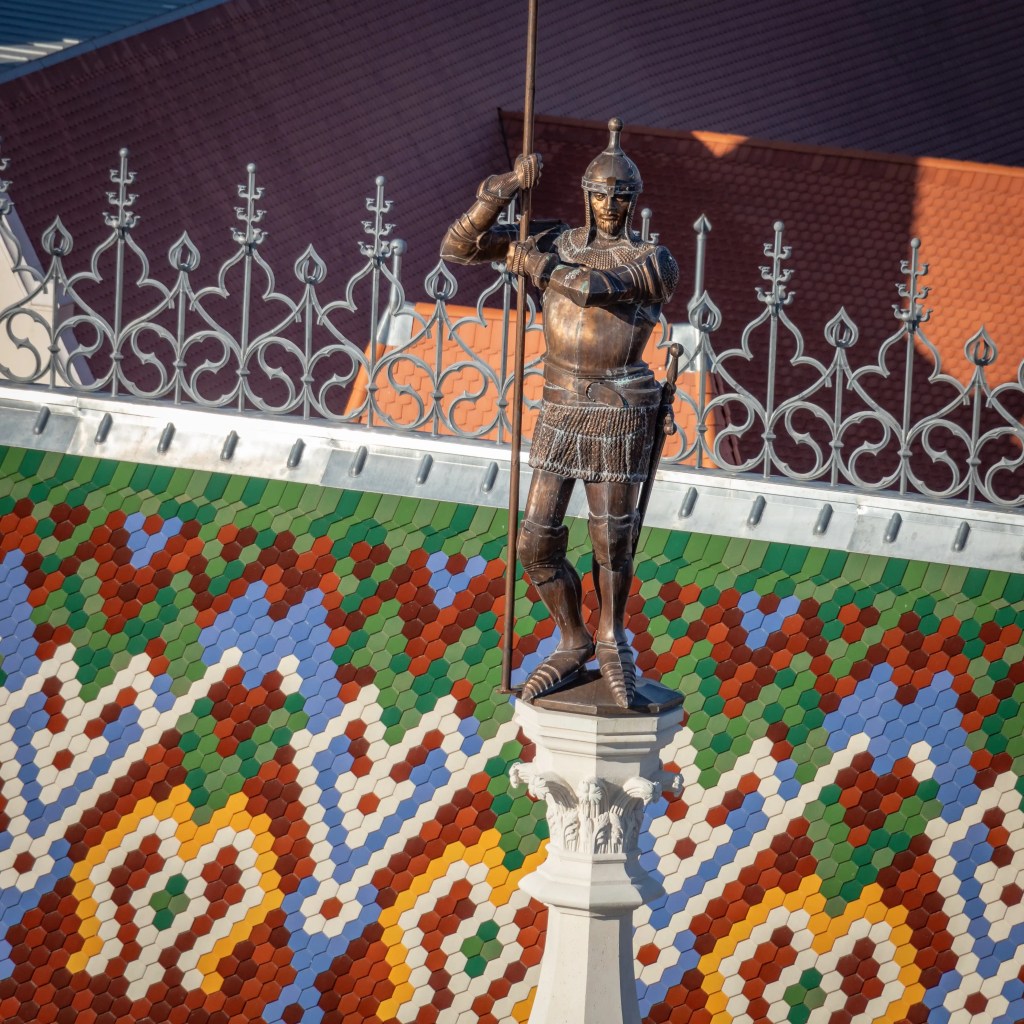
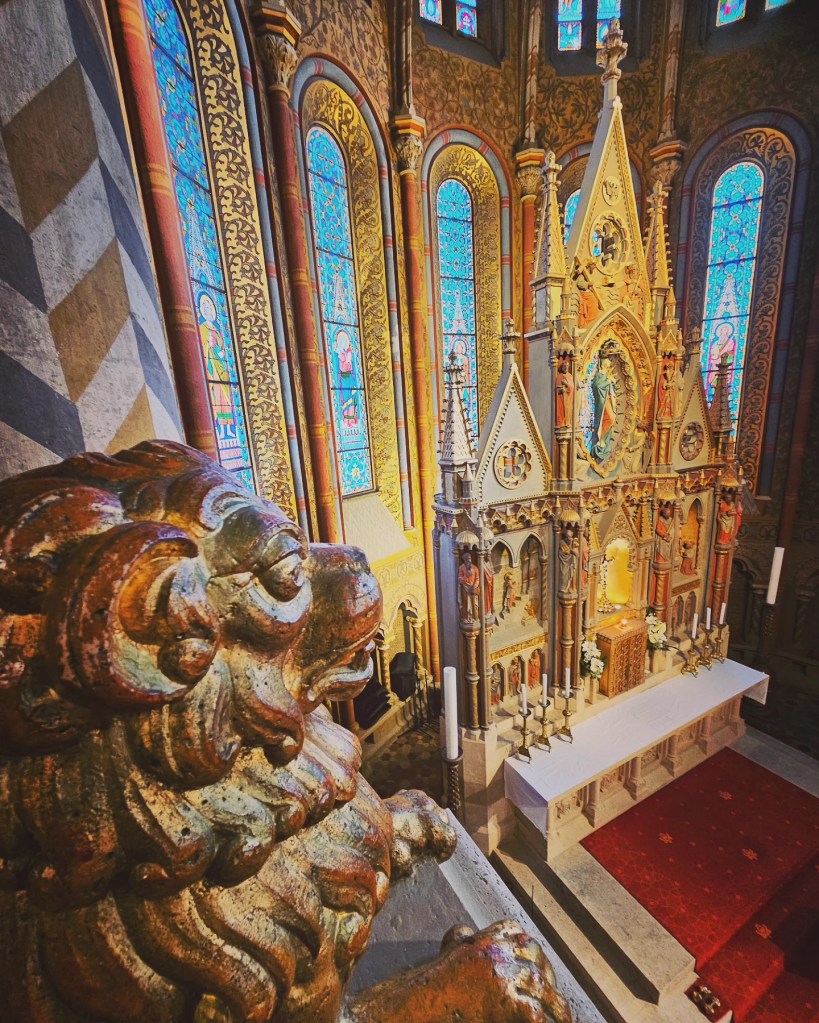
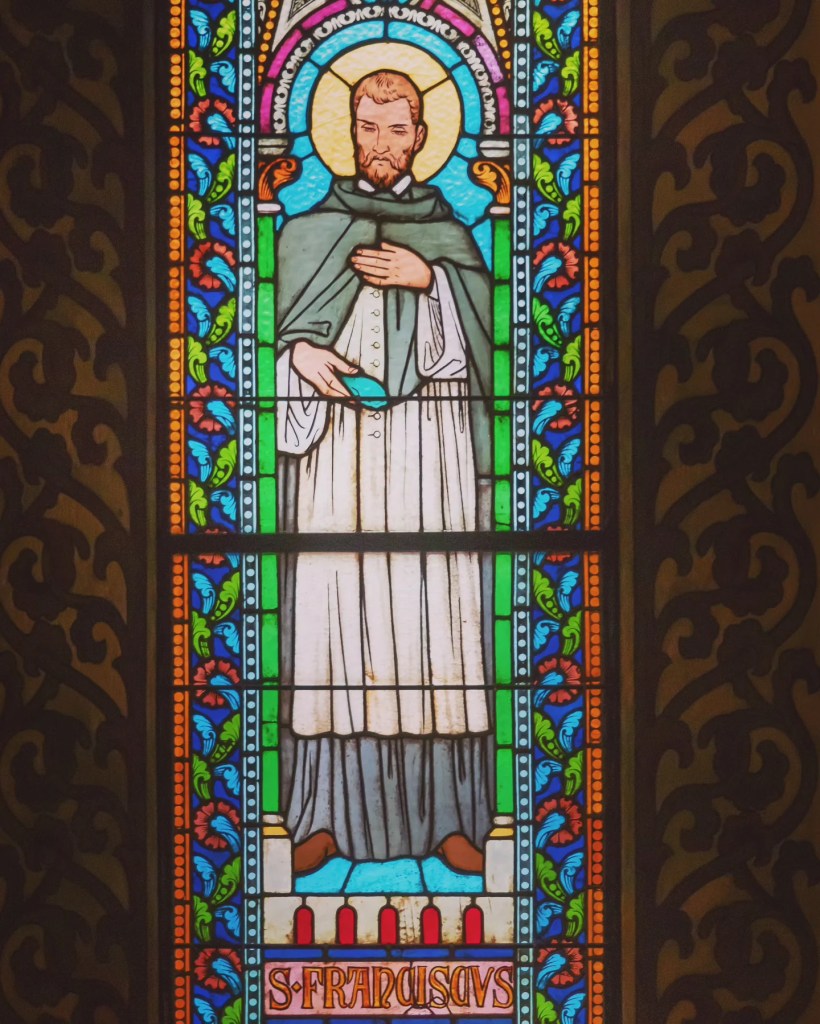
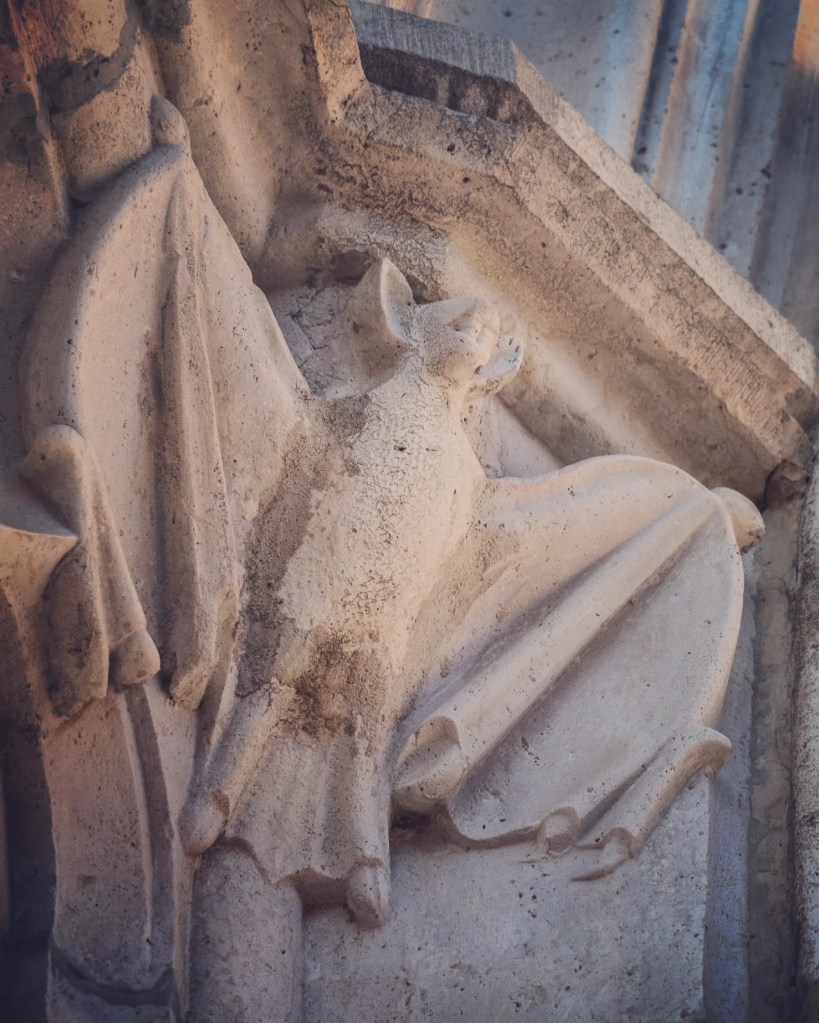
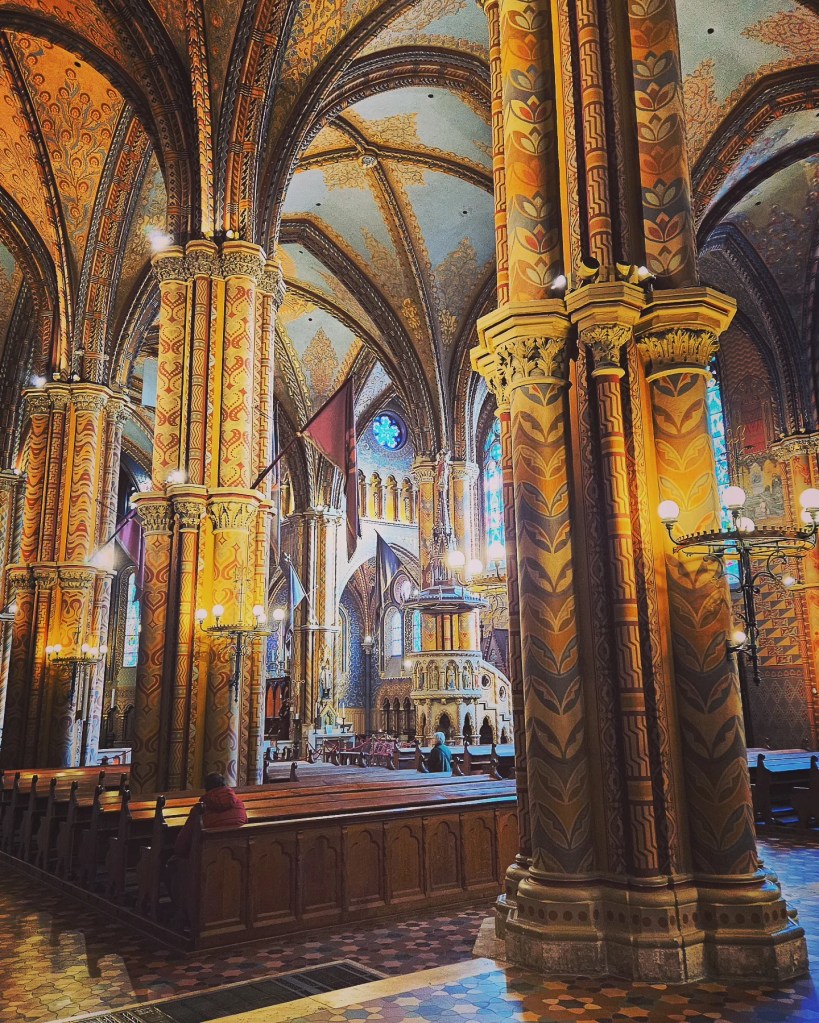
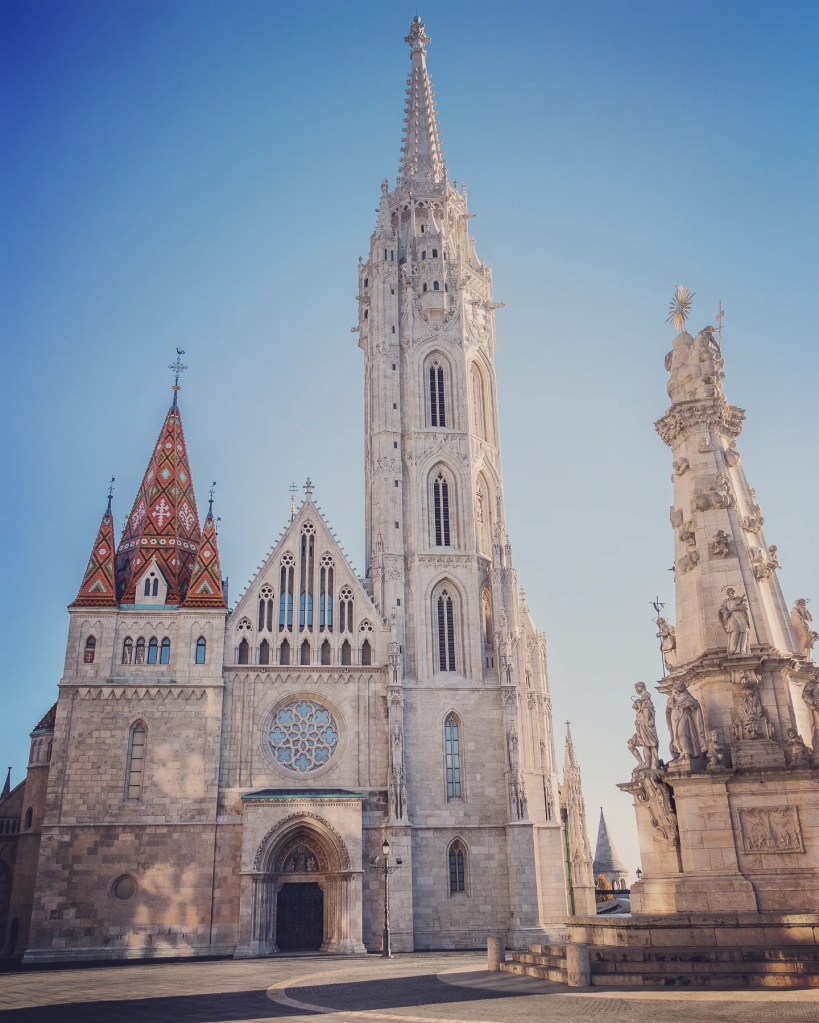
From there, we continued to neighboring Matthias Church (The Church of Our Lady of Buda Castle), one of Budapest’s most iconic landmarks. A church has stood on this site since at least the 13th century, and today’s version dazzles with its colorful roof made of Zsolnay tiles—ceramic tiles known for their iridescent sheen and durability, crafted by the renowned Hungarian Zsolnay factory. Being among the first visitors inside gave us a rare, peaceful moment to admire the vibrant colors and richly detailed interior. Don’t miss the upper gallery or the tower climb. It’s easily one of the most beautiful and unique churches we’ve seen in Europe.




More Sights on Castle Hill
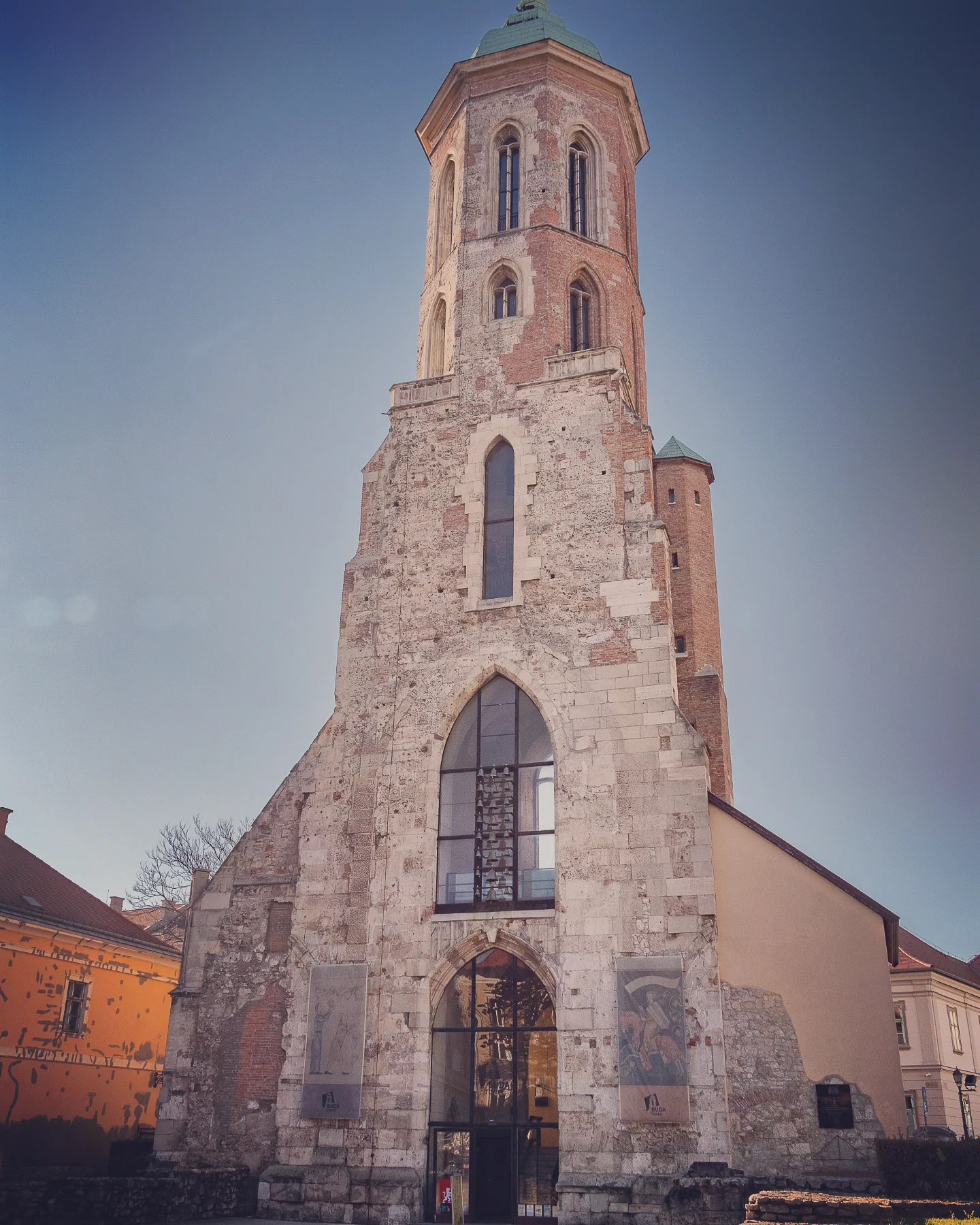
We also climbed the nearby Buda Tower (St. Mary Magdalene’s Church Tower), a reconstructed medieval bell tower offering more dramatic views over the city.

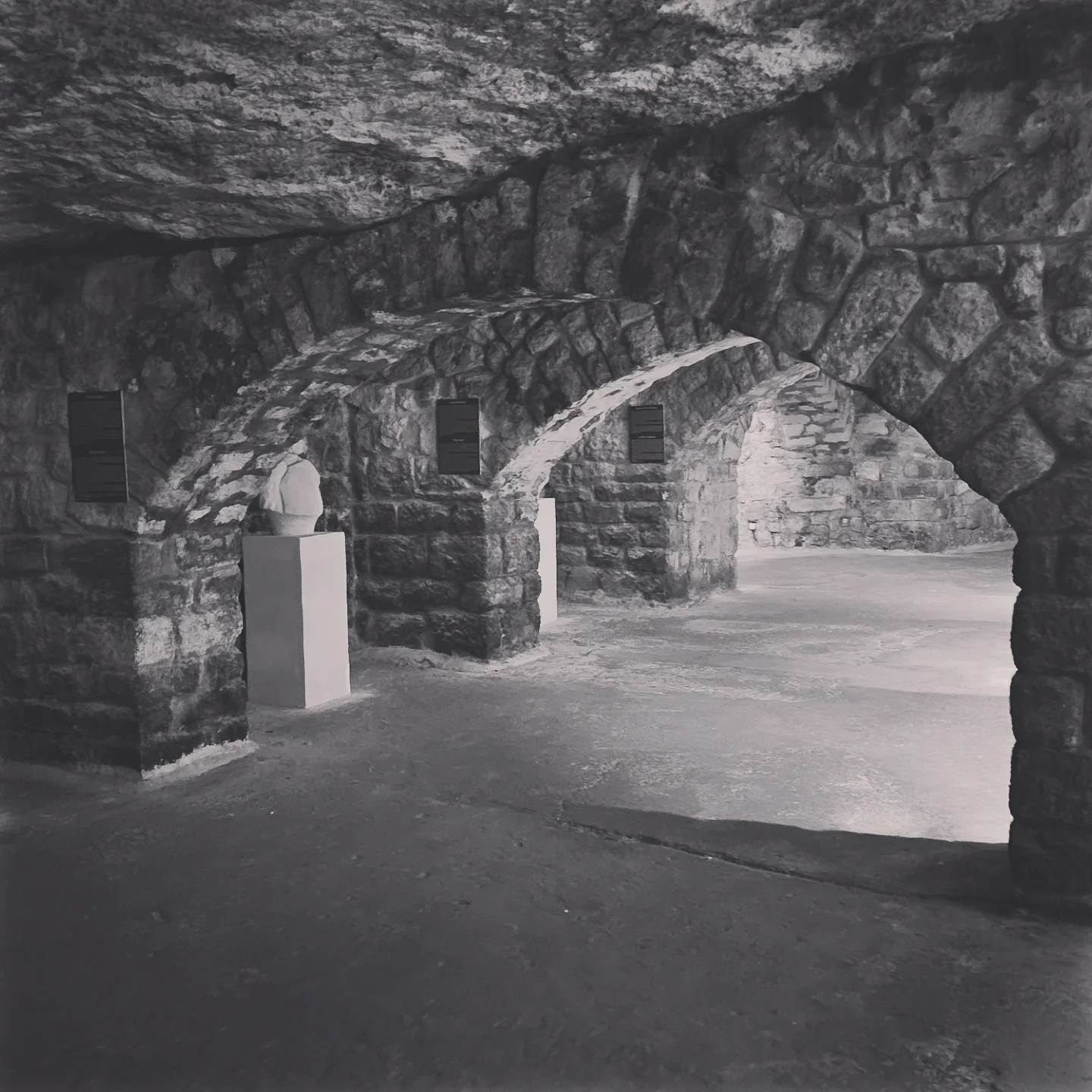
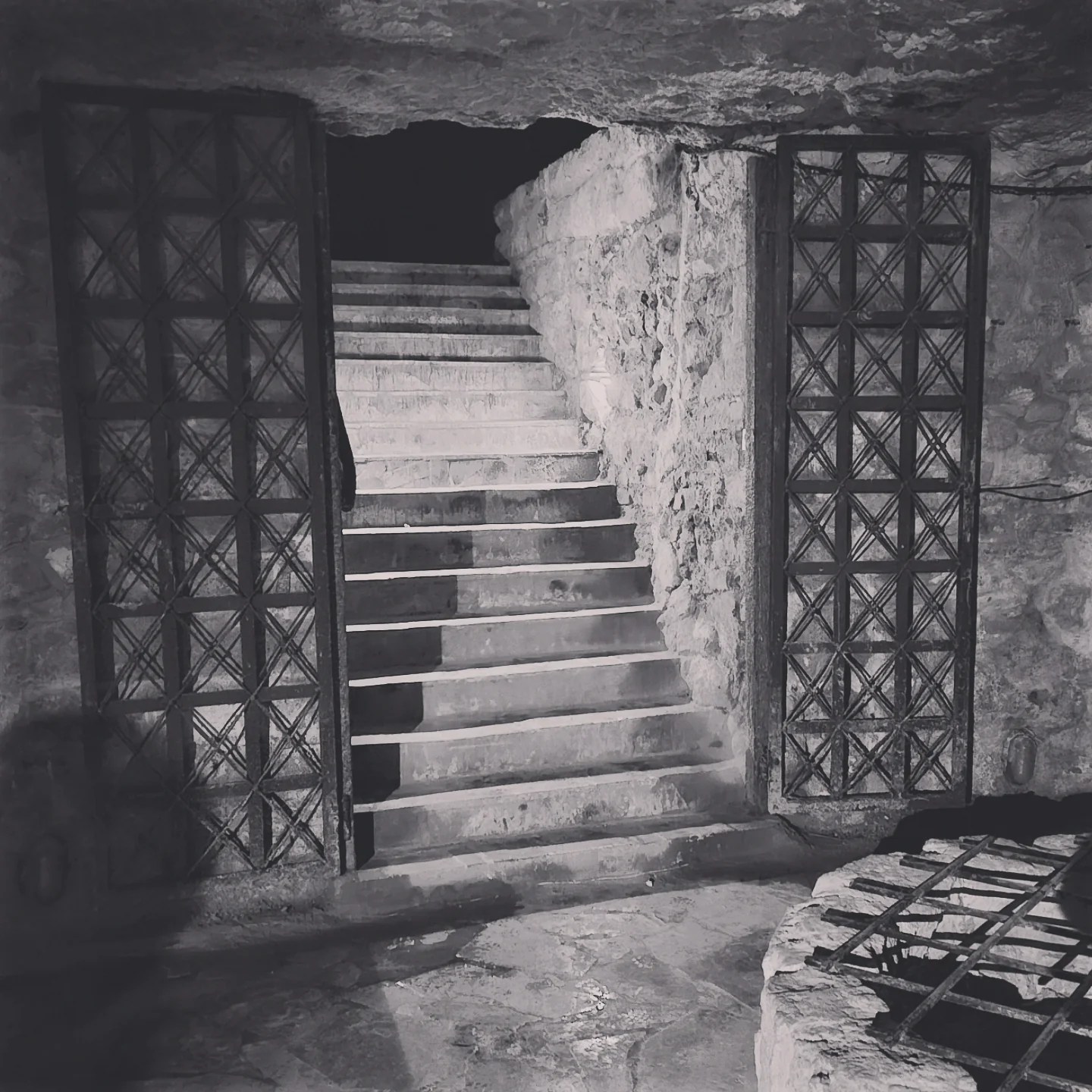
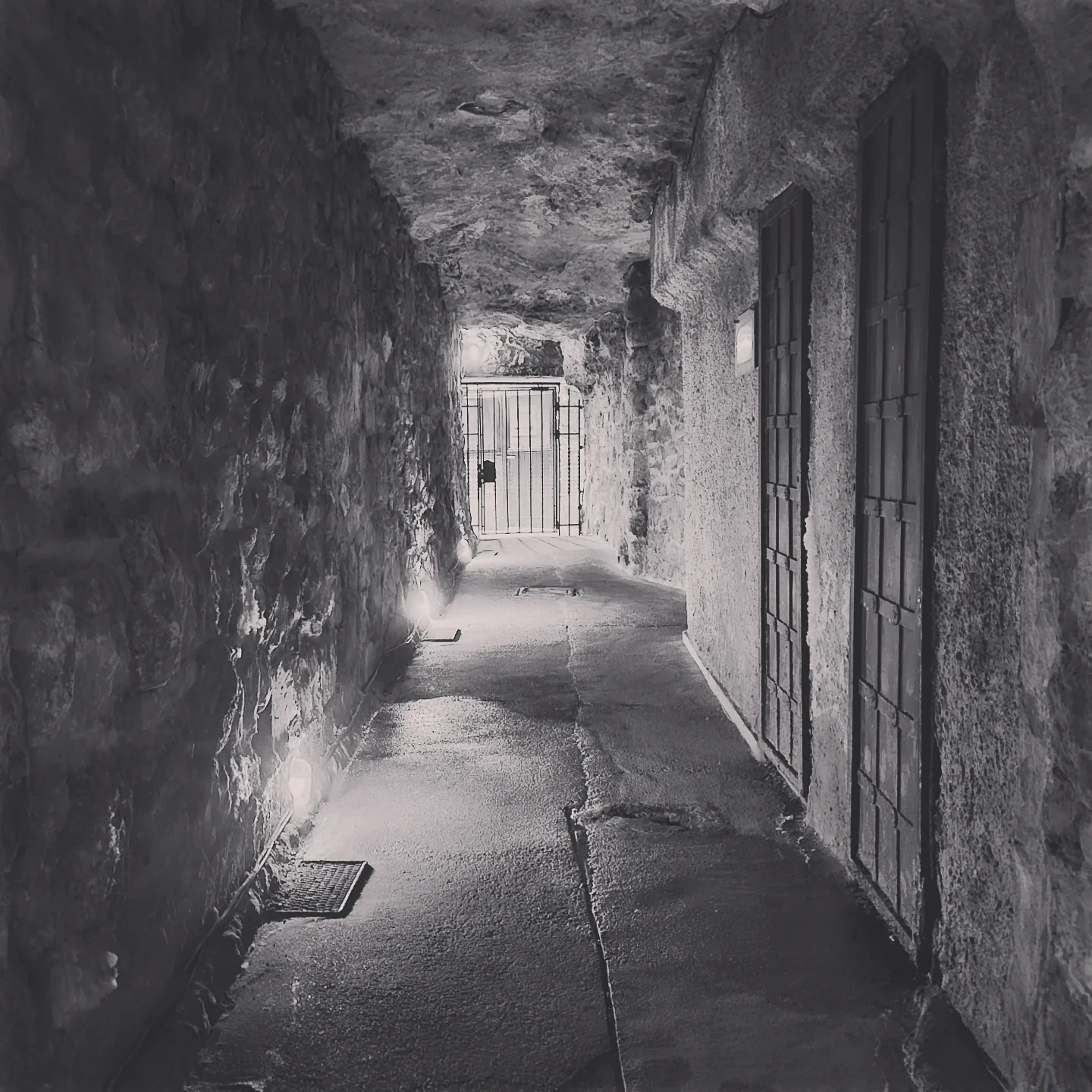
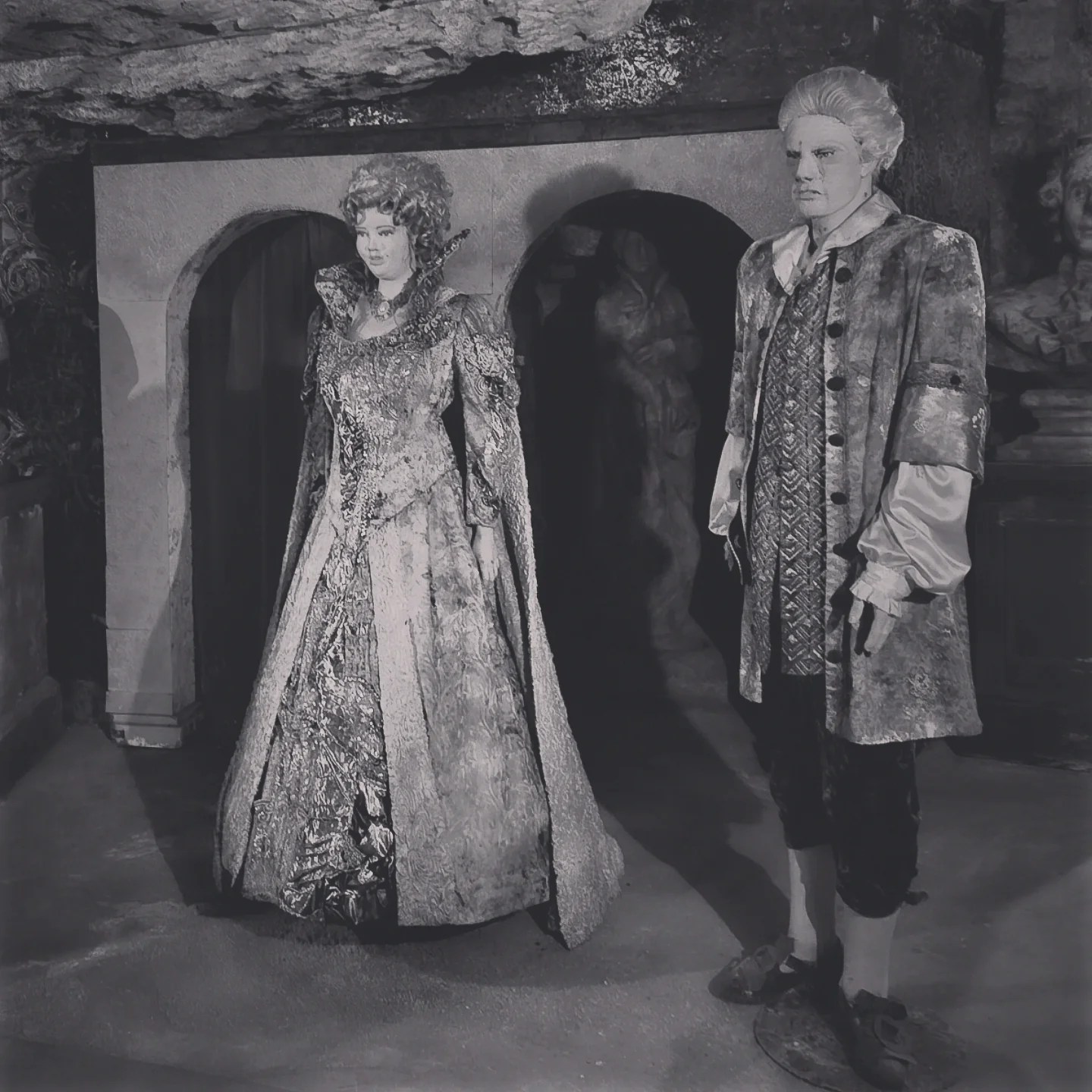
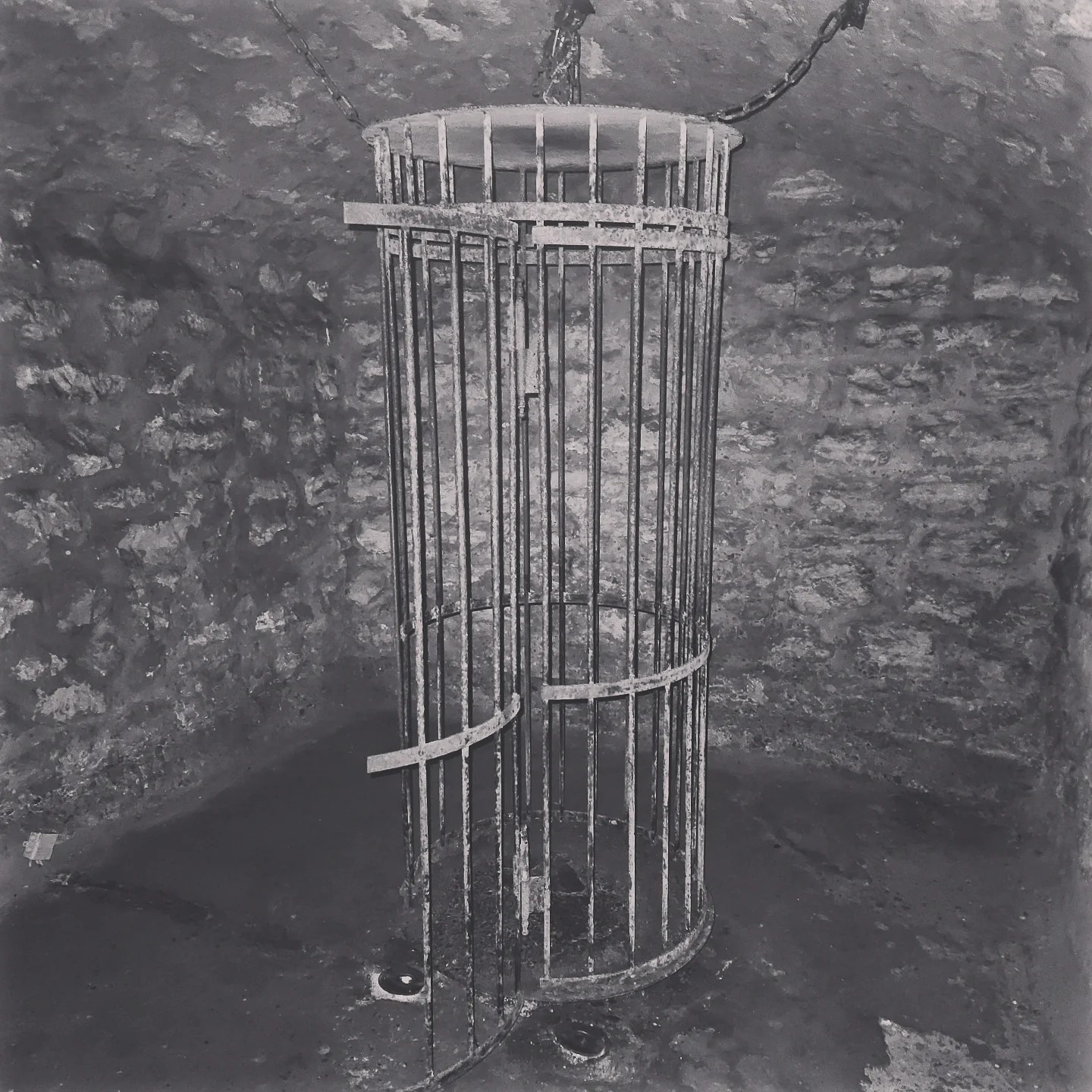
Just a short walk away, we explored the Labirintus (Labyrinth), a network of interconnected caves and tunnels beneath Castle Hill. Once used as cellars, bomb shelters, and even a prison, it’s famously rumored to have held Vlad the Impaler—the historical figure who inspired the Dracula legend. The dimly lit passages and curious exhibits made for an eerie but intriguing visit.



Lunch Break in Buda and the Széchenyi Chain Bridge
After walking down a quiet path from Castle Hill, we stopped for a late lunch at Vigadó Restaurant, a cozy spot tucked just off the riverfront. The food tasted like it was homemade—my tarragon chicken with green beans and rice was full of wonderful flavor, and my husband’s chicken paprikash was rich and tender, easily making it one of the best meals we had in Budapest. The friendly service and traditional setting made it the perfect break after a full morning of sightseeing.
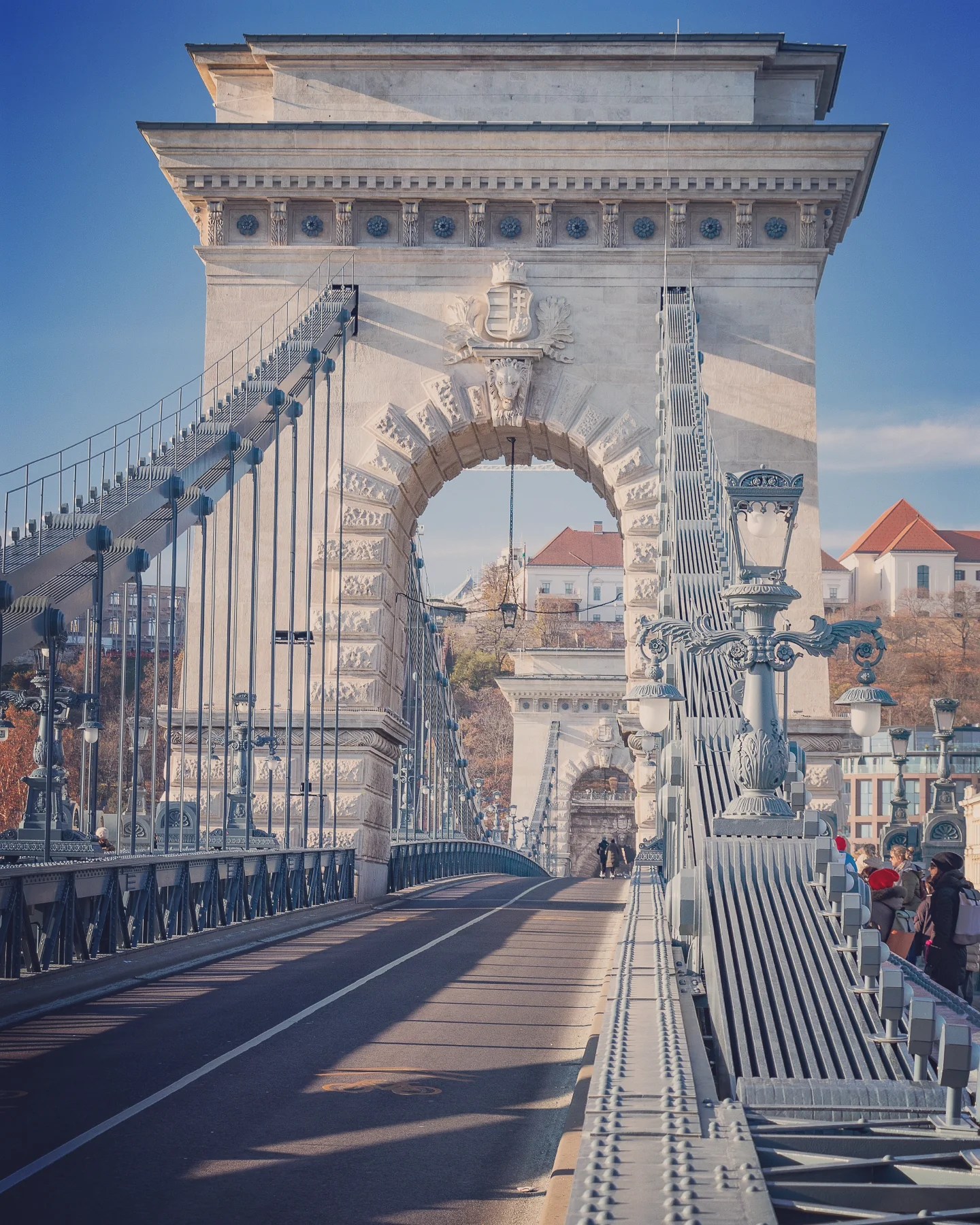
Afterward, we made our way back across the iconic Széchenyi Chain Bridge, Budapest’s first permanent link between Buda and Pest. At each end of the bridge stand imposing stone lions—so realistic, according to legend, that the sculptor was ridiculed for forgetting to carve their tongues. Humiliated by the mistake, he’s said to have thrown himself into the Danube. In truth, the lions do have tongues—they’re just not visible from below—but the story lives on as part of the bridge’s enduring charm.


Budapest Grand Walk Tour
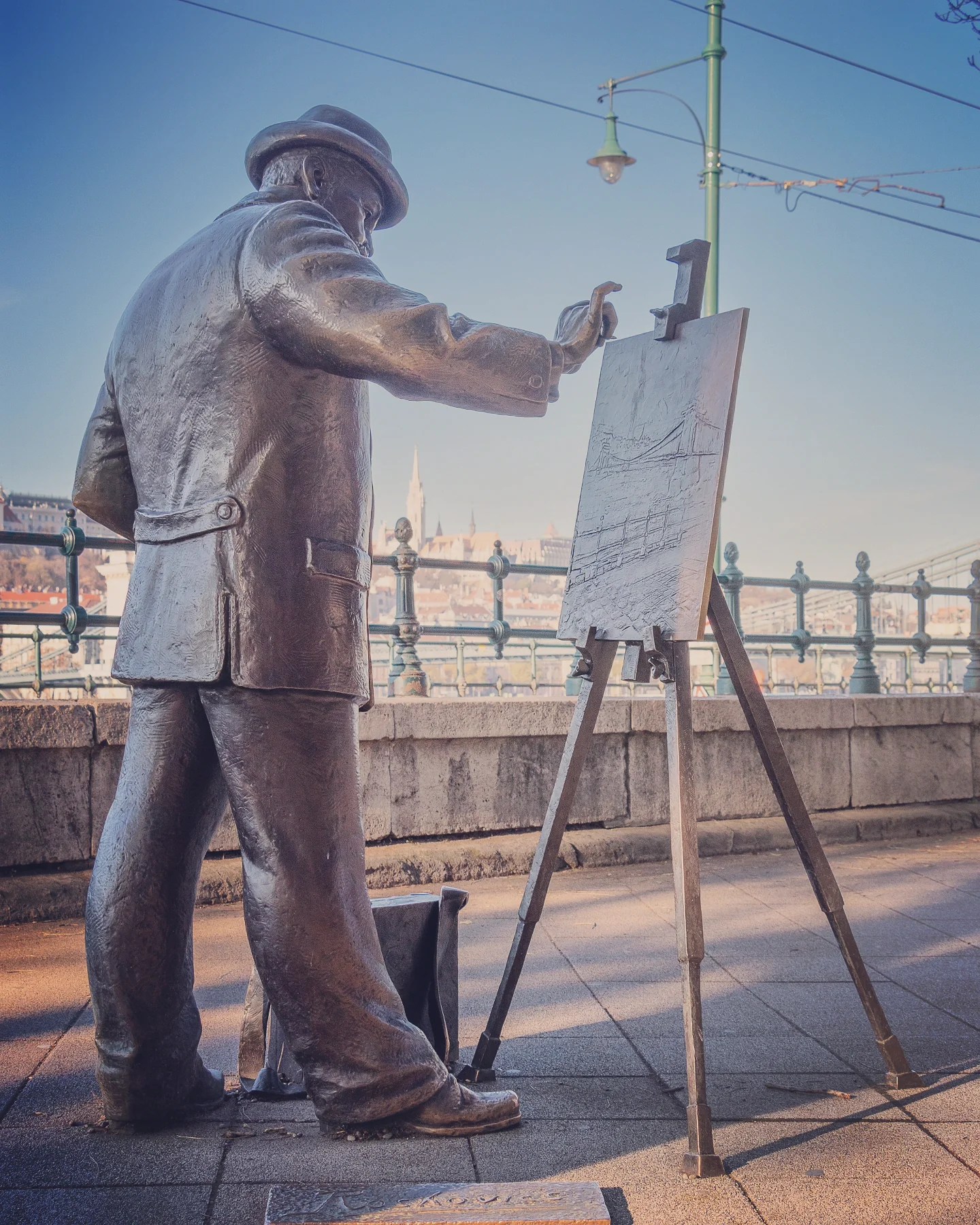
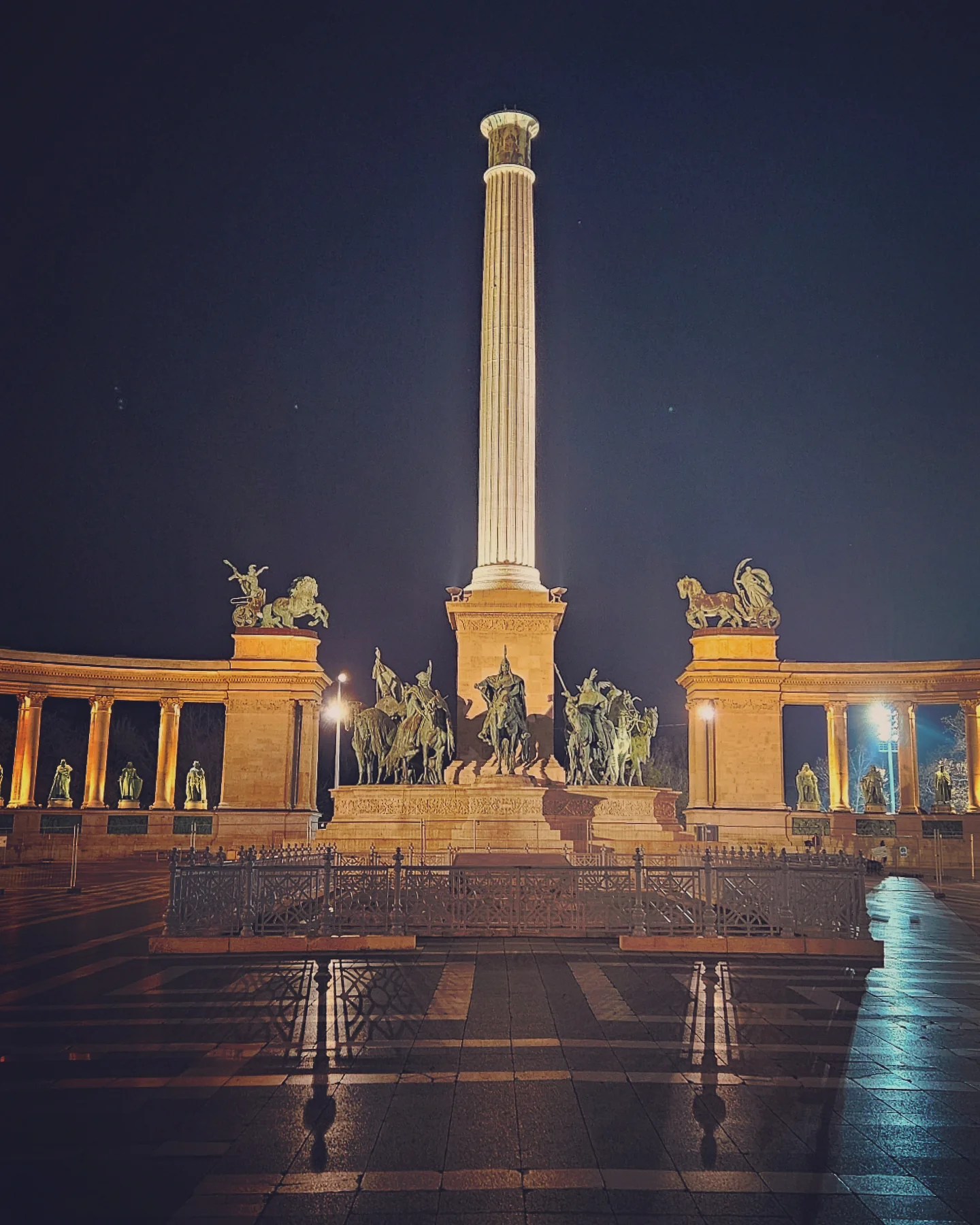
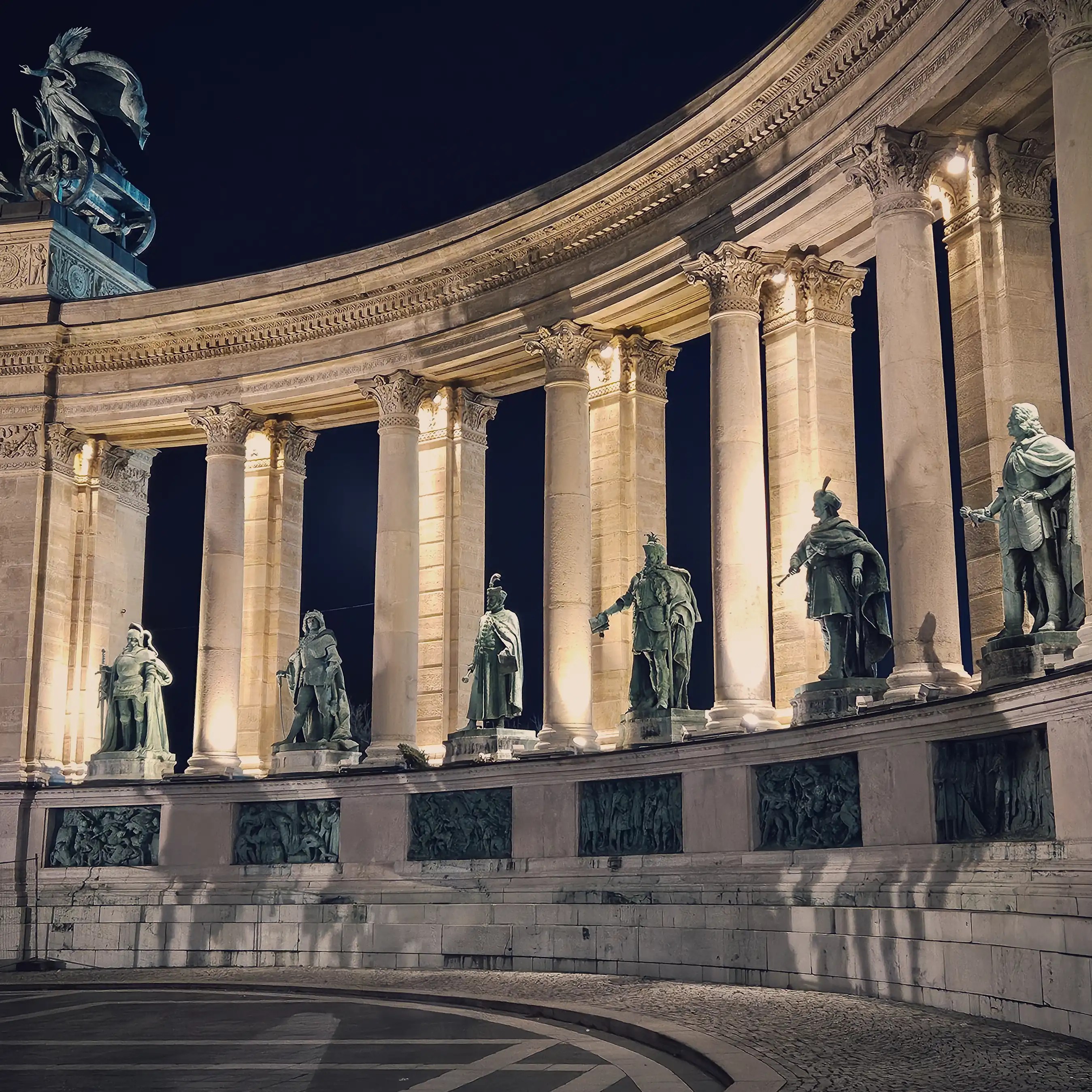
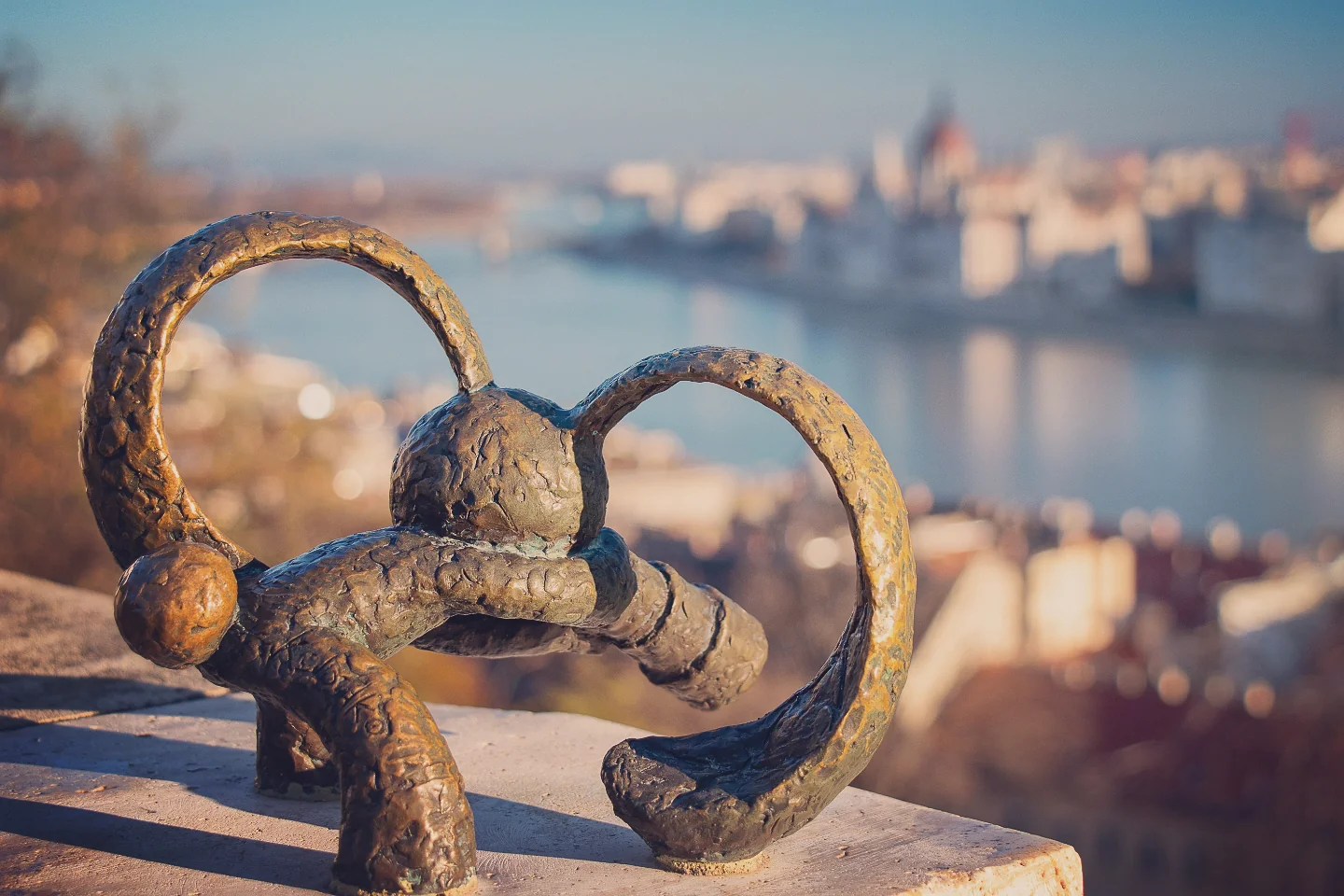
Later that afternoon, we joined a private Budapest Grand Walk tour we booked through TripAdvisor, which gave us deeper insight into the city’s history and hidden corners. Our guide shared stories about Sisi (Queen Elisabeth), led us through Heroes’ Square, pointed out symbolic details on the Hungarian Parliament, and introduced us to the whimsical world of Mihály Kolodko—a sculptor known for his tiny bronze statues hidden throughout the city. During our visit, we spotted Kermit the Frog, a rabbit with a telescope, and a tiny teddy bear, all delightfully unexpected and easy to miss if you’re not looking.



One of the most moving stops was the Shoes on the Danube Promenade—a haunting row of iron shoes honoring the Jews who were executed along the river during World War II. It’s a simple yet powerful tribute that left a lasting impression.


Budapest Sparkles: Evening River Cruise on the Danube
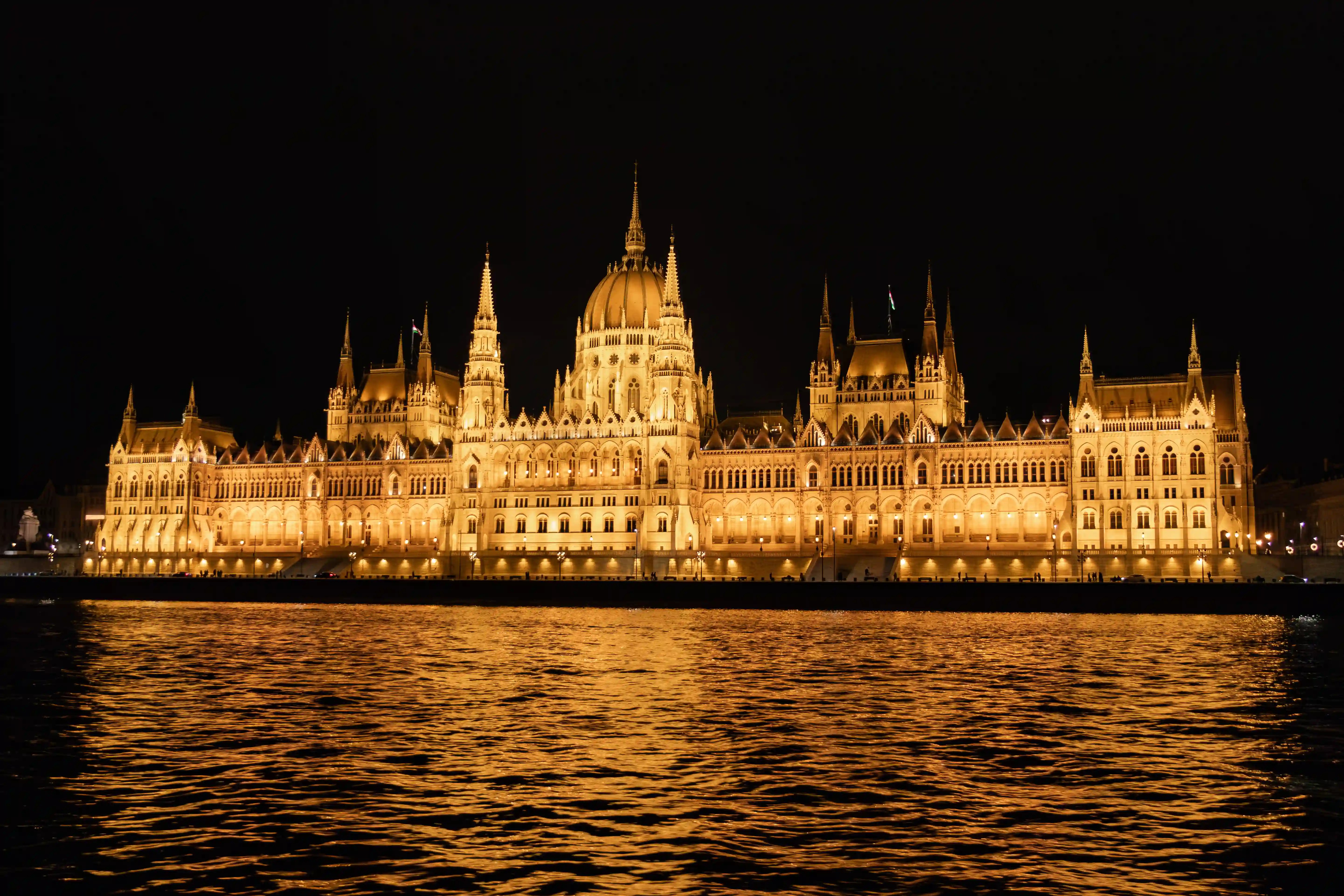
To end the night, we boarded a 1-hour river cruise with Legenda City Cruises and glided along the Danube as Budapest shimmered under the night sky. The illuminated Parliament, bridges, and castle district looked even more beautiful from the water. Our ticket included a glass of champagne, the perfect finish to an already unforgettable day.
Budapest’s Historic Elegance and a Fond Farewell
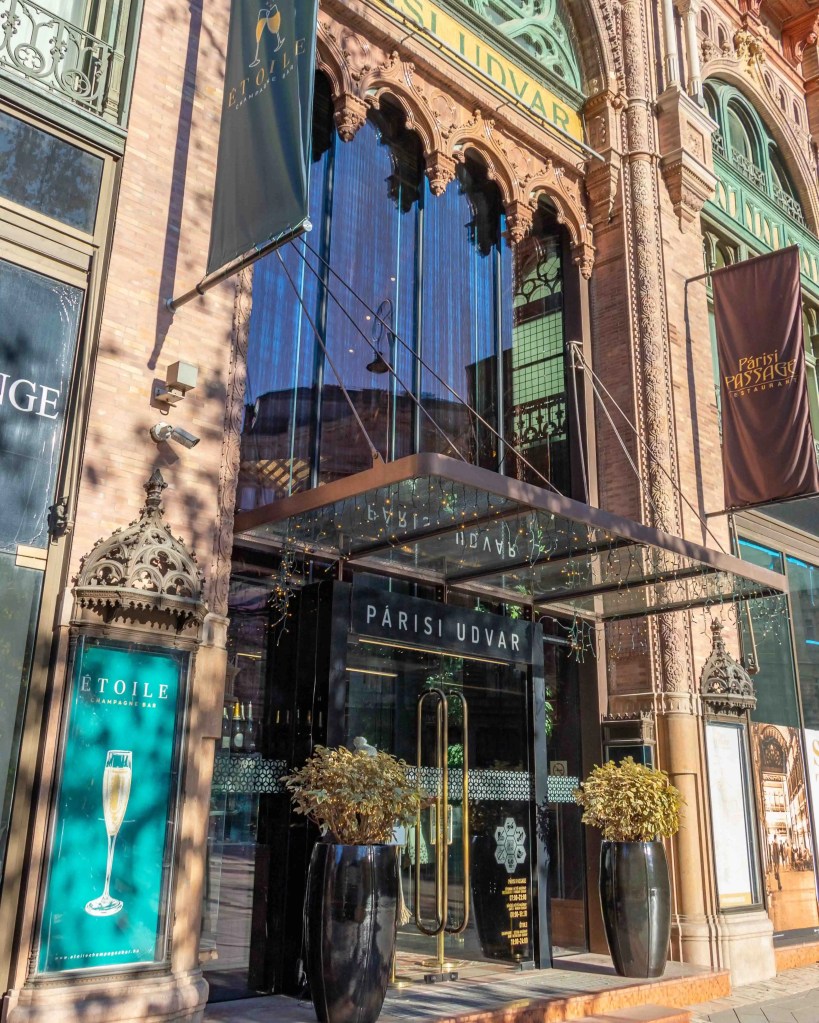
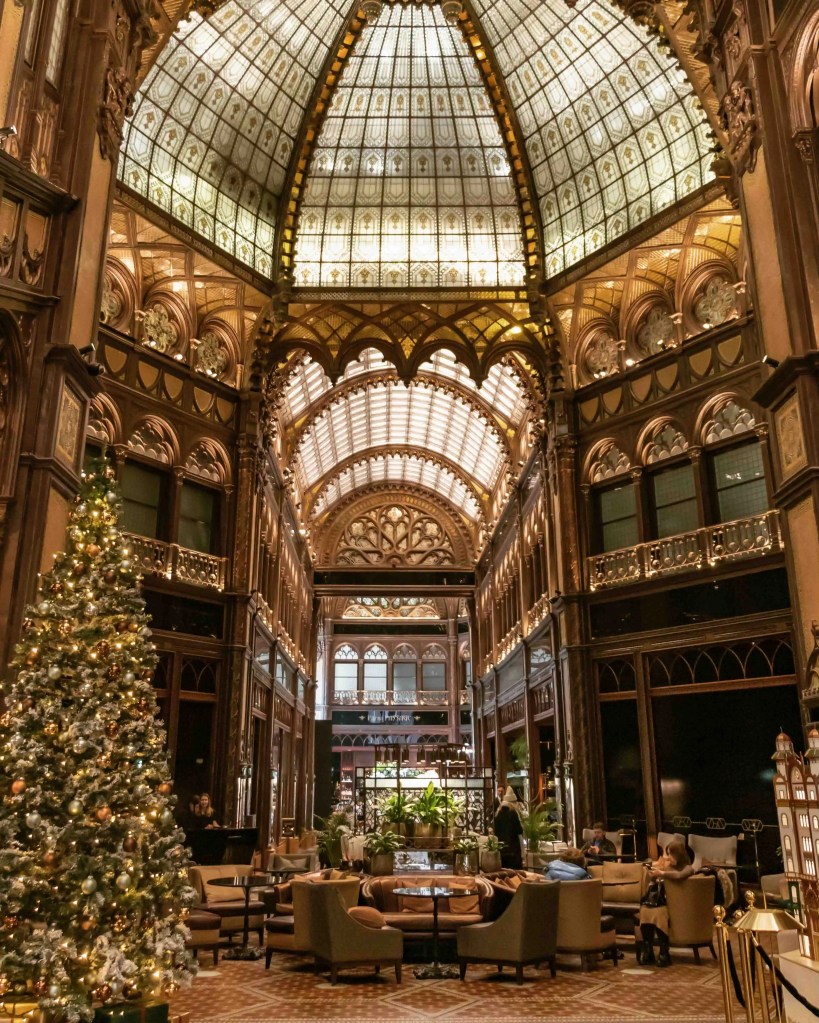
Our final morning brought clear blue skies, so we took a stroll to the Párisi Udvar Hotel, a former shopping arcade turned luxury hotel with one of the most stunning interiors in Budapest. Its soaring glass ceilings, intricate tile mosaics, and ornately carved archways create the feeling of stepping into a palace. At Christmastime, the space was dressed in twinkling lights and holiday greenery, adding to its already enchanting atmosphere.
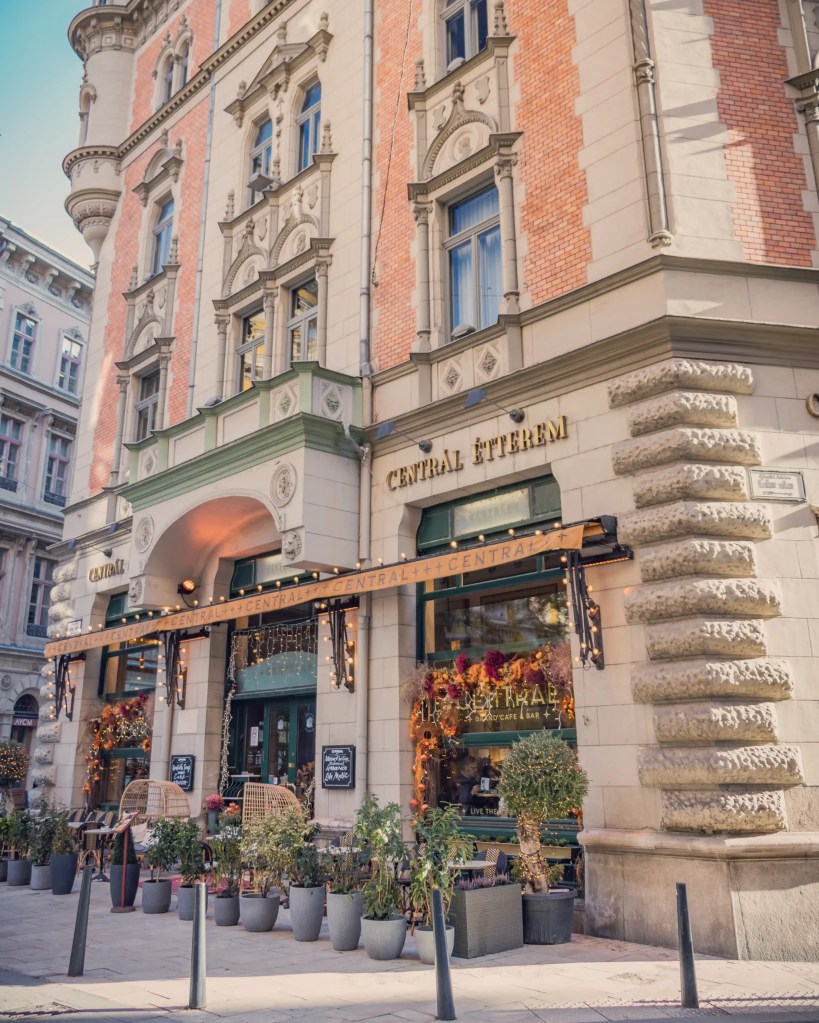
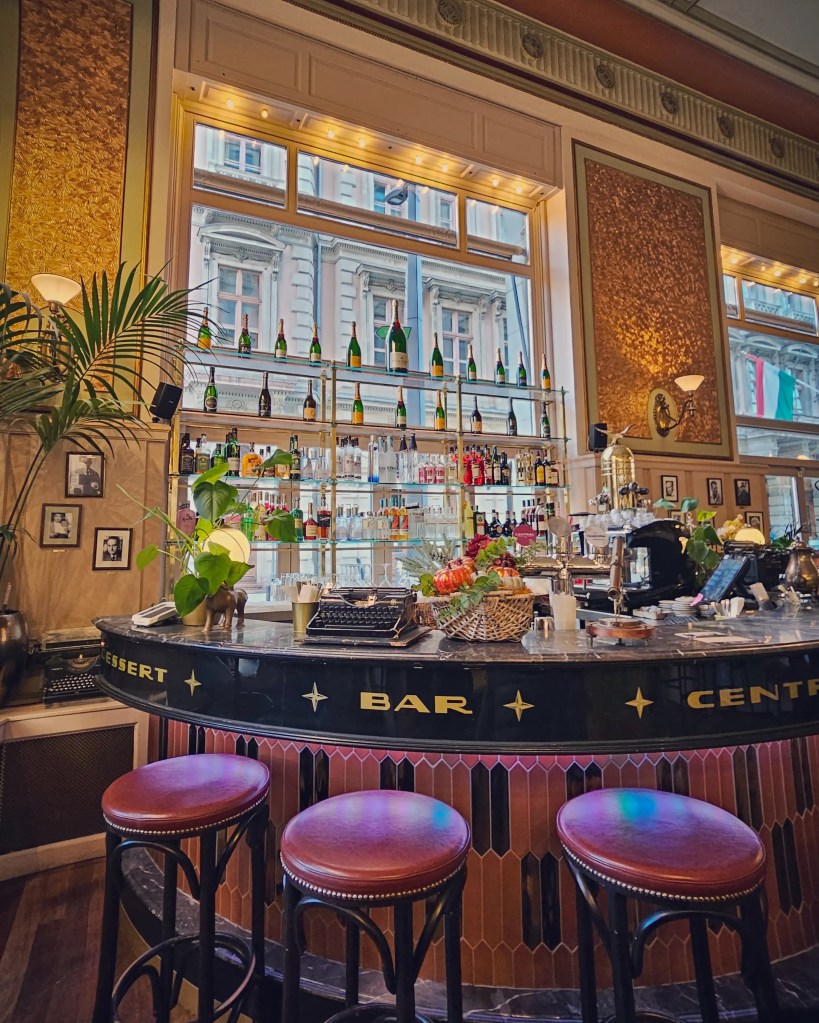
The Centrál Grand Café & Bar was next on our list—a beloved literary café dating back to 1887. Once a gathering place for writers and artists, it now offers a cozy, elegant setting for breakfast. After a relaxed meal and one last coffee, it was—reluctantly—time to say goodbye to Budapest.
Final Thoughts
Budapest gave us a perfect mix of history, hearty food, and holiday warmth. From soaking in thermal waters to sipping wine in a hidden cellar, Christmas markets to river views, there’s something in this city for everyone. Whether you’re visiting for the first time or the fifth, Budapest feels both welcoming and full of surprises—a truly special place that leaves you wanting more. We can’t wait to return!
Arriving in Budapest: Flight, Shuttle & Public Transport
Located in the heart of Central Europe, Budapest is Hungary’s capital and largest city—easily accessible from Stuttgart and many other European hubs. Its position along the Danube River makes it an ideal and rewarding destination for a long weekend getaway.
Getting there from Stuttgart
We flew nonstop from Stuttgart to Budapest with Eurowings, landing at Budapest Ferenc Liszt International Airport (BUD). To reach the city center, we used the miniBUD Airport Shuttle, which we booked in advance through Get Your Guide. After landing, we followed the instructions provided for our arrival terminal and checked in at the miniBUD counter. There was a short wait in a designated area, but the process was smooth and straightforward. The shuttle dropped us off directly at our hotel, and the ride into the city took about 30–40 minutes.
Public Transport
Budapest offers a range of public transit ticket options—from single-use tickets to 72-hour travel cards and 120-hour Budapest Cards. Since we walked much of the time, we opted for a 24-hour travel pass, which came in handy on the couple of occasions we used public transport. The best choice depends on how long you’ll be staying and how often you plan to use buses, trams, or the metro. You can explore all ticket types and find instructions for using them on the official BKK website.
All transit tickets in Budapest—whether paper or digital—must be validated before or at the start of your journey. Failing to do so can result in a fine, so don’t skip this step. You can find up-to-date instructions here.
Keep in mind that above-ground and underground lines require separate single tickets, so a travel card or pass can simplify things significantly.
For convenience, you can also use the BudapestGO App to purchase and validate digital tickets by scanning barcodes near tram and bus doors or at the driver’s booth.
The Budapest Card includes unlimited public transportation, plus free or discounted entry to a number of attractions, museums, and guided tours—making it a good value for travelers planning to explore more of the city.
Christmas Markets & Other Budapest Highlights
There’s no way to see it all in one visit—Budapest is packed with history, culture, and unforgettable experiences. Whether you’re staying a bit longer or already planning your return, here are a few more places worth adding to your itinerary. For even more ideas, check out Budapest Info, the city’s official tourism website.
A Few Budapest Christmas Markets to Explore:
- Vörösmarty Square & Fashion Street: The heart of Budapest’s holiday festivities, with artisan stalls, twinkling lights, live music, and traditional Hungarian food—plus elegant window displays along nearby Fashion Street.
- St. Stephen’s Basilica Christmas Fair: A magical setting that comes alive at night with dazzling lights dancing across the basilica’s façade.
- Fisherman’s Bastion: Smaller in size, but set against one of the city’s most stunning backdrops.
- Gozsdu Udvar: A lively alley in the Jewish Quarter, perfect for an evening stroll.
- Klauzál Square: Home to the Green Christmas Market, with a more local, eco-friendly vibe.
Tip: Try to visit during the day when it’s less crowded—markets can get very busy in the evenings, especially on weekends.
More Things to See and Do in Budapest
Hungarian Parliament
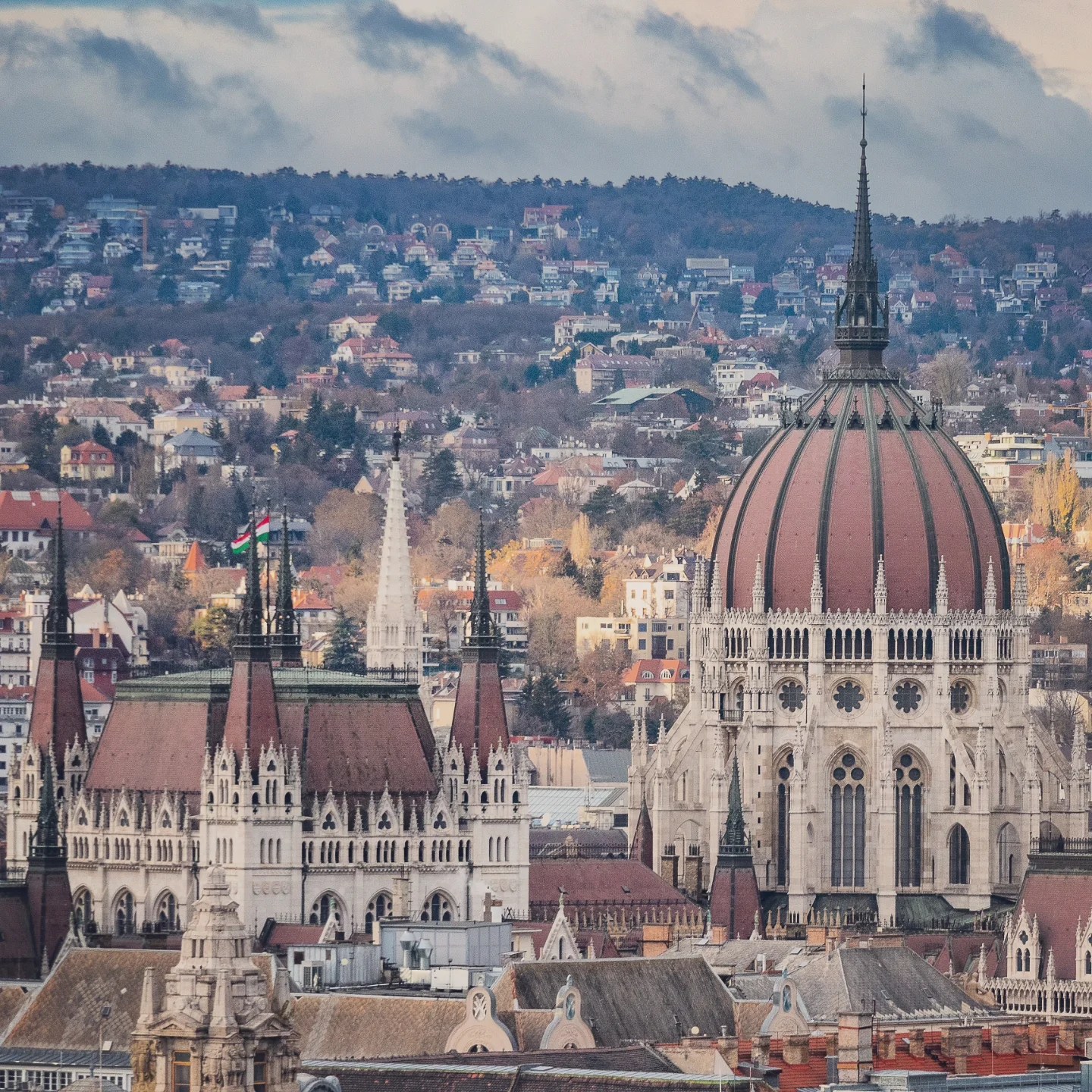
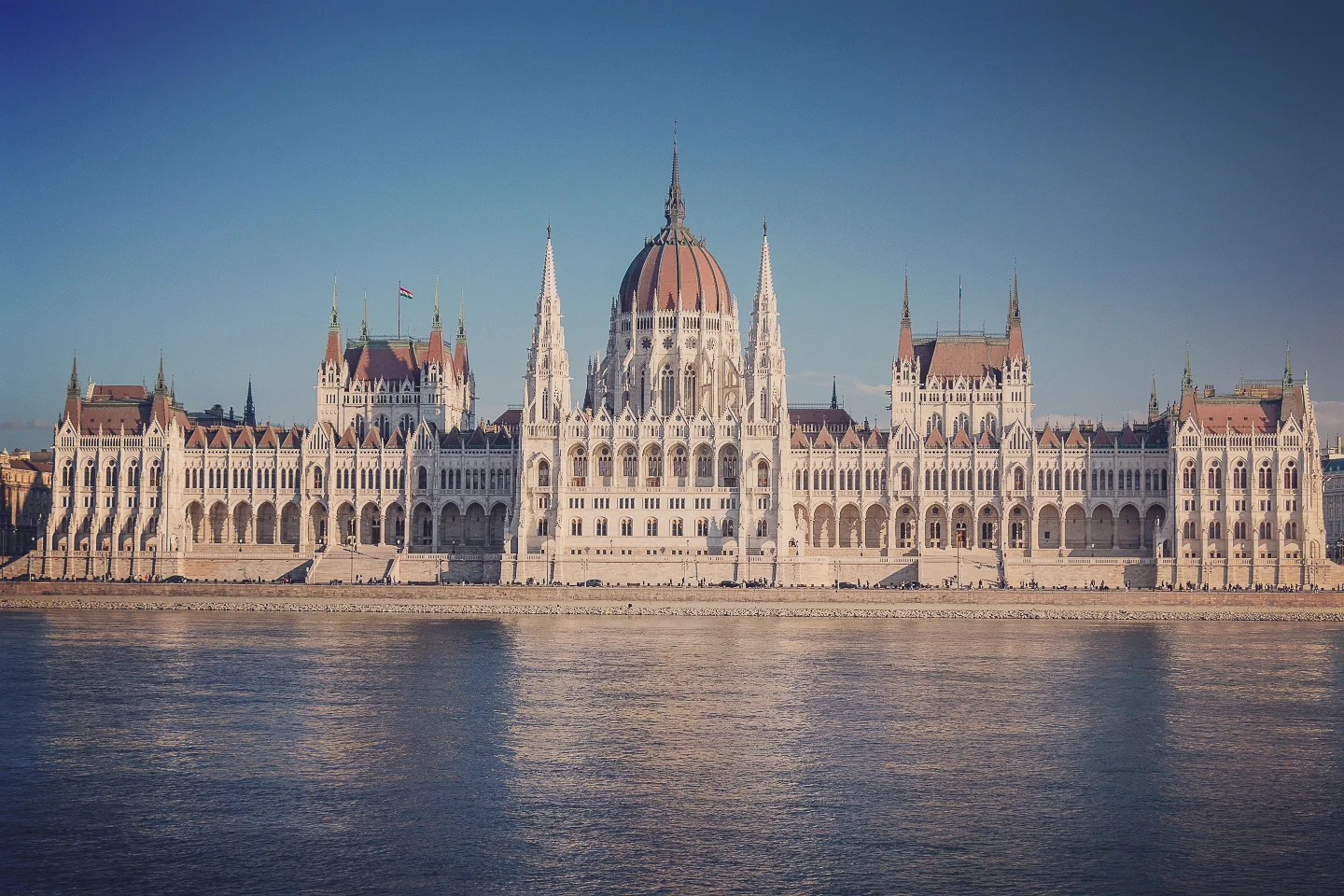
Dominating the Danube with its Neo-Gothic spires and massive dome, the Parliament is one of Budapest’s most iconic sights. Inside, guided tours reveal ornate chambers, colorful stained glass, and the Hungarian Crown Jewels housed in the central hall. Book tickets in advance—they sell out quickly.
Ruin Bars
Set inside abandoned buildings and courtyards, these eclectic bars offer a nightlife experience you won’t find anywhere else. A few favorites:
- Szimpla Kert – The original and most famous ruin bar, packed with quirky decor and mismatched furniture.
- Instant & Fogas Complex – A sprawling venue with multiple rooms and dance floors.
- Csendes Létterem Vintage Bar & Café – A quieter, creative space ideal for relaxed conversation.
Dohány Street Synagogue
The largest synagogue in Europe (and third-largest in the world), this architectural gem includes a Jewish museum and moving Holocaust memorials in the garden. Take a guided tour to fully appreciate its significance.
Thermal Spas Beyond Széchenyi
Budapest is famous for its thermal baths, and while Széchenyi is the most iconic, several others are well worth a visit:
- Gellért Thermal Bath – Housed in a stunning Art Nouveau building with stained glass windows and decorative tilework. Known for its beautiful pools and therapeutic thermal waters.
- Rudas Thermal Bath – A 16th-century Turkish-style bath featuring a domed main pool, steam rooms, and a rooftop pool with panoramic views over the Danube.
- Lukács Thermal Bath – A lesser-known, often quieter bath popular for its healing waters and relaxed atmosphere.
Margaret Island
A peaceful retreat in the middle of the Danube, ideal for walking, biking, or just relaxing. You’ll find landscaped gardens, a musical fountain, medieval ruins, and even thermal springs. Easily accessible by tram or footbridge.
Hospital in the Rock
A former WWII emergency hospital and Cold War nuclear bunker carved into the hillside. Now a museum, it highlights the human cost of conflict and the value of peace. English-language guided tours are offered every hour.
Have you been to Budapest or is it on your list? I’d love to hear your thoughts or tips in the comments below!


Leave a Reply