

While based in Porto, we wanted to experience more of northern Portugal’s history and charm. Enter Touch Tours—a small, friendly tour company offering day trips to nearby cultural gems. Our chosen adventure: a full-day guided tour of Braga and Guimarães, two of Portugal’s oldest and most historically significant cities.
Braga: Ancient Roots, Misty Views, and a Steep Pilgrimage
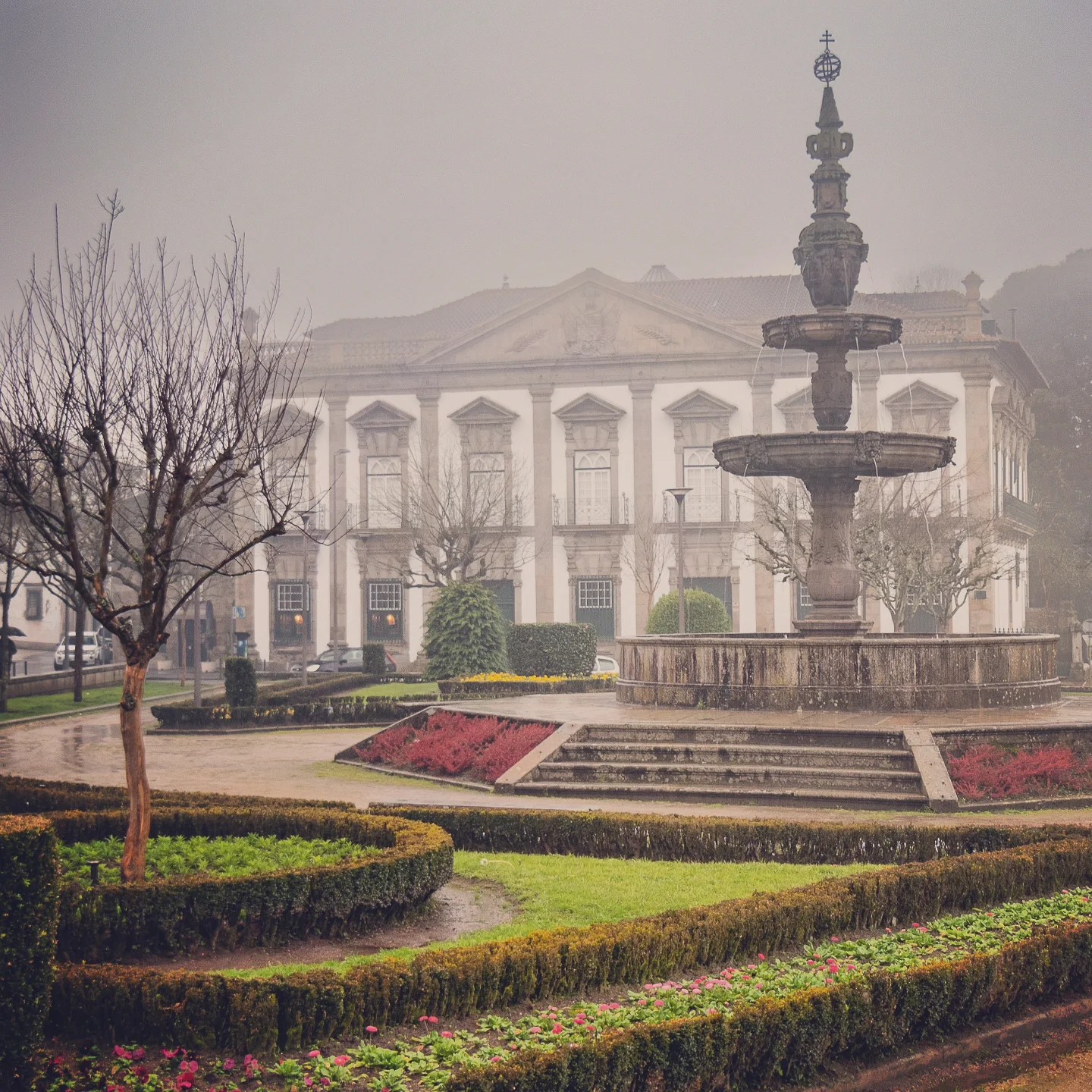
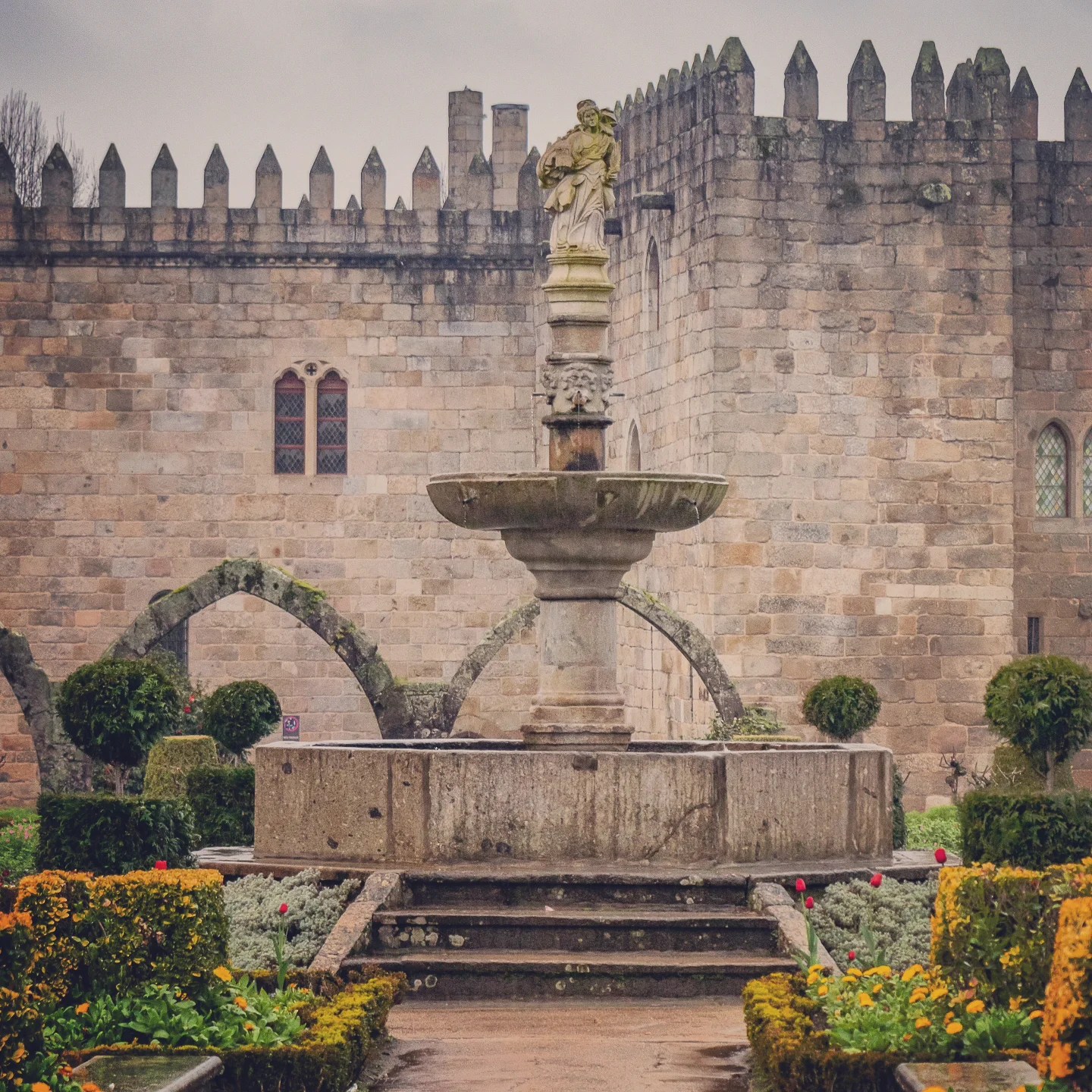
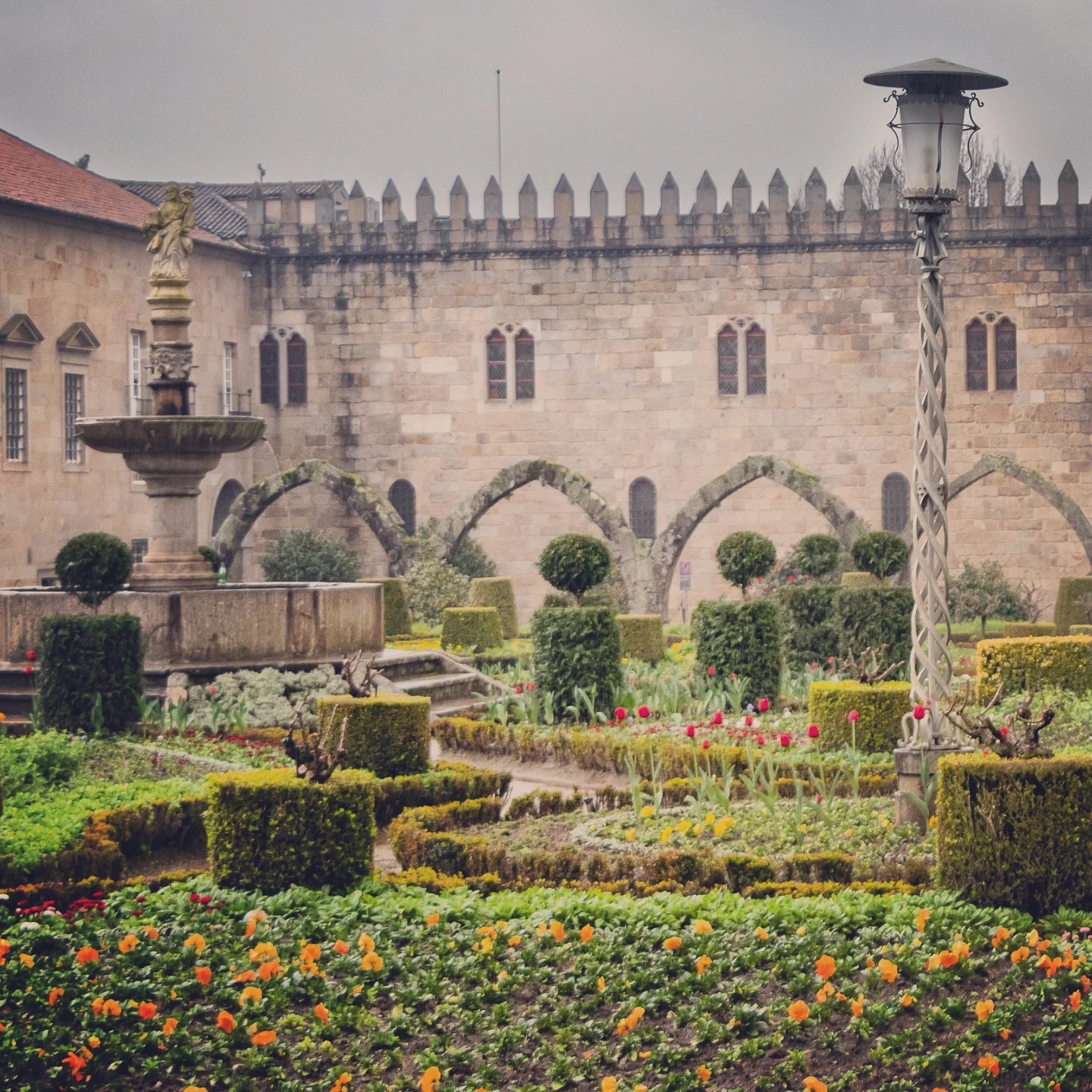
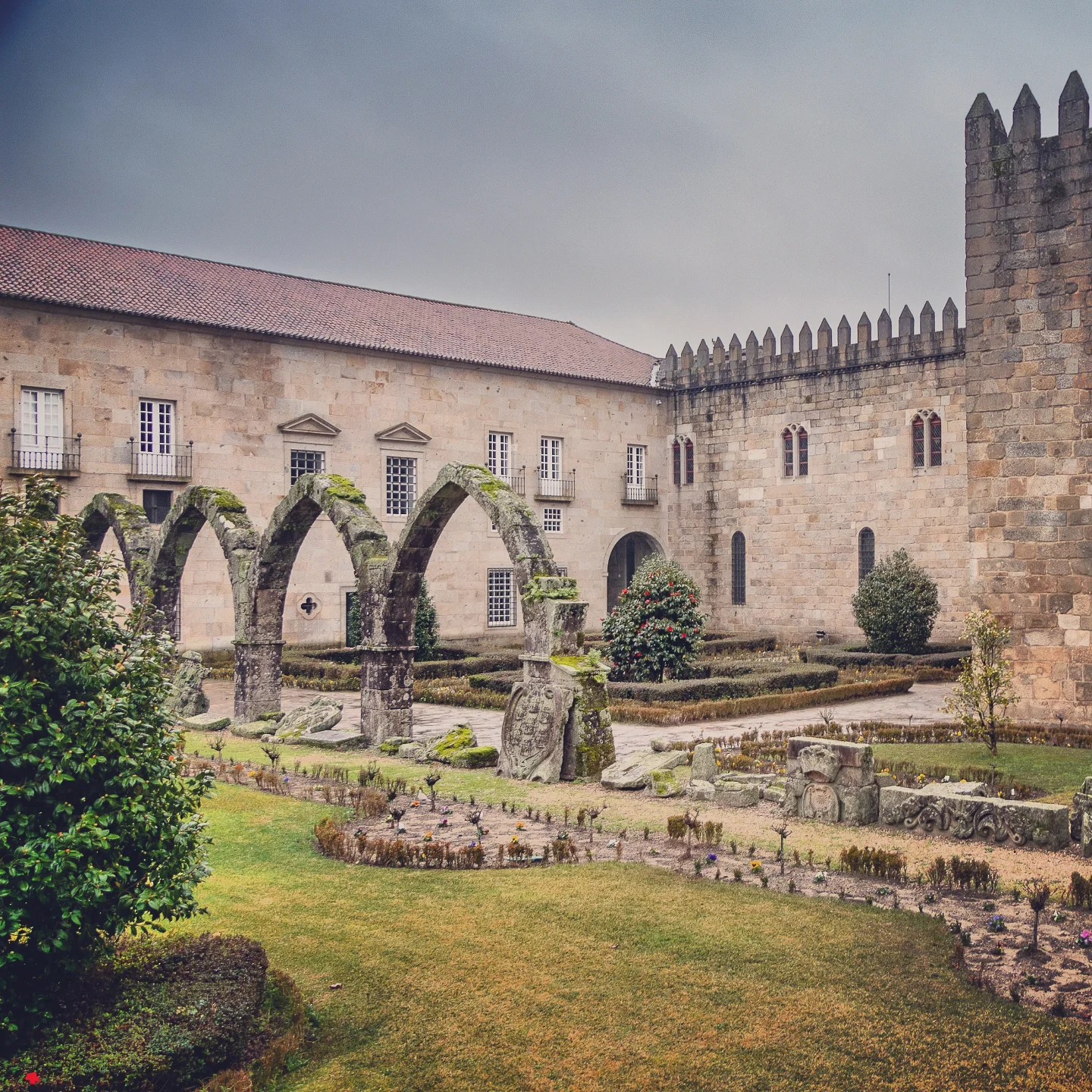
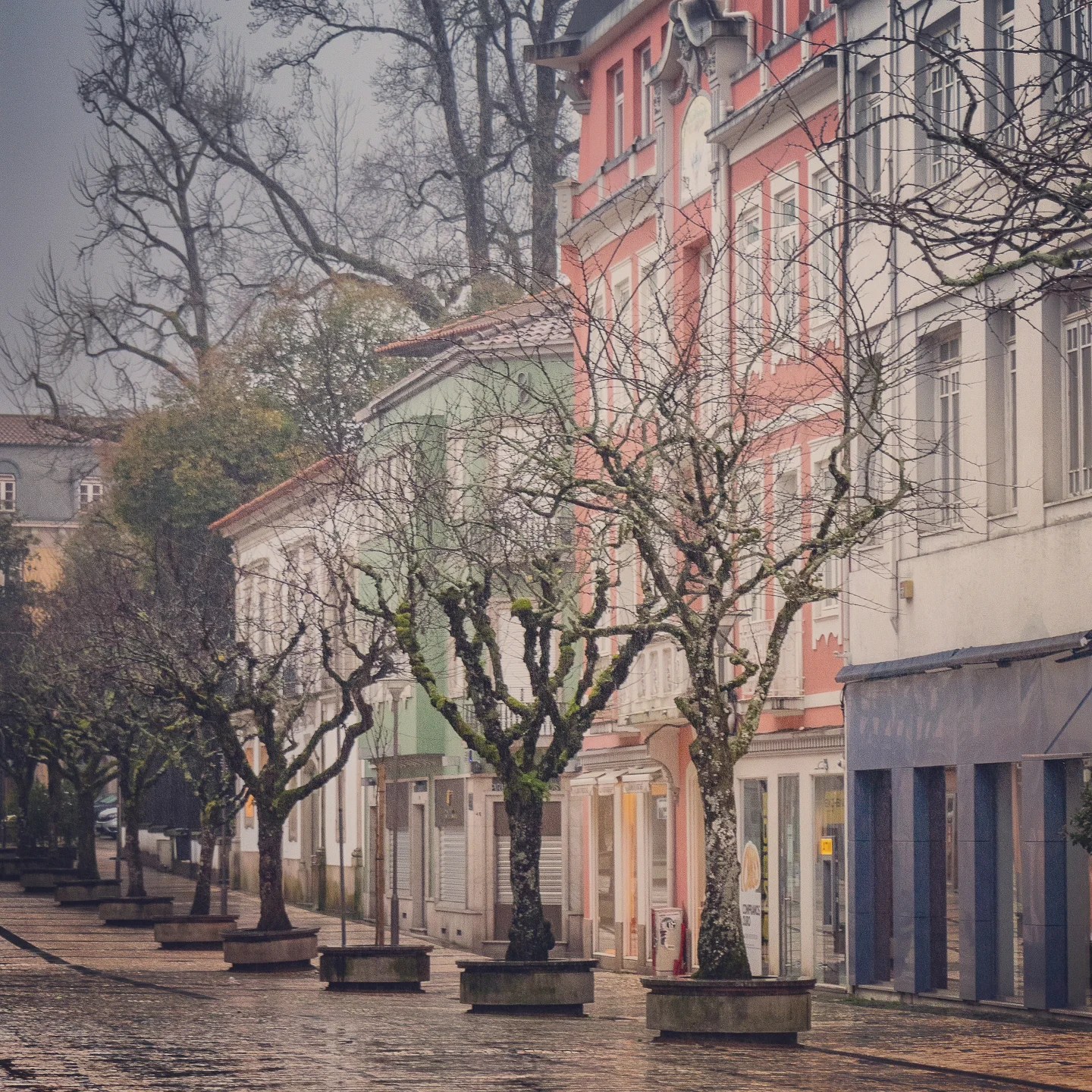
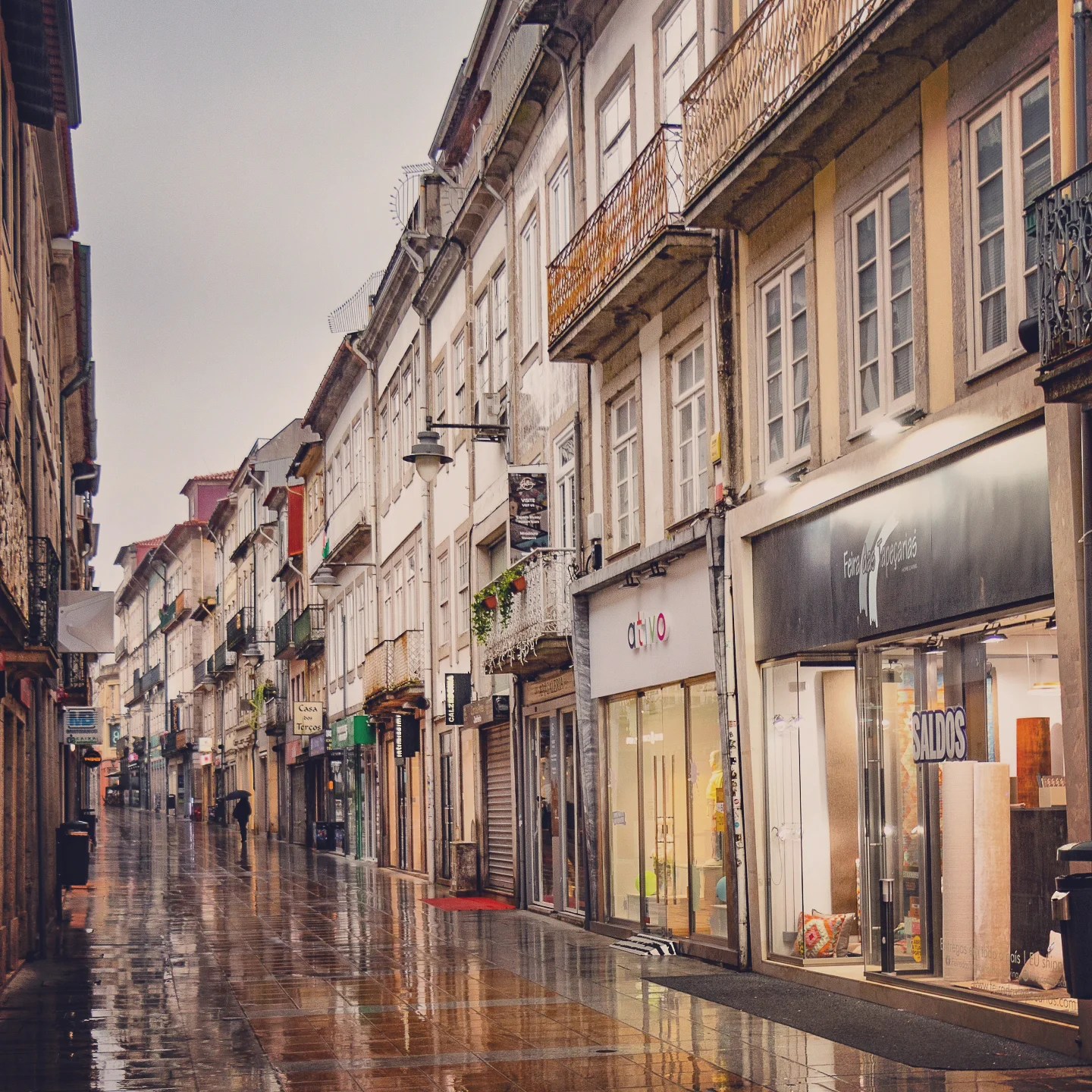
The day started with rain (a theme that stuck with us for much of the morning), but that didn’t dampen our spirits. First stop: Braga, one of the oldest cities in Portugal, founded over 2,000 years ago by the Romans as Bracara Augusta and long regarded as the country’s religious heart. The city offers a captivating mix of Roman ruins, medieval churches, grand plazas, and peaceful gardens. As we wandered through the historic center, our guide shared stories that brought Braga’s rich and layered past to life.
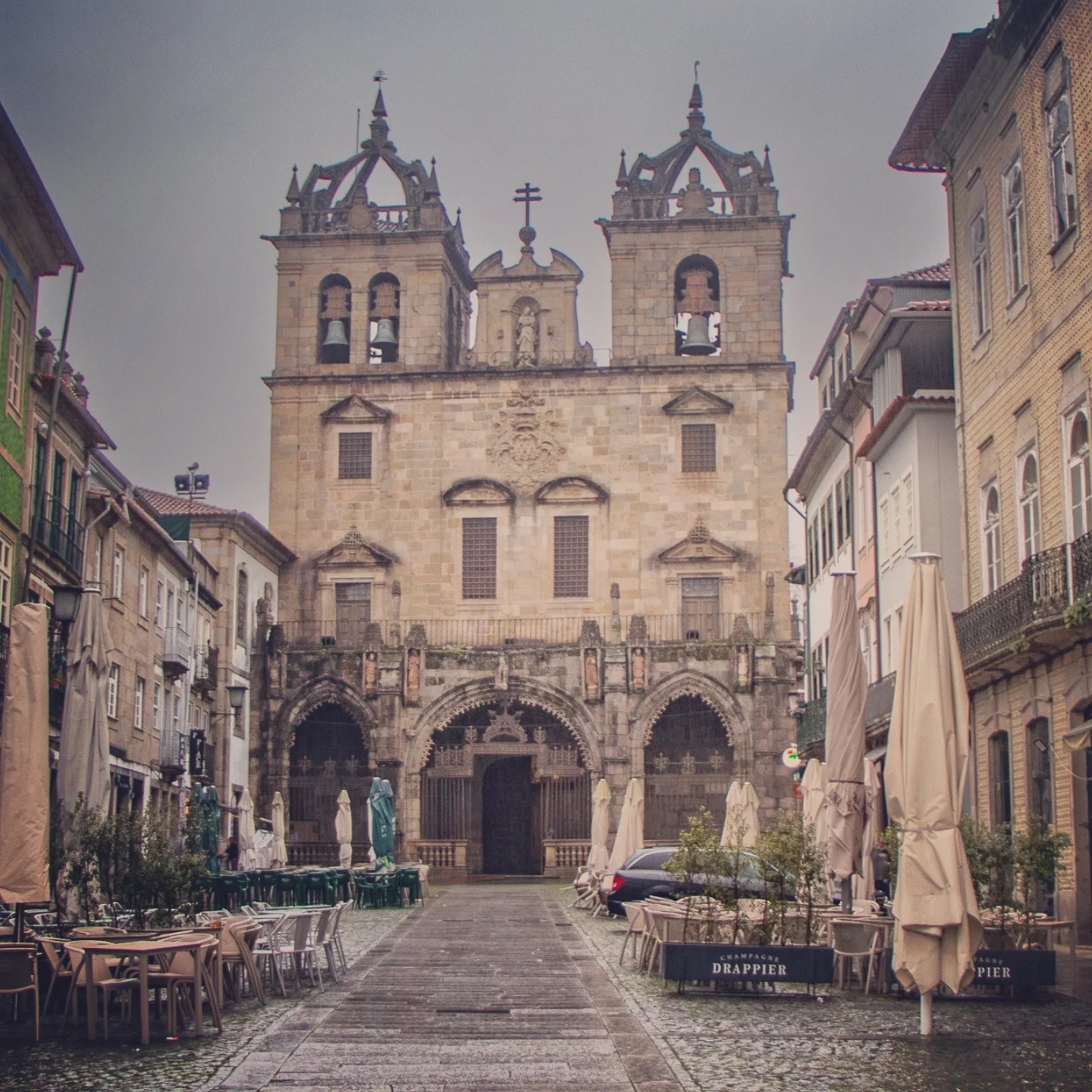
A highlight was visiting the Braga Cathedral (Sé de Braga)—the oldest cathedral in the country, dating back to the 12th century. Inside, the cathedral’s beautifully painted wooden ceilings caught our eye, while the clock—forever set to 3:00, symbolizing the hour of Christ’s crucifixion—added a haunting, reverent touch to the atmosphere.

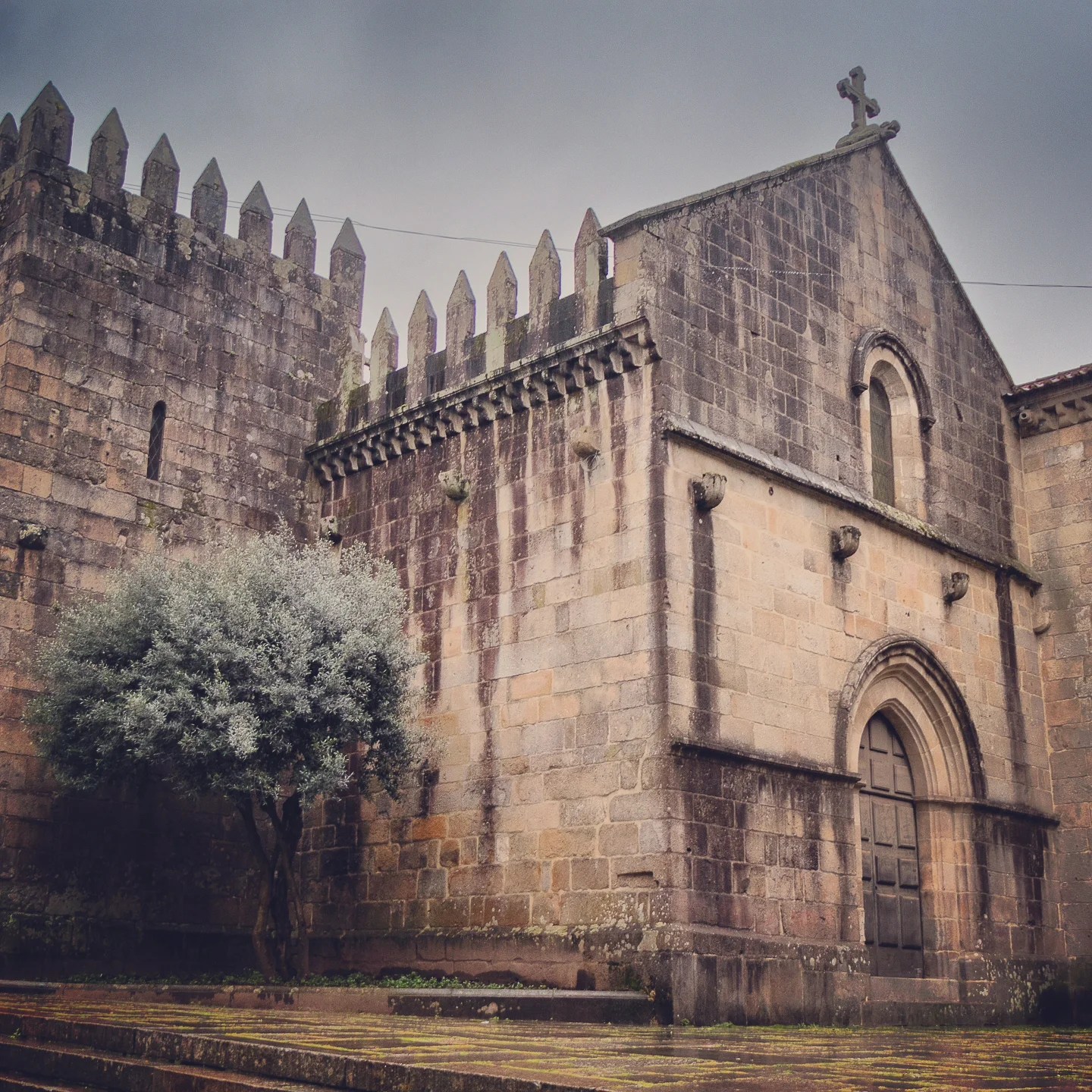
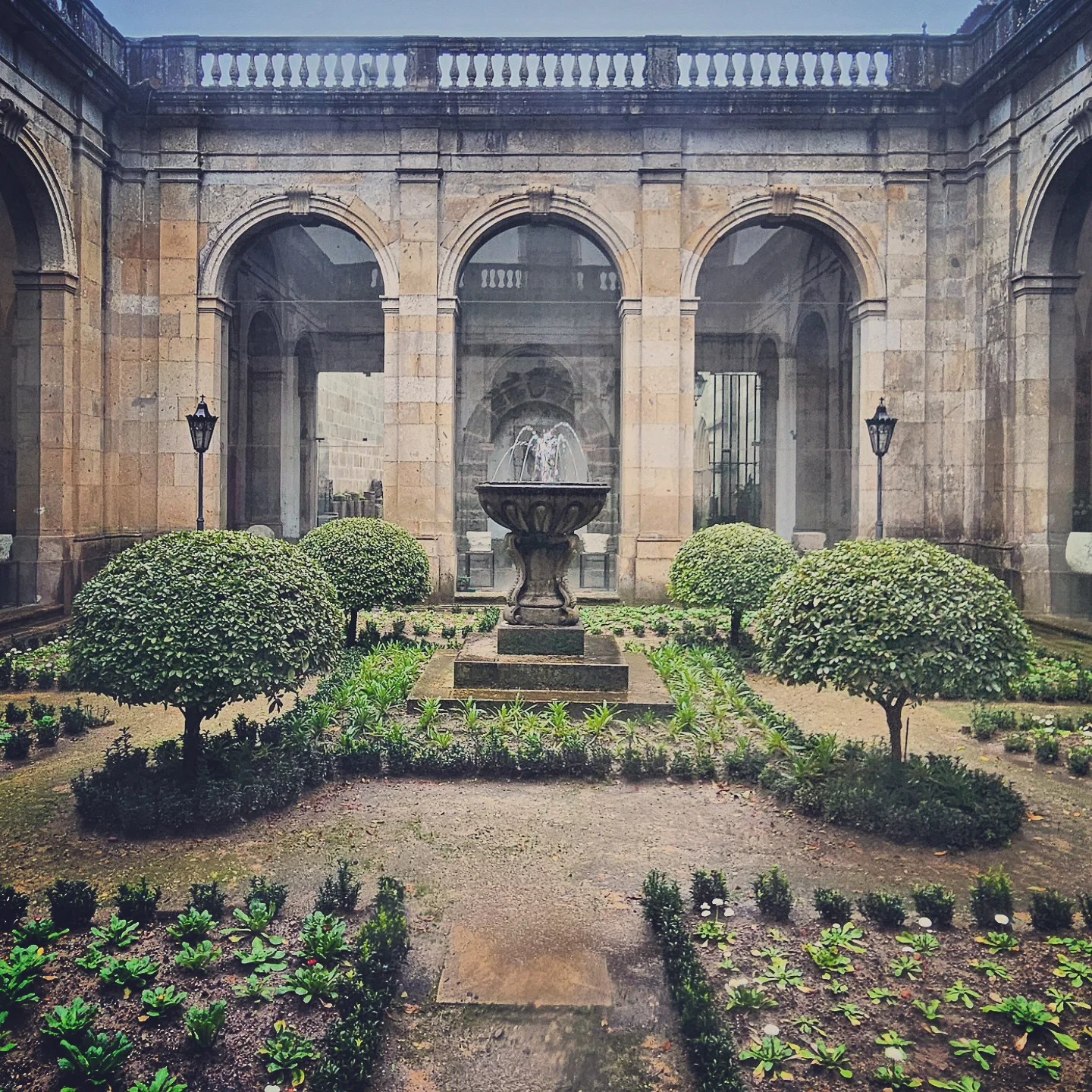
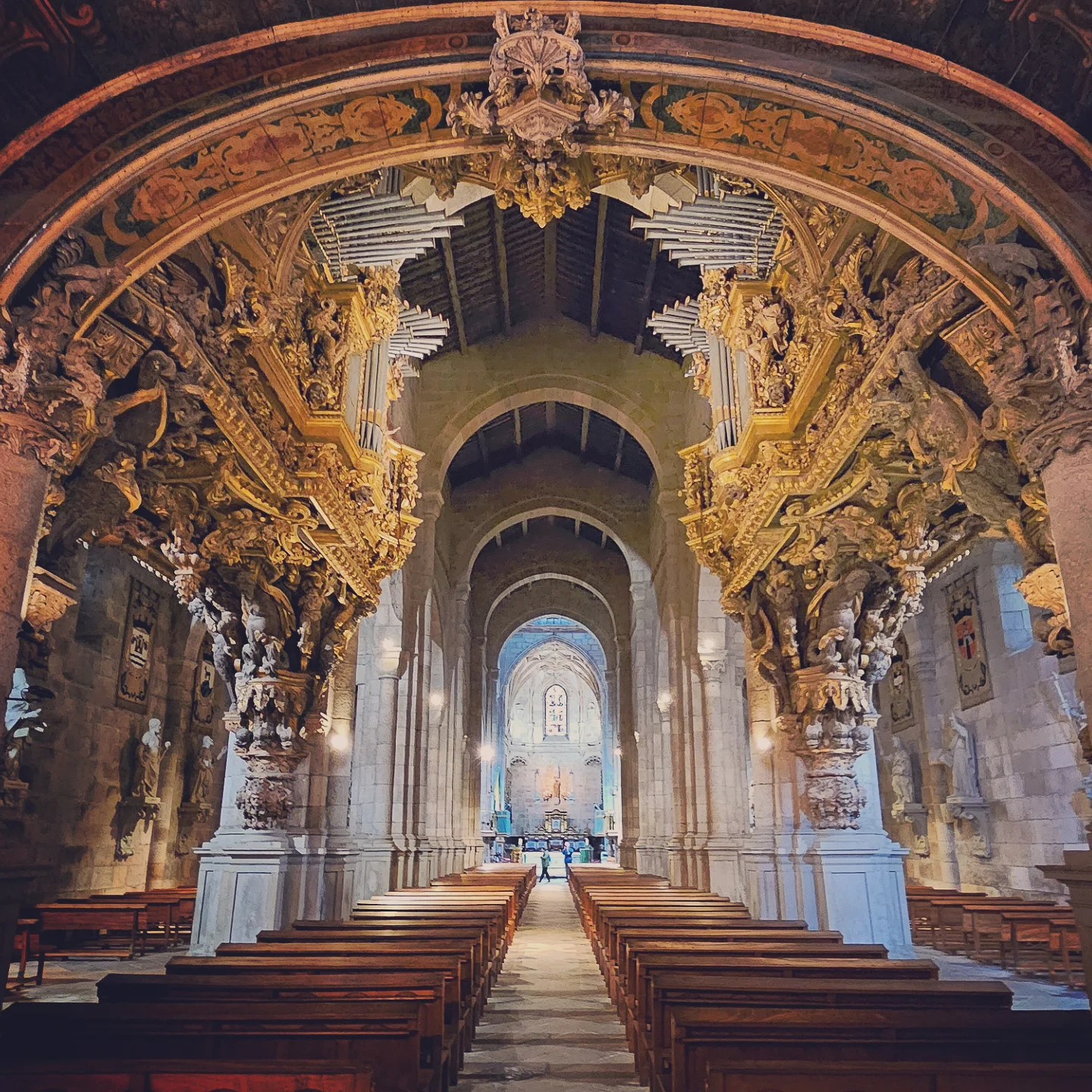
We paused for coffee and a pastel de nata (traditional Portuguese cream tart) at a local café, enjoying a few quiet moments while watching umbrellas pass by outside.
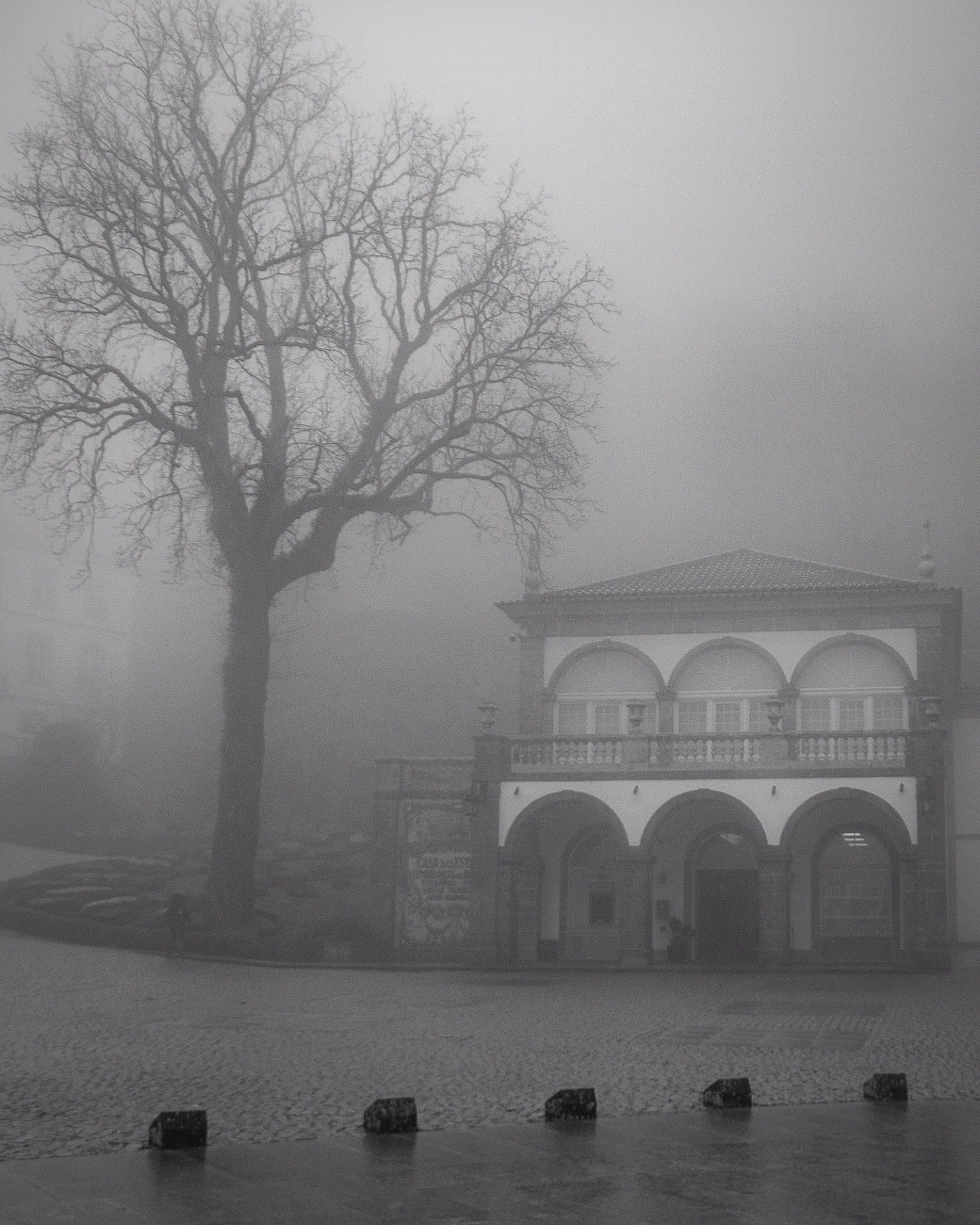
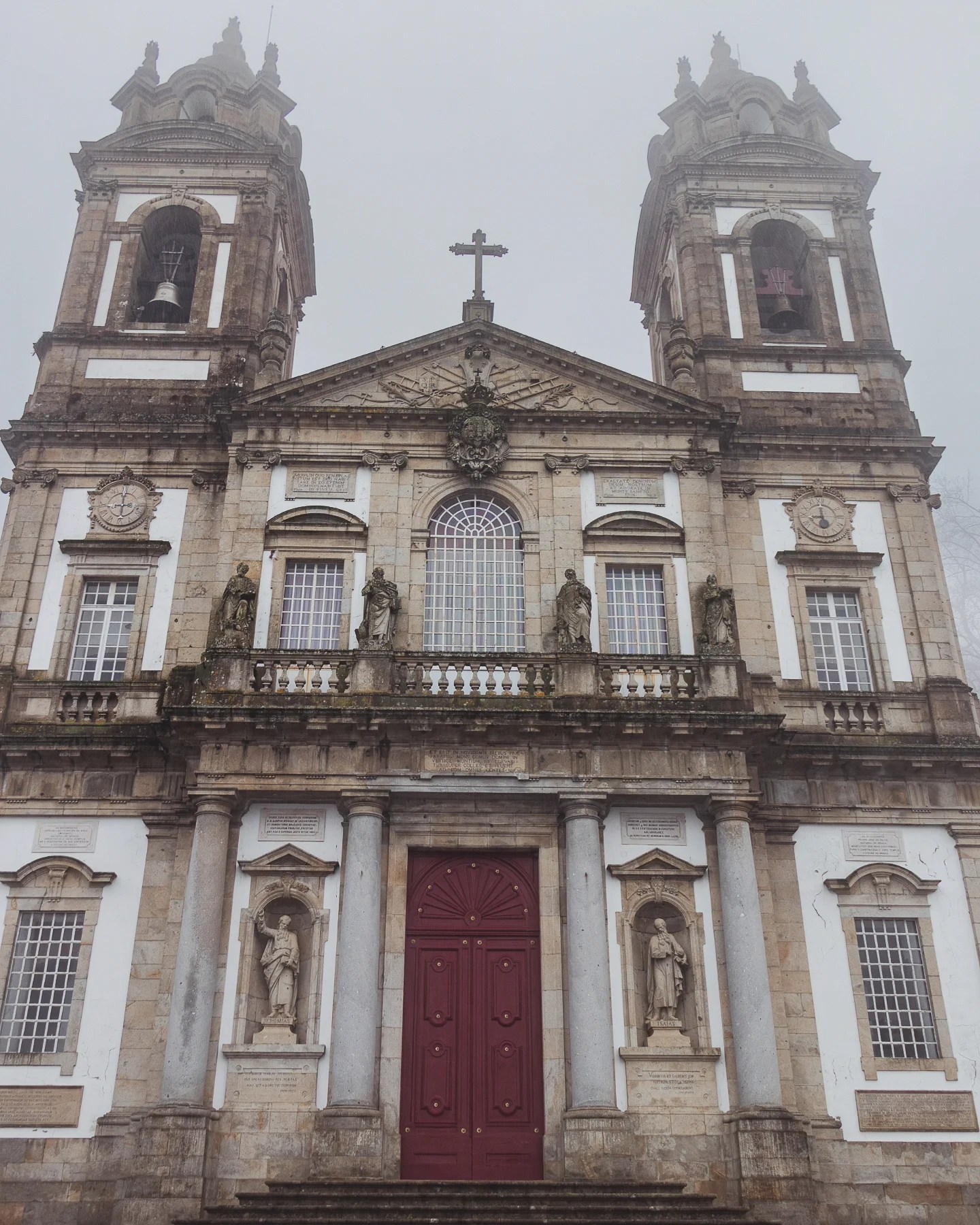
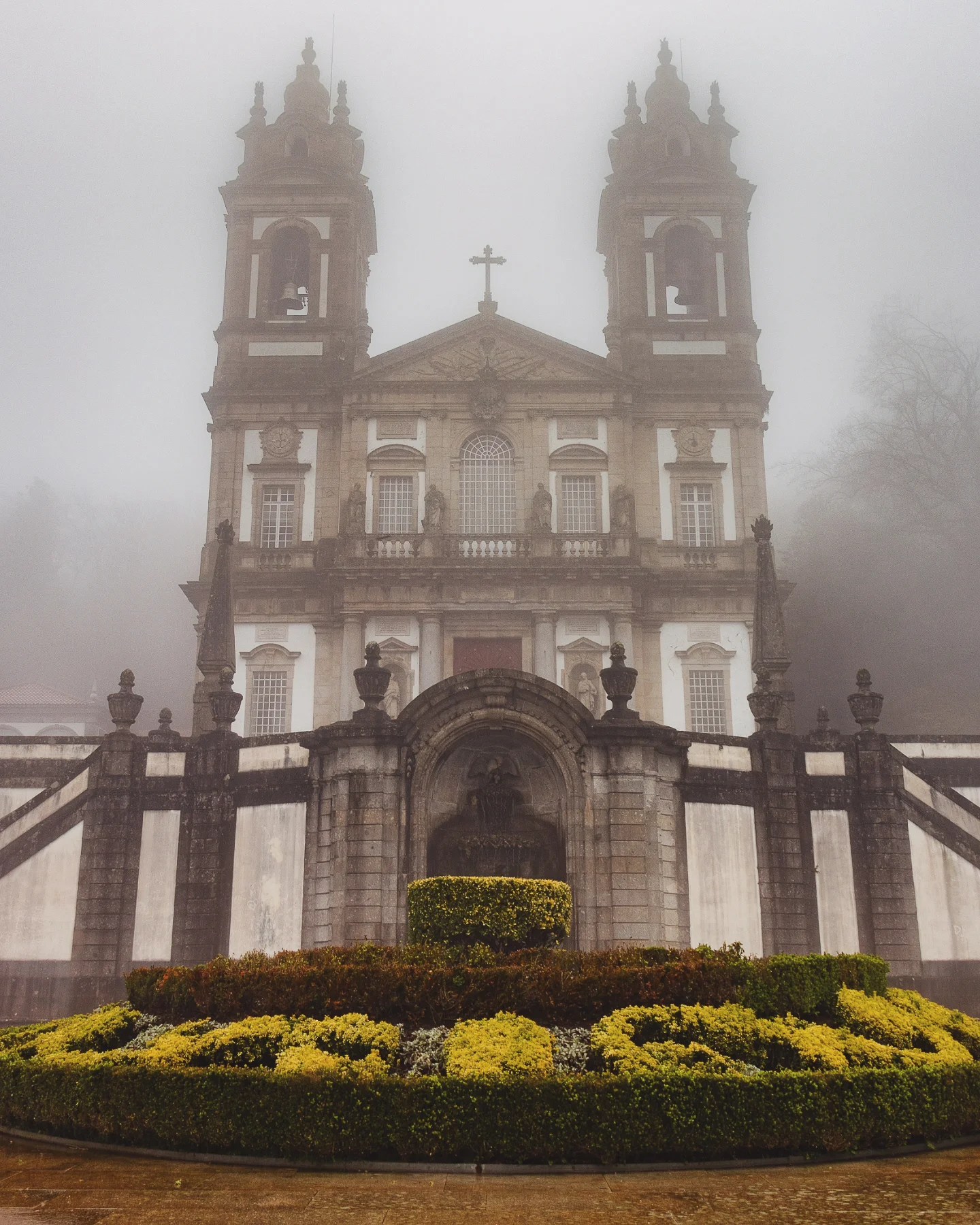
Next, it was time to ascend to the famous Sanctuary of Bom Jesus do Monte, a UNESCO World Heritage Site located just outside Braga. Dating back to the 18th century, this iconic pilgrimage site is best known for its ornate Baroque staircase, which zigzags up the hillside in a dramatic series of switchbacks, fountains, and symbolic statues representing the Stations of the Cross and theological virtues.
Due to the weather, we opted for the historic funicular, powered entirely by water counterbalancing—a fascinating bit of 19th-century engineering and the oldest operating system of its kind in the world. In just a couple of minutes, it carried us 381 feet (116 meters) uphill.
Normally, visitors climb the 573-step staircase, a journey that pilgrims once completed on their knees as an act of devotion. I had hoped to take the walk myself for the sweeping views of the monumental staircase and Braga spread out below—but with the mist and rain, visibility was close to zero. Still, wandering through the grounds and taking in the intricate details of the sanctuary’s architecture made the visit memorable in its own way, offering a different kind of appreciation for the site’s beauty.


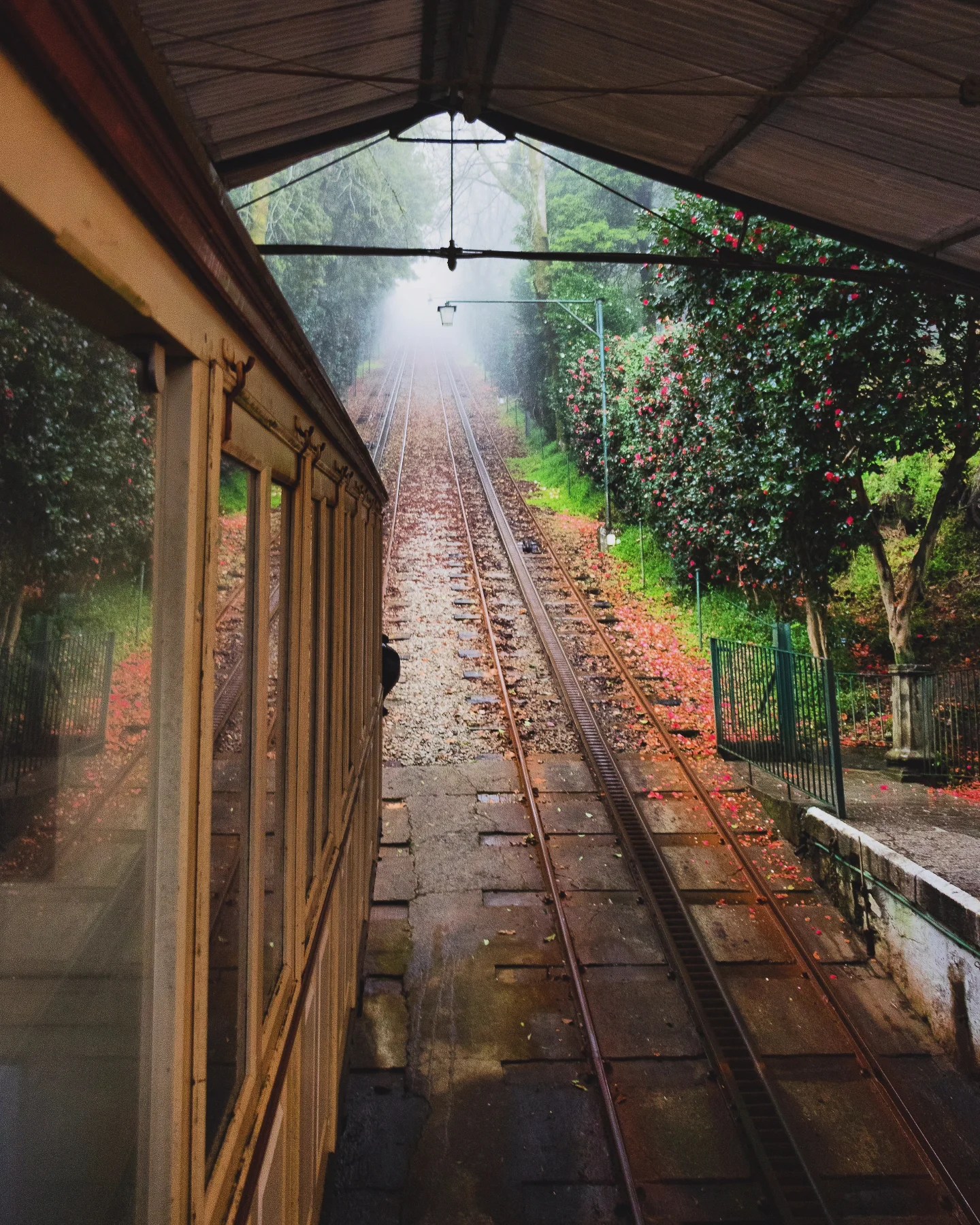


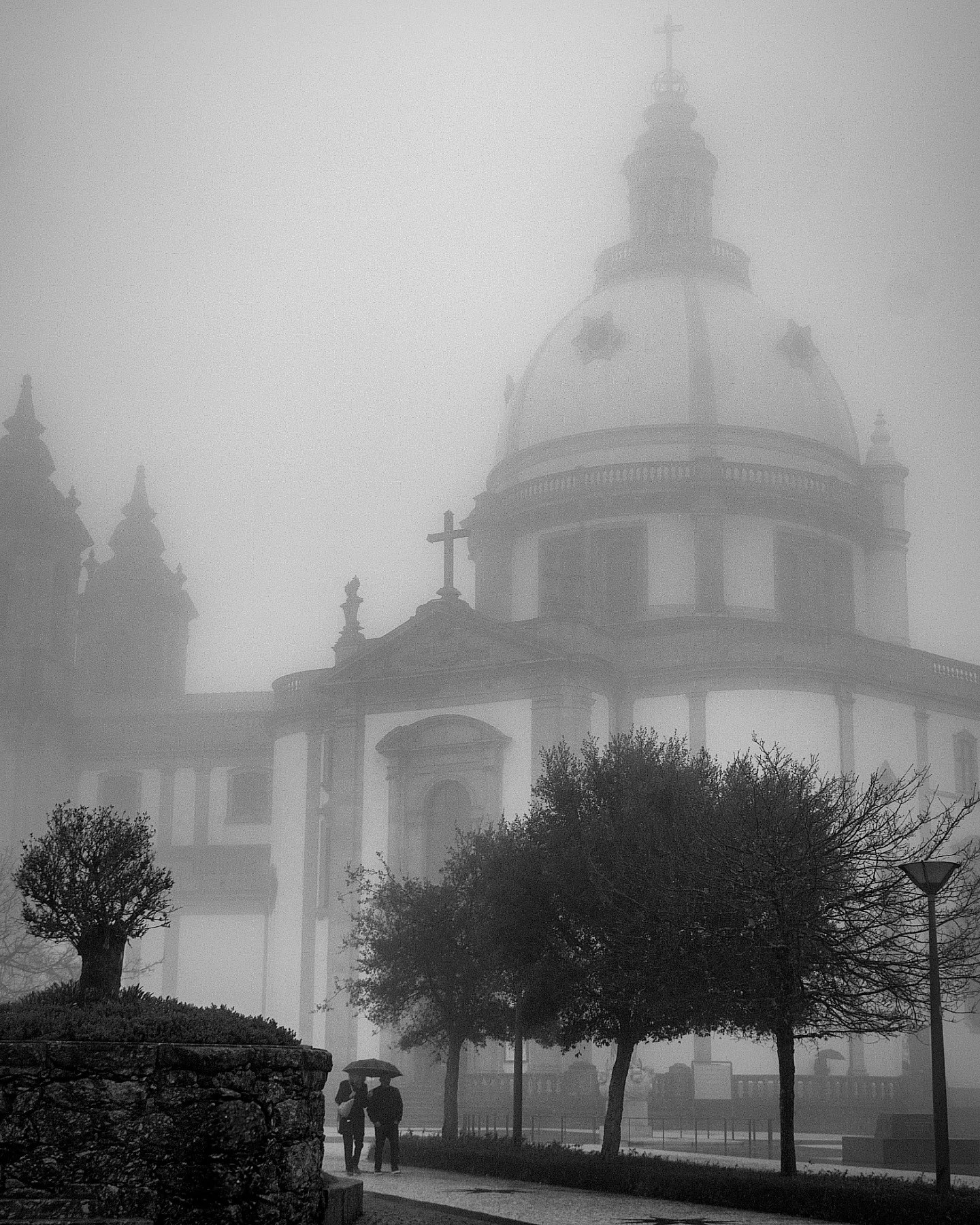
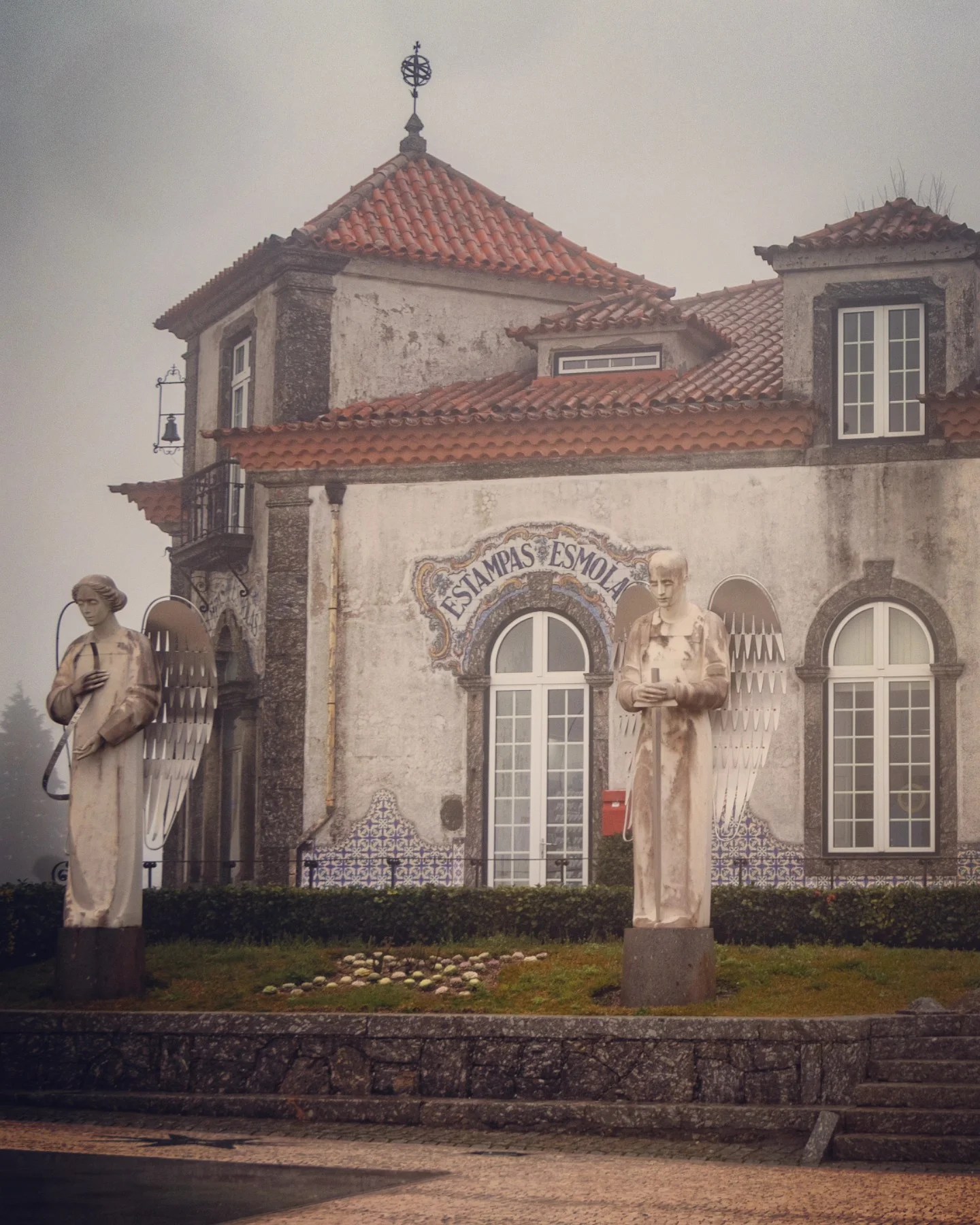
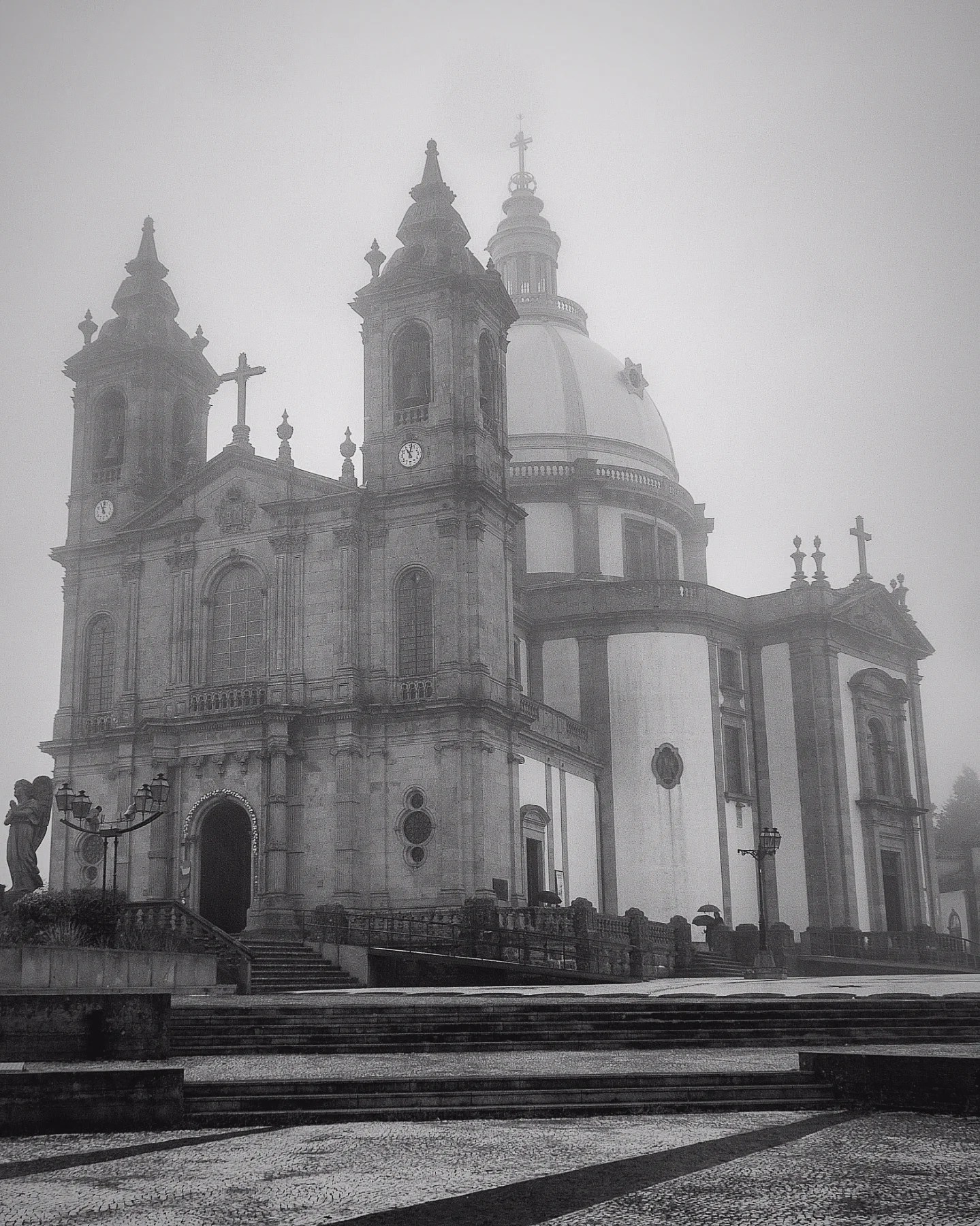
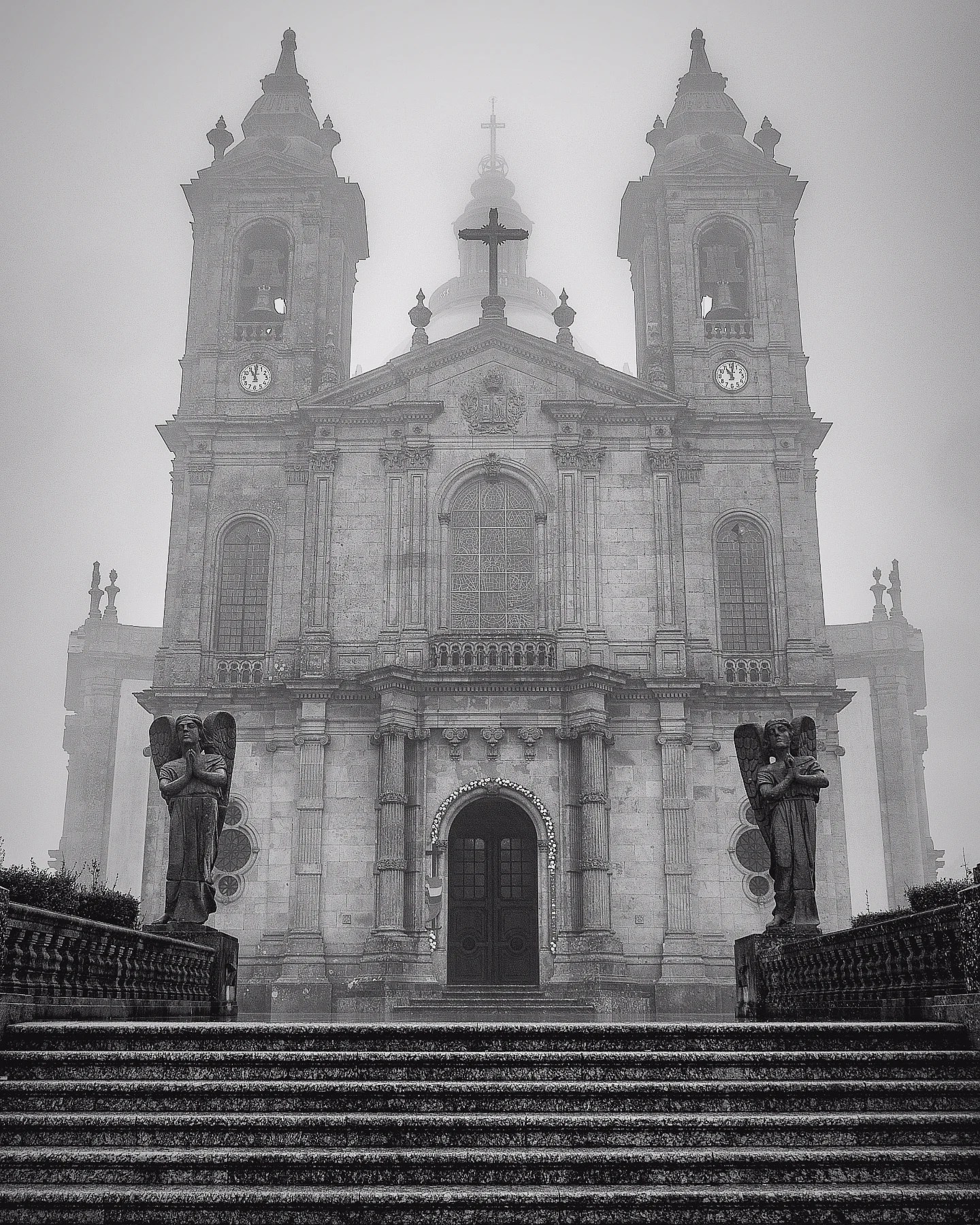
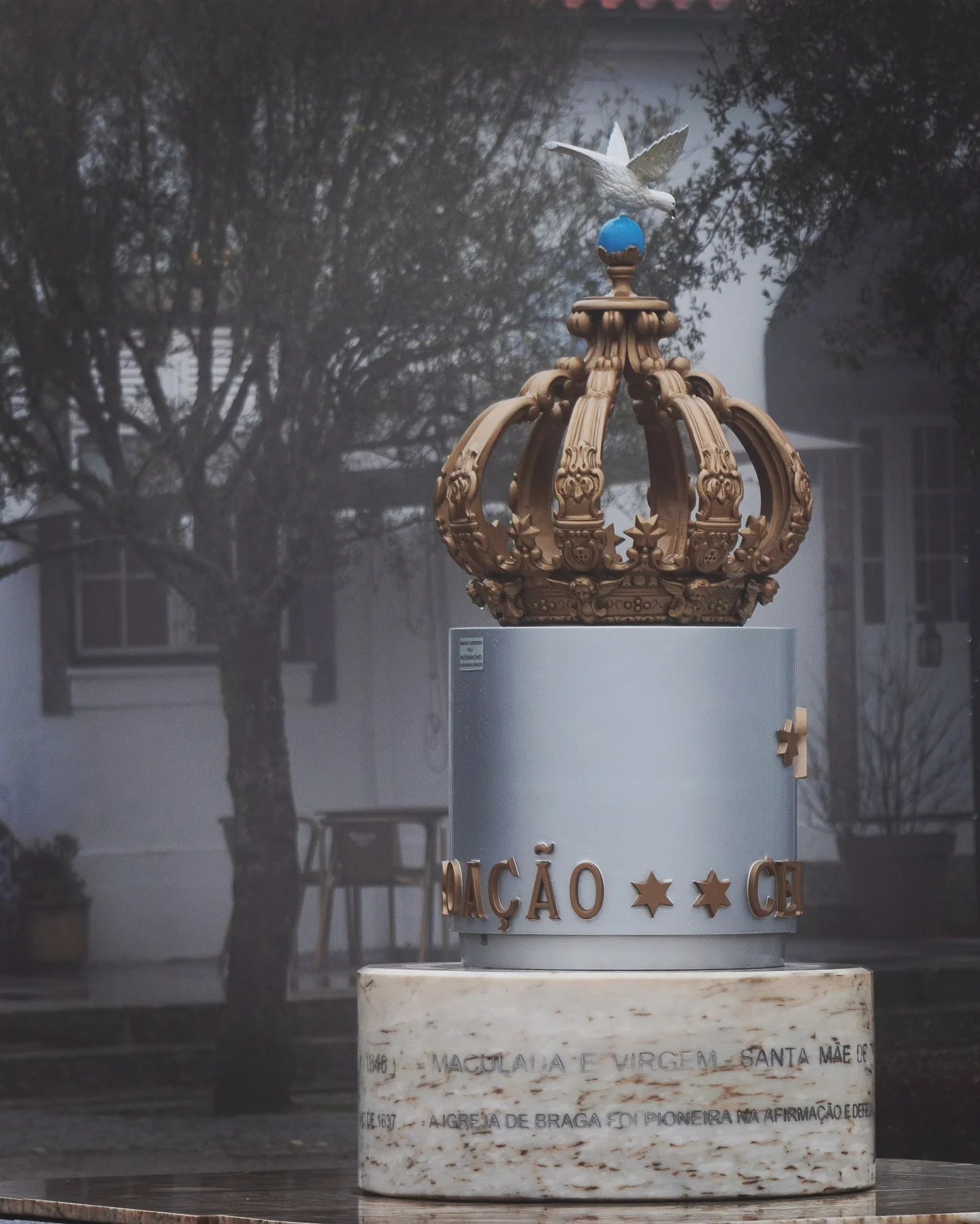
From there, we drove on to the Sanctuary of Our Lady of Sameiro (Santuário de Nossa Senhora do Sameiro), one of the most important Marian pilgrimage sites in Portugal—dedicated to the Virgin Mary and visited by thousands of pilgrims each year. Built in the late 19th century, the sanctuary sits atop a hill offering sweeping views over Braga—at least on a clear day. Sadly, the clouds didn’t lift for us, but the thick fog gave the site a peaceful, almost mystical quality.

Guimarães: From Gray Skies to Golden Sunlight
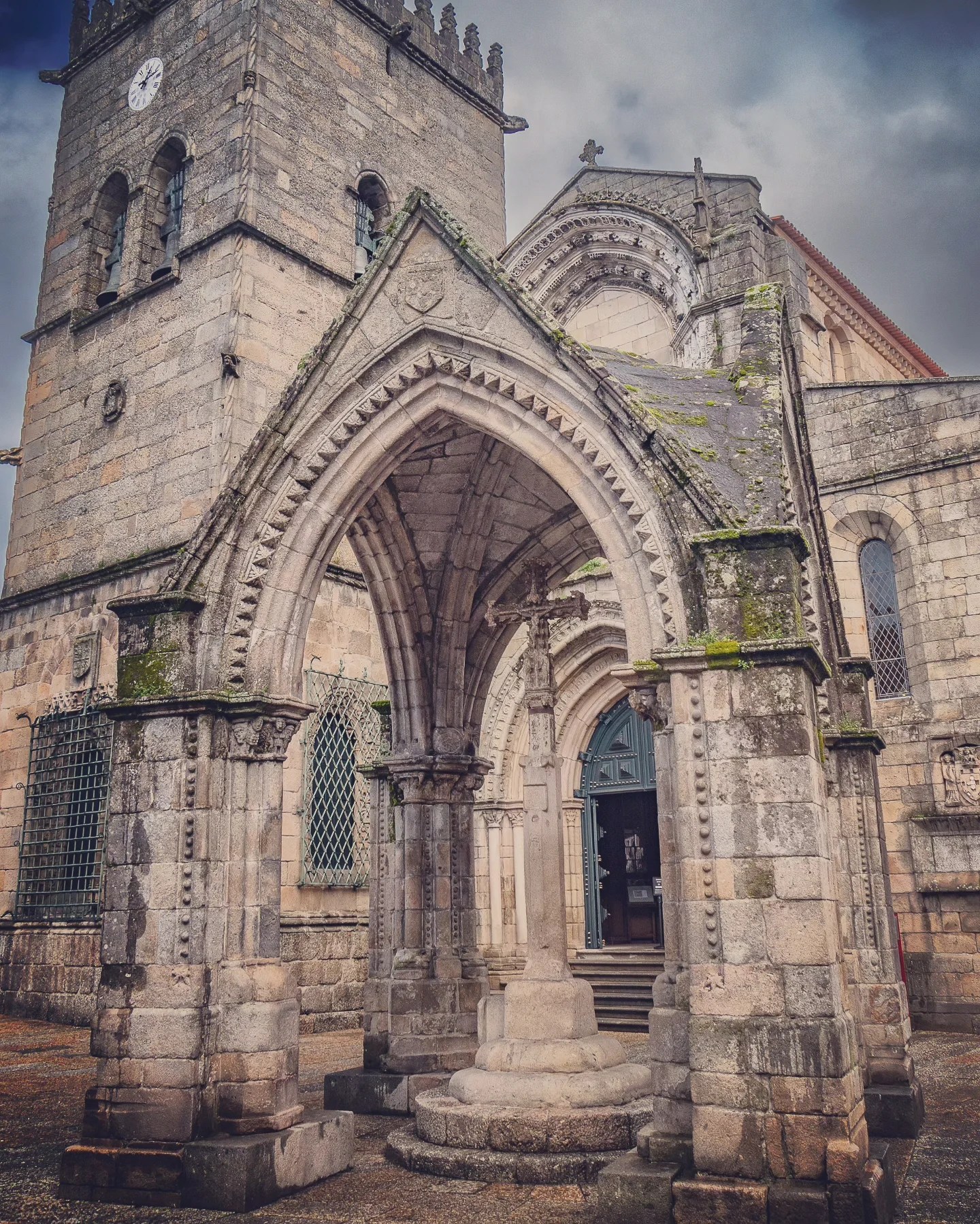
We descended from Sameiro and continued on to Guimarães, often referred to as the “birthplace of Portugal” due to its central role in the country’s foundation. It was here, in the 12th century, that Afonso Henriques, Portugal’s first king, began his fight for independence from the Kingdom of León. Today, Guimarães is celebrated not just for its historic significance but also for its well-preserved medieval architecture and charming old town, recognized as a UNESCO World Heritage Site.
Our first stop in Guimarães was the Palace of the Dukes of Braganza (Paço dos Duques de Bragança), a 15th-century residence built for Afonso, the first Duke of Braganza (not to be confused with Portugal’s first king). The palace stands out for its unusual blend of Portuguese and northern European design—especially the tall, cylindrical brick chimneys that look more English countryside than Iberian nobility. Inside, we wandered through stately halls draped with Flemish tapestries, admired displays of medieval armor, and paused in the small, beautifully restored private chapel. Every room offered a well-preserved glimpse into Portugal’s noble past.


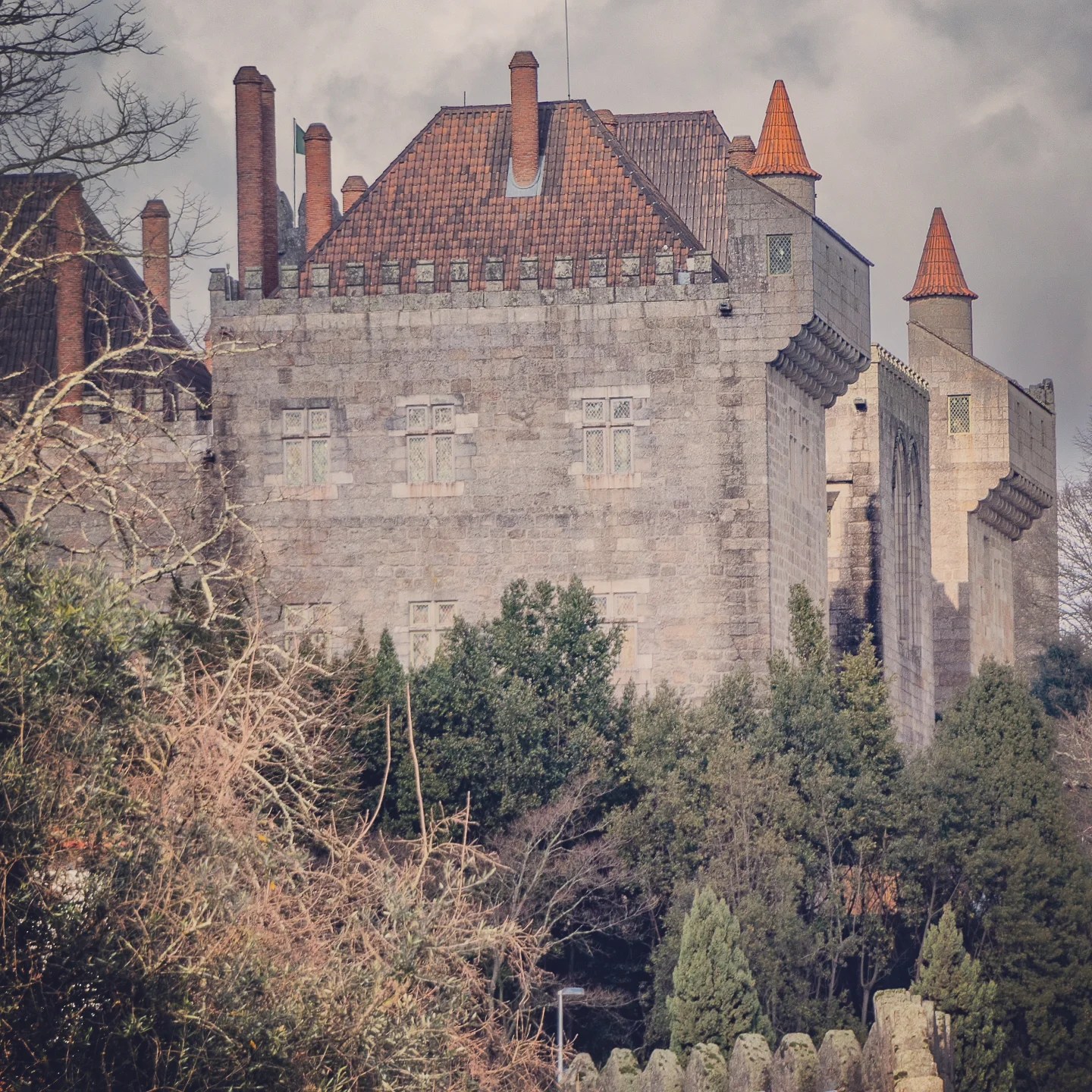
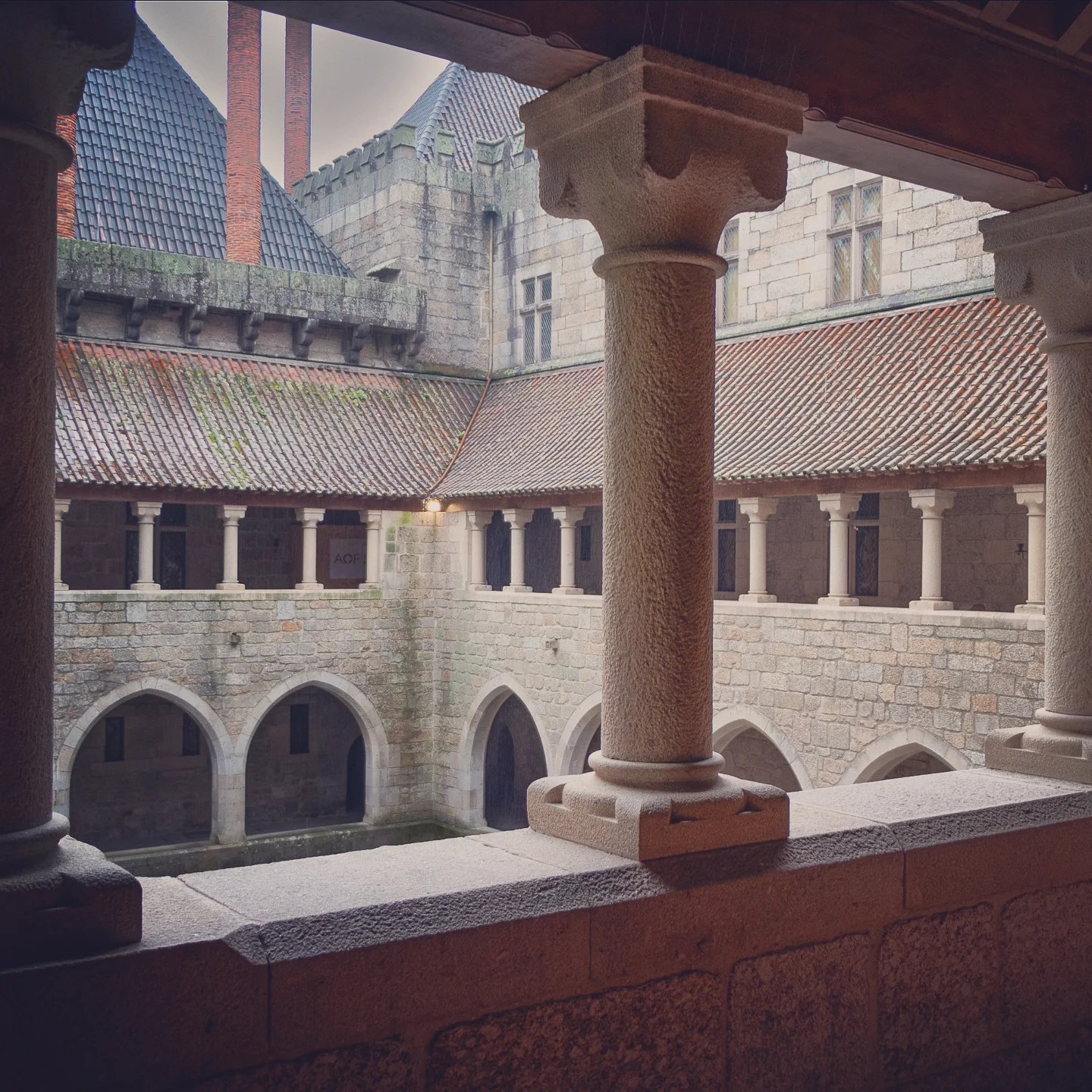

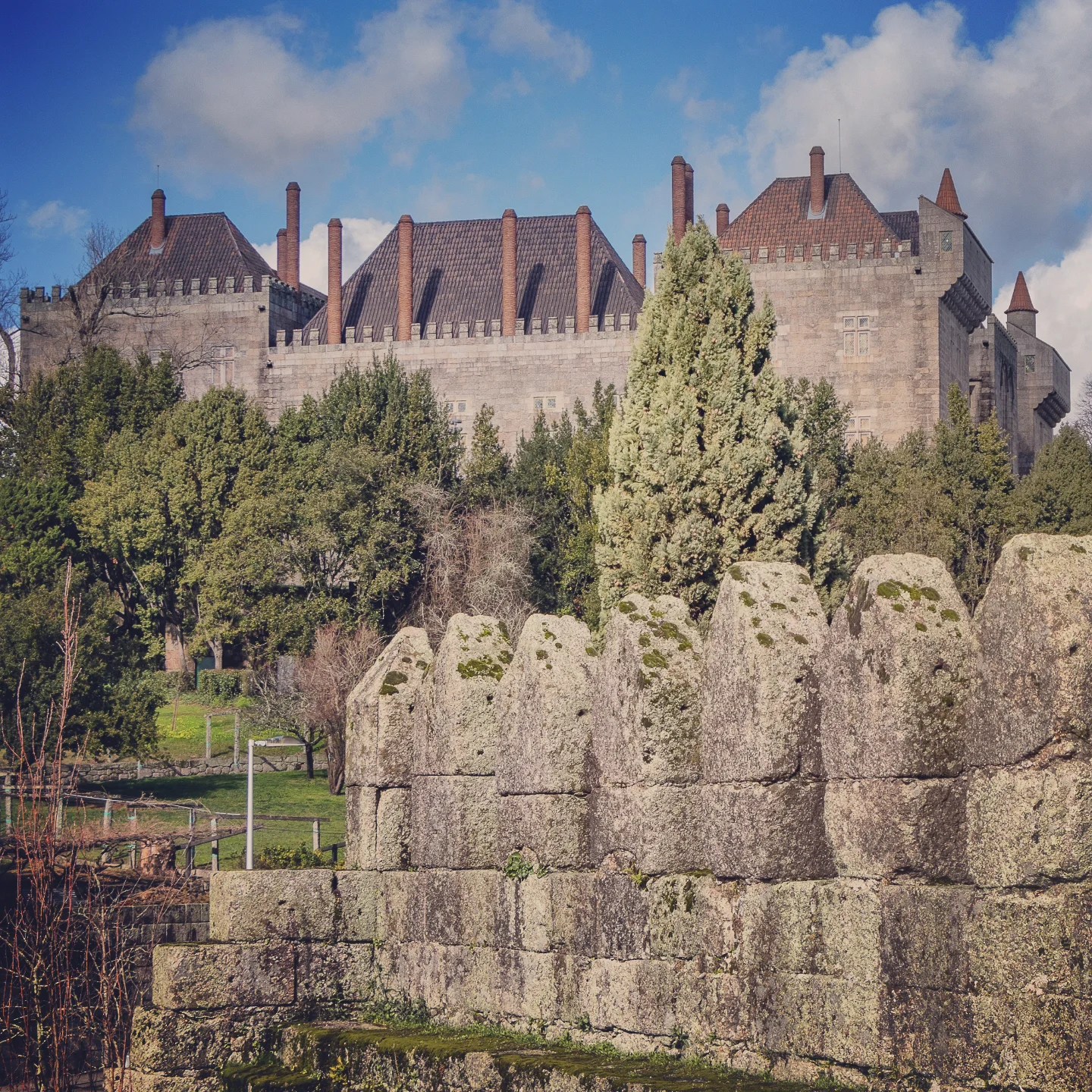
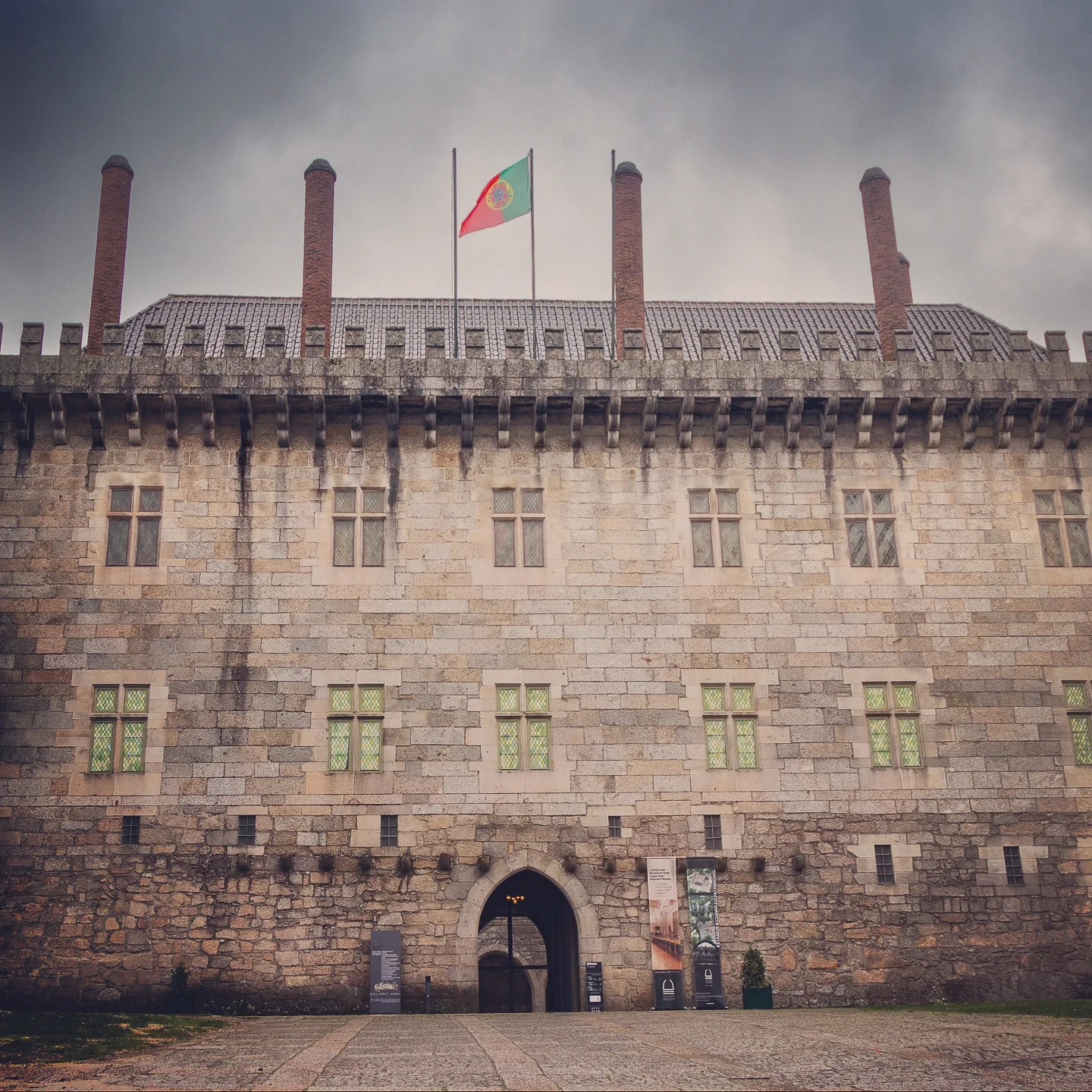
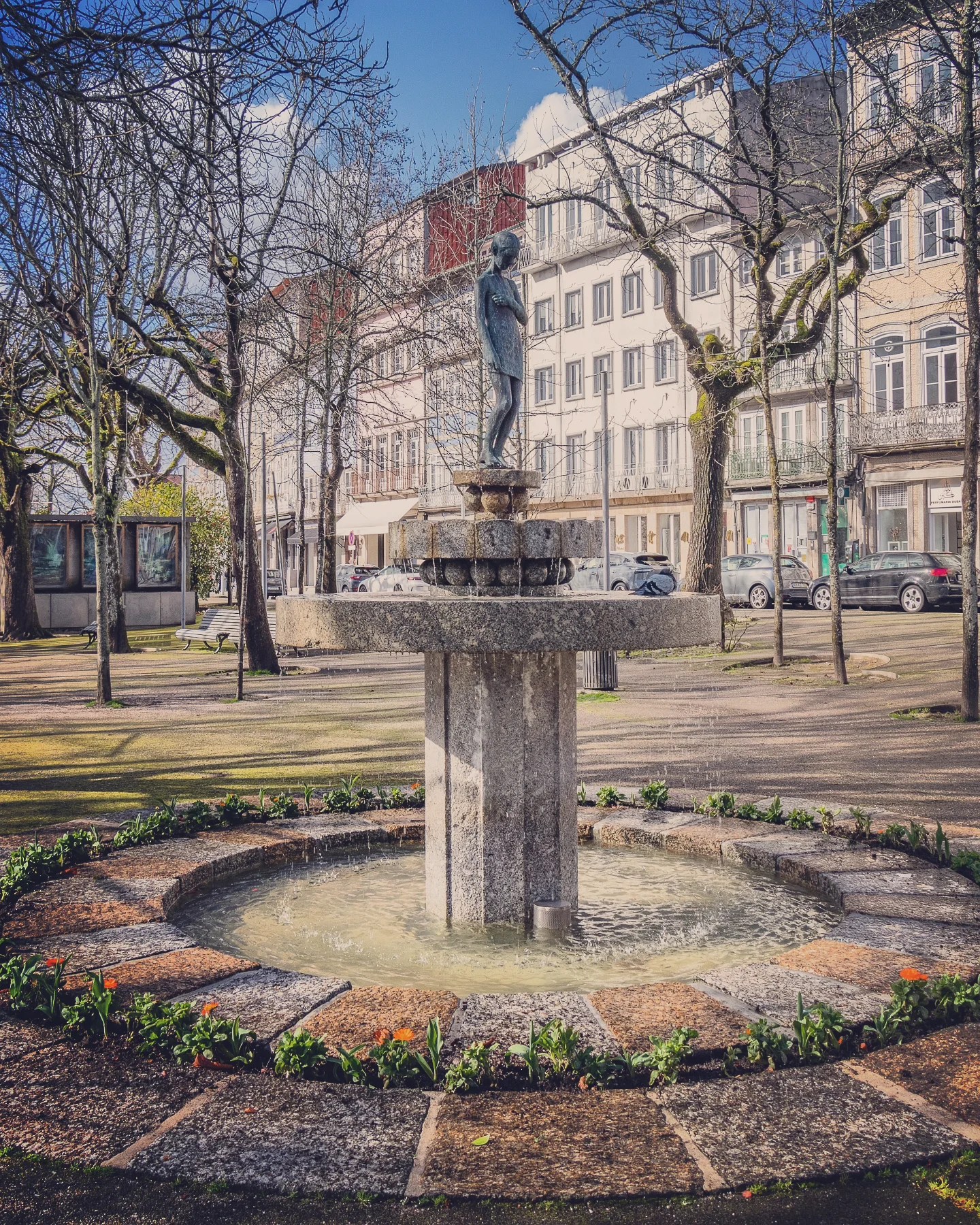
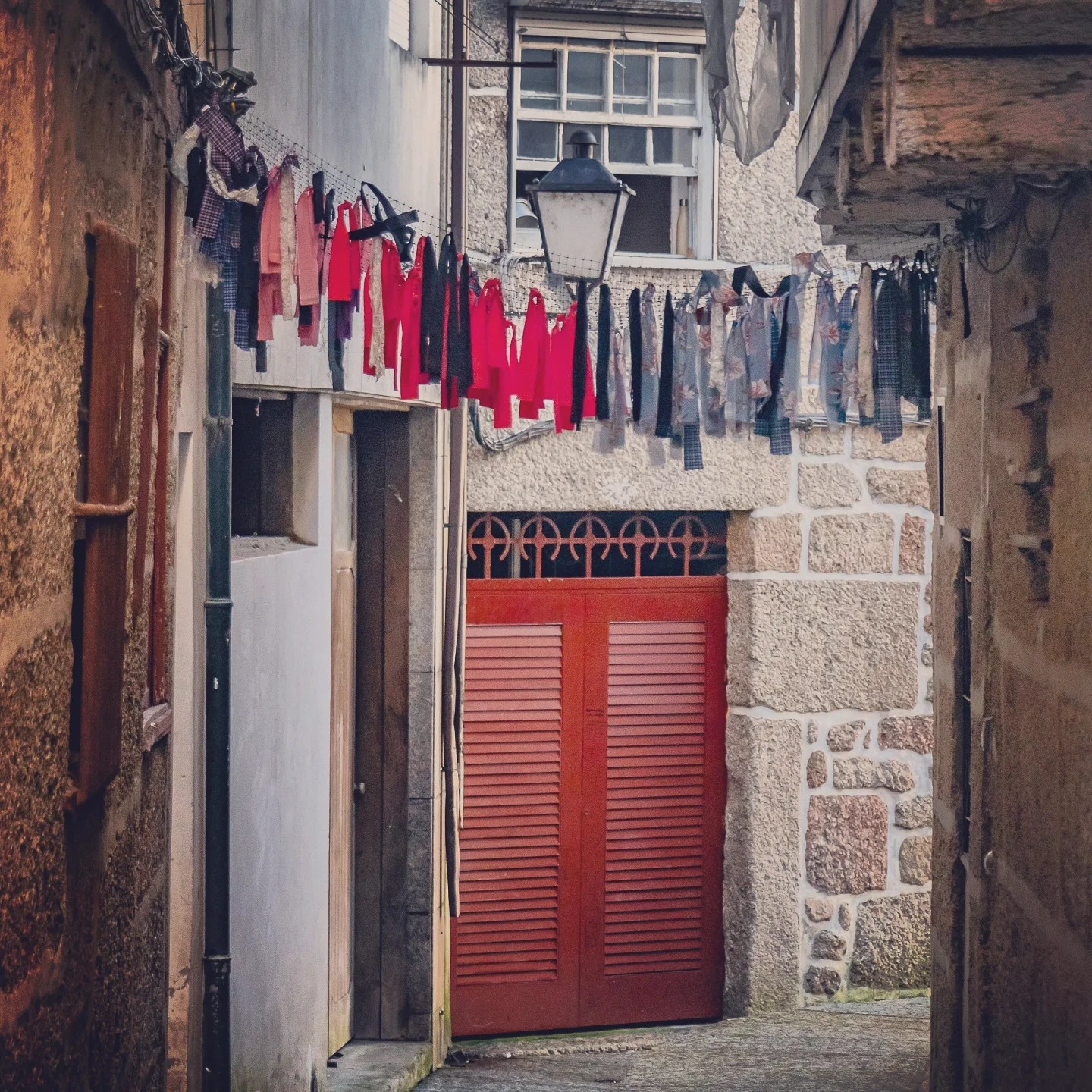
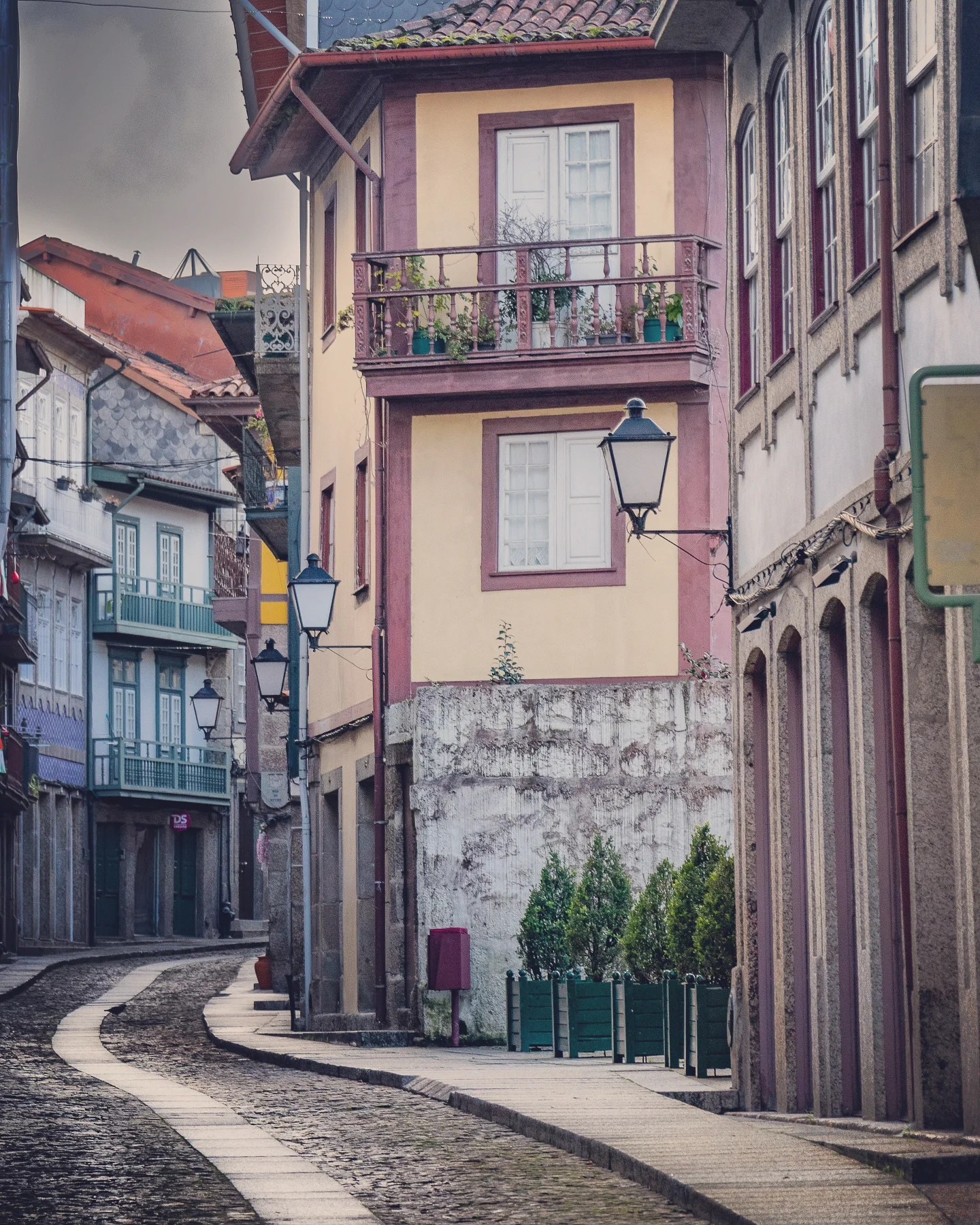
From there, we wandered the Guimarães old town, a charming maze of narrow cobbled streets, wrought-iron balconies draped with potted plants, and blue-tiled churches.
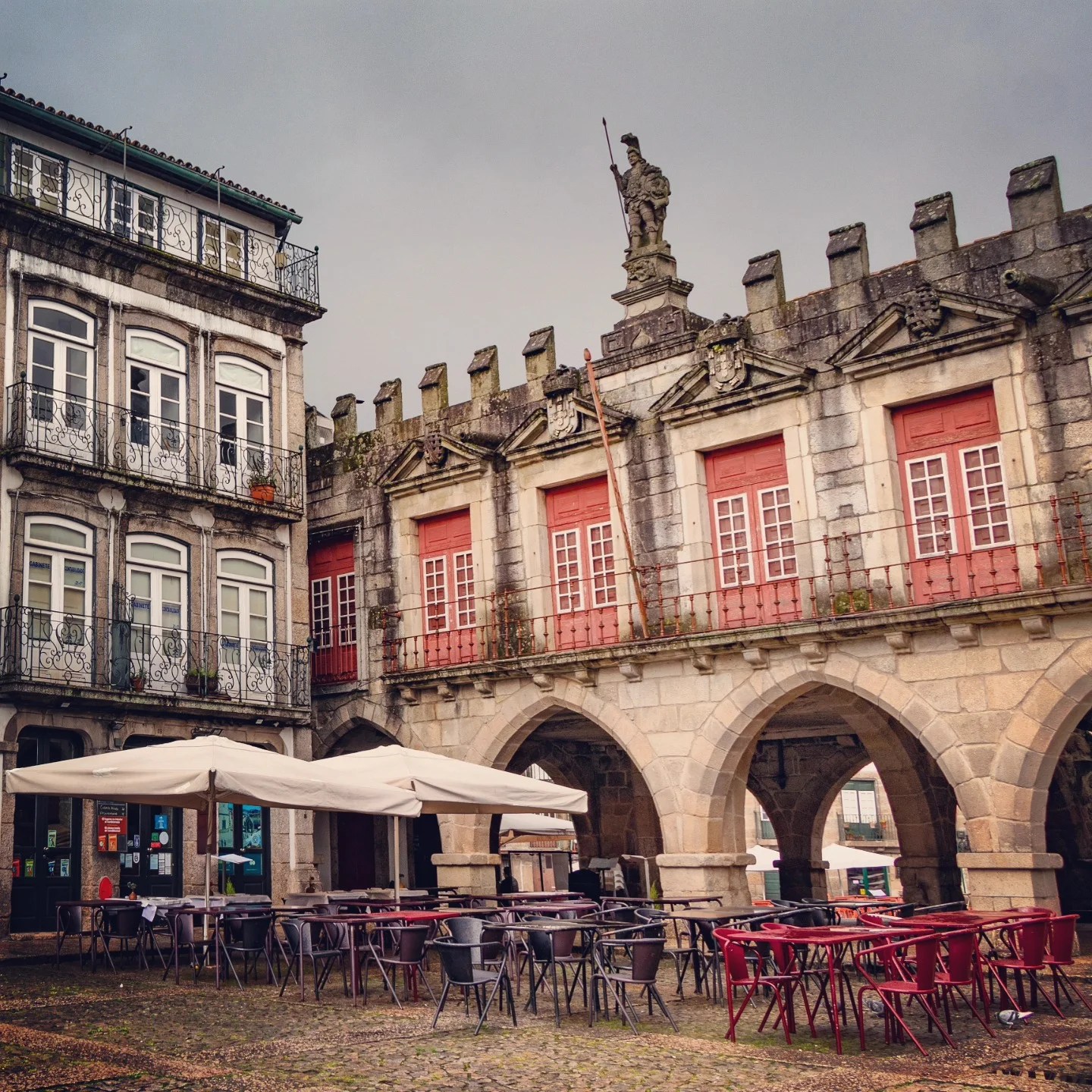
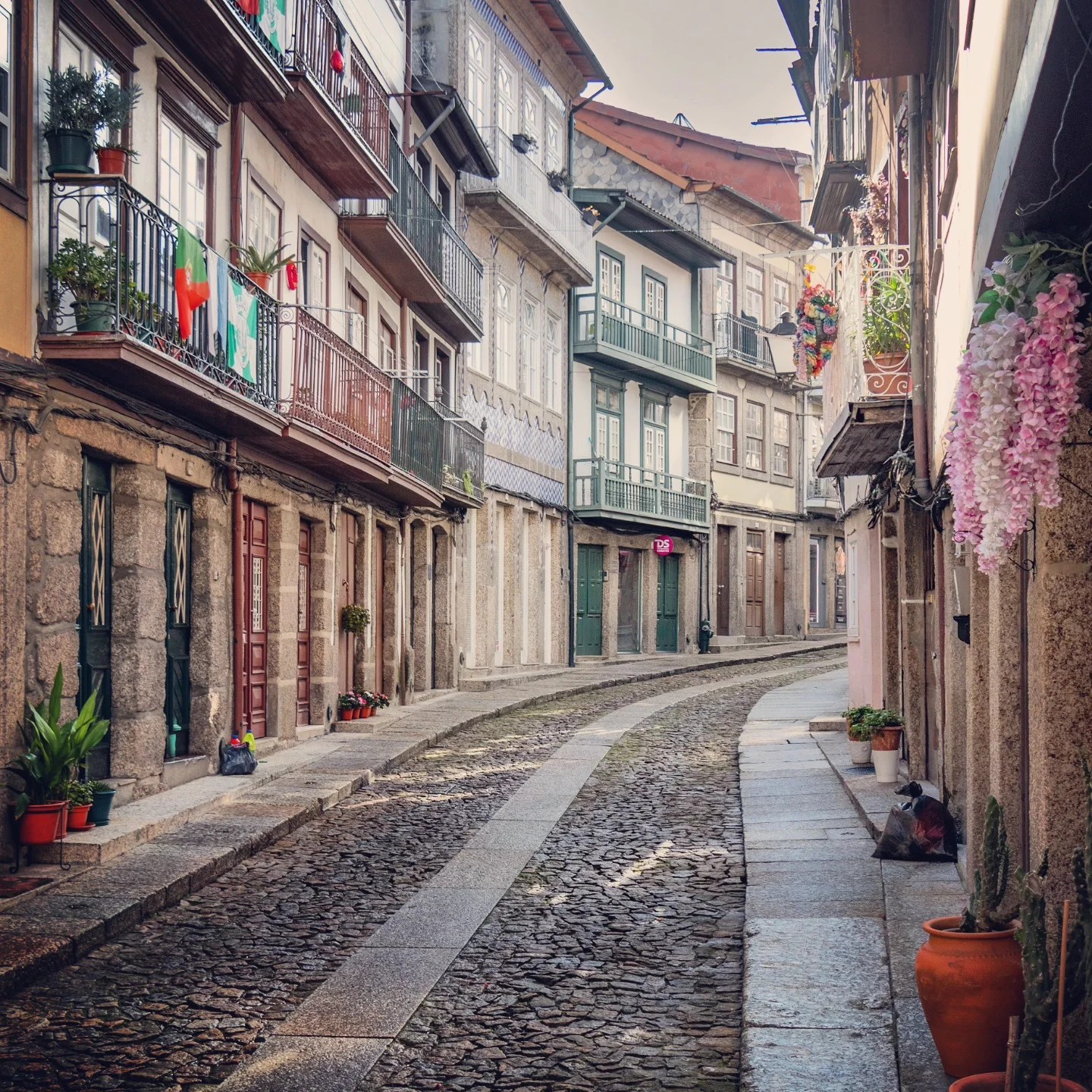

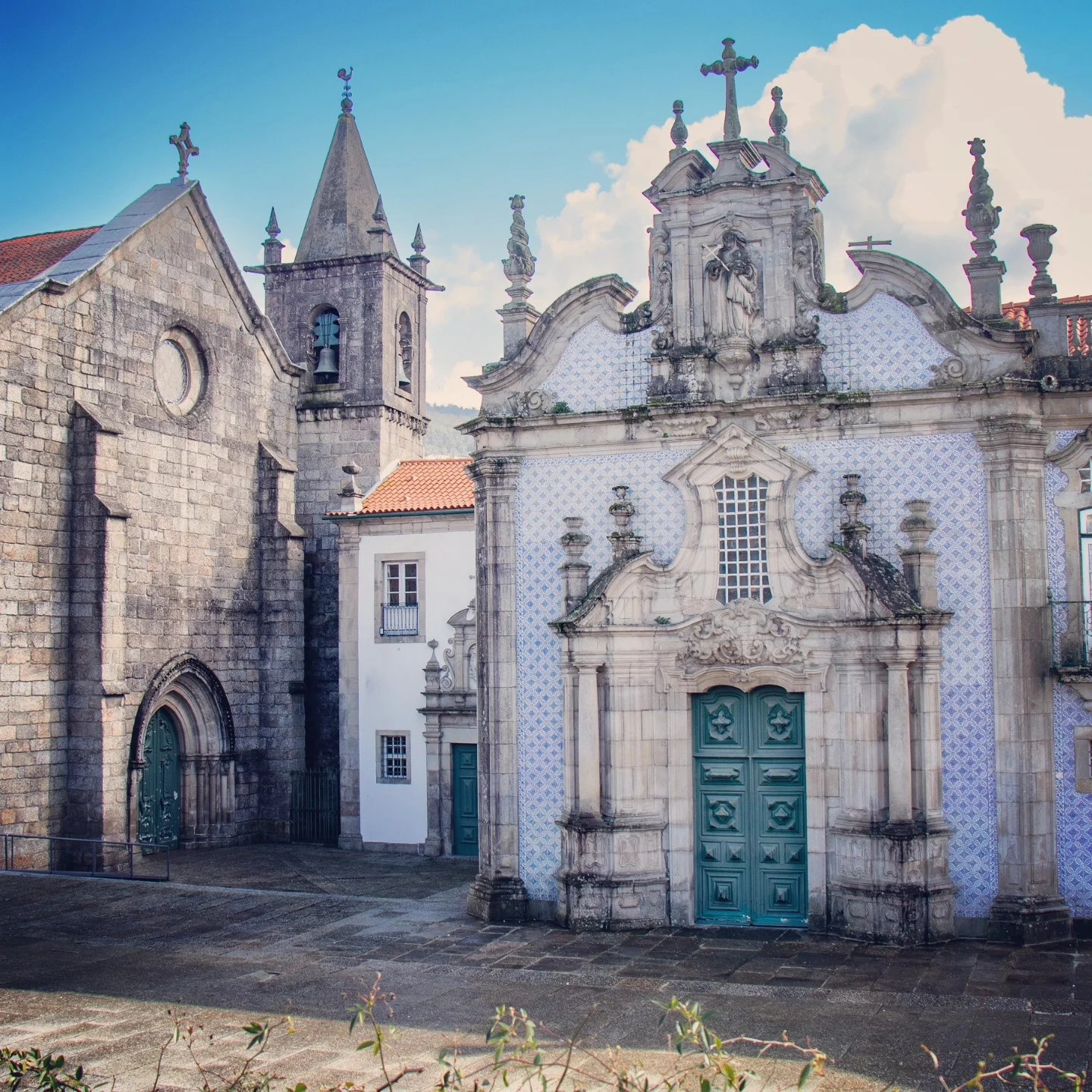
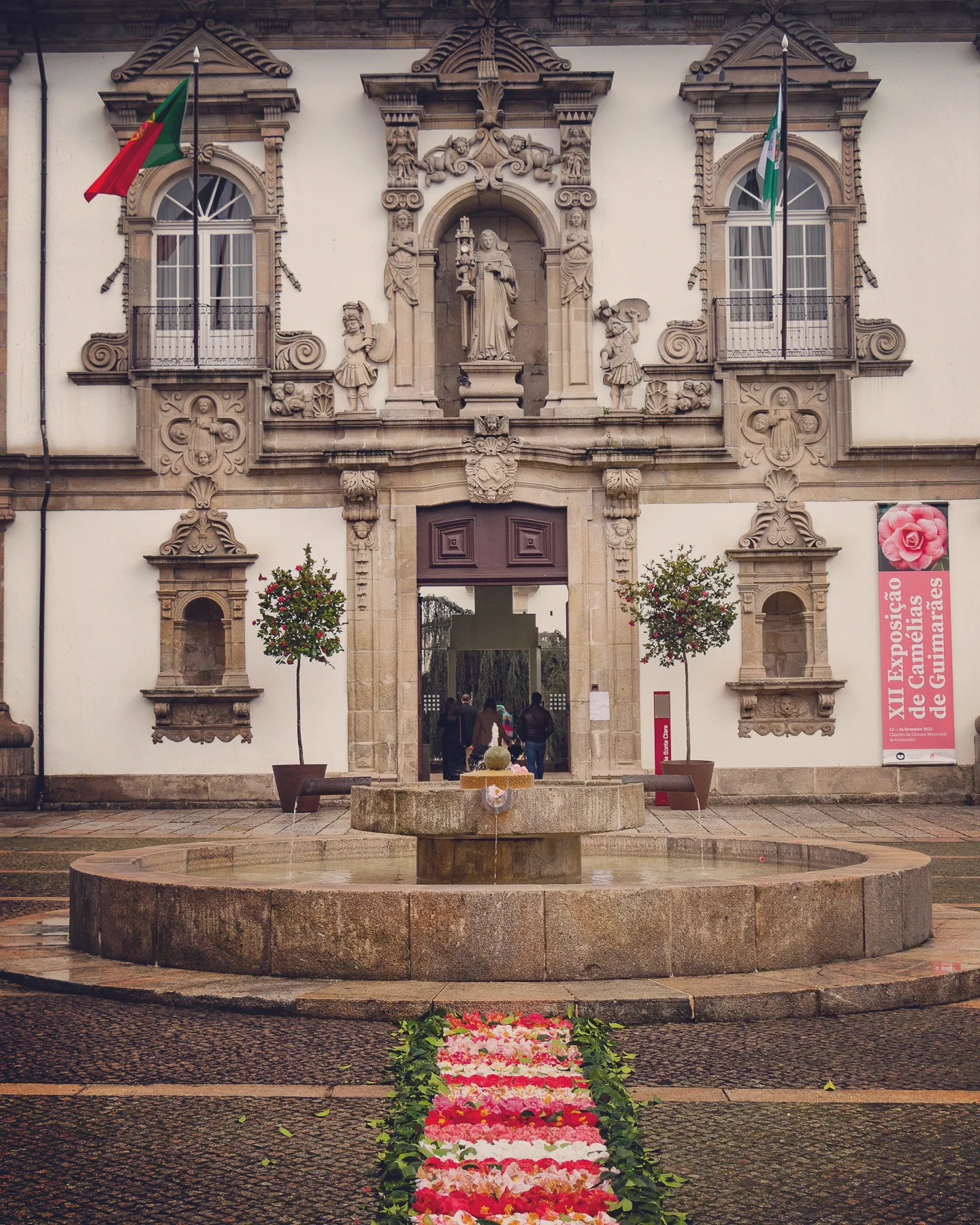
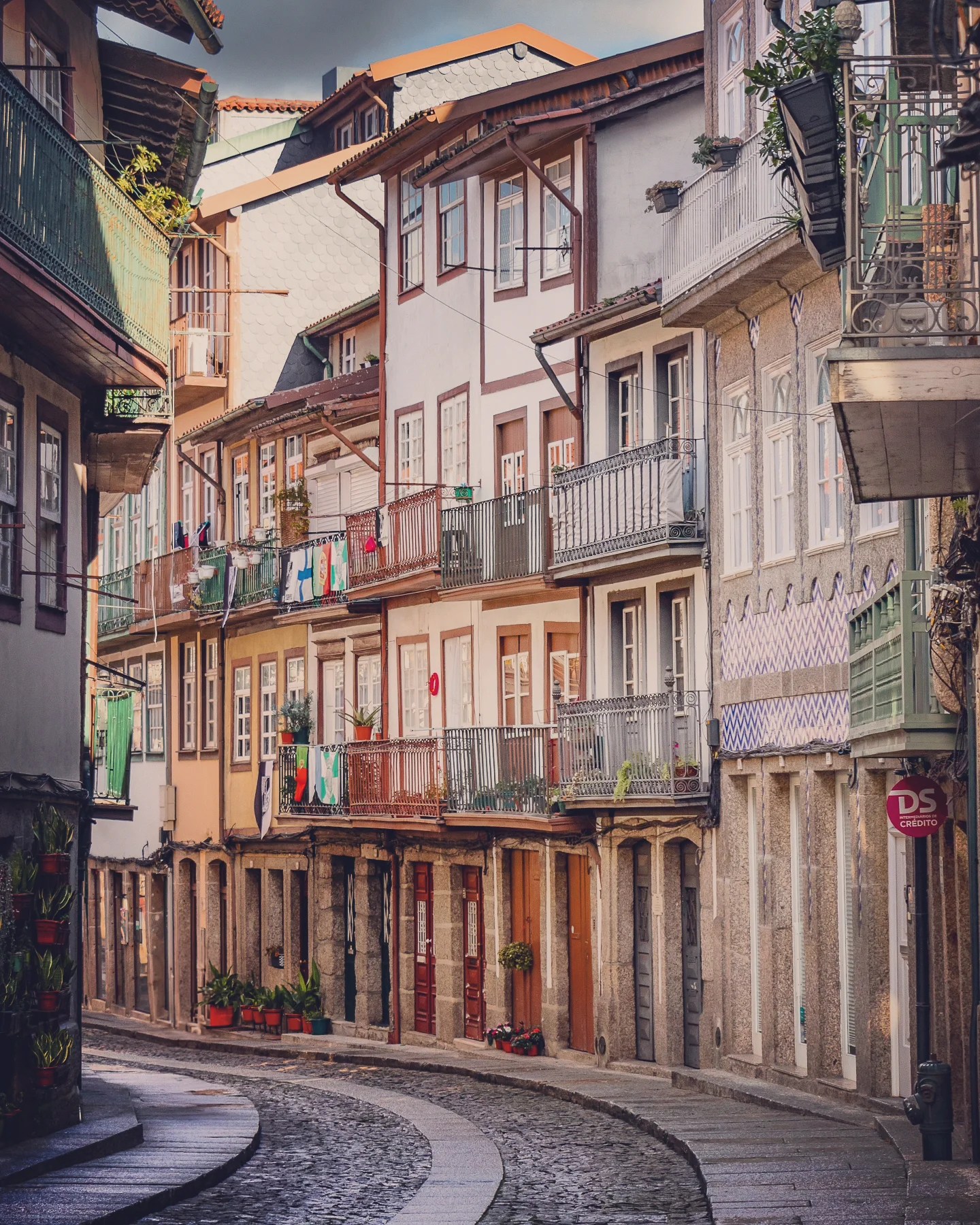
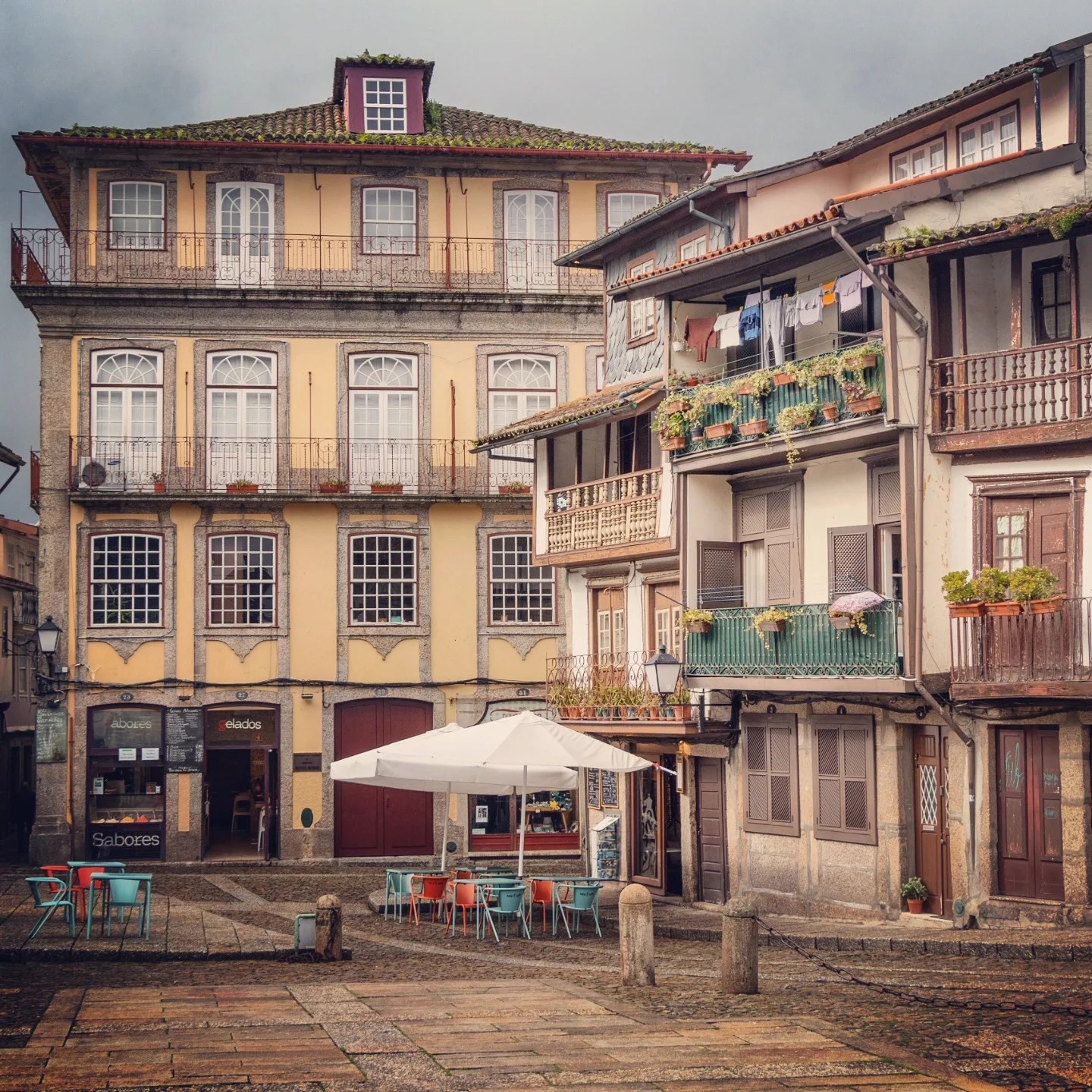

For lunch, we stumbled into Tasca Nicolino, a cozy and authentic Portuguese restaurant nestled in Guimarães’ historic center. With its rustic stone walls and warm ambiance, it provided the perfect setting to relax and recharge. The menu showcases traditional Portuguese cuisine, featuring dishes like bacalhau à brás (shredded cod with eggs and potatoes), porcalhada (a hearty pork stew), and roasted octopus. Complementing the meal, we enjoyed a glass of local vinho verde, a crisp and refreshing young wine. Tasco Nicolino turned out to be a memorable stop during our day trip—cozy, welcoming, and full of delicious Portuguese flavors.
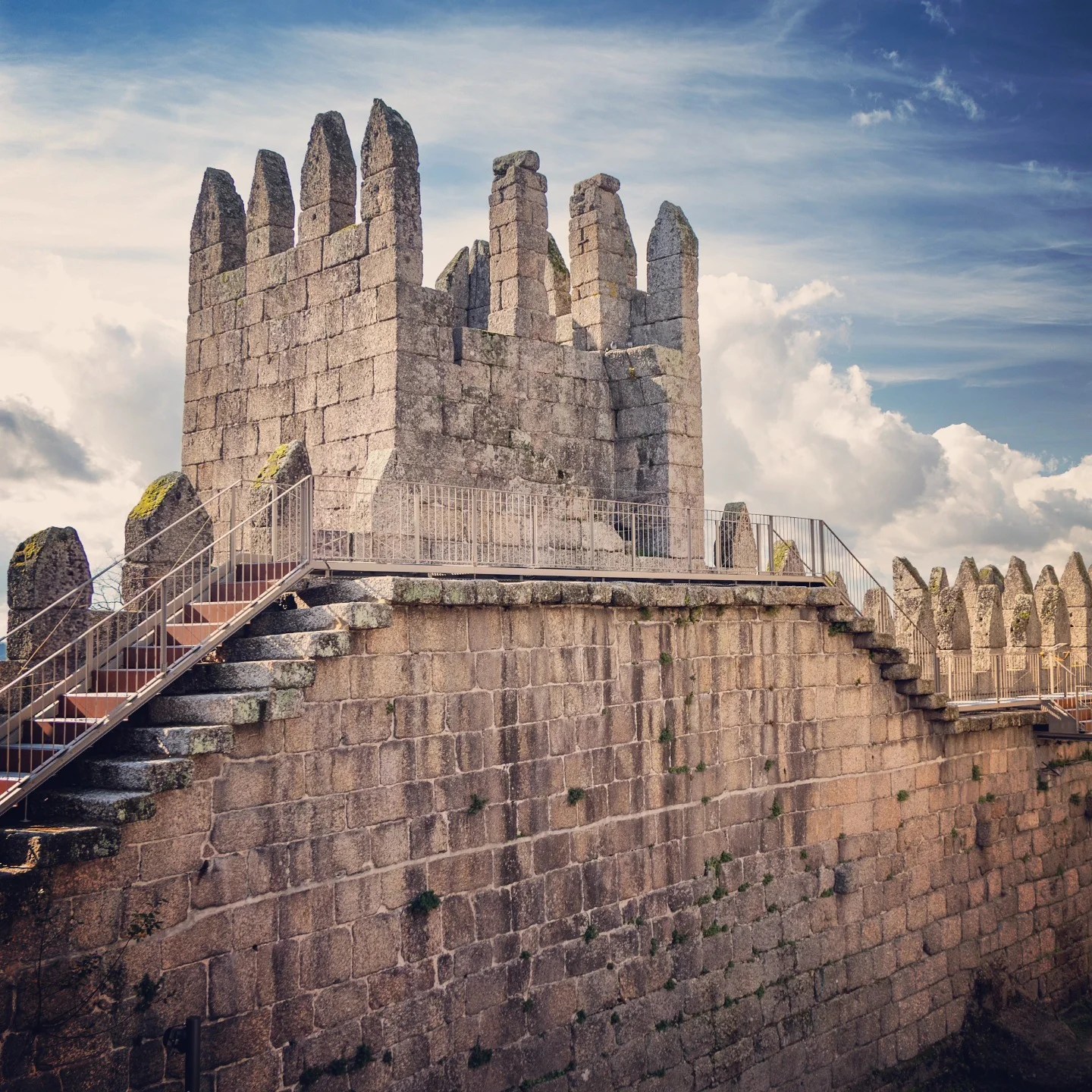
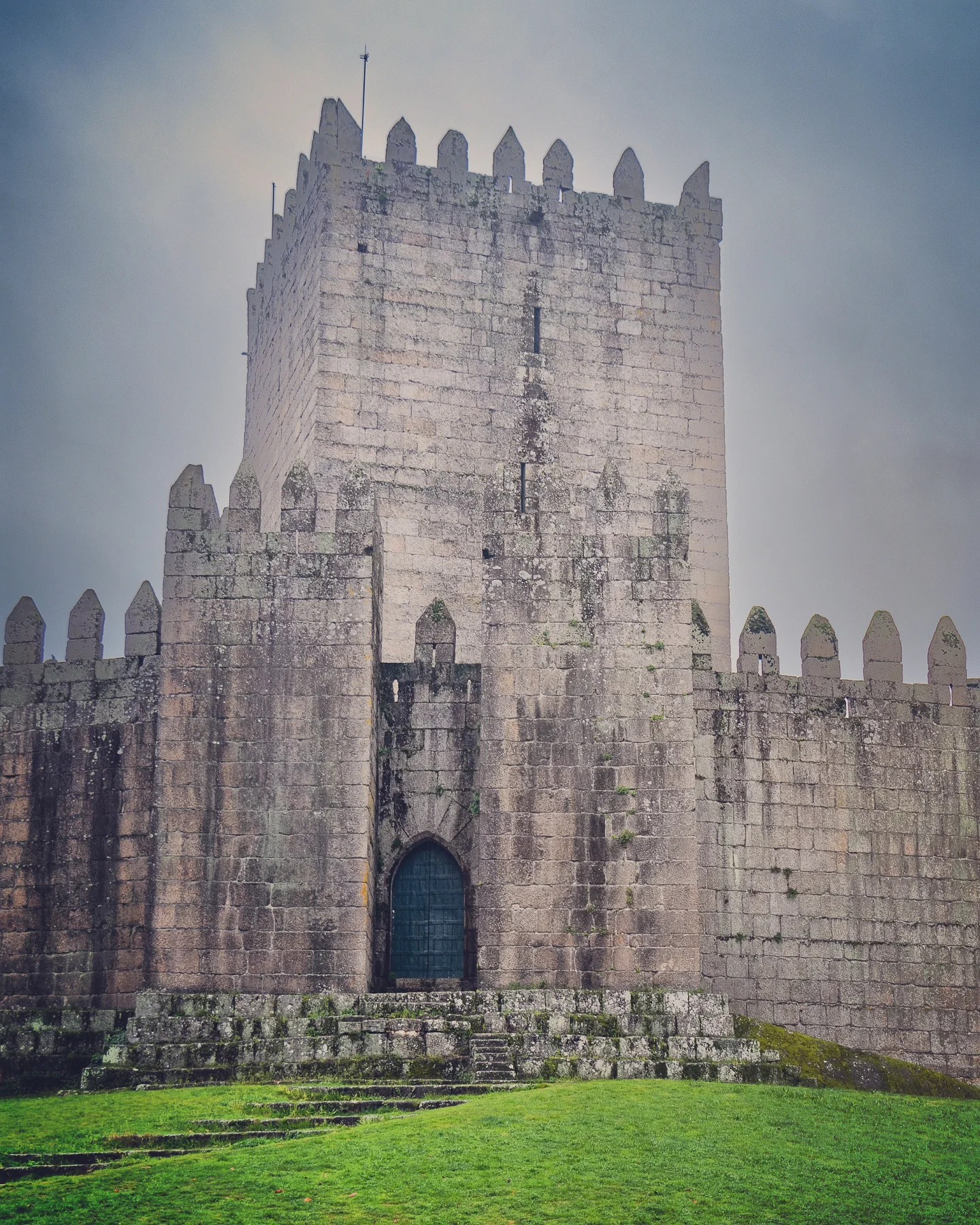
After lunch, we made our way to nearby Guimarães Castle (Castelo de Guimarães), a symbol of Portugal’s early fight for independence. Originally built in the 10th century to defend the region from attacks, the castle was later expanded and fortified over the centuries. Its tall stone walls, crenellated towers, and commanding hilltop position made it easy to imagine knights keeping watch over the surrounding countryside. We climbed the narrow stairs and walked along parts of the fortress walls, taking in wonderful views over the city below—a rewarding mix of history and scenery.

Location & Getting There
Both Braga and Guimarães are located in northern Portugal, about an hour’s drive from Porto, making them perfect for a full-day trip.
We booked a guided tour with Touch Tours, which provided door-to-door transportation and a knowledgeable local guide. The convenience of having everything organized made the day stress-free and let us focus on enjoying the sights (and taking lots of photos, of course!).
If you prefer to explore on your own, both cities are also accessible by train or bus from Porto. Trains leave regularly from São Bento Station or Campanhã Station, with direct routes to Braga and Guimarães. Keep in mind that visiting both cities in one day using public transportation may feel a bit rushed. Renting a car or joining a guided tour like ours is a great way to make the most of your time.
Final Thoughts (And What I Missed)
By late afternoon, it felt like we’d packed an incredible variety of experiences into just one day. From wandering misty hilltop sanctuaries to exploring cobbled streets and grand palaces, our tour with Touch Tours gave us a little bit of everything—scenery, culture, and plenty of memorable moments.
If I had another day, I’d definitely add a day trip to the Douro Valley—Portugal’s famous wine region known for its terraced vineyards, scenic river cruises, and world-renowned port wine. A leisurely day tasting local vintages while soaking in valley views sounds like the perfect way to unwind.
Other tempting day trips I wish I’d had time for include the colorful canal city of Aveiro (often called the “Venice of Portugal”) and the historic university town of Coimbra. All the more reason to plan a return trip!
Curious About Porto?
If you’re curious about Porto, the city that served as our home base for this adventure, be sure to check out my earlier post: Porto, Portugal: Port Wine, Tile Walls & Timeless Views.


If you’ve taken a similar day trip from Porto or have other must-see suggestions for northern Portugal, I’d love to hear about them in the comments below!

Leave a Reply