
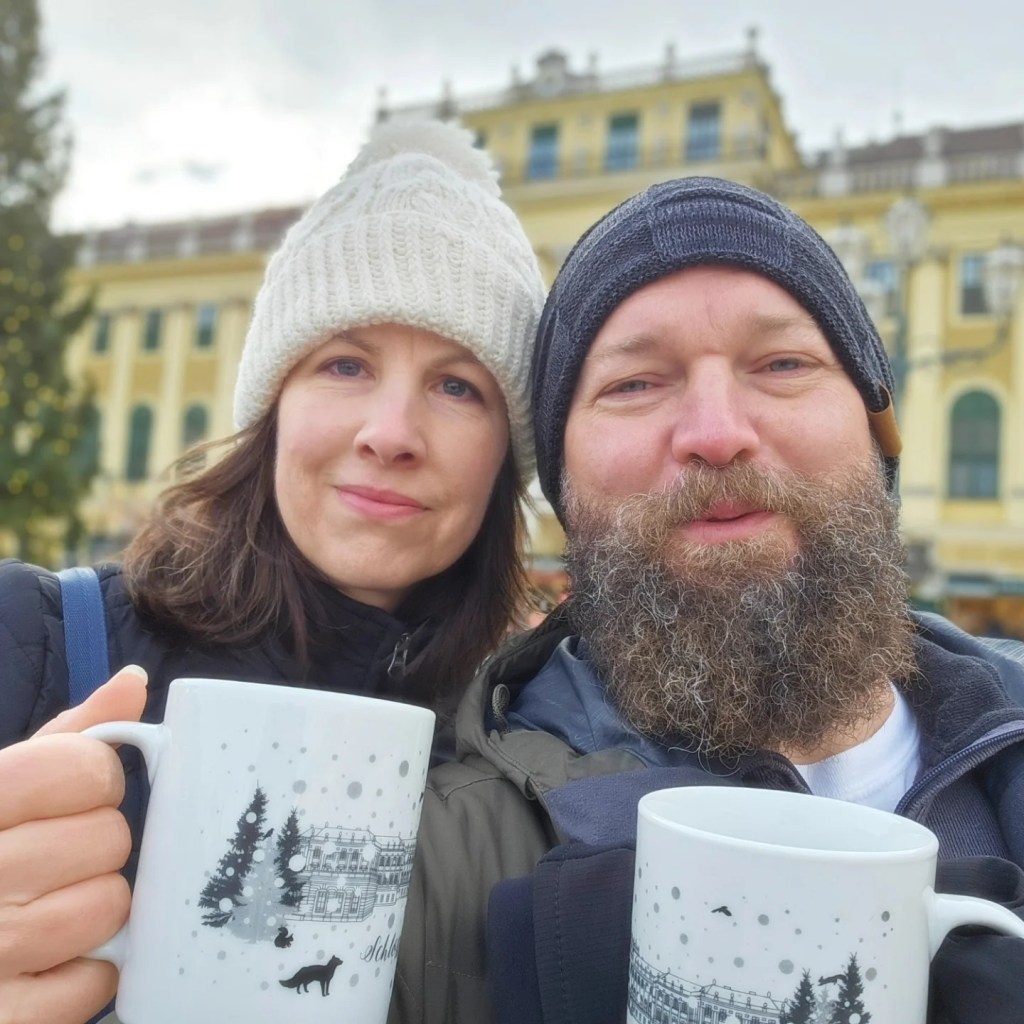
Hi, I’m Robin—an aspiring photographer with a love for exploring new places and capturing the moments that make them memorable. In April 2023, my husband and I packed up and moved to Stuttgart, Germany, setting out to explore as much of Europe as possible. Like many, we had our eyes on the famous landmarks and postcard cities, but once we arrived, we quickly realized that Europe’s magic lies just as much in the unexpected corners as it does in the iconic ones.
Stuttgart has become our perfect home base—a launchpad for countless adventures both near and far. Every journey we take, whether it’s a day trip or a cross-country escapade, fills me with a sense of awe and discovery. I do my best to capture that feeling with my camera, framing moments of beauty and wonder—hence the name, Framed With Wonder.
Here you’ll find snapshots from our travels, practical itineraries, and thoughtful tips to help you make the most of your own adventures—whether you’re exploring from Stuttgart or setting out from somewhere entirely different. From sweeping landscapes to tiny architectural details, photography is how I tell the story of each place we visit. I hope these images and stories inspire you to wander a little more and maybe even pick up your own camera along the way.
Photography Notes
I’m often asked what camera I use to capture the images here on Framed With Wonder. I previously photographed with a Canon EOS 77D, a lightweight DSLR that accompanied me on many travels over the years. I now shoot with a Canon EOS R10, a mirrorless camera that’s well suited for travel thanks to its compact size and quick performance. I also use a Samsung Galaxy S23, especially when I’m packing light or working in low-light conditions without a tripod. Depending on the gear and situation, image quality can vary—but I always do my best to make the most of what I have.
While I’m not a professional photographer, I’ve learned a few techniques along the way that help me capture shots I may have lost otherwise:
- Take more photos than you think you need. Especially in challenging lighting situations or with moving subjects—that second or third shot often captures sharper focus or better light. Sometimes, the difference between capturing a photo and missing it entirely comes down to just a few extra frames.
- Look around—then look again. As you move through a place, make a habit of glancing down side streets, around corners, and even behind you. Light shifts, people pass, reflections appear, and scenes change constantly. Some of my favorite photos have happened simply because I stopped and turned around.
- Use Program Mode (P) on your DSLR. I once read a tip from a professional photographer who recommended shooting in Program mode while traveling. It allows the camera to automatically set aperture and shutter speed, while still giving you control over ISO, white balance, and exposure compensation. The flash also won’t fire unless you tell it to. It’s perfect for fast-paced travel when there’s little time to dial in manual settings.
- Travel with a versatile lens and simple filters. I usually travel with a Canon EF-S 18–135mm, which gives me flexibility for everything from street scenes to distant details without changing lenses. I almost always use a UV filter for protection and a lens hood to reduce glare. A circular polarizer can make a dramatic difference—deepening blue skies, reducing reflections on water, and bringing out contrast when the sun and angle are right. Just remember to remove it as light fades, since a polarizer reduces the amount of light reaching the sensor.
- Edit thoughtfully. Post-processing can breathe new life into photos that didn’t turn out quite the way you hoped. I use Lightroom Classic to gently bring back blown-out skies, lift shadows, and recover details. While not every image can be saved, good editing software often helps recover shots taken in difficult lighting or rushed moments.
How I Organize My Travel Posts
To help you find inspiration that fits your time and travel style, I organize my trips into these categories:
- Day Trips – Quick adventures close to home—no overnight bag needed.
- Long Weekends – 2 to 4 day getaways that feel like a mini vacation.
- Extended Escapes – 5+ days away, when you have time to settle in and really explore.
Wherever you’re headed next, I hope you find a little wonder in your journey.
