Some places are easy to miss if you don’t know they’re there.
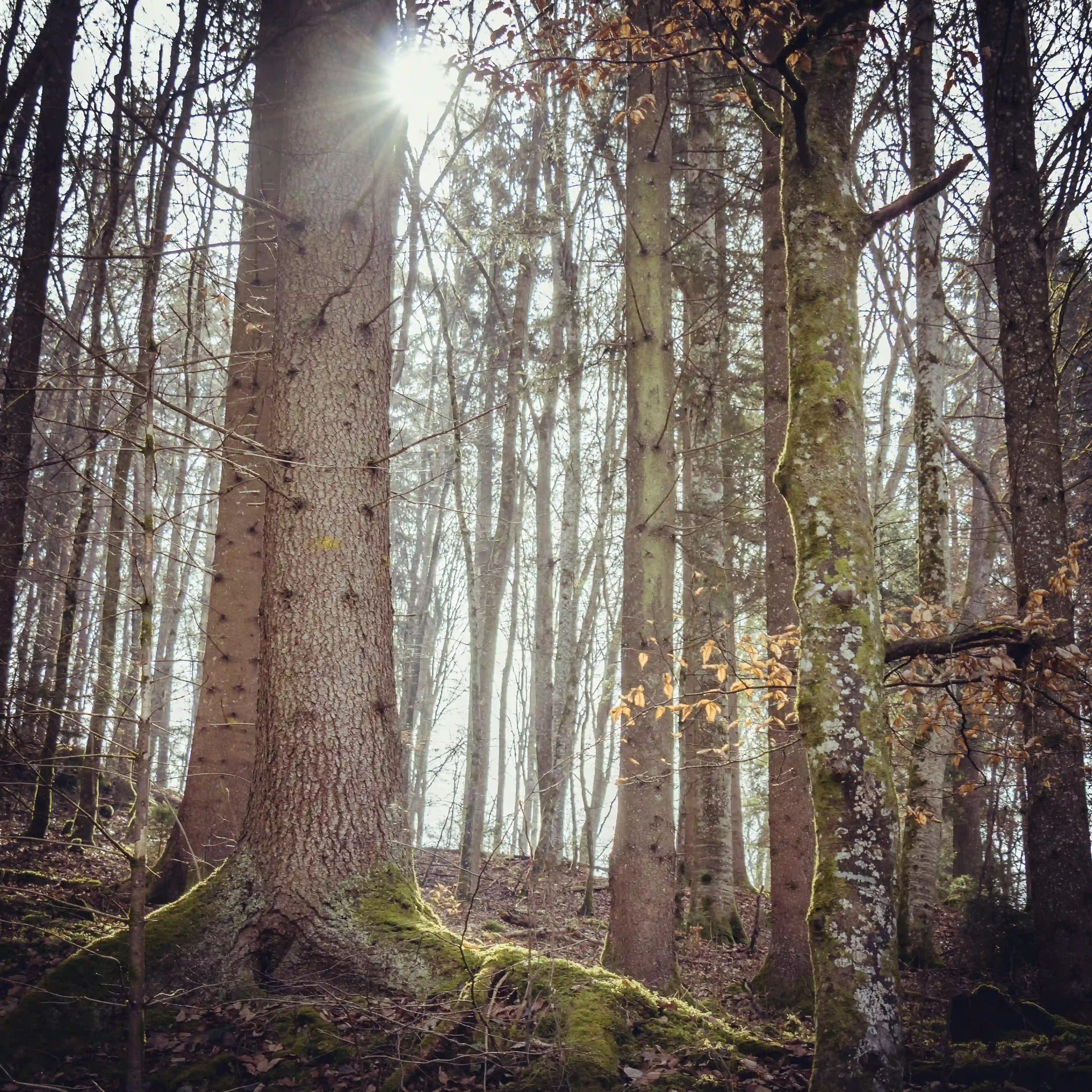
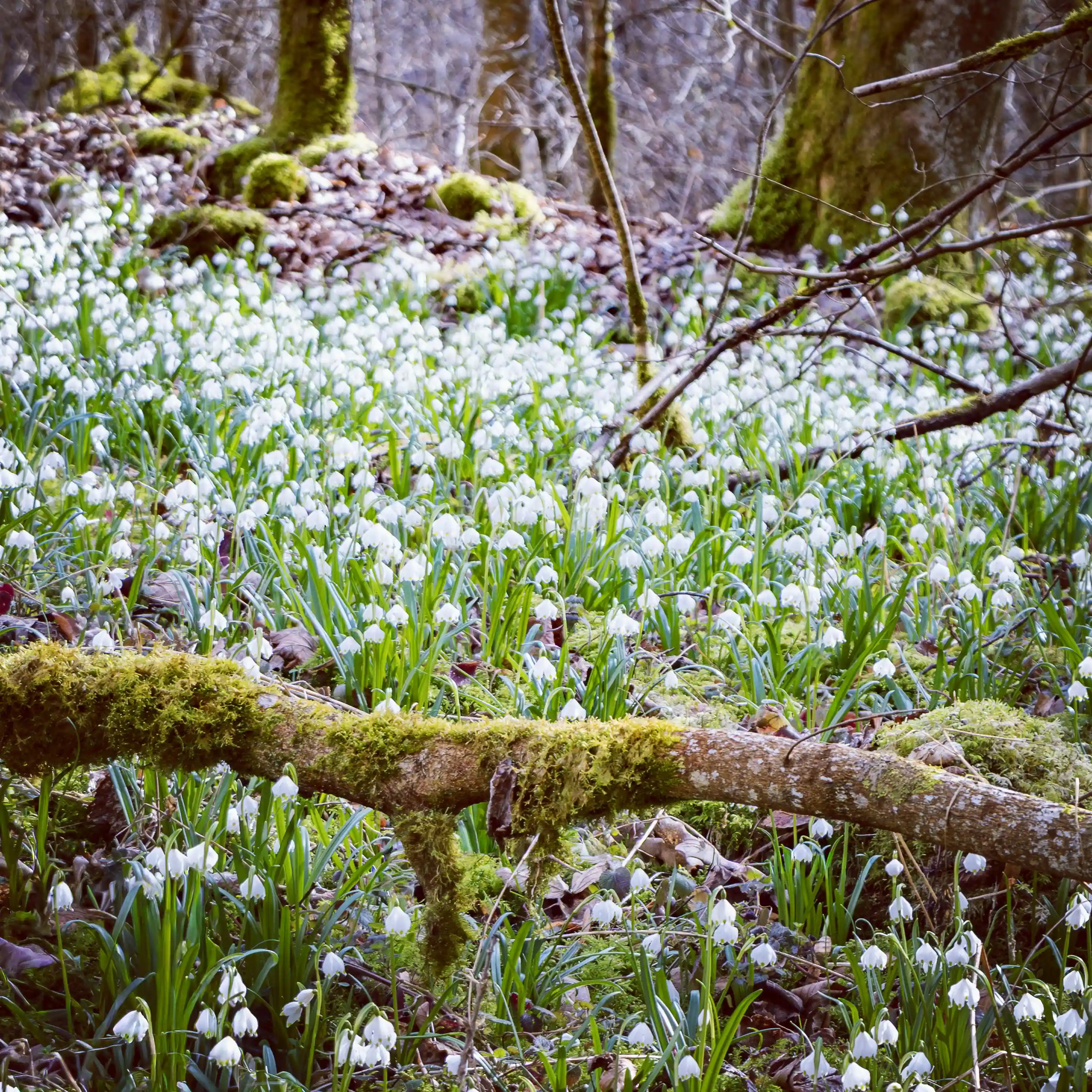
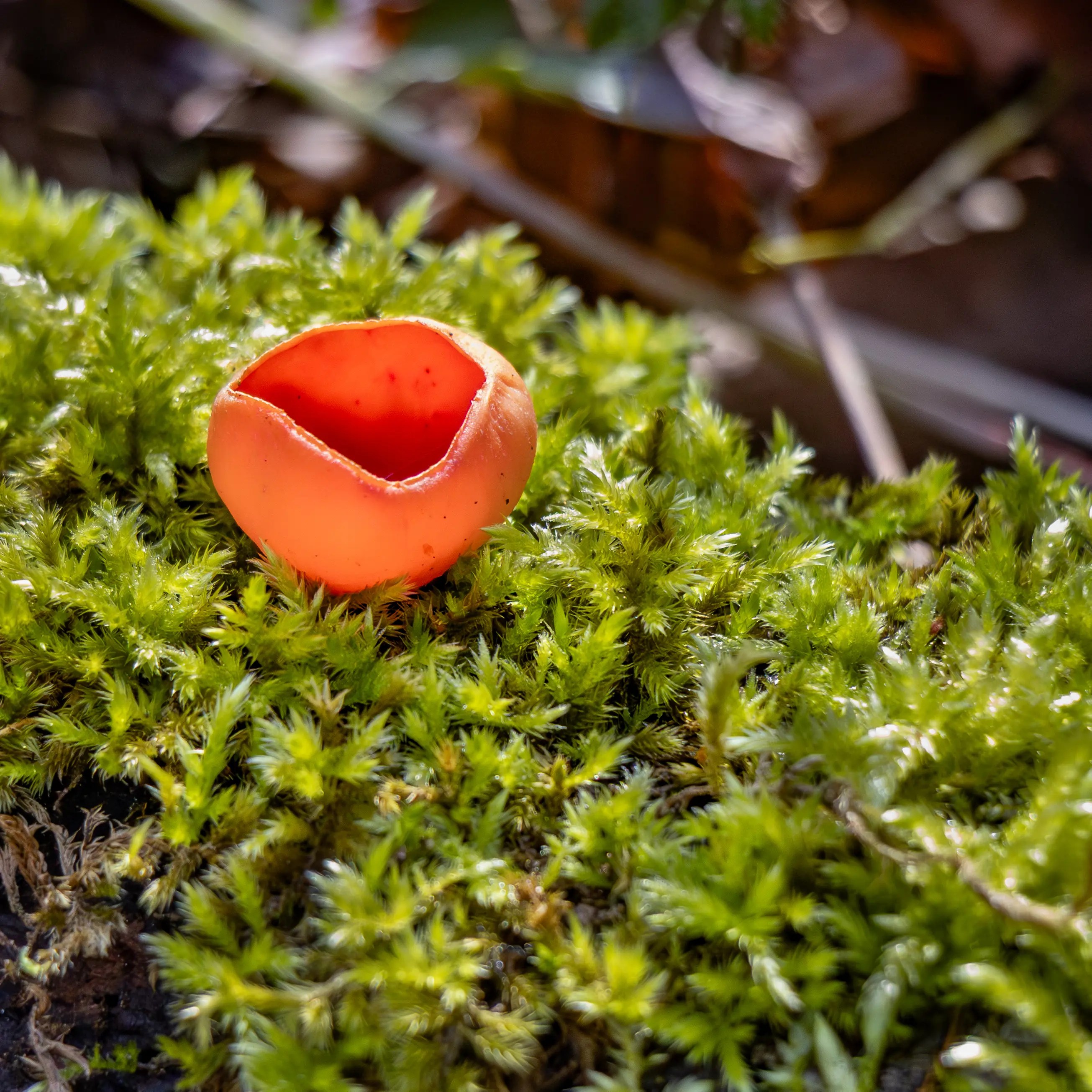
That was the case with Wolfstal, a small valley in the Swabian Alb known for its early spring wildflowers and quiet woodland paths. Until recently, I had never heard of it, but thanks to a hike organized by the Stuttgart German-American Wandering Club, we soon found ourselves on a trail where the forest floor was filled with white spring flowers and bright red mushroom cups.
What began as a simple hike turned into a memorable day of spring scenery, local traditions, good food, and even an unexpected reunion.
Walking with the Wandering Club
The Stuttgart German-American Wandering Club (SGAWC) follows a tradition common throughout Germany and much of Europe: organized Volksmarches (Volksmärsche), or community walking events. These walks are open to anyone and typically follow marked routes through local landscapes, allowing participants to explore the area while enjoying a day outdoors.
Participants begin at a central starting point where they receive a start card, usually for a small fee of around three euros. The card serves as both registration and proof of the route you complete, with checkpoints along the way providing stamps to mark your progress.
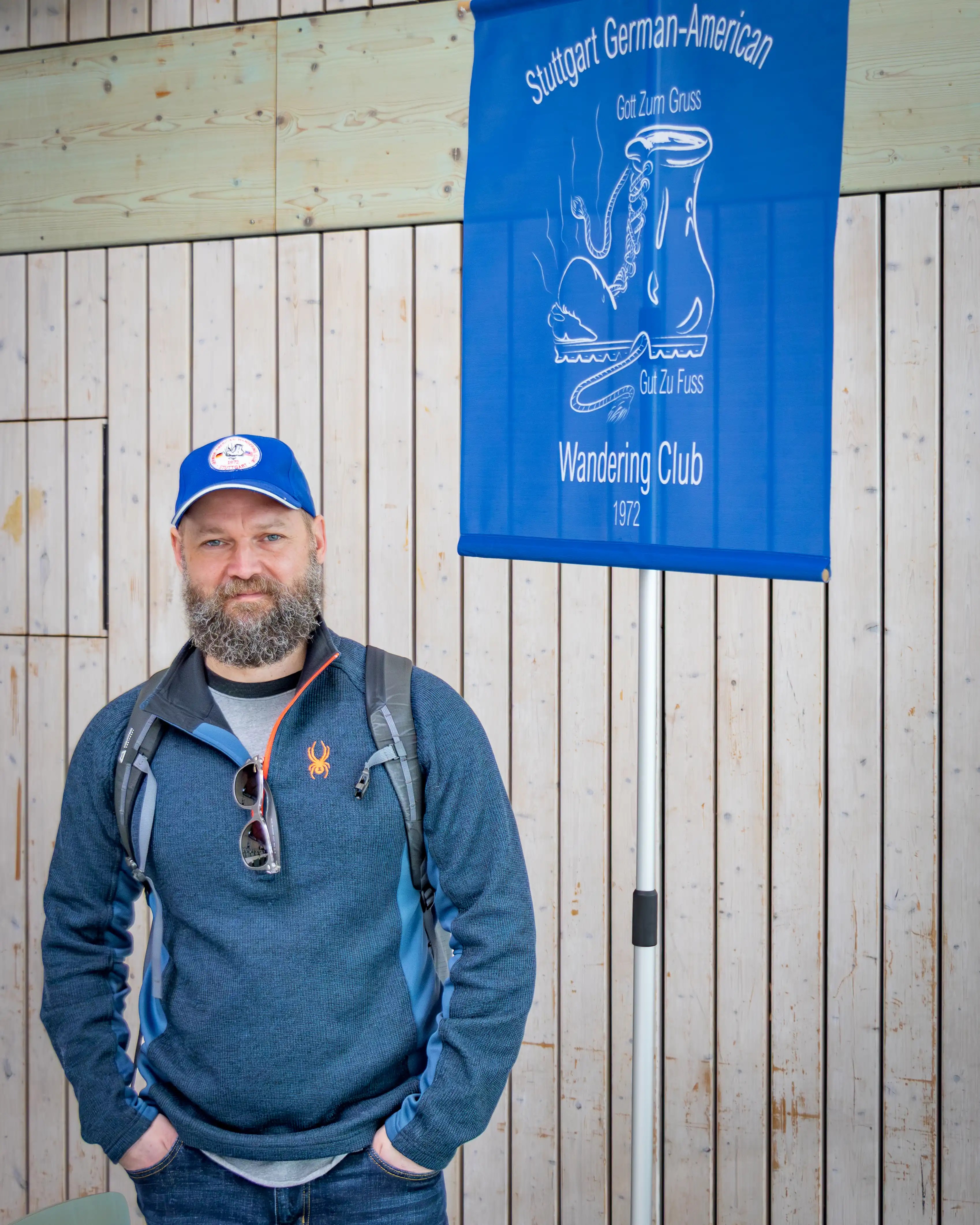
Most events offer several route options, often ranging from shorter family walks to longer routes of 20 kilometers or more. For this event we chose the 11-kilometer (6.8 mile) route, which offered a comfortable distance while still allowing plenty of time to stop and enjoy the scenery.
One of the things that makes these walks unique is the relaxed atmosphere at the checkpoints. Volunteers often provide tea or drinks, and some stops include small food stands, local products, or even music. Many walkers treat the event as a full-day social outing, taking time to sit, talk, and enjoy the day along the route.
Lauterach and the Road to Wolfstal
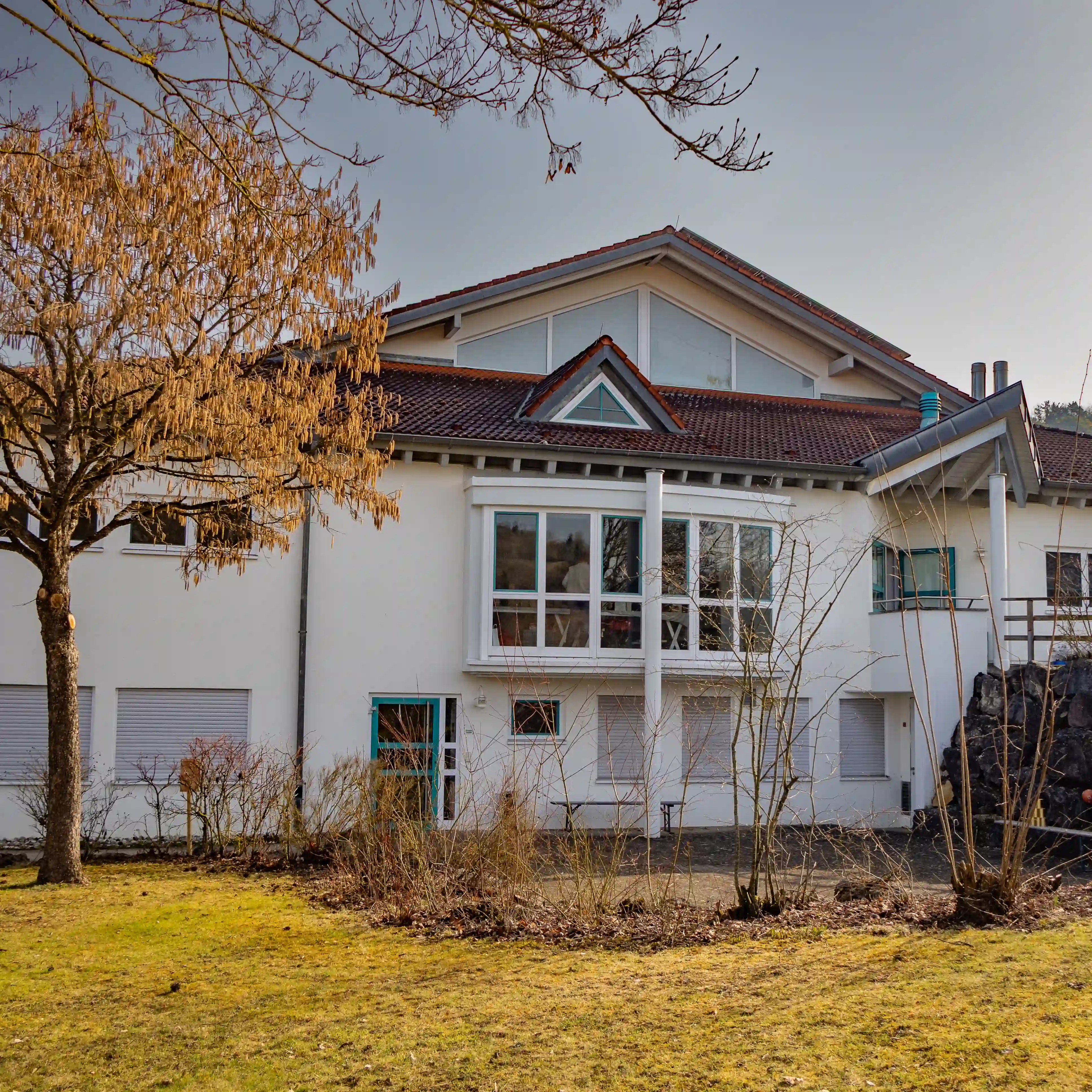
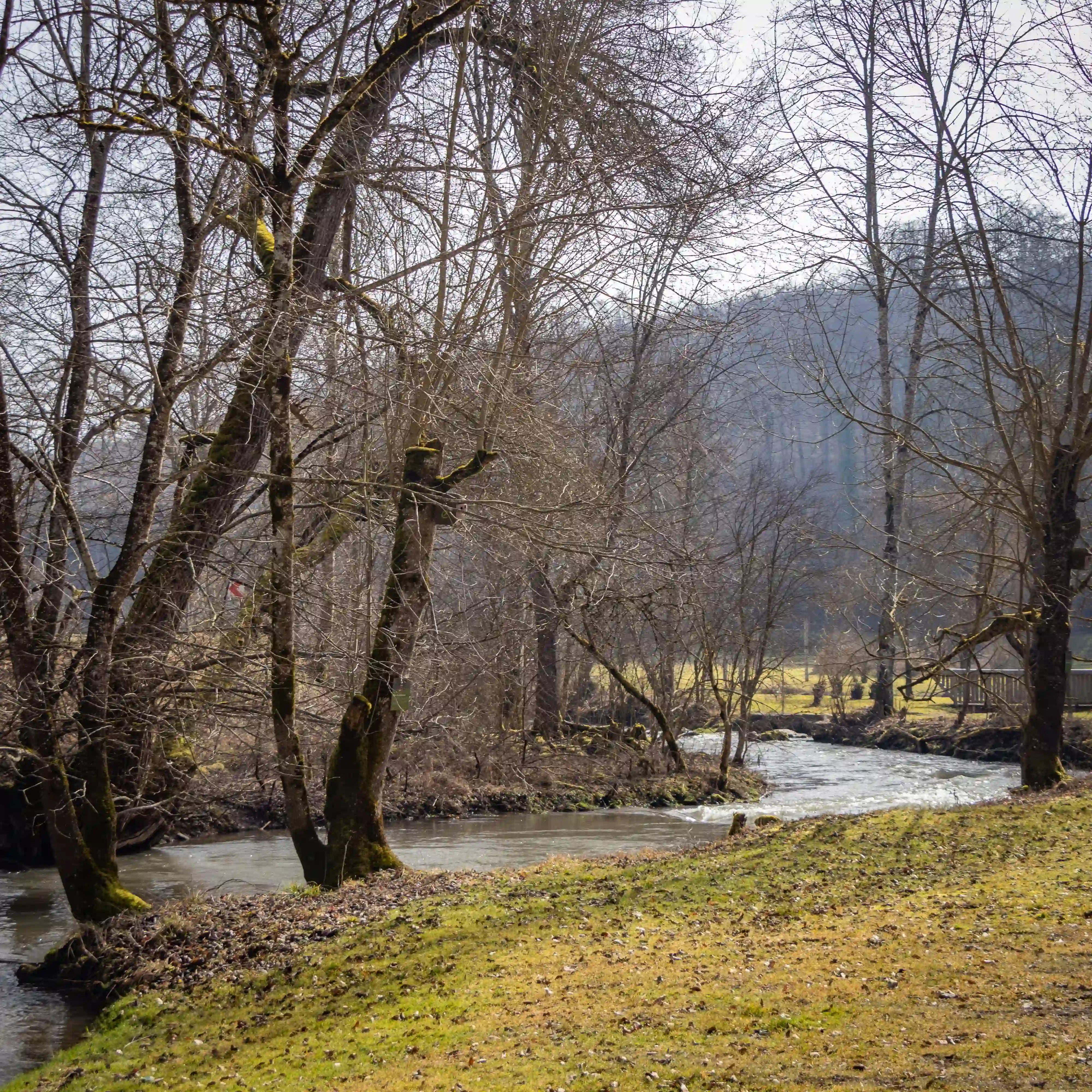
Our walk began in the village of Lauterach, a small community in the Swabian Alb region of Baden-Württemberg. The village lies along the Lauter River, which flows south through the Lauter Valley (Lautertal) before joining the Danube. The surrounding landscape is part of the UNESCO Biosphere Reserve Swabian Alb, known for its limestone terrain, forests, and river valleys.
Lauterach has roots dating back to the Middle Ages, when settlements developed along the Lauter River and the surrounding valleys. For many centuries the area was closely connected with Zwiefalten Abbey, which held land and influence in the region. On another trip through the Swabian Alb, we visited Zwiefalten Abbey and nearby Wimsen Cave.
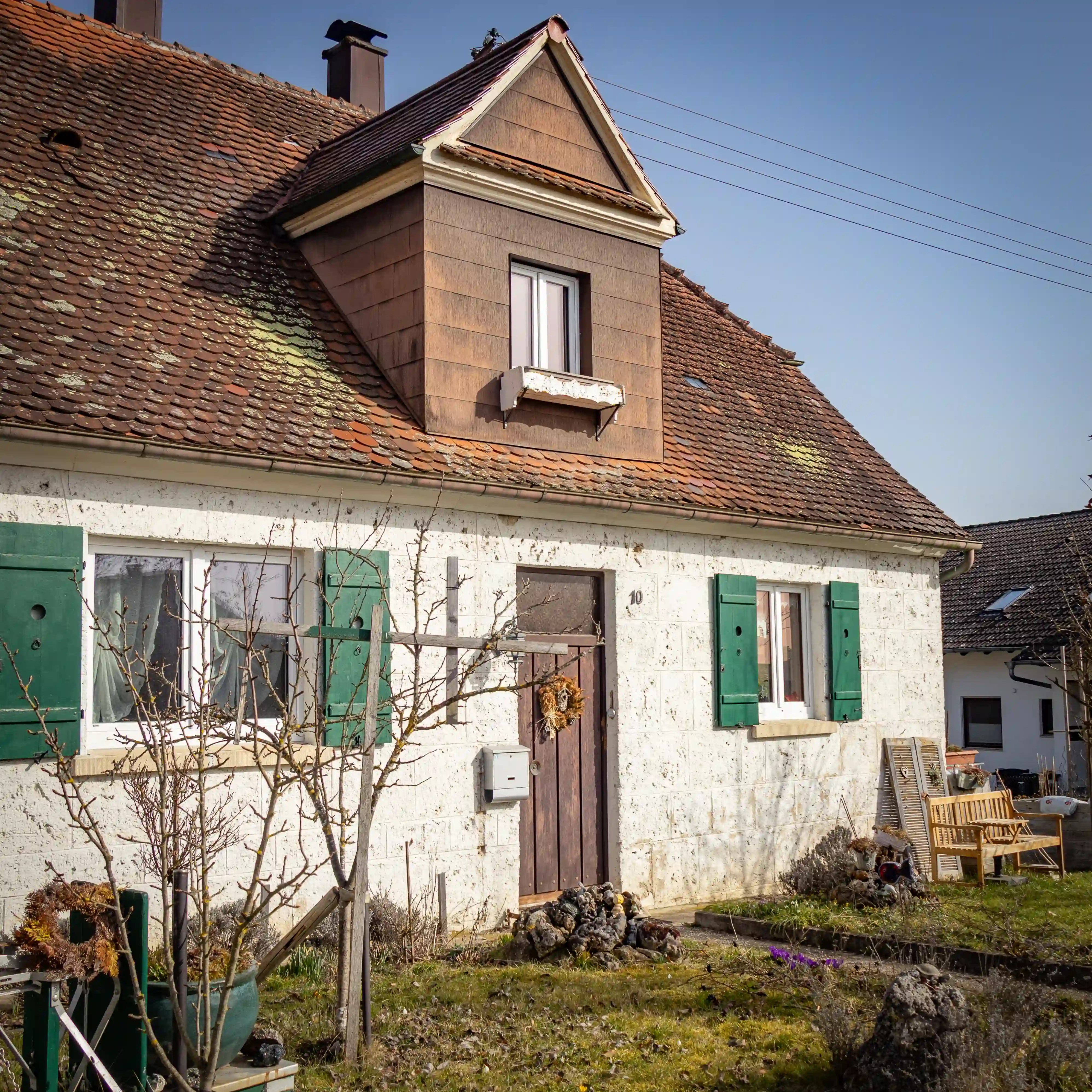
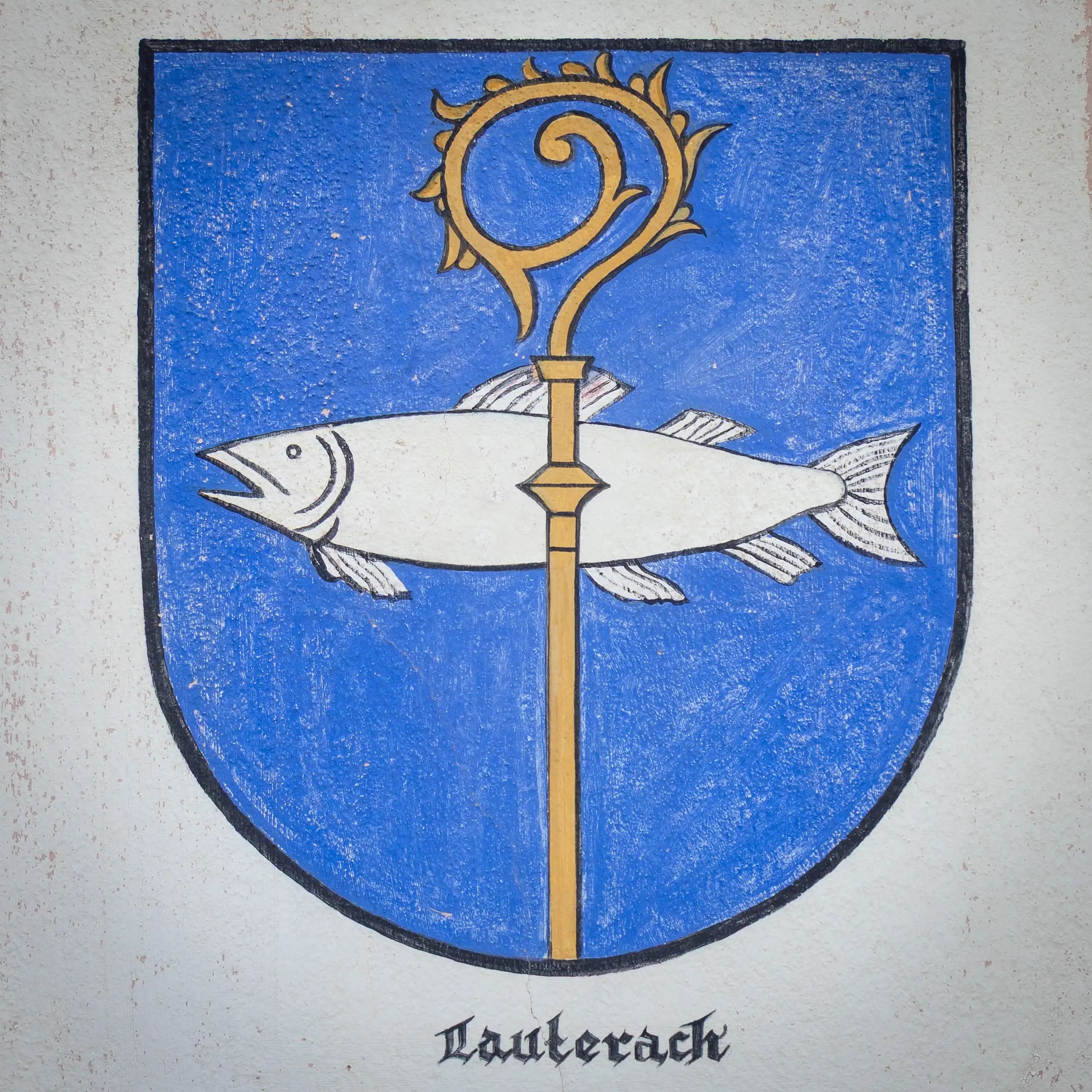
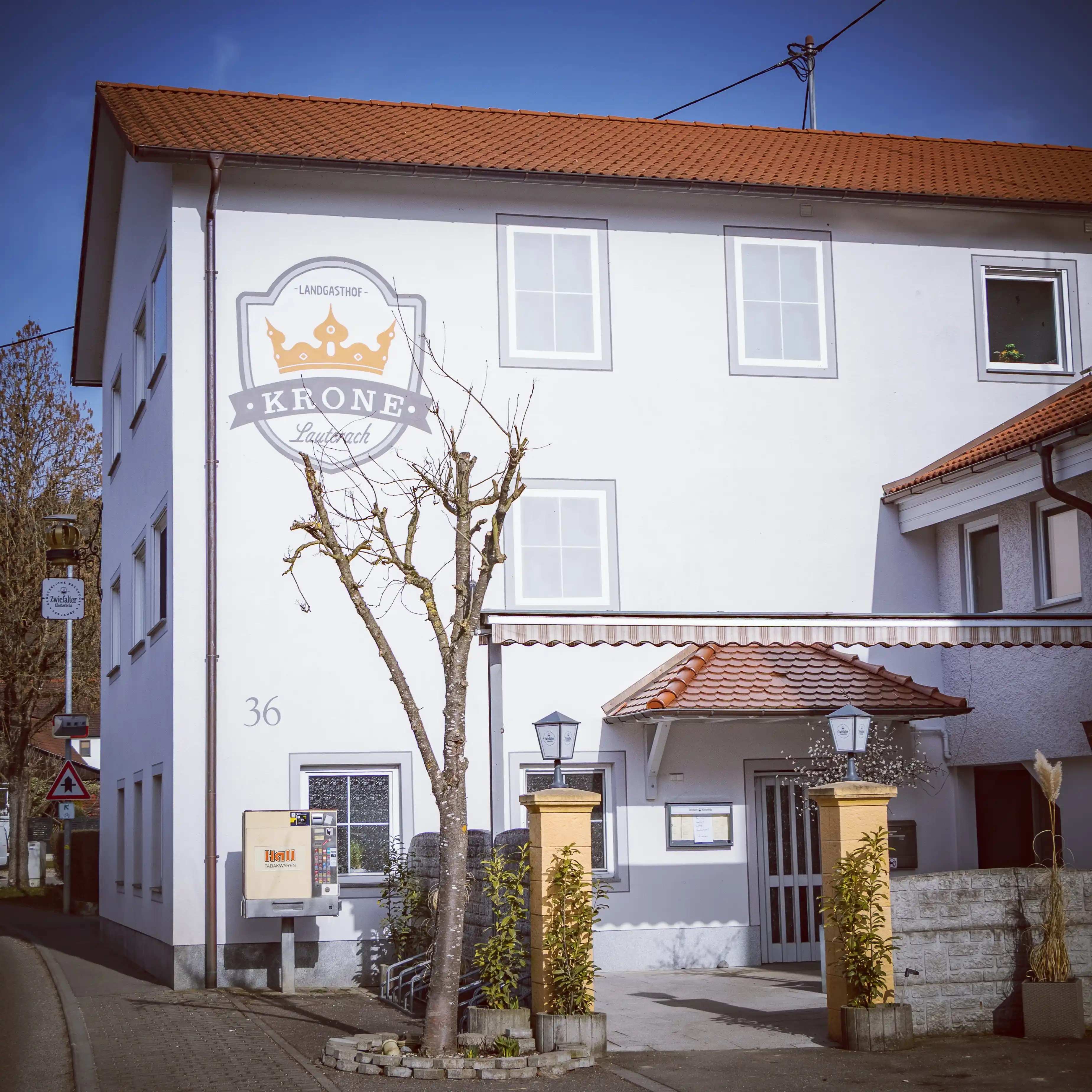
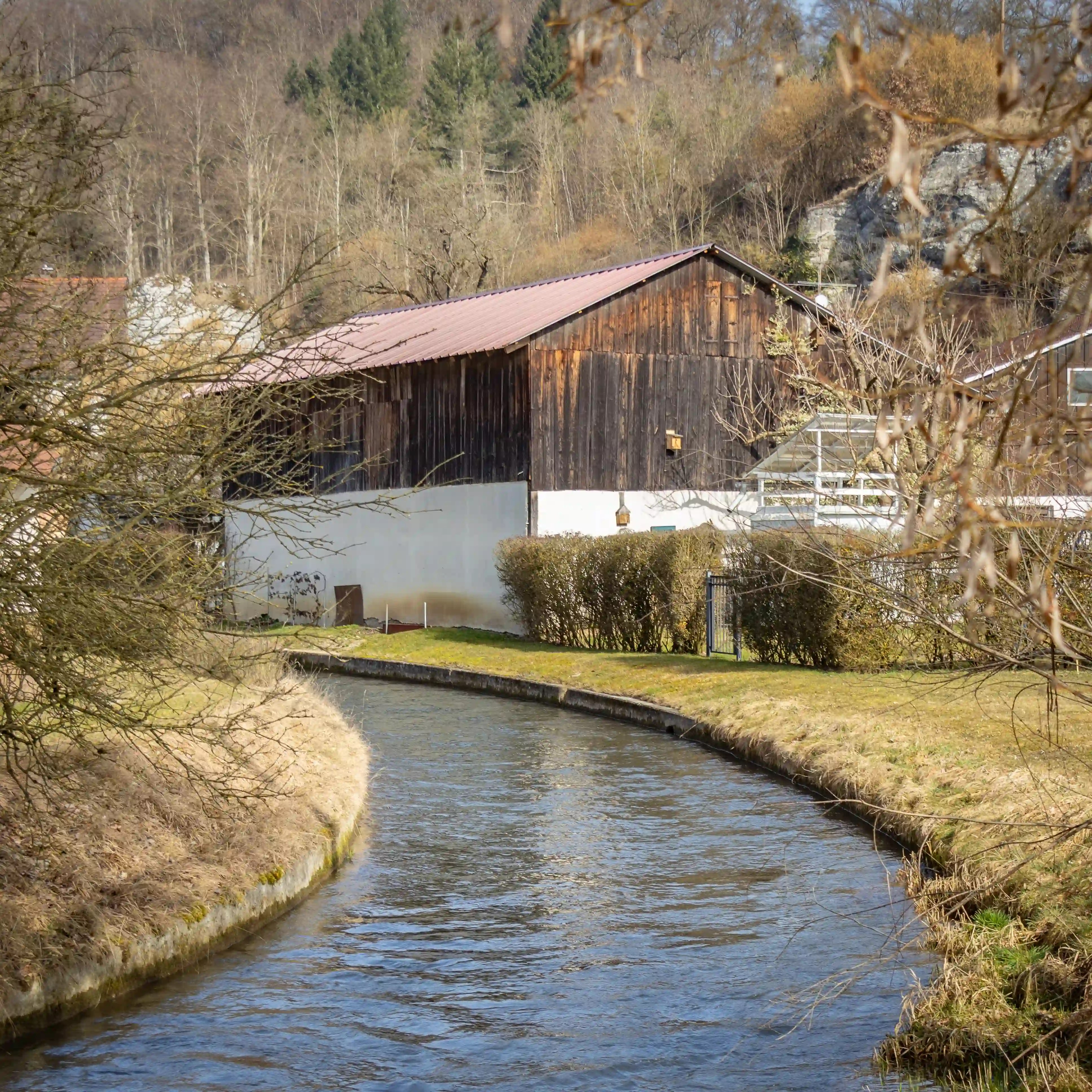

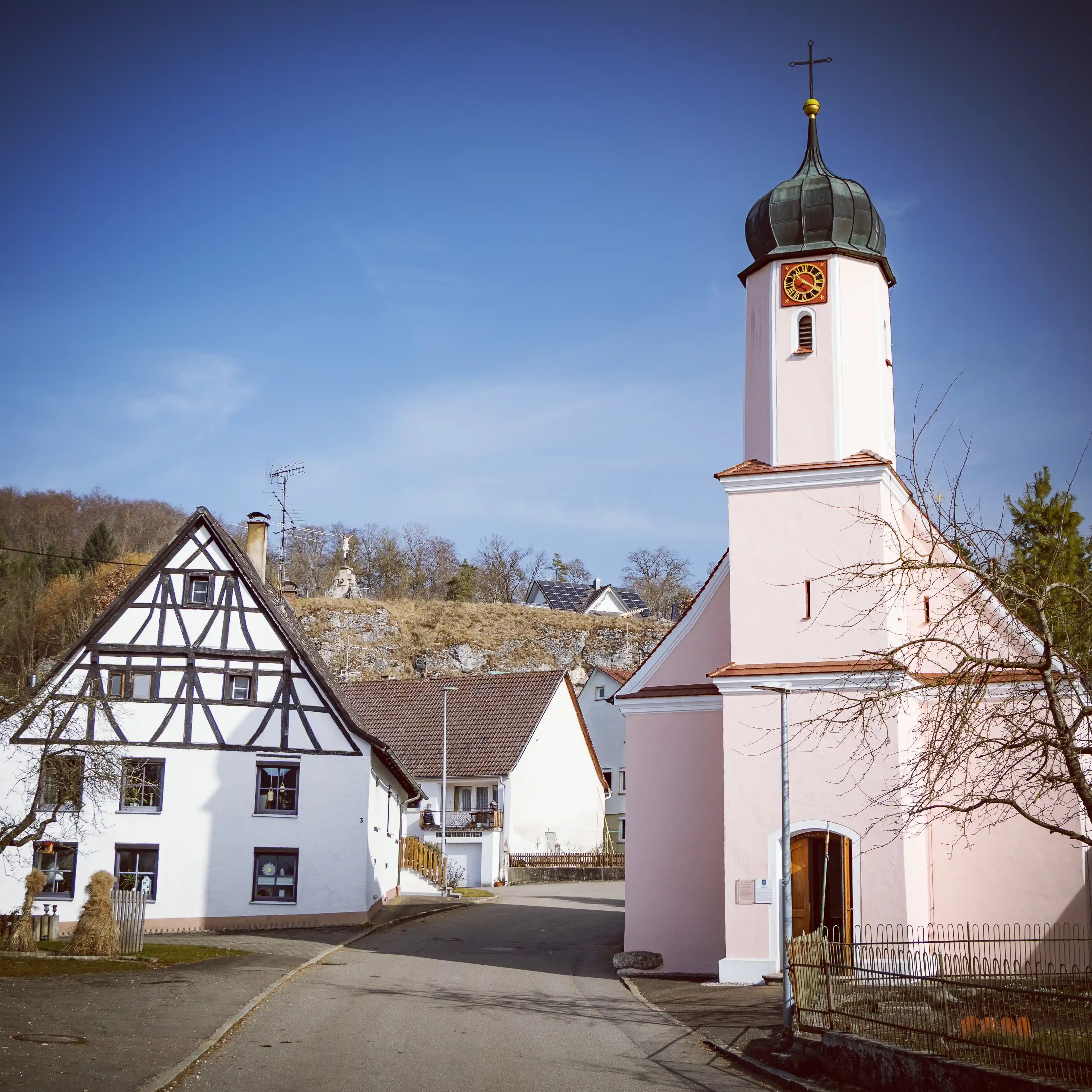
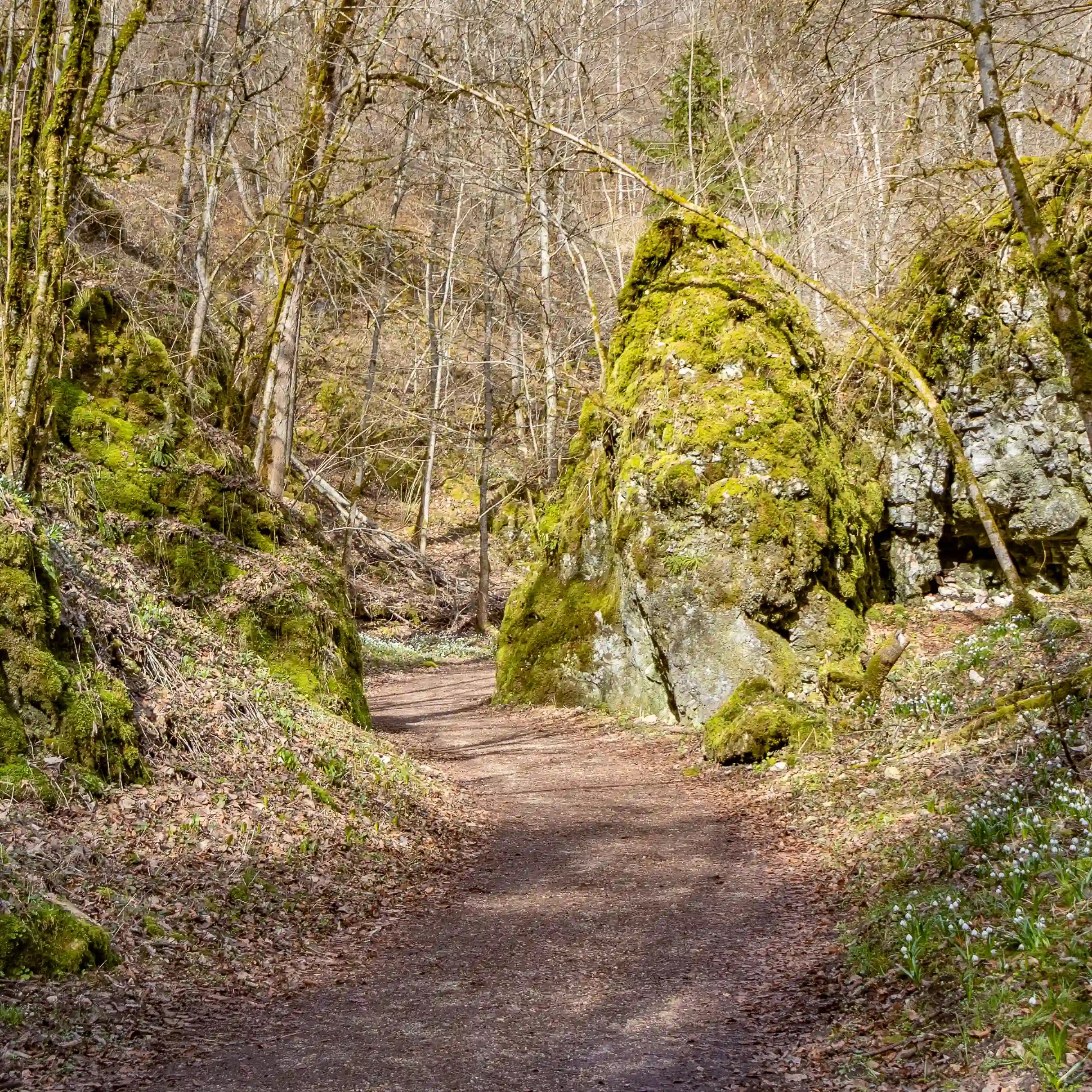
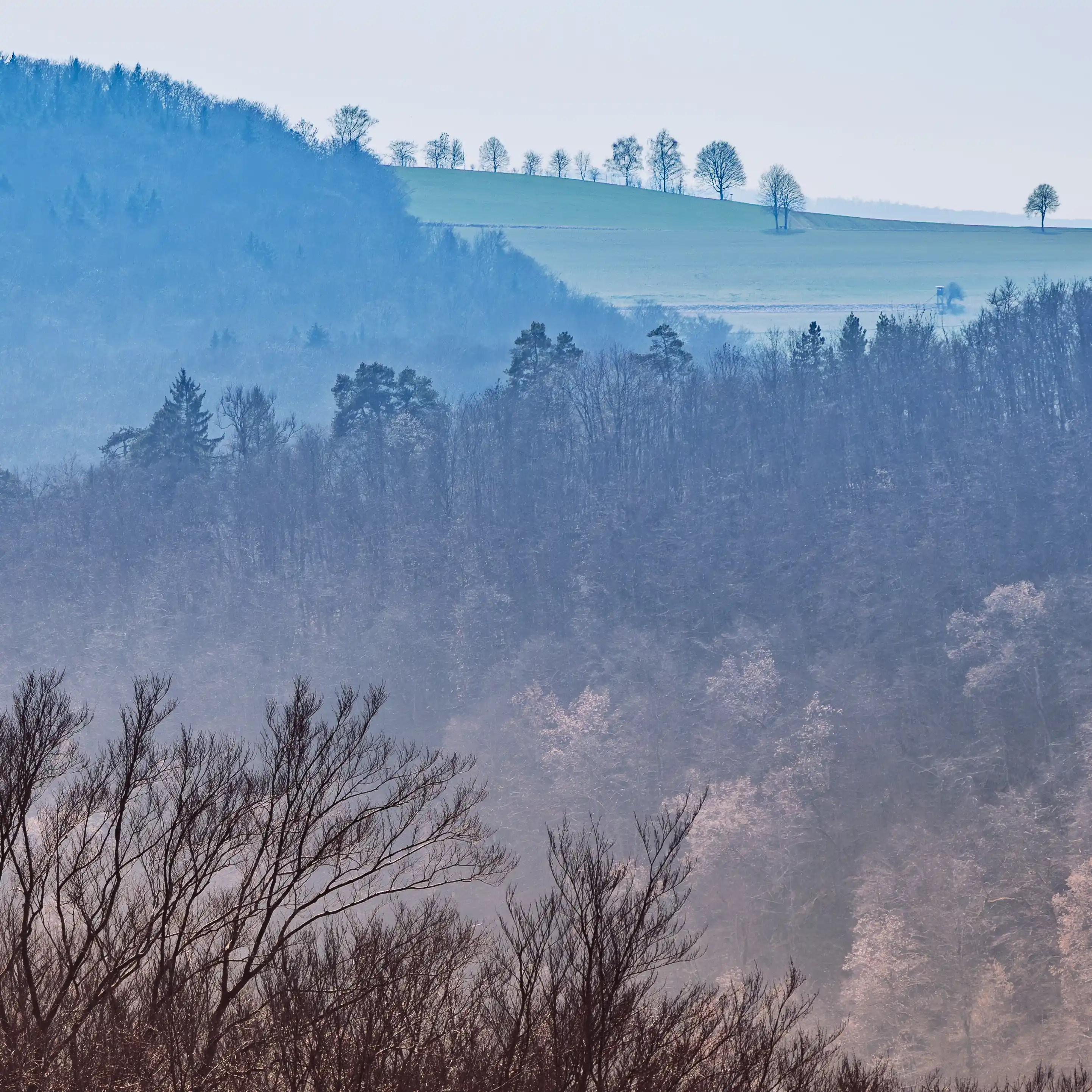
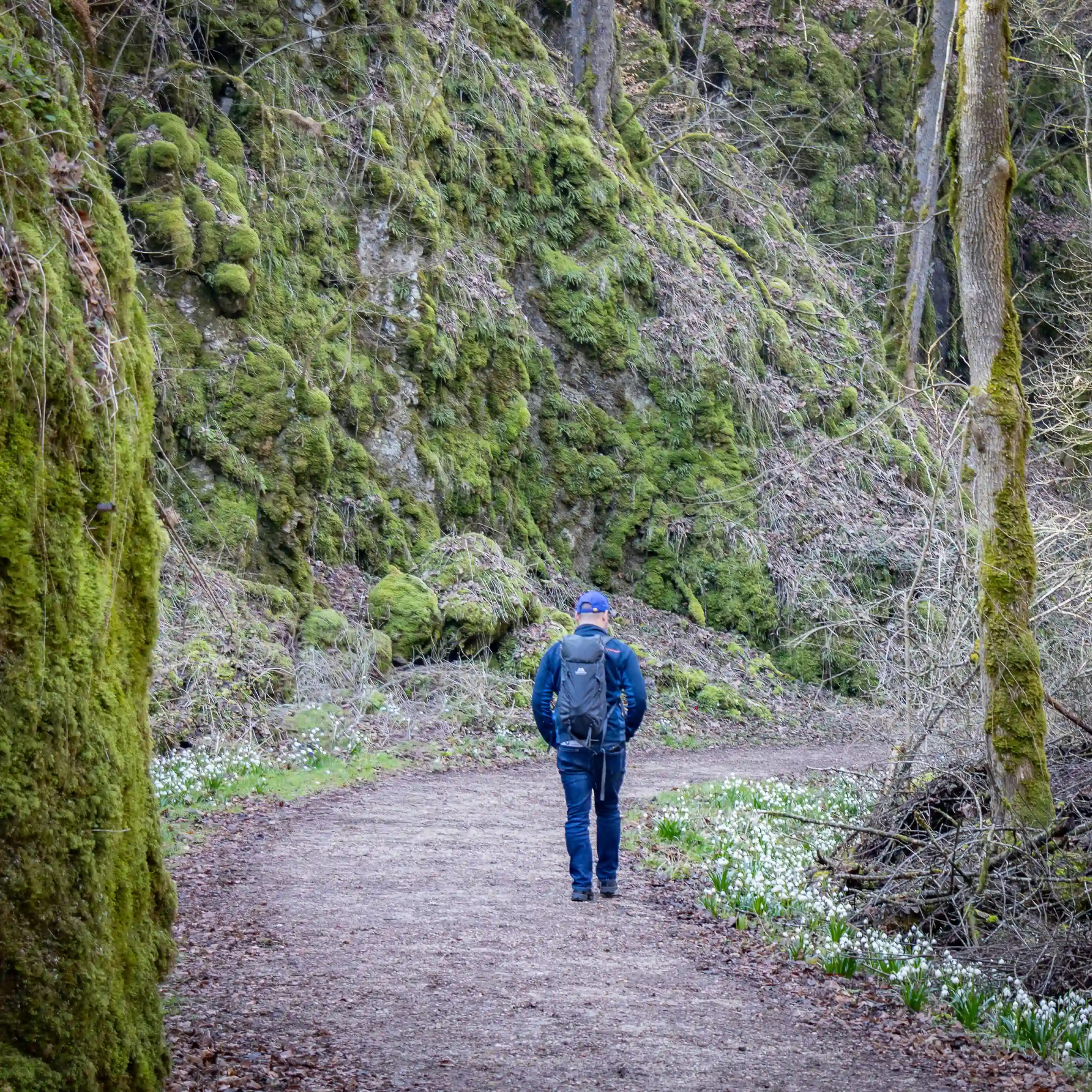
From the village the route gradually led away from the houses and toward the surrounding countryside. After passing over the Lauter River, the trail continued into Wolfstal, a narrow wooded valley known for its early spring wildflowers and seasonal mushrooms. The limestone cliffs that rise along parts of the valley contain small caves and rock overhangs, a common feature of the karst landscape found throughout the Swabian Alb.
Spring Flowers and Scarlet Mushrooms in Wolfstal
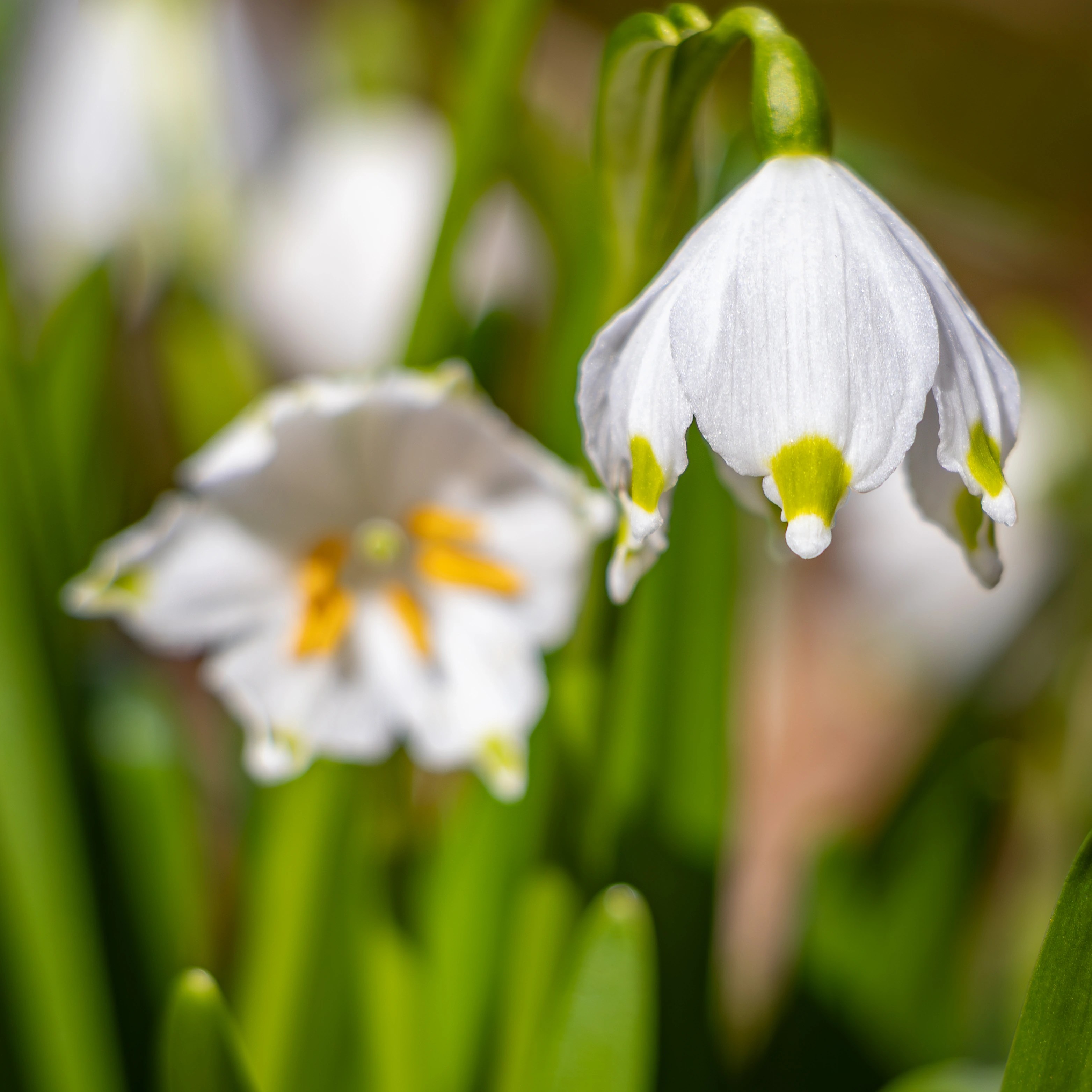
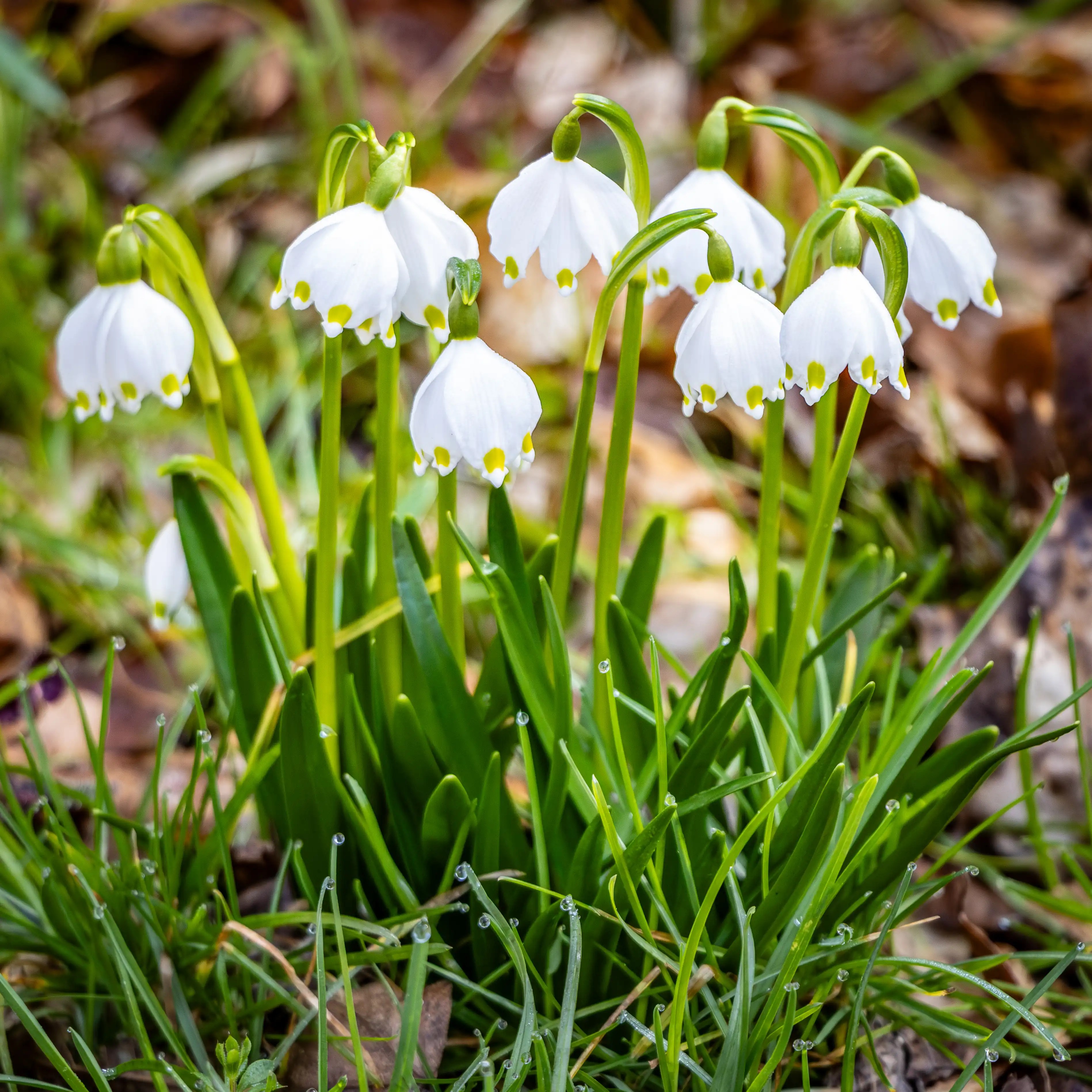
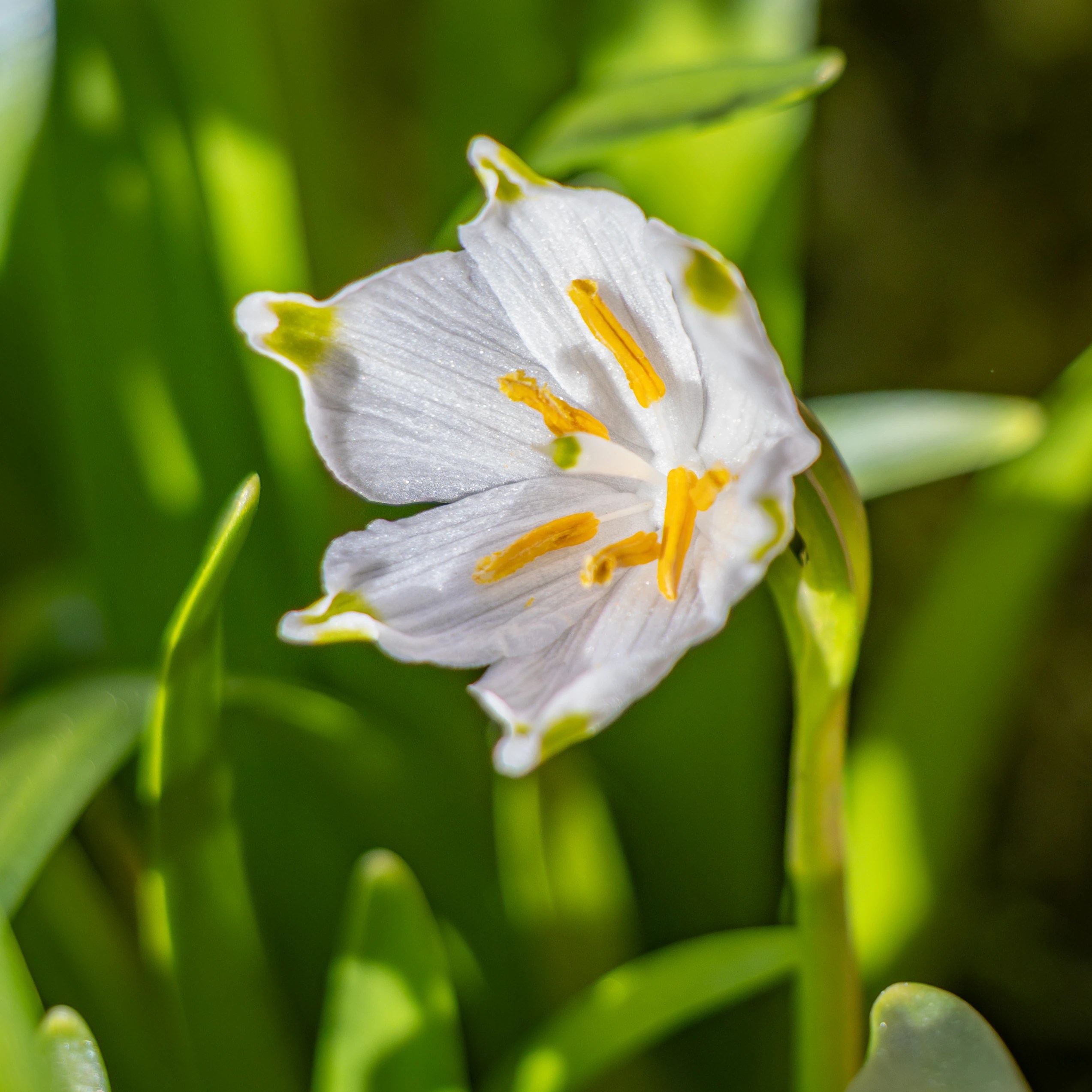
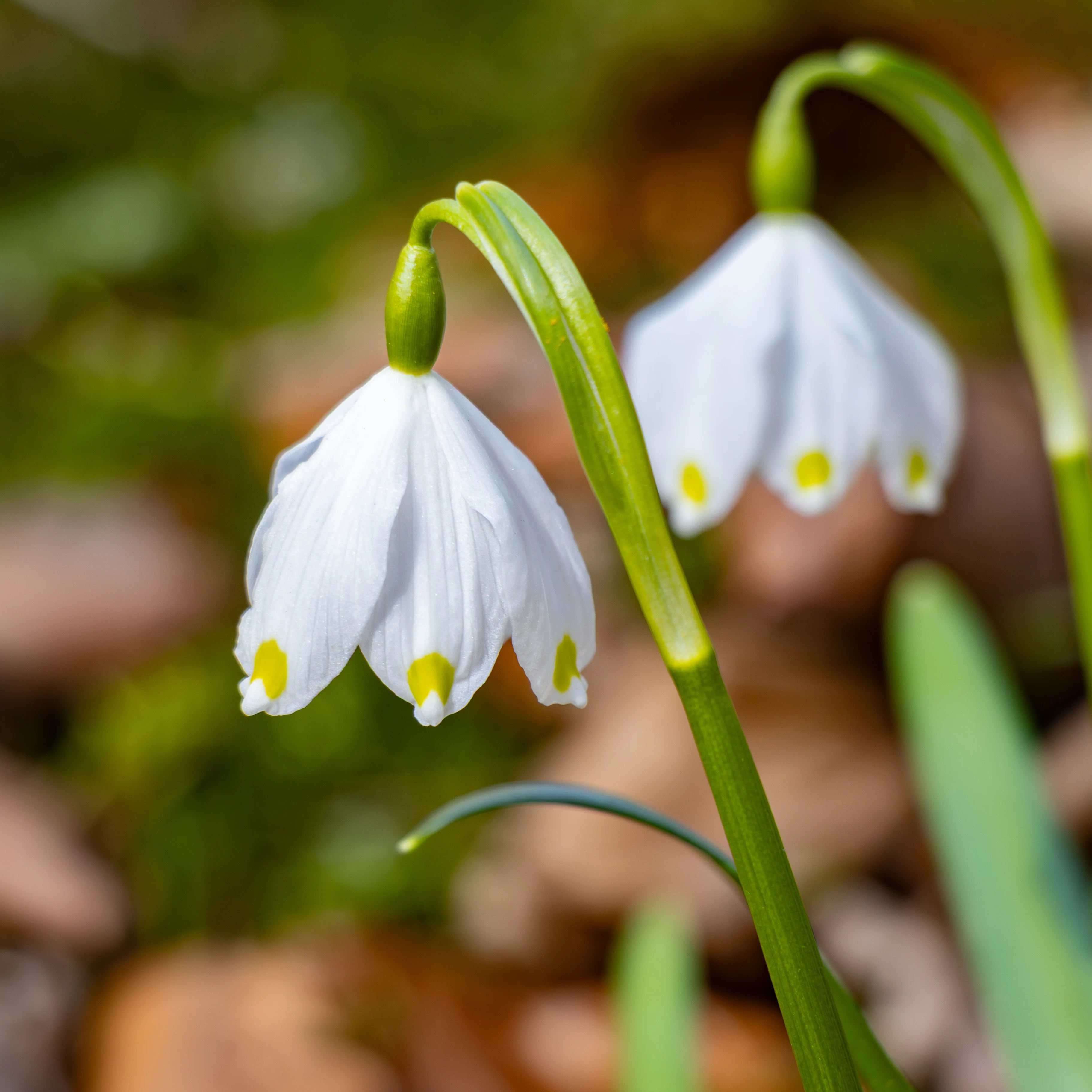
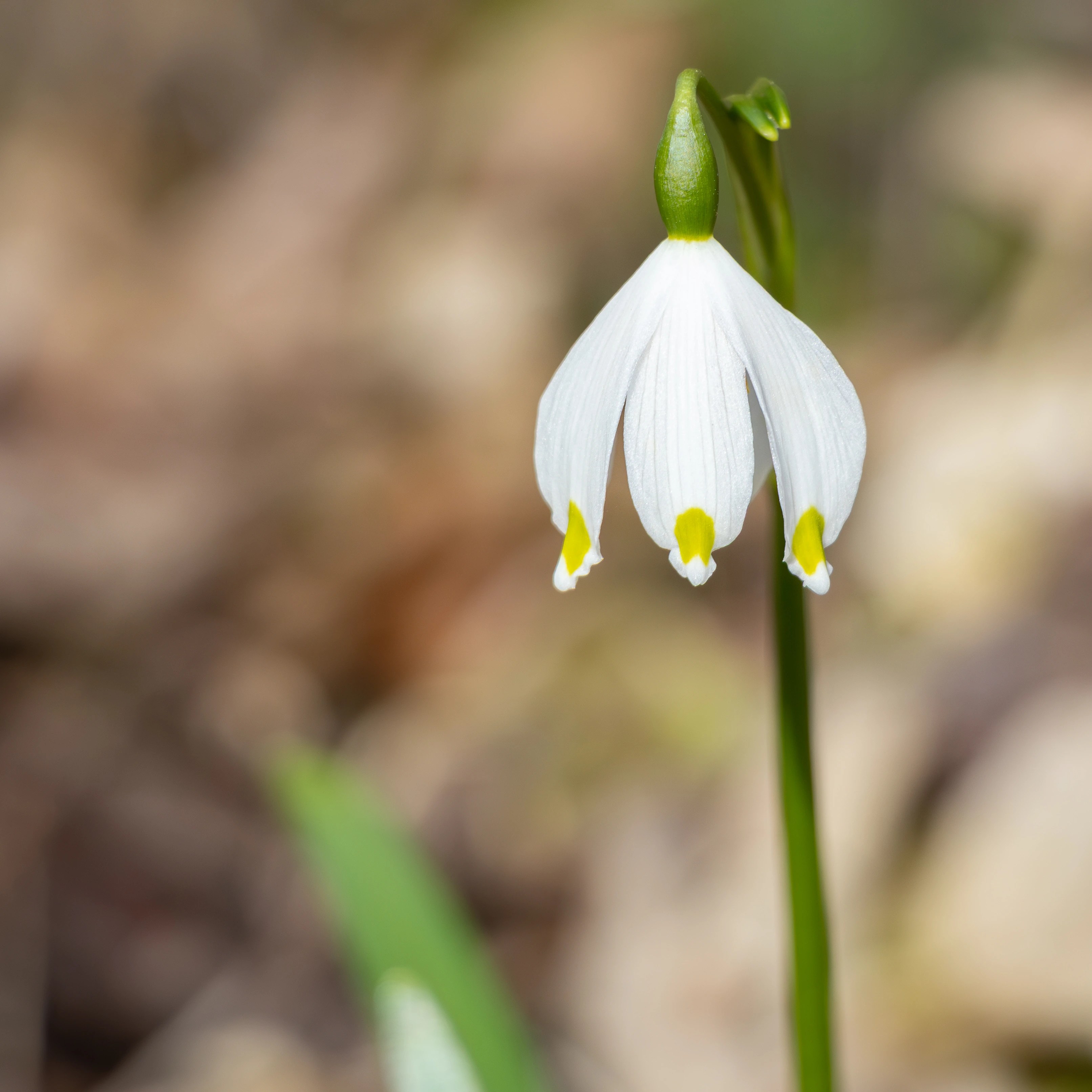
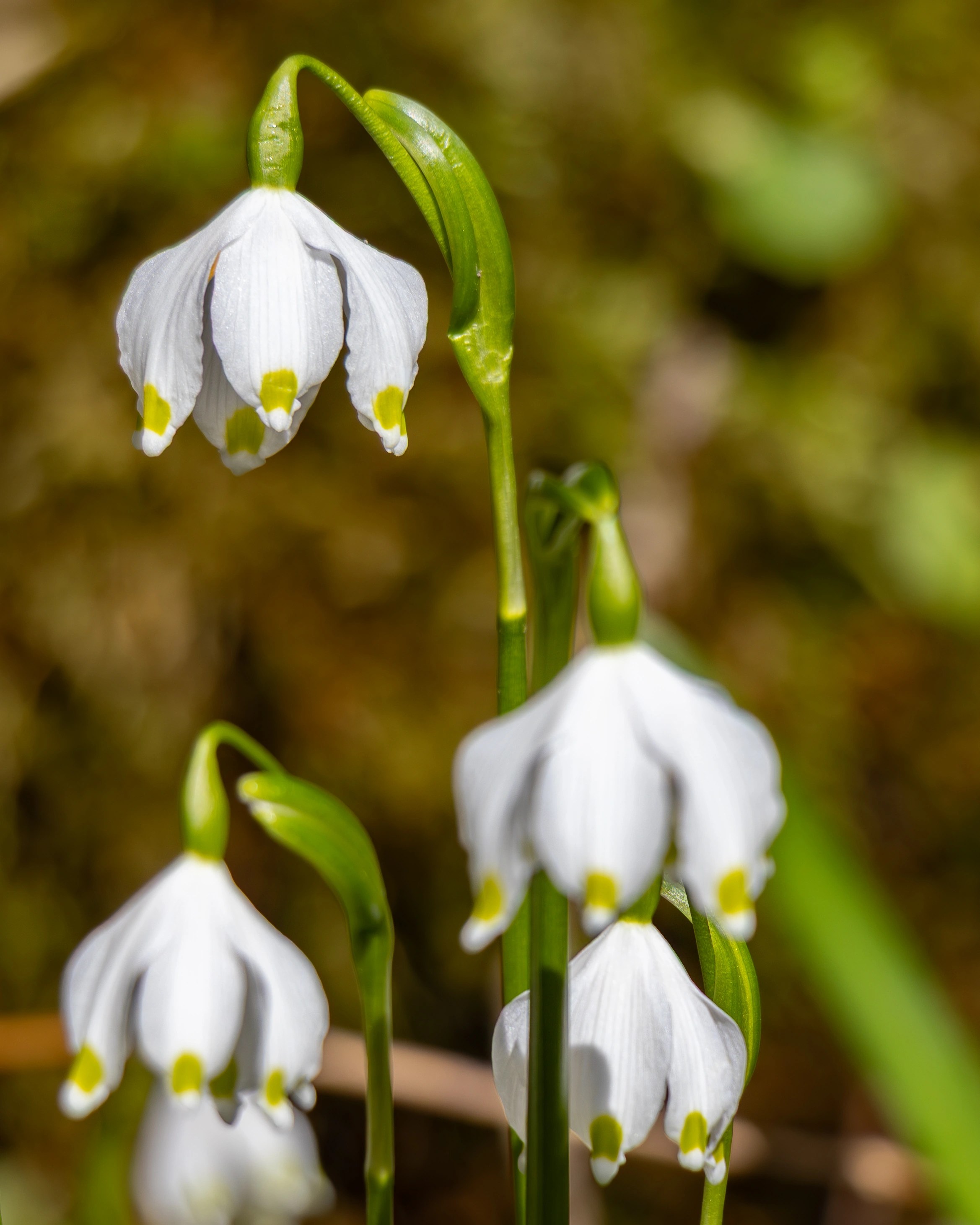
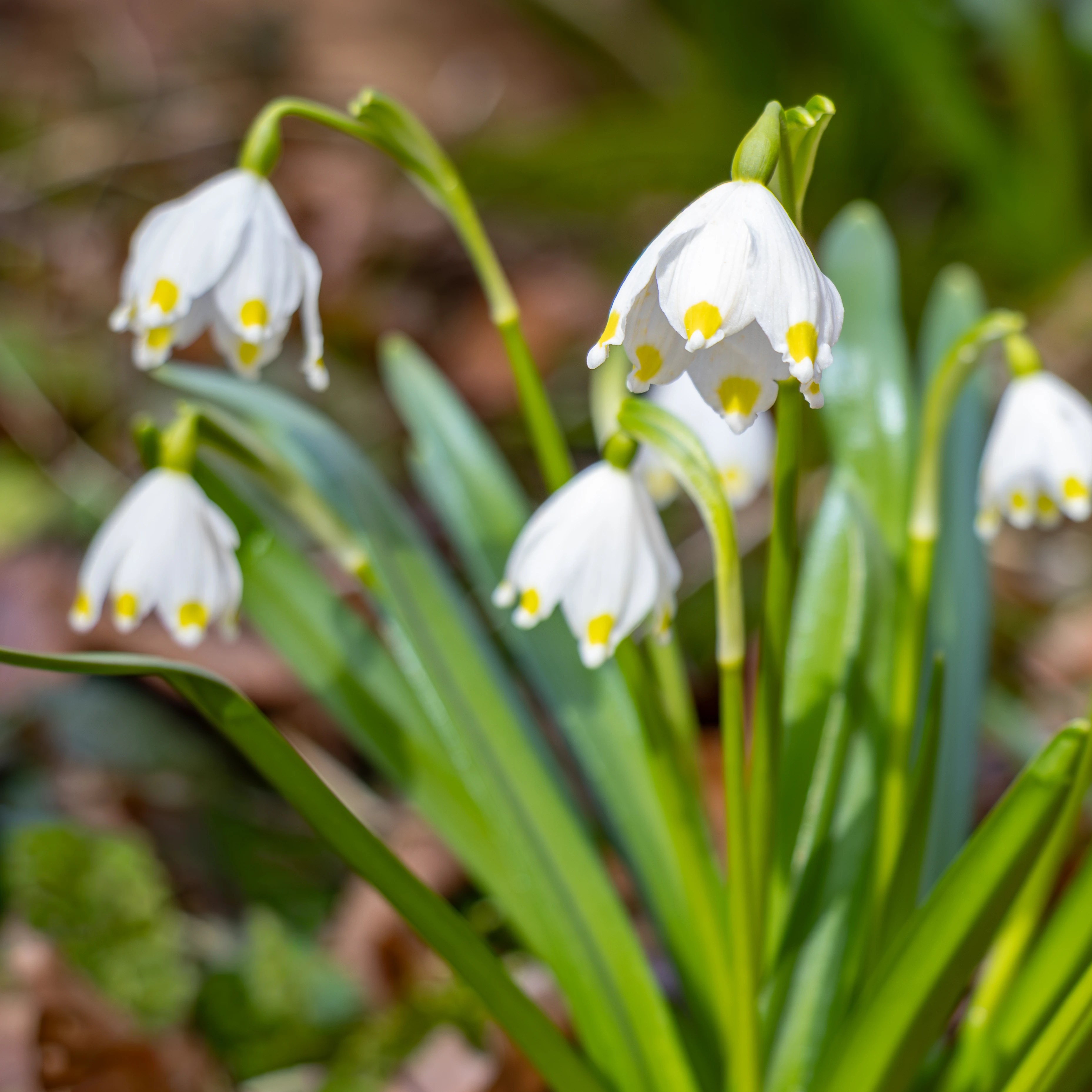
Wolfstal is especially well known for its early spring wildflowers, particularly the Märzenbecher, also known as spring snowflakes (Leucojum vernum). During the bloom, large clusters of these small white bell-shaped flowers spread across sections of the forest floor beneath the still-bare trees.
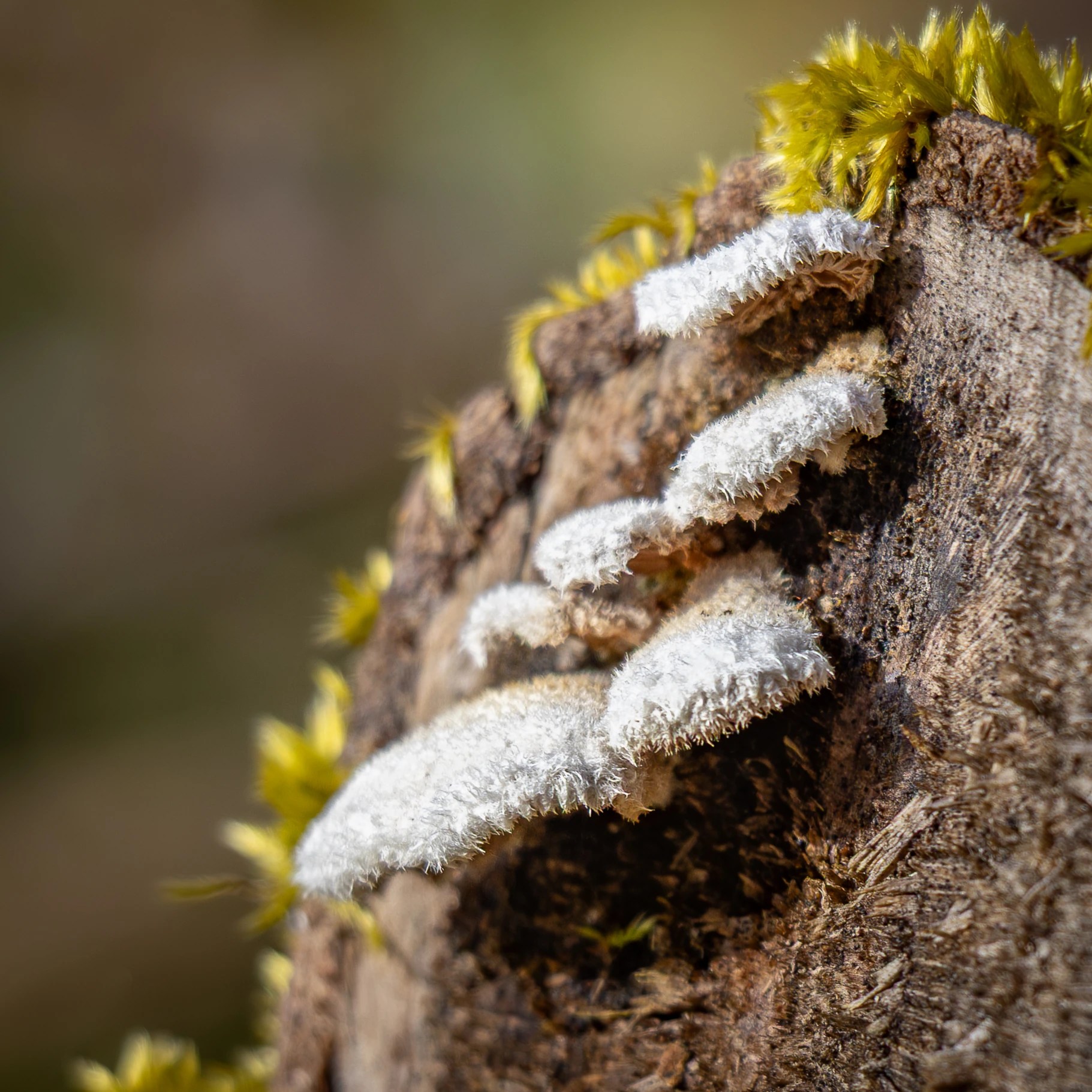
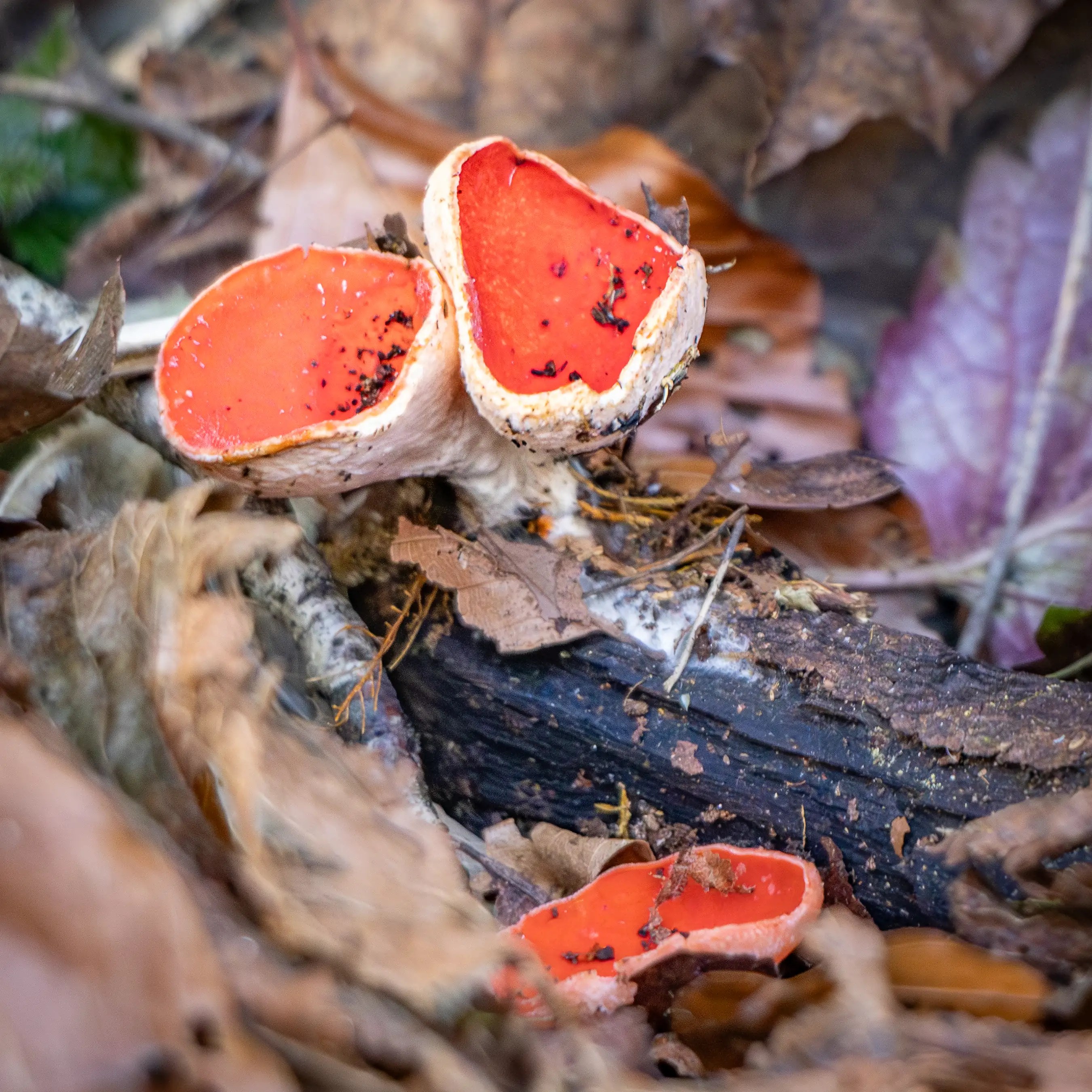
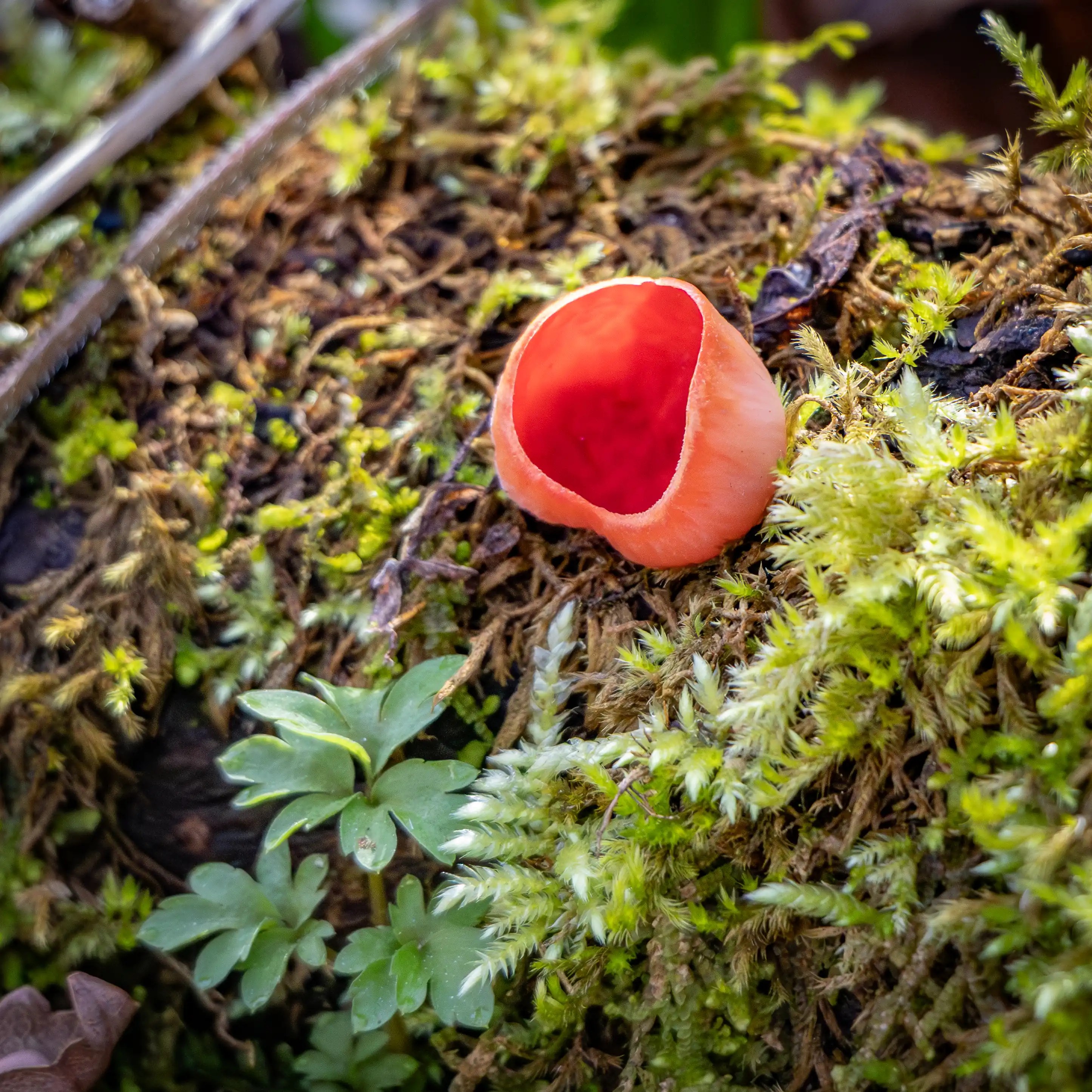
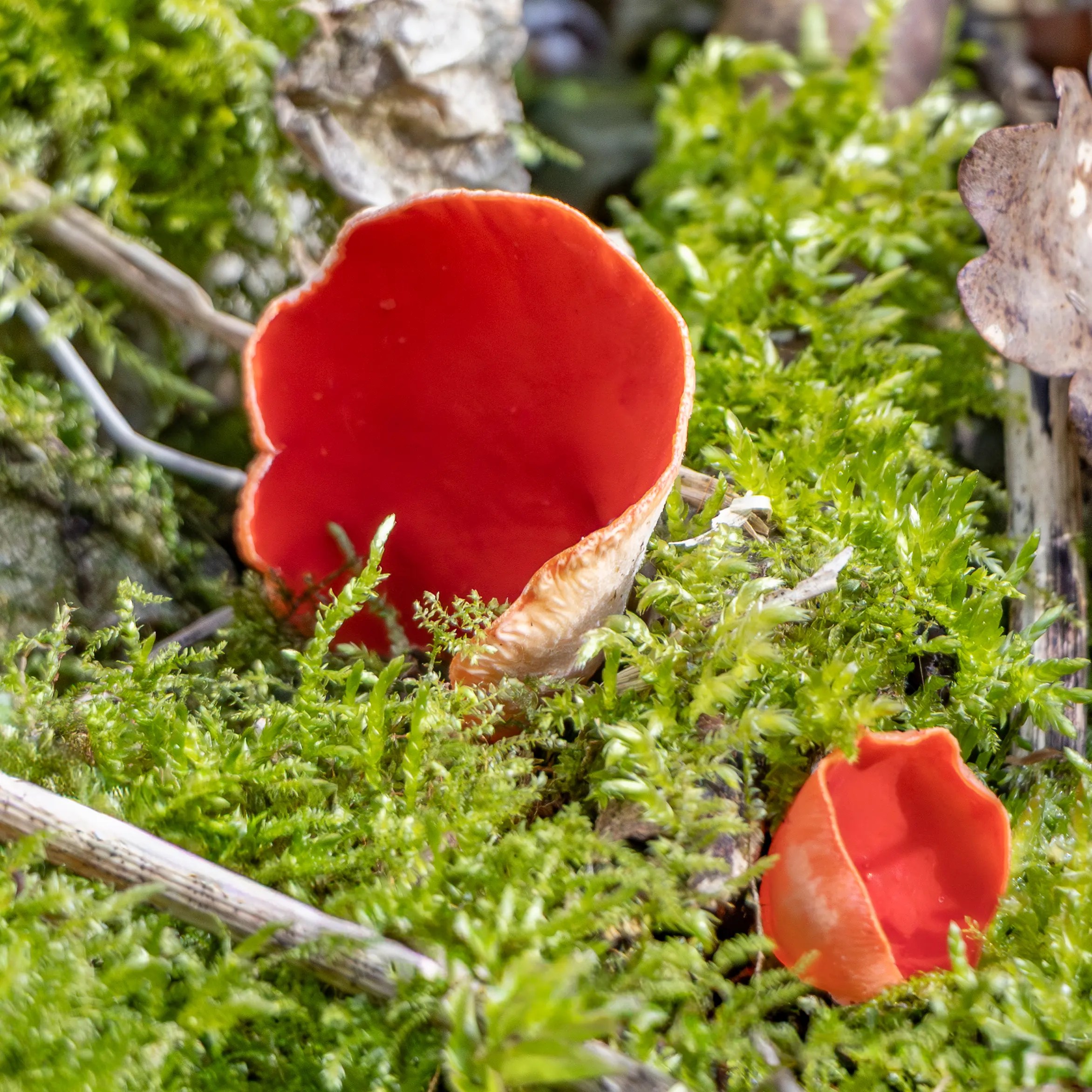
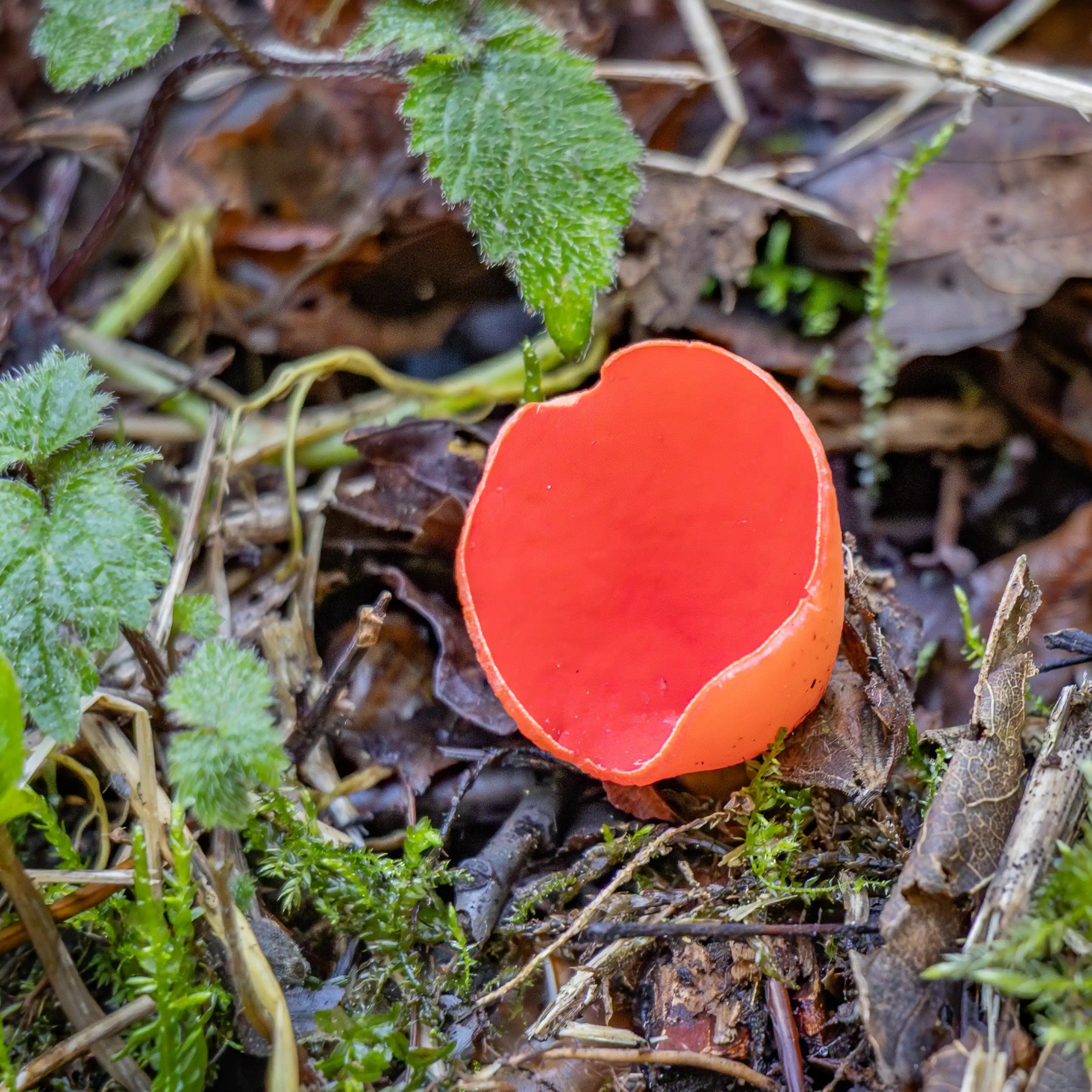
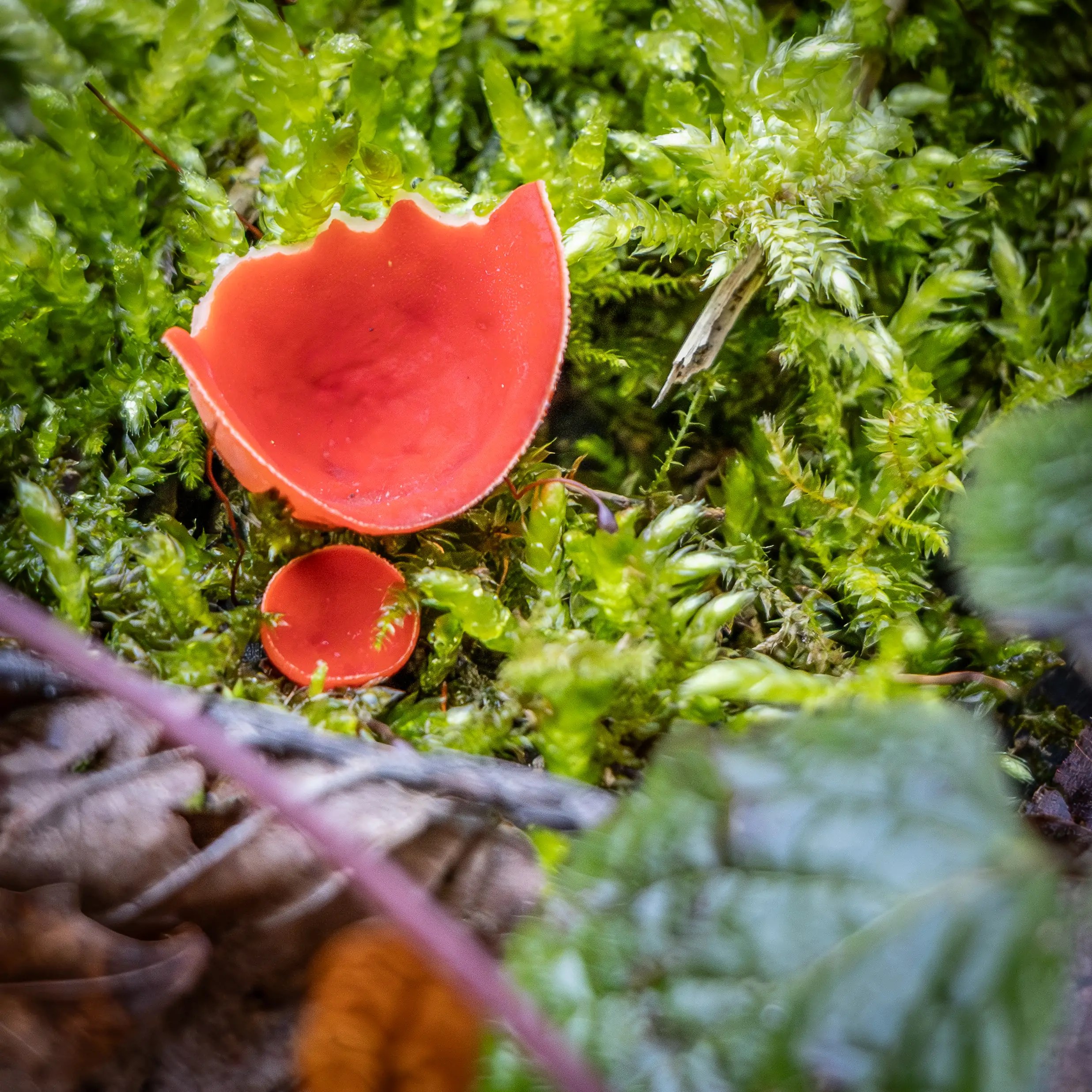
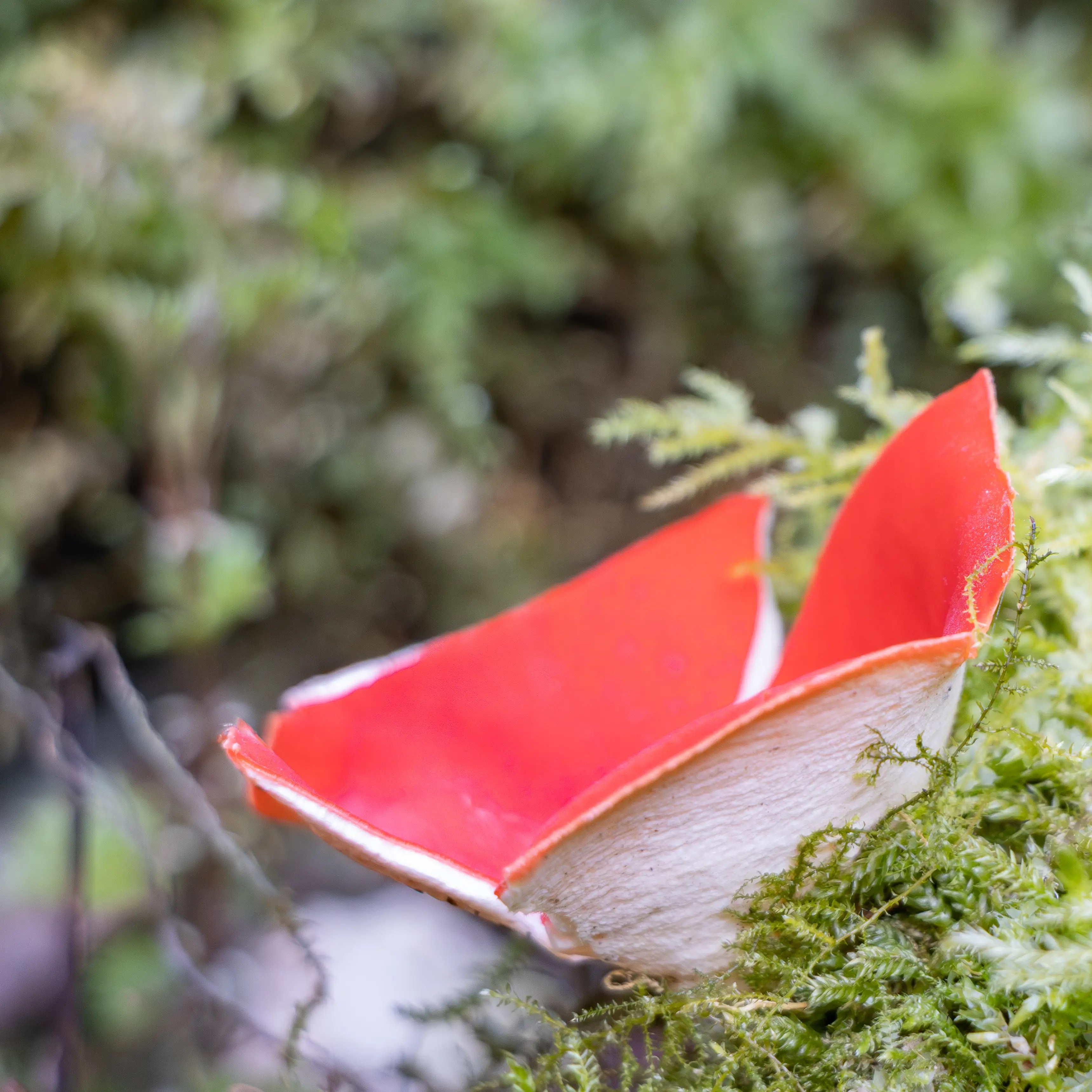
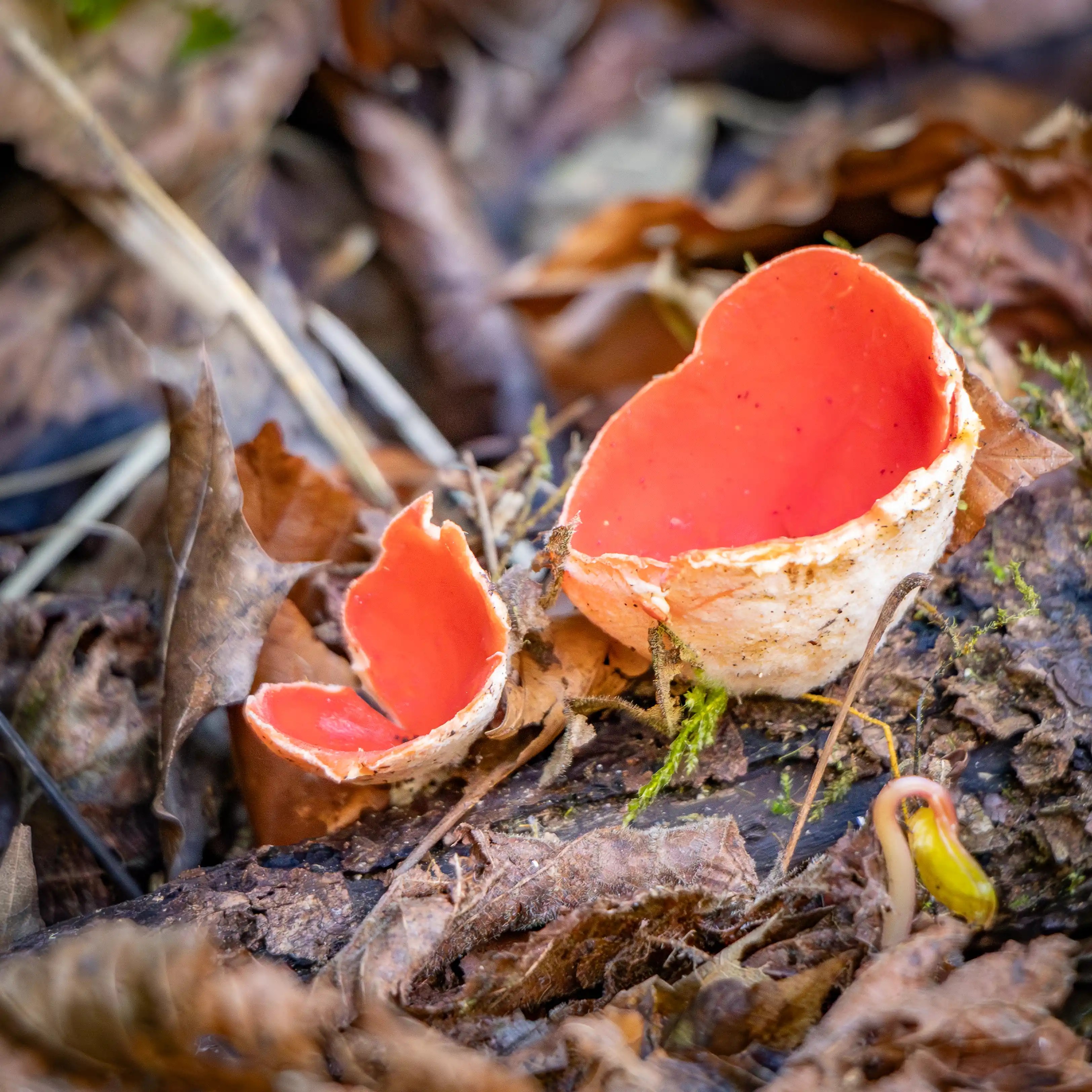
Walking through the valley revealed smaller details along the forest floor. Among the moss and fallen branches we spotted several scarlet elf cup mushrooms, known in German as Kelchbecherlinge. Their vivid red interiors stood out sharply against the green moss and brown leaves. These fungi often grow on damp, decaying wood hidden beneath moss or leaf litter and typically appear in late winter and early spring. When sunlight reaches the inside of the cup, the thin red surface can appear almost translucent.
Because both the flowers and the mushrooms grow in sensitive woodland environments, it’s important to move carefully through the area and avoid damaging the plants. Finding them growing naturally along the trail is part of what makes places like Wolfstal so special.

Food and Conversation Back in Lauterach
At the end of the route, participants return to the starting point and turn in their stamped start cards to receive credit for completing the walk. But finishing the hike doesn’t mean the day is over.
Like many Volksmarch gatherings, the finish area becomes a place where people relax, eat, and talk about the day’s experience. Volunteers often serve traditional dishes along with coffee, cake, and local drinks.
Afterward we sat down for a classic Swabian meal of Alblinsen—lentils grown in the Swabian Alb that nearly disappeared before being reintroduced in the 1980s as a regional specialty—served with Spätzle and sausage, followed by a slice of German cake.
The afternoon also brought an unexpected surprise. We met a new friend and even ran into someone we had known years earlier when we lived in Key West. You never know who you might run into along the trail.
Final Thoughts
Wolfstal wasn’t a place we had planned to visit, but thanks to the Stuttgart German American Wandering Club, we found ourselves exploring a quiet valley in the Swabian Alb known for its spring carpets of Märzenbecher and the scarlet elf cup mushrooms that appear along the forest floor. The organized walk introduced us to a part of the region we might otherwise have overlooked.
Location & Getting There
Wolfstal is located near the village of Lauterach in Baden-Württemberg within the UNESCO Biosphere Reserve Swabian Alb.
Wolfstal is about a 90-minute drive from Stuttgart, making it an easy day trip. Several trailheads and parking areas around Lauterach and the Lauter valley provide access to the local trails. Hiking platforms such as Komoot list a variety of routes, ranging from shorter walks through Wolfstal to longer loops across the surrounding hills.
If you hope to see the Märzenbecher (spring snowflakes) in bloom, along with the bright scarlet elf cup mushrooms that appear in early spring, the best time to visit is usually late February through early April, depending on the weather.
Have you ever joined a walking event like this or discovered a place you would have otherwise missed? Feel free to share your experience or ask any questions in the comments—I’d love to hear about it.

Leave a comment