One of the things I appreciate about living in Europe is stepping onto a bus in Stuttgart, Germany and arriving in another country just hours later.
This time, it was the Stuttgart Community Spouses Club (SCSC) organizing the adventure—just like our Austrian Almabtrieb trip last year. These bus trips make it easy to say yes to places you might not otherwise plan on your own. You show up with a small bag and a camera—and a few hours later, you’re surrounded by grand colonnades and steaming mineral springs in the Czech Republic.
Our destination? Two of the country’s most famous spa towns: Mariánské Lázně and Karlovy Vary.
A Little Context: The Czech Republic
The Czech Republic, officially known as Czechia, sits in Central Europe and has a history shaped by shifting borders and dynasties. For centuries, the region was ruled by the Habsburg dynasty, a period that left a lasting mark on its architecture, culture, and spa traditions. During the 18th and 19th centuries, western Bohemia’s mineral springs gained international attention, transforming small settlements into established spa towns.
After World War I, the region became part of Czechoslovakia. In 1993, Czechoslovakia peacefully separated into two independent countries: the Czech Republic and Slovakia. Today, Czechia is a modern parliamentary republic, with Prague as its capital and largest city.
While Prague often takes the spotlight, regions like western Bohemia continue to reflect the country’s long-standing spa tradition—where historic towns, mineral springs, and forested landscapes remain central to daily life.
Mariánské Lázně: Mineral Springs and Colonnades
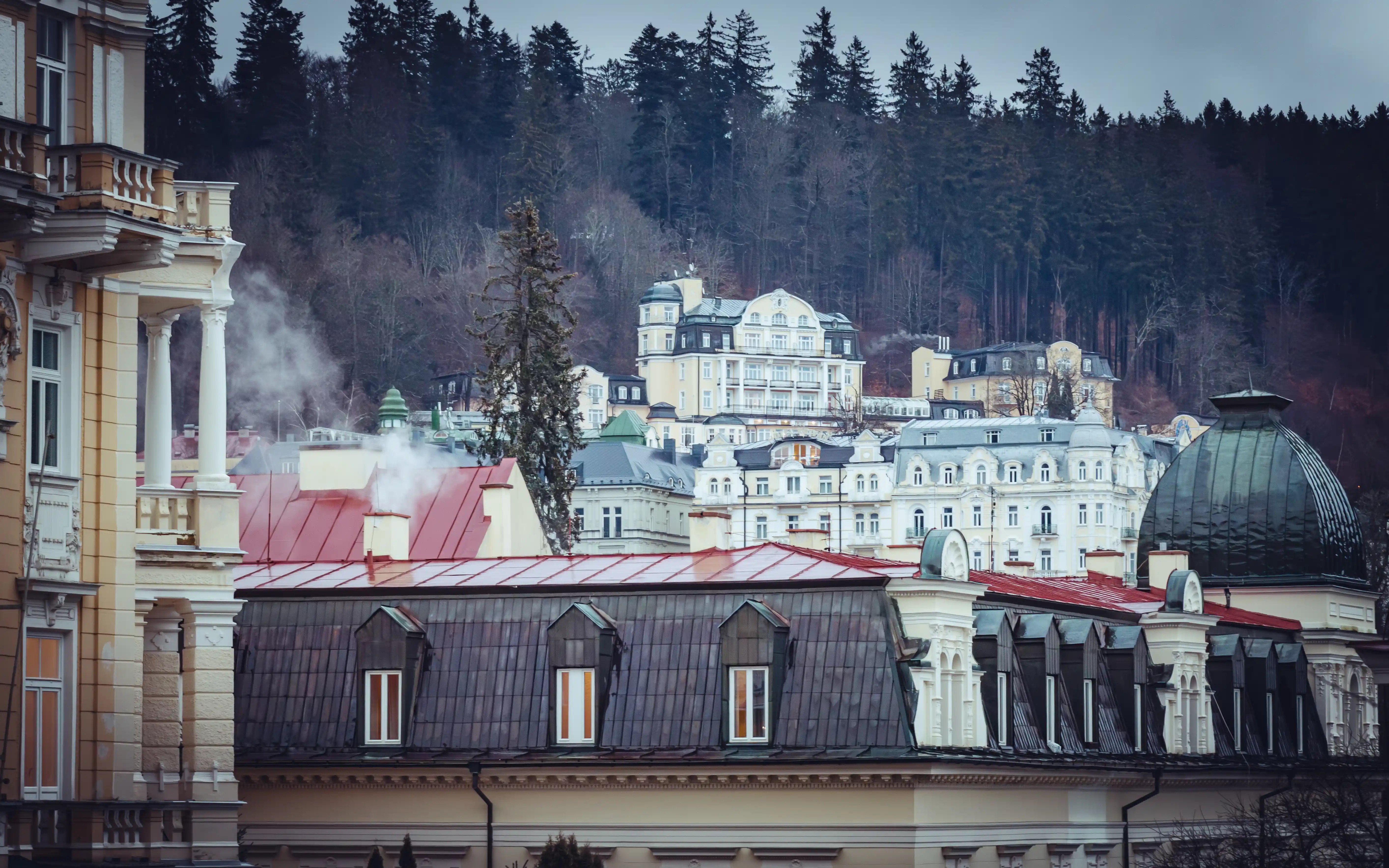
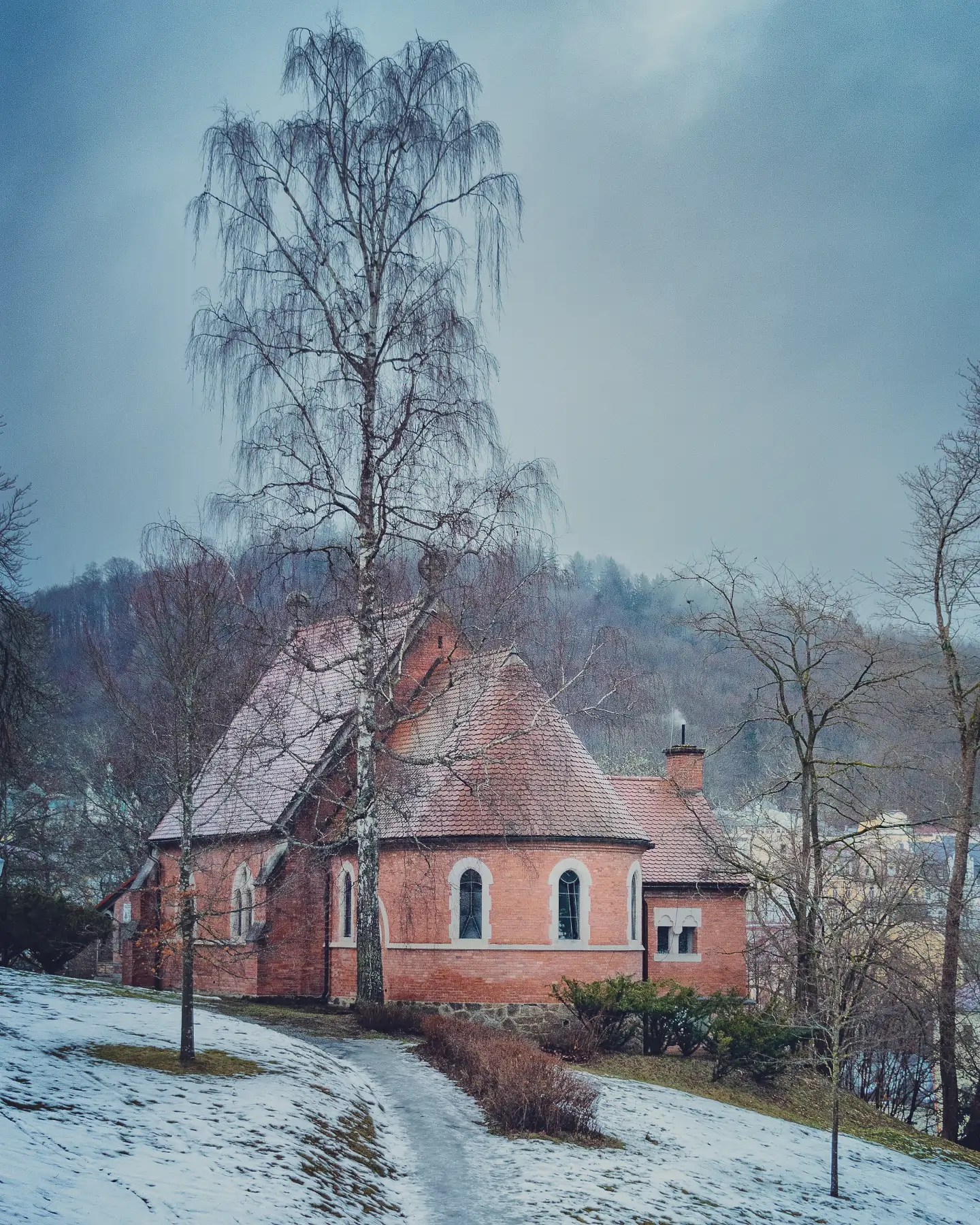
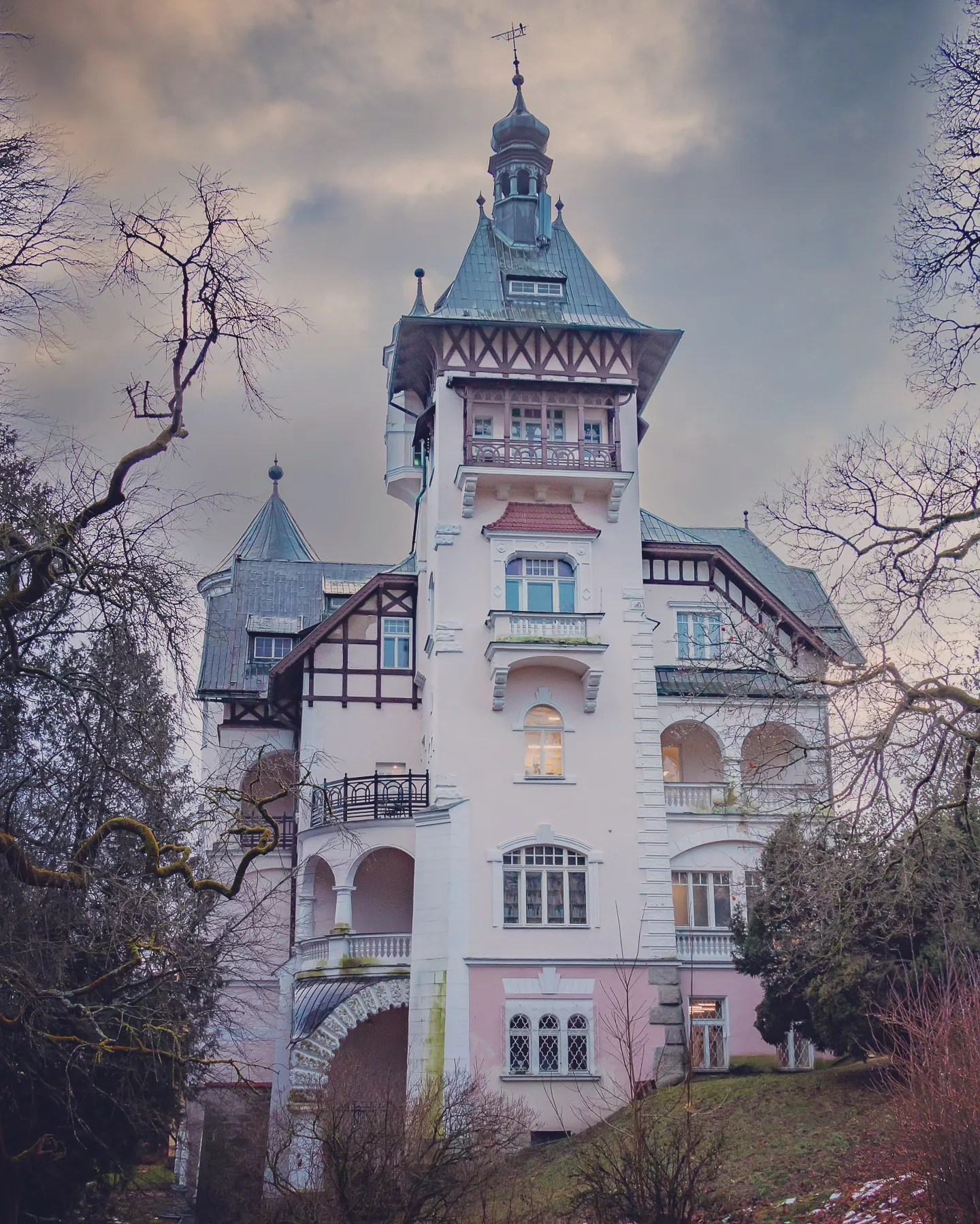
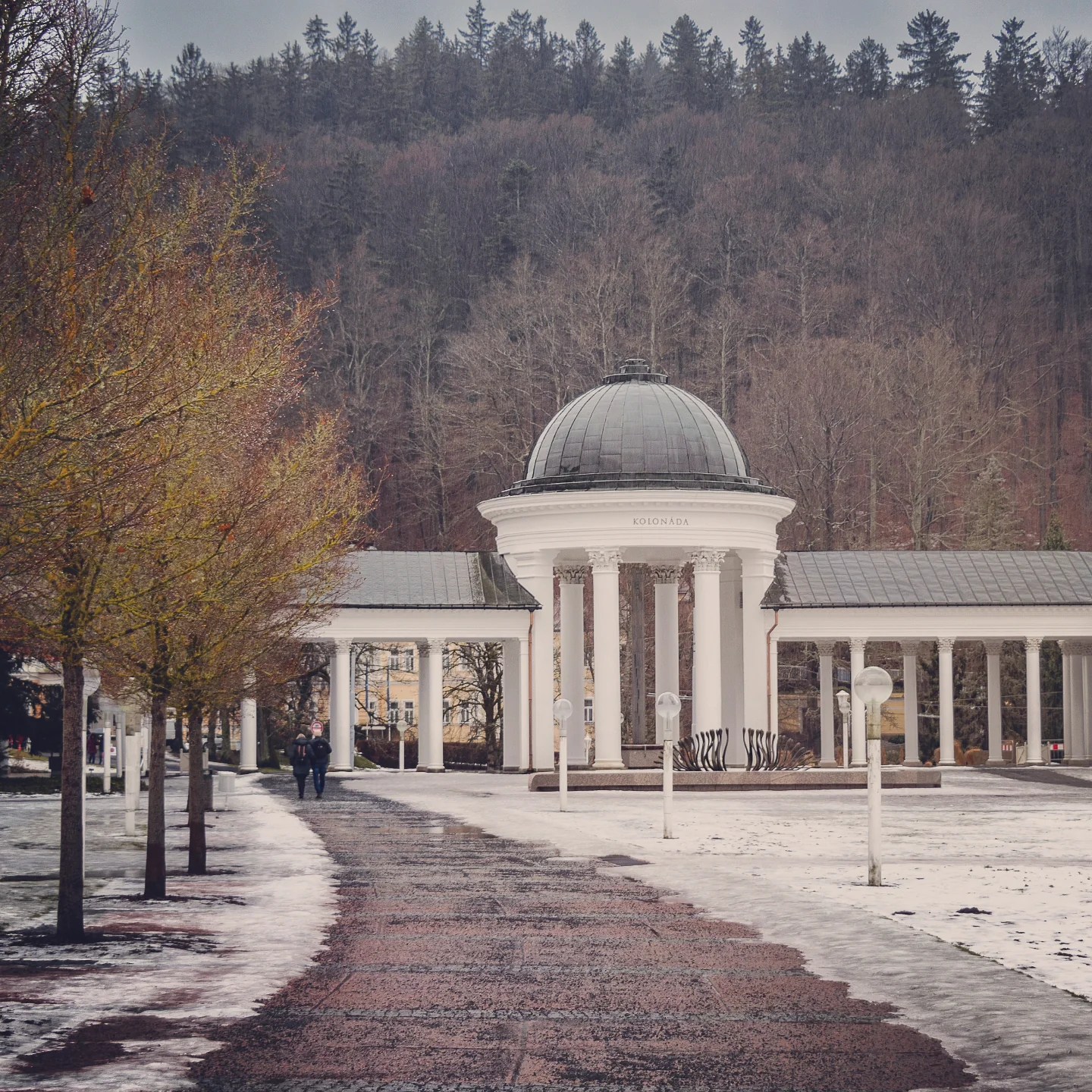
Mariánské Lázně (Marienbad in German, meaning “Mary’s Spa”) developed rapidly in the 19th century as its mineral springs were incorporated into colonnades—covered walkways lined with columns—along with spa houses and landscaped parks. Many of the buildings in the town center date from that period, often referred to as the town’s Golden Age. In 2021, both Mariánské Lázně and Karlovy Vary were included in the UNESCO World Heritage designation “Great Spa Towns of Europe,” recognizing their importance in European spa history.
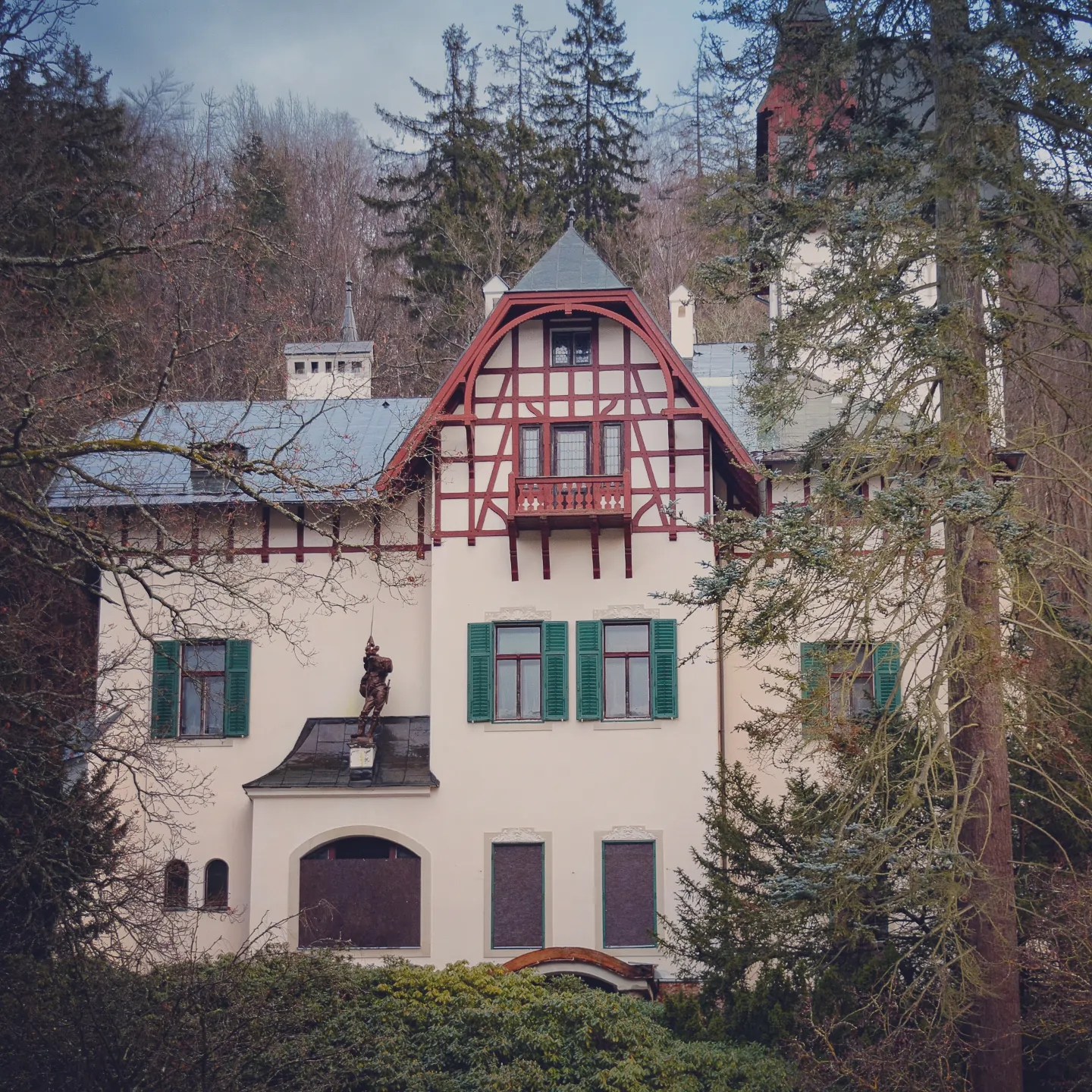
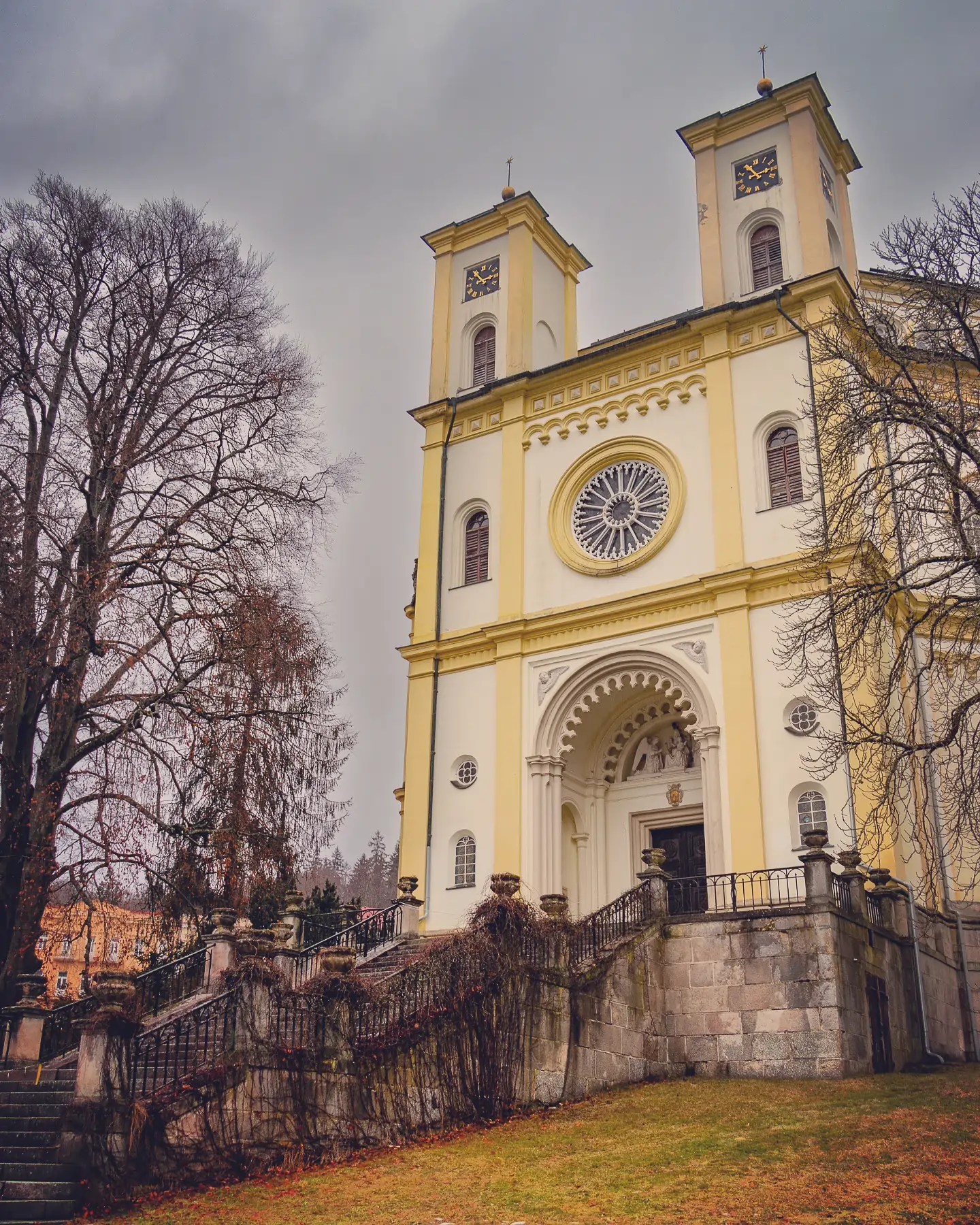
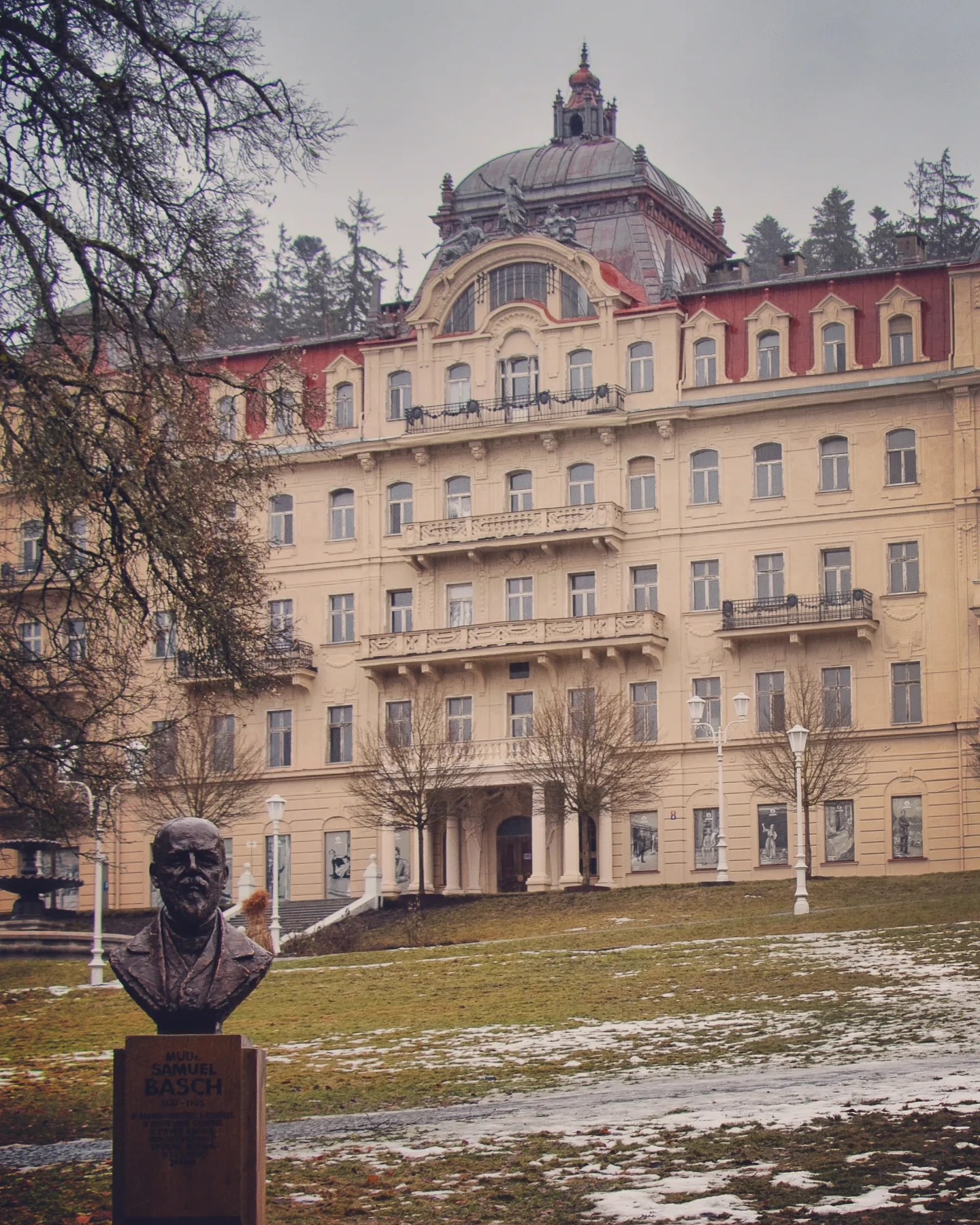
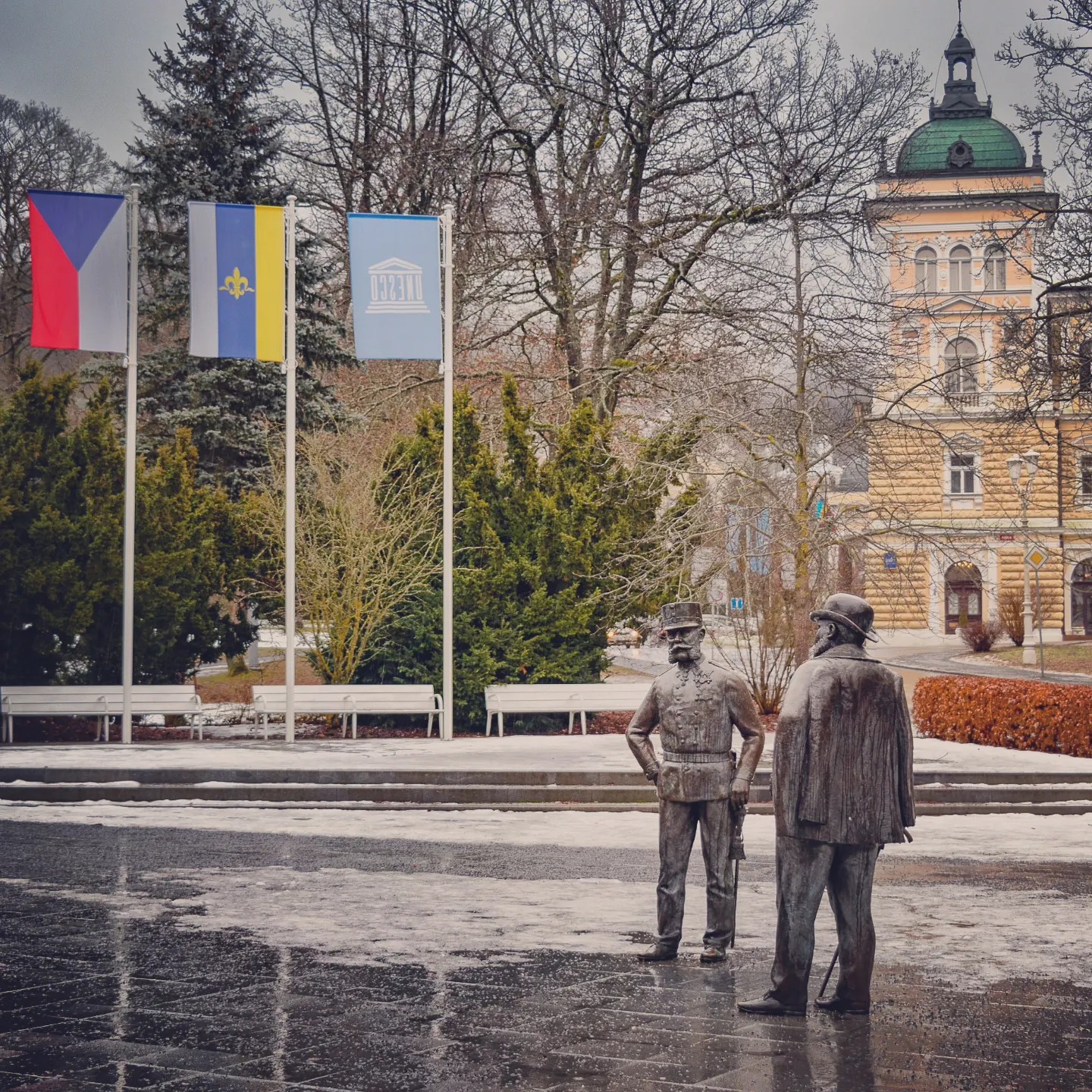
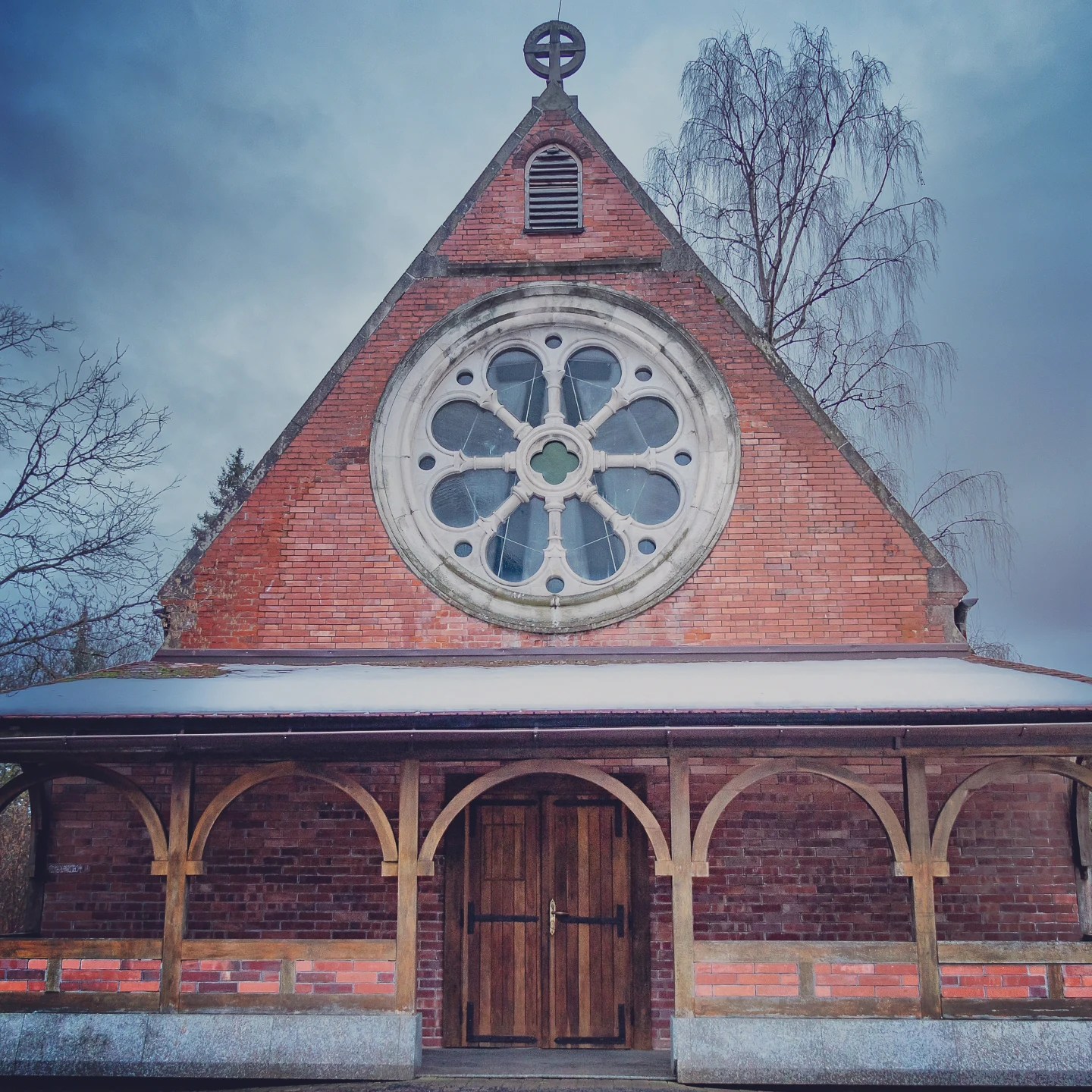
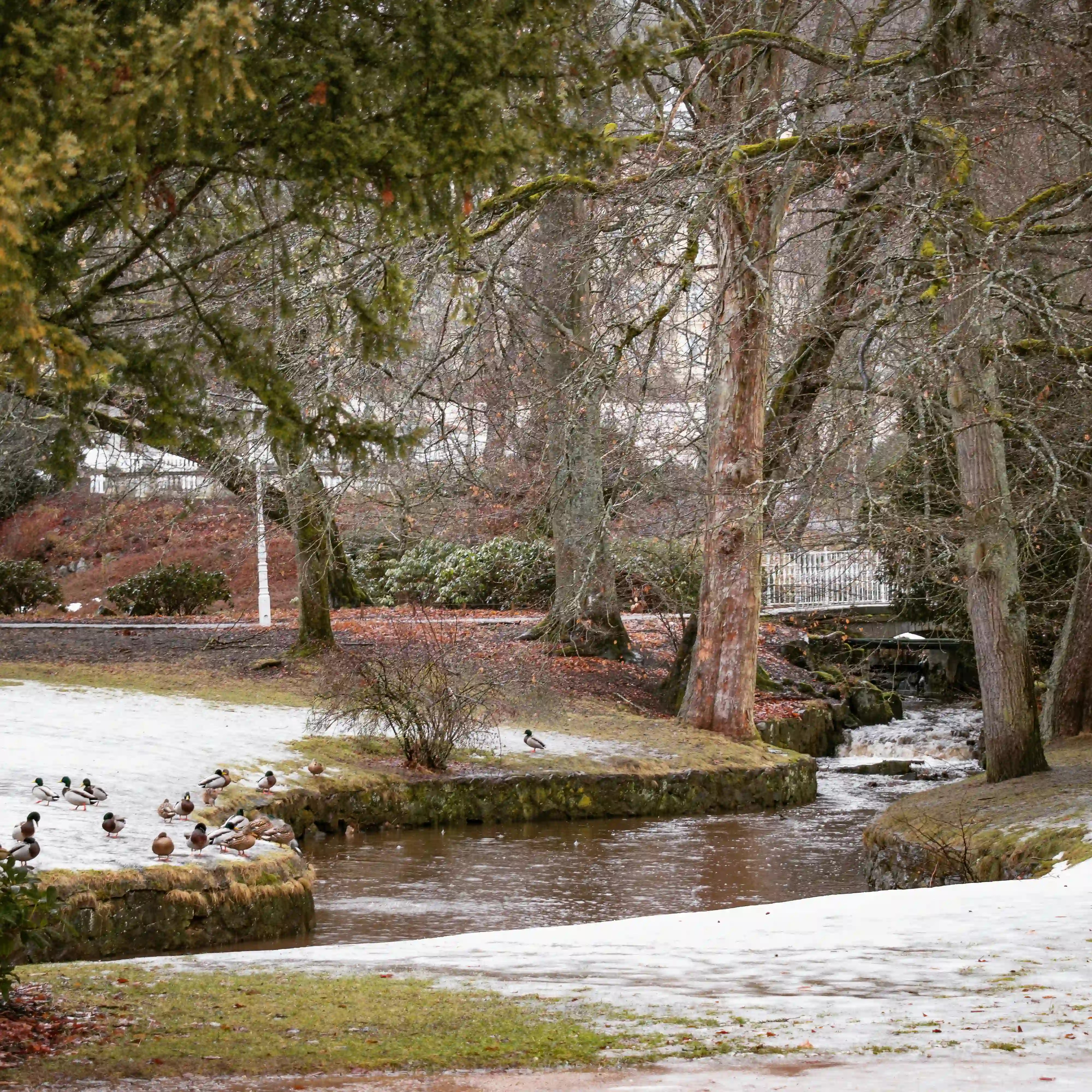
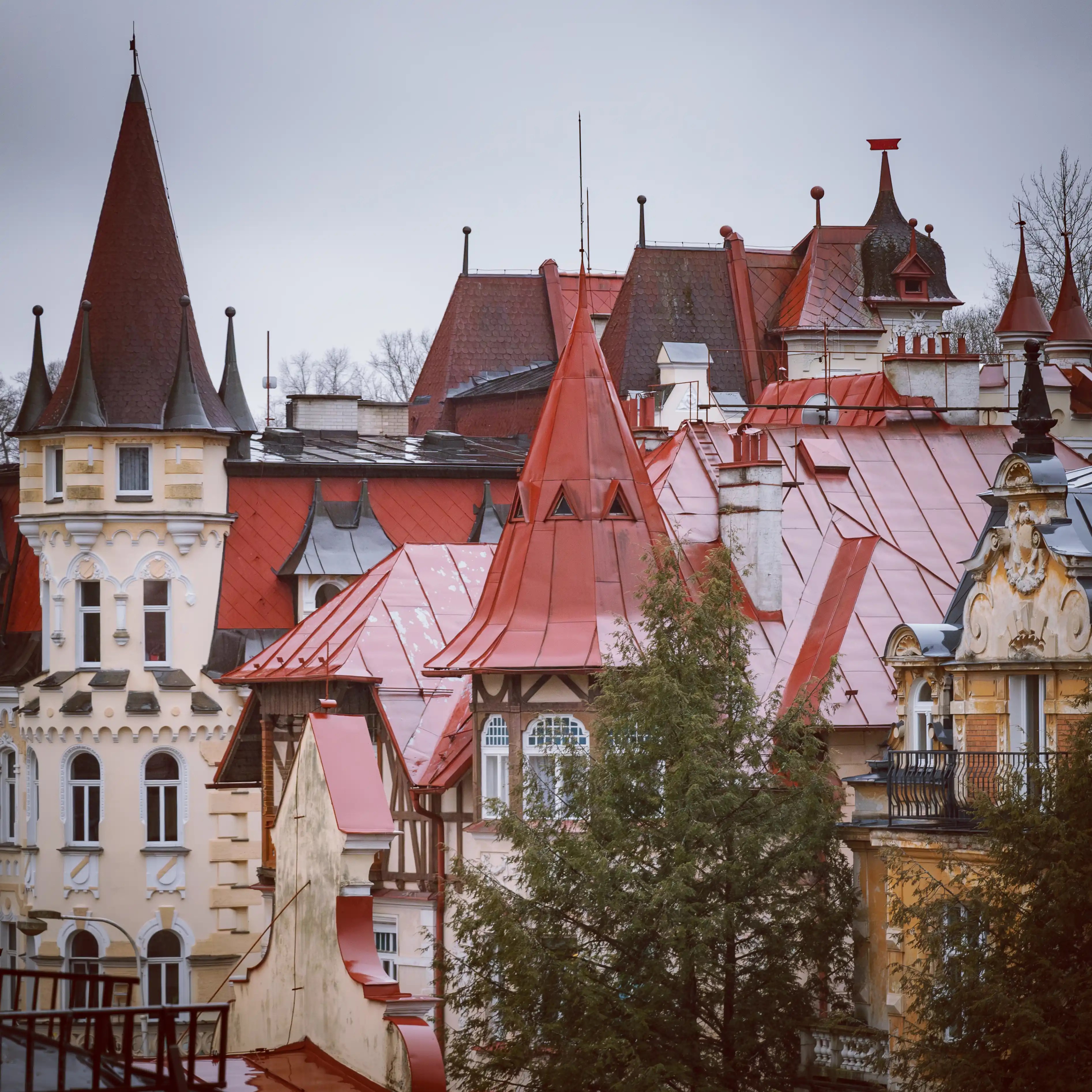
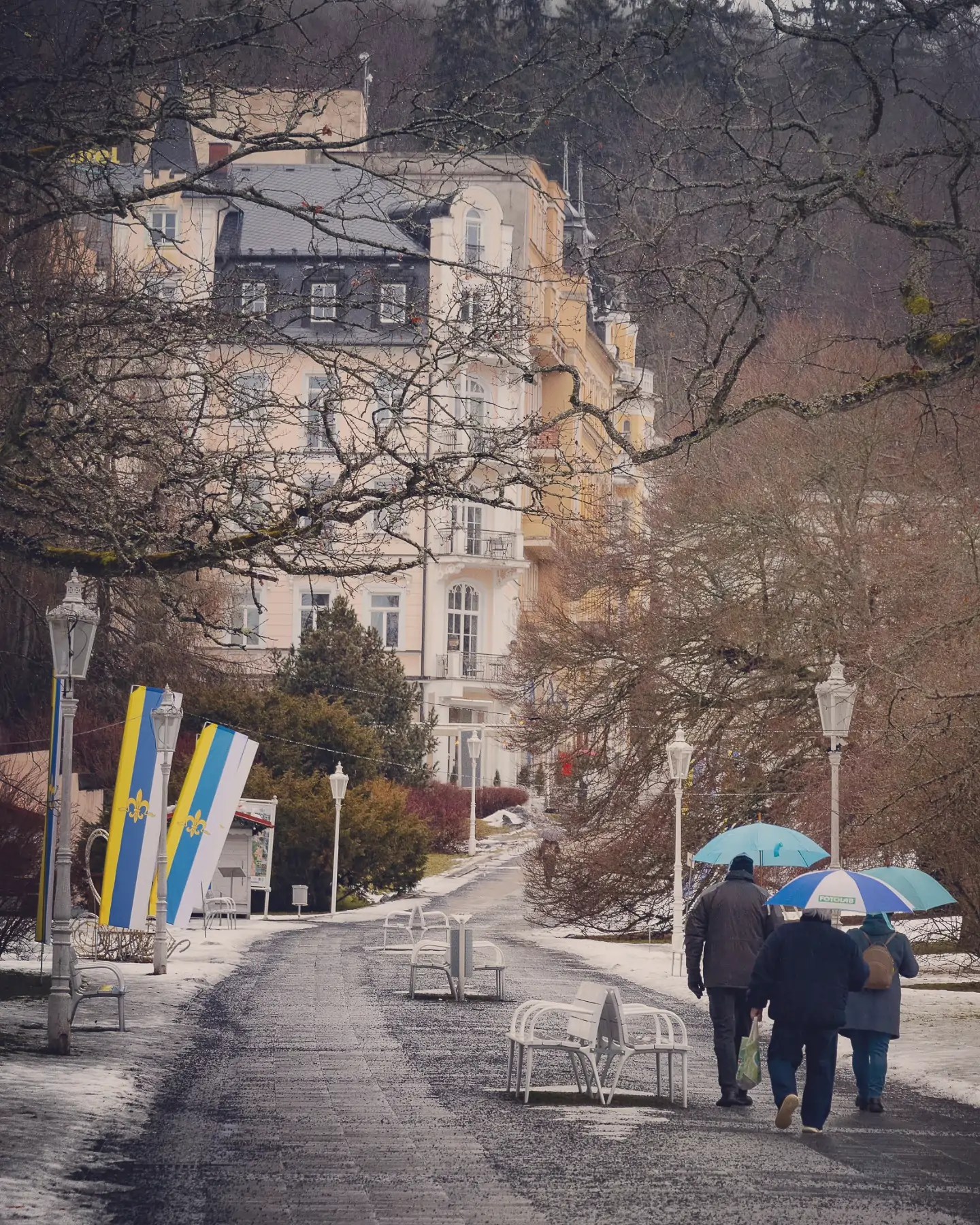
More than 100 mineral springs rise in the surrounding area, with about 40 located within the town itself. Unlike the hot springs in Karlovy Vary, these are cold, naturally carbonated waters—typically between 7°C and 10°C (about 45–50°F)—and each has a distinct chemical composition.
The water here isn’t just decorative—it’s part of a long-standing spa tradition. Historically, visitors followed prescribed “drinking cures” under medical supervision, and the mineral waters are still used today for spa treatments, inhalation therapies, and baths. Not all springs are freely accessible—some are located inside spa facilities—and a few outdoor sources may be closed during the winter months.
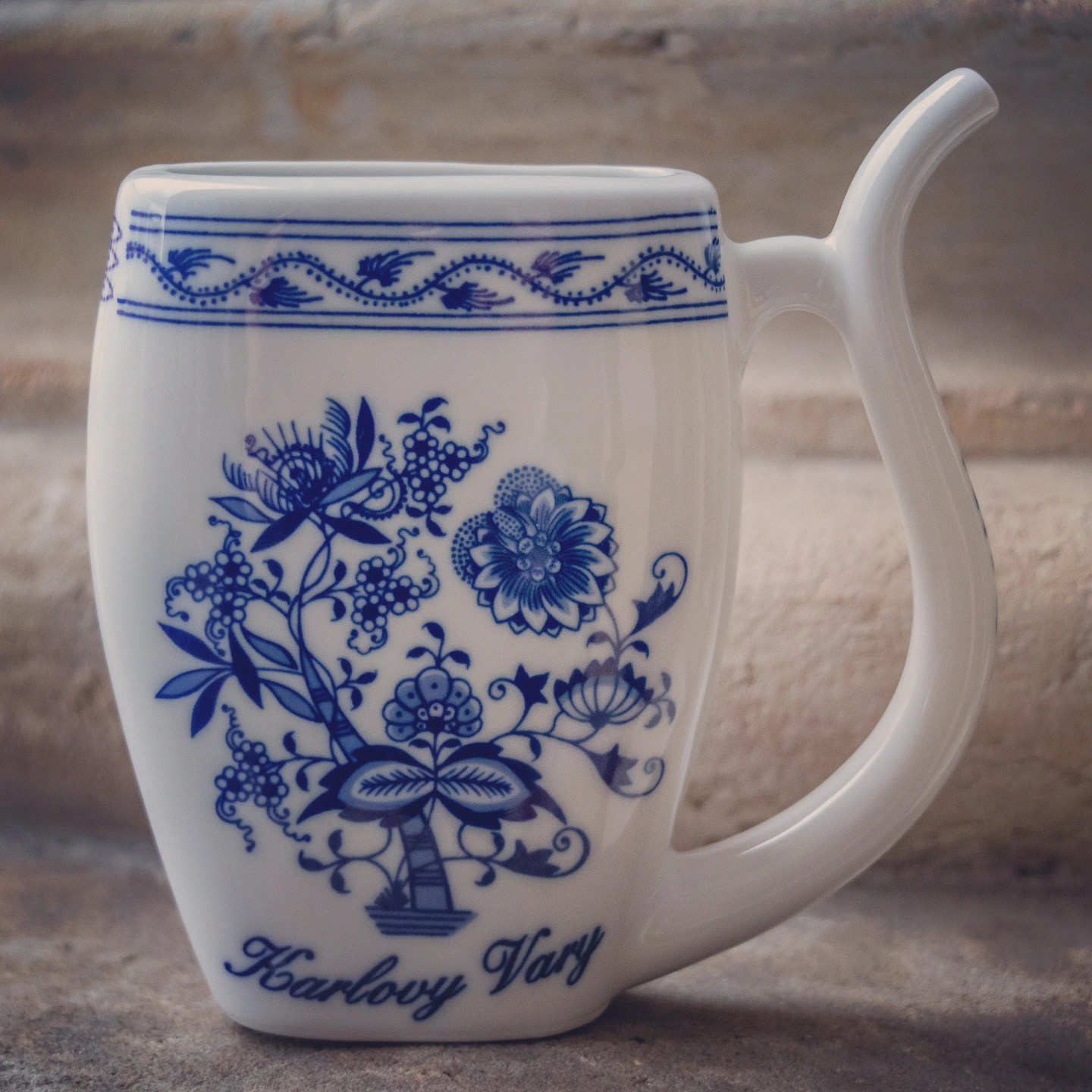
If it’s your first time visiting a Czech spa town, you’ll quickly notice the distinctive porcelain spa cups (lázeňský pohárek) with long spouts that people carry from spring to spring. They’re sold all over town in a range of designs and prices, so they’re easy to find. The long spout lets you sip slowly and helps cool the mineral water slightly as you drink—especially useful in Karlovy Vary, where some of the springs run much hotter.
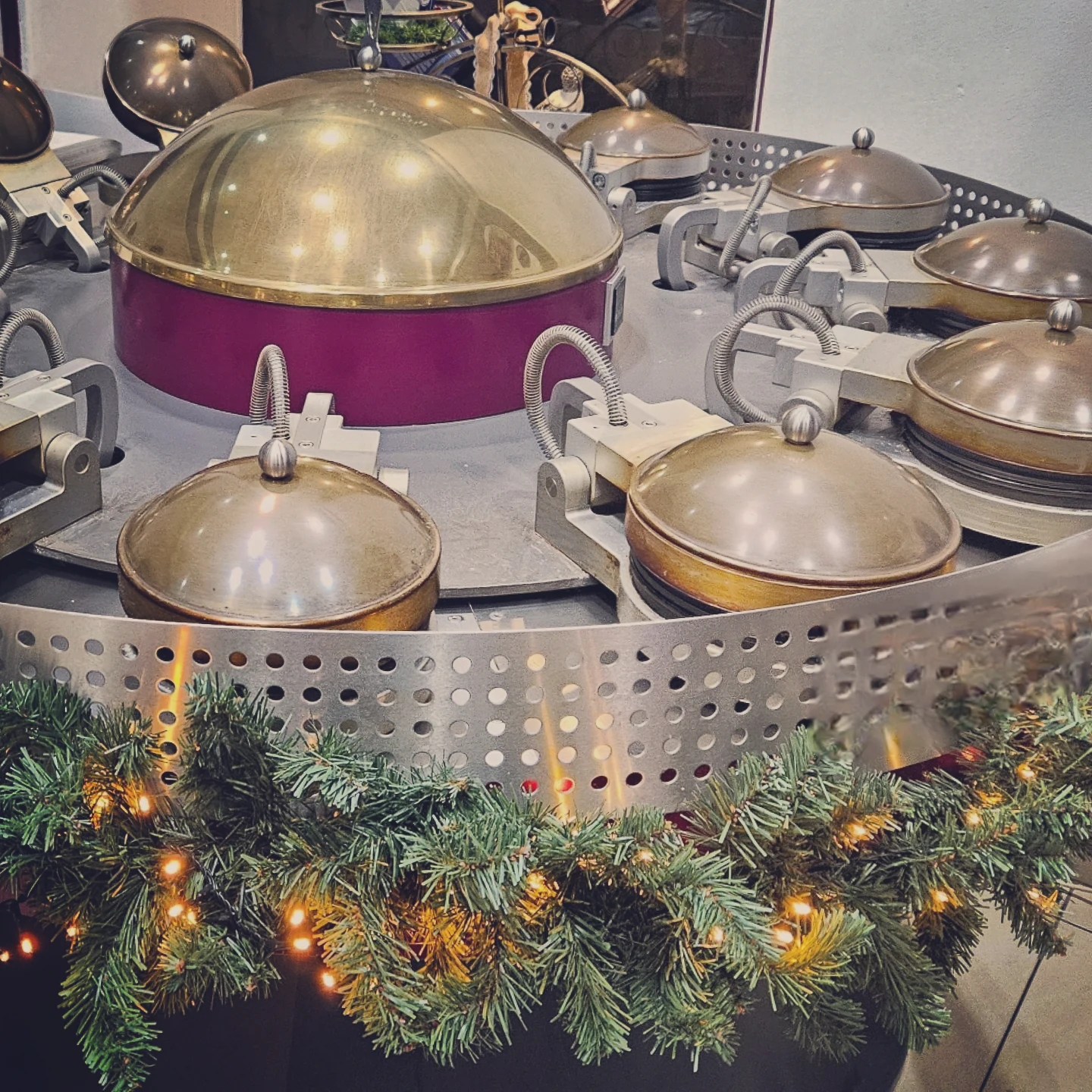
Alongside the cups, thin, round spa wafers (lázeňské oplatky) are sold in shops and kiosks throughout town. Traditionally warmed and pressed, they’re often filled with hazelnut, chocolate, or vanilla. I later spotted one of the traditional wafer-making machines in Karlovy Vary and sampled them hot off the press—simple, delicious, and easy to bring home for friends and family.
Each mineral spring is numbered and labeled, and the flavor varies quite a bit depending on the mineral composition. I bought a small cup in each town and made my way through several of them. Some were milder, others much stronger, but tasting them felt like part of the experience—a small ritual shared by generations of visitors.
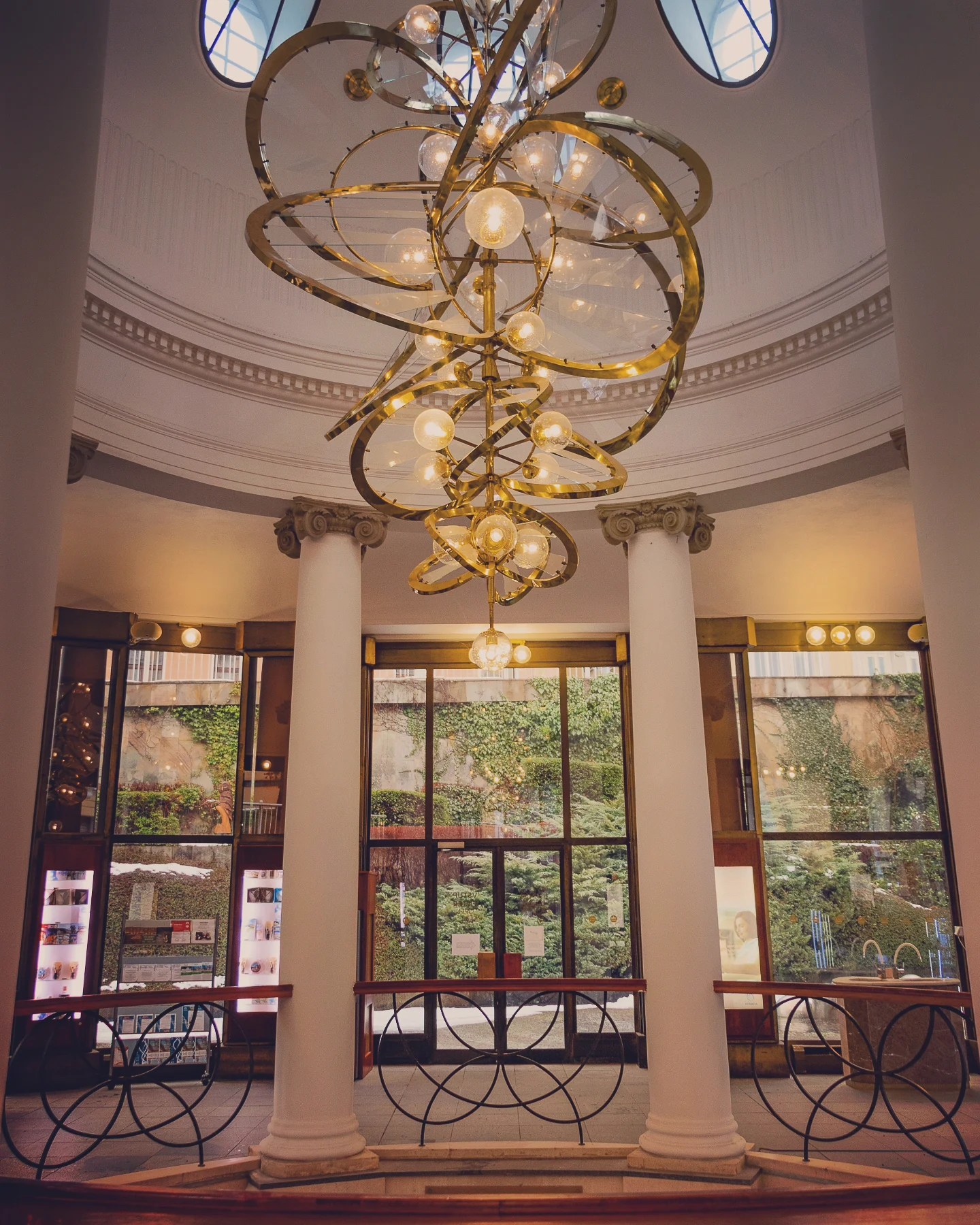
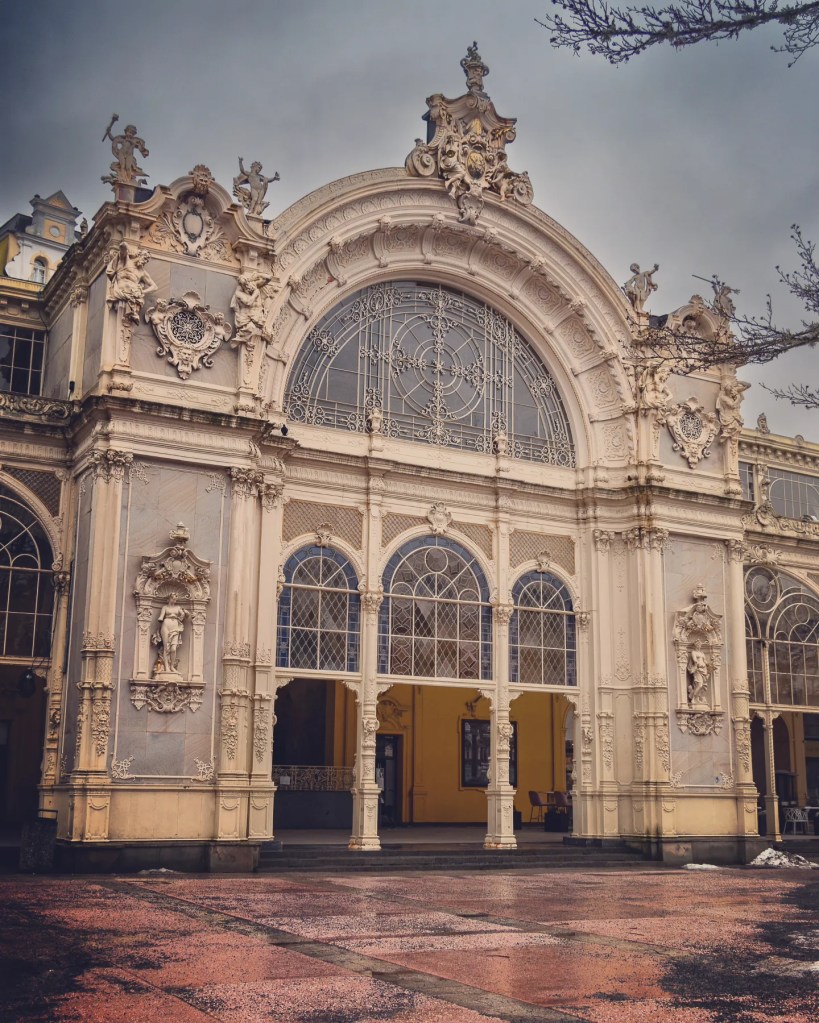
Mariánské Lázně’s Cross Pavilion & The Colonnade
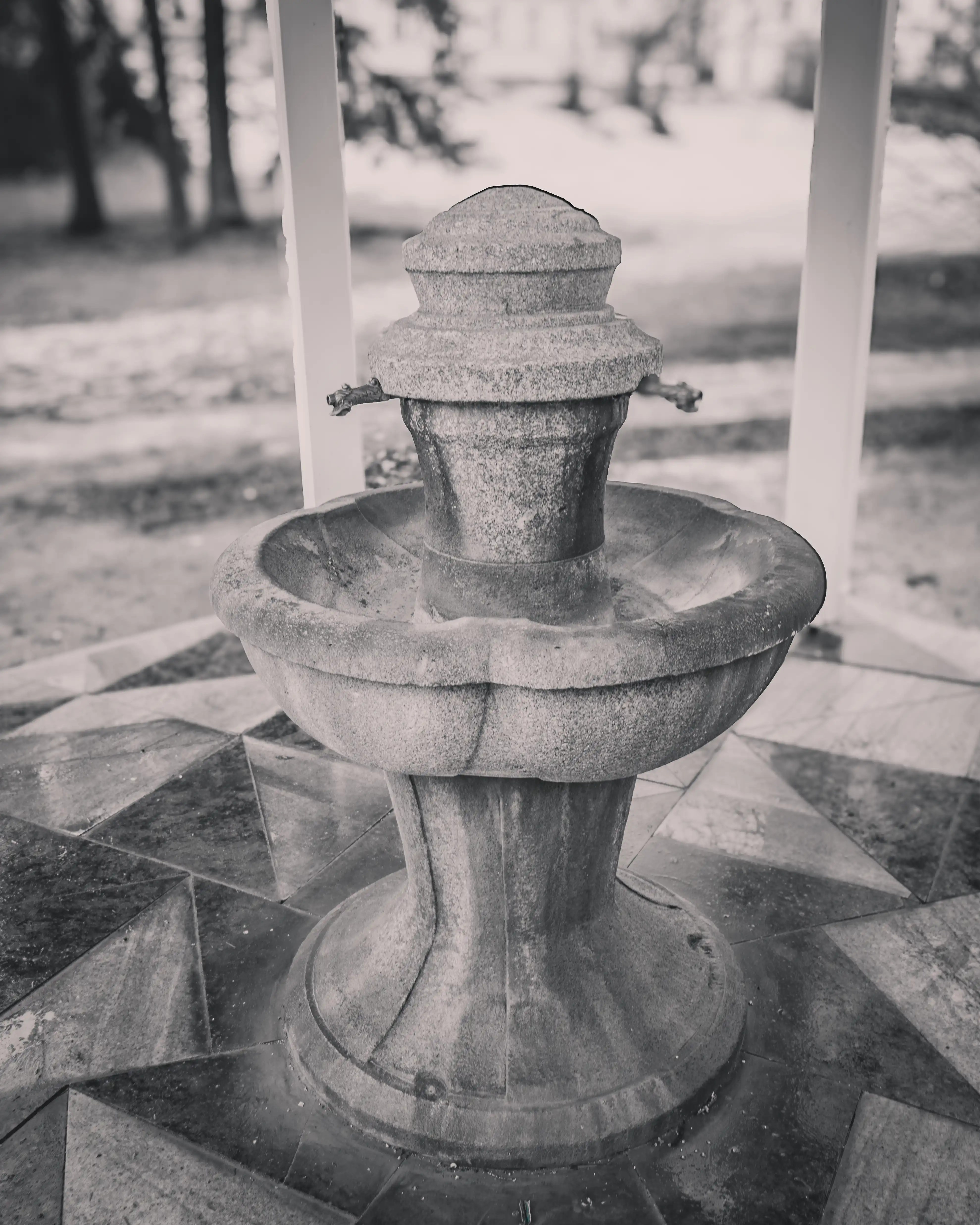
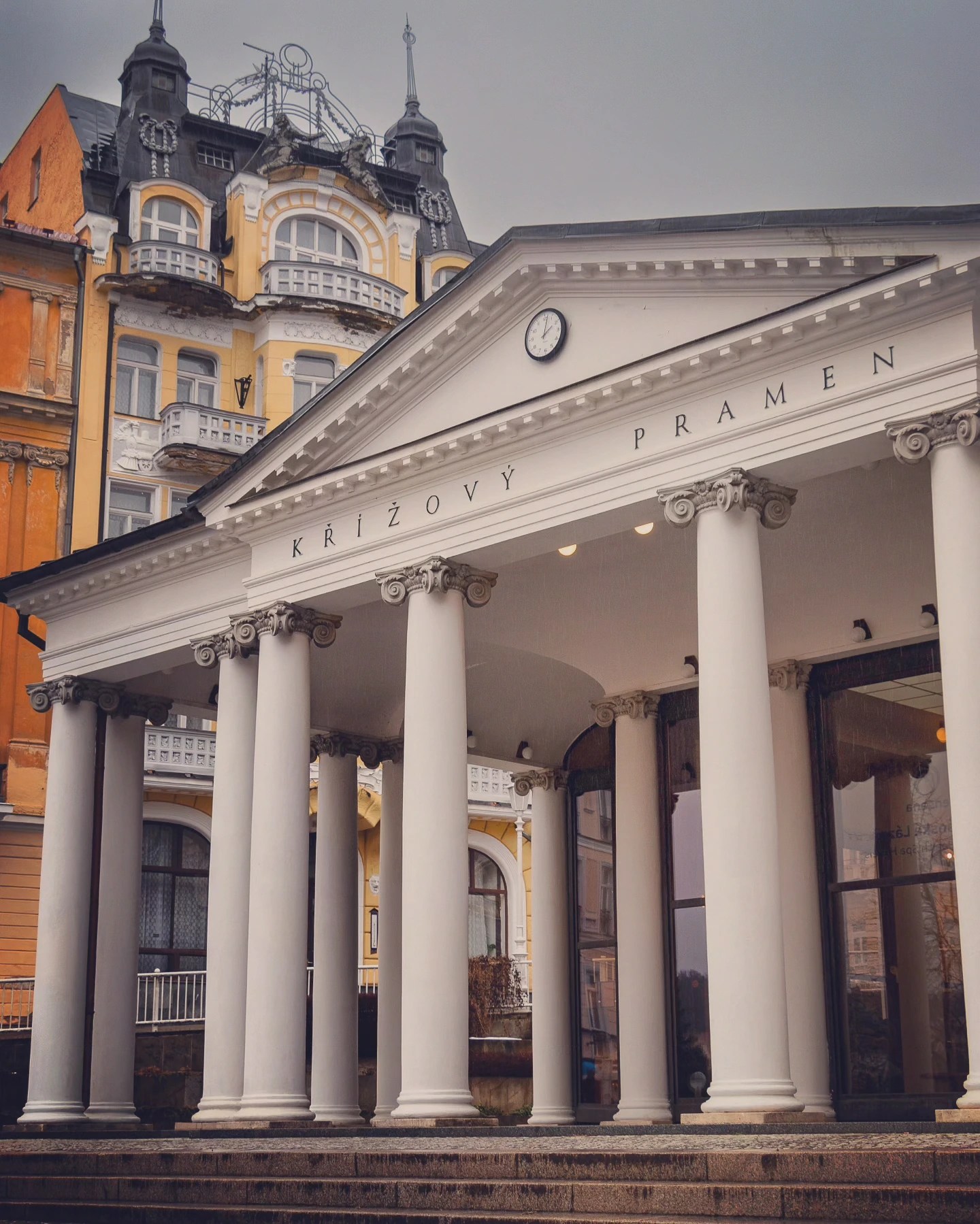
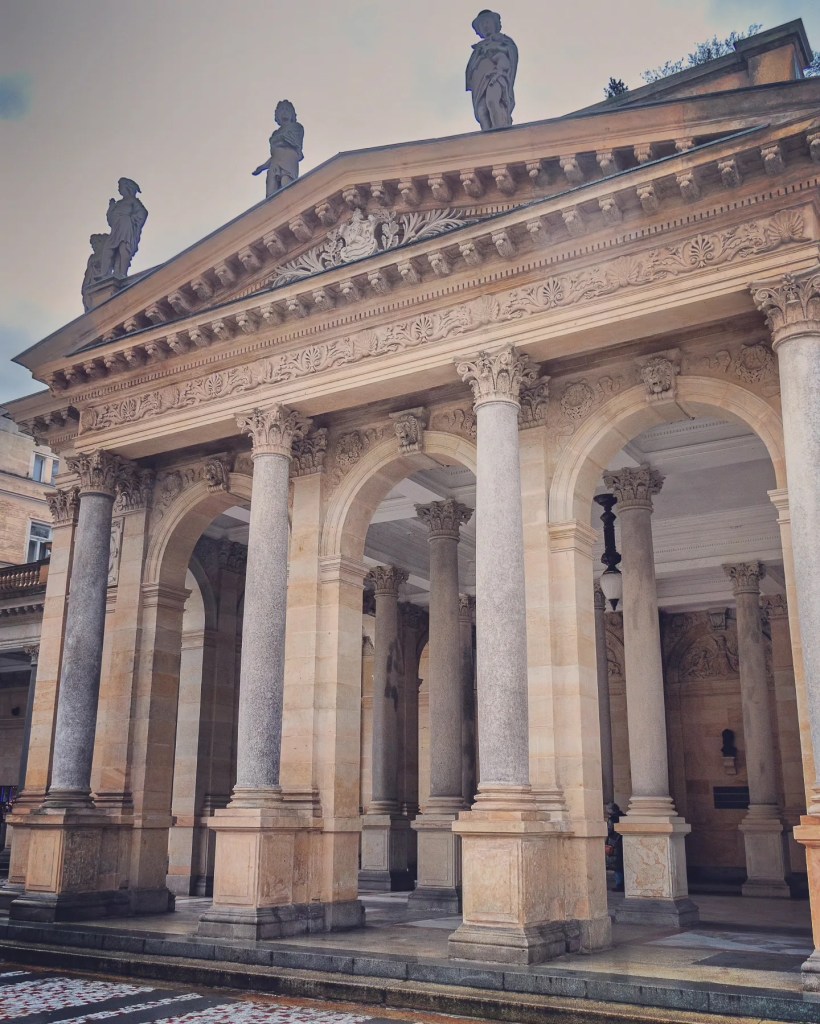
Inside the Cross Spring Pavilion, several taps allow visitors to sample different mineral waters. The Cross Spring (Křížový Pramen), once known as the “Salty Spring,” became one of the town’s most important sources and was historically distributed to cities across Europe. Rudolf’s Spring (Rudolfův pramen), piped in from the nearby district of Úšovice, is known for its higher calcium content, while Karolina Spring (Karolinin pramen) contains more magnesium. I tasted all three—each with its own distinct mineral profile and flavor.
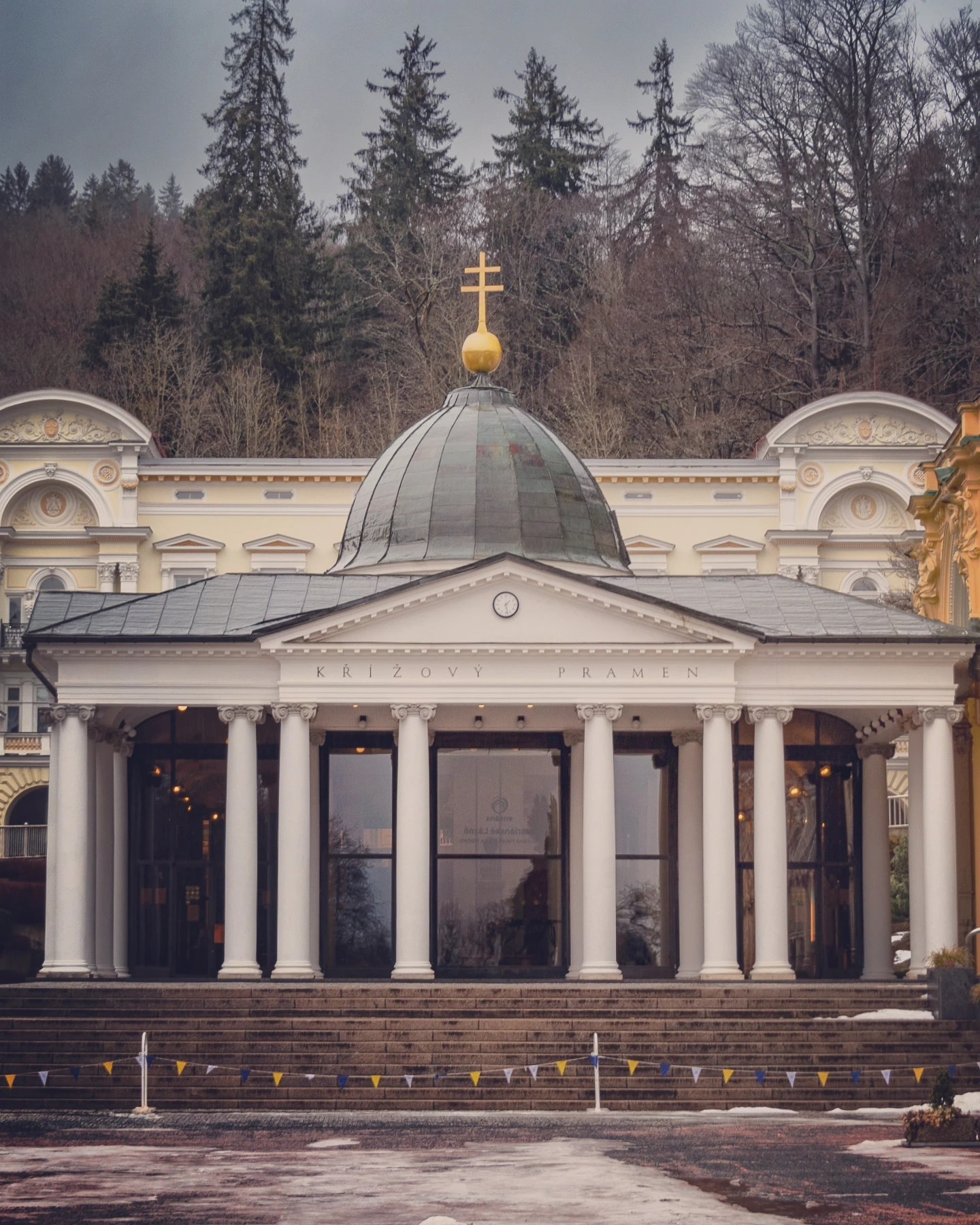
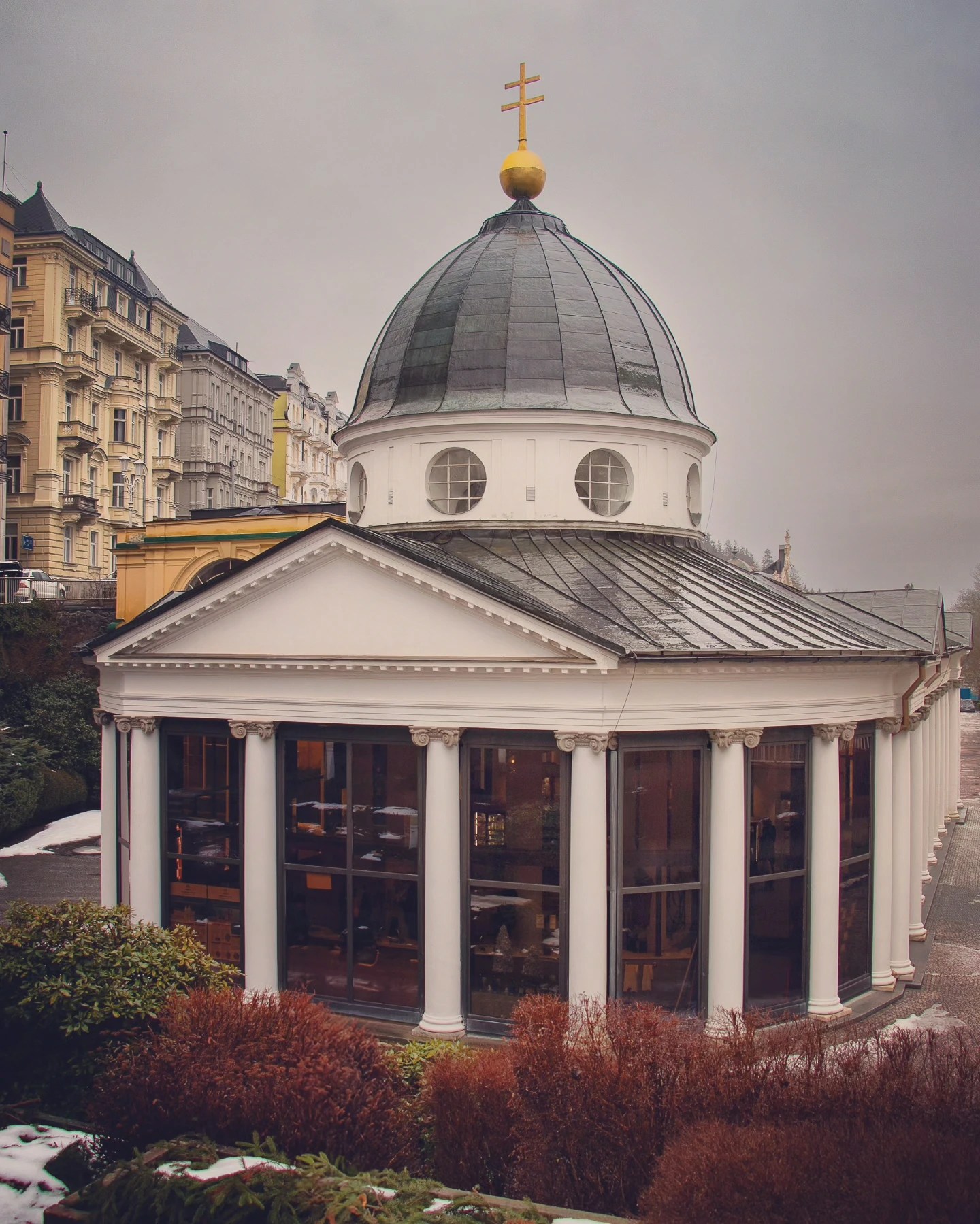
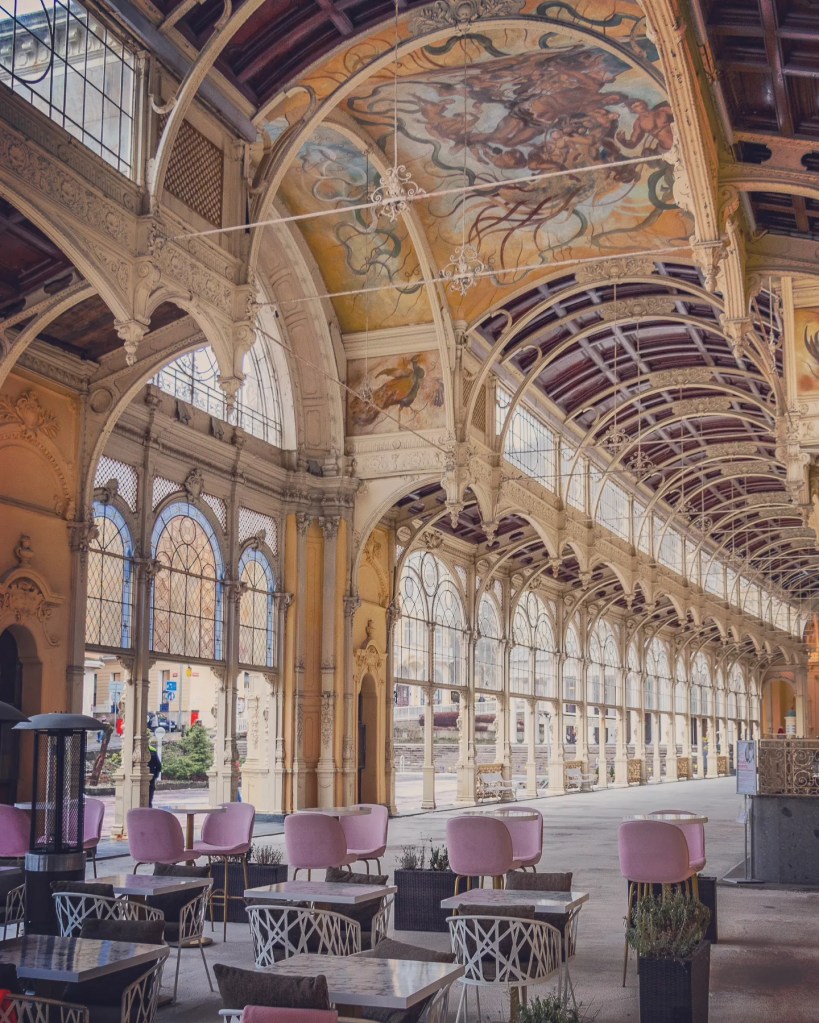
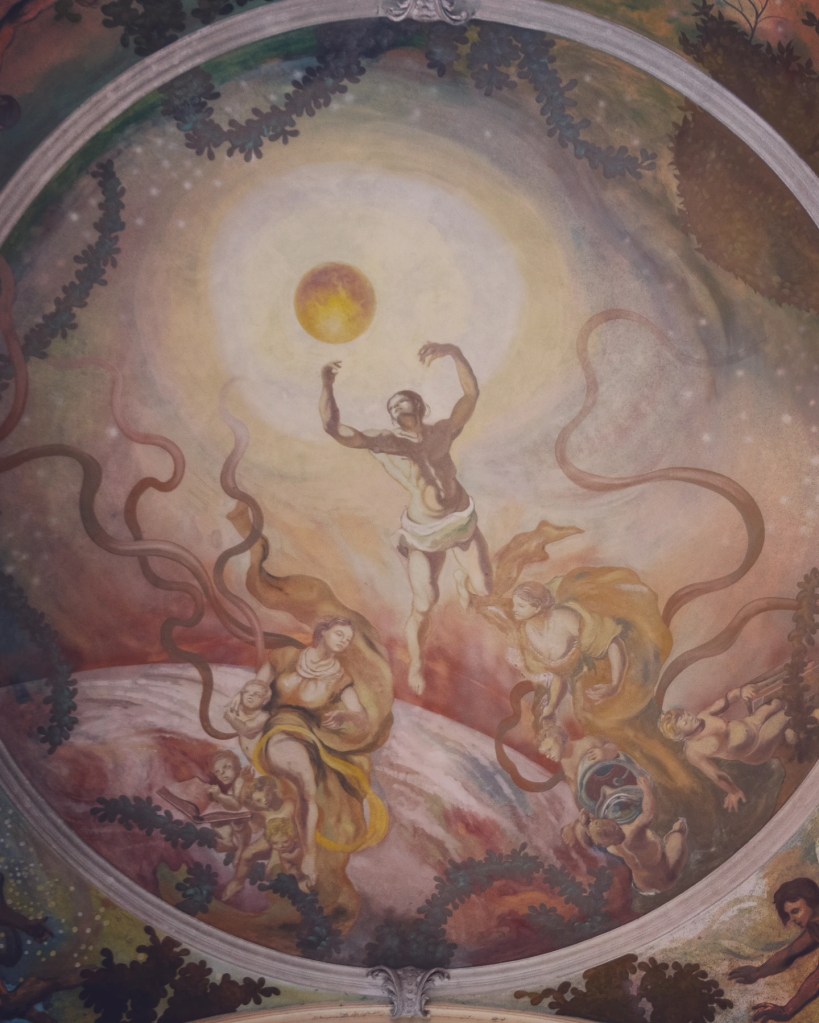
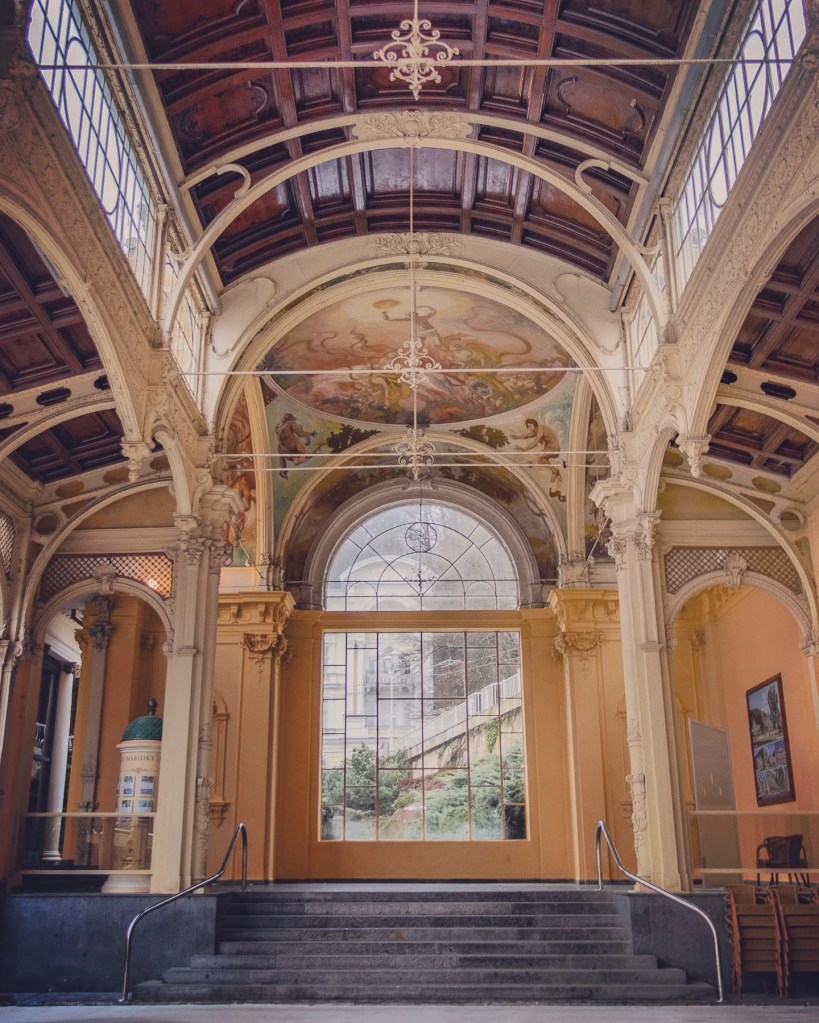
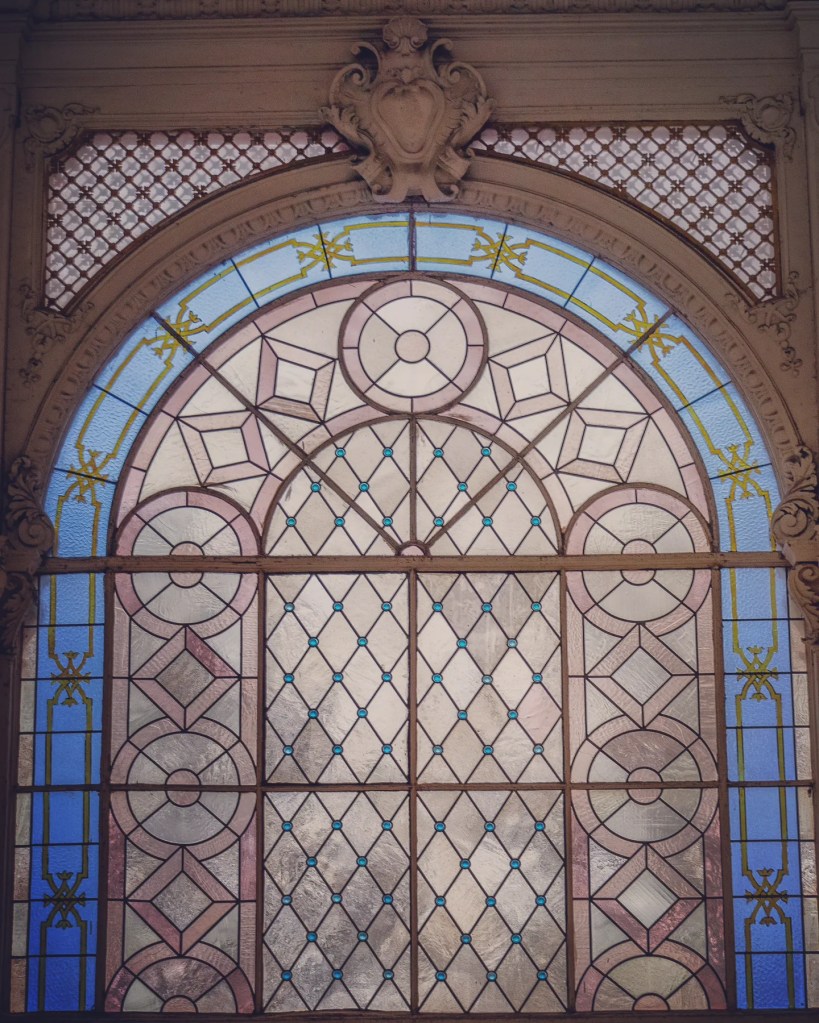
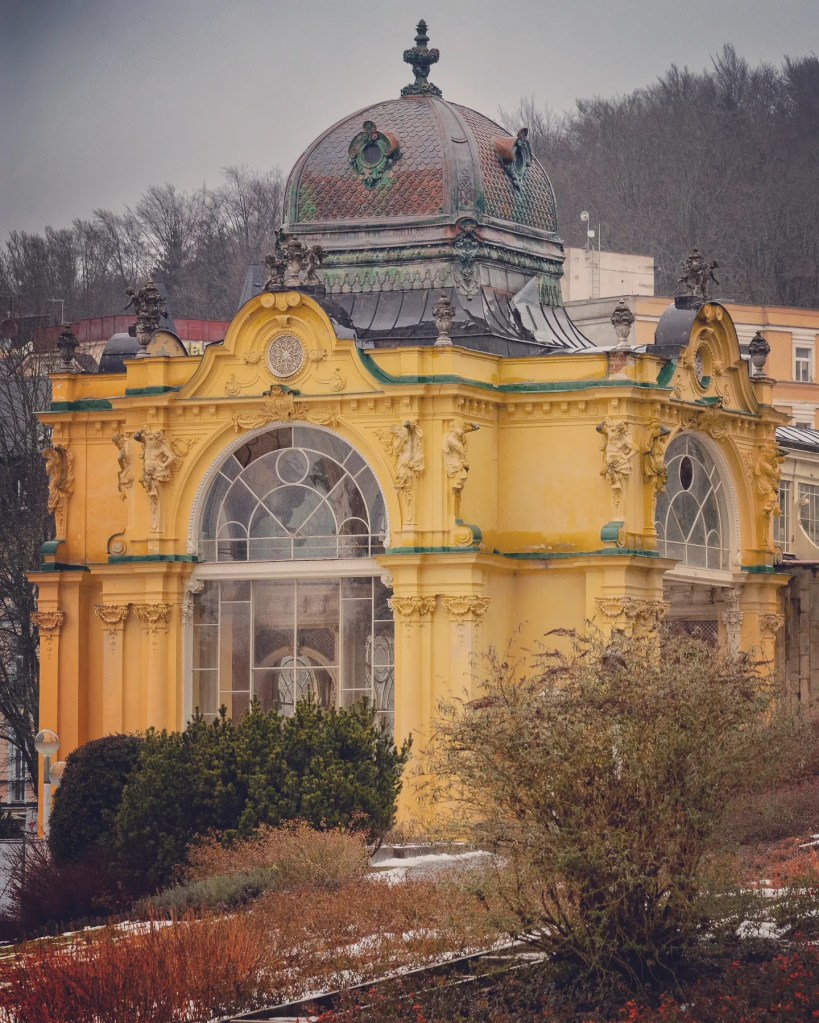
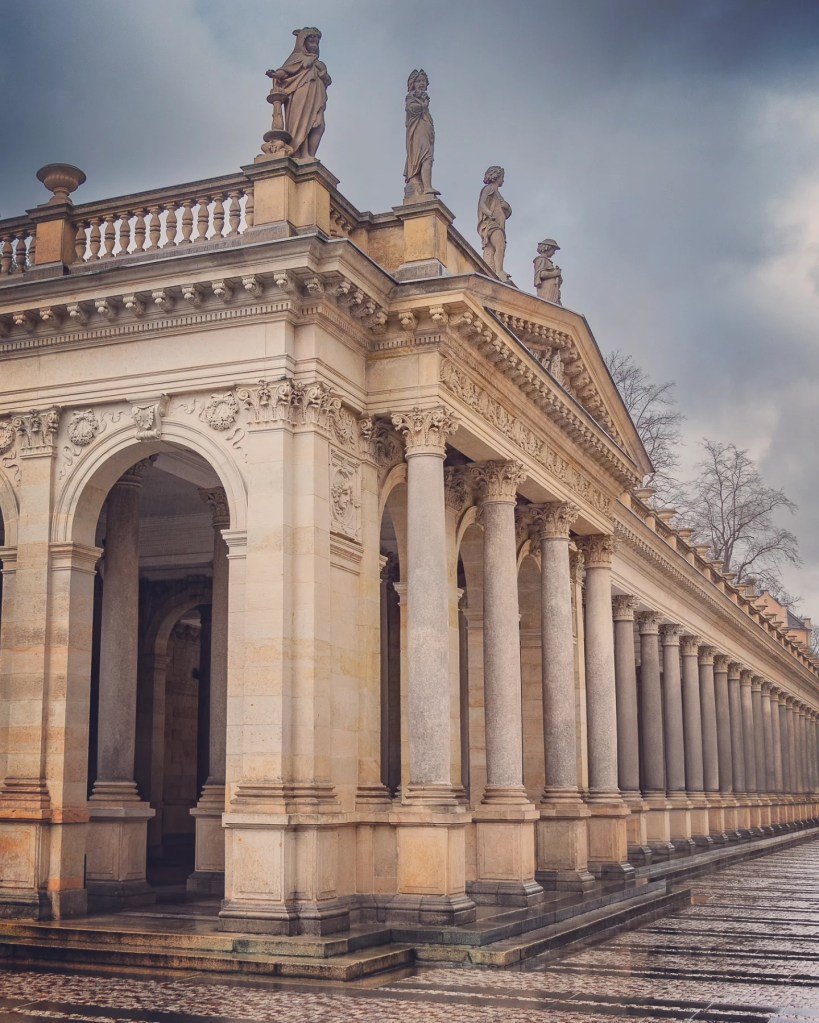
The Cross Pavilion connects to the The Colonnade (Hlavní kolonáda), a striking 1889 cast-iron promenade that runs nearly 180 meters through the park. Standing beneath its vaulted ceiling, it’s not hard to imagine the spa guests of its Golden Age moving from spring to spring with porcelain cups in hand, taking slow sips of the mineral water.
A Late Lunch Worth Remembering in Mariánské Lázně
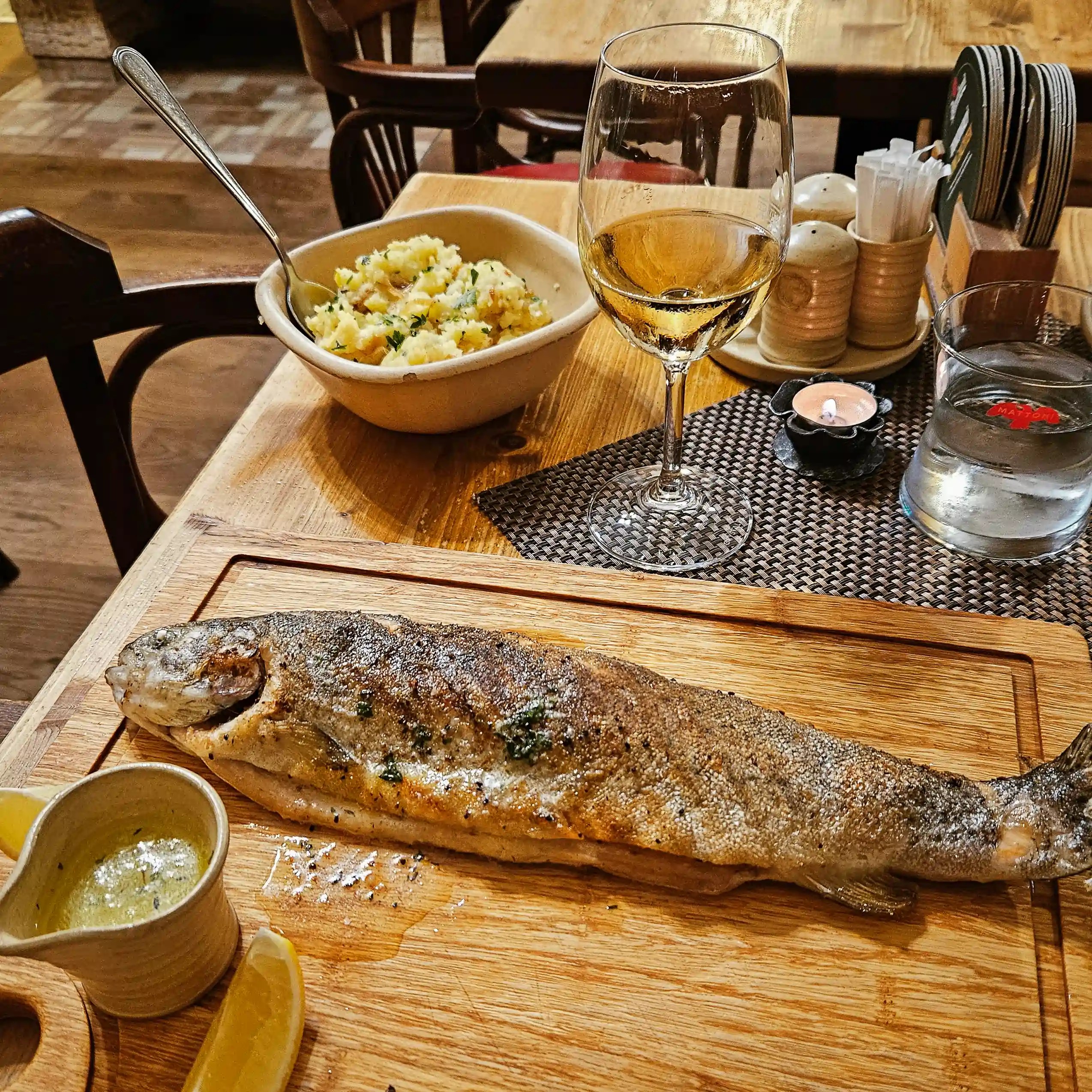
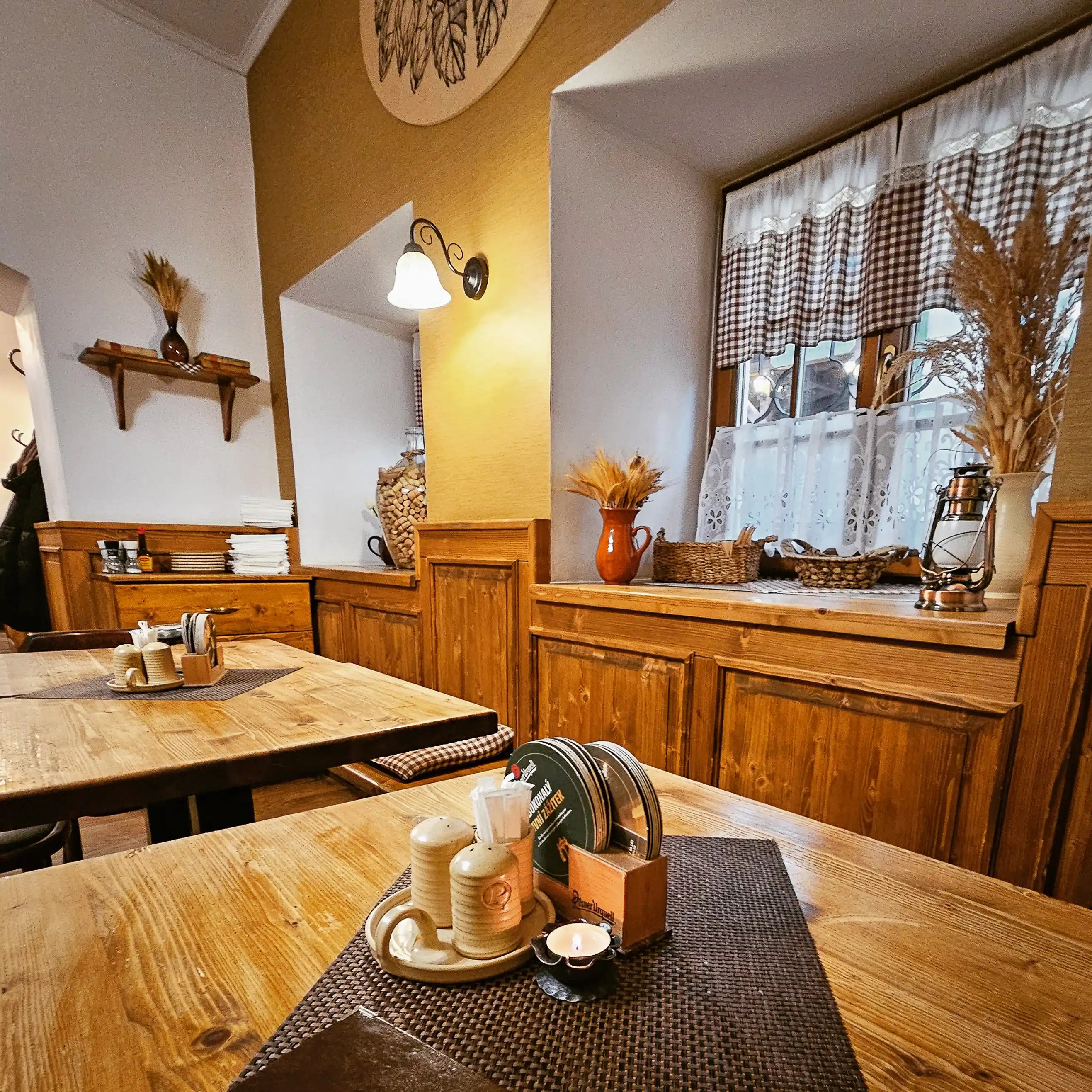
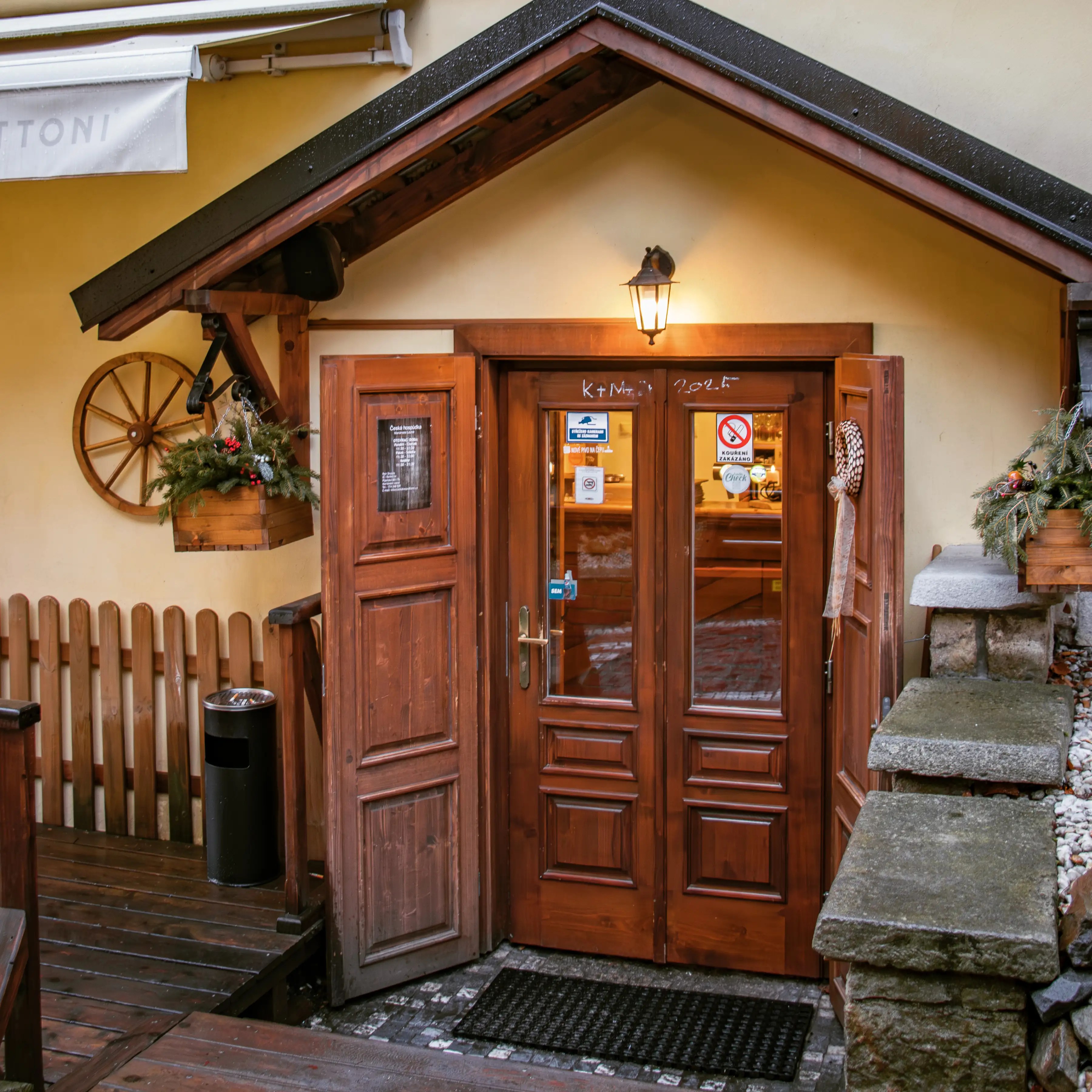
After wandering through the rain, I settled into Česká Hospůdka for a late lunch. I ordered the grilled trout with herb butter, and it was exactly what I was hoping for—fresh, simply prepared, and full of flavor. After a damp, chilly afternoon in Mariánské Lázně, it felt like the perfect meal.
Mariánské Lázně’s Falkensteiner Spa Resort
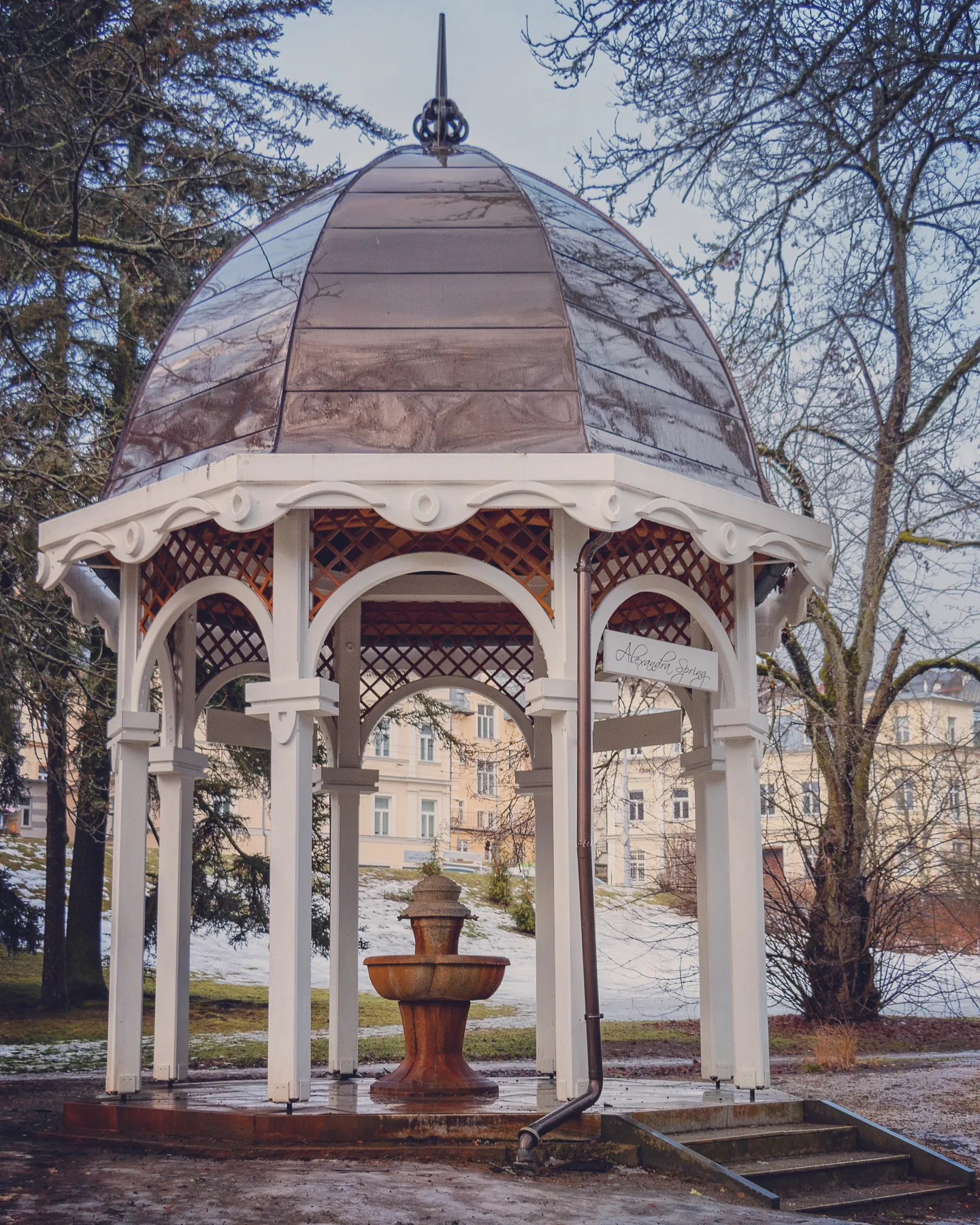
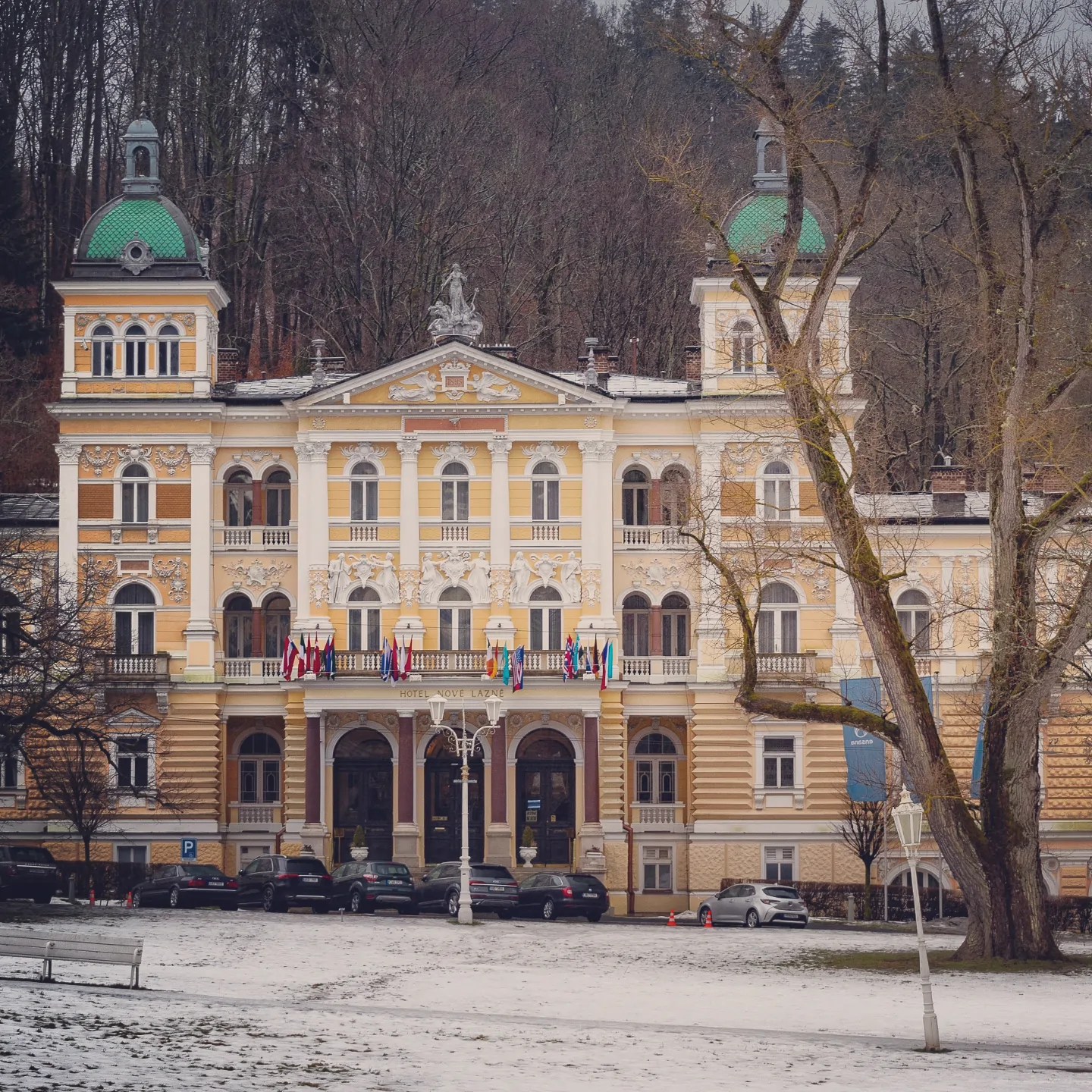
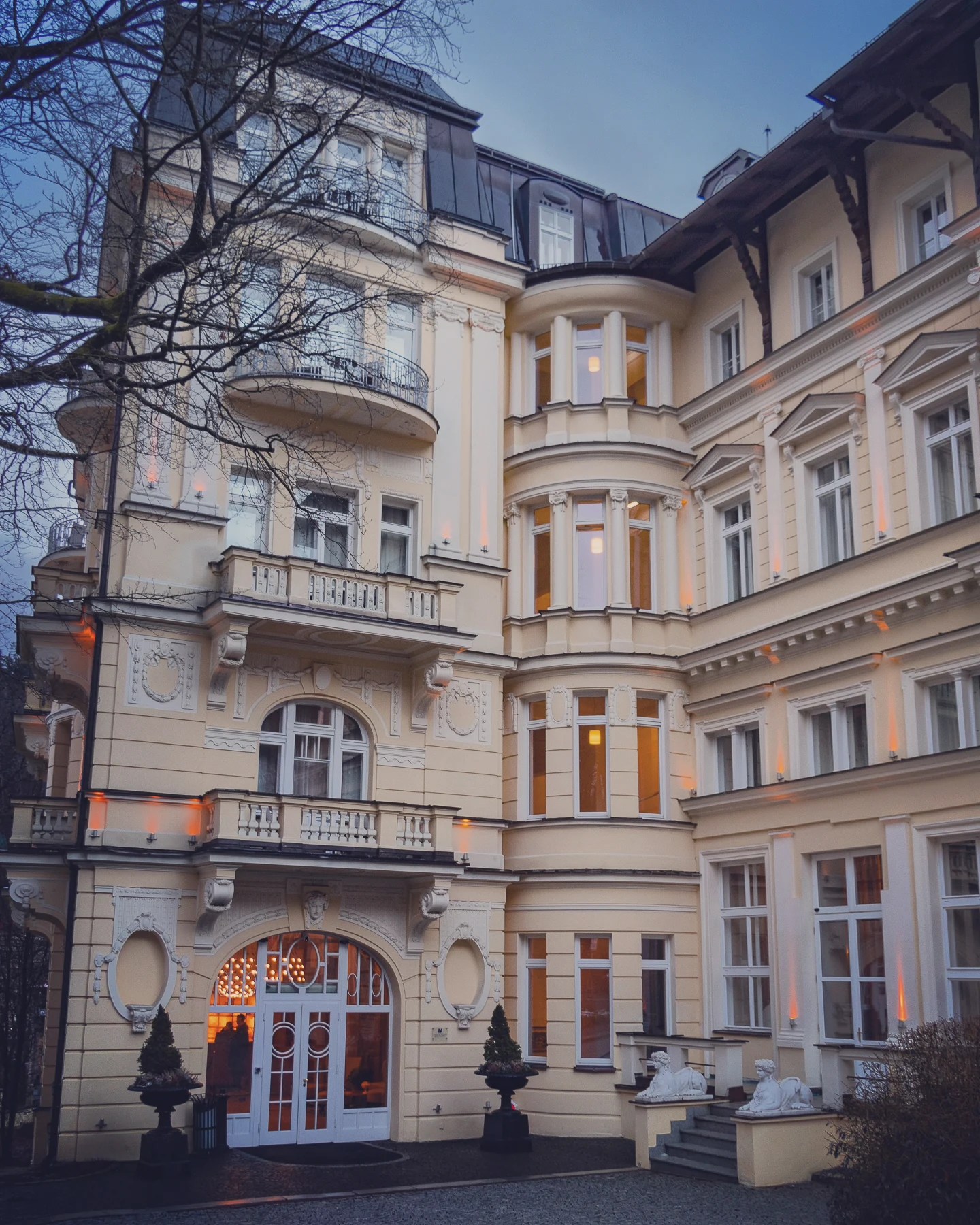
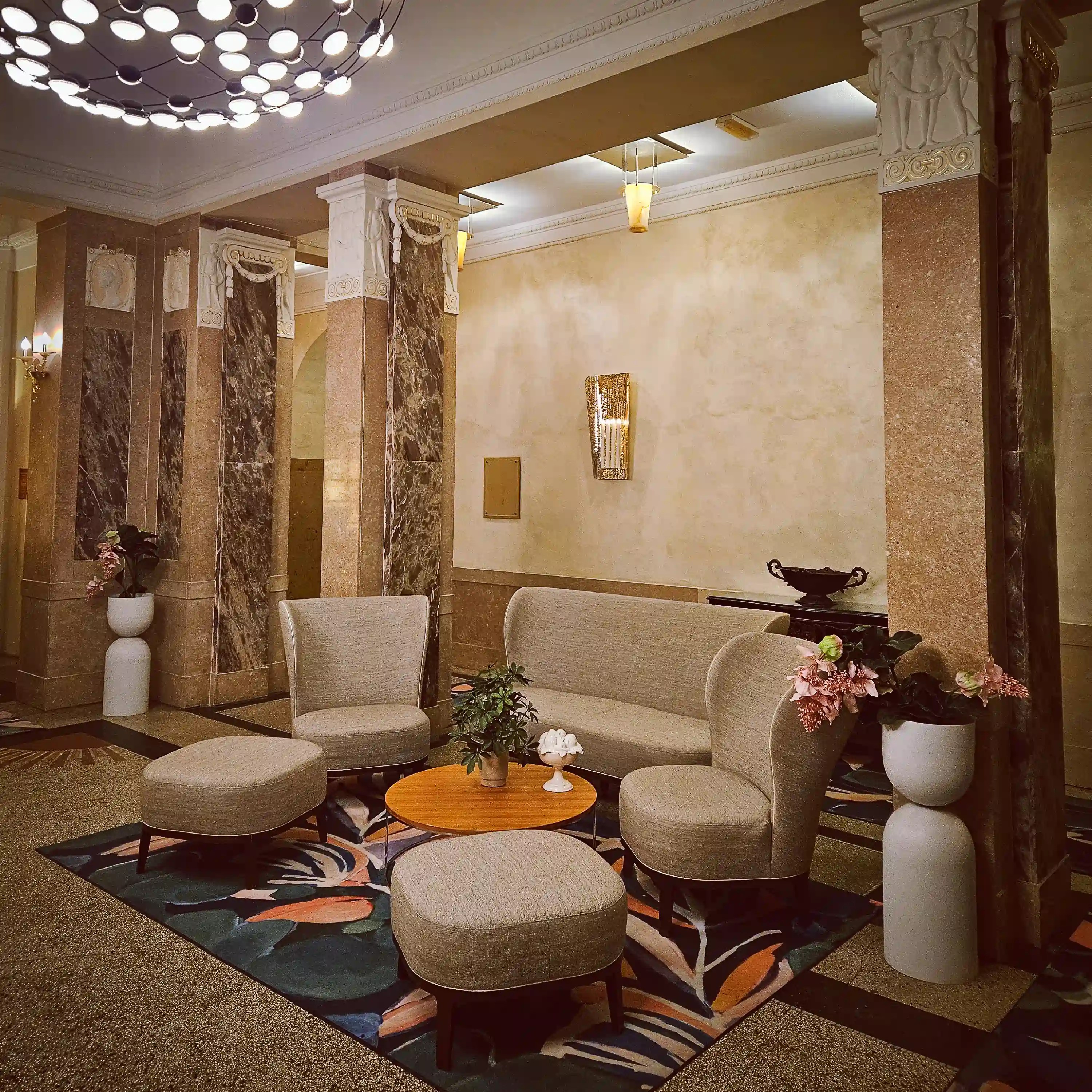
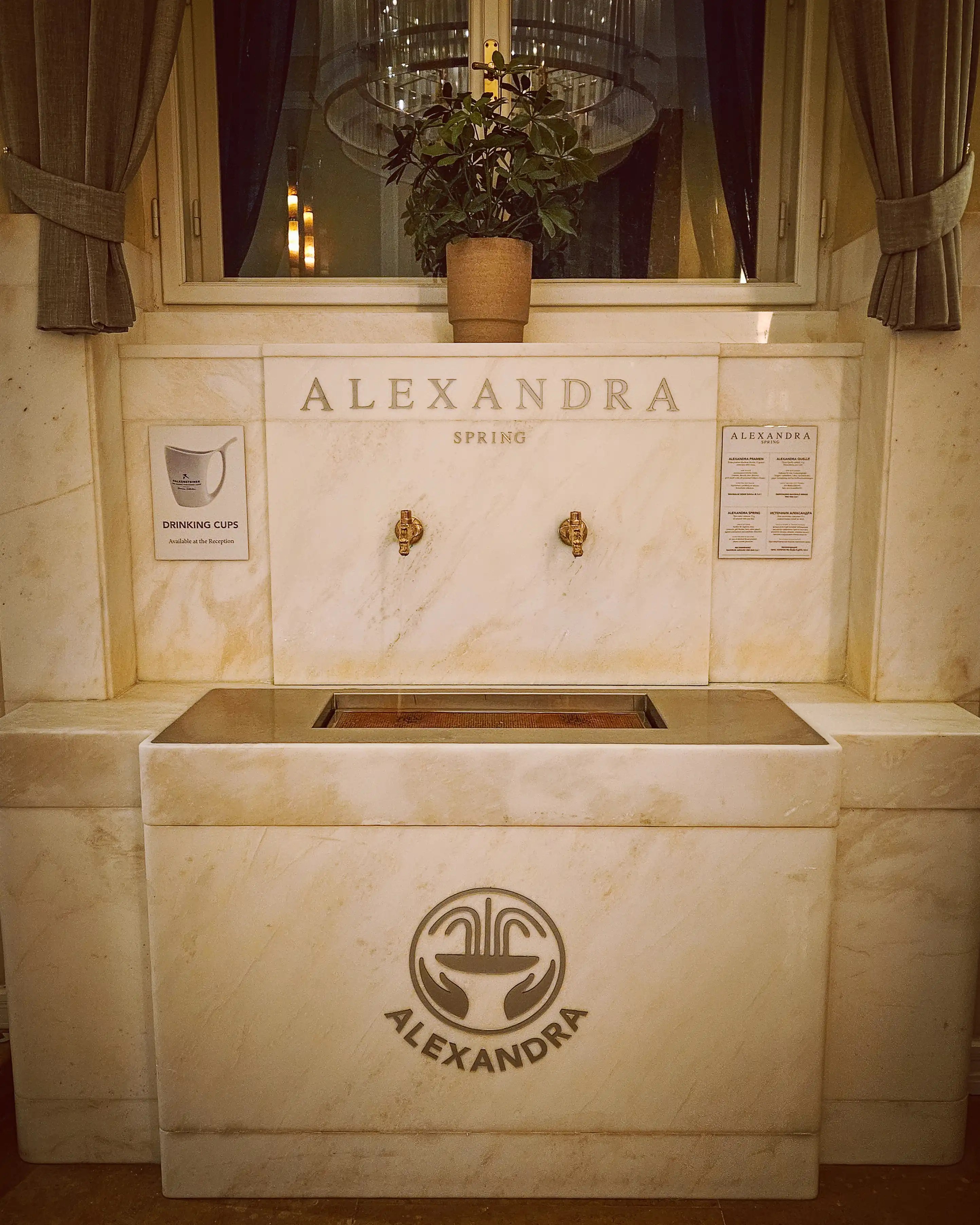
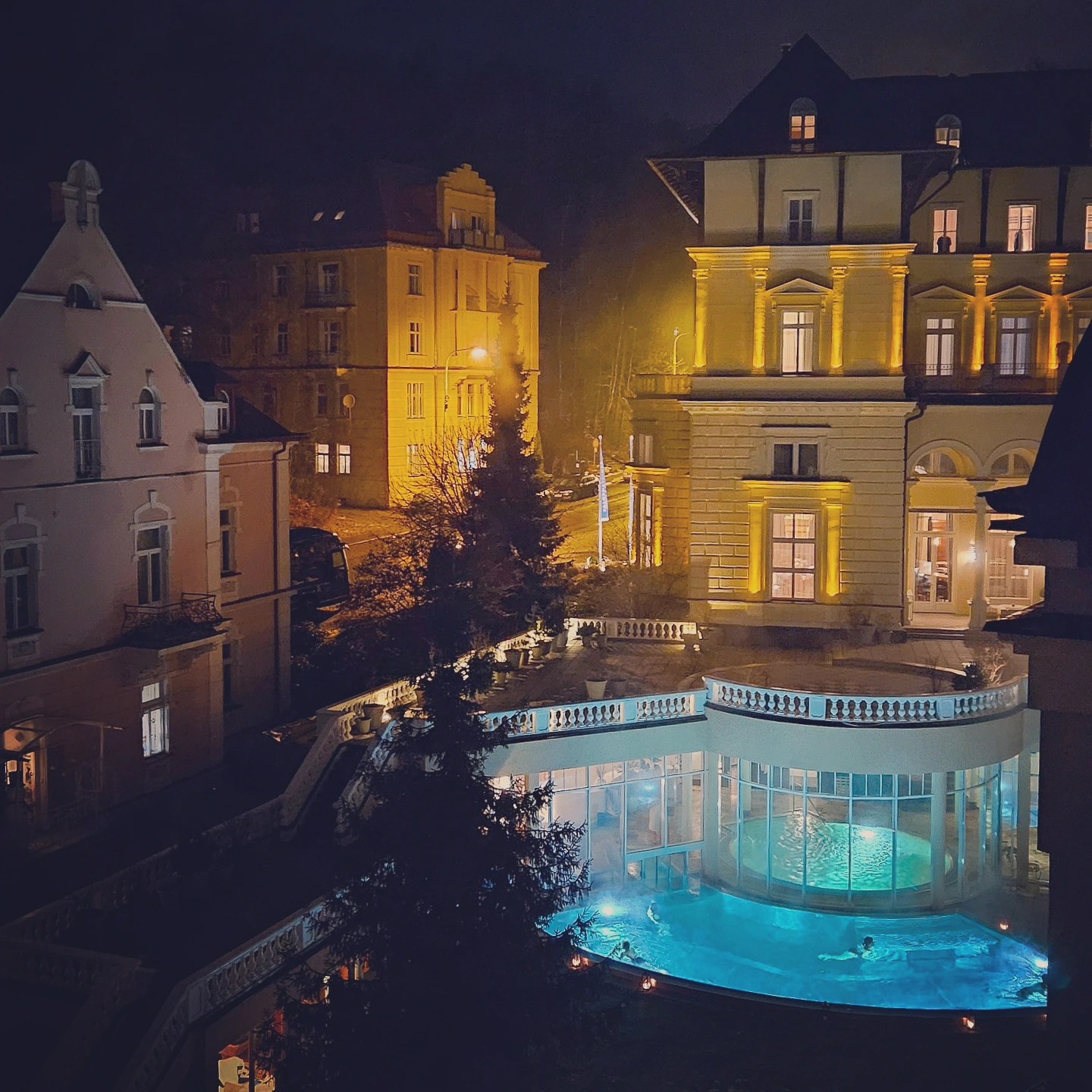
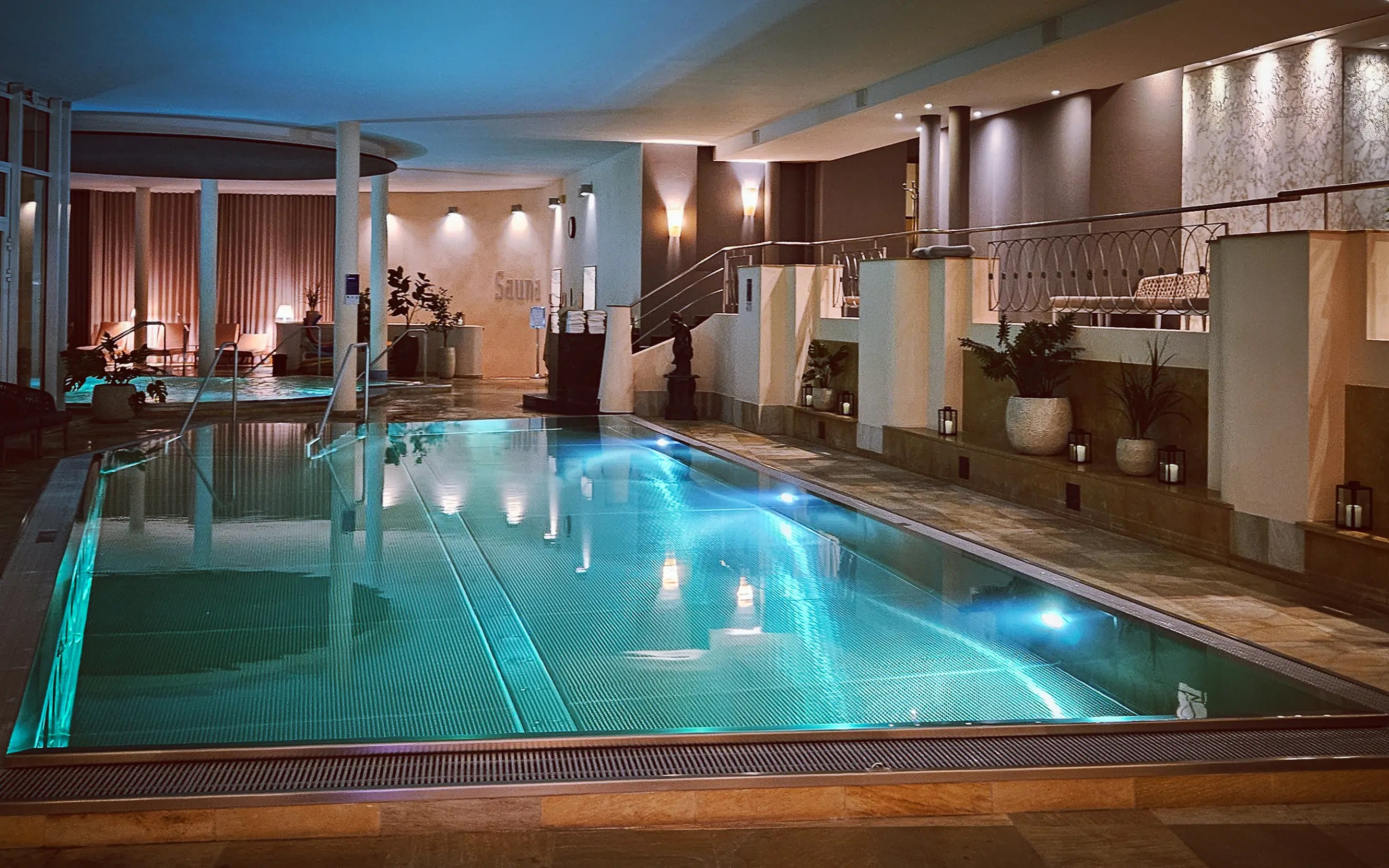
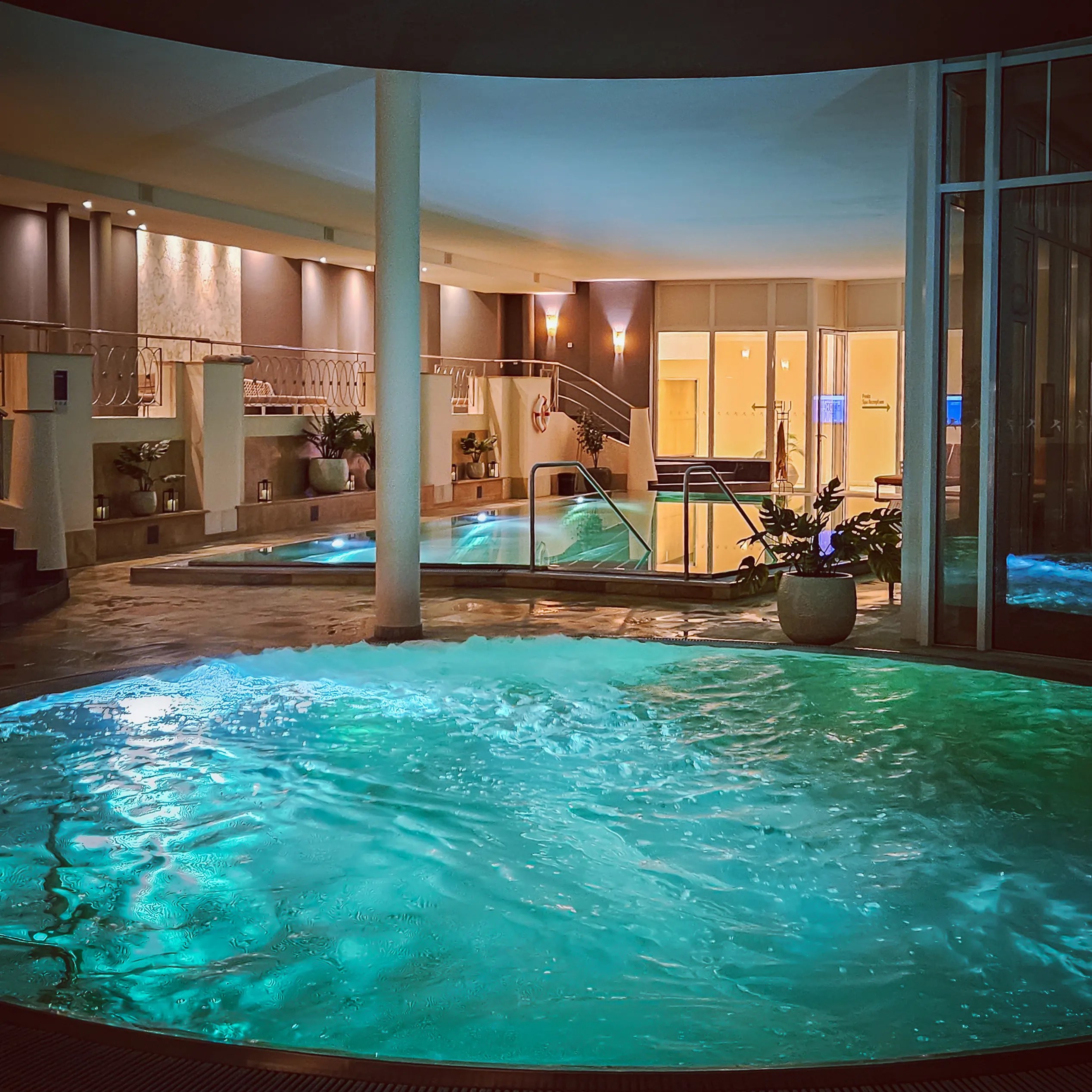
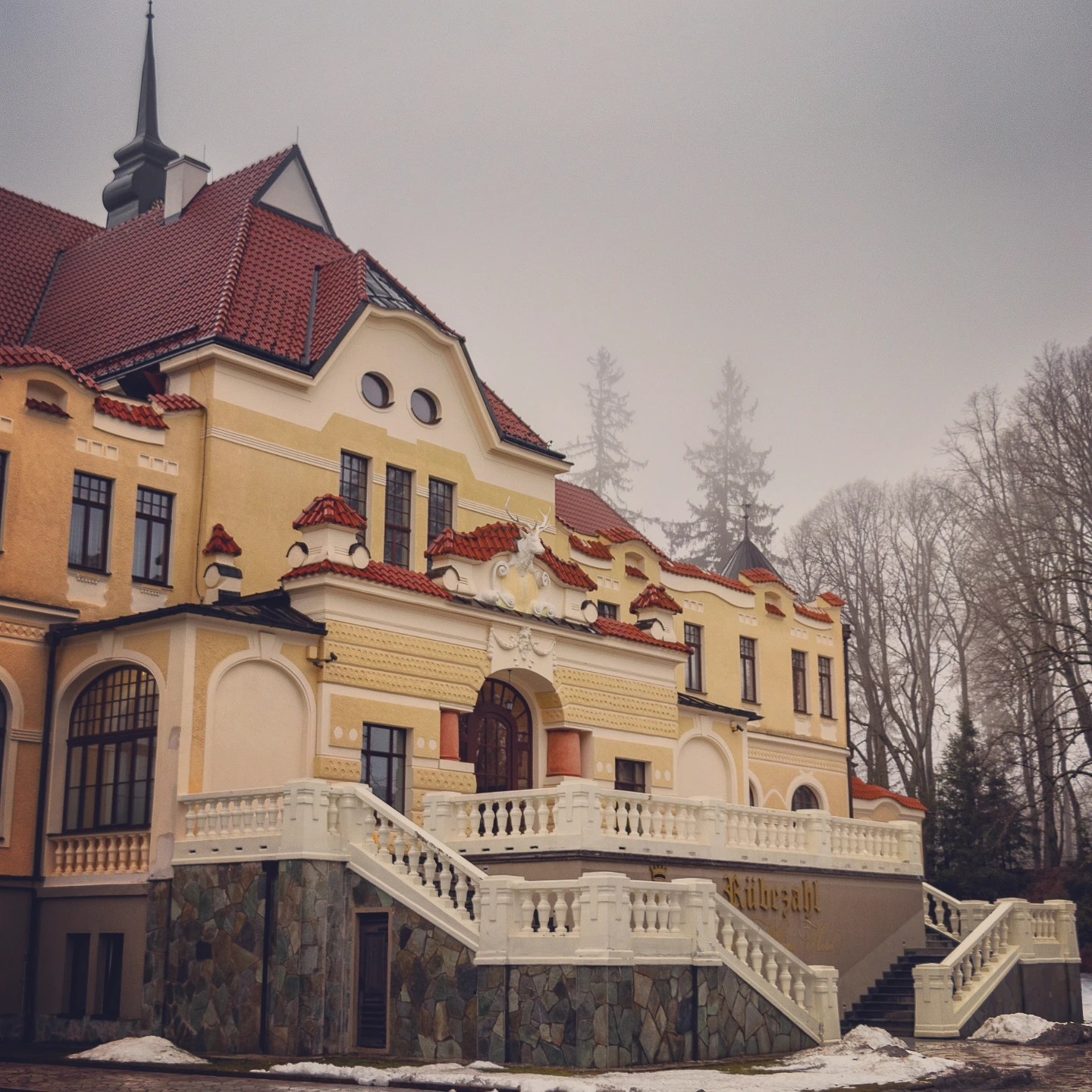
Our home in Mariánské Lázně was the Falkensteiner Spa Resort, a beautiful hotel that blends historic architecture with modern spa comfort. Guests can pre-book spa treatments at the hotel, making it easy to build a full wellness experience into your stay. The Falkensteiner also has access to the Alexandra Spring inside the building, allowing guests to sample the mineral water without even leaving the hotel.
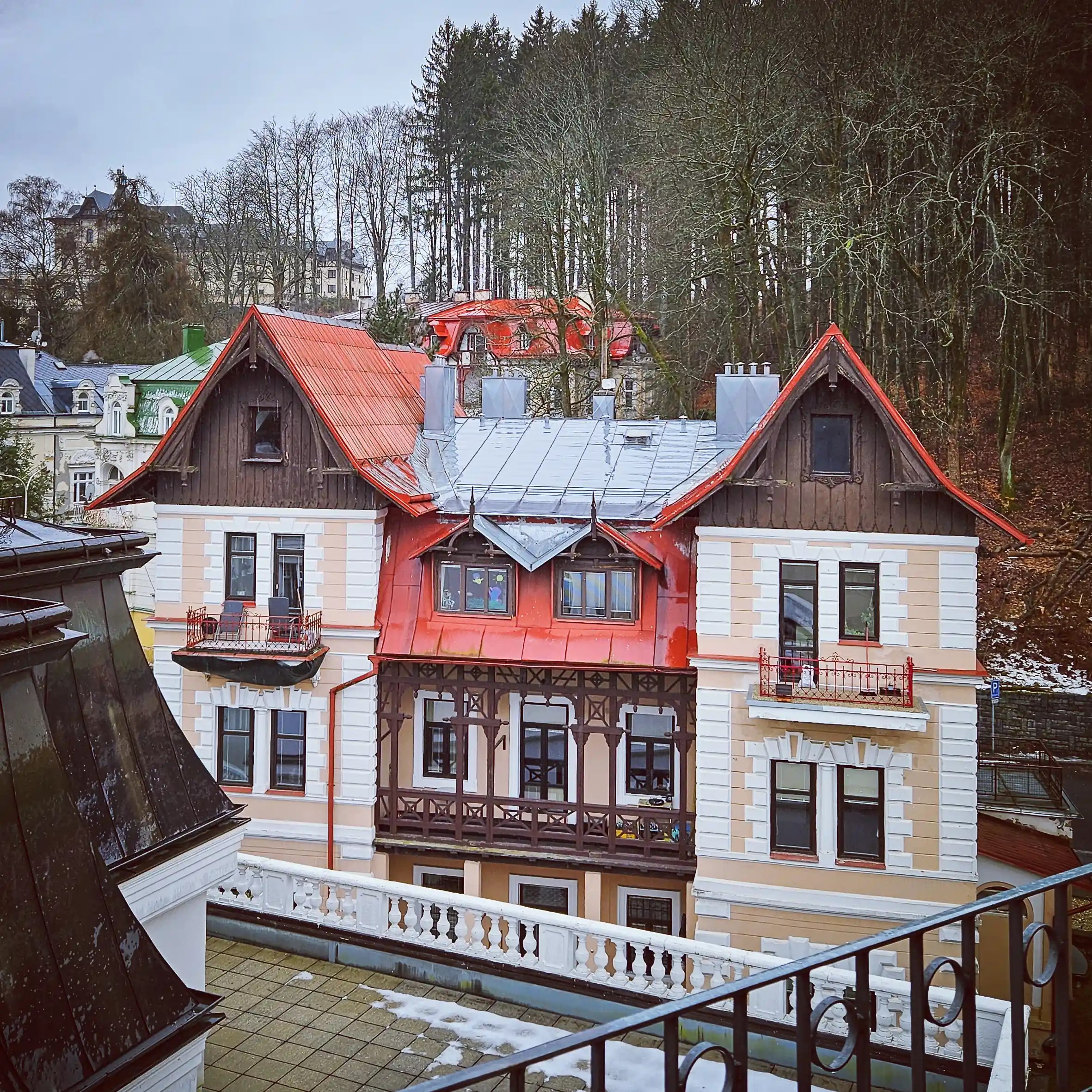
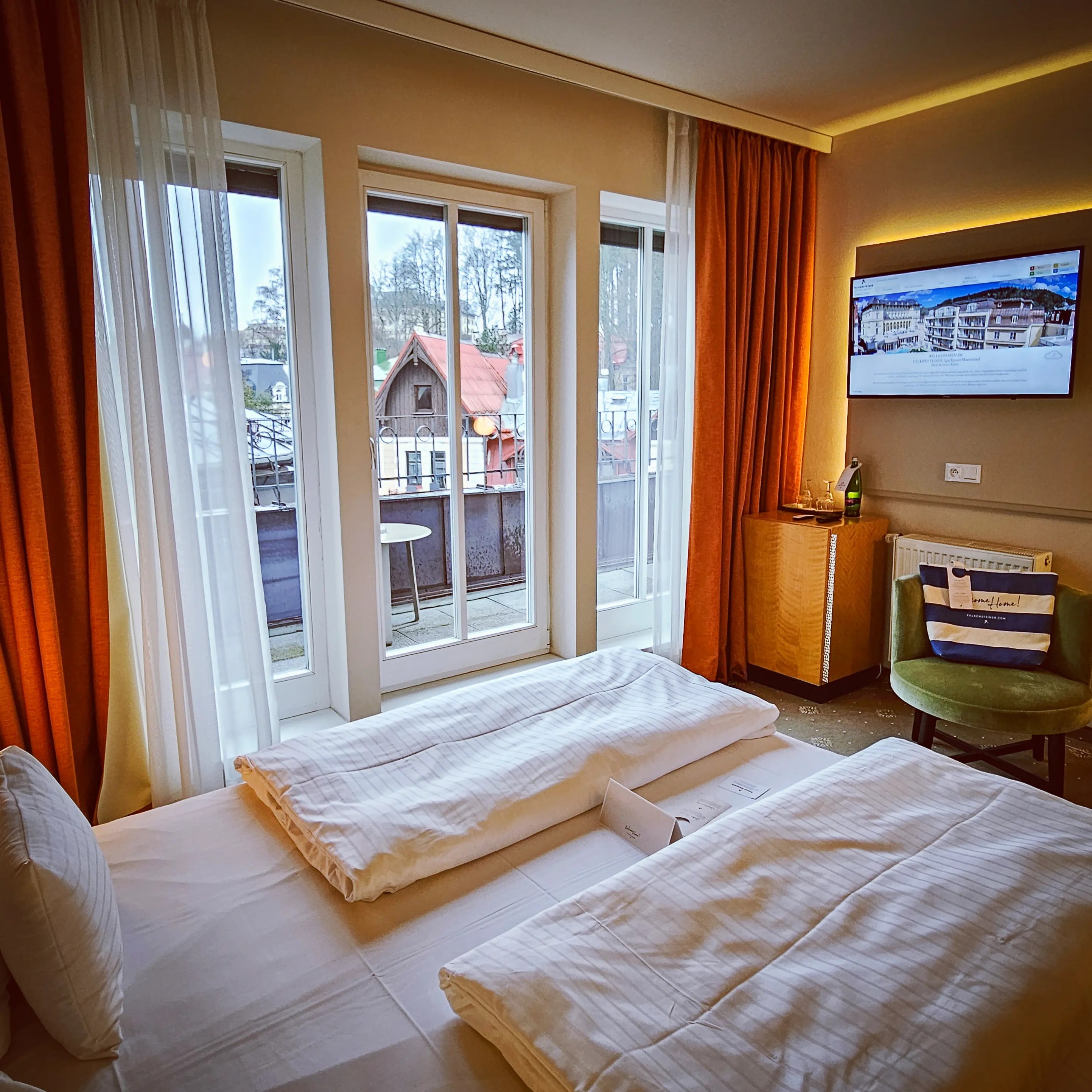
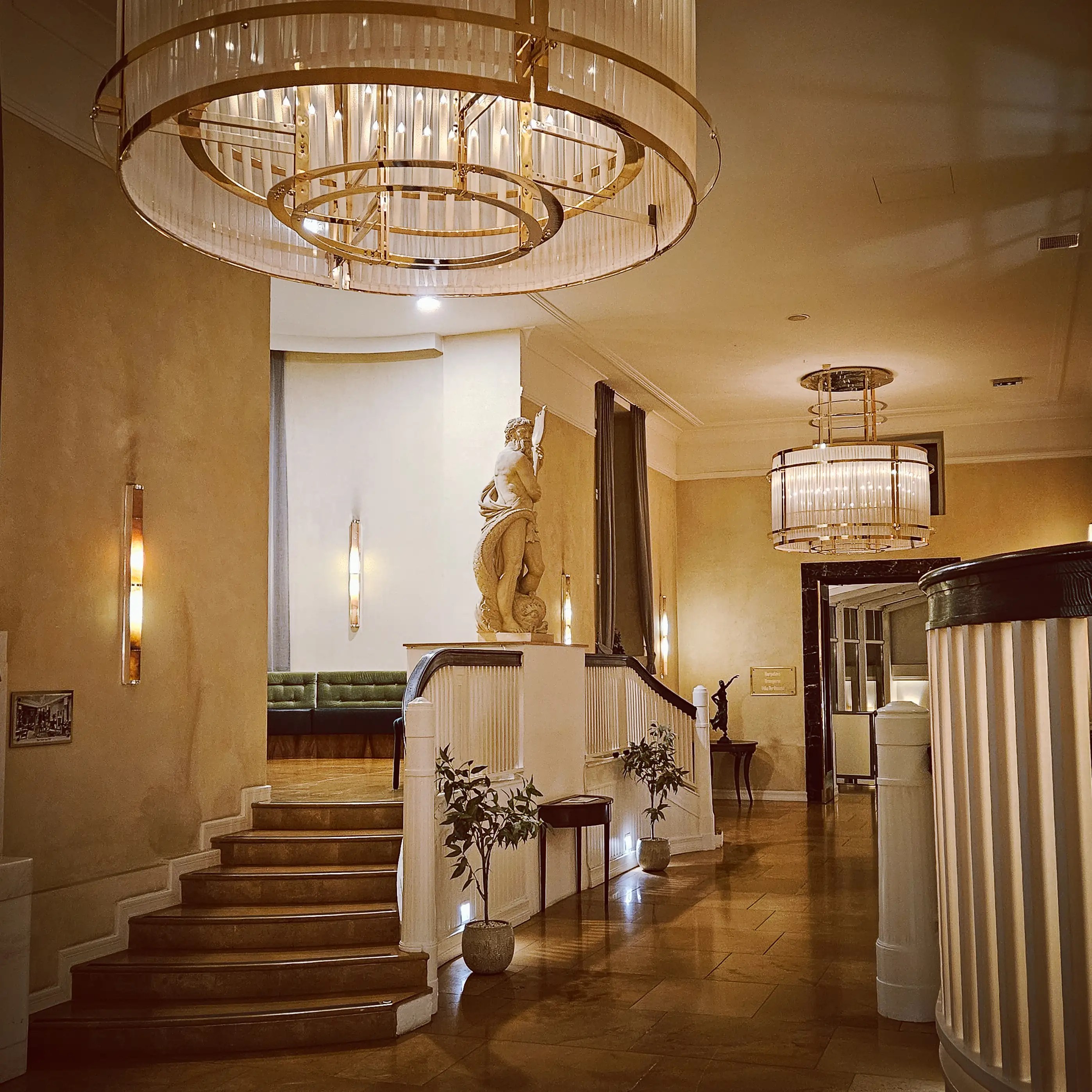
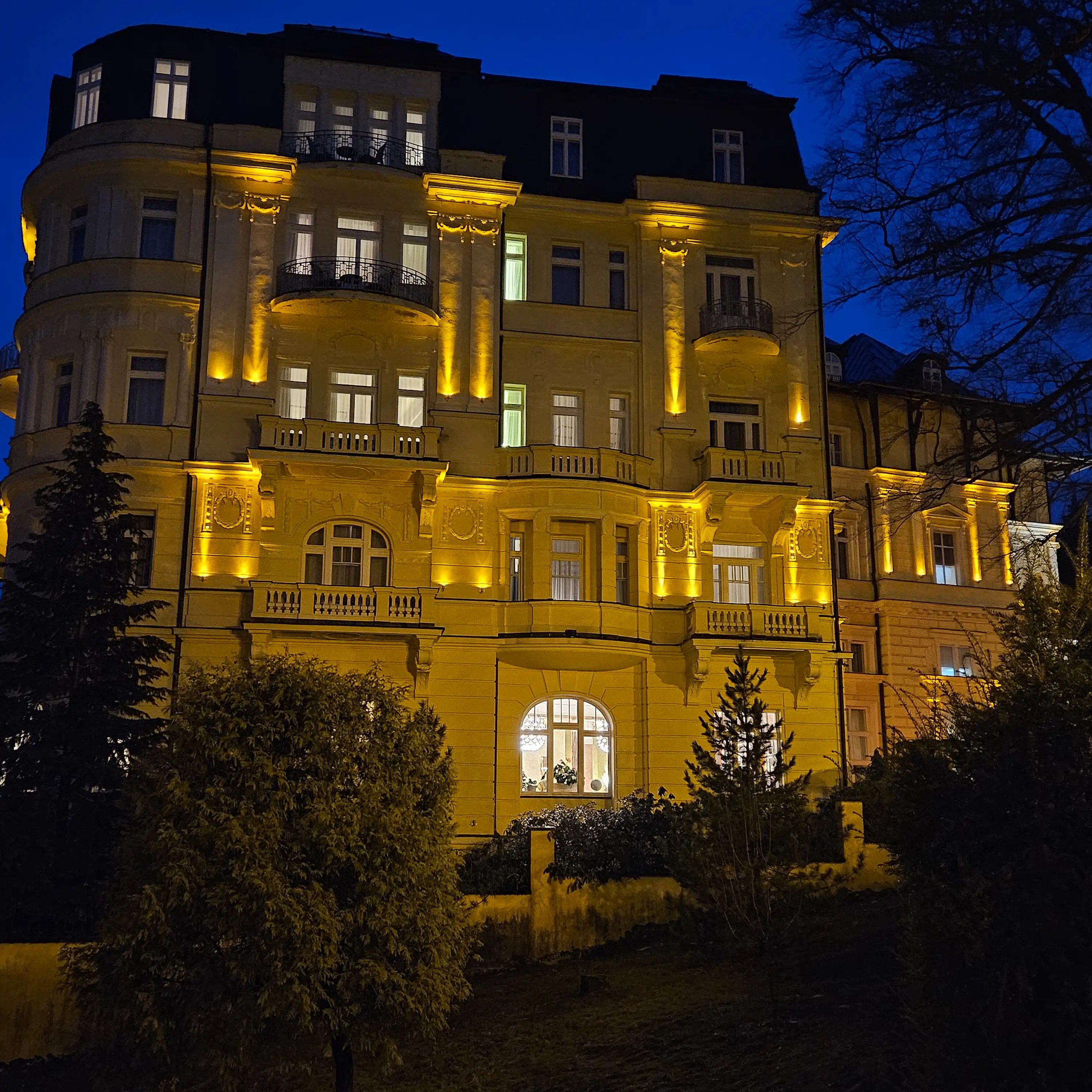
After a full day outside in the rain and cold, the hotel’s spa area was exactly what I needed. Slipping into the warm pools and saunas was a welcome contrast to the gray weather.
Park Boheminium: A Miniature Czech Republic
The next morning, we left Mariánské Lázně and made our way toward Karlovy Vary. On the way, we stopped at Park Boheminium Mariánské Lázně, which opened in 1999. Every model in the park is a handcrafted 1:25 scale replica of a Czech building. The craftsmanship is remarkable—weatherproof materials, detailed façades, and new models added each year.
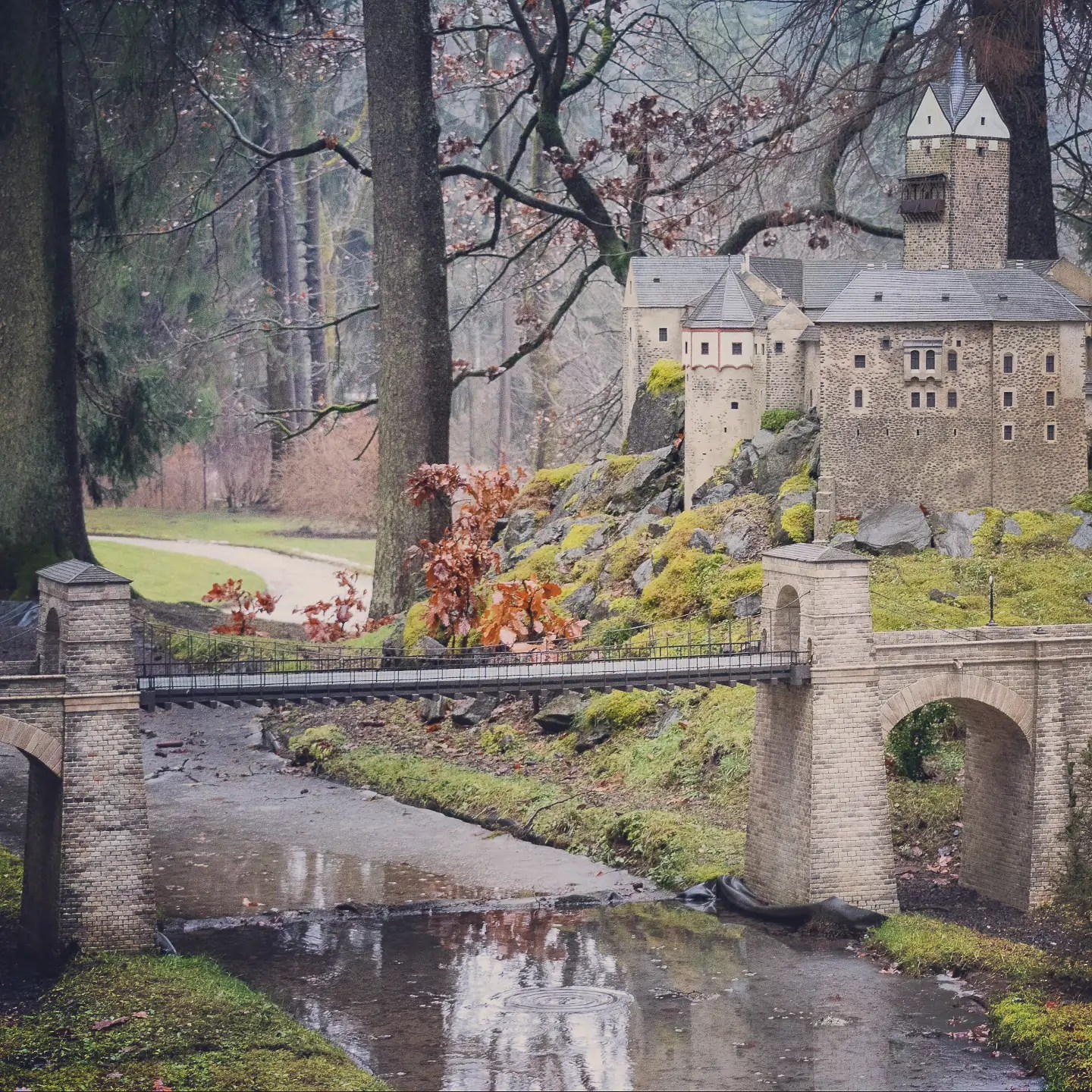
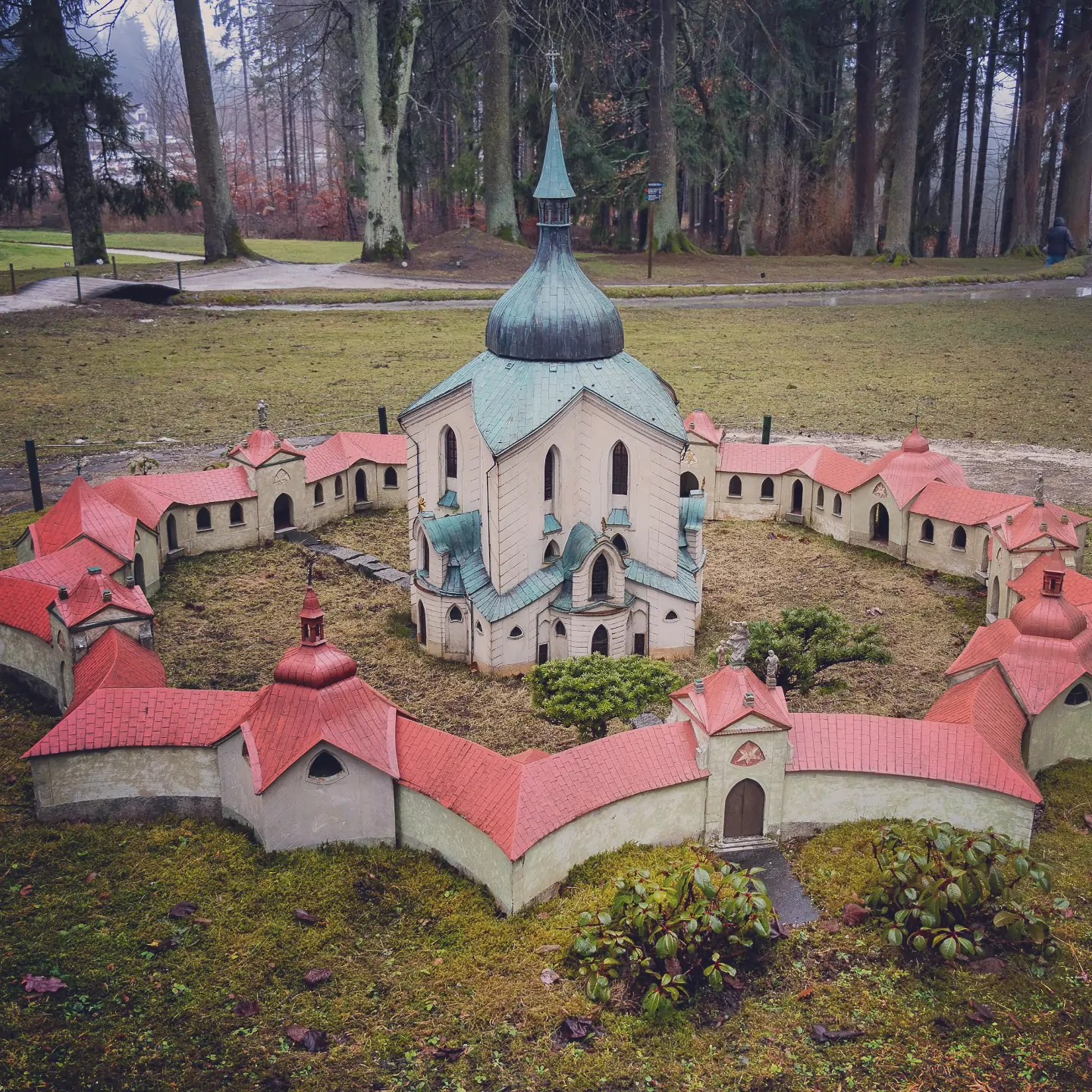
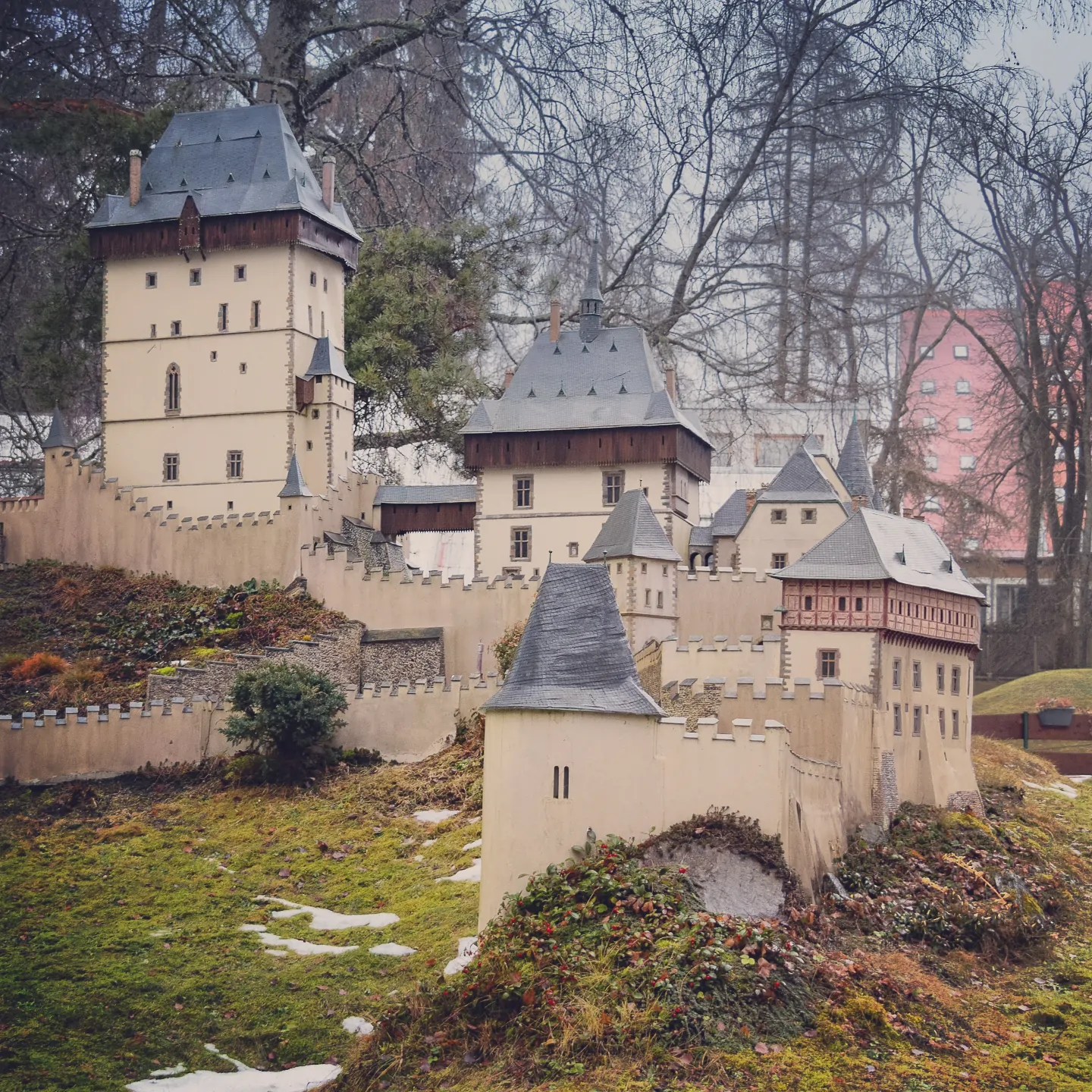
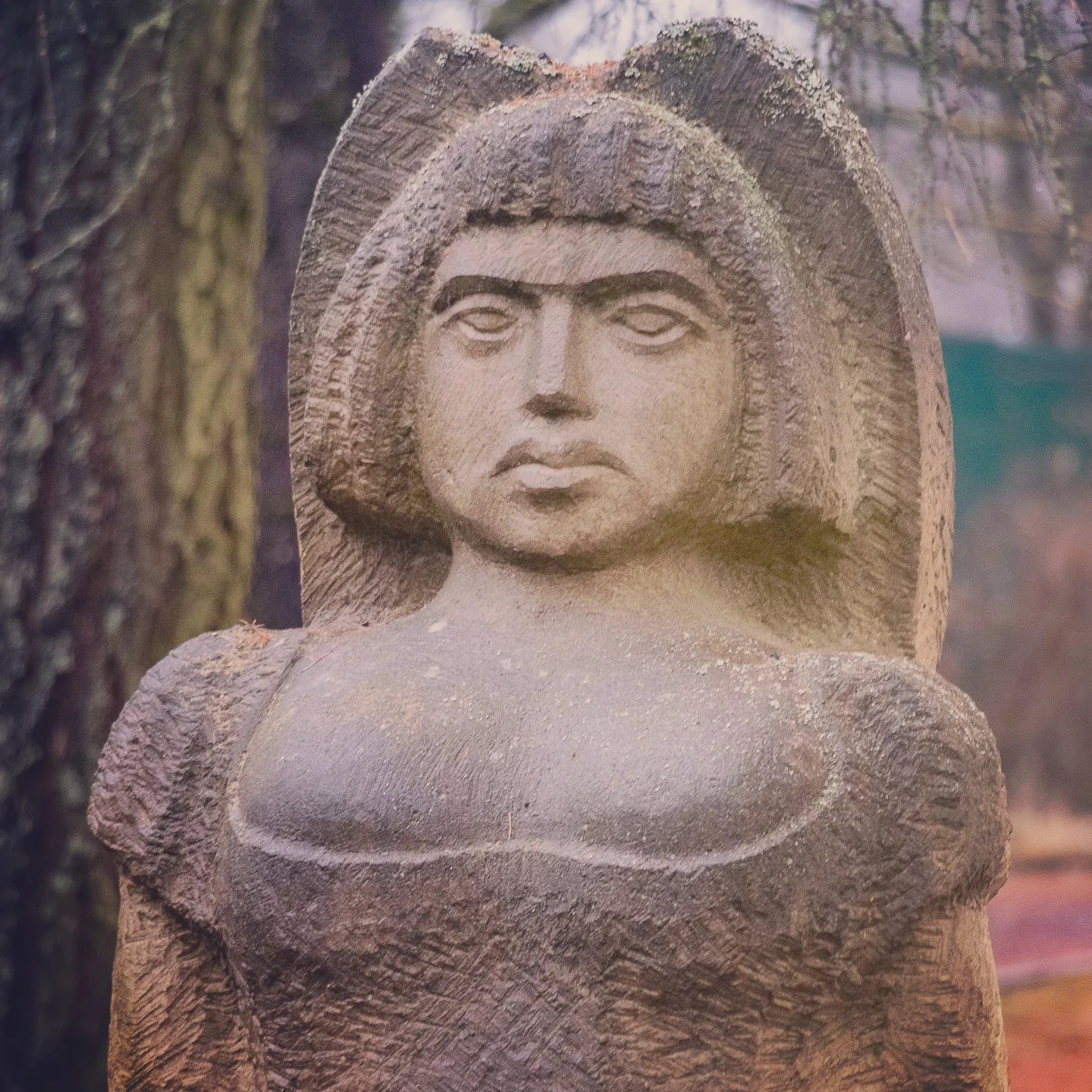
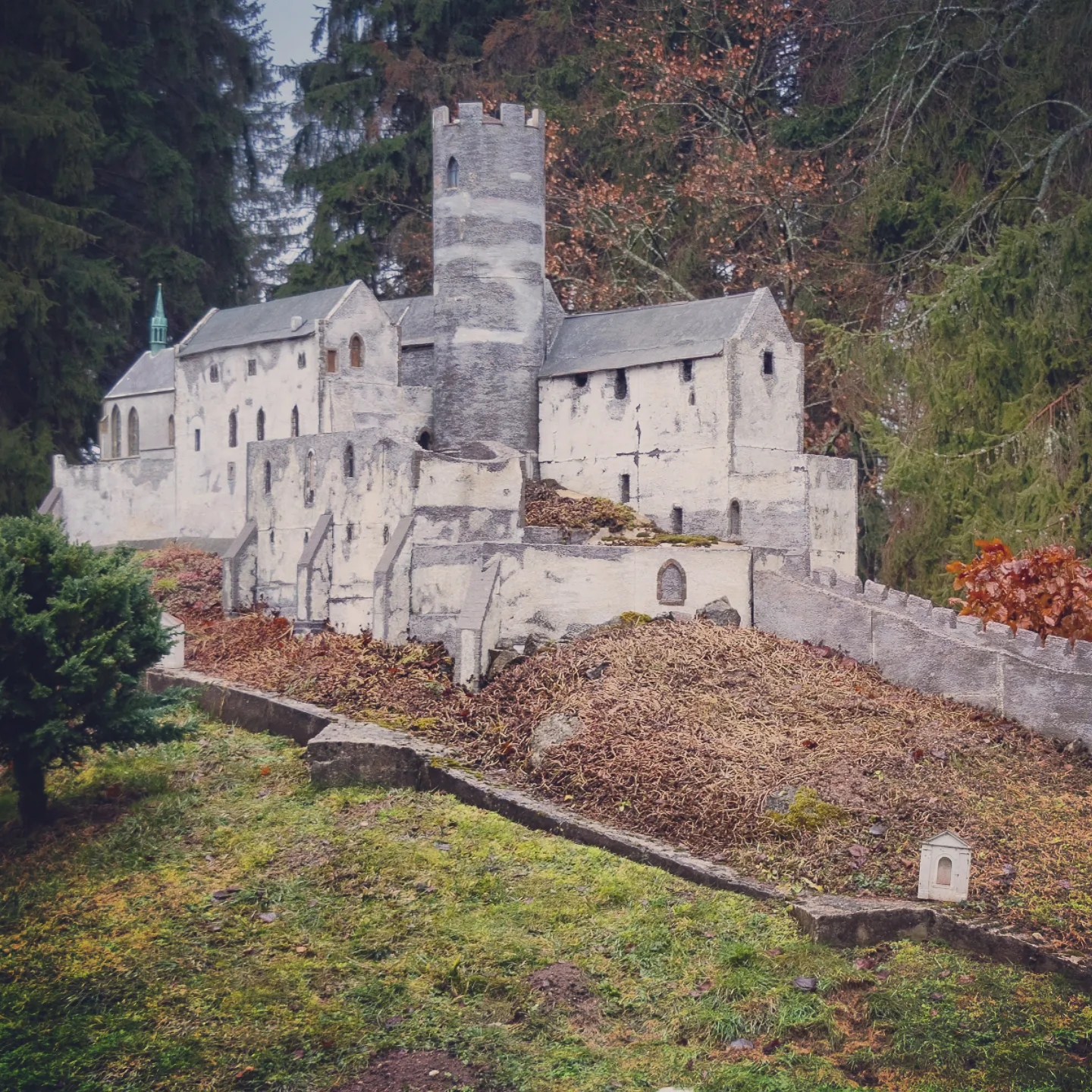
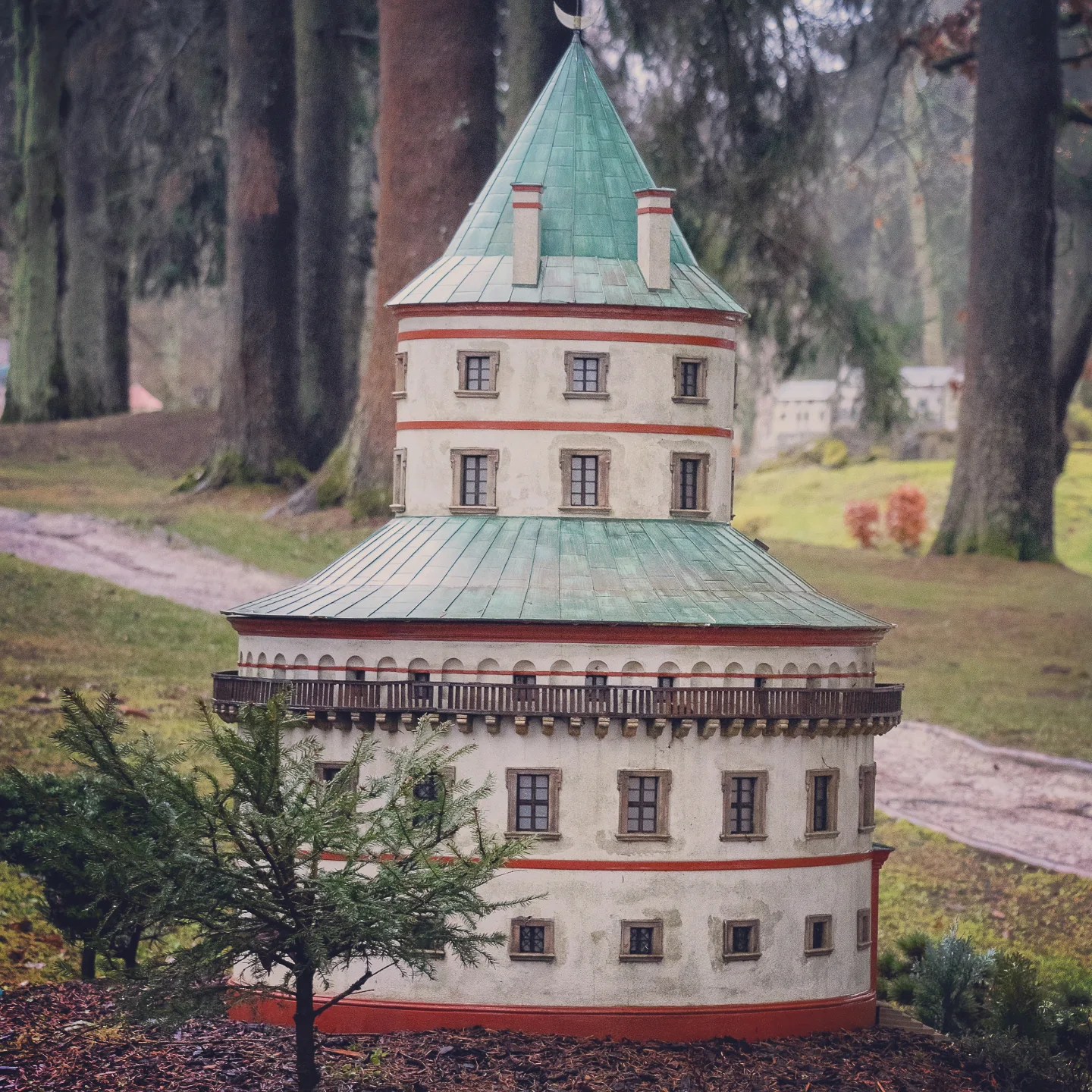
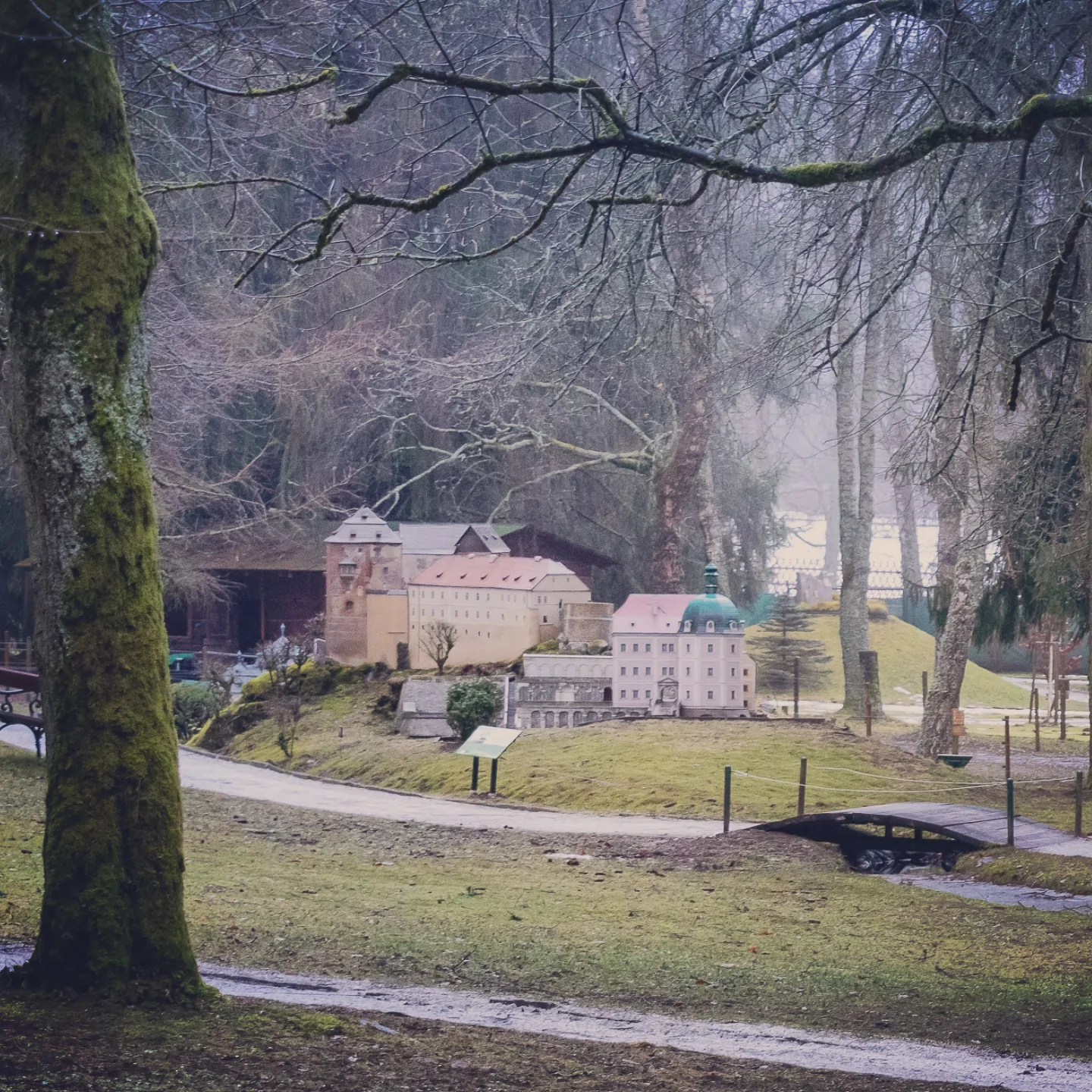
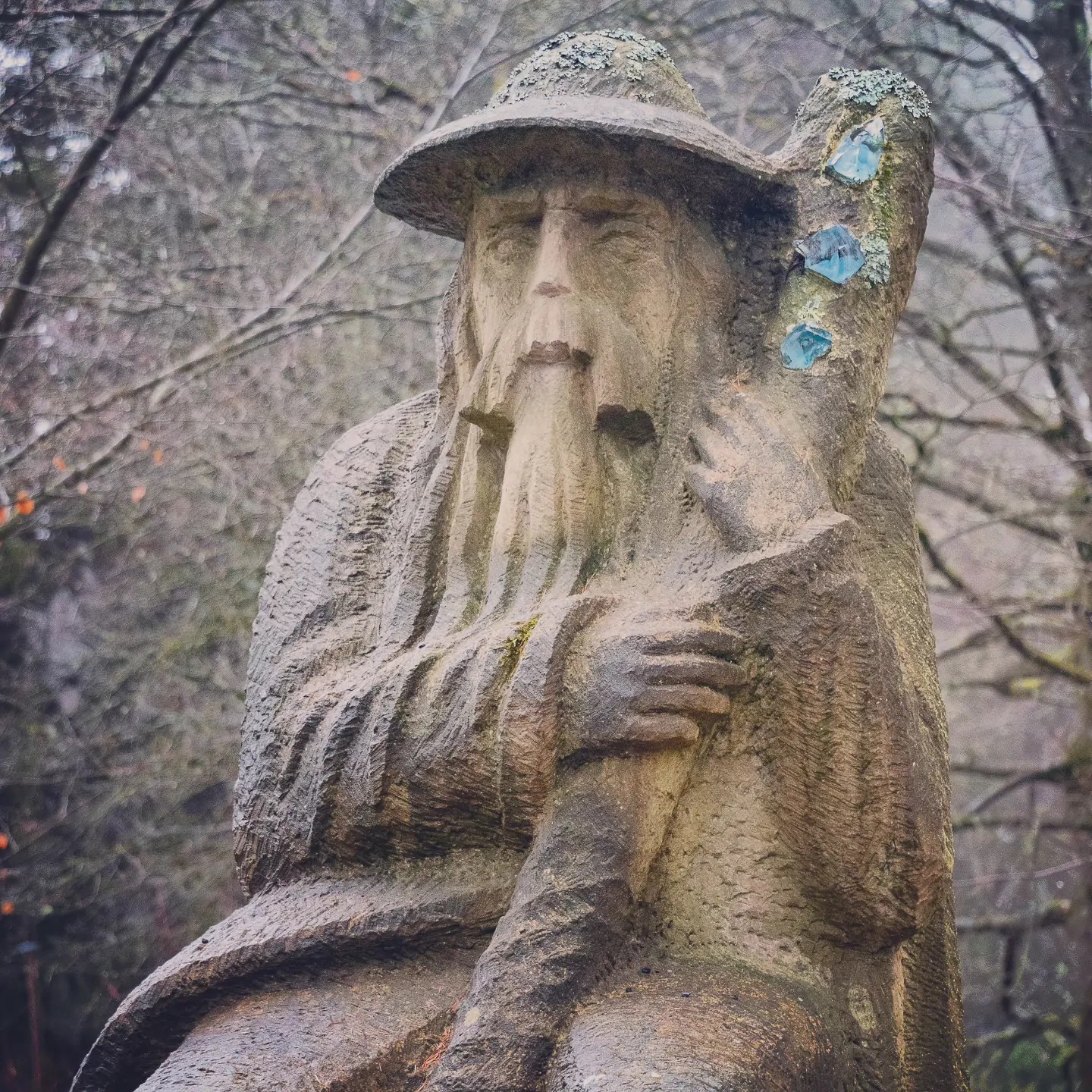
Seeing so many iconic Czech landmarks in miniature made me realize how much more of the country I’d love to explore.
Karlovy Vary: Grandeur Along the Teplá River
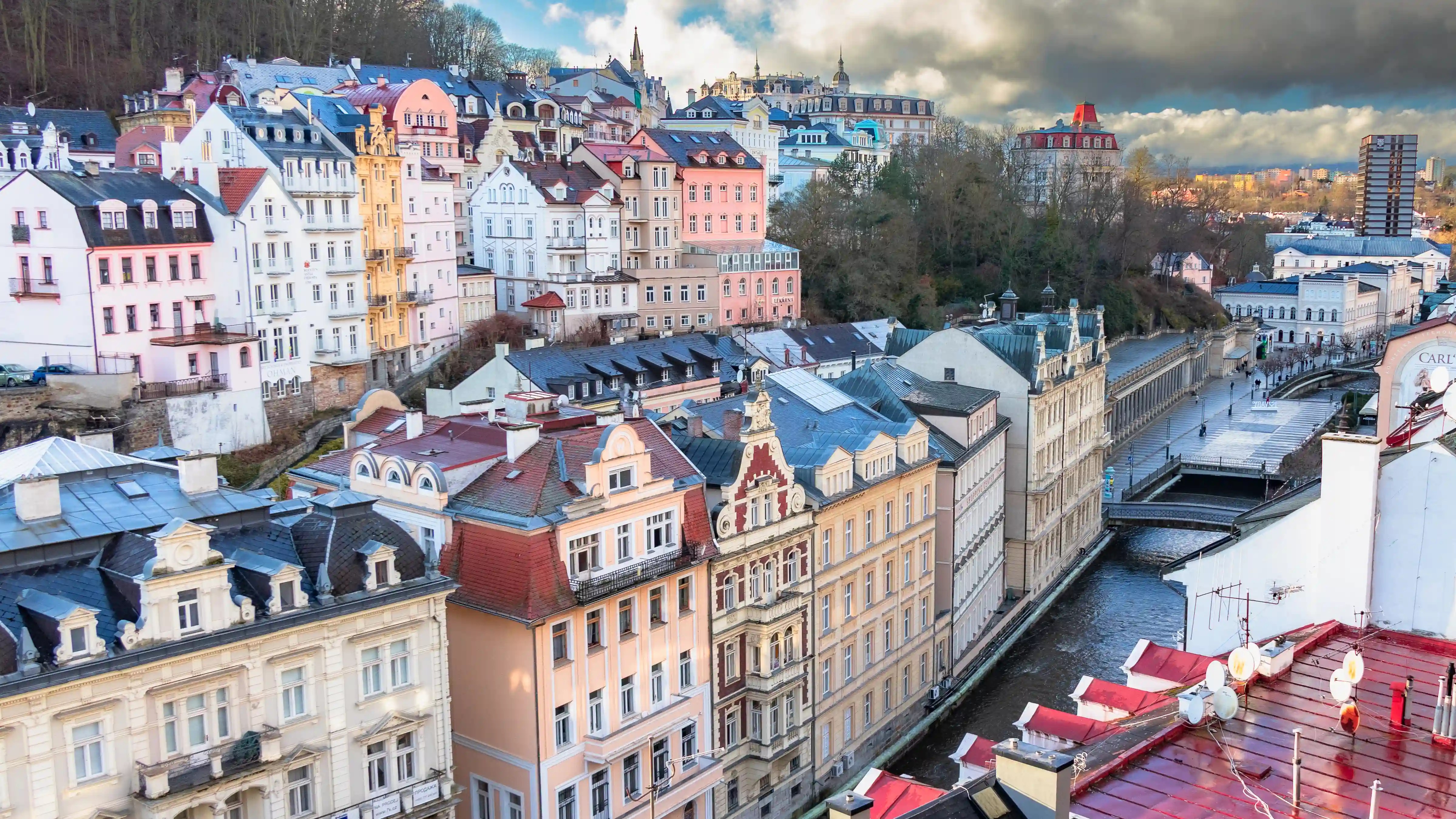
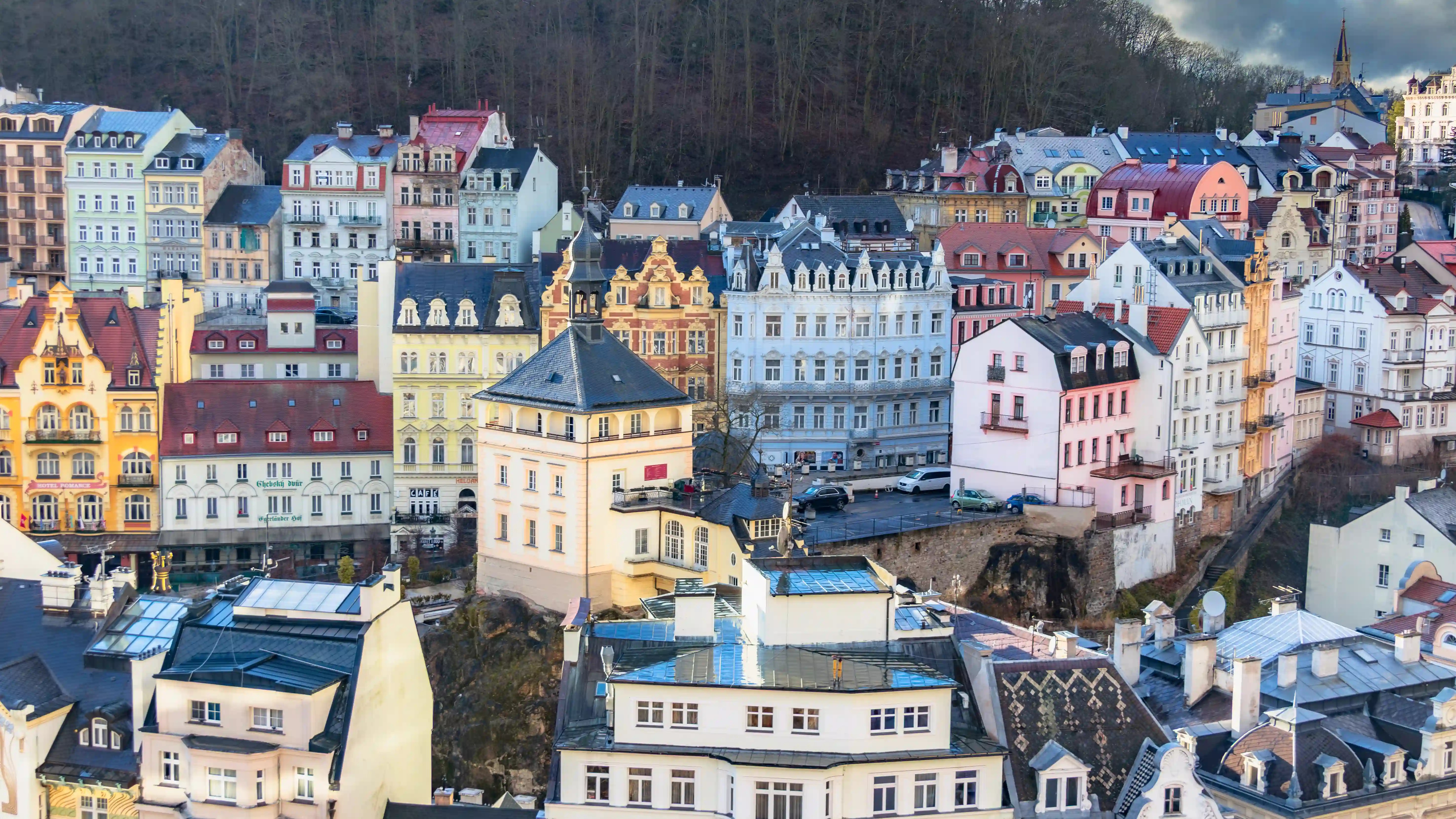
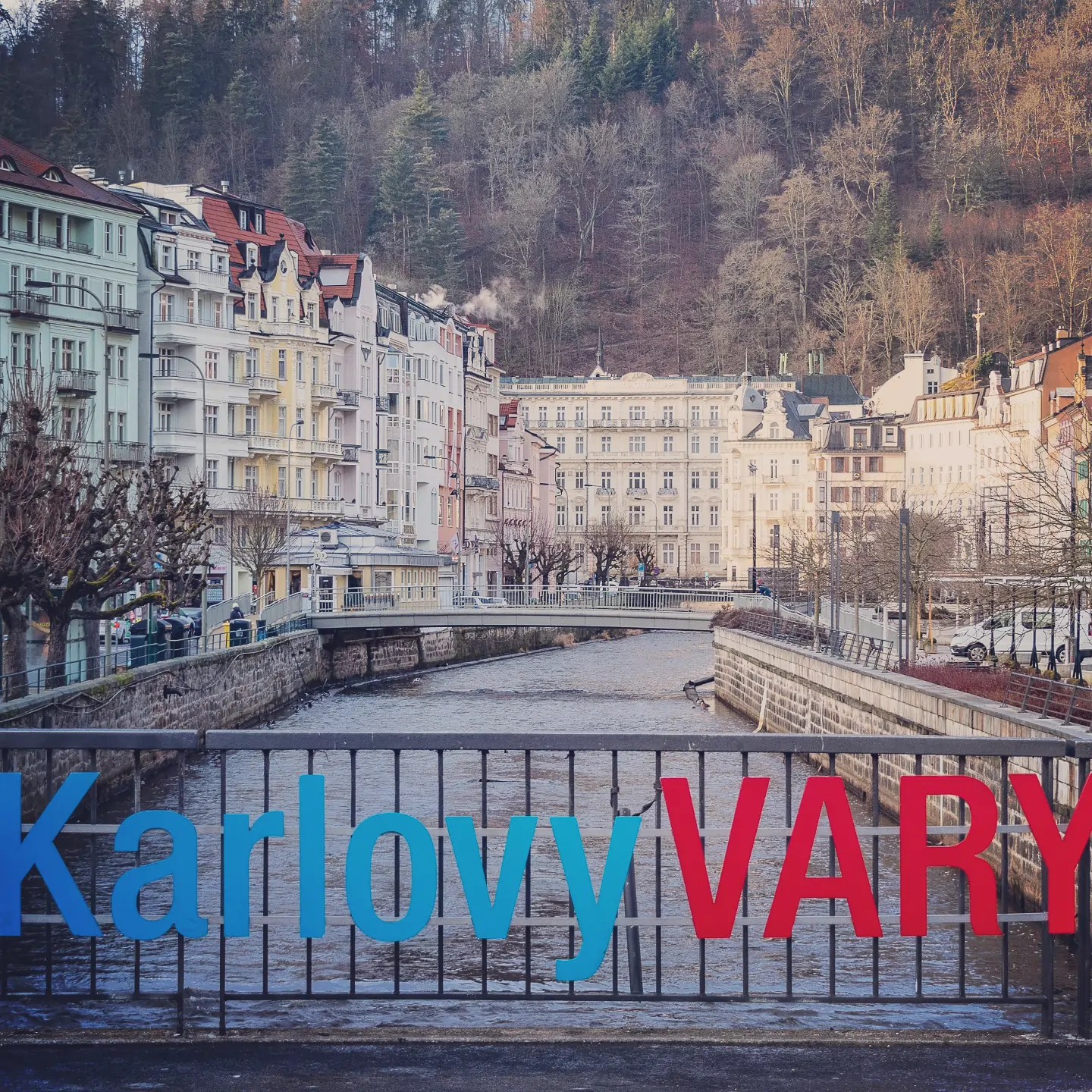
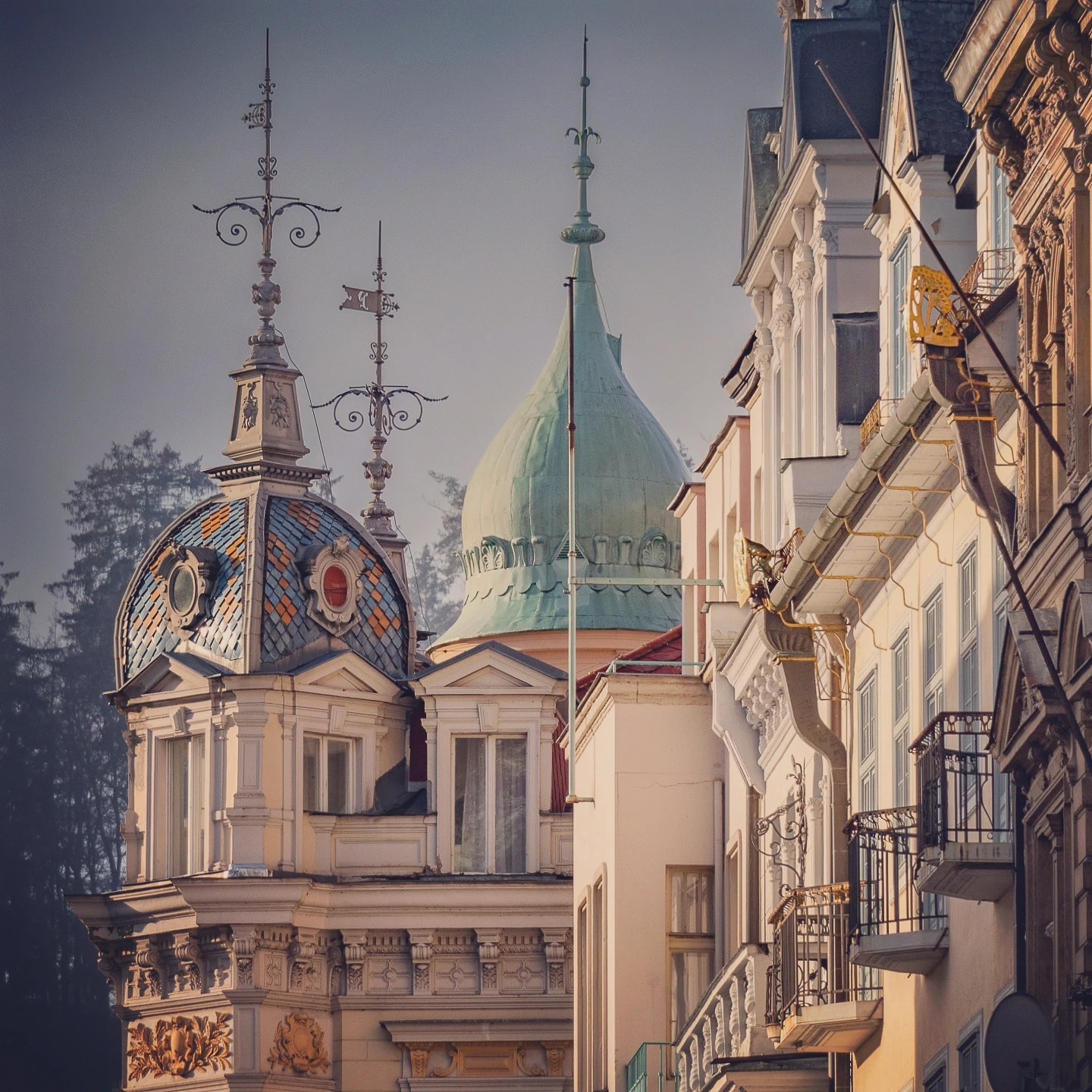
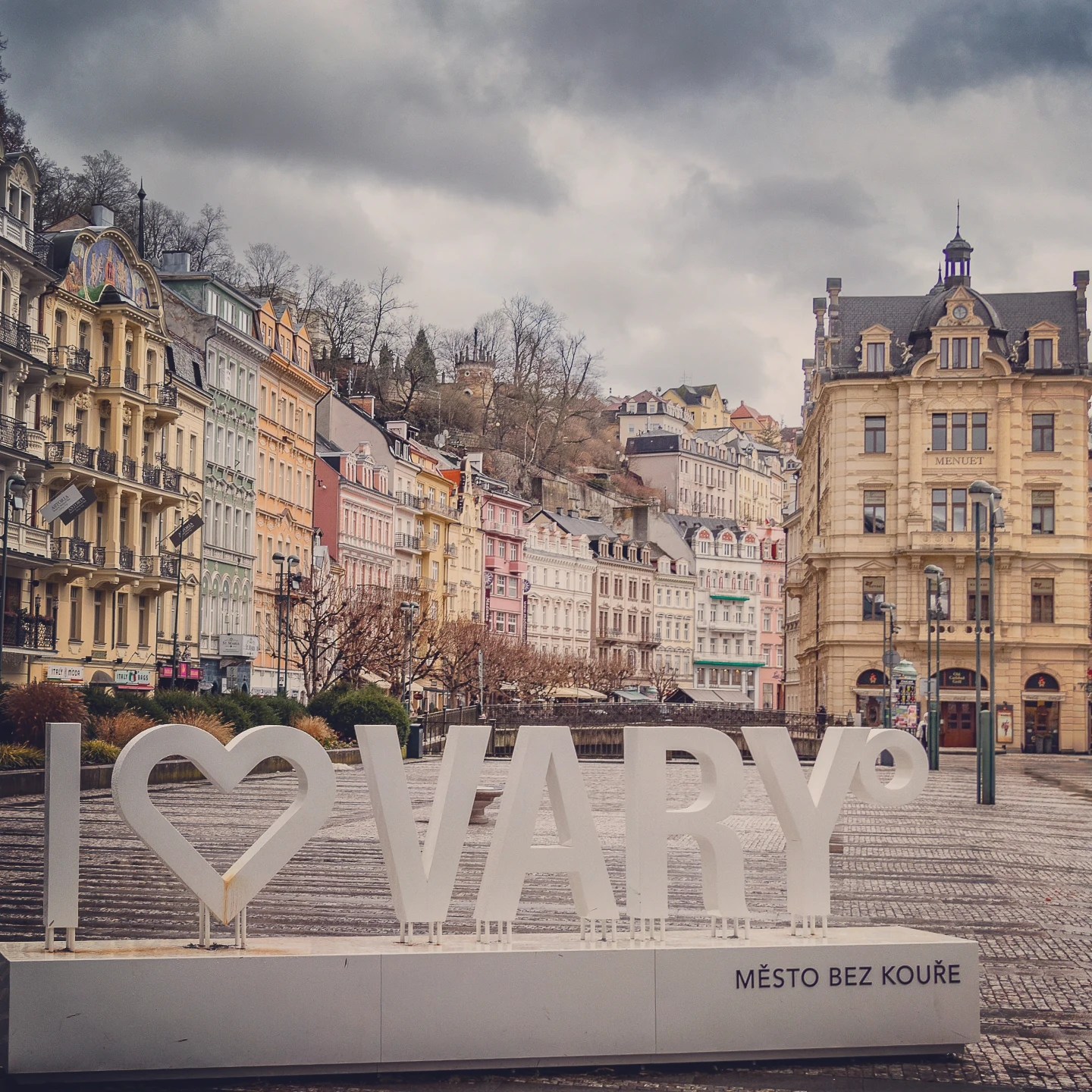
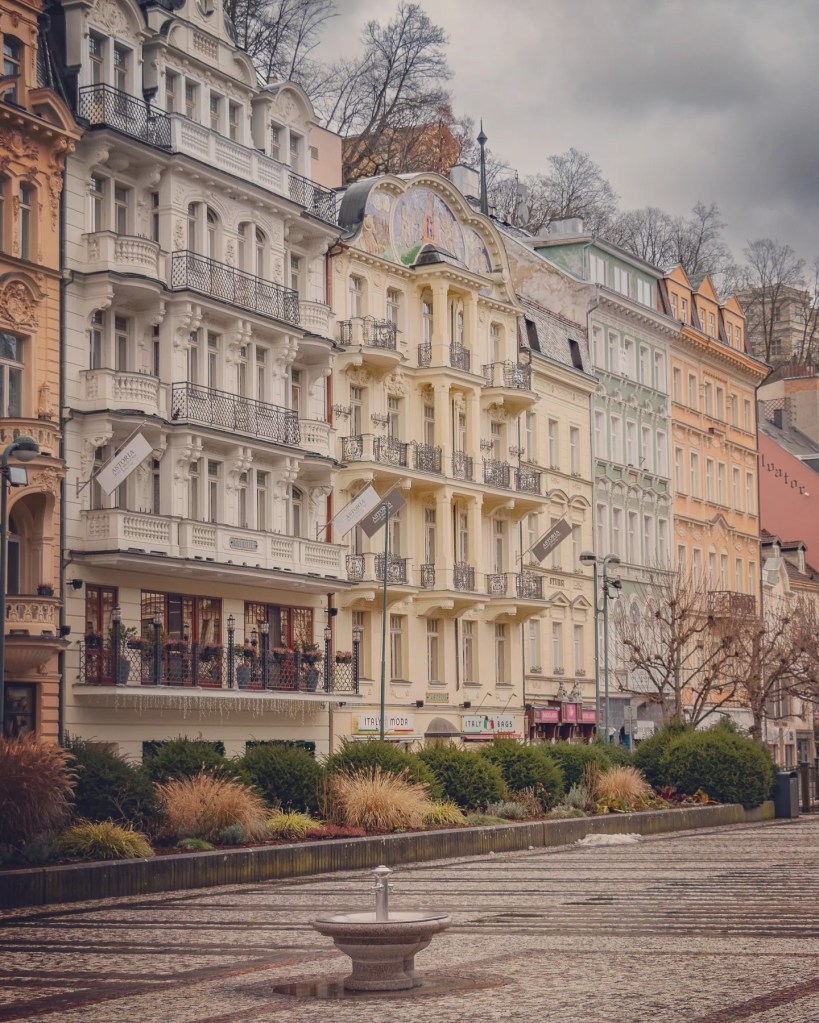
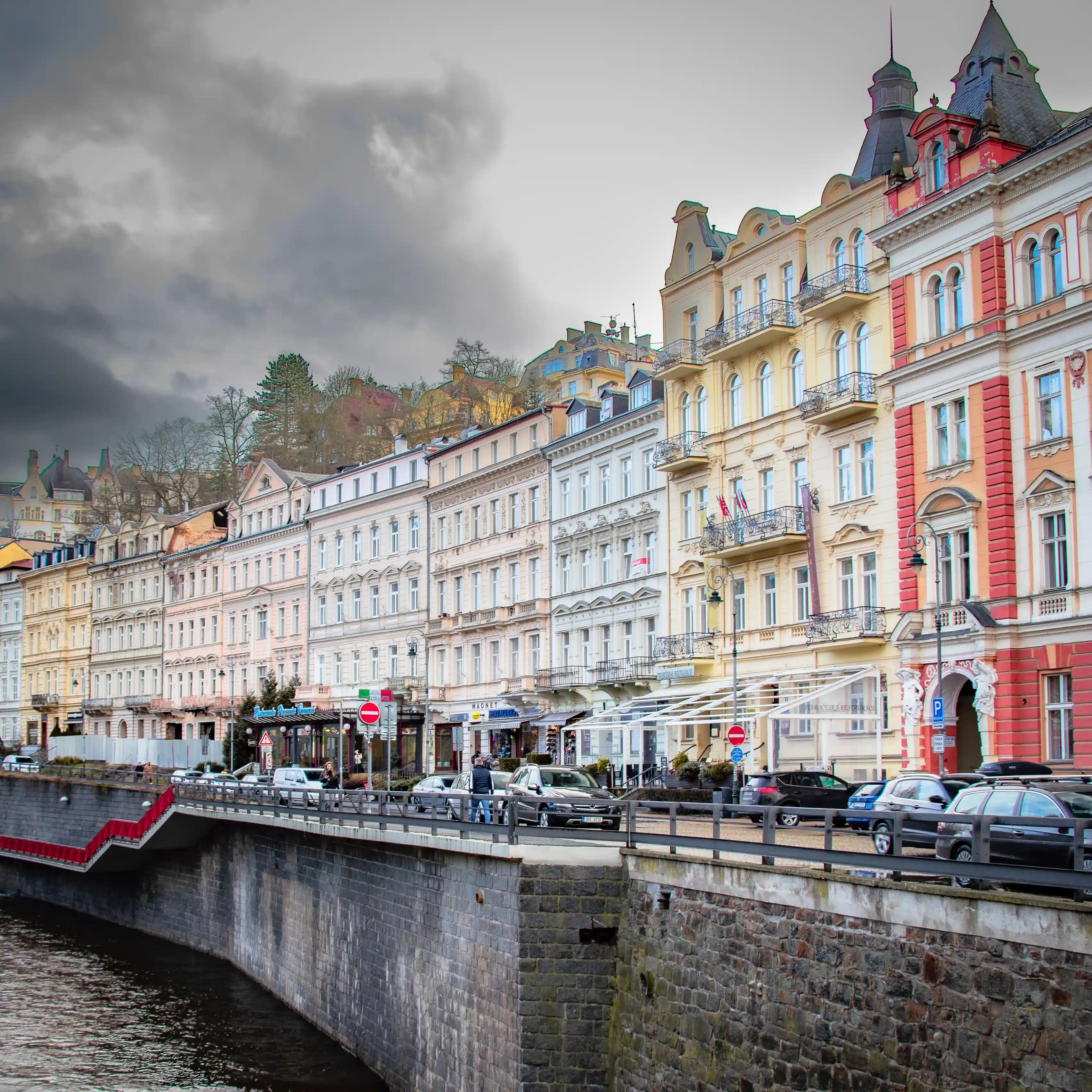
Founded in the 14th century during the reign of King Charles IV, Karlovy Vary (Carlsbad) developed around its hot springs, which remain the heart of the town today. Unlike Mariánské Lázně’s cold mineral waters, Karlovy Vary’s springs emerge at much higher temperatures and are housed within a series of colonnades along the Teplá River.
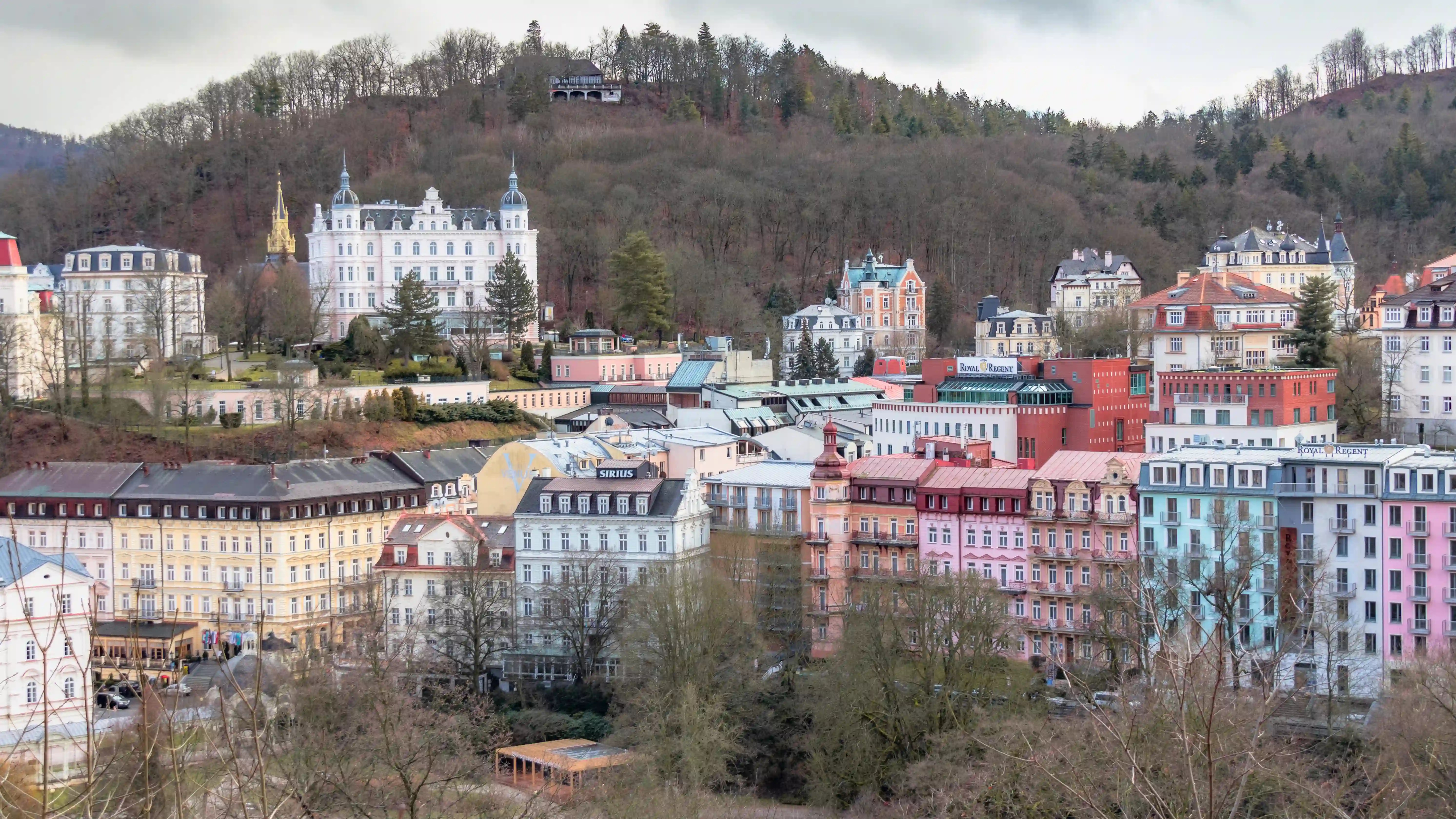
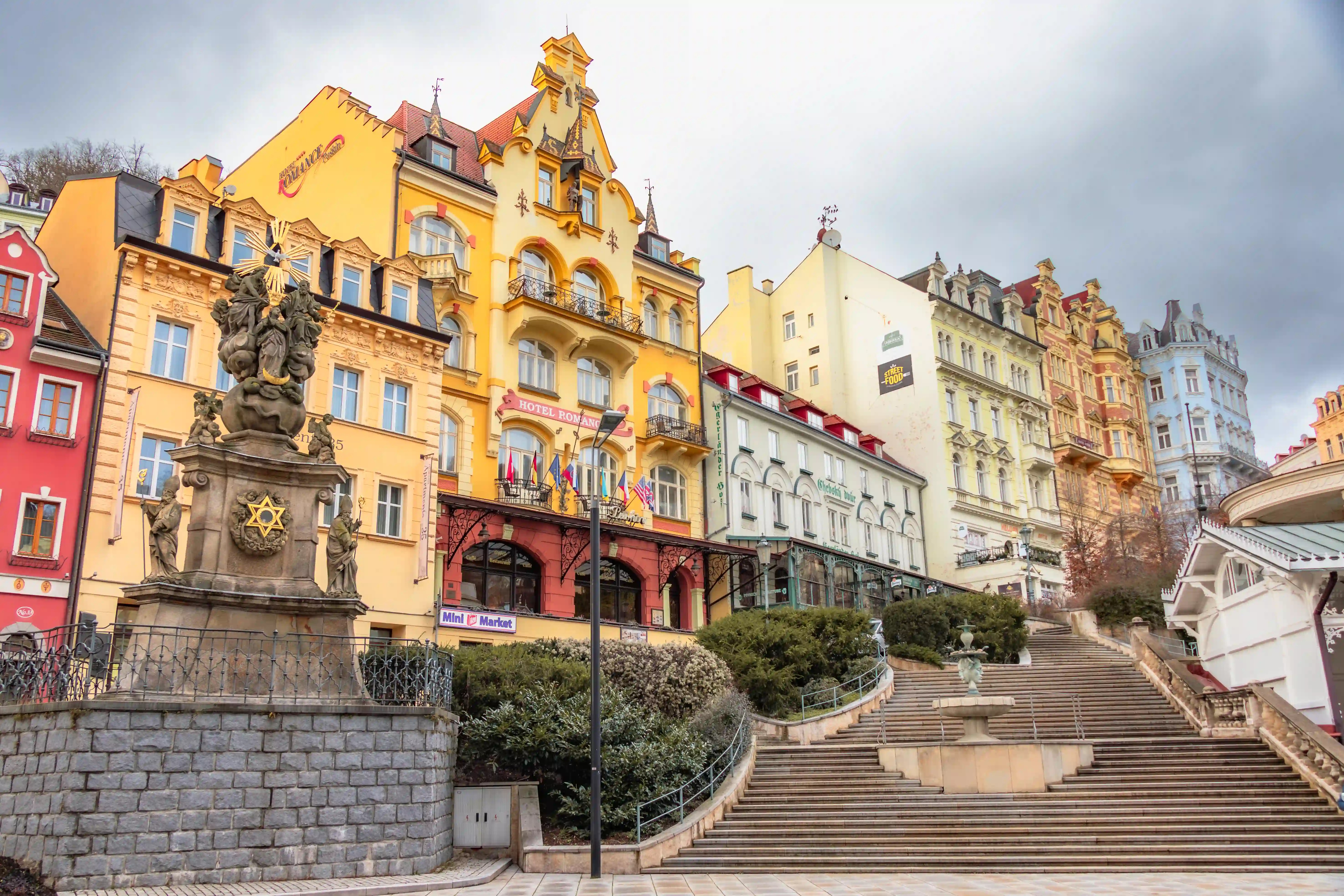
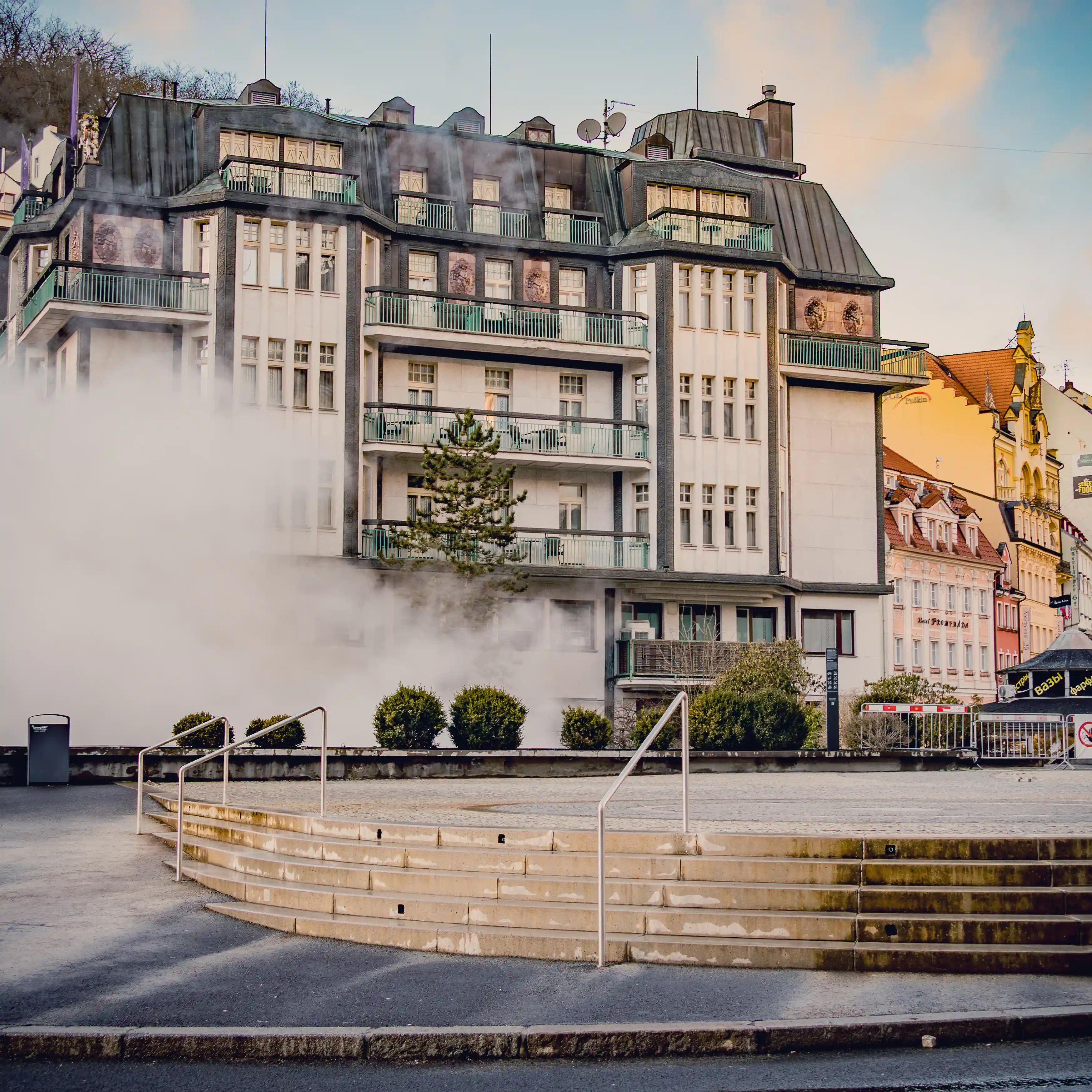
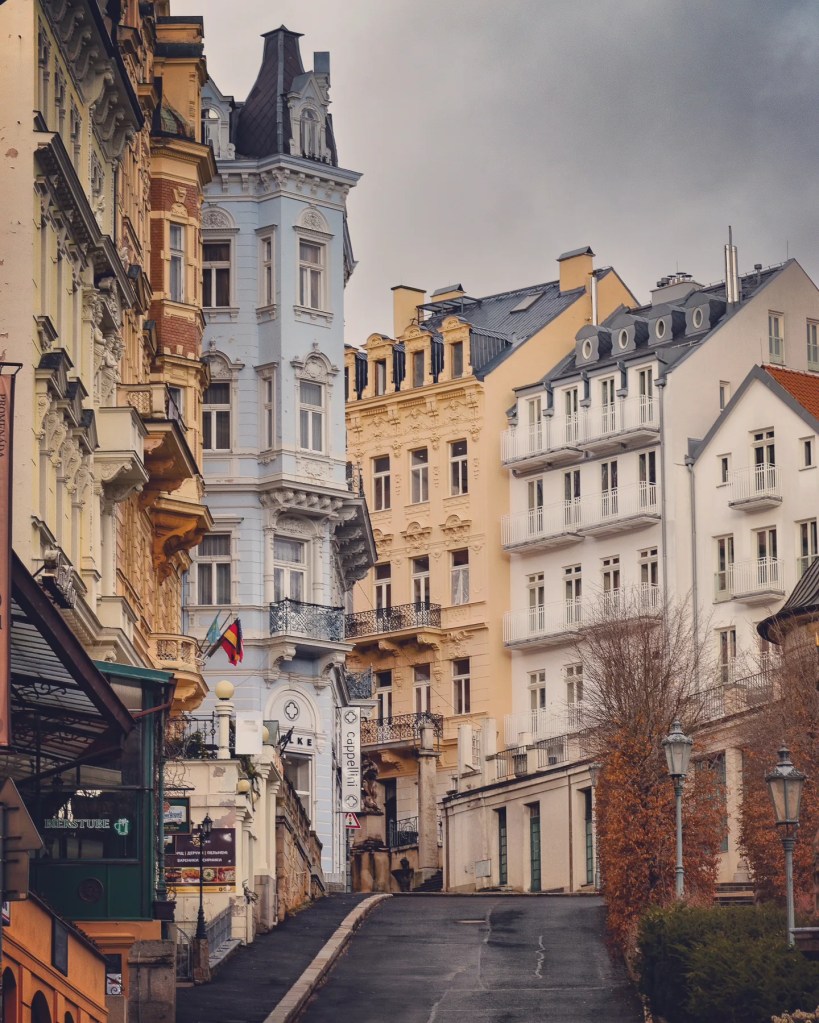
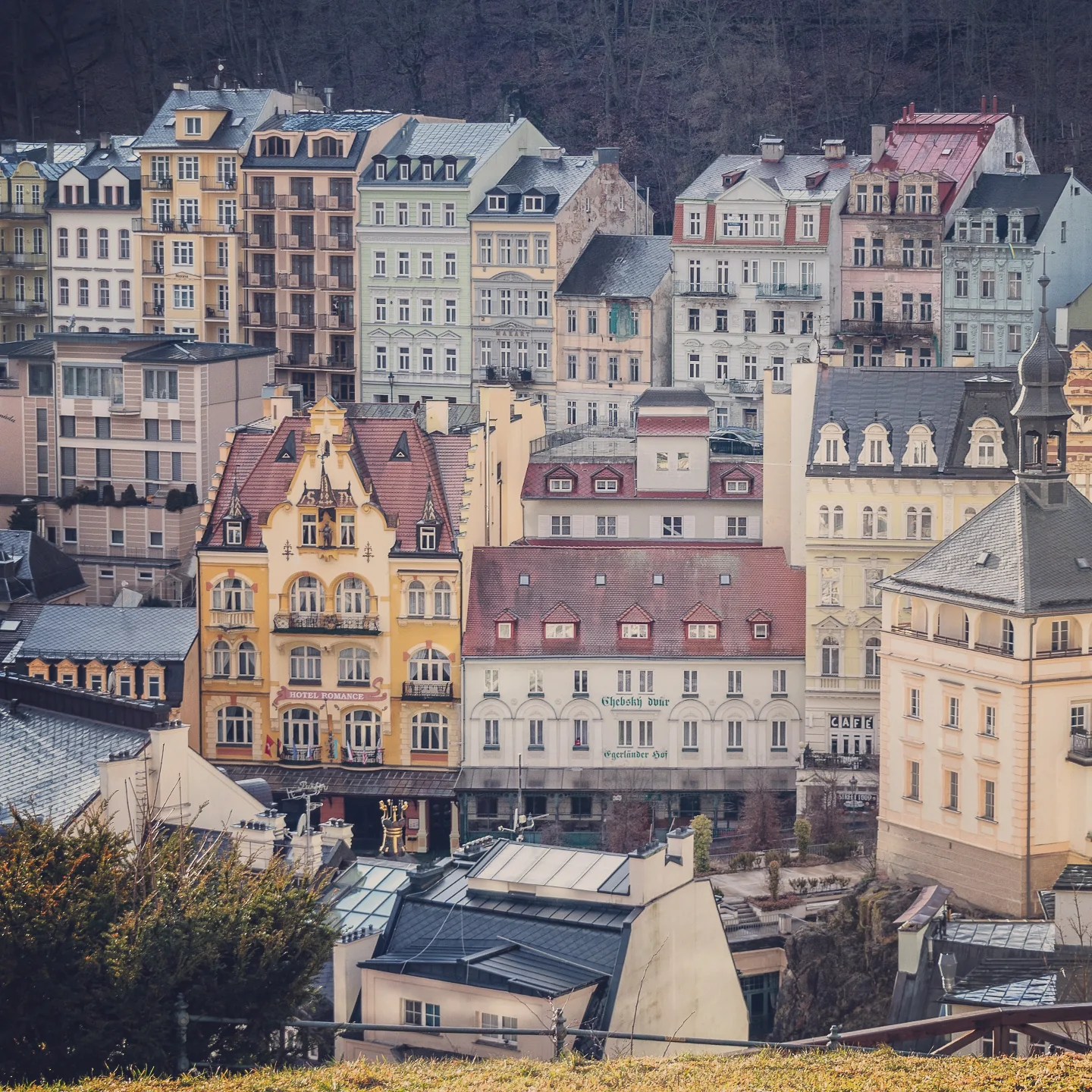
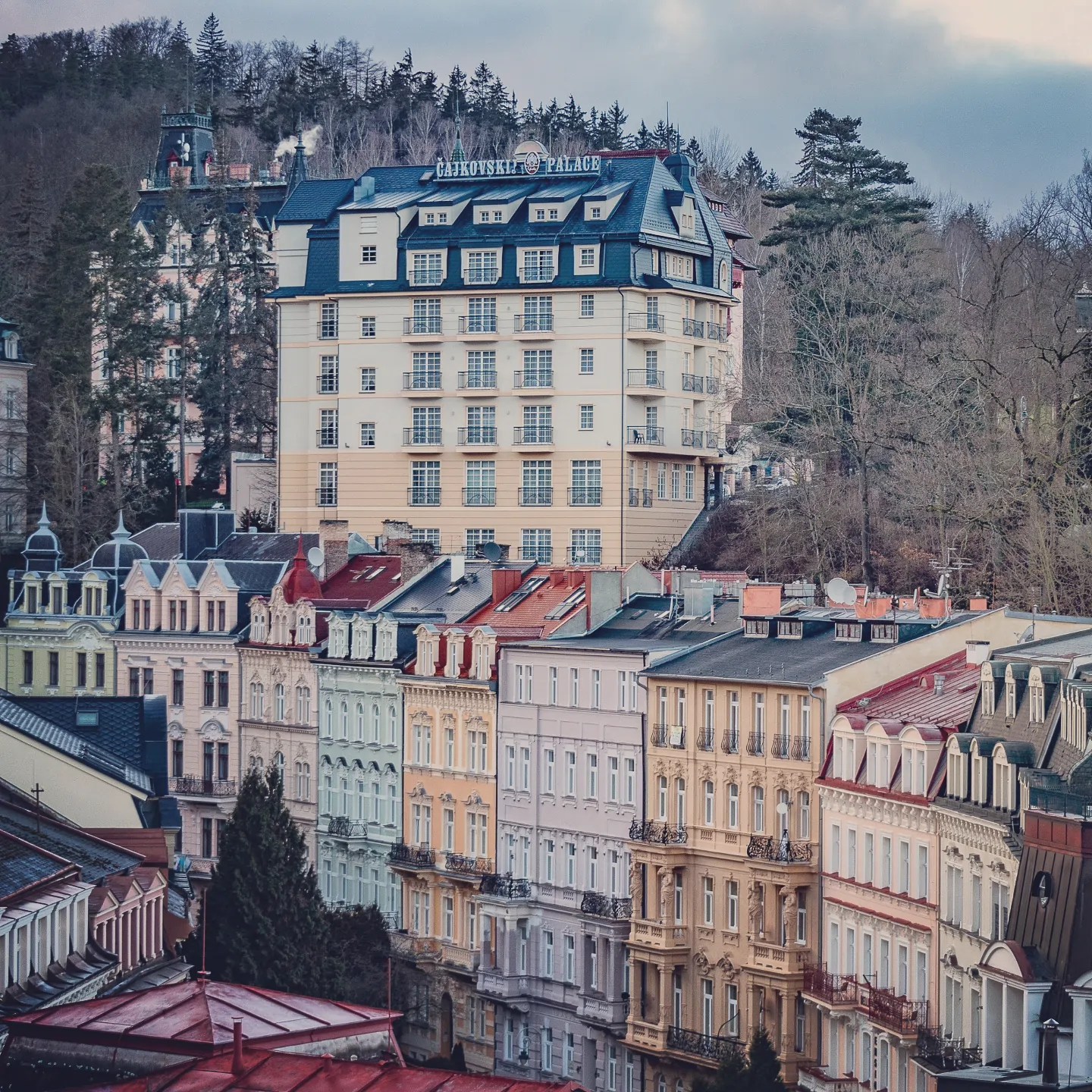
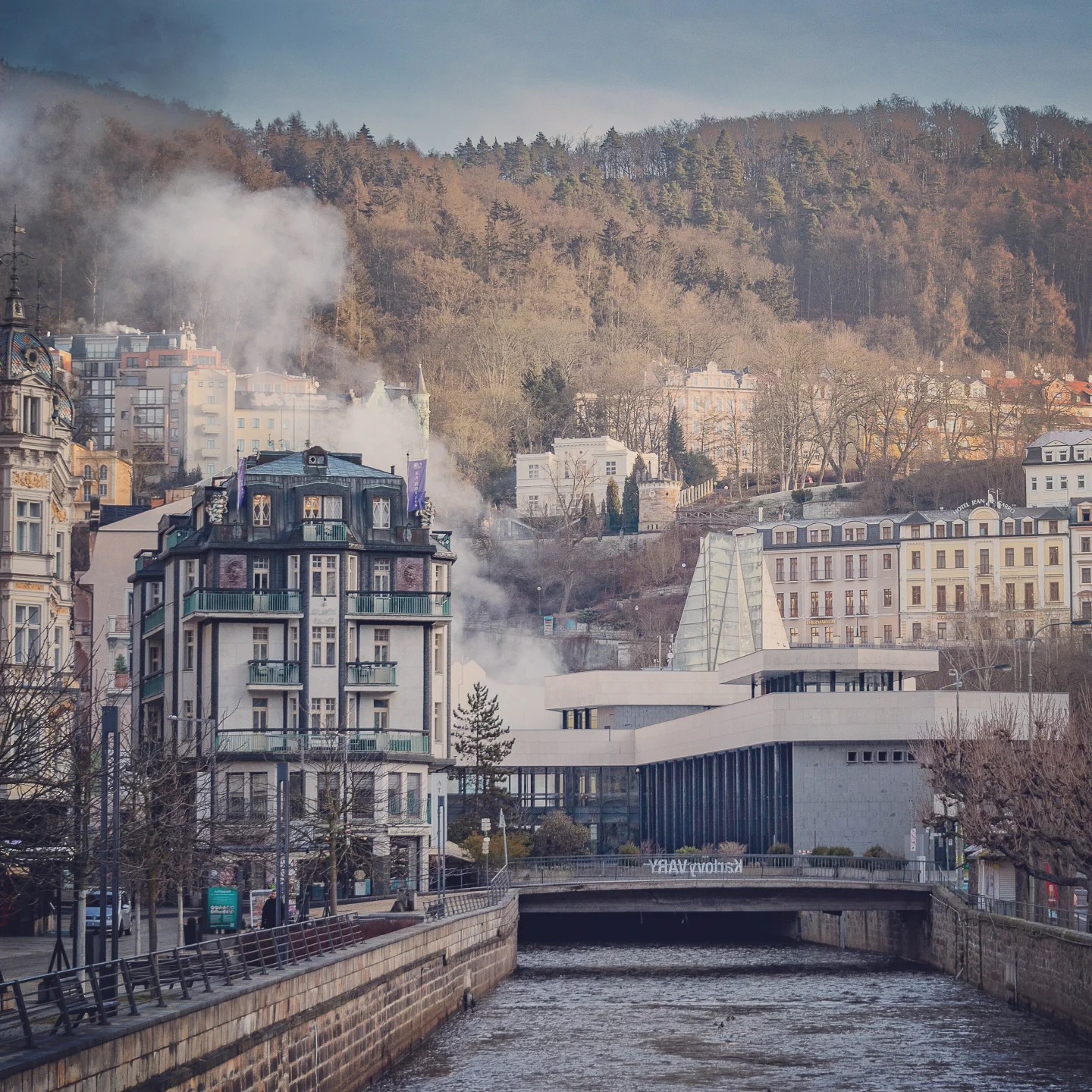
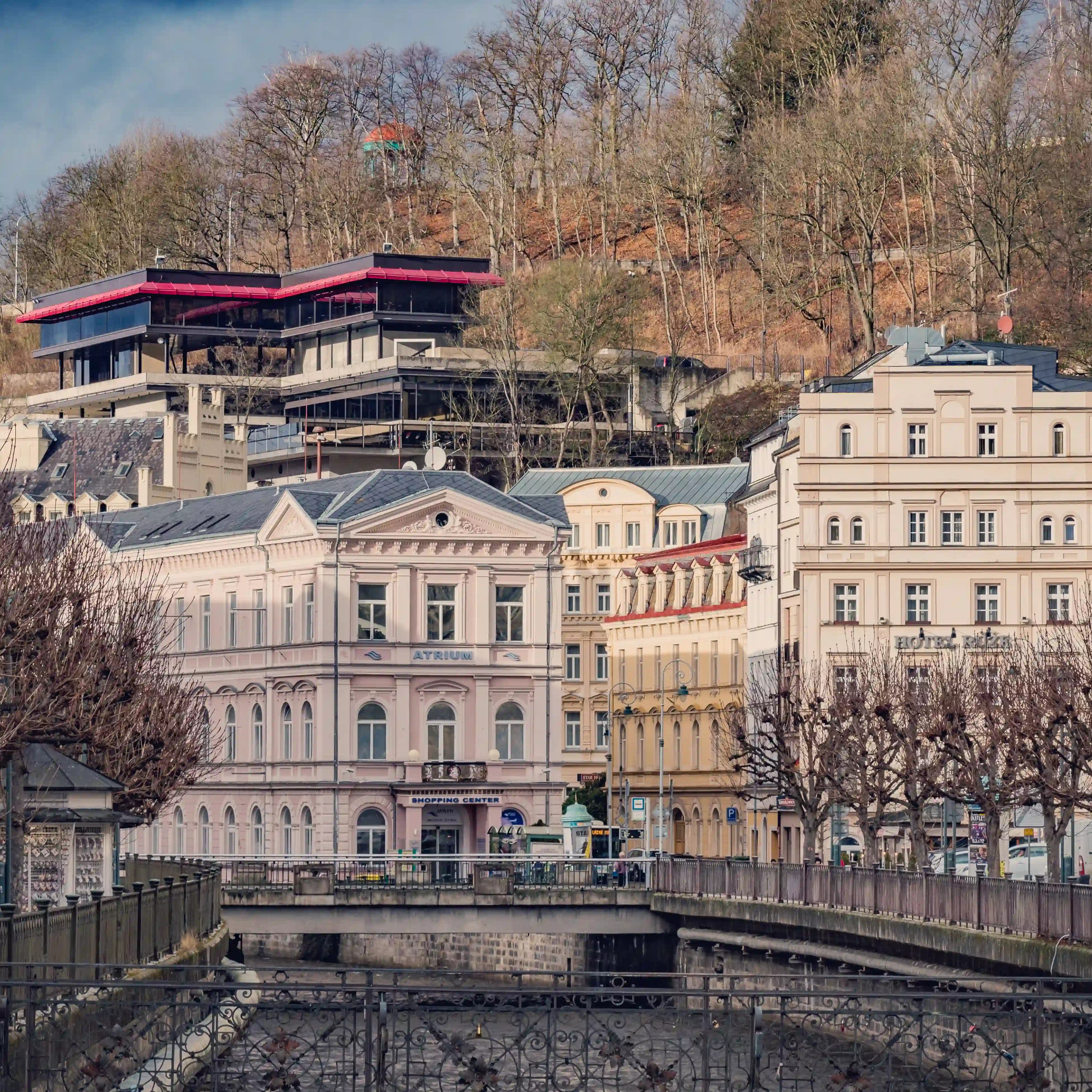
As you walk through town, you’ll often see steam rising from the springs and drifting into the cool air—a constant reminder that hot mineral water is still flowing beneath your feet. The historic center follows the curve of the river, with grand 18th- and 19th-century spa buildings climbing the steep valley walls above.
Grandhotel Pupp in Karlovy Vary
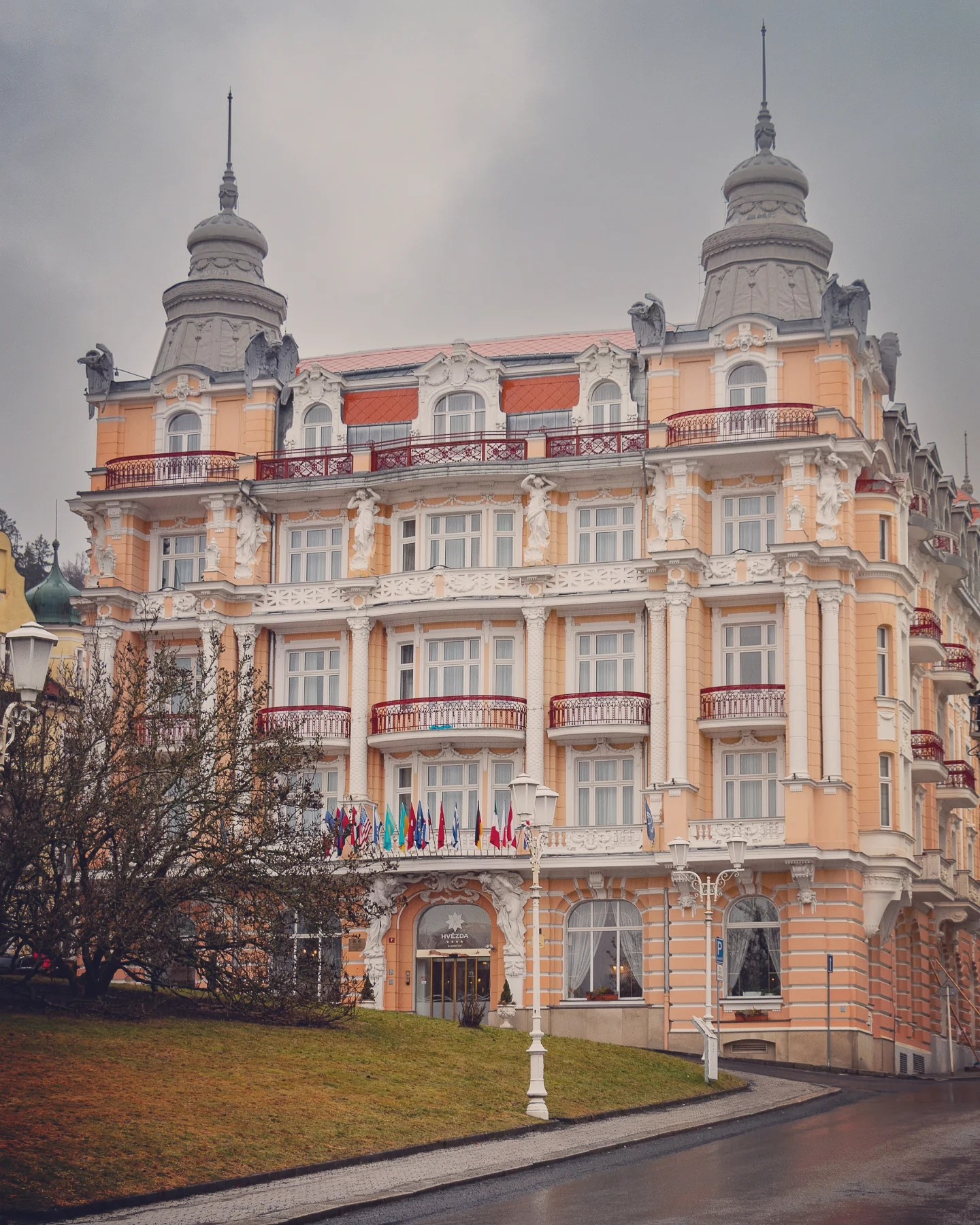
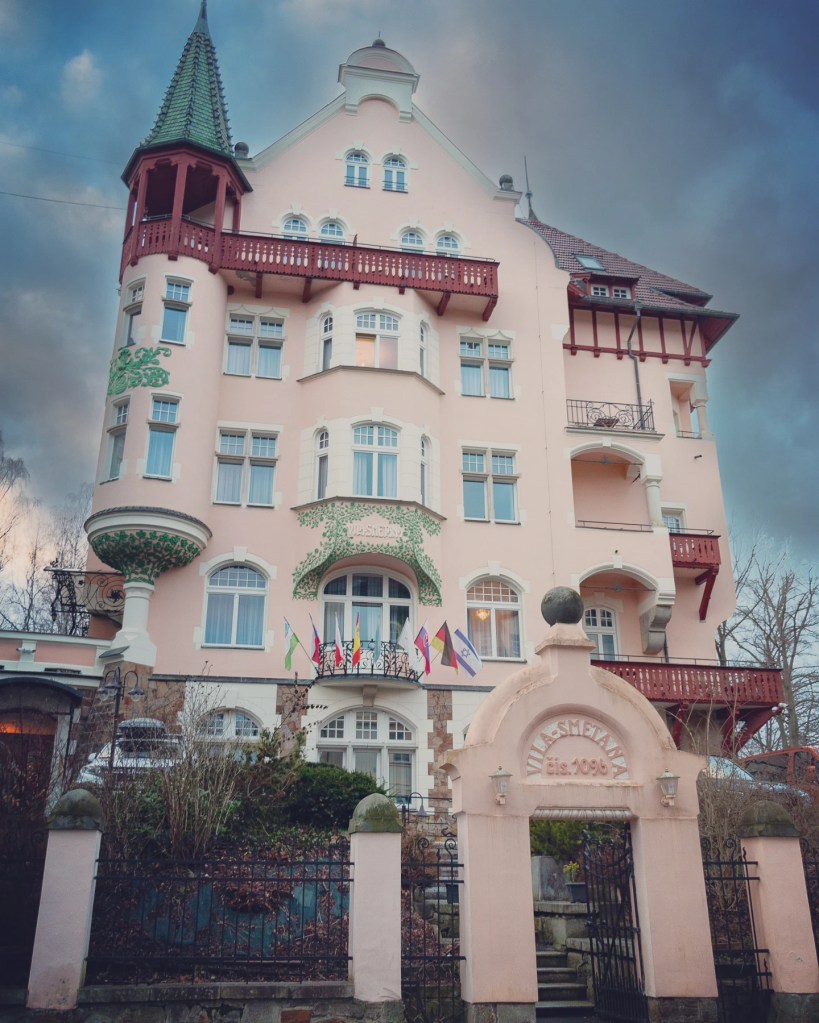
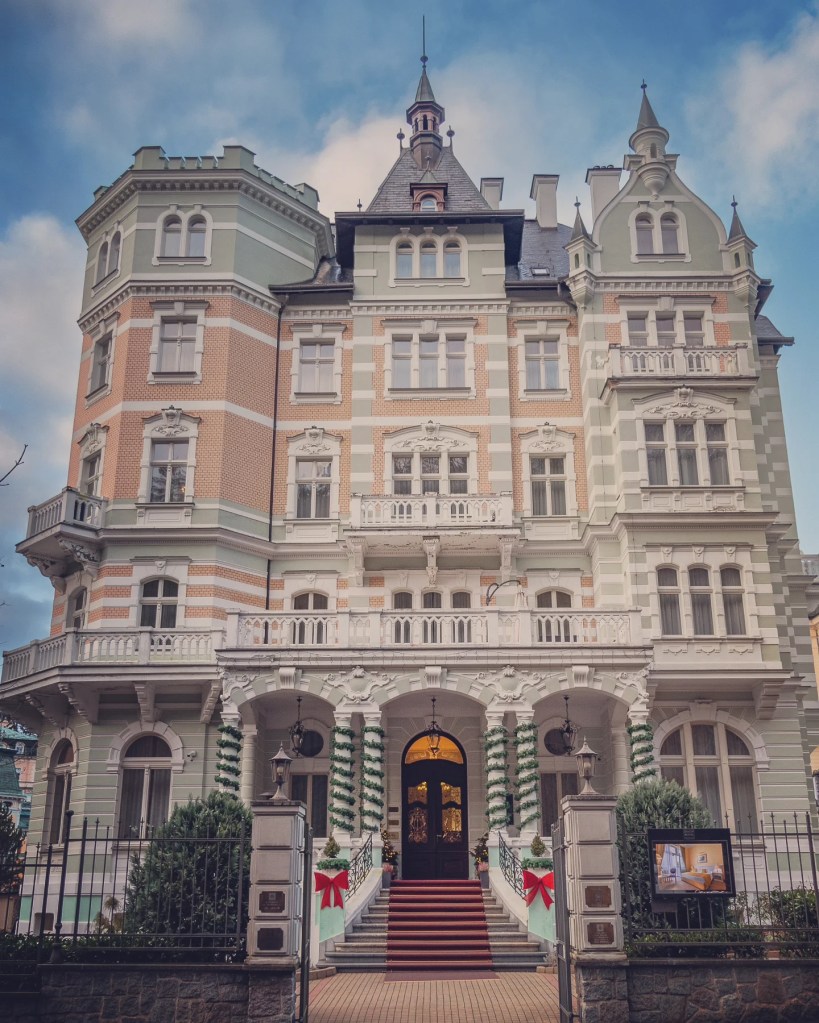
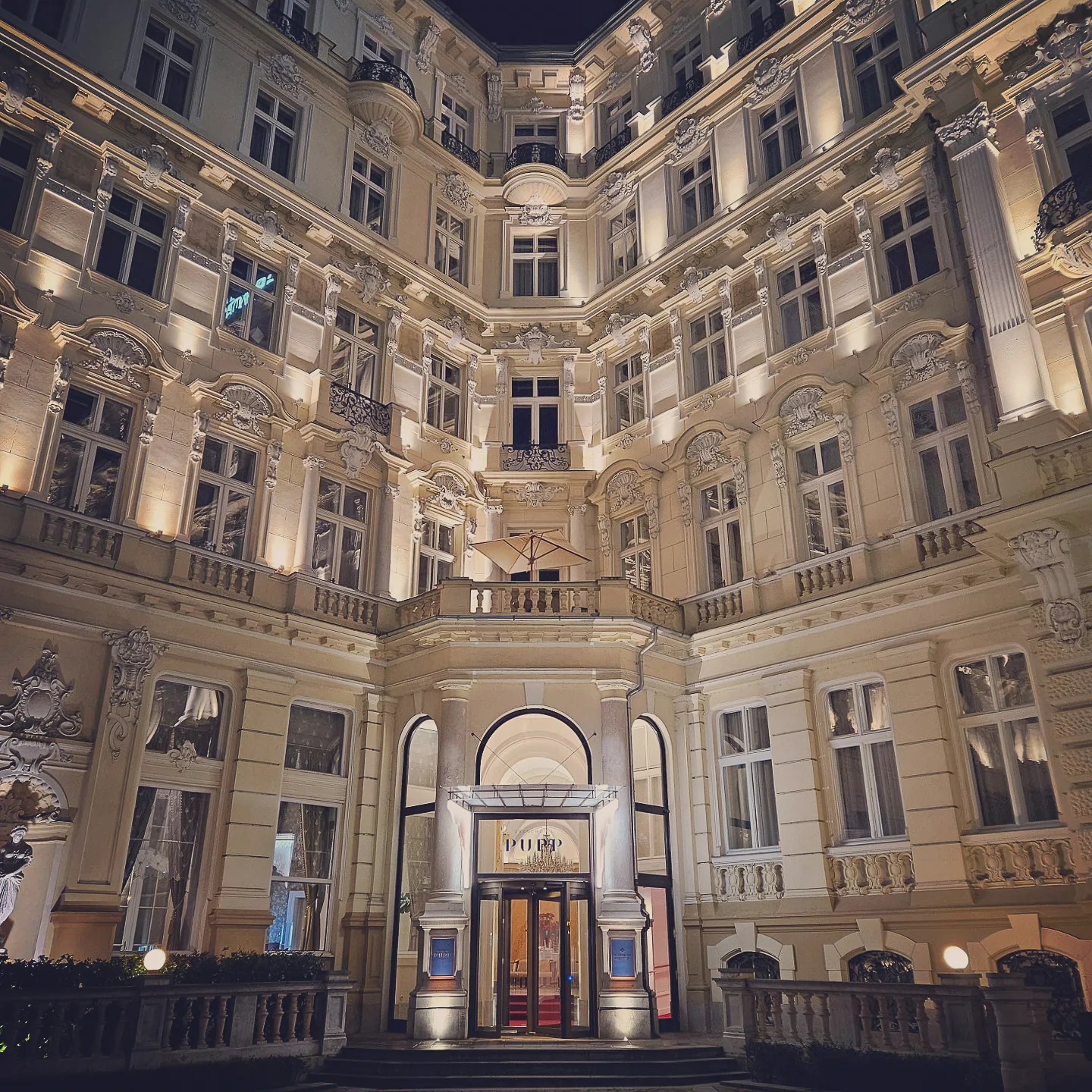
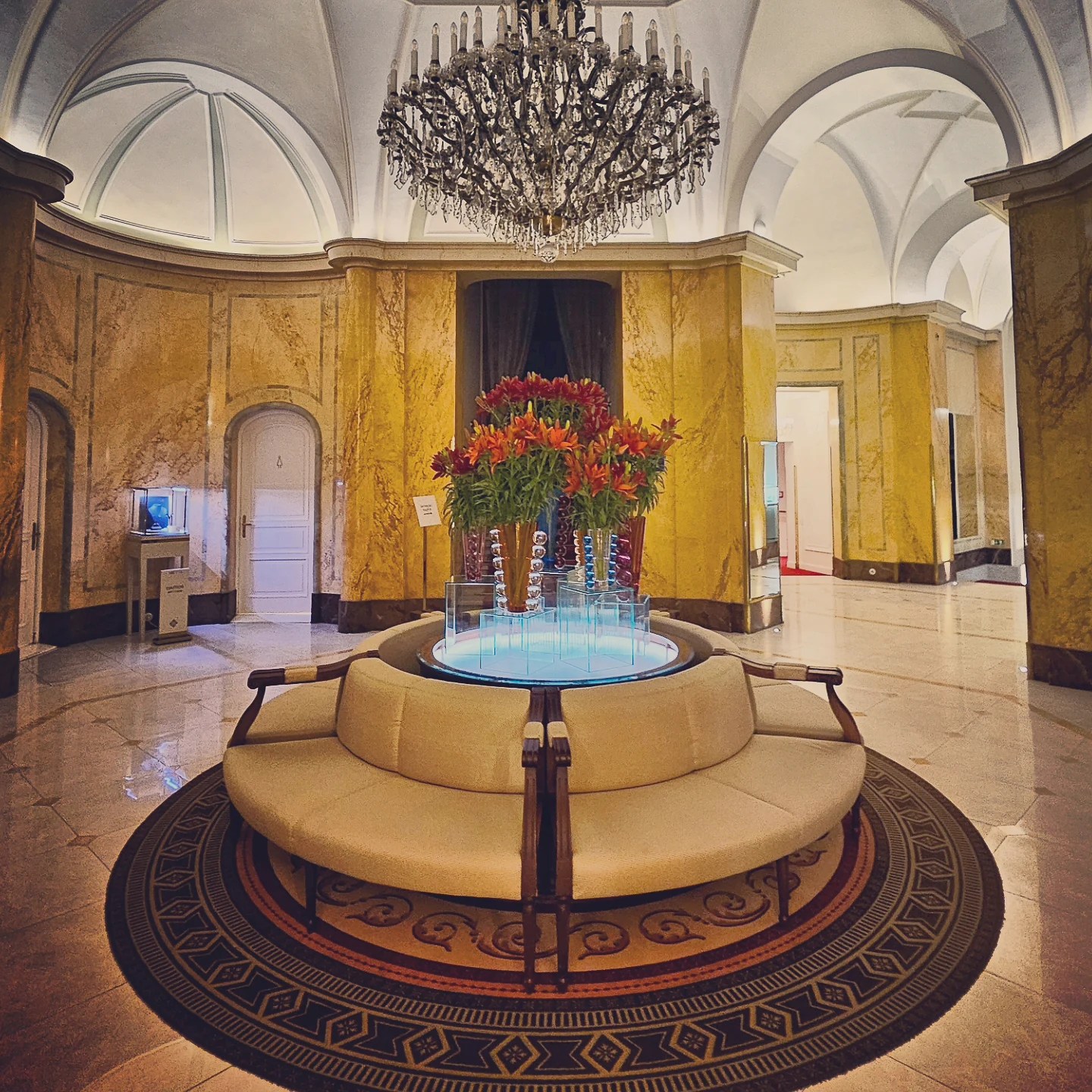
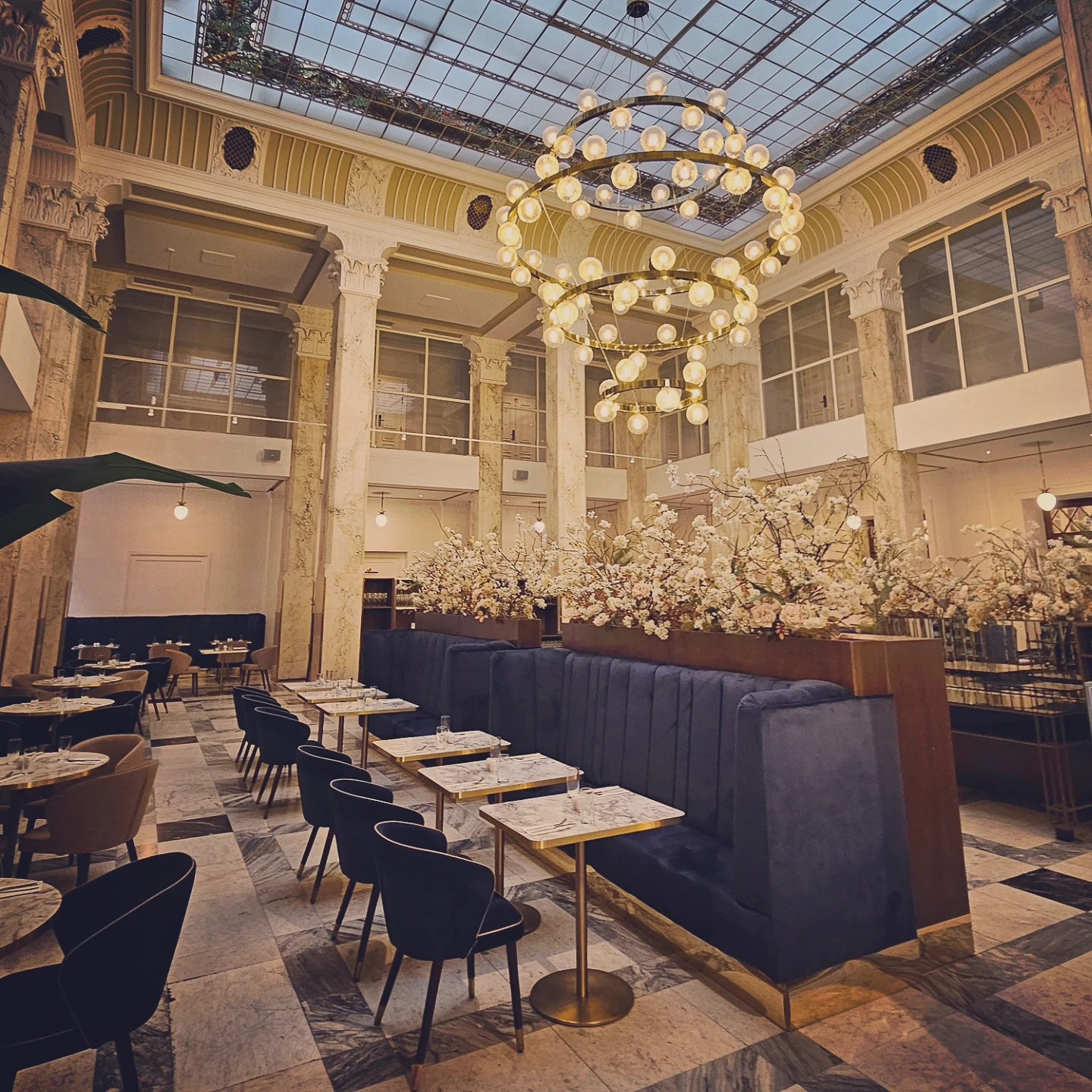
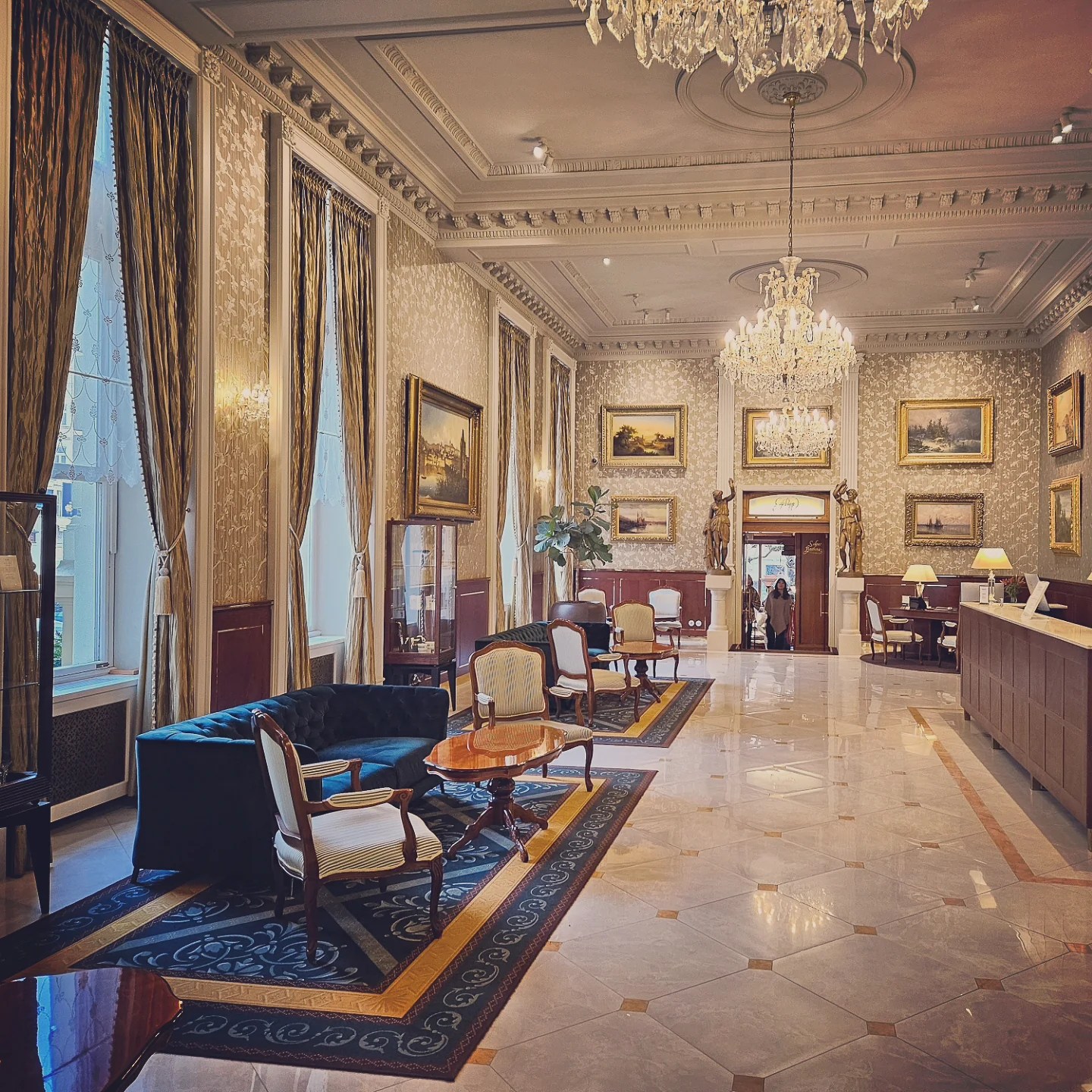
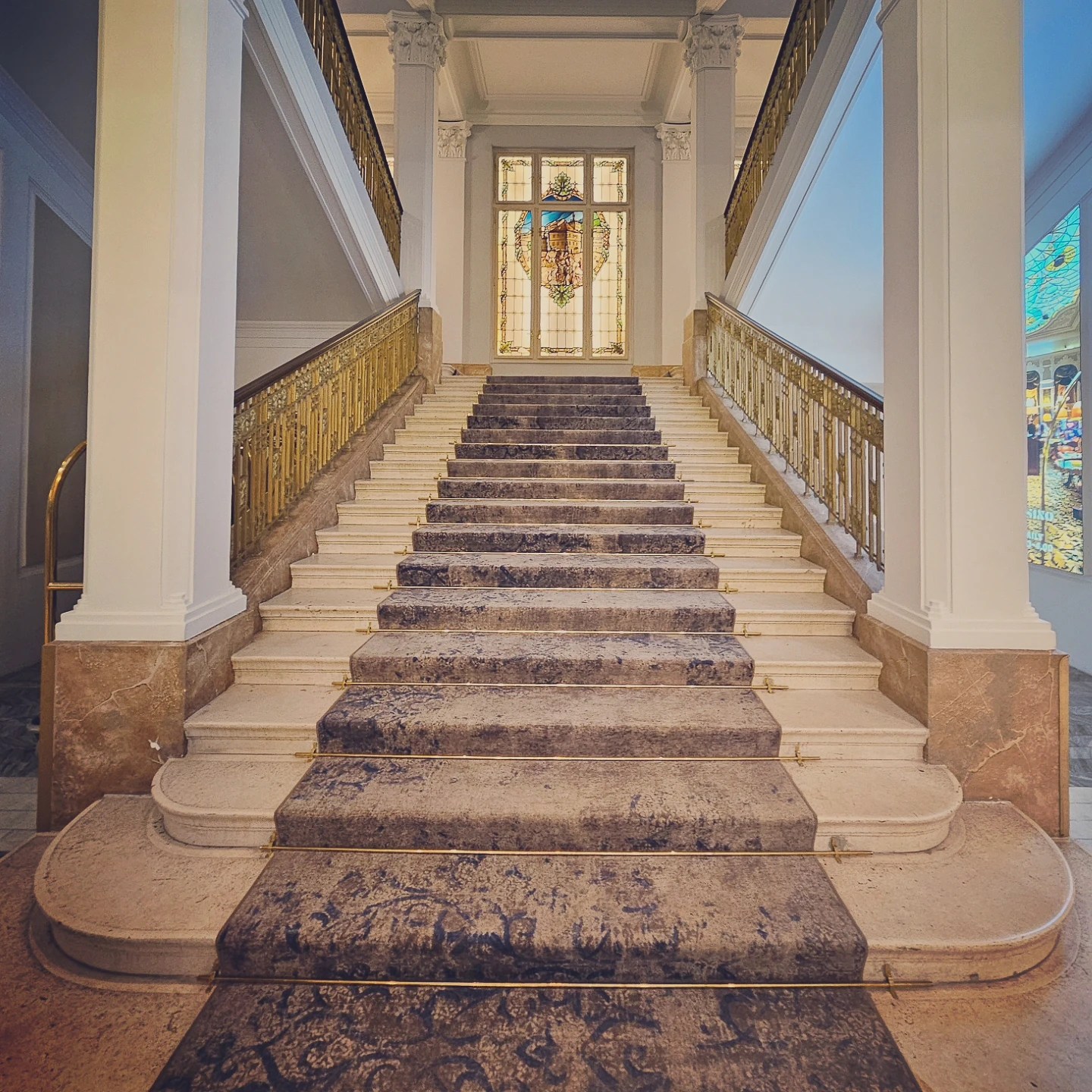
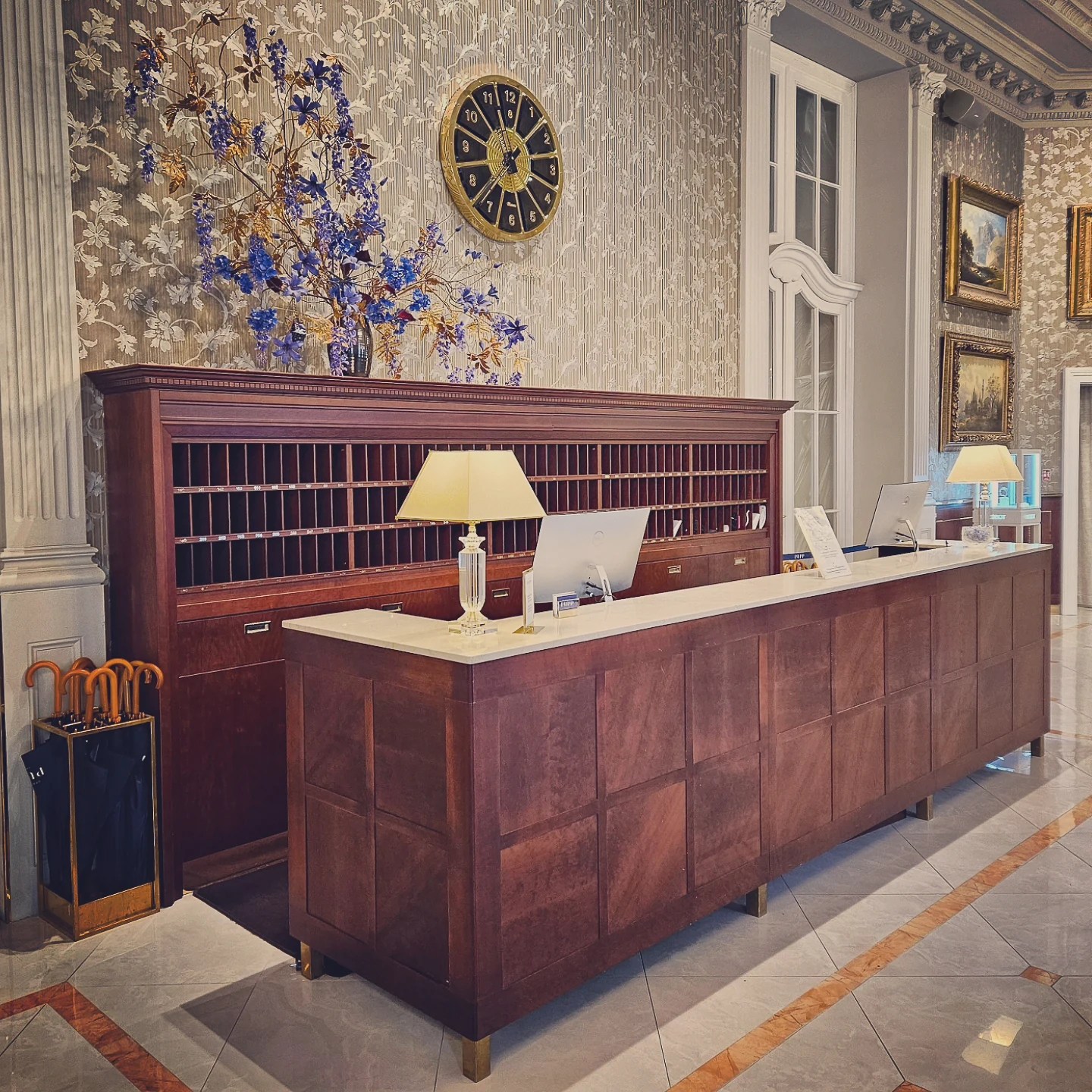
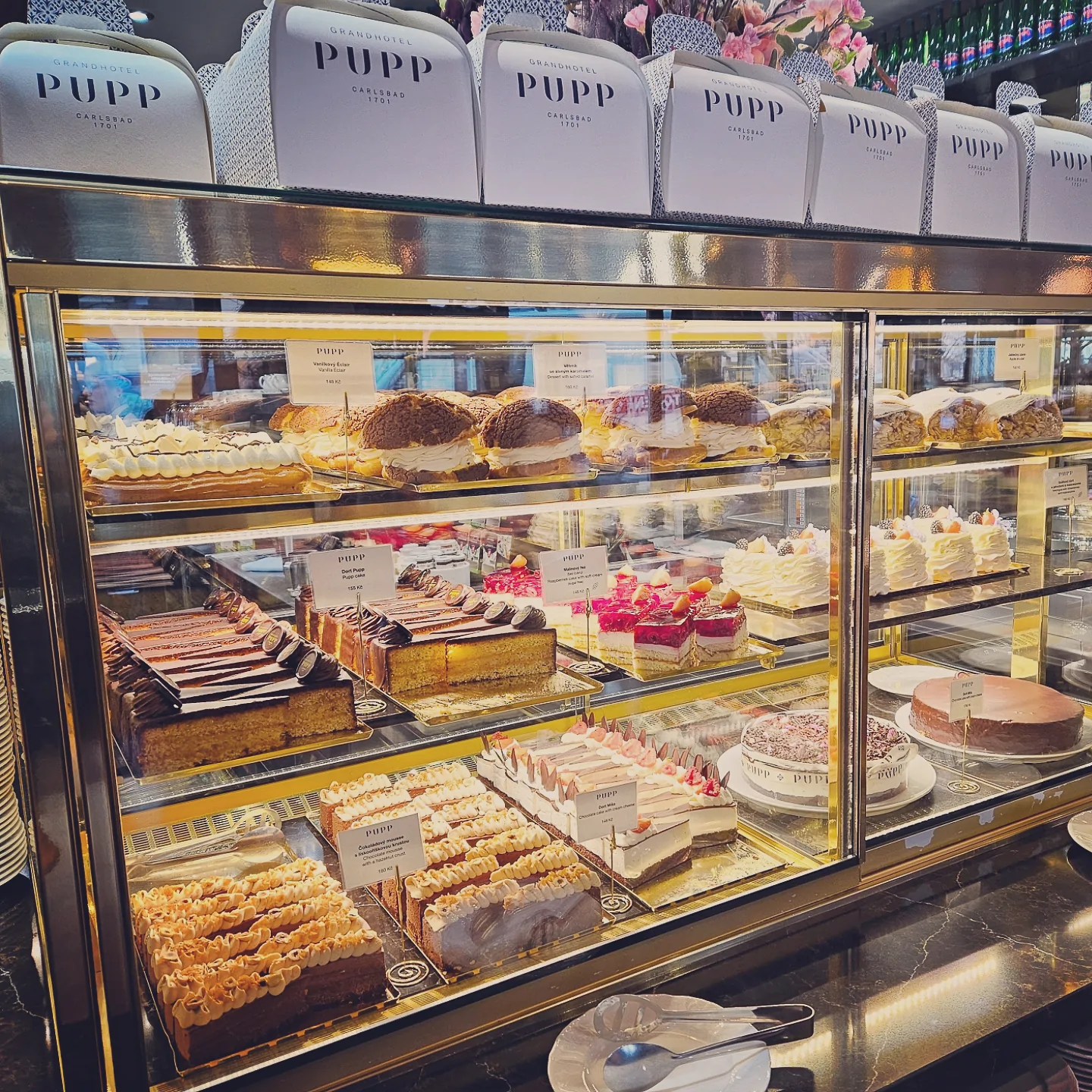
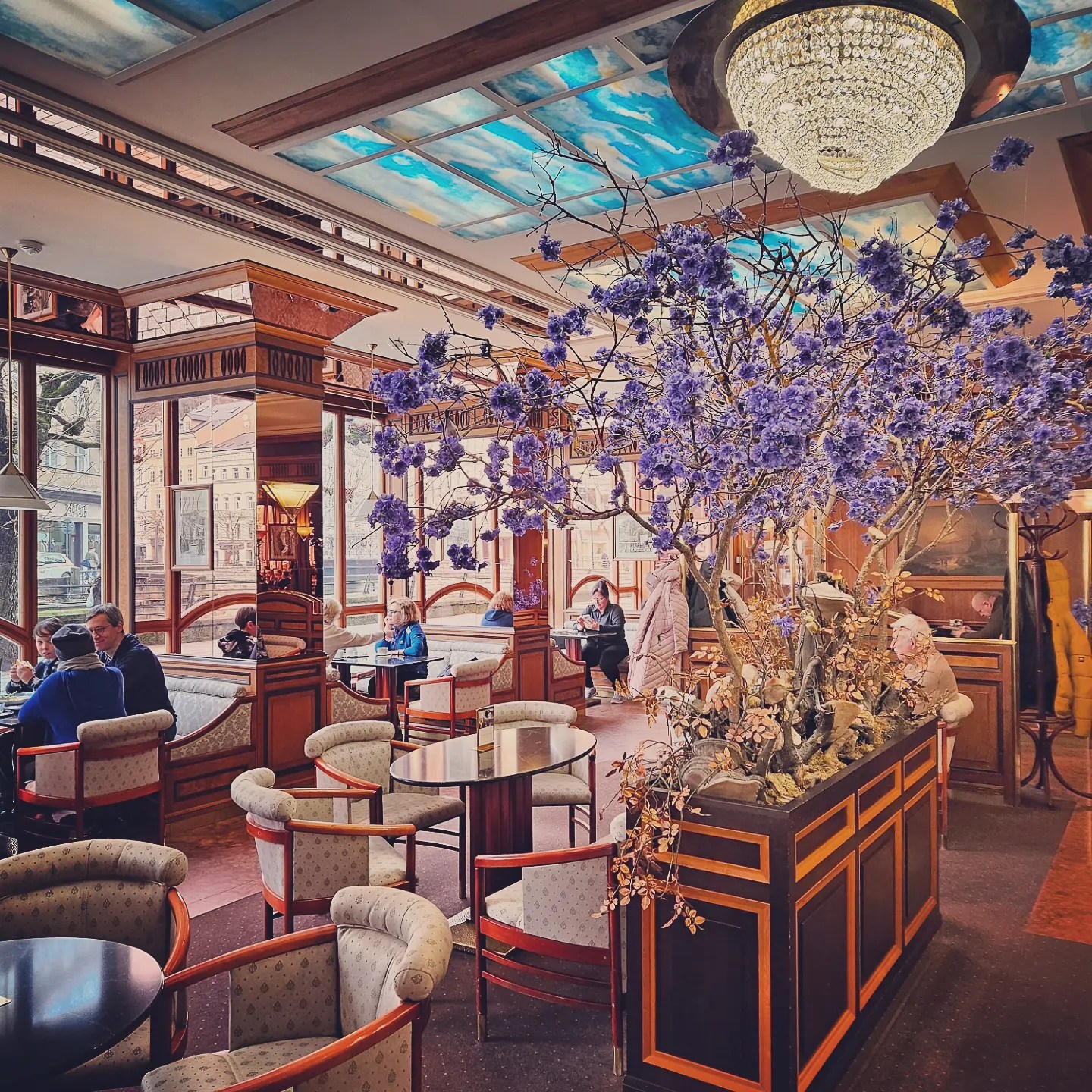
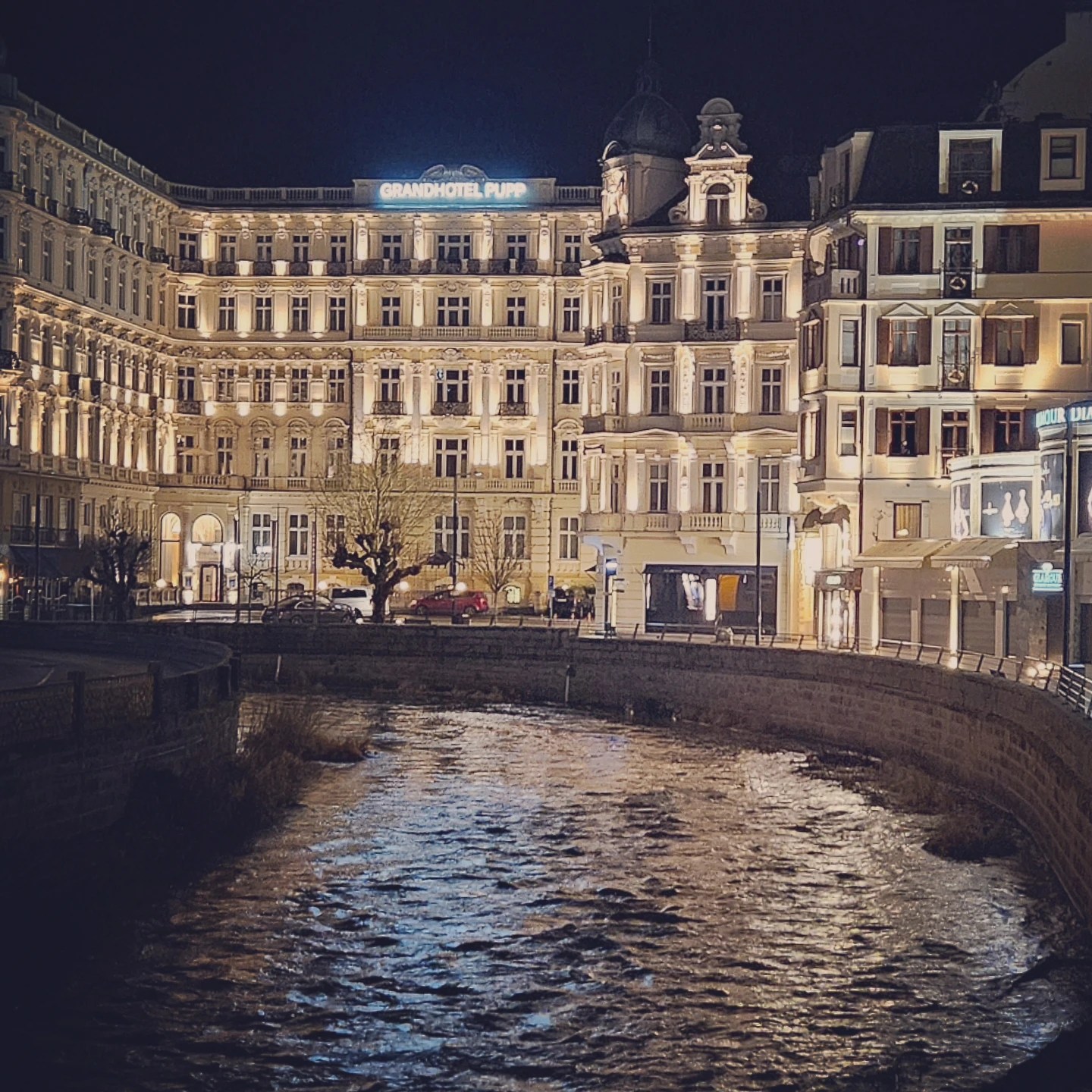
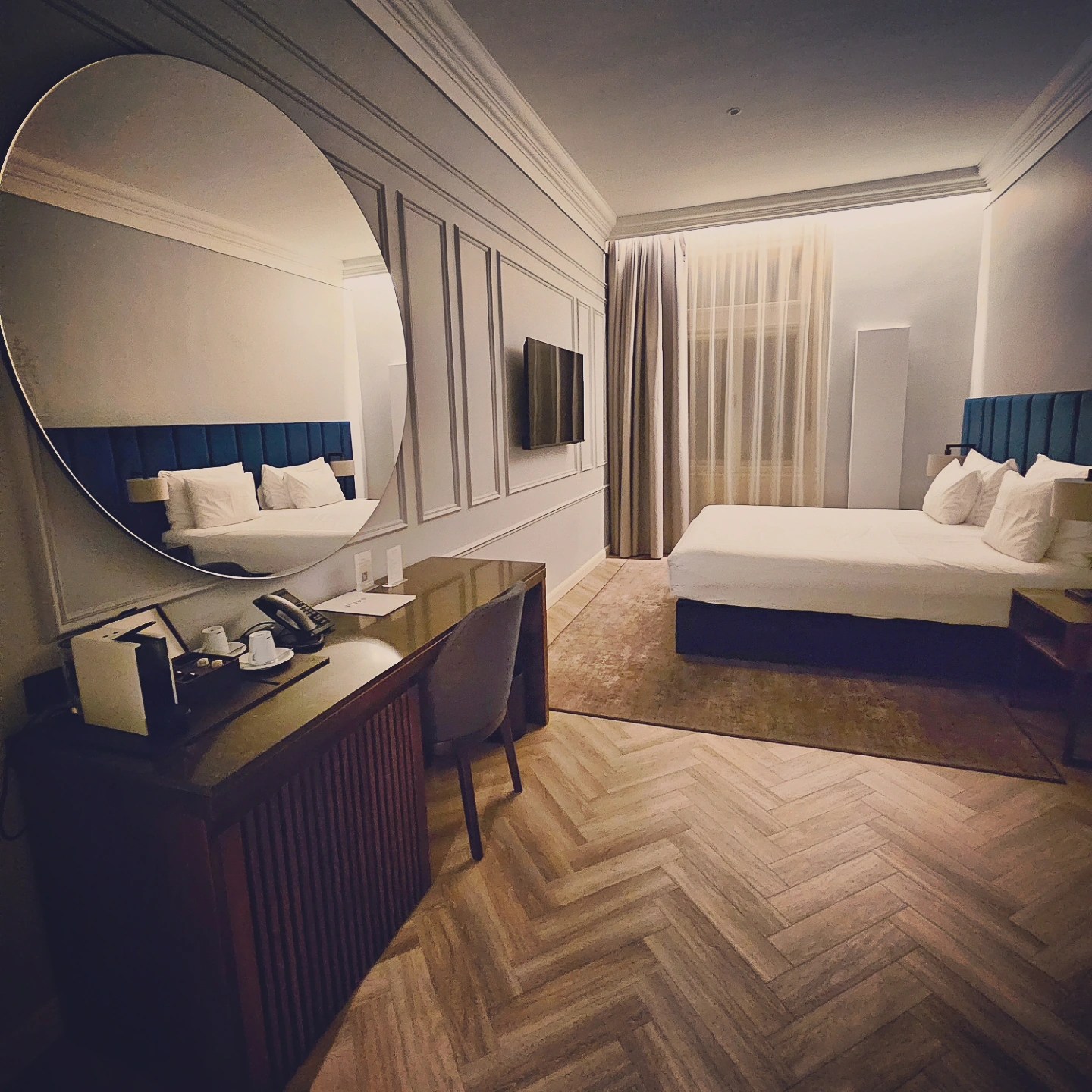
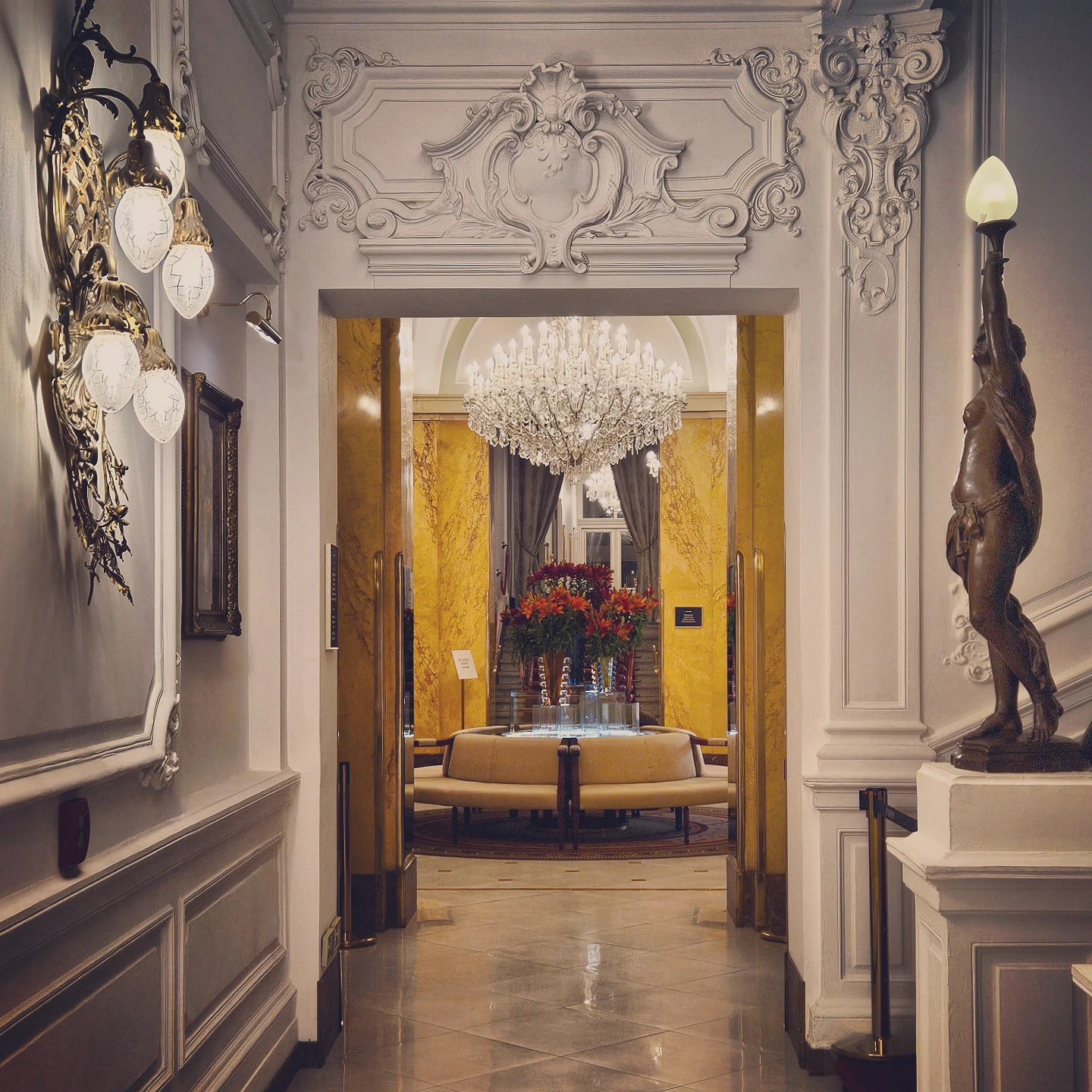
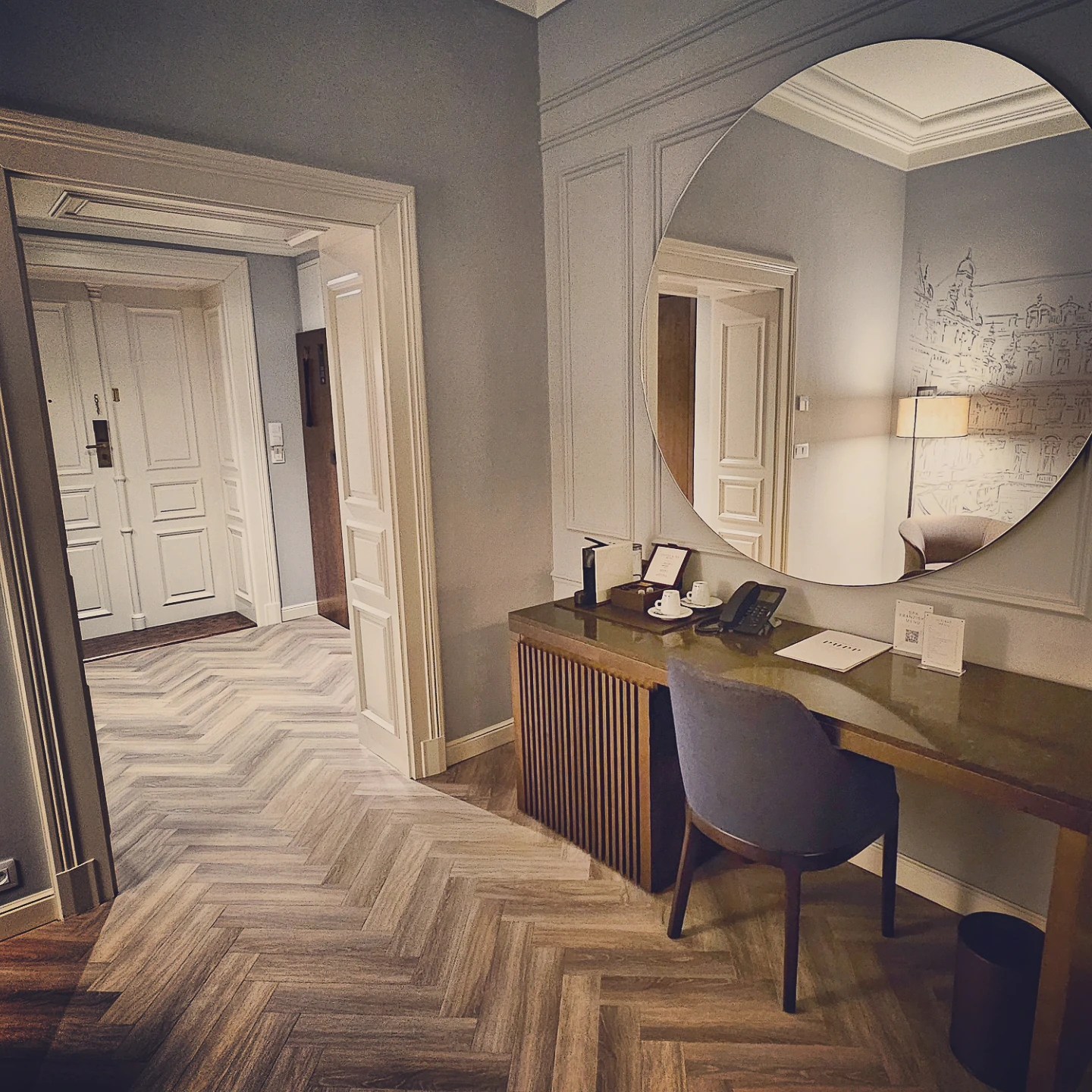
Our stay in Karlovy Vary brought us to the historic Grandhotel Pupp, founded in 1701 and one of Karlovy Vary’s most iconic hotels. Long associated with the spa tradition, it also served as a filming location for the 2006 movie Last Holiday, starring Queen Latifah. Even though I spent most of my time out exploring, the grand interiors made it clear why this place has drawn guests for generations. I would absolutely return to spend more time enjoying the hotel itself.
The Colonnades & Mineral Springs of Karlovy Vary
Karlovy Vary is one of Europe’s most famous hot-spring towns, with about 79 thermal mineral sources rising to the surface—though only 13 of them are traditionally used for drinking cures and accessible to visitors. These springs vary in temperature and carbon dioxide content, which historically shaped how they were used in spa treatments.
Many of the springs are housed within a series of elegant colonnades. These covered walkways were designed not only to protect visitors from the weather but also to encourage slow promenades, light exercise, and social interaction—an important part of traditional spa culture.
Market Colonnade (Tržní kolonáda)
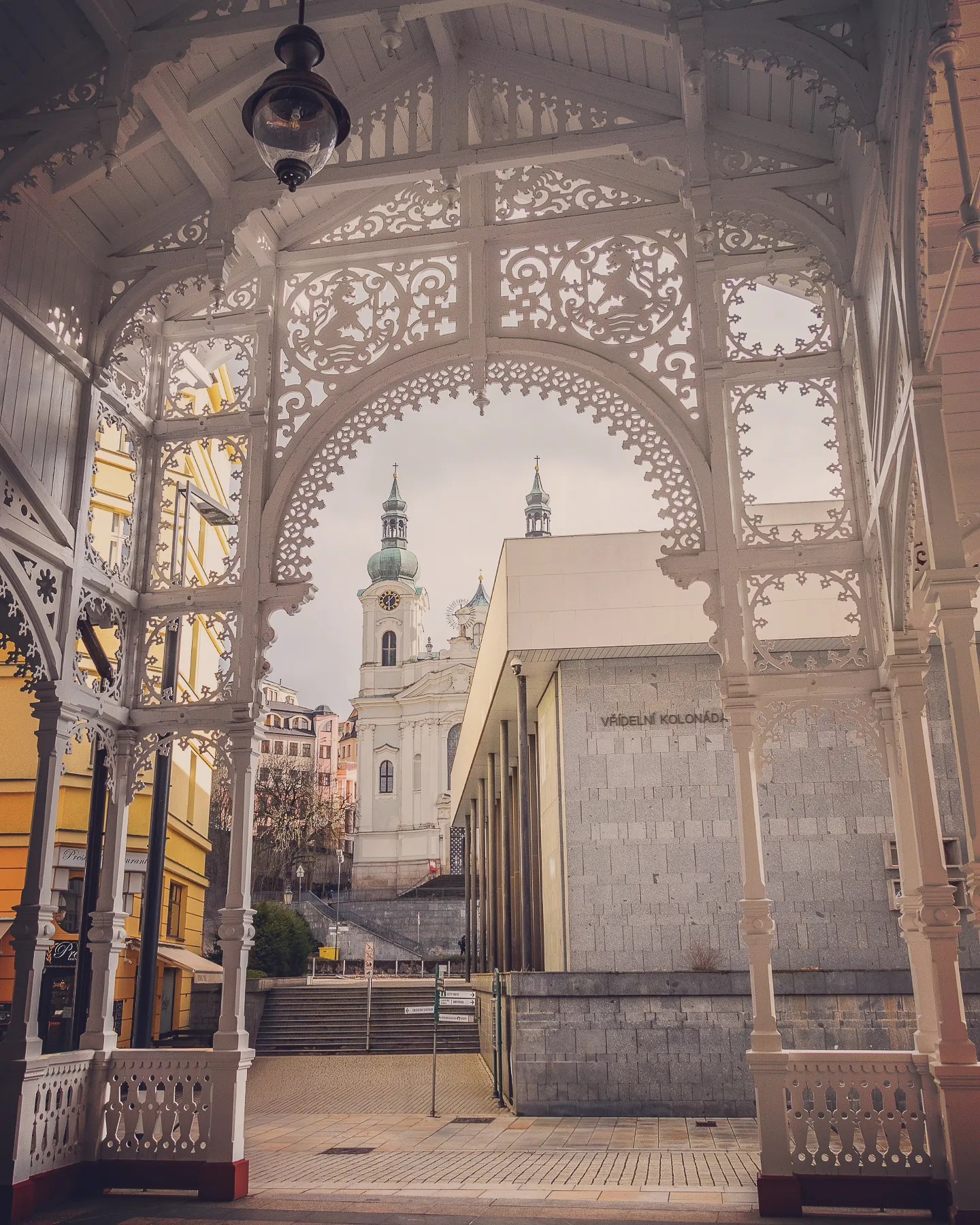
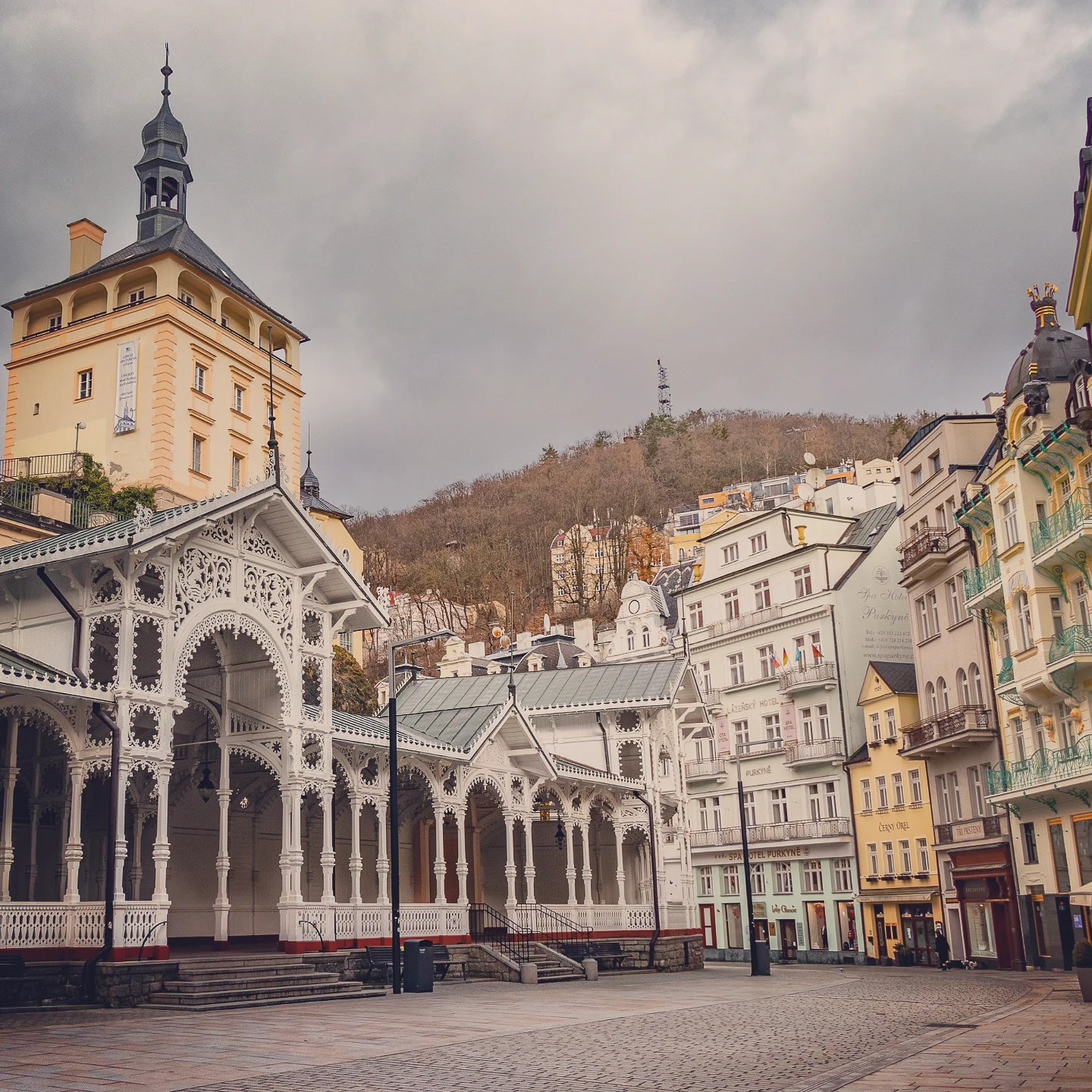
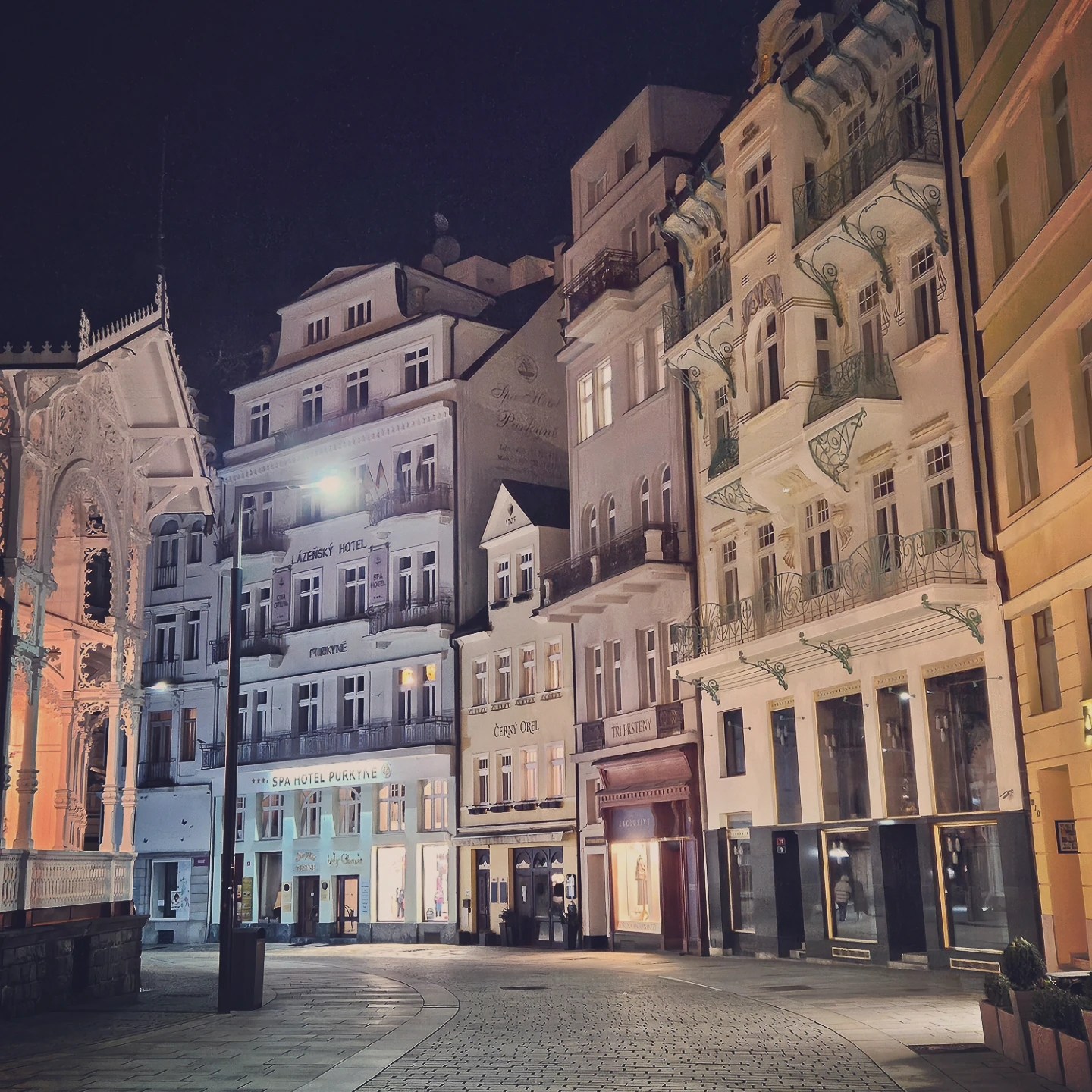
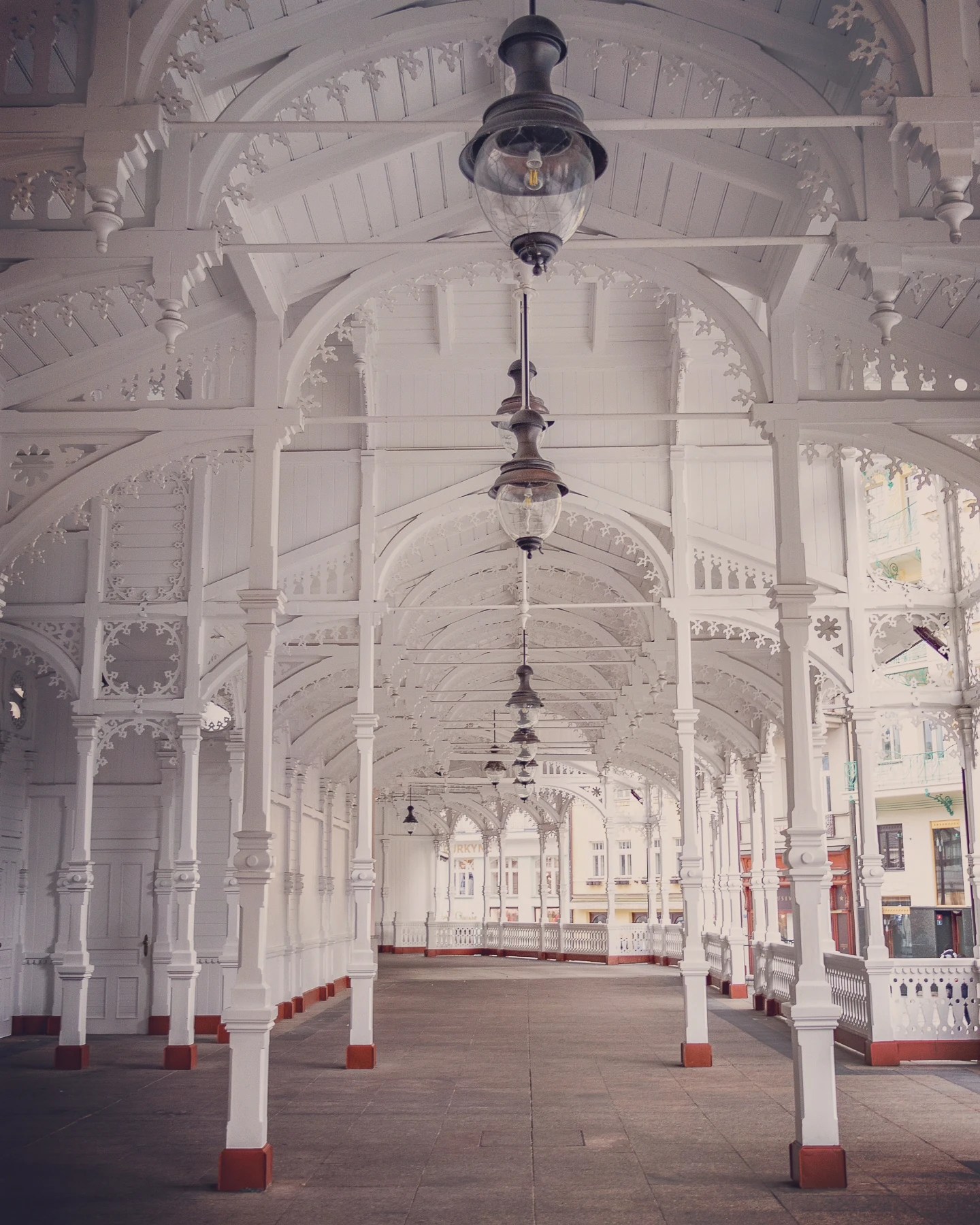
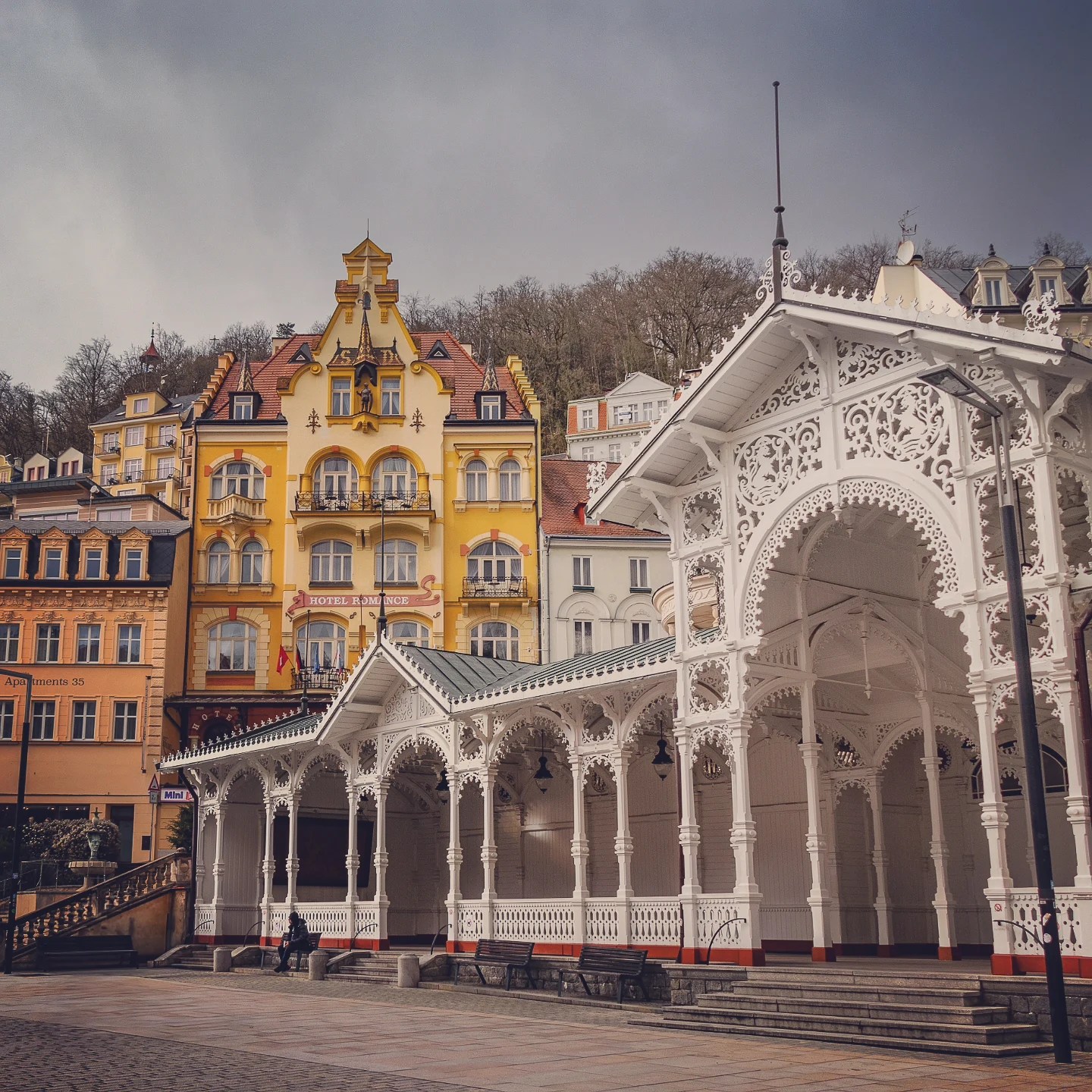
The Market Colonnade is one of Karlovy Vary’s most recognizable structures, with its intricate white wooden arches and carved details. Beneath it, visitors can sample several springs, including the Market Spring and the Lower Castle Spring. It’s one of the easiest places to begin tasting the thermal waters while taking in the historic surroundings along the Teplá River.
Mill Colonnade (Mlýnská Kolonáda)
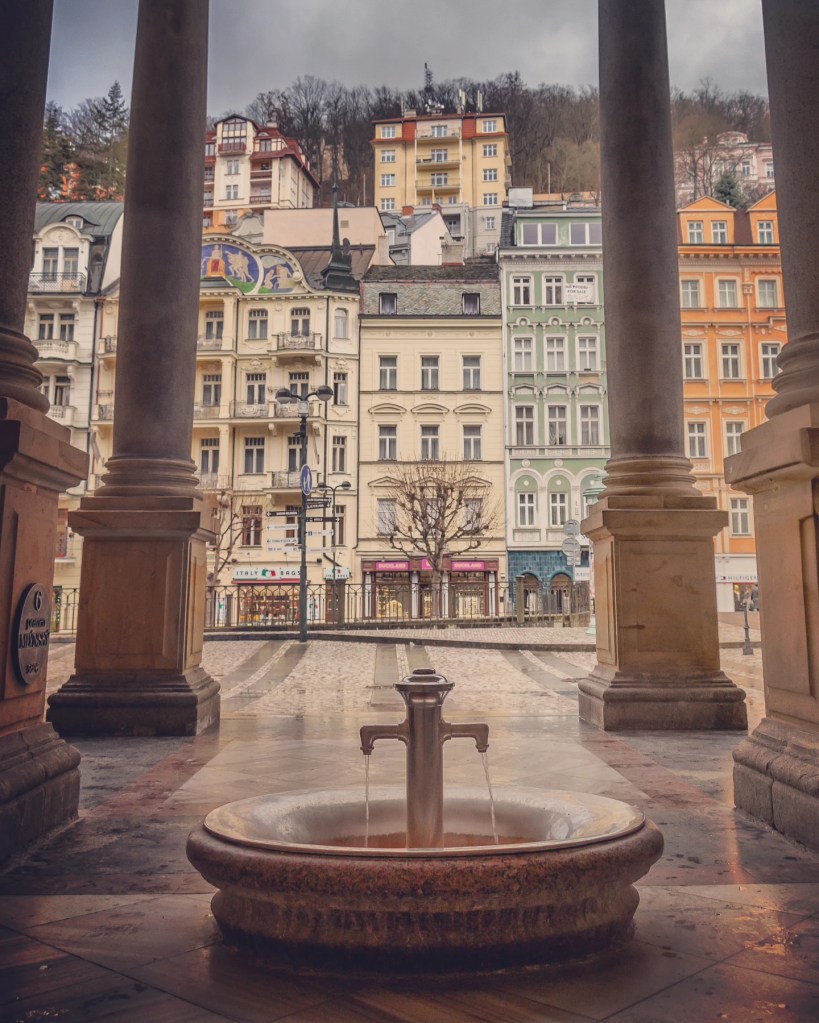
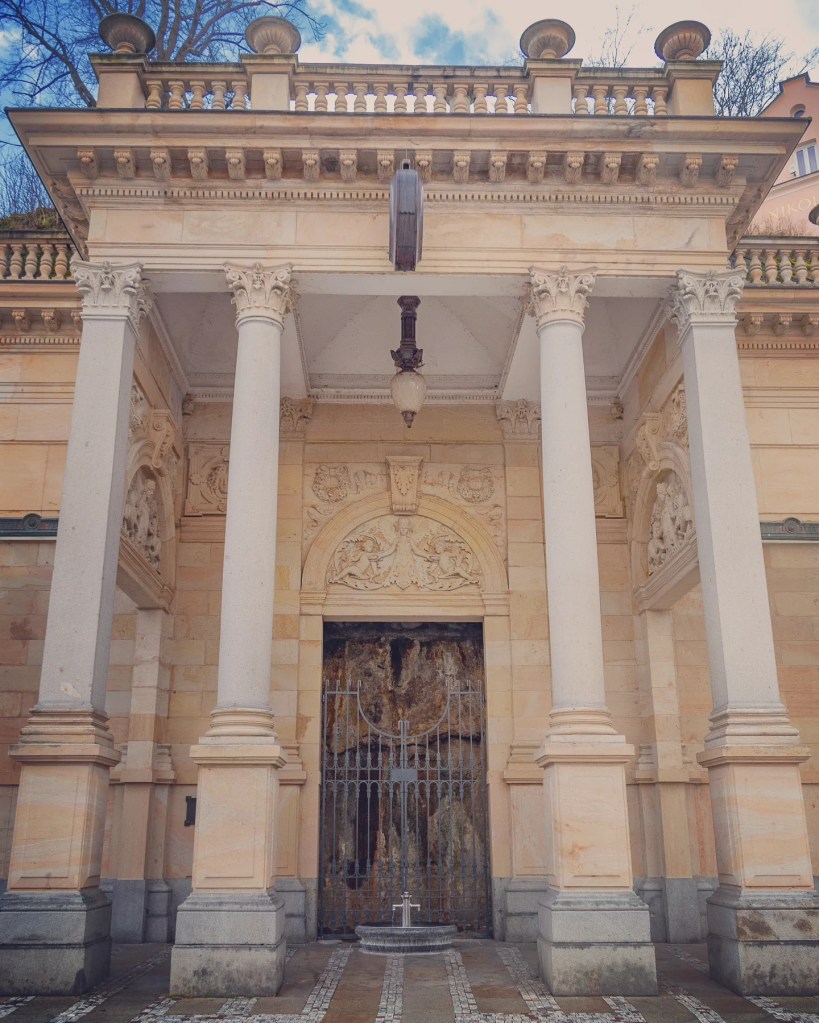
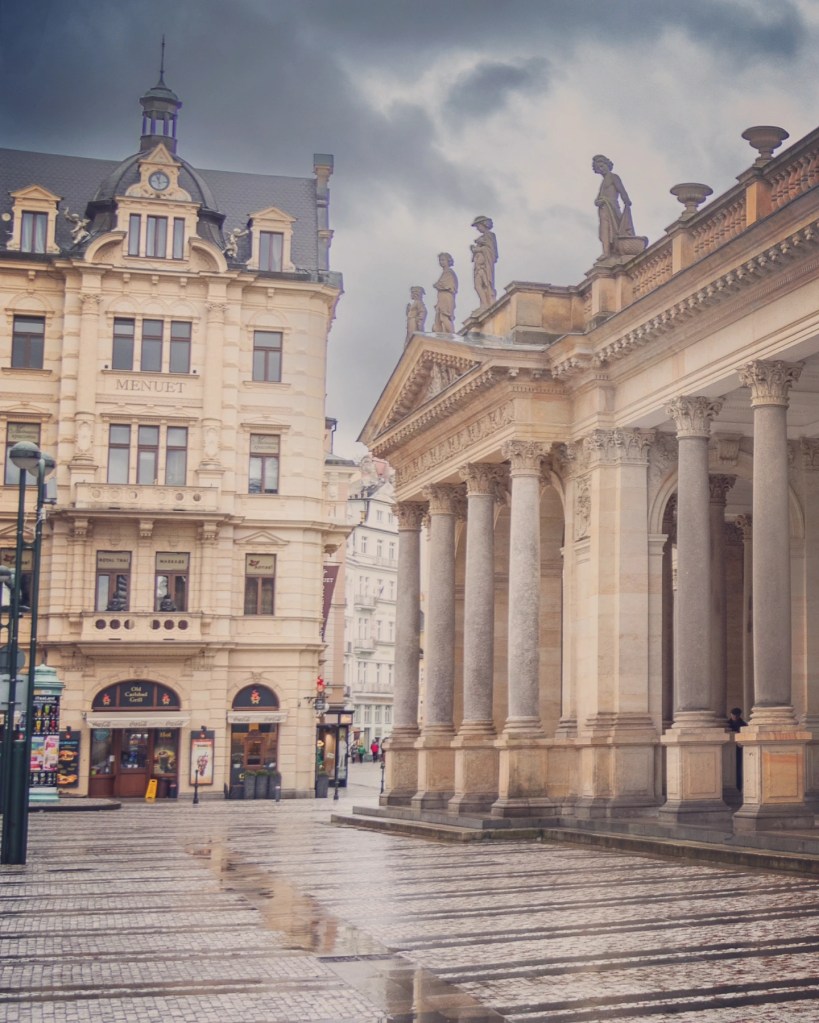
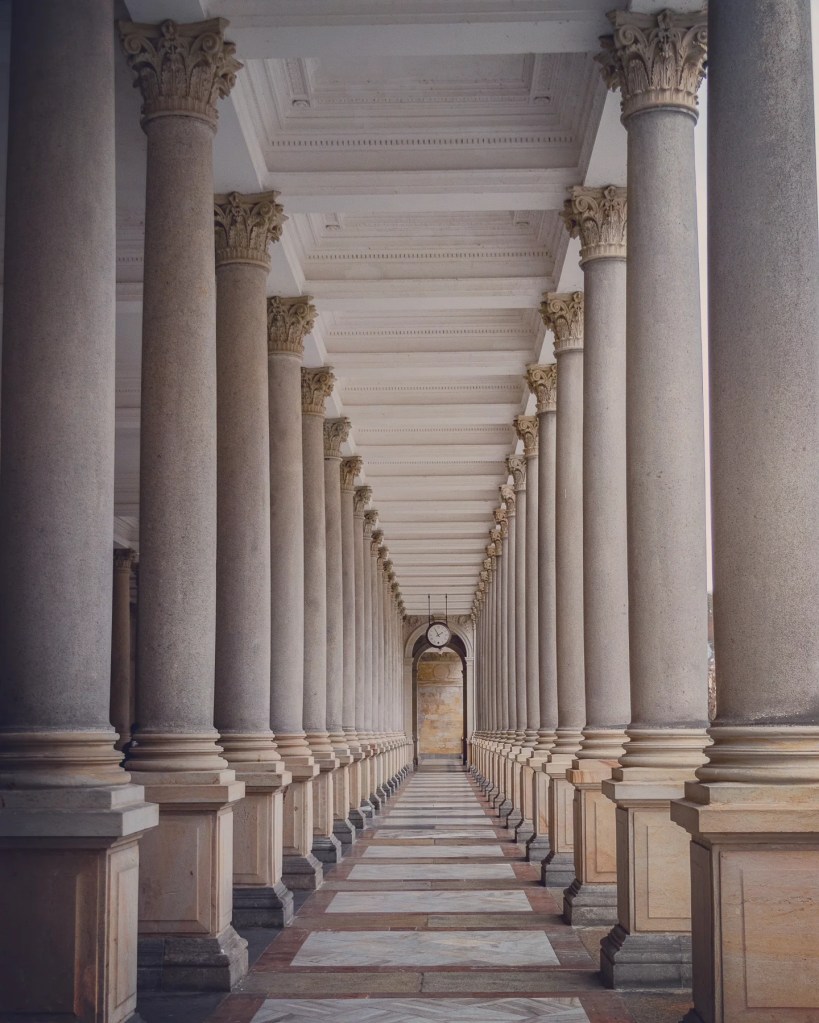
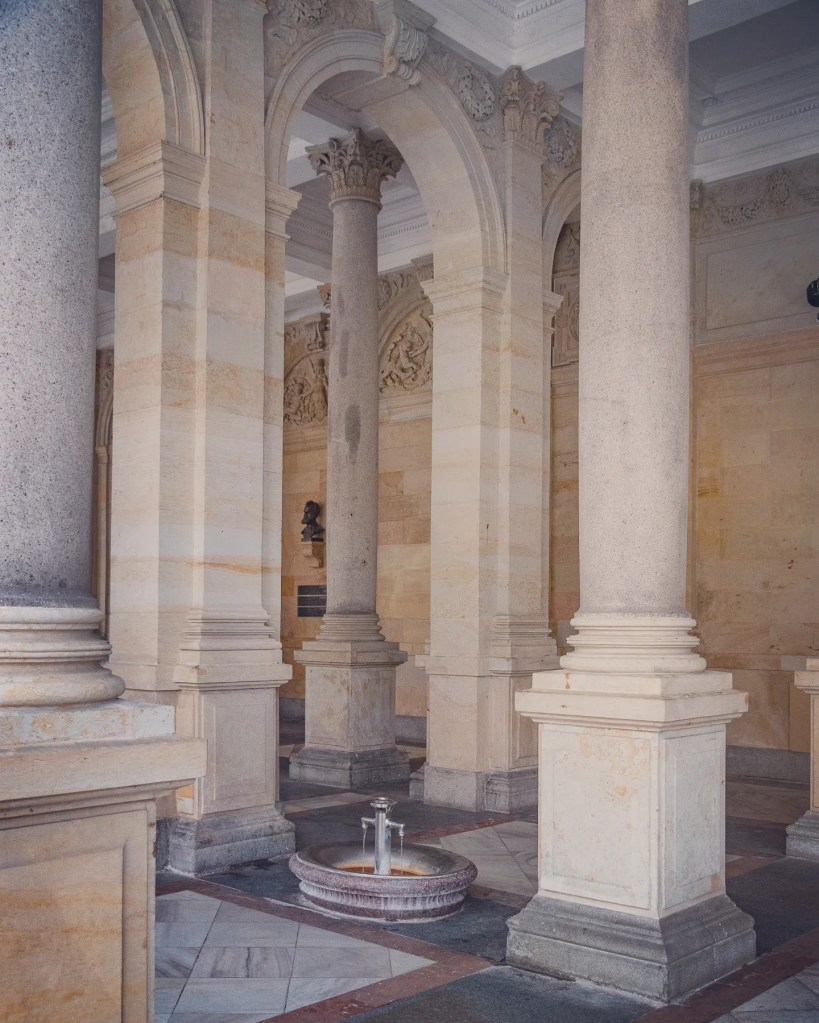
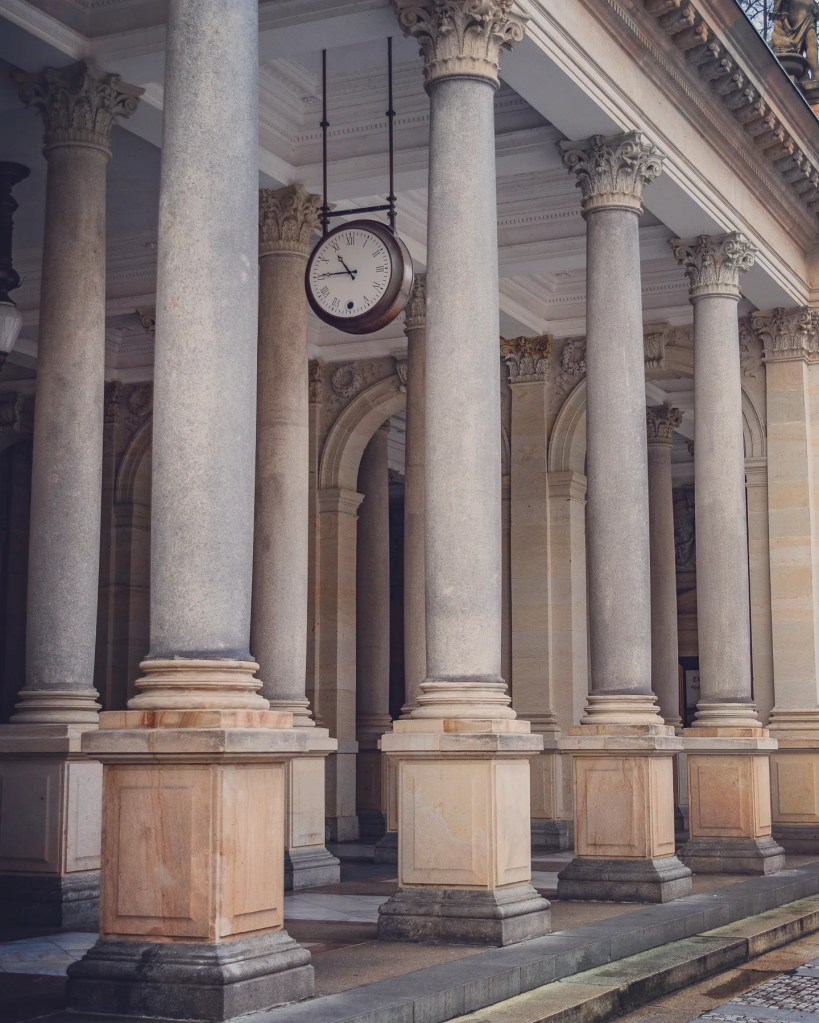
The Mill Colonnade, built between 1871 and 1881 in a Neo-Renaissance style, is one of Karlovy Vary’s most impressive public spaces. Its long row of Corinthian columns stretches along the Teplá River and shelters five of the town’s thermal springs beneath its roof.
Each spring flows at a different temperature and mineral composition, and the colonnade remains one of the town’s central gathering places—part promenade, part spa ritual.
Hot Spring Colonnade (Vřídelní Kolonáda)
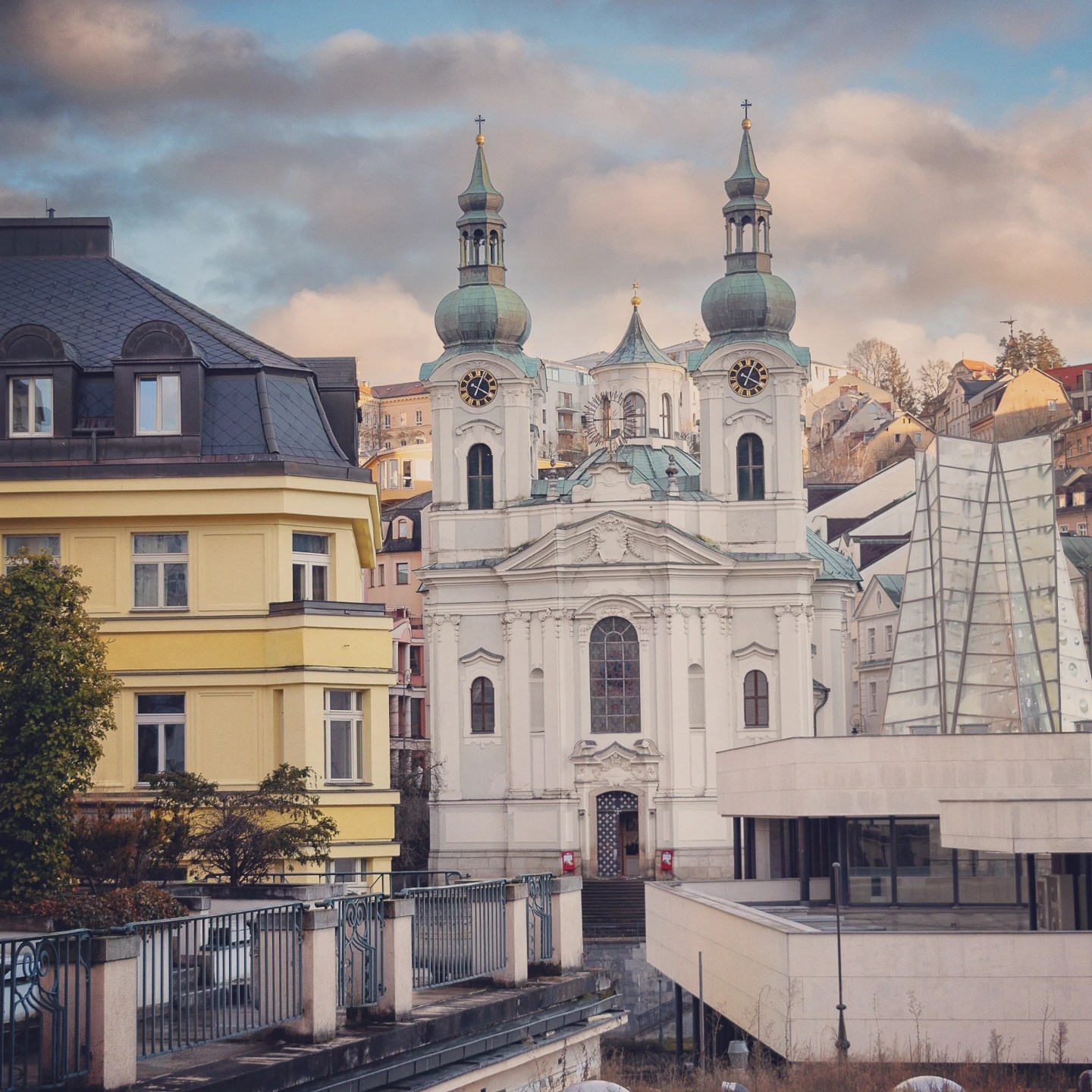
The Hot Spring Colonnade, rebuilt in 1975 in a modern Functionalist style, covers the town’s most famous spring: Vřídlo. Here, geothermal water normally erupts as a geyser reaching up to 12 meters (about 39 feet), with temperatures around 73 °C (163 °F). Because the water is far too hot to drink directly, it is routed into cooler basins for sipping.
The current structure replaced an ornate 19th-century cast-iron colonnade that once stood here. The original was dismantled in the 1930s due to structural problems and later replaced in the 1970s by the modern Functionalist building you see today—a design that has continued to divide opinion among visitors and locals alike.
Sadly, the geyser wasn’t flowing during our visit due to cleaning and maintenance—which just gives me another reason to return and see it in full force.
Park Colonnade (Sadová kolonáda)
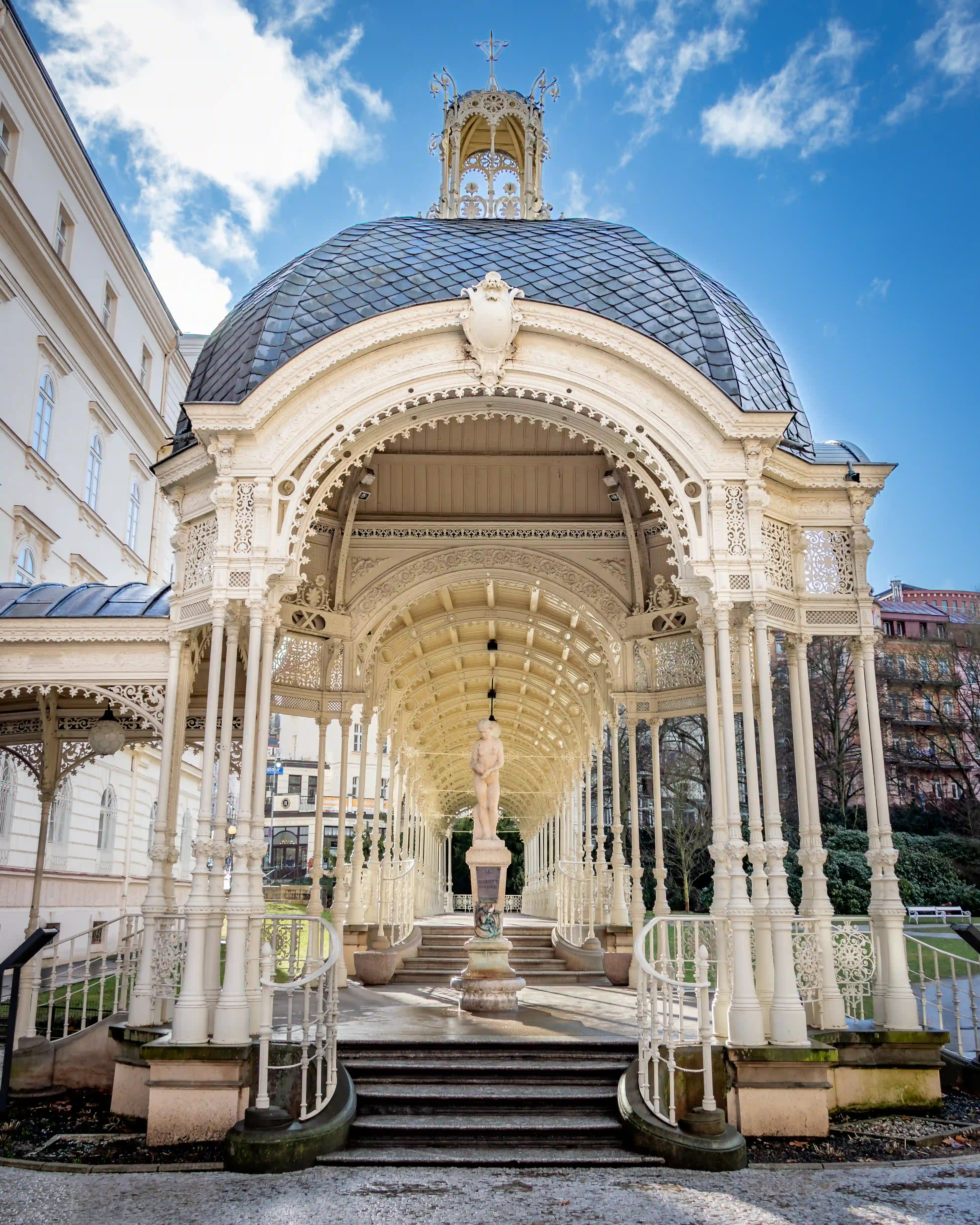
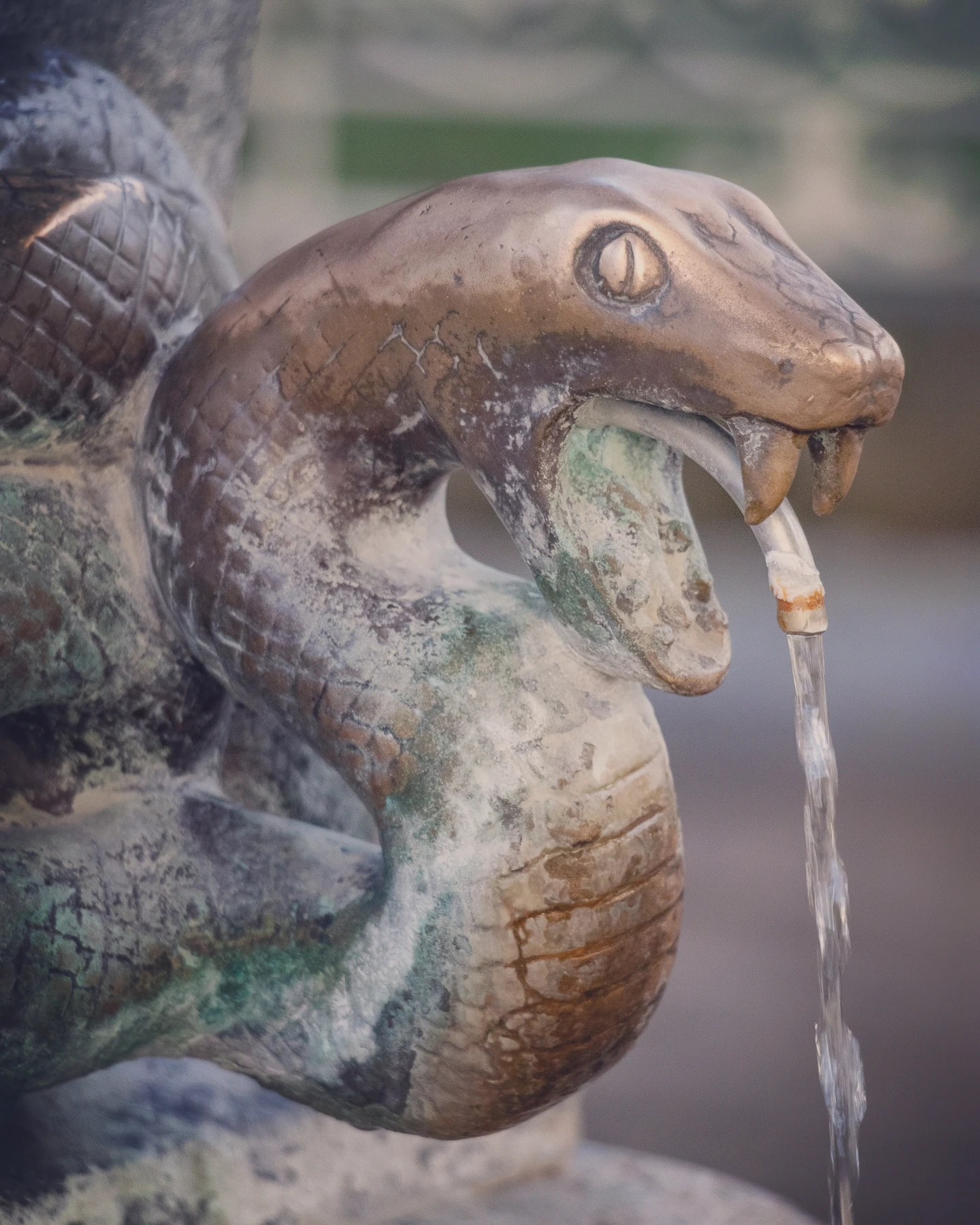
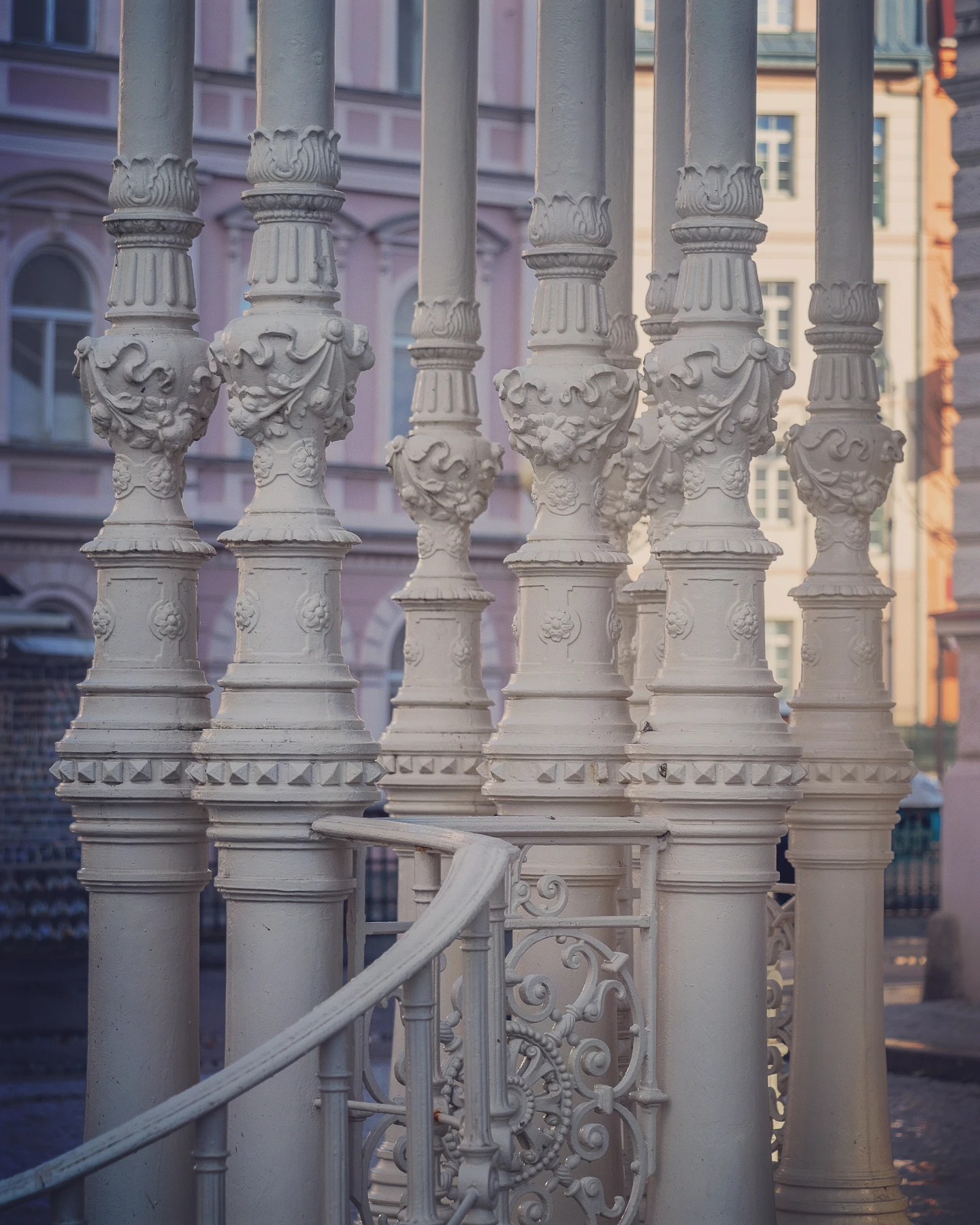
The Park Colonnade sits in Dvořák Gardens, a delicate cast-iron structure set among trees and walking paths in a quieter stretch of the spa district. Here you’ll find springs such as the Snake Spring, integrated directly into the colonnade.
Castle Colonnade (Zámecká kolonáda)
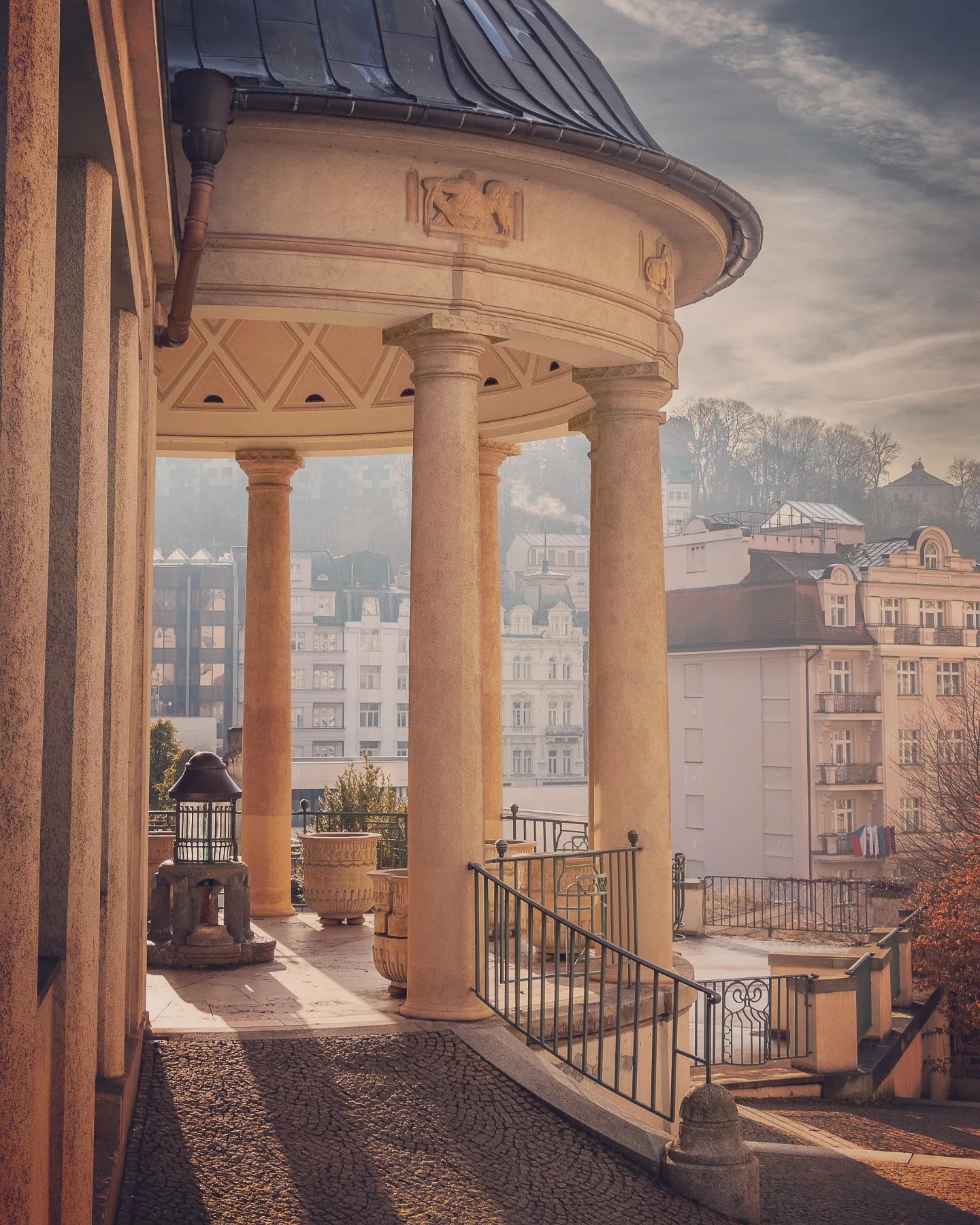
The Castle Colonnade, built between 1910 and 1912 in the Art Nouveau style, rises above the main spa area. Today, much of the structure forms part of the Zámecké lázně (Castle Spa) and Wellness Centre and is not fully accessible to the public, but the arbour over the Upper Castle Spring remains open, allowing visitors to sample the mineral water.
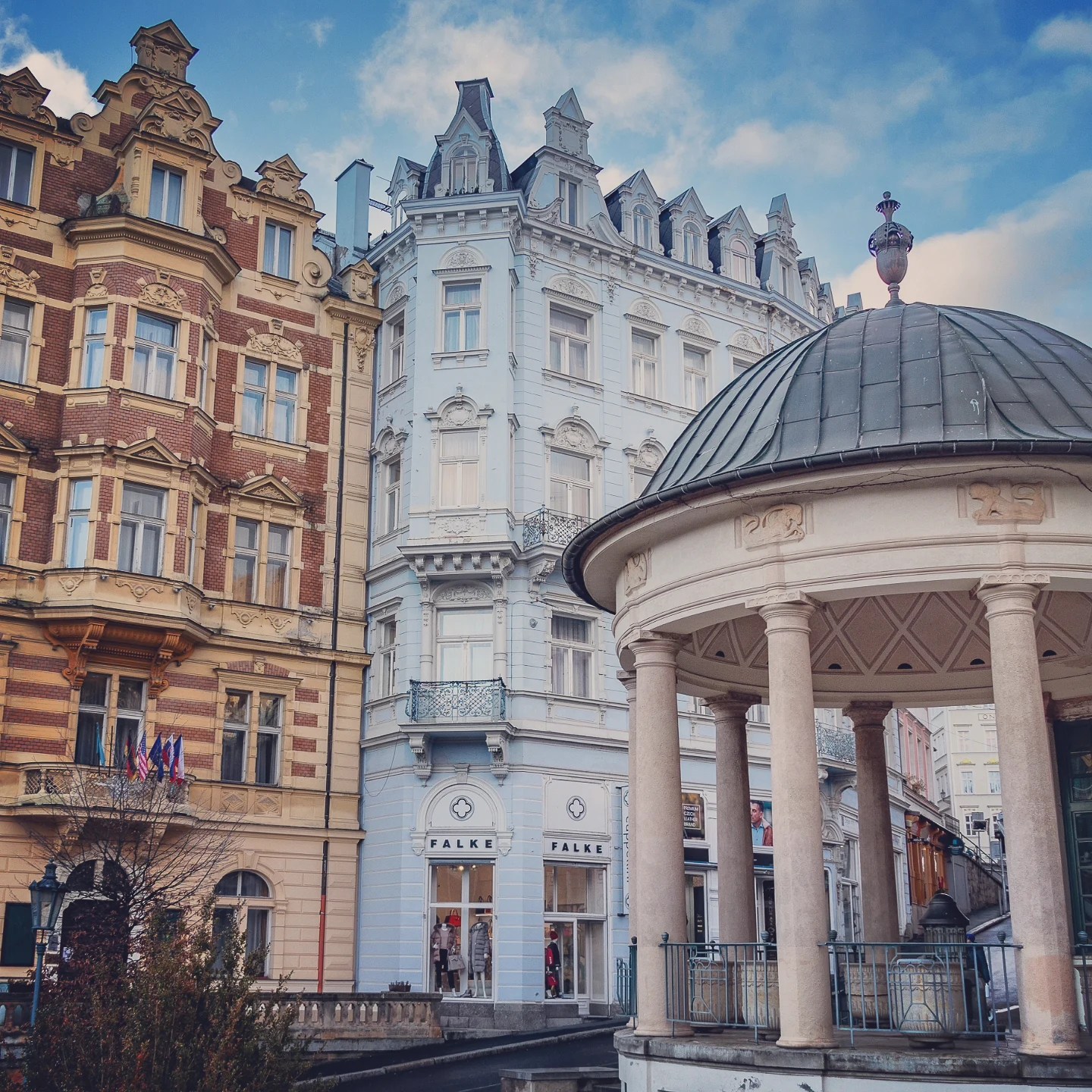
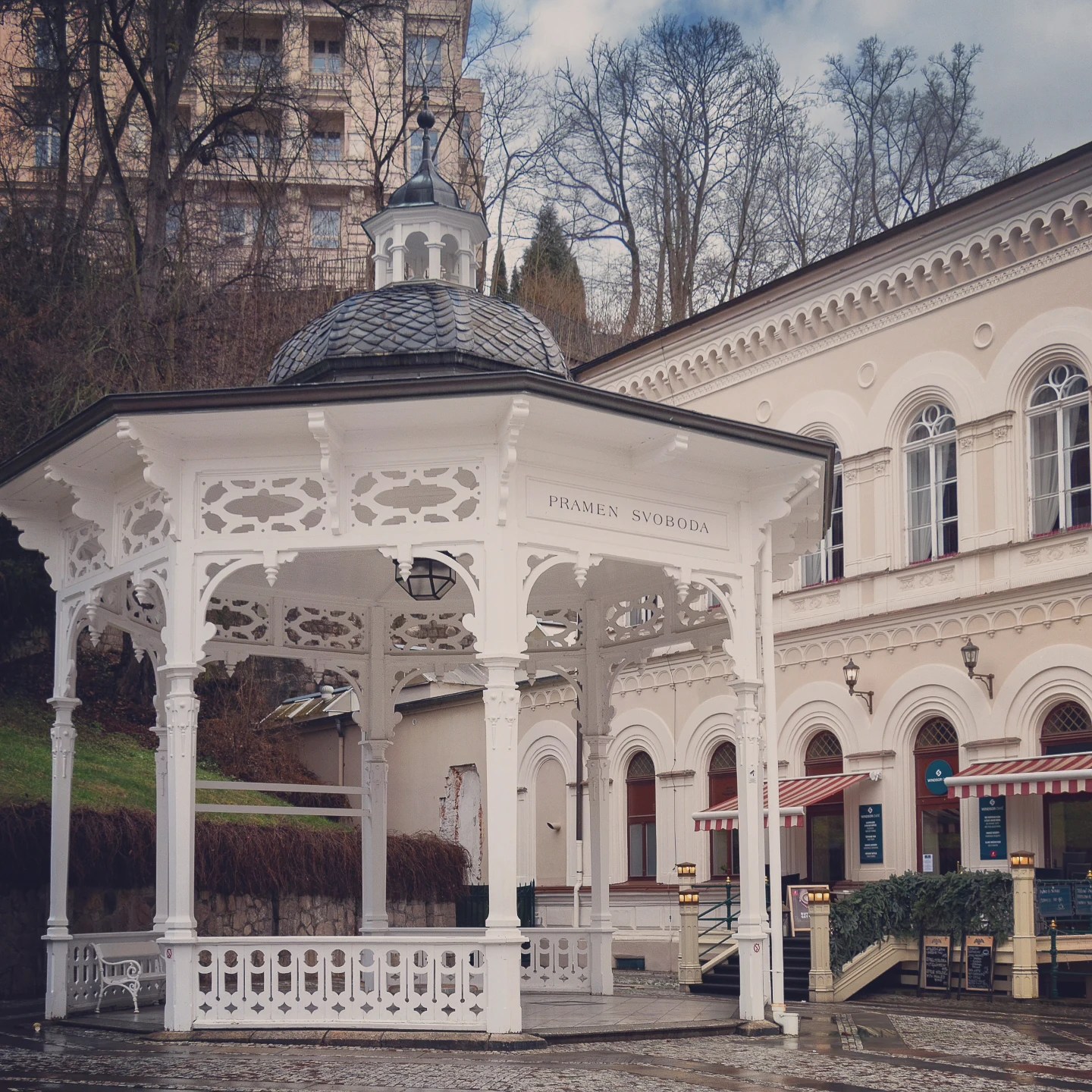
Freedom Spring Arbour (Pramen Svoboda)
Between the Mill and Park colonnades stands the small octagonal Freedom Spring Arbour. This wooden shelter marks the location of the Freedom Spring and provides another stop along the spa promenade.
Karlovy Vary from Above
If you’re willing to climb, Karlovy Vary rewards you with some incredible views.
I first followed the path up to the Camera Obscura Lookout. Through breaks in the trees, you can see rooftops and church towers tucked into the valley below. The weather shifted quickly while I was up there, with rain and wind sending me back down sooner than planned.
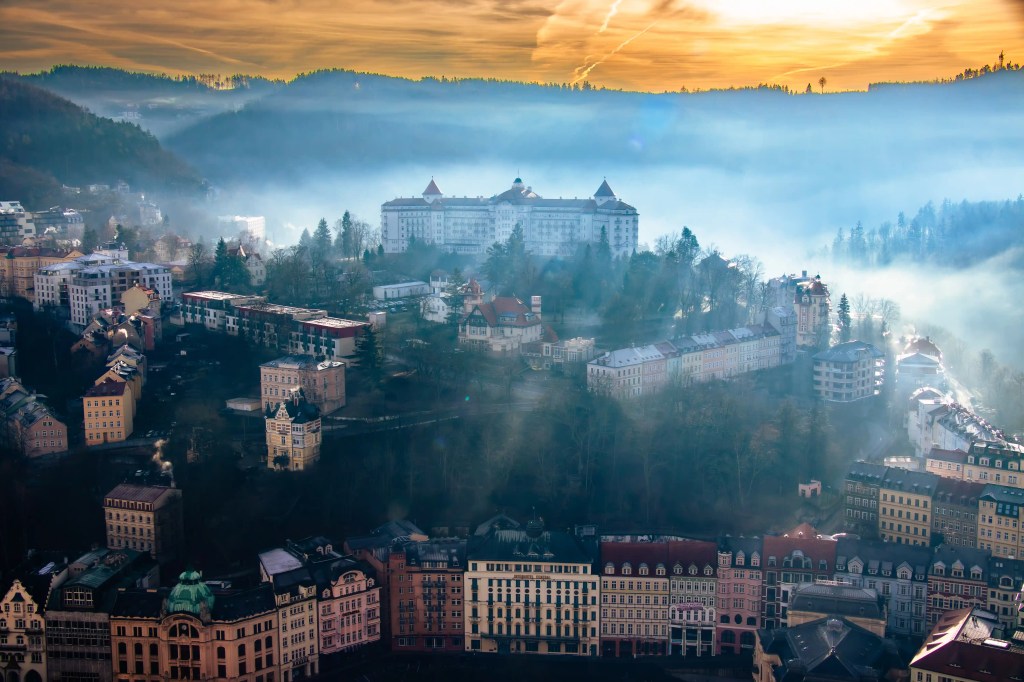
The next morning, I headed out early toward Peter’s Height Lookout (Petrova výšina), named for Tsar Peter I of Russia, who visited Karlovy Vary in the early 18th century. A light mist hung over the valley, mixing with the steam rising from the hot springs below, as the low morning sun backlit the hills. It wasn’t ideal lighting, but the combination of light, fog, and steam created a dramatic landscape.
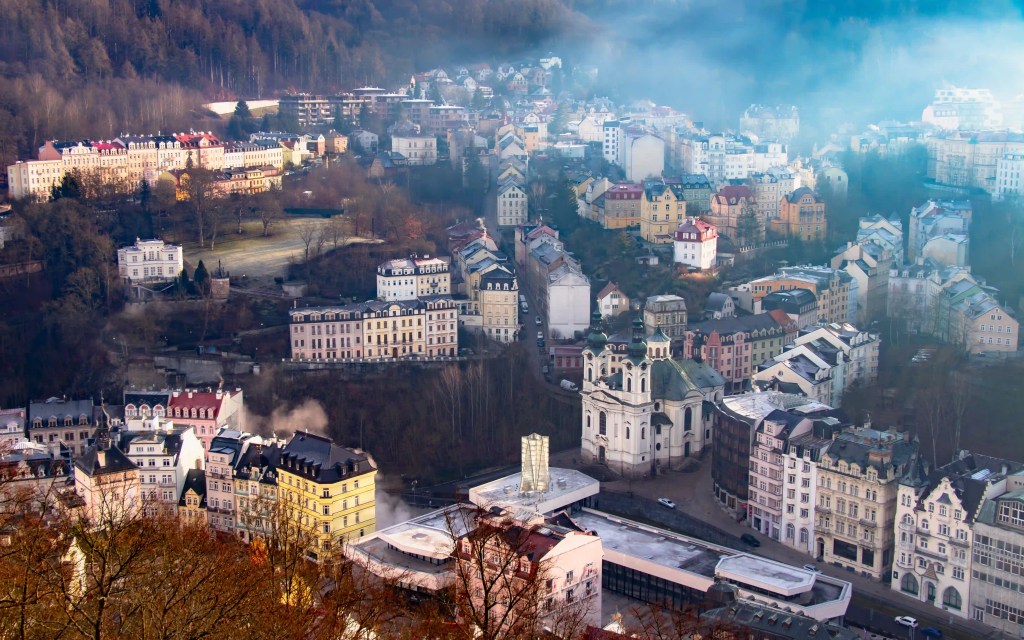
From there, I made my way to Mayer’s Gloriette (Mayerův gloriet), a small historic pavilion tucked among the trees, and the Deer Jump Lookout (Jelení skok), marked by a statue of a chamois overlooking the valley.
The Deer Jump monument connects to the town’s founding legend. According to tradition, King Charles IV discovered the hot springs during a hunting expedition in the 14th century, when a stag drew attention to the steaming water rising from the ground below. Whether history or legend, the story is woven into the town’s identity and still remembered here today.
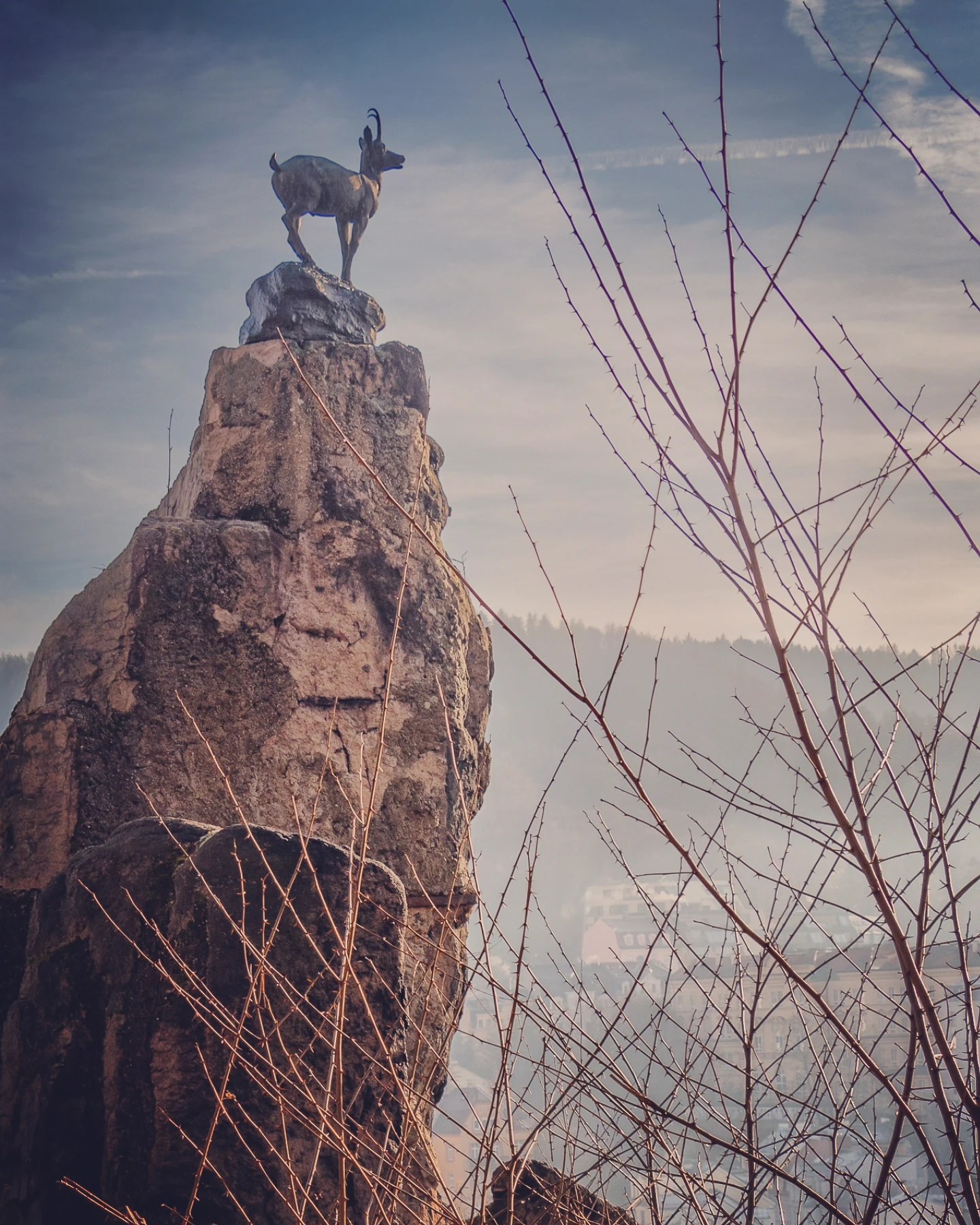
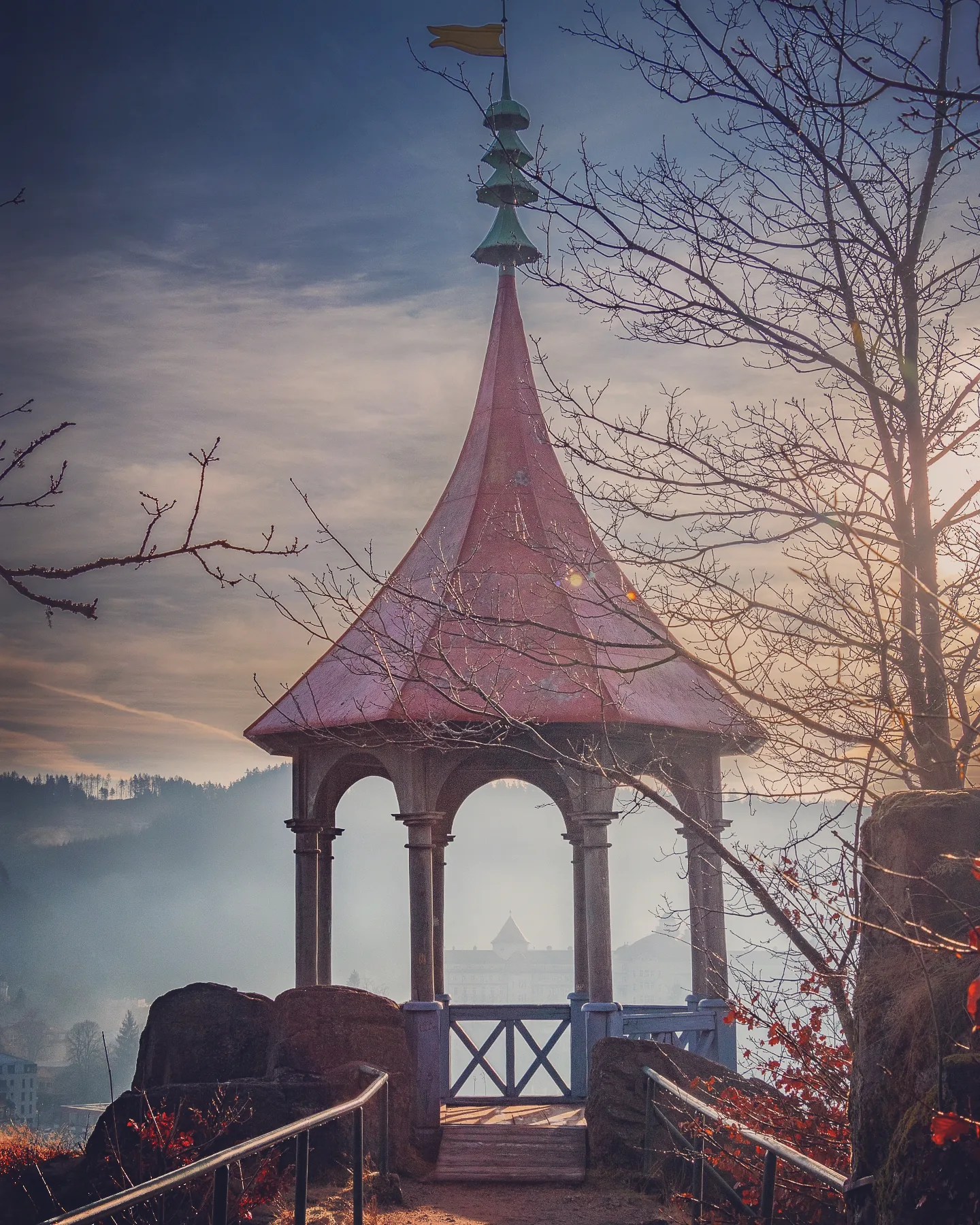
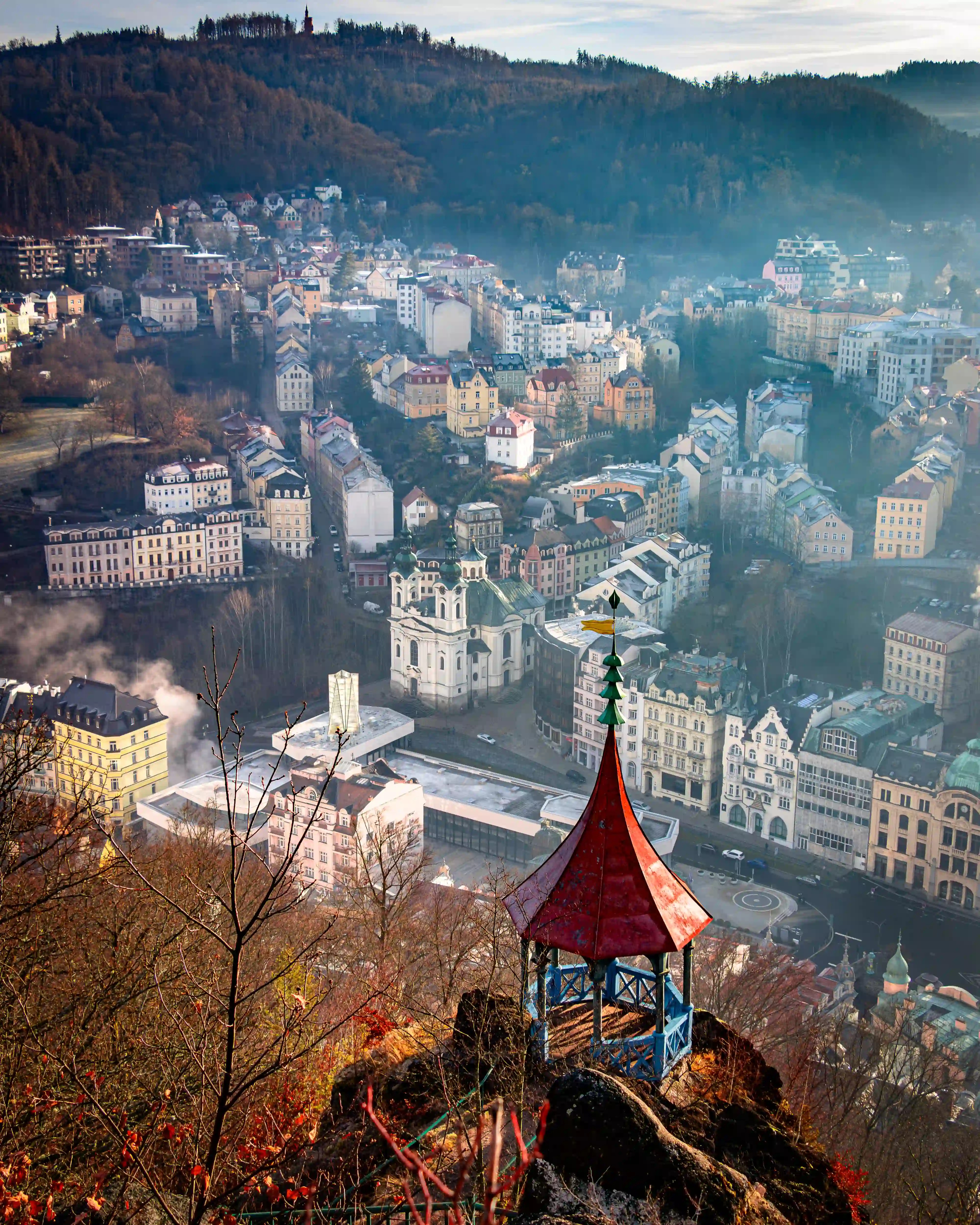
From these hills, the layout of Karlovy Vary becomes clearer—river, rooftops, and spa district all unfolding below.
A Traditional Czech Dinner in Karlovy Vary
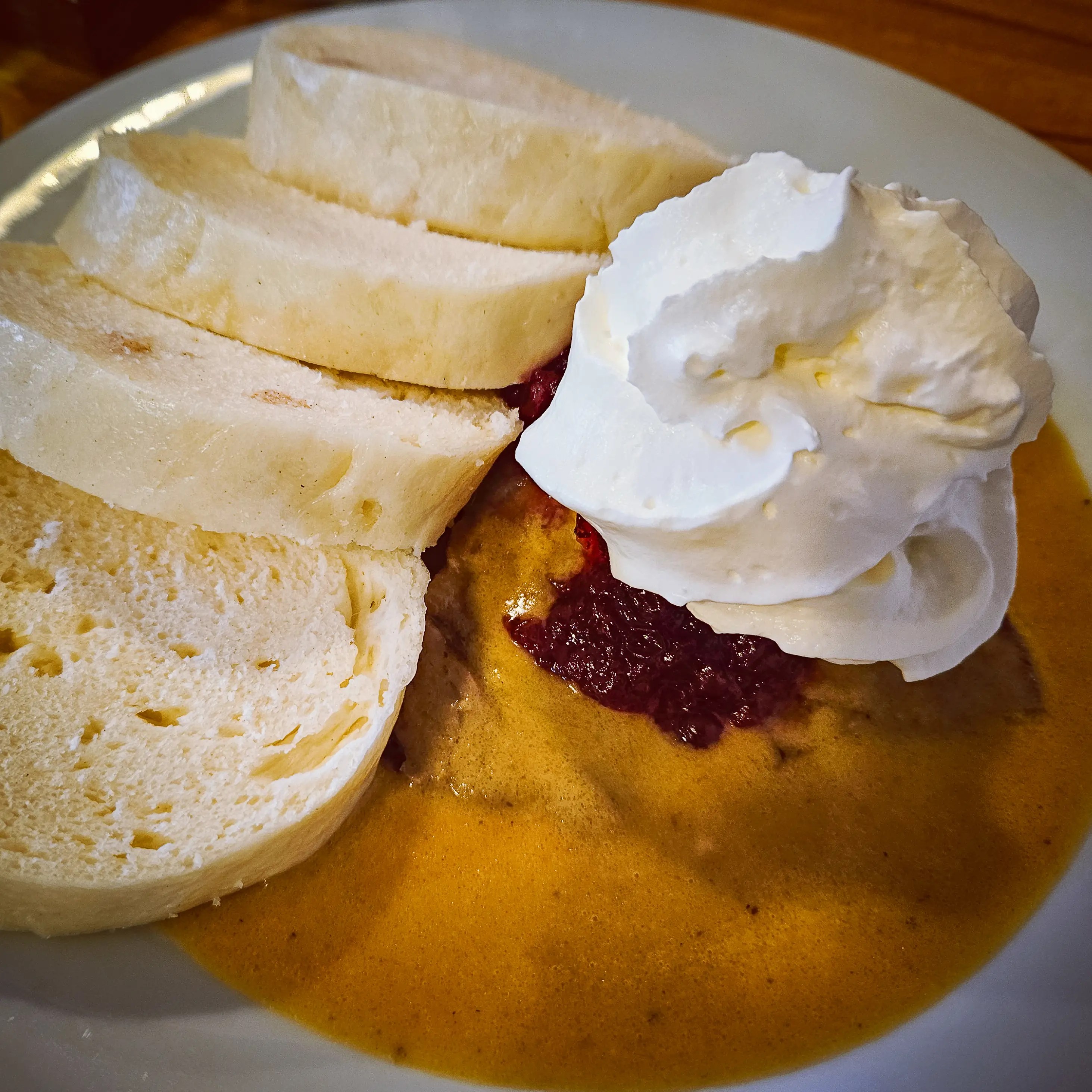
That evening we found ourselves at Staročeská Restaurace, where I ordered svíčková na smetaně—beef tenderloin in a creamy vegetable sauce served with dumplings, lingonberries, and whipped cream.It’s a traditional Czech dish, and the sweet and savory combination was warm, comforting, and absolutely delicious after a long day of exploring.
An Evening at Saunia Thermal Resort
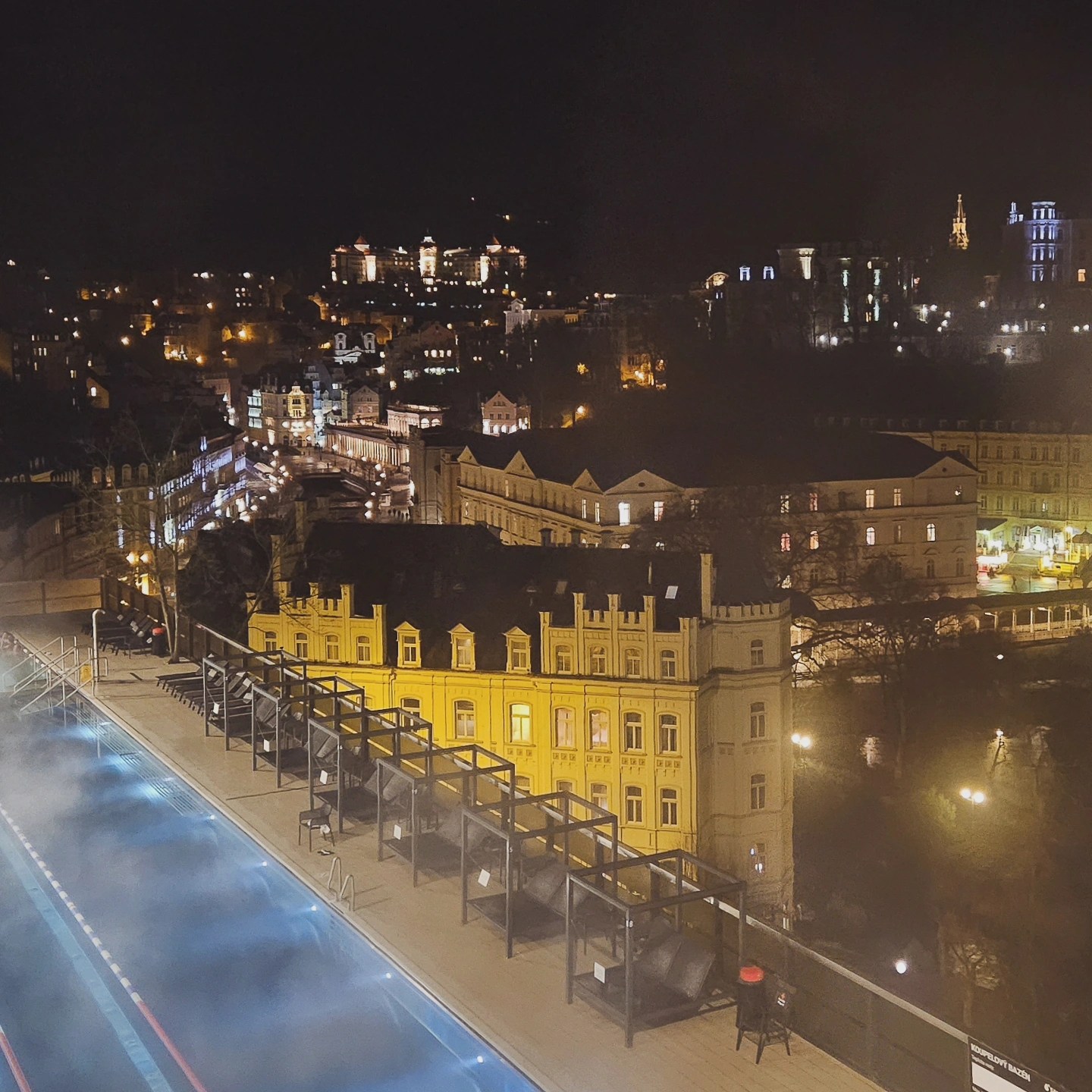
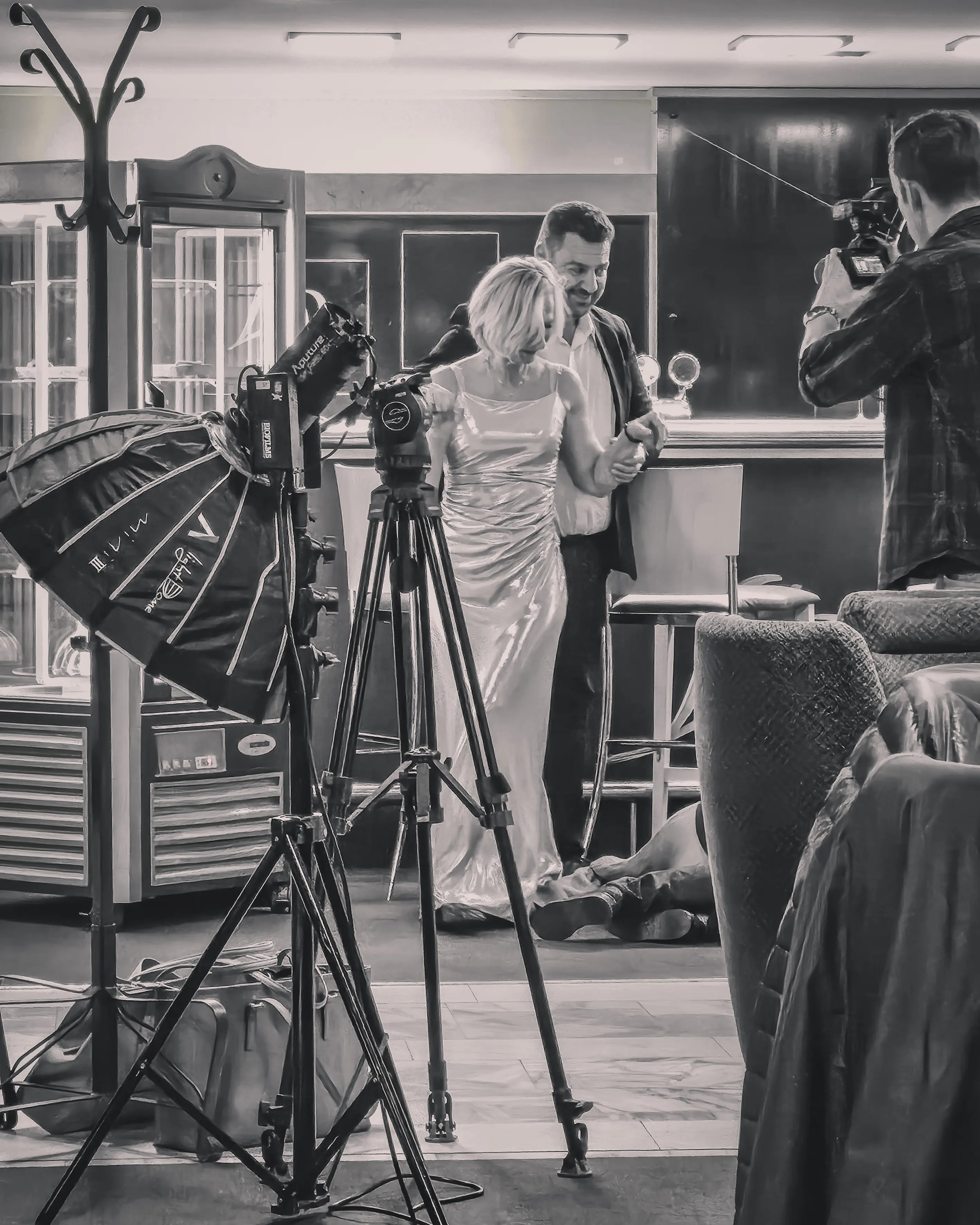
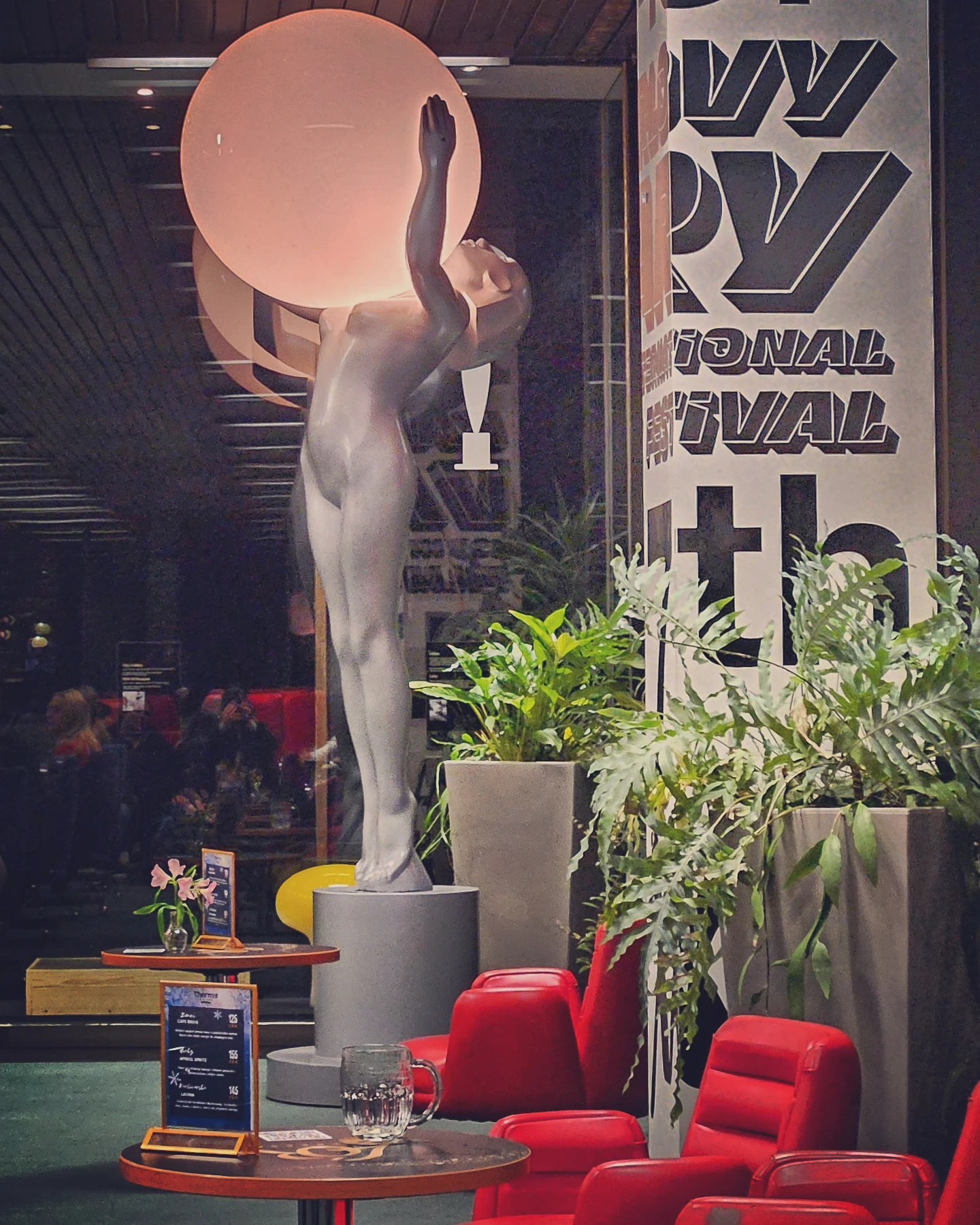
That evening we headed to the Saunia Thermal Resort, stopping first for a drink at the bar inside Hotel Thermal before taking the lift up to the resort. By chance, a film crew was setting up a scene while we were there—an unexpected glimpse of Karlovy Vary’s cinematic side before our spa evening began.
I was excited to experience one of Karlovy Vary’s mineral pools, and this one is filled with 100% thermal spring water. The thermal pool is kept at about 38°C (about 100°F), and the sauna world offers several different saunas, cooling options, and scheduled ceremonies throughout the day.
Sitting in the warm mineral water while steam rose into the cool night air and the town lights glowed below was one of the highlights of the trip. Afterward, I made my way through the saunas, lingering in the heat before stepping back outside into the crisp evening air. It was a fitting way to end our short stay in Karlovy Vary.
Final Thoughts
This wasn’t just a spa weekend. It was a closer look at a tradition that has shaped these towns for centuries.
Sampling the mineral waters, walking the colonnades, climbing the hills, and ending the day in a warm thermal pool made it clear how central the springs are to both towns. Mariánské Lázně and Karlovy Vary share the same foundation—mineral water—and that connection runs through nearly everything you see and experience.
If You have More Time
Both Mariánské Lázně and Karlovy Vary can be explored in a short stay, but there’s much more to see—both in town and in the surrounding area.
In Mariánské Lázně
- The Singing Fountain: Located near the Main Colonnade, the Singing Fountain performs coordinated water and music shows during the warmer months. It wasn’t operating during our winter visit, but it’s one of the town’s well-known seasonal highlights.
- Kladská Peat Bog: A short distance from town, the protected peat bog landscape features wooden boardwalks and interpretive paths through wetlands and forest—a very different side of the spa region.
- Hamelika Lookout Tower: Built in the 19th century, this small stone tower stands above the town and offers views over Mariánské Lázně and the surrounding hills.
In Karlovy Vary
- Diana Observation Tower: Reachable by funicular or forest trail, this hilltop tower offers expansive views over the town and surrounding hills.
- Moser Glassworks (Museum Moser): Karlovy Vary has a long tradition of glassmaking. At Moser, founded in 1857, visitors can learn about the craftsmanship behind the internationally known crystal and see pieces that reflect the region’s artistic heritage.
- The Hot Spring Underground (Vřídlo Underground Tour): Beneath the Hot Spring Colonnade, guided tours take visitors into the technical and geological spaces below the geyser, offering insight into how the thermal water system functions.
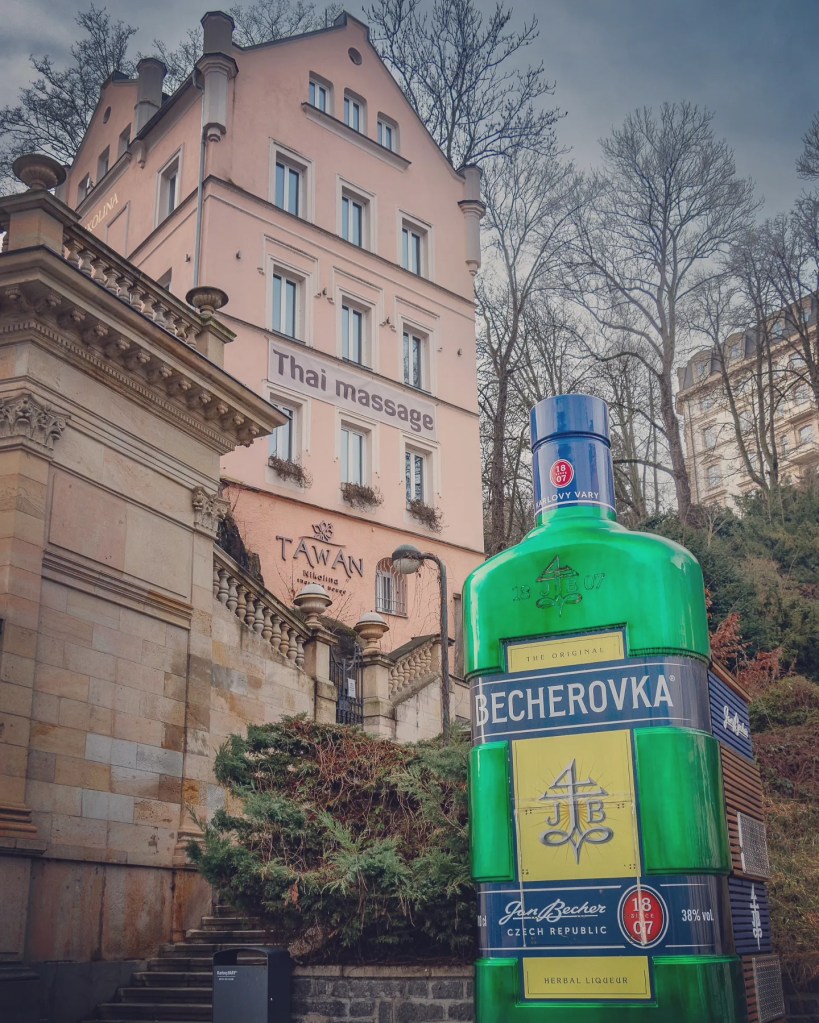
- Home of Becherovka (Jan Becher Museum): Located in the original factory building, this museum shares the history of Becherovka, Karlovy Vary’s herbal liqueur first produced in 1807, and offers guided tours and tastings.
- Karlovy Vary Day Trips: If you have even more time, Karlovy Vary also makes a convenient base for day trips into the surrounding countryside, including castles, historic towns, and forest landscapes in the West Bohemia region.
Location & Getting There
Mariánské Lázně and Karlovy Vary are located in western Czechia, not far from the German border.
From Stuttgart by Car:
- Mariánské Lázně is approximately 370 km (about 230 miles) from Stuttgart, with a driving time of around 4.5 hours.
- Karlovy Vary is slightly farther at about 400 km (249 miles) and takes roughly 4.5 hours by car.
- The two spa towns are about 45 km (28 miles) apart, or roughly 45–50 minutes by car, making it easy to combine them into one trip as we did.
If you’re driving, you will need a Czech motorway vignette (electronic toll sticker) for highways. These can be purchased online in advance or at fuel stations near the border. No physical sticker is required—it’s linked digitally to your license plate. Fines for driving without a valid vignette can be substantial, so it’s worth making sure it’s set up before you enter the motorway.
For this trip, I traveled by organized bus tour with the Stuttgart Community Spouses Club, which made the logistics simple and allowed everyone to relax along the way.
Practical Tips for Visiting Czechia
If you’re planning a trip to western Czechia, here are a few helpful things to know:
- Currency & Payment: The Czech Republic uses the Czech koruna (CZK), not the euro. Credit and debit cards are widely accepted—I didn’t need to use cash at all during our trip—though having a small amount on hand might still be useful in very small shops or rural areas.
- Language: Czech is the official language. In spa towns like Mariánské Lázně and Karlovy Vary, many people working in tourism speak English and often German as well.
- Spa Etiquette: If you plan to visit thermal pools or saunas, check the specific rules in advance. In many Czech sauna facilities, nudity is standard and swimwear may not be permitted in certain areas.
- Spa Cups: If you want to sample the mineral springs, you’ll need a porcelain spa cup (lázeňský pohárek). They’re easy to find in shops throughout town.
- Seasonal Considerations: Some outdoor springs may be closed in winter, and features like the Singing Fountain in Mariánské Lázně typically operate from spring through autumn.
- Tipping: Tipping is customary in Czechia, and around 10% is standard for good service in restaurants. It’s always a good idea to check the bill first to see if a service charge has already been included.
Have you visited a historic spa town or experienced something similar? Share your thoughts, questions, or favorite memories in the comments below—I’d love to hear from you!


Leave a comment