The first part of our Germany & Austria road trip took us through Augsburg, up to the Eagle’s Nest, and onward to Hallstatt and Salzburg. Along the way, we moved between historic cities, mountain viewpoints, and lakeside towns, enjoying the landscapes and history of the region as the unforgettable journey unfolded.
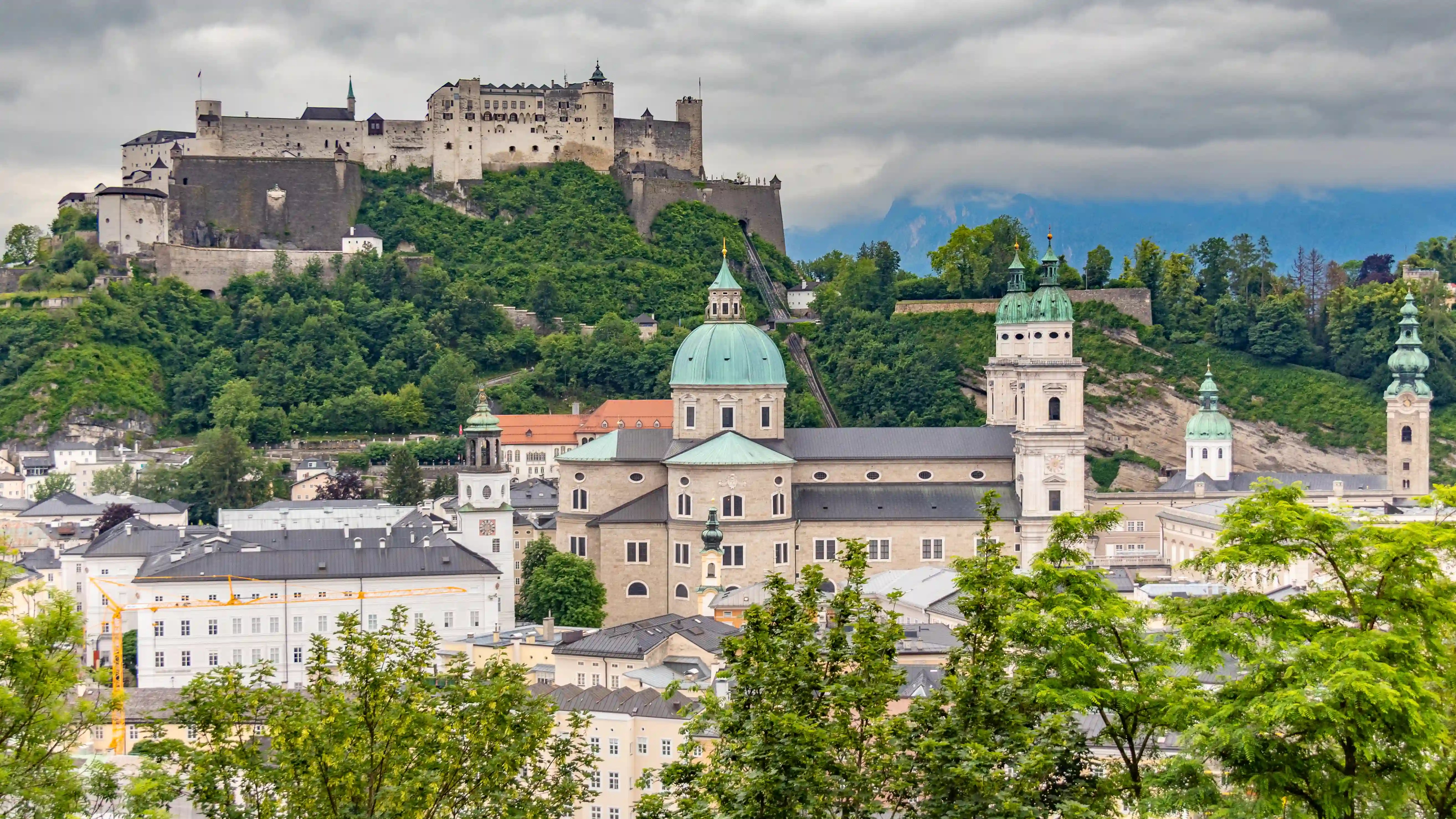
After Salzburg, the second part of our road trip carried us south and deeper into the Alps—leading us to Eisriesenwelt, the vast ice cave hidden inside the mountains near Werfen, up to the fortress walls of Burg Hohenwerfen overlooking the Salzach Valley, and to a familiar The Sound of Music filming location high above the valley. We ended this stretch of the trip at Königssee and nearby Obersee, where steep mountain walls rise straight from the water and the lakes’ emerald and turquoise colors feel almost unreal. These days brought together dramatic landscapes, well-known landmarks, and moments that were simply beautiful to experience in person.
Eisriesenwelt Ice Cave: Stepping Into the Mountain
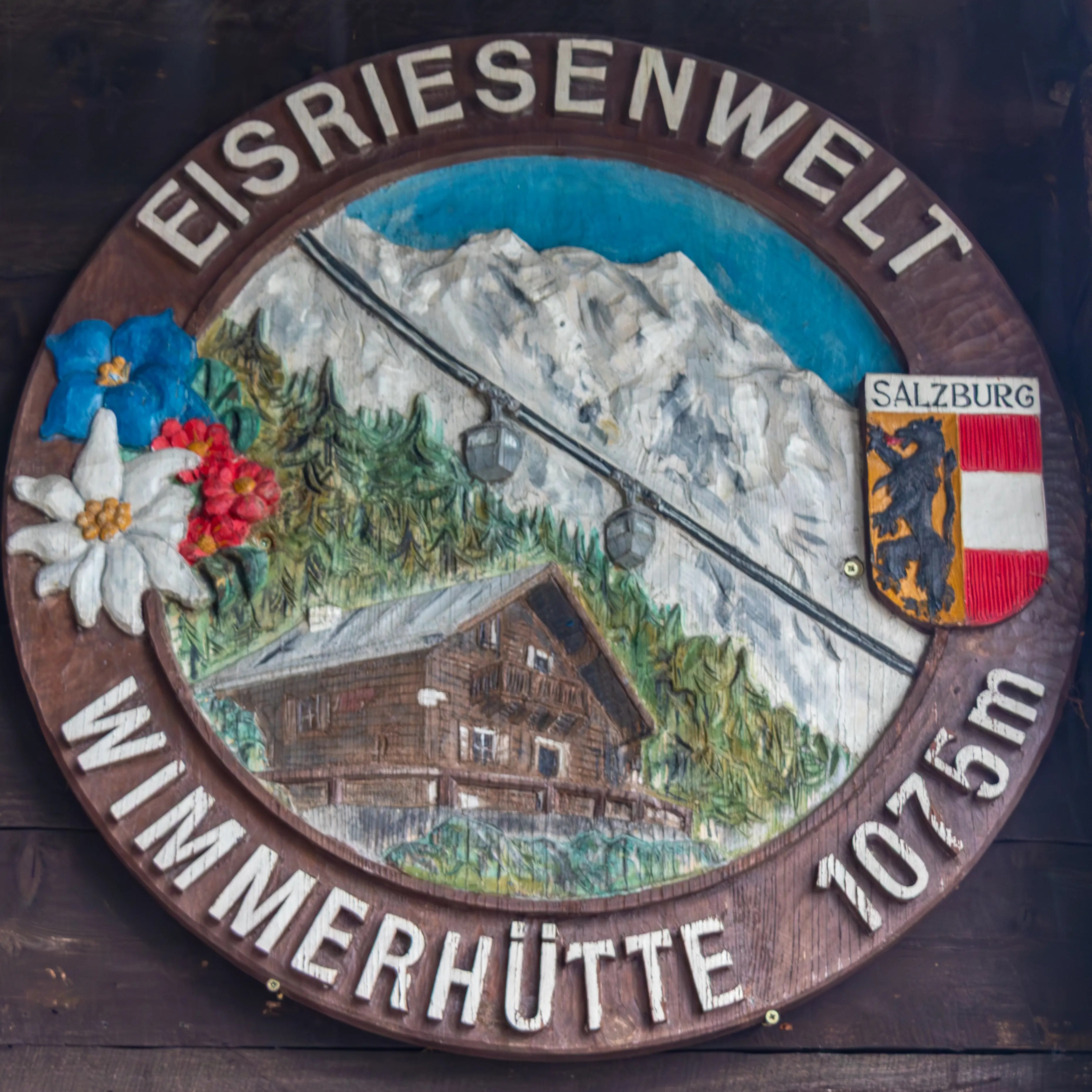
Our first stop was Eisriesenwelt, the world’s largest ice cave, located near the town of Werfen. The cave system stretches for more than 42 kilometers (26 miles) inside Hochkogel Mountain, part of the Tennengebirge range, and was first discovered in 1879. Only a portion of it is accessible to visitors, but even that small section leaves a lasting impression.
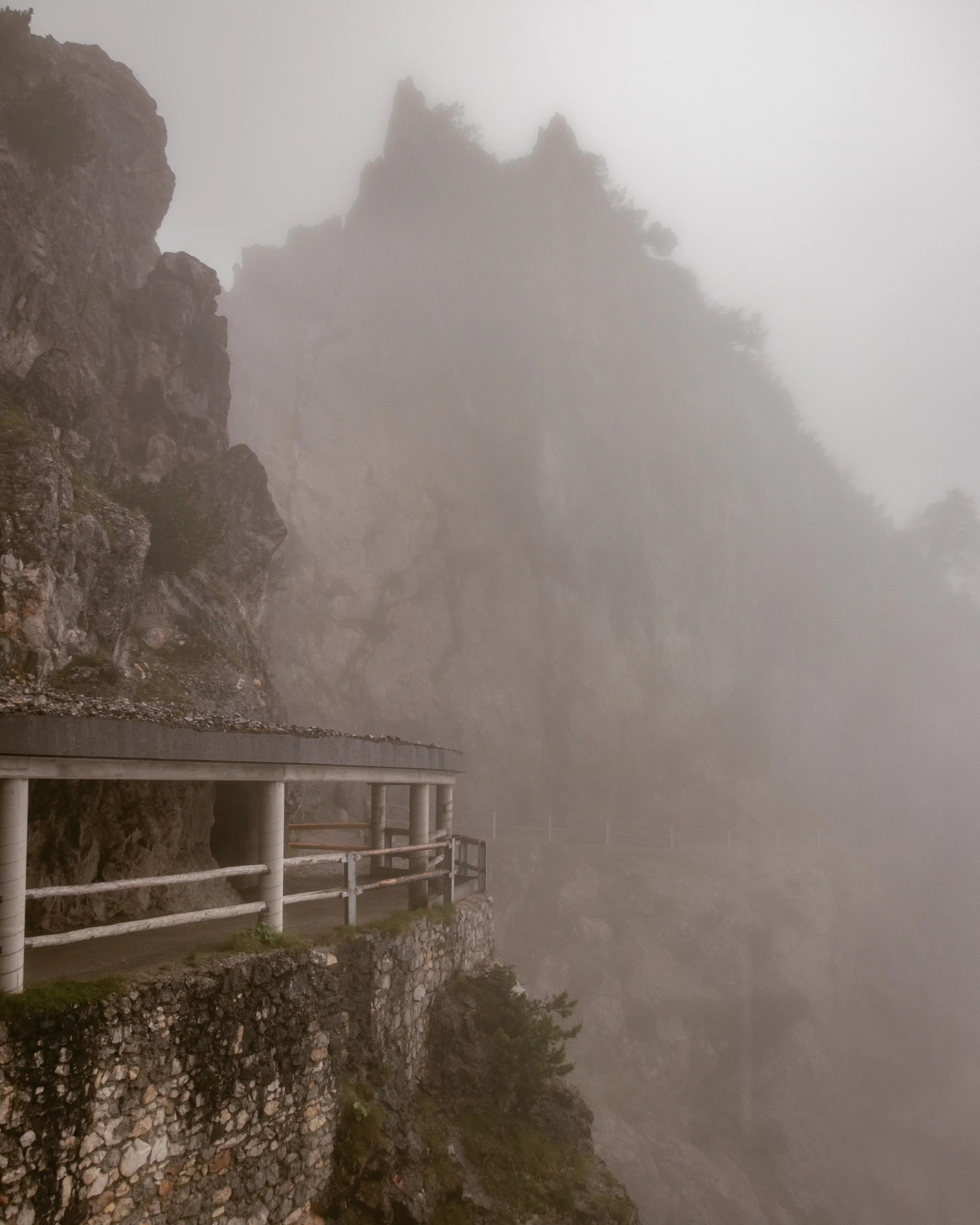
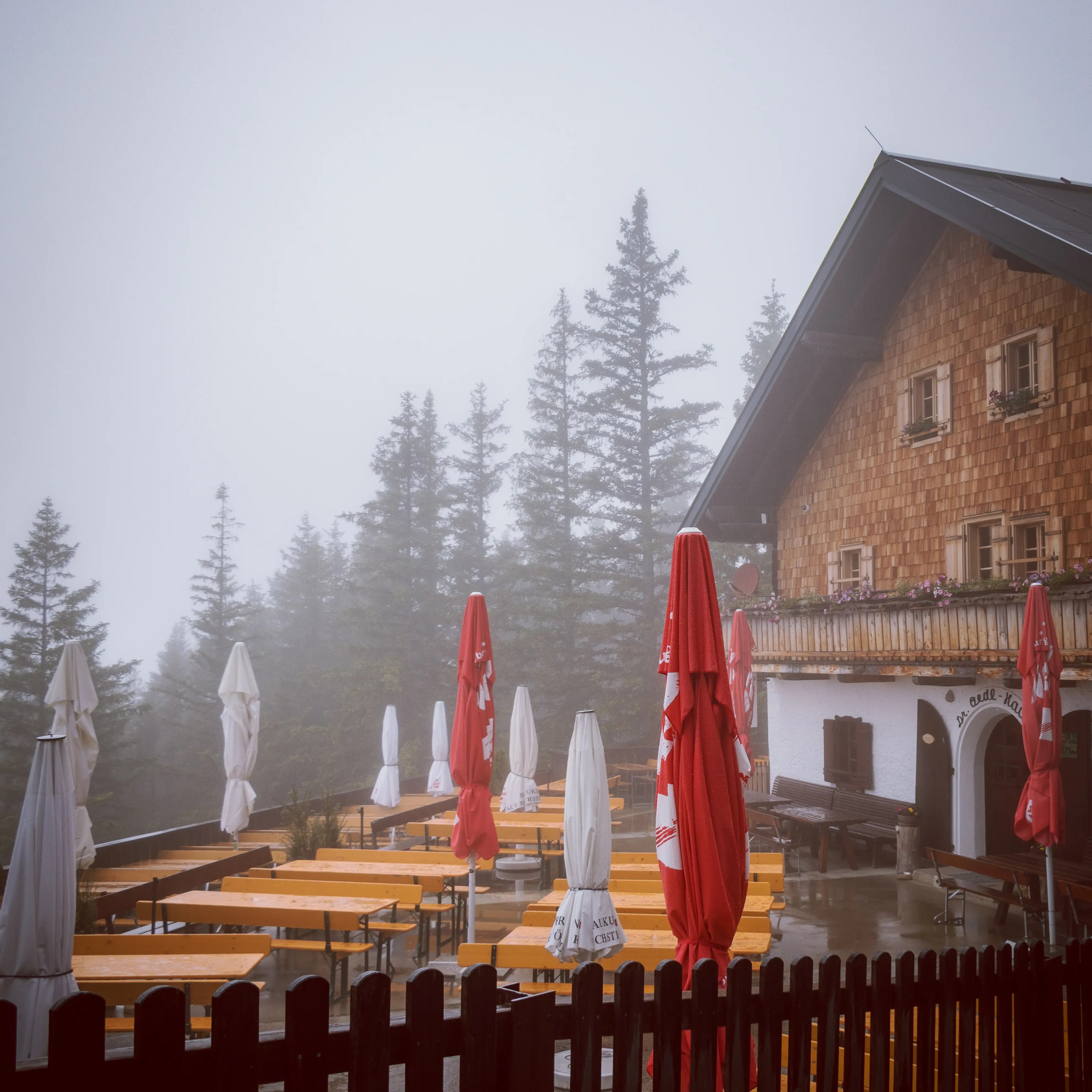
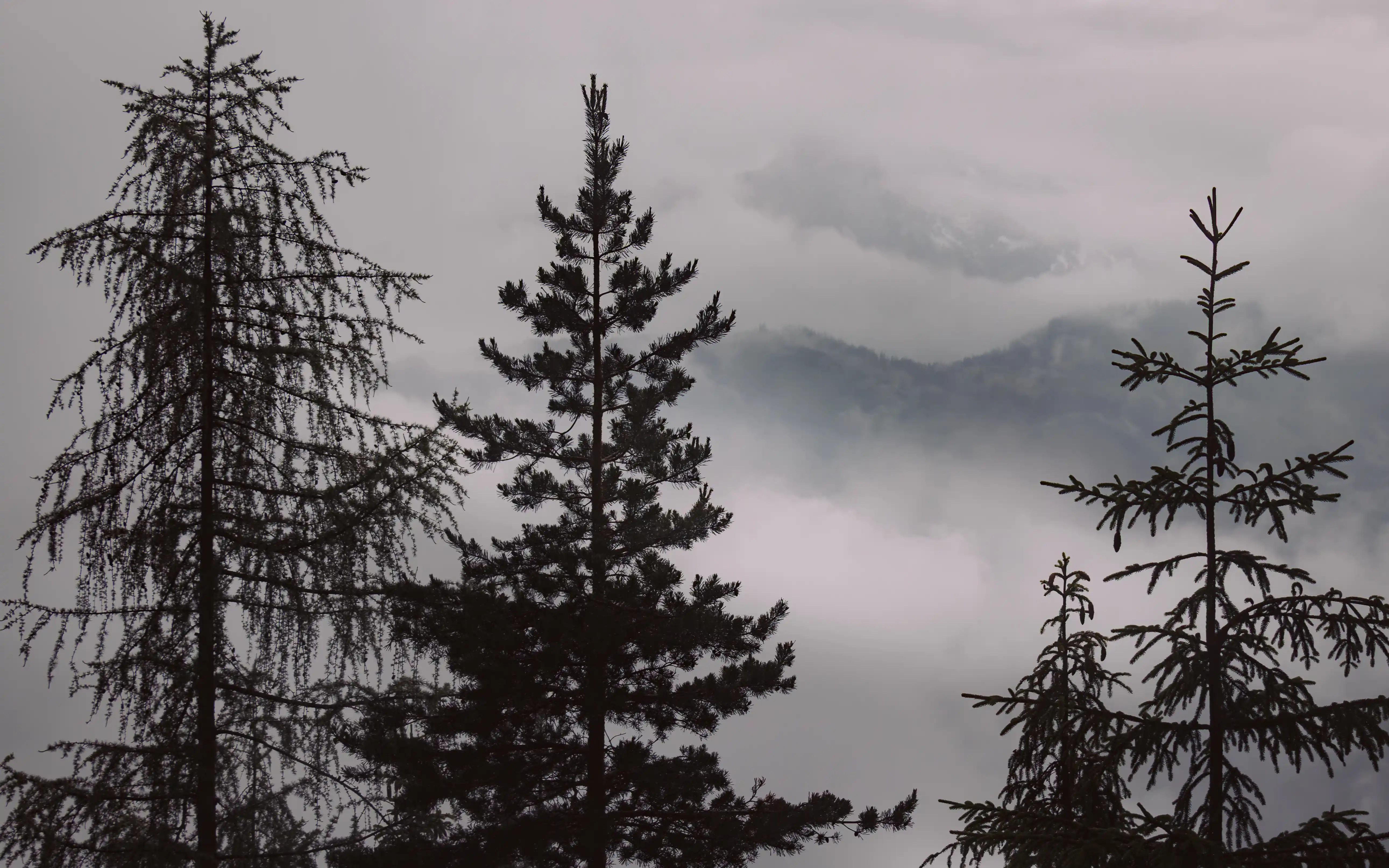
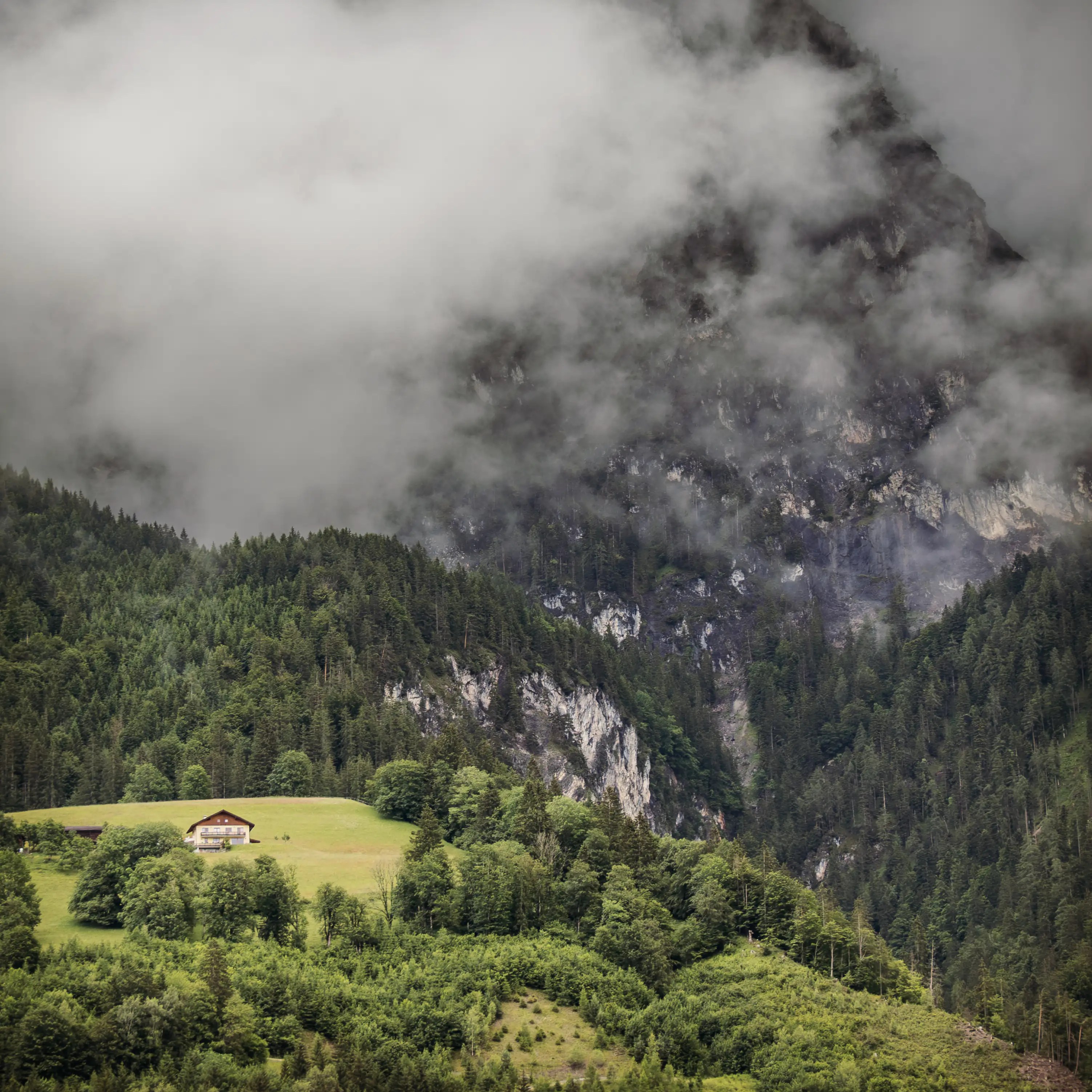
Getting there is part of the experience. From the visitor center, it’s about a 20-minute uphill walk to the cable car (Seilbahn), followed by a short ride up the mountainside and another walk to the cave entrance at roughly 1,640 meters (about one mile) above sea level. The walk and cable car ride unfolded in thick fog, adding a sense of anticipation as the landscape slowly disappeared and reappeared along the way.
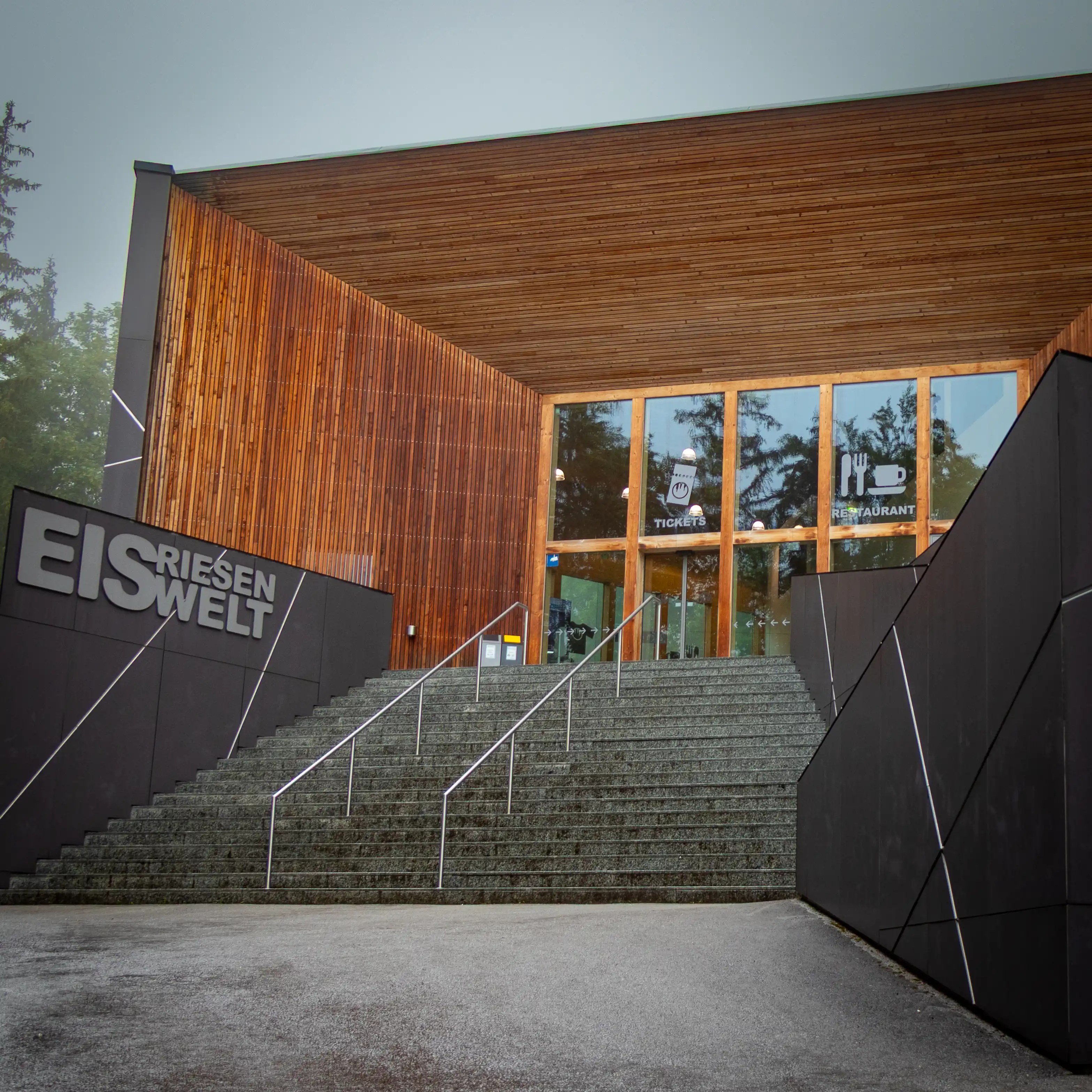
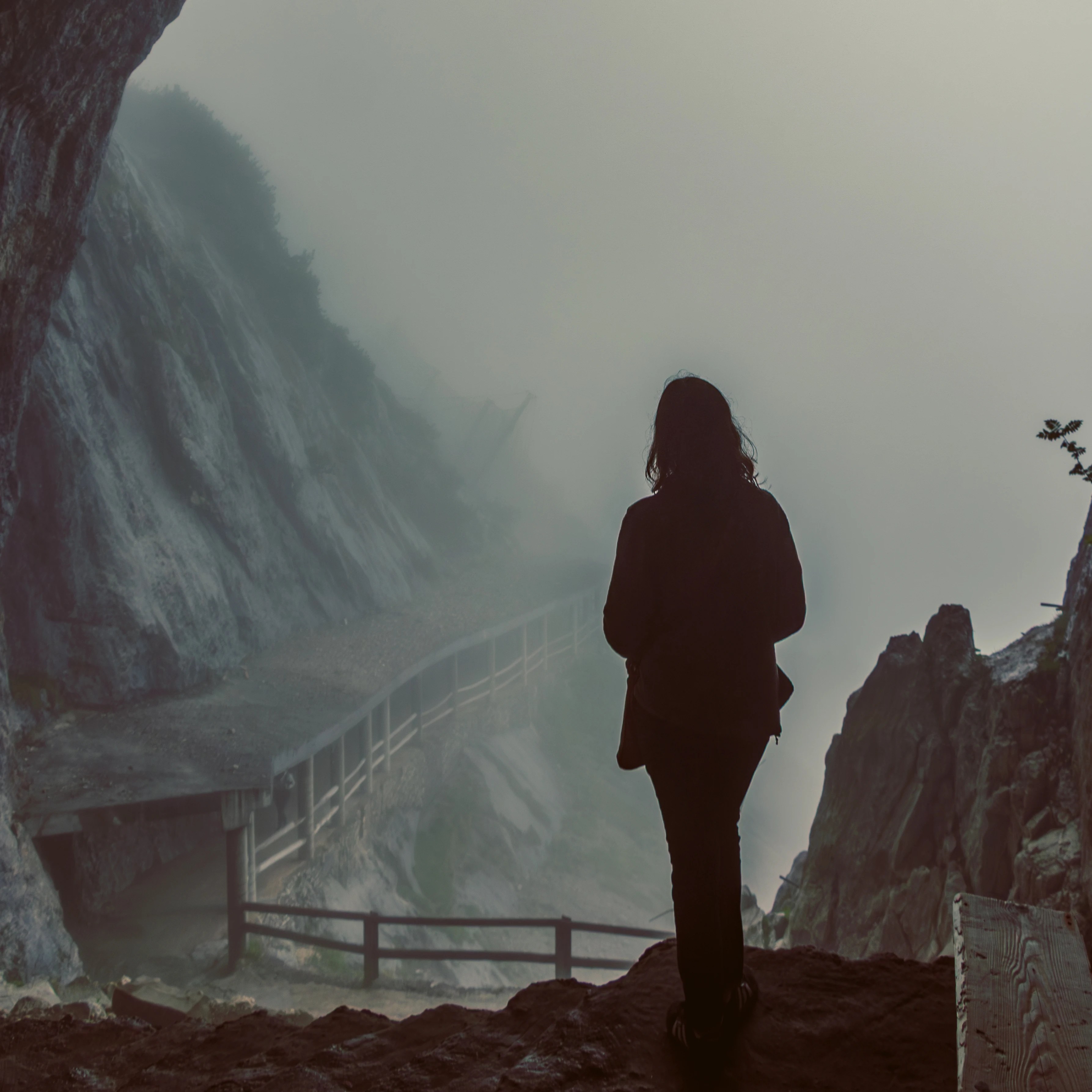
Inside, the temperature stays right around freezing year-round, and the route involves climbing and descending hundreds of steps. The scale and darkness of the cave were striking. Visitors carry lanterns for light, and magnesium flares are used by the guides to briefly illuminate specific formations, revealing towering ice walls and sculpted shapes before fading back into shadow. The ice constantly melts and reforms, which means the cave changes slightly every year. Some of the formations naturally resemble familiar shapes, including one that looks remarkably like an elephant.
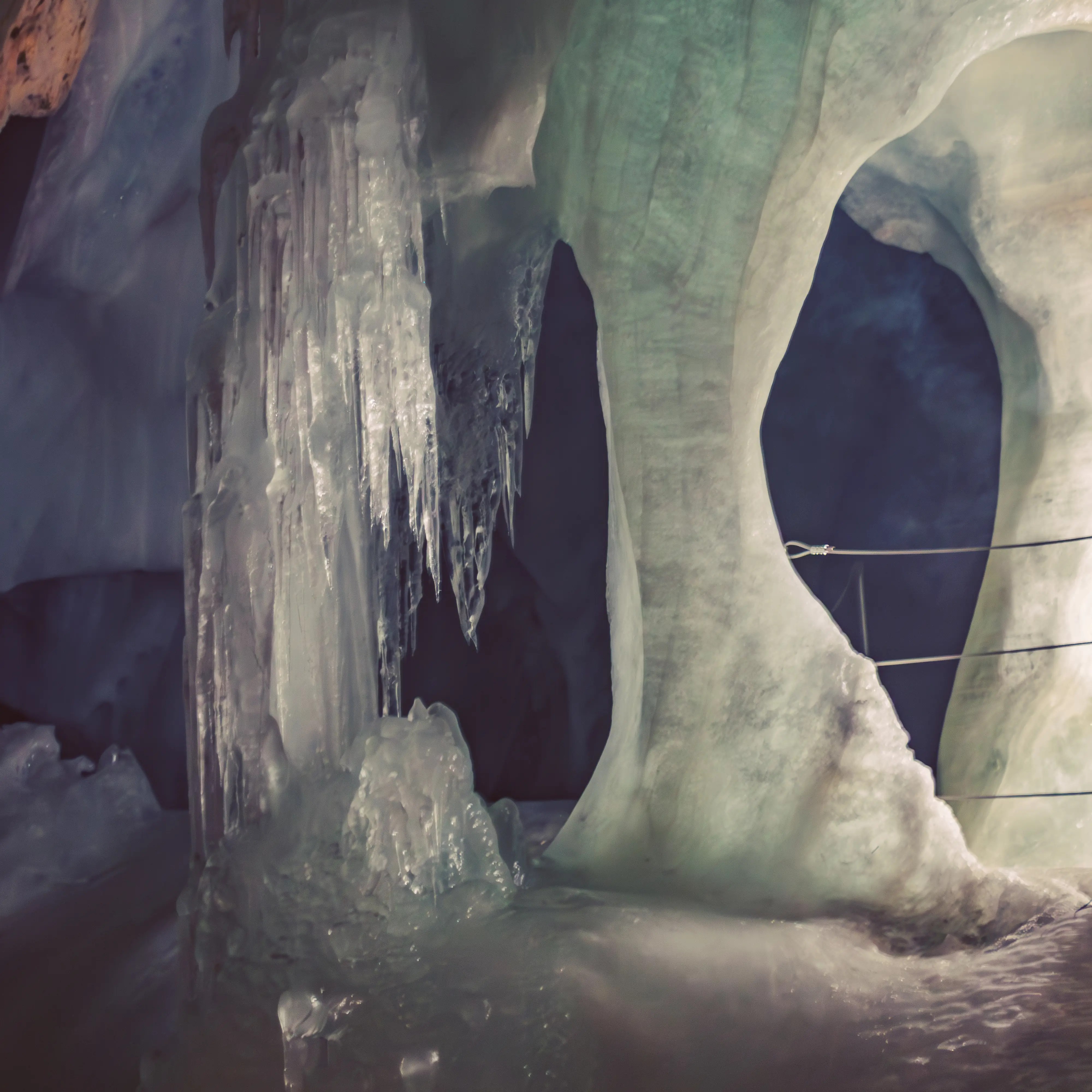
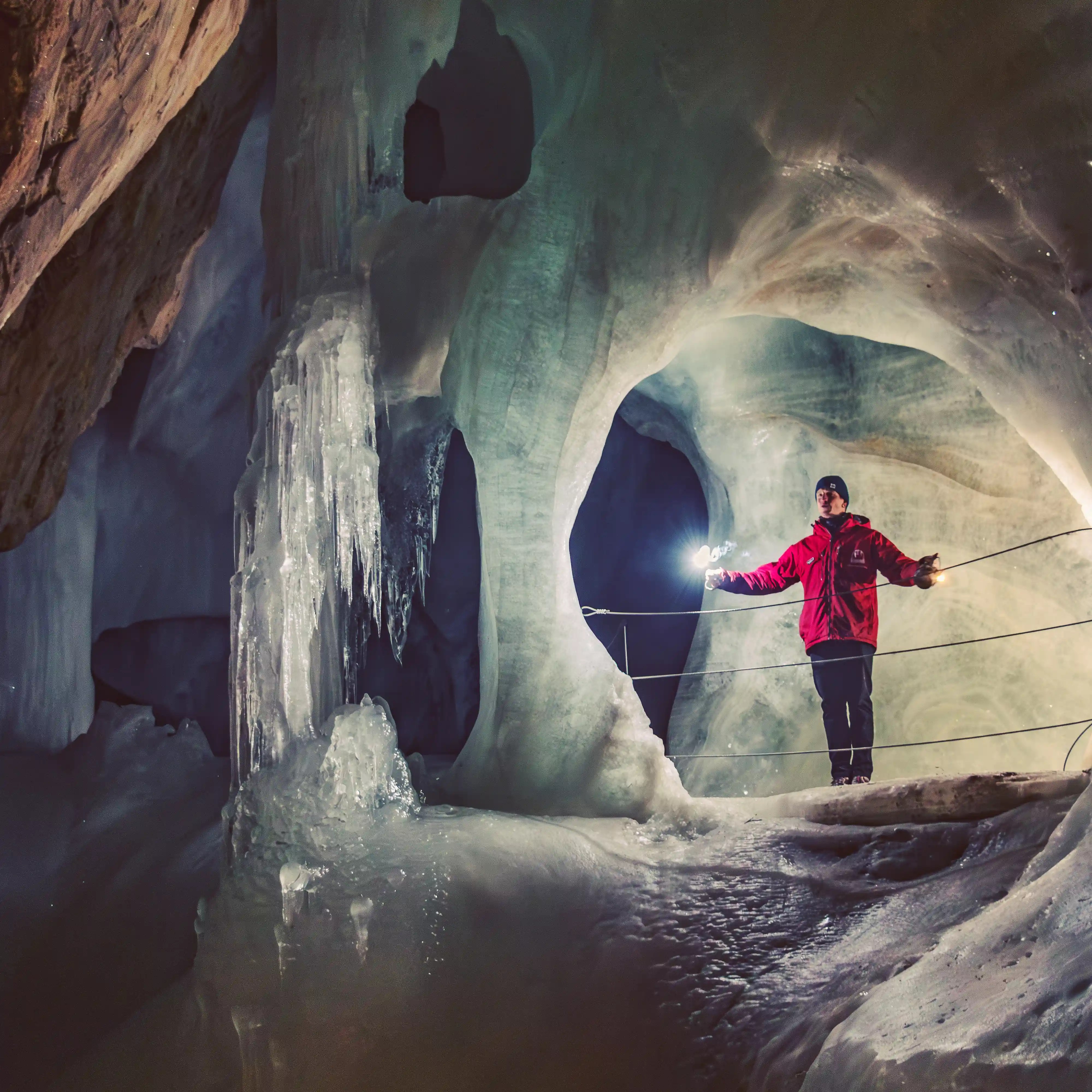
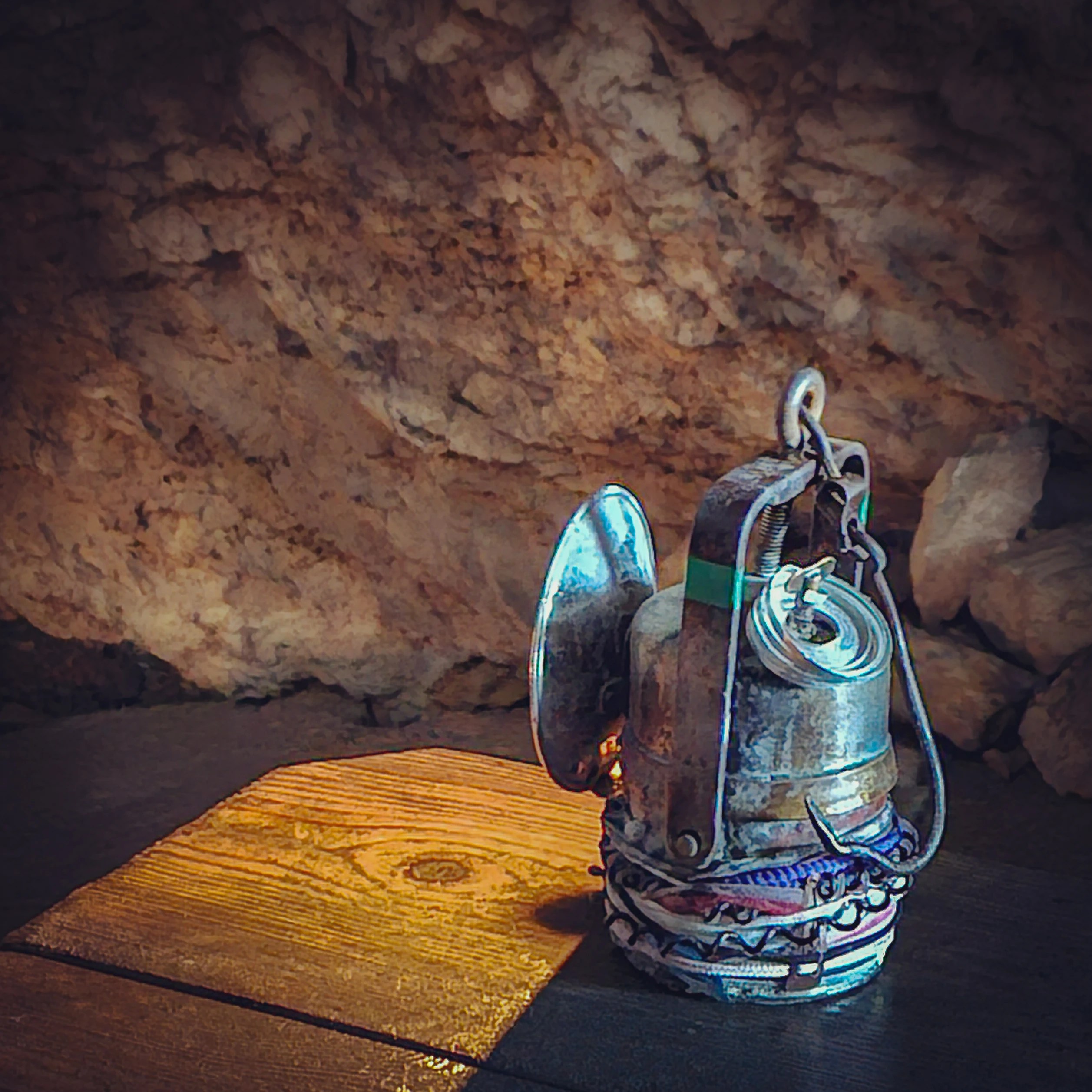
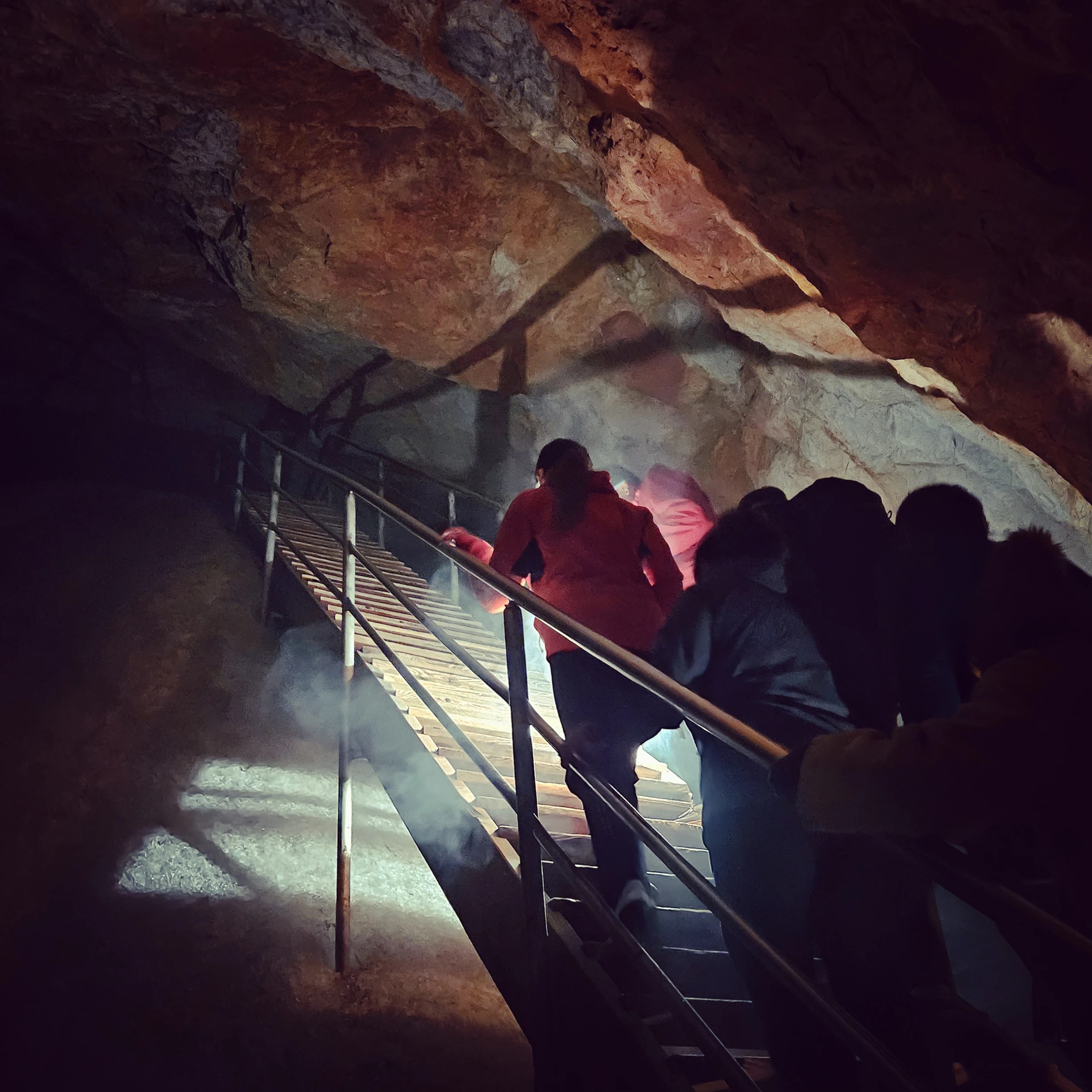
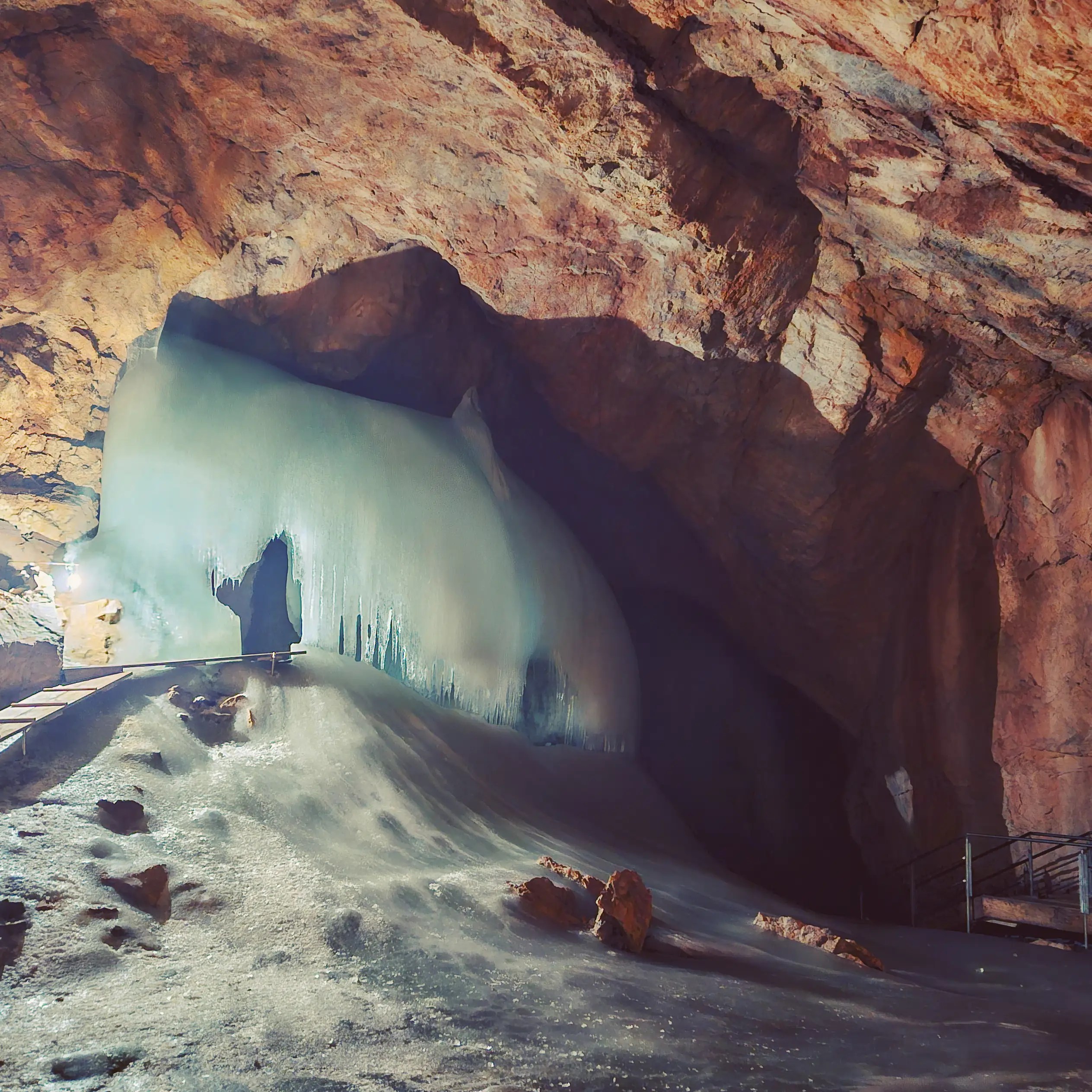
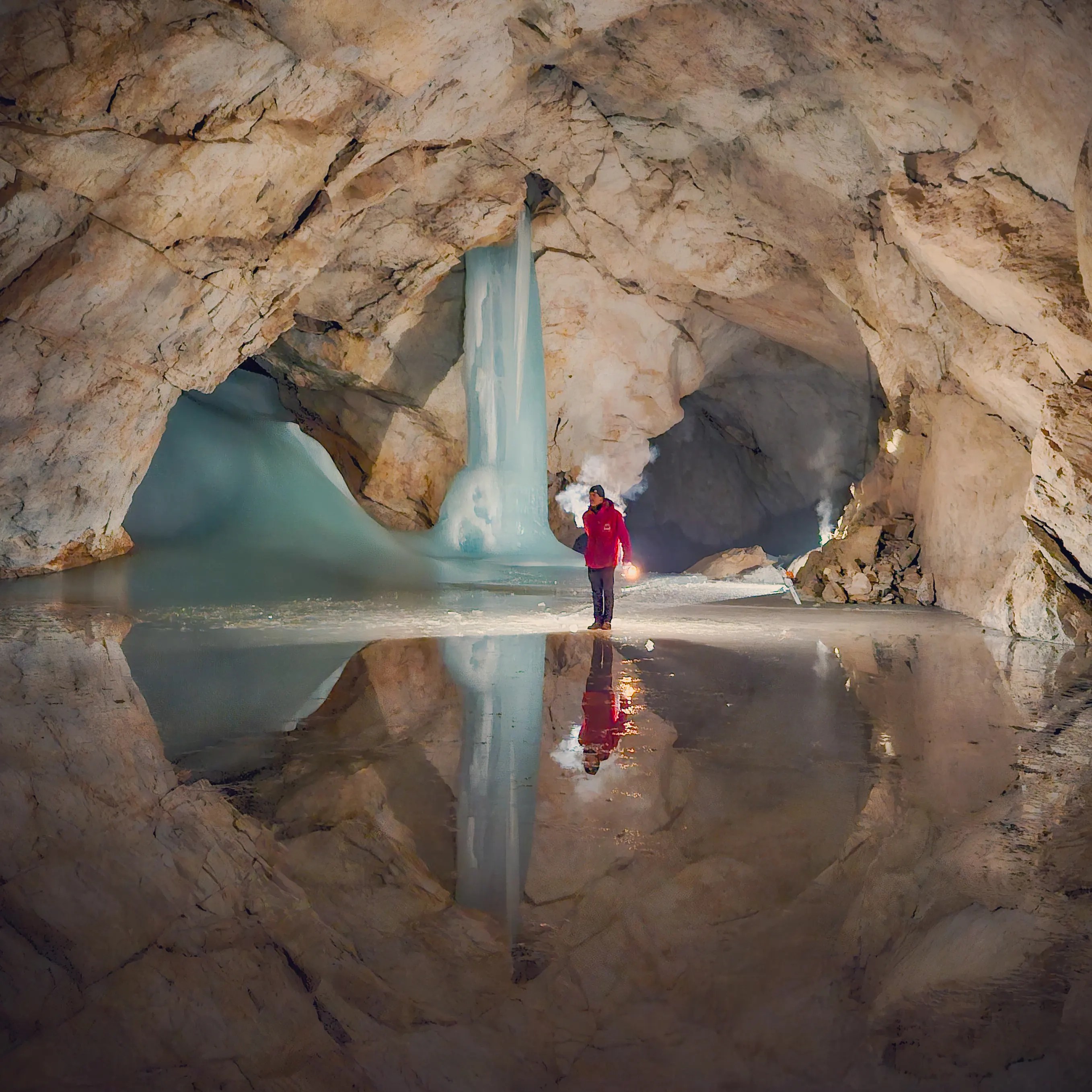
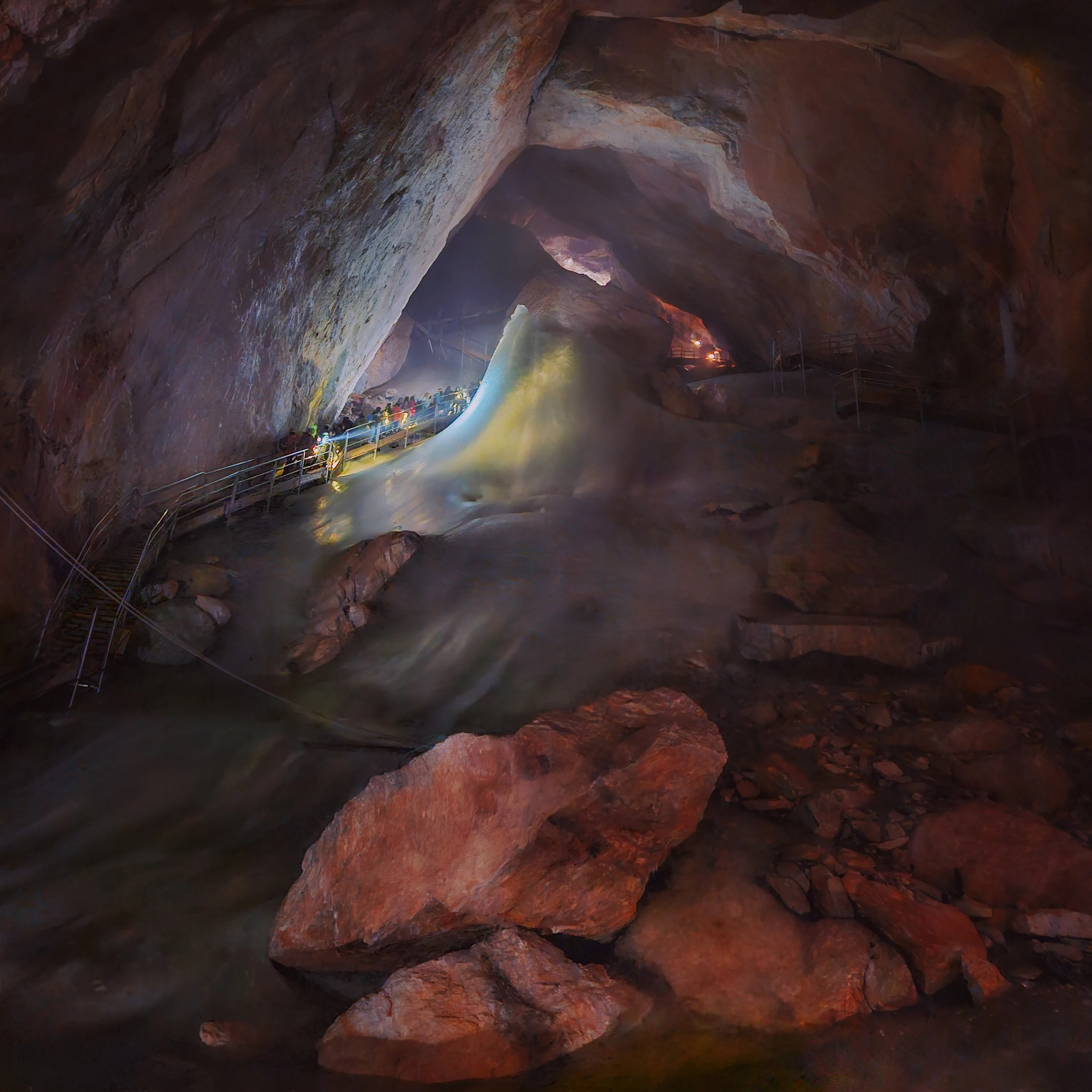
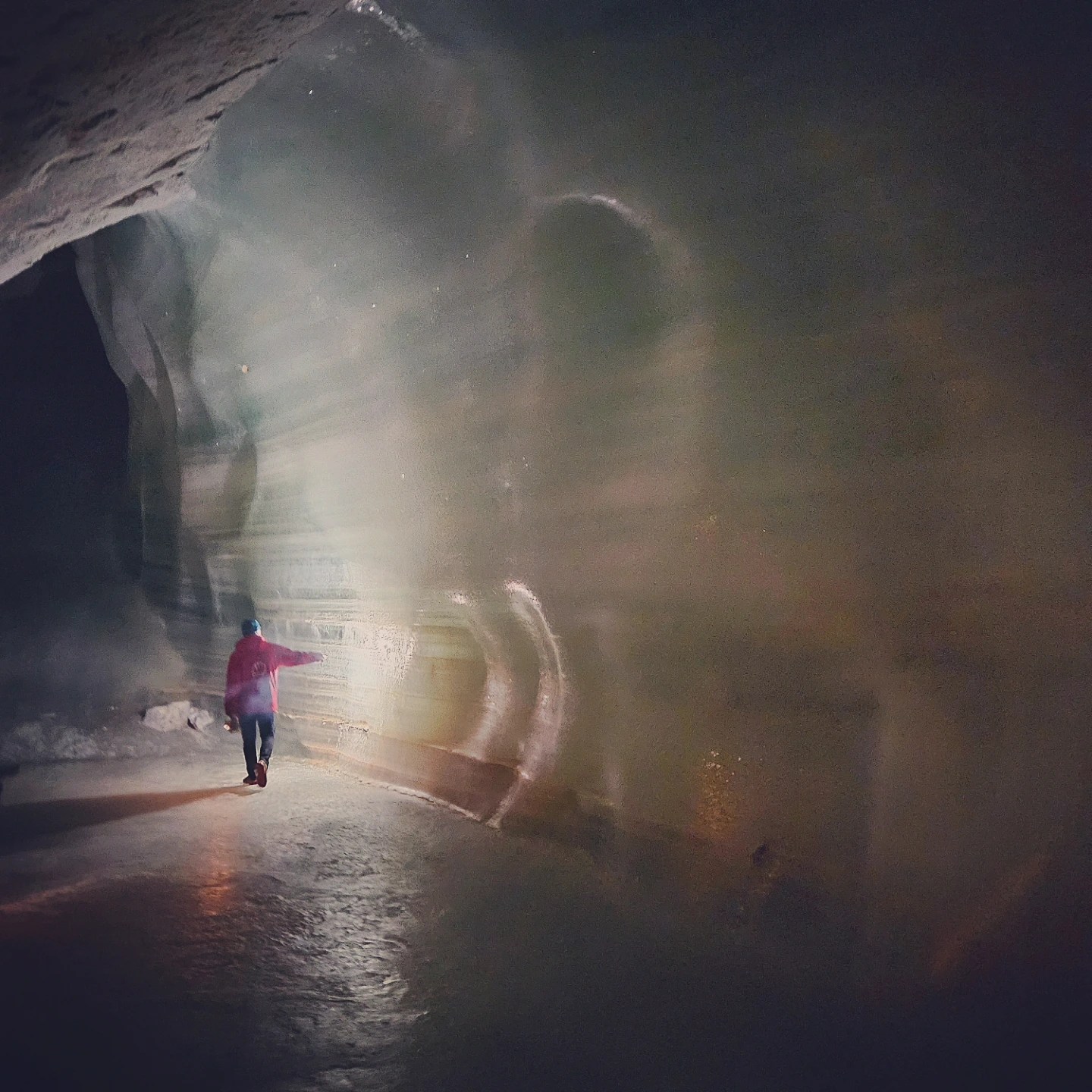
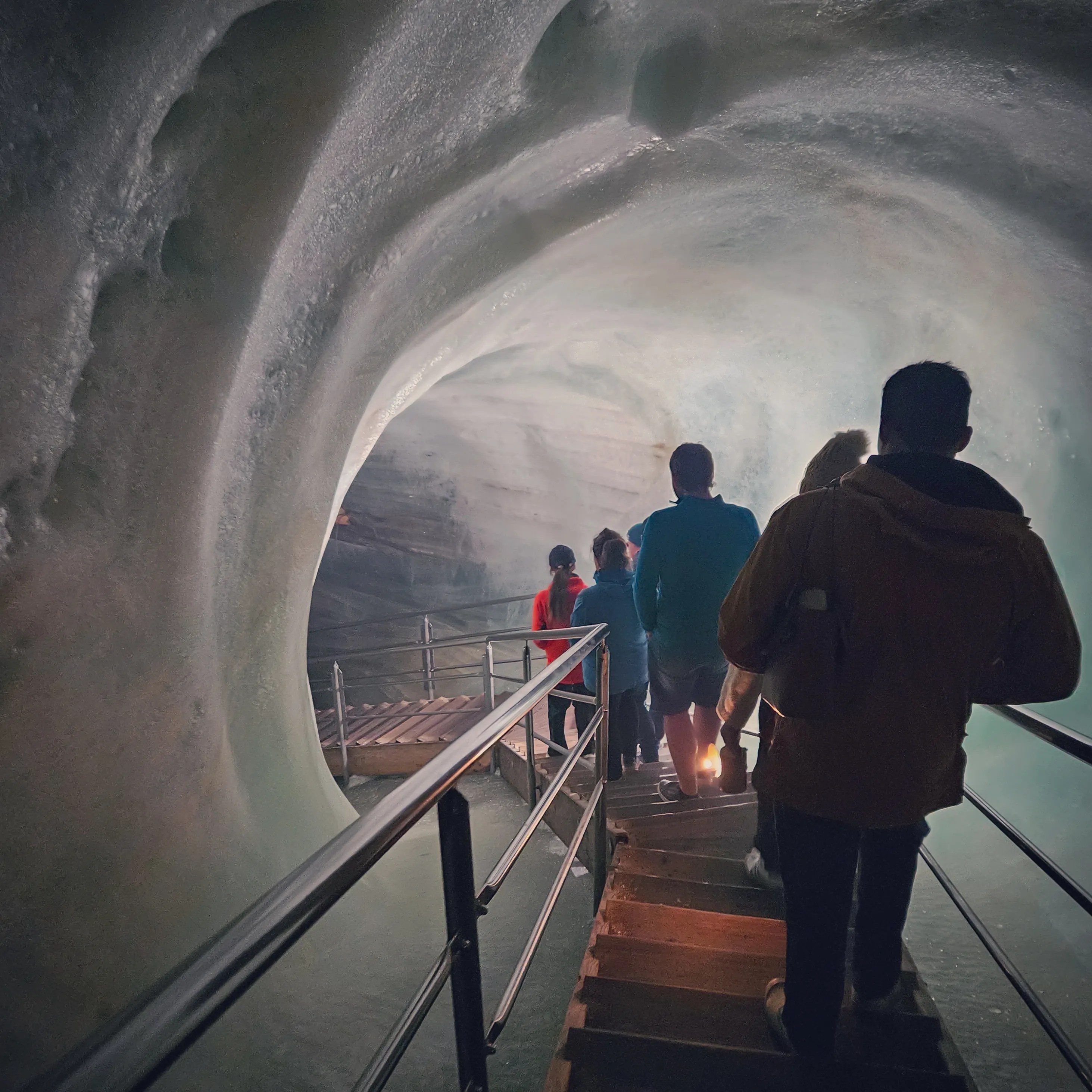
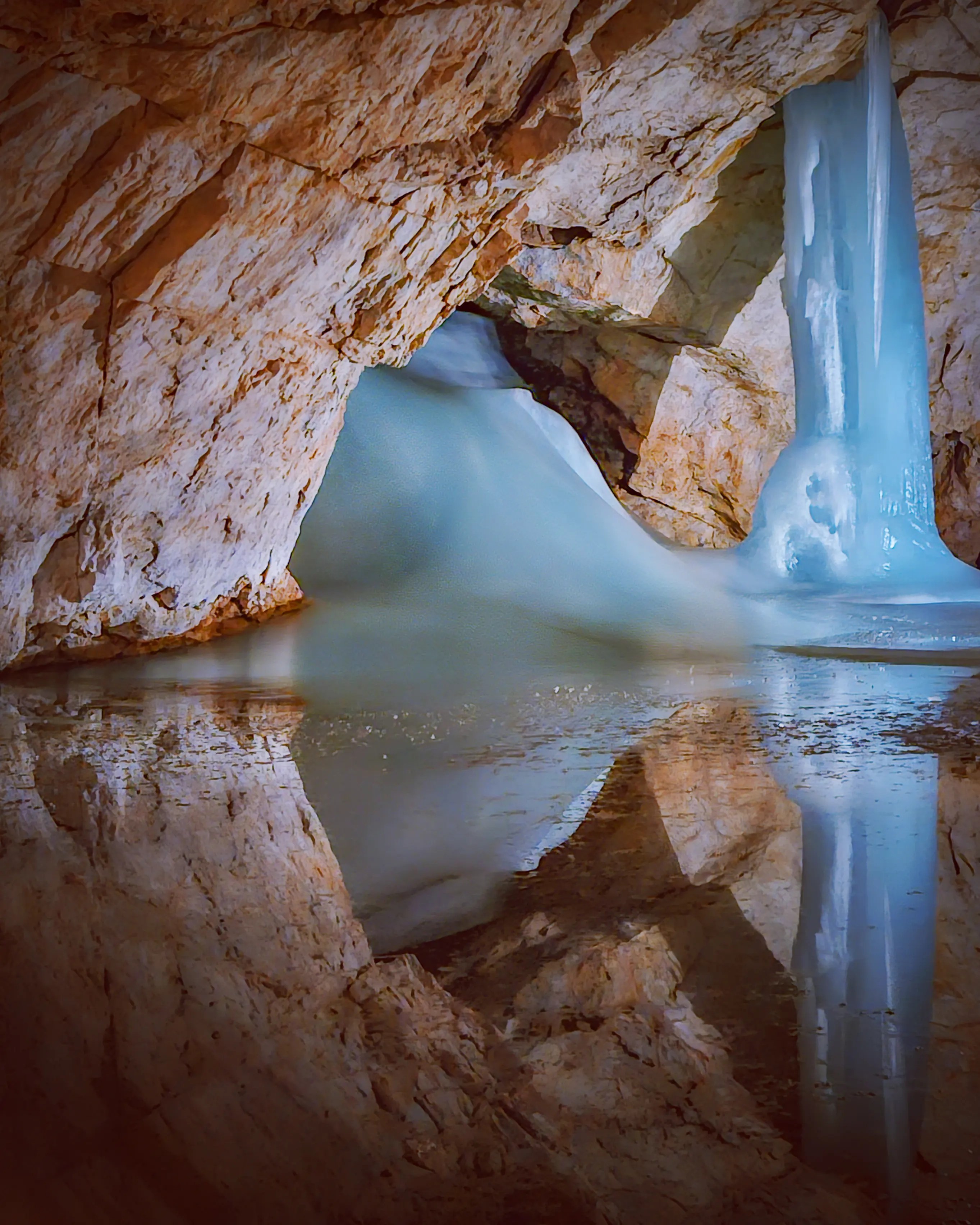
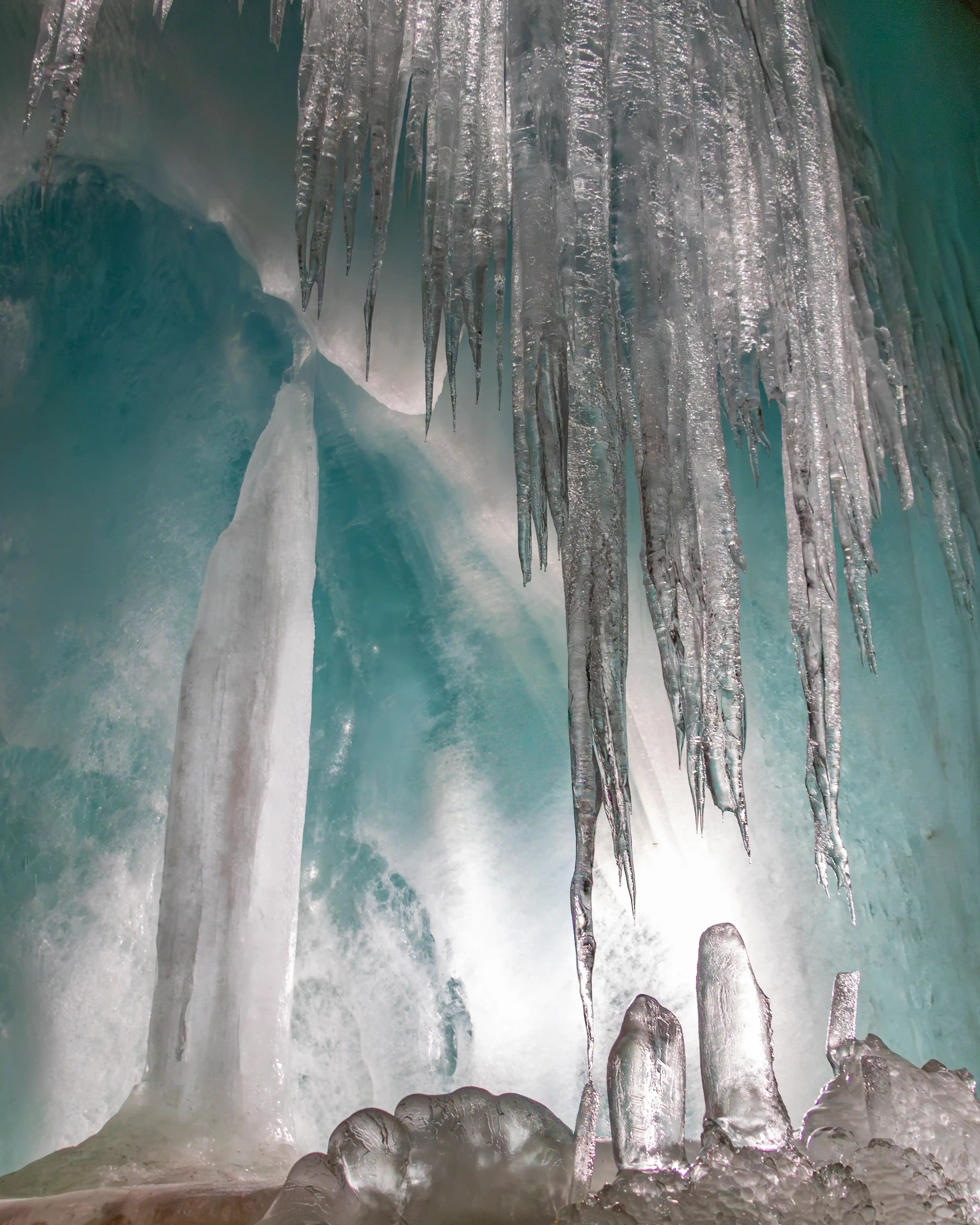
It was fascinating to see the ice formations up close and to experience the scale of the cave in person. It was one of those experiences that stays with you long after you leave.
Burg Hohenwerfen: A Fortress Above the Salzach Valley
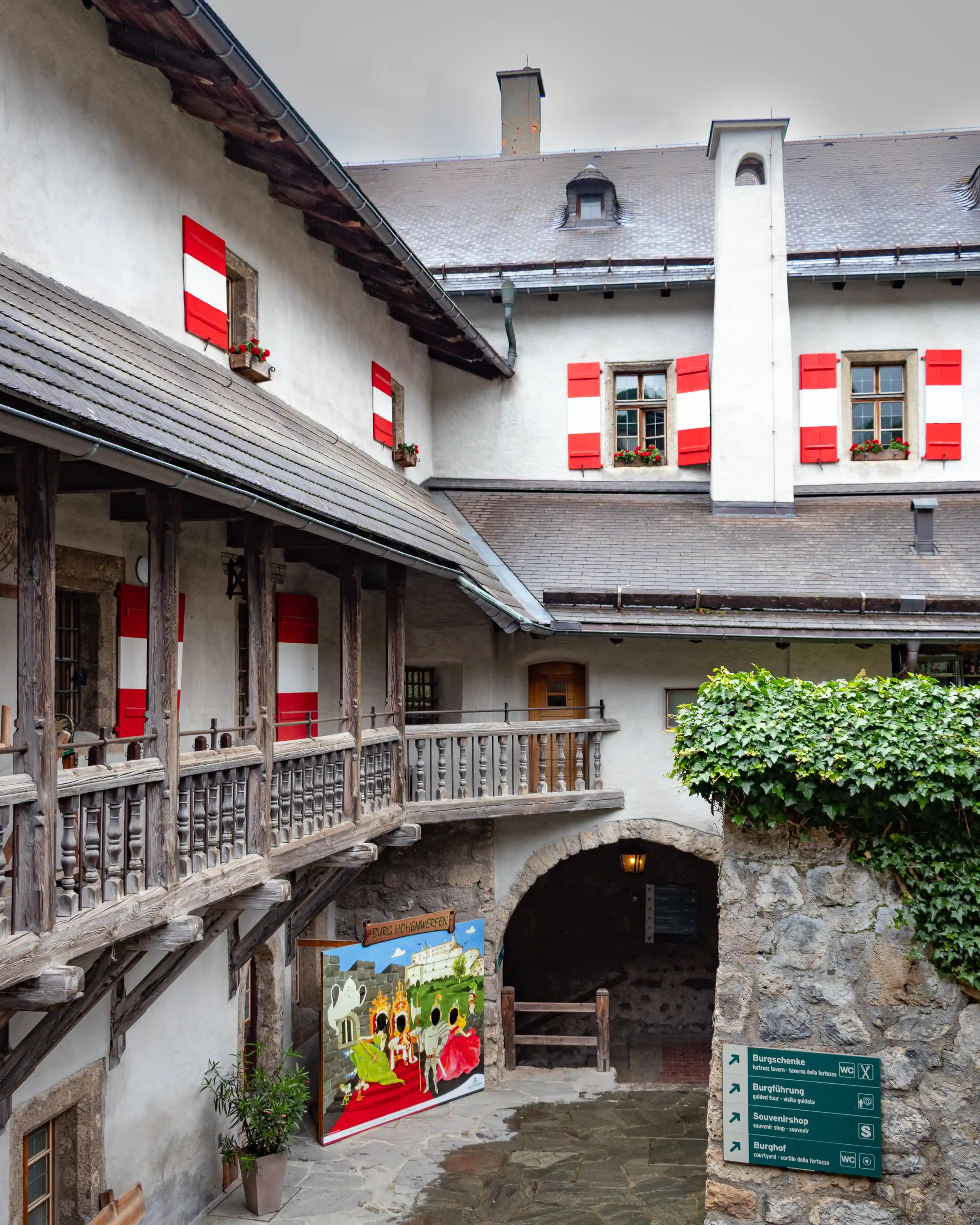
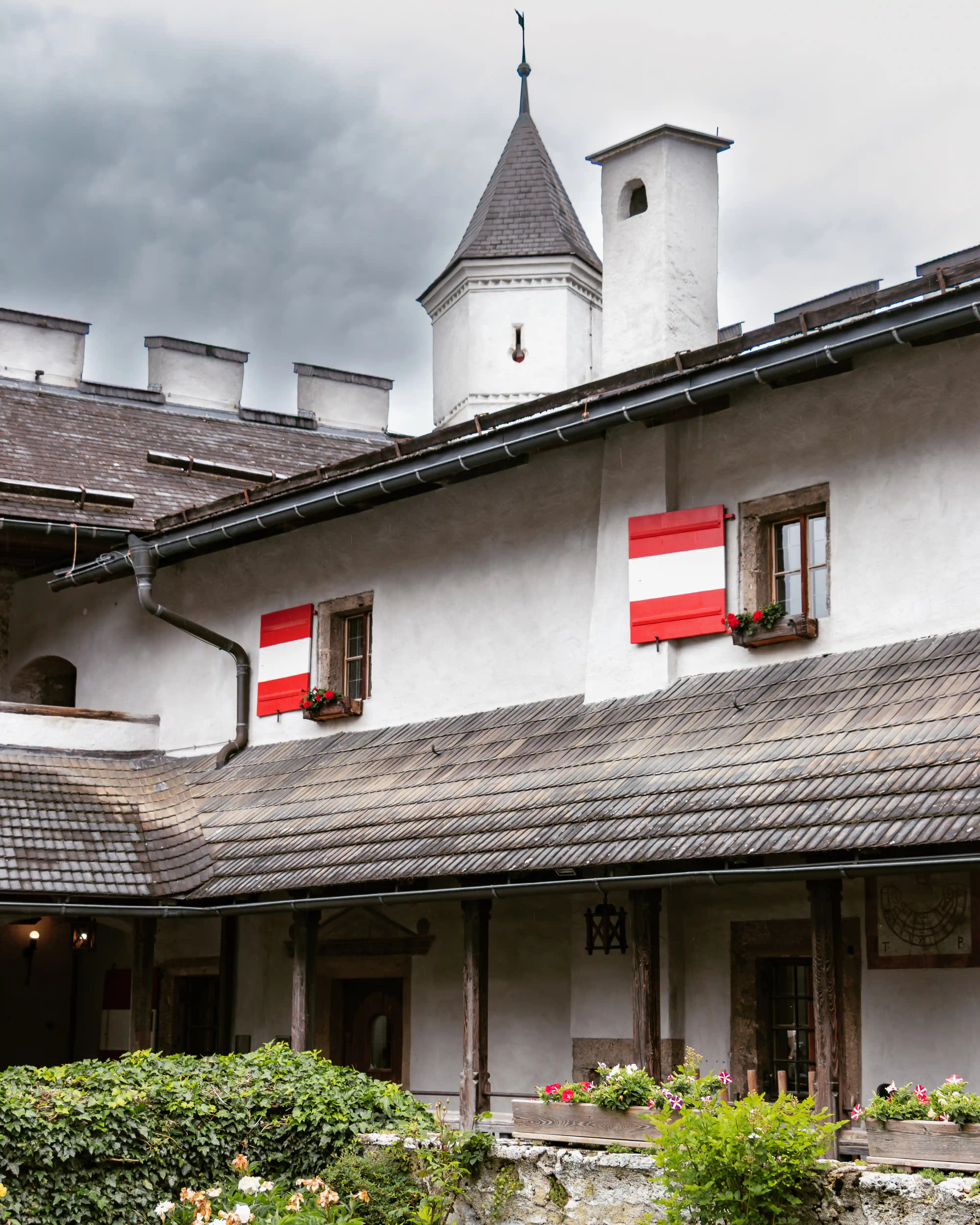
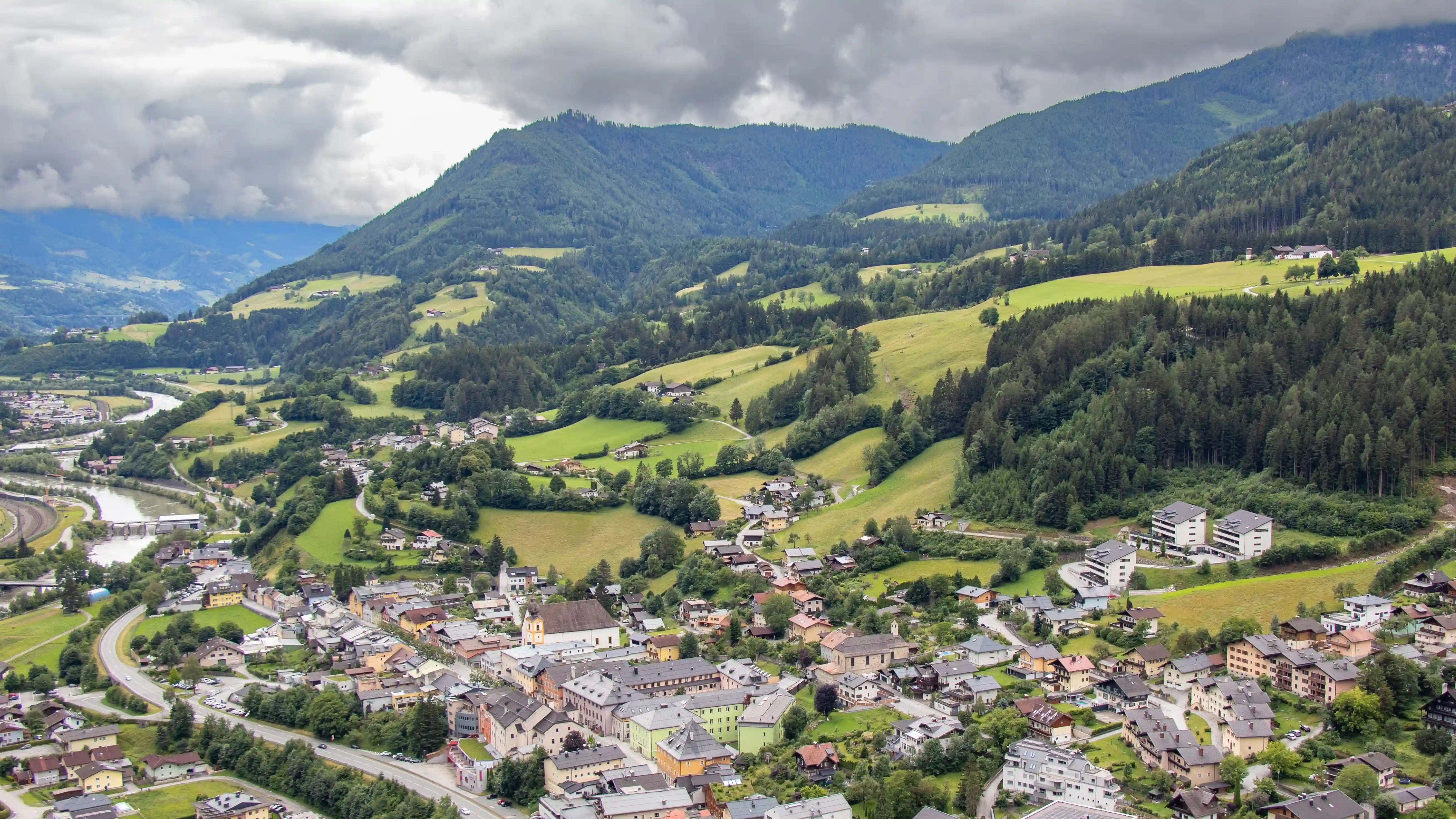
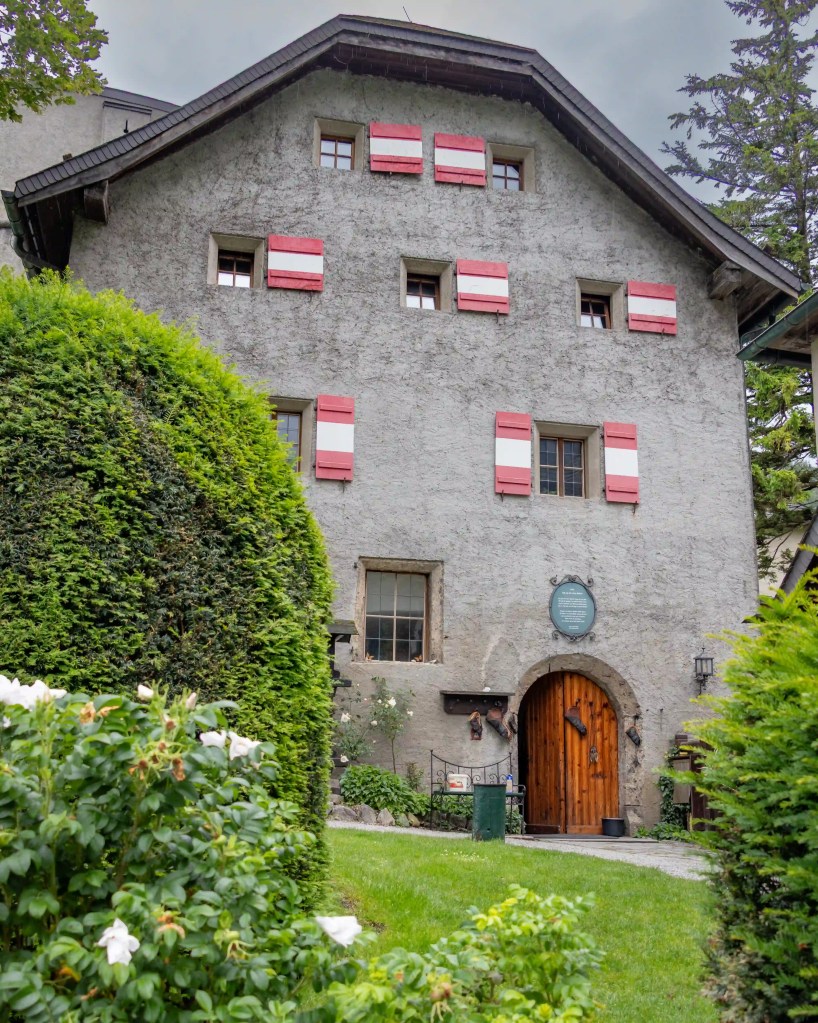
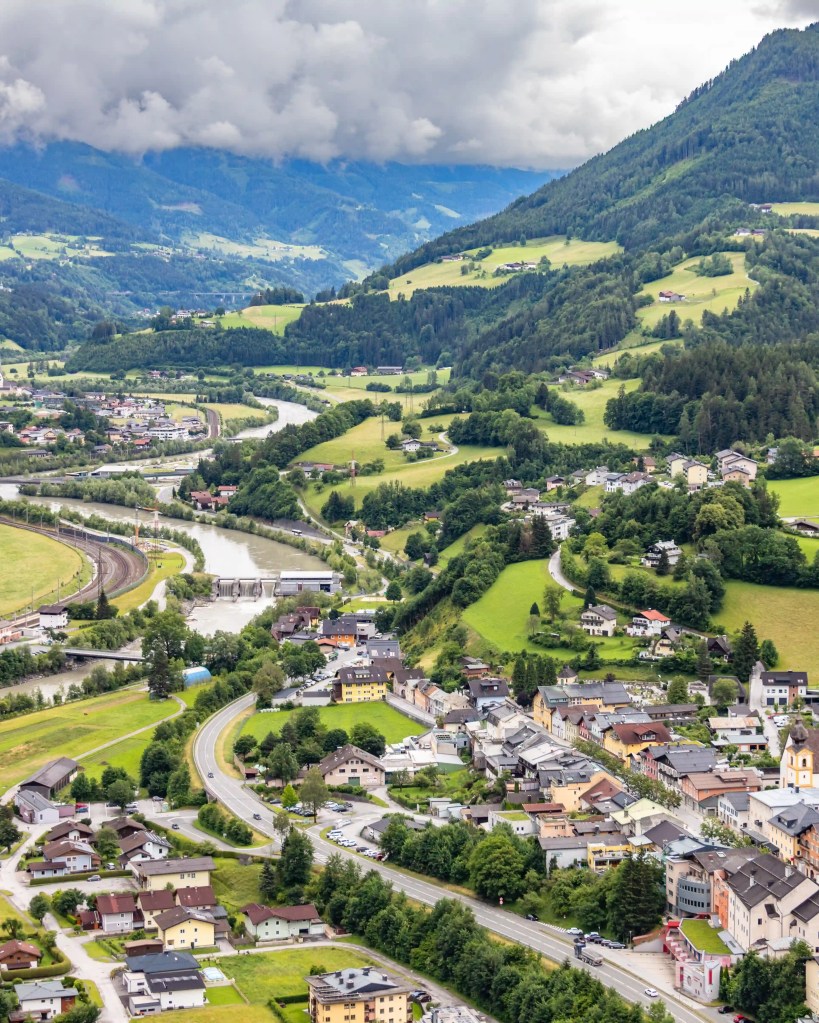
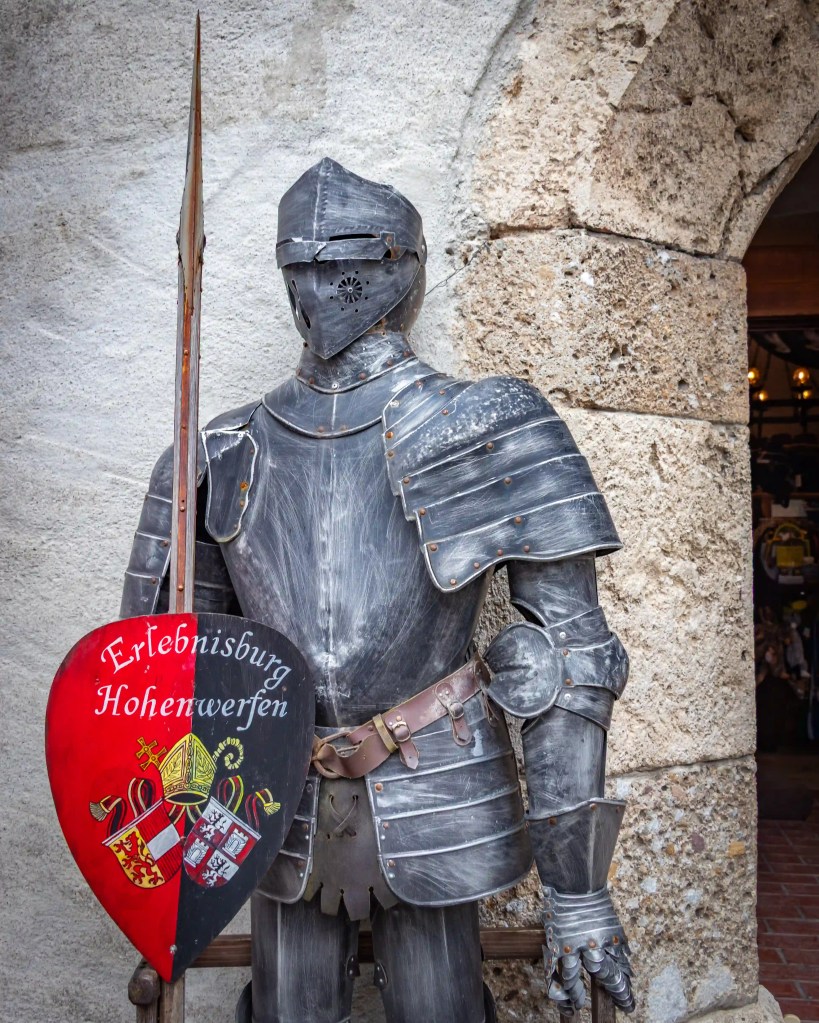
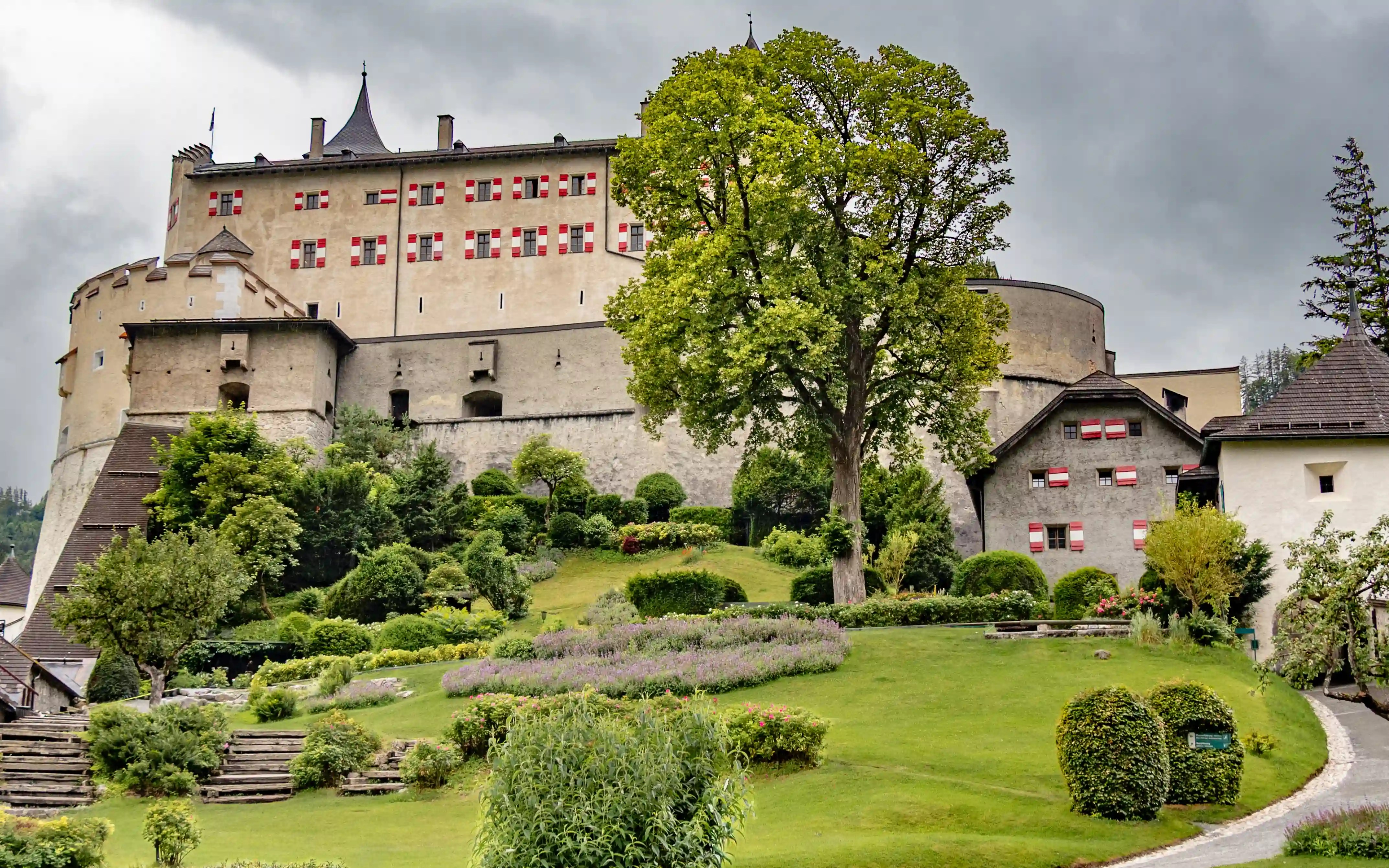
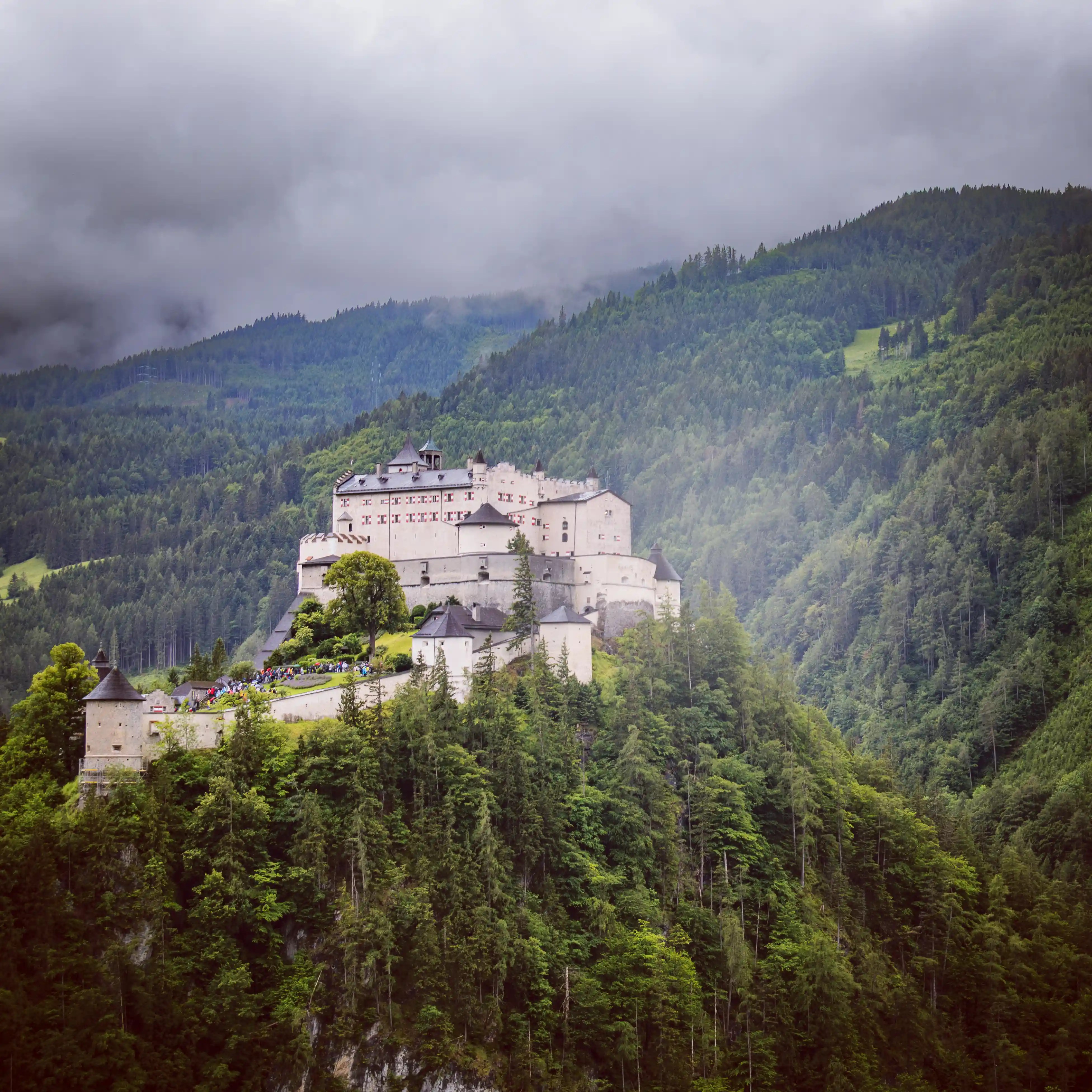
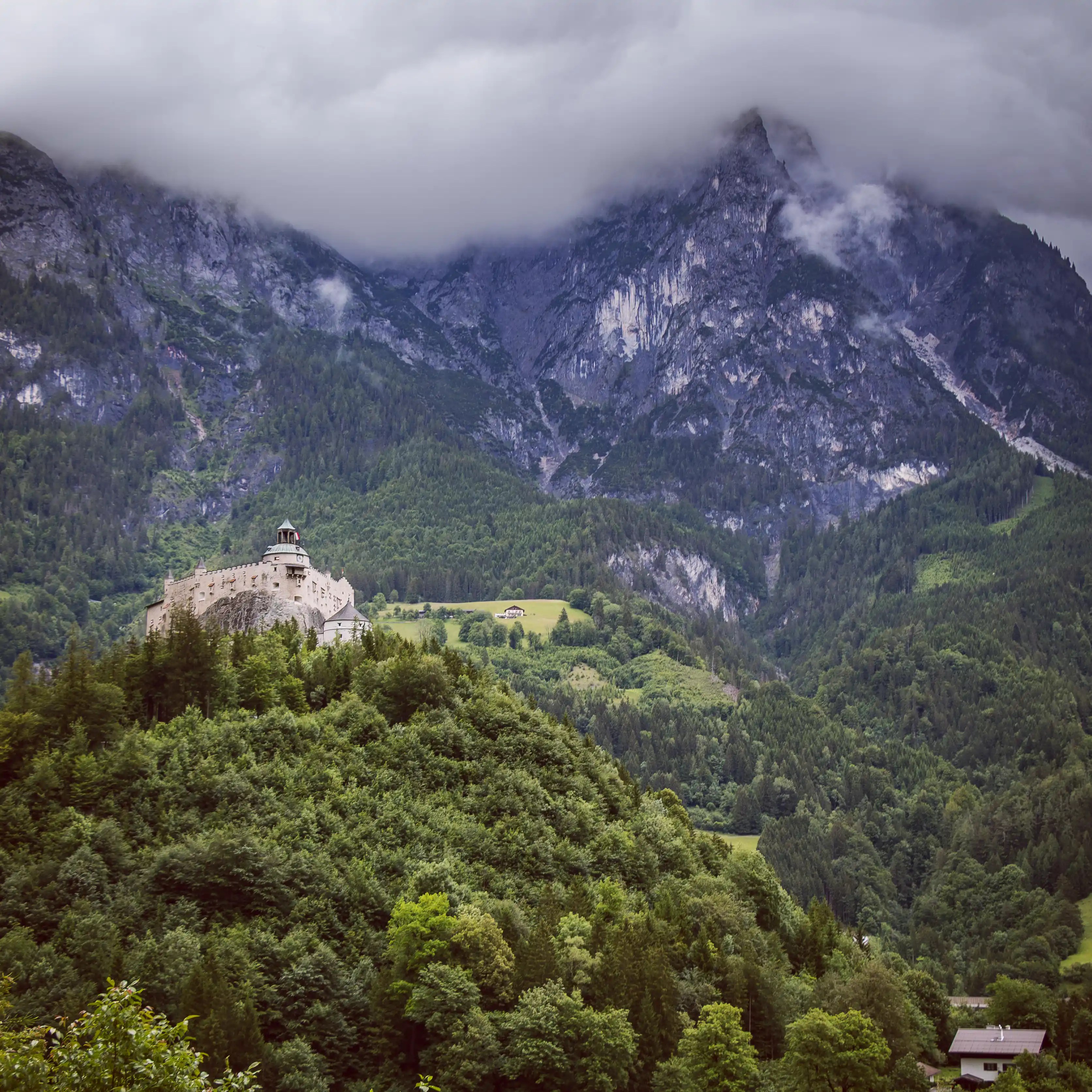
From Eisriesenwelt, we continued through the Salzach Valley to Burg Hohenwerfen, a nearly 900-year-old medieval fortress rising above the river and the town of Werfen. Built in the 11th century, the castle was part of a defensive network established by the Archbishops of Salzburg to control and protect this important alpine trade route. Reaching the castle is straightforward: an inclined elevator takes you up the steep hillside, and the walk back down offers sweeping views of the valley below.
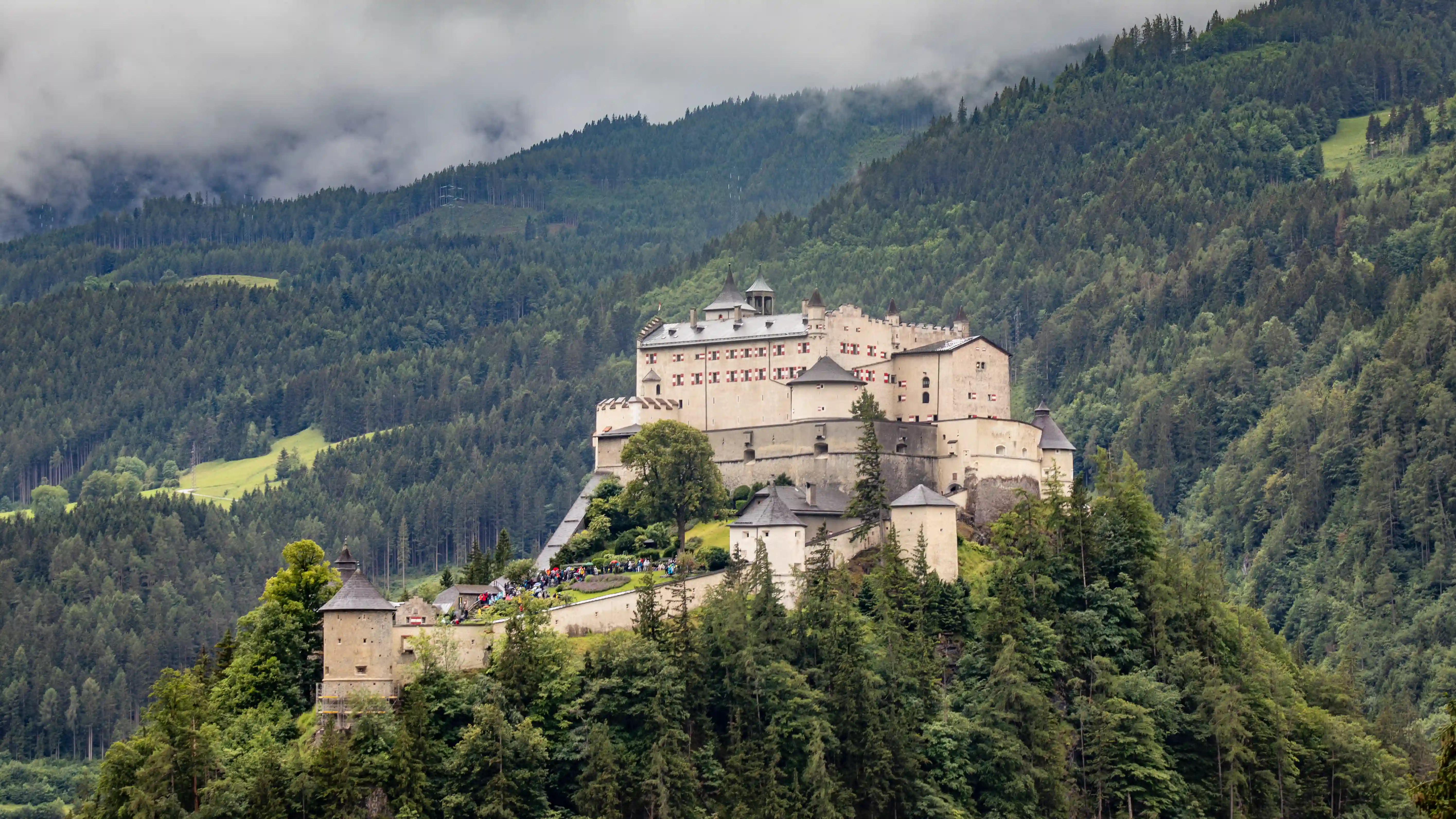
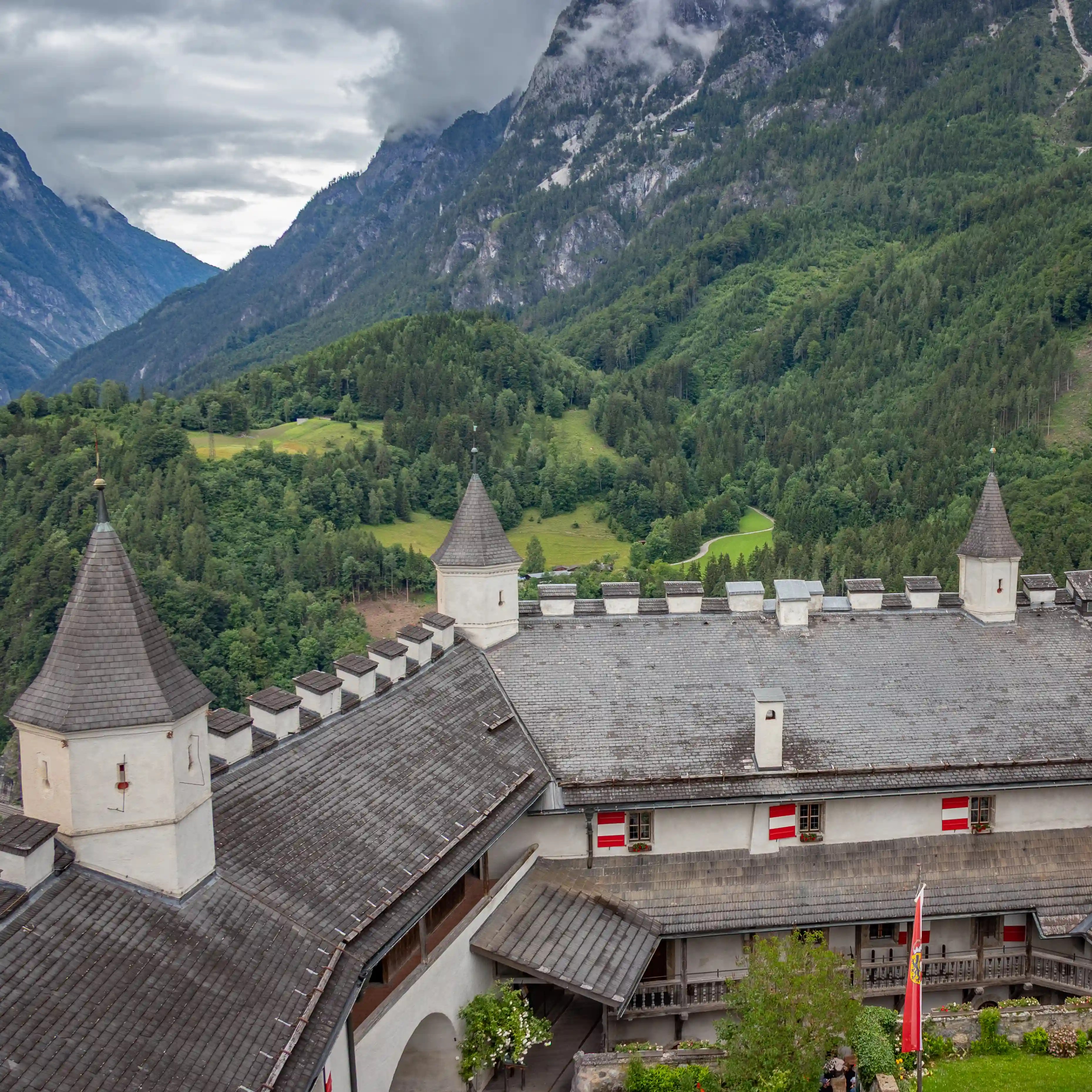
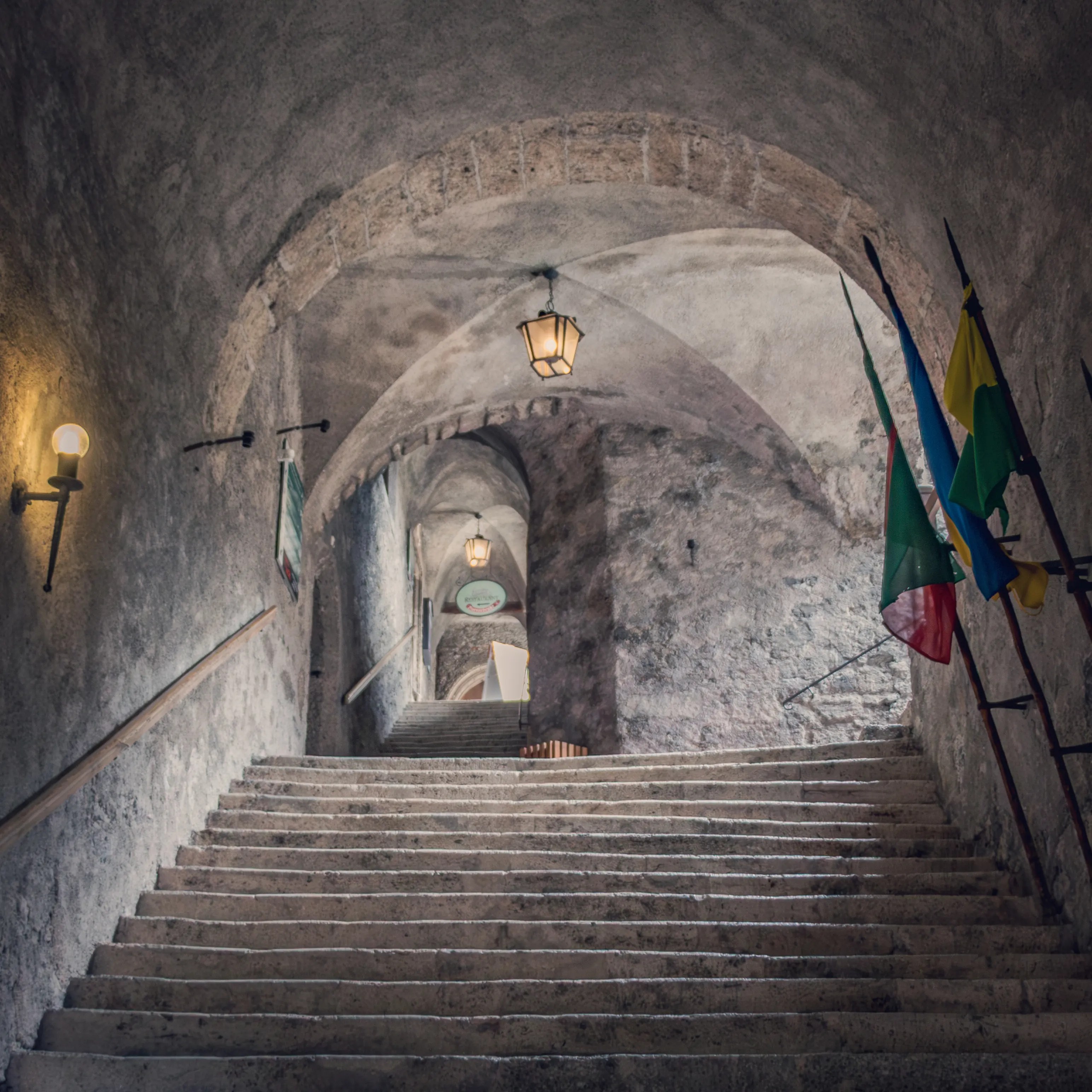
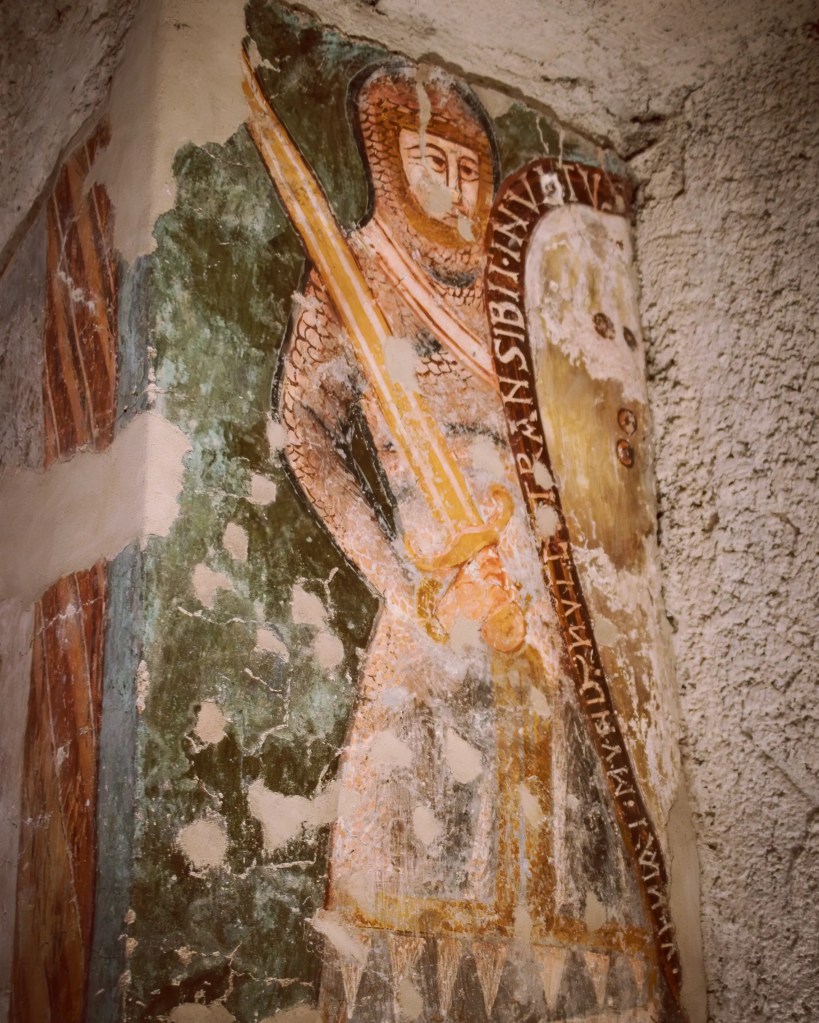
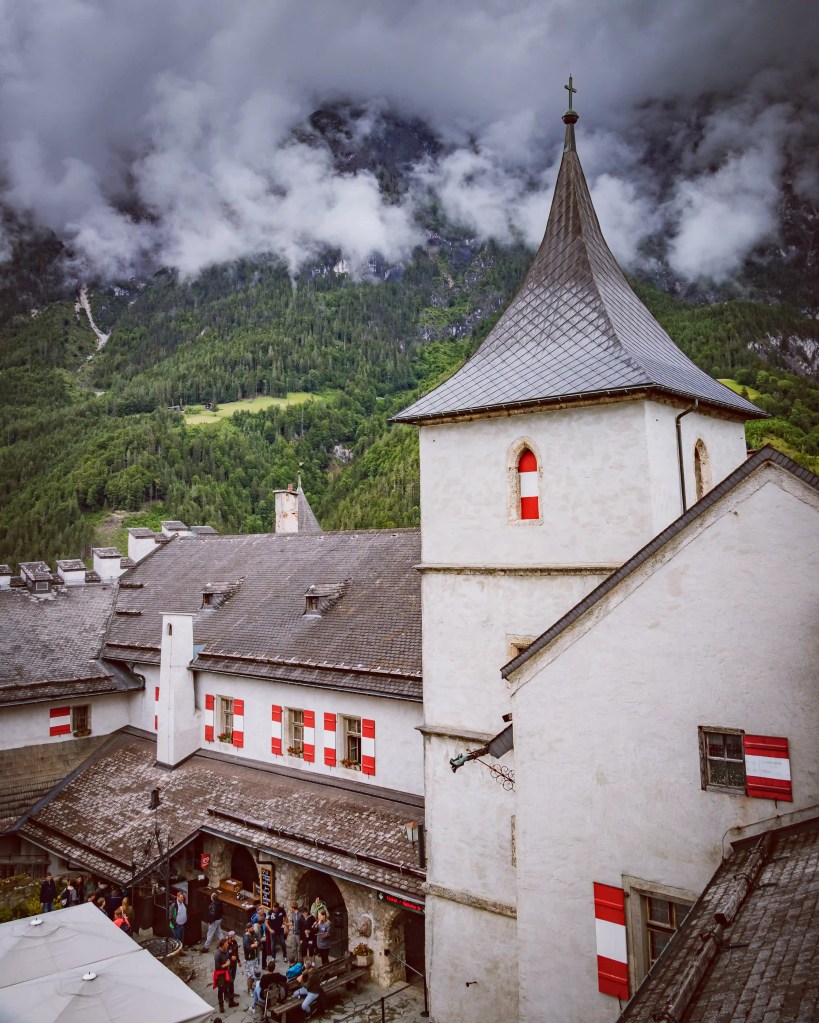
Inside the walls, there’s a lot to explore. We joined a guided tour that took us through the castle chapel, the bell tower, a former torture chamber, and rooms with preserved medieval frescoes. As the tour moved through the fortress, we passed between different levels of the castle, taking in views across the Salzach Valley and getting a sense of how the site functioned as a fortified stronghold.
Elsewhere within the castle grounds, visitors can explore the falconry museum and watch live birds-of-prey demonstrations, a tradition connected to the fortress’s historic role in hunting and defense. There’s also a tavern and a small medieval-style shop, adding to the experience of spending time within the walls.
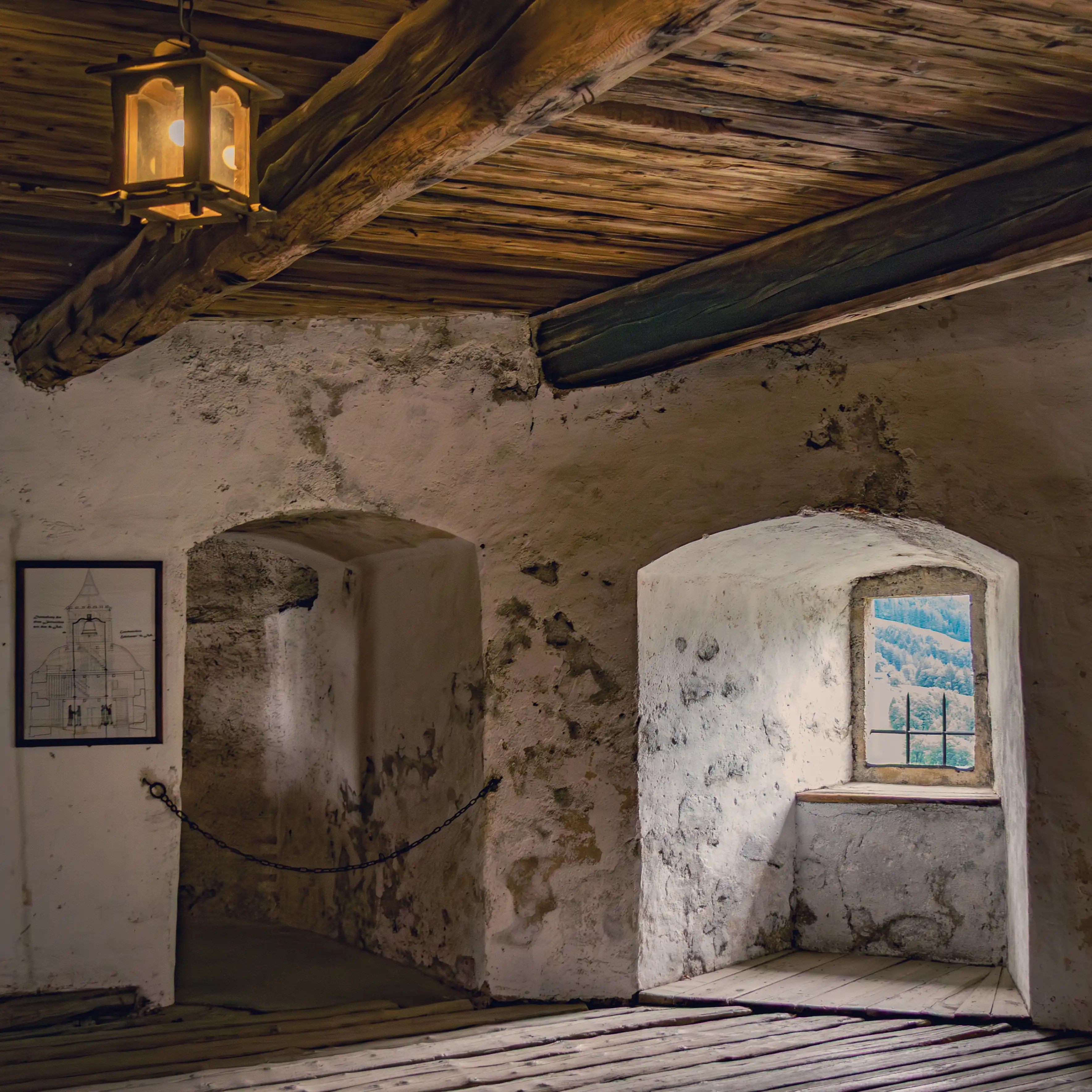
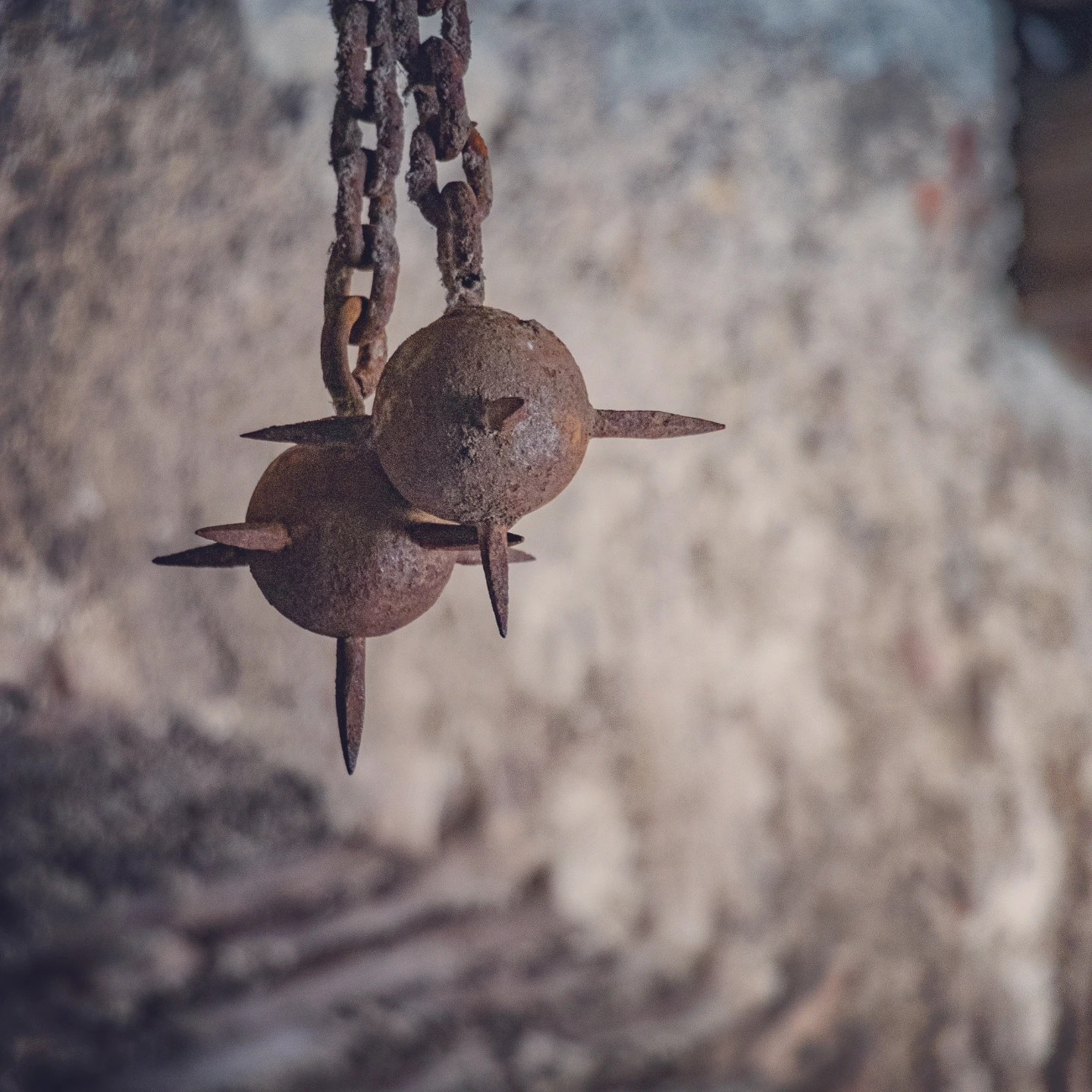
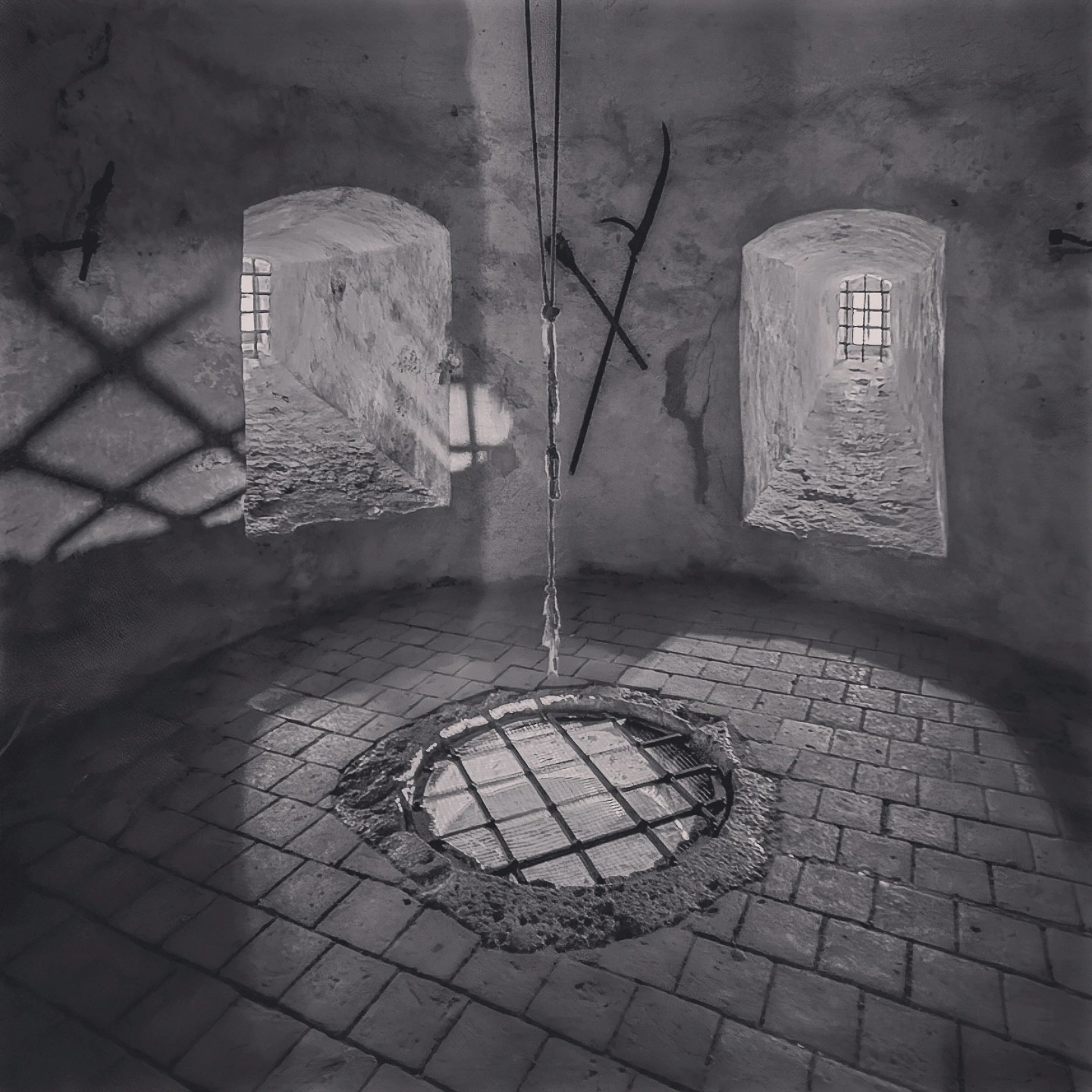
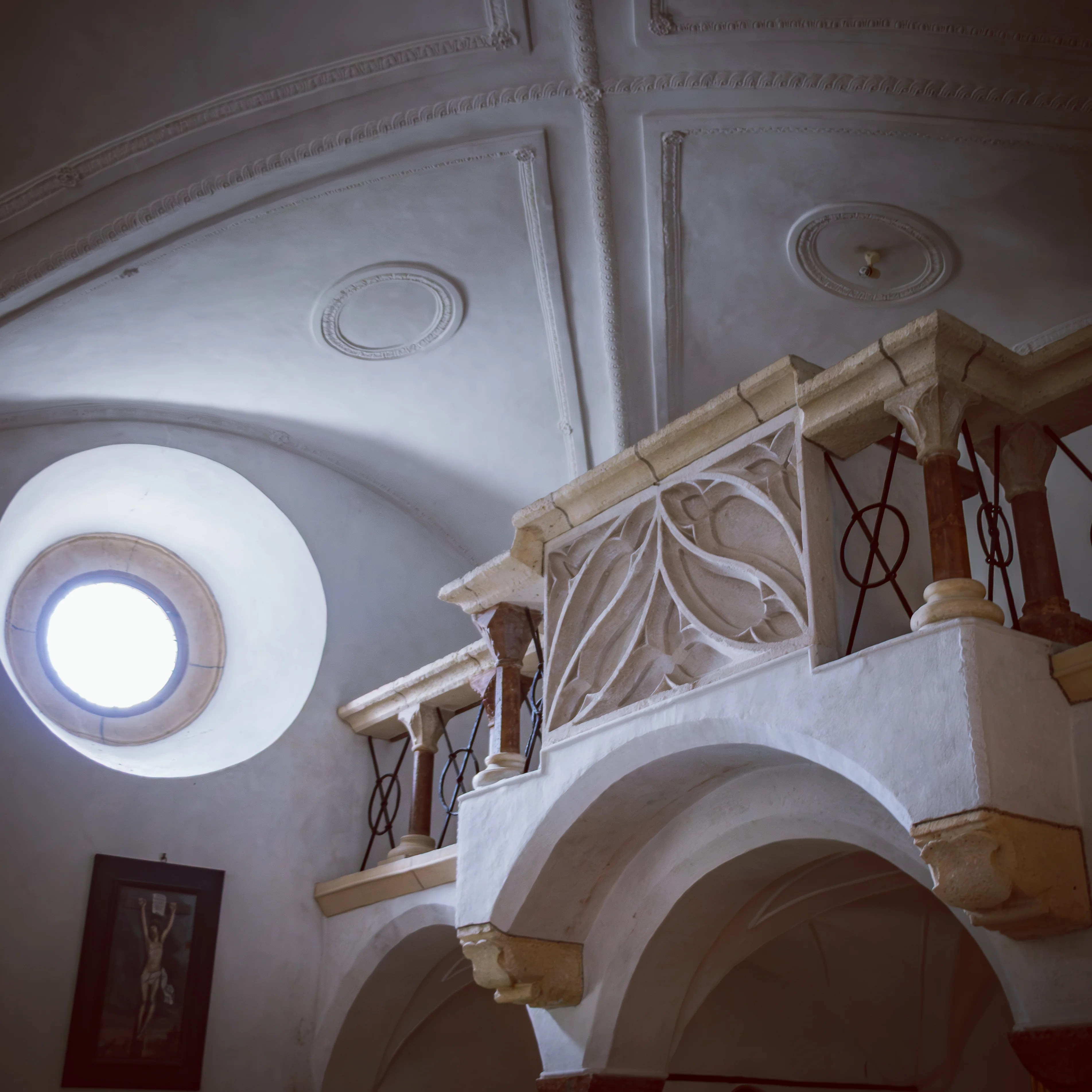
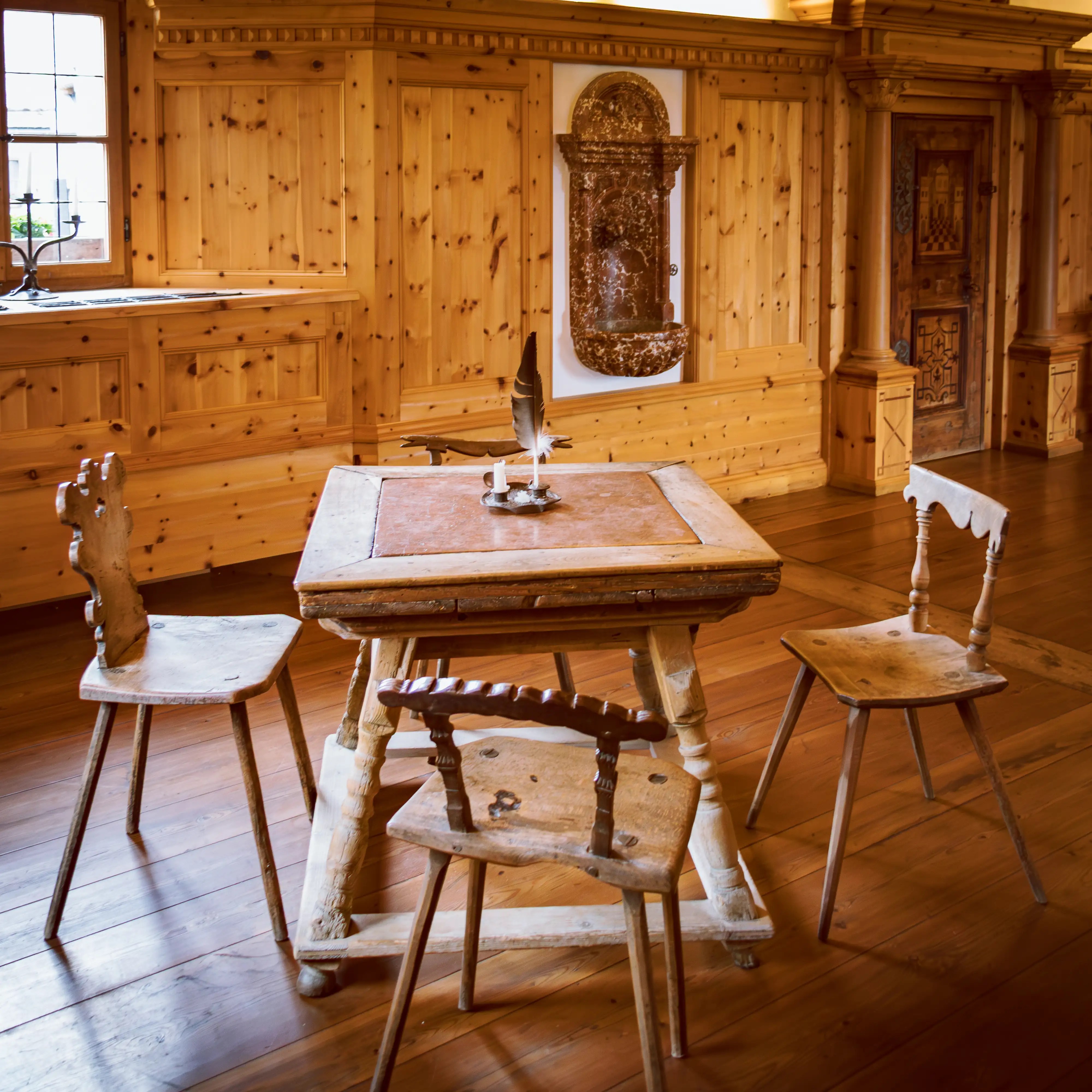
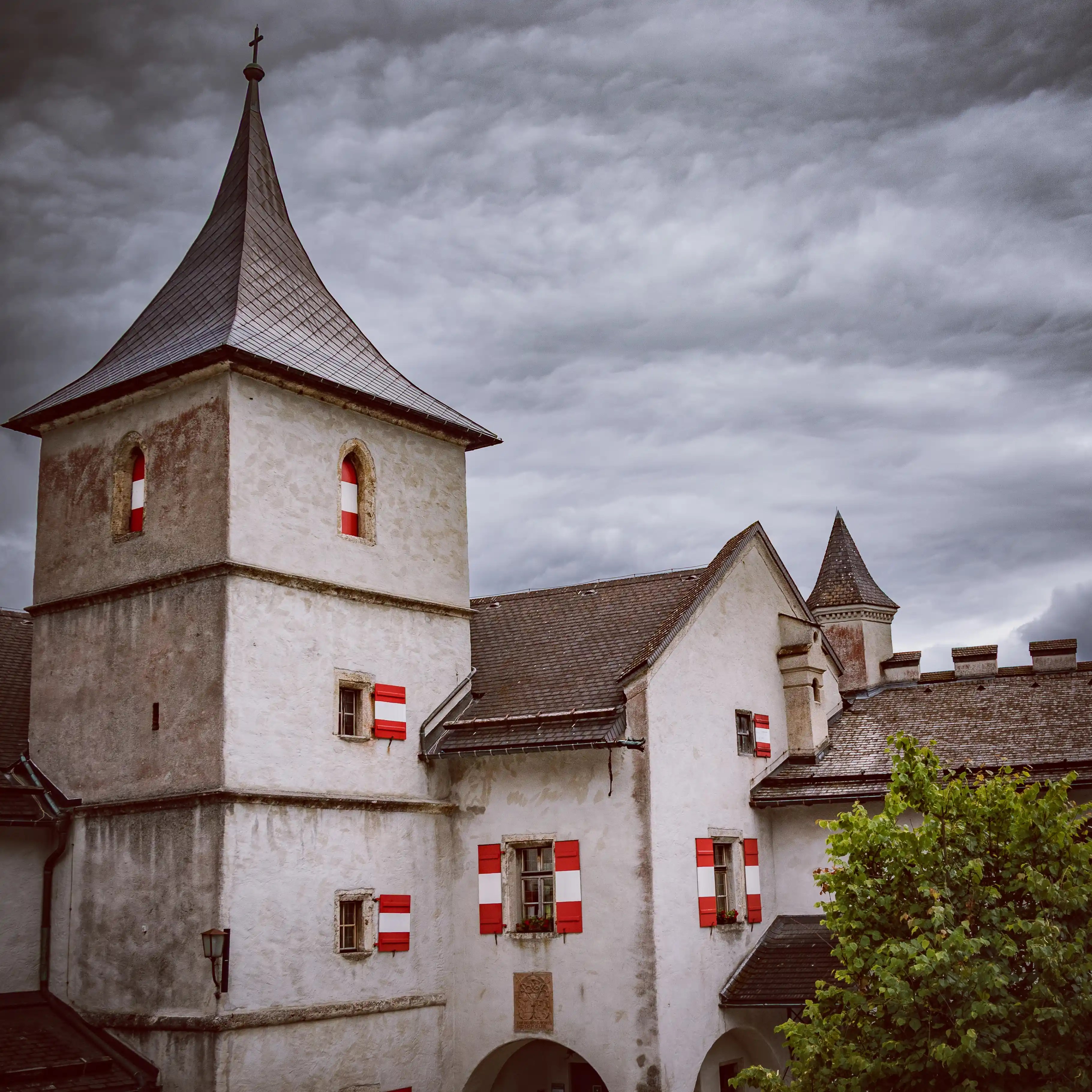

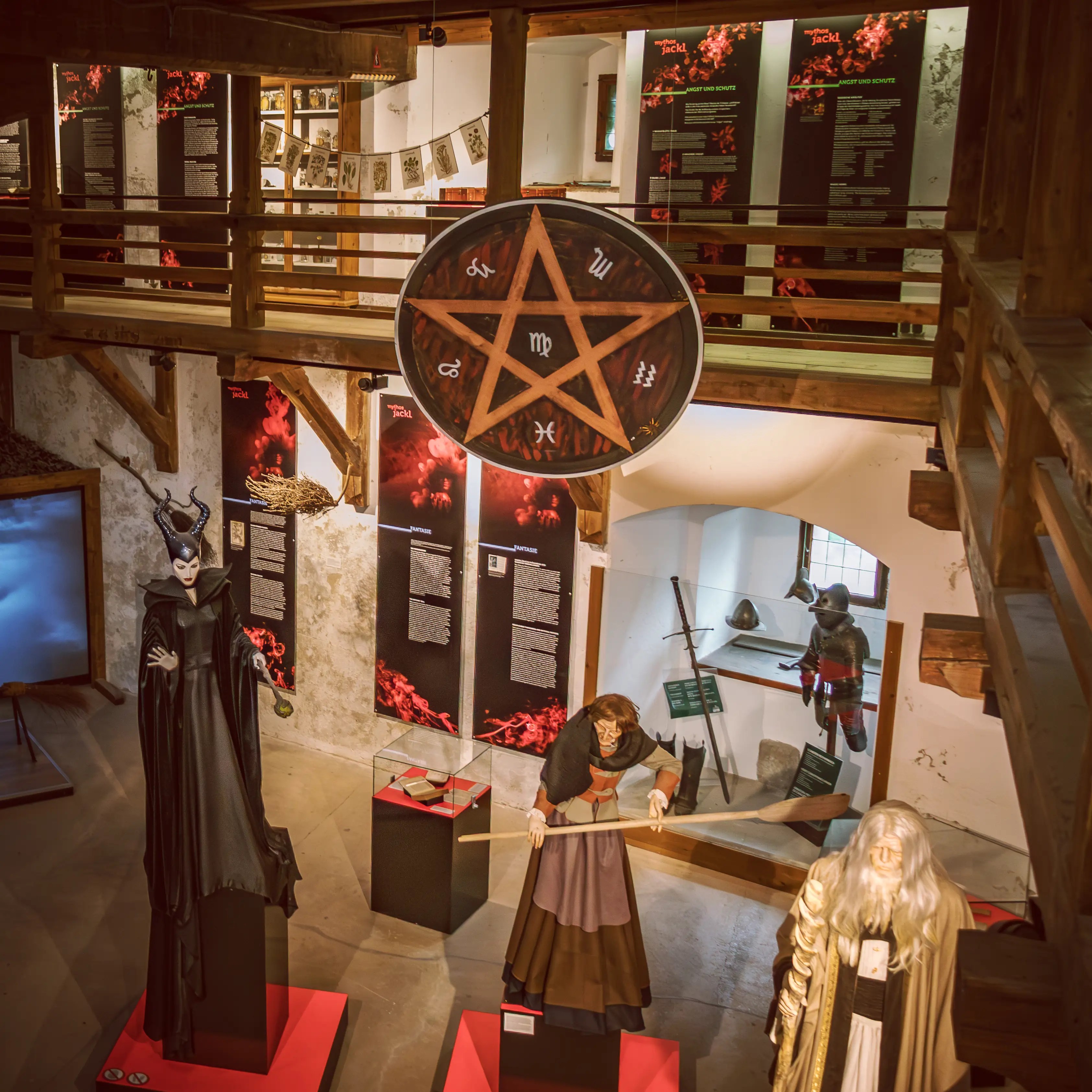
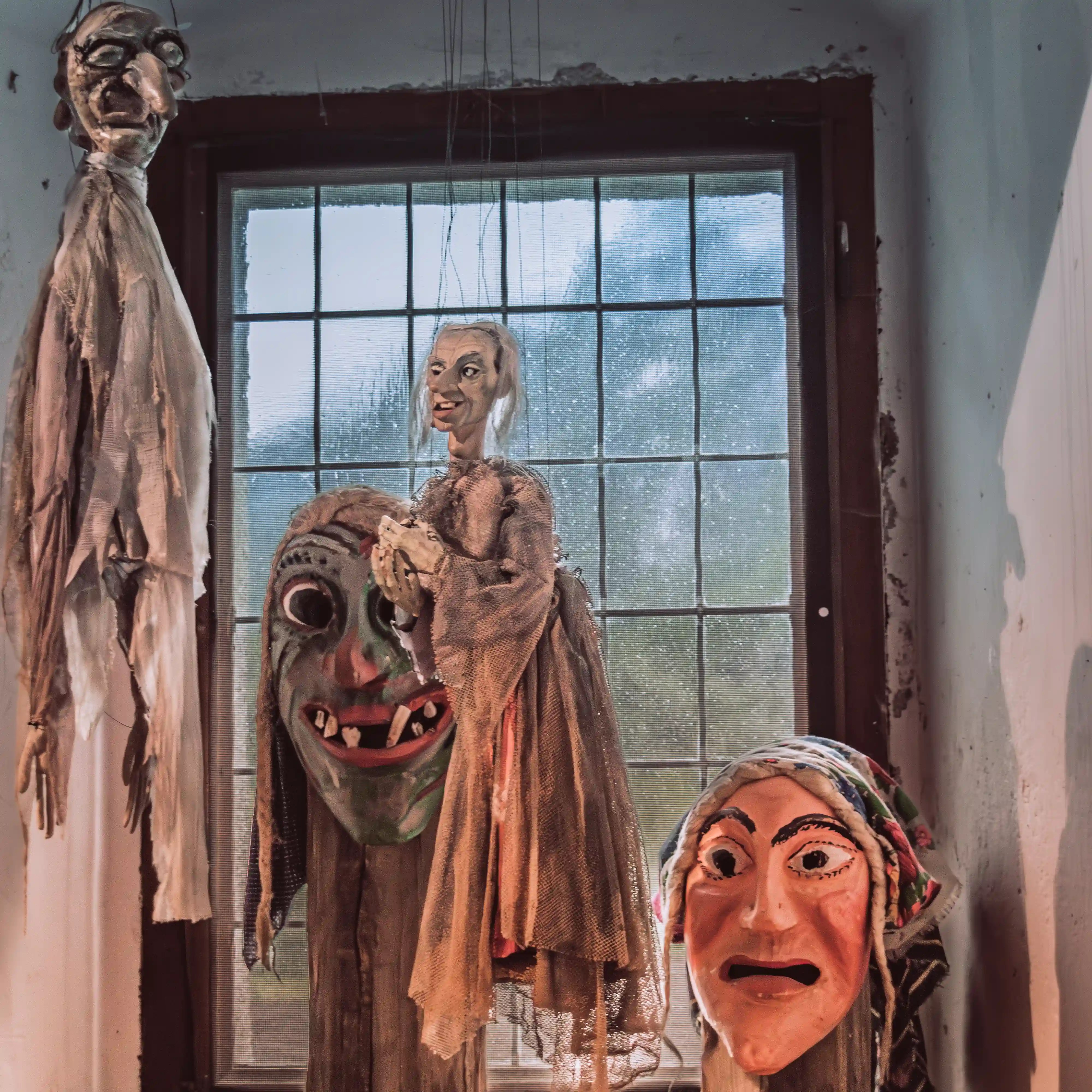
Outside the main tour route, the exhibition Mythos Jackl – Sorcerers and Witches in Salzburg looks at a darker chapter of regional history, focusing on witch trials and the fears and beliefs that shaped them in early modern Salzburg.
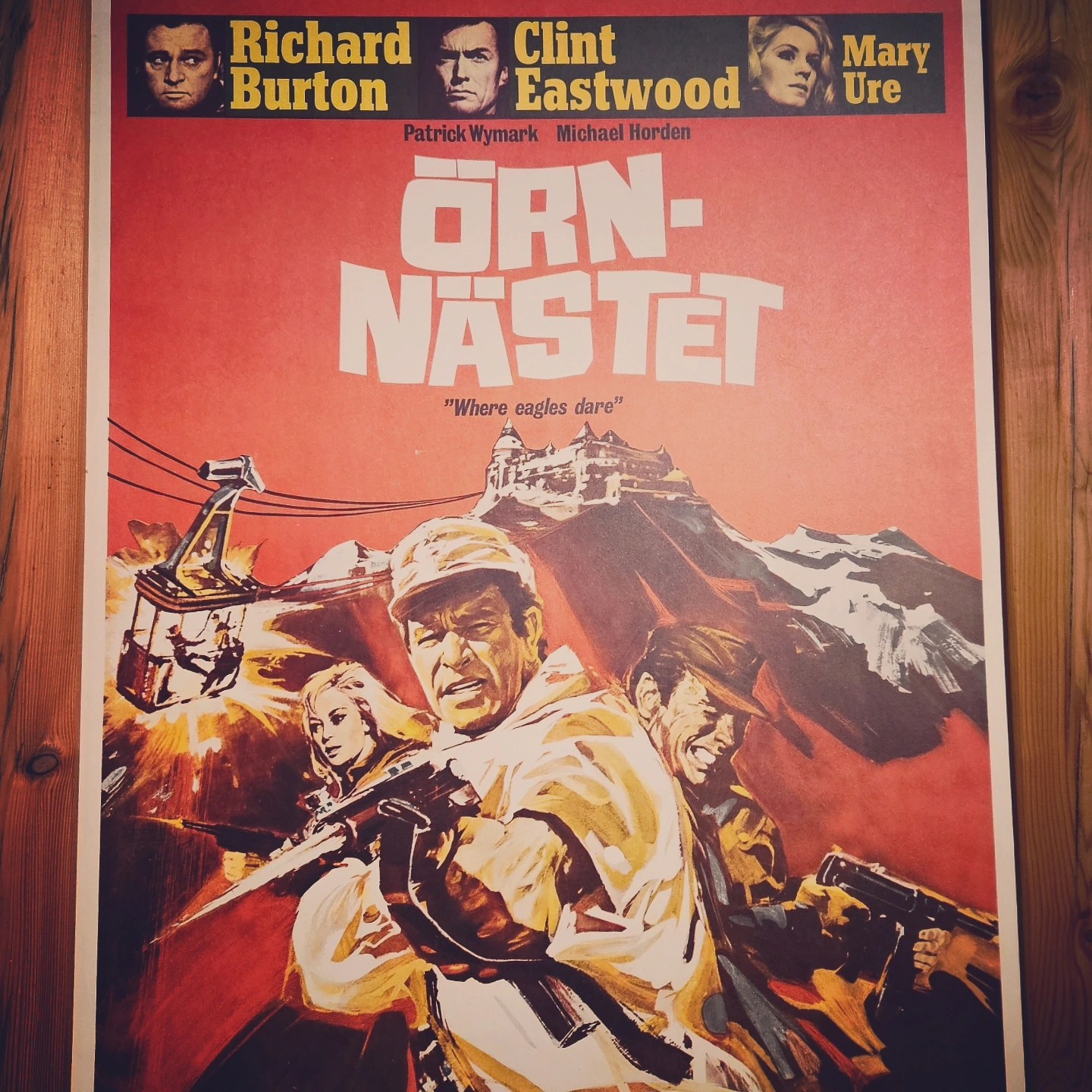
Film fans may also recognize Burg Hohenwerfen as a filming location. Several scenes from Where Eagles Dare, starring Richard Burton and Clint Eastwood, were shot here. More recently, the fortress appeared in the Amazon original series The Man in the High Castle, where it was used as the Führer’s headquarters.
A Familiar View: The Sound of Music Trail
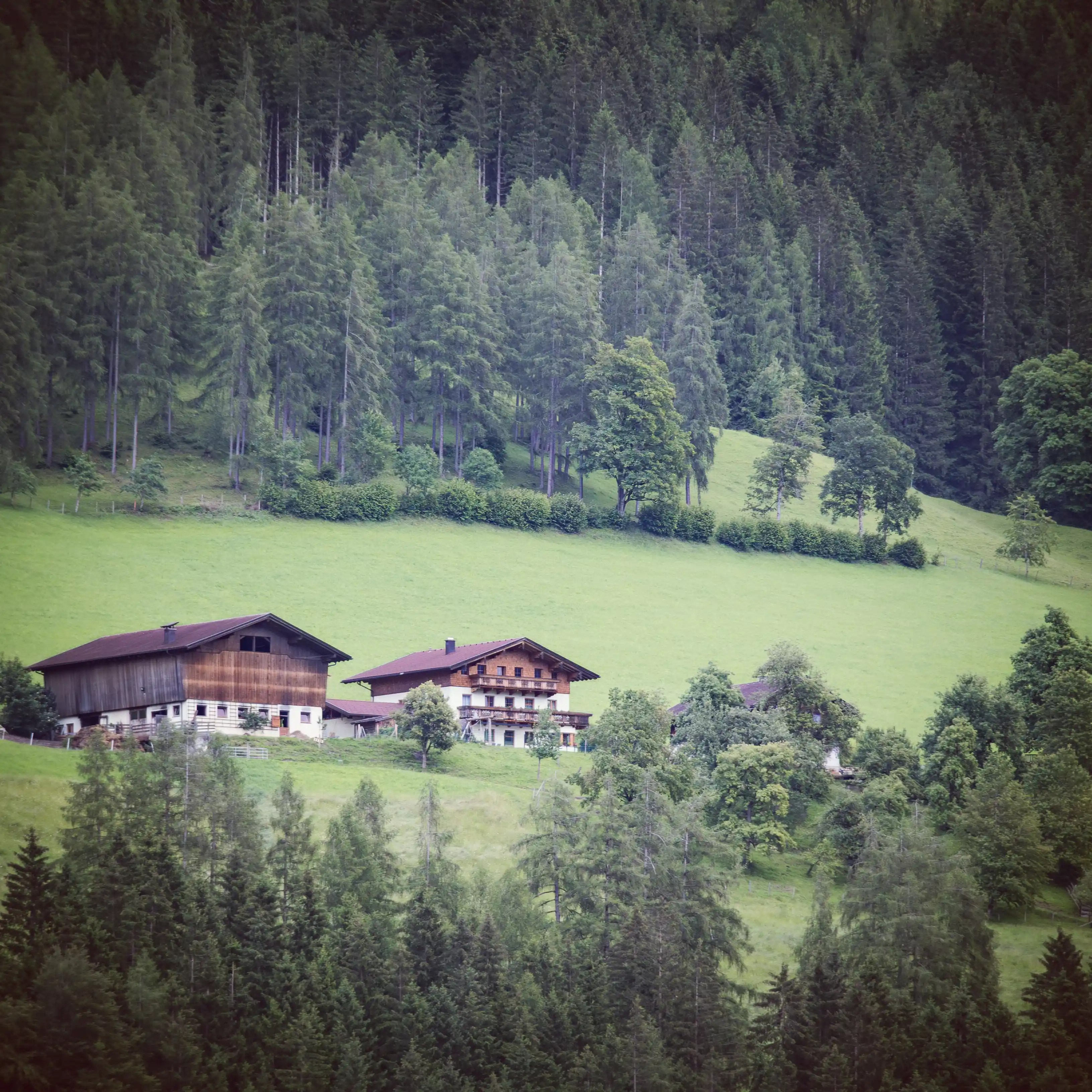
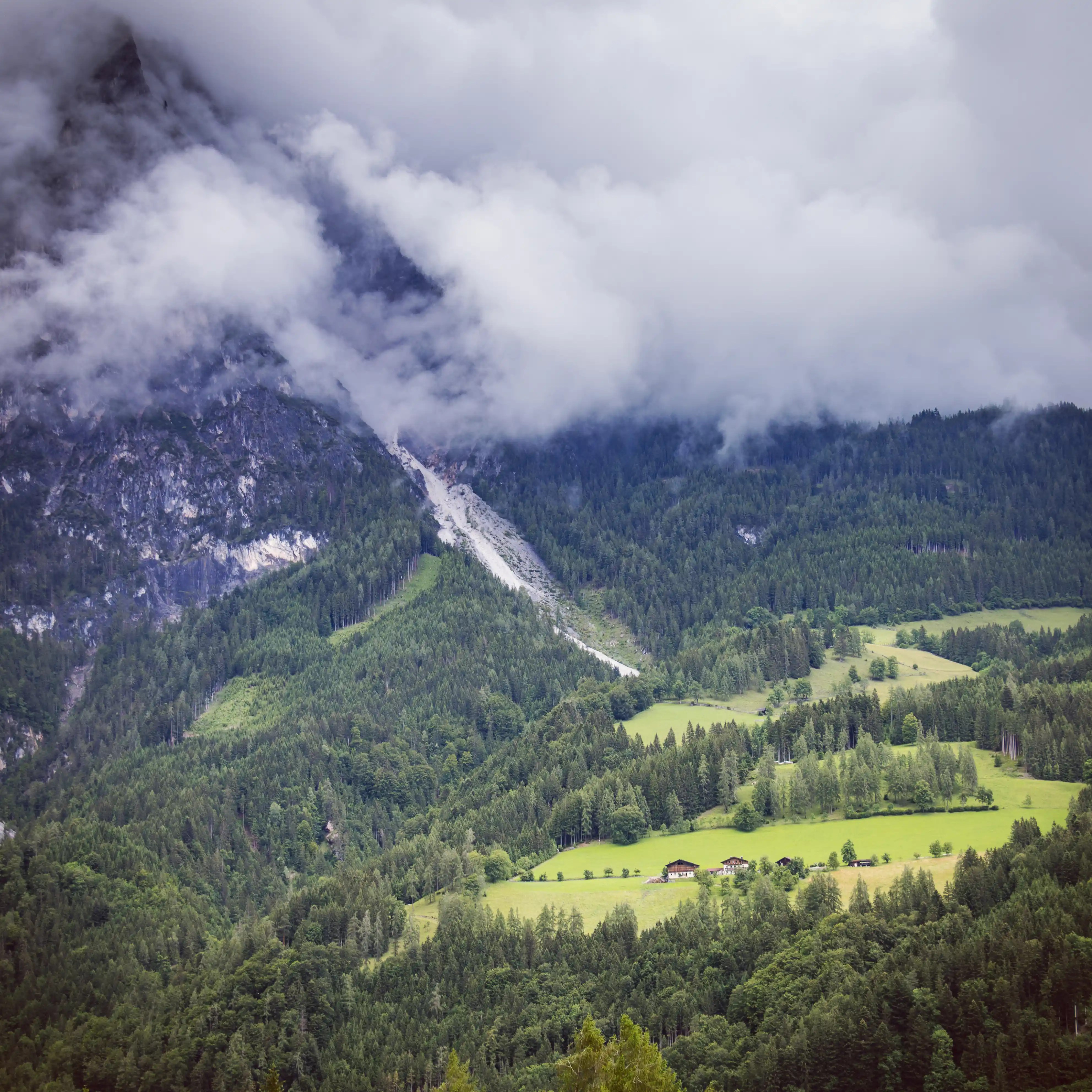
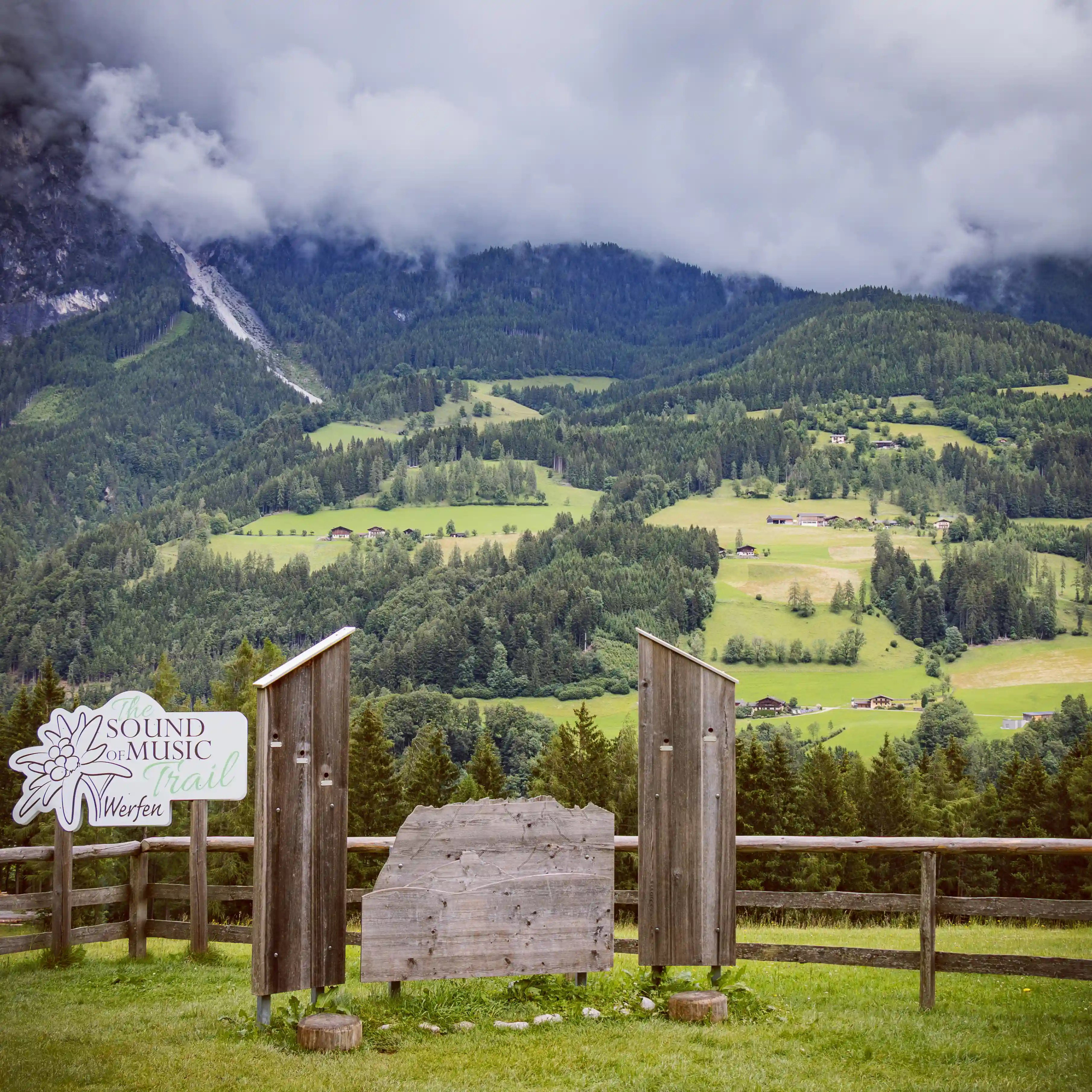
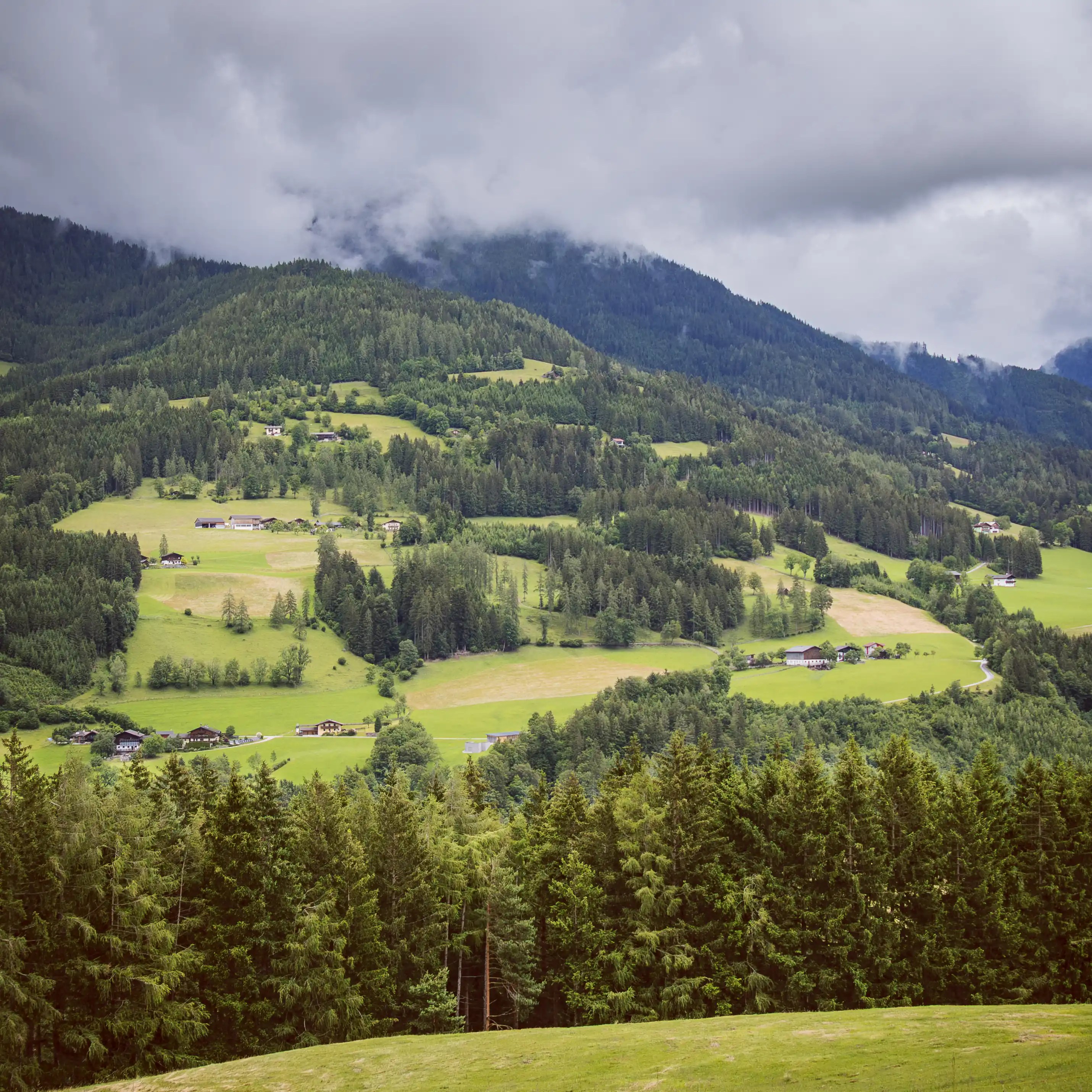
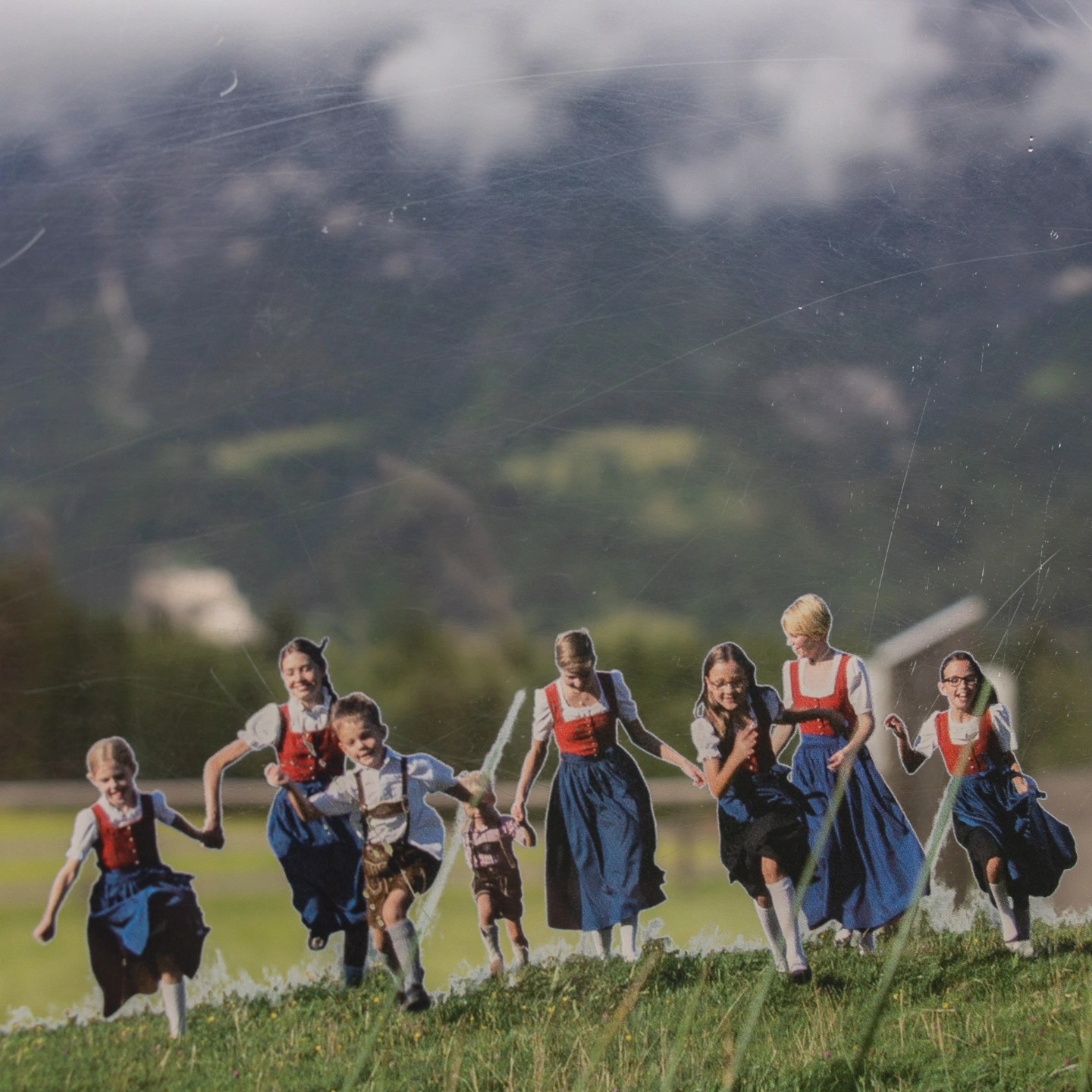
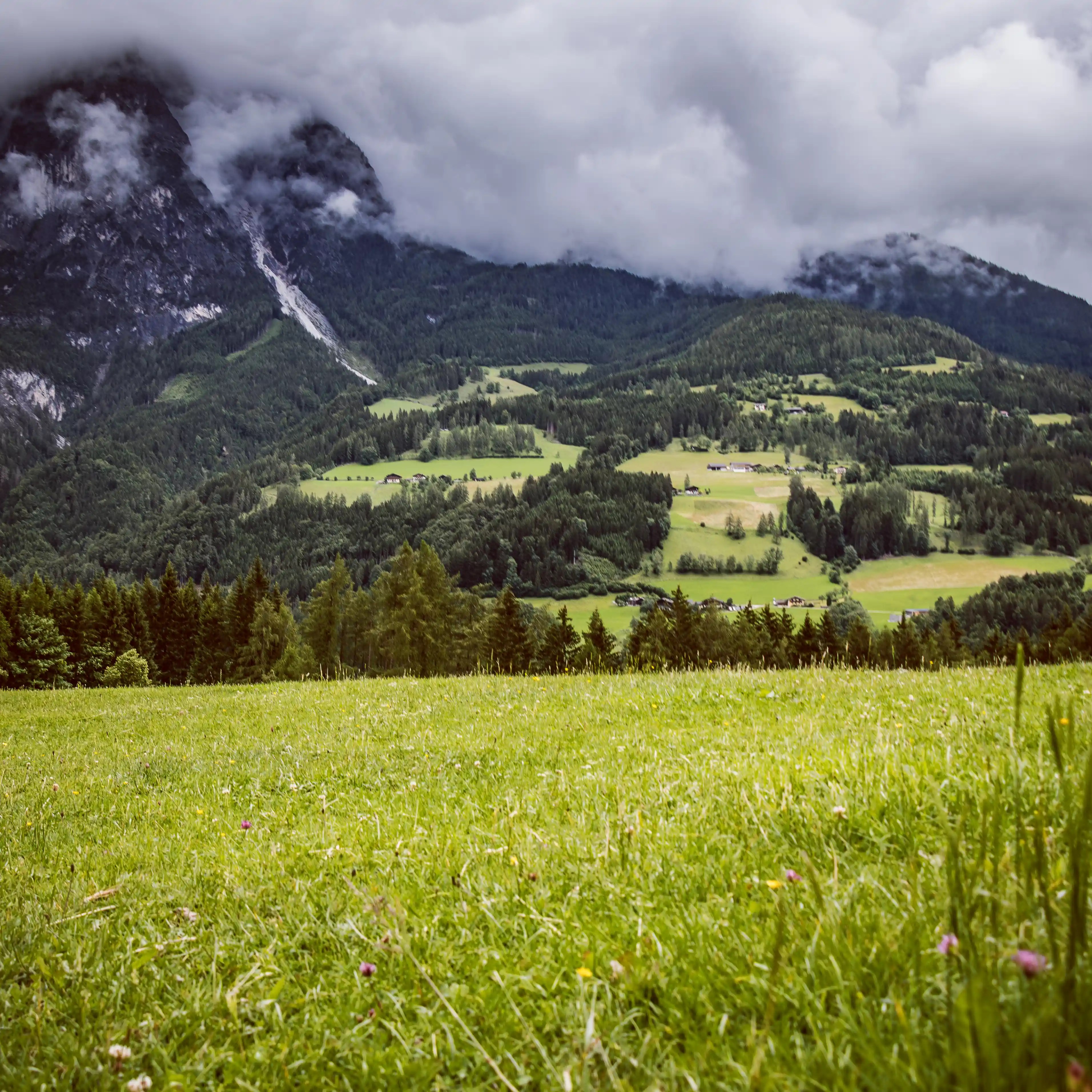
Before crossing back into Germany, we made one more stop in Werfen—this time for a completely different reason. Rather than hiking the full The Sound of Music Trail, we drove up to the upper viewpoint to take in the scenery. The marked trail itself begins in Werfen and follows a short out-and-back route across alpine meadows, leading to one of the filming locations where Maria von Trapp practices “Do-Re-Mi” with the children.
Even without hiking the entire route, the views were well worth the stop. Rolling meadows, dense forest, and rugged mountain faces stretched across the landscape, with Burg Hohenwerfen visible across the valley and framed by the surrounding Alps. It was a short stop, made even more enjoyable knowing its place in film history.
Where the Mountains Meet the Water: Königssee
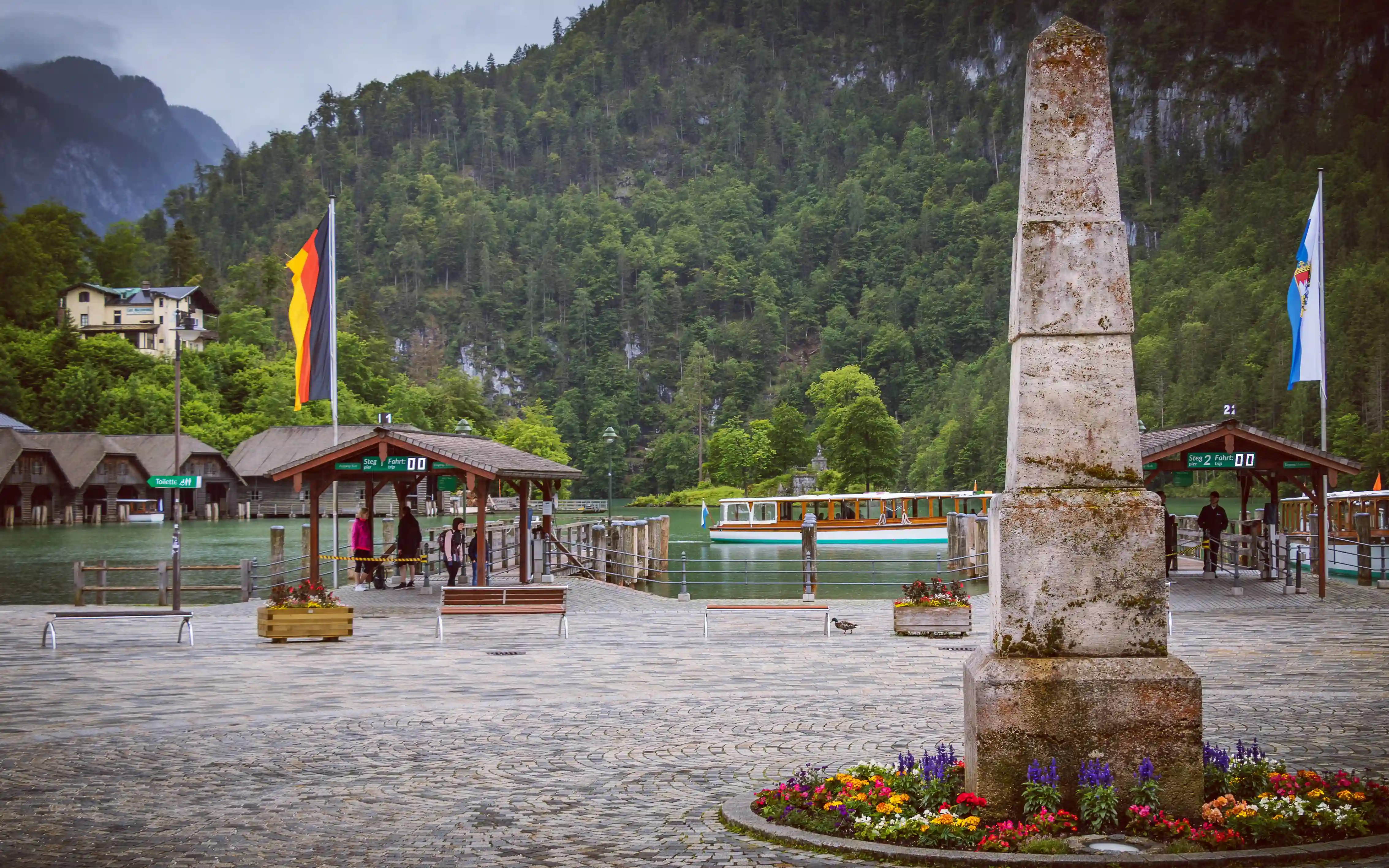
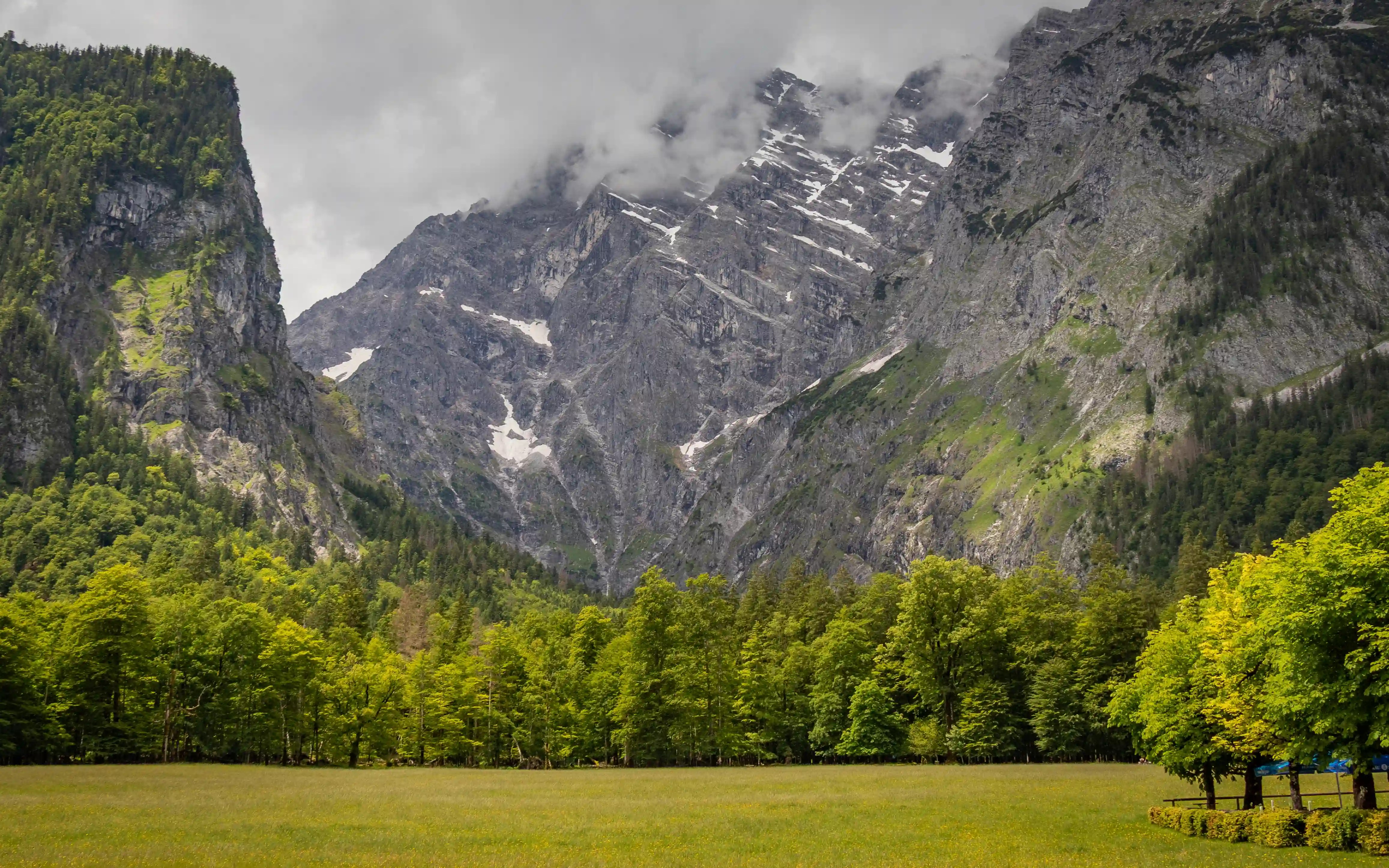
By late afternoon, we arrived at Königssee, our final destination for the day. Nestled within Berchtesgaden National Park, Königssee is the deepest lake in Bavaria, reaching 192 meters (630 feet), and is known for its remarkably clear, emerald-green water. There are no roads around the lake, and the surrounding mountains—especially the imposing Watzmann—rise sharply from the shoreline.
Local legend even adds a touch of folklore to the lake. In the tale of the Jungfrau vom Königssee, a poor young hunter’s assistant falls in love with the wealthy hunter’s daughter but is forced to leave when the father dies. When he later reaches Königssee, a white swan glides toward him and transforms into a maiden who shows him where to find treasure—first gold, and later the salt that would bring lasting prosperity.
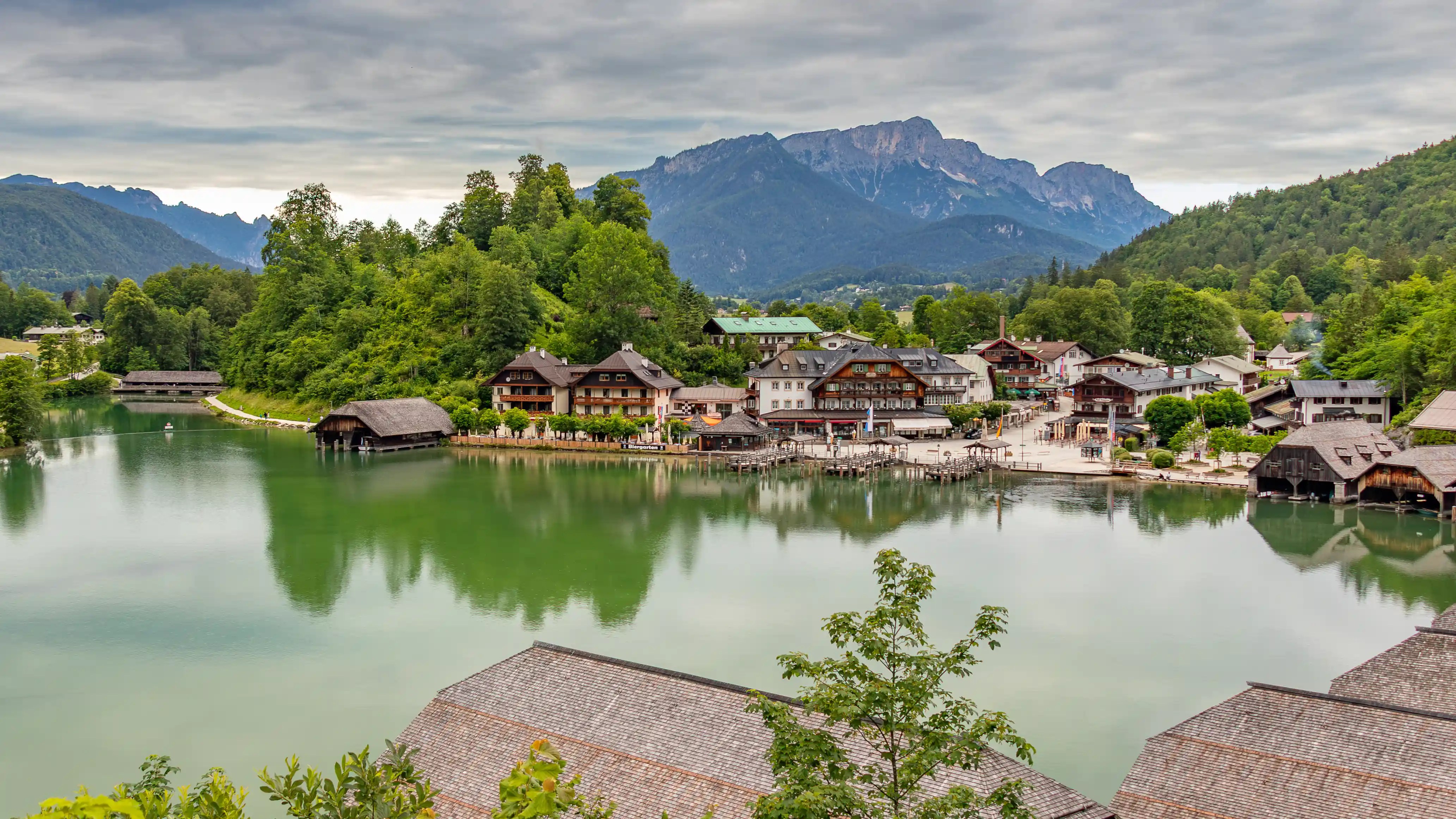
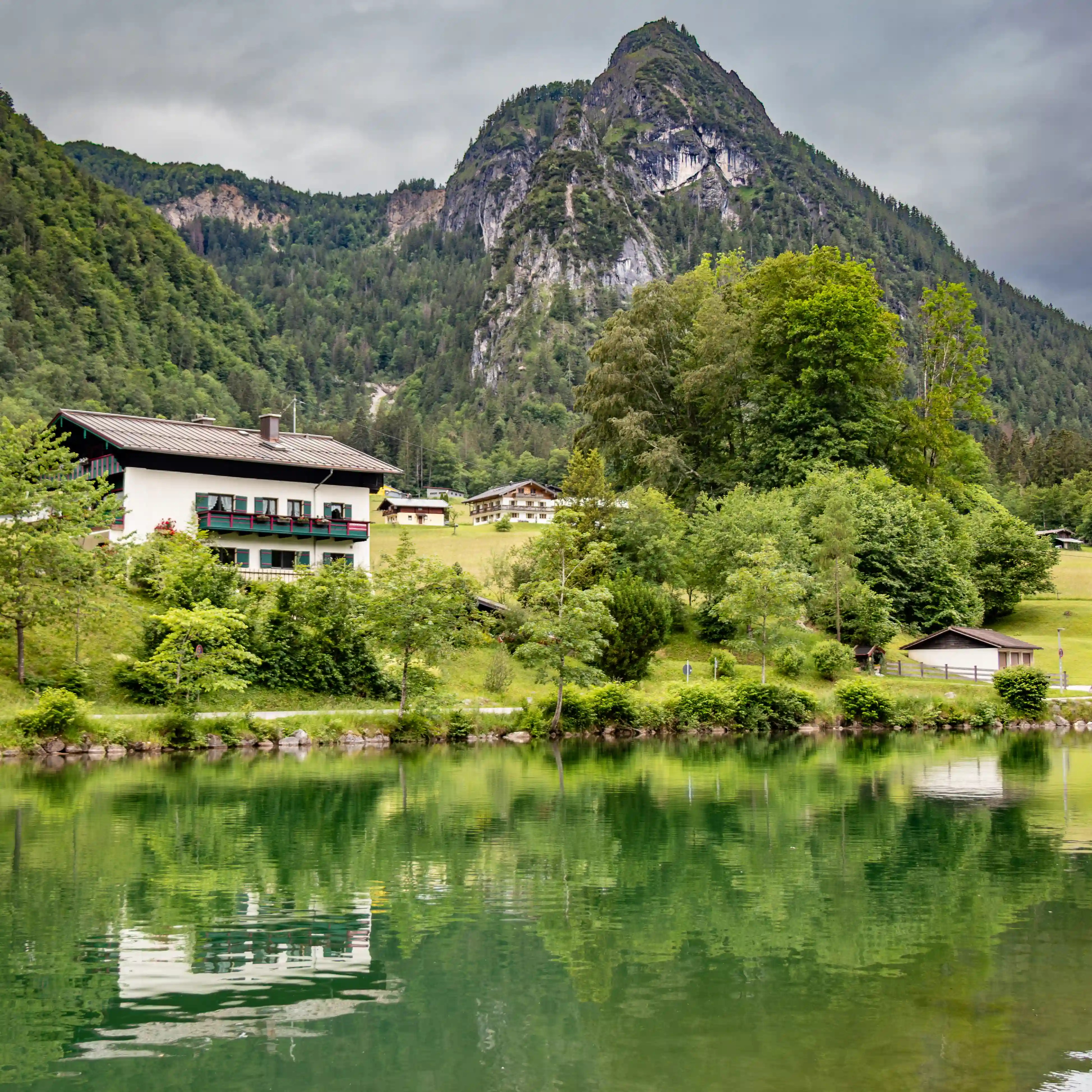
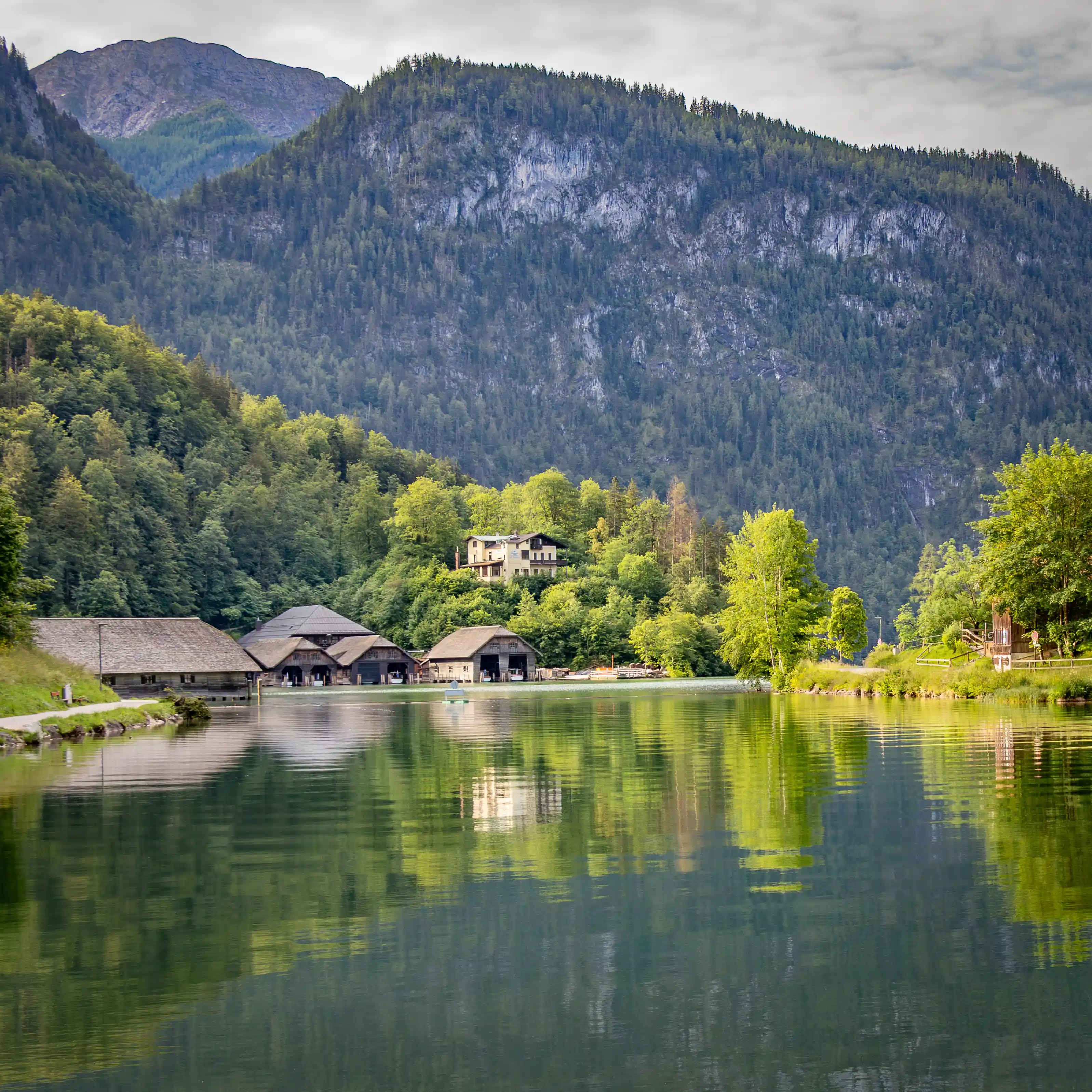
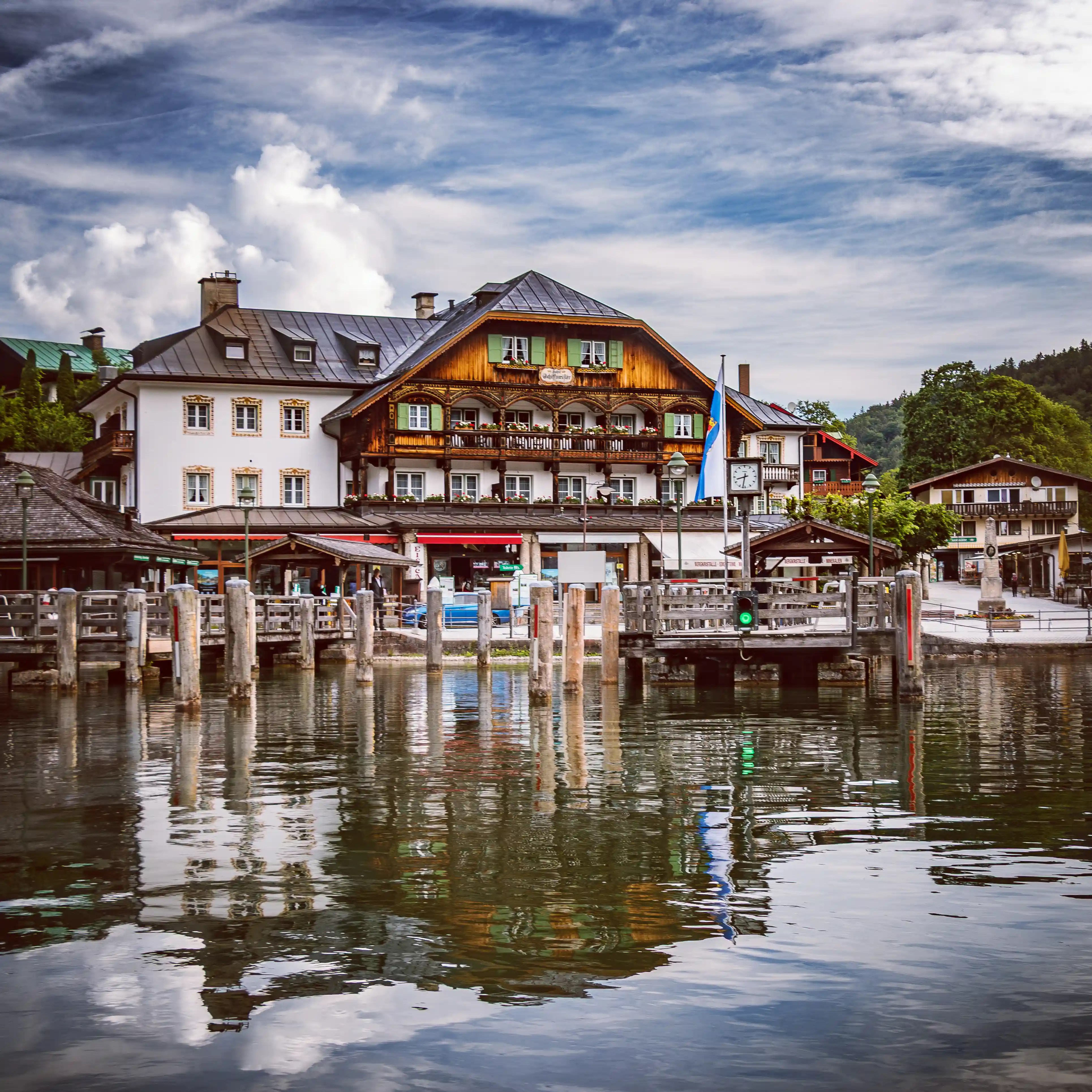
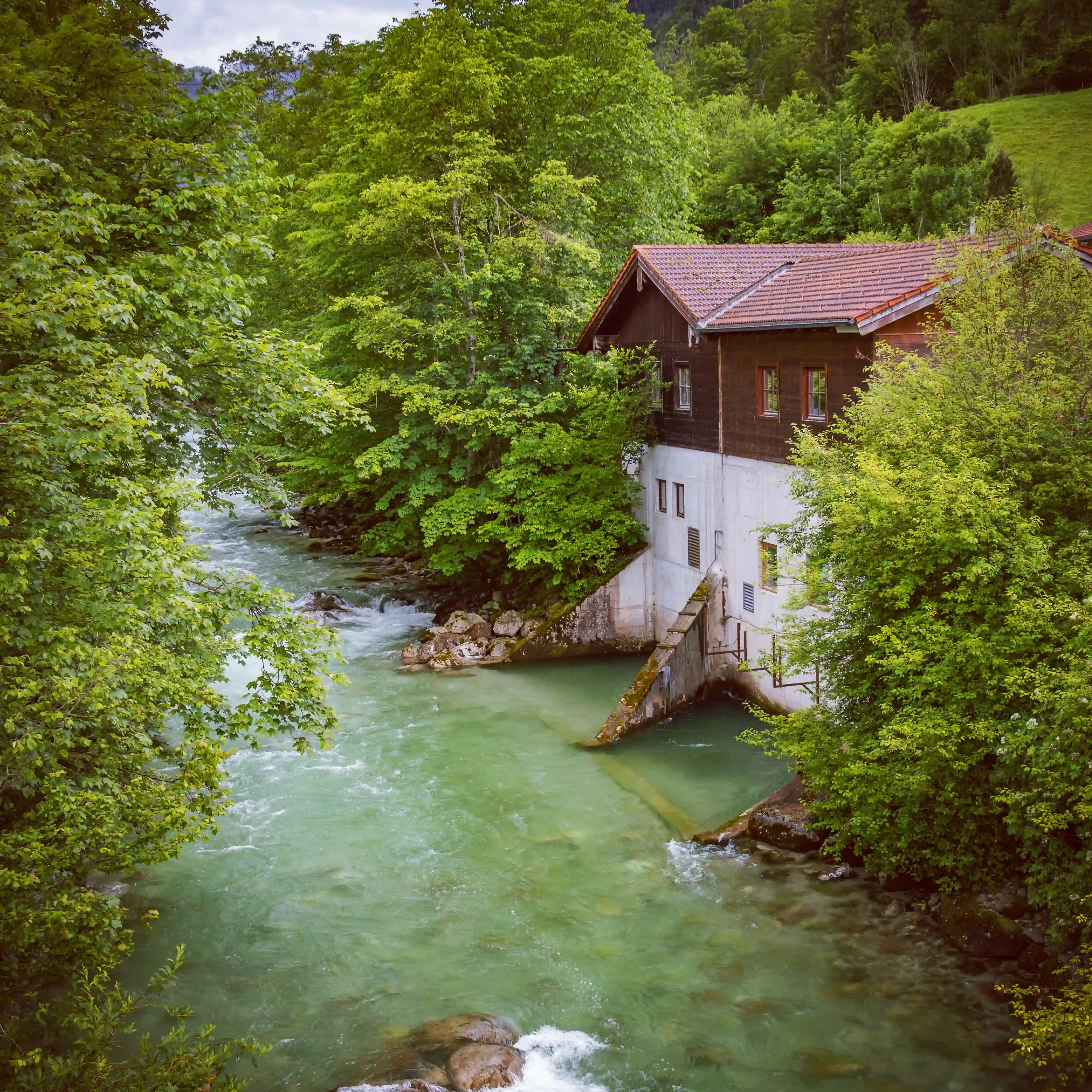
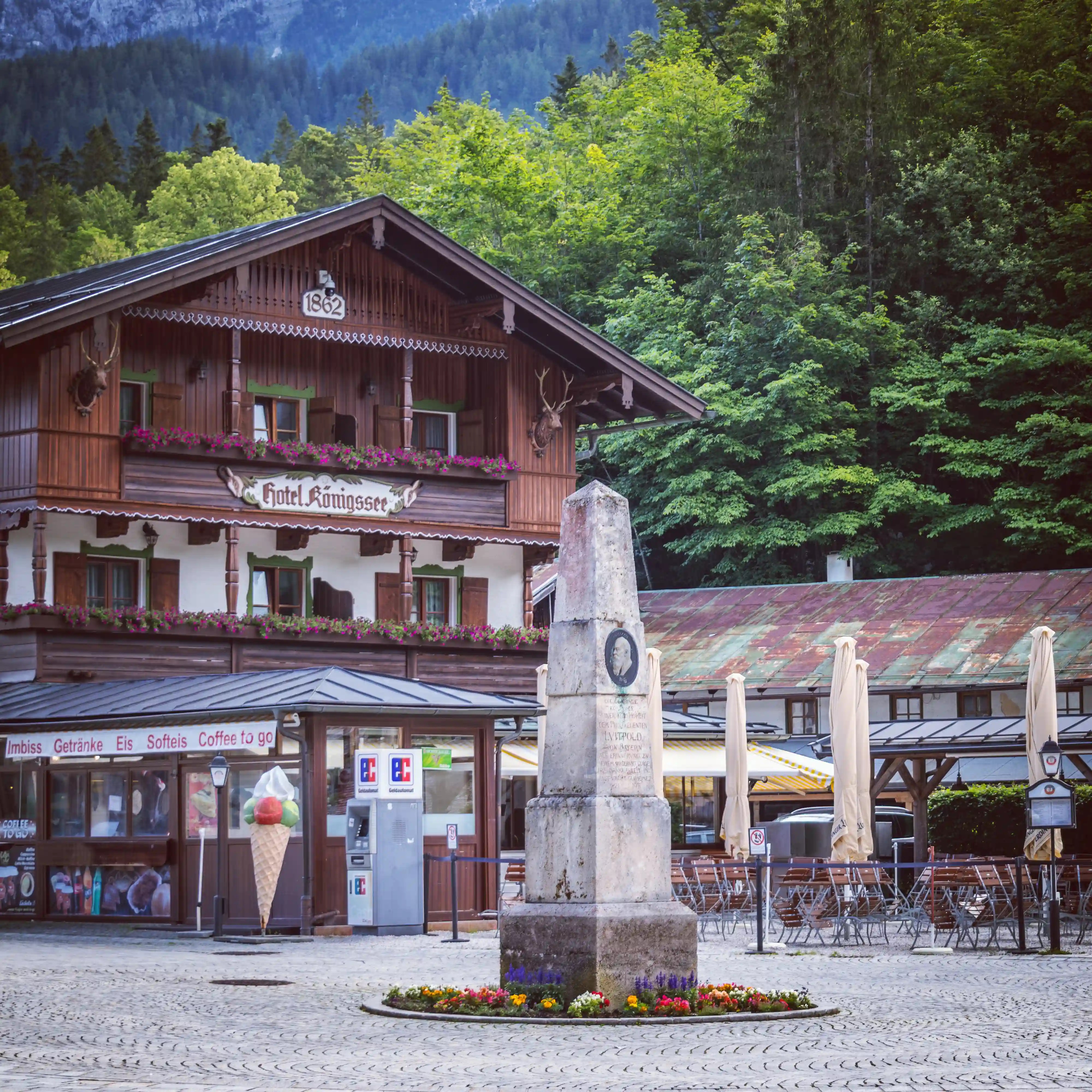
The nearby municipality of Schönau am Königssee is closely tied to the lake. In addition to serving as the main access point to Königssee, Schönau is closely tied to winter sports and is home to the Königssee Luge Track—the world’s first artificially refrigerated ice track, used for luge, bobsleigh, and skeleton. Historically, the area was connected to forestry, alpine farming, and transport along the Königsseer Ache, the river that flows out of Königssee and through the valley. Today, the town relies largely on tourism, with guesthouses, shops, and restaurants clustered near the lake beneath steep mountain slopes.
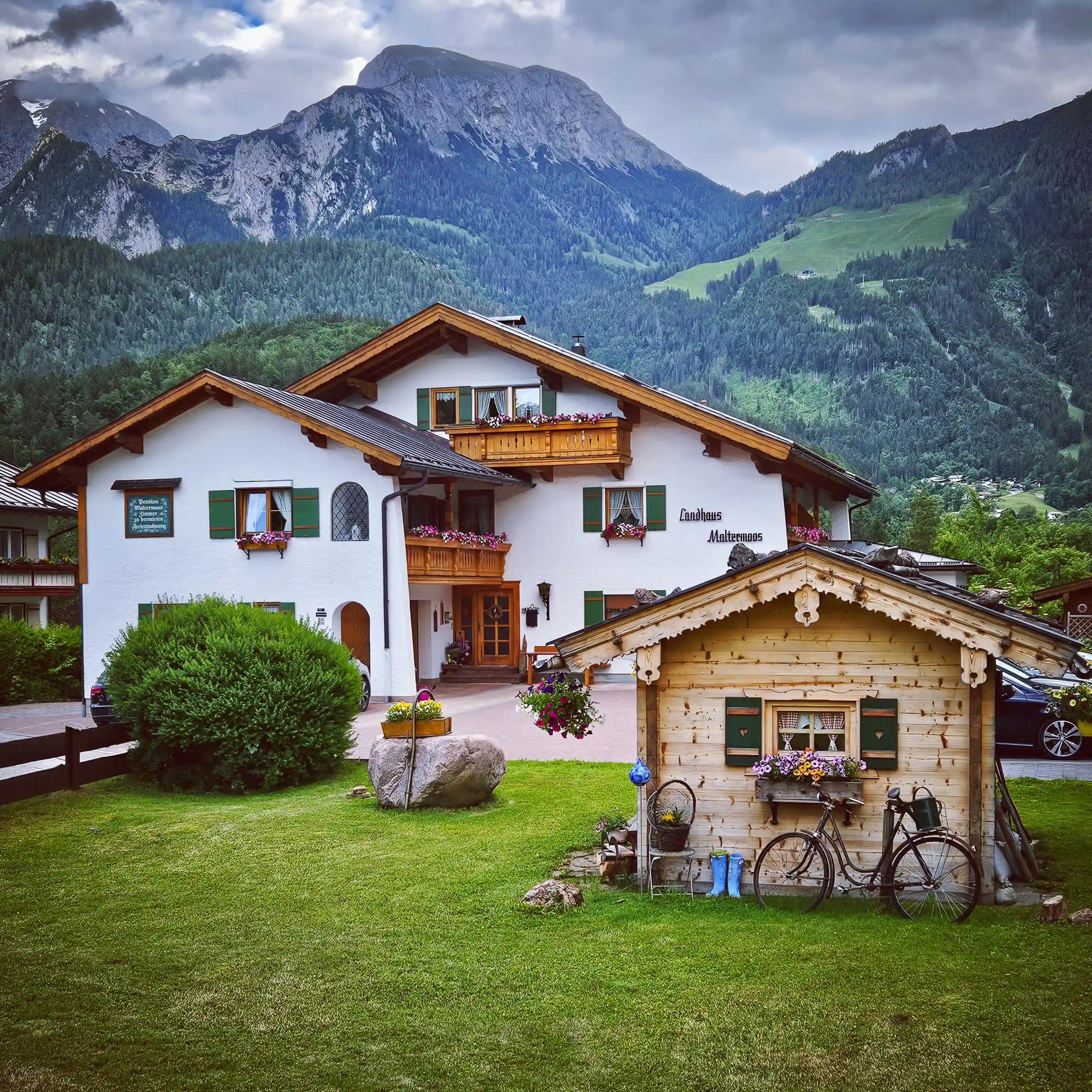
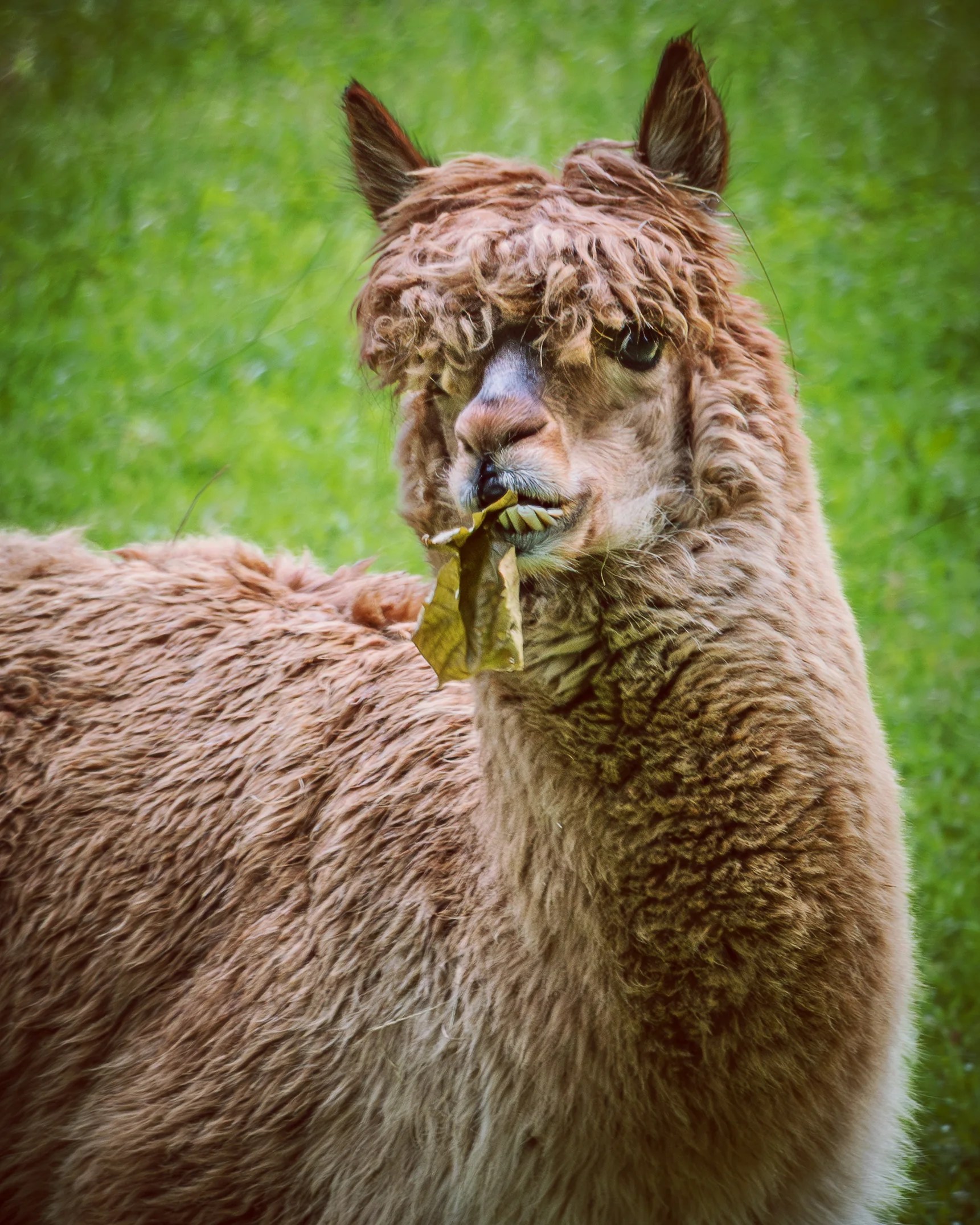
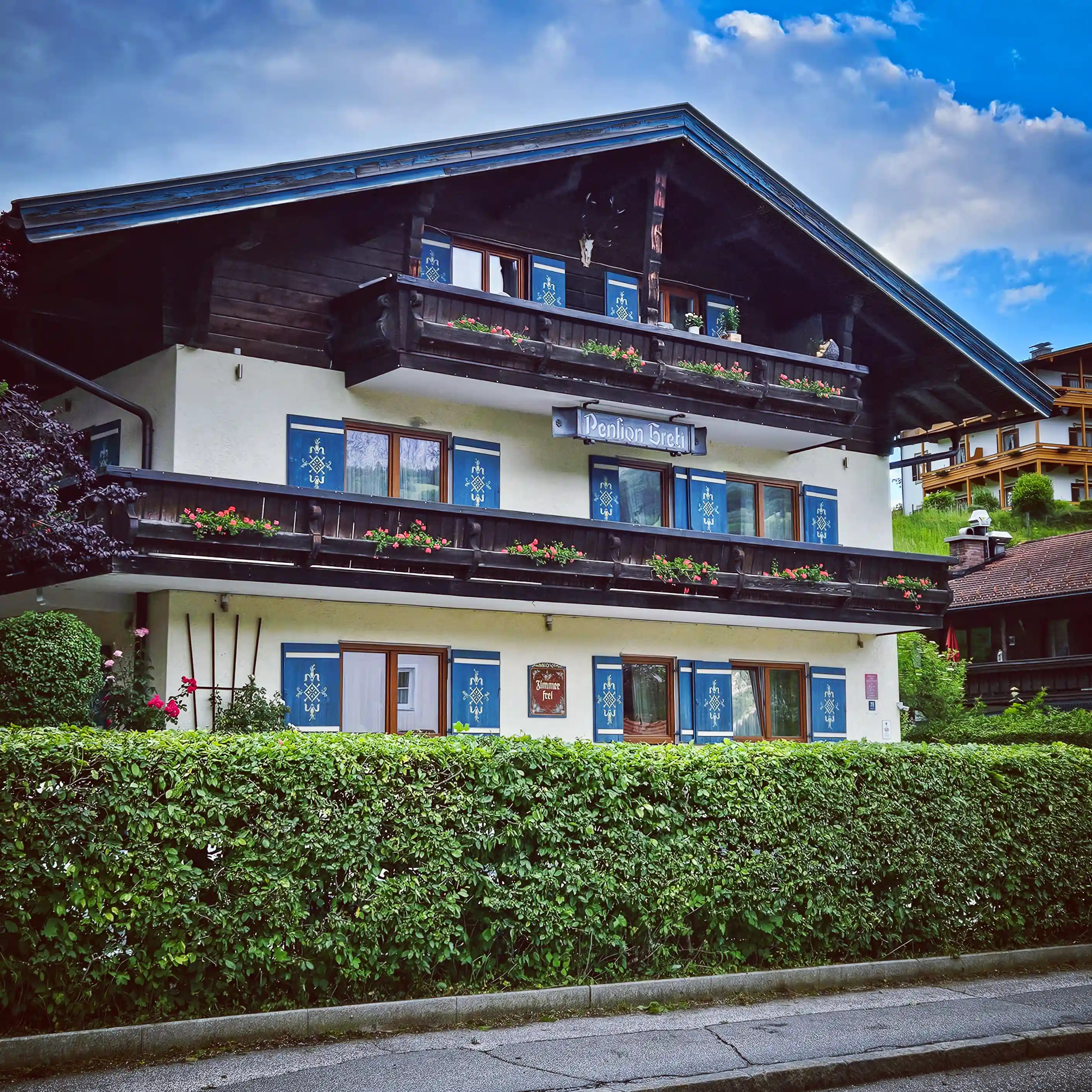
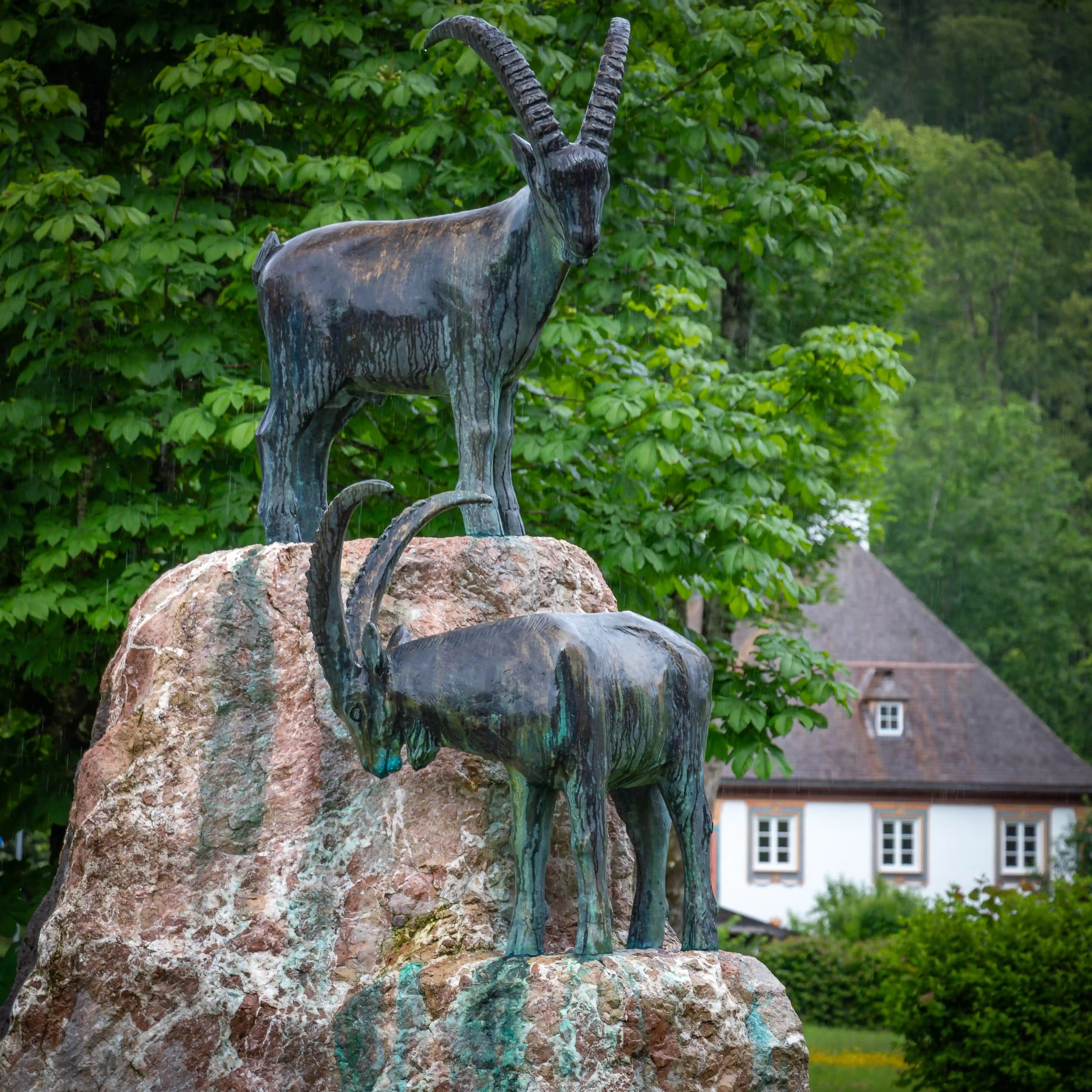
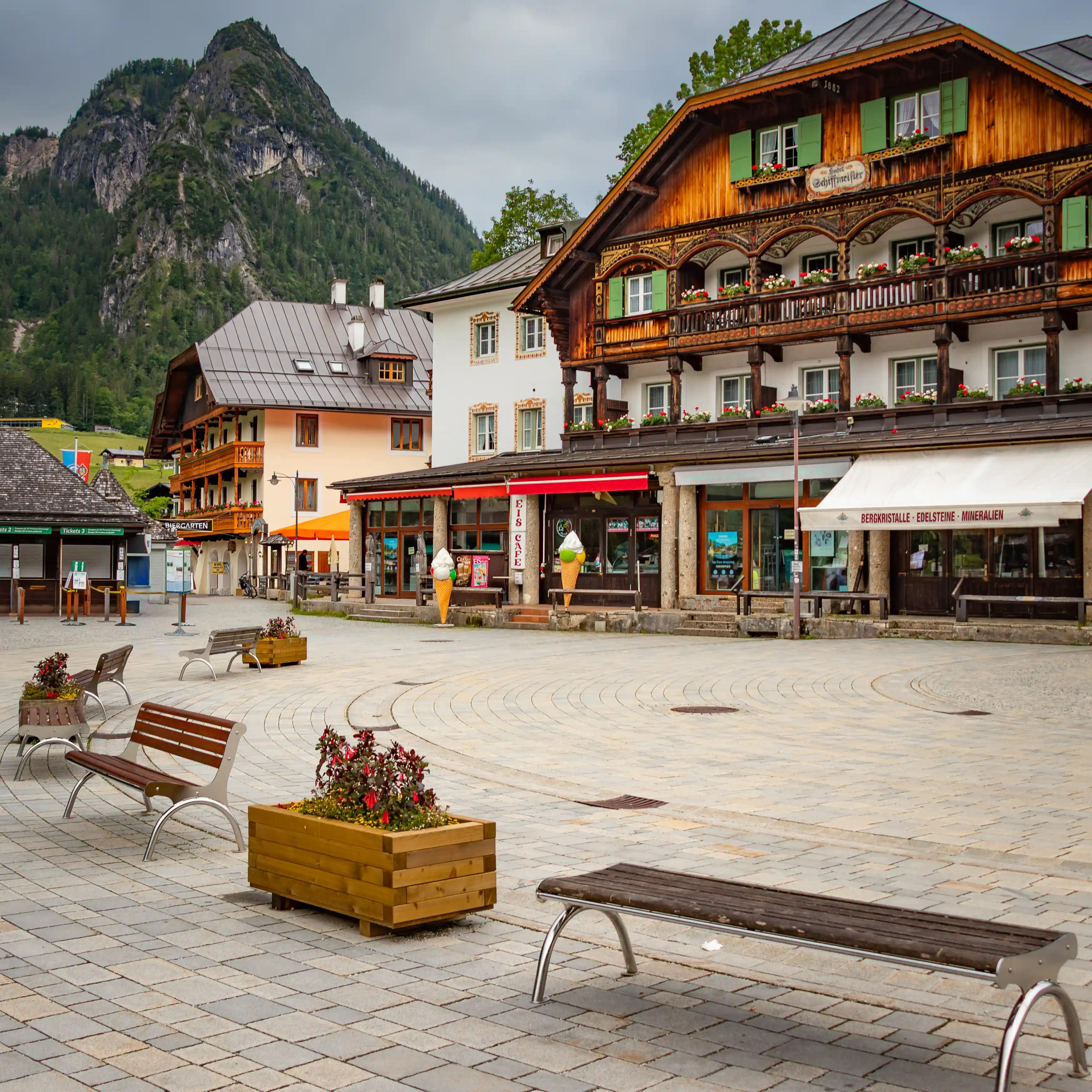
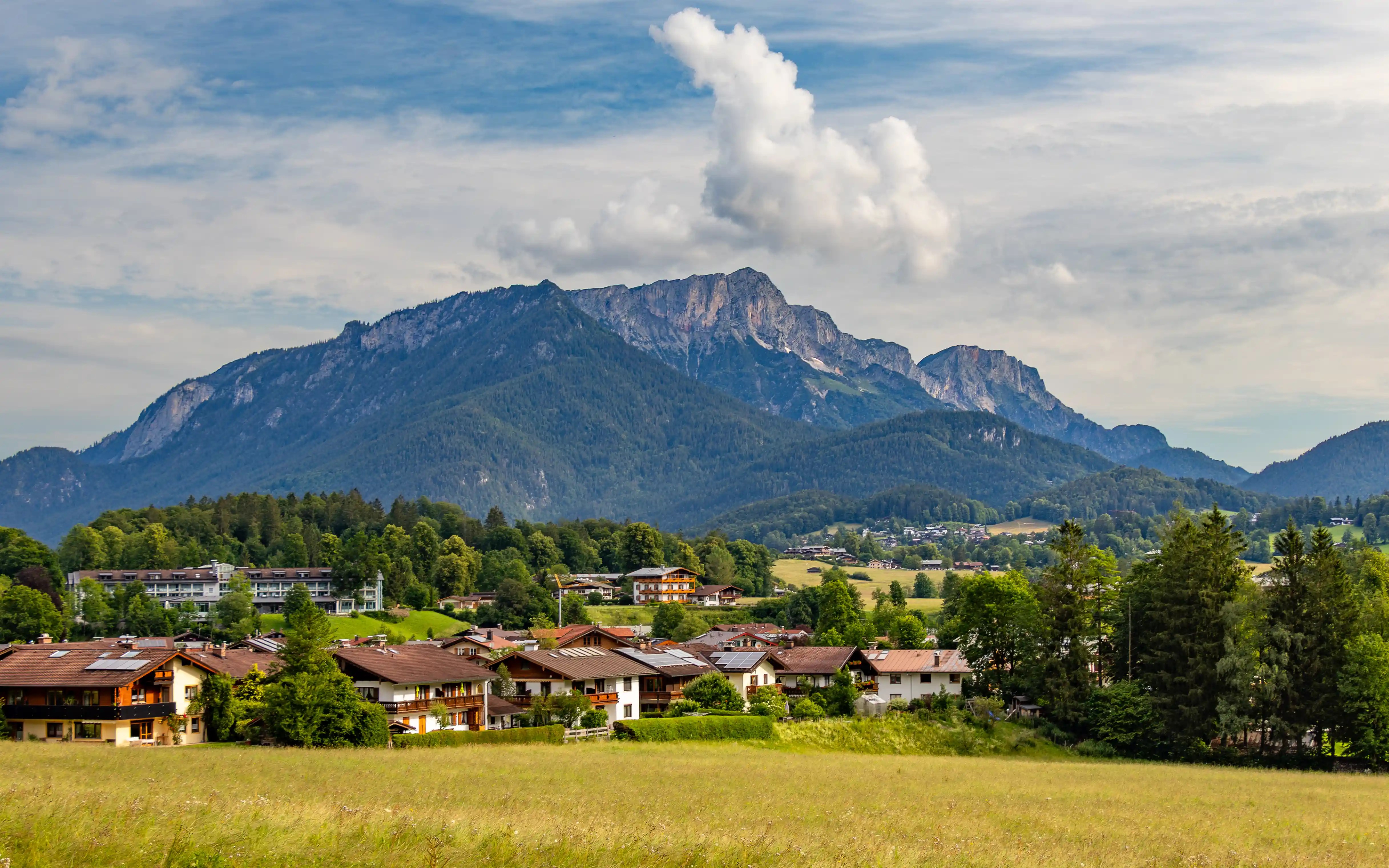
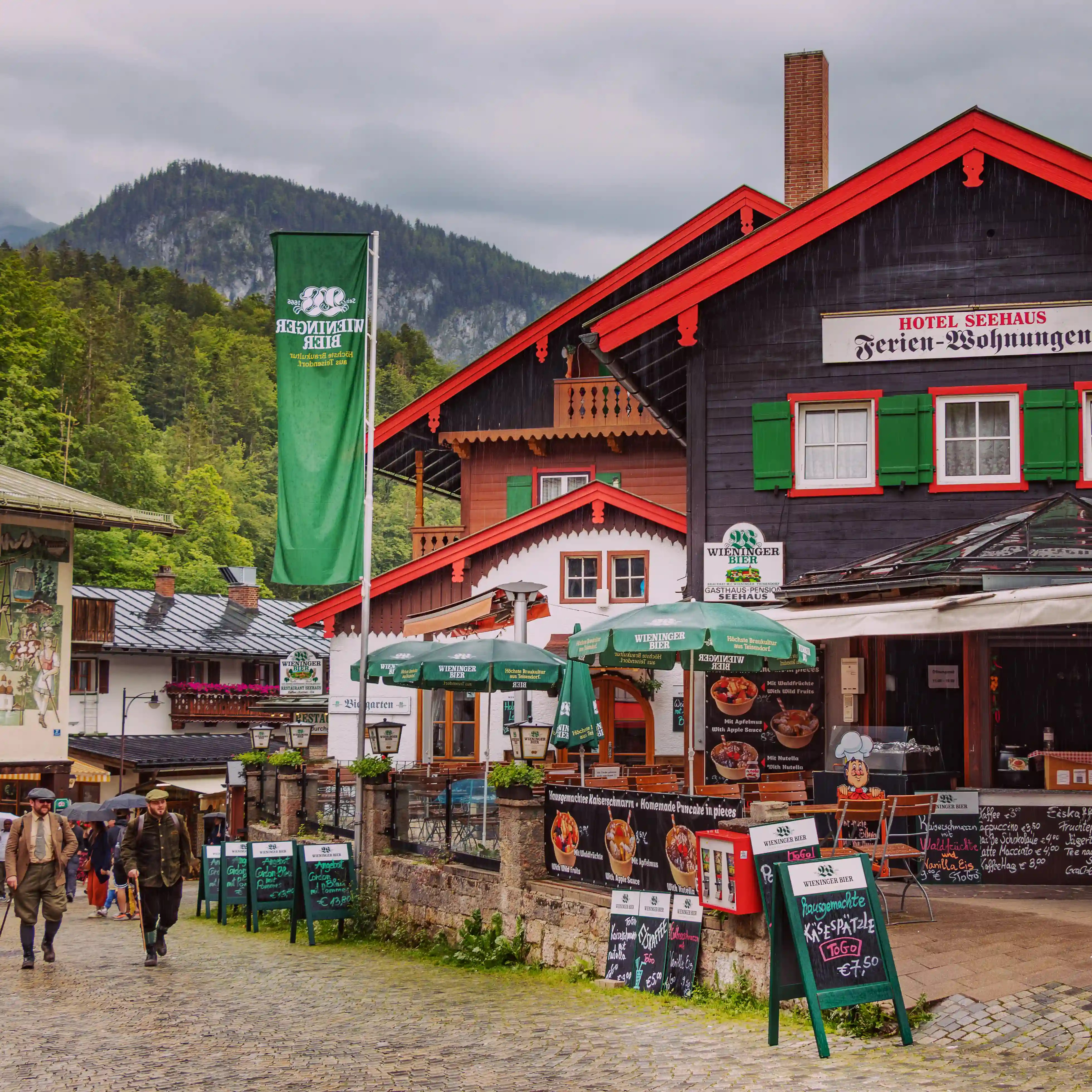
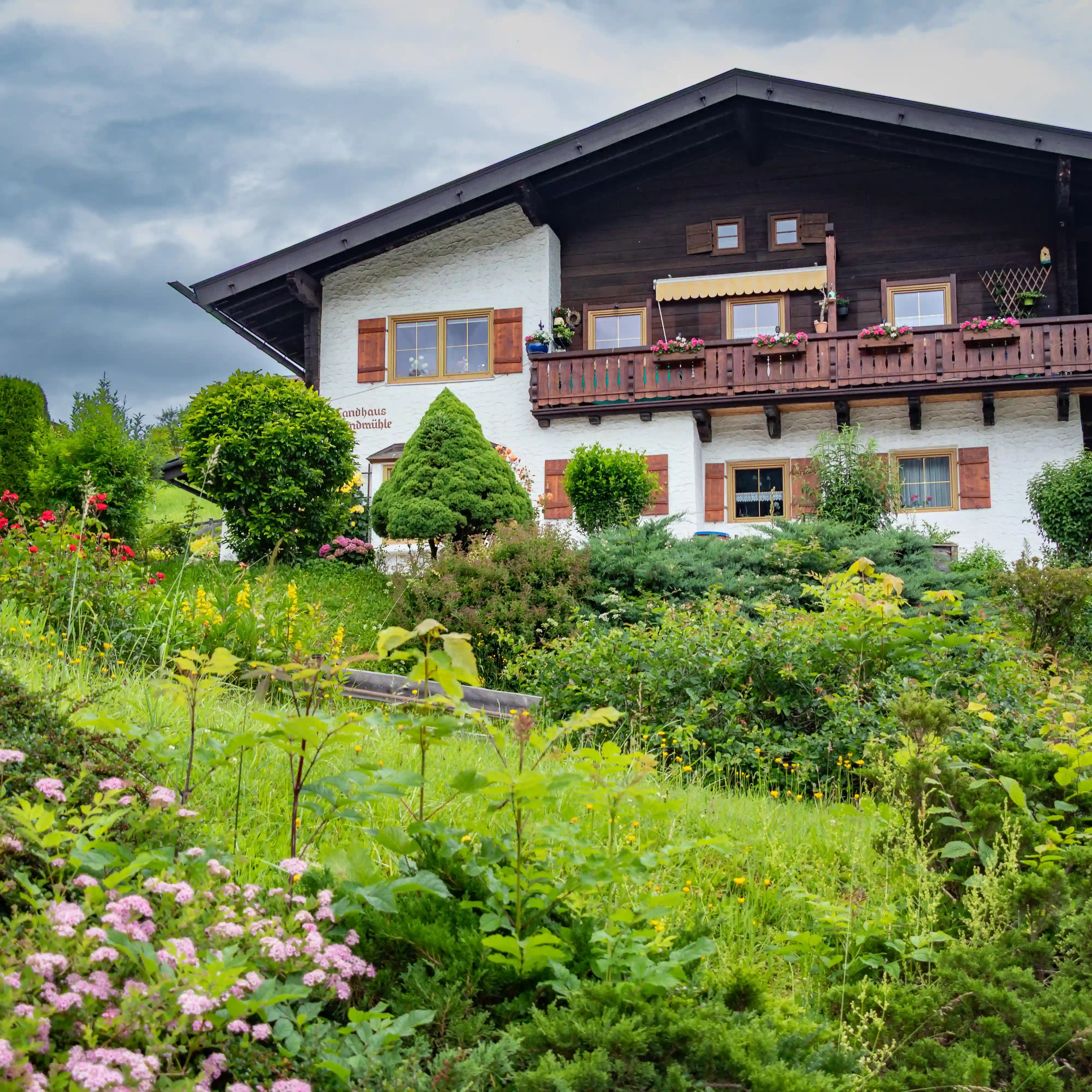
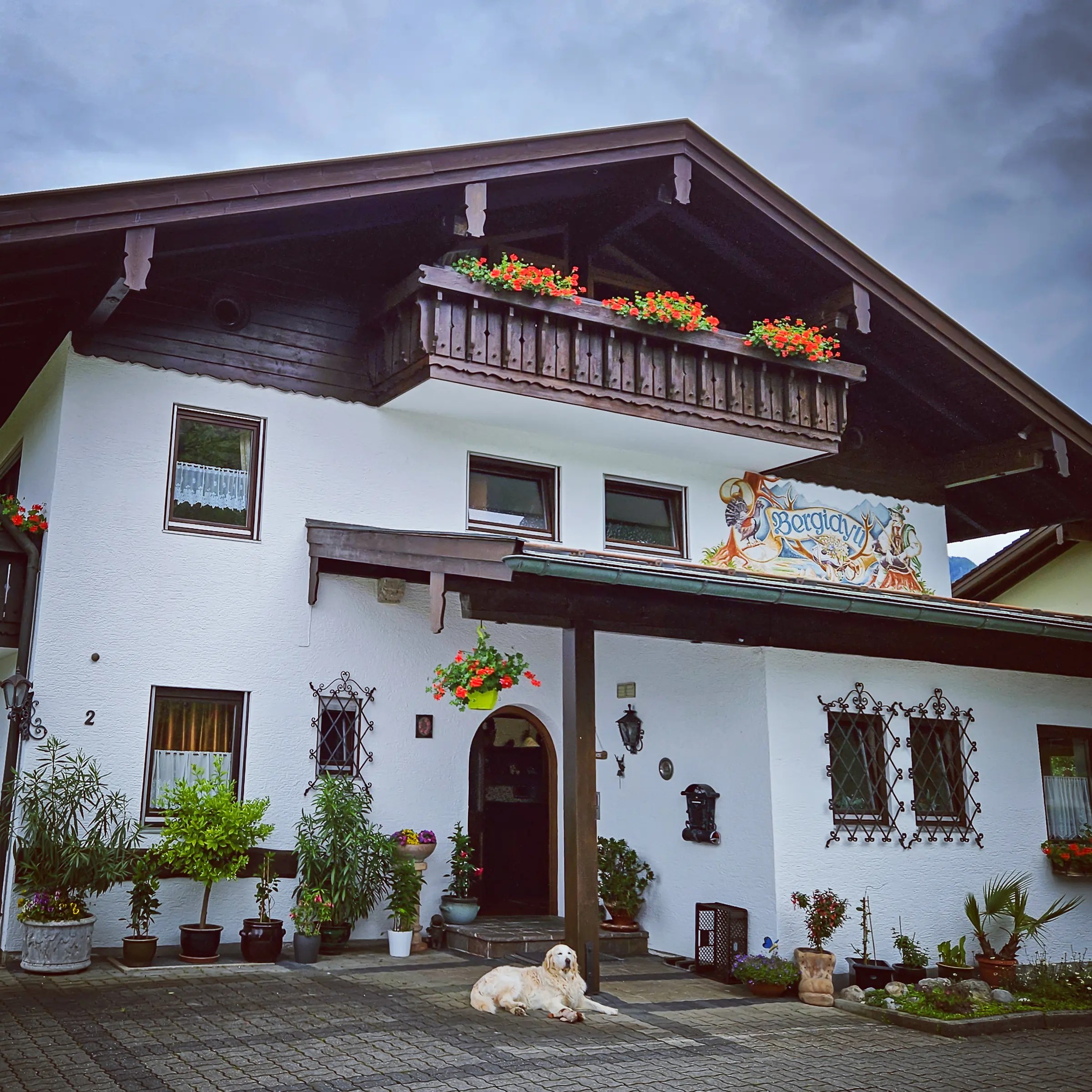
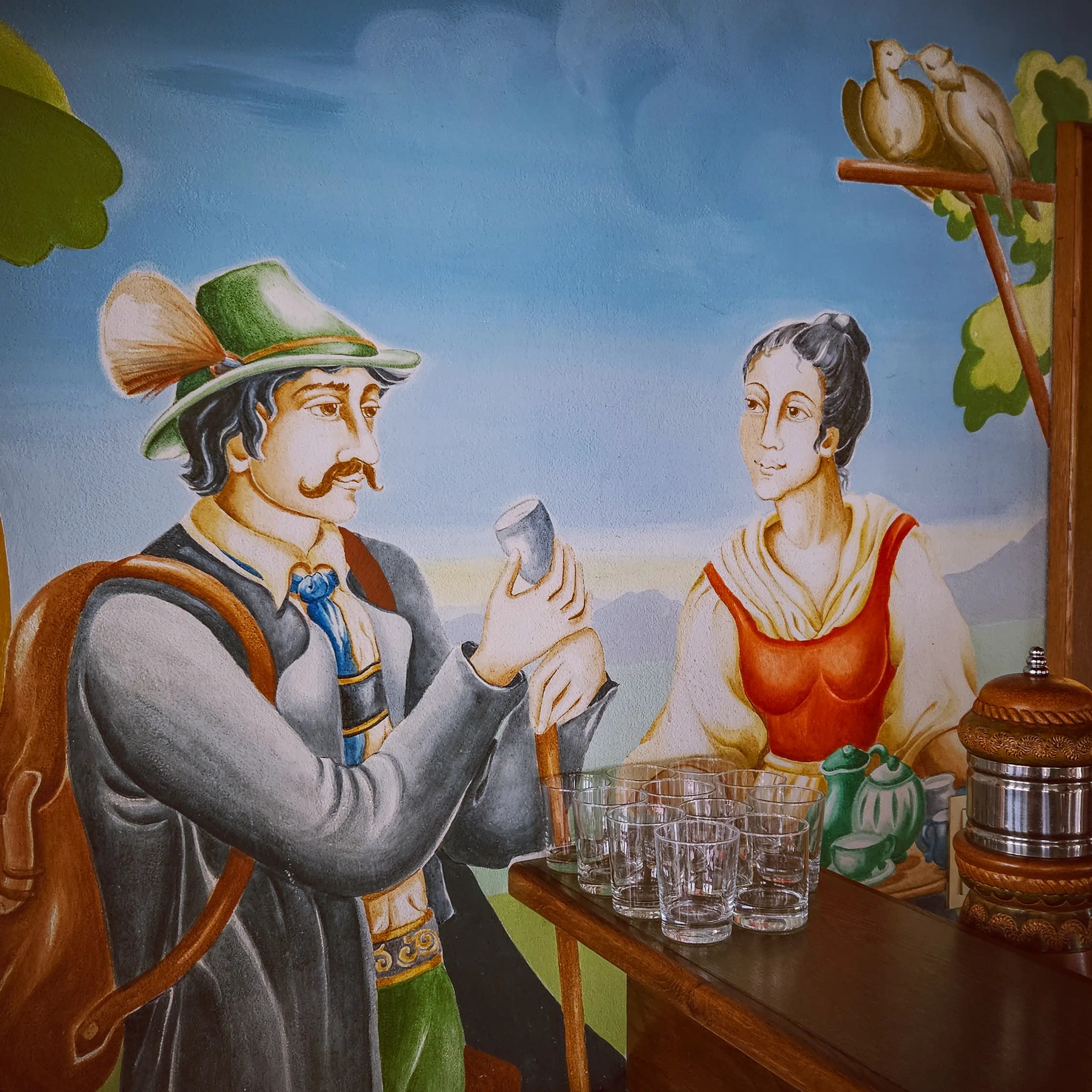
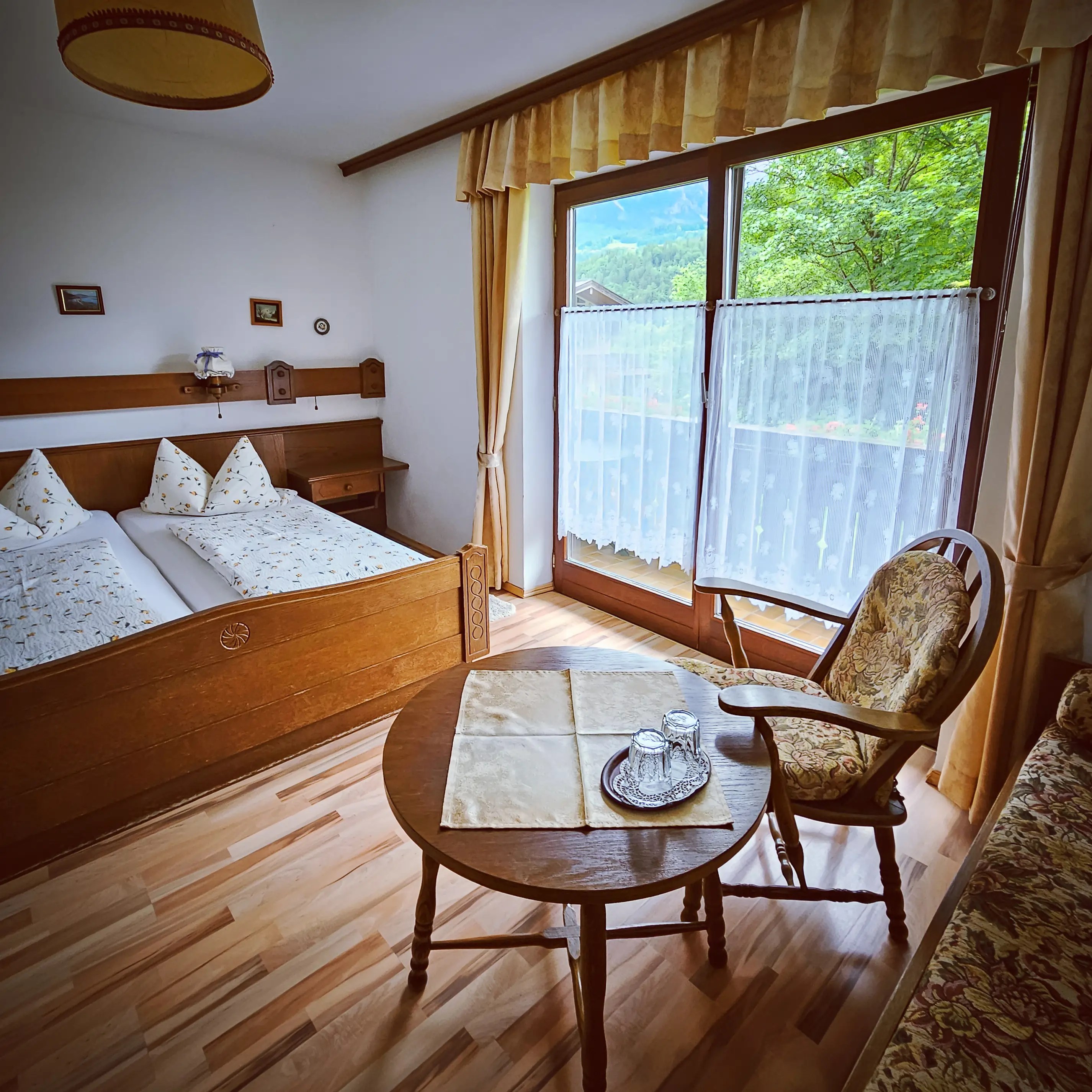
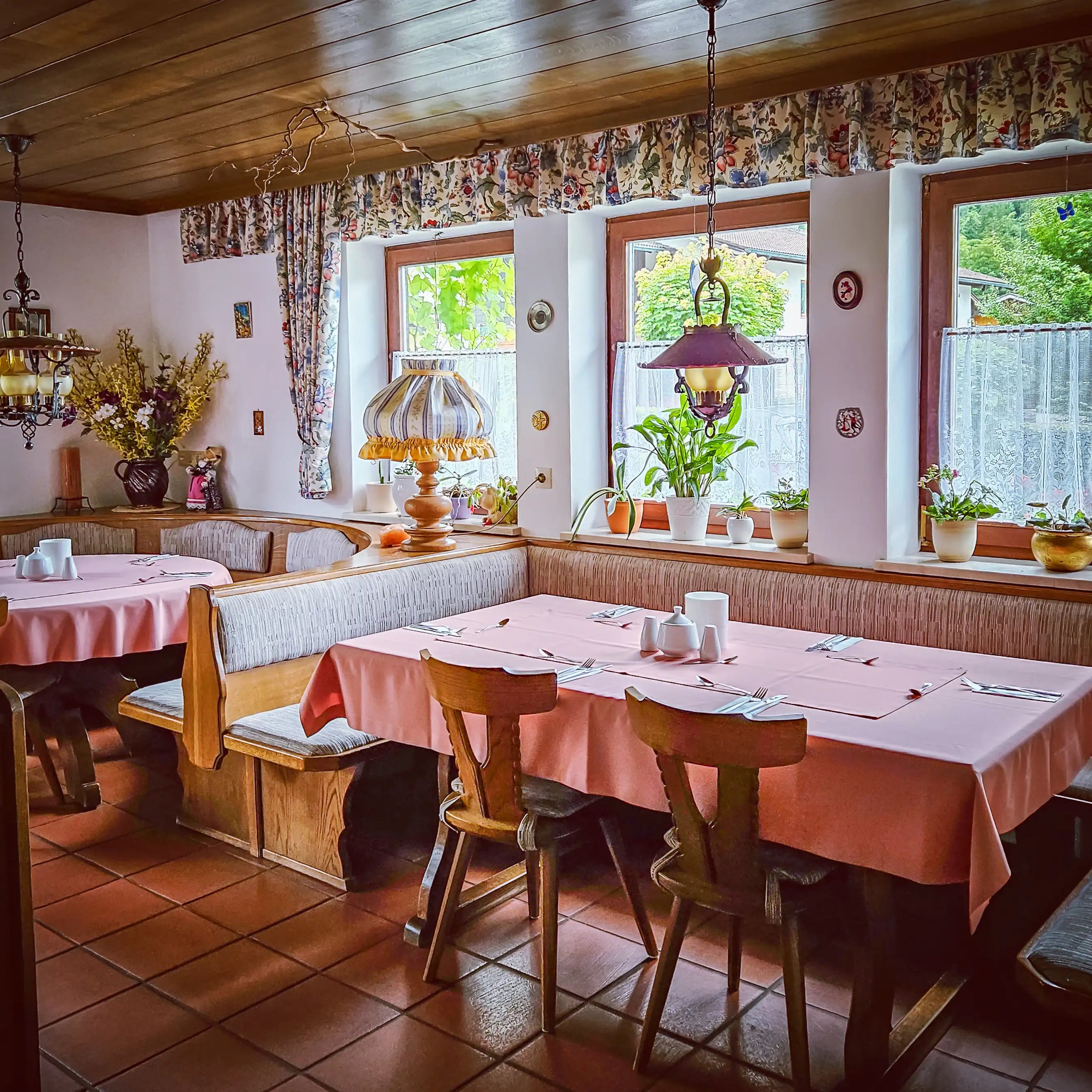
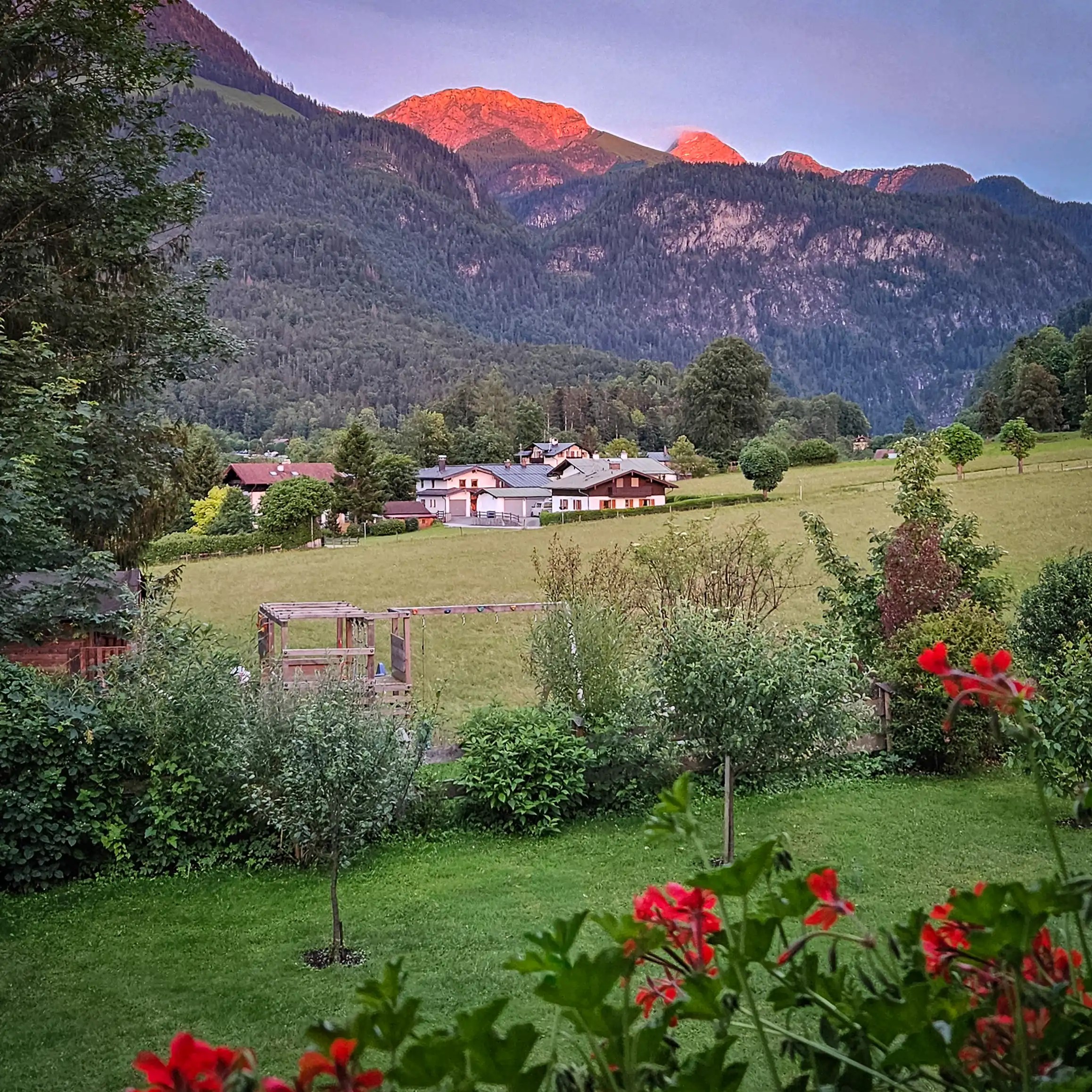
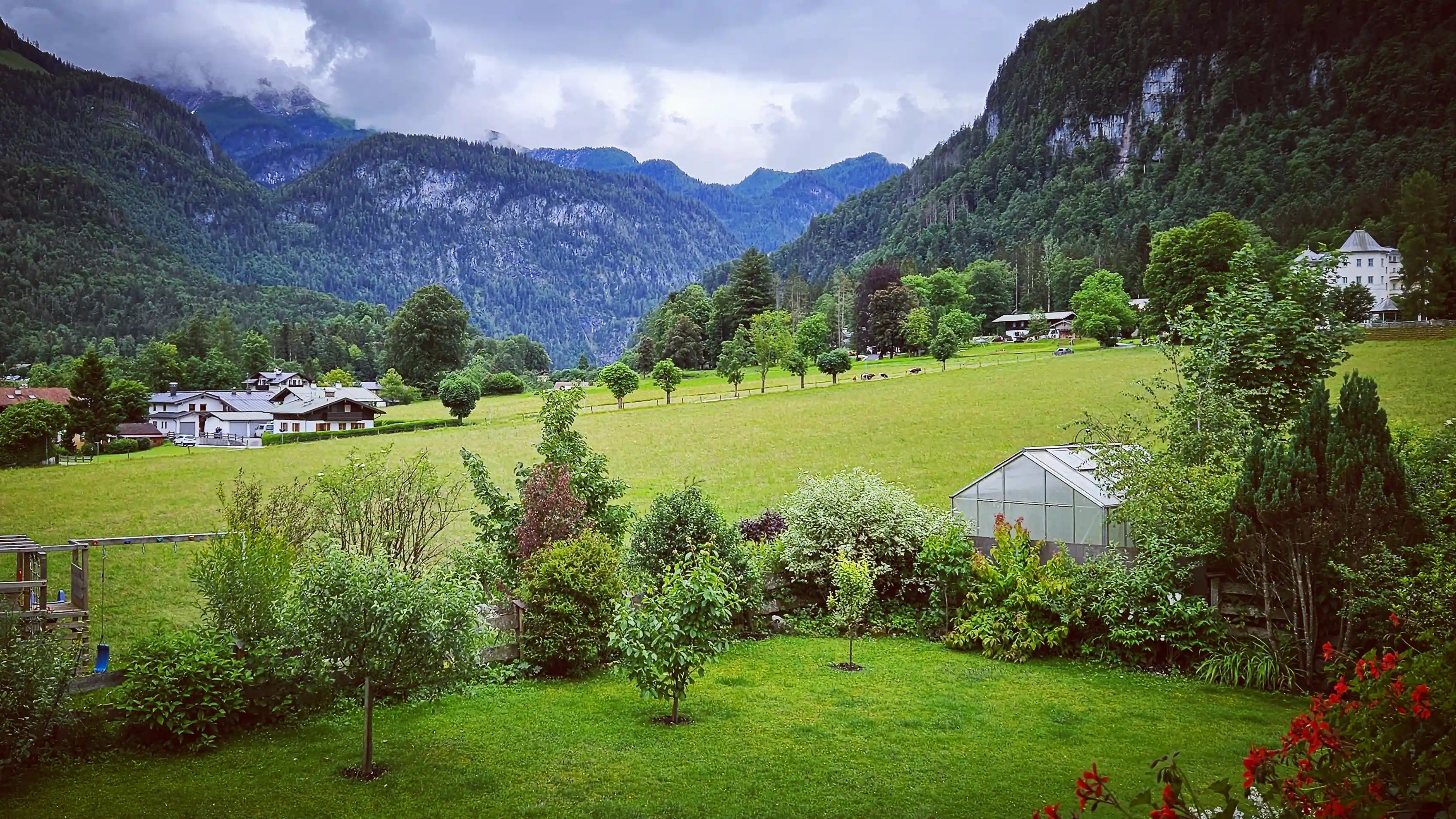
That evening, we stayed at Alpenpension Bergidyll, a traditional and welcoming guesthouse near Königssee. The rooms were comfortable and full of character, with vintage furnishings that suited the setting perfectly. When we arrived, we were greeted by the resident dog, who seemed to take its role as a friendly welcome committee seriously. In the morning, we enjoyed a classic Austrian breakfast, and from our balcony we had sweeping views across the valley. The sunsets were unforgettable, with the mountain peaks glowing like fire as the light faded.
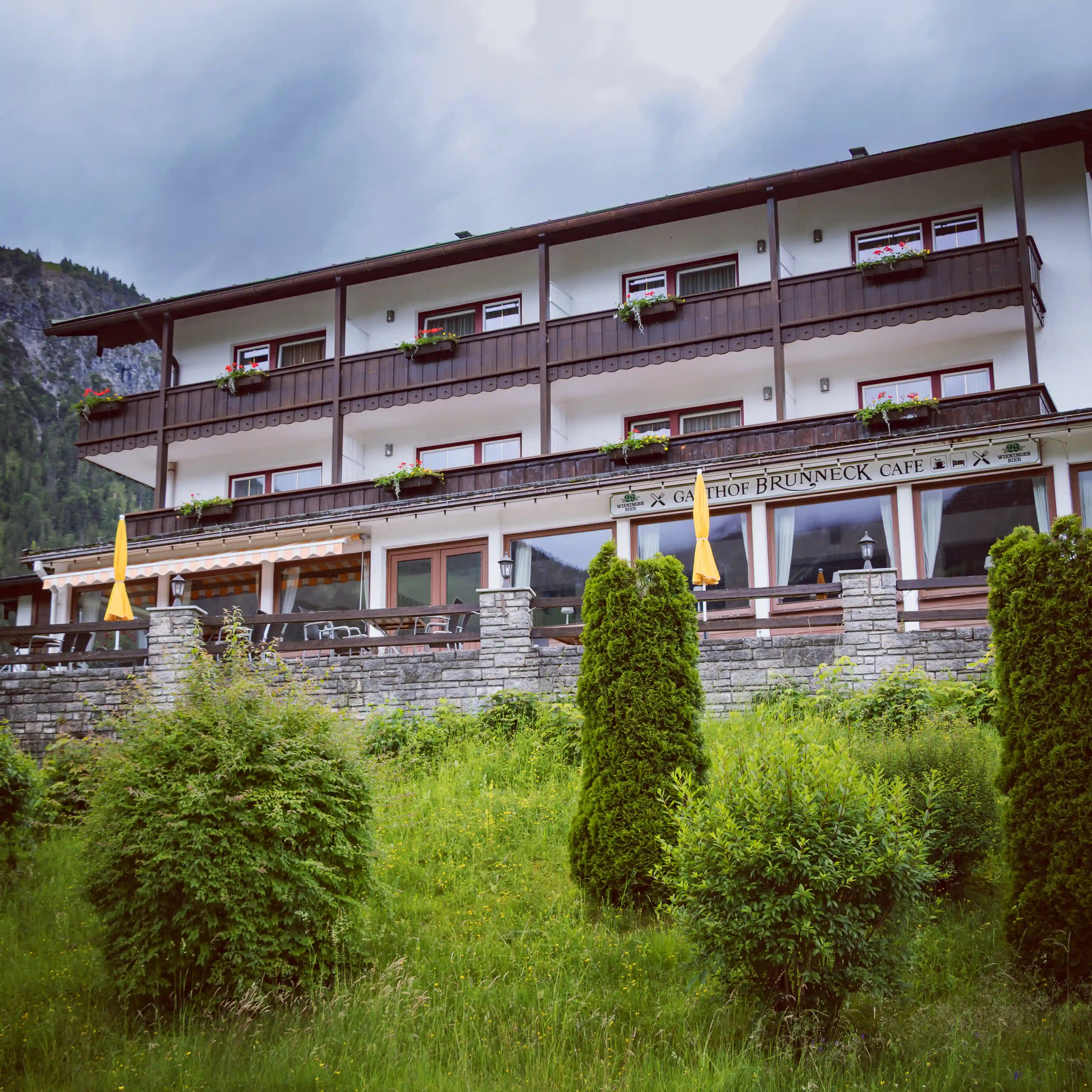
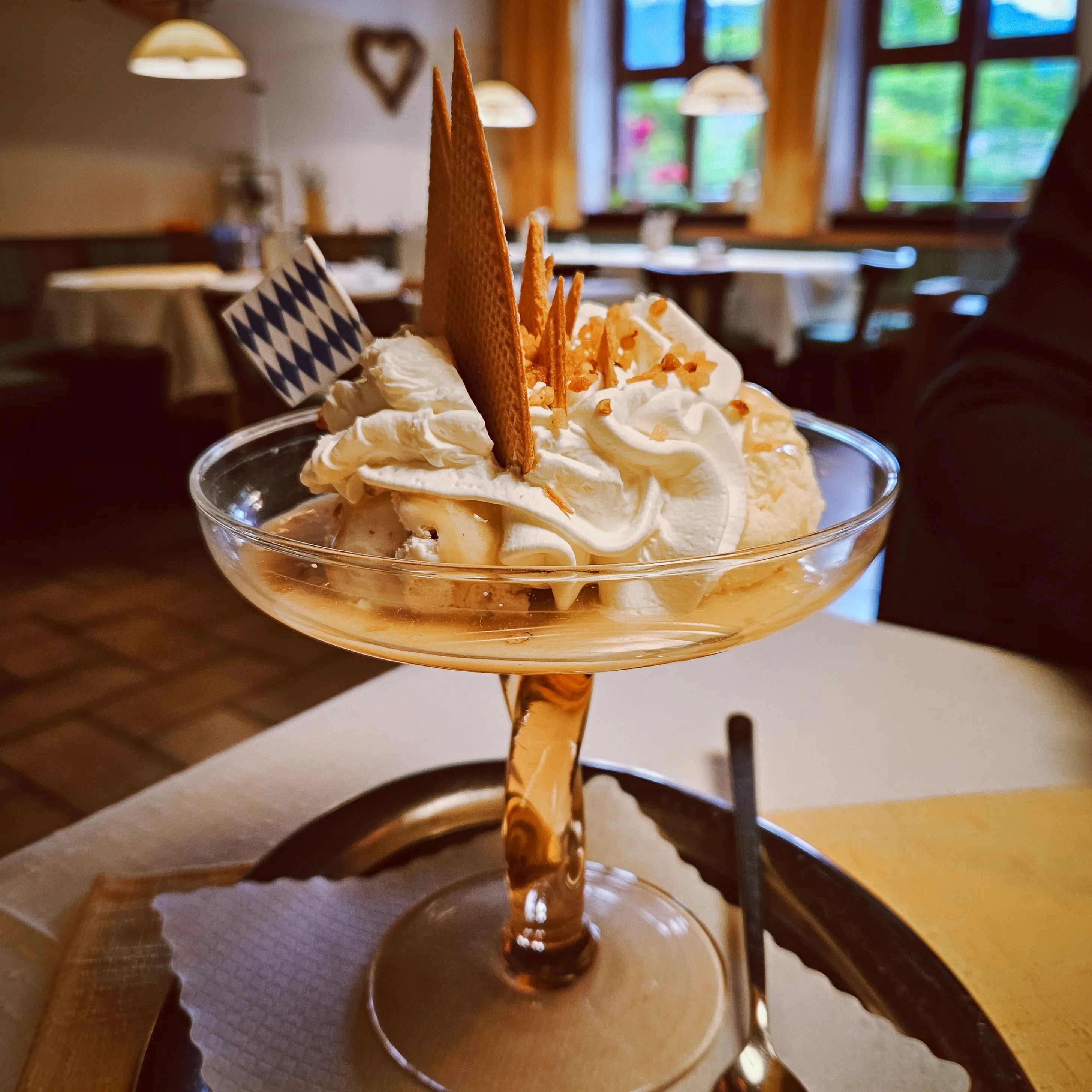
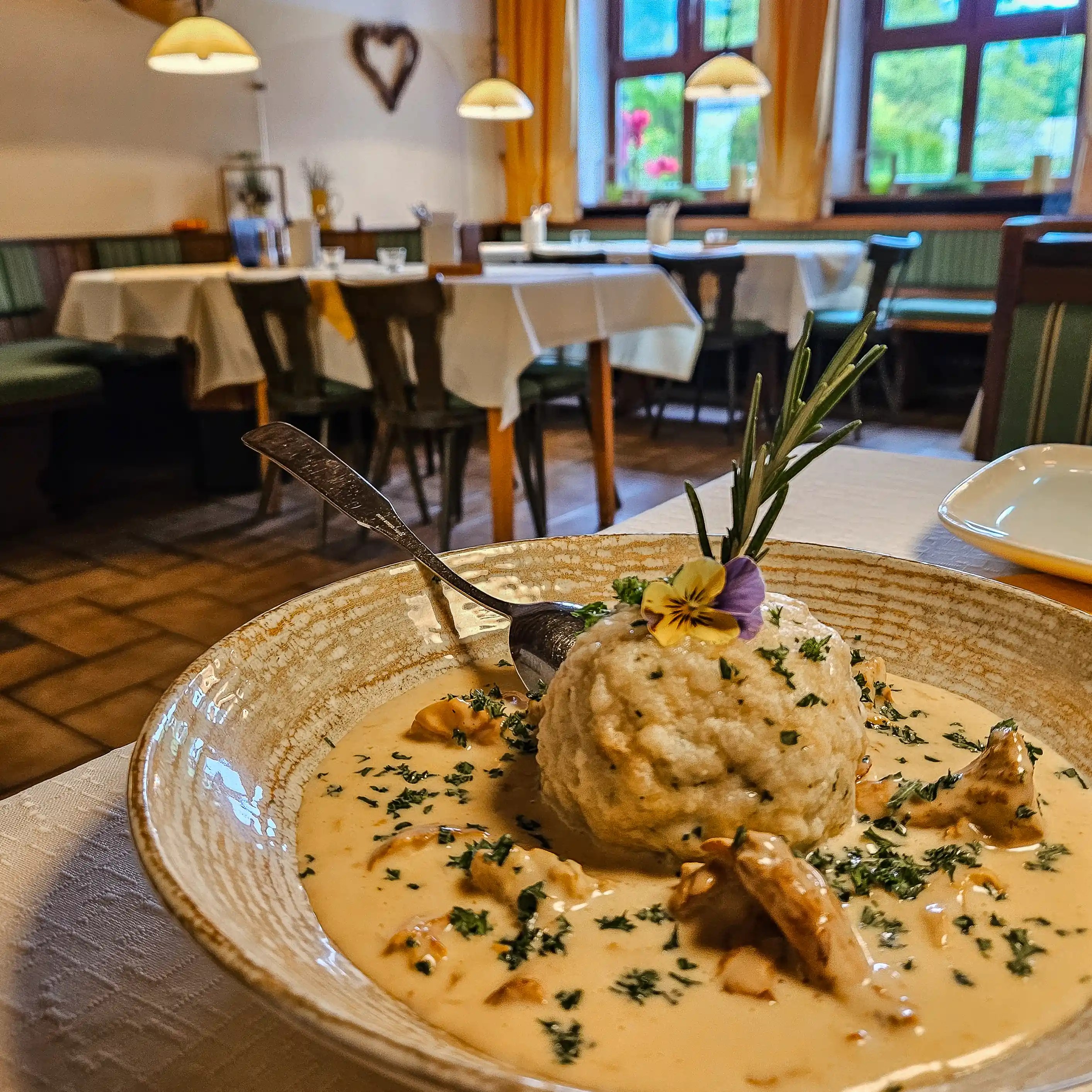
After settling in, we enjoyed dinner and ice cream at Café Brunneck, a great way to end a full day before an early start the next morning.
Gliding Across the Emerald Waters of Königssee
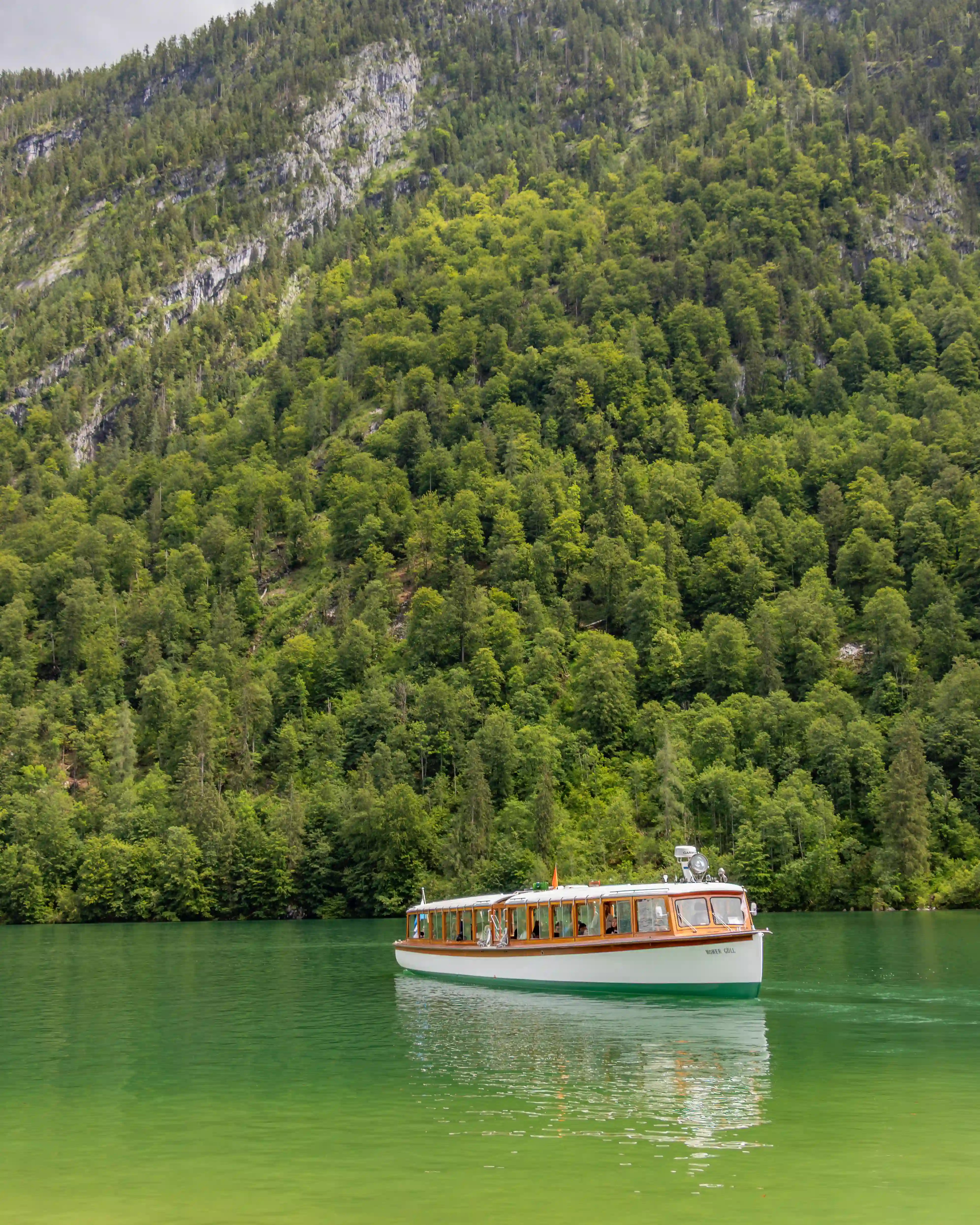
The following day began with a boat trip across Königssee aboard an electric-powered boat, used to preserve the lake’s water quality. The boat travels the length of the lake with several designated stops, and our plan was to continue all the way to Salet first, then walk to Obersee and Röthbachfall (Röthbach Waterfall) before stopping at St. Bartholomä on the return trip. Salet sits at the far southern end of the lake and serves as the starting point for hikes, while a smaller stop at Kessel is made only on request and is primarily used by hikers.
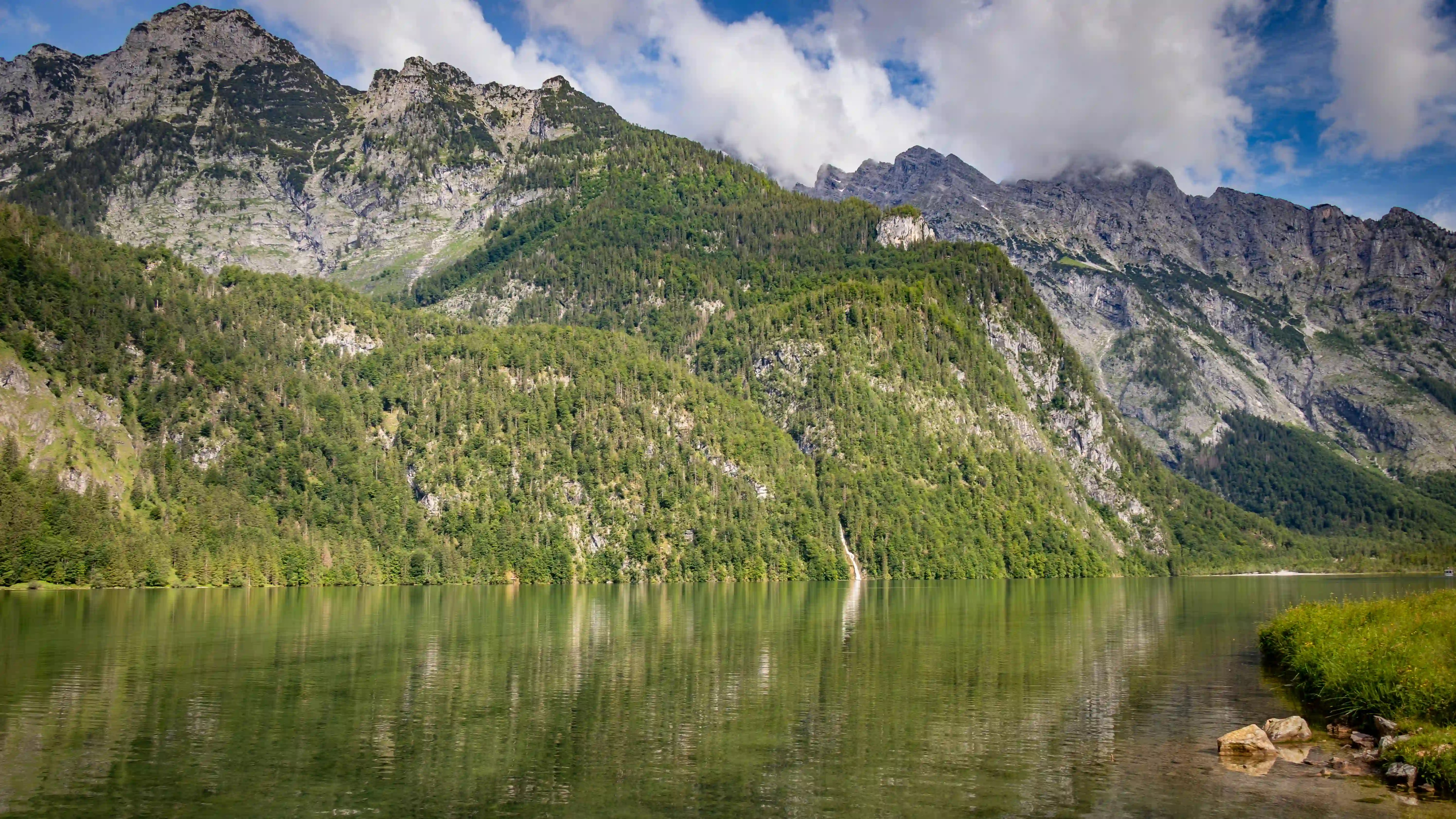
As the boat moved steadily south, the scenery became the focus. The water was a deep, clear emerald green, reflecting the surrounding mountains almost perfectly, broken only by the wake of the boat. Steep rock walls rose directly from the water, interrupted at times by grassy meadows along the shoreline, while dense forests climbed up the mountainsides above.
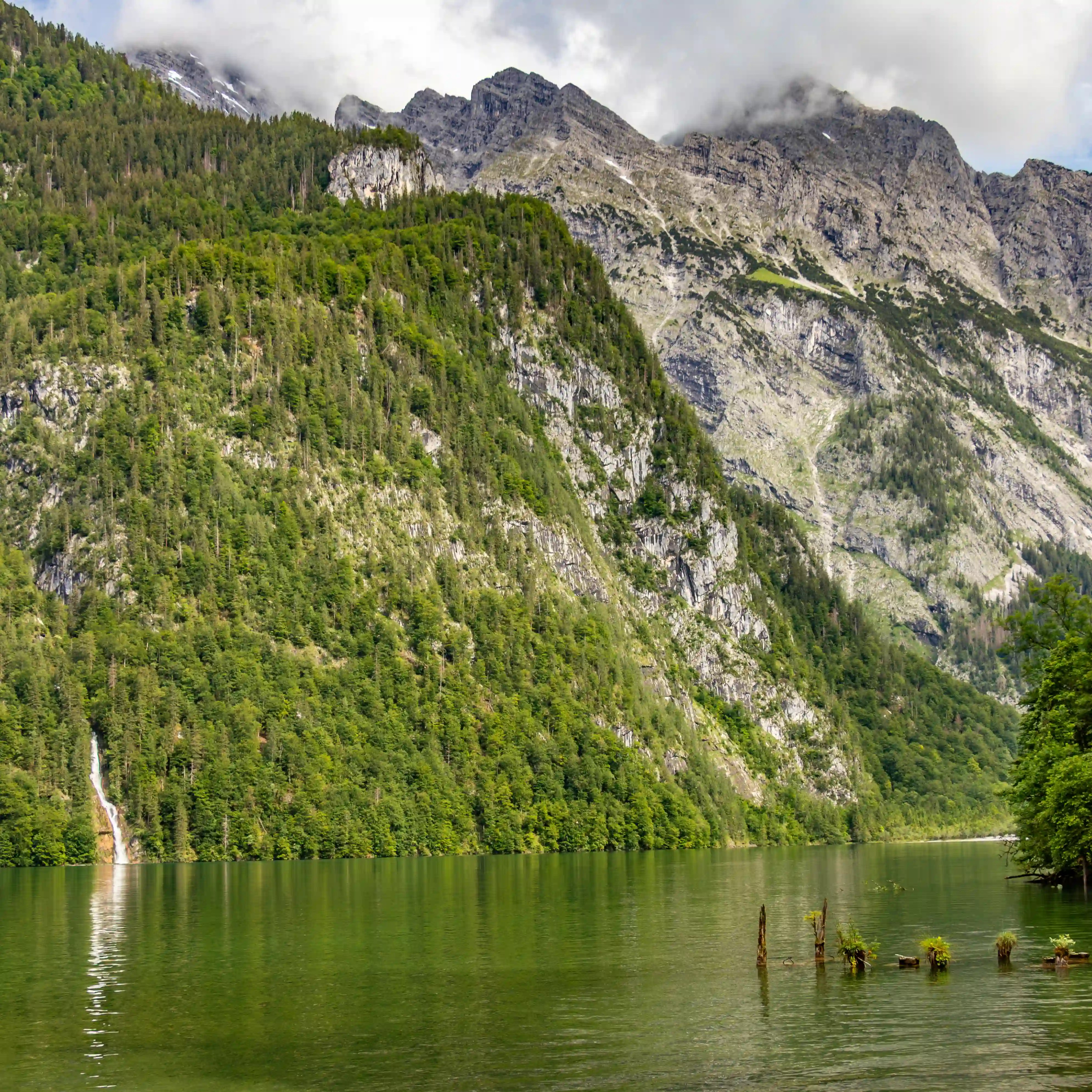
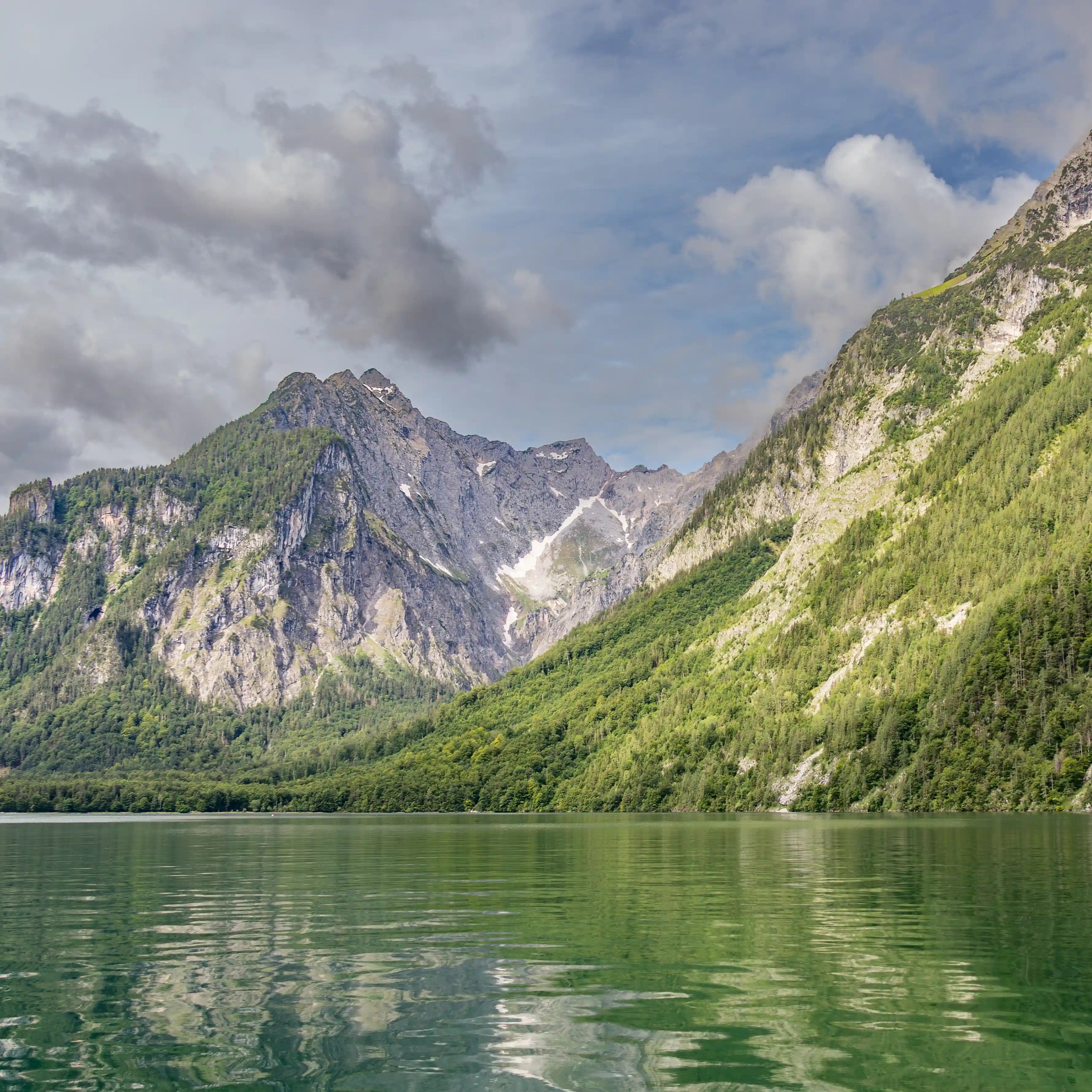
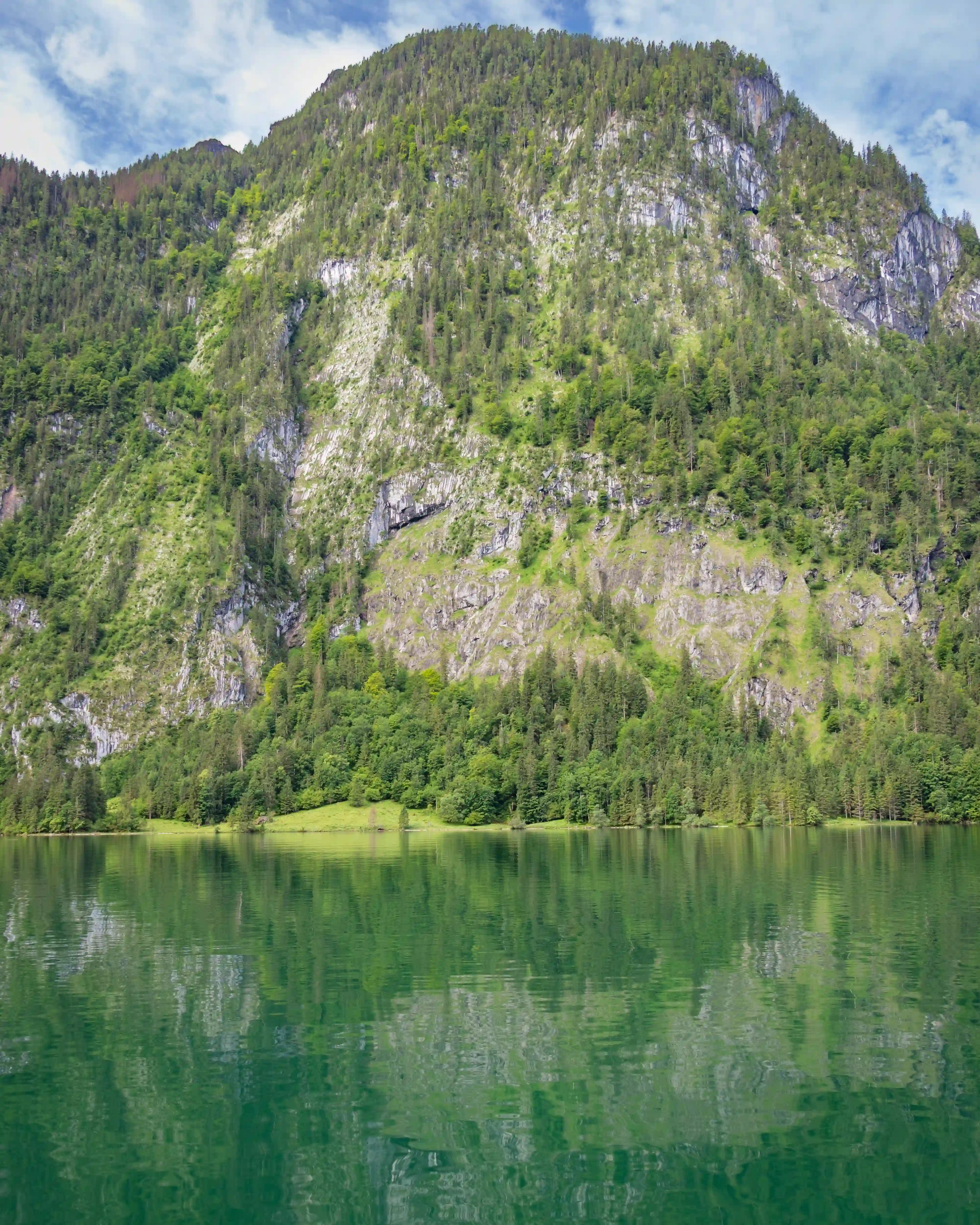
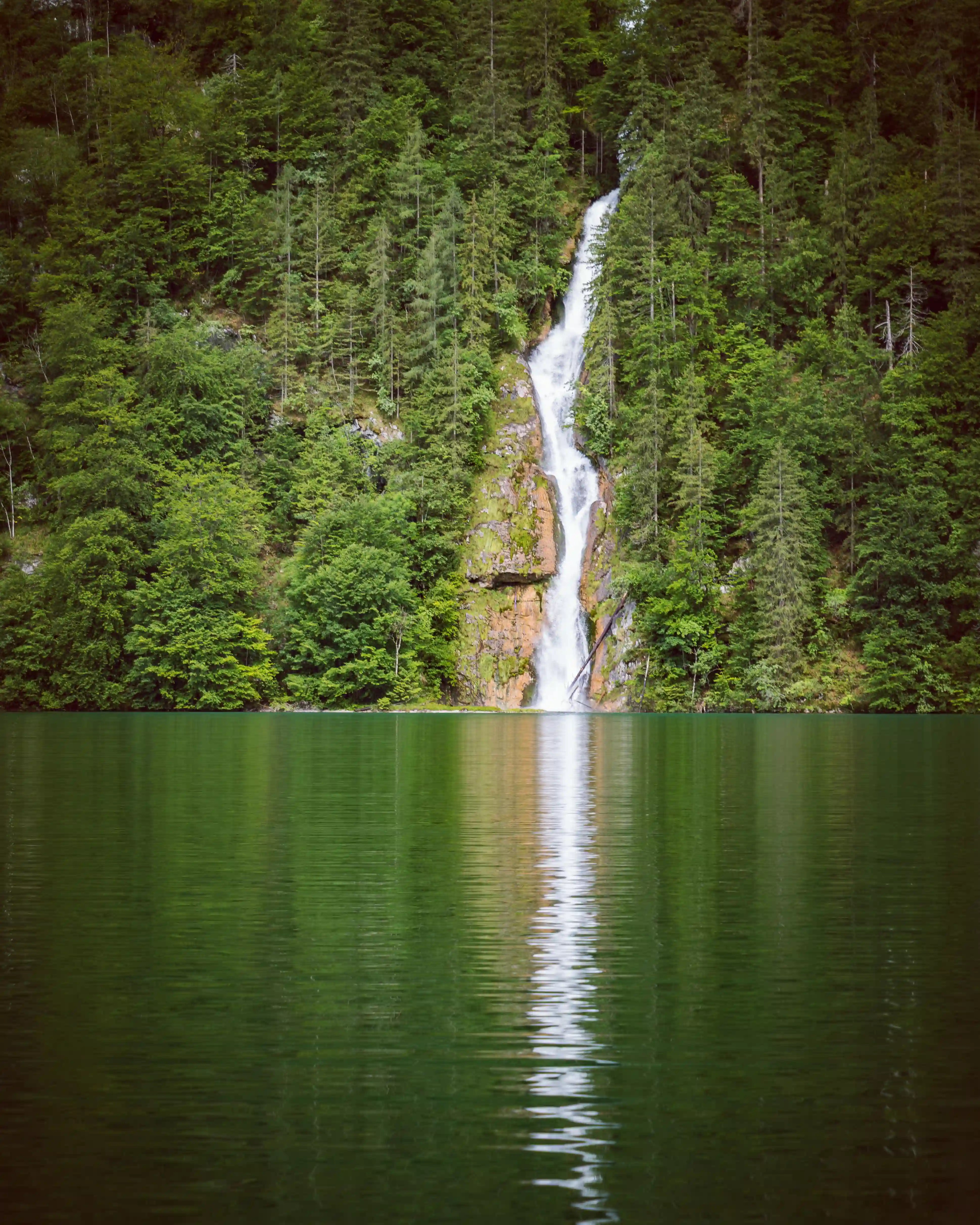
Along the way, the captain pointed out several notable landmarks. We passed Christlieger Island, also known as St. John’s Island—the only island on Königssee—marked by a statue of St. John of Nepomuk, the patron saint of boatmen. The statue commemorates the safe rescue of four passengers after a boating accident in 1711.
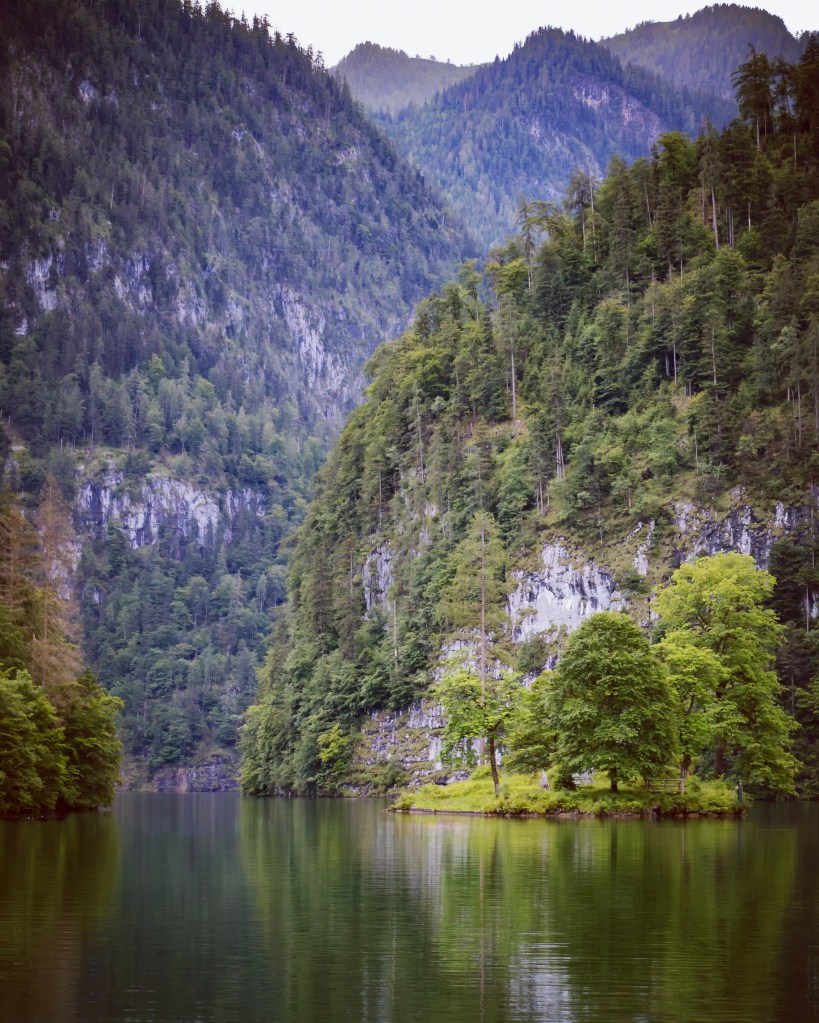
High on the slopes of the Lattengebirge range, the Sleeping Witch (Schlafende Hexe) is a rock formation whose outline resembles a woman lying on her back. According to local legend, the figure represents a witch who was turned to stone as punishment for her misdeeds, left behind as a lasting presence in the landscape. Whether taken as legend or simply as a distinctive natural formation, it’s a familiar landmark along the Königssee route once it’s pointed out.
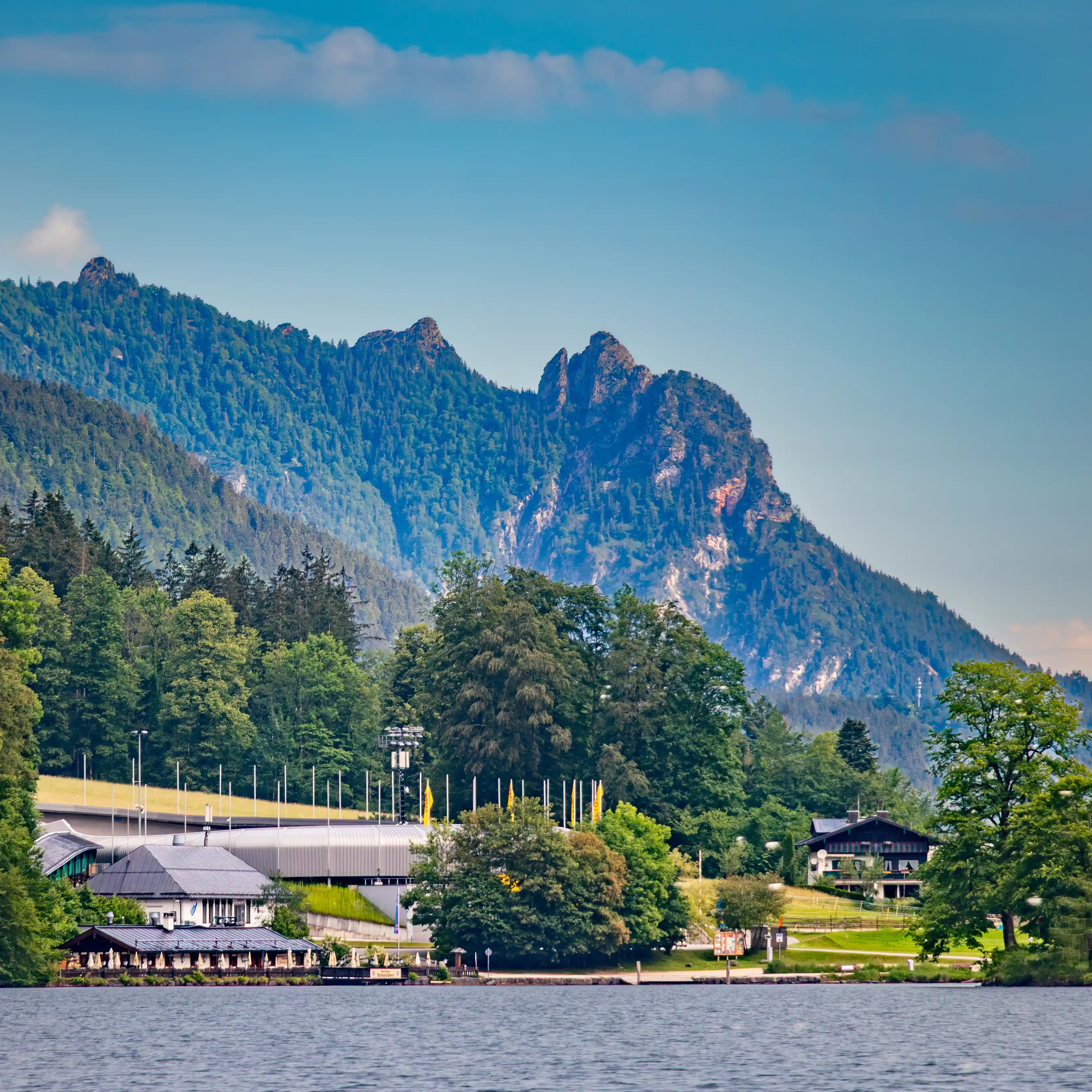
The boat also paused at the Echo Wall (Echowand), where a flugelhorn—a brass instrument similar to a trumpet—is traditionally played to demonstrate the natural echo bouncing off the rock face, with a hat passed around afterward for donations.
Salet, Obersee, and the Hike to Röthbachfall
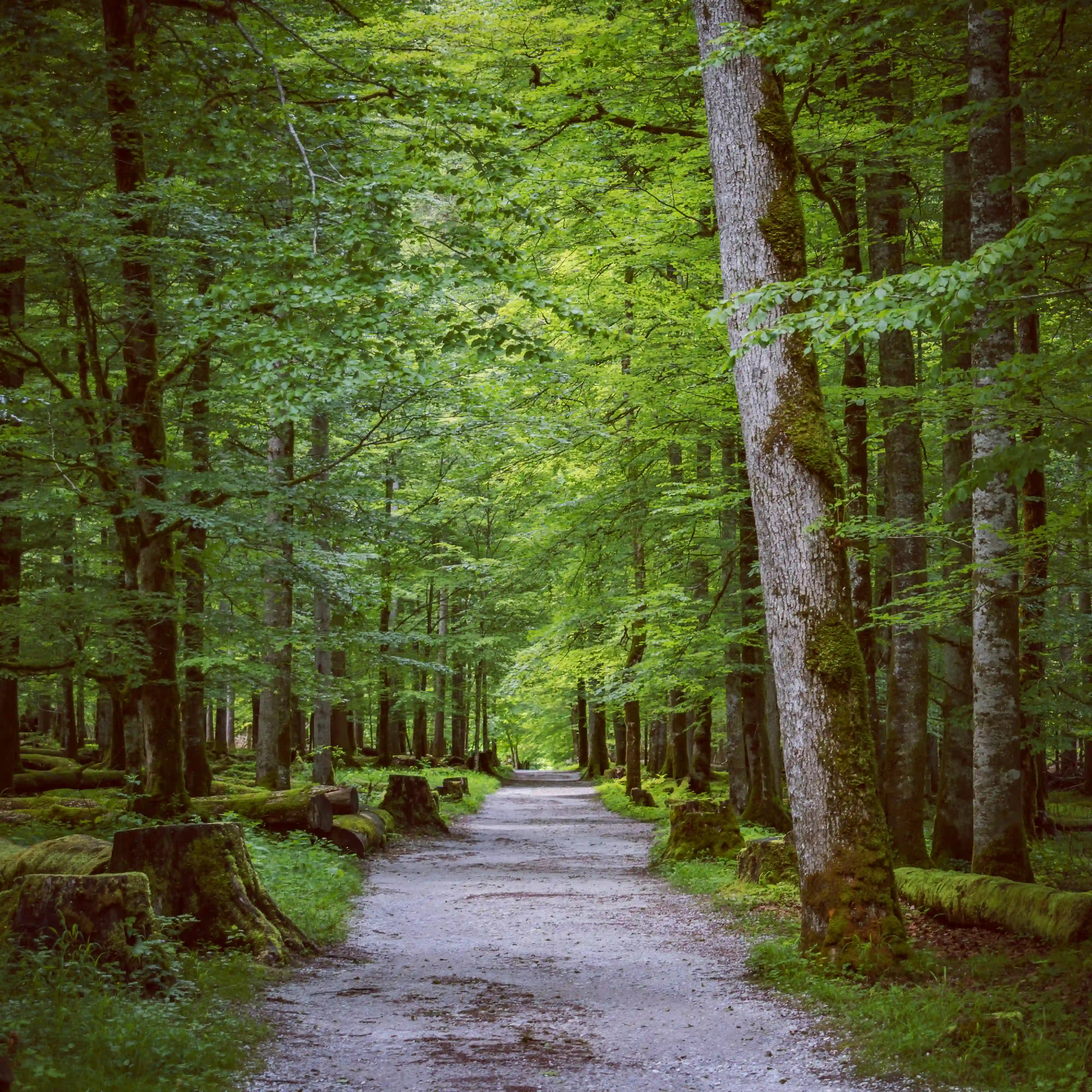
Salet sits at the far southern end of Königssee and is the final stop on the southern boat route. There’s no village here—just a small landing point, forest paths, a couple of seasonal mountain huts, and surroundings that immediately feel quieter and more remote than the busy northern shore. It serves mainly as a starting point for hikes, with trails leading toward Obersee and deeper into the surrounding alpine landscape.
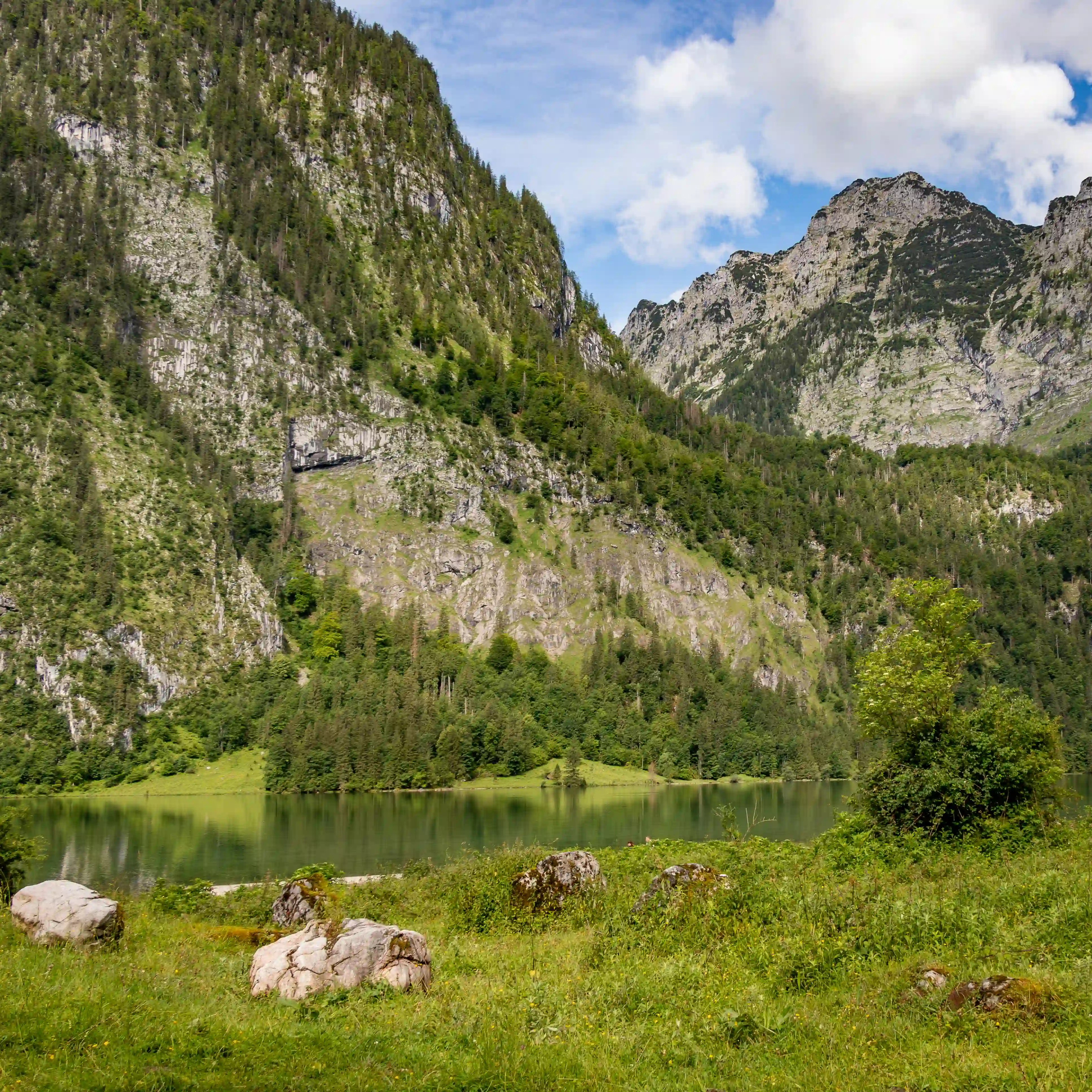
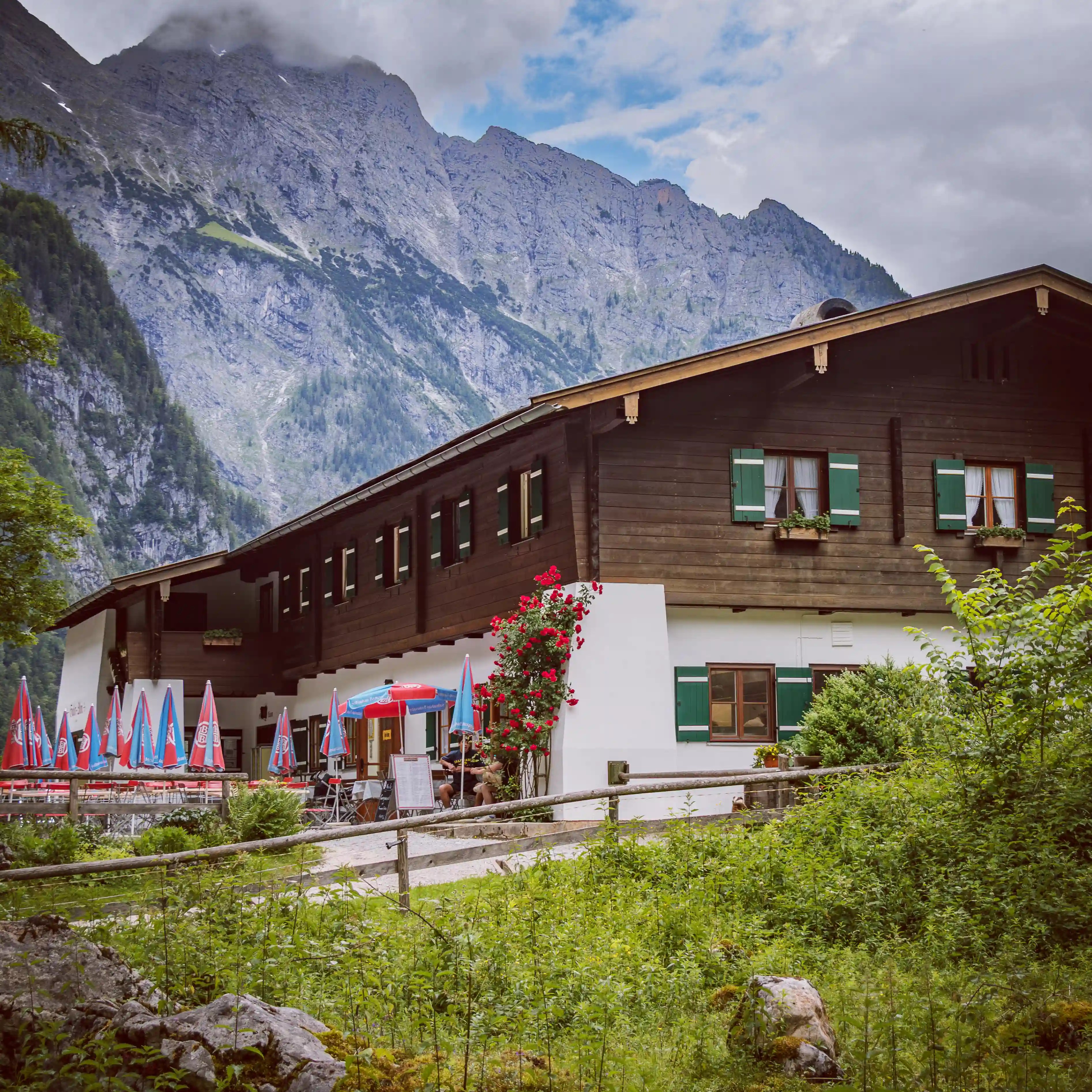
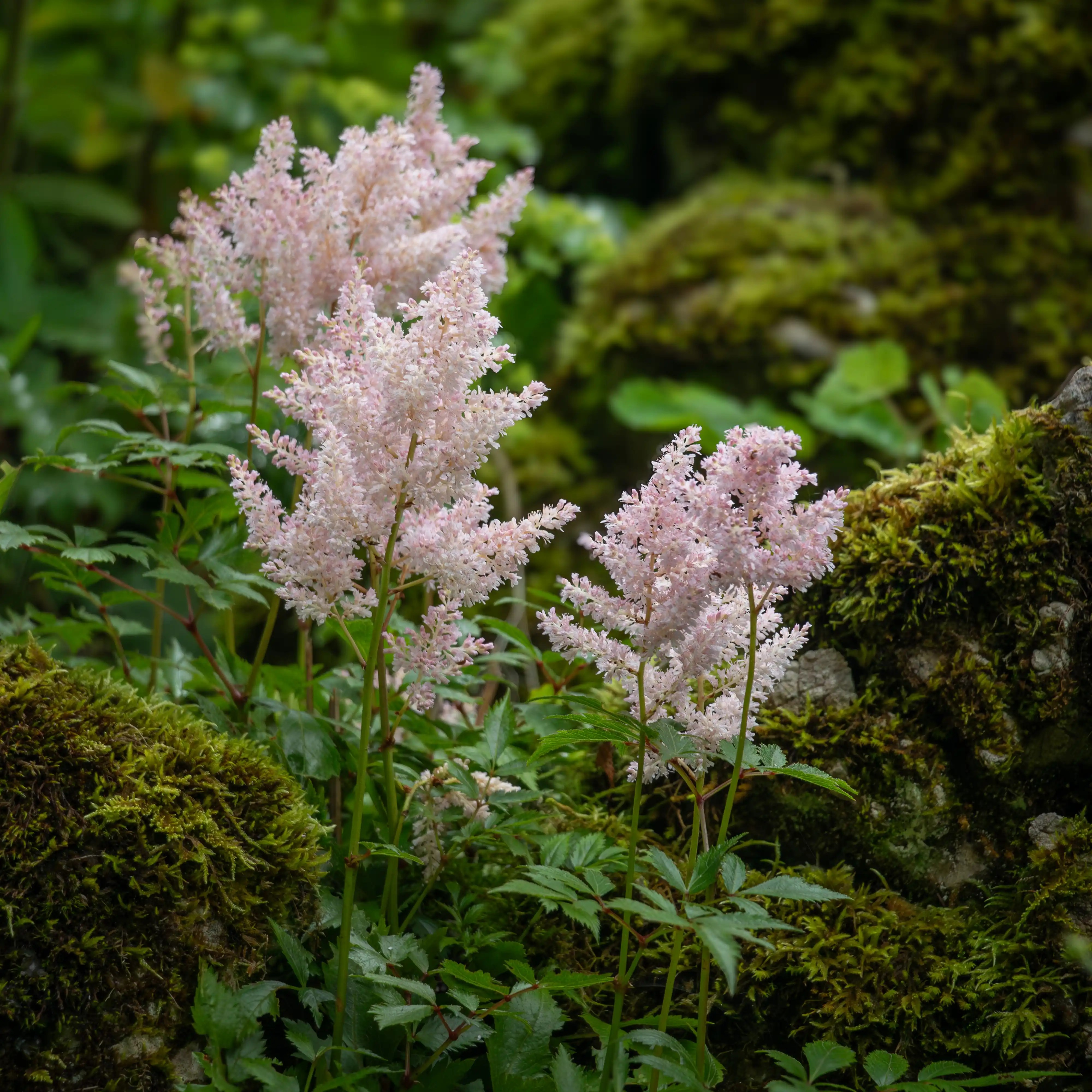
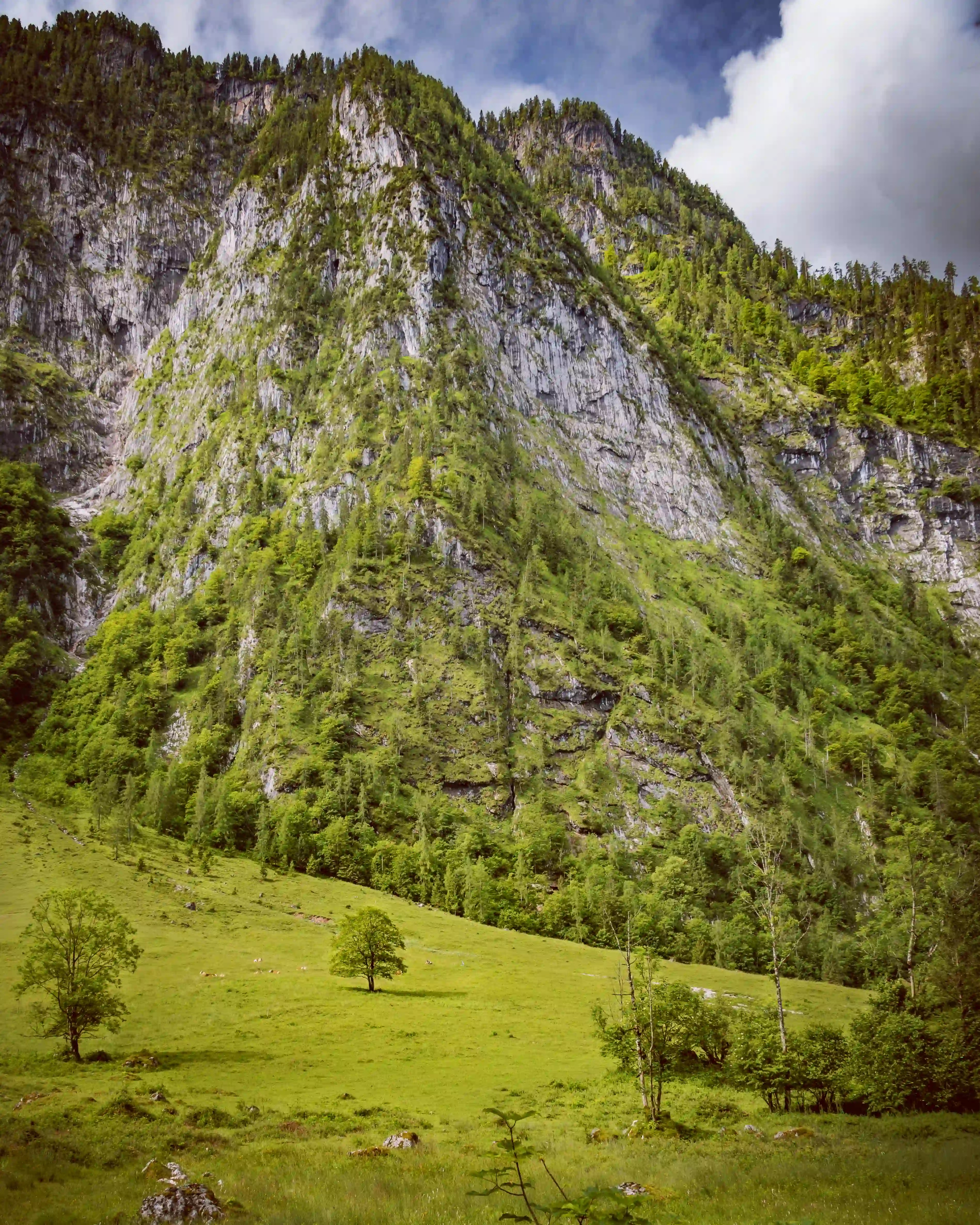
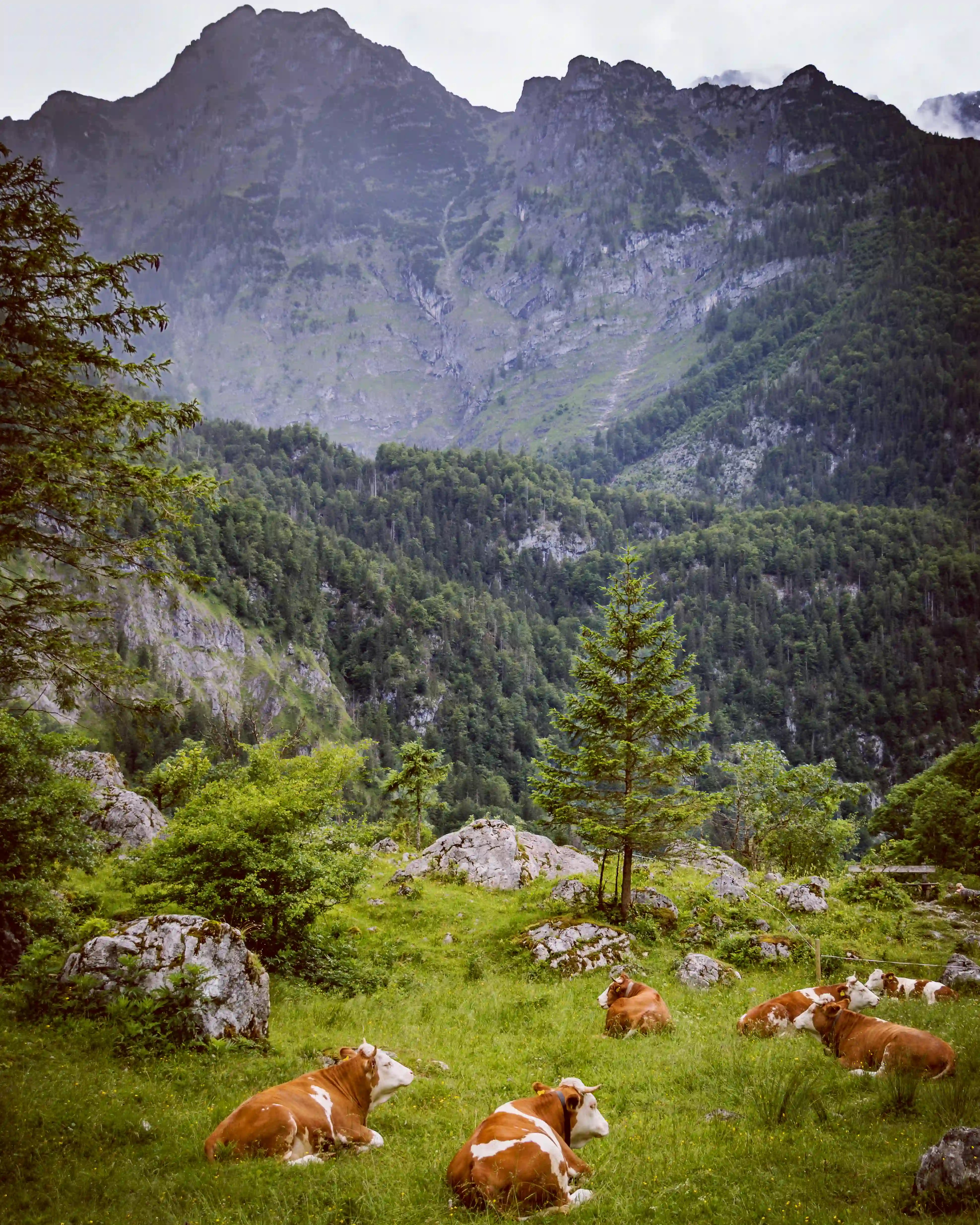
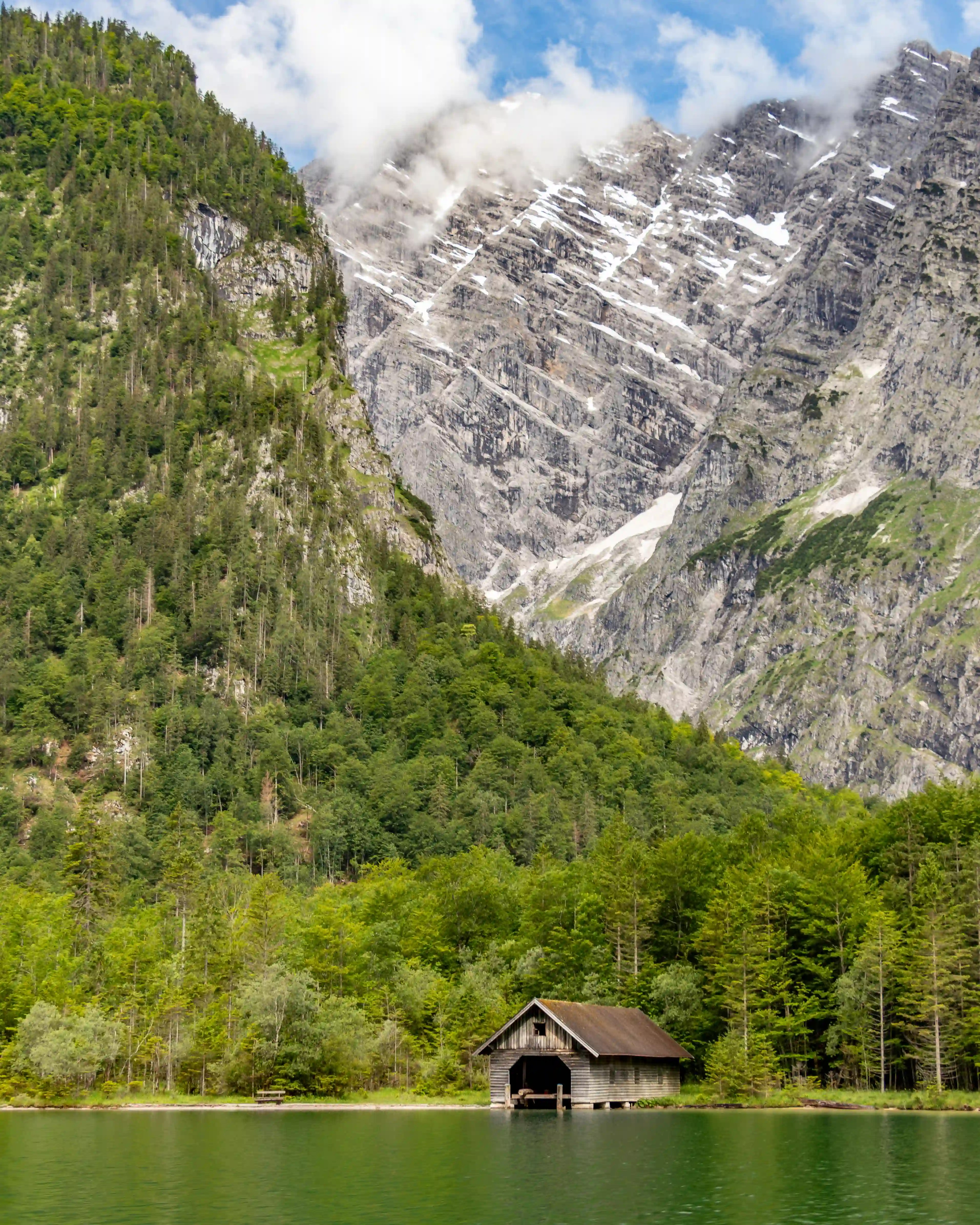
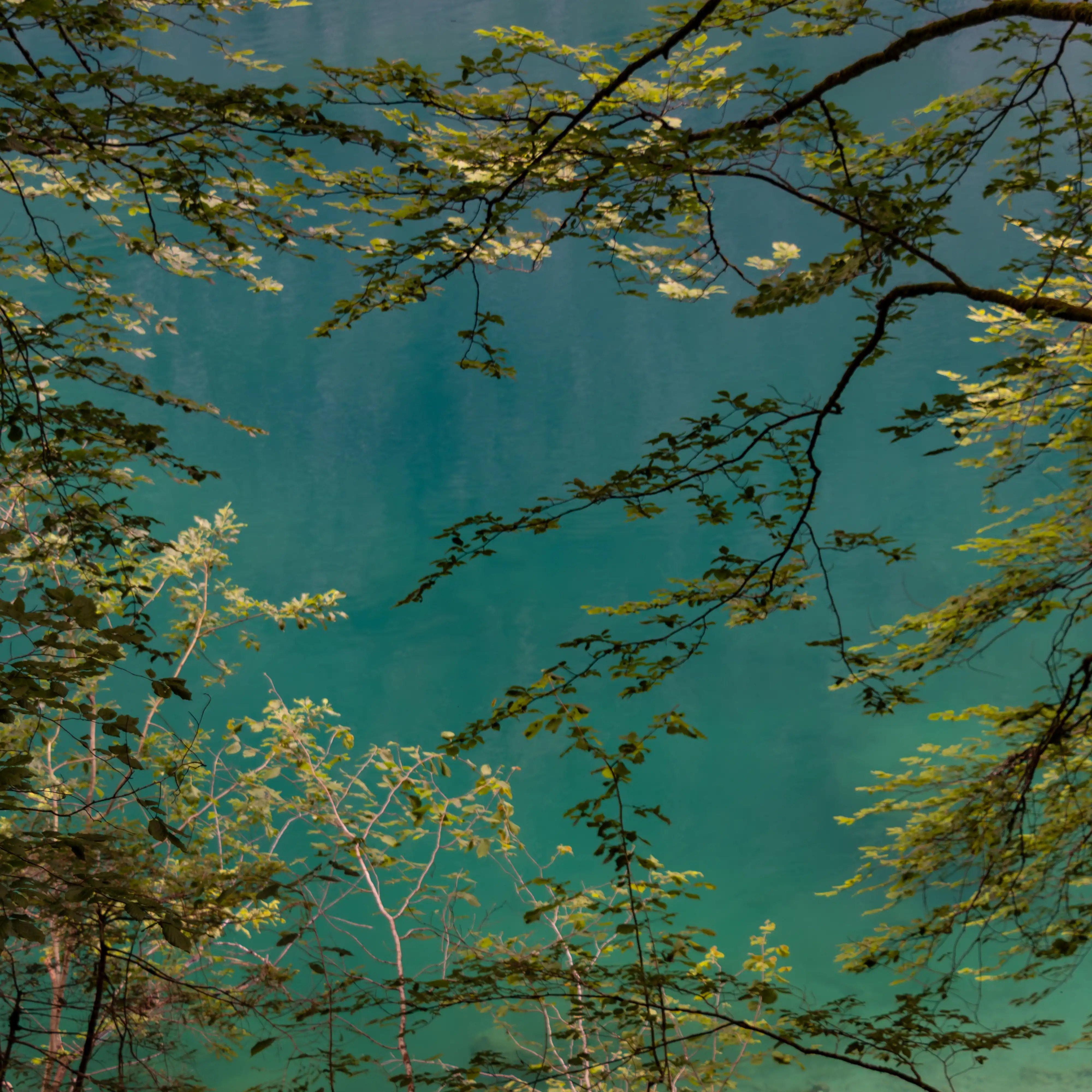
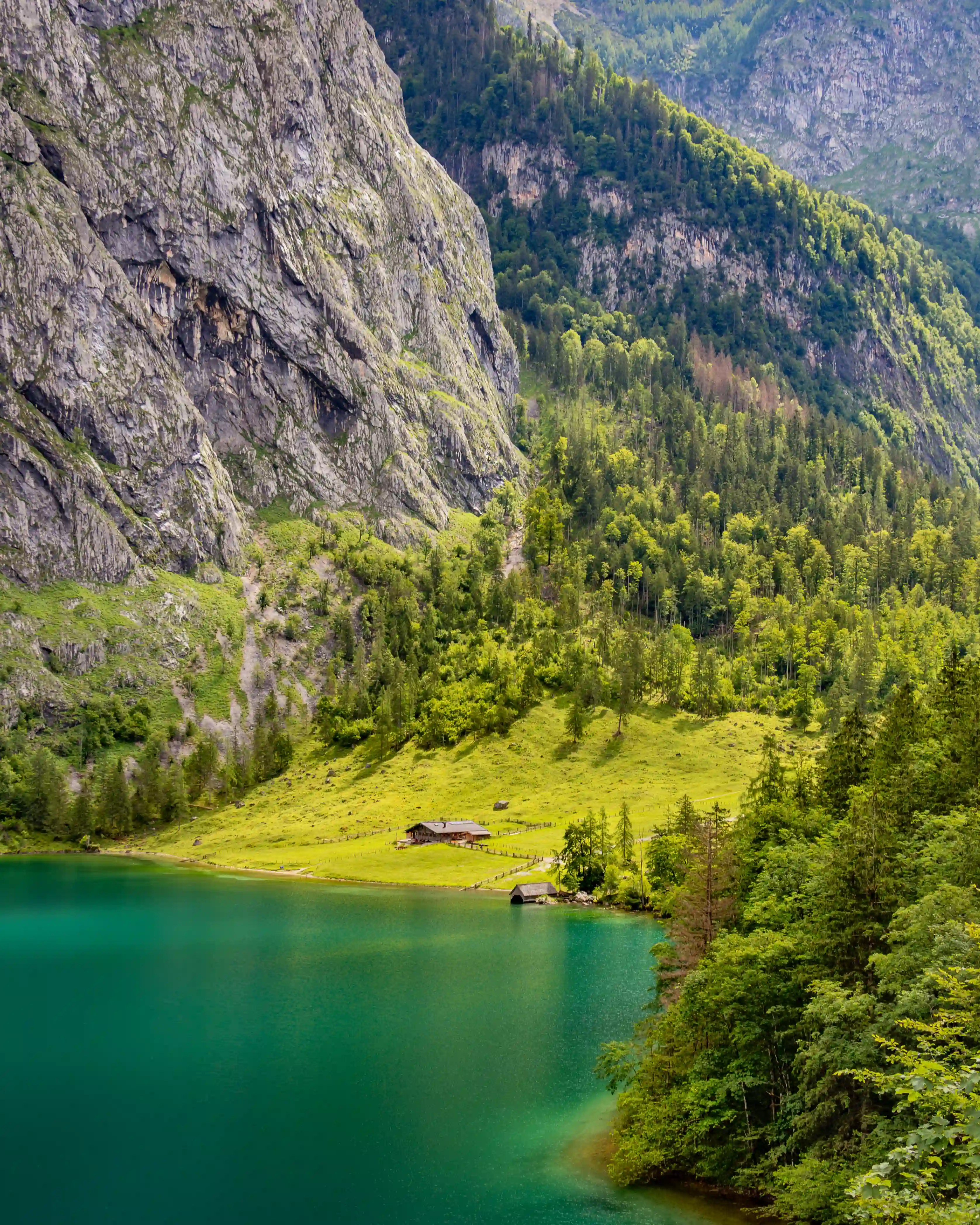
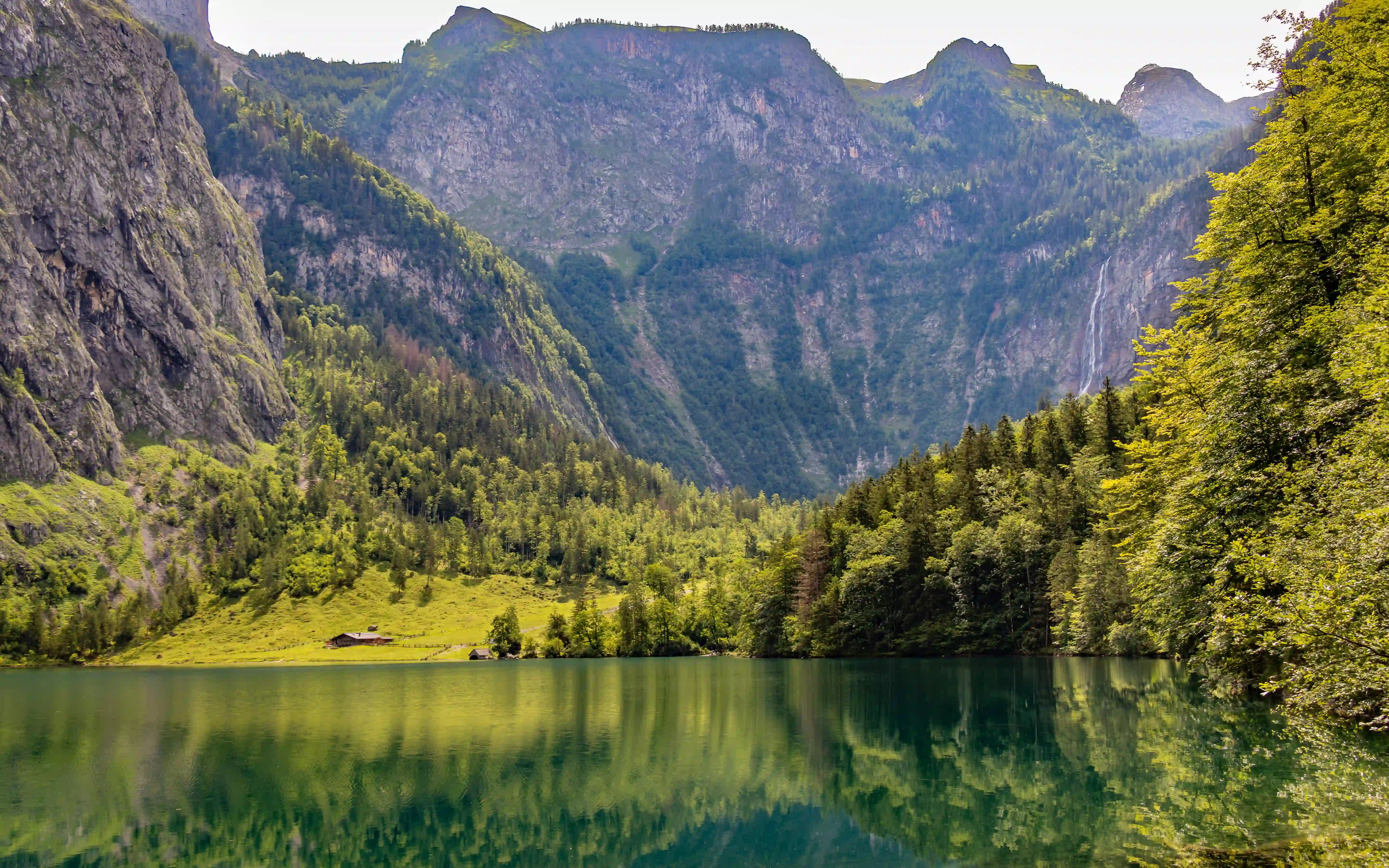
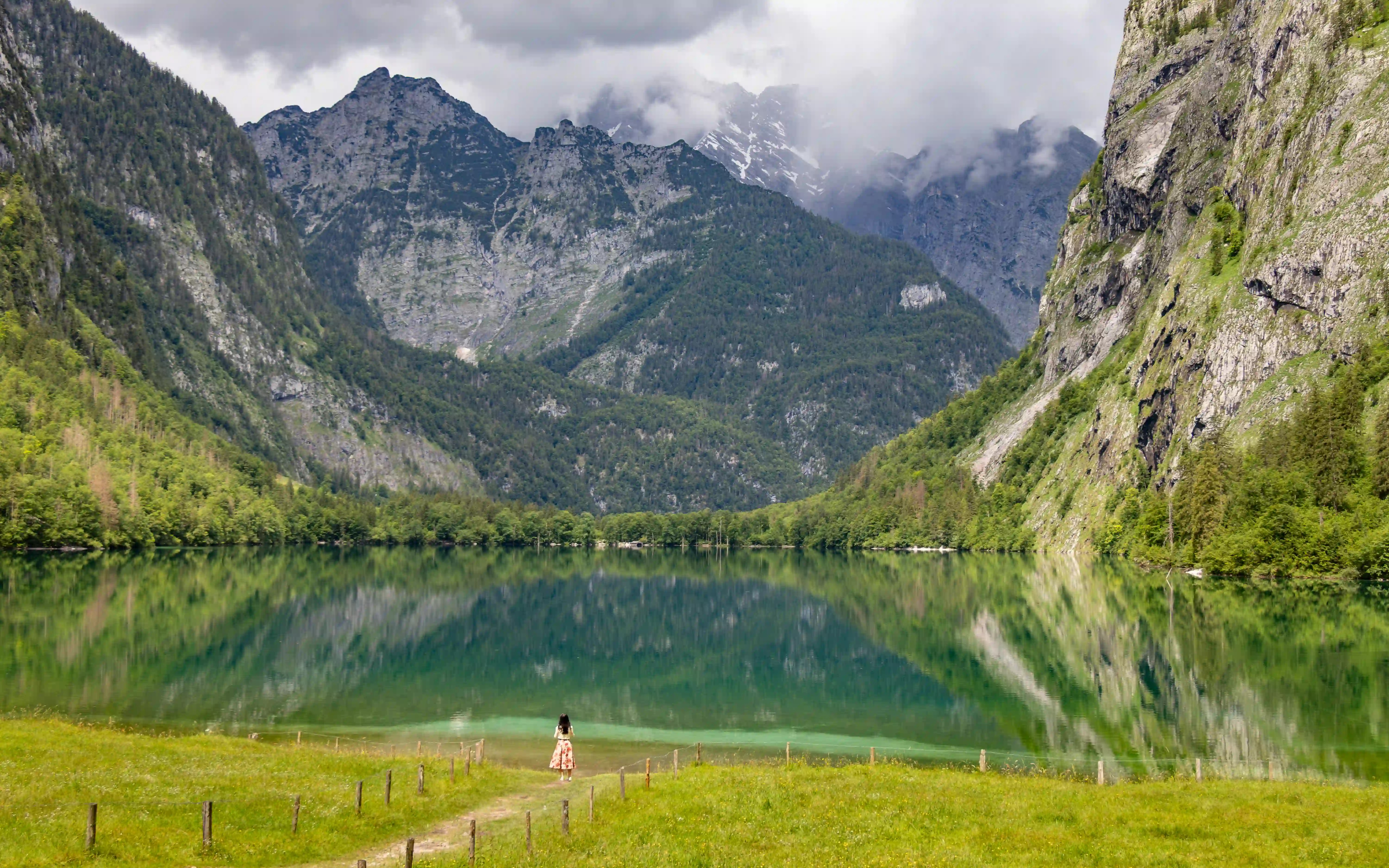
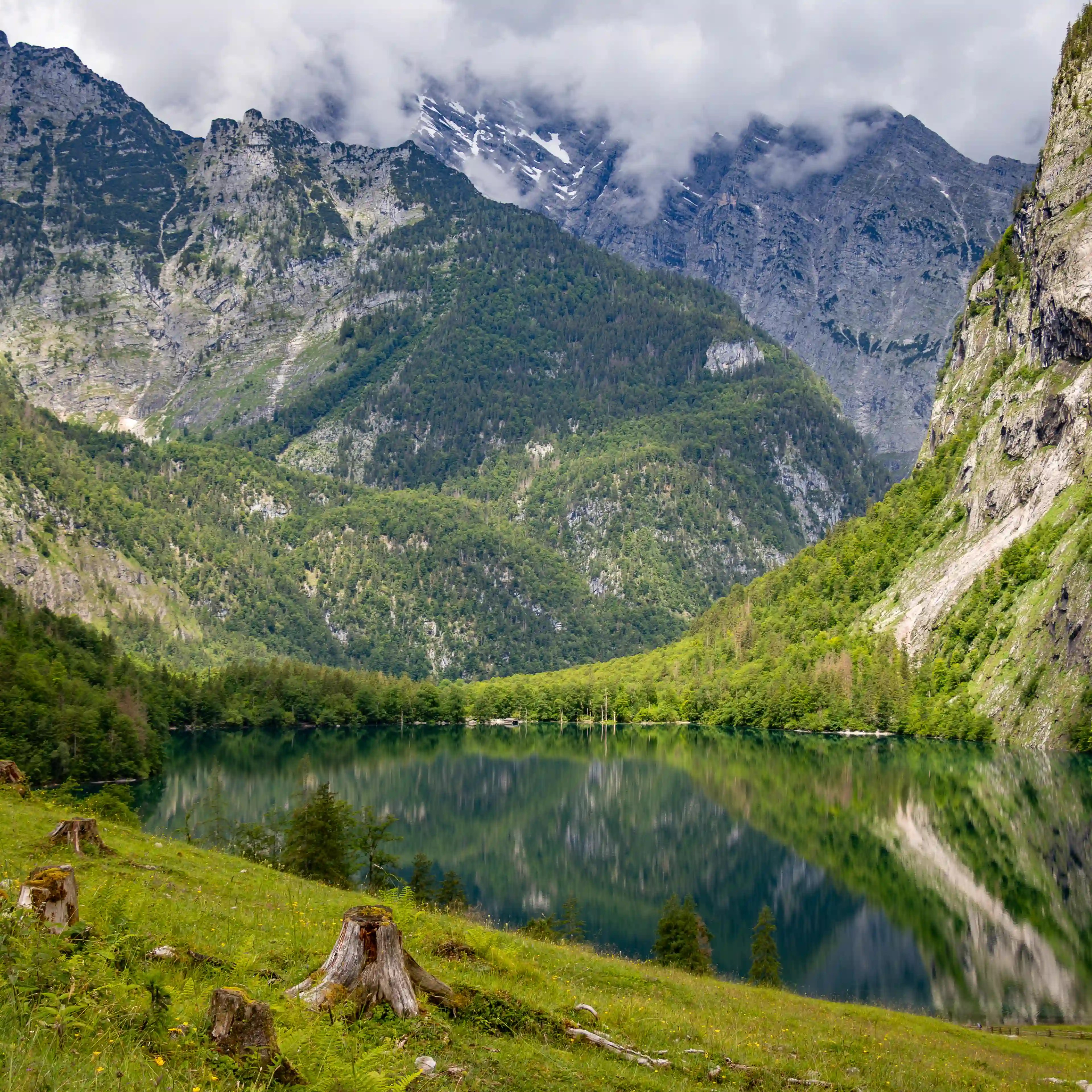
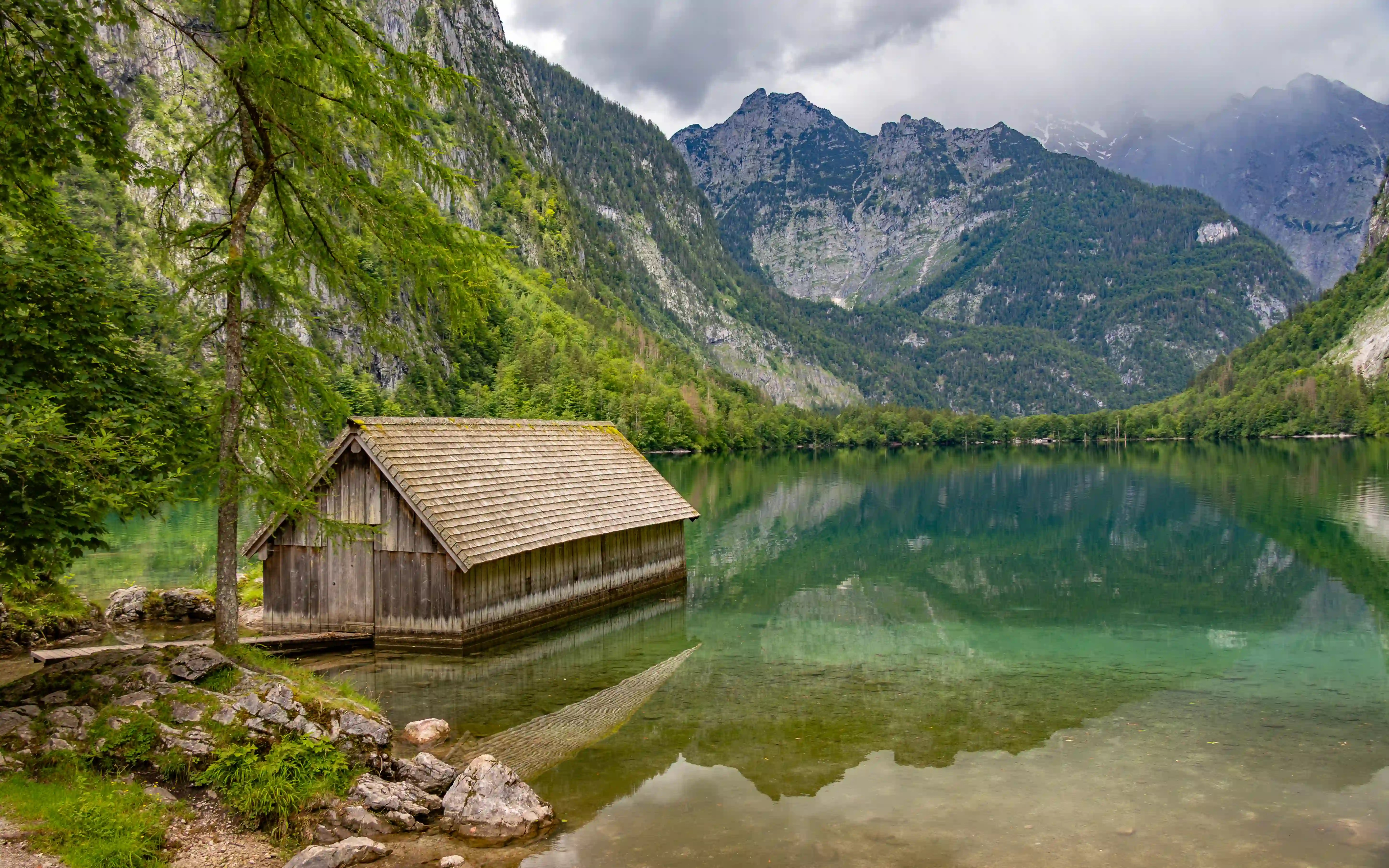
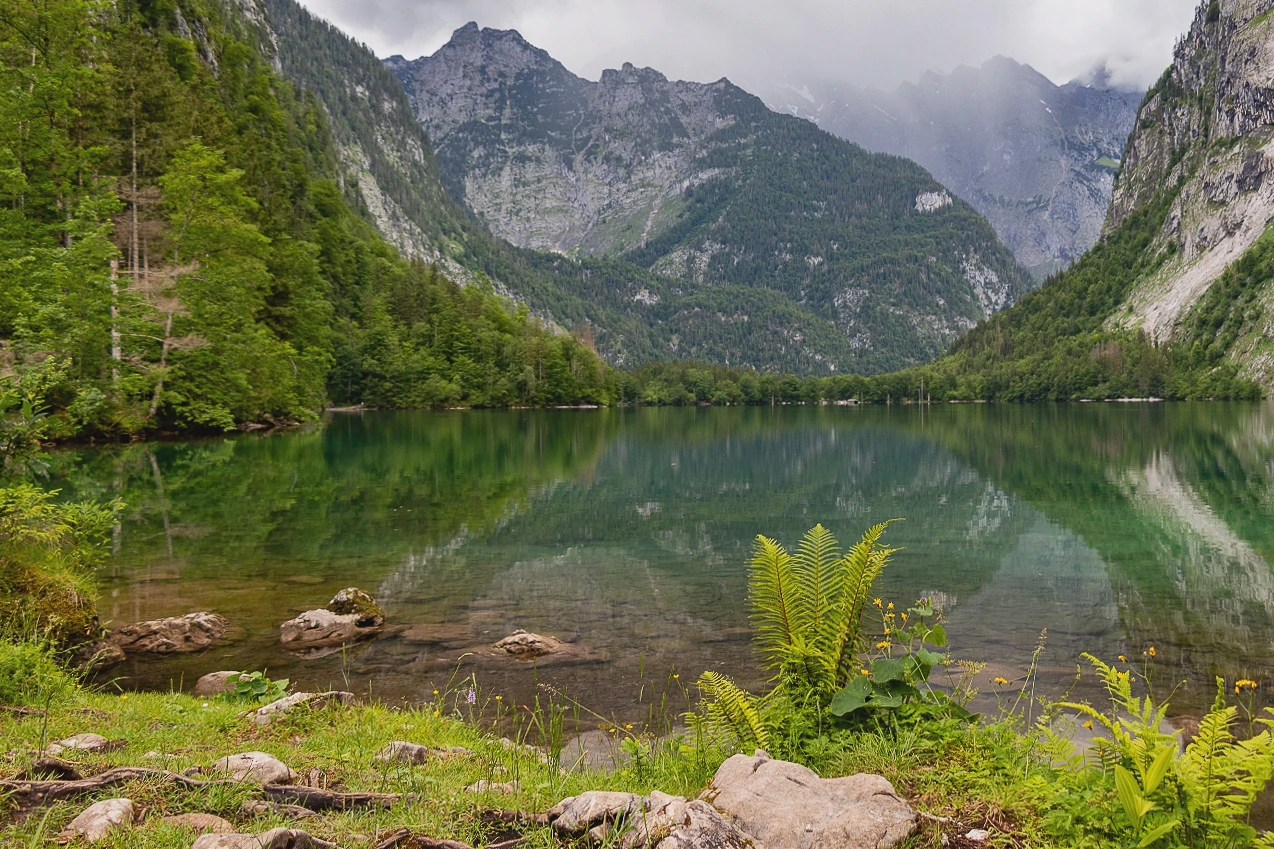
Disembarking at Salet, we followed the well-marked path toward Obersee. After a short walk, the lake opened up in front of us, small enough that you could easily see from one side to the other. The water shifted to vivid turquoise, reflecting the mountains and trees with remarkable clarity. A wooden boathouse lines the shore, while across the water an alpine meadow, a clear view of Röthbachfall, and steep rock walls rise toward the surrounding peaks.
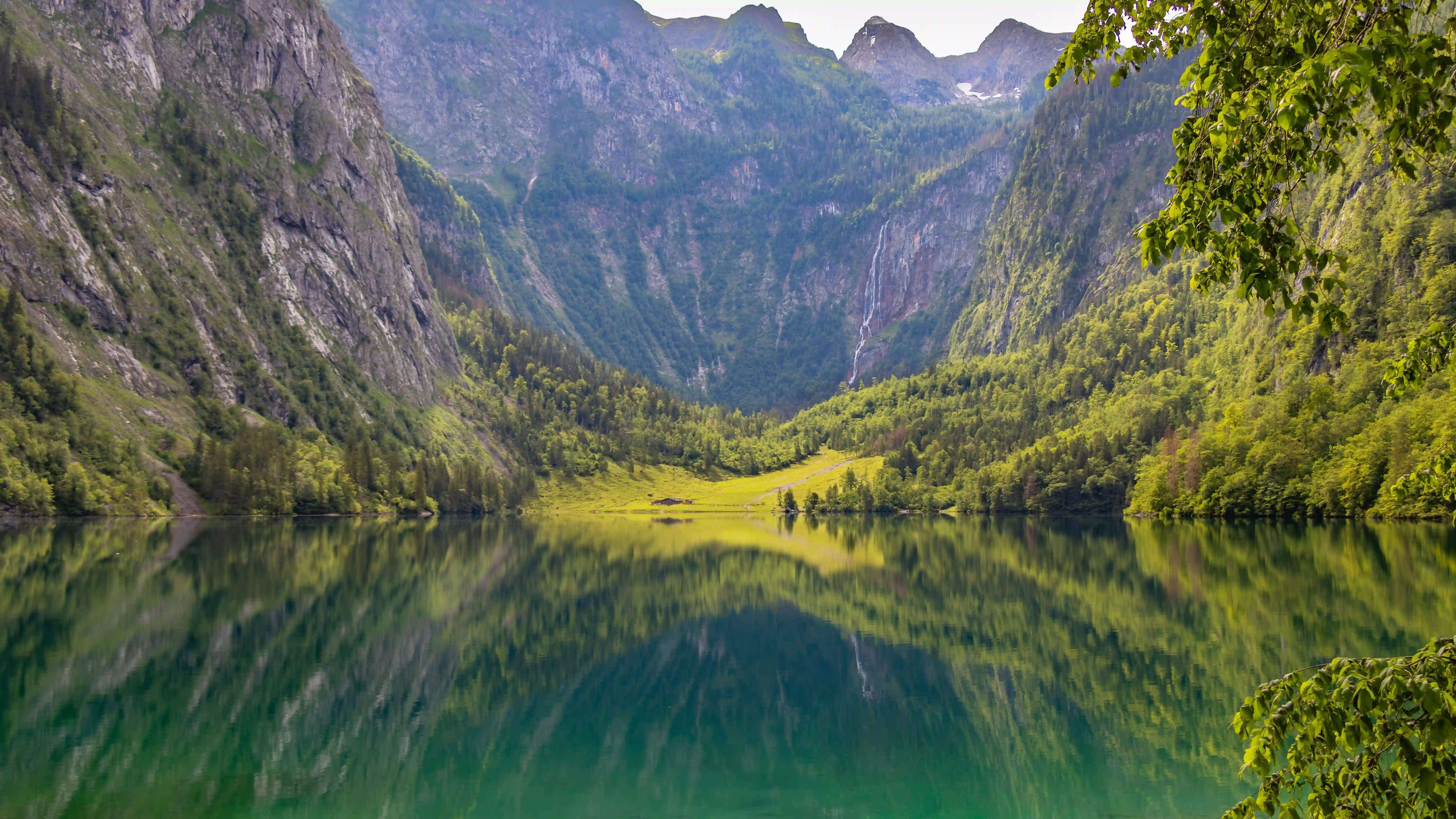
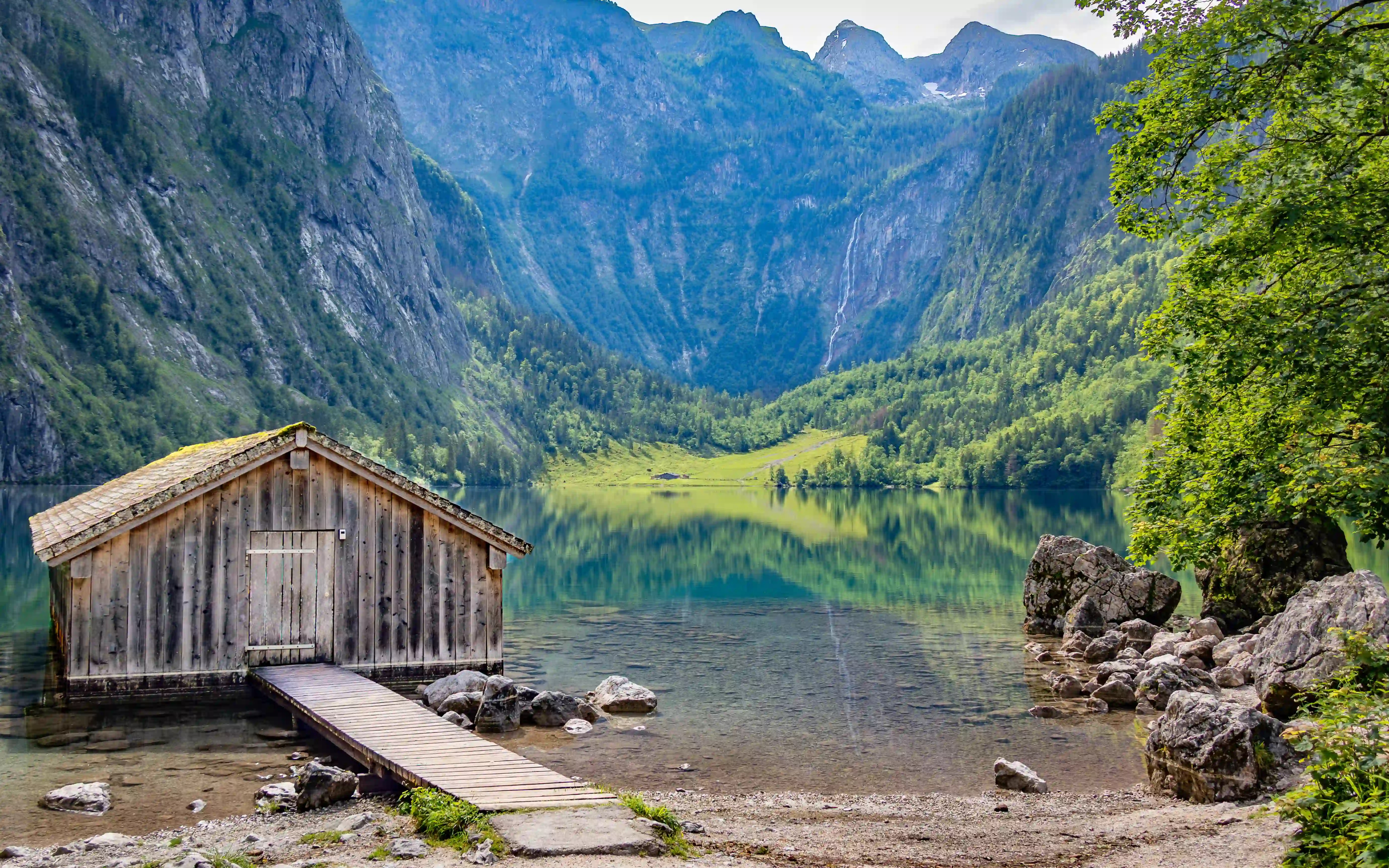
From there, the path continues along the western shoreline of Obersee, leading south toward the far end of the lake. With every step, the views shifted—calm water, steep cliffs, and waterfalls spilling down the mountainside across the lake.
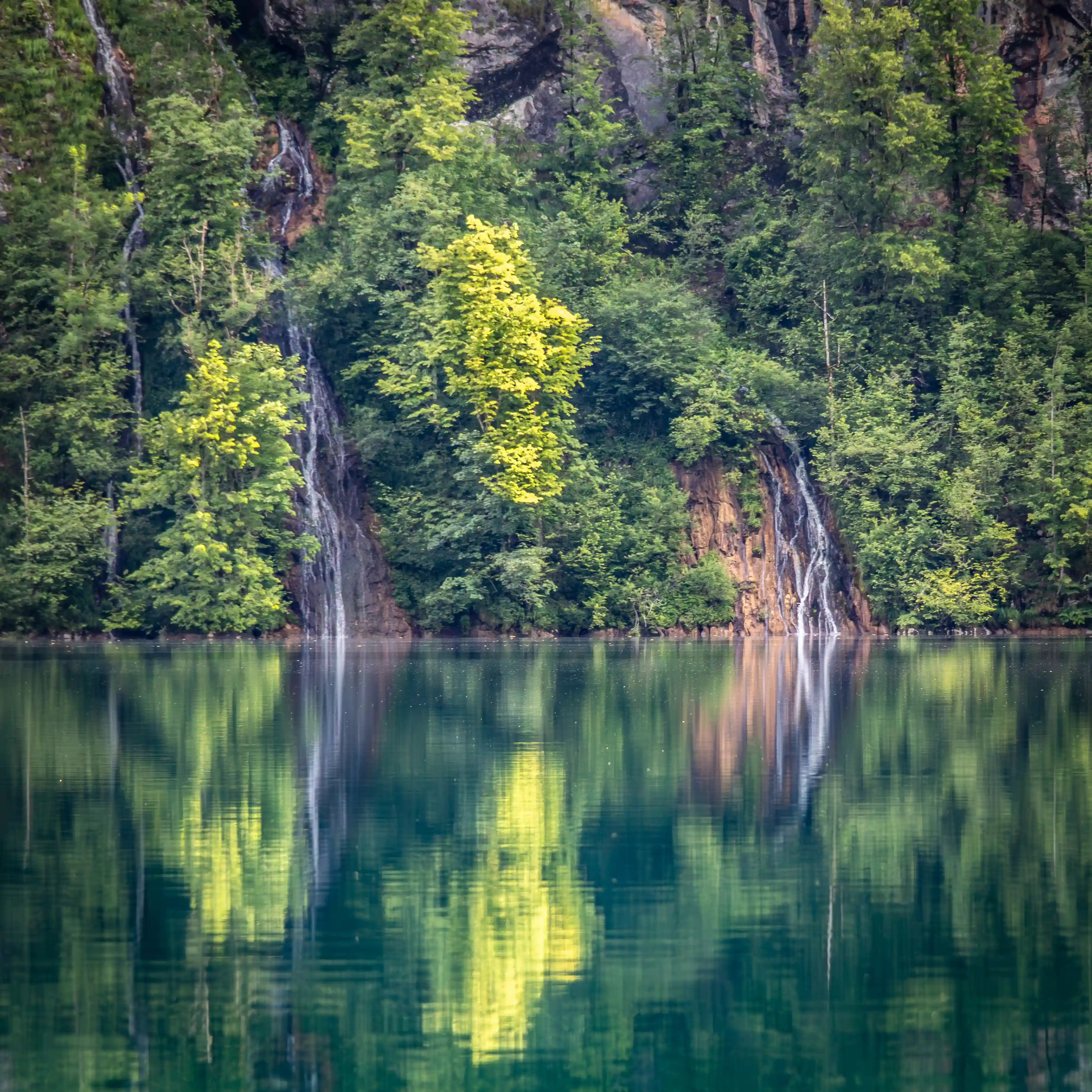
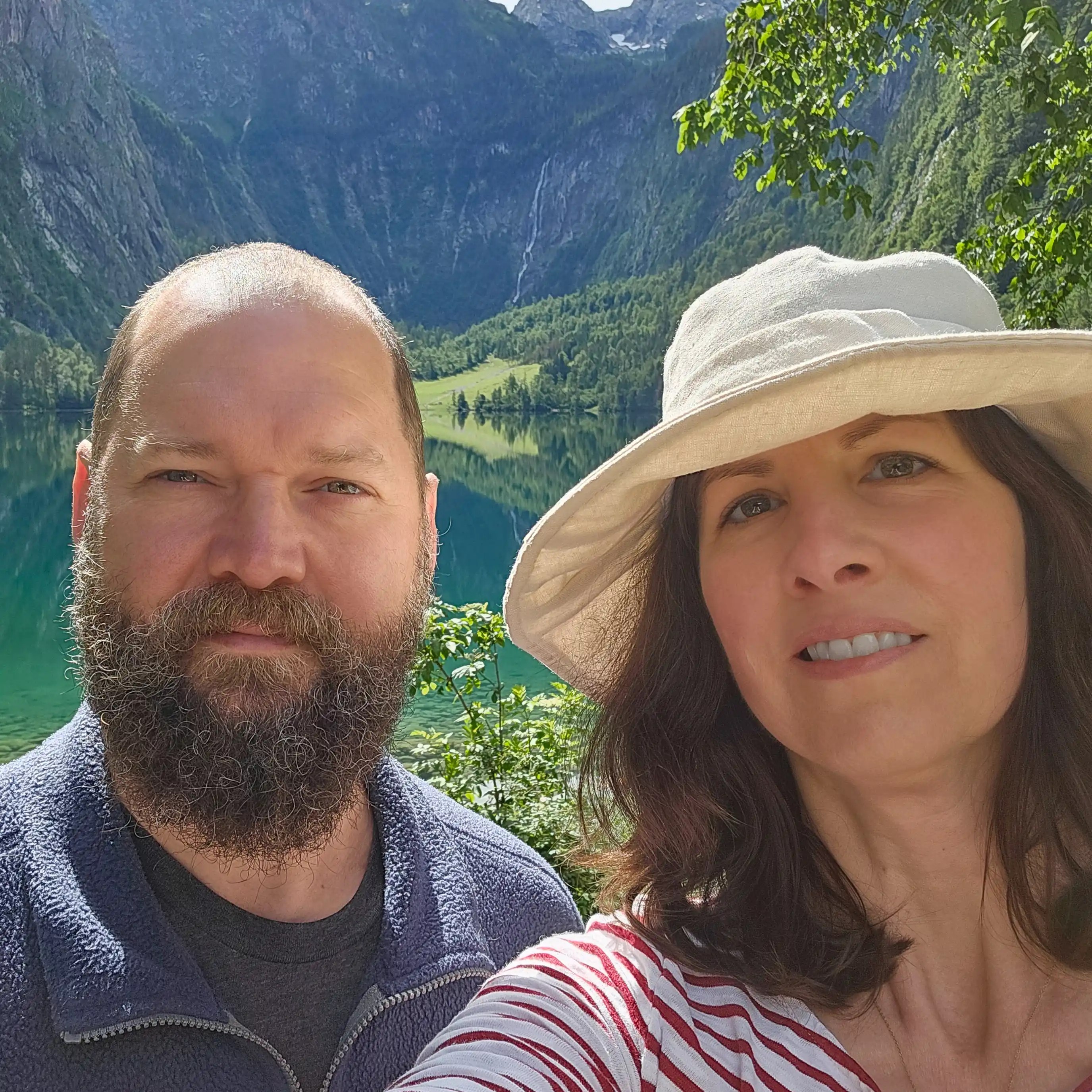
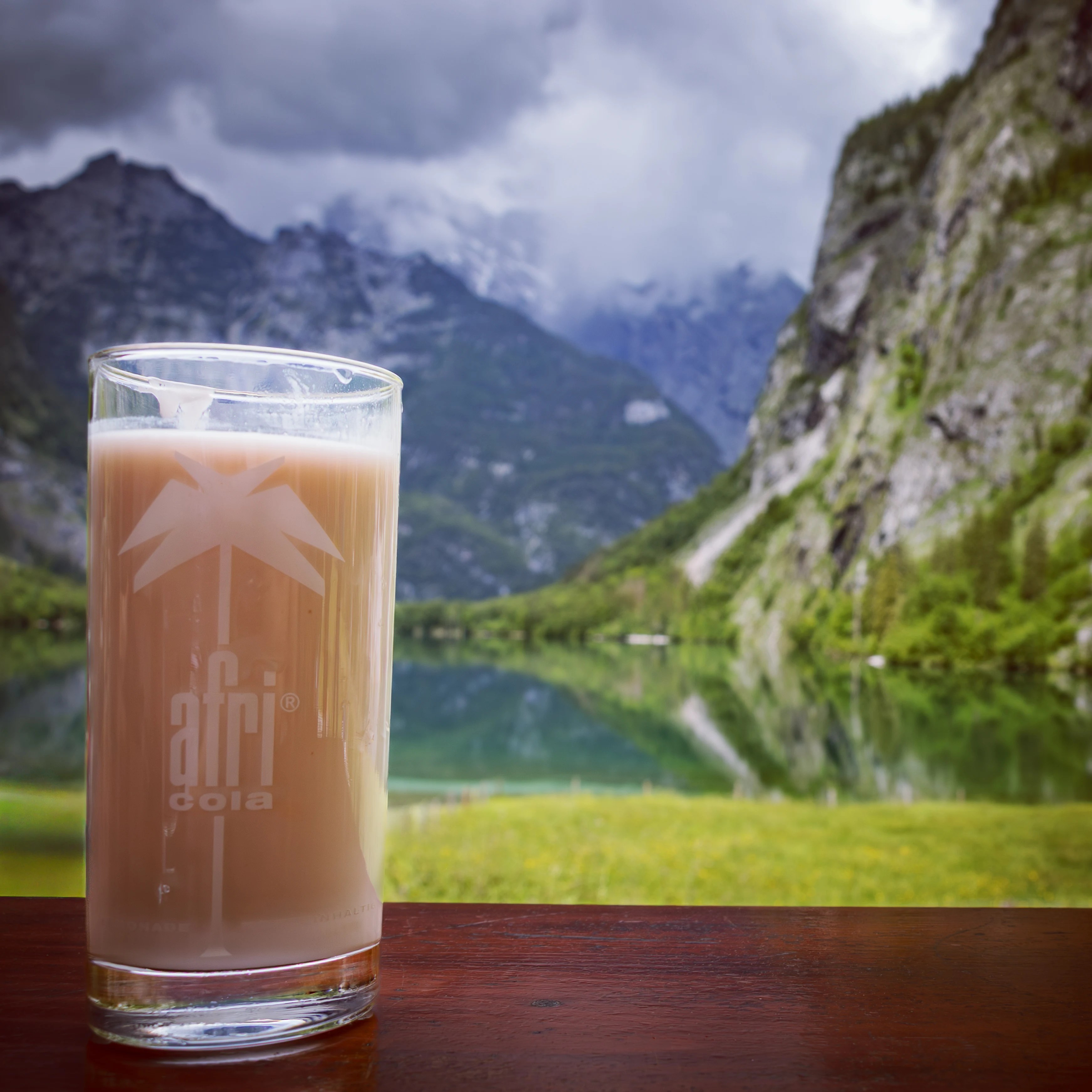
At the southern end, we stopped at Fischunkelalm. Sitting there with a snack and a glass of raspberry buttermilk made from local cow’s milk, we took in sweeping views of the lake and surrounding peaks—one of those moments where the scenery alone is enough.
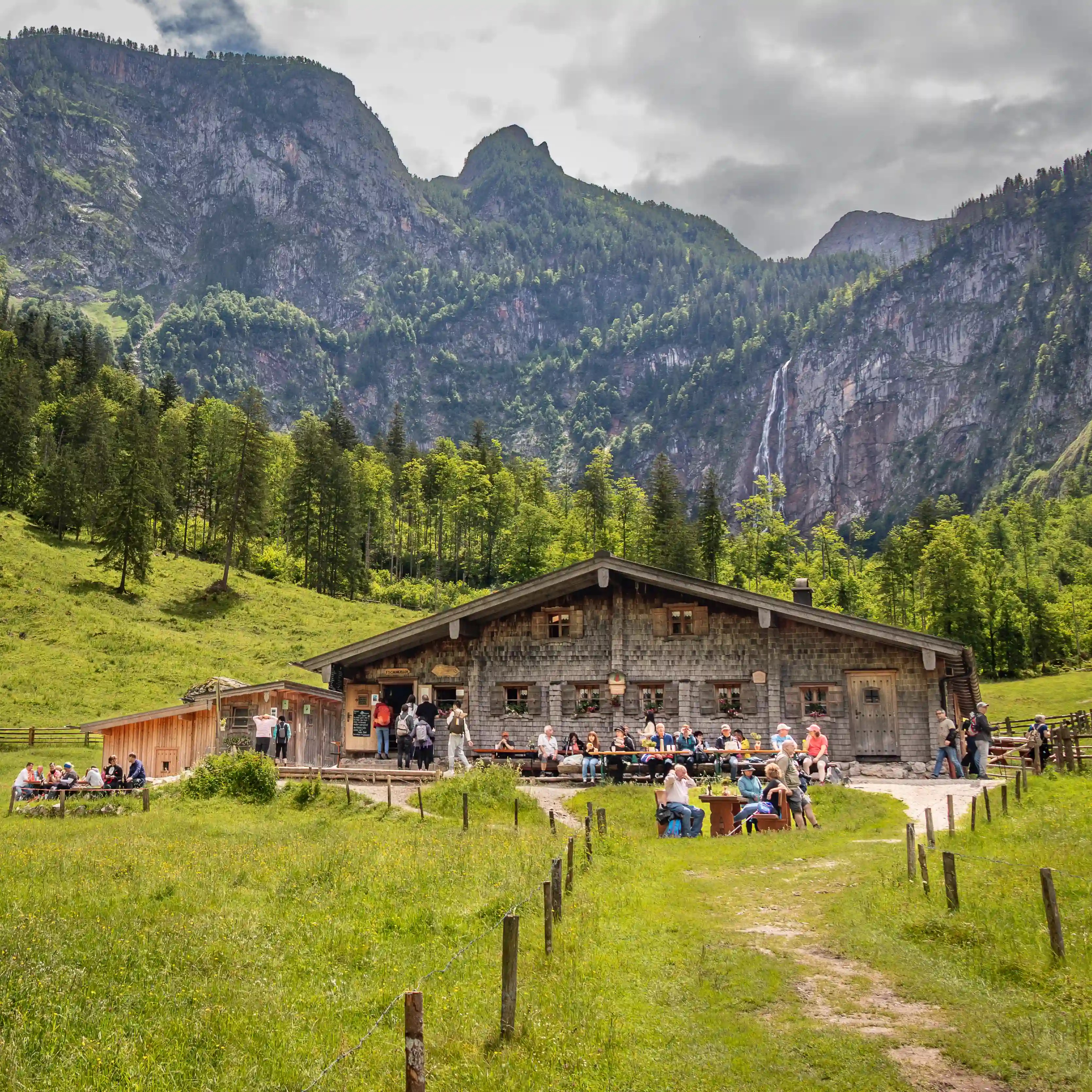
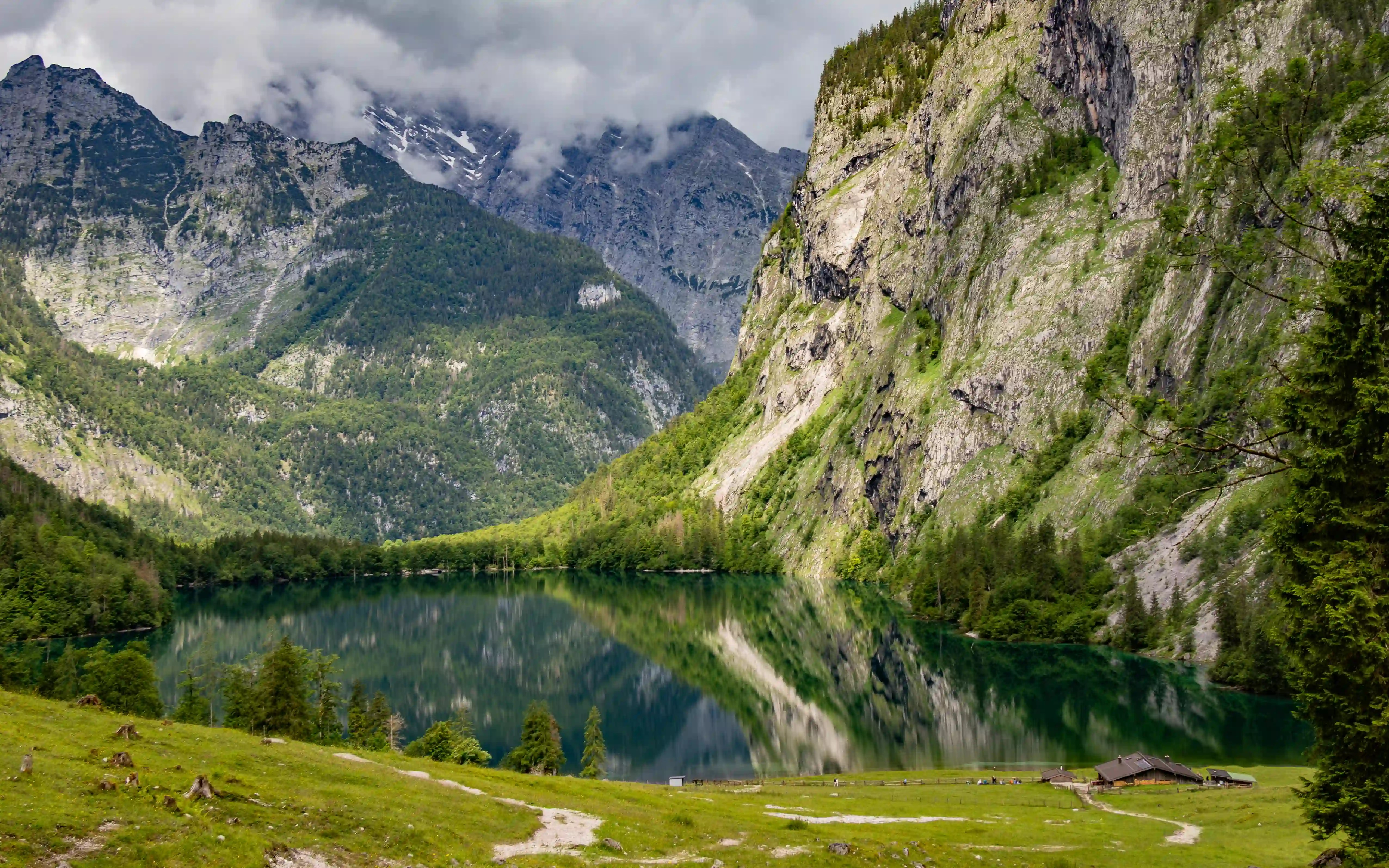
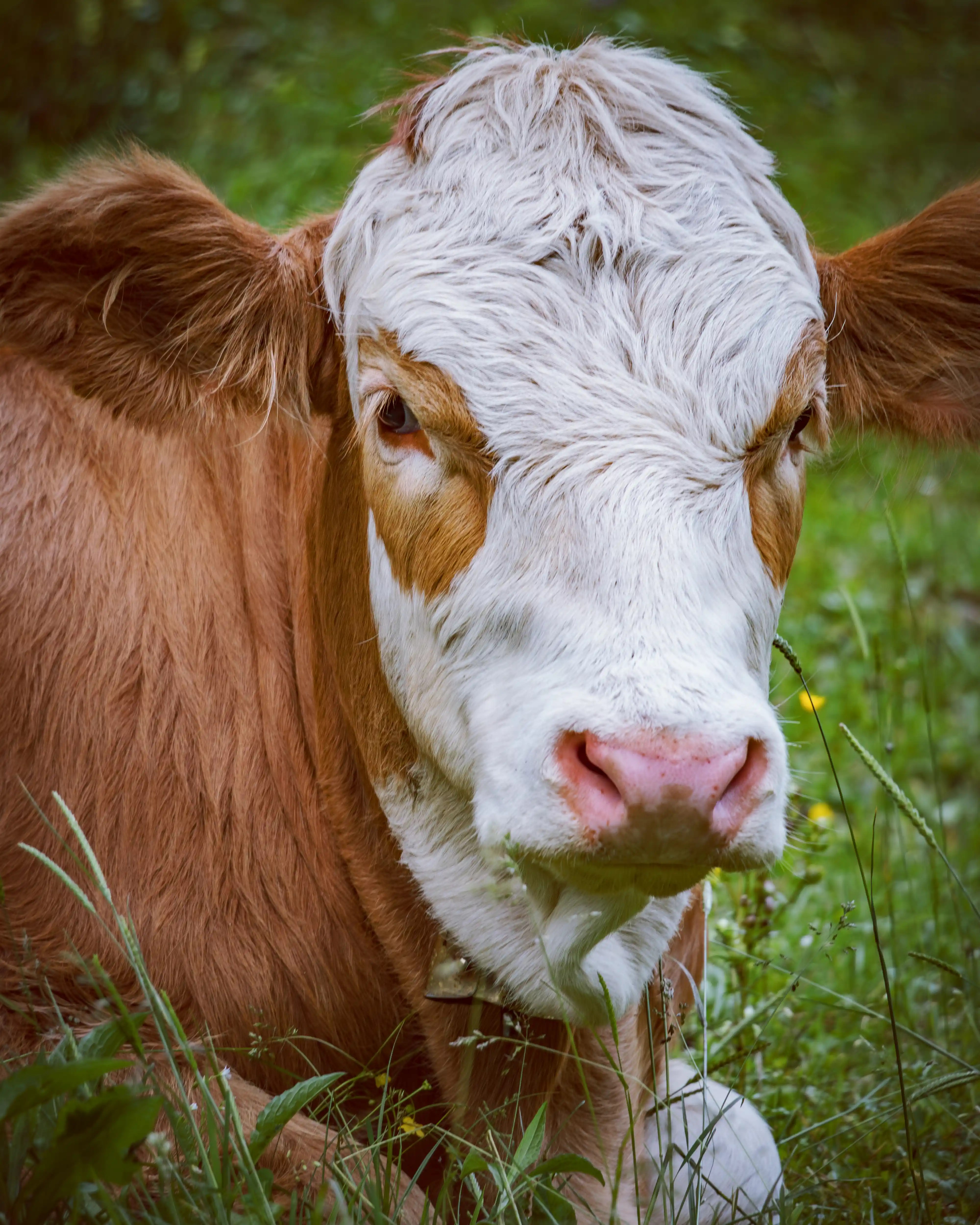
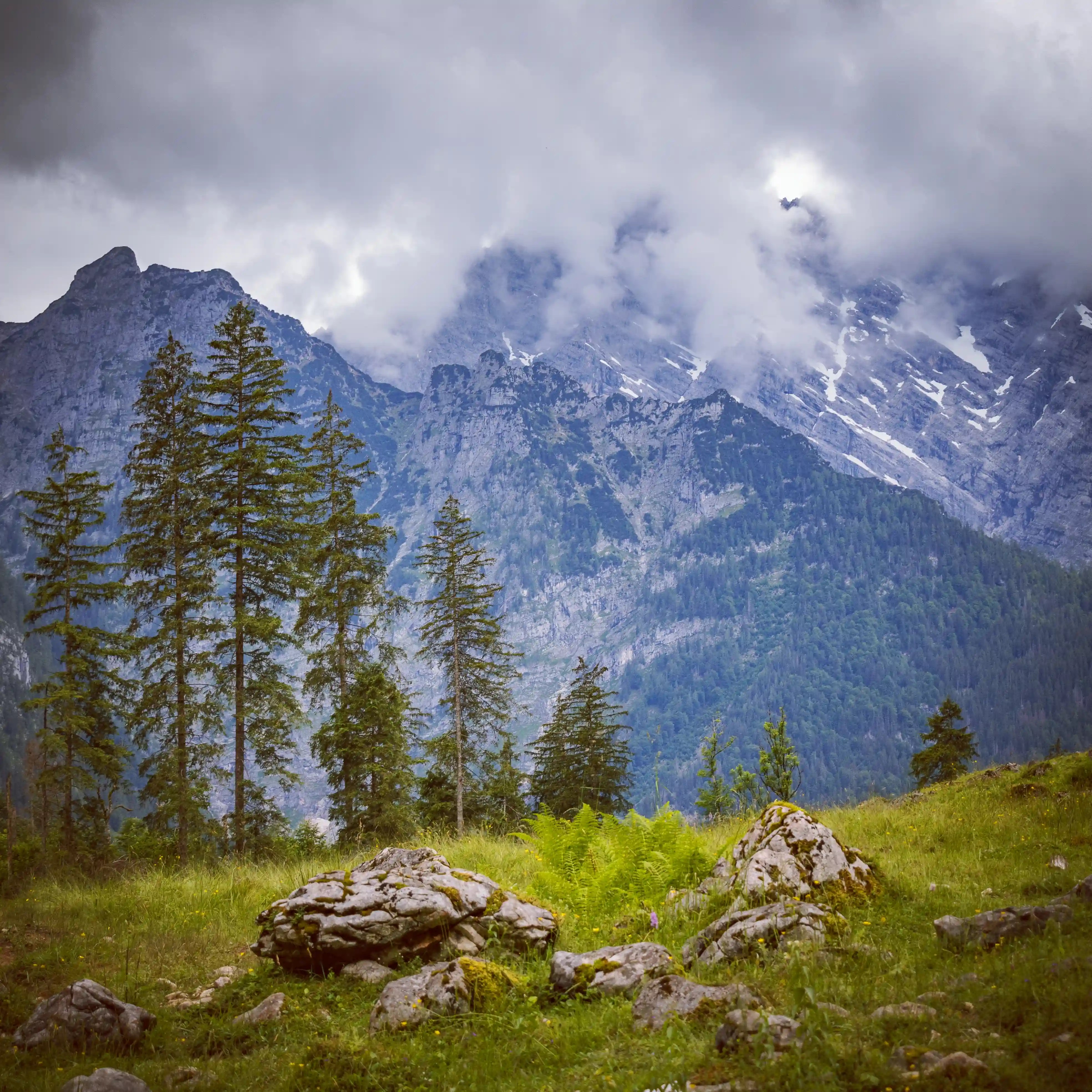
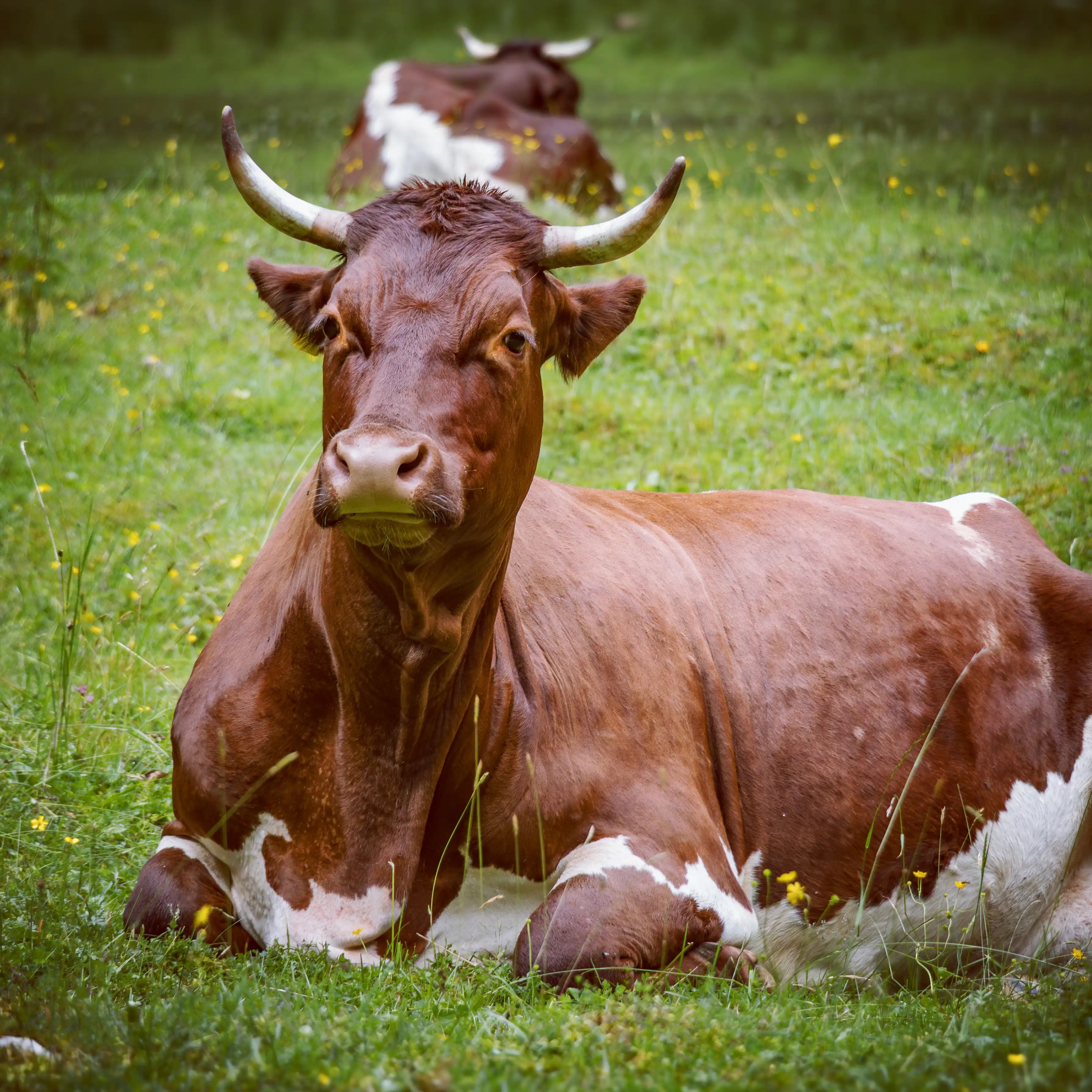
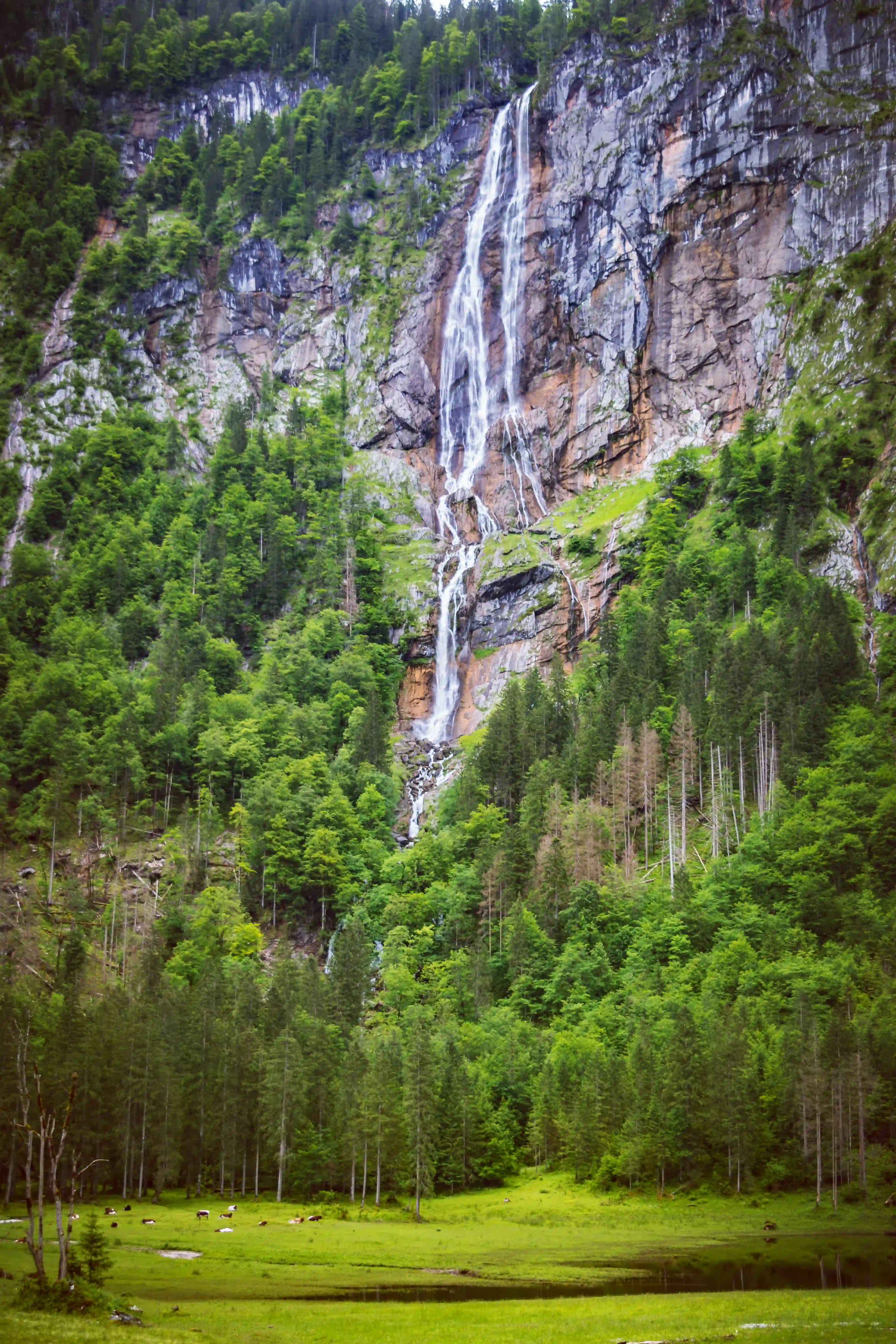
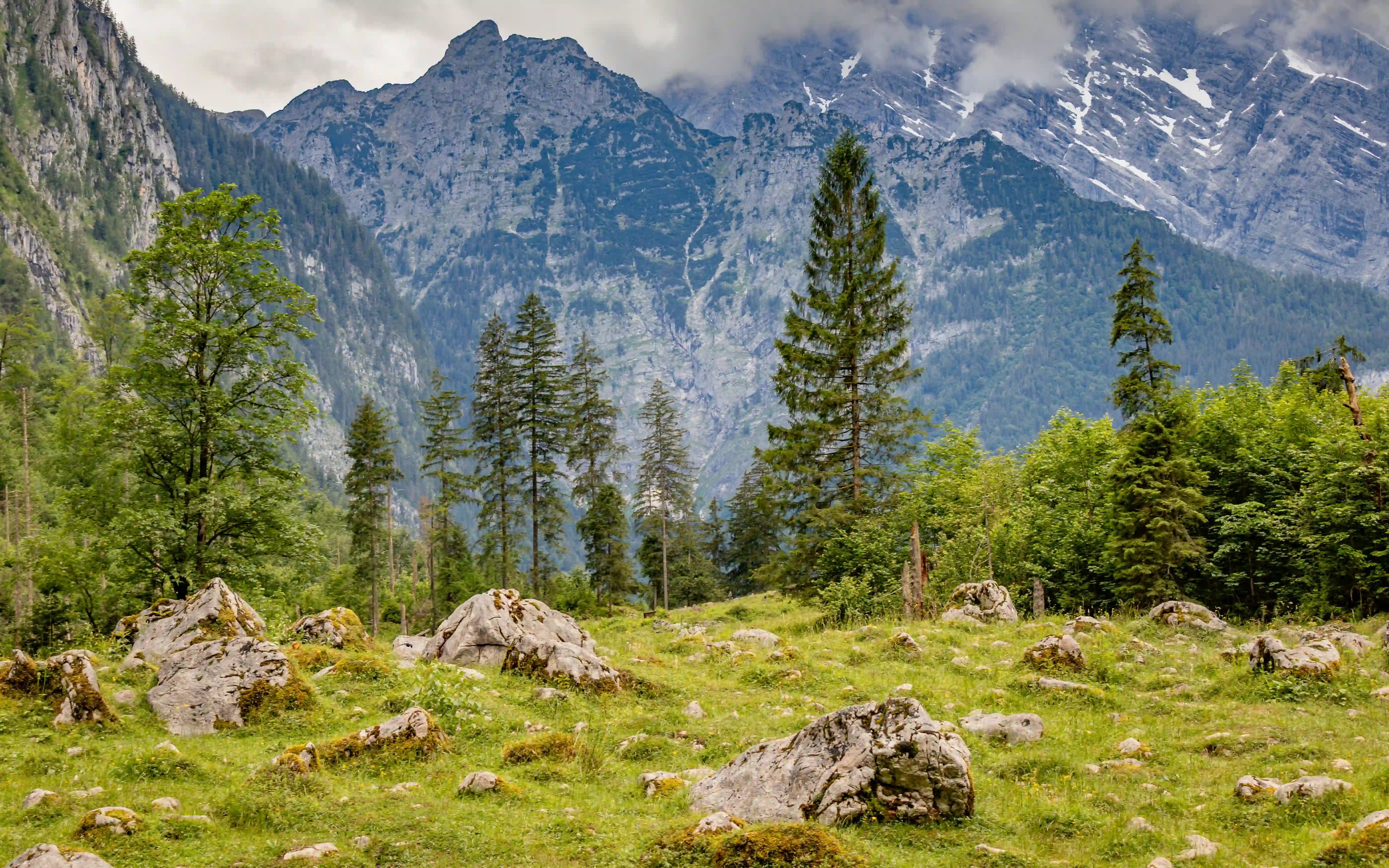
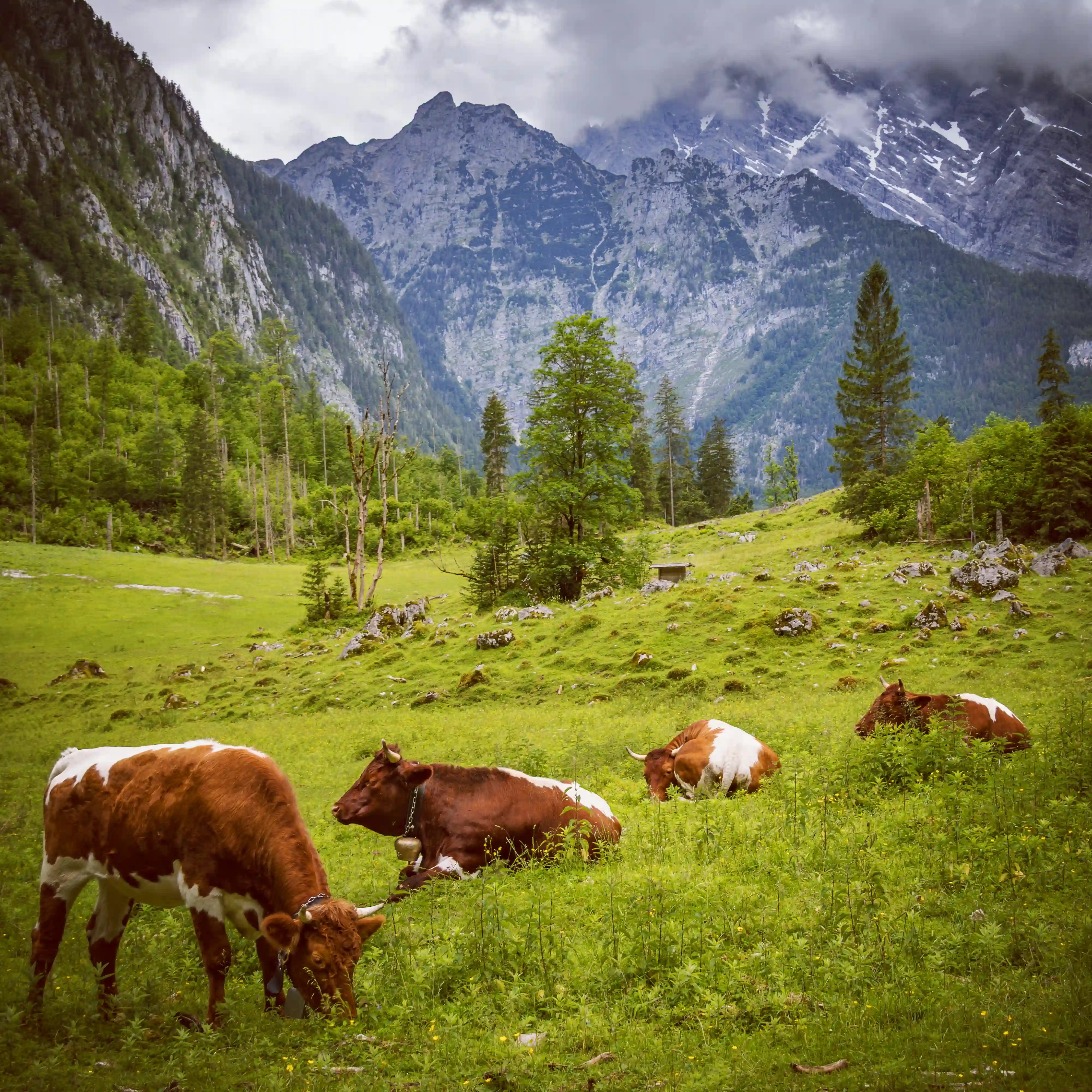
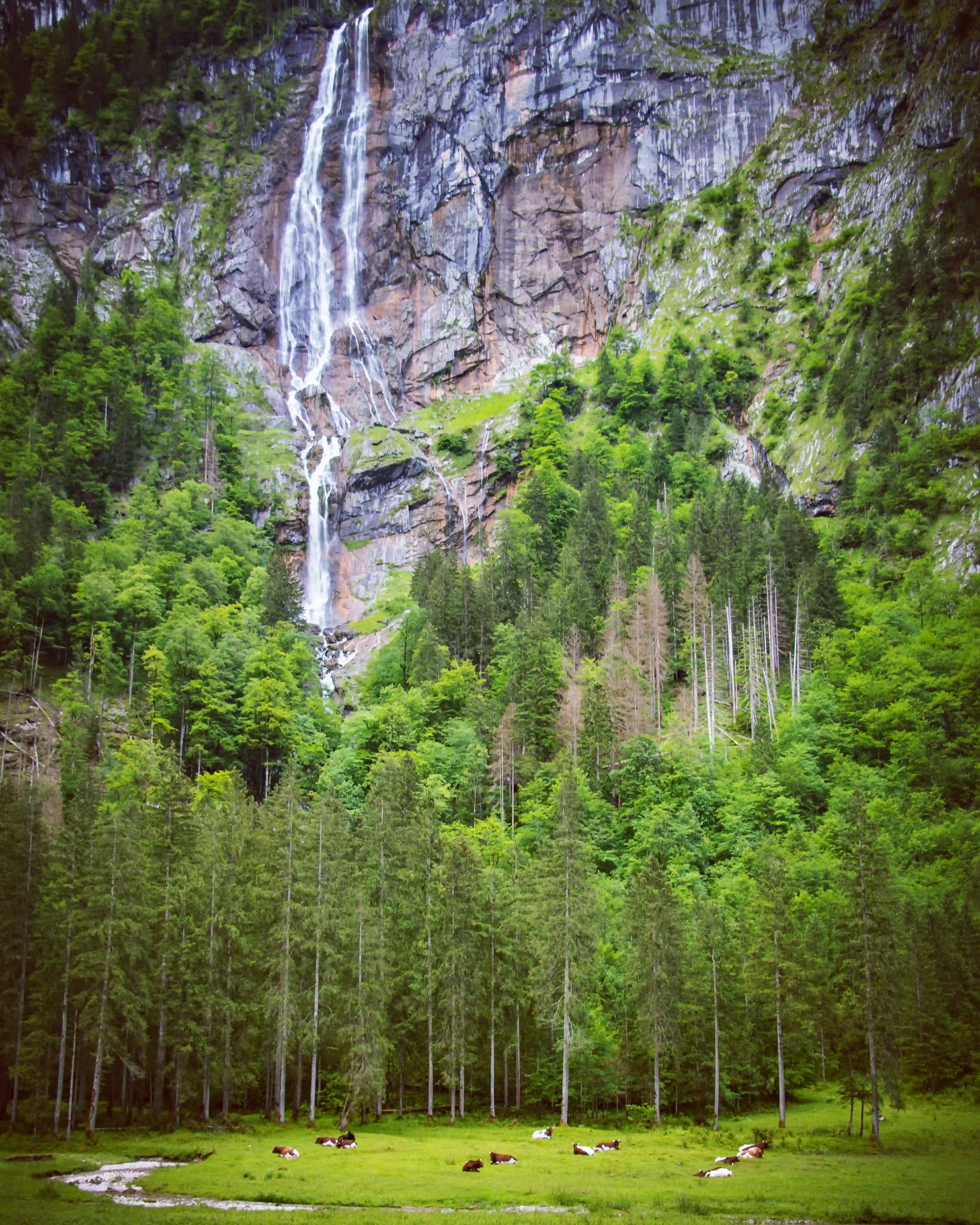
From Obersee, we continued on toward Röthbachfall, an out-and-back hike of about 40–45 minutes each way through forest and meadow. The path opens into a wide alpine basin with grazing cows, steep rock walls, and the waterfall pouring down the mountainside beyond. At roughly 470 meters (1540 feet), Röthbachfall is the highest waterfall in Germany and among the tallest in Europe, fed by water flowing from the Steinernes Meer, or “Sea of Stones,” a vast high-alpine limestone plateau above the valley. The combination of mountains, meadow, cows, and cascading water made the setting feel like a mountain wonderland.
St. Bartholomä: A Historic Stop on Königssee
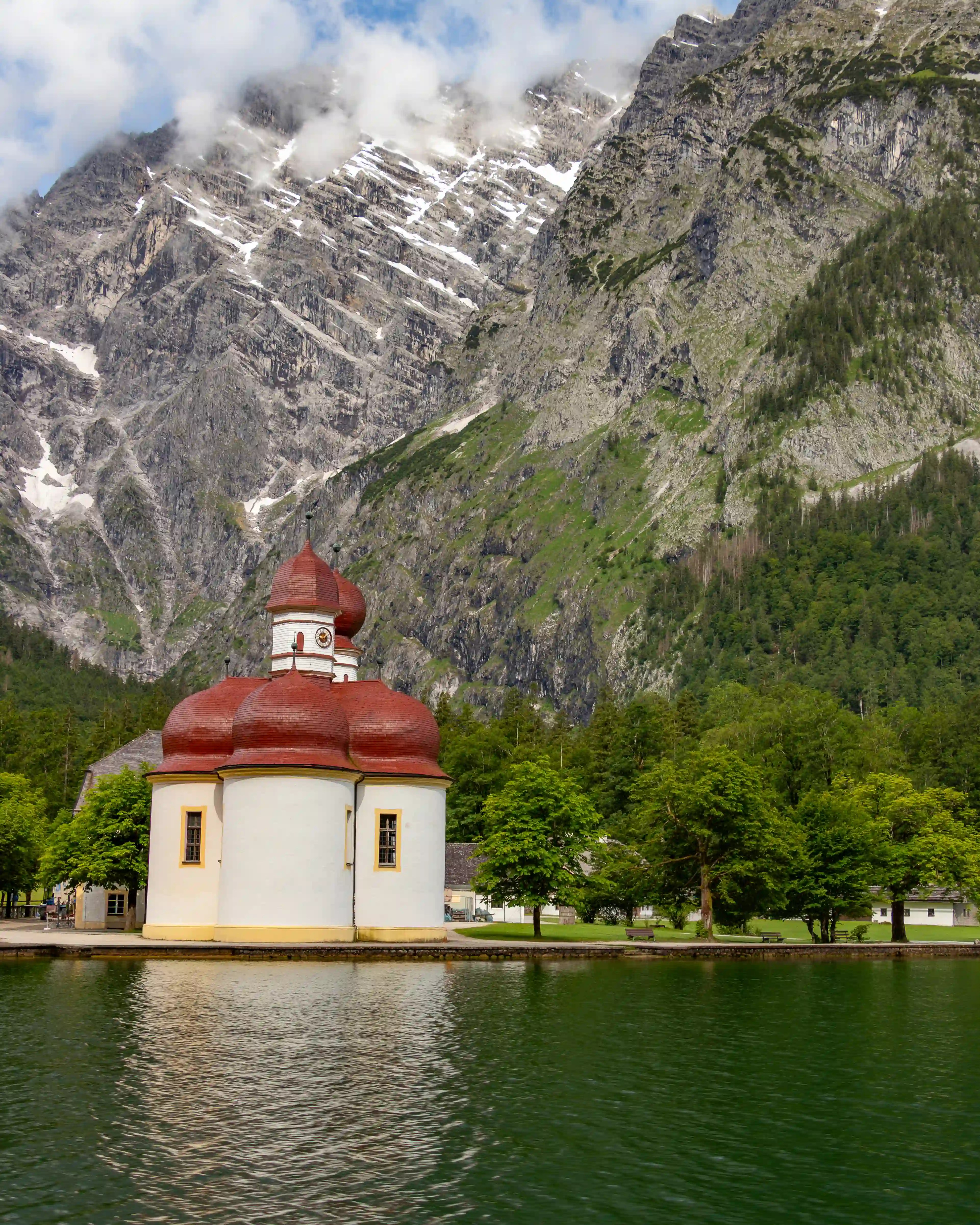
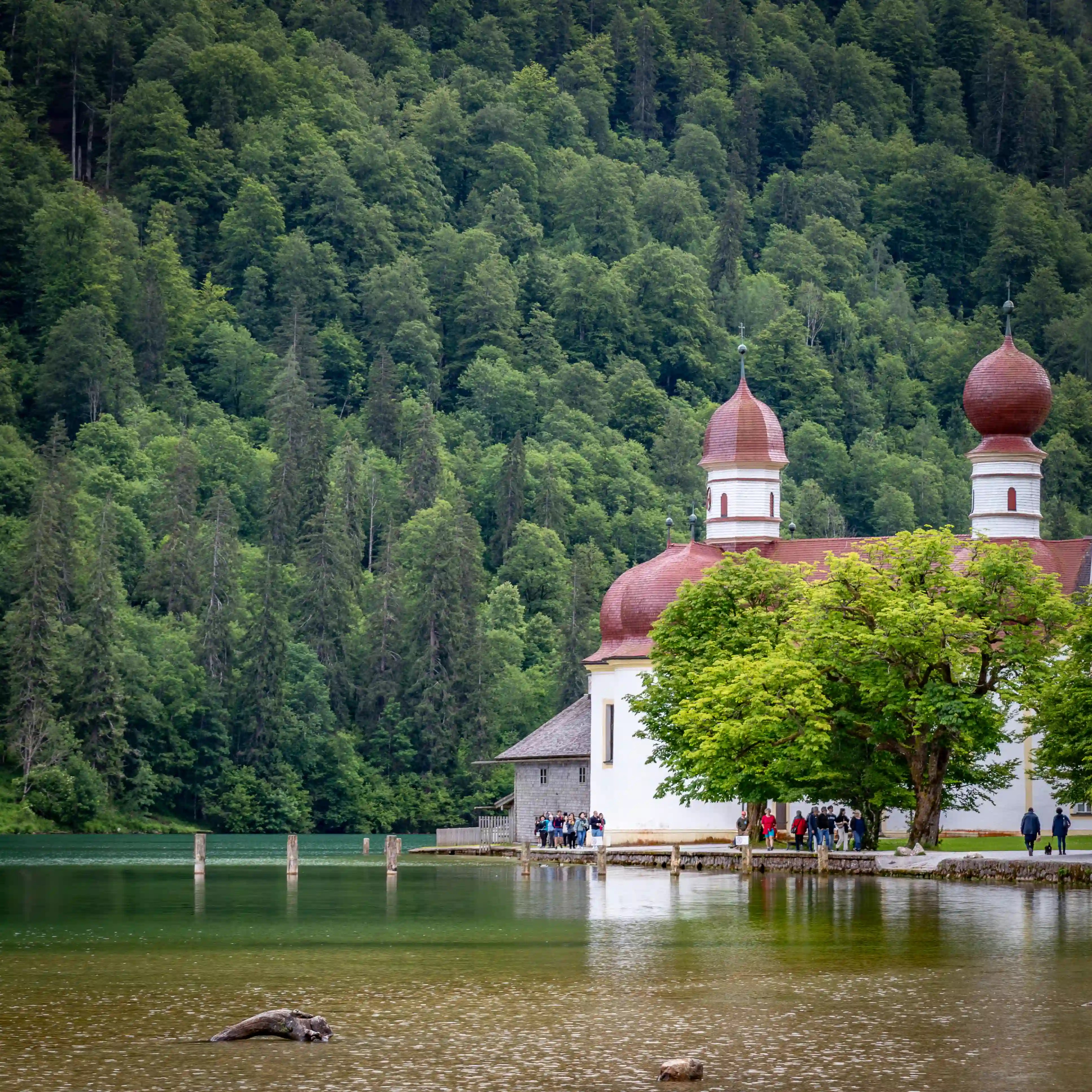
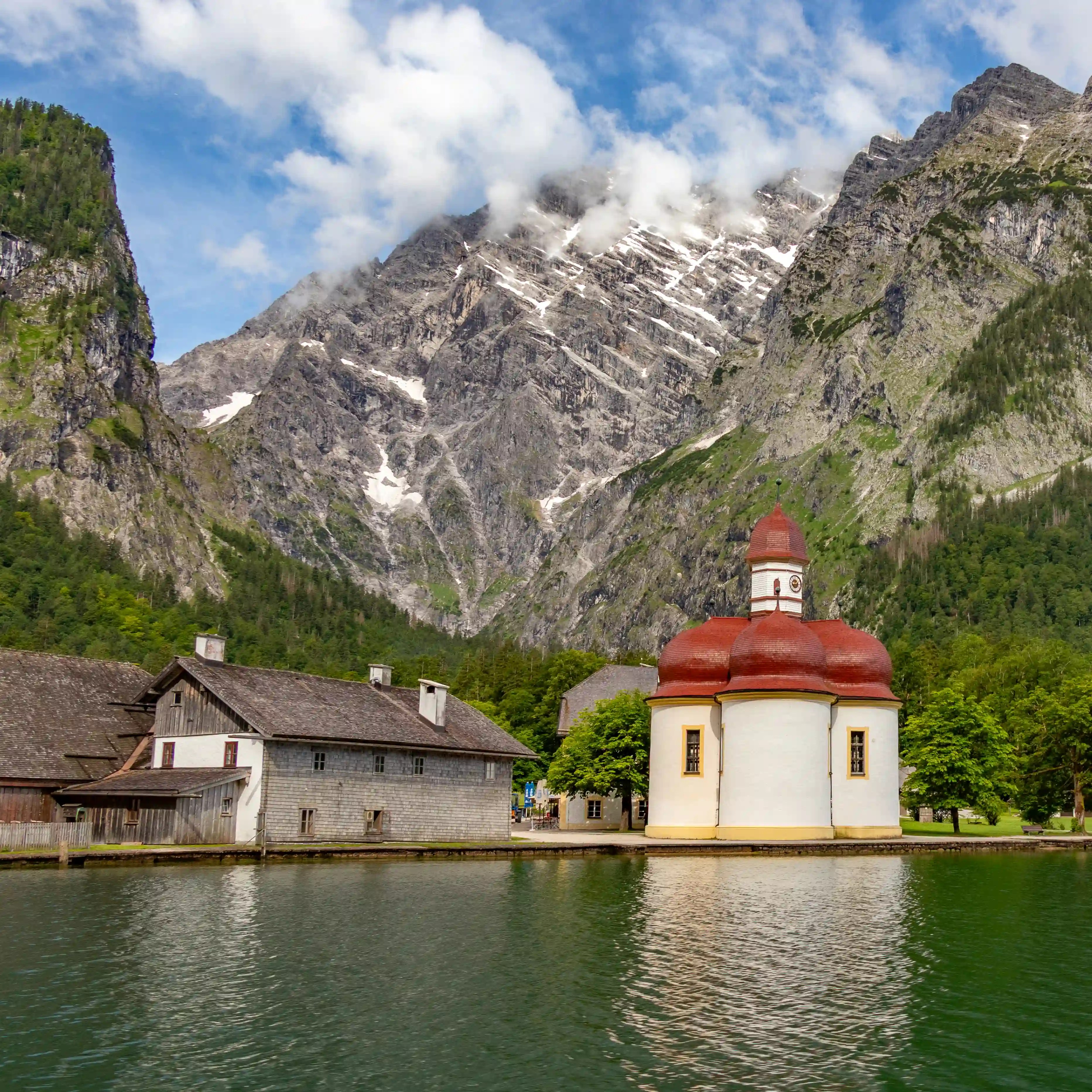
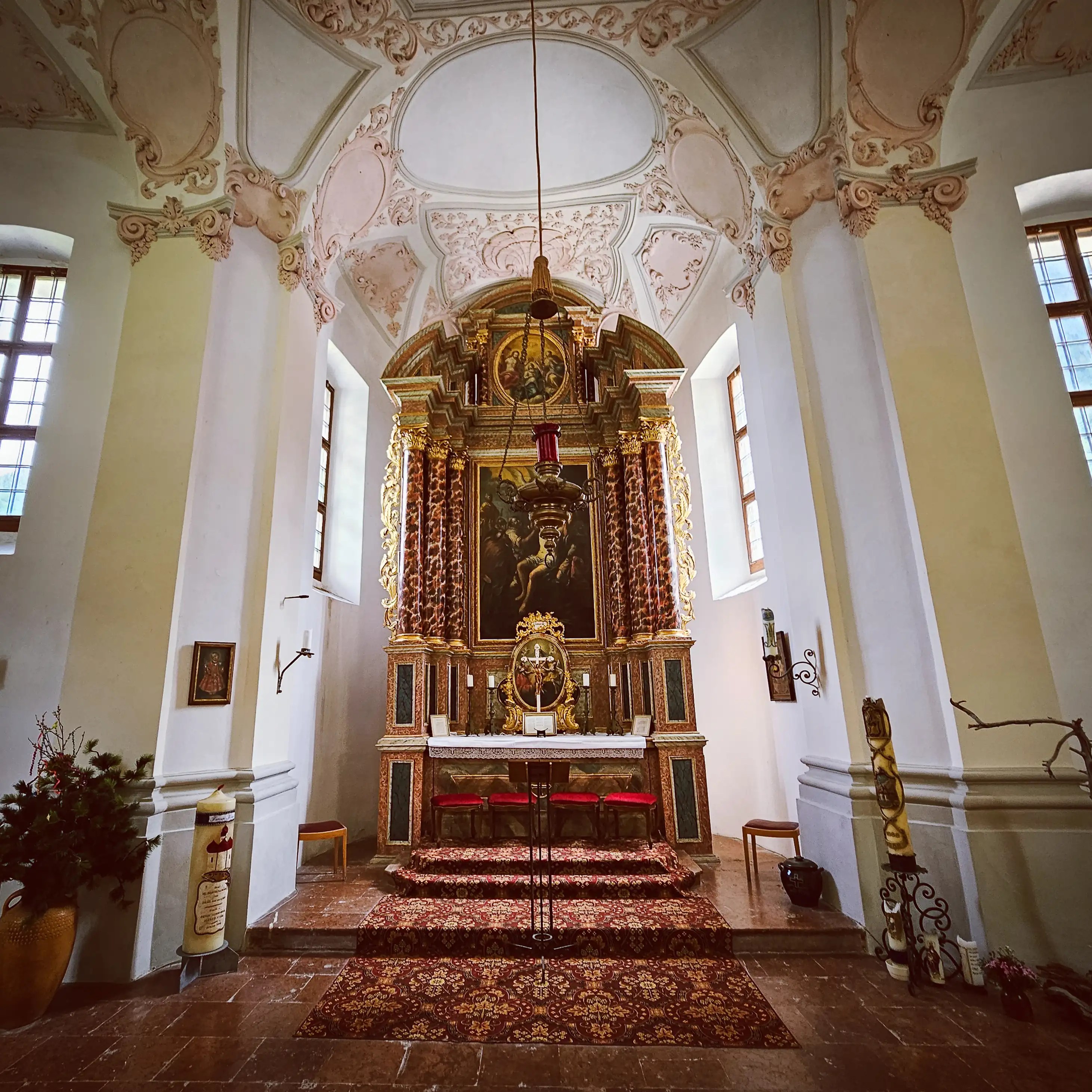
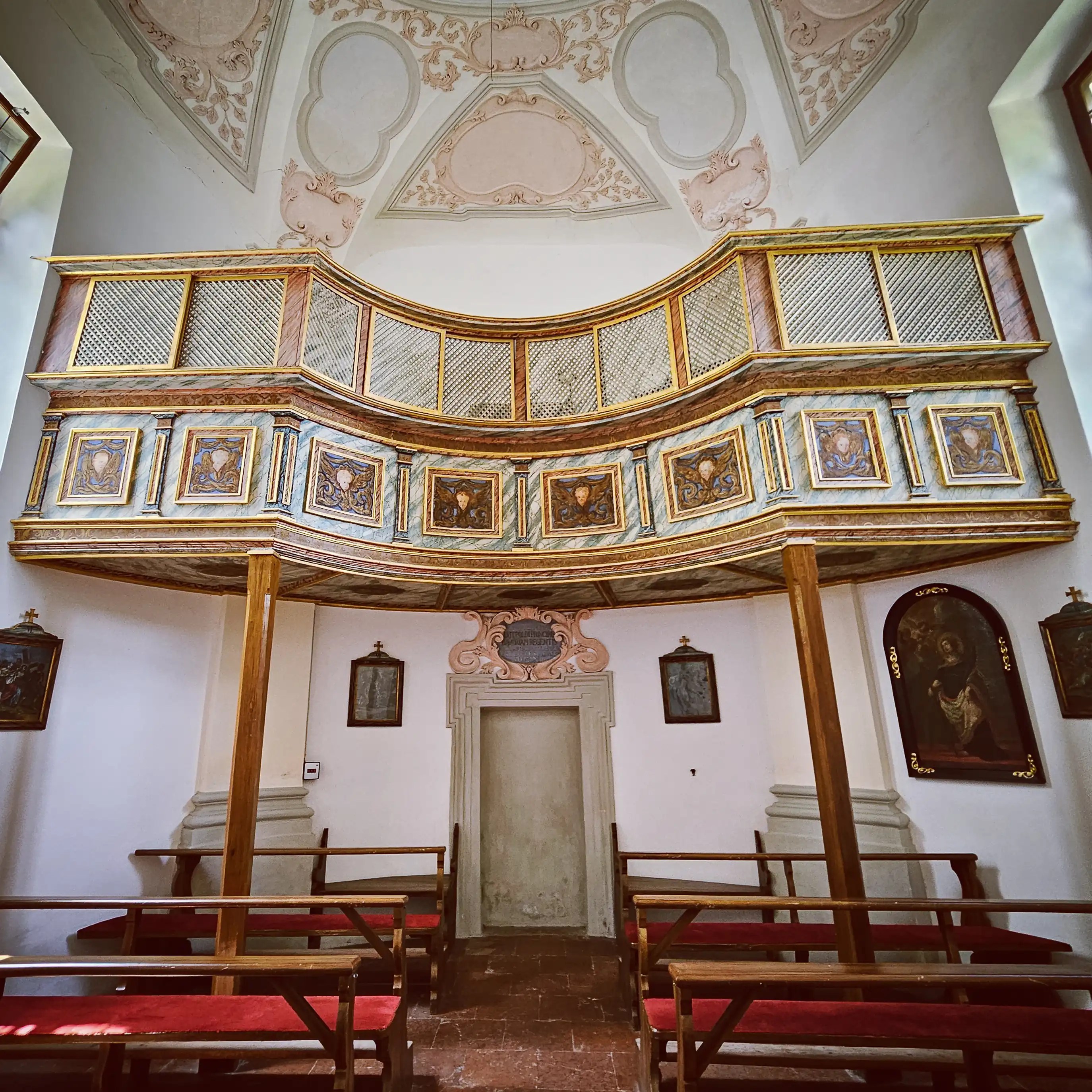
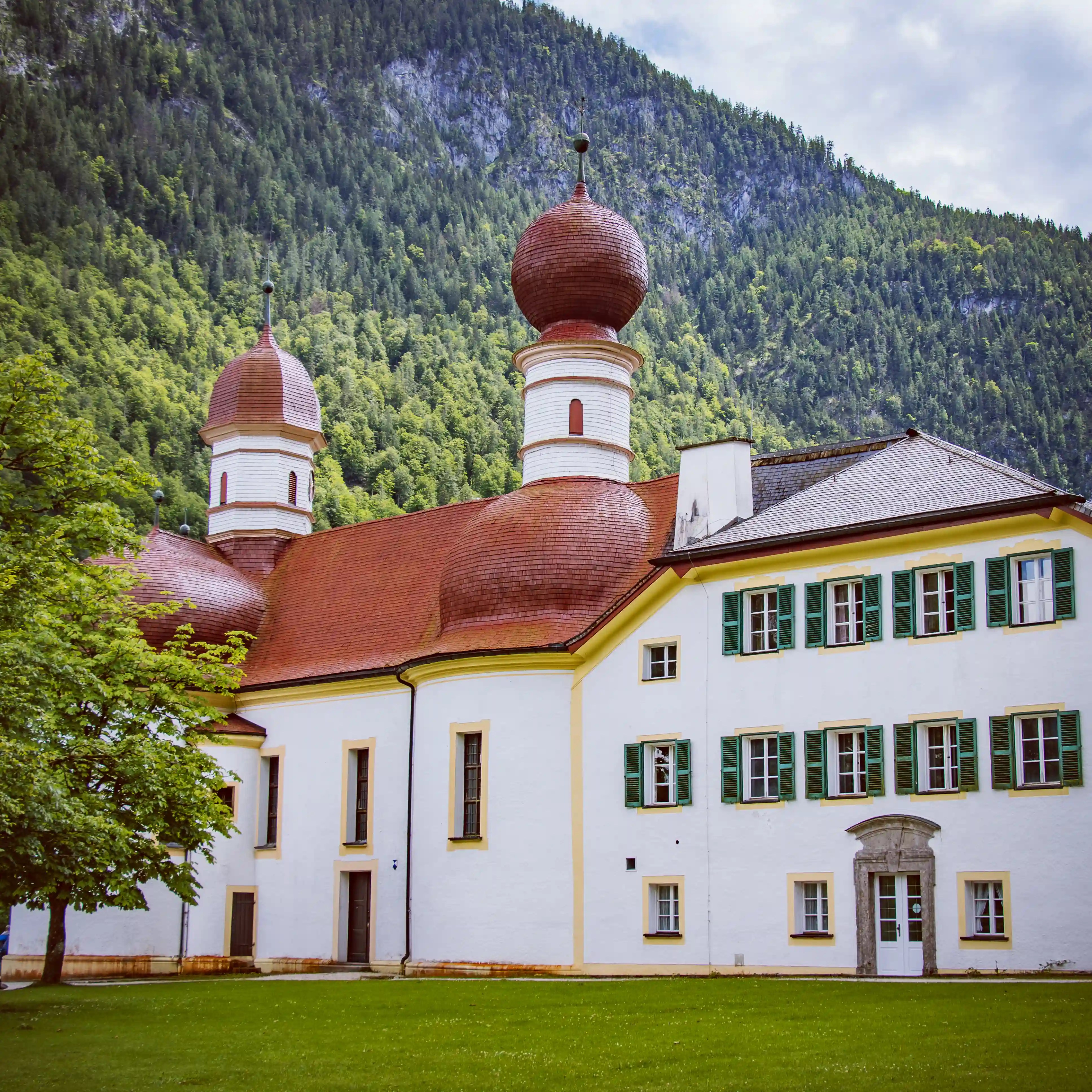
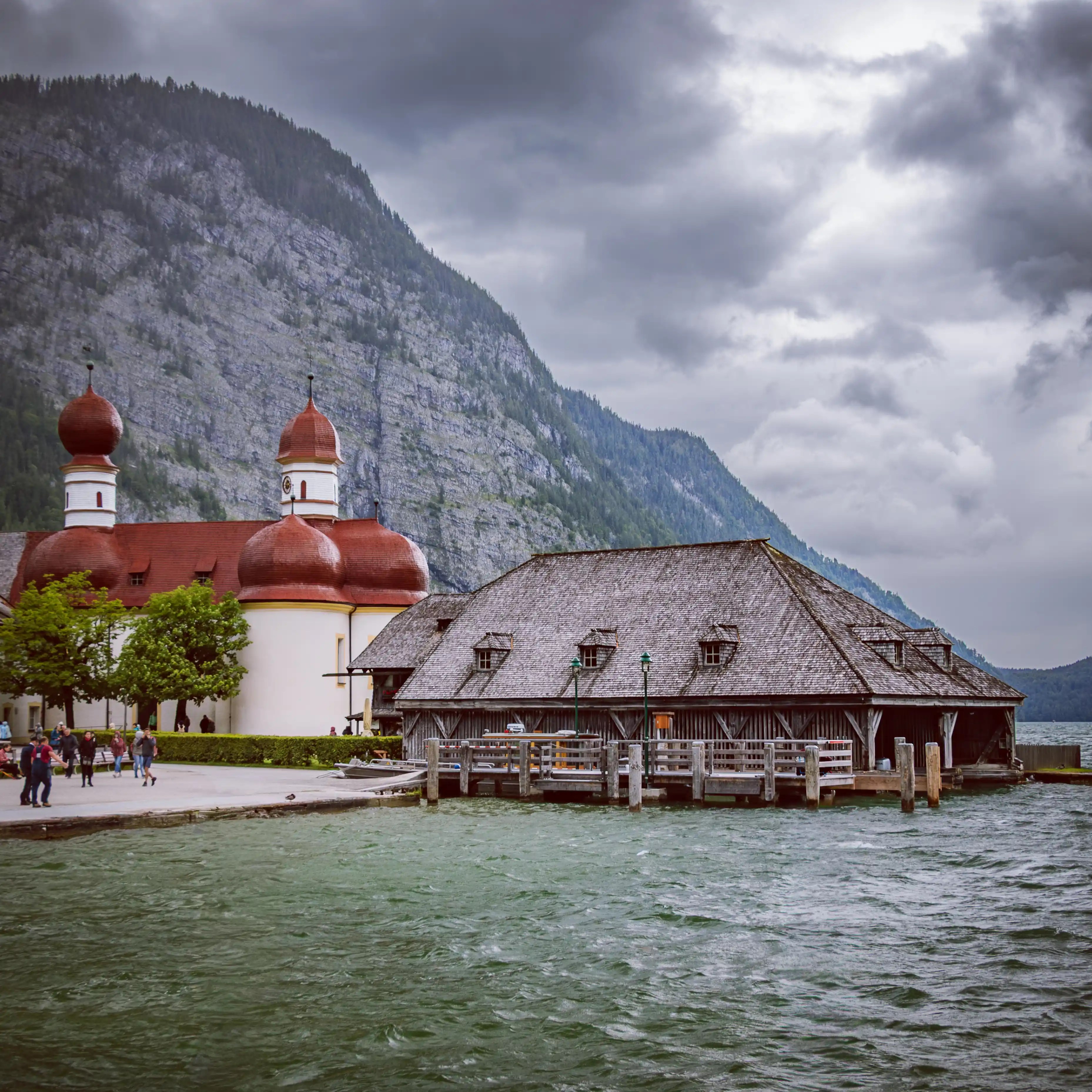
After returning by boat to St. Bartholomä, we spent time exploring the lakeside church complex, best known for its distinctive red onion domes. A church has stood on this site since the 12th century, though the present Baroque building dates to the late 17th century and is dedicated to St. Bartholomew the Apostle, the patron saint of farmers and tanners.
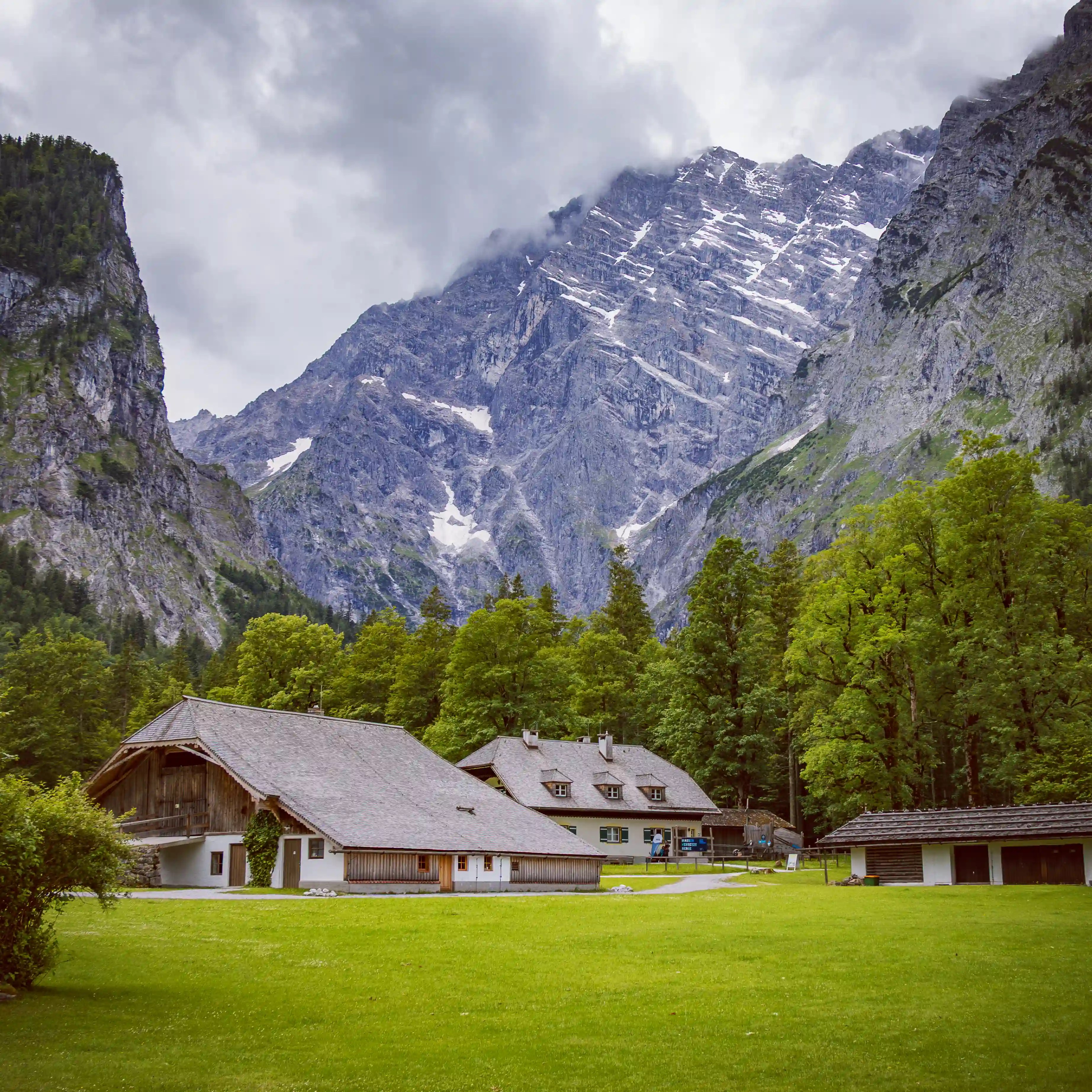
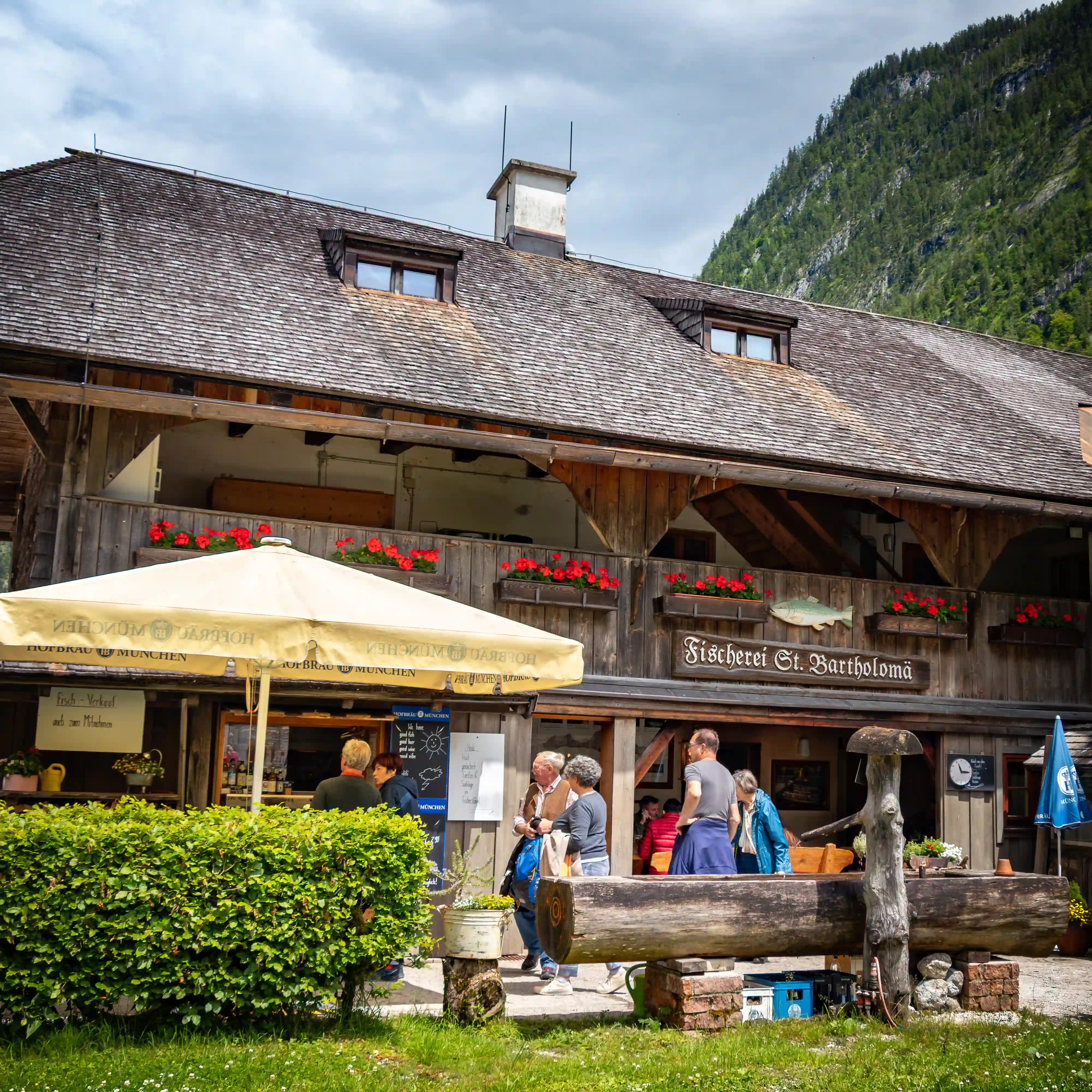
Nearby buildings once formed part of a royal hunting lodge used by Bavarian kings, who came to the area for hunts in the surrounding mountains. Today, visitors can explore the church, walk along the lakeshore, and take in the dramatic backdrop of steep rock walls rising directly behind the site. As we waited for the boat back, cold rain and wind moved in, turning the return crossing into a brisk and slightly rough ride—a clear reminder of how quickly weather can change in the mountains.
Jennerbahn and Views Over Königssee
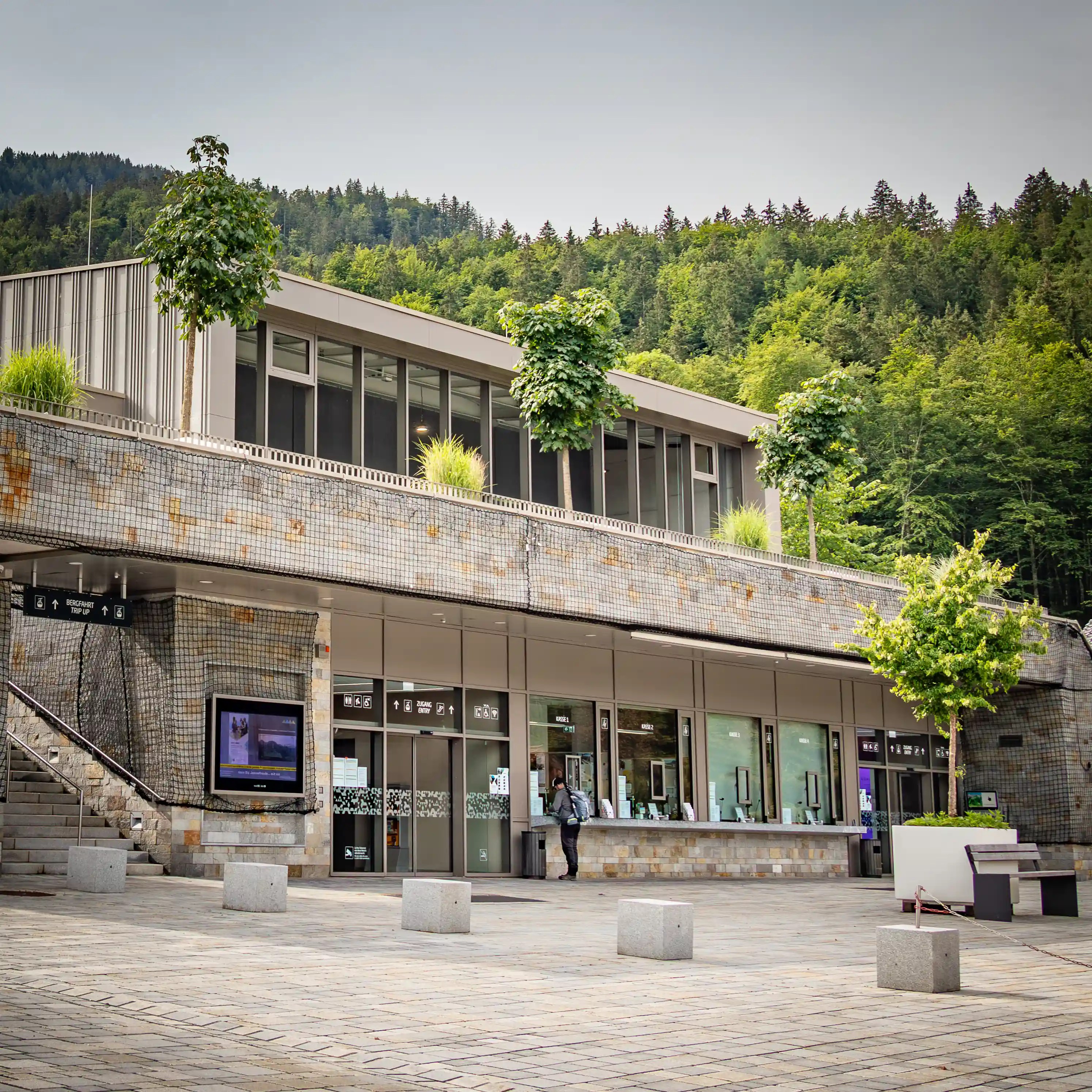
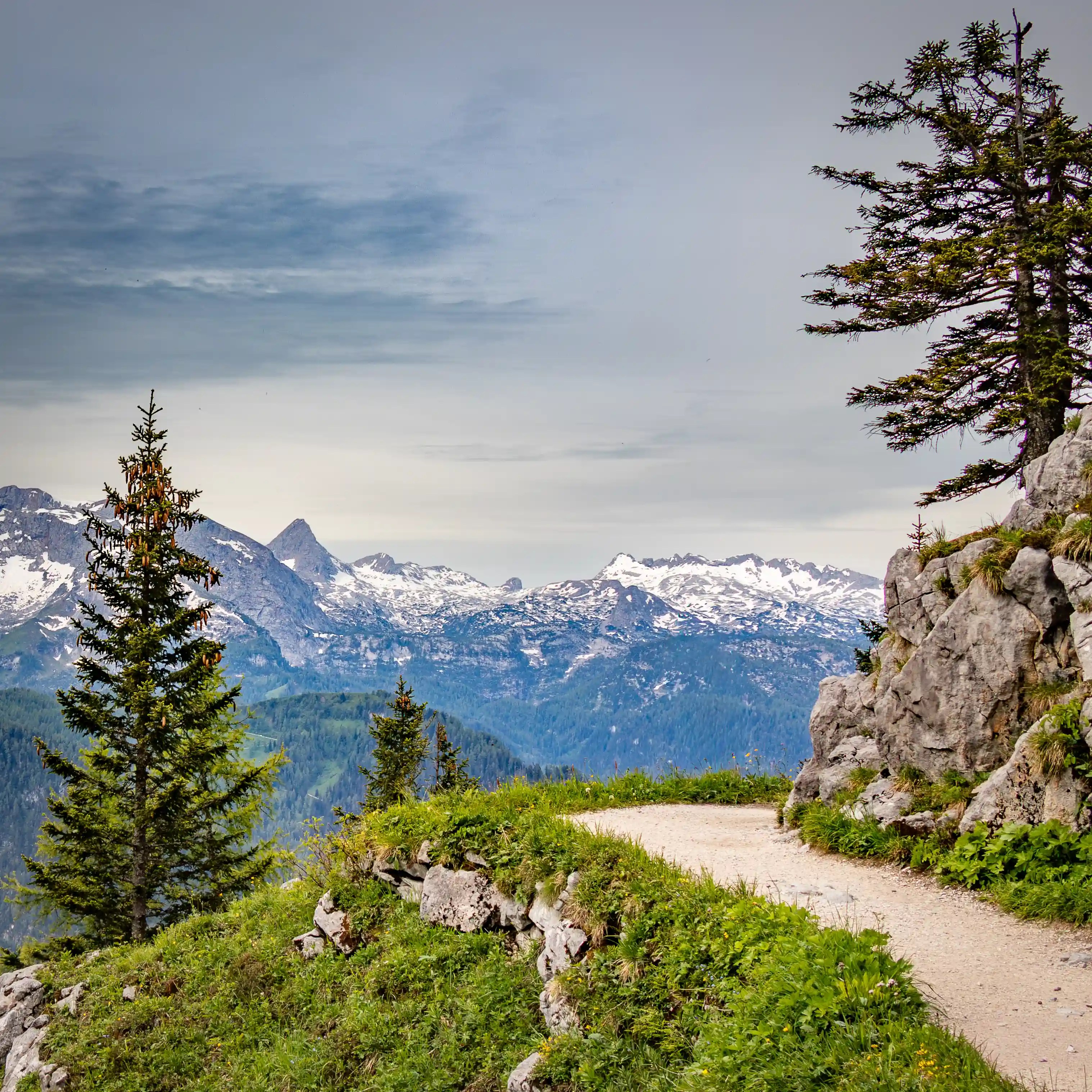
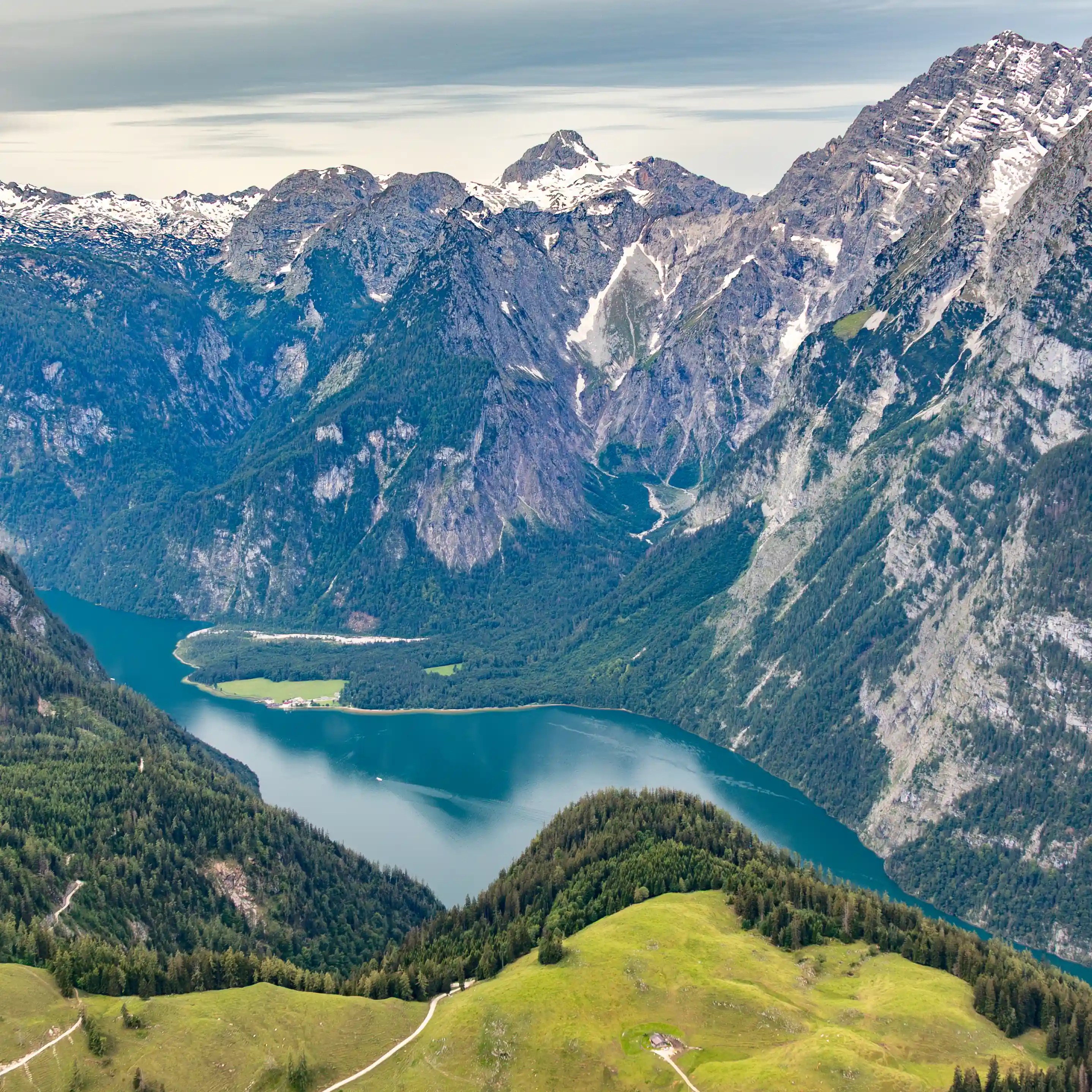
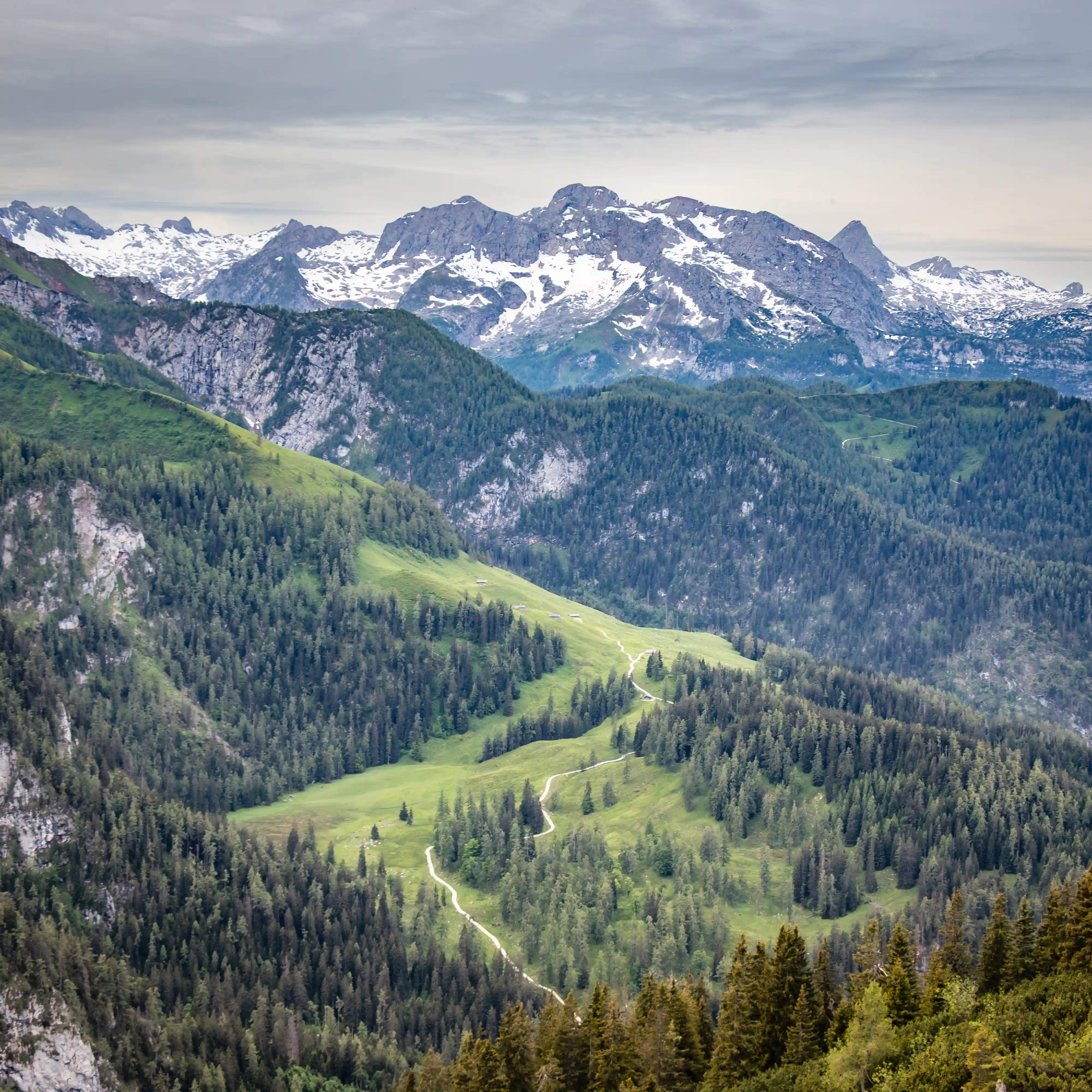
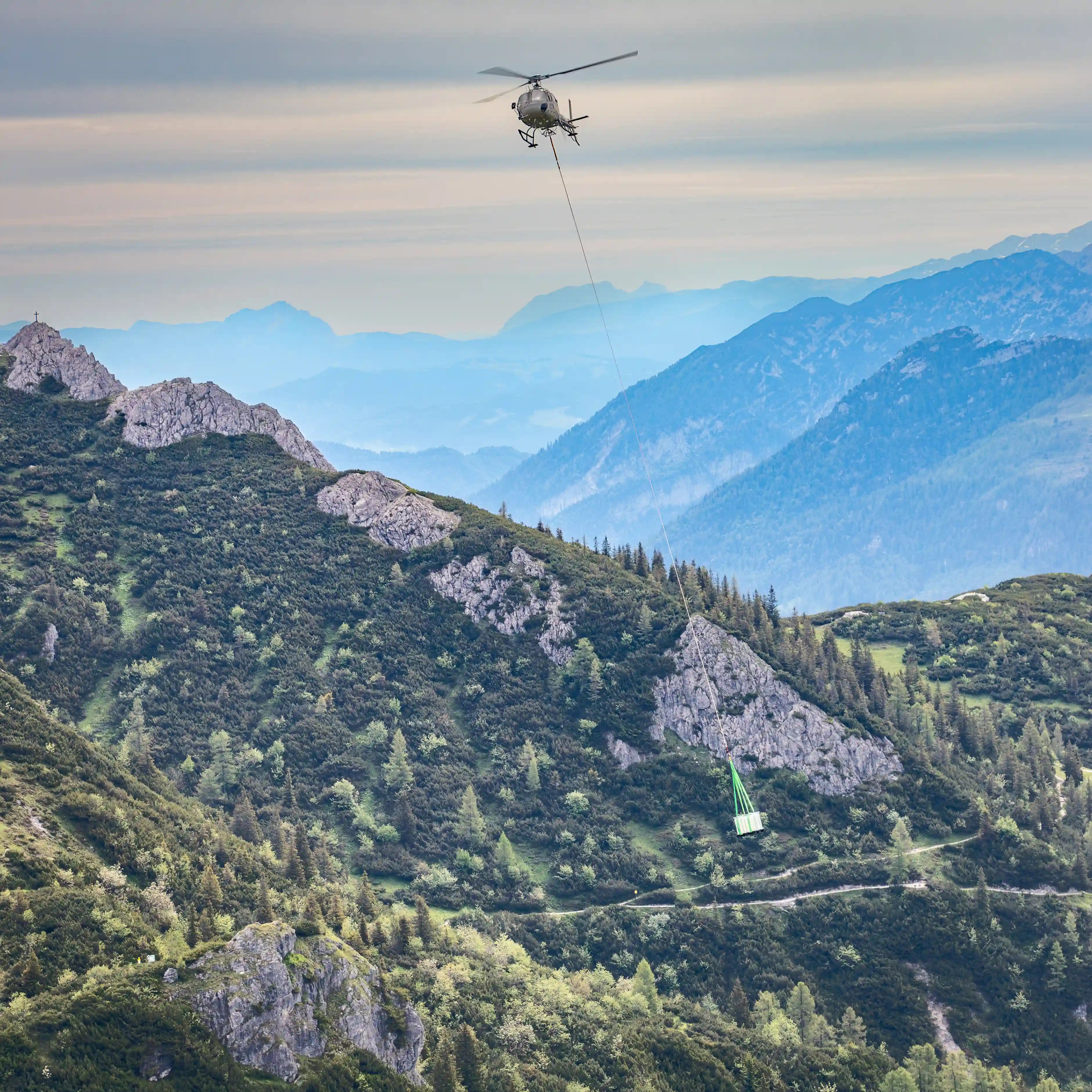
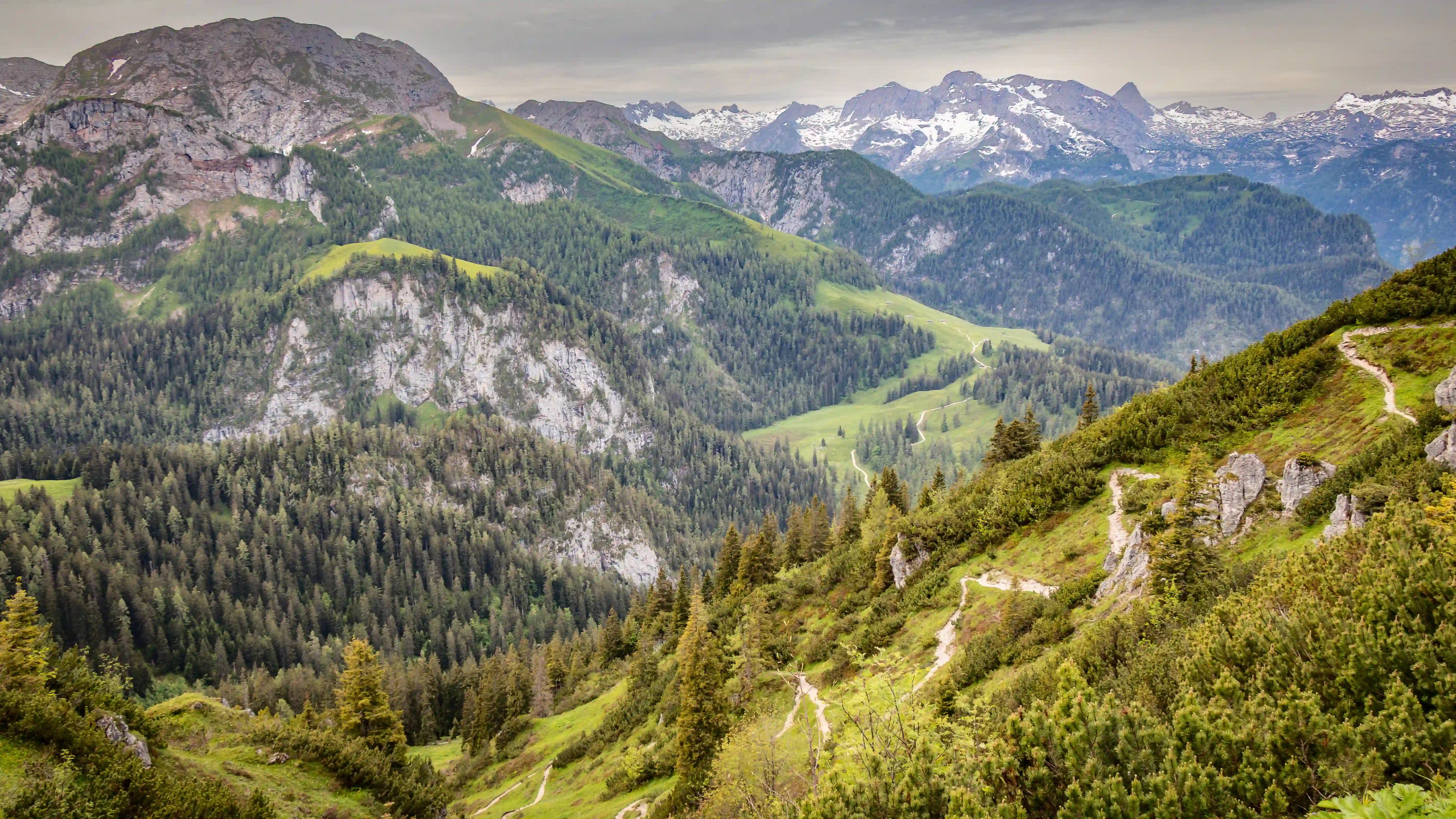
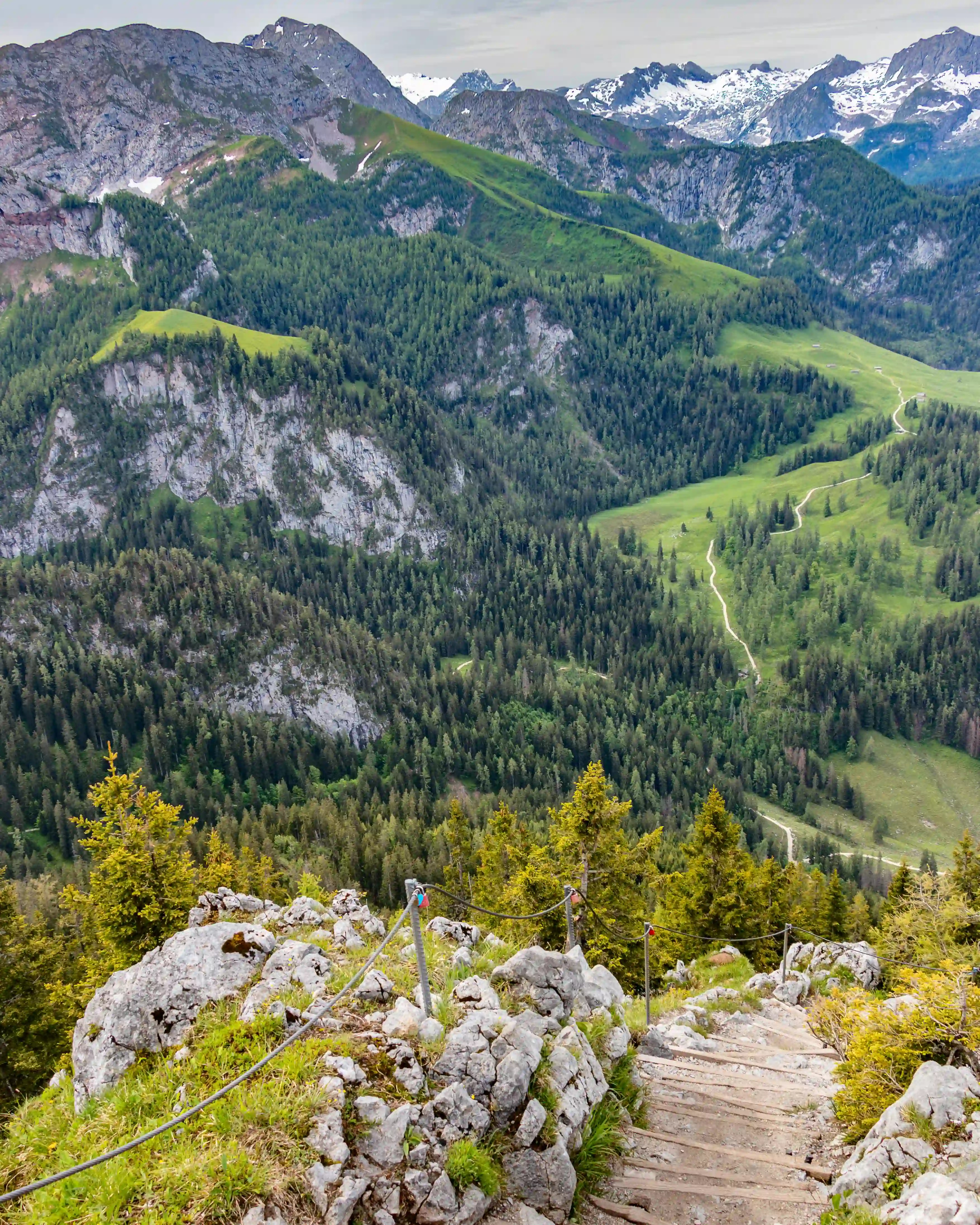
To close out our time in the area, we took the Jennerbahn up Jenner Mountain, one of the most accessible viewpoints above Königssee. The cable car brings visitors to the upper station at around 1,800 meters (5,906 feet), just below the summit, making it an easy way to reach high alpine scenery without a long hike.
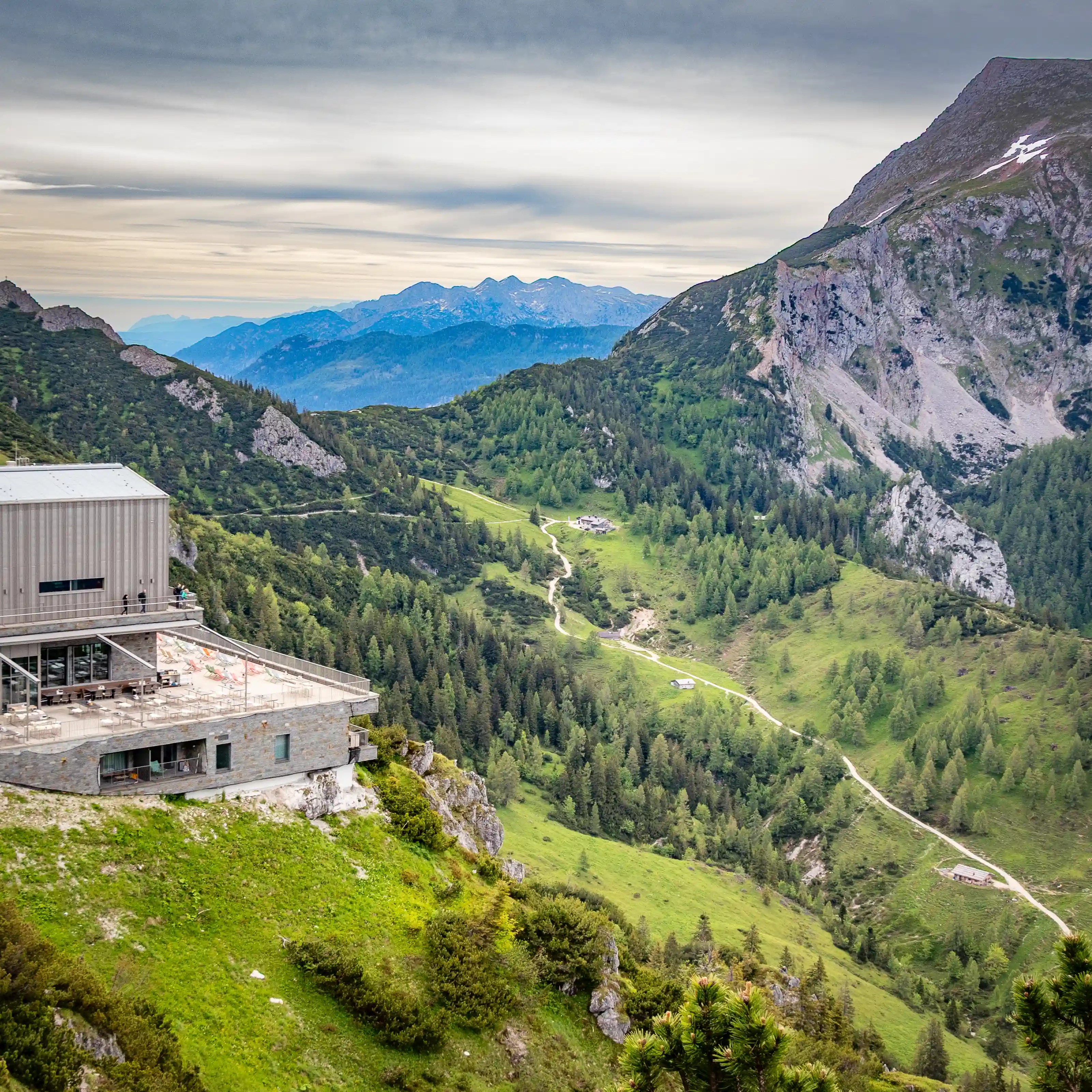
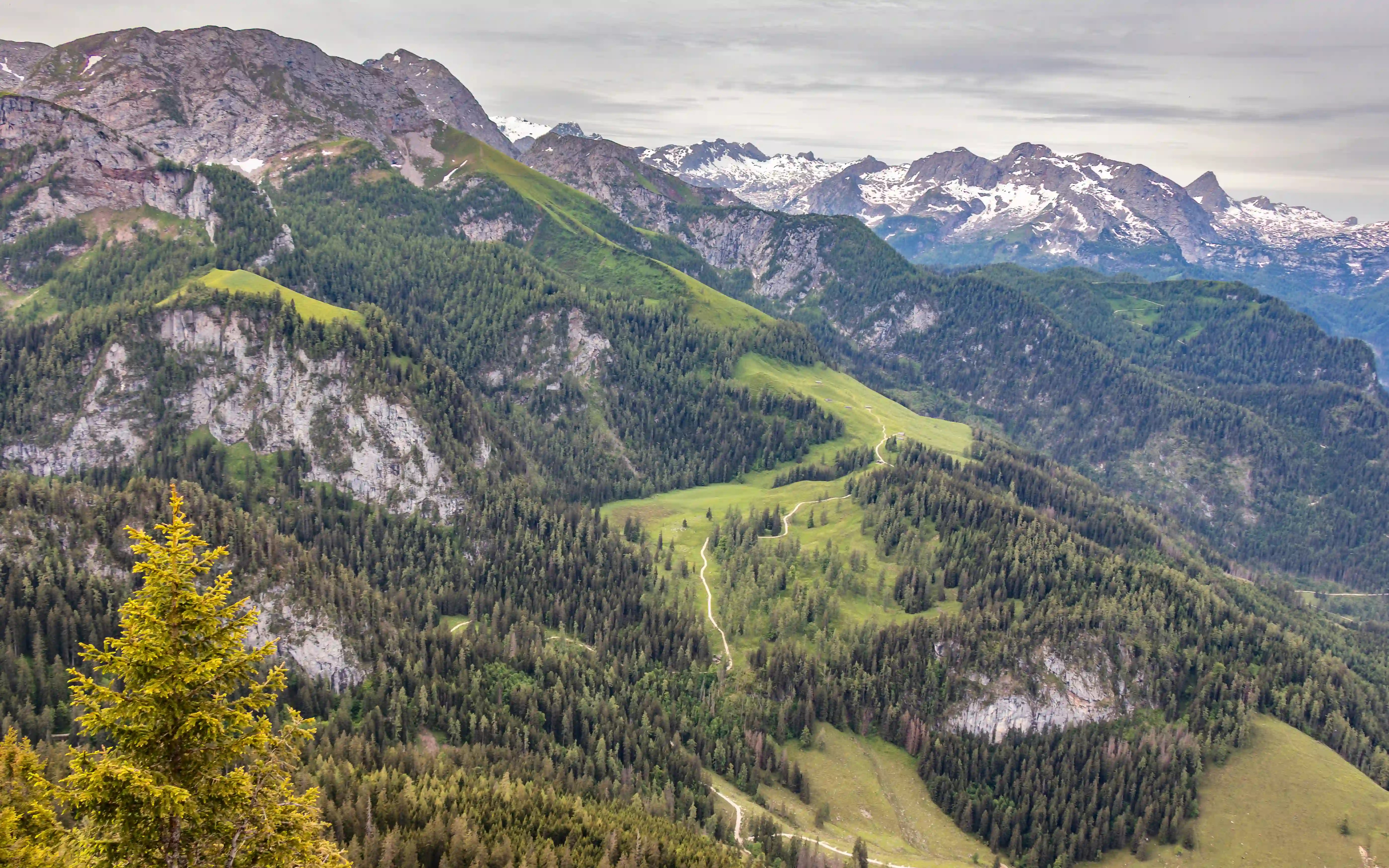
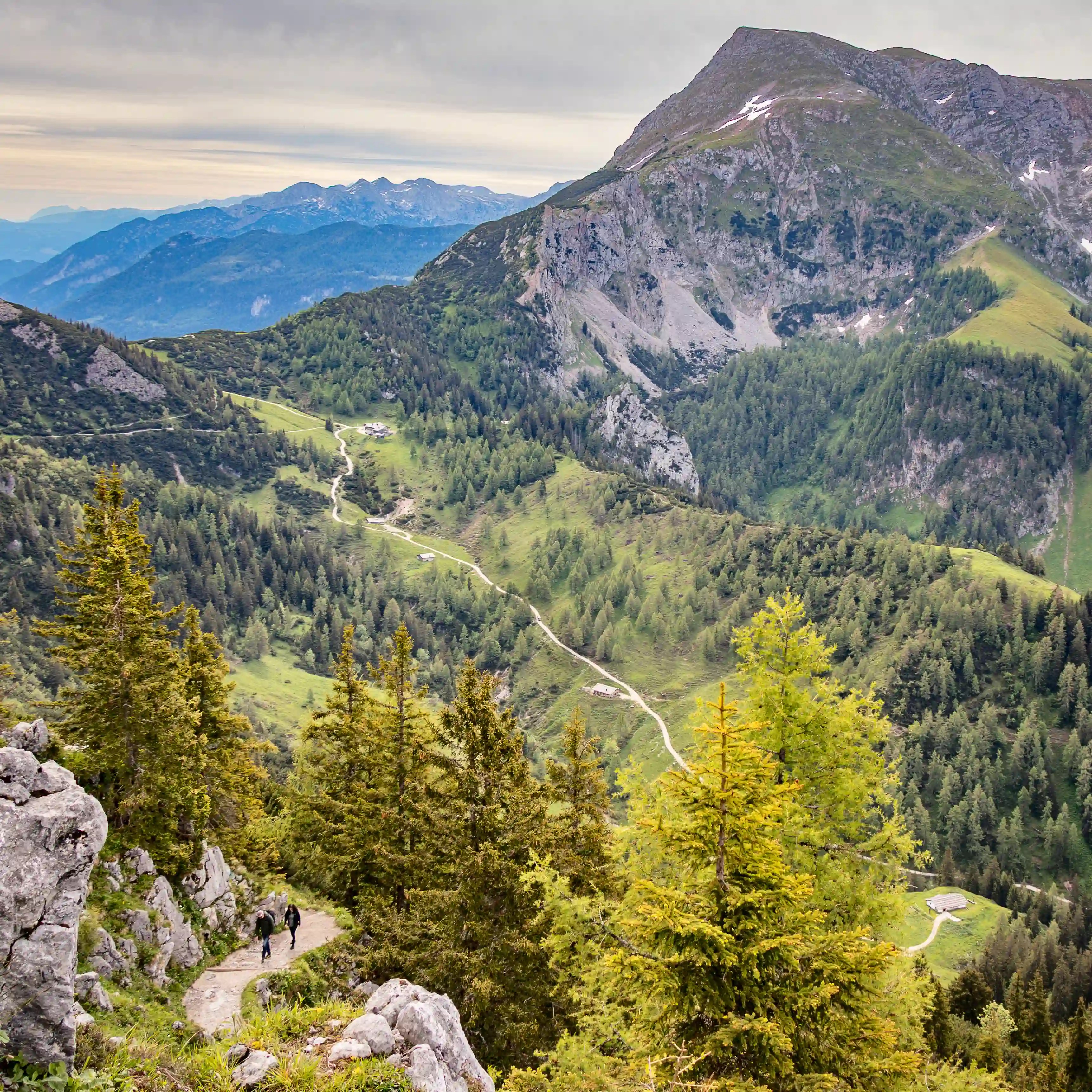
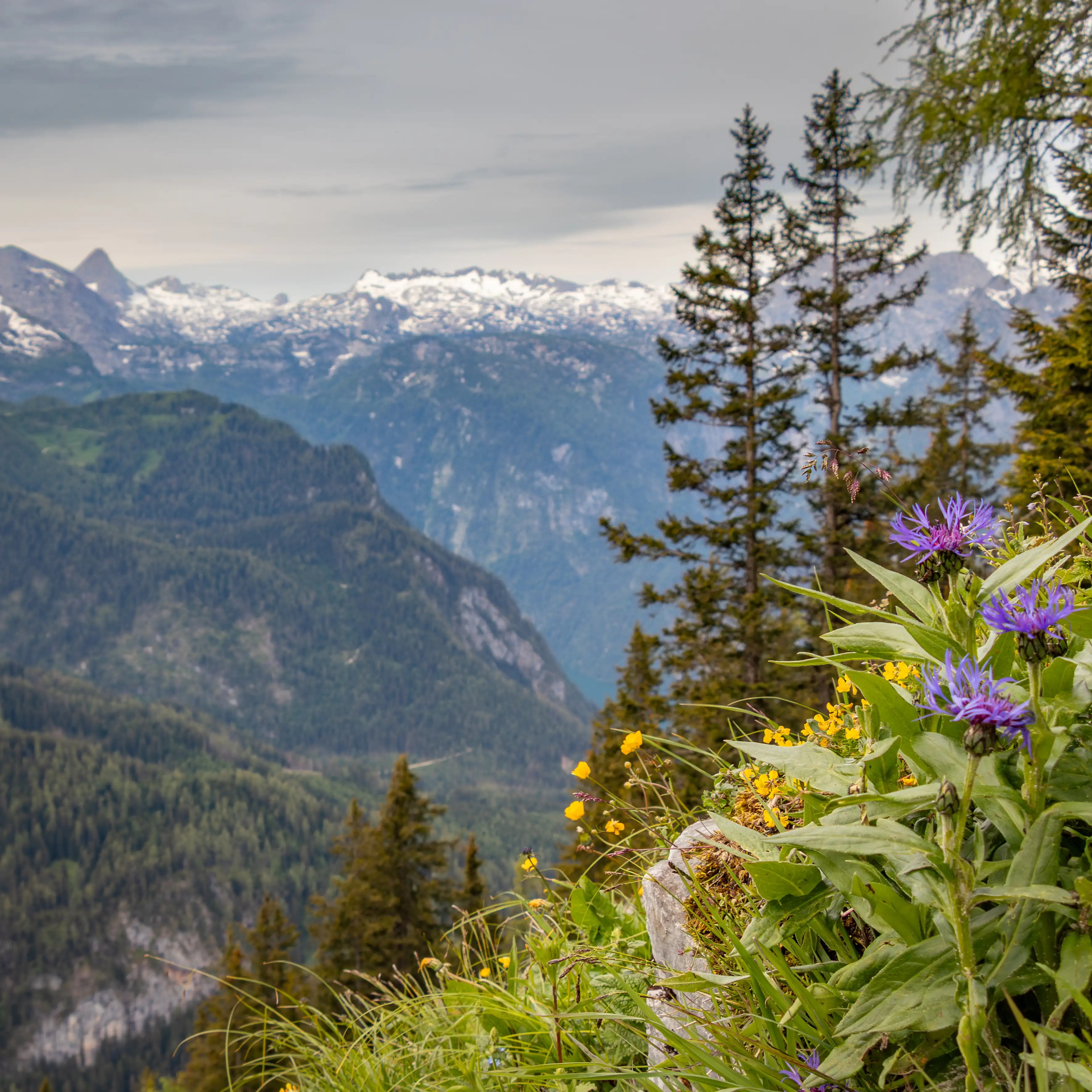
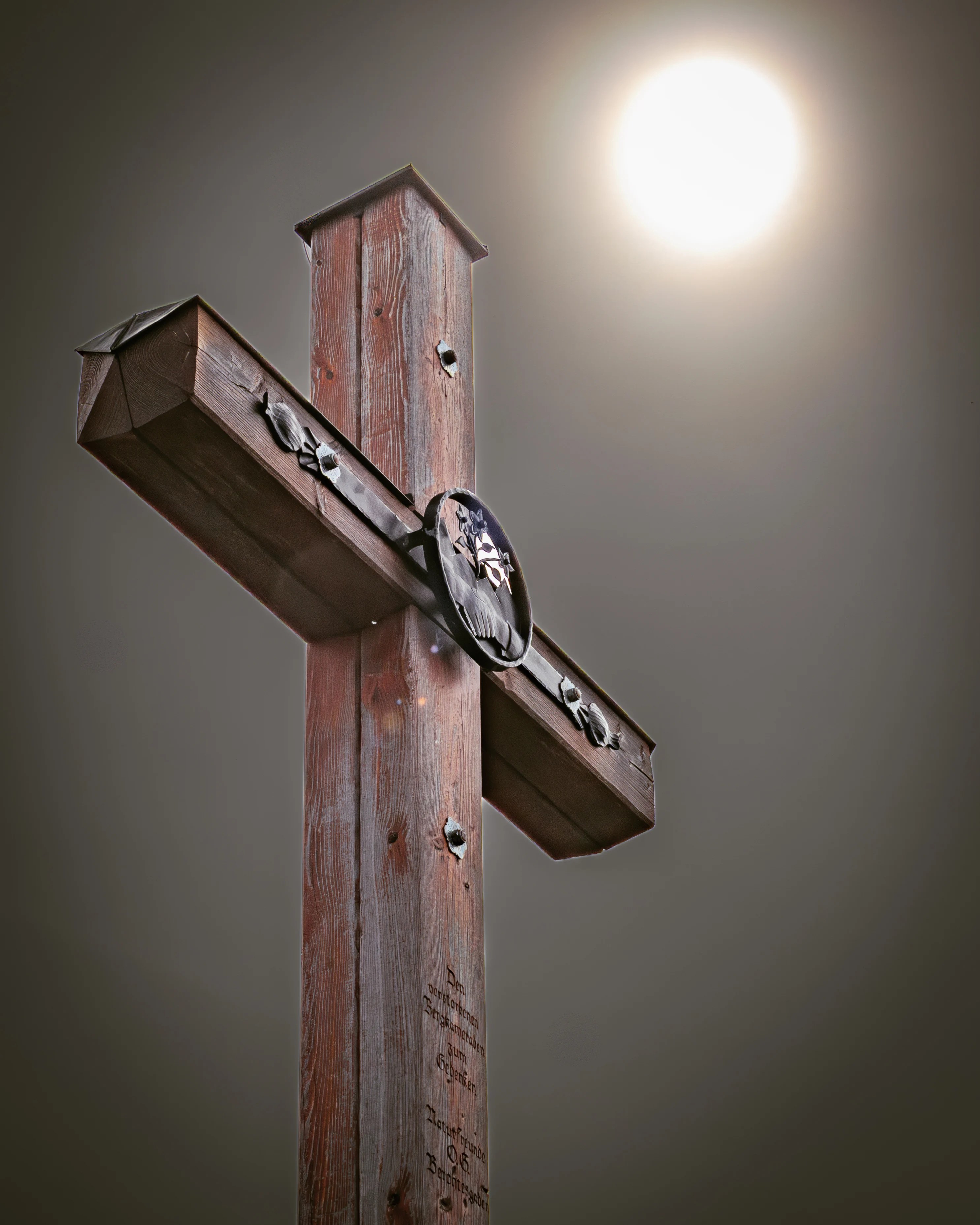
From the upper station, we followed the Königsblick trail for the final stretch up to the summit cross at 1,874 meters (6,148 feet), where wide-open views stretch across Königssee, the Watzmann massif, and the surrounding Berchtesgaden Alps. Looking down at the winding trails, lake, and layered peaks was a fitting way to reflect on just how much ground we had covered—both physically and visually—over the past few days.
Final Thoughts
This part of the journey highlighted just how much variety fits into a relatively small region. From icy darkness to sunlit lakes, from medieval walls to alpine trails, each stop offered a different perspective on the landscapes and history of Austria and southern Germany. Together, these places made an already memorable trip that began in Part I feel even more special, filling the journey with experiences and landscapes we’ll never forget.
Location & Getting There
For this part of the trip, driving continued to be the most flexible option—especially in the Alps, where weather, timing, and remote locations can make public transportation more complicated. Roads were well maintained, distances between stops were reasonable, and having a car made it easy to adjust plans along the way.
Although this section of the journey begins after we left Salzburg, the distance from Stuttgart to Salzburg is included below for readers who may want to skip Part I of our adventure and start here.
Approximate driving distances and times:
- Stuttgart → Salzburg: ~380 km (236 miles), about 3.5-4 hours
- Salzburg → Werfen (Eisriesenwelt / Burg Hohenwerfen / The Sound of Music Trail): ~45 km (28 miles), about 35-45 minutes
- Werfen → Königssee (Schönau am Königssee): ~55 km (34 miles), about 45-60 minutes
- Königssee → Stuttgart: ~390 km (242 miles), about 4-4.5 hours
If you’re driving into Austria, an Austrian motorway vignette is required for most highways. These can be purchased online in advance or at fuel stations near the border, and short-term options work well for trips like this.
A Few Tips for This Part of the Trip
Many of the general planning tips from Part I—including advice on weather, seasonal closures, packing layers, and transportation—apply just as much here. If you’re starting your trip in Salzburg or continuing on from earlier stops, it’s worth reviewing those before heading into the Alps.
For this portion of the journey, a few additional things stood out:
- Weather and seasonal schedules play a big role in the Alps. Ice caves, boat crossings, and cable cars may be affected by fog, rain, wind, or seasonal closures, so checking ahead and staying flexible can make a big difference—particularly for Eisriesenwelt and the Jennerbahn.
- Book Eisriesenwelt tickets online if possible. If you plan to visit the ice cave and use the cable car, booking the combined ticket online is cheaper than buying tickets on-site.
- Plan Königssee boat trips early in the day. Boat rides are a highlight, but lines can grow quickly in busy seasons. Arriving early makes it easier to continue all the way to Salet if you plan to walk to Obersee and beyond.
- Wear comfortable walking shoes. Even without long hikes, places like Eisriesenwelt, Burg Hohenwerfen, and Obersee involve uneven paths, stairs, and steady walking.
- Souvenirs here tend to be simple and regional. Alpine dairy products, local schnapps, and small handcrafted items are easy to find and make meaningful reminders of the trip.
Have you traveled through this part of Austria or southern Germany? I’d be curious to know what stood out to you—feel free to share your experiences or questions in the comments below.

Leave a comment