






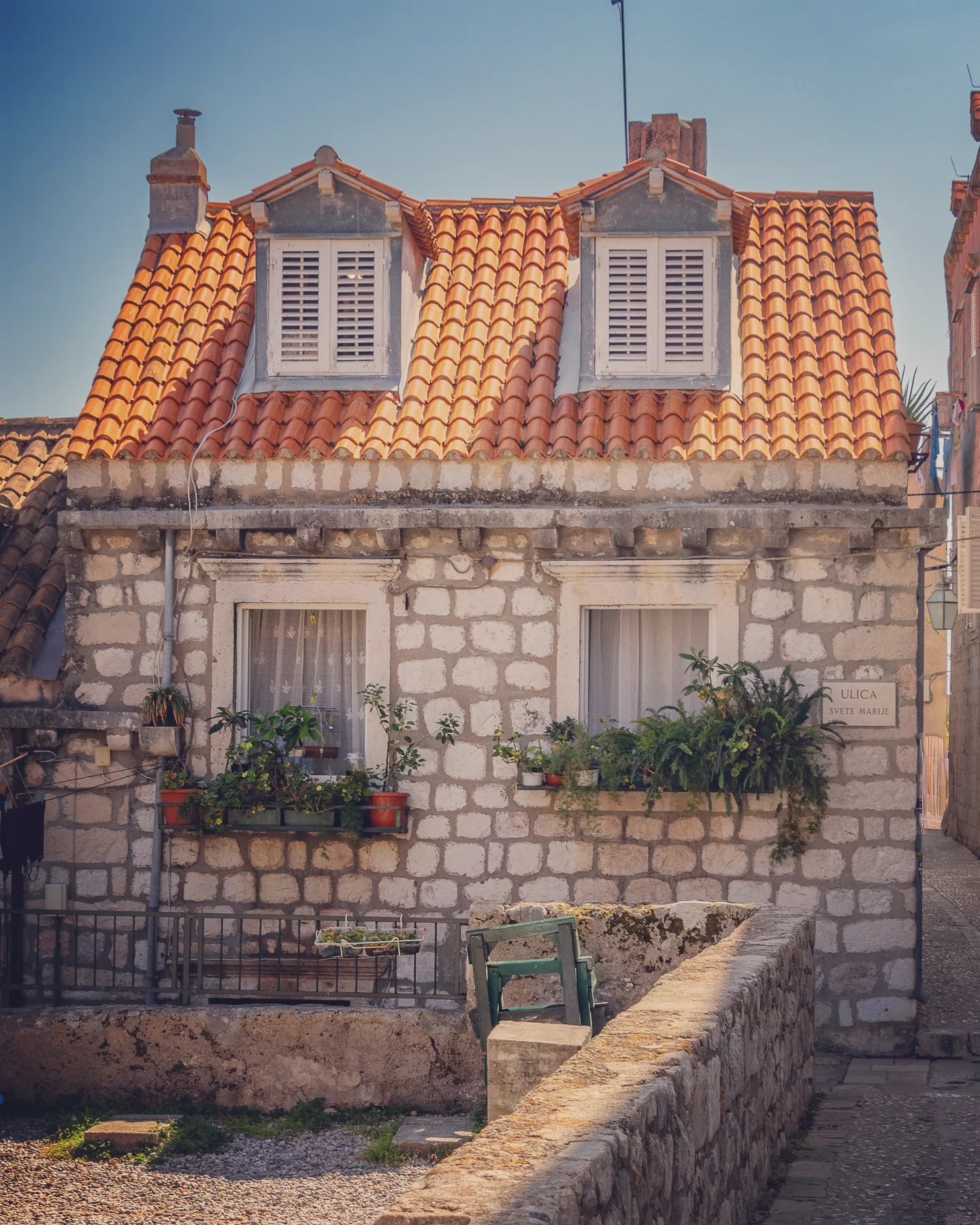


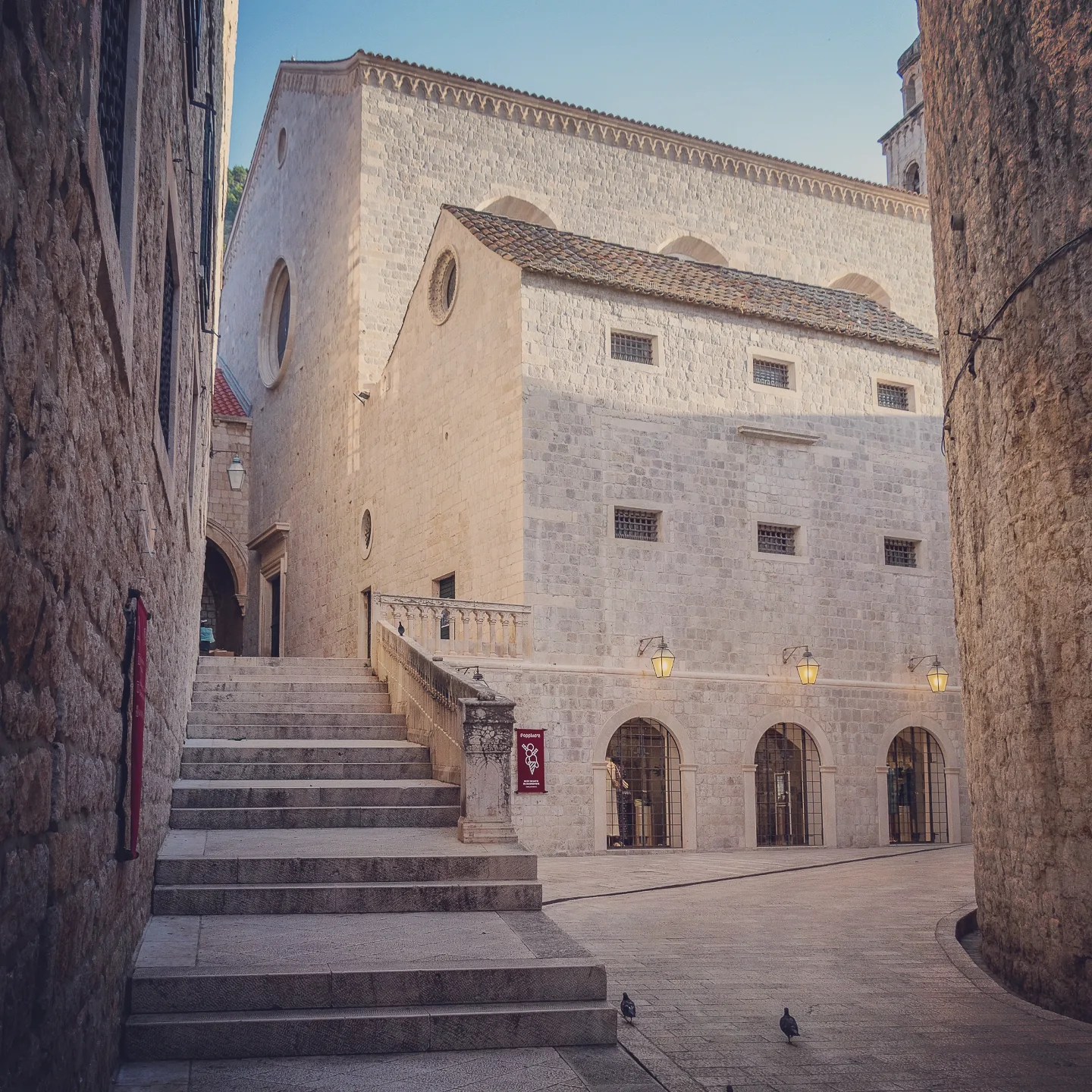
My September weekend in Dubrovnik didn’t start the way I expected. My husband was supposed to join me, but after returning home sick from a work trip, it suddenly became a solo adventure. I hesitated for a moment—then realized I couldn’t possibly pass up the chance to explore this amazing city. Within hours, I was packed and heading south for a long weekend in a city shaped by centuries—stone streets filled with history, the shimmer of the Adriatic, and the promise of island views just across the water.
Croatia and Dubrovnik: A Brief History
Croatia lies on the Balkan Peninsula, along the Adriatic Sea in southeastern Europe, bordered by Slovenia, Hungary, Bosnia and Herzegovina, Serbia, and Montenegro. Its coastline stretches for more than a thousand miles lined with islands, cliffs, and coves—many still dotted with medieval towns and Venetian-style harbors. The country’s history reflects centuries of changing rule, from the Roman Empire to the Venetian Republic and later the Austro-Hungarian Empire. Croatia became part of Yugoslavia after World War I and gained its independence in 1991. Today, it’s part of both the European Union and NATO, a country that honors its long history while embracing modern life and warm hospitality.
Along the country’s southern Dalmatian Coast lies Dubrovnik, often called the Pearl of the Adriatic. Once an independent maritime republic that rivaled Venice, the city built its wealth on trade and diplomacy. Over the centuries, it has withstood earthquakes, sieges, and wars—yet its terracotta rooftops, medieval walls, and limestone streets remain remarkably intact. Today, Dubrovnik’s Old Town is a UNESCO World Heritage Site and one of Europe’s most striking coastal destinations—famous for its timeless beauty and, for many visitors, instantly recognizable from Game of Thrones.

Walking Dubrovnik’s City Walls
If there’s one thing you absolutely must do in Dubrovnik, it’s walk the City Walls—and early in the morning is the best time to do it. The gates open around 8 a.m., and entering before the heat and crowds arrive is worth every minute of lost sleep.
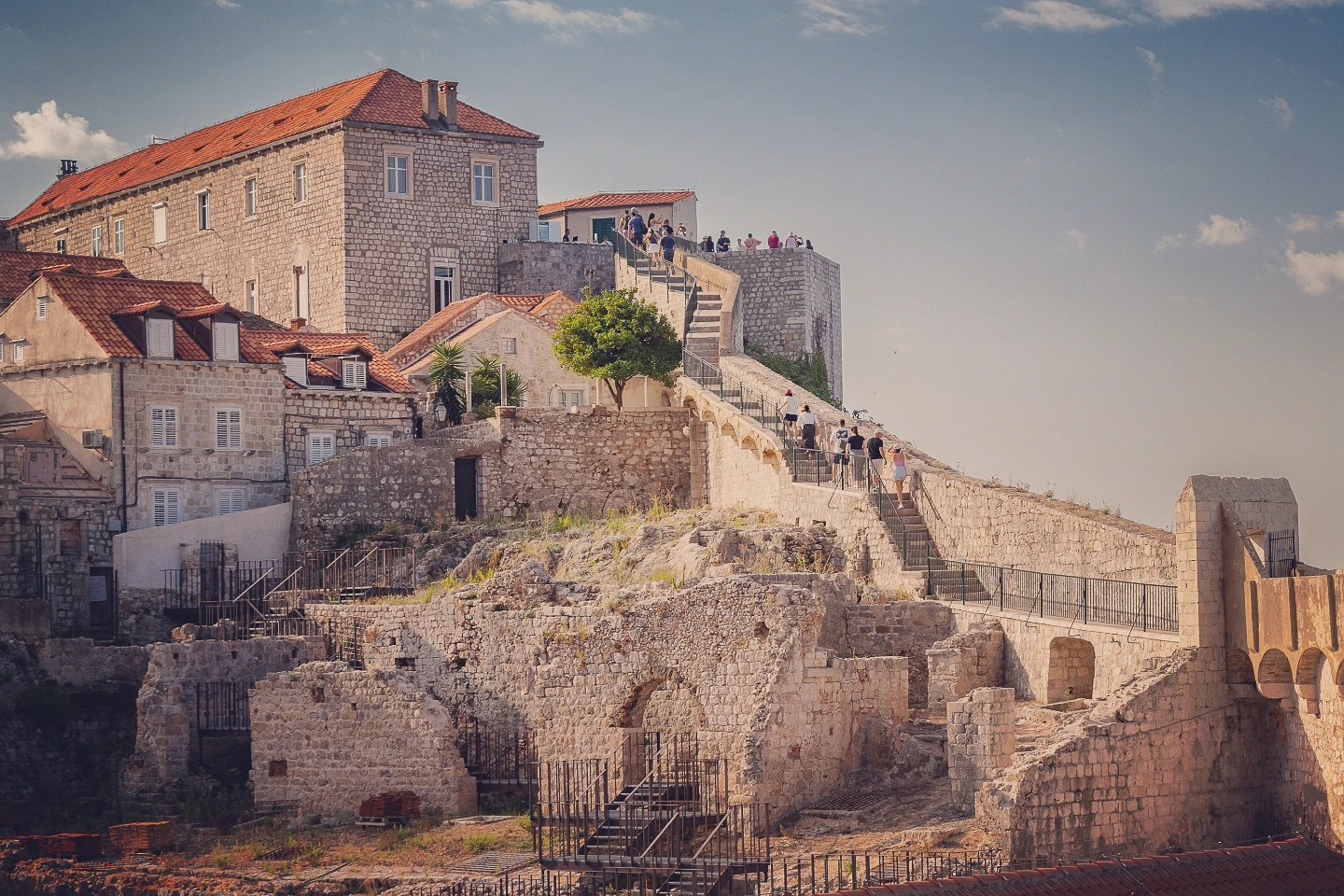
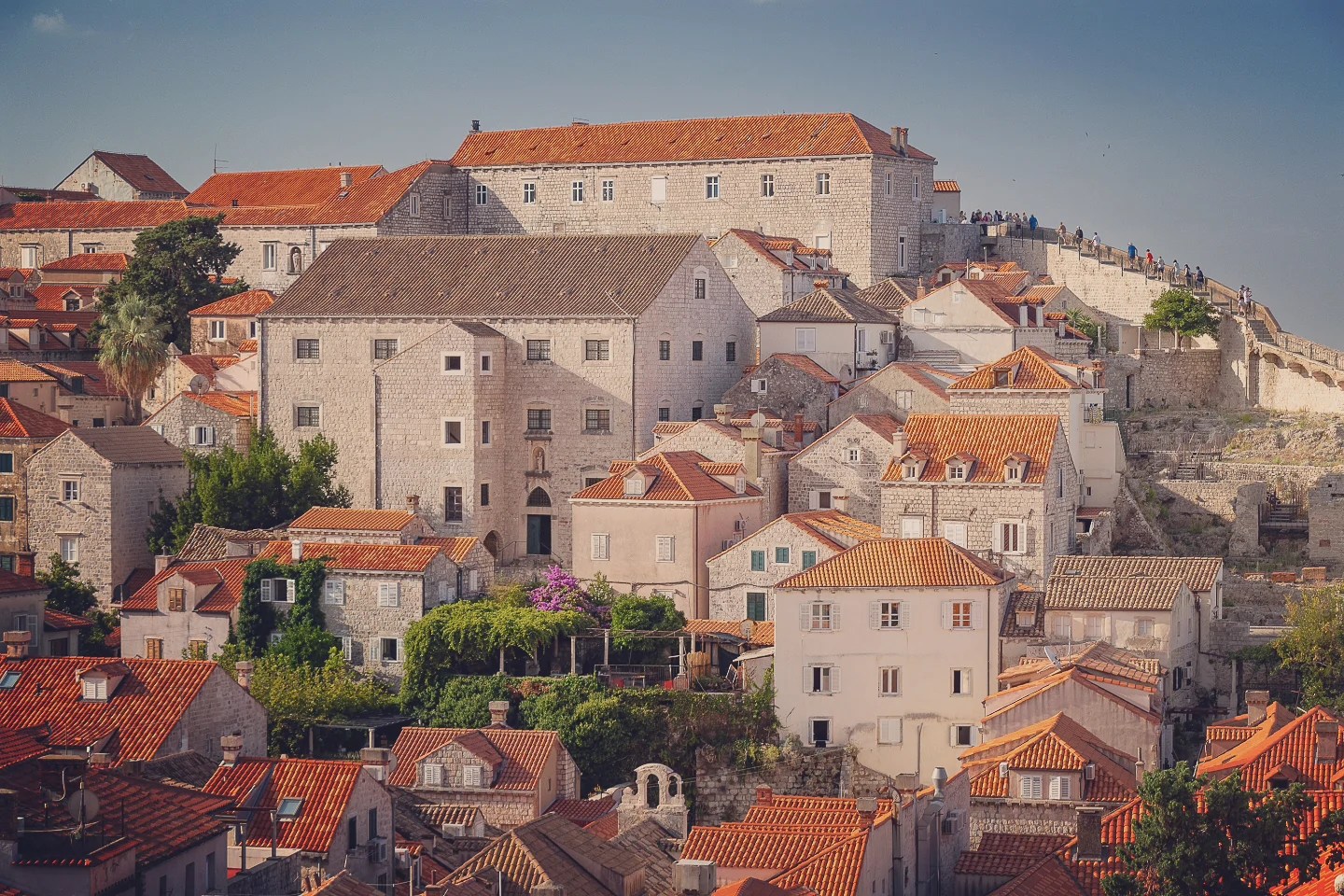
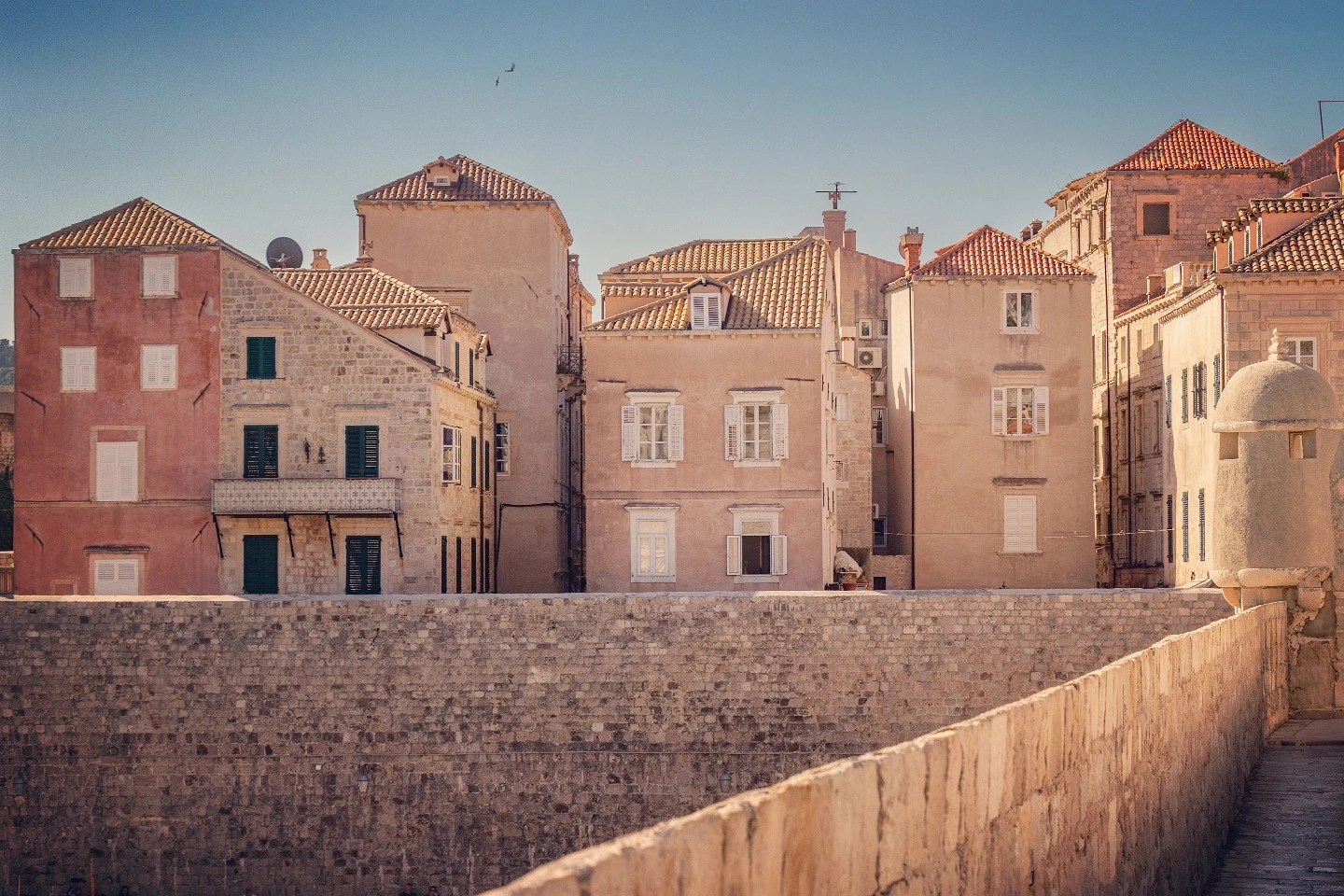
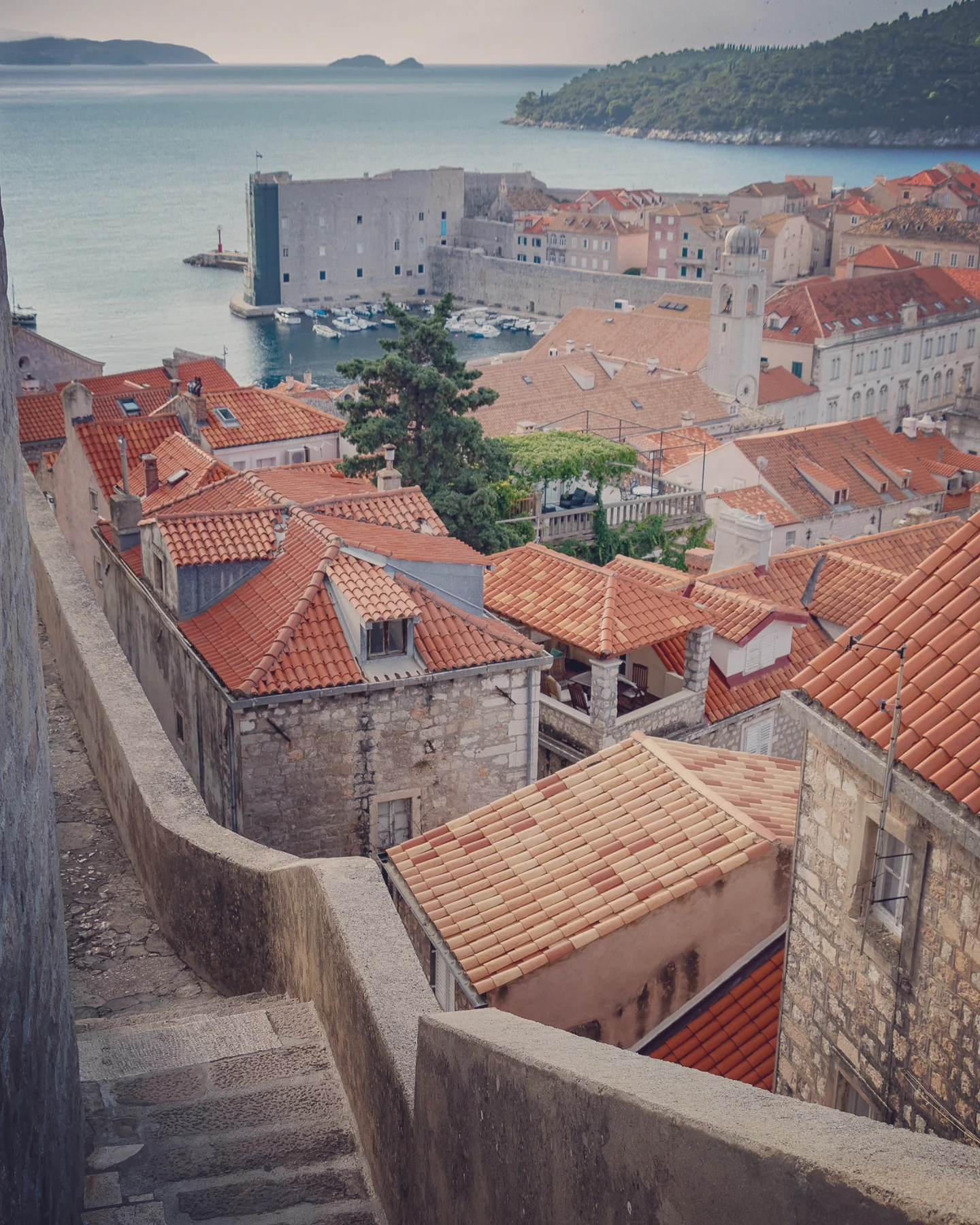
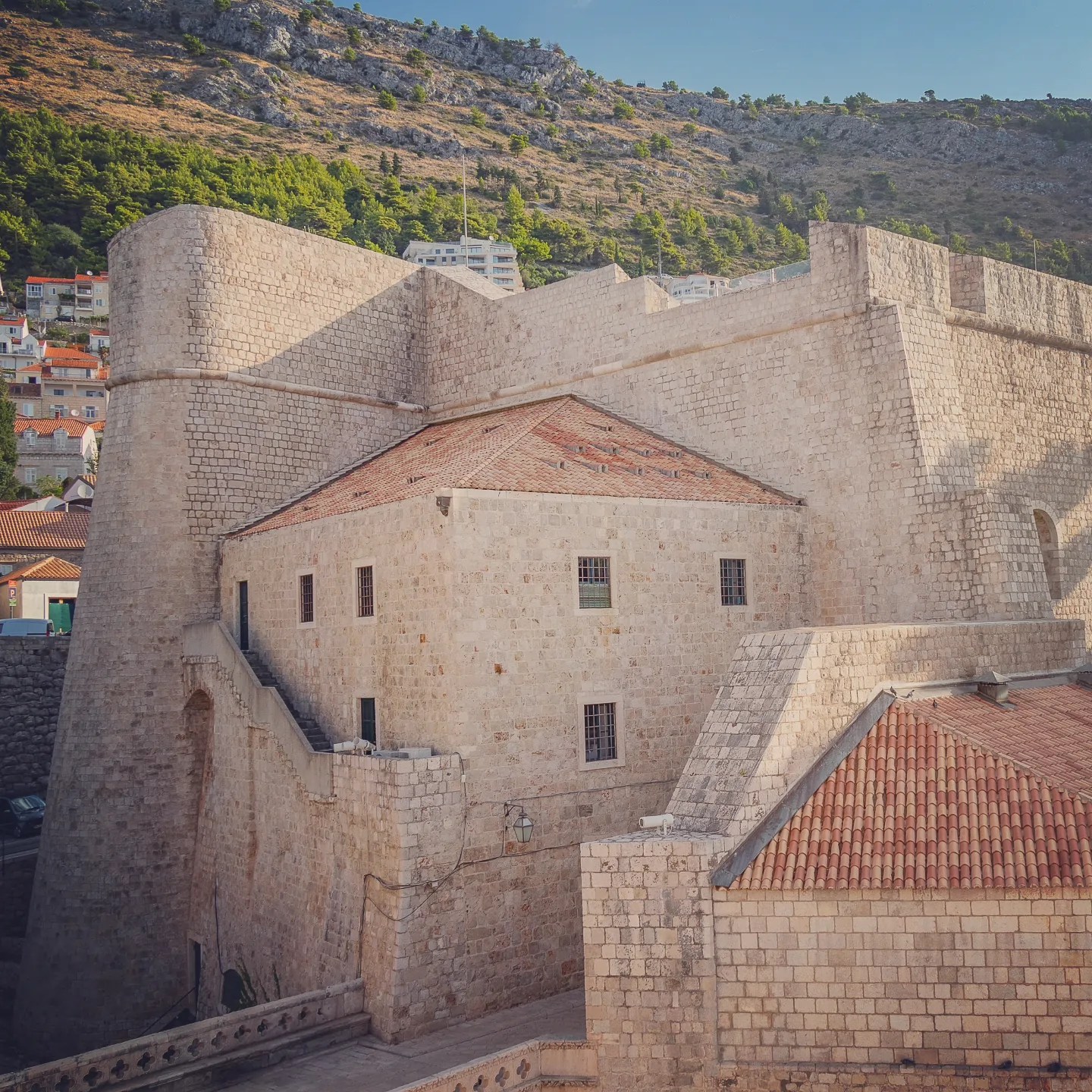
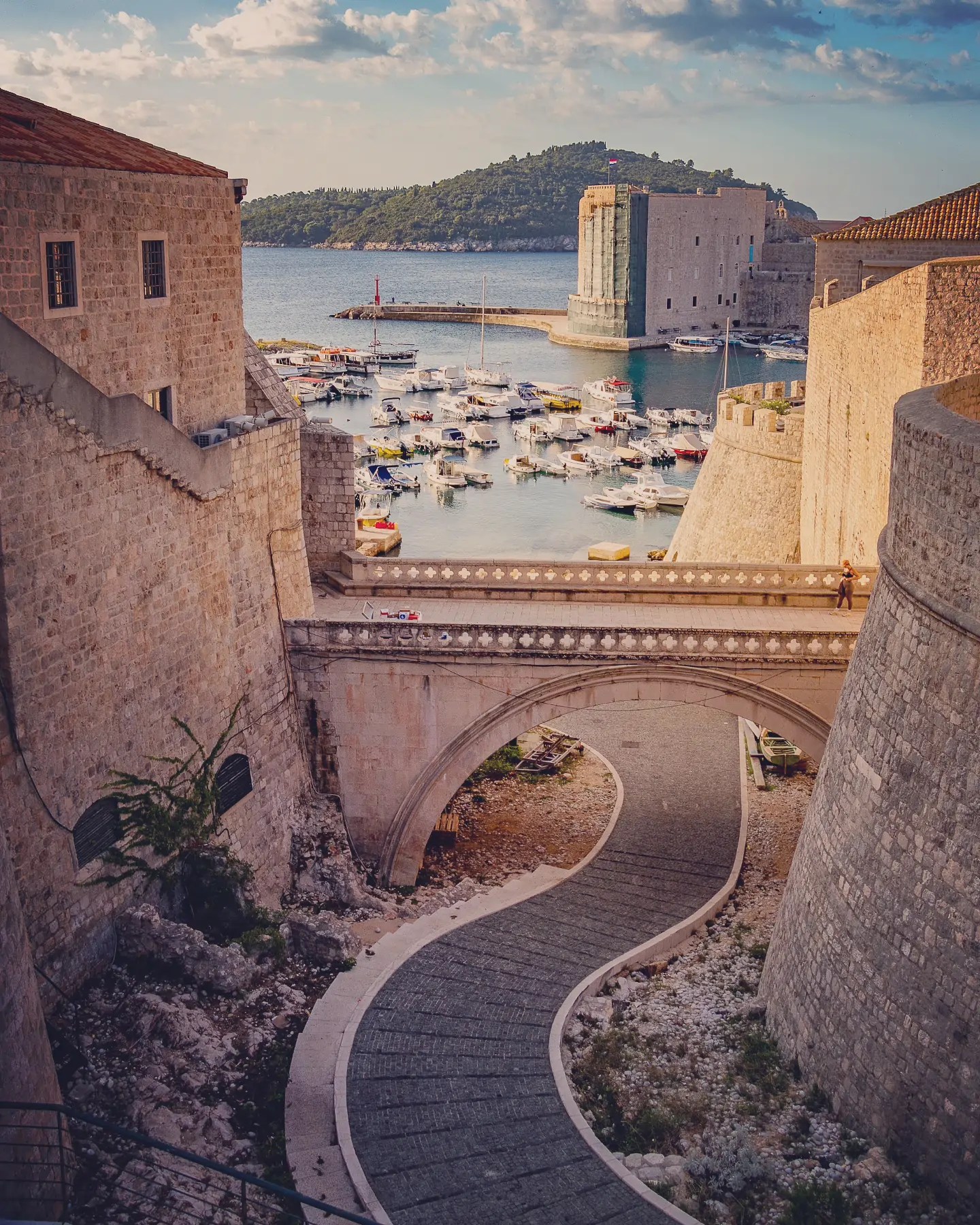
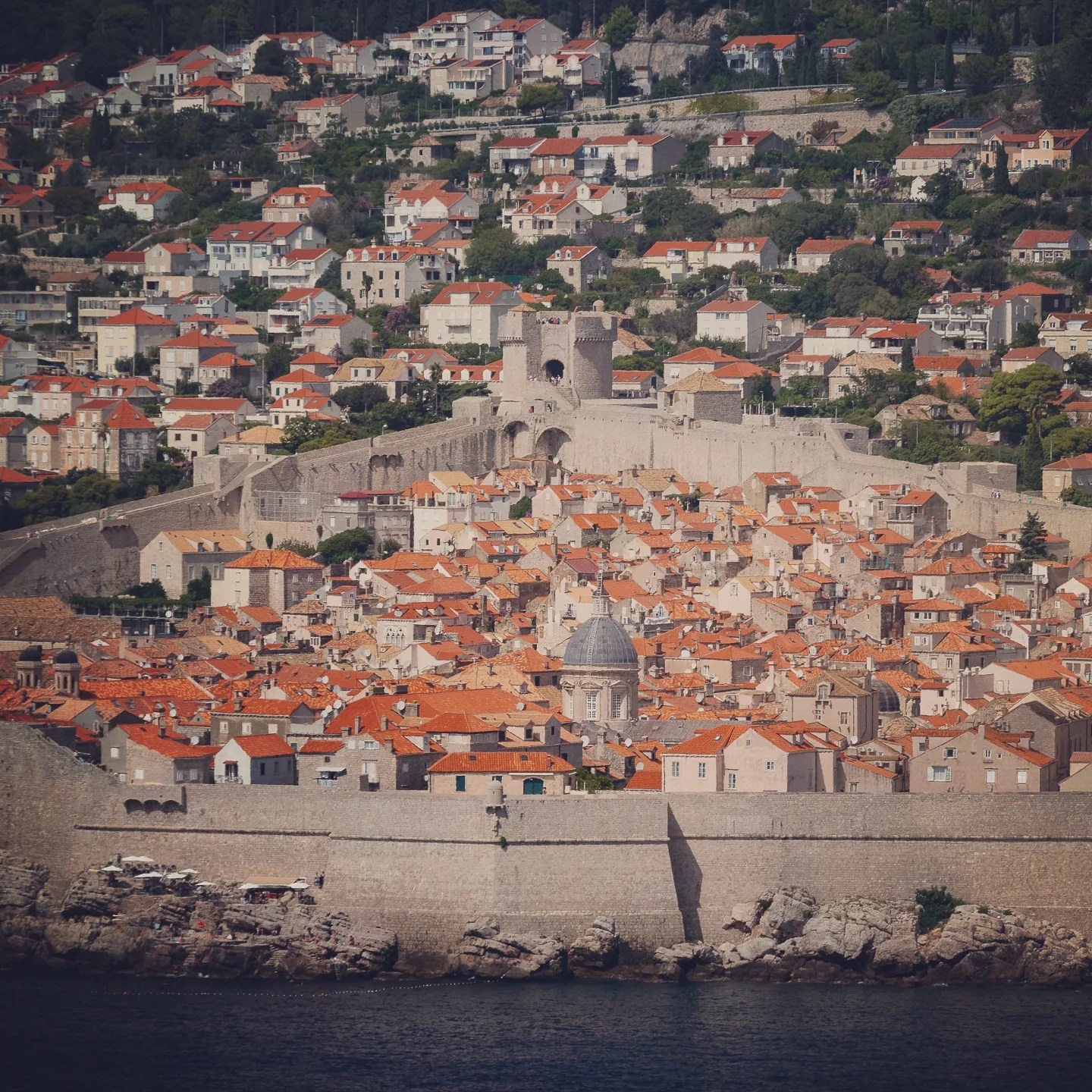
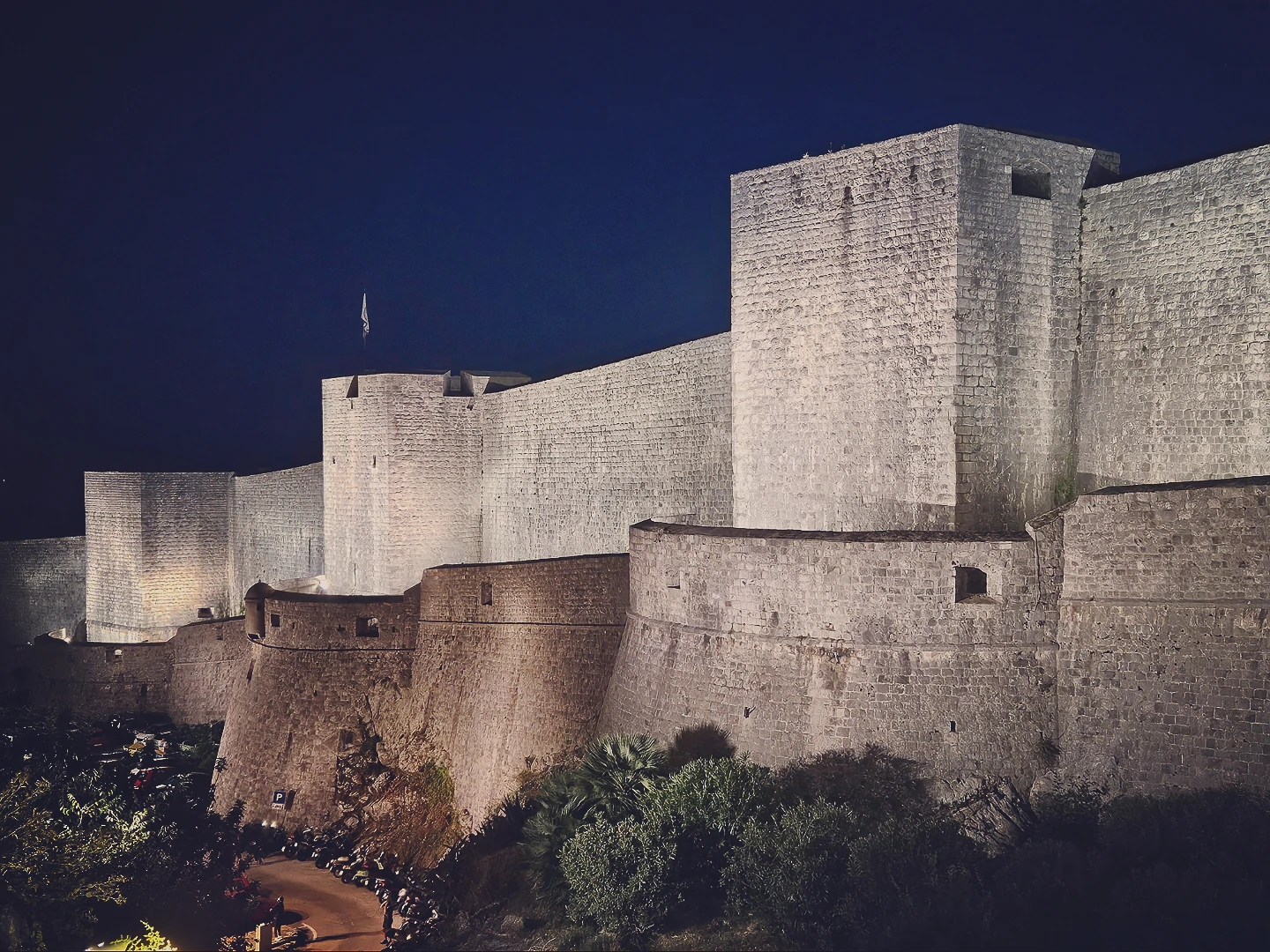
The walls date back to at least the 13th century, stretching nearly two kilometers (1.2 miles) around the Old Town with a chain of towers and forts guarding every corner. I started at the Ploče Gate on the northeast side, as a local had recommended, and it turned out to be perfect—less crowded than the main Pile Gate entrance. From there, the path winds counterclockwise past stone stairways, weathered battlements, and a few cafés offering a welcome break with cold drinks and sea views.
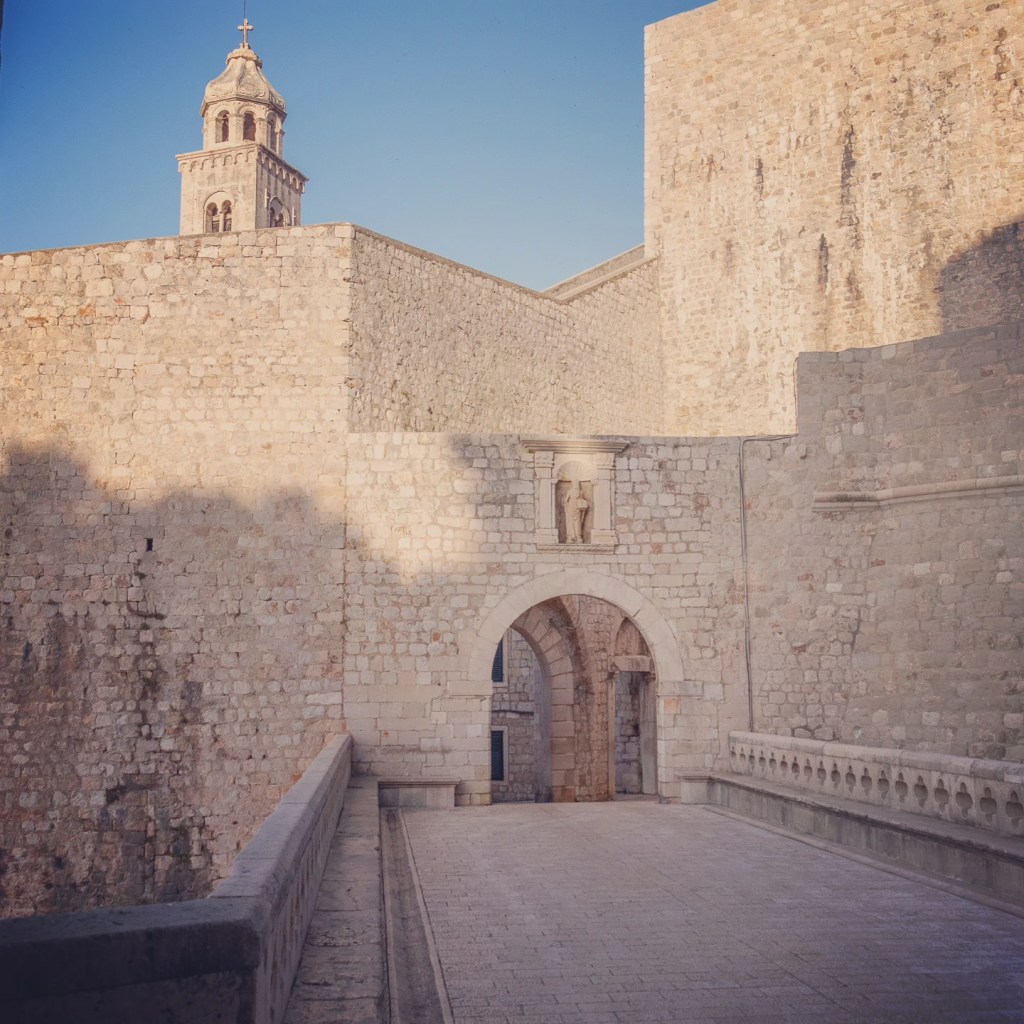
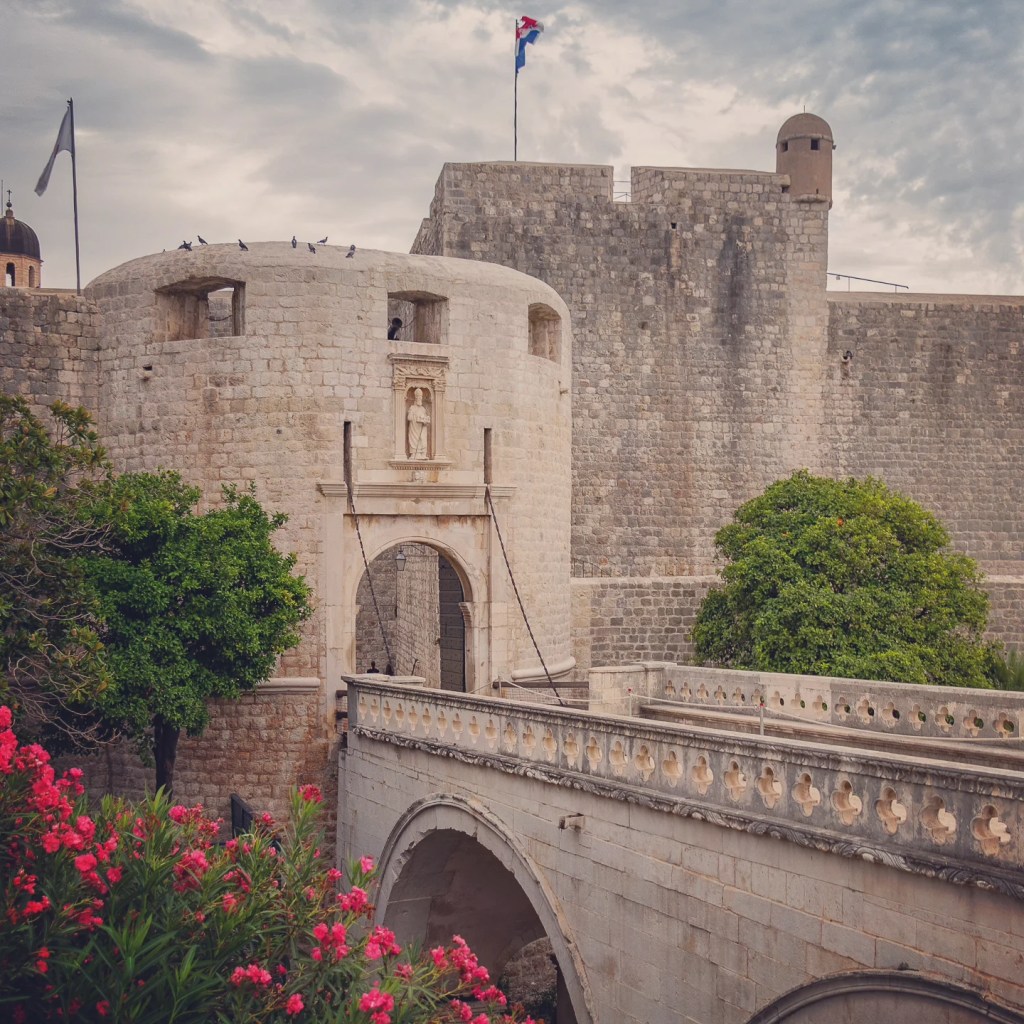
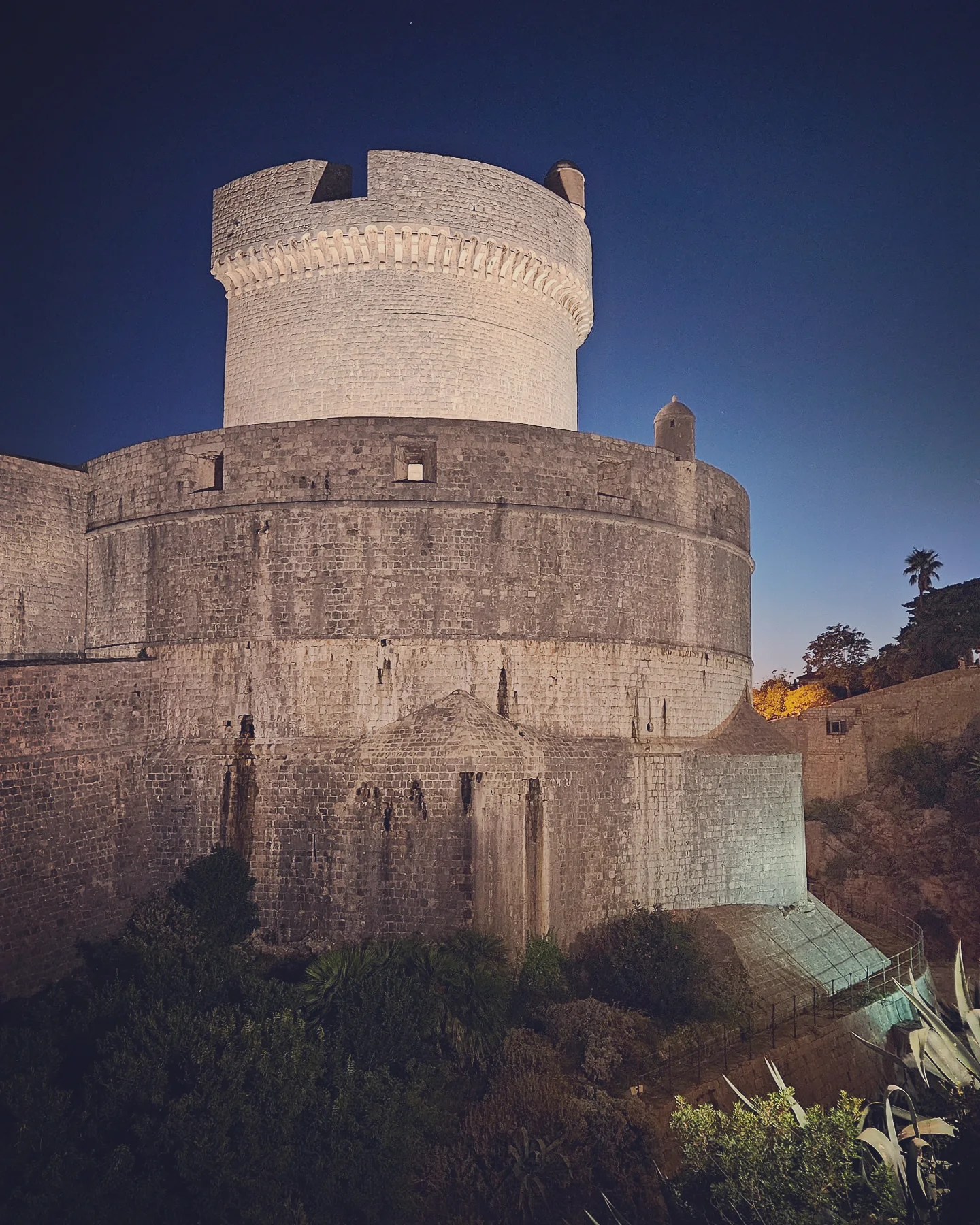
Every turn reveals another breathtaking view: the terracotta rooftops spilling toward the harbor, the blue sweep of the Adriatic, and the imposing silhouette of Fort Lovrijenac just beyond the walls. Standing atop Minčeta Tower, the highest point of the walls, it’s easy to see why Dubrovnik has long been seen as a fortress—and, more recently, a film set.




Exploring Dubrovnik’s Old Town
Once you step back inside the walls, it’s worth slowing down and letting yourself wander. The Old Town hums with life—church bells ringing above, footsteps echoing on polished stone, and the steady flow of people winding through narrow lanes lined with stone houses and café tables. The following are just a few of the highlights along the way—there’s much more to discover in Dubrovnik’s maze of streets, squares, and hidden corners.
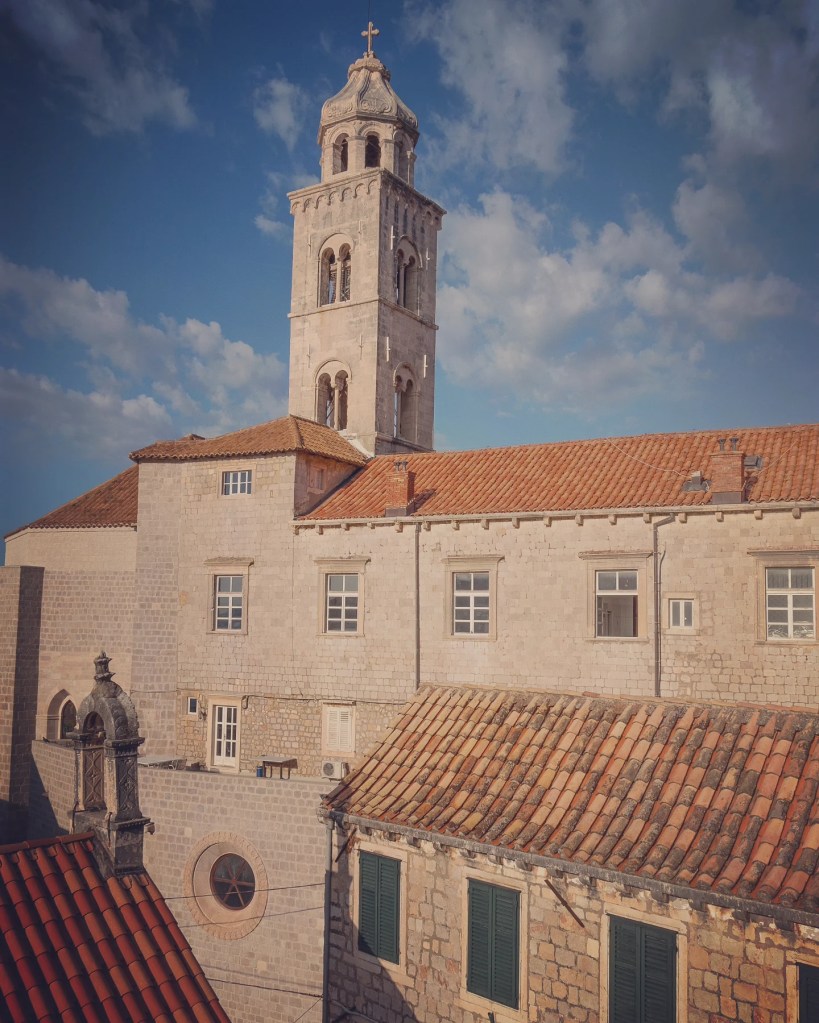
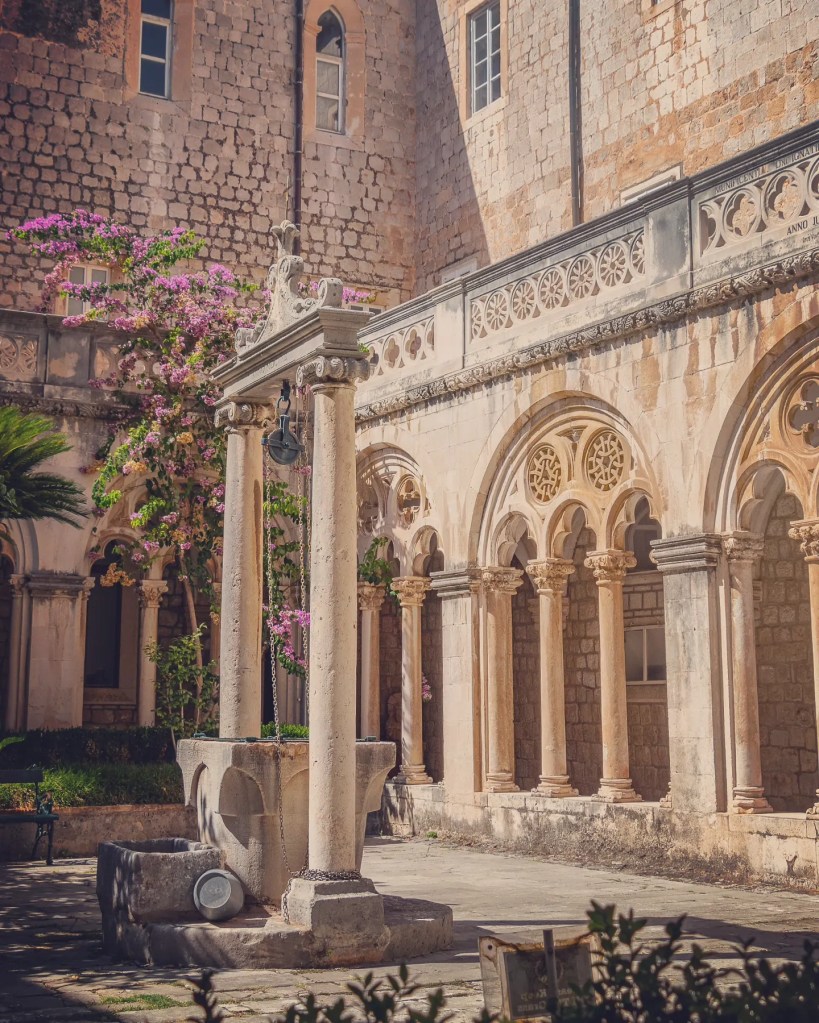
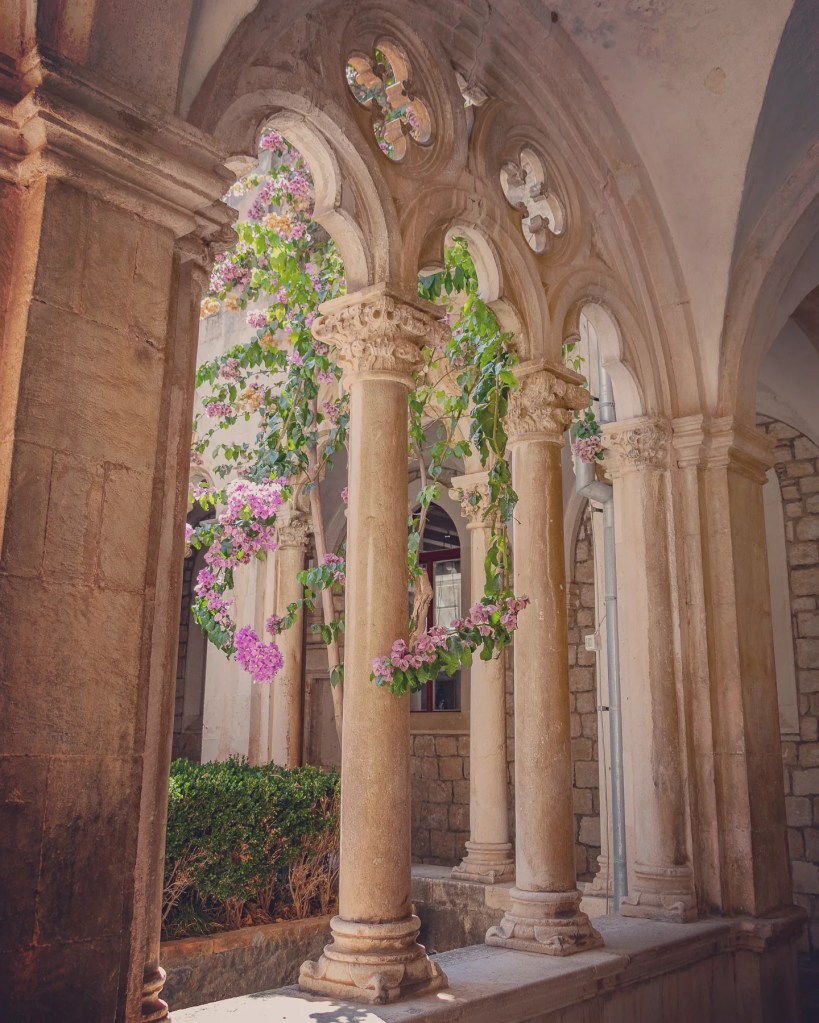
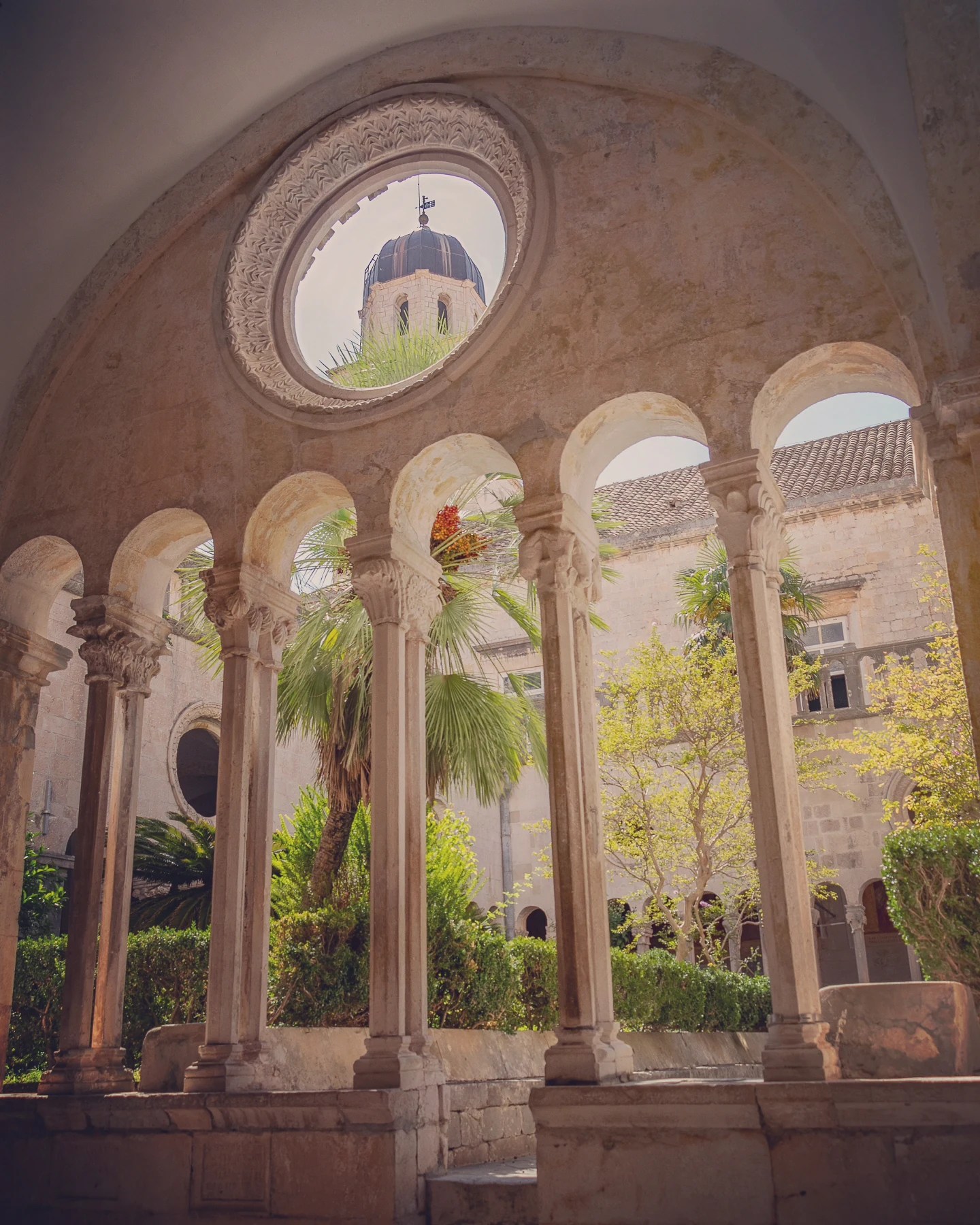
Near the Ploče Gate, the Dominican Monastery anchors the city’s eastern edge. Its Gothic-Renaissance church and museum display centuries of Dubrovnik’s religious art, and its quiet cloister garden is a photographer’s dream of arches, palms, and bougainvillea.

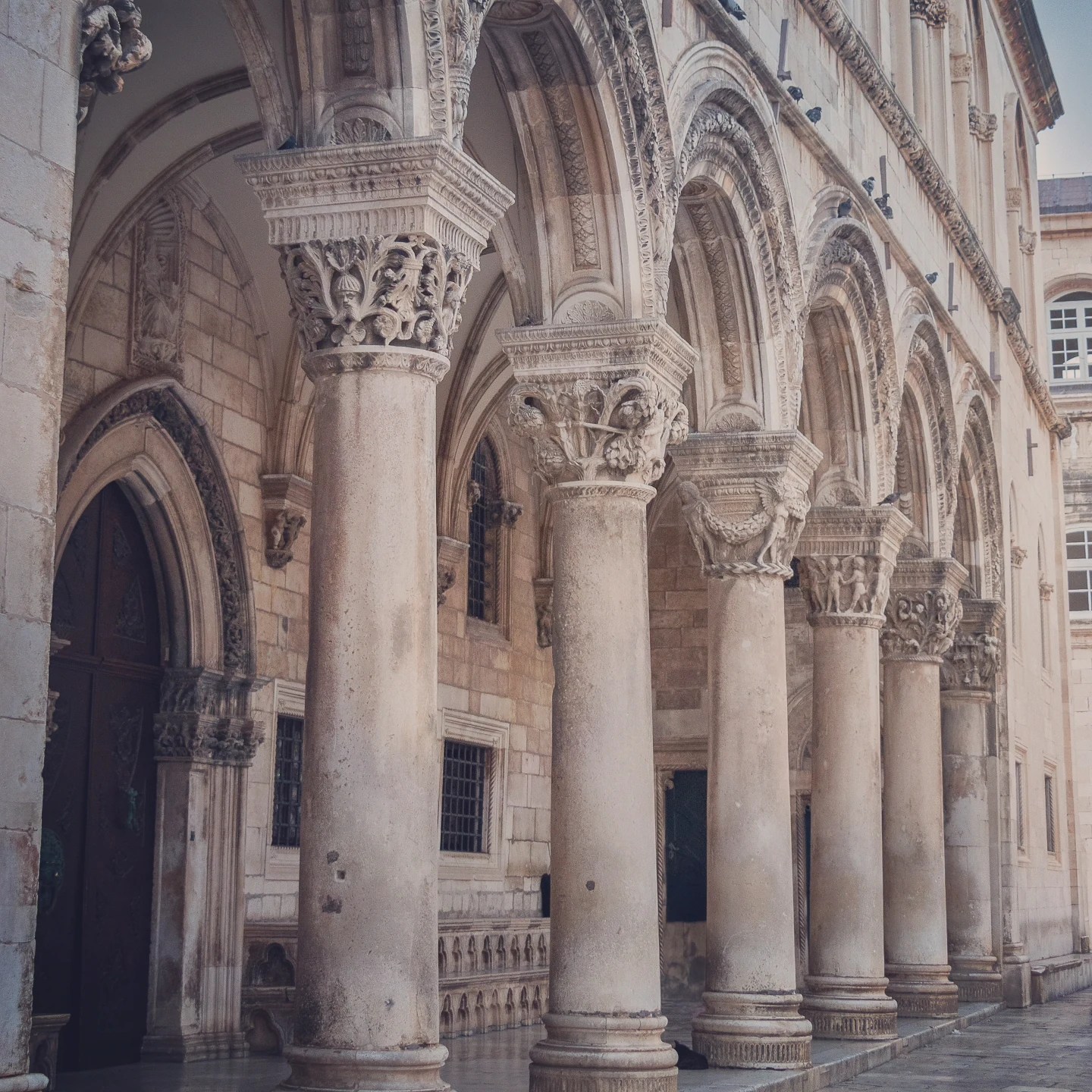
A short walk along Stradun, Dubrovnik’s gleaming limestone main street that runs through the heart of the Old Town, brings you to the Sponza Palace, whose graceful arches and detailed stonework blend Gothic and Renaissance styles. It now houses one of Europe’s oldest city archives, preserving centuries of Dubrovnik’s written history.
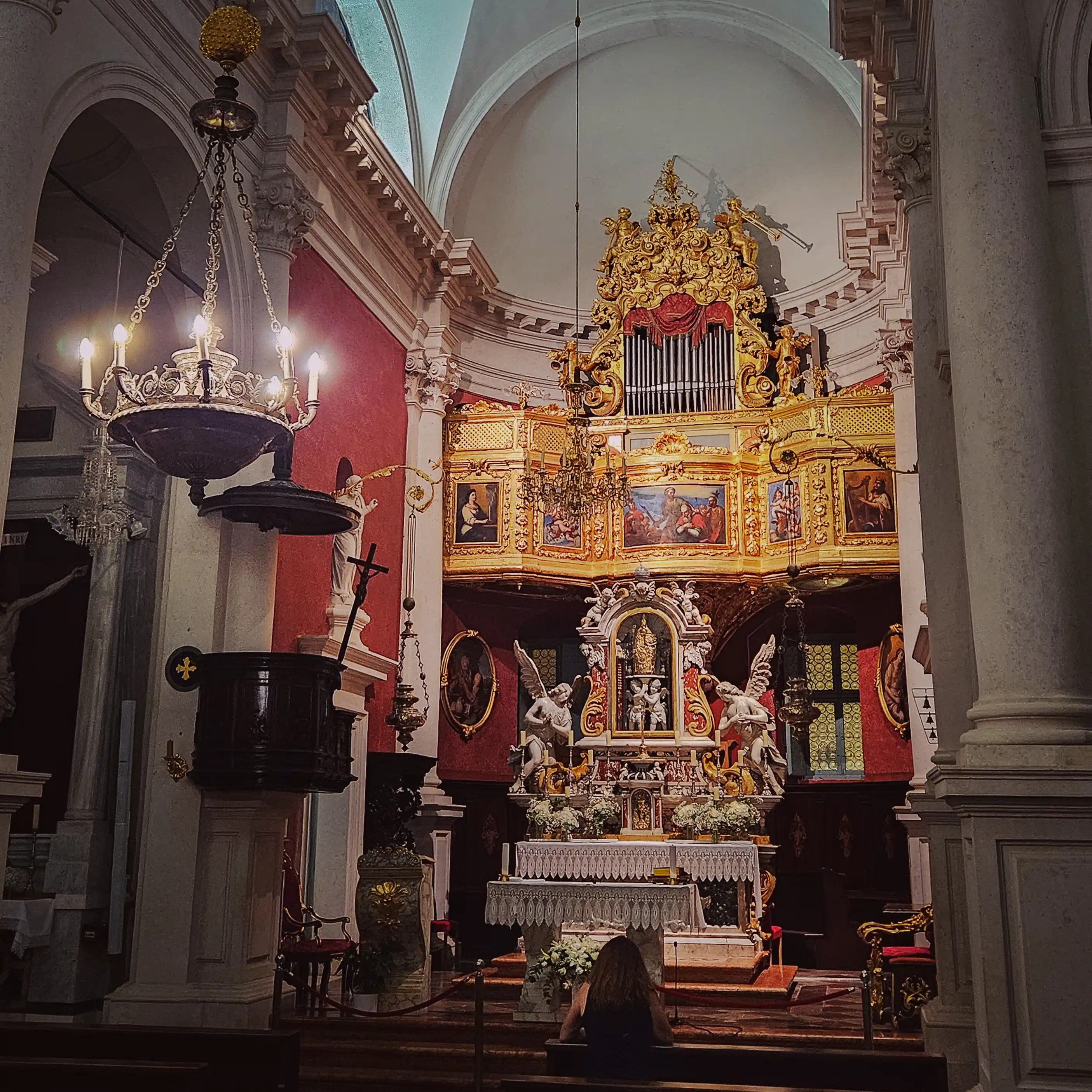
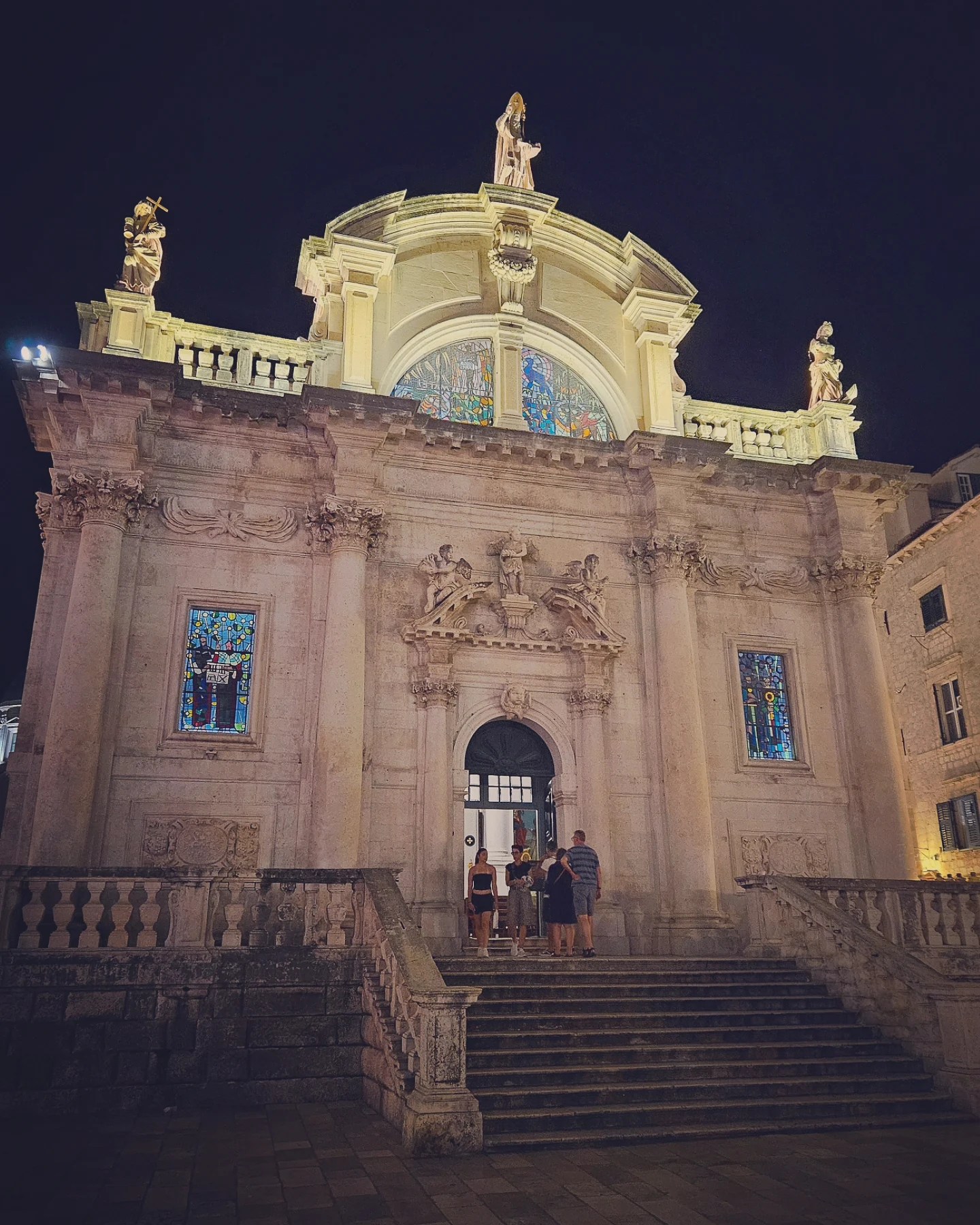
At the heart of Luža Square, the Church of St. Blaise honors Dubrovnik’s beloved patron saint and stands as one of the city’s most recognizable landmarks.

Nearby, the Rector’s Palace—once the administrative heart of the city—now houses the Cultural History Museum, where portraits, furnishings, and historical records trace the life of the former republic.

Behind the square rises the Dubrovnik Cathedral, with its grand Baroque façade and dome. It stands on the site of an earlier church said to have been funded by King Richard the Lionheart, who, according to legend, was shipwrecked near Lokrum Island in 1192 while returning from the Crusades. Inside, the cathedral holds a rich collection of sacred art and relics, including works by Italian masters and treasures dedicated to St. Blaise.


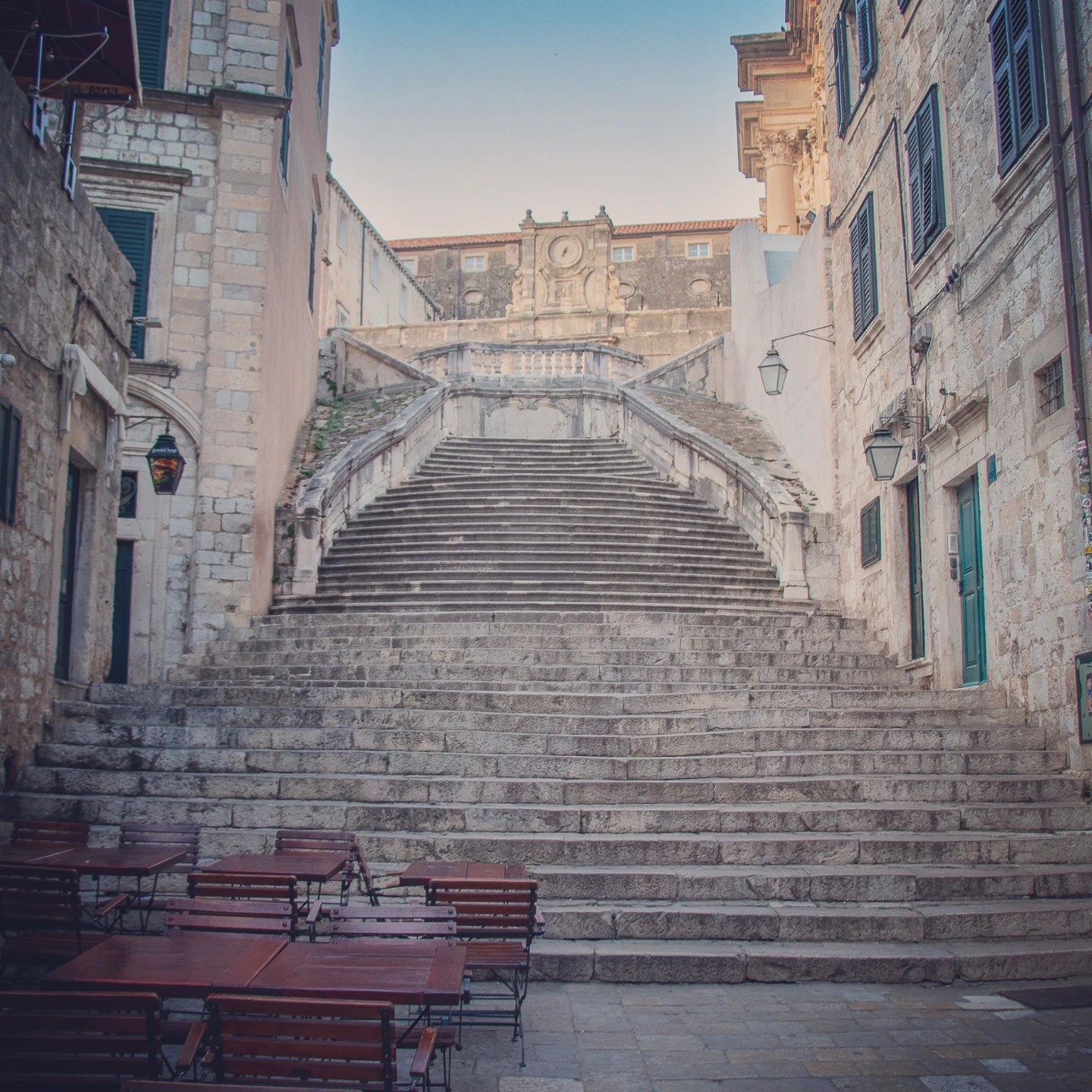
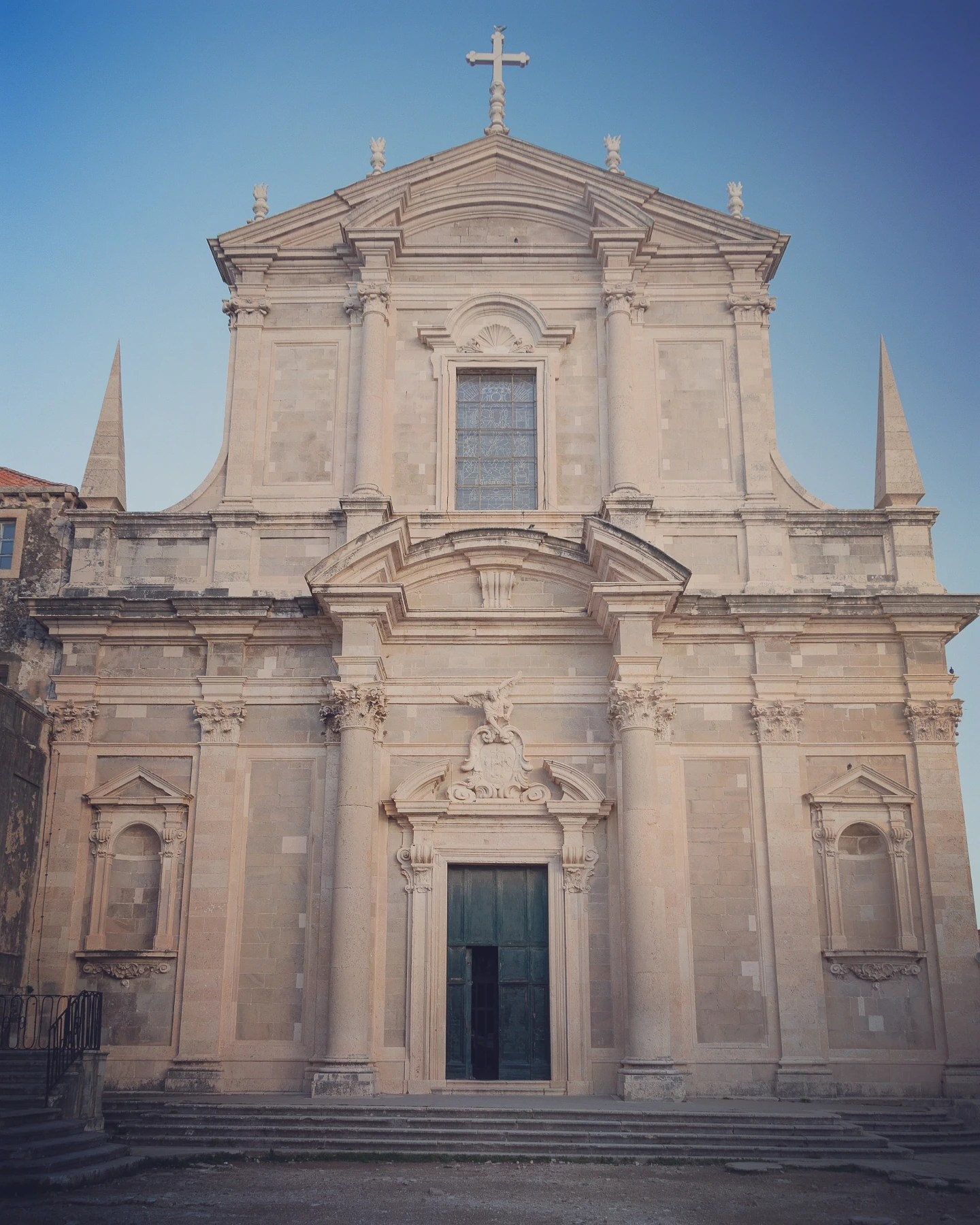
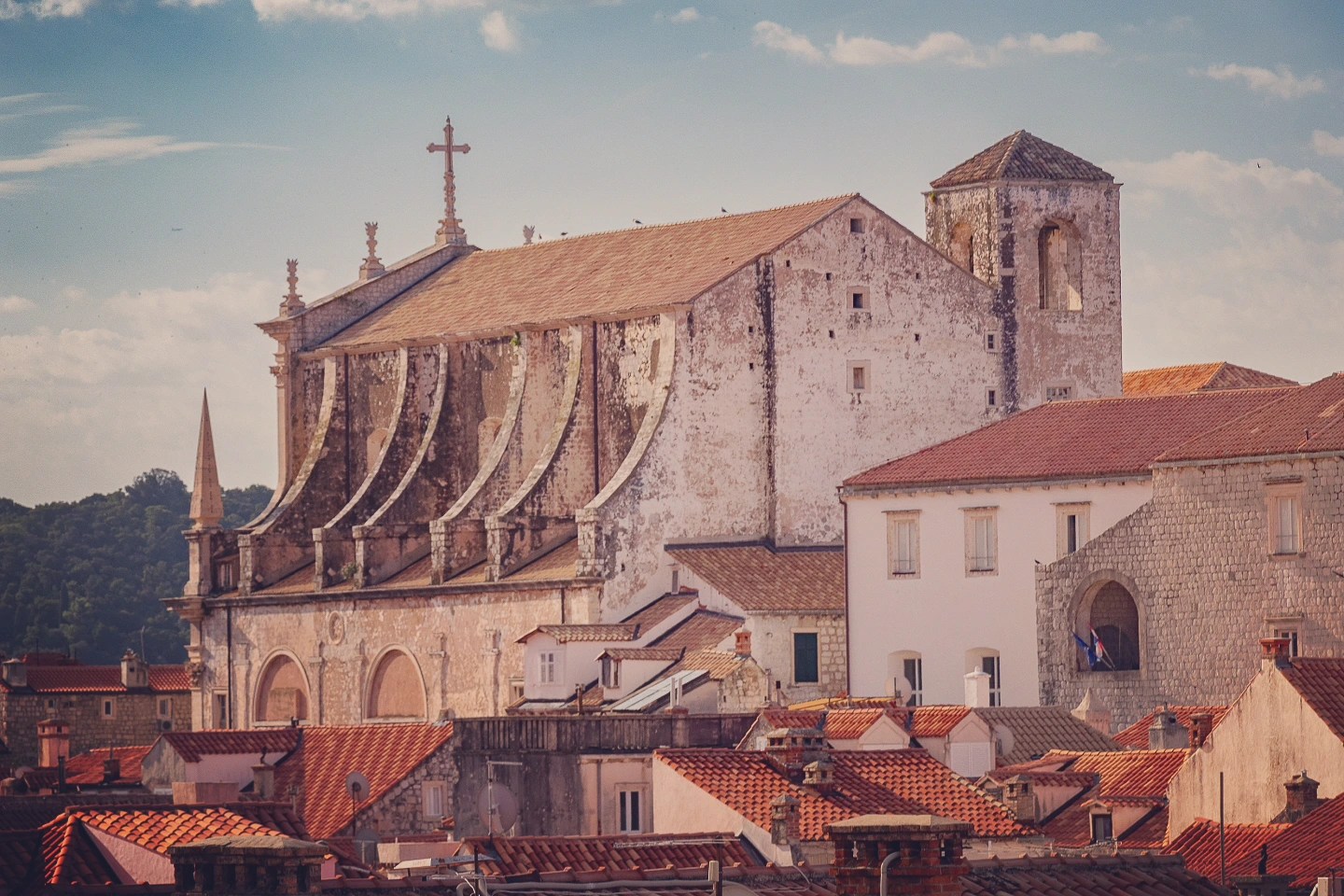
Climbing the elegant Jesuit Staircase, modeled after Rome’s Spanish Steps, leads to the Church of St. Ignatius of Loyola, one of Dubrovnik’s Baroque masterpieces. Completed in the 18th century, the church is known for its richly painted frescoes and curved façade that crowns Gundulić Square below. Fans of Game of Thrones will recognize the staircase as the filming location for Cersei Lannister’s infamous “Walk of Shame,” but even without its television fame, the graceful design and the church’s ornate façade make it one of Dubrovnik’s architectural highlights.
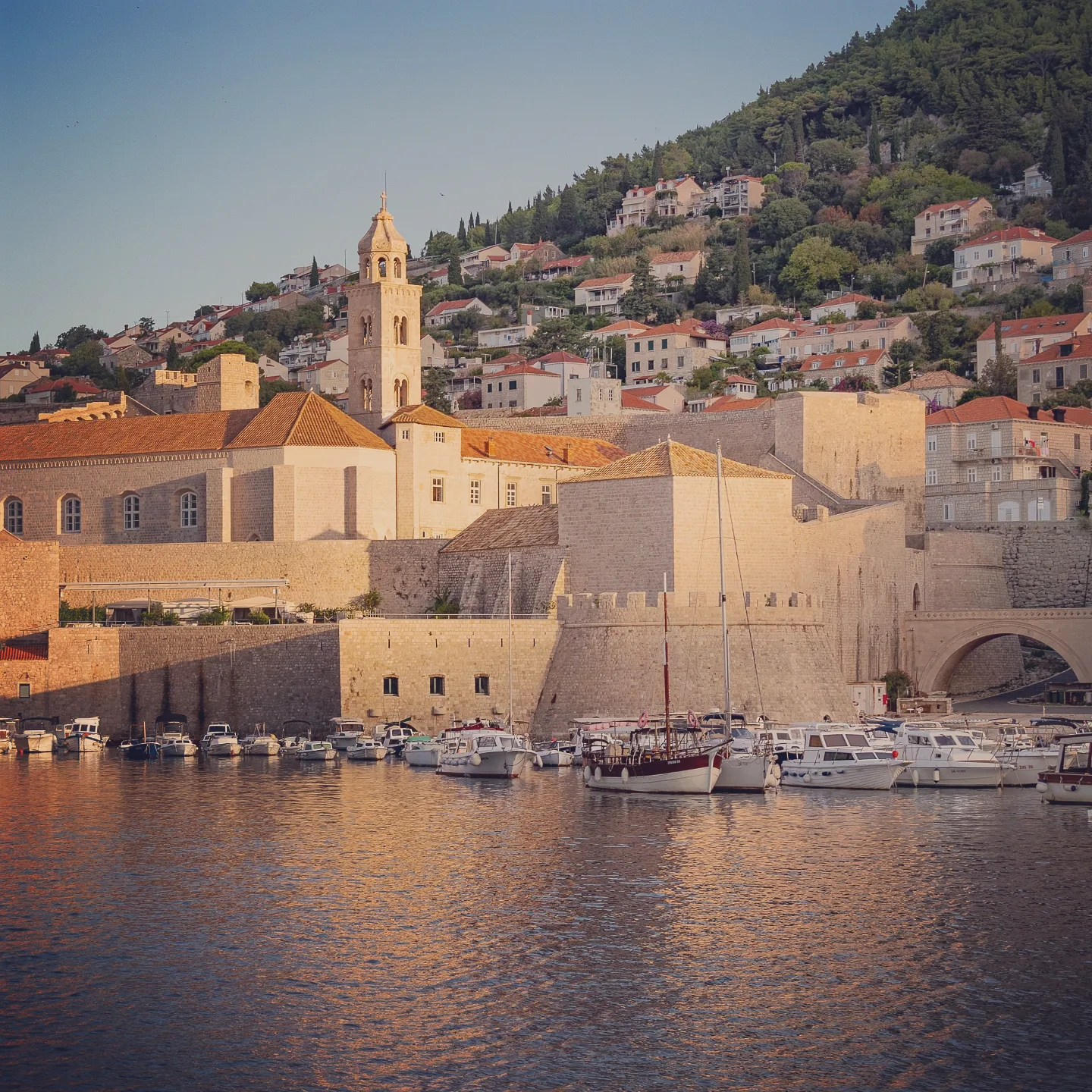
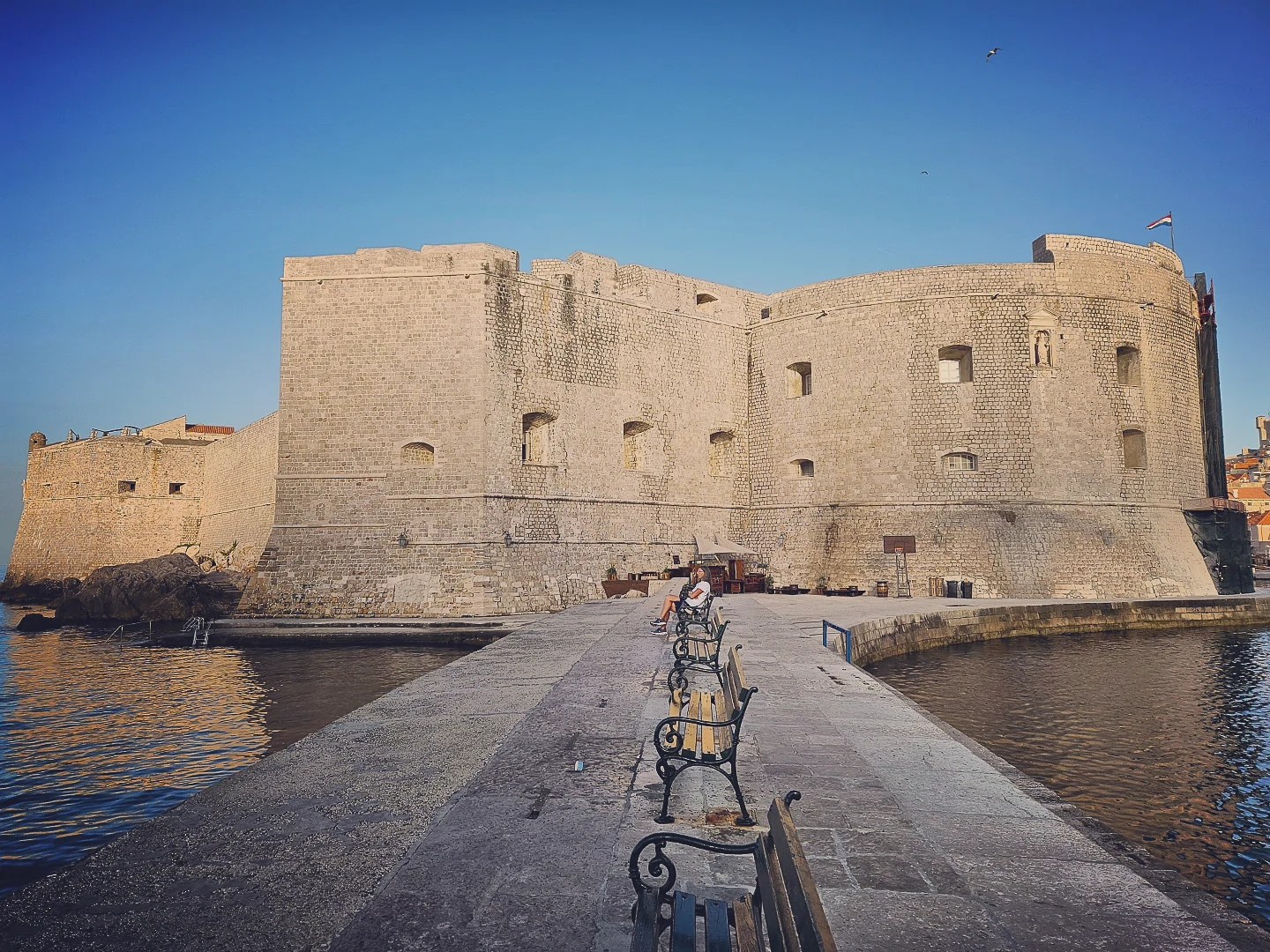
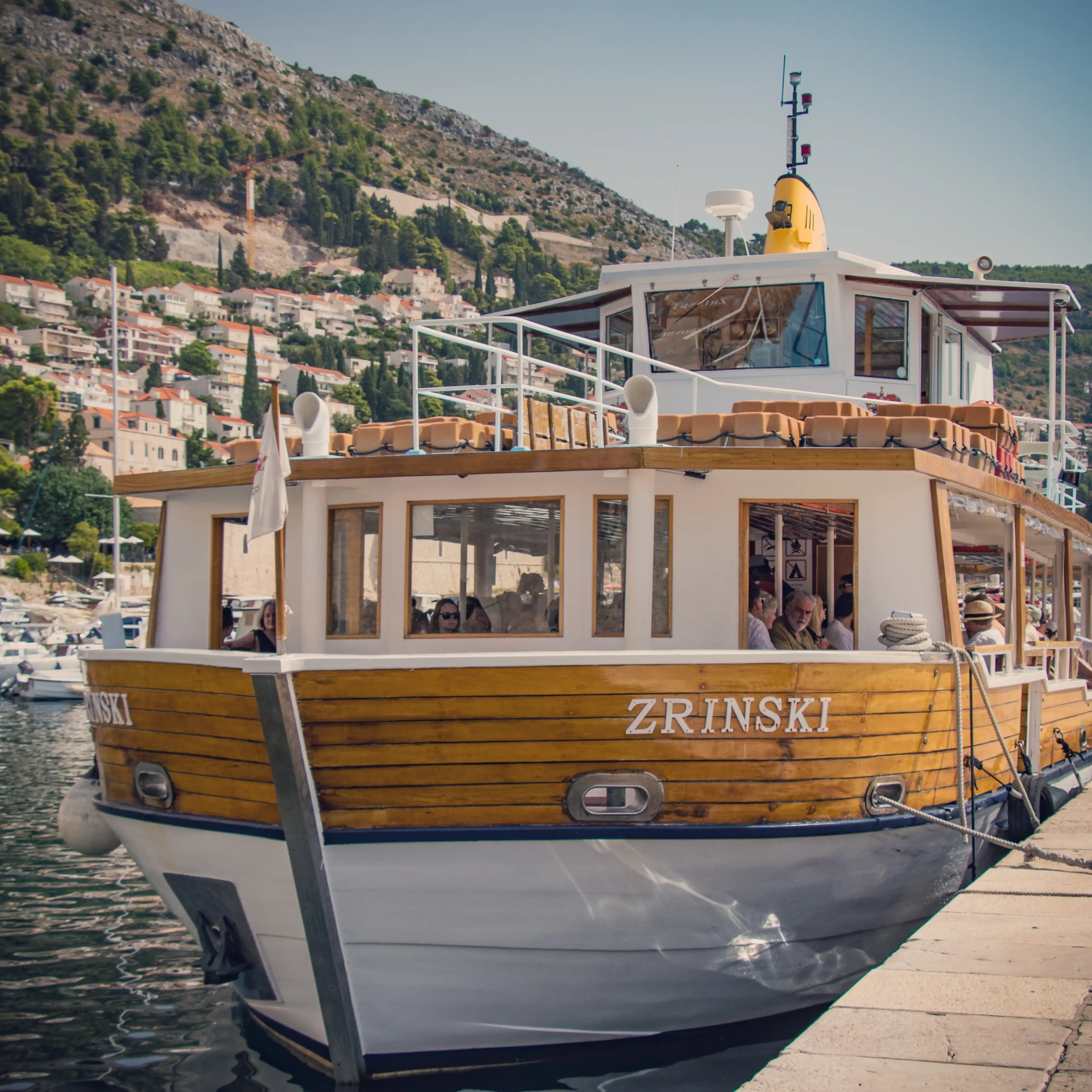
Just beyond the city’s eastern walls lies the Old Port, once the heart of Dubrovnik’s maritime trade. During the days of the Republic of Ragusa—the city-state that flourished here from the 14th to the early 19th century—this harbor was vital to its wealth and influence across the Adriatic. Protected by the St. John Fortress and framed by stone arches and piers, it’s now a peaceful place to wander among fishing boats and ferries bound for Lokrum Island. Cafés line the waterfront, offering the perfect spot to rest in the shade and watch the light play across the sea.


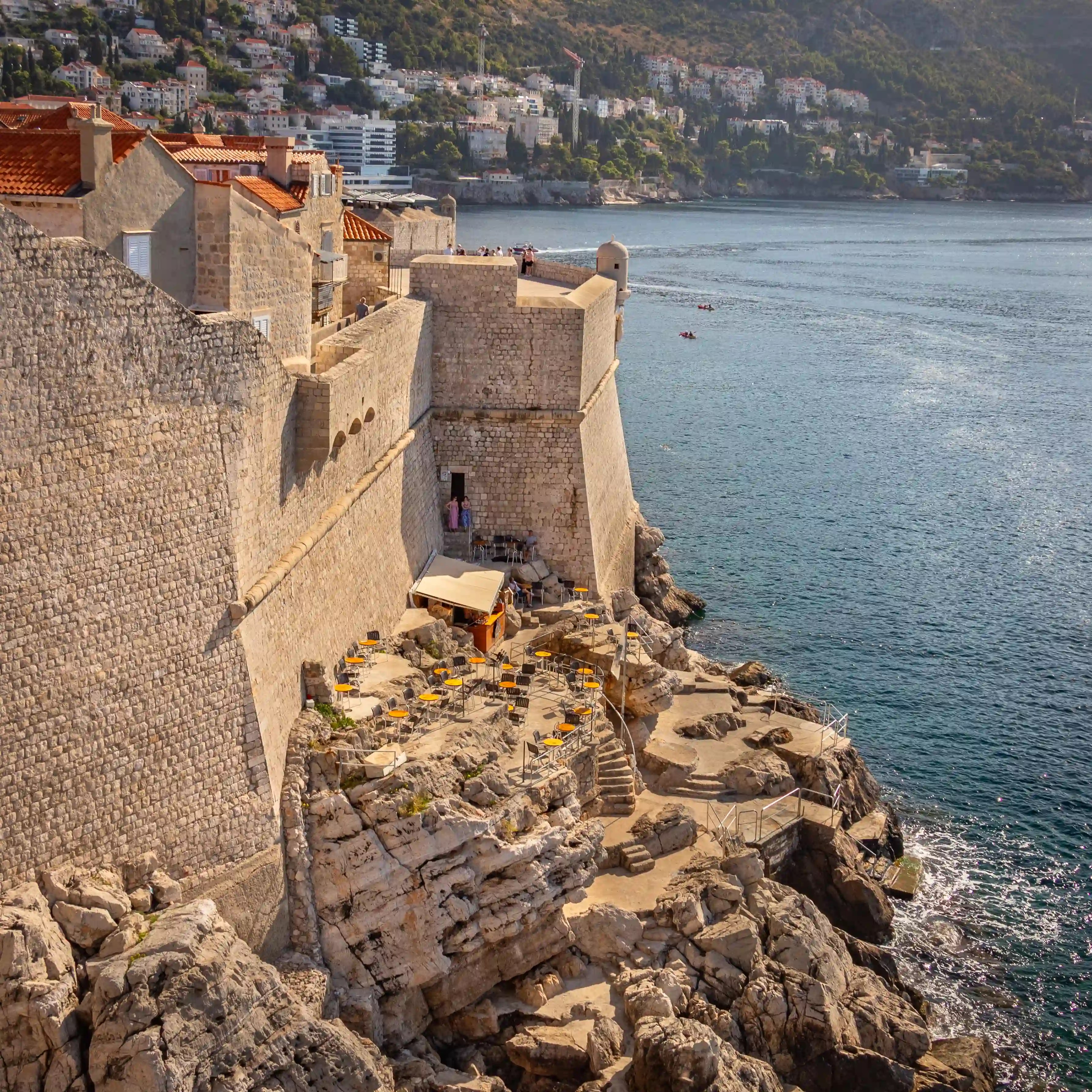
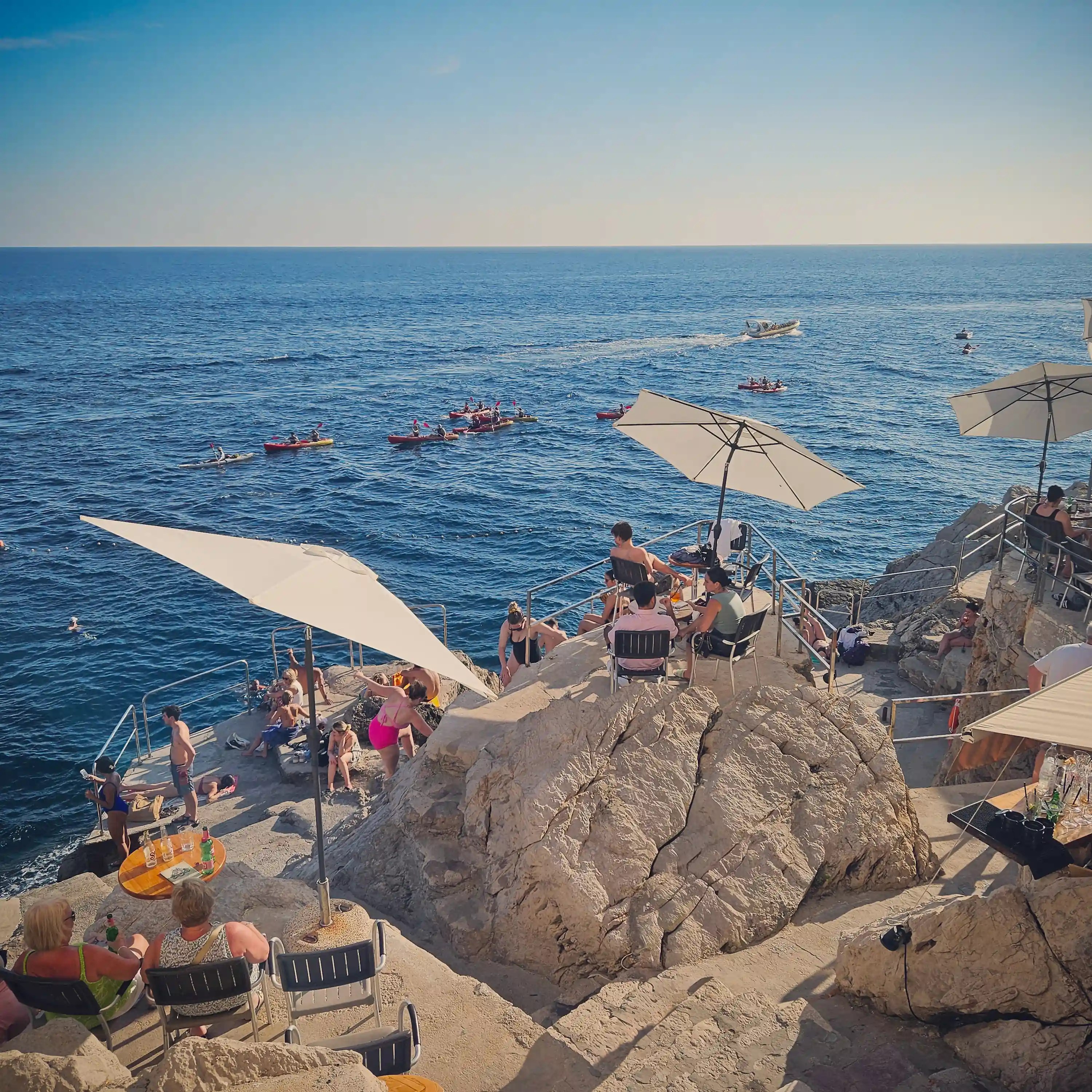
If you need a break, a short walk leads to Bard Dubrovnik, one of the city’s hidden cliffside bars tucked just outside the old walls. Look for a small stone doorway in the wall—it’s easy to miss, but it opens to one of Dubrovnik’s most beautiful views. The bar is cash only, but worth it for the setting alone. Sitting on the rocks with a drink in hand while swimmers leap into the turquoise water below feels like the essence of the Adriatic. For another similar spot, Buža Bar lies farther along the wall and offers the same unbeatable mix of sun, sea, and stone.

As you continue toward the Pile Gate, the Franciscan Monastery offers a peaceful contrast to the bustle outside. Founded in the 14th century, it houses one of Europe’s oldest functioning pharmacies, established in 1317, and a small museum displaying centuries-old medical jars, manuscripts, and relics of daily monastic life.


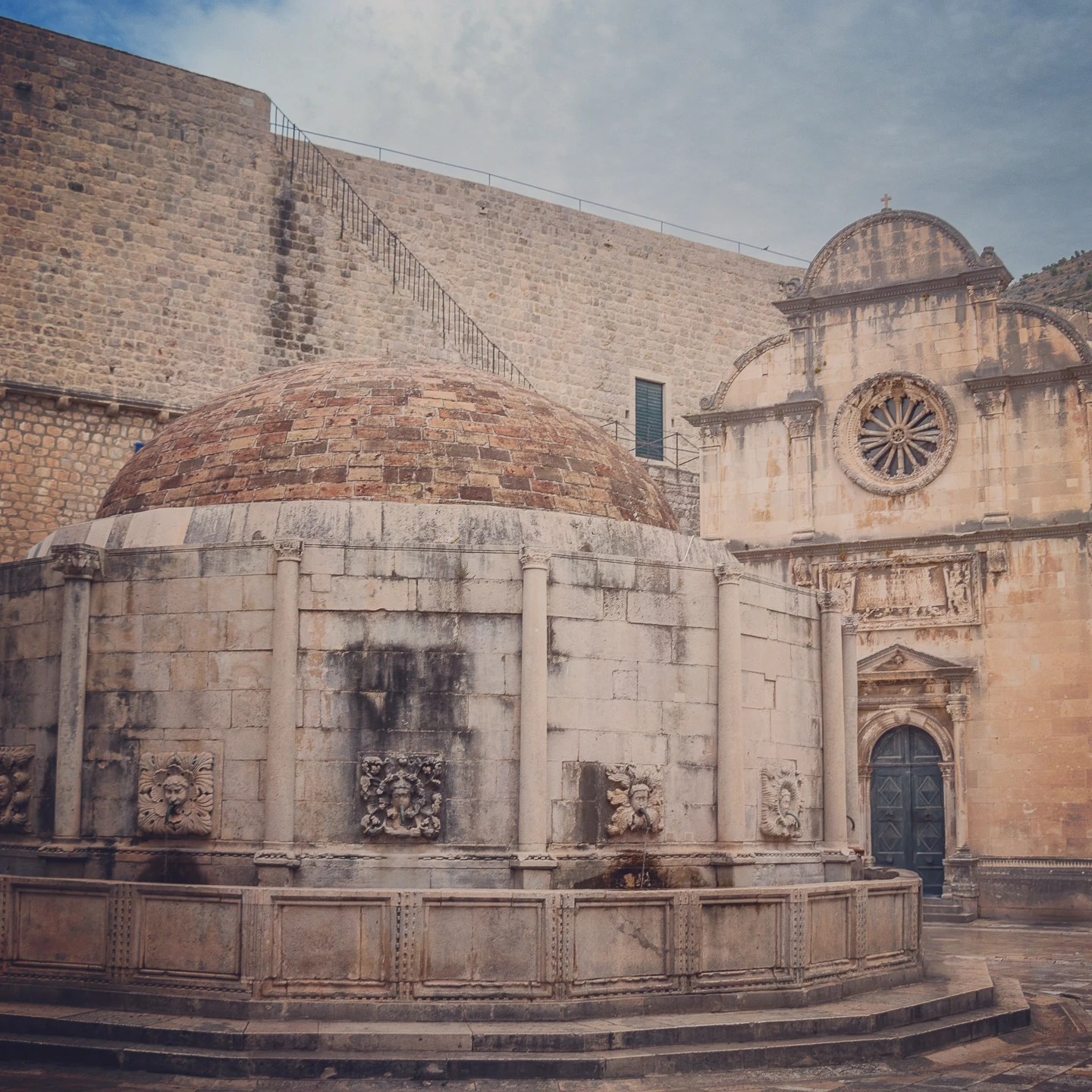
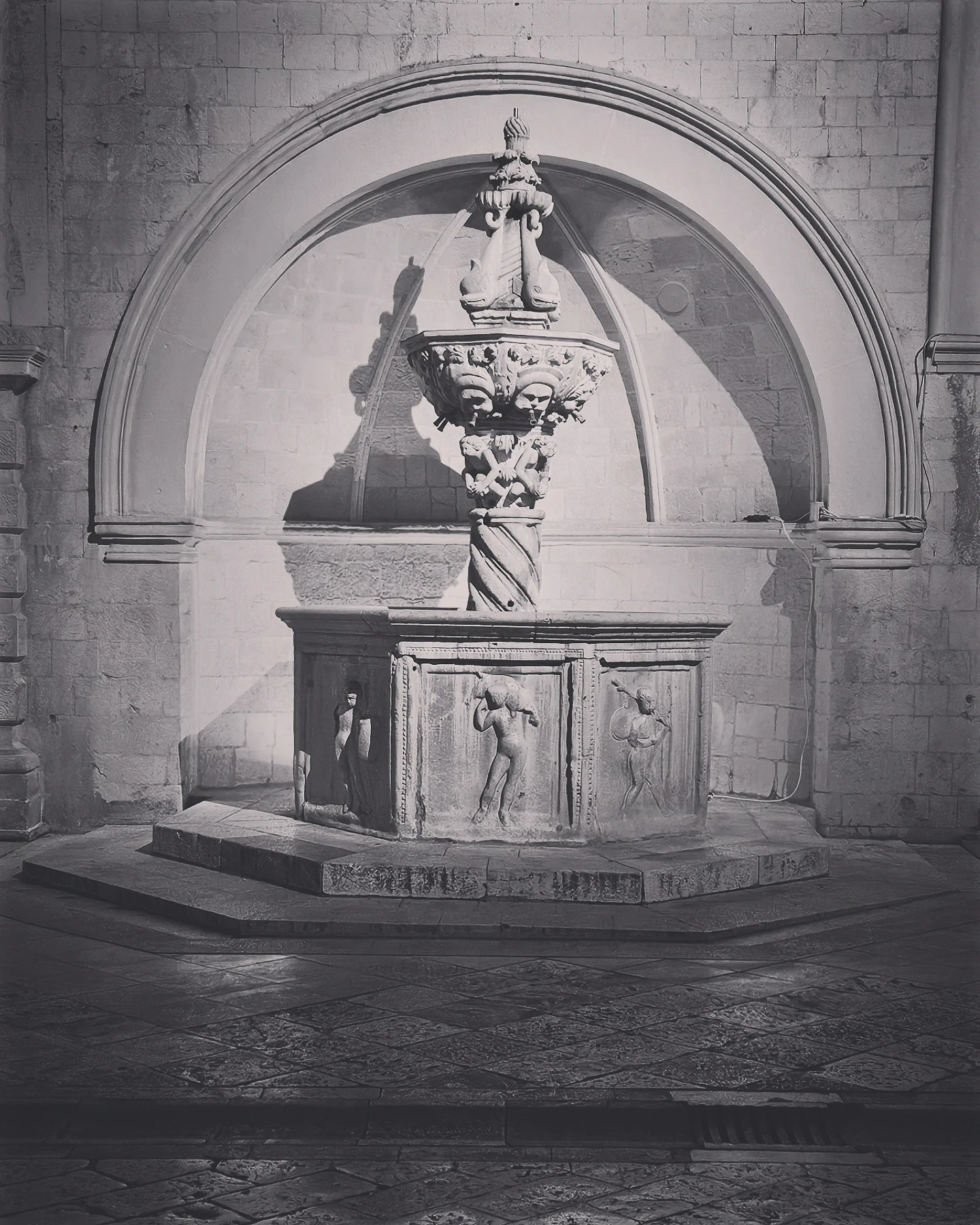
Just outside the monastery stands the Large Onofrio Fountain, built in the 15th century to supply fresh water to the city from a nearby spring. Its carved stone spouts still flow with potable water, a welcome refreshment for travelers—and a reminder of Dubrovnik’s remarkable medieval engineering that continues to serve visitors today.
Beside it stands the small Church of St. Saviour, built in gratitude after the city survived a major earthquake in 1520. Remarkably, it withstood the devastating 1667 earthquake that destroyed much of Dubrovnik, and today it remains one of the city’s best-preserved Renaissance landmarks.

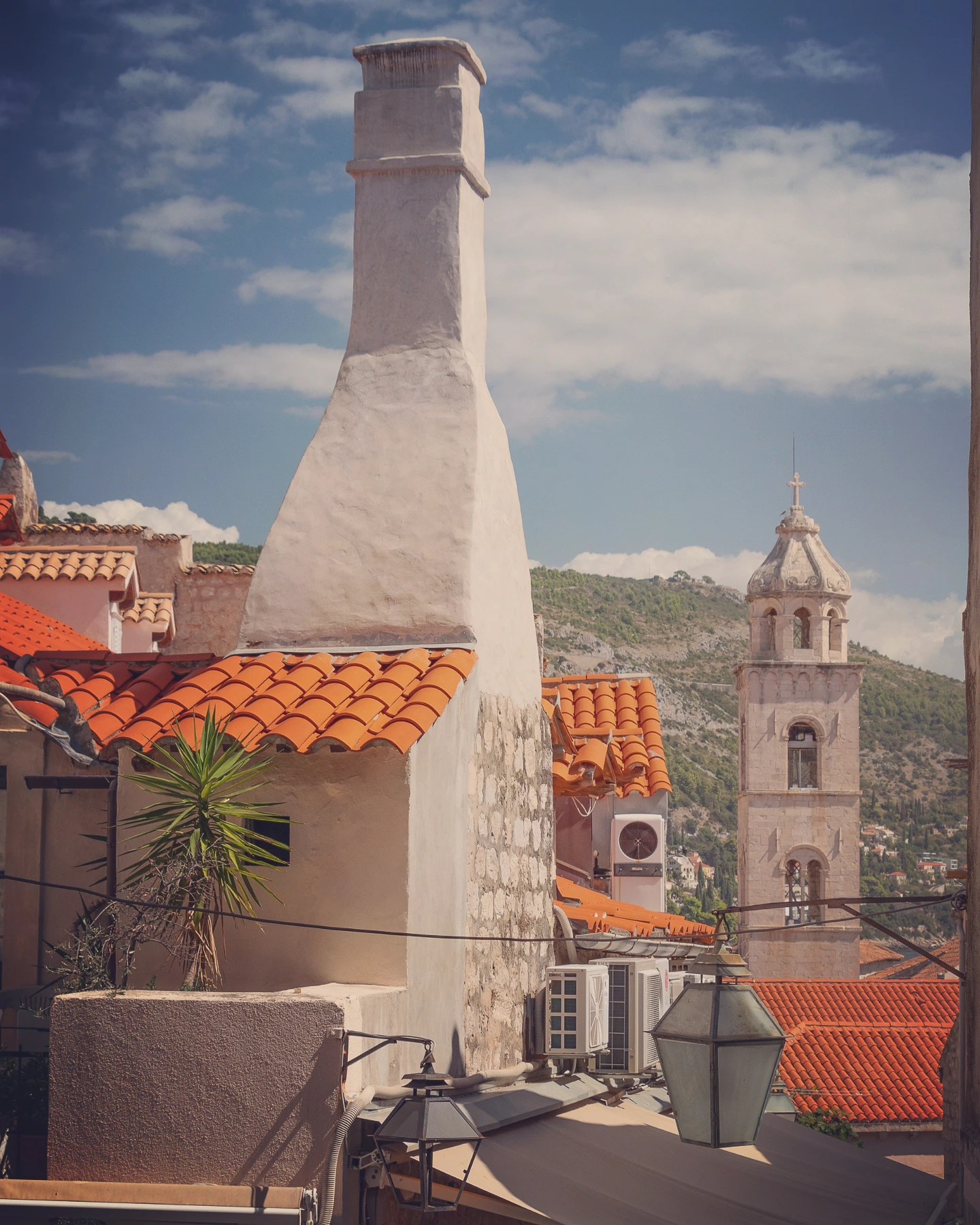
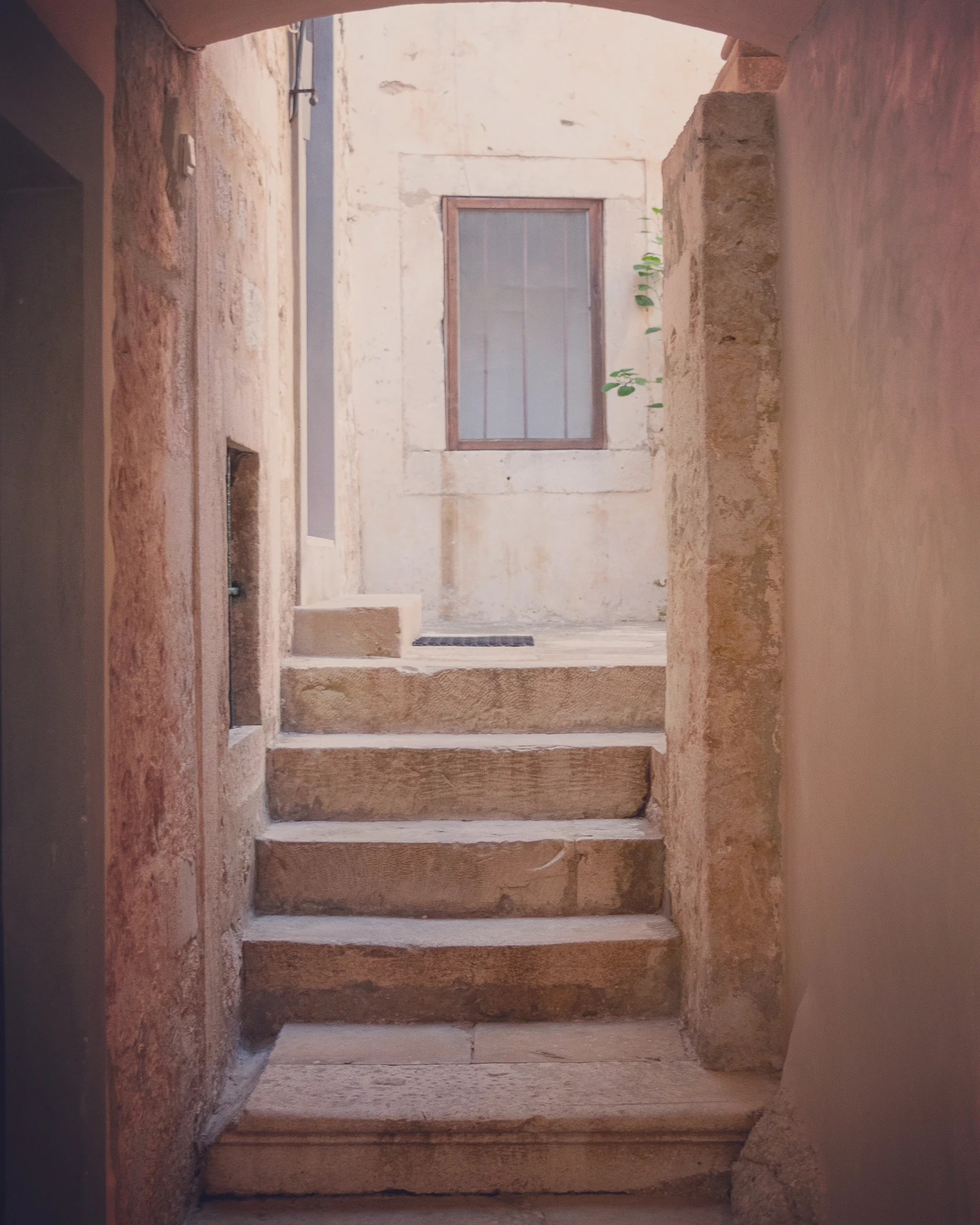
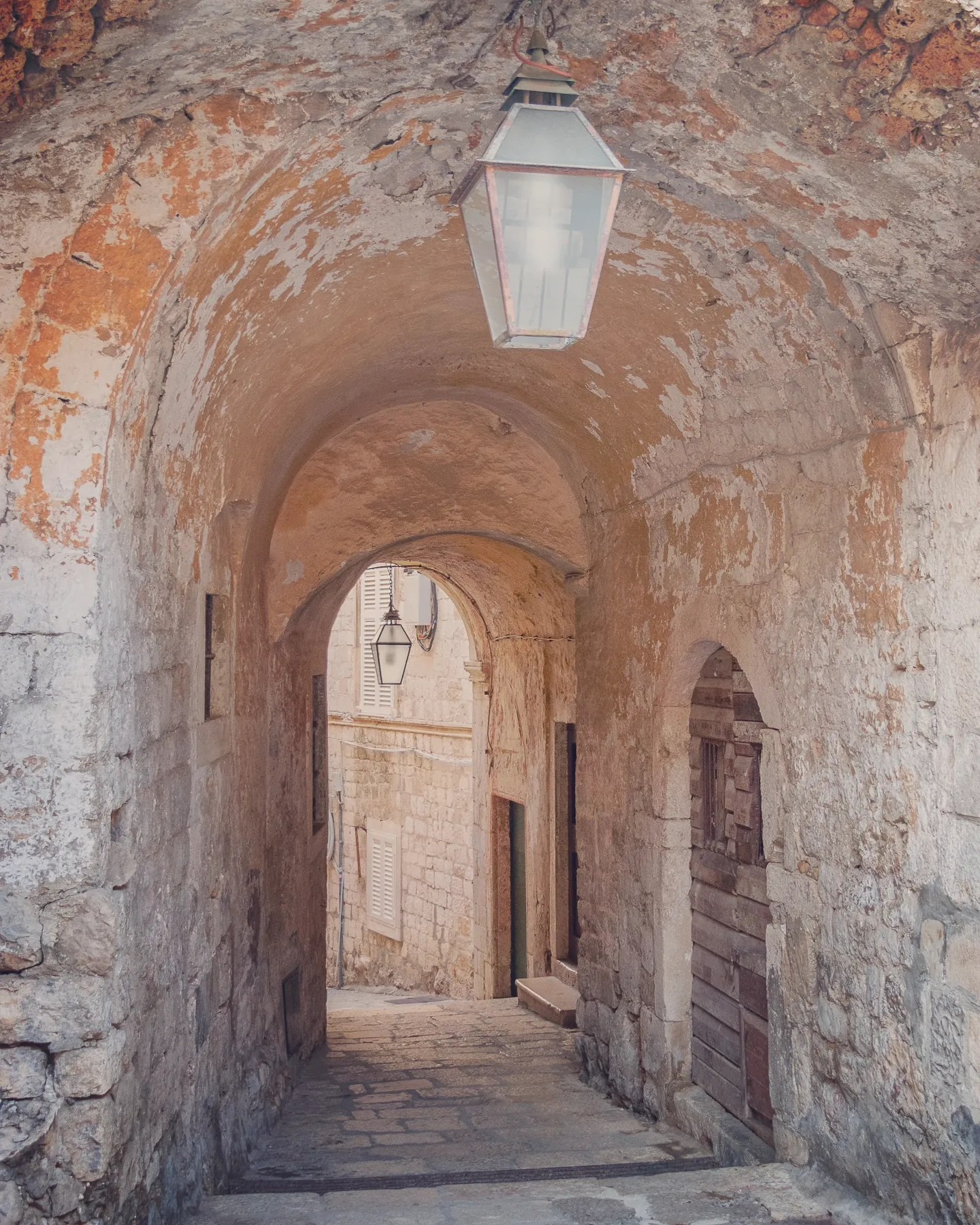
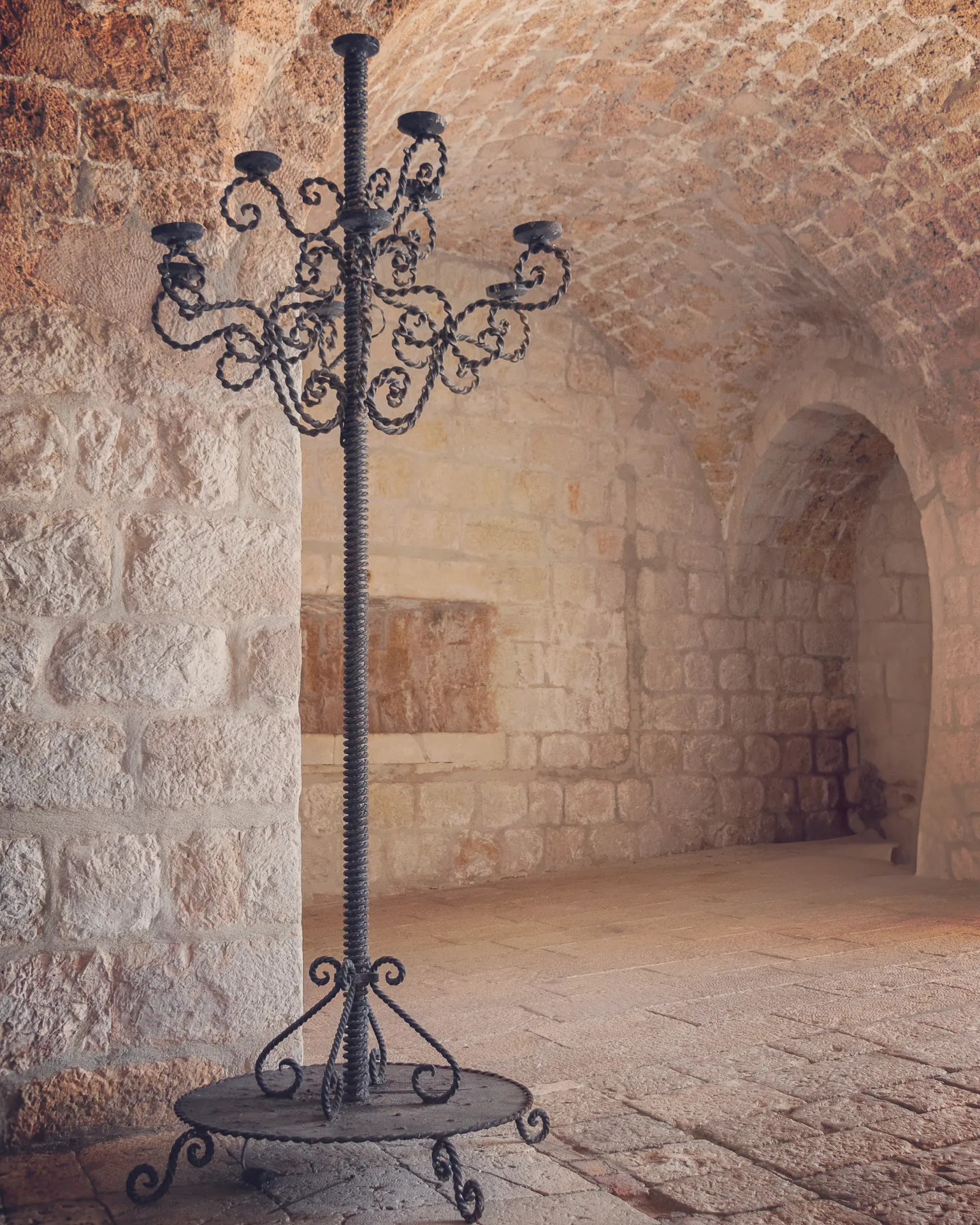
No matter how many maps you carry, Dubrovnik rewards getting lost. Each turn seems to reveal something new—a hidden courtyard café, a quiet chapel, or a glimpse of the sea between the rooftops.
Dubrovnik’s Fort Lovrijenac and Pile Bay
Outside the western walls, perched dramatically on a 37-meter (121-foot) cliff, Fort Lovrijenac has guarded Dubrovnik since the early 11th century, a powerful symbol of the city’s independence. Above its entrance is carved the Latin inscription “Non bene pro toto libertas venditur auro”—Freedom is not to be sold for all the world’s gold. Exploring the fort’s different levels reveals sweeping views from every angle—stone courtyards, cannon-lined terraces, and the vast Adriatic beyond.


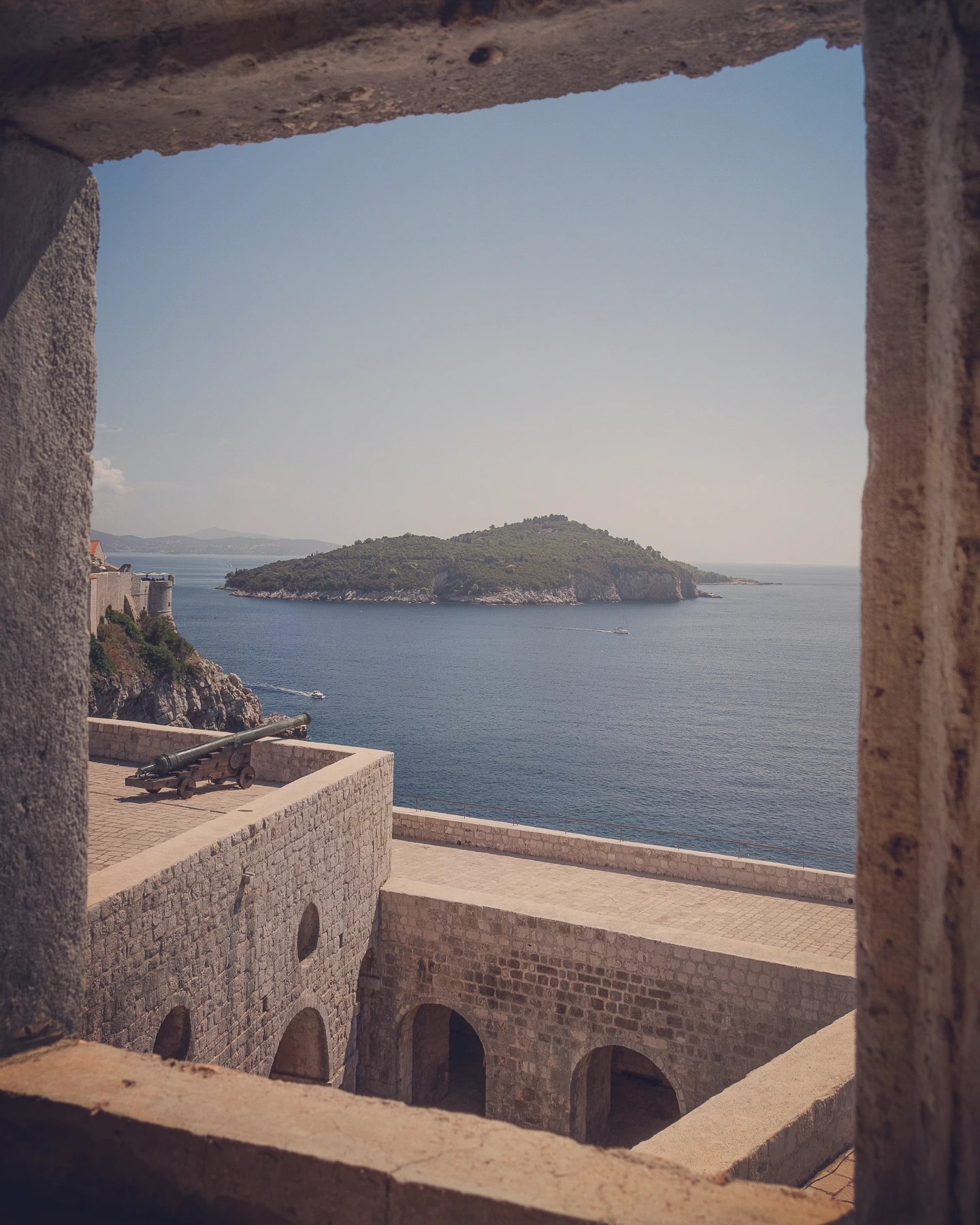


It’s easy to see why Game of Thrones chose this site for scenes set in the Red Keep: from its ramparts, Pile Bay (known on-screen as Blackwater Bay) unfolds below, its turquoise water meeting the cliffs in one of Dubrovnik’s most dramatic views.

Lokrum Island: Nature, Legends, and the Iron Throne
A 15-minute ferry ride from Dubrovnik’s Old Port brings you to Lokrum Island, a protected nature reserve and a world away from the bustle of the Old Town. The island’s trails wind through pine forests, botanical gardens, and rocky coves where visitors swim in the clear Adriatic water.
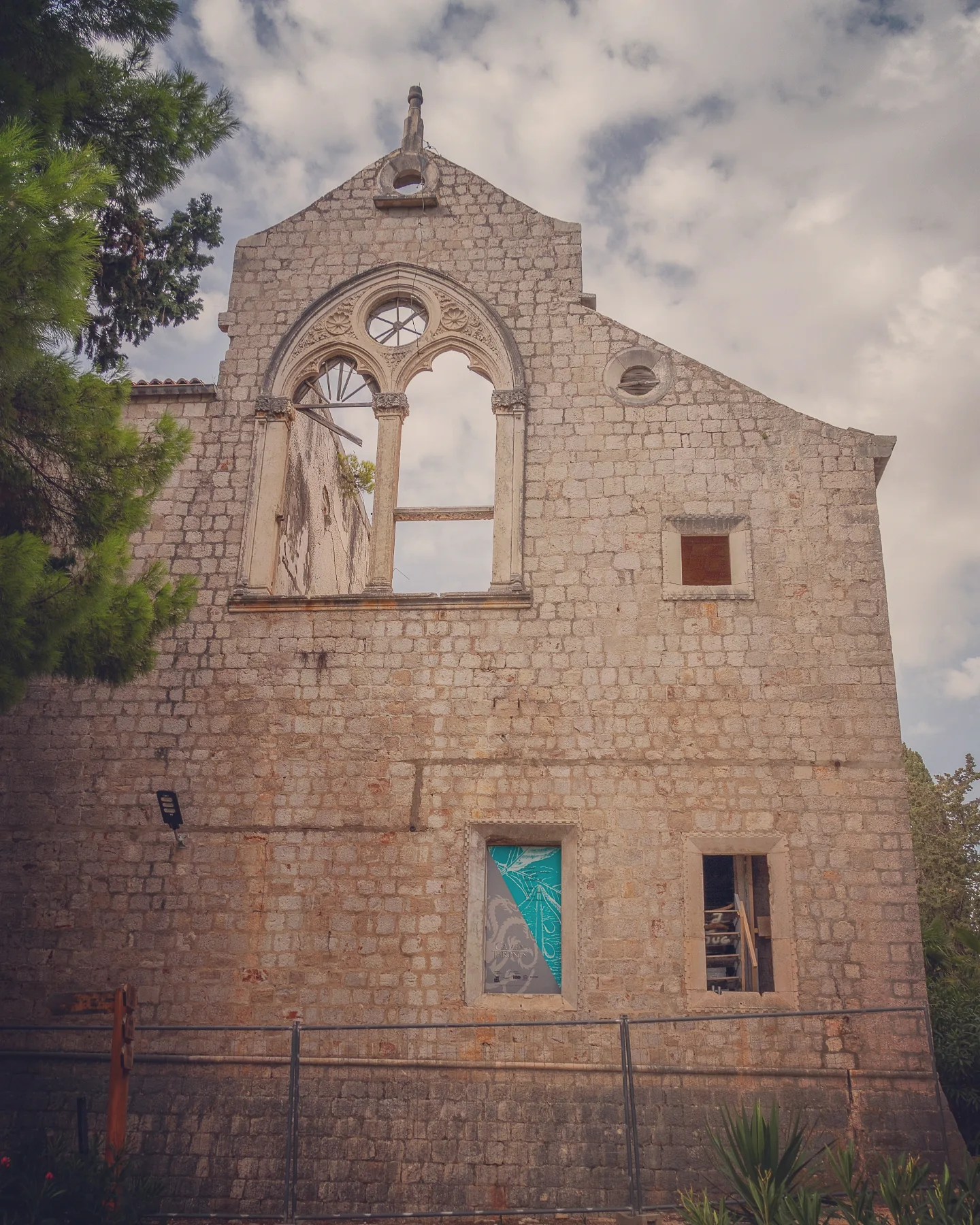
I joined a Game of Thrones walking tour that explored filming locations around Dubrovnik’s Old Town—including Pile Gate, the Jesuit Staircase, and Fort Lovrijenac—before continuing across to Lokrum. The island doubled as the city of Qarth in the series, and the tour ended with a visit to the Benedictine Monastery, where you can see exhibition displays and even sit on a replica of the Iron Throne in the visitor center.
The monastery complex itself dates back to the 11th century, and in the 19th century, Archduke Maximilian of Habsburg built his summer residence beside its ruins, adding terraces and gardens that still shape the island’s landscape today. Its quiet courtyards are now home to peacocks and rabbits that roam freely through the shaded ruins.


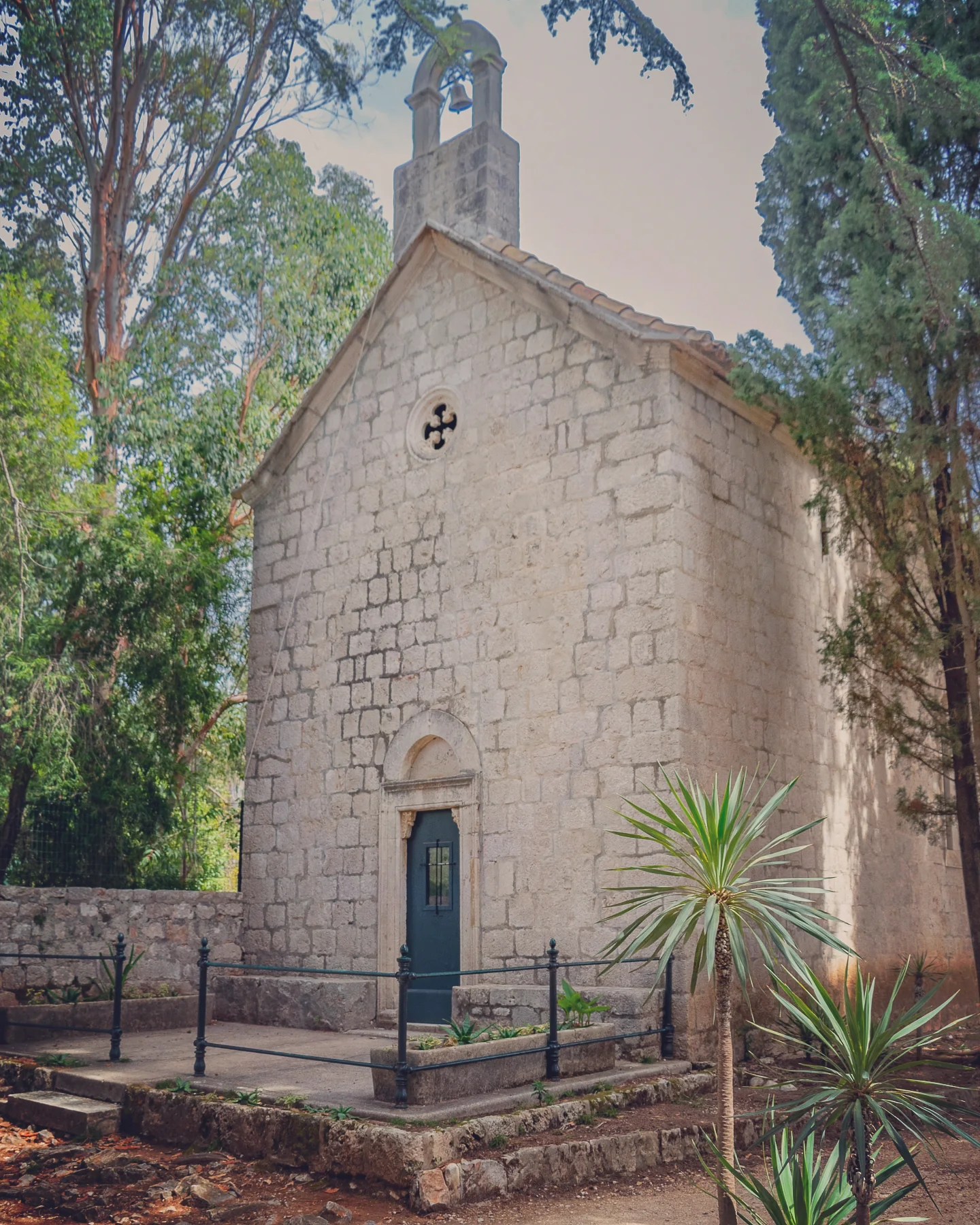




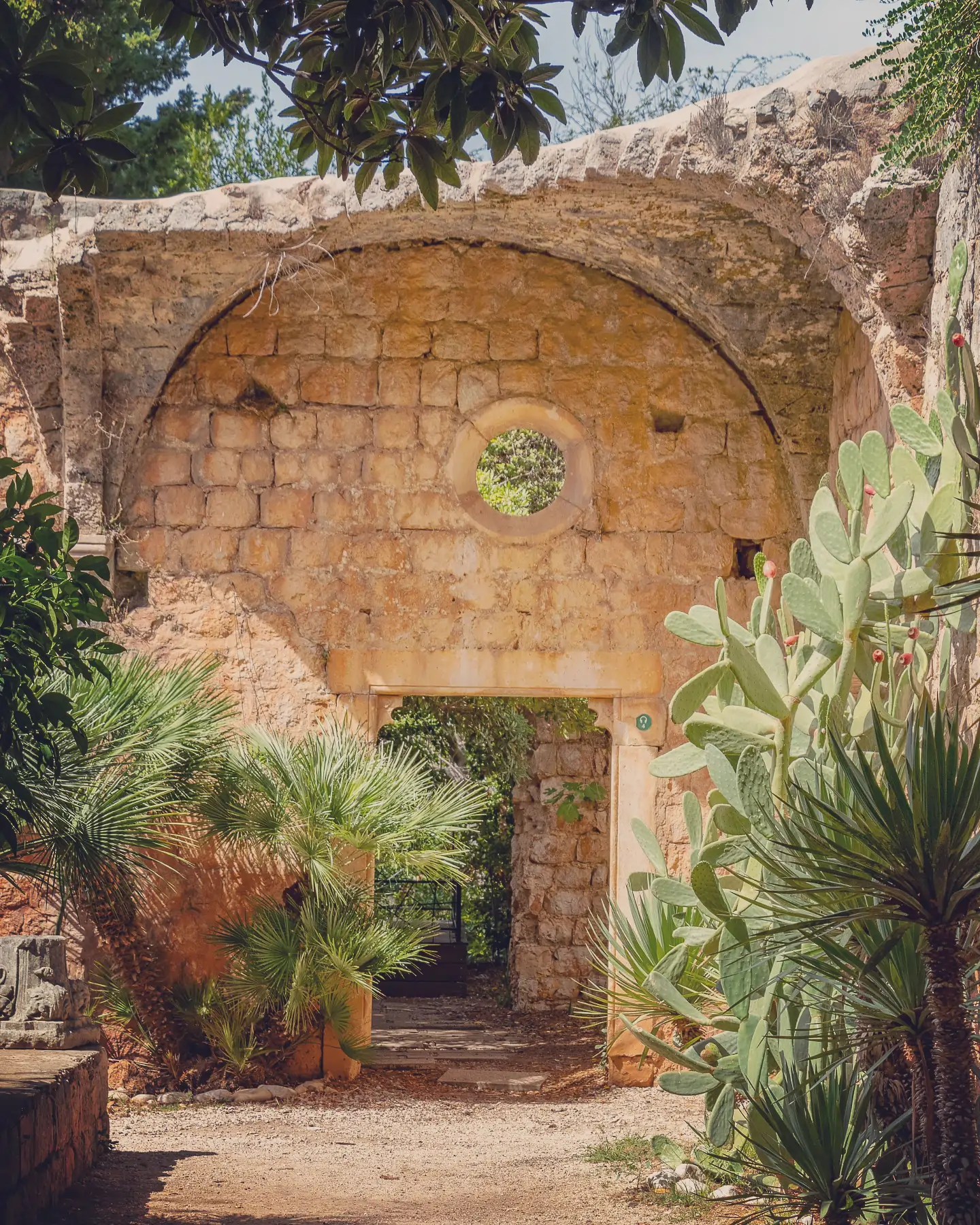
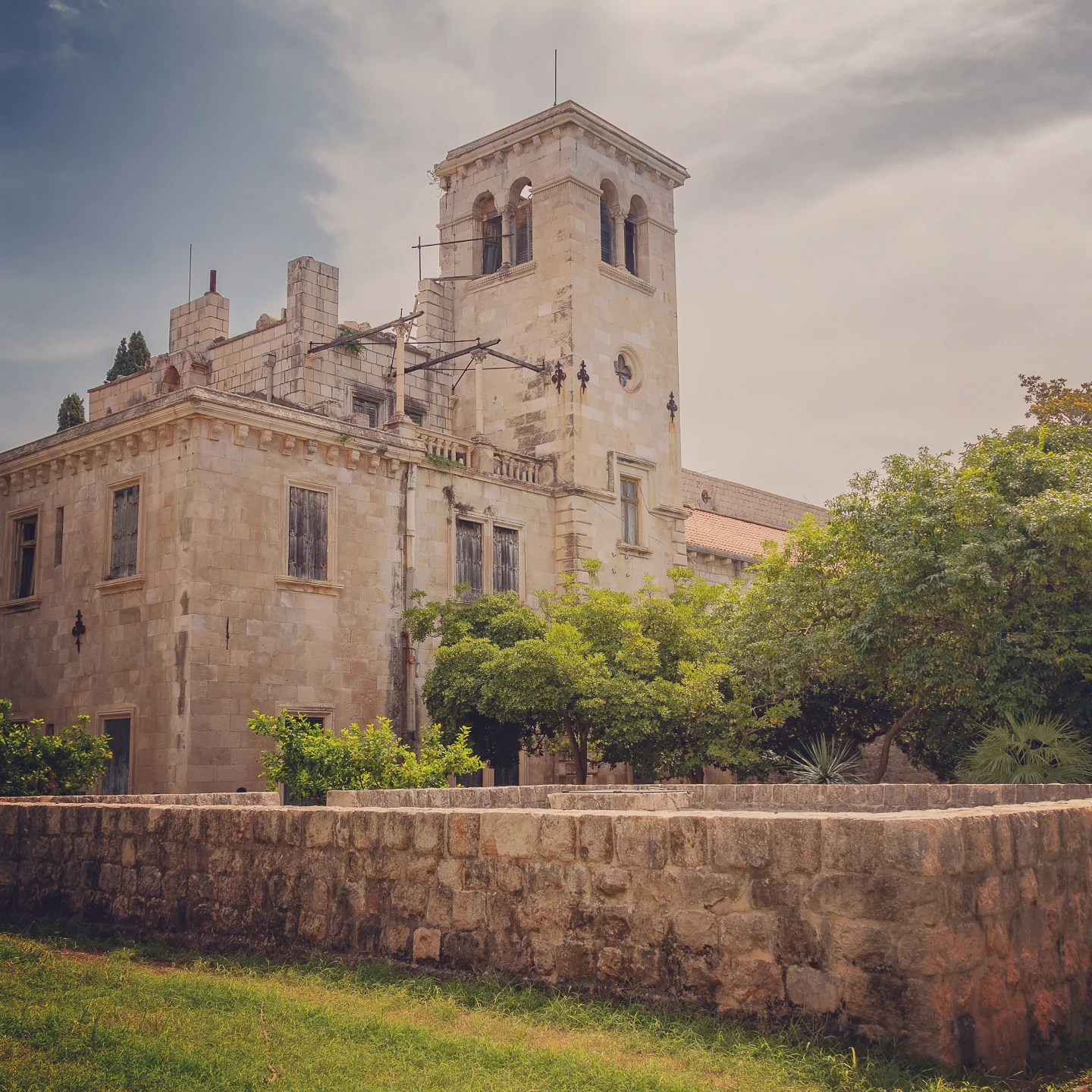
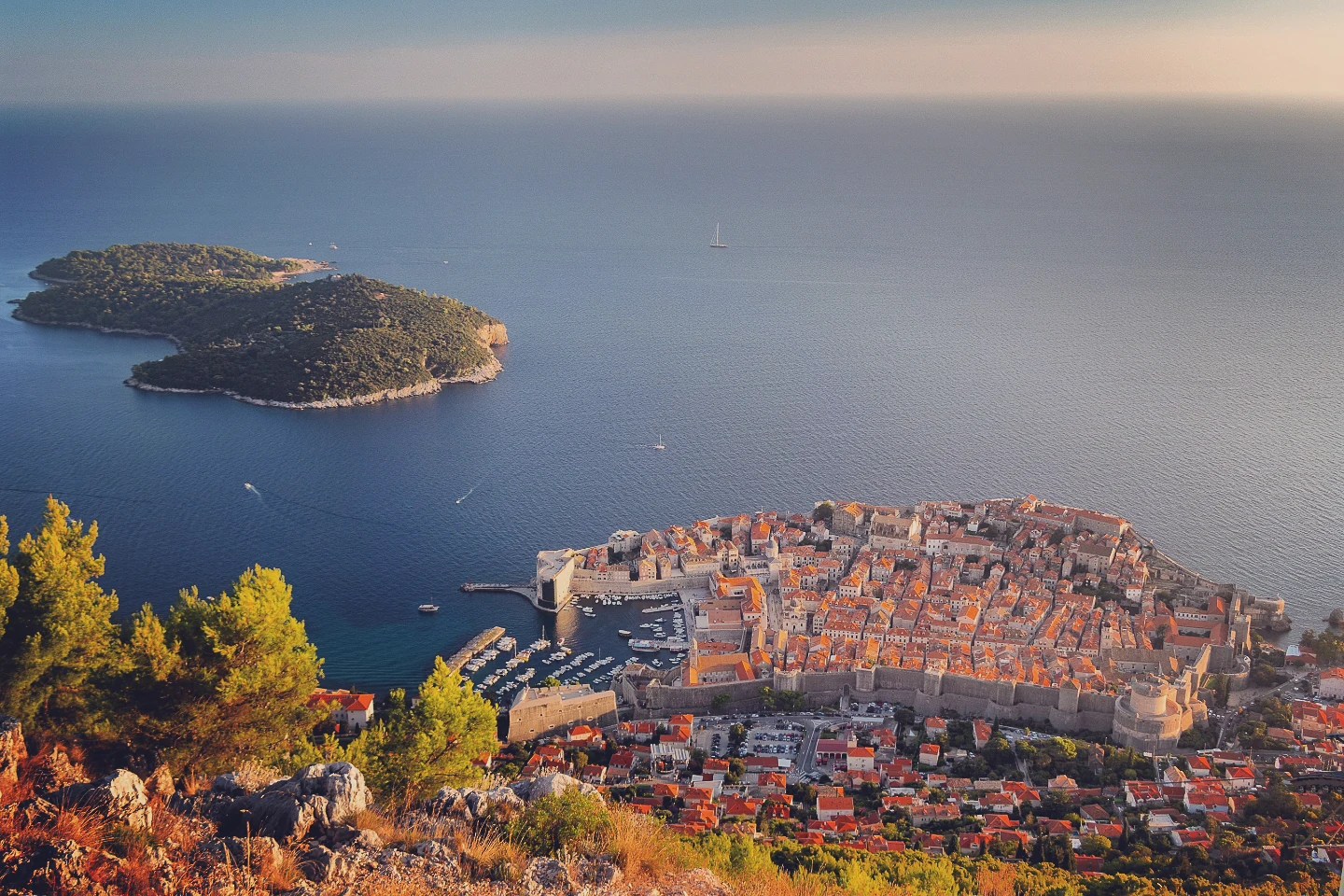
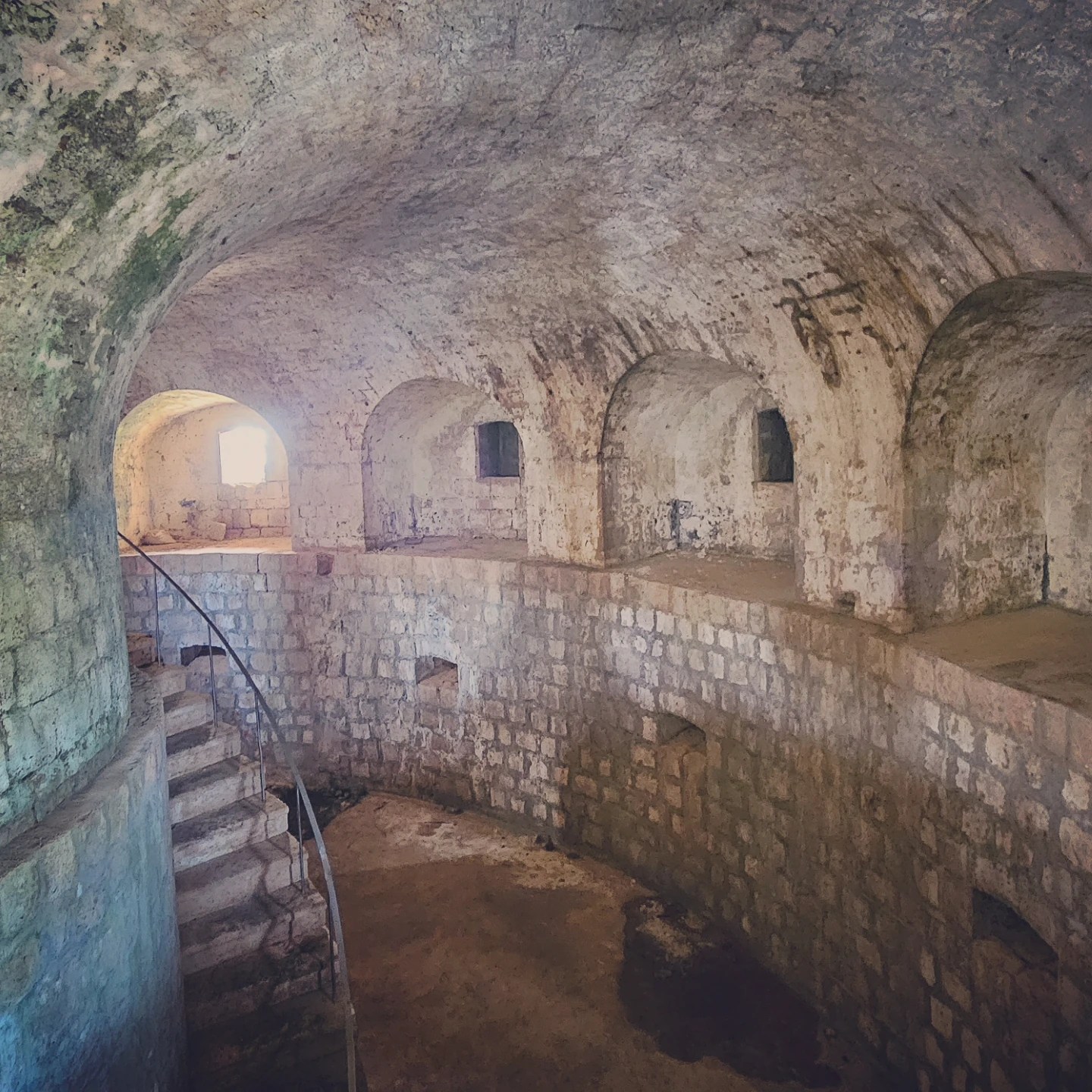
From there, trails spread out across the island. The Path of Paradise climbs gently uphill toward Fort Royal, a circular stone fortress built by Napoleon’s forces in the early 1800s. From its ramparts, the view stretches across the Adriatic to Dubrovnik’s walled skyline.

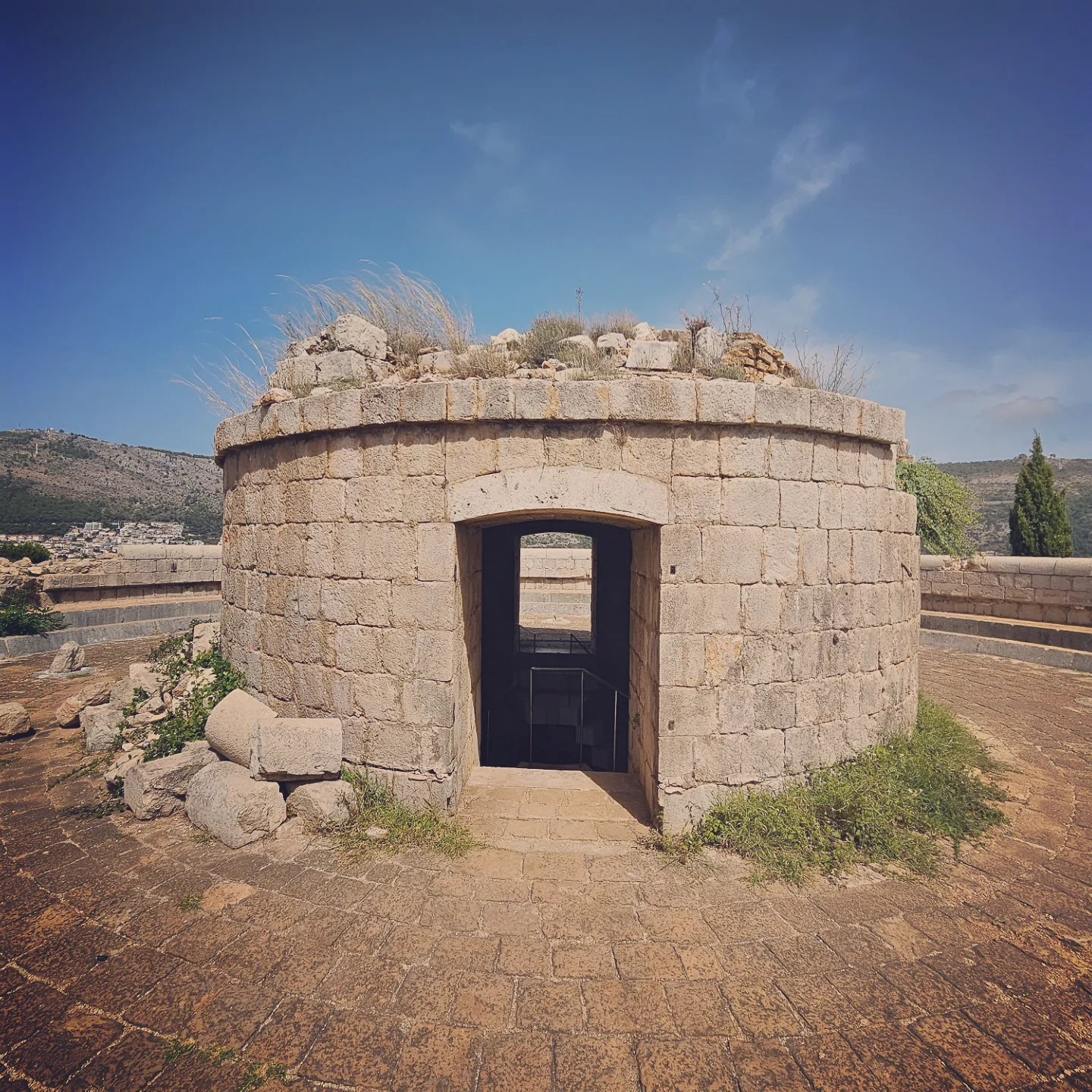

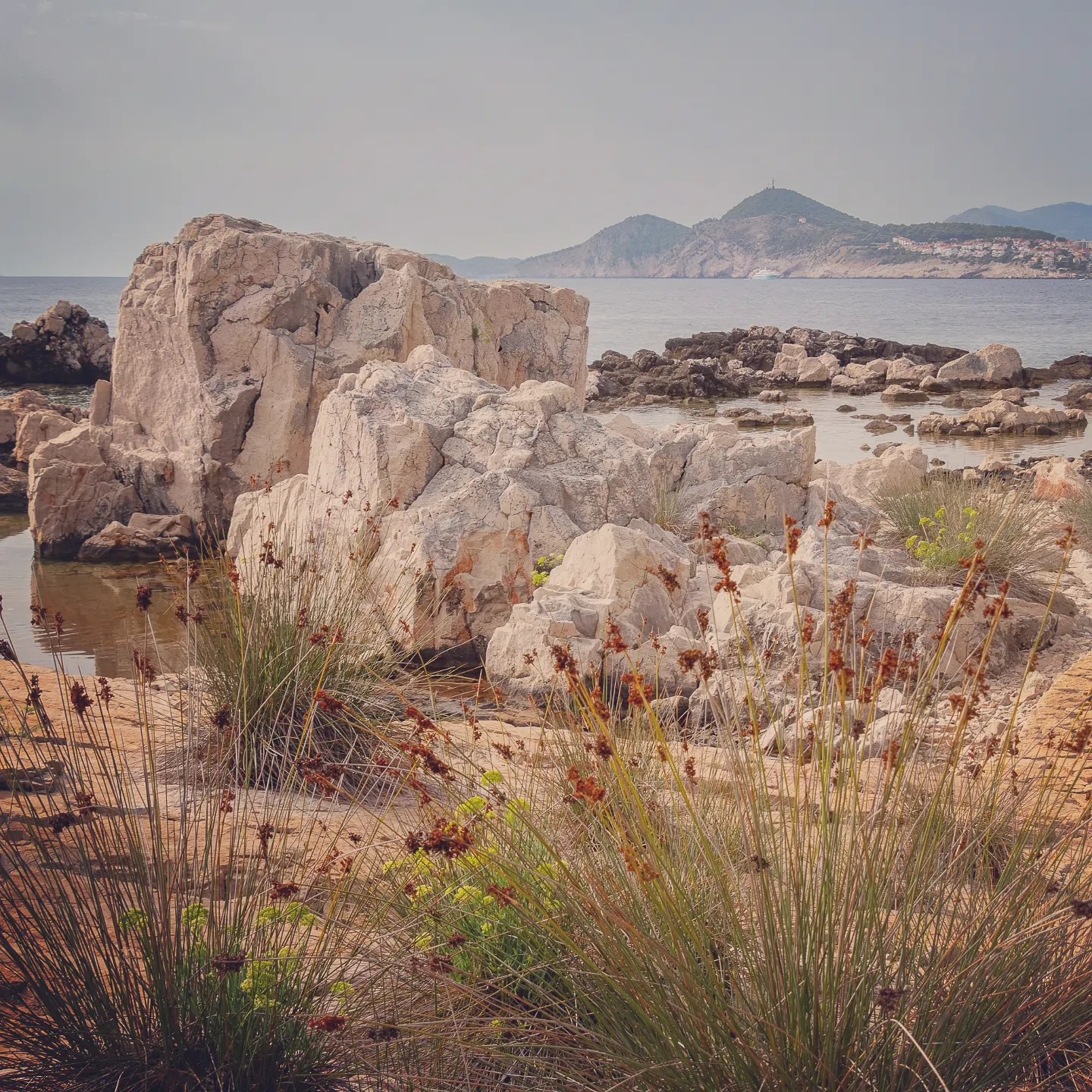
Other paths lead to the island’s smaller natural treasures—the Dead Sea, a tranquil saltwater lake perfect for floating, and Skalica, the island’s oldest pier and the legendary landing site of Richard the Lionheart. I swam there with a beautiful view back toward Dubrovnik, the city walls gleaming in the sun.




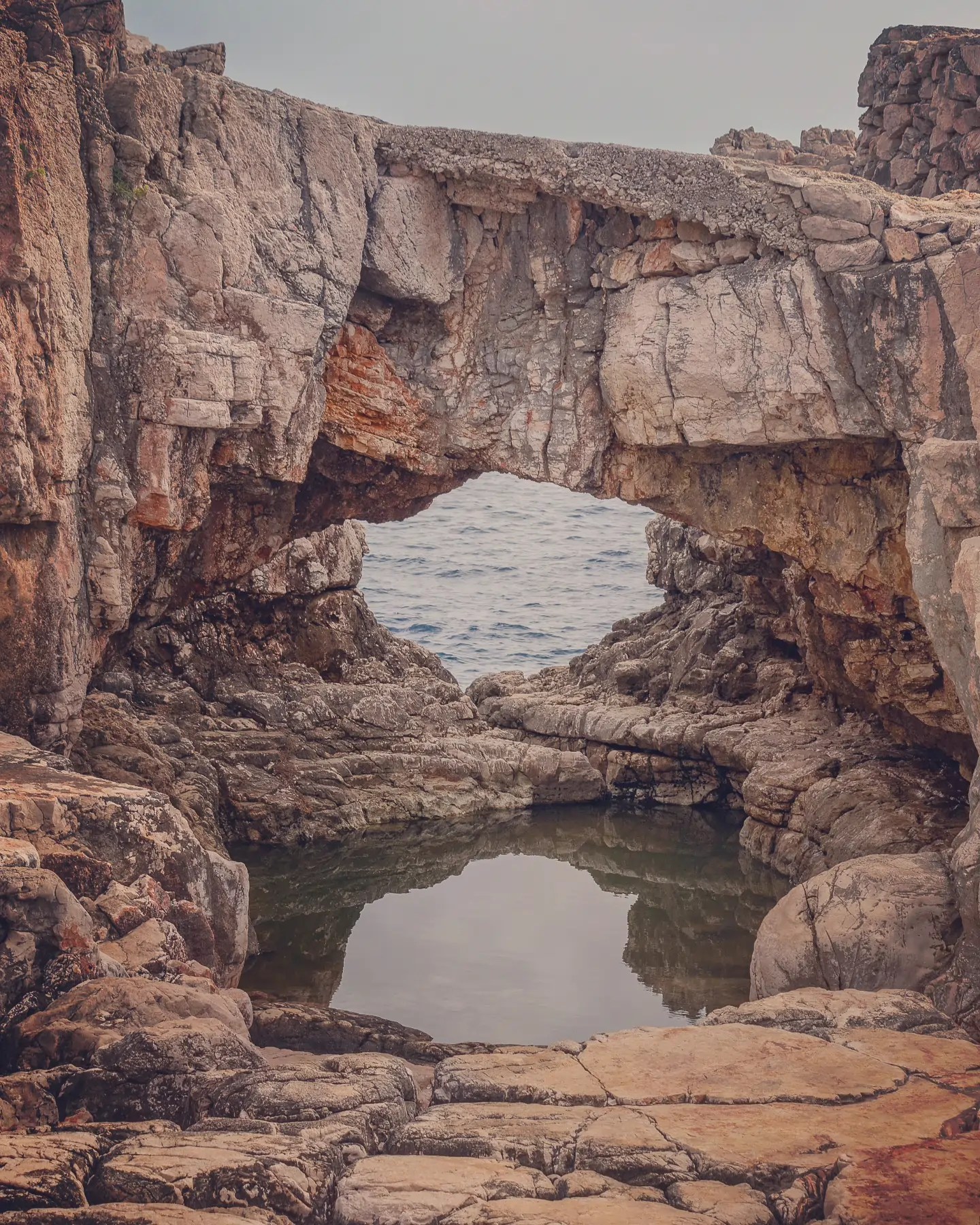
I ended my visit near the Buža rock formations, where the stone ledges meet the sea. It’s a stunning place to pause, swim, or simply take in the sound of waves against the rock.

The island also carries a touch of legend—the Benedictine Curse. On the night before the monks were forced to leave Lokrum, they held a candlelit procession around the island, proclaiming a curse on all future owners. In the years that followed, several of Lokrum’s later proprietors—including Archduke Maximilian of Habsburg—met tragic or untimely deaths, keeping the legend very much alive. Today, the island remains uninhabited, its wild beauty preserved.
Lokrum may be small, but it’s filled with hidden corners worth exploring—from olive groves and botanical gardens to sea cliffs shaped by centuries of wind and weather.
Dubrovnik’s Golden Hour: From Mount Srd to the Old Town Streets
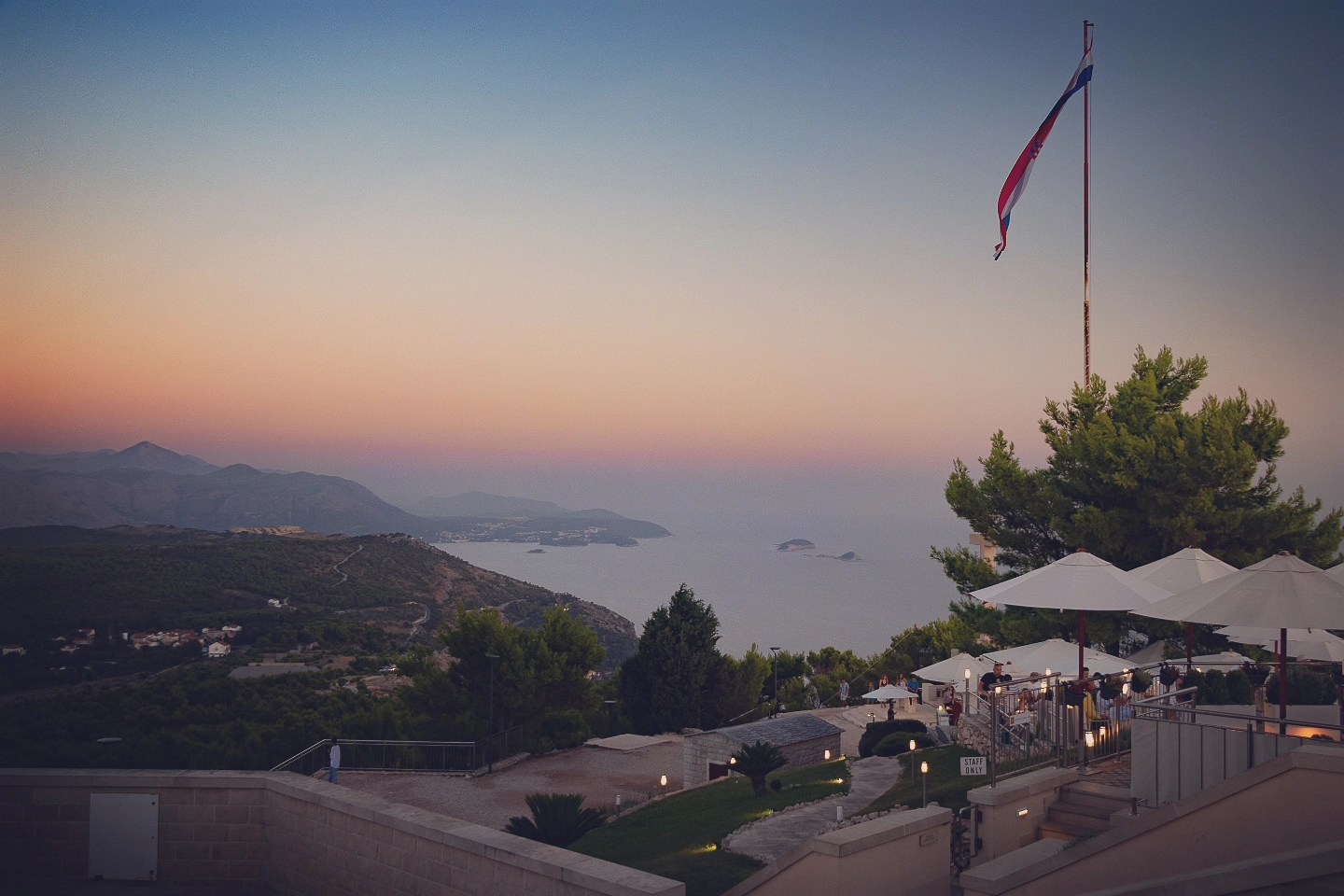
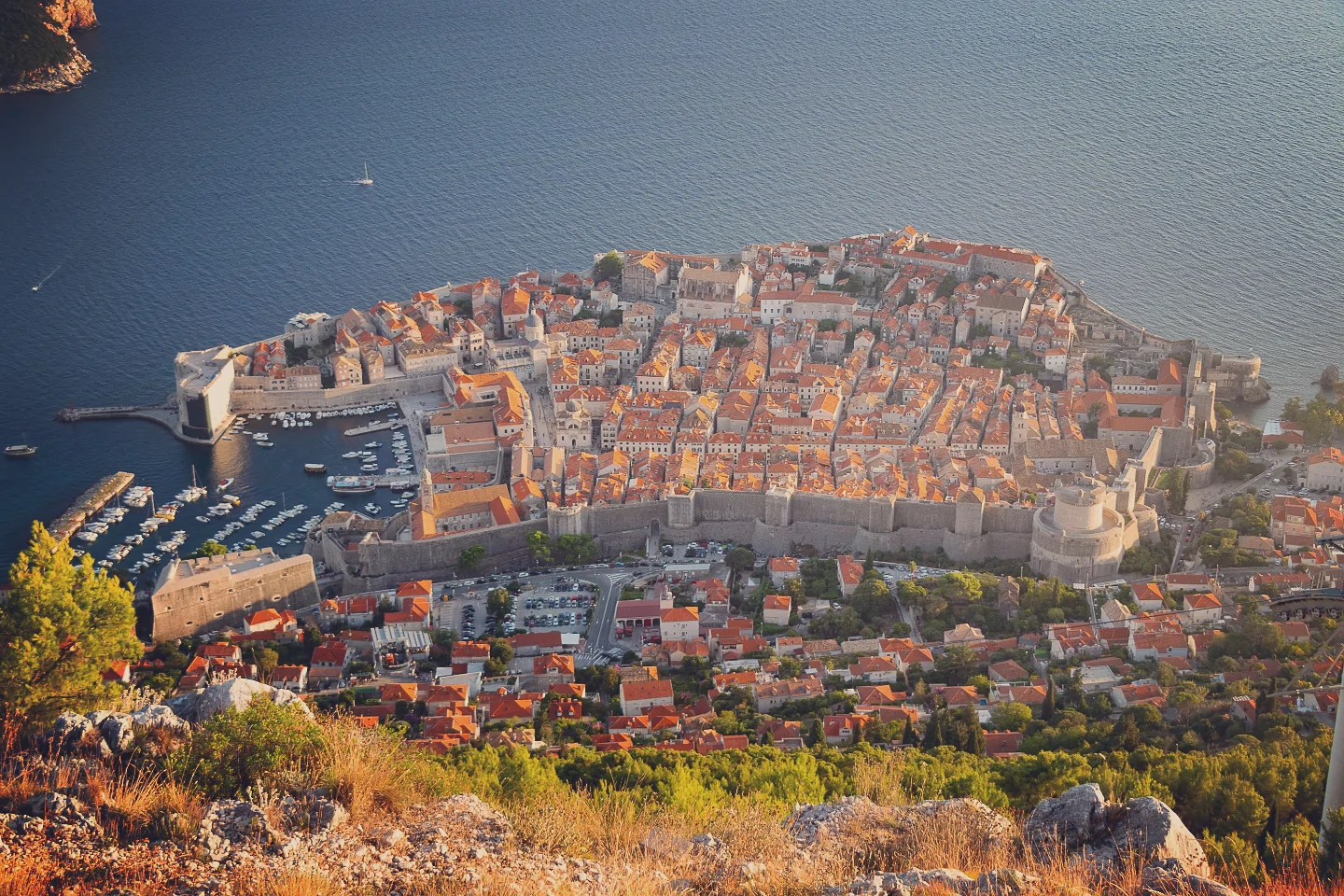
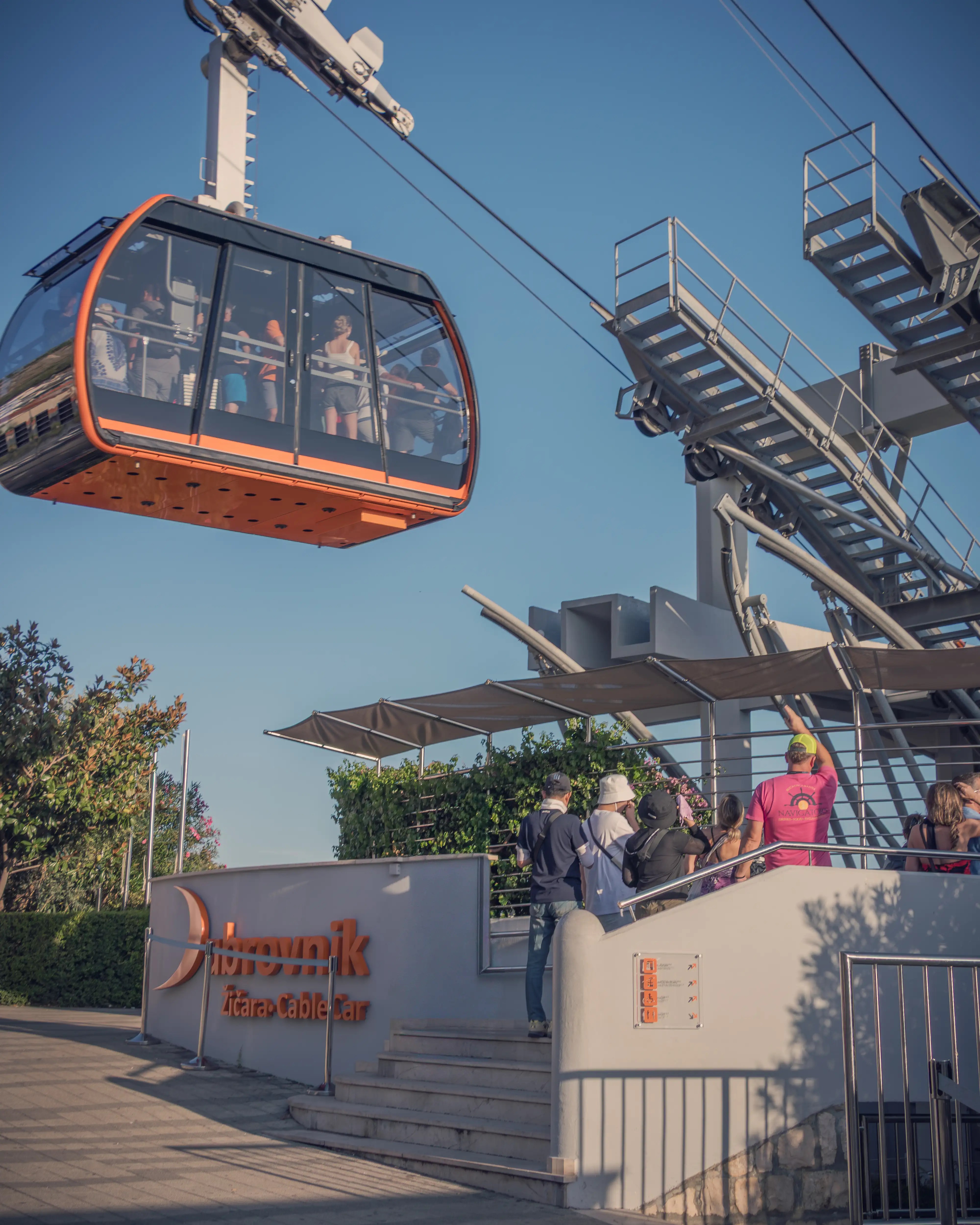
For one of the best sunset views in Dubrovnik, take the Dubrovnik Cable Car up Mount Srđ. In just a few minutes, you’re high above the city, with the Old Town and the Adriatic stretching endlessly below. The Panorama Restaurant at the top books up months in advance for dinner, especially at sunset, but even without a table, the view alone is worth the ride.
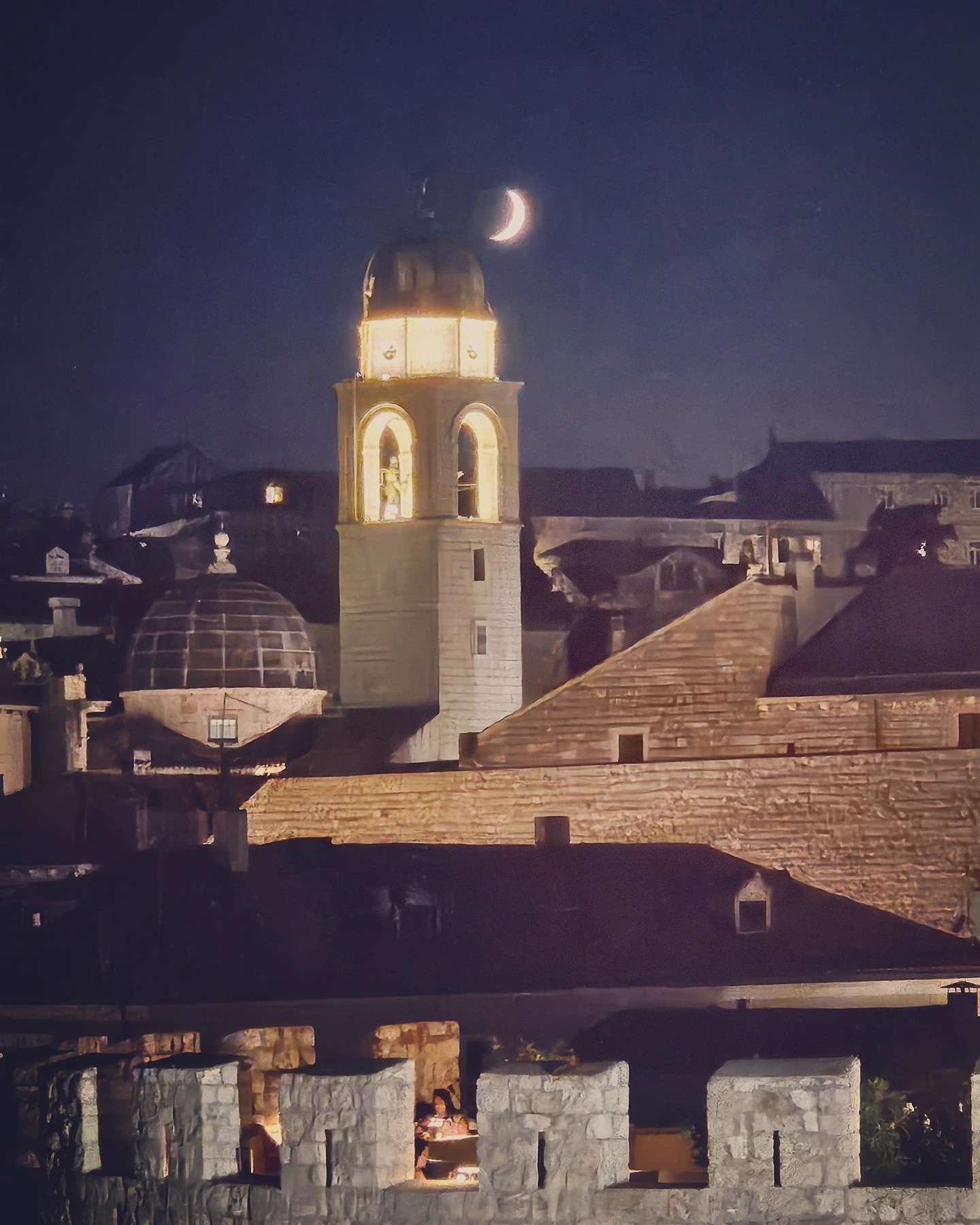
As the sun dips below the horizon, the scene transforms. The terracotta rooftops fade into silhouette, and the city below begins to sparkle with golden light. Once back in town, Dubrovnik takes on a different kind of magic—lanterns glowing along the Stradun, live music drifting through the squares, and the laughter from cafés and wine bars spilling into the streets. It’s the perfect time to unwind, wander, and see the city in a softer, more intimate light.

Dining in Dubrovnik
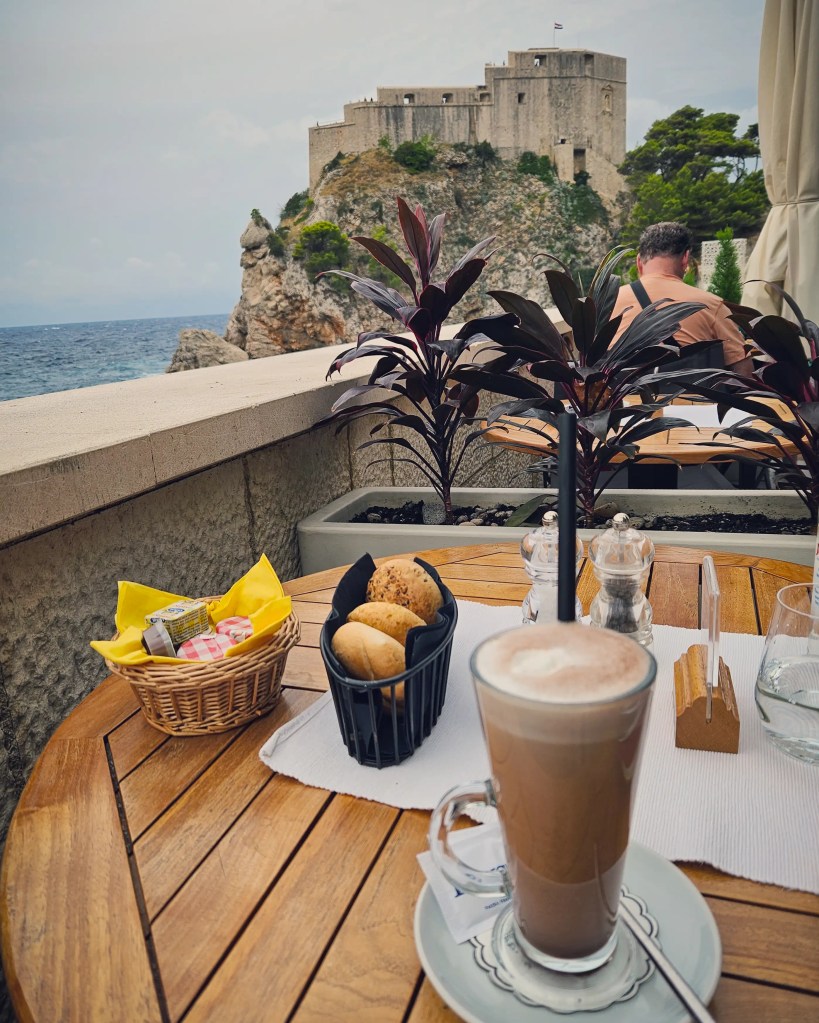
Traveling solo meant I could eat whenever and wherever the mood struck, often between photo stops. Here are a few memorable spots that made the trip even more delicious.


Location & Getting There
From Stuttgart, I started the weekend early with a relaxing stop at the Caracalla Therme in Baden-Baden—a beautiful spa complex with thermal mineral pools, saunas, and quiet relaxation areas—before catching a late-night nonstop Ryanair flight from Karlsruhe/Baden-Baden Airport (FKB) to Dubrovnik Airport (DBV).
Dubrovnik Airport sits about 20 kilometers (12 miles) southeast of the city. The easiest and most cost-effective way to reach the Old Town is the airport shuttle bus, operated by Platanus. It departs roughly 30 minutes after each arriving flight and drops passengers just outside the city walls, a convenient stop if you’re staying in or near the Old Town. The ride takes about 20 minutes.
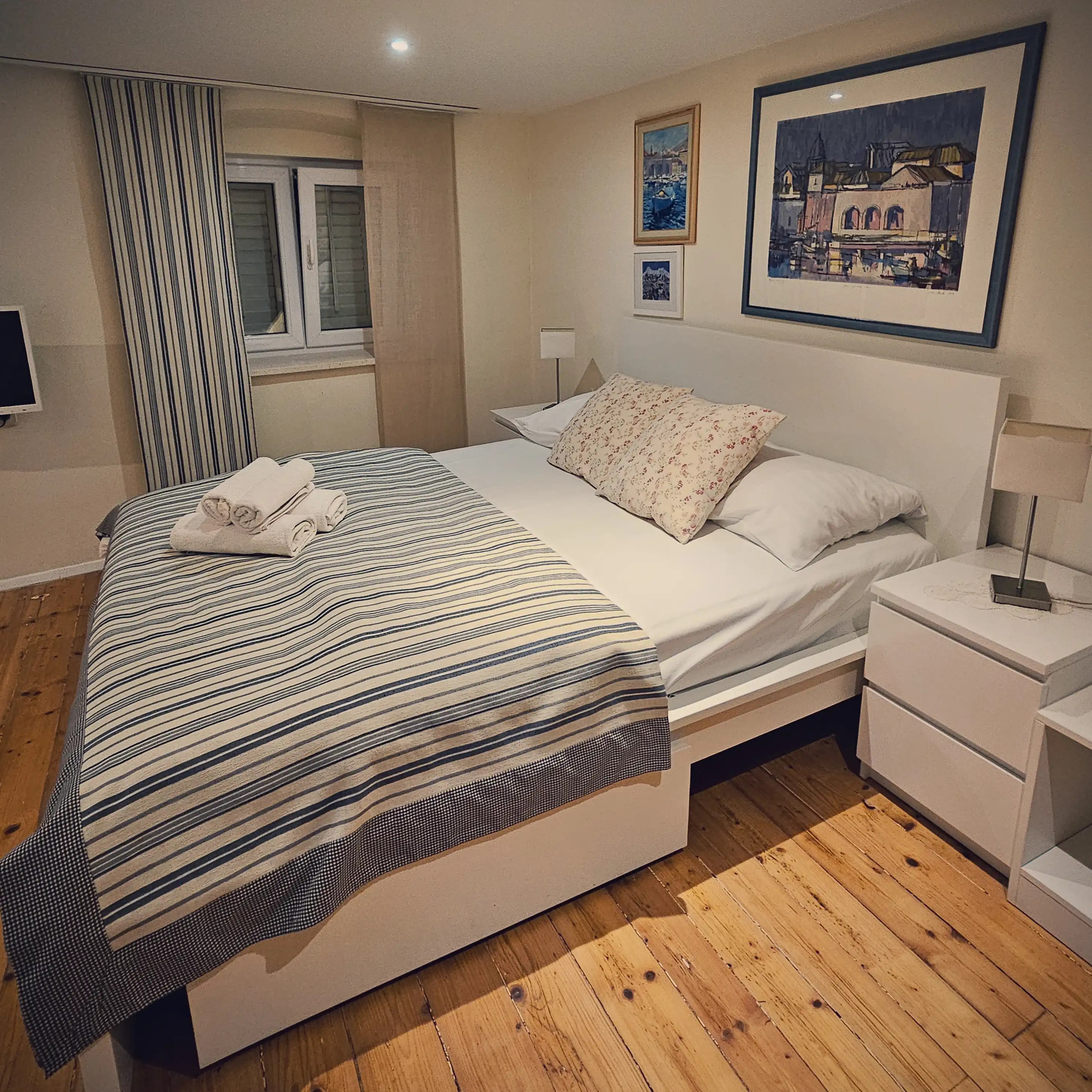
My guesthouse arranged a pre-booked transfer, which was also very convenient—especially with luggage or a late-night arrival. I stayed at House Tereza, a small but charming guesthouse tucked right in the heart of the Old Town. The room was cozy, spotless, and couldn’t have been in a better location—just steps from cafés, shops, and the city’s main sights.

Other Things to Do in the Area
If you have more time, there’s plenty beyond the city walls.
- Cavtat, a charming seaside town just 30 minutes away by car, offers quieter beaches, a scenic harbor promenade, and a relaxed pace that feels far removed from Dubrovnik’s crowds.
- Trsteno Arboretum, about 30 minutes north by car, is another Game of Thrones location—its terraces and sea views appeared as the gardens of King’s Landing—and it’s also home to the oldest Renaissance garden in Croatia. Some Game of Thrones tours include a visit here, making it an easy and scenic addition to a day outside the city.
- Boat tours from the Old Port also visit the Elaphiti Islands (Elafite Islands)—a small archipelago northwest of Dubrovnik made up of more than a dozen islands, though only three are inhabited. Each offers something unique: Šipan is dotted with old villas and olive groves, Lopud is known for its sandy Šunj Beach, and Koločep hides the turquoise Blue Cave, where you can swim inside when the sea is calm. The islands can be reached in about 30 to 75 minutes by boat, making them an easy and scenic day trip for anyone wanting to experience another side of the Adriatic.
- For hikers, there’s also the Dubrovnik–Srđ Trail, also known as the Way of the Cross. This steep but rewarding path climbs the southern slope of Mount Srđ, marked by stone crosses that trace the stations of the cross. The hike takes about one to one and a half hours each way and offers sweeping views of Dubrovnik, Lokrum Island, and the Adriatic. It’s best done during daylight hours, especially on the descent.
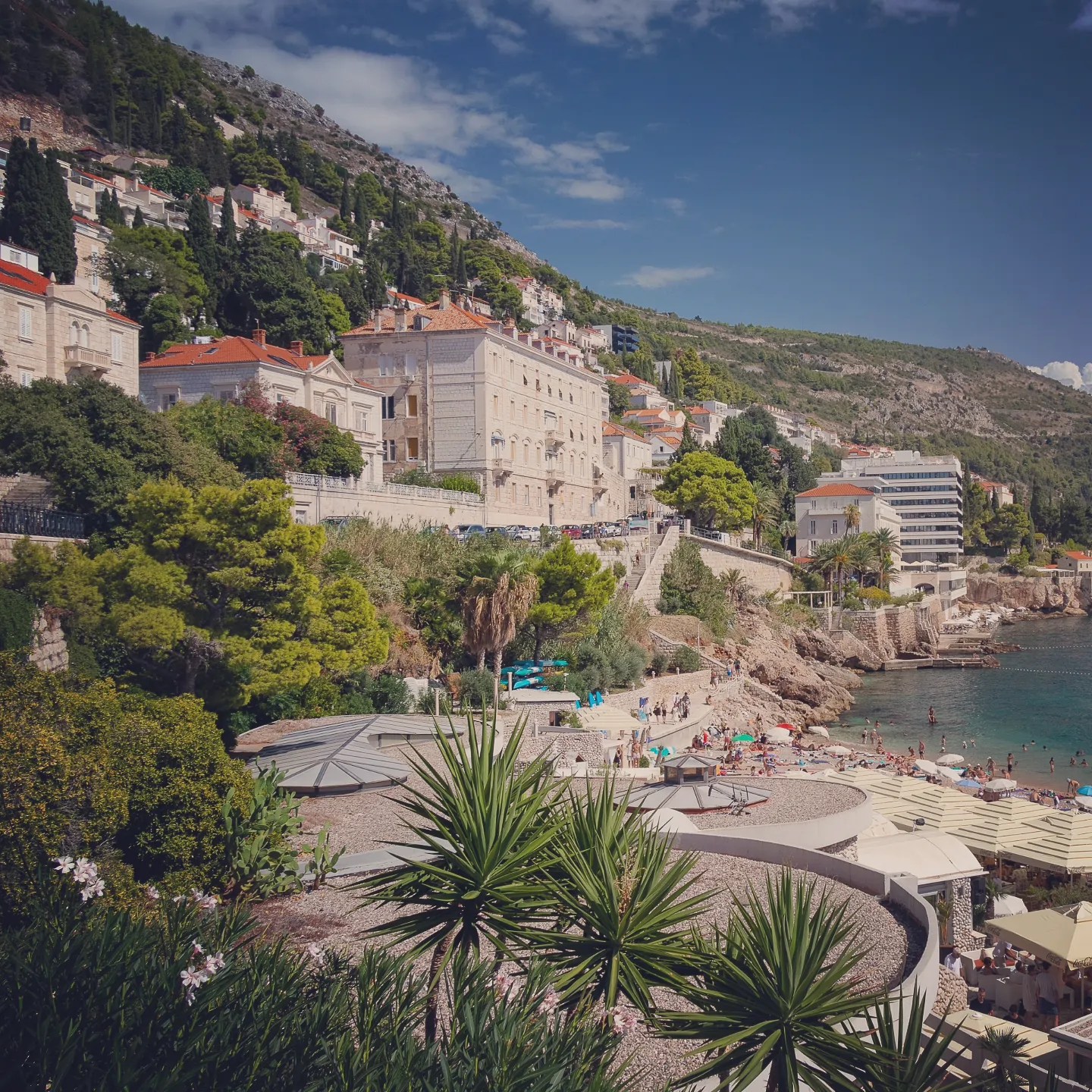
- Banje Beach, just a five minute walk east of the Ploče Gate, this small pebble beach offers postcard-perfect views of the Old Town and Lokrum Island—great for swimming or evening cocktails by the water.
Practical Tips for Visiting Dubrovnik
- Language: The official language is Croatian, but English is widely spoken in Dubrovnik’s tourist areas.
- Currency: Croatia uses the euro (€). Most restaurants and attractions accept credit cards, though smaller cafés and cliffside bars may only accept cash.
- Water: Tap water is safe to drink. Several public fountains in the Old Town make it easy to refill a bottle with potable water—something you’ll appreciate in the summer heat.
- Food: Local cuisine blends Mediterranean and Dalmatian flavors, featuring fresh seafood, olive oil, herbs, and regional wines. Light meals and plenty of gelato stops are perfect for exploring under the sun.
- Tipping: Not required, but rounding up or leaving 5–10% is appreciated in restaurants and cafés.
- Electricity: Standard European sockets (Type C and F) with 230V supply—bring an adapter if needed.
- Dubrovnik Pass: A great value if you plan to visit several attractions or use public transport. The pass includes entry to the City Walls, Lovrjenac Fortress, museums, and galleries, as well as unlimited rides on city buses for the duration of the pass.
- When to Visit: Spring (April–May) and fall (September–October) are ideal for fewer crowds and comfortable weather. Summer brings long sunny days, but also the largest cruise crowds and higher prices—book accommodations, popular restaurants, and tickets well in advance.
Final Thoughts
Dubrovnik quickly became one of my most memorable trips—equal parts history, sunshine, and sea air. Walking the city walls in the morning light, wandering its narrow lanes, and swimming off Lokrum Island made me appreciate how much beauty can fit into just a few days. It’s one of those places that stays with you, and one I can’t wait to return to and share with my husband.
Have you visited Dubrovnik or taken a trip on your own? Share your thoughts, tips, or favorite memories in the comments below!


Leave a comment