
Some days call for open-air hikes and sunny patios. Others, like a gray August Sunday in southern Germany, are perfect for heading underground—180 meters underground, to be exact. Our day trip from Stuttgart to Bad Friedrichshall and the Bad Friedrichshall Salt Mine (Salzbergwerk Bad Friedrichshall) turned into the ideal rainy-day escape, blending small-town charm, hearty food, and a fascinating deep dive into “white gold.”
First Impressions of Bad Friedrichshall
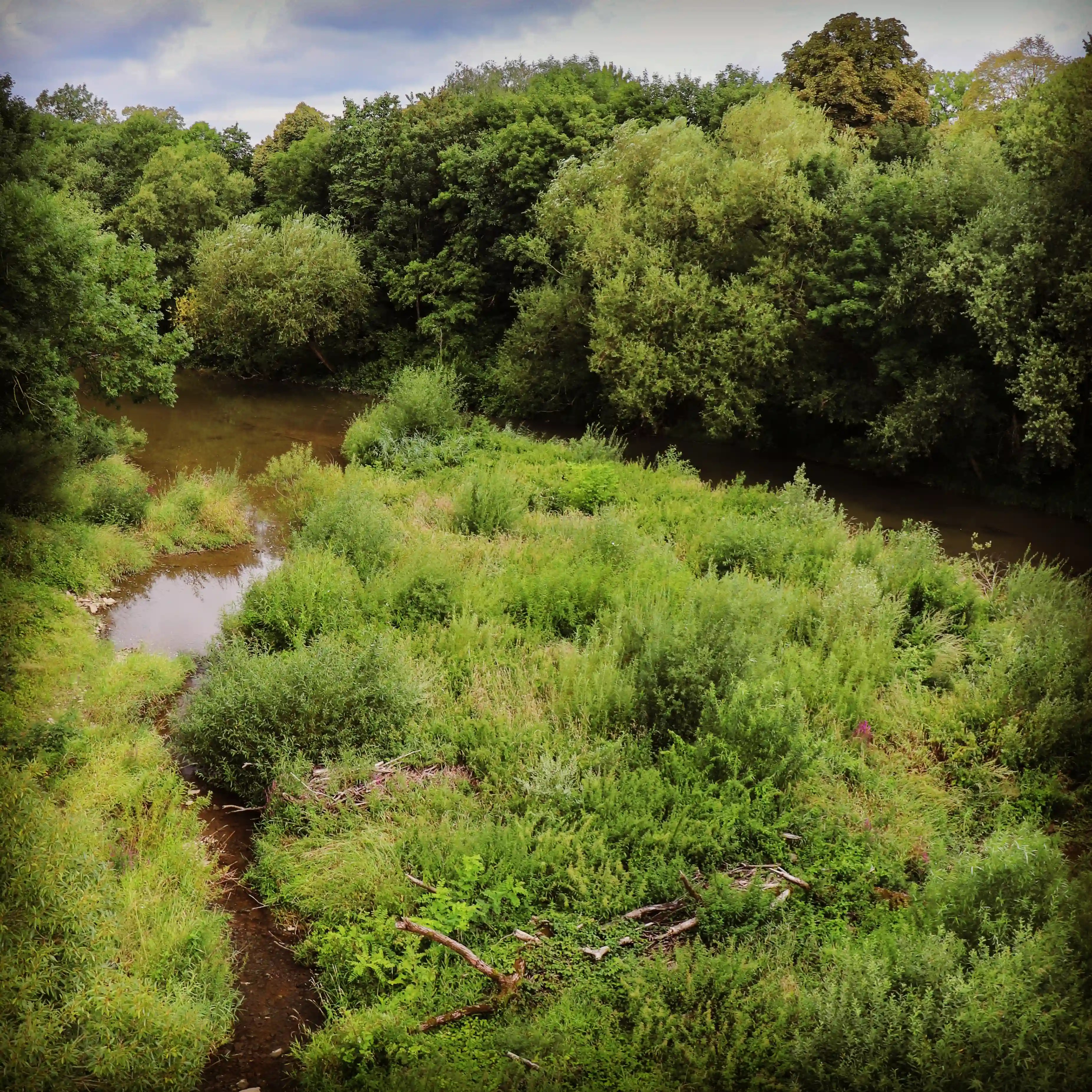
Located in the Heilbronn district of Baden-Württemberg, Bad Friedrichshall lies where the Jagst and Kocher rivers flow into the Neckar. Though best known today for its working salt mine, the town’s history stretches back centuries, beginning with the medieval villages of Kochendorf—first recorded in 817—and Jagstfeld. Blending its salt-mining heritage with pockets of medieval charm, Bad Friedrichshall offers visitors a glimpse into both its industrious and historic past.
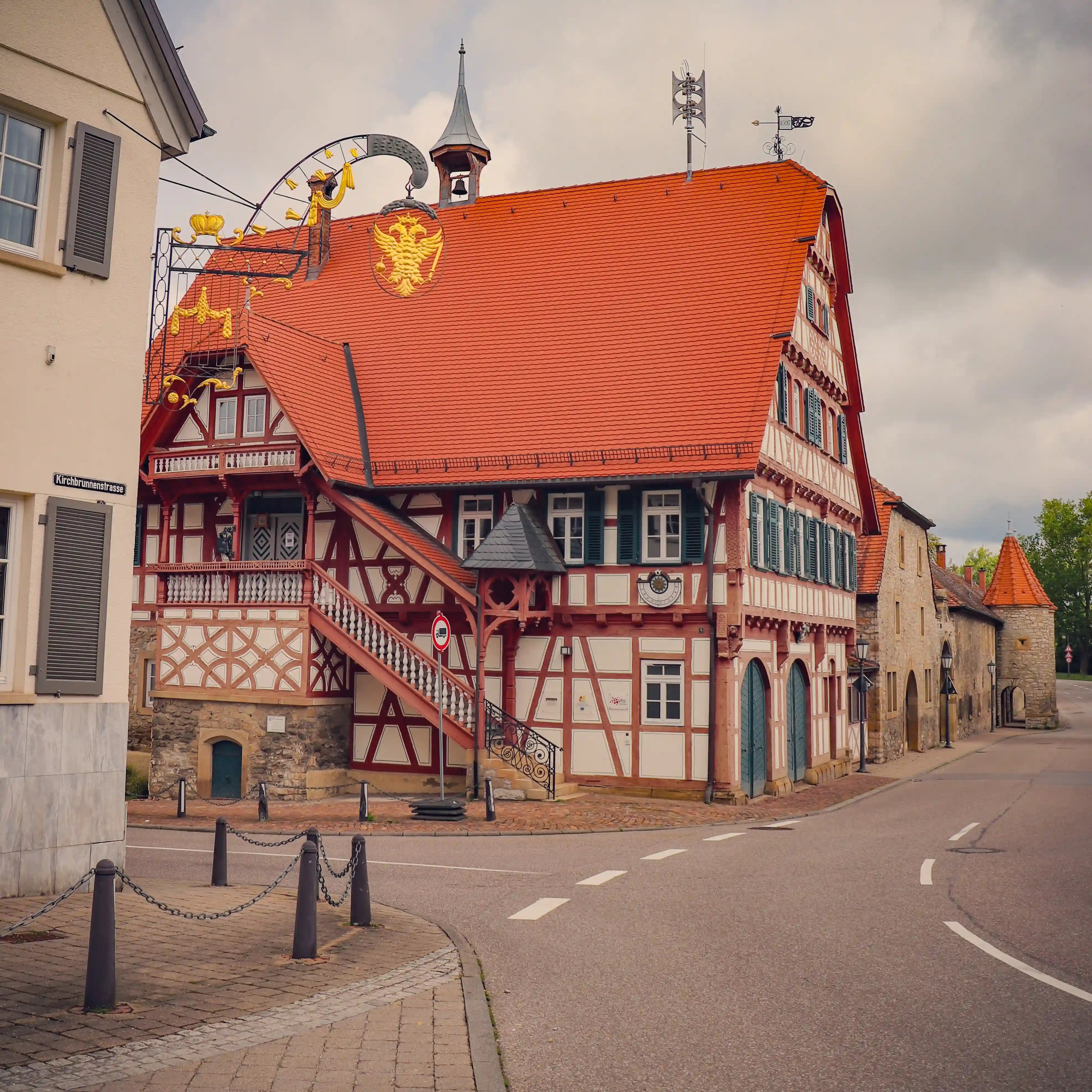
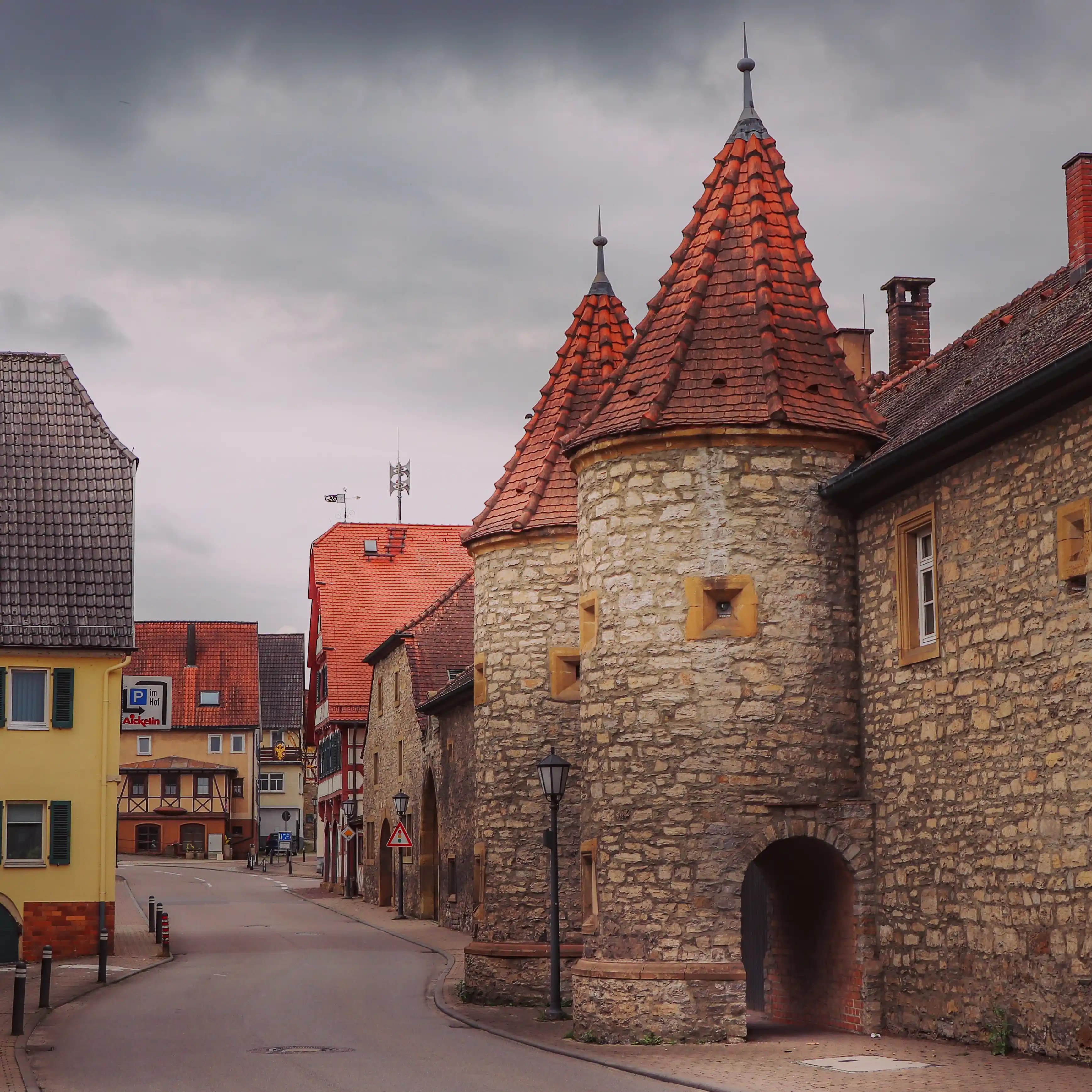
The old town is small but full of character—half-timbered houses, medieval towers, and stone walls that hint at its past. When we arrived, the streets were quiet under a cloudy sky, with the warm tones of timber frames and tiled roofs adding color to the gray morning.



A Warm Welcome at Sebastianskirche
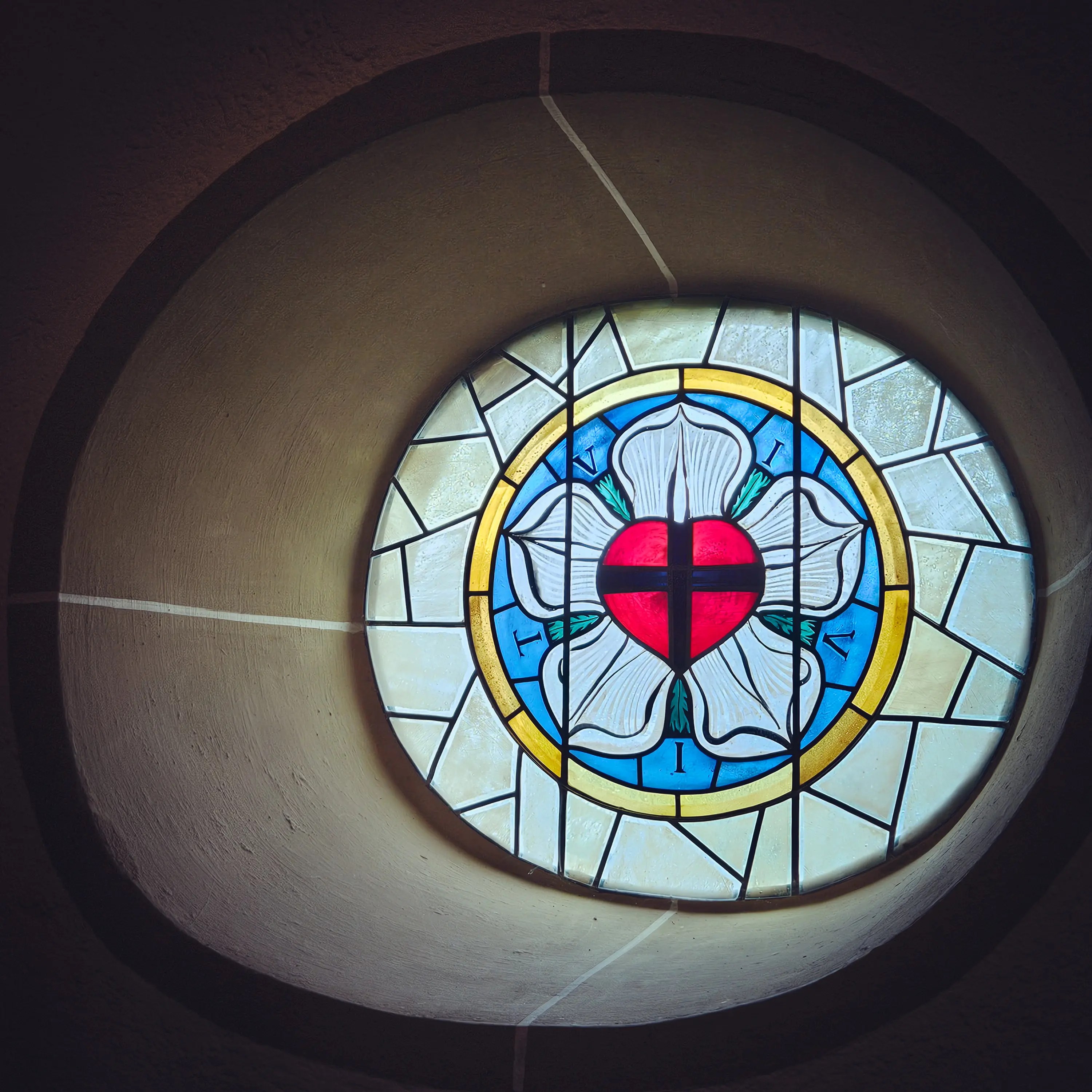
As we wandered the cobblestone lanes, we passed St. Sebastian Church (Sebastianskirche), the town’s evangelical church. A kind woman greeted us outside and invited us in to look around. Inside, the space was peaceful and warmly lit, with simple stone walls and an impressive carved wooden crucifix.
It wasn’t a planned stop, but it became one of the loveliest moments of the day—a reminder that some of the best travel experiences come from unexpected invitations.



Overlooking the Old Town: Greckenschloss
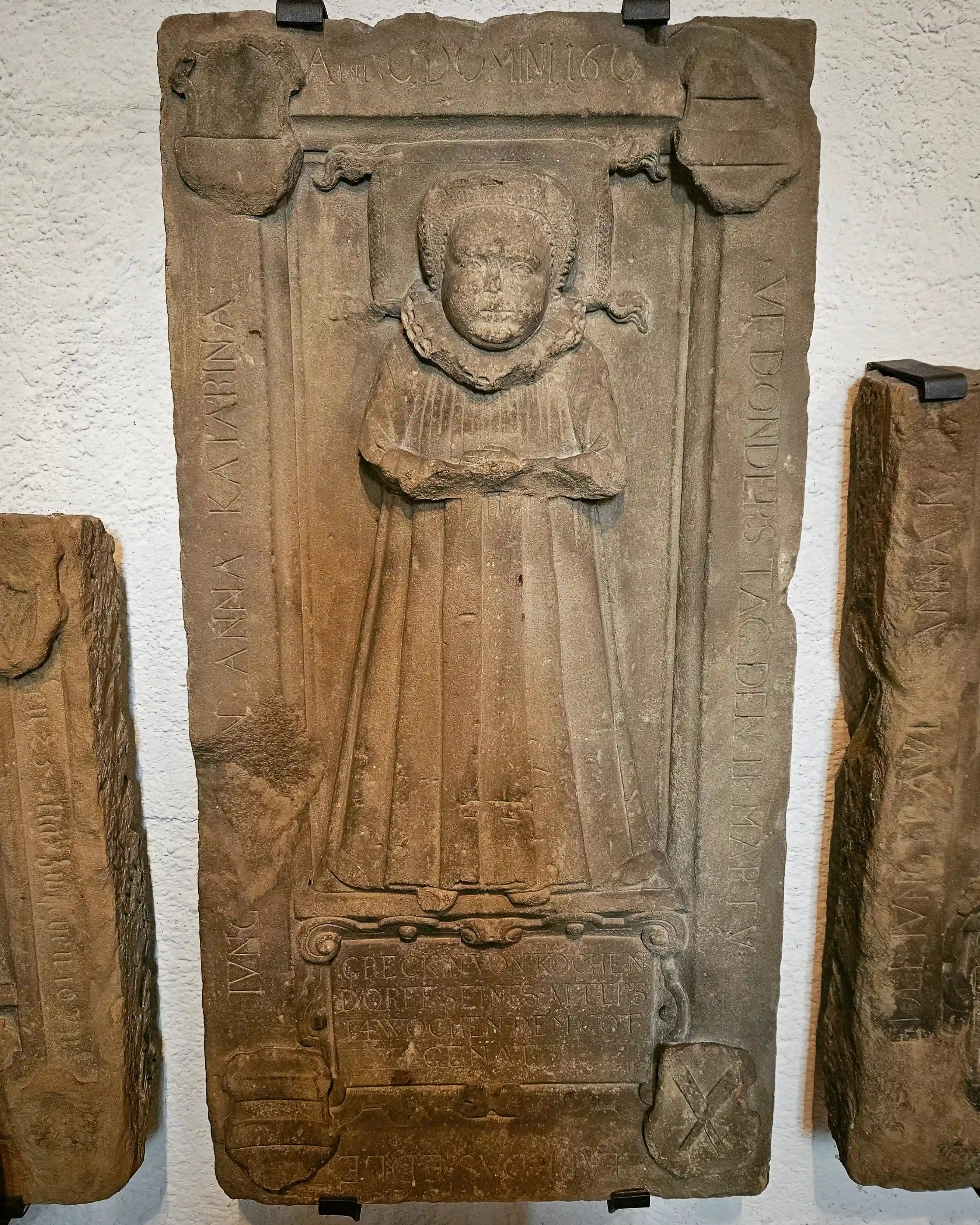
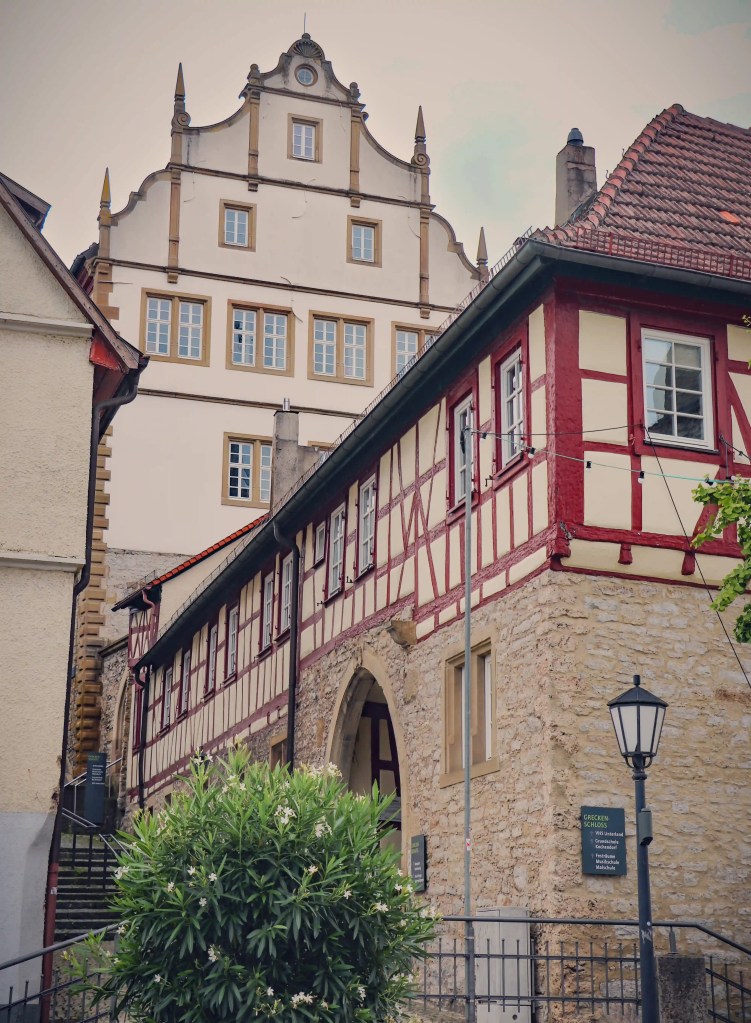
We also walked up to Greckenschloss, a striking Renaissance manor built around 1600 by Wolf Conrad Greck II. While it’s not open for casual visits, the castle still plays an active role in the community as a school and event venue. You can see it as part of a guided historical walk or during special events, when its scenic courtyard and views over the town really shine.
A Hearty Breakfast at Hirth’s BrotCafé
We crossed the Kocher River and stepped into Bäckerei Hirth’s BrotCafé (serving the community since 1908). Inside, the air was warm and rich with the smell of fresh bread. Our German breakfast platter was the type of spread that keeps you fueled for hours: sliced meats, cheeses, fresh vegetables and fruit, soft-boiled eggs, yogurt with granola, bread rolls, butter, jams, orange juice, and cappuccinos.
It was exactly the kind of cozy comfort you want on a rainy travel day.


Descending into the Salzbergwerk Bad Friedrichshall
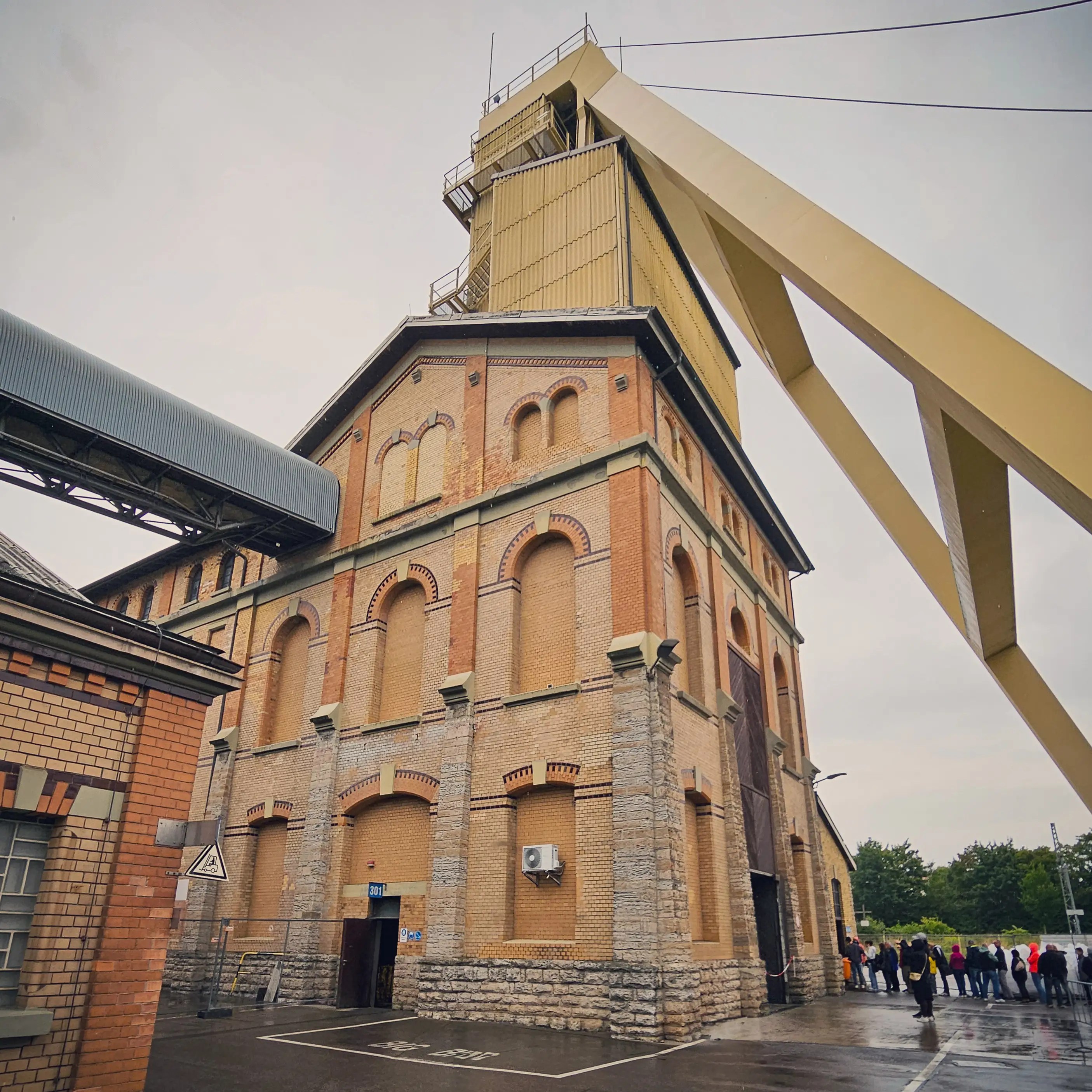
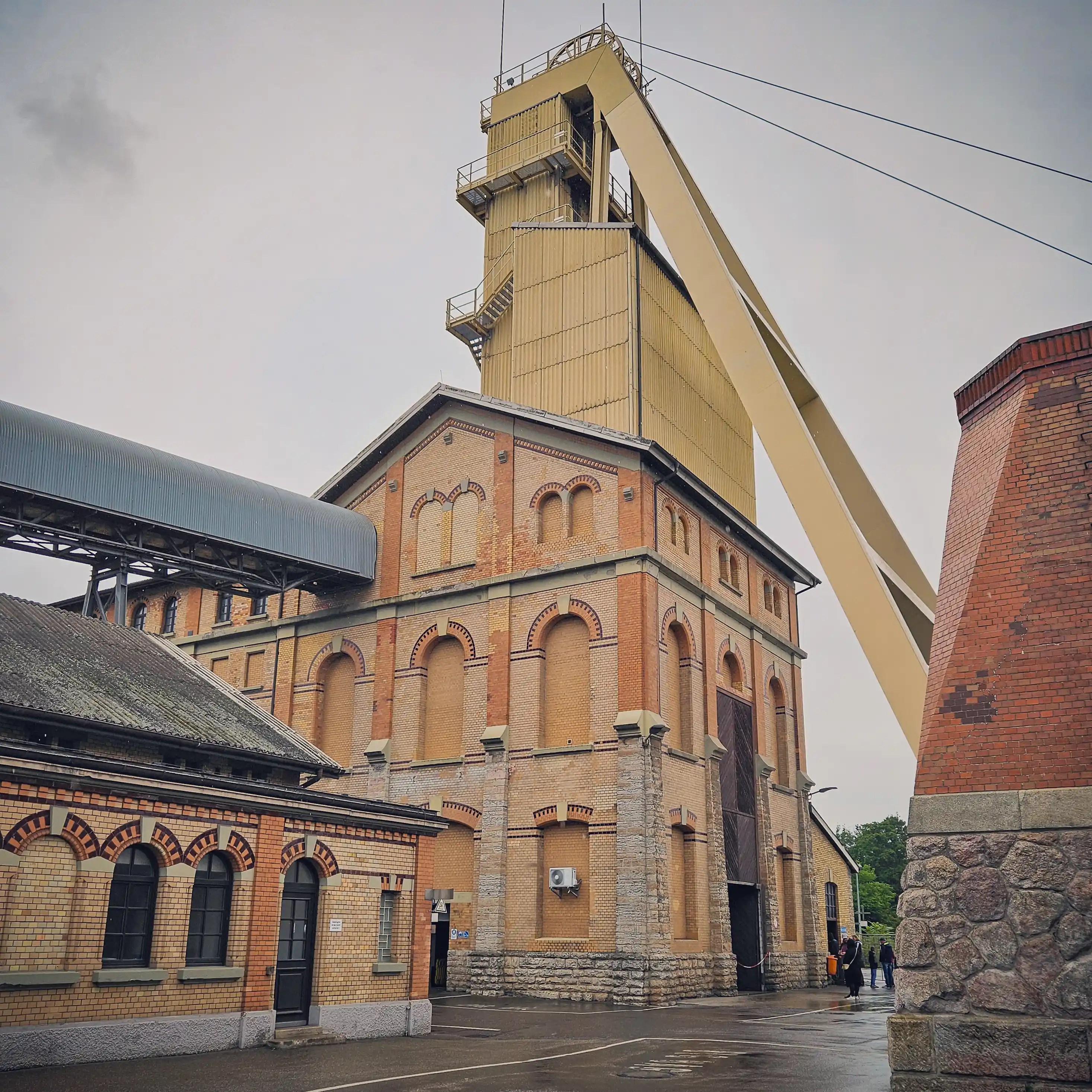
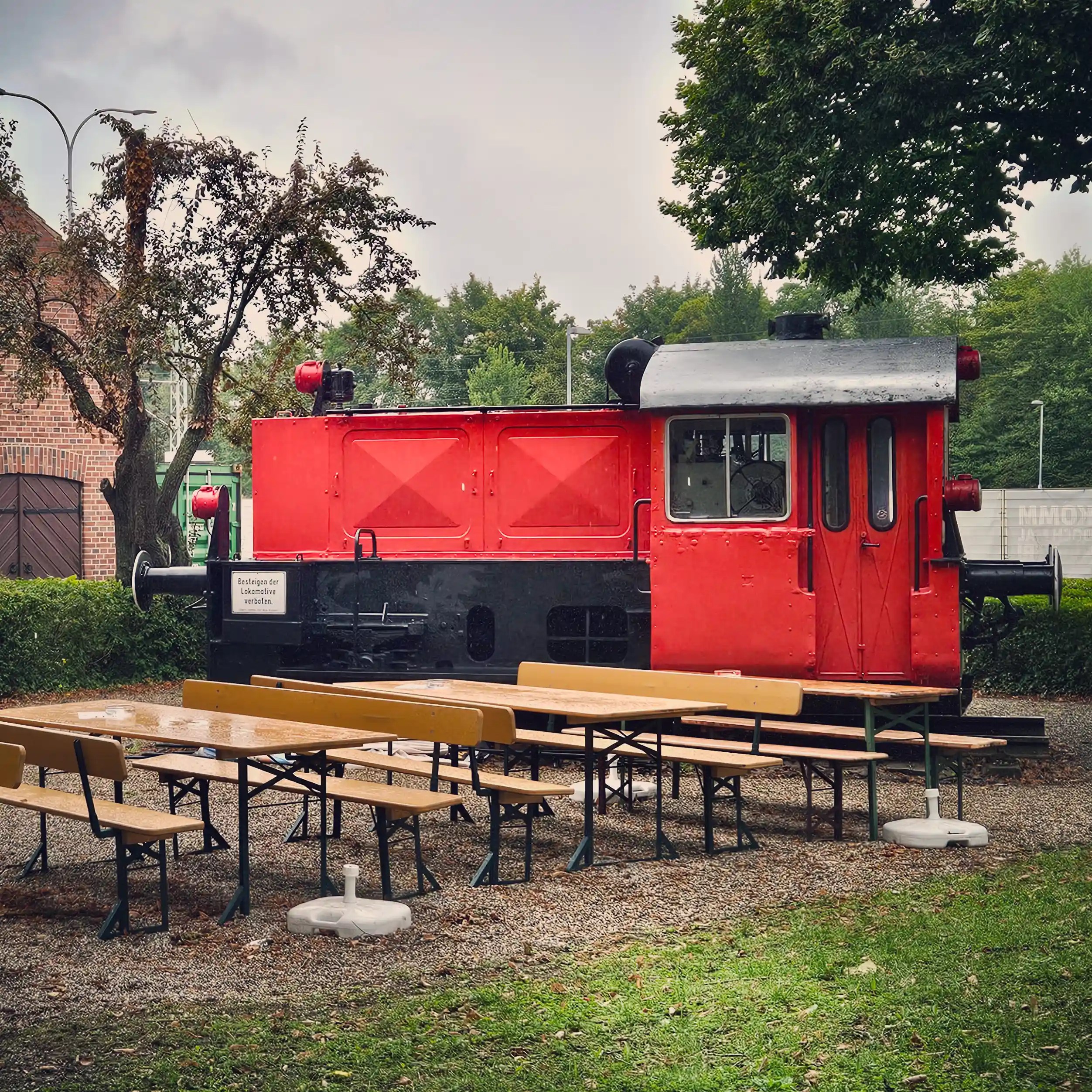
Back over the river, the entrance to the Salzbergwerk Bad Friedrichshall greeted us with its tall steel headframe and industrial charm. The mine offers free parking, a small beer garden, and a surprisingly efficient visitor operation. Tickets in hand, we joined what looked like a daunting queue, but before long we were boarding the double-decker elevator for a 30-second plunge to 180 meters below ground.


Life Underground: Salt, History, and Art
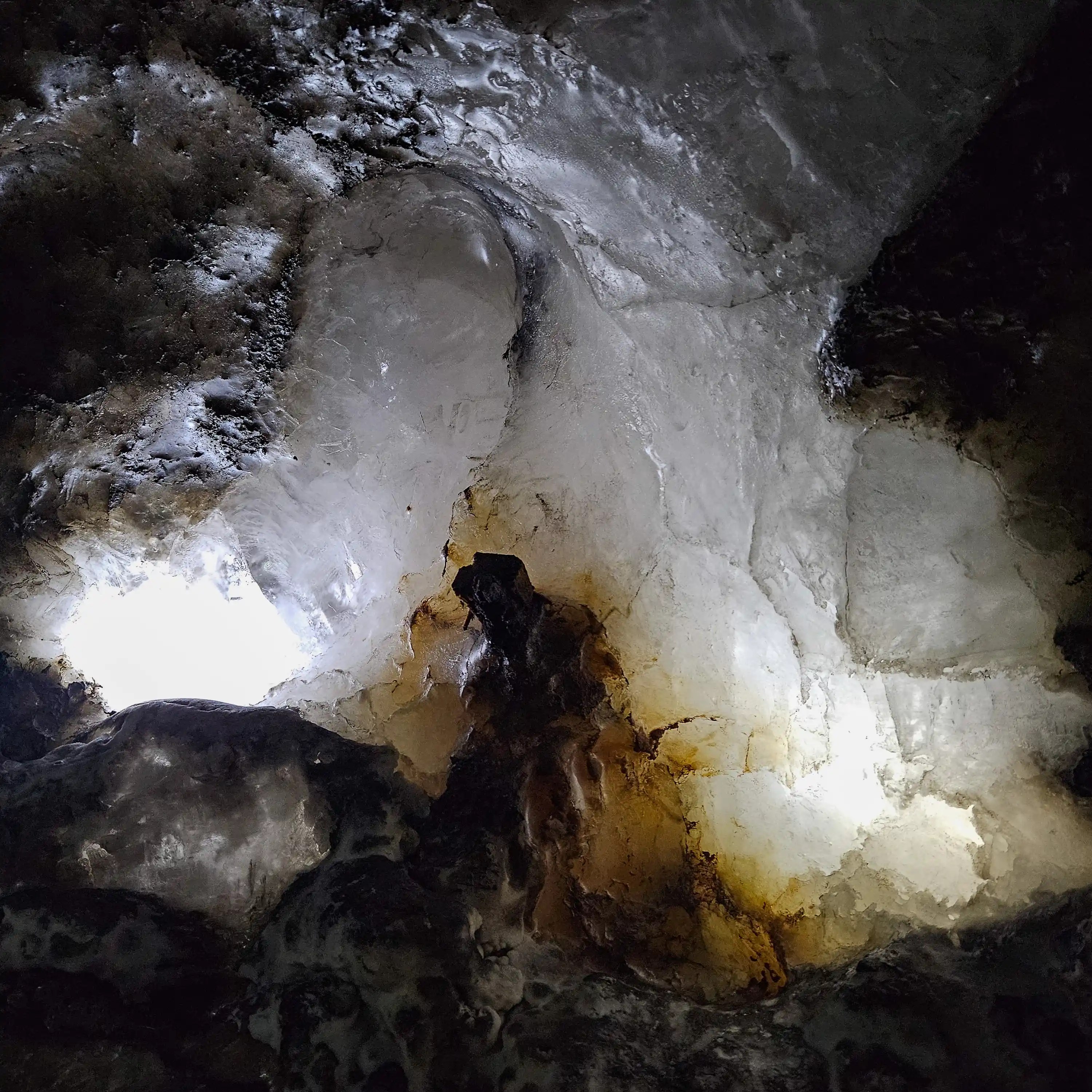
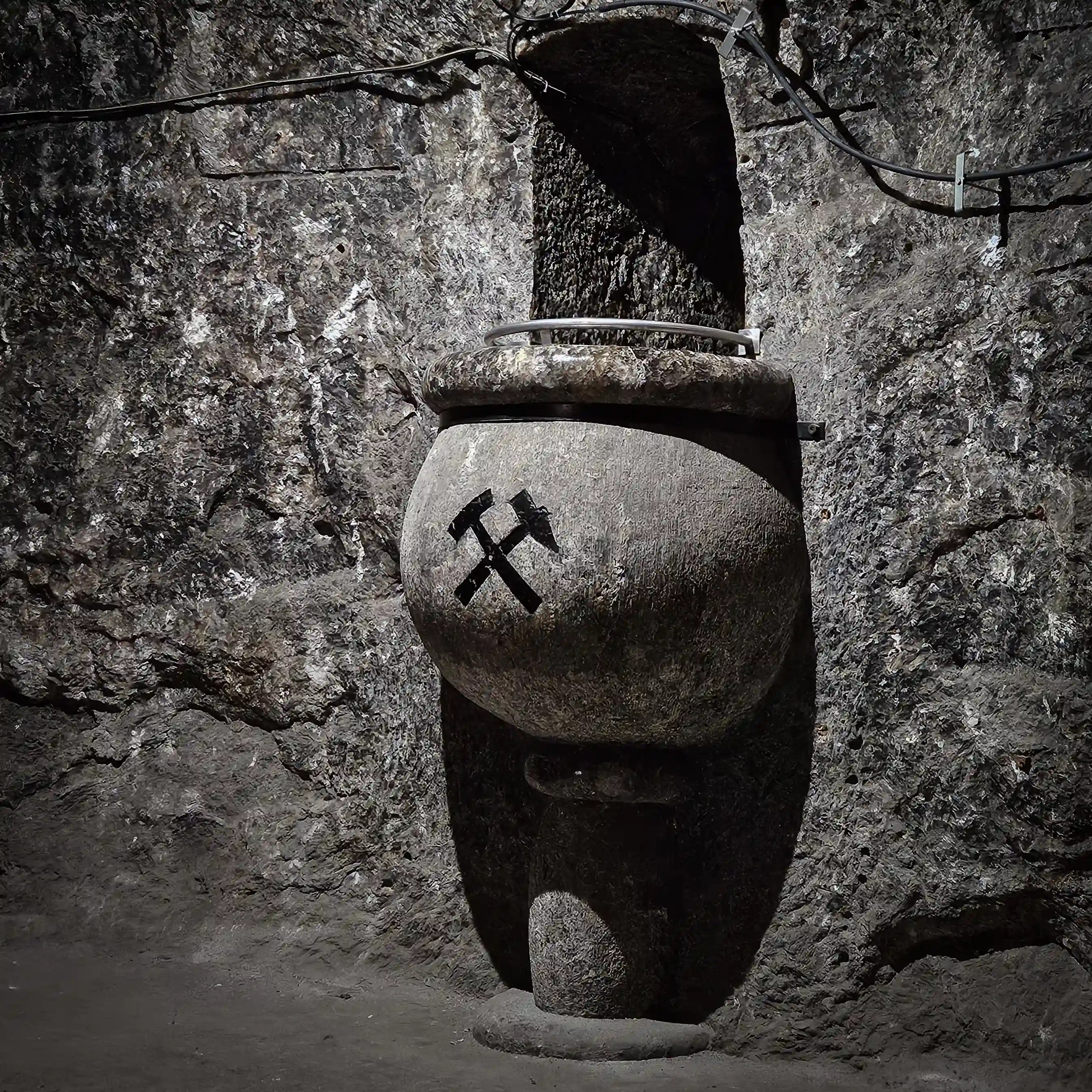
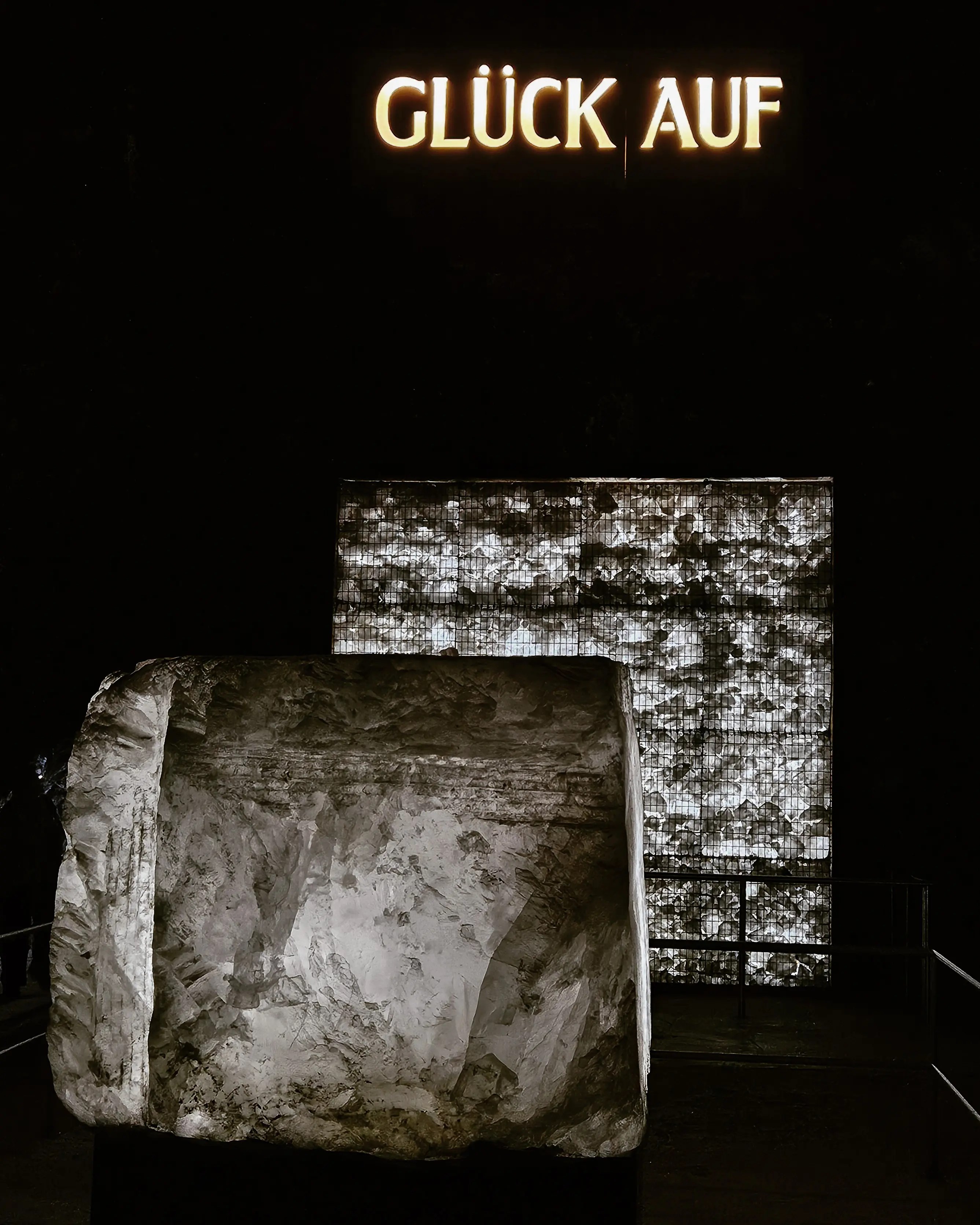
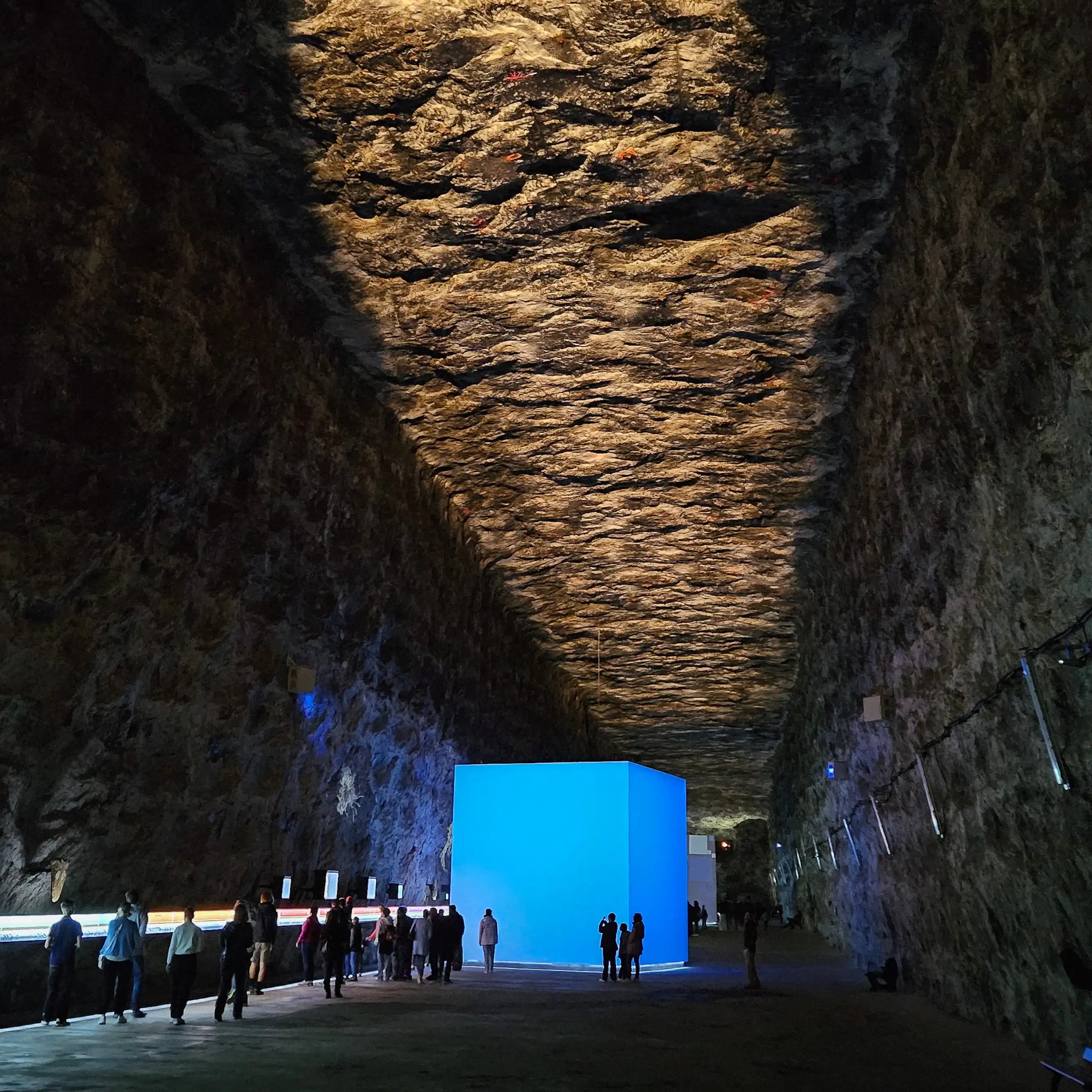
The mine’s chambers are massive—so large that even with many visitors, it never felt crowded. Walking through the illuminated tunnels is like stepping into a time capsule of geological history.
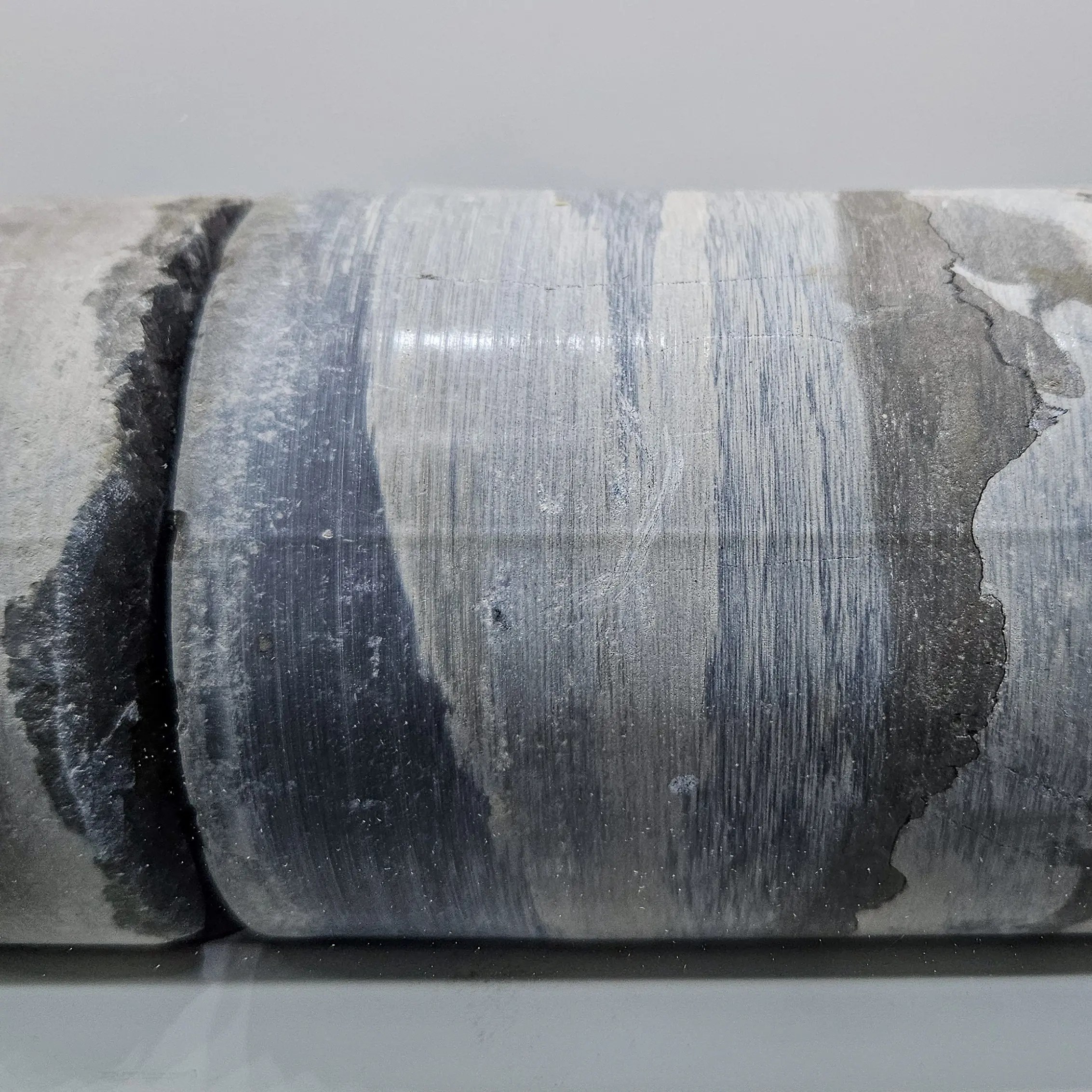
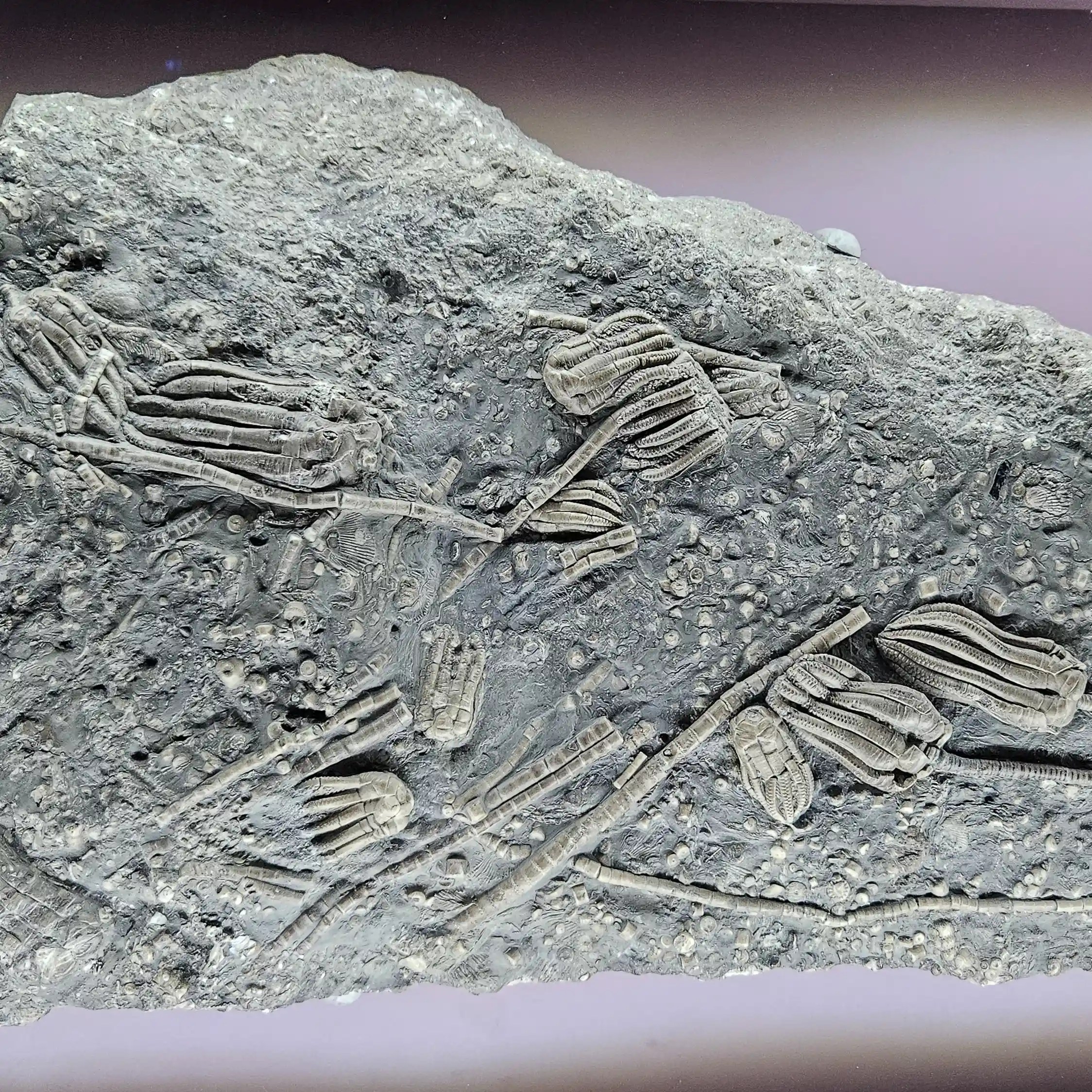
The exhibits (in German, though easy to follow visually) move from ancient fossil displays to the modern science of salt production. You can see mining equipment up close, watch videos of current mining techniques, and explore hands-on experiments.
Some of the highlights included:
- Fossils embedded in stone, reminders that this salt once lay under prehistoric seas.
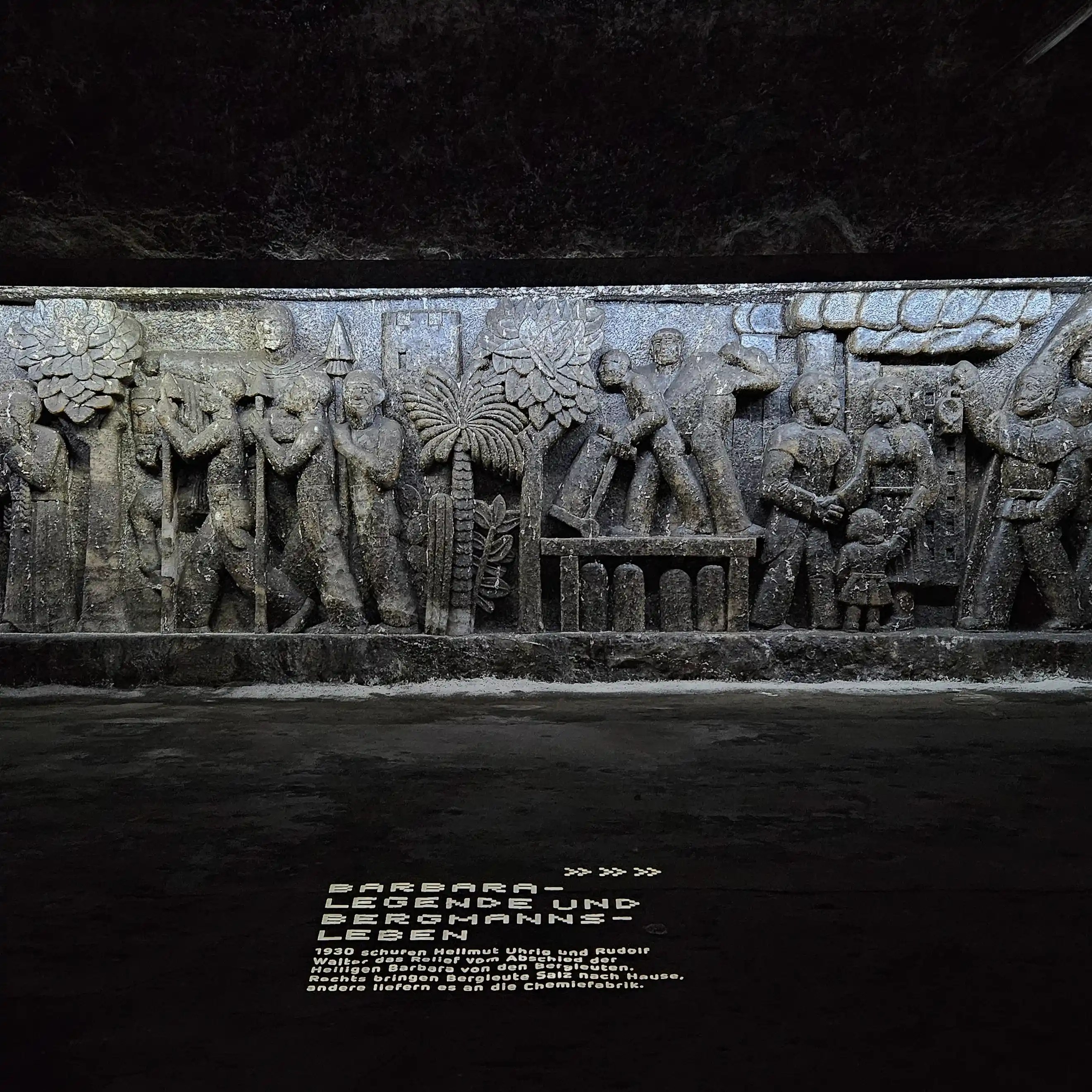
- Art installations, including light cubes and carved wall reliefs, blending industry with creativity.
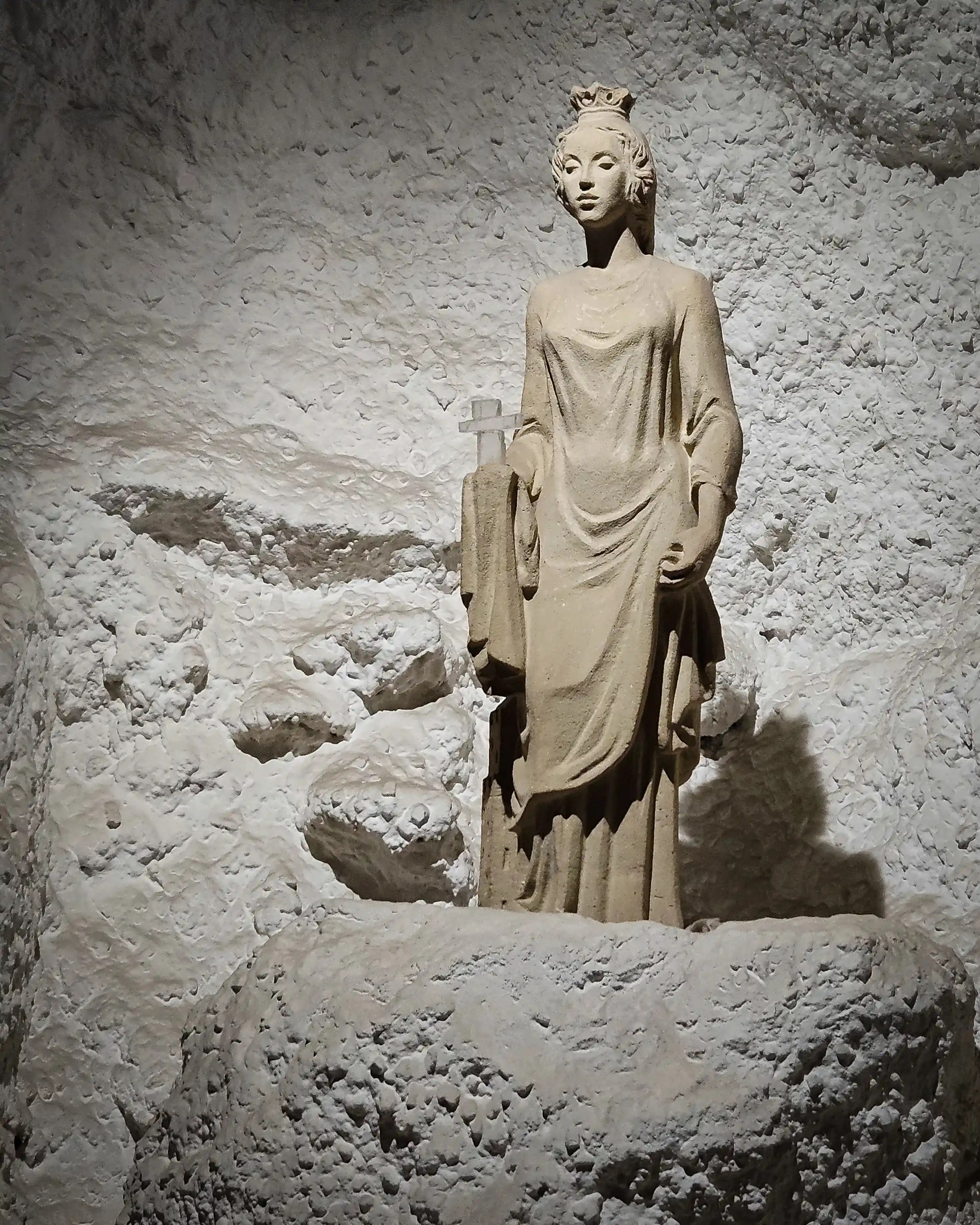
- Mining heritage displays, including a section about St. Barbara, the patron saint of miners.
- Kochendorf Concentration Camp Memorial, a solemn space honoring those forced to work in the mine during WWII.
- For younger visitors—and the young at heart—a 40-meter slide awaits in the grand domed hall with its intricate salt reliefs.



Other Things to Do Nearby
If you have more time in the area, there’s plenty more to explore:
- Bad Wimpfen – Just a 15-minute drive across the river, this medieval spa town is a gem of half-timbered houses, cobbled streets, and soaring towers. Its hilltop location offers sweeping views of the Neckar Valley, and its historic core is perfect for leisurely exploration. We explored Bad Wimpfen on a separate trip and fell in love with its storybook streets—you can read more about our experience here.
- Burg Hornberg – About a 20-minute drive from Bad Friedrichshall, this impressive castle overlooks the Neckar River and is best known as the former home of Götz von Berlichingen, the legendary knight with the iron hand. Visitors can explore the castle’s museum, enjoy panoramic views from its terraces, and even dine at the on-site restaurant. We combined a visit to Burg Hornberg with Bad Wimpfen and share more about both here.
- SUP Rental on the Neckar River – Glide through calm stretches of the Neckar on a stand-up paddleboard. Rentals are available in Bad Friedrichshall by appointment, offering a fun and peaceful way to enjoy the scenery and experience the river from a different perspective.
- Kocher-Jagst Cycle Route – A 335 km long-distance cycling path linking the Kocher and Jagst rivers through scenic valleys, vineyards, and historic towns. From Bad Friedrichshall, you can hop on for a short, flat ride along the rivers or tackle a longer stage. Along the way, you may even catch a glimpse of Schloss Heuchlingen—a historic hilltop estate overlooking the Jagst River. Not generally open to the public, but worth admiring from the outside.
- Marija’s Schlosspark Café – Known for its beautiful Sunday brunches in a garden setting. Reservations are recommended, and it’s worth confirming opening hours in advance, especially during the August holiday season when some businesses close.
For more activities, events, and seasonal highlights, check the Bad Friedrichshall tourism website—there’s often more to see and do than you might expect in and around this small town.
Location & Getting There
Bad Friedrichshall is about 64 km north of Stuttgart.
- By Car: The drive takes around one hour via the A81. Free parking is available at the salt mine.
- By Train – Using the S-Bahn and regional trains, the trip from Stuttgart to Bad Friedrichshall Hauptbahnhof takes around 1 to 1.5 hours, usually with transfers in Heilbronn and sometimes Ludwigsburg. From the station, it’s a quick bus ride to the old town and salt mine. The route is covered by the Deutschland-Ticket (currently €58/month), which is a great option if you’re traveling by train and bus frequently within Germany. Check routes and times using the DB Navigator or Google Maps.
Note: The Bad Friedrichshall Salt Mine is still an active mining operation and is not open year-round. The visitor season typically runs from May through early October, with opening days often limited to weekends and public holidays, plus some extended dates during the summer. Always check the official Salzbergwerk Bad Friedrichshall website for current hours and availability before planning your trip.
Final Thoughts
Whether you’re drawn by the history of salt mining or looking for a unique rainy-day plan near Stuttgart, Bad Friedrichshall makes for a rewarding stop—especially when combined with the salt mine and nearby towns like Bad Wimpfen. The Salzbergwerk isn’t just an industrial site—it’s an immersive journey into geology, heritage, and human ingenuity.
Have you explored Bad Friedrichshall, visited the salt mine, or have questions? Share your thoughts, favorite moments, or tips for other travelers in the comments below—I’d love to hear how your experience compared!


Leave a comment