


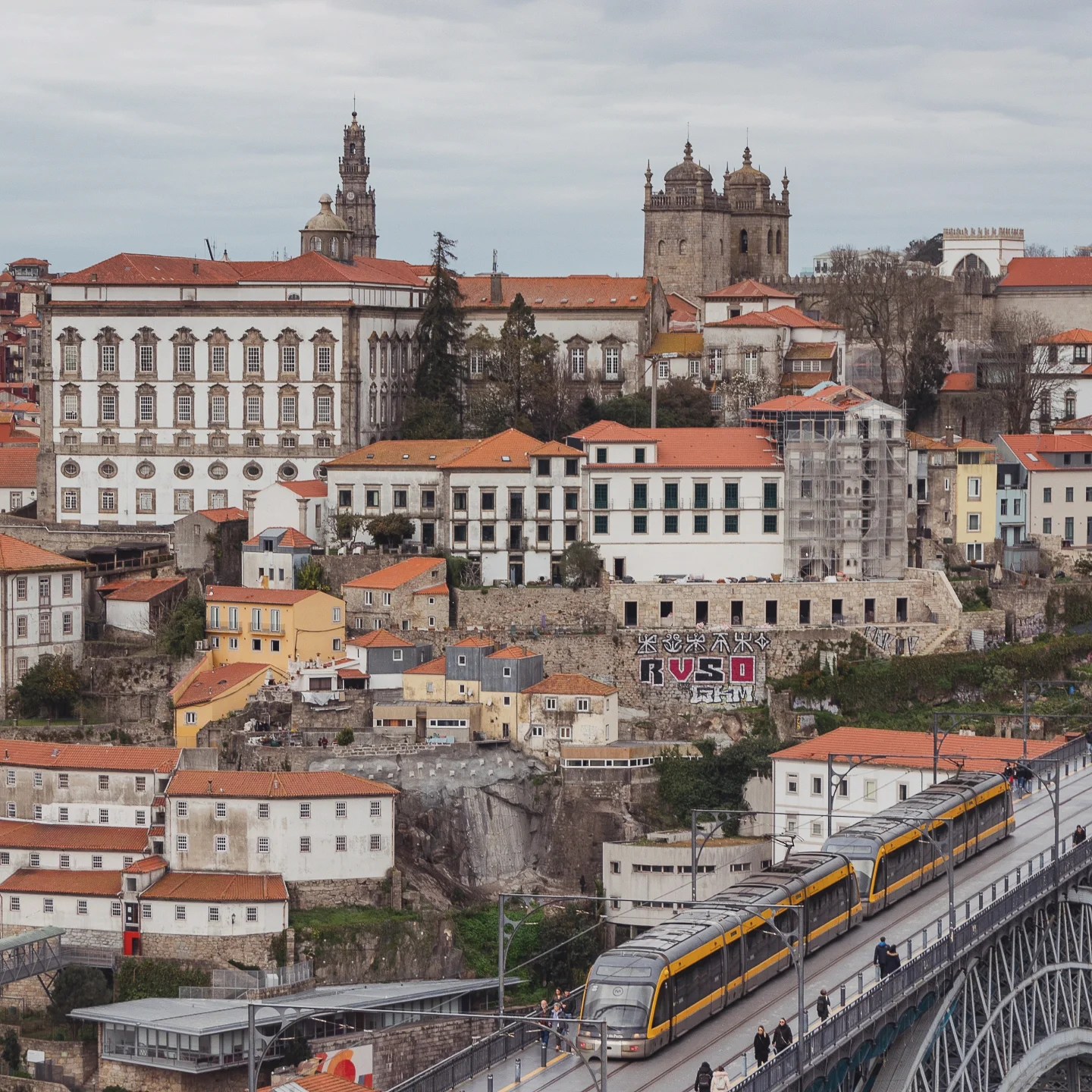



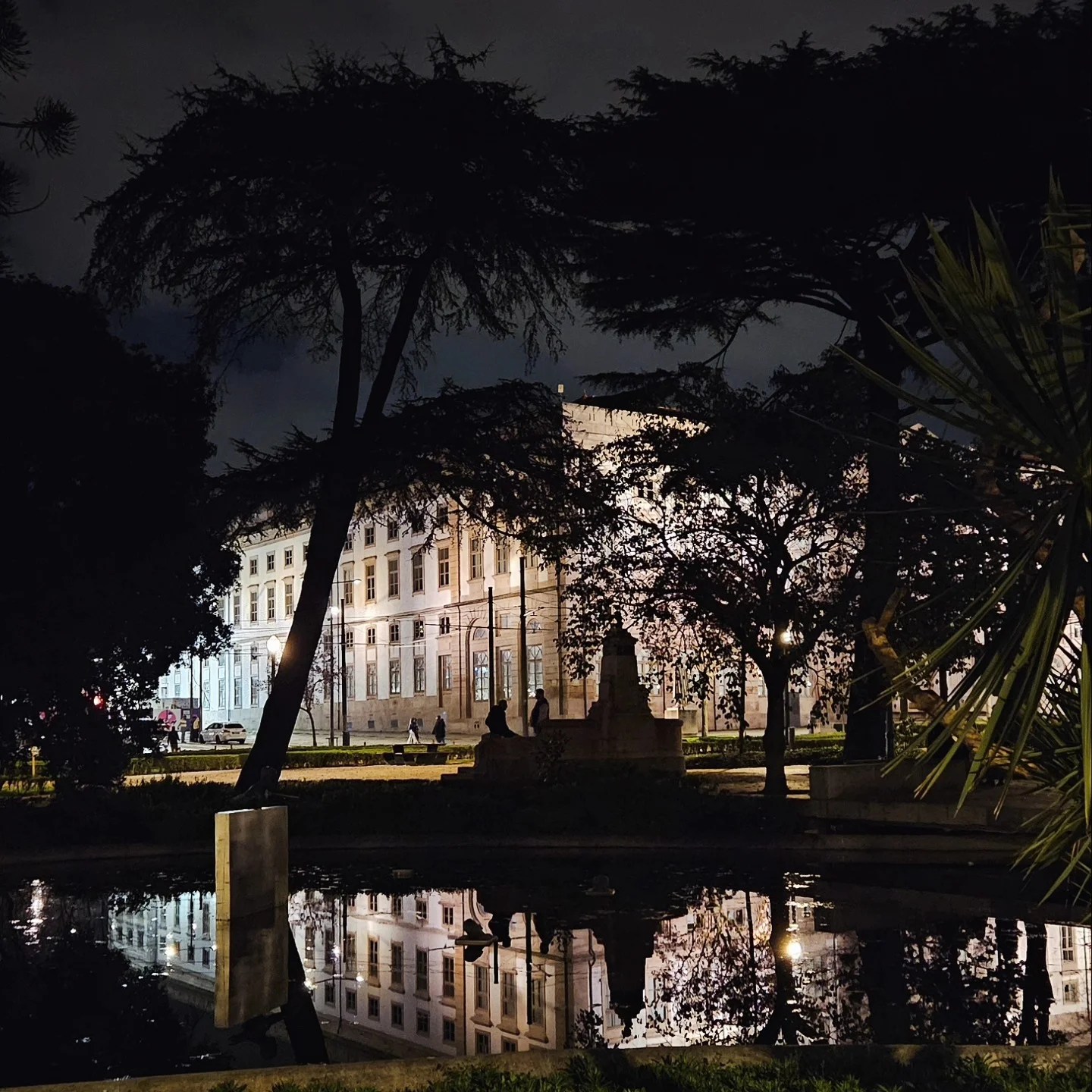
Portugal, one of Europe’s oldest nations, sits on the western edge of the Iberian Peninsula, bordered by Spain and the Atlantic Ocean. With a rich maritime history, it played a central role in the Age of Discovery, launching explorers like Vasco da Gama and Ferdinand Magellan across the globe. Today, Portugal is known for its historic cities, tile-covered churches, and diverse landscapes—from rugged coastlines to rolling vineyards. Its second-largest city, Porto, reflects this heritage beautifully: a place where centuries-old architecture, world-famous wine, and vibrant culture meet along the banks of the Douro River.
In February, we traded Germany’s winter gray for a few unforgettable days in this soulful northern city. Porto, recognized as a UNESCO World Heritage Site—and its neighbor, Vila Nova de Gaia (Gaia)—welcomed us with colorful streets, panoramic views, and a rich mix of history and culture. Best known for its namesake Port wine and beautifully preserved medieval center, the city surprised us at every turn with hidden corners, local flavor, and a distinct character all its own.
Waking Up in the Heart of Porto
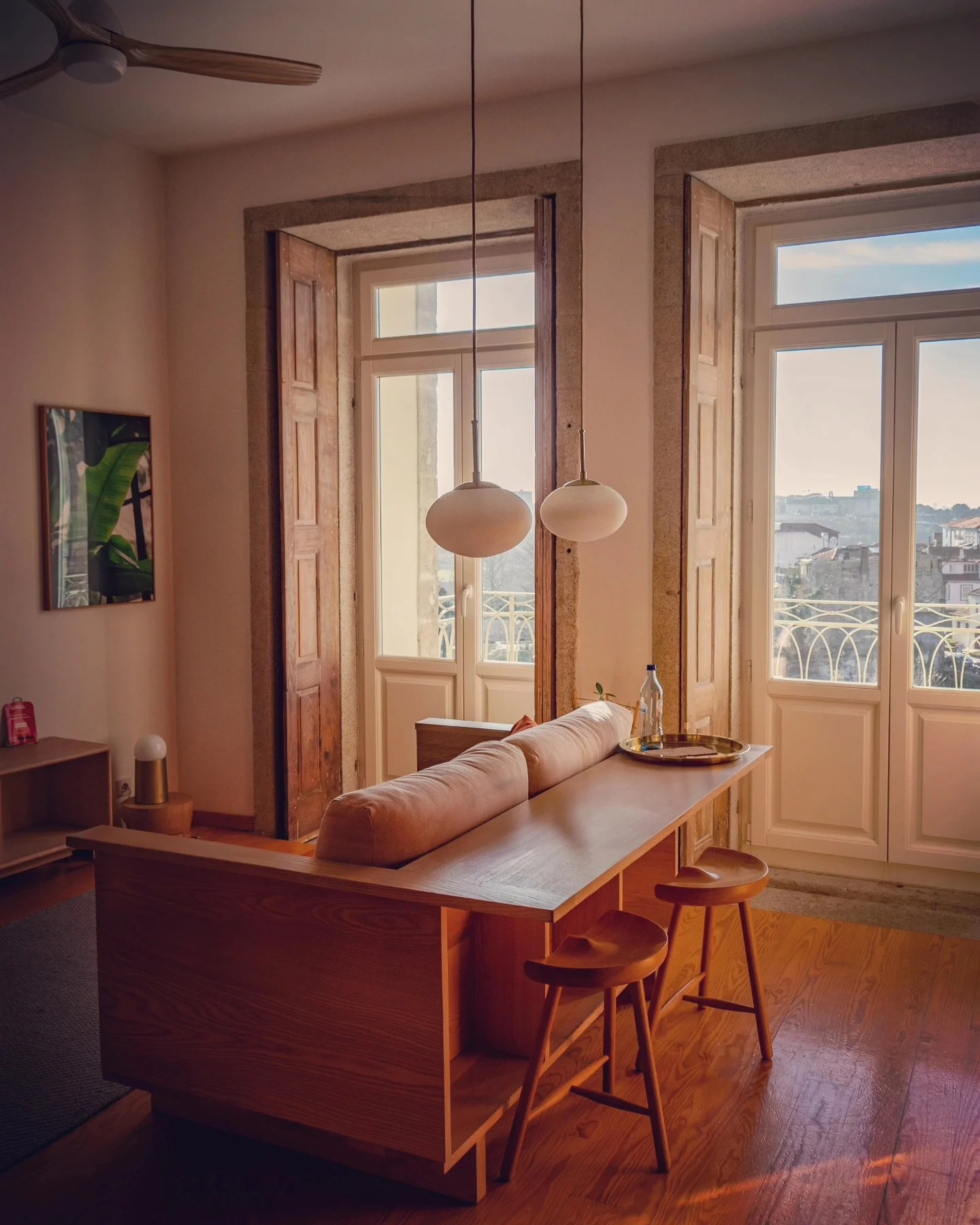
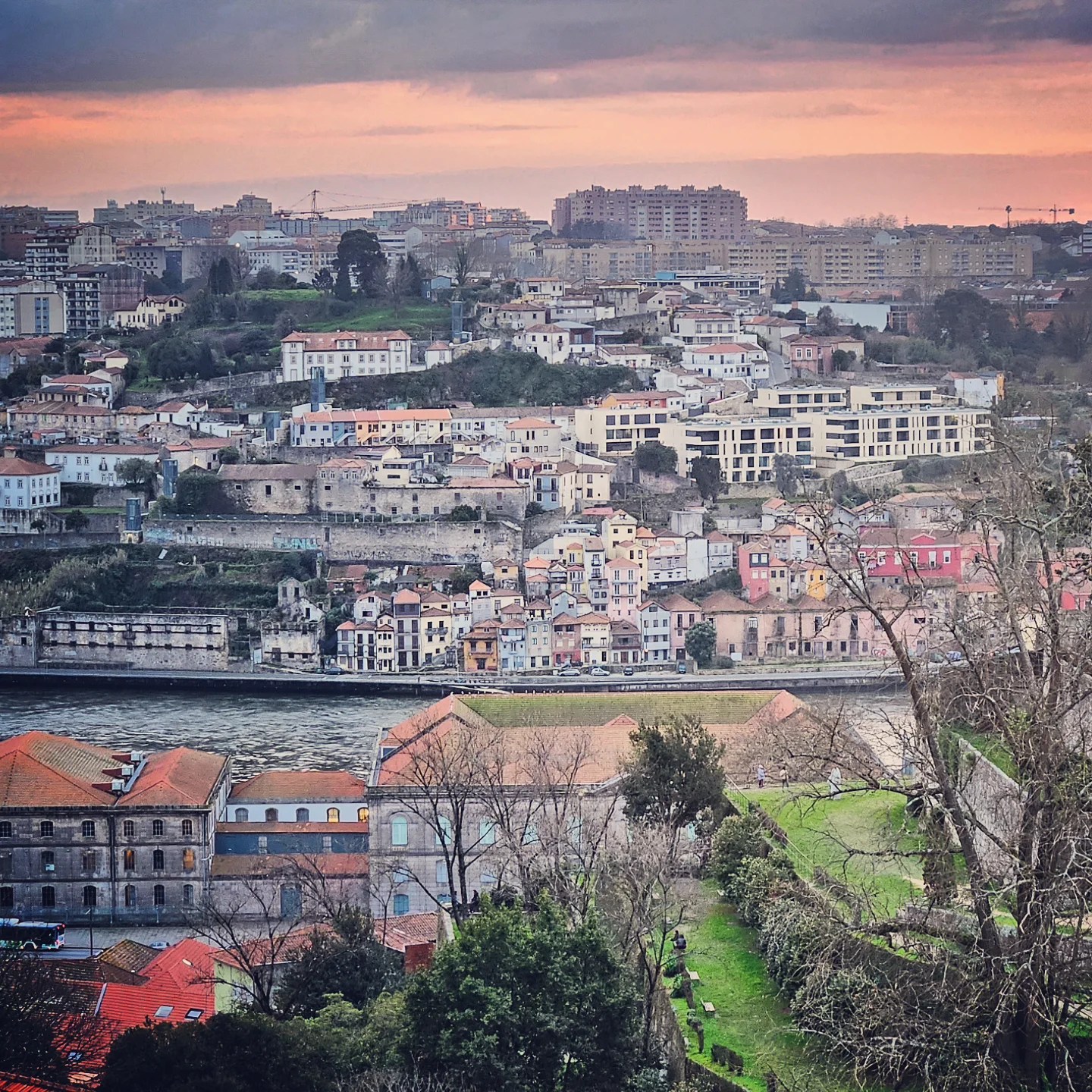
Our home base was a sunny studio apartment nestled between two leafy parks in the historic center. Our Tripas-Coração airbnb felt like a curated love letter to Portuguese design. Think warm wood floors, modern furnishings, and pieces crafted by local artists and artisans. Best of all? A wonderful balcony with beautiful views of the Douro River and sunsets that bathed the entire city in orange and gold.
Two Cities, One River, Infinite Beauty
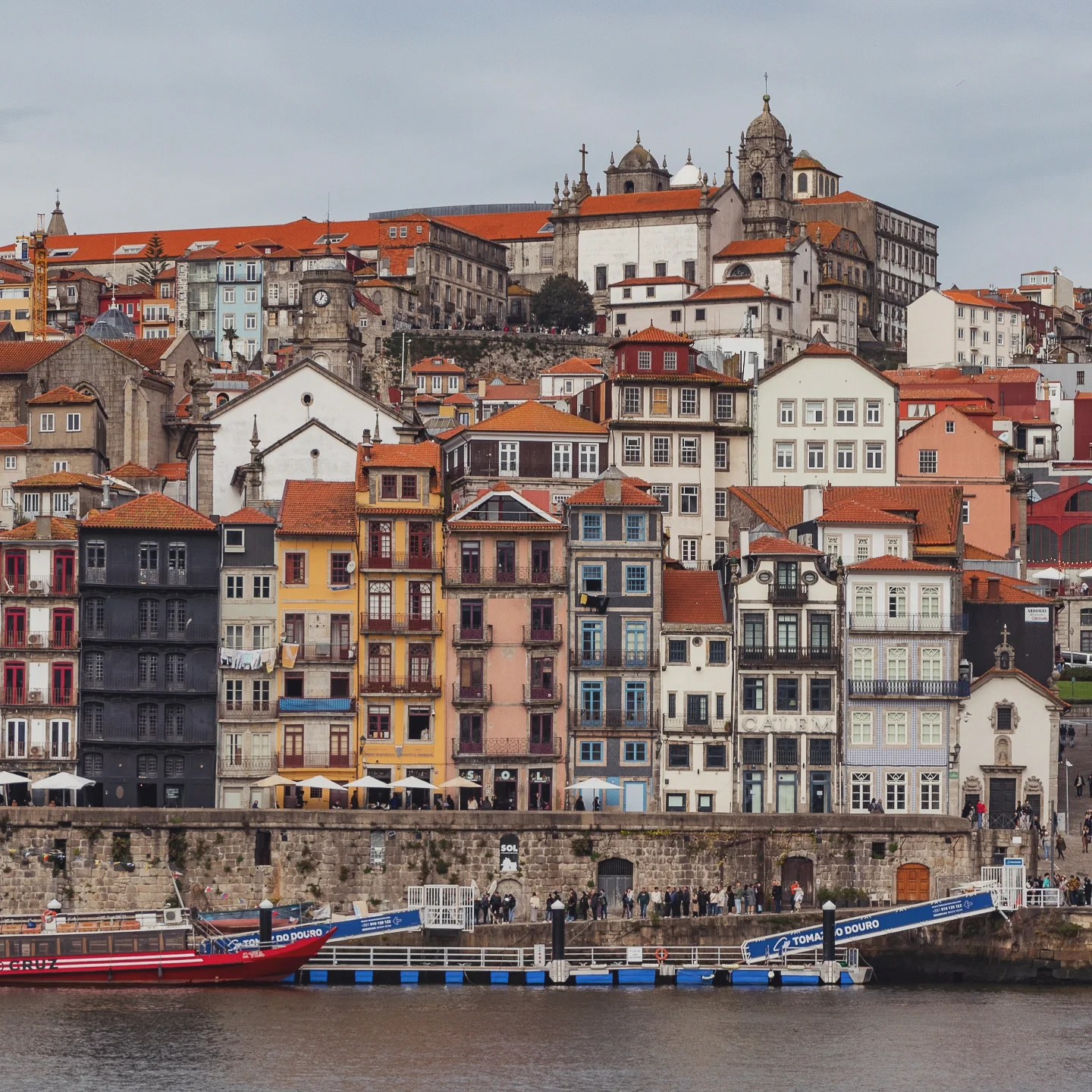
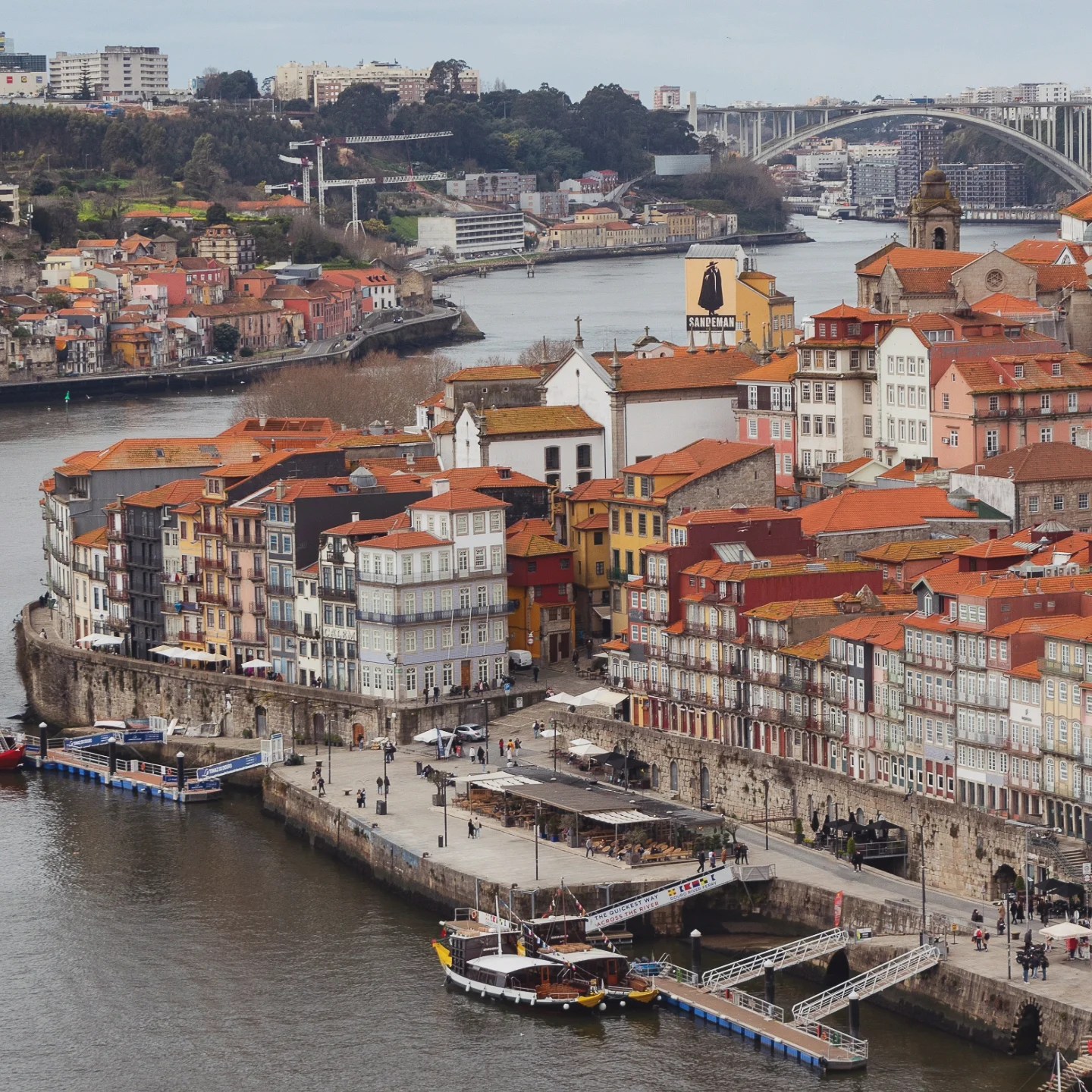
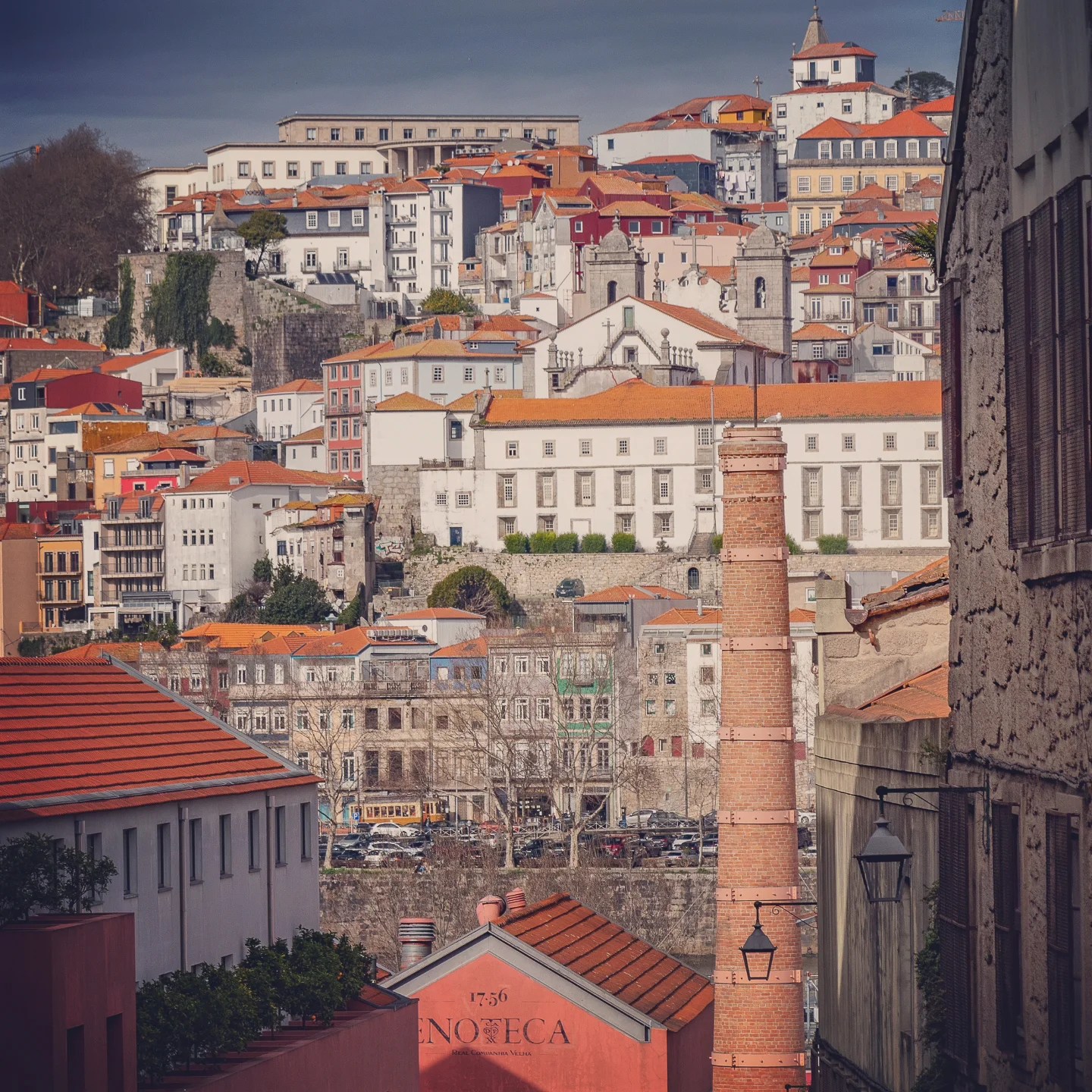
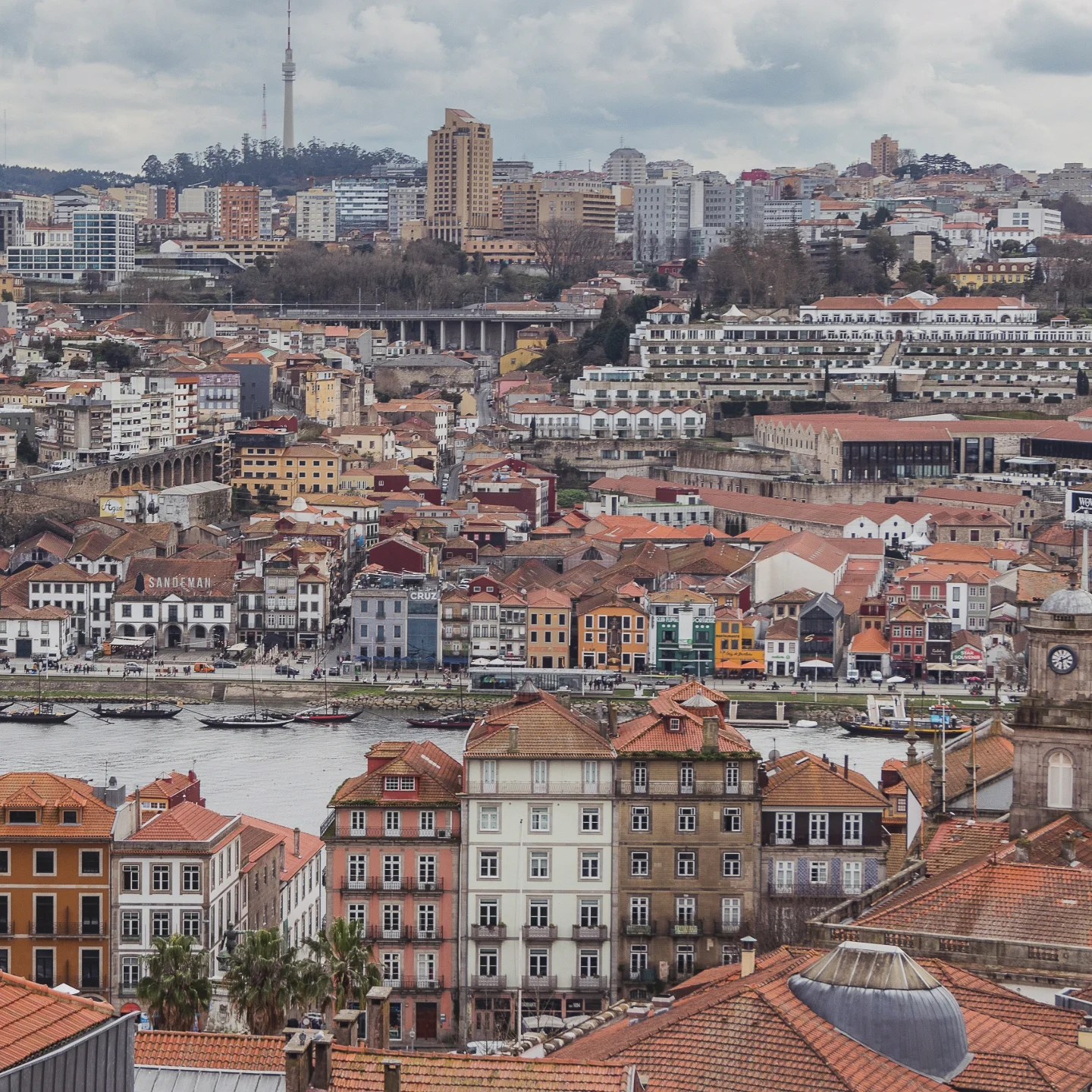
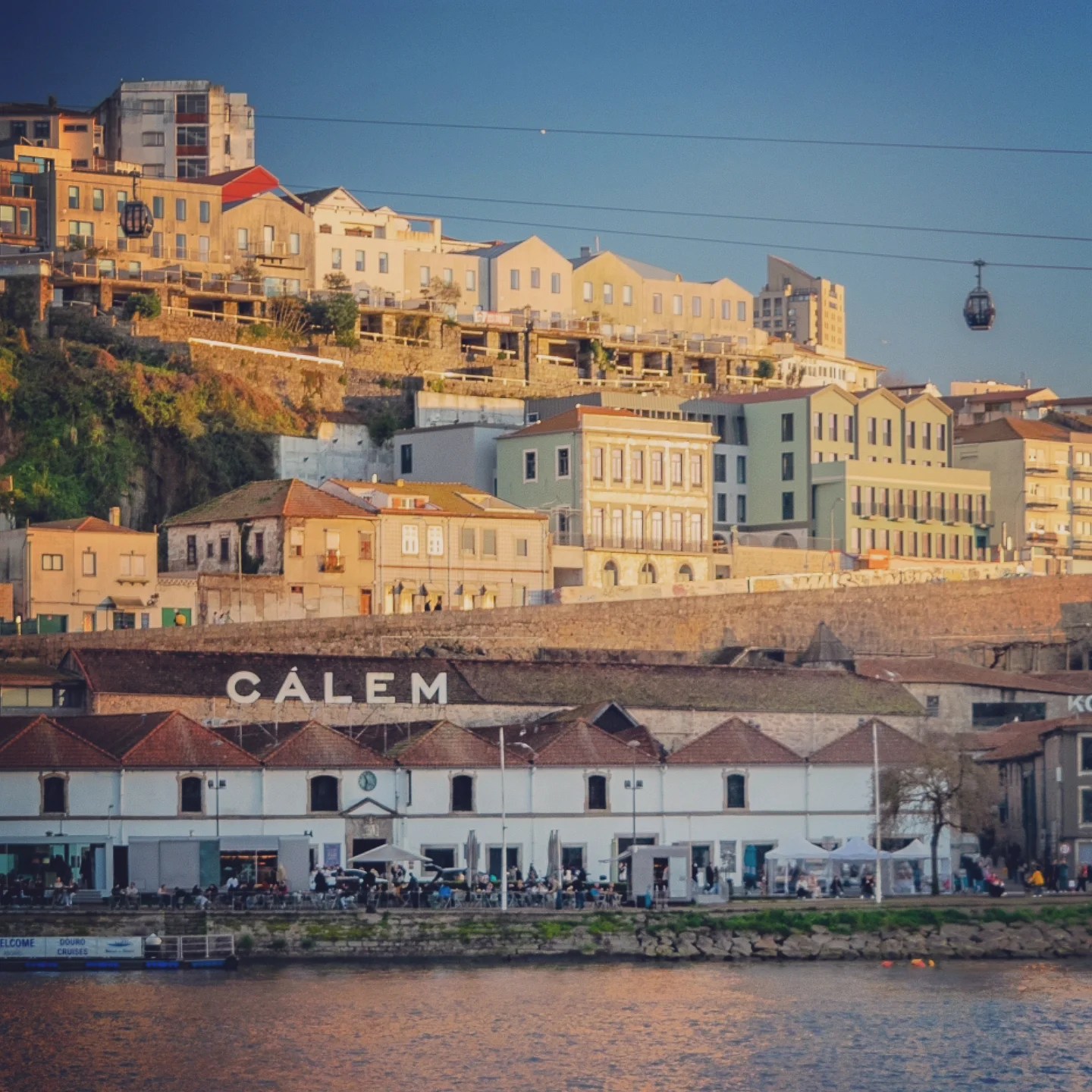
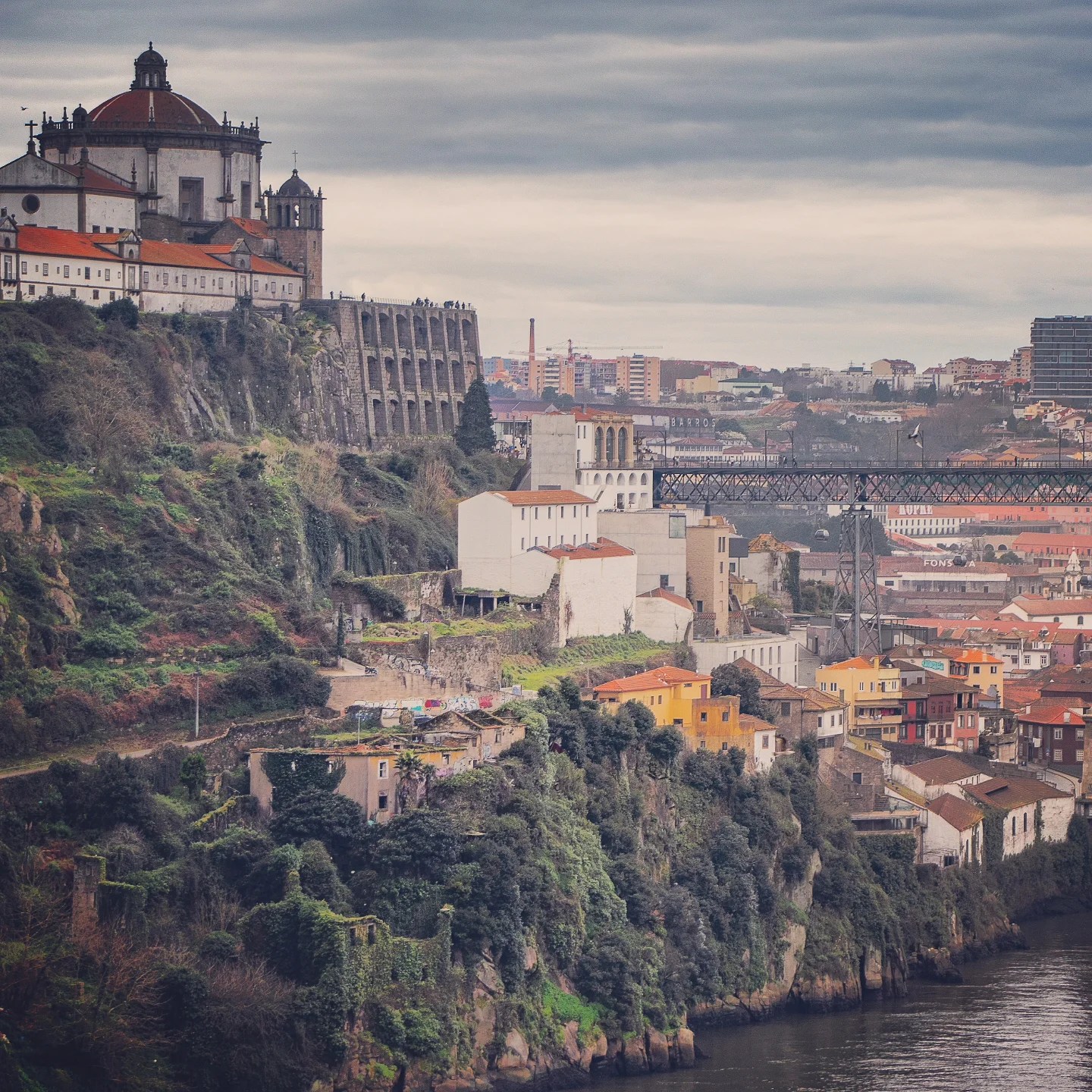
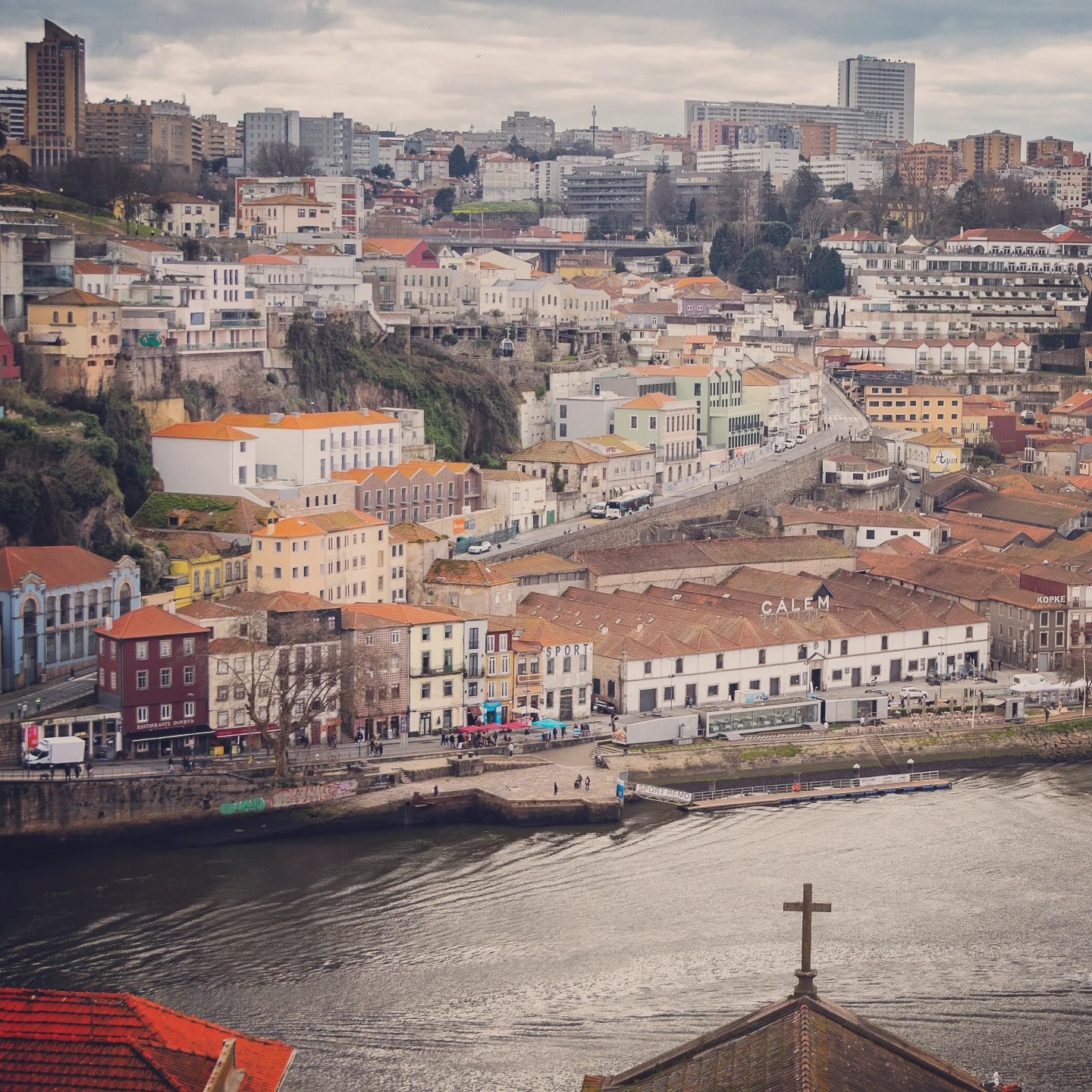
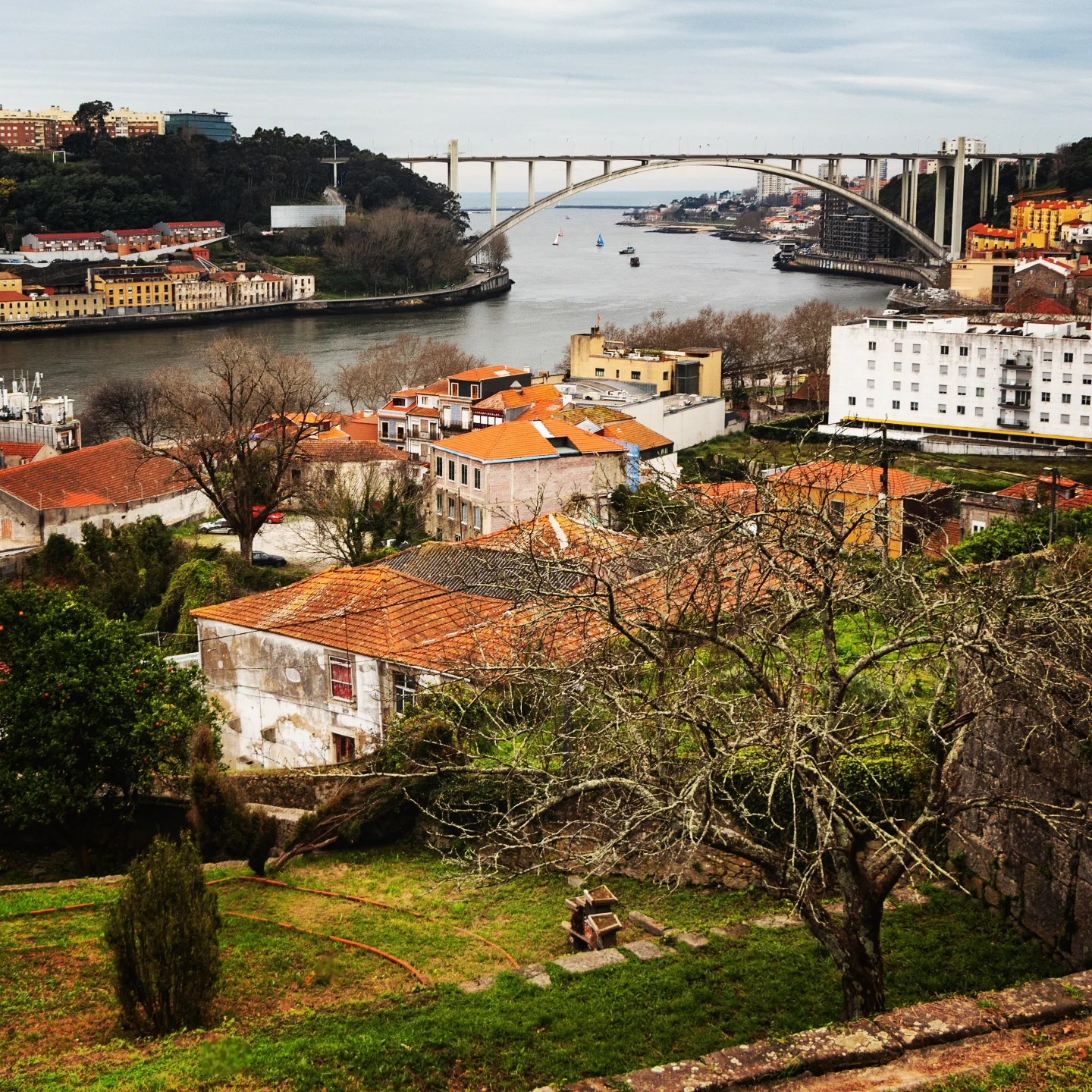
What makes Porto unique isn’t just the history or the food—it’s the way the Douro River divides and defines the landscape. On one side: Porto, with its maze of narrow streets, tiled churches, and vibrant squares. On the other: Gaia, home to the famous Port wine lodges that have shaped the city’s economy and culture for centuries.
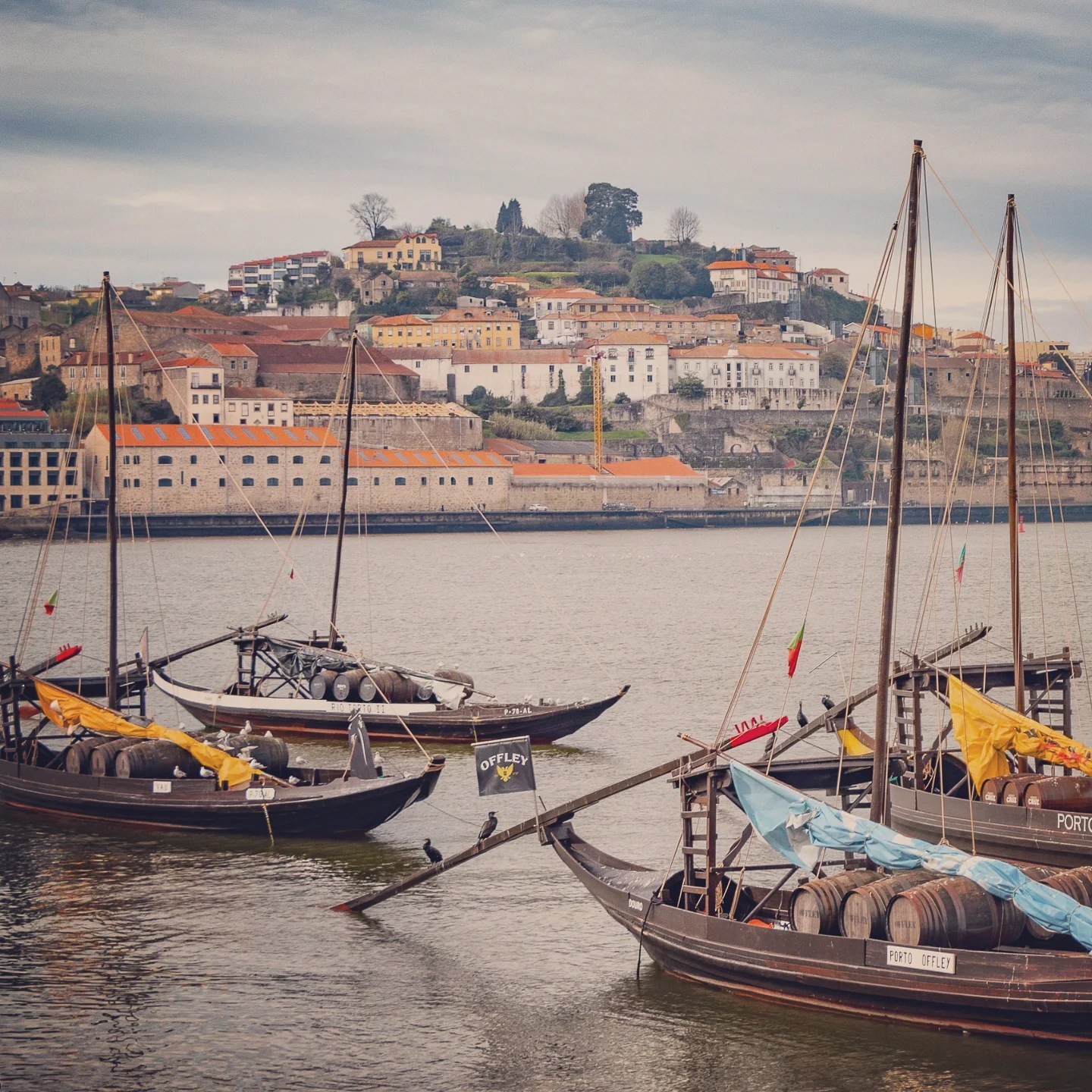
We spent our days bouncing between both. In Gaia, we wandered the riverbank, soaking up views of Porto’s skyline and watching traditional rabelo boats—flat-bottomed wooden vessels once used to transport barrels of Port wine—float lazily past.
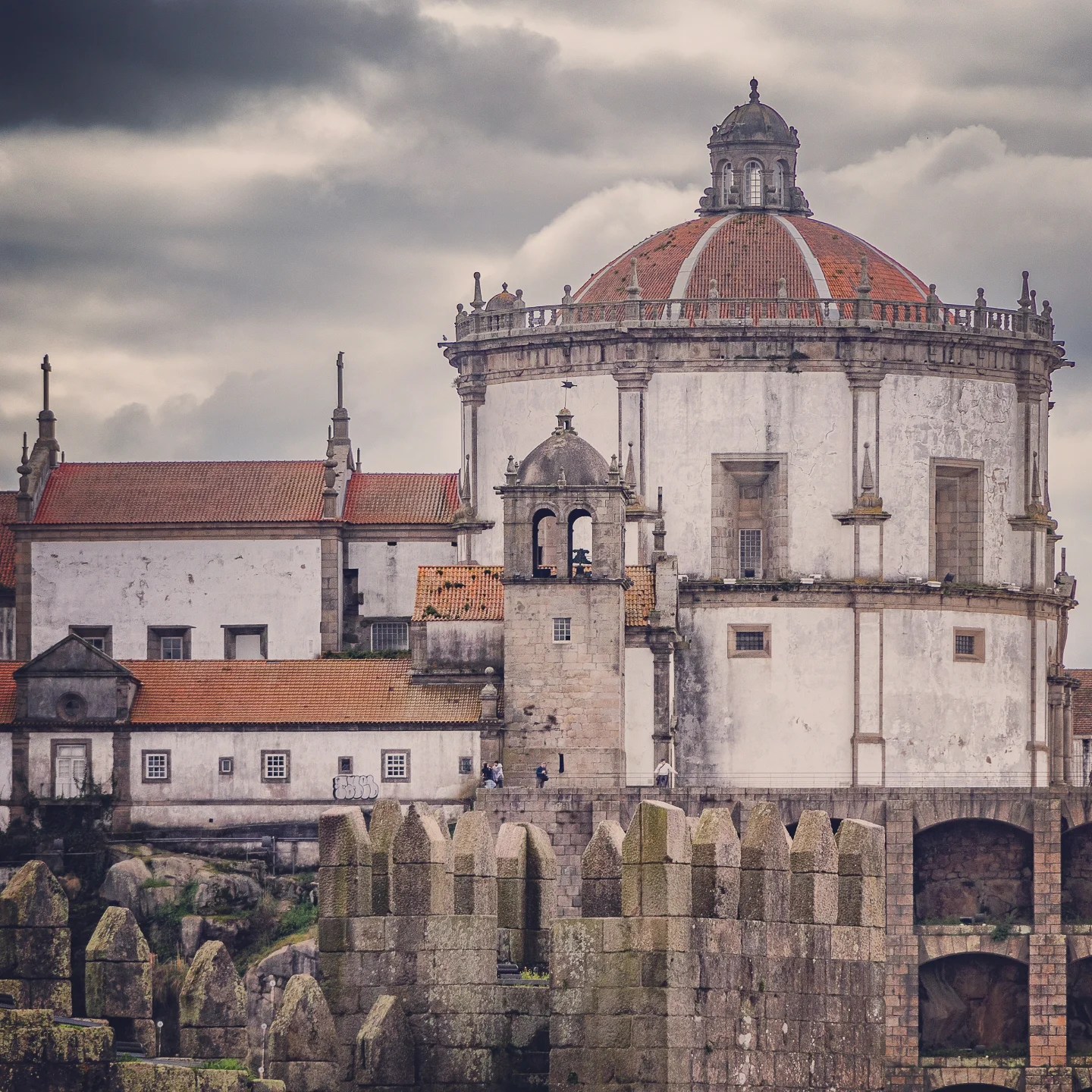
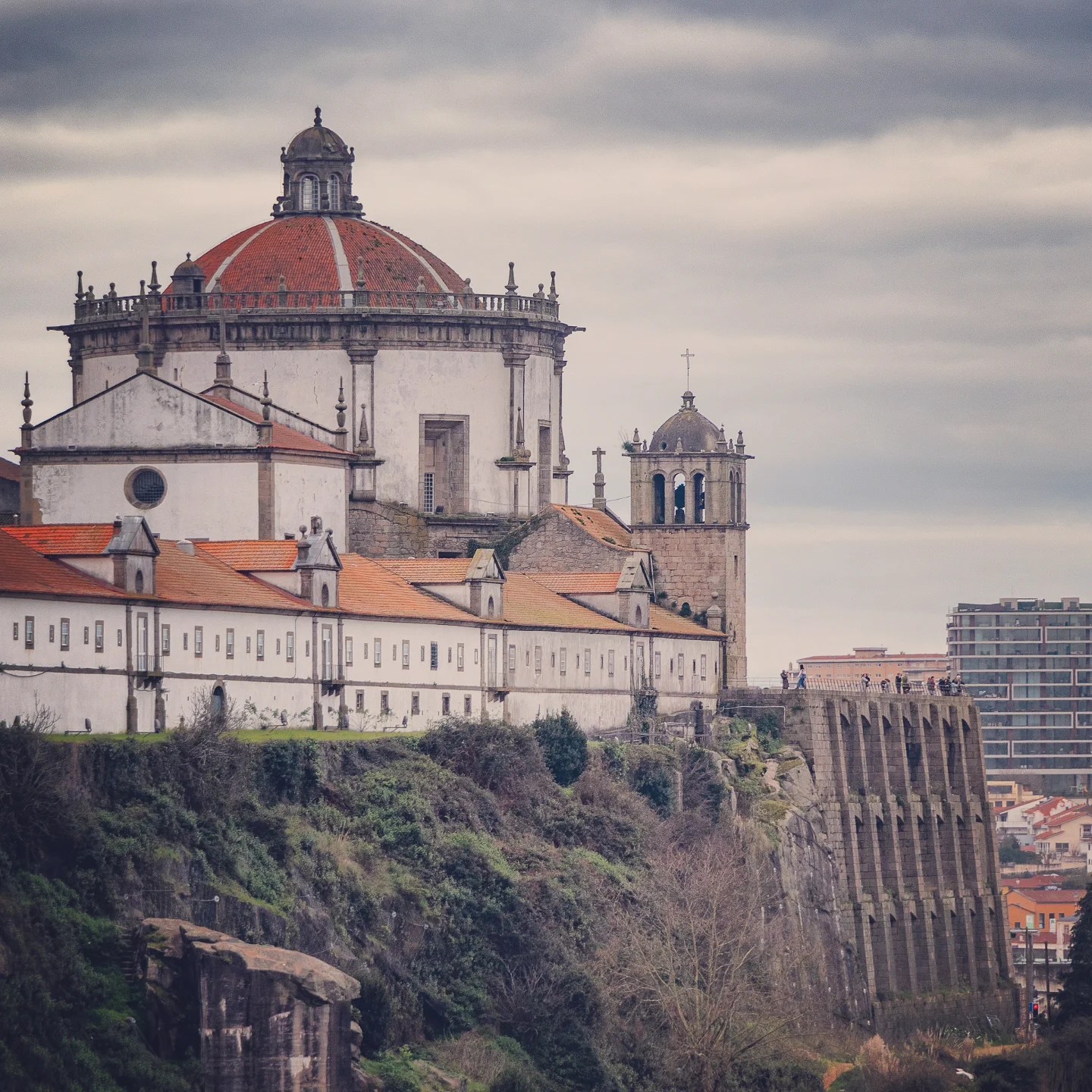
High above Gaia, the Monastery of Serra do Pilar (a 16th-century former monastery, now a military site) and the Jardim do Morro (Garden of the Hill) offered sweeping views of red rooftops, church spires, and the iconic arc of the Dom Luís I Bridge.
Of course, no visit to Gaia is complete without a Port wine tasting—or two. Lodges like Kopke, the oldest Port Wine House (dating back to 1638), were high on our list, though we couldn’t fit them all in. Luckily, we did make it to Niepoort, and it turned out to be one of the highlights of our trip (more on that below). Be sure to book your tastings in advance—spots fill up quickly, even in the off-season.
Gaia






Getting Lost in Porto (On Purpose)
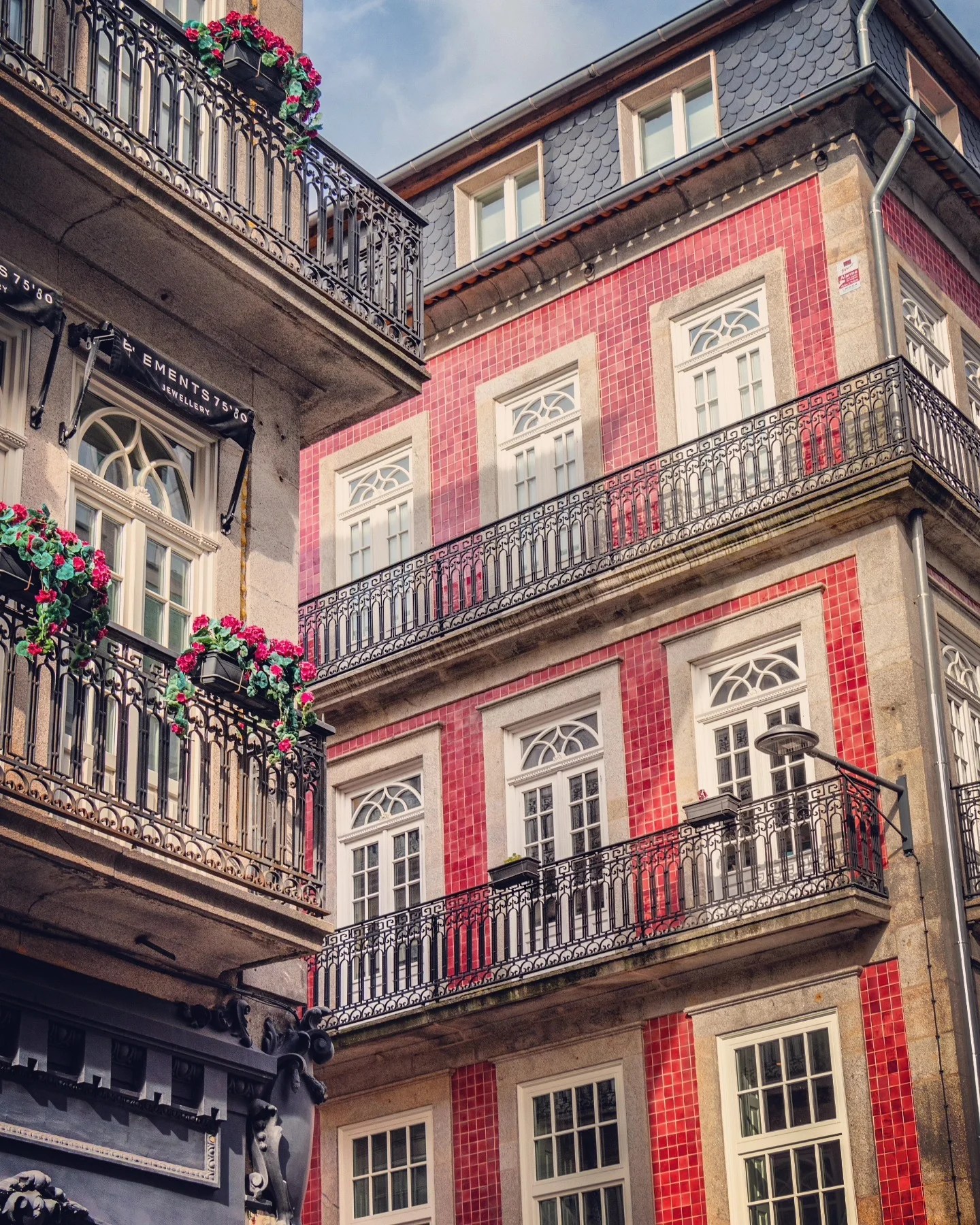
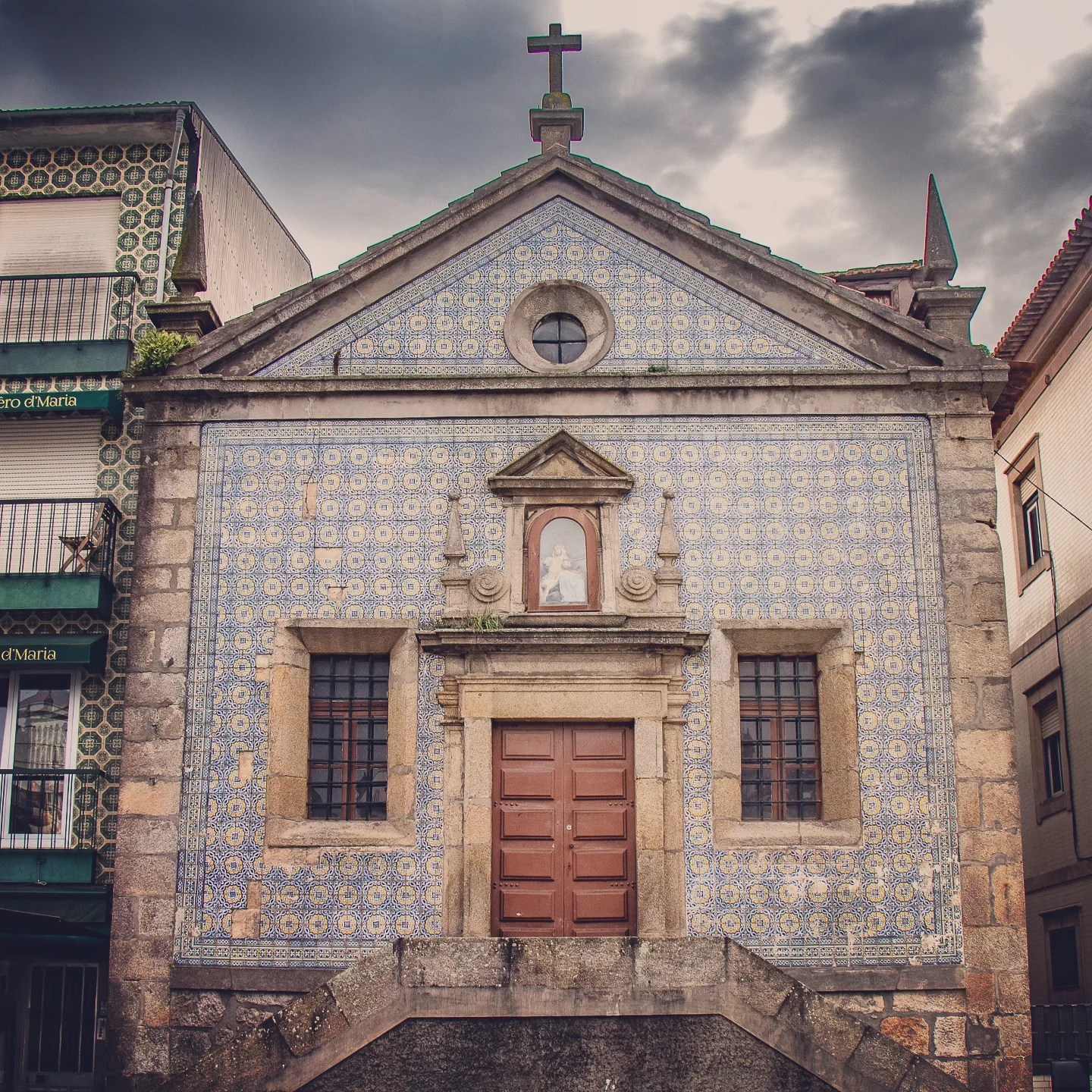
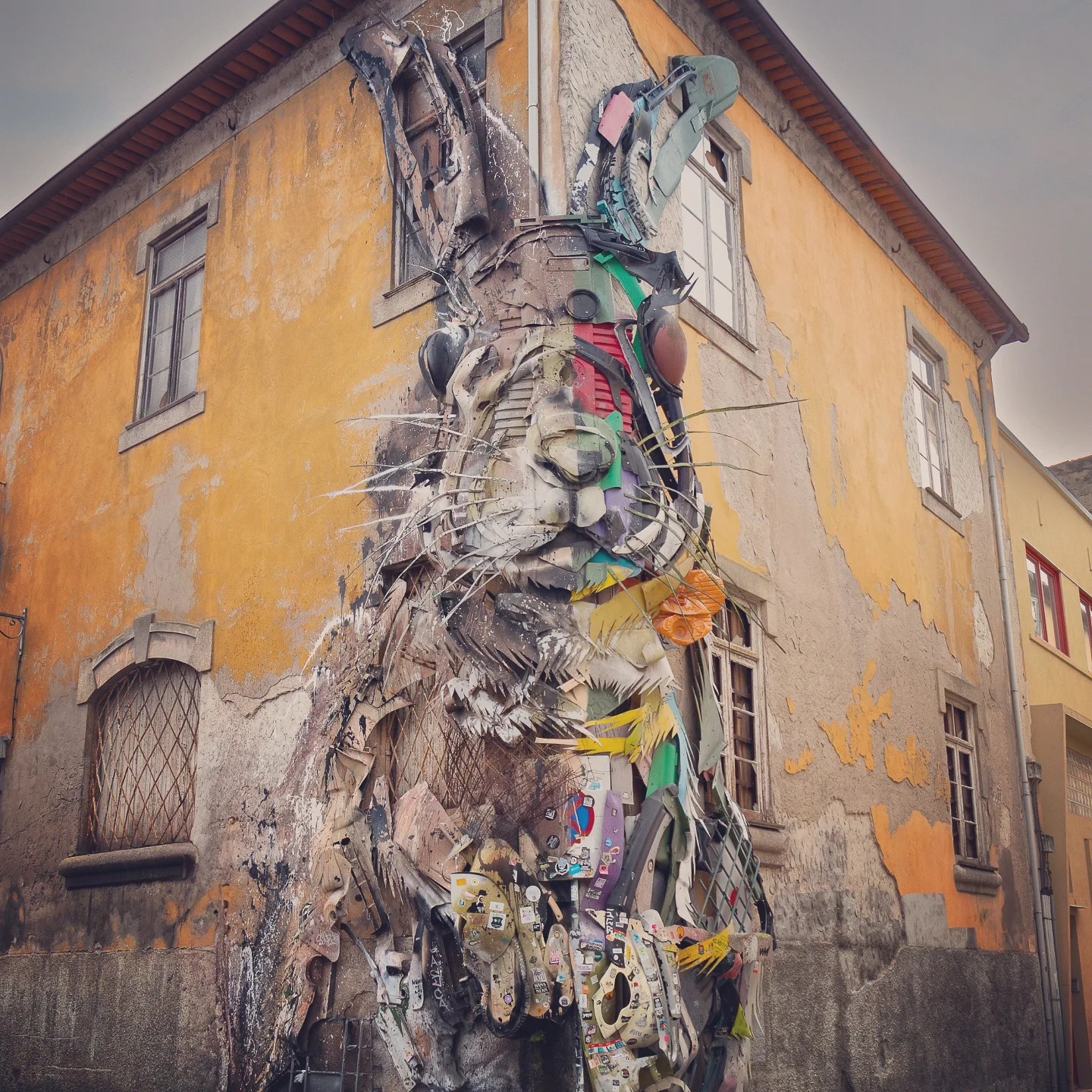
Back on the Porto side, we dove headfirst into the city’s textured layers—each corner revealing a picture-perfect scene.
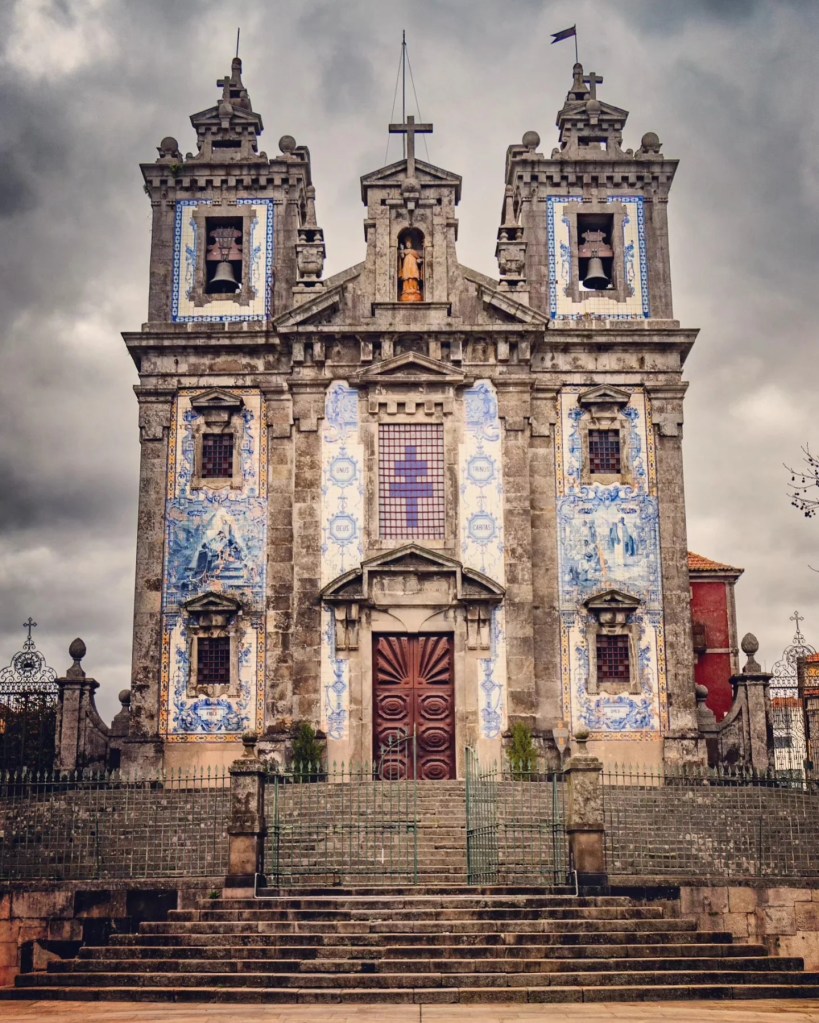
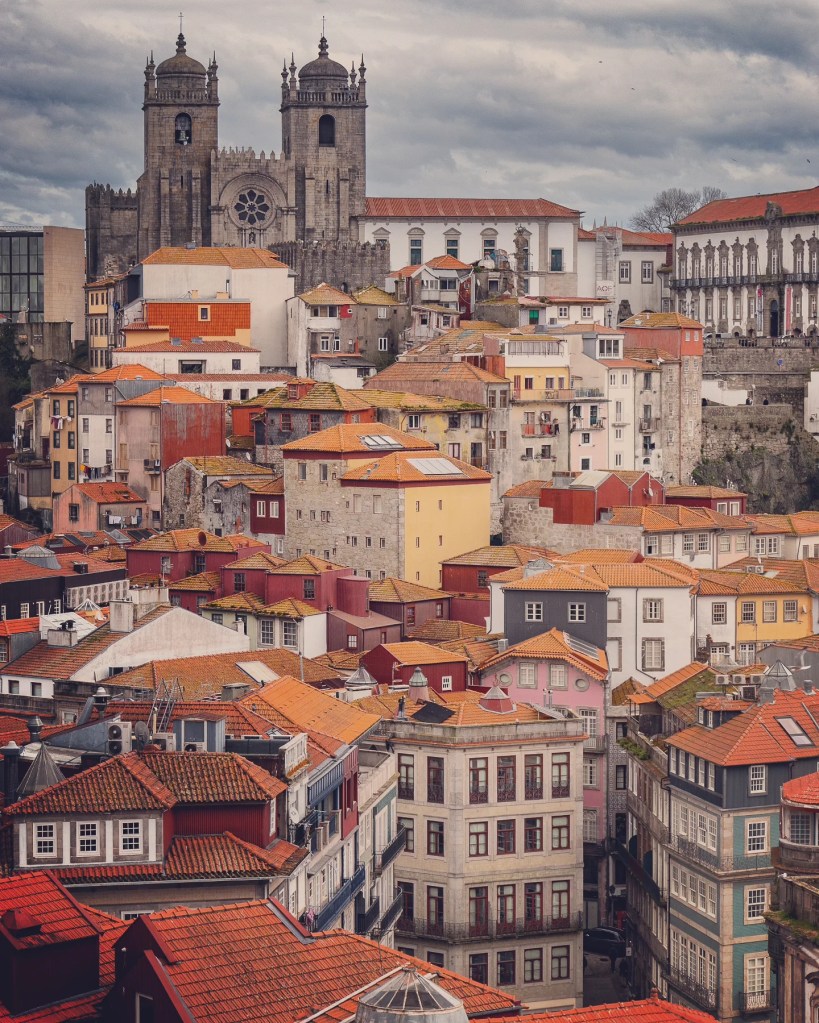
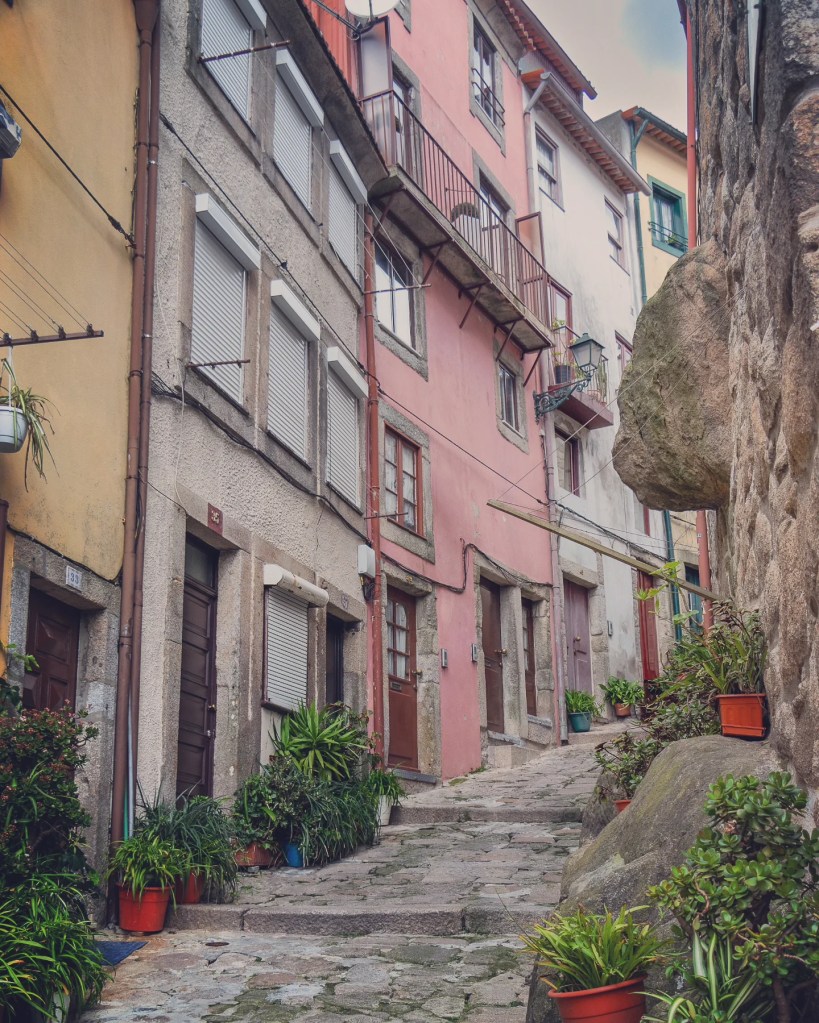
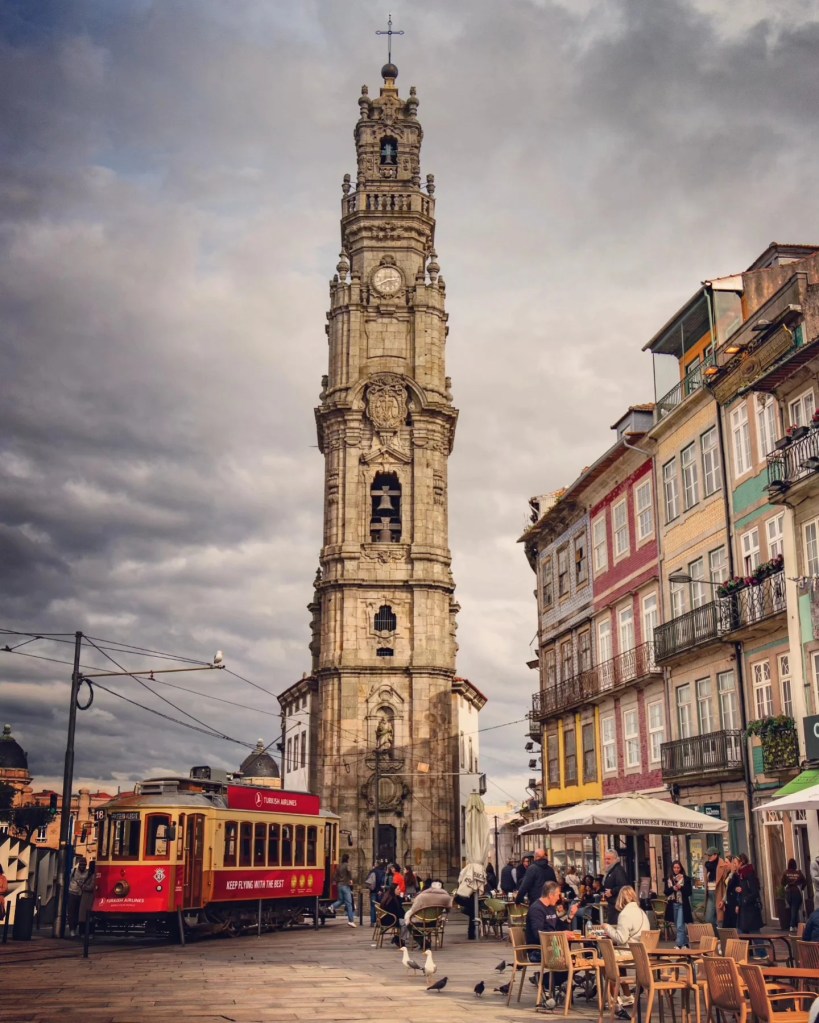

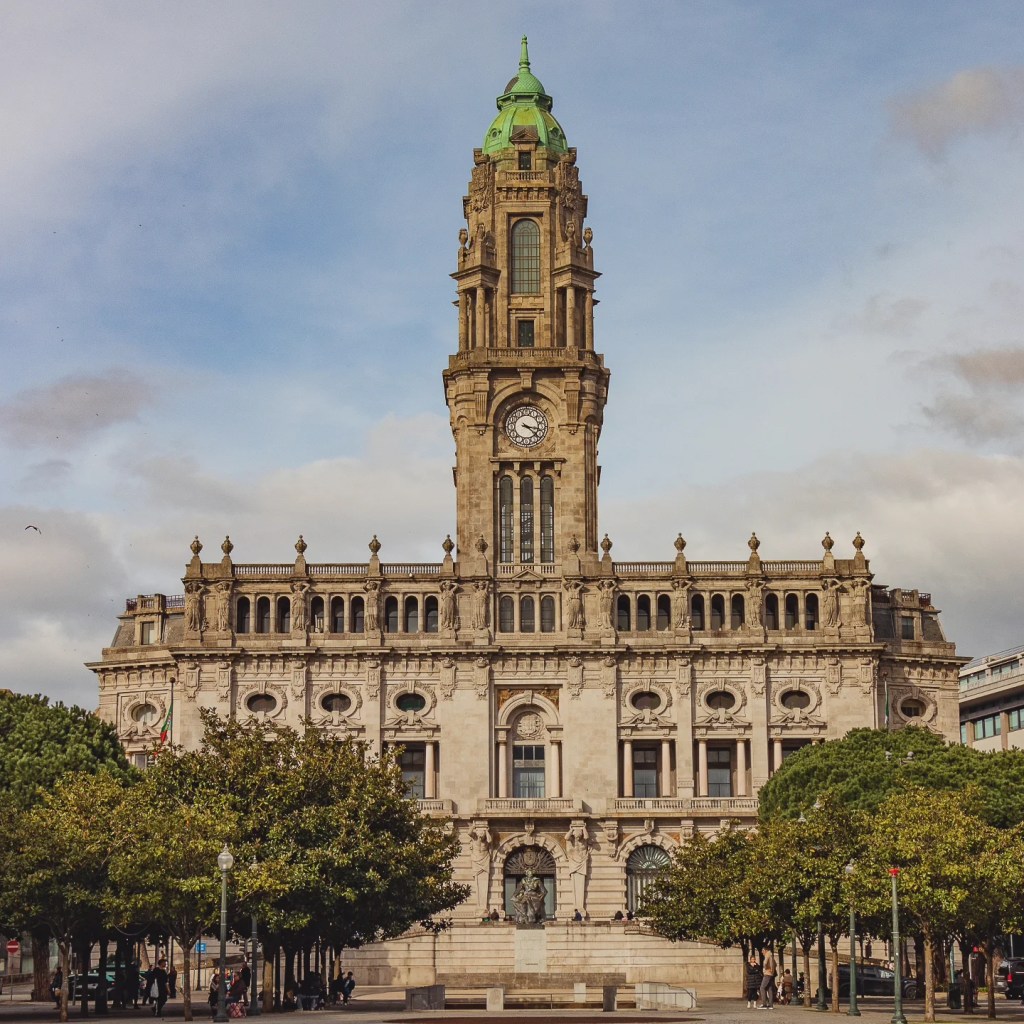

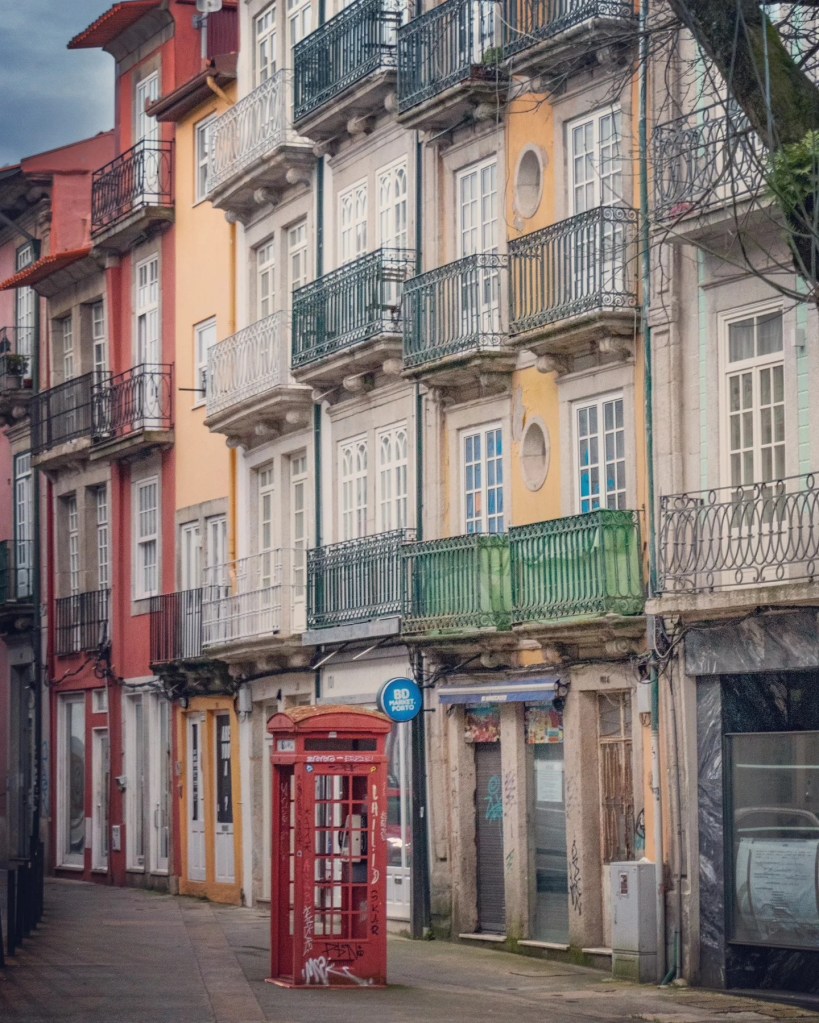

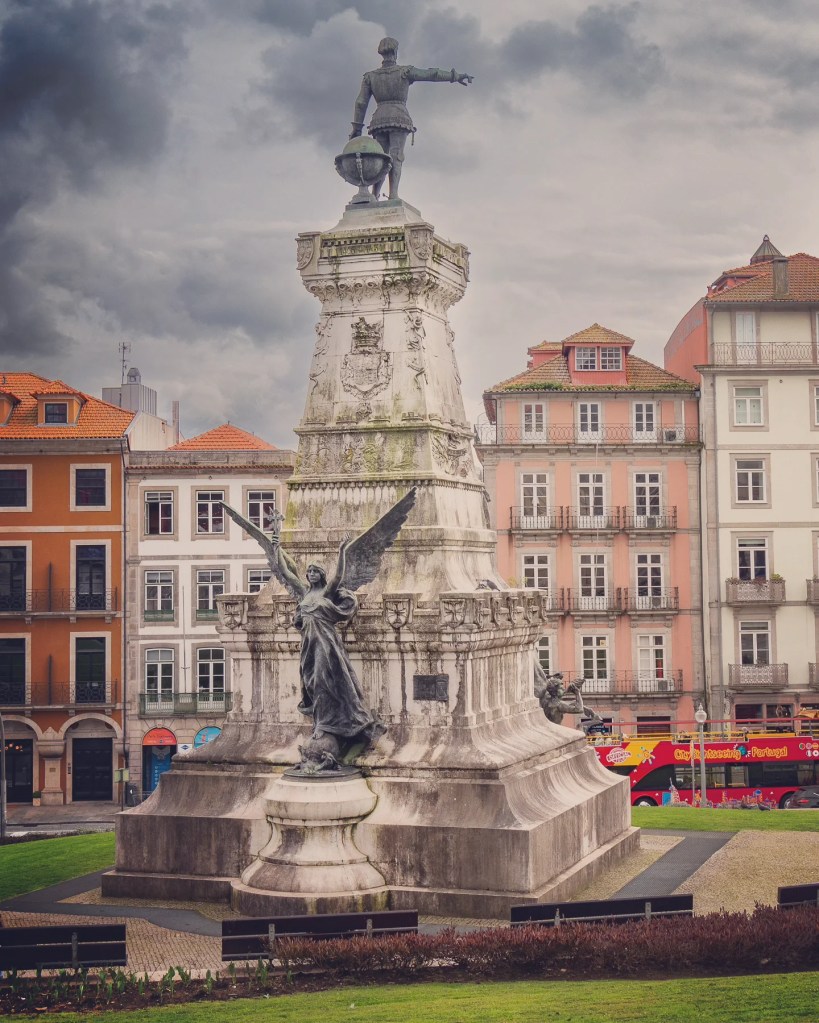
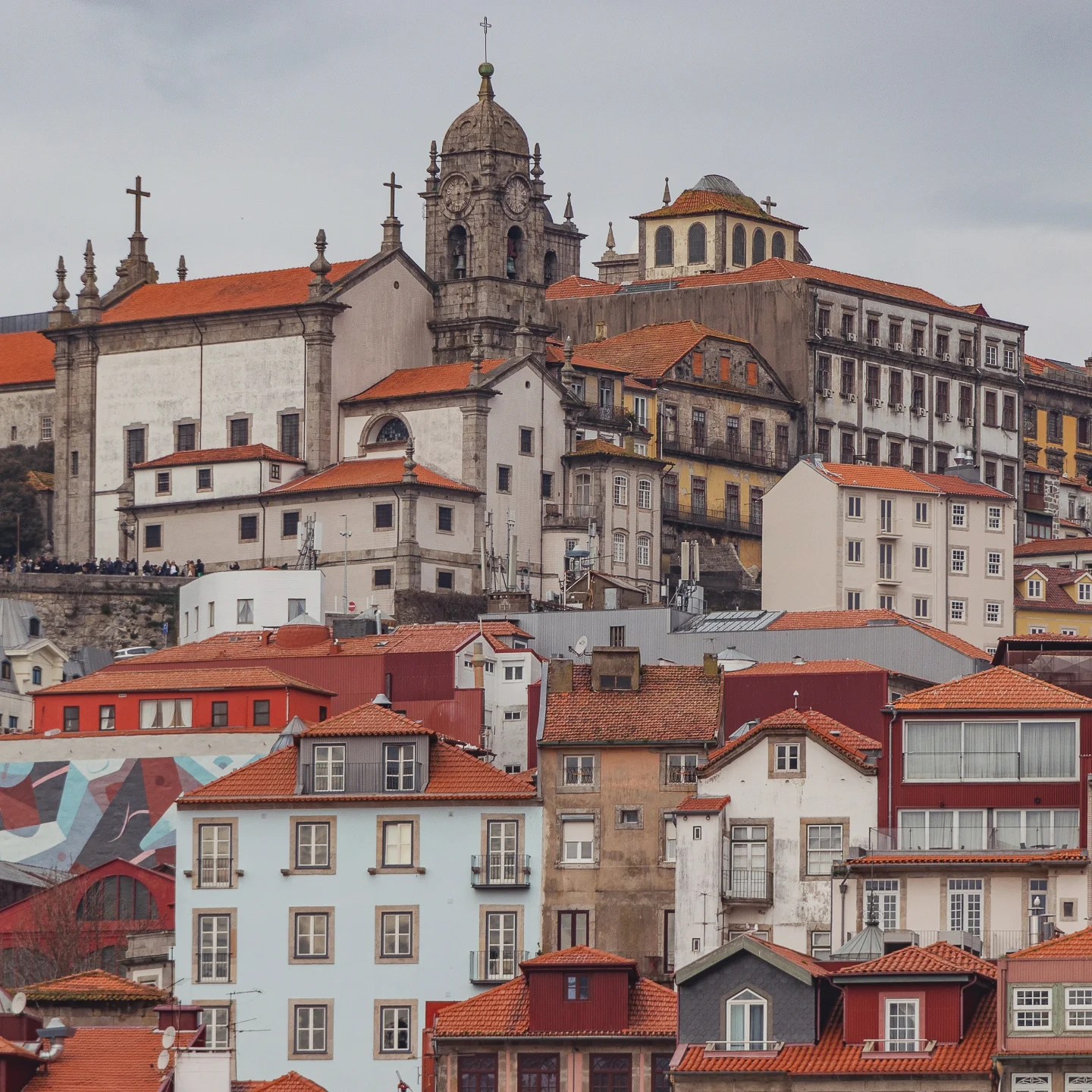
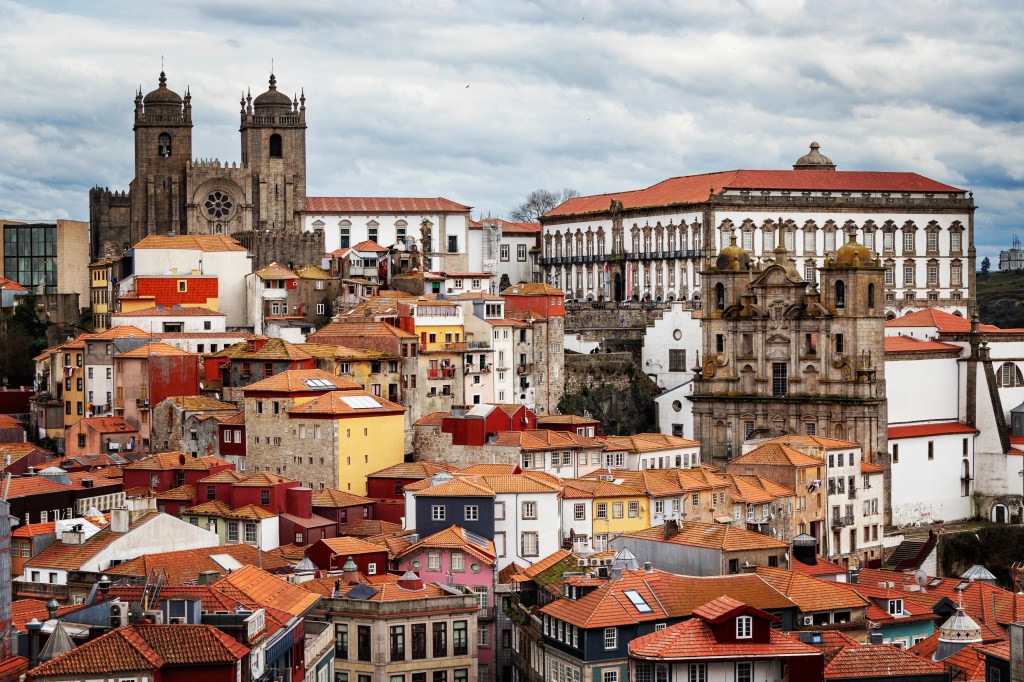
For sweeping city views, Terreiro da Sé, the plaza beside Porto Cathedral (Sé do Porto) gave us a fantastic look across the city’s hilly skyline. From up here, it’s all terracotta rooftops, narrow lanes, and tightly packed buildings climbing in every direction. It’s one of those classic Porto vantage points you won’t want to miss.
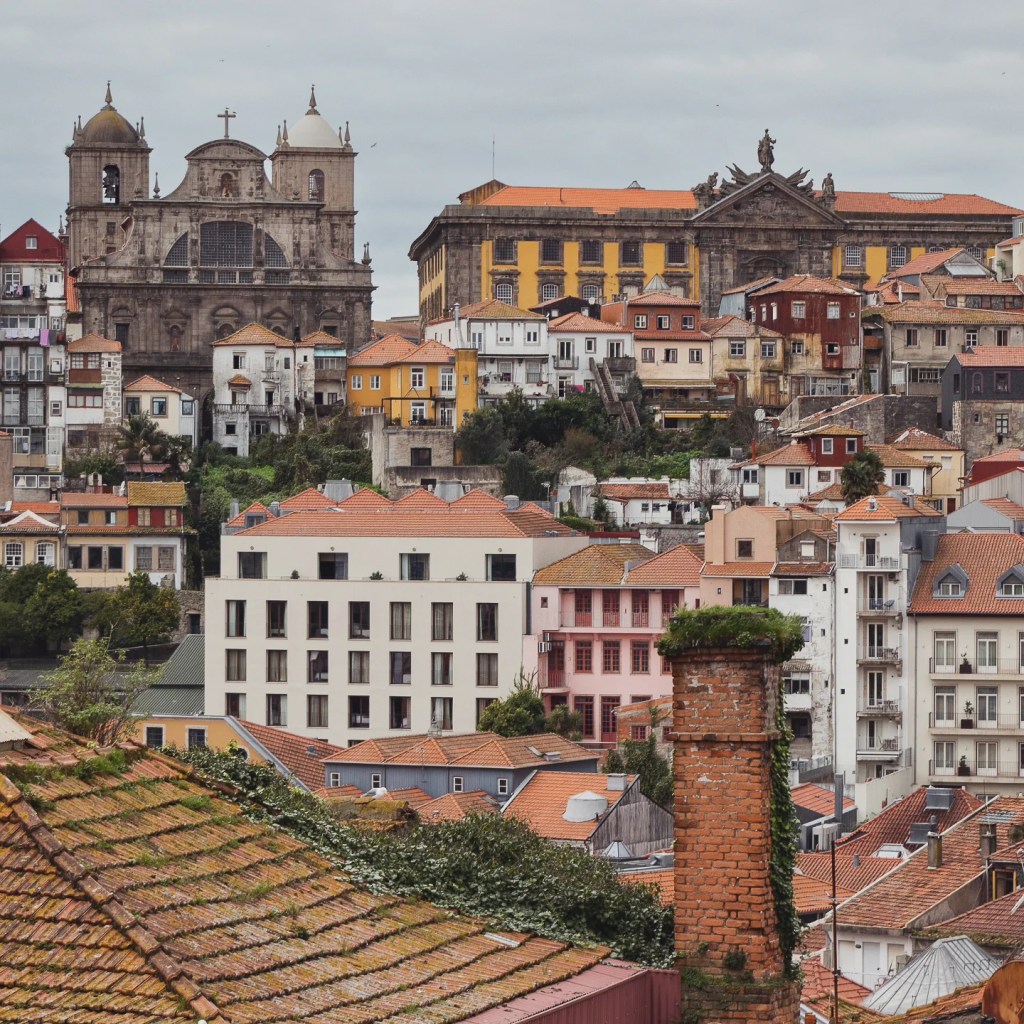
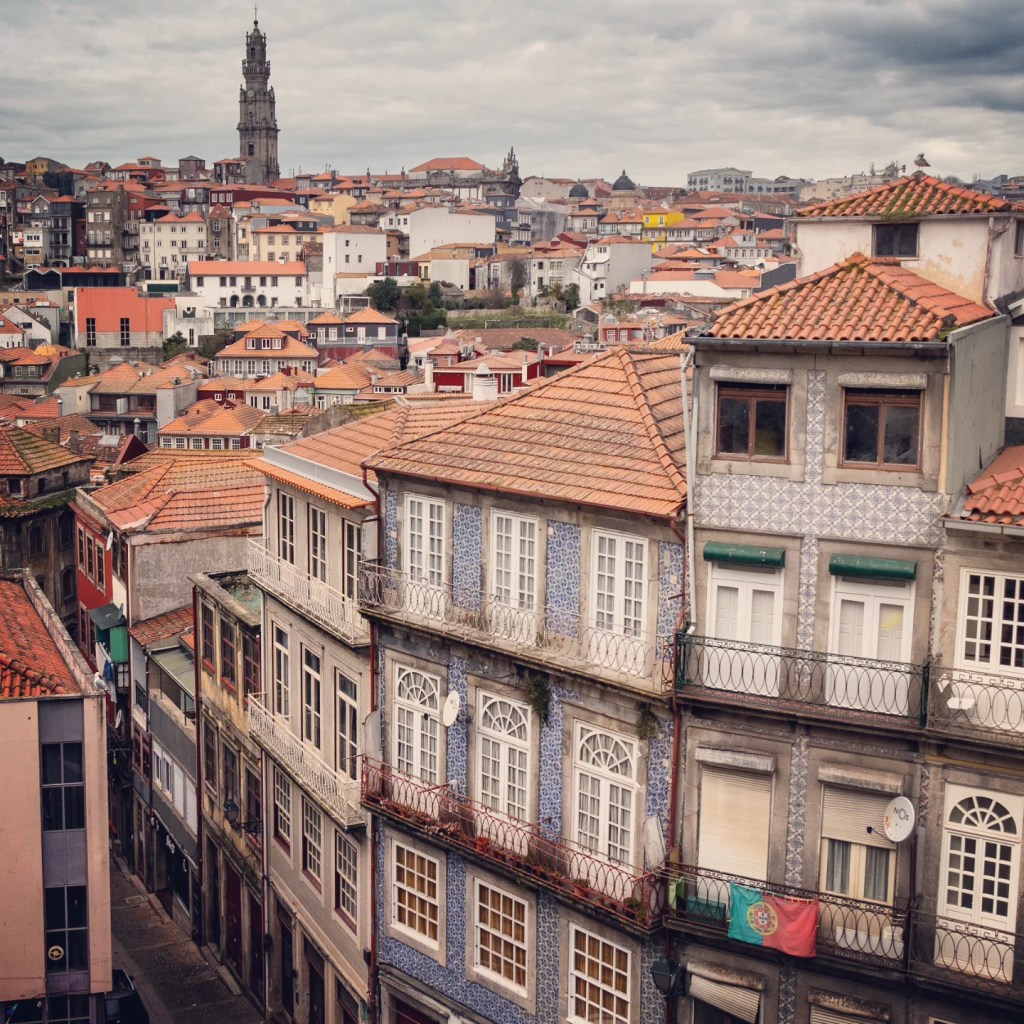
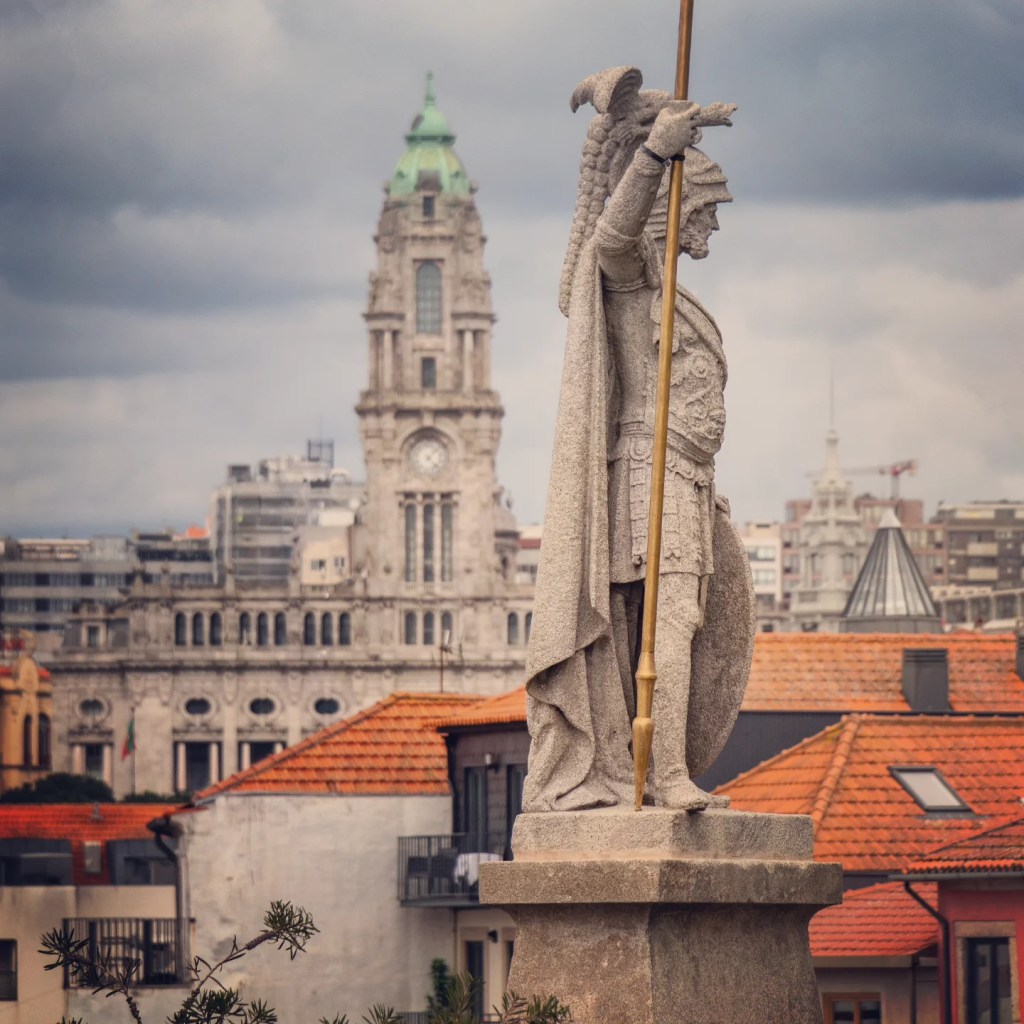
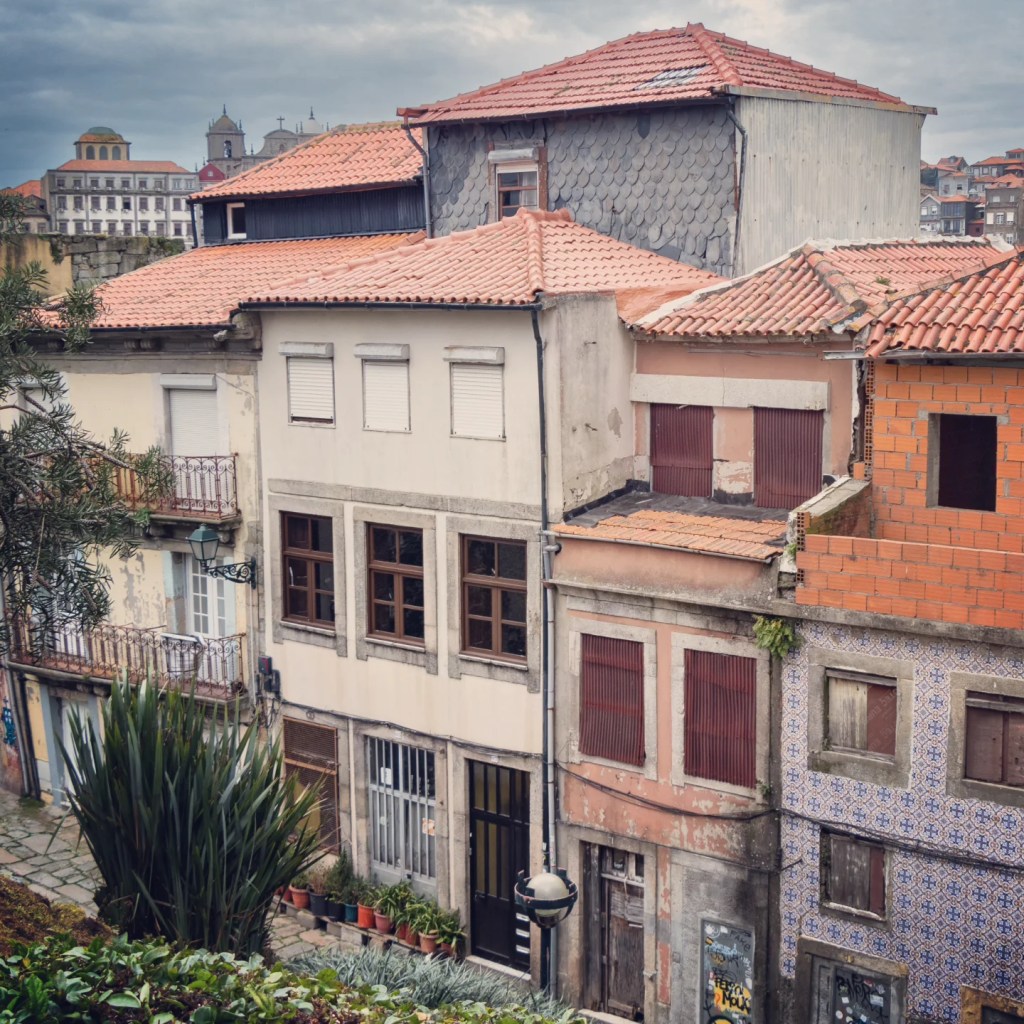
Porto Cathedral (Sé do Porto)


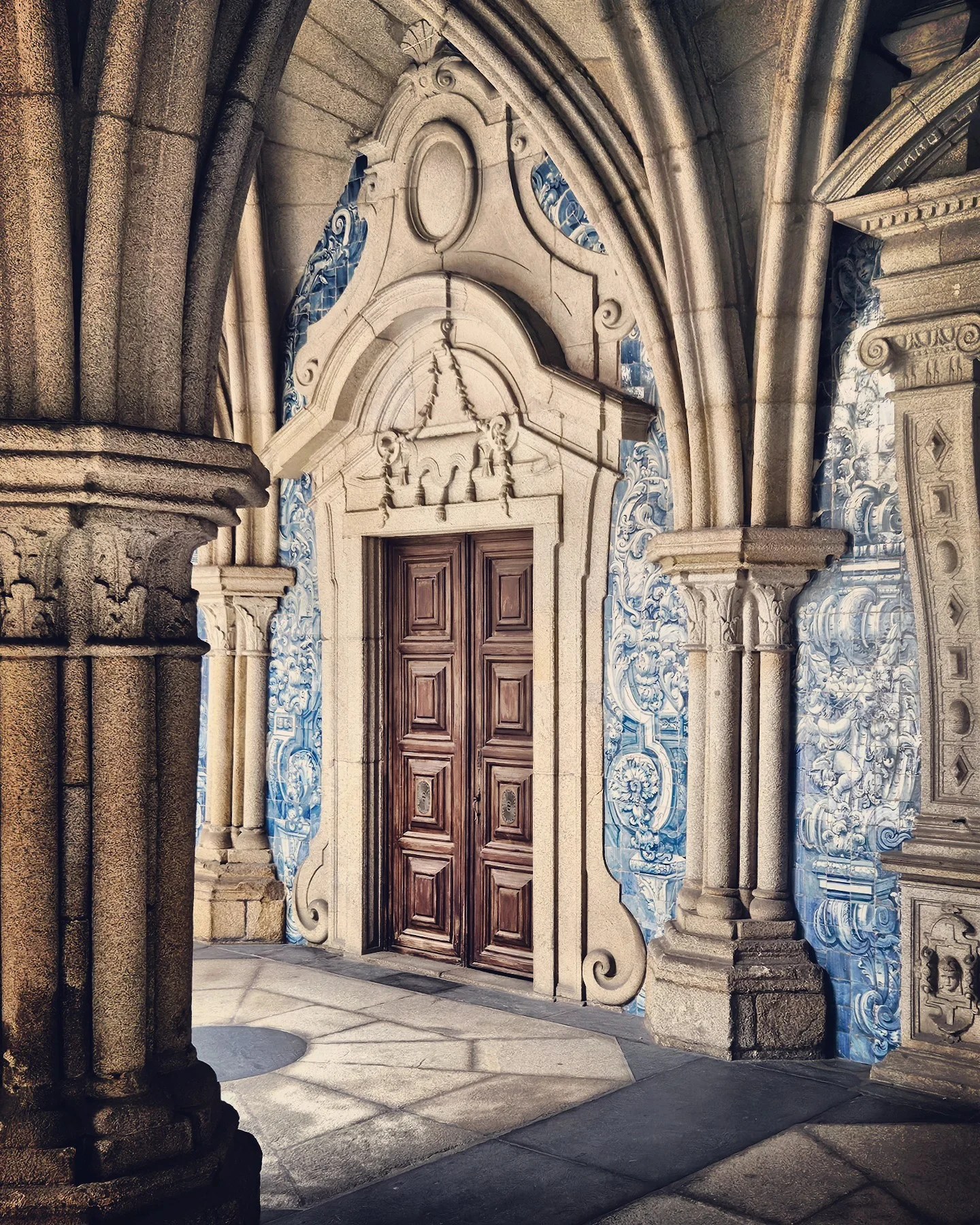
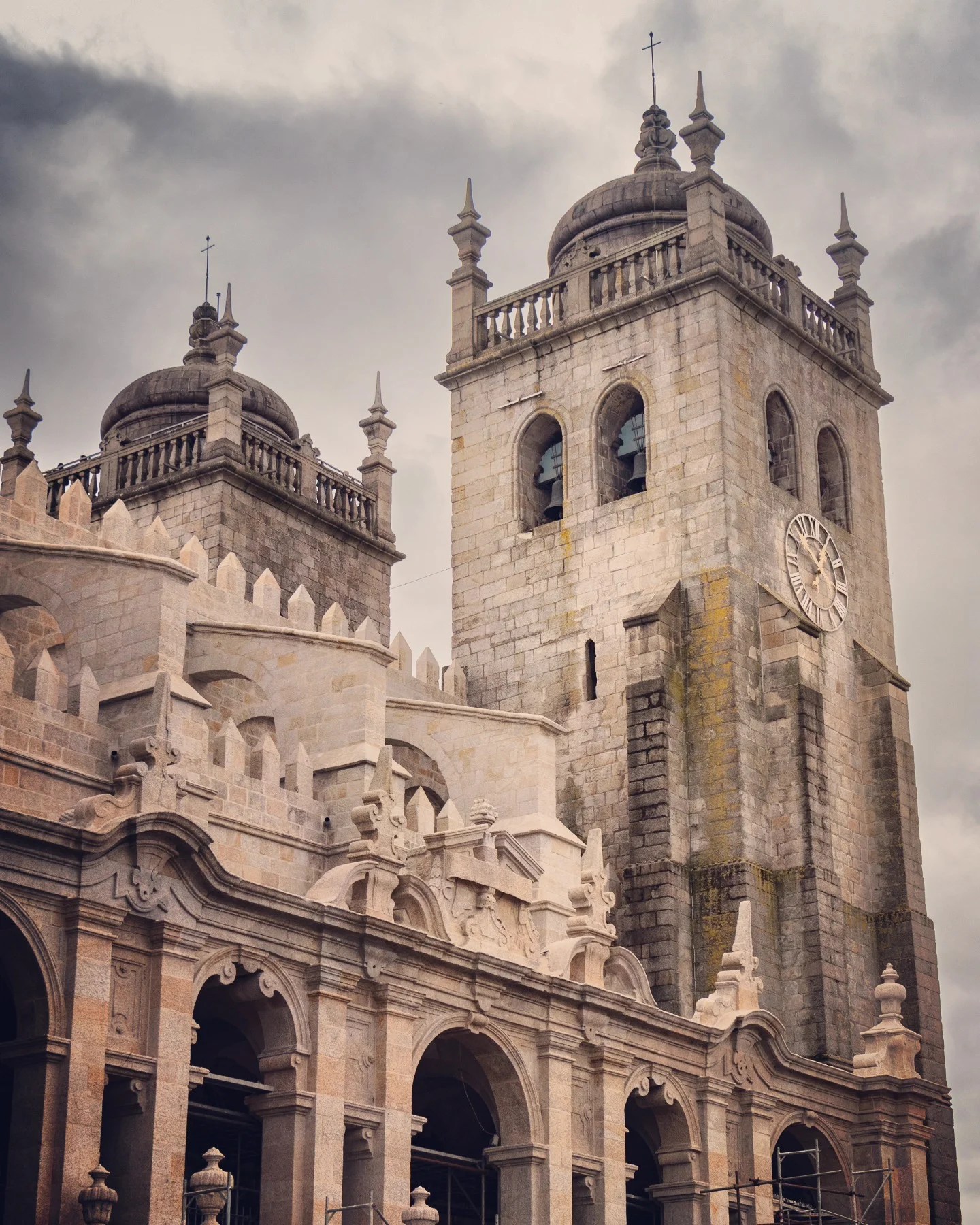
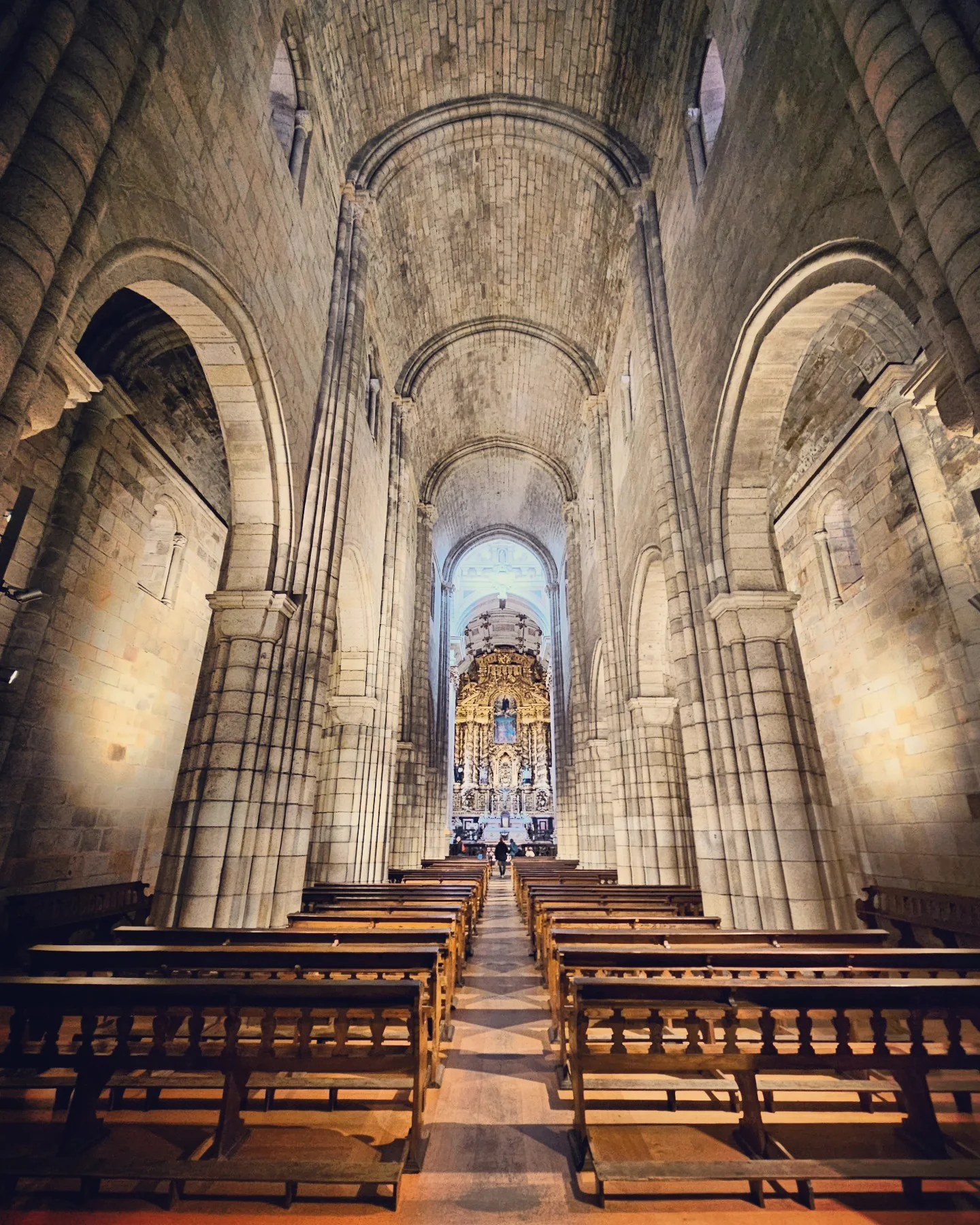


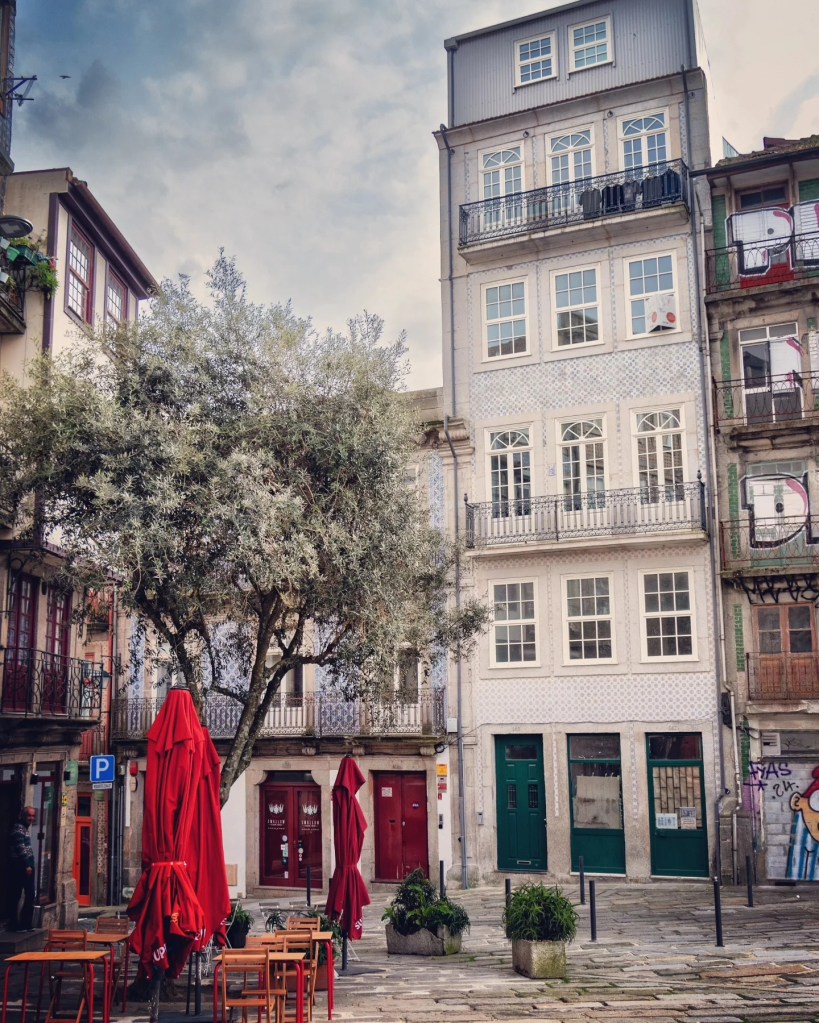
We also wandered along the Cerca Primitiva, the remnants of Porto’s original medieval city walls. These quiet stretches of ancient stone are easy to miss but offer a glimpse into the city’s fortified past—and a striking contrast to the colorful houses that now surround them.
Some of our favorite moments, though, weren’t planned at all. We got delightfully lost in Porto’s maze-like alleys, stumbled into quiet hidden squares, browsed a temporary riverside market inside the Mercado Ferreira Borges—a 19th-century iron market hall turned cultural space—and ducked into a tiny café for a pastel de nata (Portuguese custard tart) just because the door looked inviting.

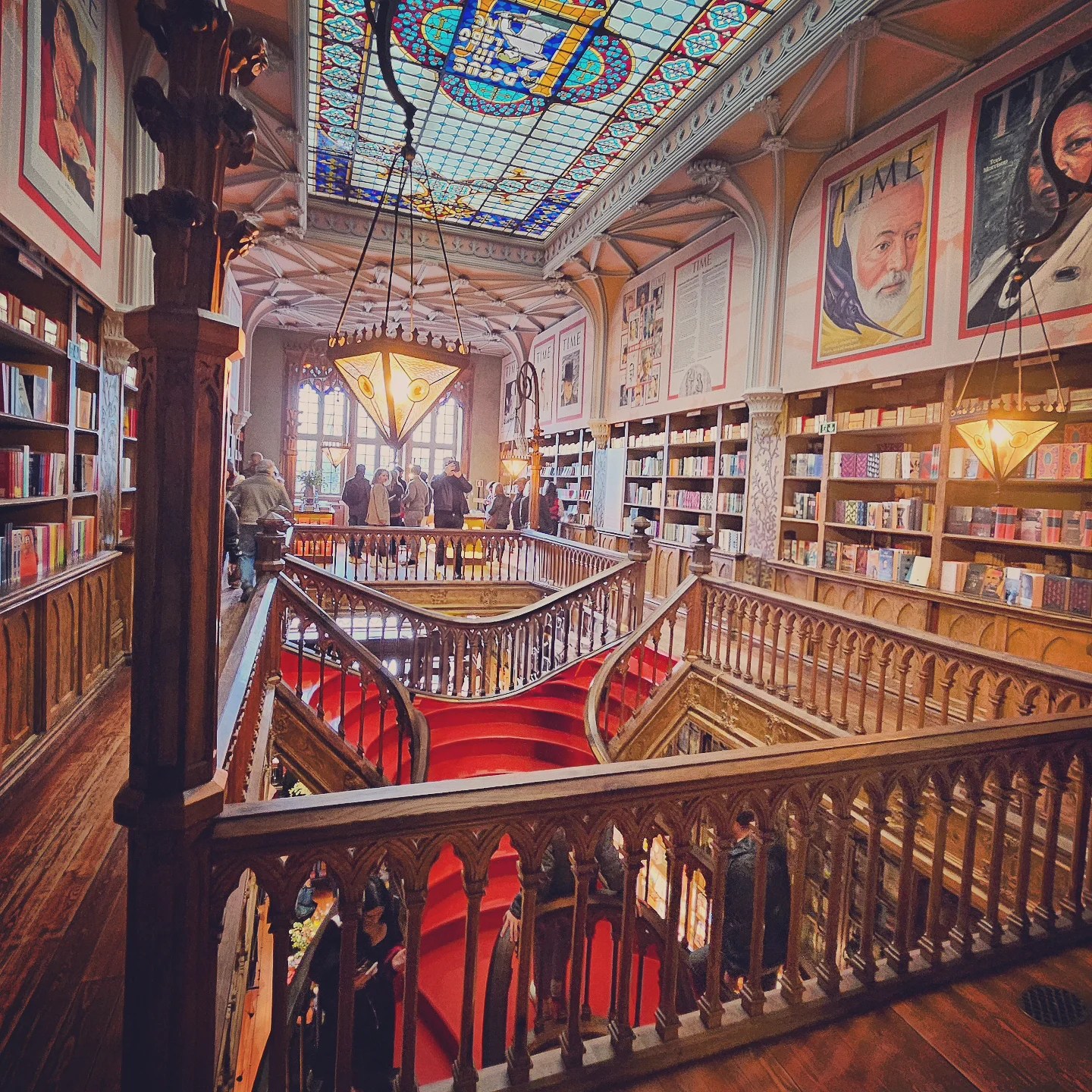
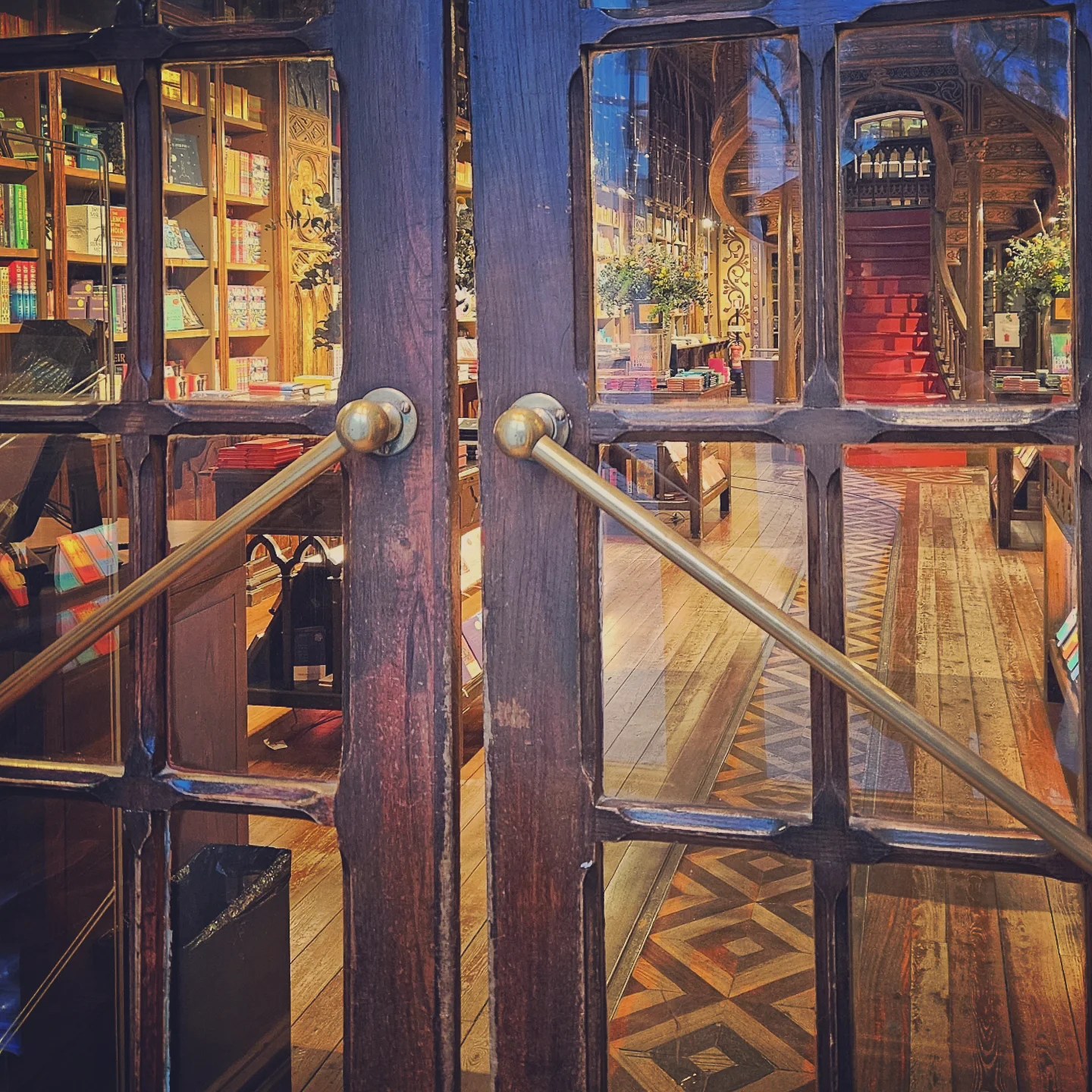
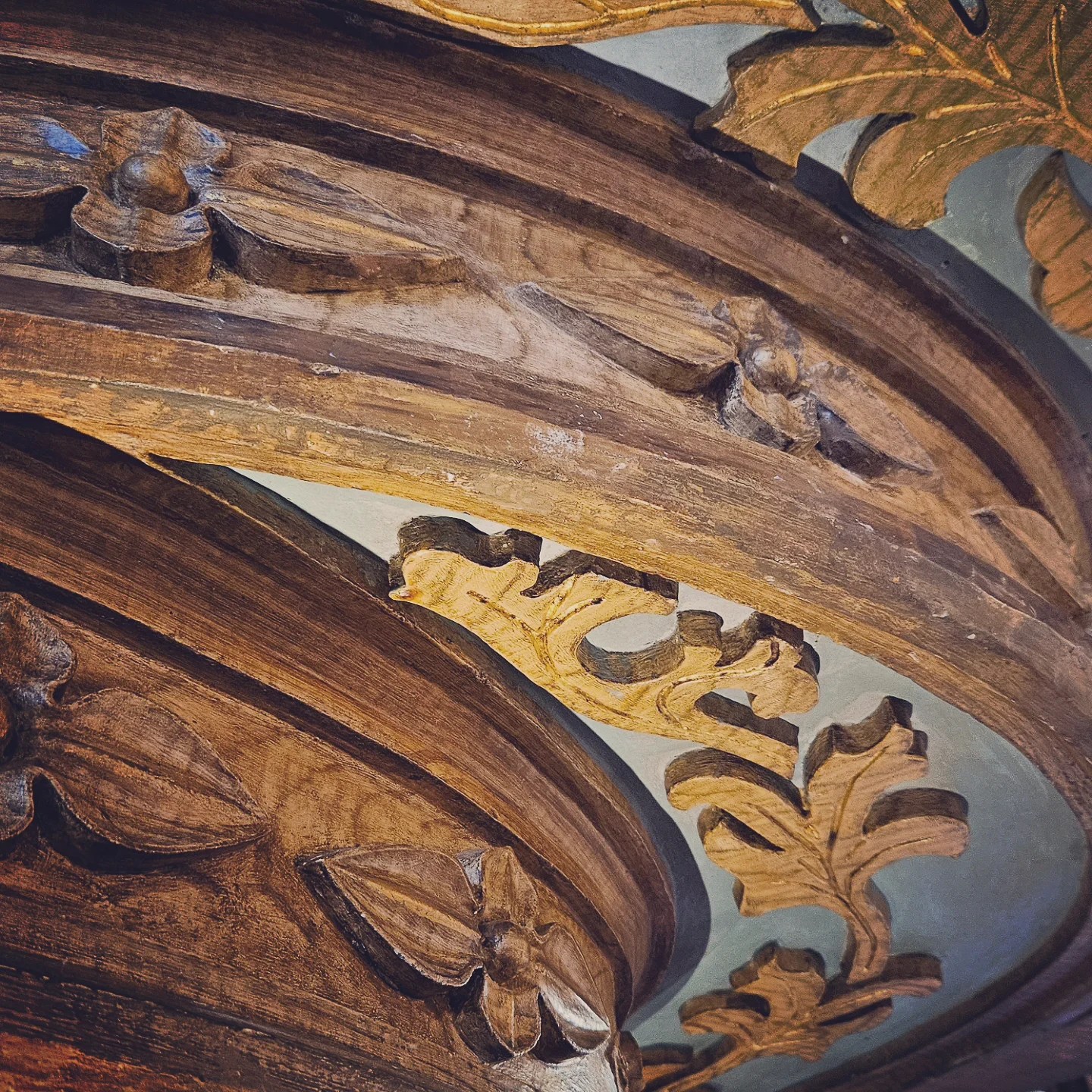
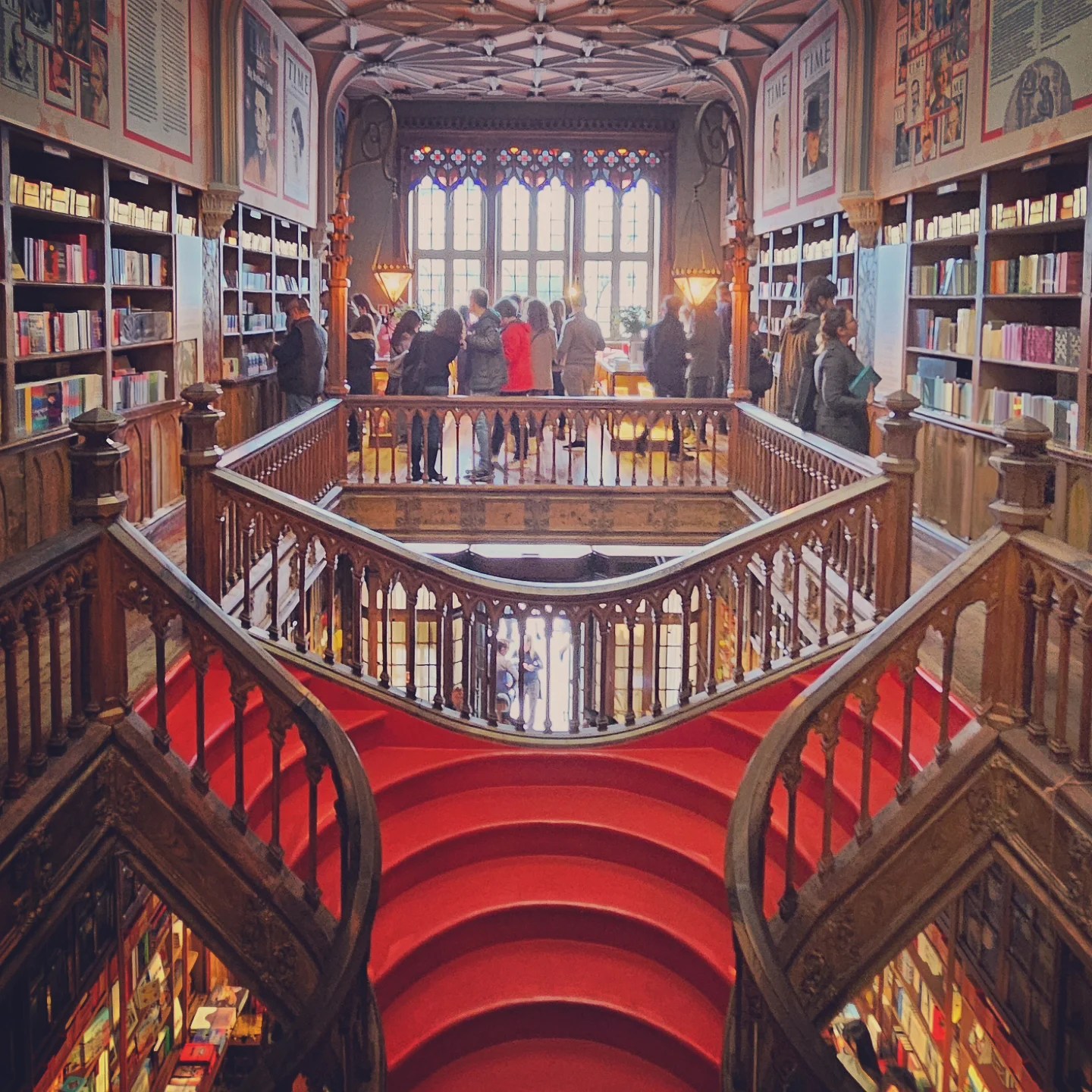
Of course, no visit to Porto feels complete without stopping at Livraria Lello, said to be the most beautiful bookstore in the world. Yes, it’s touristy, but the dramatic staircase and stained glass ceiling really are something special. If you go, book your ticket online and arrive early—it gets busy fast.




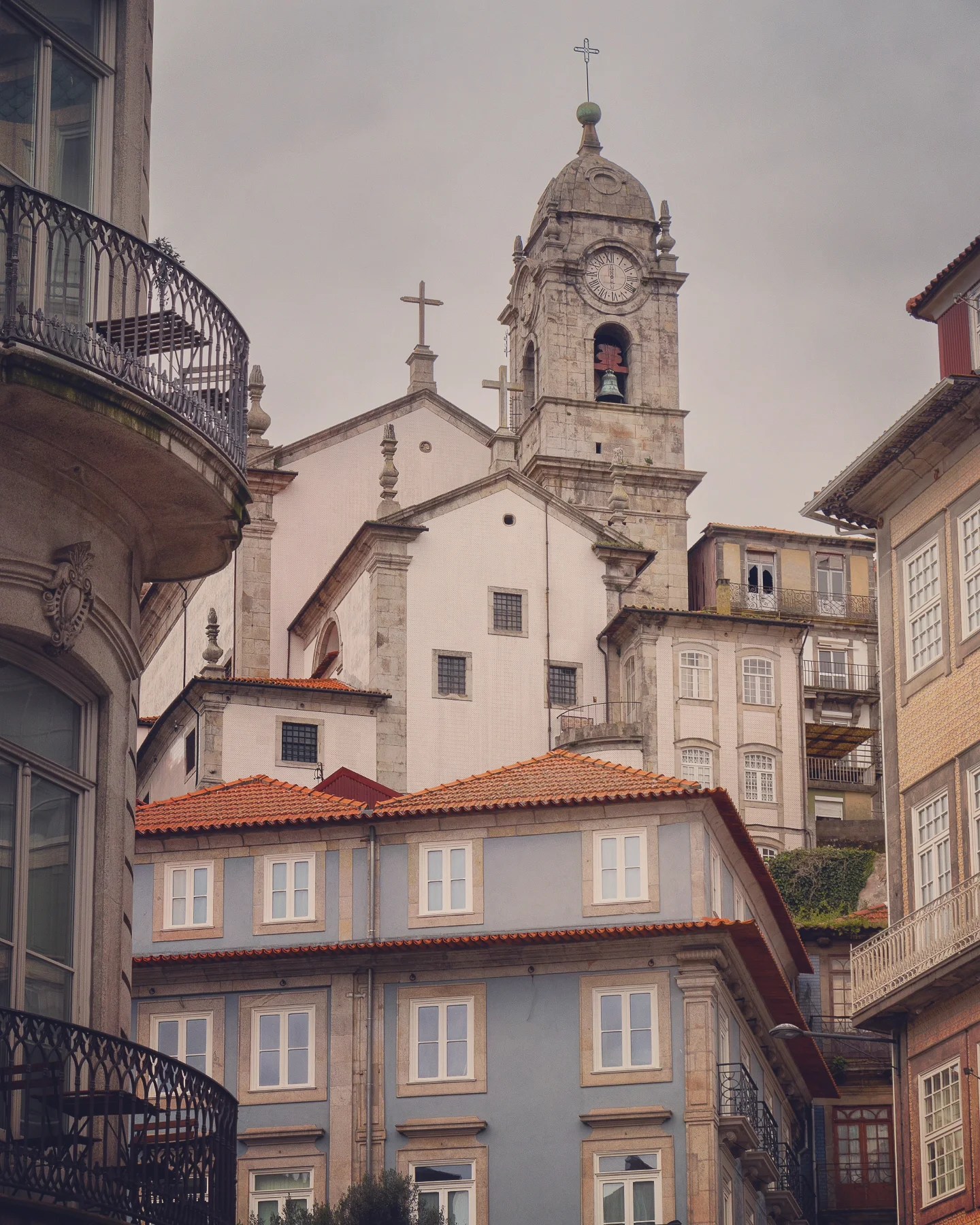
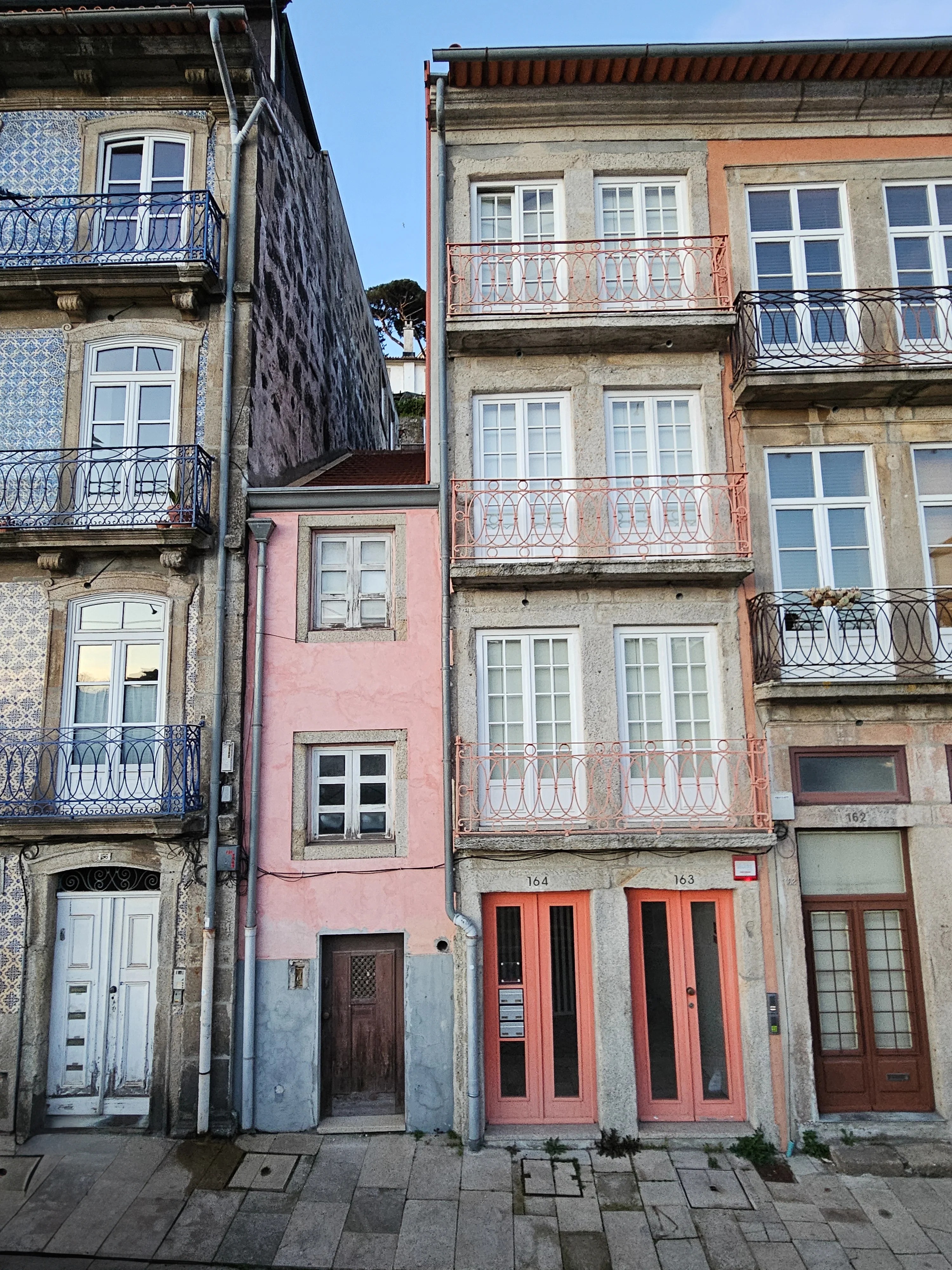
For something a little offbeat, we tracked down Casa Escondida (the Hidden House)—a tall, narrow home wedged between the twin churches of Igreja do Carmo and Igreja dos Carmelitas. Just 1 meter (about 3 feet) wide and three stories tall, this unusual structure was built in the 18th century to comply with building regulations that required separate walls between churches. According to local legend, it also served to prevent direct contact between the nuns of one church and the monks of the other. Blink and you’ll miss it from the street, but if you visit Igreja do Carmo (the church on the right), you can step inside and explore this little piece of Porto history.

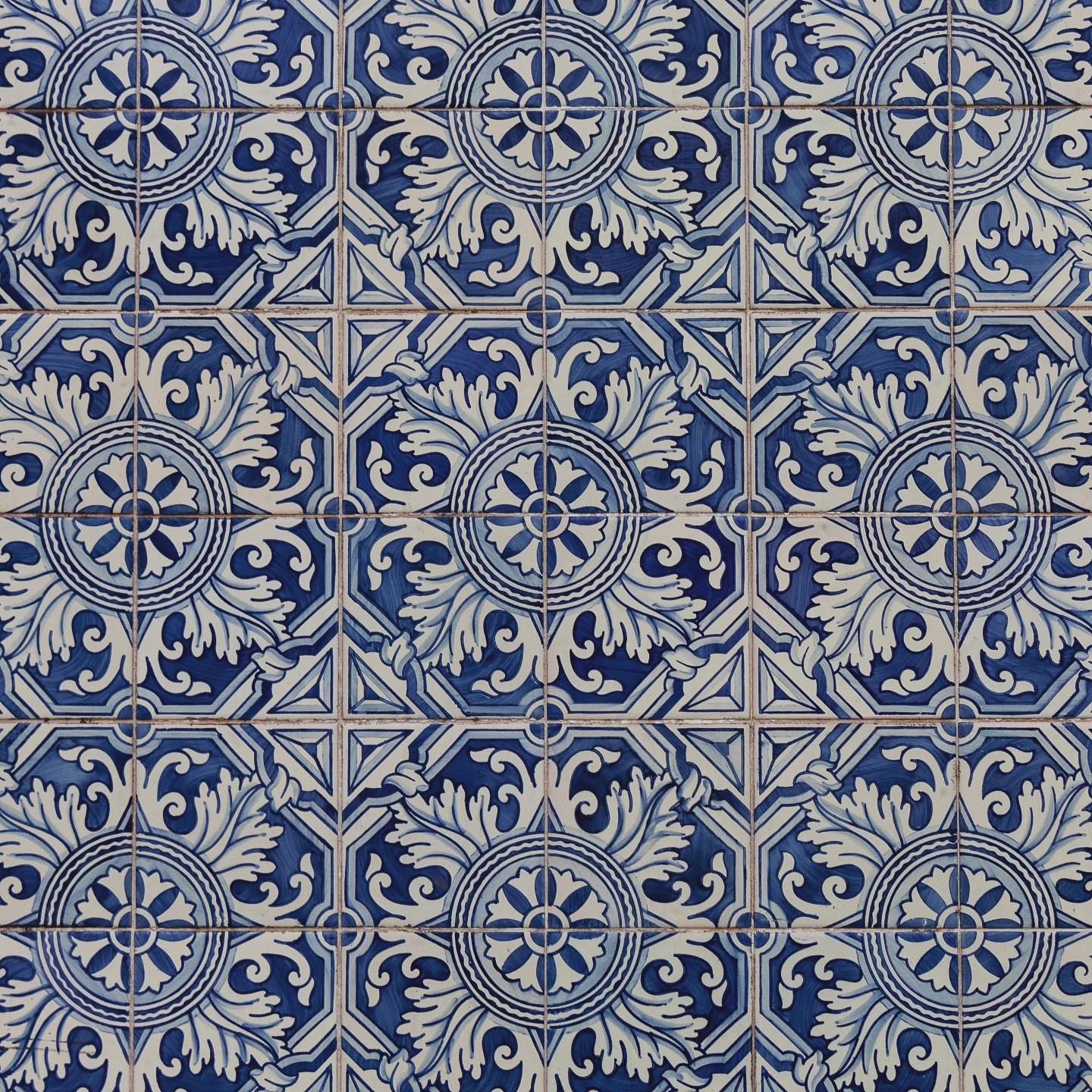
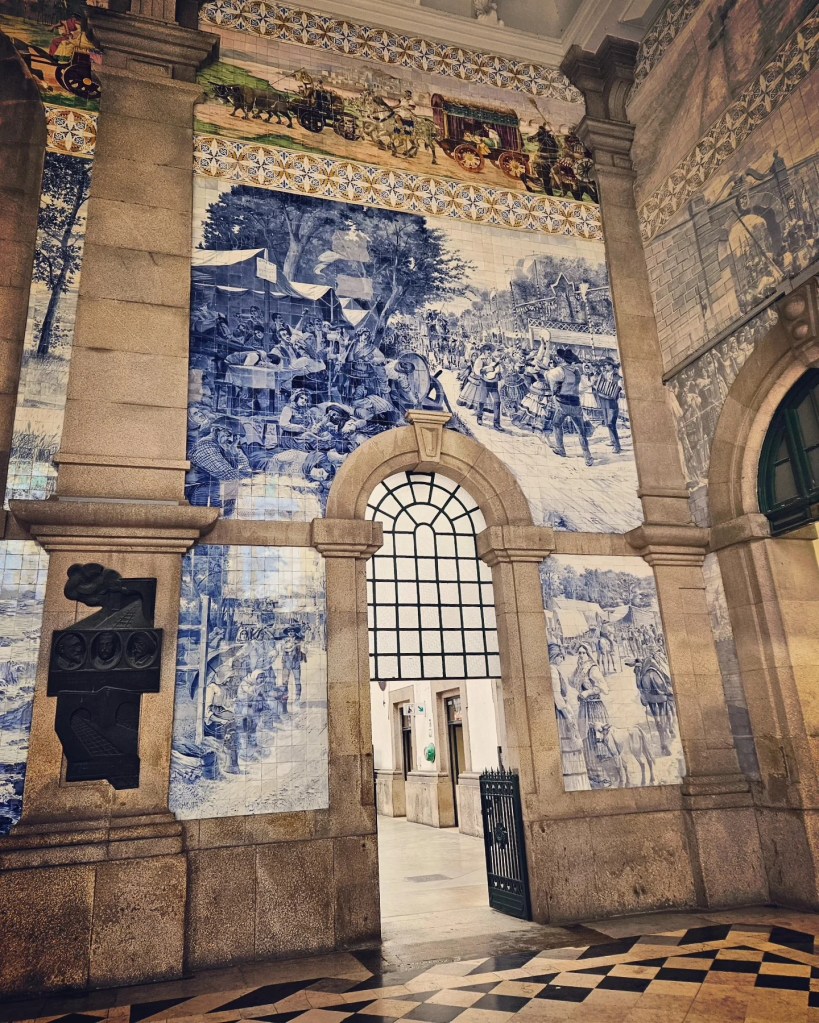
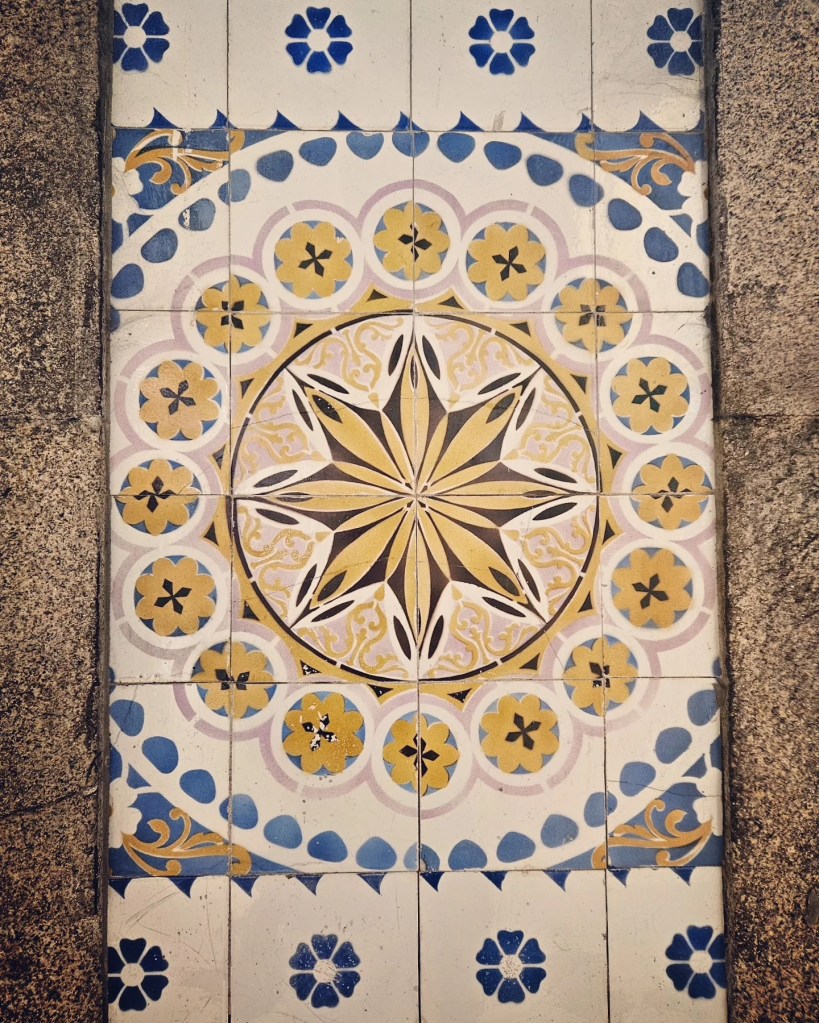
Even São Bento train station felt like a destination in itself. Built in the early 20th century on the site of a former Benedictine monastery, its grand entrance hall is wrapped in over 20,000 azulejo tiles—Portugal’s signature glazed ceramic tiles, often painted in striking blue and white. At São Bento, these murals vividly depict key moments in Portuguese history, from royal battles to rural traditions. Whether you’re catching a train or not, it’s absolutely worth stepping inside.
Flavors of Porto: From Street Snacks to Michelin Stars
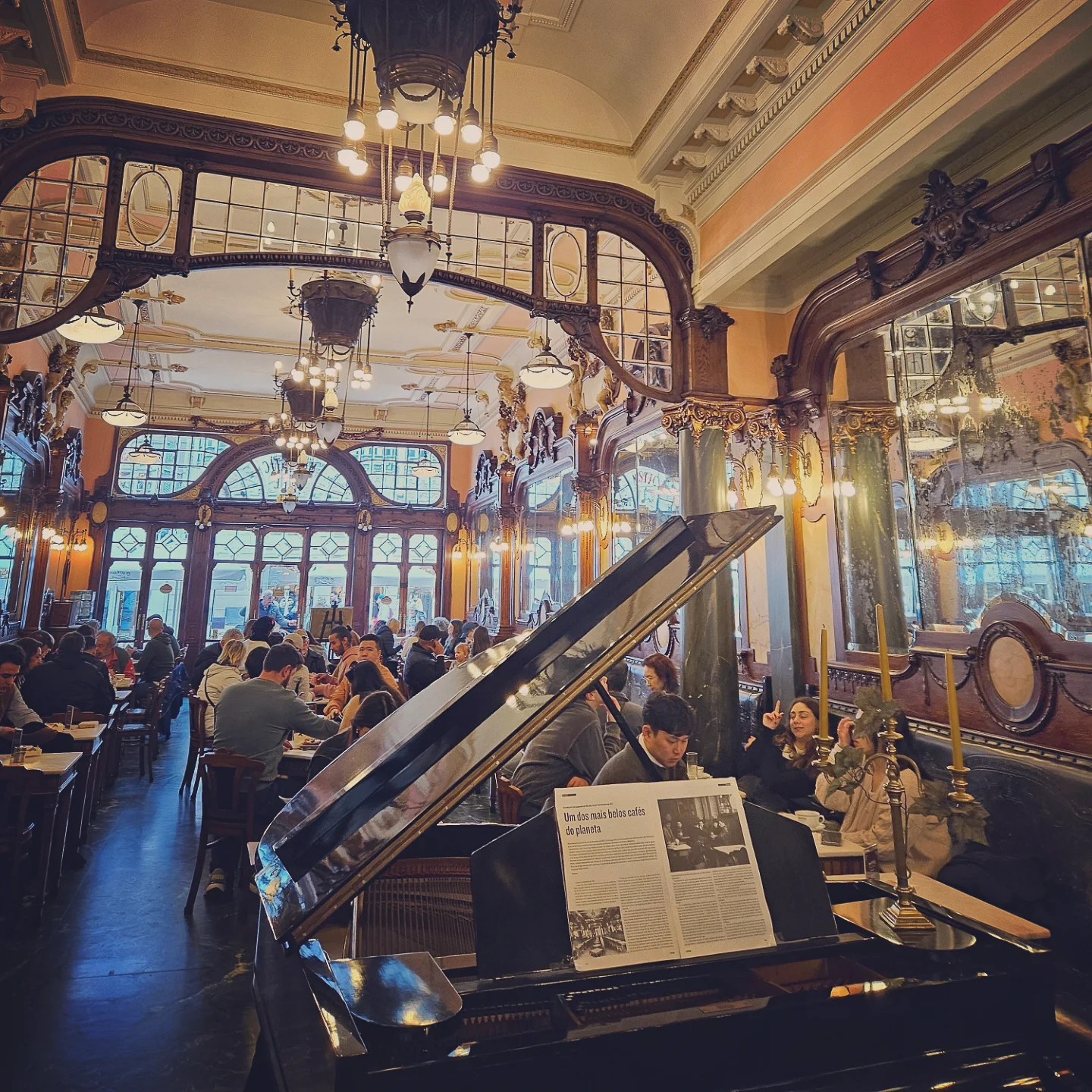
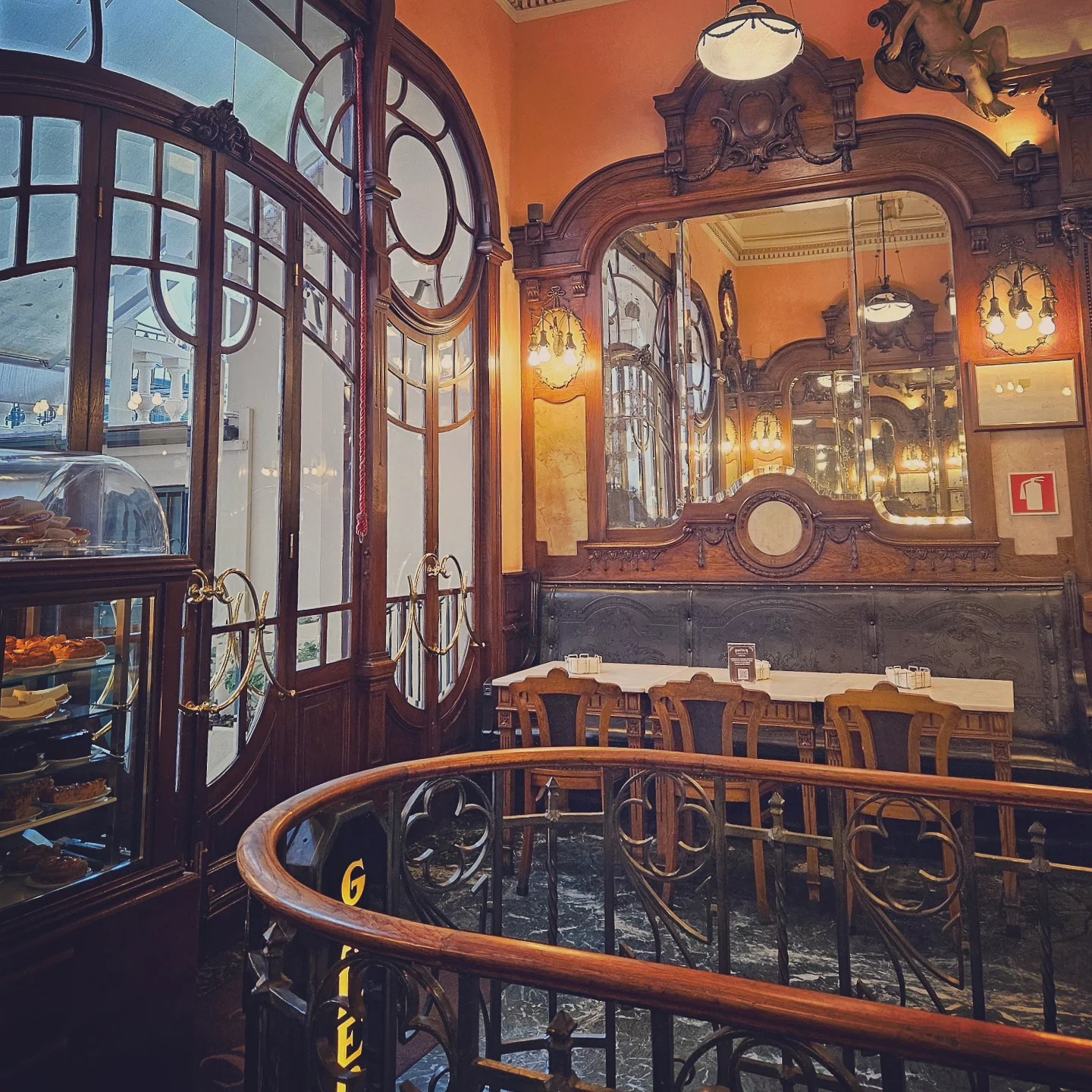
Porto’s culinary scene gave us everything from casual bites to fine dining moments. We sipped espresso at sidewalk cafés, sampled rabanadas (Portuguese-style French toast) at the iconic Majestic Café—one of Porto’s most beautiful spots, once frequented by writers and artists—and indulged in long, slow meals that felt more like events than dinners.
Majestic Café

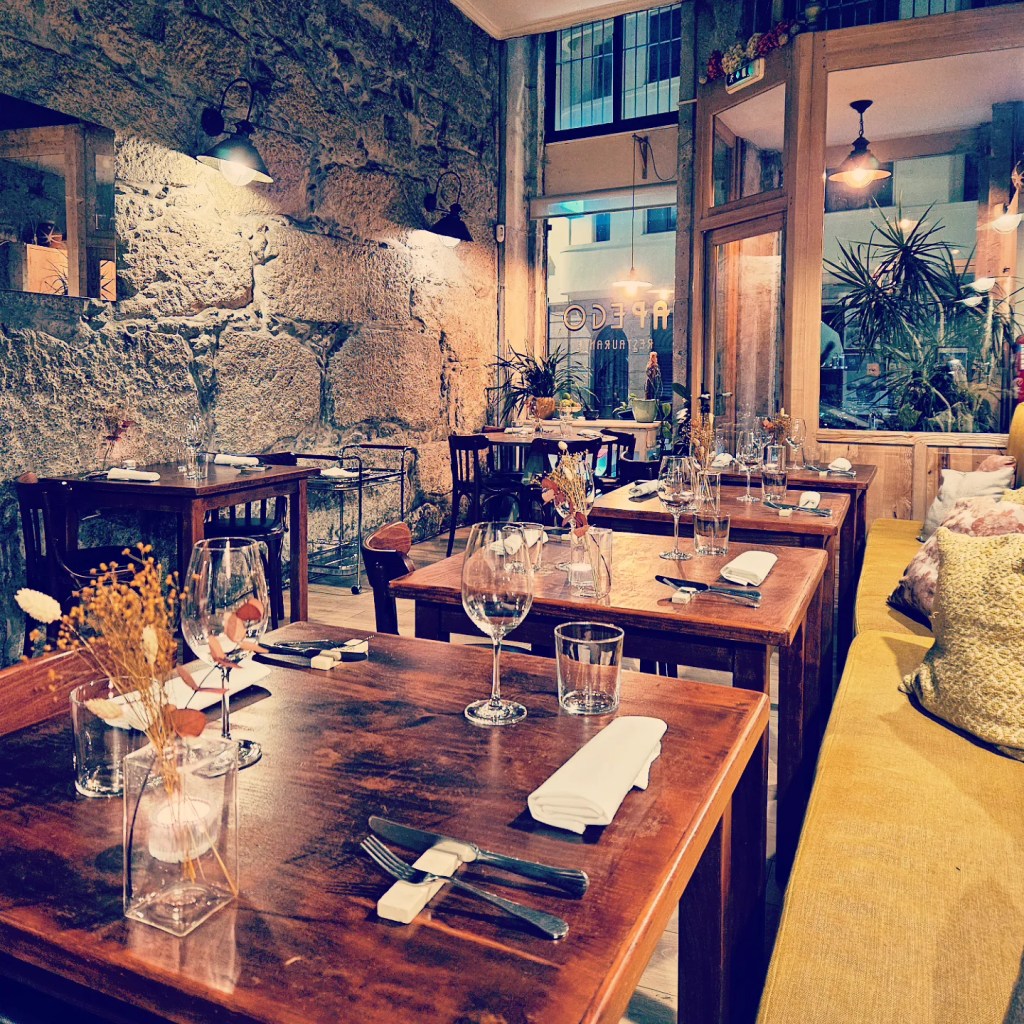
One standout? Apego—a cozy spot in Porto’s Marquês neighborhood that just earned a Michelin Star for 2025. The tasting menu was creative and delicious, mixing French and Portuguese flavors in unexpected ways. Every dish felt like a little surprise, and the whole experience was warm, relaxed, and memorable.
We wrapped up our time in Porto with dinner at eMotivo, a unique tasting menu experience that takes you on a culinary tour of Portugal. Designed for two, the seven-course meal includes a playful twist: a short game at the start determines which regions you’ll explore through your dishes. Each course highlights local ingredients and traditional flavors, with an emphasis on organic and regional sourcing.
Getting Around: Tuk-Tuks and a Hidden Park with Big Views
To cover more ground (and give our legs a break from Porto’s famous hills), we booked a private Tuk-Tuk Tour via Get Your Guide.
Our guide didn’t just hit the standard stops—he took us to a quiet, almost secret park with panoramic river views where we had the city nearly to ourselves. The tour ended with—you guessed it—a Port tasting with sweeping views of the river from the Monastery of Serra do Pilar.
If your schedule allows, book this for your first day. It’s a fantastic way to get your bearings and decide where you want to dive deeper.


Port Wine Dreams: Niepoort Cellar Experience
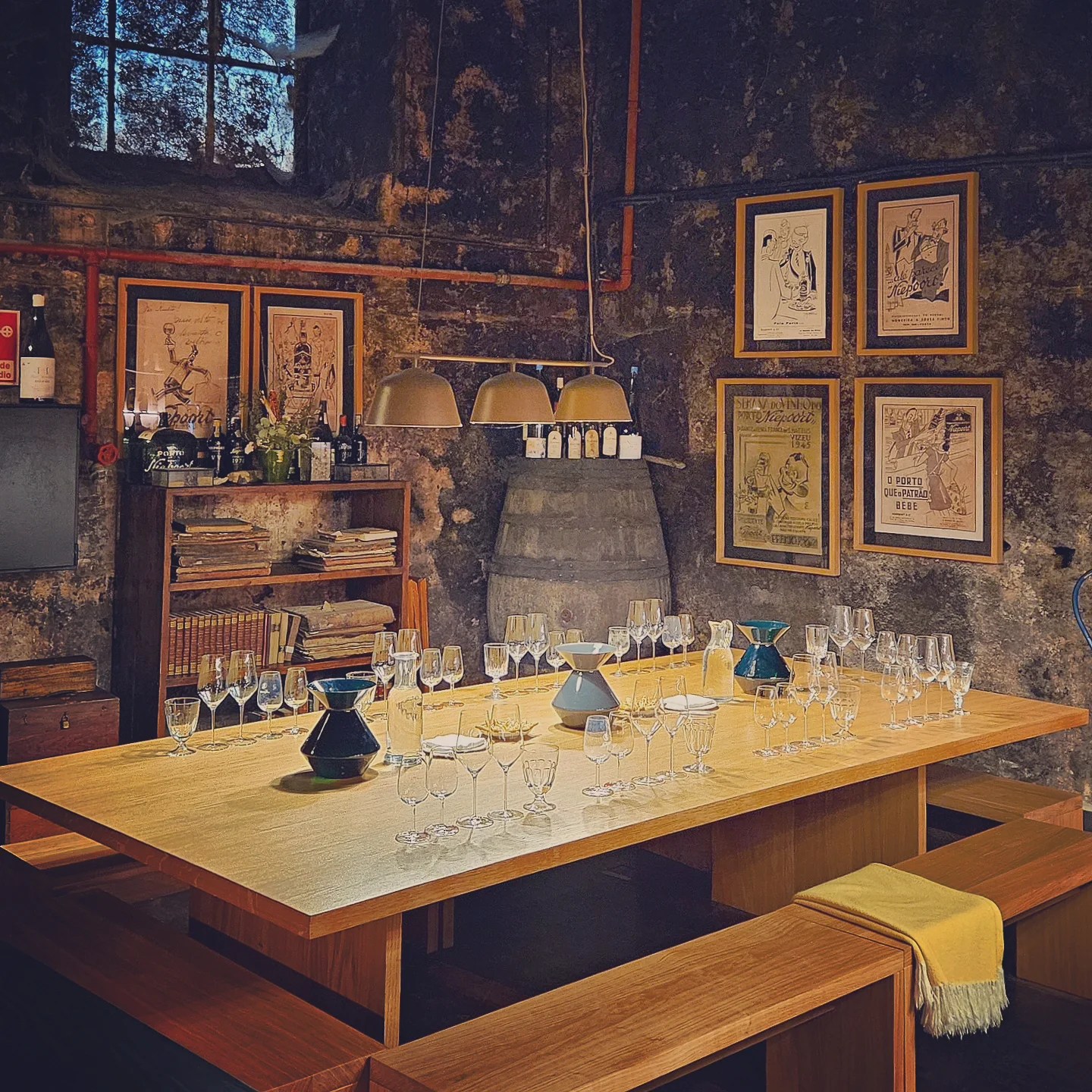
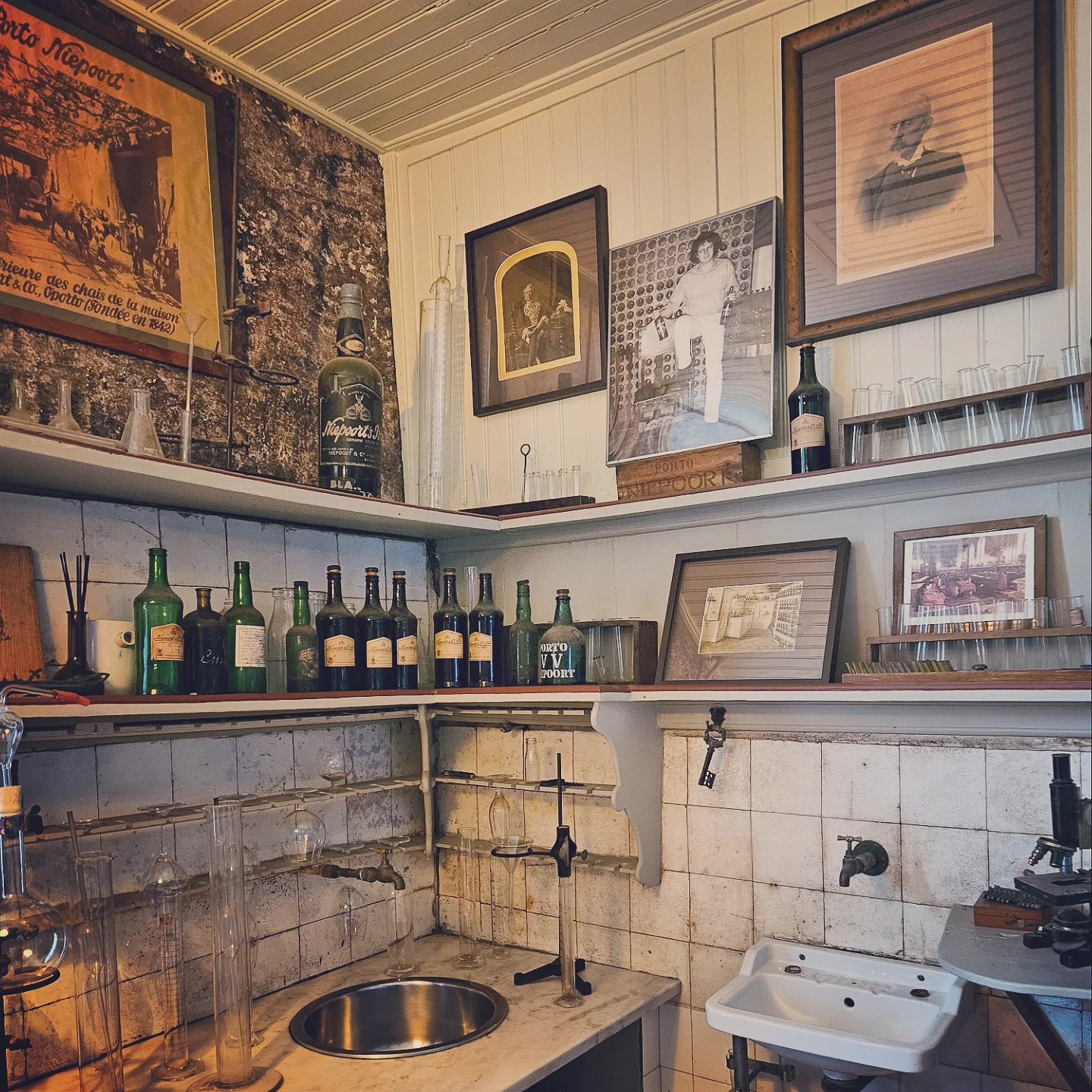
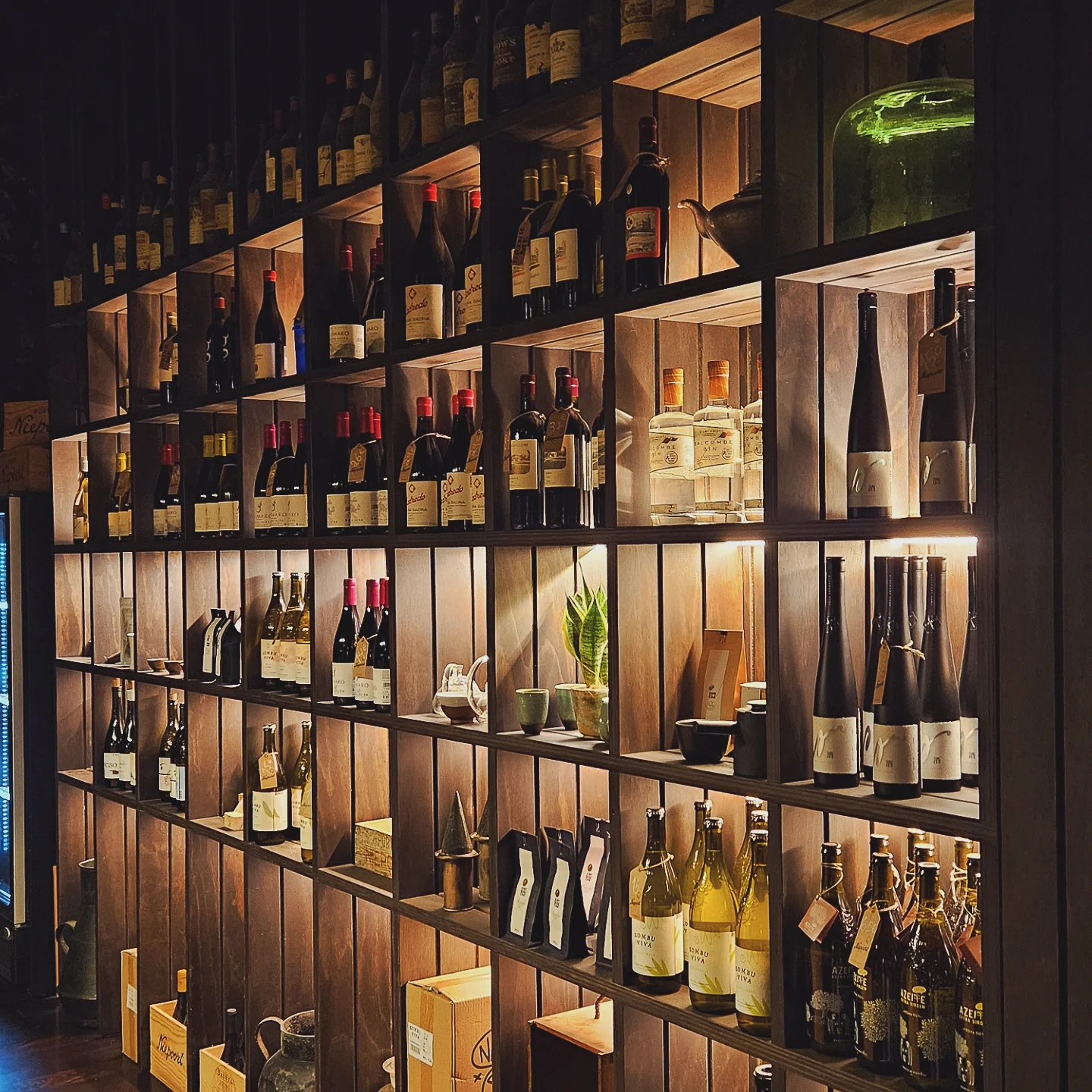
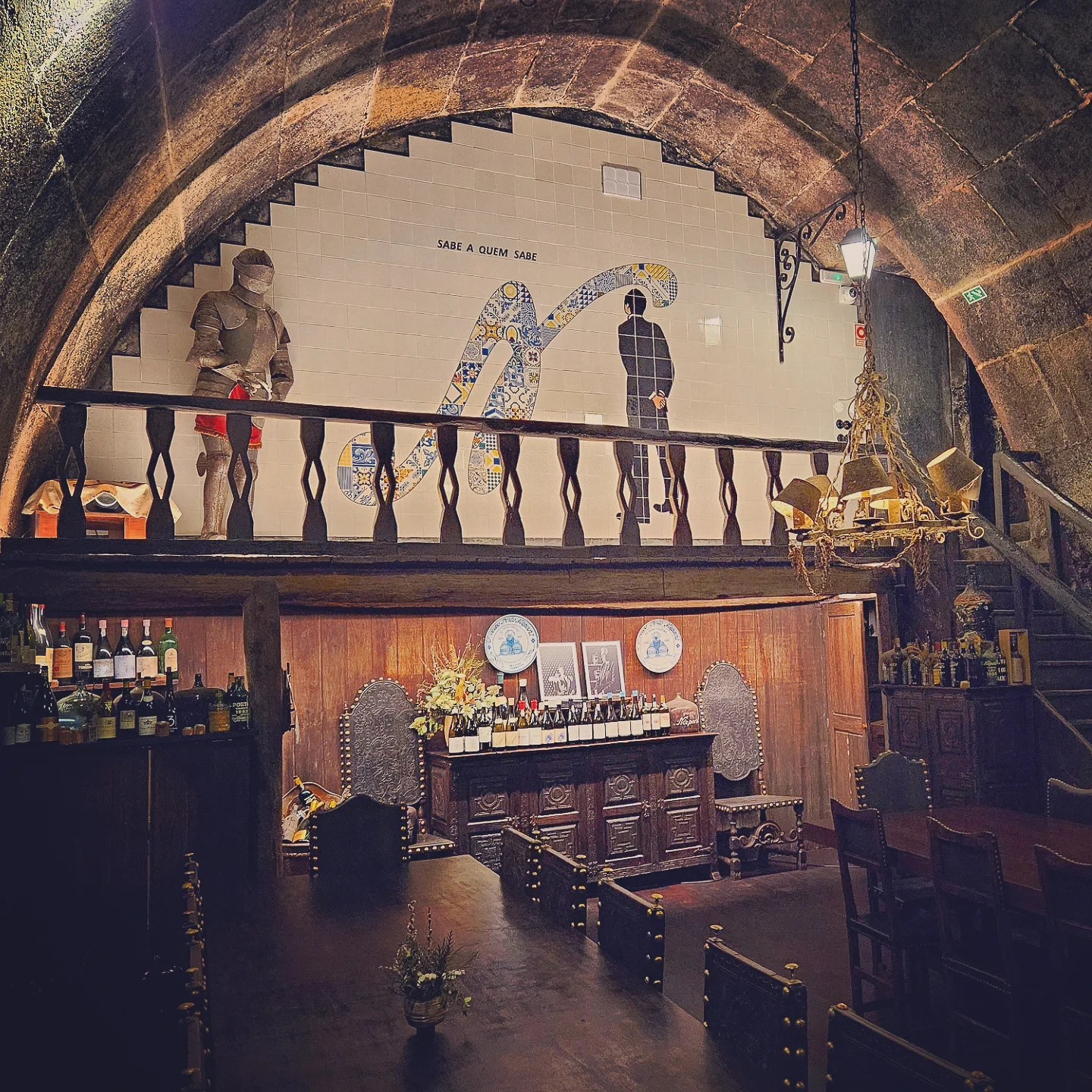
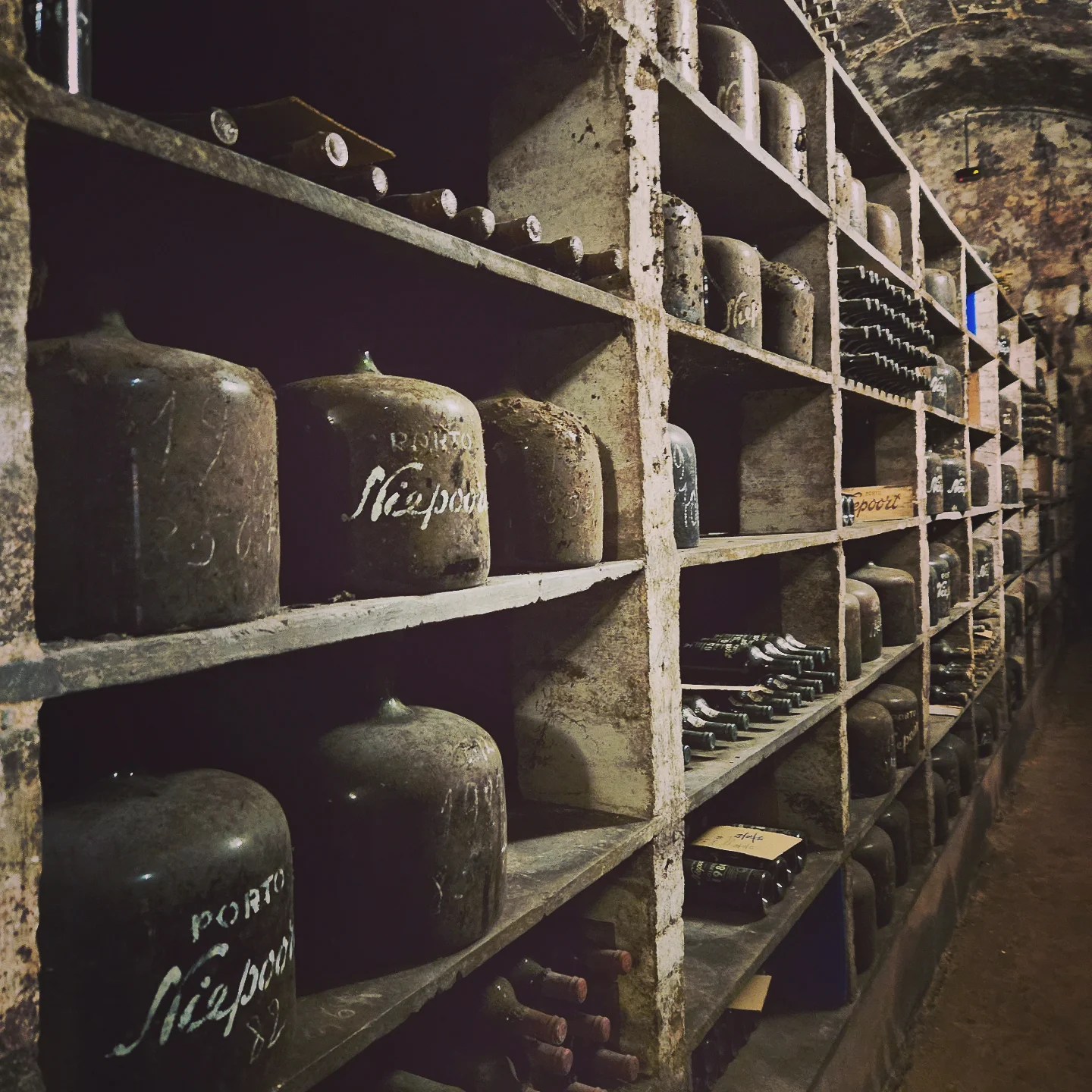
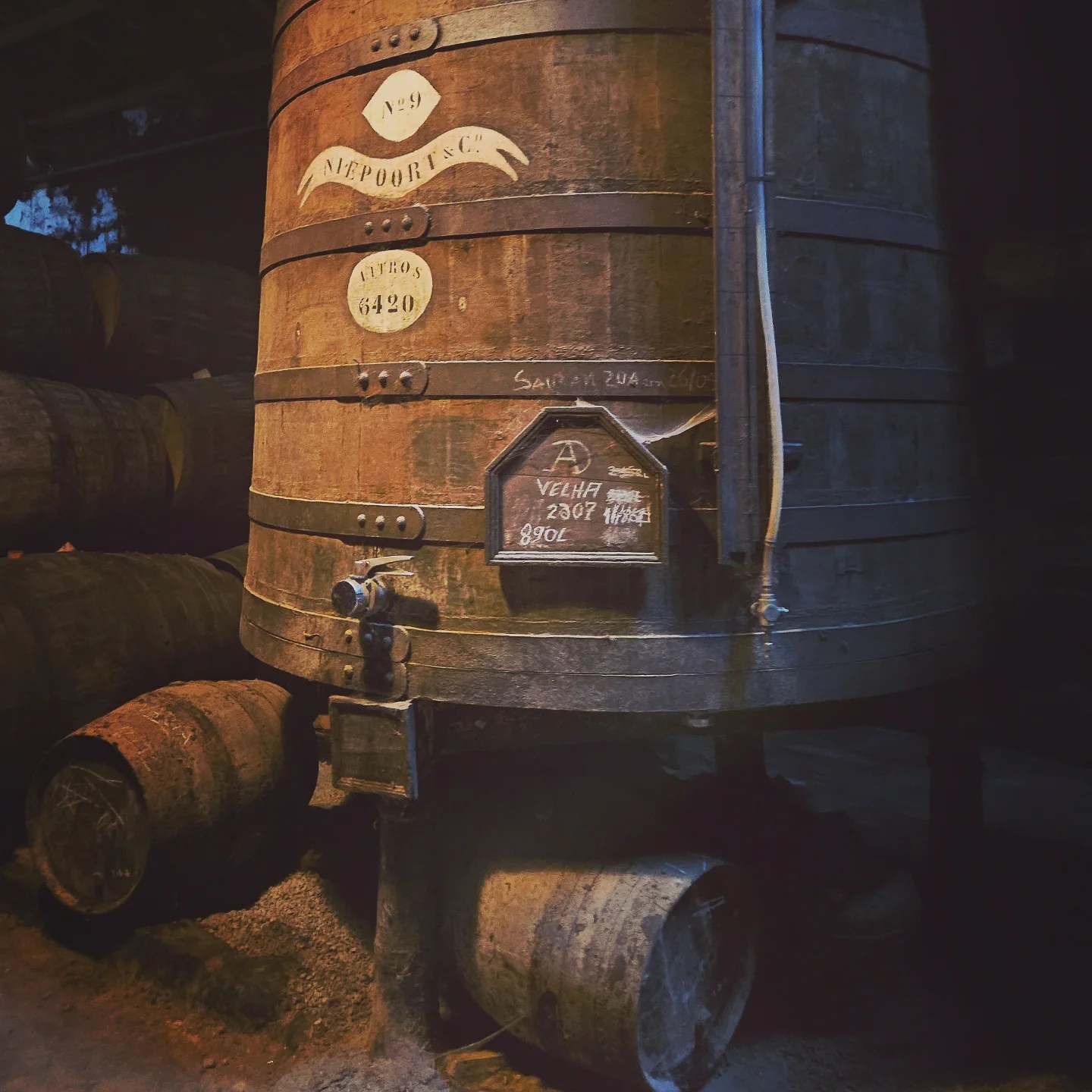
Speaking of diving deeper… we booked a tasting at Niepoort in Gaia, a family-owned wine house dating back to 1842.
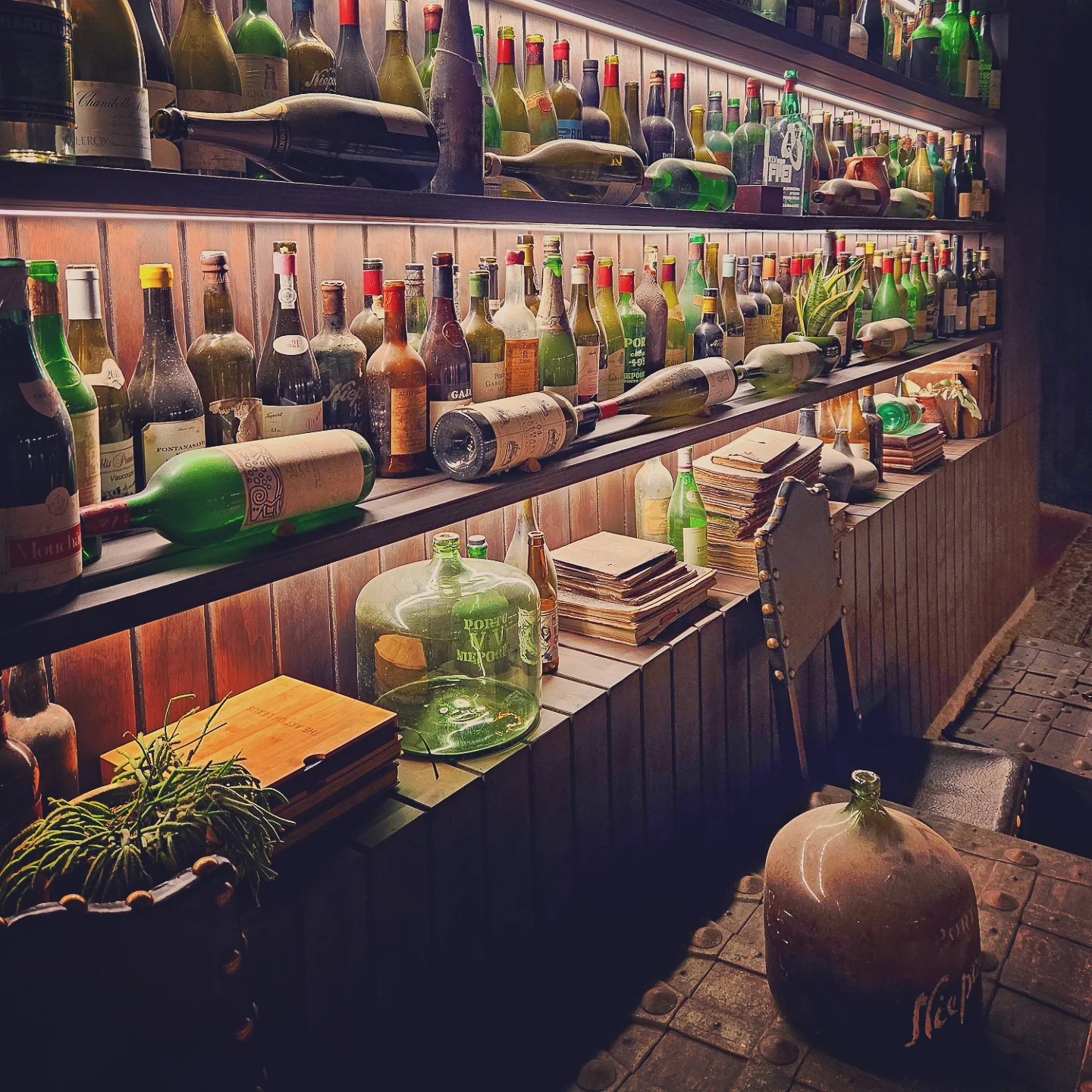
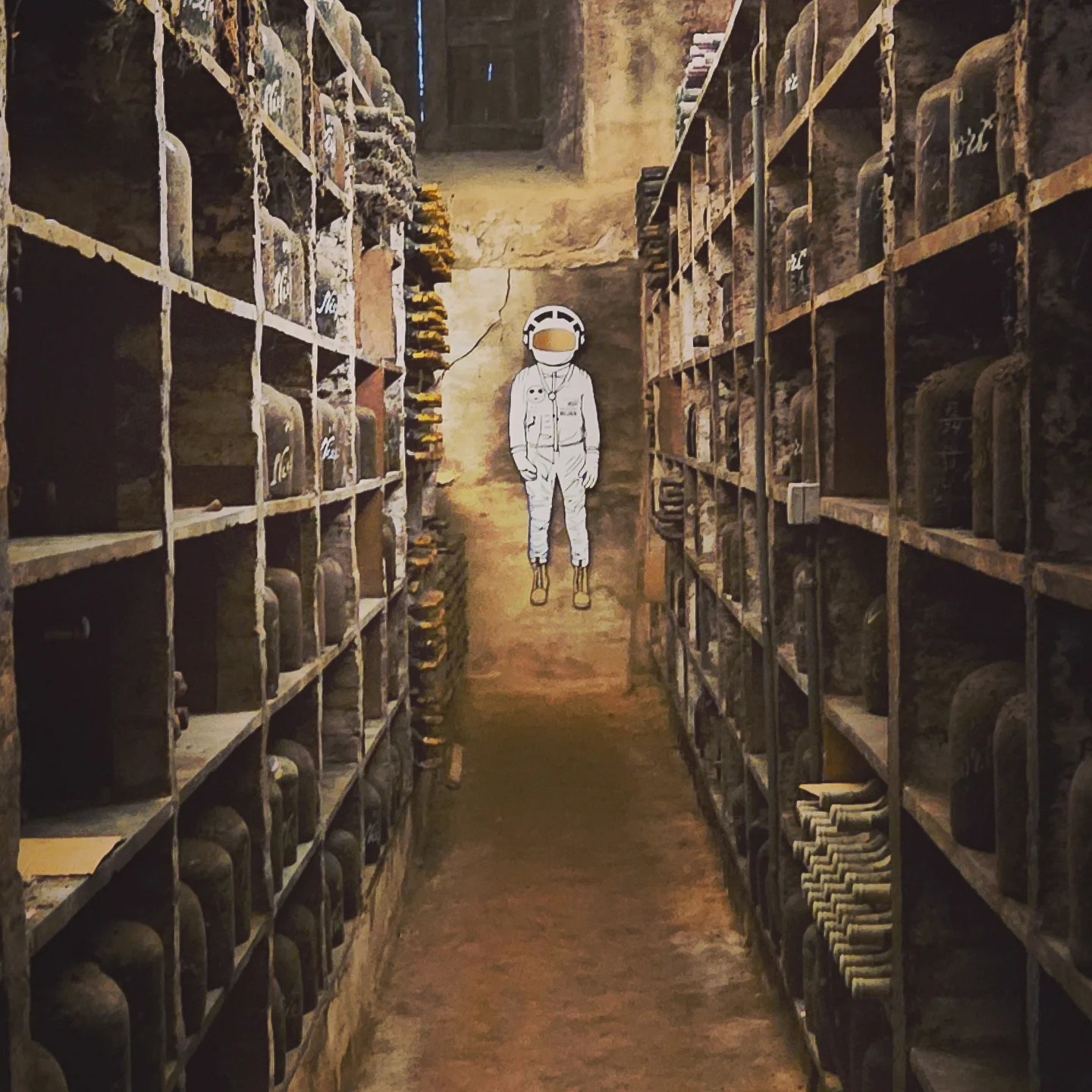
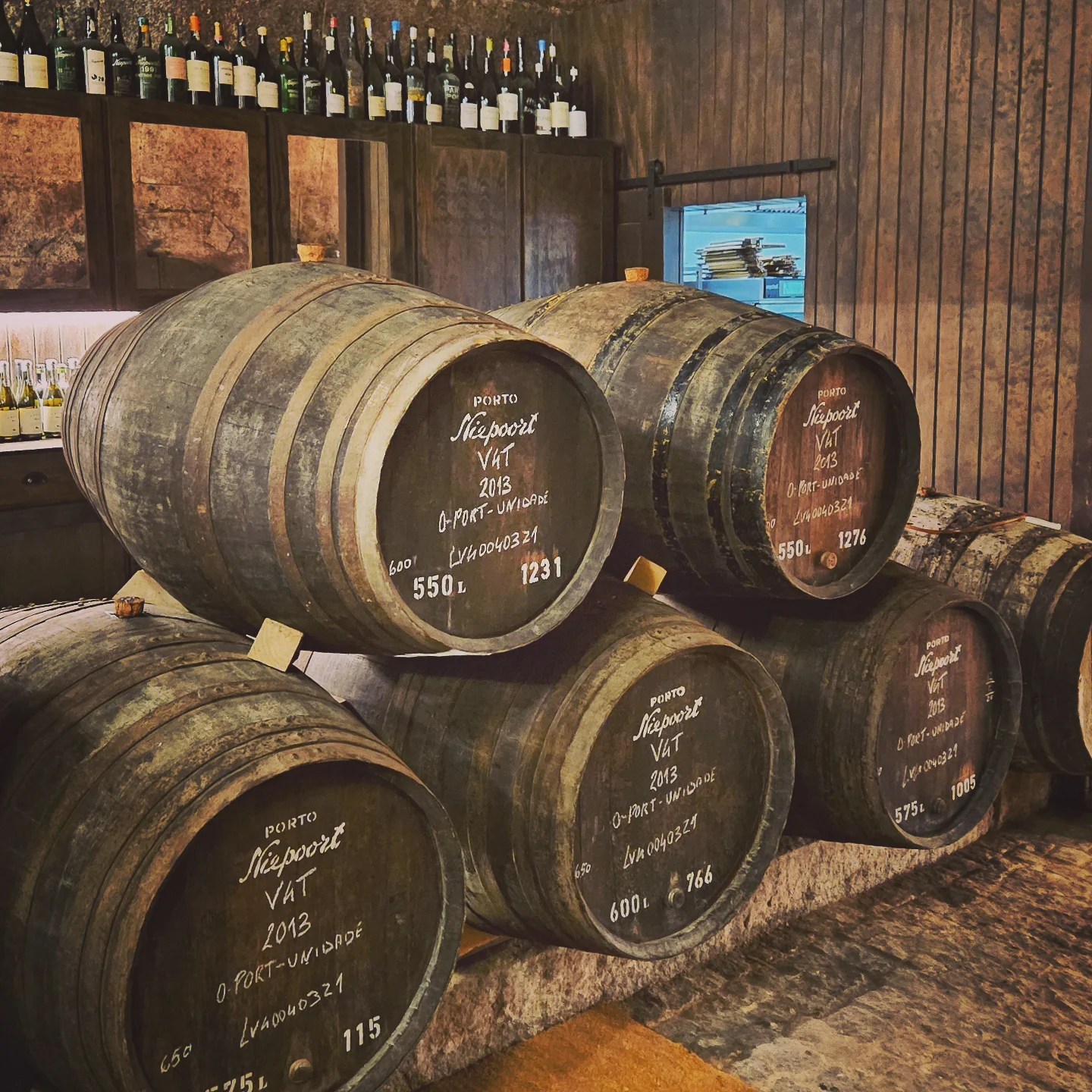
Inside, time seemed to slow. Cobwebs draped the stone walls, and dim light cast soft shadows across rows of weathered barrels. Every corner felt like a page from history—wooden beams darkened by time, cool stone underfoot, and the sense that generations of Port had been aging here, patiently waiting for their moment to be poured.
We tasted multiple styles, including a rare 1968 vintage poured straight from the barrel. The cellar also houses one of the most expensive bottles of Port in the world—Niepoort IN LALIQUE—a true collector’s piece.
Space is limited, and tastings often sell out well in advance—definitely book ahead.



From Soulful Fado to a Dazzling Light Show: Experiencing Porto After Dark
We also spent an evening at Ideal Clube de Fado—a small, intimate venue dedicated to classic Fado, Portugal’s soulful, melancholic traditional music genre. A single vocalist, backed by the distinctive sound of Portuguese guitar and classical guitar (viola de fado), delivered performances so raw and emotional it left me almost in tears.

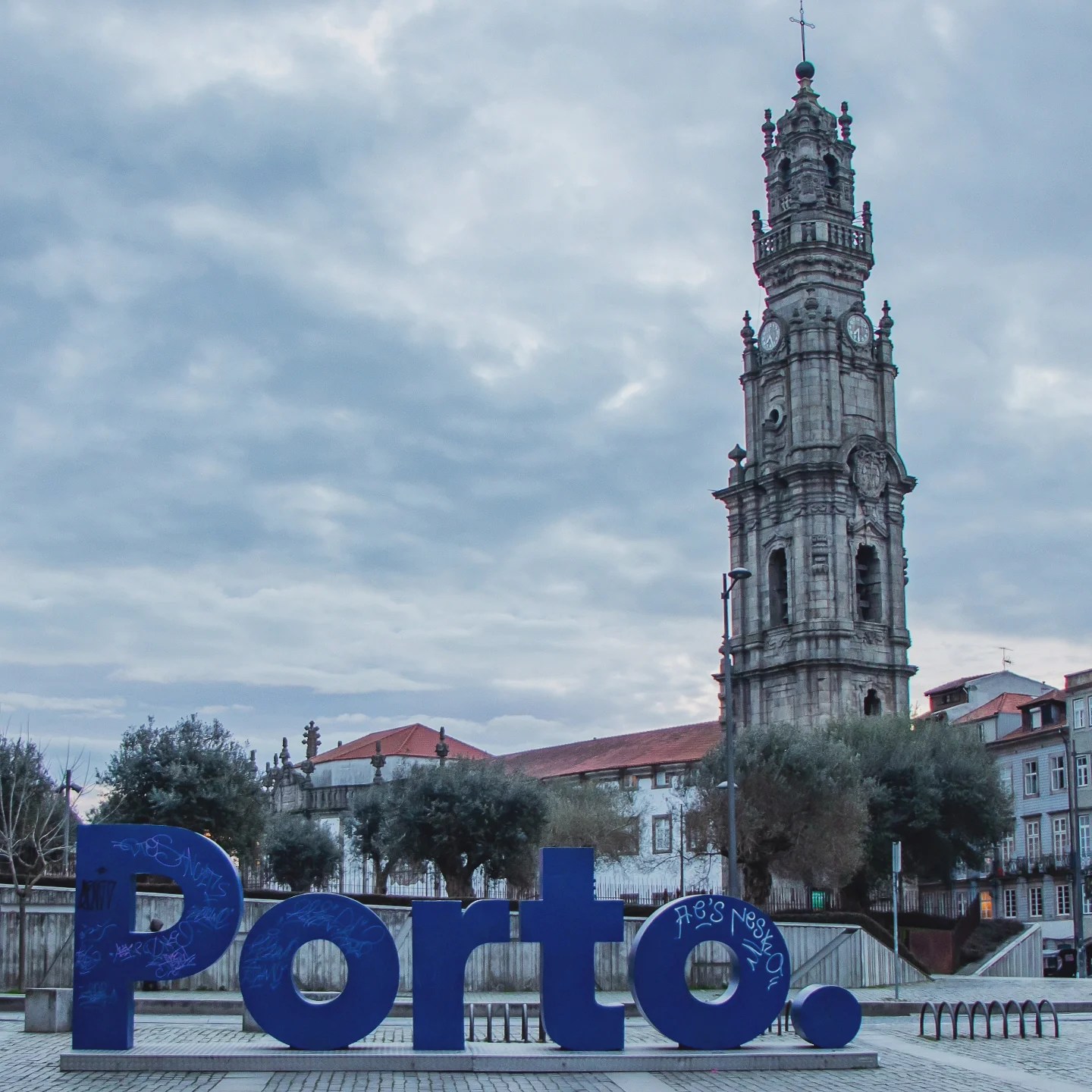
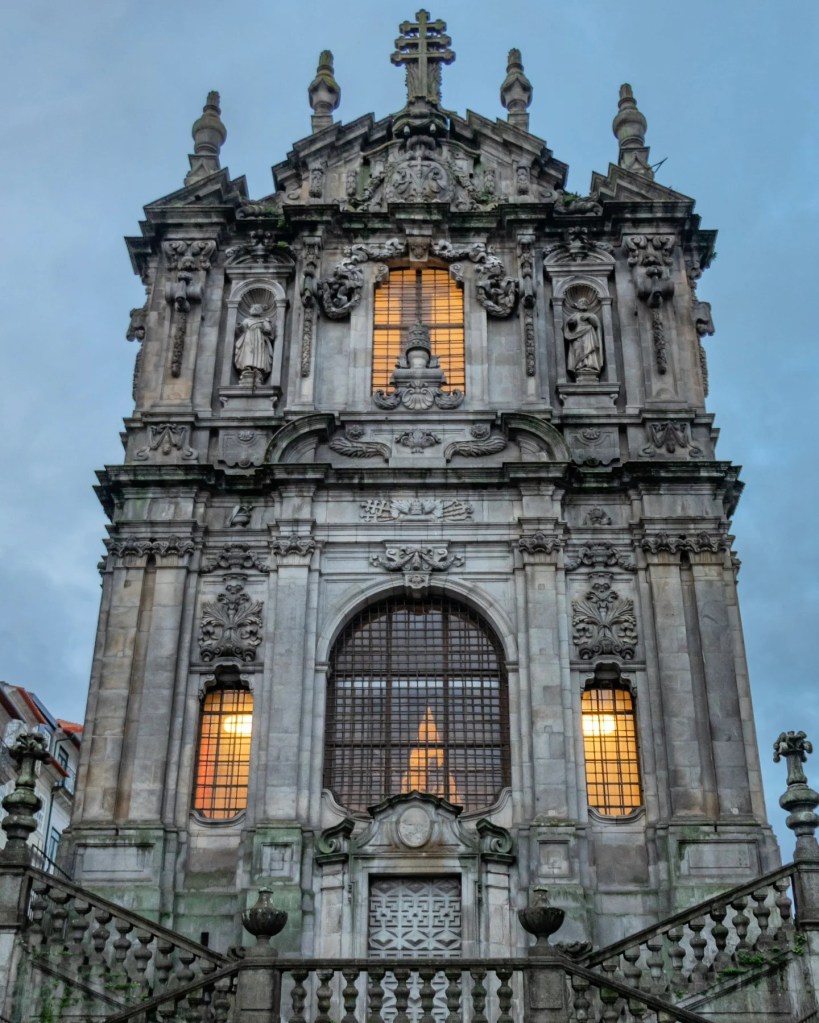
For something completely different, we booked tickets to the Spiritus Light Show at Clérigos Church—a vibrant mix of lasers, soundscapes, and digital projections swirling across the church’s historic interior. The experience landed somewhere between art installation and high-tech fever dream.

Porto Stays With You
Porto isn’t a city you simply visit; it’s a city that lingers.
It lingers in the scent of wine-soaked cellars, in the sound of Fado carried on a cold February breeze, in the feel of cobblestones under tired feet.
We left with full cameras, full bellies, and already… a list for next time.
Location & Getting There
Porto is located in northern Portugal along the Douro River, just a few miles inland from the Atlantic Ocean. It’s Portugal’s second-largest city and easily accessible from many major European hubs.
For this trip, we flew with RyanAir from Karlsruhe/Baden-Baden Airport in Germany. Since we had an early morning flight, we drove from Stuttgart (about 1 hour 15 minutes under normal traffic conditions) and stayed the night before at the B&B HOTEL Baden-Airpark—just steps from the airport terminal.
After a short, direct flight, we landed at Porto Airport (Francisco Sá Carneiro Airport – OPO). From there, it was an easy 20- to 30-minute Metro or taxi ride into the city center.
Whether you’re arriving by plane, train, or even coming from another Portuguese city like Lisbon, Porto’s compact size and great public transportation make it an easy destination to reach and get around.
From Porto to Portugal’s Birthplace
Want to see more of northern Portugal? Check out my next post where we take a day trip to Braga and Guimarães—two historic towns filled with centuries-old churches, hilltop sanctuaries, cobbled streets, and a strong sense of Portugal’s rich cultural roots: Beyond Porto: A Day Trip to Braga & Guimarães.


Have you been to Porto? Have a favorite spot we missed? Drop a comment or question—I’m always collecting ideas for future trips!

Leave a comment